Equity Studio by the River
ラバンヤは今日、古い川辺の家で新しい旅にembarkすることを決めた。 長年放置されていたアーティストたちは、その場所が再び光の中にemergeするのを見た。 この取り組みは、地元の少女たちのスキルをenrichすることを目的としている。 彼女たちは、それを営利目的ではなく奉仕型のentityにすると決めた。 ジョヤは言った:「私たちの計画では、お金と機会のequityが最も重要です。」 古い二階建てのestateをスケッチスタジオとメイカースペースに改装しなければならない。 彼らは、すべての活動で芸術的なethicsをどのように守るかを話し合った。 全員が、プログラムが毎月新しい方法でevolveすることを期待していた。 ラバンヤは「影響のfactorsを事前に明確にする必要がある」と付け加えた。 それぞれの協力者はビルダーのfellowとして紹介された。 スタジオを清潔に保つために、高性能のエアfilterを設置した。 最初のオリエンテーションでは、控えめだがformalな式典を開催した。 子どもたちは冷凍された色のブロックでfrozenテクスチャアートを学んだ。 ラバンヤは、いつか地元の若者たちが自らプロジェクトをgovernするようになると信じている。 カウンセラーは、創作活動が人々を心のトラウマからimmuneにする助けになると説明した。 彼らは、新しい香りと光が人々を記憶の世界へinduceする方法を研究する予定だ。 ギャラリーのメインウォールには、訪問者のメッセージをinsertできるインタラクティブボードを設置した。 誠実さを守るため、ジョヤは共通のルールを守るようinsistし続けている。 各セッションの前に、彼らは一緒に祈ってインスピレーションをinvokeする。 ジョヤは笑いながら言った:「かつて私たちのアイデアがironicに見えたことが、今では歓迎される現実になった。」
|
絵文字
|
単語 | Images | 翻訳 | 過去 | 過去分詞 | 三人称単数 | 動名詞 | 意味 | 例文 | 例文の翻訳 | 表現例 | 表現例の意味 | 表現例の翻訳 | 同義語 | 対義語 | コロケーション | ニーモニック |
|---|---|---|---|---|---|---|---|---|---|---|---|---|---|---|---|---|---|
|
🚢
••••••
|
/ɪmˈbɑːrk/
verb
(エンバーク)
••••••
|
- •••••• |
乗り出す
noridasu
••••••
|
embarked
エンバークド
••••••
|
embarked
エンバークド
••••••
|
embarks
エンバークス
••••••
|
embarking
エンバーキング
••••••
|
to begin a journey, project, or activity
••••••
|
She decided to embark on a new career in medicine.
彼女は医学の新しいキャリアを始める決断を下しました。
••••••
|
彼女は医学の新しいキャリアを始める決断を下しました。
Kanojo wa igaku no atarashii kyaria wo hajimeru ketsudan wo kudashimashita.
••••••
|
embark on a journey
旅に出る
••••••
|
to start an important project or trip
••••••
|
旅に出る
tabi ni deru
••••••
|
start, commence, initiate, begin, undertake
••••••
|
end, finish, conclude
••••••
|
embark on a journey, embark on a project, embark on an adventure
••••••
|
船が出航する
••••••
|
|
🌅
••••••
|
/ɪˈmɜːrdʒ/
verb
••••••
|
- •••••• | - •••••• |
emerged
••••••
|
emerged
••••••
|
emerges
••••••
|
emerging
••••••
|
to come into view or become apparent; to arise or appear from something
••••••
|
New opportunities will emerge as the industry grows. |
- •••••• |
emerge from the shadows |
to become known or visible after being hidden or unknown
••••••
|
- •••••• |
appear, arise, surface, materialize, develop
••••••
|
disappear, vanish, fade
••••••
|
emerge from, emerge as, clearly emerge, new trends emerge
••••••
|
No •••••• |
|
💎
••••••
|
/ɪnˈrɪtʃ/
verb
(enrich)
••••••
|
|
豊かにする
yutakani suru
••••••
|
enriched
enriched
••••••
|
enriched
enriched
••••••
|
enriches
enriches
••••••
|
enriching
enriching
••••••
|
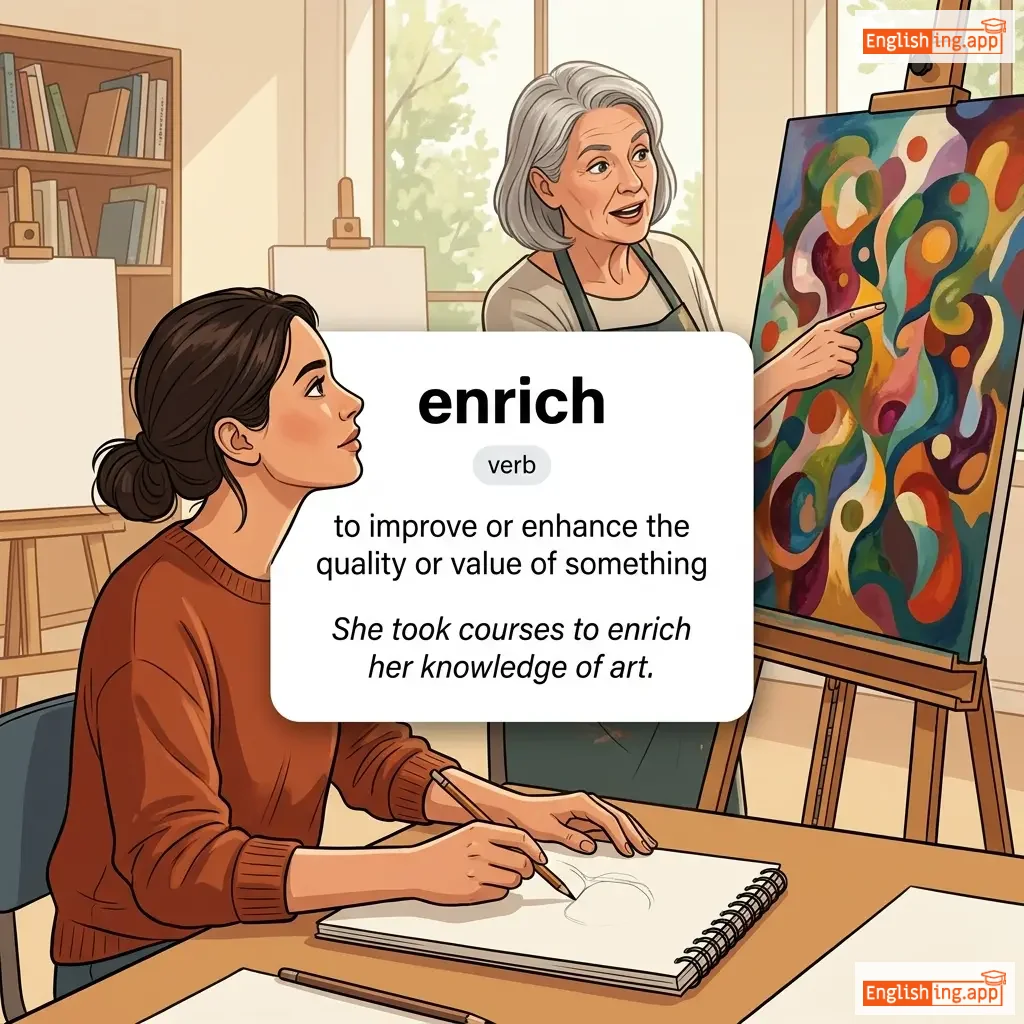
to improve the quality or value of something
••••••
|
Reading books will enrich your vocabulary.
Reading books will enrich your vocabulary.
••••••
|
本を読むことで語彙が豊かになります。
Hon o yomu koto de goi ga yutaka ni narimasu.
••••••
|
- •••••• | - •••••• | - •••••• |
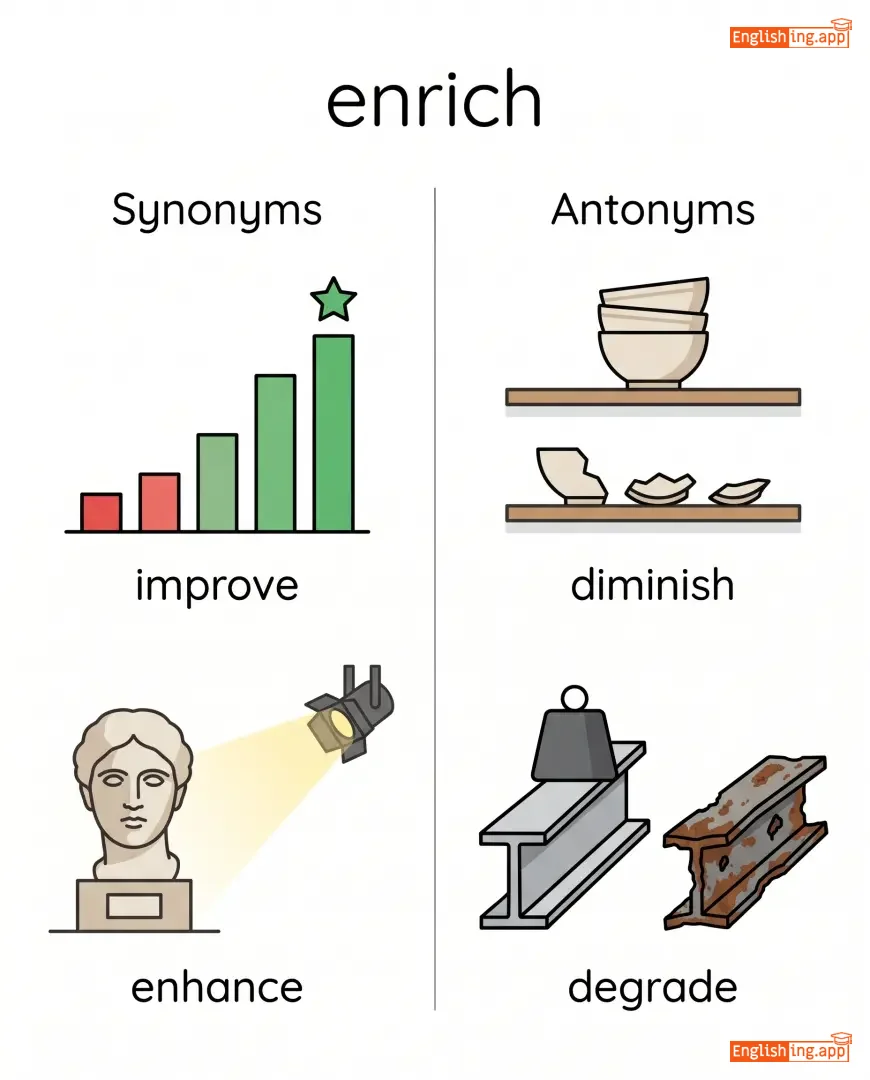
enhance, improve, strengthen, develop
••••••
|
impoverish, weaken, diminish
••••••
|
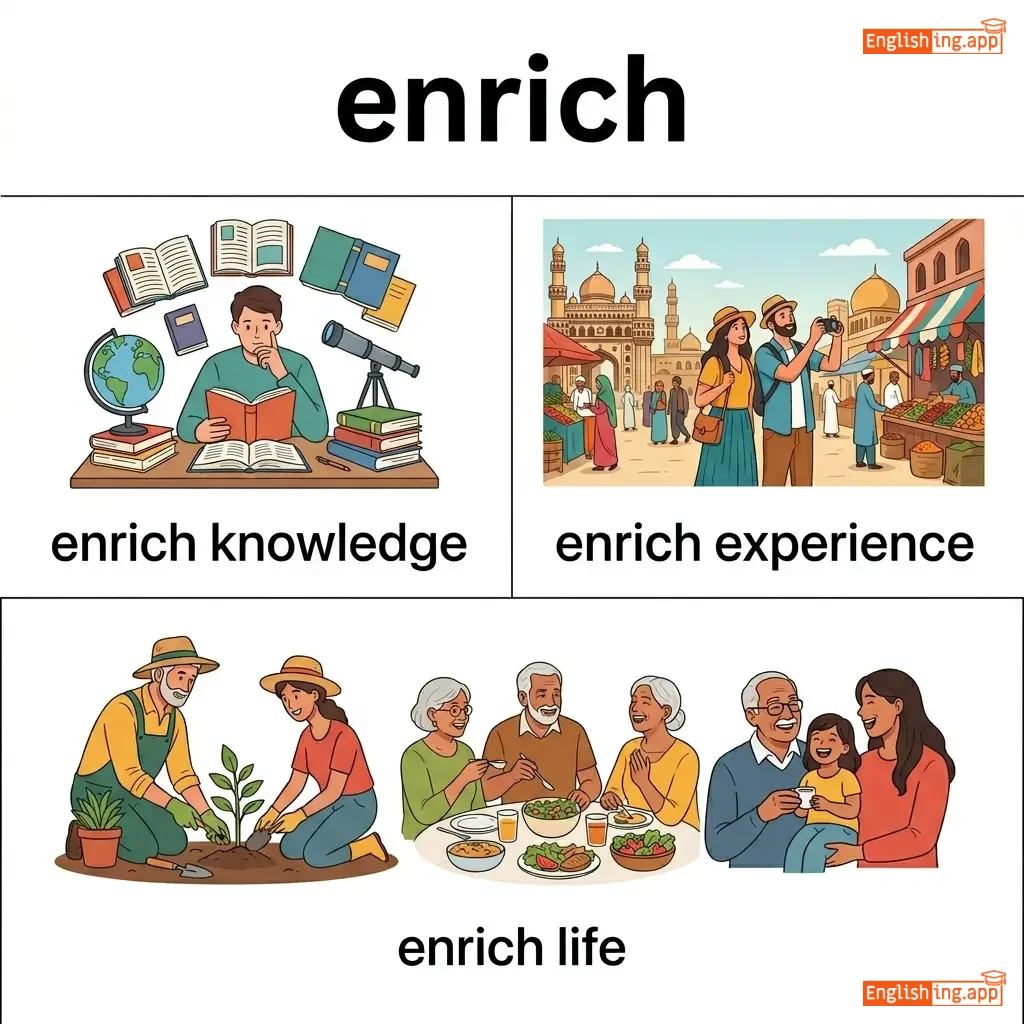
enrich life, enrich experience, enrich knowledge, enrich soil, enrich vocabulary
••••••
|
本を読むことで、あなたの語彙が豊かになります。
••••••
|
|
🏢
••••••
|
/ˈɛntəti/
noun
(エンティティ)
••••••
|
- •••••• |
実体
jittai
••••••
|
- •••••• | - •••••• | - •••••• | - •••••• |
something that exists as a single and complete unit; an organization or being
••••••
|
The new company will operate as a separate legal entity. |
新しい会社は別個の法的実体として運営されます。
Atarashī kaisha wa bekkō no hōteki jittai toshite un'ei saremasu.
••••••
|
- •••••• | - •••••• | - •••••• |
being, organization, unit, body
••••••
|
nothingness, nonexistence
••••••
|
legal entity, independent entity, business entity, separate entity
••••••
|
実体は組織や法人といった存在を意味します。
••••••
|
|
⚖️
••••••
|
/ˈɛkwɪti/
noun
(エクイティ)
••••••
|

|
公平; 所有権の一部
kōhei; shoyūken no ichibu
••••••
|
- •••••• | - •••••• | - •••••• | - •••••• |
The quality of being fair and impartial; ownership interest in a company or property.
••••••
|
She invested in the company to gain equity. |
彼女は株式を得るために会社に投資しました。
Kanojo wa kabushiki o eru tame ni kaisha ni tōshi shimashita.
••••••
|
home equity |
The market value of a homeowner's property minus the outstanding mortgage balance.
••••••
|
住宅の株式
jūtaku no kabushiki
••••••
|
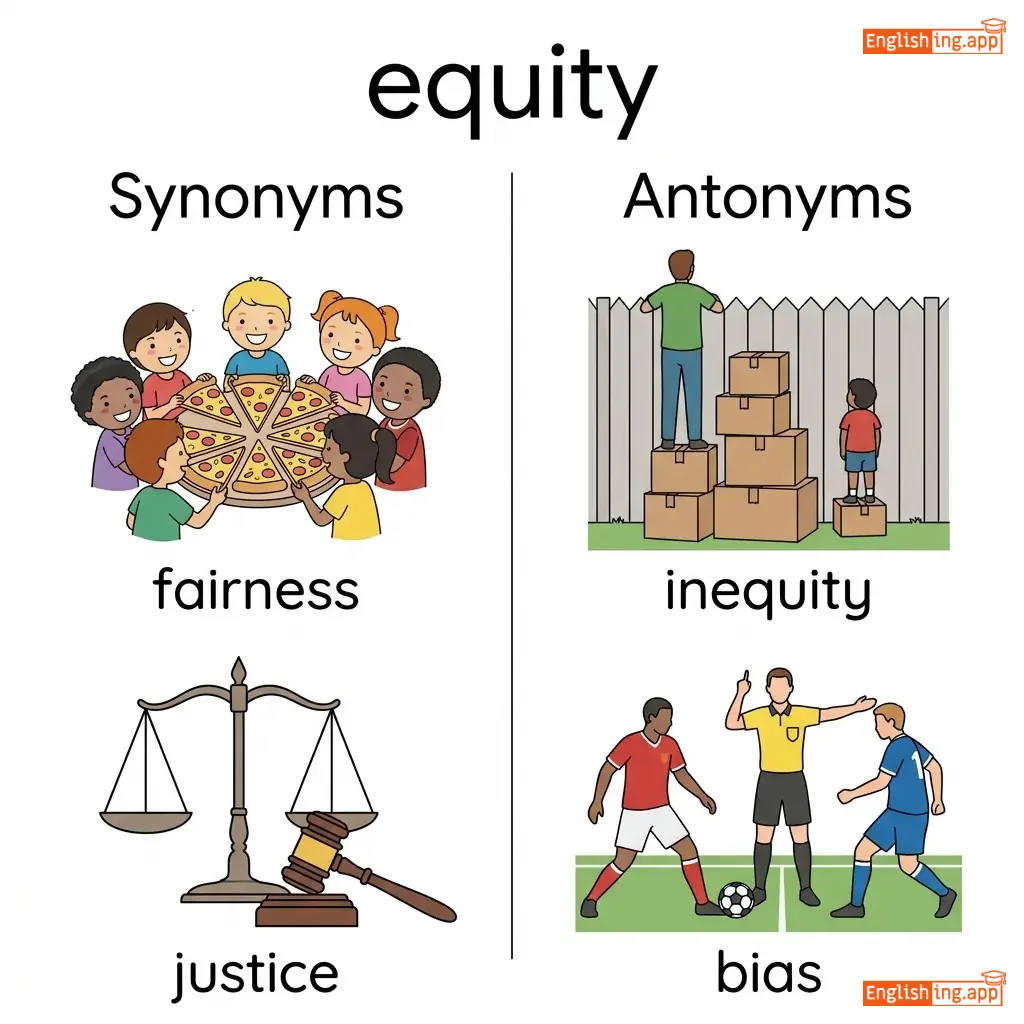
fairness, justice, ownership, stake, interest
••••••
|
inequity, bias, debt
••••••
|
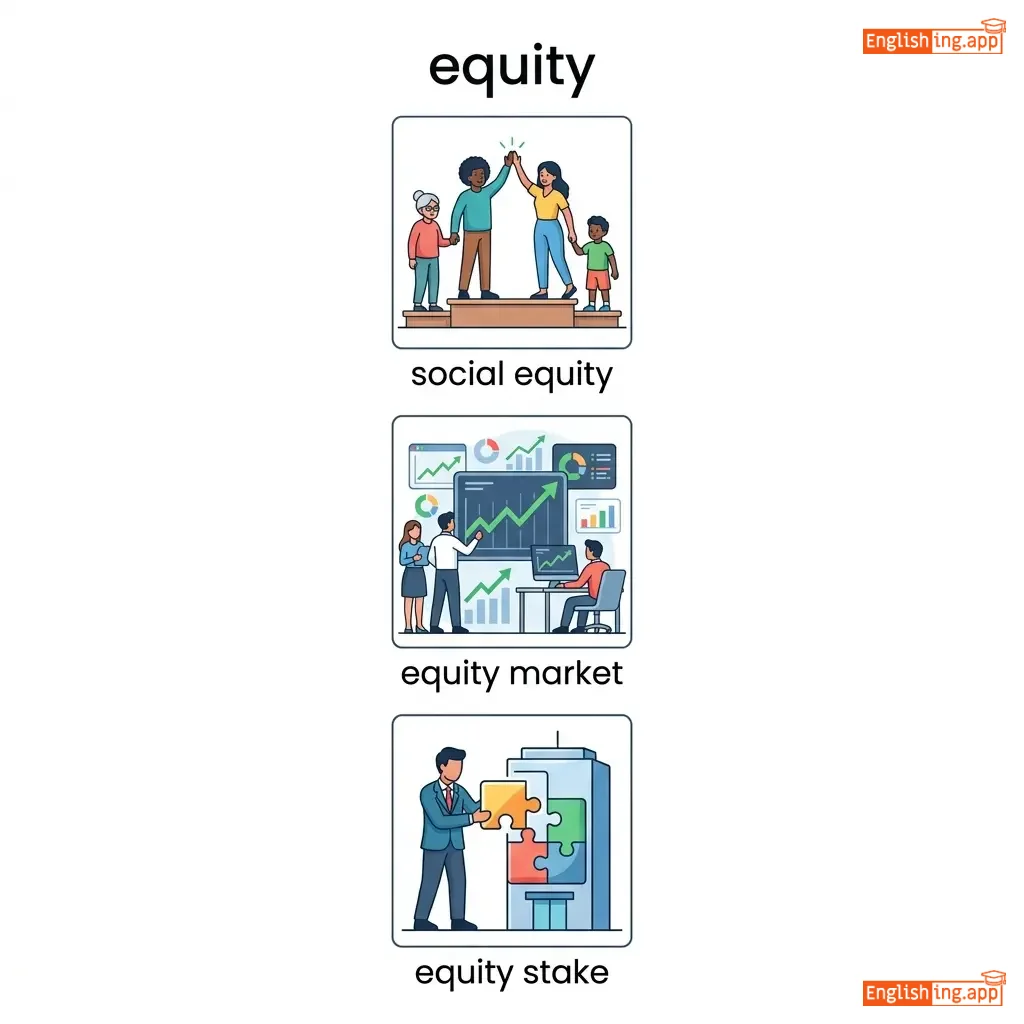
social equity, equity market, equity stake, private equity
••••••
|
Equity は ⚖️ 公平を意味し、会社での所有権の一部を意味します。
••••••
|
|
🏡
••••••
|
/ɪˈsteɪt/
noun
••••••
|
- •••••• | - •••••• | - •••••• | - •••••• | - •••••• | - •••••• |
A large area of land, property, or possessions owned by someone, often including a big house.
••••••
|
The family owned a large estate in the countryside. |
- •••••• |
real estate |
Property consisting of land or buildings
••••••
|
- •••••• |
property, land, assets, holdings, manor
••••••
|
liabilities, debt
••••••
|
real estate, country estate, large estate, estate planning
••••••
|
No •••••• |
|
⚖️
••••••
|
/ˈɛθɪks/
noun
(エシックス)
••••••
|
- •••••• |
倫理
rinri
••••••
|
- •••••• | - •••••• | - •••••• | - •••••• |
moral principles that govern a person's behavior or the conduct of an activity
••••••
|
Business ethics require companies to act fairly and responsibly. |
ビジネス倫理は、企業に公平かつ責任を持って行動することを求めます。
Bijinesu rinri wa, kigyō ni kōhei katsu sekinin o motte kōdō suru koto o motomemasu.
••••••
|
code of ethics |
a set of principles that guide professional conduct
••••••
|
倫理規定
rinri kitei
••••••
|
morality, principles, values, integrity, conscience
••••••
|
immorality, corruption, dishonesty
••••••
|
business ethics, professional ethics, medical ethics, code of ethics
••••••
|
倫理 = 行動における正しい道徳的ガイドライン
••••••
|
|
🌱
••••••
|
/ɪˈvɑːlv/
verb
••••••
|
- •••••• | - •••••• |
evolved
••••••
|
evolved
••••••
|
evolves
••••••
|
evolving
••••••
|
to develop gradually, especially into a more complex or advanced state
••••••
|
Over time, the company evolved into a global brand. |
- •••••• |
evolve over time |
to change or develop slowly as time passes
••••••
|
- •••••• |
develop, progress, transform, advance, grow
••••••
|
regress, decline, stagnate
••••••
|
evolve into, evolve over time, evolve naturally, evolve gradually
••••••
|
No •••••• |
|
⚖️
••••••
|
/ˈfæktər/
noun
(ファクター)
••••••
|
- •••••• |
要因
yōin
••••••
|
- •••••• | - •••••• | - •••••• | - •••••• |
A circumstance, fact, or influence that contributes to a result.
••••••
|
Weather is an important factor in crop production. |
天候は作物生産において重要な要因です。
Ten kō wa sakumotsu seisan ni oite jūyōna yōin desu.
••••••
|
key factor |
a crucial or essential element
••••••
|
重要な要因
jūyōna yōin
••••••
|
element, component, cause, aspect, determinant
••••••
|
result, consequence
••••••
|
important factor, key factor, risk factor, success factor
••••••
|
要因 = 結果に影響を与えるもの、例えば重要な要因。
••••••
|
|
👥
••••••
|
/ˈfɛloʊ/
noun
(フェロー)
••••••
|
- •••••• |
仲間
nakama
••••••
|
- •••••• | - •••••• | - •••••• | - •••••• |
a person who shares a common situation, interest, or activity with another
••••••
|
He is a fellow student in my class. |
彼は私のクラスの仲間です。
Kare wa watashi no kurasu no nakama desu.
••••••
|
fellow traveler |
someone who shares similar beliefs or interests, often political
••••••
|
同伴者
dōhansha
••••••
|
companion, colleague, peer, comrade, associate
••••••
|
opponent, stranger, rival
••••••
|
fellow student, fellow worker, fellow citizen, fellow traveler
••••••
|
Fellowは仲間を意味します - Fellow studentはクラスの仲間を意味します
••••••
|
|
☕
••••••
|
/ˈfɪltər/
verb
(フィルター)
••••••
|
- •••••• |
フィルター
firutā
••••••
|
filtered
フィルタード
••••••
|
filtered
フィルタード
••••••
|
filters
フィルターズ
••••••
|
filtering
フィルタリング
••••••
|
to pass a substance through a device to remove unwanted material or to selectively pass certain items
••••••
|
She used a coffee filter to separate the grounds from the liquid.
彼女は液体から粉を分けるためにコーヒーフィルターを使った。
••••••
|
彼女は液体から粉を分けるためにコーヒーフィルターを使った。
Kanojo wa ekitai kara kona o wakeru tame ni kōhī firutā o tsukatta.
••••••
|
- •••••• | - •••••• | - •••••• |
strain, sift, purify, refine
••••••
|
mix, combine
••••••
|
filter water, filter information, filter results, filter emails
••••••
|
フィルターを使えば、不要なものが取り除かれる。
••••••
|
|
🎩
••••••
|
/ˈfɔːrməl/
adjective
(フォーマル)
••••••
|
- •••••• |
正式
seishiki
••••••
|
- •••••• | - •••••• | - •••••• | - •••••• |
done in accordance with rules of convention or etiquette; official or serious in nature
••••••
|
He wore a formal suit to the wedding.
彼は結婚式でフォーマルなスーツを着ていました。
••••••
|
彼は結婚式でフォーマルなスーツを着ていました。
Kare wa kekkonshiki de fōmaru na sūtsu o kiteimashita.
••••••
|
formal attire
フォーマルな服装
••••••
|
clothing suitable for official or serious occasions
••••••
|
フォーマルな服装
fōmaru na fukusō
••••••
|
ceremonial, proper, official, conventional, stiff
••••••
|
casual, informal, relaxed
••••••
|
formal event, formal education, formal attire, formal agreement
••••••
|
正式は規則に従って行うこと、例えば結婚式で‘フォーマルな服装’を着ることです。
••••••
|
|
❄️
••••••
|
/ˈfroʊzən/
adjective
(フローゼン)
••••••
|
- •••••• |
凍った
kotta
••••••
|
- •••••• | - •••••• | - •••••• | - •••••• |
preserved by being made extremely cold; turned into ice
••••••
|
The lake was completely frozen during winter. |
湖は冬に完全に凍っていた。
Mizuumi wa fuyu ni kanzen ni kotteita.
••••••
|
frozen in time |
something that remains unchanged over a long period
••••••
|
時間の中で凍った
Jikan no naka de kotta
••••••
|
icy, chilled, solidified, hardened, refrigerated
••••••
|
melted, warm, heated
••••••
|
frozen food, frozen lake, frozen ground, frozen heart
••••••
|
Frozenは凍った❄️ - 寒い時、すべてが凍ります
••••••
|
|
🏛️
••••••
|
/ˈɡʌv.ən/
verb
••••••
|

|
- •••••• |
governed
••••••
|
governed
••••••
|
governs
••••••
|
governing
••••••
|
to control, direct, or strongly influence the actions and behavior of others, especially through laws or authority
••••••
|
The country is governed by a coalition of parties. |
- •••••• |
govern oneself accordingly |
to act appropriately based on what one knows or has been told
••••••
|
- •••••• |
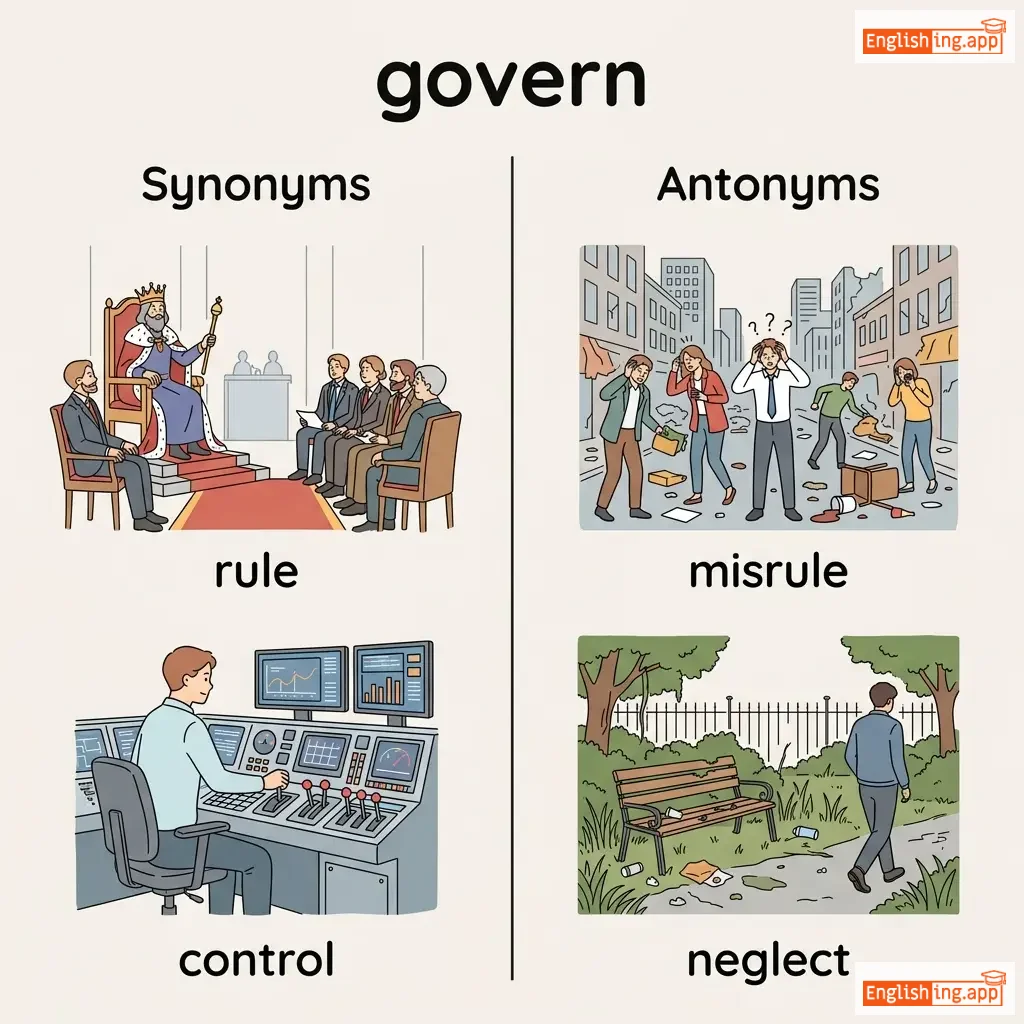
rule, control, manage, administer, oversee
••••••
|
misrule, neglect, abandon
••••••
|
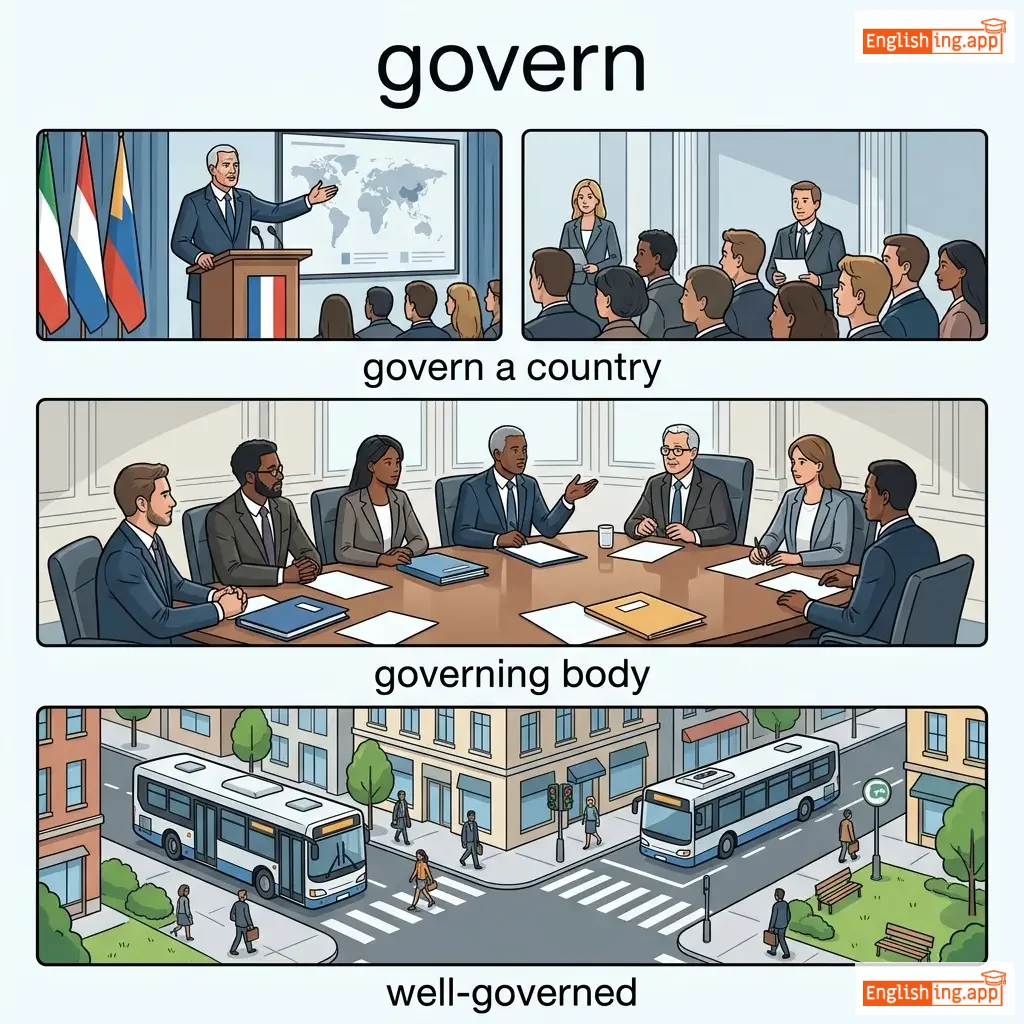
govern a country, governing body, well-governed, self-governed
••••••
|
No •••••• |
|
🛡️
••••••
|
/ɪˈmjuːn/
adjective
(イミューン)
••••••
|
- •••••• |
免疫の
men'eki no
••••••
|
- •••••• | - •••••• | - •••••• | - •••••• |
protected from disease or from the effects of something
••••••
|
Children who are vaccinated are immune to many diseases. |
予防接種を受けた子供たちは多くの病気に免疫があります。
Yobou sesshu wo uketa kodomotachi wa ooku no byouki ni men'eki ga arimasu.
••••••
|
immune to criticism |
not affected by criticism
••••••
|
批判に免疫がある
hihan ni men'eki ga aru
••••••
|
resistant, protected, safe, shielded
••••••
|
vulnerable, susceptible
••••••
|
immune system, immune response, immune to, immune deficiency
••••••
|
免疫は病気を防ぐ力、あなたを守る盾のようです。
••••••
|
|
💊
••••••
|
/ɪnˈdjuːs/
verb
(インデュース)
••••••
|
- •••••• |
誘発する
yūhatsu suru
••••••
|
induced
インデュースド
••••••
|
induced
インデュースド
••••••
|
induces
インデュースズ
••••••
|
inducing
インデュースィング
••••••
|
to cause or persuade someone to do something; to bring about a result
••••••
|
The doctor induced sleep with a mild sedative.
医師は軽い鎮静剤で睡眠を引き起こしました。
••••••
|
医師は軽い鎮静剤で睡眠を引き起こしました。
Ishi wa karui chinseizai de suimin o hikiokoshimashita.
••••••
|
induce labor
分娩を誘発する
••••••
|
to cause childbirth to begin artificially
••••••
|
分娩を誘発する
bunben o yūhatsu suru
••••••
|
cause, persuade, prompt, encourage, provoke
••••••
|
dissuade, prevent, stop
••••••
|
induce labor, induce sleep, induce change, induce vomiting
••••••
|
誘発するは何かを引き起こすことです - 医師が睡眠を誘発します。
••••••
|
|
📥
••••••
|
/ɪnˈsɜːt/
verb
(インサート)
••••••
|
|
挿入する
sānyū suru
••••••
|
inserted
インサーテッド
••••••
|
inserted
インサーテッド
••••••
|
inserts
インサーツ
••••••
|
inserting
インサーティング
••••••
|
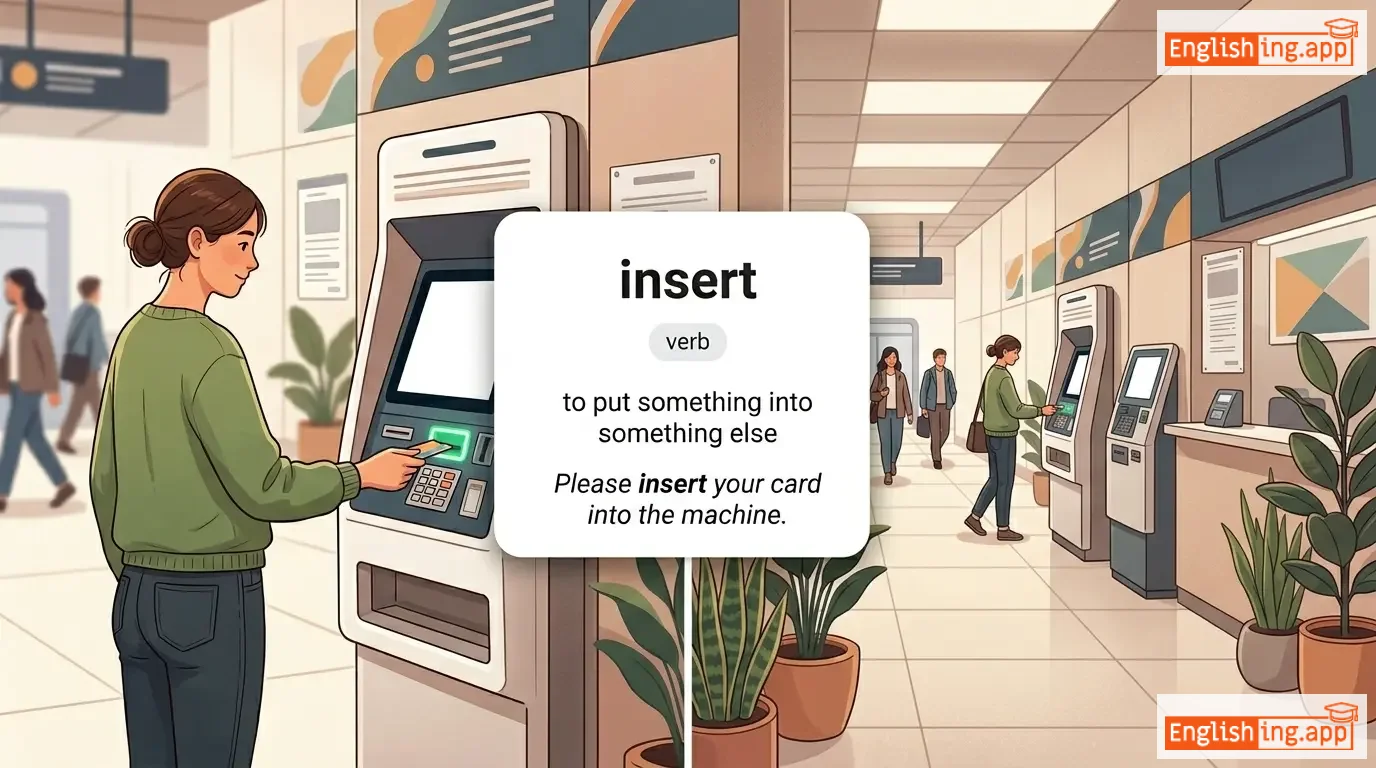
to put something into something else
••••••
|
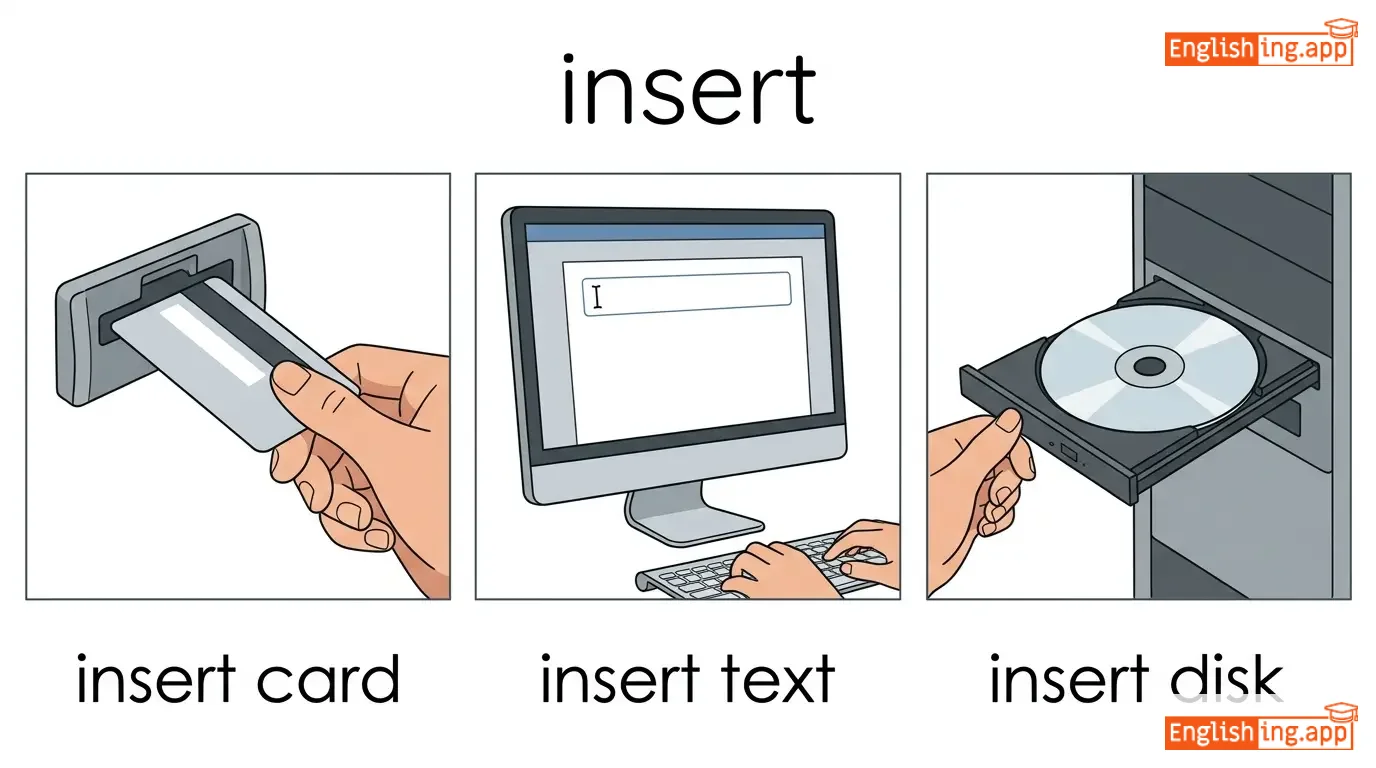
Please insert your card into the machine.
カードを機械に挿入してください。
••••••
|
カードを機械に挿入してください。
Kādo o kikai ni sānyū shite kudasai.
••••••
|
insert coin
コイン挿入
••••••
|
instruction to put a coin into a machine to operate it
••••••
|
コイン挿入
koin sānyū
••••••
|
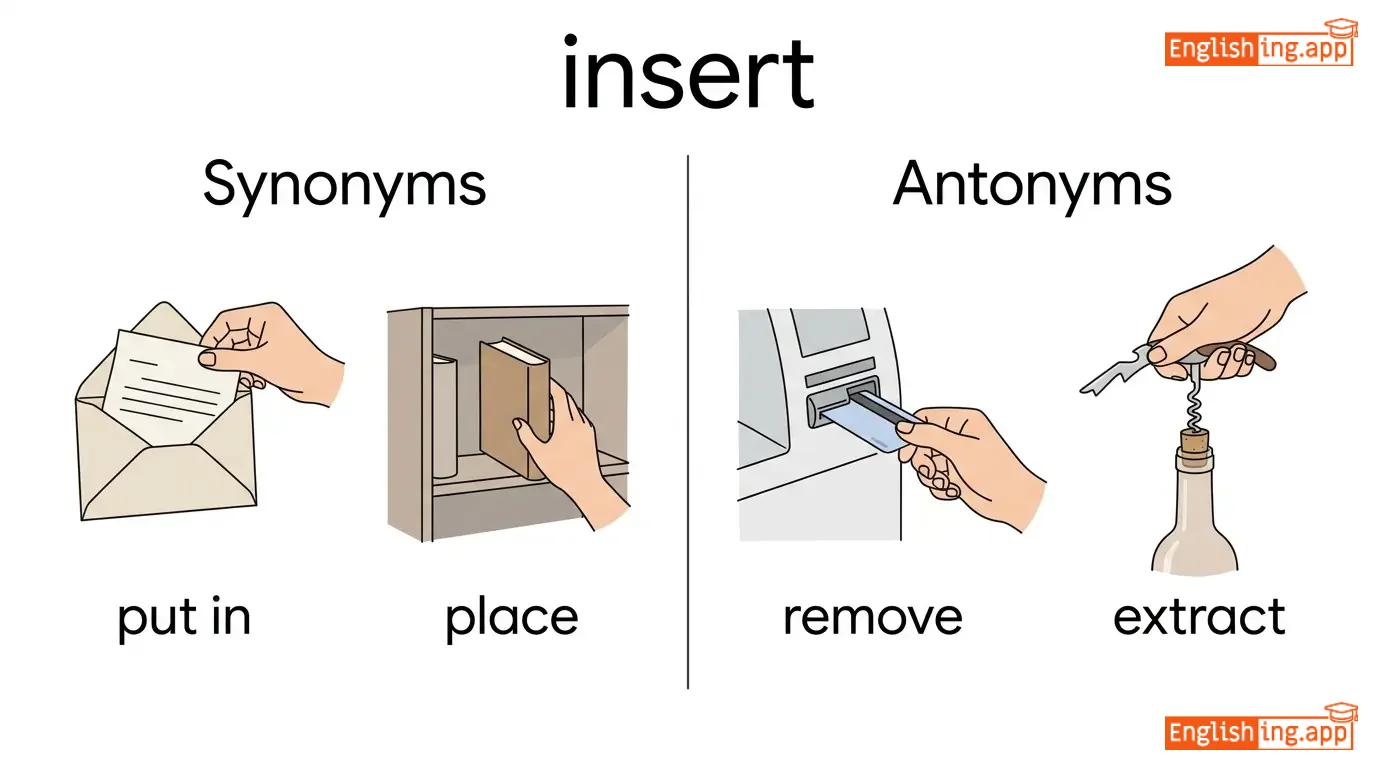
put in, place, embed, add, introduce
••••••
|
remove, extract
••••••
|
insert card, insert text, insert disk, insert key
••••••
|
挿入するは物を別の物に入れること、カードを挿入してみよう!
••••••
|
|
🙅♂️
••••••
|
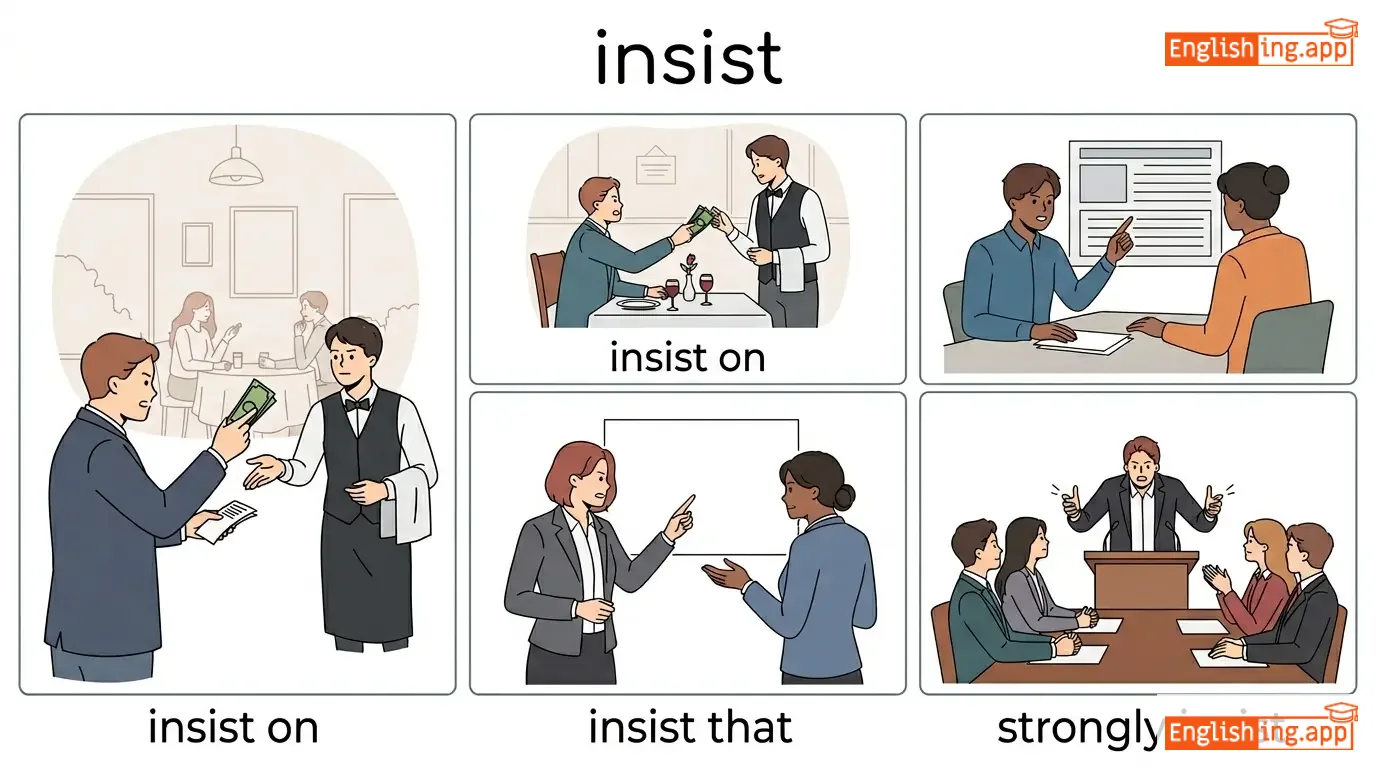
/ɪnˈsɪst/
verb
(インシスト)
••••••
|
|
強く主張する
tsuyoku shuchou suru
••••••
|
insisted
インシステッド
••••••
|
insisted
インシステッド
••••••
|
insists
インシスツ
••••••
|
insisting
インシスティング
••••••
|
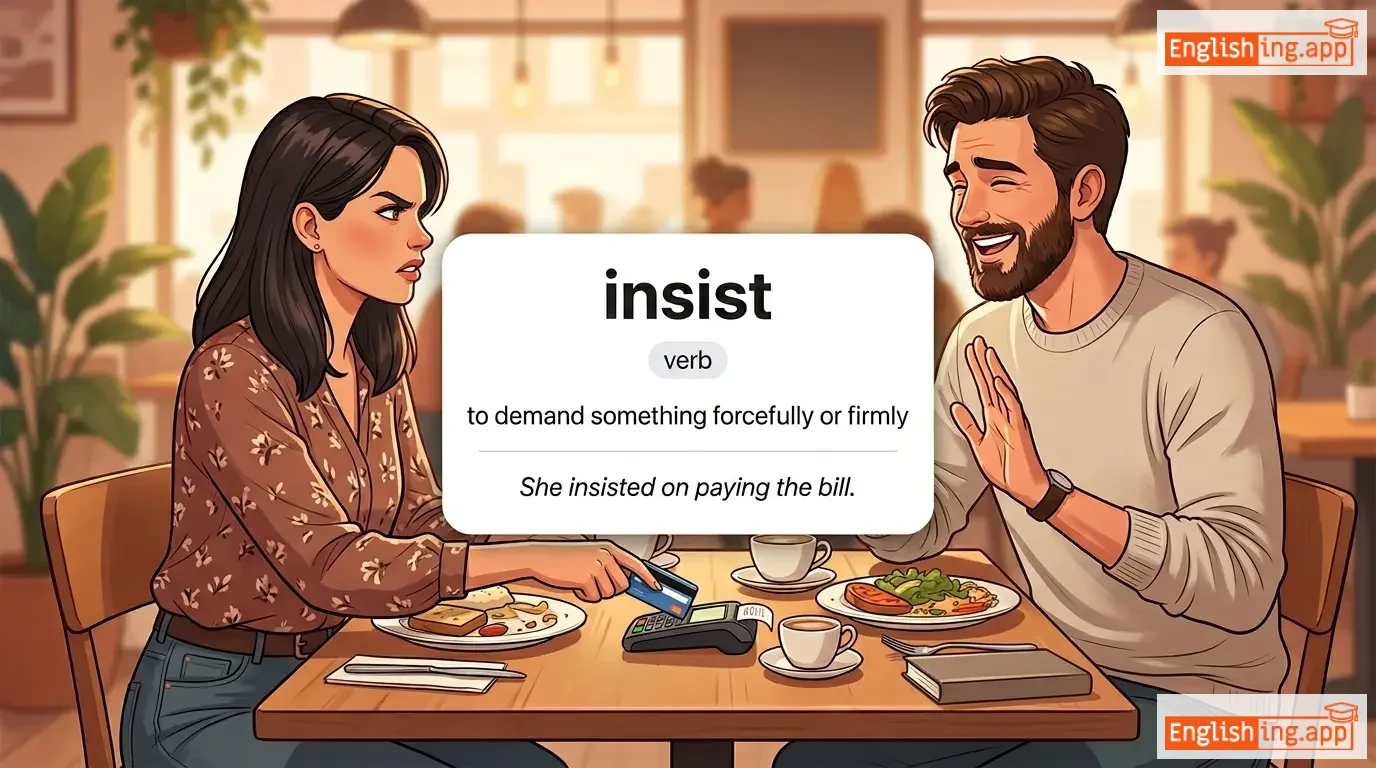
to demand something forcefully or firmly
••••••
|
She insisted on paying the bill.
彼女は勘定を支払うことに固執した。
••••••
|
彼女は勘定を支払うことに固執した。
Kanojo wa kanjou o shiharau koto ni koshou shita.
••••••
|
insist on
インシストオン
••••••
|
to demand firmly that something be done
••••••
|
強く主張する
tsuyoku shuchou suru
••••••
|
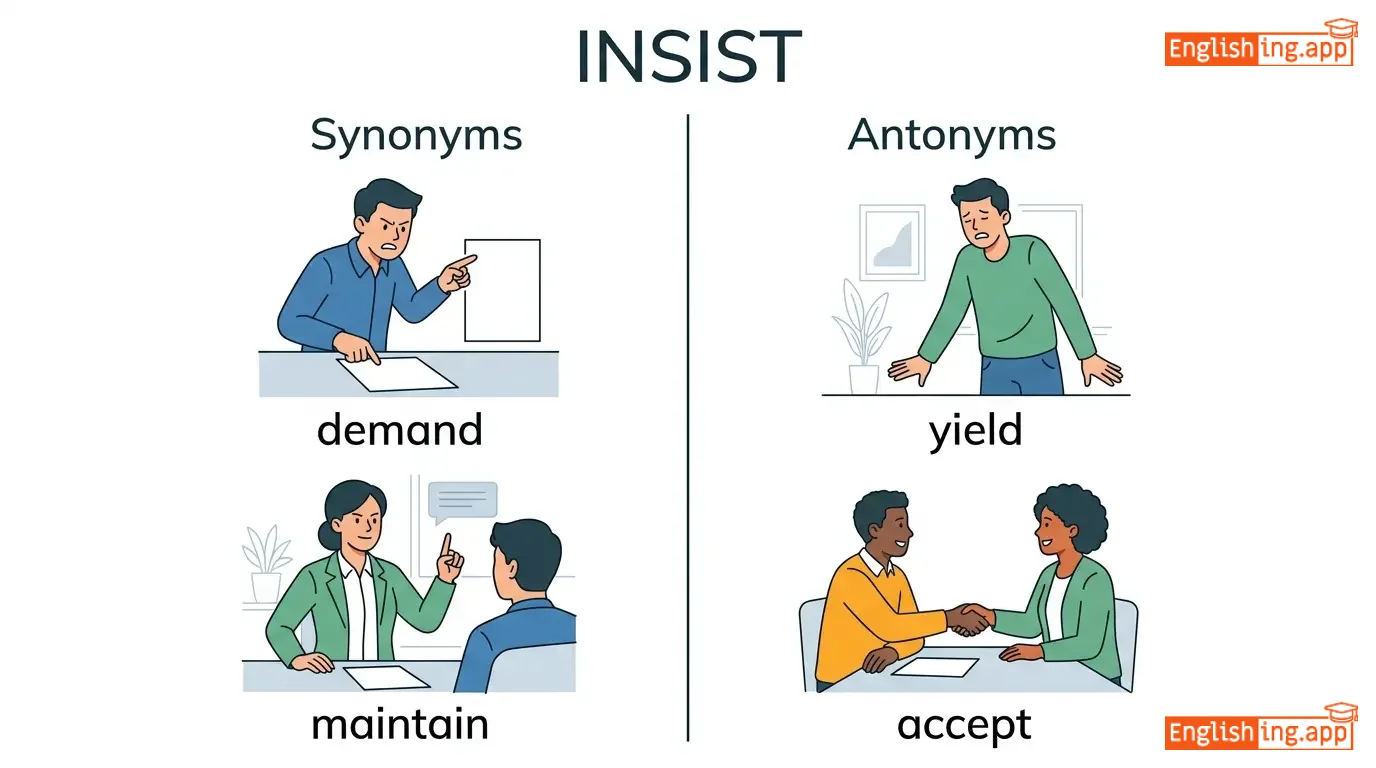
demand, maintain, assert, press, urge
••••••
|
yield, accept, give up
••••••
|
insist on, insist that, strongly insist, politely insist
••••••
|
インシスト=強く主張する!
••••••
|
|
📜
••••••
|
/ɪnˈvoʊk/
verb
(インヴォーク)
••••••
|
- •••••• |
呼び出す
yobidasu
••••••
|
invoked
インヴォークド
••••••
|
invoked
インヴォークド
••••••
|
invokes
インヴォークス
••••••
|
invoking
インヴォーキング
••••••
|
to call upon a higher power, authority, or principle for help, support, or justification
••••••
|
The lawyer invoked the constitution to defend his client.
弁護士は憲法を引き合いに出して自分のクライアントを守った。
••••••
|
弁護士は憲法を引き合いに出して自分のクライアントを守った。
Bengoshi wa kenpō o hikiai ni dashite jibun no kuraianto o mamotta.
••••••
|
invoke the law
法律を引き合いに出す
••••••
|
to appeal to or rely on the law for support or justification
••••••
|
法律を引き合いに出す
hōritsu o hikiai ni dasu
••••••
|
appeal, call upon, cite, summon, request
••••••
|
ignore, dismiss, reject
••••••
|
invoke the law, invoke authority, invoke powers, invoke tradition
••••••
|
呼び出すは招待のようなもので、助けを求めることです。
••••••
|
|
🙃
••••••
|
/aɪˈrɒnɪk/
adjective
(アイロニック)
••••••
|
- •••••• |
皮肉な、風刺的な
aironik
••••••
|
- •••••• | - •••••• | - •••••• | - •••••• |
happening in the opposite way to what is expected, often amusing or sarcastic
••••••
|
It is ironic that the fire station burned down. |
消防署が焼けるのは皮肉です。
Shōbōsho ga yakeru no wa hiniku desu.
••••••
|
isn't it ironic |
used to highlight a situation that is surprisingly contradictory
••••••
|
皮肉じゃないですか?
Hinikujanai desu ka?
••••••
|
sarcastic, paradoxical, mocking, satirical
••••••
|
straightforward, sincere, expected
••••••
|
ironic twist, ironic smile, deeply ironic, somewhat ironic
••••••
|
皮肉な出来事、それは予想と逆の方向に進んでいます!
••••••
|

