Banana Fiber Union Fest
ラジシャヒの農業campusで、タビダという学生が新しい取り組みを開始しました。 彼女の目標は、村と都市を1つのプラットフォームでunifyすることでした。 彼女は言いました、'もし私たちのunionが前進すれば、みんなが利益を得るでしょう。' イベントは、みんなが小さなcastleと呼んでいる古いナワブの家で行われます。 タビダは、すべての人にユニークなvalueがあると信じていました。 彼女は村の女性たちにバナナの繊維をweaveする方法を教え始めました。 誰かが自分の庭から熟したbananaの房を持ってきました。 彼らはバナナの繊維で手作りのbasketセットを作りました。 一つの学生チームは、近くの店からborrowロープを取りに行きました。 もう一つのグループは空のbottleを集めてシャンデリアを作りました。 若い新婦たちはbottomのリングを締めながら笑っていました。 彼らは木のbranchからライトを吊るしました。 イベントの朝、彼女は皆に思い出させました、'どんな関係も石鹸のbubbleのように割れてはならない。' 村のニルウおばさんは言いました、'私たちのburdenは軽くなりました、なぜなら収益を学校に寄付できるからです。' 小さな男の子たちは、ボランティアの服に新鮮な草のbutton装飾を縫いました。 到着したゲストのために夕方のcruiseが予約されました。 クルナからのアーティストは、輝くcopperのボウルでバングルをアレンジしました。 タビダは来たすべての訪問者を歓迎しながら言いました、'choiceはあなたのものです—手作りの商品を買うか、ただ物語を聞くか。' 夜、ボランティアたちは彼女に言いました、'creditはあなたのものです、なぜならあなたはみんなの勇気を取り戻したからです。' ガートに戻る途中、バウルのdancerは川風の中で回り、皆が拍手しました。
|
絵文字
|
単語 | Images | 翻訳 | 過去 | 過去分詞 | 三人称単数 | 動名詞 | 意味 | 例文 | 例文の翻訳 | 表現例 | 表現例の意味 | 表現例の翻訳 | 同義語 | 対義語 | コロケーション | ニーモニック |
|---|---|---|---|---|---|---|---|---|---|---|---|---|---|---|---|---|---|
|
🍌
••••••
|
/bəˈnænə/
noun
(ハピネス)
••••••
|
- •••••• |
幸せ
shiawase
••••••
|
- •••••• | - •••••• | - •••••• | - •••••• |
a long curved fruit with a yellow skin and soft sweet flesh inside
••••••
|
She ate a ripe banana for breakfast. |
彼女は賞を受け取ったとき、幸せを隠せなかった。
Kanojo wa shō o uketotta toki, shiawase o kakusenakatta.
••••••
|
go bananas |
to become very excited or angry
••••••
|
幸せの追求
shiawase no tsuikyū
••••••
|
fruit, plantain, yellow fruit, tropical fruit
••••••
|
none
••••••
|
ripe banana, banana peel, banana tree, banana flavor
••••••
|
幸せは心に光が満ちる時の感覚。
••••••
|
|
🧺
••••••
|
/ˈbæskɪt/
noun
(バスケット)
••••••
|
- •••••• |
かご
kago
••••••
|
- •••••• | - •••••• | - •••••• | - •••••• |
a container made of woven materials used for carrying or storing things
••••••
|
She carried the apples in a basket. |
彼女はバスケットにリンゴを入れて運んだ。
Kanojo wa basuketto ni ringo o irete hakonda.
••••••
|
don’t put all your eggs in one basket |
don’t risk everything on a single venture
••••••
|
すべての卵を一つのかごに入れないで
Subete no tamago o hitotsu no kago ni irenaide
••••••
|
container, hamper, bin, receptacle
••••••
|
floor, ground
••••••
|
shopping basket, fruit basket, picnic basket, basket case
••••••
|
Basket とはかご (kago) - ピクニックの時にかごに食べ物を入れる
••••••
|
|
✏️
••••••
|
/ˈbɑːroʊ/
verb
(ボロ)
••••••
|
|
借りる
kariru
••••••
|
borrowed
ボロッド
••••••
|
borrowed
ボロッド
••••••
|
borrows
ボロス
••••••
|
borrowing
ボロイング
••••••
|
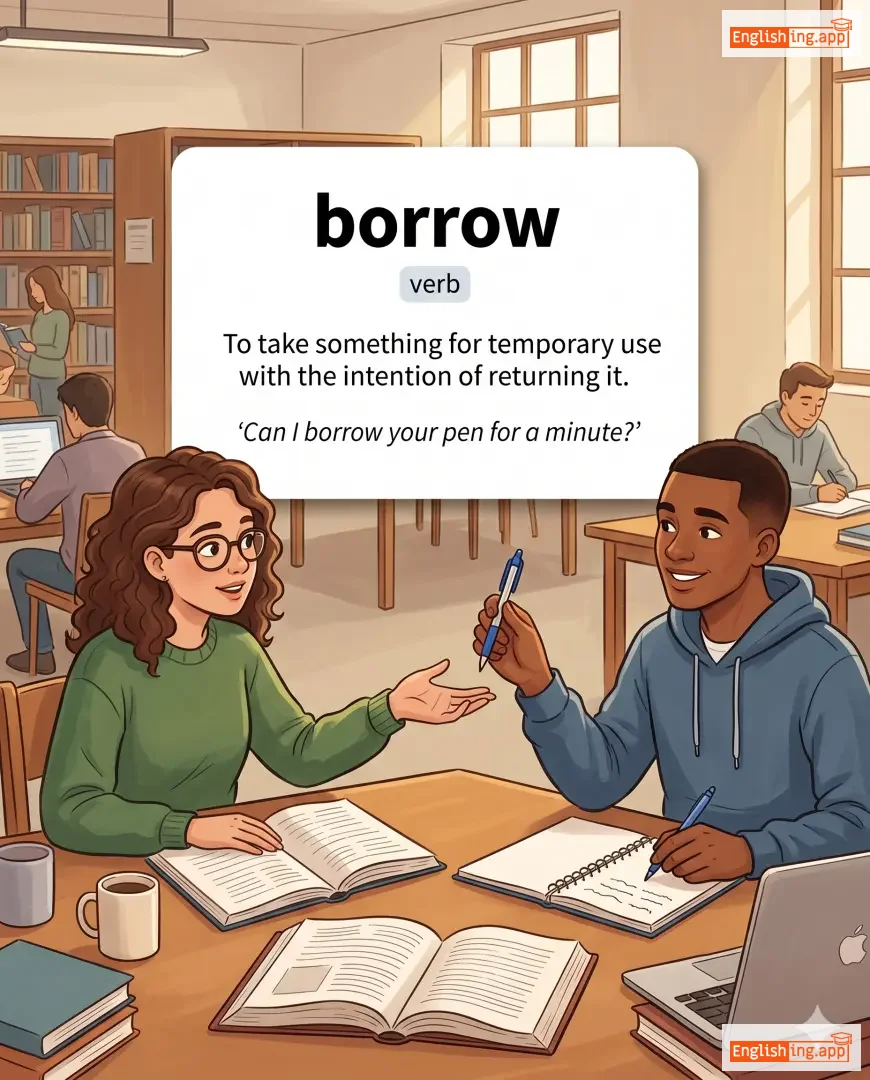
To take something for temporary use with the intention of returning it.
••••••
|
Can I borrow your pen for a minute?
一分間、あなたのペンを借りてもいいですか?
••••••
|
一分間、あなたのペンを借りてもいいですか?
Ippunkan, anata no pen o karitemo ii desu ka?
••••••
|
borrow time
時間を借りる
••••••
|
To extend a situation temporarily, often delaying an inevitable outcome.
••••••
|
時間を借りる
Jikan o kariru
••••••
|
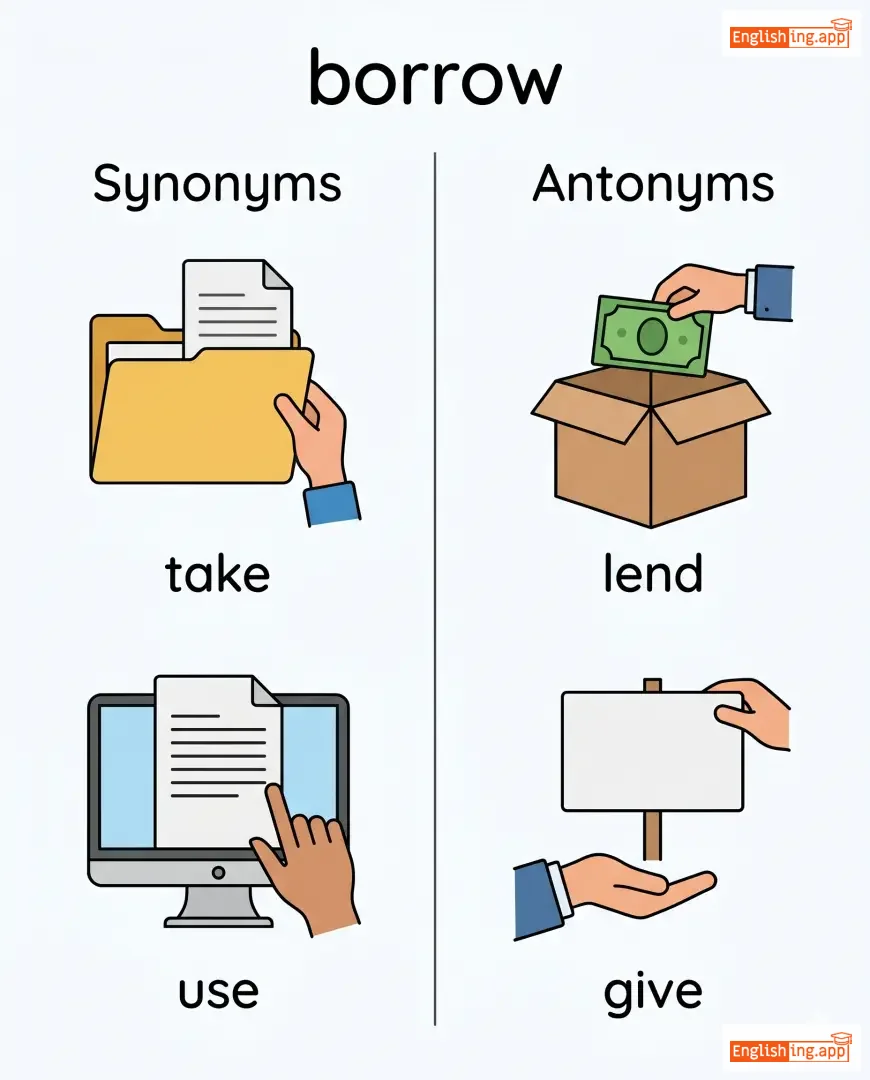
take, use, obtain, acquire
••••••
|
lend, give, return
••••••
|
borrow money, borrow a book, borrow ideas, borrow from
••••••
|
借りること、でも返すこと!✏️
••••••
|
|
🍾
••••••
|
/ˈbɒt.əl/
noun
(ボトル)
••••••
|
- •••••• |
ボトル
botoru
••••••
|
- •••••• | - •••••• | - •••••• | - •••••• |
a container, typically made of glass or plastic, with a narrow neck used to hold liquids
••••••
|
He poured water into the bottle. |
彼はボトルに水を注いだ。
Kare wa botoru ni mizu o sosogida.
••••••
|
bottle up |
to keep emotions hidden instead of expressing them
••••••
|
感情を抑える
kanjō o osaeru
••••••
|
flask, container, jar, vessel
••••••
|
open container, bowl
••••••
|
water bottle, glass bottle, plastic bottle, bottle of wine
••••••
|
ボトル、ボトルに水を入れる。
••••••
|
|
🔻
••••••
|
/ˈbɒtəm/
noun, adjective
(ボトム)
••••••
|
- •••••• |
底
soko
••••••
|
- •••••• | - •••••• | - •••••• | - •••••• |
The lowest part of something.
••••••
|
The keys fell to the bottom of the bag. |
鍵はバッグの底に落ちました。
Kagi wa baggu no soko ni ochimashita.
••••••
|
hit rock bottom |
to reach the lowest possible point
••••••
|
底を打つ
soko o utsu
••••••
|
base, underside, foot, foundation
••••••
|
top, peak, summit
••••••
|
bottom line, at the bottom, ocean bottom, bottom of the page
••••••
|
‘Bottom’ は '底' の意味、覚えやすいように「Bot(底)」です。
••••••
|
|
🌿
••••••
|
/bræntʃ/
noun, verb
(ブランチ)
••••••
|
- •••••• |
支店
shiten
••••••
|
branched
ブランチド
••••••
|
branched
ブランチド
••••••
|
branches
ブランチズ
••••••
|
branching
ブランチング
••••••
|
A part of a tree that grows out from the trunk; a division of an organization or subject.
••••••
|
The company opened a new branch in Dhaka.
会社はダッカに新しい支店を開設しました。
••••••
|
会社はダッカに新しい支店を開設しました。
Kaisha wa Dakkā ni atarashī shiten o kaisetsu shimashita.
••••••
|
branch out
拡張する
••••••
|
to expand into new areas or activities
••••••
|
拡張する
kakuchō suru
••••••
|
limb, division, department, subdivision
••••••
|
root, trunk
••••••
|
tree branch, bank branch, branch office, branch out
••••••
|
木の枝、会社の支店。
••••••
|
|
🫧
••••••
|
/ˈbʌb.əl/
noun
(babu)
••••••
|
- •••••• |
泡
awa
••••••
|
- •••••• | - •••••• | - •••••• | - •••••• |
a thin sphere of liquid enclosing air or gas; a temporary state of inflated value or excitement
••••••
|
The children chased the bubbles in the air. |
子供たちは空中の泡を追いかけました。
Kodomotachi wa kūchū no awa o oikakemashita.
••••••
|
economic bubble |
a market situation where prices are much higher than the actual value
••••••
|
経済泡
keizai awa
••••••
|
sphere, blister, balloon, foam
••••••
|
burst, deflate
••••••
|
soap bubble, economic bubble, bubble burst, bubble bath
••••••
|
Bubble は泡を意味します — 泡のように膨らんで弾けるように、経済でもバブルは破裂することがあります!
••••••
|
|
⚖️
••••••
|
/ˈbɜːrdn/
noun
(バーデン)
••••••
|
- •••••• |
負担
futan
••••••
|
- •••••• | - •••••• | - •••••• | - •••••• |
a heavy load, especially one that is difficult to carry
••••••
|
The financial burden was too heavy for him to bear. |
財政的な負担は彼にとって非常に重かった。
Zaiseiteki na futan wa kare ni totte hijou ni omokatta.
••••••
|
carry a burden |
to endure a hardship or responsibility
••••••
|
負担を背負う
futan o seou
••••••
|
load, weight, obligation, strain, duty
••••••
|
relief, ease, aid
••••••
|
heavy burden, financial burden, burden of responsibility, carry a burden
••••••
|
Burdenは負担です – まるで背負っている重い荷物のように。
••••••
|
|
🔘
••••••
|
/ˈbʌtən/
noun
(バトン)
••••••
|
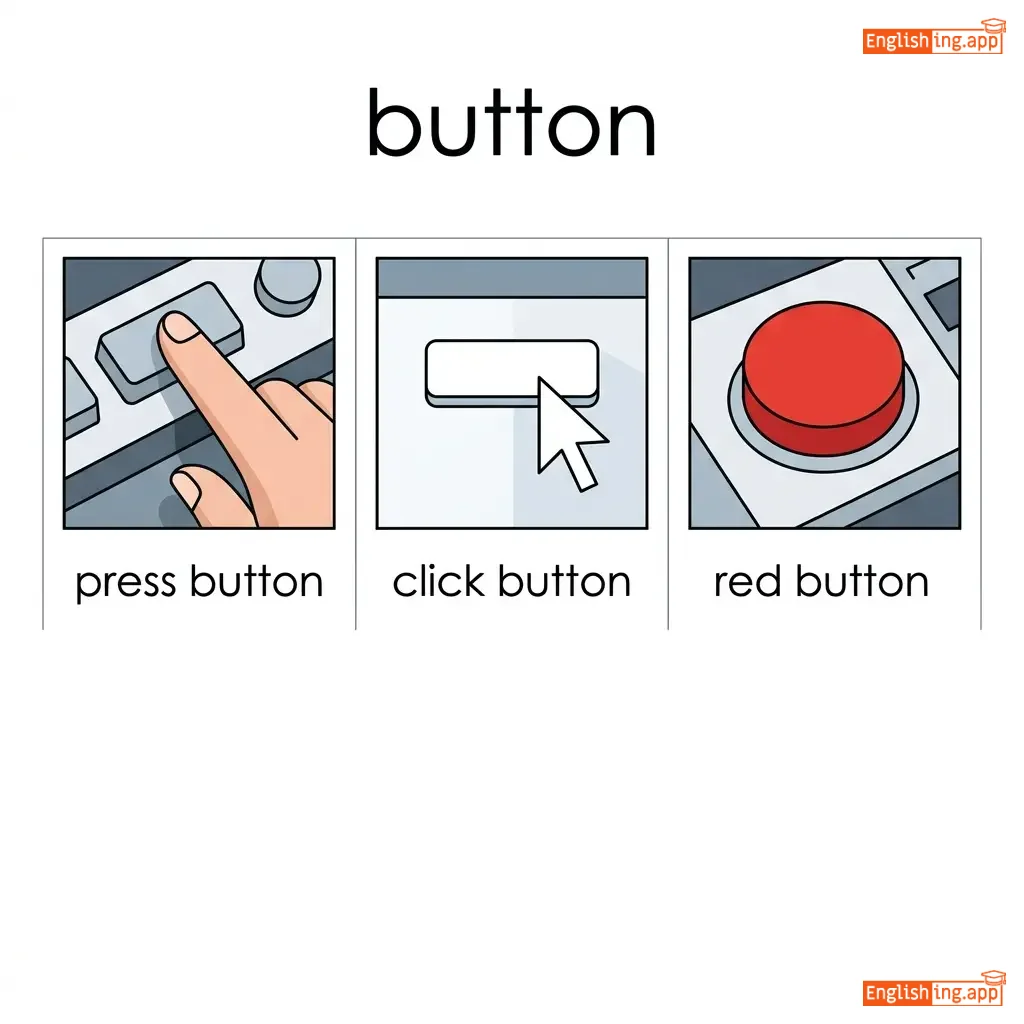
|
ボタン
botan
••••••
|
- •••••• | - •••••• | - •••••• | - •••••• |
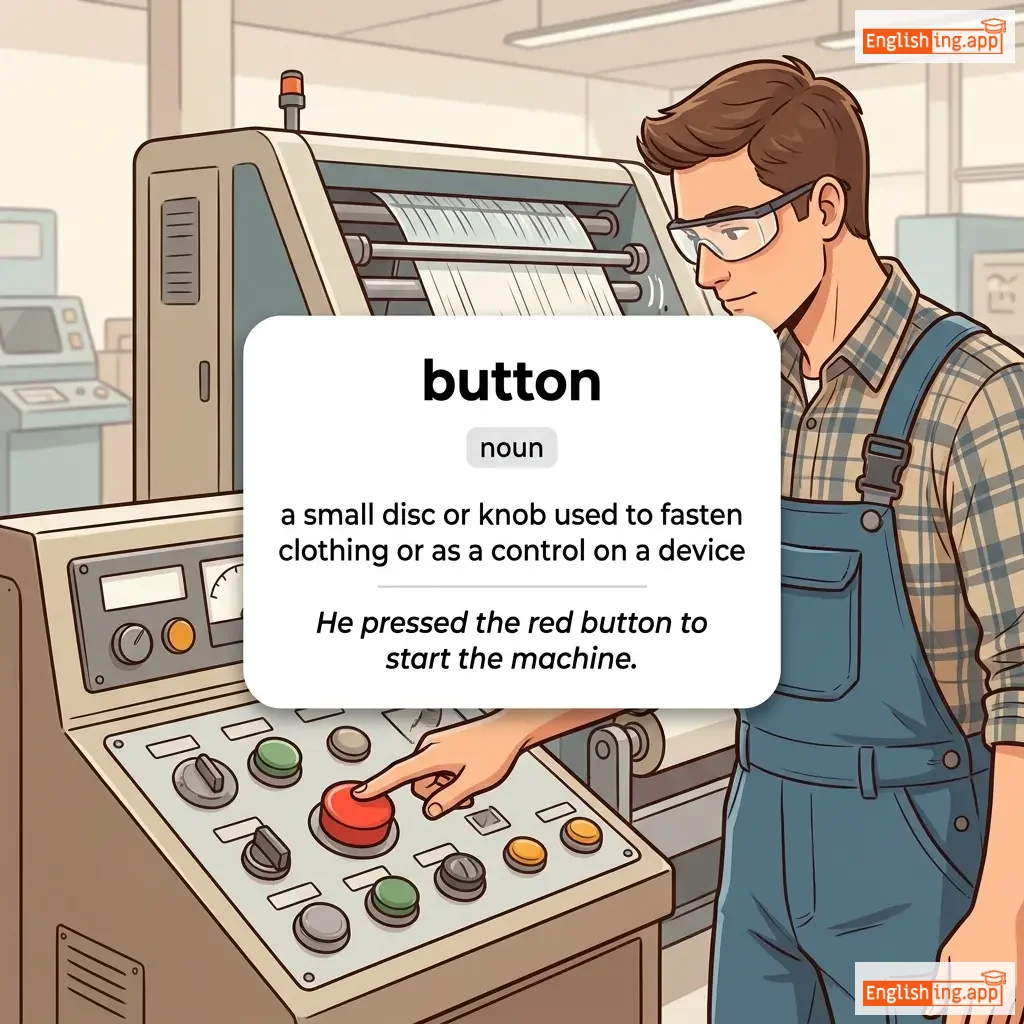
a small disc or knob used to fasten clothing or as a control on a device
••••••
|
He pressed the red button to start the machine. |
彼は機械を起動するために赤いボタンを押しました。
Kare wa kikai o kidō suru tame ni akai botan o oshimashita.
••••••
|
push the right button |
to say or do something that perfectly satisfies or irritates someone
••••••
|
正しいボタンを押す
Tadashī botan o osu
••••••
|
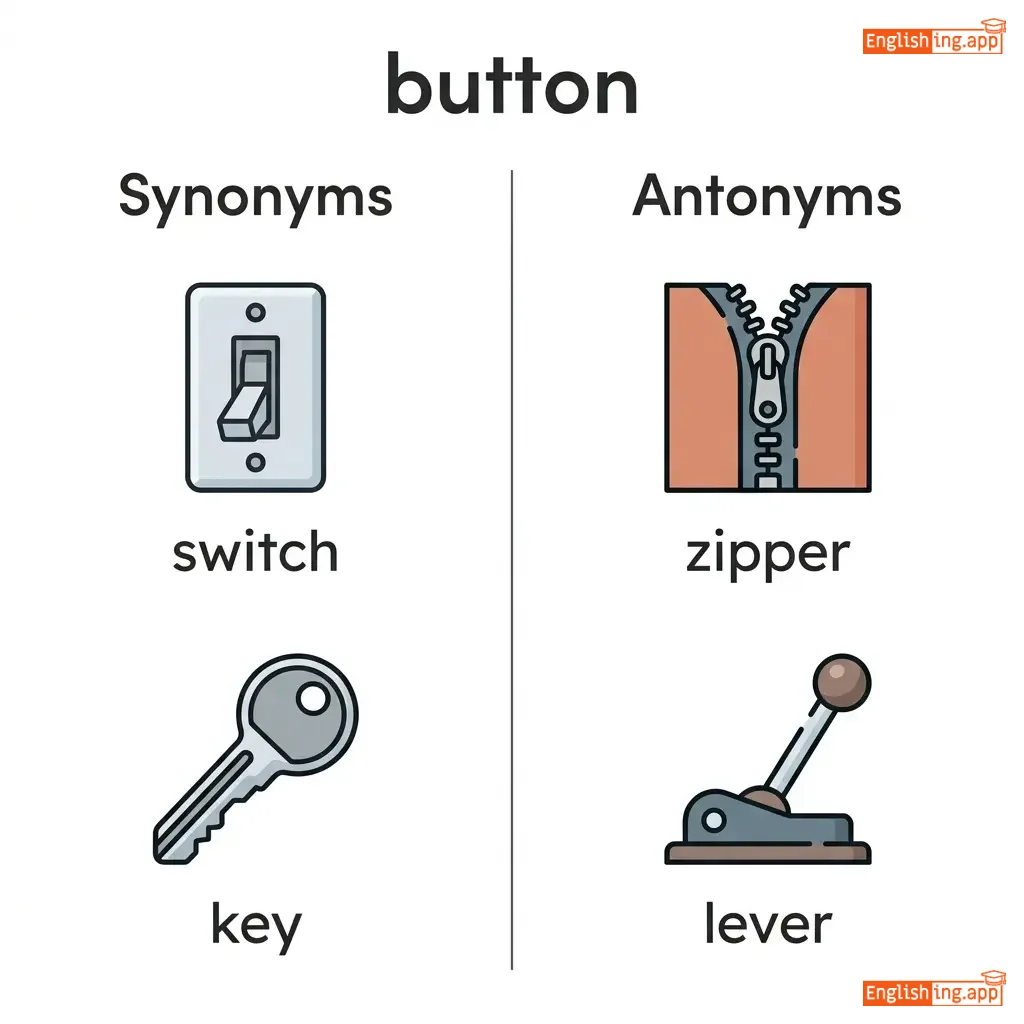
switch, key, control, knob, fastener
••••••
|
zipper, lever
••••••
|
press button, click button, red button, panic button
••••••
|
ボタンを押すと、何かが始まる。
••••••
|
|
🏫
••••••
|
/ˈkæmpəs/
noun
(ˈkæmpəs)
••••••
|
- •••••• |
キャンパス
kyampasu
••••••
|
- •••••• | - •••••• | - •••••• | - •••••• |
The grounds and buildings of a university, college, or school.
••••••
|
The university campus is filled with students during the fall semester. |
大学のキャンパスは秋学期中に学生でいっぱいです。
daigaku no kyampasu wa aki gakki-chū ni gakusei de ippai desu.
••••••
|
on campus |
Located within the university or college grounds.
••••••
|
キャンパス内
kyampasu nai
••••••
|
university grounds, college grounds, schoolyard, institution premises, academy grounds
••••••
|
off-campus, outside grounds
••••••
|
campus life, campus tour, campus security, campus library, campus building
••••••
|
キャンパスは学生が学び、交流する場所です。
••••••
|
|
🏰
••••••
|
/ˈkæs.əl/
noun
(キャッスル)
••••••
|
- •••••• |
城; 宮殿;
shiro, kyūden
••••••
|
- •••••• | - •••••• | - •••••• | - •••••• |
a large fortified building or set of buildings; a fortress
••••••
|
The medieval castle stood majestically on top of the hill. |
中世の城は丘の頂上に堂々と立っていました。
Chūsei no shiro wa oka no chōjō ni dōdō to tatte imashita.
••••••
|
- •••••• | - •••••• | - •••••• |
fortress, stronghold, citadel, palace
••••••
|
hut, cottage, simple dwelling
••••••
|
medieval castle, ancient castle, castle walls
••••••
|
Imagine a 'shiro' on top of a hill.
••••••
|
|
✅
••••••
|
/tʃɔɪs/
noun
(チョイス)
••••••
|
|
選択
sentaku
••••••
|
- •••••• | - •••••• | - •••••• | - •••••• |
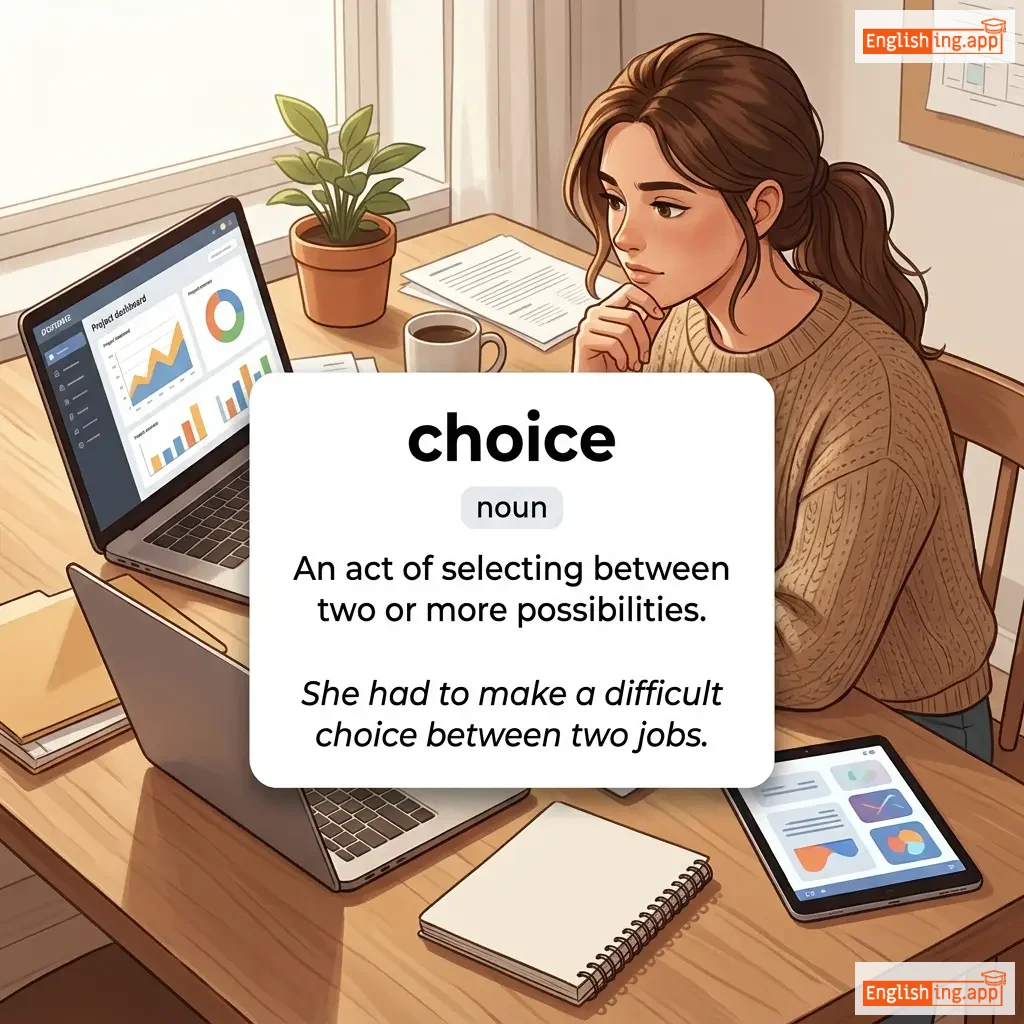
An act of selecting between two or more possibilities.
••••••
|
She had to make a difficult choice between two jobs. |
彼女は二つの仕事の間で難しい選択をしなければならなかった。
Kanojo wa futatsu no shigoto no aida de muzukashii sentaku o shinakereba naranakatta.
••••••
|
by choice |
Voluntarily or willingly.
••••••
|
選択によって
sentaku ni yotte
••••••
|
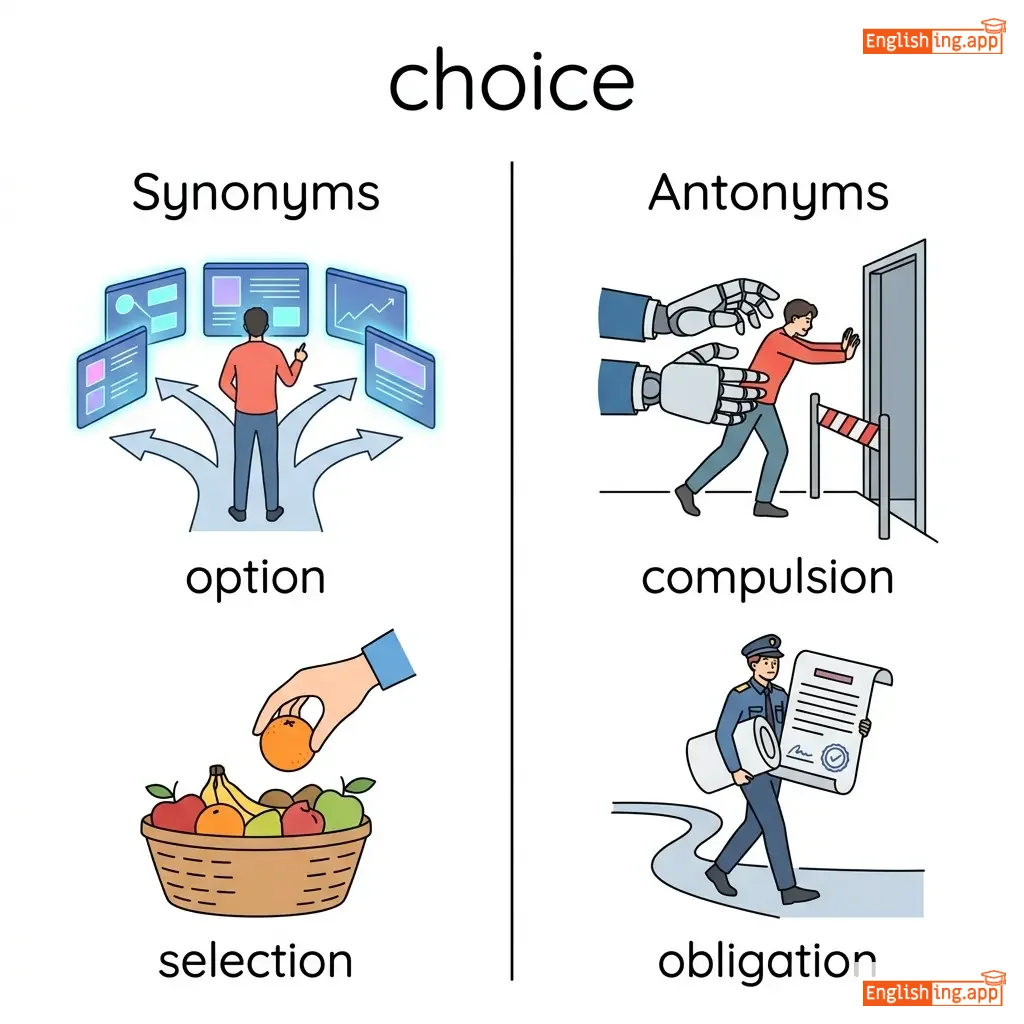
option, selection, decision, preference, alternative
••••••
|
compulsion, obligation, necessity
••••••
|
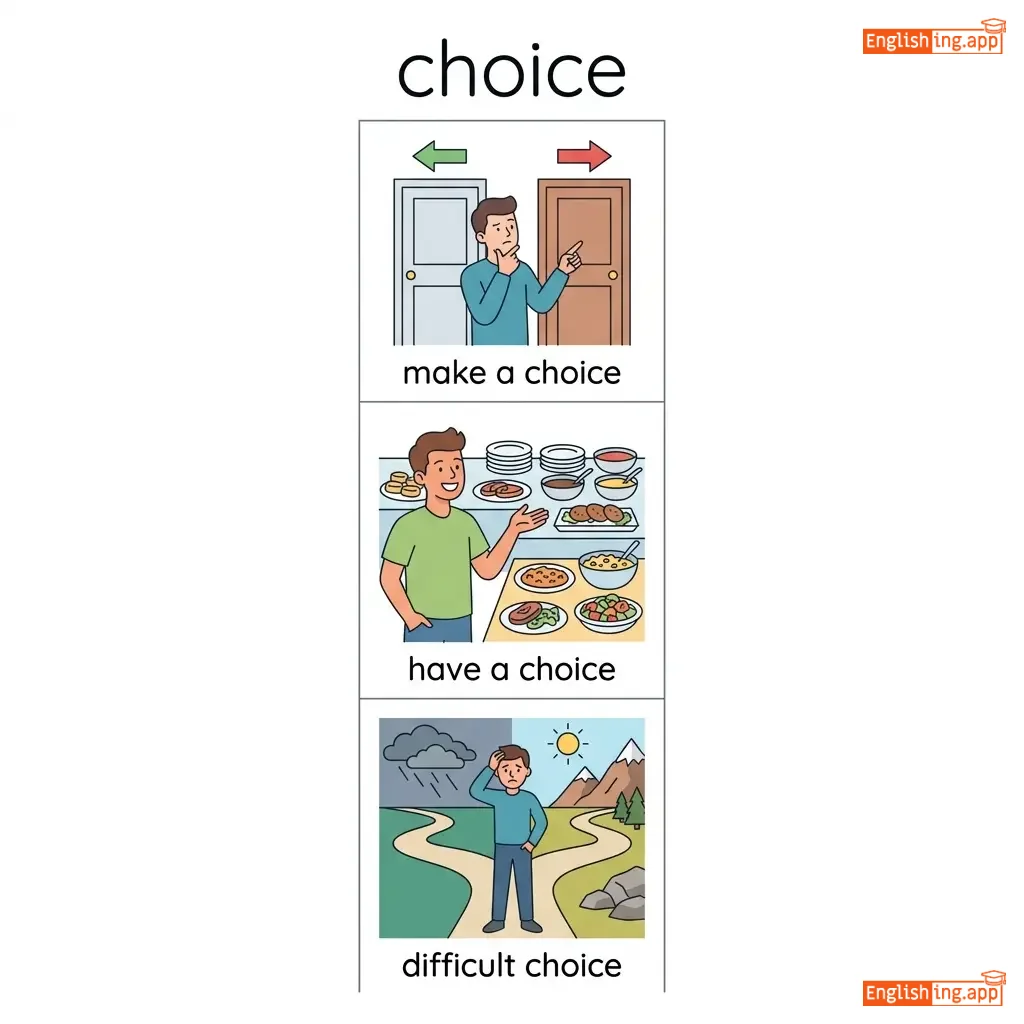
make a choice, have a choice, difficult choice, free choice
••••••
|
Choice は選択。選択肢の中から自分で選ぶことが大事。
••••••
|
|
🪙
••••••
|
/ˈkɒpə/
noun
(カッパー)
••••••
|
- •••••• |
銅
dou
••••••
|
- •••••• | - •••••• | - •••••• | - •••••• |
a reddish-brown metal used for electrical wiring, coins, and more
••••••
|
Copper is a good conductor of electricity. |
銅は良い電気導体です。
Dou wa yoi denki doutai desu.
••••••
|
- •••••• | - •••••• | - •••••• |
metal, bronze, alloy
••••••
|
plastic, rubber
••••••
|
copper wire, copper pipe, copper coins
••••••
|
銅(どう)は電気を流す金属、カッパーはそのままカタカナ
••••••
|
|
💳
••••••
|
/ˈkrɛdɪt/
noun, verb
••••••
|
- •••••• | - •••••• |
credited
••••••
|
credited
••••••
|
credits
••••••
|
crediting
••••••
|
As a noun: the ability to obtain goods or services before payment; recognition for an achievement. As a verb: to publicly acknowledge someone's contribution.
••••••
|
She received credit for her contribution to the project. |
- •••••• |
give credit where credit is due |
Acknowledge someone’s effort or achievement when it is deserved.
••••••
|
- •••••• |
recognition, trust, praise, loan, acknowledgement
••••••
|
blame, discredit, doubt
••••••
|
take credit, line of credit, credit score, credit card
••••••
|
No •••••• |
|
🛳️
••••••
|
/kruːz/
verb
••••••
|
- •••••• |
幸せ
shiawase
••••••
|
cruised
••••••
|
cruised
••••••
|
cruises
••••••
|
cruising
••••••
|
to travel smoothly at a moderate speed, especially for pleasure
••••••
|
They decided to cruise along the coast during their vacation. |
彼女は賞を受け取ったときの幸せを隠すことができませんでした。
Kanojo wa shō o uketotta toki no shiawase o kakusu koto ga dekimasen deshita.
••••••
|
cruise control |
a system that automatically controls the speed of a vehicle
••••••
|
幸せを追い求める
shiawase o oi motomeru
••••••
|
sail, glide, drift, coast, navigate
••••••
|
anchor, halt, stop
••••••
|
go on a cruise, cruise ship, cruise along, luxury cruise
••••••
|
幸せは求め続けるものです。
••••••
|
|
💃
••••••
|
/ˈdænsər/
noun
(ダンサー)
••••••
|
- •••••• |
ダンサー
dansā
••••••
|
- •••••• | - •••••• | - •••••• | - •••••• |
a person who dances or performs dancing professionally or as a hobby
••••••
|
The dancer moved gracefully across the stage. |
ダンサーは舞台を優雅に動きました。
Dansā wa butai o yūga ni ugokimashita.
••••••
|
dance to someone’s tune |
to do what someone else wants or tells you to do
••••••
|
誰かの言う通りに踊る
dareka no iu tōri ni odoru
••••••
|
performer, ballerina, entertainer, artist, choreographer
••••••
|
nonperformer, spectator
••••••
|
professional dancer, ballet dancer, street dancer, lead dancer
••••••
|
ダンサー = ダンスをする人、忘れずにダンスしよう!💃
••••••
|
|
🤝
••••••
|
/ˈjuːnɪfaɪ/
verb
••••••
|
|
- •••••• |
unified
••••••
|
unified
••••••
|
unifies
••••••
|
unifying
••••••
|
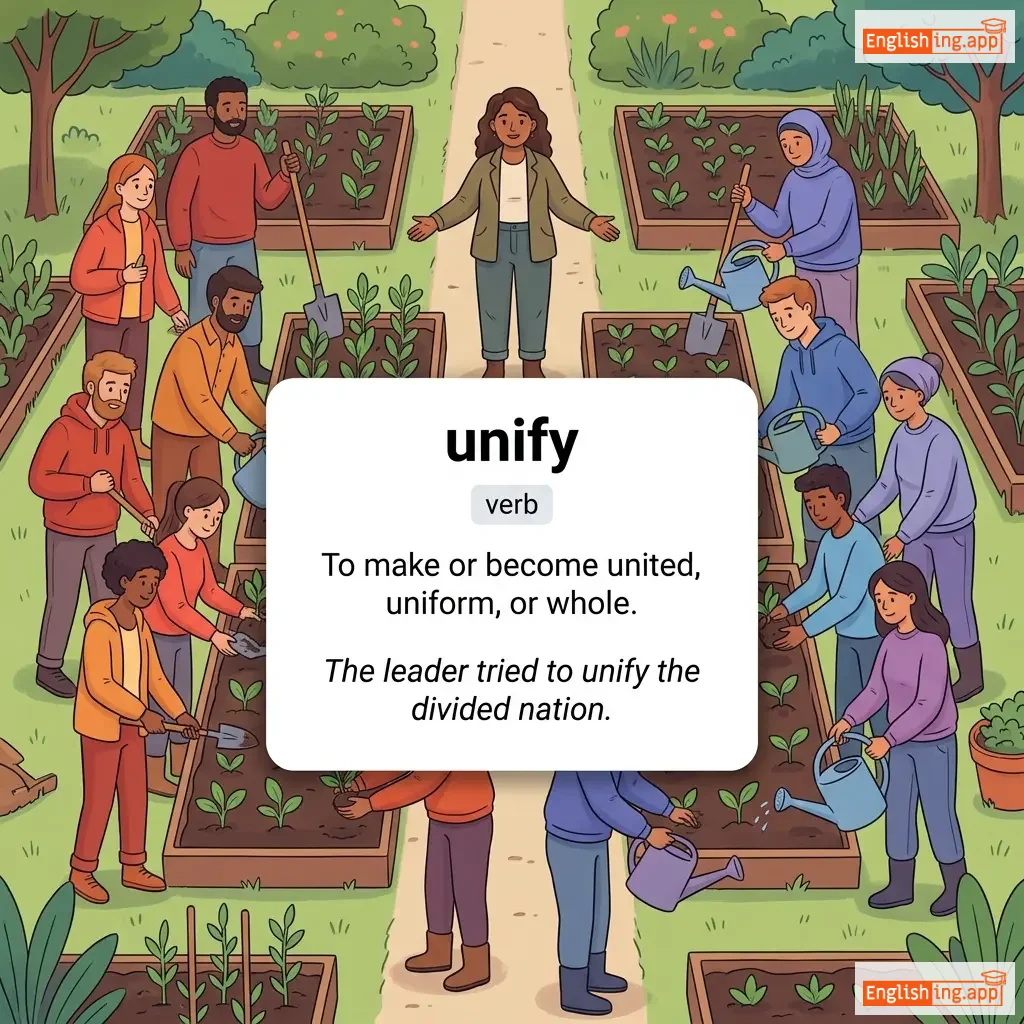
To make or become united, uniform, or whole.
••••••
|
The leader tried to unify the divided nation. |
- •••••• |
unify efforts |
to combine work or energy towards a common goal
••••••
|
- •••••• |
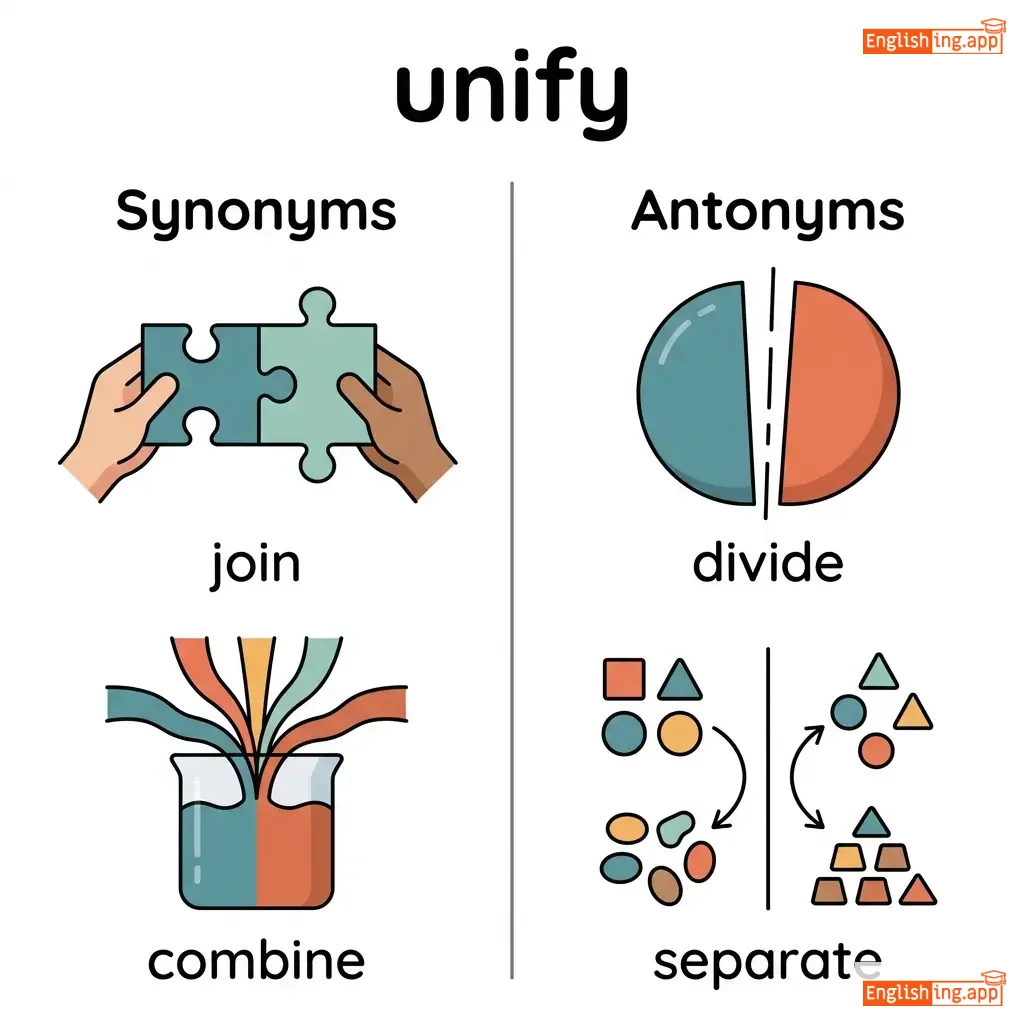
join, combine, merge, integrate, consolidate
••••••
|
divide, separate, fragment
••••••
|
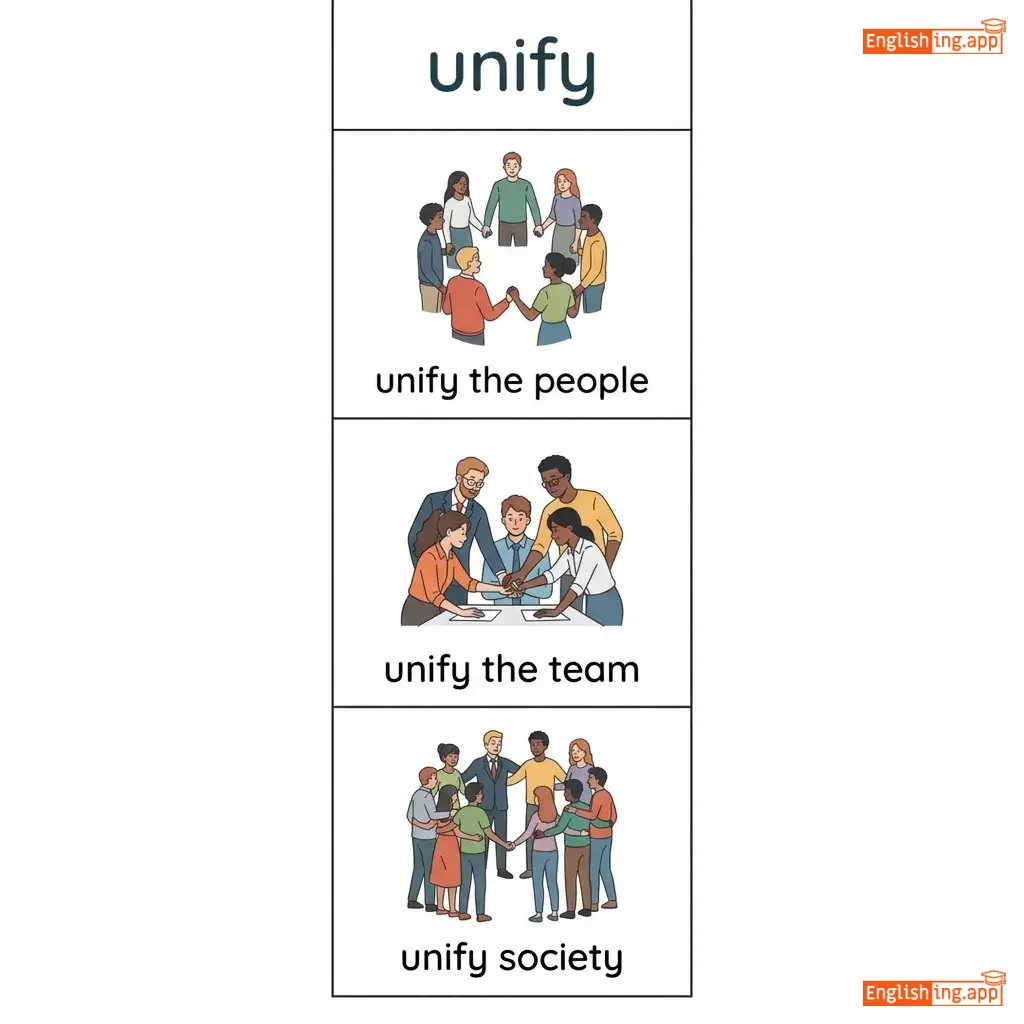
unify the people, unify the team, unify society, unify efforts
••••••
|
No •••••• |
|
🤲
••••••
|
/ˈjuːnjən/
noun
(ユニオン)
••••••
|
- •••••• |
連合
rengo
••••••
|
- •••••• | - •••••• | - •••••• | - •••••• |
the action of joining or combining; a political unit formed from separate states
••••••
|
The union of the two companies created a powerful corporation.
二つの企業の連携が強力な企業を作り出しました。
••••••
|
二つの企業の連携が強力な企業を作り出しました。
Futatsu no kigyō no rengō ga kyōryokuna kigyō o tsukuridashimashita.
••••••
|
- •••••• | - •••••• | - •••••• |
alliance, merger, combination, federation
••••••
|
separation, division, dissolution, split
••••••
|
trade union, labor union, form a union
••••••
|
連合は、複数の部分が一緒に集まって強力なものを作り出すことです。
••••••
|
|
💎
••••••
|
/ˈvæl.juː/
noun
(ヴァリュー)
••••••
|
- •••••• |
価値; 価格; 重要性
kachi; kakaku; jūyō-sei
••••••
|
- •••••• | - •••••• | - •••••• | - •••••• |
the importance or worth of something; the amount of money that something is worth
••••••
|
This antique vase has great sentimental value to our family.
このアンティークの花瓶は私たちの家族にとって大きな感情的価値があります。
••••••
|
このアンティークの花瓶は私たちの家族にとって大きな感情的価値があります。
Kono antīku no kabin wa watashitachi no kazoku ni totte ōkina kanjō-teki kachi ga arimasu.
••••••
|
- •••••• | - •••••• | - •••••• |
worth, importance, significance, price
••••••
|
worthlessness, insignificance
••••••
|
market value, face value, family values, good value
••••••
|
物の価値は、価格だけでなく、それが家族にとってどれだけ意味があるかにもある。
••••••
|
|
🧶
••••••
|
/wiːv/
verb
(ウィーヴ)
••••••
|
- •••••• |
織る
oru
••••••
|
wove
ウーヴ
••••••
|
woven
ウーヴェン
••••••
|
weaves
ウィーヴズ
••••••
|
weaving
ウィーヴィング
••••••
|
to make cloth by interlacing threads or to combine elements into a whole
••••••
|
She weaves beautiful patterns on her loom.
彼女は自分の織機で美しいパターンを織っています。
••••••
|
彼女は自分の織機で美しいパターンを織っています。
Kanojo wa jibun no oriki de utsukushii patān wo otteimasu.
••••••
|
weave a story
物語を織る
••••••
|
to create a complex or imaginative story
••••••
|
物語を織る
Monogatari wo oru
••••••
|
interlace, intertwine, knit, braid, spin
••••••
|
unravel, untangle
••••••
|
weave fabric, weave basket, weave pattern, weave story
••••••
|
Weave はネットを編むようなものです — 布や物語の両方を編むことができます。
••••••
|

