Optimistic Book Circle
ダッカの若者読書クラブは、今日はメンタルヘルスについて特別な会話を開催しました。leadershipチームは朝に新しい計画を共有しました。彼らは、literatureを読むことが感情的なバランスに対してmeaningfulな支援を提供すると言いました。セッションは短いmeditationで始まりました。クラブのmembershipは非常に大きくなったため、ゴウリは皆に自分たちのobligationが互いに助け合うことだと伝えました。心理学者によれば、より良いperceptionはpreventionを容易にします。最新のnewsletterにはボランティアの話が掲載されました。ある学生は、自分のmotivationを説明するために古いmanuscriptを持参しました。彼は以前のコーチが彼をmanipulateしようとしたと言い、今はlegitimateなガイダンスだけを受け入れています。新しい大統領のnominationが舞台で発表されました。いくつかのoppositionがありましたが、部屋は落ち着いていました。主催者は繰り返し、クラブのprotectionはすべての人を安全に保つことだと言いました。今後の活動では、psychologyと創造的なライティングを組み合わせます。午後にはproductiveなライティングセッションが行われました。参加者は未来について非常にoptimisticに感じていました。彼らはメディアに、クラブがmainstreamの認識を変えるために取り組んでいると伝えました。来月、彼らは学校のliteratureフェアを開催します。最後に、みんなで回復は共同のobligationだと言いました。
|
絵文字
|
単語 | Images | 翻訳 | 過去 | 過去分詞 | 三人称単数 | 動名詞 | 意味 | 例文 | 例文の翻訳 | 表現例 | 表現例の意味 | 表現例の翻訳 | 同義語 | 対義語 | コロケーション | ニーモニック |
|---|---|---|---|---|---|---|---|---|---|---|---|---|---|---|---|---|---|
|
👑
••••••
|
/ˈliːdərˌʃɪp/
noun
(リーダーシップ)
••••••
|
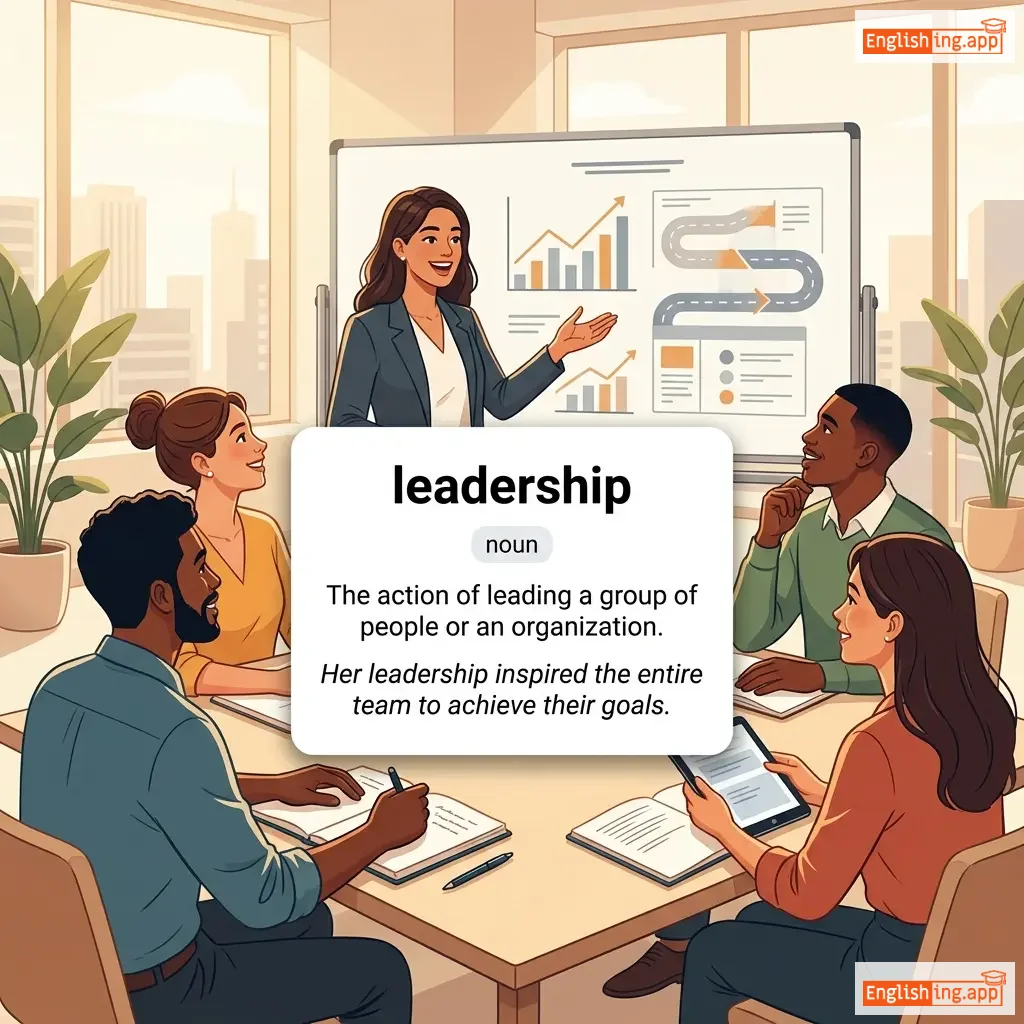
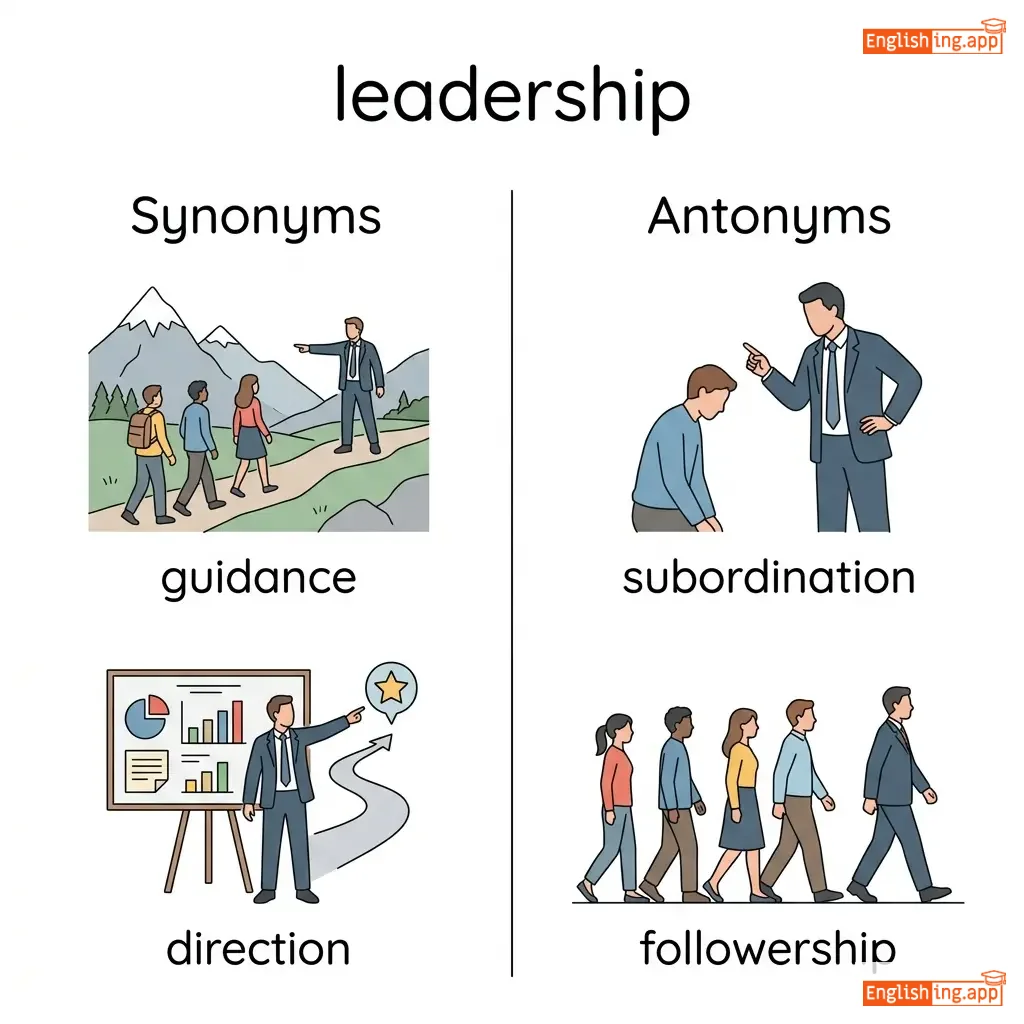
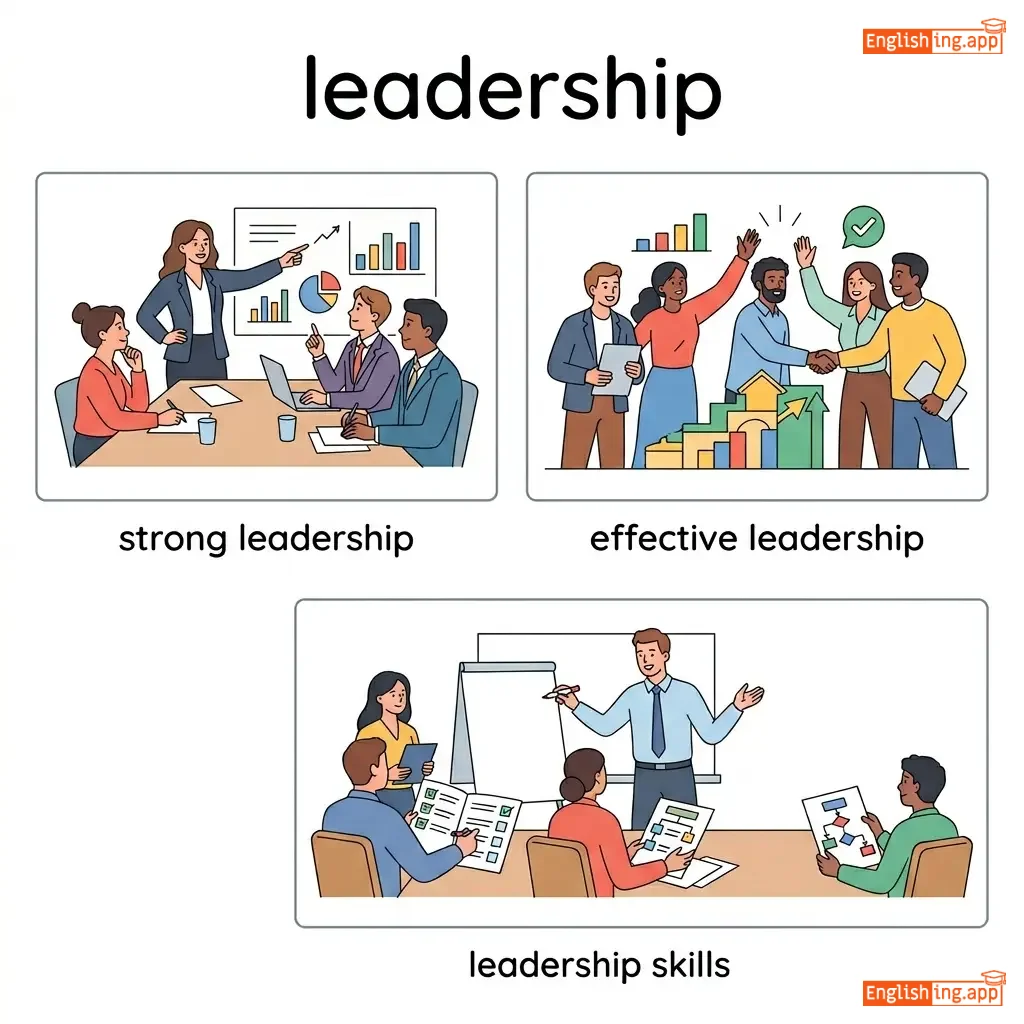
|
リーダーシップ
rīdāshippu
••••••
|
- •••••• | - •••••• | - •••••• | - •••••• |
The action of leading a group of people or an organization.
••••••
|
Her leadership inspired the entire team to achieve their goals. |
彼女のリーダーシップはチーム全体を目標達成に導いた。
Kanojo no rīdāshippu wa chīmu zentai o mokuhyō tassei ni michibiita.
••••••
|
take the leadership role |
to assume responsibility for guiding or directing others
••••••
|
リーダーシップの役割を引き受ける
Rīdāshippu no yakuwari o hikiukeru
••••••
|
guidance, direction, command, authority, management
••••••
|
subordination, followership
••••••
|
strong leadership, effective leadership, leadership skills, leadership qualities
••••••
|
リーダーシップは船長のように、成功の海をチームで進んでいくことです。
••••••
|
|
✅
••••••
|
/lɪˈdʒɪtɪmət/
adjective
(rijitimetto)
••••••
|
- •••••• |
正当
seitou
••••••
|
- •••••• | - •••••• | - •••••• | - •••••• |
Conforming to the law or to rules; valid or acceptable.
••••••
|
She presented a legitimate reason for her absence.
彼女は欠席の理由を正当化しました。
••••••
|
彼女は欠席の理由を正当化しました。
Kanojo wa kesseki no riyū o seitōka shimashita.
••••••
|
legitimate concerns
正当な懸念
••••••
|
Valid or reasonable worries or issues.
••••••
|
正当な懸念
seitō na ken'en
••••••
|
lawful, valid, genuine, proper, authentic
••••••
|
illegal, fake, invalid
••••••
|
legitimate business, legitimate child, legitimate claim, legitimate interest
••••••
|
Legitimate は合法を意味するので、legitimate = 正当
••••••
|
|
📚
••••••
|
/ˈlɪtərətʃər/
noun
(リテラチャー)
••••••
|
- •••••• |
文学
bungaku
••••••
|
- •••••• | - •••••• | - •••••• | - •••••• |
written works, especially those considered of superior or lasting artistic merit
••••••
|
He studied English literature at university. |
彼は大学で英文学を学びました。
Kare wa daigaku de eibungaku o manabimashita.
••••••
|
classic literature |
literary works of enduring value and recognition
••••••
|
古典文学
koten bungaku
••••••
|
writing, works, prose, poetry, composition
••••••
|
illiterature, ignorance
••••••
|
English literature, world literature, modern literature, study literature
••••••
|
Literature - '文学'は永遠の‘文字’の美しさ
••••••
|
|
🌊
••••••
|
/ˈmeɪnstriːm/
noun
(メインストリーム)
••••••
|
- •••••• |
主流
shuryuu
••••••
|
- •••••• | - •••••• | - •••••• | - •••••• |
the ideas, attitudes, or activities that are regarded as normal or conventional; the dominant trend in opinion or fashion
••••••
|
Social media has become a mainstream source of news for many people. |
ソーシャルメディアは多くの人々にとって主流のニュースソースとなった。
Sōsharumedia wa ōku no hitobito ni totte shuryū no nyūsu sōsu to natta.
••••••
|
go mainstream |
to become widely accepted or popular among the general public
••••••
|
主流になる
shuryuu ni naru
••••••
|
conventional, popular, dominant, prevalent, established
••••••
|
unorthodox, alternative, fringe
••••••
|
mainstream media, mainstream culture, mainstream society, go mainstream
••••••
|
Mainstreamは社会で最も受け入れられている流れです。
••••••
|
|
🕹️
••••••
|
/məˈnɪpjəˌleɪt/
verb
••••••
|
- •••••• | - •••••• |
manipulated
••••••
|
manipulated
••••••
|
manipulates
••••••
|
manipulating
••••••
|
to control or influence someone or something cleverly or unfairly
••••••
|
He tried to manipulate the results in his favor. |
- •••••• |
manipulate the strings |
to control or influence events or people secretly
••••••
|
- •••••• |
control, influence, exploit, maneuver, handle
••••••
|
mismanage, neglect, ignore
••••••
|
manipulate data, manipulate results, manipulate people
••••••
|
No •••••• |
|
📜
••••••
|
/ˈmæn.juˌskrɪpt/
noun
(マヌスクリプト)
••••••
|
- •••••• |
手稿
shukou
••••••
|
- •••••• | - •••••• | - •••••• | - •••••• |
a handwritten or typed document, especially a writer’s draft before publication
••••••
|
The author submitted her manuscript to the publisher. |
作家は彼女の手稿を出版社に提出しました。
Sakka wa kanojo no shukou o shuppansha ni teishutsu shimashita.
••••••
|
- •••••• | - •••••• | - •••••• |
draft, document, text, script, paper
••••••
|
print, publication, copy
••••••
|
ancient manuscript, submit manuscript, manuscript copy
••••••
|
手書きの手稿、マヌスクリプト
••••••
|
|
💡
••••••
|
/ˈmiːnɪŋfəl/
adjective
(ミーニングフル)
••••••
|
- •••••• |
意味のある
imi no aru
••••••
|
- •••••• | - •••••• | - •••••• | - •••••• |
having purpose, value, or significance
••••••
|
He gave a meaningful smile before leaving the room. |
彼は部屋を出る前に意味のある笑顔を見せた。
Kare wa heya o deru mae ni imi no aru egao o miseta.
••••••
|
make a meaningful contribution |
to add something valuable or significant to a situation
••••••
|
意味のある貢献をする
imi no aru kōken o suru
••••••
|
significant, purposeful, valuable, expressive, important
••••••
|
meaningless, trivial, empty
••••••
|
meaningful conversation, meaningful relationship, meaningful impact, meaningful work
••••••
|
意味のある、星のように輝いて人生に価値を与えるものです。
••••••
|
|
🧘
••••••
|
/ˌmɛdɪˈteɪʃən/
noun
(瞑想)
••••••
|
- •••••• |
瞑想
meisou
••••••
|
- •••••• | - •••••• | - •••••• | - •••••• |
The practice of focusing the mind to achieve calmness, clarity, or spiritual growth.
••••••
|
She practices meditation every morning to start her day peacefully. |
彼女は毎朝瞑想を実践して、穏やかな一日を始めます。
Kanojo wa mai asa meisou o jissen shite, odayakana ichinichi o hajimemasu.
••••••
|
deep meditation |
A state of intense focus and calmness during meditation.
••••••
|
深い瞑想
fukai meisou
••••••
|
contemplation, reflection, mindfulness, prayer, concentration
••••••
|
distraction, chaos
••••••
|
practice meditation, meditation techniques, meditation session, guided meditation
••••••
|
瞑想は心を沈めて、静かな心を得る方法です。
••••••
|
|
🎫
••••••
|
/ˈmɛmbərʃɪp/
noun
(メンバーシップ)
••••••
|
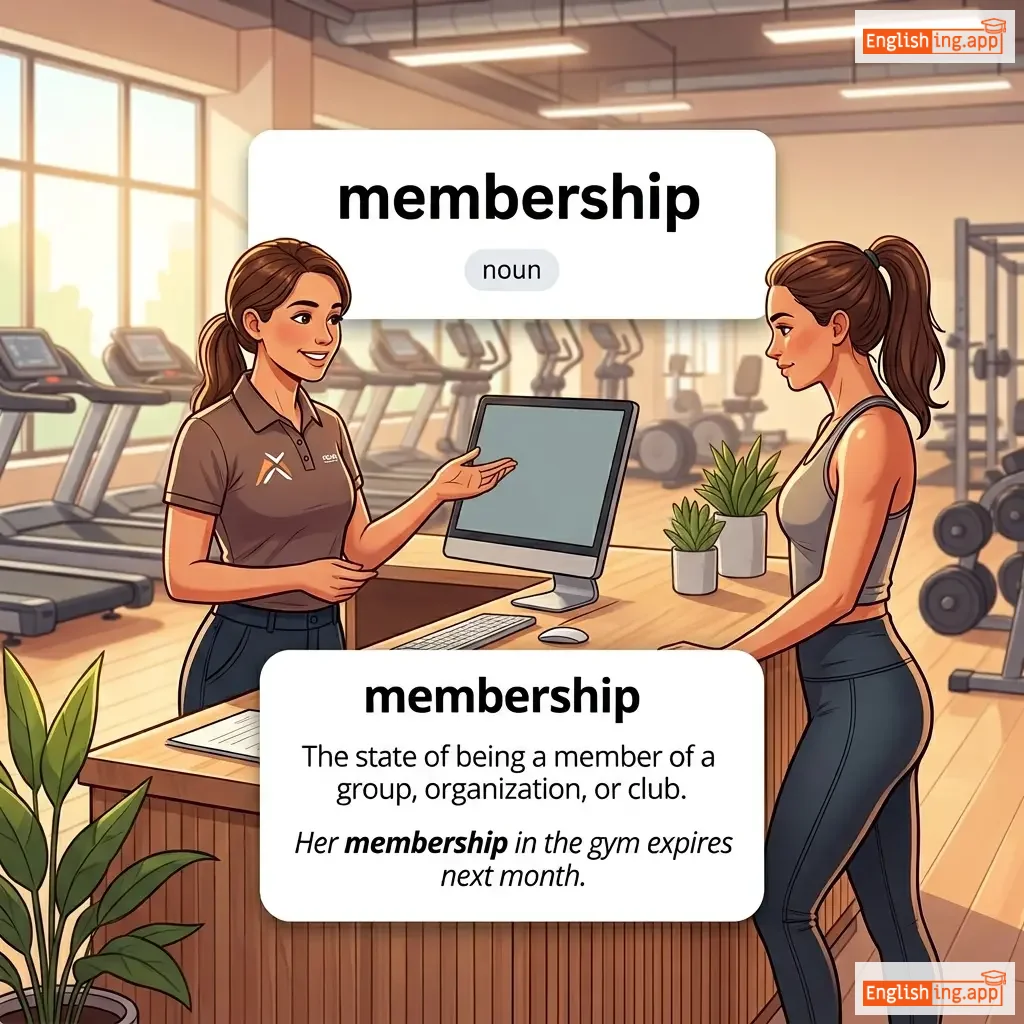
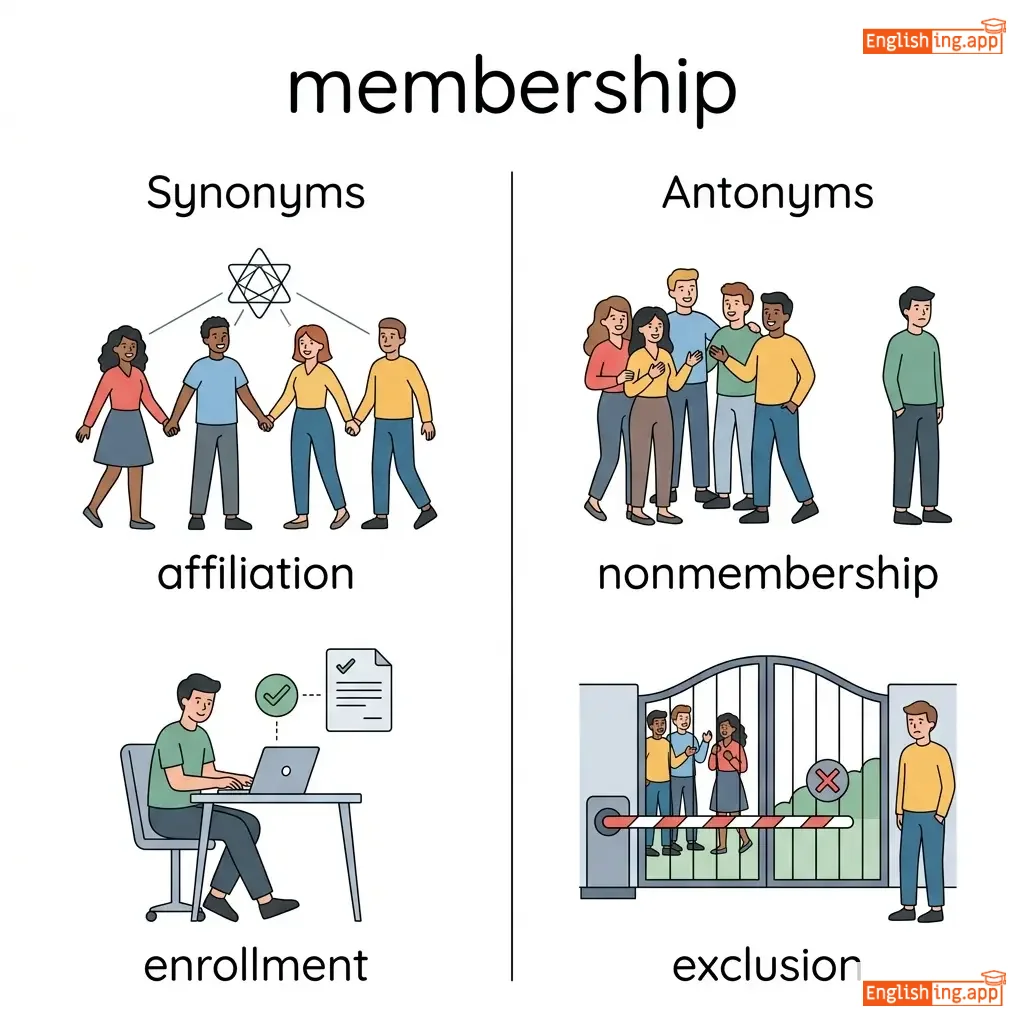
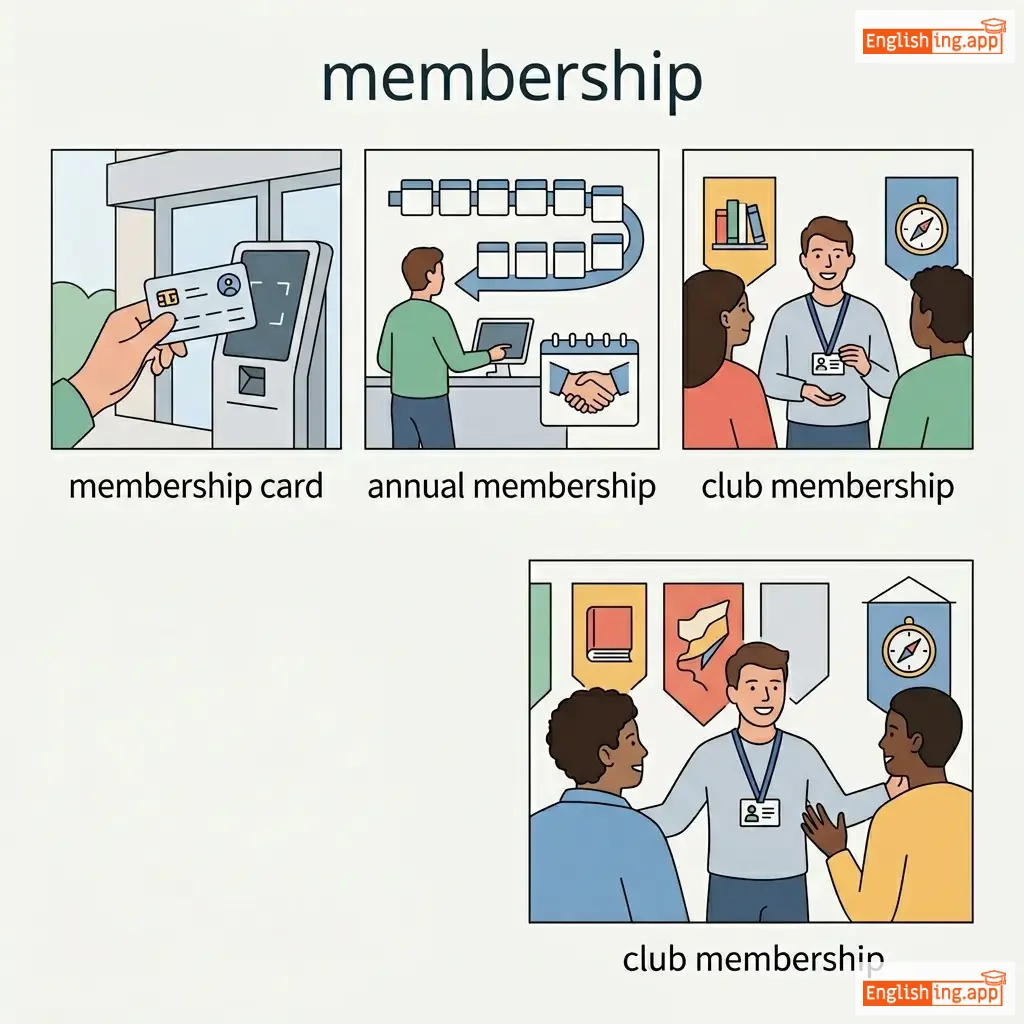
|
会員資格
kaiinshikaku
••••••
|
- •••••• | - •••••• | - •••••• | - •••••• |
The state of being a member of a group, organization, or club.
••••••
|
Her membership in the gym expires next month. |
ジムの会員資格は来月終了します。
Jimu no kaiinshikaku wa raigetsu shūryō shimasu.
••••••
|
membership drive |
A campaign to recruit new members for an organization.
••••••
|
会員募集キャンペーン
Kaiin boshū kyanpēn
••••••
|
affiliation, enrollment, subscription, association, participation
••••••
|
nonmembership, exclusion
••••••
|
membership card, annual membership, club membership, membership fee
••••••
|
会員資格は「加入する」ための鍵、簡単に覚えて参加しよう!
••••••
|
|
🔥
••••••
|
/ˌmoʊtɪˈveɪʃən/
noun
(モチベーション)
••••••
|
- •••••• |
モチベーション
mochibeeshon
••••••
|
- •••••• | - •••••• | - •••••• | - •••••• |
the reason or drive for acting or behaving in a particular way
••••••
|
She lost her motivation to continue the project. |
彼女はプロジェクトを続けるモチベーションを失いました。
Kanojo wa purojekuto o tsudzukeru mochibeeshon o ushinai mashita.
••••••
|
self-motivation |
the ability to find reasons within oneself to act
••••••
|
自己動機付け
jiko doukizuke
••••••
|
drive, incentive, inspiration, determination, enthusiasm
••••••
|
discouragement, apathy, disinterest
••••••
|
motivation level, source of motivation, lack of motivation, motivation to succeed
••••••
|
モチベーションは動機付けを意味します — 'Mo-ti-Vation' を思い出してください '仕事の中で火 (火) を灯す'。
••••••
|
|
📰
••••••
|
/ˈnjuːzˌlɛtər/
noun
(nyūzuretā)
••••••
|
- •••••• |
ニュースレター
nyūzuretā
••••••
|
- •••••• | - •••••• | - •••••• | - •••••• |
a printed or electronic report containing news or information about a company or organization
••••••
|
The company sends a weekly newsletter to its employees.
その会社は毎週社員にニュースレターを送ります。
••••••
|
その会社は毎週社員にニュースレターを送ります。
Sono kaisha wa maishū shain ni nyūzuretā o okurimasu.
••••••
|
- •••••• | - •••••• | - •••••• |
bulletin, report, circular, digest
••••••
|
none
••••••
|
newsletter subscription, newsletter content, newsletter design
••••••
|
ニュースレターで毎週情報を受け取る
••••••
|
|
📜
••••••
|
/ˌnɒməˈneɪʃən/
noun
(ノミネーション)
••••••
|
- •••••• |
ノミネーション
nominēshon
••••••
|
- •••••• | - •••••• | - •••••• | - •••••• |
The act of formally proposing someone for a role, position, or award.
••••••
|
Her nomination for the award surprised everyone. |
彼女の賞へのノミネーションは、皆を驚かせました。
Kanojo no shō e no nomineeshon wa, mina o odorokasemashita.
••••••
|
- •••••• | - •••••• | - •••••• |
appointment, proposal, suggestion, designation
••••••
|
rejection, dismissal, exclusion
••••••
|
receive nomination, award nomination, political nomination, official nomination
••••••
|
ノミネーションは、重要な役職や賞に名前を挙げることです。
••••••
|
|
📝
••••••
|
/ˌɑb.lɪˈɡeɪ.ʃən/
noun
(オブリゲーション)
••••••
|
- •••••• |
義務
gimu
••••••
|
- •••••• | - •••••• | - •••••• | - •••••• |
a duty or commitment; something that must be done legally or morally
••••••
|
Parents have an obligation to care for their children.
親は子供の世話をする義務がある。
••••••
|
親は子供の世話をする義務がある。
oya wa kodomo no sewa o suru gimu ga aru
••••••
|
- •••••• | - •••••• | - •••••• |
duty, responsibility, commitment, requirement
••••••
|
freedom, choice, option, liberty
••••••
|
legal obligation, moral obligation, meet obligation
••••••
|
親は子供の世話をすることが道徳的および法的義務です。
••••••
|
|
✊
••••••
|
/ˌɒpəˈzɪʃən/
noun
(オポジション)
••••••
|
- •••••• |
反対
hantai
••••••
|
- •••••• | - •••••• | - •••••• | - •••••• |
the action of opposing or resisting something
••••••
|
The opposition to the new law was strong. |
新しい法律に対する反対は強かった。
Atarashī hōritsu ni taisuru hantai wa tsuyokatta.
••••••
|
- •••••• | - •••••• | - •••••• |
resistance, defiance, objection, protest
••••••
|
support, cooperation
••••••
|
political opposition, strong opposition, fierce opposition, lead the opposition
••••••
|
‘反対’を覚えるために反抗のイメージを使おう!
••••••
|
|
🌞
••••••
|
/ˌɑːp.təˈmɪs.tɪk/
adjective
(オプティミスティック)
••••••
|
- •••••• |
楽観的
rakkan-teki
••••••
|
- •••••• | - •••••• | - •••••• | - •••••• |
hopeful and confident about the future
••••••
|
She is optimistic about the success of her new project. |
彼女は新しいプロジェクトの成功に楽観的です。
Kanojo wa atarashī purojekuto no seikō ni rakkan-teki desu.
••••••
|
glass half full |
viewing a situation positively
••••••
|
半分のグラス
hanbun no gurasu
••••••
|
hopeful, positive, confident, cheerful, upbeat
••••••
|
pessimistic, doubtful, hopeless
••••••
|
optimistic view, optimistic outlook, optimistic about, remain optimistic
••••••
|
楽観的は '希望に満ちている' 🌞 — 覚えておいて、'optimistic' は英語で楽観的と同じ意味です。
••••••
|
|
🧠
••••••
|
/pərˈsɛpʃən/
noun
(パーセプション)
••••••
|
|
認識
ninshiki
••••••
|
- •••••• | - •••••• | - •••••• | - •••••• |
The ability to see, hear, or become aware of something; an interpretation of sensory information.
••••••
|
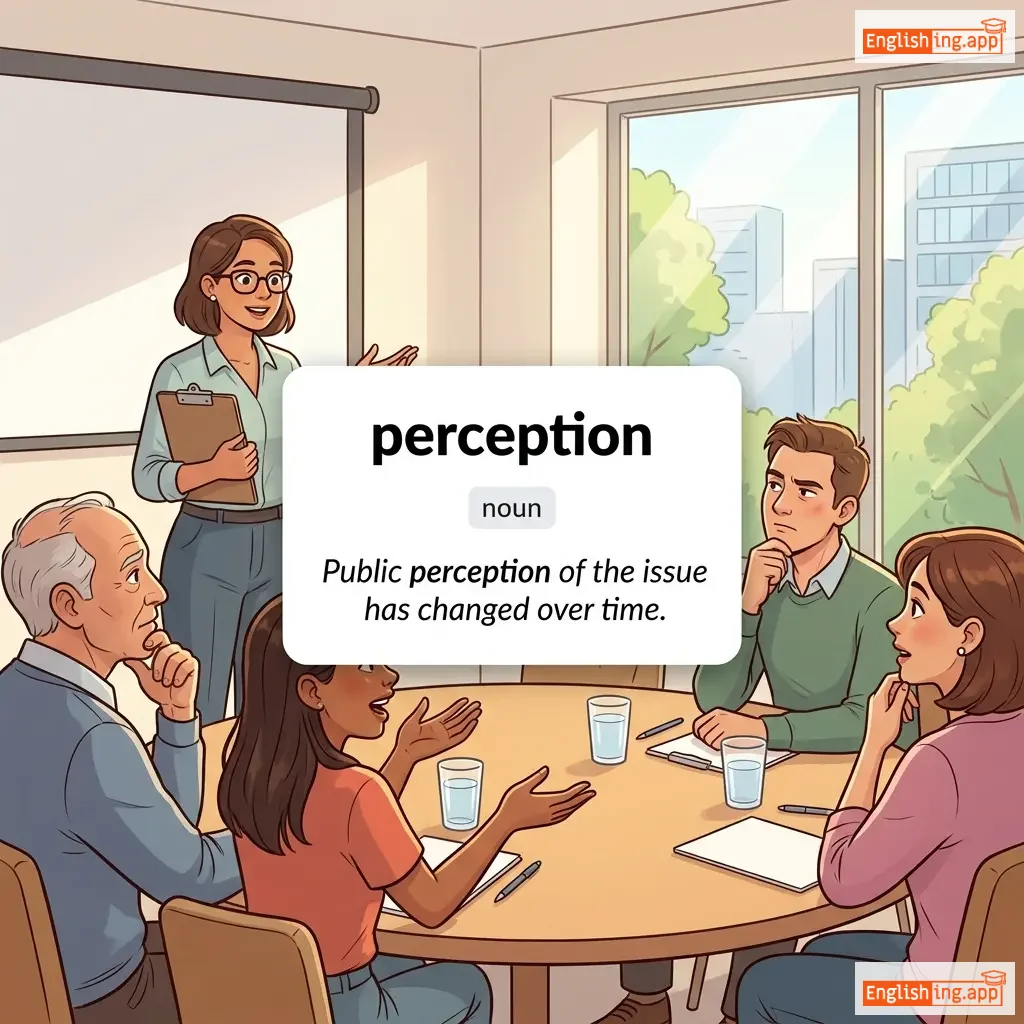
Public perception of the issue has changed over time. |
その問題に対する公共の認識は時間の経過とともに変化しました。
Sono mondai ni taisuru kōkyō no ninshiki wa jikan no keika to tomoni henka shimashita.
••••••
|
change perception |
To alter the way people view or interpret something
••••••
|
認識を変える
ninshiki o kaeru
••••••
|
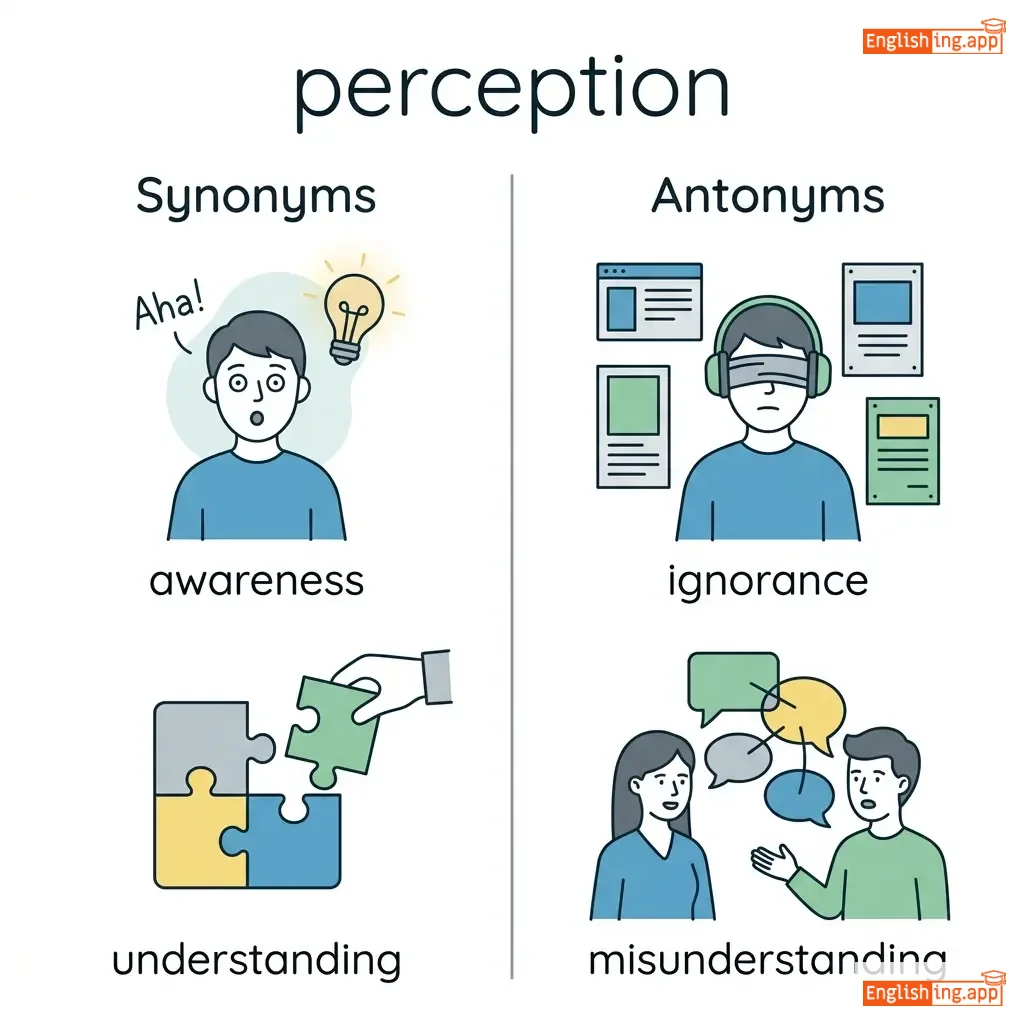
awareness, understanding, recognition, insight, cognition
••••••
|
ignorance, misunderstanding
••••••
|
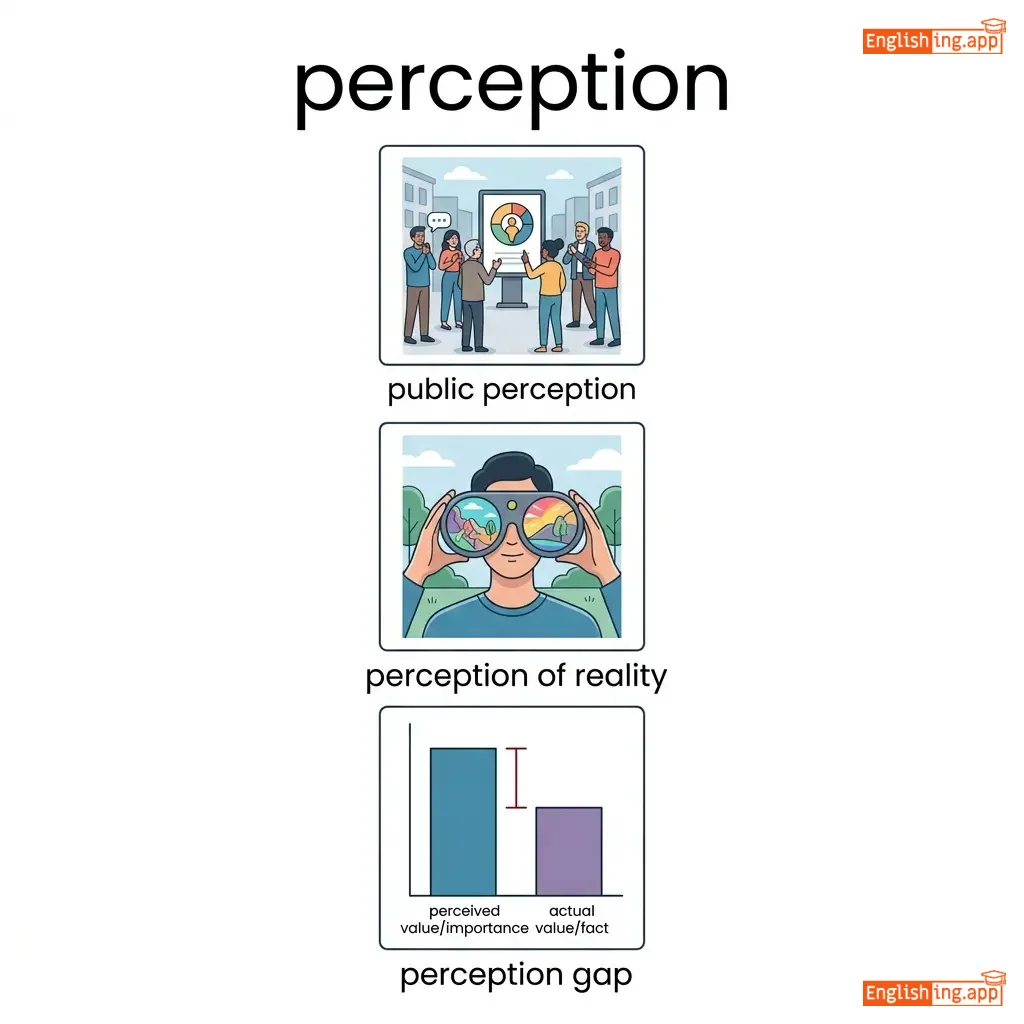
public perception, perception of reality, perception gap
••••••
|
認識 → 見たり聞いたりすることで、世界を認識する方法。
••••••
|
|
🛡️
••••••
|
/prɪˈvɛnʃən/
noun
(プリベンション)
••••••
|
|
予防
yobou
••••••
|
- •••••• | - •••••• | - •••••• | - •••••• |
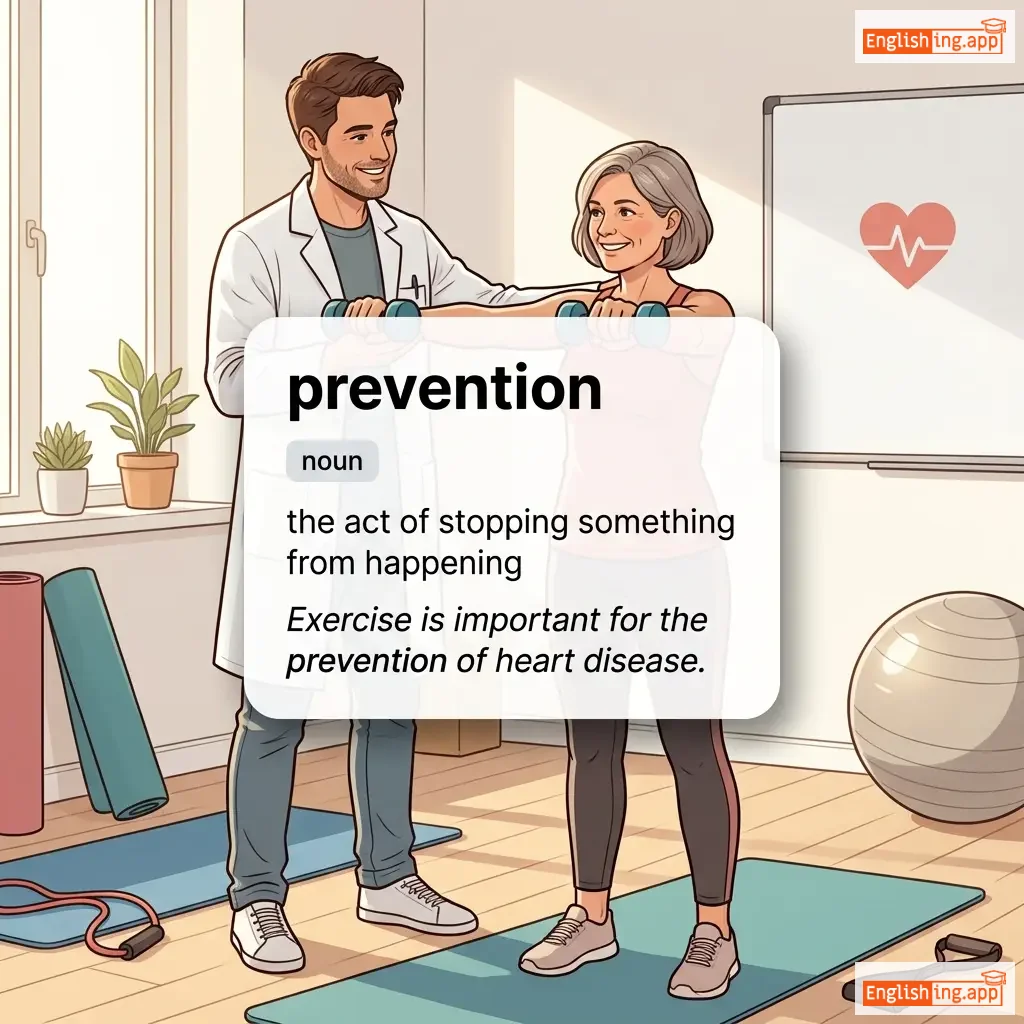
the act of stopping something from happening
••••••
|
Exercise is important for the prevention of heart disease. |
運動は心臓病の予防に重要です。
Undou wa shinzoubyou no yobou ni juuyou desu.
••••••
|
prevention is better than cure |
it is better to stop problems before they happen than to fix them later
••••••
|
予防は治療に勝る
Yobou wa chiryou ni masaru
••••••
|
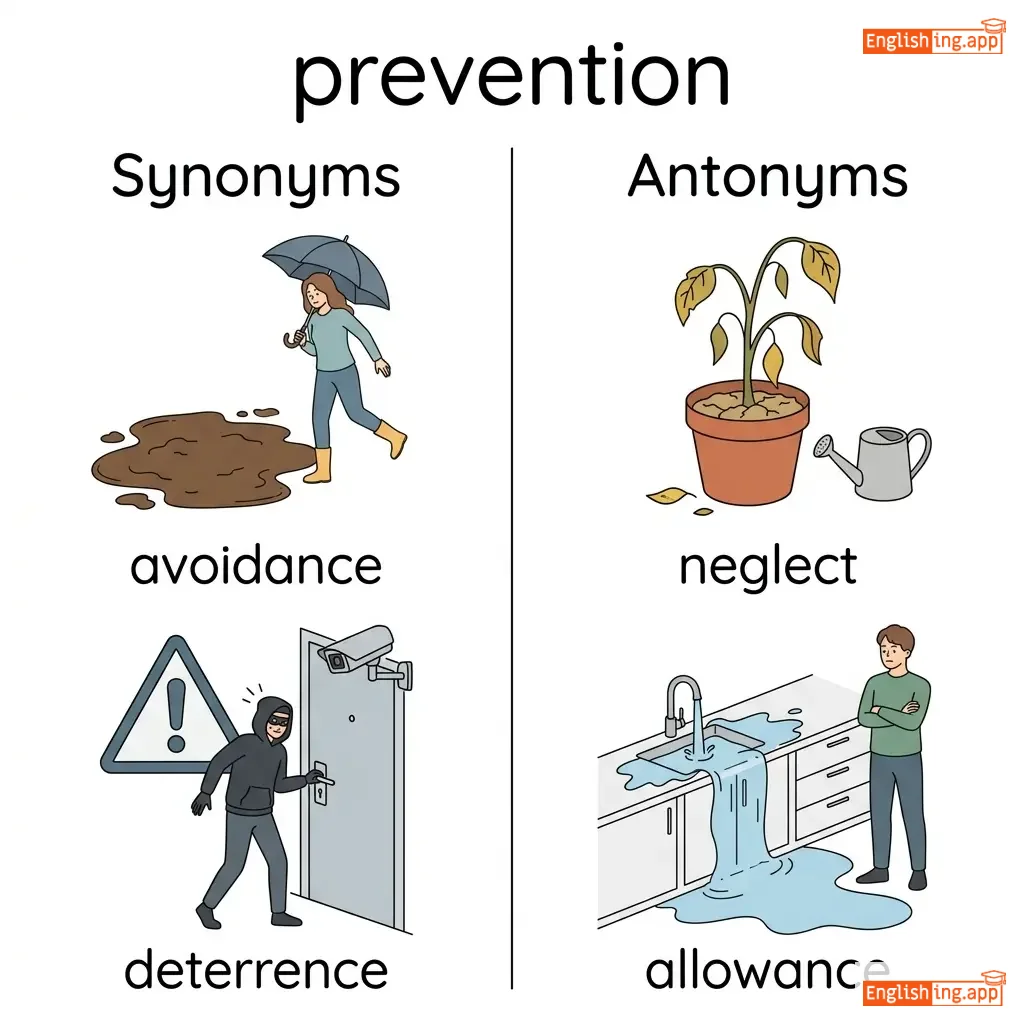
avoidance, deterrence, protection, precaution
••••••
|
neglect, allowance, permission
••••••
|
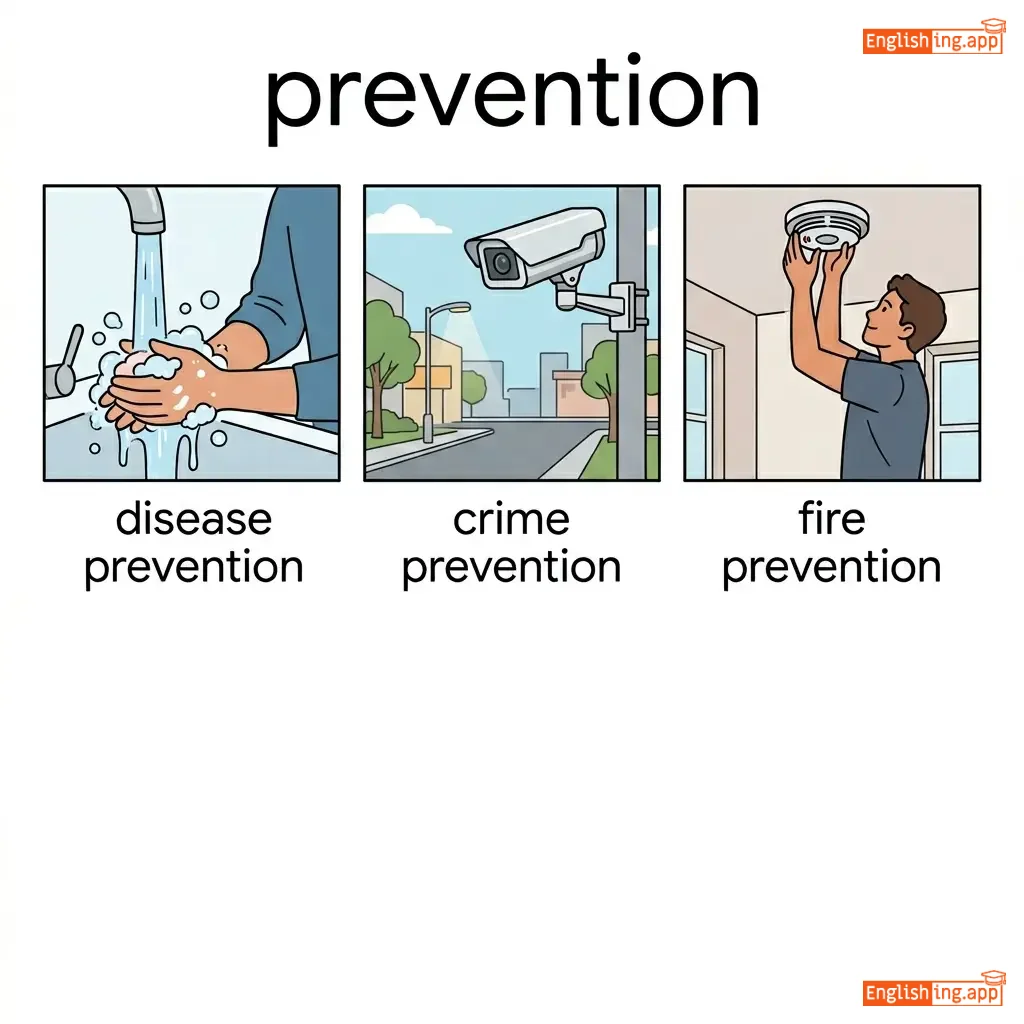
disease prevention, crime prevention, fire prevention, prevention strategy
••••••
|
予防とは事前に止めること — 早めに止めると問題は起こらない。
••••••
|
|
💼
••••••
|
/prəˈdʌktɪv/
adjective
(プロダクティブ)
••••••
|
- •••••• |
生産的
seisanteki
••••••
|
- •••••• | - •••••• | - •••••• | - •••••• |
producing or achieving a significant amount of results, work, or output
••••••
|
She had a very productive day at the office. |
彼女はオフィスで非常に生産的な一日を過ごしました。
Kanojo wa ofisu de hijō ni seisanteki na ichinichi o sugoshimashita.
••••••
|
productive day |
a day when a lot of useful work is done
••••••
|
生産的な日
seisanteki na hi
••••••
|
efficient, fruitful, effective, prolific
••••••
|
unproductive, idle, ineffective
••••••
|
productive day, productive meeting, productive work
••••••
|
生産的=PROを生産して結果を出す!
••••••
|
|
🛡️
••••••
|
/prəˈtɛkʃən/
noun
(ハピネス)
••••••
|
|
幸せ
shiawase
••••••
|
- •••••• | - •••••• | - •••••• | - •••••• |
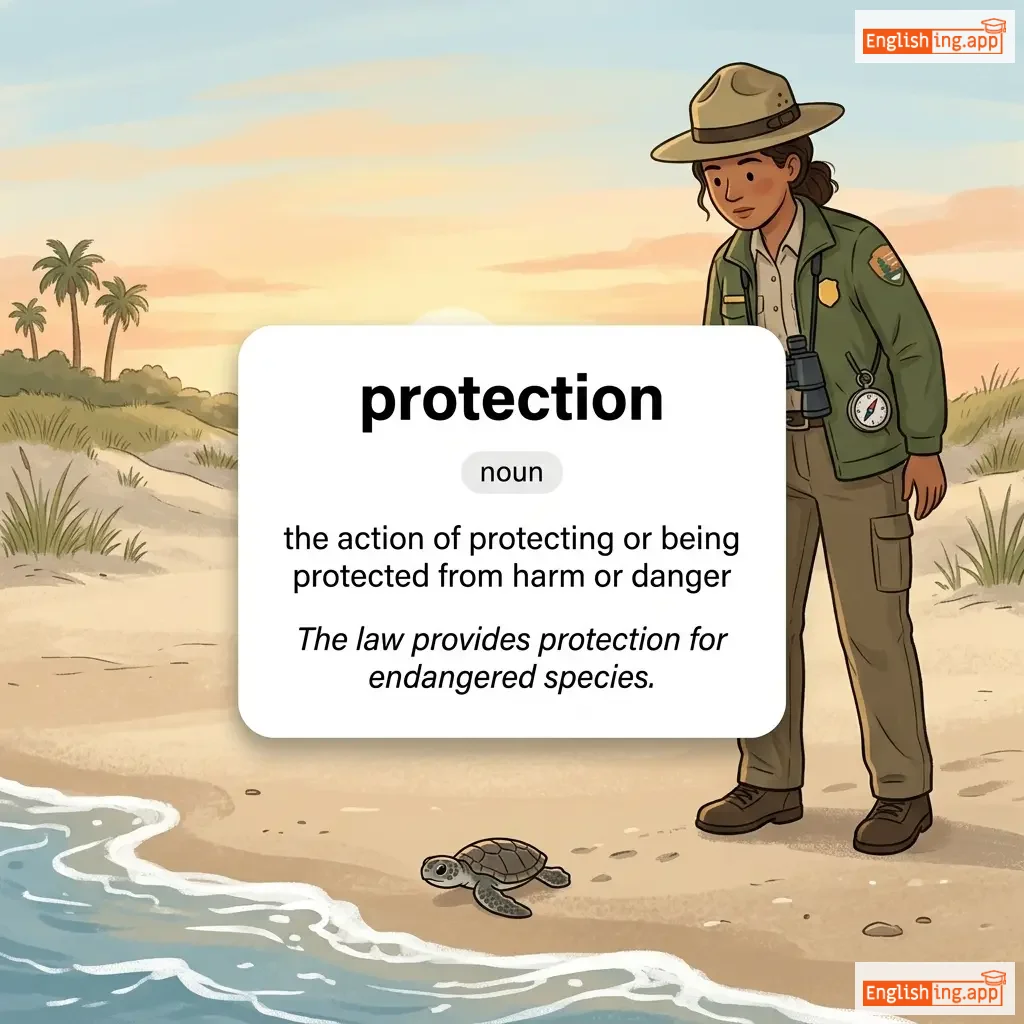
the action of protecting or being protected from harm or danger
••••••
|
The law provides protection for endangered species. |
賞を受け取ったとき、彼女は幸せを隠すことができませんでした。
Shō o uketotta toki, kanojo wa shiawase o kakusu koto ga dekimasen deshita.
••••••
|
under protection |
being guarded or defended against harm
••••••
|
幸せを追い求める
Shiawase o oimotomeru
••••••
|
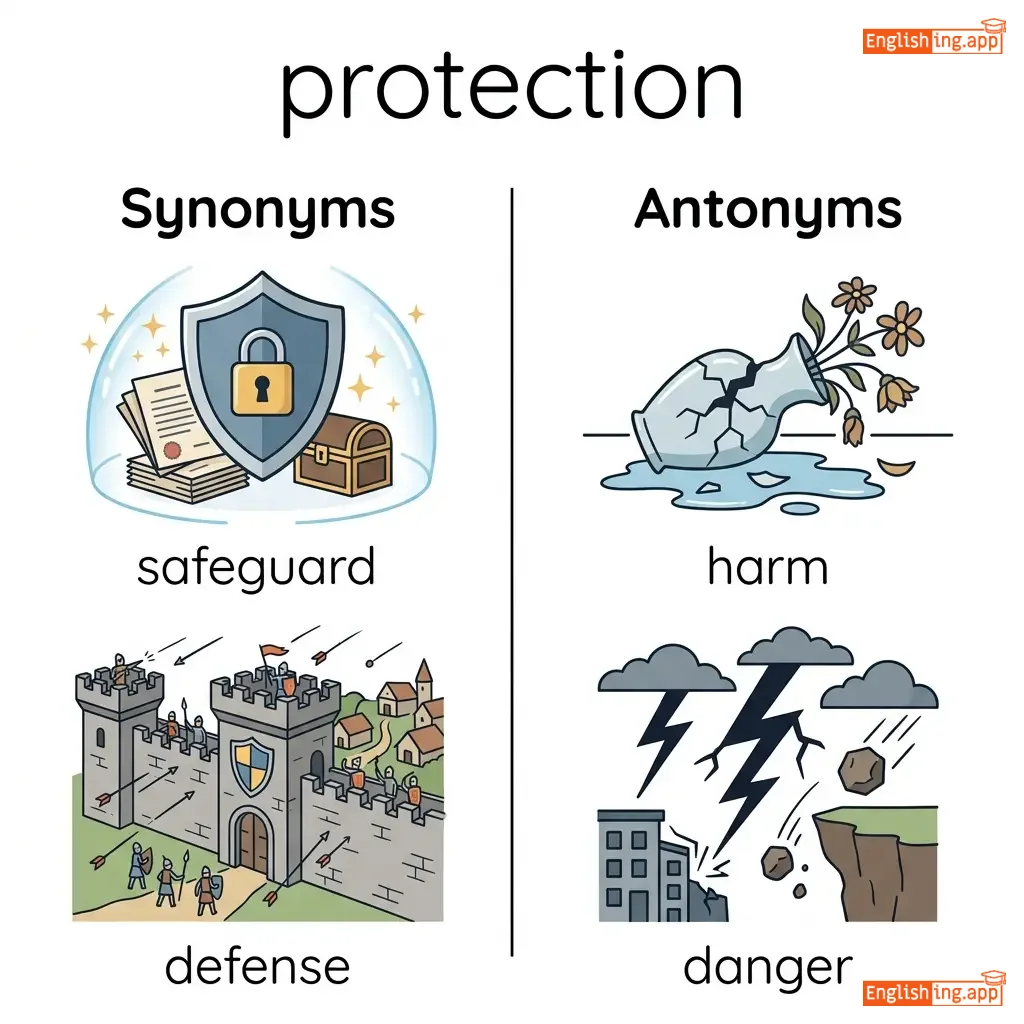
safeguard, defense, security, shelter, shield
••••••
|
harm, danger, exposure
••••••
|
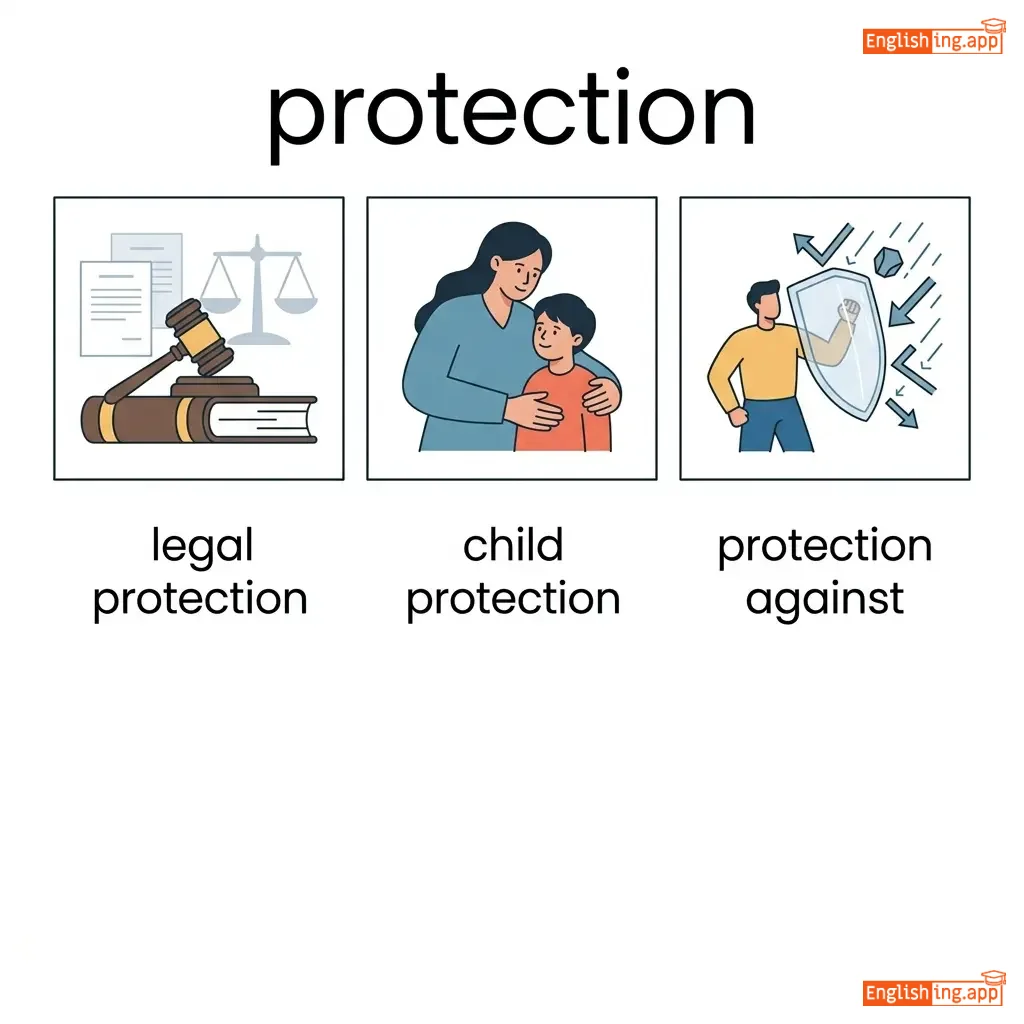
legal protection, child protection, protection against, protection from
••••••
|
Happinessは幸せ — 夢のような幸せを感じて!
••••••
|
|
📖
••••••
|
/saɪˈkɒlədʒi/
noun
(サイコロジー)
••••••
|
- •••••• |
心理学
shinrigaku
••••••
|
- •••••• | - •••••• | - •••••• | - •••••• |
the scientific study of the mind and behavior
••••••
|
Psychology helps us understand how people think and act. |
心理学は人々がどのように考え、行動するかを理解するのに役立ちます。
Shinrigaku wa hitobito ga dono you ni kangae, koudou suru ka wo rikai suru no ni yakudachimasu.
••••••
|
pop psychology |
simplified psychological concepts popularized for mass audiences
••••••
|
ポップ心理学
poppu shinrigaku
••••••
|
behavioral science, study of mind, cognitive science, psychoanalysis, therapy
••••••
|
ignorance, unawareness
••••••
|
study psychology, psychology class, psychology research, psychology student
••••••
|
Psychology = 心 + 学
••••••
|

