Optimistic Book Circle
今天,达卡的青年书籍俱乐部举办了一场关于心理健康的特别对话。leadership团队在早晨分享了新的计划。他们表示,阅读literature为情感平衡提供了meaningful的支持。会议开始时进行了简短的meditation。俱乐部的membership已经增长到如此之大,以至于Gouri提醒大家,他们的obligation是互相帮助。根据心理学家的说法,更好的perception使得prevention变得更容易。最新的newsletter打印了志愿者的故事。一名学生带来了旧的manuscript,解释他的motivation。他说以前的教练试图manipulate他,所以现在他只接受legitimate的指导。新总统的nomination在舞台上宣布了。虽然有些opposition,但房间保持冷静。组织者一再强调,俱乐部的protection意味着确保每个人的安全。未来的活动将结合psychology和创意写作。下午举行了一场productive的写作会议。参与者对未来感到非常optimistic。他们告诉媒体,俱乐部致力于改变mainstream的看法。下个月他们将举办一个学校的literature展览。最后,每个人都说,恢复是他们共同的obligation。
|
表情符号
|
单词 | Images | 翻译 | 过去时 | 过去分词 | 第三人称单数 | 动名词 | 含义 | 例句 | 例句翻译 | 示例表达 | 示例表达含义 | 示例表达翻译 | 同义词 | 反义词 | 搭配词 | 助记符 |
|---|---|---|---|---|---|---|---|---|---|---|---|---|---|---|---|---|---|
|
👑
••••••
|
/ˈliːdərˌʃɪp/
noun
(领导力)
••••••
|

|
领导
lingdao
••••••
|
- •••••• | - •••••• | - •••••• | - •••••• |
The action of leading a group of people or an organization.
••••••
|
Her leadership inspired the entire team to achieve their goals. |
她的领导力激励整个团队实现他们的目标。
Tā de lingdàolì jīlì zhěnggè tuánduì shíxiàn tāmen de mùbiāo.
••••••
|
take the leadership role |
to assume responsibility for guiding or directing others
••••••
|
担任领导角色
dānrèn lǐngdǎo juésè
••••••
|
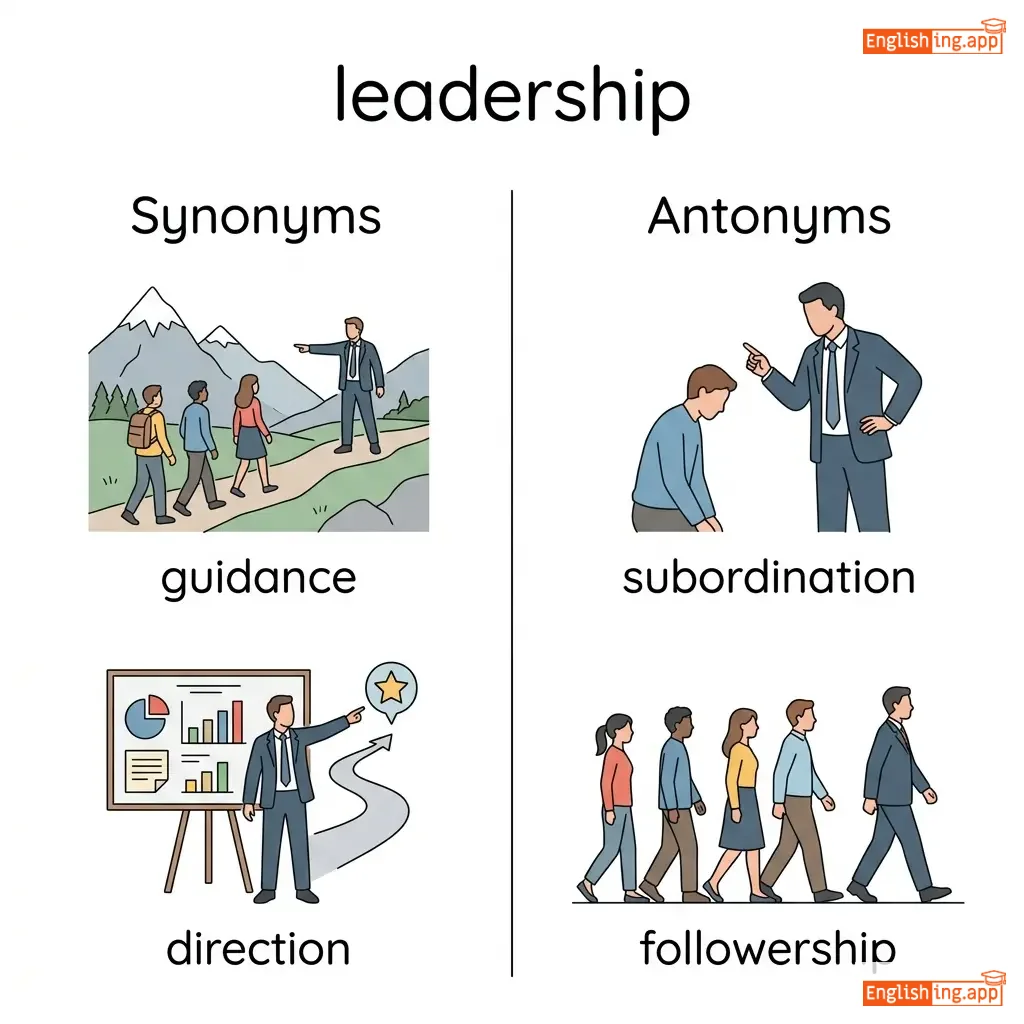
guidance, direction, command, authority, management
••••••
|
subordination, followership
••••••
|
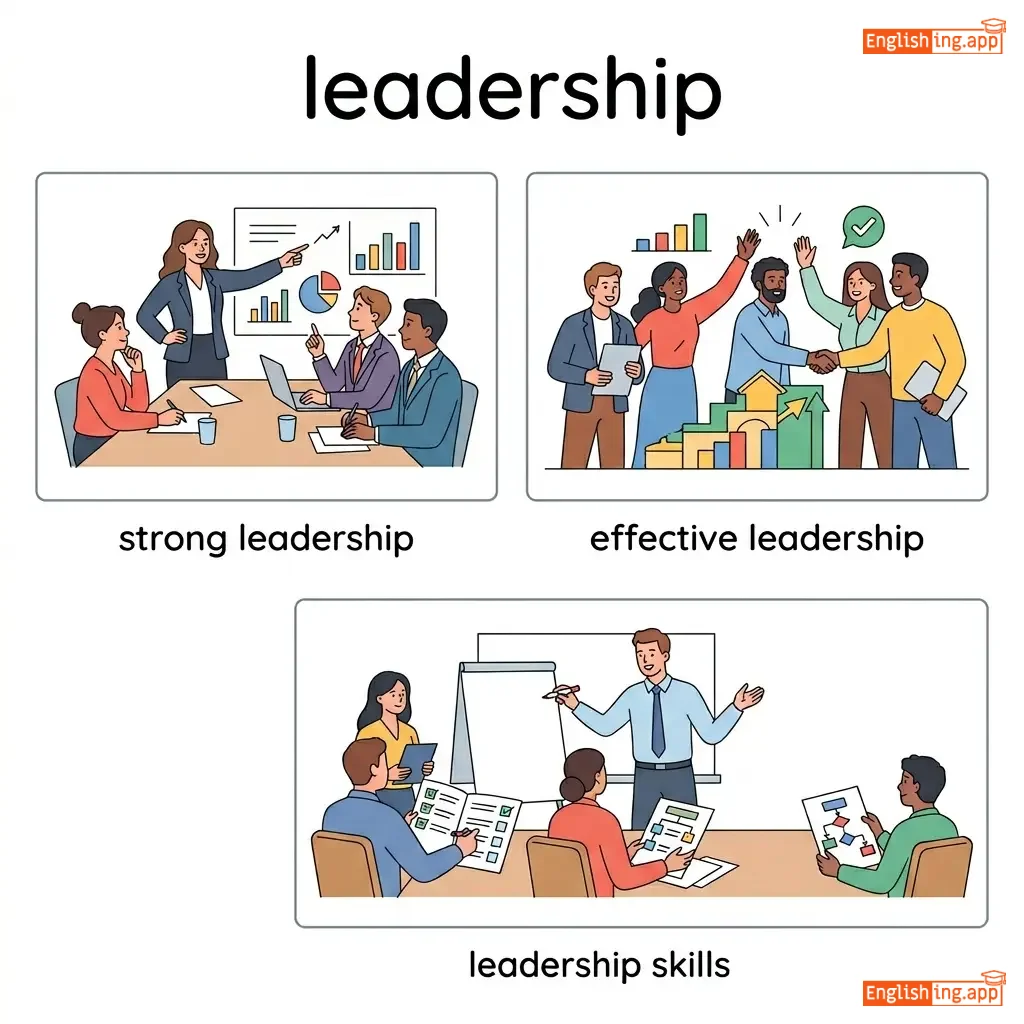
strong leadership, effective leadership, leadership skills, leadership qualities
••••••
|
领导力像船长一样,带领团队走向成功的海洋。
••••••
|
|
✅
••••••
|
/lɪˈdʒɪtɪmət/
adjective
(lìjìtìmìt)
••••••
|
- •••••• |
合法
hefa
••••••
|
- •••••• | - •••••• | - •••••• | - •••••• |
Conforming to the law or to rules; valid or acceptable.
••••••
|
She presented a legitimate reason for her absence.
她为她的缺席提出了一个合法的理由。
••••••
|
她为她的缺席提出了一个合法的理由。
Ta wei ta de quexi tichule yige hefa de liyi.
••••••
|
legitimate concerns
合法的担忧
••••••
|
Valid or reasonable worries or issues.
••••••
|
合法的担忧
hefa de danyou
••••••
|
lawful, valid, genuine, proper, authentic
••••••
|
illegal, fake, invalid
••••••
|
legitimate business, legitimate child, legitimate claim, legitimate interest
••••••
|
Legitimate 意味着合法,因此 legitimate = 合法
••••••
|
|
📚
••••••
|
/ˈlɪtərətʃər/
noun
(lǐtèrùchā)
••••••
|
- •••••• |
文学
wenxue
••••••
|
- •••••• | - •••••• | - •••••• | - •••••• |
written works, especially those considered of superior or lasting artistic merit
••••••
|
He studied English literature at university. |
他在大学学习了英语文学。
Tā zài dàxué xuéxí le yīngyǔ wénxué.
••••••
|
classic literature |
literary works of enduring value and recognition
••••••
|
经典文学
jīngdiǎn wénxué
••••••
|
writing, works, prose, poetry, composition
••••••
|
illiterature, ignorance
••••••
|
English literature, world literature, modern literature, study literature
••••••
|
Literature - '文学' 就是深刻的‘文字’艺术作品
••••••
|
|
🌊
••••••
|
/ˈmeɪnstriːm/
noun
(meɪnstrim)
••••••
|
- •••••• |
主流
zhuliu
••••••
|
- •••••• | - •••••• | - •••••• | - •••••• |
the ideas, attitudes, or activities that are regarded as normal or conventional; the dominant trend in opinion or fashion
••••••
|
Social media has become a mainstream source of news for many people. |
社交媒体已经成为许多人获取新闻的主流来源。
Shejiao meiti yijing chengwei xuduo ren huoqu xinwen de zhuliu laiyuan.
••••••
|
go mainstream |
to become widely accepted or popular among the general public
••••••
|
成为主流
chengwei zhuliu
••••••
|
conventional, popular, dominant, prevalent, established
••••••
|
unorthodox, alternative, fringe
••••••
|
mainstream media, mainstream culture, mainstream society, go mainstream
••••••
|
Mainstream是社会中最流行或最普遍的思想或趋势。
••••••
|
|
🕹️
••••••
|
/məˈnɪpjəˌleɪt/
verb
••••••
|
- •••••• | - •••••• |
manipulated
••••••
|
manipulated
••••••
|
manipulates
••••••
|
manipulating
••••••
|
to control or influence someone or something cleverly or unfairly
••••••
|
He tried to manipulate the results in his favor. |
- •••••• |
manipulate the strings |
to control or influence events or people secretly
••••••
|
- •••••• |
control, influence, exploit, maneuver, handle
••••••
|
mismanage, neglect, ignore
••••••
|
manipulate data, manipulate results, manipulate people
••••••
|
No •••••• |
|
📜
••••••
|
/ˈmæn.juˌskrɪpt/
noun
(手稿)
••••••
|
- •••••• |
手稿
shougao
••••••
|
- •••••• | - •••••• | - •••••• | - •••••• |
a handwritten or typed document, especially a writer’s draft before publication
••••••
|
The author submitted her manuscript to the publisher. |
作者将她的手稿提交给出版商。
Zuozhe jiang ta de shougao tijiagei chubanshang.
••••••
|
- •••••• | - •••••• | - •••••• |
draft, document, text, script, paper
••••••
|
print, publication, copy
••••••
|
ancient manuscript, submit manuscript, manuscript copy
••••••
|
手稿手写,像是 manuscript
••••••
|
|
💡
••••••
|
/ˈmiːnɪŋfəl/
adjective
(míníngfúl)
••••••
|
- •••••• |
有意义的
you yiyi de
••••••
|
- •••••• | - •••••• | - •••••• | - •••••• |
having purpose, value, or significance
••••••
|
He gave a meaningful smile before leaving the room. |
他在离开房间前给了一个有意义的微笑。
Tā zài líkāi fángjiān qián gěile yīgè yǒu yìyì de wéixiào.
••••••
|
make a meaningful contribution |
to add something valuable or significant to a situation
••••••
|
做出有意义的贡献
zuò chū yǒu yìyì de gòngxiàn
••••••
|
significant, purposeful, valuable, expressive, important
••••••
|
meaningless, trivial, empty
••••••
|
meaningful conversation, meaningful relationship, meaningful impact, meaningful work
••••••
|
有意义的,就像星星在夜空中闪耀,具有深刻的意义。
••••••
|
|
🧘
••••••
|
/ˌmɛdɪˈteɪʃən/
noun
(冥想)
••••••
|
- •••••• |
冥想
mingxiang
••••••
|
- •••••• | - •••••• | - •••••• | - •••••• |
The practice of focusing the mind to achieve calmness, clarity, or spiritual growth.
••••••
|
She practices meditation every morning to start her day peacefully. |
她每天早上练习冥想,开始她的平静一天。
Ta meitian zaoshang lianxi mingxiang, kaishi tade pingjing yitian.
••••••
|
deep meditation |
A state of intense focus and calmness during meditation.
••••••
|
深度冥想
shendu mingxiang
••••••
|
contemplation, reflection, mindfulness, prayer, concentration
••••••
|
distraction, chaos
••••••
|
practice meditation, meditation techniques, meditation session, guided meditation
••••••
|
冥想,帮助你冥思苦想,找回宁静。
••••••
|
|
🎫
••••••
|
/ˈmɛmbərʃɪp/
noun
(memběrship)
••••••
|

|
会员资格
huiyuanzige
••••••
|
- •••••• | - •••••• | - •••••• | - •••••• |
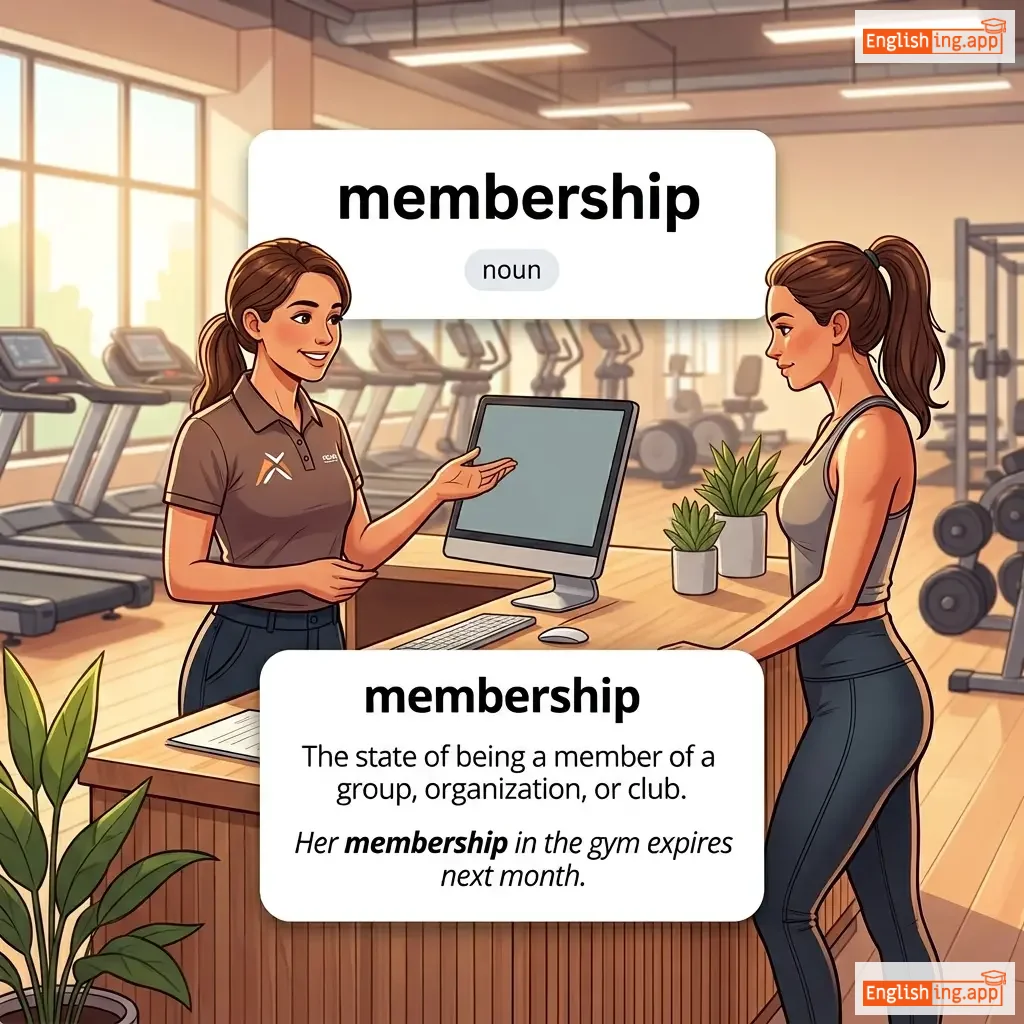
The state of being a member of a group, organization, or club.
••••••
|
Her membership in the gym expires next month. |
她在健身房的会员资格下个月到期。
Ta zai jianshenfang de huiyuanzige xiayue daoqi.
••••••
|
membership drive |
A campaign to recruit new members for an organization.
••••••
|
会员招募活动
huiyuan zhaomu huodong
••••••
|
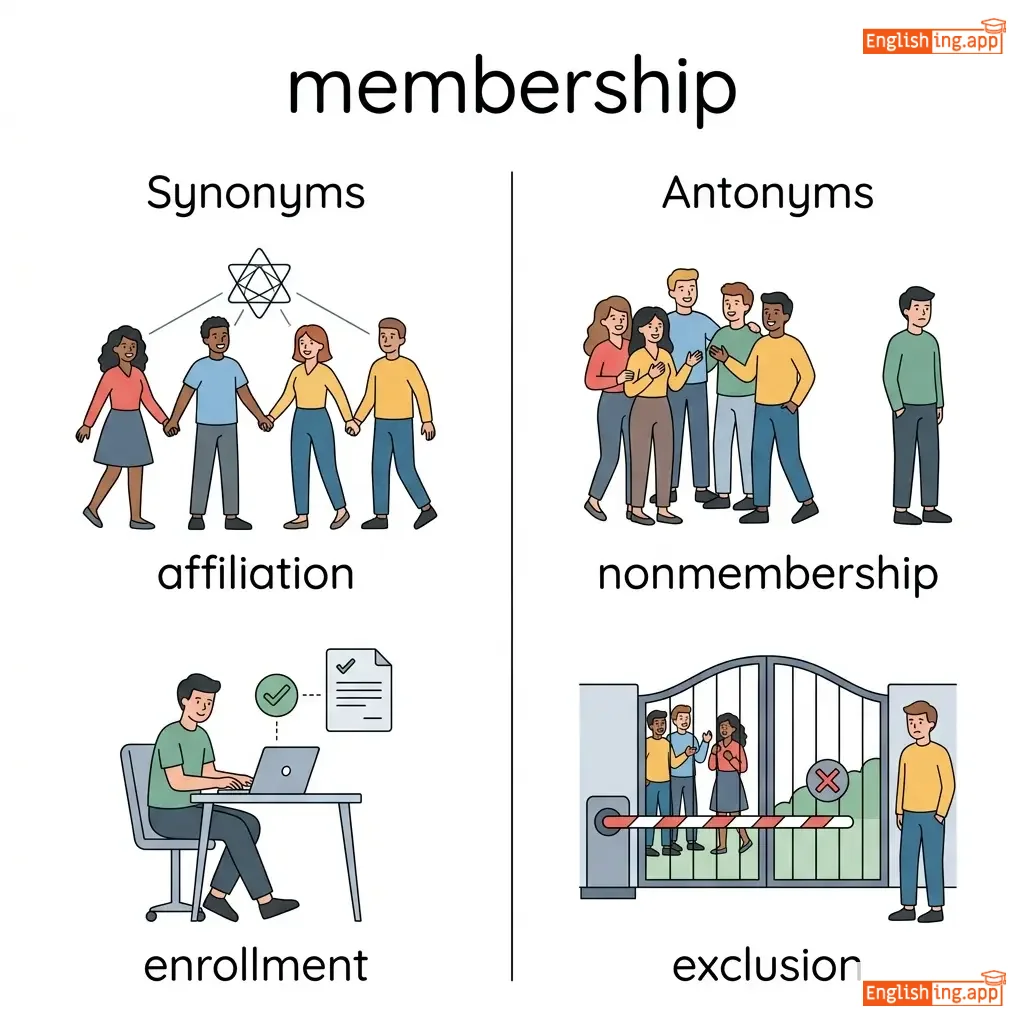
affiliation, enrollment, subscription, association, participation
••••••
|
nonmembership, exclusion
••••••
|
membership card, annual membership, club membership, membership fee
••••••
|
会员资格是一张进入社团的票,记住它是通往加入的钥匙。
••••••
|
|
🔥
••••••
|
/ˌmoʊtɪˈveɪʃən/
noun
(动机)
••••••
|
- •••••• |
动机
dongji
••••••
|
- •••••• | - •••••• | - •••••• | - •••••• |
the reason or drive for acting or behaving in a particular way
••••••
|
She lost her motivation to continue the project. |
她失去了继续项目的动机。
Ta shiqule jixu xiangmu de dongji.
••••••
|
self-motivation |
the ability to find reasons within oneself to act
••••••
|
自我驱动力
ziwo qudongli
••••••
|
drive, incentive, inspiration, determination, enthusiasm
••••••
|
discouragement, apathy, disinterest
••••••
|
motivation level, source of motivation, lack of motivation, motivation to succeed
••••••
|
动机意味着驱动力—记住 'Mo-ti-Vation' 就是 '我在工作中点燃了火 (火) '。
••••••
|
|
📰
••••••
|
/ˈnjuːzˌlɛtər/
noun
(nǐuzlèitè)
••••••
|
- •••••• |
时事通讯
shishixunwen
••••••
|
- •••••• | - •••••• | - •••••• | - •••••• |
a printed or electronic report containing news or information about a company or organization
••••••
|
The company sends a weekly newsletter to its employees.
公司每周向员工发送时事通讯。
••••••
|
公司每周向员工发送时事通讯。
Gōngsī měi zhōu xiàng yuángōng fāsòng shíshì xùnwén.
••••••
|
- •••••• | - •••••• | - •••••• |
bulletin, report, circular, digest
••••••
|
none
••••••
|
newsletter subscription, newsletter content, newsletter design
••••••
|
时事通讯每周更新
••••••
|
|
📜
••••••
|
/ˌnɒməˈneɪʃən/
noun
(提名)
••••••
|
- •••••• |
提名
tí míng
••••••
|
- •••••• | - •••••• | - •••••• | - •••••• |
The act of formally proposing someone for a role, position, or award.
••••••
|
Her nomination for the award surprised everyone. |
她的奖项提名让大家都感到惊讶。
Tā de jiǎngxiàng tímíng ràng dàjiā dōu gǎndào jīngyà.
••••••
|
- •••••• | - •••••• | - •••••• |
appointment, proposal, suggestion, designation
••••••
|
rejection, dismissal, exclusion
••••••
|
receive nomination, award nomination, political nomination, official nomination
••••••
|
提名意味着给某人提名一个职位或奖项。
••••••
|
|
📝
••••••
|
/ˌɑb.lɪˈɡeɪ.ʃən/
noun
(义务)
••••••
|
- •••••• |
义务
yiwu
••••••
|
- •••••• | - •••••• | - •••••• | - •••••• |
a duty or commitment; something that must be done legally or morally
••••••
|
Parents have an obligation to care for their children.
父母有责任照顾他们的孩子。
••••••
|
父母有责任照顾他们的孩子。
fumu you zeren zhaogu tamen de haizi
••••••
|
- •••••• | - •••••• | - •••••• |
duty, responsibility, commitment, requirement
••••••
|
freedom, choice, option, liberty
••••••
|
legal obligation, moral obligation, meet obligation
••••••
|
父母有责任照顾他们的孩子,法律和道德要求如此。
••••••
|
|
✊
••••••
|
/ˌɒpəˈzɪʃən/
noun
(反对)
••••••
|
- •••••• |
反对
fǎnduì
••••••
|
- •••••• | - •••••• | - •••••• | - •••••• |
the action of opposing or resisting something
••••••
|
The opposition to the new law was strong. |
对新法律的反对很强烈。
Duì xīn fǎlǜ de fǎnduì hěn qiángliè.
••••••
|
- •••••• | - •••••• | - •••••• |
resistance, defiance, objection, protest
••••••
|
support, cooperation
••••••
|
political opposition, strong opposition, fierce opposition, lead the opposition
••••••
|
‘反对’是记住反抗的一个简单方法。
••••••
|
|
🌞
••••••
|
/ˌɑːp.təˈmɪs.tɪk/
adjective
(乐观的)
••••••
|
- •••••• |
乐观的
lèguān de
••••••
|
- •••••• | - •••••• | - •••••• | - •••••• |
hopeful and confident about the future
••••••
|
She is optimistic about the success of her new project. |
她对新项目的成功持乐观态度。
Tā duì xīn xiàngmù de chénggōng chí lèguān tàidù.
••••••
|
glass half full |
viewing a situation positively
••••••
|
半杯水
bàn bēi shuǐ
••••••
|
hopeful, positive, confident, cheerful, upbeat
••••••
|
pessimistic, doubtful, hopeless
••••••
|
optimistic view, optimistic outlook, optimistic about, remain optimistic
••••••
|
乐观的意味着充满希望 🌞 — 记住,'乐观的' 就是 'optimistic' 在英语中的意思。
••••••
|
|
🧠
••••••
|
/pərˈsɛpʃən/
noun
(感知)
••••••
|
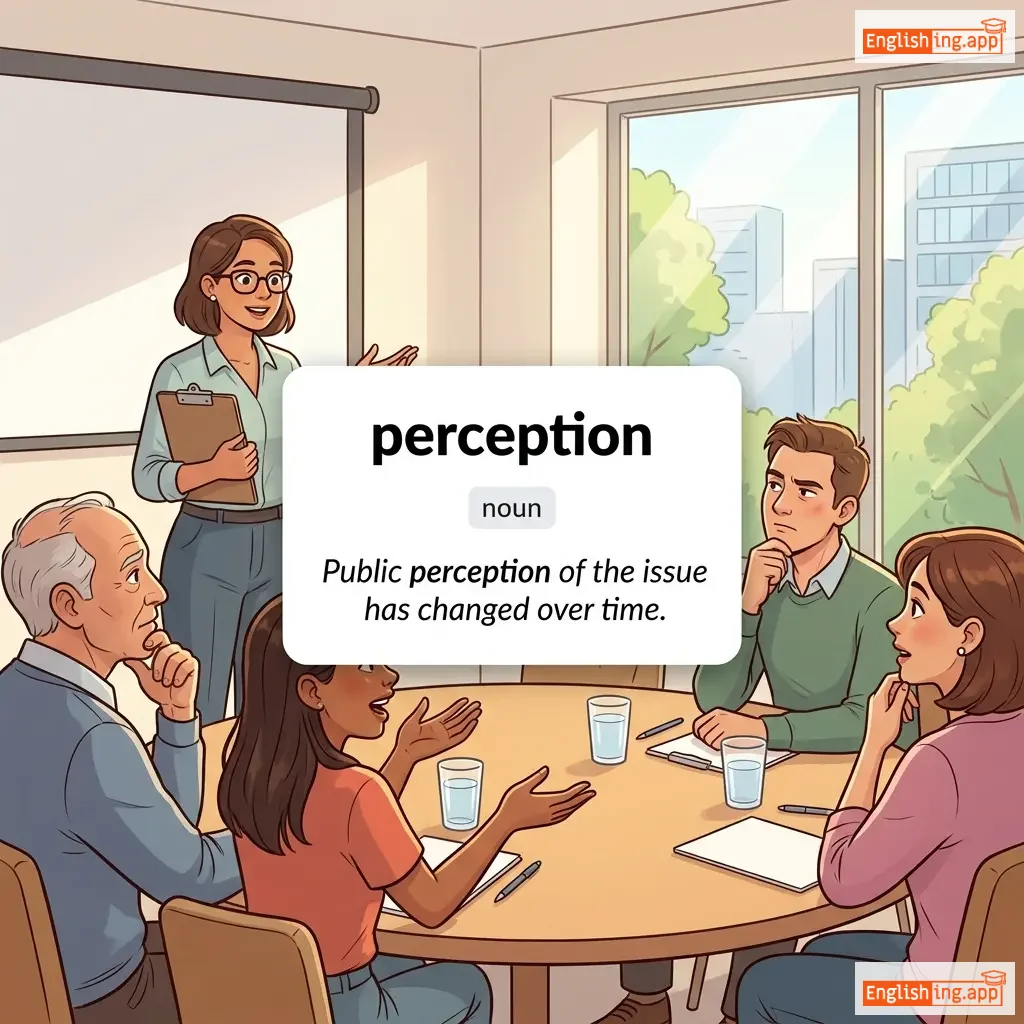
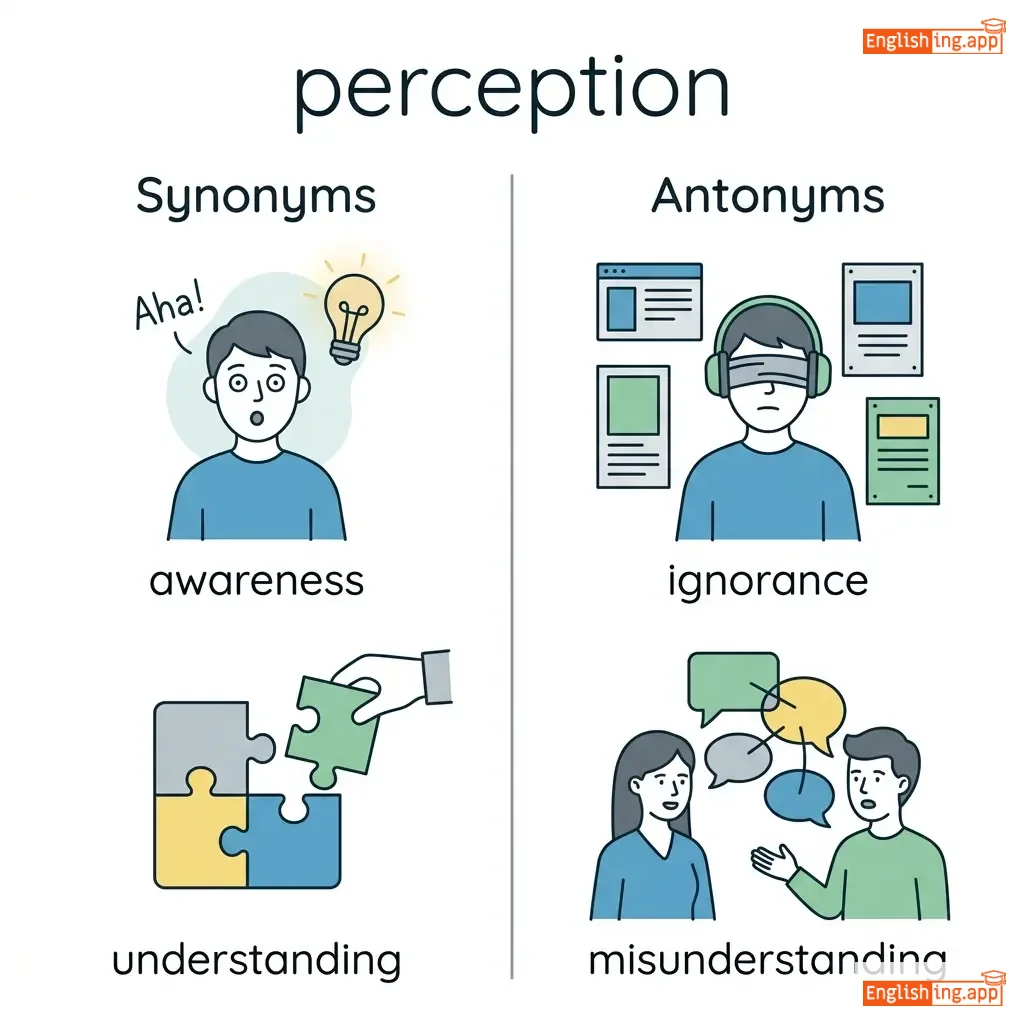
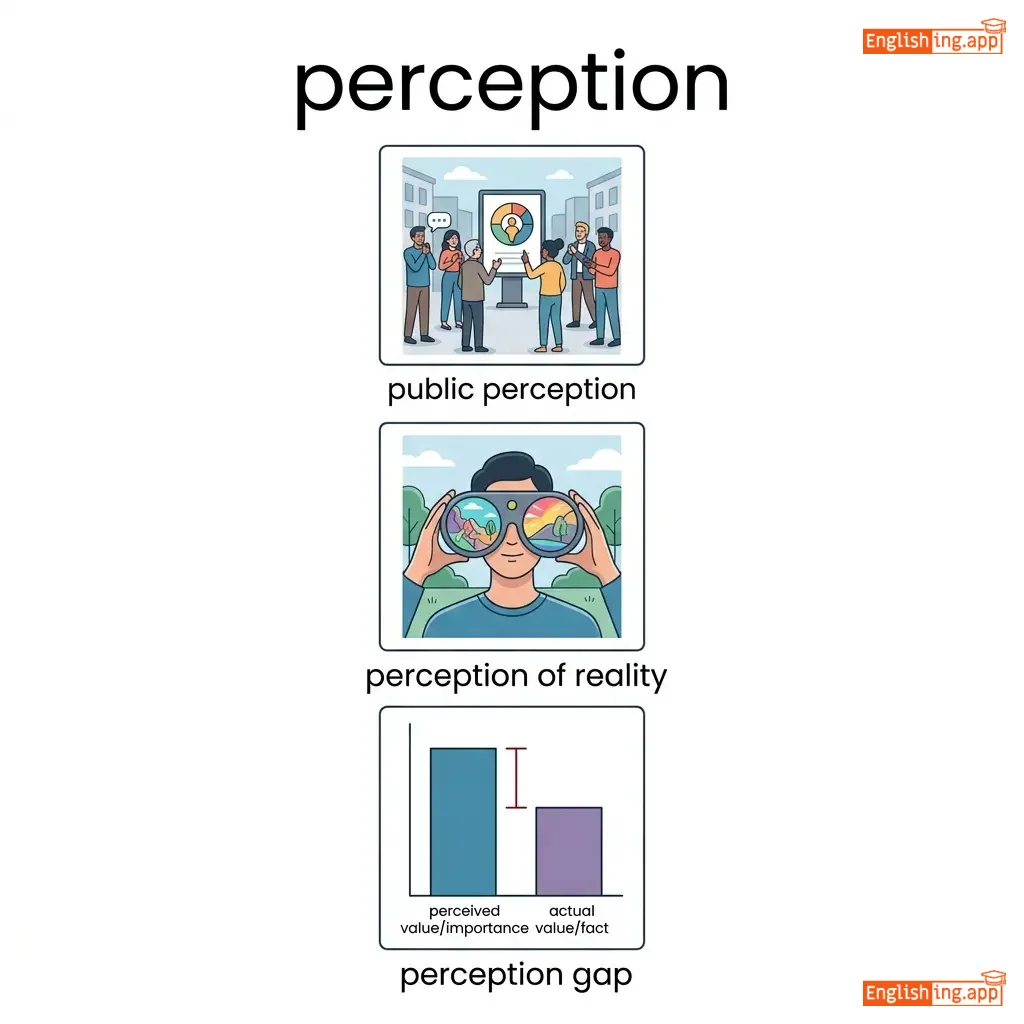
|
感知
gǎnzhī
••••••
|
- •••••• | - •••••• | - •••••• | - •••••• |
The ability to see, hear, or become aware of something; an interpretation of sensory information.
••••••
|
Public perception of the issue has changed over time. |
公众对这一问题的感知随着时间的推移发生了变化。
Gōngzhòng duì zhè yī wèntí de gǎnzhī suí zhe shíjiān de tuīyí fāshēngle biànhuà.
••••••
|
change perception |
To alter the way people view or interpret something
••••••
|
改变感知
gǎibiàn gǎnzhī
••••••
|
awareness, understanding, recognition, insight, cognition
••••••
|
ignorance, misunderstanding
••••••
|
public perception, perception of reality, perception gap
••••••
|
感知 → 通过感觉来看待世界。
••••••
|
|
🛡️
••••••
|
/prɪˈvɛnʃən/
noun
(预防)
••••••
|
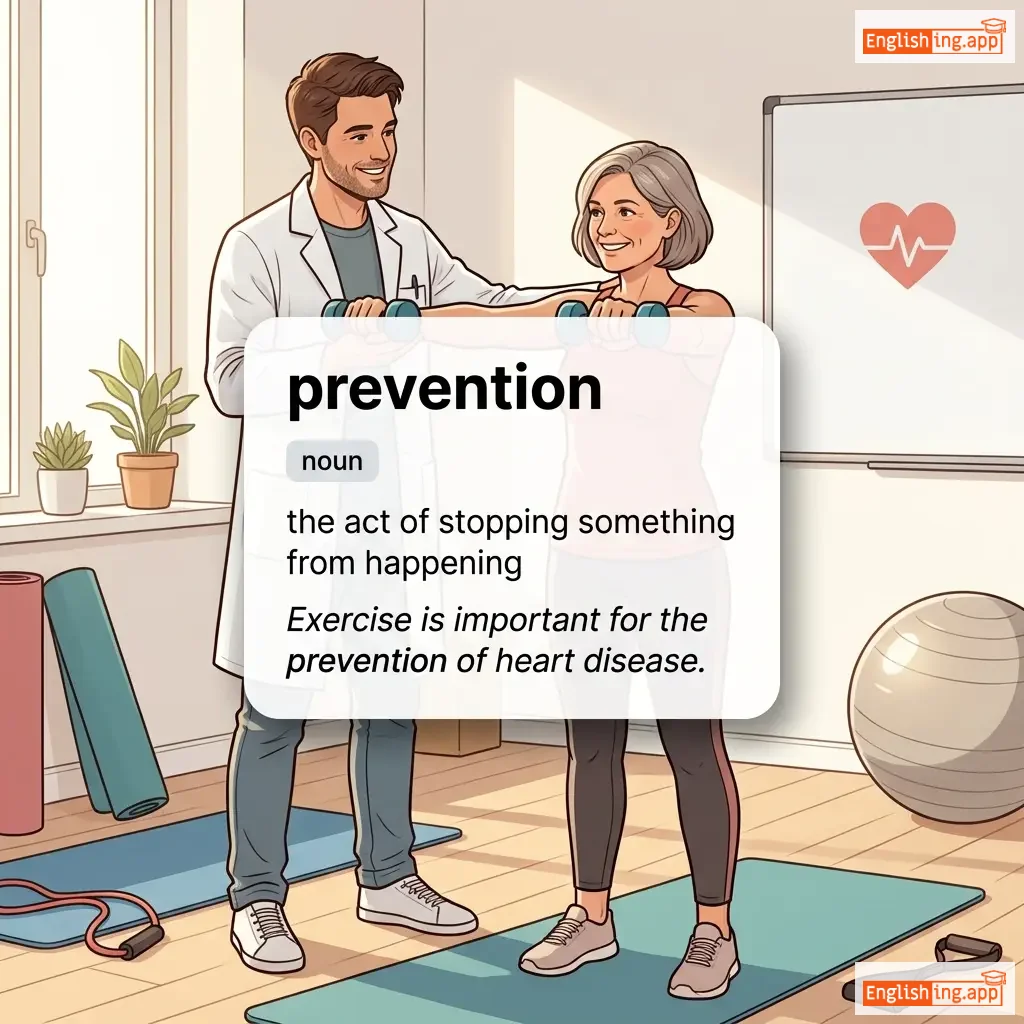
|
预防
yufang
••••••
|
- •••••• | - •••••• | - •••••• | - •••••• |
the act of stopping something from happening
••••••
|
Exercise is important for the prevention of heart disease. |
运动对预防心脏病很重要。
Yùndòng duì yùfáng xīnzàngbìng hěn zhòngyào.
••••••
|
prevention is better than cure |
it is better to stop problems before they happen than to fix them later
••••••
|
预防胜于治疗
yùfáng shèng yú zhìliáo
••••••
|
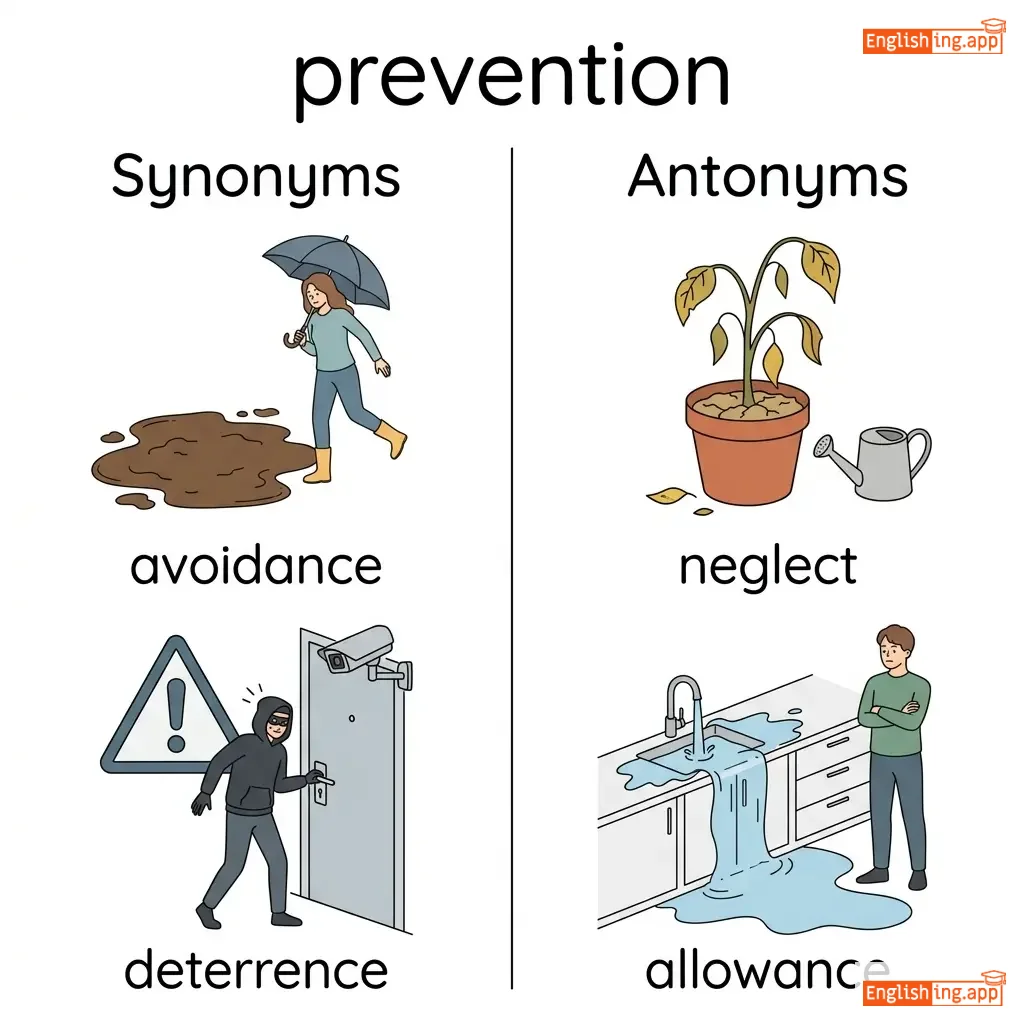
avoidance, deterrence, protection, precaution
••••••
|
neglect, allowance, permission
••••••
|
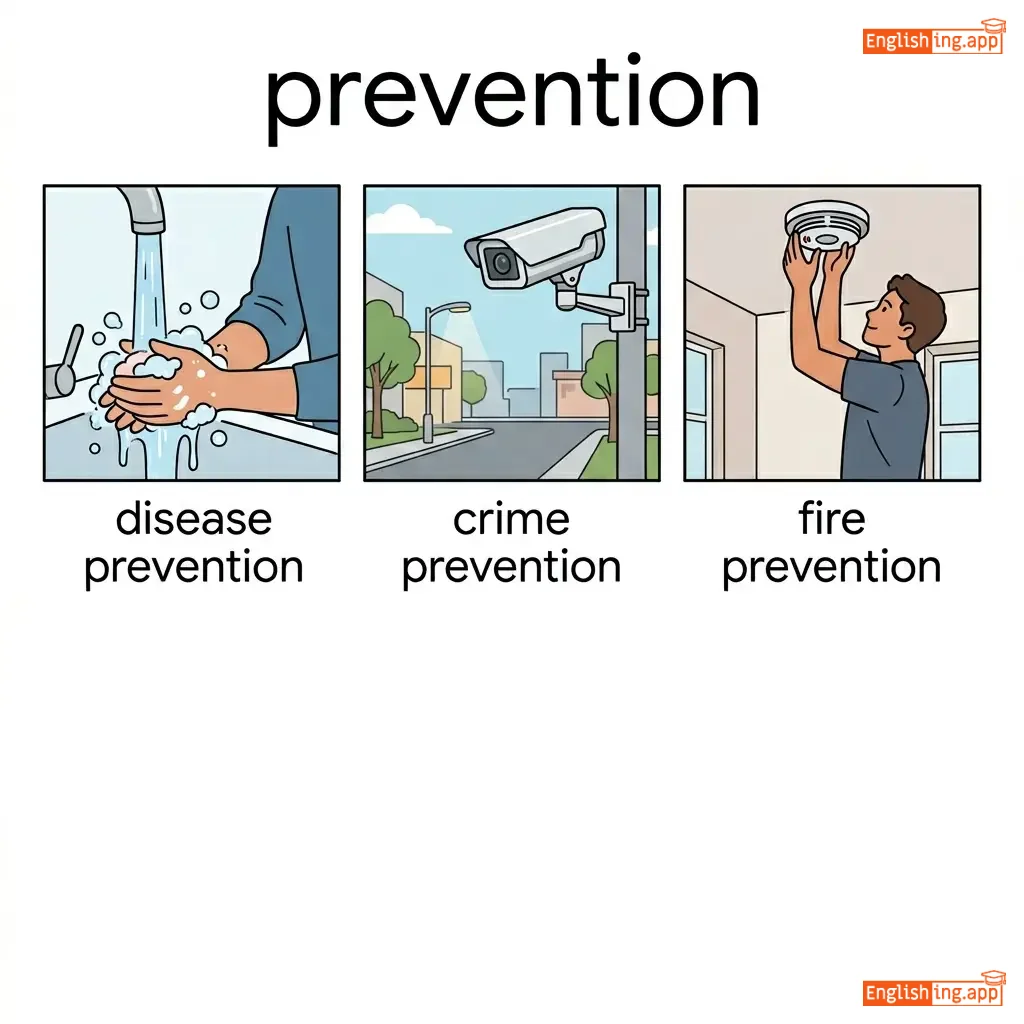
disease prevention, crime prevention, fire prevention, prevention strategy
••••••
|
预防意味着在问题发生前阻止 — 预防到位,问题消失。
••••••
|
|
💼
••••••
|
/prəˈdʌktɪv/
adjective
(prəʊˈdʌktɪv)
••••••
|
- •••••• |
高效
gaoxiao
••••••
|
- •••••• | - •••••• | - •••••• | - •••••• |
producing or achieving a significant amount of results, work, or output
••••••
|
She had a very productive day at the office. |
她在办公室度过了非常高效的一天。
Tā zài bàngōngshì dùguòle fēicháng gāoxiào de yītiān.
••••••
|
productive day |
a day when a lot of useful work is done
••••••
|
高效的一天
gāoxiào de yītiān
••••••
|
efficient, fruitful, effective, prolific
••••••
|
unproductive, idle, ineffective
••••••
|
productive day, productive meeting, productive work
••••••
|
高效是PRO去工作,得到成果!
••••••
|
|
🛡️
••••••
|
/prəˈtɛkʃən/
noun
(海皮尼斯)
••••••
|

|
幸福
xingfu
••••••
|
- •••••• | - •••••• | - •••••• | - •••••• |
the action of protecting or being protected from harm or danger
••••••
|
The law provides protection for endangered species. |
她在获得奖项时无法掩饰她的幸福。
Tā zài huòdé jiǎngxiàng shí wúfǎ yǎnshì tā de xìngfú.
••••••
|
under protection |
being guarded or defended against harm
••••••
|
追求幸福
Zhuīqiú xìngfú
••••••
|
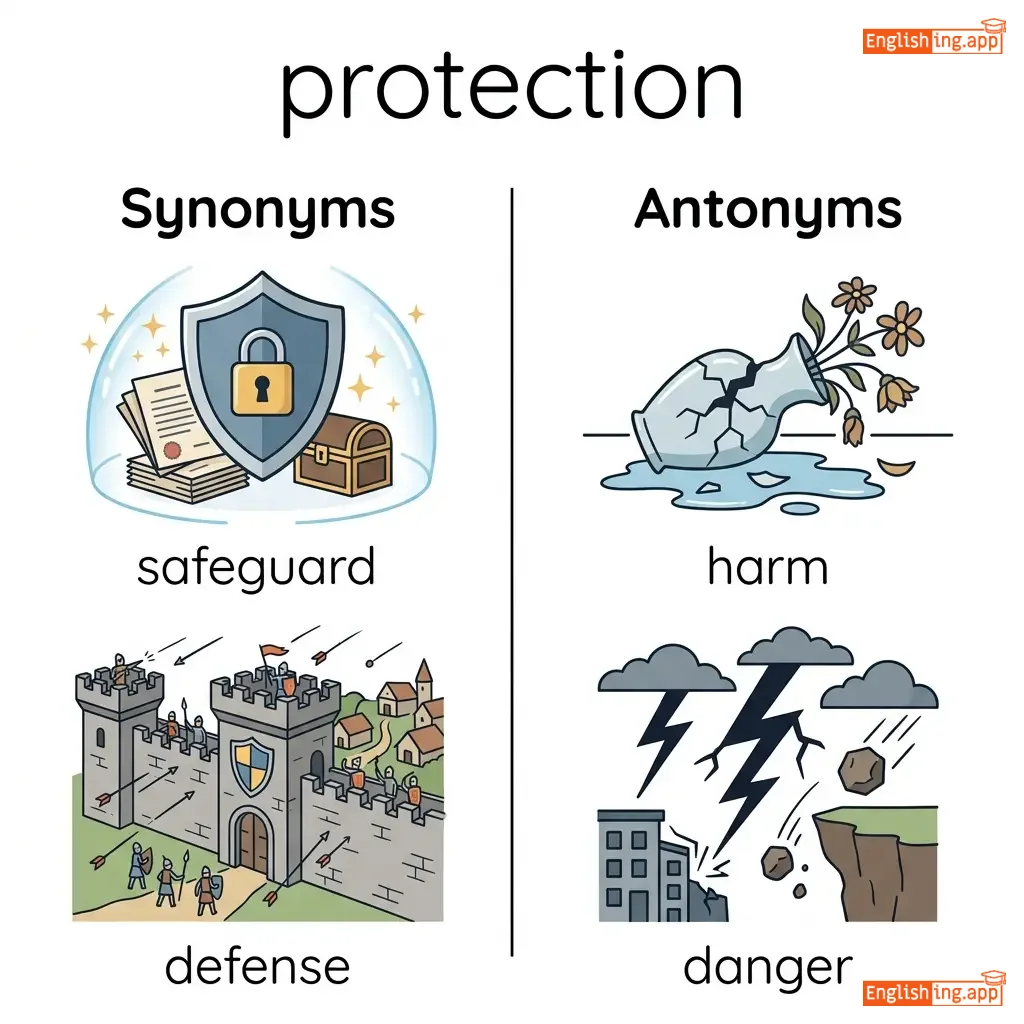
safeguard, defense, security, shelter, shield
••••••
|
harm, danger, exposure
••••••
|
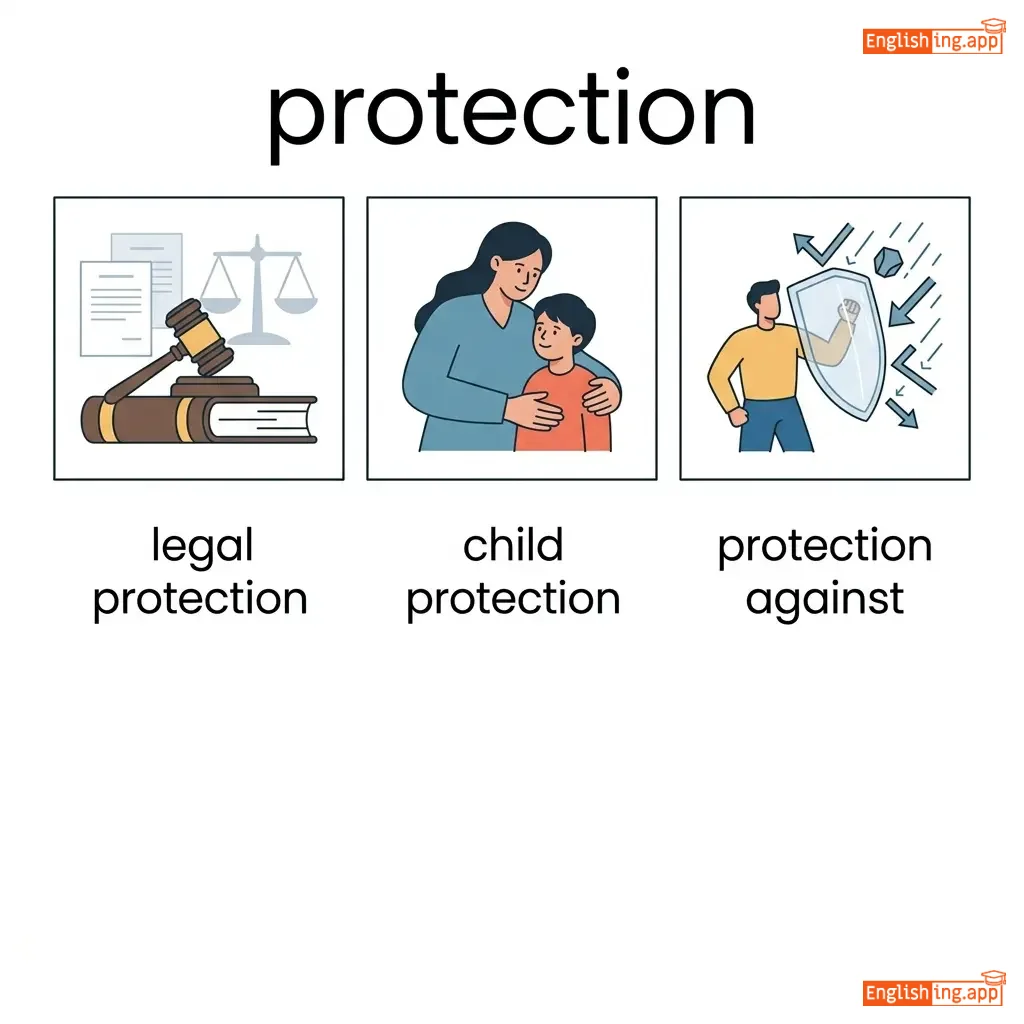
legal protection, child protection, protection against, protection from
••••••
|
幸福=Happiness,想象一颗充满快乐的心!
••••••
|
|
📖
••••••
|
/saɪˈkɒlədʒi/
noun
(心理学)
••••••
|
- •••••• |
心理学
xinlixue
••••••
|
- •••••• | - •••••• | - •••••• | - •••••• |
the scientific study of the mind and behavior
••••••
|
Psychology helps us understand how people think and act. |
心理学帮助我们理解人们如何思考和行动。
Xinlixue bangzhu women lijie renmen ruhe sikao he xingdong.
••••••
|
pop psychology |
simplified psychological concepts popularized for mass audiences
••••••
|
流行心理学
liuxing xinlixue
••••••
|
behavioral science, study of mind, cognitive science, psychoanalysis, therapy
••••••
|
ignorance, unawareness
••••••
|
study psychology, psychology class, psychology research, psychology student
••••••
|
Psychology = 思维 + 科学
••••••
|

