वोकैबुलरीज

इंग्लिश वोकैबुलरी डिस्कवर, लर्न और मास्टर करें

adjective C1
/ˌɪnɪkˈsplɪkəbl/
inexplicable (inexplicable)

Impossible to explain or understand.

"The sudden disappearance of the file was inexplicable."

"La repentina desaparición del archivo fue inexplicable." (La repentina desaparición del archivo fue inexplicable.)
adjective C1
/ɪnˈfæləbl̩/
infalible (infalible)

incapable of making mistakes or being wrong

"Her judgment seemed infallible in matters of finance."

"Su juicio parecía infalible en cuestiones financieras." (Su juicio parecia infalible en cuestiones financieras.)
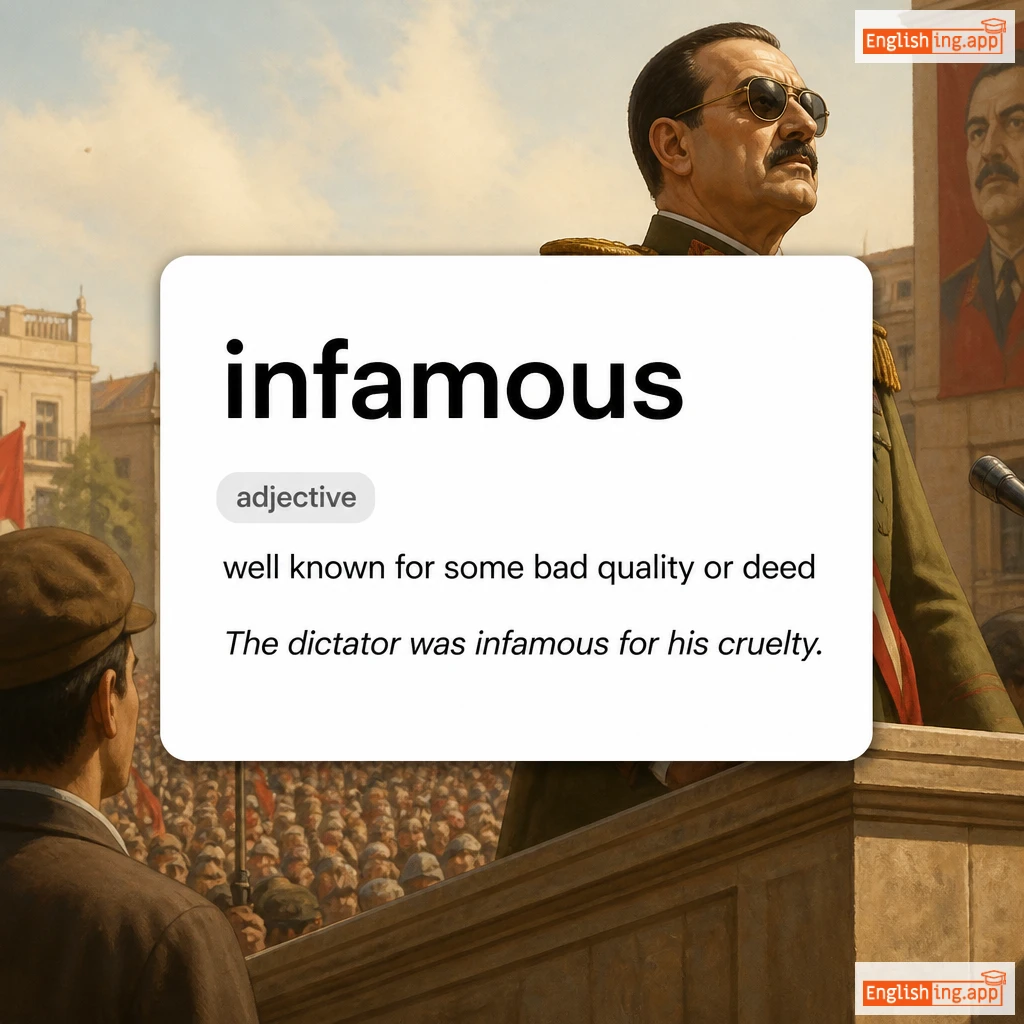
infamous definition card — visual illustration of the meaning
adjective C1
/ˈɪnfəməs/
infame (infame)

well known for some bad quality or deed

"The dictator was infamous for his cruelty."

"El dictador era infame por su crueldad." (El dictador era infame por su crueldad.)
Infantry definition card — visual illustration of the meaning
noun C1
/ˈɪn.fən.tri/
infantería (infanteria)

soldiers marching or fighting on foot; foot soldiers collectively

"The infantry advanced across the battlefield on foot."

"La infantería avanzó a través del campo de batalla a pie." (La infantería avanzó a través del campo de batalla a pie.)
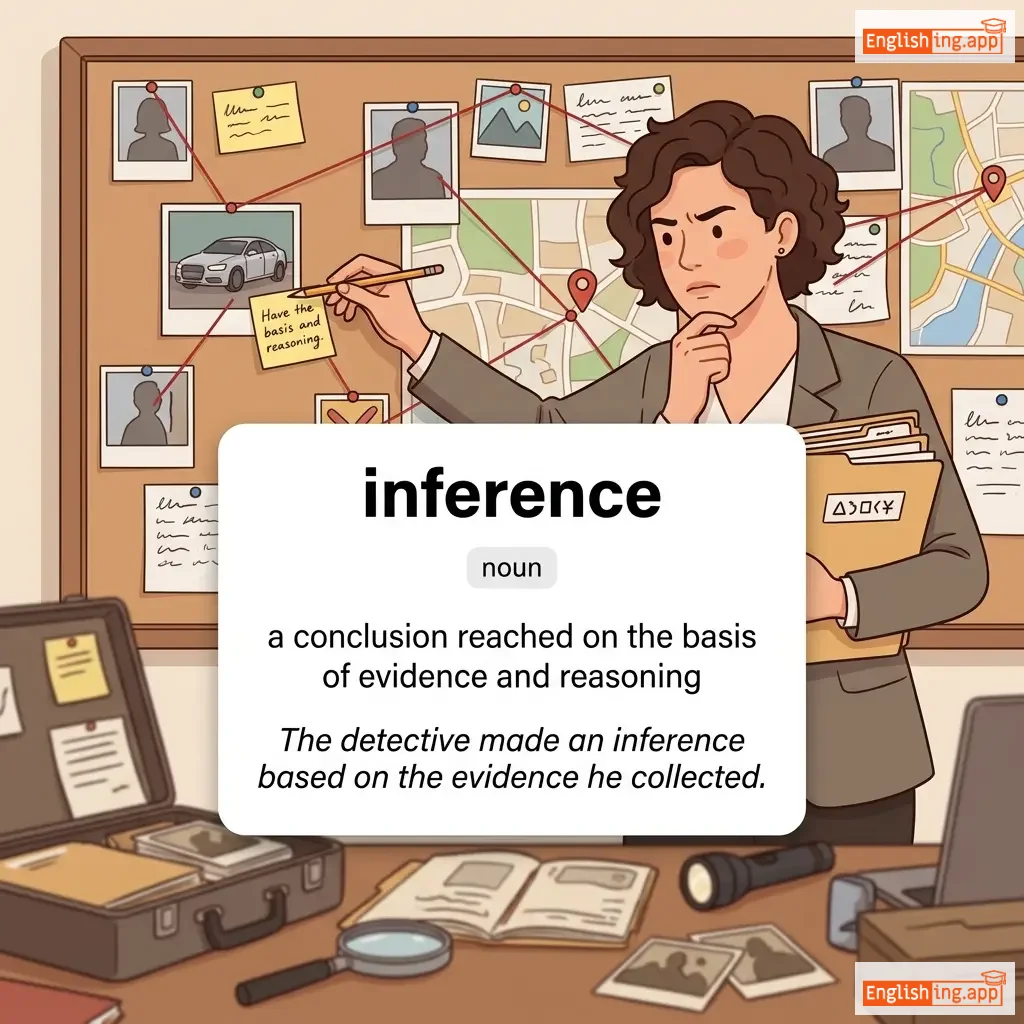
inference definition card — visual illustration of the meaning
noun C1
/ˈɪnfərəns/
inferencia (inferencia)

a conclusion reached on the basis of evidence and reasoning

"The detective made an inference based on the evidence he collected."

"El detective hizo una inferencia basada en las pruebas que recogió." (El detective hizo una inferencia basada en las pruebas que recogió.)
noun C1
/ɪnˈfɜːrnoʊ/
incendio (incendio)

a large, intense fire that is dangerously out of control

"The building turned into an inferno within minutes."

"El edificio se convirtió en un incendio en minutos." (El edificio se convirtio en un incendio en minutos.)
verb C1
/ɪnˈfɛst/
infestar (infestar)

to overrun in large numbers, especially so as to cause damage or discomfort

"The old house was infested with rats."

"La vieja casa estaba infestada de ratas." (La vieja casa estaba infestada de ratas.)
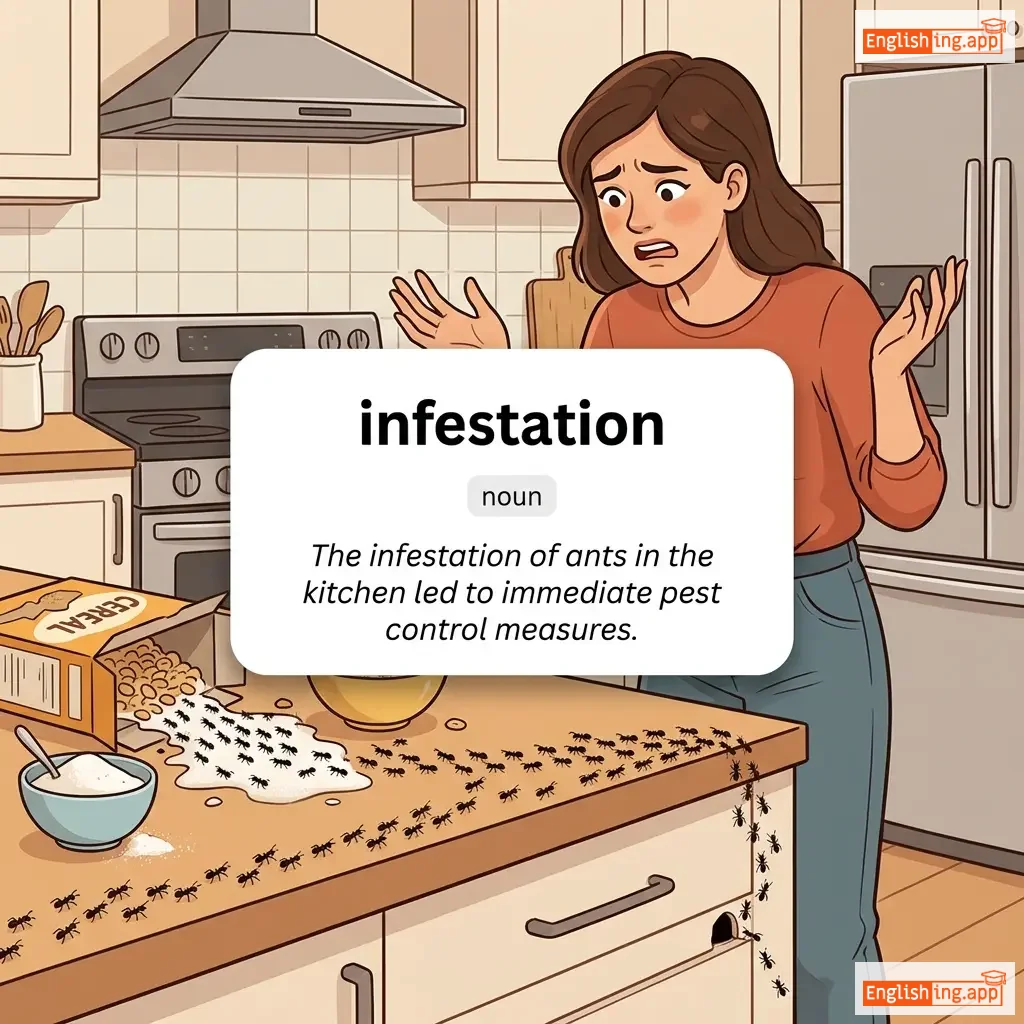
infestation definition card — visual illustration of the meaning
noun C1
ˌɪnfɛsˈteɪʃən
infestación, gran número de insectos o animales en un lugar (infestacion, gran numero de insectos o animales en un lugar)

The presence of an unusually large number of insects or animals in a place, causing damage or disease.

"The infestation of ants in the kitchen led to immediate pest control measures."

"La infestación de hormigas en la cocina llevó a medidas inmediatas de control de plagas." (La infestacion de hormigas en la cocina llevo a medidas inmediatas de control de plagas.)
noun C1
/ˌɪnfɪˈdɛləti/
infidelidad (infidelidad)

the act of being unfaithful to a spouse or partner

"Their marriage ended due to his infidelity."

"Su matrimonio terminó debido a su infidelidad." (Su matrimonio terminó debido a su infidelidad.)
verb C1
/ˈɪnfɪltreɪt/
infiltrarse (infiltrarse)

to secretly enter or gain access to a place or group

"The spies managed to infiltrate the enemy base."

"Los espías lograron infiltrarse en la base enemiga." (Los espías lograron infiltrarse en la base enemiga.)
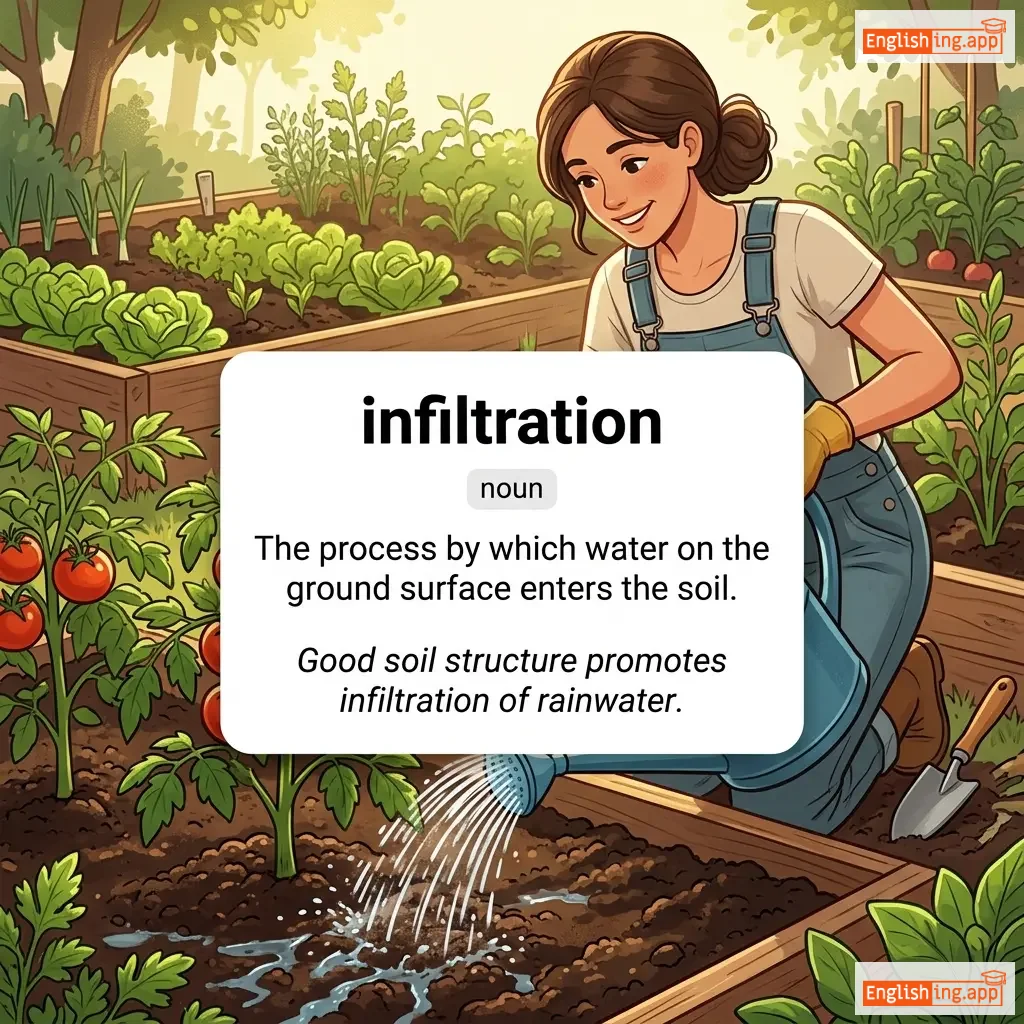
infiltration definition card — visual illustration of the meaning
noun C1
/ˌɪn.fɪlˈtreɪ.ʃən/
infiltración (infiltracion)

The process by which water on the ground surface enters the soil.

"Good soil structure promotes infiltration of rainwater."

"Una buena estructura del suelo favorece la infiltración de la lluvia." (Una buena estructura del suelo favorece la infiltracion de la lluvia.)
adjective C1
/ɪnˈfɜːm/
débil (debil)

Weak, especially due to old age or illness.

"The infirm old man needed assistance to walk."

"El anciano débil necesitaba ayuda para caminar." (El anciano débil necesitaba ayuda para caminar.)
noun C1
/ɪnˈfɜːməri/
hospital (hospital)

A hospital or place where the sick or injured are cared for.

"The school had an infirmary for minor injuries."

"La escuela tenía un hospital para lesiones menores." (La escuela tenía un hospital para lesiones menores.)
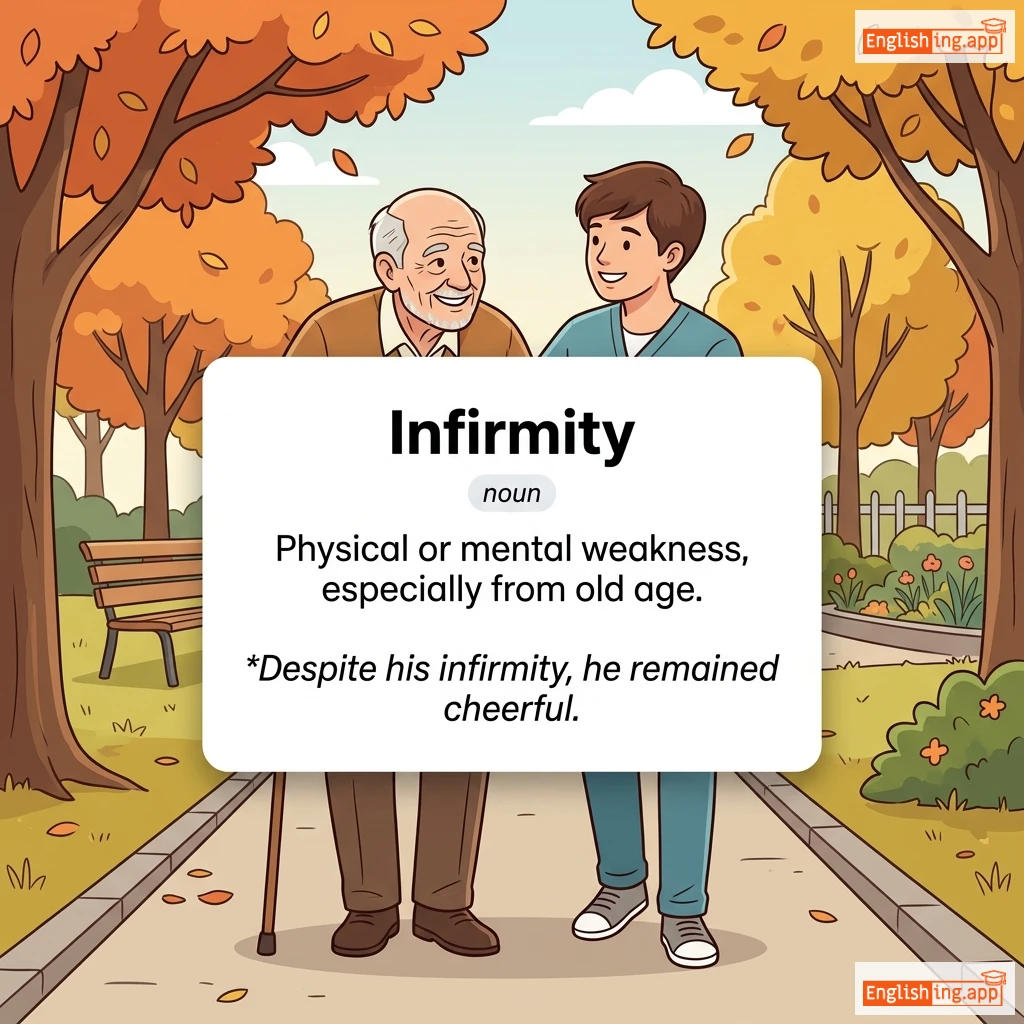
Infirmity definition card — visual illustration of the meaning
noun C1
/ɪnˈfɜːməti/
debilidad (debilidad)

Physical or mental weakness, especially from old age.

"Despite his infirmity, he remained cheerful."

"A pesar de su debilidad, se mantuvo alegre." (A pesar de su debilidad, se mantuvo alegre.)
verb C1
/ɪnˈfleɪm/
inflamar (inflamar)

to arouse strong feelings or provoke anger; to cause inflammation in the body

"The politician's remarks served to inflame public opinion."

"Las declaraciones del político sirvieron para inflamar la opinión pública." (Las declaraciones del político sirvieron para inflamar la opinión pública.)
adjective C1
/ɪnˈflæməbl/
inflamable (inflamable)

easily set on fire; easily excited or angered

"This material is highly inflammable and should be kept away from heat."

"Este material es altamente inflamable y debe mantenerse alejado del calor." (Este material es altamente inflamable y debe mantenerse alejado del calor.)
adjective C1
/ɪnˈflæməˌtɔːri/
felicidad (felicidad)

causing inflammation in the body; arousing anger, hostility, or strong emotion

"His inflammatory speech triggered protests across the city."

"No pudo esconder su felicidad cuando recibió el premio." (No pudo esconder su felicidad cuando recibió el premio.)
inflate definition card — visual illustration of the meaning
verb C1
/ɪnˈfleɪt/
inflar (inflar)

to fill with air or gas so it expands; to increase excessively or artificially

"The mechanic inflated the tire to the correct pressure."

"El mecánico infló el neumático a la presión correcta." (El mecanico inflo el neumatico a la presion correcta)
adjective C1
/ɪnˈfleɪtɪd/
inflado (inflado)

excessively increased in size, value, or importance; filled with air or gas

"The company faced criticism for its inflated prices."

"La empresa enfrentó críticas por sus precios inflados." (La empresa enfrento criticas por sus precios inflados.)
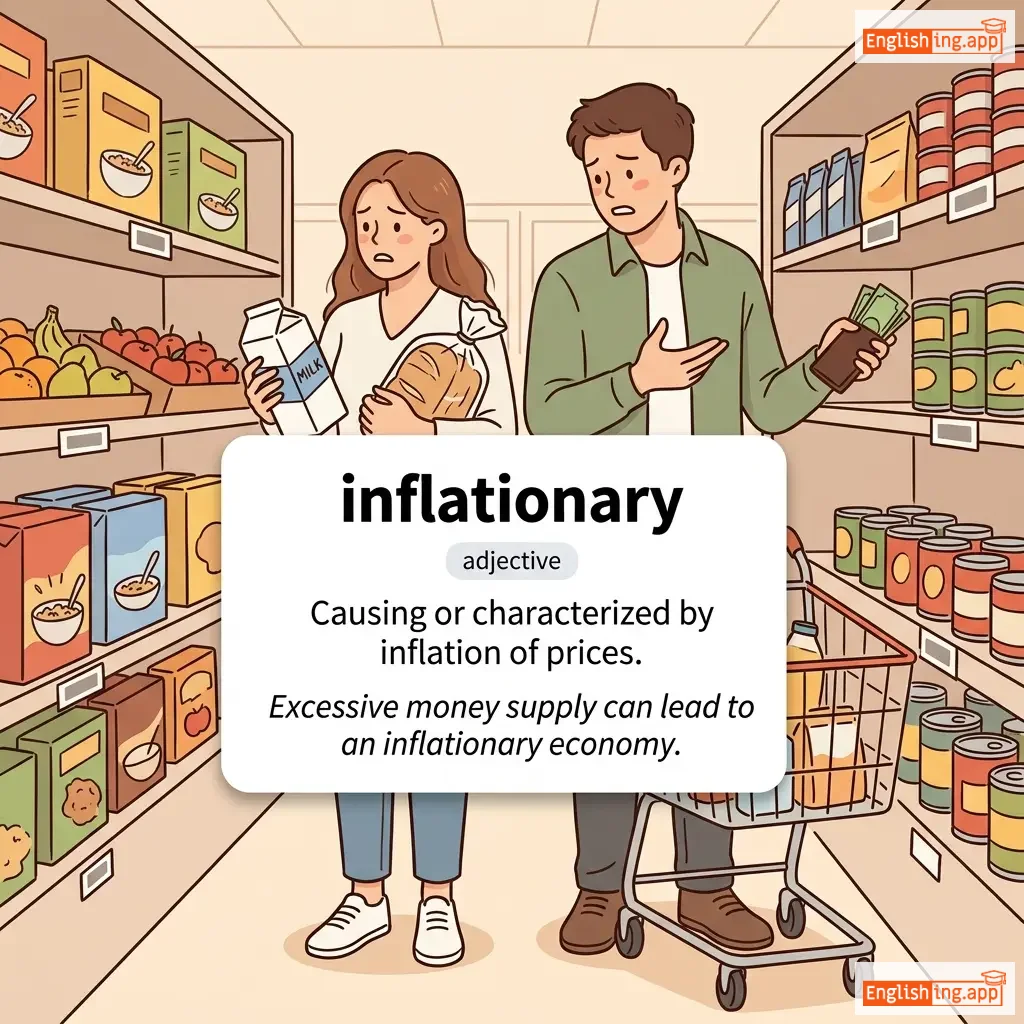
inflationary definition card — visual illustration of the meaning
adjective C1
/ɪnˈfleɪ.ʃə.ner.i/
inflacionario (inflacionario)

Causing or characterized by inflation of prices.

"Excessive money supply can lead to an inflationary economy."

"El exceso de suministro de dinero puede llevar a una economía inflacionaria." (El exceso de suministro de dinero puede llevar a una economia inflacionaria.)
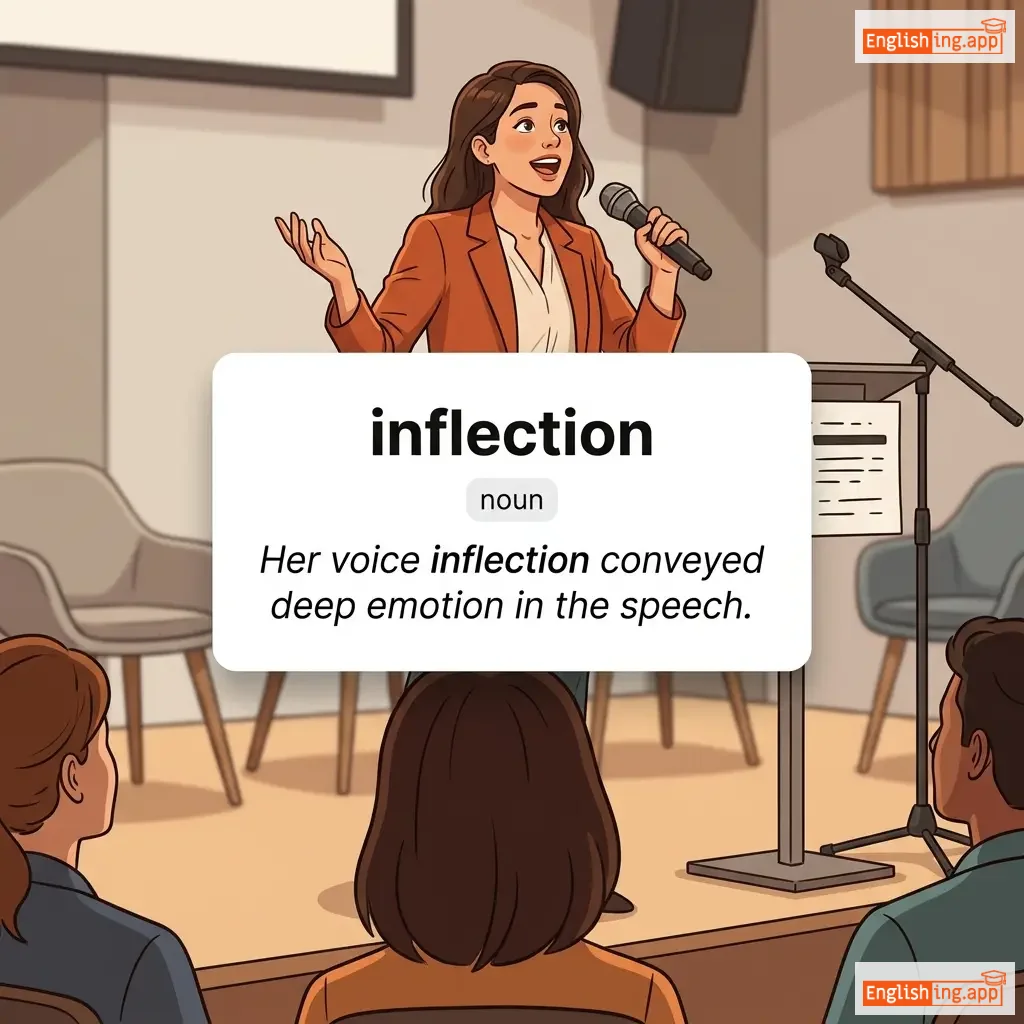
inflection definition card — visual illustration of the meaning
noun C1
/ɪnˈflɛk.ʃən/
cambio de tono o inflexión (cambio de tono o inflexión)

A change in the tone or pitch of the voice when speaking, which helps convey meaning and emotion.

"Her voice inflection conveyed deep emotion in the speech."

"La inflexión de su voz transmitió una profunda emoción en el discurso." (La inflexión de su voz transmitió una profunda emoción en el discurso.)
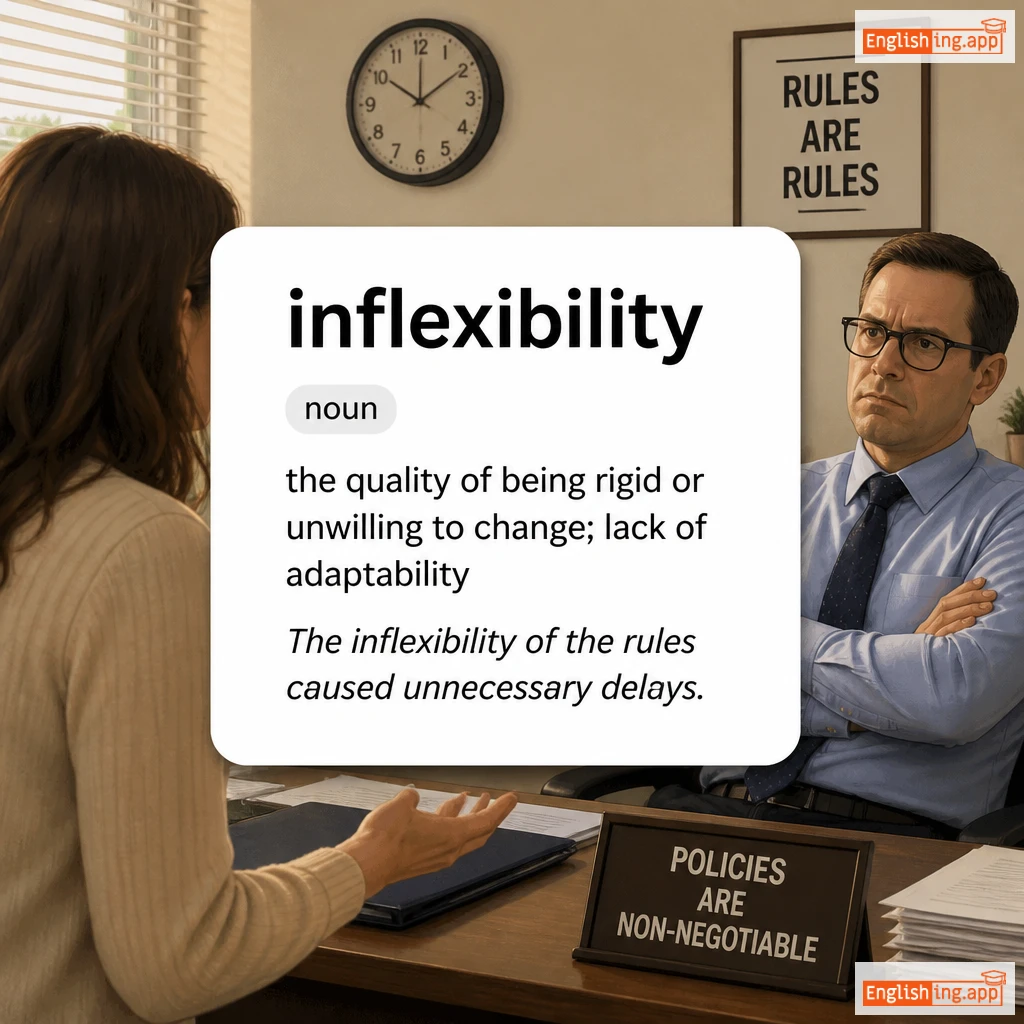
inflexibility definition card — visual illustration of the meaning
noun C1
/ˌɪnflɛksɪˈbɪlɪti/
inflexibilidad (inflexibilidad)

the quality of being rigid or unwilling to change; lack of adaptability

"The inflexibility of the rules caused unnecessary delays."

"La inflexibilidad de las reglas causó retrasos innecesarios." (La inflexibilidad de las reglas causo retrasos innecesarios)
inflexible definition card — visual illustration of the meaning
adjective C1
/ɪnˈflɛksəbl/
inflexible (inflexible)

Not able to bend or change; unwilling to change ideas or behavior.

"His inflexible attitude made negotiations difficult."

"Su actitud inflexible dificultó las negociaciones." (Su actitud inflexible dificultó las negociaciones.)
noun C1
/ˈɪn.floʊ/
flujo (flujo)

The movement of things such as money, people, or water into a place.

"The inflow of tourists boosted the local economy."

"El flujo de turistas impulsó la economía local." (El flujo de turistas impulsó la economía local.)
noun C1
/ˈɪnflʌks/
afluencia (afluencia)

A large arrival or flow of people or things.

"The city experienced an influx of tourists during the festival."

"La ciudad experimentó una afluencia de turistas durante el festival." (La ciudad experimento una afluencia de turistas durante el festival.)
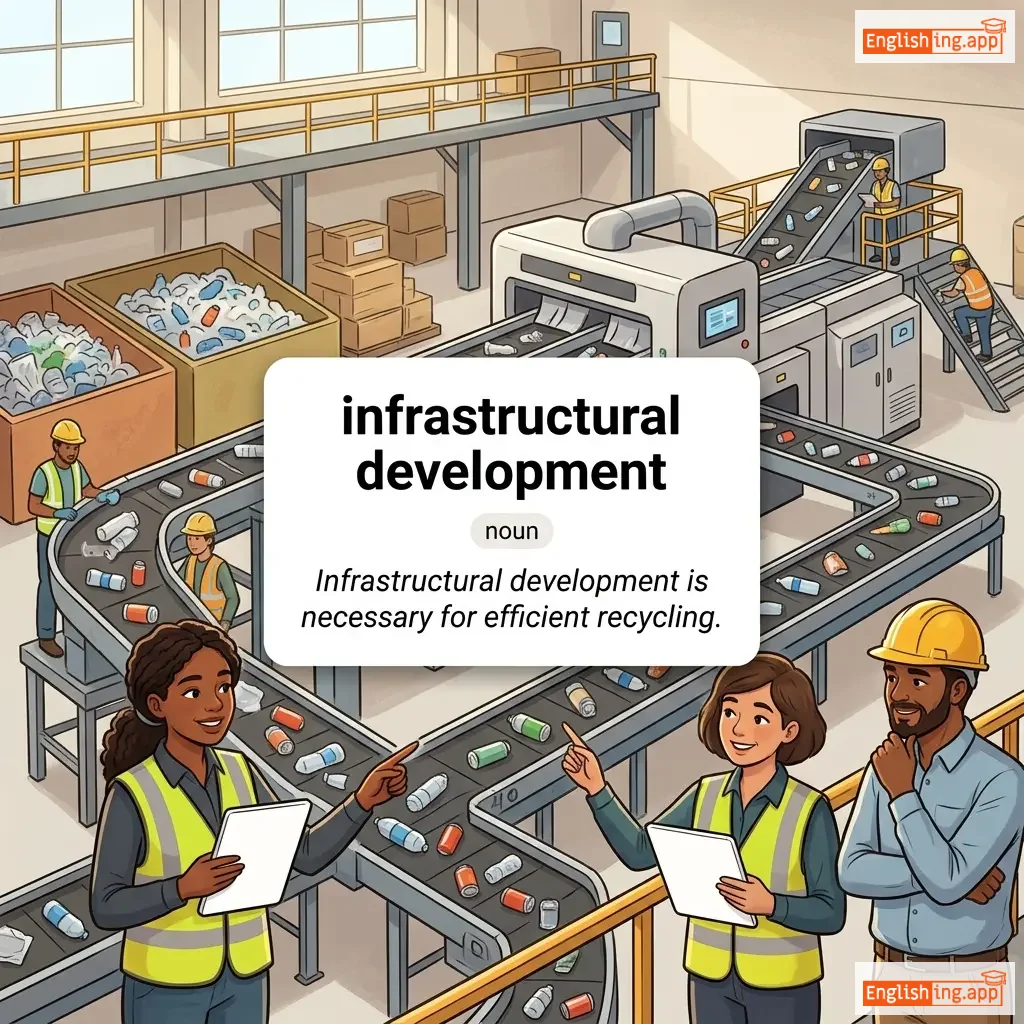
infrastructural development definition card — visual illustration of the meaning
noun C1
ˌɪnfrəˈstrʌktʃərəl dɪˈveləpmənt
desarrollo infraestructural (desarrollo infraestructural)

The process of building and improving the basic physical and organizational structures and facilities needed for the operation of a society or enterprise.

"Infrastructural development is necessary for efficient recycling."

"El desarrollo infraestructural es necesario para el reciclaje eficiente." (El desarrollo infraestructural es necesario para el reciclaje eficiente.)
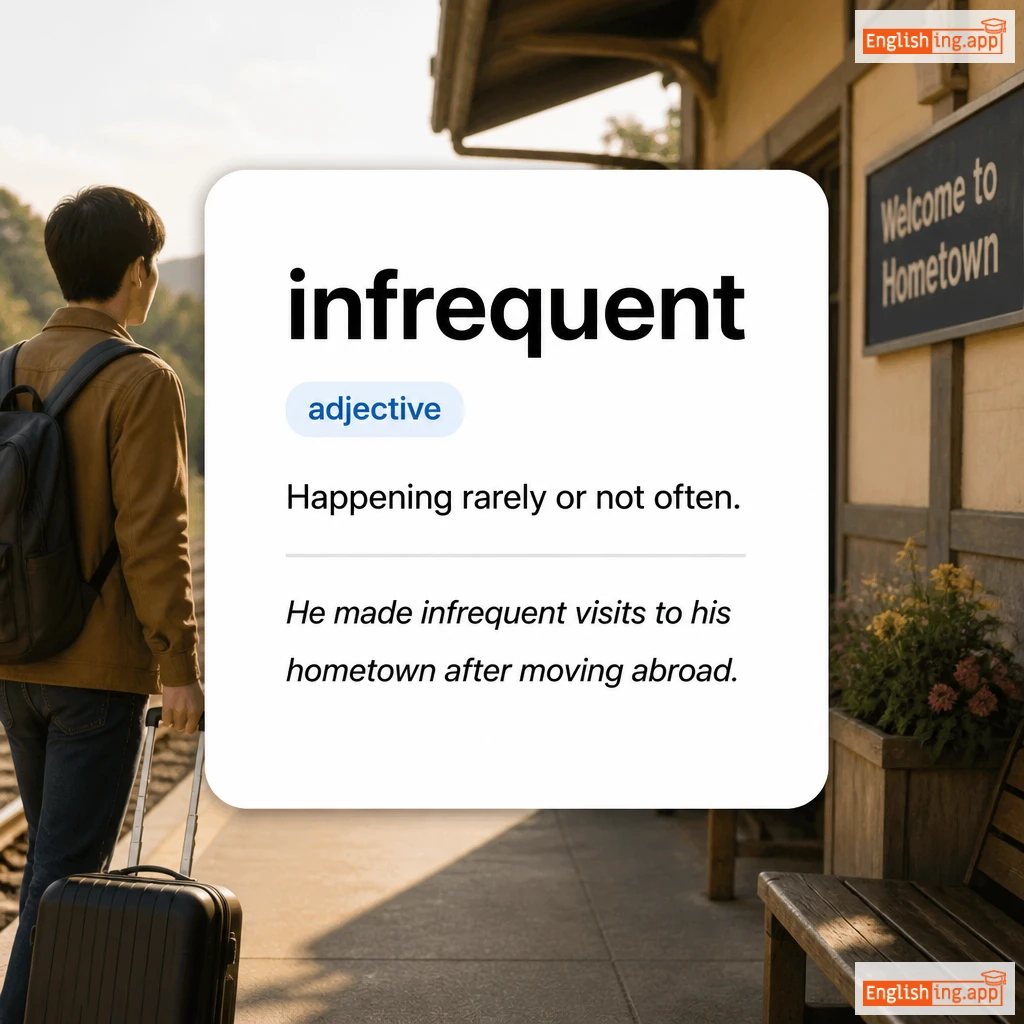
infrequent definition card — visual illustration of the meaning
adjective C1
/ɪnˈfriːkwənt/
poco frecuente (poco frecuente)

Happening rarely or not often.

"He made infrequent visits to his hometown after moving abroad."

"Él hacía visitas poco frecuentes a su ciudad natal después de mudarse al extranjero." (Él hacía visitas poco frecuentes a su ciudad natal después de mudarse al extranjero.)
verb C1
/ɪnˈfrɪndʒ/
infringir (infringir)

To actively break the terms of a law, agreement, or right.

"Copying this software without permission will infringe copyright laws."

"Copiar este software sin permiso infringirá las leyes de derechos de autor." (Copiar este software sin permiso infringirá las leyes de derechos de autor.)
verb C1
/ɪnˈfjʊərieɪt/
enfurecer (enfurecer)

To make someone extremely angry.

"His careless remarks infuriated the entire team."

"Sus comentarios descuidados enfurecieron a todo el equipo." (Sus comentarios descuidados enfurecieron a todo el equipo.)
verb C1
/ɪnˈfjuːz/
infundir (infun-deer)

to fill or spread through something; to instill a quality, idea, or feeling

"The teacher tried to infuse her students with a love for reading."

"La profesora trató de infundir a sus estudiantes con un amor por la lectura." (La profesora trato de infundir a sus estudiantes con un amor por la lectura)
noun C1
/ɪnˈfjuːʒən/
infusión (infusion)

the act of introducing something into another; a drink made by steeping leaves or herbs in liquid

"She prepared a calming infusion of chamomile tea."

"Ella preparó una infusión calmante de té de manzanilla." (Ella preparó una infusion calmante de te de manzanilla.)
ingenious definition card — visual illustration of the meaning
adjective C1
/ɪnˈdʒiːniəs/
ingenioso (ingenioso)

very clever and inventive; showing creativity in problem-solving

"The engineer came up with an ingenious solution to the problem."

"El ingeniero encontró una solución ingeniosa para el problema." (El ingeniero encontró una solución ingeniosa para el problema.)
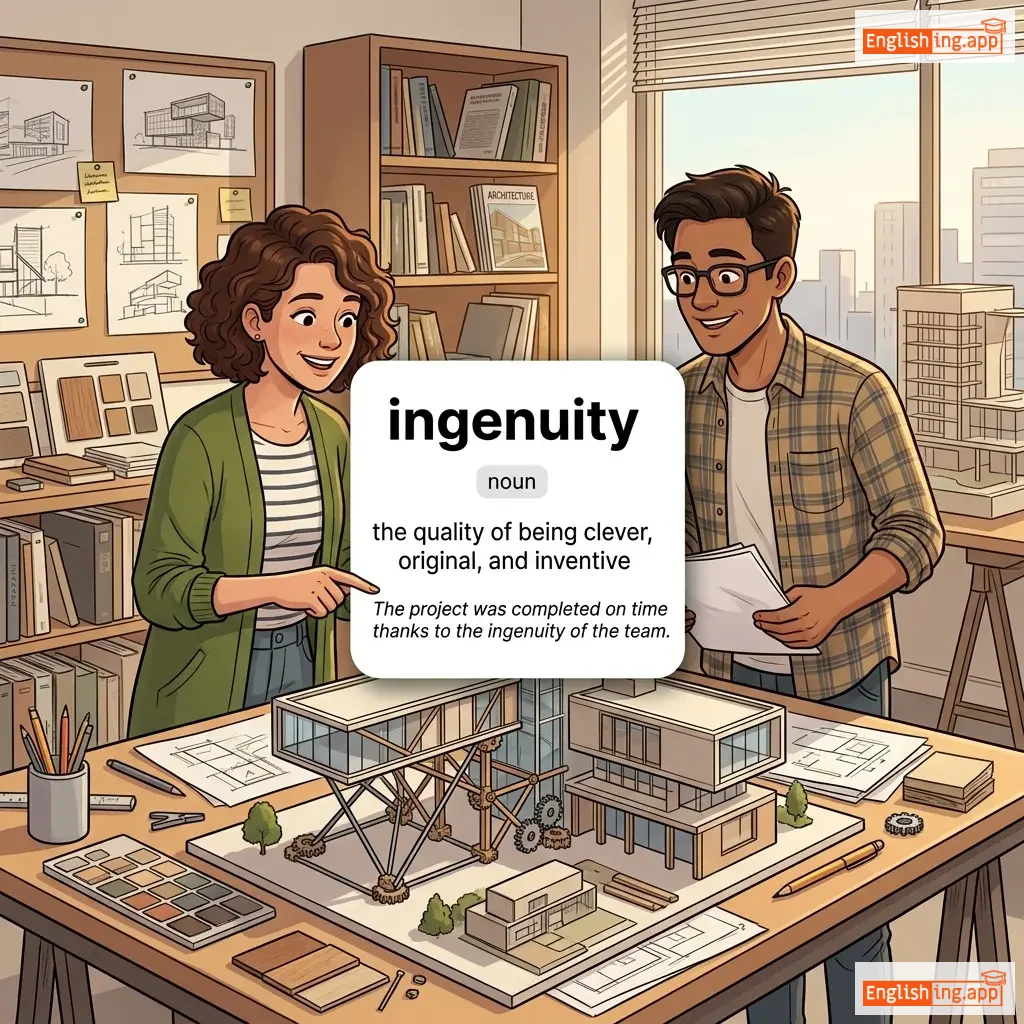
ingenuity definition card — visual illustration of the meaning
noun C1
/ˌɪndʒəˈnjuːɪti/
ingenio (ingenio)

the quality of being clever, original, and inventive

"The project was completed on time thanks to the ingenuity of the team."

"El proyecto se completó a tiempo gracias a la ingenuidad del equipo." (El proyecto se completó a tiempo gracias a la ingenuidad del equipo.)
adjective C1
/ɪnˈɡreɪnd/
arraigado (arraigado)

Firmly fixed or established; deeply rooted and difficult to change.

"His ingrained habits were hard to break."

"Sus hábitos arraigados eran difíciles de romper." (Sus hábitos arraigados eran difíciles de romper.)
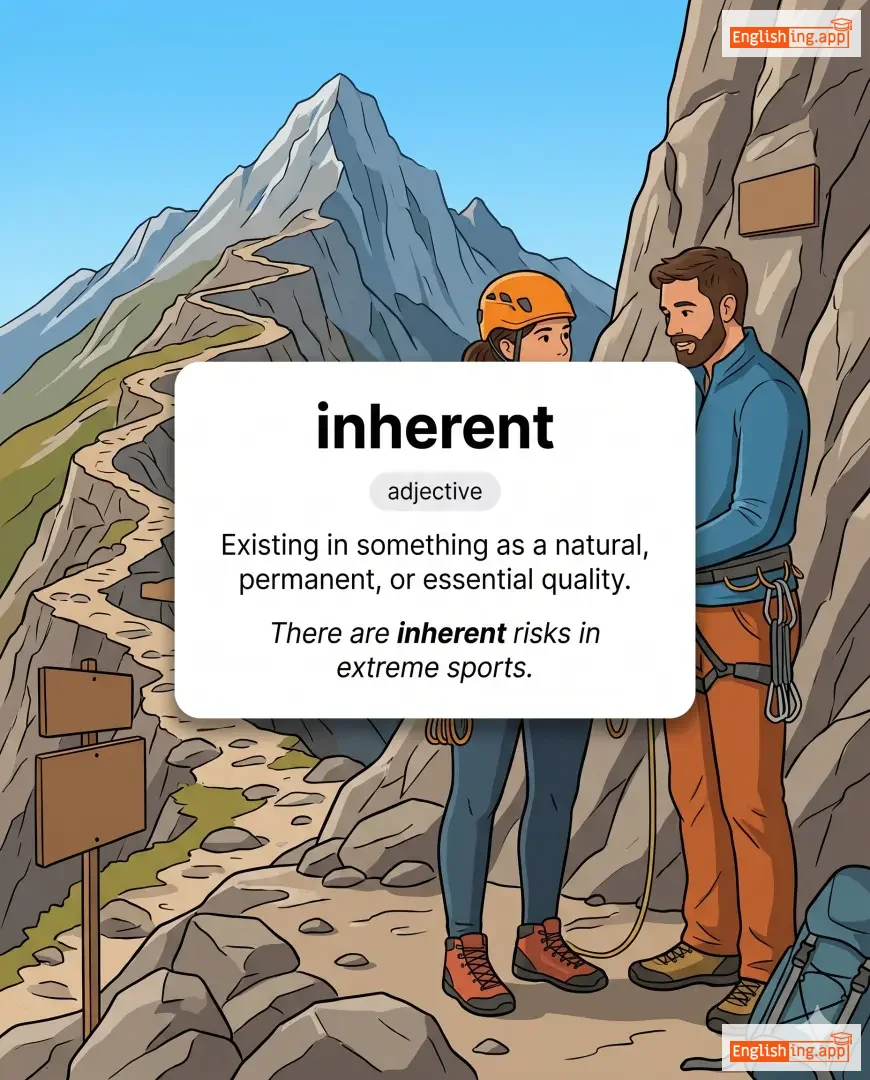
inherent definition card — visual illustration of the meaning
adjective C1
/ɪnˈhɛrənt/
inherente (inherente)

Existing in something as a natural, permanent, or essential quality.

"There are inherent risks in extreme sports."

"Existen riesgos inherentes en los deportes extremos." (Existen riesgos inherentes en los deportes extremos.)
noun C1
/ɪnˈhɛrɪtər/
heredero (heredero)

a person who receives money, property, or a title when someone dies

"She became the inheritor of her family's estate."

"Ella se convirtió en la heredera de la propiedad de su familia." (Ella se convirtió en la heredera de la propiedad de su familia.)
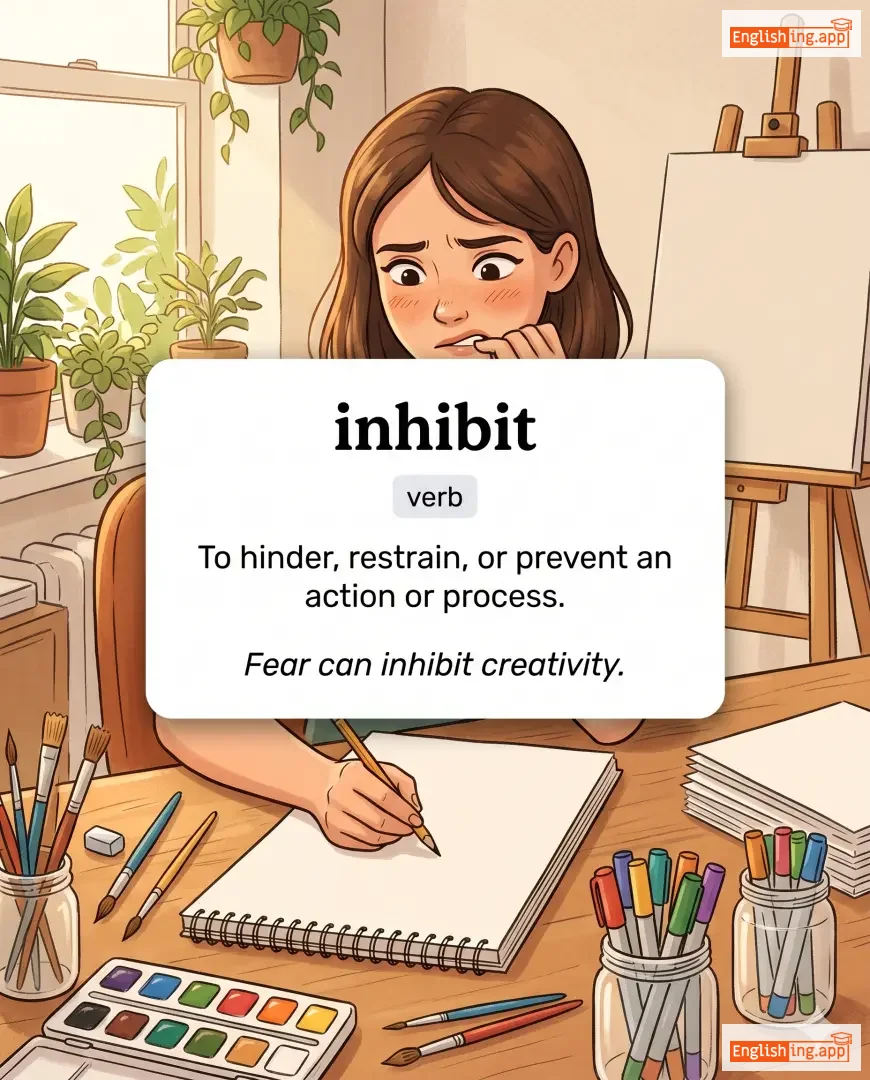
inhibit definition card — visual illustration of the meaning
verb C1
/ɪnˈhɪbɪt/
inhibir (inhibir)

To hinder, restrain, or prevent an action or process.

"Fear can inhibit creativity."

"El miedo puede inhibir la creatividad." (El miedo puede inhibir la creatividad.)
adjective C1
/ɪnˈhɪbɪtɪd/
inhibido (inhibido)

Unable to act in a relaxed and natural way, especially due to self-consciousness or restraint.

"He was too inhibited to express his true feelings."

"Él estaba demasiado inhibido para expresar sus verdaderos sentimientos." (El estaba demasiado inhibido para expresar sus verdaderos sentimientos.)
adjective C1
/ˌɪnhɒˈspɪtəbl/
inhóspito (inhospito)

Harsh and difficult to live in; unfriendly or unwelcoming to guests.

"The desert is an inhospitable environment for most plants."

"El desierto es un ambiente inhóspito para la mayoría de las plantas." (El desierto es un ambiente inhospito para la mayoría de las plantas.)
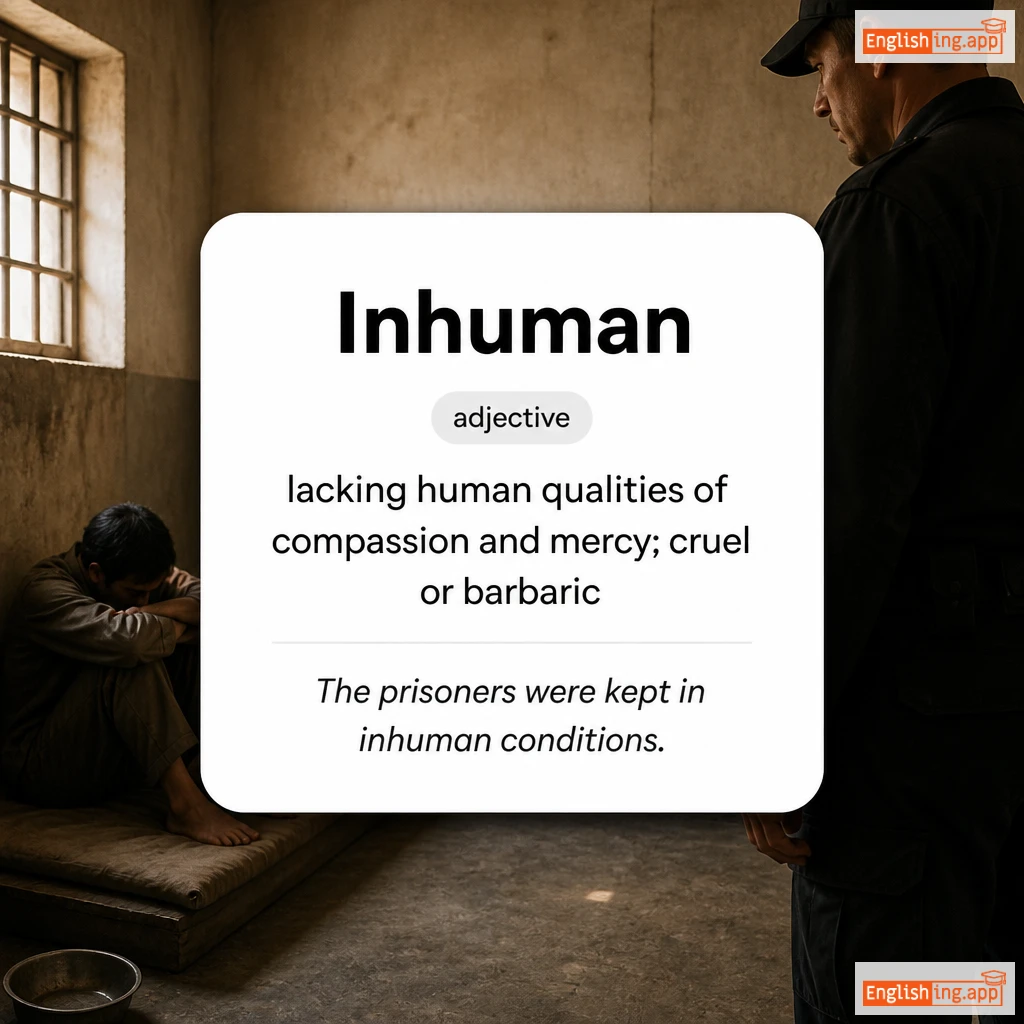
Inhuman definition card — visual illustration of the meaning
adjective C1
/ɪnˈhjuːmən/
inhumano (inhumano)

lacking human qualities of compassion and mercy; cruel or barbaric

"The prisoners were kept in inhuman conditions."

"Los prisioneros fueron mantenidos en condiciones inhumanas." (Los prisioneros fueron mantenidos en condiciones inhumanas.)
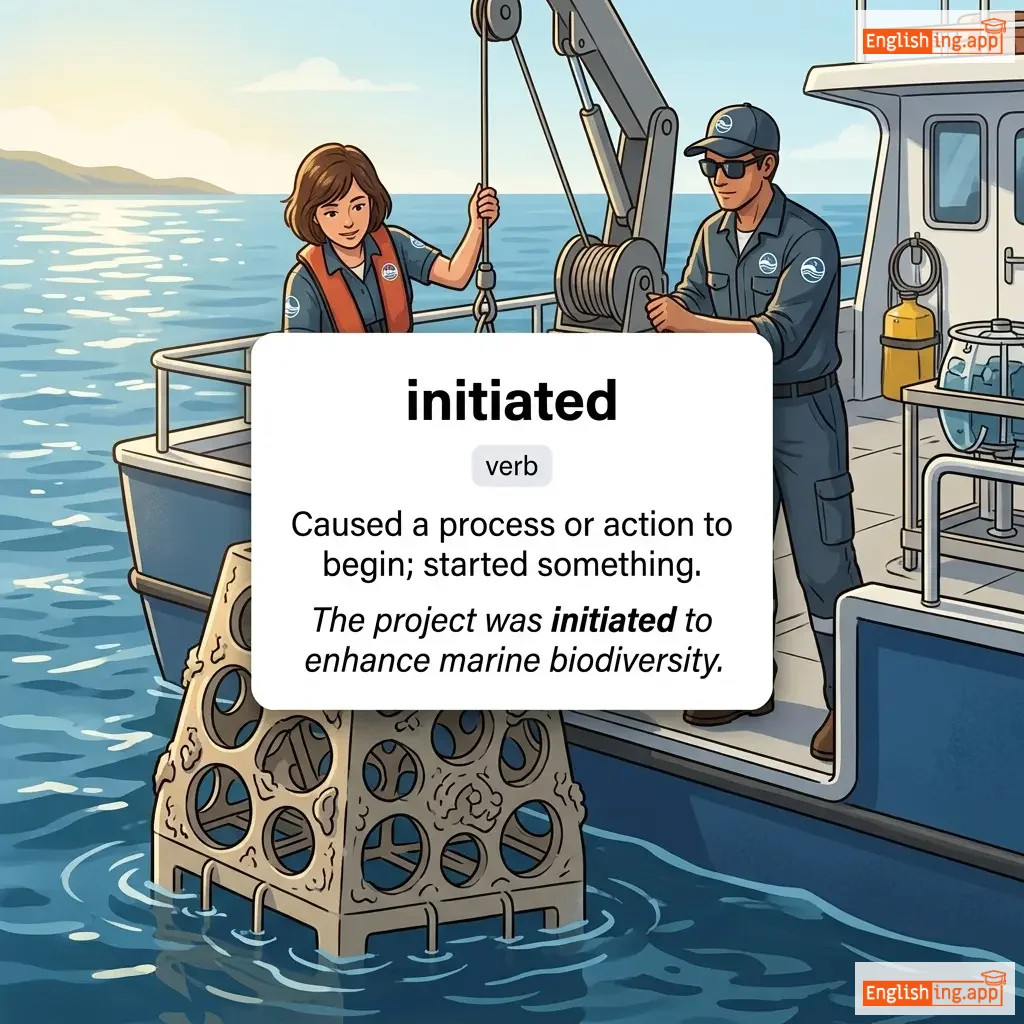
initiated definition card — visual illustration of the meaning
verb C1
ɪˈnɪʃɪeɪtɪd
iniciado (iniciado)

Caused a process or action to begin; started something.

"The project was initiated to enhance marine biodiversity."

"El proyecto fue iniciado para mejorar la biodiversidad marina." (El proyecto fue iniciado para mejorar la biodiversidad marina.)
noun C1
/ɪnˈdʒʌŋkʃən/
orden judicial (orden judicial)

A judicial order restraining a person from an action or compelling a certain act.

"The court issued an injunction to stop the company from polluting the river."

"El tribunal emitió una orden judicial para evitar que la empresa contaminara el río." (El tribunal emitió una orden judicial para evitar que la empresa contaminara el río.)
adjective C1
/ɪnˈdʒʊəriəs/
perjudicial (perjudicial)

Causing or likely to cause harm or damage.

"Smoking is injurious to health."

"Fumar es perjudicial para la salud." (Fumar es perjudicial para la salud.)
noun C1
/ˈɪŋklɪŋ/
presentimiento (presentimiento)

A slight idea, hint, or suspicion about something.

"She had an inkling that he was planning a surprise."

"Ella tenía una ligera sospecha de que él estaba planeando una sorpresa." (Ella tenía una ligera sospecha de que él estaba planeando una sorpresa.)
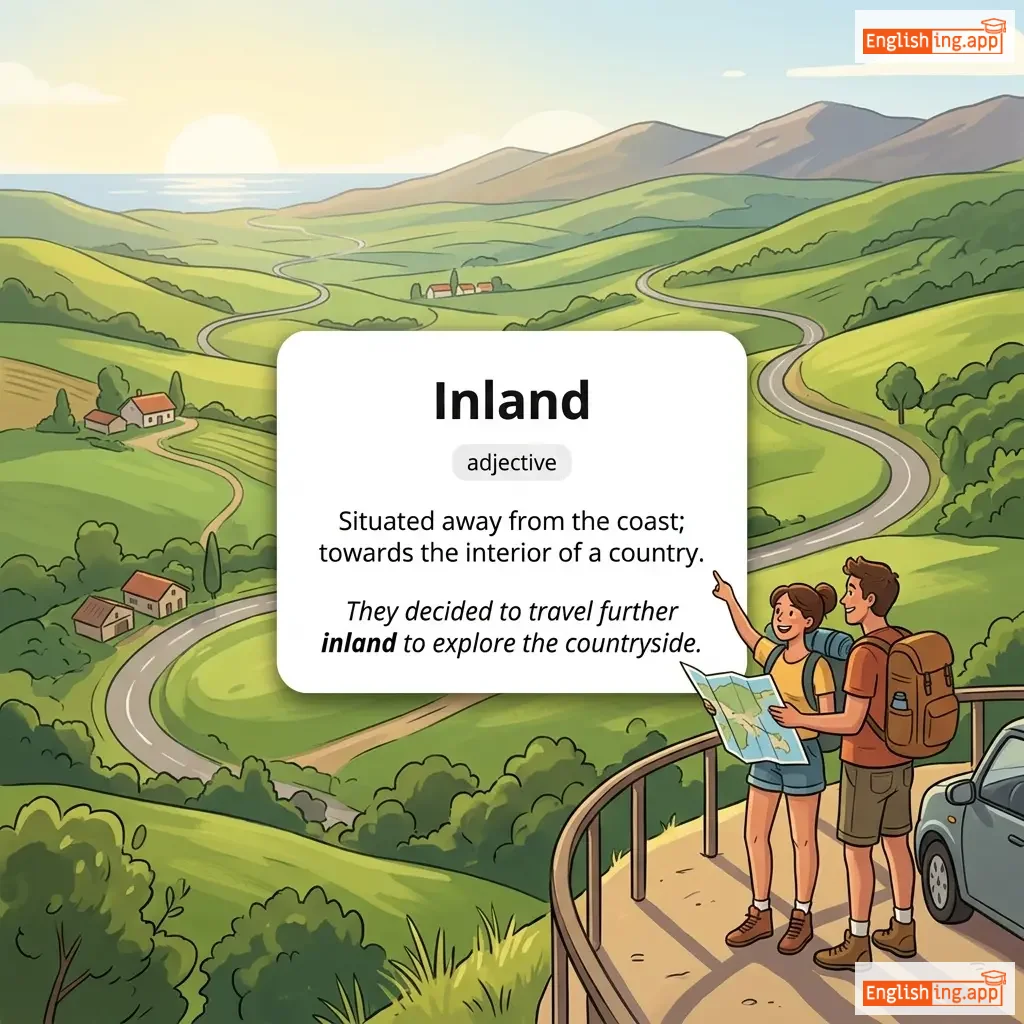
Inland definition card — visual illustration of the meaning
adjective C1
/ˈɪnlənd/
interior (interior)

Situated away from the coast; towards the interior of a country.

"They decided to travel further inland to explore the countryside."

"Decidieron viajar más hacia el interior para explorar el campo." (Decidieron viajar más hacia el interior para explorar el campo.)
noun C1
/ˈɪnlɛt/
entrada (entrada)

A small arm of the sea, a lake, or a river; an opening or passage for entry.

"The boat entered a narrow inlet along the coast."

"El bote entró en una entrada estrecha a lo largo de la costa." (El bote entro en una entrada estrecha a lo largo de la costa.)
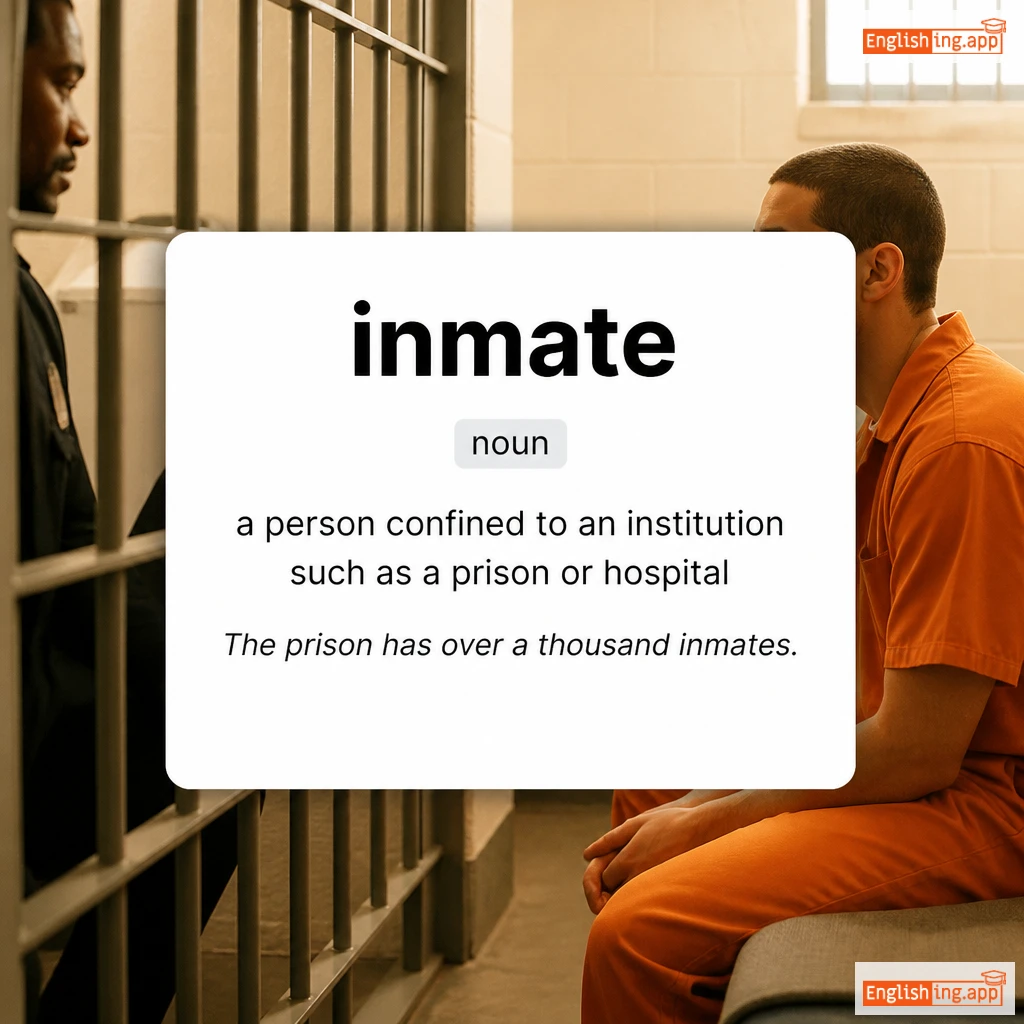
inmate definition card — visual illustration of the meaning
noun C1
/ˈɪnˌmeɪt/
interno (interno)

a person confined to an institution such as a prison or hospital

"The prison has over a thousand inmates."

"La prisión tiene más de mil internos." (La prision tiene mas de mil internos.)
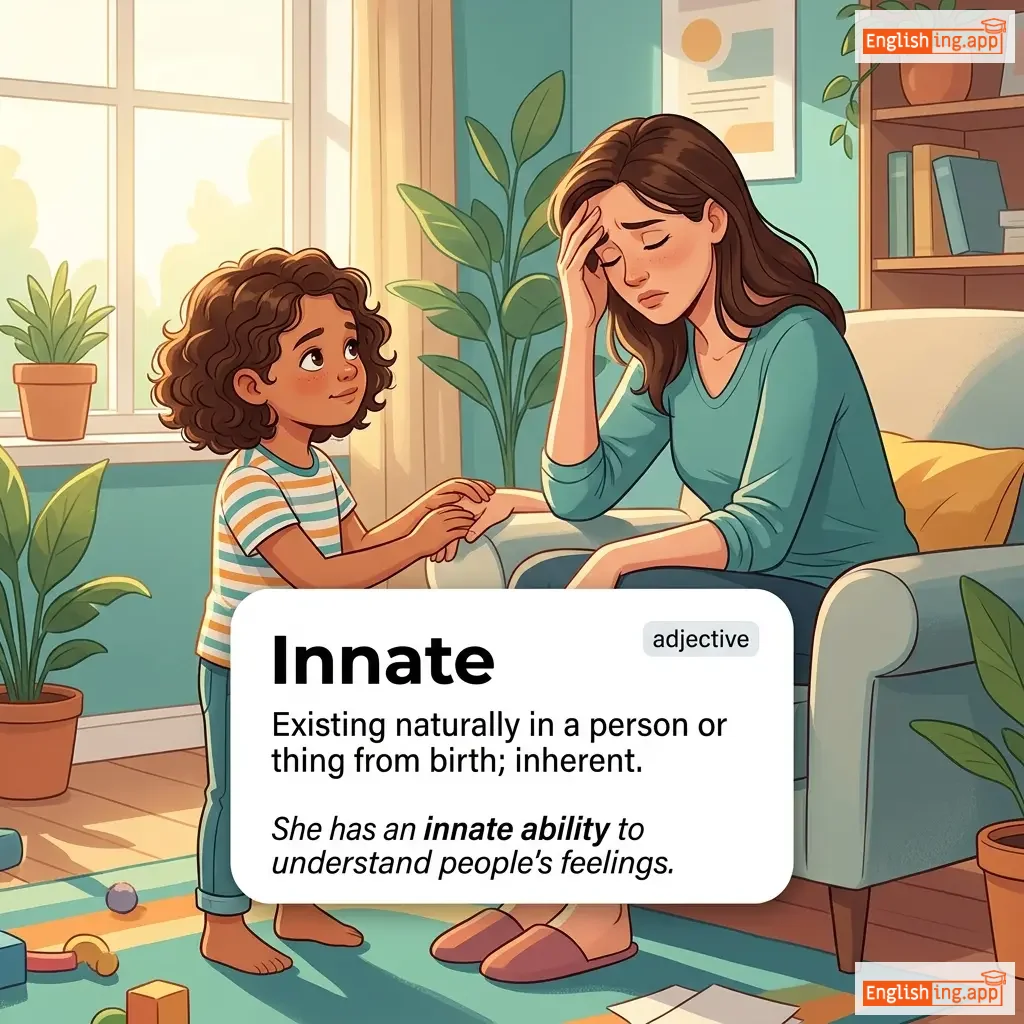
Innate definition card — visual illustration of the meaning
adjective C1
/ɪˈneɪt/
innato (innato)

Existing naturally in a person or thing from birth; inherent.

"She has an innate ability to understand people's feelings."

"Ella tiene una habilidad innata para entender los sentimientos de las personas." (Ella tiene una habilidad innata para entender los sentimientos de las personas.)
adjective C1
/ˈɪnərmoʊst/
más profundo; más personal (mas profundo; mas personal)

most private and secret; deepest; most personal

"She shared her innermost feelings with her closest friend."

"Ella compartió sus sentimientos más profundos con su amigo más cercano." (Ella compartio sus sentimientos mas profundos con su amigo mas cercano.)
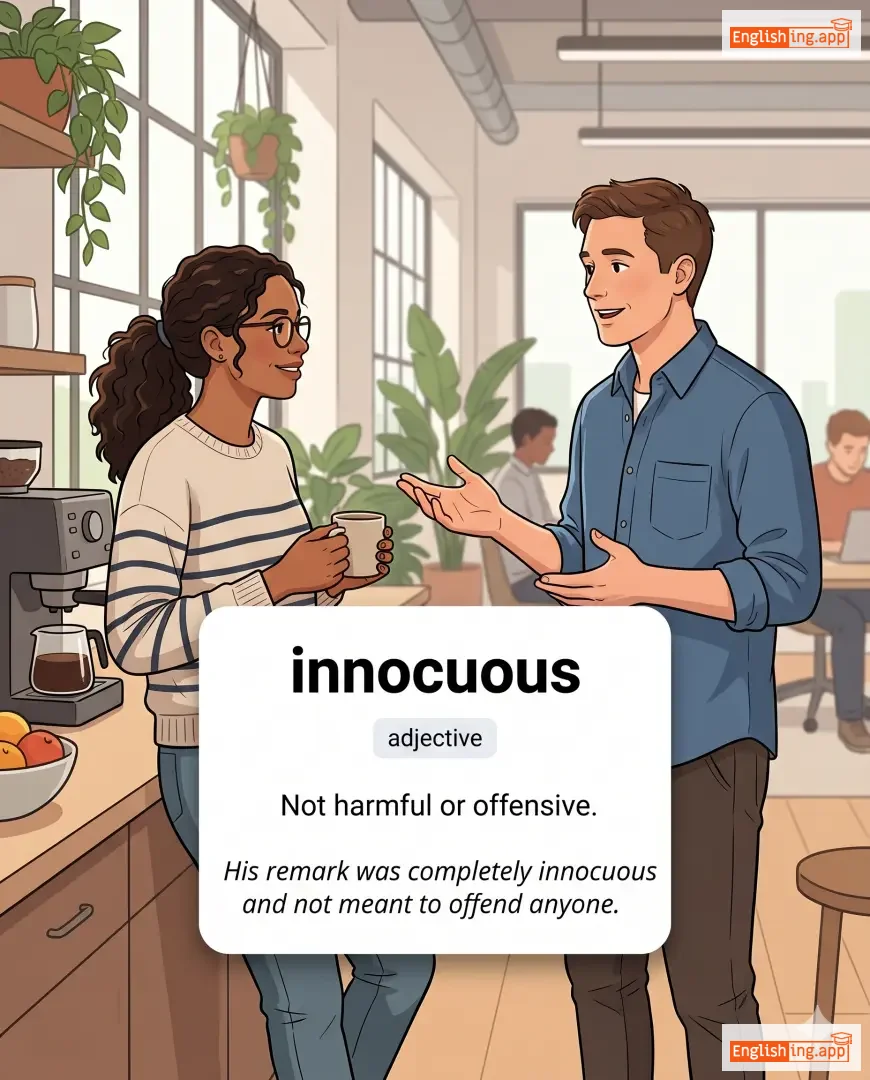
innocuous definition card — visual illustration of the meaning
adjective C1
/ɪˈnɒkjuəs/
inofensivo (inofensivo)

Not harmful or offensive.

"His remark was completely innocuous and not meant to offend anyone."

"Su comentario fue completamente inofensivo y no tenía la intención de ofender a nadie." (Su comentario fue completamente inofensivo y no tenia la intencion de ofender a nadie.)