La baie du Bengale pourrait devenir sans poissons, avertissent les chercheurs

The Bay of Bengal Could Become Fishless, Warn Researchers

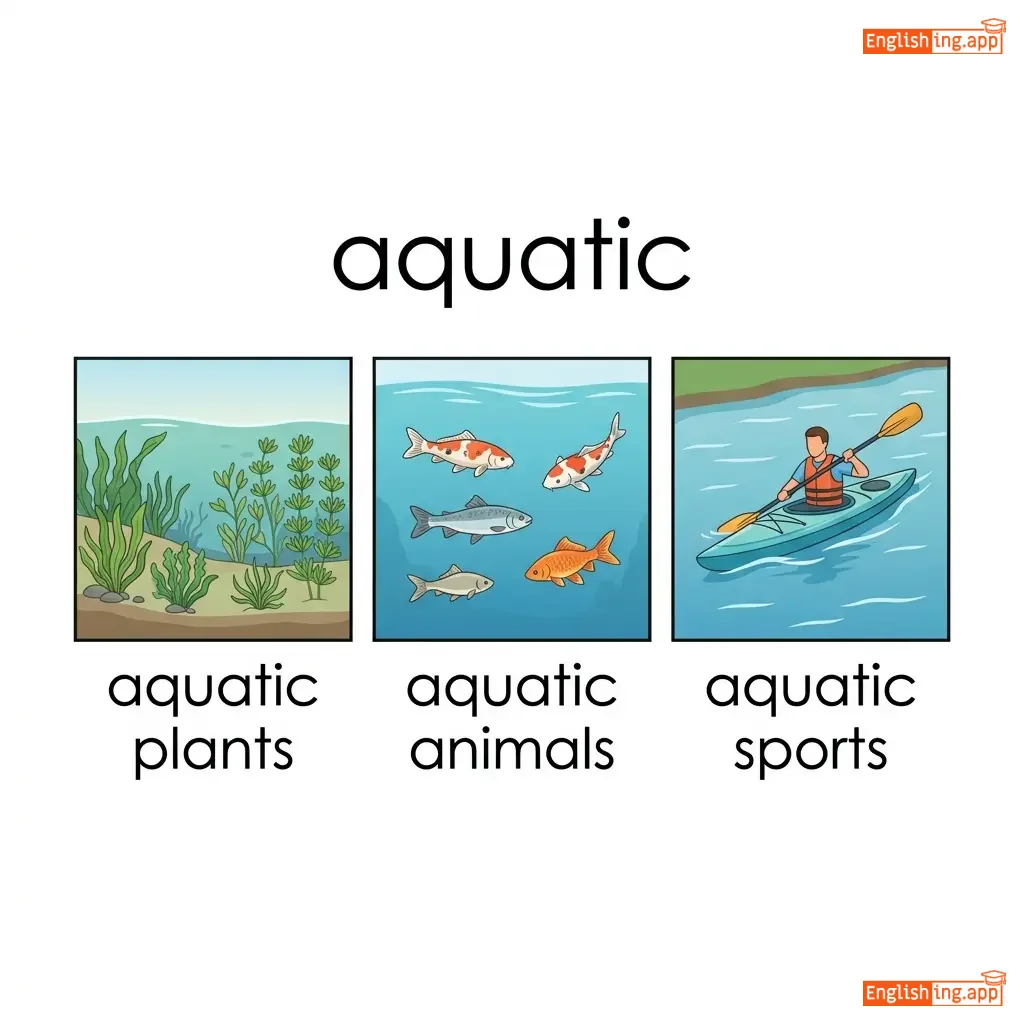
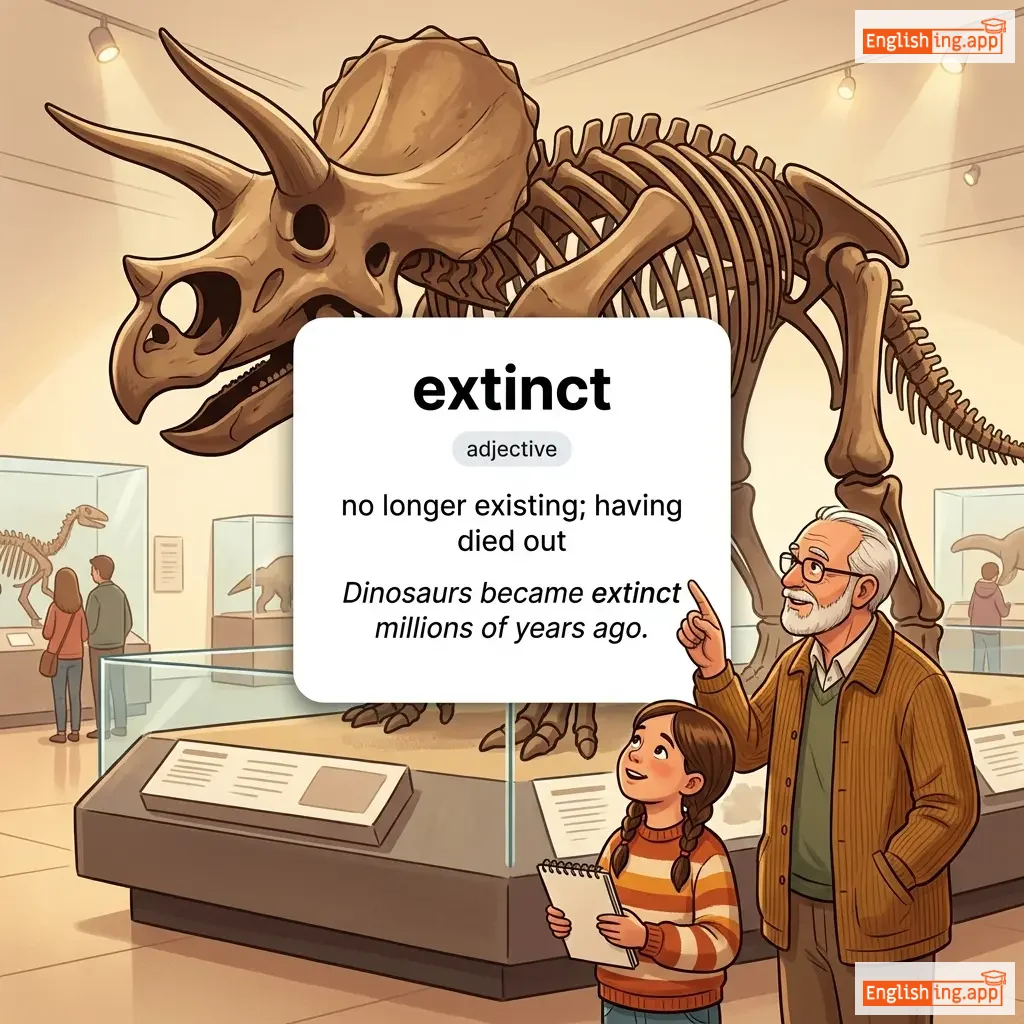
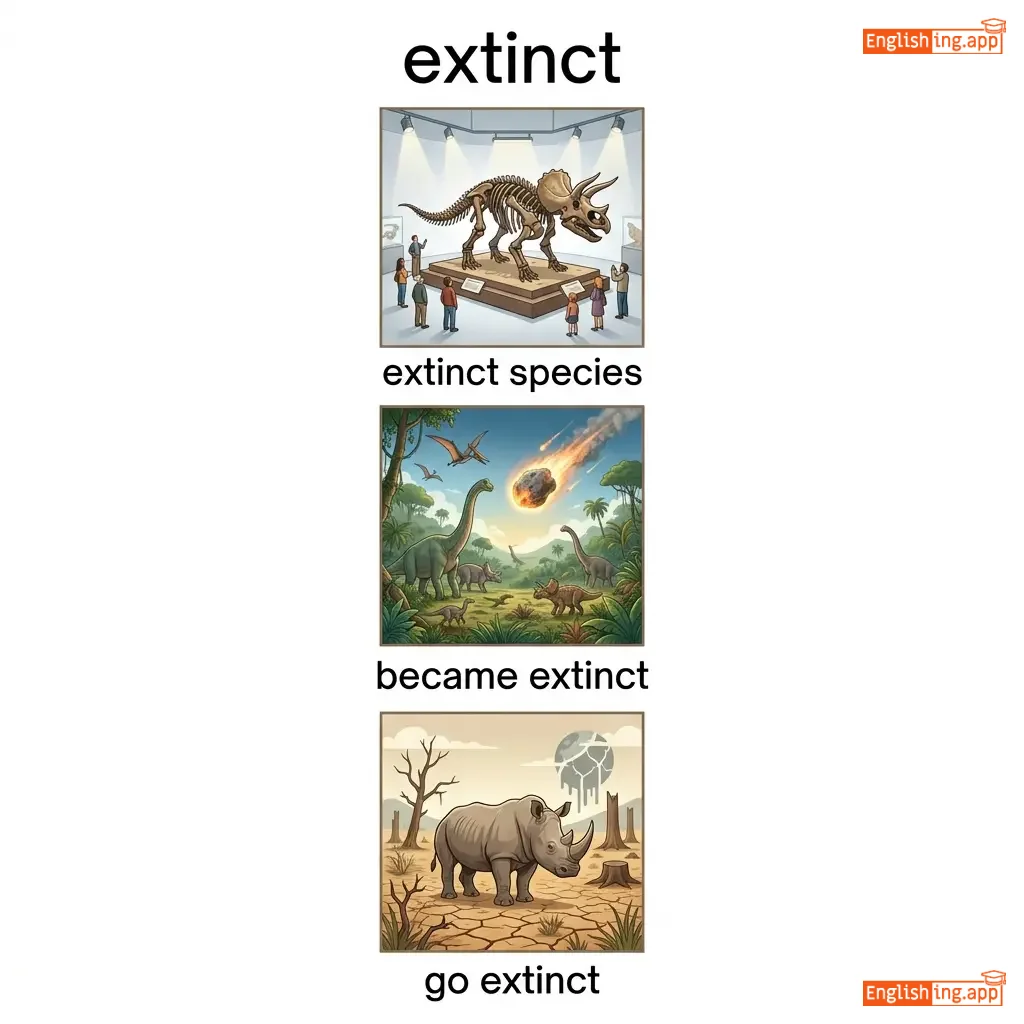
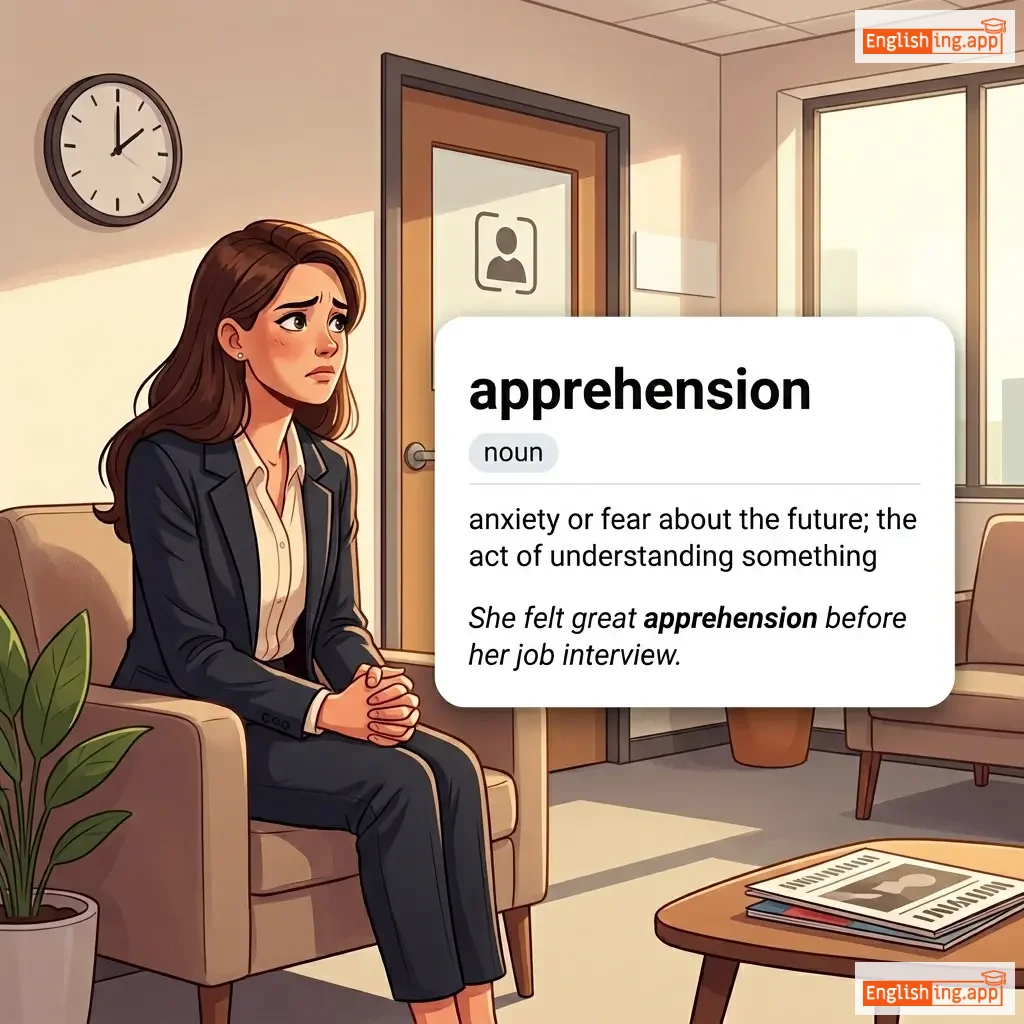
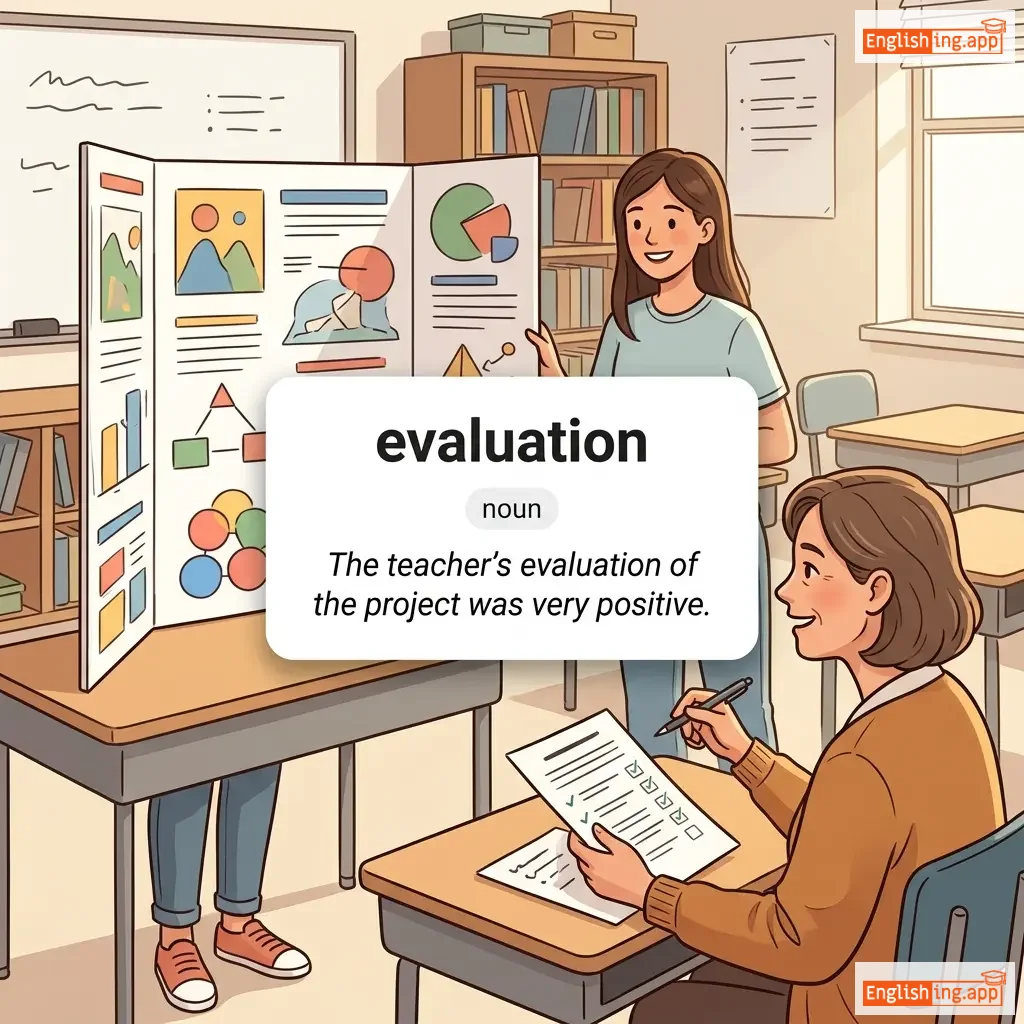
Malgré le succès de la production de poissons marine et de la conservation du hilsa en eau douce, les chercheurs avertissent que l’abundance de poissons marine dans la baie du Bengale diminue et que certaines aquatic species sont sur le point de devenir extinct. Il y a des apprehensions que si l’exploitation non réglementée et la harvesting indiscriminée ne s’arrêtent pas, la baie du Bengale pourrait devenir sans poissons à l’avenir. Les scientifiques réalisent cette evaluation grâce à des recherches et enquêtes sur les pêches marine.

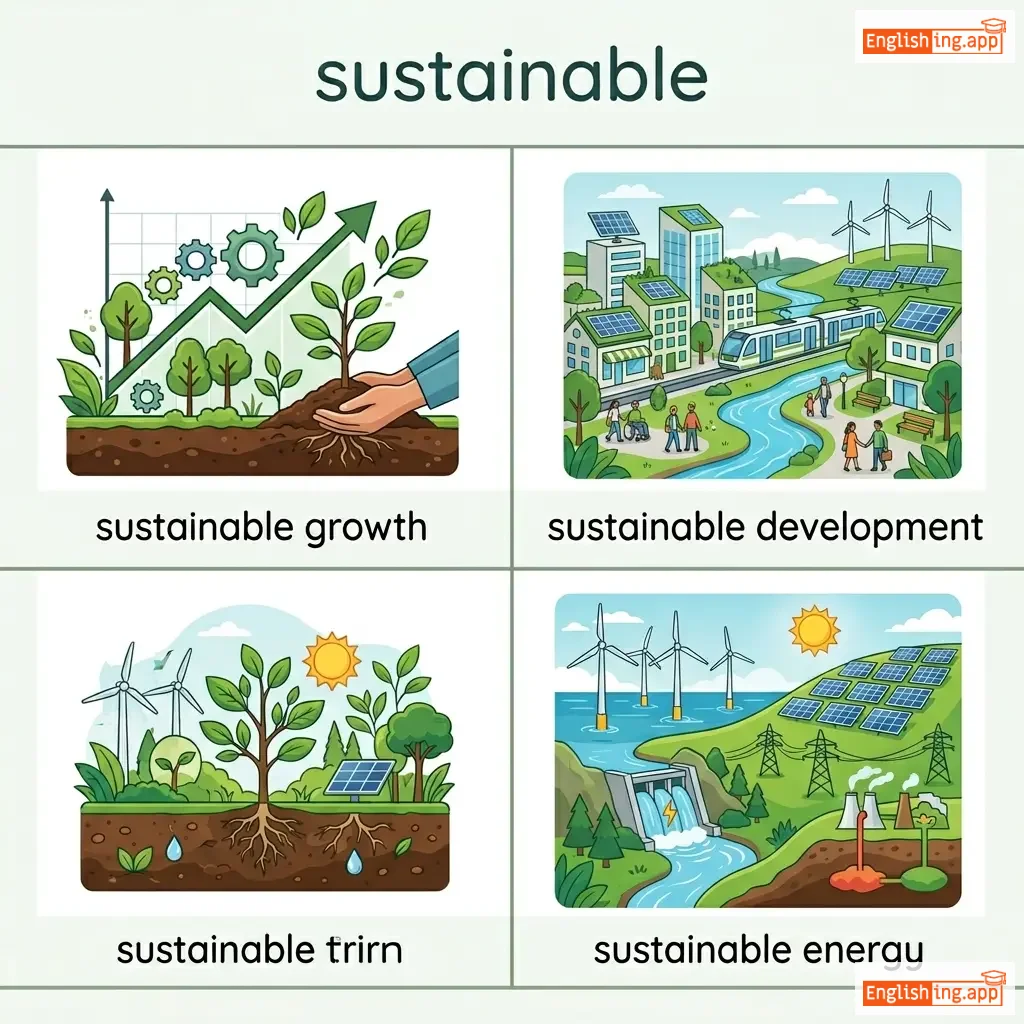
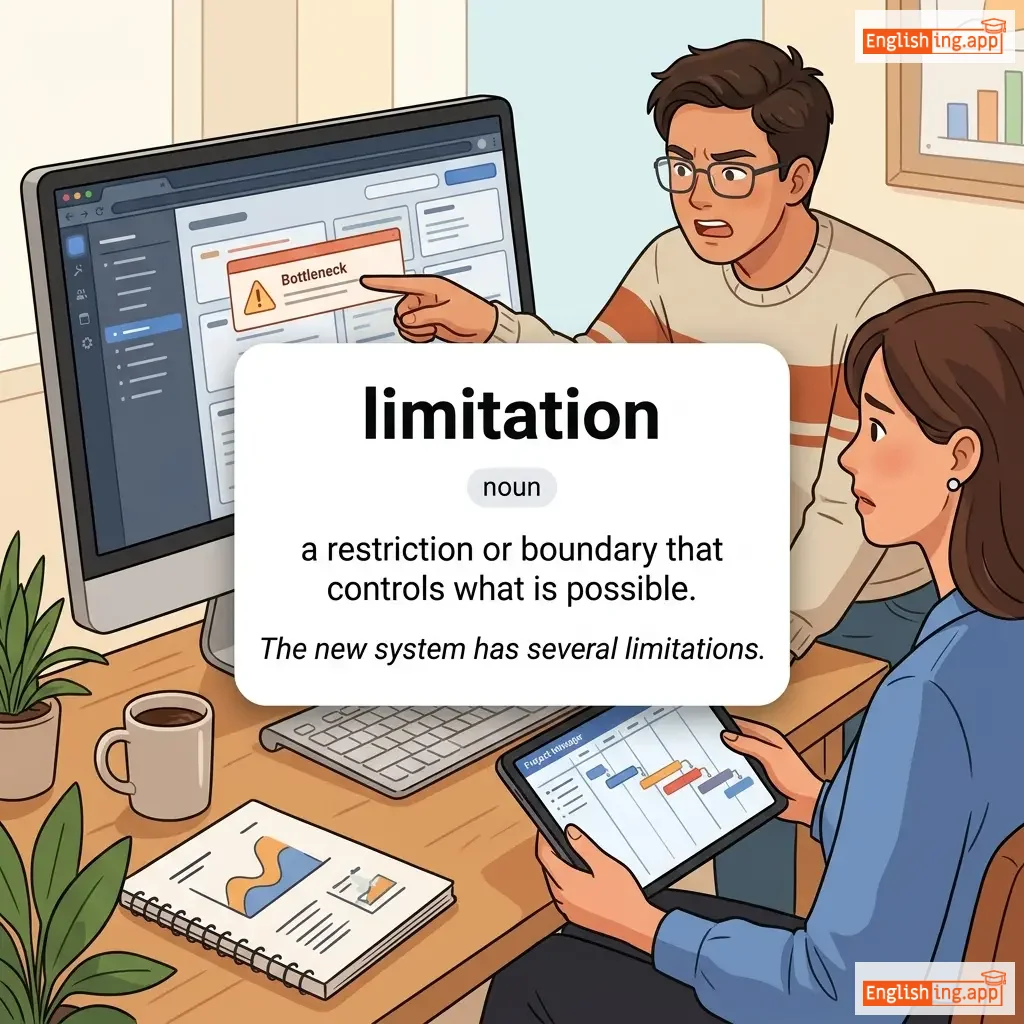
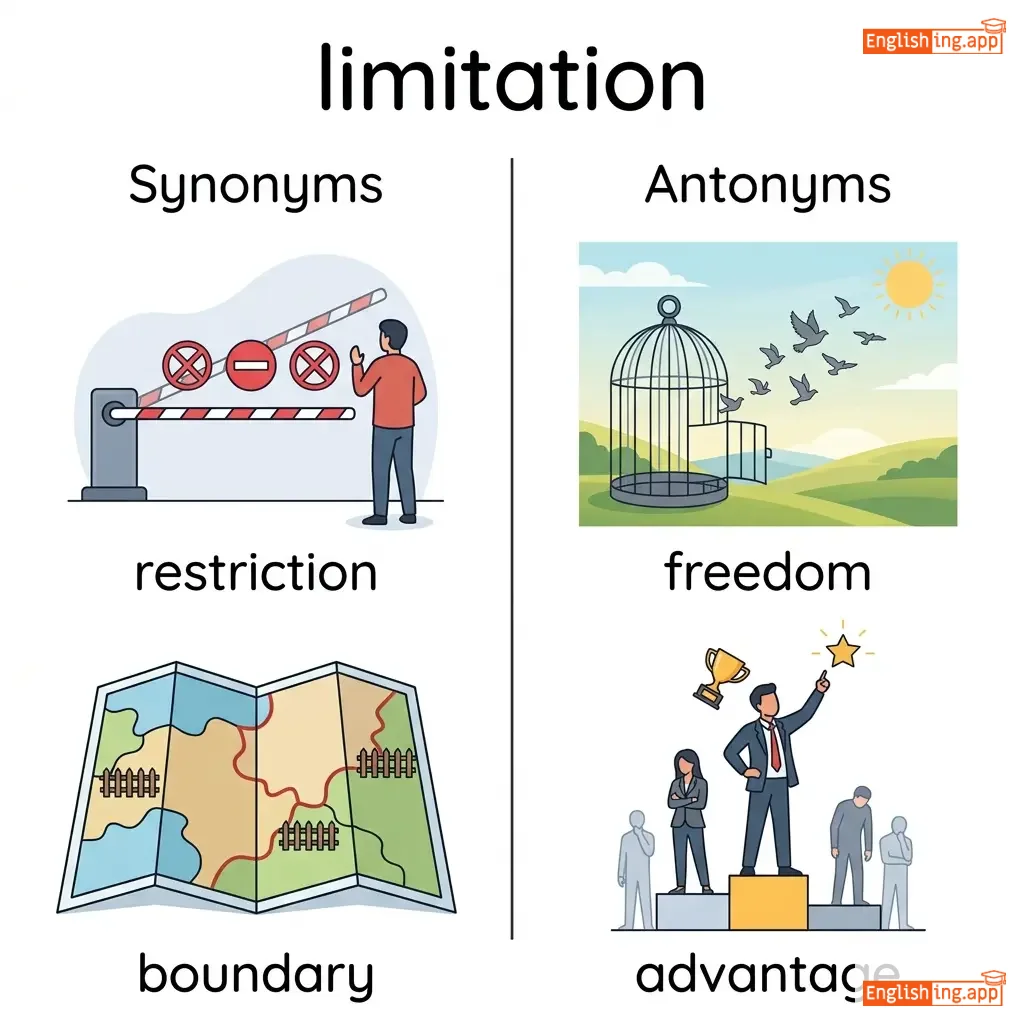
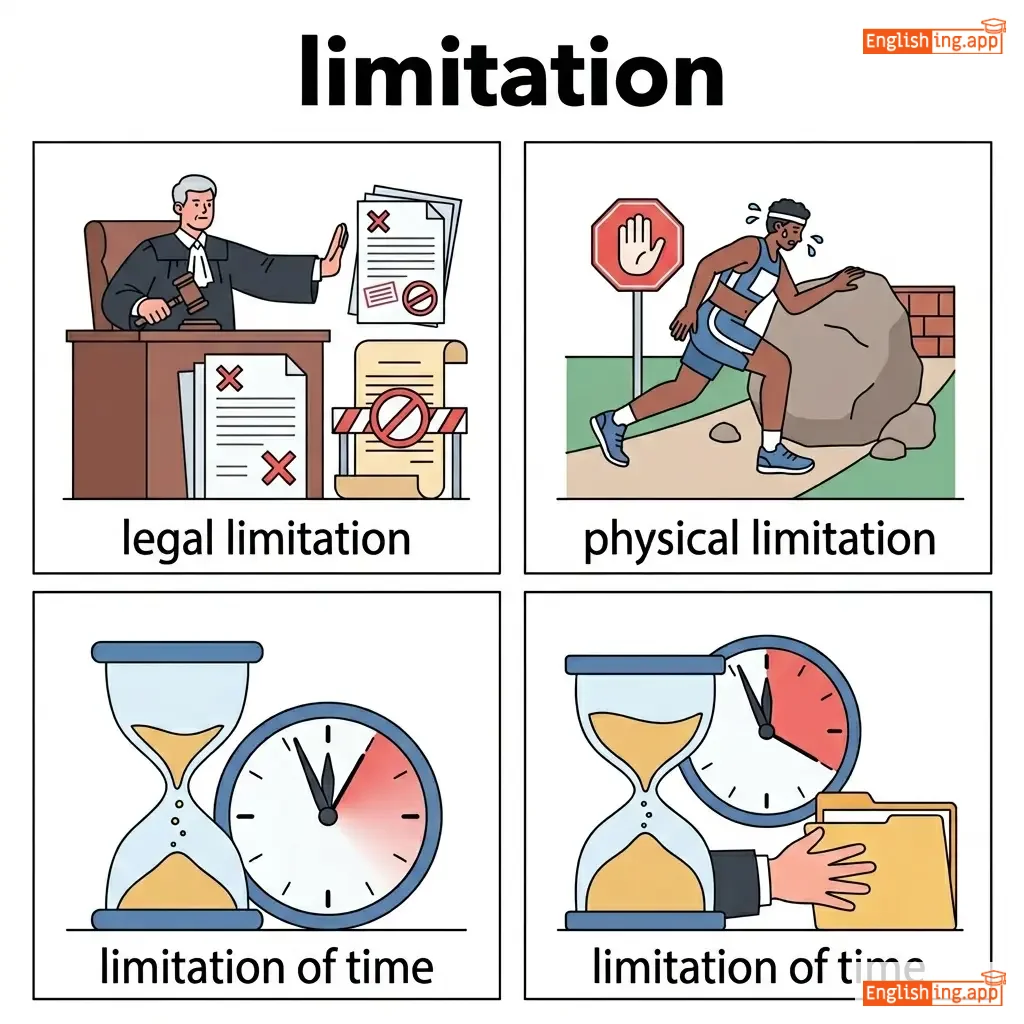
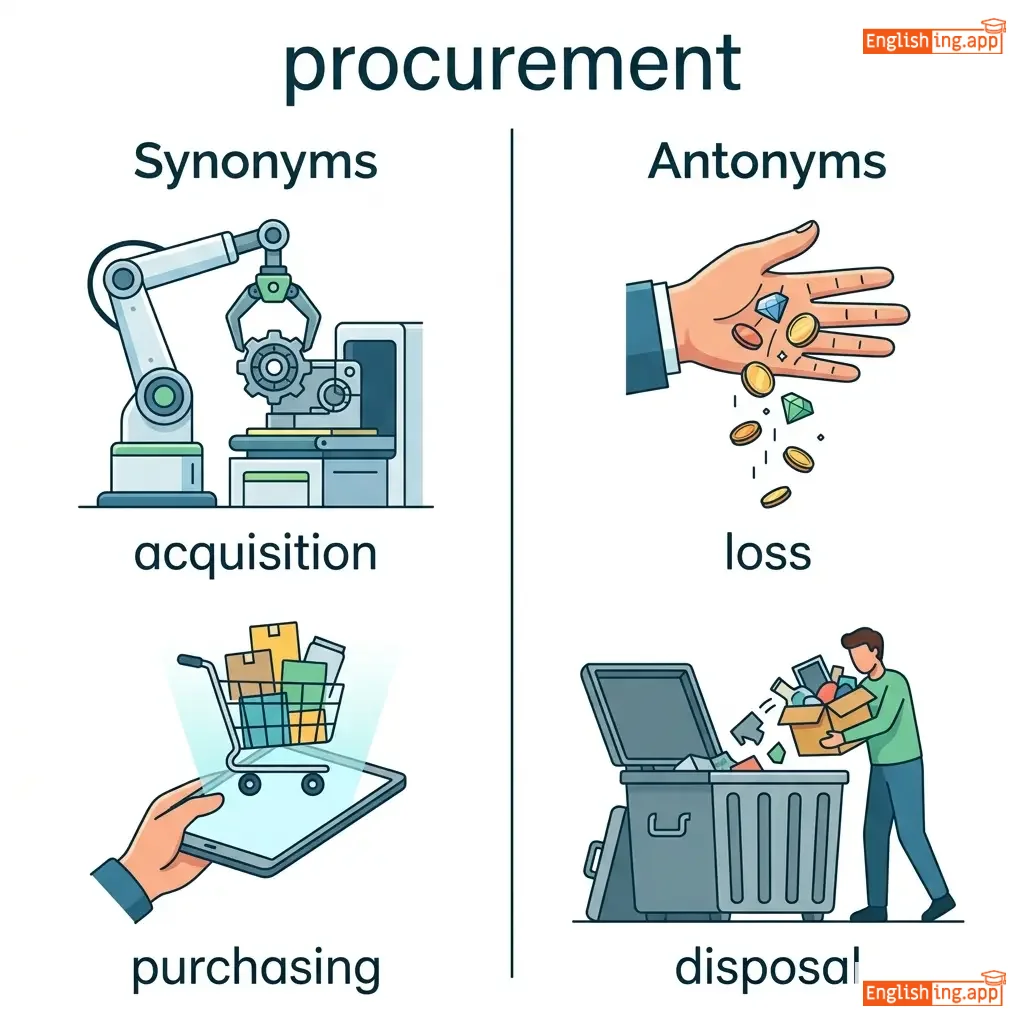
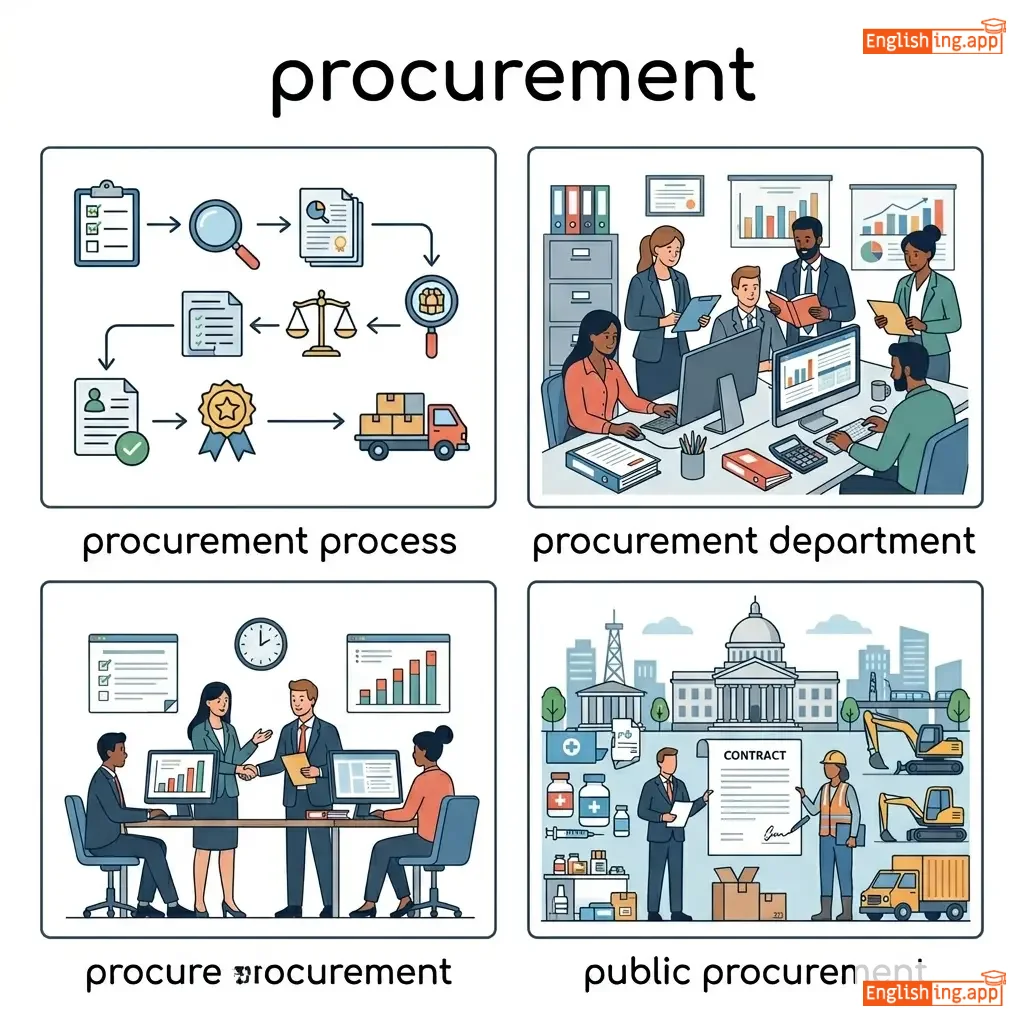
Le Bangladesh ne dispose d’aucune estimation précise des stocks de poissons en mer, et aucune limitation n’a été fixée sur la quantité de pêche sustainable pouvant être pratiquée. Cela est dû à la suspension prolongée des études et enquêtes. L’assessment a repris après la procurement du nouveau navire R.V. Meenssandhani en 2016.

Cette enquête est menée dans la zone du plateau continental à des profondeurs de 10 à 200 mètres en mer.

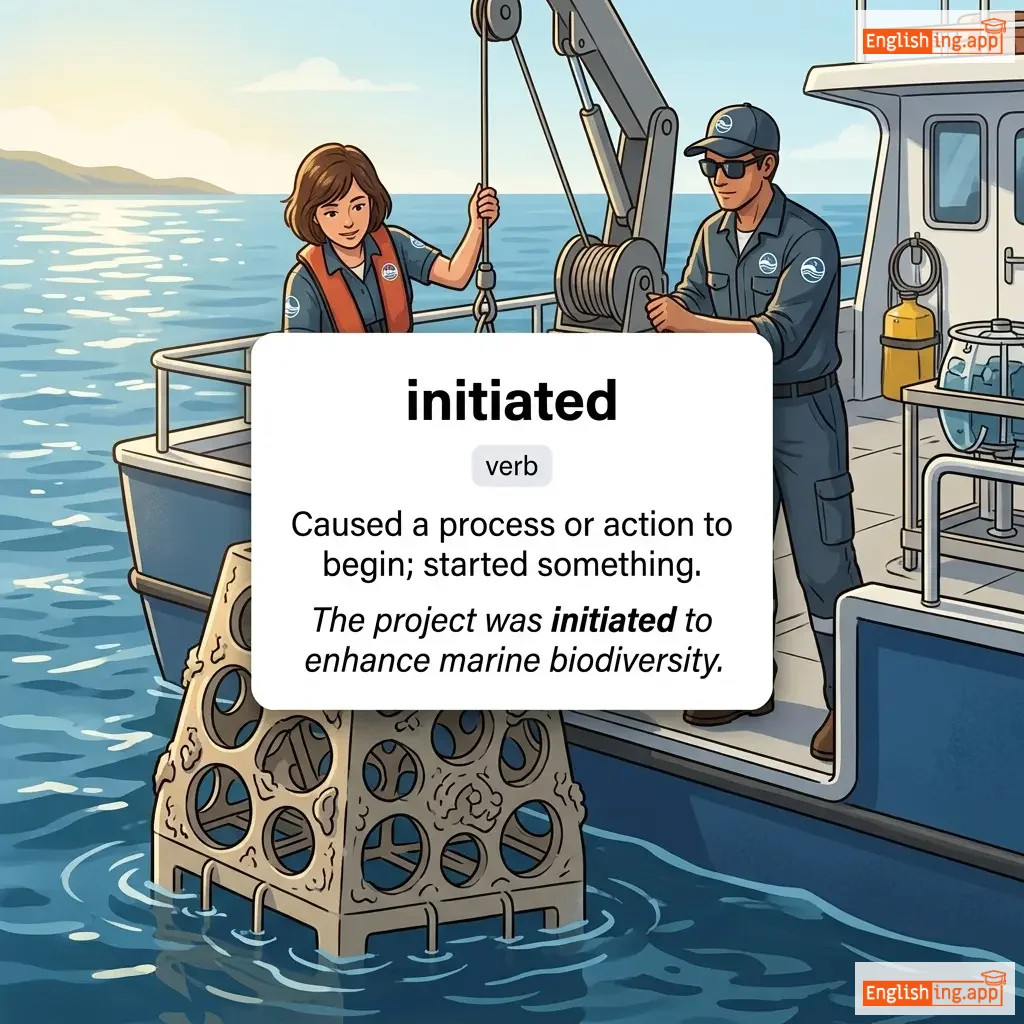
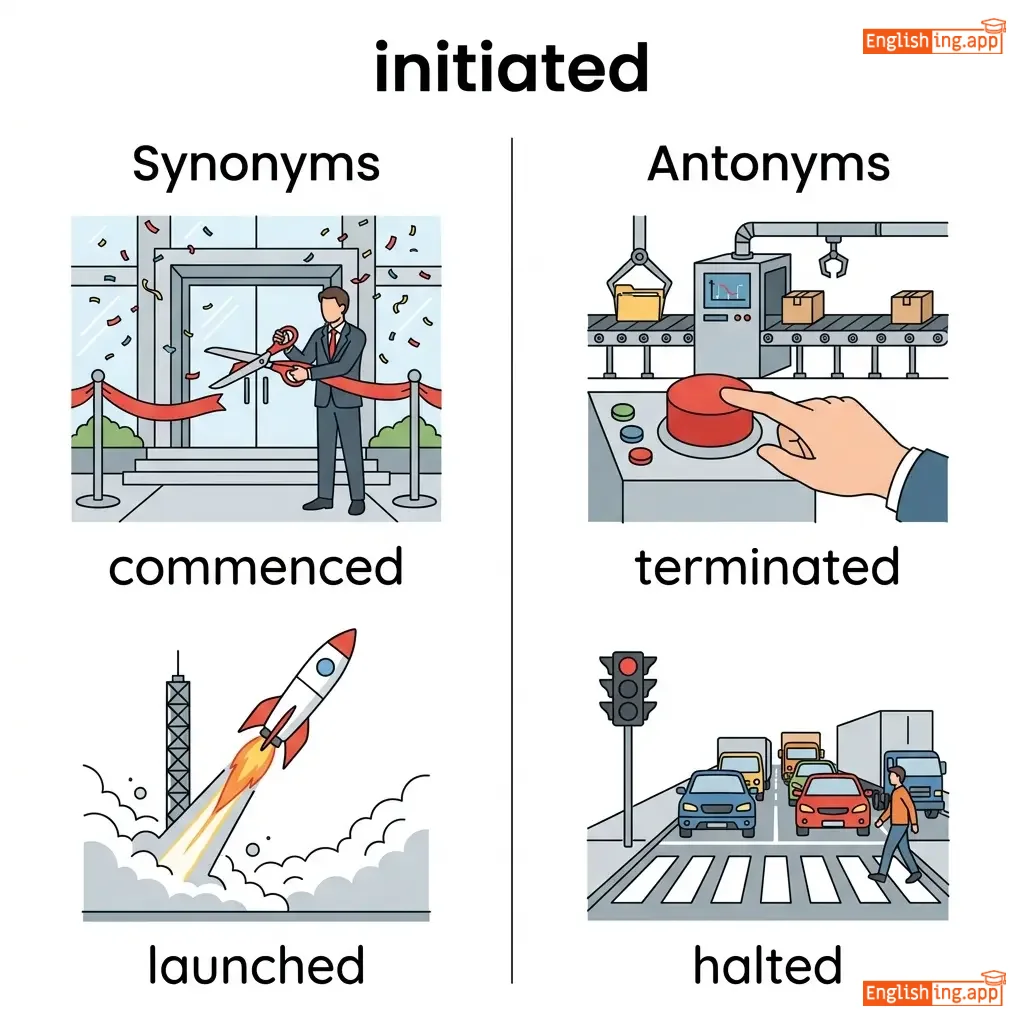
Après analyse des données des trois dernières années, un rapport sur les poissons marine a été envoyé aux hautes autorités du gouvernement. Le principal officier scientifique de l’unité de gestion des enquêtes sur les pêches Marine, Md. Sharif Uddin, a déclaré : « Nos recherches basées sur des navires ont complètement cessé après 2000. Elles ont été initiated de nouveau dans le cadre du projet Bangladesh Marine Fisheries Capacity Building. »

The Bay of Bengal Could Become Fishless, Warn ResearchersLa baie du Bengale pourrait devenir sans poissons, avertissent les chercheurs
/
/

The Bay of Bengal Could Become Fishless, Warn ResearchersLa baie du Bengale pourrait devenir sans poissons, avertissent les chercheurs - Basculement de Masque

Émoji
Mot Images Signification Phrase d'Exemple Synonymes Antonymes
#412
🌊
••••••
məˈriːn
adjective
••••••
••••••
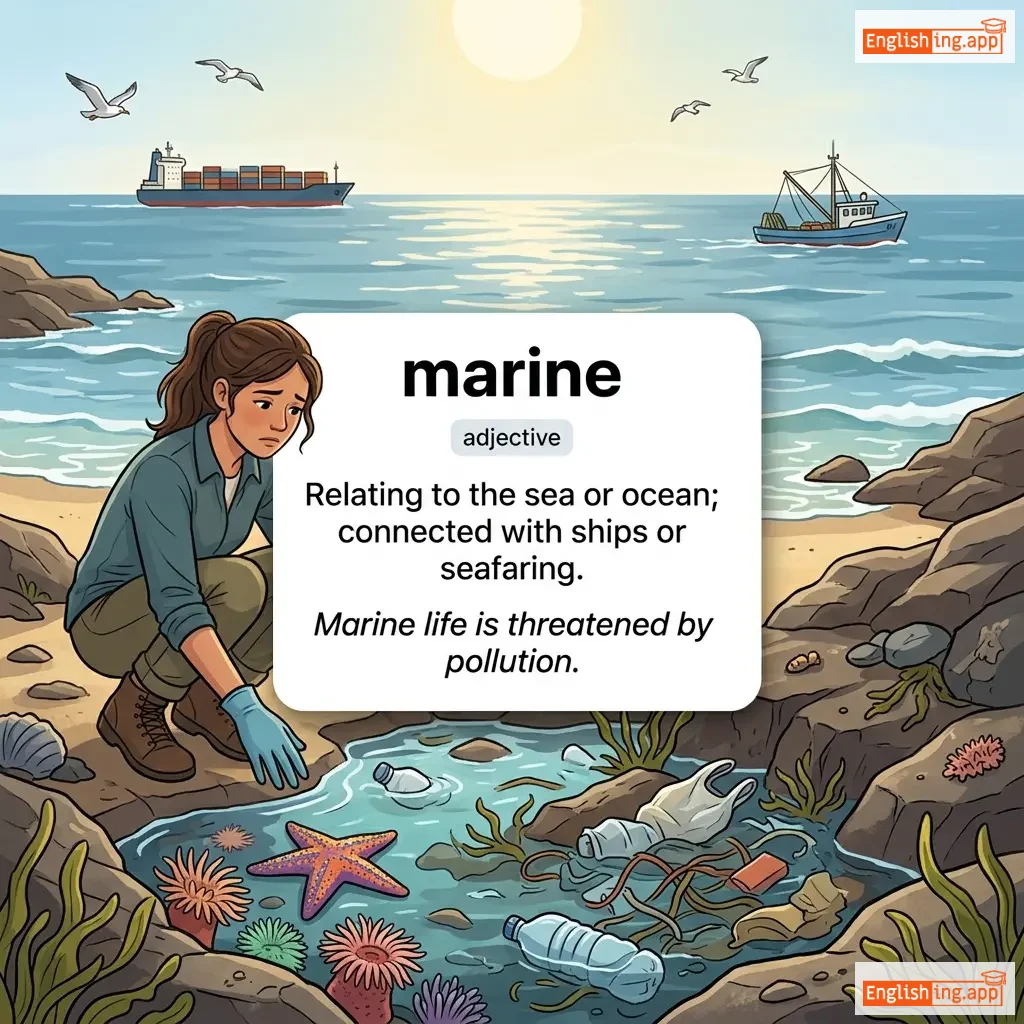
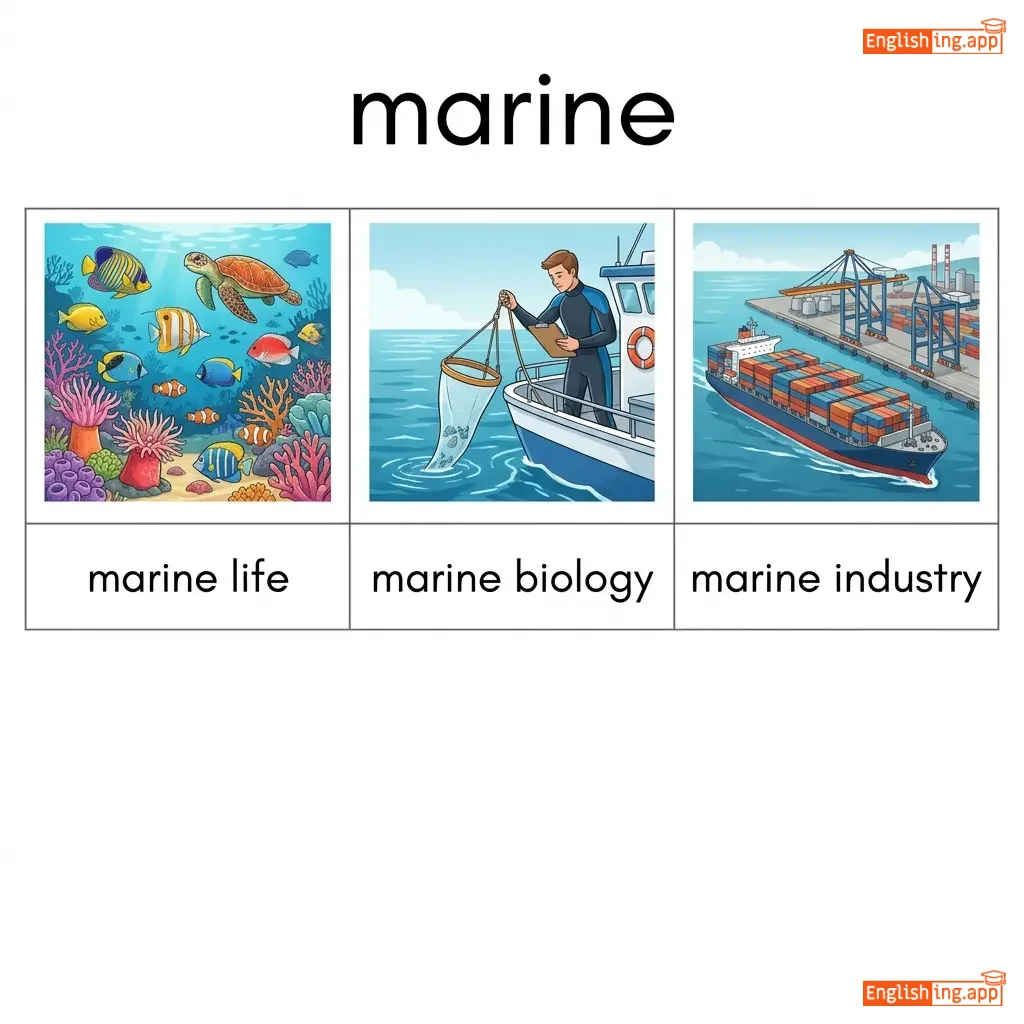
Of, relating to, or characteristic of the sea; living or growing in the sea.
••••••

Marine ecosystems are highly sensitive to human activity.

••••••
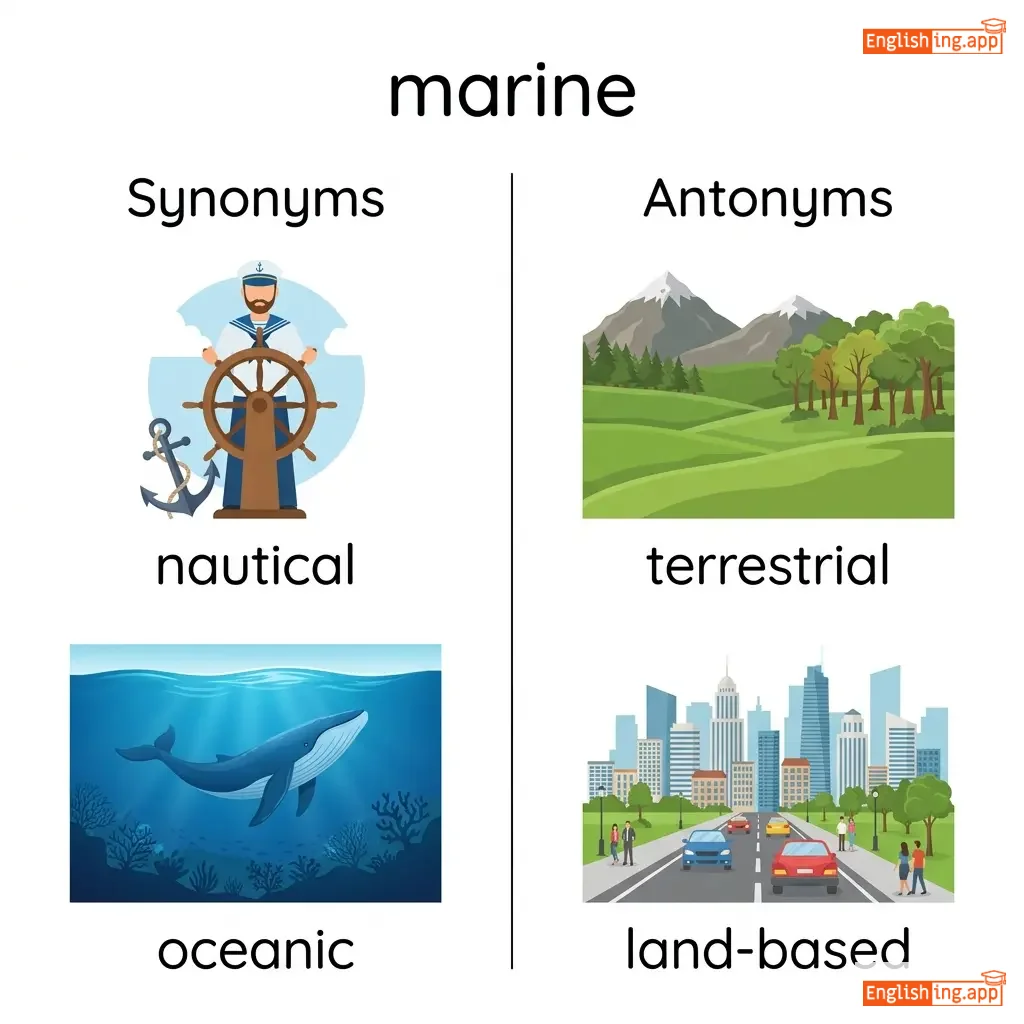
oceanic, maritime, aquatic, nautical, seafaring
••••••
land-based, inland, terrestrial, continental, freshwater
••••••
#413
🌾
••••••
əˈbʌndəns
noun
••••••
••••••
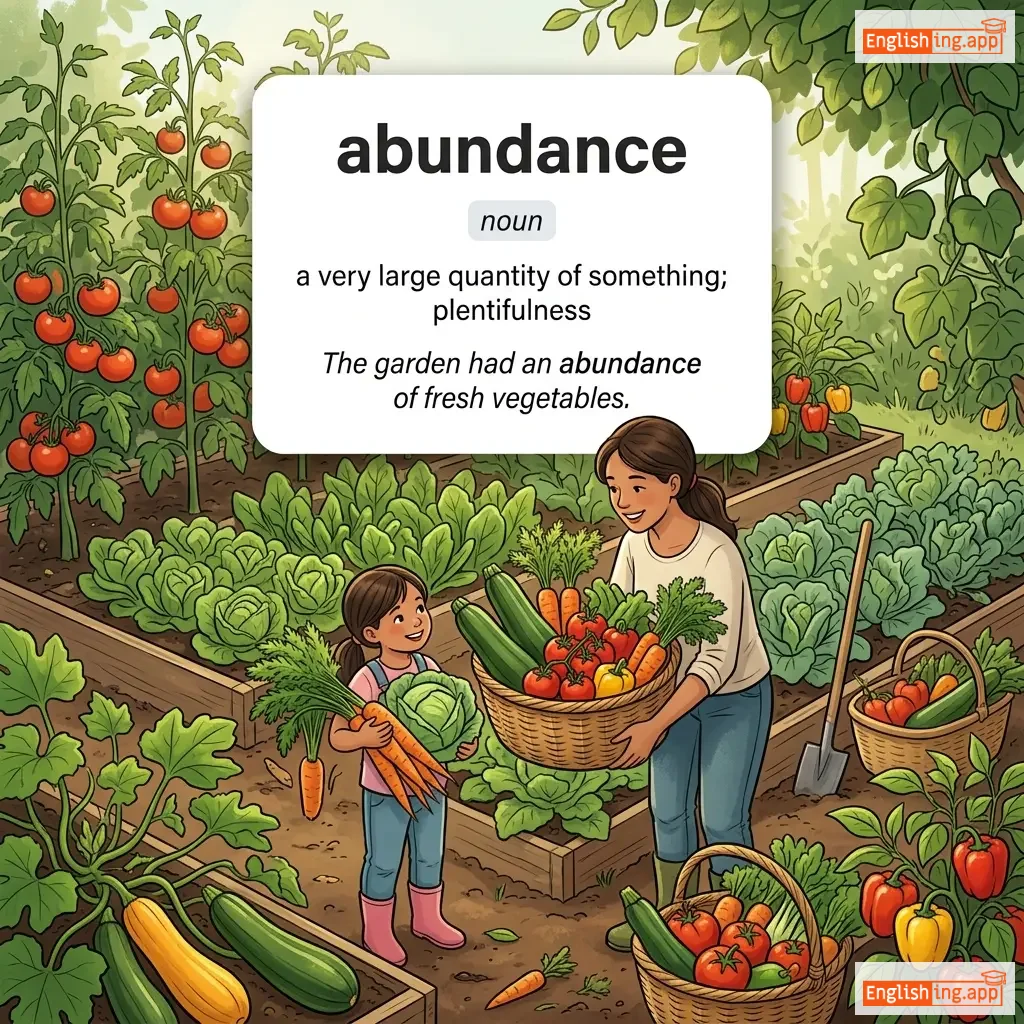
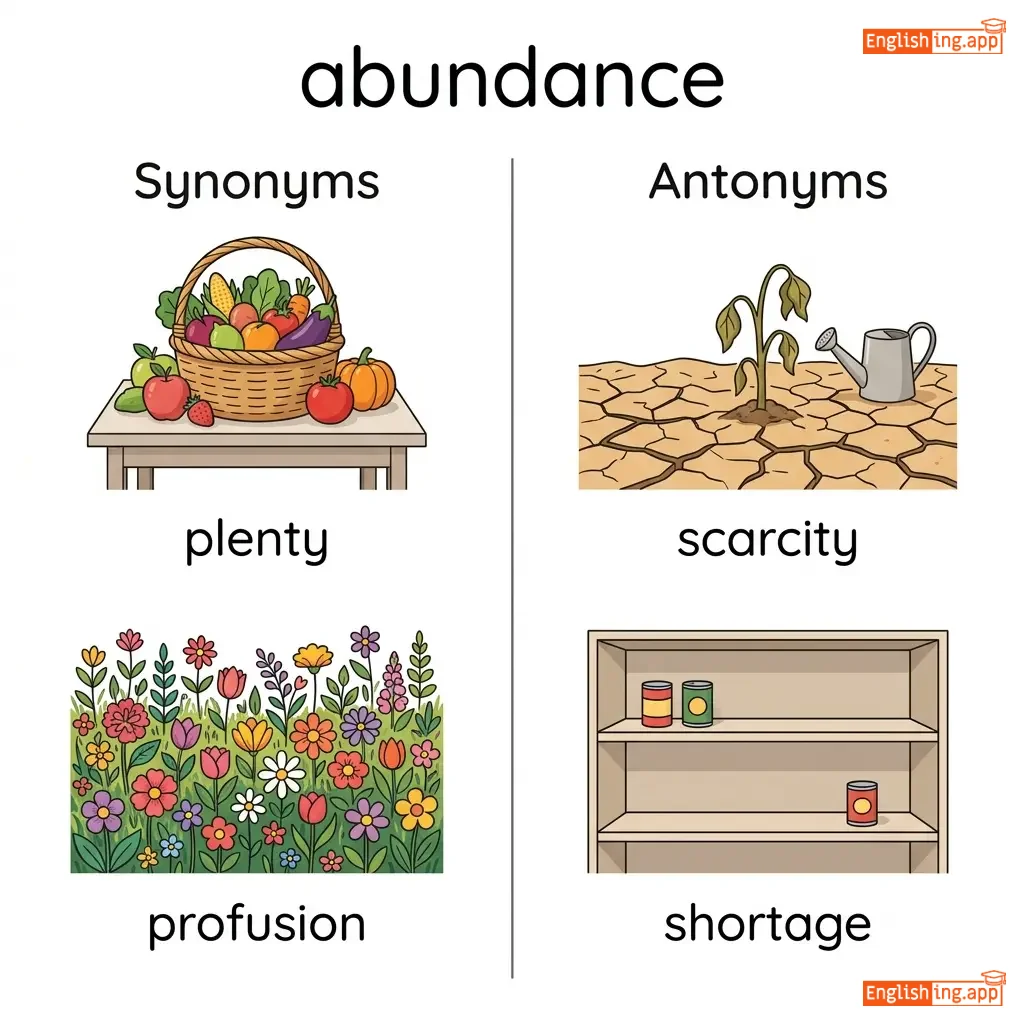
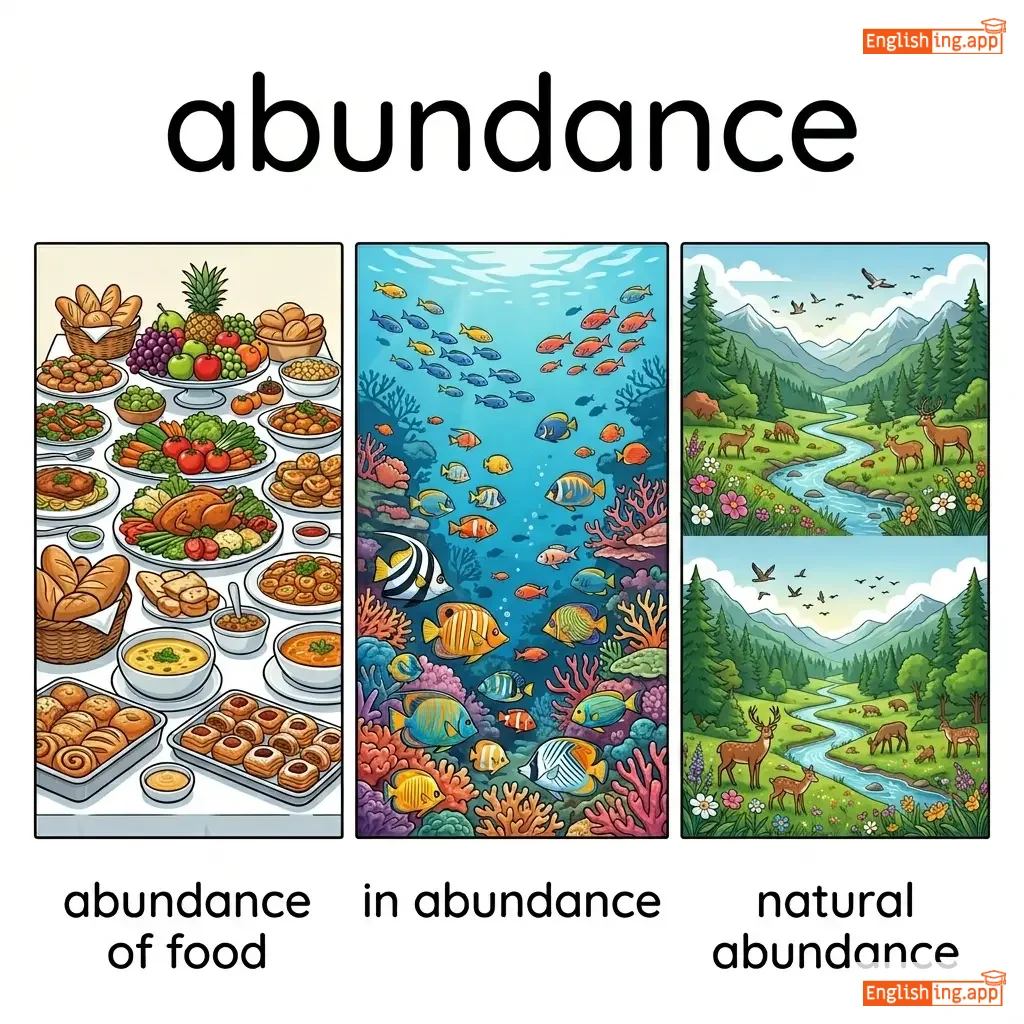
A very large quantity of something; plentifulness.
••••••

There is an abundance of resources in sustainable regions.

••••••
plenty, wealth, profusion, bounty, richness
••••••
scarcity, lack, shortage, dearth, deficiency
••••••
#414
🐟
••••••
əˈkwætɪk
adjective
••••••
••••••
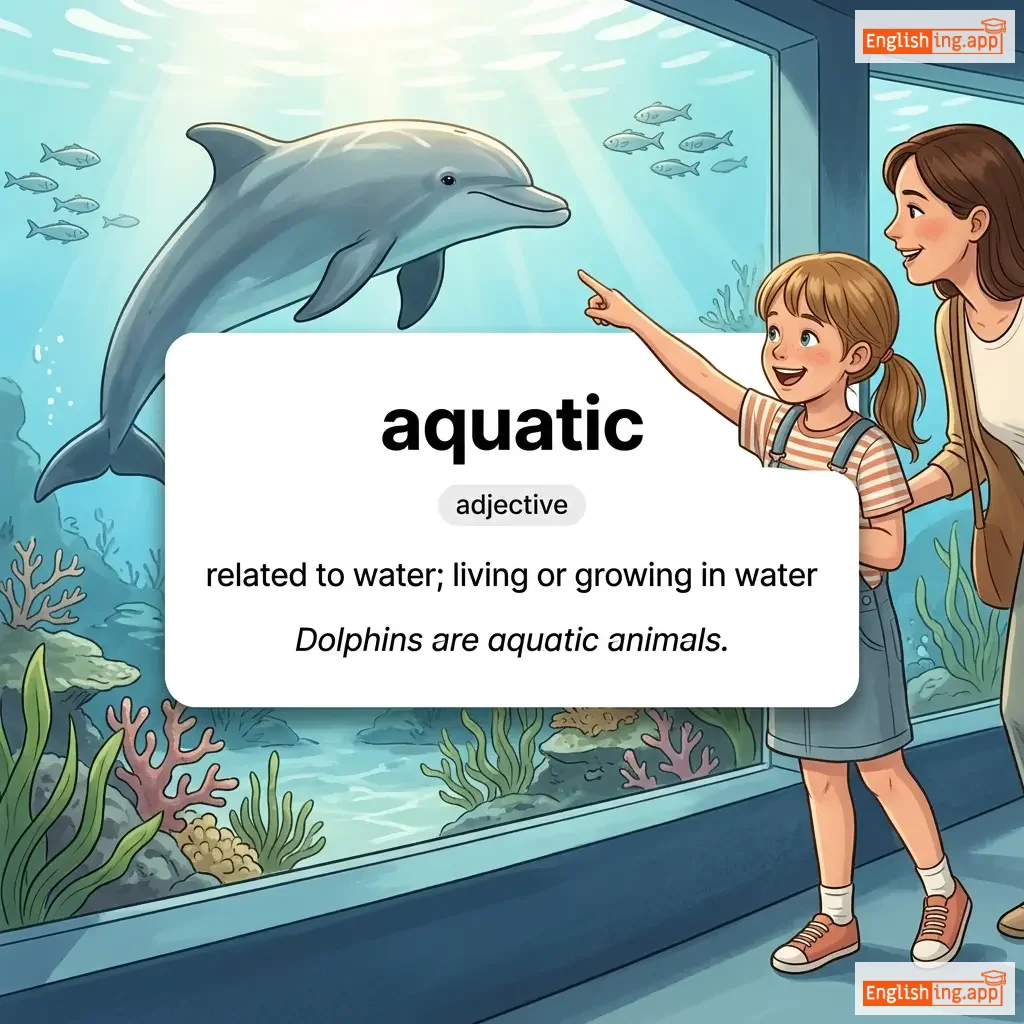
Growing or living in or near water; of or relating to water.
••••••

Aquatic species are being endangered by pollution.

••••••
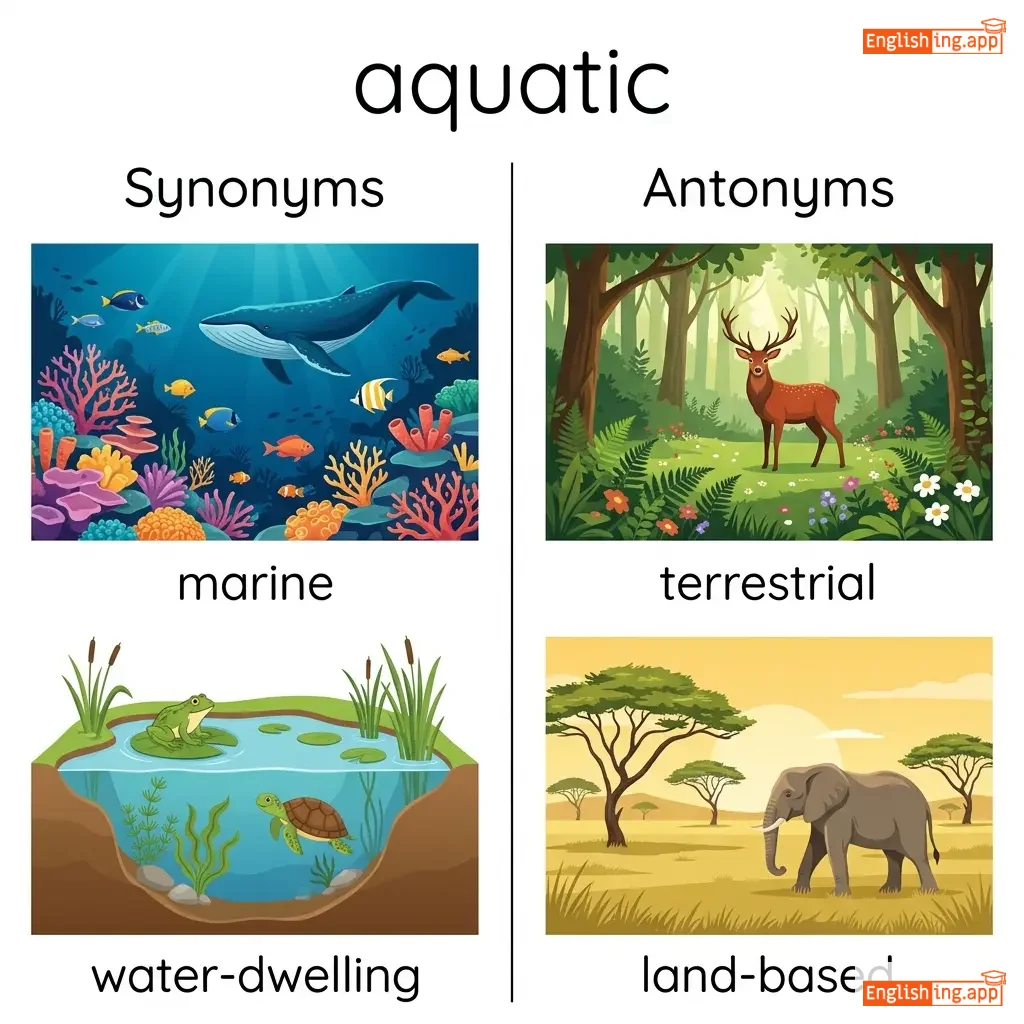
waterborne, marine, aqueous, water-dwelling, hydrophytic
••••••
terrestrial, land-based, aerial, dry-land, non-aquatic
••••••
#415
🦕
••••••
ɪkˈstɪŋkt
adjective
••••••
••••••
No longer in existence; having died out completely.
••••••

Some species are becoming extinct due to overfishing.

••••••
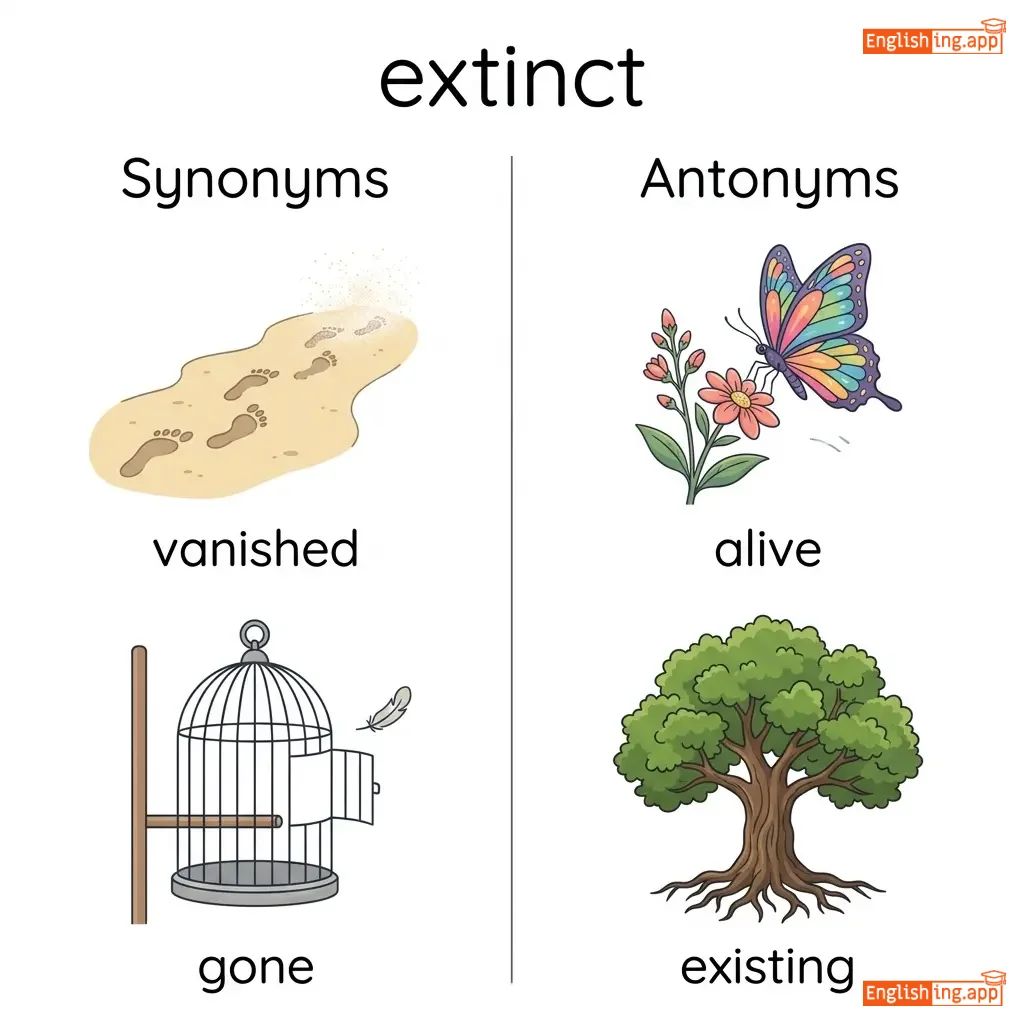
endangered, obsolete, vanished, perished, eliminated
••••••
existing, surviving, thriving, flourishing, abundant
••••••
#416
⚠️
••••••
ˈkɔːʃən
noun
••••••
••••••
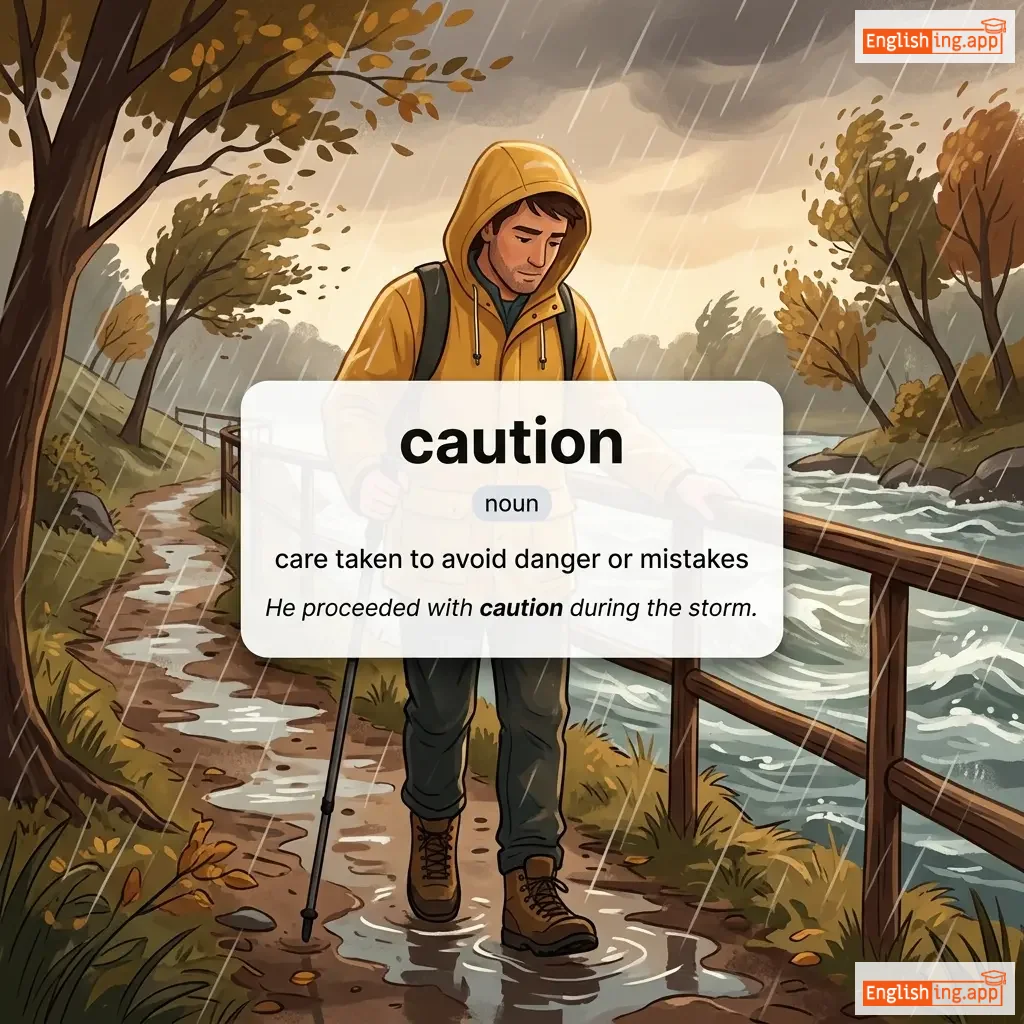
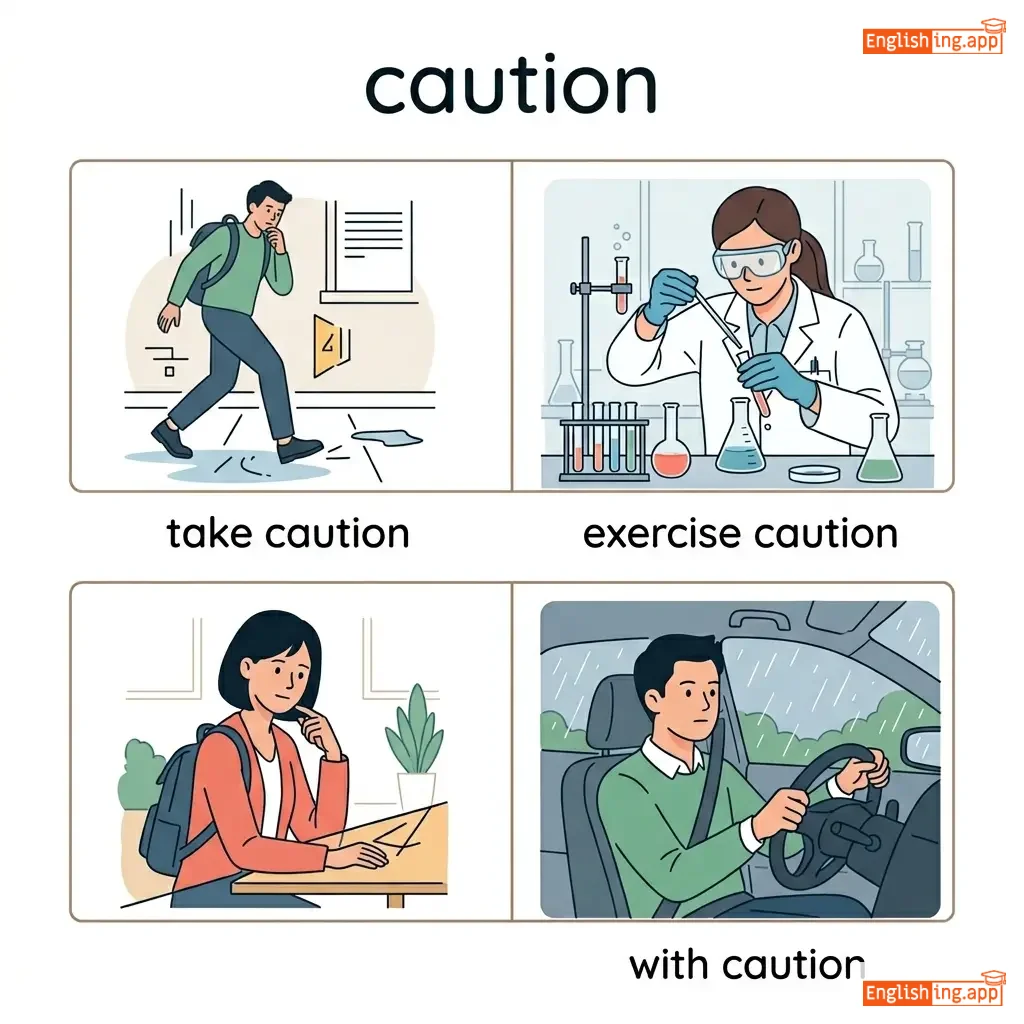
Care taken to avoid danger or mistakes; a warning or piece of advice.
••••••

Researchers issued a caution regarding unsustainable fishing.

••••••
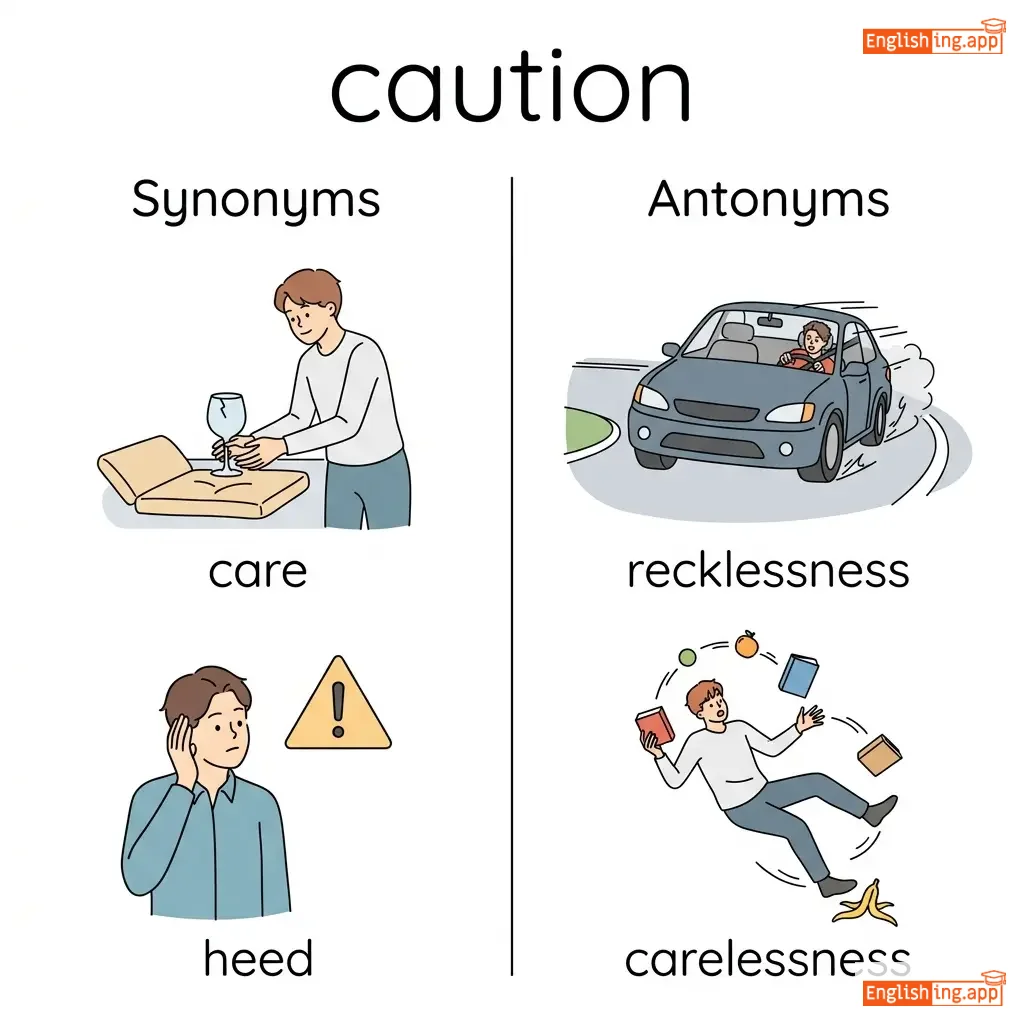
warning, prudence, vigilance, carefulness, alertness
••••••
neglect, carelessness, recklessness, indifference, heedlessness
••••••
#417
⛏️
••••••
ˌeksplɔɪˈteɪʃən
noun
••••••
••••••
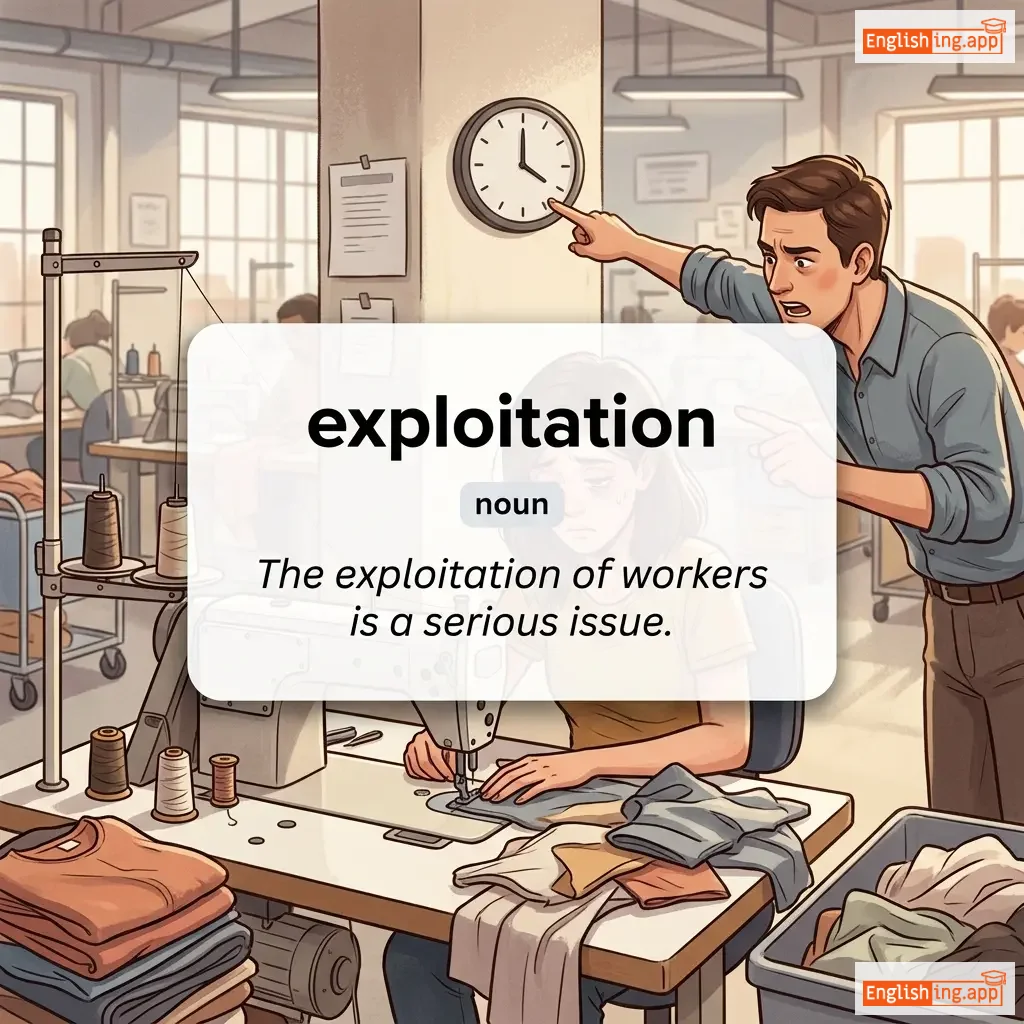
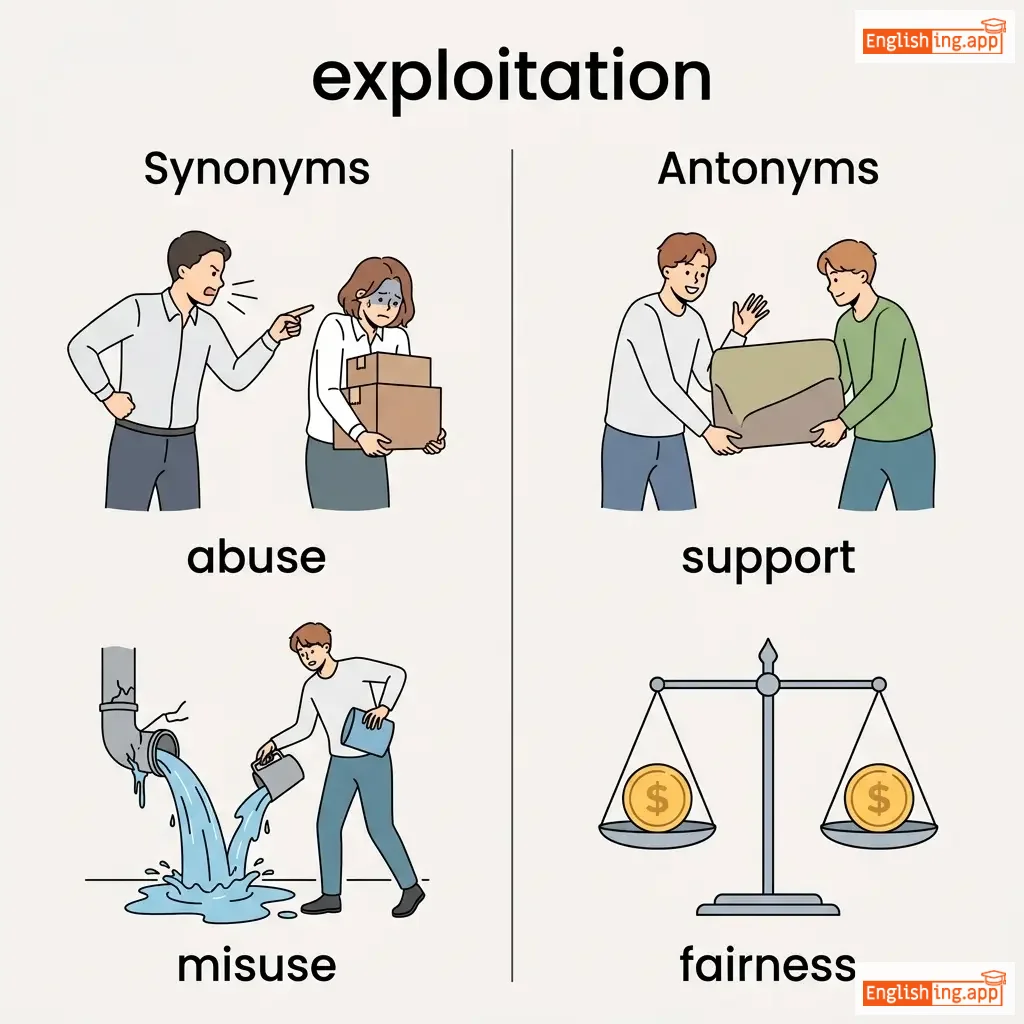
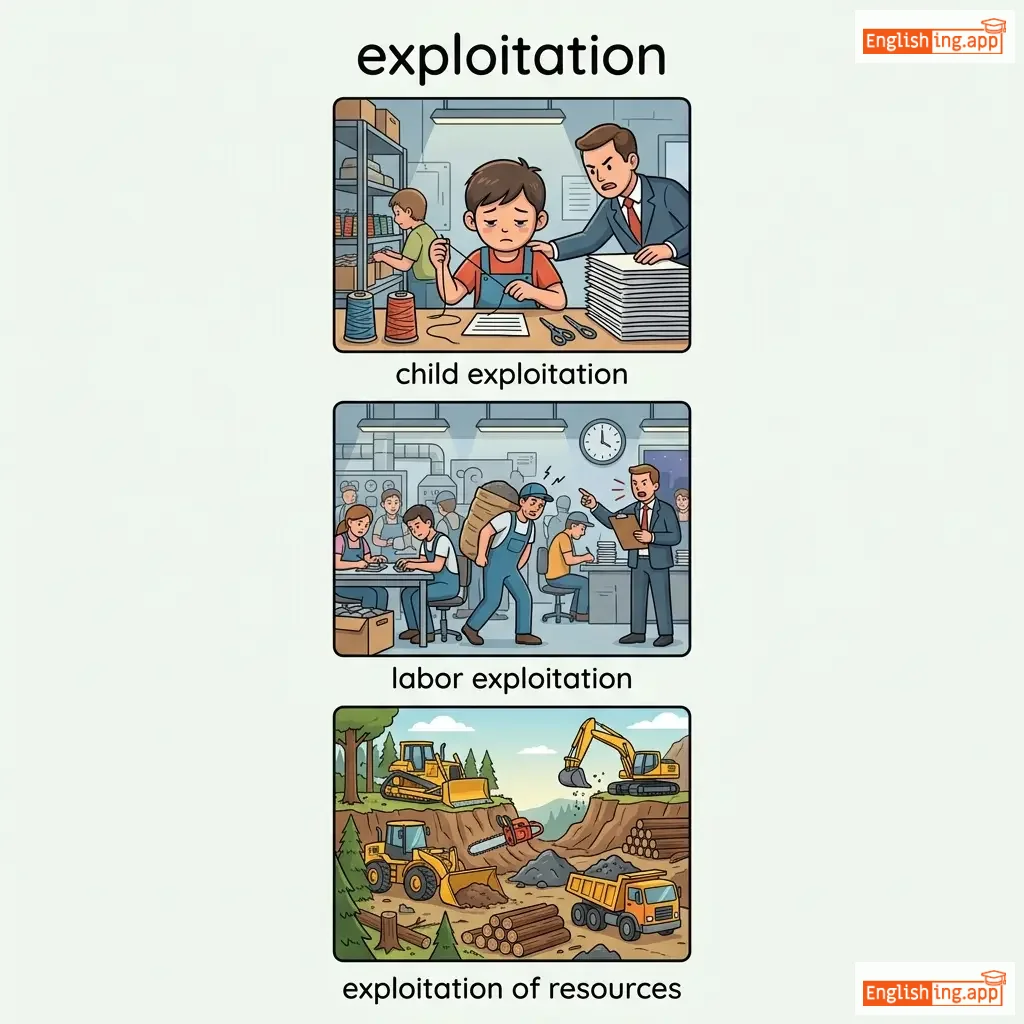
The action of making use of and benefiting from resources, often in an unfair or selfish way.
••••••

Exploitation of marine resources has led to significant damage.

••••••
utilization, overuse, abuse, manipulation, extraction
••••••
preservation, conservation, protection, safeguarding, maintenance
••••••
#418
🎣
••••••
ˈhɑːrvɪstɪŋ
noun
••••••
••••••
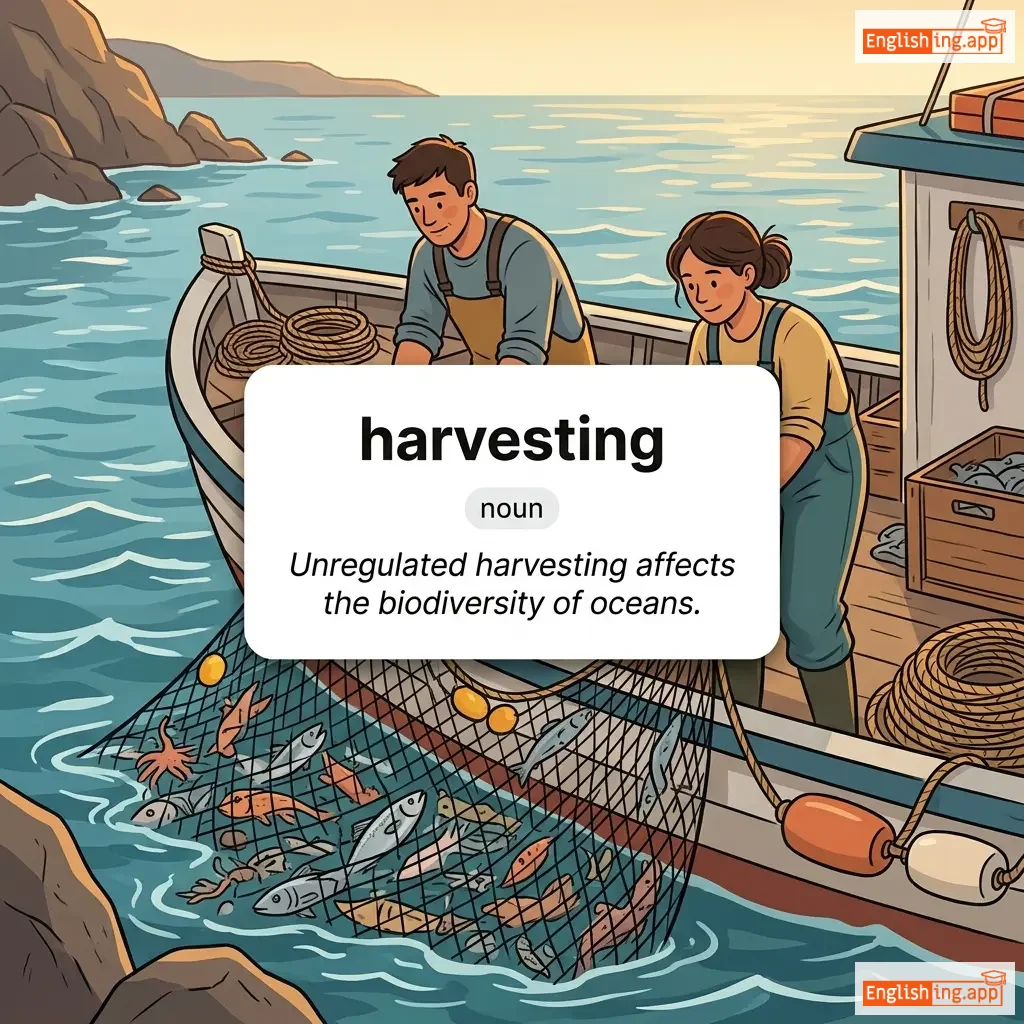
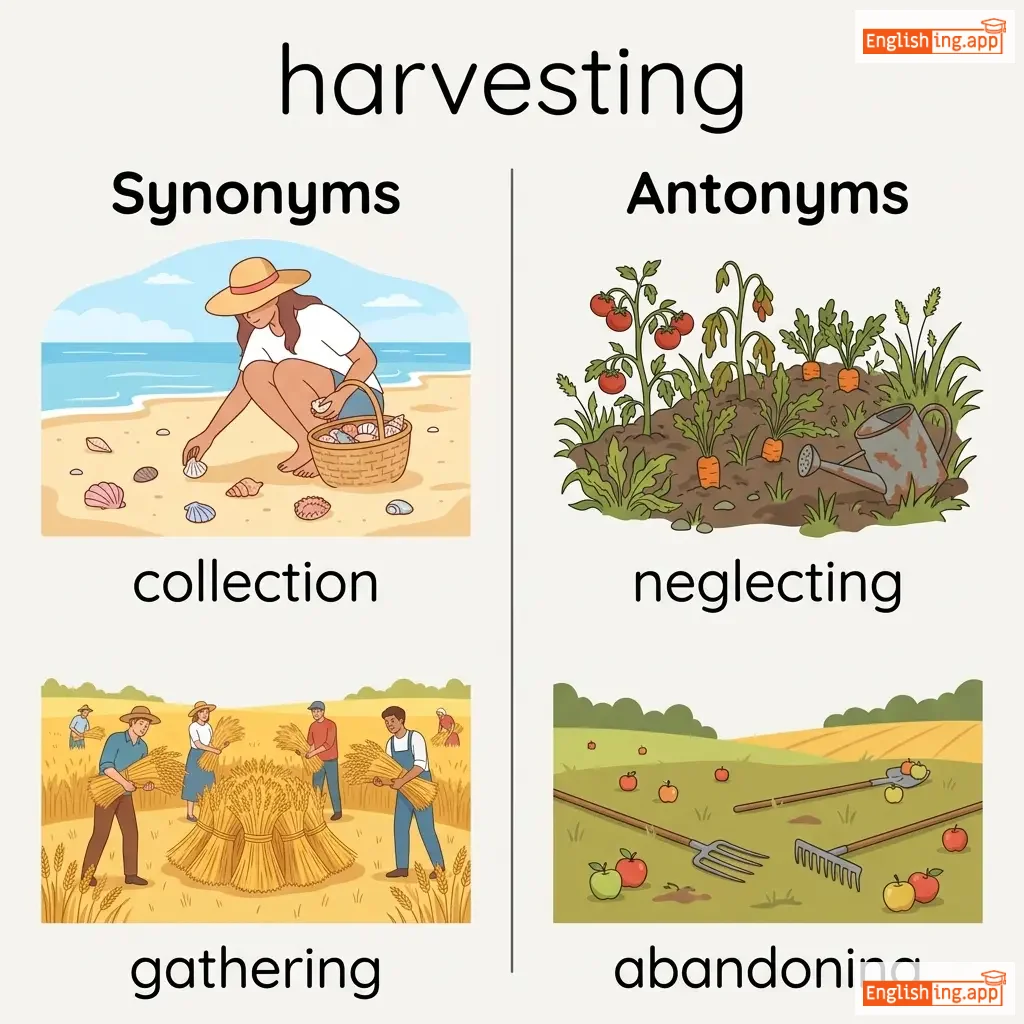
The process of gathering a ripe crop from the fields or collecting natural resources.
••••••

Unregulated harvesting affects the biodiversity of oceans.

••••••
collection, gathering, reaping, extraction, procurement
••••••
neglecting, abandoning, preserving, conserving, protecting
••••••
#419
😰
••••••
ˌæprɪˈhɛnʃən
noun
••••••
••••••
Anxiety or fear that something bad or unpleasant will happen.
••••••

There is an apprehension about the depletion of fish stocks.

••••••
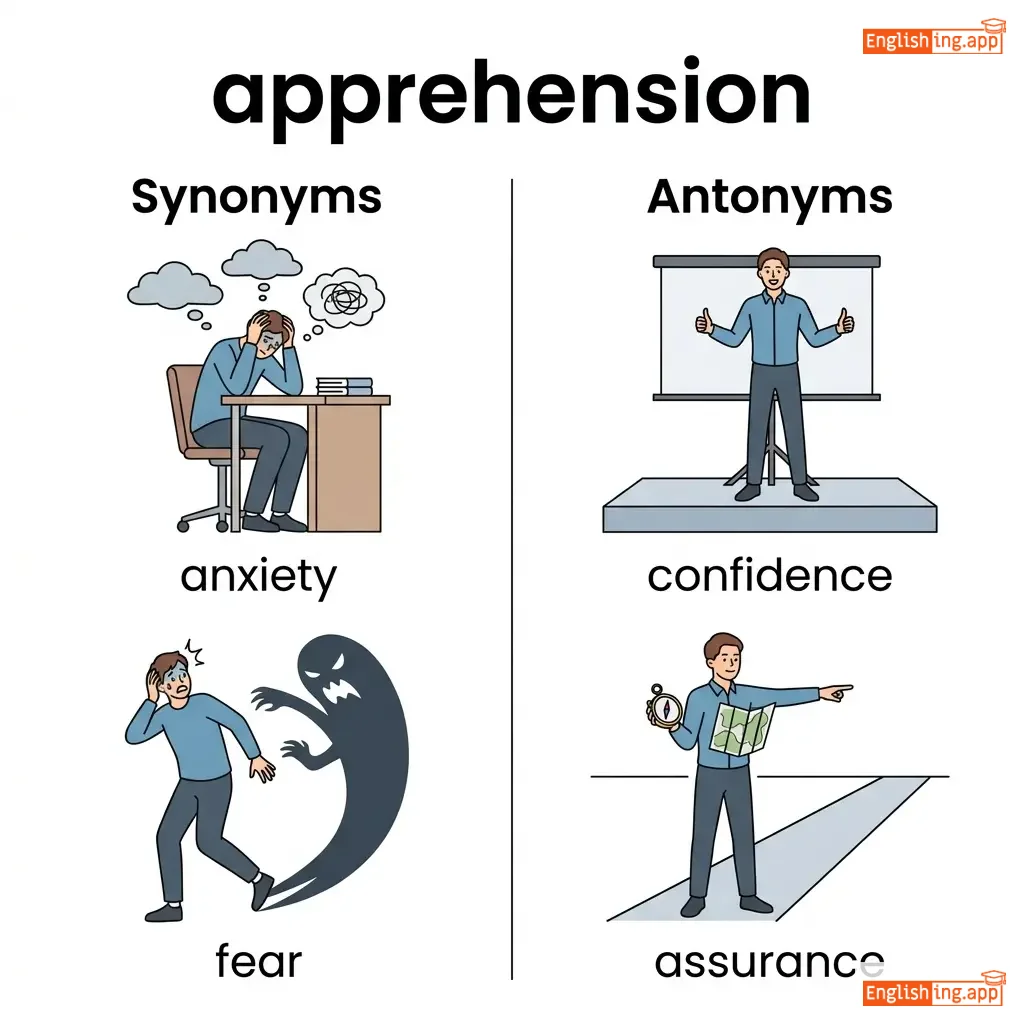
anxiety, fear, worry, concern, uneasiness
••••••
confidence, certainty, assurance, boldness, fearlessness
••••••
#420
📊
••••••
ɪˌvæljuˈeɪʃən
noun
••••••
••••••
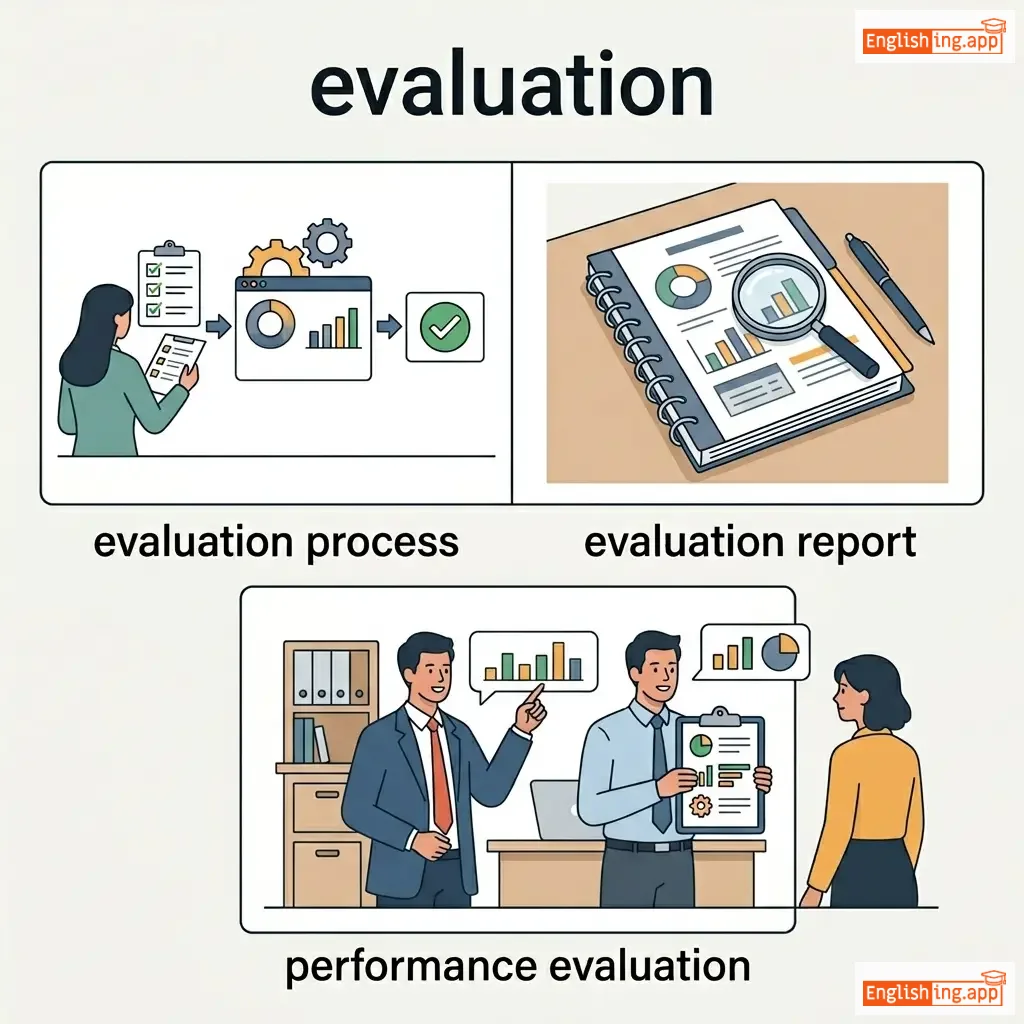
The making of a judgment about the amount, number, or value of something; assessment.
••••••

Accurate evaluation helps determine resource sustainability.

••••••
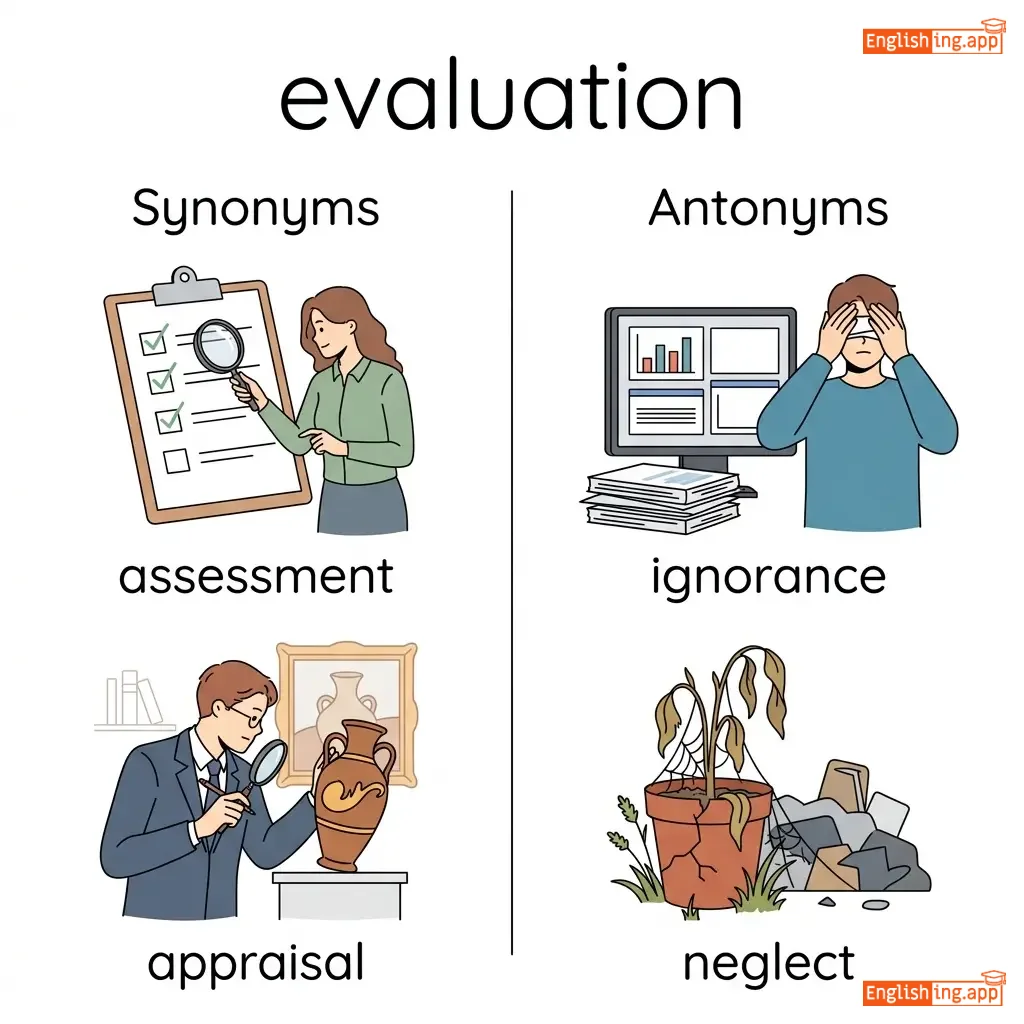
assessment, appraisal, analysis, examination, review
••••••
ignorance, overlooking, neglect, disregard, dismissal
••••••
#421
♻️
••••••
səˈsteɪnəbəl
adjective
••••••
••••••
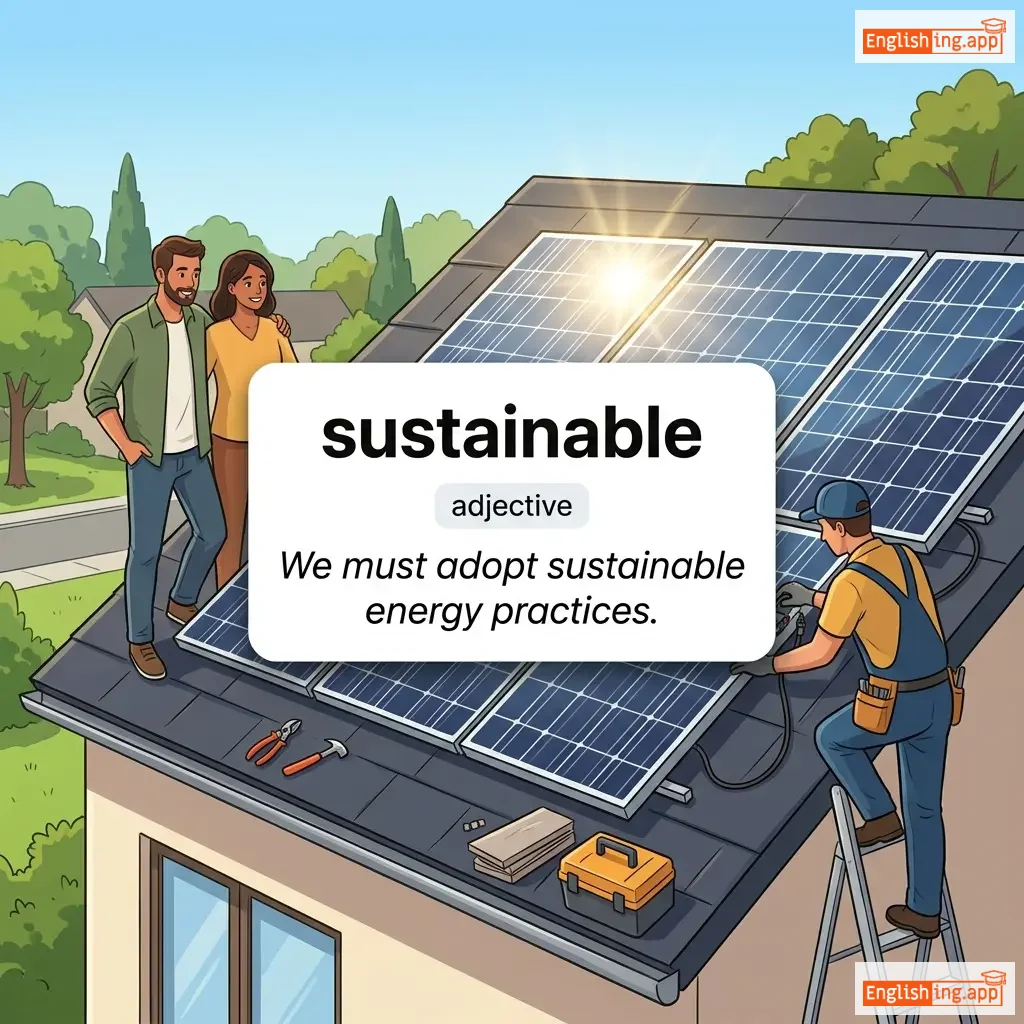
Able to be maintained at a certain rate or level without depleting natural resources.
••••••

Sustainable practices ensure future resource availability.

••••••
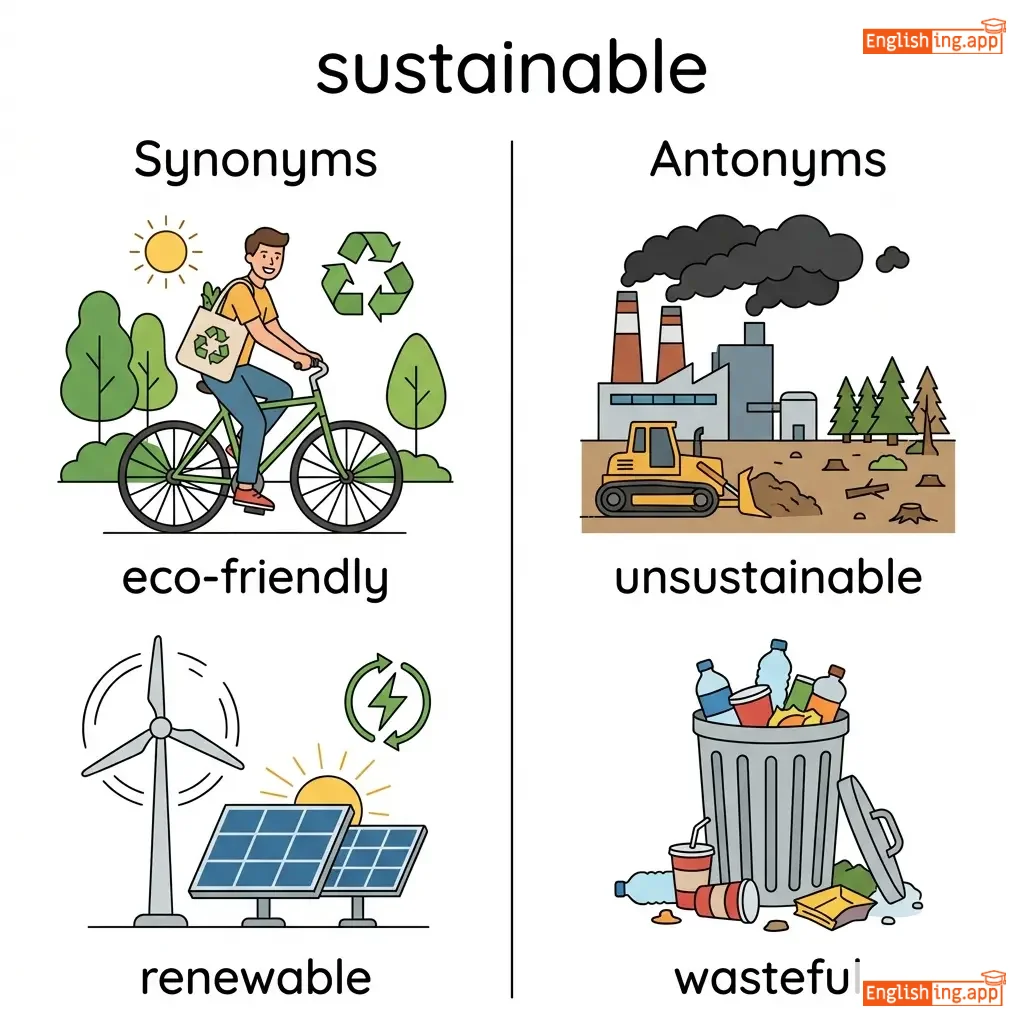
viable, durable, maintainable, renewable, eco-friendly
••••••
unsustainable, unviable, destructive, depleting, harmful
••••••
#422
🚧
••••••
ˌlɪmɪˈteɪʃən
noun
••••••
••••••
A limiting rule or circumstance; a restriction on the size or amount of something permissible.
••••••

Limitation in data affects policy-making decisions.

••••••
restriction, constraint, boundary, barrier, impediment
••••••
freedom, expansion, unlimited access, boundlessness, liberty
••••••
#423
🛒
••••••
prəˈkjʊrmənt
noun
••••••
••••••
The action of obtaining or procuring something, especially for official purposes.
••••••

The procurement of modern equipment has improved research accuracy.

••••••
acquisition, purchase, obtaining, securing, sourcing
••••••
sale, disposal, relinquishment, abandonment, loss
••••••
#424
🚀
••••••
ɪˈnɪʃɪeɪtɪd
verb
••••••
••••••
Caused a process or action to begin; started something.
••••••

The project was initiated to enhance marine biodiversity.

••••••
commenced, launched, started, begun, established
••••••
terminated, halted, ended, concluded, finished
••••••