A Tale of Two Cities
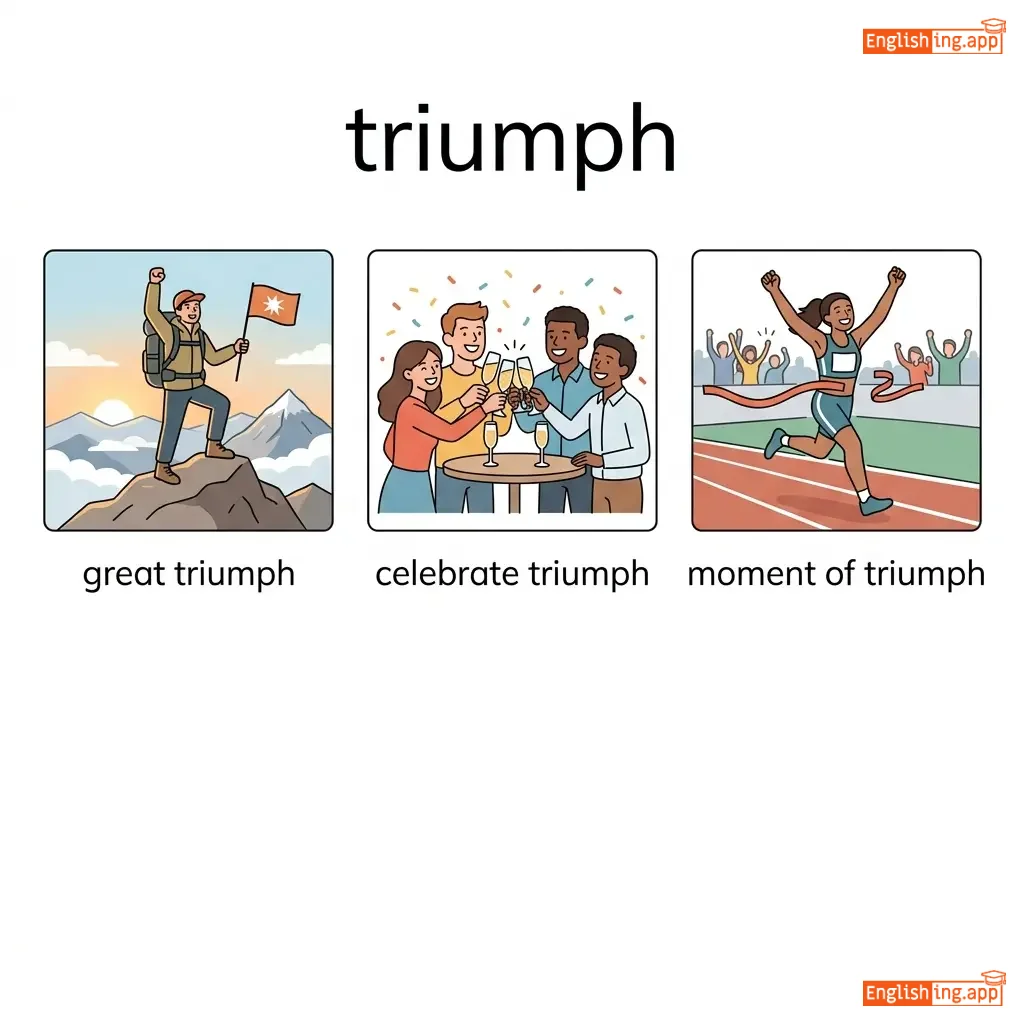
A Tale of Two Cities ist Charles Dickens’ greatest triumph, basierend auf sacrifice und salvation. Diese timeless story, die vor dem Hintergrund der French Revolution geschrieben wurde, berührt die Herzen der Leser. Der Roman hebt die doppelte Natur der Beziehung zwischen London und Paris hervor.
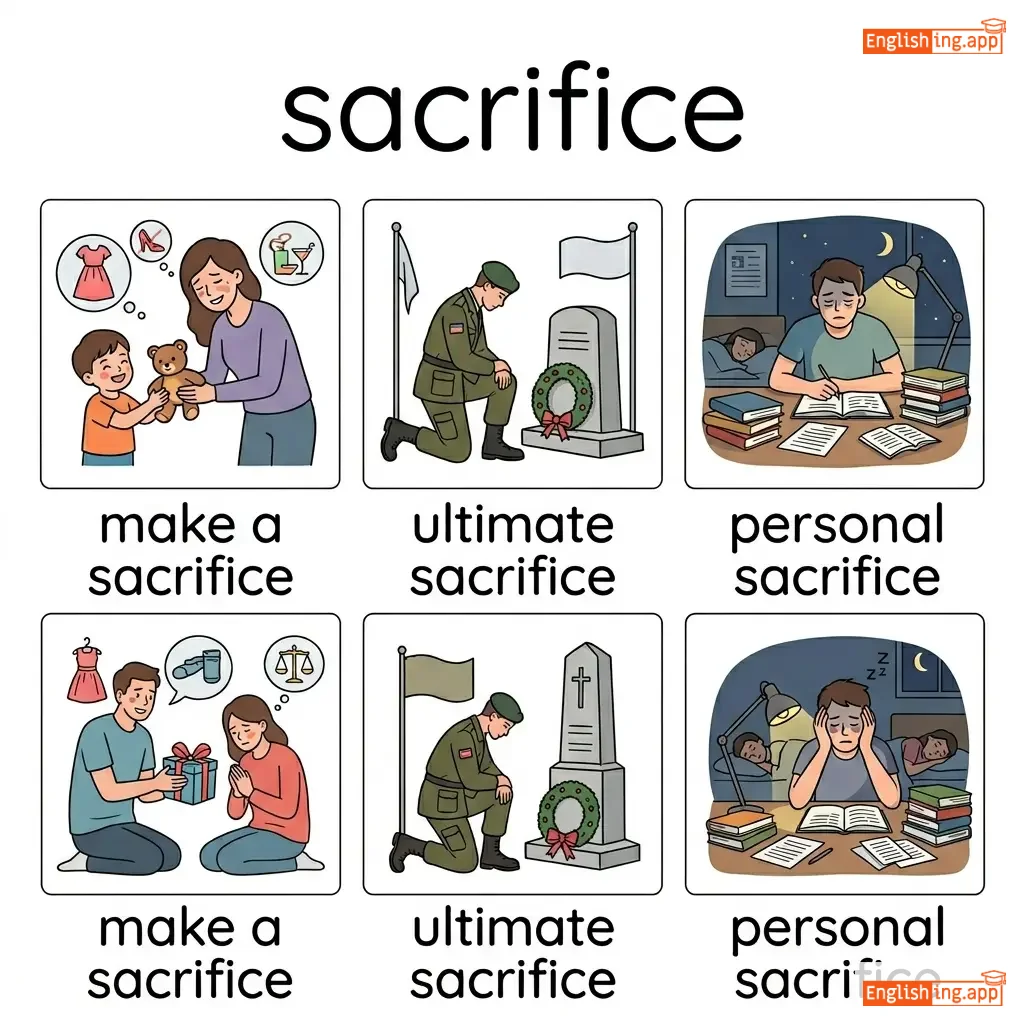
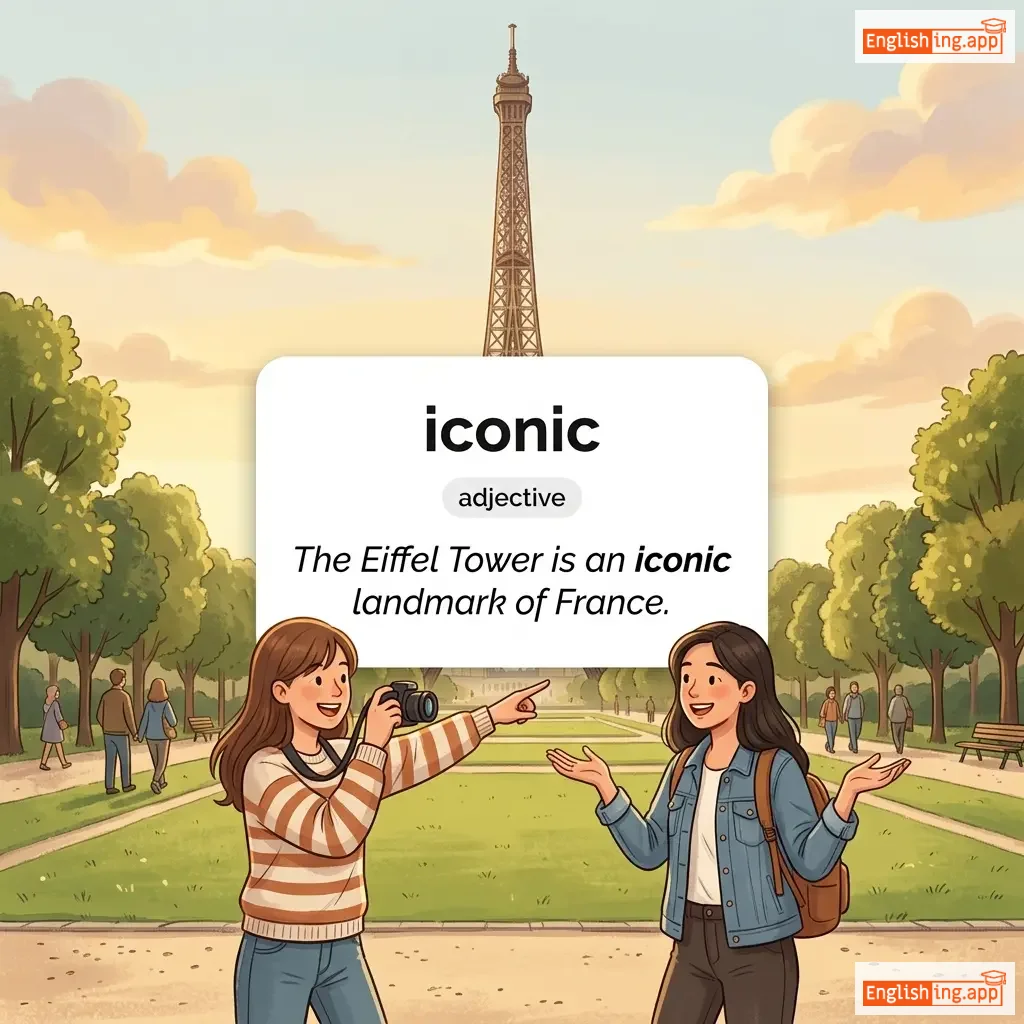
Die Geschichte zeigt die parallel journey der Leben des protagonist Charles Darnay und des hero Sydney Carton. Sydney Cartons self-sacrifice ist einer der emotionalsten Momente der Geschichte. Cartons berühmter Satz – „It is a far, far better thing that I do, than I have ever done“ – bleibt im Gedächtnis der Leser. Diese iconic line ist das ultimative Beispiel für Mut und Opfer.
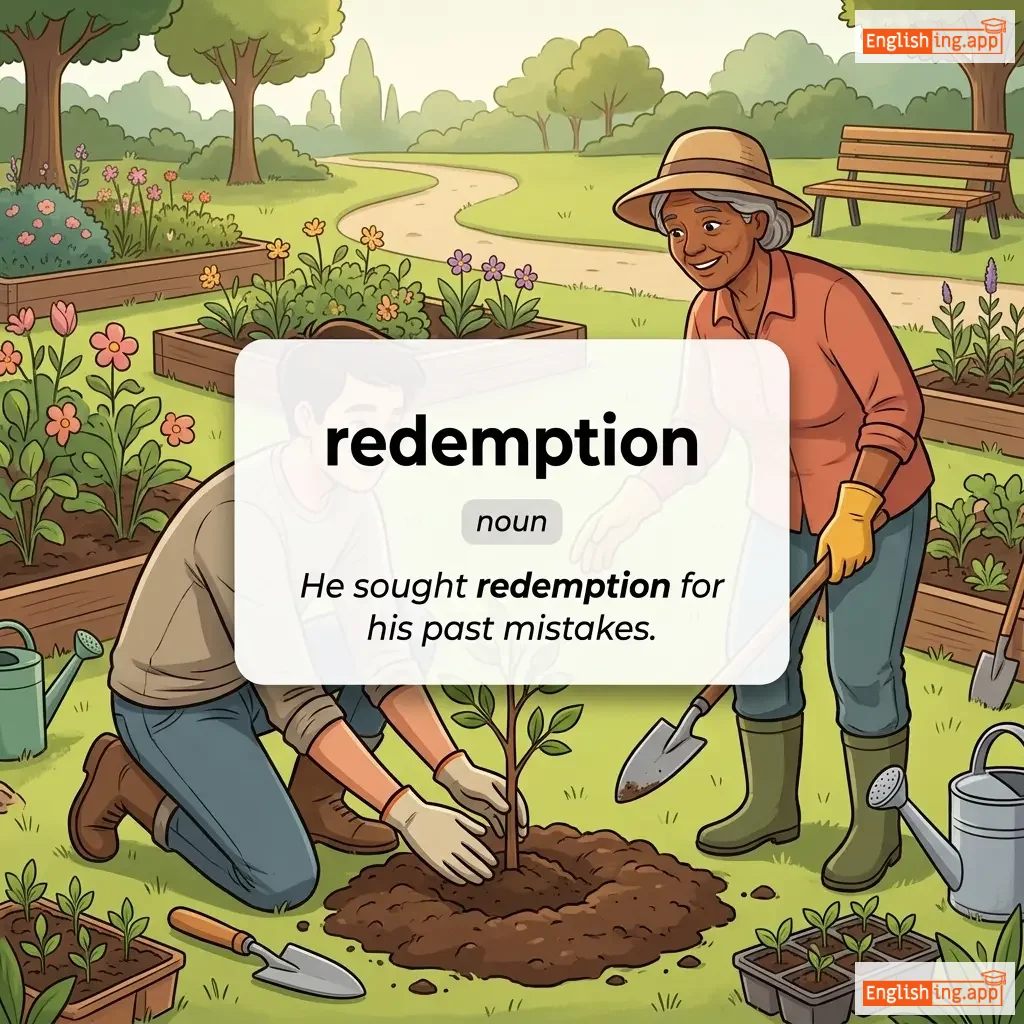
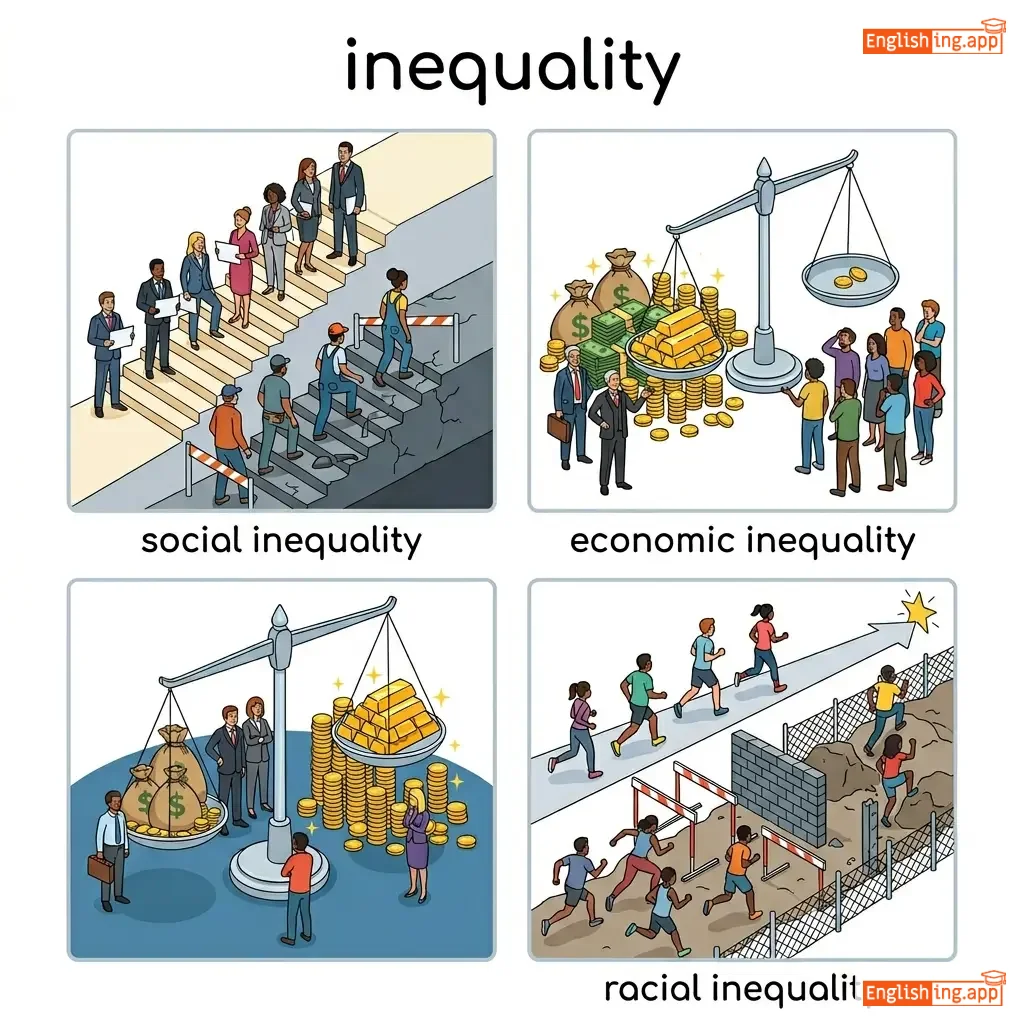
Zu den themes der Geschichte gehören Liebe, redemption, und revolutionary justice. Widerspiegelungen von Klassen-conflict, violence, und sozialer inequality sind erkennbar. Dickens erweckt die Geschichte durch sein symbolism und seinen narrative style zum Leben.
Dieses timeless masterpiece behandelt nicht nur den historical context, sondern regt auch zum Nachdenken über die human nature und moral values an. Als ultimatives Beispiel für sacrifice bleibt die Figur Sydney Carton einer der einflussreichsten heroes der literature.
Erhalten Sie unbegrenzten Zugriff auf alle Vokabeln mit Pro-Mitgliedschaft
Upgrade auf ProErhalten Sie unbegrenzten Zugriff auf alle Sätze mit Pro-Mitgliedschaft
Upgrade auf Pro|
Emoji
|
Wort | Images | Bedeutung | Beispielsatz | Synonyme | Antonyme |
|---|---|---|---|---|---|---|
|
#1054
🙏
|
ˈsækrɪfaɪs
noun
••••••
|
•••••• |
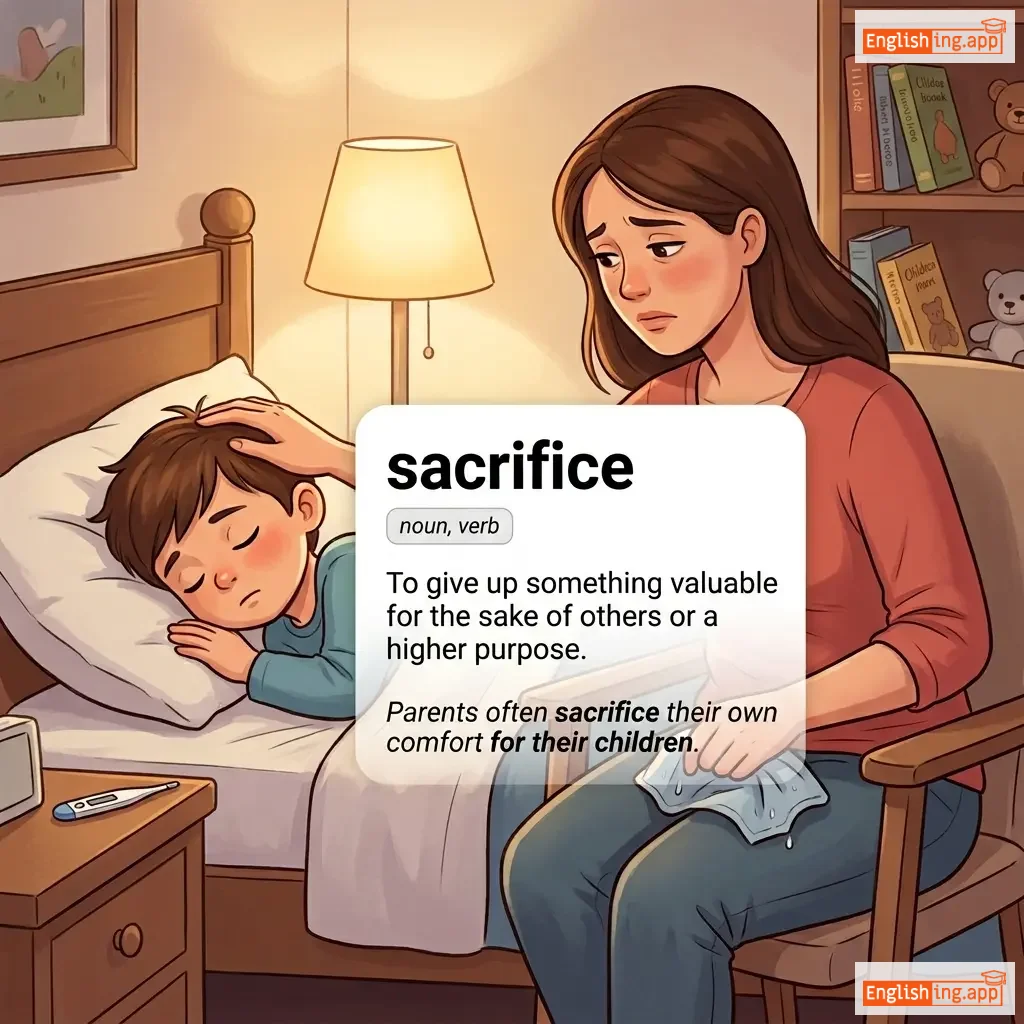
The act of giving up something valued for the sake of something else regarded as more important or worthy.
••••••
|
Sacrifice is a central theme of the story. |
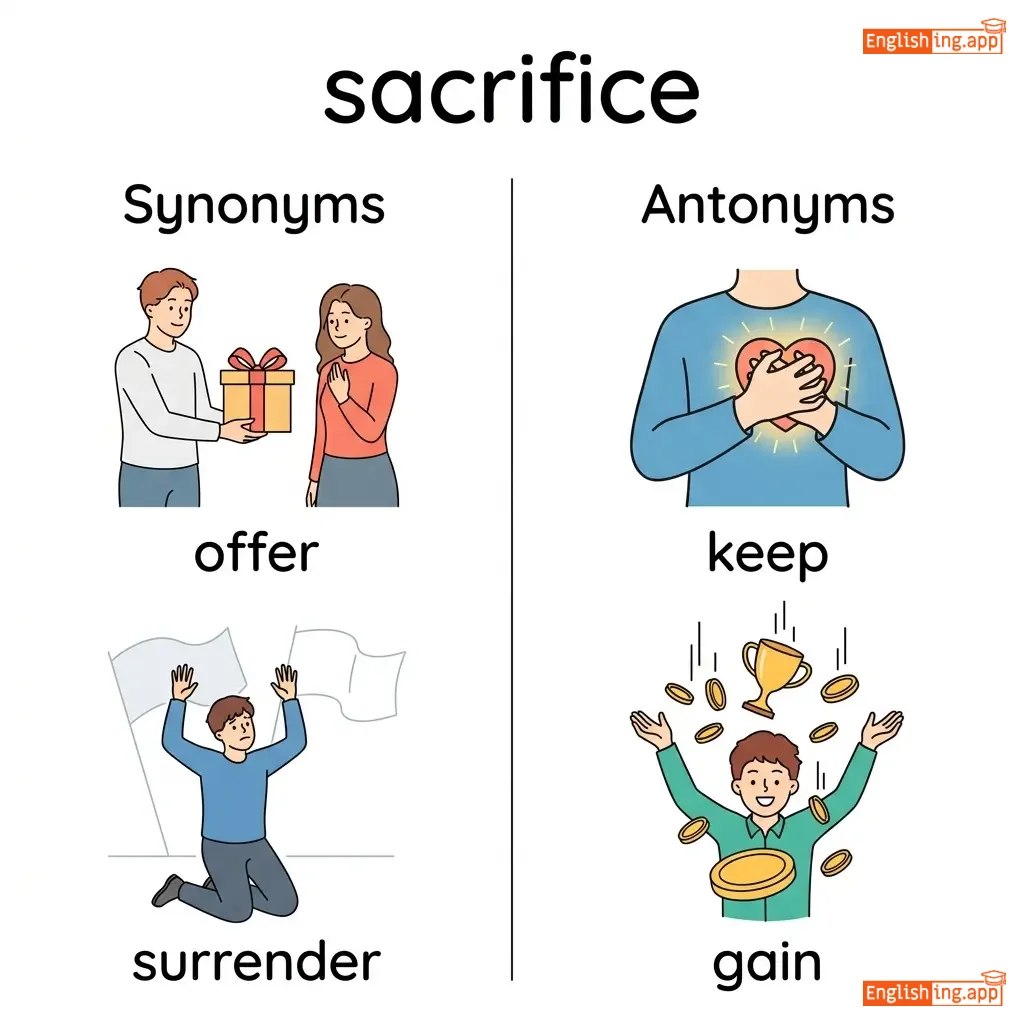
offering, surrender, giving up, devotion, selflessness, martyrdom
••••••
|
selfishness, greed, self-interest, preservation, keeping, hoarding
••••••
|
|
#1055
⛪
|
sælˈveɪʃən
noun
••••••
|
•••••• |
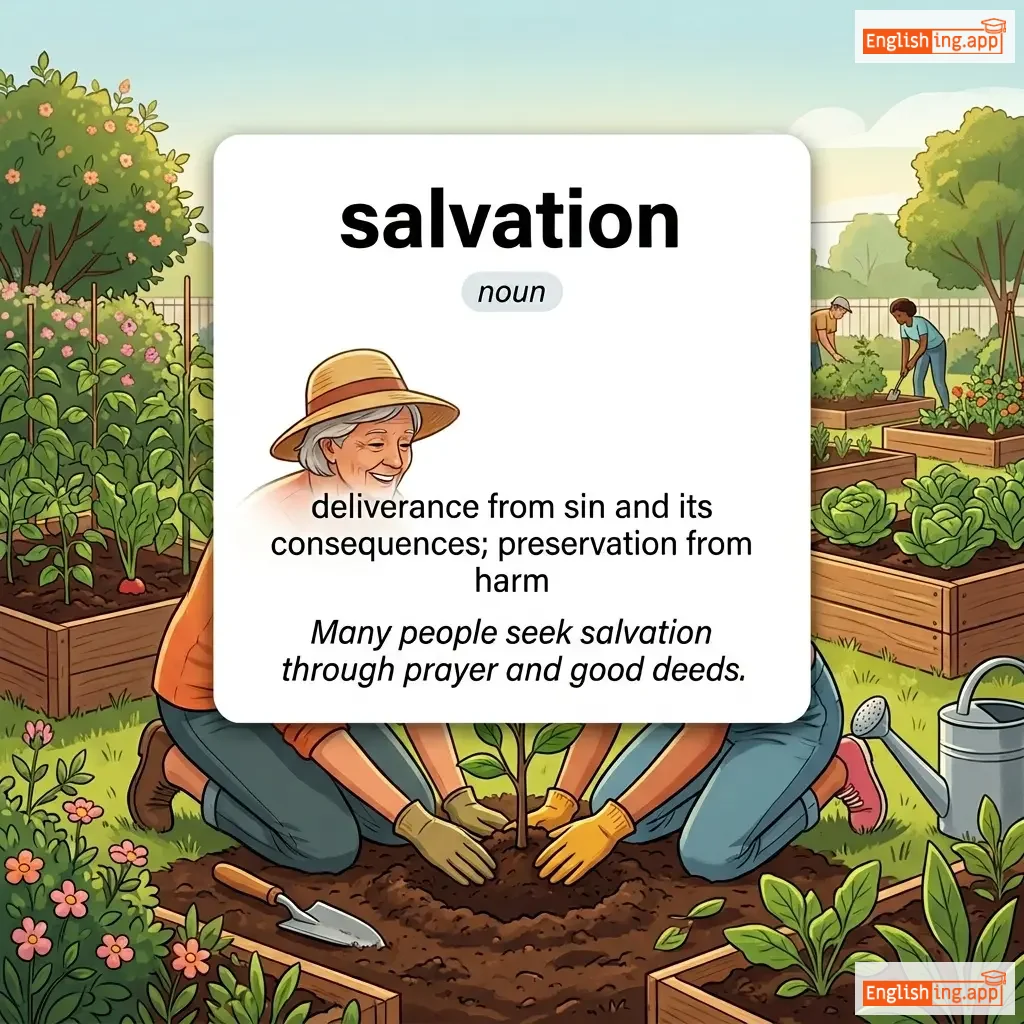
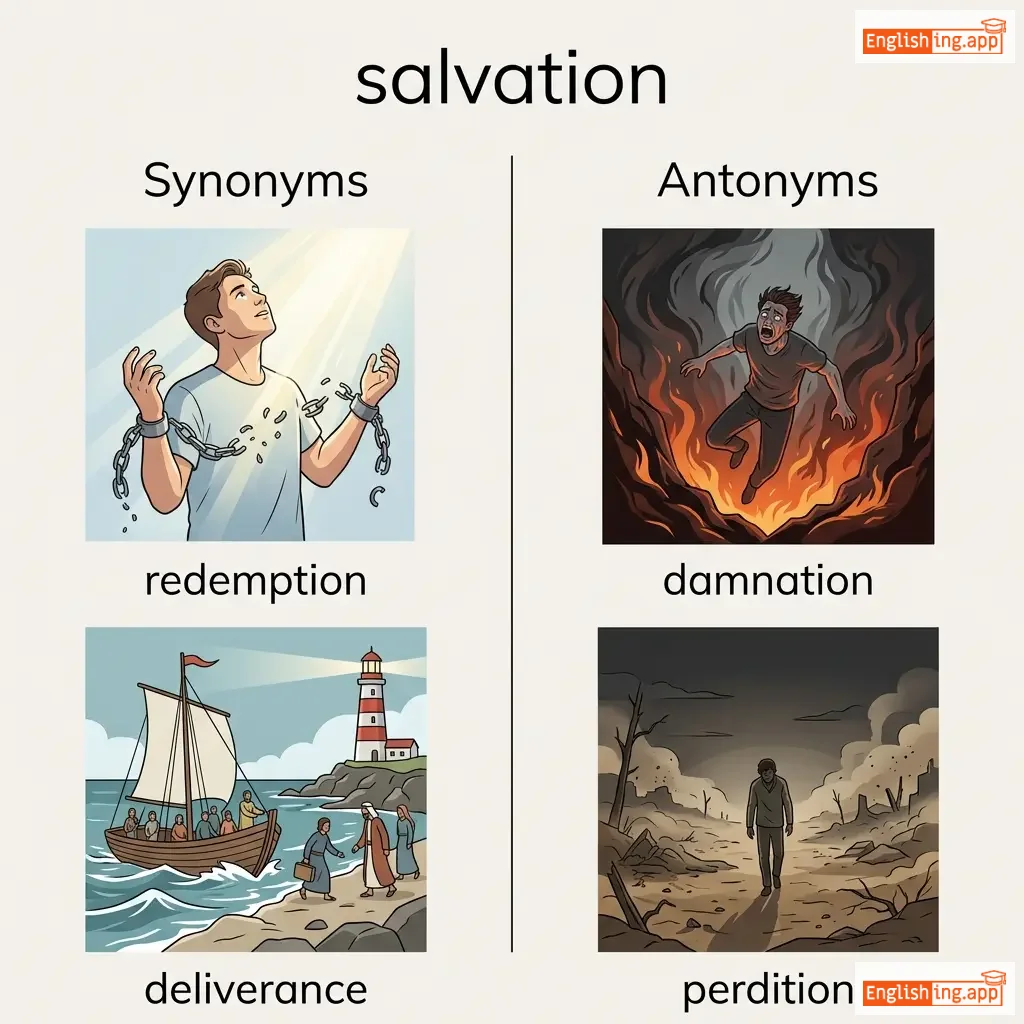
Deliverance from sin and its consequences, believed by Christians to be brought about by faith in Christ.
••••••
|
The story revolves around the theme of salvation. |
deliverance, redemption, rescue, liberation, release, freedom
••••••
|
damnation, despair, condemnation, perdition, ruin, destruction
••••••
|
|
#1056
🏆
|
ˈtraɪəmf
noun
••••••
|
•••••• |
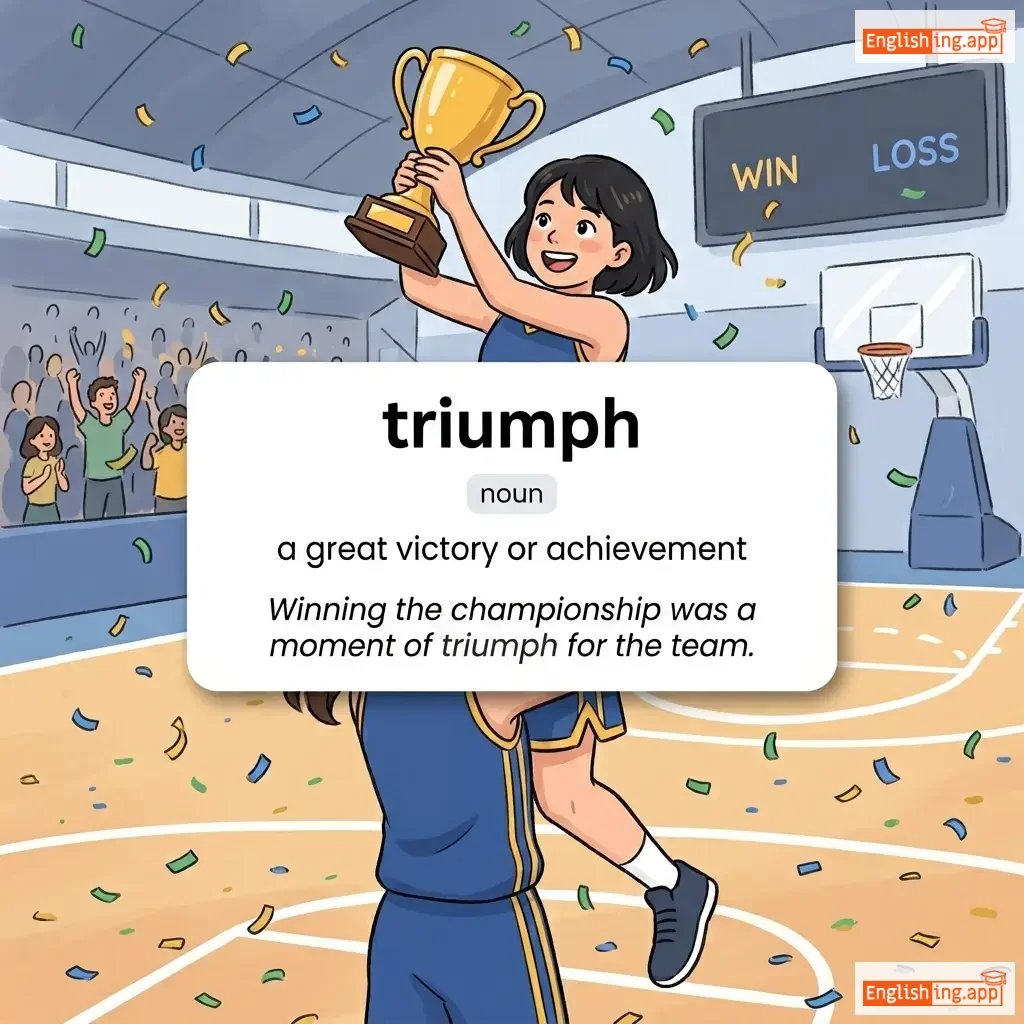
A great victory or achievement.
••••••
|
The novel is considered one of Dickens' greatest triumphs. |
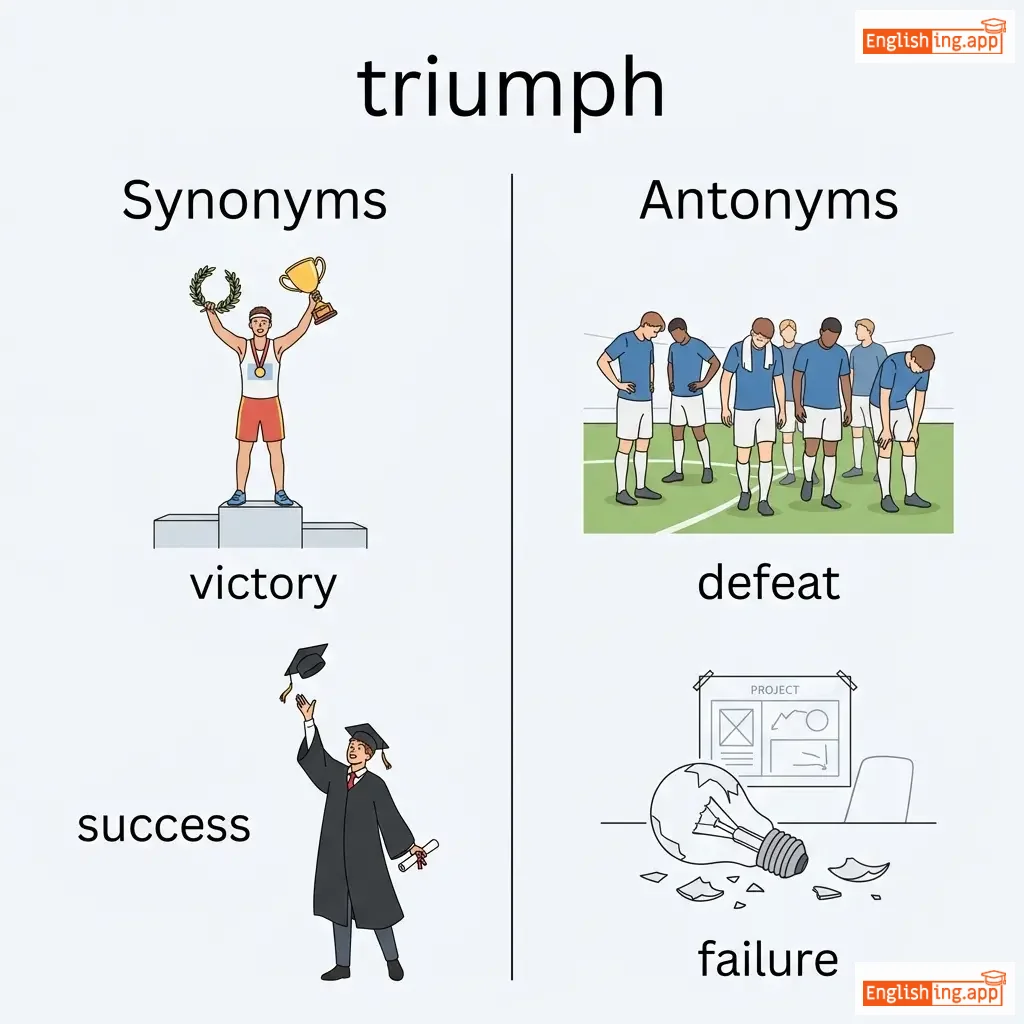
victory, success, conquest, achievement, accomplishment, win
••••••
|
defeat, failure, loss, setback, disappointment, catastrophe
••••••
|
|
#1057
⭐
|
aɪˈkɒnɪk
adjective
••••••
|
•••••• |
Very famous or popular, especially being considered to represent particular opinions or a particular time.
••••••
|
The line "It was the best of times..." is iconic. |
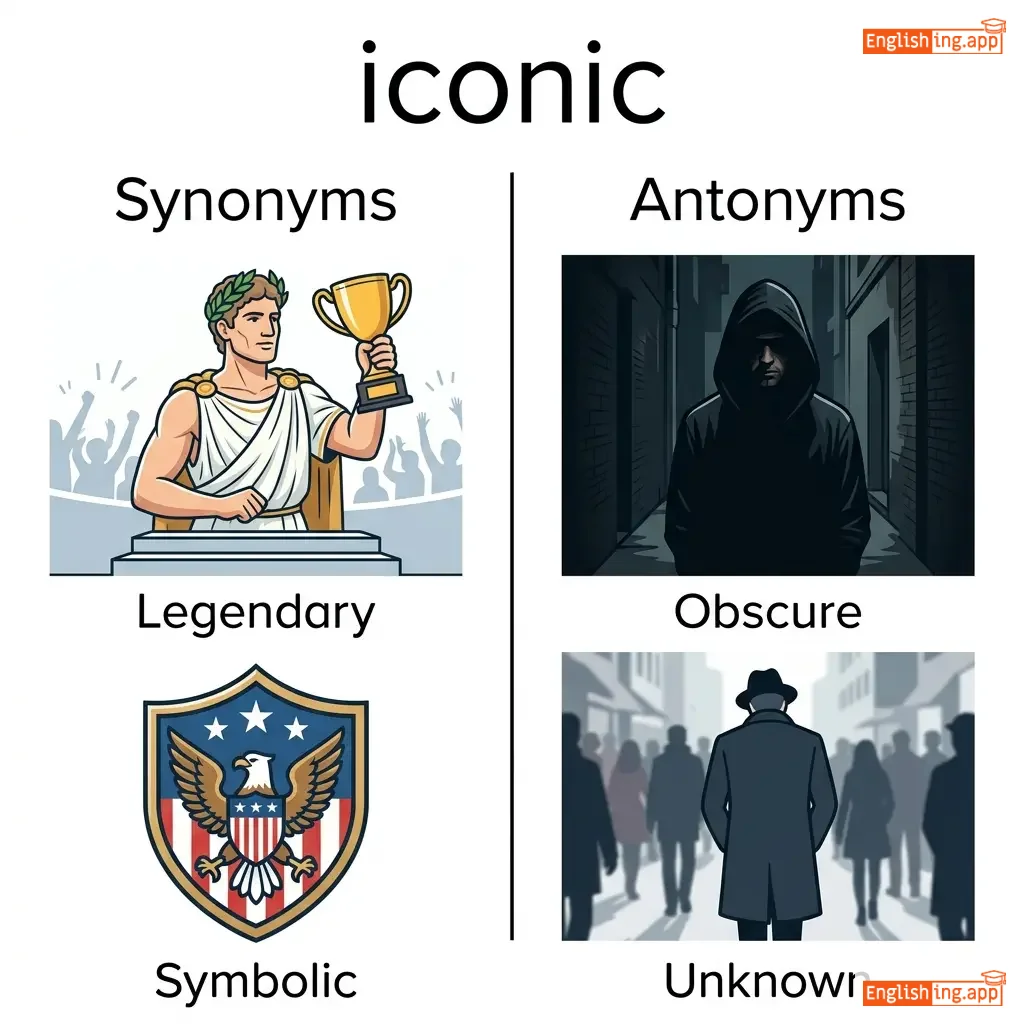
legendary, classic, famous, memorable, emblematic, representative
••••••
|
unremarkable, forgettable, ordinary, insignificant, unknown, obscure
••••••
|
|
#1058
🙌
|
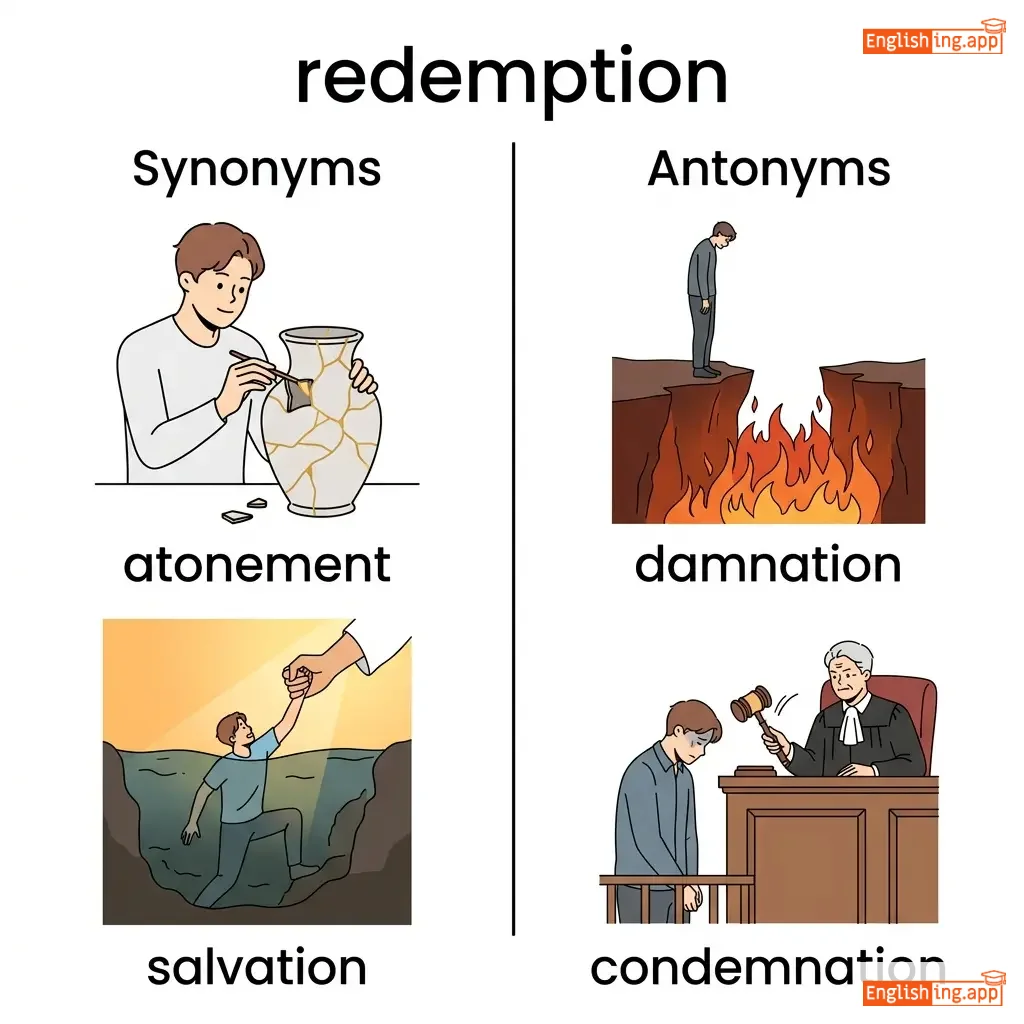
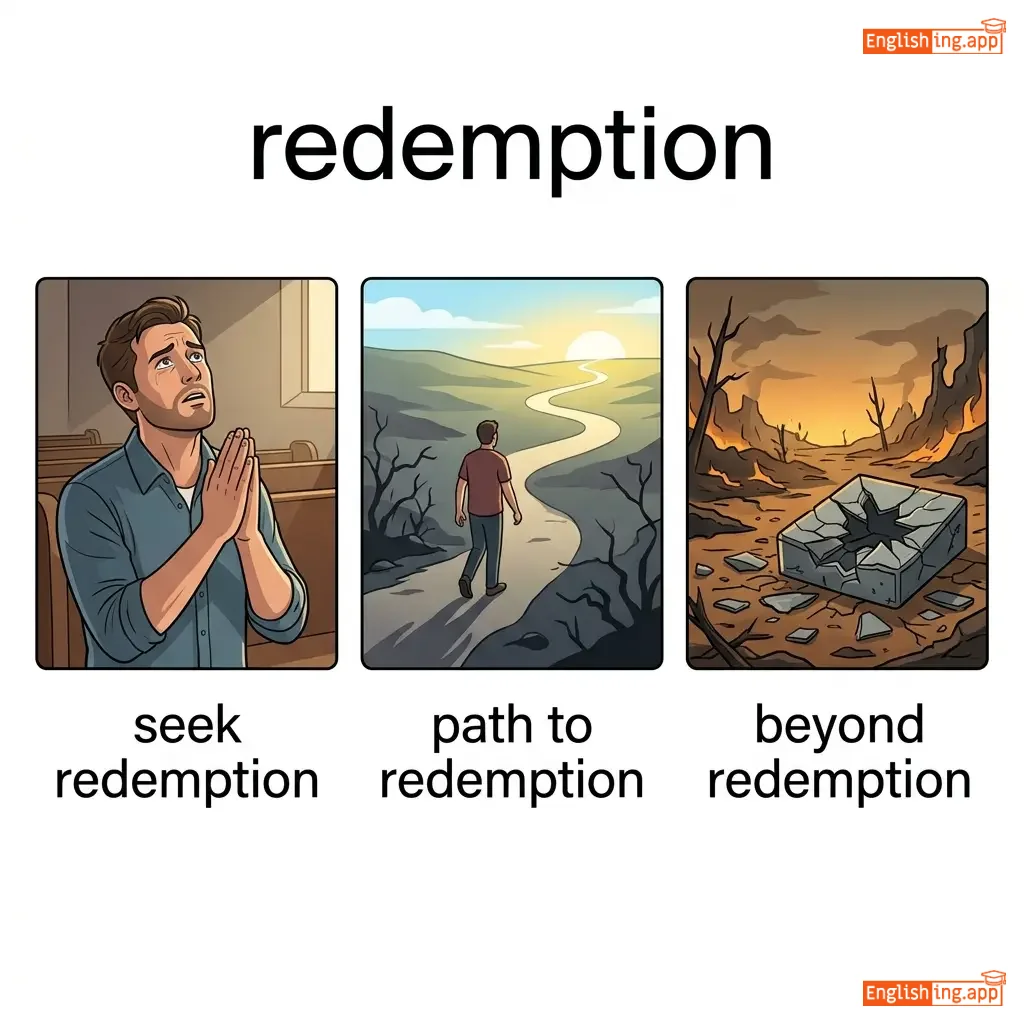
rɪˈdɛmpʃən
noun
••••••
|
•••••• |
The action of saving or being saved from sin, error, or evil.
••••••
|
The story highlights the theme of redemption. |
salvation, deliverance, rescue, recovery, reclamation, atonement
••••••
|
condemnation, punishment, damnation, perdition, guilt, sin
••••••
|
|
#1059
🎭
|
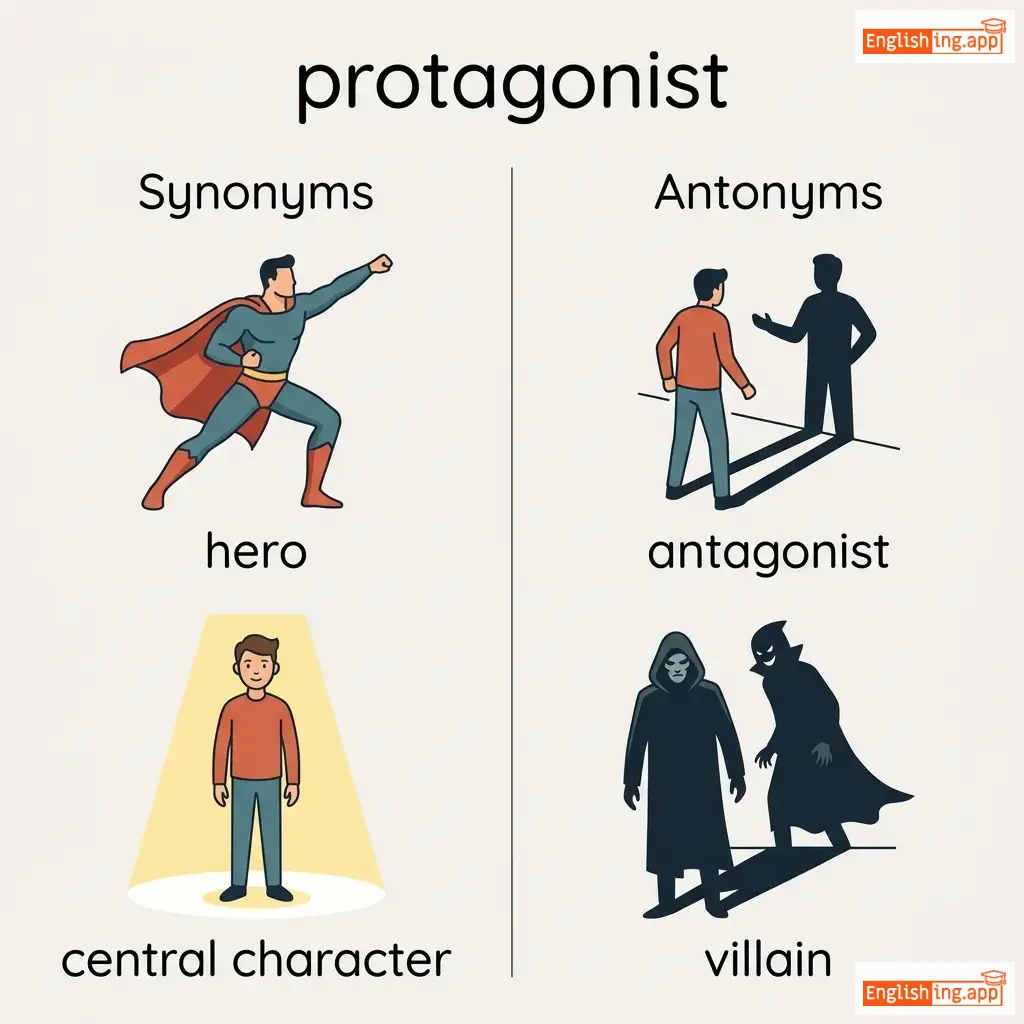
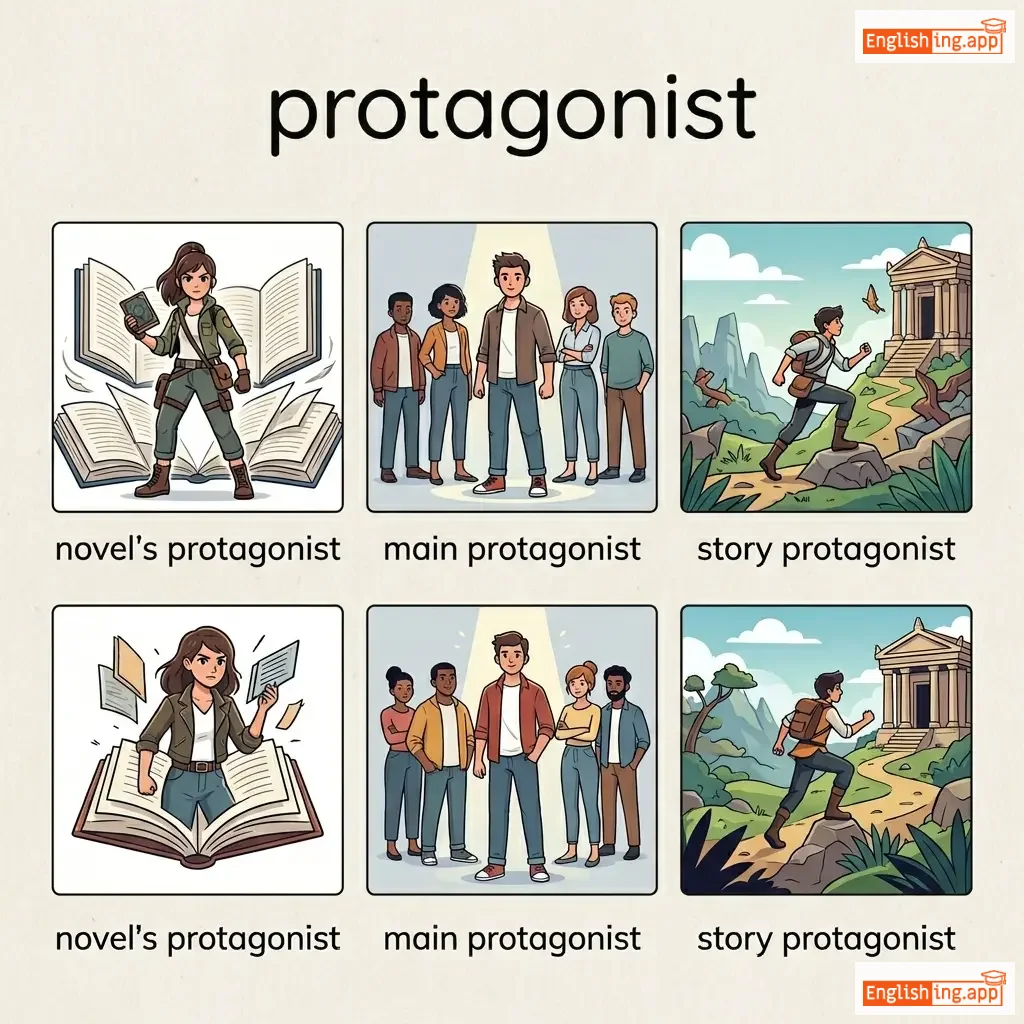
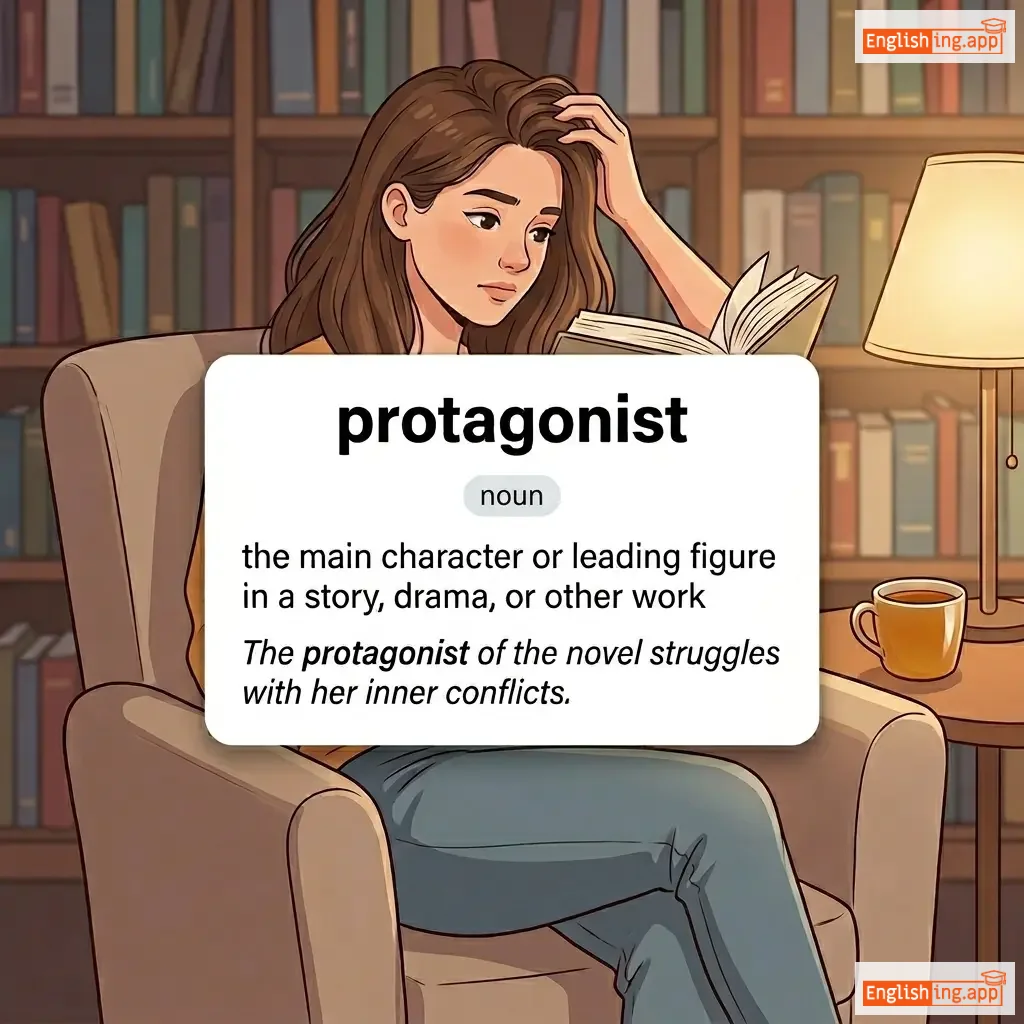
prəˈtæɡənɪst
noun
••••••
|
•••••• |
The leading character or one of the major characters in a drama, movie, novel, or other fictional text.
••••••
|
Charles Darnay is one of the protagonists of the story. |
main character, leading character, principal character, central character, hero, heroine
••••••
|
antagonist, villain, opponent, enemy, adversary, rival
••••••
|
|
#1060
🦸
|
ˈhɪrəʊ
noun
••••••
|
•••••• |
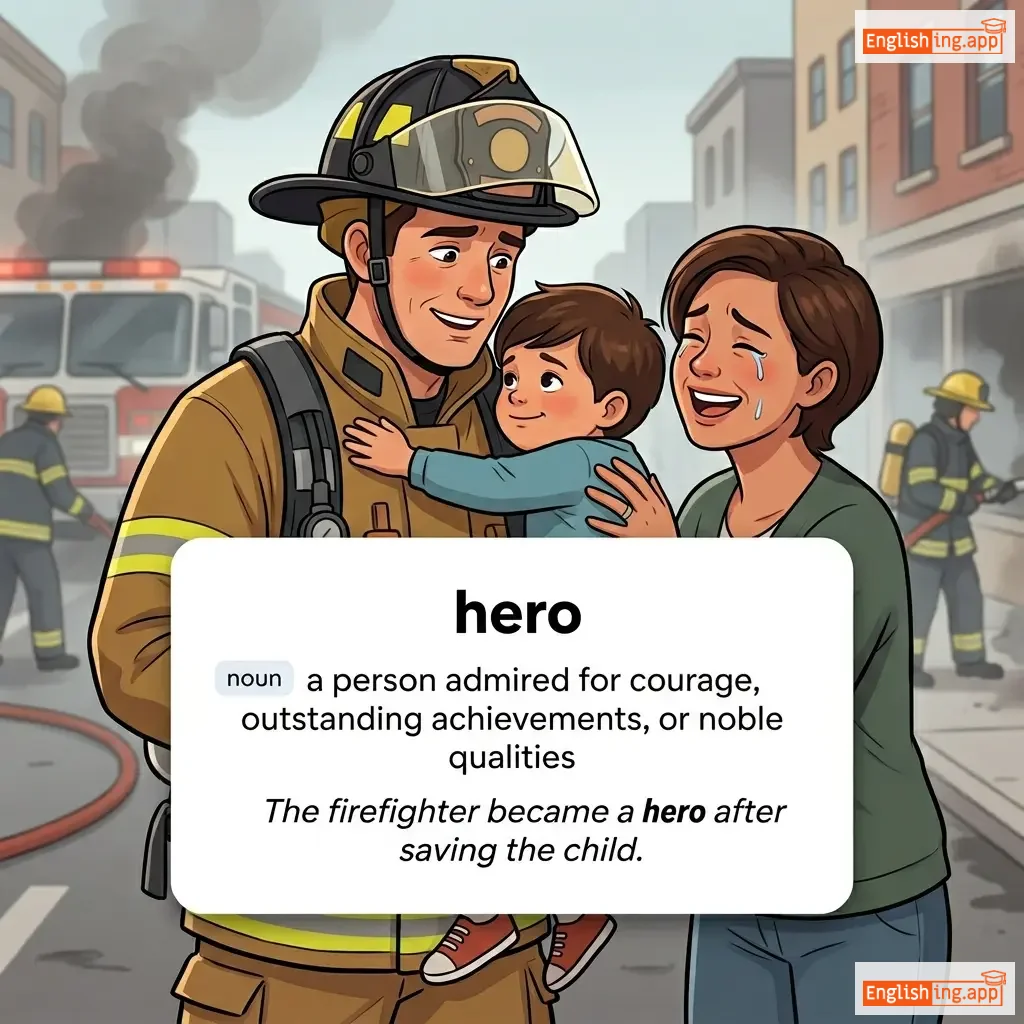
A person who is admired or idealized for courage, outstanding achievements, or noble qualities.
••••••
|
Sydney Carton becomes the ultimate hero through his sacrifice. |
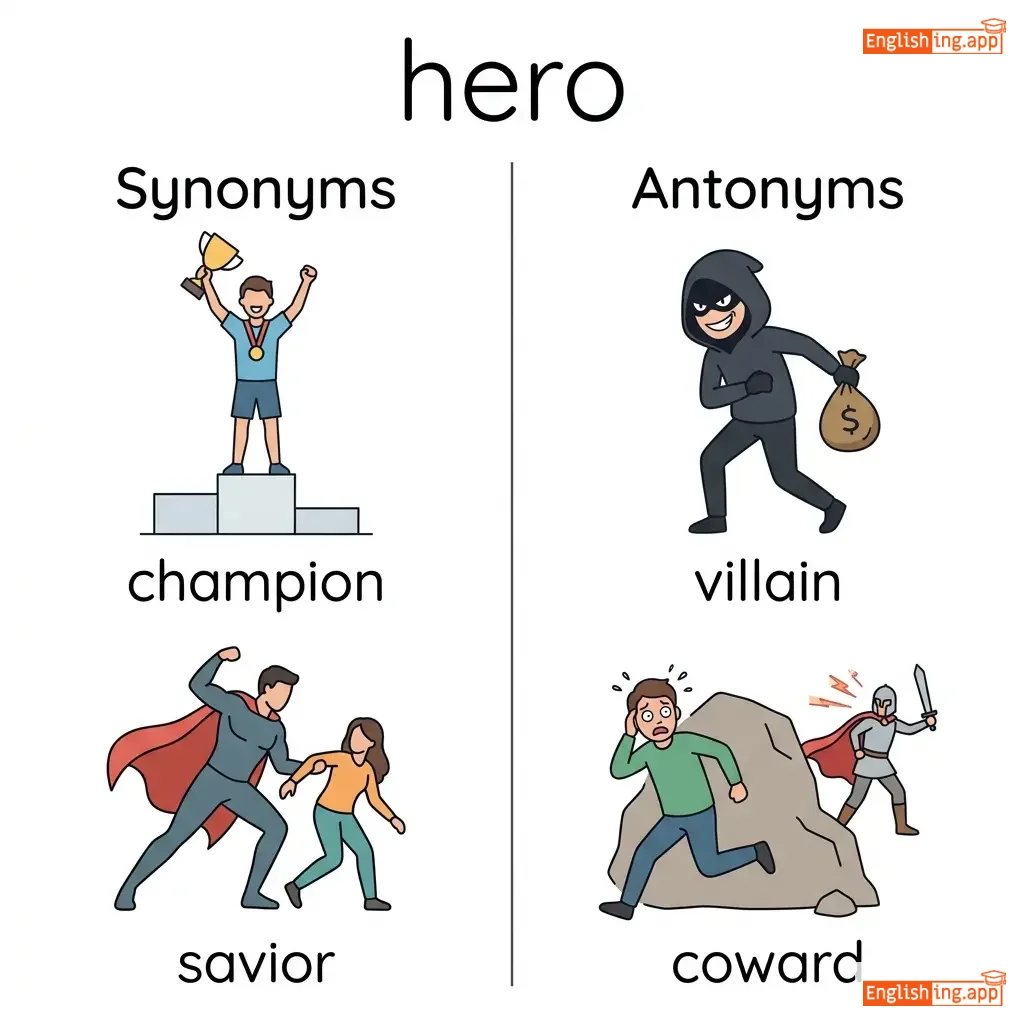
champion, brave person, courageous person, protagonist, idol, legend
••••••
|
villain, opponent, coward, enemy, antagonist, adversary
••••••
|
|
#1061
📈
|
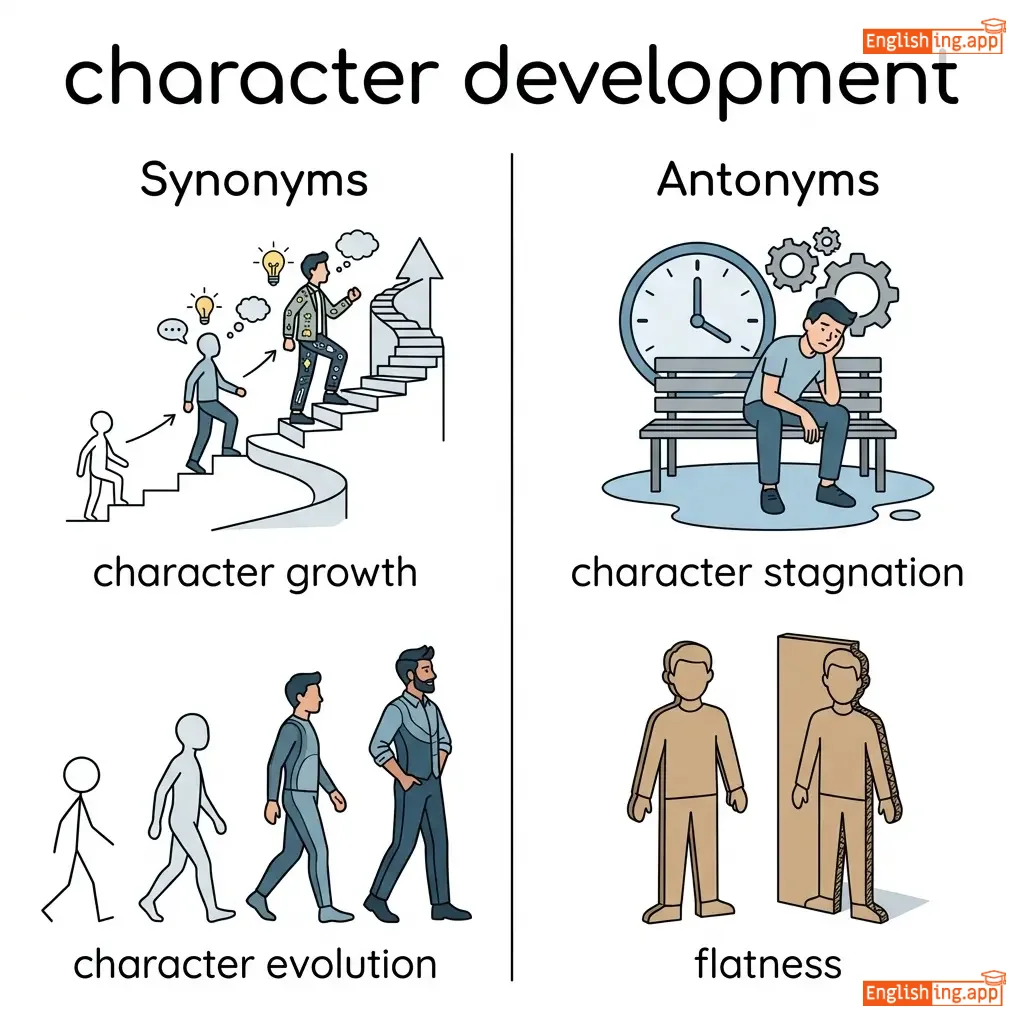
ˈkærɪktər dɪˈvɛləpmənt
noun
••••••
|
•••••• |
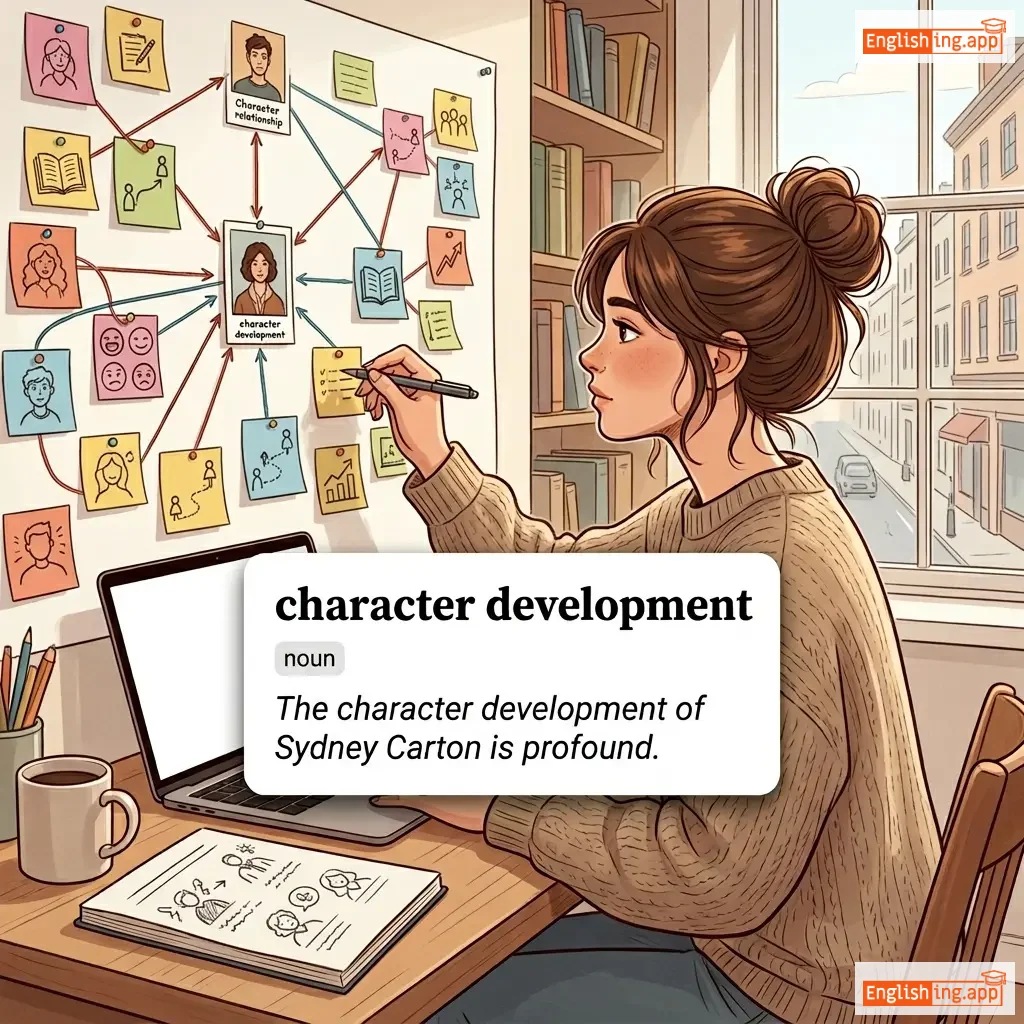
The process of creating a believable character in fiction by giving the character depth and personality.
••••••
|
The character development of Sydney Carton is profound. |
character growth, character evolution, character progression, personality development
••••••
|
character stagnation, flatness, one-dimensional character, static character
••••••
|
|
#1062
📝
|
ˈnærətɪv staɪl
noun
••••••
|
•••••• |
The way in which a story is told, including the point of view and the voice of the narrator.
••••••
|
Dickens' narrative style is engaging and emotional. |
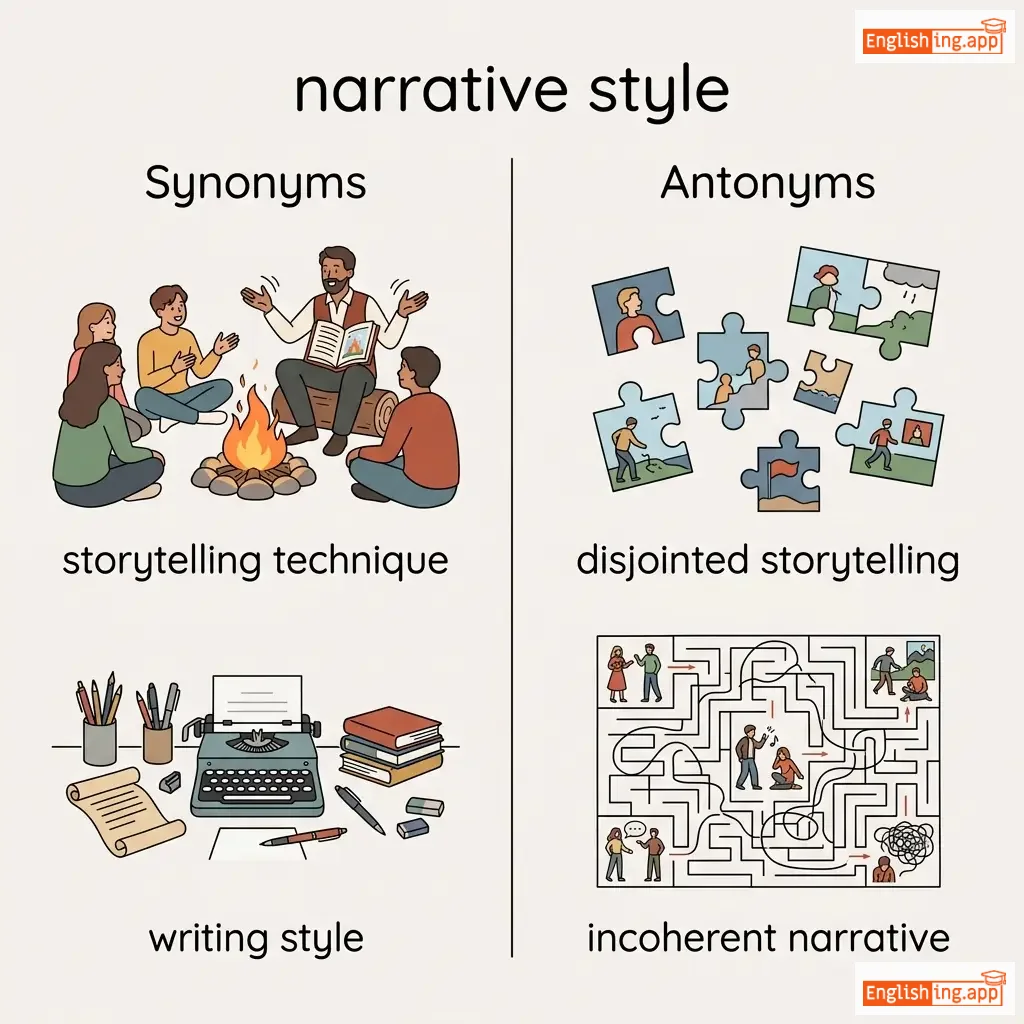
storytelling technique, writing style, narrative technique, literary style
••••••
|
disjointed storytelling, incoherent narrative, poor writing style
••••••
|
|
#1063
🔣
|
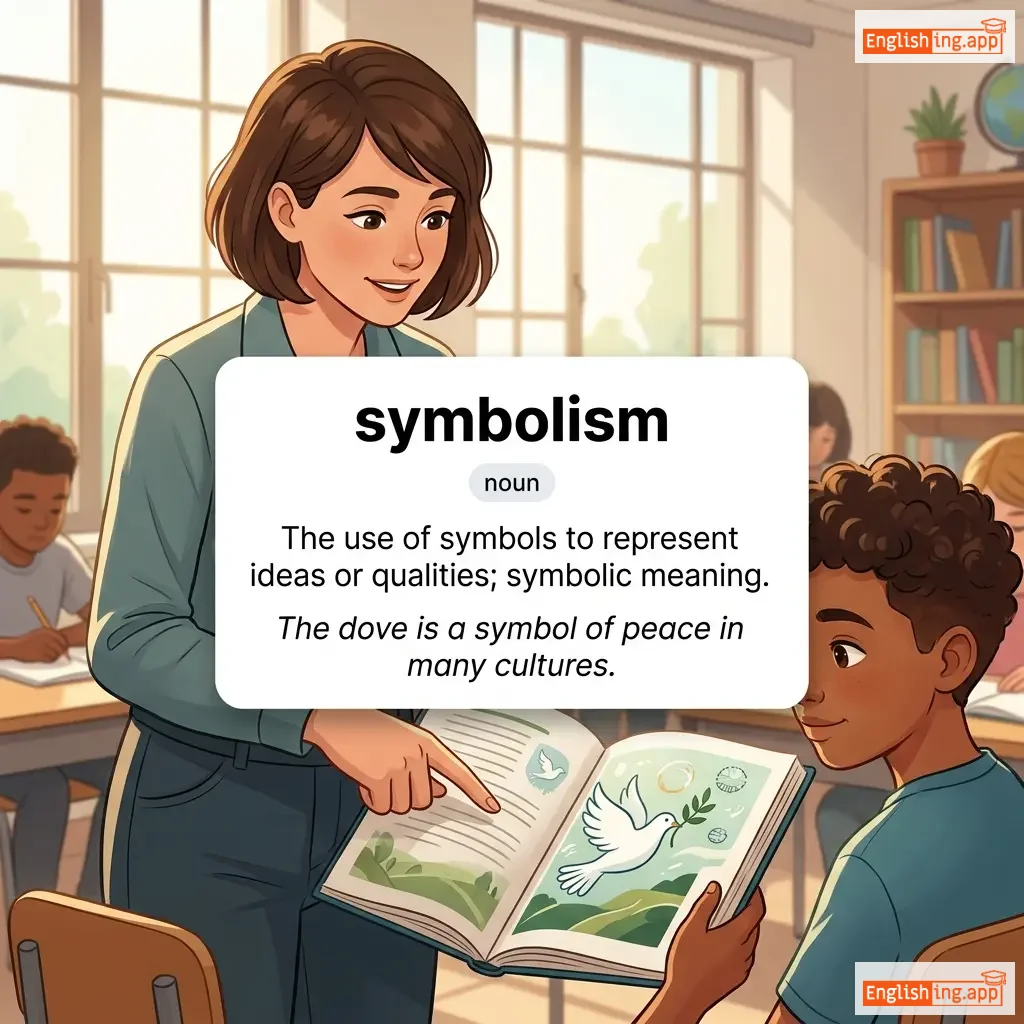
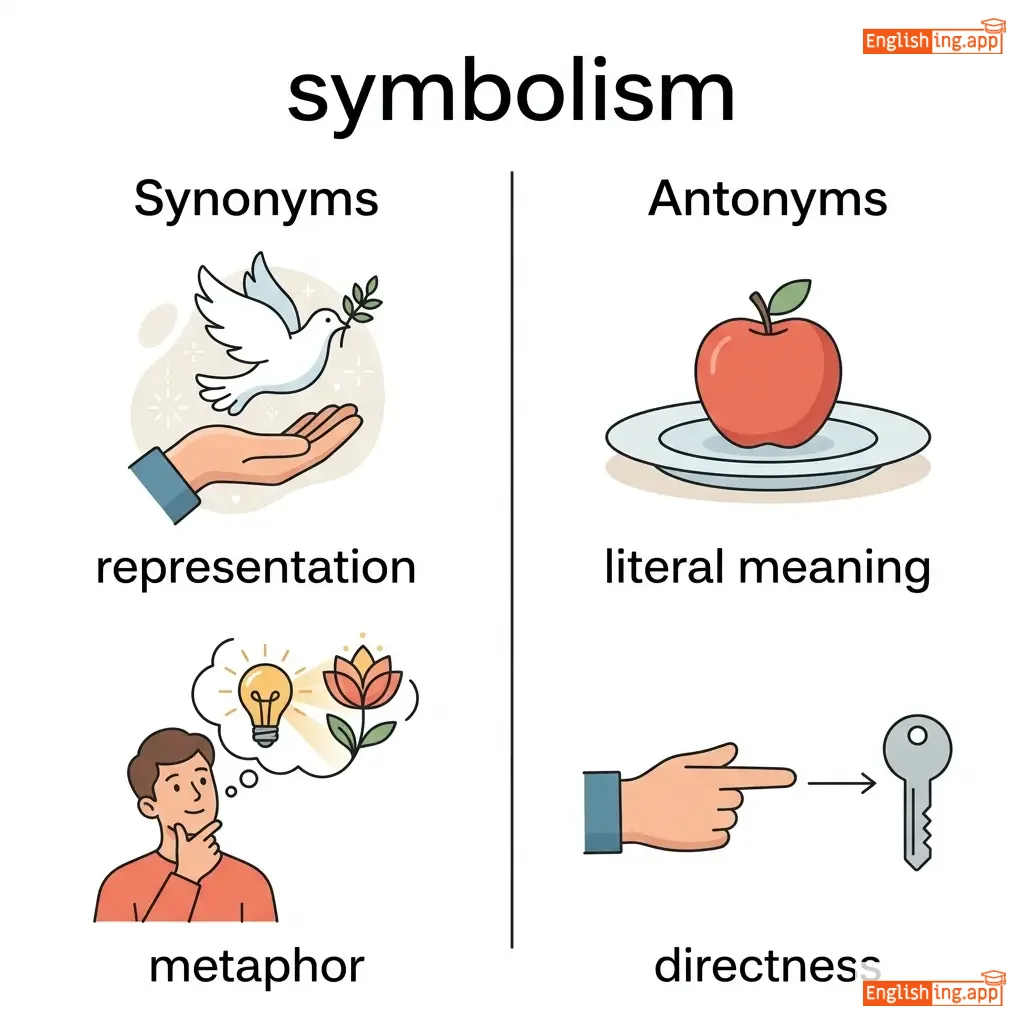
ˈsɪmbəlɪzəm
noun
••••••
|
•••••• |
The use of symbols to represent ideas or qualities.
••••••
|
The use of symbolism in the novel is masterful. |
metaphor, allegory, representation, imagery, figurative language
••••••
|
literalism, directness, plain language, straightforwardness
••••••
|
|
#1064
📖
|
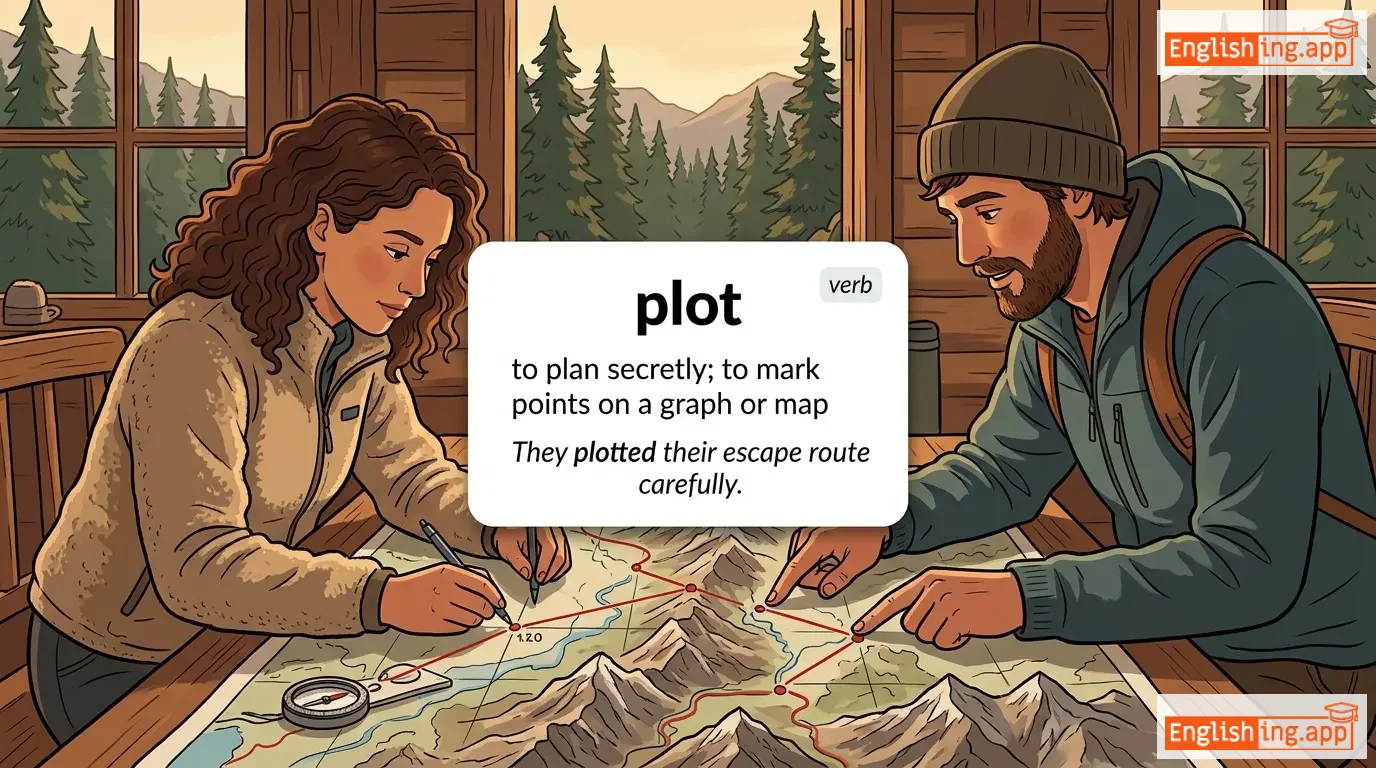
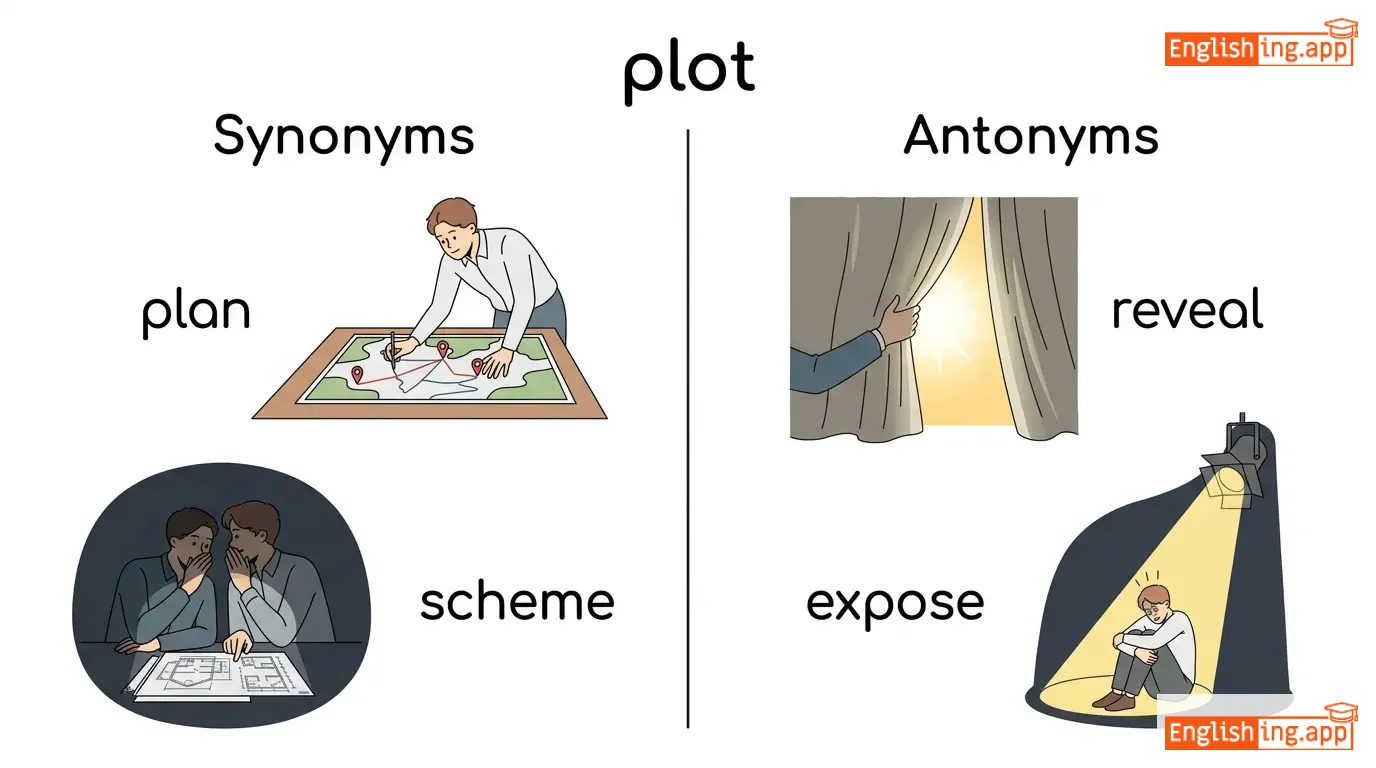
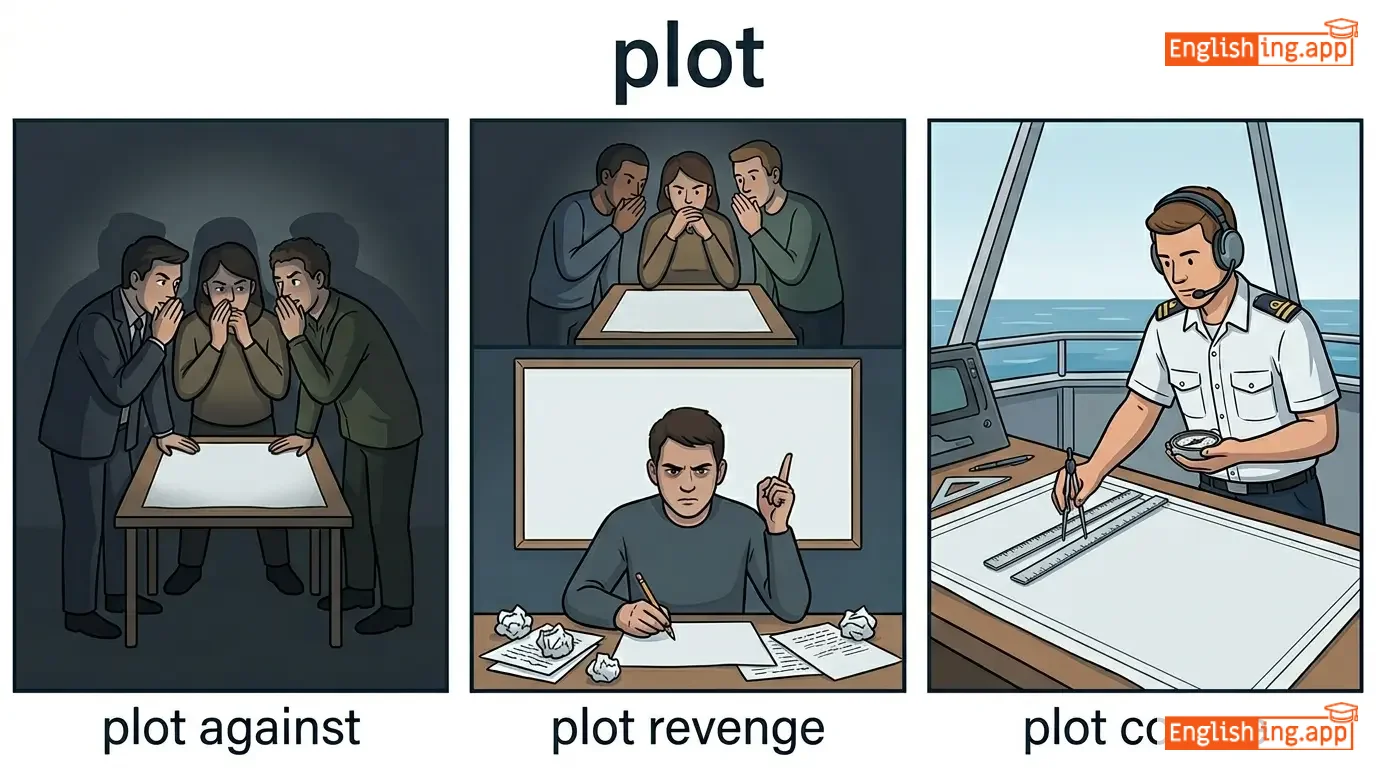
plɒt
noun
••••••
|
•••••• |
The main story of a piece of writing, or the series of events that happen in it.
••••••
|
The plot of A Tale of Two Cities is intense and gripping. |
storyline, narrative, story, sequence of events, framework
••••••
|
chaos, disorder, confusion, randomness
••••••
|
|
#1065
💡
|
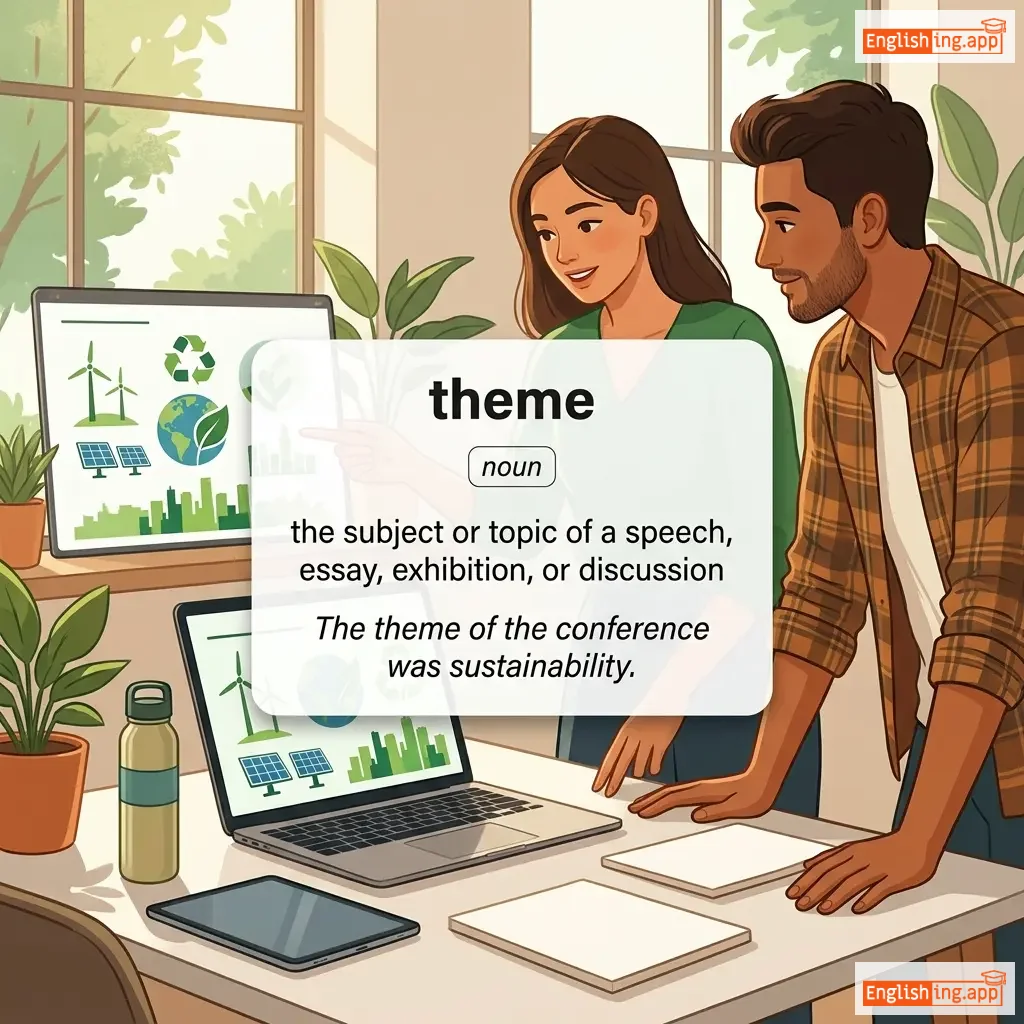
θiːm
noun
••••••
|
•••••• |
The subject of a talk, a piece of writing, a person's thoughts, or an exhibition; a topic.
••••••
|
Sacrifice and redemption are major themes in the story. |
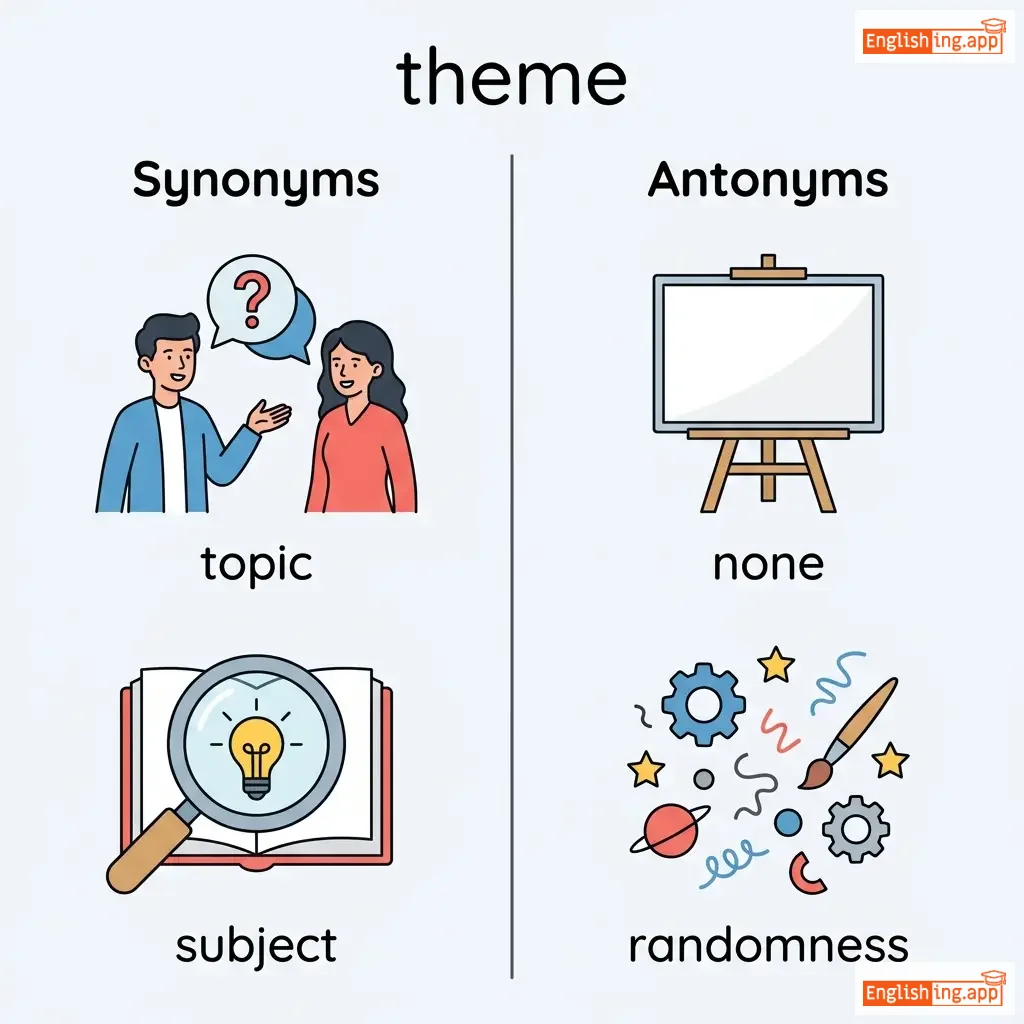
subject, topic, motif, idea, central idea, message
••••••
|
randomness, insignificance, irrelevance, chaos
••••••
|
|
#1066
⚔️
|
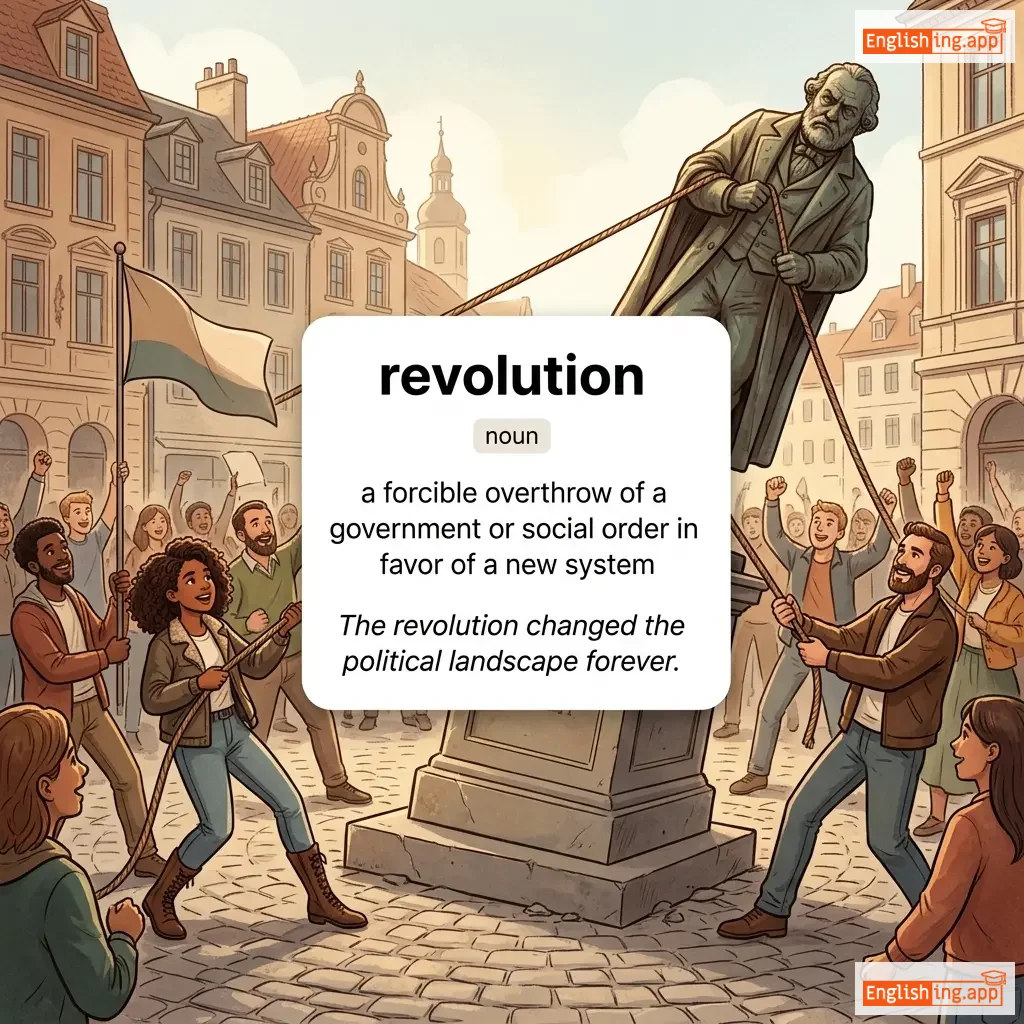
ˌrɛvəˈluːʃən
noun
••••••
|
•••••• |
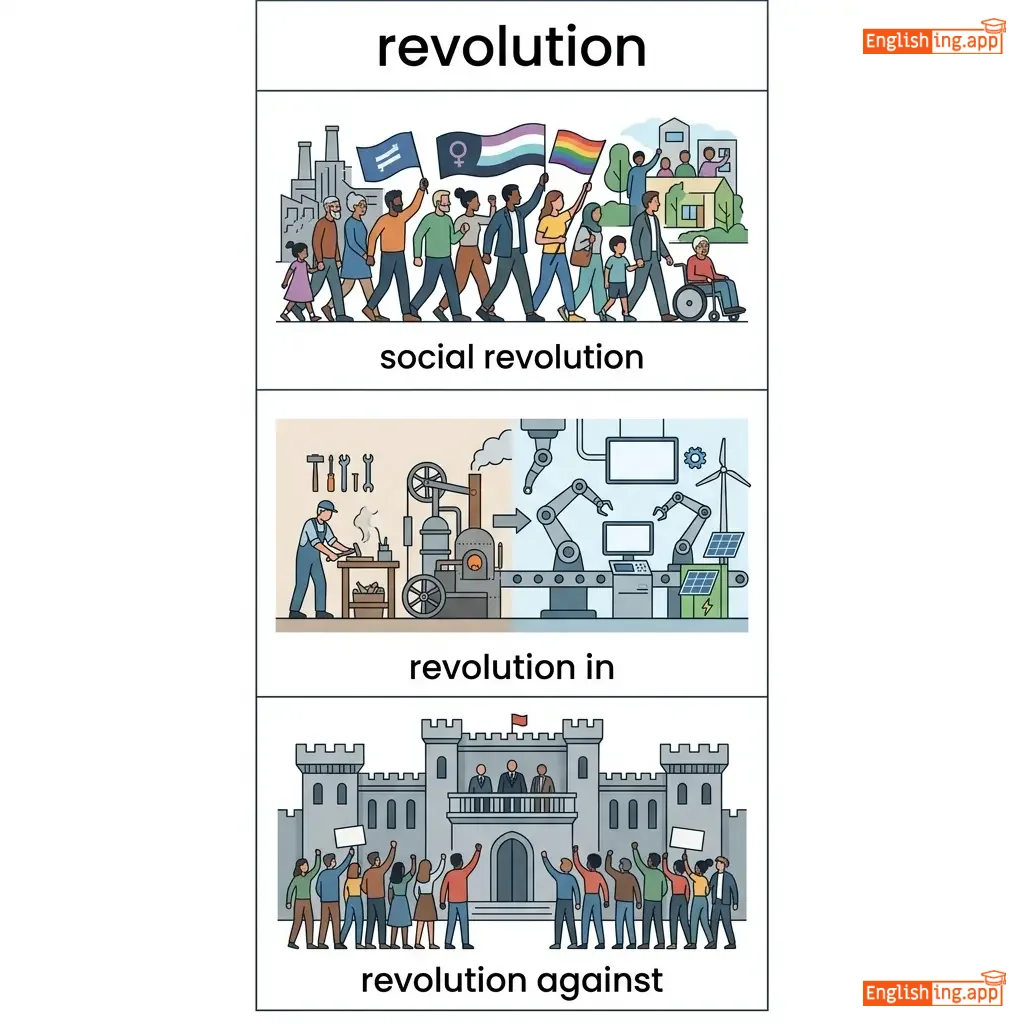
A forcible overthrow of a government or social order, in favor of a new system.
••••••
|
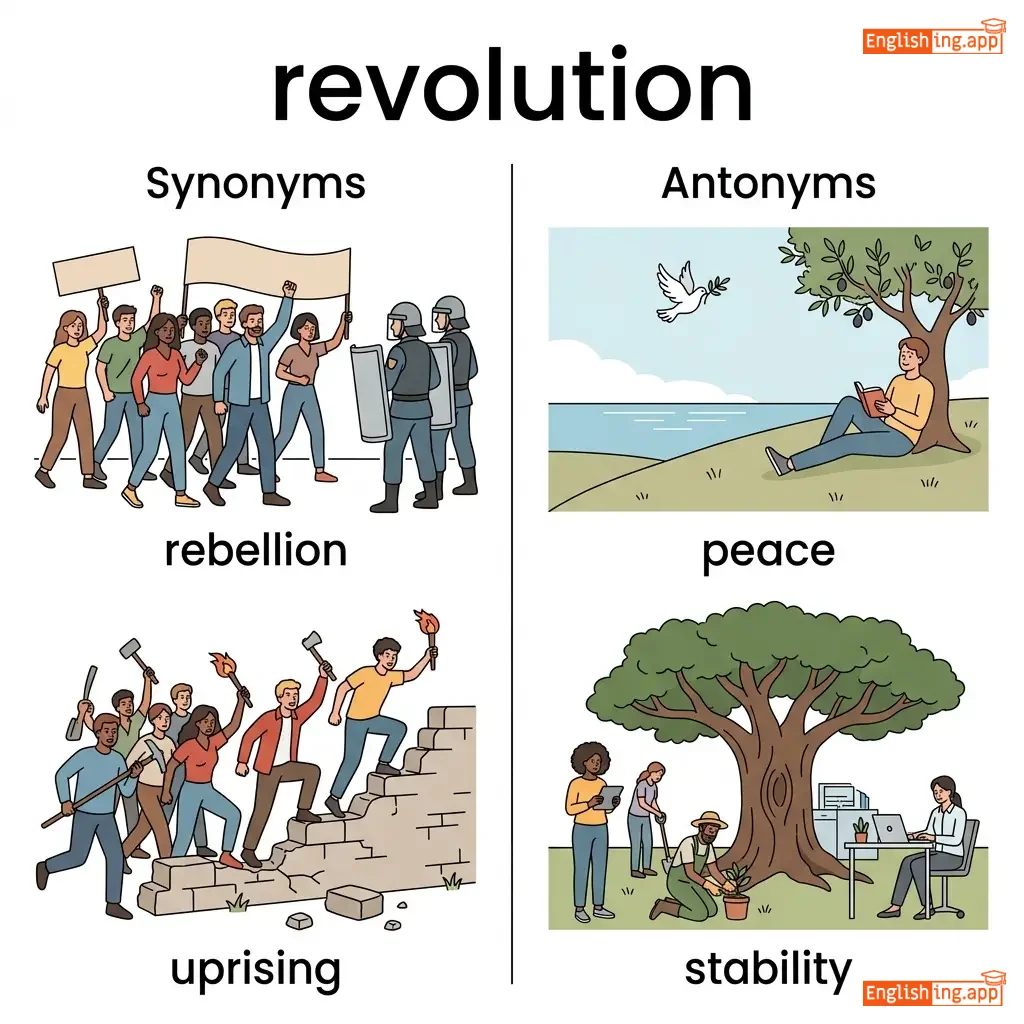
The story is set during the French Revolution. |
uprising, revolt, rebellion, coup, insurrection, overthrow
••••••
|
stability, peace, order, status quo, continuity
••••••
|
|
#1067
⚖️
|
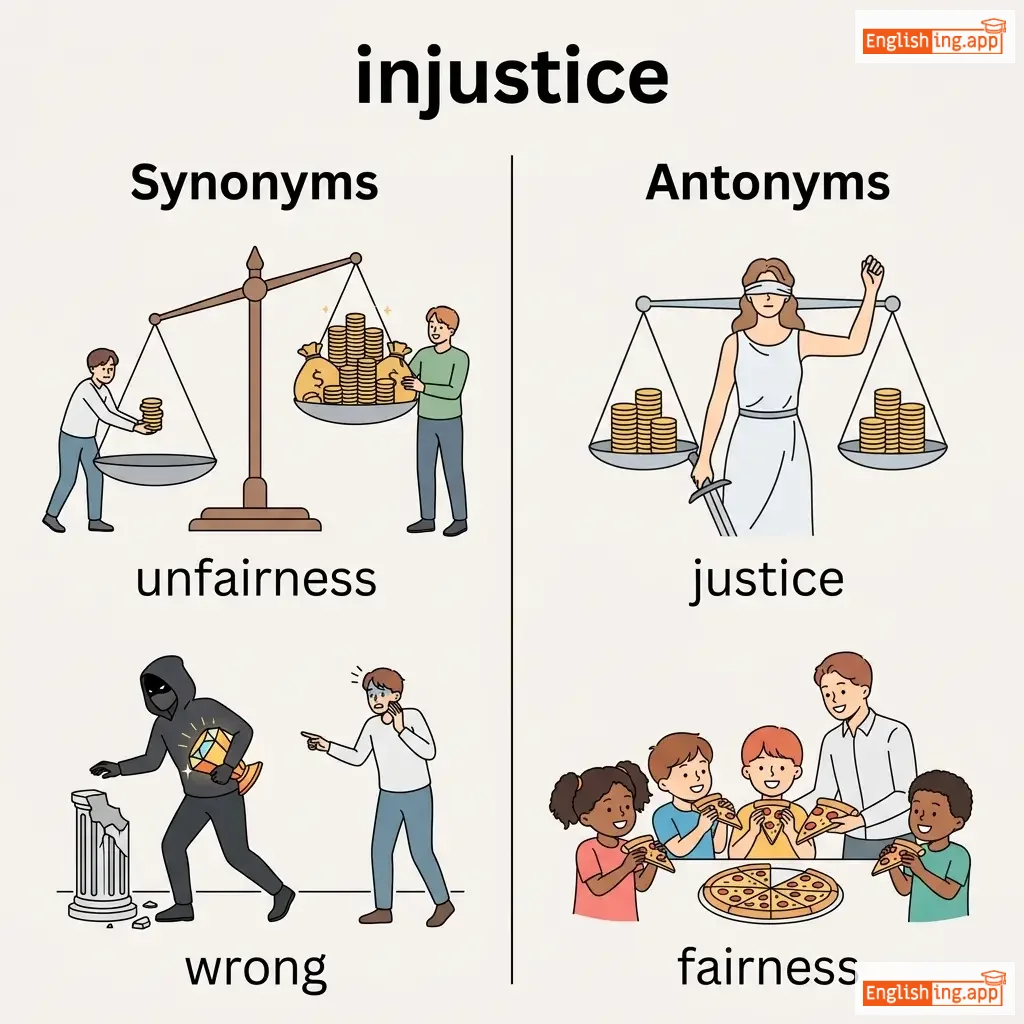
ɪnˈdʒʌstɪs
noun
••••••
|
•••••• |
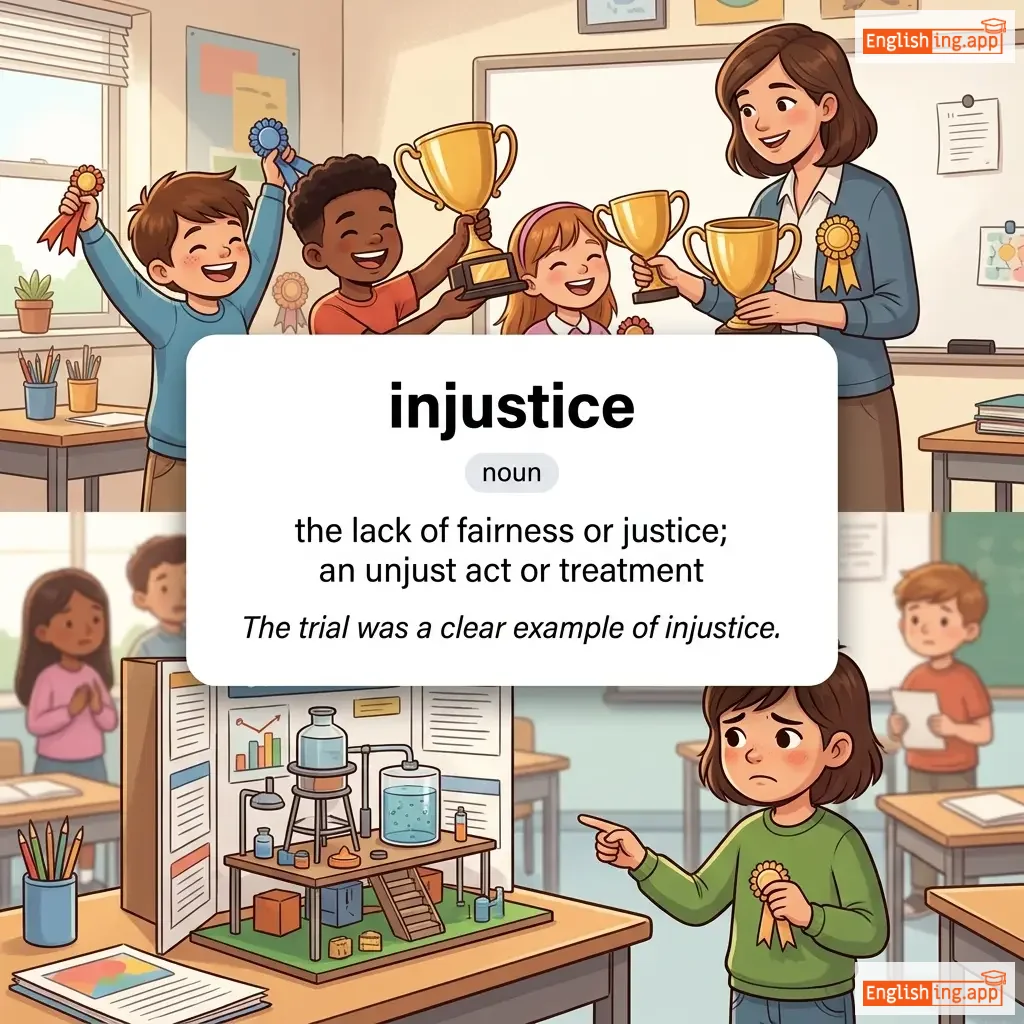
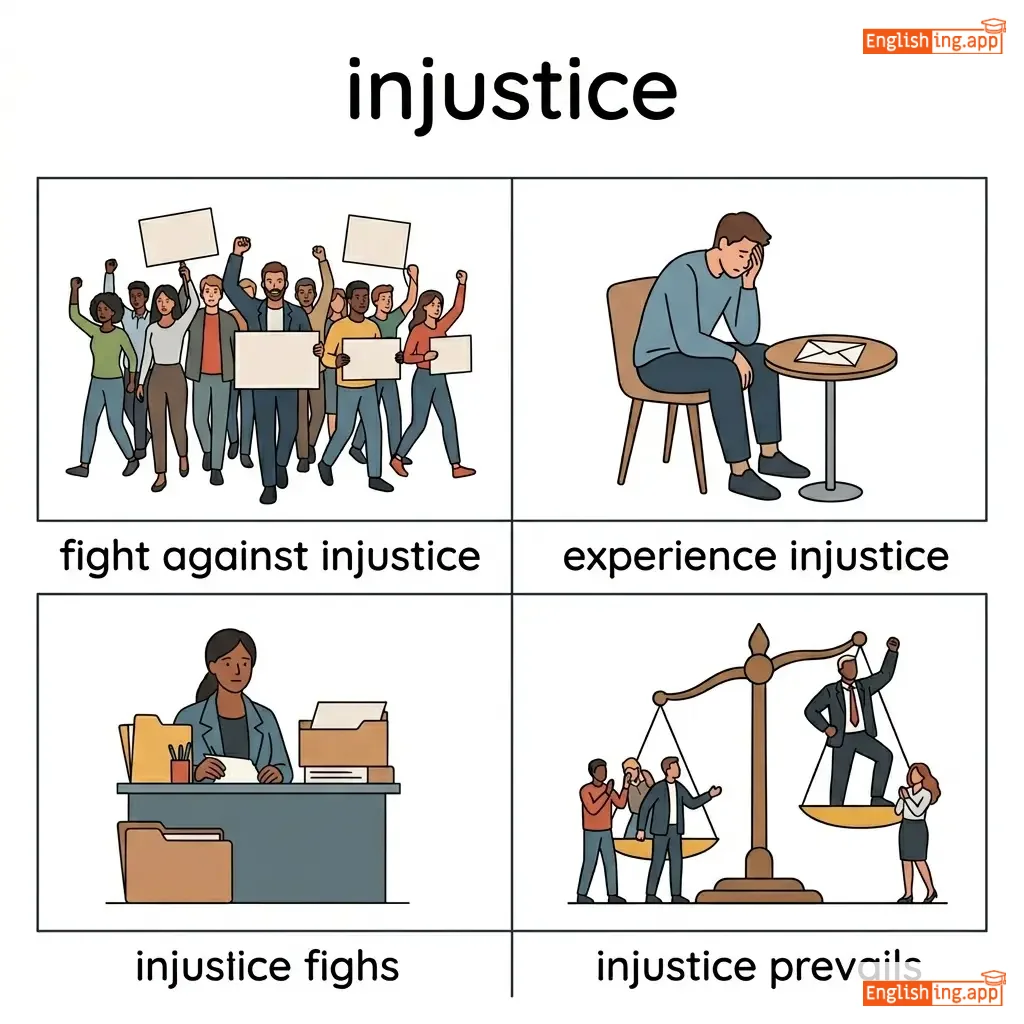
Lack of fairness or justice; the practice of being unjust or unfair.
••••••
|
The story portrays the injustices faced by the common people. |
unfairness, inequity, wrongdoing, oppression, discrimination, bias
••••••
|
justice, fairness, equity, righteousness, impartiality
••••••
|
|
#1068
⚖️
|
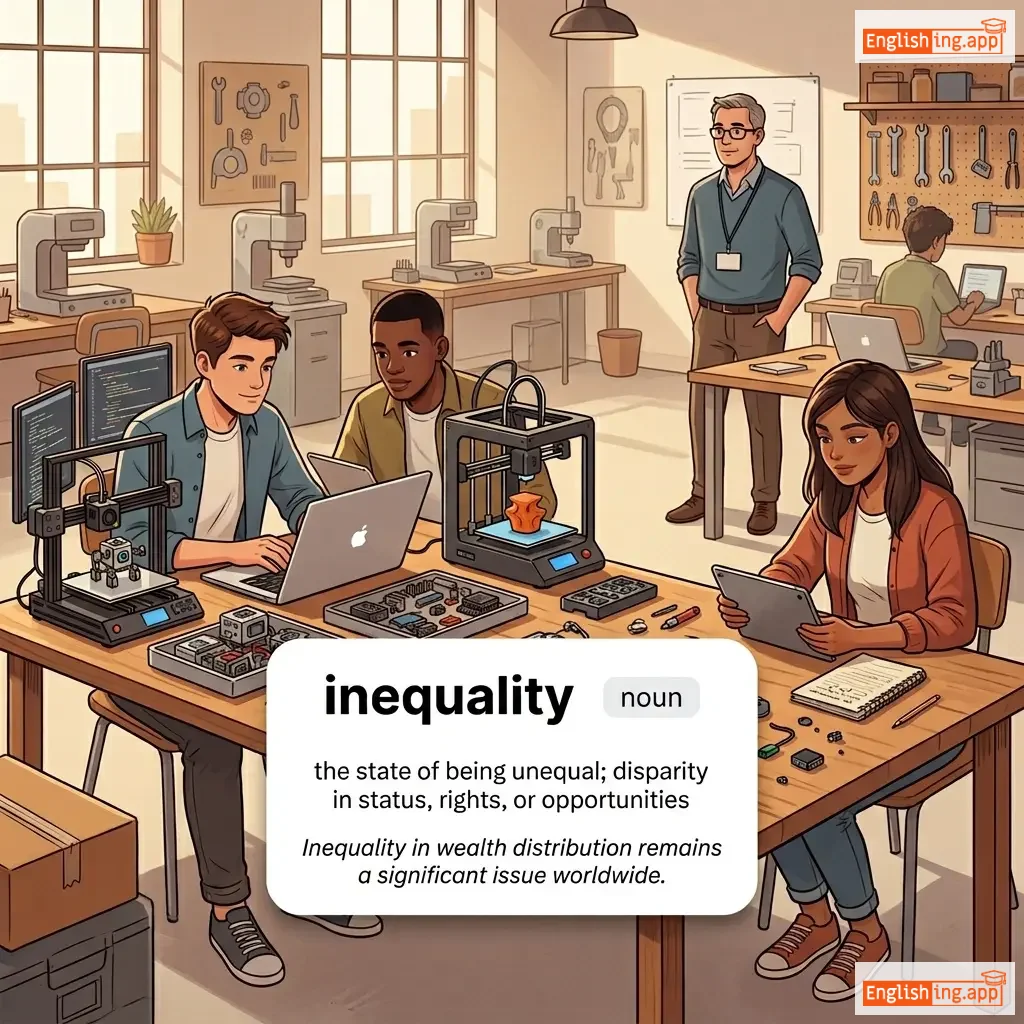
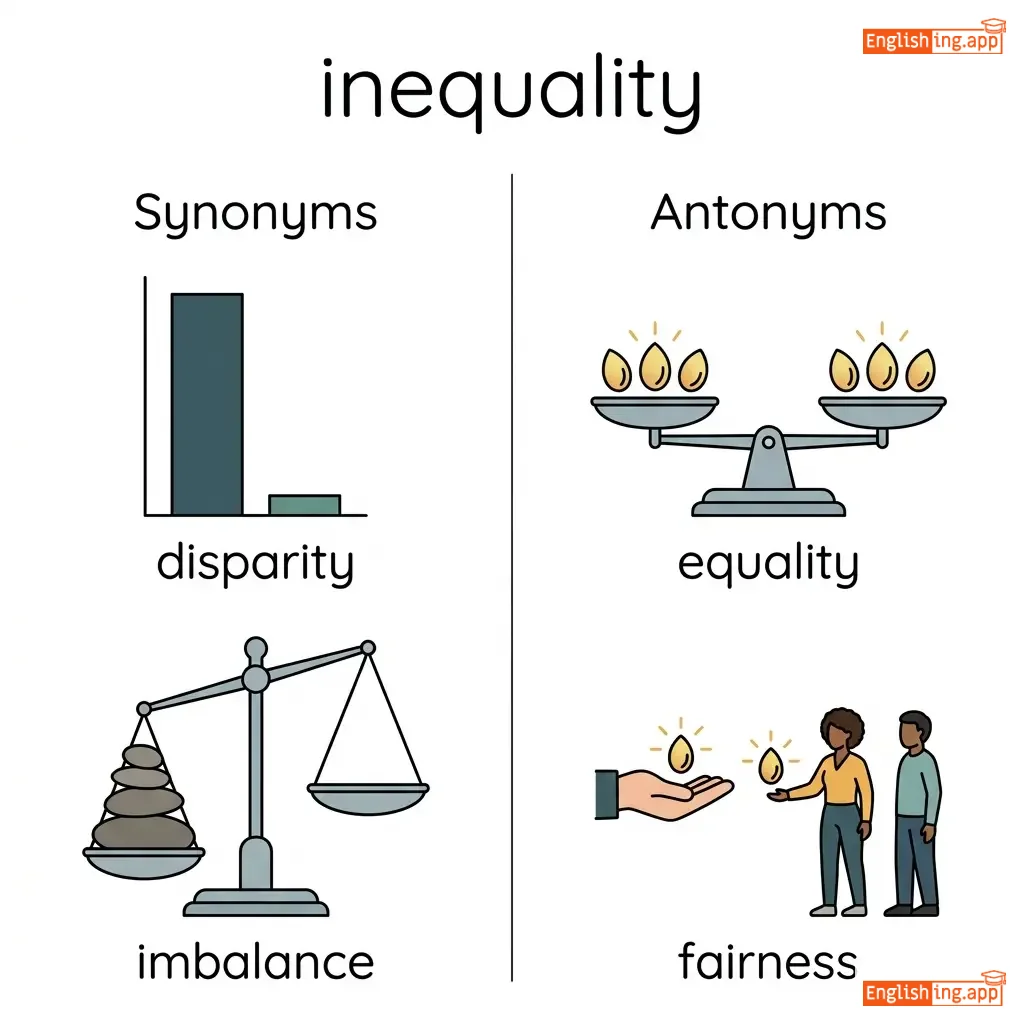
ˌɪnɪˈkwɒlɪti
noun
••••••
|
•••••• |
Difference in size, degree, circumstances, etc.; lack of equality.
••••••
|
The theme of inequality is prominent throughout the story. |
disparity, imbalance, unfairness, discrimination, bias, prejudice
••••••
|
equality, fairness, balance, uniformity, parity
••••••
|
|
#1069
⚖️
|
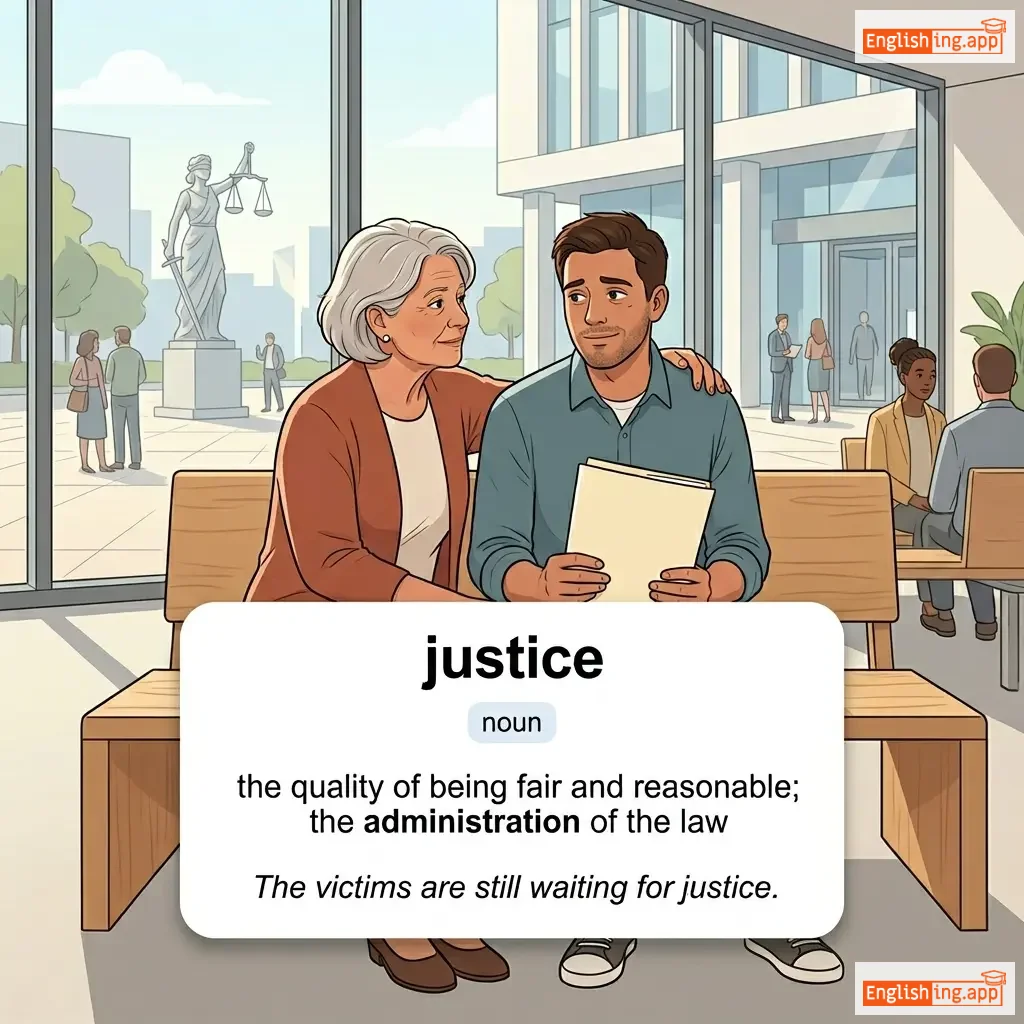
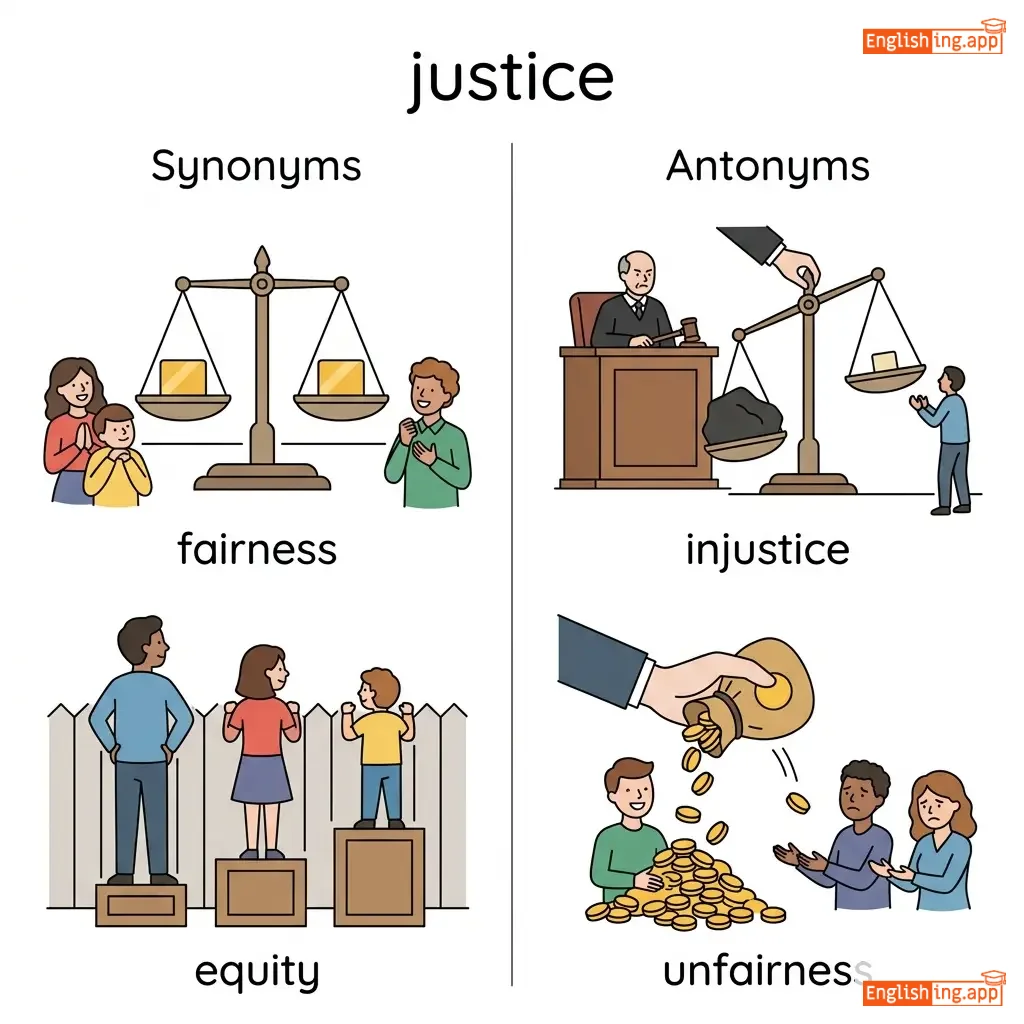
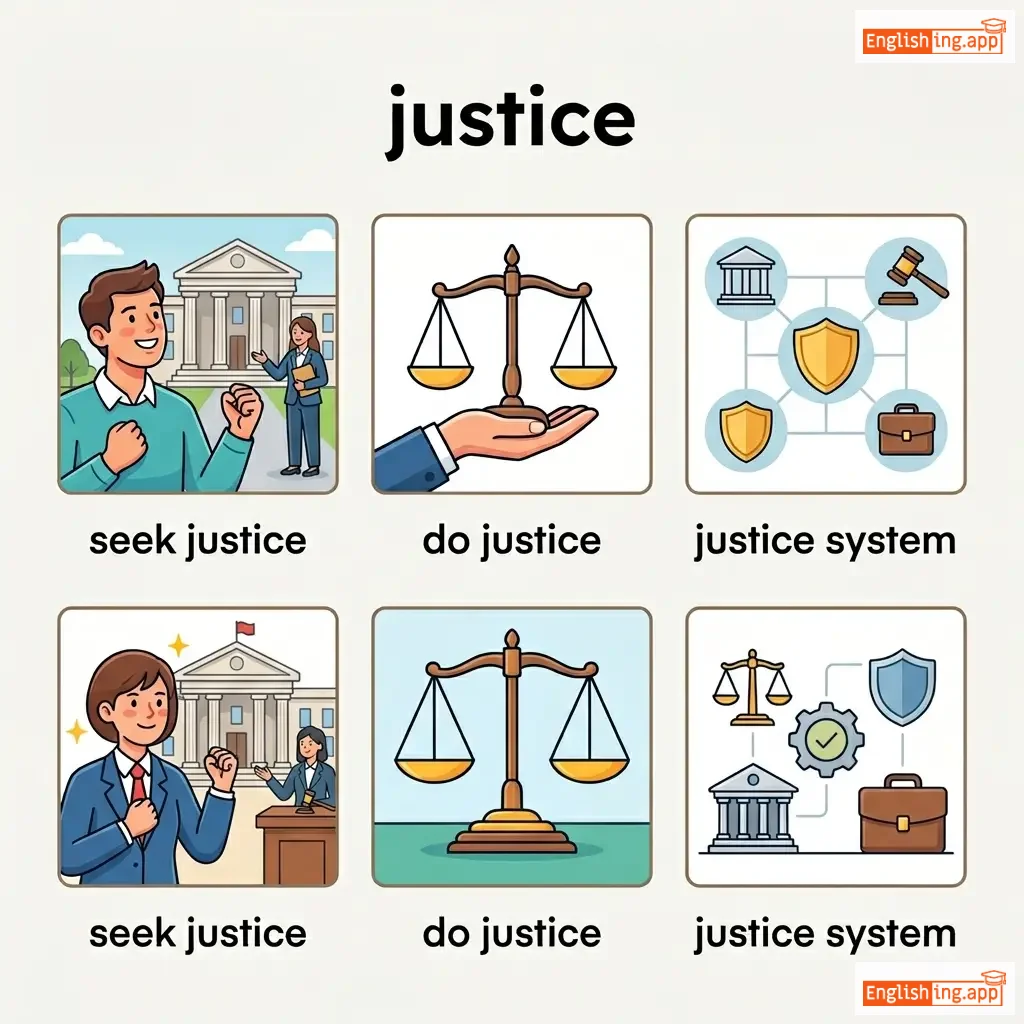
ˈdʒʌstɪs
noun
••••••
|
•••••• |
Just behavior or treatment; the quality of being fair and reasonable.
••••••
|
Justice is sought by the oppressed characters in the story. |
fairness, equity, righteousness, impartiality, lawfulness, morality
••••••
|
injustice, unfairness, bias, prejudice, discrimination, oppression
••••••
|