••••••
ˈmɑːr.kɪt ɪˈkɒn.ə.mi
noun
••••••
••••••
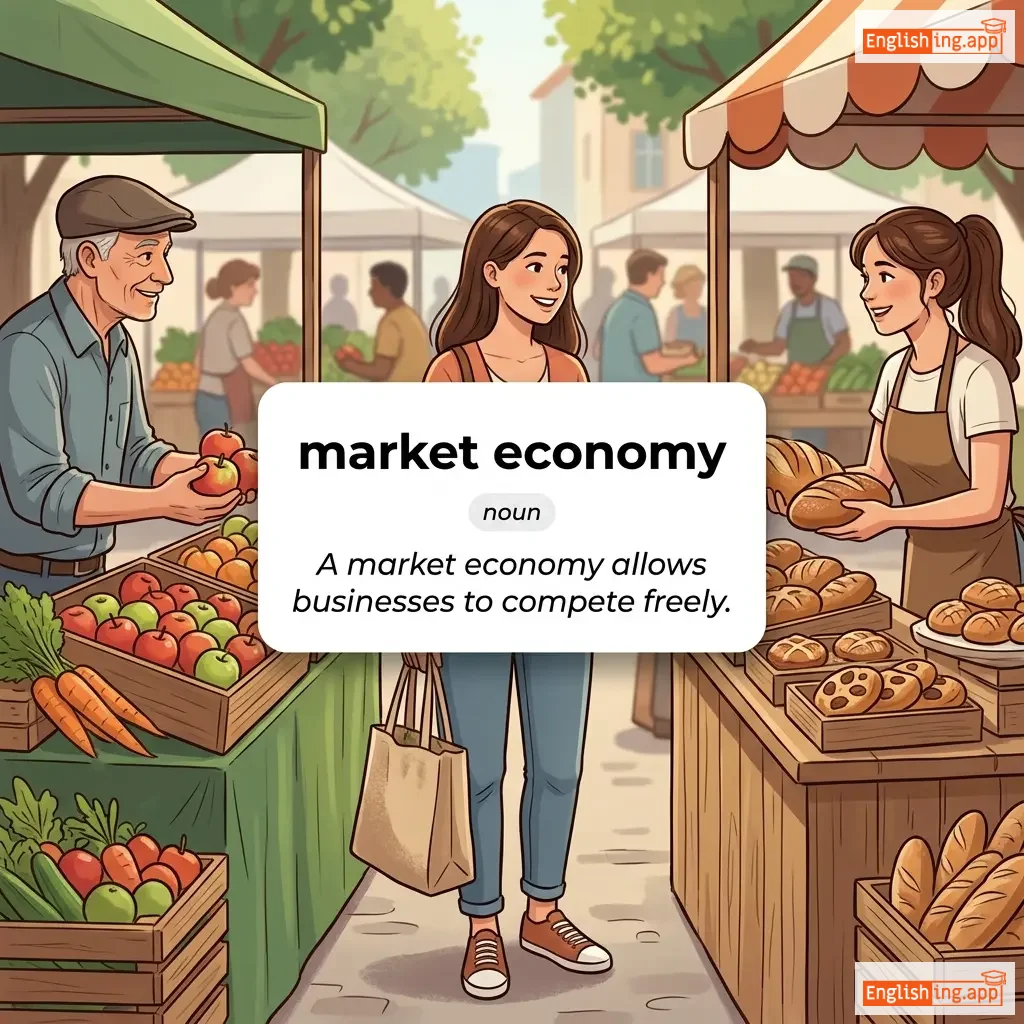
An economic system where production and pricing decisions are controlled by individuals and based on supply and demand.
••••••
A market economy allows businesses to compete freely.
••••••
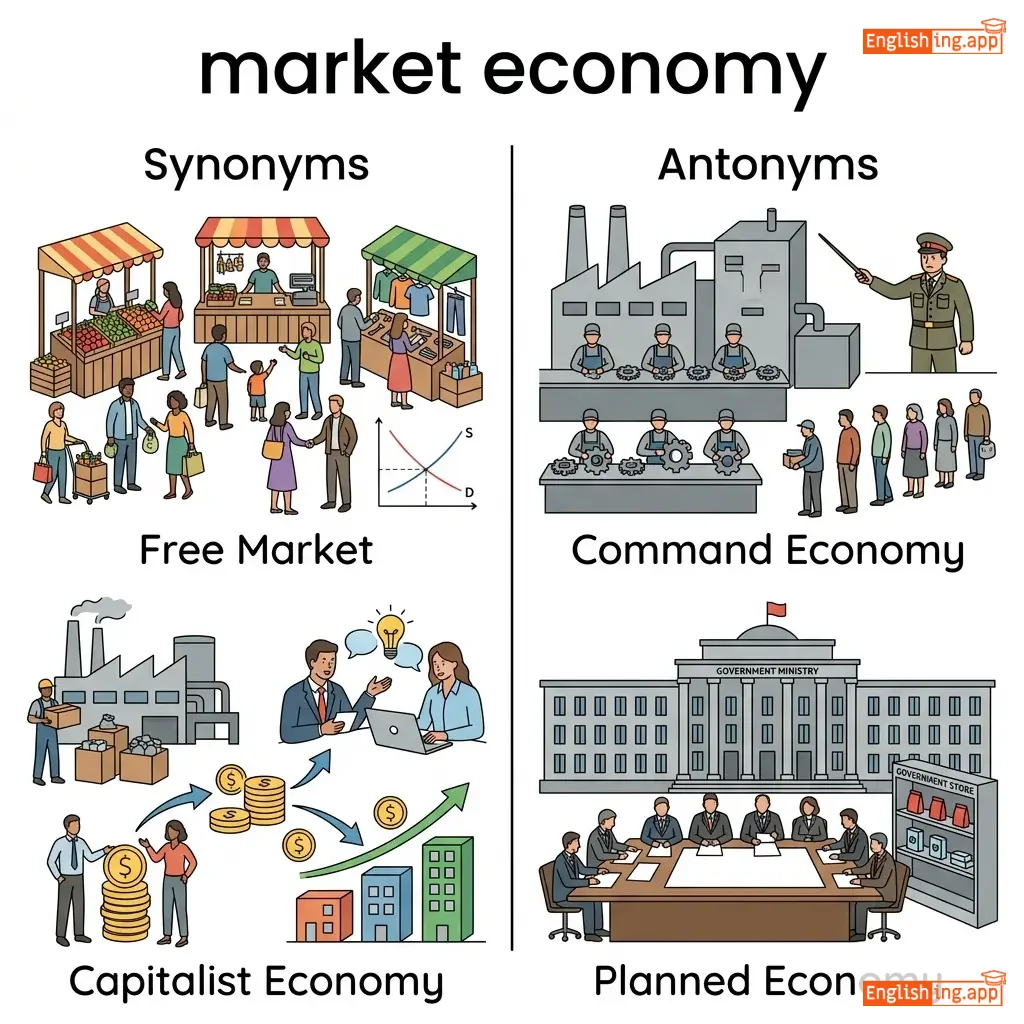
Free Market, Capitalist Economy, Laissez-faire System
••••••
Command Economy, Planned Economy, State-controlled Economy
••••••
••••••
kəˈmɑːnd ɪˈkɒn.ə.mi
noun
••••••
••••••
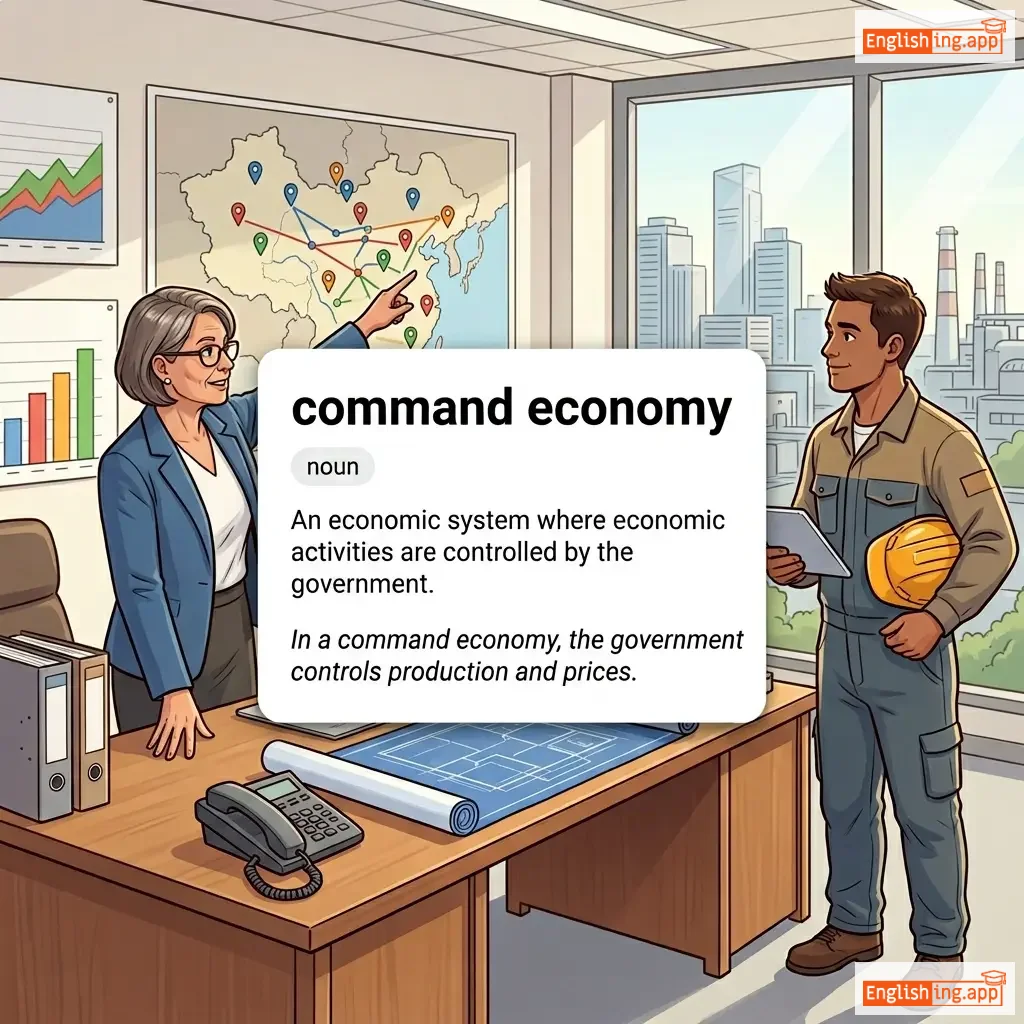
An economic system where economic activities are controlled by the government.
••••••
In a command economy , the government controls production and prices.
••••••
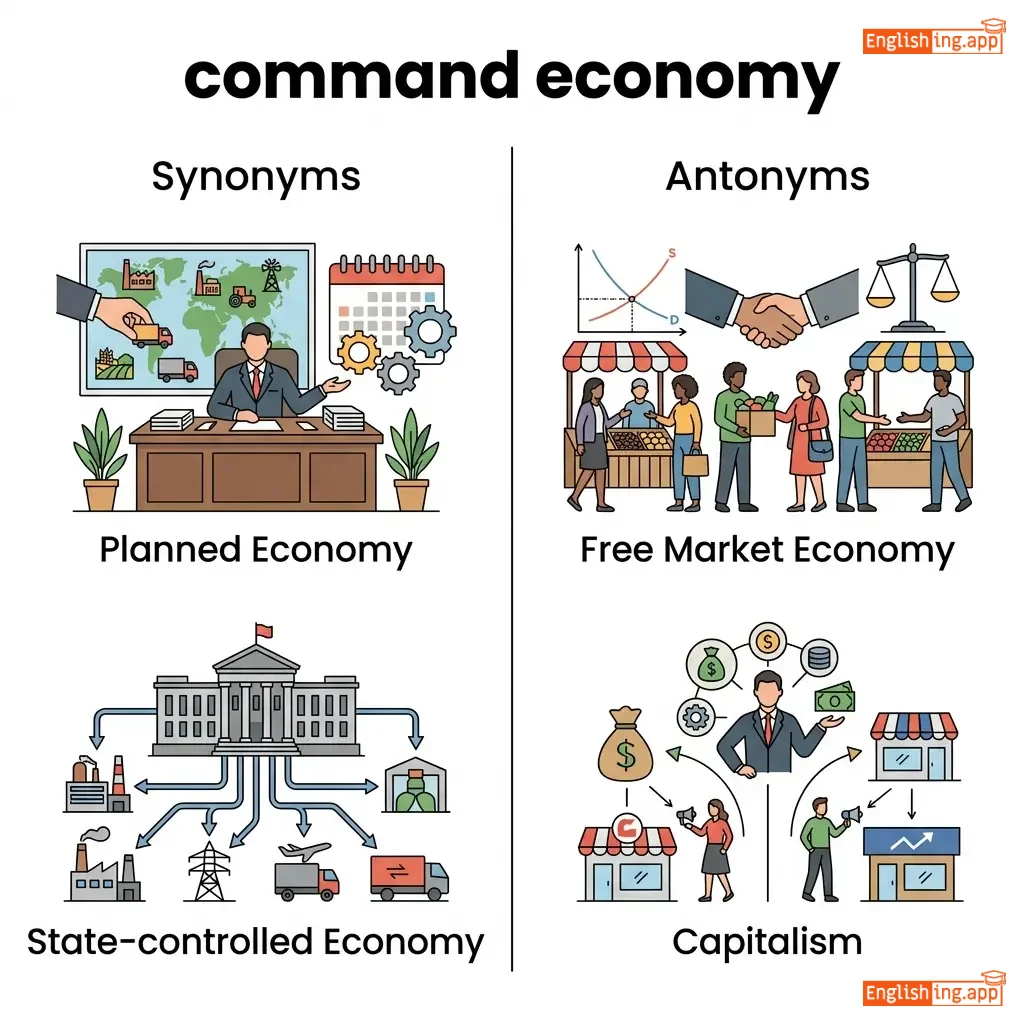
Planned Economy, State-controlled Economy, Centralized Economy
••••••
Free Market Economy, Capitalism, Deregulated Economy
••••••
••••••
ˈkæp.ɪ.təl.ɪ.zəm
noun
••••••
••••••
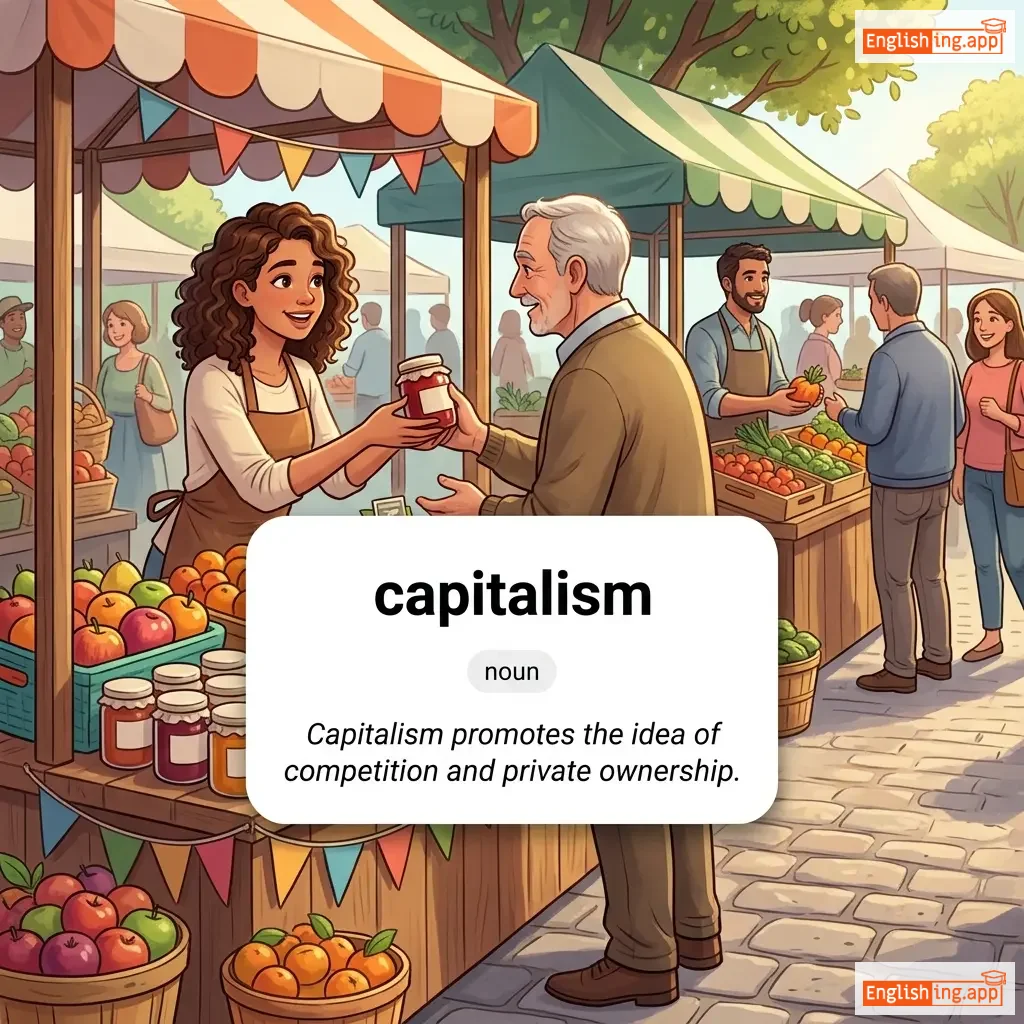
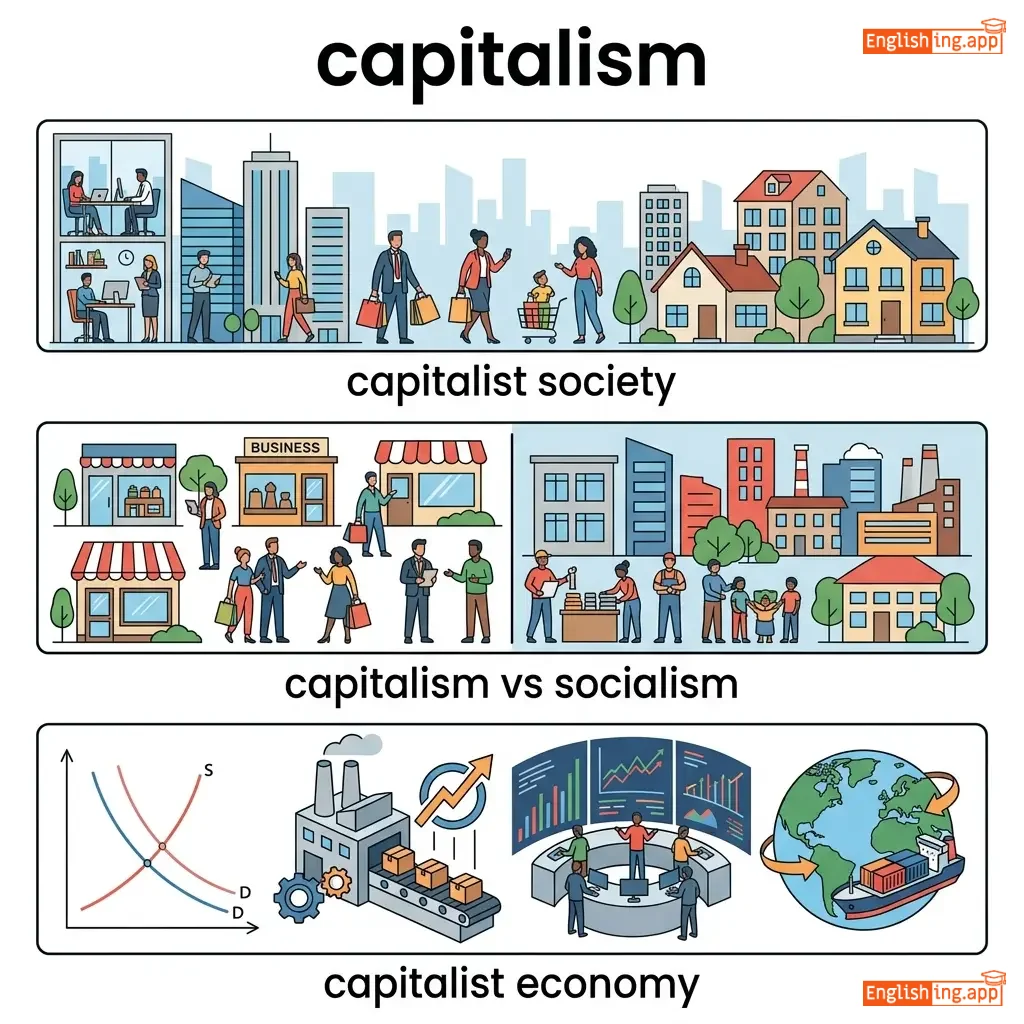
An economic system where trade, industry and production are privately owned and operated for profit.
••••••
Capitalism encourages innovation and competition.
••••••
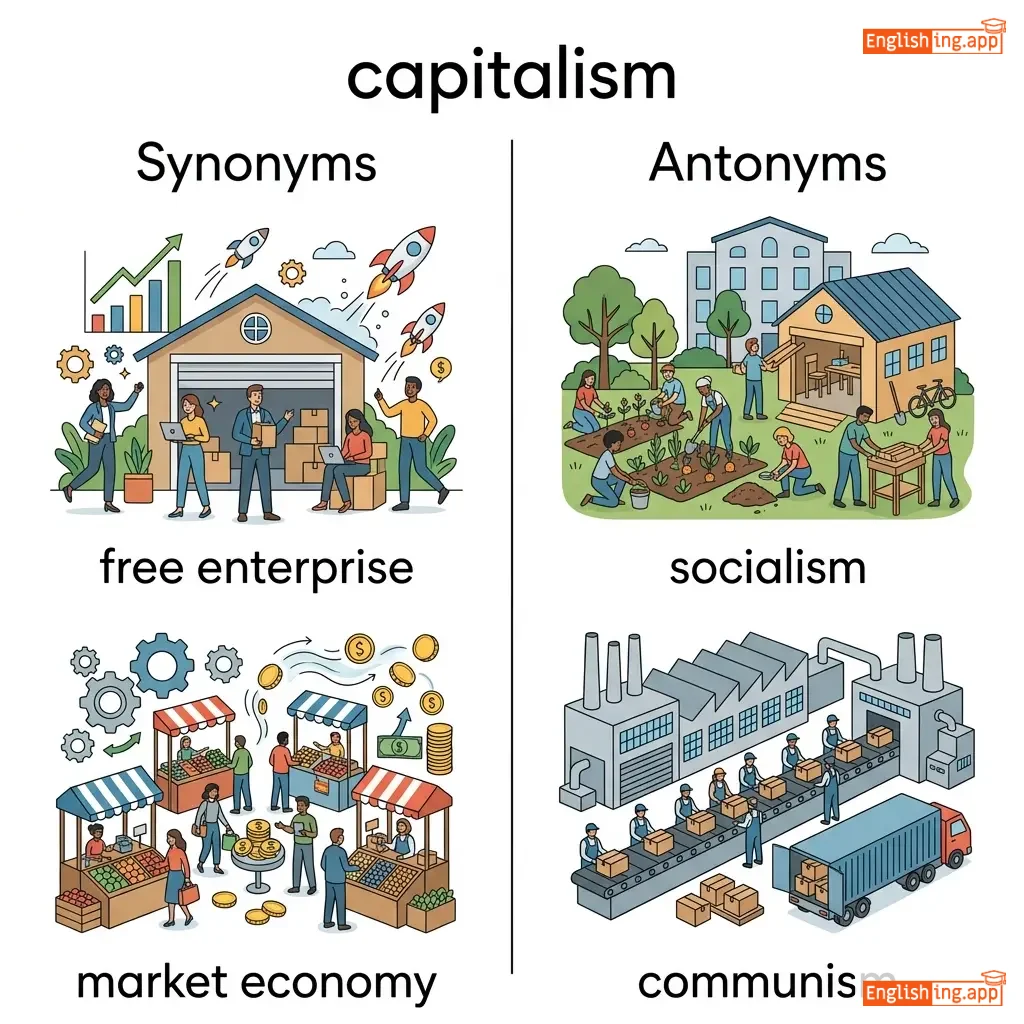
Free Enterprise, Market System, Private Ownership
••••••
Socialism, Communism, Collectivism
••••••
••••••
kənˈsjuː.mə.rɪ.zəm
noun
••••••
••••••
The tendency to increase consumption of goods and the importance given to consuming products.
••••••
Modern consumerism leads to increased demand for luxury goods.
••••••
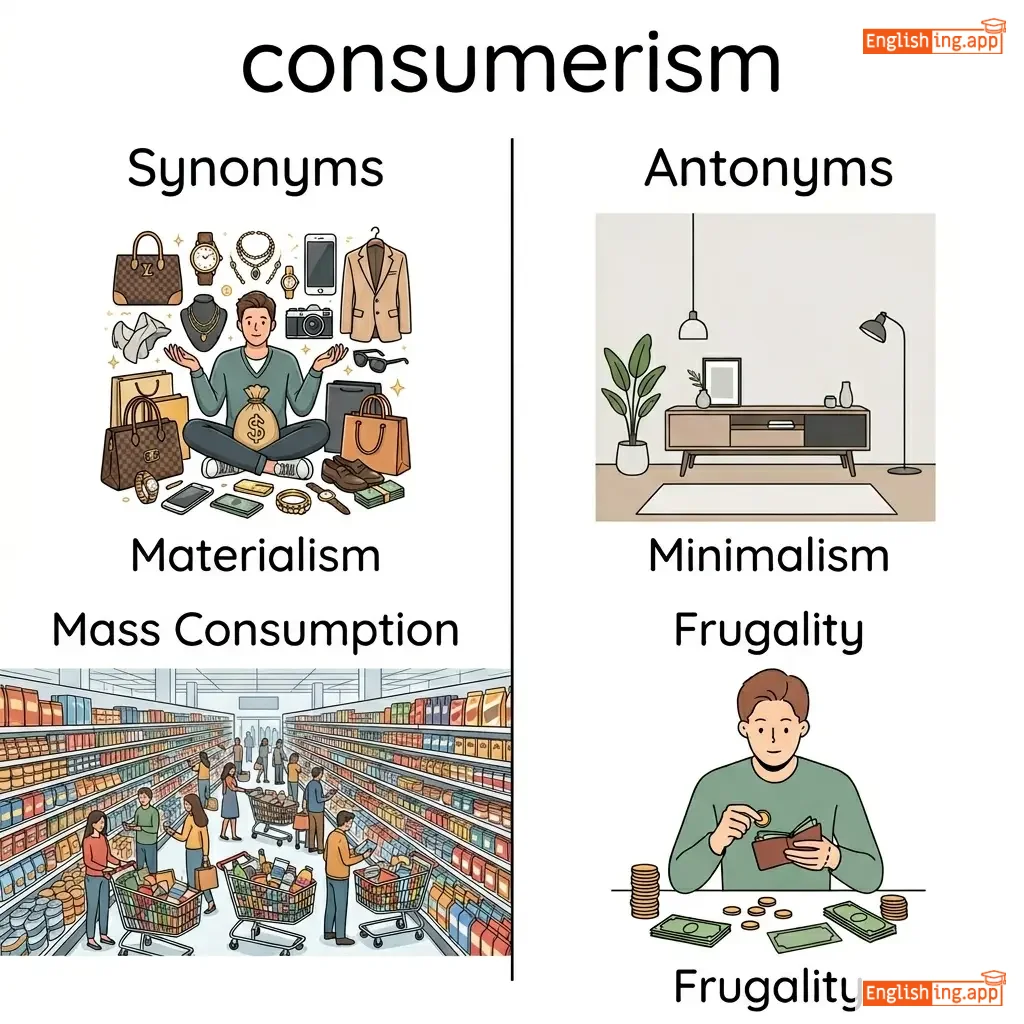
Materialism, Mass Consumption, Commercialism
••••••
Minimalism, Frugality, Anti-consumption
••••••
••••••
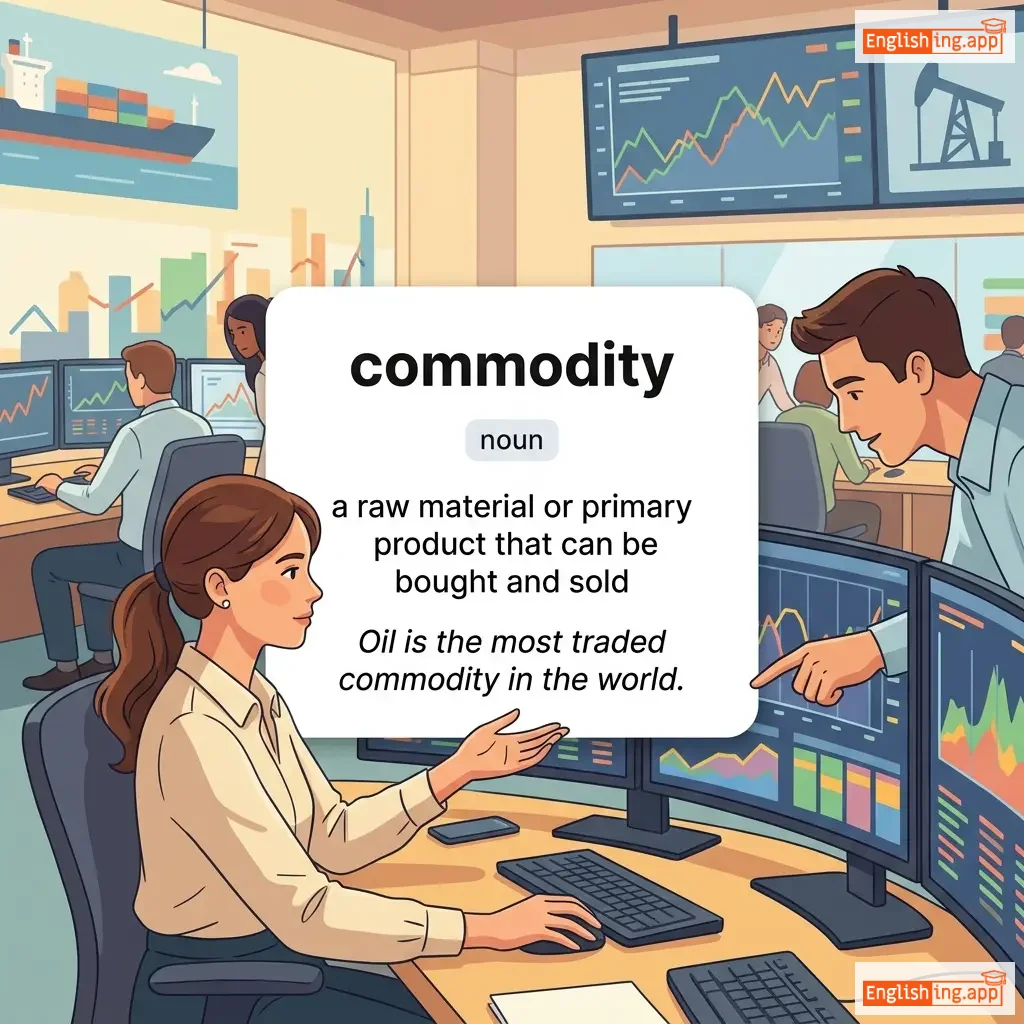
kəˈmɒd.ə.ti
noun
••••••
••••••
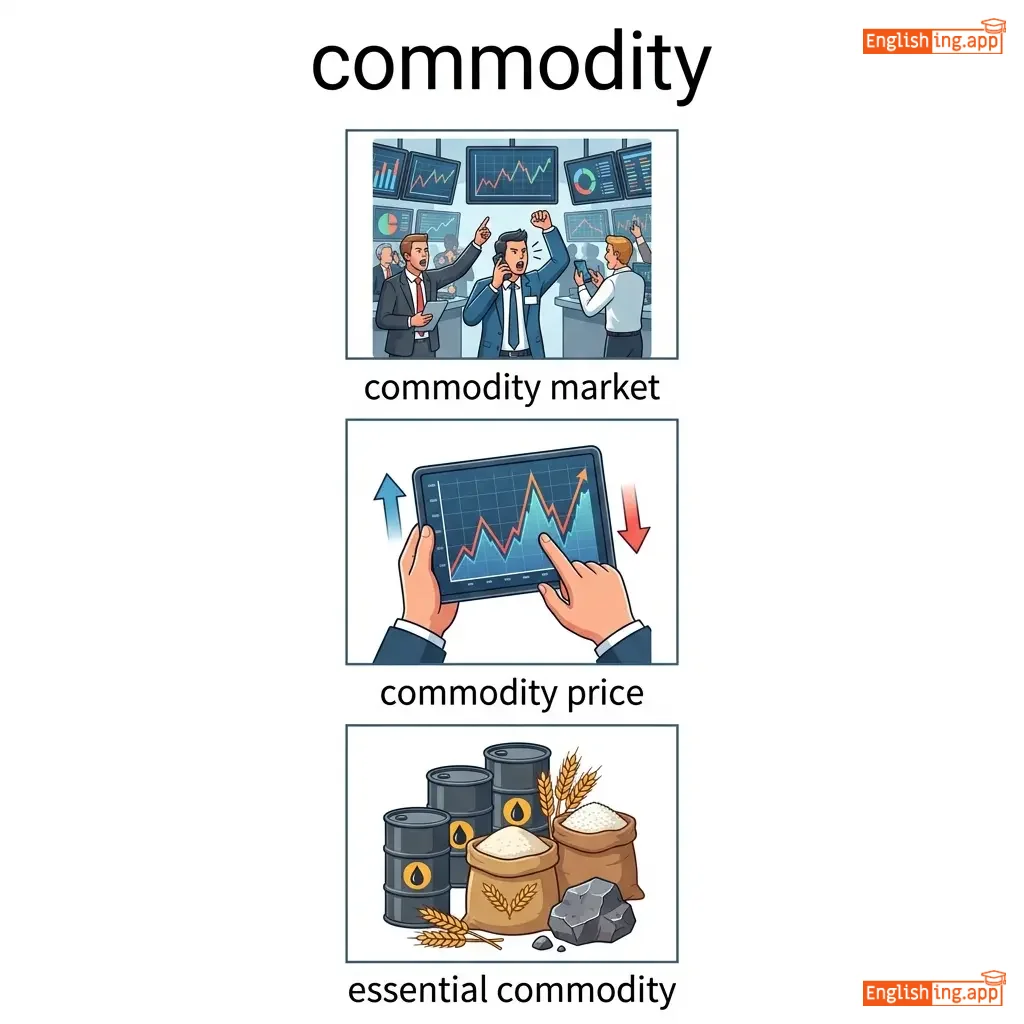
A raw material or primary agricultural product that can be bought and sold.
••••••
Oil is a valuable commodity in the global market.
••••••
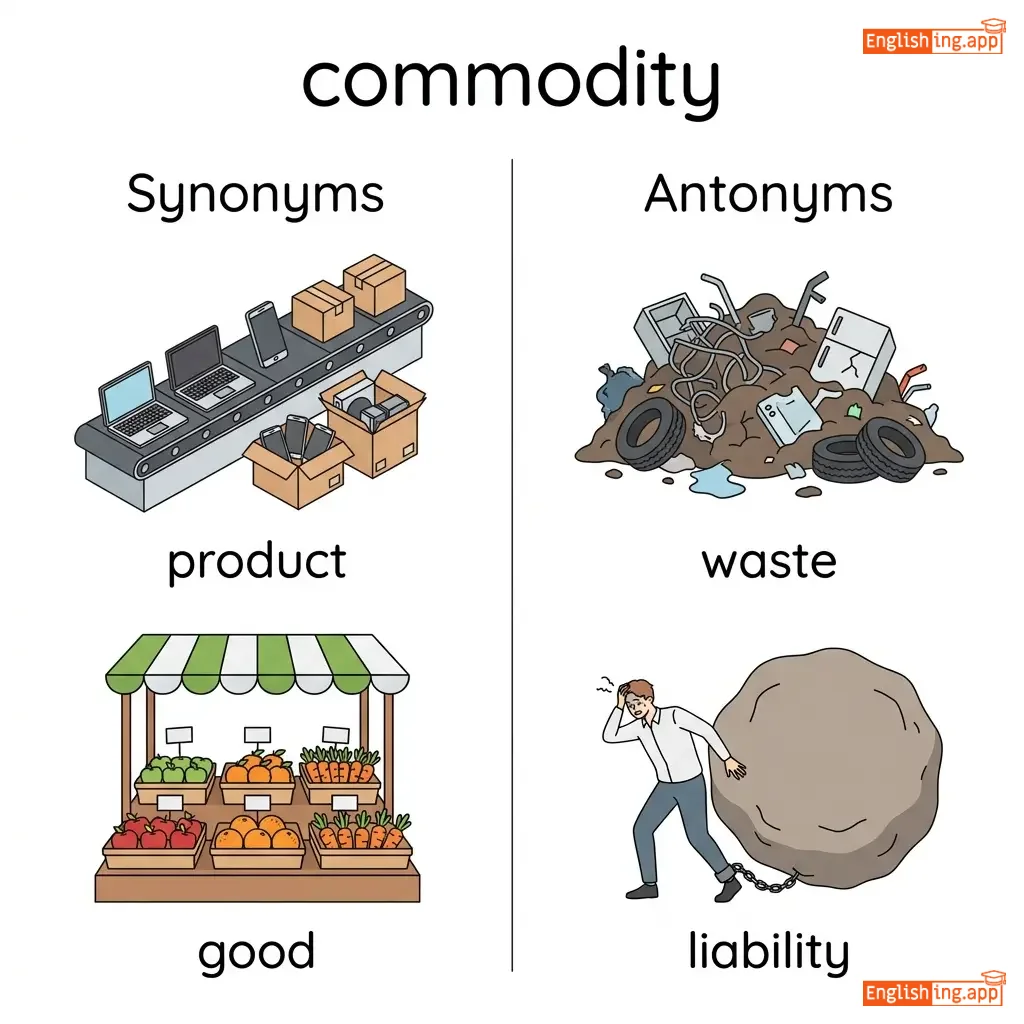
Goods, Merchandise, Trade Product
••••••
Non-tradable Item, Service, Liability
••••••
••••••
ɪˌlæˈstɪs.ə.ti
noun
••••••
••••••
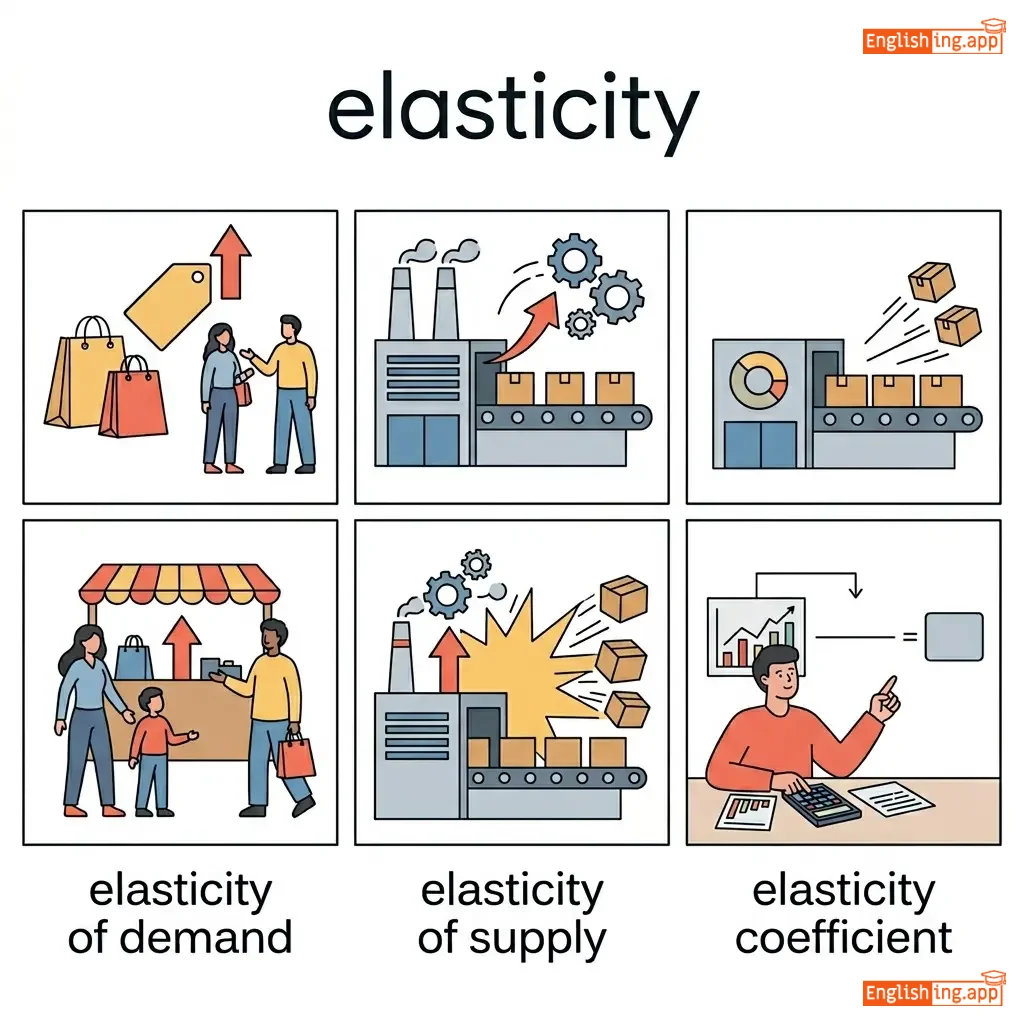
The responsiveness of demand or supply to changes in price.
••••••
The elasticity of demand for luxury goods is high.
••••••
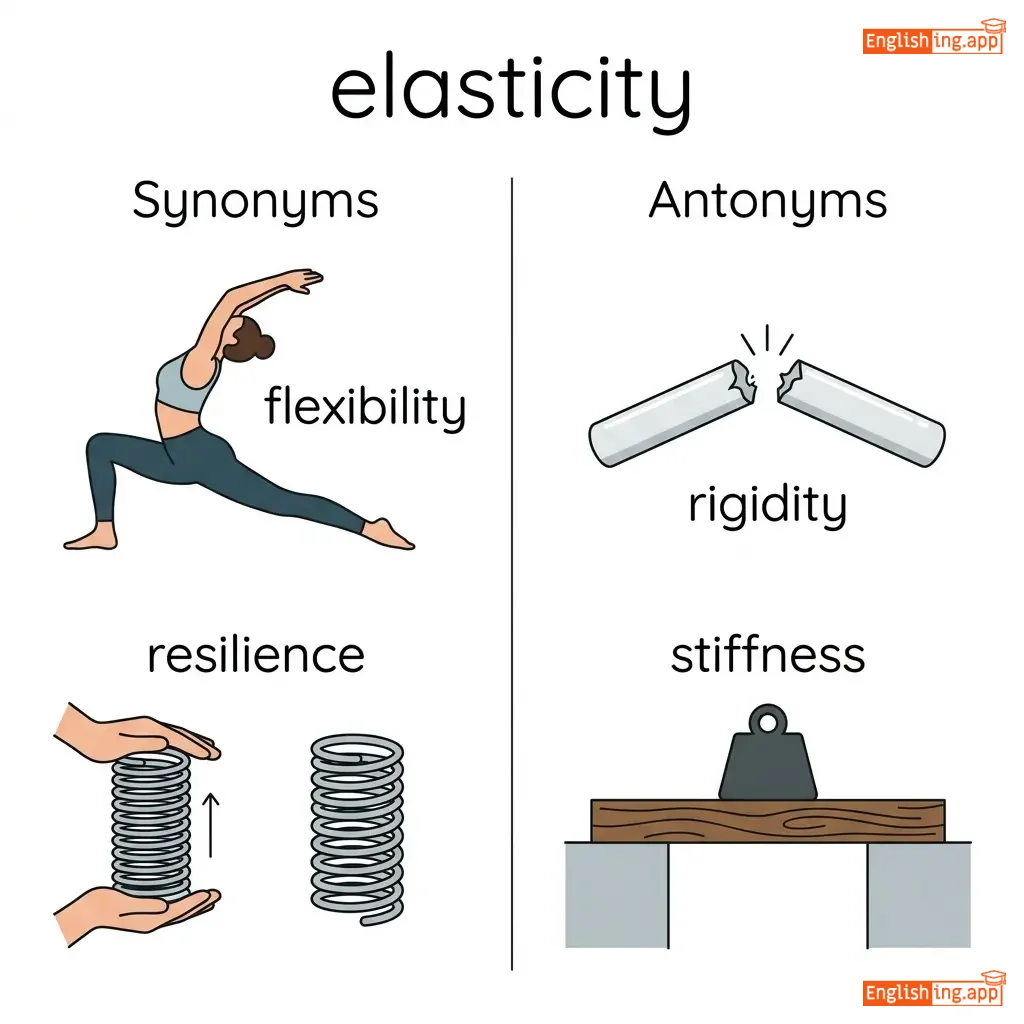
Responsiveness, Flexibility, Adaptability
••••••
Rigidity, Inflexibility, Inelasticity
••••••
••••••
ˌsɛn.trə.laɪˈzeɪ.ʃən
noun
••••••
••••••
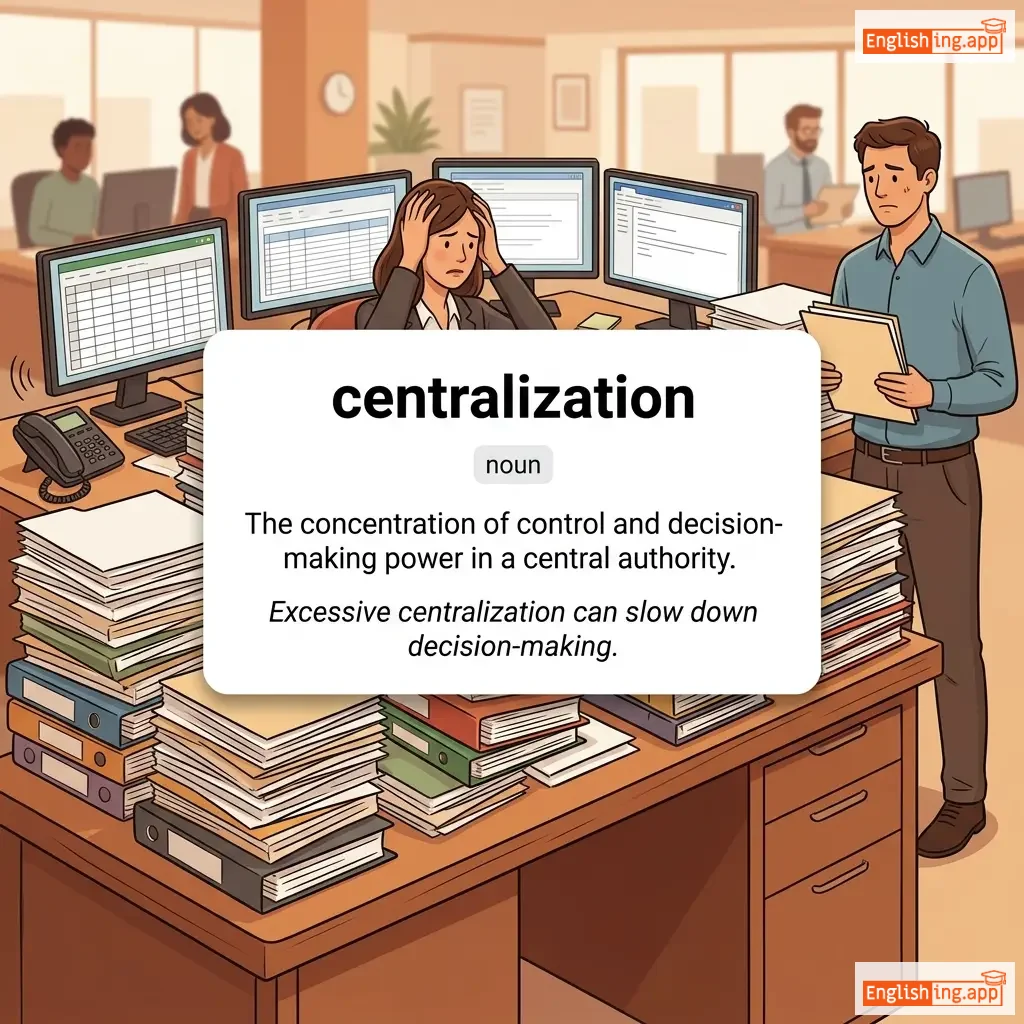
The concentration of control and decision-making power in a central authority.
••••••
Excessive centralization can slow down decision-making.
••••••
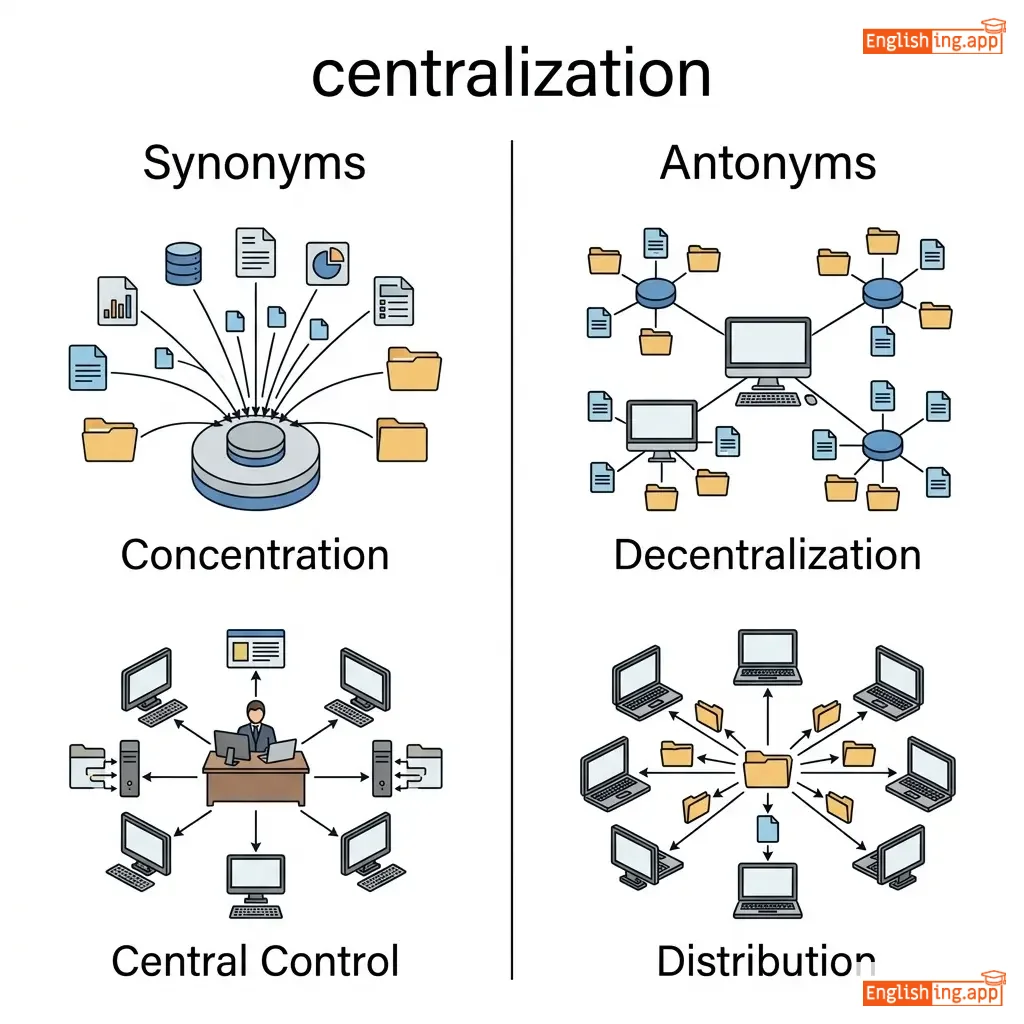
Concentration, Central Control, Consolidation
••••••
Decentralization, Distribution, Delegation
••••••
••••••
ˌnæʃ.ən.ə.laɪˈzeɪ.ʃən
noun
••••••
••••••
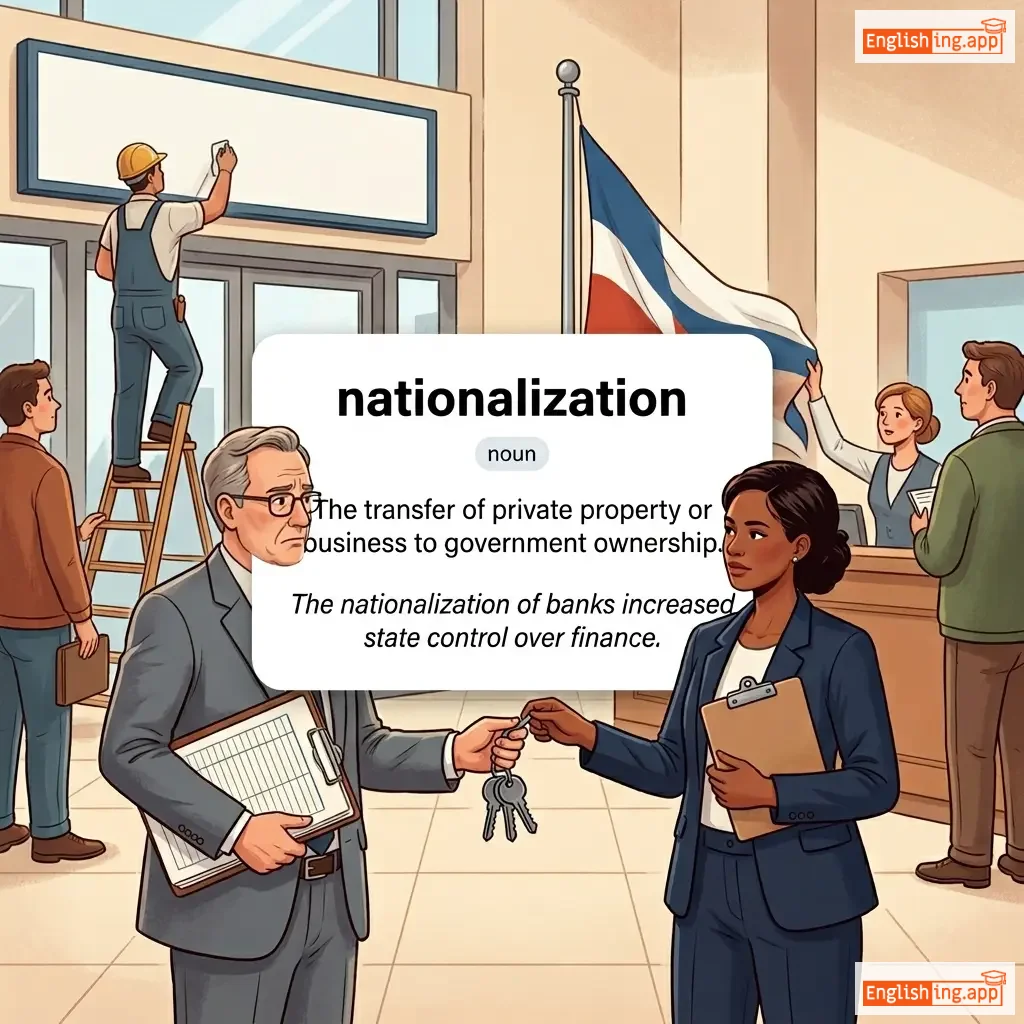
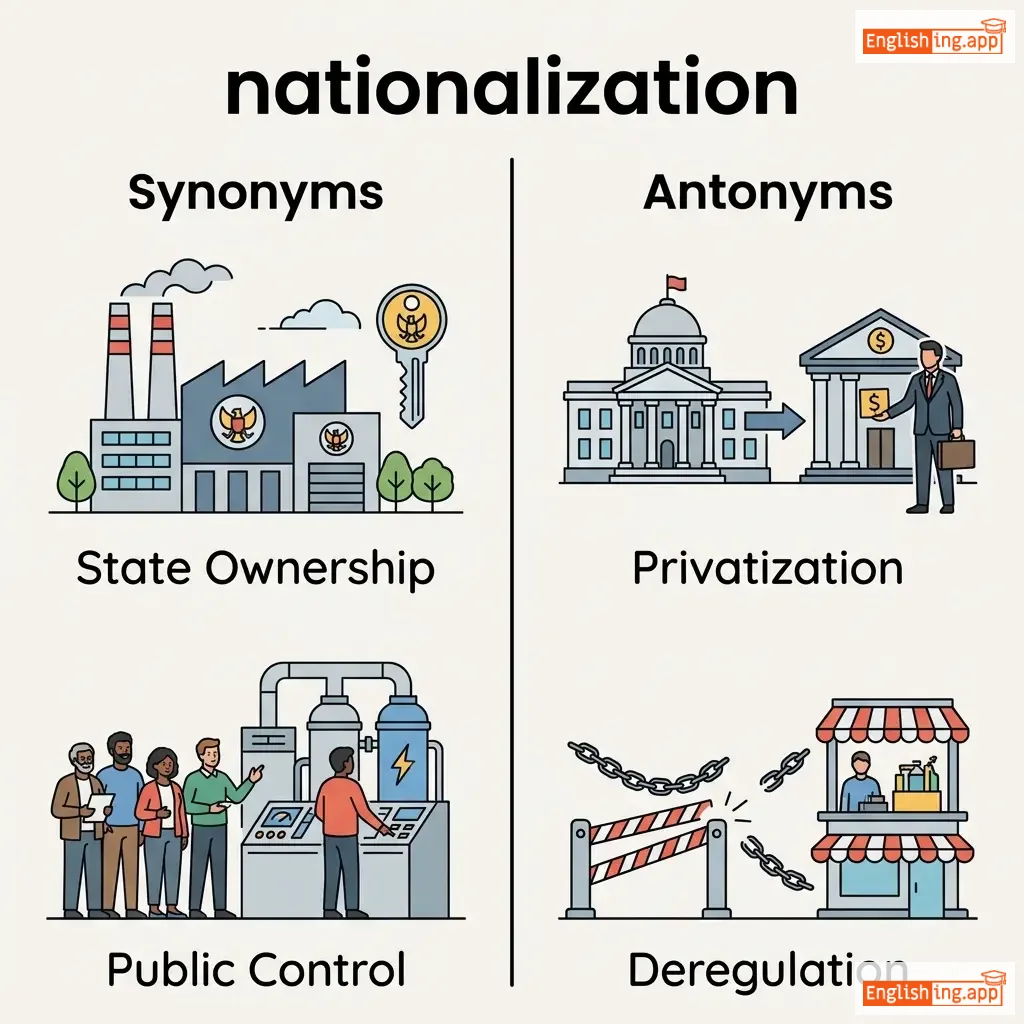
The process of a government taking control of private property or industry.
••••••
The nationalization of banks was aimed at stabilizing the economy.
••••••
State Ownership, Public Control, Government Takeover
••••••
Privatization, Deregulation, Free Marketization
••••••
••••••
bjʊəˈrɒk.rə.si
noun
••••••
••••••
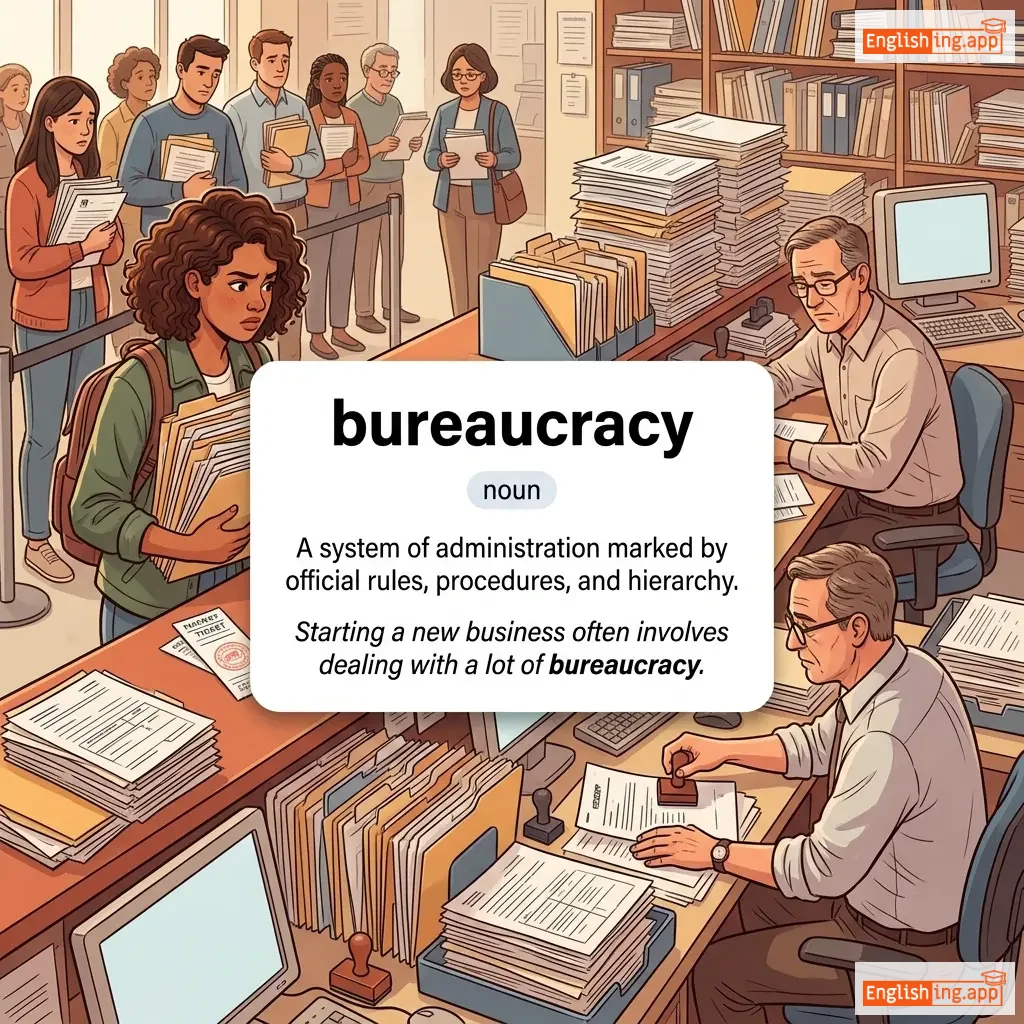
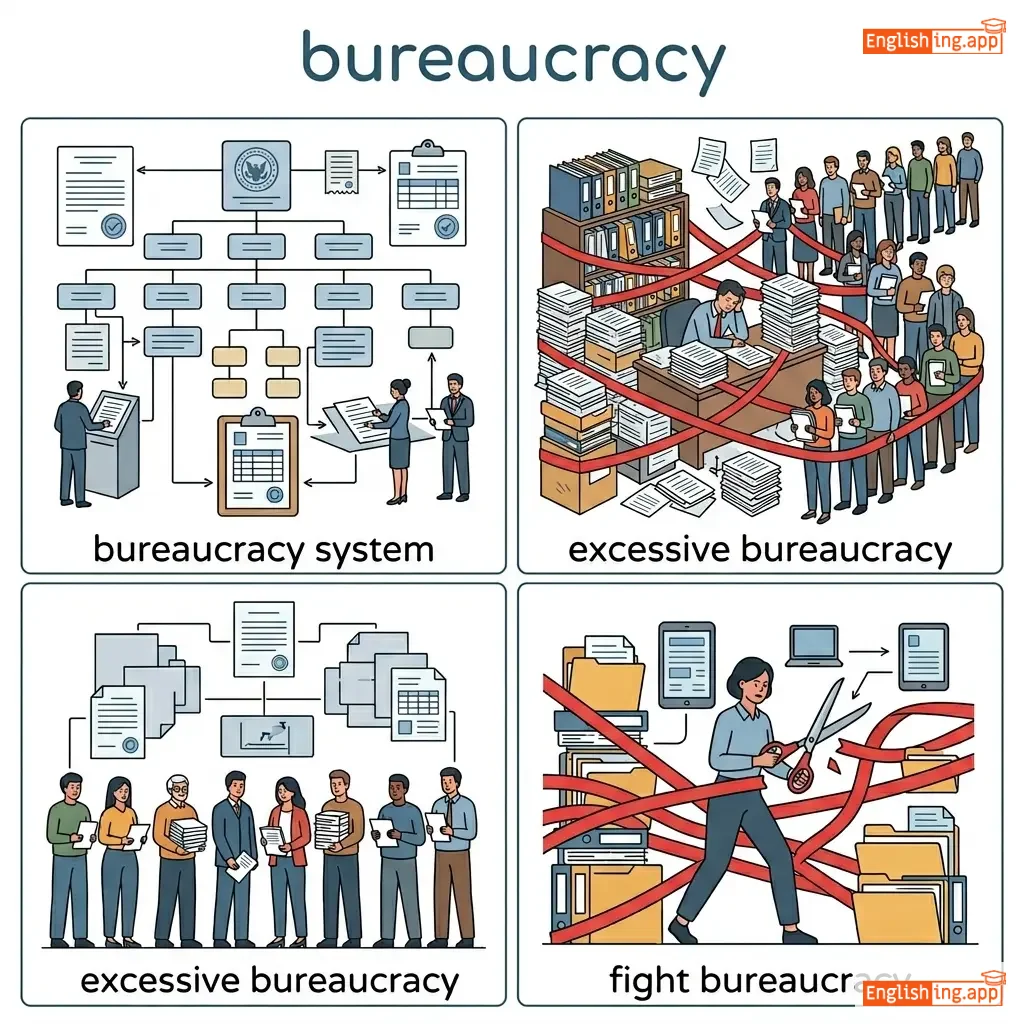
A complex administrative system where strict rules and procedures are followed.
••••••
Excessive bureaucracy can slow down government decision-making.
••••••
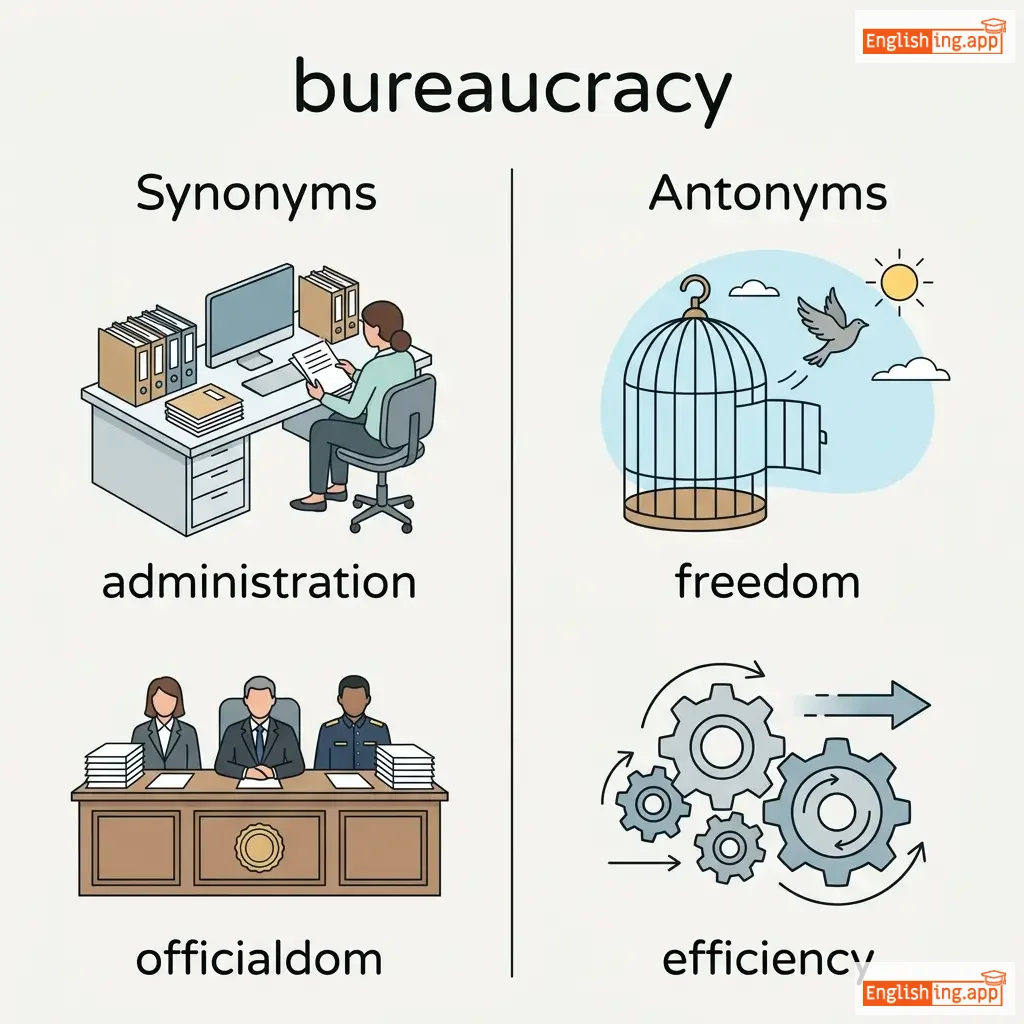
Administration, Red Tape, Officialdom
••••••
Efficiency, Simplicity, Flexibility
••••••
••••••
ˌpraɪ.və.taɪˈzeɪ.ʃən
noun
••••••
••••••
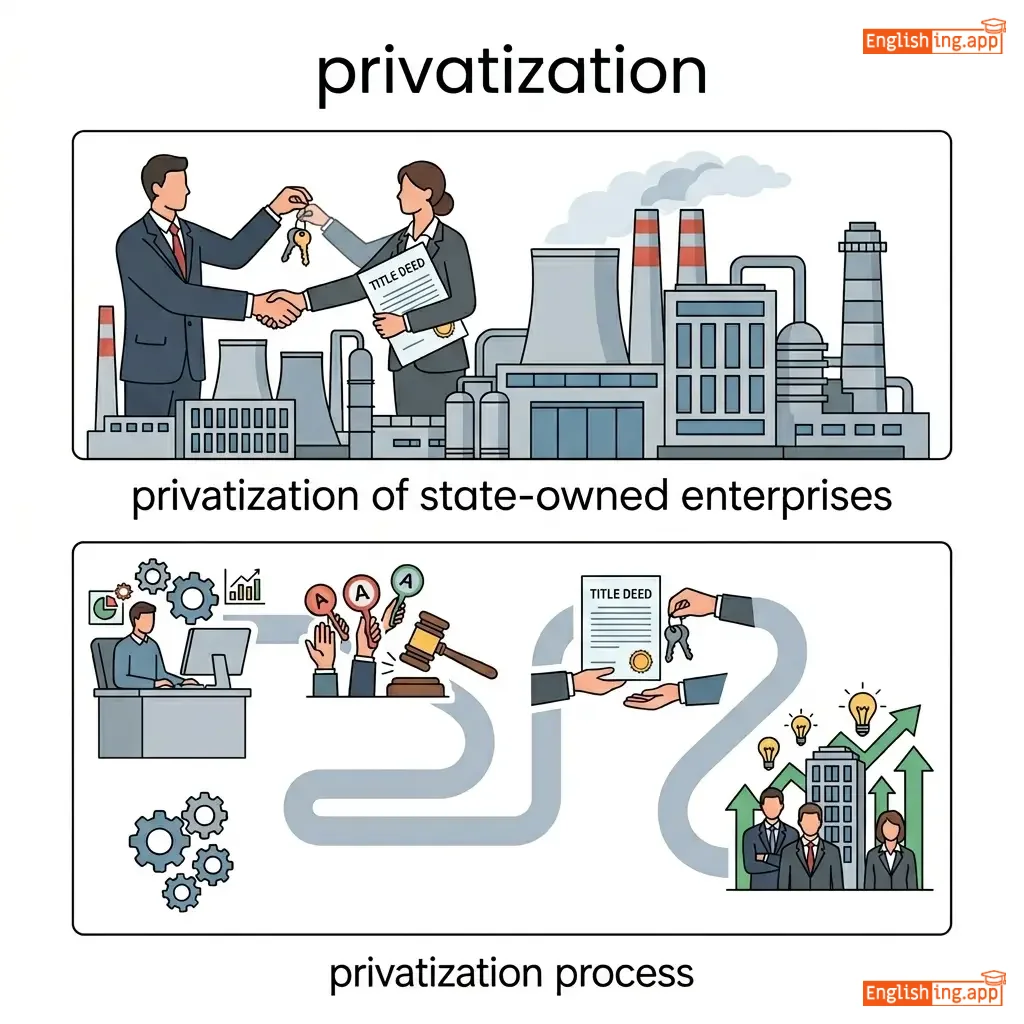
The transfer of ownership of an organization or property from government to private sector.
••••••
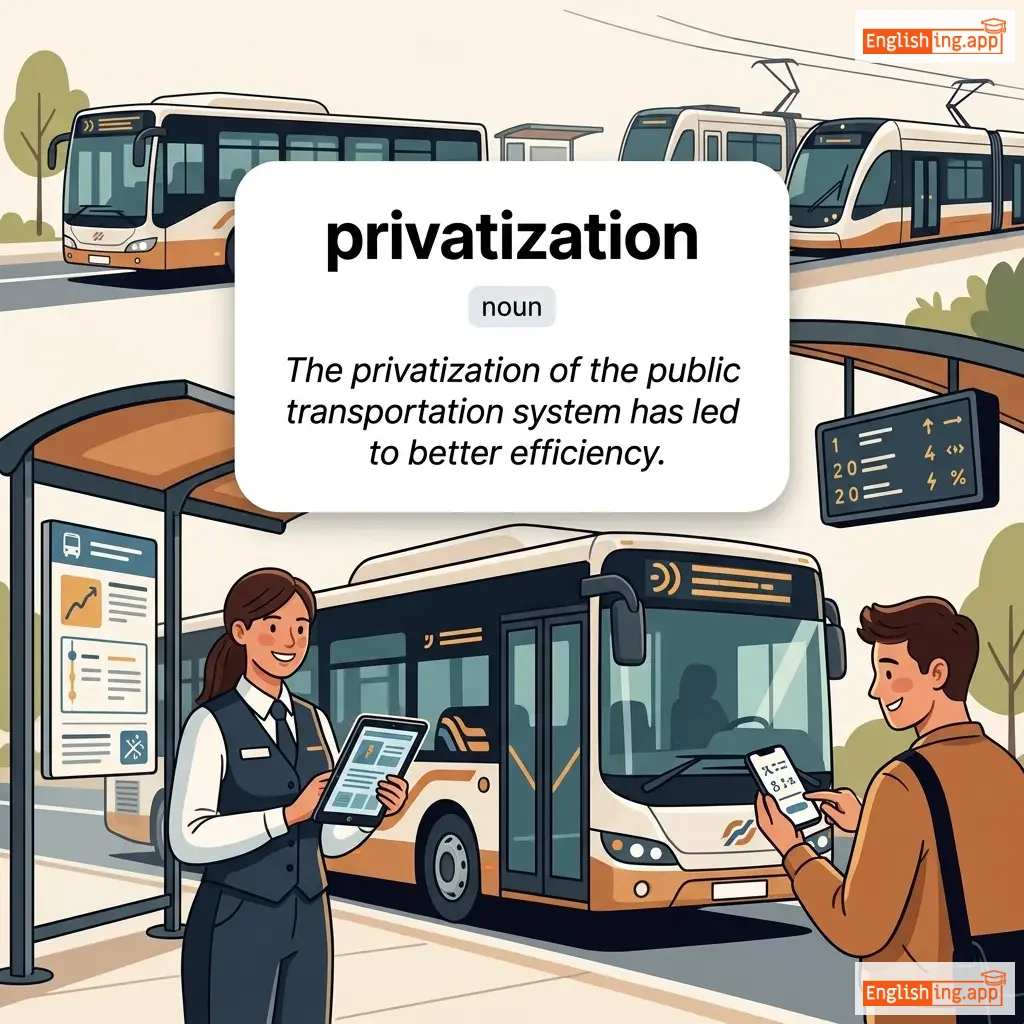
The privatization of industries has led to increased efficiency.
••••••
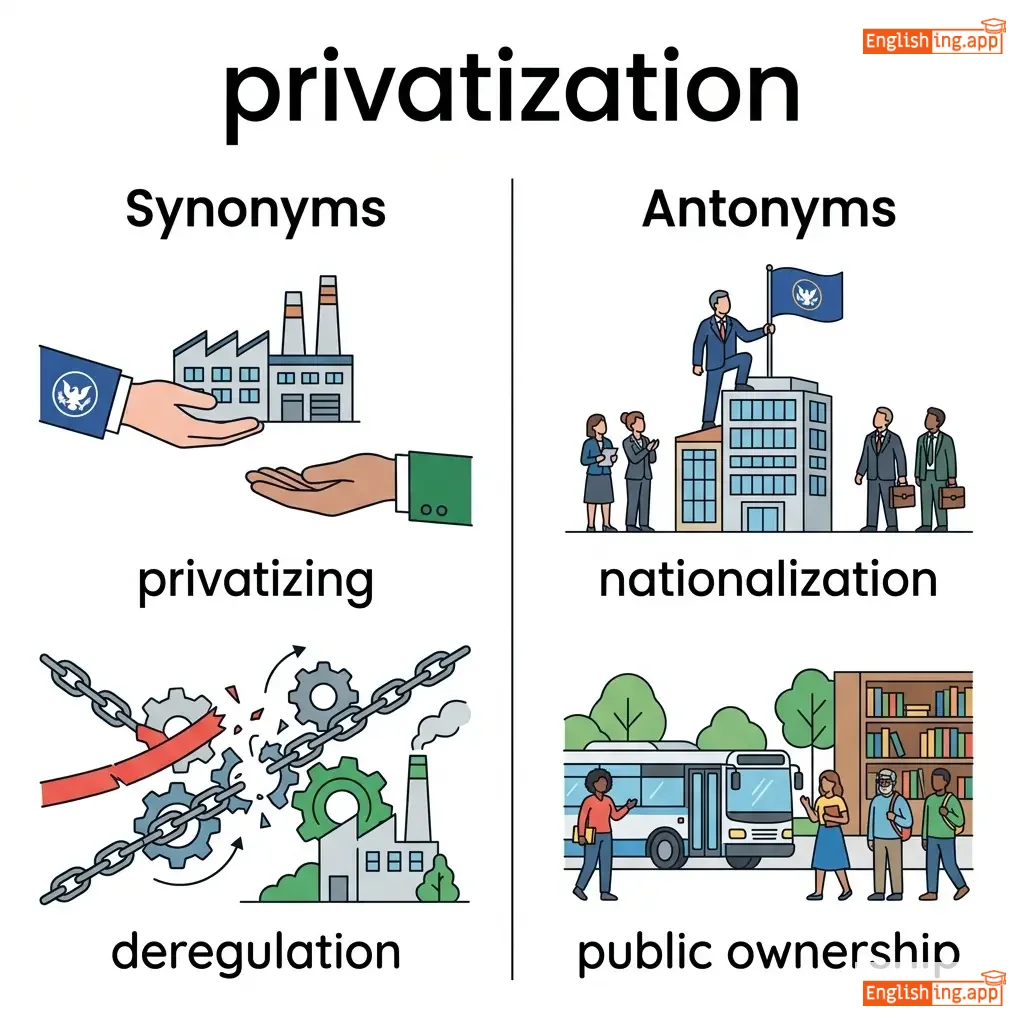
Private Ownership, Commercialization, Deregulation
••••••
Nationalization, Public Ownership, State Control
••••••
••••••
ˌdiːˌrɛɡ.jʊˈleɪ.ʃən
noun
••••••
••••••
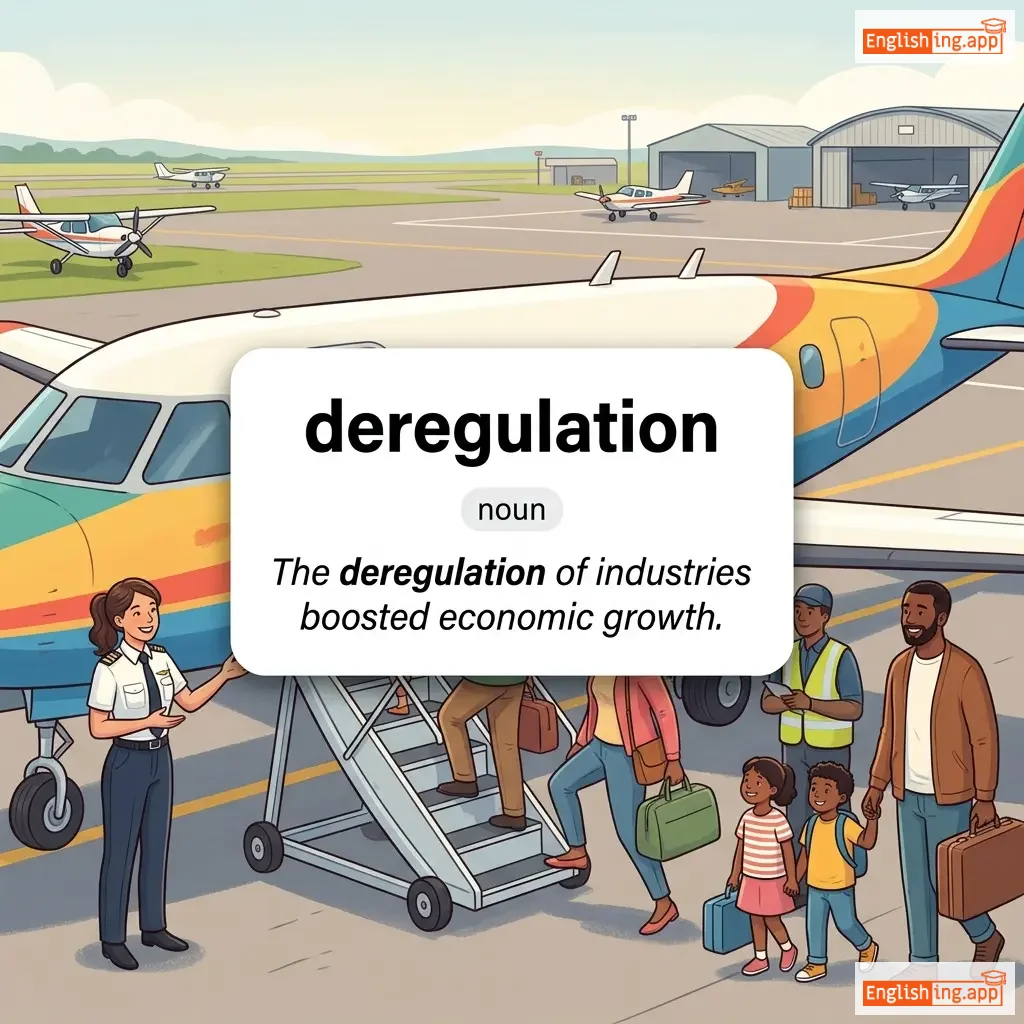
The removal or reduction of government regulations in an economic sector.
••••••
Deregulation has increased competition in the telecommunications sector.
••••••
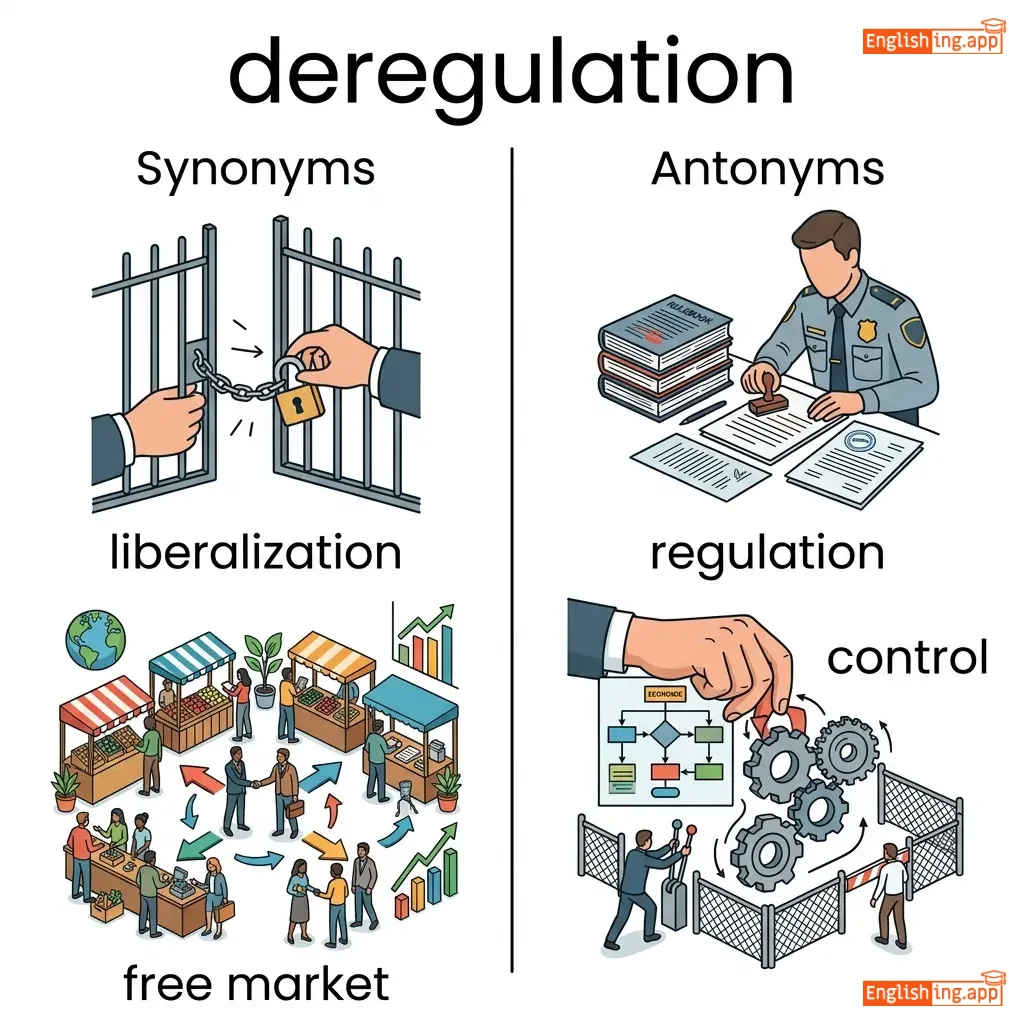
Liberalization, Free Market, Removal of Restrictions
••••••
Regulation, Control, Government Intervention
••••••
••••••
ˈfɪs.kəl
adjective
••••••
••••••
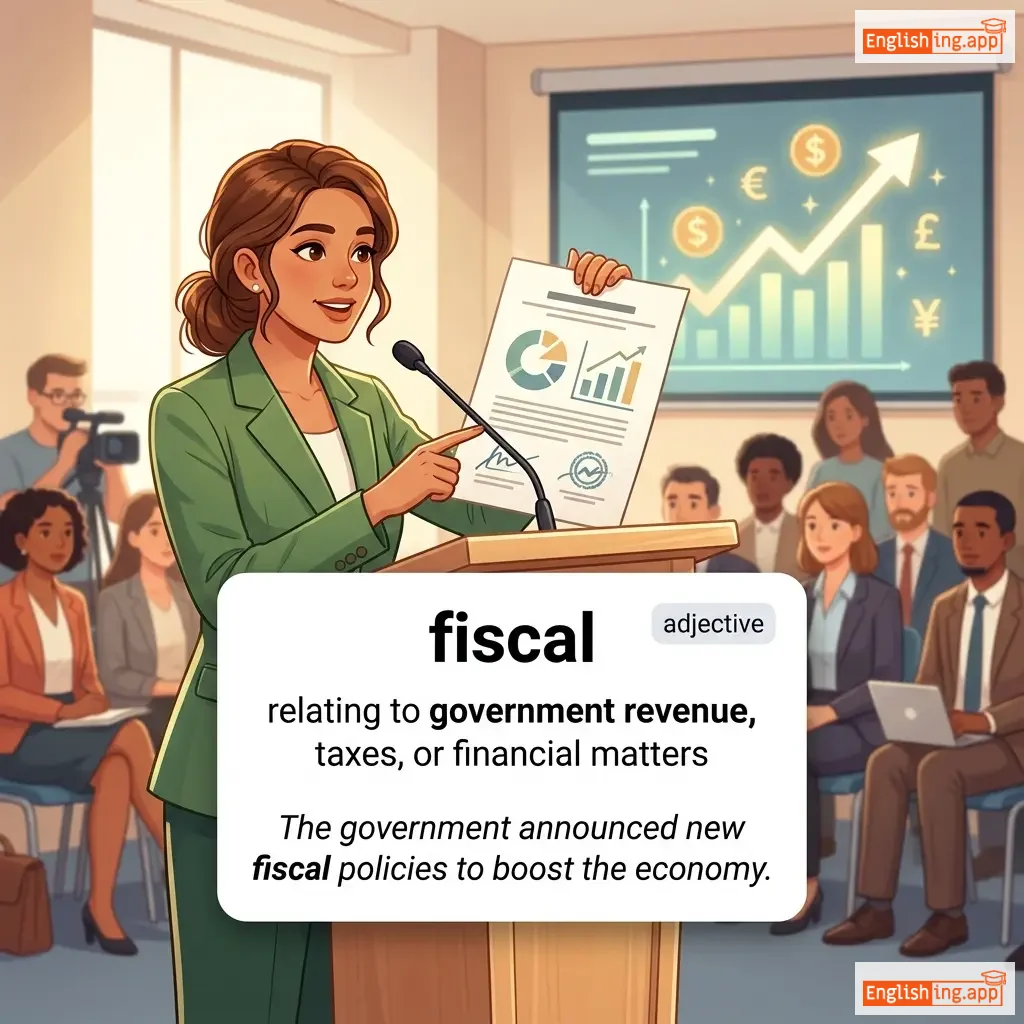
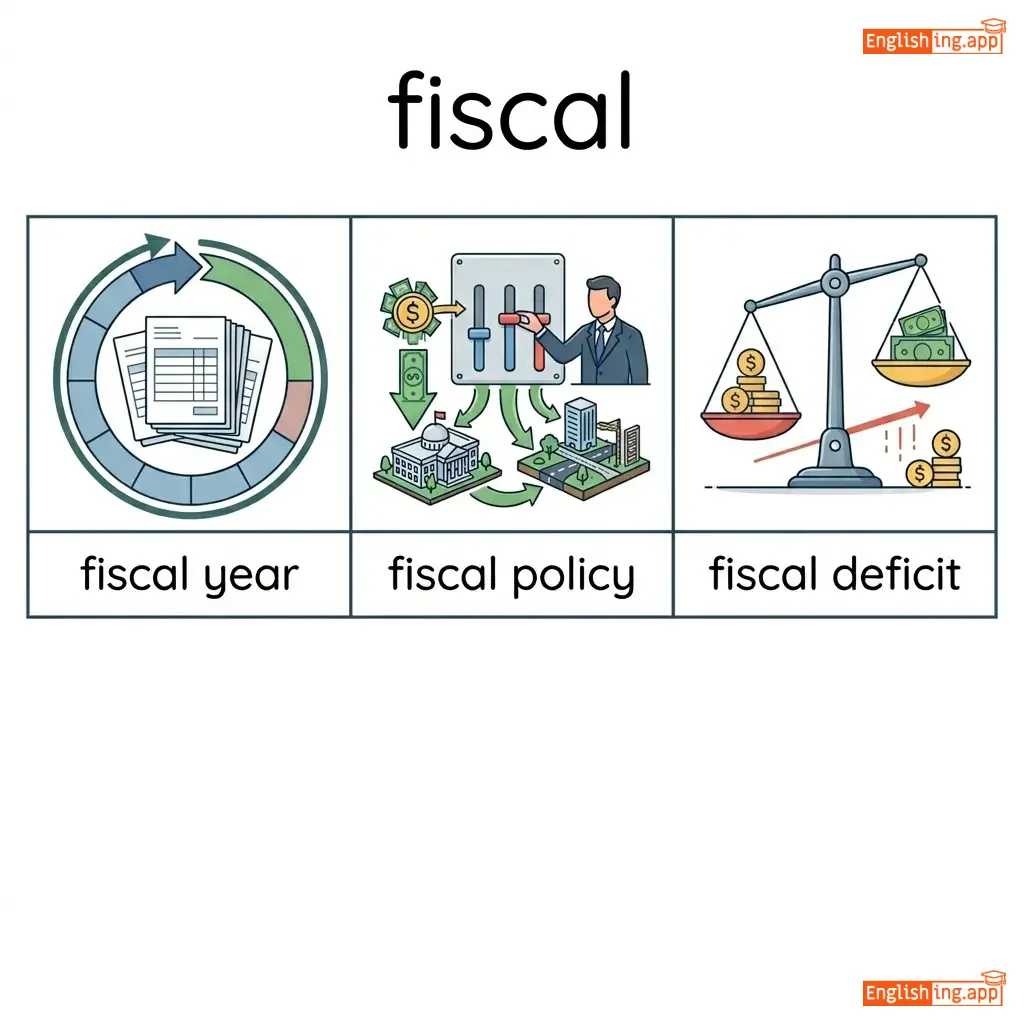
Related to government revenue, taxation and expenditure.
••••••
The government introduced fiscal policies to control inflation.
••••••
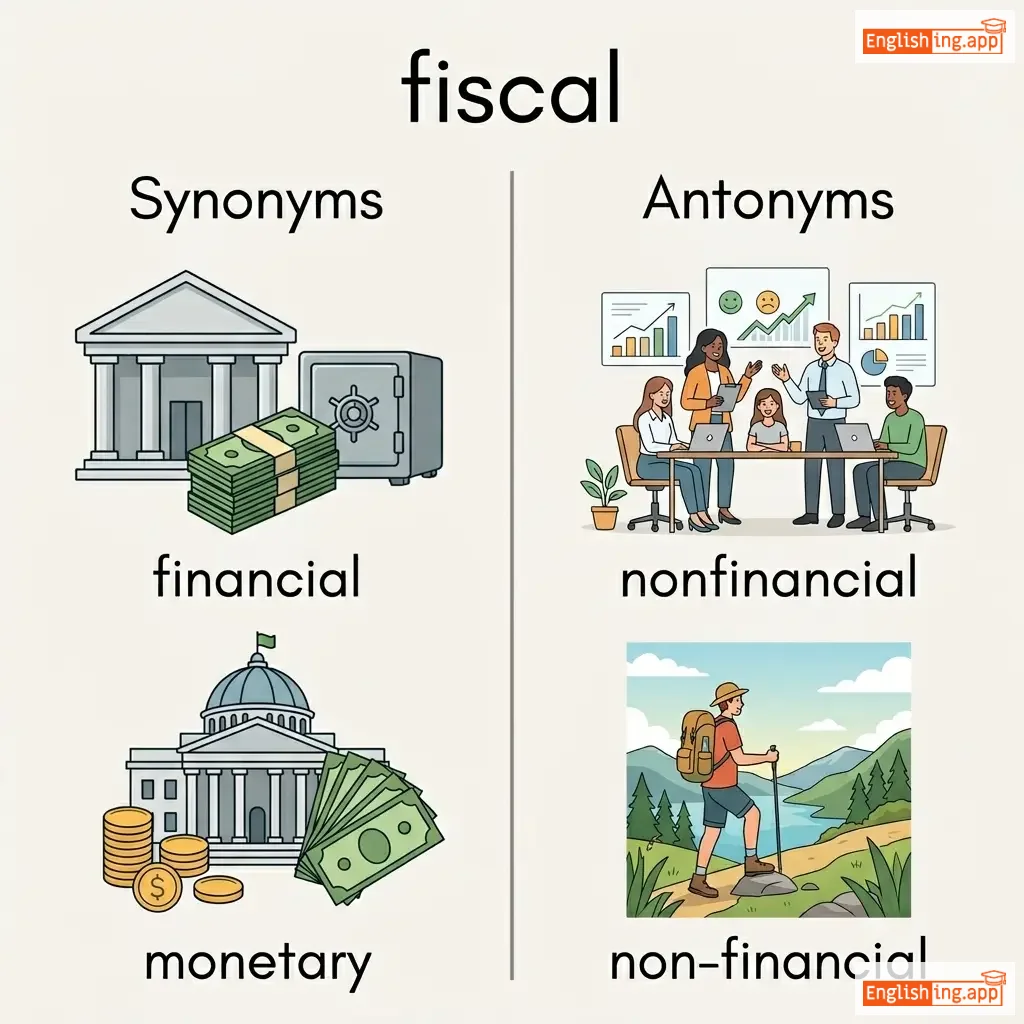
Financial, Budgetary, Economic
••••••
Non-financial, Extraneous, Unrelated
••••••
••••••
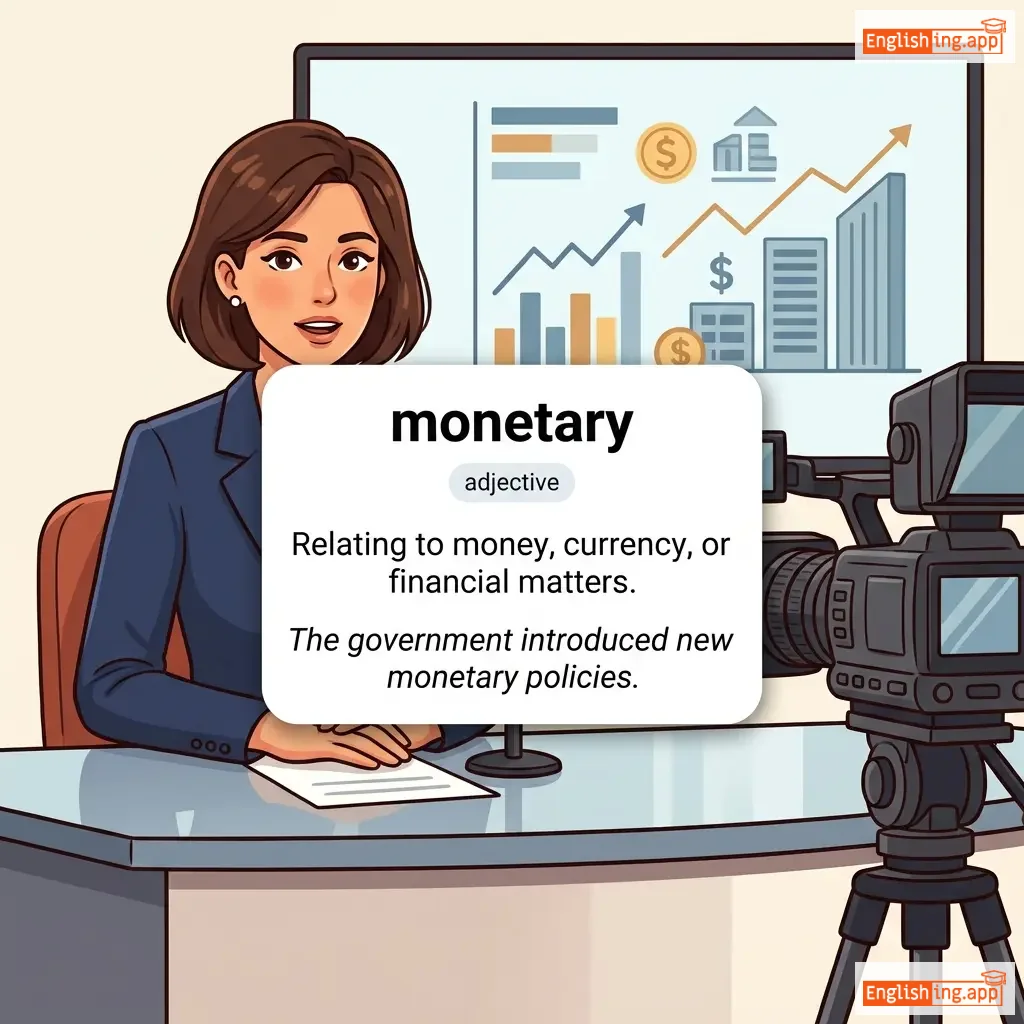
ˈmʌn.ɪ.tri
adjective
••••••
••••••
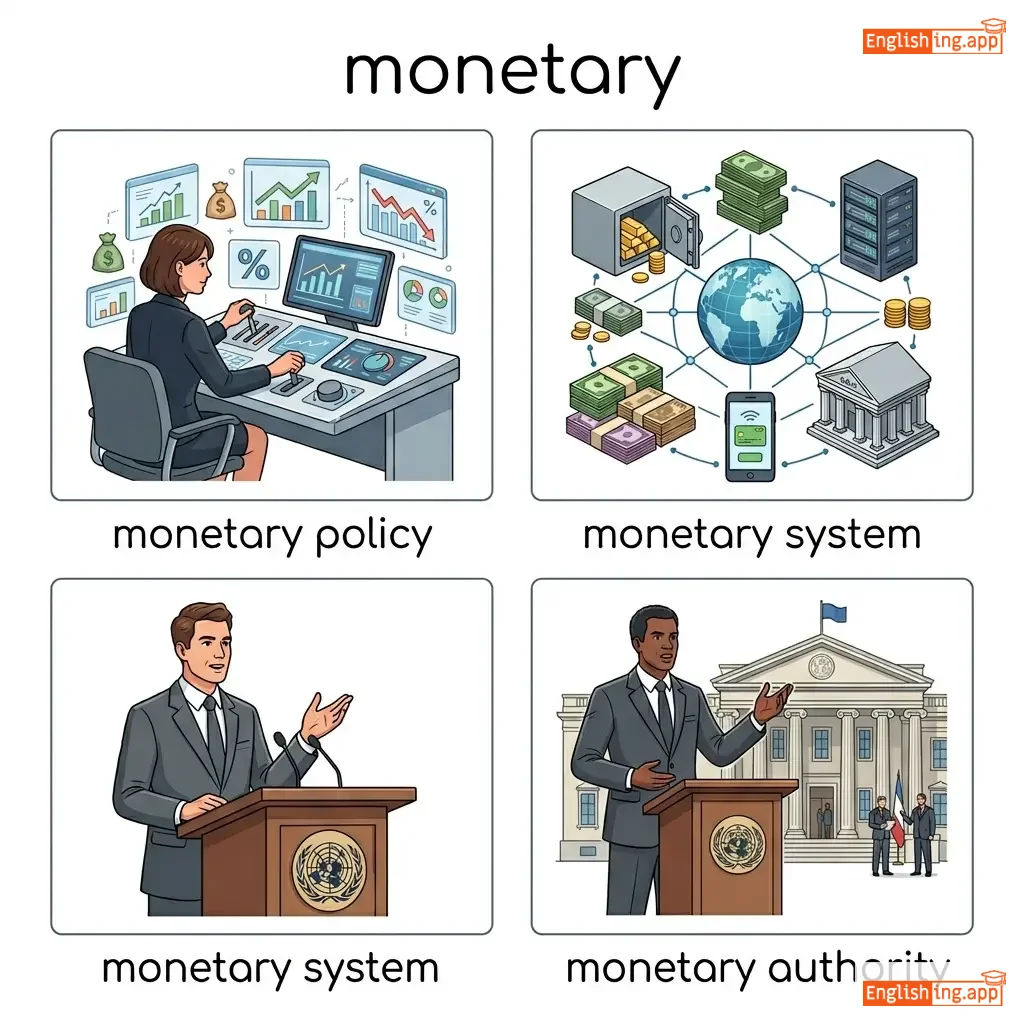
Related to money system and central bank policies.
••••••
The central bank regulates monetary policies to stabilize the economy.
••••••
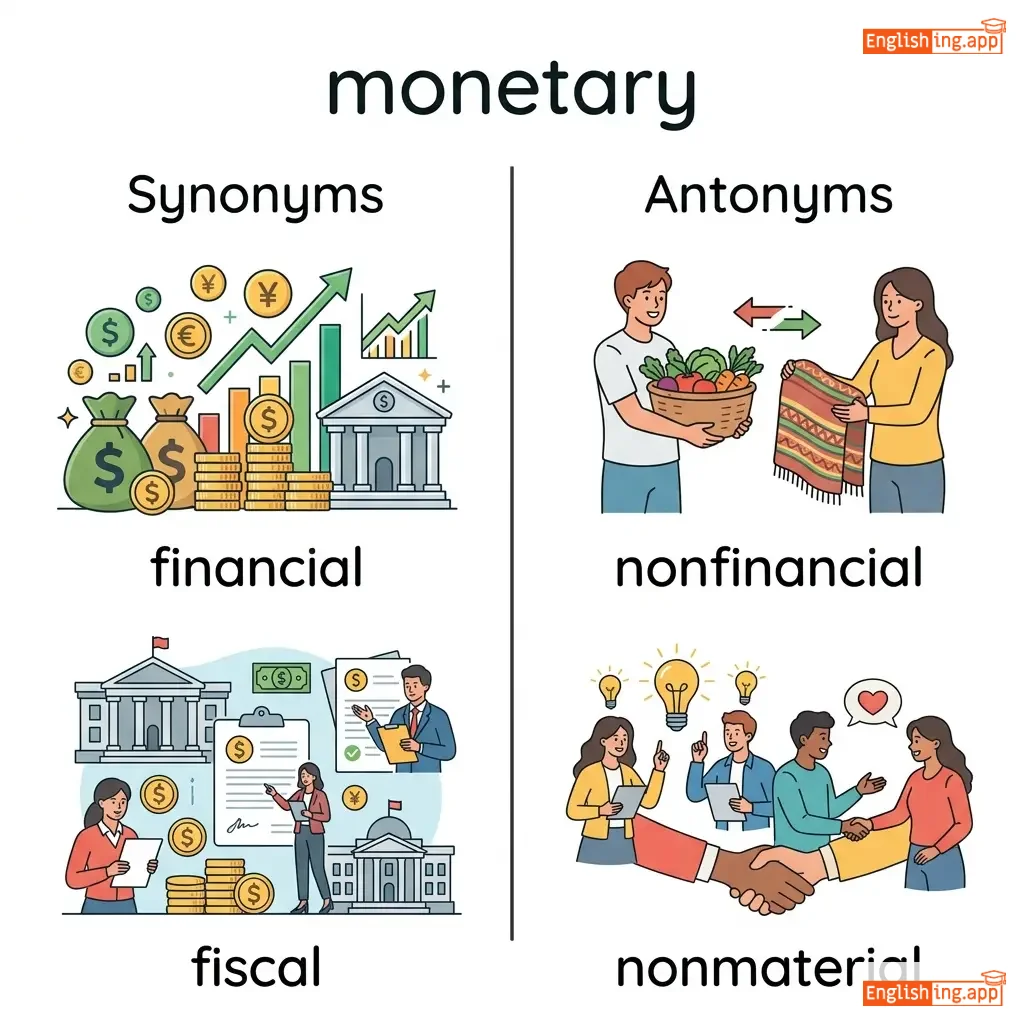
Financial, Economic, Money-related
••••••
Non-monetary, Barter-based, Non-financial
••••••
••••••
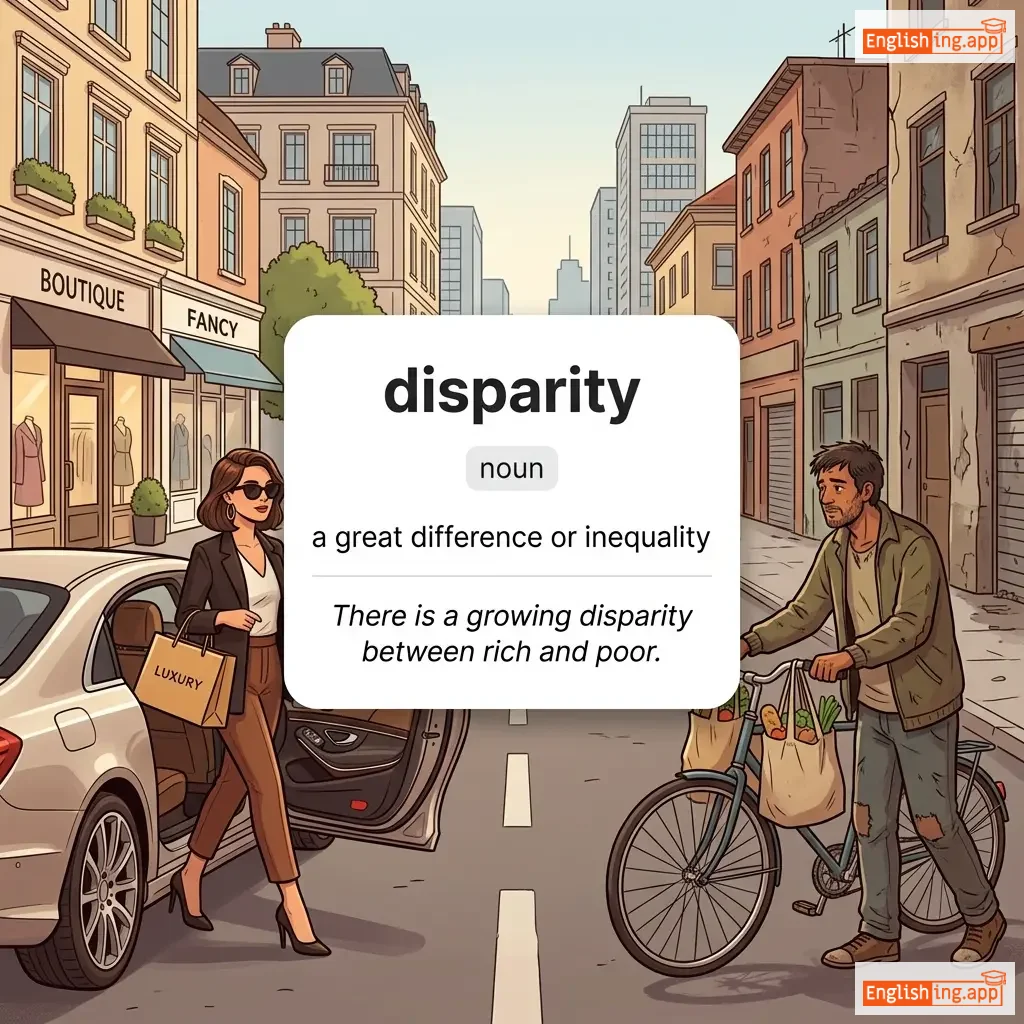
dɪˈspær.ə.ti
noun
••••••
••••••
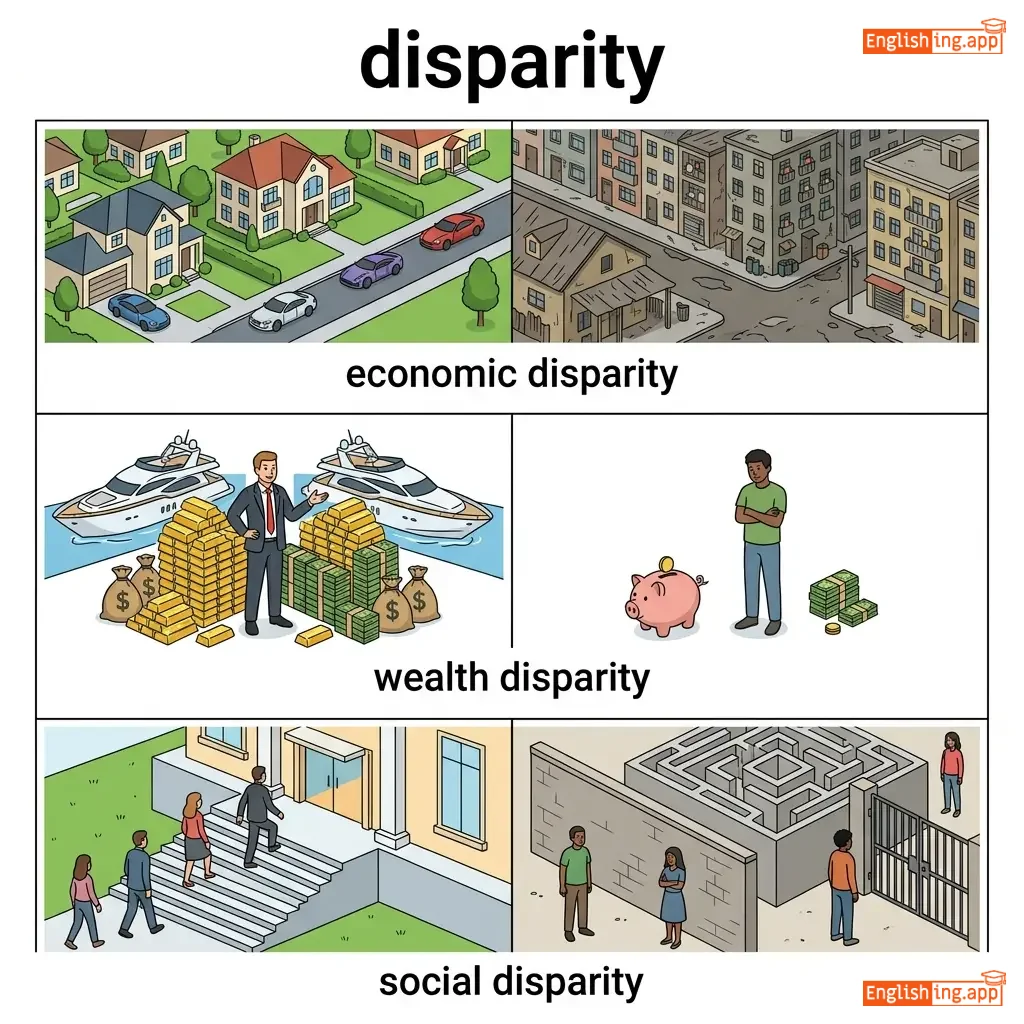
A difference in wealth, opportunities or facilities.
••••••
The income disparity between rich and poor is increasing.
••••••
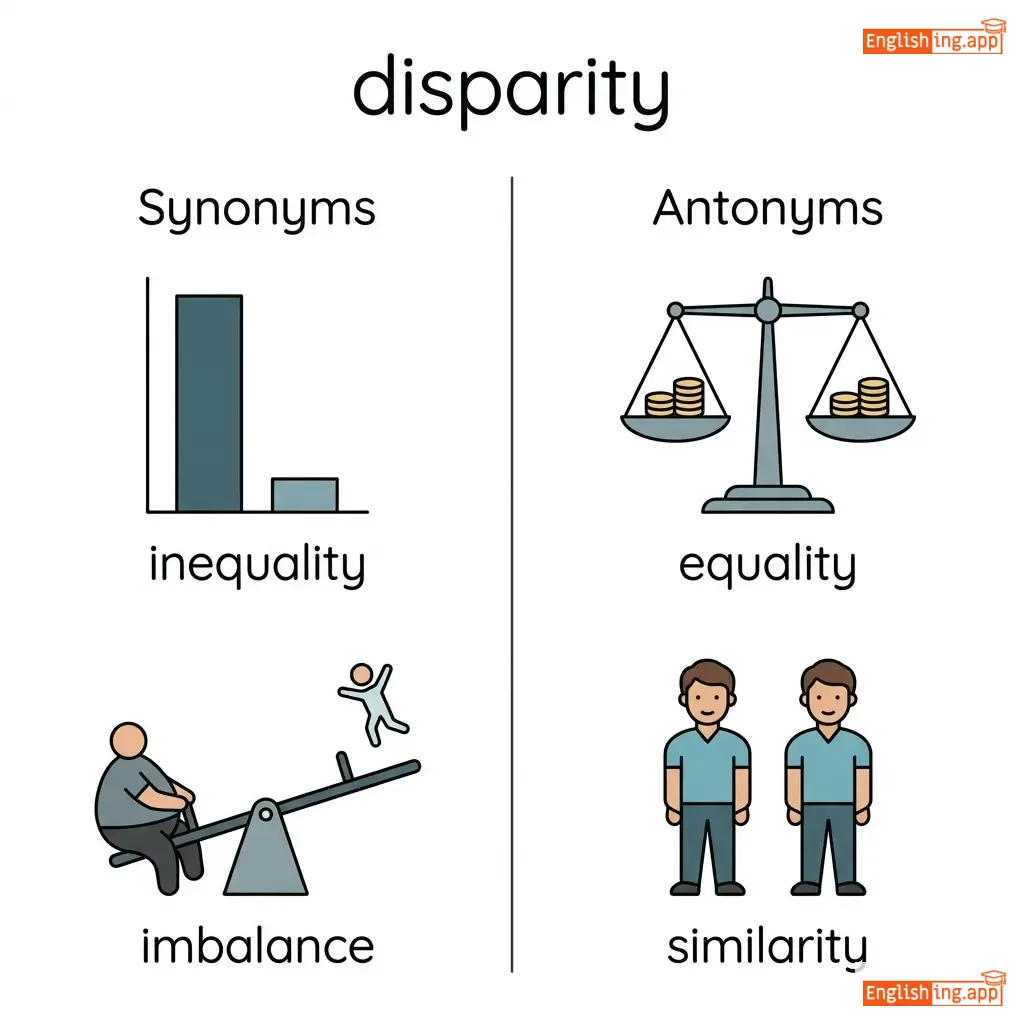
Inequality, Imbalance, Disproportion
••••••
Equality, Balance, Uniformity
••••••
••••••
ˌsʌb.sɪ.dɪˈzeɪ.ʃən
noun
••••••
••••••
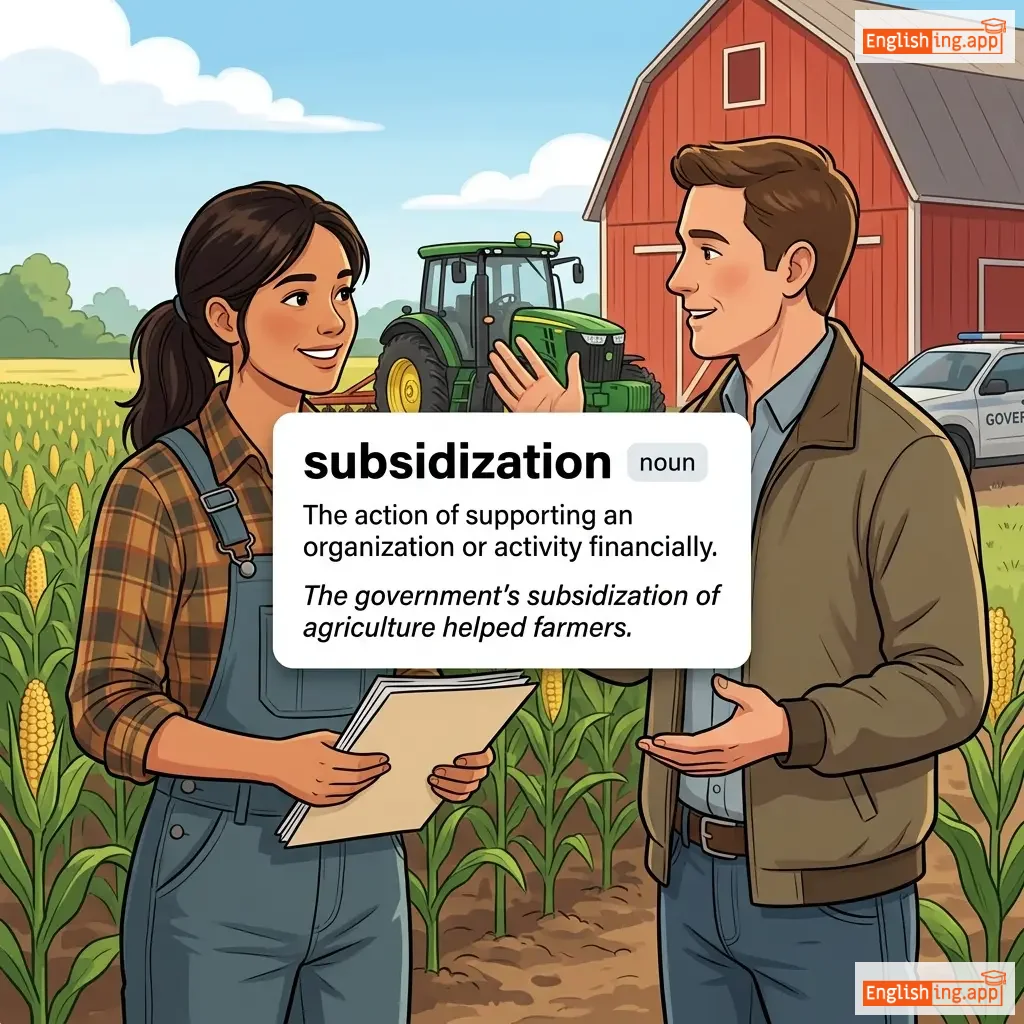
Financial assistance provided by government to make certain goods or services more affordable.
••••••
Subsidization of agriculture helps farmers maintain crop production.
••••••
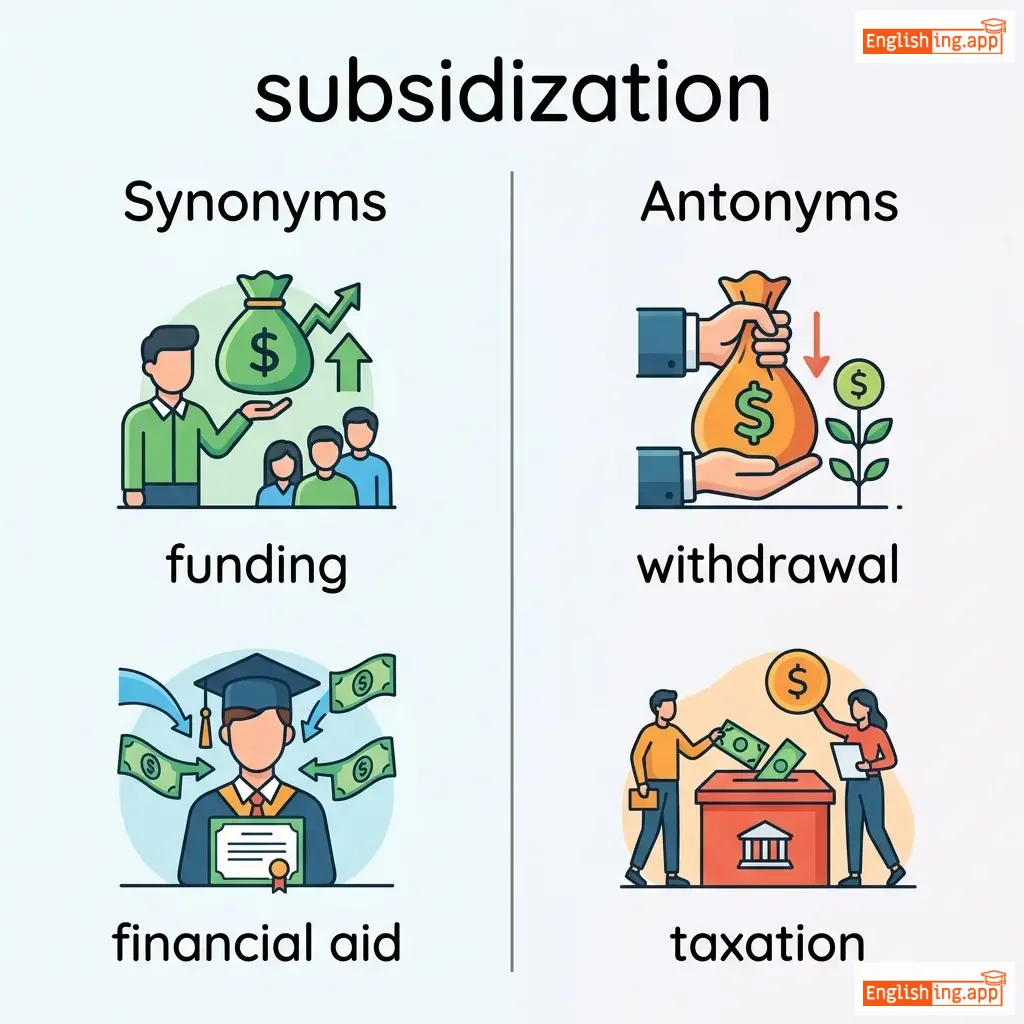
Financial Aid, Grant, Public Funding
••••••
Taxation, Cost-cutting, Self-sufficiency
••••••
••••••
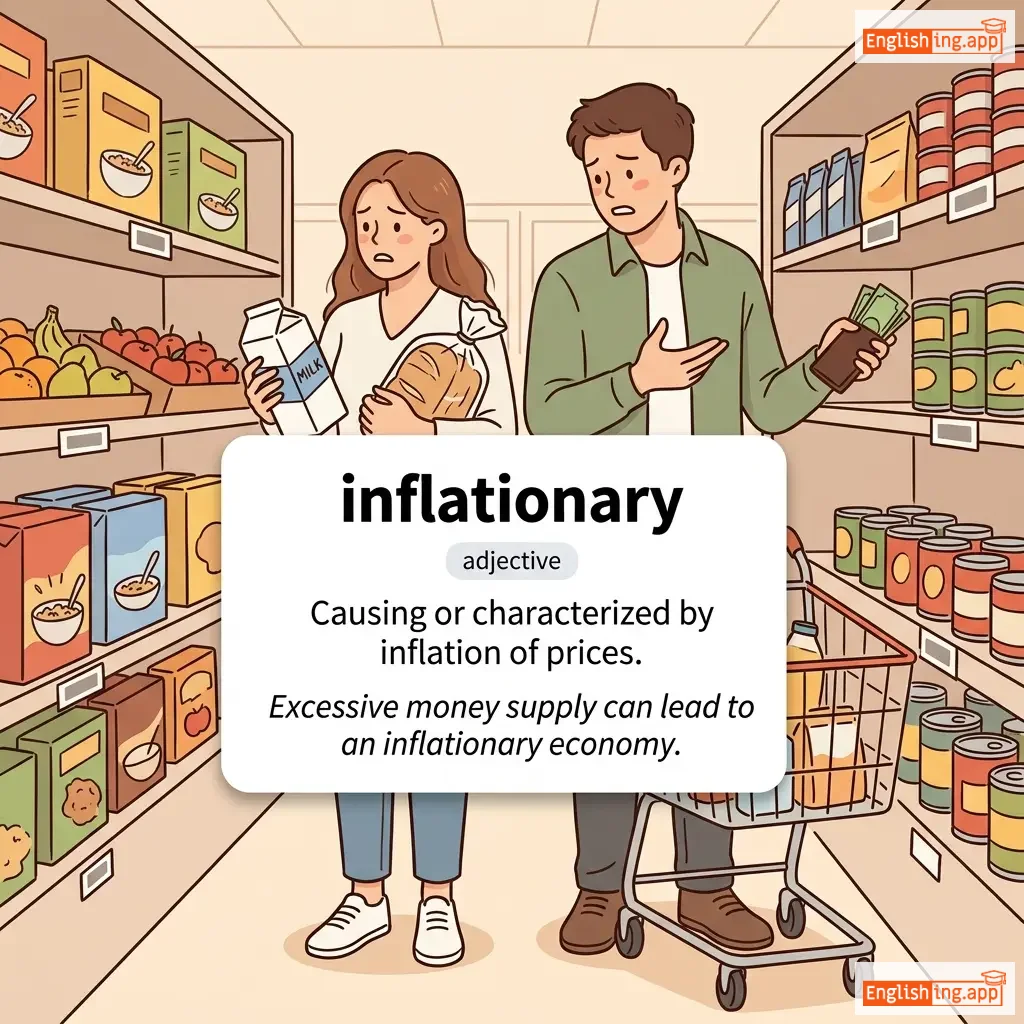
ɪnˈfleɪ.ʃə.ner.i
adjective
••••••
••••••
An economic condition where prices of goods increase.
••••••
The country is facing inflationary pressure due to increased demand.
••••••
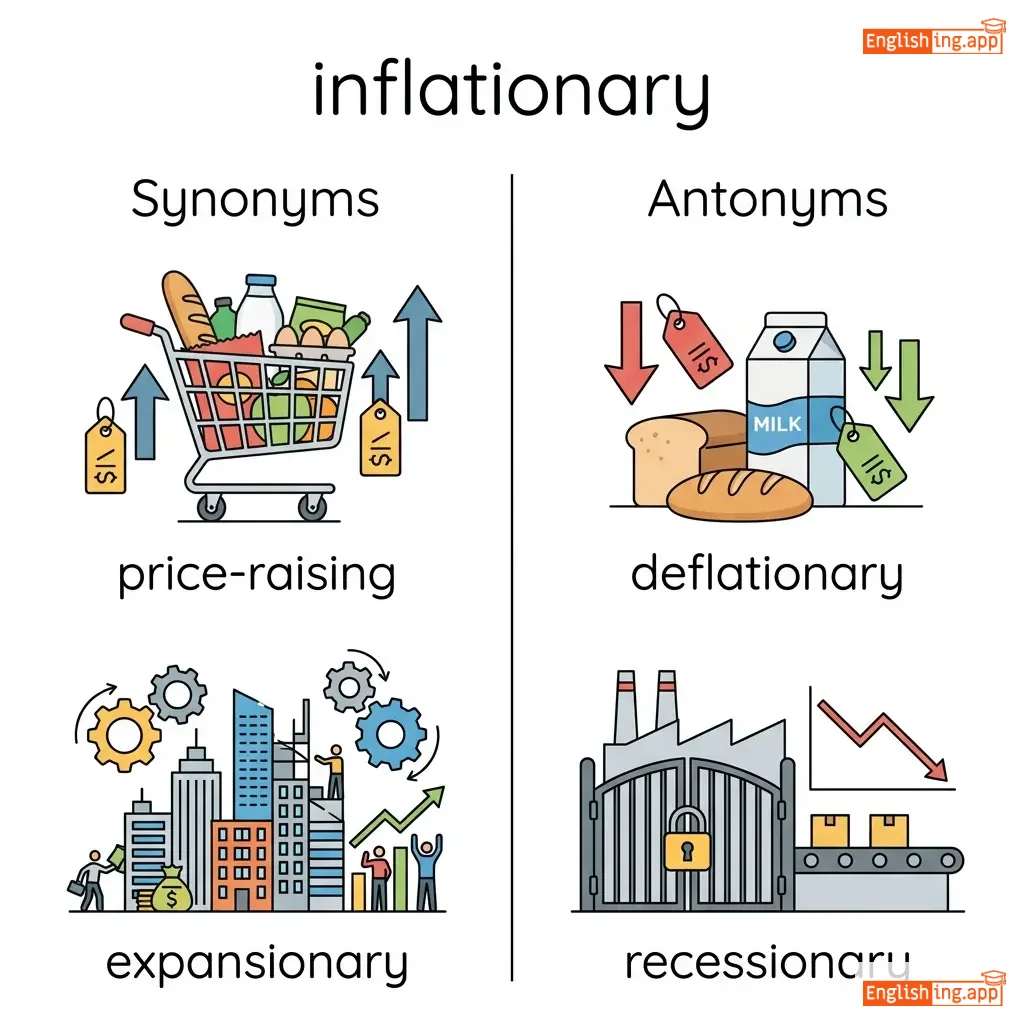
Price-rising, Cost-increasing, Economic Growth-related
••••••
Deflationary, Price-stabilized, Non-inflationary
••••••
••••••
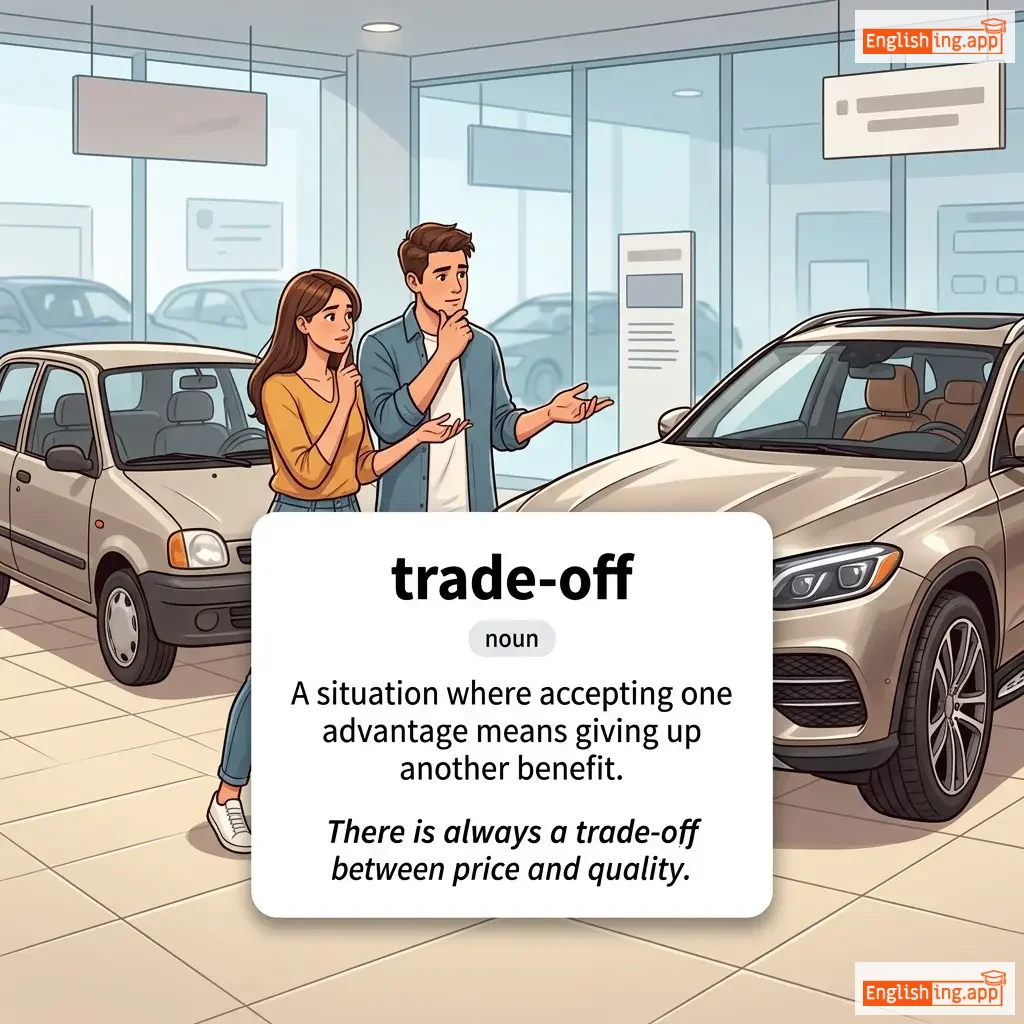
ˈtreɪd.ɒf
noun
••••••
••••••
A situation where accepting one advantage means giving up another benefit.
••••••
There is always a trade-off between price and quality.
••••••
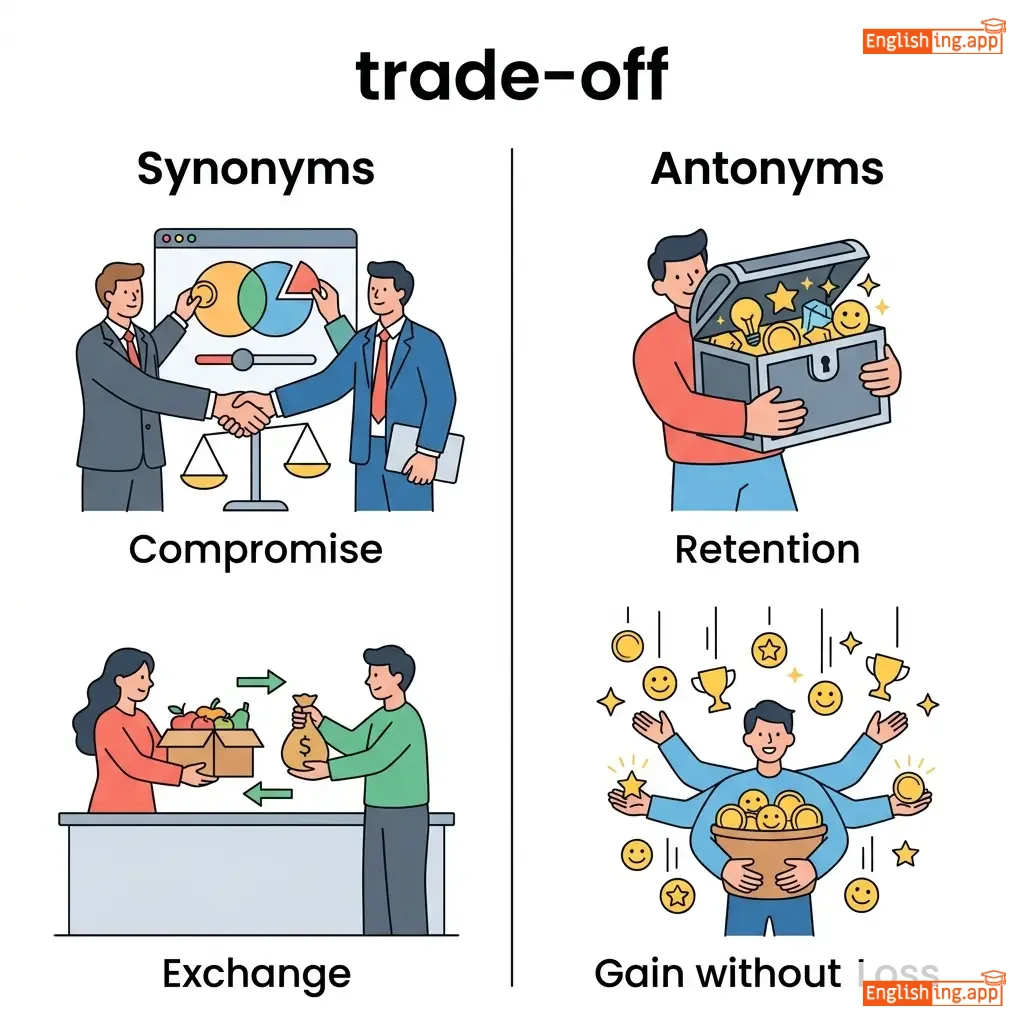
Compromise, Exchange, Sacrifice
••••••
Retention, Gain without Loss, Absolute Choice
••••••
••••••
ˌiː.kwɪˈlɪb.ri.əm
noun
••••••
••••••
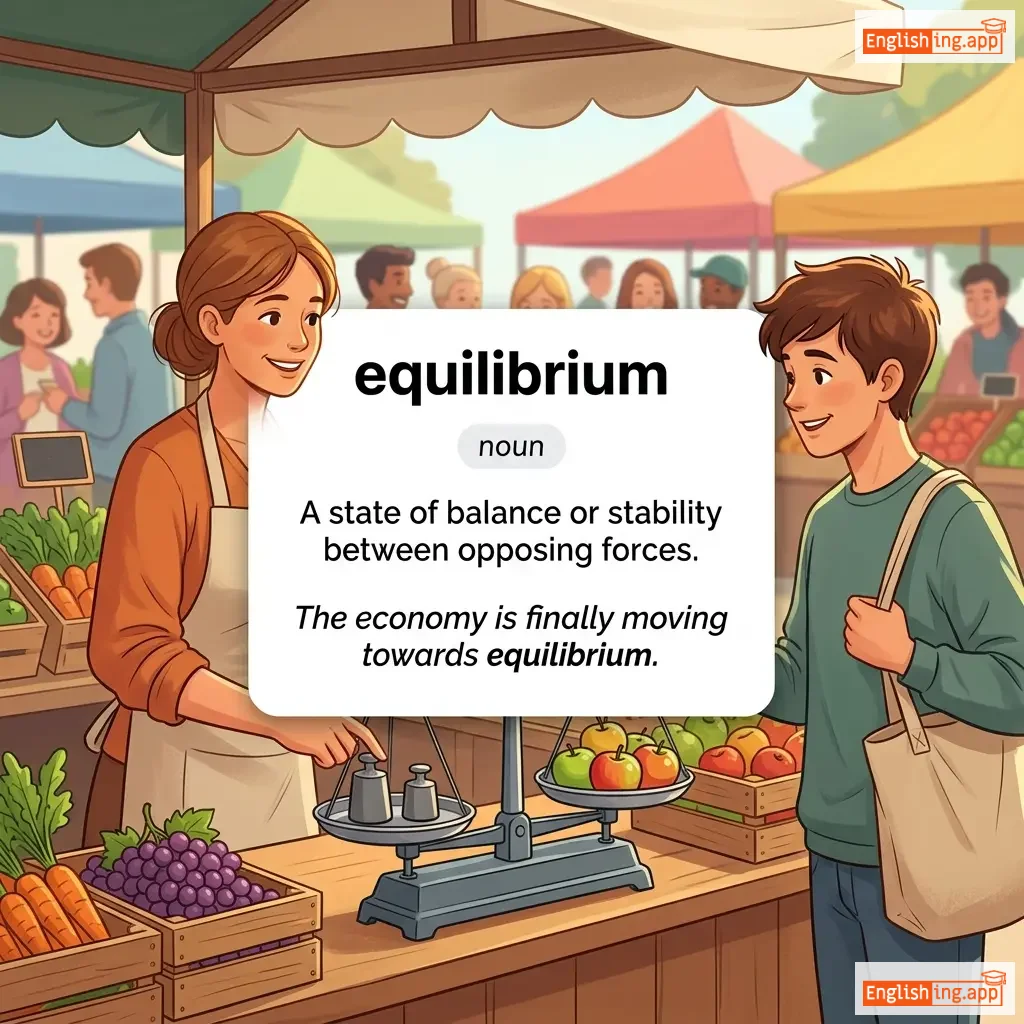
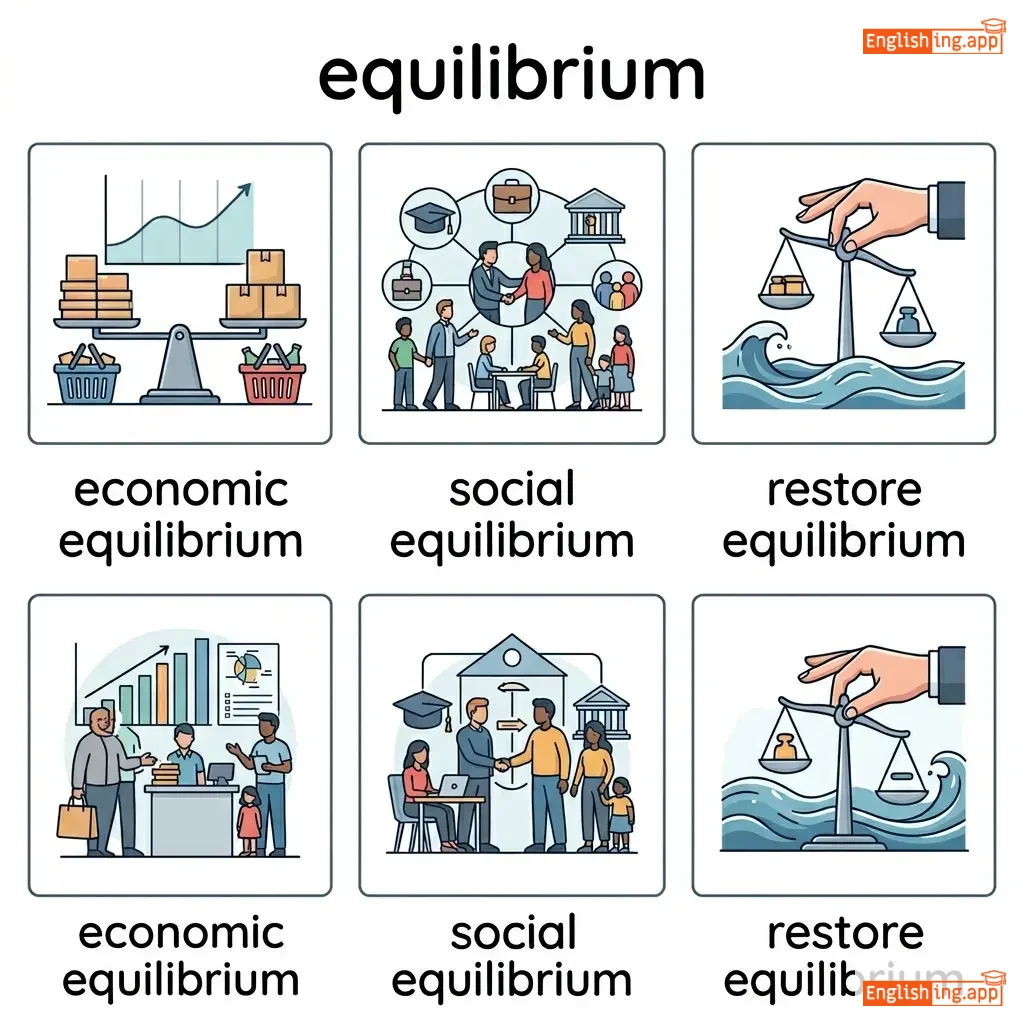
A balanced state between supply and demand.
••••••
The market reached an equilibrium where supply met demand.
••••••
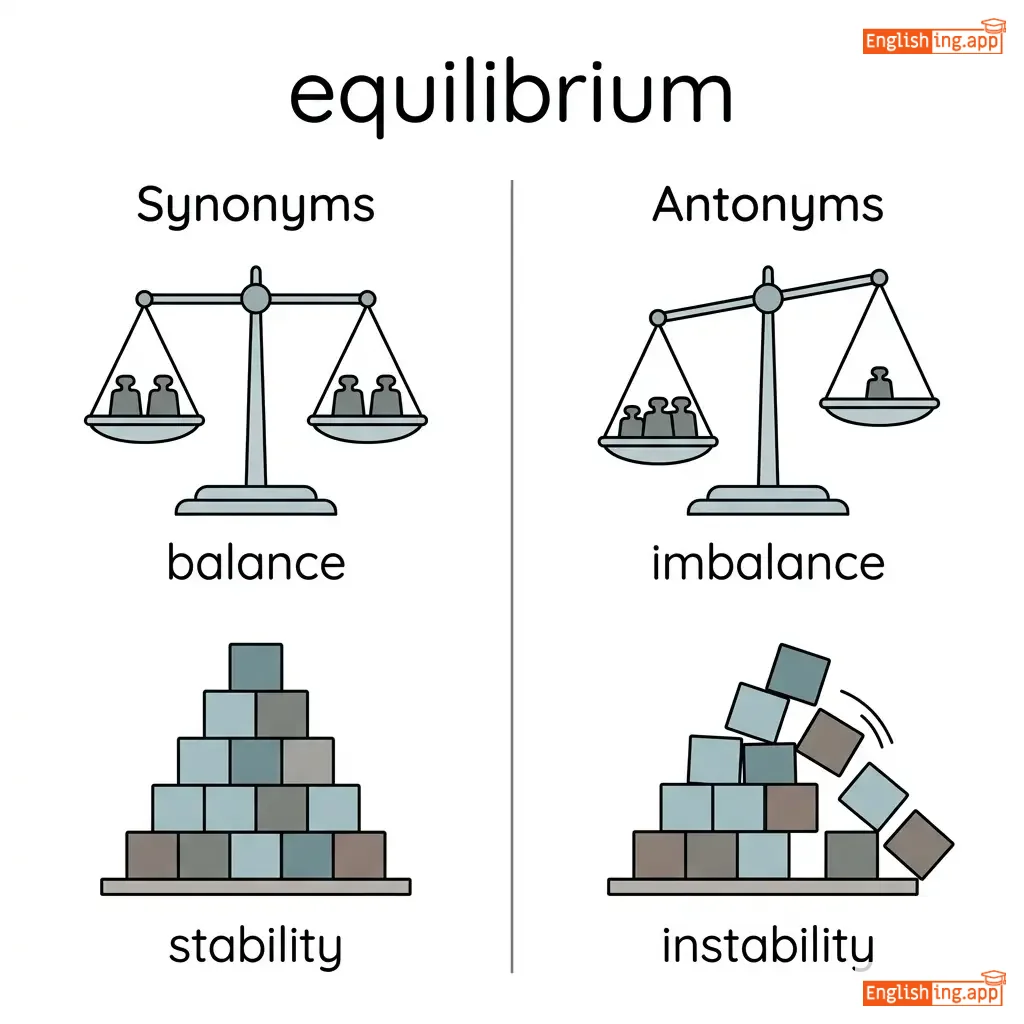
Balance, Stability, Steadiness
••••••
Imbalance, Instability, Disproportion
••••••
••••••
ˈskeə.sɪ.ti
noun
••••••
••••••
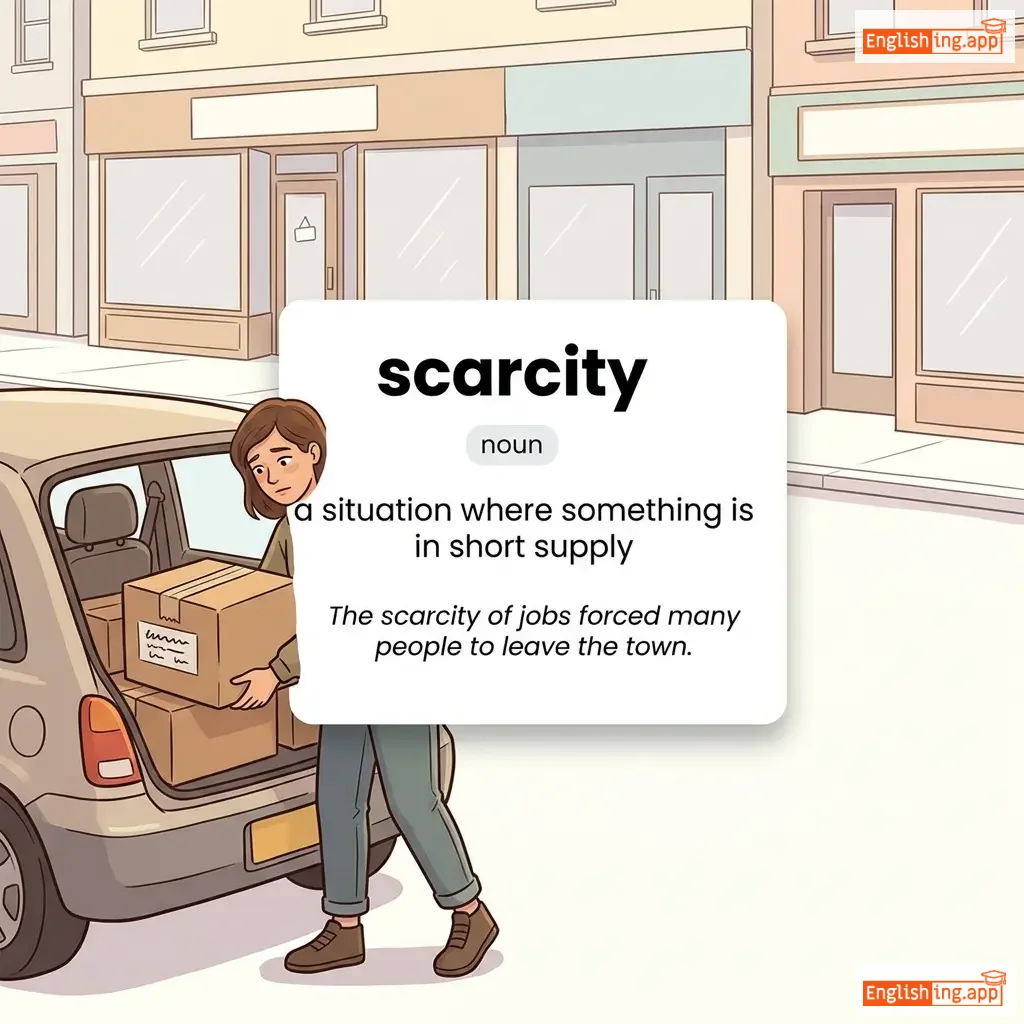
The state of being scarce or in short supply when demand exceeds supply.
••••••
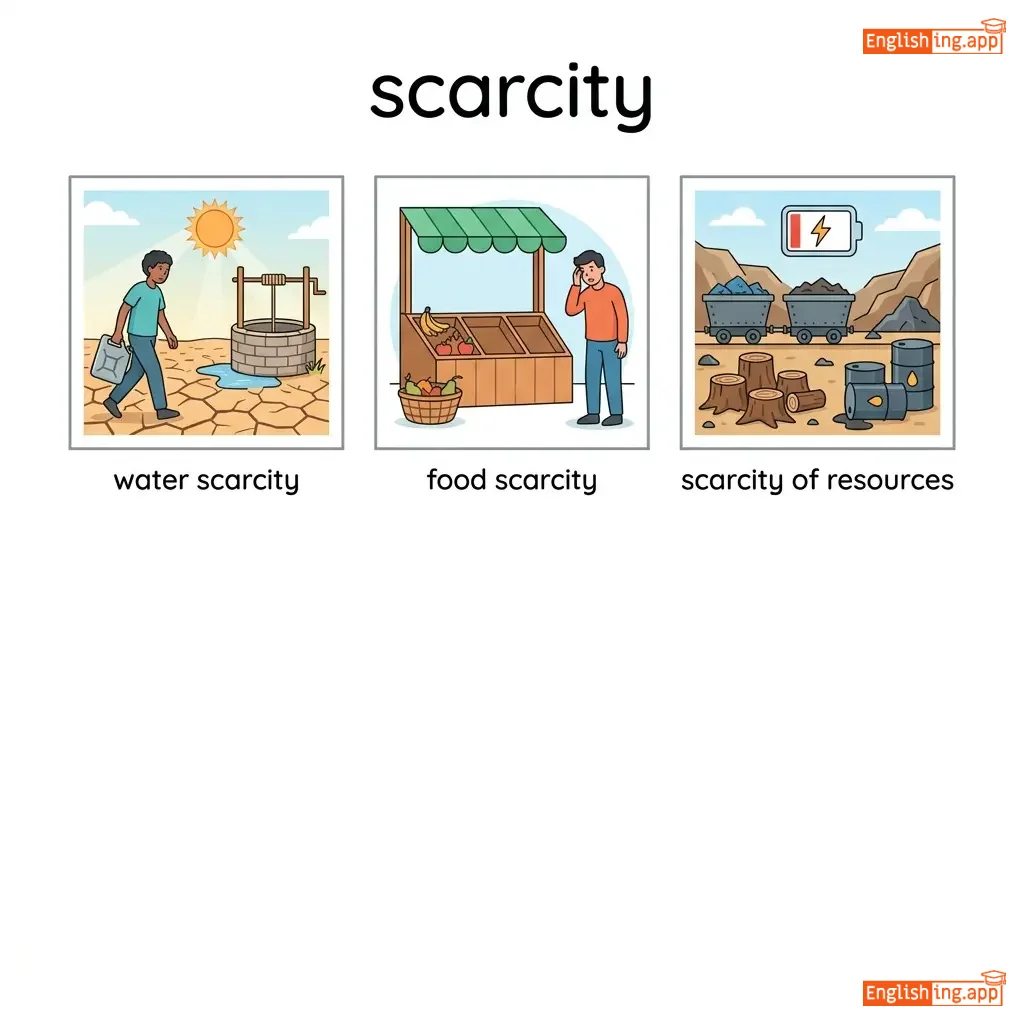
Water scarcity is a major global issue.
••••••
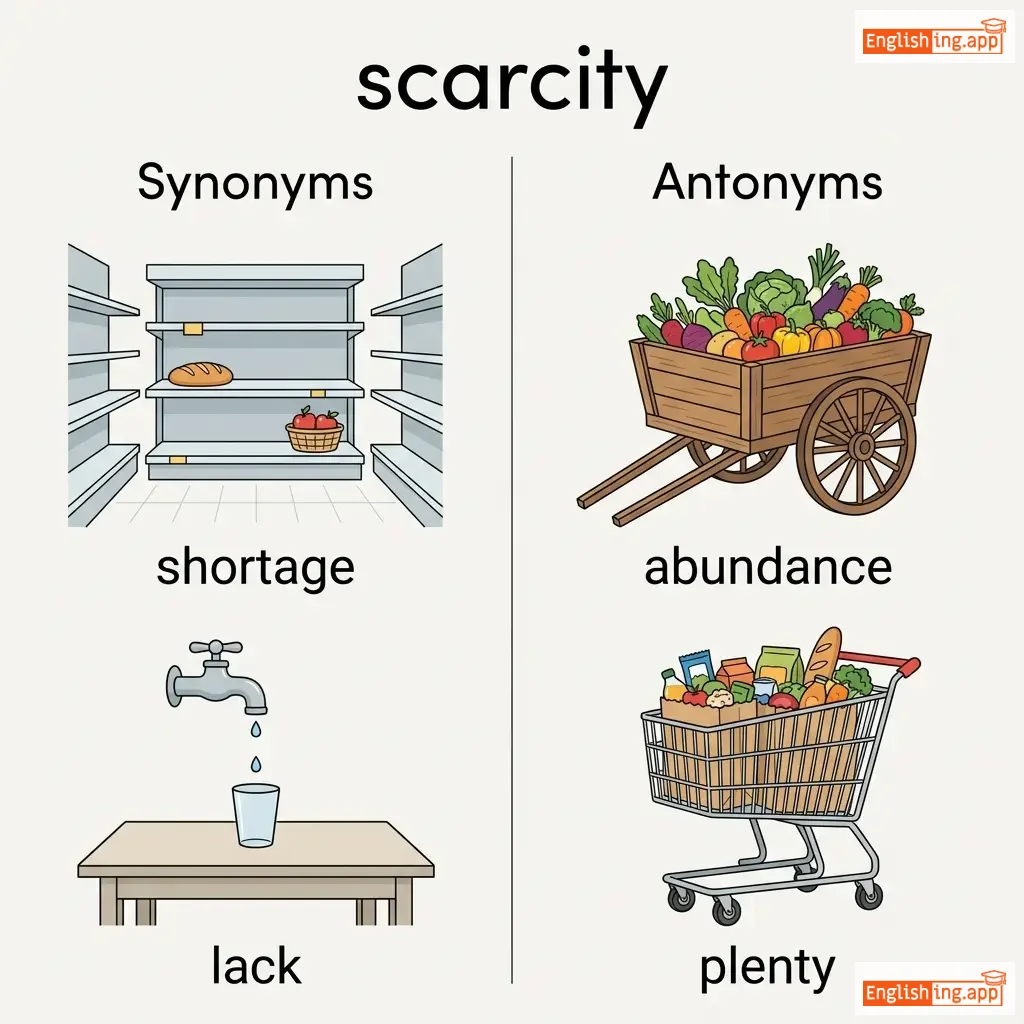
Shortage, Deficiency, Lack
••••••
Abundance, Surplus, Plenty
••••••