The Strength of the Strong Force

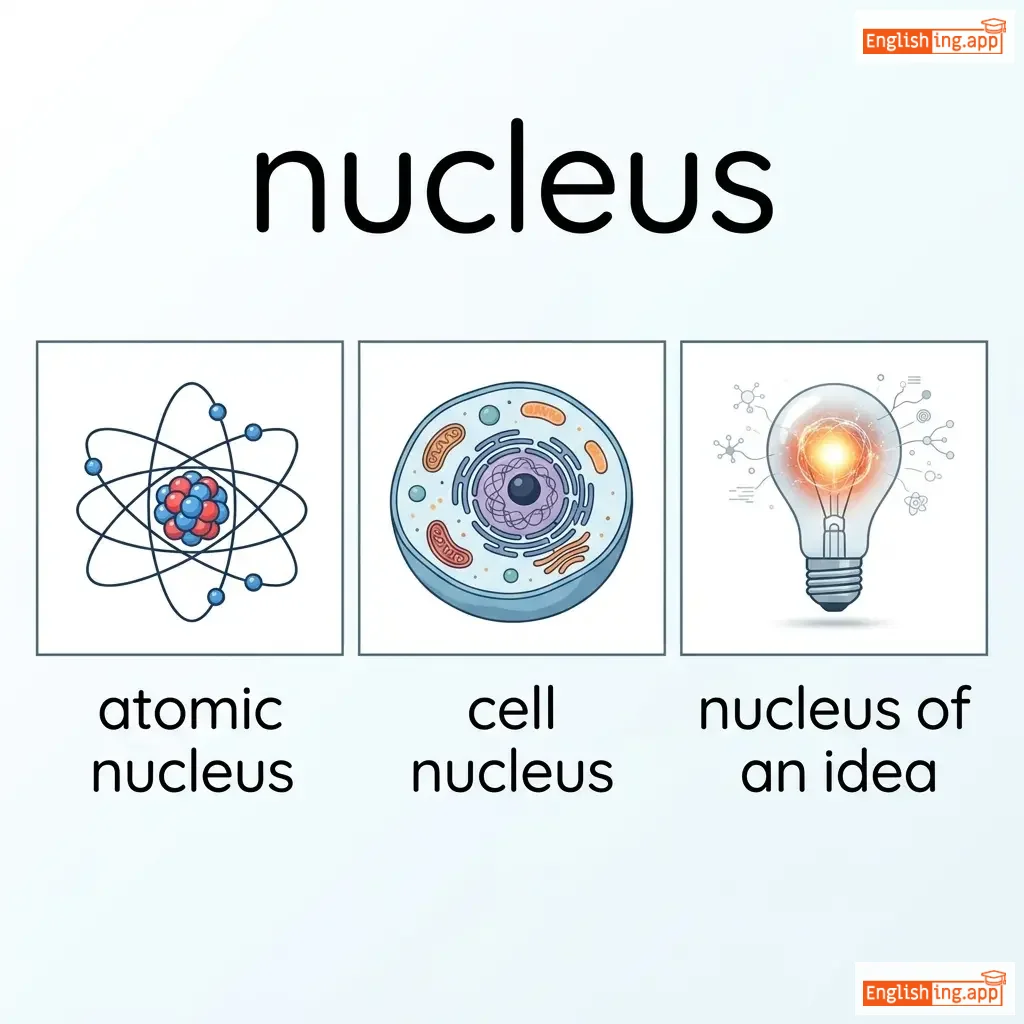
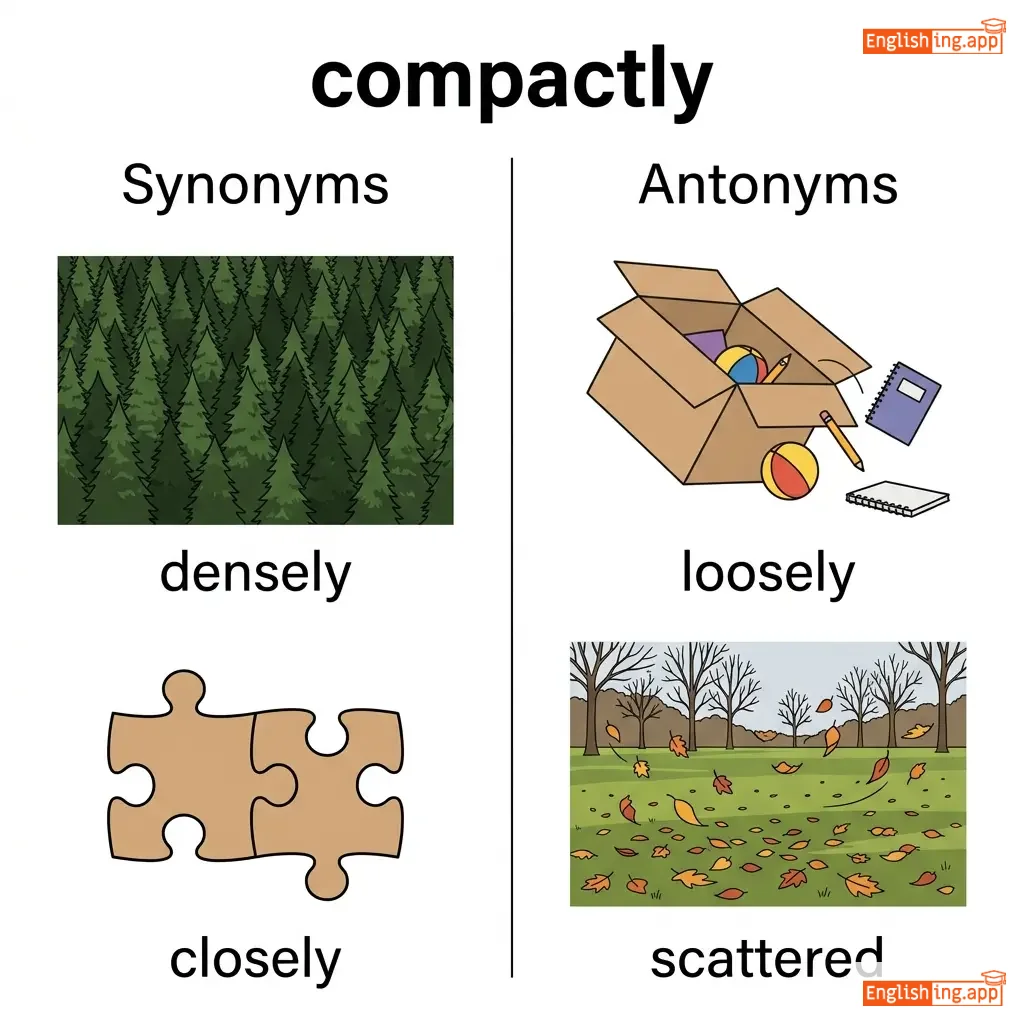
Among the four forces of nature, the most powerful force is called the strong nuclear force. It binds quark particles together, and these quark particles form protons and neutrons. These stay together compactly to form the nucleus.

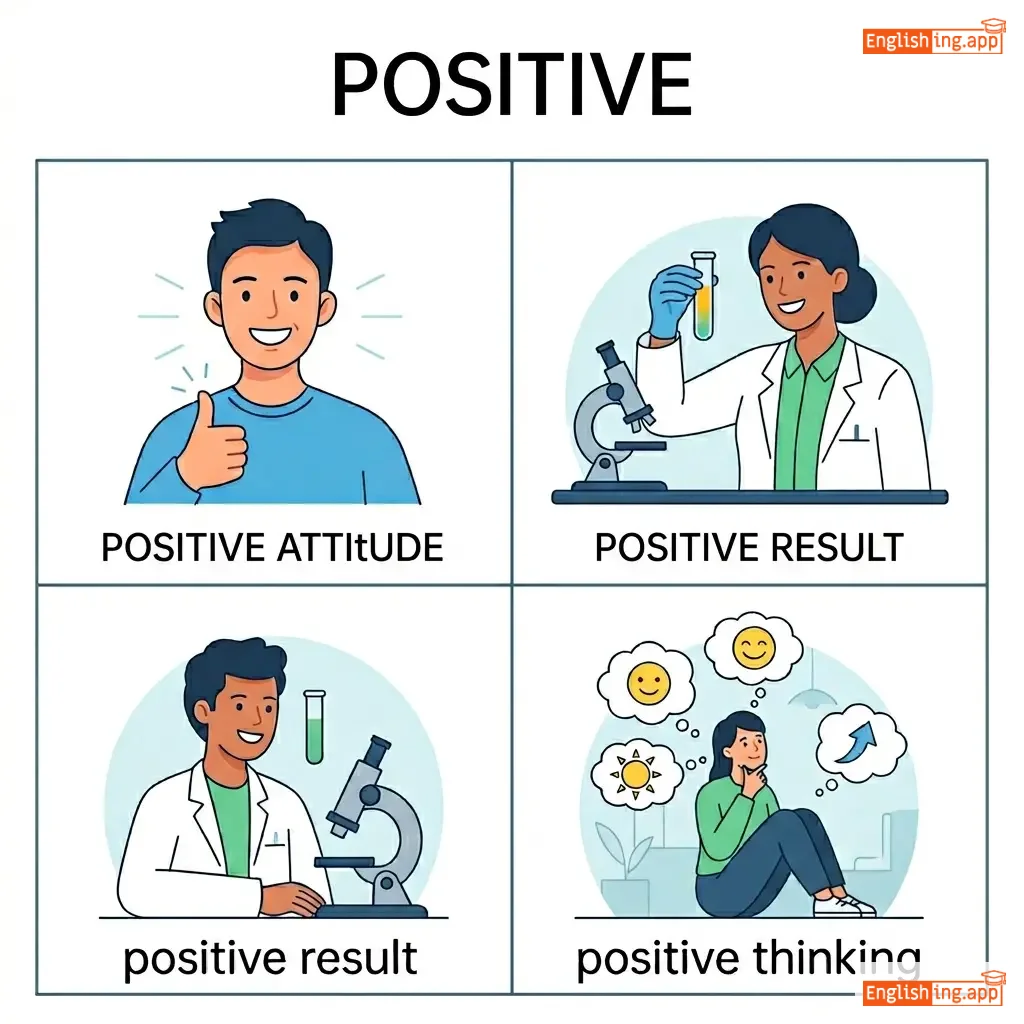
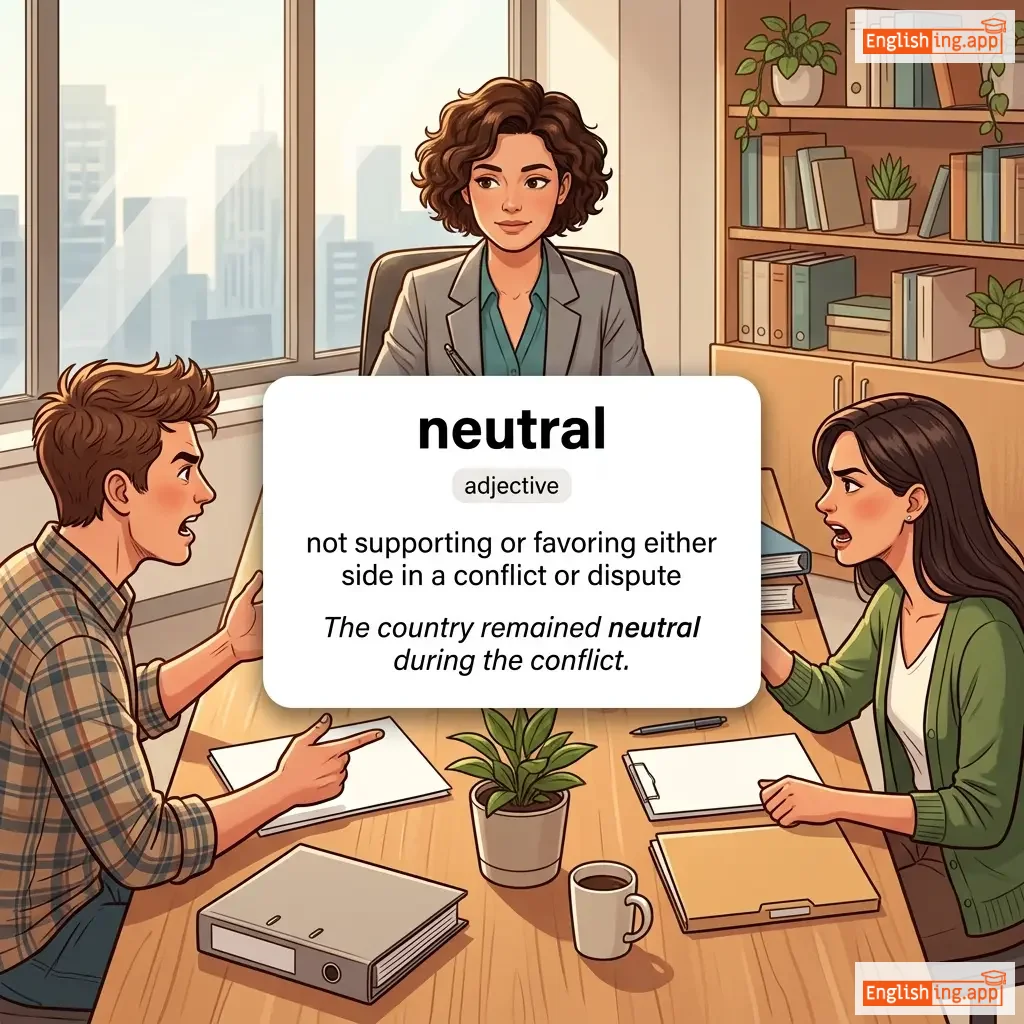
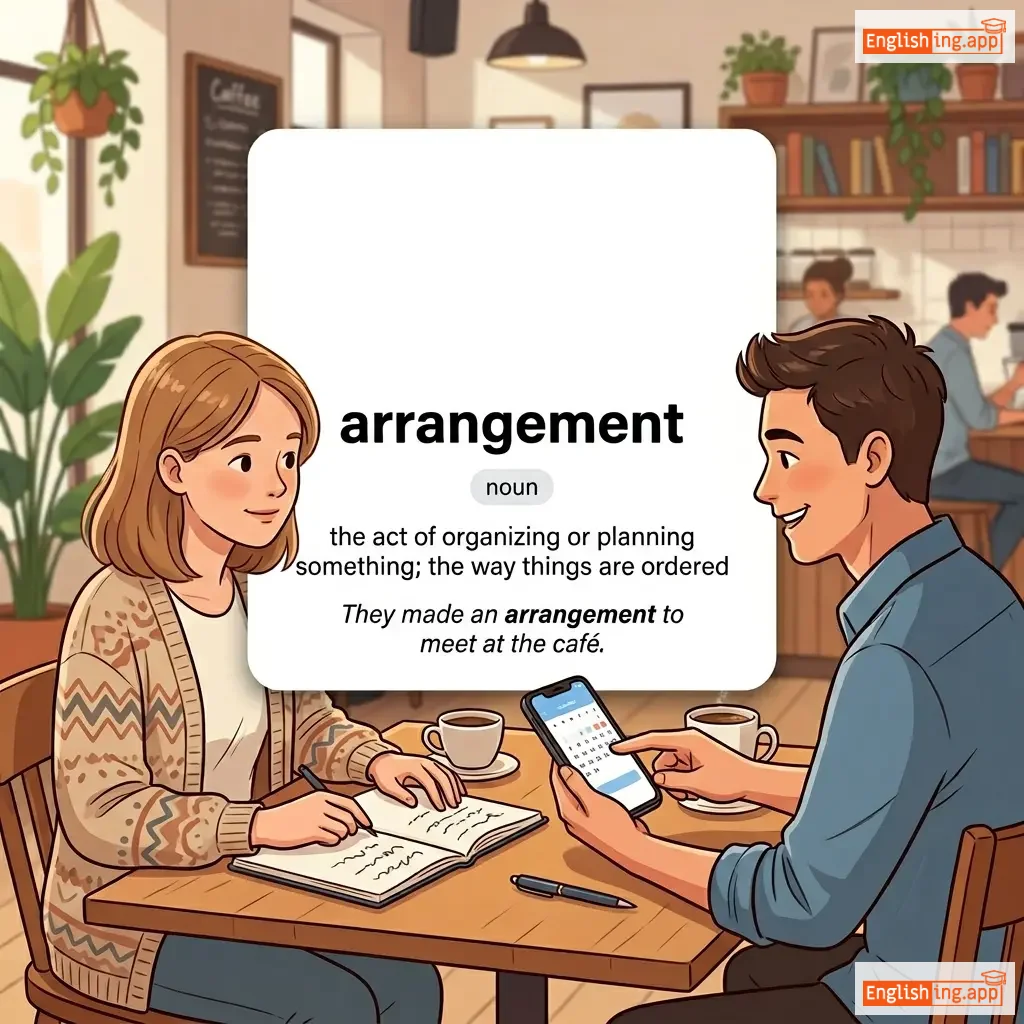
The charge of protons is positive and the charge of neutrons is neutral. Electrically charged protons repel other protons. Therefore, the arrangement of multiple protons in the nucleus is complex. However, except for hydrogen, the number of protons increases in other elements. For example, the helium nucleus has two protons and uranium has 92 protons.

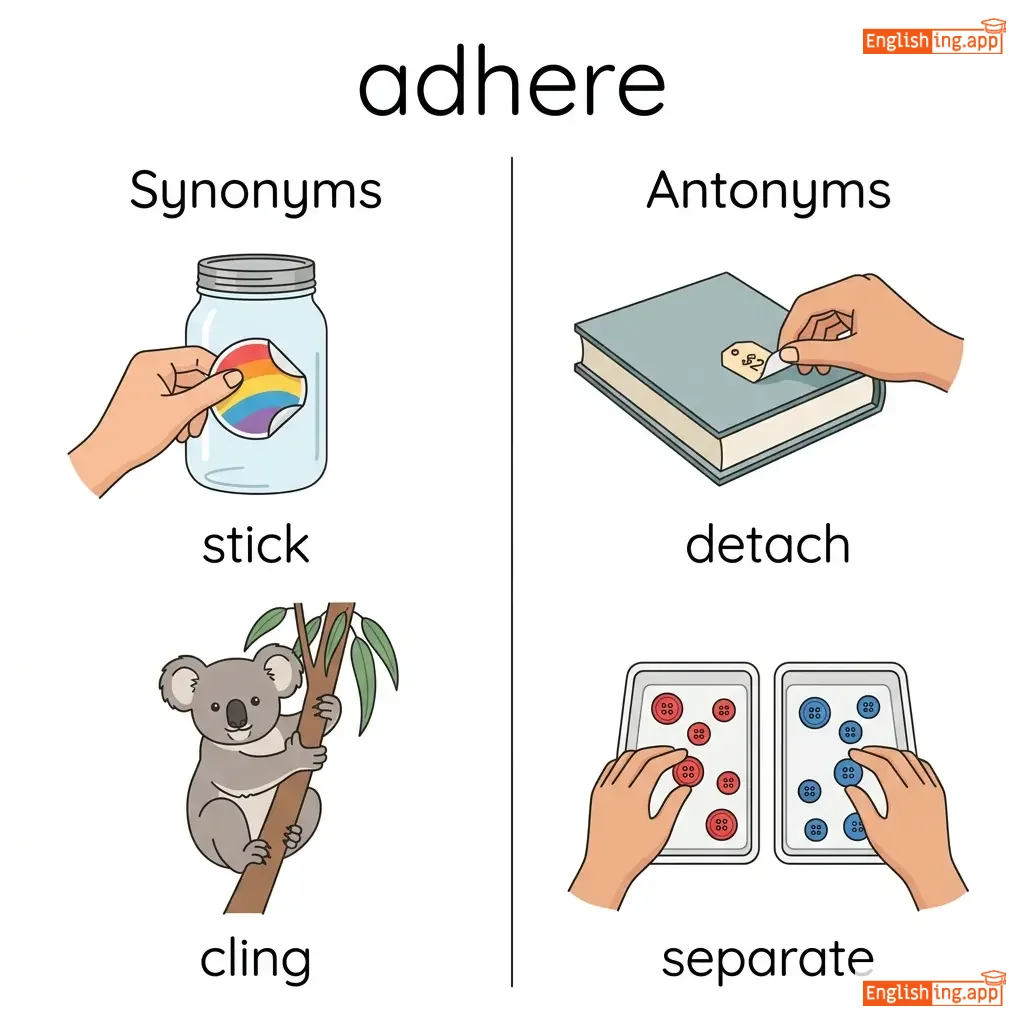
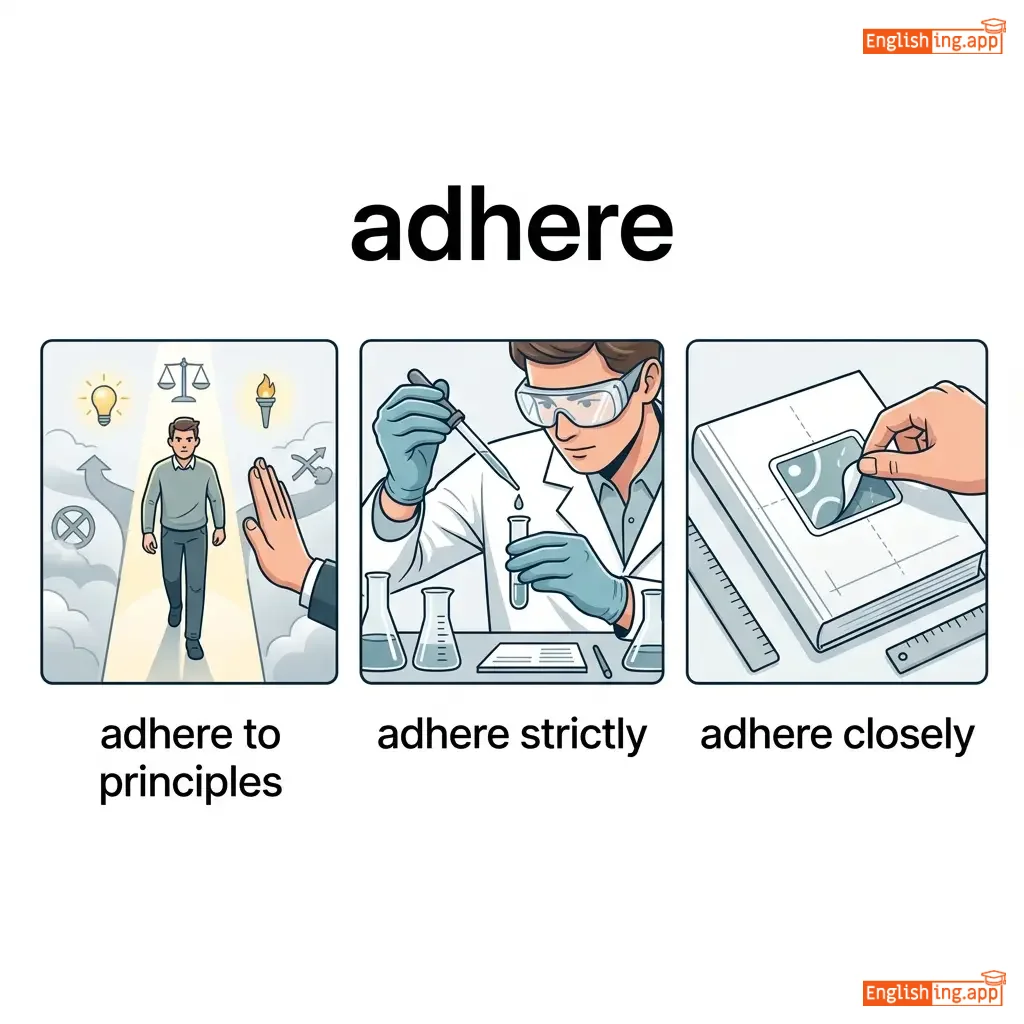
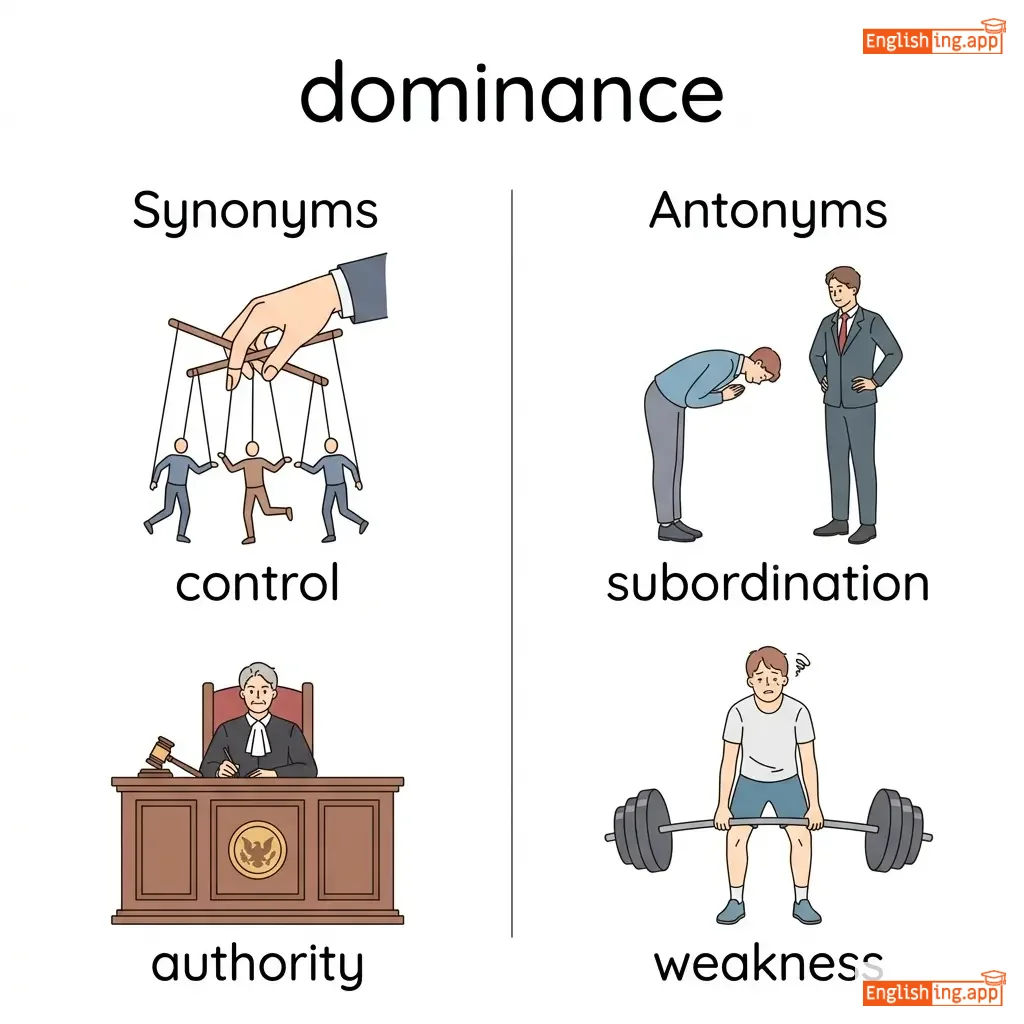
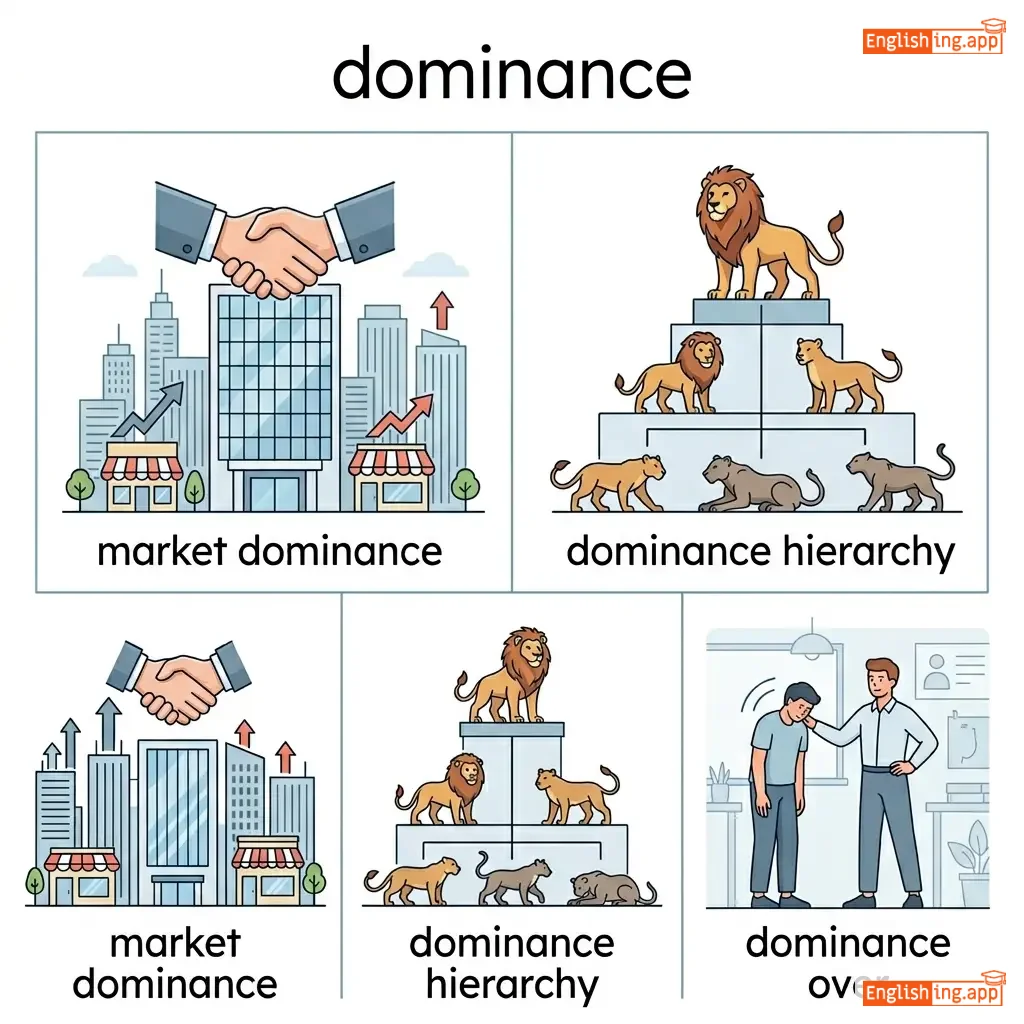
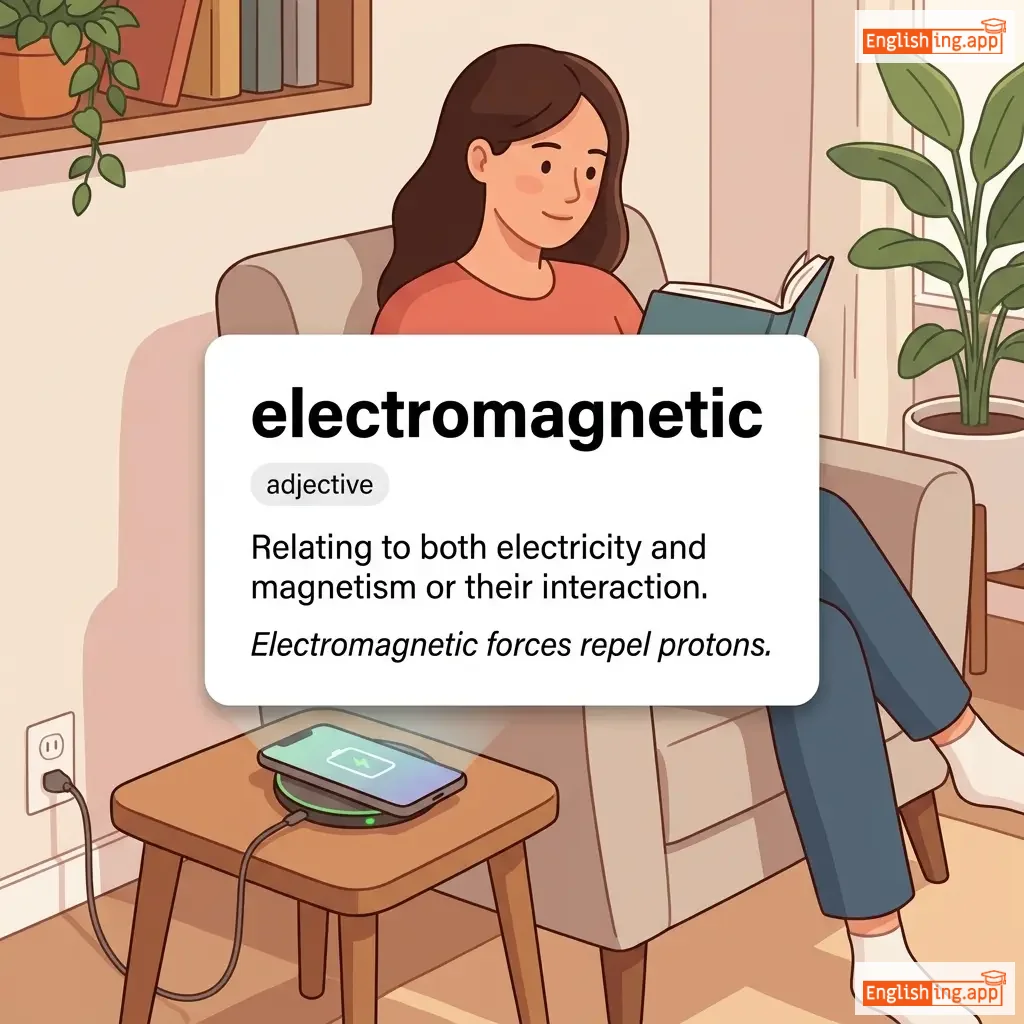
These protons and neutrons can adhere to each other only through the strong force. The electromagnetic force that works between protons is overcome by establishing dominance by the strong force. That's why it's called the strong nuclear force.

The Strength of the Strong Force
/
/

The Strength of the Strong Force - Mask Toggle

Emoji
Word Images Meaning Example Sentence Synonyms Antonyms
#645
••••••
fɔːrs
noun
••••••
••••••
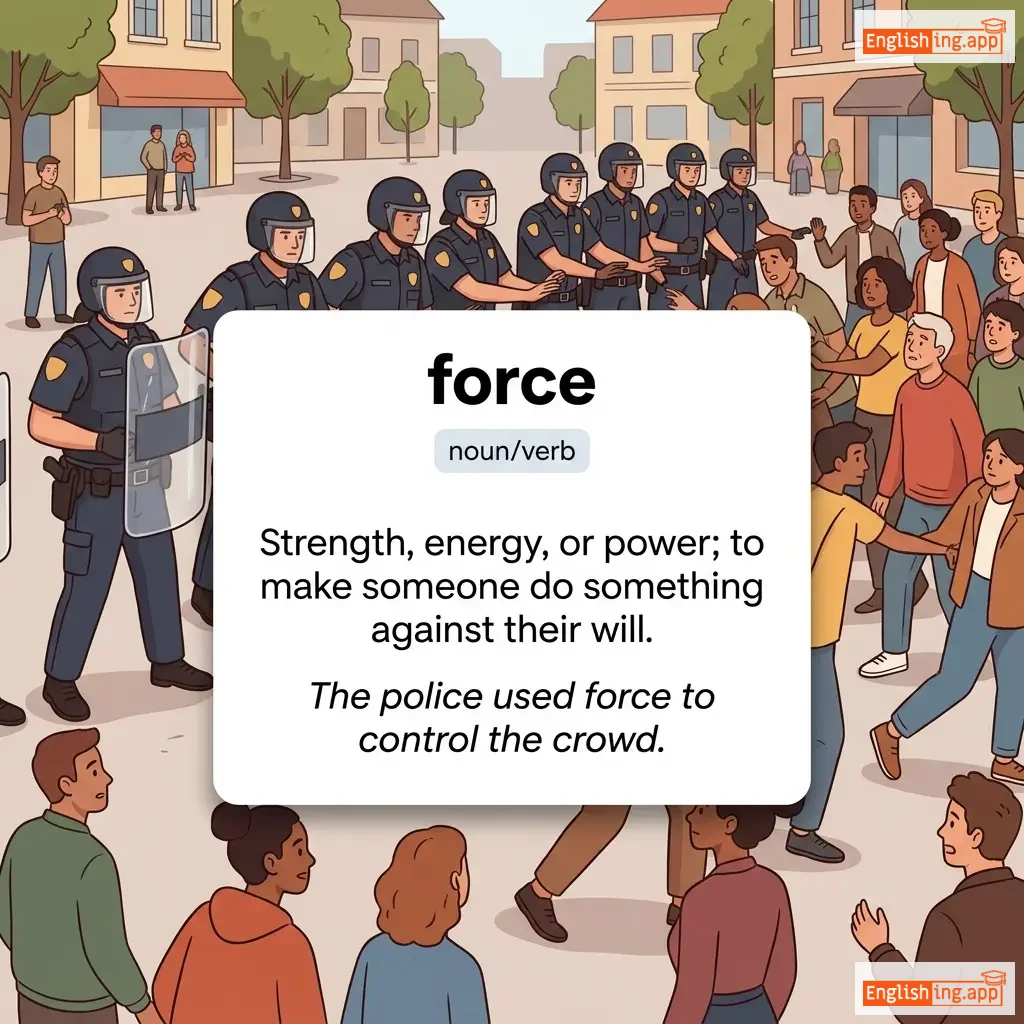
A physical power or energy that can cause movement, change, or influence.
••••••

Strong nuclear force binds particles.

••••••
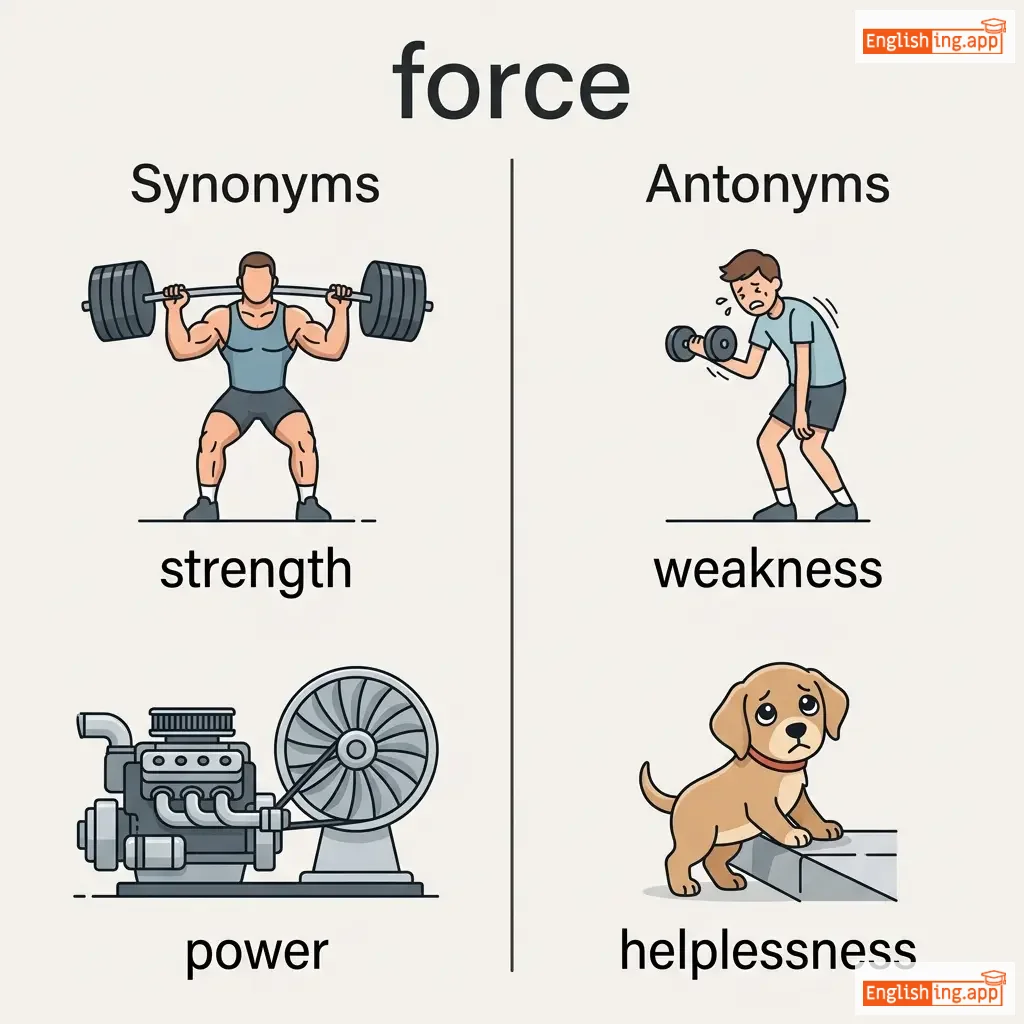
power, energy
••••••
weakness, fragility
••••••
#646
🔗
••••••
baɪnd
verb
••••••
••••••
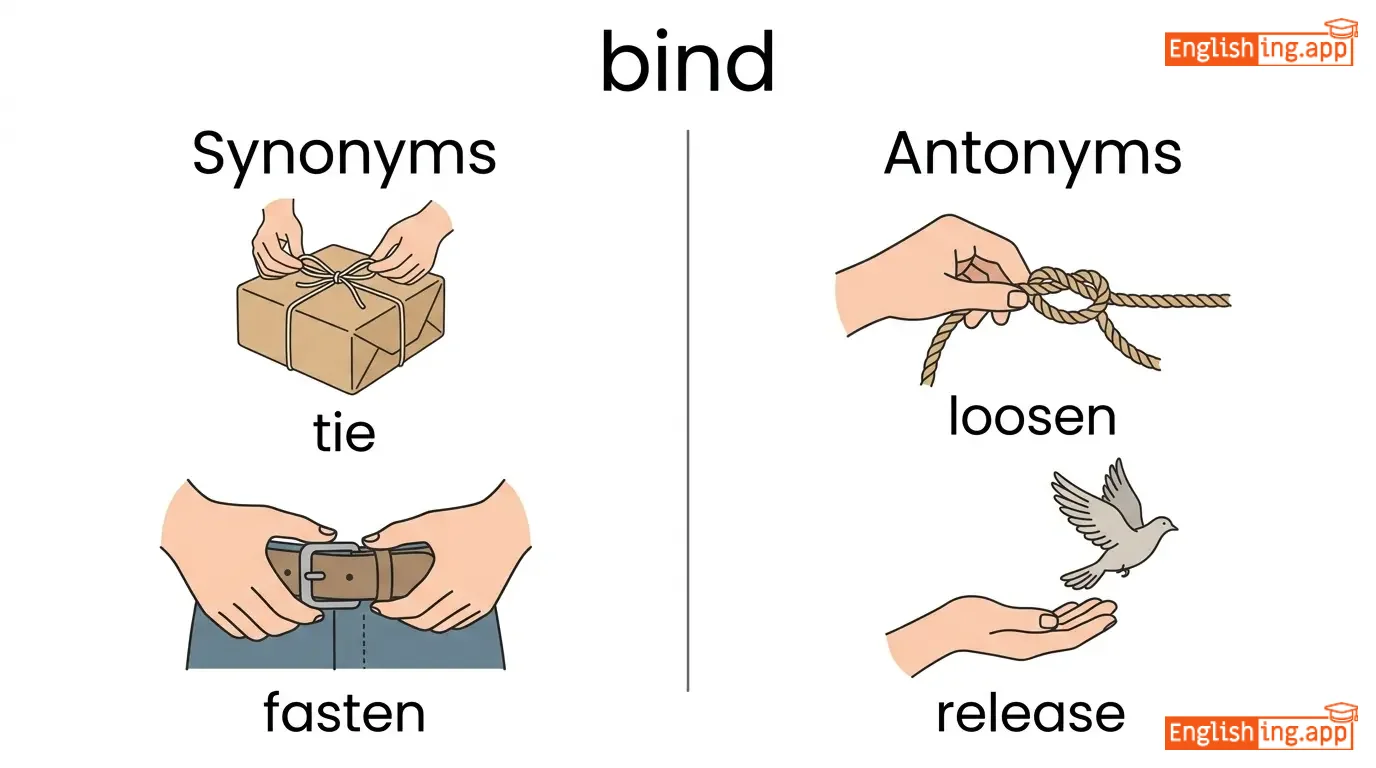
To tie, fasten, or hold together securely.
••••••

This force binds quarks together.

••••••
tie, unite
••••••
separate, disconnect
••••••
#647
🔬
••••••
kwɔːrk
noun
••••••
••••••
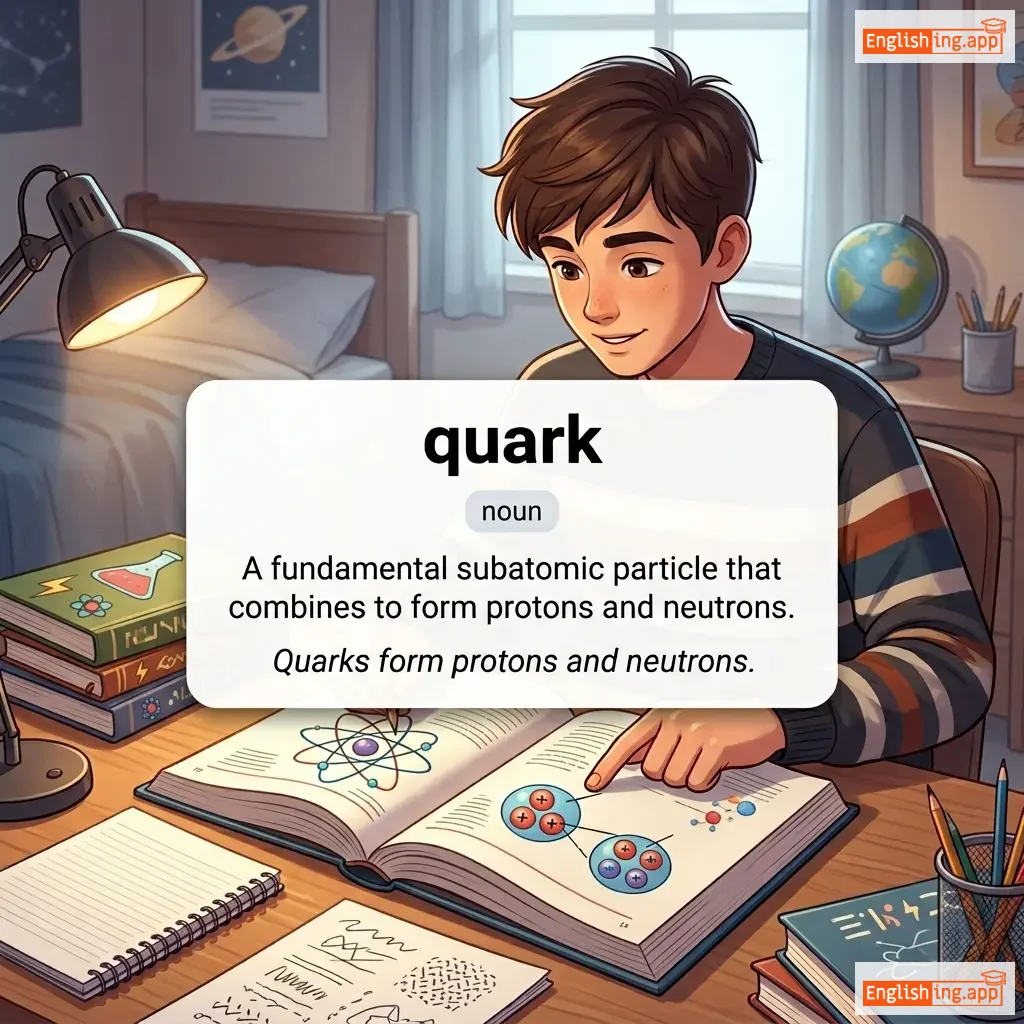
A fundamental subatomic particle that combines to form protons and neutrons.
••••••

Quarks form protons and neutrons.

••••••
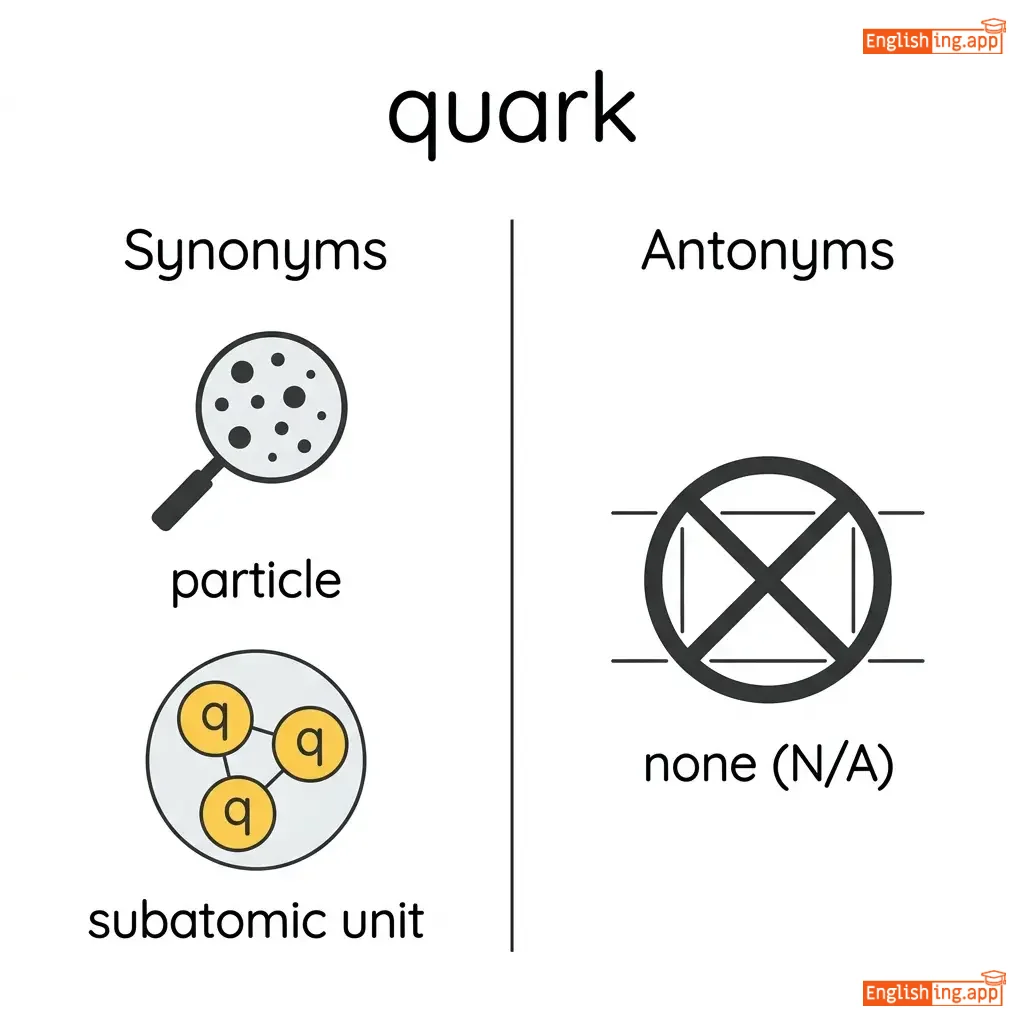
particle, subatomic unit
••••••
none (N/A)
••••••
#648
⚛️
••••••
ˈnuːkliəs
noun
••••••
••••••
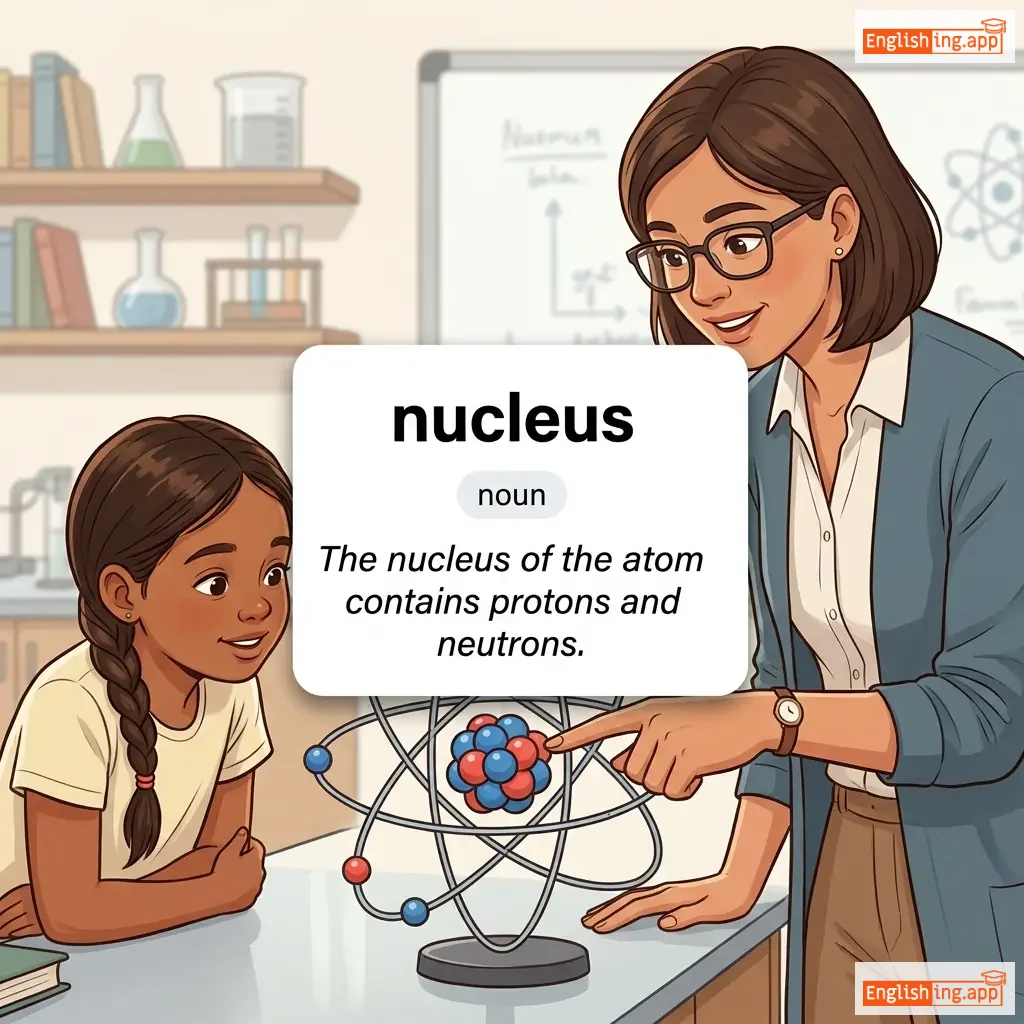
The central core of an atom containing protons and neutrons.
••••••

The nucleus consists of protons.

••••••
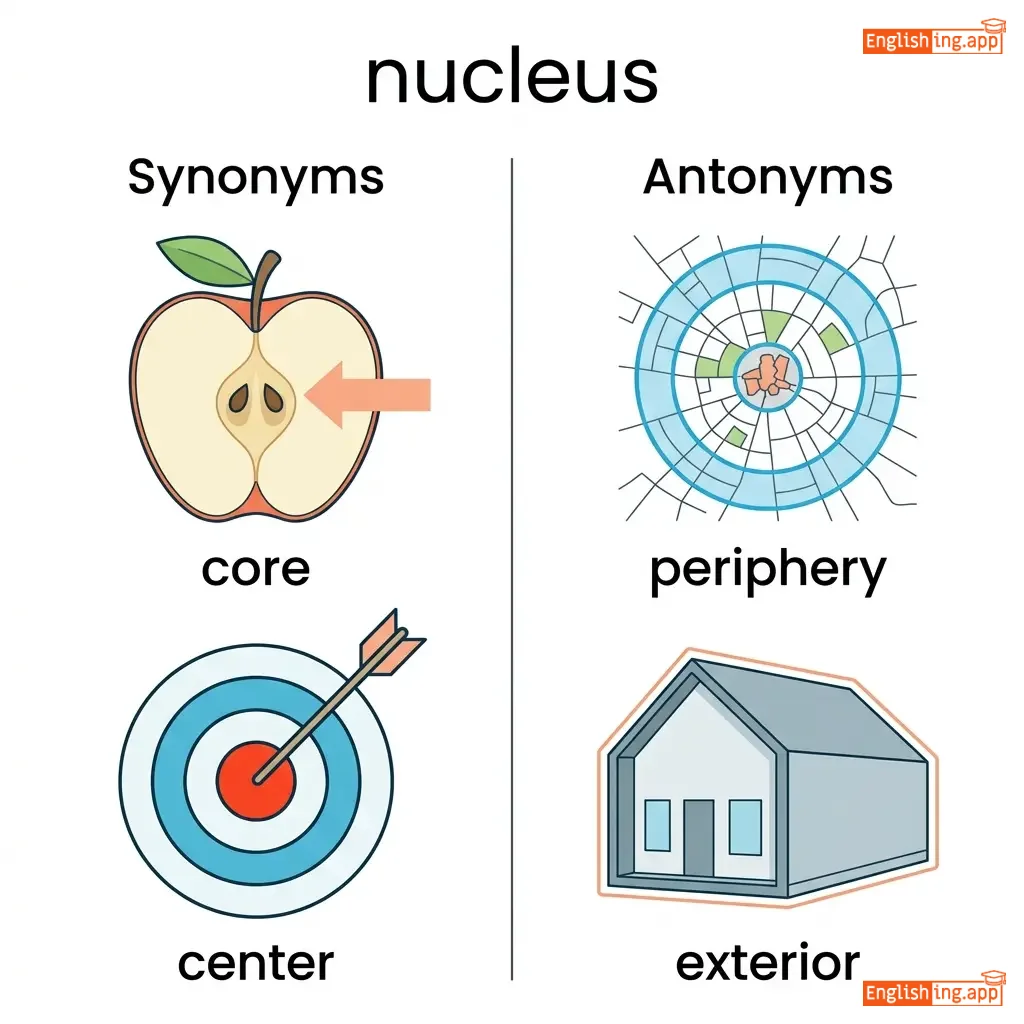
core, center
••••••
periphery, outside
••••••
#649
••••••
ˈpɒzətɪv
adjective
••••••
••••••
Having an electric charge opposite to that of an electron.
••••••

Protons have a positive charge.

••••••
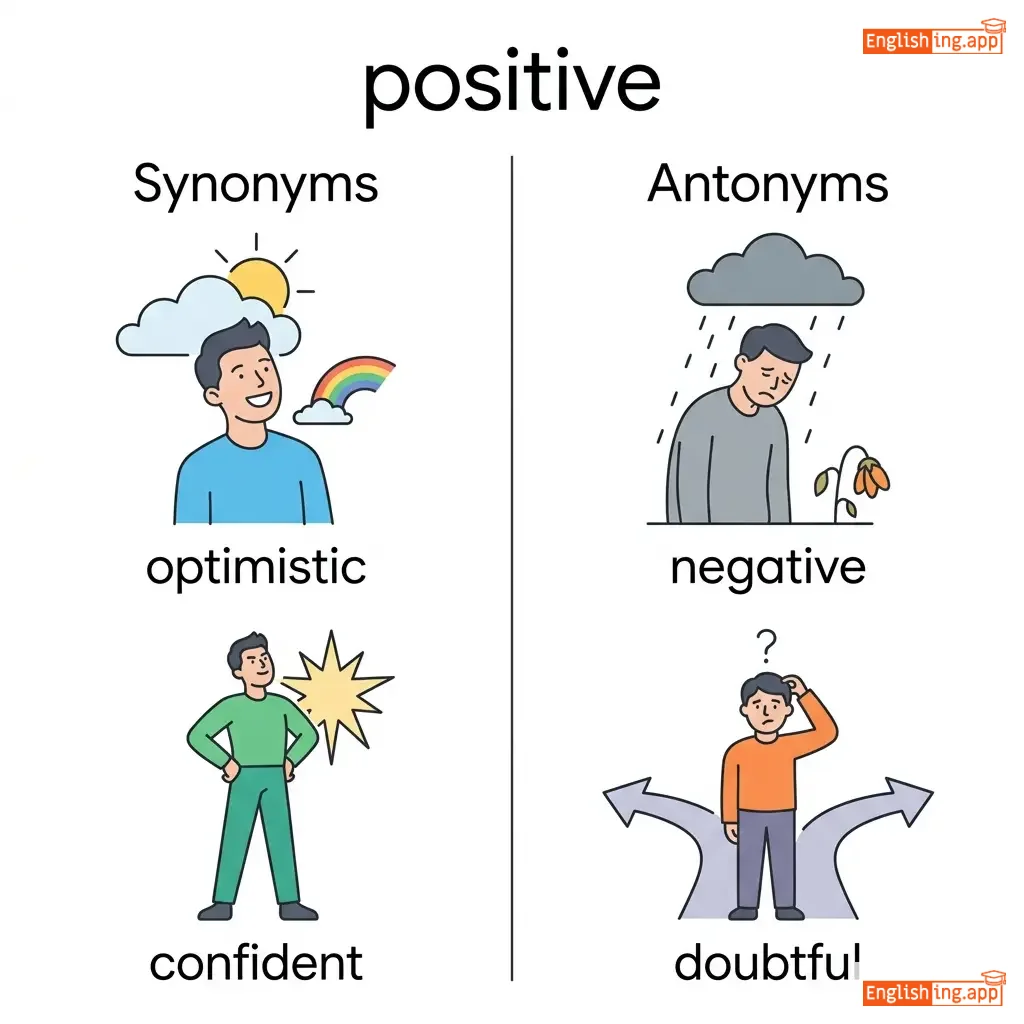
affirmative, plus
••••••
negative, neutral
••••••
#650
⚖️
••••••
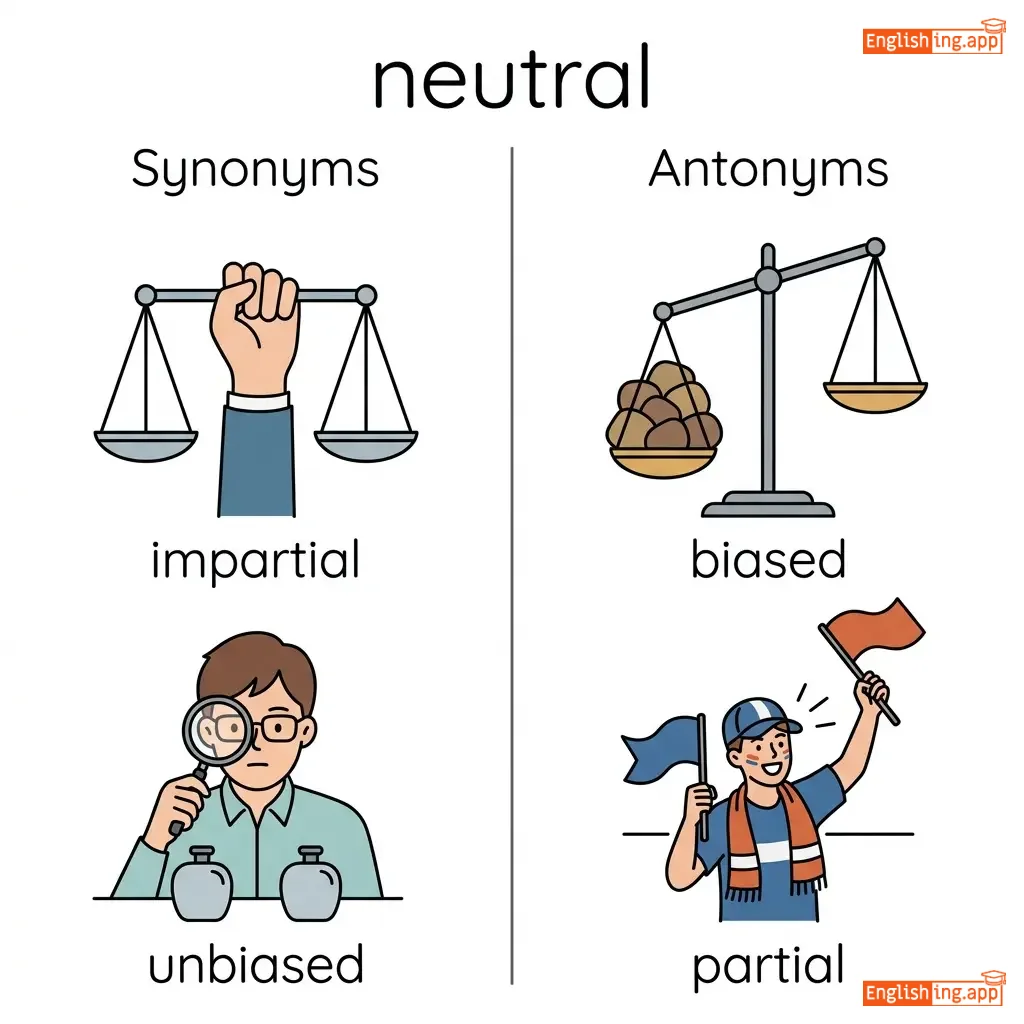
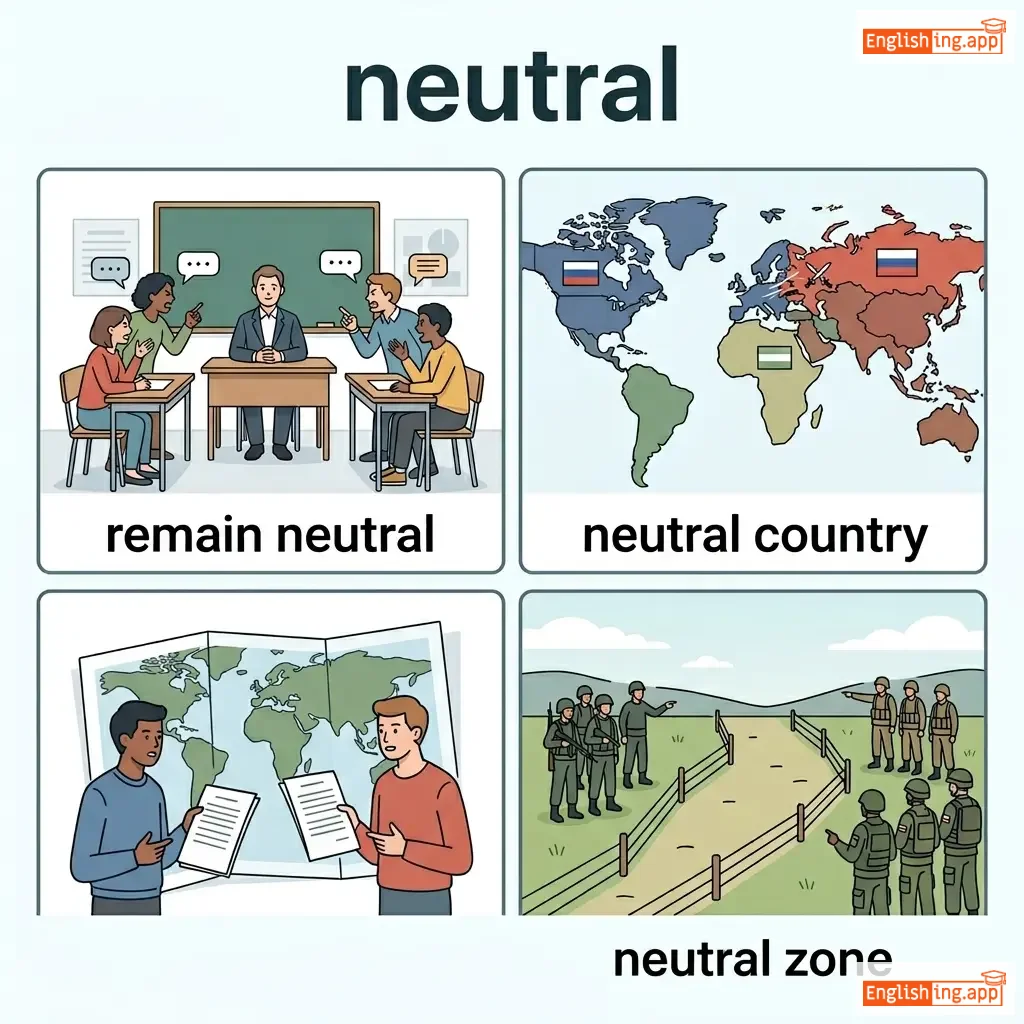
ˈnjuːtrəl
adjective
••••••
••••••
Having no electric charge; neither positive nor negative.
••••••

Neutrons are electrically neutral.

••••••
unbiased, uncharged
••••••
charged, biased
••••••
#651
🔄
••••••
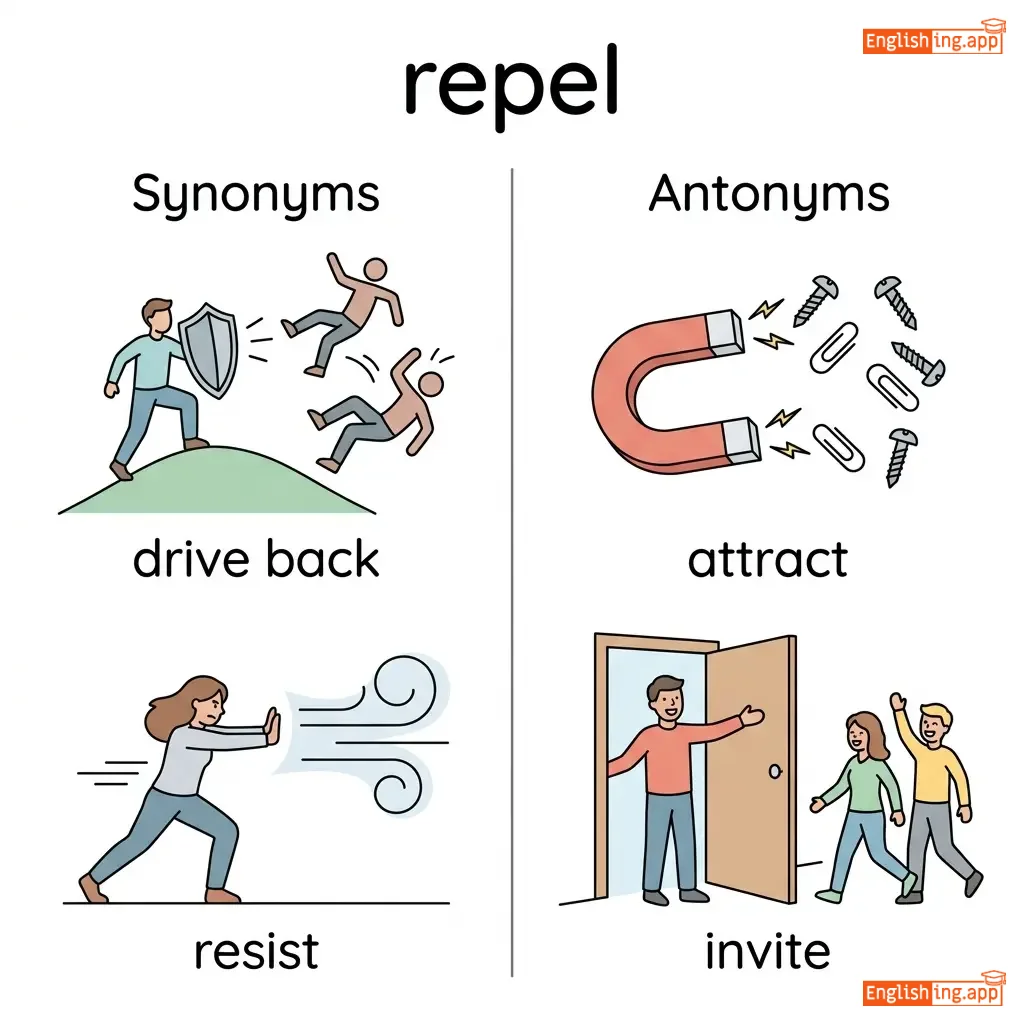
rɪˈpel
verb
••••••
••••••
To push away or force apart due to similar charges or properties.
••••••

Protons repel each other.

••••••
push away, reject
••••••
attract, pull
••••••
#652
📦
••••••
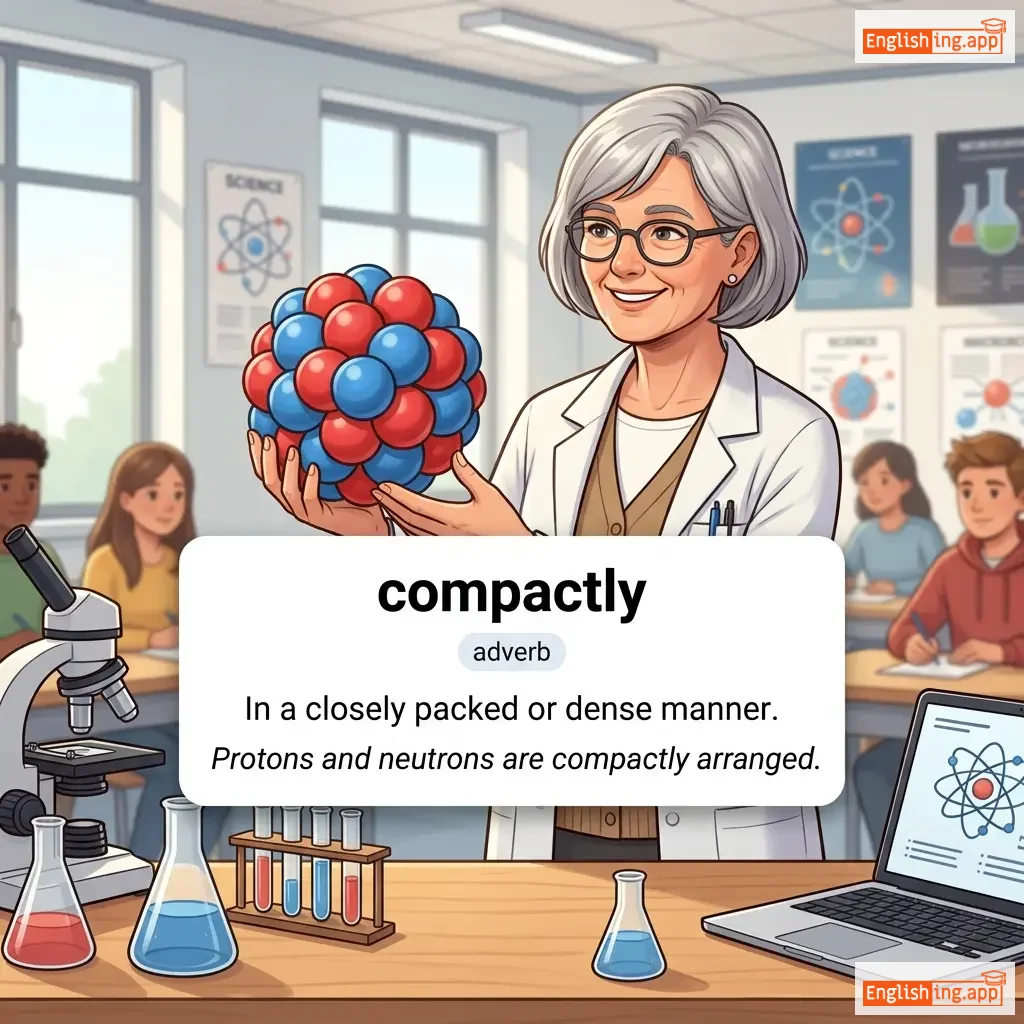
kəmˈpæktli
adverb
••••••
••••••
In a closely packed or dense manner.
••••••

Protons and neutrons are compactly arranged.

••••••
densely, closely
••••••
loosely, scattered
••••••
#653
🤝
••••••
ədˈhɪər
verb
••••••
••••••
To stick firmly to something or stay attached.
••••••

Neutrons adhere to protons.

••••••
stick, cling
••••••
detach, separate
••••••
#654
👑
••••••
ˈdɒmɪnəns
noun
••••••
••••••
The state of having power, control, or influence over others.
••••••

Strong force exerts dominance over other forces.

••••••
supremacy, authority
••••••
inferiority, submission
••••••
#655
🧲
••••••
ɪˌlektrəʊmæɡˈnetɪk
adjective
••••••
••••••
Relating to both electricity and magnetism or their interaction.
••••••

Electromagnetic forces repel protons.

••••••
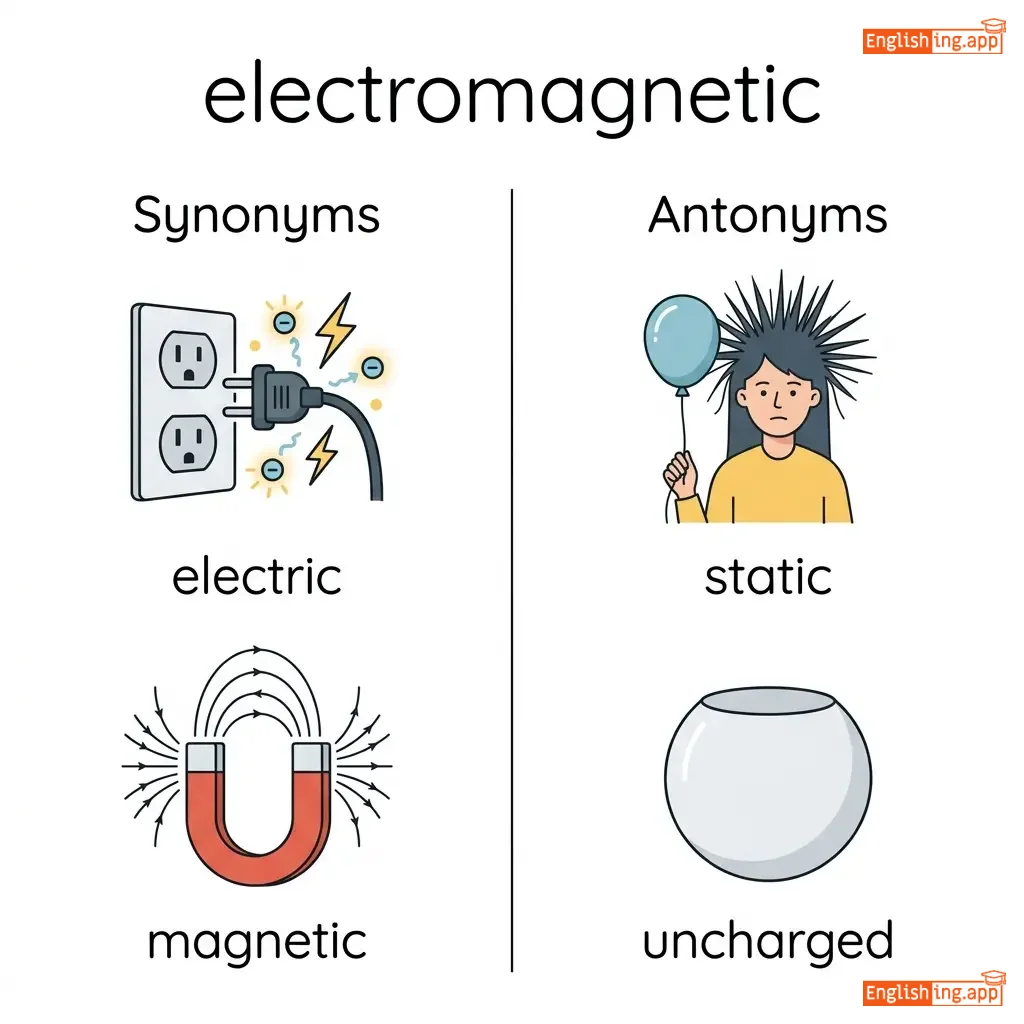
electric, magnetic
••••••
static, uncharged
••••••
#656
🏗️
••••••
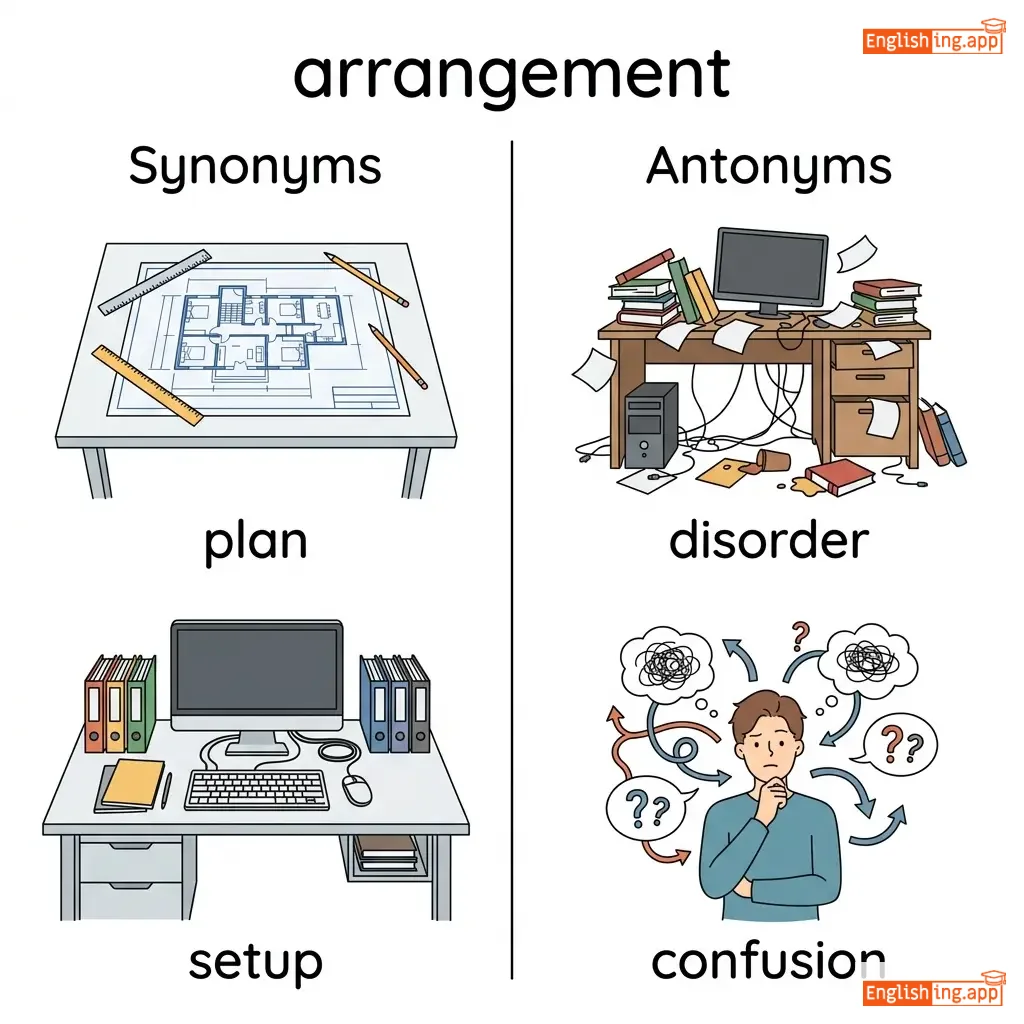
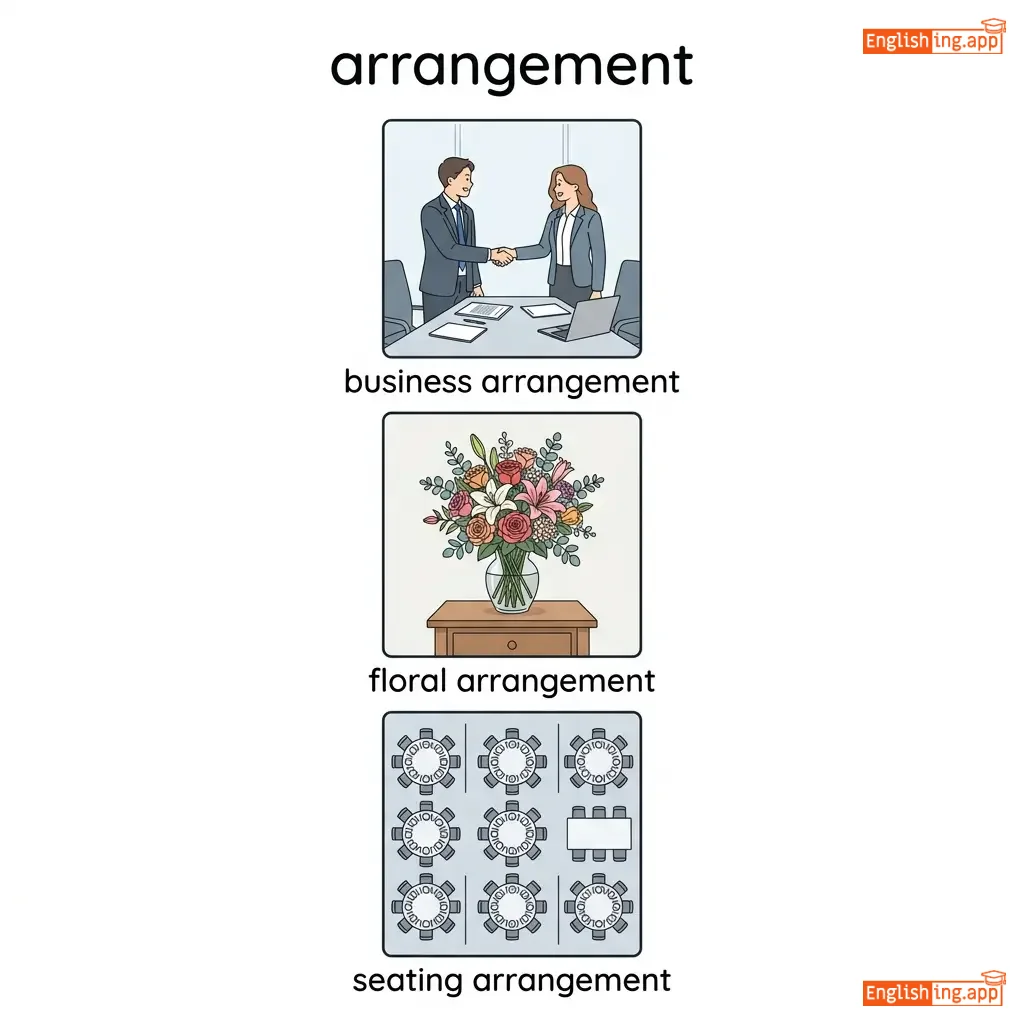
əˈreɪndʒmənt
noun
••••••
••••••
The way things are organized, positioned, or structured.
••••••

The arrangement of protons in the nucleus is critical.

••••••
order, organization
••••••
disorder, chaos
••••••
#657
⚖️
••••••
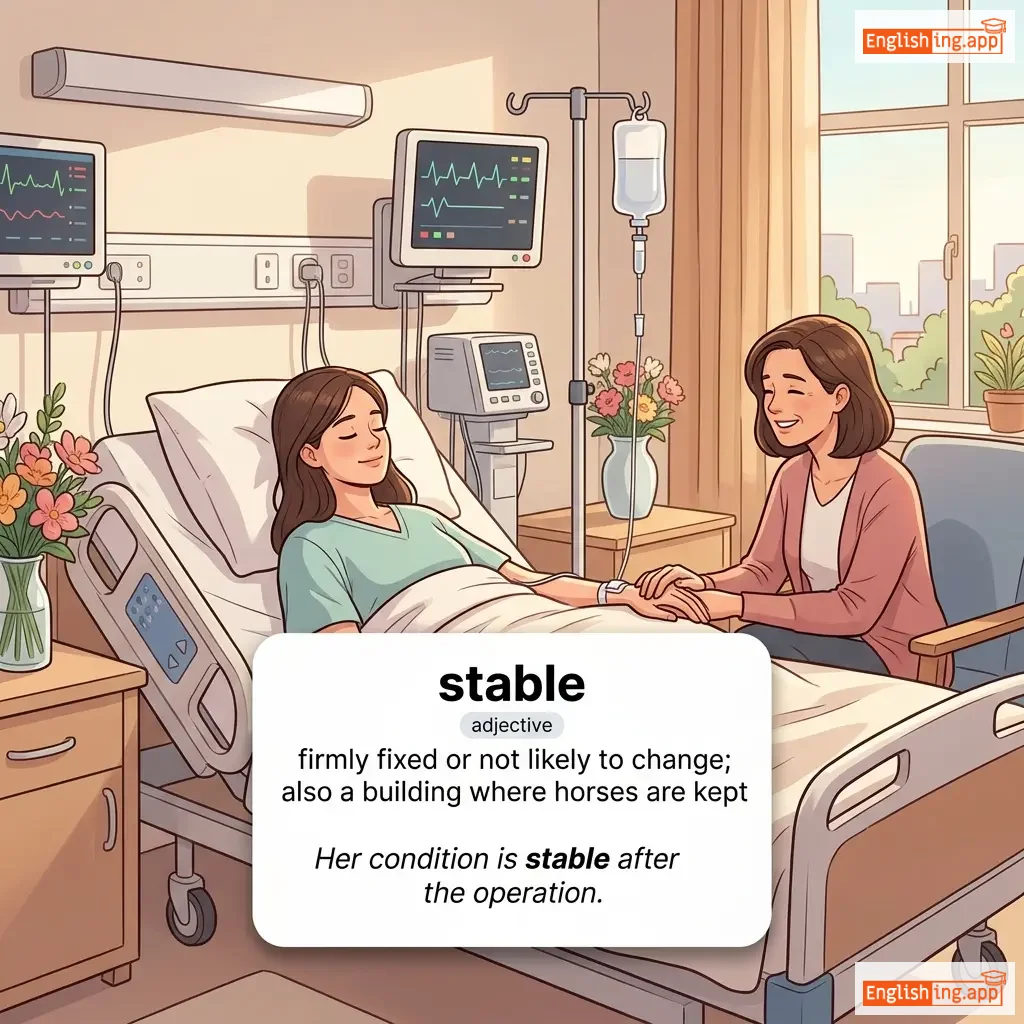
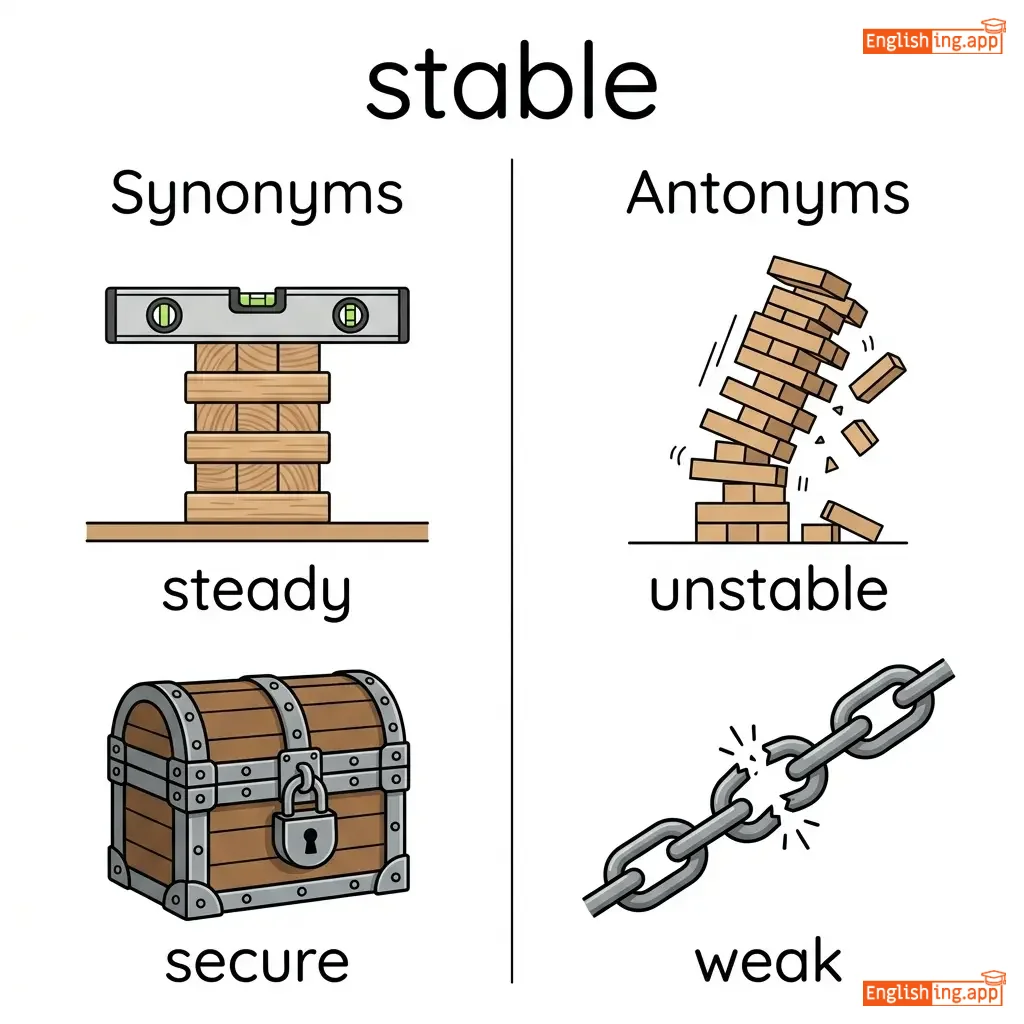
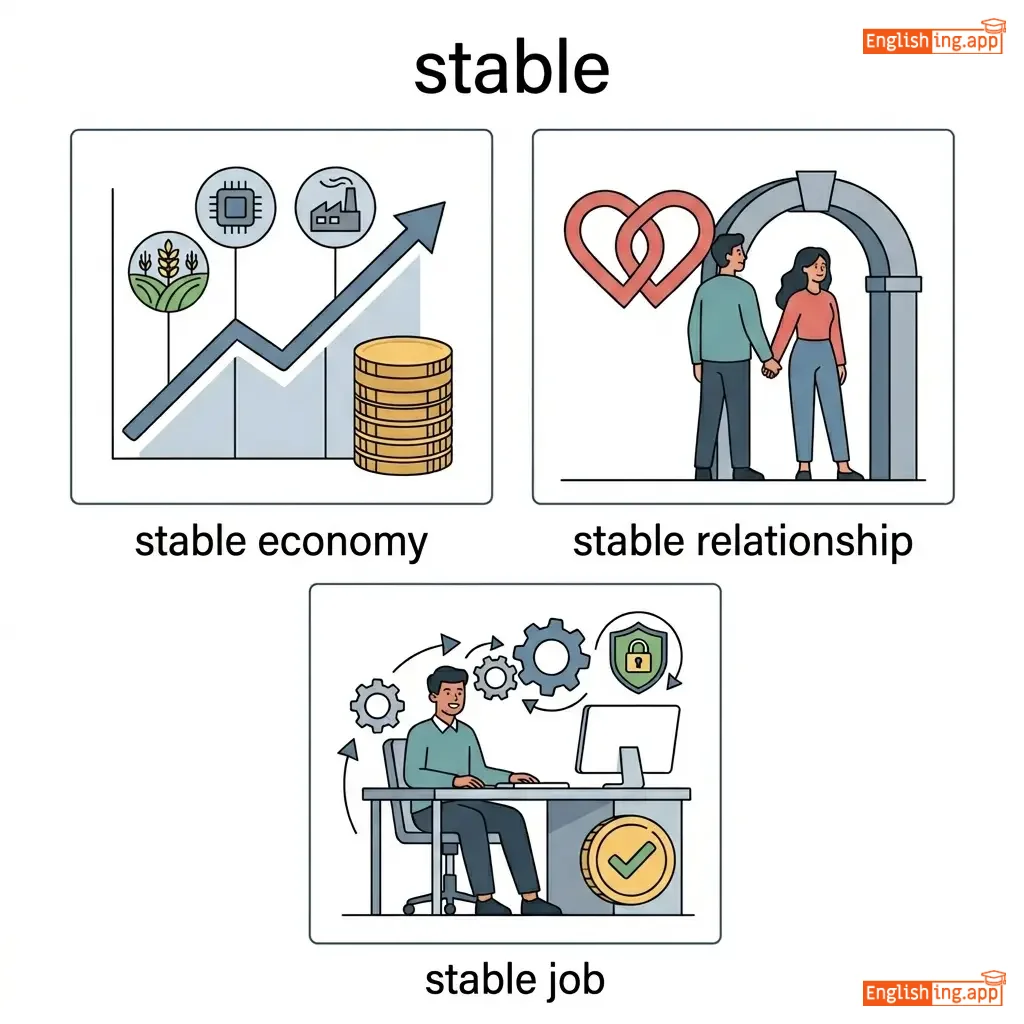
ˈsteɪbl
adjective
••••••
••••••
Not likely to change or fail; firmly established.
••••••

Strong nuclear force keeps the nucleus stable.

••••••
steady, secure
••••••
unstable, volatile
••••••