The Poet's Words
卡里姆是一位 poet。他写下的 poems 感动了人们的 souls。他的 words 很 deep,充满了 life。\n\n“一个 poet 必须 dare 去书写真相,”卡里姆相信。“Words 不只是 words。它们能触及 soul 的 deep 处。”\n\n但卡里姆 lived 在一个真相危险的地方。当地的 gang 控制了一切,cops 腐败。人们 lived like 被关在 cage 里,不 free。\n\n“这不是 life,”卡里姆想。“人们 hide,他们若说话就被 hunted。这就是 evil。”\n\n于是卡里姆写下了一首 poem。一首关于 evil gangs、腐败 cops、被关在 cages 里的人们,以及追求 free 的 poem。他的 words deep 且有力量。\n\n这首 poem 传播开来。人们阅读、分享它。“这个 poet dares 去说出我们 hide 的话,”他们低声说。“他的 words 触动了我们的 souls。”\n\n但 gang 大怒。“这个 man dares 写反对我们的文字?我们会 hunt 他。我们会把他关进 jail,放进 cage,让他无法 free 地写他的 words。”\n\n腐败的 cops 来 hunting 卡里姆。“你写了 evil words,”他们撒谎说。“你是罪犯。”\n\n但人们知道真相。“他不是罪犯,他是 poet!”他们抗议道。“他的 poems 诉说真理!他的 words 不是 evil,而是揭露 evil!”\n\n许多人 dared 与卡里姆并肩。“我们不再 hide,”他们宣告。“我们不再 live like 被困在 cages 里。我们应当 free!”\n\nGang 想 hunt 所有人,但民众太多了。Cops 意识到他们无法 cage 所有人,舆论压力上升。\n\n最终,gang 头目被关进 jail,腐败的 cops 被清除。人们再次 free。而那位 poet,那位 dared 的卡里姆,成了 hero。\n\n“一个拥有 words 的 man 能改变 fate,”卡里姆在下一首 poem 中说。“当你以真诚 live,当你 dare 从 soul 说出真相,当你不 hide 于 evil 之下,当你的 words deep 且诚实——你就能打破 cages。你能让人们 free。我只是一个 poet。我 live like 普通的 man。但我 dared 去写出来自 soul 的 deep words。我没有 hide,即便 gangs 想 hunt 我,cops 威胁 jail,想把我关进 cage。因为如果不能 free,那就不是 life。一个 poet's words,若来自 soul 的 deep 处,能激励 heroes。不是因为 poets 特别,而是因为 words 强大。所以不要 hide。要 dare 去说。Live free。对抗 evil。别让 gangs 或腐败 cops 建立 cages。别让他们 hunt 说真话的人。让你的 soul 通过 words 说话。不论你是不是 poet,你的 words 都重要。深刻地使用它们,智慧地使用它们,永远不要让 fate 被 evil 决定。”\n\n多年后,卡里姆的 poems 被学校教授。孩子们学到,一位 poet's words 改变了社会。他们学到,一个 man,他 dared 从 soul 写作,不 hide 于 evil,即使被 hunted、jailed、caged,也激励了成千上万人去 live free。Gang 消失了,更好的 cops 服务人民,再也没人 lived like 被困在 cages。这一切都因为一个 poet 相信,words 若 deep 且真诚,若来自 soul,就能改变 fate,让人们从 evil 中 free。卡里姆不仅是 poet,他是 hero。他的 poems 不只是 words——它们是对抗不公的武器,是打开 cages 的钥匙,是追寻真理的 hunts,是从 soul 到 soul 的 deep 呼唤,提醒人们真正的 life 只有当你 dare 去 free 才存在。
|
表情符号
|
单词 | Images | 翻译 | 过去时 | 过去分词 | 第三人称单数 | 动名词 | 含义 | 例句 | 例句翻译 | 示例表达 | 示例表达含义 | 示例表达翻译 | 同义词 | 反义词 | 搭配词 | 助记符 |
|---|---|---|---|---|---|---|---|---|---|---|---|---|---|---|---|---|---|
|
🐦
••••••
|
/keɪdʒ/
noun
(ケージ)
••••••
|
- •••••• |
笼子
longzi
••••••
|
- •••••• | - •••••• | - •••••• | - •••••• |
a structure of bars or wires in which birds or animals are kept
••••••
|
The bird sang happily inside its cage. |
鸟儿在它的笼子里快乐地歌唱。
Niǎo er zài tā de lóngzi lǐ kuàilè de gēchàng.
••••••
|
bird in a cage |
someone who feels trapped or restricted
••••••
|
笼中的鸟
lóng zhōng de niǎo
••••••
|
enclosure, pen, crate, prison, coop
••••••
|
freedom, open space
••••••
|
bird cage, metal cage, animal cage, locked cage
••••••
|
Cage 意思是笼子 — 记住,在笼子里鸟儿会唱歌,但不会飞翔!
••••••
|
|
👮
••••••
|
/kɒp/
noun
(kop)
••••••
|
- •••••• |
警察
jingcha
••••••
|
- •••••• | - •••••• | - •••••• | - •••••• |
a police officer (informal)
••••••
|
The cop stopped the car for speeding. |
警察因超速而拦下了那辆车。
Jingcha yin chaosu er lansha le na liang che.
••••••
|
cop out |
to avoid doing something because of fear or lack of courage
••••••
|
逃避责任
taobi zeren
••••••
|
police officer, constable, patrolman, lawman, detective
••••••
|
criminal, offender, lawbreaker
••••••
|
cop car, traffic cop, undercover cop, beat cop
••••••
|
Cop 👮, 警察是你生活的守护神!
••••••
|
|
😎
••••••
|
/der/
verb
(dɛr)
••••••
|
|
敢于
gǎn yú
••••••
|
dared
dɛrd
••••••
|
dared
dɛrd
••••••
|
dares
dɛrs
••••••
|
daring
dɛrɪŋ
••••••
|
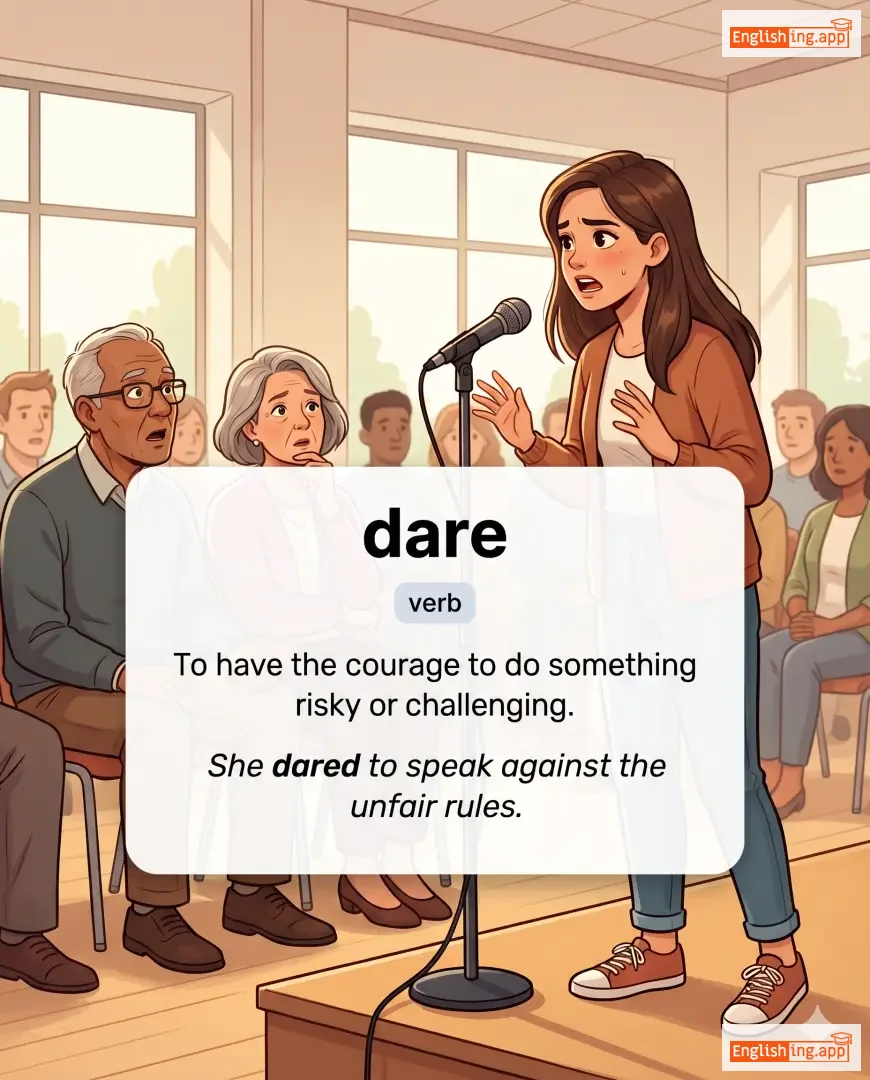
To have the courage to do something risky or challenging.
••••••
|
She dared to speak against the unfair rules.
她敢于反对不公平的规则。
••••••
|
她敢于反对不公平的规则。
Tā gǎn yú fǎnduì bù gōngpíng de guīzé.
••••••
|
How dare you
你怎么敢?
••••••
|
Used to express anger or shock at someone's bold action
••••••
|
你怎么敢?
Nǐ zěnme gǎn?
••••••
|
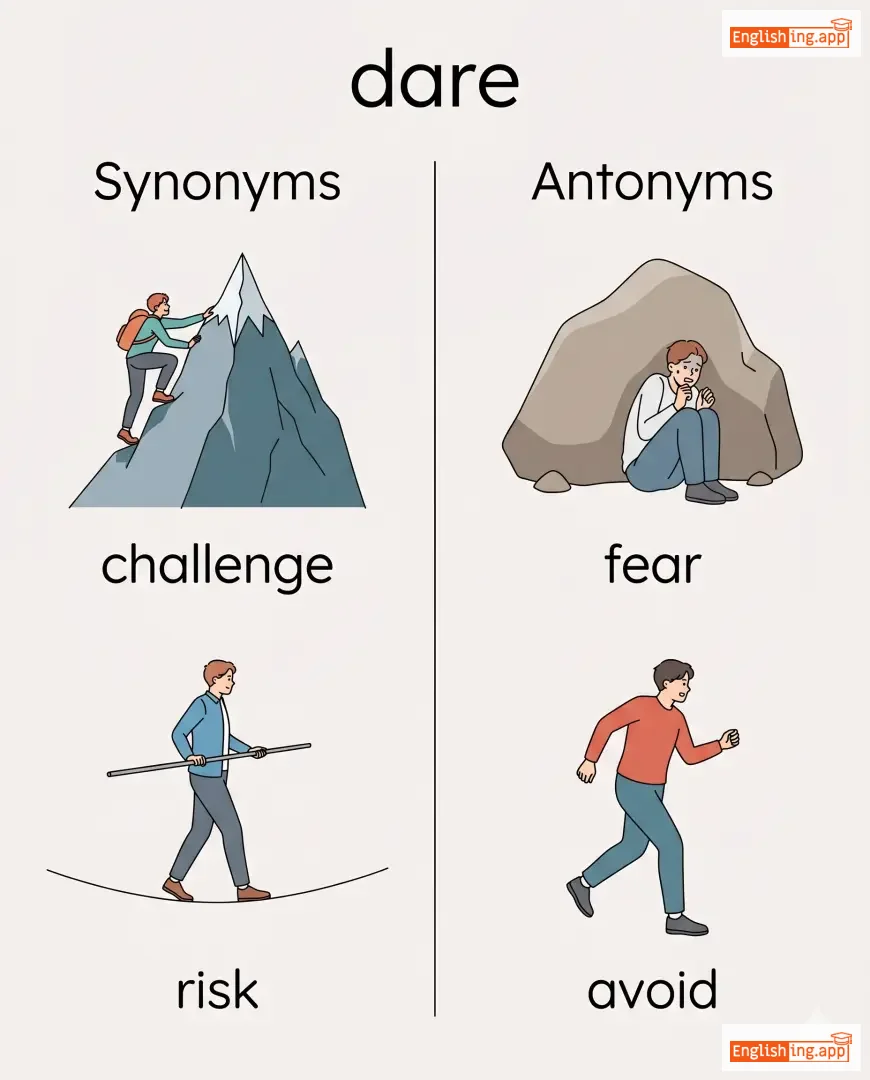
challenge, risk, venture, defy
••••••
|
fear, avoid, hesitate
••••••
|
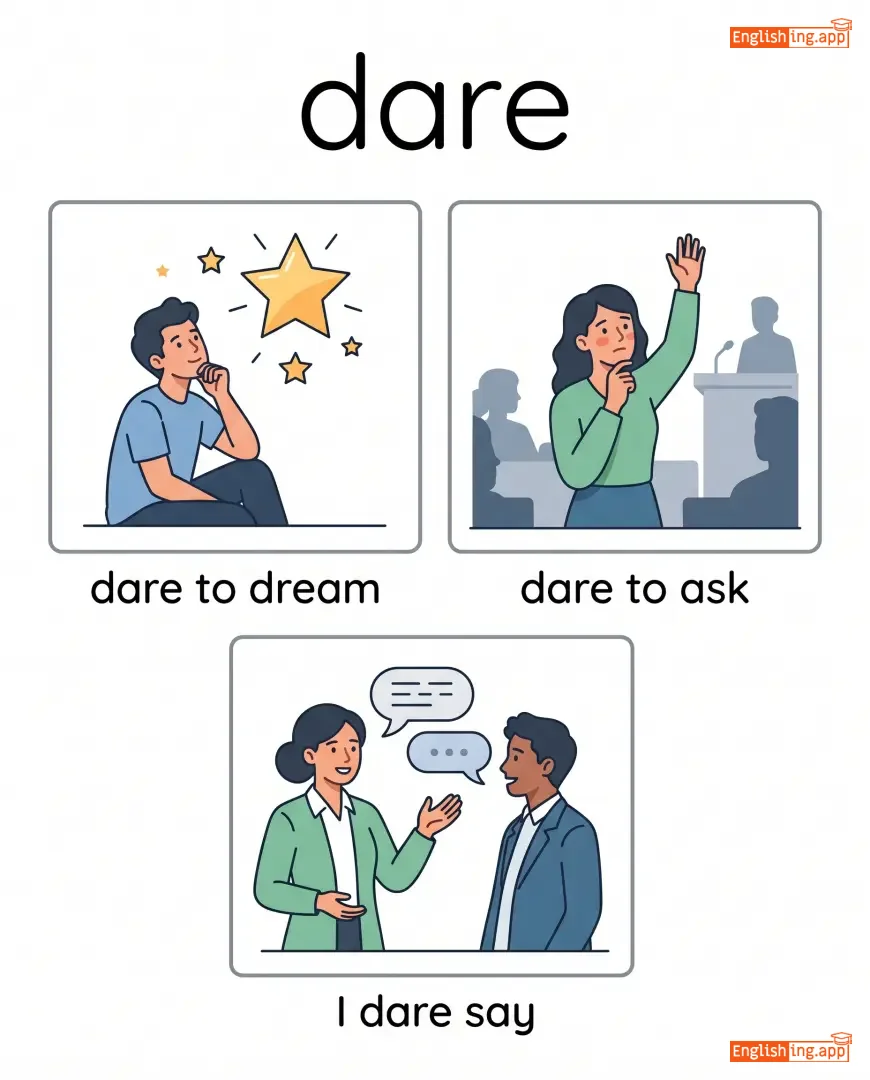
dare to dream, dare to ask, I dare say, dare someone
••••••
|
Dare 就是敢于做有挑战性的事情。
••••••
|
|
🌊
••••••
|
/diːp/
adjective
(海皮尼斯)
••••••
|
- •••••• |
幸福
xìngfú
••••••
|
- •••••• | - •••••• | - •••••• | - •••••• |
extending far down from the top or surface; profound or intense
••••••
|
The lake is very deep in the middle. |
当她收到奖项时,她无法掩饰自己的幸福。
Dāng tā shōu dào jiǎngxiàng shí, tā wúfǎ yǎnshì zìjǐ de xìngfú.
••••••
|
deep down |
used to describe a person's true feelings or thoughts that may not be expressed openly
••••••
|
追求幸福
zhuīqiú xìngfú
••••••
|
profound, intense, bottomless, vast, thorough
••••••
|
shallow, superficial
••••••
|
deep water, deep sleep, deep thought, deep voice, deep sea
••••••
|
幸福是你心中的快乐
••••••
|
|
😈
••••••
|
/ˈiːvəl/
adjective
(伊维尔)
••••••
|
- •••••• |
邪恶
xiee
••••••
|
- •••••• | - •••••• | - •••••• | - •••••• |
Profoundly immoral and wicked.
••••••
|
They believed the villain was the embodiment of evil. |
他们相信反派是邪恶的化身。
Tāmen xiāngxìn fǎnpài shì xié'è de huàshēn.
••••••
|
root of all evil |
the fundamental source of wickedness or problems
••••••
|
万恶之源
wàn è zhī yuán
••••••
|
wicked, immoral, malevolent, sinful, corrupt
••••••
|
good, virtuous, righteous
••••••
|
evil deeds, pure evil, embodiment of evil
••••••
|
Evil的意思是邪恶→ Devil中藏有Evil
••••••
|
|
✨
••••••
|
/feɪt/
noun
(feiti)
••••••
|
- •••••• |
命运
mingyun
••••••
|
- •••••• | - •••••• | - •••••• | - •••••• |
the development of events beyond a person's control, regarded as determined by a supernatural power
••••••
|
She believed it was her fate to become a teacher.
她相信成为教师是她的命运。
••••••
|
她相信成为教师是她的命运。
Ta xiangxin chengwei jiaoshi shi ta de mingyun.
••••••
|
tempt fate
挑战命运
••••••
|
to take unnecessary risks
••••••
|
挑战命运
tiaozhan mingyun
••••••
|
destiny, fortune, luck, doom
••••••
|
choice, free will
••••••
|
sealed fate, cruel fate, fate decided, twist of fate
••••••
|
Fate意味着命运; '挑战命运'帮助记住fate = 命运
••••••
|
|
🕊️
••••••
|
/friː/
adjective/verb/adverb
(fú lì)
••••••
|
- •••••• |
自由
zì yóu
••••••
|
freed
fú lǐ dé
••••••
|
freed
fú lǐ dé
••••••
|
frees
fú lǐ
••••••
|
freeing
fú lìng
••••••
|
Not under the control or in the power of another; able to act or be done as one wishes.
••••••
|
The children are free to play outside.
孩子们可以自由地在外面玩。
••••••
|
孩子们可以自由地在外面玩。
Háizimen kěyǐ zìyóu de zài wàimiàn wán.
••••••
|
set free
释放
••••••
|
to release from captivity or constraints
••••••
|
释放
shìfàng
••••••
|
unrestricted, independent, open, liberated, gratis
••••••
|
restricted, bound, captive
••••••
|
free time, free speech, free market, free trial
••••••
|
自由就像free,记住 '孩子们自由玩耍'。
••••••
|
|
👥
••••••
|
/ɡæŋ/
noun
(gang)
••••••
|
- •••••• |
团伙
tuánhuǒ
••••••
|
- •••••• | - •••••• | - •••••• | - •••••• |
An organized group of people, often involved in crime or violence.
••••••
|
The gang was arrested by the police last night. |
那个团伙昨晚被警察逮捕了。
nàge tuánhuǒ zuó wǎn bèi jǐngchá dàibǔ le.
••••••
|
gang up on |
to join together against someone in a hostile way
••••••
|
联合起来对抗
liánhé qǐlái duìkàng
••••••
|
crew, group, band, mob, clique
••••••
|
individual, loner
••••••
|
street gang, criminal gang, gang leader, gang violence
••••••
|
团伙 👥 就是像团体一样,大家聚在一起做事情。
••••••
|
|
🦸
••••••
|
/ˈhɪəroʊ/
noun
(英雄)
••••••
|
|
英雄
yingxiong
••••••
|
- •••••• | - •••••• | - •••••• | - •••••• |
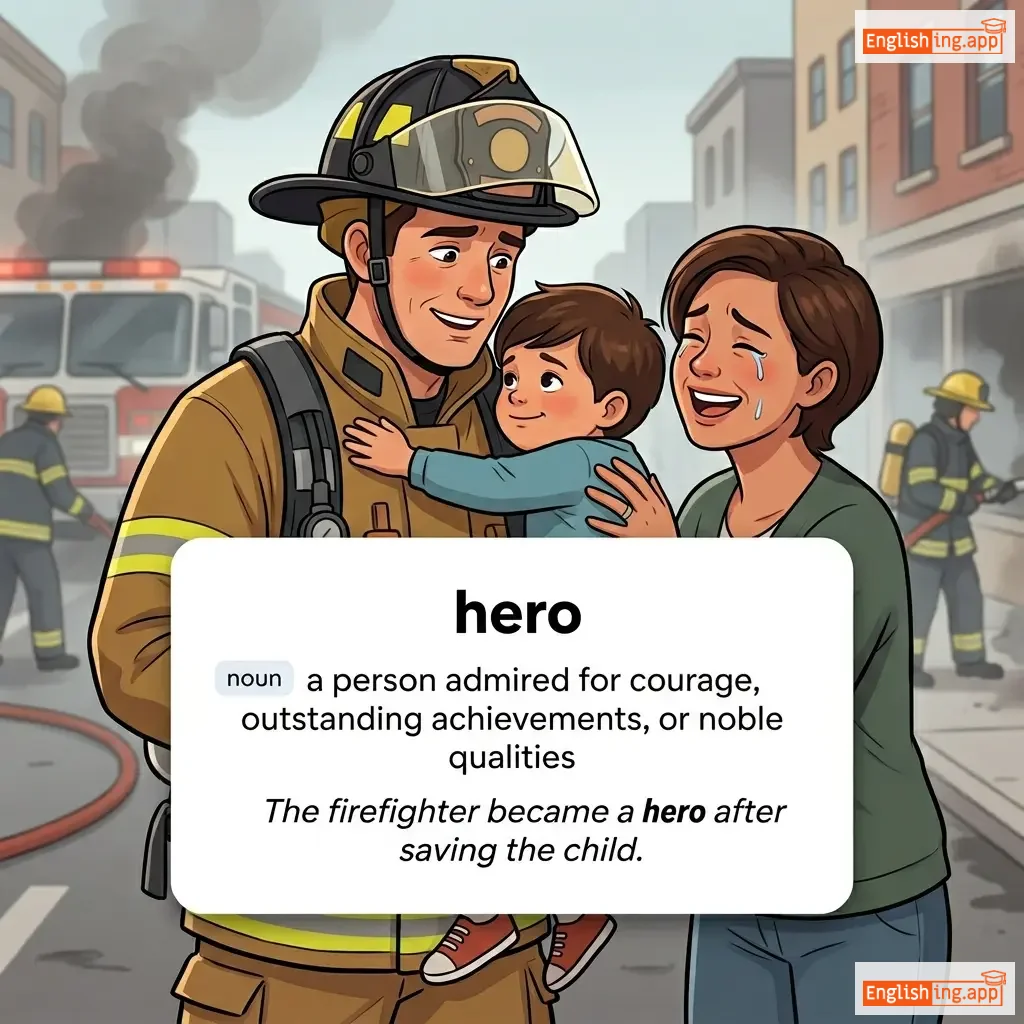
a person admired for courage, outstanding achievements, or noble qualities
••••••
|
The firefighter became a hero after saving the child. |
消防员在救出孩子后成了英雄。
Xiaofangyuan zai jiuchu haizi hou cheng le yingxiong.
••••••
|
unsung hero |
a person who makes a great contribution without recognition
••••••
|
无名英雄
wuming yingxiong
••••••
|
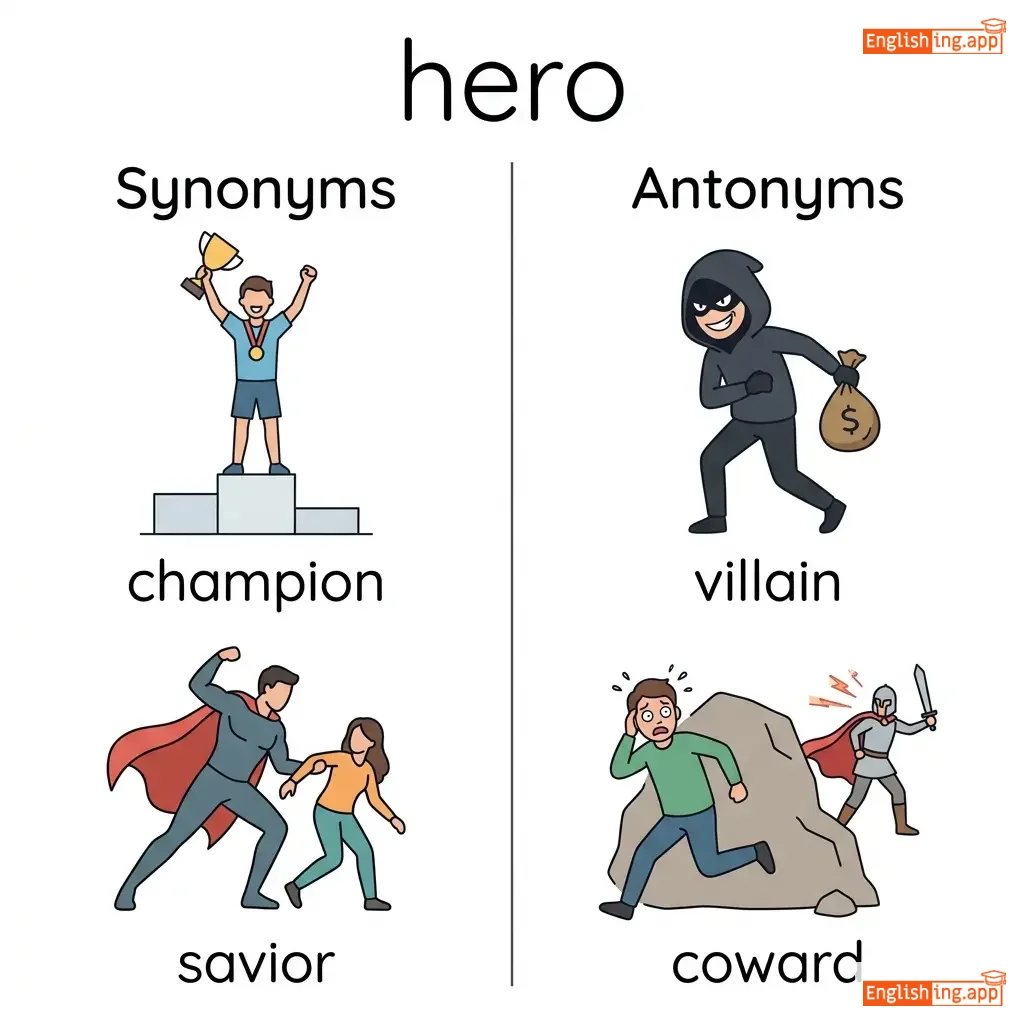
champion, savior, idol, warrior, legend
••••••
|
villain, coward
••••••
|
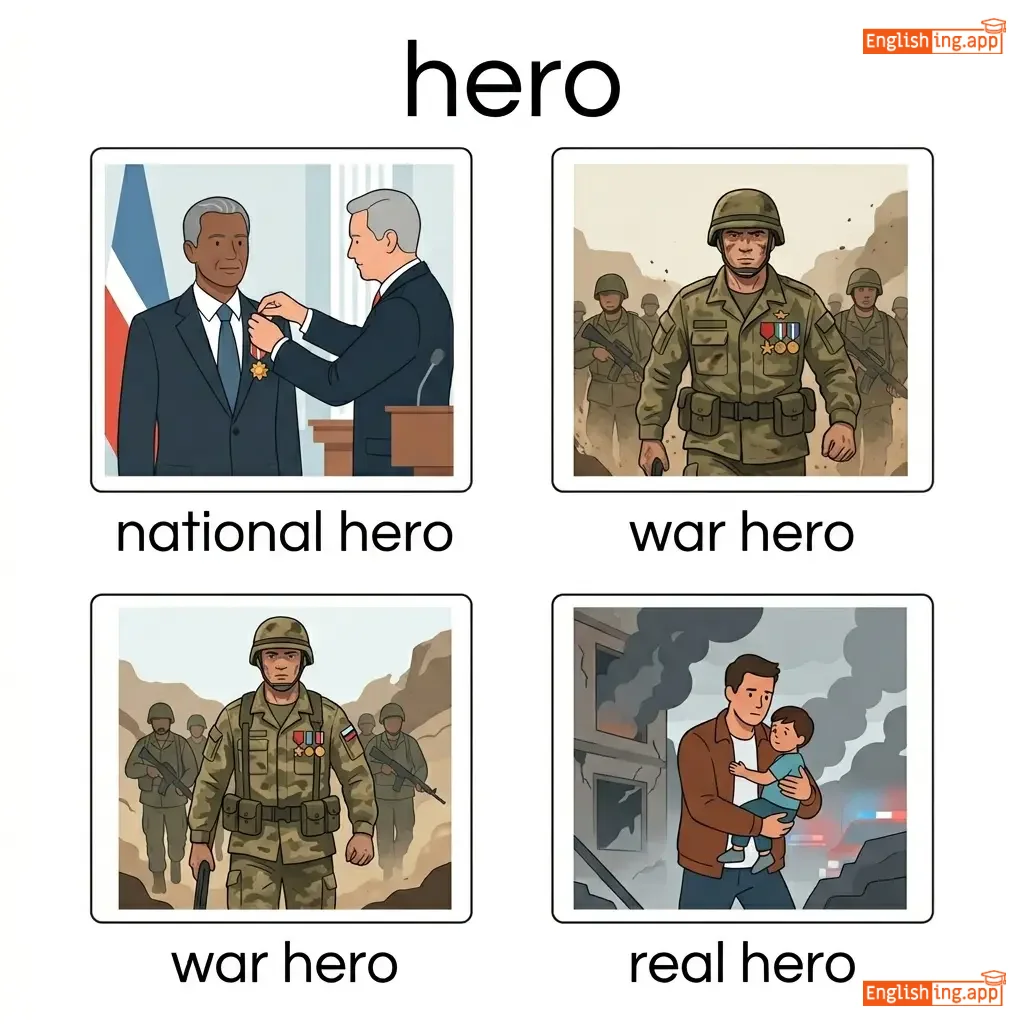
national hero, war hero, real hero, unsung hero
••••••
|
英雄意味着英雄 🦸 - 在中文中,英雄就是做出伟大事情的人。
••••••
|
|
🙈
••••••
|
/haɪd/
verb
(hāi dé)
••••••
|
|
隐藏
yǐn cáng
••••••
|
hid
hí dé
••••••
|
hidden
hí dén
••••••
|
hides
hāi dé sī
••••••
|
hiding
hāi dé yīng
••••••
|
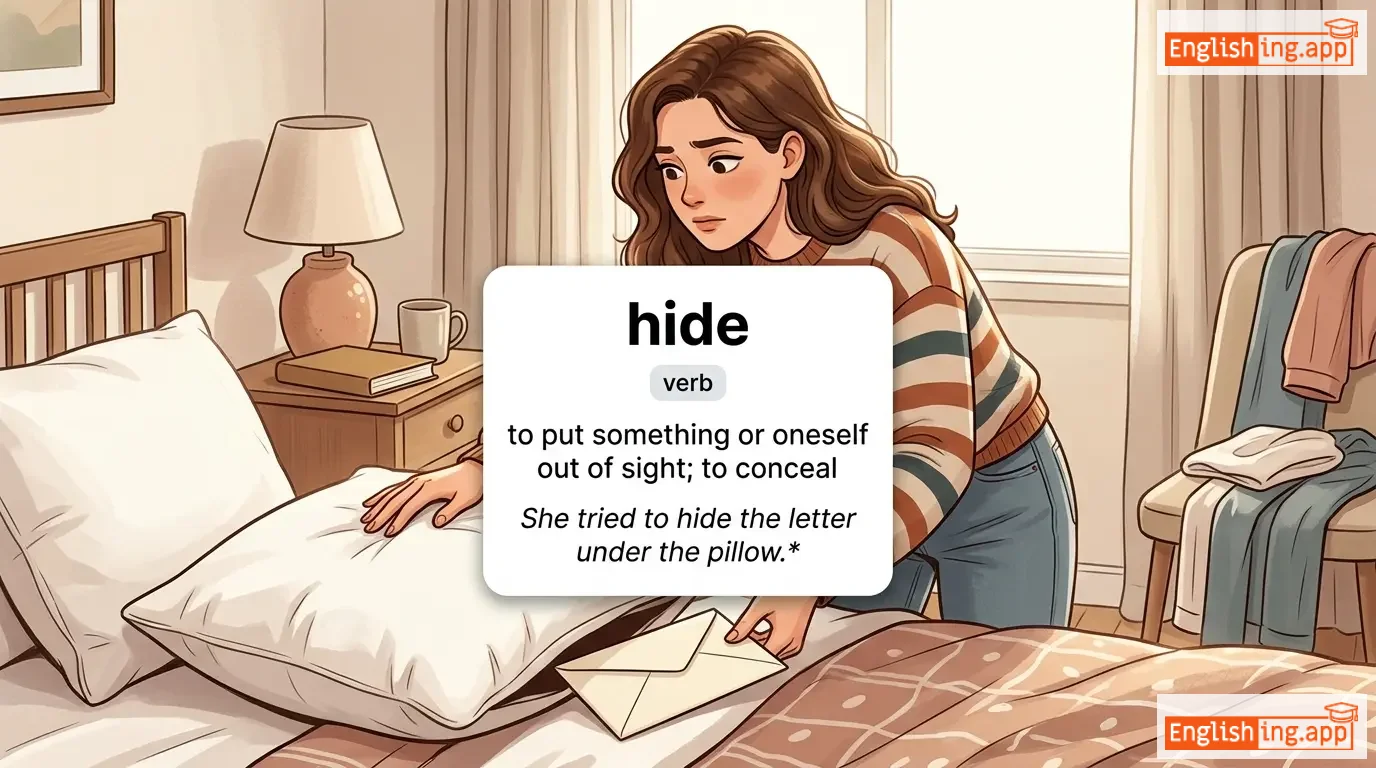
to put something or oneself out of sight; to conceal
••••••
|
She tried to hide the letter under the pillow.
她试图把信藏在枕头下。
••••••
|
她试图把信藏在枕头下。
Tā shìtú bǎ xìn cáng zài zhěntóu xià.
••••••
|
hide and seek
捉迷藏
••••••
|
a children's game where one hides and others seek
••••••
|
捉迷藏
zhuō mí cáng
••••••
|
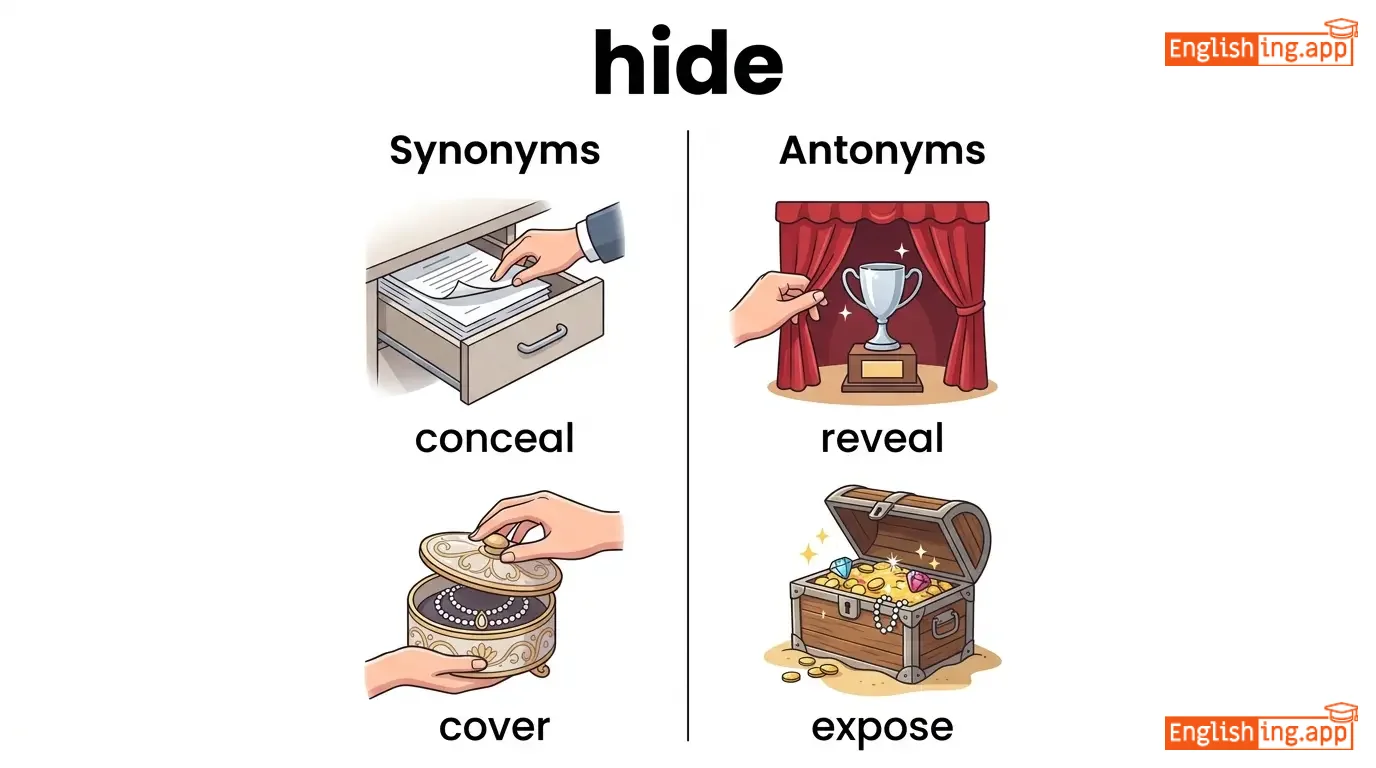
conceal, cover, disguise, veil, secrete
••••••
|
reveal, expose, uncover
••••••
|
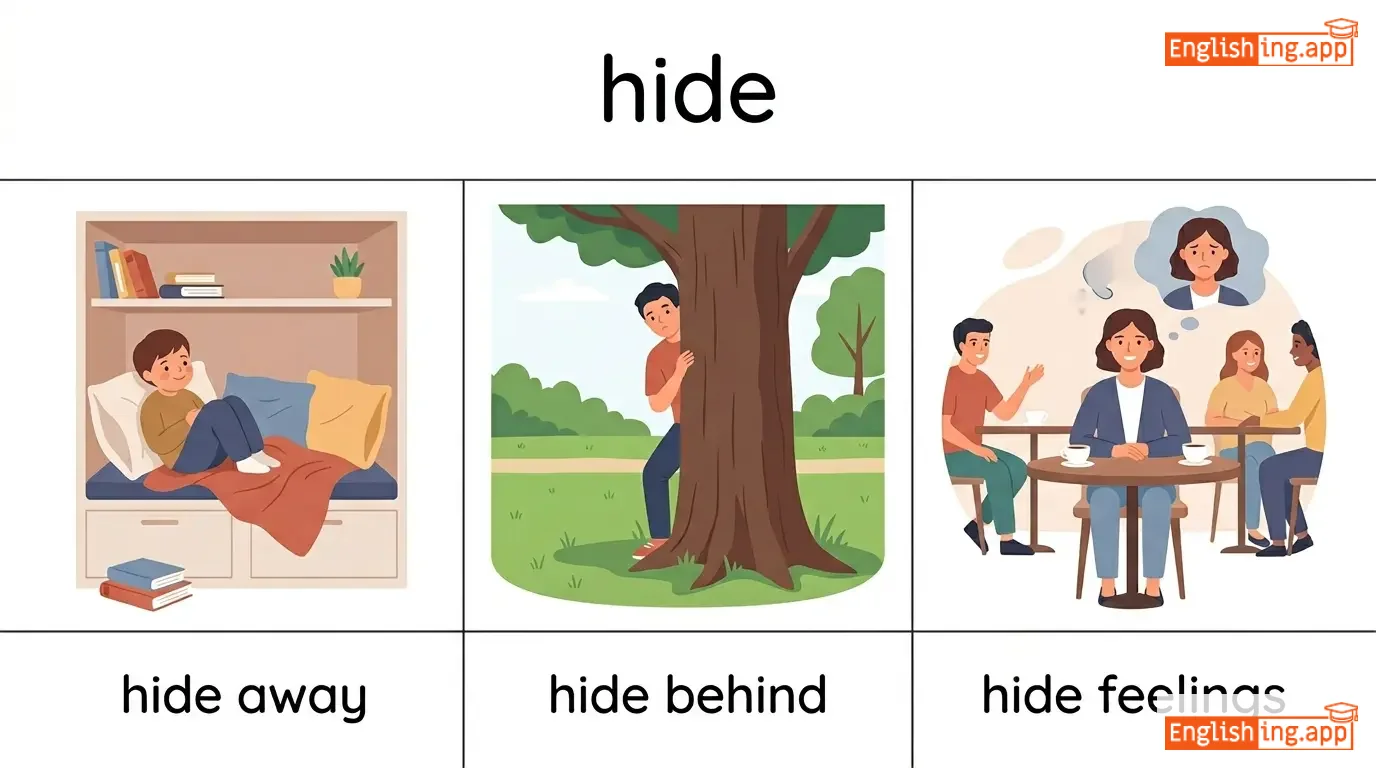
hide away, hide behind, hide feelings, hide from
••••••
|
Hide 代表隐藏,就像 🦊 狐狸藏在洞里
••••••
|
|
🏹
••••••
|
/hʌnt/
verb
(hant)
••••••
|
|
狩猎
shòuliè
••••••
|
hunted
hanted
••••••
|
hunted
hanted
••••••
|
hunts
hants
••••••
|
hunting
hanting
••••••
|
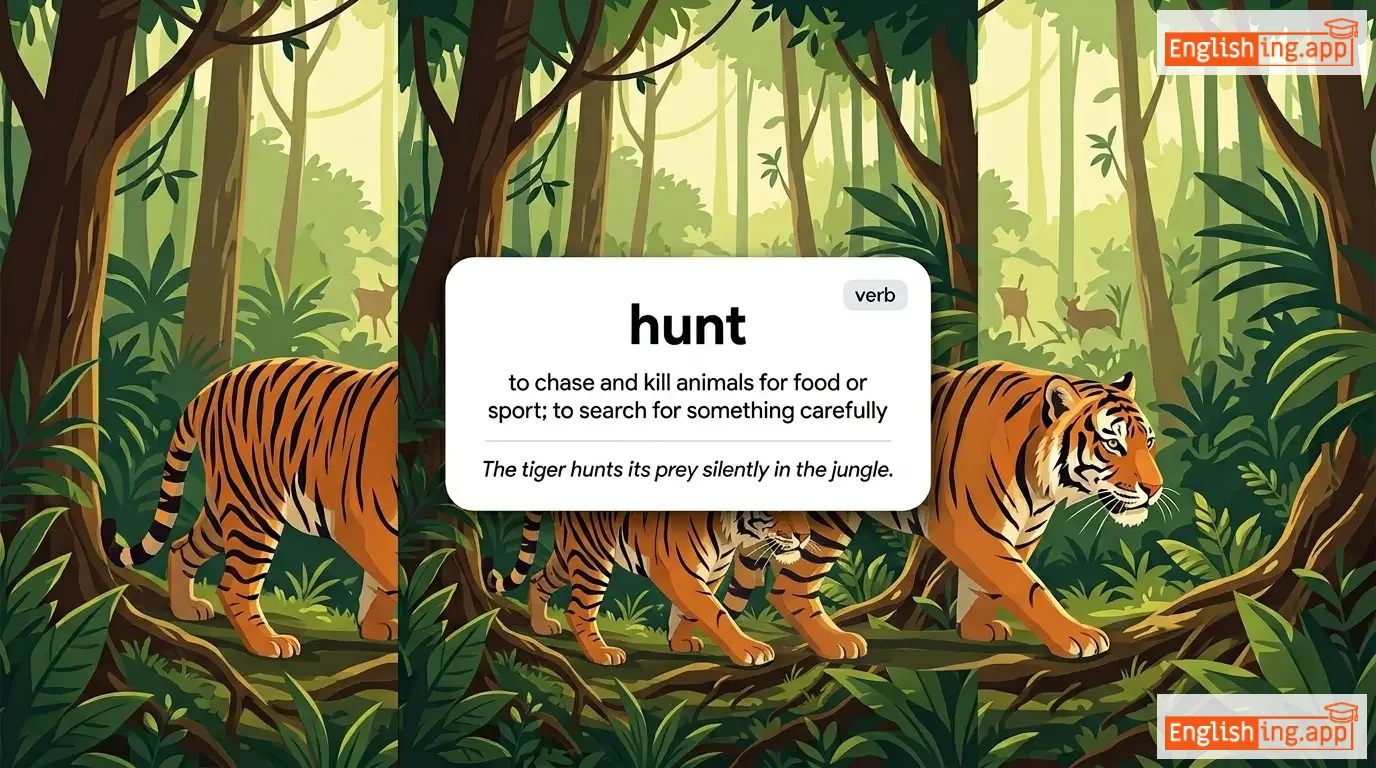
to chase and kill animals for food or sport; to search for something carefully
••••••
|
The tiger hunts its prey silently in the jungle.
老虎在丛林中悄悄地追捕猎物。
••••••
|
老虎在丛林中悄悄地追捕猎物。
Lǎohǔ zài cónglín zhōng qiāoqiāo de zhuībǔ lièwù.
••••••
|
on the hunt for
寻找中
••••••
|
actively searching for something or someone
••••••
|
寻找中
xúnzhǎo zhōng
••••••
|
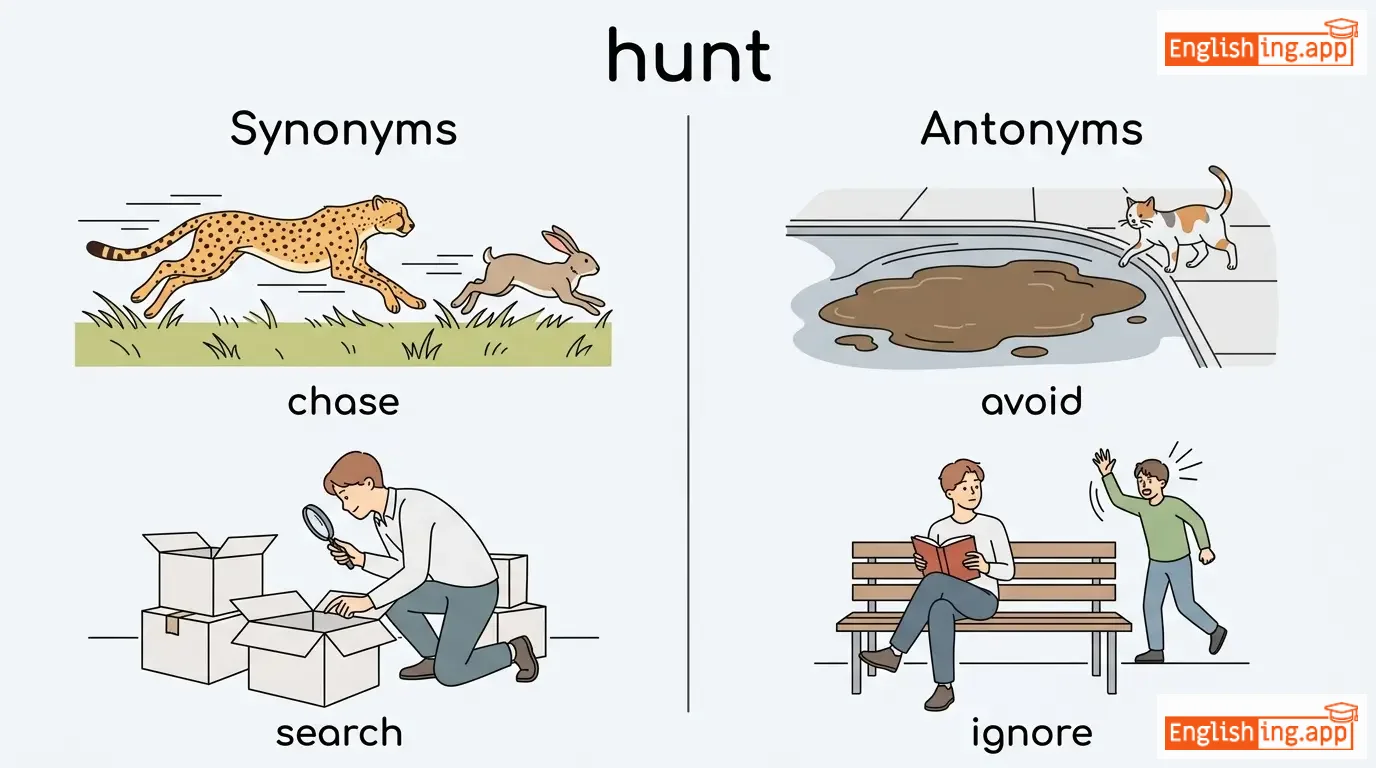
chase, search, track, pursue, seek
••••••
|
avoid, ignore, escape
••••••
|
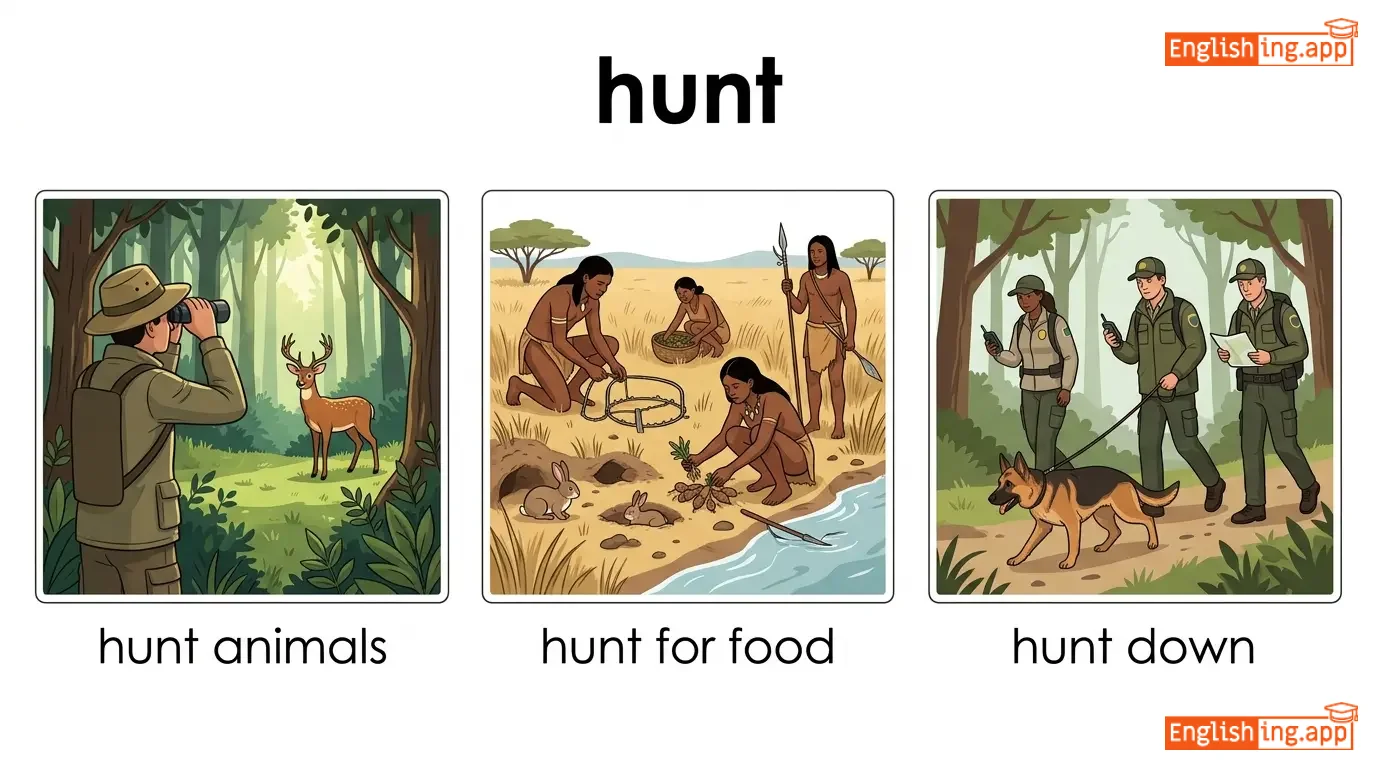
hunt animals, hunt for food, hunt down, go hunting
••••••
|
狩猎是必须的 — 这是生存的一部分。
••••••
|
|
🚔
••••••
|
/dʒeɪl/
noun, verb
(杰尔)
••••••
|
- •••••• |
监狱
jiānyù
••••••
|
jailed
杰尔德
••••••
|
jailed
杰尔德
••••••
|
jails
杰尔斯
••••••
|
jailing
杰尔林
••••••
|
A place for the confinement of people accused or convicted of a crime; to imprison.
••••••
|
The thief was sent to jail for stealing.
ðə θiːf wəz sɛnt tə ʤeɪl fɔr stiːlɪŋ.
••••••
|
小偷因盗窃被送进了监狱。
Xiǎotōu yīn dàoqiè bèi sòng jìnle jiānyù.
••••••
|
throw in jail
θroʊ ɪn ʤeɪl
••••••
|
to imprison someone
••••••
|
投入监狱
tóurù jiānyù
••••••
|
prison, lockup, penitentiary, detention
••••••
|
freedom, release
••••••
|
go to jail, in jail, jail sentence, jail term
••••••
|
Jail是监狱,罪犯都会被送到监狱去。
••••••
|
|
🌱
••••••
|
/laɪf/
noun
(lái fú)
••••••
|
- •••••• |
生命
shengming
••••••
|
- •••••• | - •••••• | - •••••• | - •••••• |
The existence of an individual human being or animal.
••••••
|
Life is full of challenges and opportunities. |
生命充满了挑战和机会。
Shēngmìng chōngmǎnle tiǎozhàn hé jīhuì.
••••••
|
circle of life |
The natural cycle of birth, growth, death, and renewal.
••••••
|
生命的循环
Shēngmìng de xúnhuán
••••••
|
existence, living, vitality, being, survival
••••••
|
death, end
••••••
|
daily life, life expectancy, life experience, life span
••••••
|
生命是我们每个人的故事,永不停歇。
••••••
|
|
👍
••••••
|
/laɪk/
verb, preposition
(laɪk)
••••••
|
|
喜欢
xǐ huān
••••••
|
liked
laɪkt
••••••
|
liked
laɪkt
••••••
|
likes
laɪks
••••••
|
liking
laɪkɪŋ
••••••
|
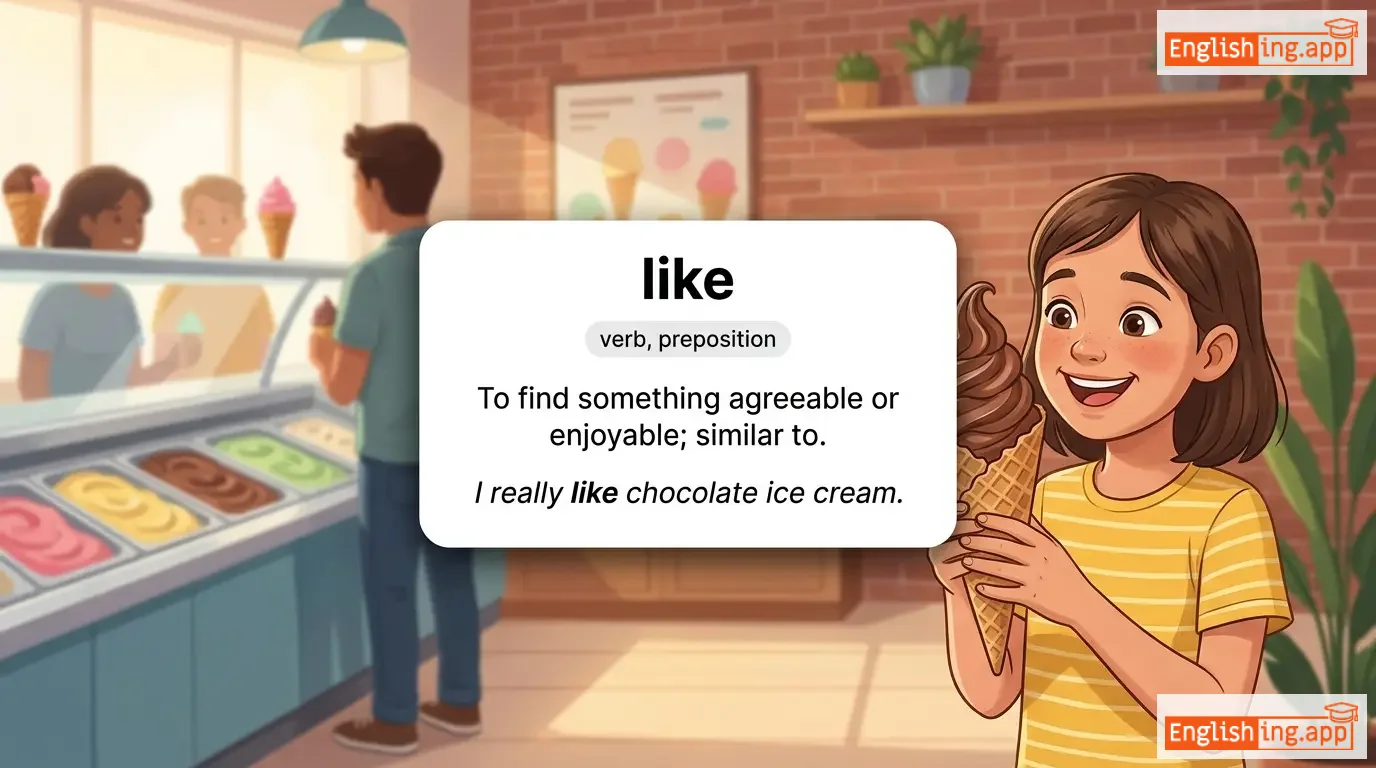
To find something agreeable or enjoyable; similar to.
••••••
|
I really like chocolate ice cream.
我真的喜欢巧克力冰淇淋。
••••••
|
我真的喜欢巧克力冰淇淋。
Wǒ zhēn de xǐ huān qiǎo kè lì bīng qí lín.
••••••
|
like father, like son
有其父必有其子
••••••
|
children often resemble their parents in behavior or character
••••••
|
有其父必有其子
Yǒu qí fù bì yǒu qí zǐ
••••••
|
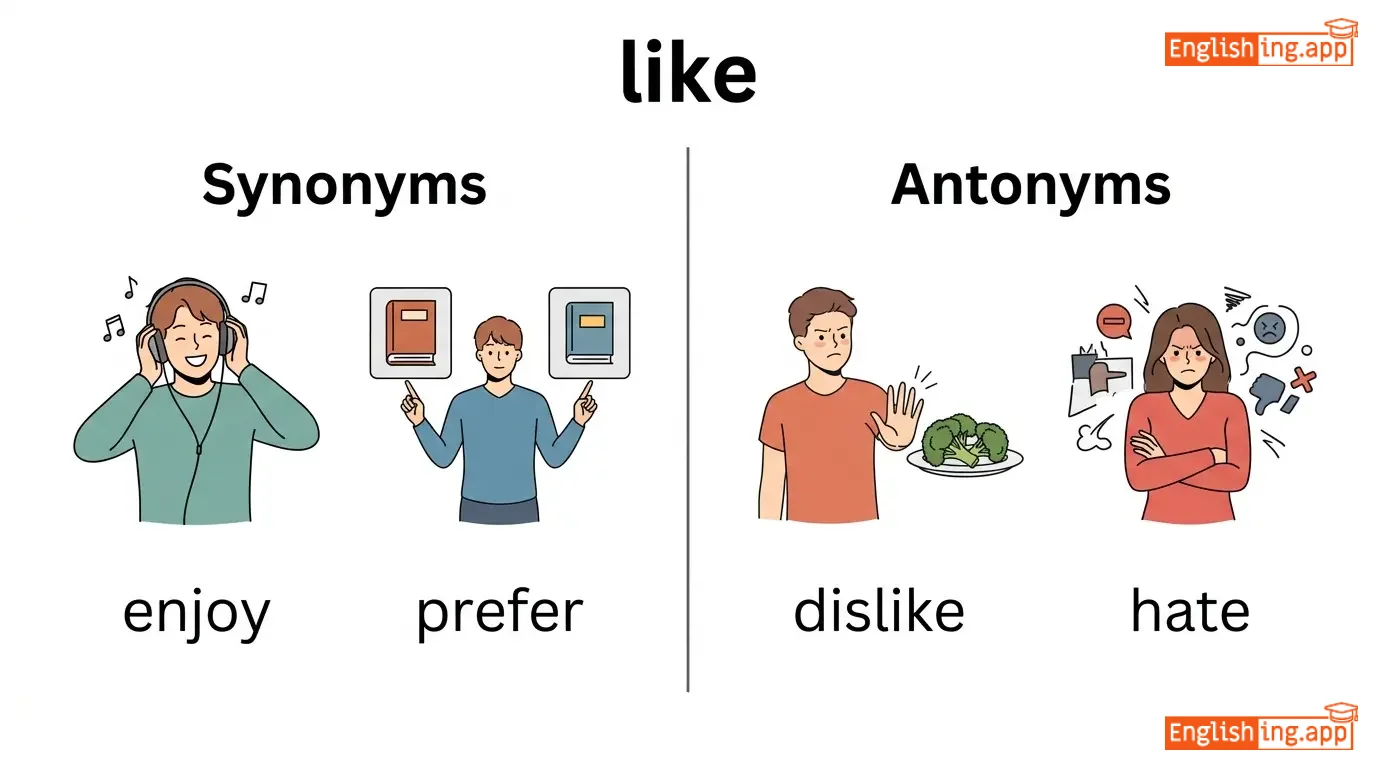
enjoy, prefer, love, admire, appreciate
••••••
|
dislike, hate, detest
••••••
|
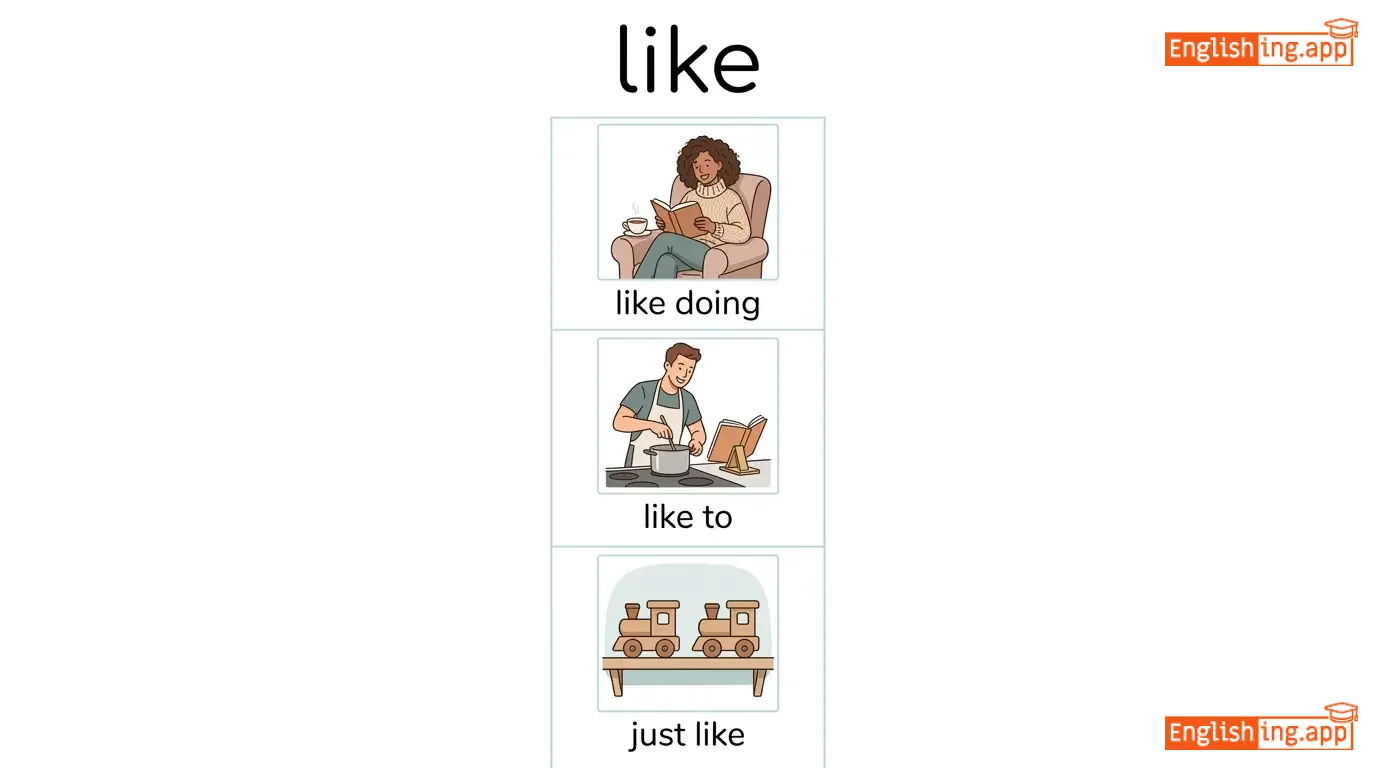
like doing, like to, just like, feel like
••••••
|
在Facebook上,点赞就等于喜欢。
••••••
|
|
🏡
••••••
|
/lɪv/
verb
(līf)
••••••
|
|
生活
shenghuo
••••••
|
lived
lìvde
••••••
|
lived
lìvde
••••••
|
lives
lìves
••••••
|
living
lìving
••••••
|
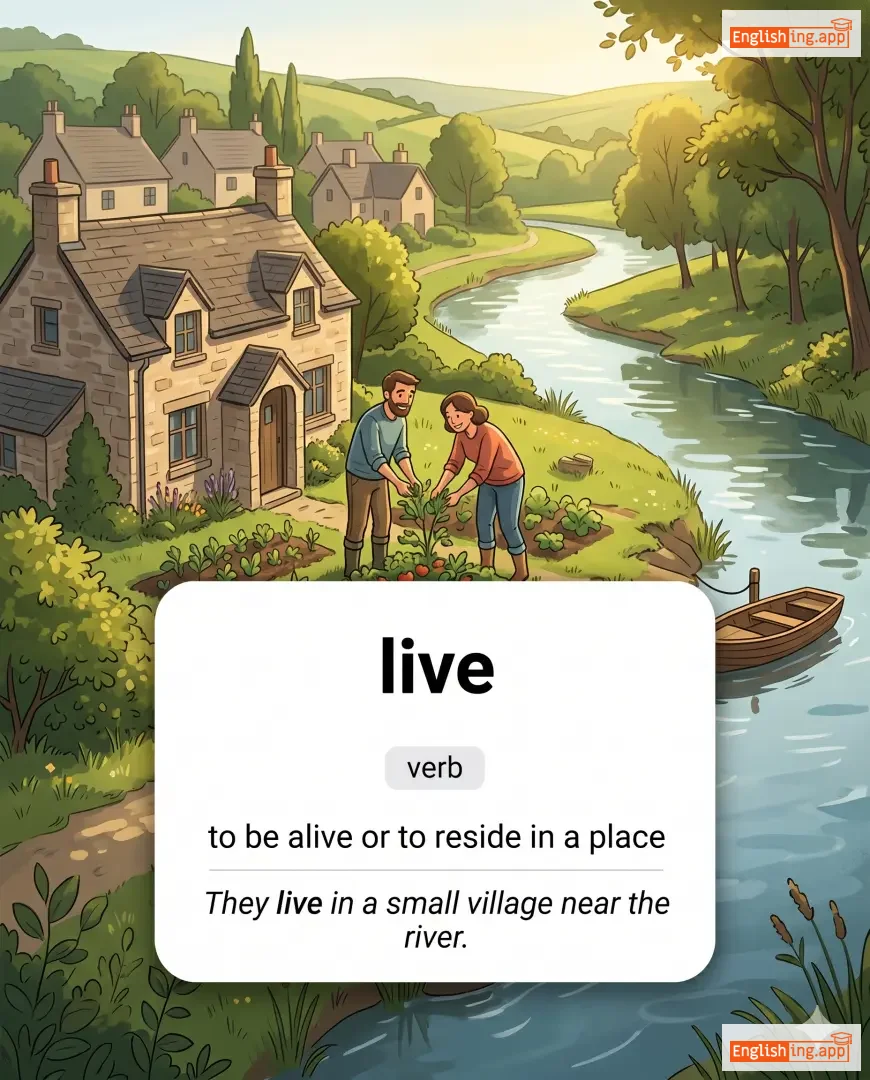
to be alive or to reside in a place
••••••
|
They live in a small village near the river.
他们住在河边的一个小村庄里。
••••••
|
他们住在河边的一个小村庄里。
Tāmen zhù zài hé biān de yī gè xiǎo cūnzhuāng lǐ.
••••••
|
live and let live
活着让活着
••••••
|
to tolerate others' behavior and expect them to tolerate yours
••••••
|
活着让活着
Huózhe ràng huózhe
••••••
|
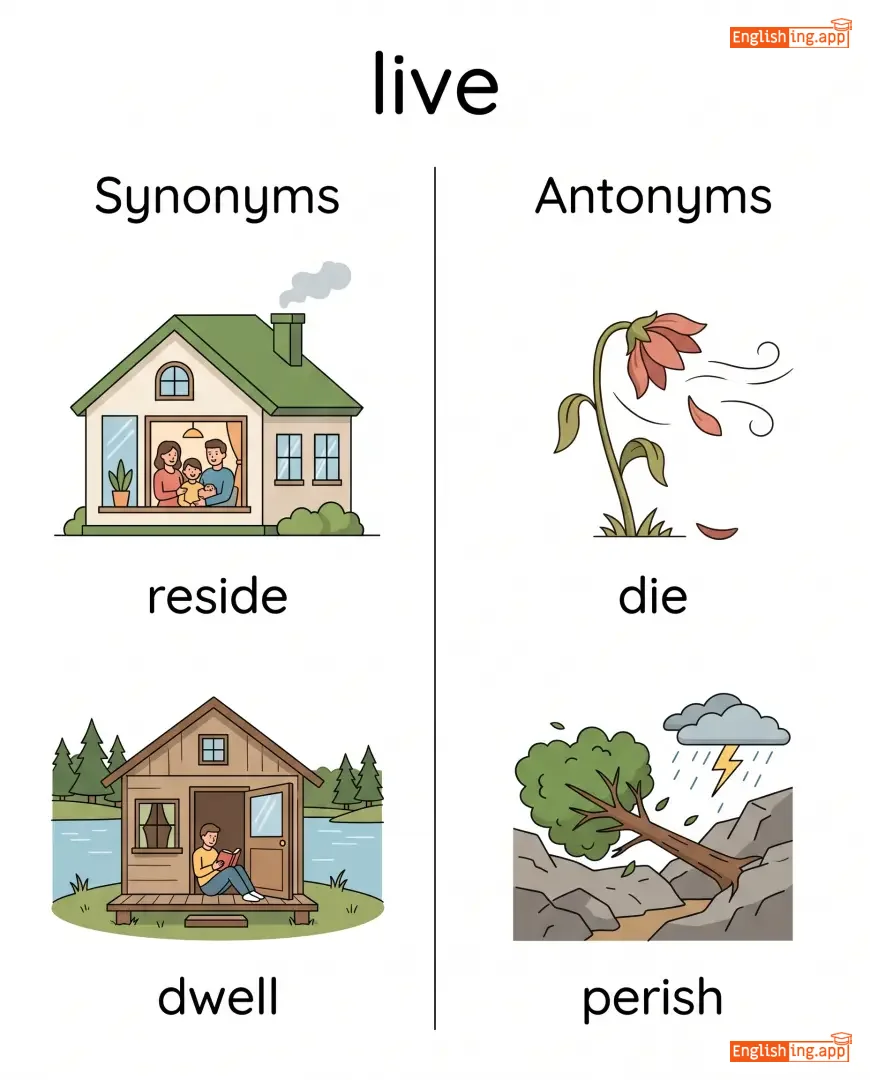
reside, dwell, exist, inhabit, survive
••••••
|
die, perish
••••••
|
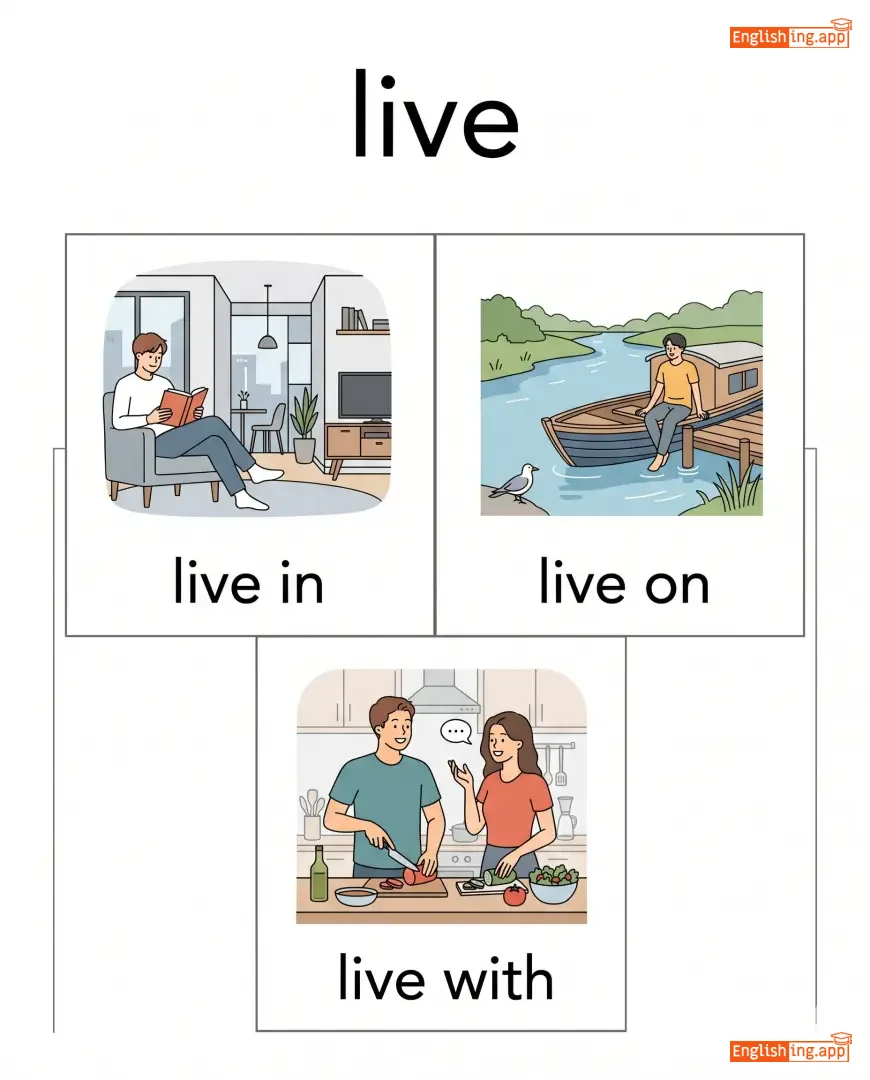
live in, live on, live with, live happily, live abroad
••••••
|
Live意味着生活,就像看'直播',看到的是实时的生活。
••••••
|
|
👨
••••••
|
/mæn/
noun
(mán)
••••••
|
- •••••• |
男人
nánrén
••••••
|
- •••••• | - •••••• | - •••••• | - •••••• |
an adult human male
••••••
|
The man helped the child cross the street.
泽 mán hélpǔd zé chāild kùos dē strǐt.
••••••
|
那个人帮助孩子过马路。
Nàgè rén bāngzhù háizi guò mǎlù.
••••••
|
man's best friend
mán' s běst frěnd
••••••
|
a phrase often used to describe dogs, emphasizing their loyalty to humans
••••••
|
男人最好的朋友
nánrén zuì hǎo de péngyǒu
••••••
|
male, gentleman, guy, fellow, bloke
••••••
|
woman, female
••••••
|
young man, old man, real man, man of honor
••••••
|
Man 男人 - 男人意指男性
••••••
|
|
📜
••••••
|
/ˈpoʊɪm/
noun
(诗)
••••••
|
- •••••• |
诗歌
shige
••••••
|
- •••••• | - •••••• | - •••••• | - •••••• |
a piece of writing that expresses ideas, feelings, or tells a story in a distinct form, often using rhyme or meter
••••••
|
She wrote a beautiful poem for her mother. |
她为她的母亲写了一首美丽的诗歌。
Tā wèi tā de mǔqīn xiěle yī shǒu měilì de shīgē.
••••••
|
- •••••• | - •••••• | - •••••• |
verse, sonnet, rhyme
••••••
|
prose, essay
••••••
|
write a poem, read a poem, beautiful poem
••••••
|
想象诗歌是一种能触动你内心的故事!
••••••
|
|
✍️
••••••
|
/ˈpoʊɪt/
noun
(pō-è-tè)
••••••
|
- •••••• |
诗人
shīrén
••••••
|
- •••••• | - •••••• | - •••••• | - •••••• |
a person who writes poems
••••••
|
The poet wrote about love and nature. |
诗人写了关于爱情和自然的诗。
Shīrén xiě le guānyú àiqíng hé zìrán de shī.
••••••
|
- •••••• | - •••••• | - •••••• |
verse-maker, bard, author
••••••
|
prose writer
••••••
|
great poet, famous poet, modern poet
••••••
|
A poet is a storyteller who creates worlds with words!
••••••
|
|
👻
••••••
|
/soʊl/
noun
(灵魂)
••••••
|
- •••••• |
灵魂
linghun
••••••
|
- •••••• | - •••••• | - •••••• | - •••••• |
the spiritual or immaterial essence of a human being or animal; a person's emotional or intellectual nature
••••••
|
She poured her heart and soul into her artwork.
她将自己的心和灵魂投入到艺术创作中。
••••••
|
她将自己的心和灵魂投入到艺术创作中。
ta jiang ziji de xin he linghun touru dao yishu chuangzuo zhong.
••••••
|
- •••••• | - •••••• | - •••••• |
spirit, essence, heart, core
••••••
|
body, flesh, matter
••••••
|
heart and soul, lost soul, soul mate, save one's soul
••••••
|
灵魂 (Linghun) - 藏在每一创作中的情感和思想。
••••••
|
|
📝
••••••
|
/wɜːrd/
noun
(wɜːrd)
••••••
|
- •••••• |
词
ci
••••••
|
- •••••• | - •••••• | - •••••• | - •••••• |
a single distinct meaningful element of speech or writing
••••••
|
He looked up the word in the dictionary.
他在字典中查找了这个词。
••••••
|
他在字典中查找了这个词。
Ta zai zidian zhong chazhao le zhe ge ci.
••••••
|
word of mouth
口口相传
••••••
|
information passed verbally from one person to another
••••••
|
口口相传
koukou xiangchuan
••••••
|
term, expression, phrase, utterance
••••••
|
silence, quiet
••••••
|
word meaning, word choice, spoken word, word of mouth
••••••
|
词是组成语言的基本单位,我们用它来表达思想。
••••••
|

