The Detective's Case
侦探 Zeeshan 接手了 case。accused 是一位著名的 author。Zeeshan 出示了他的 badge 并进入了作者的房子。看到作者的 body 语言,Zeeshan 觉得他在隐藏什么。Zeeshan 知道作者并不是单独 acting;他有一个 ally。整个城市处于 alert 状态,因为有 bomb 爆炸的威胁。Zeeshan 告诉他的 backup 团队准备好。对作者房间的搜查发现了一本日记,里面包含了一个 armed attack 的计划。日记中的 arrow 指向了一个特定的位置。Zeeshan 意识到这是他们的下一个目标。他迅速带着团队去了那里并 arrested 了作者。作者最初否认所有的 blame,但在证据面前崩溃了。他衬衫上的 blood 污渍是最大的证据。Zeeshan 回到他的 bureau 并准备了一个 brief 报告。城市从一场大灾难中被拯救了。
|
表情符号
|
单词 | Images | 翻译 | 过去时 | 过去分词 | 第三人称单数 | 动名词 | 含义 | 例句 | 例句翻译 | 示例表达 | 示例表达含义 | 示例表达翻译 | 同义词 | 反义词 | 搭配词 | 助记符 |
|---|---|---|---|---|---|---|---|---|---|---|---|---|---|---|---|---|---|
|
⚖️
••••••
|
/əˈkjuːzd/
noun
(ækjuzd)
••••••
|
- •••••• |
被告
beigao
••••••
|
- •••••• | - •••••• | - •••••• | - •••••• |
a person who has been charged with a crime
••••••
|
The accused pleaded not guilty in court.
被告在法庭上不认罪。
••••••
|
被告在法庭上表示无罪。
Beigao zai fating shang biaoshi wuzui.
••••••
|
- •••••• | - •••••• | - •••••• |
defendant, suspect, offender
••••••
|
victim, plaintiff
••••••
|
accused of theft, accused person, wrongly accused
••••••
|
被告 - 被指控 (beigao - beizhikong) 他在法庭上表示无罪
••••••
|
|
🎭
••••••
|
/ækt/
verb/noun
••••••
|
|
- •••••• |
acted
••••••
|
acted
••••••
|
acts
••••••
|
acting
••••••
|
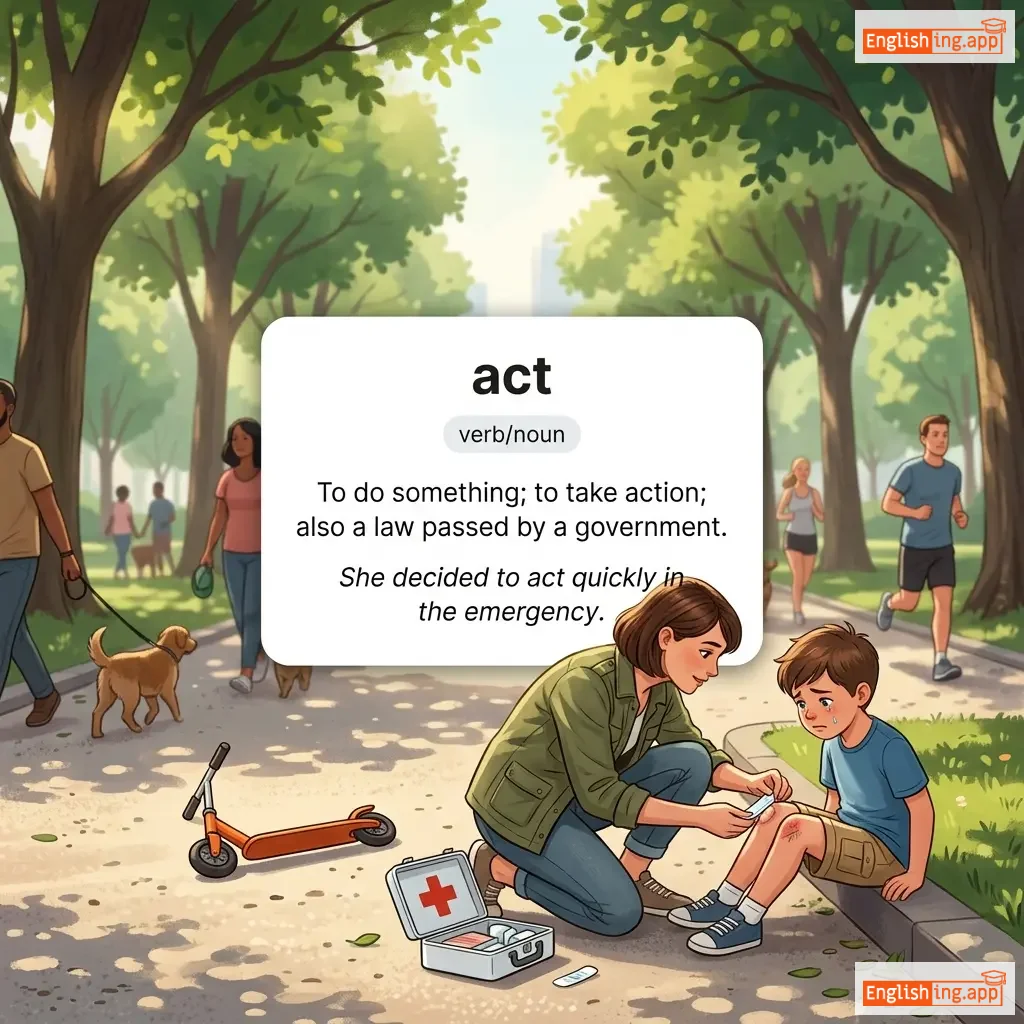
To do something; to take action; also a law passed by a government.
••••••
|
She decided to act quickly in the emergency. |
- •••••• |
act of kindness |
a good or helpful action
••••••
|
- •••••• |
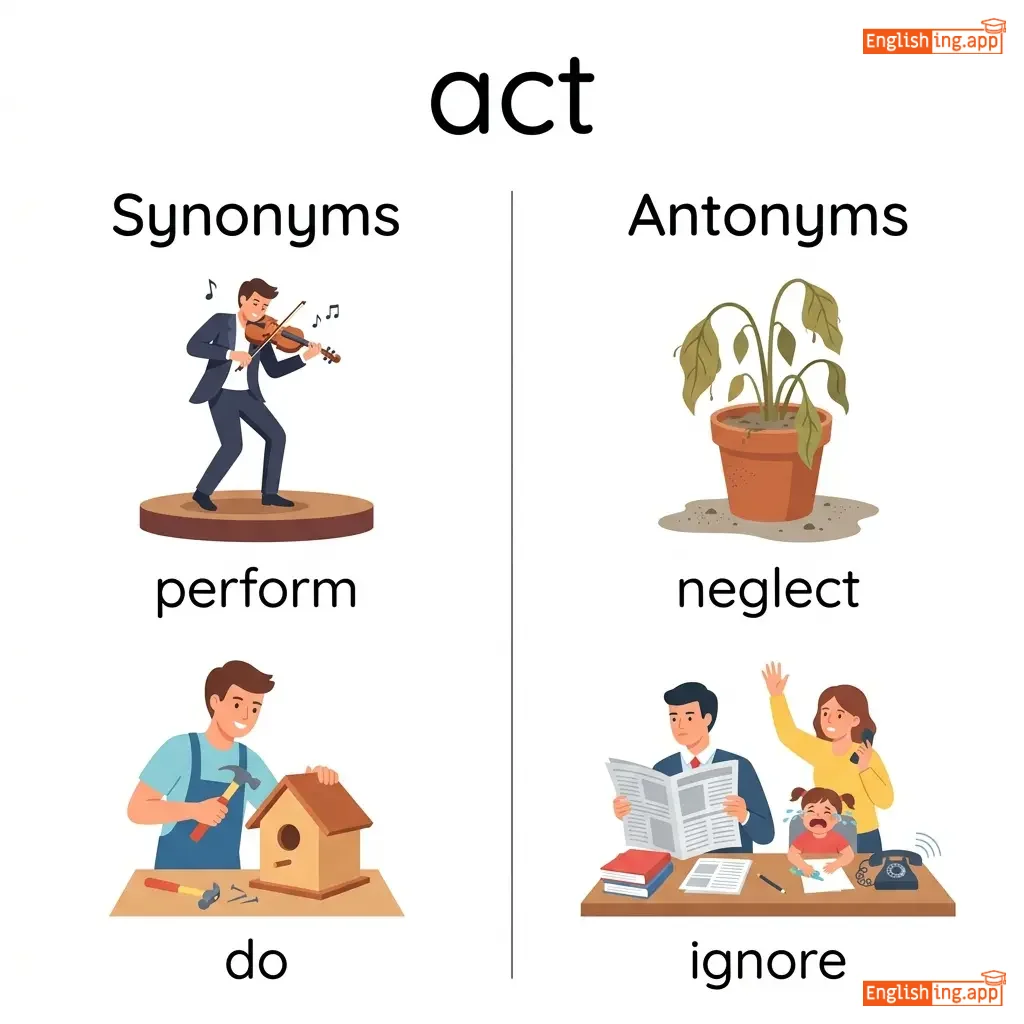
perform, do, operate, behave, enact
••••••
|
neglect, ignore
••••••
|
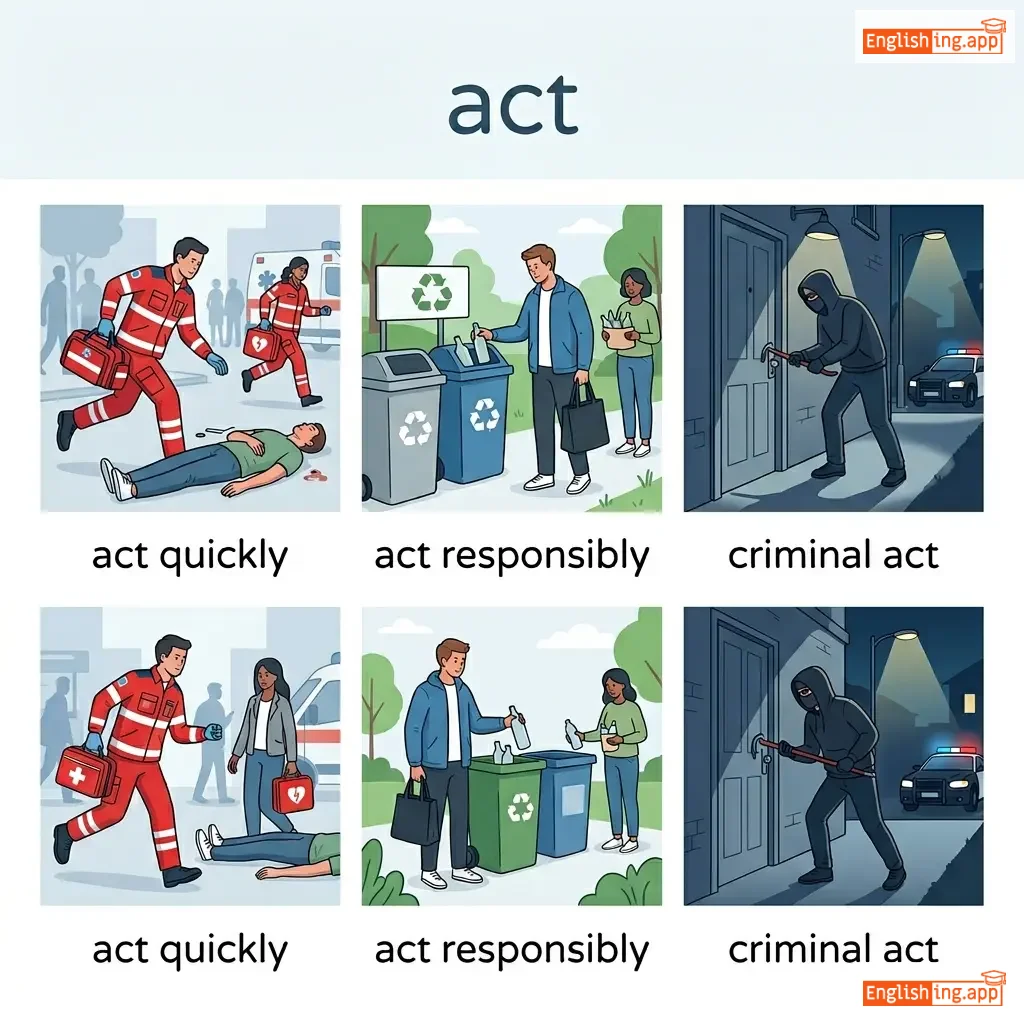
act quickly, act responsibly, criminal act, act of kindness
••••••
|
No •••••• |
|
🕵️
••••••
|
/ˈeɪ.dʒənt/
noun
(āi jìng tè)
••••••
|
- •••••• |
代理人
dàilǐrén
••••••
|
- •••••• | - •••••• | - •••••• | - •••••• |
A person who acts on behalf of another person or organization.
••••••
|
The real estate agent showed us several houses.
房地产经纪人向我们展示了几套房子。
••••••
|
房地产经纪人向我们展示了几套房子。
Fángdìchǎn jīngjì rén xiàng wǒmen zhǎnshìle jǐ tào fángzi.
••••••
|
secret agent
秘密特工
••••••
|
A spy working for a government or organization.
••••••
|
秘密特工
mìmì tègōng
••••••
|
representative, delegate, envoy, broker, spy
••••••
|
principal, client, customer
••••••
|
travel agent, real estate agent, sports agent, insurance agent
••••••
|
代理人,像我们常说的秘密特工一样,代理别人的任务。
••••••
|
|
⚠️
••••••
|
/əˈlɜːrt/
adjective
(警觉)
••••••
|
- •••••• |
警觉
jingjue
••••••
|
- •••••• | - •••••• | - •••••• | - •••••• |
quick to notice and respond to potential danger or issues; aware and attentive
••••••
|
The alert dog barked at the stranger approaching the house. |
警觉的狗对接近房子的陌生人大声吠叫。
Jingjue de gou dui jiejin fangzi de mosheng ren da sheng feijiao.
••••••
|
- •••••• | - •••••• | - •••••• |
vigilant, watchful, aware, observant
••••••
|
unaware, inattentive
••••••
|
stay alert, remain alert, alert system
••••••
|
像警觉的狗一样,总是留意周围的危险!
••••••
|
|
🤝
••••••
|
/ˈælaɪ/
verb
(阿里)
••••••
|
- •••••• |
盟友
méng yǒu
••••••
|
allied
联盟
••••••
|
allied
联盟
••••••
|
allies
盟友
••••••
|
allying
结盟
••••••
|
To unite or form a connection or partnership with another person, group, or nation.
••••••
|
The two countries decided to ally against their common enemy.
这两个国家决定联合对抗共同的敌人。
••••••
|
这两个国家决定联合对抗共同的敌人。
Zhè liǎng gè guójiā juédìng liánhé duìkàng gòngtóng de dírén.
••••••
|
ally with
与...结盟
••••••
|
To form a partnership or alliance with someone.
••••••
|
与...结盟
yǔ...jiéméng
••••••
|
associate, unite, partner, combine, join
••••••
|
oppose, resist, separate
••••••
|
ally with, strong ally, loyal ally, ally against
••••••
|
Ally 代表 All + I,联合形成伙伴关系。
••••••
|
|
🔫
••••••
|
/ɑːrmd/
adjective
(ɑːrmd)
••••••
|
- •••••• |
武装的
wǔzhuāng de
••••••
|
- •••••• | - •••••• | - •••••• | - •••••• |
equipped with or carrying weapons
••••••
|
The bank was robbed by armed men. |
银行被武装分子抢劫了。
Yínháng bèi wǔzhuāng fēnzǐ qiǎngjiéle.
••••••
|
armed to the teeth |
heavily armed or fully equipped with weapons
••••••
|
武装到牙齿
wǔzhuāng dào yáchǐ
••••••
|
equipped, weaponized, fortified, prepared
••••••
|
unarmed, defenseless, vulnerable
••••••
|
armed forces, armed men, armed conflict, heavily armed
••••••
|
Armed, 手臂 (Arm) + 了 (ed) → 武装的,武器在手。
••••••
|
|
🚓
••••••
|
/əˈrɛst/
verb
(àirèst)
••••••
|
|
逮捕
dàibǔ
••••••
|
arrested
àirèstèd
••••••
|
arrested
àirèstèd
••••••
|
arrests
àirèsts
••••••
|
arresting
àirèstíng
••••••
|
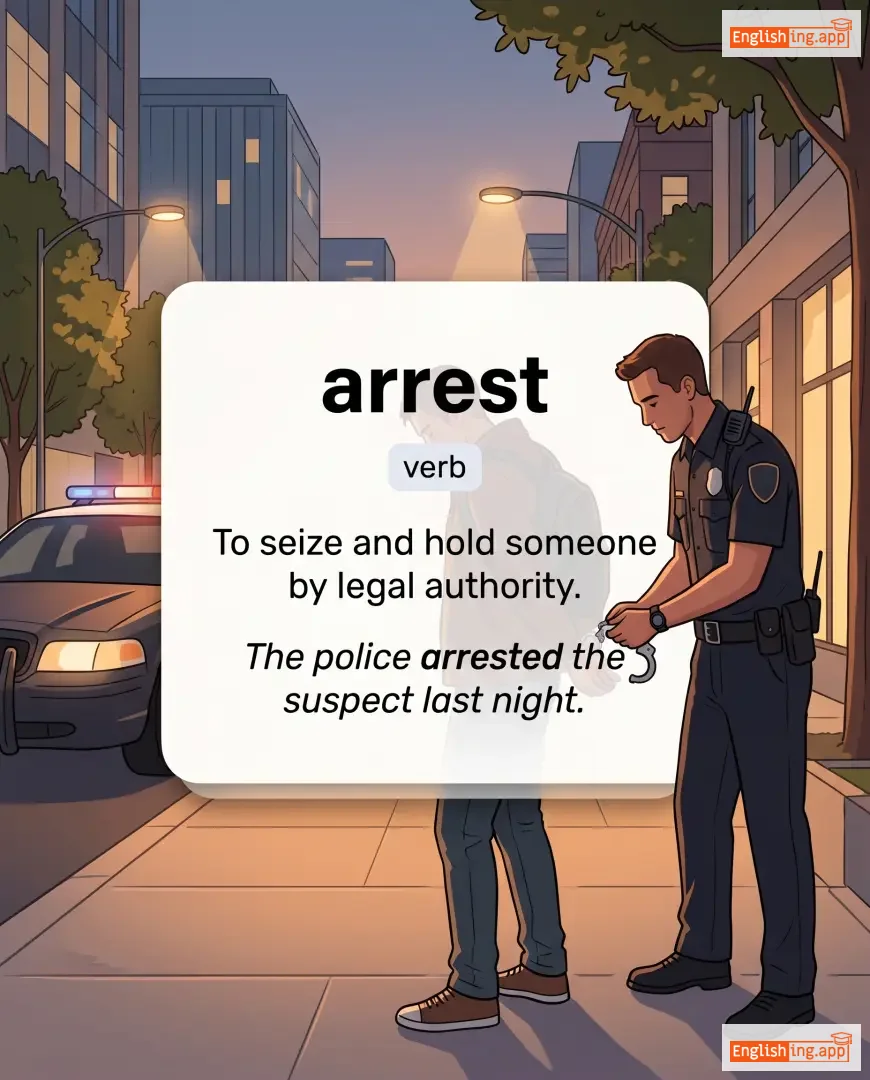
To seize and hold someone by legal authority.
••••••
|
The police arrested the suspect last night.
警察昨晚逮捕了嫌疑人。
••••••
|
警察昨晚逮捕了嫌疑人。
Jǐngchá zuówǎn dàibǔ le xiányí rén.
••••••
|
under arrest
被逮捕
••••••
|
In the custody of the police.
••••••
|
被逮捕
bèi dàibǔ
••••••
|
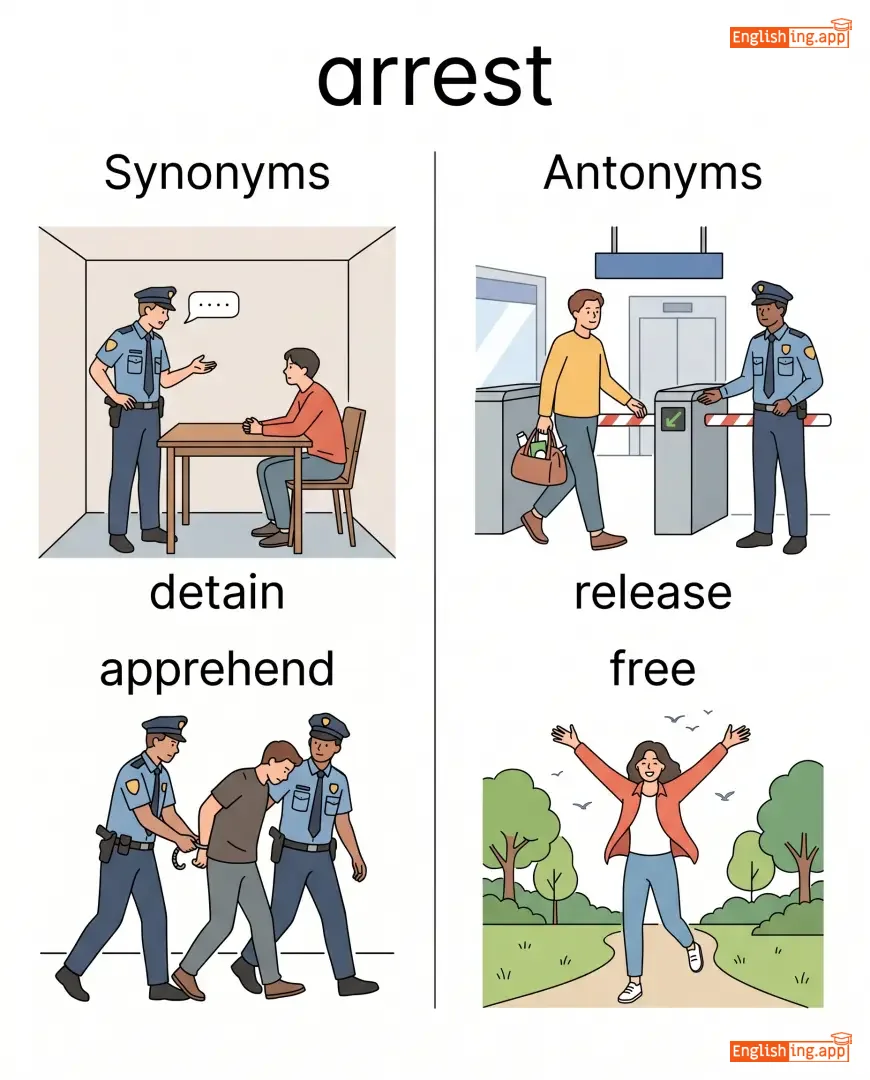
detain, apprehend, capture, seize, stop
••••••
|
release, free, liberate
••••••
|
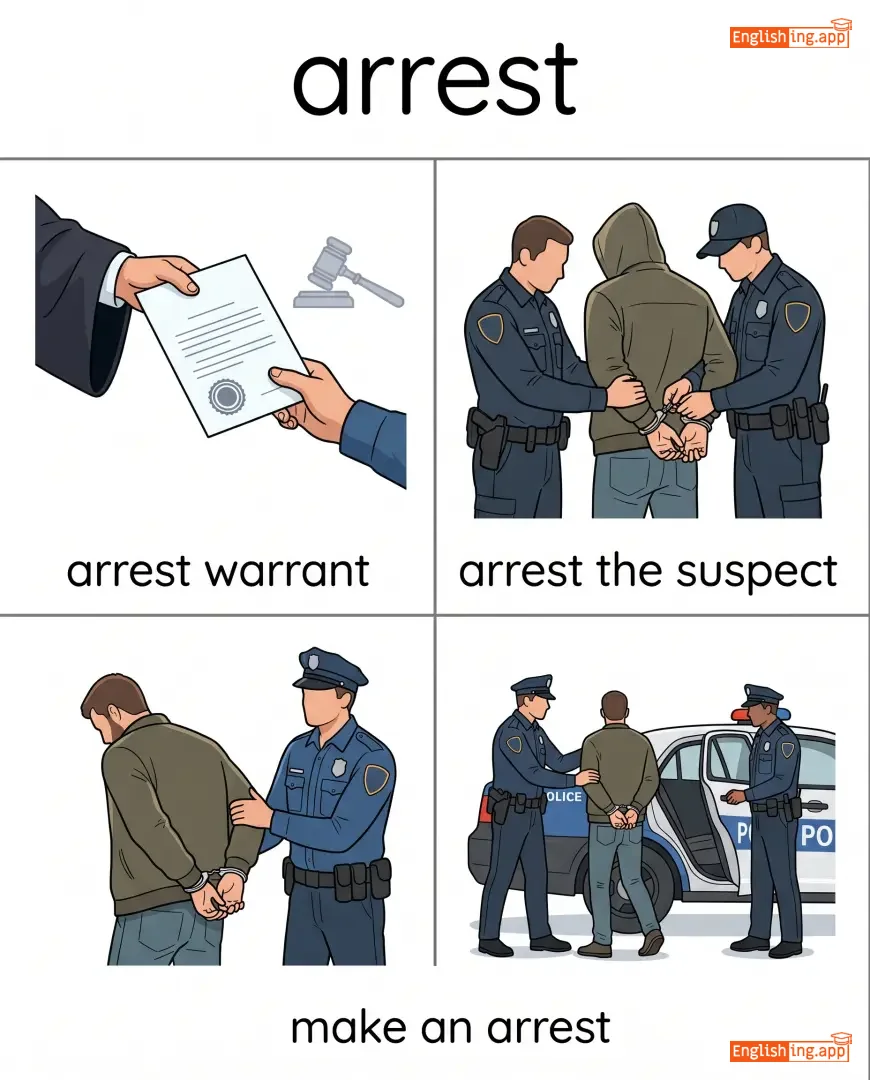
arrest warrant, arrest the suspect, make an arrest
••••••
|
Arrest 就是当你 Rest 不能再走,警察把你抓住了。
••••••
|
|
🏹
••••••
|
/ˈæroʊ/
noun
(艾罗)
••••••
|
- •••••• |
箭
jian
••••••
|
- •••••• | - •••••• | - •••••• | - •••••• |
a thin, straight weapon with a pointed tip, shot from a bow
••••••
|
The hunter shot an arrow at the target. |
猎人向目标射出了一支箭。
Lièrén xiàng mùbiāo shè chūle yī zhī jiàn.
••••••
|
arrow of time |
the concept that time moves in only one direction, from past to future
••••••
|
时间的箭
shíjiān de jiàn
••••••
|
dart, shaft, bolt, missile, projectile
••••••
|
none, null
••••••
|
shoot an arrow, bow and arrow, arrow flight, arrow tip
••••••
|
箭意味着arrow — 记住英雄用弓射箭 🏹
••••••
|
|
⚔️
••••••
|
/əˈtæk/
verb
(āták)
••••••
|
|
攻击
gōngjī
••••••
|
attacked
ātàkèd
••••••
|
attacked
ātàkèd
••••••
|
attacks
ātākè
••••••
|
attacking
ātàkīng
••••••
|
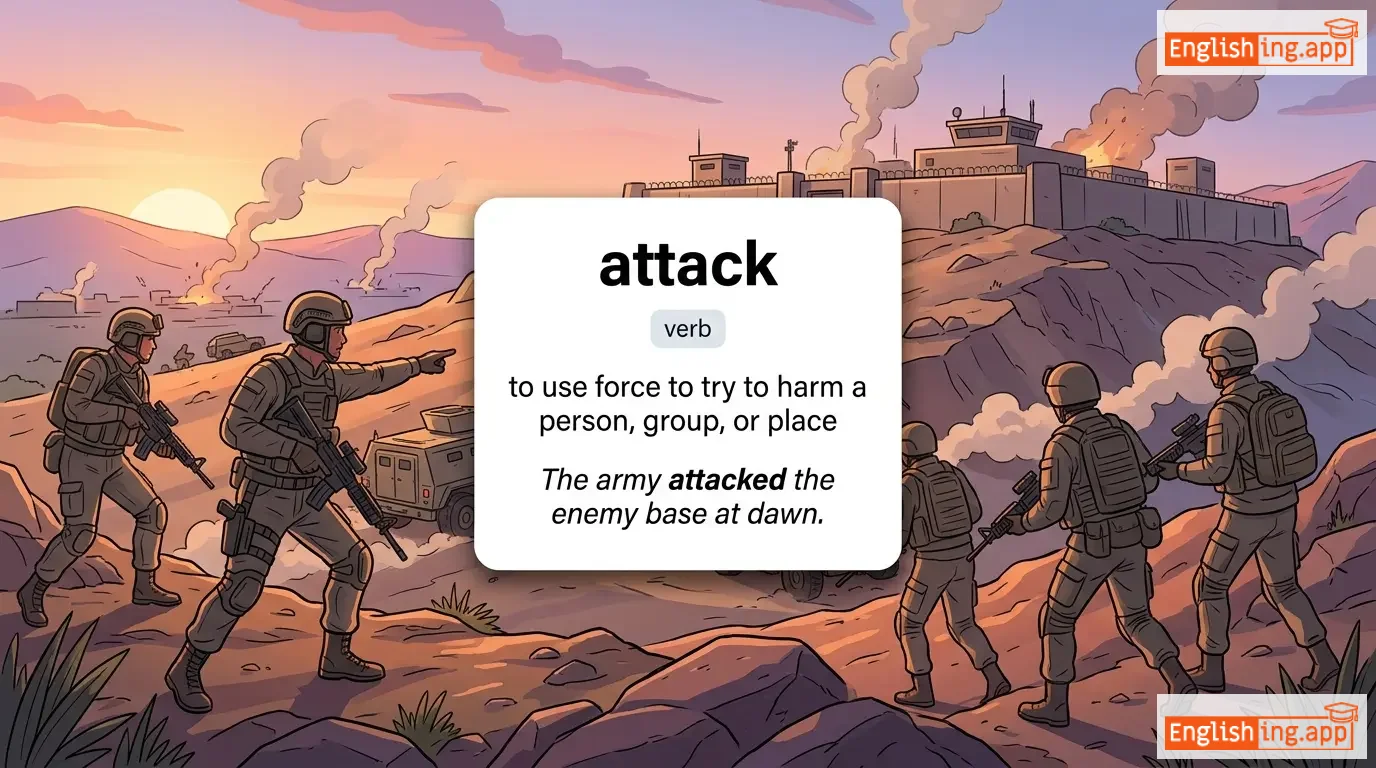
to use force to try to harm a person, group, or place
••••••
|
The army attacked the enemy base at dawn.
jūn duì zǎo fāng duì dìrén jūn jī huǐhù
••••••
|
军队在黎明时攻击了敌方基地。
Jūn duì zài límíng shí gōngjīle dí fāng jī dì.
••••••
|
heart attack
xīnzhì qìngjī
••••••
|
a sudden serious medical condition when the heart stops working properly
••••••
|
心脏病发作
xīnzhàng bìng fāzuò
••••••
|
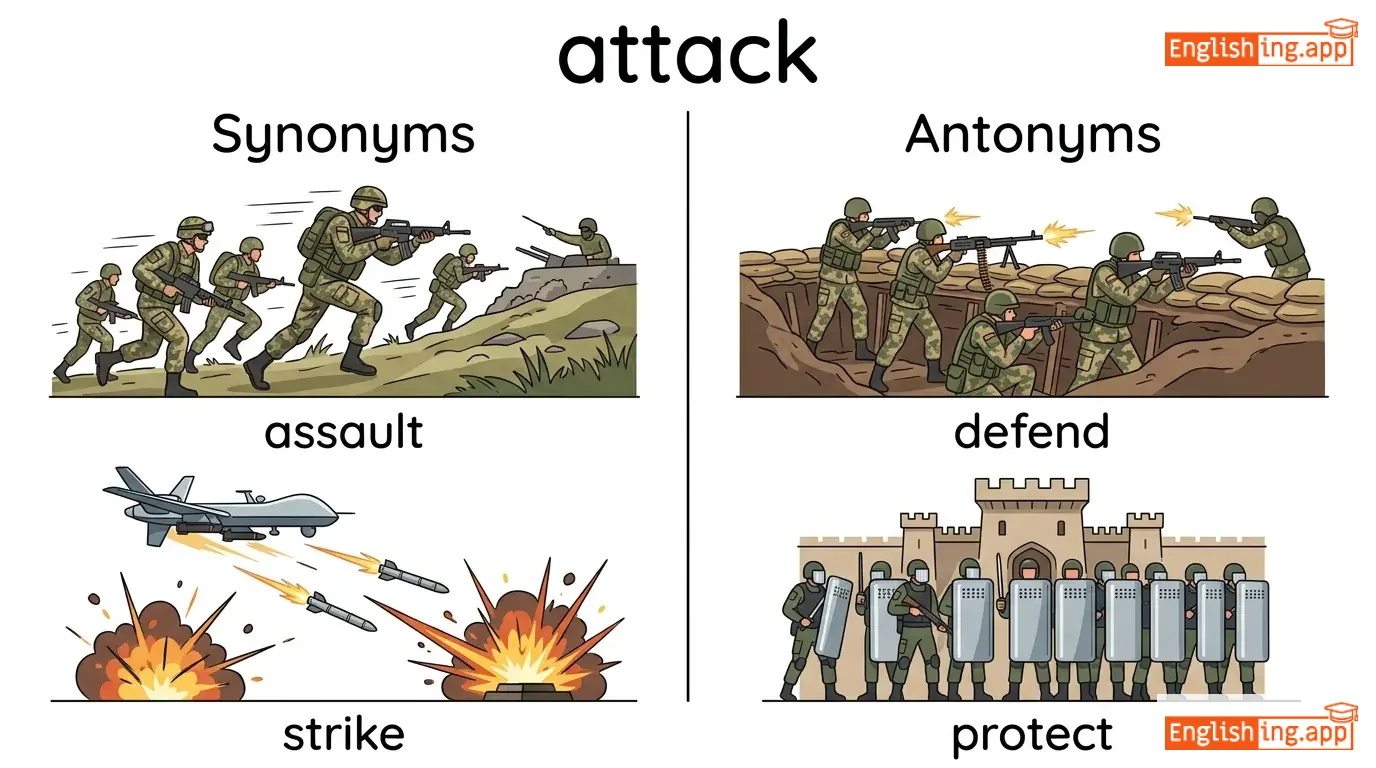
assault, strike, charge, raid, ambush
••••••
|
defend, protect, guard
••••••
|
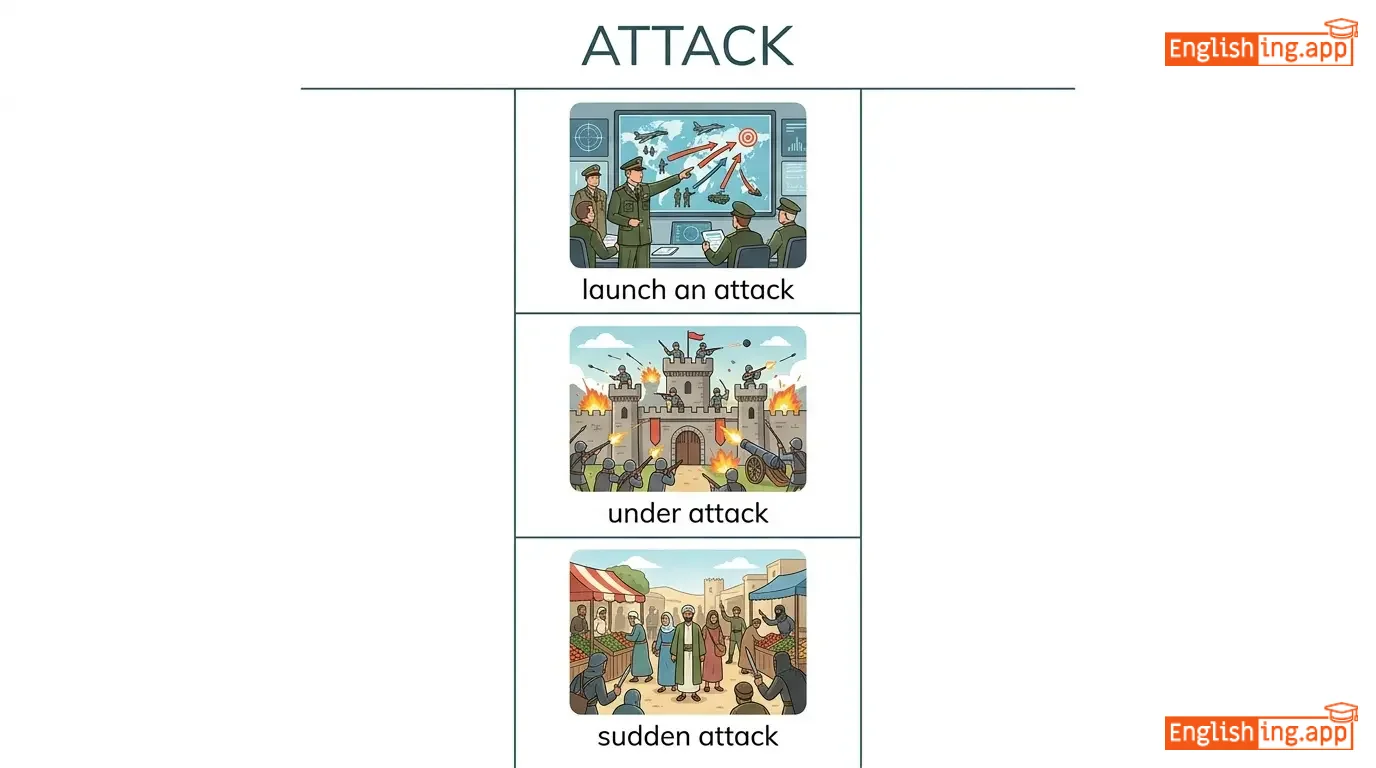
launch an attack, under attack, sudden attack, heart attack
••••••
|
攻击 = 进攻就是最好的防守! ⚔️
••••••
|
|
✍️
••••••
|
/ˈɔːθər/
noun
(作者)
••••••
|
- •••••• |
作者
zuòzhě
••••••
|
- •••••• | - •••••• | - •••••• | - •••••• |
A person who writes books, articles, or other literary works.
••••••
|
She is the author of several bestselling novels. |
她是几本畅销小说的作者。
Tā shì jǐ běn chàngxiāo xiǎoshuō de zuòzhě.
••••••
|
author of one's own fate |
To be responsible for shaping one's own future.
••••••
|
命运的作者
Mìngyùn de zuòzhě
••••••
|
writer, novelist, creator, originator, composer
••••••
|
reader, follower
••••••
|
famous author, best-selling author, author of a book, aspiring author
••••••
|
Author 代表作者 — Author 写书,别人读。
••••••
|
|
💾
••••••
|
/ˈbækʌp/
noun
(bèikǎp)
••••••
|
- •••••• |
备份
beifen
••••••
|
- •••••• | - •••••• | - •••••• | - •••••• |
a copy of data stored separately to protect against loss
••••••
|
Make sure to have a backup of your important files. |
确保备份您的重要文件。
Quebao beifen ninde zhongyao wenjian.
••••••
|
- •••••• | - •••••• | - •••••• |
reserve, duplicate, copy
••••••
|
original, loss
••••••
|
data backup, backup system, create backup
••••••
|
Backup - 'Back' 是后面,'Up' 是上面,为您的文件提供备份保护!
••••••
|
|
🎖️
••••••
|
/bædʒ/
noun
(徽章)
••••••
|
- •••••• |
徽章
huīzhāng
••••••
|
- •••••• | - •••••• | - •••••• | - •••••• |
A small emblem or sign worn to show membership, authority, or achievement.
••••••
|
The police officer showed his badge to identify himself.
警察展示了他的徽章来证明自己的身份。
••••••
|
警察展示了他的徽章来证明自己的身份。
Jǐngchá zhǎnshìle tā de huīzhāng lái zhèngmíng zìjǐ de shēnfèn.
••••••
|
badge of honor
荣誉徽章
••••••
|
Something that shows pride or achievement, even if it comes from difficulty.
••••••
|
荣誉徽章
Róngyù huīzhāng
••••••
|
emblem, insignia, symbol, token, mark
••••••
|
disguise, concealment
••••••
|
wear a badge, police badge, company badge, badge of honor
••••••
|
徽章是身份和荣誉的象征。
••••••
|
|
☝️
••••••
|
/bleɪm/
verb
(bleim)
••••••
|
|
责怪
zeguai
••••••
|
blamed
bleimd
••••••
|
blamed
bleimd
••••••
|
blames
bleims
••••••
|
blaming
bleiming
••••••
|
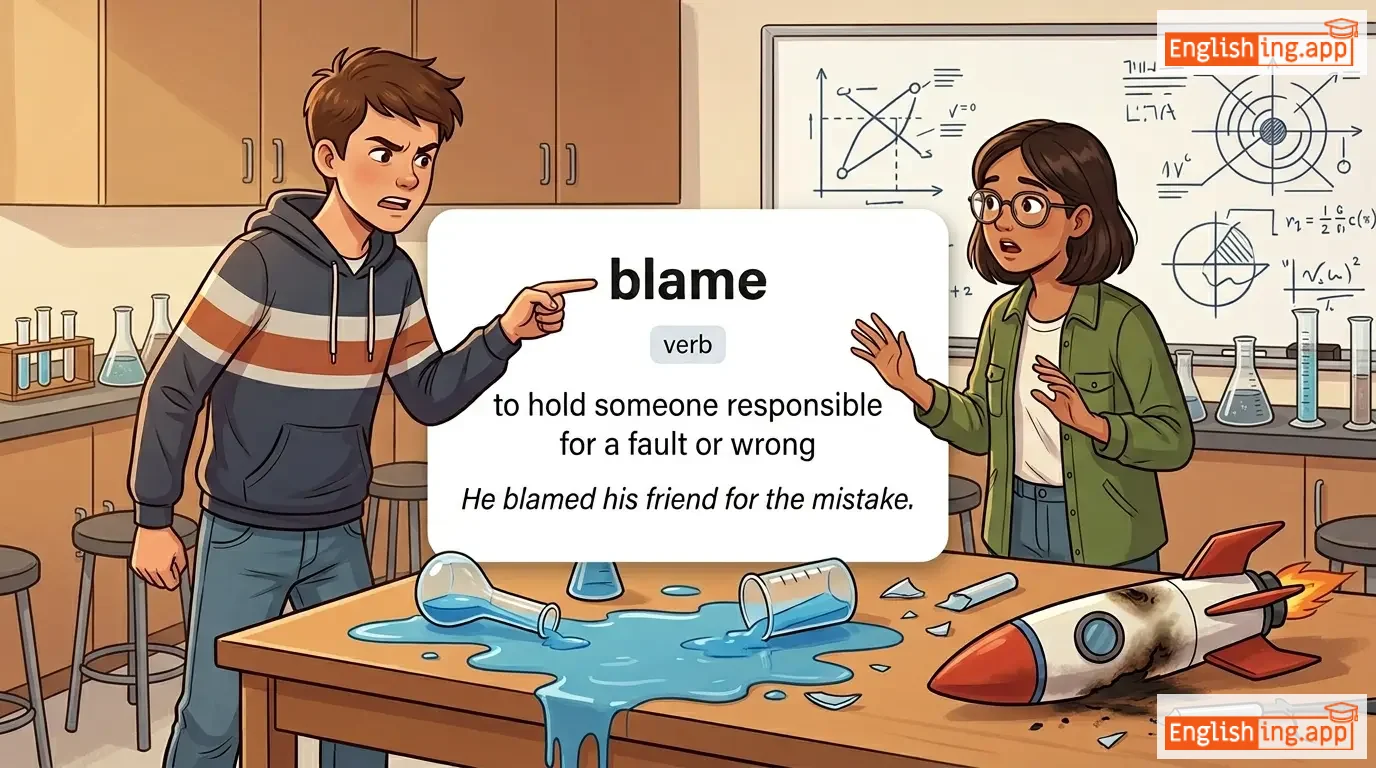
to hold someone responsible for a fault or wrong
••••••
|
He blamed his friend for the mistake.
他把错误归咎于他的朋友。
••••••
|
他把错误归咎于他的朋友。
Ta ba cuowu guijiu yu tade pengyou.
••••••
|
put the blame on
把责任推到
••••••
|
to make someone responsible for something bad
••••••
|
把责任推到
Ba zeren tuidao
••••••
|
accuse, fault, charge, condemn
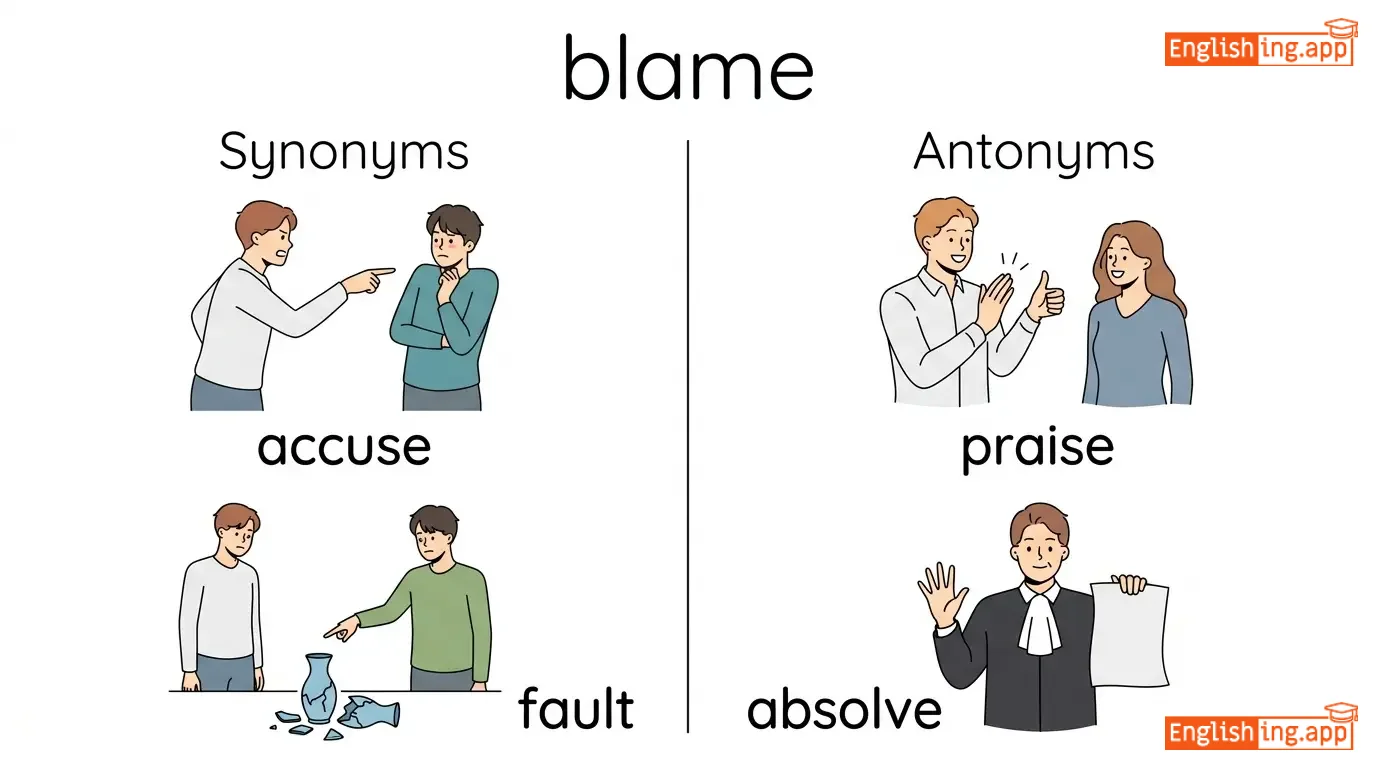
••••••
|
praise, absolve, forgive
••••••
|
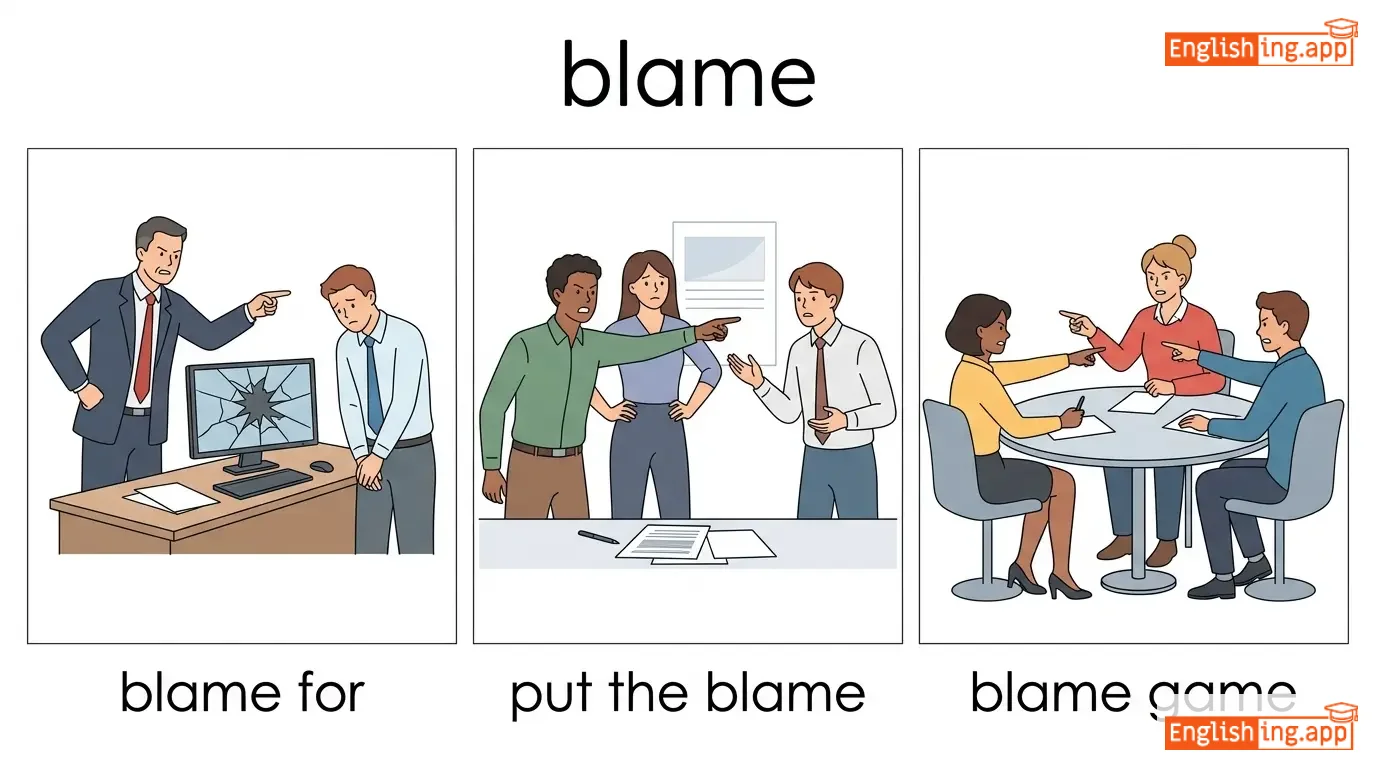
blame for, put the blame, blame game, blame others
••••••
|
Blame 意思是责怪—'Blame game' 意思是推卸责任的游戏。
••••••
|
|
🩸
••••••
|
/blʌd/
noun
(blud)
••••••
|
- •••••• |
血液
xueye
••••••
|
- •••••• | - •••••• | - •••••• | - •••••• |
The red liquid that circulates in the arteries and veins of humans and animals.
••••••
|
The doctor took a sample of blood for testing. |
医生取了一份血液样本进行测试。
Yisheng qule yifen xueye yangben jinxing ceshi.
••••••
|
blood is thicker than water |
Family relationships are stronger than other relationships.
••••••
|
血浓于水
Xue nong yu shui
••••••
|
plasma, lifeblood, gore, vital fluid
••••••
|
water, pus
••••••
|
blood pressure, blood test, blood group, blood donation
••••••
|
Blood 意味着 '血液' – 记住谚语 '血浓于水'。
••••••
|
|
🧍
••••••
|
/ˈbɒdi/
noun
(bodi)
••••••
|
- •••••• |
身体
shenti
••••••
|
- •••••• | - •••••• | - •••••• | - •••••• |
the physical structure of a person or animal
••••••
|
Exercise helps keep the body healthy. |
锻炼有助于保持身体健康。
duànliàn yǒu zhù yú bǎochí shēntǐ jiànkāng.
••••••
|
over my dead body |
absolutely not allowed
••••••
|
越过我的尸体
yuèguò wǒ de shītǐ
••••••
|
form, figure, corpse, frame, physique
••••••
|
soul, spirit
••••••
|
human body, body parts, body weight, body language
••••••
|
Body = 身体, 锻炼让身体保持强壮.
••••••
|
|
💣
••••••
|
/bɑːm/
noun/verb
(炸弹)
••••••
|
- •••••• |
炸弹
zhàdàn
••••••
|
bombed
轰炸
••••••
|
bombed
轰炸
••••••
|
bombs
炸弹
••••••
|
bombing
轰炸
••••••
|
A weapon that explodes; also to attack with bombs or to fail badly.
••••••
|
The city was bombed heavily during the war.
这座城市在战争期间遭到了严重轰炸。
••••••
|
这座城市在战争期间遭到了严重轰炸。
Zhèzuò chéngshì zài zhànzhēng qījiān zāodàole yánzhòng hōngzhà.
••••••
|
go bomb
去轰炸
••••••
|
To fail completely.
••••••
|
完全失败
wánquán shībài
••••••
|
explosive, missile, shell, fail, demolish
••••••
|
succeed, protect
••••••
|
drop a bomb, bomb attack, bomb squad, bomb shelter
••••••
|
炸弹意味着爆炸 - 去轰炸意味着完全失败。
••••••
|
|
📝
••••••
|
/briːf/
adjective, noun, verb
(breef)
••••••
|
- •••••• |
简短
jian duan
••••••
|
briefed
breeft
••••••
|
briefed
breeft
••••••
|
briefs
breefs
••••••
|
briefing
briefing
••••••
|
Short in duration; a summary of information.
••••••
|
The manager briefed the team before the meeting.
经理在会议前简要地向团队做了报告。
••••••
|
经理在会议前简要地向团队做了报告。
Jing li zai hui yi qian jian yao de xiang tuan dui zuo le bao gao.
••••••
|
in brief
简言之
••••••
|
in short; concisely
••••••
|
简言之
jian yan zhi
••••••
|
short, concise, summary, outline
••••••
|
long, detailed
••••••
|
brief meeting, legal brief, security briefing, brief moment
••••••
|
Brief = 简短时间,简短会议。
••••••
|
|
🔫
••••••
|
/ˈbʊlɪt/
noun
(子弹)
••••••
|
- •••••• |
子弹
zidan
••••••
|
- •••••• | - •••••• | - •••••• | - •••••• |
A small, metal projectile fired from a gun.
••••••
|
The soldier loaded a bullet into his rifle.
士兵把子弹装入他的步枪。
••••••
|
士兵把子弹装入他的步枪。
Shibing ba zidan zhuangru tade buqiang.
••••••
|
bite the bullet
咬子弹
••••••
|
To endure a painful or unpleasant situation with courage.
••••••
|
咬紧牙关
yao jin ya guan
••••••
|
projectile, shot, cartridge, ammo
••••••
|
peace, safety
••••••
|
bullet train, bullet wound, silver bullet, stray bullet
••••••
|
Bullet 是子弹,'bite the bullet' 就是咬紧牙关。
••••••
|
|
🏢
••••••
|
/ˈbjʊəroʊ/
noun
(bùluò)
••••••
|
- •••••• |
办事处/机构
banshichu/jigou
••••••
|
- •••••• | - •••••• | - •••••• | - •••••• |
An office or agency that provides services or manages specific duties.
••••••
|
The travel bureau helped them plan their vacation.
旅游局帮助他们规划假期。
••••••
|
旅游局帮助他们规划假期。
Luyou ju bangzhu tamen guihua jiaqi.
••••••
|
bureau of statistics
统计局
••••••
|
An agency that collects and publishes statistical information.
••••••
|
统计局
Tongji ju
••••••
|
office, agency, department, authority, service
••••••
|
individual, freelancer
••••••
|
federal bureau, bureau chief, travel bureau, bureau of investigation
••••••
|
Bureau 代表办事处或机构,像一个工作和管理的地方。
••••••
|
|
📦
••••••
|
/keɪs/
noun
(kèisī)
••••••
|
- •••••• |
案例 / 情况
ànlì / qíngkuàng
••••••
|
- •••••• | - •••••• | - •••••• | - •••••• |
A particular situation, occurrence, or an instance of something; also a container or covering for something.
••••••
|
In this case, we should wait for further instructions.
在这种情况下,我们应该等待进一步的指示。
••••••
|
在这种情况下,我们应该等待进一步的指示。
Zài zhè zhǒng qíngkuàng xià, wǒmen yīnggāi děngdài jìnyībù de zhǐshì.
••••••
|
in any case
无论如何
••••••
|
whatever happens; regardless of the situation
••••••
|
无论如何
wúlùn rúhé
••••••
|
instance, example, situation, container, box
••••••
|
whole, entirety
••••••
|
in case of, legal case, strong case, special case
••••••
|
Case代表情况,像是案件或手机壳
••••••
|

