|
表情符号
|
单词 | Images | 翻译 | 过去时 | 过去分词 | 第三人称单数 | 动名词 | 含义 | 例句 | 例句翻译 | 示例表达 | 示例表达含义 | 示例表达翻译 | 同义词 | 反义词 | 搭配词 | 助记符 |
|---|---|---|---|---|---|---|---|---|---|---|---|---|---|---|---|---|---|
|
🔮
••••••
|
/trænsˈluːsənt/
adjective
(tǔrǎns lú sàntè)
••••••
|
|
半透明
ban tou ming
••••••
|
- •••••• | - •••••• | - •••••• | - •••••• |
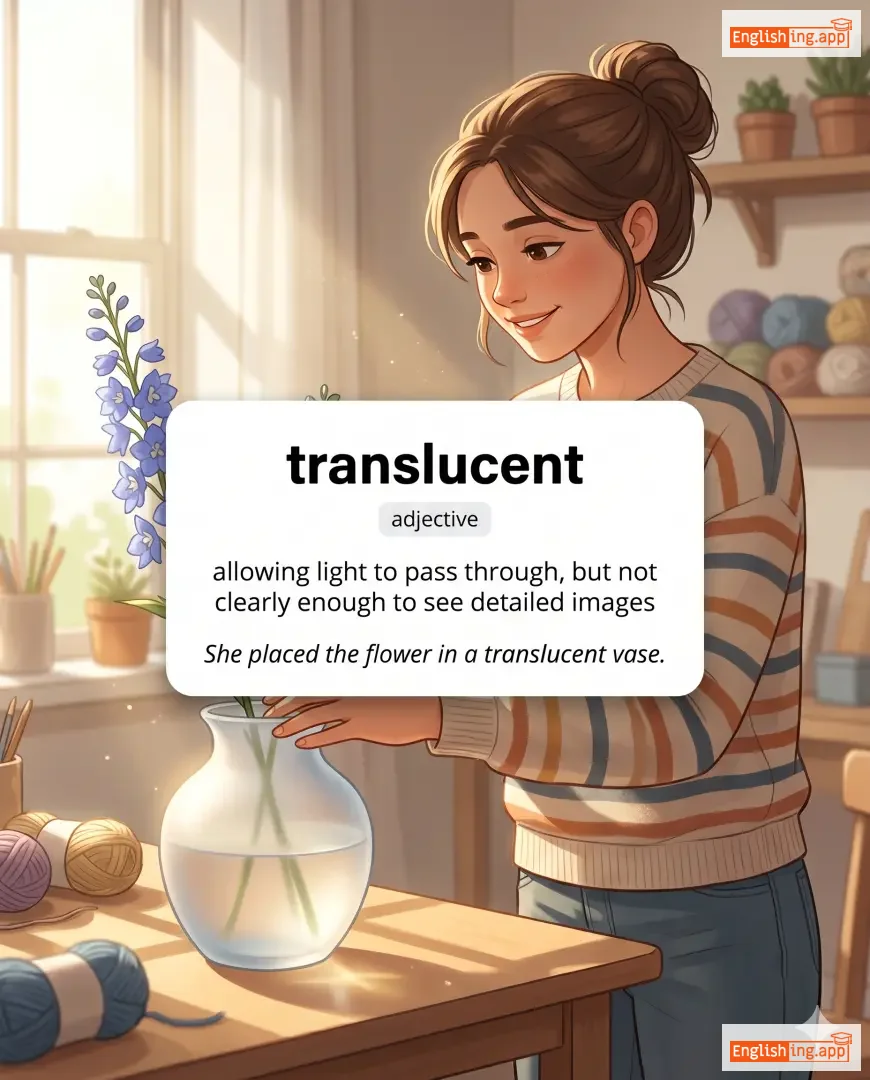
allowing light to pass through, but not clearly enough to see detailed images
••••••
|
She placed the flower in a translucent vase. |
她把花放在一个半透明的花瓶里。
Tā bǎ huā fàng zài yīgè bàn tóumíng de huāpíng lǐ.
••••••
|
- •••••• | - •••••• | - •••••• |
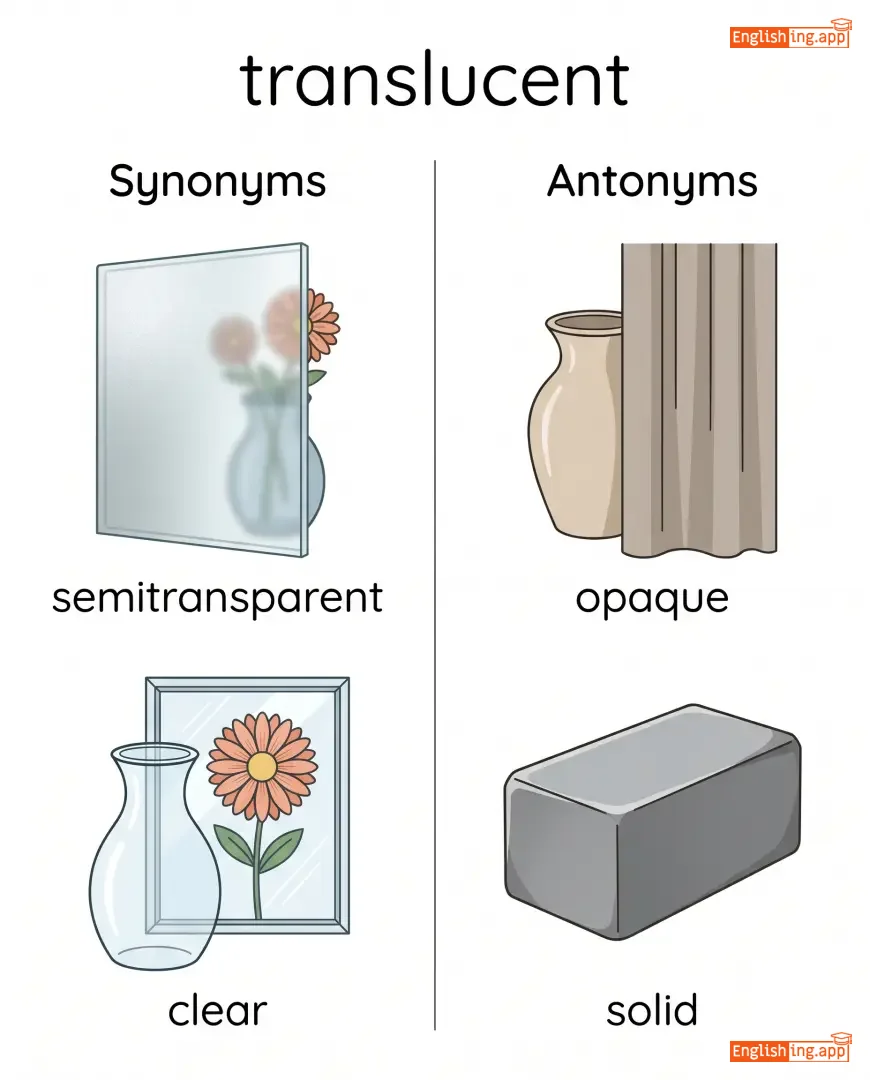
semitransparent, clear, glassy, see-through
••••••
|
opaque, solid
••••••
|
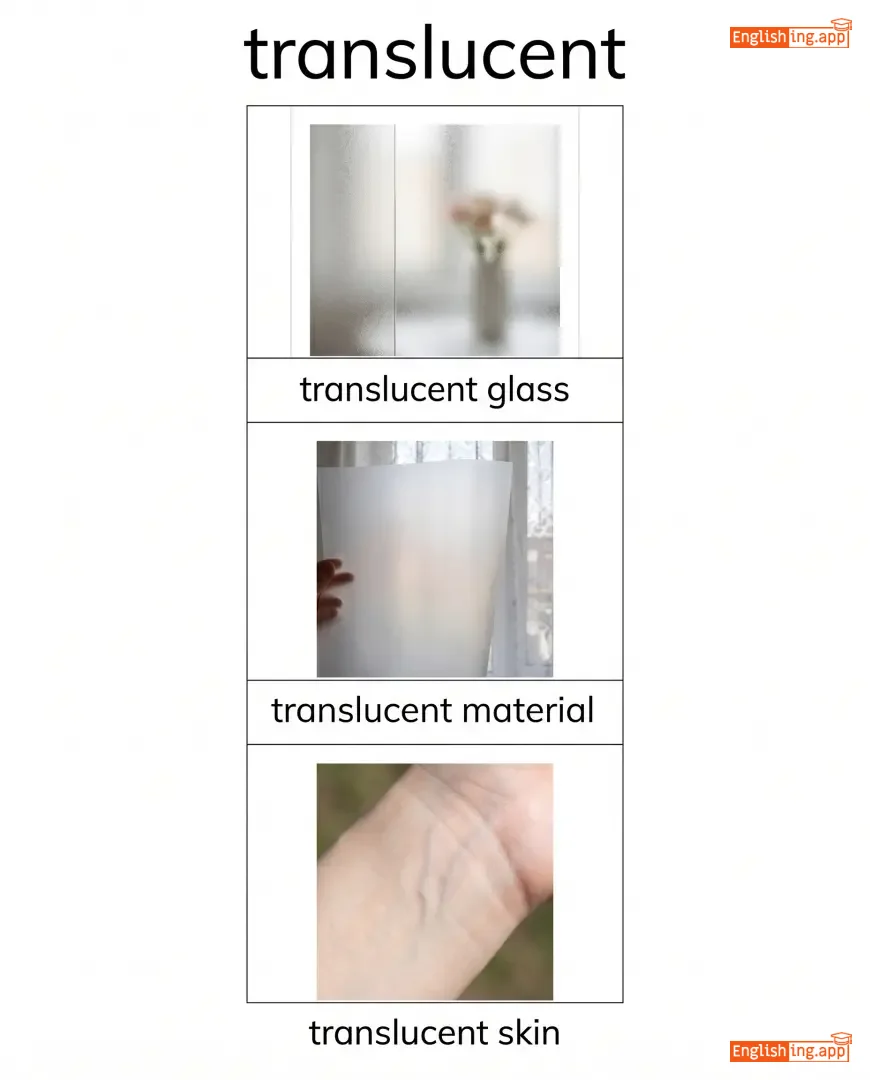
translucent glass, translucent material, translucent skin
••••••
|
Translucent 就像玻璃 – 光线通过,但不完全清晰。
••••••
|
|
💪
••••••
|
/trəˈveɪl/
noun
(特雷维尔)
••••••
|


|
艰苦的努力
jian ku de nu li
••••••
|
- •••••• | - •••••• | - •••••• | - •••••• |
Painful or laborious effort; suffering or hardship.
••••••
|
After years of travail, she finally completed her degree. |
经过多年的艰苦努力,她终于完成了学位。
Jing guo duo nian de jian ku nu li, ta zhong yu wan cheng le xue wei.
••••••
|
- •••••• | - •••••• | - •••••• |
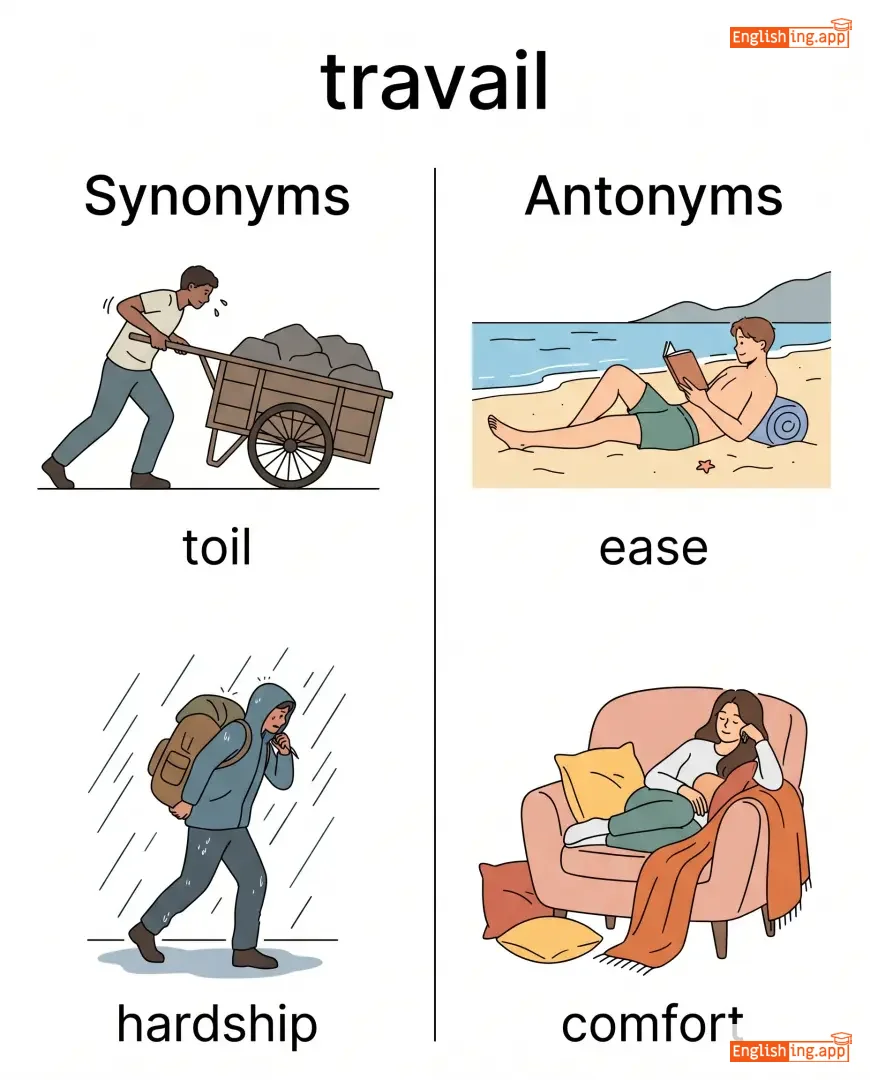
toil, hardship, struggle, effort, drudgery
••••••
|
ease, comfort, relaxation
••••••
|
years of travail, mental travail, physical travail
••••••
|
旅行需要艰苦的努力 (travail) 才能完成。
••••••
|
|
🎭
••••••
|
/ˈtrævɪsti/
noun
••••••
|

|
- •••••• | - •••••• | - •••••• | - •••••• | - •••••• |
A false, absurd, or distorted representation of something.
••••••
|
The trial was a travesty of justice. |
- •••••• | - •••••• | - •••••• | - •••••• |
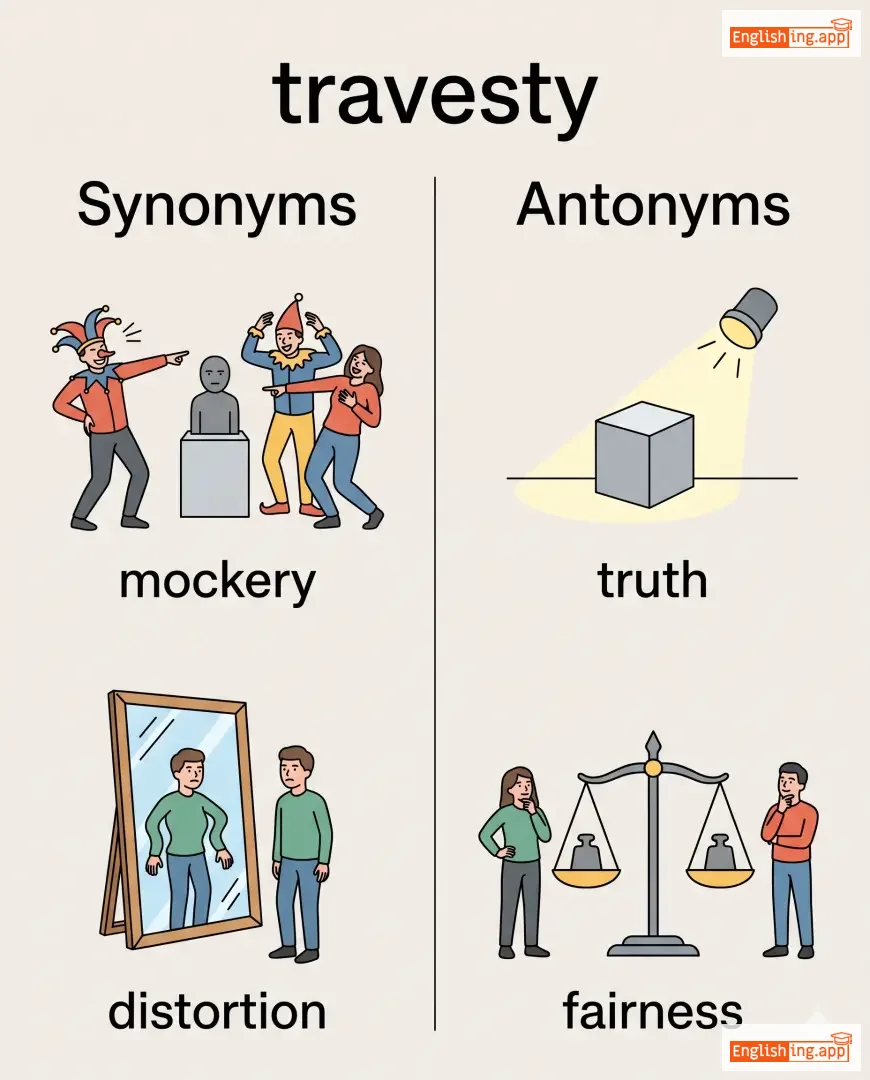
mockery, distortion, parody, farce, sham
••••••
|
truth, fairness, authenticity
••••••
|
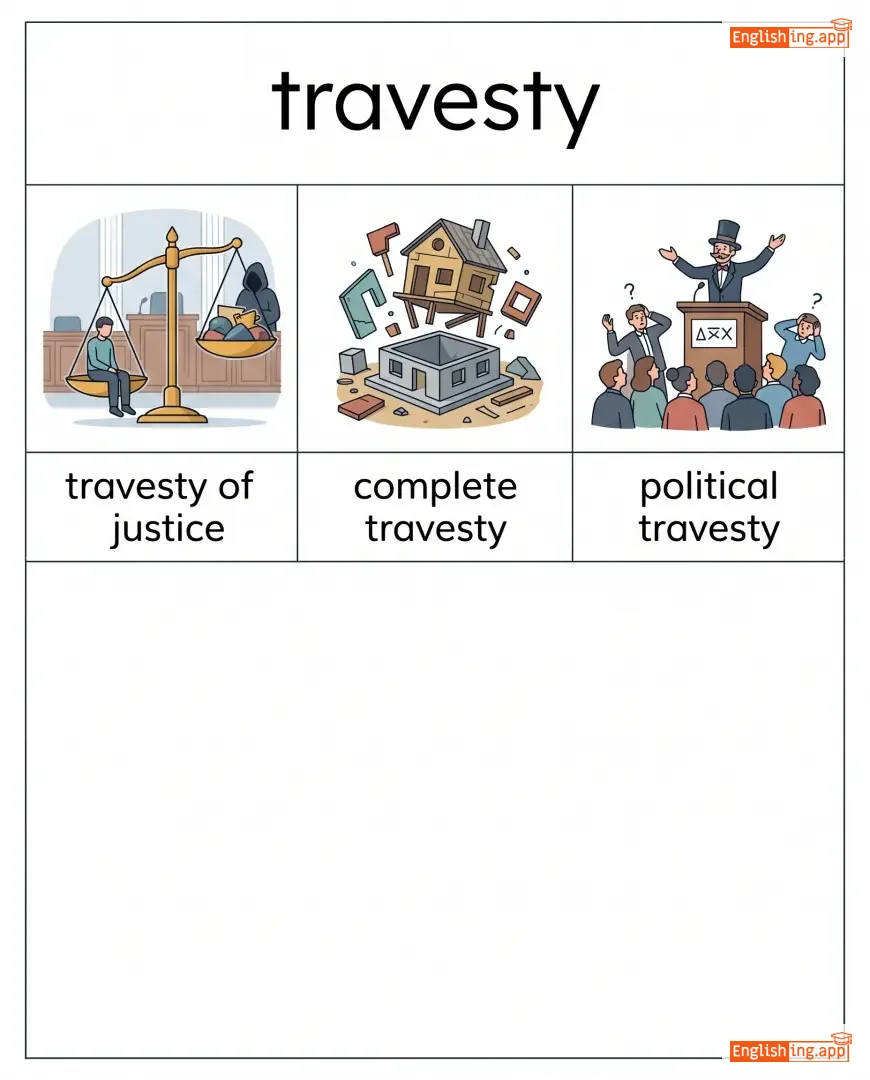
travesty of justice, complete travesty, political travesty
••••••
|
No •••••• |
|
📚
••••••
|
/ˈtriːtɪs/
noun
(tèlìsī)
••••••
|

|
论文
lùn wén
••••••
|
- •••••• | - •••••• | - •••••• | - •••••• |
a formal and systematic written work dealing with a subject in detail
••••••
|
He wrote a treatise on modern economic theory.
他写了一篇关于现代经济理论的论文。
••••••
|
他写了一篇关于现代经济理论的论文。
Tā xiěle yī piān guānyú xiàndài jīngjì lǐlùn de lùnwén.
••••••
|
- •••••• | - •••••• | - •••••• |
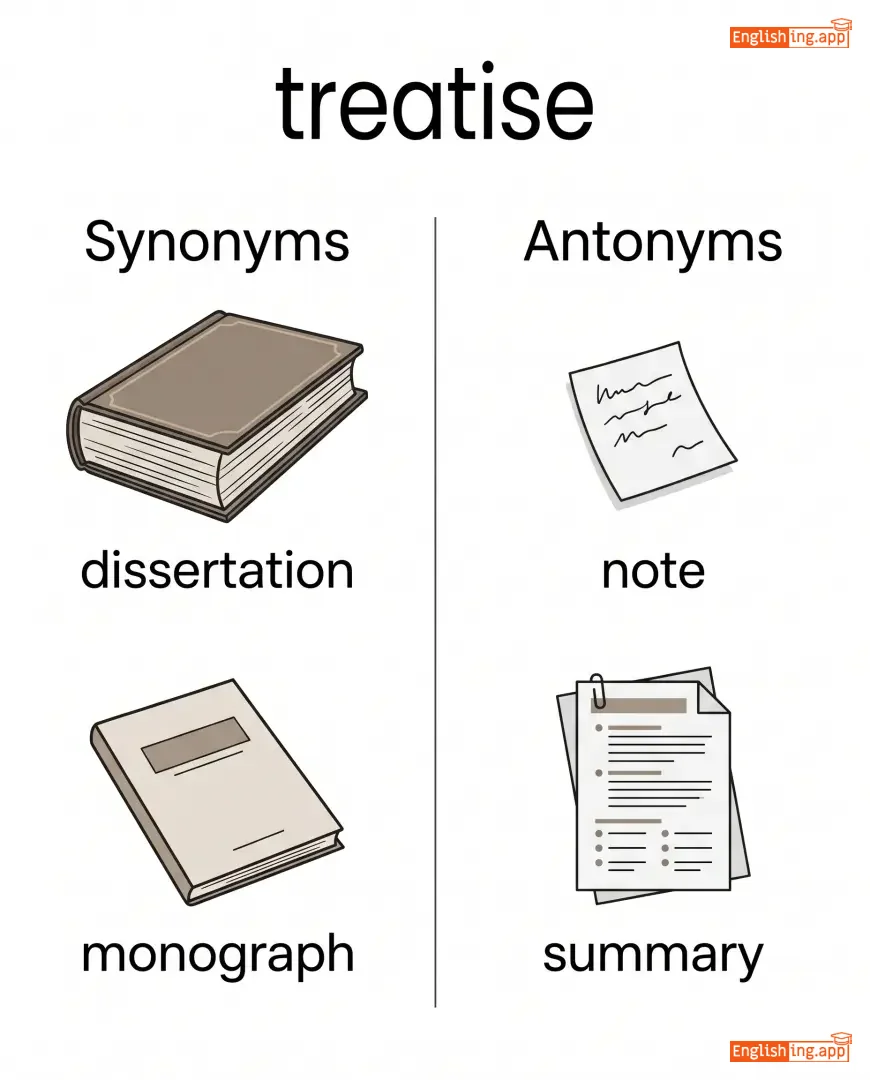
dissertation, monograph, thesis, paper, study
••••••
|
note, summary
••••••
|
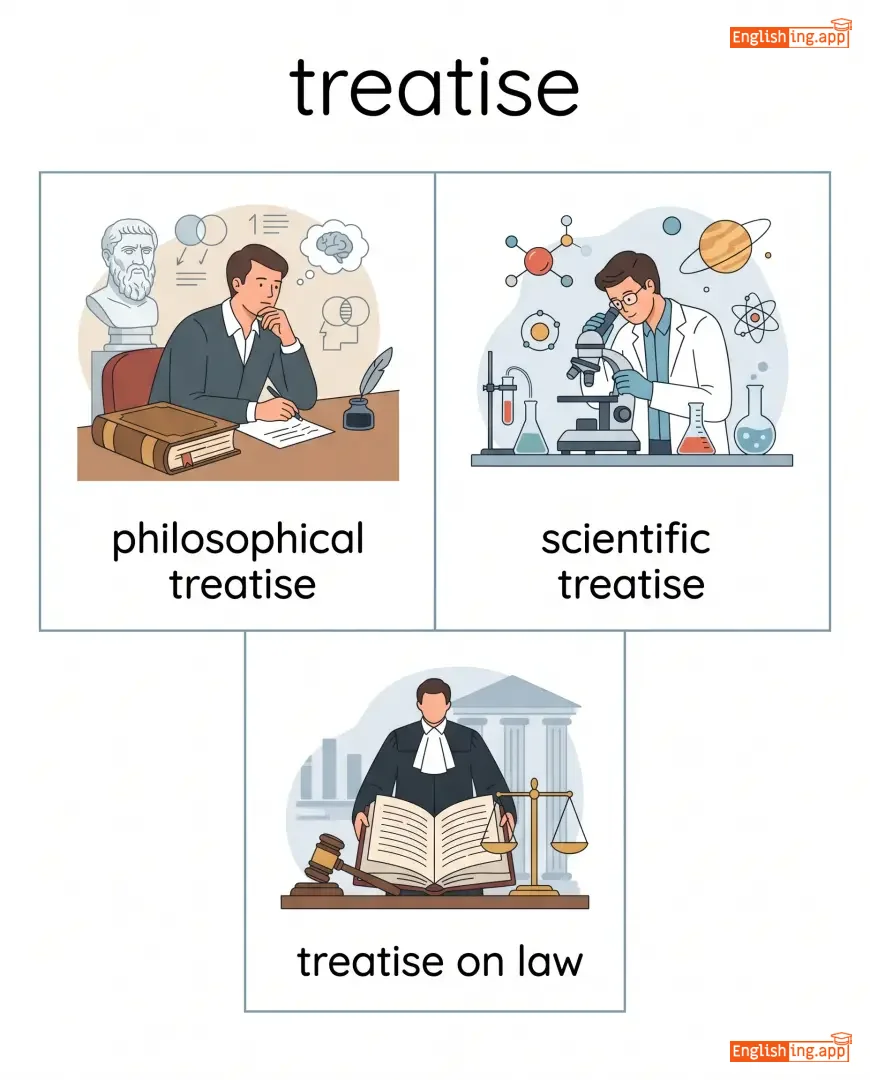
philosophical treatise, scientific treatise, treatise on law
••••••
|
Treatise = 论文 + thesis = 专门的详细论文
••••••
|
|
😨
••••••
|
/ˈtrɛmjələs/
adjective
(tremulus)
••••••
|

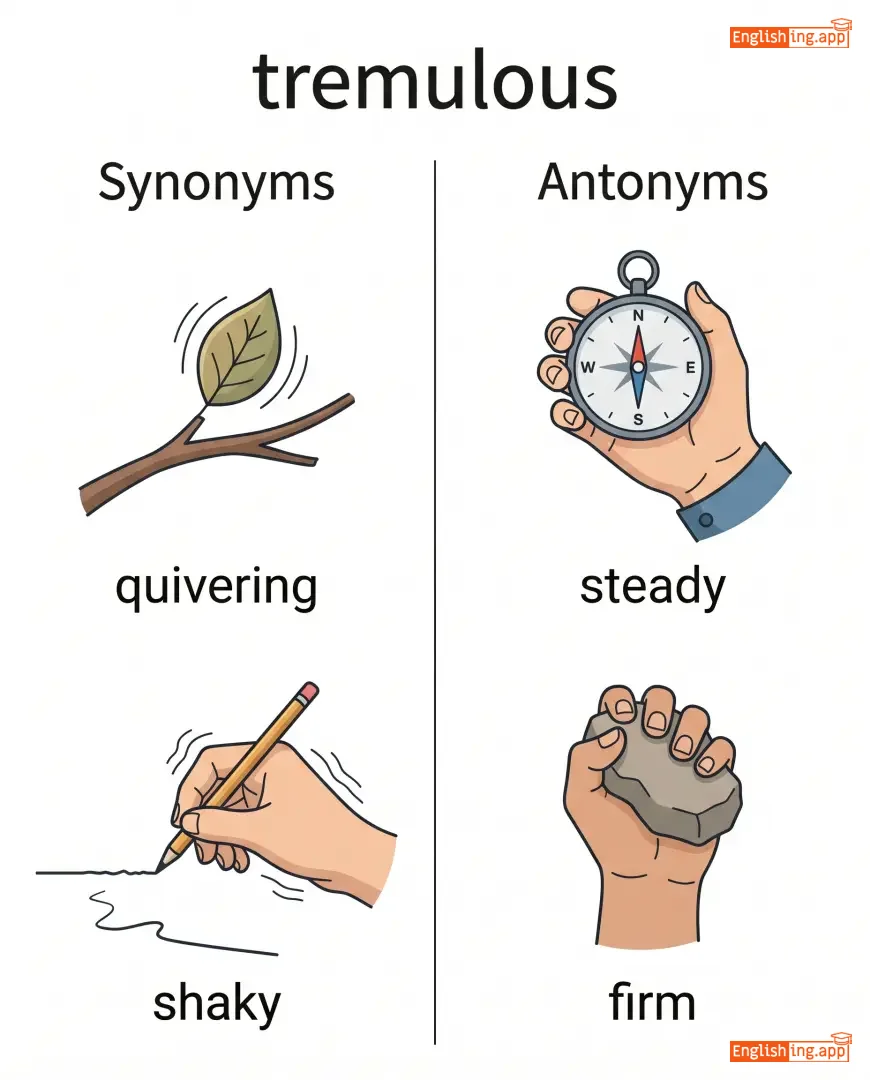
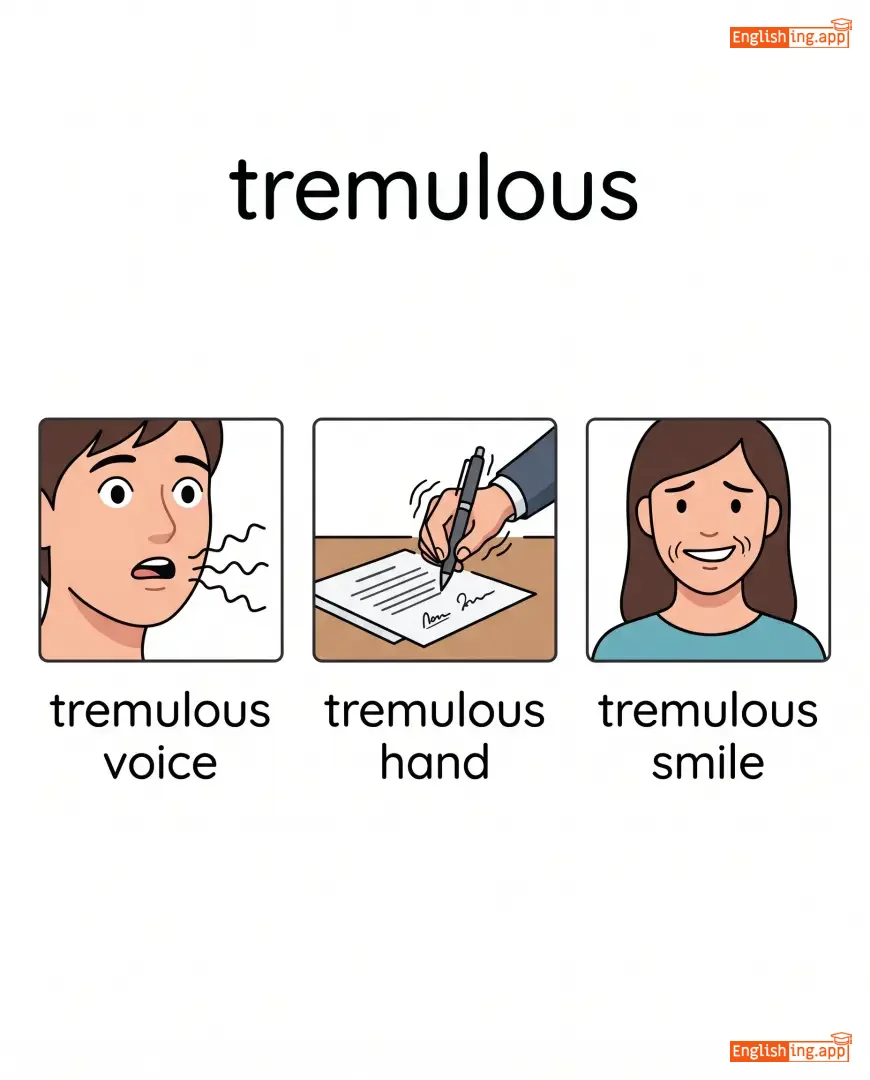
|
颤抖
chan-diao
••••••
|
- •••••• | - •••••• | - •••••• | - •••••• |
shaking or quivering slightly, often from nervousness or weakness
••••••
|
Her voice was tremulous as she gave her speech.
她的声音在演讲时颤抖。
••••••
|
她的声音在演讲时颤抖。
Tā de shēngyīn zài yǎnjiǎng shí chàndǒu.
••••••
|
- •••••• | - •••••• | - •••••• |
quivering, shaky, trembling, unsteady
••••••
|
steady, firm
••••••
|
tremulous voice, tremulous hand, tremulous smile
••••••
|
Tremulous 意味着颤抖,比如因为紧张而颤抖的声音。
••••••
|
|
😨
••••••
|
/ˌtrɛpɪˈdeɪʃən/
noun
(特雷皮戴申)
••••••
|

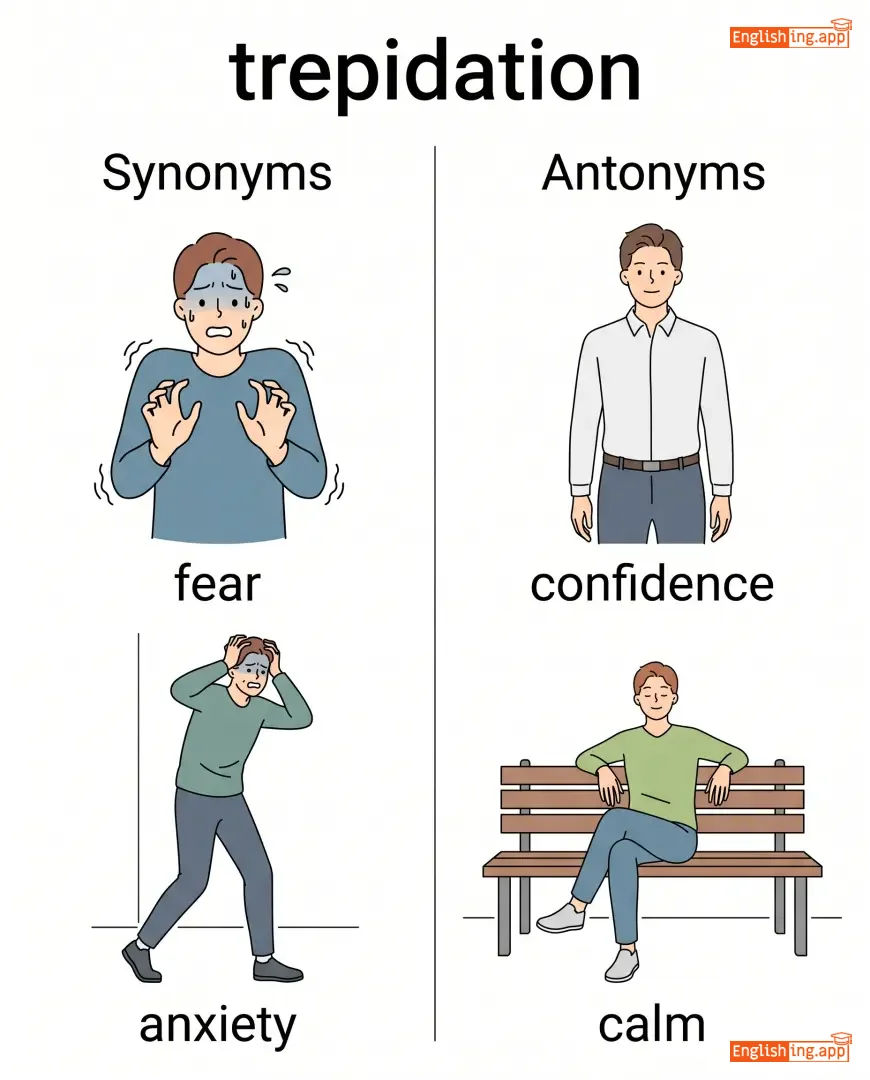
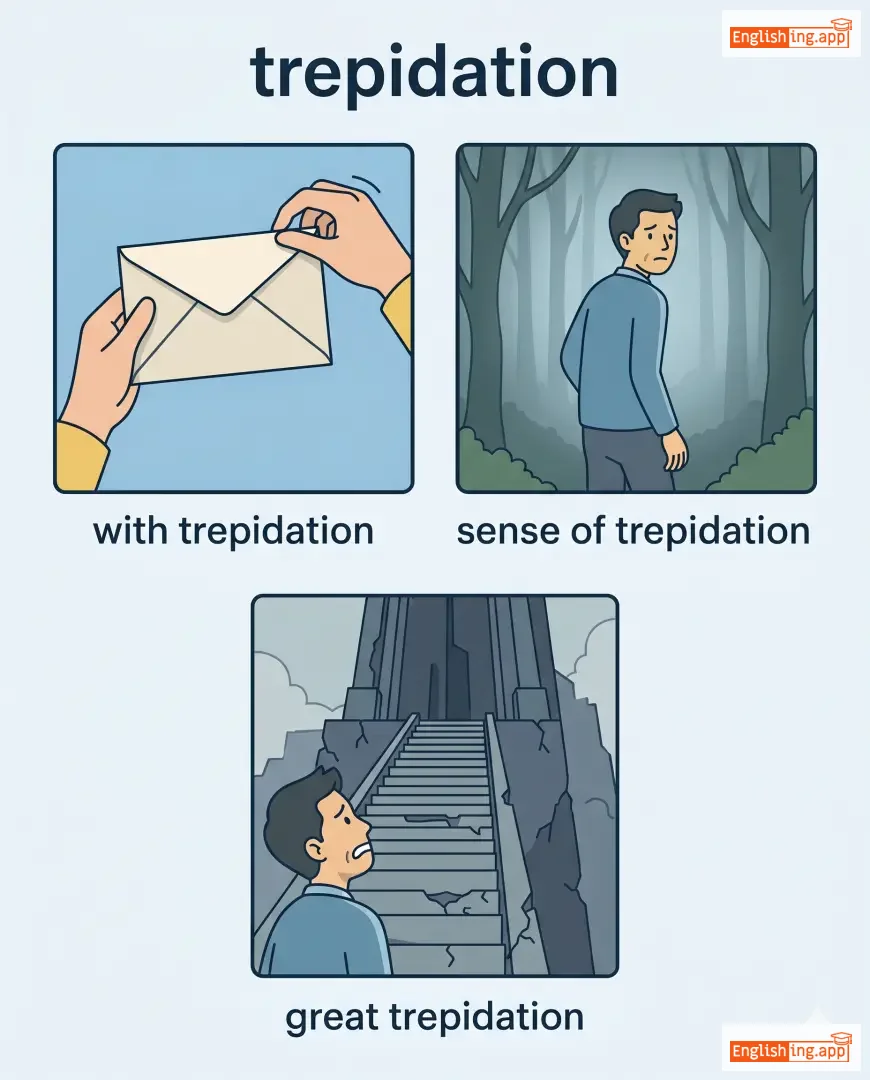
|
忧虑
yōulǜ
••••••
|
- •••••• | - •••••• | - •••••• | - •••••• |
a feeling of fear or anxiety about something that may happen
••••••
|
She opened the letter with some trepidation. |
她带着一些忧虑打开了信件。
Tā dàizhe yīxiē yōulǜ dǎkāile xìnjiàn.
••••••
|
- •••••• | - •••••• | - •••••• |
fear, anxiety, dread, unease, apprehension
••••••
|
confidence, calm, assurance
••••••
|
with trepidation, sense of trepidation, great trepidation
••••••
|
Trepidation意味着忧虑; 如果你听到房间外的脚步声,可能会感到忧虑
••••••
|
|
😡
••••••
|
/ˈtrʌk.jʊ.ləns/
noun
(trùkjiùlénsī)
••••••
|

|
好斗性
haodouxing
••••••
|
- •••••• | - •••••• | - •••••• | - •••••• |
Aggressiveness or eagerness to fight.
••••••
|
His speech was full of truculence and threats. |
他的演讲充满了好斗性和威胁。
Tā de yǎnjiǎng chōngmǎn le hǎodòuxìng hé wēixié.
••••••
|
- •••••• | - •••••• | - •••••• |
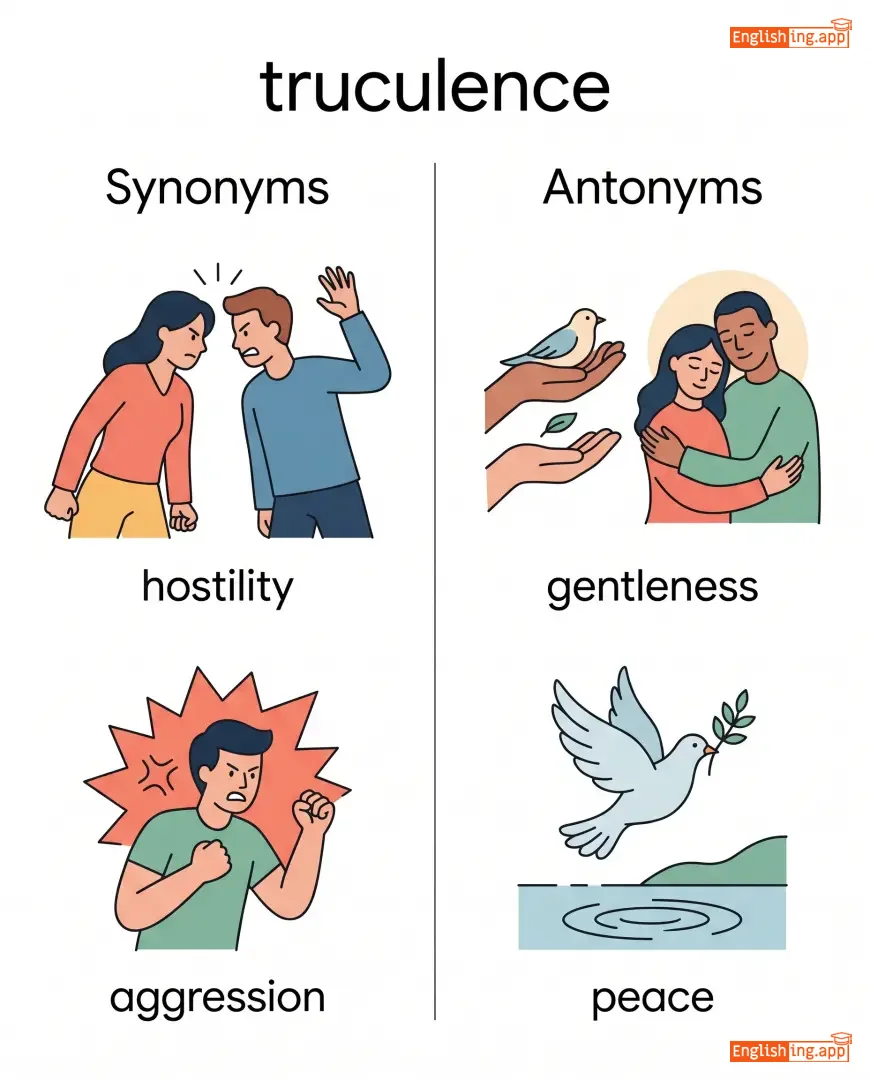
hostility, aggression, belligerence, combativeness
••••••
|
gentleness, peace, friendliness
••••••
|
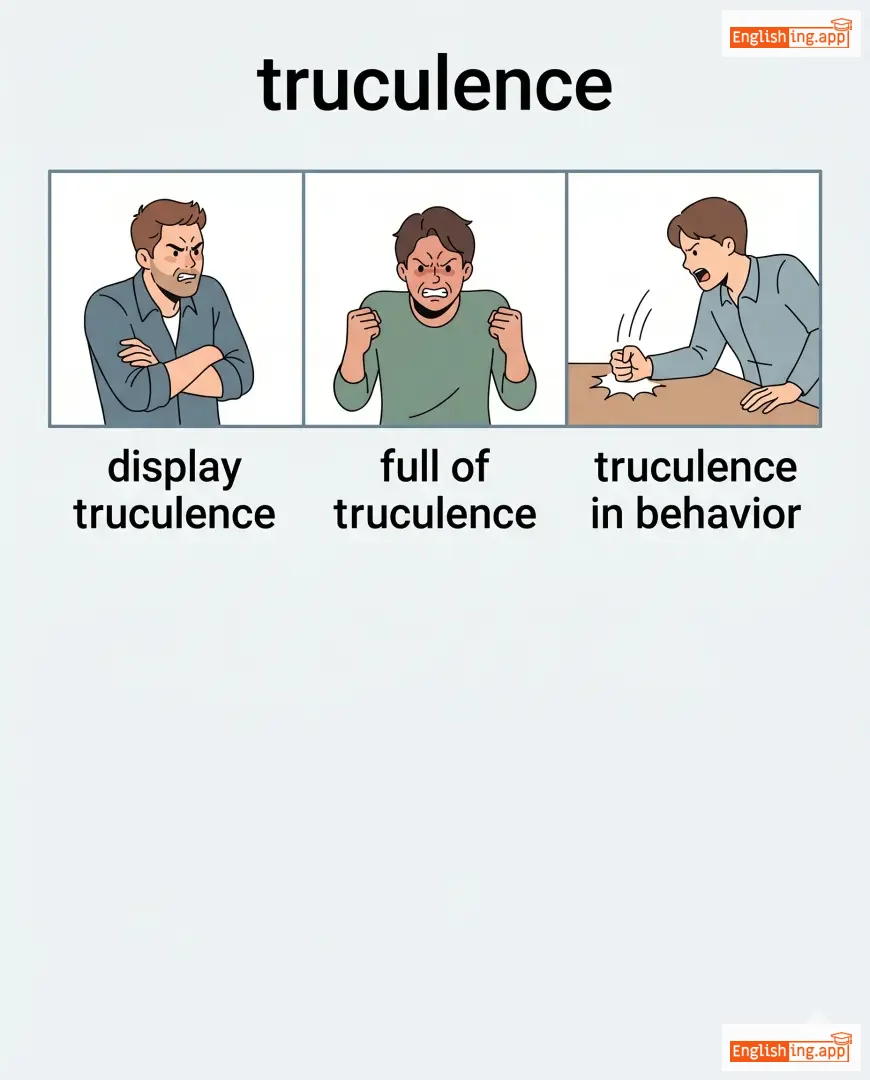
display truculence, full of truculence, truculence in behavior
••••••
|
Truculence意味着好斗性—记住,当卡车喇叭响时,大家都会生气。
••••••
|
|
🌙
••••••
|
/traɪst/
noun
(tryst)
••••••
|
|
秘密约会
mimi yuehui
••••••
|
- •••••• | - •••••• | - •••••• | - •••••• |
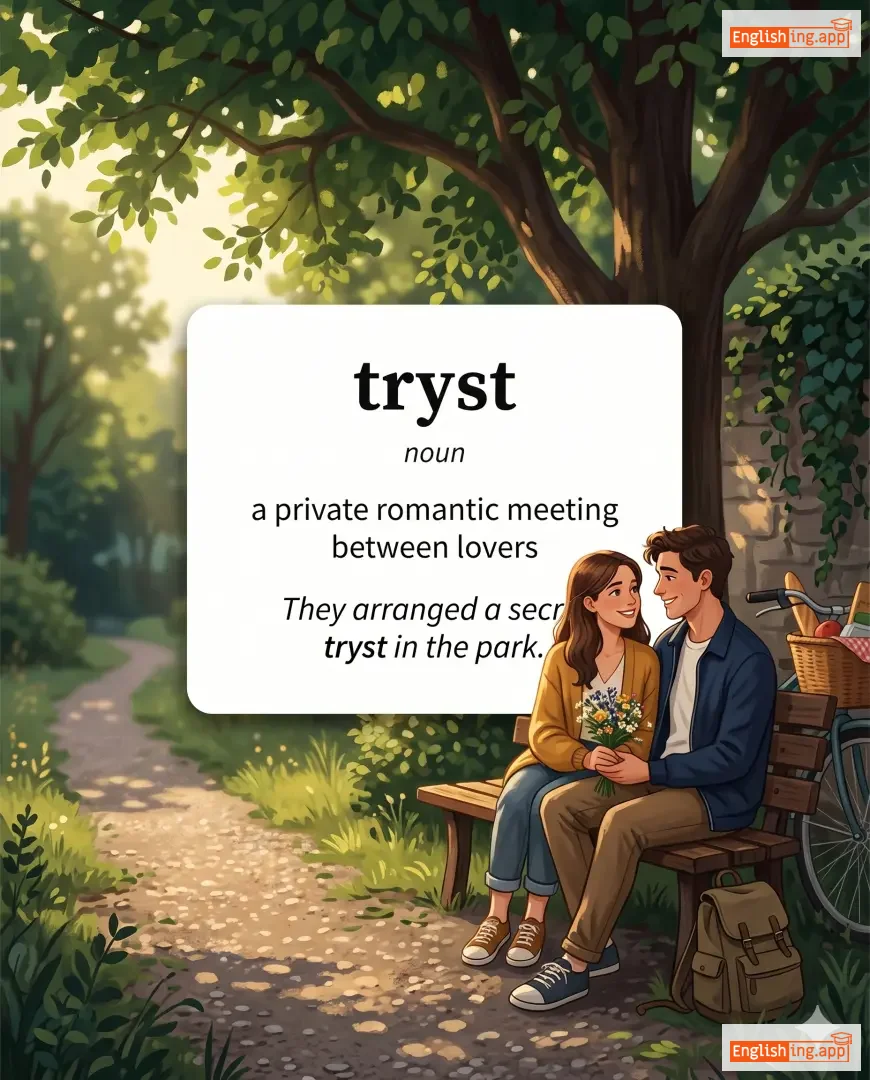
a private romantic meeting between lovers
••••••
|
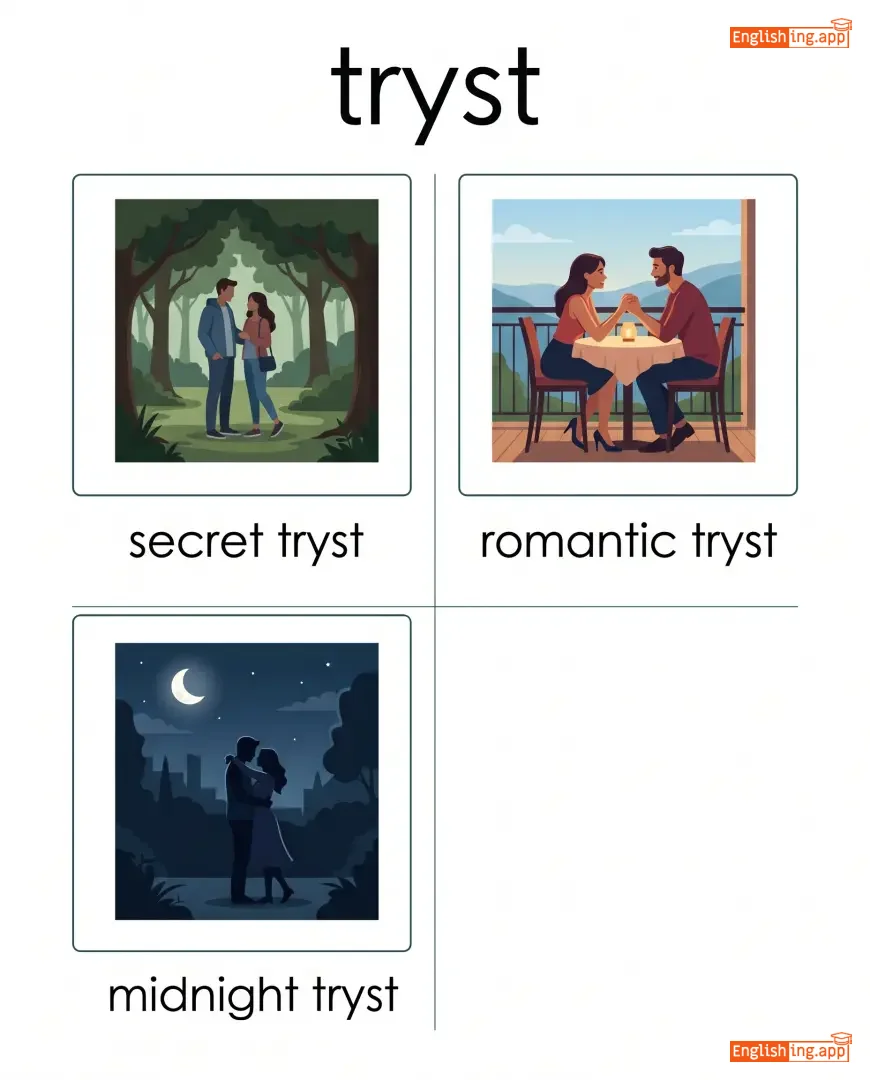
They arranged a secret tryst in the park. |
他们在公园里安排了一个秘密约会。
Tamen zai gongyuan li anpai le yige mimi yuehui.
••••••
|
- •••••• | - •••••• | - •••••• |
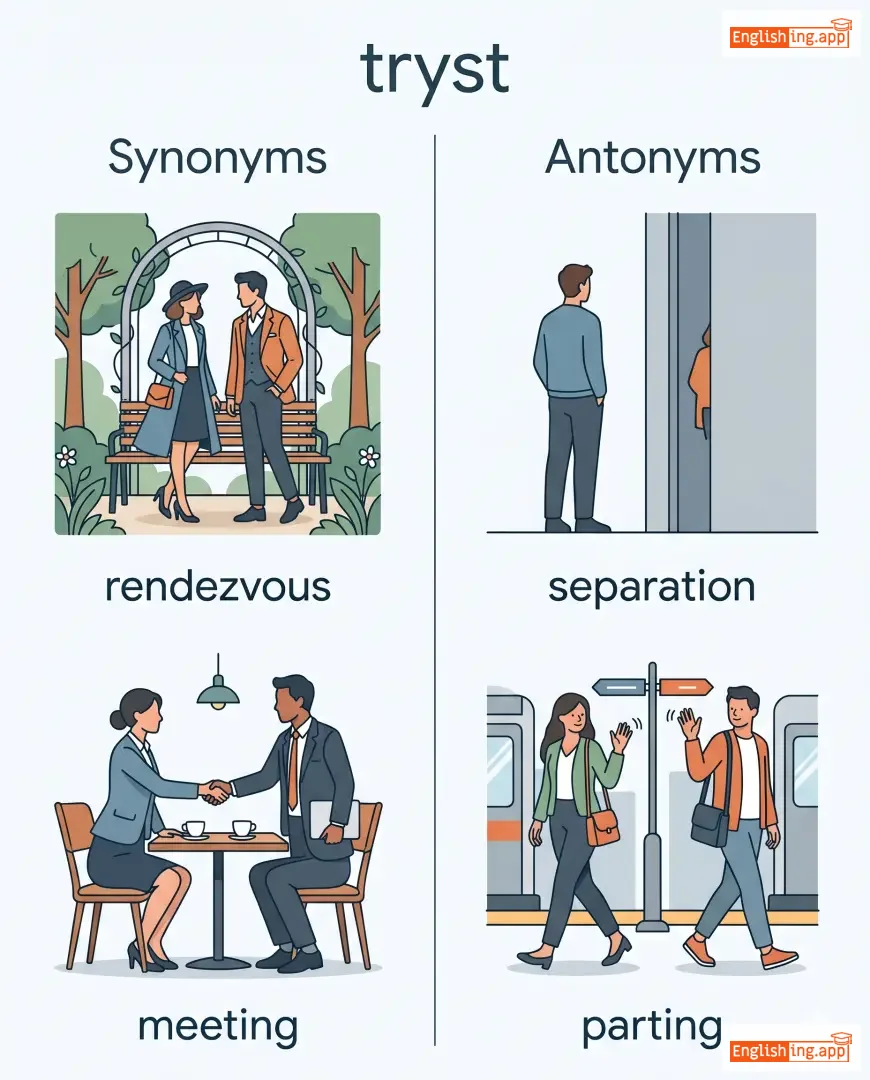
rendezvous, meeting, date, assignation
••••••
|
separation, parting
••••••
|
secret tryst, romantic tryst, midnight tryst, arrange a tryst
••••••
|
树下的tryst – 恋人之间的秘密约会。
••••••
|
|
💭
••••••
|
/ˈtjuːmɪd/
adjective
(tjuːmɪd)
••••••
|
|
肿胀的,膨胀的,或浮夸的风格
zhǒng zhàng de, péng zhàng de, huò fú kuā de fēng gé
••••••
|
- •••••• | - •••••• | - •••••• | - •••••• |
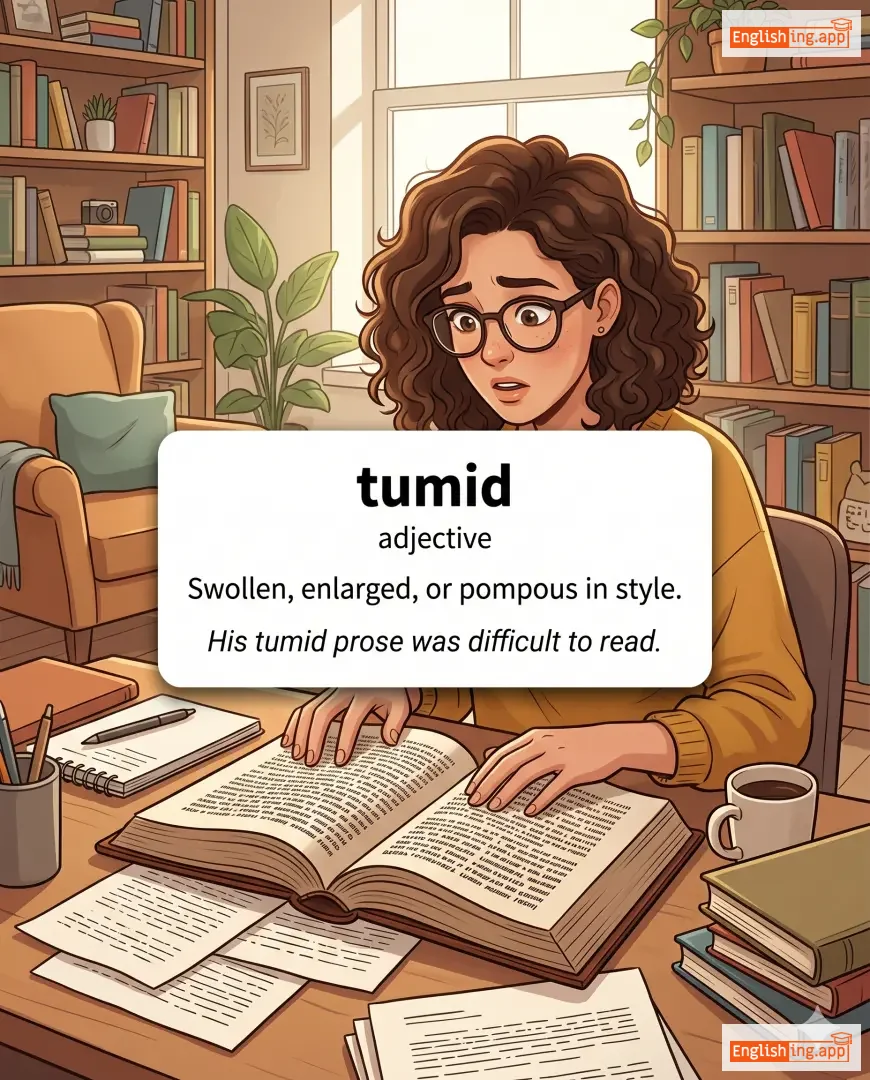
Swollen, enlarged, or pompous in style.
••••••
|
His tumid prose was difficult to read. |
他的肿胀的散文很难阅读。
Tā de zhǒng zhàng de sàn wén hěn nán yuè dú.
••••••
|
- •••••• | - •••••• | - •••••• |
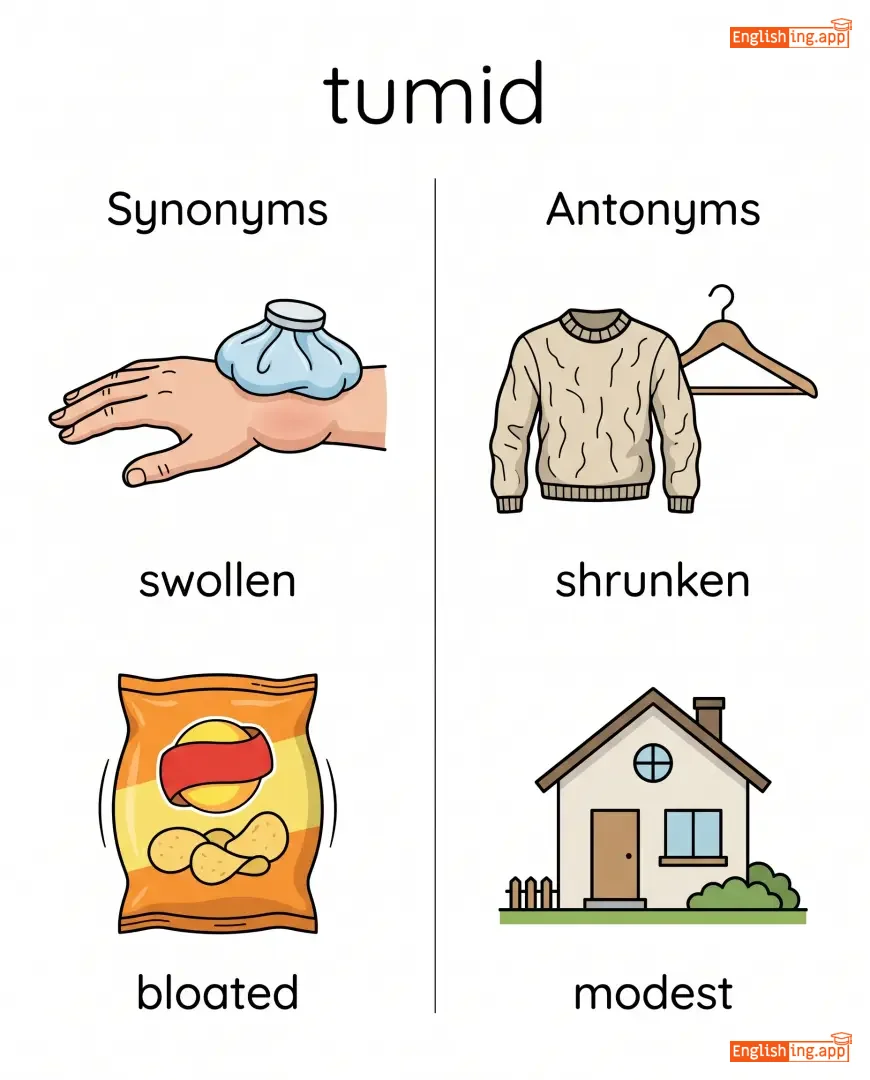
swollen, bloated, inflated, pompous
••••••
|
shrunken, modest, plain
••••••
|
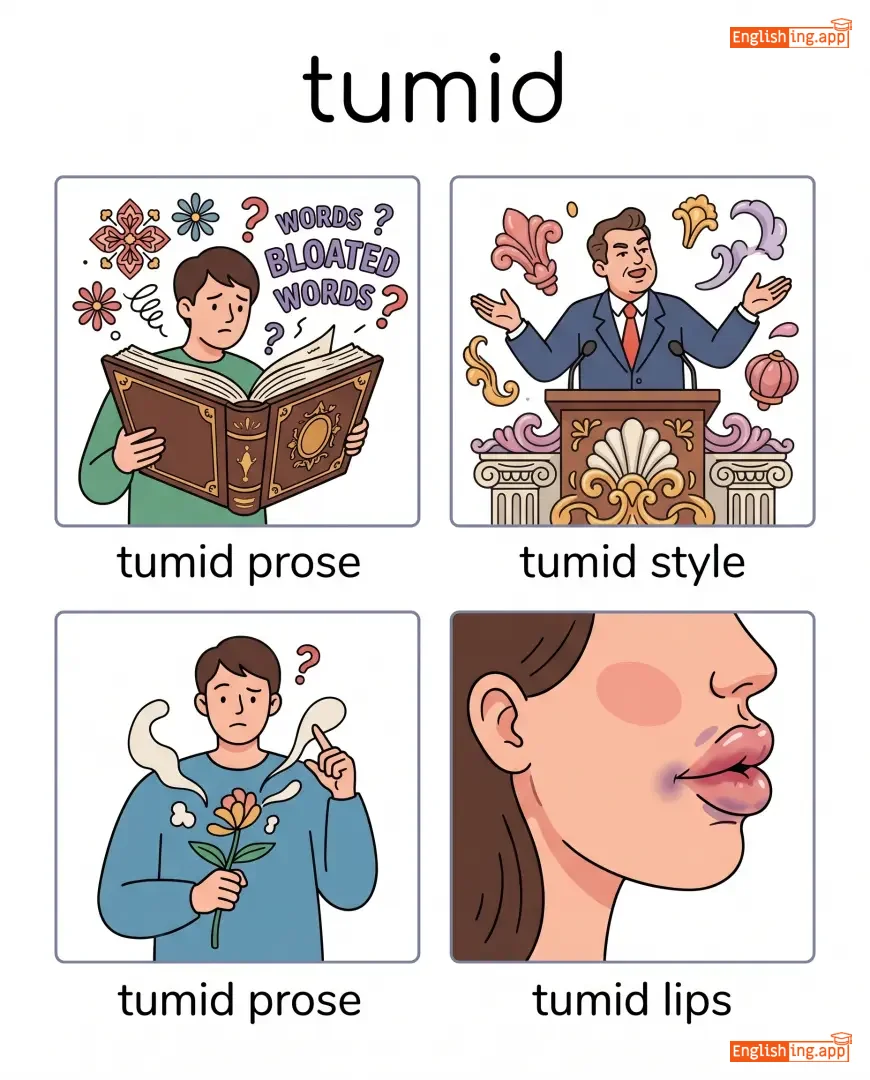
tumid prose, tumid style, tumid lips
••••••
|
Tumid就像肿瘤—肿瘤会肿胀。
••••••
|
|
🌊
••••••
|
/ˈtɜːrbɪd/
adjective
(turbid)
••••••
|
|
浑浊
hunzhuo
••••••
|
- •••••• | - •••••• | - •••••• | - •••••• |
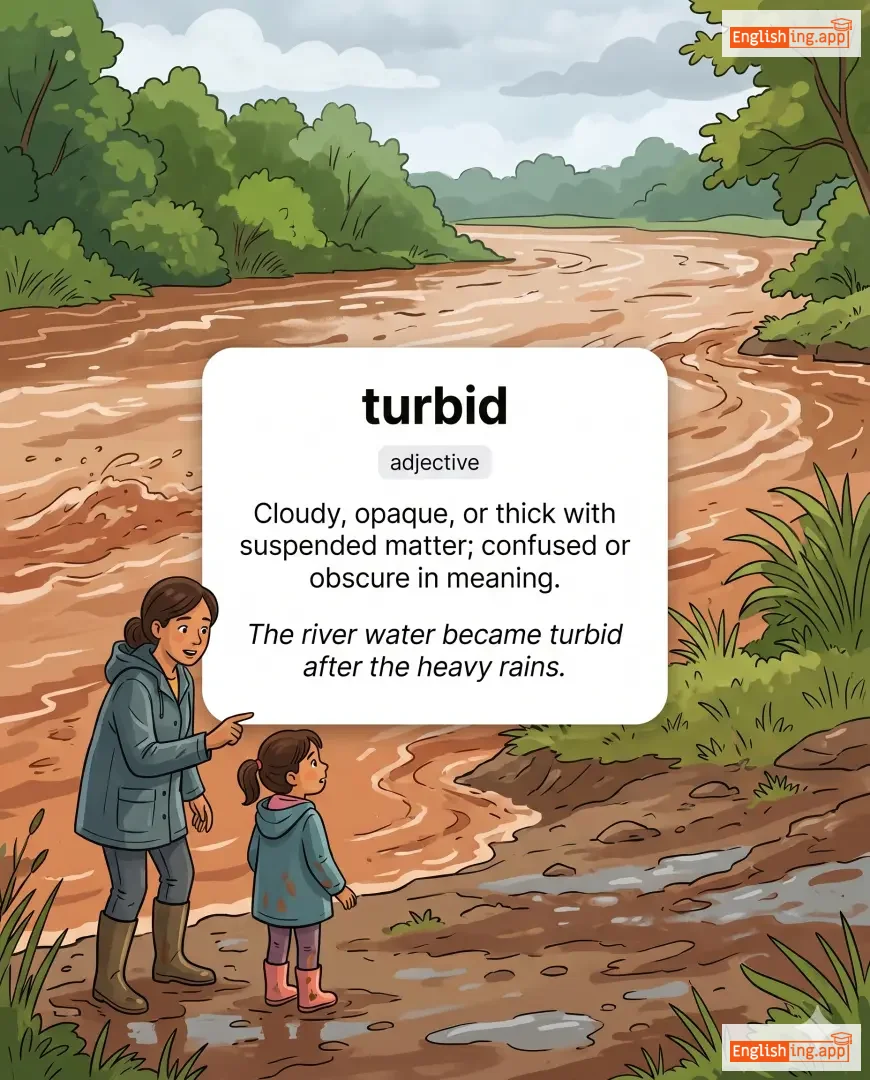
Cloudy, opaque, or thick with suspended matter; confused or obscure in meaning.
••••••
|
The river water became turbid after the heavy rains. |
大雨过后,河水变得浑浊。
Dayu guo hou, he shui biande hunzhuo.
••••••
|
- •••••• | - •••••• | - •••••• |
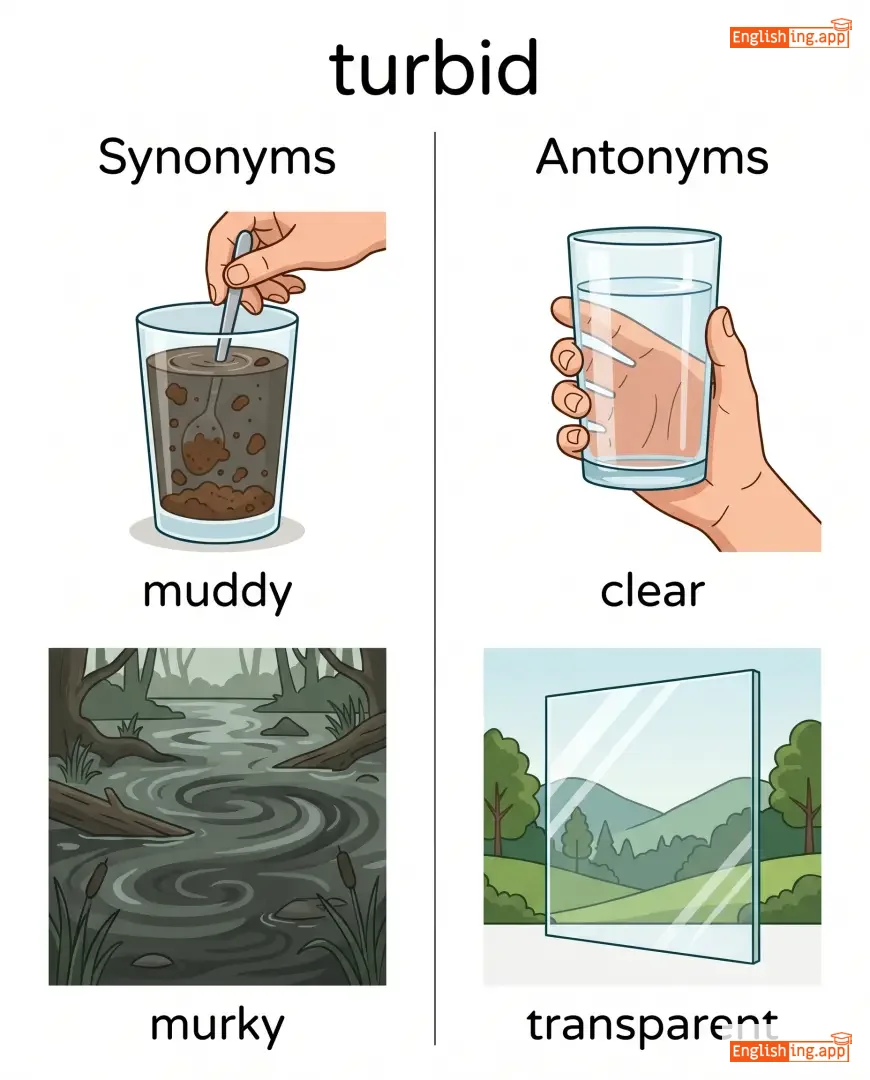
muddy, murky, cloudy, opaque, unclear
••••••
|
clear, transparent, pure
••••••
|
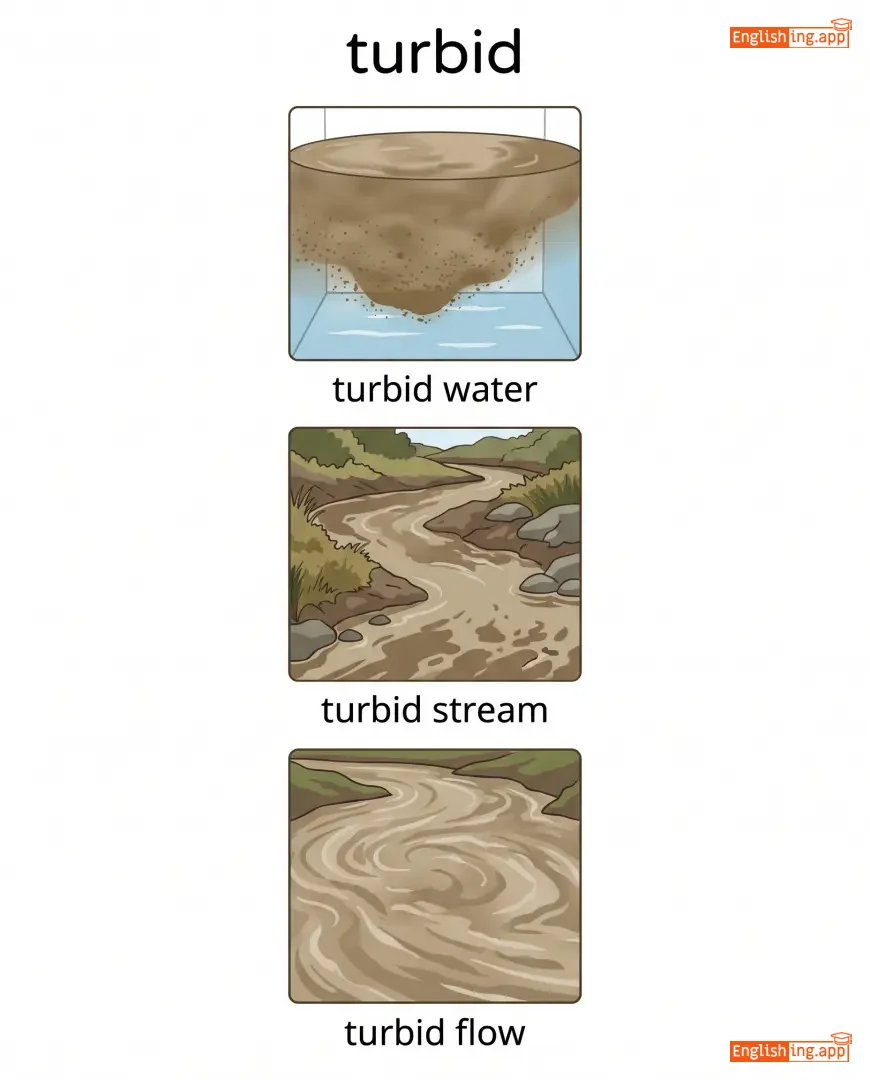
turbid water, turbid stream, turbid flow, turbid liquid
••••••
|
浑浊的水像大雨后的河流一样。
••••••
|
|
🎈
••••••
|
/ˈtɜːrdʒɪd/
adjective
(特吉德)
••••••
|
|
肿胀的, 浮夸的
zhongzhang de, fu kua de
••••••
|
- •••••• | - •••••• | - •••••• | - •••••• |
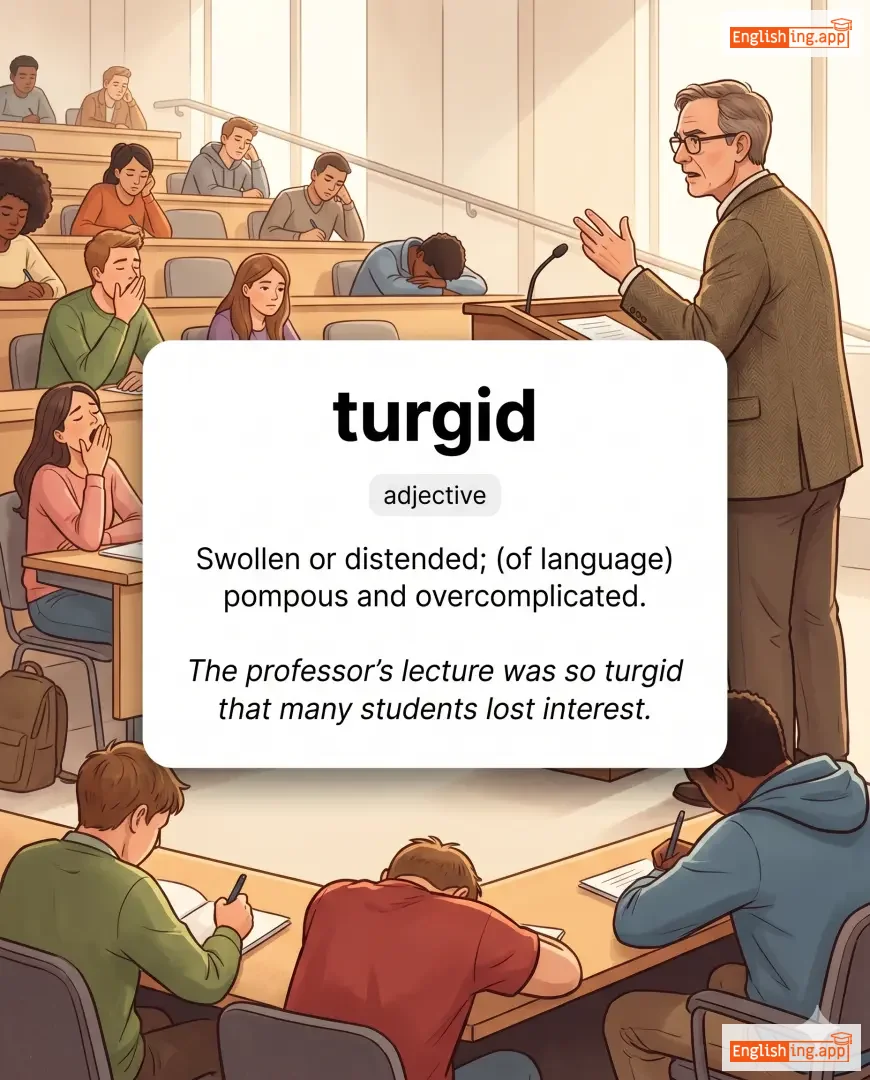
Swollen or distended; (of language) pompous and overcomplicated.
••••••
|
The professor’s lecture was so turgid that many students lost interest. |
教授的讲座太浮夸了,许多学生失去了兴趣。
Jiaoshou de jiangzuo tai fu kua le, xu duo xuesheng shiqu le xingqu.
••••••
|
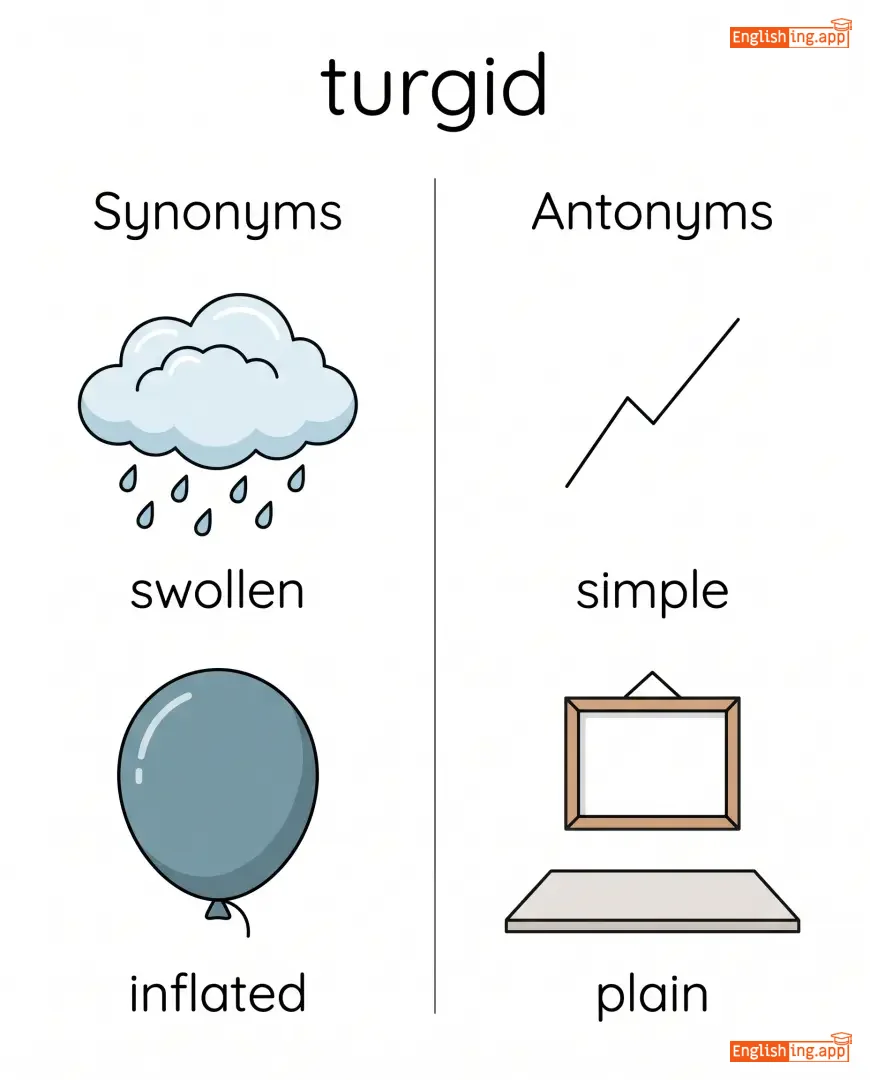
- •••••• | - •••••• | - •••••• |
swollen, inflated, pompous, bloated, grandiose
••••••
|
simple, plain, clear
••••••
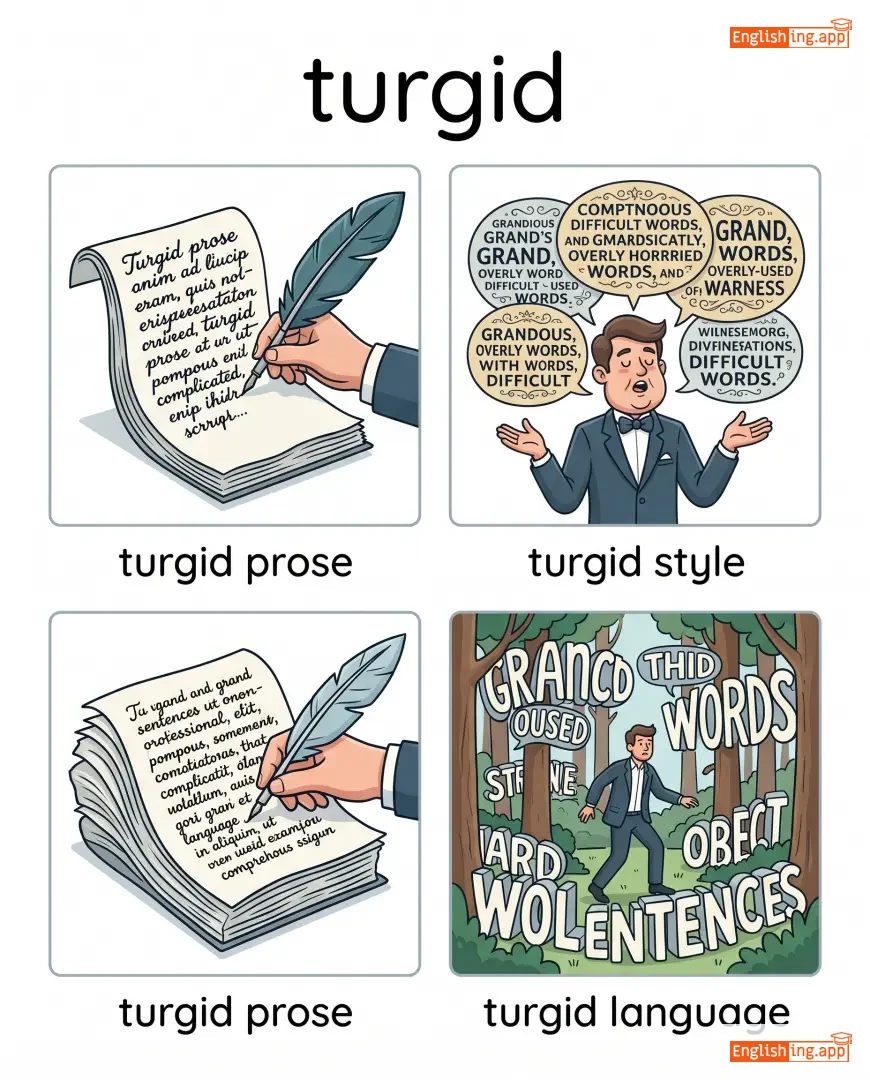
|
turgid prose, turgid style, turgid language
••••••
|
Turgid 就是膨胀或浮夸,就像一个过大的气球。
••••••
|
|
👼
••••••
|
/ˈtjuːtɪləri/
adjective
(图特拉里)
••••••
|
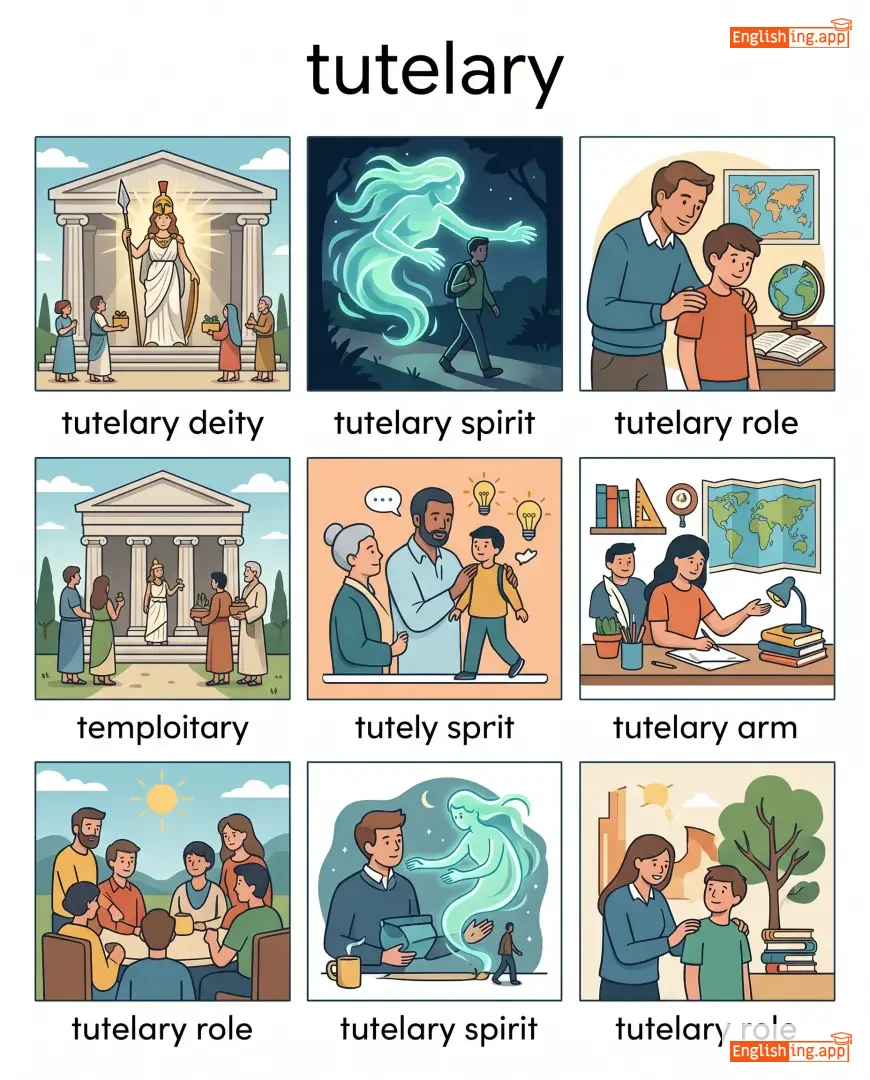
|
守护神
shouhushen
••••••
|
- •••••• | - •••••• | - •••••• | - •••••• |
Relating to or serving as a guardian or protector, often used for deities or spirits.
••••••
|
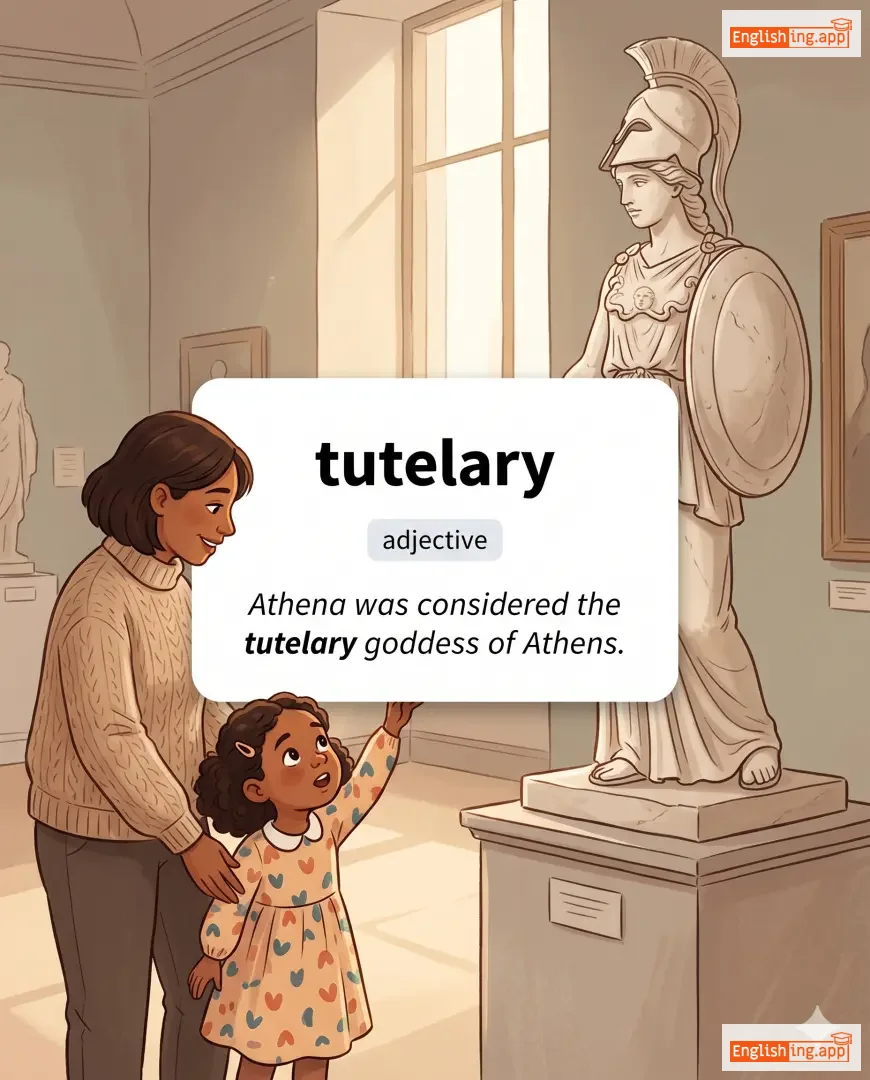
Athena was considered the tutelary goddess of Athens. |
雅典娜被认为是雅典的守护女神。
Yadianna bei renwei shi Yadian de shouhu nvshen.
••••••
|
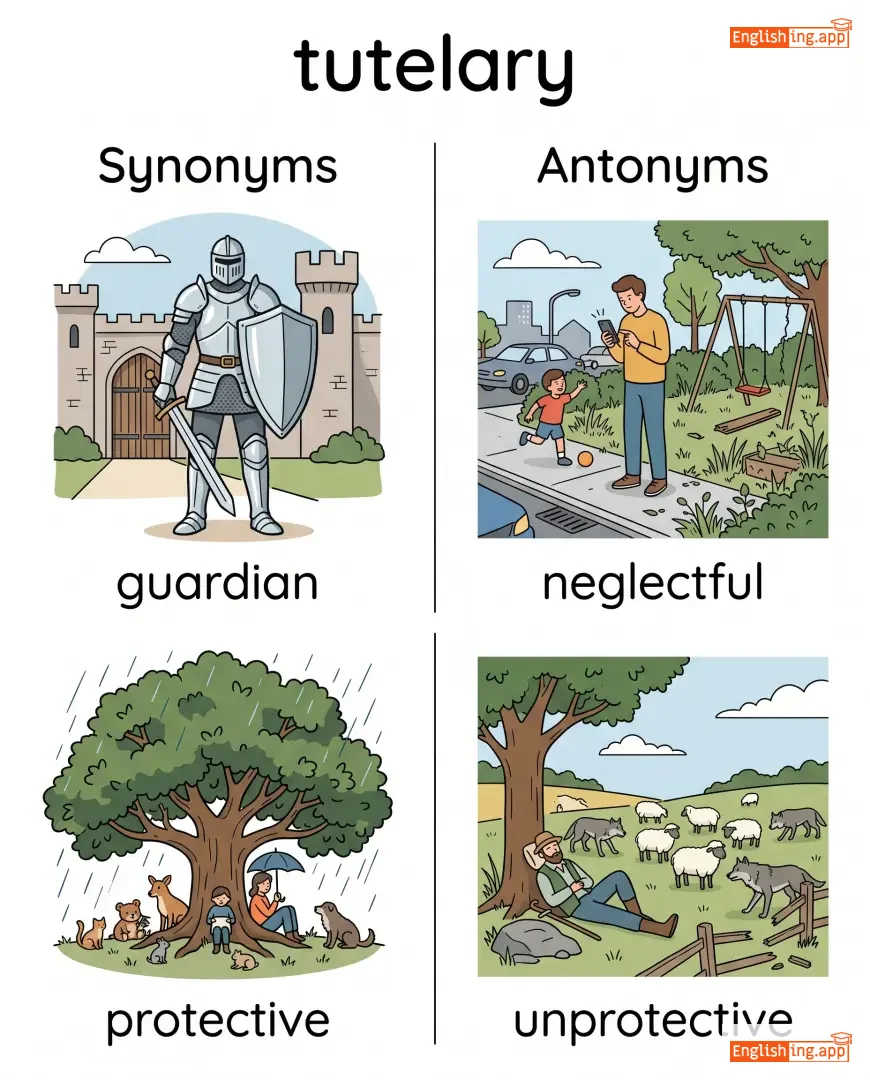
- •••••• | - •••••• | - •••••• |
guardian, protective, patron, supervisory
••••••
|
neglectful, unprotective
••••••
|
tutelary deity, tutelary spirit, tutelary role
••••••
|
Tutelary = 教练 + 图书馆 守护者 → 守护神 👼
••••••
|
|
👁️
••••••
|
/ʌnˈkæni/
adjective
(安卡尼)
••••••
|
|
不可思议
bù kě sī yì
••••••
|
- •••••• | - •••••• | - •••••• | - •••••• |
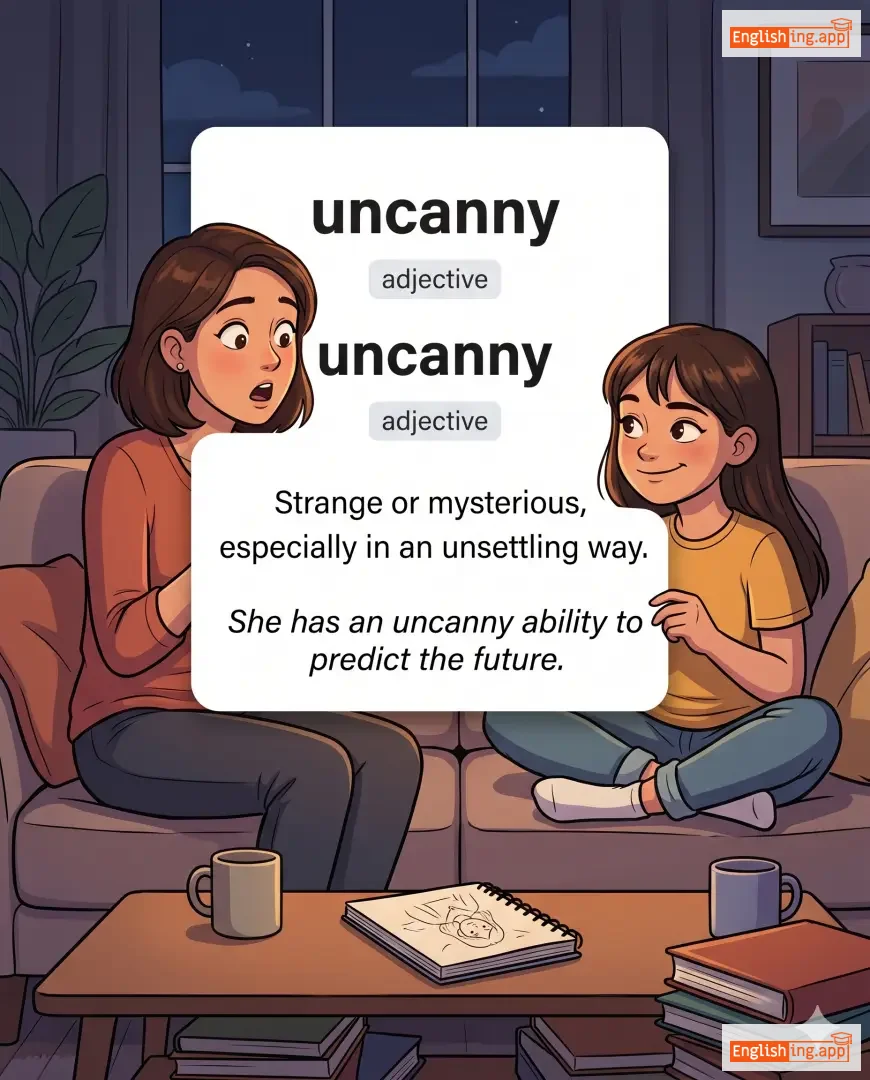
Strange or mysterious, especially in an unsettling way.
••••••
|
She has an uncanny ability to predict the future. |
她有一种不可思议的能力来预测未来。
tā yǒu yī zhǒng bù kě sī yì de néng lì lái yù cè wèi lái.
••••••
|
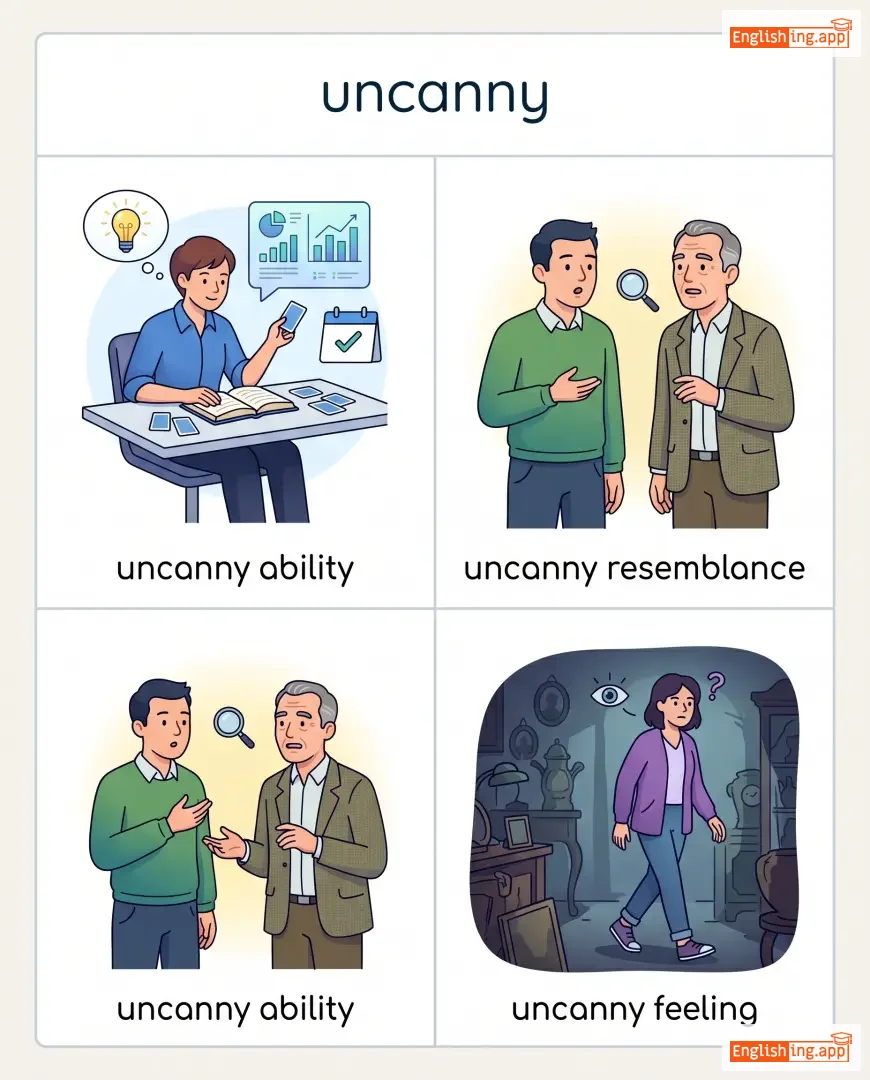
uncanny resemblance |
a striking and unusual similarity
••••••
|
不可思议的相似
bù kě sī yì de xiāng sì
••••••
|
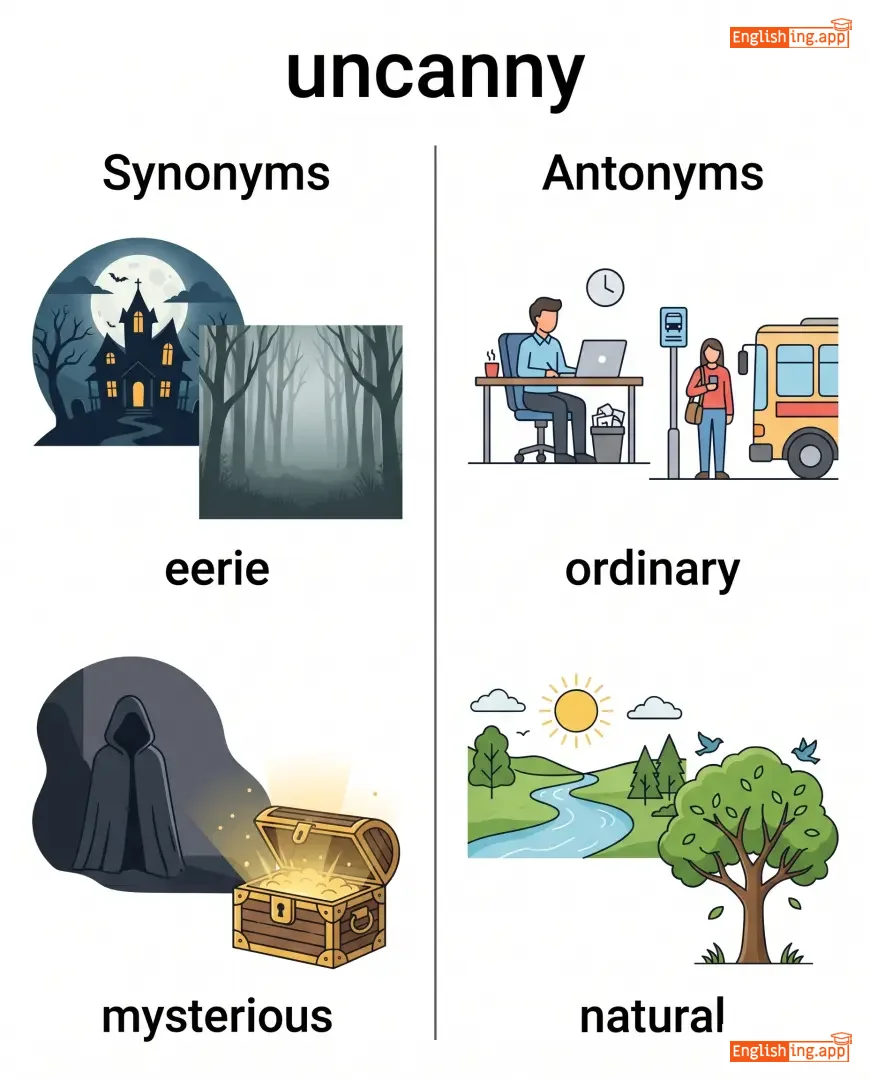
eerie, mysterious, strange, weird, supernatural
••••••
|
ordinary, natural, normal
••••••
|
uncanny ability, uncanny resemblance, uncanny feeling
••••••
|
Uncanny 意味着不可思议,就像不可思议的相似一样。
••••••
|
|
🏞️
••••••
|
/ˈʌndjʊleɪtɪŋ/
adjective
(āndúlèitíng)
••••••
|
|
波动的
bōdòng de
••••••
|
- •••••• | - •••••• | - •••••• | - •••••• |
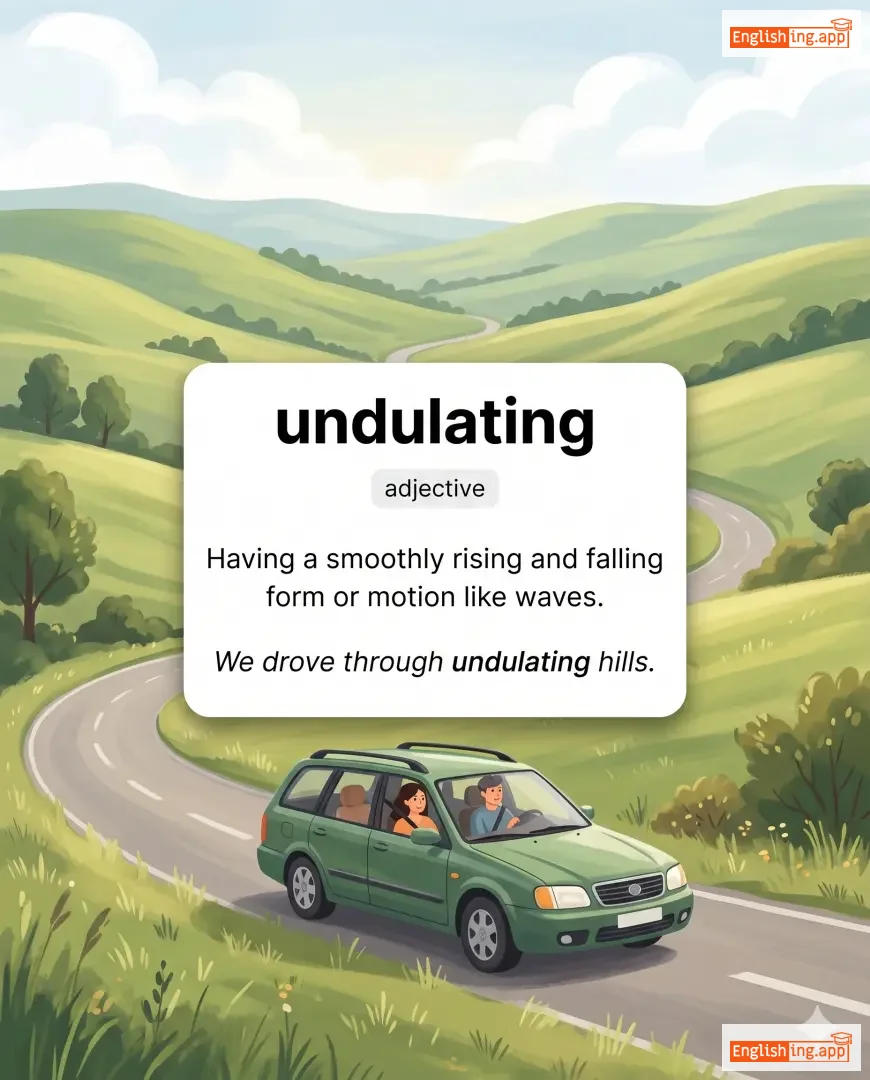
Having a smoothly rising and falling form or motion like waves.
••••••
|
We drove through undulating hills.
我们驱车穿过起伏的山丘。
••••••
|
我们驱车穿过起伏的山丘。
Wǒmen qūchē chuānguò qǐfú de shānqiū.
••••••
|
- •••••• | - •••••• | - •••••• |
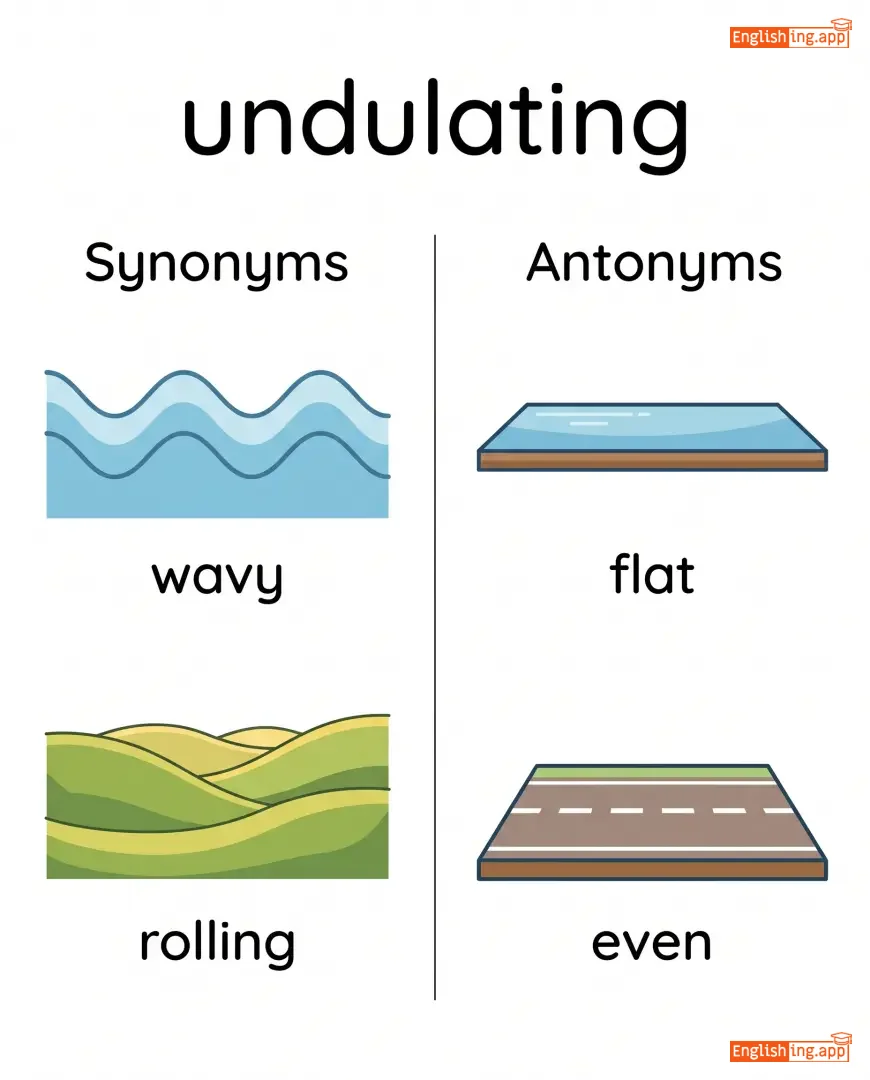
wavy, rolling, rippling, flowing
••••••
|
flat, even
••••••
|
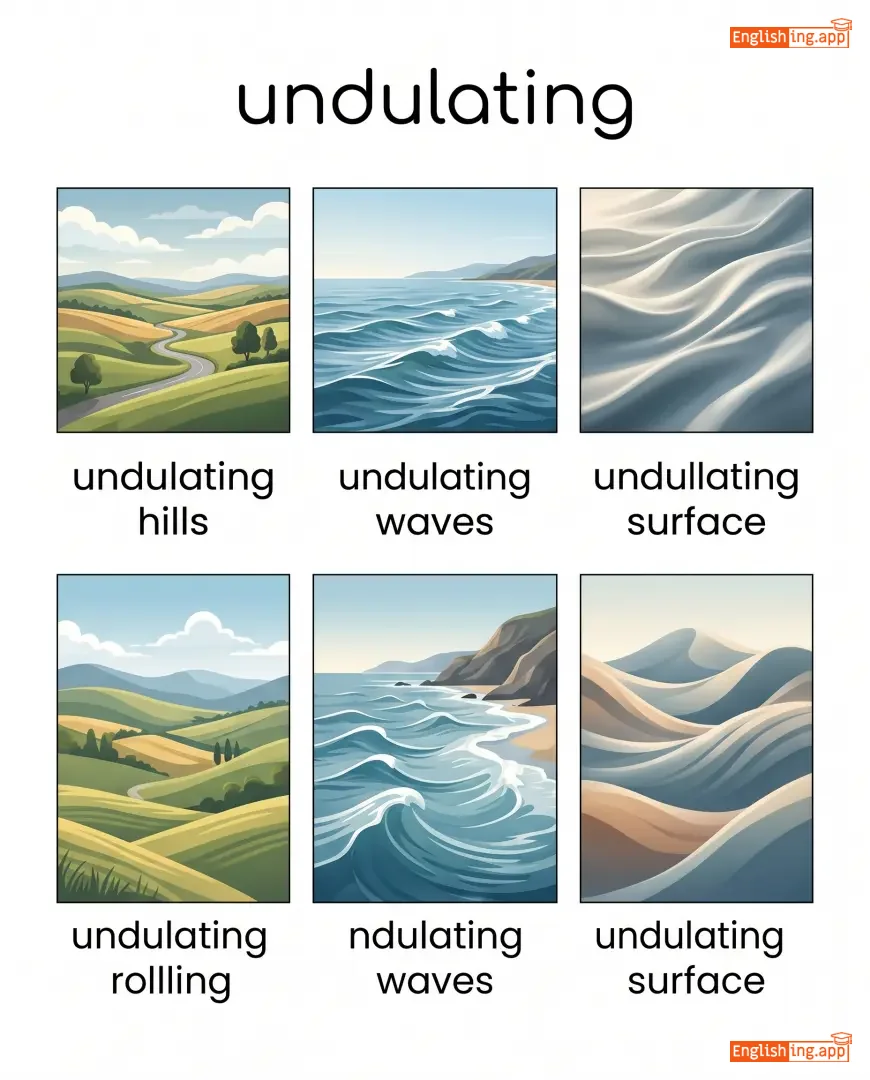
undulating hills, undulating waves, undulating surface
••••••
|
起伏的山丘像波浪一样,一起一落。
••••••
|
|
😊
••••••
|
/ʌnˈfeɪnd/
adjective
(アンフェインド)
••••••
|

|
真诚
zhēnchéng
••••••
|
- •••••• | - •••••• | - •••••• | - •••••• |
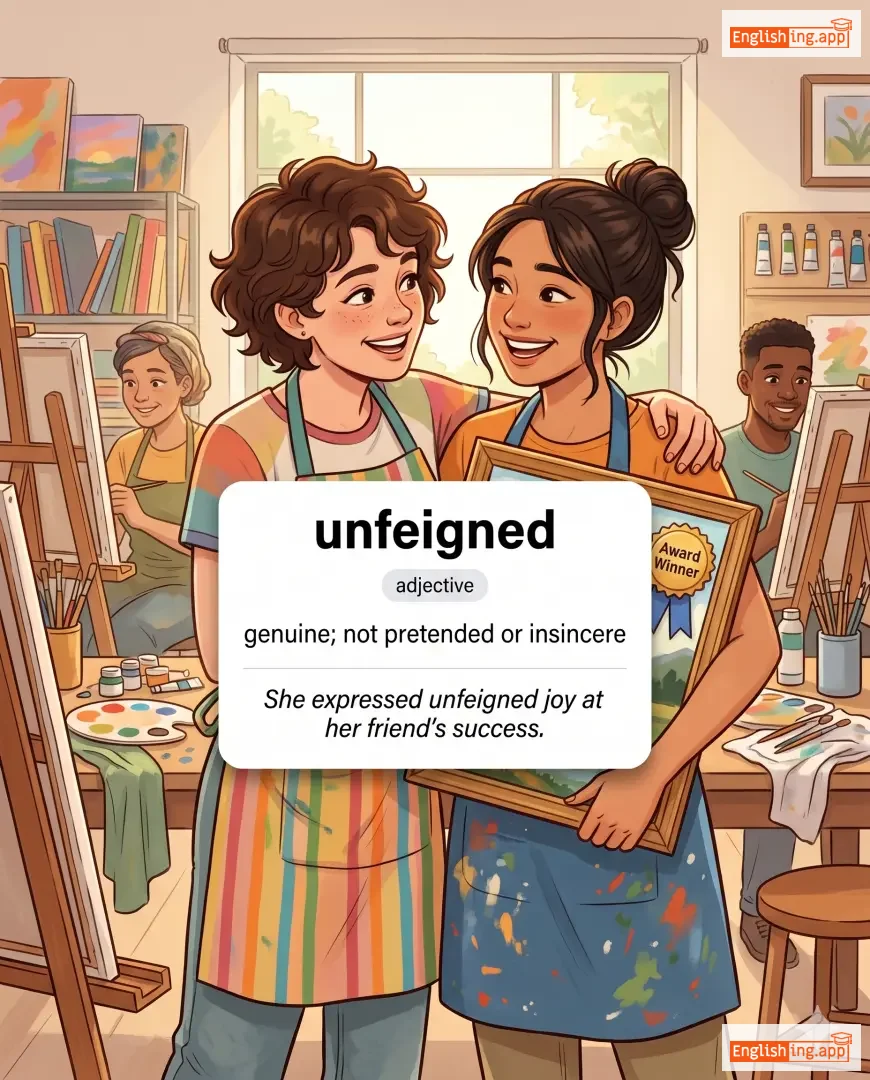
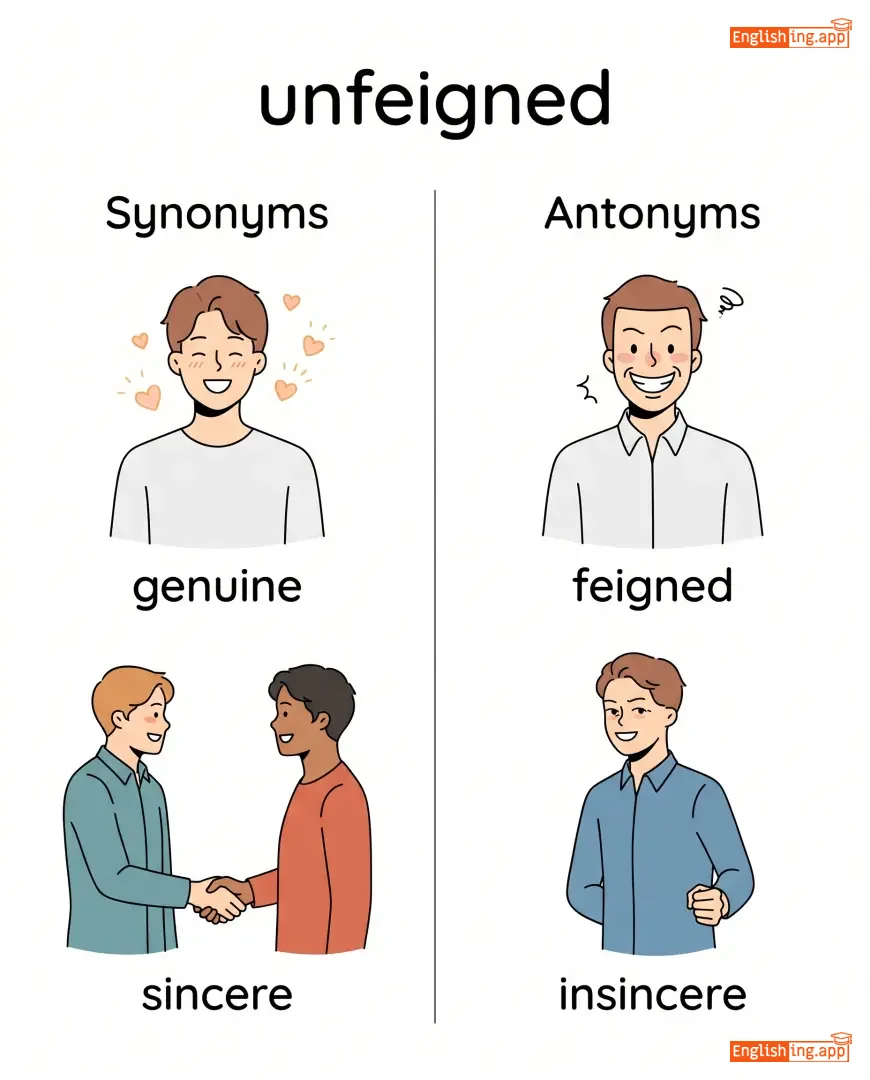
genuine; not pretended or insincere
••••••
|
She expressed unfeigned joy at her friend's success. |
她在朋友的成功上表达了真诚的喜悦。
Tā zài péngyǒu de chénggōng shàng biǎodá le zhēnchéng de xǐyuè.
••••••
|
- •••••• | - •••••• | - •••••• |
genuine, sincere, real, honest, authentic
••••••
|
feigned, insincere, fake
••••••
|
unfeigned joy, unfeigned gratitude, unfeigned respect
••••••
|
UnFEIGNed意味着真诚(zhēnchéng),没有假装。
••••••
|
|
⚠️
••••••
|
/ʌnˈtɛnəbl/
adjective
(アンテナブル)
••••••
|
|
无法维持
wúfǎ wéichí
••••••
|
- •••••• | - •••••• | - •••••• | - •••••• |
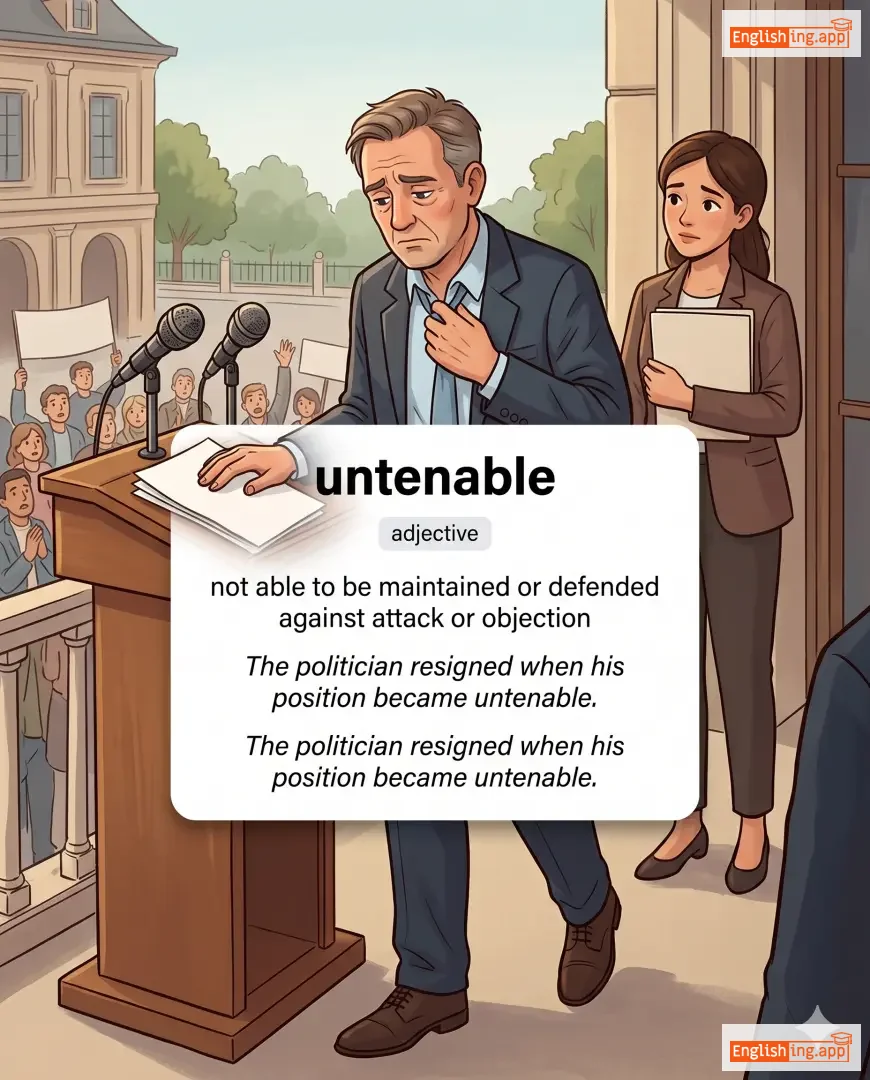
not able to be maintained or defended against attack or objection
••••••
|
The politician resigned when his position became untenable.
政治家在他的立场变得无法维持时辞职。
••••••
|
政治家在他的立场变得无法维持时辞职。
Zhèngzhìjiā zài tā de lìchǎng biàn dé wúfǎ wéichí shí cízhí.
••••••
|
- •••••• | - •••••• | - •••••• |
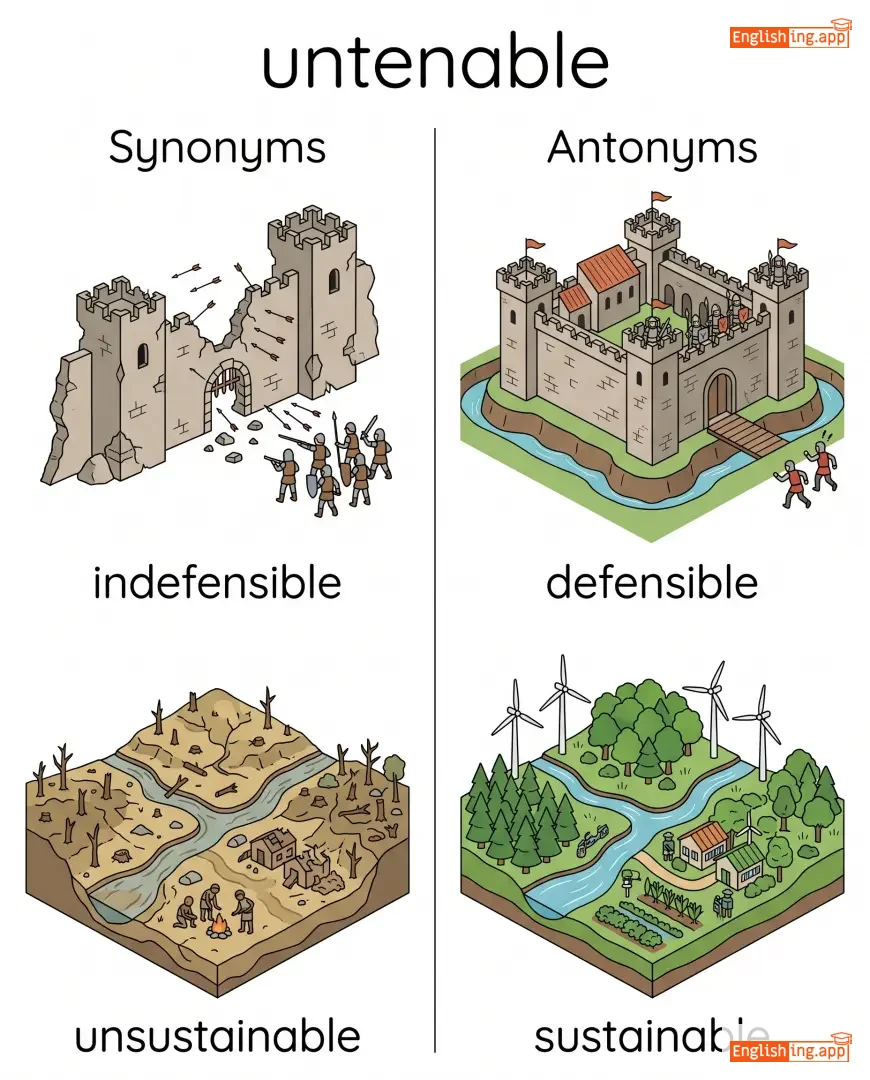
indefensible, unsustainable, weak, baseless, flawed
••••••
|
defensible, sustainable, strong
••••••
|
untenable position, untenable situation, untenable argument
••••••
|
TEN-able 表示可以维持,但 UNtenable 表示无法维持。⚠️
••••••
|
|
⚠️
••••••
|
/ˌʌn.təˈwɔːrd/
adjective
(安托沃德)
••••••
|
- •••••• |
意外的
yìwài de
••••••
|
- •••••• | - •••••• | - •••••• | - •••••• |
Unexpected and inappropriate or inconvenient.
••••••
|
The meeting ended without any untoward incidents. |
会议在没有任何意外事件的情况下结束。
Huìyì zài méiyǒu rènhé yìwài shìjiàn de qíngkuàng xià jiéshù.
••••••
|
- •••••• | - •••••• | - •••••• |
unfortunate, unfavorable, inappropriate, inconvenient, unlucky
••••••
|
fortunate, favorable, appropriate
••••••
|
untoward incident, untoward behavior, untoward situation
••••••
|
Untoward 意味着意外和不合适。
••••••
|
|
📈
••••••
|
/ˈjuːʒəri/
noun
(yúzhì)
••••••
|

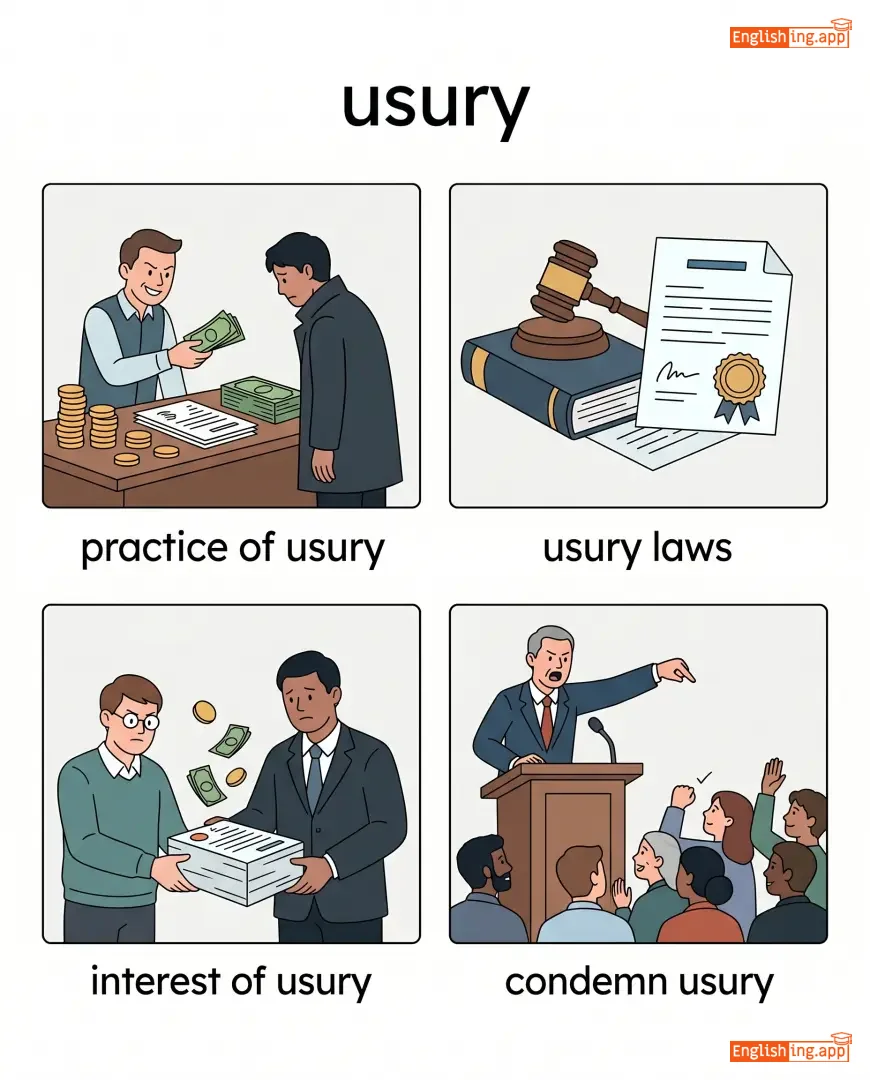
|
高利贷
gaolidai
••••••
|
- •••••• | - •••••• | - •••••• | - •••••• |
The practice of lending money at unreasonably high interest rates.
••••••
|
The law strictly prohibits usury.
法律严格禁止高利贷。
••••••
|
法律严格禁止高利贷。
Fǎlǜ yángé jìnzhǐ gāo lìdài.
••••••
|
- •••••• | - •••••• | - •••••• |
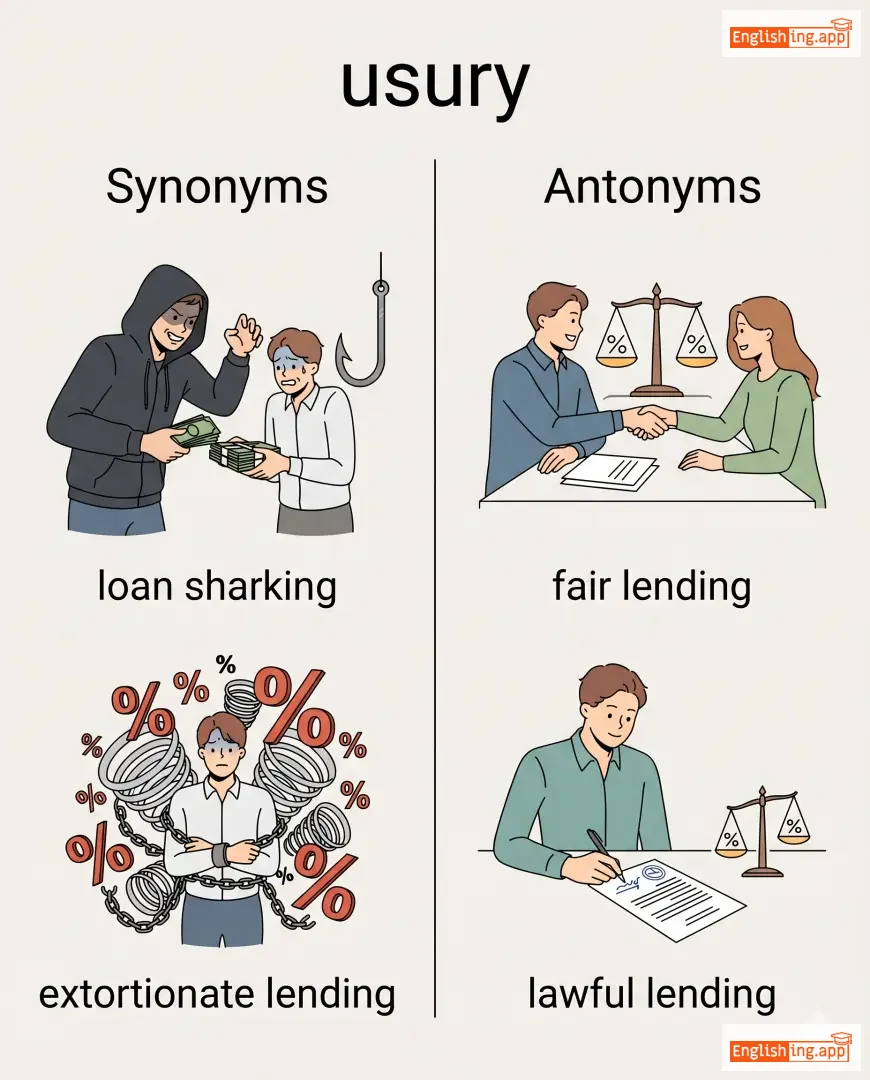
loan sharking, extortionate lending, high-interest lending
••••••
|
fair lending, lawful lending
••••••
|
practice of usury, usury laws, condemn usury
••••••
|
高利贷就像是借钱时被迫支付不合理的高利息,这是非法的。
••••••
|
|
⚖️
••••••
|
/ˈvæsɪleɪt/
verb
(happiness)
••••••
|
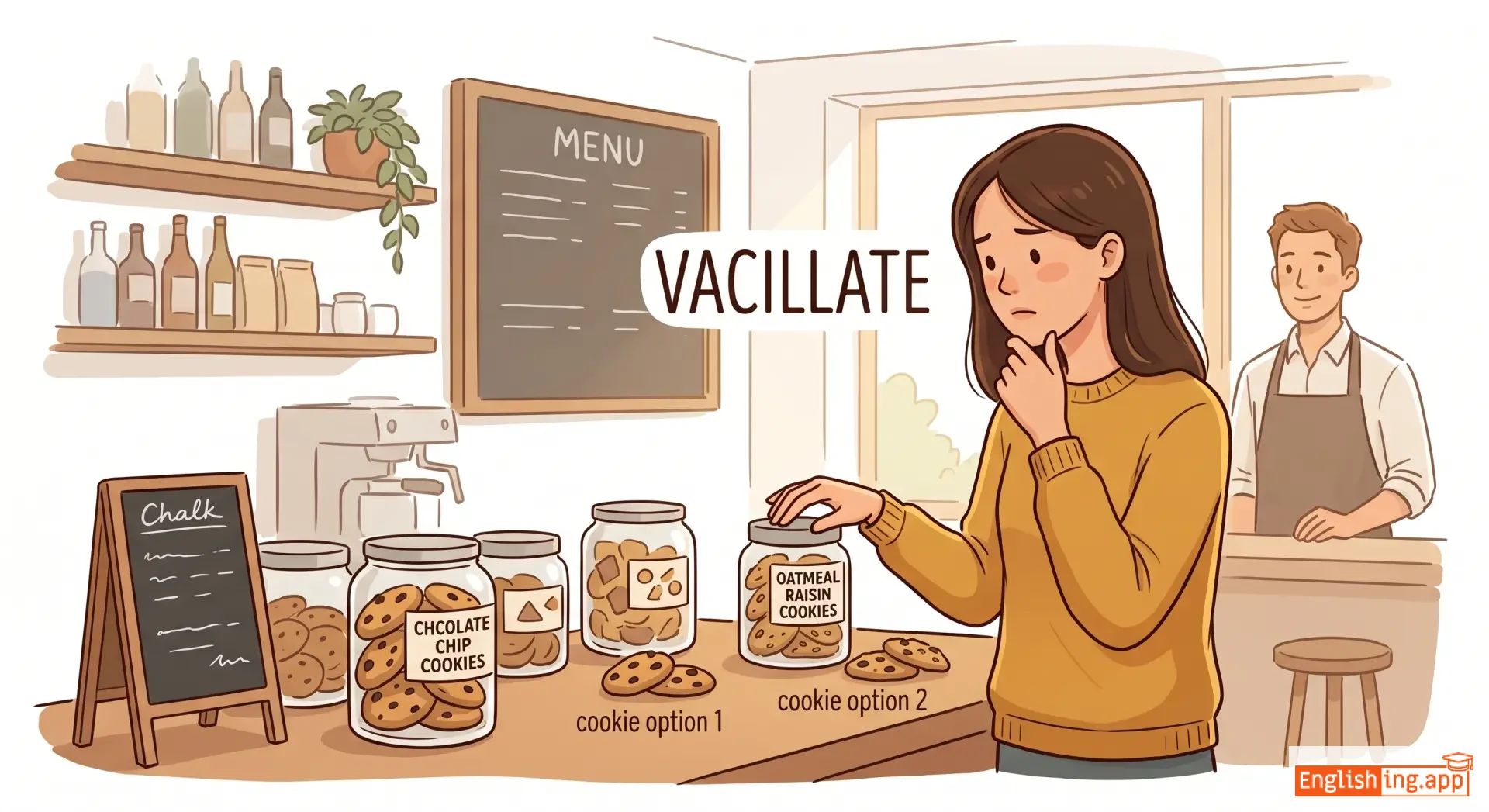
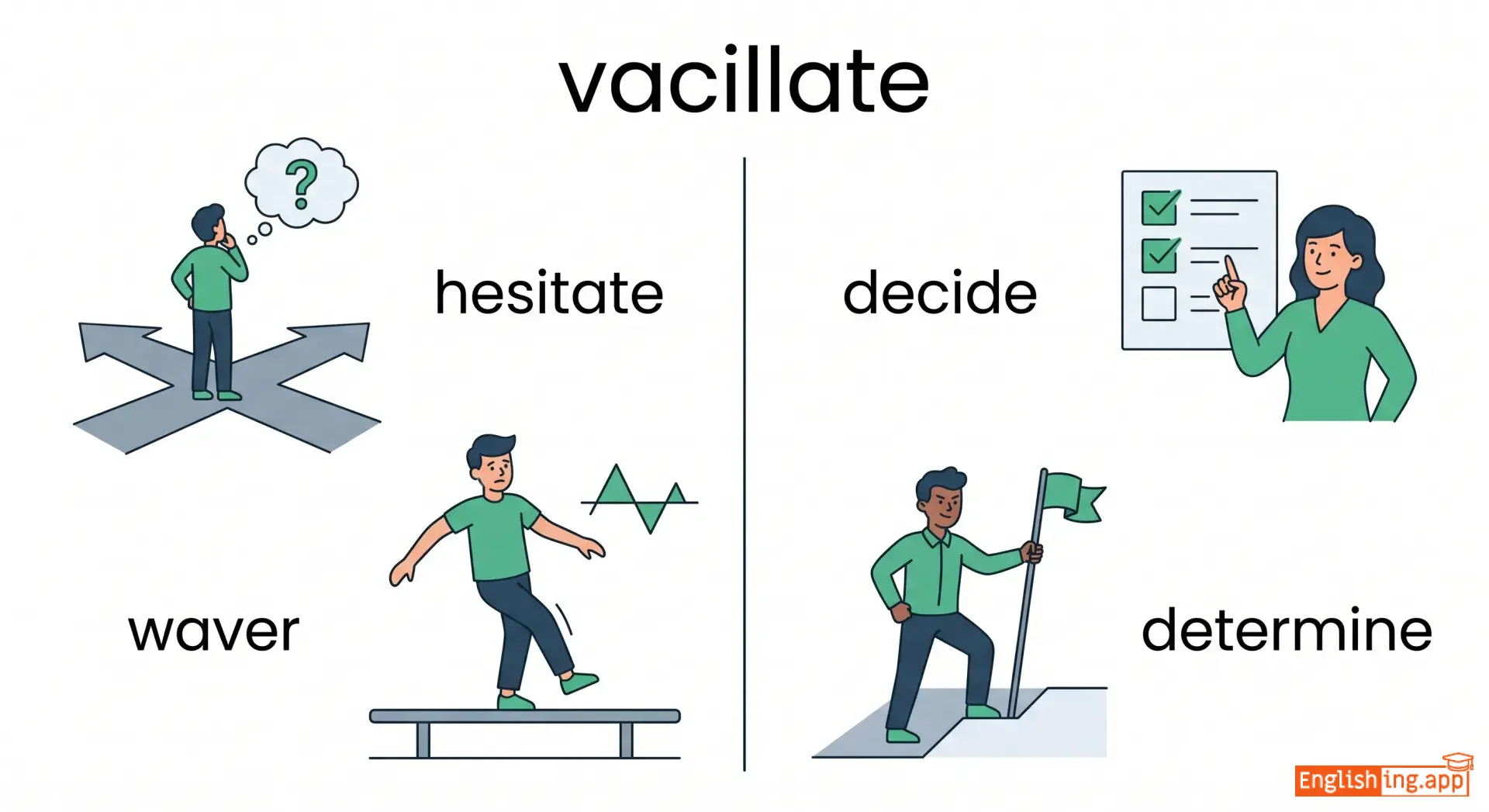
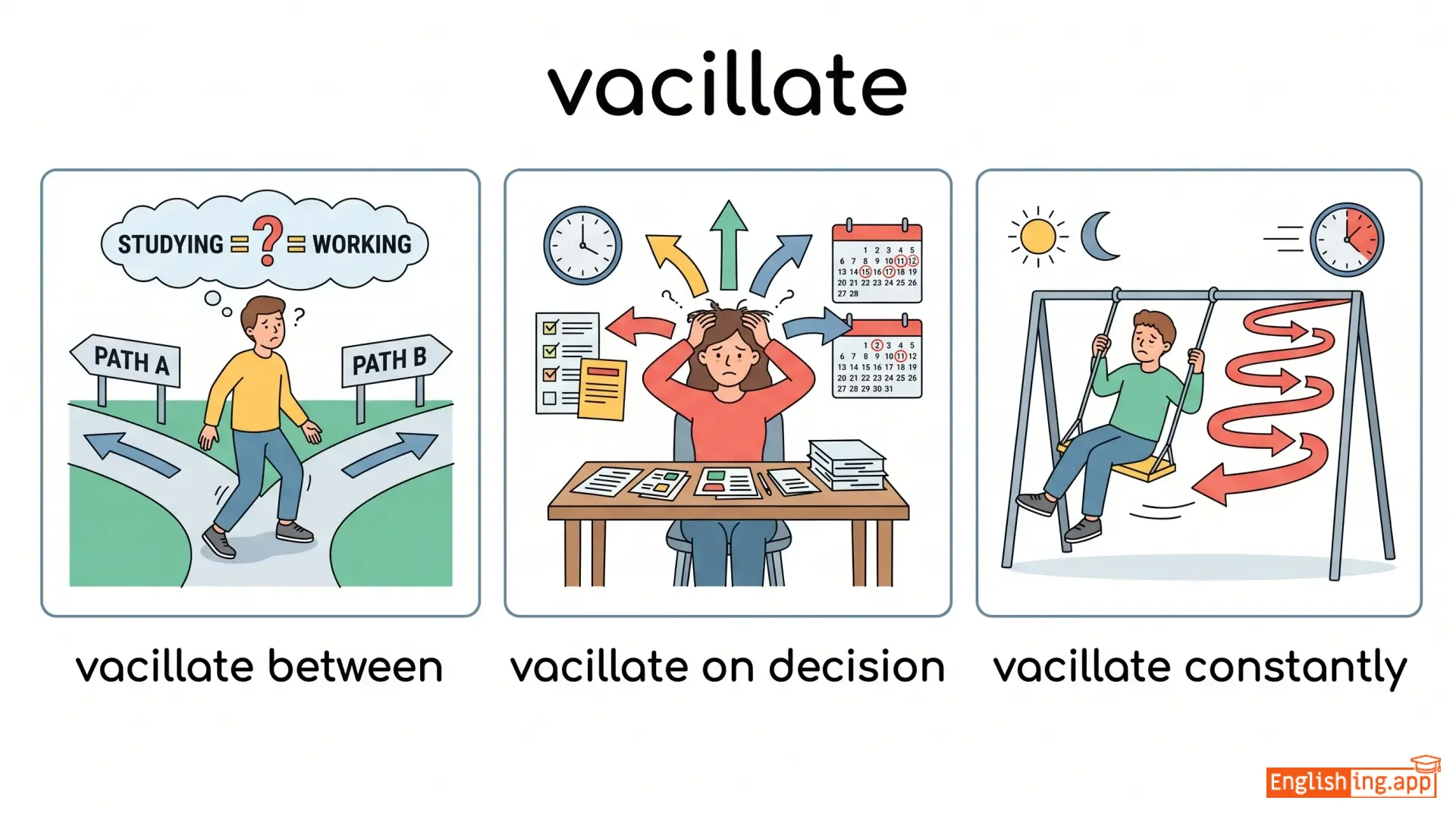
|
幸福
xìngfú
••••••
|
vacillated
••••••
|
vacillated
••••••
|
vacillates
••••••
|
vacillating
••••••
|
to waver between different opinions or actions; be indecisive
••••••
|
He vacillated between studying law and becoming a writer.
她在获得奖项时无法掩饰自己的幸福。
••••••
|
她在获得奖项时无法掩饰自己的幸福。
Tā zài huòdé jiǎngxiàng shí wúfǎ yǎnshì zìjǐ de xìngfú.
••••••
|
vacillate between
追求幸福
••••••
|
to keep changing your mind between two choices
••••••
|
追求幸福
zhuīqiú xìngfú
••••••
|
hesitate, waver, dither, fluctuate
••••••
|
decide, determine, resolve
••••••
|
vacillate between, vacillate on decision, vacillate constantly
••••••
|
幸福是一种追求,不要忘记它!
••••••
|
|
😶
••••••
|
/ˈvækjuəs/
adjective
(wèi kè yú sī)
••••••
|

|
空洞
kongdong
••••••
|
- •••••• | - •••••• | - •••••• | - •••••• |
Having or showing a lack of thought or intelligence; mindless.
••••••
|
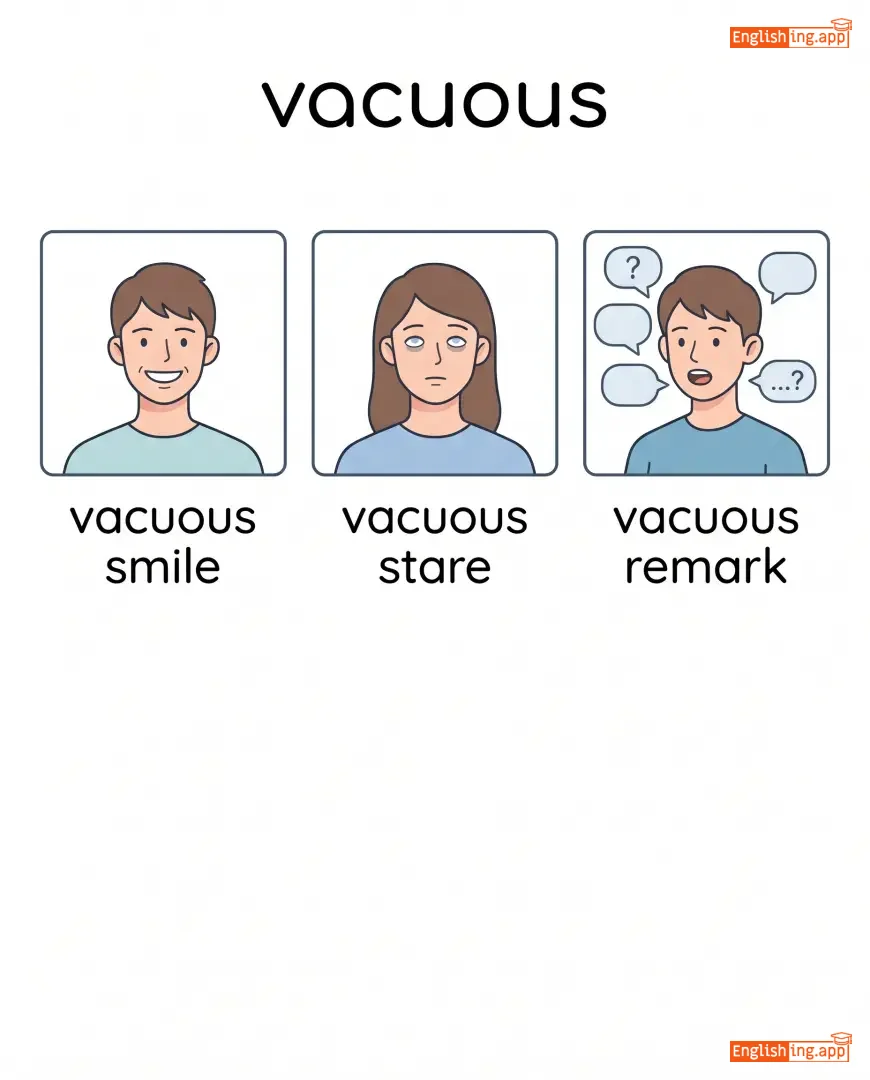
She gave a vacuous smile during the serious discussion.
她在严肃的讨论中露出了空洞的笑容。
••••••
|
她在严肃的讨论中露出了空洞的笑容。
Tā zài yánsù de tǎolùn zhōng lùchūle kōngdòng de xiàoróng.
••••••
|
vacuous expression
空洞的表情
••••••
|
An empty or unintelligent look on someone's face.
••••••
|
空洞的表情
Kōngdòng de biǎoqíng
••••••
|
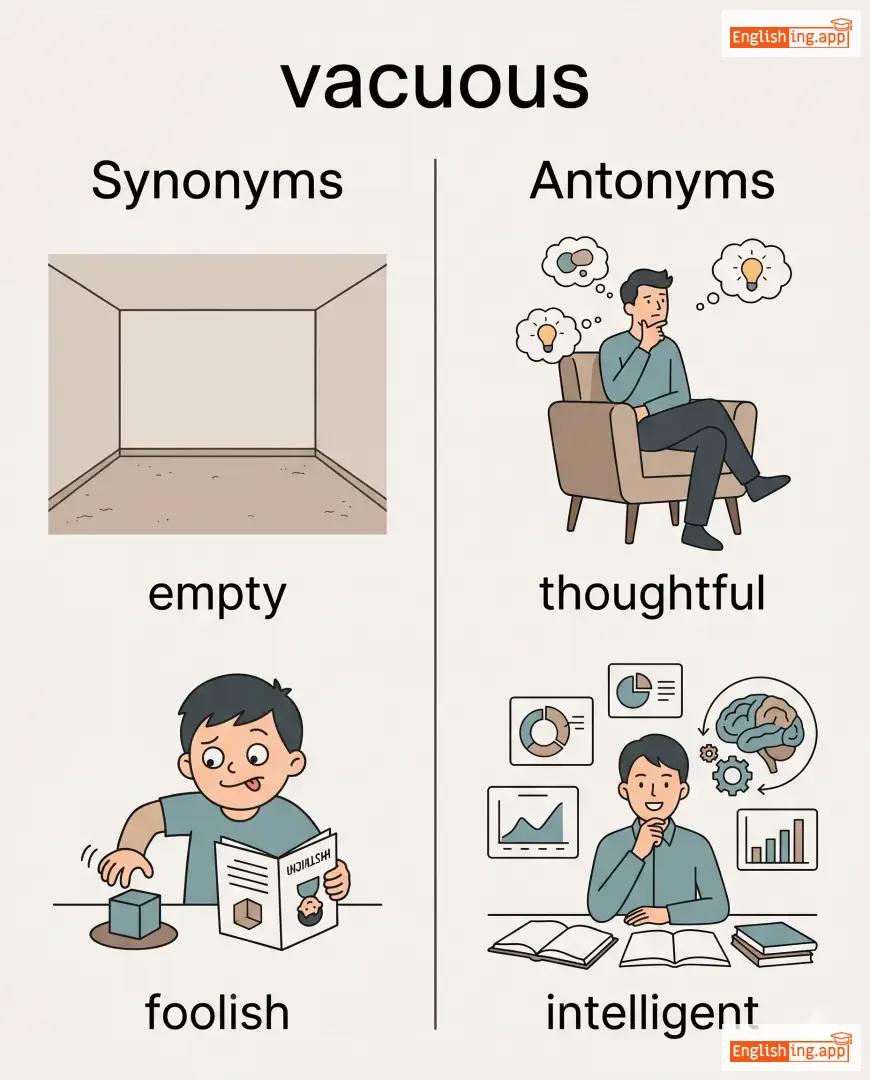
empty, foolish, silly, mindless, hollow
••••••
|
thoughtful, intelligent, meaningful
••••••
|
vacuous smile, vacuous stare, vacuous remark, vacuous expression
••••••
|
Vacuous 就是空洞的– 大脑空空如也,笑容空空的。
••••••
|
|
🗣️
••••••
|
/ˌvælɪˈdɪktəri/
adjective
(wèi lì díkè tǒu lǐ)
••••••
|

|
告别的
gàobié de
••••••
|
- •••••• | - •••••• | - •••••• | - •••••• |
Serving as a farewell or parting; relating to a valediction.
••••••
|
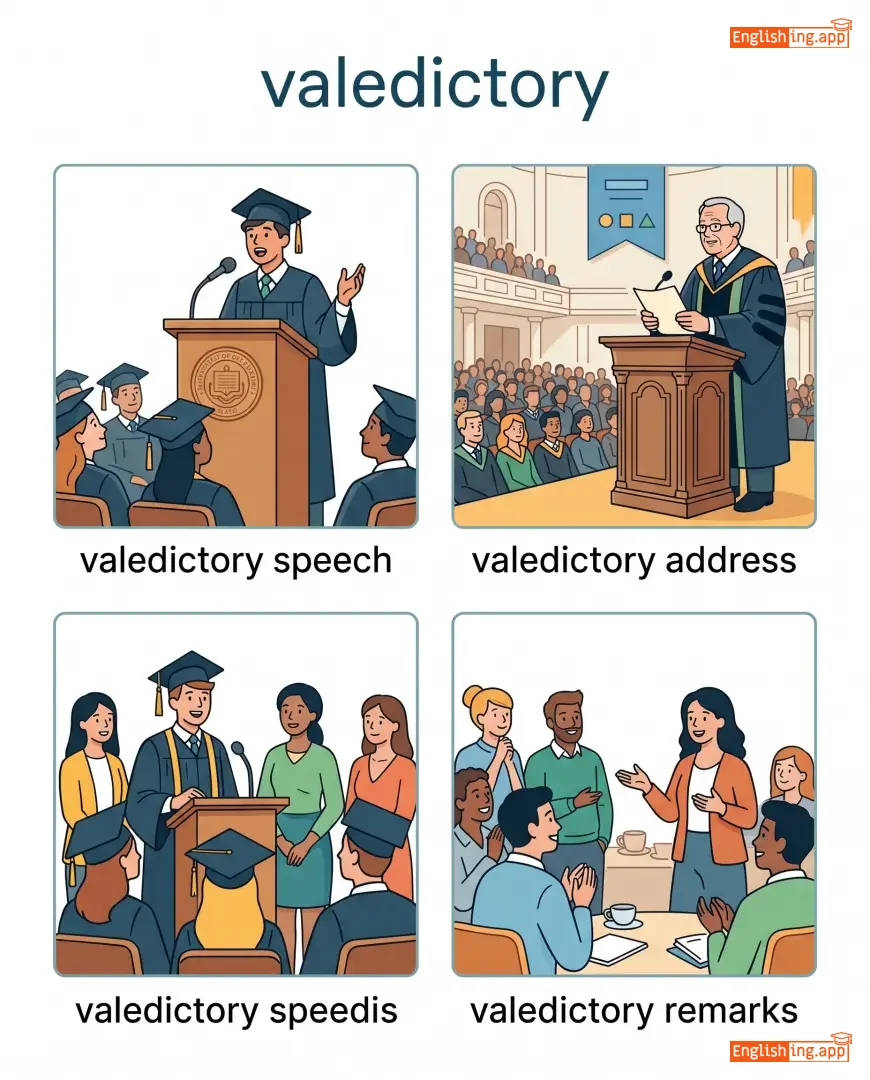
He delivered a valedictory speech at the conference. |
他在会议上做了告别演讲。
Tā zài huìyì shàng zuòle gàobié yǎnjiǎng.
••••••
|
- •••••• | - •••••• | - •••••• |
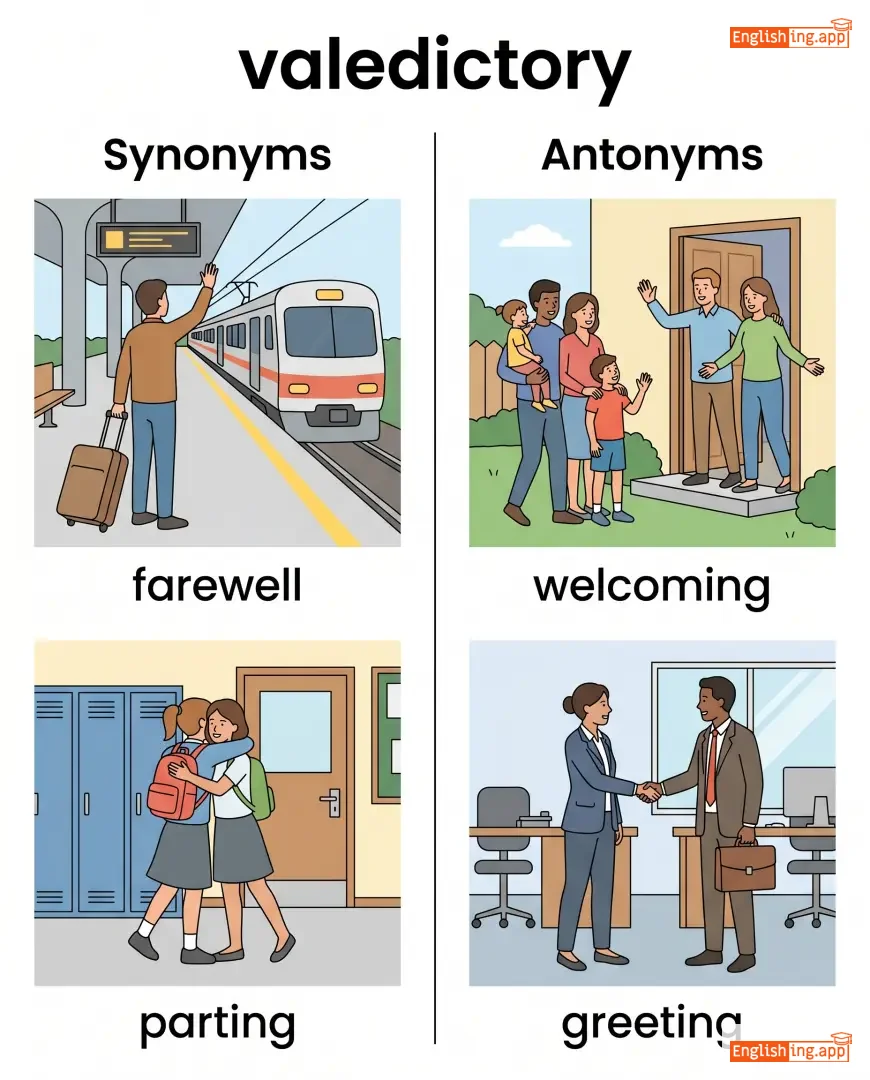
farewell, parting, goodbye, final
••••••
|
welcoming, greeting
••••••
|
valedictory speech, valedictory address, valedictory remarks, valedictory message
••••••
|
Valedictory 就是告别演讲 - 告别的演讲
••••••
|
|
😐
••••••
|
/ˈvæpɪd/
adjective
(vapid)
••••••
|
- •••••• |
乏味的
fámèi de
••••••
|
- •••••• | - •••••• | - •••••• | - •••••• |
lacking liveliness, flavor, or interest; dull and uninspired
••••••
|
The lecture was so vapid that half the audience fell asleep. |
讲座如此乏味,以至于一半的听众都睡着了。
Jiǎngzuò rúcǐ fámèi, yǐ zhì yú yībàn de tīngzhòng dōu shuìzhe le.
••••••
|
- •••••• | - •••••• | - •••••• |
dull, boring, lifeless, insipid, tedious
••••••
|
exciting, lively, interesting
••••••
|
vapid conversation, vapid smile, vapid remarks, vapid movie
••••••
|
VAPID = 乏味的讲座,大家都睡着了。
••••••
|
|
🌿
••••••
|
/ˈvɛəriəˌɡeɪtɪd/
adjective
(海皮內斯)
••••••
|
- •••••• |
五彩斑斕
wucai banlan
••••••
|
- •••••• | - •••••• | - •••••• | - •••••• |
Having different colors, especially in irregular patches or streaks.
••••••
|
The garden was full of variegated plants.
個花園充滿了五顏六色的植物。
••••••
|
花園裡充滿了五彩斑斕的植物。
huayuan li chongman le wucai banlan de zhiwu
••••••
|
- •••••• | - •••••• | - •••••• |
multicolored, dappled, mottled, streaked, patterned
••••••
|
monochrome, plain
••••••
|
variegated leaves, variegated plants, variegated patterns
••••••
|
Wu cai ban lan means colorful and vibrant—perfect for variegated plants.
••••••
|
|
📢
••••••
|
/vɔːnt/
verb
••••••
|
- •••••• | - •••••• |
vaunted
••••••
|
vaunted
••••••
|
vaunts
••••••
|
vaunting
••••••
|
to boast or brag about something, especially in an excessive way
••••••
|
He would often vaunt his achievements in front of his colleagues. |
- •••••• |
vaunt one's success |
to brag excessively about one’s achievements
••••••
|
- •••••• |
boast, brag, flaunt, parade, trumpet
••••••
|
downplay, conceal, suppress
••••••
|
vaunt one's skills, vaunt loudly, vaunt constantly, vaunt achievement
••••••
|
No •••••• |
|
💰
••••••
|
/ˈviːnəl/
adjective
(维纳尔)
••••••
|
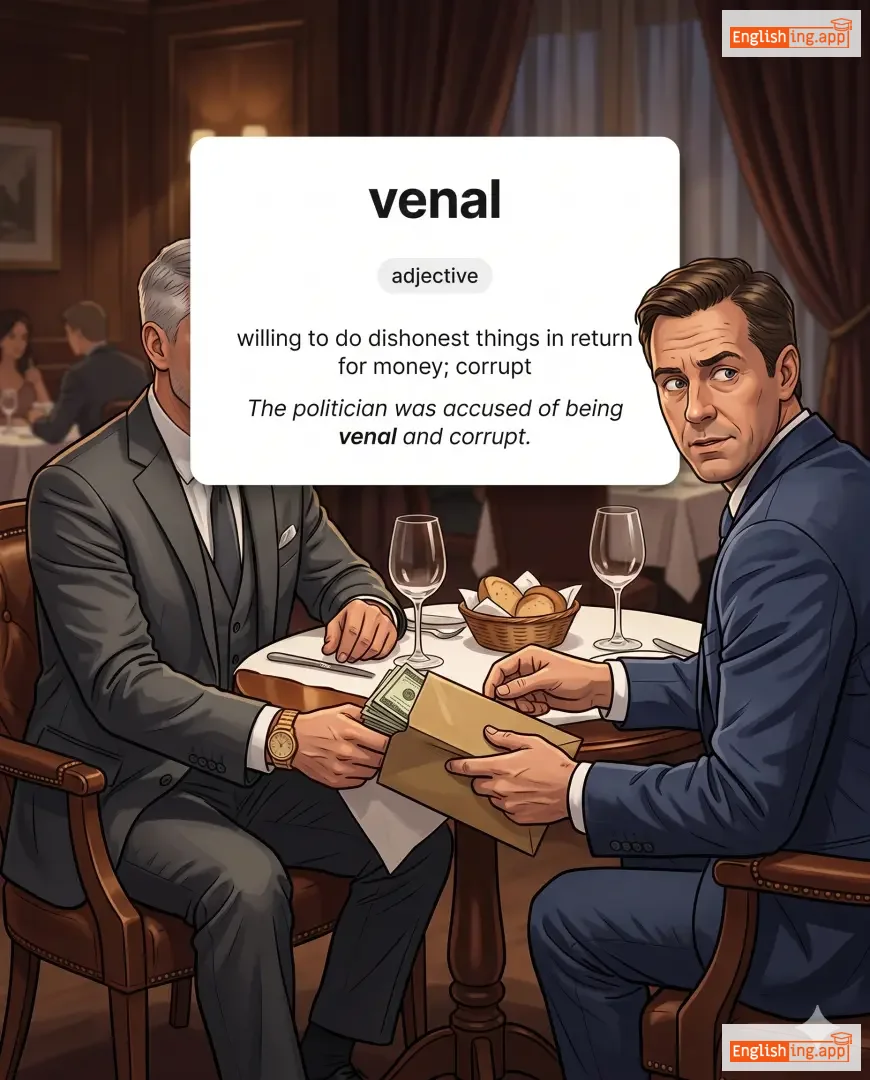
|
贪污的
tānwū de
••••••
|
- •••••• | - •••••• | - •••••• | - •••••• |
willing to do dishonest things in return for money; corrupt
••••••
|
The politician was accused of being venal and corrupt.
这位政治家被指控为贪污腐化。
••••••
|
这位政治家被指控为贪污腐化。
Zhè wèi zhèngzhìjiā bèi zhǐkòng wéi tānwū fǔhuà.
••••••
|
- •••••• | - •••••• | - •••••• |
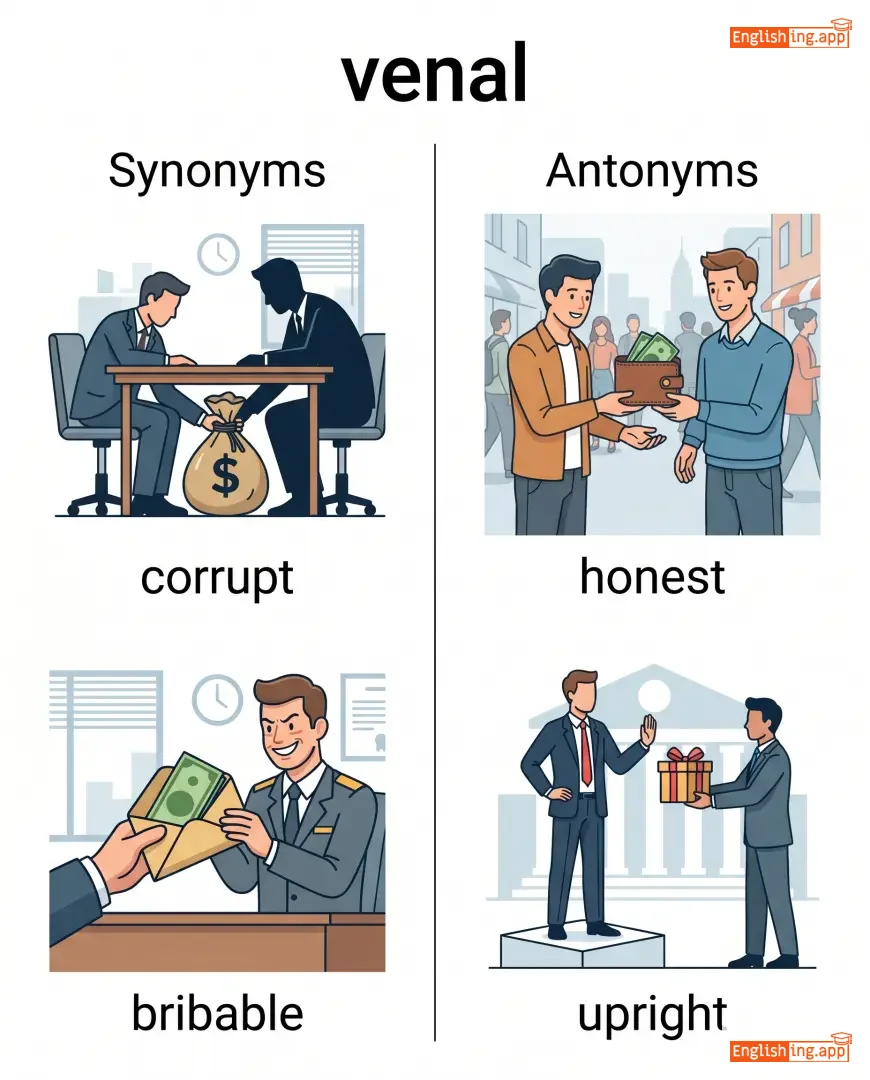
corrupt, bribable, dishonest, unscrupulous
••••••
|
honest, upright, incorruptible
••••••
|
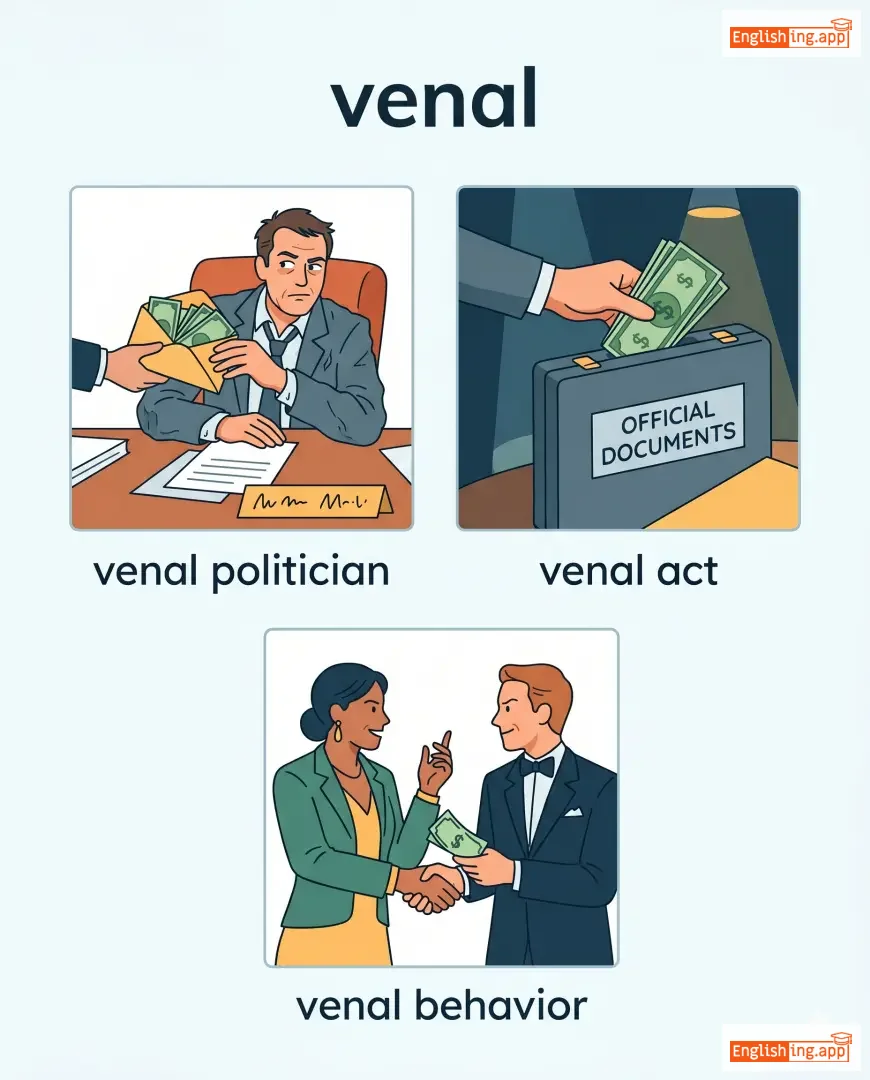
venal politician, venal act, venal behavior, venal corruption
••••••
|
Venal 和 '腐败' 联想,愿意为金钱做不道德的事情
••••••
|
|
⚔️
••••••
|
/vɛnˈdɛtə/
noun
(wēn dé tǎ)
••••••
|
|
复仇
fùchóu
••••••
|
- •••••• | - •••••• | - •••••• | - •••••• |
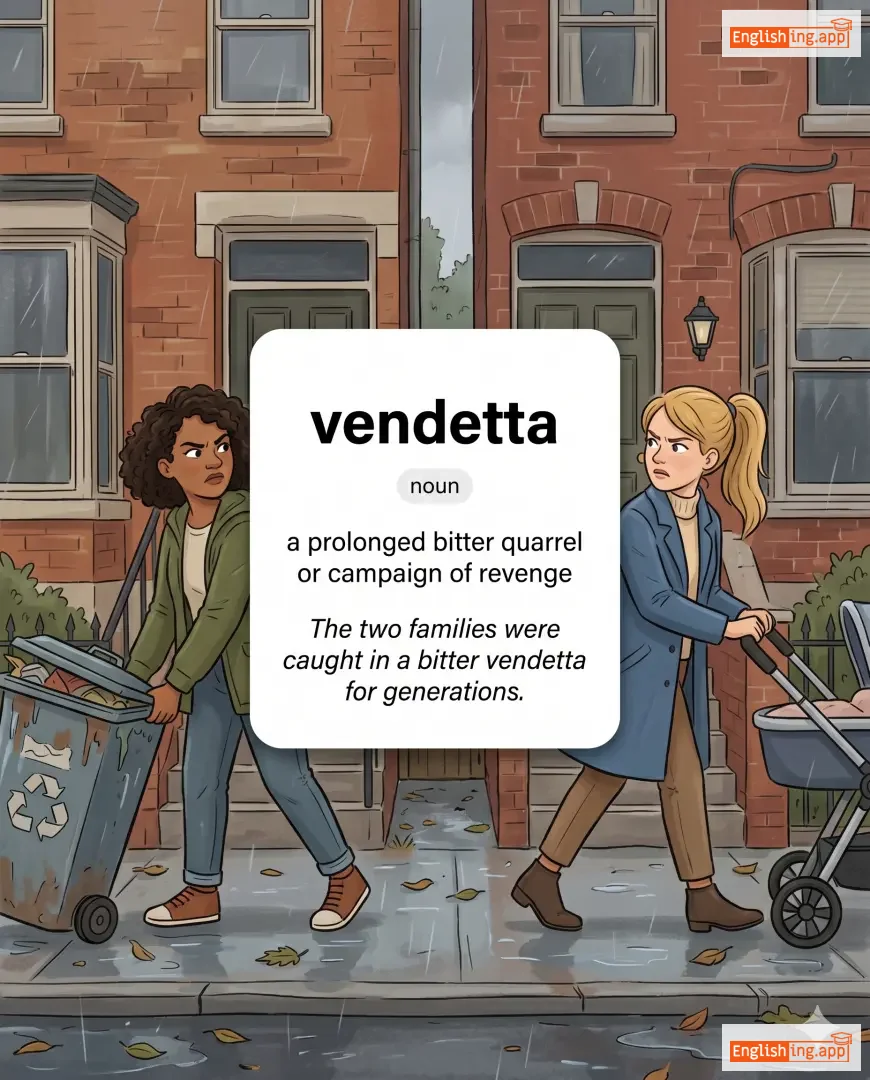
a prolonged bitter quarrel or campaign of revenge
••••••
|
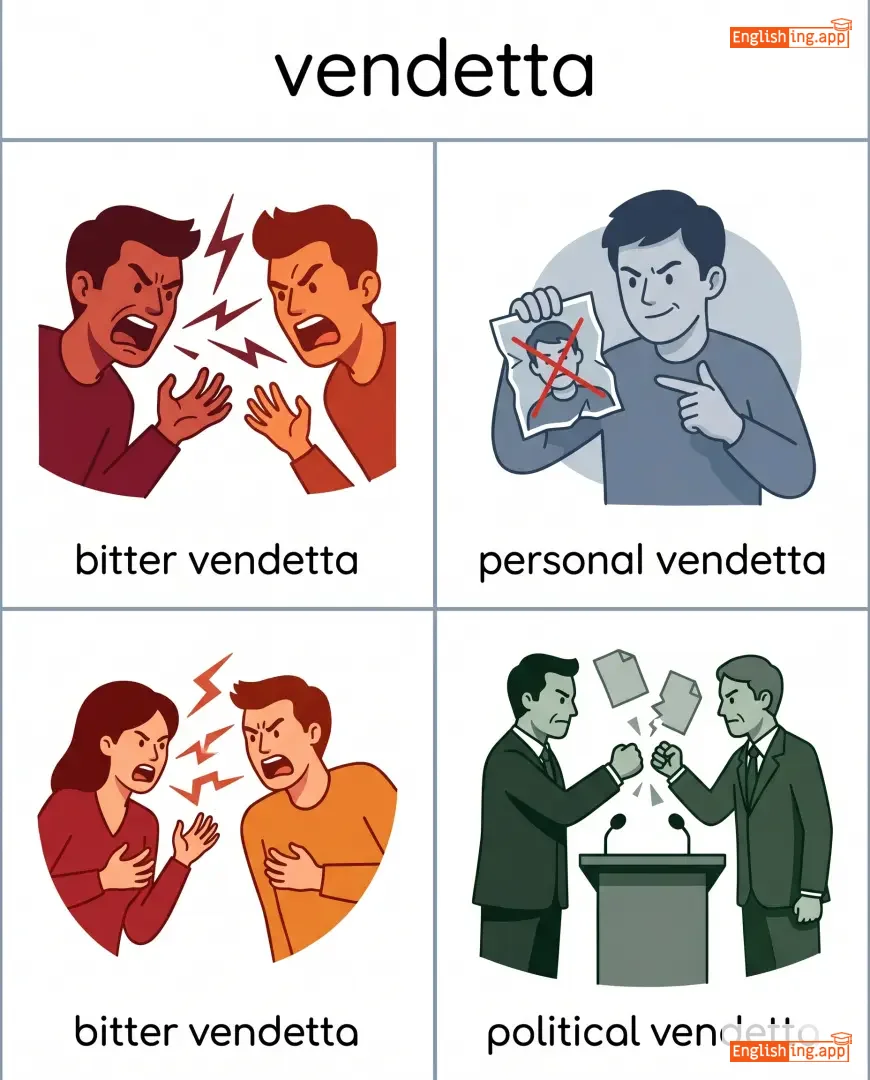
The two families were caught in a bitter vendetta for generations. |
这两个家庭世代相传,陷入了长久的复仇。
Zhè liǎng gè jiātíng shìdài xiāng chuán, xiànrùle chángjiǔ de fùchóu.
••••••
|
personal vendetta |
a prolonged conflict or feud driven by personal reasons
••••••
|
个人复仇
gèrén fùchóu
••••••
|
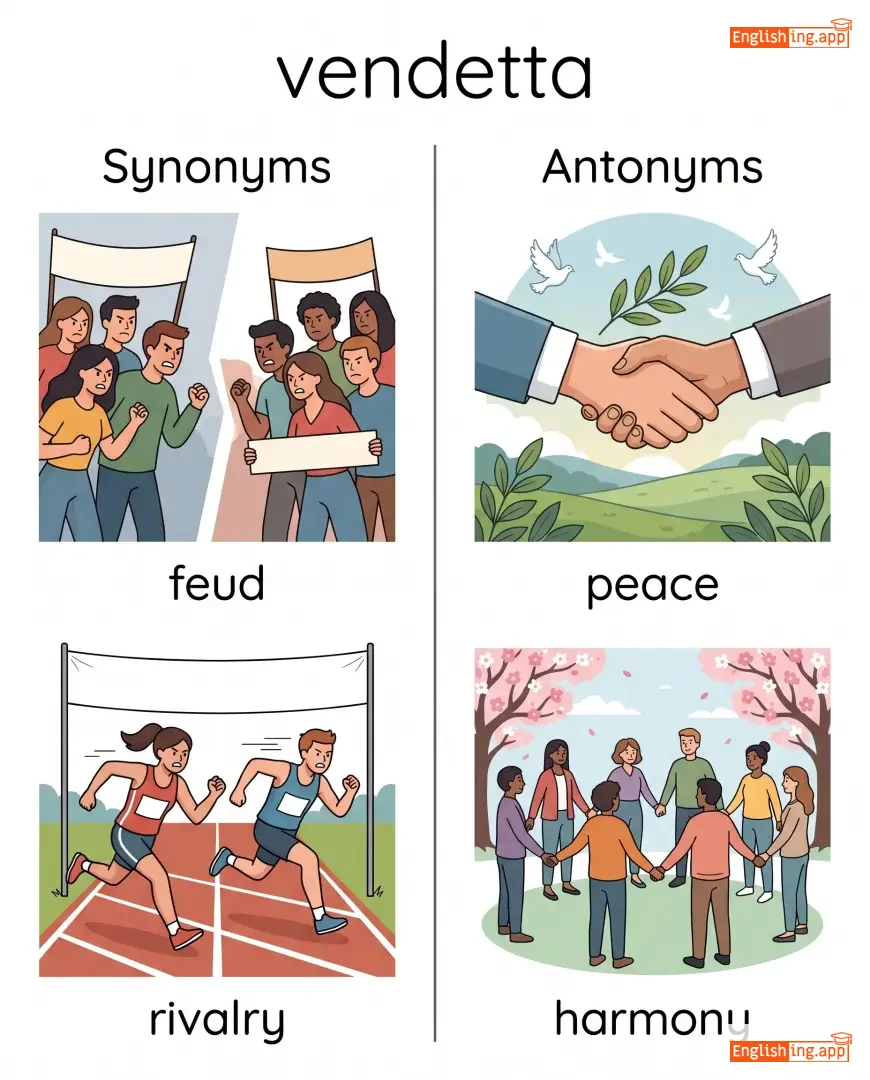
feud, rivalry, conflict, revenge, grudge
••••••
|
peace, harmony, reconciliation
••••••
|
bitter vendetta, personal vendetta, political vendetta, family vendetta
••••••
|
Vendetta意味着复仇,家庭之间的长时间冲突。
••••••
|
|
🙏
••••••
|
/ˈvɛnəˌreɪt/
verb
(敬仰)
••••••
|

|
敬仰
jingyang
••••••
|
venerated
敬仰了
••••••
|
venerated
敬仰了
••••••
|
venerates
敬仰
••••••
|
venerating
敬仰着
••••••
|
to regard with great respect; revere
••••••
|
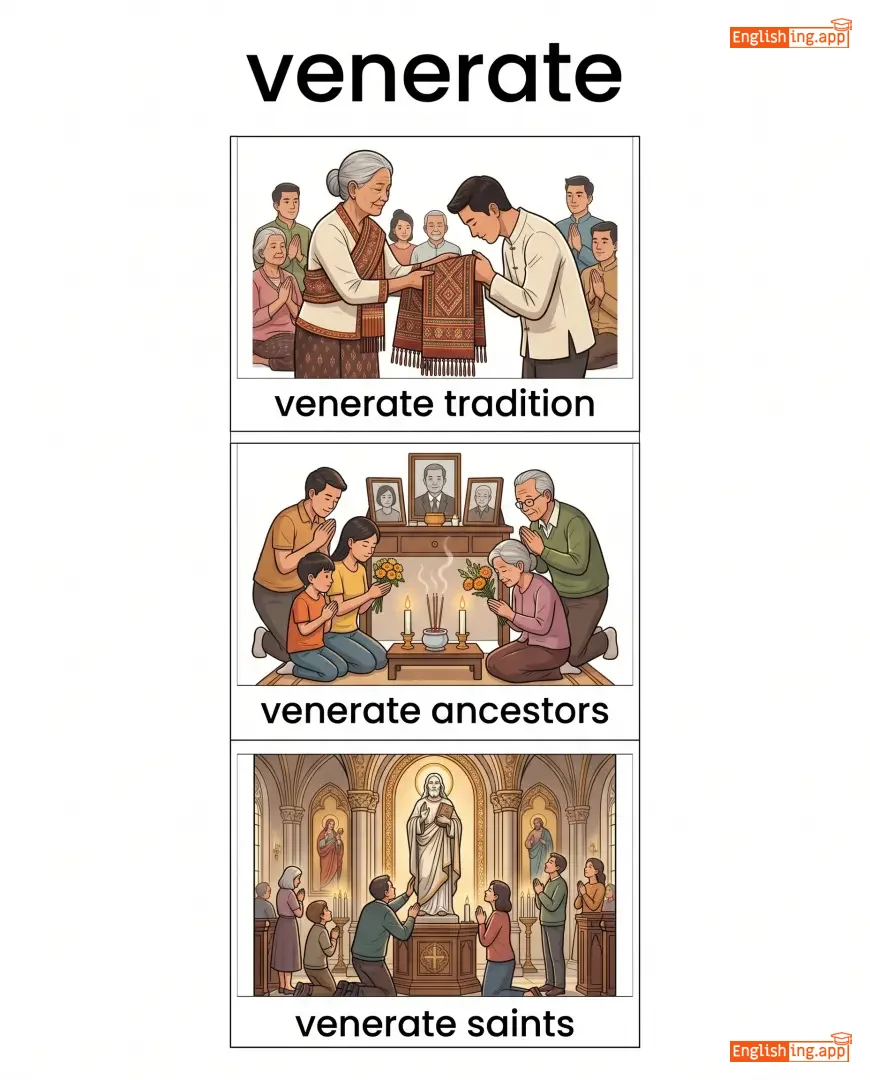
People venerate saints for their holiness.
人们敬仰圣人,因为他们的圣洁。
••••••
|
人们敬仰圣人,因为他们的圣洁。
Renmen jingyang shengren, yinwei tamen de shengjie.
••••••
|
to venerate the ground someone walks on
敬仰某人走过的土地
••••••
|
to admire or respect someone deeply
••••••
|
敬仰某人走过的土地
Jingyang mou ren zouguo de tudi
••••••
|
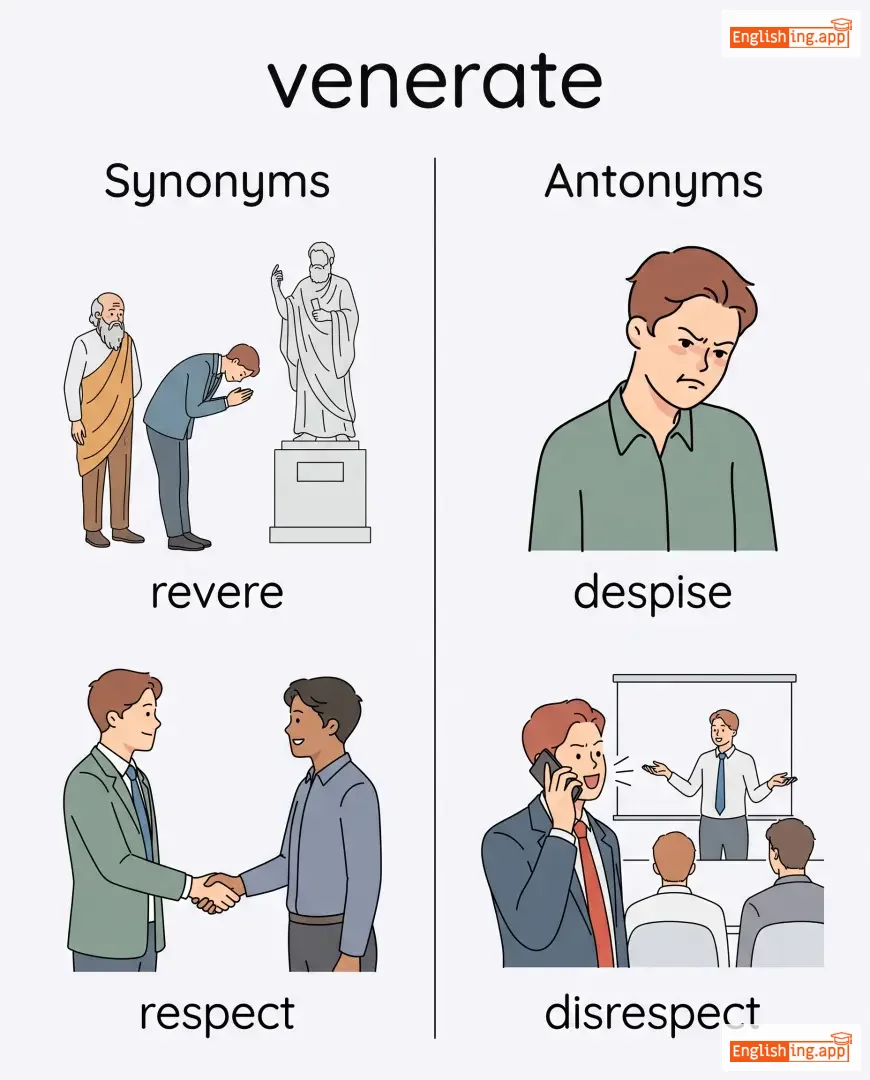
revere, respect, honor, admire, esteem
••••••
|
despise, disrespect, dishonor
••••••
|
venerate tradition, venerate ancestors, venerate saints, venerate the memory
••••••
|
敬仰:就像尊敬一个人走过的土地。
••••••
|
|
🗣️
••••••
|
/vəˈreɪʃəs/
adjective
(wéiˈreɪʃəs)
••••••
|
|
真实的
zhēnshí de
••••••
|
- •••••• | - •••••• | - •••••• | - •••••• |
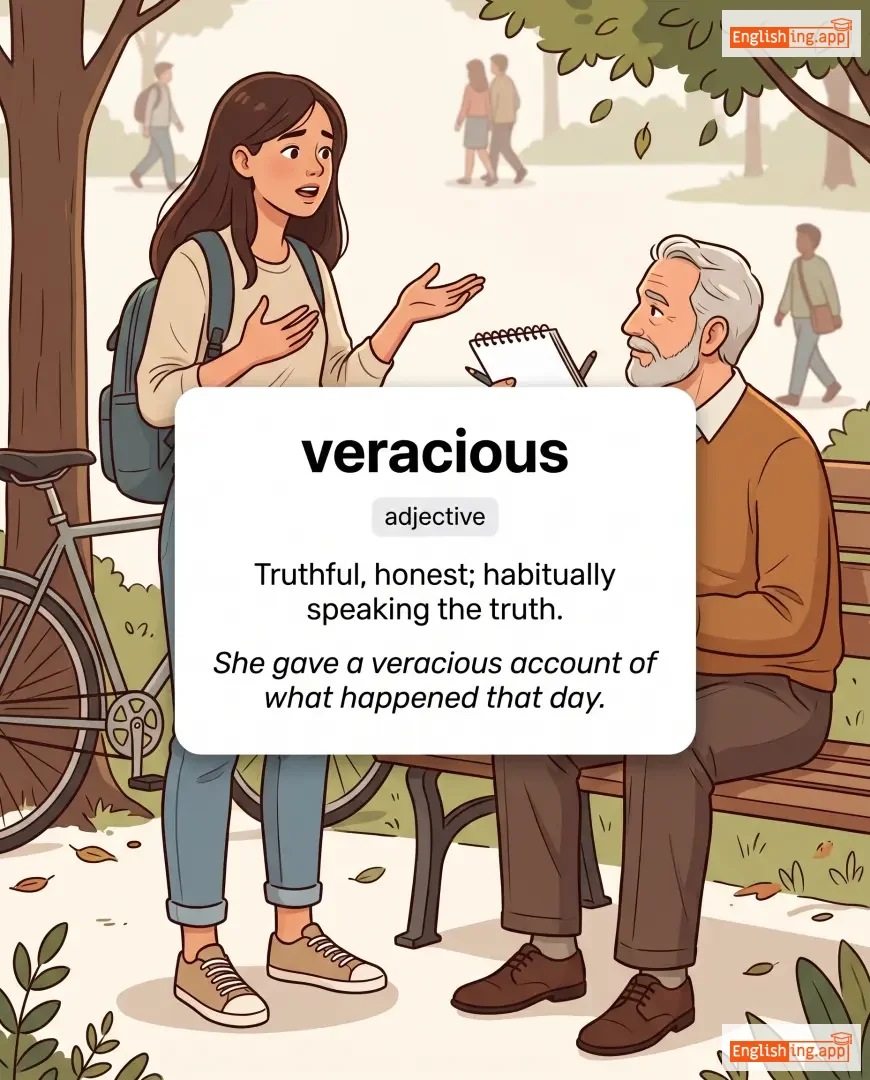
Truthful, honest; habitually speaking the truth.
••••••
|
She gave a veracious account of what happened that day. |
她给出了那天发生的事情的真实描述。
tā gěi chūle nà tiān fāshēng de shìqíng de zhēnshí miáoshù.
••••••
|
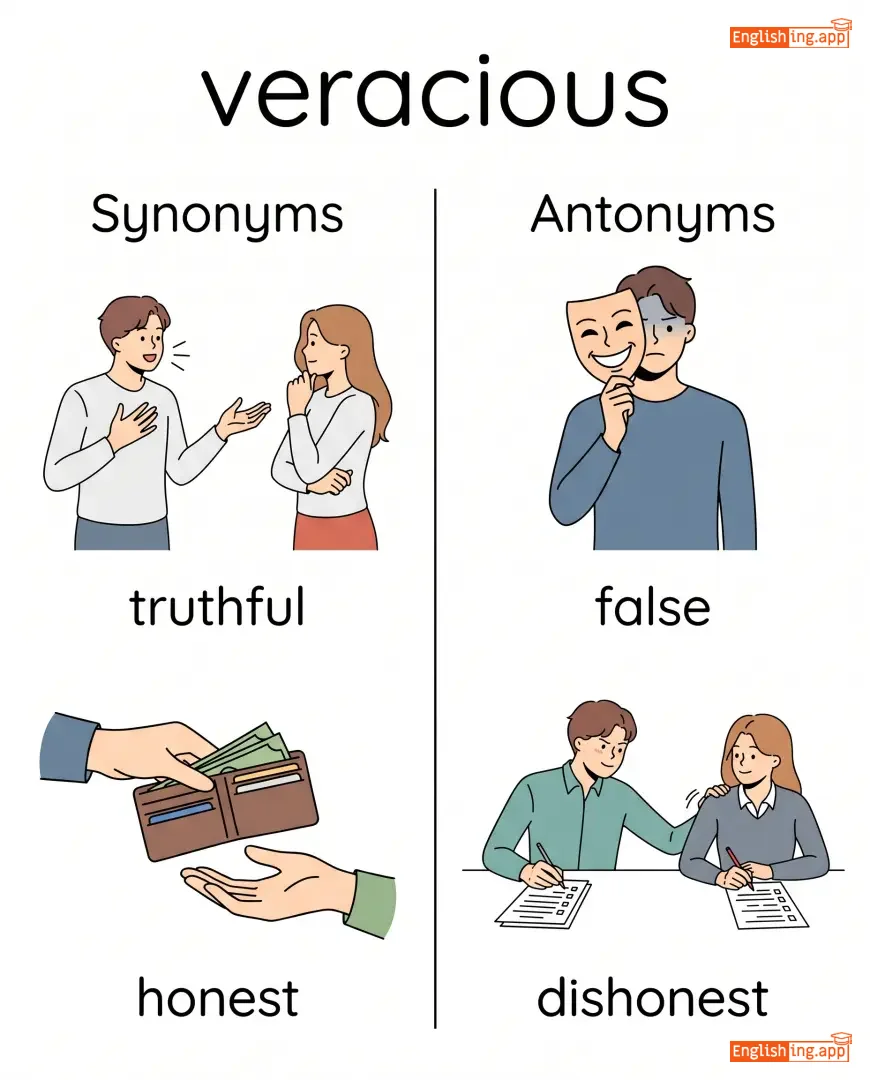
- •••••• | - •••••• | - •••••• |
truthful, honest, accurate, genuine, sincere
••••••
|
false, dishonest, lying
••••••
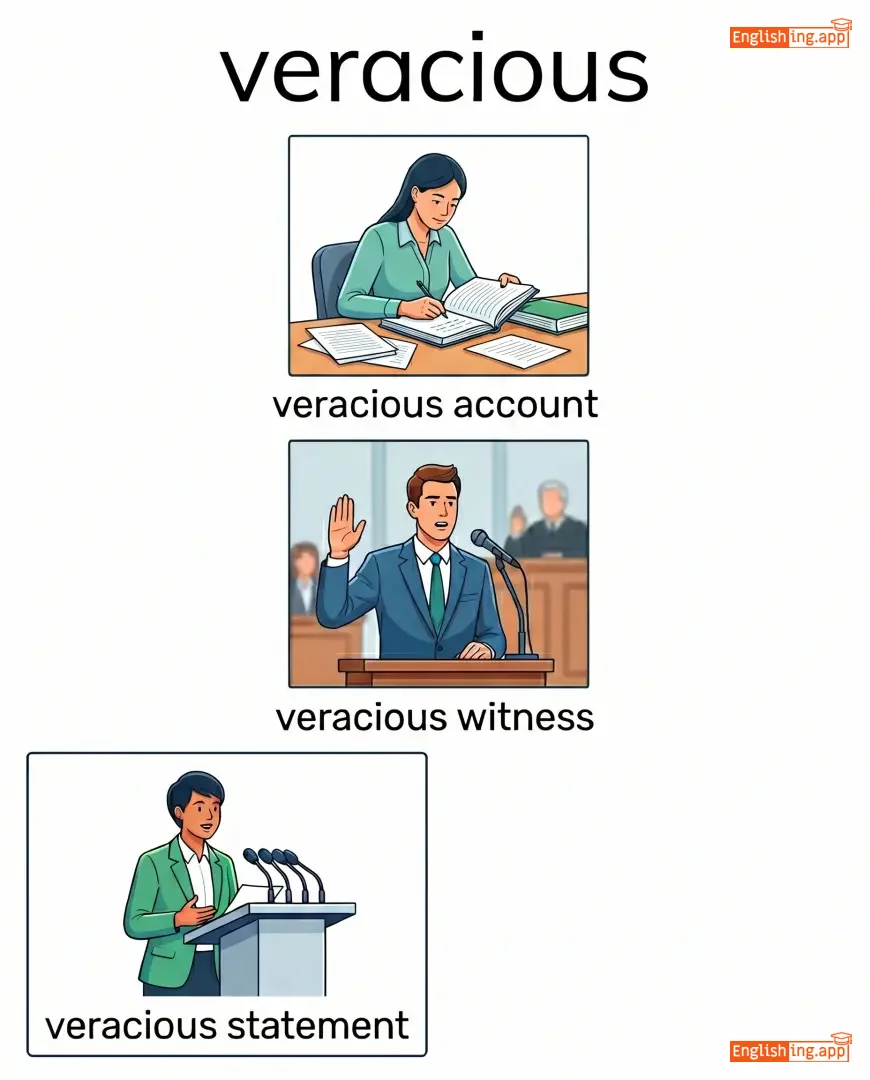
|
veracious account, veracious witness, veracious statement
••••••
|
真实的像是'真实',意味着总是讲真话的人。
••••••
|
|
🗣️
••••••
|
/vɜːrˈboʊs/
adjective
(沃尔博斯)
••••••
|
|
冗长
rǒngcháng
••••••
|
- •••••• | - •••••• | - •••••• | - •••••• |
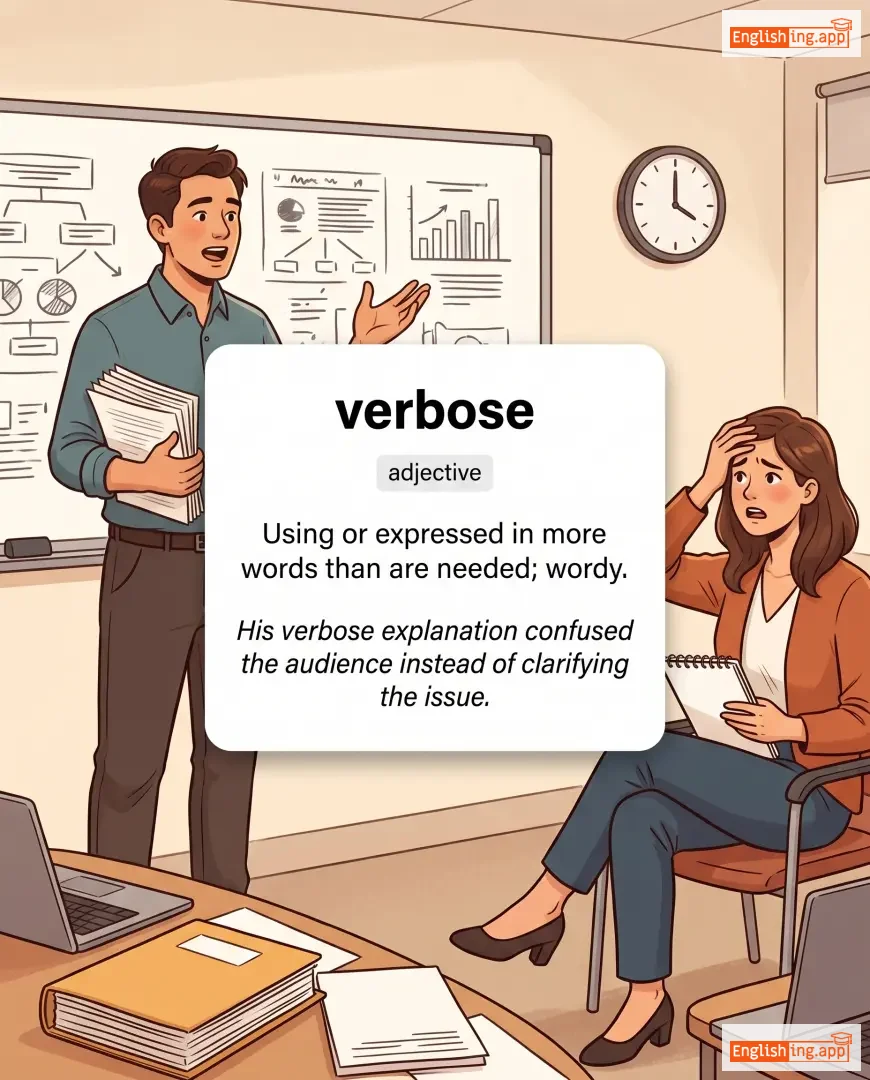
Using or expressed in more words than are needed; wordy.
••••••
|
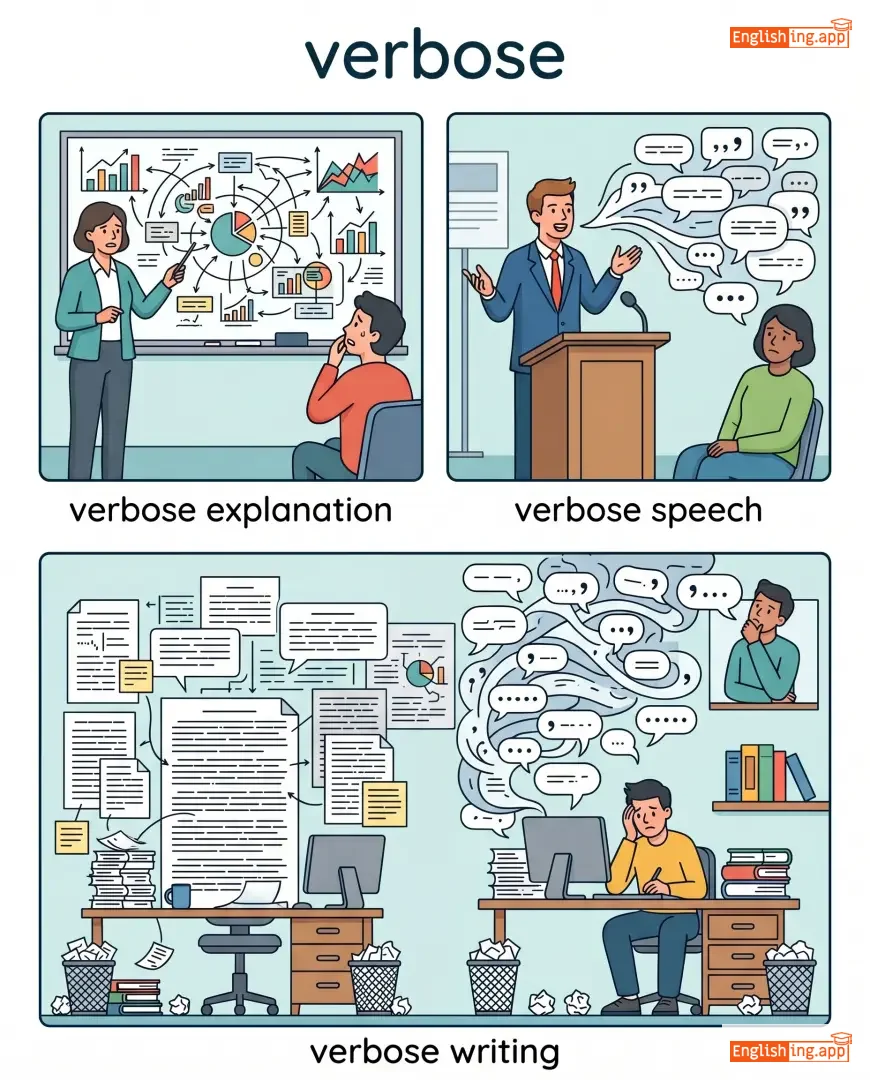
His verbose explanation confused the audience instead of clarifying the issue. |
他冗长的解释使观众感到困惑,而不是澄清问题。
Tā rǒngcháng de jiěshì shǐ guānzhòng gǎndào kùnhuò, ér bùshì chéngqīng wèntí.
••••••
|
- •••••• | - •••••• | - •••••• |
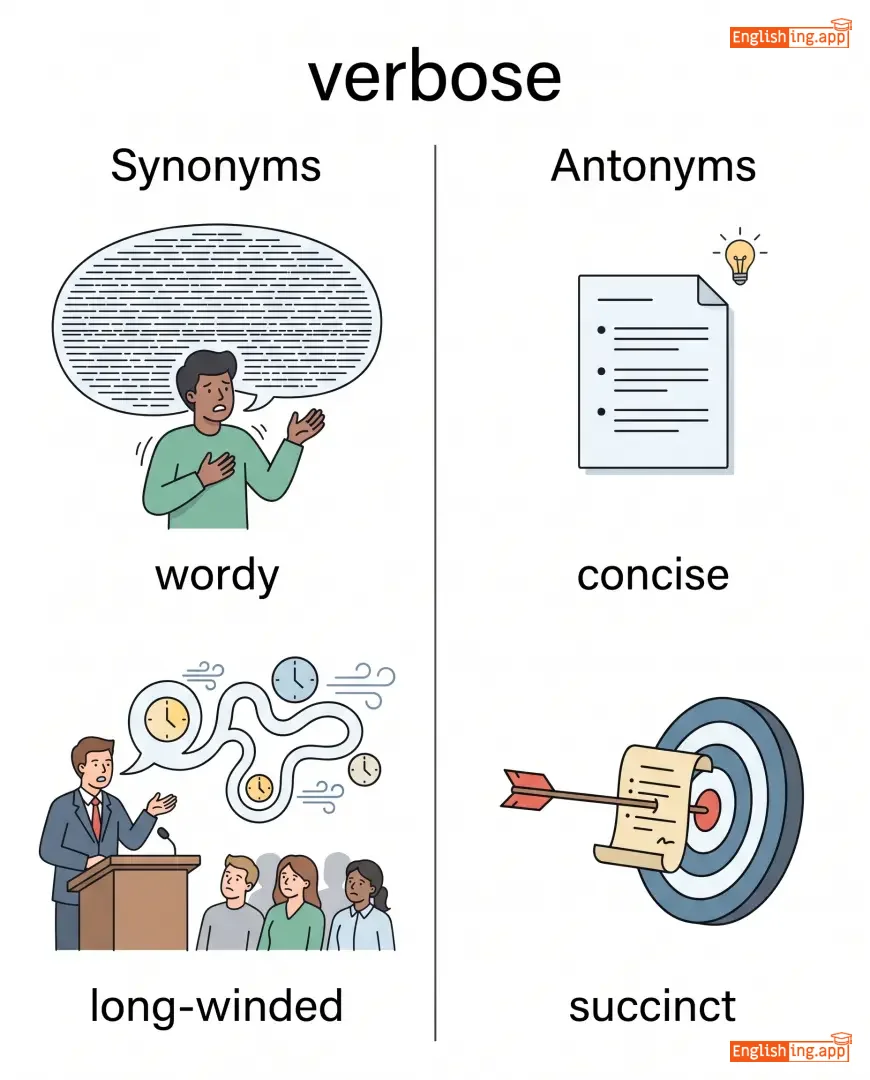
wordy, long-winded, prolix, talkative, rambling
••••••
|
concise, succinct, brief
••••••
|
verbose explanation, verbose speech, verbose writing, verbose description
••••••
|
冗长 (rǒngcháng) + 话多 (huà duō) = 话多
••••••
|
|
🌀
••••••
|
/ˈvɜːrtɪˌɡoʊ/
noun
(happiness)
••••••
|

|
幸福
xìng fú
••••••
|
- •••••• | - •••••• | - •••••• | - •••••• |
A sensation of spinning or dizziness, often caused by problems in the inner ear or brain.
••••••
|
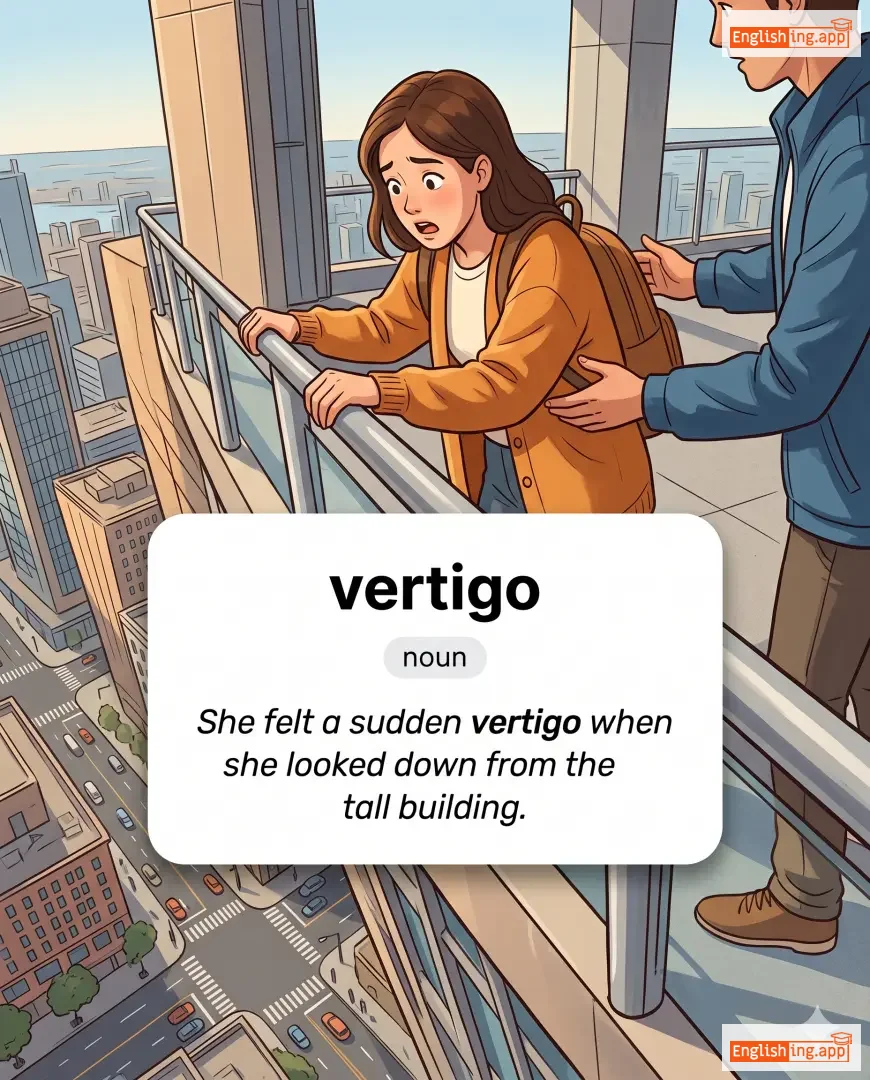
She felt a sudden vertigo when she looked down from the tall building. |
当她获得奖项时,她无法掩饰自己的幸福感。
Dāng tā huò dé jiǎng xiàng shí, tā wú fǎ yǎn shì zì jǐ de xìng fú gǎn.
••••••
|
dizzy with vertigo |
Overcome by a sensation of spinning and dizziness.
••••••
|
追求幸福
zhuī qiú xìng fú
••••••
|
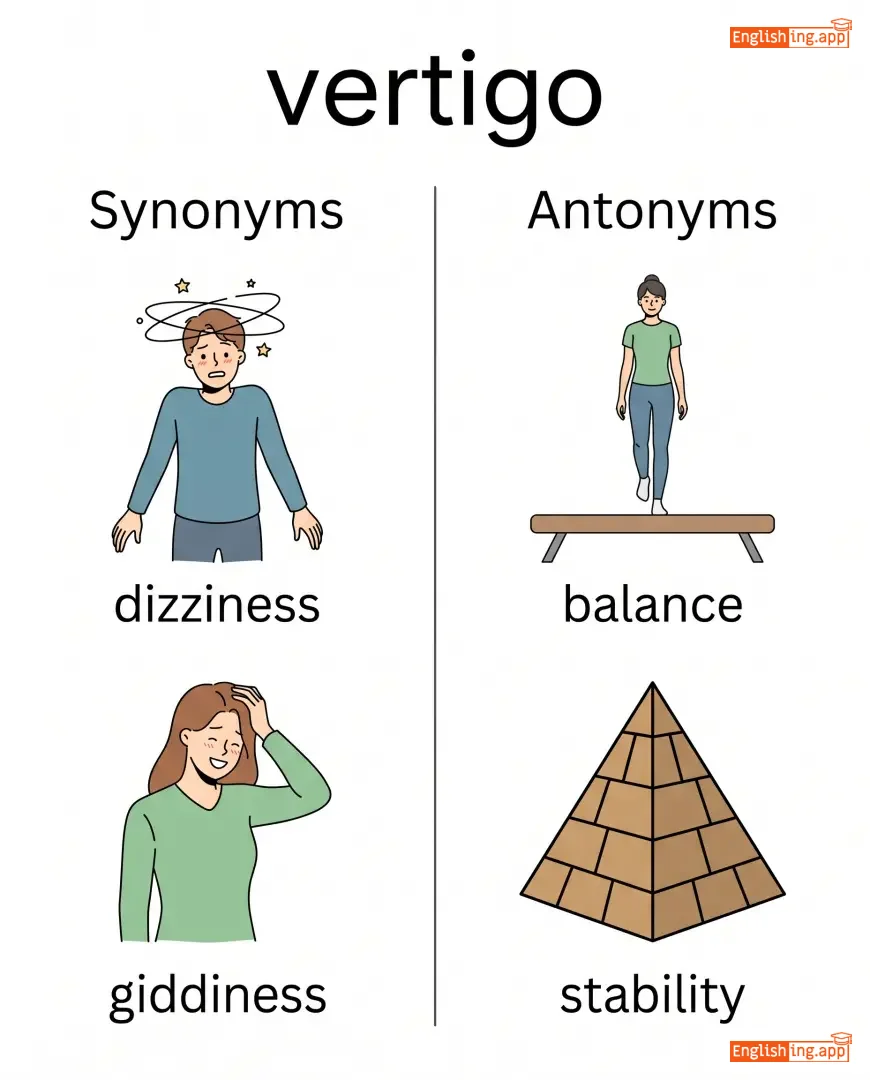
dizziness, giddiness, lightheadedness, faintness
••••••
|
balance, stability
••••••
|
suffer from vertigo, experience vertigo, sudden vertigo
••••••
|
幸福 (xìng fú) 就像我们不断寻找的快乐 (kuài lè) 一样。
••••••
|
|
😤
••••••
|
/vɛkˈseɪʃən/
noun
(vɛkseɪʃɔn)
••••••
|
|
烦恼
fánnǎo
••••••
|
- •••••• | - •••••• | - •••••• | - •••••• |
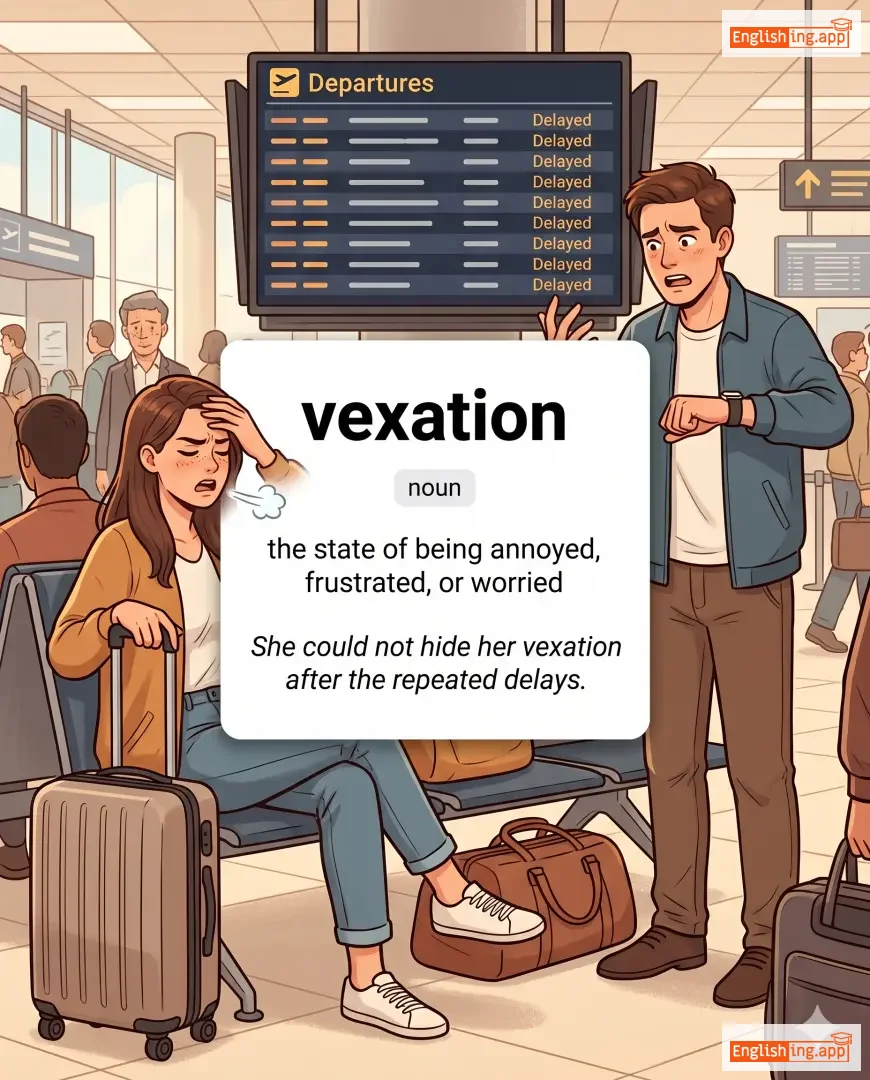
the state of being annoyed, frustrated, or worried
••••••
|
She could not hide her vexation after the repeated delays.
她在反复的延迟后,无法掩饰她的烦恼。
••••••
|
她在反复的延迟后,无法掩饰她的烦恼。
Tā zài fǎnfù de yánchí hòu, wúfǎ yǎnshì tā de fánnǎo.
••••••
|
- •••••• | - •••••• | - •••••• |
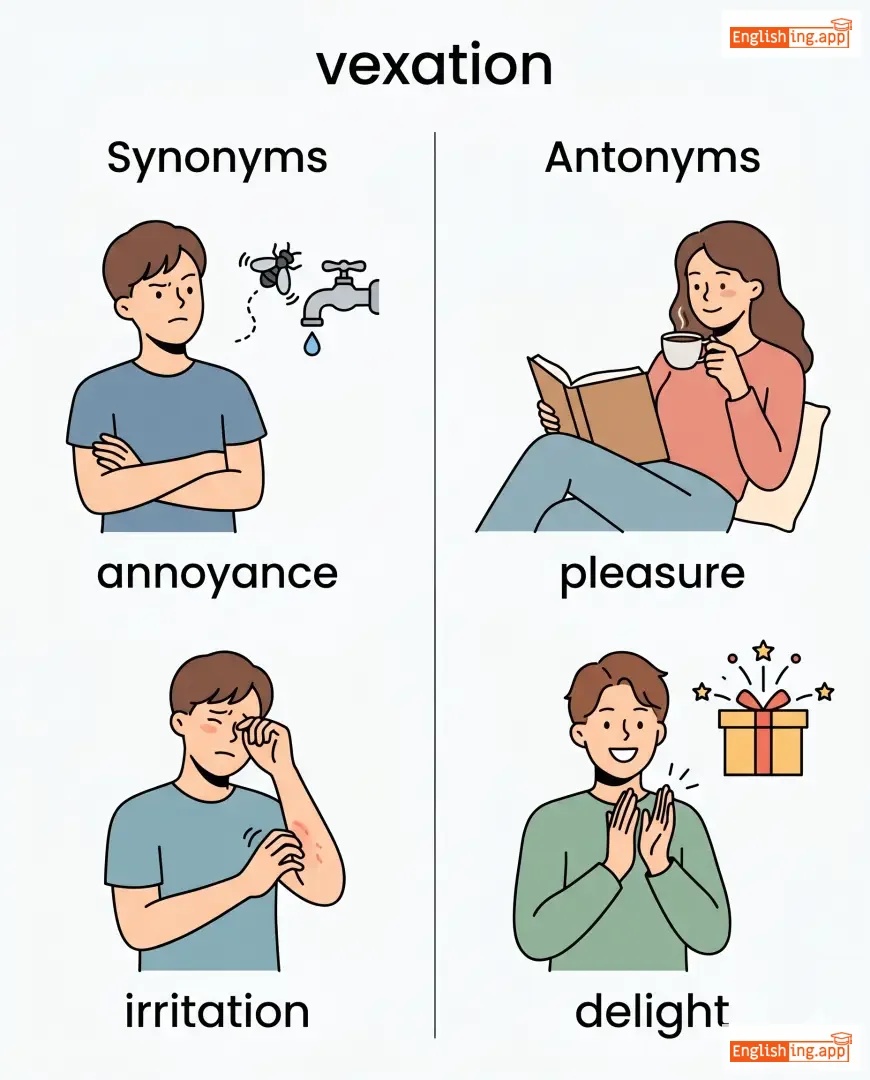
annoyance, irritation, frustration, distress, exasperation
••••••
|
pleasure, delight, satisfaction
••••••
|
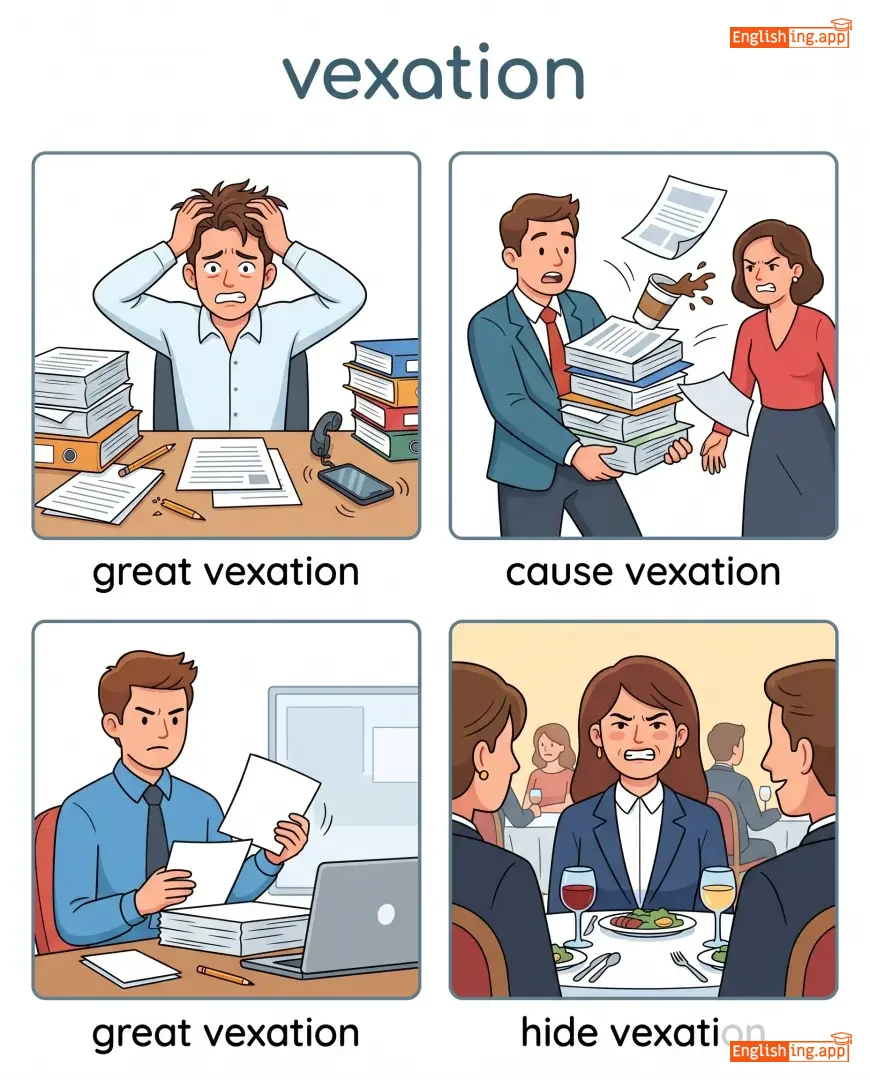
great vexation, cause vexation, hide vexation, in vexation
••••••
|
Vexation = vex + action → 烦恼在行动中
••••••
|
|
🌱
••••••
|
/ˈvaɪəbl̩/
adjective
(wàiyàobù)
••••••
|

|
可行的
kexing de
••••••
|
- •••••• | - •••••• | - •••••• | - •••••• |
capable of working successfully or able to survive
••••••
|
They need a viable business plan to attract investors.
他们需要一个可行的商业计划来吸引投资者。
••••••
|
他们需要一个可行的商业计划来吸引投资者。
Tāmen xūyào yīgè kěxíng de shāngyè jìhuà lái xīyǐn tóuzī zhě.
••••••
|
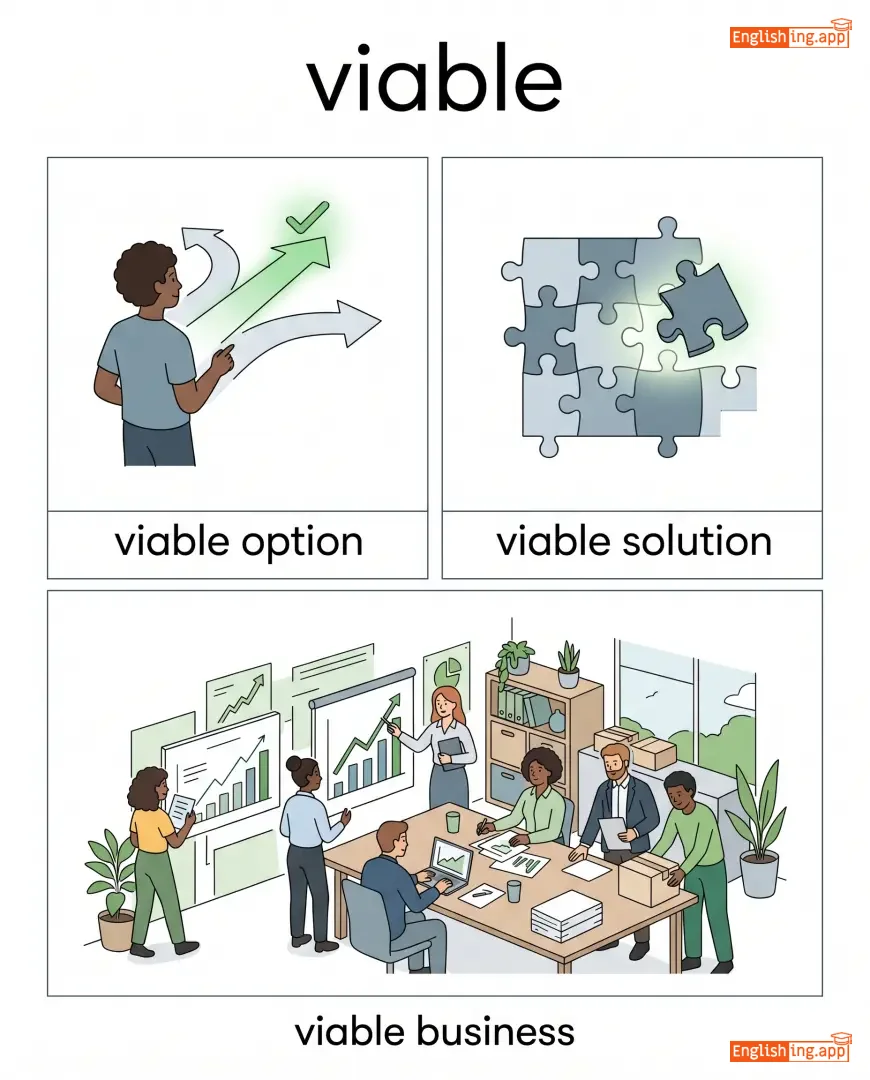
viable option
可行的选择
••••••
|
a choice that is practical and can work successfully
••••••
|
可行的选择
kěxíng de xuǎnzé
••••••
|
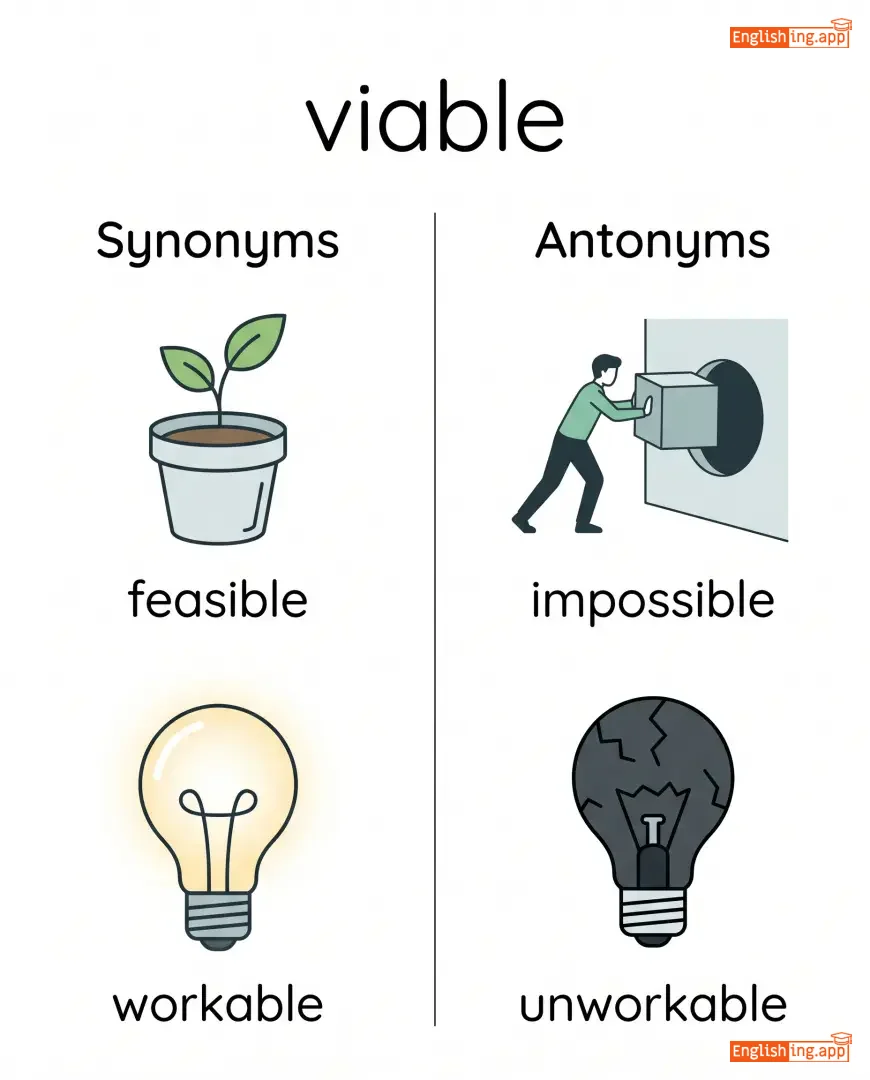
feasible, workable, practical, possible, sustainable
••••••
|
impossible, unworkable, impractical
••••••
|
viable option, viable solution, viable business, economically viable
••••••
|
就像一个能生长的植物,适合生存 🌱
••••••
|
|
😠
••••••
|
/vɪnˈdɪktɪv/
adjective
(vɪnˈdɪktɪv)
••••••
|
|
报复性的
bàofùxìng de
••••••
|
- •••••• | - •••••• | - •••••• | - •••••• |
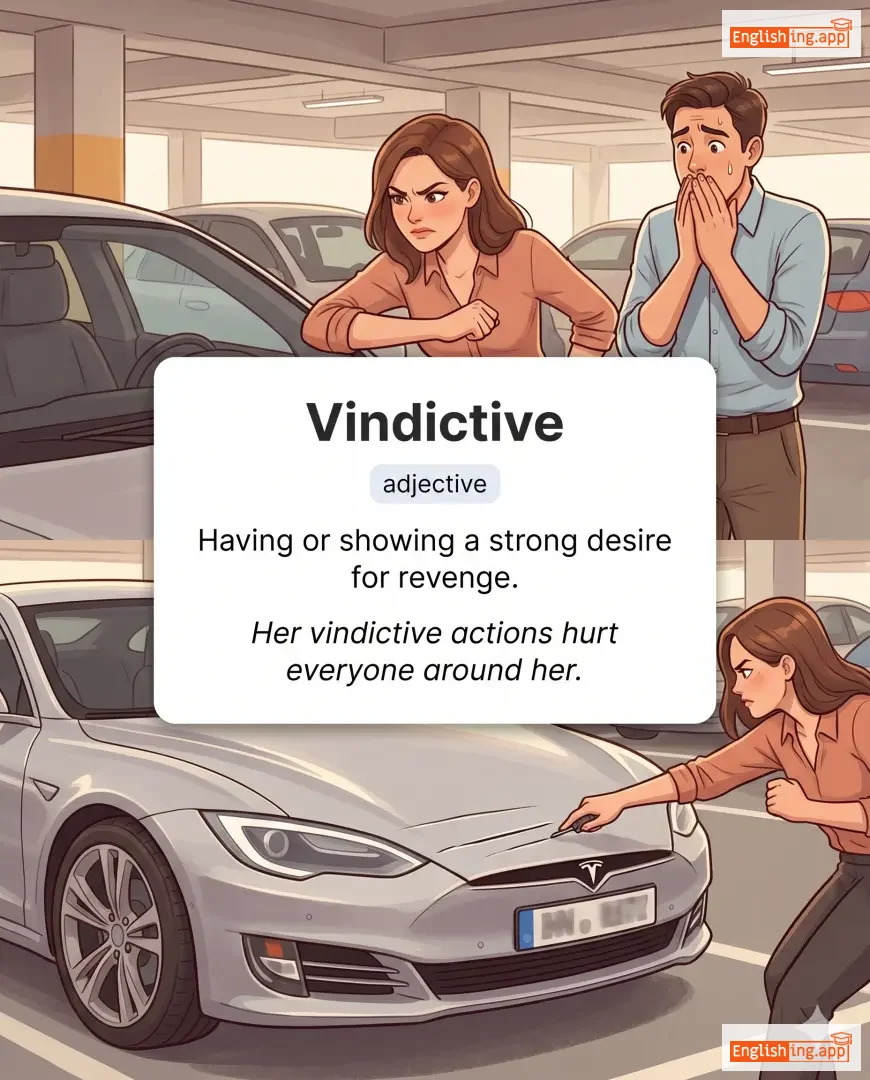
Having or showing a strong desire for revenge.
••••••
|
Her vindictive actions hurt everyone around her. |
她的报复性行为伤害了周围的每一个人。
Tā de bàofùxìng xíngwéi shānghài le zhōuwéi de měi yīgè rén.
••••••
|
vindictive streak |
A tendency to seek revenge or act spitefully.
••••••
|
报复心理
bàofù xīnlǐ
••••••
|
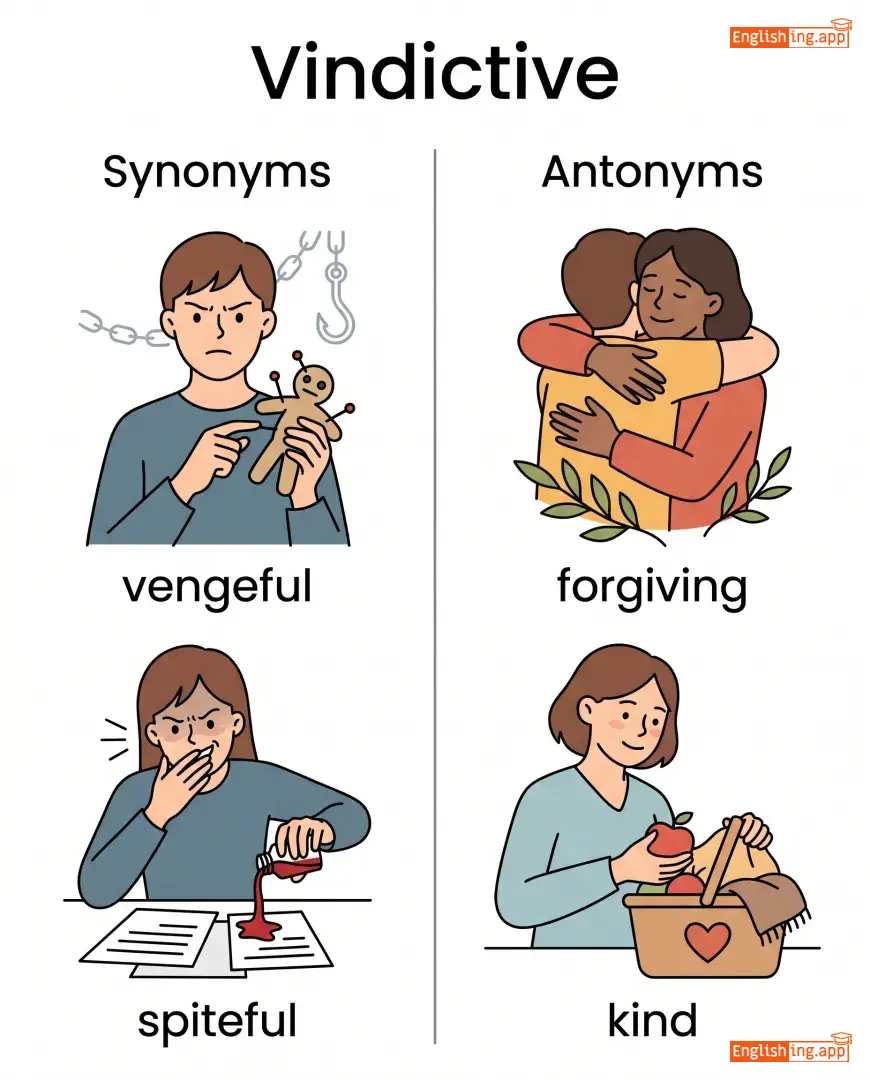
vengeful, spiteful, revengeful, malicious
••••••
|
forgiving, kind, merciful
••••••
|
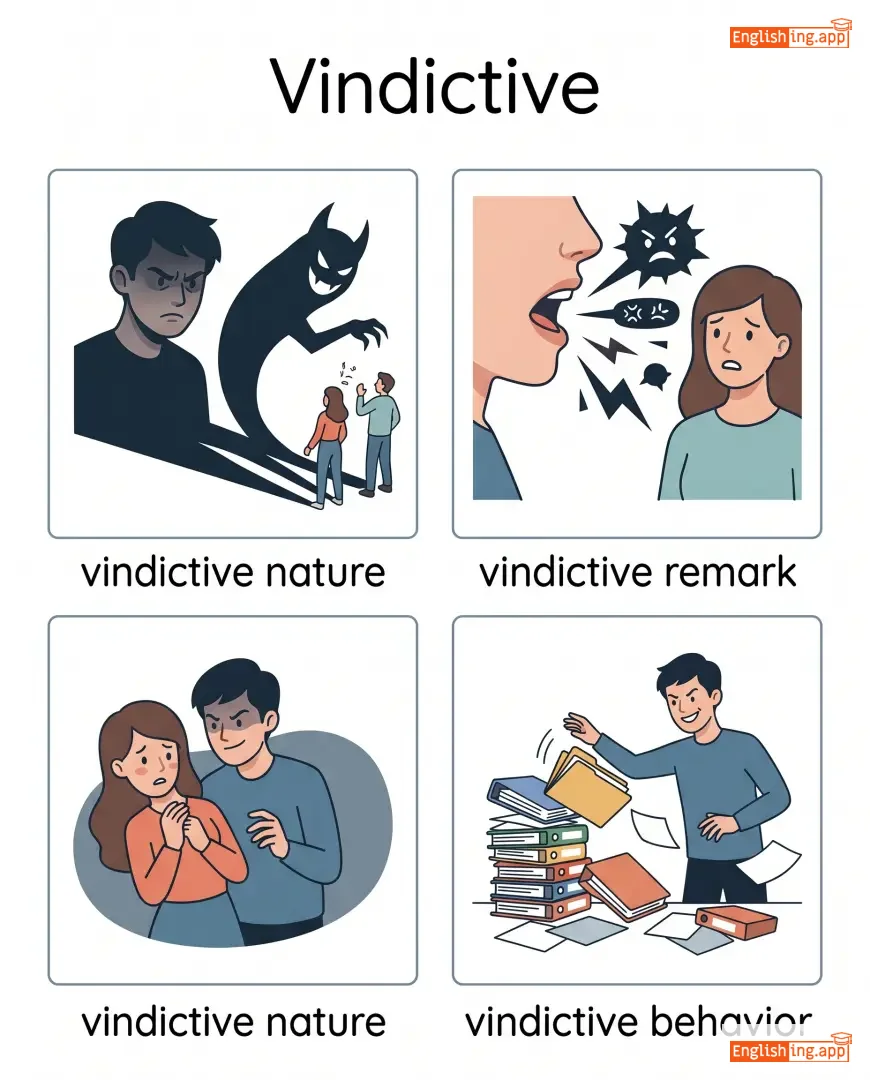
vindictive nature, vindictive remark, vindictive behavior
••••••
|
报复性 = bào + fù → 一种报复的行为 😠
••••••
|
|
🎶
••••••
|
/ˌvɜːrtʃuˈoʊsoʊ/
noun
(wěr tú òu suǒ)
••••••
|
|
艺术大师
yì shù dà shī
••••••
|
- •••••• | - •••••• | - •••••• | - •••••• |
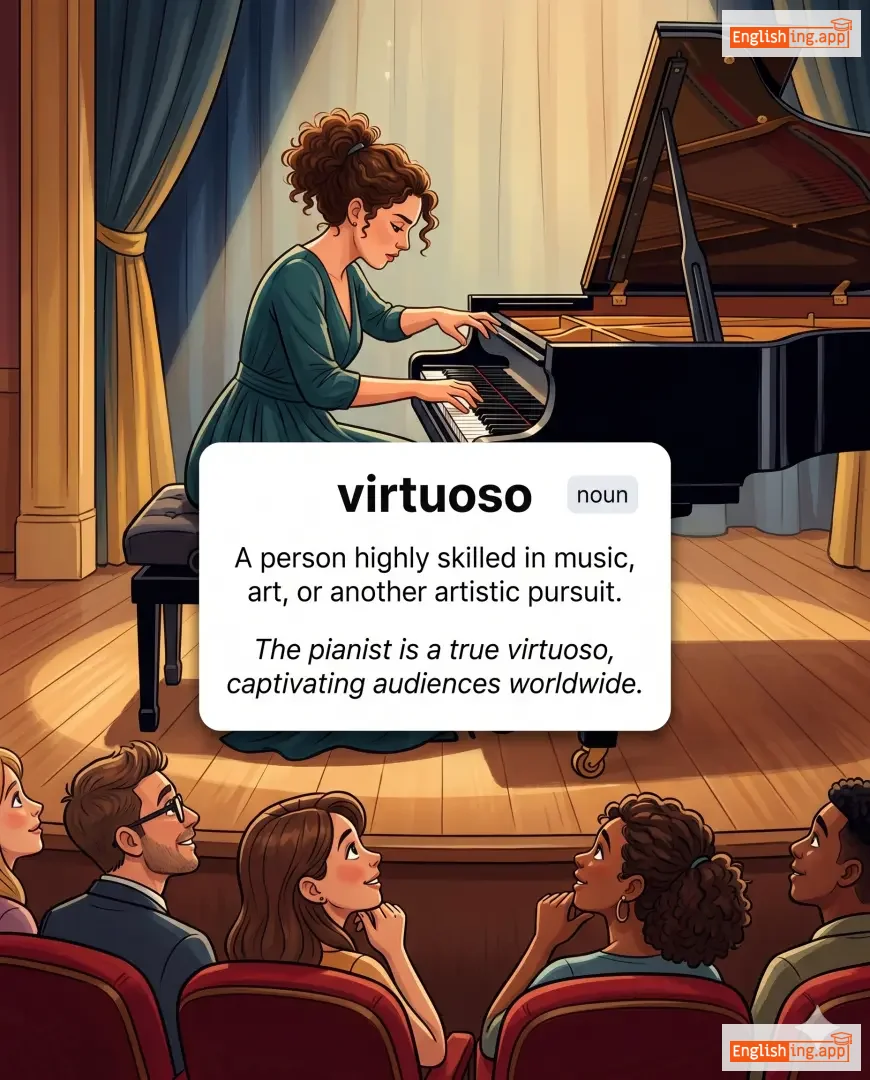
A person highly skilled in music, art, or another artistic pursuit.
••••••
|
The pianist is a true virtuoso, captivating audiences worldwide. |
这位钢琴家是真正的艺术大师,吸引着全球的观众。
Zhè wèi gāngqín jiā shì zhēnzhèng de yìshù dà shī, xīyǐn zhe quánqiú de guānzhòng.
••••••
|
- •••••• | - •••••• | - •••••• |
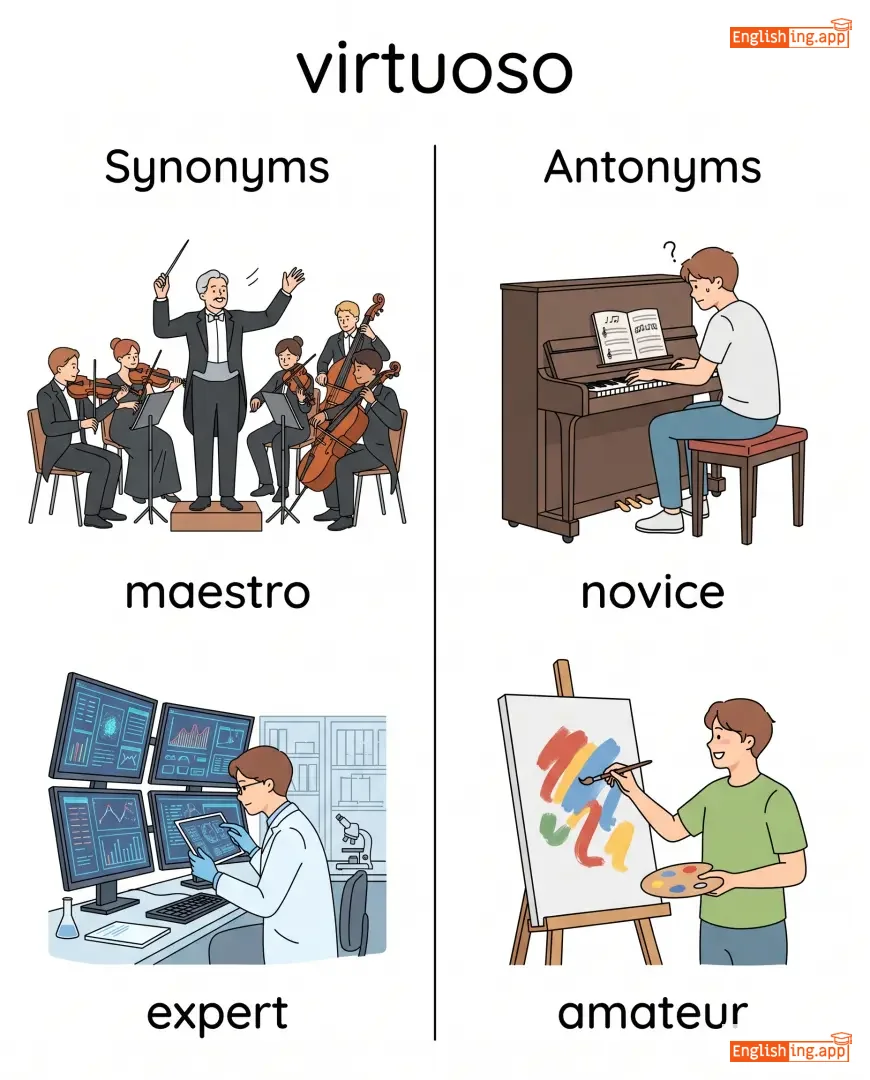
maestro, expert, genius, prodigy, master
••••••
|
novice, amateur, beginner
••••••
|
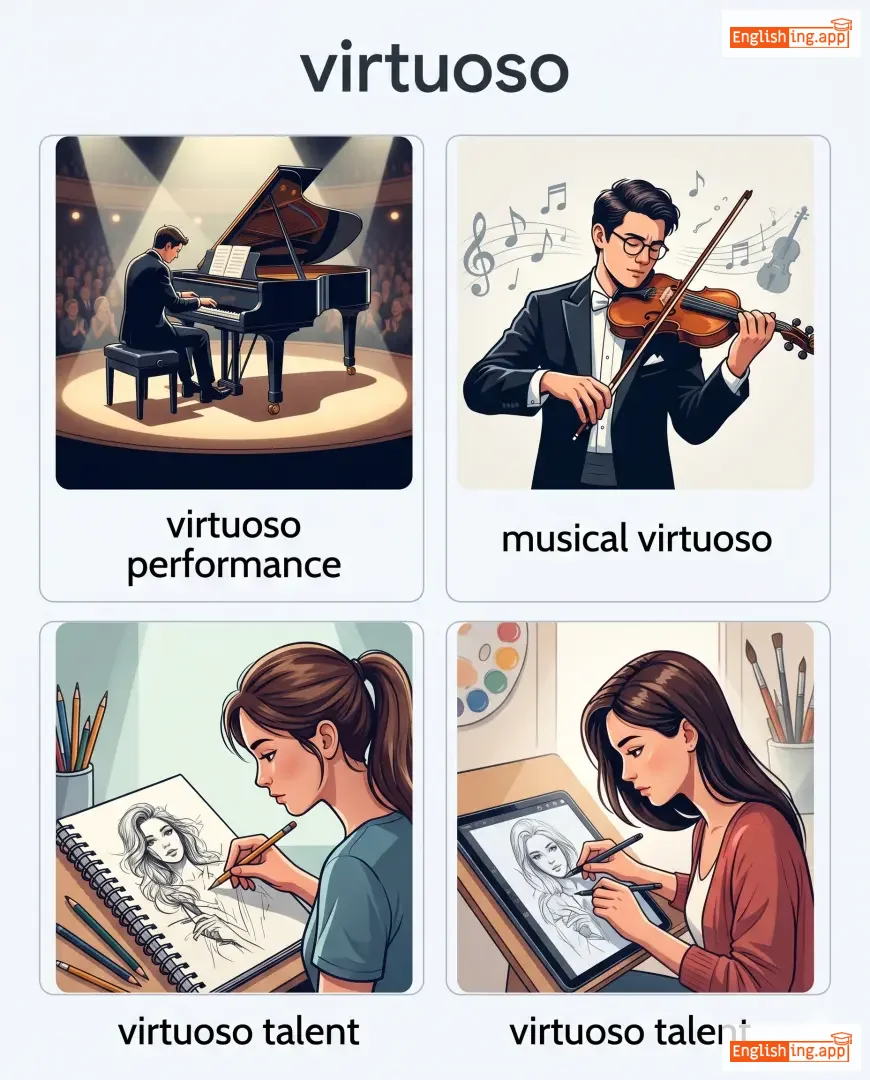
virtuoso performance, musical virtuoso, virtuoso talent
••••••
|
Virtuoso 就是艺术方面的大师 (Virtuoso → 艺术大师)
••••••
|
|
🙂
••••••
|
/ˈvɪzɪdʒ/
noun
(happiness)
••••••
|
|
幸福
xìngfú
••••••
|
- •••••• | - •••••• | - •••••• | - •••••• |
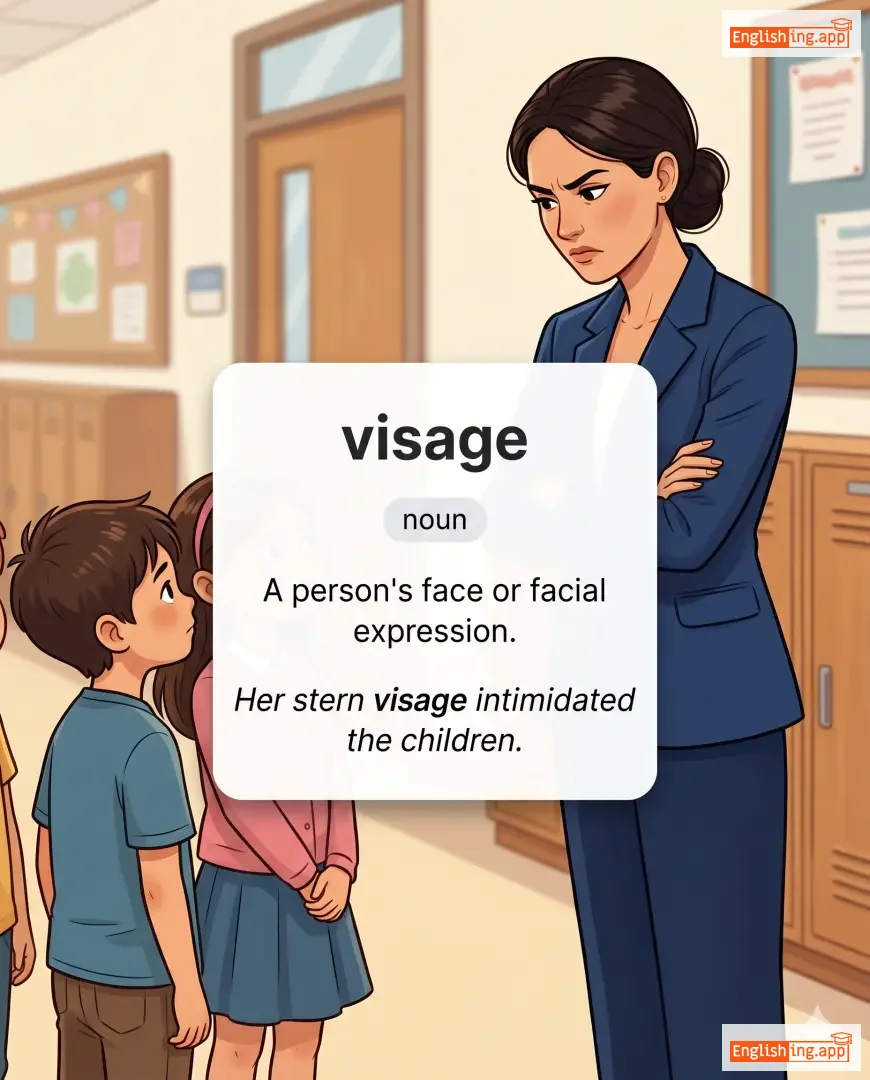
A person's face or facial expression.
••••••
|
Her stern visage intimidated the children.
她获得奖项时,无法掩饰她的幸福。
••••••
|
她获得奖项时,无法掩饰她的幸福。
Tā huòdé jiǎngxiàng shí, wúfǎ yǎnshì tā de xìngfú.
••••••
|
put on a brave visage
追求幸福
••••••
|
to appear confident or calm even when worried or afraid
••••••
|
追求幸福
zhuīqiú xìngfú
••••••
|
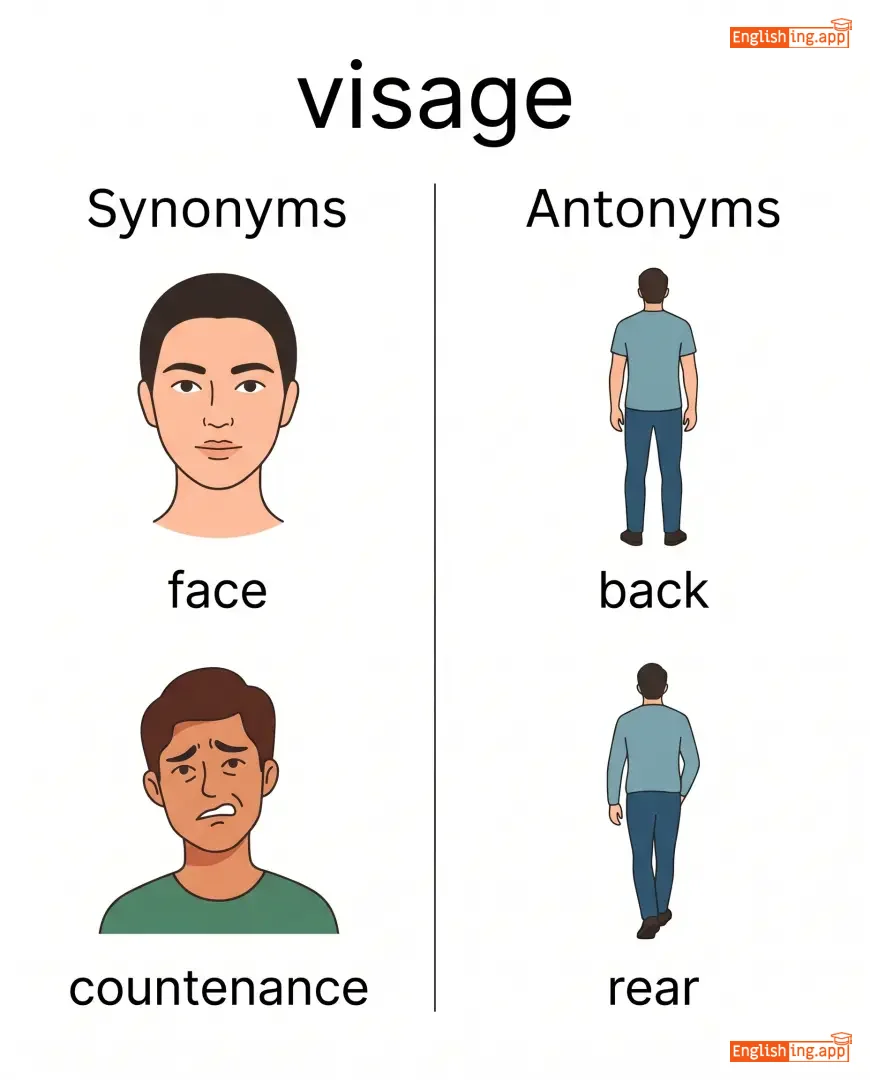
face, countenance, features, appearance, expression
••••••
|
back, rear, anonymity
••••••
|
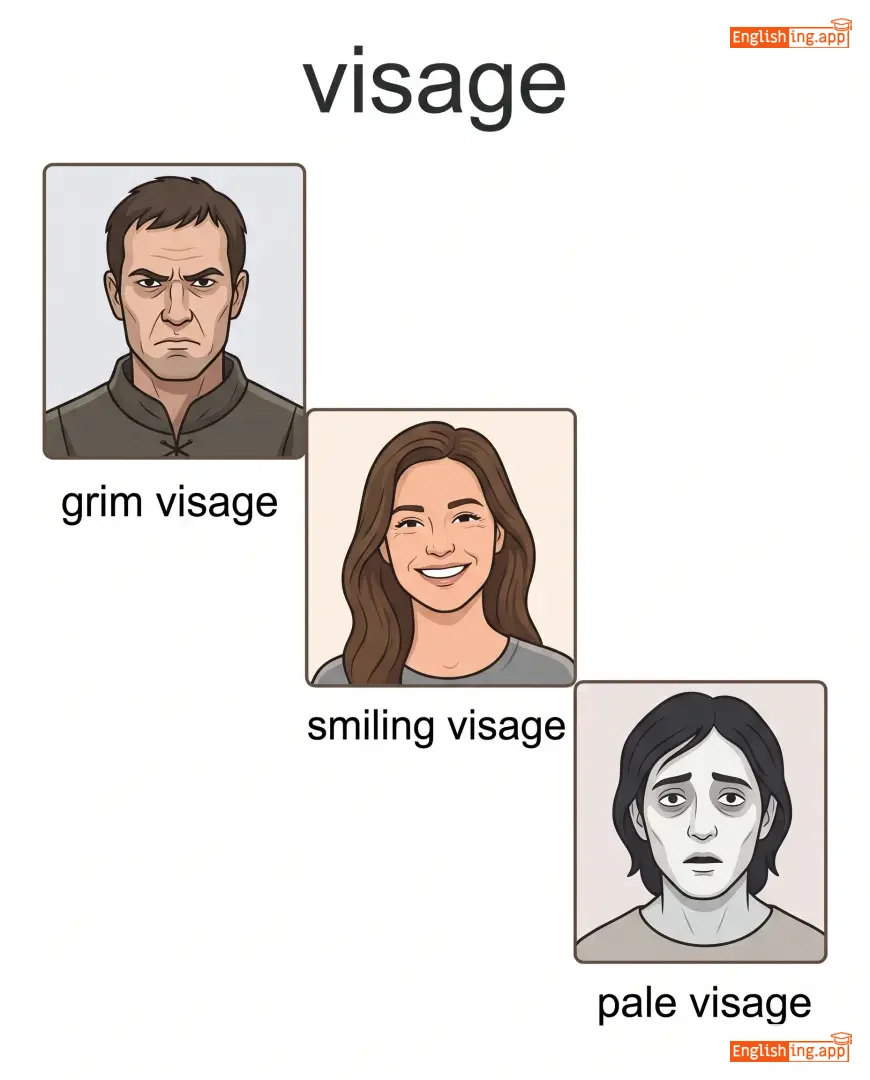
grim visage, smiling visage, pale visage, noble visage
••••••
|
幸福就像'快',而是更长久的快乐。
••••••
|
|
🍯
••••••
|
/ˈvɪskəs/
adjective
(vɪskəs)
••••••
|
|
粘性
niánxìng
••••••
|
- •••••• | - •••••• | - •••••• | - •••••• |
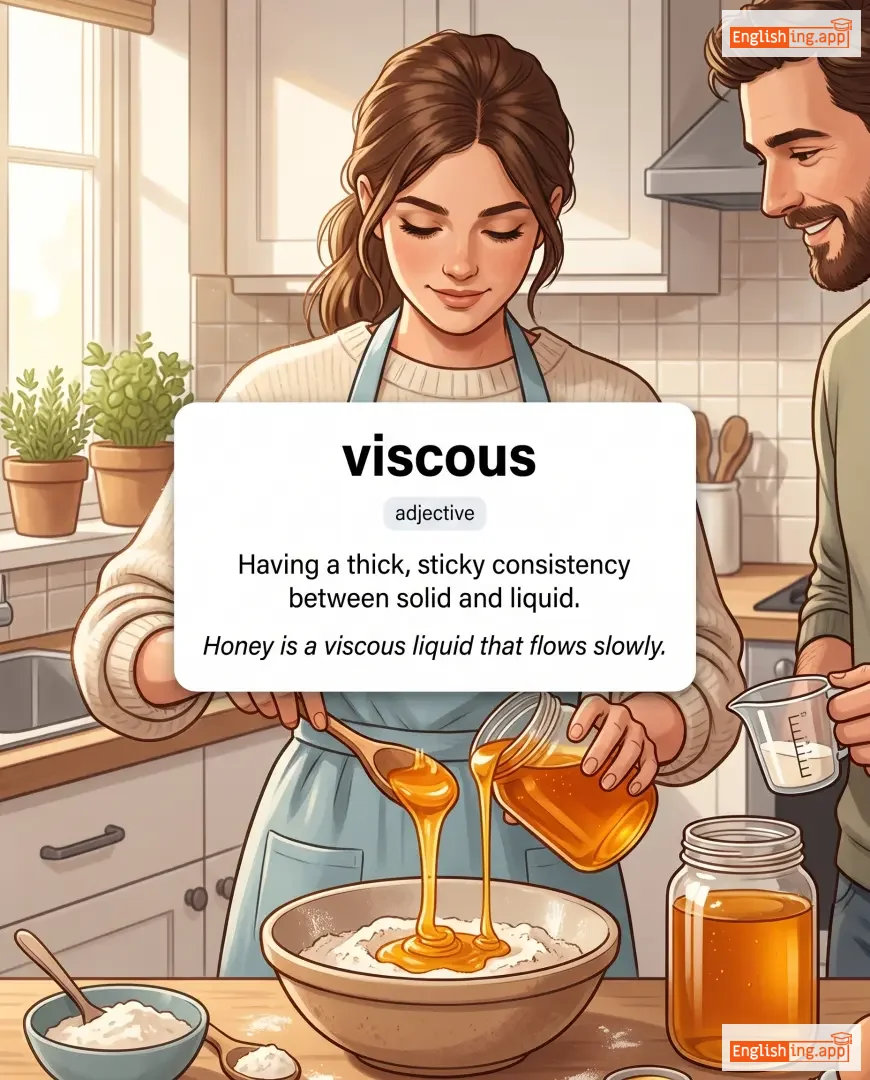
Having a thick, sticky consistency between solid and liquid.
••••••
|
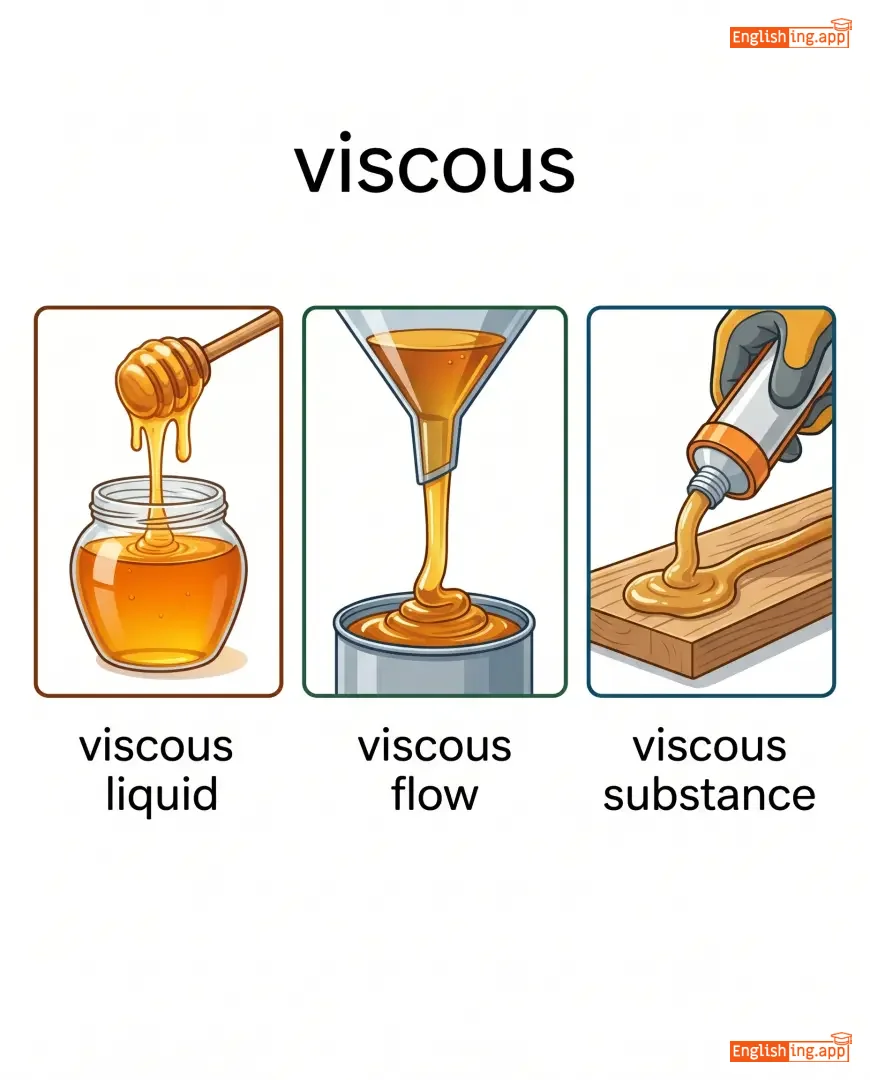
Honey is a viscous liquid that flows slowly. |
蜂蜜是一种粘性液体,流动缓慢。
Fēngmì shì yī zhǒng niánxìng yètǐ, liúdòng huǎnmàn.
••••••
|
- •••••• | - •••••• | - •••••• |
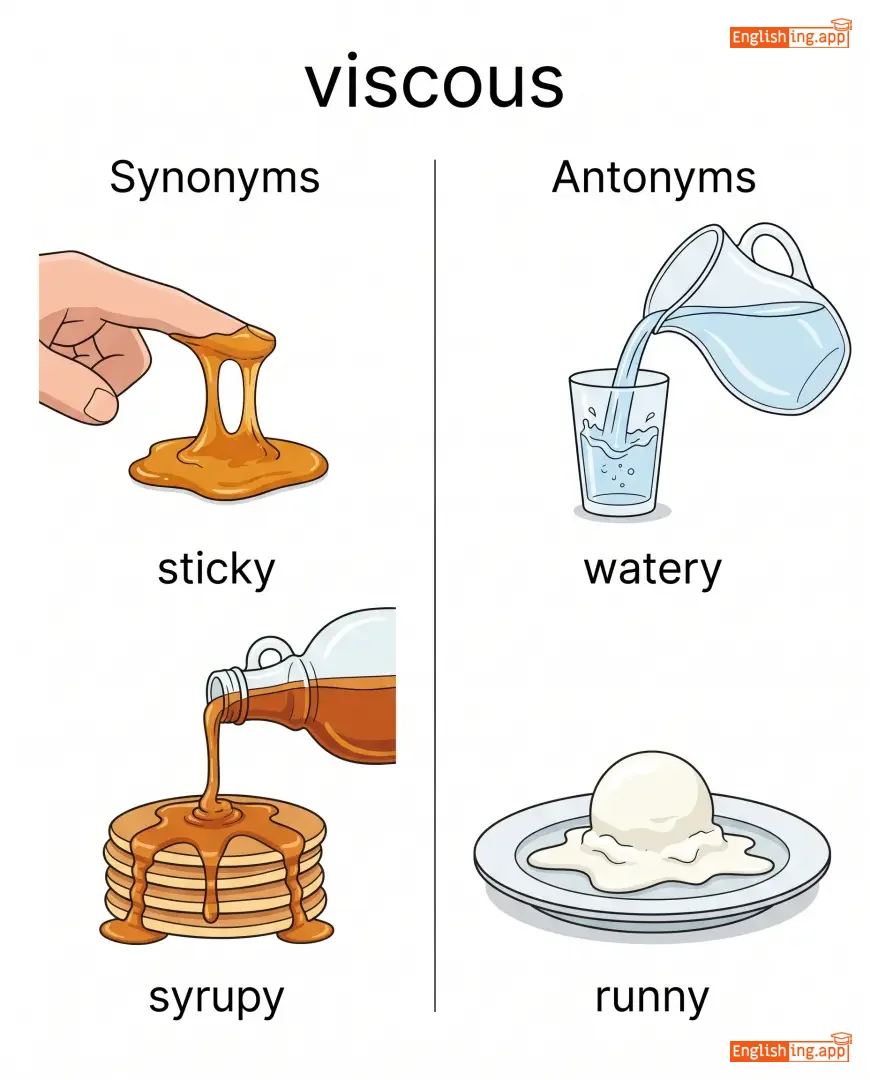
sticky, syrupy, thick, gooey
••••••
|
watery, runny, thin
••••••
|
viscous liquid, viscous flow, viscous substance
••••••
|
粘性像蜂蜜一样粘,记住'粘性蜂蜜慢慢流。'
••••••
|
|
💔
••••••
|
/ˈvɪʃieɪt/
verb
(维希耶特)
••••••
|
|
败坏
bàihuài
••••••
|
vitiated
维希耶特德
••••••
|
vitiated
维希耶特德
••••••
|
vitiates
维希耶特斯
••••••
|
vitiating
维希耶廷
••••••
|
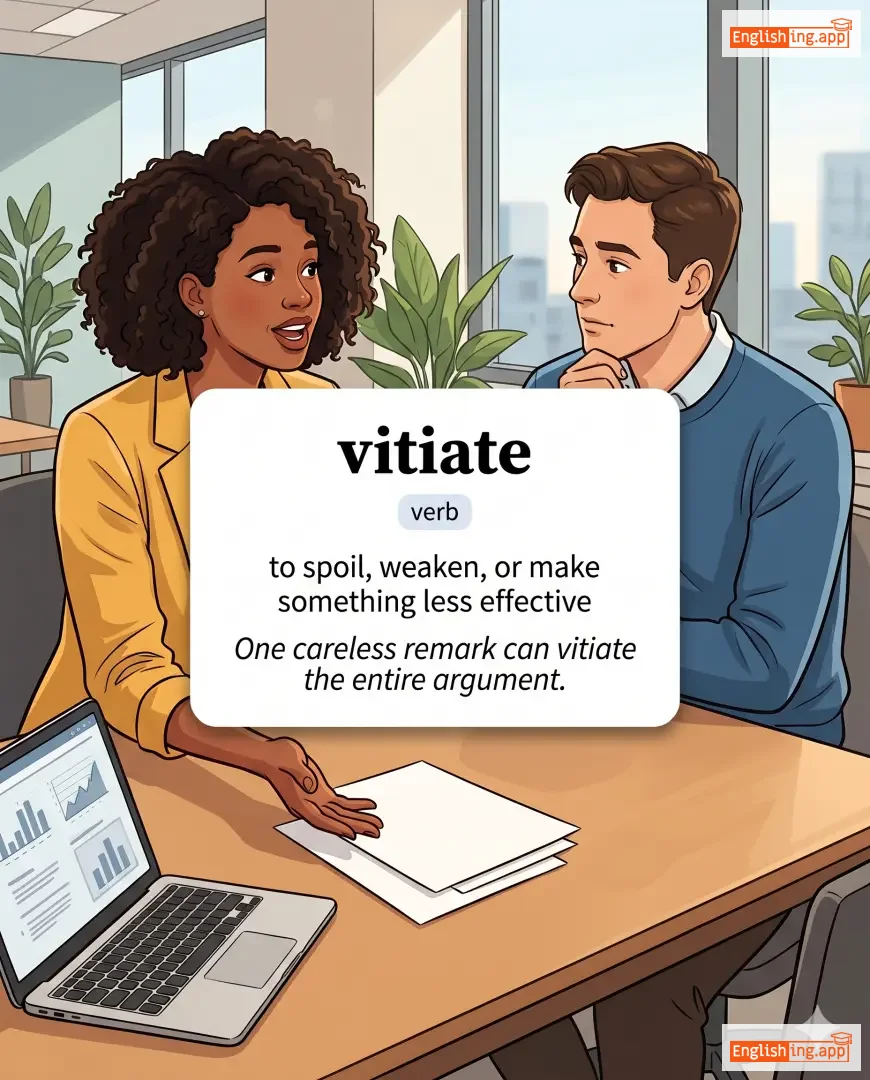
to spoil, weaken, or make something less effective
••••••
|
One careless remark can vitiate the entire argument.
一句不小心的话可能会破坏整个论点。
••••••
|
一句不小心的话可能会破坏整个论点。
Yī jù bù xiǎoxīn de huà kěnéng huì pòhuài zhěnggè lùndiǎn.
••••••
|
- •••••• | - •••••• | - •••••• |
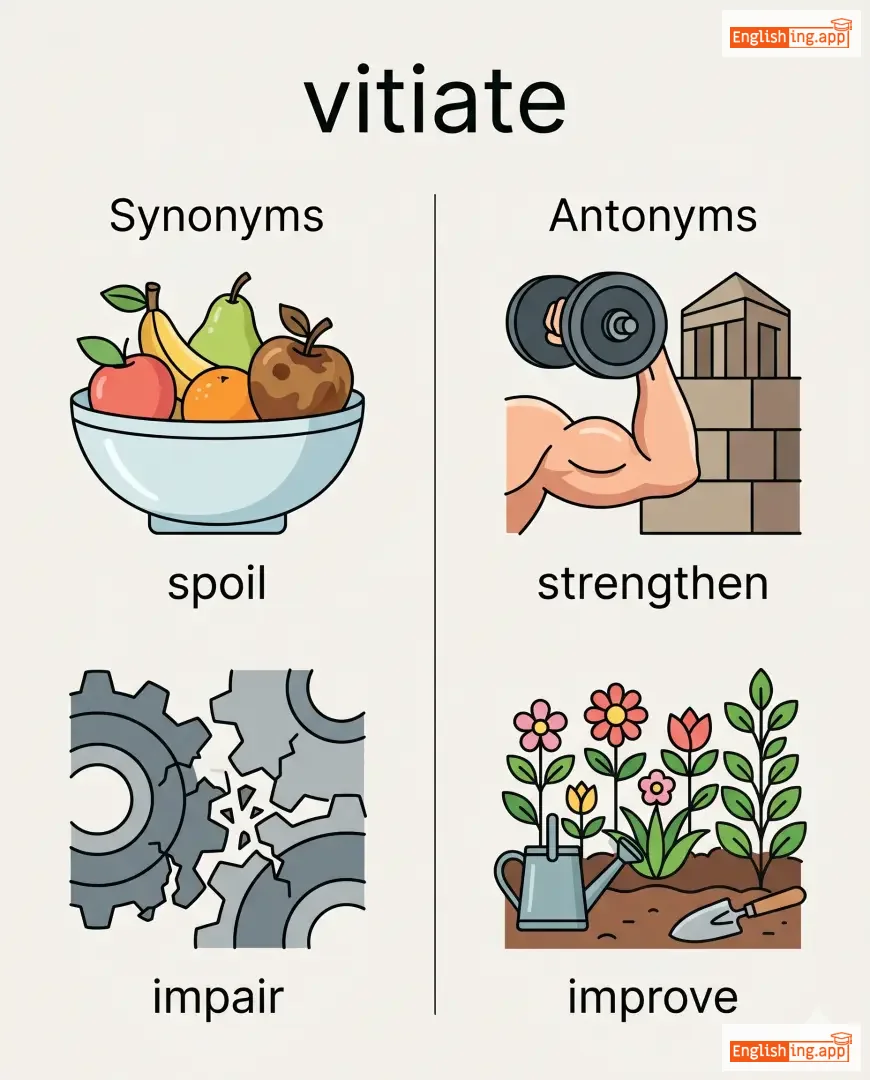
spoil, impair, ruin, corrupt, debase
••••••
|
strengthen, improve, enhance
••••••
|
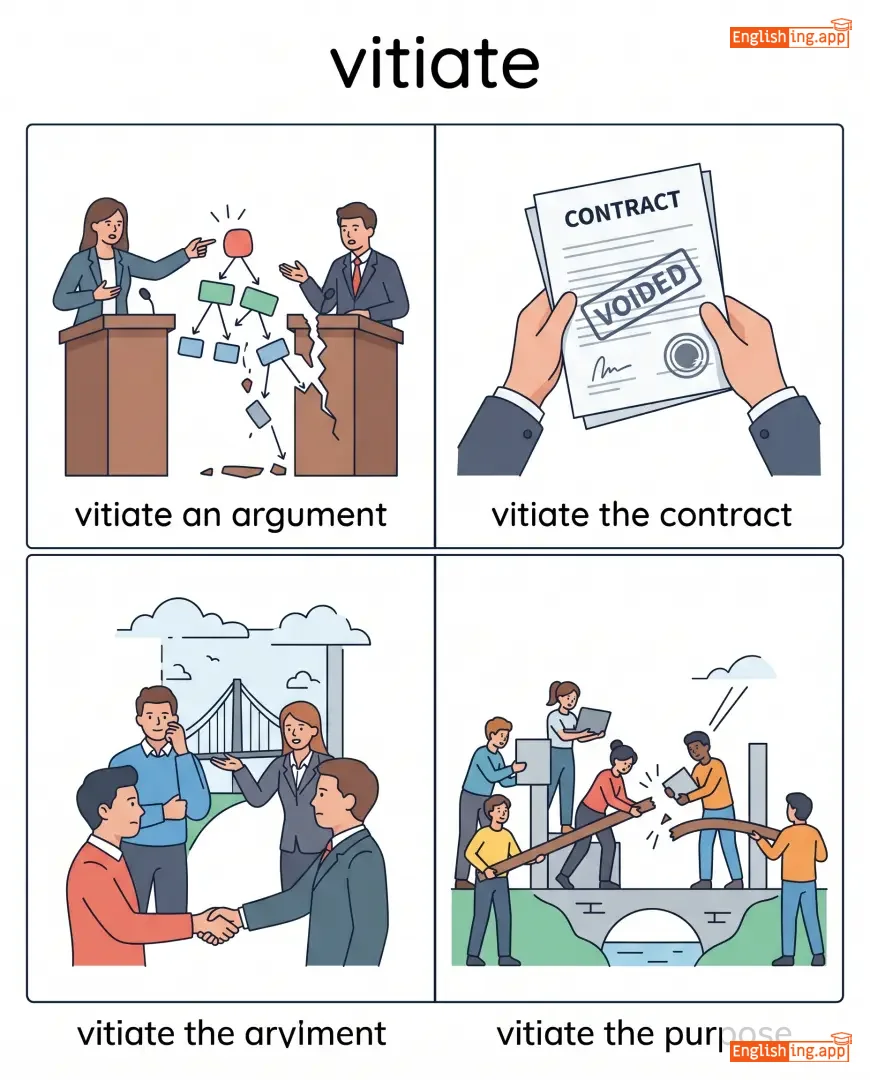
vitiate an argument, vitiate the contract, vitiate the purpose
••••••
|
Vitiate 代表破坏 — 想象一条视频因不小心的评论而被破坏。
••••••
|
|
😡
••••••
|
/vɪˈtjuːpərətɪv/
adjective
(维图帕瑞蒂夫)
••••••
|
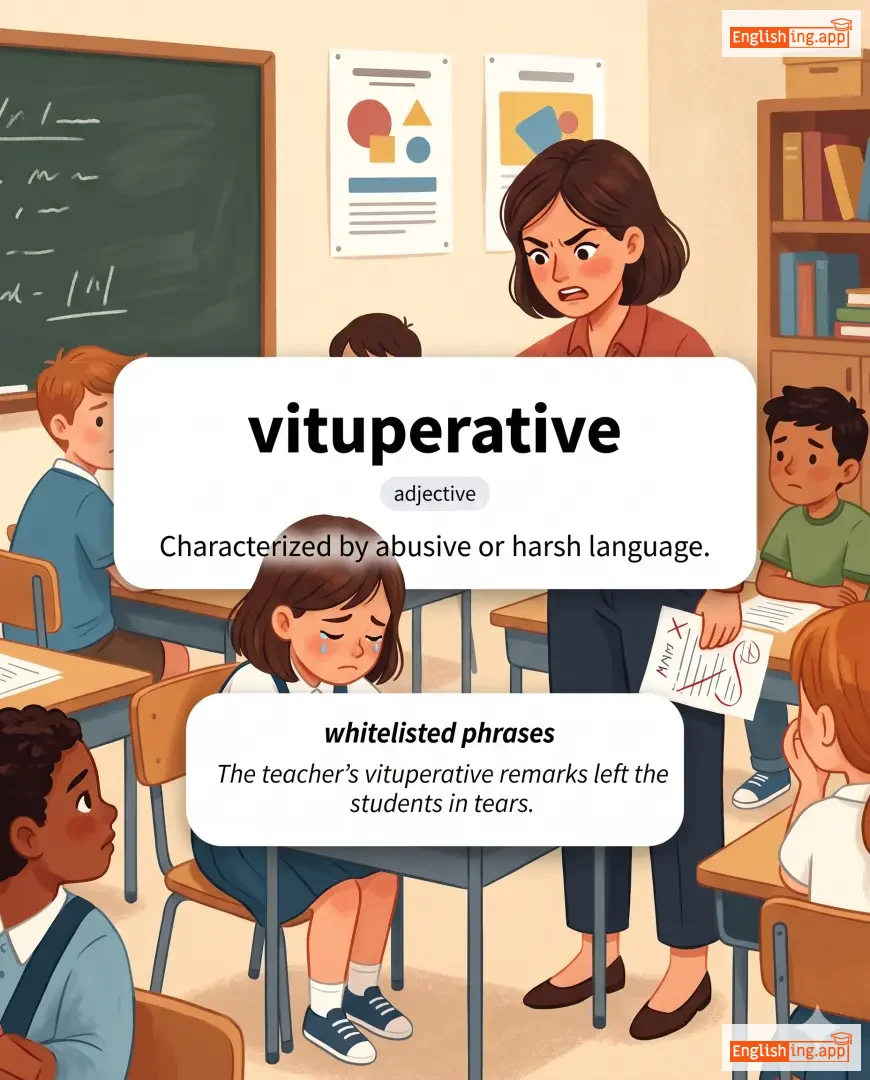
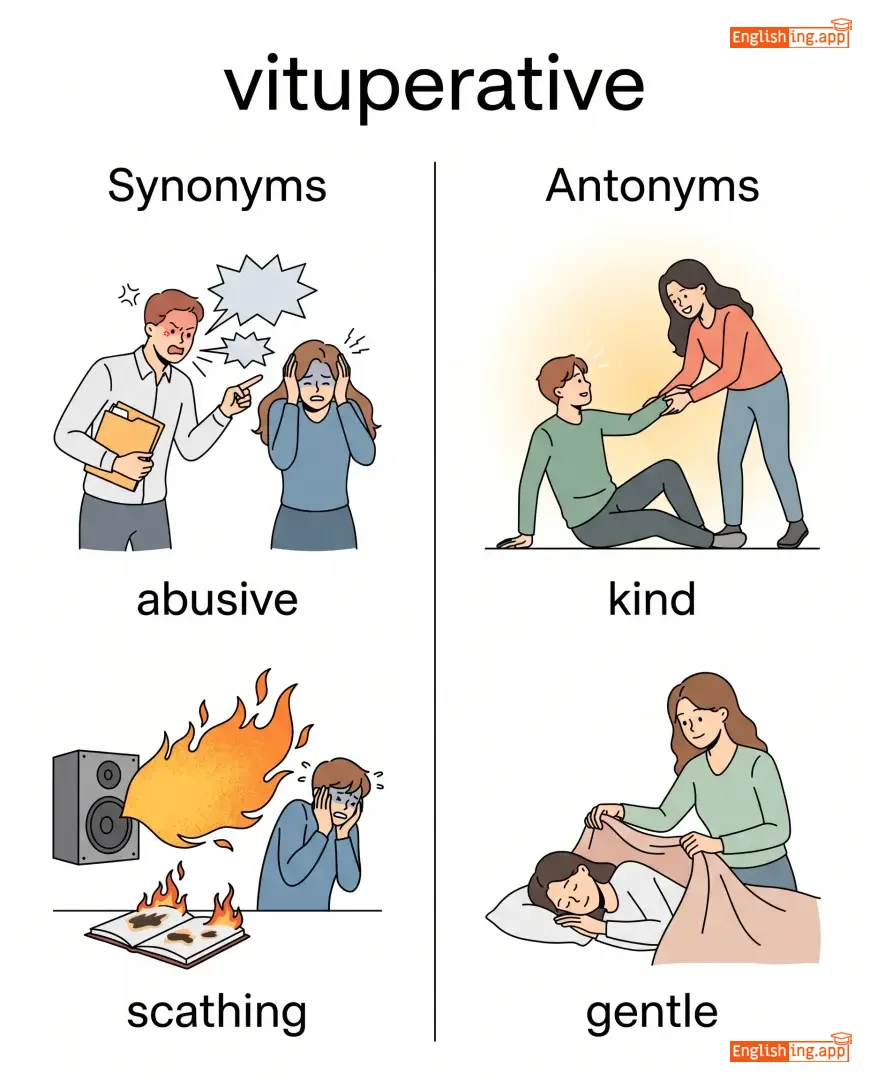
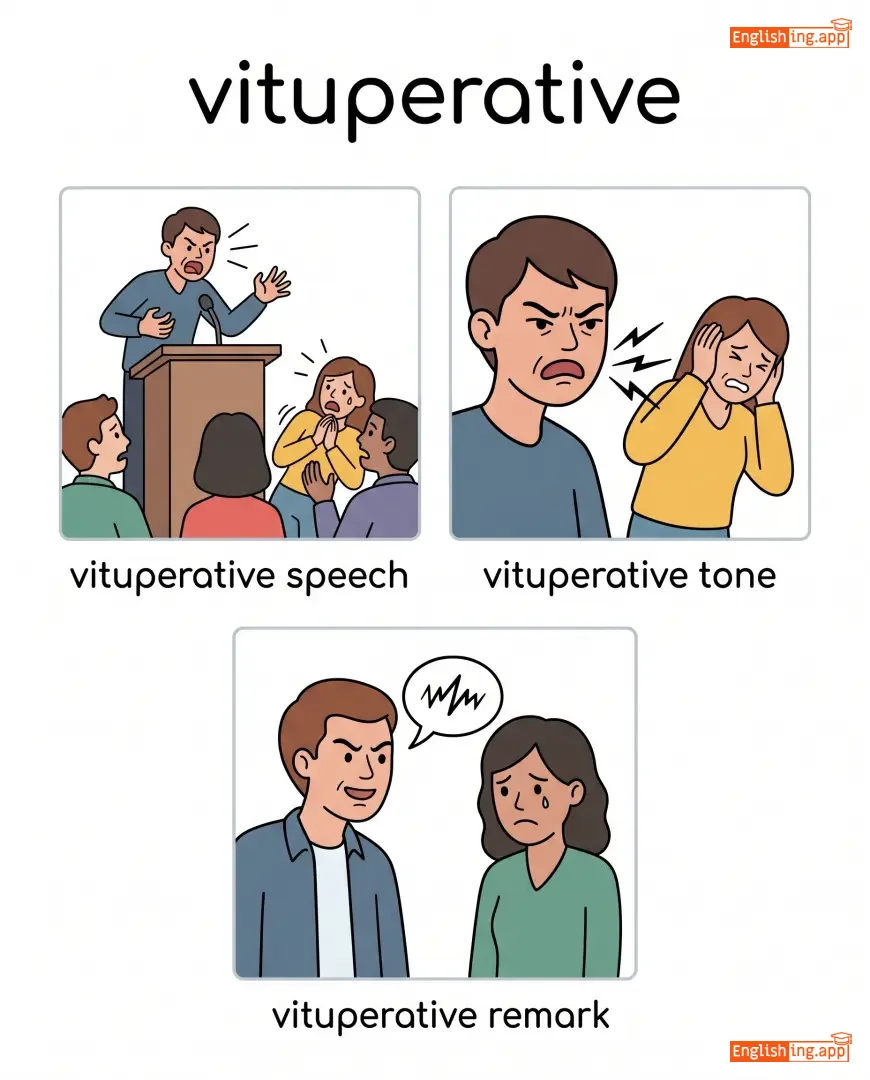
|
辱骂的
rǔmà de
••••••
|
- •••••• | - •••••• | - •••••• | - •••••• |
Characterized by abusive or harsh language.
••••••
|
The teacher’s vituperative remarks left the students in tears. |
老师的辱骂言辞让学生们泪流满面。
Lǎoshī de rǔmà yáncí ràng xuéshēngmen lèi liú mǎn miàn.
••••••
|
- •••••• | - •••••• | - •••••• |
abusive, scathing, insulting, harsh
••••••
|
kind, gentle, respectful
••••••
|
vituperative speech, vituperative tone, vituperative remark
••••••
|
Vituperative 就像是一个愤怒的 VIP 在骂人。
••••••
|
|
🐀
••••••
|
/ˌvɪvɪˈsɛkʃən/
noun
(vīvìsèxiàng)
••••••
|

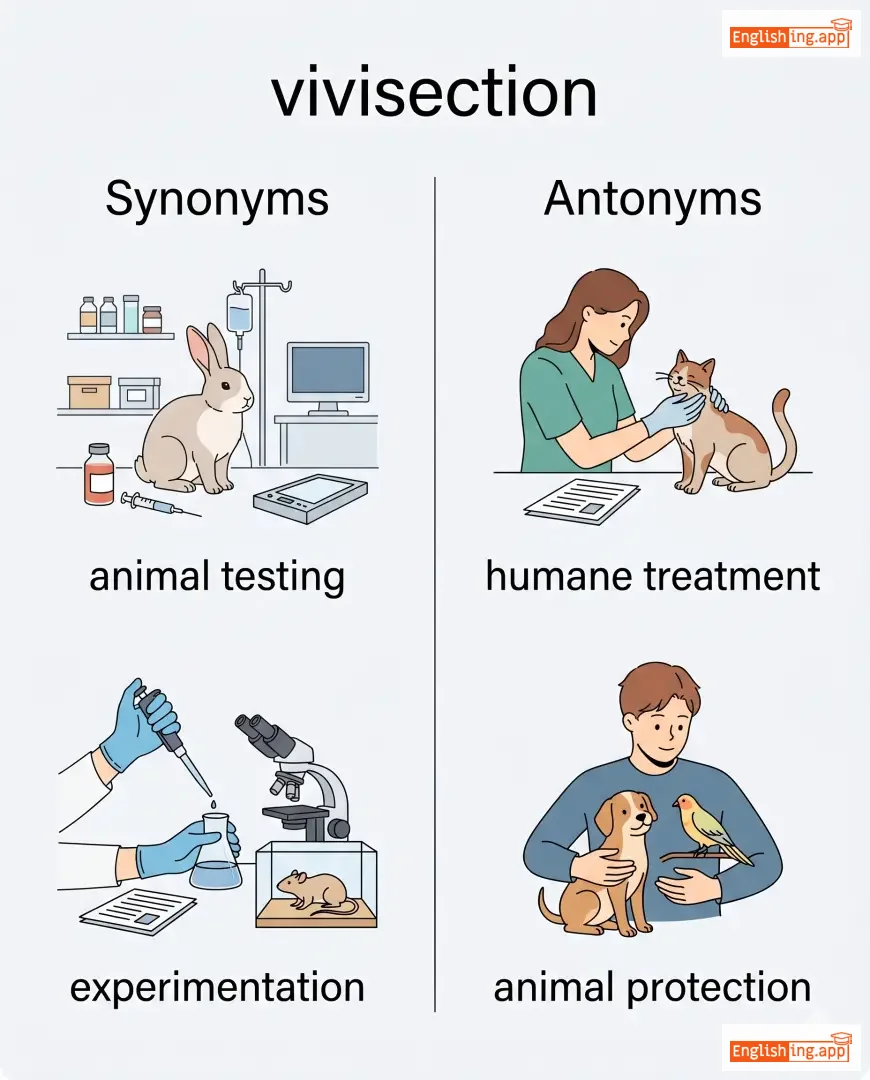

|
在活体动物上进行手术以进行科学研究的实践
zai huǒtǐ dòngwù shàng jìnxíng shǒushù yǐ jìnxíng kēxué yánjiū de shíjiàn
••••••
|
- •••••• | - •••••• | - •••••• | - •••••• |
the practice of performing operations on live animals for scientific research
••••••
|
Vivisection has long been a controversial topic among scientists and animal rights activists. |
活体解剖长期以来一直是科学家和动物权利活动家之间的一个争议话题。
Huǒtǐ jiěpō chángqī yǐlái yīzhí shì kēxuéjiā hé dòngwù quánlì huódòngjiā zhījiān de yīgè zhēngyì huàtí.
••••••
|
- •••••• | - •••••• | - •••••• |
animal testing, experimentation, dissection
••••••
|
humane treatment, animal protection
••••••
|
vivisection debate, oppose vivisection, vivisection research
••••••
|
Vivi表示活的 + section表示切割 = 在活体动物上进行手术
••••••
|
|
👗
••••••
|
/voʊɡ/
noun
(沃格)
••••••
|

|
时尚
shíshàng
••••••
|
- •••••• | - •••••• | - •••••• | - •••••• |
the prevailing fashion, style, or trend at a particular time
••••••
|
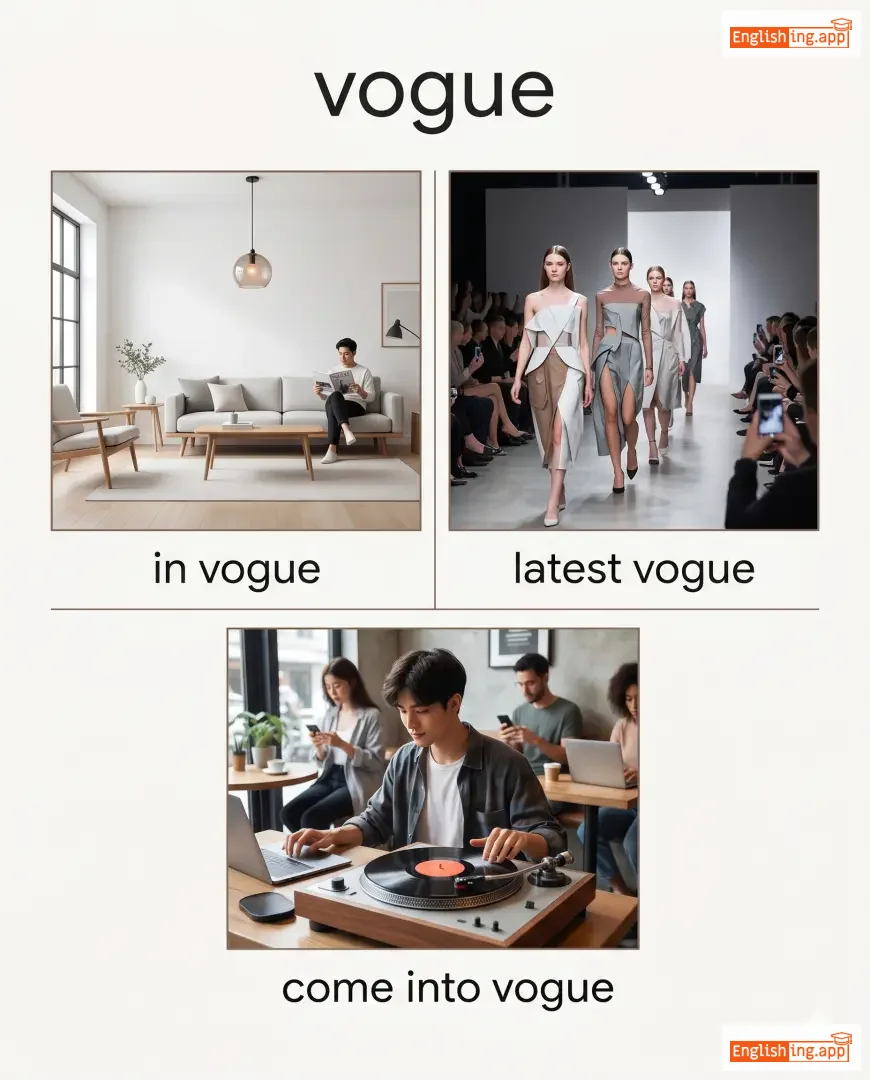
Minimalist design is currently in vogue. |
极简设计目前很时尚。
Jíjiǎn shèjì mùqián hěn shíshàng.
••••••
|
in vogue |
fashionable or popular at a given time
••••••
|
时尚
shíshàng
••••••
|
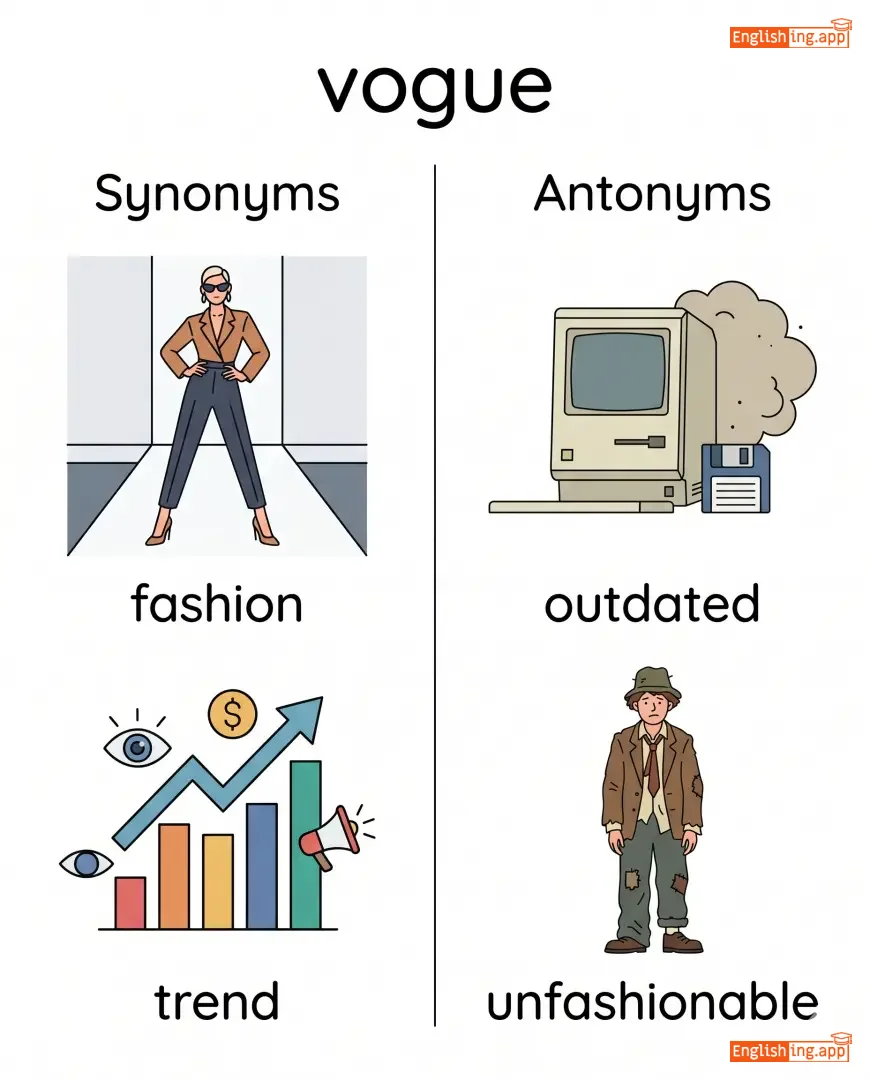
fashion, trend, style, craze, fad
••••••
|
outdated, unfashionable, obsolete
••••••
|
in vogue, latest vogue, come into vogue
••••••
|
Vogue,代表着时尚与流行。
••••••
|
|
⚡
••••••
|
/ˈvɑːlətl/
adjective
(波动的)
••••••
|
|
波动的
bōdòng de
••••••
|
- •••••• | - •••••• | - •••••• | - •••••• |
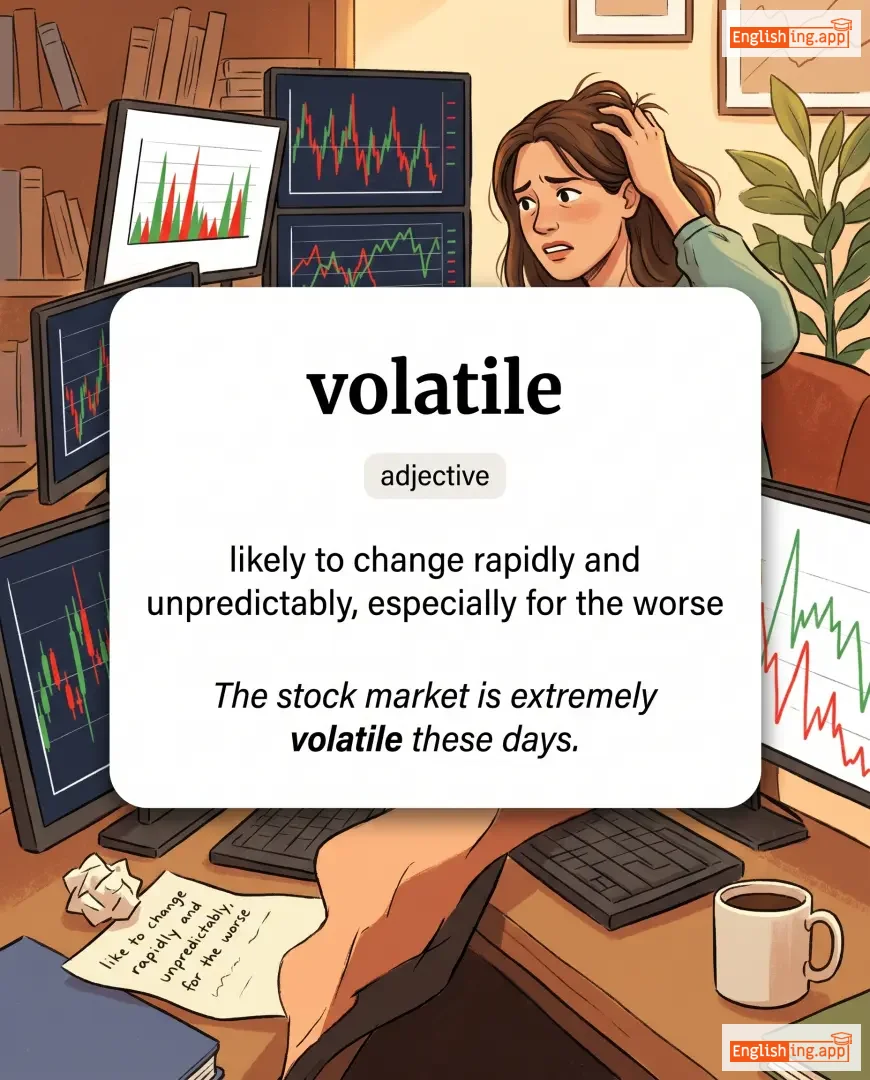
likely to change rapidly and unpredictably, especially for the worse
••••••
|
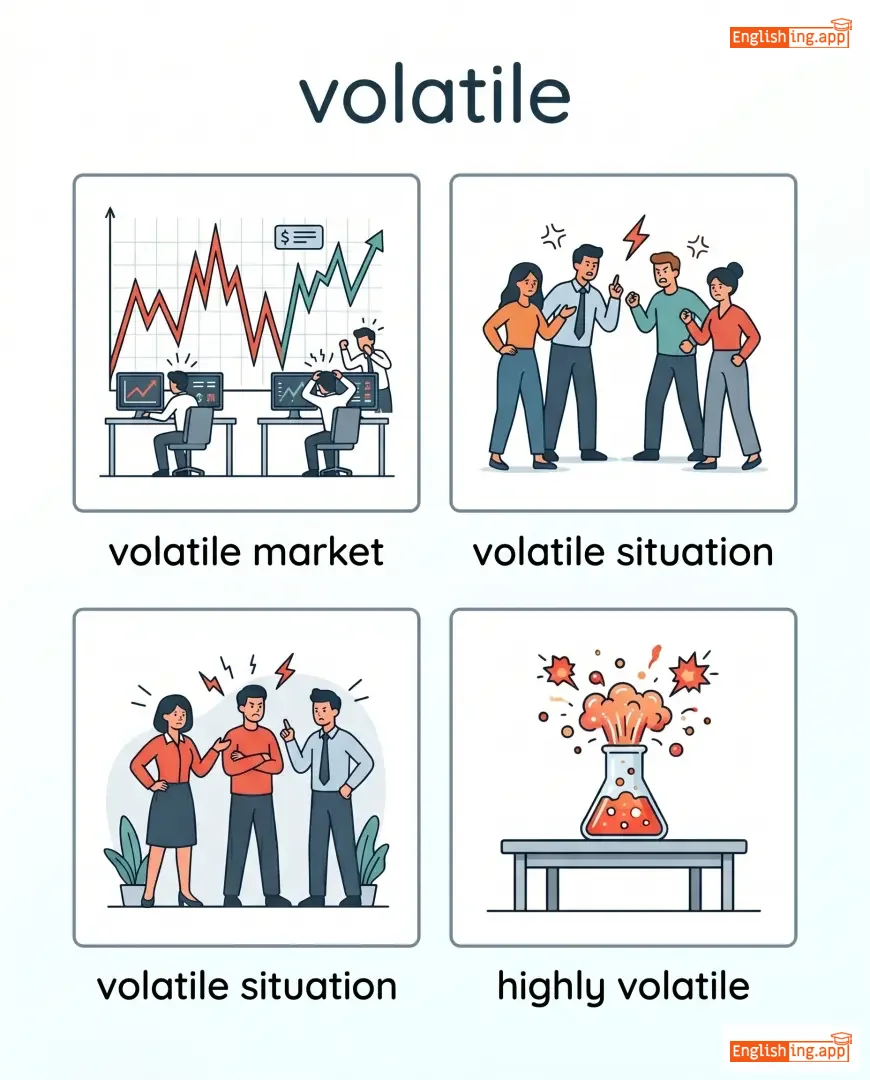
The stock market is extremely volatile these days. |
股市这些天极其波动。
Gǔshì zhèxiē tiān jíqí bōdòng.
••••••
|
volatile situation |
a situation that is unstable and likely to change suddenly
••••••
|
波动的局势
bōdòng de júshì
••••••
|
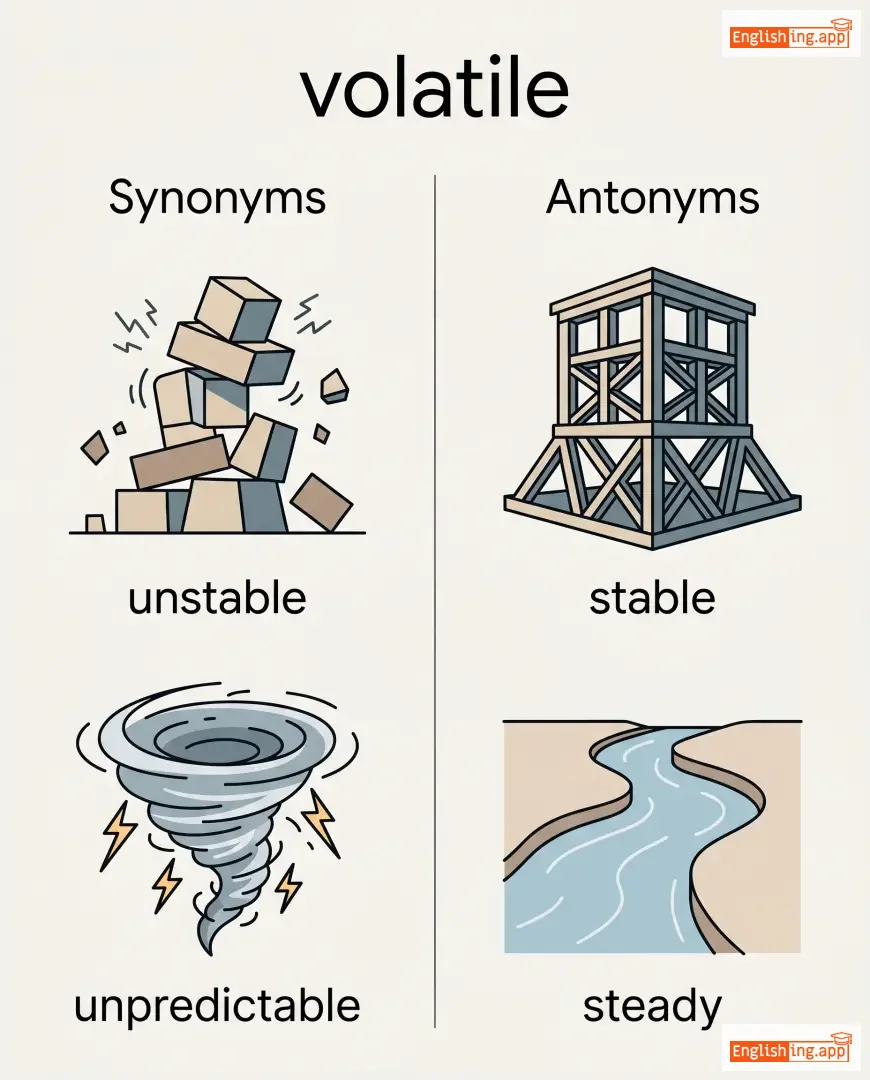
unstable, unpredictable, explosive, fickle
••••••
|
stable, steady, consistent
••••••
|
volatile market, volatile situation, highly volatile
••••••
|
波动的市场快速变化,像股市一样。
••••••
|
|
🌪️
••••••
|
/ˈvɔːrtɛks/
noun
(漩涡)
••••••
|
|
漩涡
xuánwō
••••••
|
- •••••• | - •••••• | - •••••• | - •••••• |
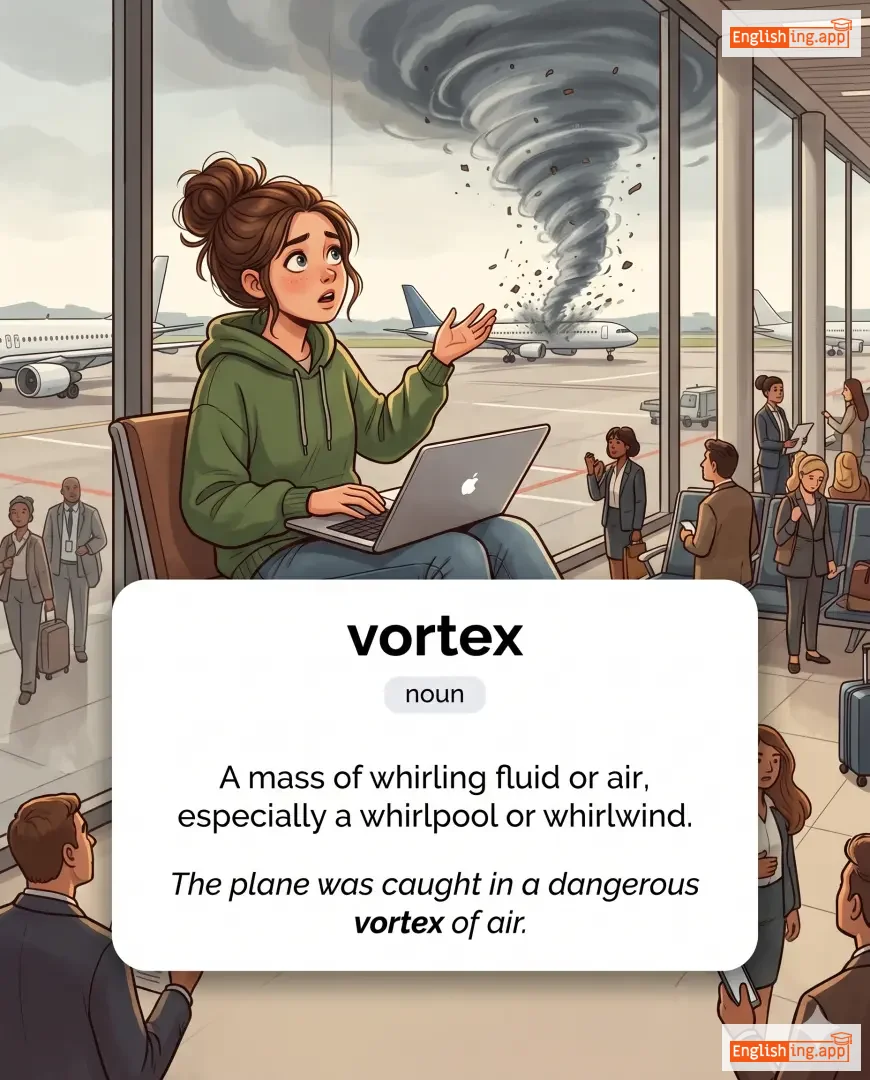
A mass of whirling fluid or air, especially a whirlpool or whirlwind.
••••••
|
The plane was caught in a dangerous vortex of air. |
飞机被困在一个危险的气流漩涡中。
Fēijī bèi kùn zài yīgè wēixiǎn de qìliú xuánwō zhōng.
••••••
|
into the vortex |
to be drawn into a difficult or inescapable situation
••••••
|
进入漩涡
jìnrù xuánwō
••••••
|
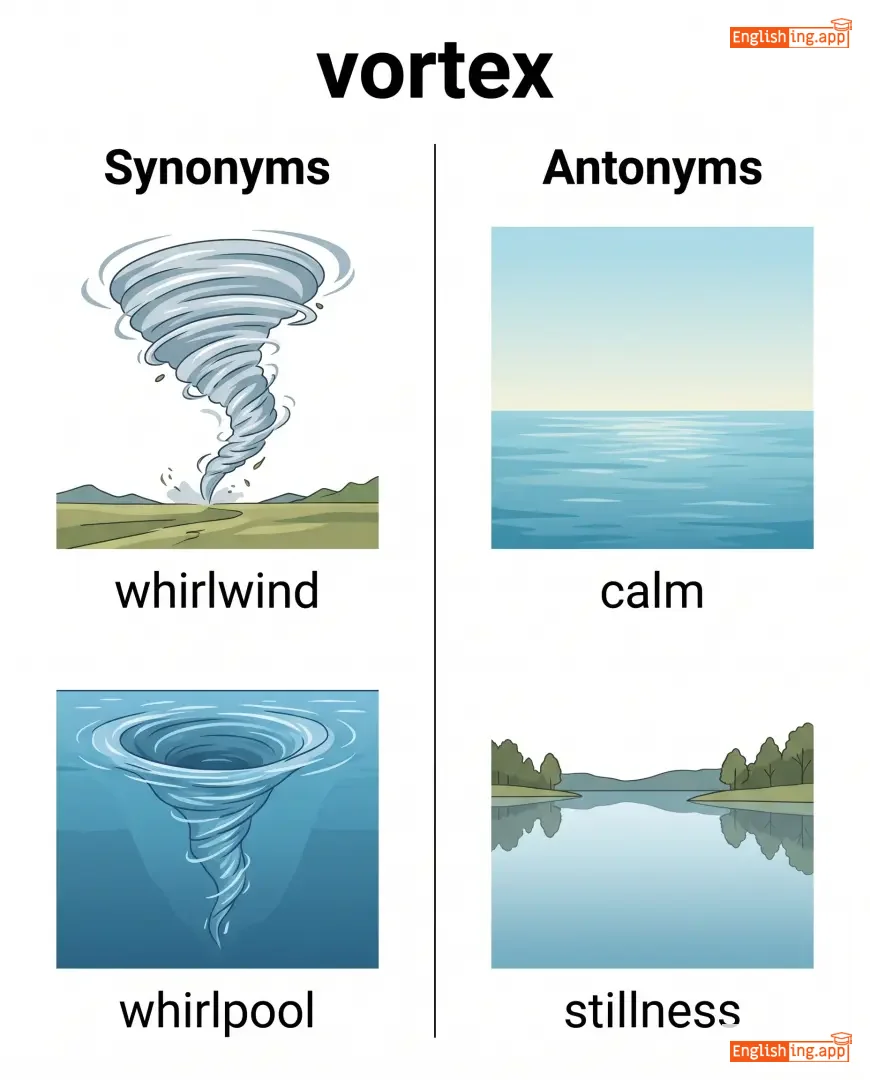
whirlwind, whirlpool, eddy, cyclone, spiral
••••••
|
calm, stillness
••••••
|
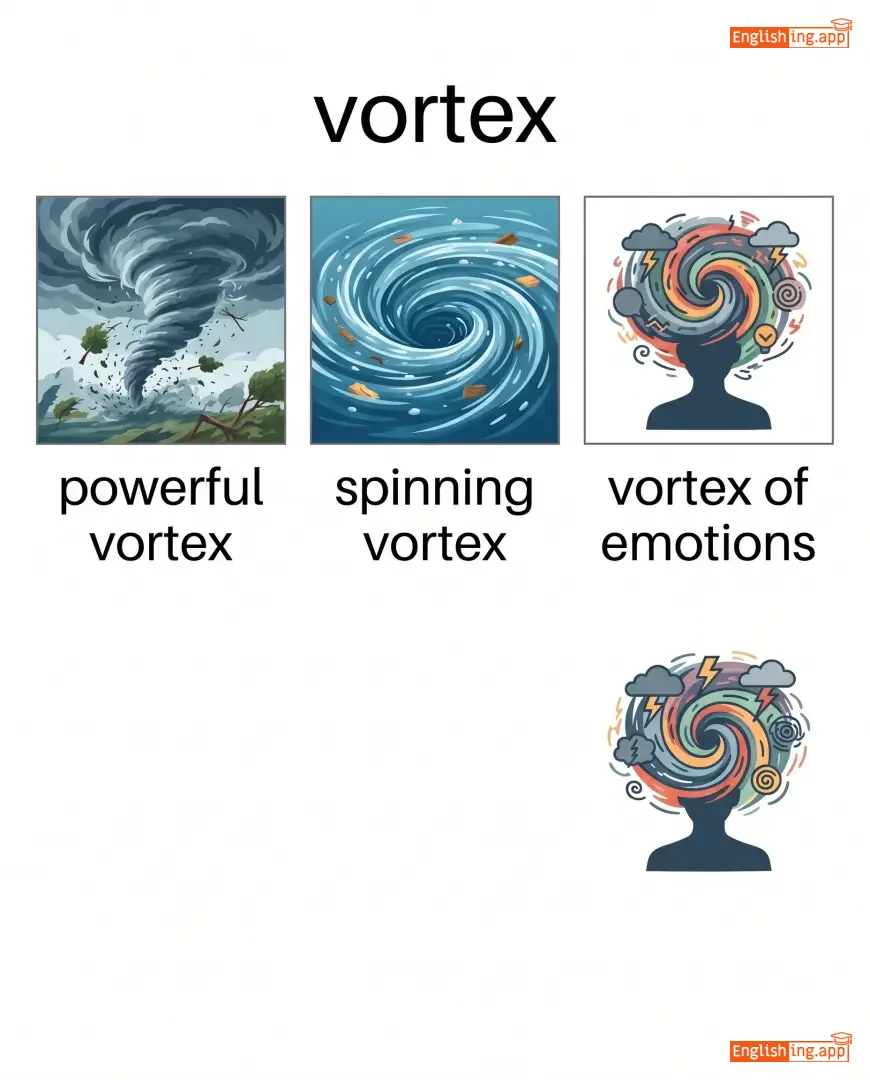
powerful vortex, spinning vortex, vortex of emotions
••••••
|
Vortex,像'vote rex',想象风在漩涡中像龙卷风一样旋转
••••••
|
|
✅
••••••
|
/ˈwɒrəntɪd/
adjective/verb
(warranted)
••••••
|

|
有理由的
you liyi de
••••••
|
warranted
warranted
••••••
|
warranted
warranted
••••••
|
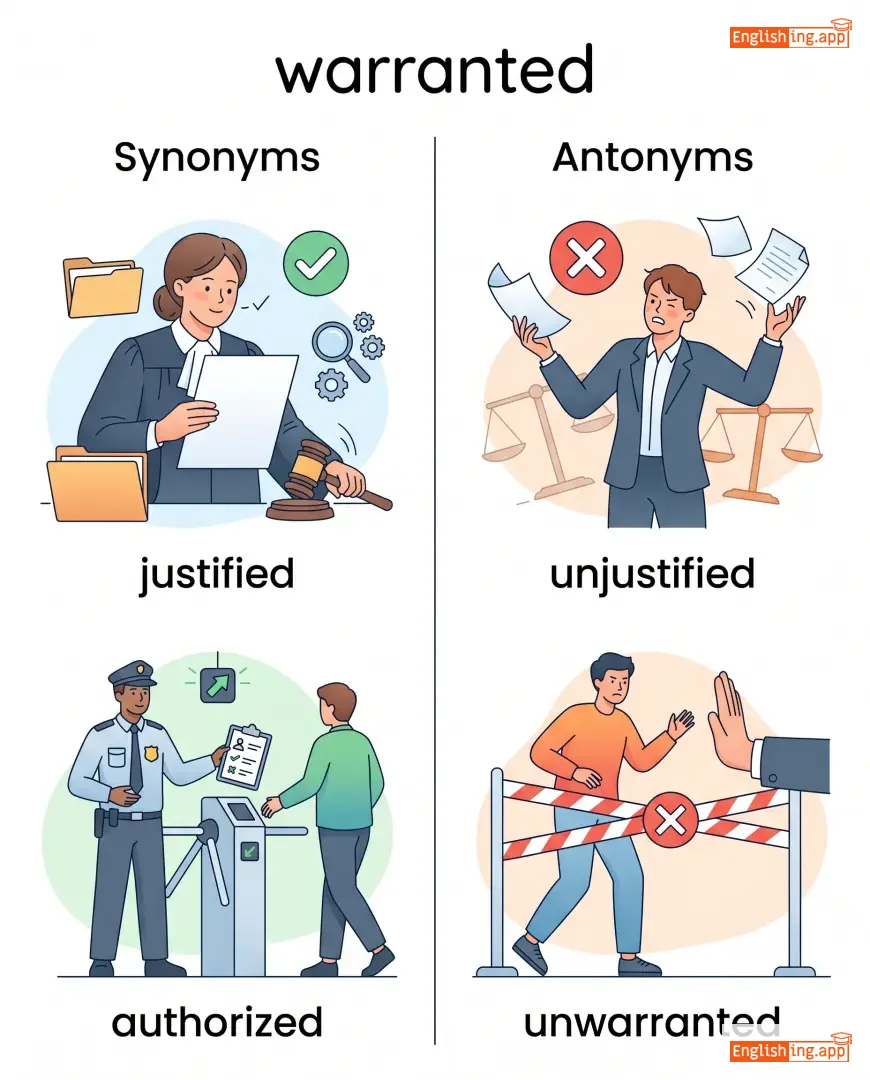
- •••••• | - •••••• |
Justified or authorized under the circumstances.
••••••
|
Her anger was warranted after the unfair treatment.
她的愤怒在不公平的待遇之后是有理由的。
••••••
|
她的愤怒在不公平的待遇之后是有理由的。
Ta de fen nu zai bu gongping de daiyu zhi hou shi you liyi de.
••••••
|
- •••••• | - •••••• | - •••••• |
justified, authorized, reasonable, valid
••••••
|
unjustified, unwarranted, invalid
••••••
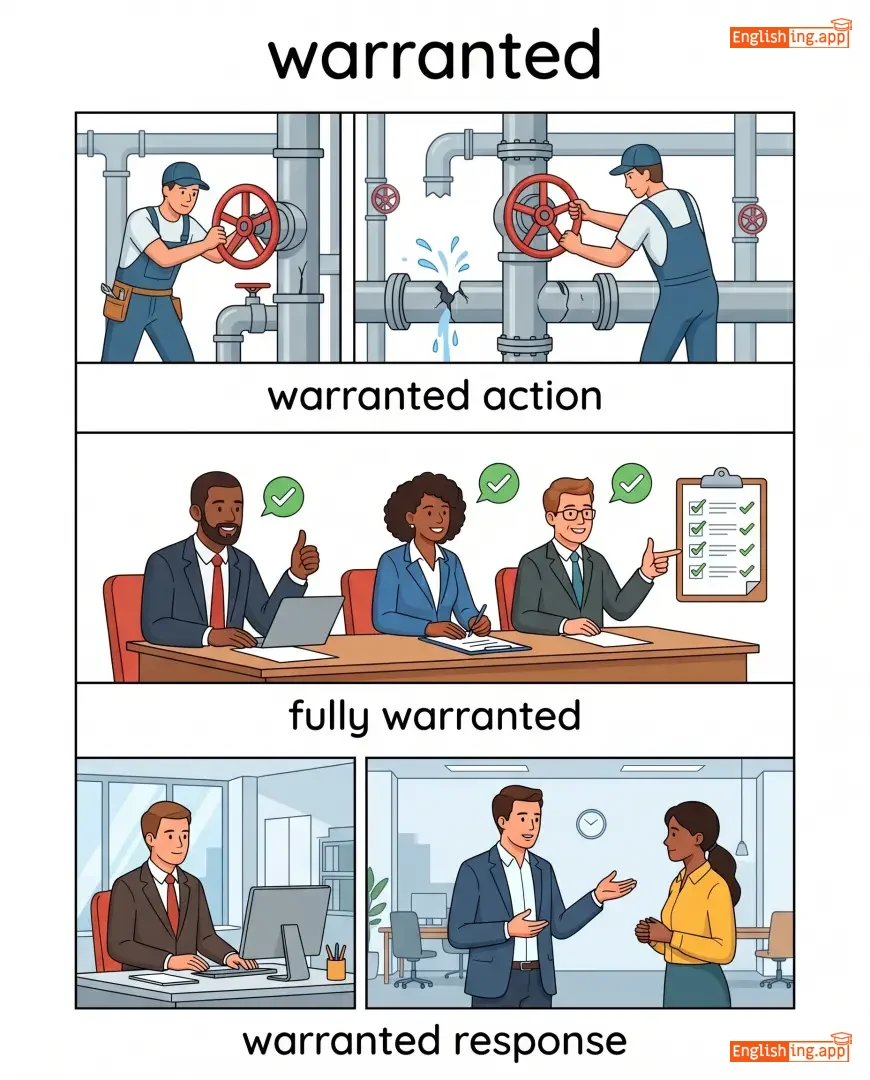
|
warranted action, fully warranted, warranted response, legally warranted
••••••
|
如果某事是正当的,它就是 WARRANTED ✅
••••••
|
|
👀
••••••
|
/ˈweəri/
adjective
(wēi rì)
••••••
|
|
小心的
wary
••••••
|
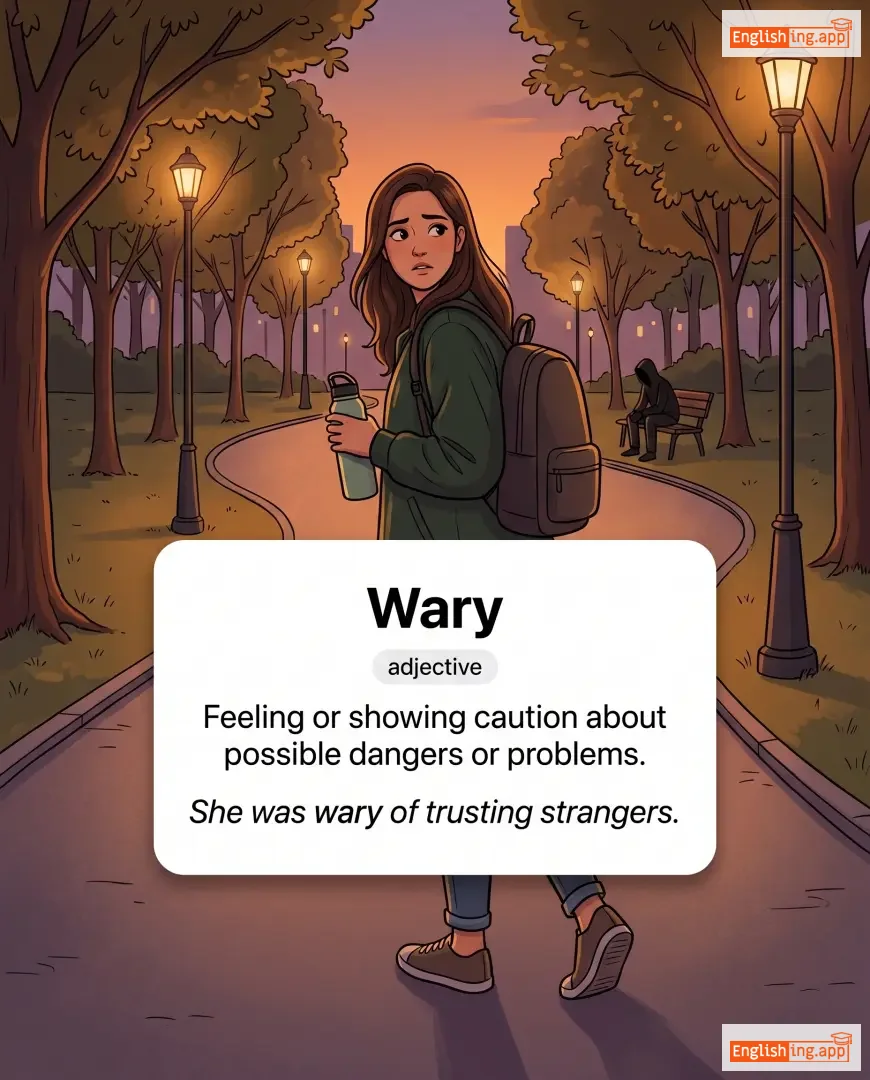
- •••••• | - •••••• | - •••••• | - •••••• |
Feeling or showing caution about possible dangers or problems.
••••••
|
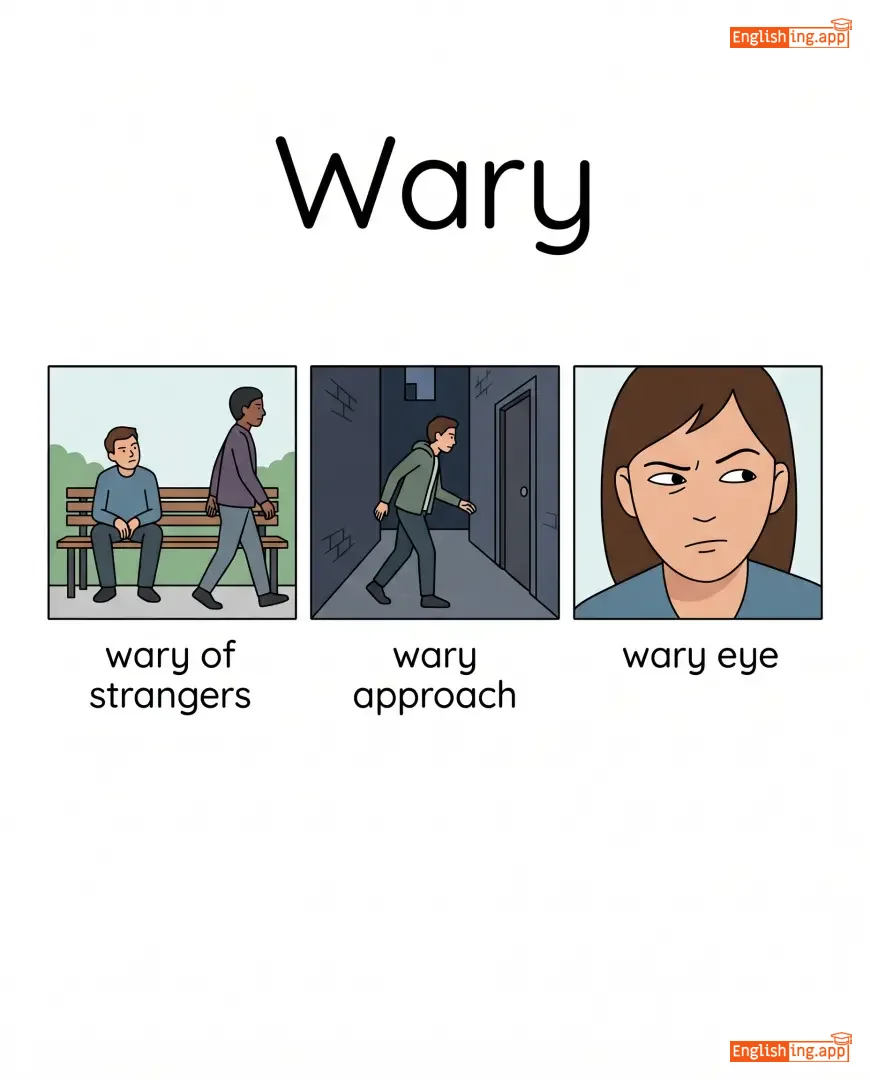
She was wary of trusting strangers. |
她对相信陌生人保持警惕。
Tā duì xiāngxìn mòshēngrén bǎochí jǐngtì.
••••••
|
wary eye |
A cautious and watchful look
••••••
|
警惕的目光
Jǐngtì de mùguāng
••••••
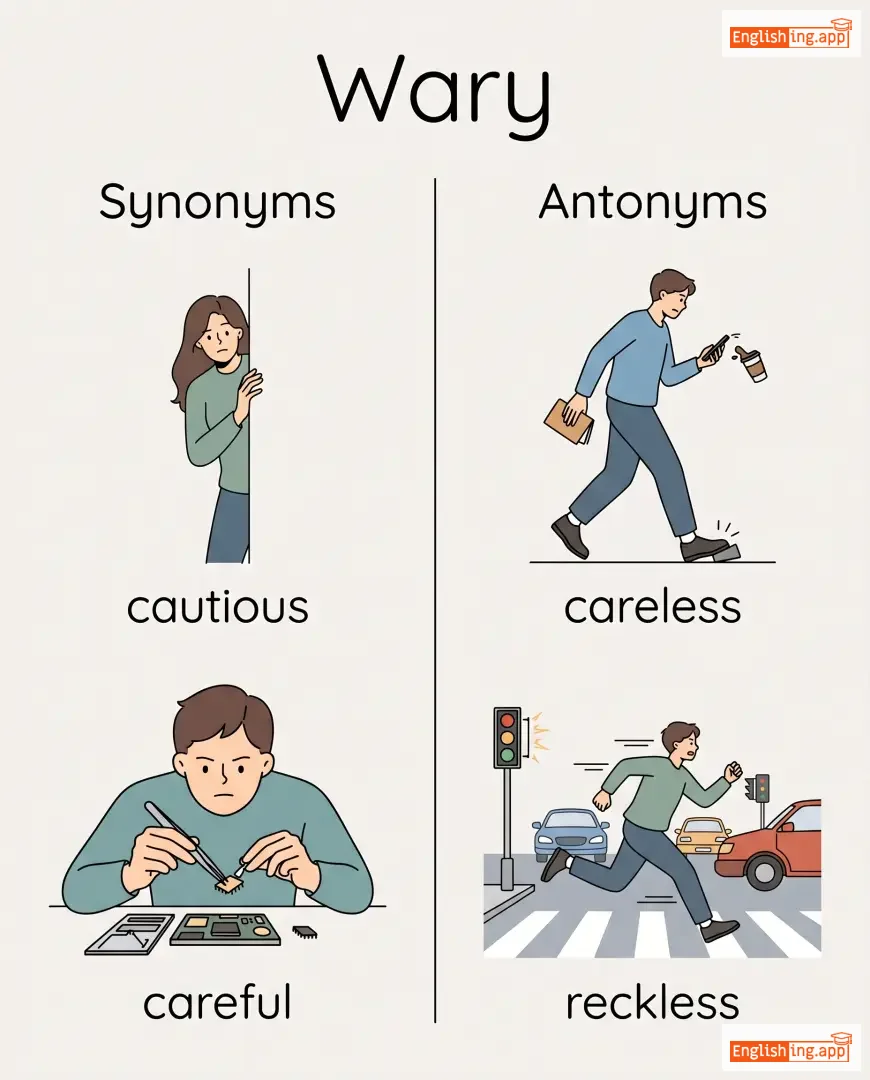
|
cautious, careful, alert, suspicious, vigilant
••••••
|
careless, reckless, unwary
••••••
|
wary of strangers, wary approach, wary eye, be wary
••••••
|
Wary = Very 小心的 – 'wary'意味着总是小心!
••••••
|
|
🌊
••••••
|
/ˈwɛltər/
verb
(韦尔特)
••••••
|
|
在混乱中翻滚
zai hunluan zhong fengun
••••••
|
weltered
韦尔特德
••••••
|
weltered
韦尔特德
••••••
|
welters
韦尔特斯
••••••
|
weltering
韦尔特灵
••••••
|
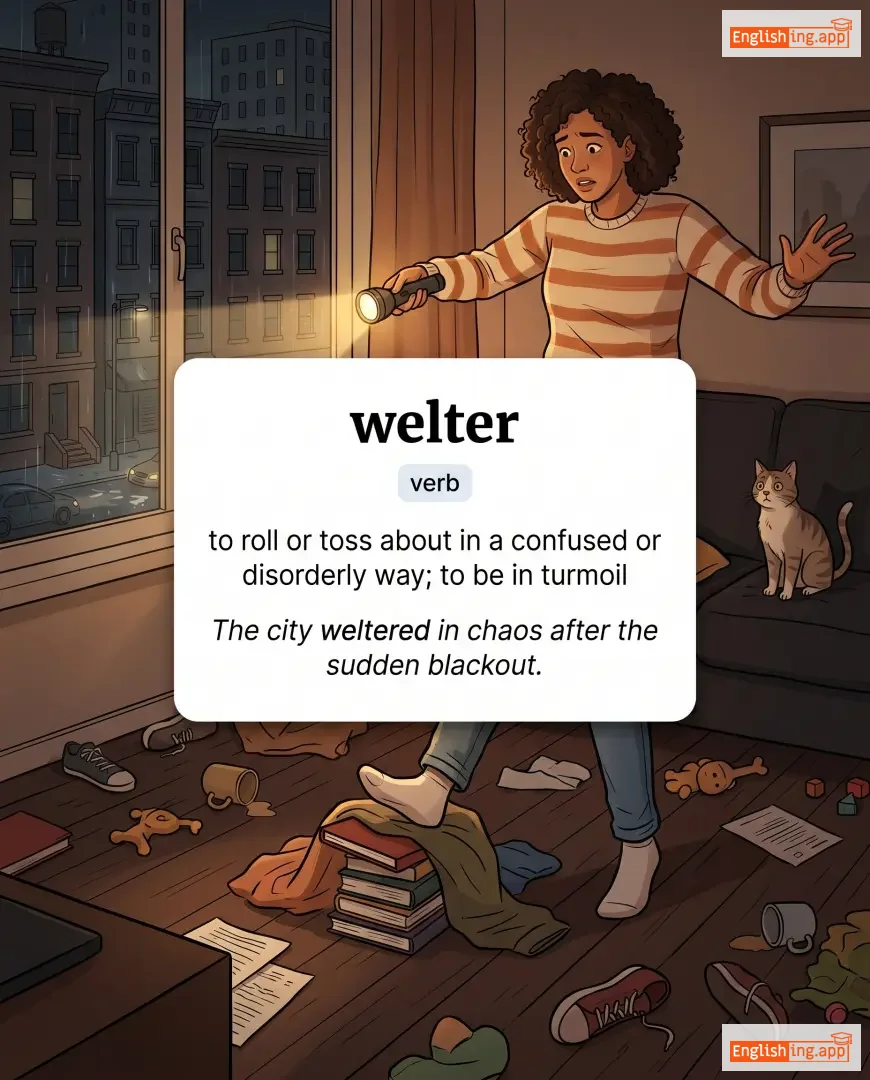
to roll or toss about in a confused or disorderly way; to be in turmoil
••••••
|
The city weltered in chaos after the sudden blackout.
城市在突然的停电后陷入混乱。
••••••
|
城市在突然的停电后陷入混乱。
Chéngshì zài túrán de tíngdiàn hòu xiànrù hùnluàn.
••••••
|
- •••••• | - •••••• | - •••••• |
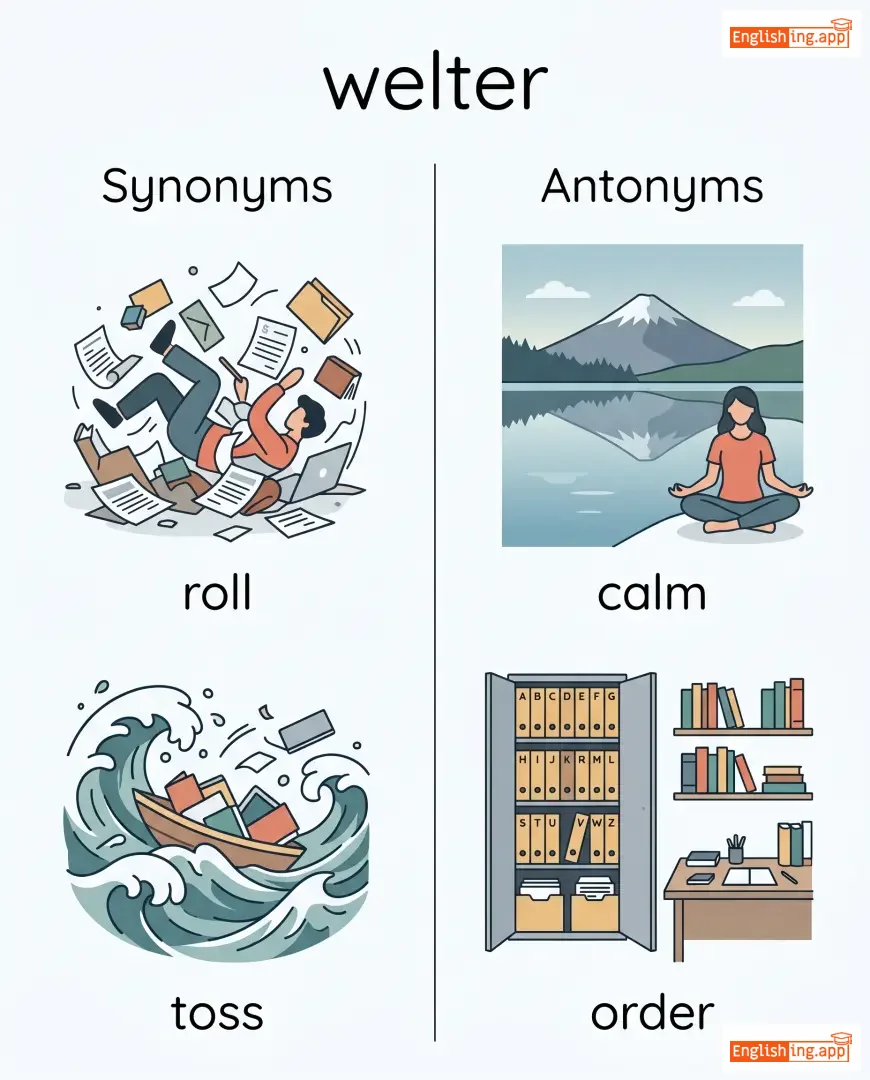
roll, toss, wallow, flounder, writhe
••••••
|
calm, order, stability
••••••
|
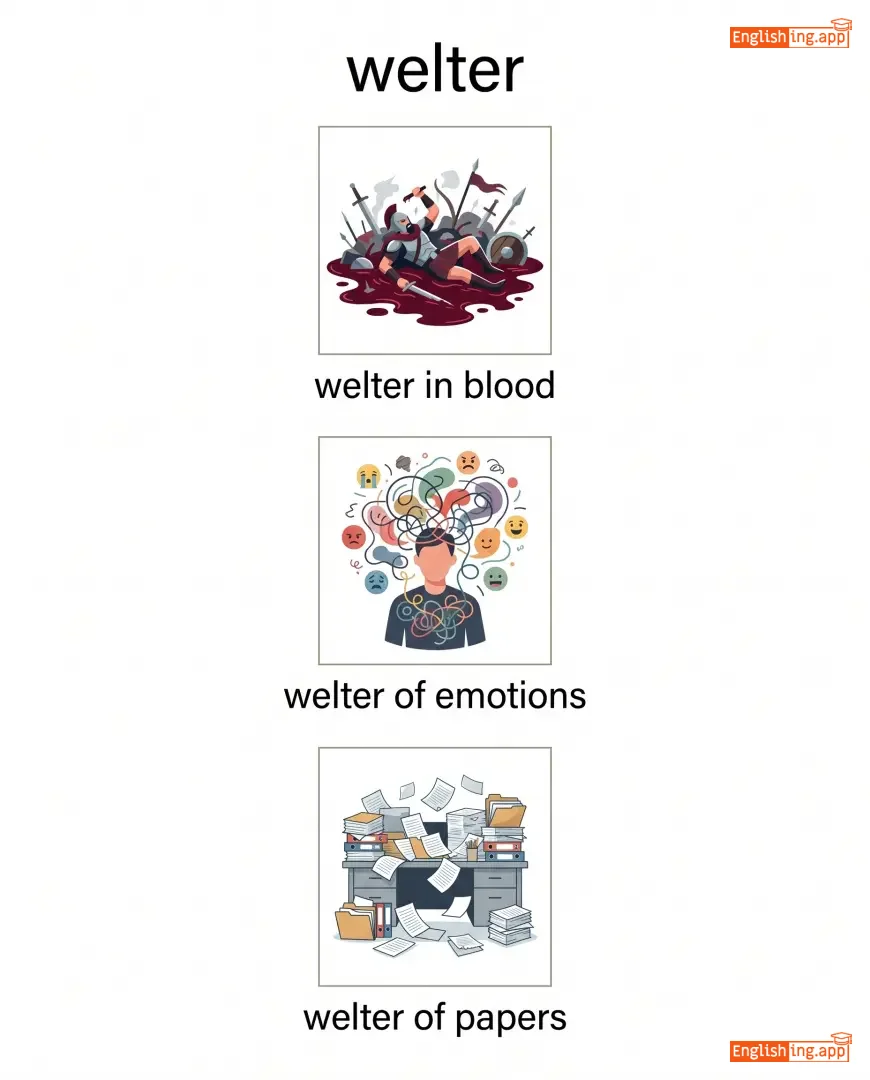
welter in blood, welter of emotions, welter of papers
••••••
|
Well ter (welter) 让一切陷入混乱。
••••••
|
|
🎭
••••••
|
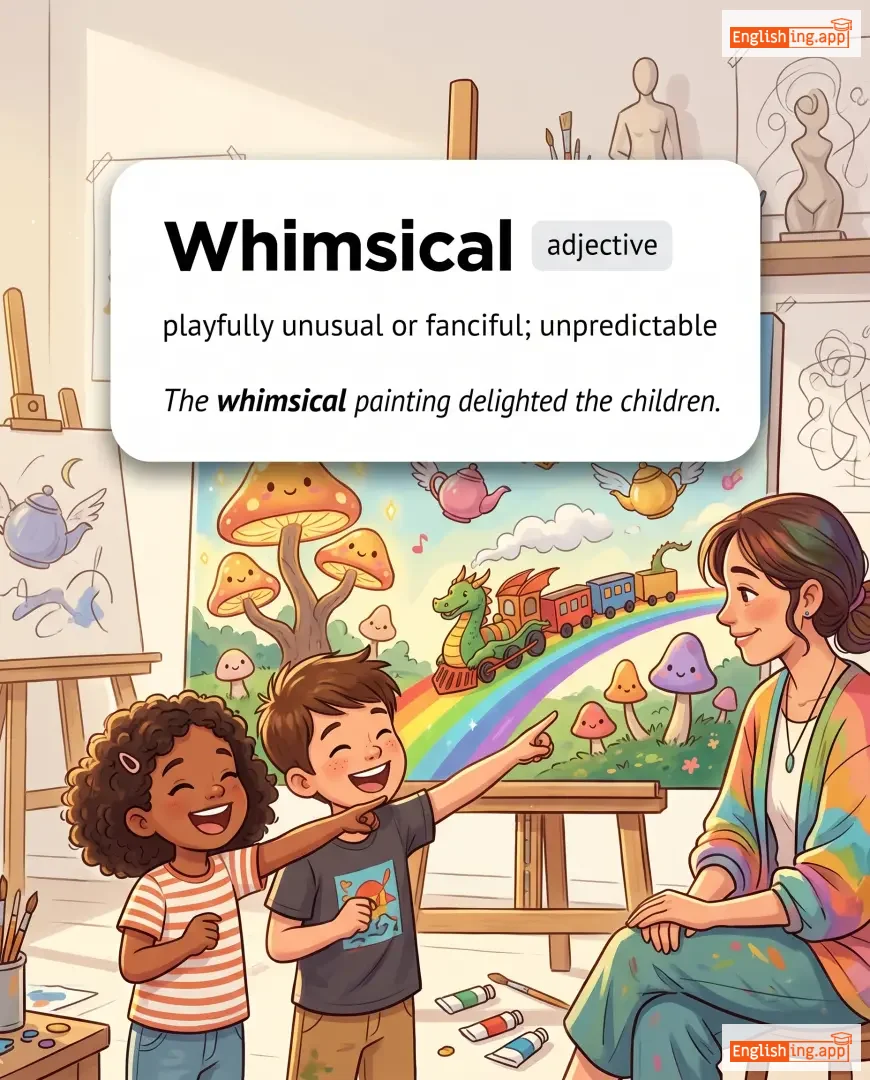
/ˈwɪm.zɪ.kəl/
adjective
(wēimìsī kǎo)
••••••
|
|
异想天开; 古怪
yìxiǎngtiānkāi; gǔguài
••••••
|
- •••••• | - •••••• | - •••••• | - •••••• |
playfully quaint or fanciful, especially in an appealing and amusing way
••••••
|
The artist created whimsical sculptures that delighted children.
艺术家创作了富有奇思妙想的雕塑,令孩子们开心。
••••••
|
艺术家创作了富有奇思妙想的雕塑,令孩子们开心。
Yìshùjiā chuàngzuòle fùyǒu qí sī miào xiǎng de diāosù, lìng háizimen kāixīn.
••••••
|
- •••••• | - •••••• | - •••••• |
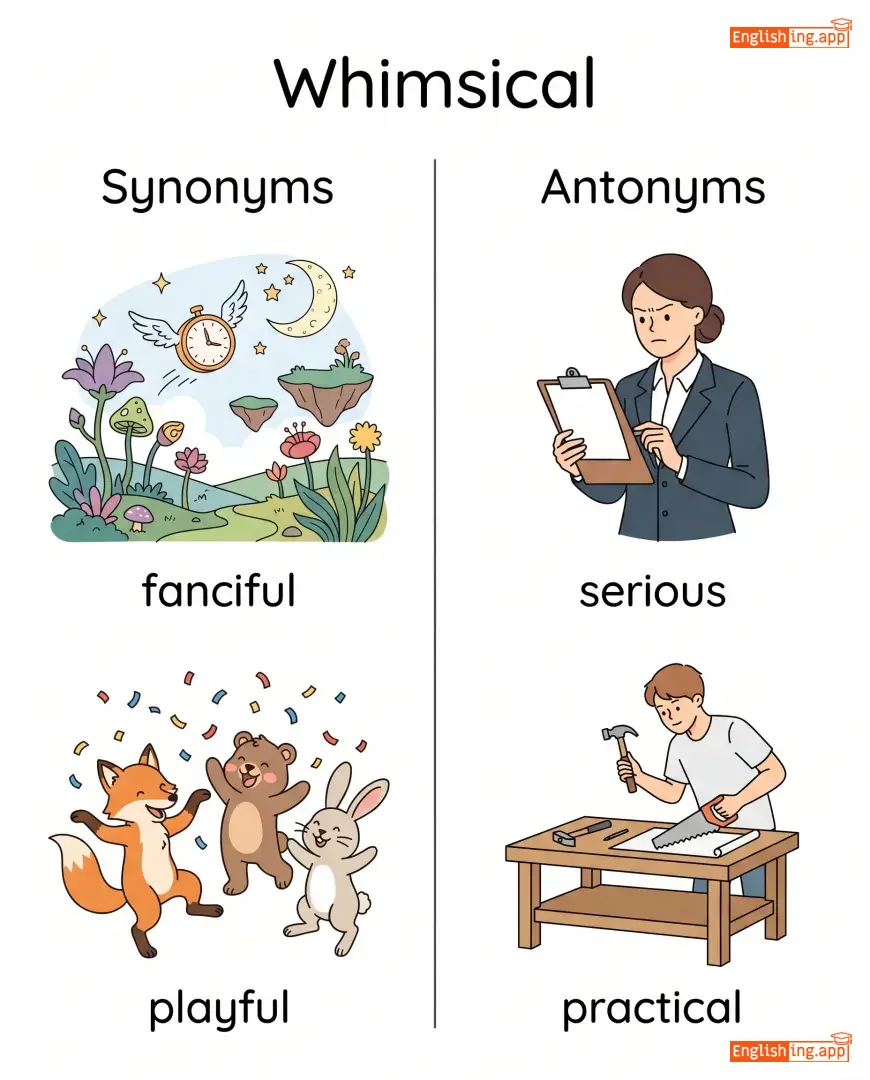
fanciful, playful, quirky, imaginative
••••••
|
serious, solemn, practical, realistic
••••••
|
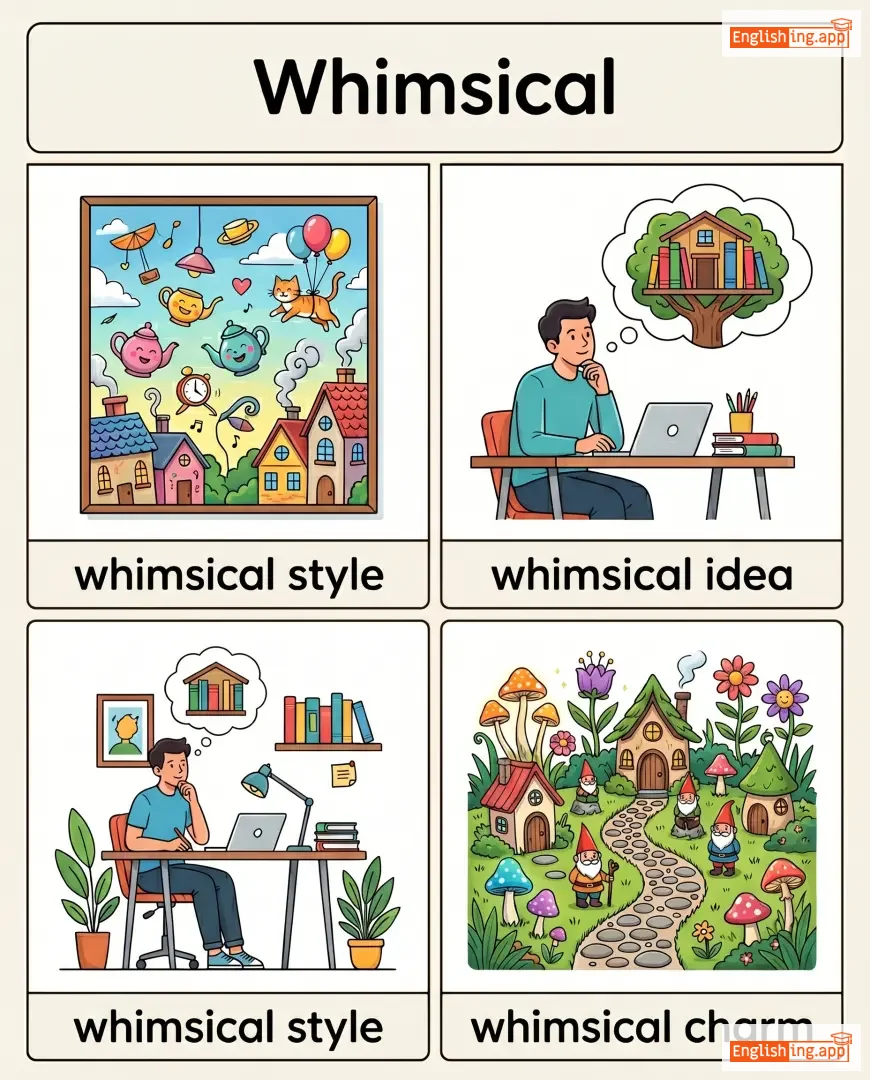
whimsical character, whimsical design, whimsical story
••••••
|
A whimsical artist creates quirky and playful sculptures for kids!
••••••
|
|
😔
••••••
|
/ˈwɪst.fəl/
adjective
(威斯特福尔)
••••••
|
|
渴望的; 忧郁的
kewang de; youyu de
••••••
|
- •••••• | - •••••• | - •••••• | - •••••• |
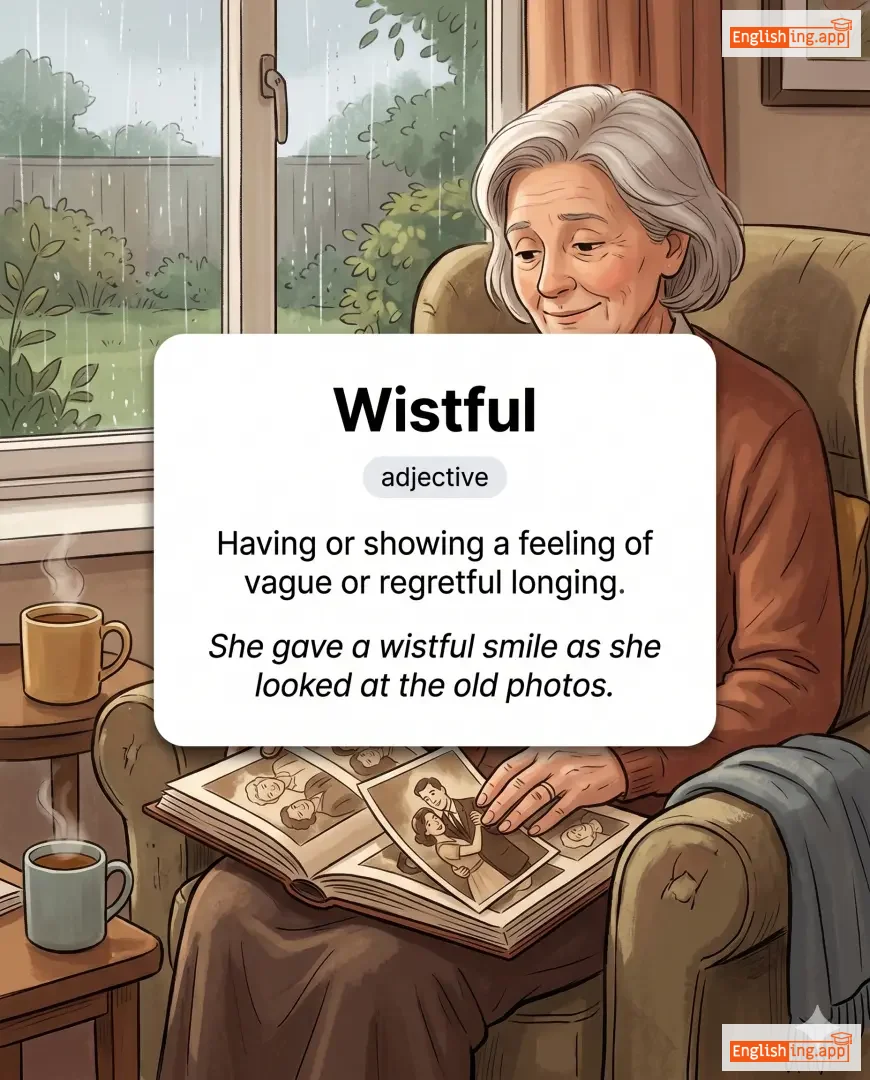
having a feeling of longing or yearning; melancholy
••••••
|
She gave a wistful smile when remembering her childhood days.
她在回忆起童年时,露出了一丝惆怅的微笑。
••••••
|
她在回忆起童年时,露出了一丝惆怅的微笑。
Ta zai huiyi qi tongnian shi, luchu le yi si chou chang de weixiao.
••••••
|
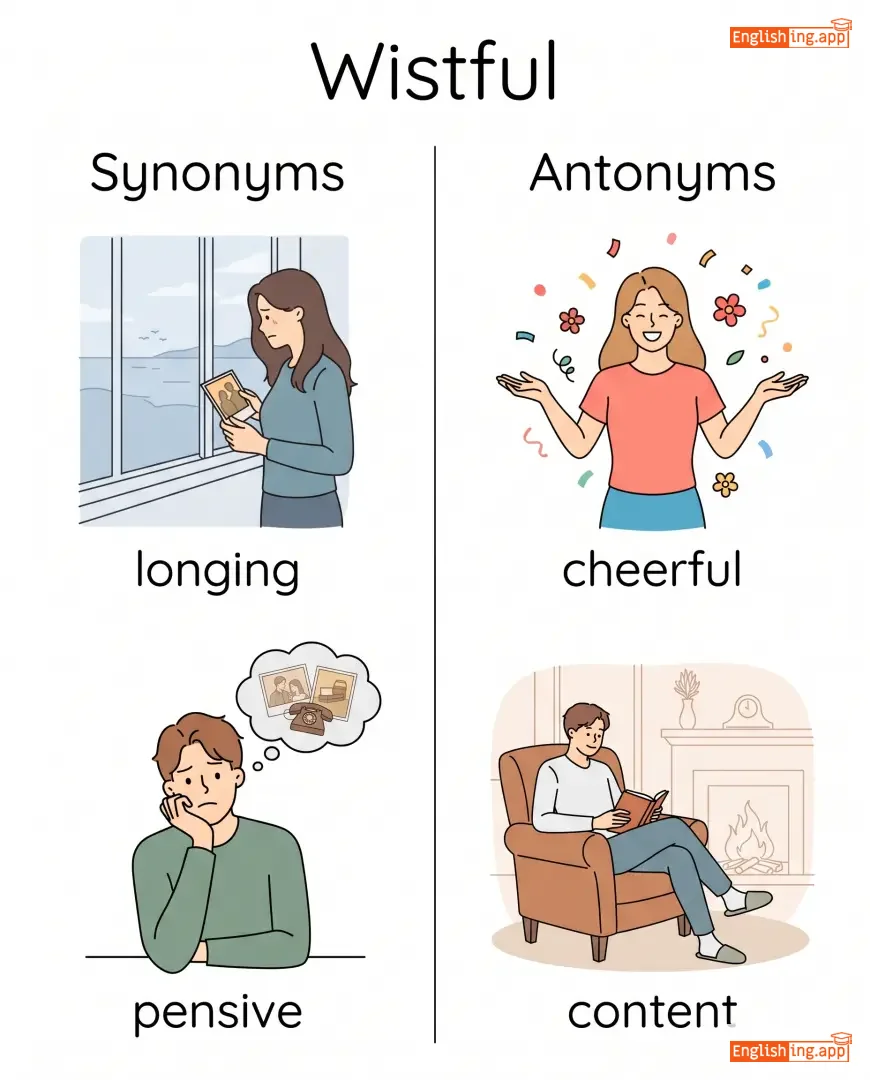
- •••••• | - •••••• | - •••••• |
yearning, melancholy, nostalgic, pensive, longing
••••••
|
cheerful, content, satisfied, happy, joyful
••••••
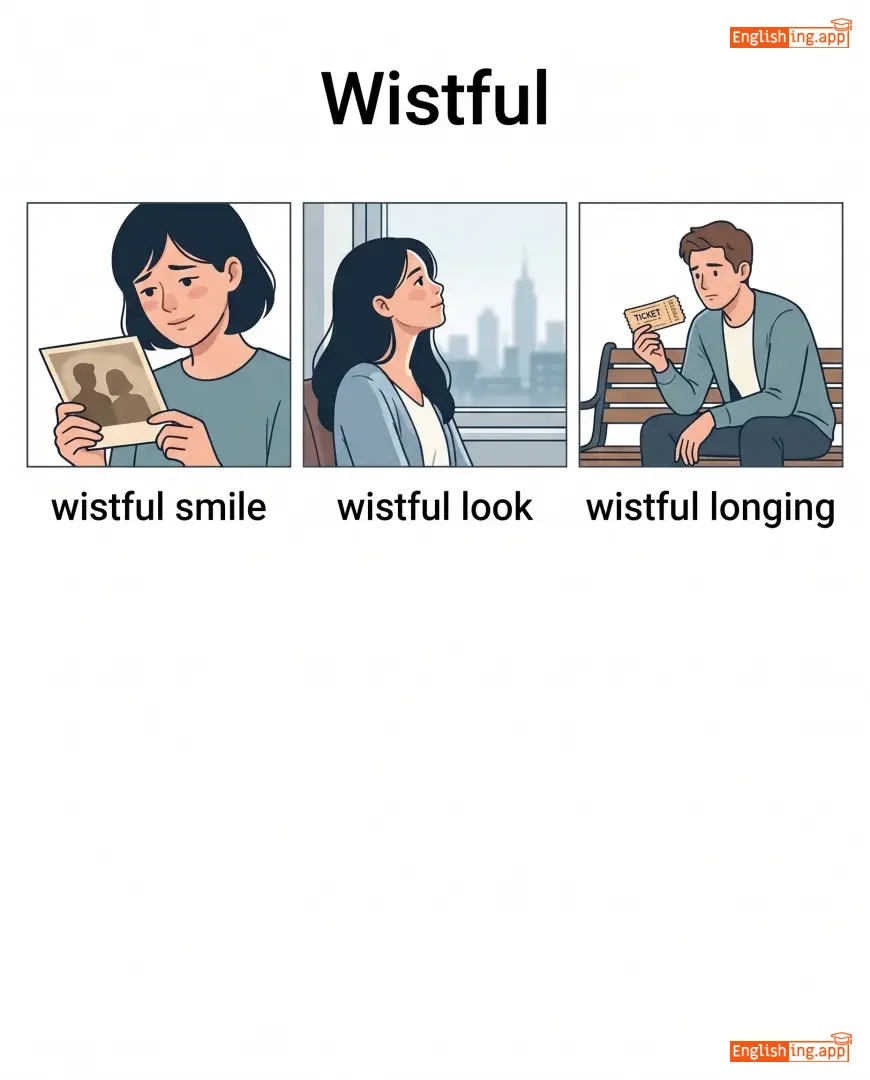
|
wistful smile, wistful look, wistful expression, wistful mood
••••••
|
Wistful = 一种悲伤的微笑,回忆过去的美好时光。
••••••
|
|
⚔️
••••••
|
/ˈzel.ət/
noun
(泽洛特)
••••••
|

|
狂热分子
kuángrè fènzǐ
••••••
|
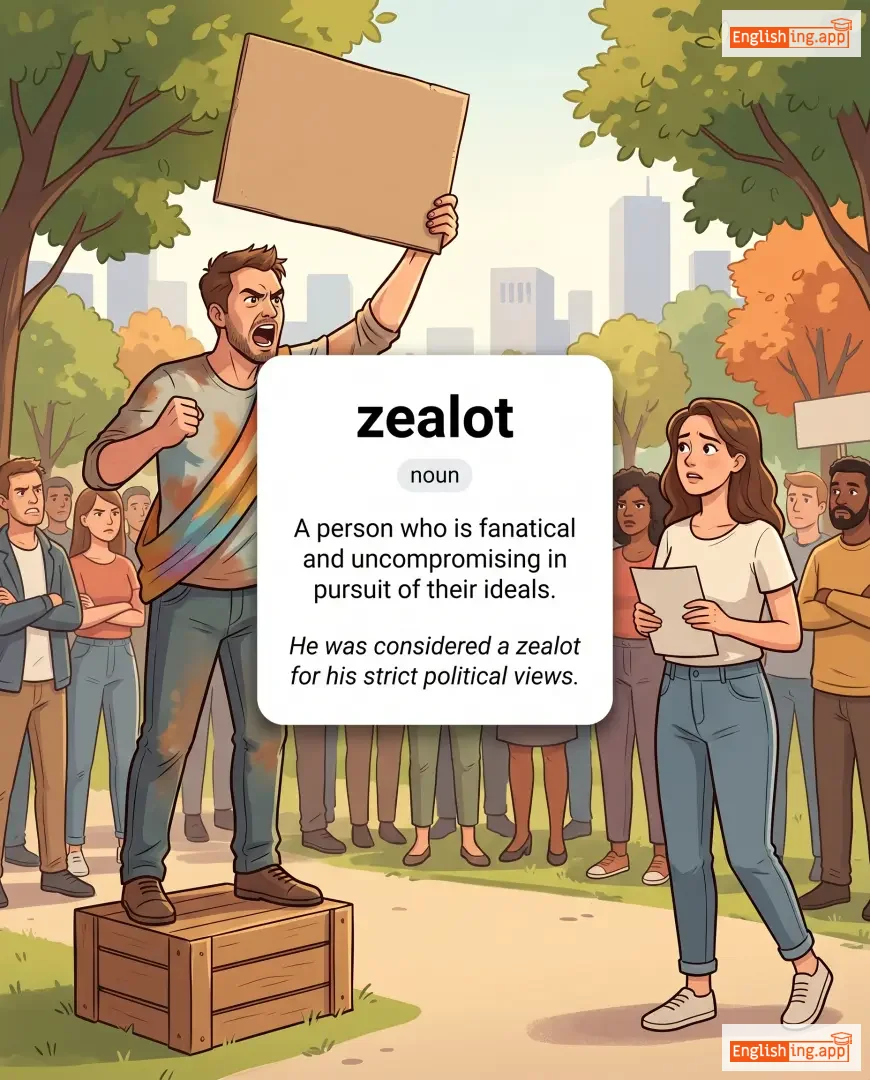
- •••••• | - •••••• | - •••••• | - •••••• |
A person who is fanatical and uncompromising in pursuit of their ideals.
••••••
|
He was considered a zealot for his strict political views. |
由于他严格的政治观点,他被视为狂热分子。
Yóuyú tā yángé de zhèngzhì guāndiǎn, tā bèi shì wéi kuángrè fènzǐ.
••••••
|
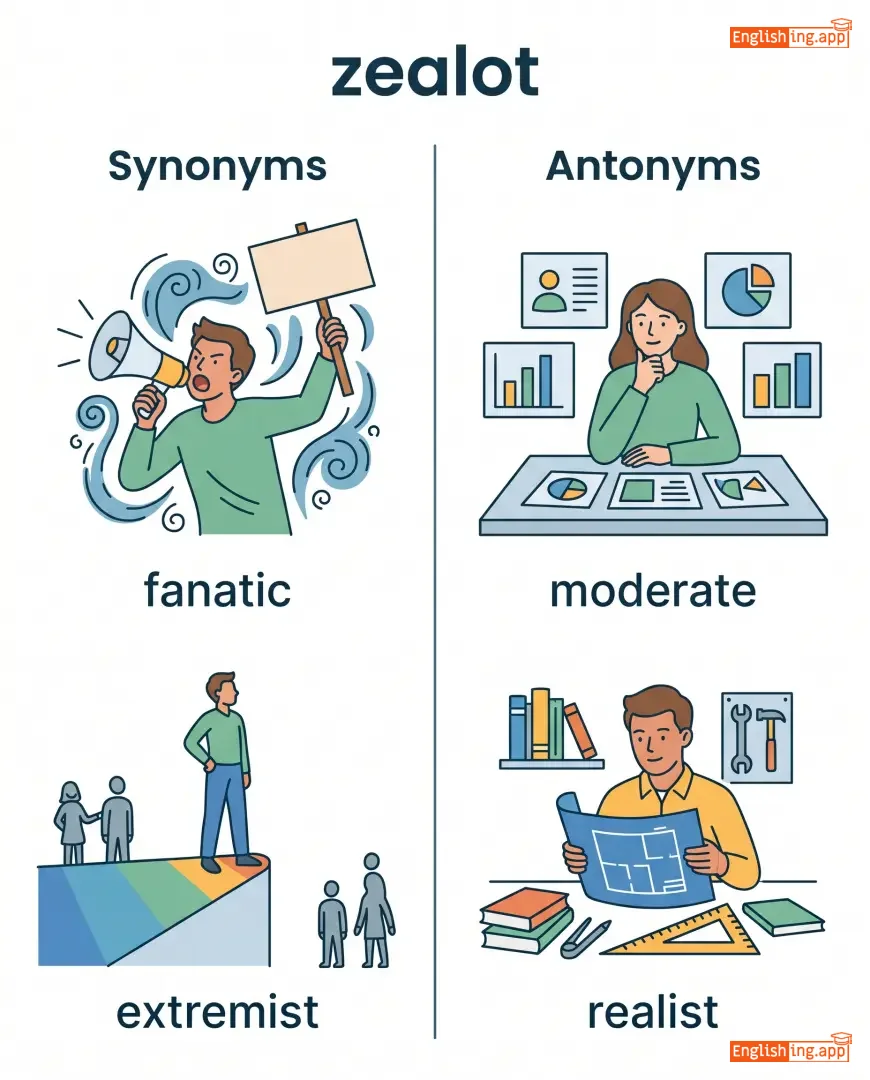
- •••••• | - •••••• | - •••••• |
fanatic, extremist, radical, enthusiast
••••••
|
moderate, realist
••••••
|
religious zealot, political zealot, zealot group
••••••
|
ZeaLOT意味着更多的热情,因此zealot意味着狂热分子。
••••••
|

