|
表情符号
|
单词 | Images | 翻译 | 过去时 | 过去分词 | 第三人称单数 | 动名词 | 含义 | 例句 | 例句翻译 | 示例表达 | 示例表达含义 | 示例表达翻译 | 同义词 | 反义词 | 搭配词 | 助记符 |
|---|---|---|---|---|---|---|---|---|---|---|---|---|---|---|---|---|---|
|
💰
••••••
|
/pluːˈtɒkrəsi/
noun
(财阀政治)
••••••
|
- •••••• |
富人统治
fùrén tǒngzhì
••••••
|
- •••••• | - •••••• | - •••••• | - •••••• |
a system of government where the wealthy hold power
••••••
|
The country was ruled as a plutocracy. |
这个国家是由富人统治的。
Zhège guójiā shì yóu fùrén tǒngzhì de.
••••••
|
- •••••• | - •••••• | - •••••• |
oligarchy, aristocracy, elitism, wealth-rule
••••••
|
democracy, egalitarianism
••••••
|
ruling plutocracy, economic plutocracy, powerful plutocracy
••••••
|
PLU to CROCY, 富人控制着政权
••••••
|
|
🧽
••••••
|
/ˈpɔːrəs/
adjective
(póluò sī)
••••••
|
|
多孔的
duō kǒng de
••••••
|
- •••••• | - •••••• | - •••••• | - •••••• |
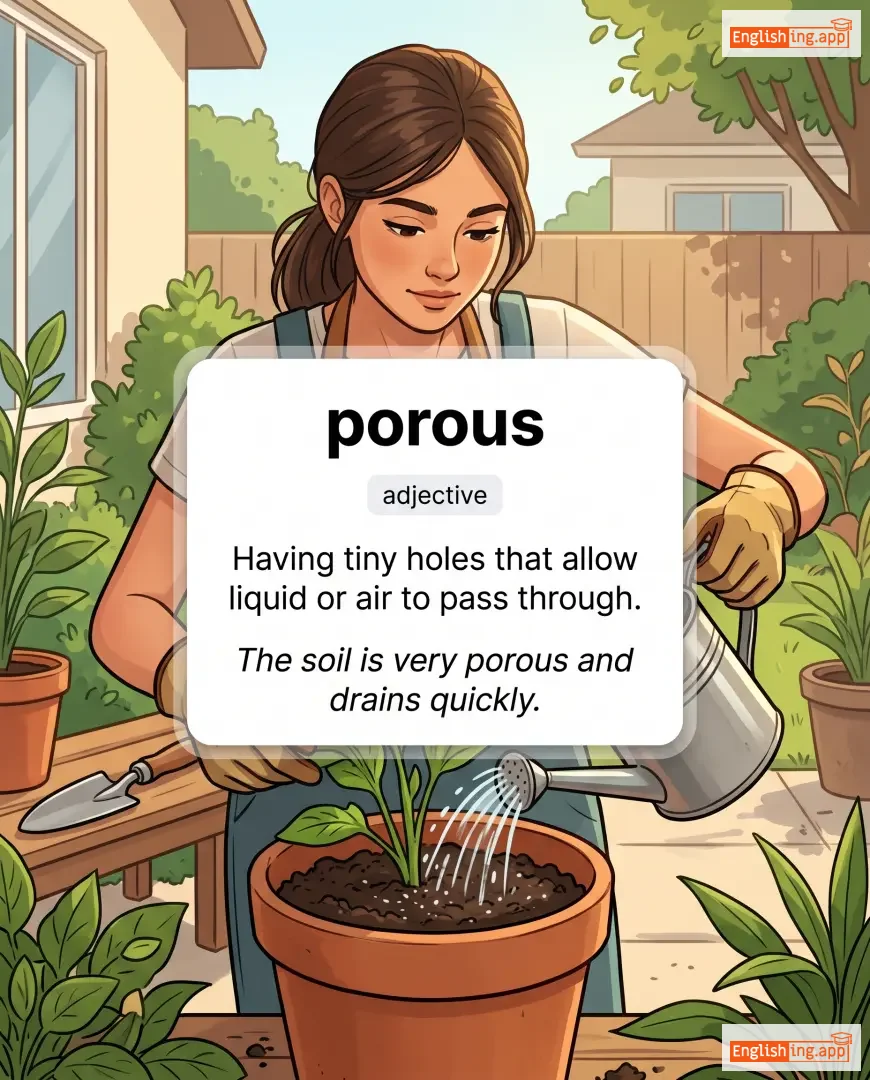
Having tiny holes that allow liquid or air to pass through.
••••••
|
The soil is very porous and drains quickly. |
土壤非常多孔,排水很快。
Tǔrǎng fēicháng duōkǒng, páishuǐ hěn kuài.
••••••
|
- •••••• | - •••••• | - •••••• |
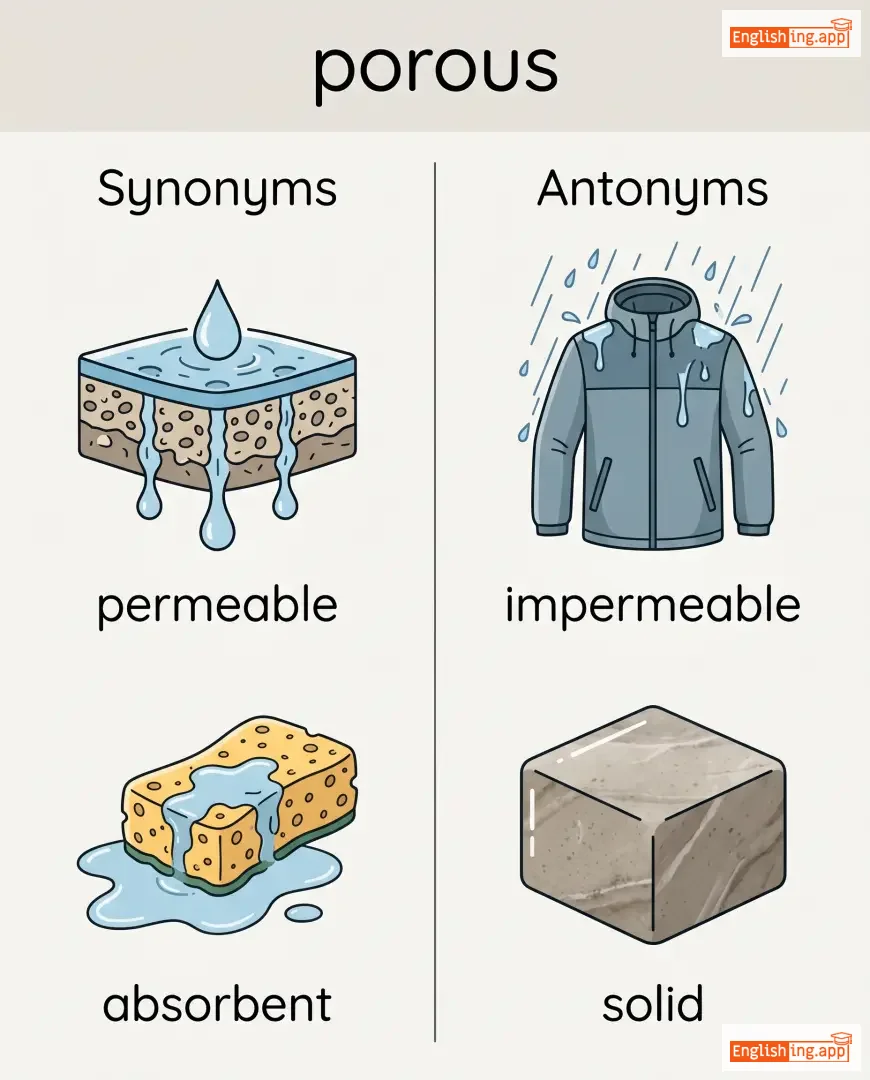
permeable, absorbent, spongy, leaky, penetrable
••••••
|
impermeable, solid, sealed
••••••
|
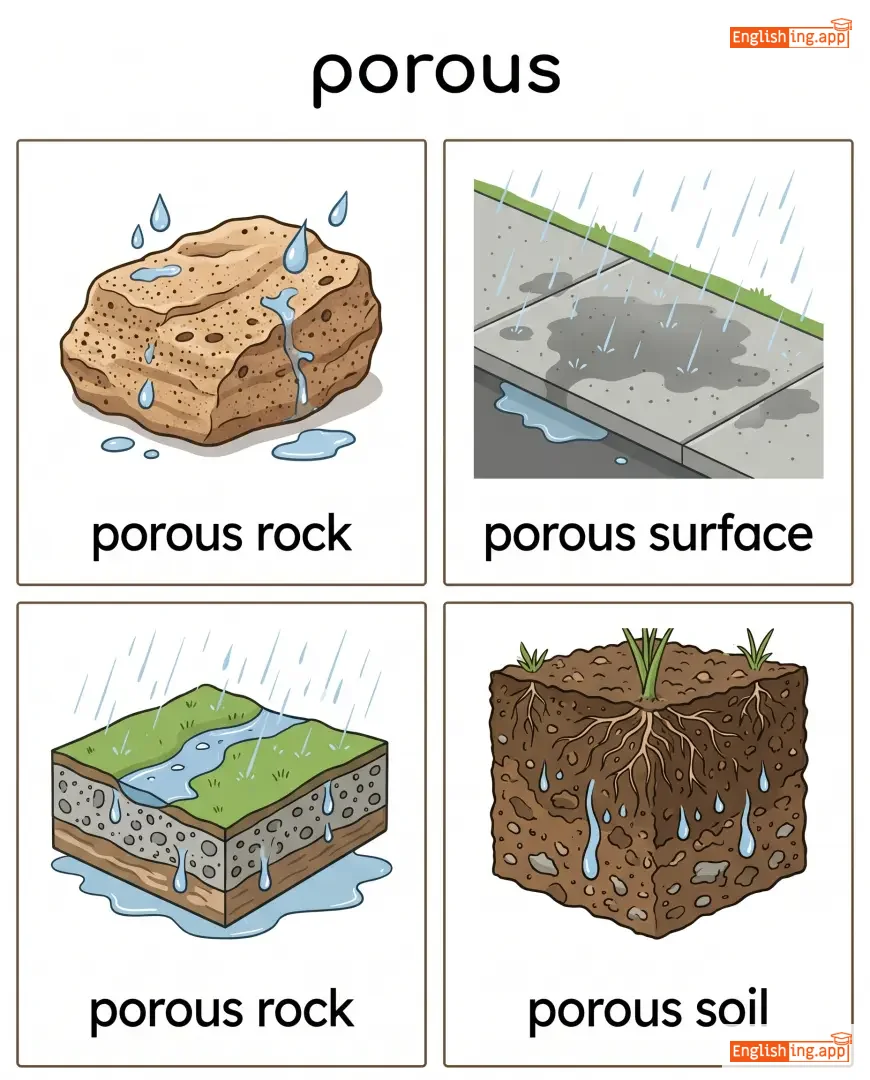
porous rock, porous surface, porous soil, porous structure
••••••
|
多孔的像海绵,水可以轻易通过。
••••••
|
|
🎭
••••••
|
/poʊˈzɜːr/
noun
••••••
|
- •••••• | - •••••• | - •••••• | - •••••• | - •••••• | - •••••• |
A person who pretends to be something they are not, often to impress others.
••••••
|
Many considered him a poseur because he exaggerated his accomplishments. |
- •••••• | - •••••• | - •••••• | - •••••• |
pretender, impostor, fraud, phony
••••••
|
genuine, authentic
••••••
|
artistic poseur, social poseur, literary poseur
••••••
|
No •••••• |
|
🛠️
••••••
|
/præɡˈmætɪk/
adjective
••••••
|
|
- •••••• | - •••••• | - •••••• | - •••••• | - •••••• |
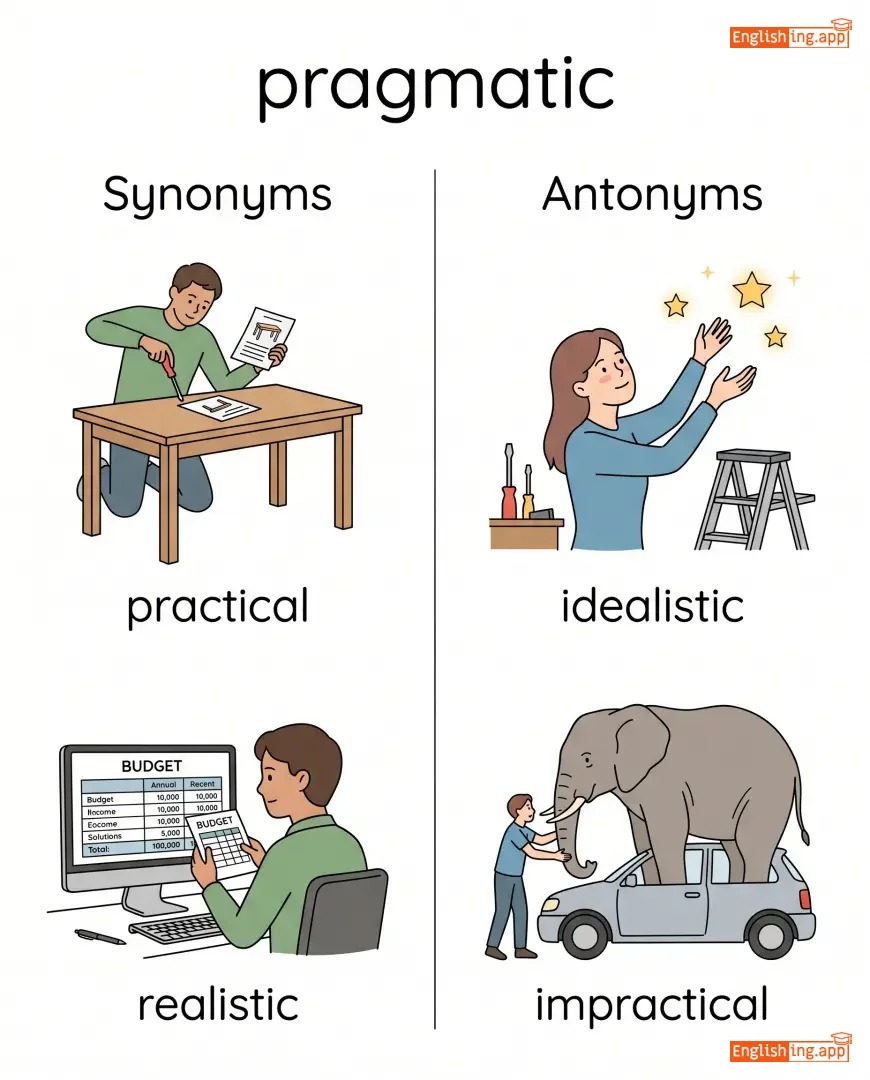
Dealing with problems in a practical and sensible way rather than depending on theories or ideals.
••••••
|
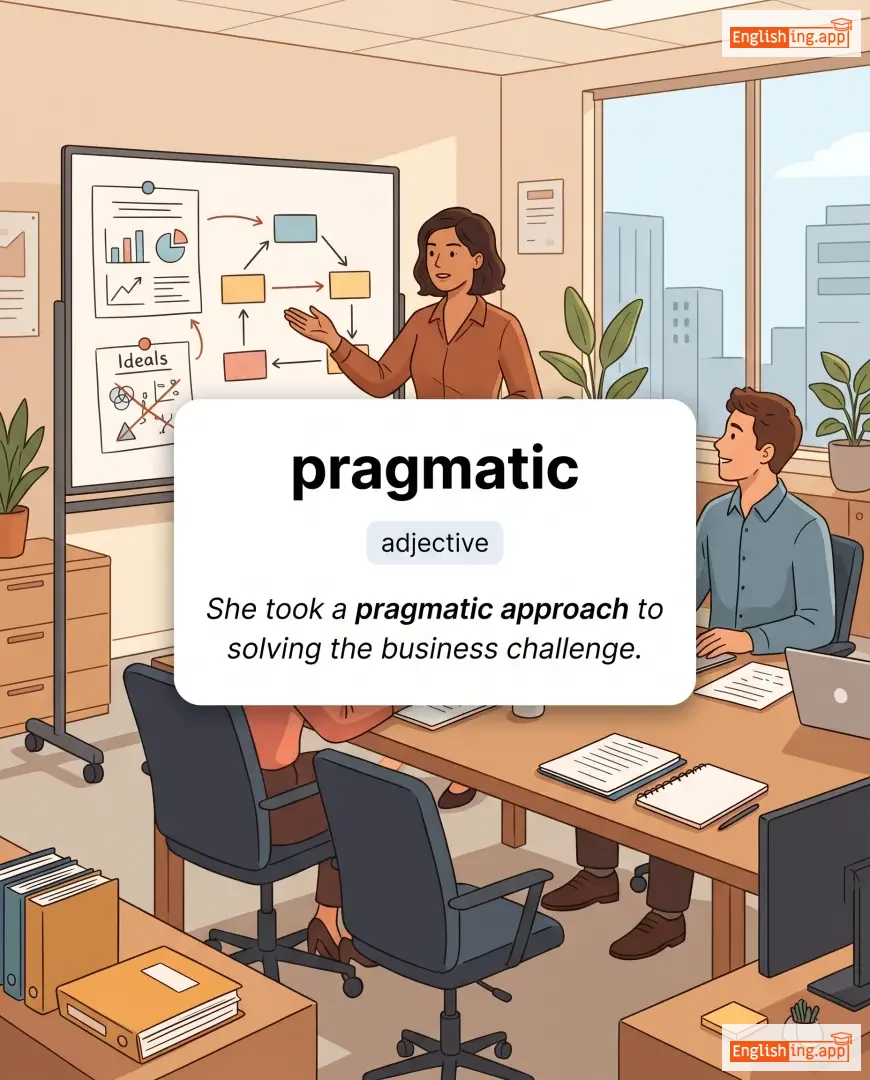
She took a pragmatic approach to solving the business challenge. |
- •••••• |
pragmatic approach |
A practical and realistic way of handling a situation.
••••••
|
- •••••• |
practical, realistic, sensible, rational, logical
••••••
|
idealistic, impractical, theoretical
••••••
|
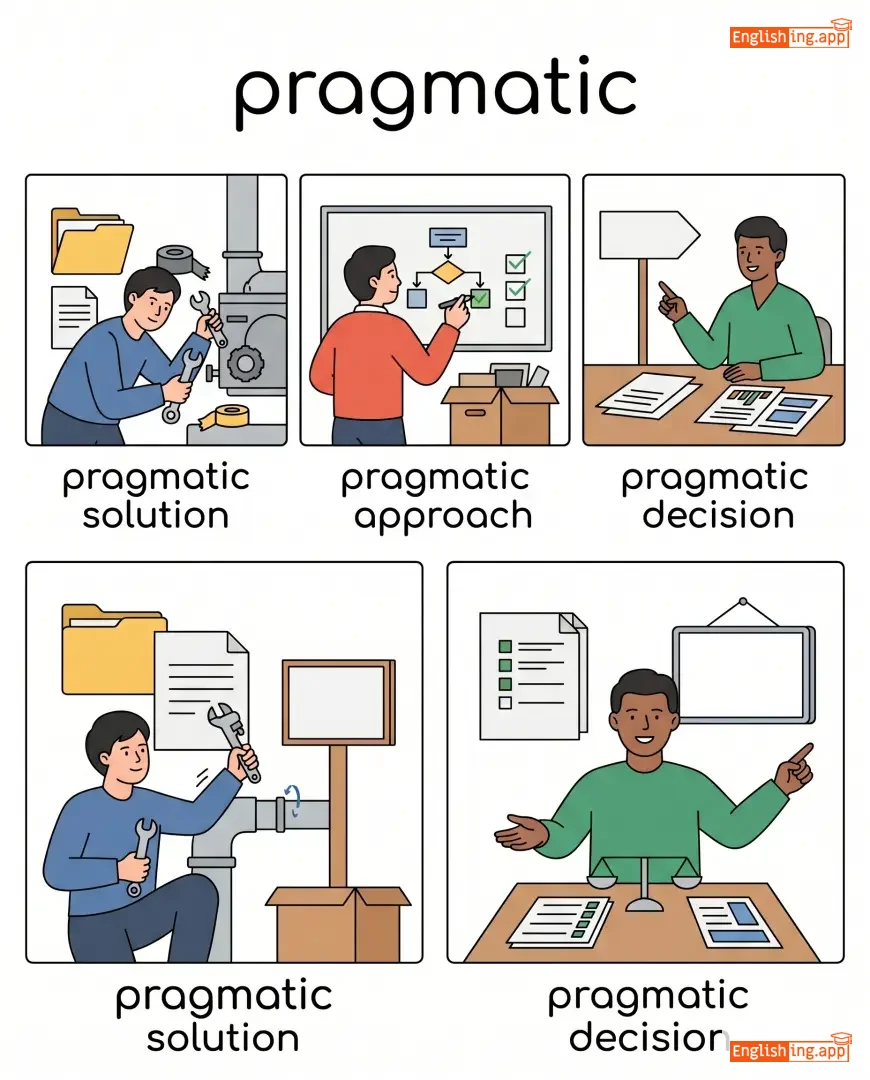
pragmatic solution, pragmatic approach, pragmatic decision, pragmatic attitude
••••••
|
No •••••• |
|
🗣️
••••••
|
/preɪt/
verb
(preit)
••••••
|
- •••••• |
喋喋不休
diede buxiu
••••••
|
prated
preit-ed
••••••
|
prated
preit-ed
••••••
|
prates
preits
••••••
|
prating
preiting
••••••
|
to talk foolishly or at tedious length about something
••••••
|
He would prate endlessly about his minor achievements.
他会不停地谈论他的微小成就。
••••••
|
他会不停地谈论他的微小成就。
Tā huì bù tíng de tán lùn tā de wēi xiǎo chéng jiù.
••••••
|
- •••••• | - •••••• | - •••••• |
babble, chatter, ramble, blabber, gab
••••••
|
be silent, quiet, hush
••••••
|
prate about, prate on, prate endlessly, prate foolishly
••••••
|
Prate 就是喋喋不休,'preti' 就是'多说话',大家都会讨厌。
••••••
|
|
👶🗣️
••••••
|
/ˈprætəl/
verb
(普拉特尔)
••••••
|
- •••••• |
喋喋不休
diédié bùxiū
••••••
|
prattled
普拉特尔德
••••••
|
prattled
普拉特尔德
••••••
|
prattles
普拉特尔斯
••••••
|
prattling
普拉特林
••••••
|
to talk at length in a foolish or inconsequential way
••••••
|
The children would prattle on about their games.
孩子们会不停地谈论他们的游戏。
••••••
|
孩子们会不停地谈论他们的游戏。
Háizimen huì bùtíng de tánlùn tāmen de yóuxì.
••••••
|
- •••••• | - •••••• | - •••••• |
chatter, babble, gabble, blather, jabber
••••••
|
remain silent, quiet, hush
••••••
|
prattle on, prattle about, childish prattle, meaningless prattle
••••••
|
就像孩子们说个不停,喋喋不休。
••••••
|
|
📜
••••••
|
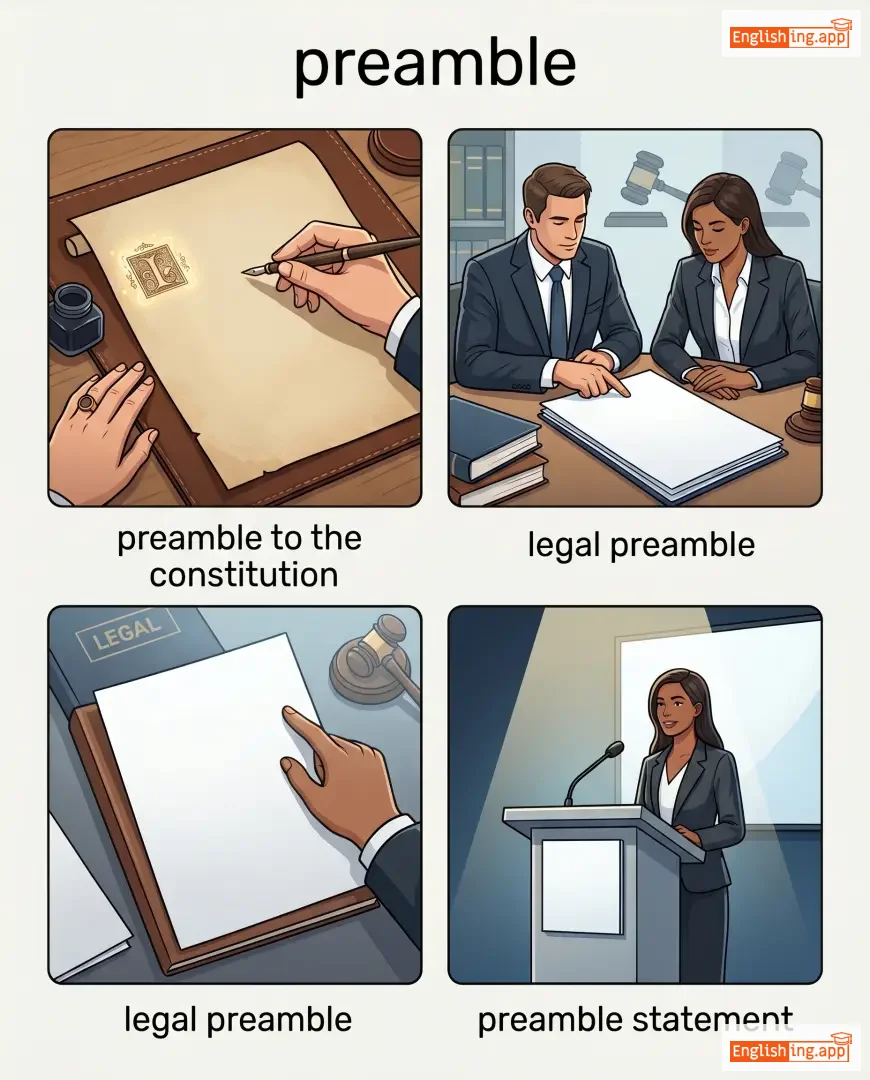
/ˈpriːˌæmbəl/
noun
(priˈæmbəl)
••••••
|
|
前言
qián yán
••••••
|
- •••••• | - •••••• | - •••••• | - •••••• |
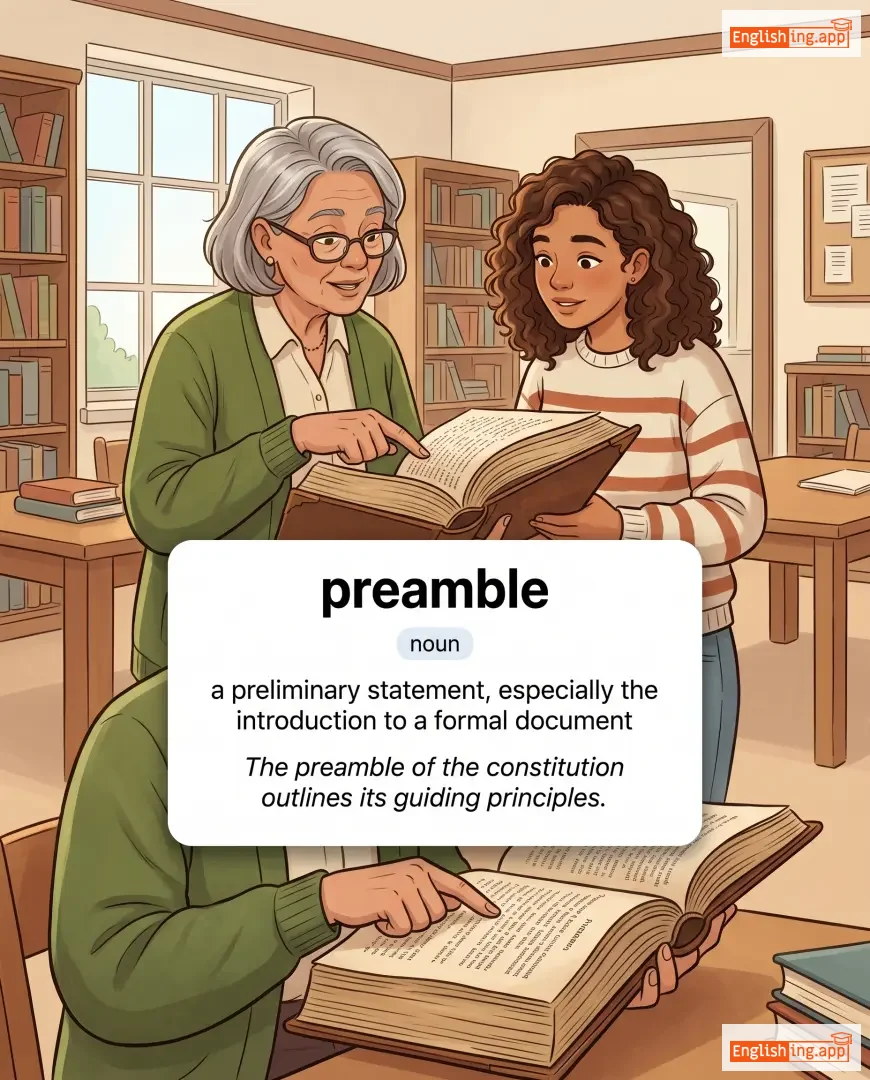
a preliminary statement, especially the introduction to a formal document
••••••
|
The preamble of the constitution outlines its guiding principles.
宪法的序言概述了其指导原则。
••••••
|
宪法的序言概述了其指导原则。
Xianfa de xu yan gai shu le qi zhidao yuanze.
••••••
|
- •••••• | - •••••• | - •••••• |
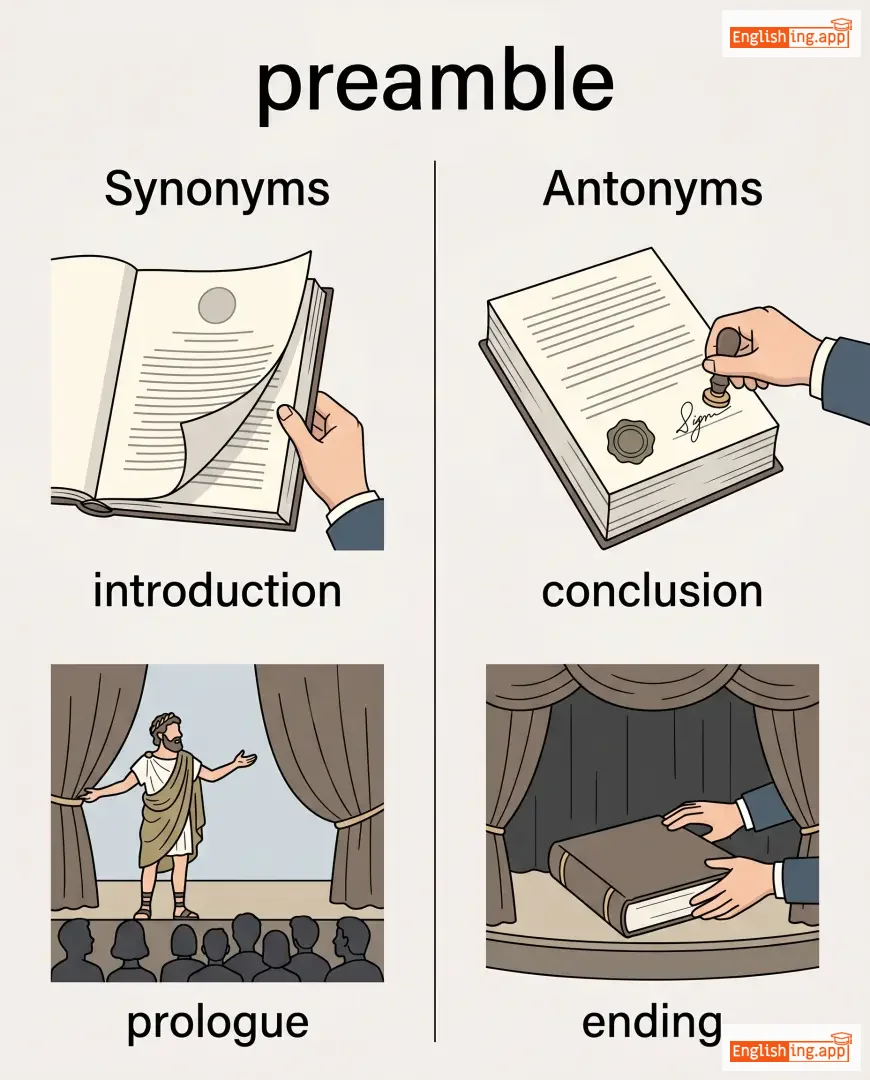
introduction, prologue, foreword, preface, opening
••••••
|
conclusion, ending, epilogue
••••••
|
preamble to the constitution, legal preamble, preamble statement, preamble section
••••••
|
Preamble 在中文中是'前言',如文件的介绍部分。
••••••
|
|
⚠️
••••••
|
/prɪˈkɛəriəs/
adjective
(prékerious)
••••••
|
|
不稳定 / 危险
bù wěn dì / wēi xiǎn
••••••
|
- •••••• | - •••••• | - •••••• | - •••••• |
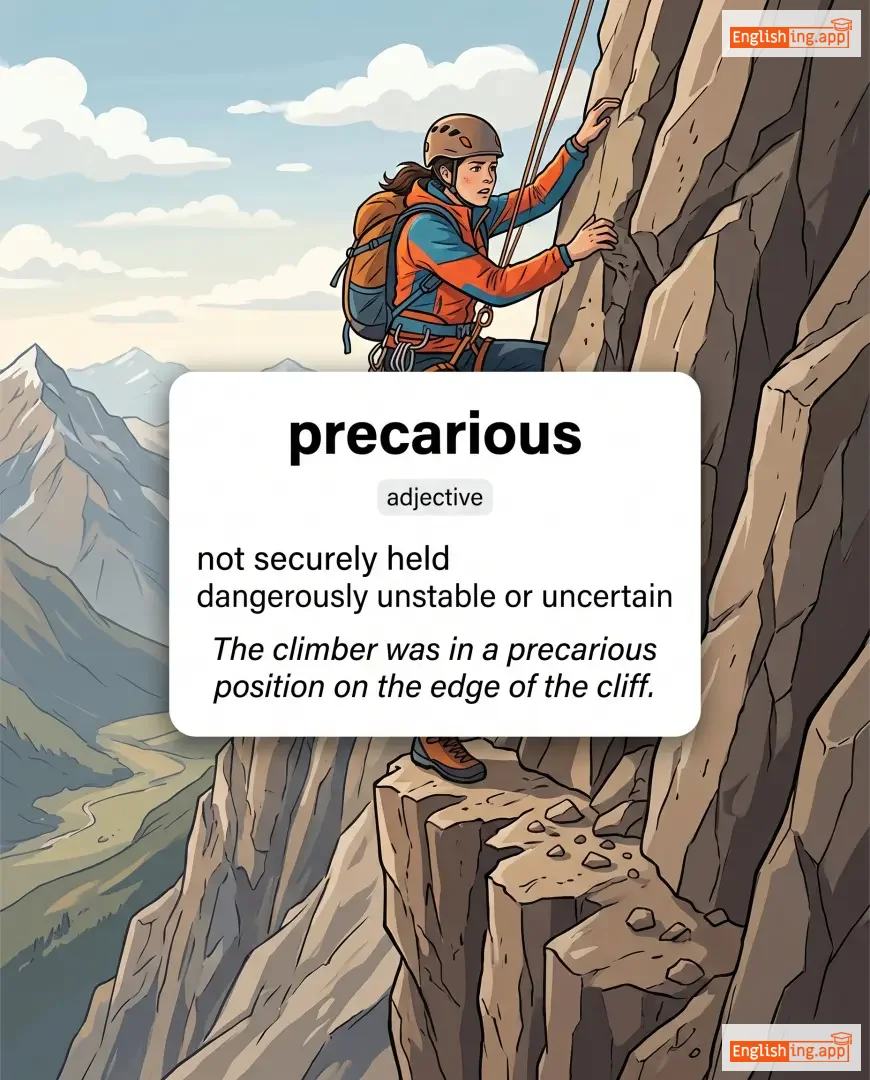
not securely held; dangerously unstable or uncertain
••••••
|
The climber was in a precarious position on the edge of the cliff. |
攀岩者处于悬崖边缘的危险位置。
Pānyán zhě chù yú xuán yá biān yuán de wēi xiǎn wèi zhì.
••••••
|
precarious situation |
a risky or dangerous circumstance
••••••
|
危险情形
wēi xiǎn qíng xíng
••••••
|
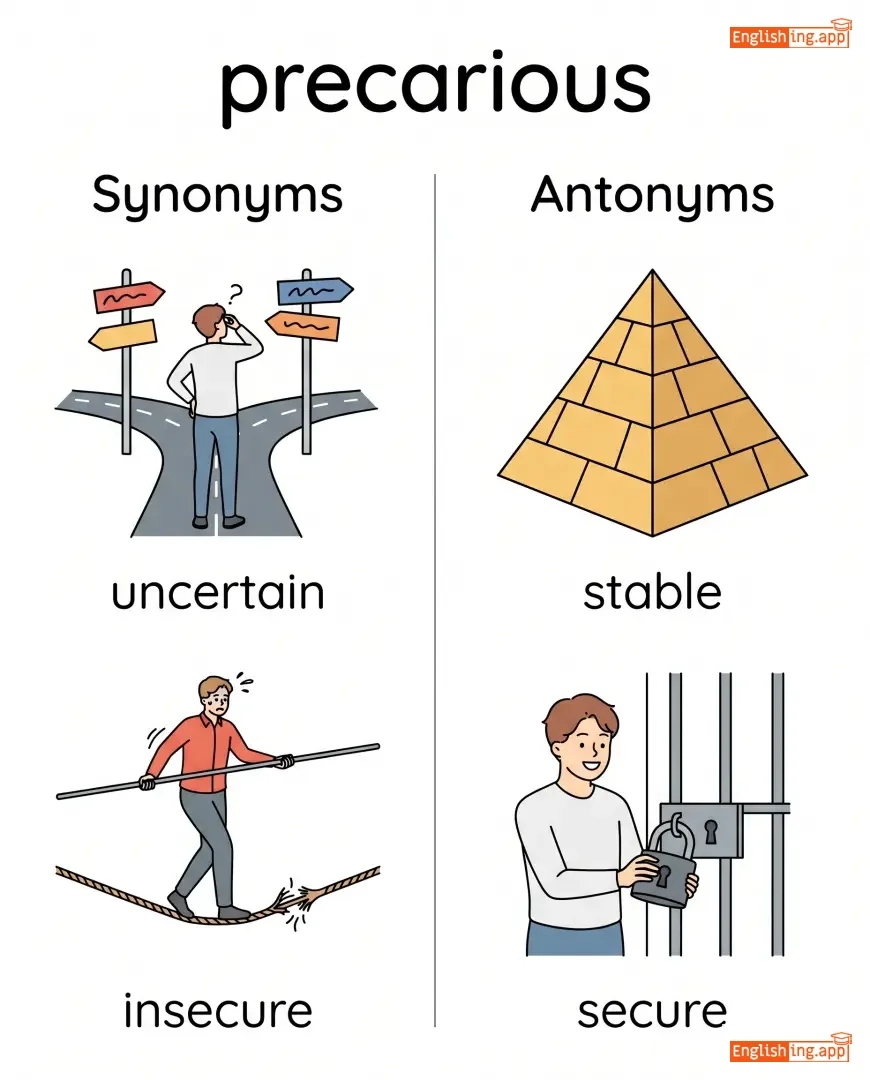
uncertain, insecure, unstable, shaky, risky
••••••
|
stable, secure, safe
••••••
|
precarious balance, precarious position, precarious condition, precarious situation
••••••
|
Pre-carious = Pre 汽车 (qìchē) 如果它危险,那么它是不稳定的
••••••
|
|
📖
••••••
|
/ˈpriːsɛpt/
noun
(pǔrìsīpt)
••••••
|
- •••••• |
教条
jiaotiao
••••••
|
- •••••• | - •••••• | - •••••• | - •••••• |
A general rule intended to regulate behavior or thought.
••••••
|
Honesty is a fundamental precept in all religions.
诚实是所有宗教中的一个基本原则。
••••••
|
诚实是所有宗教中的一个基本教条。
Chéngshí shì suǒyǒu zōngjiào zhōng de yīgè jīběn jiàotiáo.
••••••
|
moral precepts
道德规范
••••••
|
basic rules or principles guiding moral behavior
••••••
|
道德原则
Dàodé yuánzé
••••••
|
principle, rule, law, tenet, doctrine
••••••
|
anarchy, chaos
••••••
|
basic precept, moral precept, religious precept, fundamental precept
••••••
|
教条就像规则 — Jia + accept = 事先接受的规则。
••••••
|
|
💨
••••••
|
/prɪˈsɪpɪteɪt/
verb/noun/adjective
••••••
|
|
- •••••• |
precipitated
••••••
|
precipitated
••••••
|
precipitates
••••••
|
precipitating
••••••
|
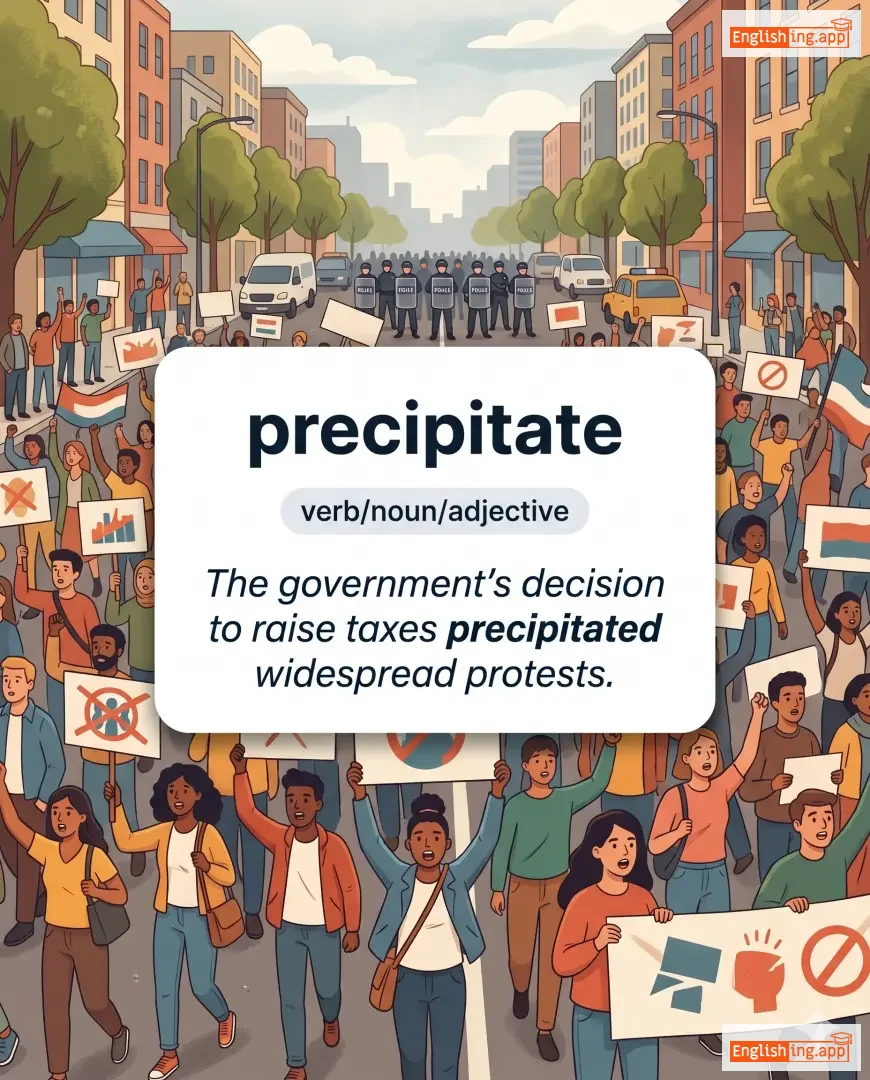
As a verb: to cause an event or situation, often suddenly or prematurely; as a noun: a solid formed in a chemical solution; as an adjective: done hastily.
••••••
|
The government's decision to raise taxes precipitated widespread protests. |
- •••••• |
precipitate into |
to cause something to suddenly fall into or result in a situation
••••••
|
- •••••• |
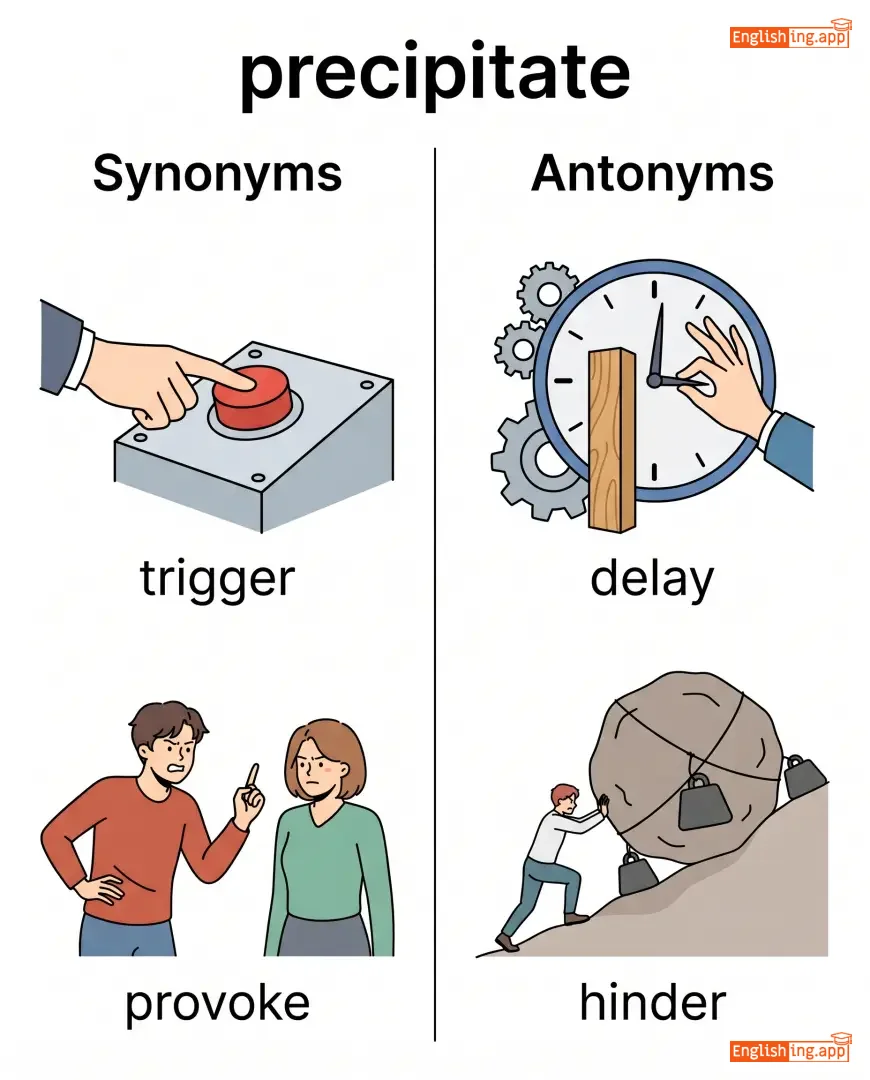
trigger, provoke, accelerate, hasten, instigate
••••••
|
delay, hinder, prevent
••••••
|
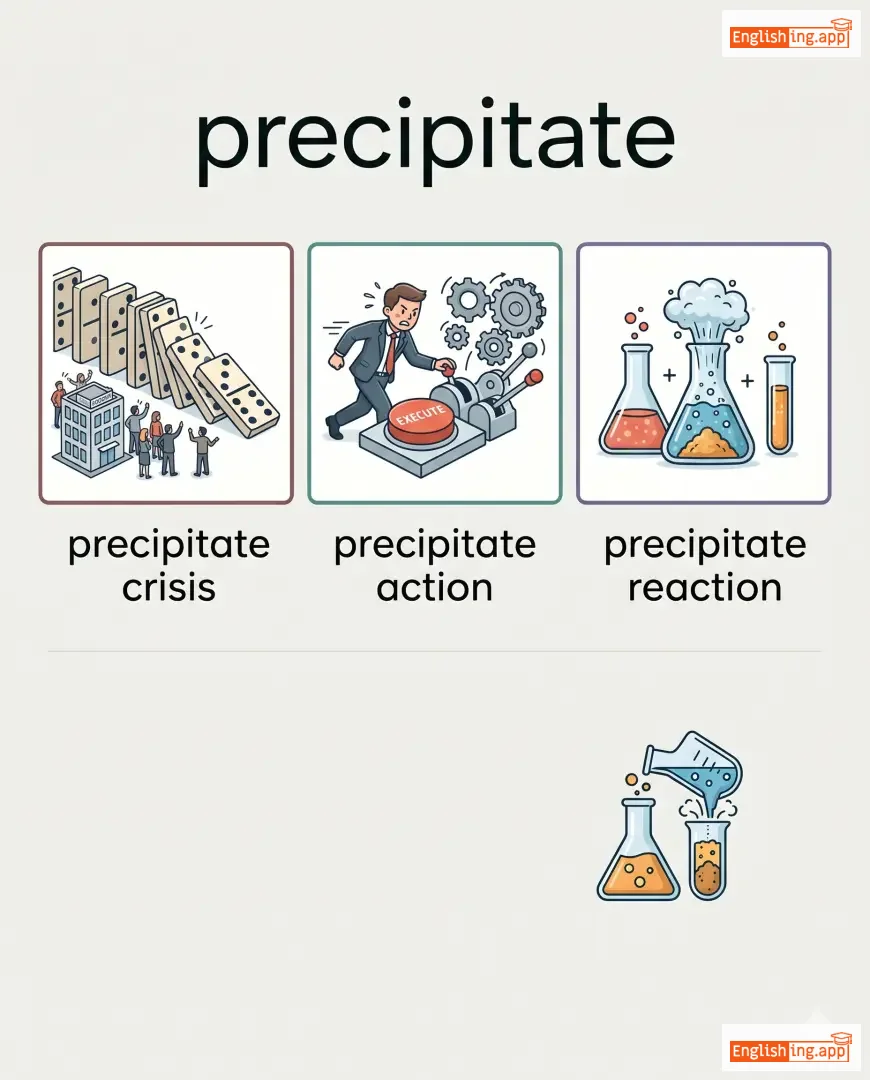
precipitate crisis, precipitate action, precipitate reaction
••••••
|
No •••••• |
|
⏳
••••••
|
/ˈpriːˌkɜrsər/
noun
(pǔlìkèrsè)
••••••
|

|
前身
qianshen
••••••
|
- •••••• | - •••••• | - •••••• | - •••••• |
Something or someone that comes before another and indicates the approach of something else.
••••••
|
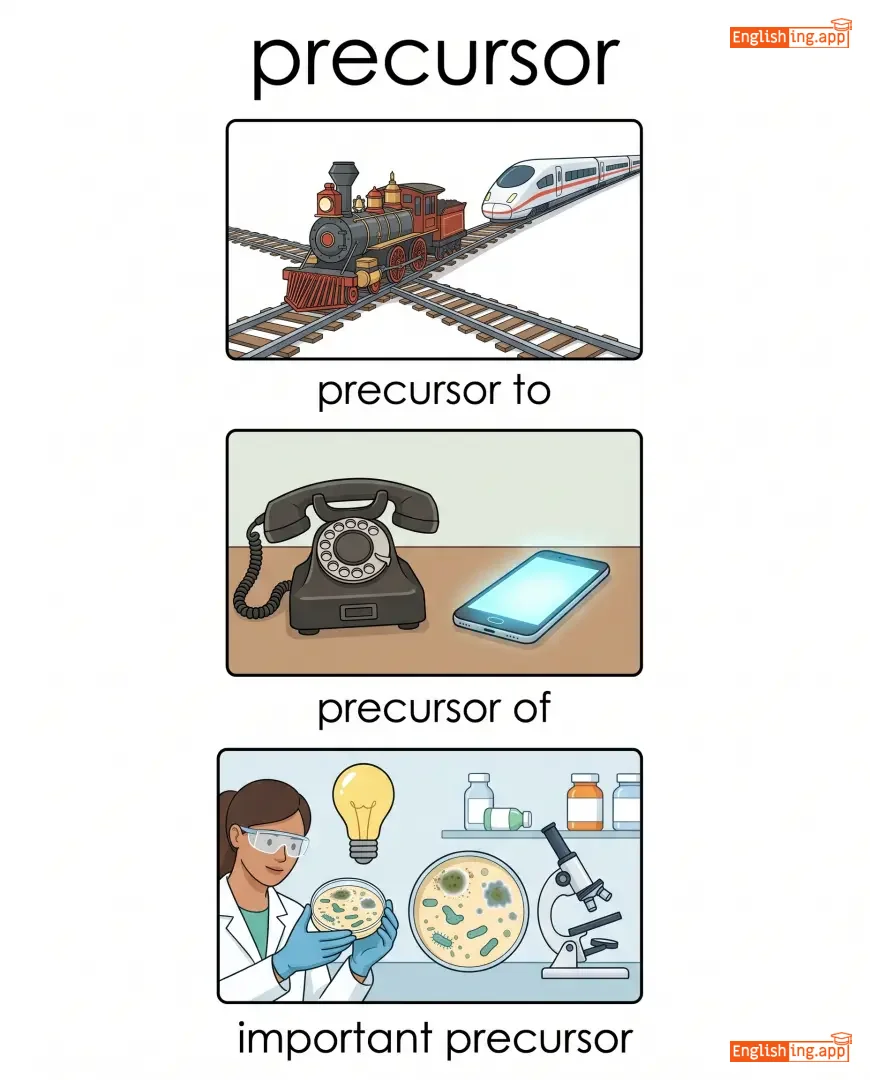
The steam engine was a precursor to modern trains.
蒸汽机是现代火车的前身。
••••••
|
蒸汽机是现代火车的前身。
Zhengqiji shi xiandai huoche de qianshen.
••••••
|
- •••••• | - •••••• | - •••••• |
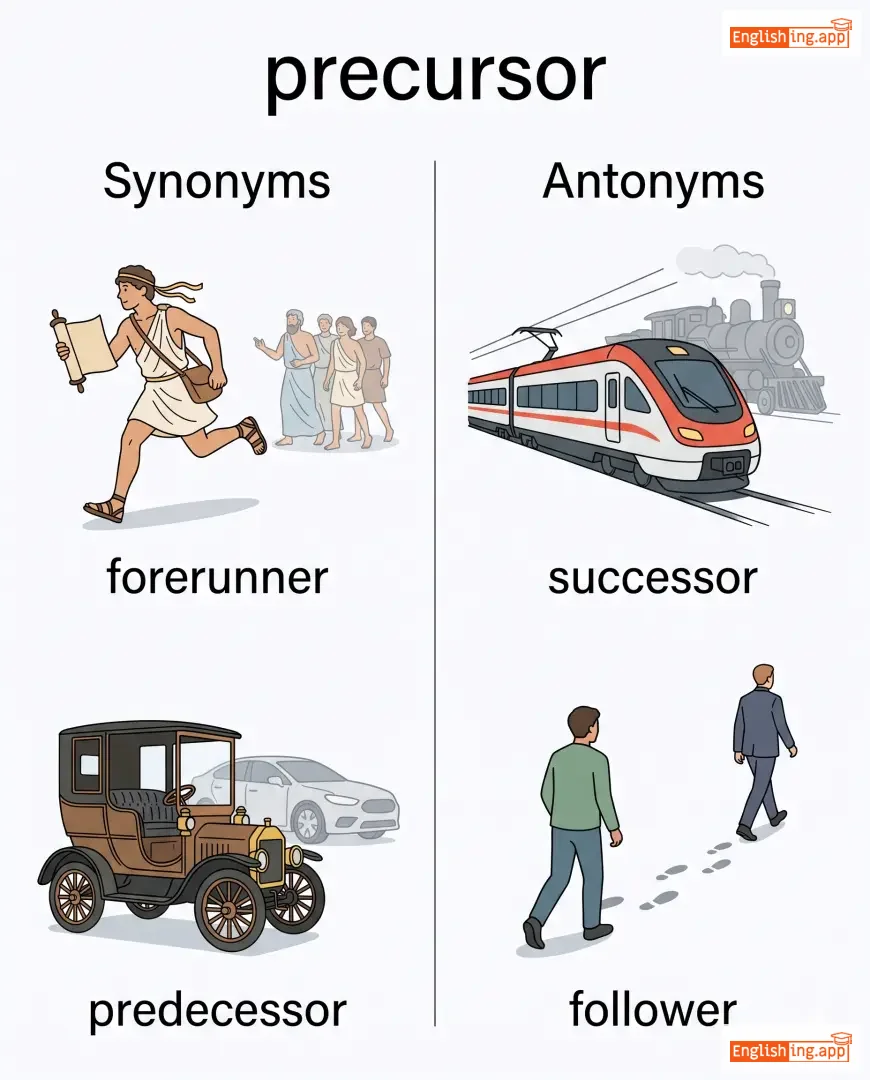
forerunner, predecessor, harbinger, pioneer, antecedent
••••••
|
successor, follower, outcome
••••••
|
precursor to, precursor of, important precursor
••••••
|
前身 = 前 (qián) 和 身 (shēn) - 先前的标志。
••••••
|
|
🛡️
••••••
|
/priːˈɛmpt/
verb
(priˈɛmpt)
••••••
|
- •••••• |
预防
yùfáng
••••••
|
preempted
priˈɛmptɛd
••••••
|
preempted
priˈɛmptɛd
••••••
|
preempts
priˈɛmpts
••••••
|
preempting
priˈɛmptɪŋ
••••••
|
To take action in order to prevent something from happening; to take the place of something.
••••••
|
The government acted quickly to preempt a financial crisis.
政府迅速采取行动,预防金融危机。
••••••
|
政府迅速采取行动,预防金融危机。
Zhèngfǔ xùnsù cǎiqǔ xíngdòng, yùfáng jīnróng wéijī.
••••••
|
preemptive strike
先发制人攻击
••••••
|
A first attack intended to prevent an enemy from doing something similar.
••••••
|
先发制人攻击
xiānfā zhìrén gōngjī
••••••
|
prevent, forestall, avert, anticipate
••••••
|
allow, permit, enable
••••••
|
preempt a crisis, preempt an attack, preempt action, preempt decision
••••••
|
Preempt意味着采取预防措施 — 在危机发生前就行动起来。
••••••
|
|
🐒
••••••
|
/prɪˈhɛnsaɪl/
adjective
(prehensile)
••••••
|
- •••••• |
可抓取的
kě zhuāqǔ de
••••••
|
- •••••• | - •••••• | - •••••• | - •••••• |
adapted for seizing or grasping, especially by wrapping around an object
••••••
|
The monkey used its prehensile tail to hang from the branch.
猴子用它的抓握尾巴从树枝上挂下来。
••••••
|
猴子用它的抓握尾巴从树枝上挂下来。
Hóuzi yòng tā de zhuāwò wěibā cóng shùzhī shàng guà xiàlái.
••••••
|
- •••••• | - •••••• | - •••••• |
grasping, gripping, clinging, adaptive, seizing
••••••
|
nonprehensile, rigid, nongripping
••••••
|
prehensile tail, prehensile trunk, prehensile feet, prehensile ability
••••••
|
Prehensile tail 看见了记住—‘Pre hand style’ 尾巴也能像手一样抓住东西!
••••••
|
|
🔮
••••••
|
/ˌpriːməˈnɪʃən/ or /ˌprɛm-/
noun
(预感)
••••••
|
- •••••• |
预感
yugan
••••••
|
- •••••• | - •••••• | - •••••• | - •••••• |
a strong feeling that something is about to happen, often something negative
••••••
|
She had a premonition of danger before the trip. |
她在旅行前有一种危险的预感。
Ta zai lvxing qian you yizhong weixian de yugan.
••••••
|
- •••••• | - •••••• | - •••••• |
forewarning, intuition, hunch, omen, presentiment
••••••
|
surprise, doubt, disbelief
••••••
|
dark premonition, sudden premonition, premonition of disaster
••••••
|
预 + 感,预先有一种感觉,这种感觉通常是不好的。
••••••
|
|
🌩️
••••••
|
/ˈprɛsɪdʒ/
verb
(普瑞赛吉)
••••••
|
- •••••• |
预兆
yùzhào
••••••
|
presaged
普瑞赛吉德
••••••
|
presaged
普瑞赛吉德
••••••
|
presages
普瑞赛吉斯
••••••
|
presaging
普瑞赛金
••••••
|
to be a sign or warning that something will happen; to foreshadow
••••••
|
Dark clouds presage a storm.
暗云预示着一场风暴。
••••••
|
暗云预示着一场风暴。
Àn yún yùshìzhe yī chǎng fēngbào.
••••••
|
- •••••• | - •••••• | - •••••• |
foreshadow, predict, foretell, portend, indicate
••••••
|
prove, confirm, demonstrate
••••••
|
presage trouble, presage disaster, presage the future, presage change
••••••
|
Presage 就像预兆,一种预告未来的信号。
••••••
|
|
😏
••••••
|
/prɪˈzʌmp.tʃu.əs/
adjective
(pri-zam-pu-shua-si)
••••••
|
|
自负的
zì fù de
••••••
|
- •••••• | - •••••• | - •••••• | - •••••• |
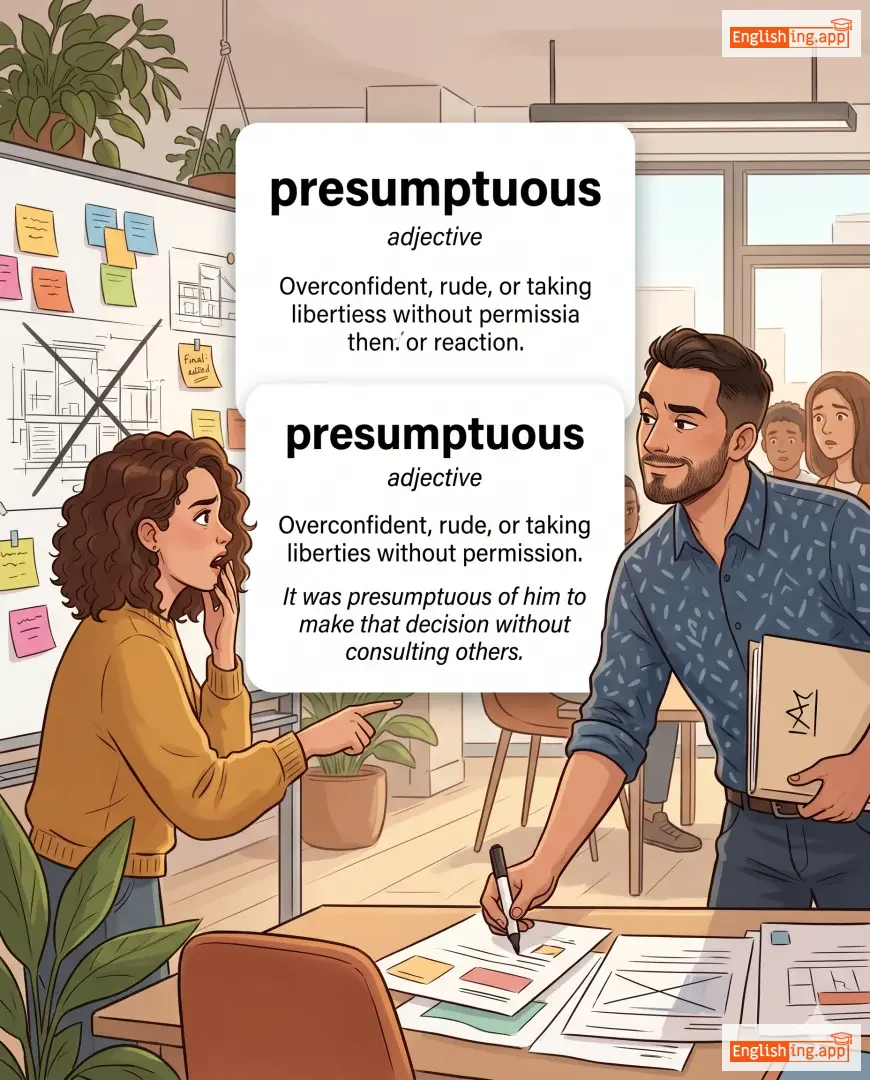
Overconfident, rude, or taking liberties without permission.
••••••
|
It was presumptuous of him to make that decision without consulting others. |
他在没有征求他人意见的情况下做出决定,显得非常自负。
Tā zài méiyǒu zhēngqiú tārén yìjiàn de qíngkuàng xià zuòchū juédìng, xiǎn dé fēicháng zìfù.
••••••
|
- •••••• | - •••••• | - •••••• |
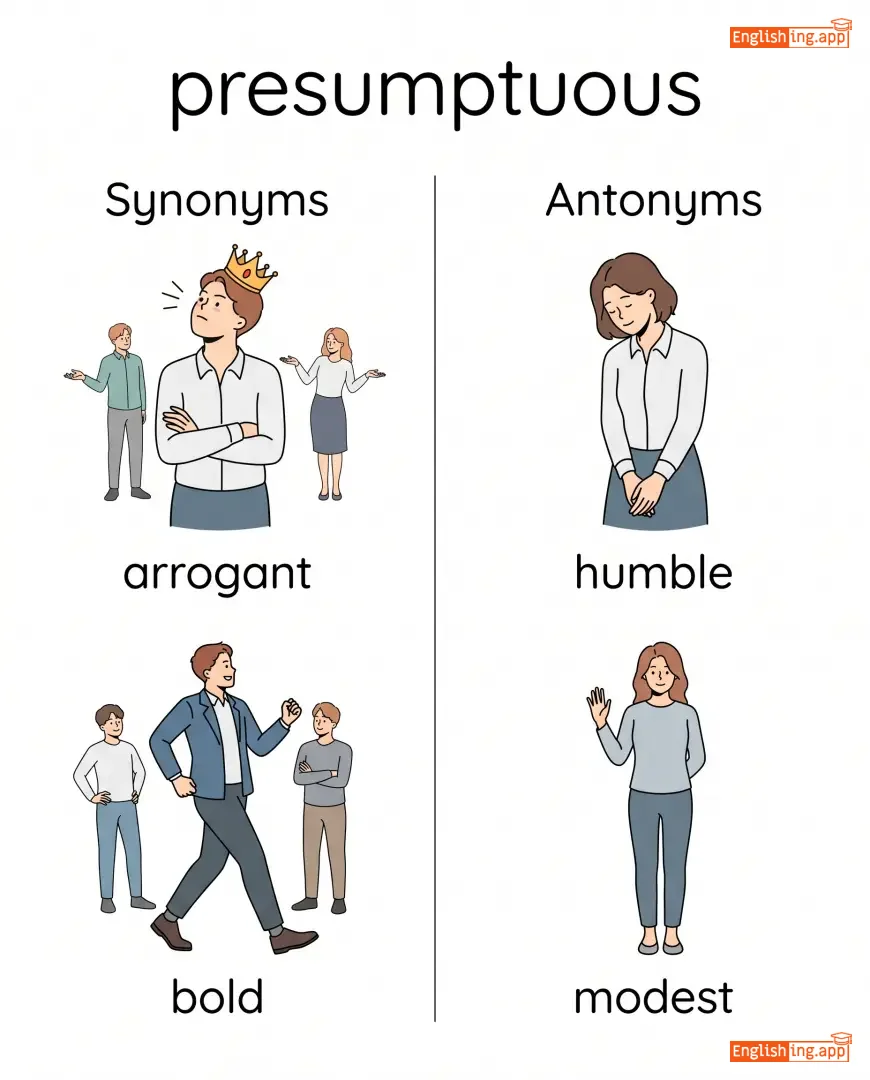
arrogant, bold, forward, overconfident
••••••
|
humble, modest
••••••
|
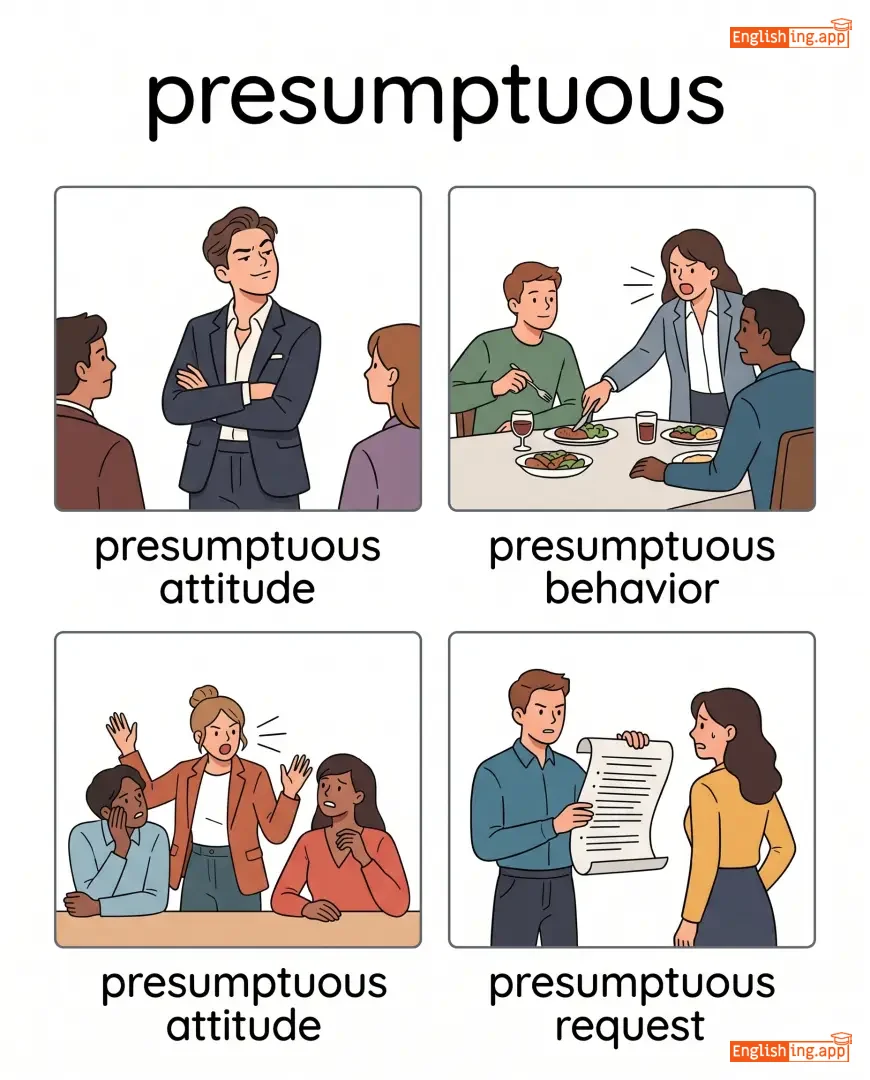
presumptuous attitude, presumptuous behavior, presumptuous request
••••••
|
自负的像是觉得自己可以不问别人就做决定。
••••••
|
|
✨
••••••
|
/ˌpriːtərˈnætʃərəl/
adjective
(pǔlì tè nà chā ěr)
••••••
|
- •••••• |
超自然
chaoziran
••••••
|
- •••••• | - •••••• | - •••••• | - •••••• |
Beyond what is normal or natural; extraordinary or supernatural.
••••••
|
She had a preternatural ability to remain calm in any crisis.
她在任何危机中保持冷静的能力是超自然的。
••••••
|
她在任何危机中保持冷静的能力是超自然的。
Tā zài rènhé wéijī zhōng bǎochí lěngjìng de nénglì shì chāo zìrán de.
••••••
|
- •••••• | - •••••• | - •••••• |
extraordinary, supernatural, exceptional, uncanny, abnormal
••••••
|
ordinary, natural, normal
••••••
|
preternatural calm, preternatural power, preternatural ability, preternatural silence
••••••
|
Preternatural 意味着超出常规的 - 非常规或超自然的。
••••••
|
|
🤥
••••••
|
/prɪˈværɪkeɪt/
verb
••••••
|
|
- •••••• |
prevaricated
••••••
|
prevaricated
••••••
|
prevaricates
••••••
|
prevaricating
••••••
|
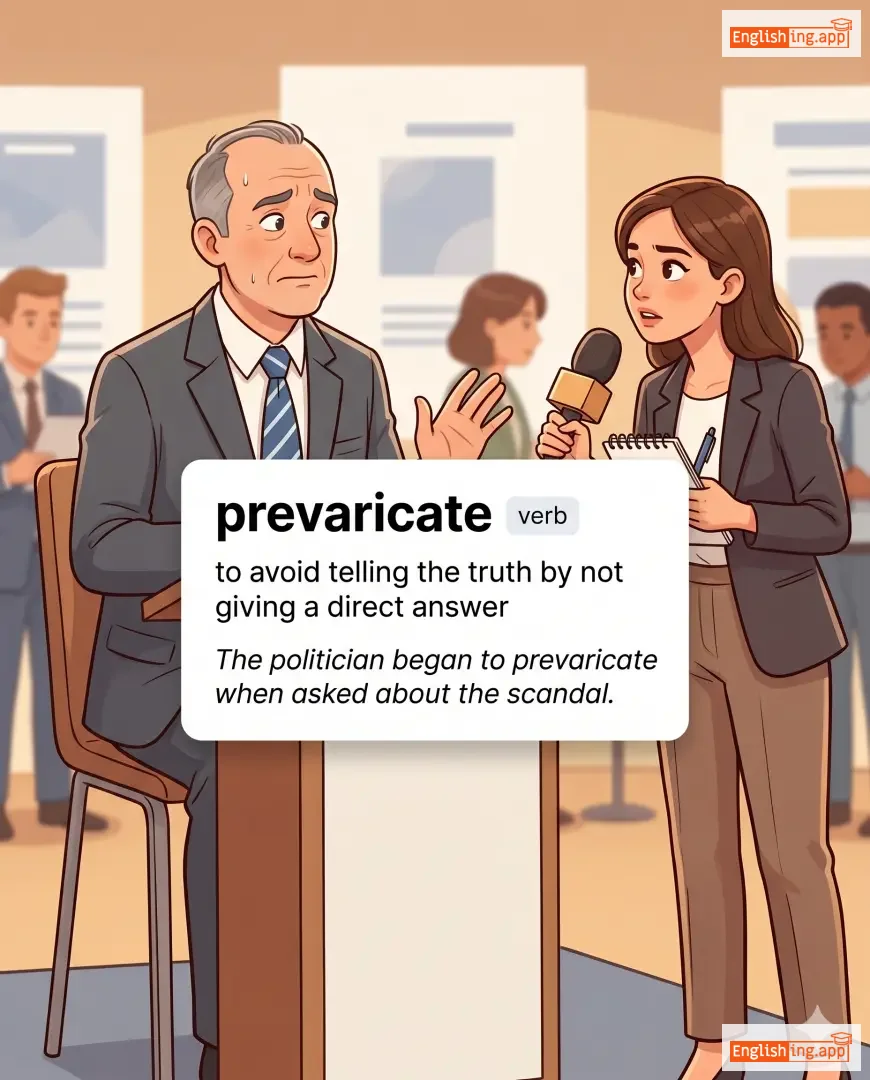
to avoid telling the truth by not giving a direct answer
••••••
|
The politician began to prevaricate when asked about the scandal. |
- •••••• |
beat around the bush |
to avoid talking about something directly
••••••
|
- •••••• |
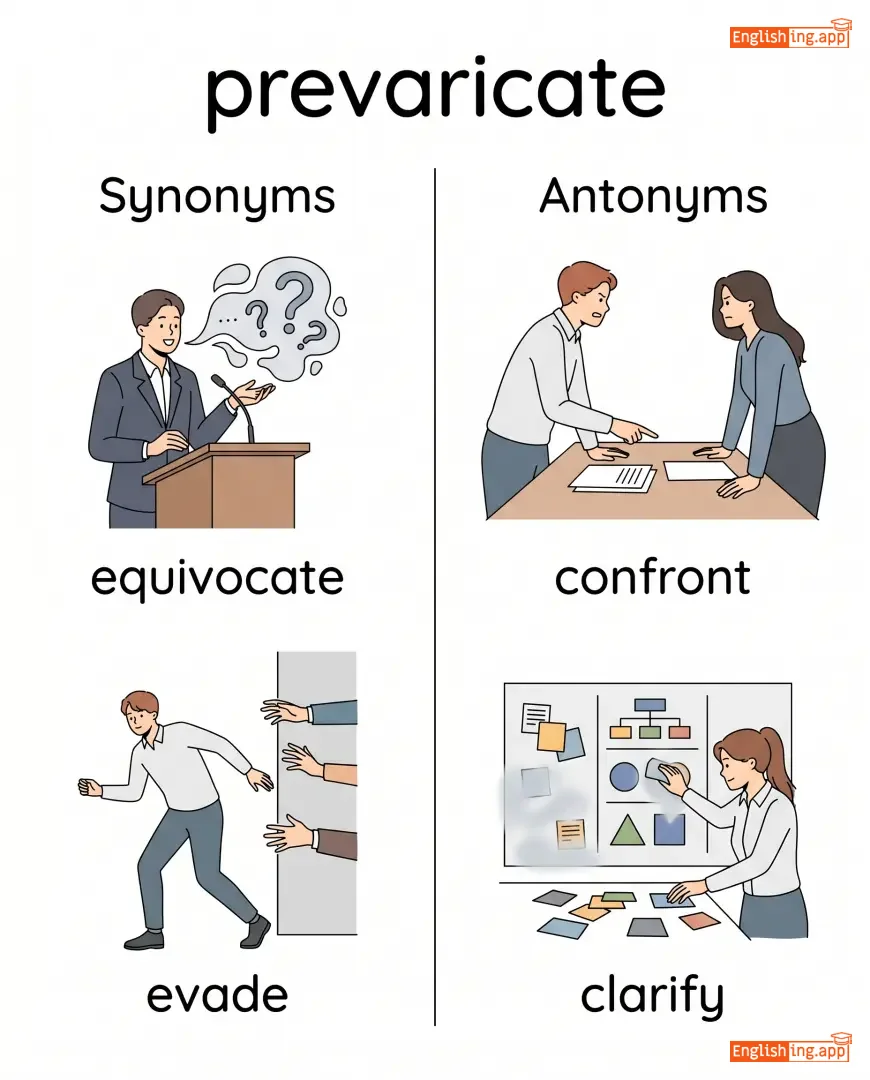
equivocate, evade, mislead, hedge, waffle
••••••
|
confront, clarify, admit
••••••
|
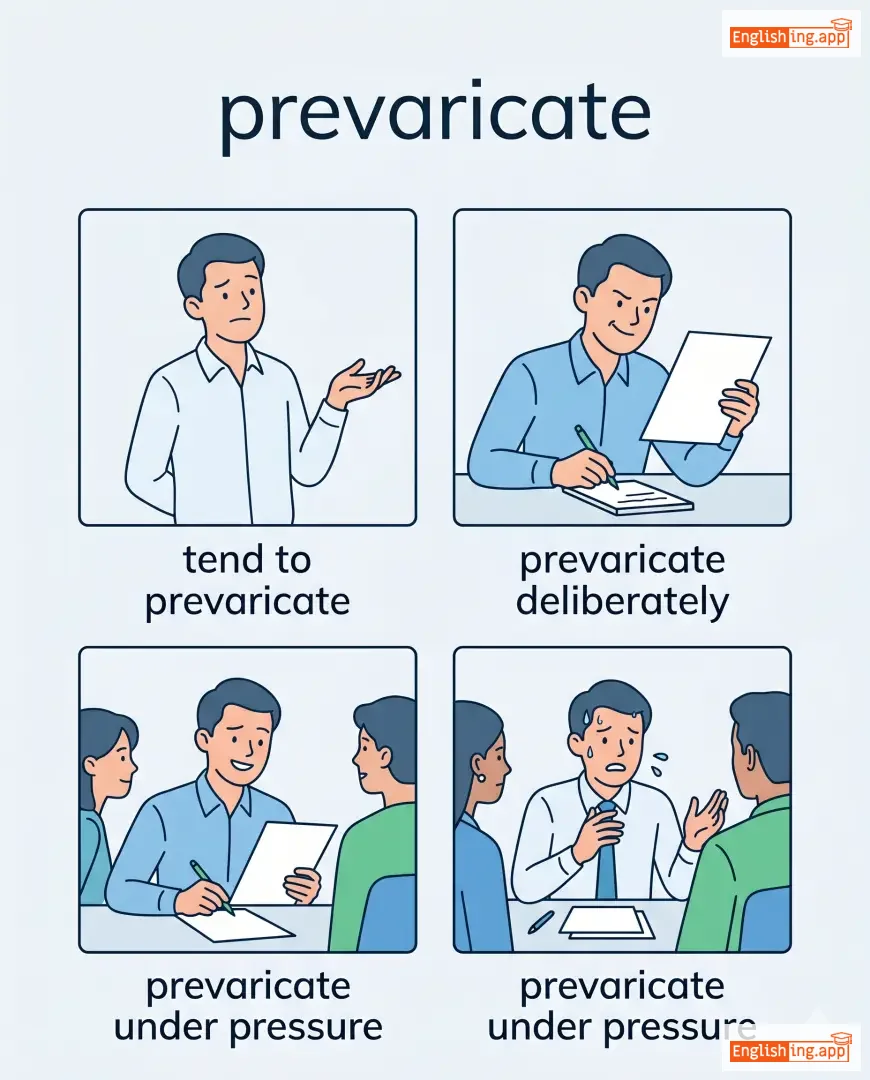
tend to prevaricate, prevaricate deliberately, prevaricate under pressure
••••••
|
No •••••• |
|
🌌
••••••
|
/praɪˈmɔːrdiəl/
adjective
(普赖莫迪尔)
••••••
|
- •••••• |
原始的
yuánshǐ de
••••••
|
- •••••• | - •••••• | - •••••• | - •••••• |
Existing at or from the beginning of time; fundamental and original.
••••••
|
Scientists study the primordial soup from which life emerged. |
科学家研究了原始汤,生命由此诞生。
Kēxuéjiā yánjiūle yuánshǐ tāng, shēngmìng yóu cǐ dànshēng.
••••••
|
primordial soup |
The hypothetical mixture of organic molecules from which life originated.
••••••
|
原始汤
yuánshǐ tāng
••••••
|
ancient, original, primal, early, fundamental
••••••
|
modern, recent, secondary
••••••
|
primordial soup, primordial chaos, primordial matter, primordial universe
••••••
|
原始的意味着从一开始 — 就像原始汤一样,生命由此诞生。
••••••
|
|
🌿
••••••
|
/ˈprɪstiːn/
adjective
••••••
|
|
- •••••• | - •••••• | - •••••• | - •••••• | - •••••• |
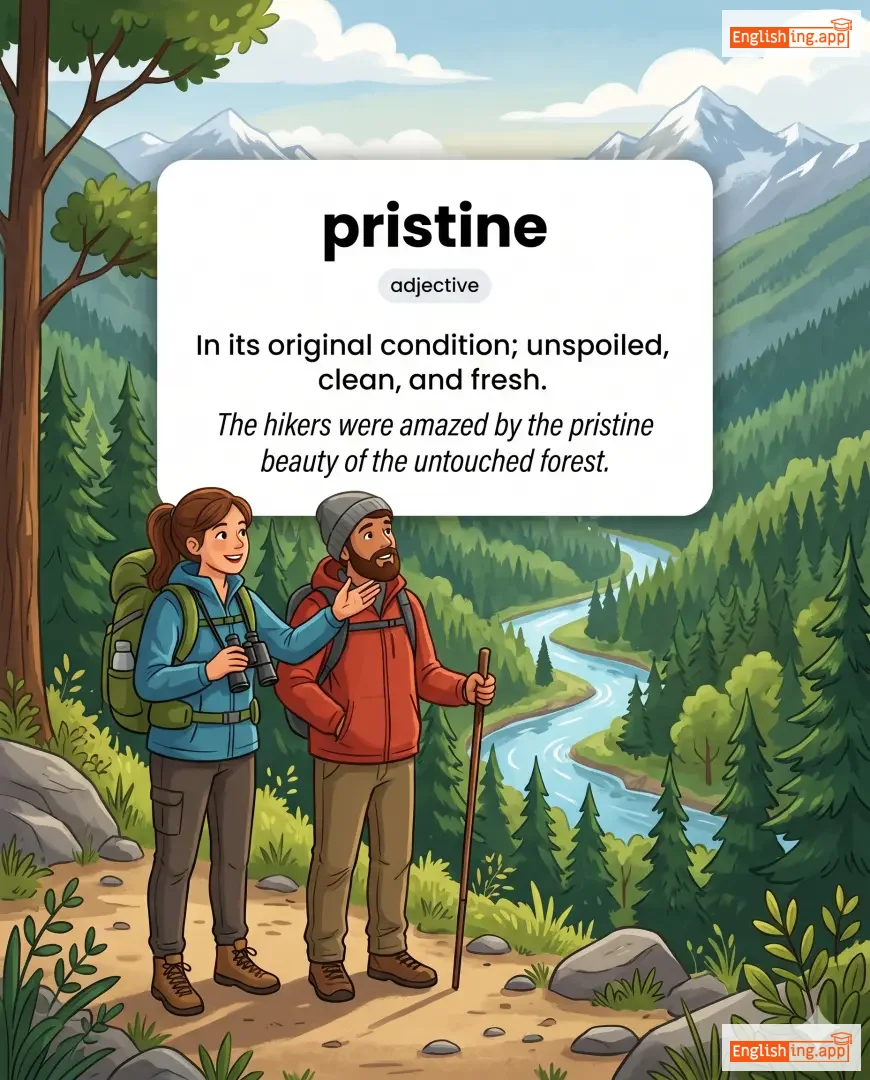
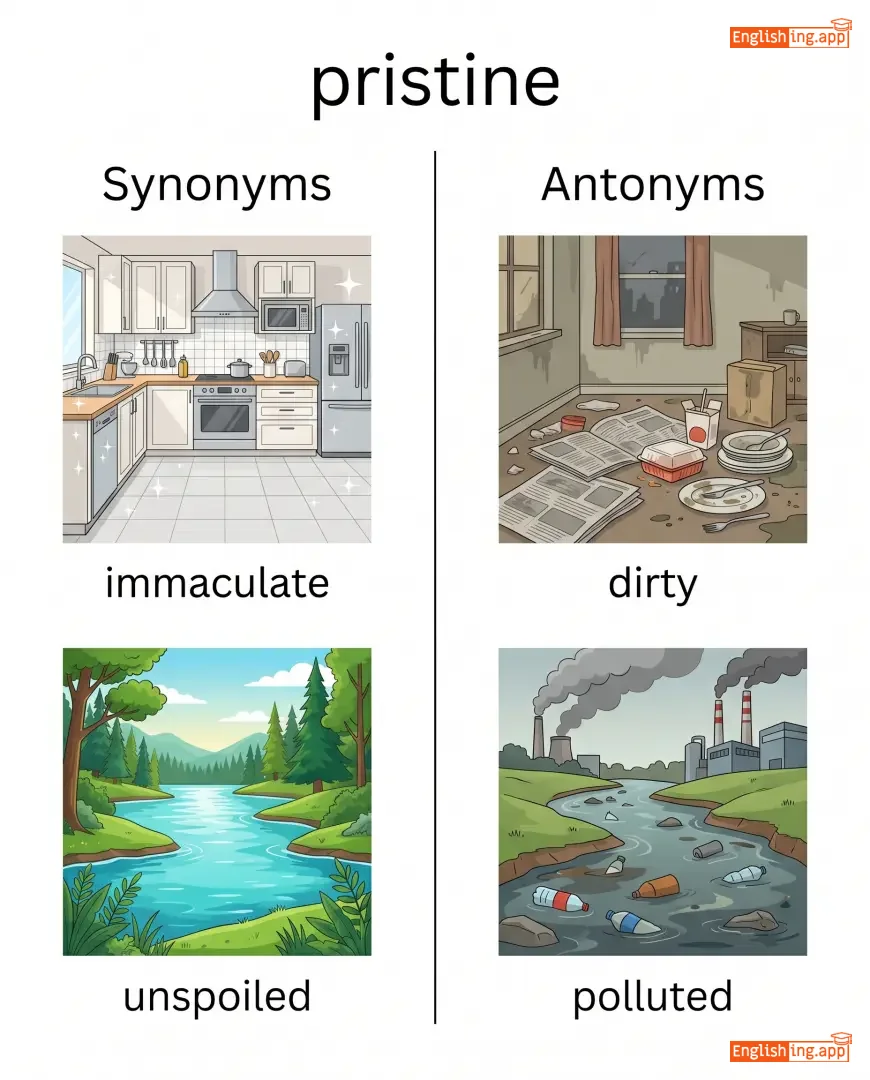
In its original condition; unspoiled, clean, and fresh.
••••••
|
The hikers were amazed by the pristine beauty of the untouched forest. |
- •••••• |
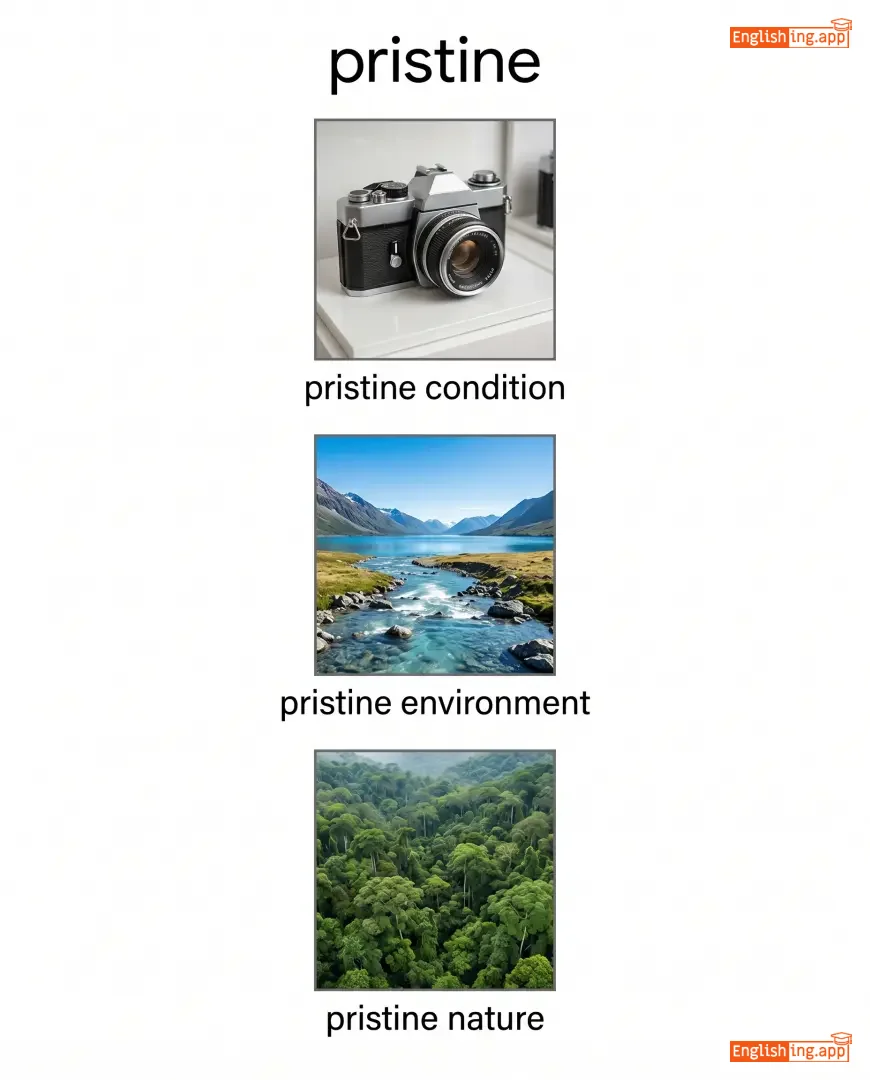
pristine condition |
Something that is perfectly clean, undamaged, or in its original state.
••••••
|
- •••••• |
immaculate, unspoiled, untouched, pure, fresh
••••••
|
dirty, polluted, spoiled
••••••
|
pristine condition, pristine environment, pristine nature, pristine forest
••••••
|
No •••••• |
|
⚖️
••••••
|
/ˈproʊbɪti/
noun
(pǔróubìtì)
••••••
|


|
廉洁
liánjié
••••••
|
- •••••• | - •••••• | - •••••• | - •••••• |
The quality of having strong moral principles; honesty and decency.
••••••
|
The judge was admired for his integrity and probity.
法官因其正直和廉洁而受到赞赏。
••••••
|
法官因其正直和廉洁而受到赞赏。
Fǎguān yīn qí zhèngzhí hé liánjié ér shòudào zànshǎng.
••••••
|
- •••••• | - •••••• | - •••••• |
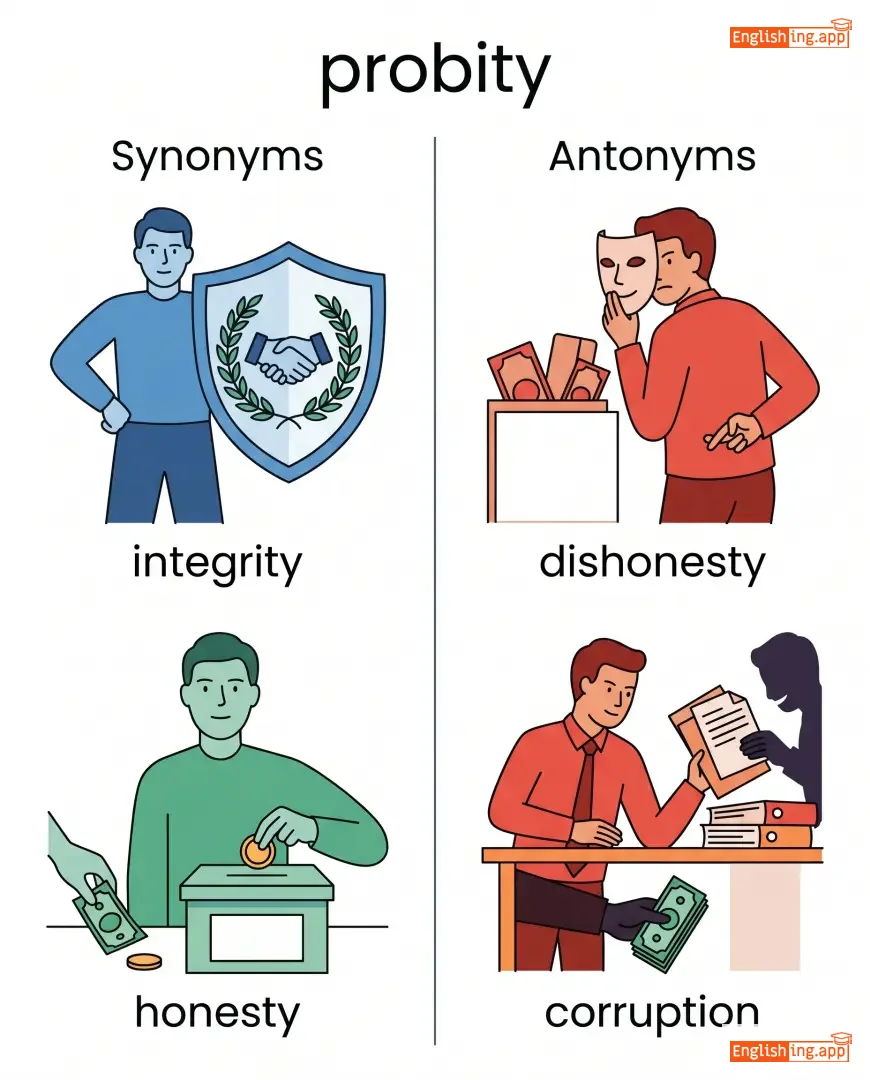
integrity, honesty, uprightness, morality, rectitude
••••••
|
dishonesty, corruption, immorality
••••••
|
probity in public life, professional probity, integrity and probity, probity standards
••••••
|
Probity = PROper + 诚实 - 廉洁即为诚实与正直。
••••••
|
|
⚠️
••••••
|
/ˌprɒb.ləˈmæt.ɪk/
adjective
(问题的)
••••••
|
|
有问题的; 导致问题的
you wenti de; daozhi wenti de
••••••
|
- •••••• | - •••••• | - •••••• | - •••••• |
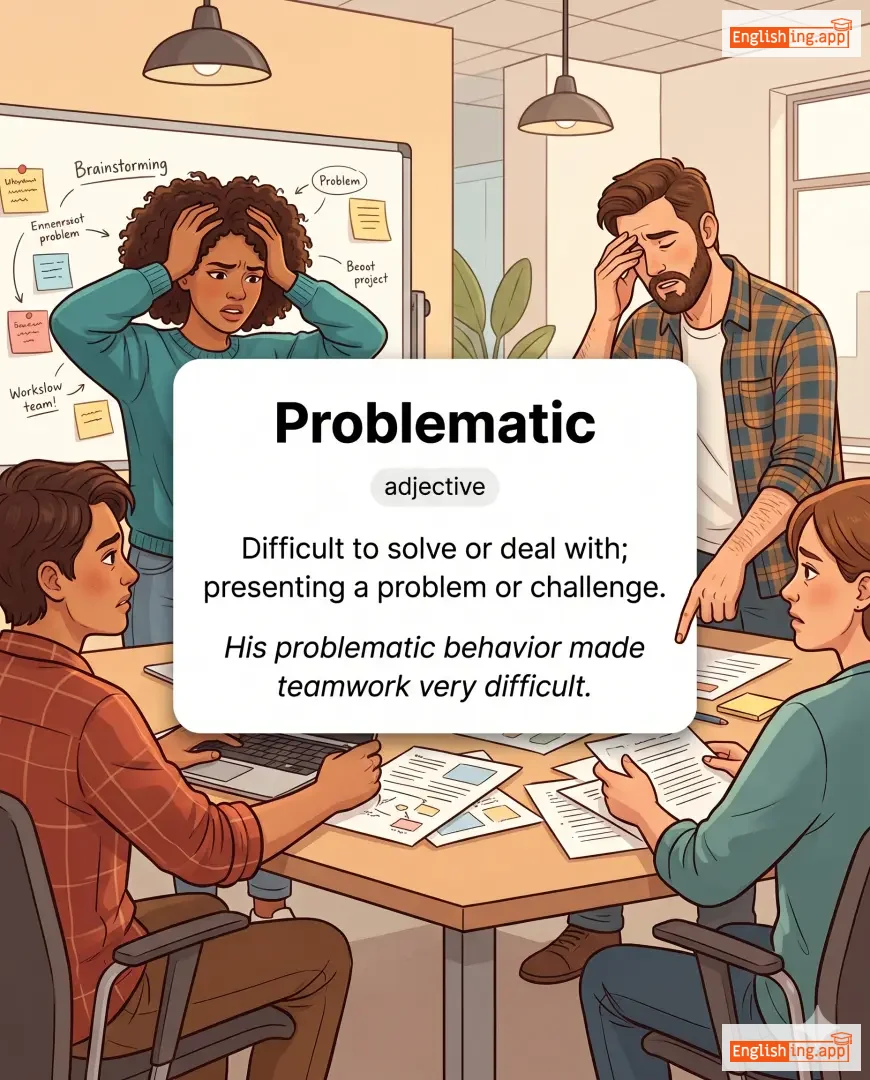
causing problems; troublesome; difficult to deal with
••••••
|
The new policy changes are problematic and need to be reviewed.
新政策的变化是有问题的,需要审查。
••••••
|
新政策的变化是有问题的,需要审查。
Xin zhengce de bianhua shi you wenti de, xuyao shencha.
••••••
|
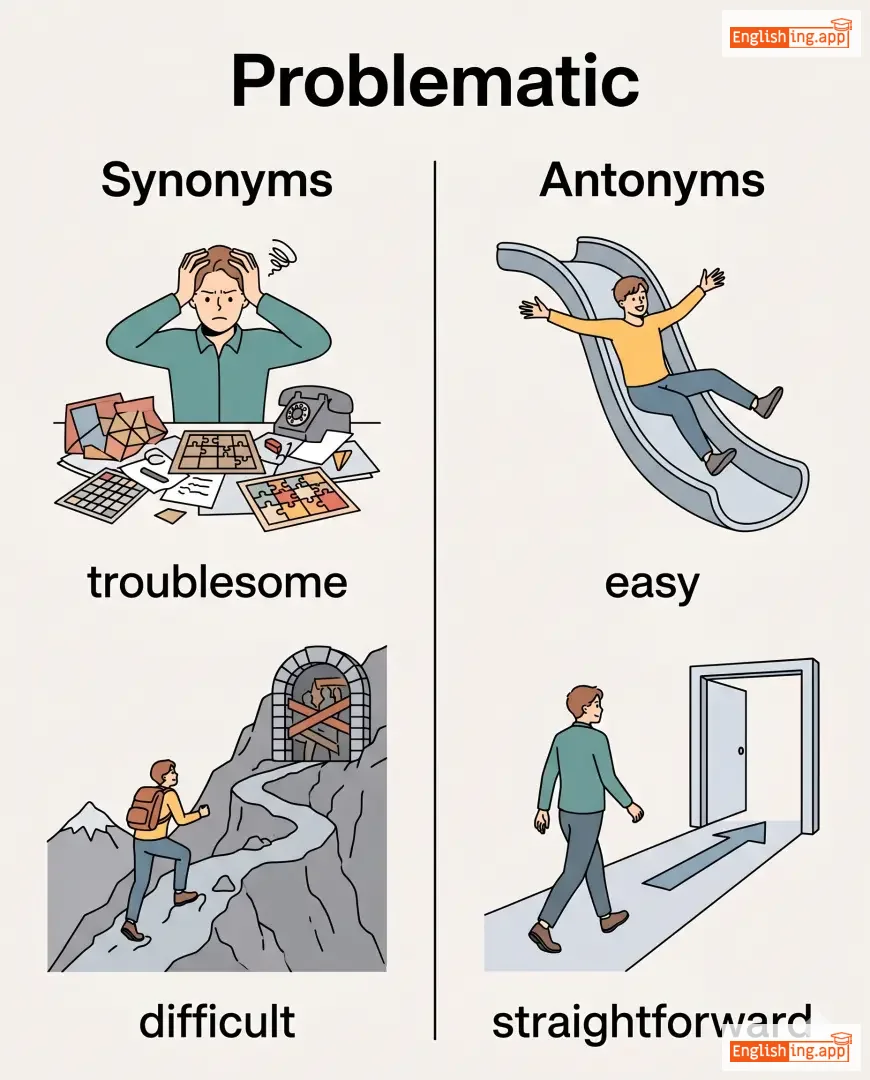
- •••••• | - •••••• | - •••••• |
troublesome, difficult, challenging, questionable
••••••
|
unproblematic, easy, simple, straightforward
••••••
|
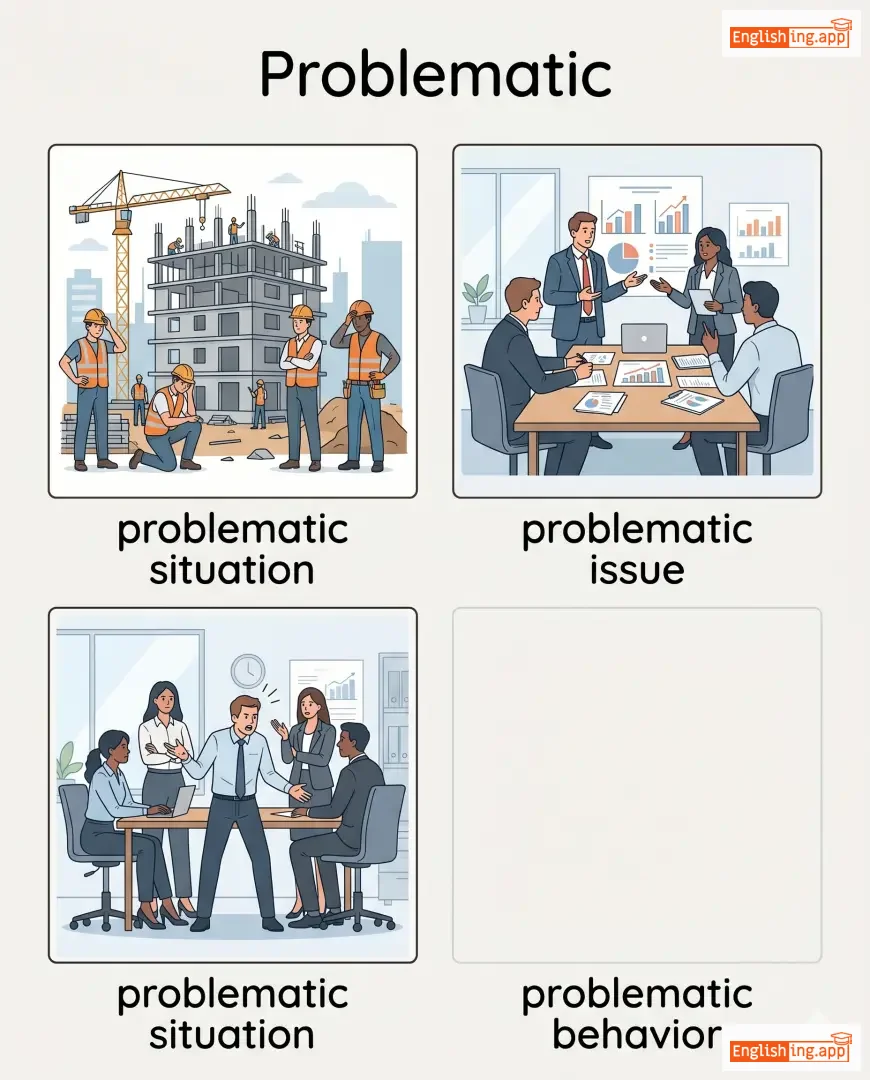
problematic situation, problematic behavior, highly problematic, potentially problematic
••••••
|
问题 (wenti) + 的 (de) = 有问题的 (you wenti de)
••••••
|
|
💸
••••••
|
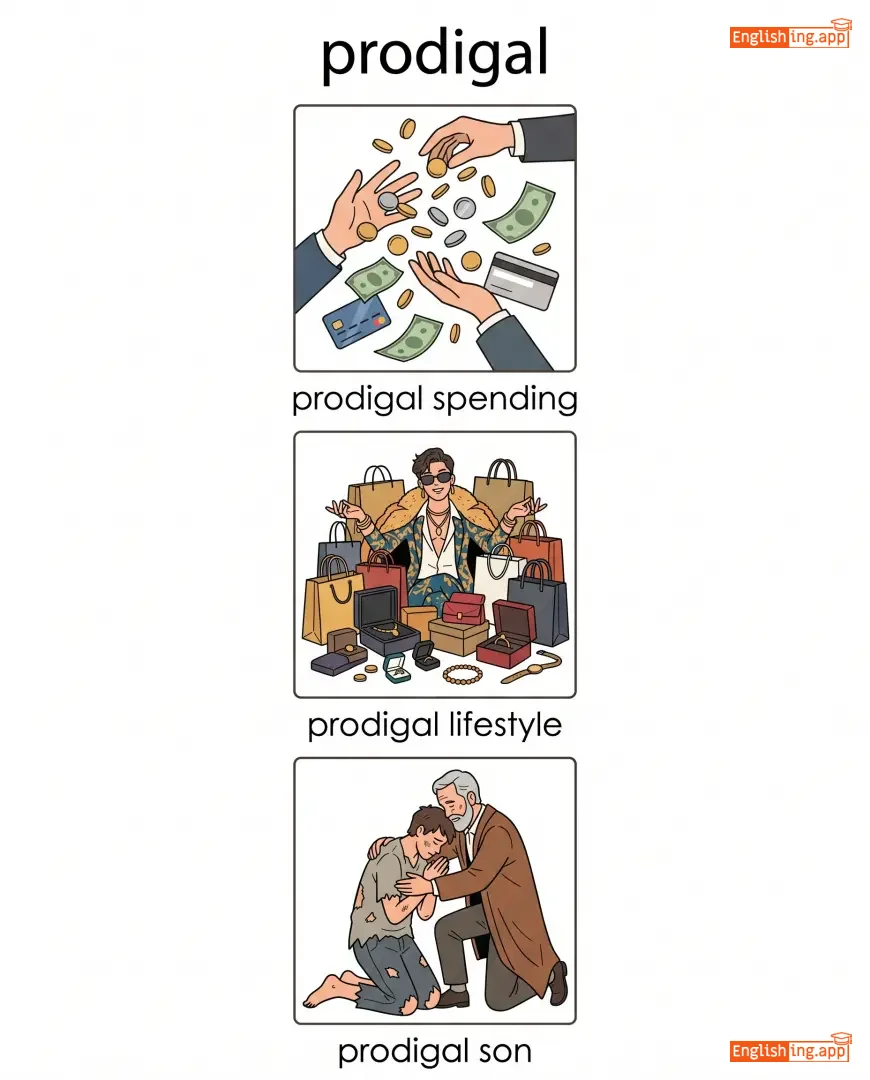
/ˈprɒdɪɡəl/
adjective
(普罗迪戈)
••••••
|
|
挥霍无度
huīhuò wúdù
••••••
|
- •••••• | - •••••• | - •••••• | - •••••• |
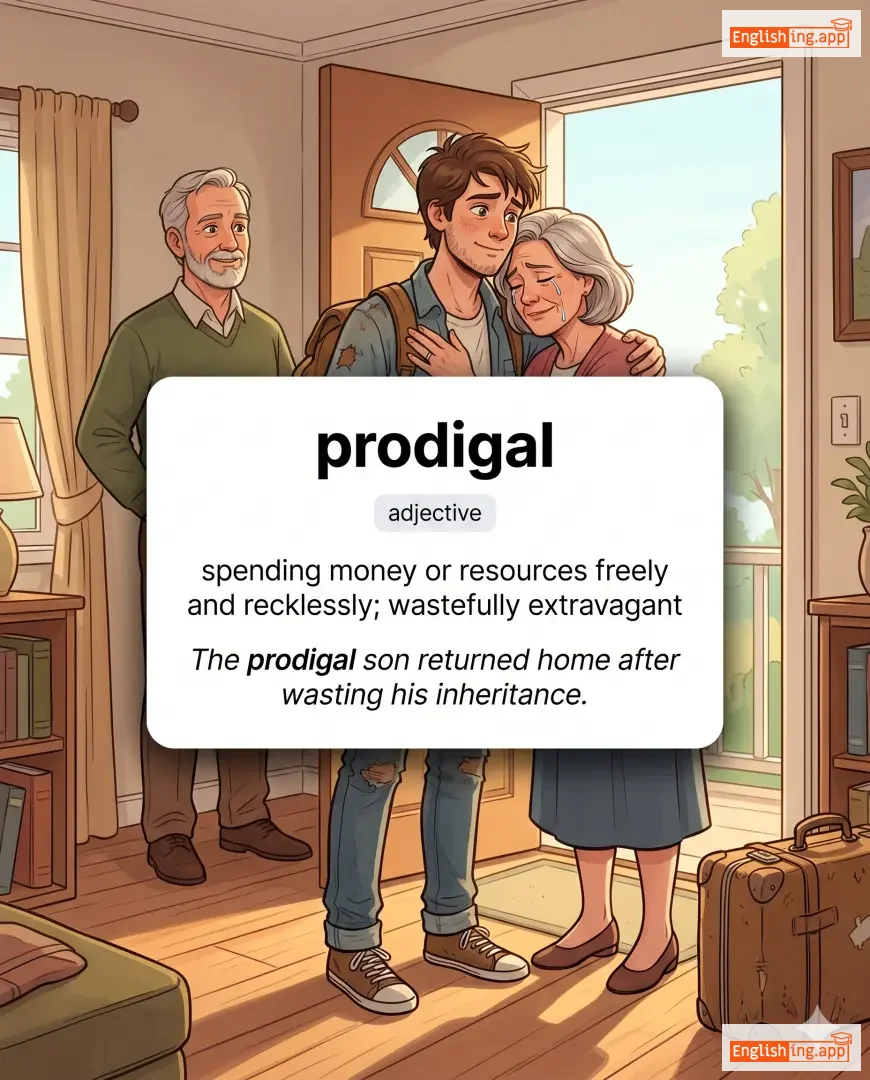
spending money or resources freely and recklessly; wastefully extravagant
••••••
|
The prodigal son returned home after wasting his inheritance. |
浪子回头,回到家中,在浪费了遗产之后。
Làngzǐ huítóu, huídào jiāzhōng, zài làngfèi le yíchǎn zhīhòu.
••••••
|
prodigal son |
a person who leaves home and behaves recklessly but later returns, repentant
••••••
|
浪子
làngzǐ
••••••
|
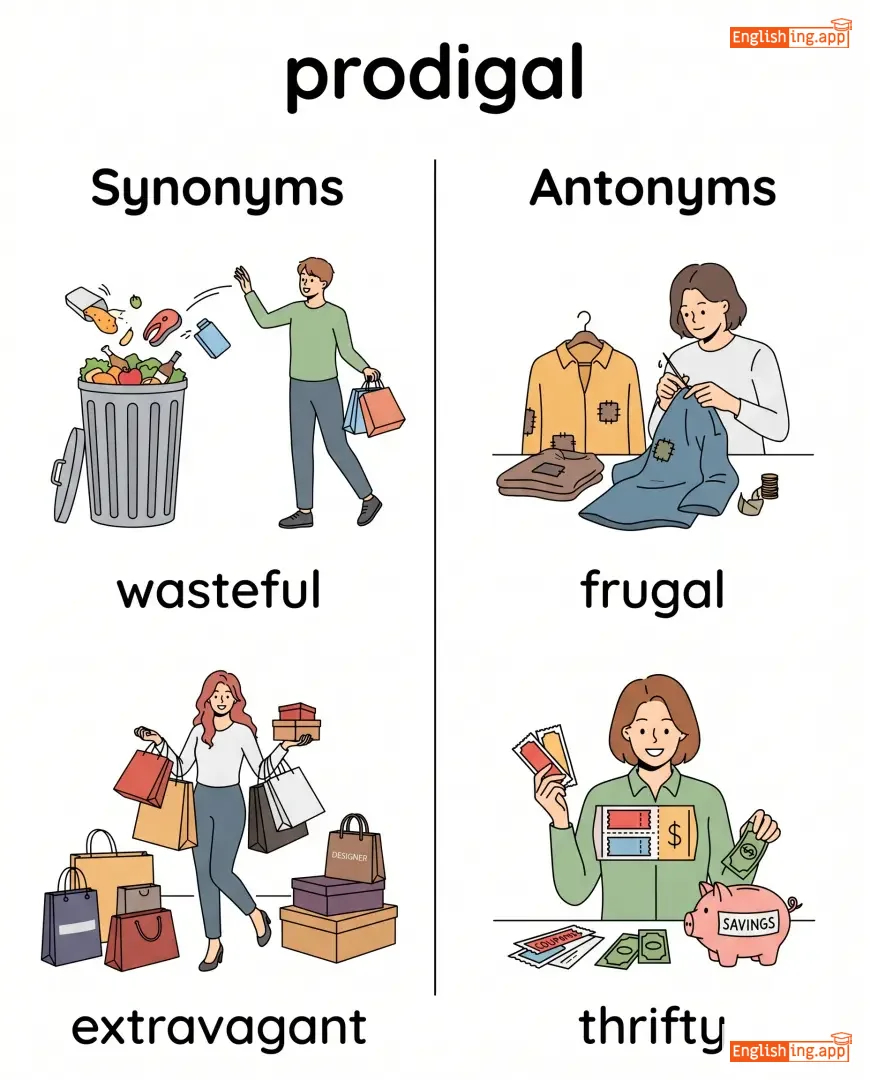
wasteful, extravagant, lavish, reckless
••••••
|
frugal, thrifty, economical
••••••
|
prodigal spending, prodigal lifestyle, prodigal son
••••••
|
挥霍无度的孩子最后回家后悔了。
••••••
|
|
🧠
••••••
|
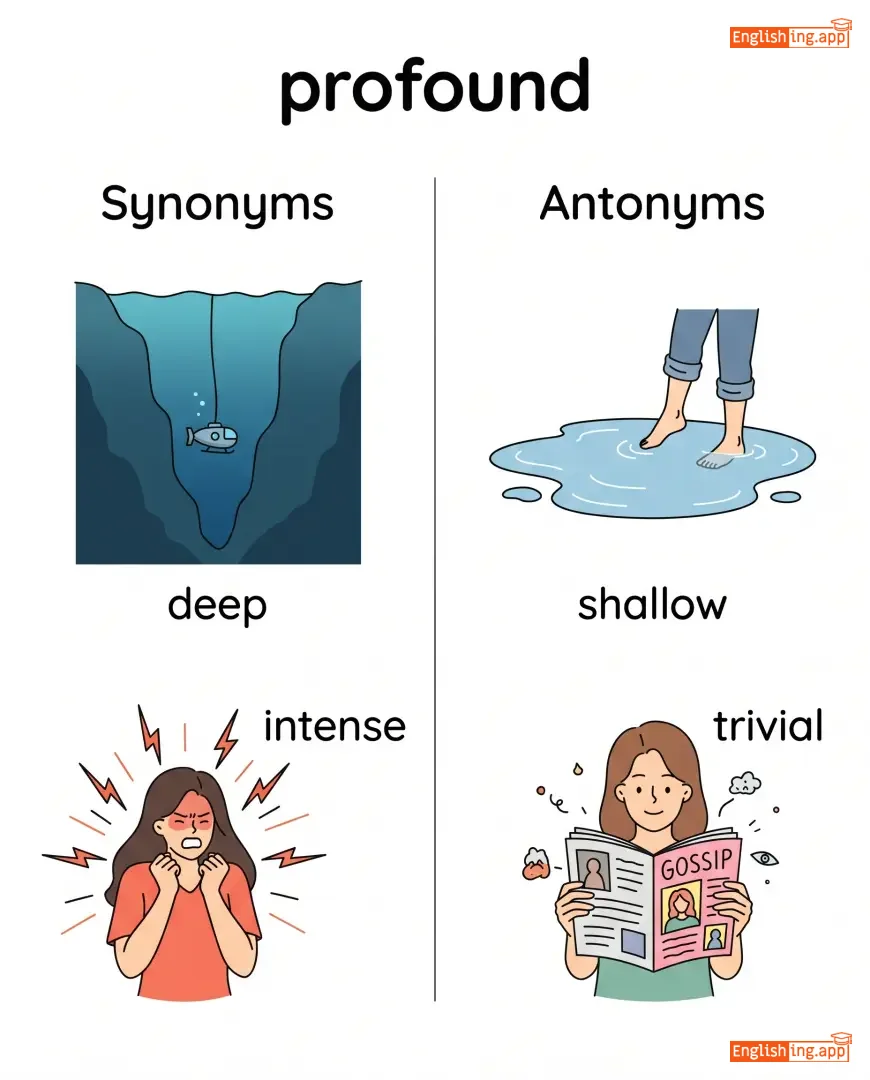
/prəˈfaʊnd/
adjective
(普罗芳德)
••••••
|

|
深刻
shenke
••••••
|
- •••••• | - •••••• | - •••••• | - •••••• |
very great or intense; showing deep insight or understanding
••••••
|
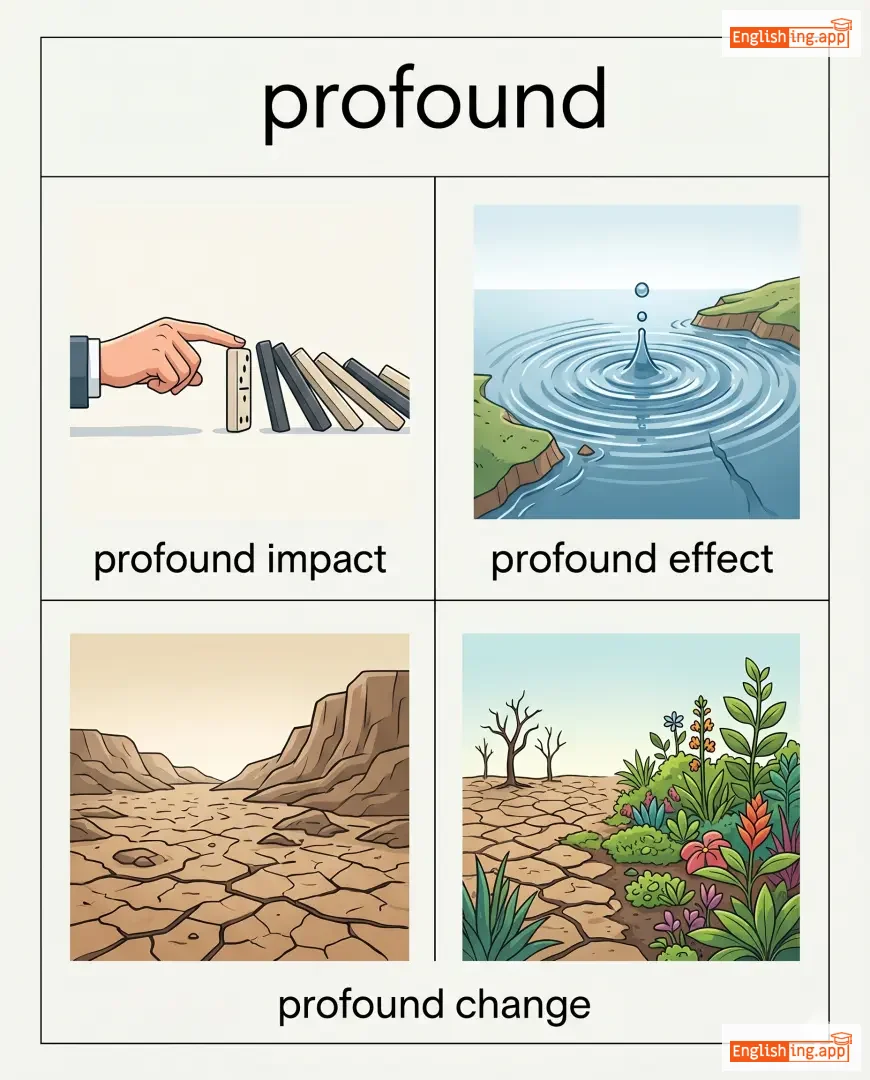
Her speech had a profound impact on the audience. |
她的演讲对观众产生了深刻的影响。
Ta de yanjiang dui guanzhong chanshengle shenke de yingxiang.
••••••
|
- •••••• | - •••••• | - •••••• |
deep, intense, thoughtful, insightful, weighty
••••••
|
shallow, trivial, superficial
••••••
|
profound impact, profound effect, profound change, profound insight, profound silence
••••••
|
深刻如大海,深不见底。
••••••
|
|
💸
••••••
|
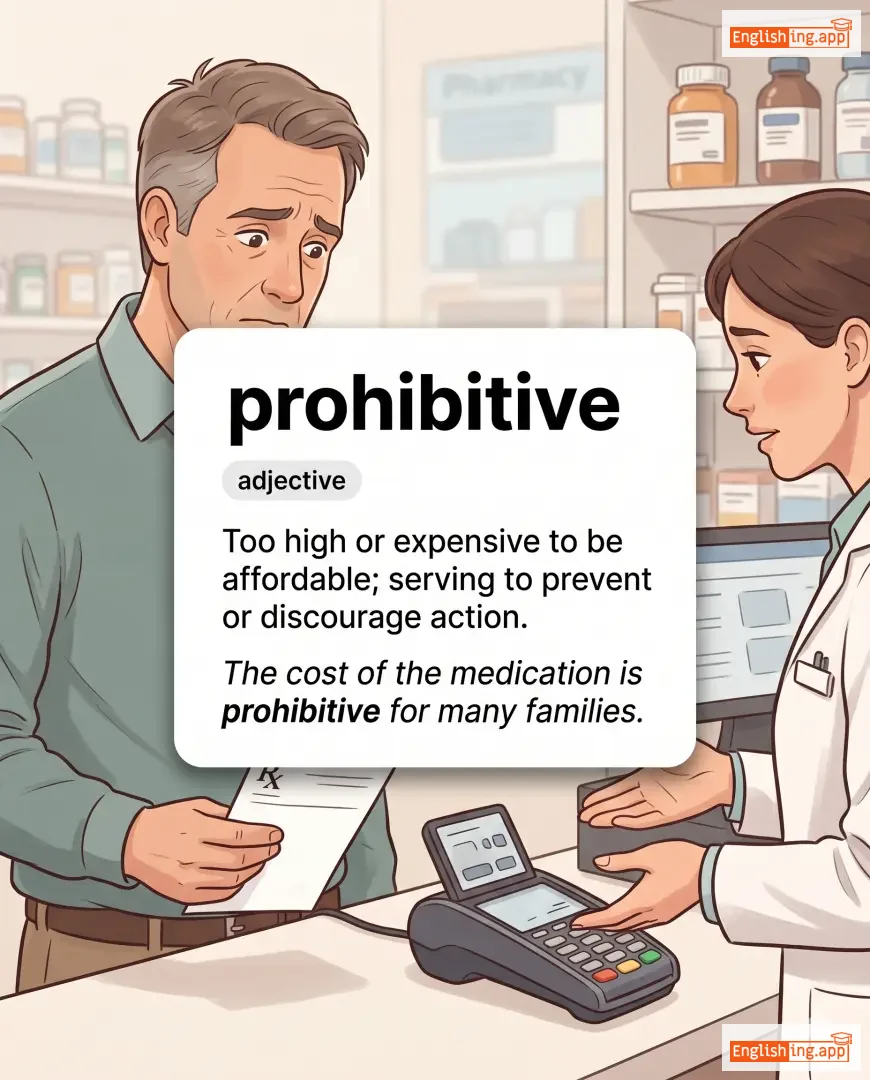
/prəˈhɪbɪtɪv/
adjective
(禁止的)
••••••
|
|
过高的
guò gāo de
••••••
|
- •••••• | - •••••• | - •••••• | - •••••• |
Too high or expensive to be affordable; serving to prevent or discourage action.
••••••
|
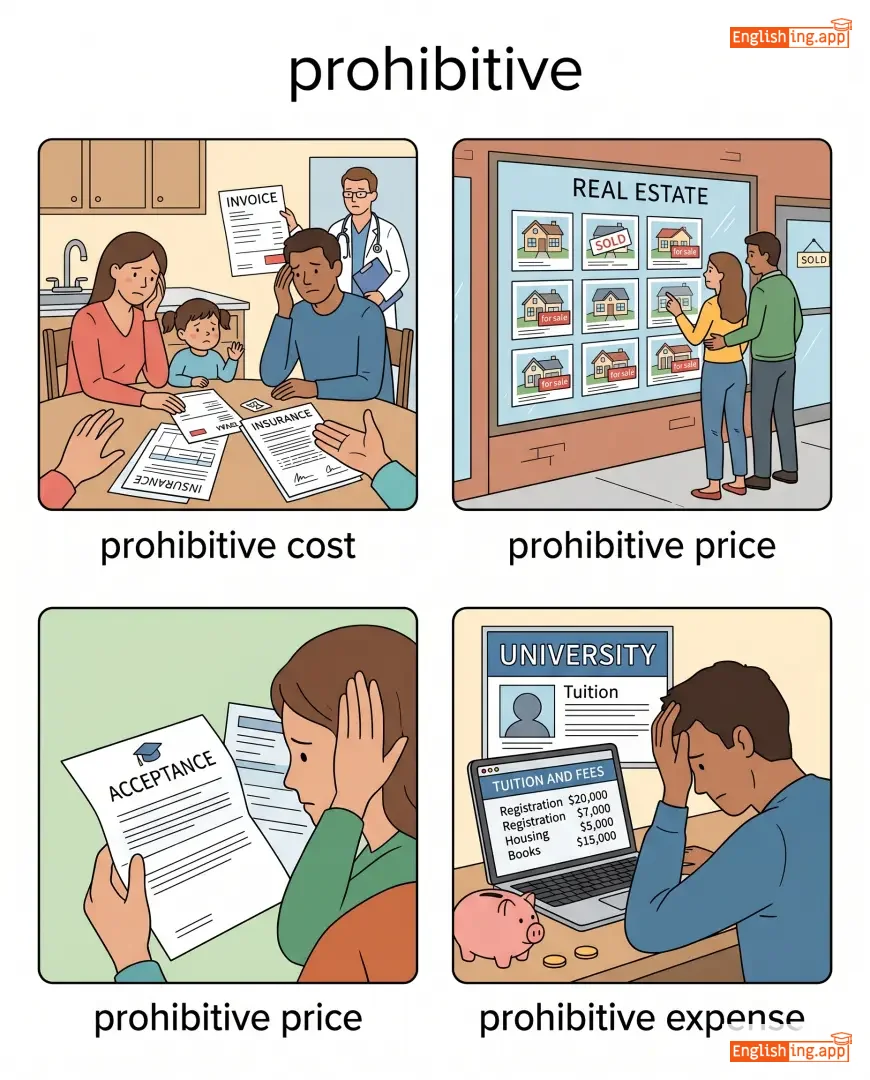
The cost of the medication is prohibitive for many families. |
药物的费用对于许多家庭来说是过高的。
Yàowù de fèiyòng duìyú xǔduō jiātíng lái shuō shì guò gāo de.
••••••
|
- •••••• | - •••••• | - •••••• |
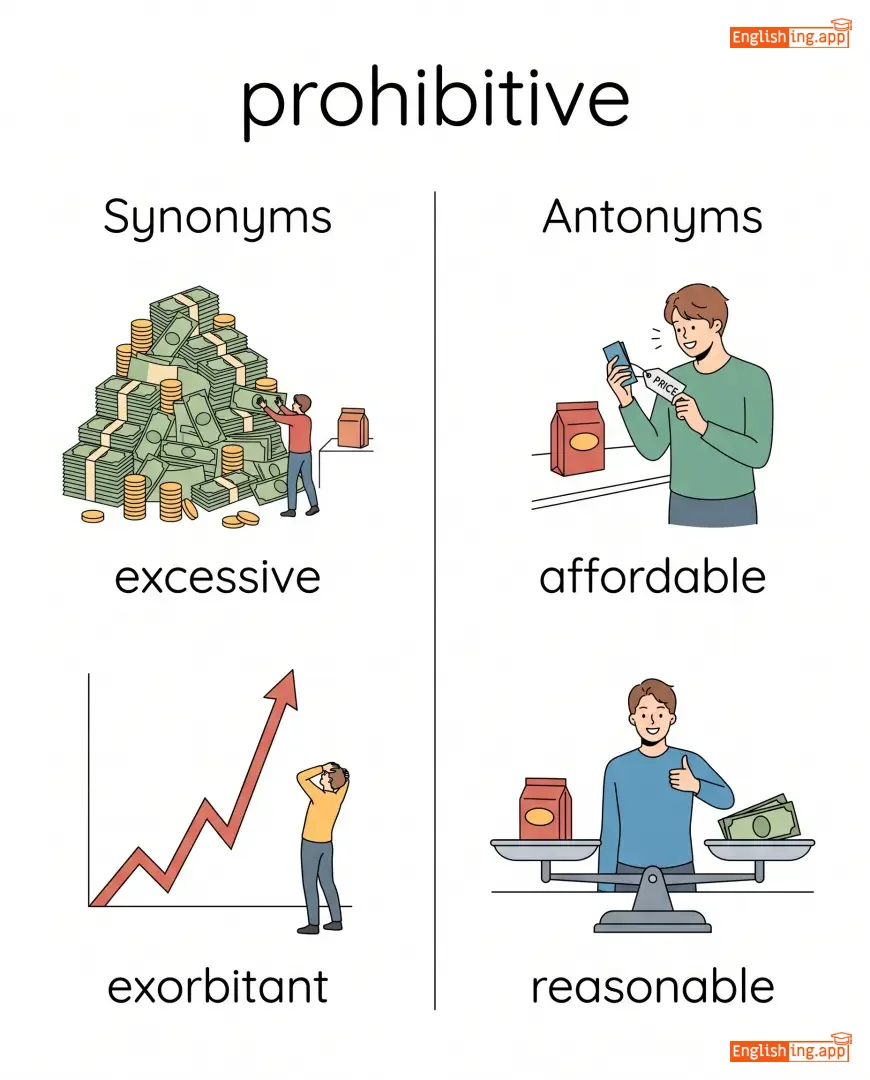
excessive, exorbitant, restrictive, expensive
••••••
|
affordable, reasonable, cheap
••••••
|
prohibitive cost, prohibitive price, prohibitive expense
••••••
|
Prohibitive是那么贵,根本无法购买。
••••••
|

