|
表情符号
|
单词 | Images | 翻译 | 过去时 | 过去分词 | 第三人称单数 | 动名词 | 含义 | 例句 | 例句翻译 | 示例表达 | 示例表达含义 | 示例表达翻译 | 同义词 | 反义词 | 搭配词 | 助记符 |
|---|---|---|---|---|---|---|---|---|---|---|---|---|---|---|---|---|---|
|
👤
••••••
|
/ɪnˈkɑːrneɪt/
adjective/verb
(化身)
••••••
|
|
化身
huàshēn
••••••
|
incarnated
化身
••••••
|
incarnated
化身
••••••
|
incarnates
化身
••••••
|
incarnating
化身
••••••
|
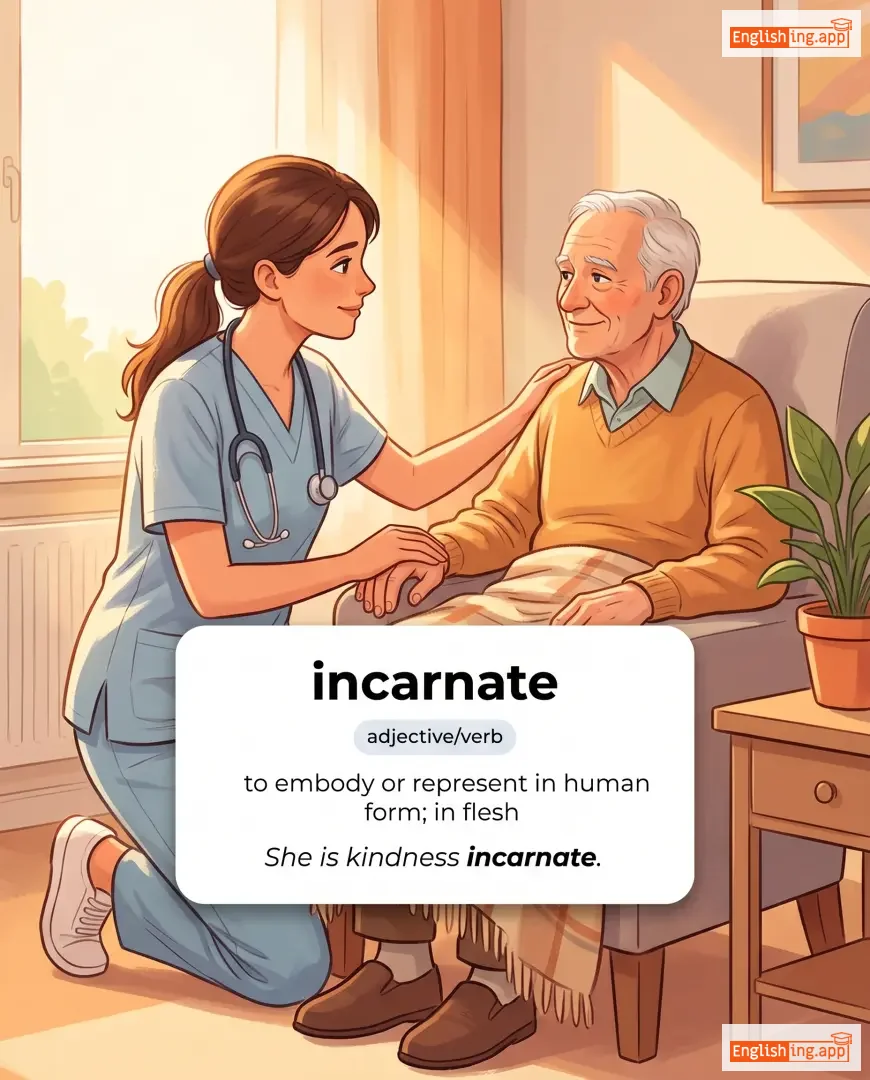
to embody or represent in human form; in flesh
••••••
|
She is kindness incarnate.
她是善良的化身。
••••••
|
她是善良的化身。
Tā shì shànliáng de huàshēn.
••••••
|
- •••••• | - •••••• | - •••••• |
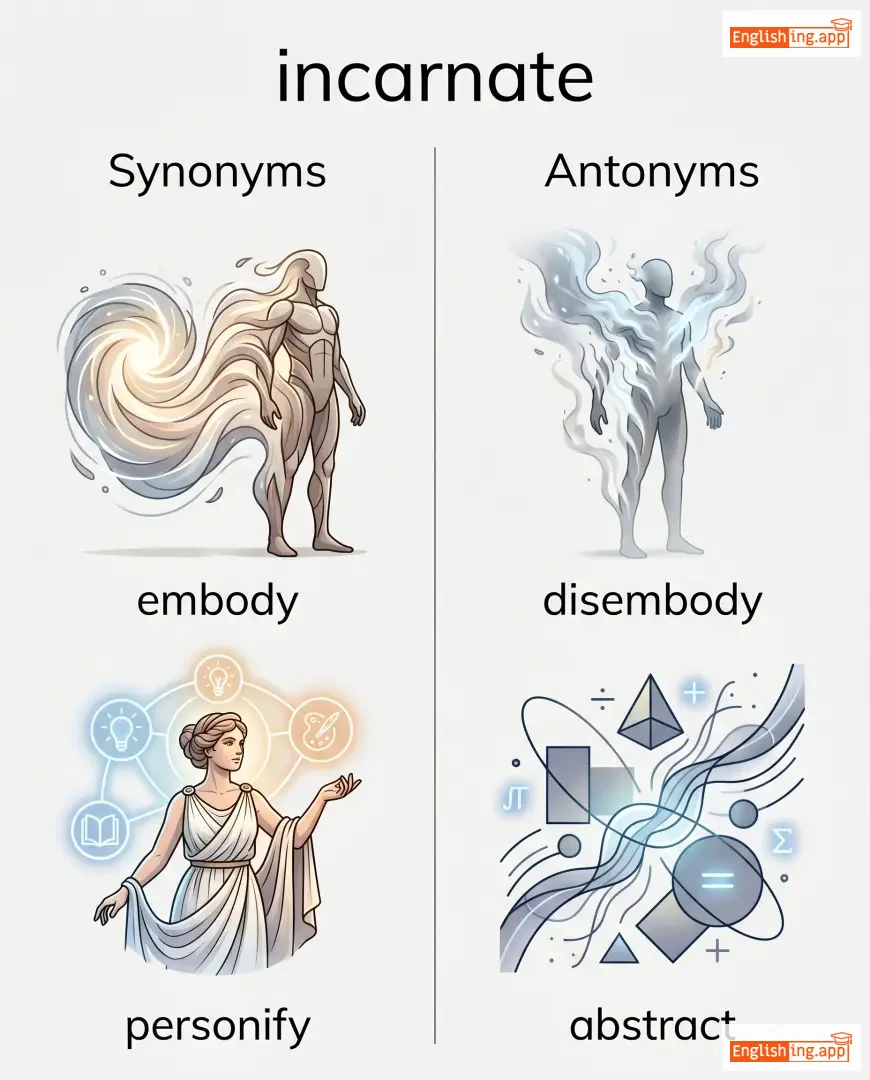
embody, personify, represent, manifest
••••••
|
disembody, abstract
••••••
|
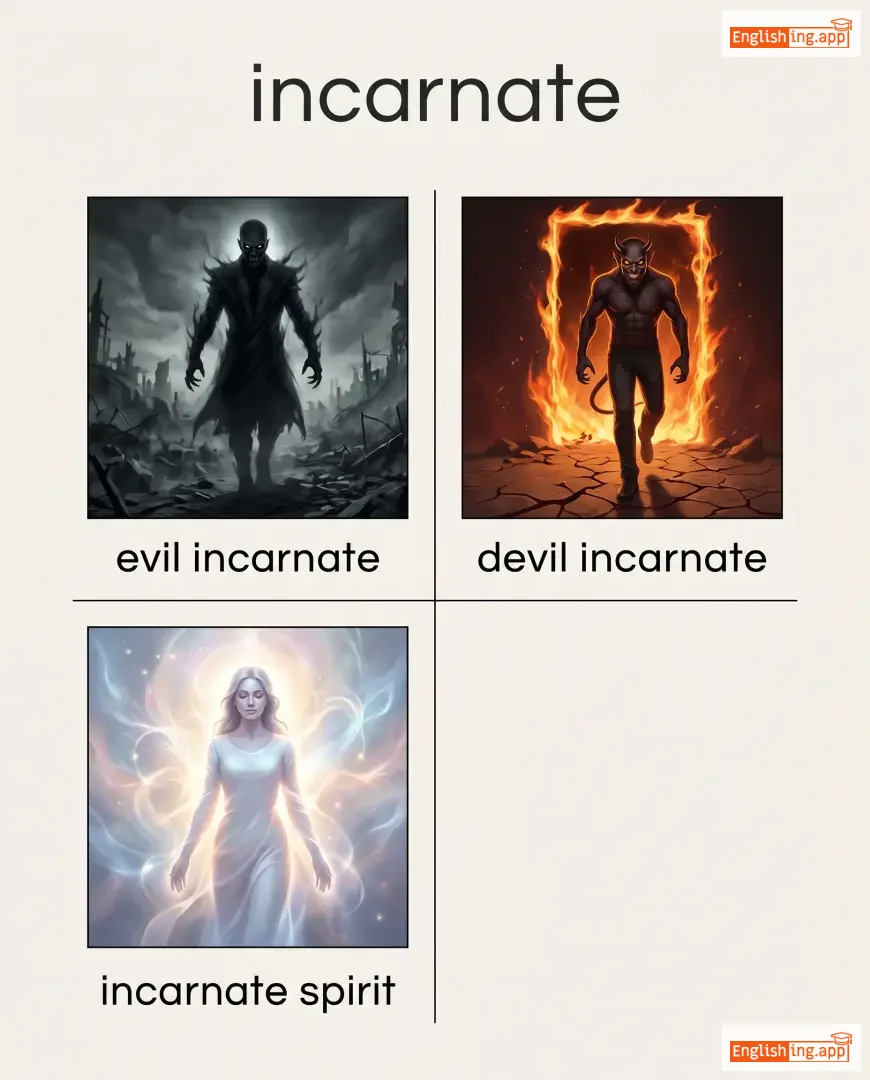
evil incarnate, devil incarnate, incarnate spirit, incarnate form
••••••
|
In car net 是人类的化身 (huàshēn)。
••••••
|
|
🌄
••••••
|
/ɪnˈkoʊ.ɪt/ or /ɪnˈkoʊ.eɪt/
adjective
(因科韦特)
••••••
|

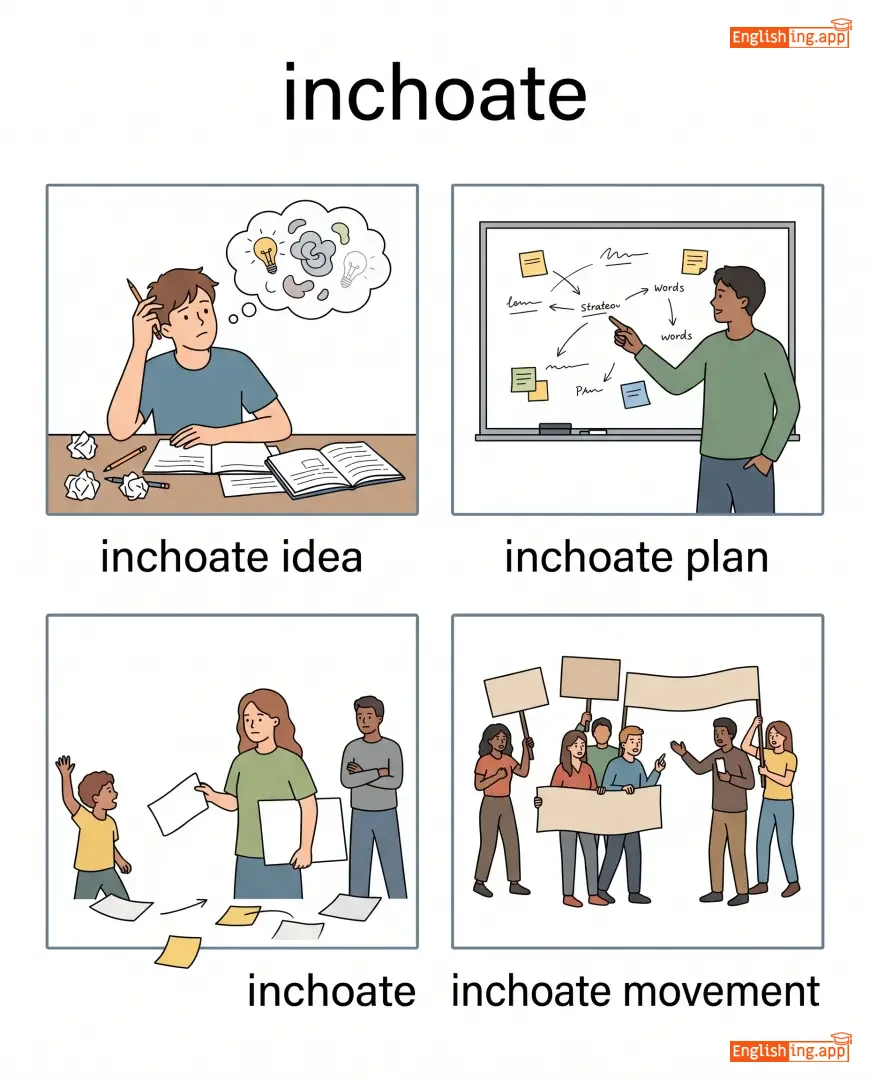
|
未完成的
wei wancheng de
••••••
|
- •••••• | - •••••• | - •••••• | - •••••• |
Just begun and not fully formed; rudimentary.
••••••
|
His inchoate ideas needed more research to be developed. |
他的未完成的想法需要更多的研究才能发展。
Tā de wèi wánchéng de xiǎngfǎ xūyào gèng duō de yánjiū cáinéng fāzhǎn.
••••••
|
- •••••• | - •••••• | - •••••• |
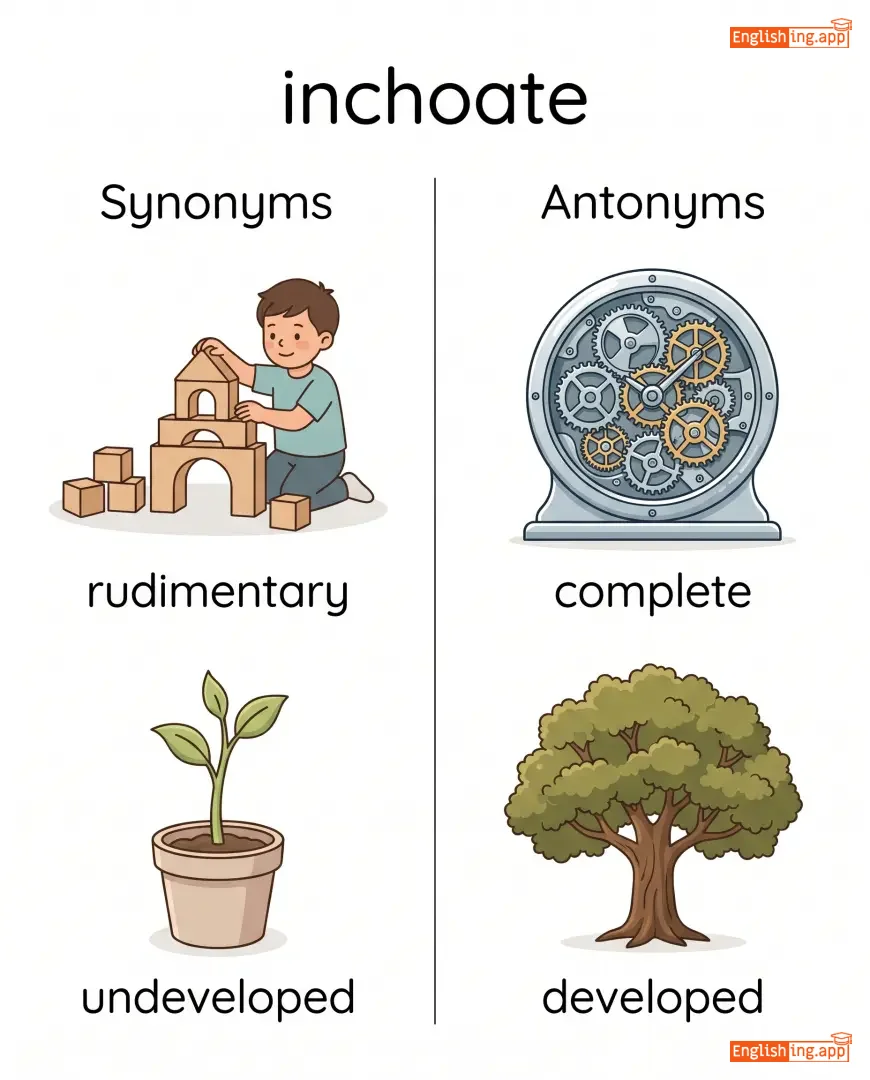
rudimentary, undeveloped, immature, nascent, beginning
••••••
|
complete, developed, finished
••••••
|
inchoate idea, inchoate plan, inchoate movement, inchoate stage
••••••
|
Inchoate意味着未完成的 → 还在开发中
••••••
|
|
🔄
••••••
|
/ˌɪnkənˈɡruːəti/
noun
(yīnkōnglǔyì)
••••••
|
|
不一致
bù yīzhì
••••••
|
- •••••• | - •••••• | - •••••• | - •••••• |
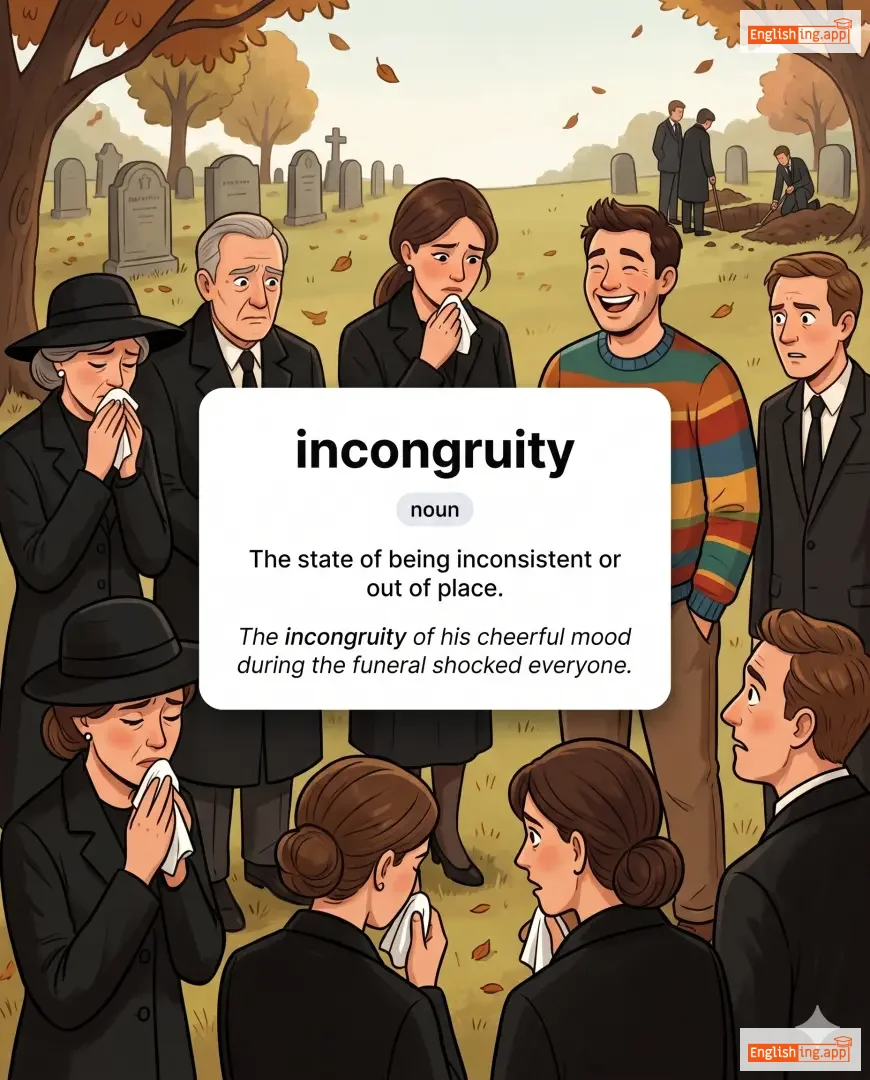
The state of being inconsistent or out of place.
••••••
|
The incongruity of his cheerful mood during the funeral shocked everyone. |
在葬礼上,他愉快的心情与情境的不一致让所有人都震惊了。
Zài zànglǐ shàng, tā yúkuài de xīnqíng yǔ qíngjìng de bù yīzhì ràng suǒyǒu rén dōu zhènjīngle.
••••••
|
- •••••• | - •••••• | - •••••• |
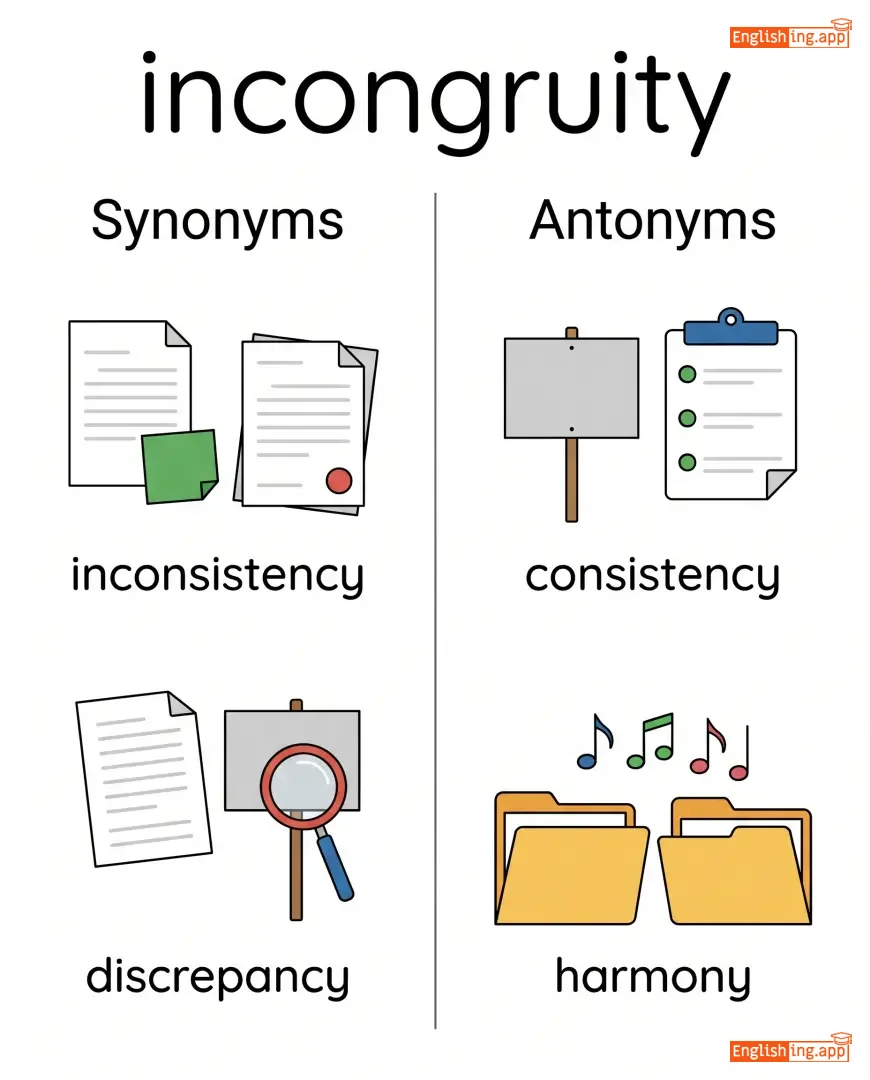
inconsistency, discrepancy, mismatch, absurdity
••••••
|
consistency, harmony, congruity
••••••
|
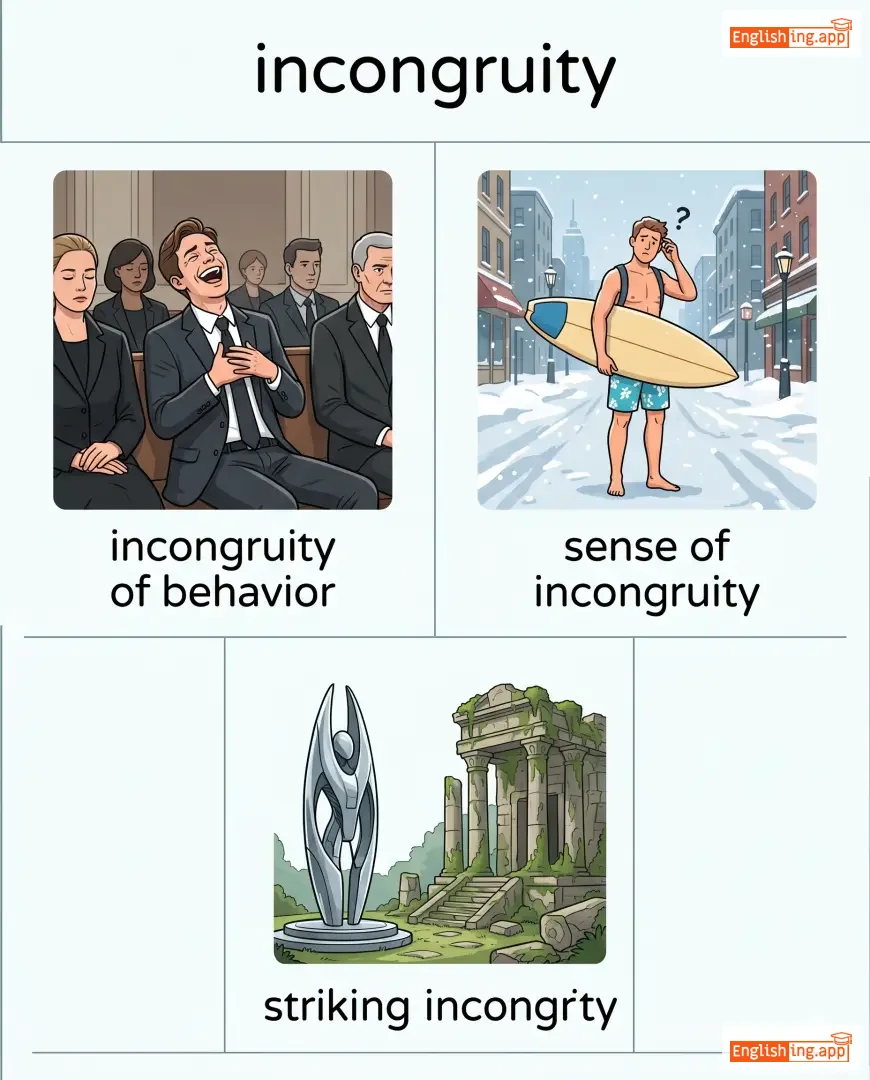
incongruity of behavior, sense of incongruity, striking incongruity
••••••
|
IN不一致表示事物之间没有统一性或和谐性。
••••••
|
|
🪶
••••••
|
/ˌɪnˌkɒnsɪˈkwɛnʃəl/
adjective
(yīnkòngsèkuì'ěr)
••••••
|
|
微不足道
wēi bù zú dào
••••••
|
- •••••• | - •••••• | - •••••• | - •••••• |
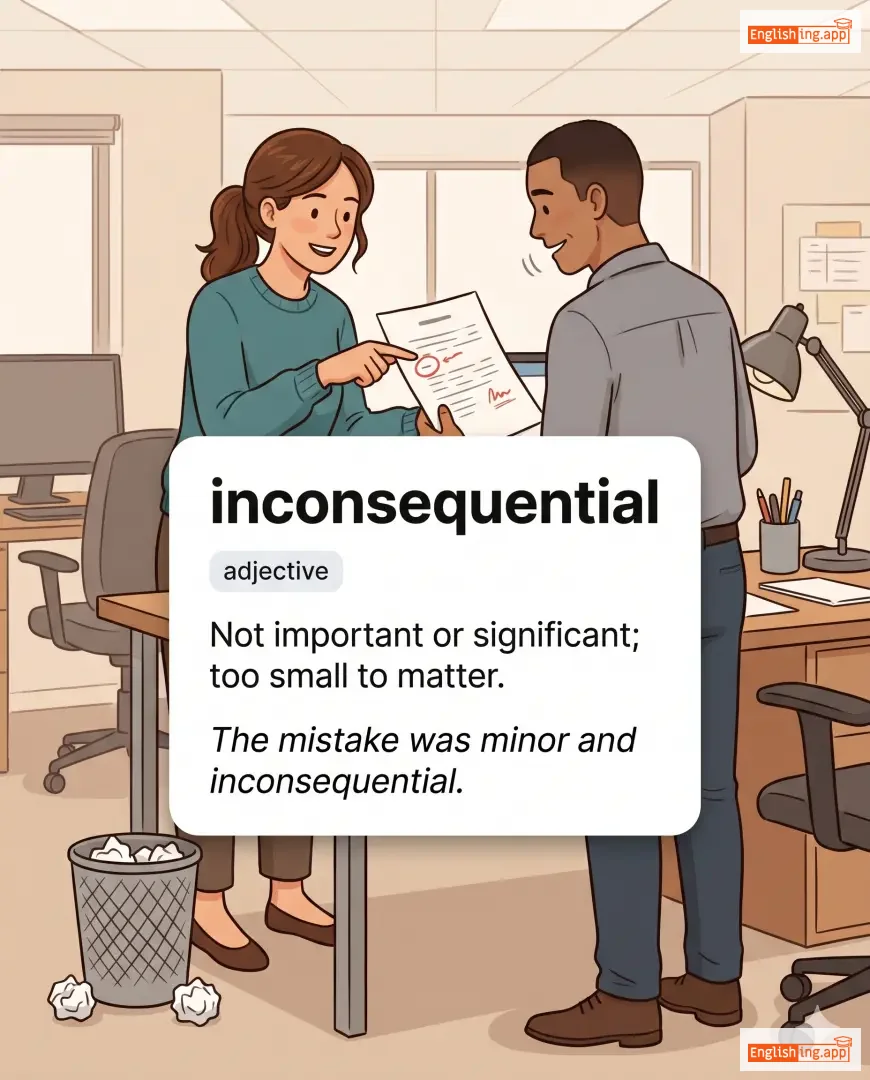
Not important or significant; too small to matter.
••••••
|
The mistake was minor and inconsequential.
这个错误是微不足道的。
••••••
|
这个错误是微不足道的。
Zhège cuòwù shì wēi bù zú dào de.
••••••
|
- •••••• | - •••••• | - •••••• |
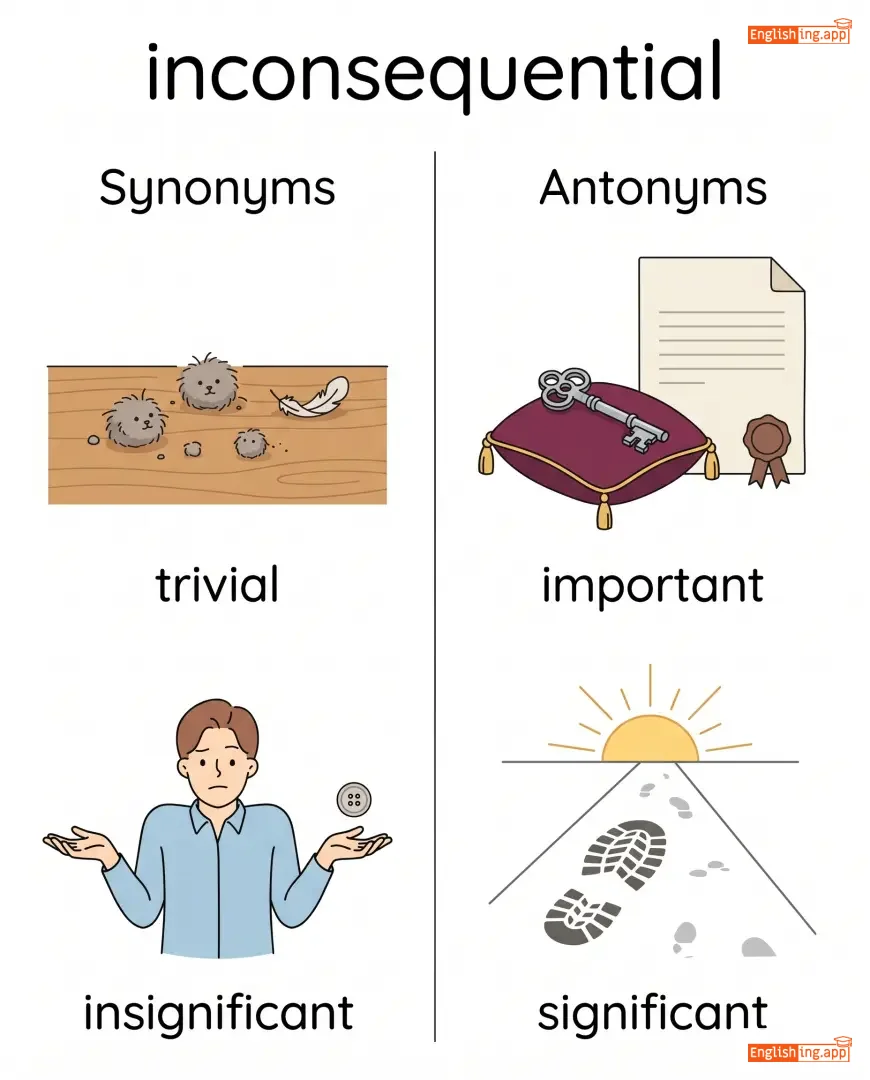
trivial, insignificant, negligible, petty, unimportant
••••••
|
important, significant, major
••••••
|
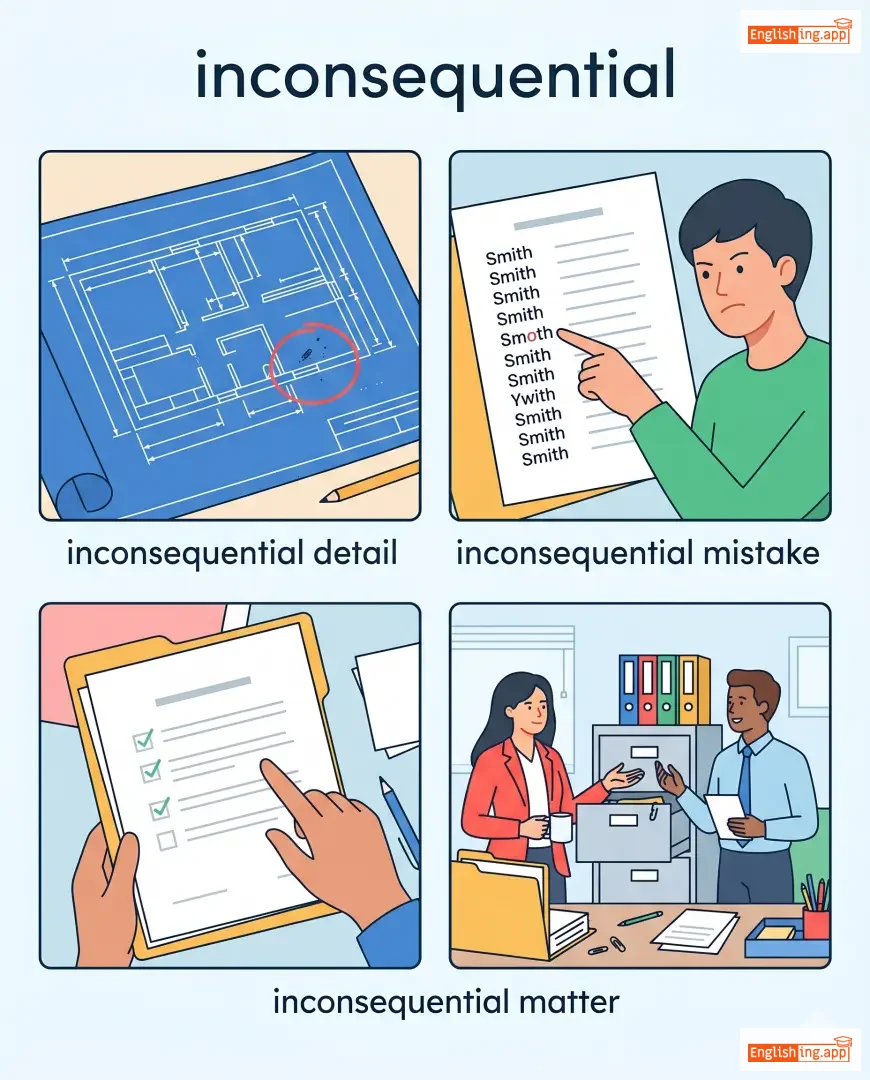
inconsequential detail, inconsequential mistake, inconsequential matter
••••••
|
INconsequential - 微不足道.
••••••
|
|
🏢
••••••
|
/ɪnˈkɔːpəreɪt/
verb
(in-kor-PO-rei-te)
••••••
|


|
融入
rongru
••••••
|
incorporated
in-kor-PO-rei-te-de
••••••
|
incorporated
in-kor-PO-rei-te-de
••••••
|
incorporates
in-kor-PO-rei-te-s
••••••
|
incorporating
in-kor-PO-rei-te-ing
••••••
|
to include something as part of a whole; to form a legal corporation
••••••
|
The teacher incorporated new technology into her lessons.
老师将新技术融入到她的课程中。
••••••
|
老师将新技术融入到她的课程中。
Laoshi jiang xin jishu rongru dao ta de kecheng zhong.
••••••
|
incorporate into
融入到
••••••
|
to include something as part of a larger thing
••••••
|
融入到
rongru dao
••••••
|
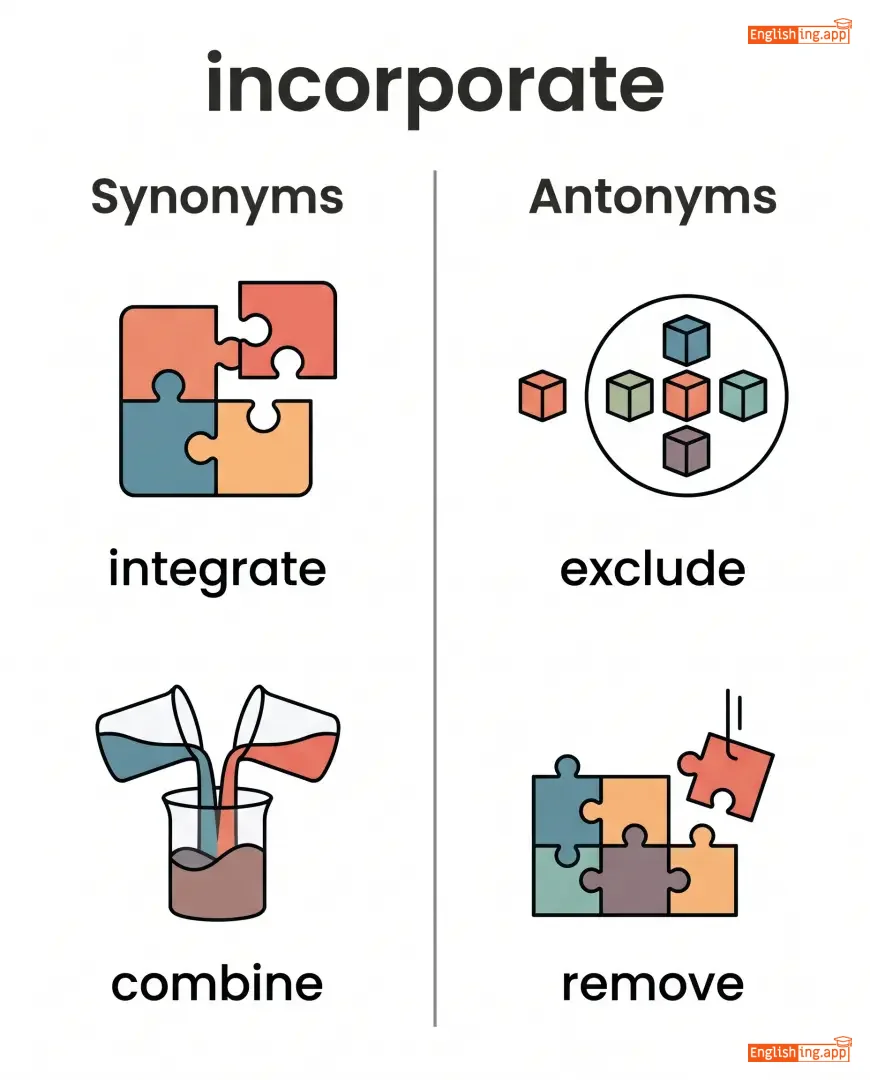
integrate, combine, include, merge, embody
••••••
|
exclude, remove, separate
••••••
|
incorporate into, incorporate ideas, incorporate changes
••••••
|
融入意味着把某个部分合并进一个更大的整体——就像拼图游戏。
••••••
|
|
⚔️
••••••
|
/ɪnˈkɜːrʒən/
noun
(入侵)
••••••
|
|
入侵
rùqīn
••••••
|
- •••••• | - •••••• | - •••••• | - •••••• |
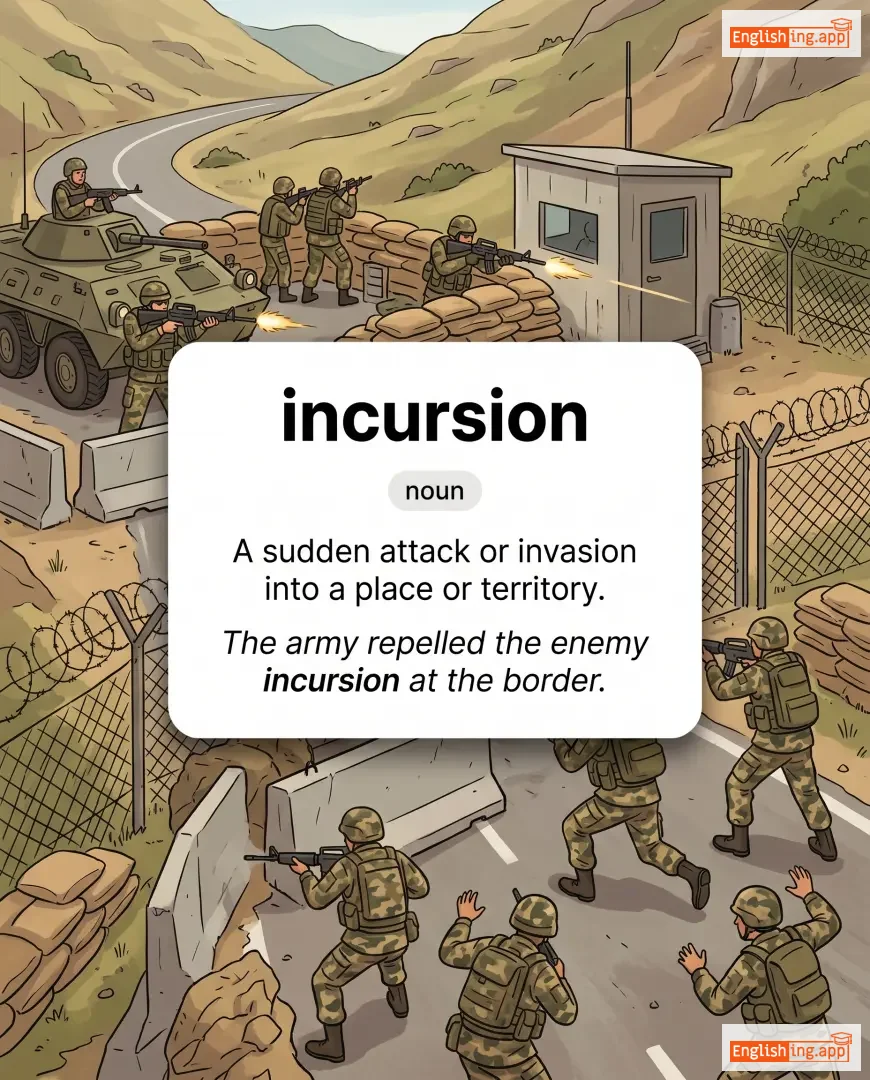
A sudden attack or invasion into a place or territory.
••••••
|
The army repelled the enemy incursion at the border. |
军队在边境击退了敌人的入侵。
Jūnduì zài biānjìng jītuìle dírén de rùqīn.
••••••
|
- •••••• | - •••••• | - •••••• |
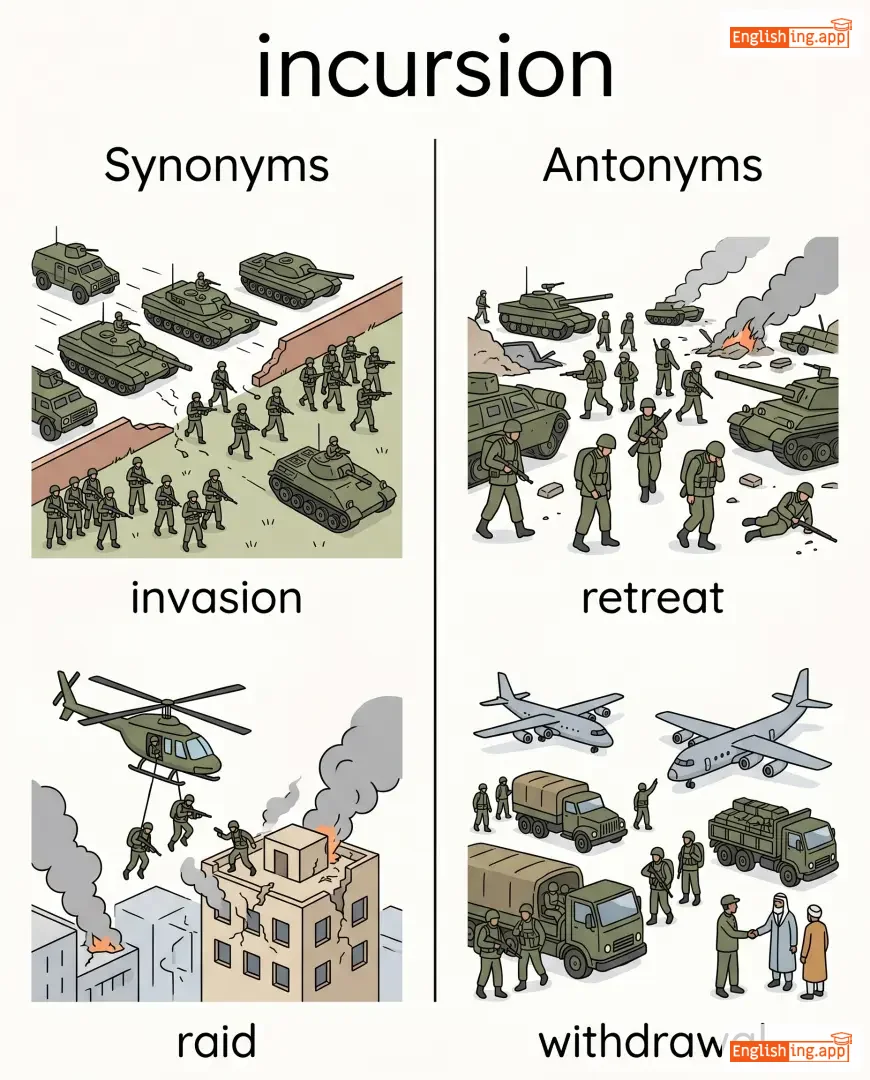
invasion, raid, attack, assault, intrusion
••••••
|
retreat, withdrawal
••••••
|
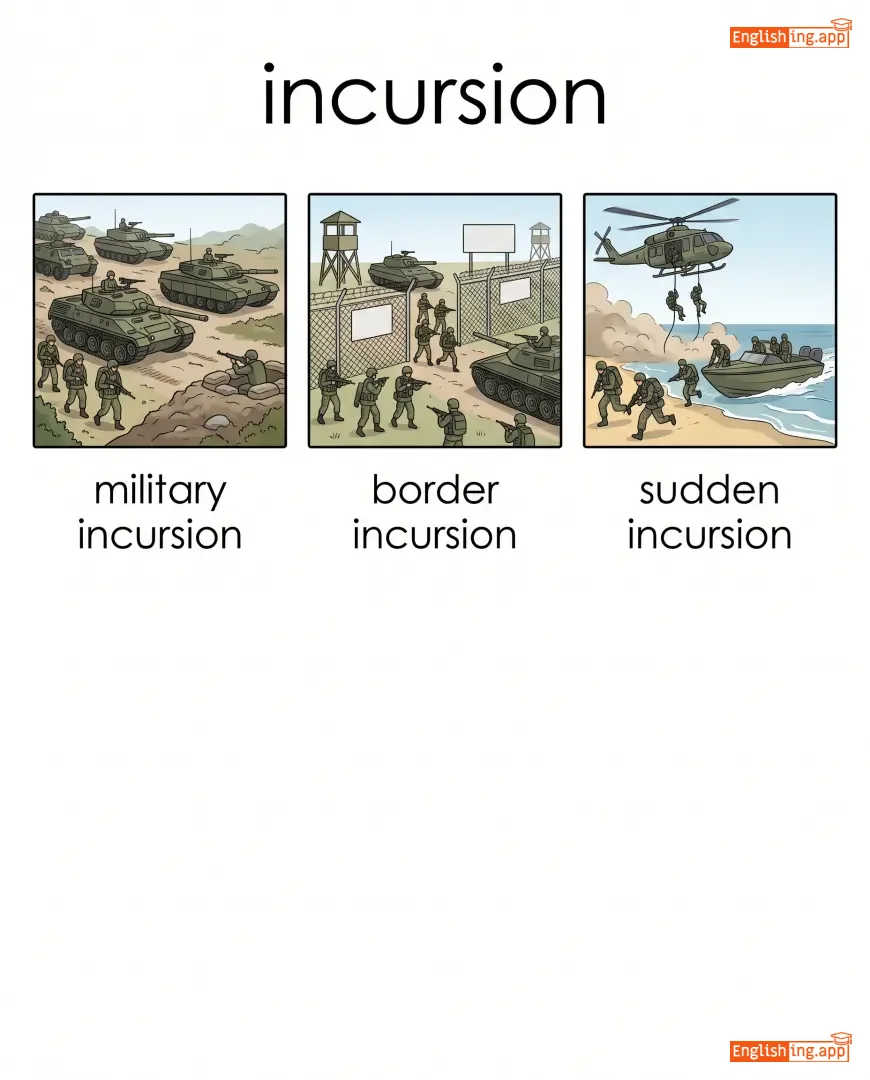
military incursion, border incursion, sudden incursion, enemy incursion
••••••
|
In CURSion 意味着突然的入侵或攻击
••••••
|
|
❓
••••••
|
/ˌɪndɪˈtɜːrmənət/
adjective
(因迪特敏特)
••••••
|

|
不确定
bu que ding
••••••
|
- •••••• | - •••••• | - •••••• | - •••••• |
Not exactly known, defined, or established; vague or uncertain.
••••••
|
The project was delayed for an indeterminate amount of time. |
项目因不确定的时间被推迟。
Xiangmu yin bu queding de shijian bei tuichi.
••••••
|
- •••••• | - •••••• | - •••••• |
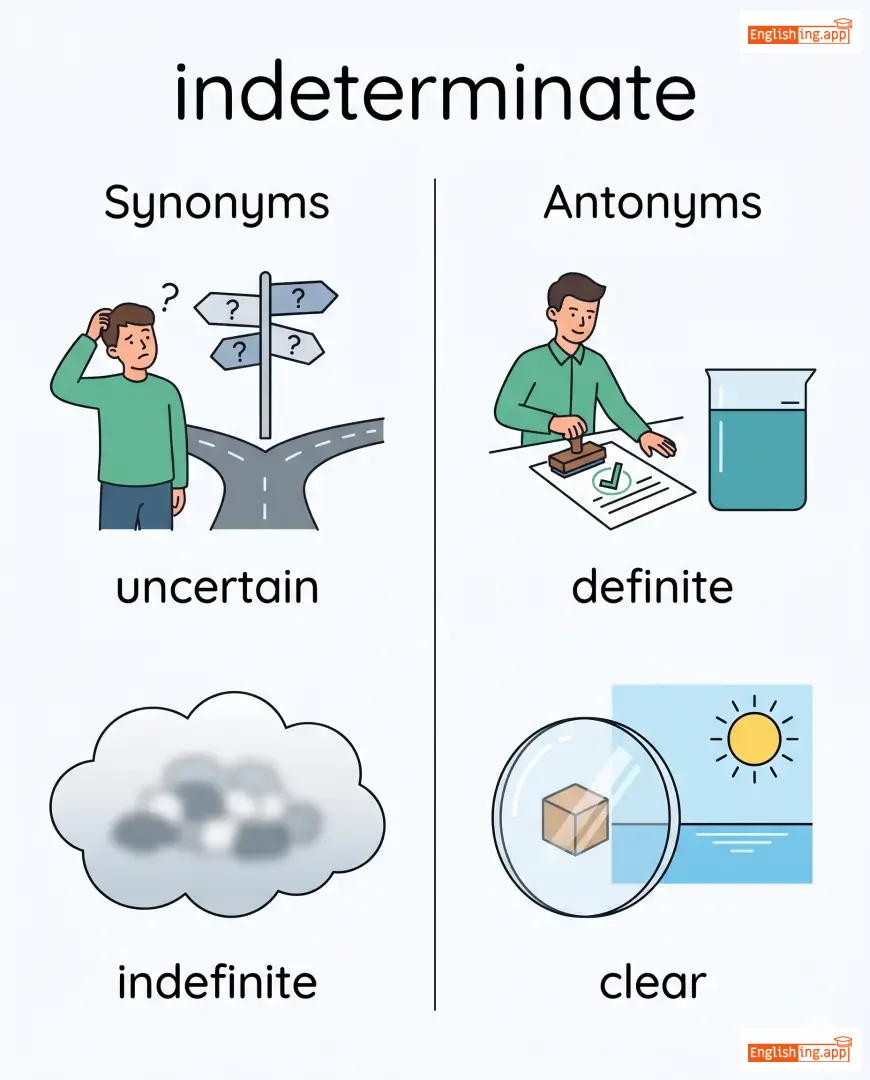
uncertain, indefinite, vague, ambiguous, unclear
••••••
|
definite, clear, certain
••••••
|
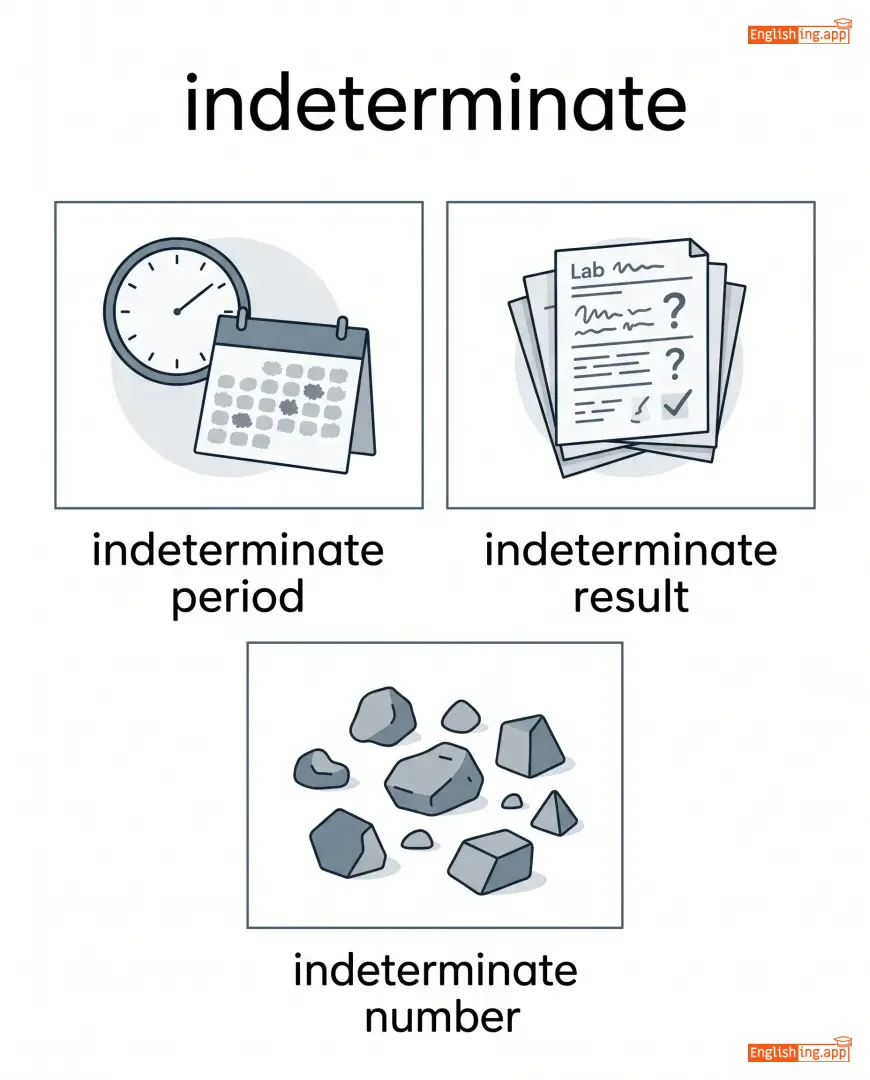
indeterminate period, indeterminate result, indeterminate number, indeterminate form
••••••
|
Indeterminate 意味着不确定—In determinate 不确定,所以不确定。
••••••
|
|
🥀
••••••
|
/ˈɪn.dɪ.dʒəns/
noun
(印第真斯)
••••••
|
|
贫困
pínkùn
••••••
|
- •••••• | - •••••• | - •••••• | - •••••• |
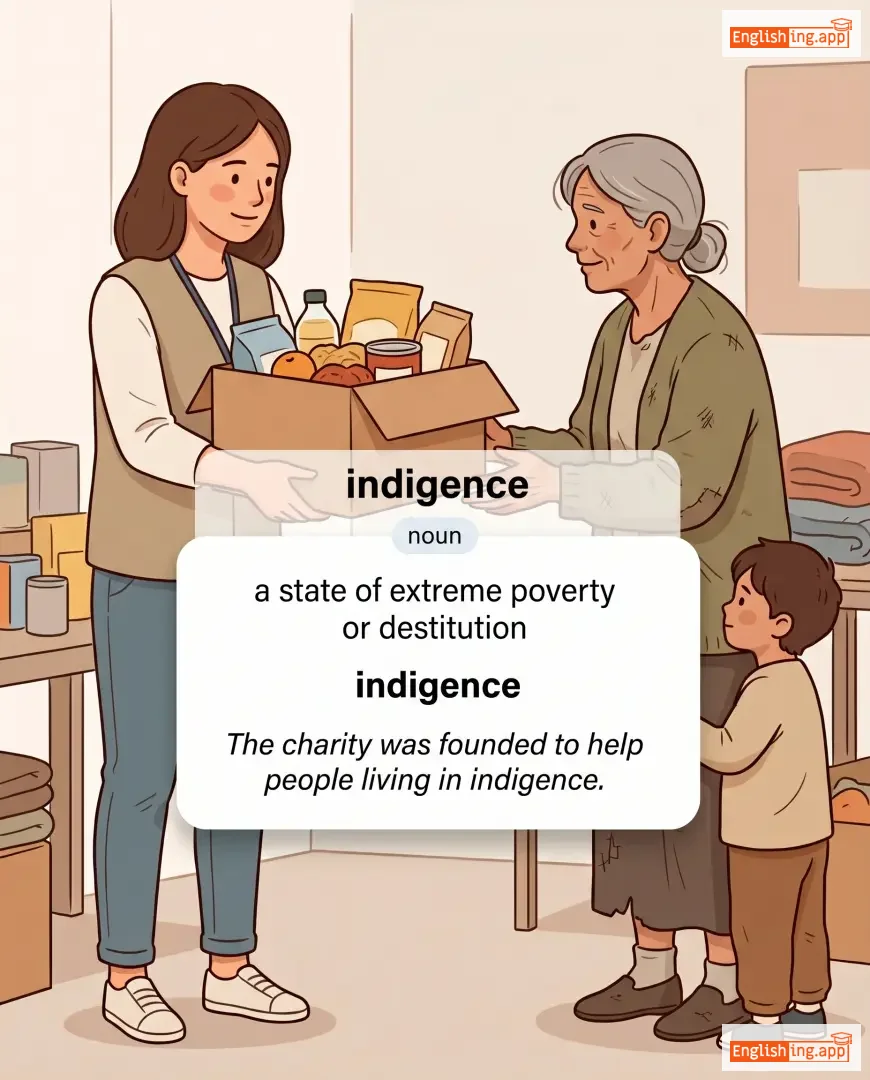
a state of extreme poverty or destitution
••••••
|
The charity was founded to help people living in indigence. |
这个慈善组织成立是为了帮助生活在贫困中的人们。
Zhège cìshàn zǔzhī chénglì shì wèile bāngzhù shēnghuó zài pínkùn zhōng de rénmen.
••••••
|
- •••••• | - •••••• | - •••••• |
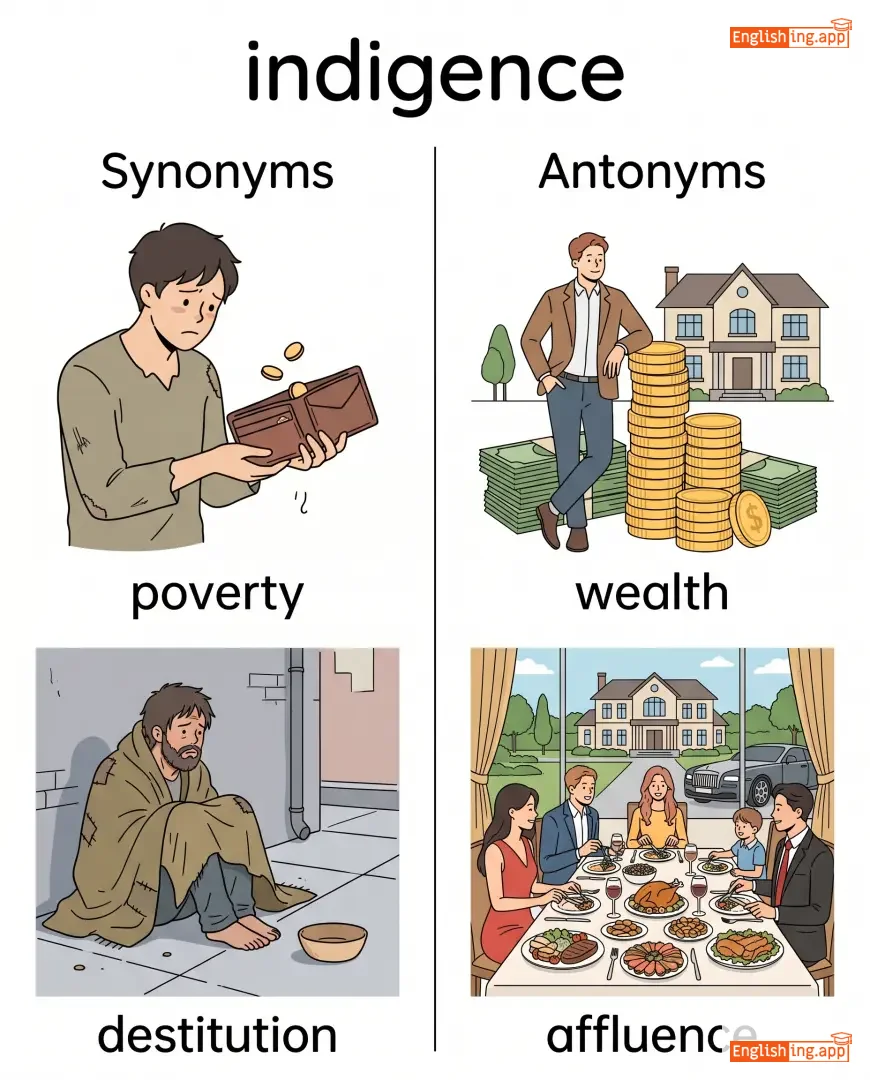
poverty, destitution, need, hardship, deprivation
••••••
|
wealth, affluence, prosperity
••••••
|
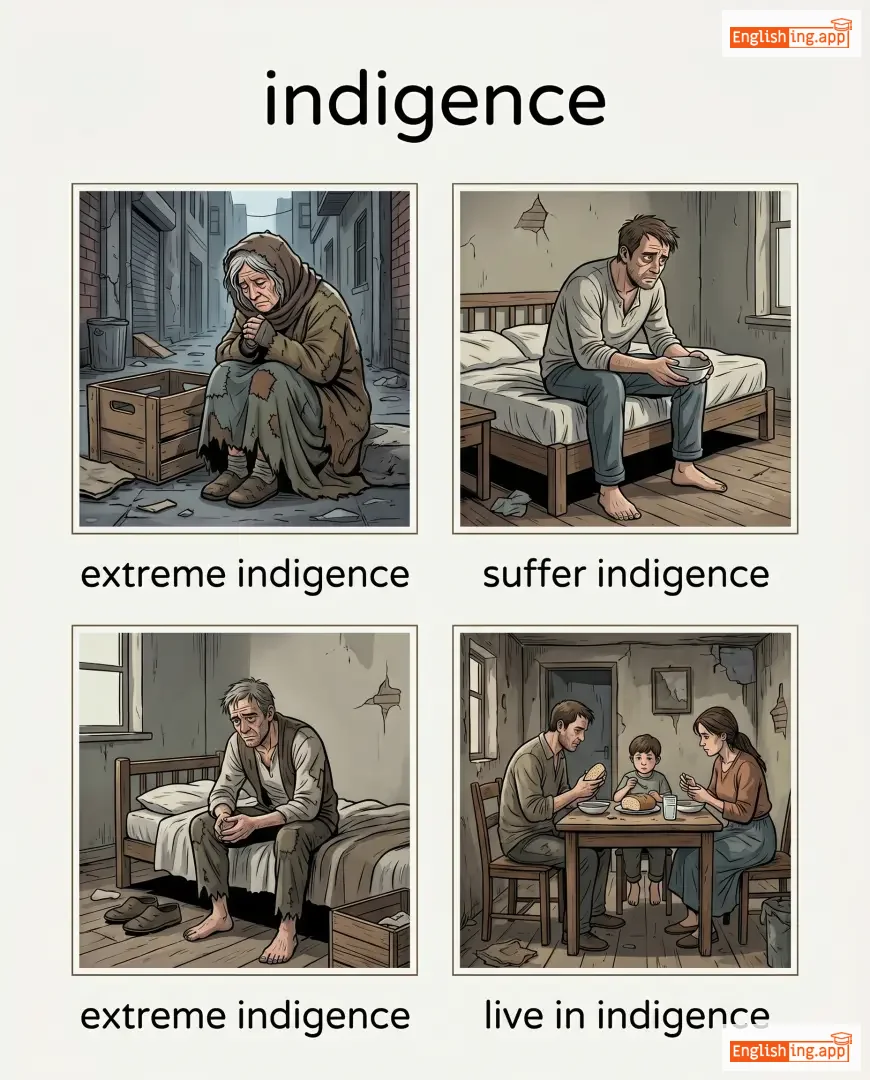
extreme indigence, suffer indigence, live in indigence
••••••
|
贫困 (pínkùn) 和 'indigence' 都表示极度贫困
••••••
|
|
🐈
••••••
|
/ˈɪndələnt/
adjective
(因多伦特)
••••••
|

|
懒惰
landuo
••••••
|
- •••••• | - •••••• | - •••••• | - •••••• |
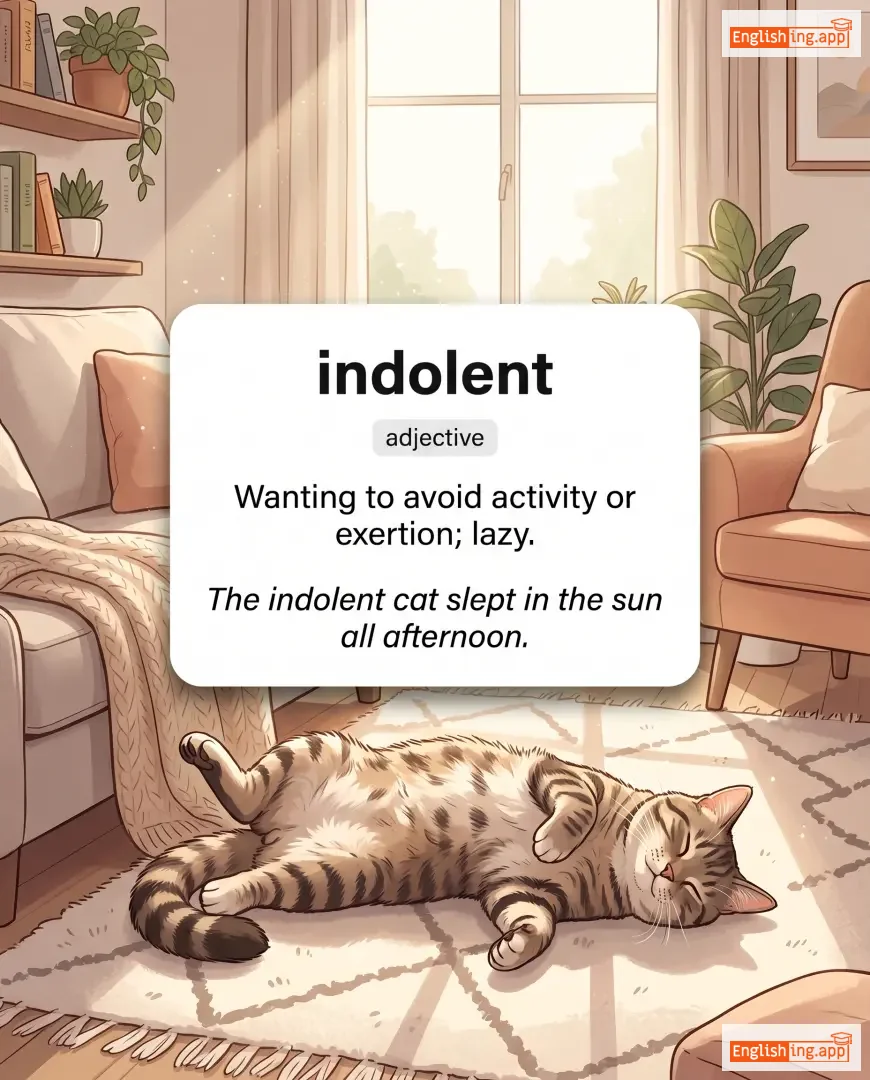
Wanting to avoid activity or exertion; lazy.
••••••
|
The indolent cat slept in the sun all afternoon.
懒散的猫整天躺在阳光下睡觉。
••••••
|
懒惰的猫整天躺在阳光下睡觉。
Landuo de mao zheng tian tang zai yangguang xia shuijiao.
••••••
|
- •••••• | - •••••• | - •••••• |
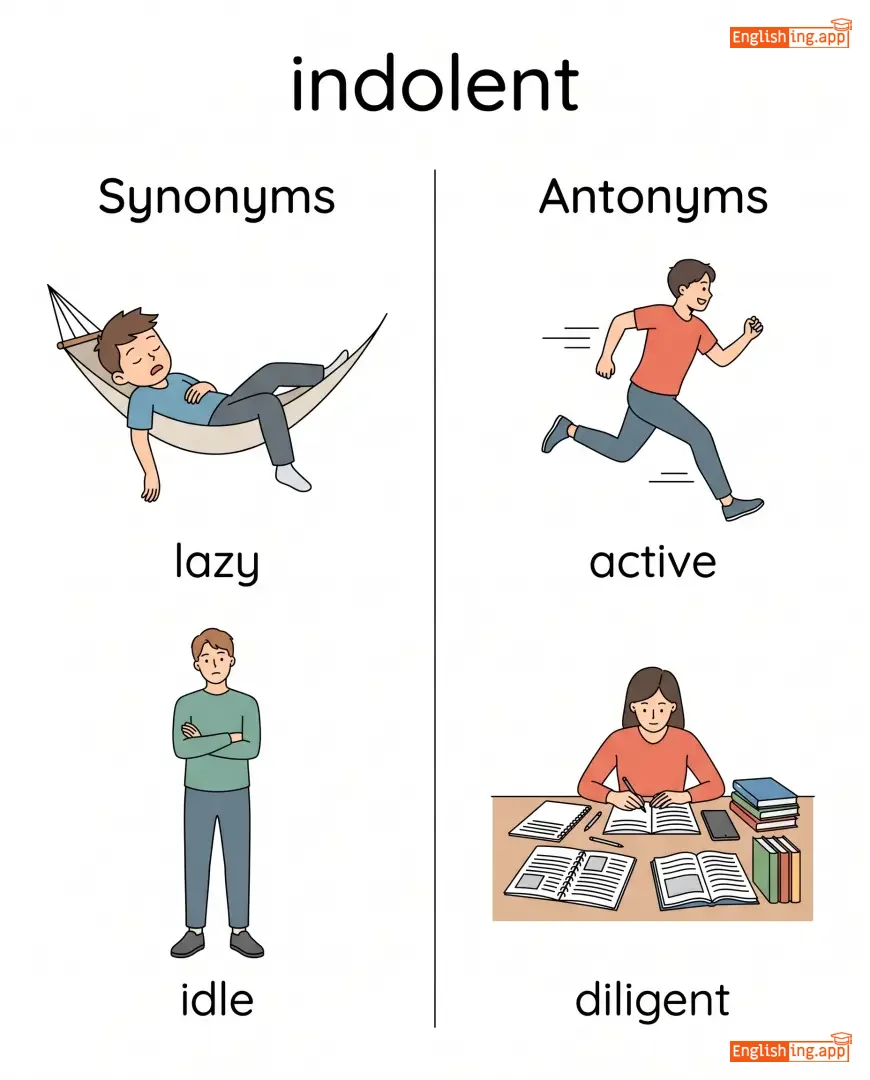
lazy, idle, sluggish, lethargic
••••••
|
active, diligent, industrious
••••••
|
indolent lifestyle, indolent attitude, indolent habits
••••••
|
Indolent cat 代表懒惰的猫 🐈
••••••
|
|
🔒
••••••
|
/ˌɪn.ɪˈlʌk.tə.bəl/
adjective
••••••
|


|
- •••••• | - •••••• | - •••••• | - •••••• | - •••••• |
Impossible to avoid or escape; inevitable.
••••••
|
Death is an ineluctable part of human existence. |
- •••••• | - •••••• | - •••••• | - •••••• |
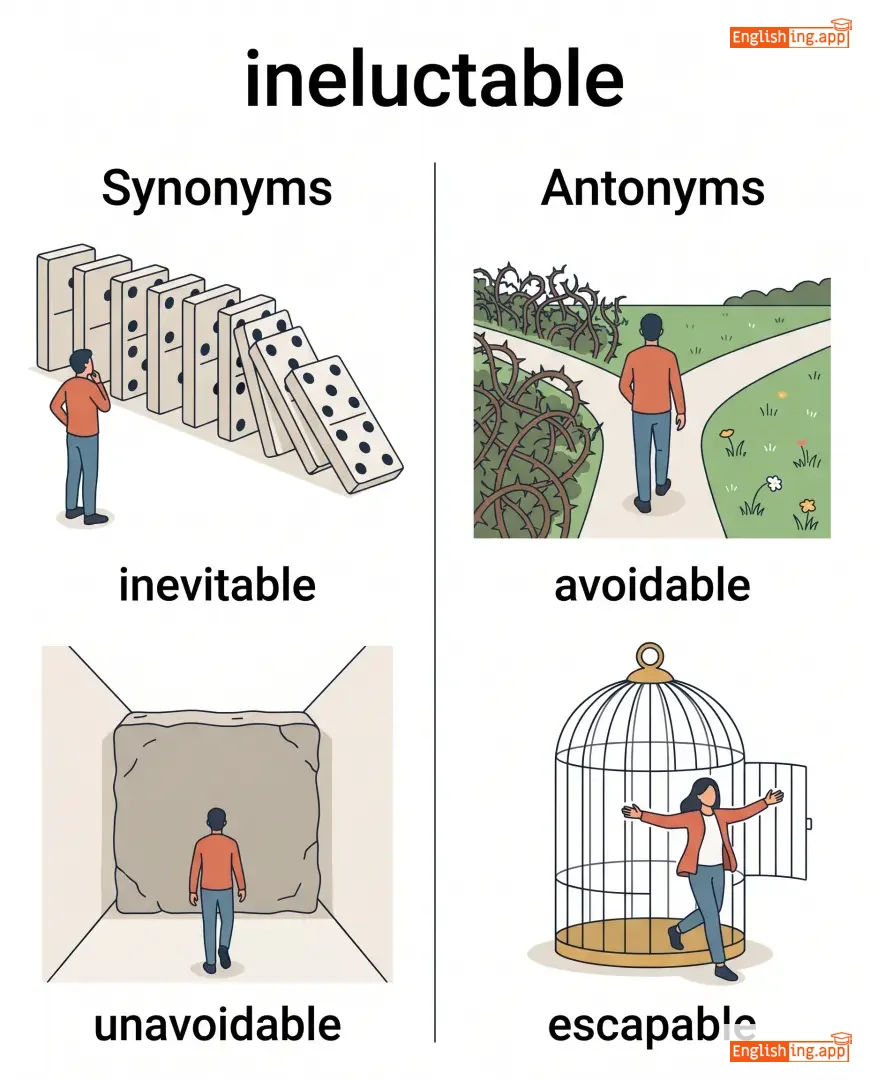
inevitable, unavoidable, certain, destined, fated
••••••
|
avoidable, escapable, uncertain
••••••
|
ineluctable fate, ineluctable conclusion, ineluctable truth, ineluctable destiny
••••••
|
No •••••• |
|
😴
••••••
|
/ɪˈnɜːrt/
adjective
(因特)
••••••
|
|
惰性
duoxing
••••••
|
- •••••• | - •••••• | - •••••• | - •••••• |
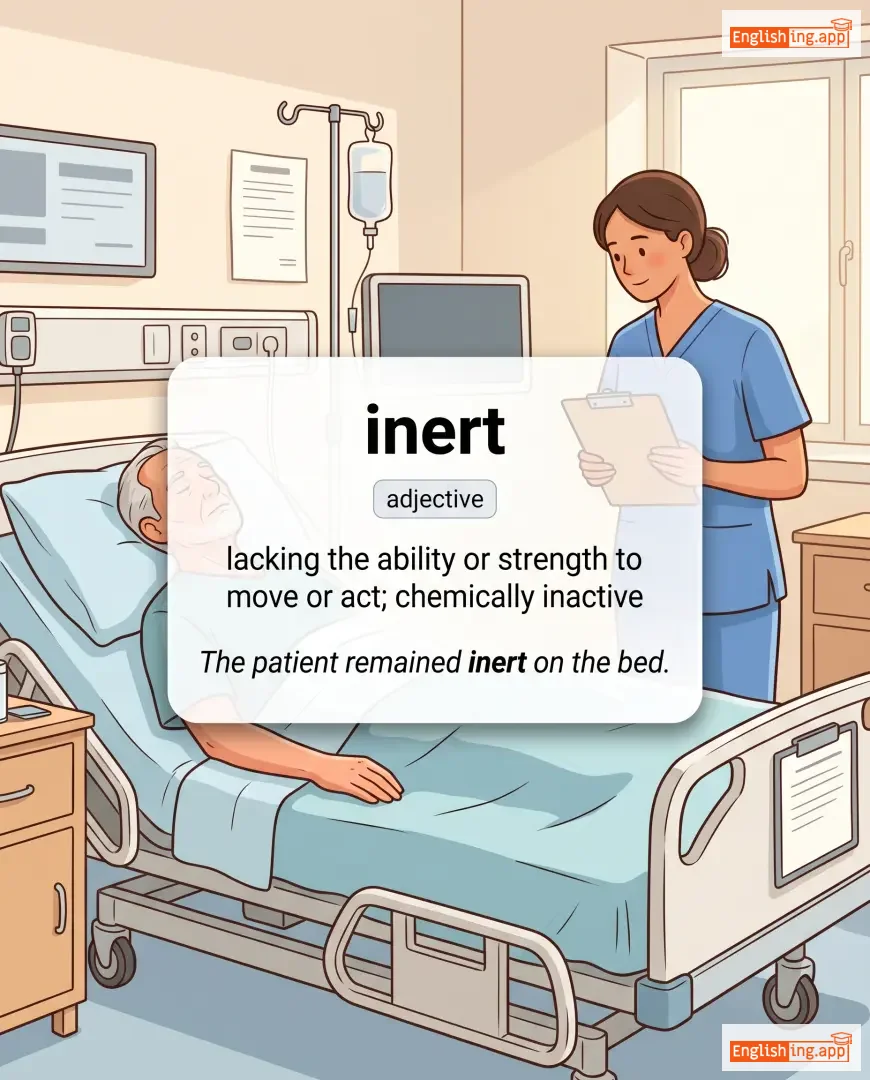
lacking the ability or strength to move or act; chemically inactive
••••••
|
The patient remained inert on the bed. |
病人躺在床上保持不动。
bingren tang zai chuang shang baochi budong.
••••••
|
chemically inert |
substance that does not react chemically under normal conditions
••••••
|
化学惰性
huaxue duoxing
••••••
|
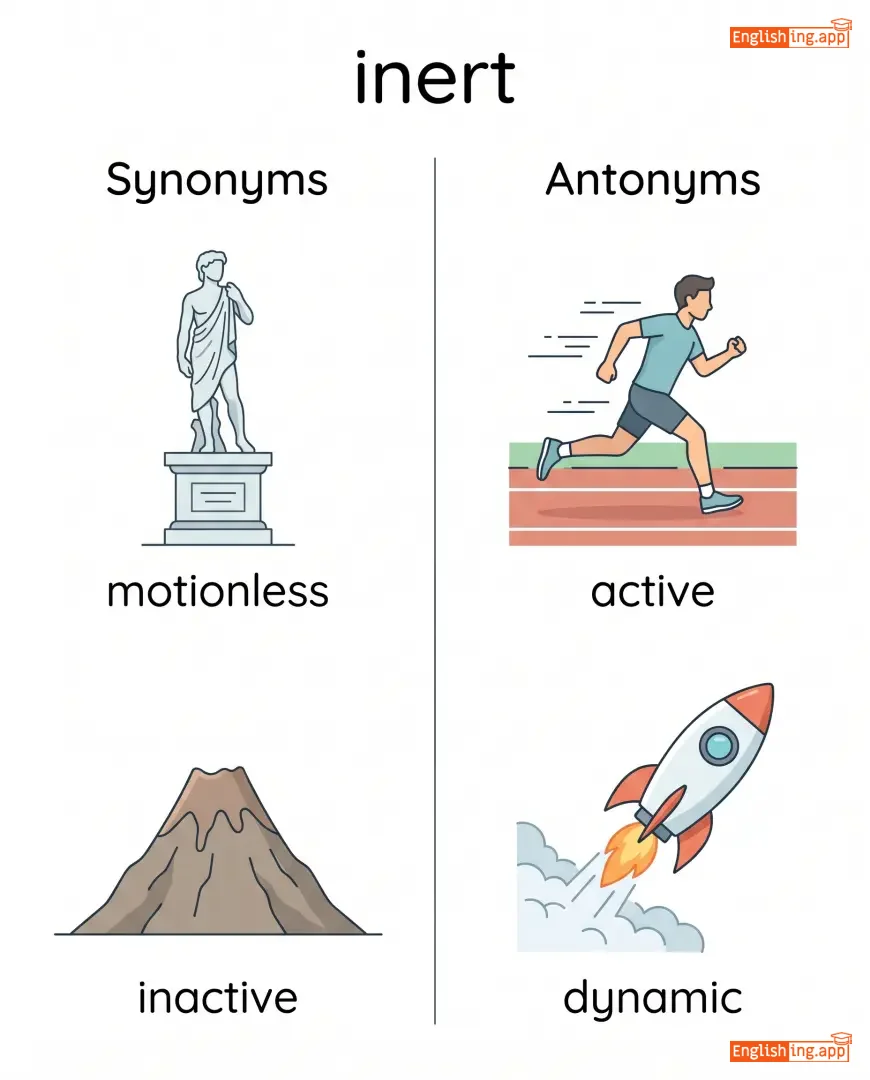
motionless, inactive, still, lifeless
••••••
|
active, dynamic, energetic
••••••
|
inert gases, inert body, inert matter, chemically inert
••••••
|
Inert = in + energy 不 → 没有反应或移动
••••••
|
|
😊
••••••
|
/ɪnˈdʒɛnjuəs/
adjective
(ɪnˈdʒɛnjuəs)
••••••
|

|
天真
tianzhen
••••••
|
- •••••• | - •••••• | - •••••• | - •••••• |
Innocent, naive, and unsuspecting; showing childlike simplicity and sincerity.
••••••
|
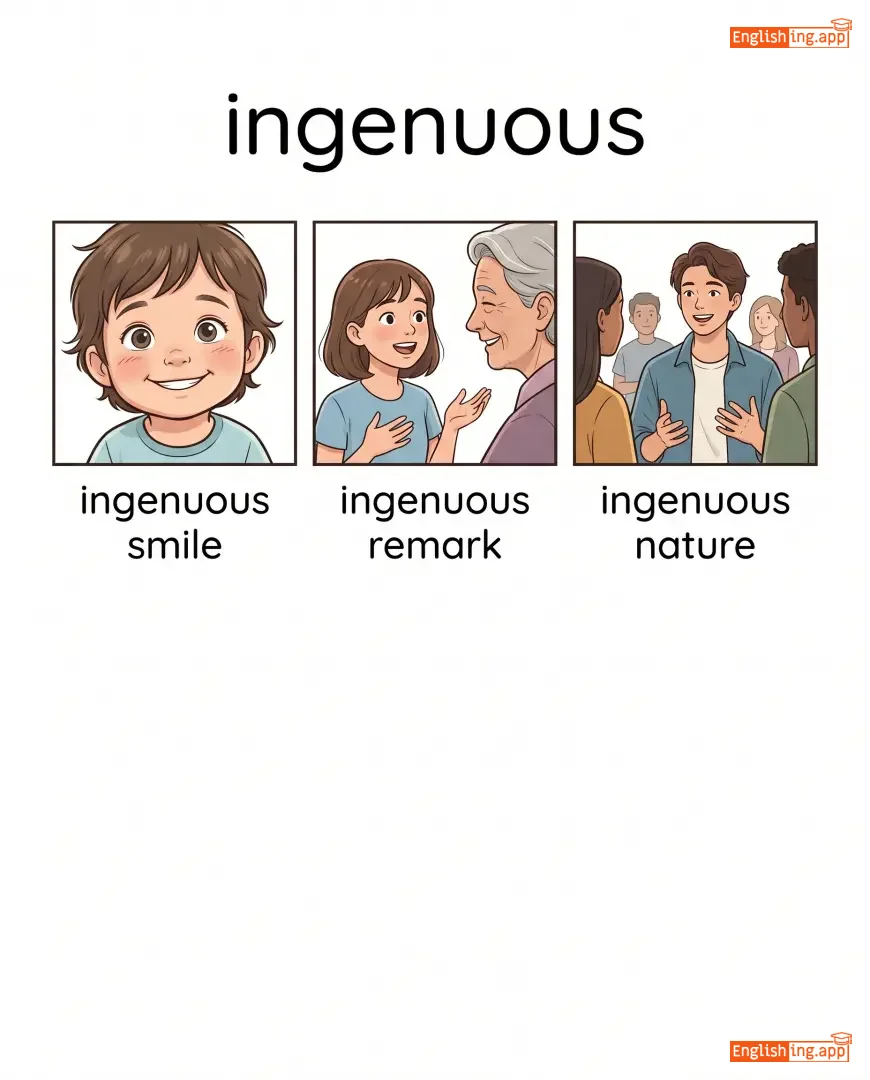
Her ingenuous smile revealed her genuine kindness. |
她天真的笑容揭示了她真实的善良。
Ta tianzhen de xiaorong jieshi le ta zhenshi de shanliang.
••••••
|
- •••••• | - •••••• | - •••••• |
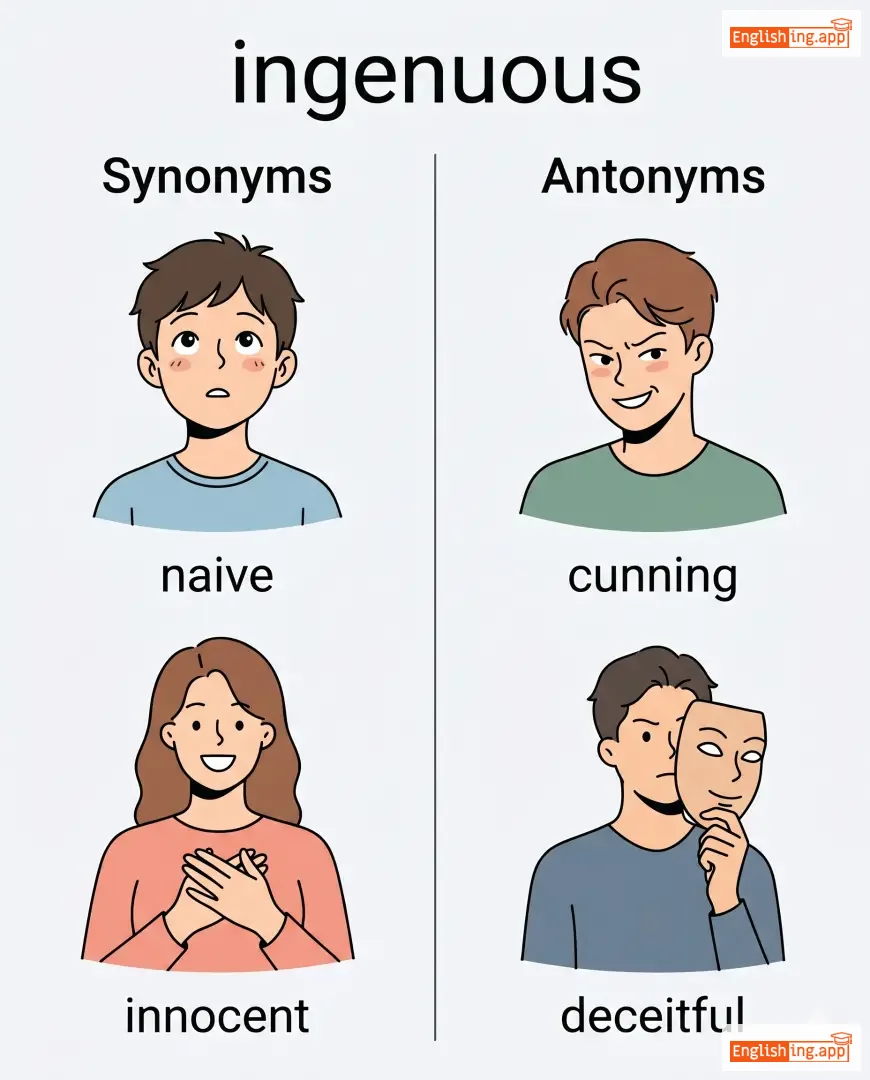
naive, innocent, sincere, candid, frank
••••••
|
cunning, deceitful, insincere
••••••
|
ingenuous smile, ingenuous remark, ingenuous nature, ingenuous expression
••••••
|
天真=单纯、真诚的笑容 😊
••••••
|
|
⚖️
••••••
|
/ɪnˈhɛrənt/
adjective
(因赫伦特)
••••••
|
|
固有的
gùyǒu de
••••••
|
- •••••• | - •••••• | - •••••• | - •••••• |
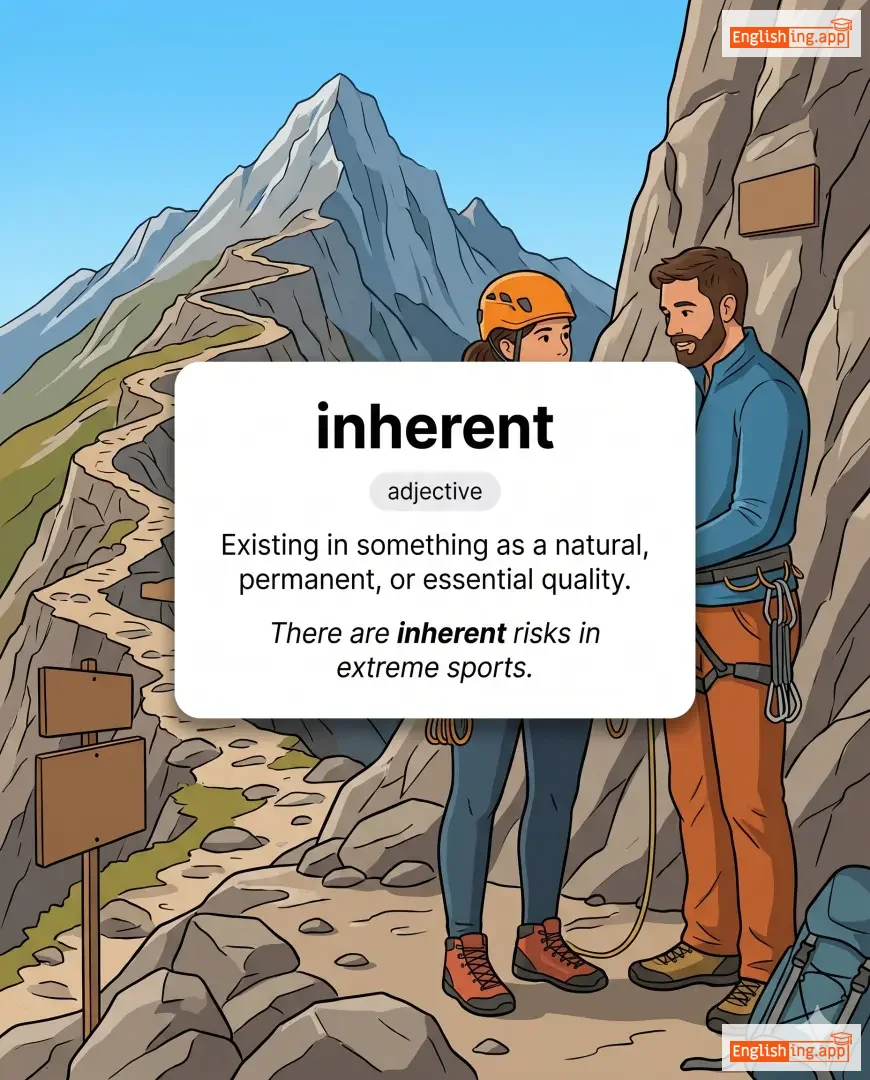
Existing in something as a natural, permanent, or essential quality.
••••••
|
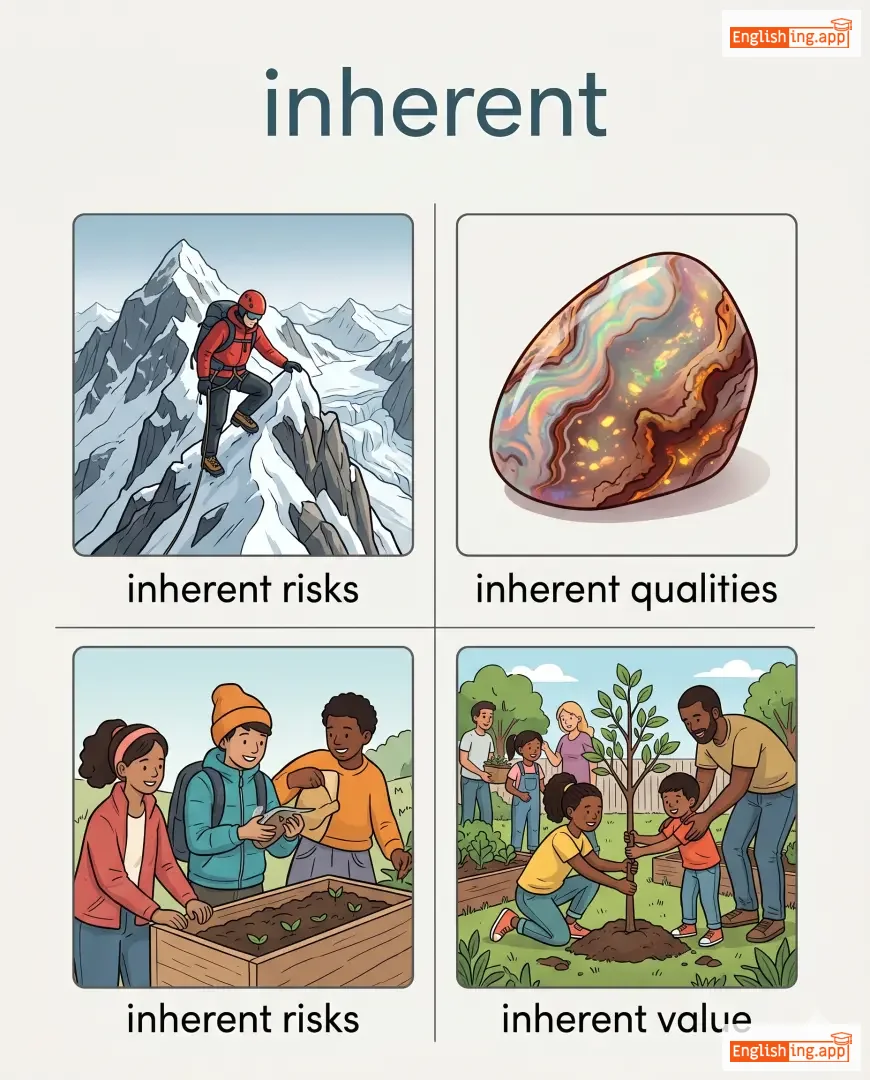
There are inherent risks in extreme sports. |
极限运动中存在固有的风险。
jíxiàn yùndòng zhōng cúnzài gùyǒu de fēngxiǎn.
••••••
|
inherent danger |
A danger that is naturally part of something and cannot be separated from it.
••••••
|
固有的危险
gùyǒu de wēixiǎn
••••••
|
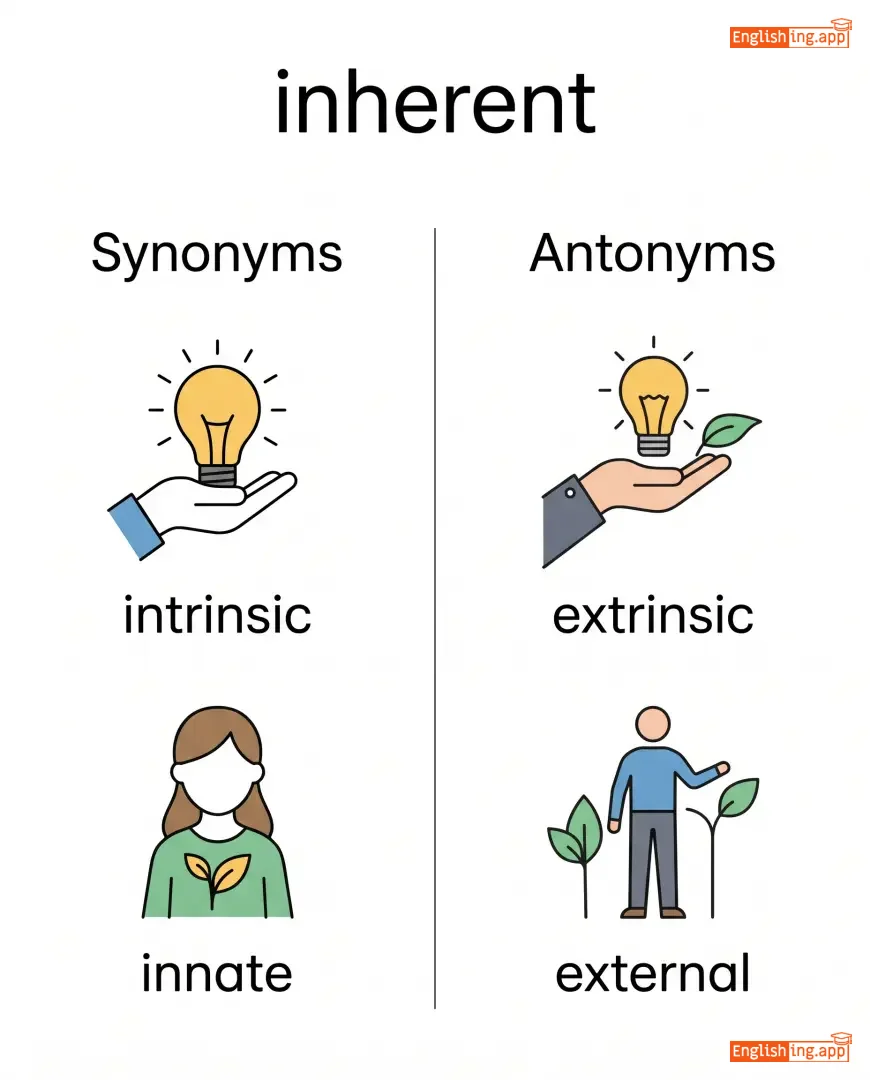
intrinsic, innate, built-in, essential, natural
••••••
|
extrinsic, external, acquired
••••••
|
inherent risks, inherent qualities, inherent value
••••••
|
Inherent意味着in + heart(在心中),即固有的。
••••••
|
|
😇
••••••
|
/ɪˈnɒkjuəs/
adjective
(yīnòkèwēièsī)
••••••
|
|
无害的
wúhài de
••••••
|
- •••••• | - •••••• | - •••••• | - •••••• |
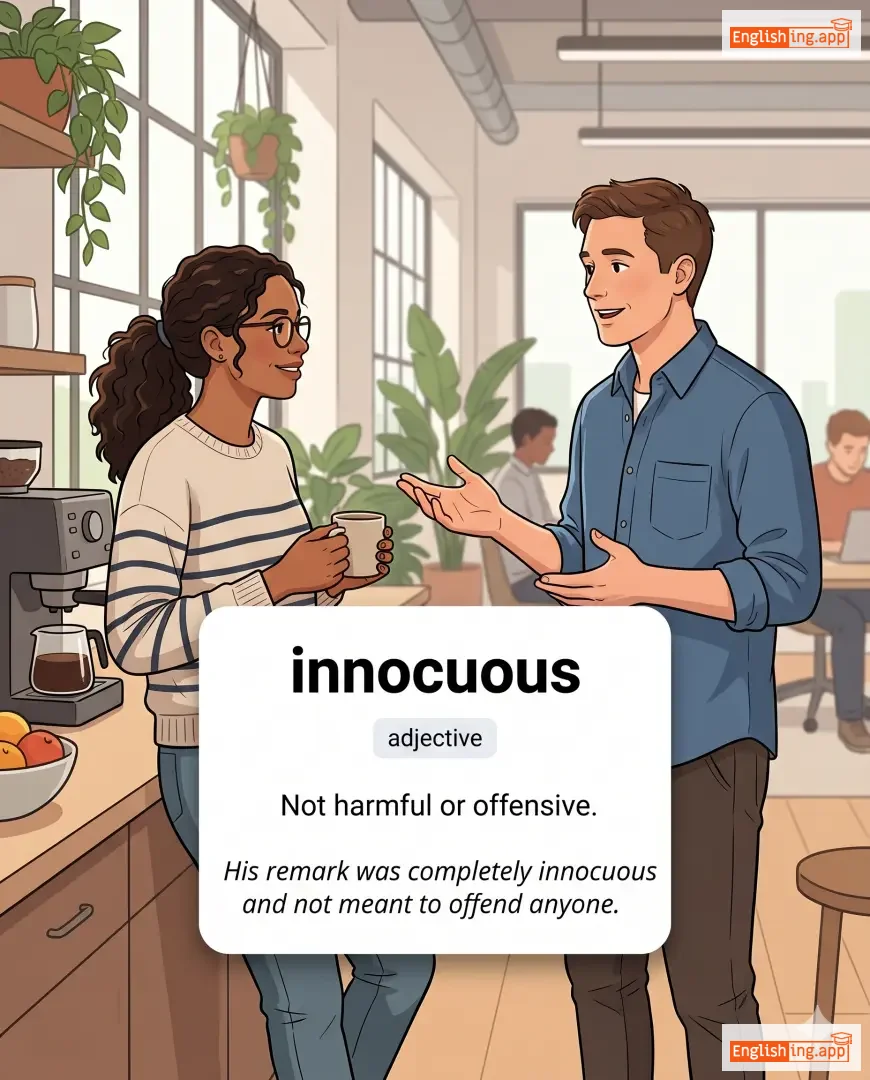
Not harmful or offensive.
••••••
|
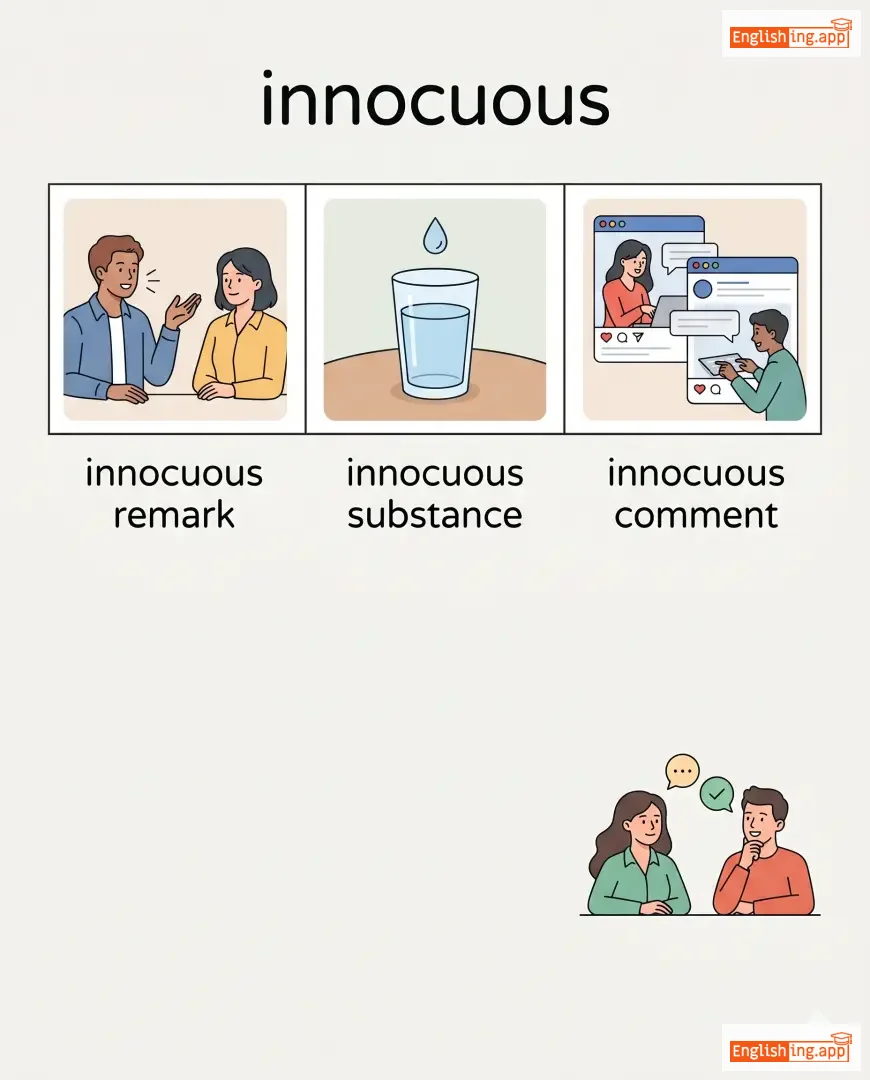
His remark was completely innocuous and not meant to offend anyone. |
他的评论完全无害,并且没有冒犯任何人的意思。
Tā de pínglùn wánquán wúhài, bìngqiě méiyǒu màofàn rènhé rén de yìsi.
••••••
|
- •••••• | - •••••• | - •••••• |
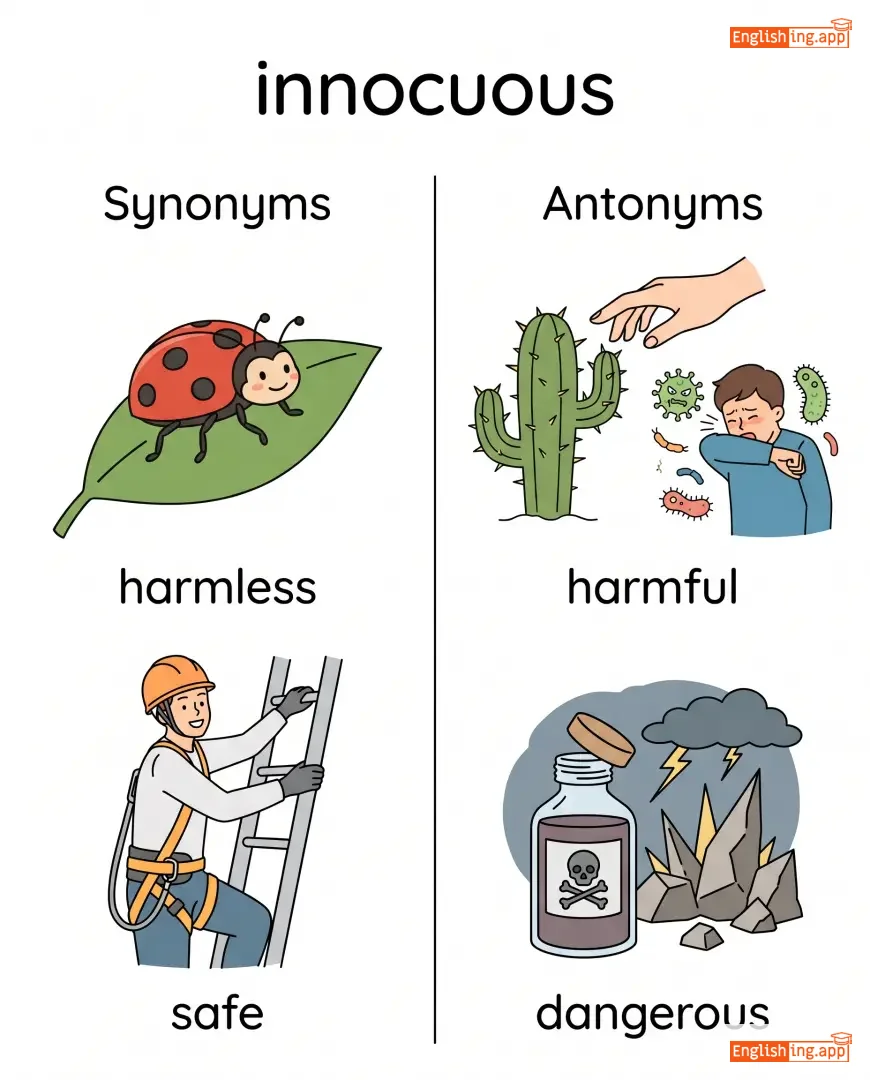
harmless, safe, inoffensive, mild, benign
••••••
|
harmful, dangerous, toxic
••••••
|
innocuous remark, innocuous substance, innocuous comment, seemingly innocuous
••••••
|
Innocent + 雾气 (mist) → 如同雾气一样,无害不造成任何伤害。
••••••
|
|
😶
••••••
|
/ɪnˈsɛnsəbl/
adjective
(因森西布尔)
••••••
|
|
昏迷
hūnmí
••••••
|
- •••••• | - •••••• | - •••••• | - •••••• |
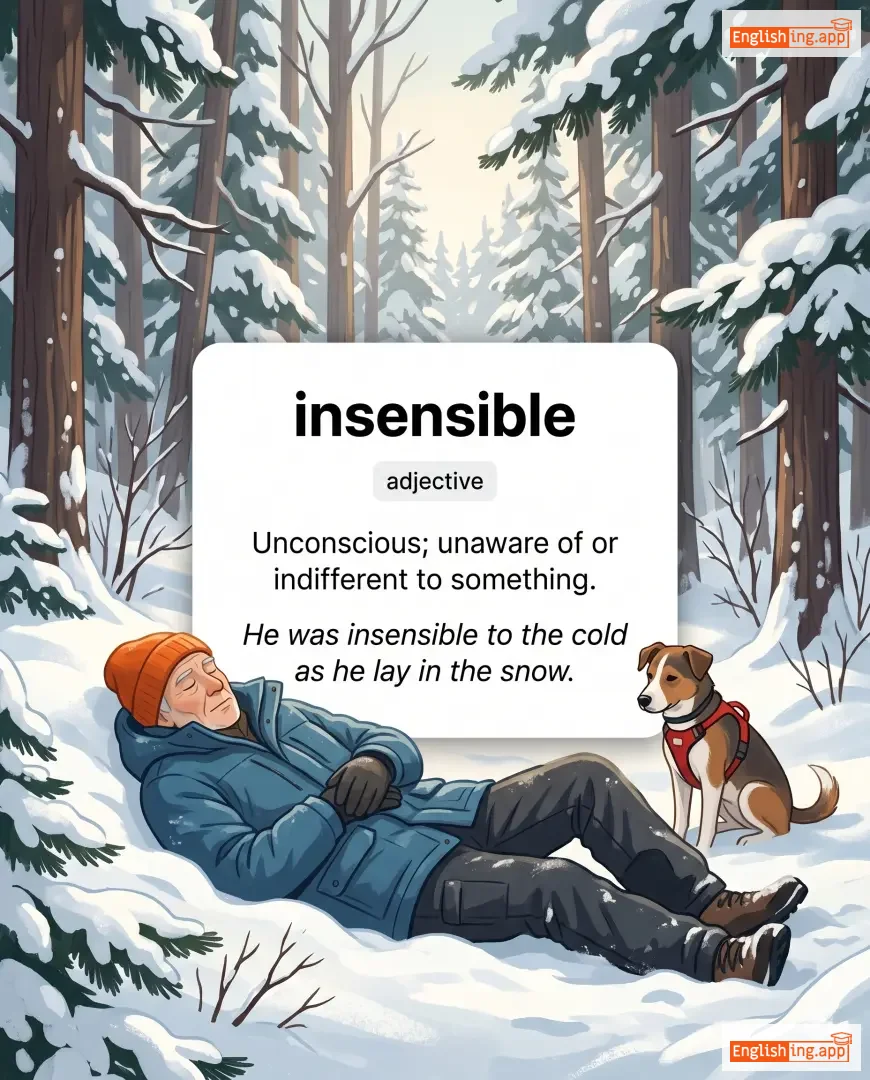
Unconscious; unaware of or indifferent to something.
••••••
|
He was insensible to the cold as he lay in the snow. |
他在雪地里躺着时,对寒冷昏迷不觉。
Tā zài xuědì lǐ tǎngzhe shí, duì hánlěng hūnmí bù jué.
••••••
|
- •••••• | - •••••• | - •••••• |
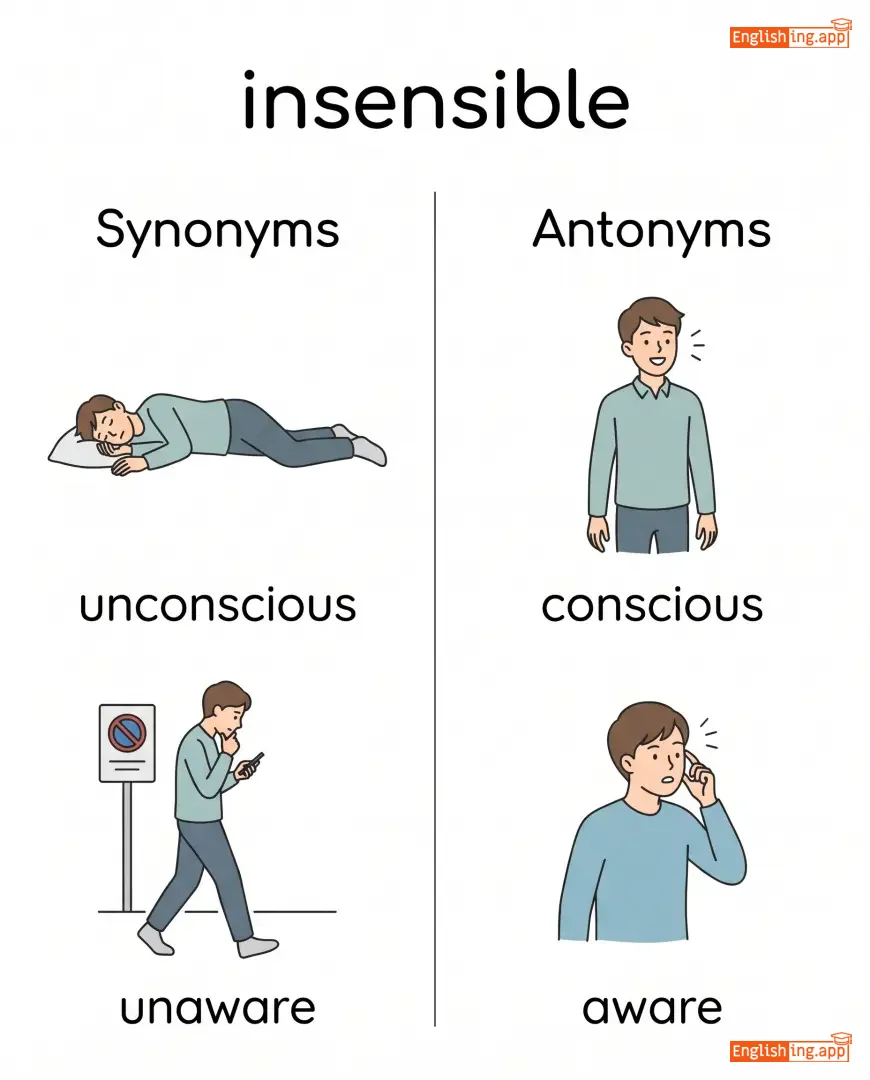
unconscious, unaware, oblivious, indifferent, unresponsive
••••••
|
conscious, aware, responsive
••••••
|
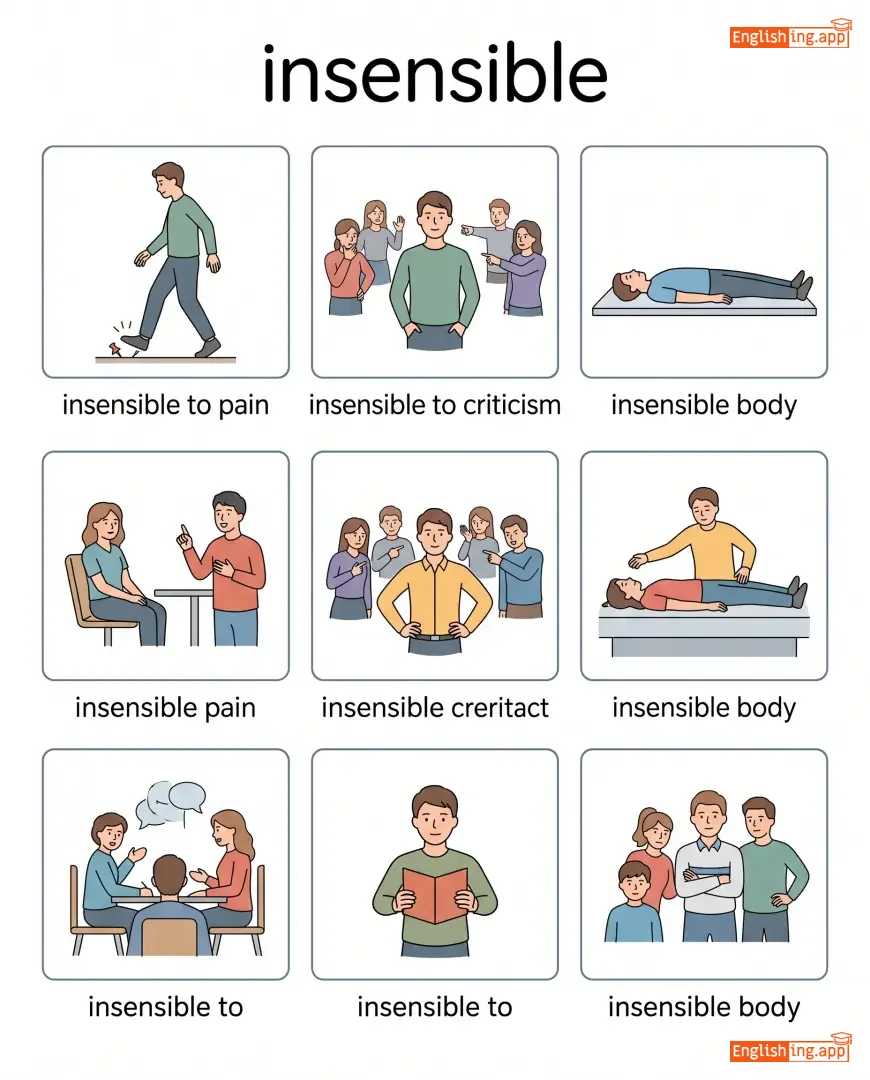
insensible to pain, insensible to criticism, insensible body
••••••
|
INSensible意味着没有感觉 → 昏迷.
••••••
|
|
🤫
••••••
|
/ɪnˈsɪnjueɪt/
verb
••••••
|


|
- •••••• |
insinuated
••••••
|
insinuated
••••••
|
insinuates
••••••
|
insinuating
••••••
|
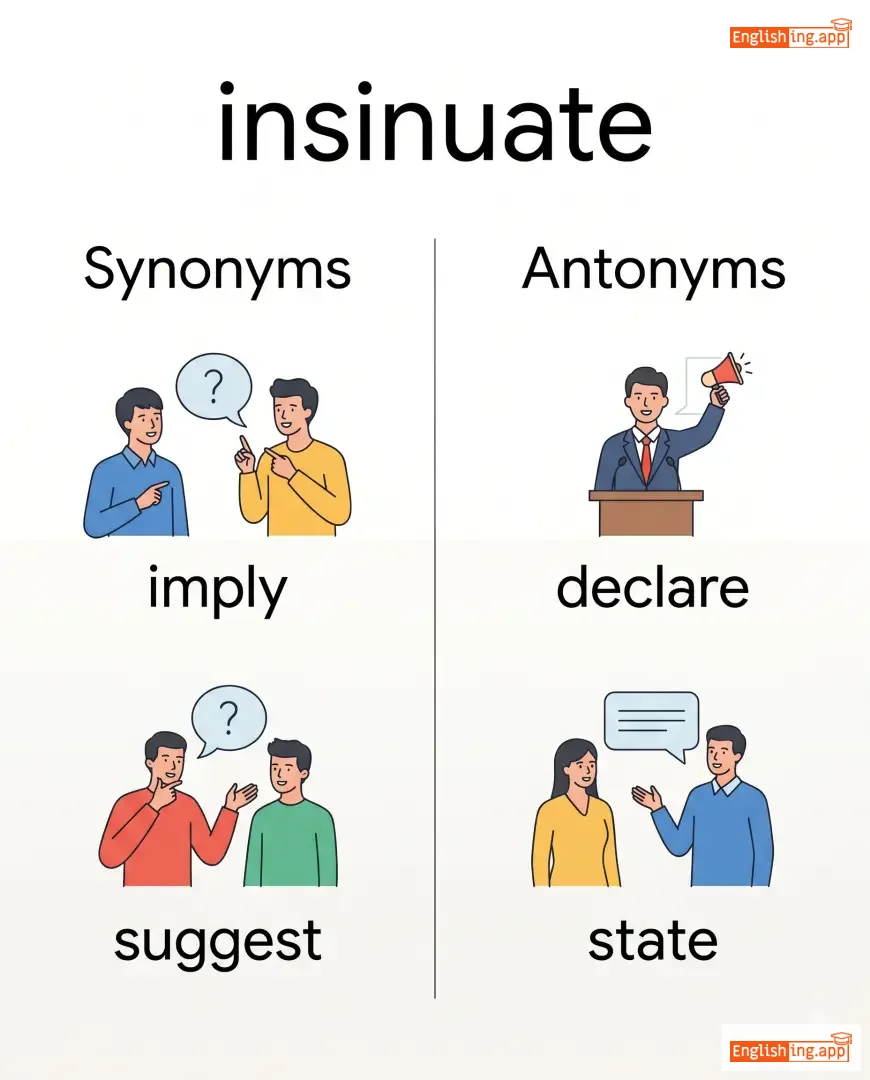
To suggest or hint something indirectly and often unpleasantly.
••••••
|
He insinuated that she had lied about her qualifications. |
- •••••• |
insinuate oneself |
to gradually and subtly gain favor or acceptance
••••••
|
- •••••• |
imply, suggest, hint, intimate, indicate
••••••
|
declare, state, assert
••••••
|
insinuate doubt, insinuate guilt, insinuate oneself into
••••••
|
No •••••• |
|
🥱
••••••
|
/ɪnˈsɪpɪd/
adjective
(无味的)
••••••
|
|
乏味的
fámèi de
••••••
|
- •••••• | - •••••• | - •••••• | - •••••• |
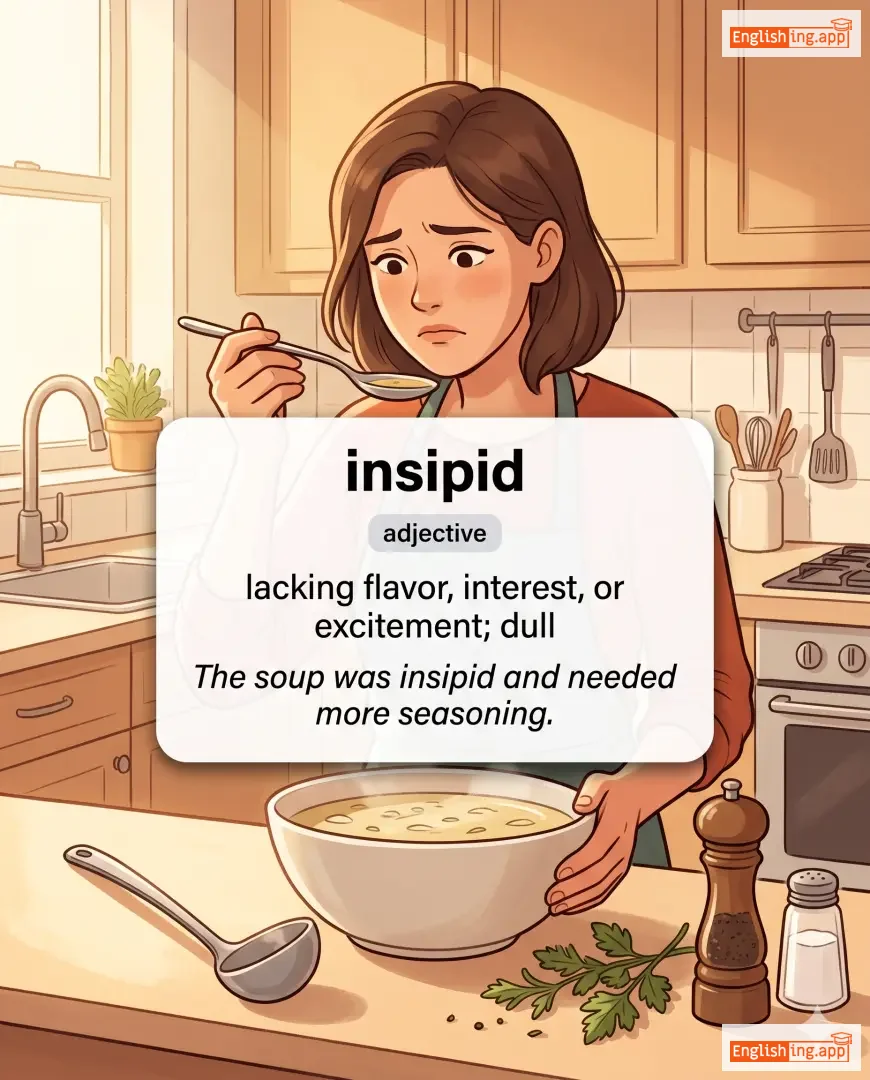
lacking flavor, interest, or excitement; dull
••••••
|
The soup was insipid and needed more seasoning. |
汤无味,需要更多的调料。
Tāng wúwèi, xūyào gèng duō de tiáoliào.
••••••
|
- •••••• | - •••••• | - •••••• |
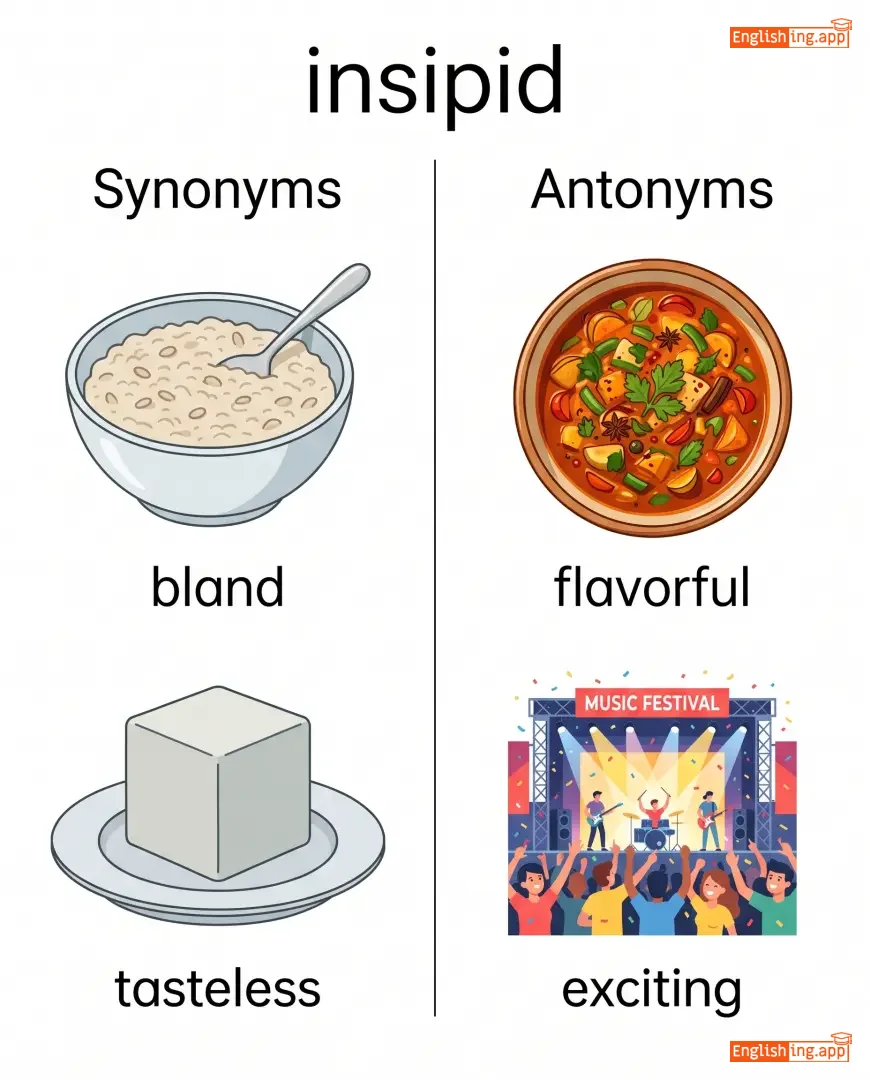
bland, tasteless, dull, boring, flat
••••••
|
flavorful, exciting, lively
••••••
|
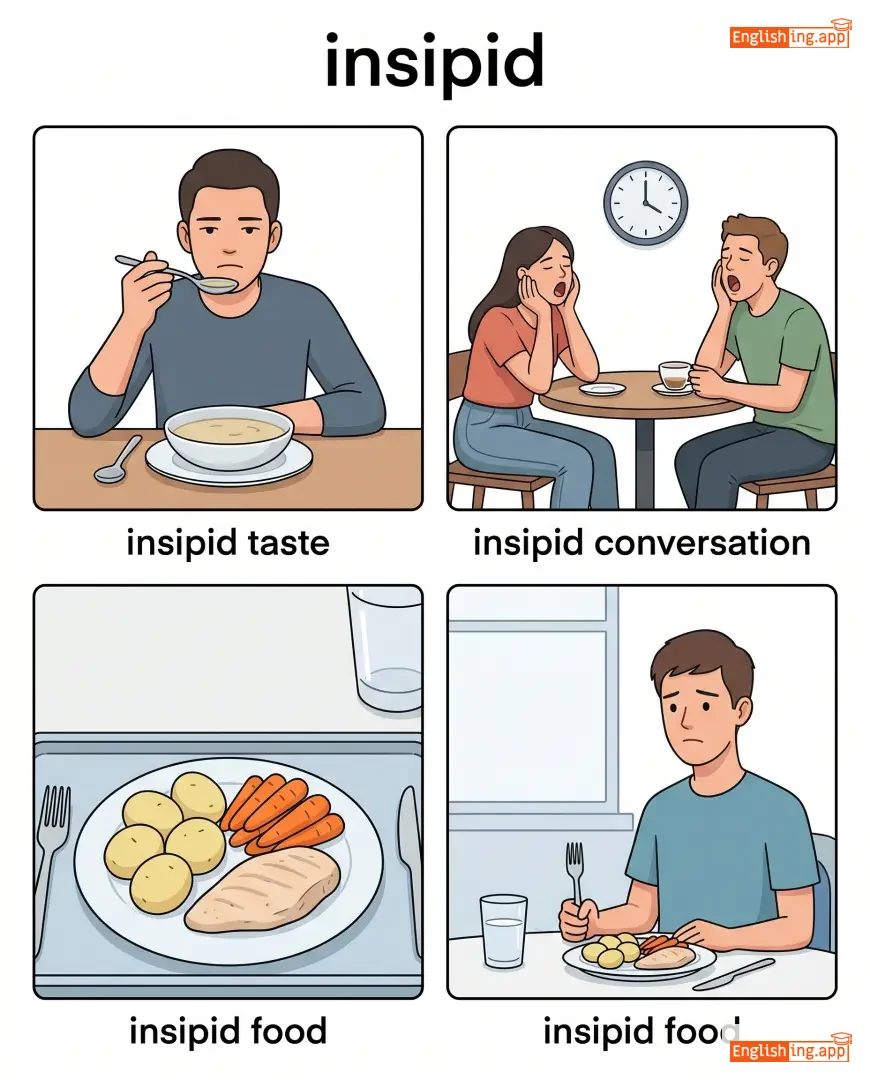
insipid taste, insipid conversation, insipid food, insipid performance
••••••
|
Insipid 听起来像 ‘in sipid’ → 喝了没有味道,所以无味。
••••••
|
|
😎
••••••
|
/ɪnˈsuːsiənt/
adjective
(因苏西昂)
••••••
|


|
无忧无虑
wú yōu wú lǜ
••••••
|
- •••••• | - •••••• | - •••••• | - •••••• |
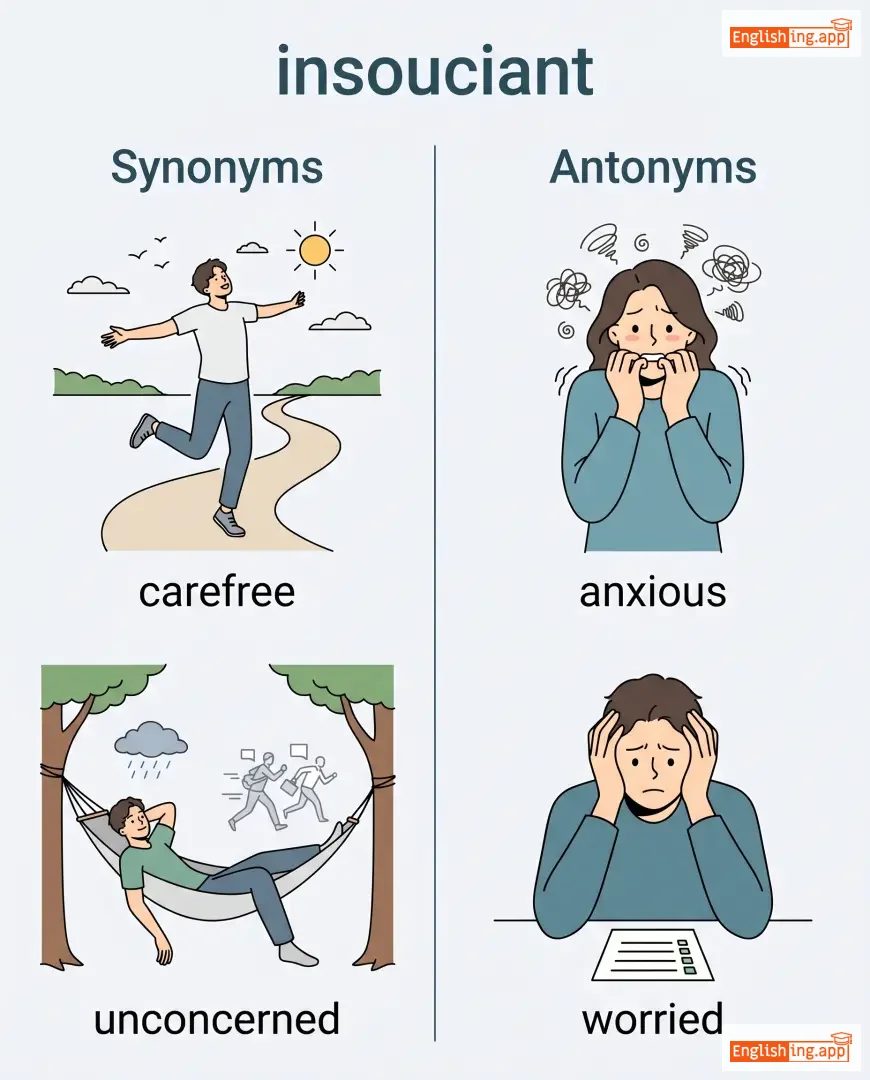
Showing a casual lack of concern; carefree.
••••••
|
He gave an insouciant shrug and walked away. |
他无忧无虑地耸了耸肩,然后走开了。
Tā wú yōu wú lǜ de sǒng le sǒng jiān, ránhòu zǒu kāi le.
••••••
|
- •••••• | - •••••• | - •••••• |
carefree, unconcerned, nonchalant, indifferent, easygoing
••••••
|
anxious, worried, concerned
••••••
|
insouciant attitude, insouciant style, insouciant response
••••••
|
Insouciant 意味着无忧无虑—没有烦恼,只享受轻松!
••••••
|
|
🌐
••••••
|
/ˌɪnsjəˈlærəti/
noun
(ɪnsʊˈlærɪti)
••••••
|
|
岛屿性
dǎoyǔ xìng
••••••
|
- •••••• | - •••••• | - •••••• | - •••••• |
The state of being isolated or narrow-minded.
••••••
|
The insularity of the group prevented them from accepting new ideas.
该小组的岛屿性使他们无法接受新的想法。
••••••
|
该小组的岛屿性使他们无法接受新的想法。
Gāi xiǎozǔ de dǎoyǔ xìng shǐ tāmen wúfǎ jiēshòu xīn de xiǎngfǎ.
••••••
|
- •••••• | - •••••• | - •••••• |
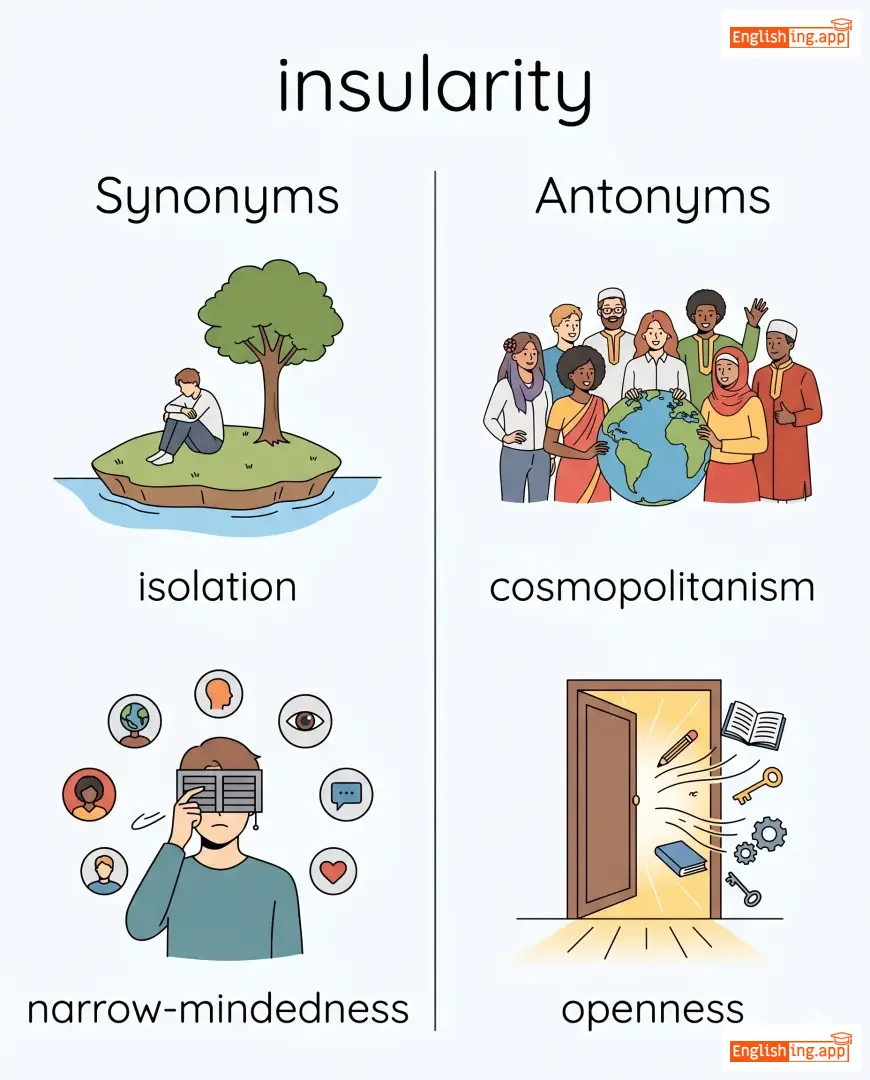
isolation, narrow-mindedness, provincialism, parochialism
••••••
|
cosmopolitanism, openness, tolerance
••••••
|
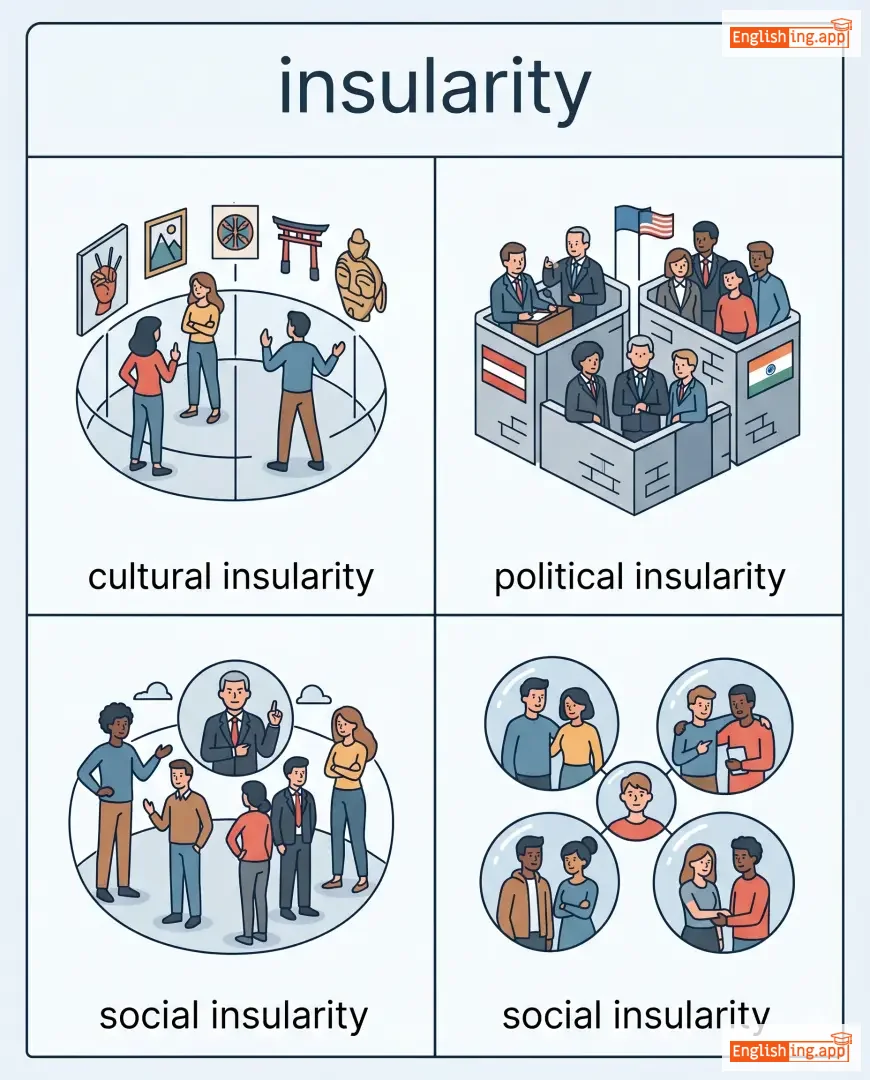
cultural insularity, political insularity, social insularity
••••••
|
岛屿性代表着孤立的思维和不接受新思想的态度。
••••••
|
|
⛰️
••••••
|
/ɪnˈsuːpərəbl/
adjective
(yīnsùpàilè)
••••••
|
|
不可逾越
bukeyuyue
••••••
|
- •••••• | - •••••• | - •••••• | - •••••• |
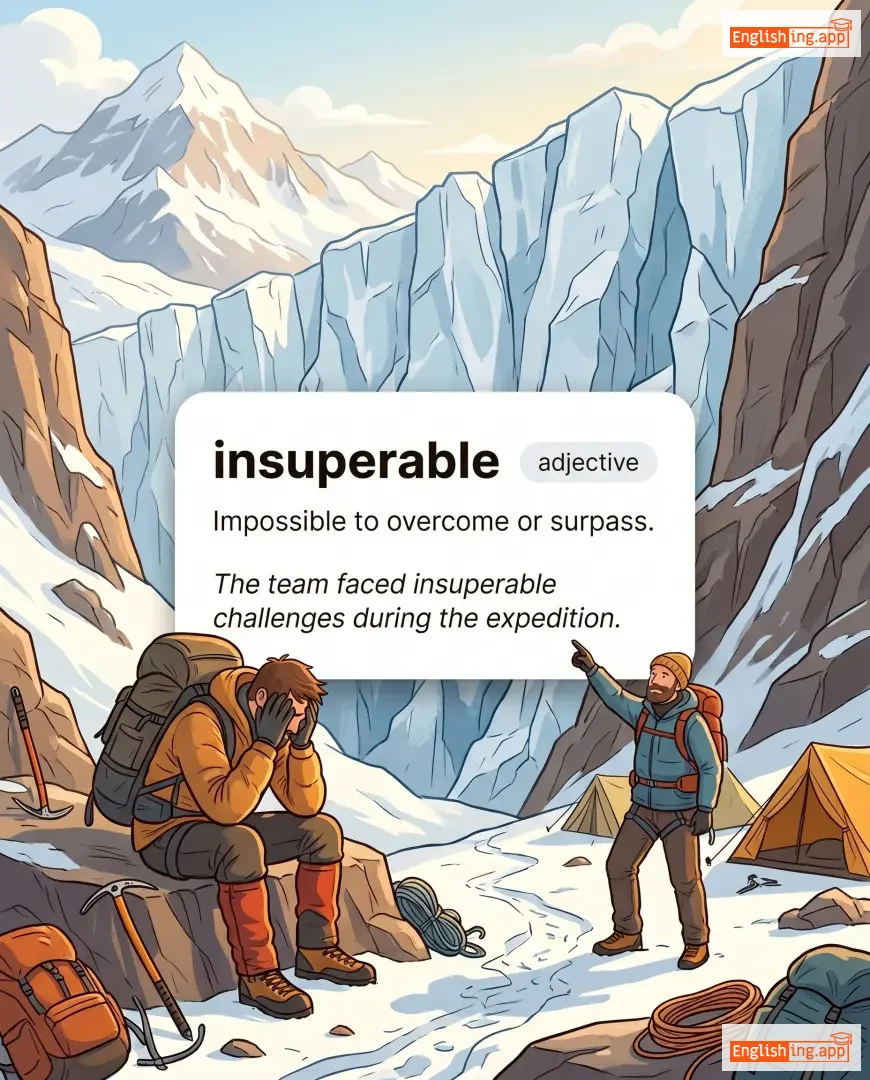
Impossible to overcome or surpass.
••••••
|
The team faced insuperable challenges during the expedition. |
团队在探险过程中面临了不可逾越的挑战。
Tuandui zai tanxian guocheng zhong mianlin le bukeyuyue de tiaozhan.
••••••
|
- •••••• | - •••••• | - •••••• |
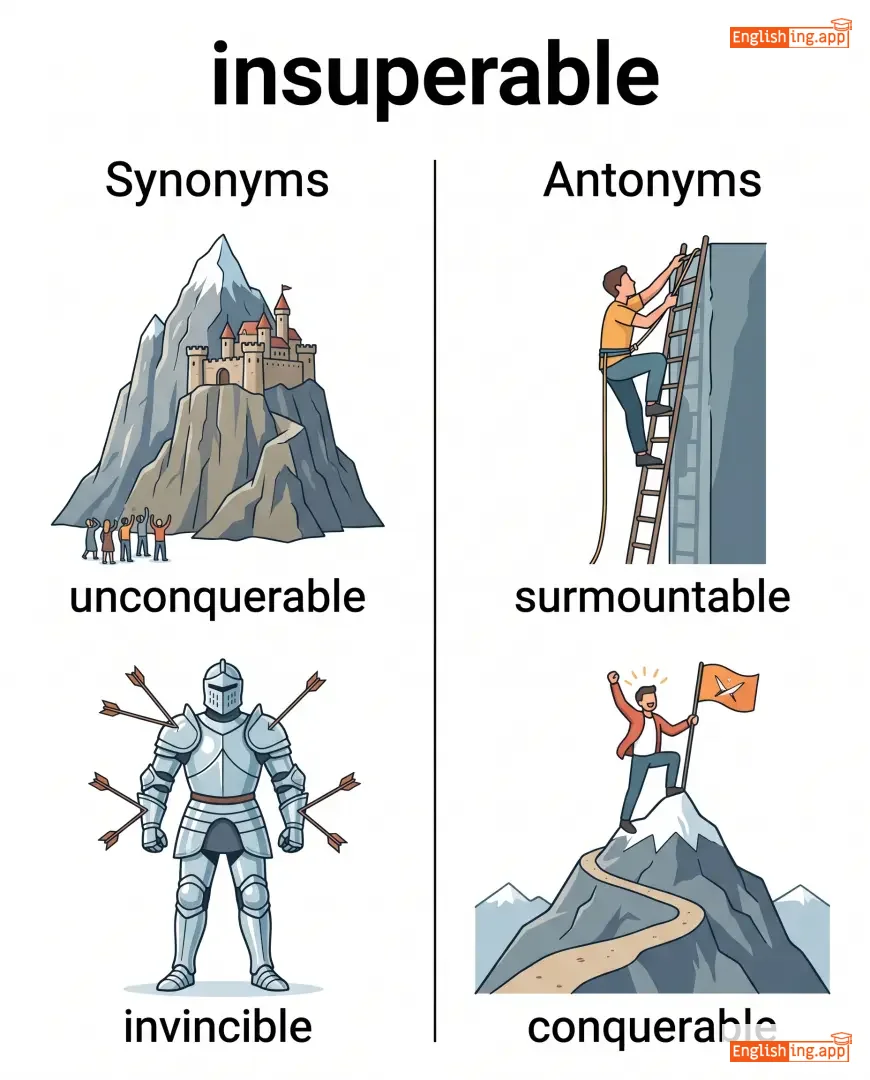
unconquerable, invincible, unbeatable, overwhelming, indomitable
••••••
|
surmountable, conquerable, manageable
••••••
|
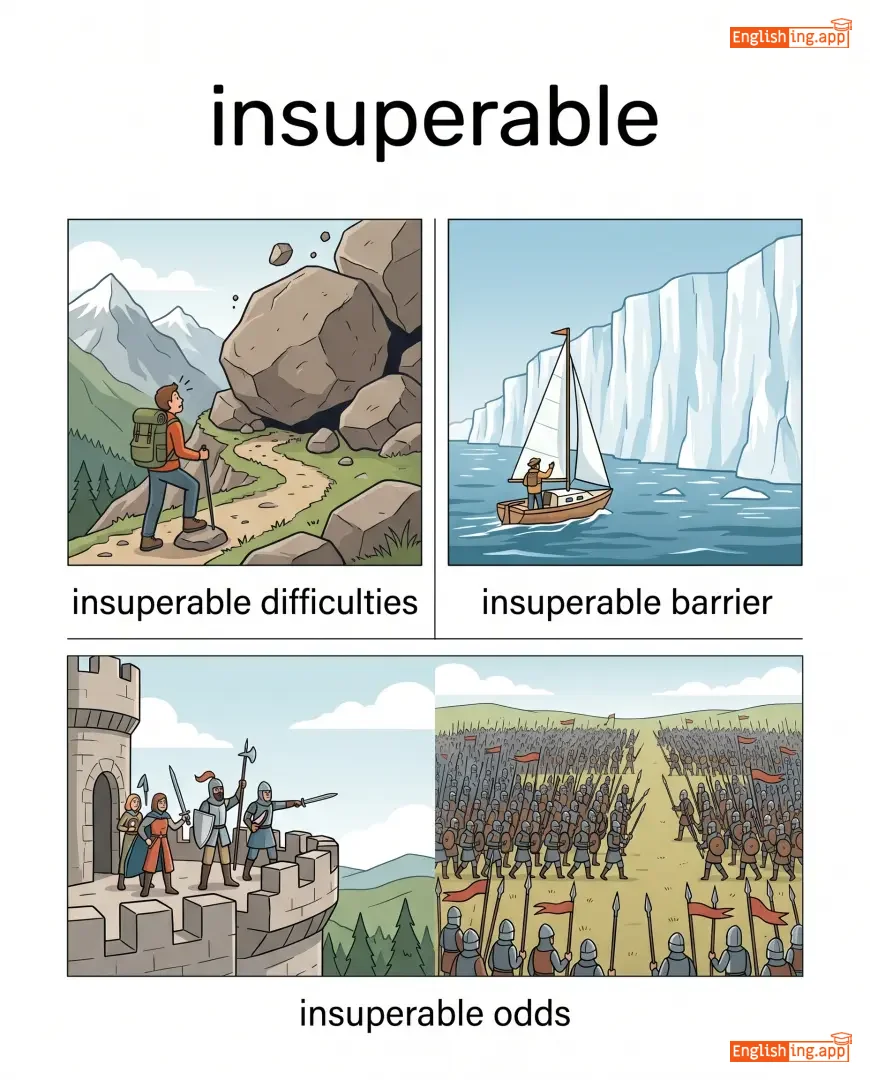
insuperable difficulties, insuperable barrier, insuperable odds
••••••
|
In SUPER able 就是不可逾越 - 不可逾越
••••••
|
|
✨
••••••
|
/ɪnˈtændʒəbl/
adjective
(无形)
••••••
|

|
无形的
wúxíng de
••••••
|
- •••••• | - •••••• | - •••••• | - •••••• |
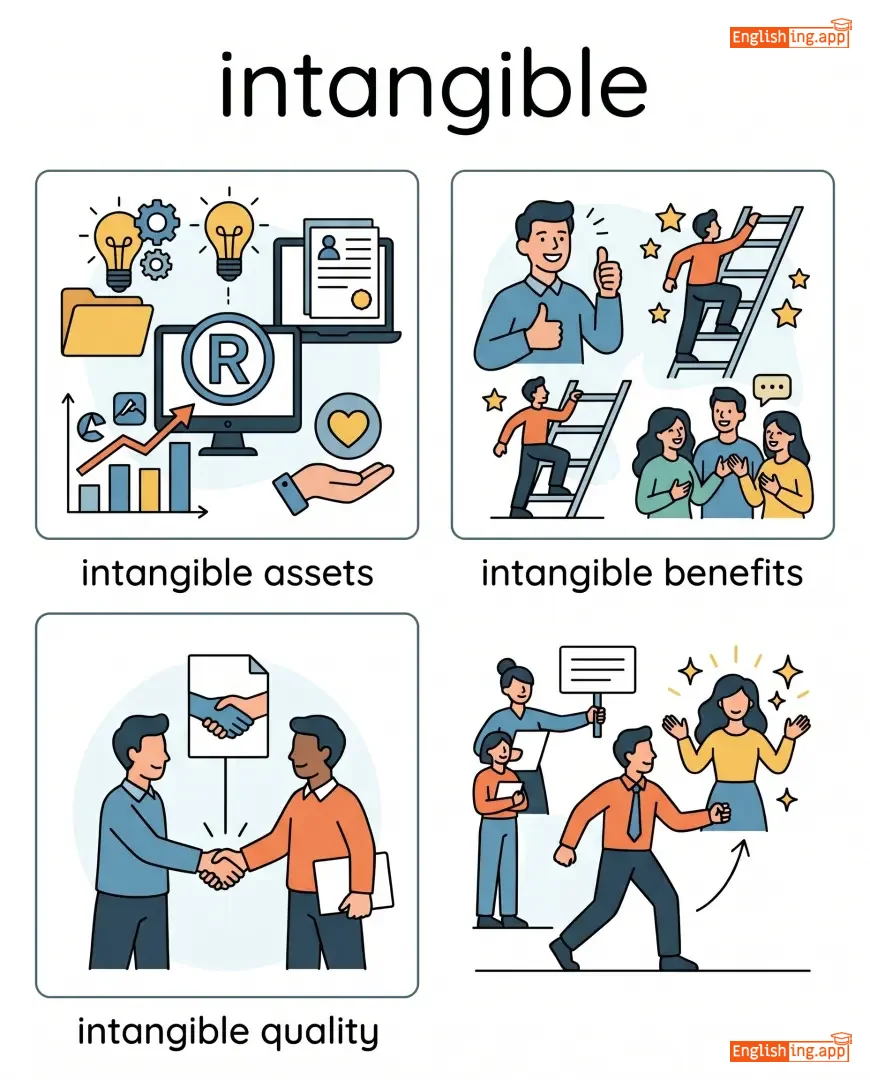
Unable to be touched or grasped; not having a physical presence.
••••••
|
Trust is an intangible quality in relationships. |
信任是关系中一种无形的品质。
Xìnrèn shì guānxì zhōng yī zhǒng wúxíng de pǐnzhí.
••••••
|
- •••••• | - •••••• | - •••••• |
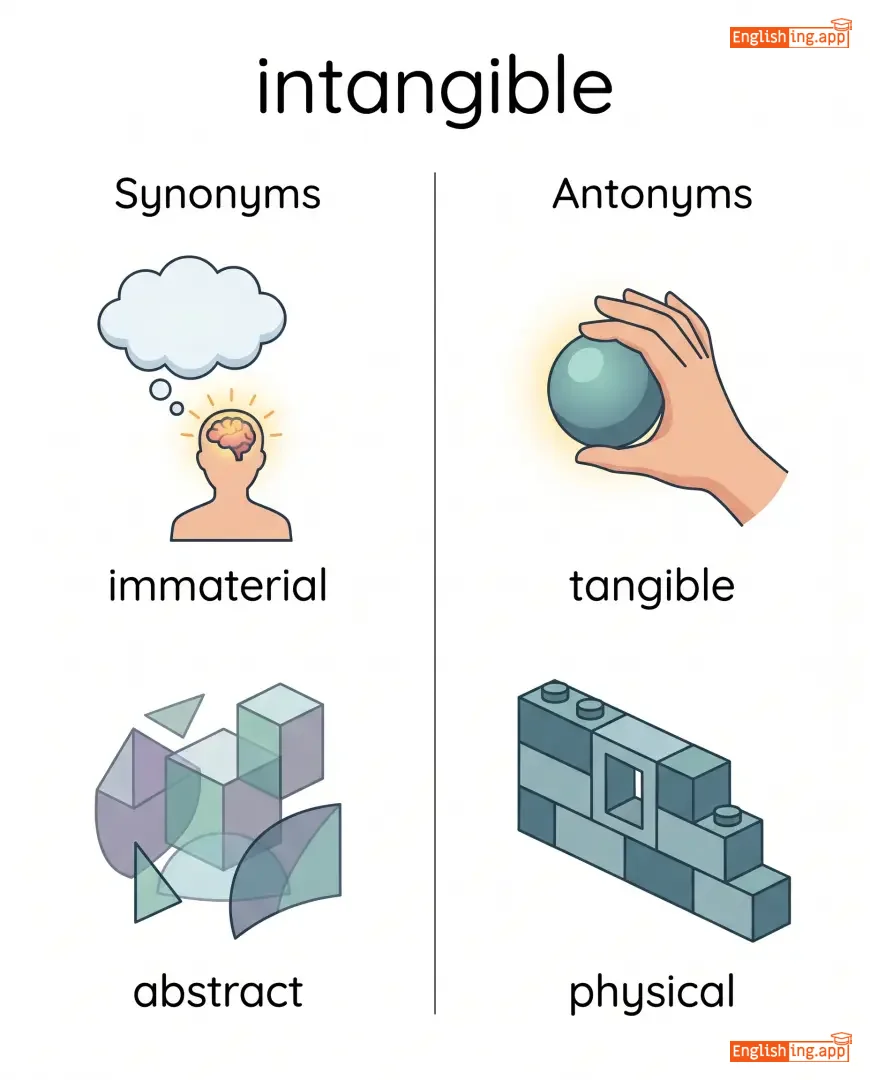
immaterial, abstract, invisible, untouchable
••••••
|
tangible, physical, concrete
••••••
|
intangible assets, intangible benefits, intangible quality, intangible factors
••••••
|
Intangible 意味着无法触摸,就像信任一样
••••••
|
|
⛔
••••••
|
/ˈɪntərˌdɪkt/
verb
(因特迪克特)
••••••
|
|
禁止
jinzhi
••••••
|
interdicted
因特迪克特德
••••••
|
interdicted
因特迪克特德
••••••
|
interdicts
因特迪克特斯
••••••
|
interdicting
因特迪克特英
••••••
|
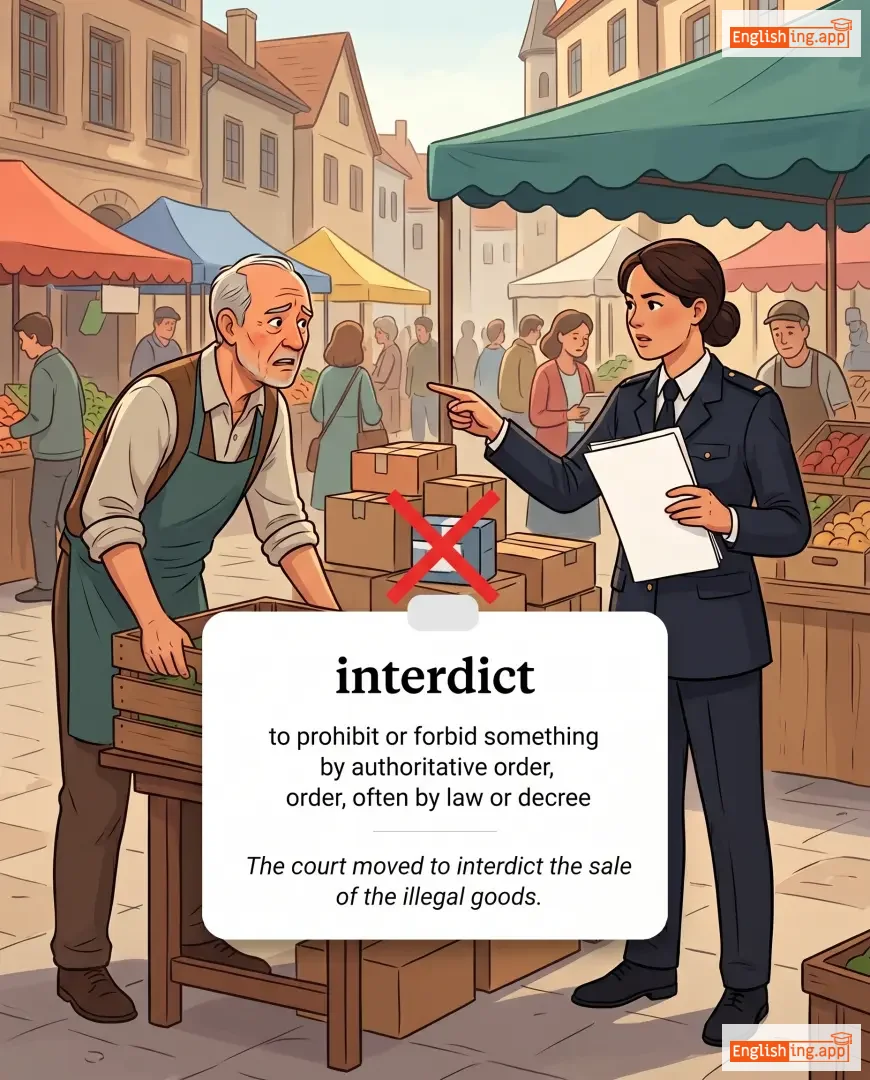
to prohibit or forbid something by authoritative order, often by law or decree
••••••
|
The court moved to interdict the sale of the illegal goods.
法院决定禁止销售非法商品。
••••••
|
法院决定禁止销售非法商品。
Fayuan jueding jinzhi xiaoshou feifa shangpin.
••••••
|
- •••••• | - •••••• | - •••••• |
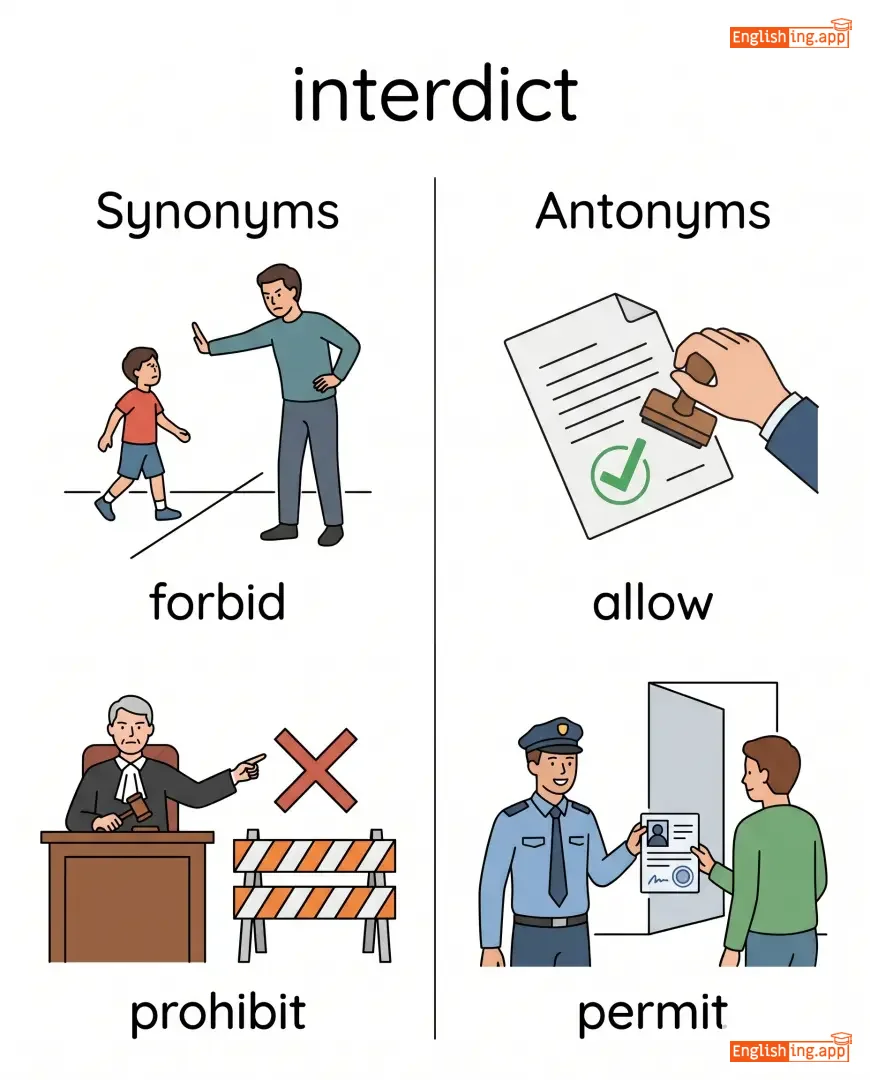
forbid, prohibit, ban, bar, restrict
••••••
|
allow, permit, authorize
••••••
|
military interdict, court interdict, interdict order, interdict action
••••••
|
Inter (inter) 中间和 dict (dict) 说话 – 说中间的意思就是禁止
••••••
|
|
⚔️
••••••
|
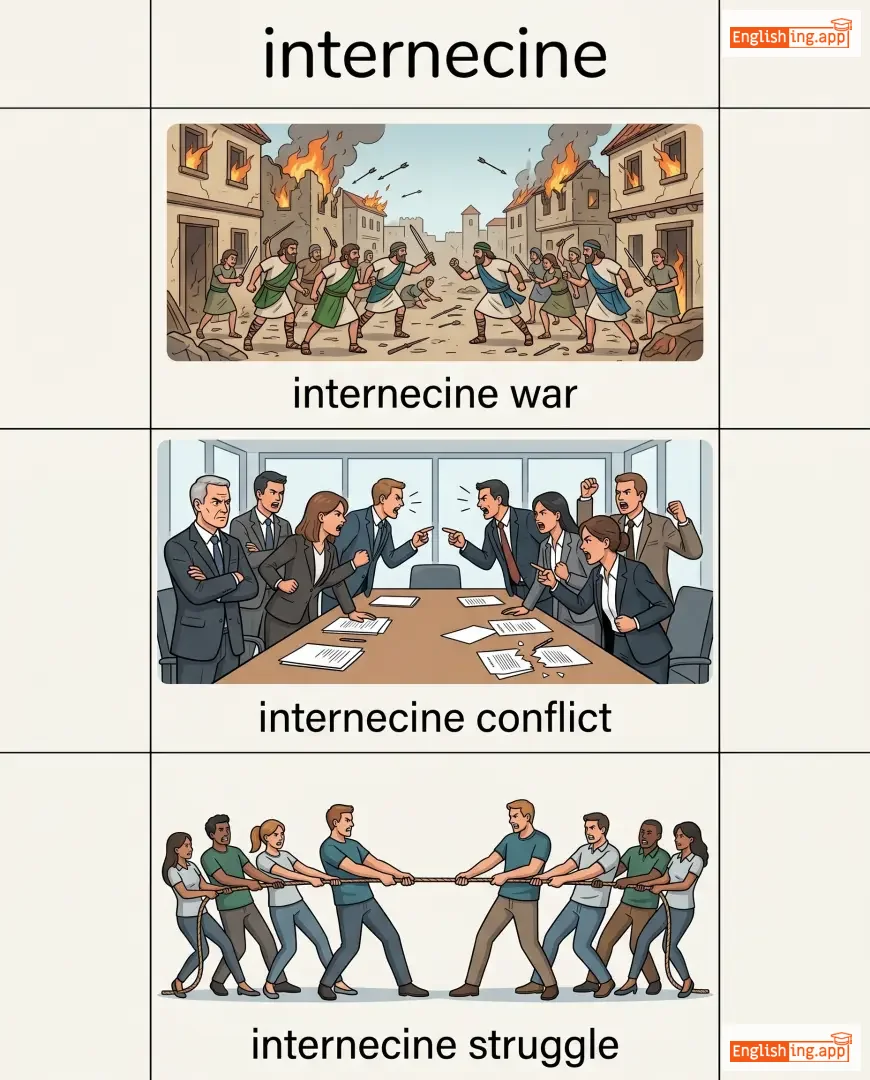
/ˌɪntərˈniːsaɪn/
adjective
(内战)
••••••
|

|
内部冲突
neibu chongtu
••••••
|
- •••••• | - •••••• | - •••••• | - •••••• |
Relating to conflict within a group, often causing mutual destruction.
••••••
|
The internecine conflict weakened the organization from within. |
内部冲突削弱了组织内部的力量
Neibu chongtu xueren le zuzhi neibu de liliang
••••••
|
- •••••• | - •••••• | - •••••• |
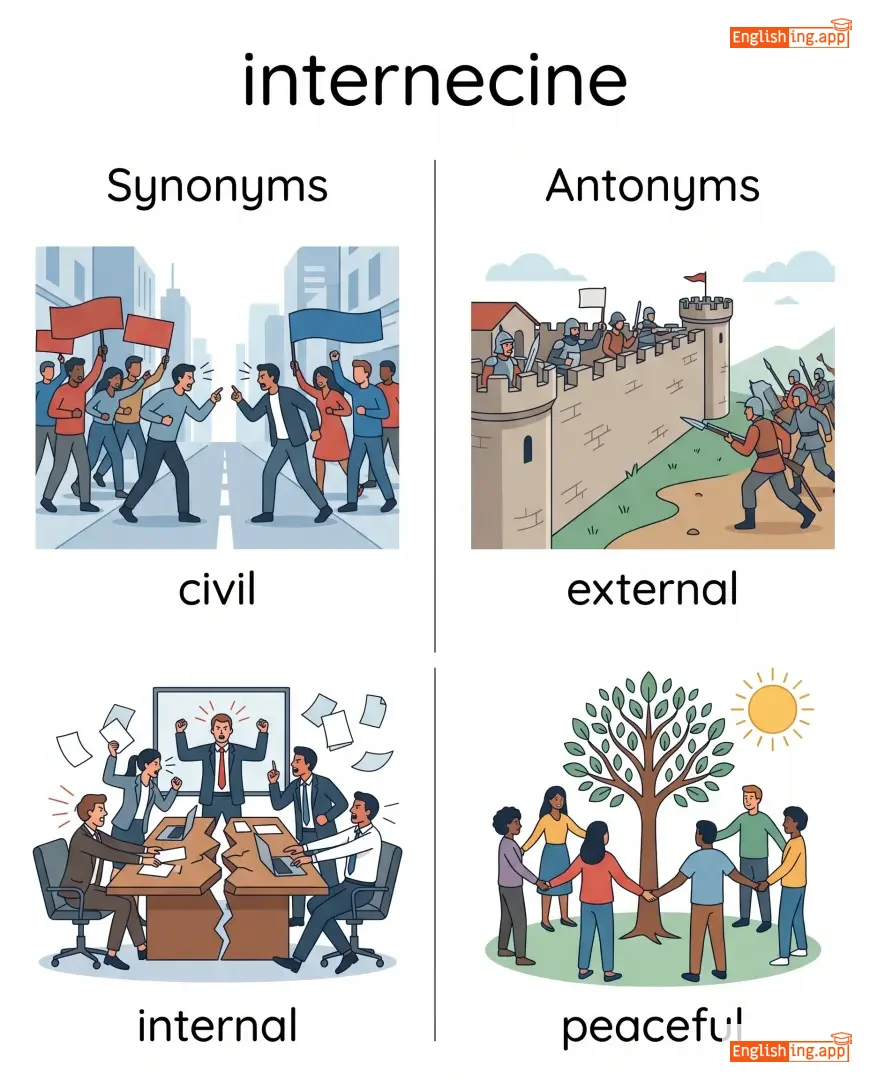
civil, internal, domestic, in-fighting, fratricidal
••••••
|
external, peaceful, united
••••••
|
internecine war, internecine conflict, internecine struggle
••••••
|
Inter + 内部 (neibu) → 内部冲突
••••••
|
|
📈
••••••
|
/ɪnˈtɜːrpəˌleɪt/
verb
(插入)
••••••
|

|
插入
chārù
••••••
|
interpolated
插入了
••••••
|
interpolated
已插入
••••••
|
interpolates
插入
••••••
|
interpolating
插入中
••••••
|
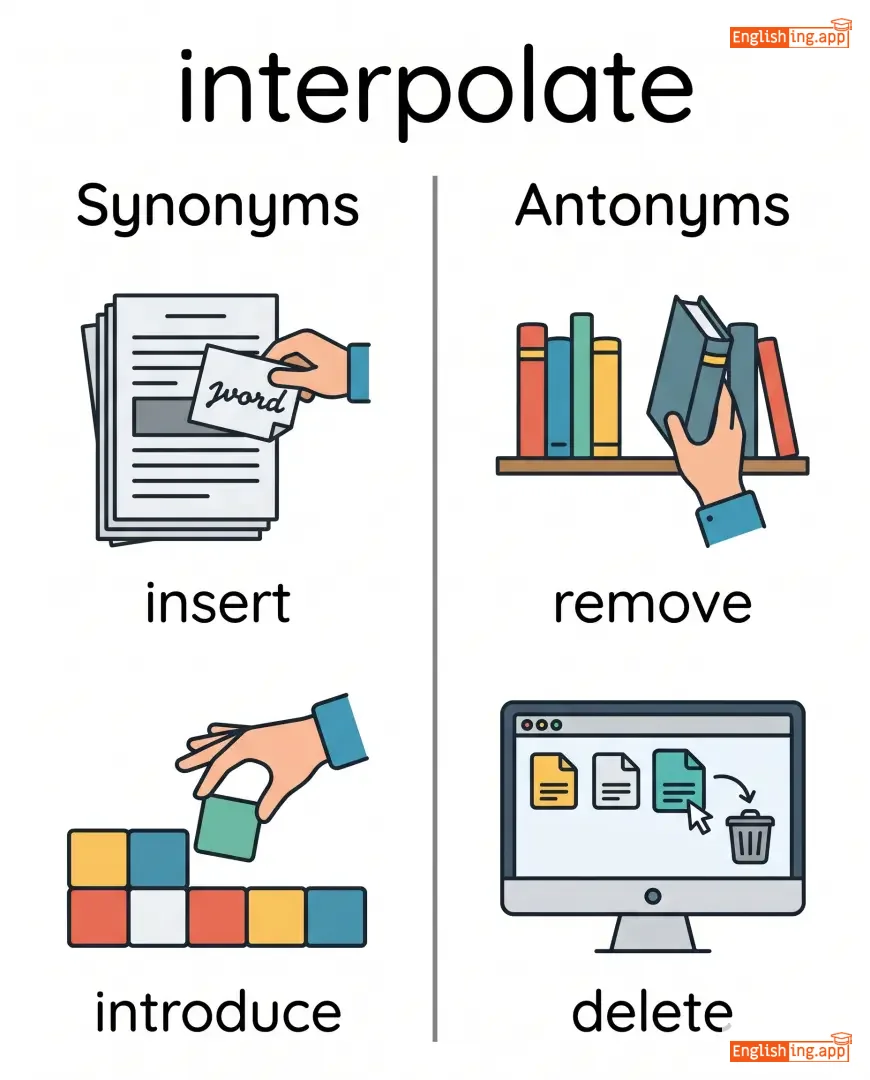
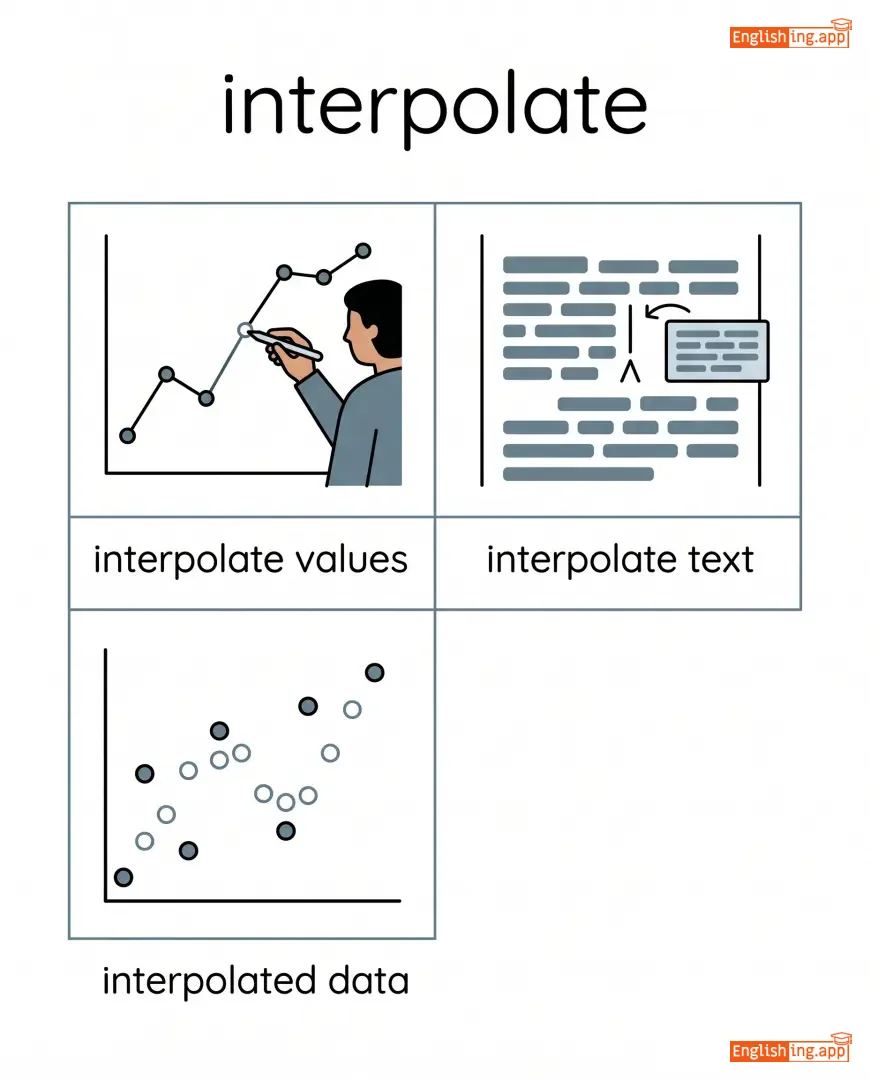
To insert something, often words, into a text or conversation; to estimate values between known data points.
••••••
|
The editor interpolated a missing paragraph into the manuscript.
编辑在手稿中插入了一个缺失的段落。
••••••
|
编辑在手稿中插入了一个缺失的段落。
Biānjí zài shǒugǎo zhōng chārùle yīgè quēshī de duànluò.
••••••
|
- •••••• | - •••••• | - •••••• |
insert, introduce, interject, estimate, calculate
••••••
|
remove, delete, exclude
••••••
|
interpolate values, interpolate text, interpolated data
••••••
|
Inter + polar → 就像加入图像一样。插入的意思是加入内容
••••••
|
|
⏳
••••••
|
/ˌɪntərˈrɛɡnəm/
noun
(因特雷格努姆)
••••••
|
|
过渡期
guòdùqī
••••••
|
- •••••• | - •••••• | - •••••• | - •••••• |
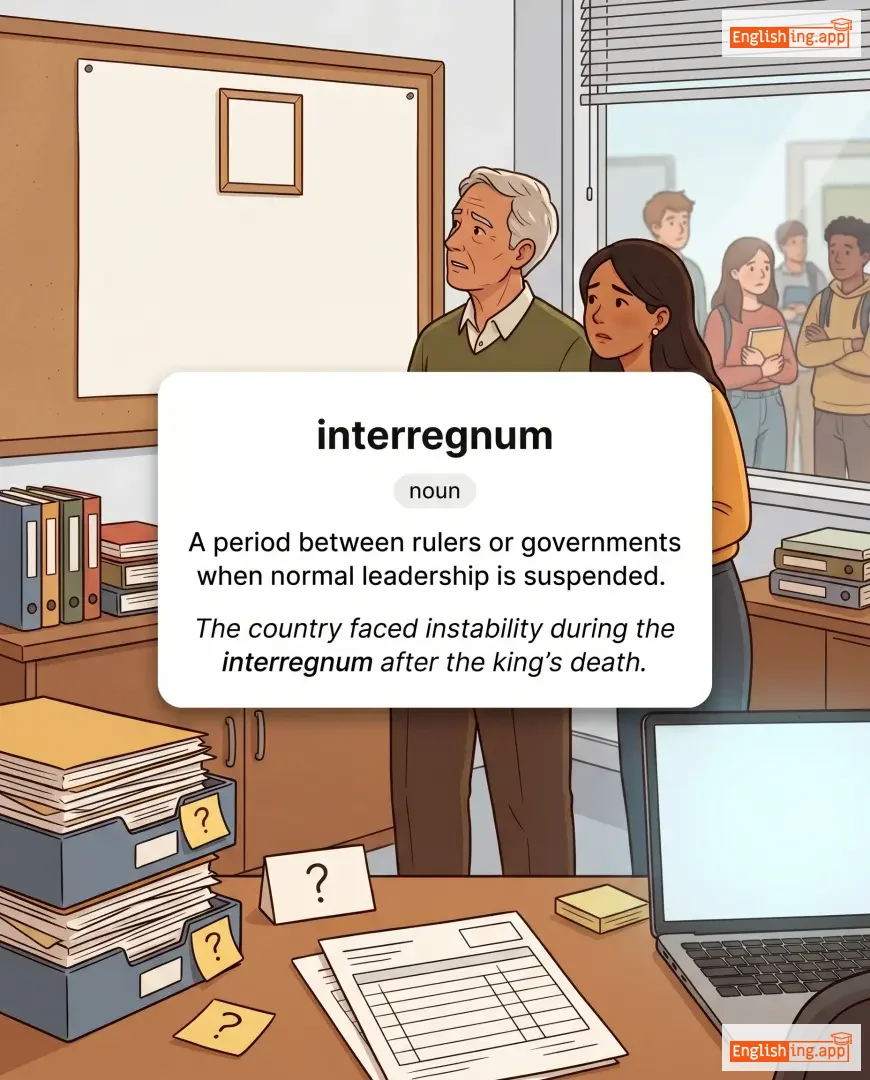
A period between rulers or governments when normal leadership is suspended.
••••••
|
The country faced instability during the interregnum after the king’s death. |
在国王去世后的过渡期,该国经历了不稳定。
Zài guówáng qùshì hòu de guòdùqī, gāi guó jīnglìle bù wěndìng.
••••••
|
- •••••• | - •••••• | - •••••• |
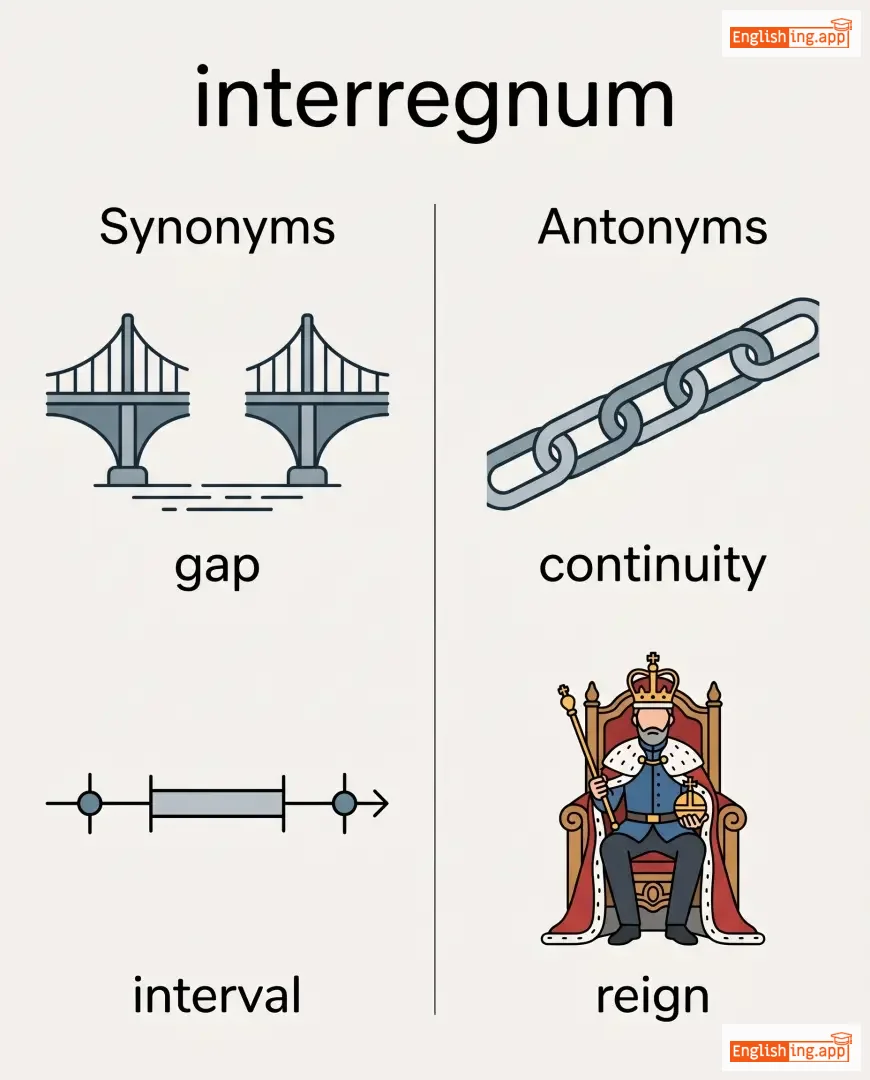
gap, interval, suspension, hiatus, pause
••••••
|
continuity, reign
••••••
|
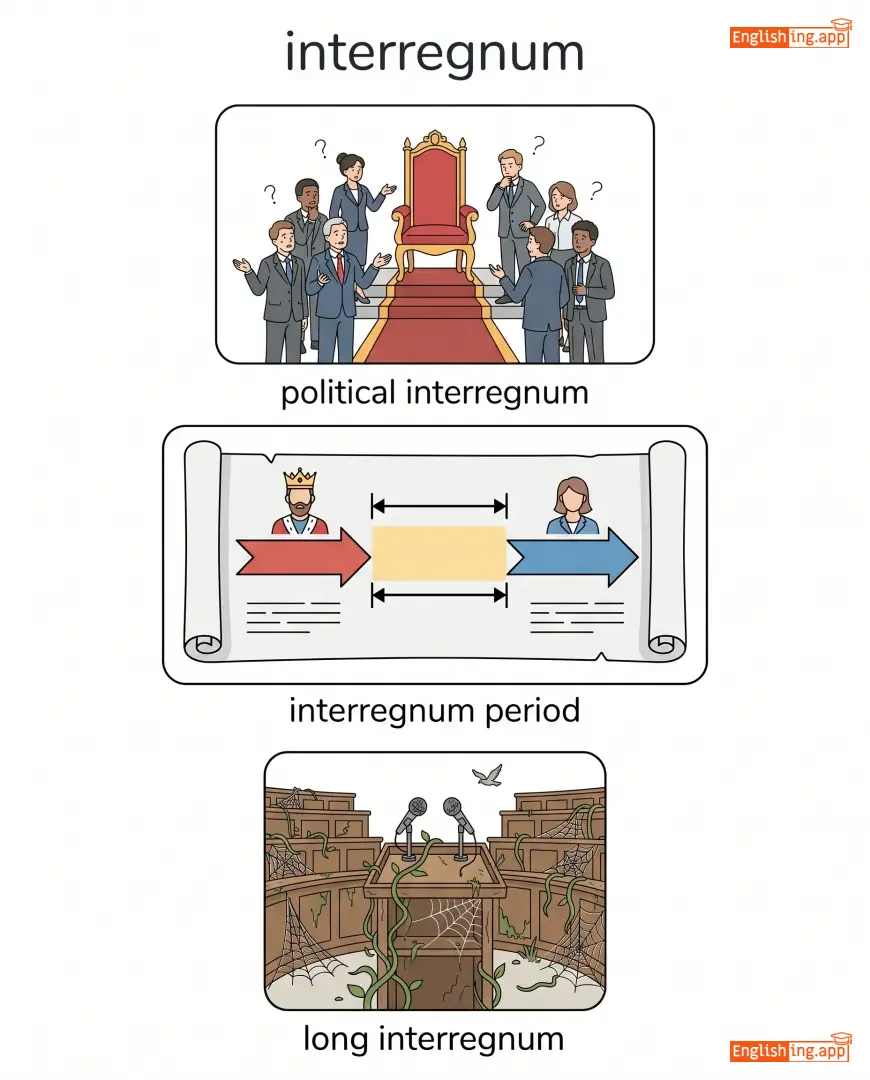
political interregnum, interregnum period, long interregnum
••••••
|
Interregnum 是 inter (之间) + regnum (王国) — 没有王的过渡期。
••••••
|

