|
絵文字
|
単語 | Images | 翻訳 | 過去 | 過去分詞 | 三人称単数 | 動名詞 | 意味 | 例文 | 例文の翻訳 | 表現例 | 表現例の意味 | 表現例の翻訳 | 同義語 | 対義語 | コロケーション | ニーモニック |
|---|---|---|---|---|---|---|---|---|---|---|---|---|---|---|---|---|---|
|
👤
••••••
|
/ɪnˈkɑːrneɪt/
adjective/verb
(インカーネイト)
••••••
|
|
具現化
gugenka
••••••
|
incarnated
インカーネイテッド
••••••
|
incarnated
インカーネイテッド
••••••
|
incarnates
インカーネイツ
••••••
|
incarnating
インカーネイティング
••••••
|
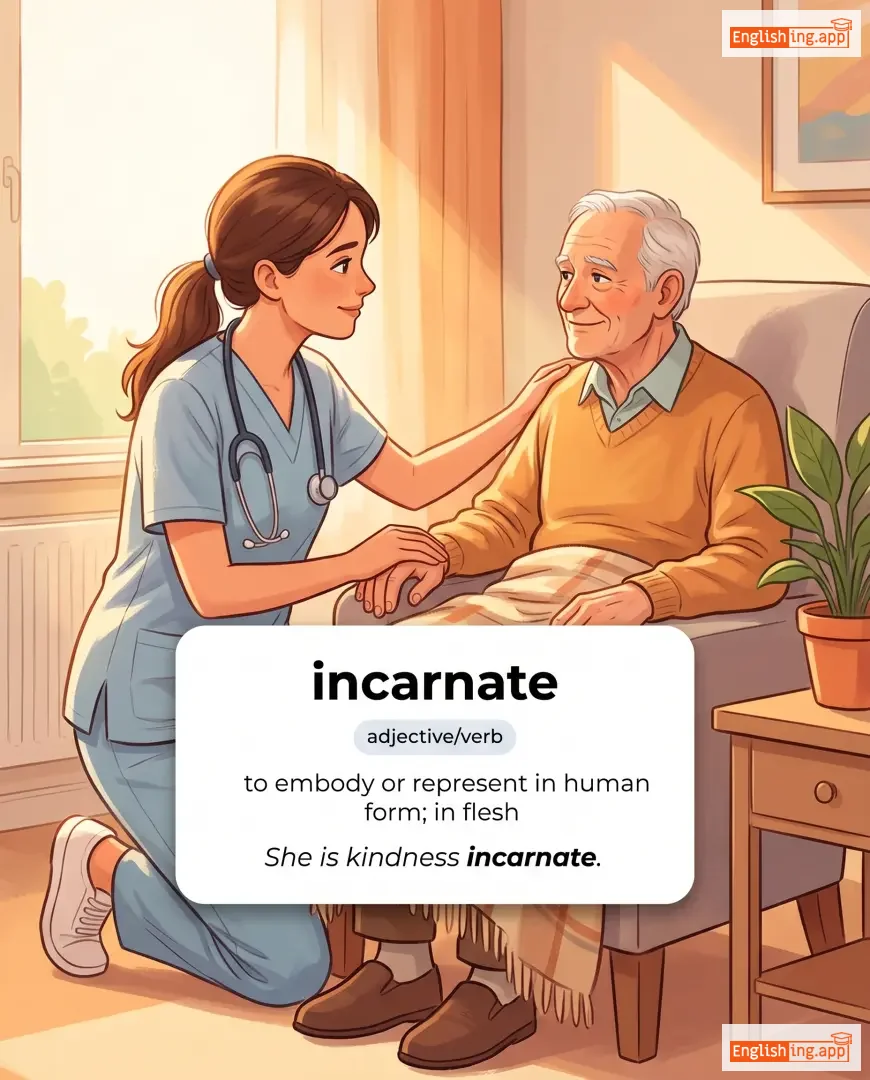
to embody or represent in human form; in flesh
••••••
|
She is kindness incarnate.
彼女は親切さの具現化です。
••••••
|
彼女は親切さの具現化です。
Kanojo wa shinsetsu sa no gugenka desu.
••••••
|
- •••••• | - •••••• | - •••••• |
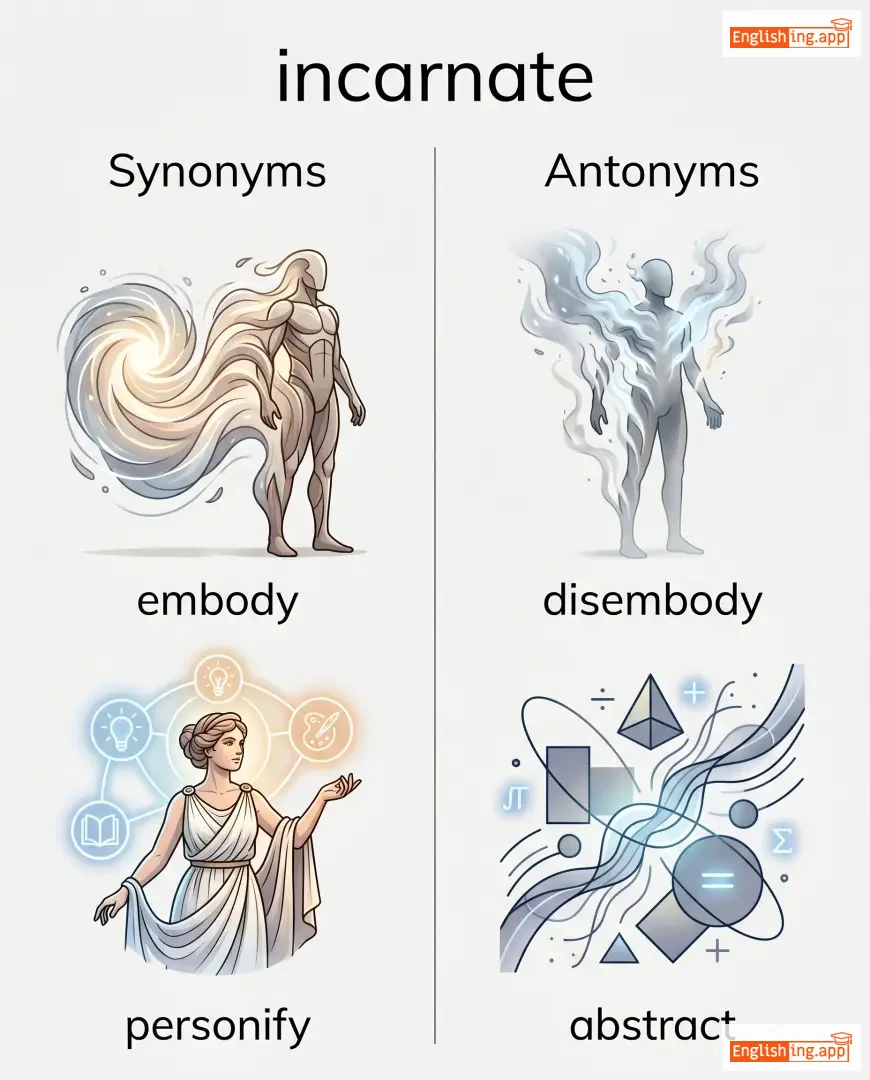
embody, personify, represent, manifest
••••••
|
disembody, abstract
••••••
|
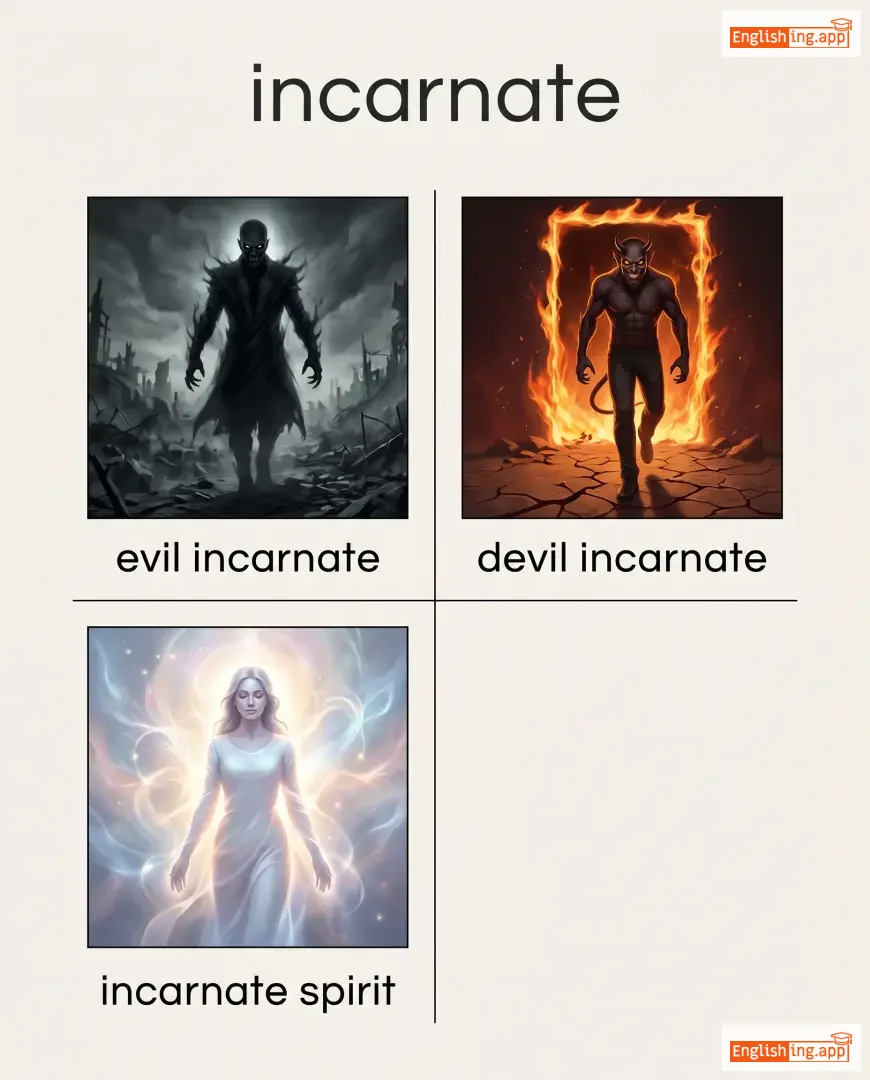
evil incarnate, devil incarnate, incarnate spirit, incarnate form
••••••
|
In car net は親切さの具現化です。
••••••
|
|
🌄
••••••
|
/ɪnˈkoʊ.ɪt/ or /ɪnˈkoʊ.eɪt/
adjective
(インコエイト)
••••••
|

|
未完成
mikansei
••••••
|
- •••••• | - •••••• | - •••••• | - •••••• |
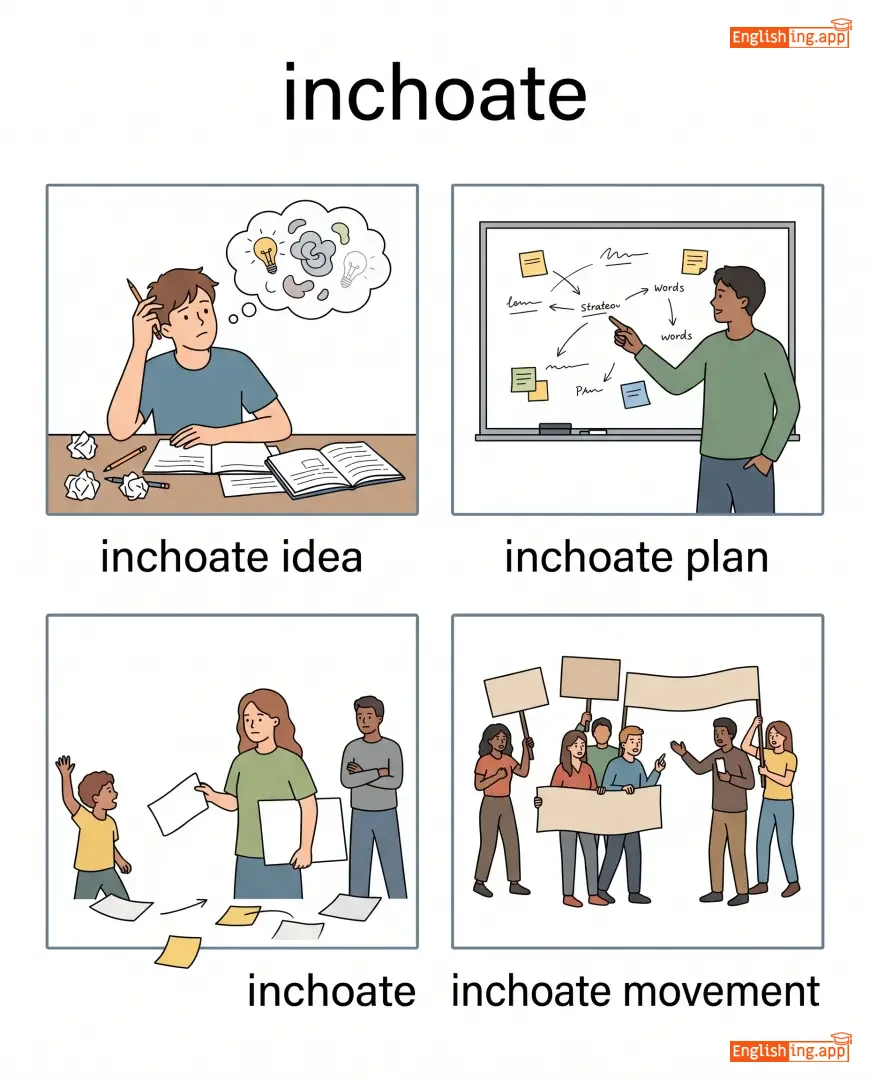
Just begun and not fully formed; rudimentary.
••••••
|
His inchoate ideas needed more research to be developed. |
彼の未完成のアイデアは、さらに開発するためにもっと研究が必要だった。
Kare no mikansei no aidea wa, sara ni kaihatsu suru tame ni motto kenkyuu ga hitsuyou datta.
••••••
|
- •••••• | - •••••• | - •••••• |
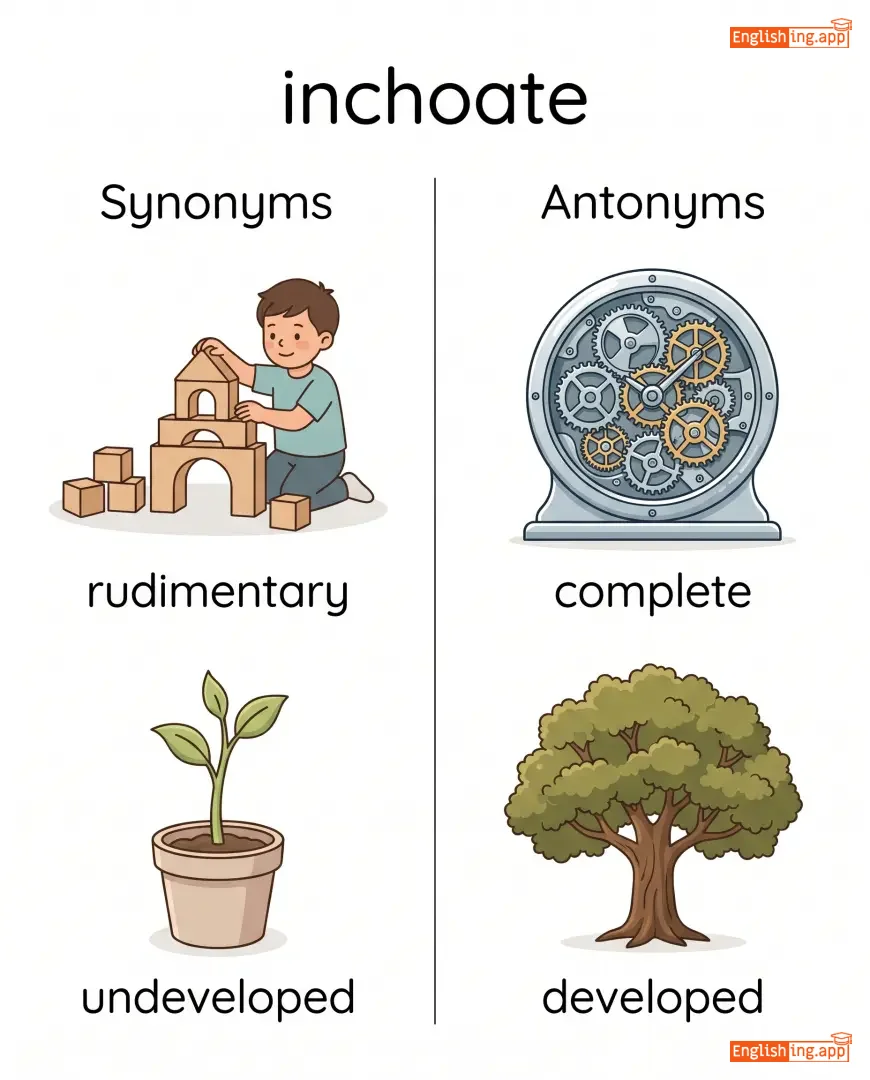
rudimentary, undeveloped, immature, nascent, beginning
••••••
|
complete, developed, finished
••••••
|
inchoate idea, inchoate plan, inchoate movement, inchoate stage
••••••
|
Inchoateは未完成 → まだ完成していない
••••••
|
|
🔄
••••••
|
/ˌɪnkənˈɡruːəti/
noun
(inkonguruitī)
••••••
|
|
不一致
fu ichi
••••••
|
- •••••• | - •••••• | - •••••• | - •••••• |
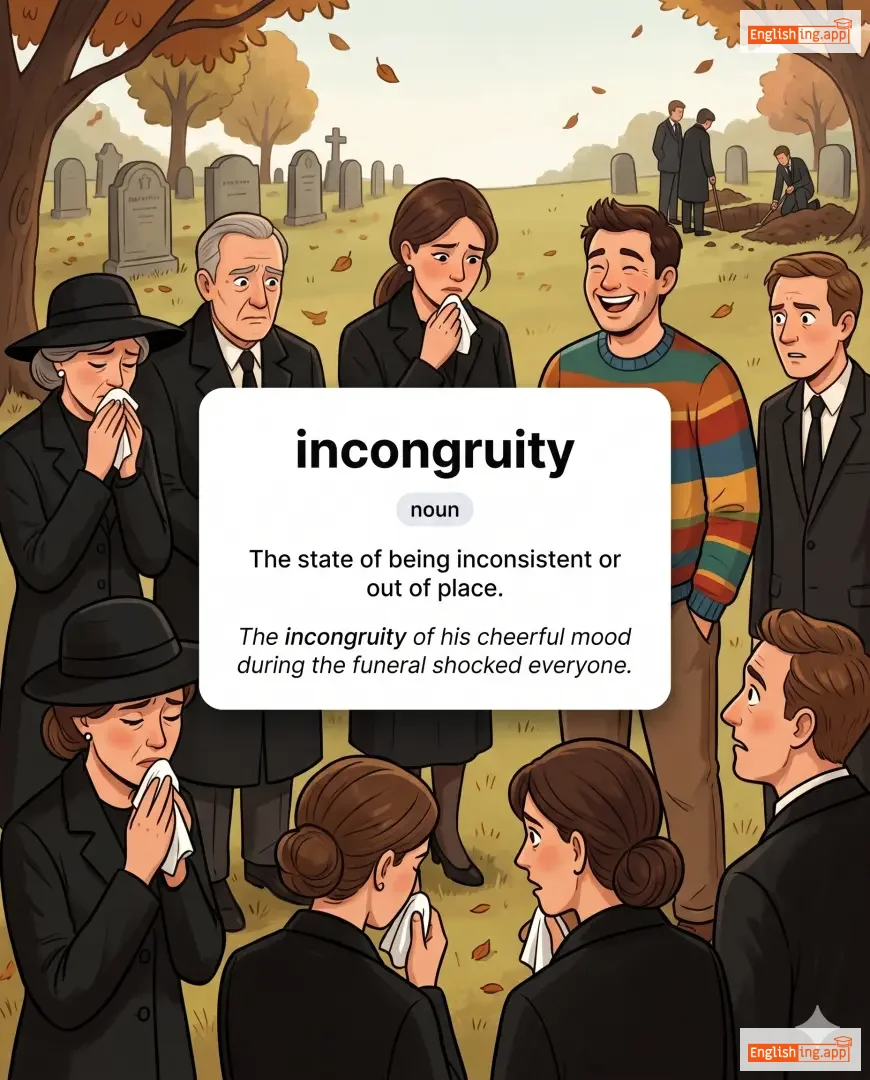
The state of being inconsistent or out of place.
••••••
|
The incongruity of his cheerful mood during the funeral shocked everyone. |
葬式の最中に彼の陽気な気分の不一致は、皆を驚かせました。
Sōshiki no saichū ni kare no yōki na kibun no fu ichi wa, mina o odorokasemashita.
••••••
|
- •••••• | - •••••• | - •••••• |
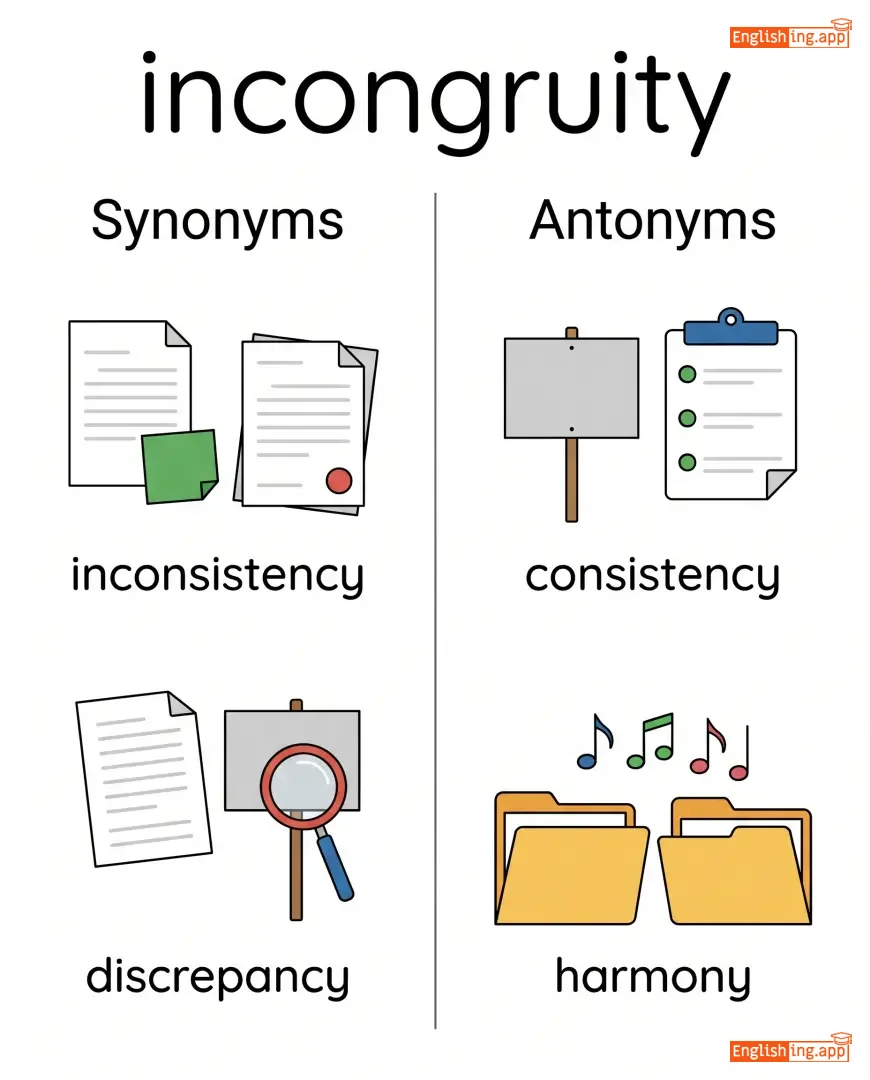
inconsistency, discrepancy, mismatch, absurdity
••••••
|
consistency, harmony, congruity
••••••
|
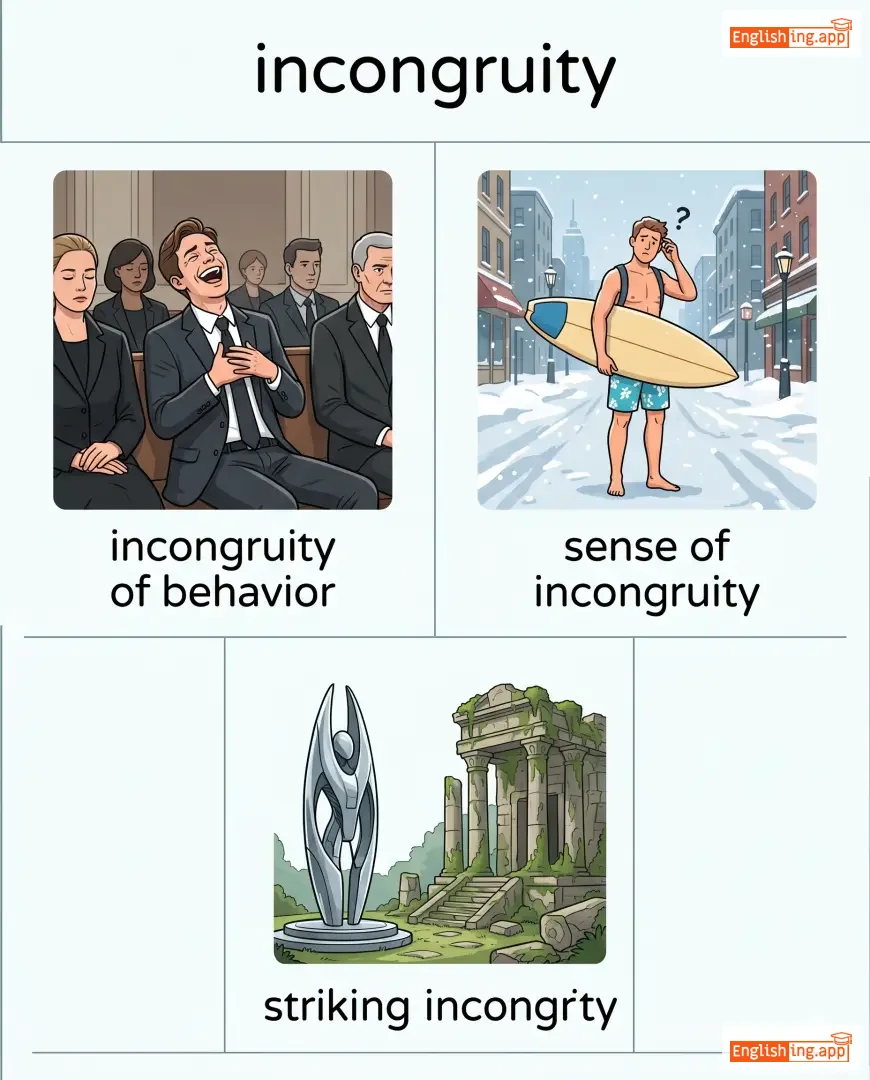
incongruity of behavior, sense of incongruity, striking incongruity
••••••
|
IN不一致は、物事が調和していないことを示しています。
••••••
|
|
🪶
••••••
|
/ˌɪnˌkɒnsɪˈkwɛnʃəl/
adjective
(インコンセクエンシャル)
••••••
|
|
重要でない
jūyō denai
••••••
|
- •••••• | - •••••• | - •••••• | - •••••• |
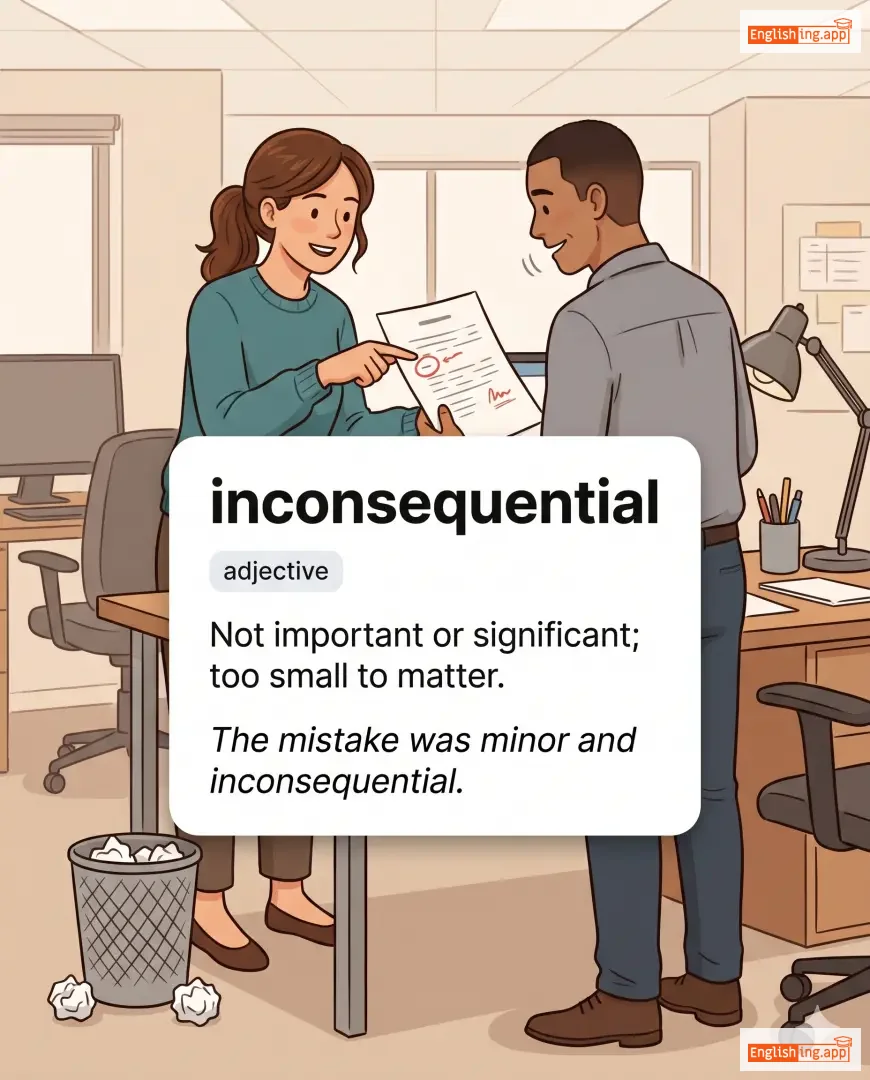
Not important or significant; too small to matter.
••••••
|
The mistake was minor and inconsequential.
その間違いは小さく、重要ではありませんでした。
••••••
|
その間違いは小さく、重要ではありませんでした。
Sono machigai wa chiisaku, jūyō de wa arimasen deshita.
••••••
|
- •••••• | - •••••• | - •••••• |
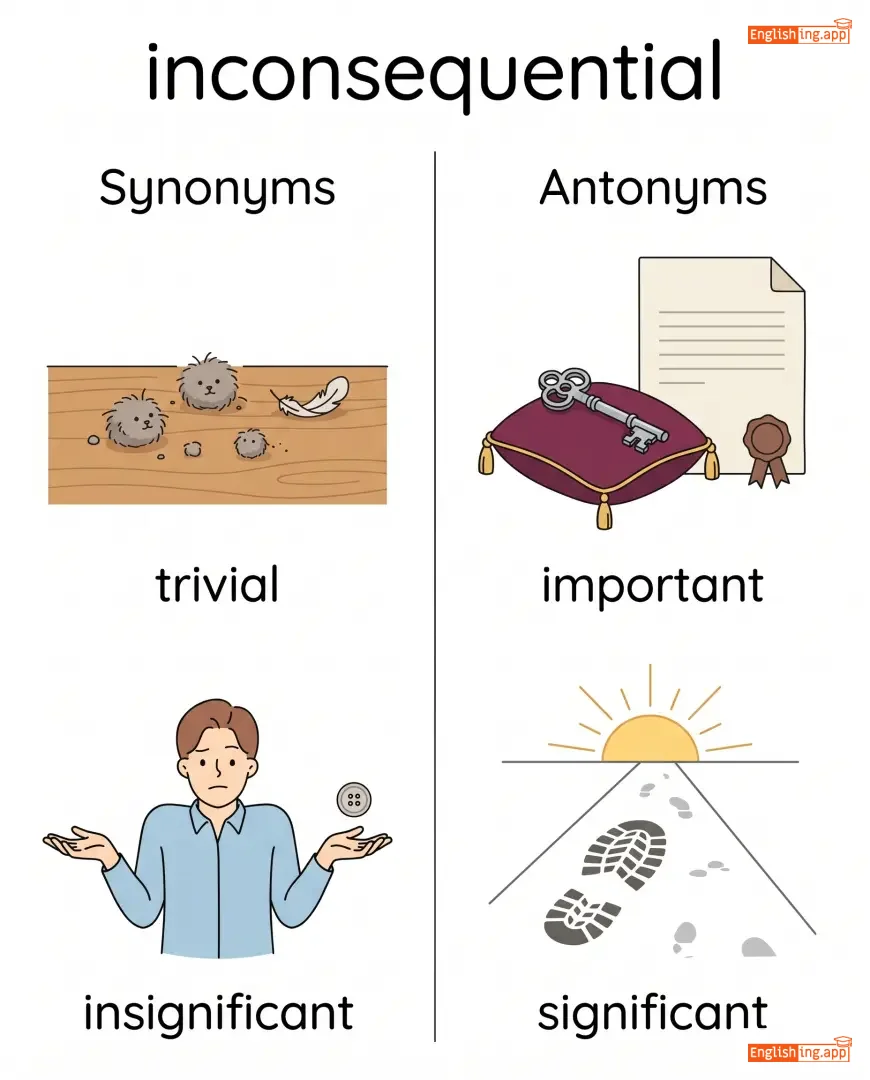
trivial, insignificant, negligible, petty, unimportant
••••••
|
important, significant, major
••••••
|
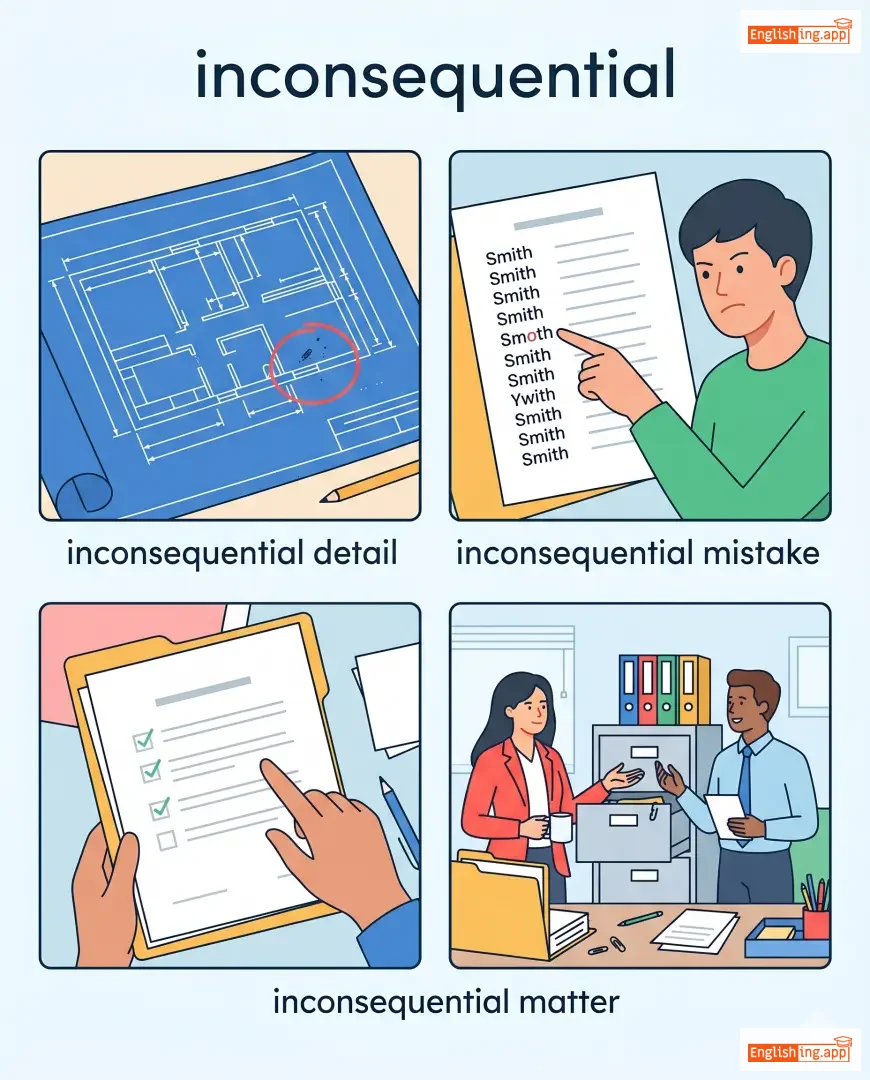
inconsequential detail, inconsequential mistake, inconsequential matter
••••••
|
Inconsequential - 重要でない
••••••
|
|
🏢
••••••
|
/ɪnˈkɔːpəreɪt/
verb
(インコーポレート)
••••••
|

|
組み込む
kumikomu
••••••
|
incorporated
インコーポレイテッド
••••••
|
incorporated
インコーポレイテッド
••••••
|
incorporates
インコーポレイツ
••••••
|
incorporating
インコーポレイティング
••••••
|
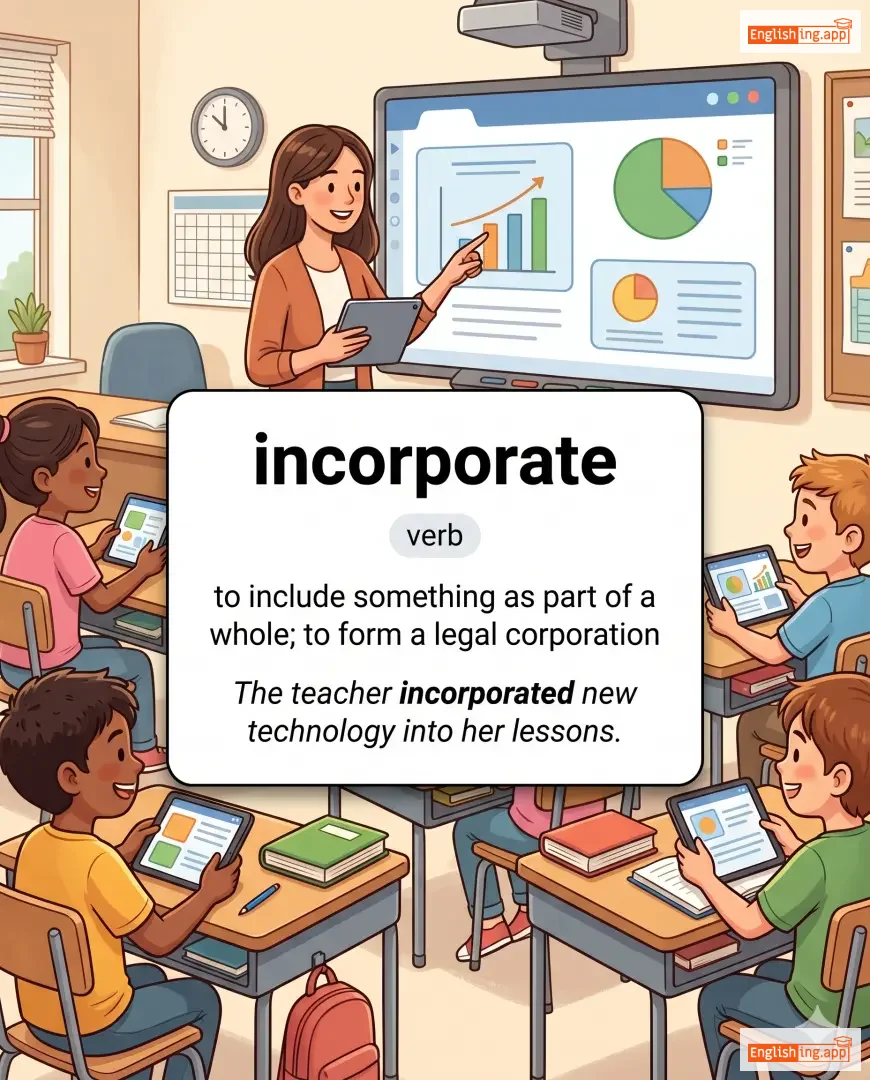
to include something as part of a whole; to form a legal corporation
••••••
|
The teacher incorporated new technology into her lessons.
先生は授業に新しい技術を取り入れました。
••••••
|
先生は授業に新しい技術を取り入れました。
Sensei wa jugyo ni atarashii gijutsu o toriiremashita.
••••••
|
incorporate into
取り入れる
••••••
|
to include something as part of a larger thing
••••••
|
取り入れる
toriireru
••••••
|
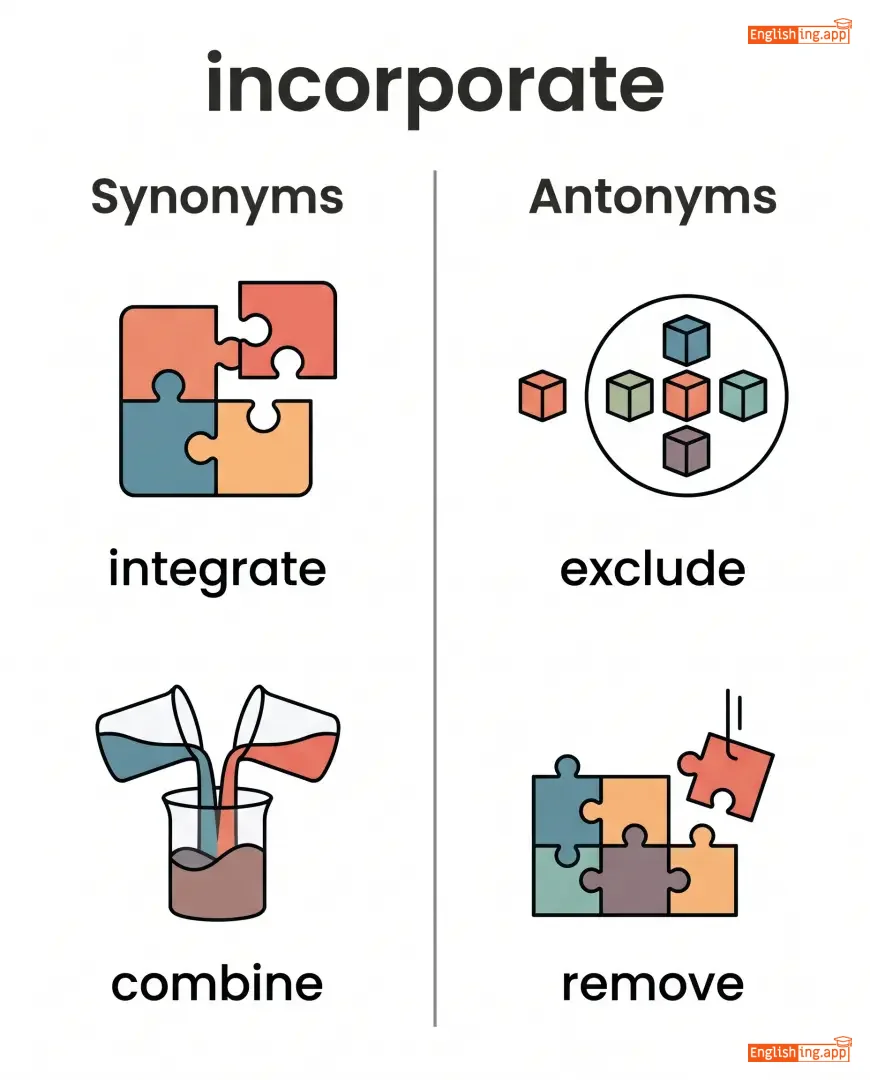
integrate, combine, include, merge, embody
••••••
|
exclude, remove, separate
••••••
|
incorporate into, incorporate ideas, incorporate changes
••••••
|
Incorporateは何かを含める、つまり全体に加えること。
••••••
|
|
⚔️
••••••
|
/ɪnˈkɜːrʒən/
noun
(インカーション)
••••••
|
|
侵入
shinnyuu
••••••
|
- •••••• | - •••••• | - •••••• | - •••••• |
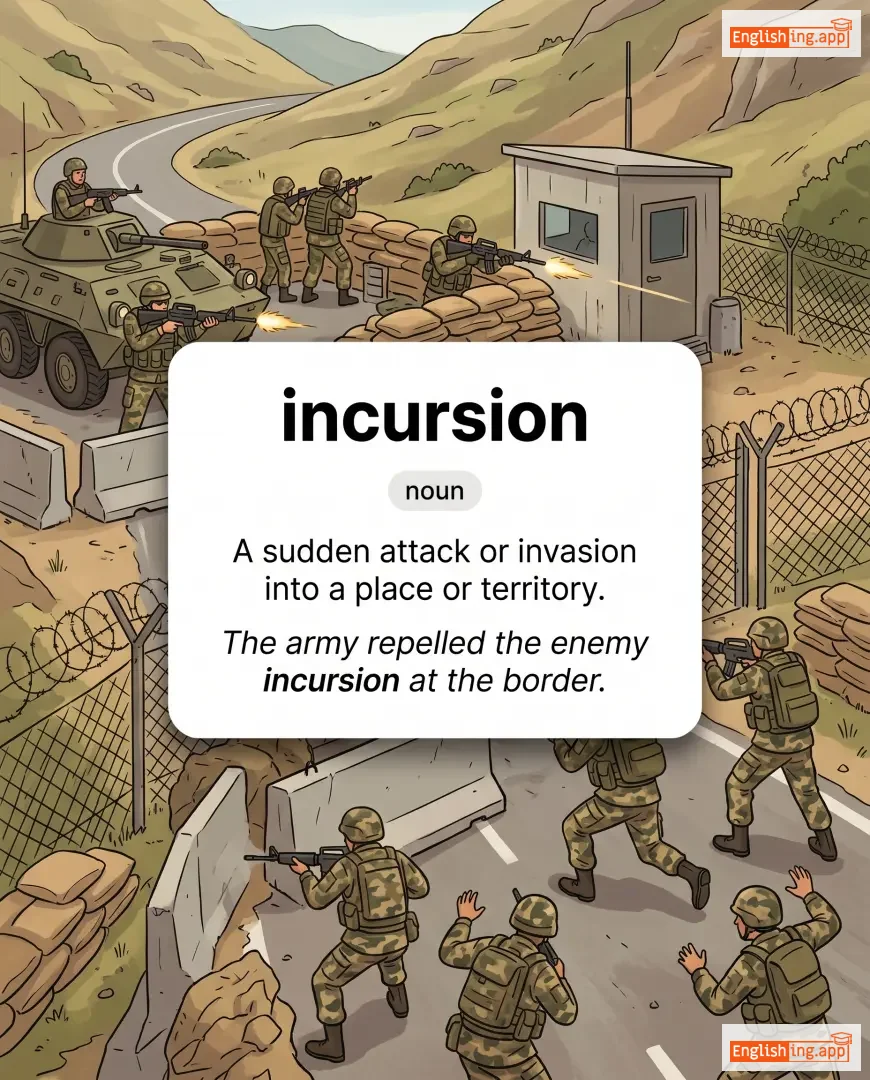
A sudden attack or invasion into a place or territory.
••••••
|
The army repelled the enemy incursion at the border. |
軍隊は国境で敵の侵入を撃退した。
Guntai wa kokkyō de teki no shinnyū o gekitai shita.
••••••
|
- •••••• | - •••••• | - •••••• |
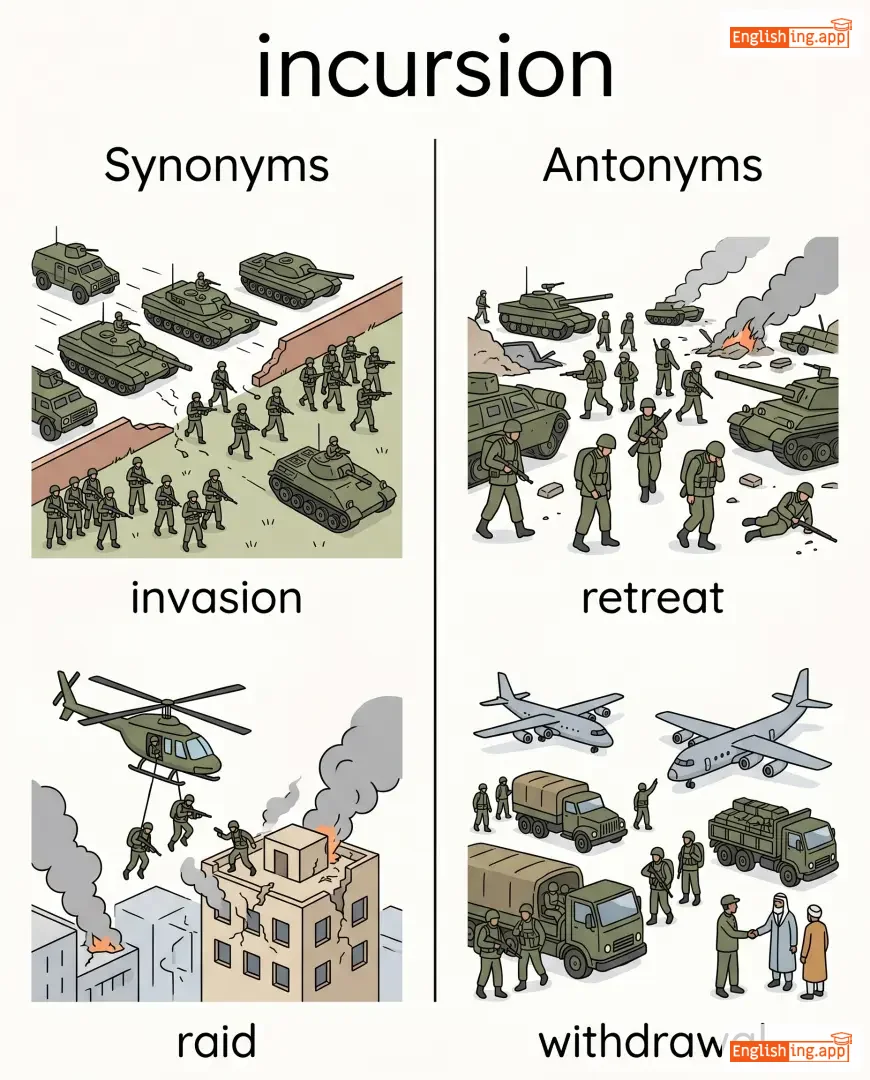
invasion, raid, attack, assault, intrusion
••••••
|
retreat, withdrawal
••••••
|
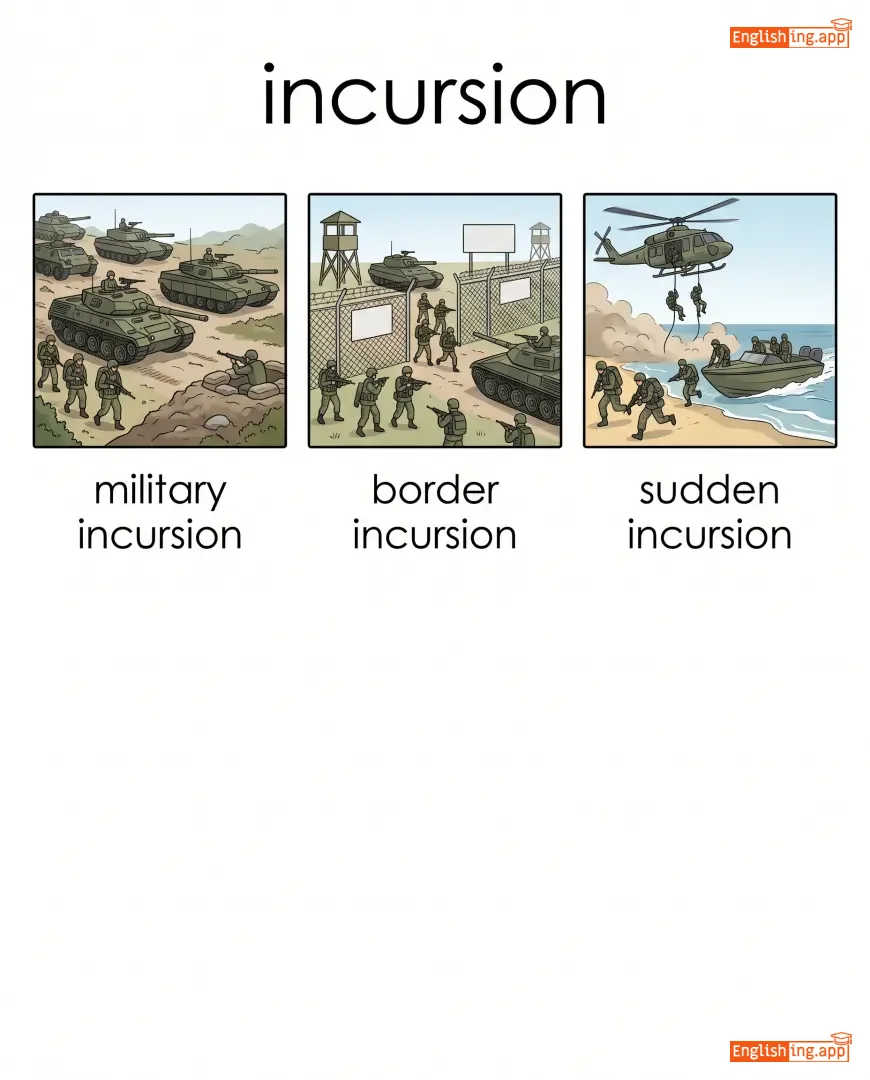
military incursion, border incursion, sudden incursion, enemy incursion
••••••
|
In CURSionは突然の侵入や攻撃を意味します
••••••
|
|
❓
••••••
|
/ˌɪndɪˈtɜːrmənət/
adjective
(インディターミネイト)
••••••
|
|
不確定
fukakutei
••••••
|
- •••••• | - •••••• | - •••••• | - •••••• |
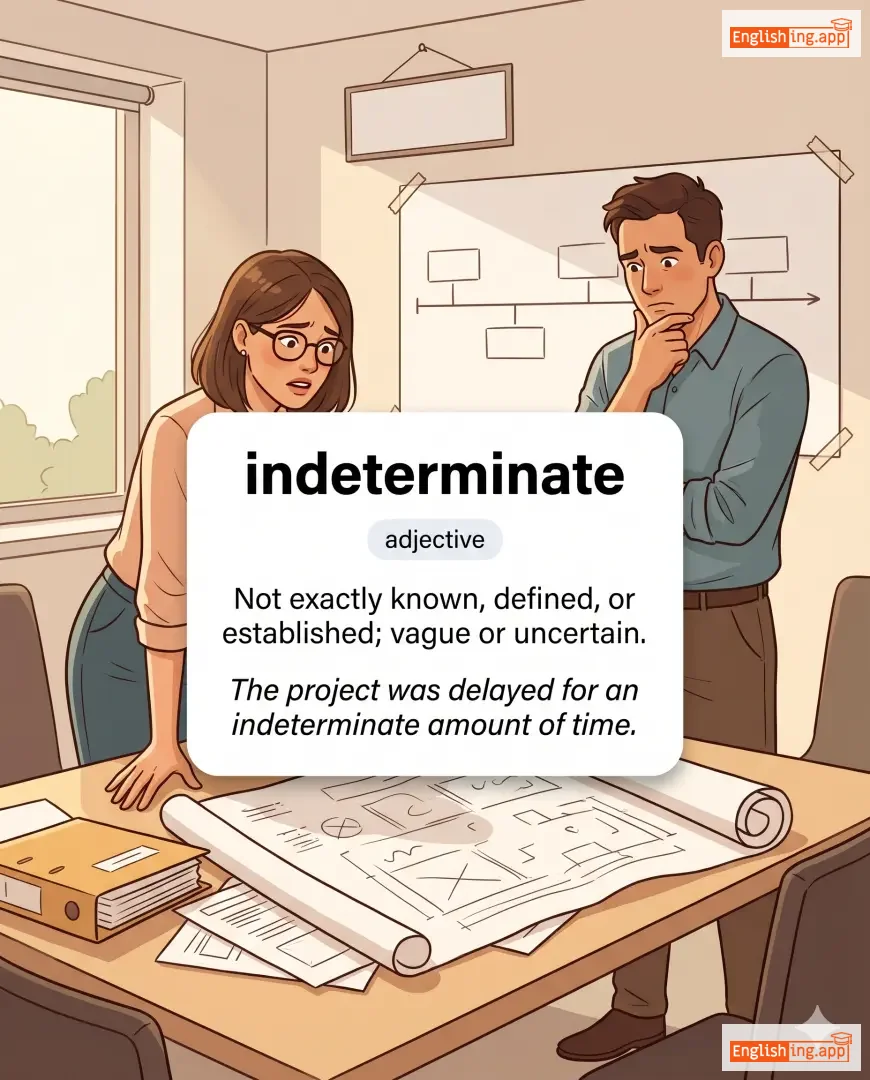
Not exactly known, defined, or established; vague or uncertain.
••••••
|
The project was delayed for an indeterminate amount of time. |
プロジェクトは不確定な期間に延期されました。
Purojekuto wa fukakutei na kikan ni enki saremashita.
••••••
|
- •••••• | - •••••• | - •••••• |
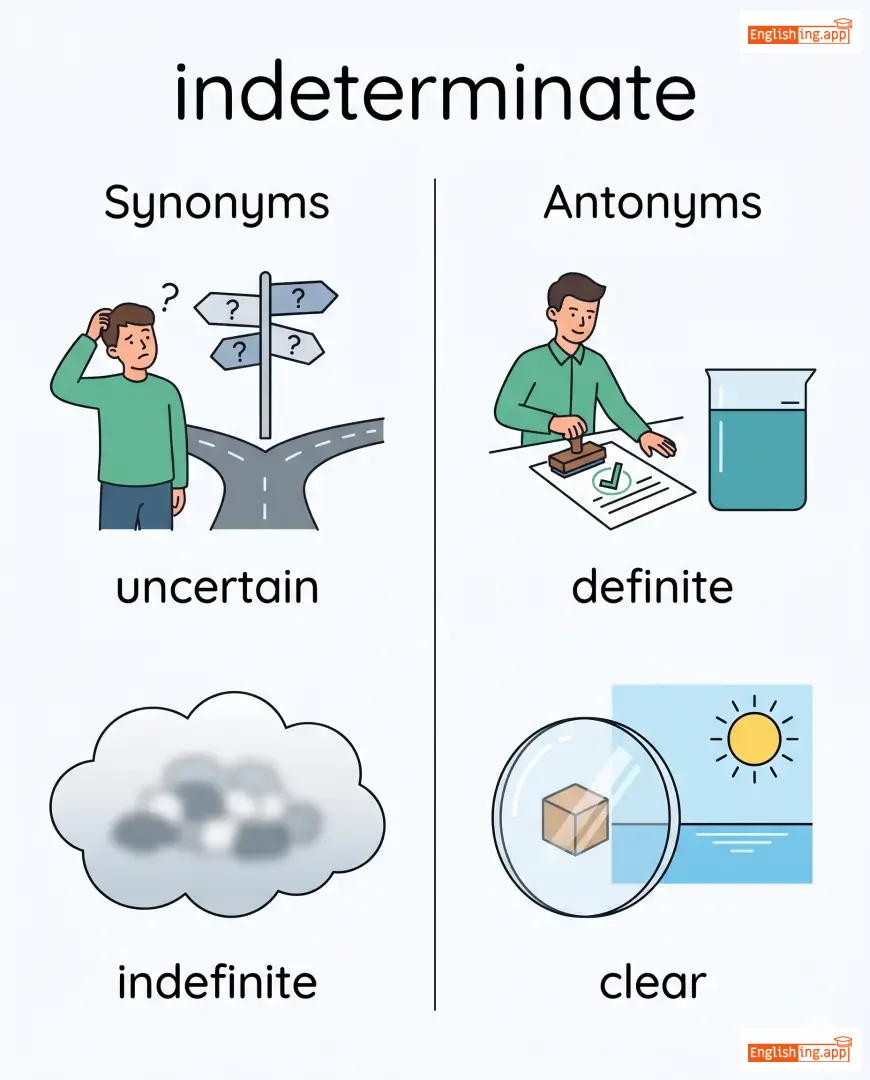
uncertain, indefinite, vague, ambiguous, unclear
••••••
|
definite, clear, certain
••••••
|
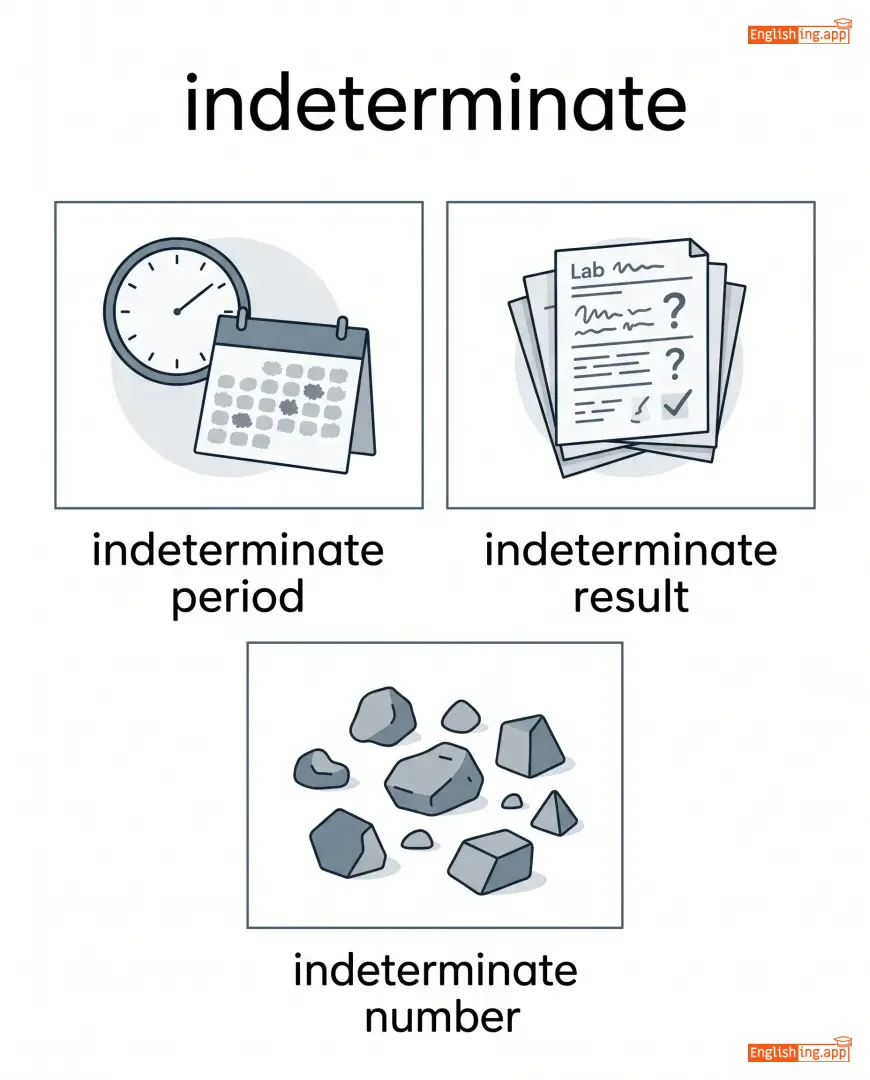
indeterminate period, indeterminate result, indeterminate number, indeterminate form
••••••
|
Indeterminate は不確定を意味します—In determinate は確定していないので、不確定です。
••••••
|
|
🥀
••••••
|
/ˈɪn.dɪ.dʒəns/
noun
(インディジェンス)
••••••
|
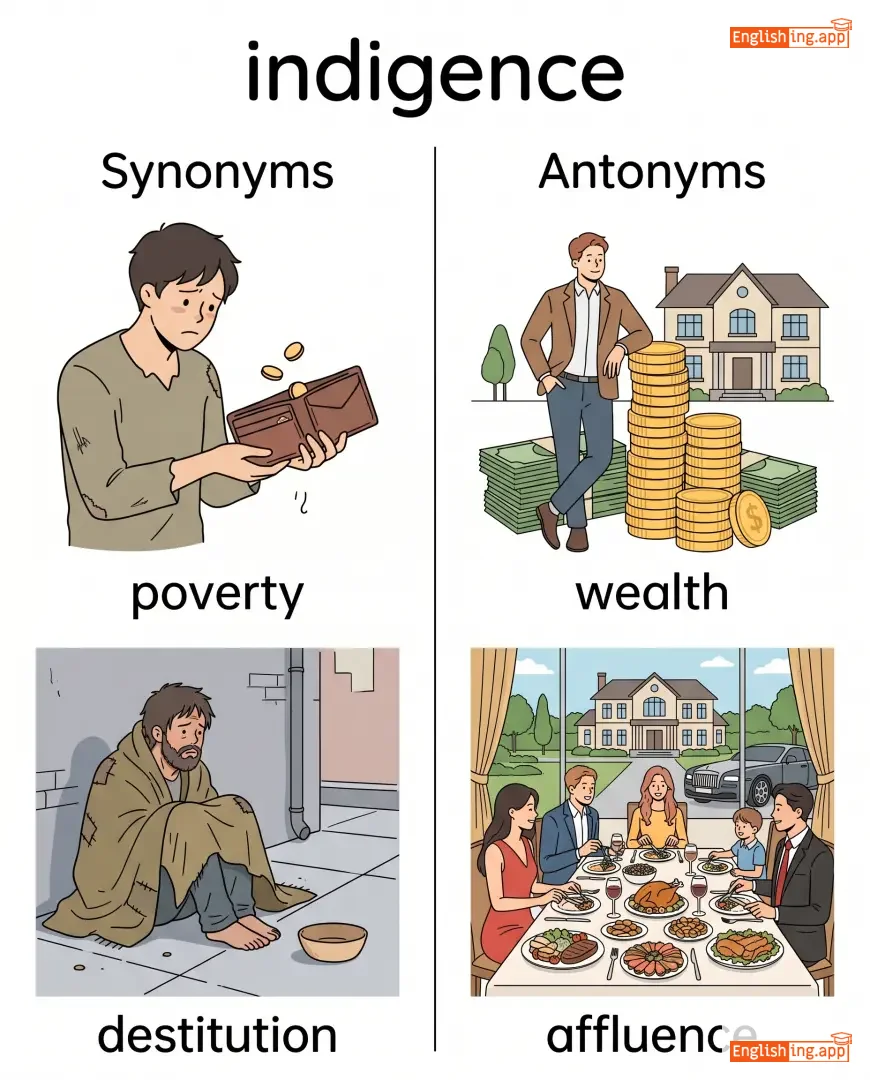
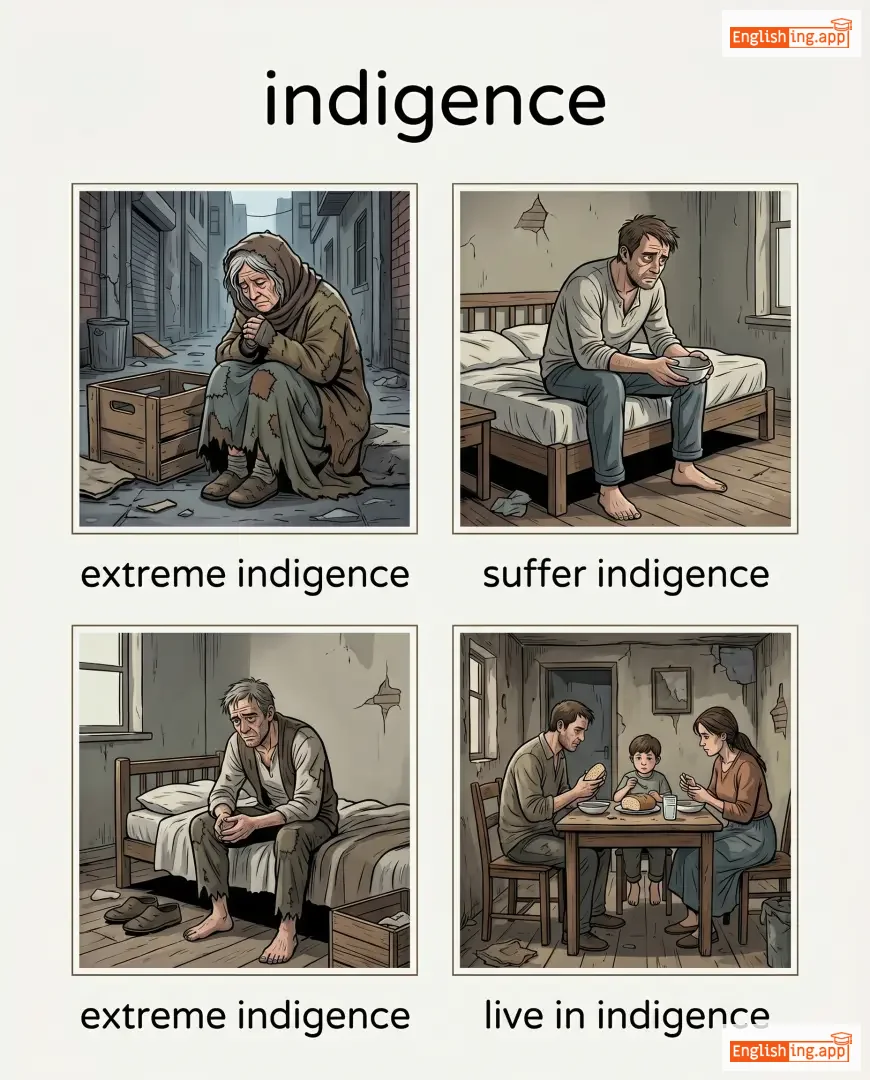
|
貧困
hinkon
••••••
|
- •••••• | - •••••• | - •••••• | - •••••• |
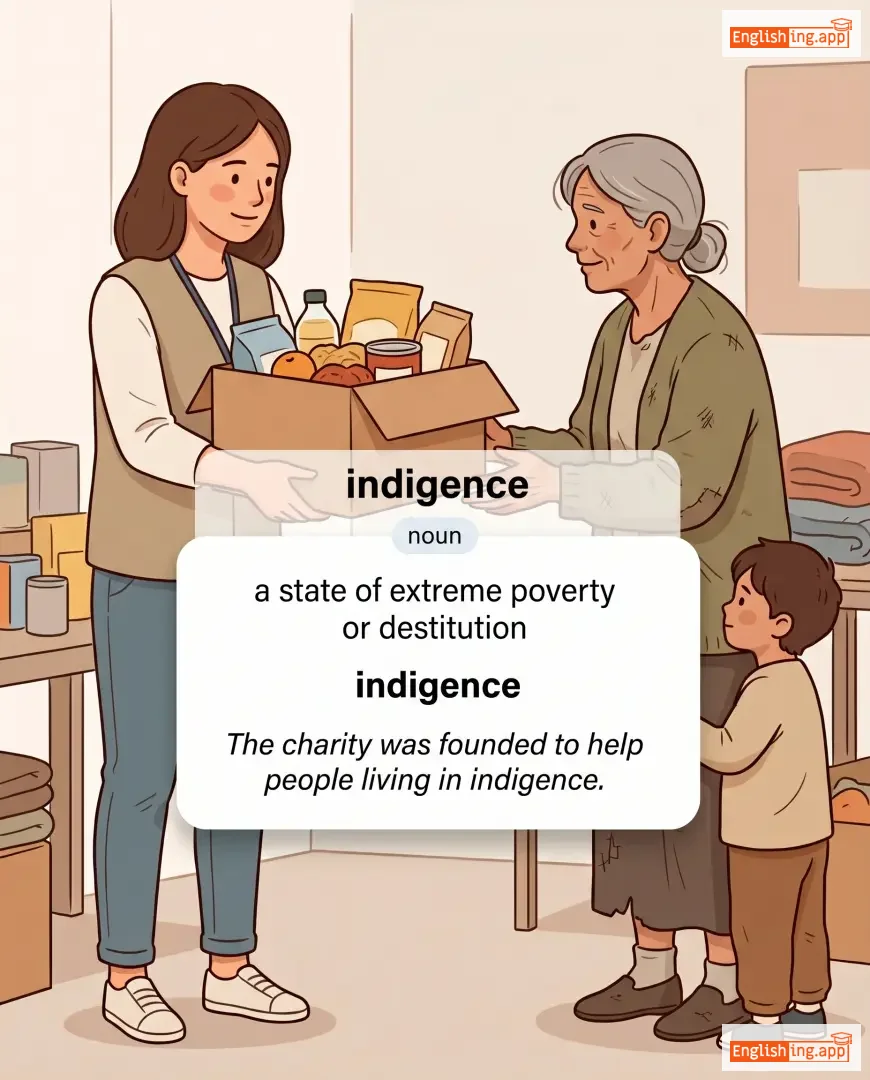
a state of extreme poverty or destitution
••••••
|
The charity was founded to help people living in indigence. |
その慈善団体は貧困の中で生活している人々を助けるために設立されました。
Sono jizen dantai wa hinkon no naka de seikatsu shite iru hitobito o tasukeru tame ni setsuritsu saremashita.
••••••
|
- •••••• | - •••••• | - •••••• |
poverty, destitution, need, hardship, deprivation
••••••
|
wealth, affluence, prosperity
••••••
|
extreme indigence, suffer indigence, live in indigence
••••••
|
貧困 (hinkon) は 'indigence' と同じ意味で、極度の貧困を表します
••••••
|
|
🐈
••••••
|
/ˈɪndələnt/
adjective
(インドレント)
••••••
|
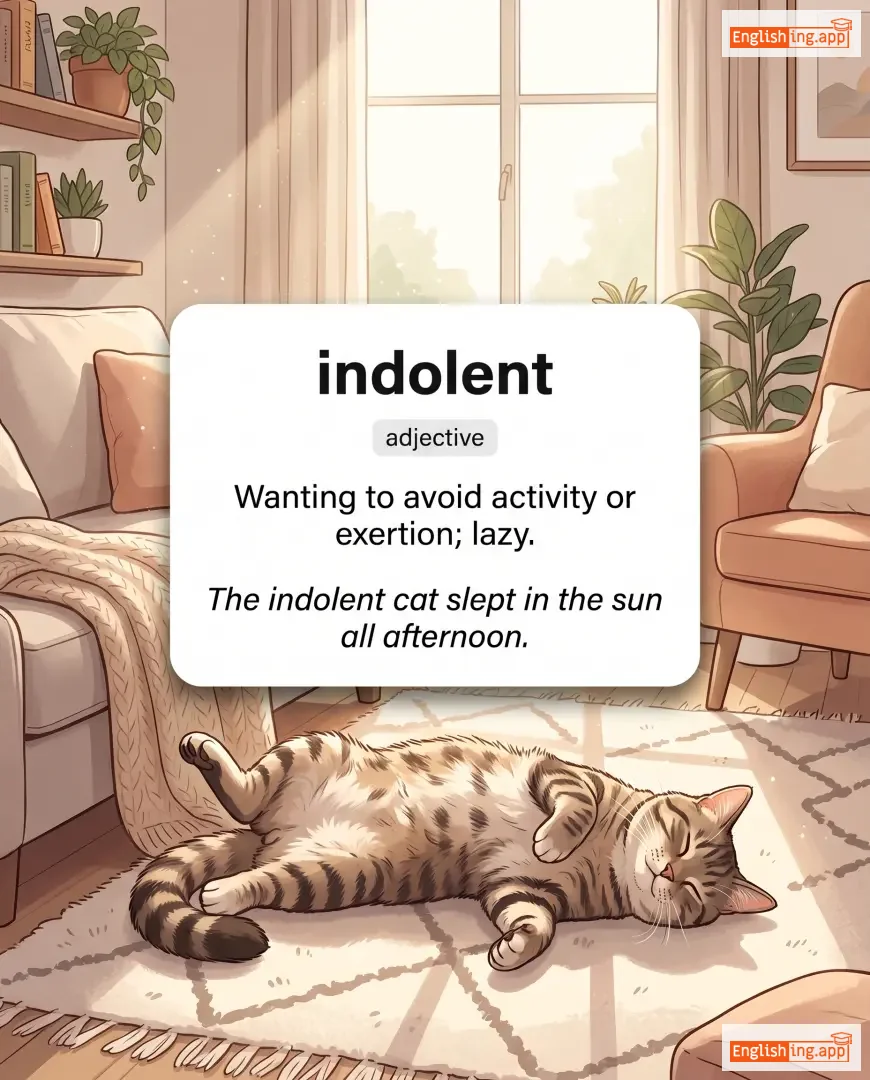
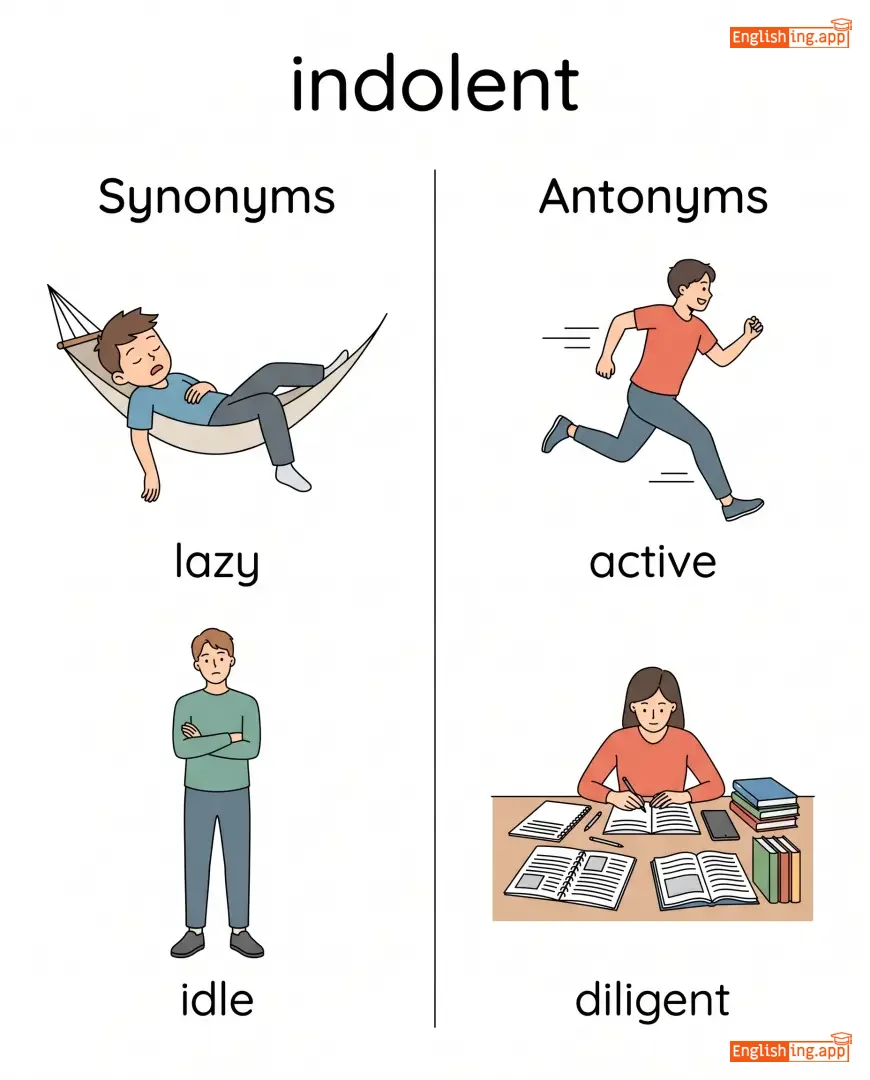
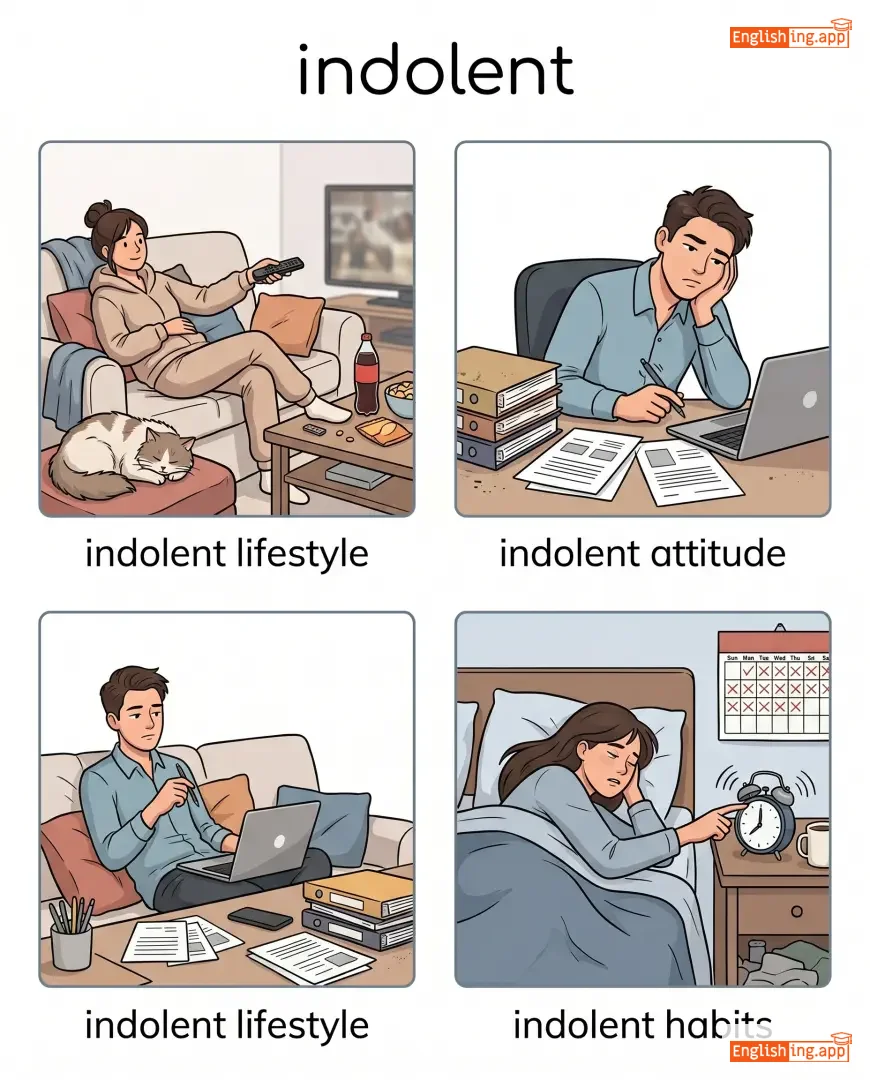
|
怠惰
taida
••••••
|
- •••••• | - •••••• | - •••••• | - •••••• |
Wanting to avoid activity or exertion; lazy.
••••••
|
The indolent cat slept in the sun all afternoon.
インドレントな猫は午後ずっと太陽の下で寝ていました。
••••••
|
怠惰な猫は午後ずっと太陽の下で寝ていました。
Taida na neko wa gogo zutto taiyou no shita de neteimashita.
••••••
|
- •••••• | - •••••• | - •••••• |
lazy, idle, sluggish, lethargic
••••••
|
active, diligent, industrious
••••••
|
indolent lifestyle, indolent attitude, indolent habits
••••••
|
Indolent cat は怠惰な猫を意味します 🐈
••••••
|
|
🔒
••••••
|
/ˌɪn.ɪˈlʌk.tə.bəl/
adjective
••••••
|
|
- •••••• | - •••••• | - •••••• | - •••••• | - •••••• |
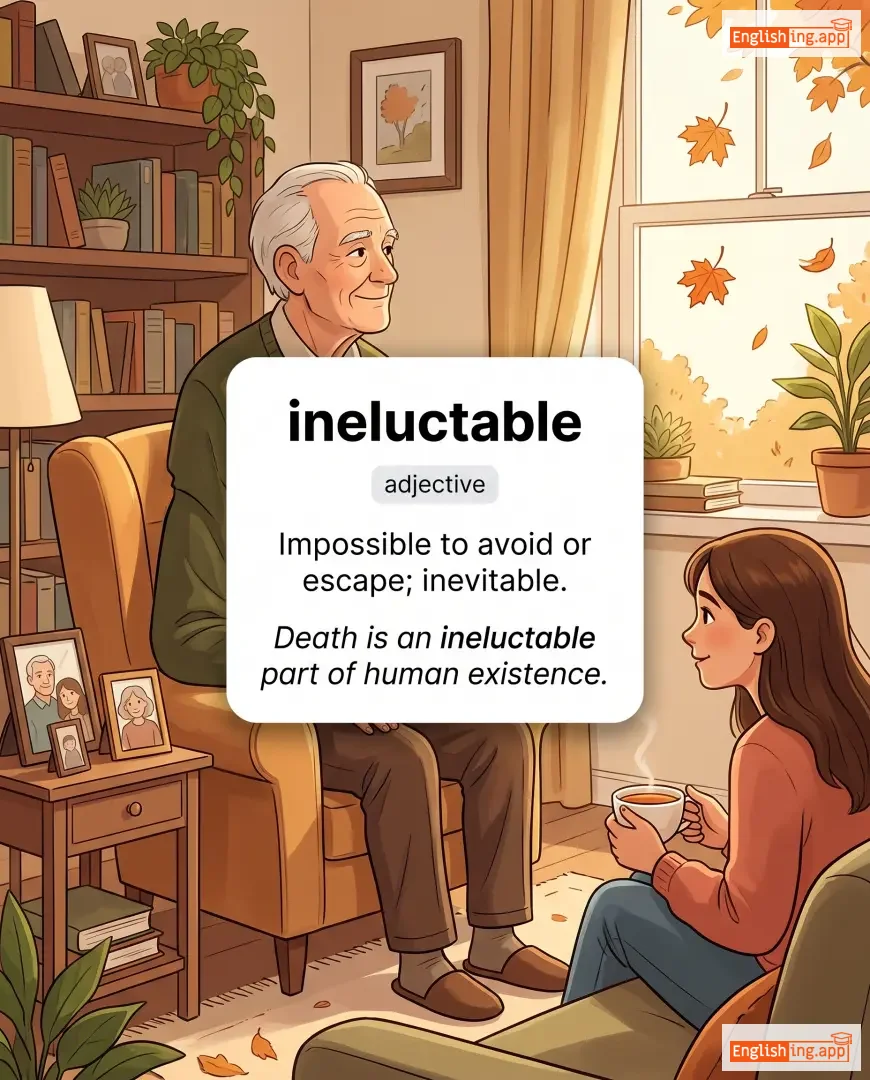
Impossible to avoid or escape; inevitable.
••••••
|
Death is an ineluctable part of human existence. |
- •••••• | - •••••• | - •••••• | - •••••• |
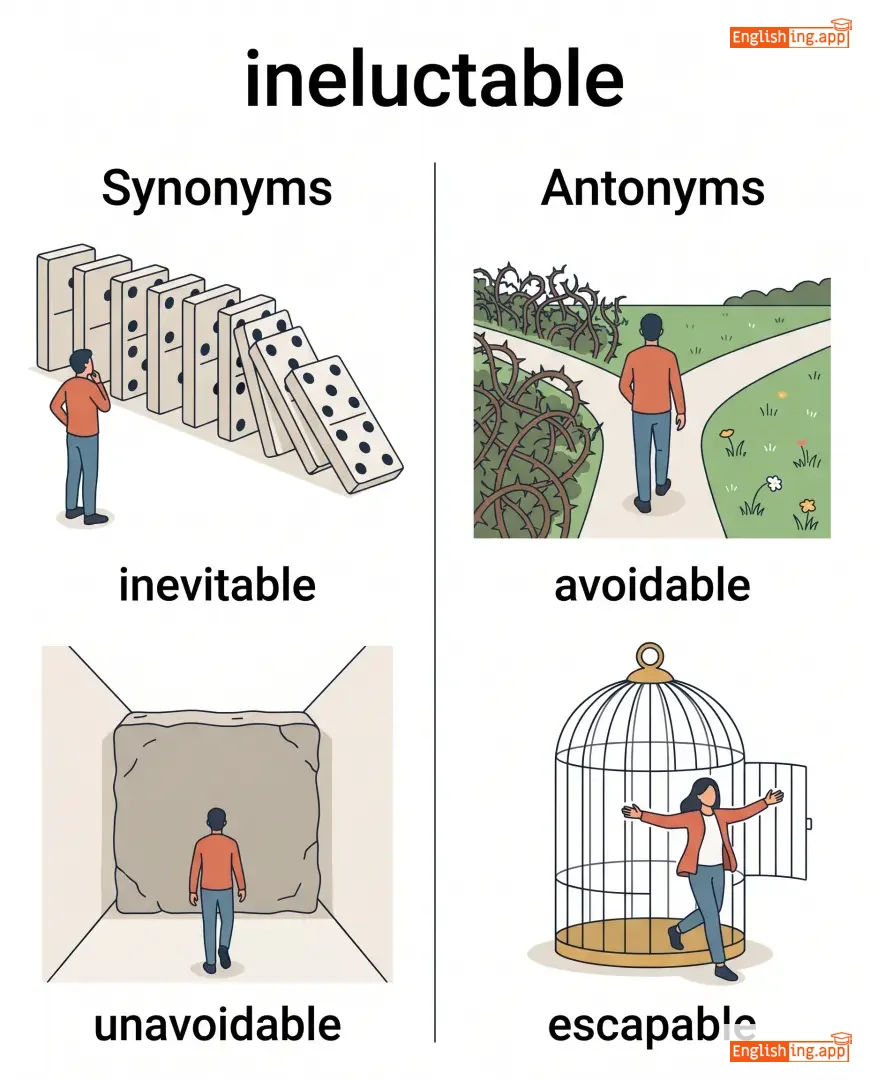
inevitable, unavoidable, certain, destined, fated
••••••
|
avoidable, escapable, uncertain
••••••
|
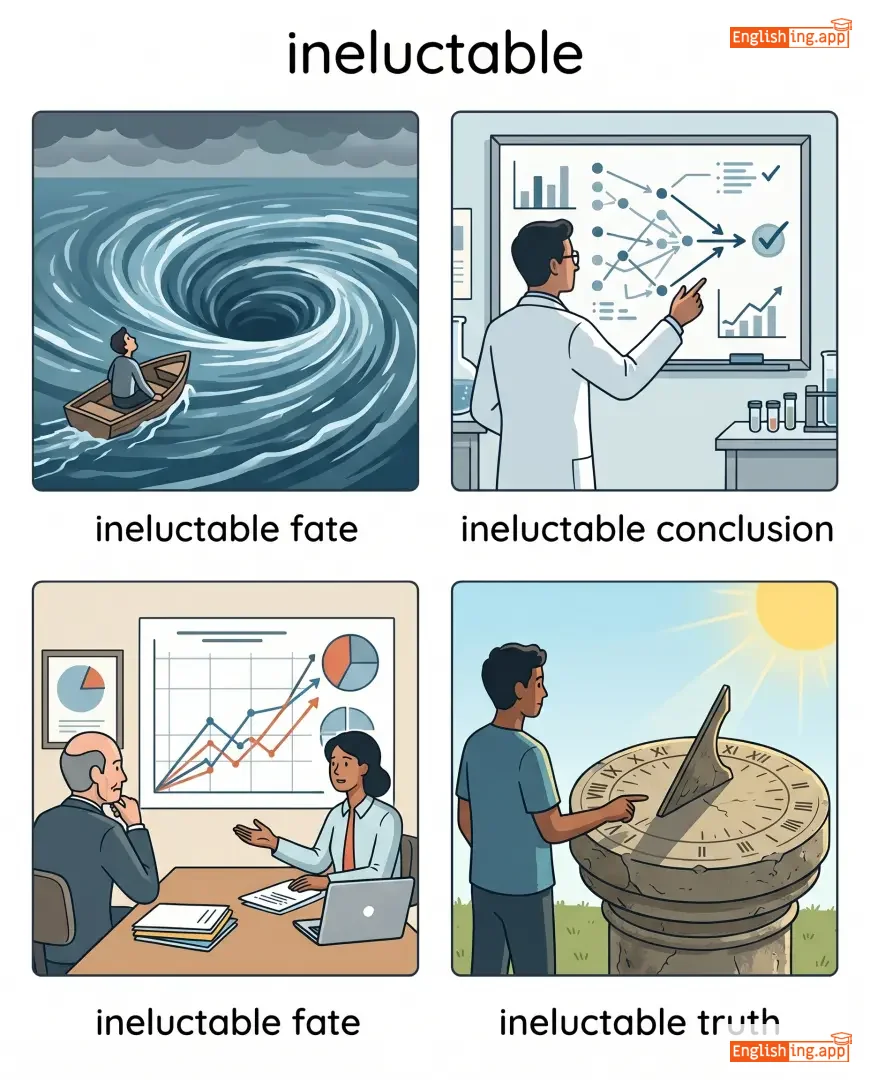
ineluctable fate, ineluctable conclusion, ineluctable truth, ineluctable destiny
••••••
|
No •••••• |
|
😴
••••••
|
/ɪˈnɜːrt/
adjective
(イネート)
••••••
|
|
不活性
fukassei
••••••
|
- •••••• | - •••••• | - •••••• | - •••••• |
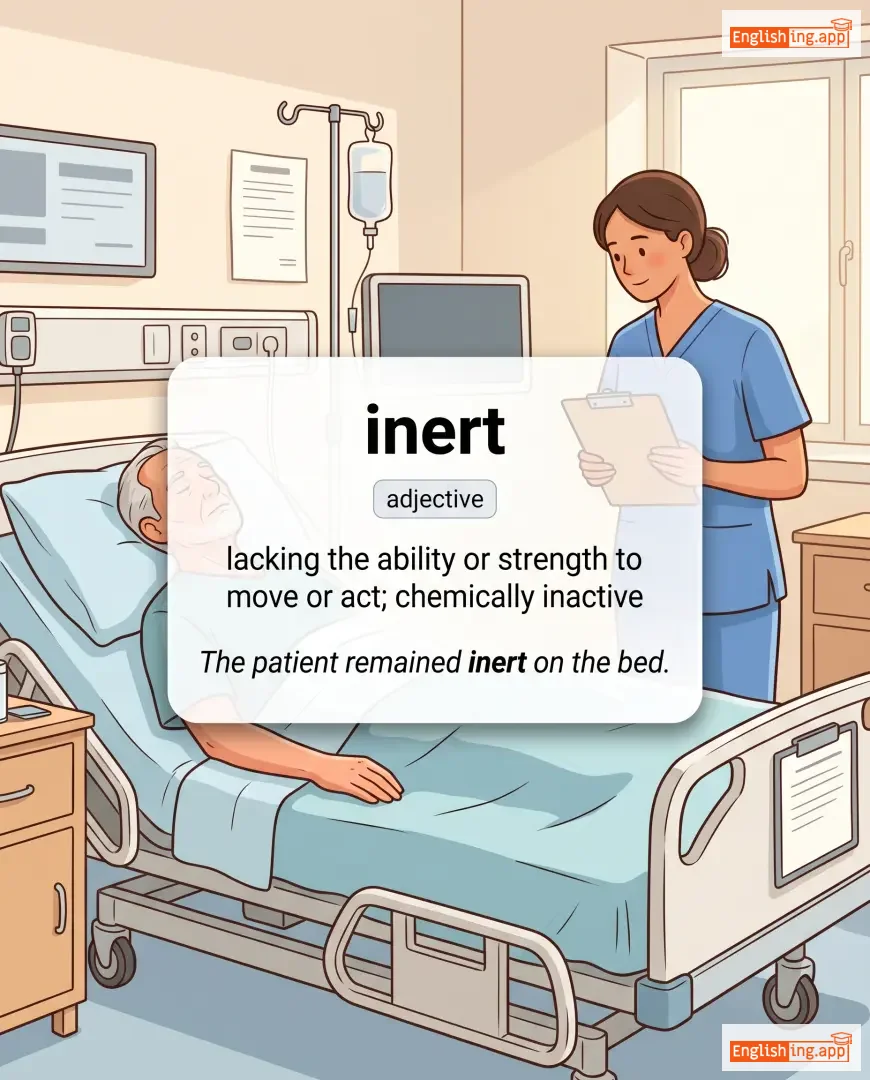
lacking the ability or strength to move or act; chemically inactive
••••••
|
The patient remained inert on the bed. |
患者はベッドで動かずにじっとしていました。
kanja wa beddo de ugokazu ni jitto shite imashita.
••••••
|
chemically inert |
substance that does not react chemically under normal conditions
••••••
|
化学的に不活性
kagakuteki ni fukassei
••••••
|
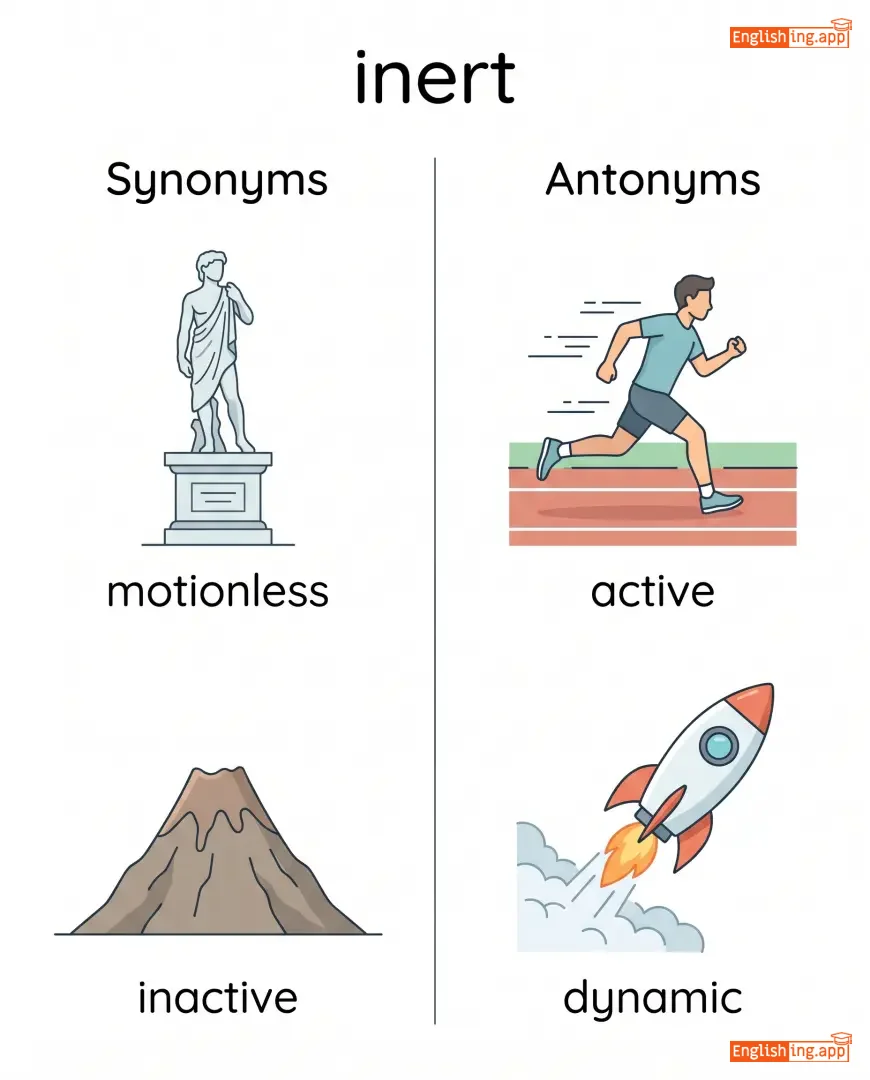
motionless, inactive, still, lifeless
••••••
|
active, dynamic, energetic
••••••
|
inert gases, inert body, inert matter, chemically inert
••••••
|
Inert = in + energy なし → 動かず、反応しない
••••••
|
|
😊
••••••
|
/ɪnˈdʒɛnjuəs/
adjective
(インジェニュアス)
••••••
|
|
無邪気
mujaki
••••••
|
- •••••• | - •••••• | - •••••• | - •••••• |
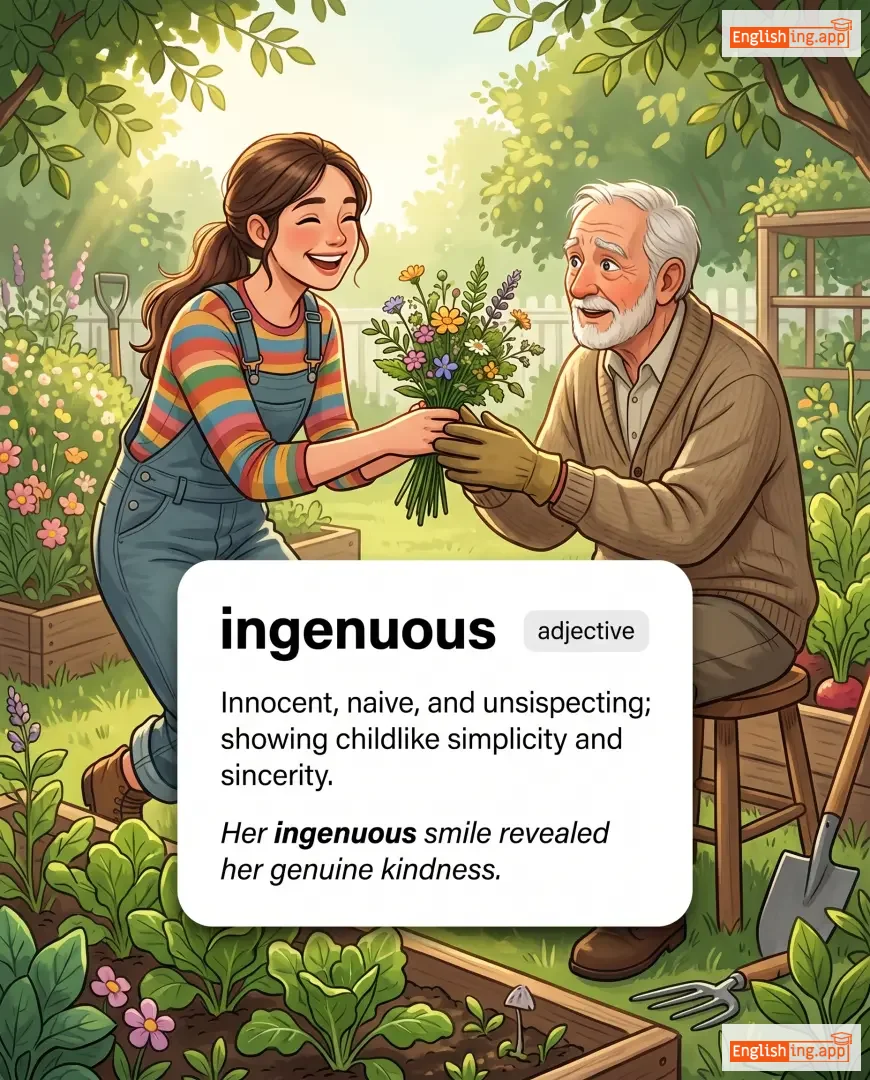
Innocent, naive, and unsuspecting; showing childlike simplicity and sincerity.
••••••
|
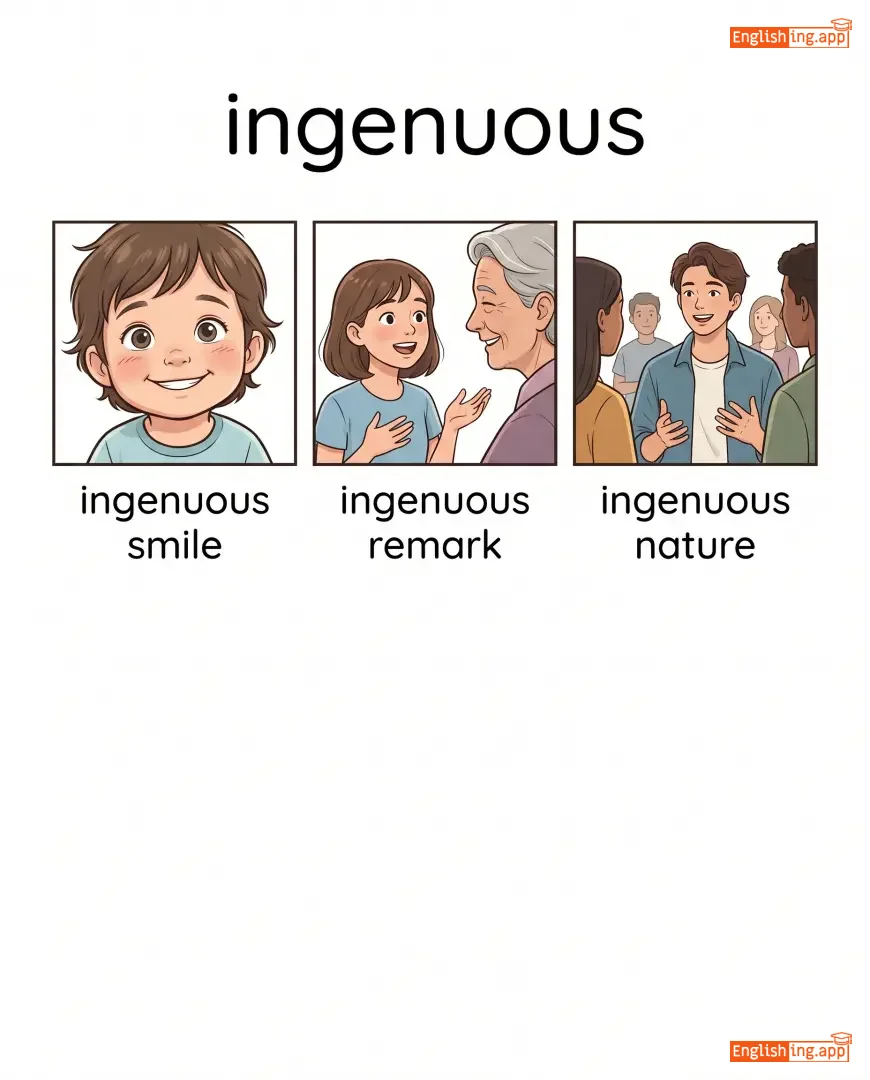
Her ingenuous smile revealed her genuine kindness. |
彼女の無邪気な笑顔は彼女の本当の優しさを明らかにしました。
Kanojo no mujaki na egao wa kanojo no hontou no yasashisa wo akirakani shimashita.
••••••
|
- •••••• | - •••••• | - •••••• |
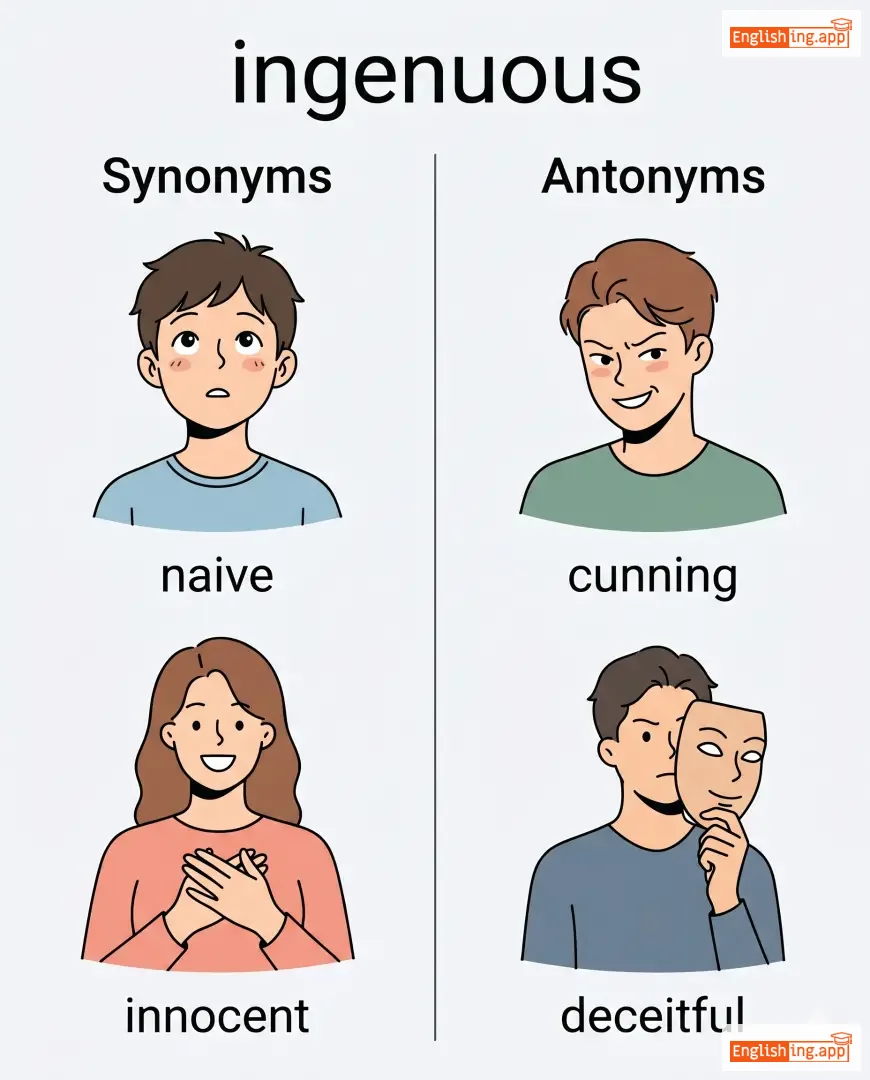
naive, innocent, sincere, candid, frank
••••••
|
cunning, deceitful, insincere
••••••
|
ingenuous smile, ingenuous remark, ingenuous nature, ingenuous expression
••••••
|
無邪気な笑顔が本物の優しさを示す 😊
••••••
|
|
⚖️
••••••
|
/ɪnˈhɛrənt/
adjective
(インヘレント)
••••••
|
|
固有の
koyū no
••••••
|
- •••••• | - •••••• | - •••••• | - •••••• |
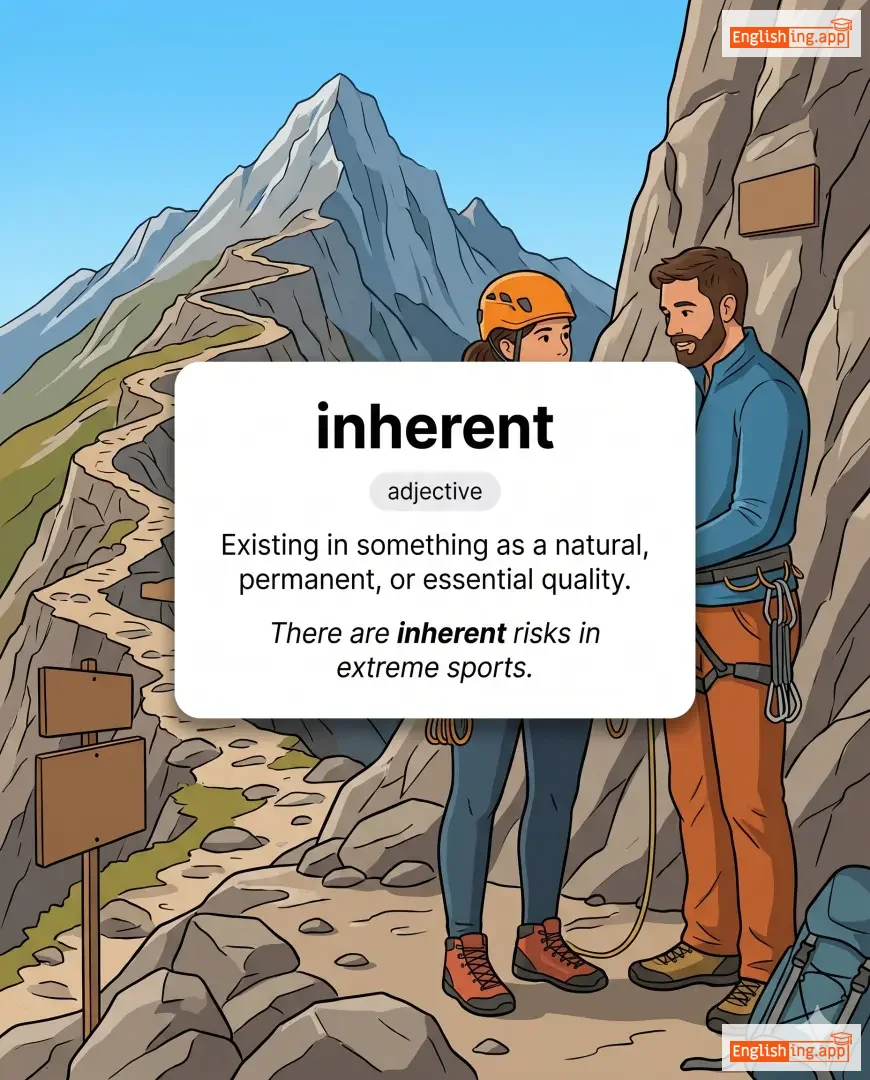
Existing in something as a natural, permanent, or essential quality.
••••••
|
There are inherent risks in extreme sports. |
エクストリームスポーツには固有のリスクが存在する。
ekusutorīmusupōtsu ni wa koyū no risuku ga sonzai suru.
••••••
|
inherent danger |
A danger that is naturally part of something and cannot be separated from it.
••••••
|
固有の危険
koyū no kiken
••••••
|
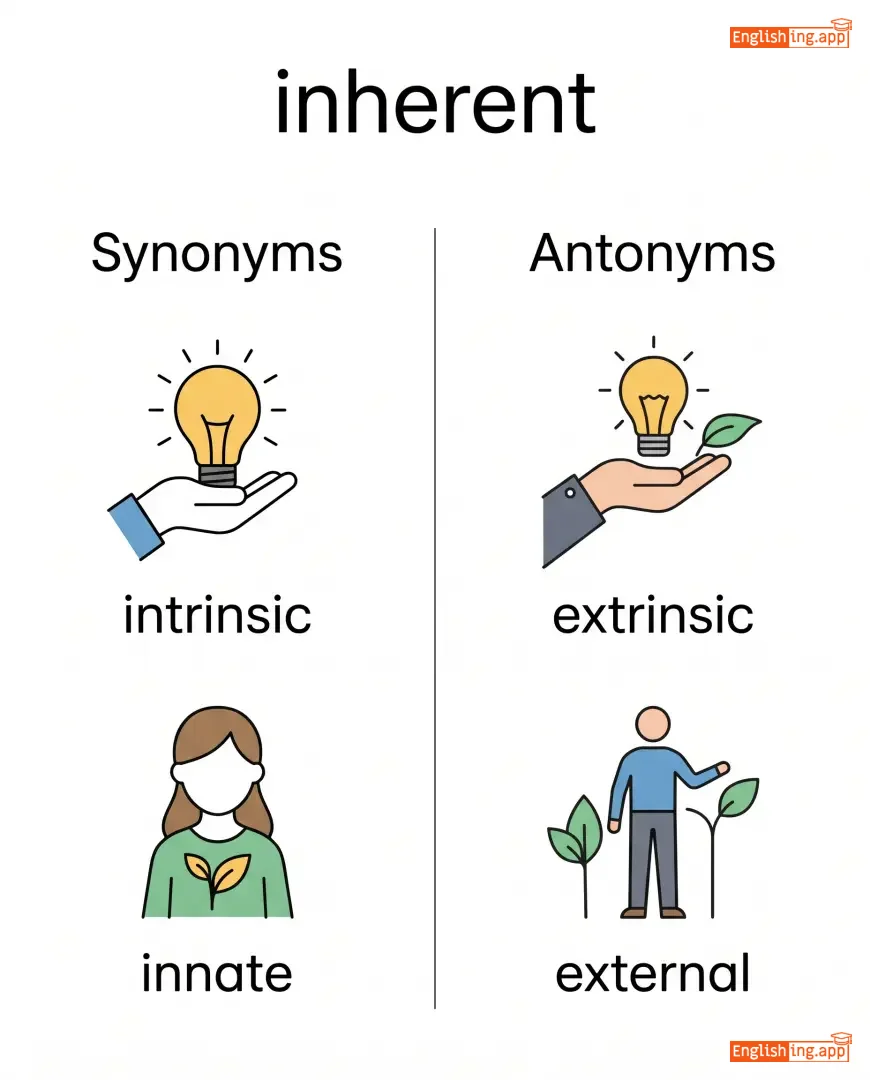
intrinsic, innate, built-in, essential, natural
••••••
|
extrinsic, external, acquired
••••••
|
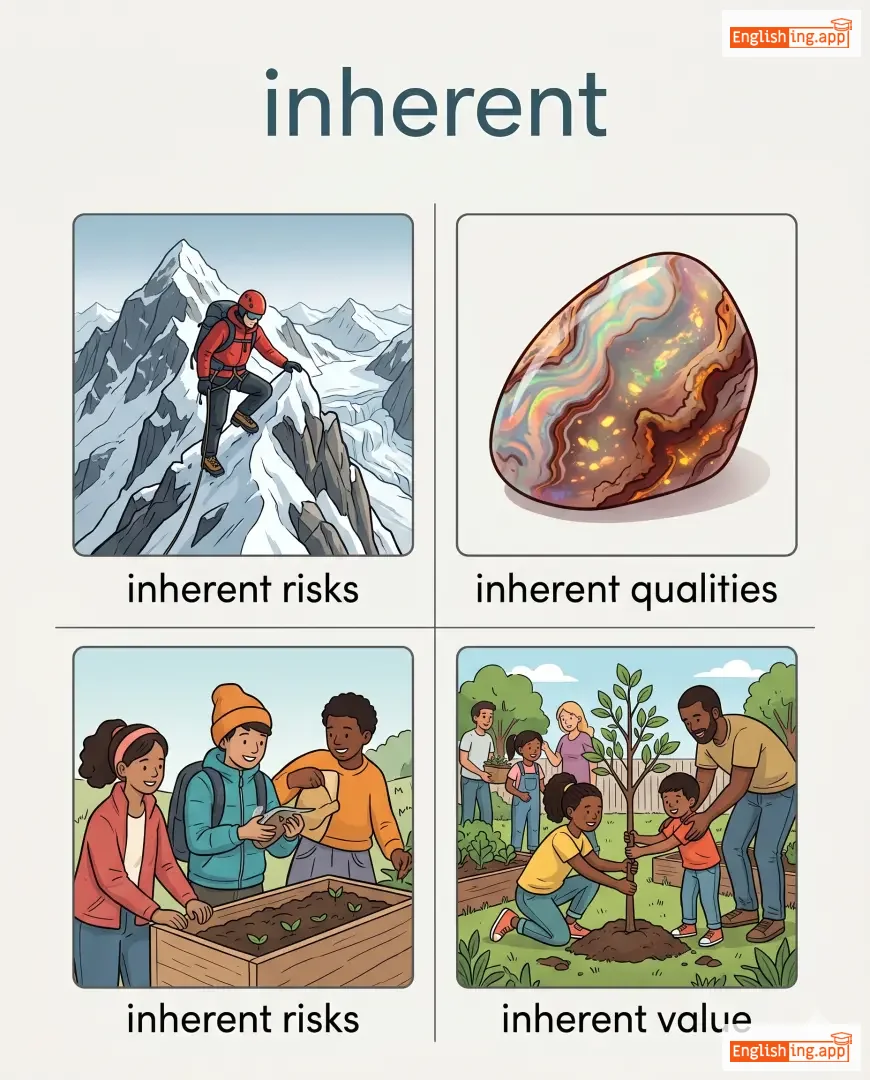
inherent risks, inherent qualities, inherent value
••••••
|
Inherentはin + heart(心の中にある)を意味し、固有のものです。
••••••
|
|
😇
••••••
|
/ɪˈnɒkjuəs/
adjective
(イノキュアス)
••••••
|
|
無害な
mugaina
••••••
|
- •••••• | - •••••• | - •••••• | - •••••• |
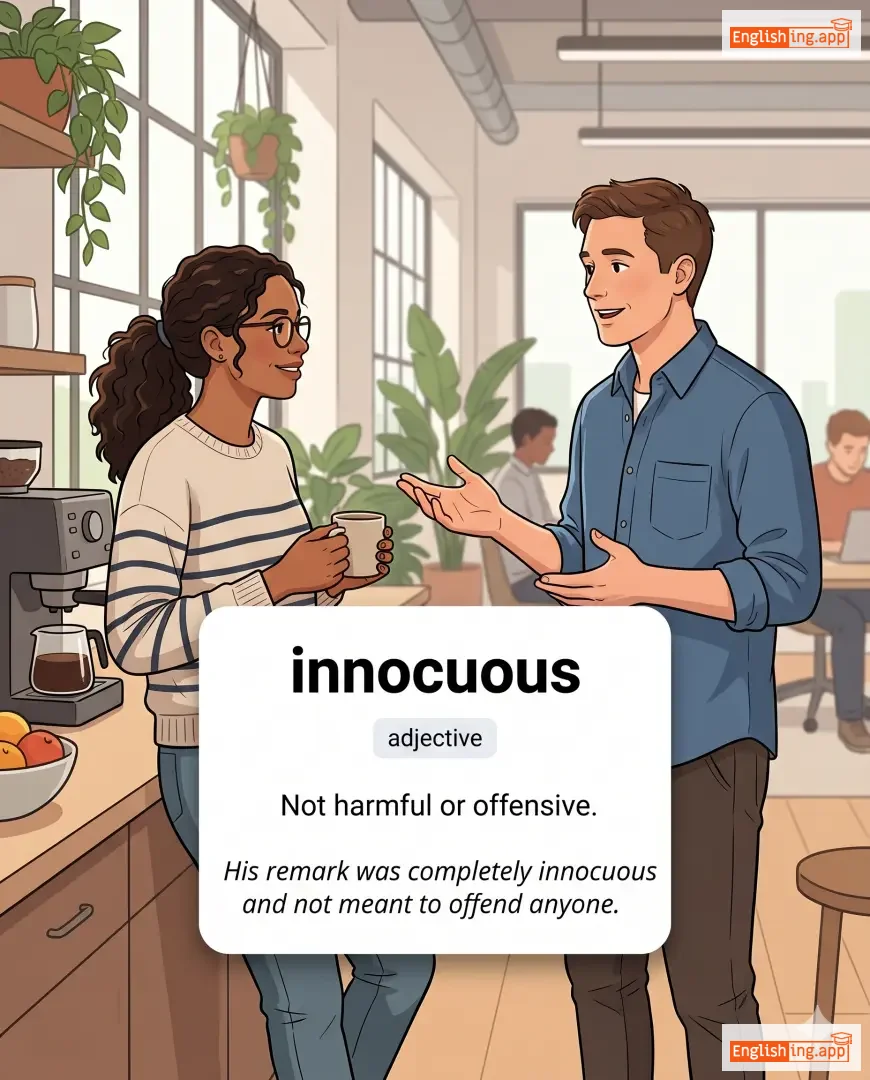
Not harmful or offensive.
••••••
|
His remark was completely innocuous and not meant to offend anyone. |
彼の発言は完全に無害で、誰かを傷つける意図はなかった。
Kare no hatsugen wa kanzen ni mugai de, dareka o kizutsukeru ito wa nakatta.
••••••
|
- •••••• | - •••••• | - •••••• |
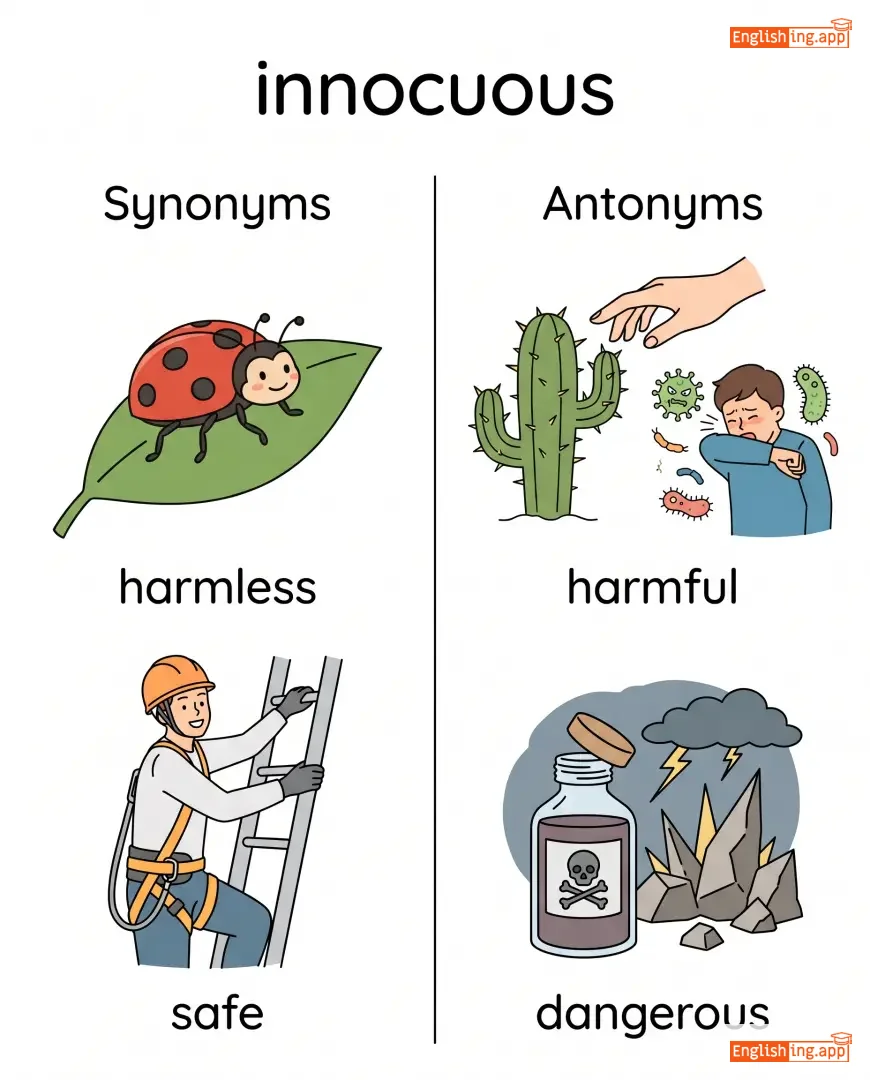
harmless, safe, inoffensive, mild, benign
••••••
|
harmful, dangerous, toxic
••••••
|
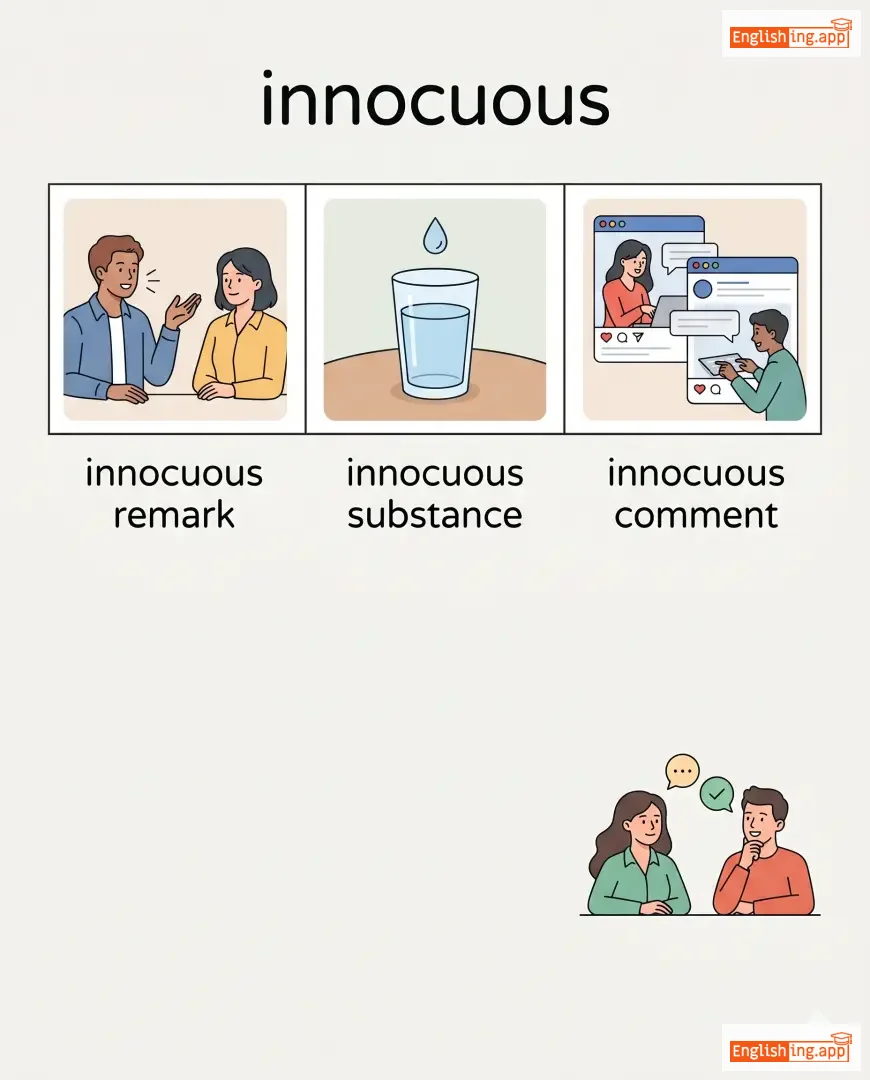
innocuous remark, innocuous substance, innocuous comment, seemingly innocuous
••••••
|
Innocent + キュアス (霧) → キュアスのように、無害なものは害を与えない。
••••••
|
|
😶
••••••
|
/ɪnˈsɛnsəbl/
adjective
(インセンシブル)
••••••
|
|
無意識
muishiki
••••••
|
- •••••• | - •••••• | - •••••• | - •••••• |
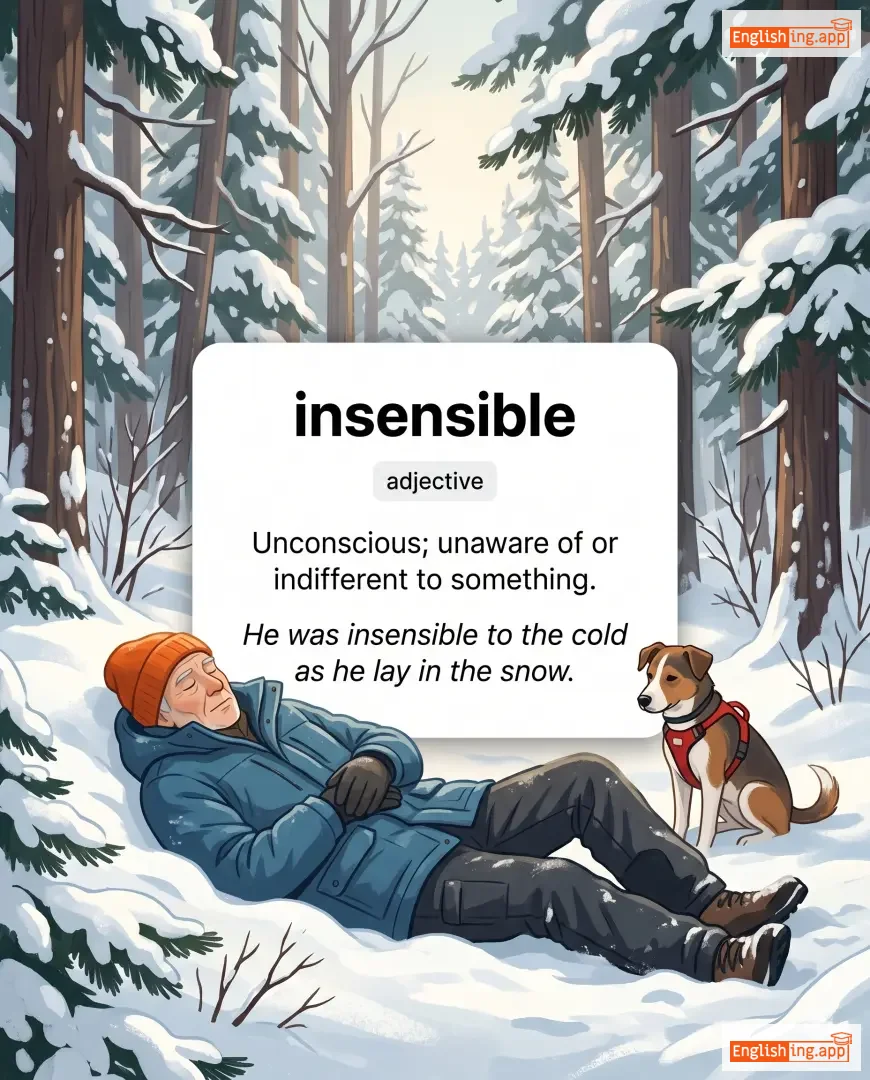
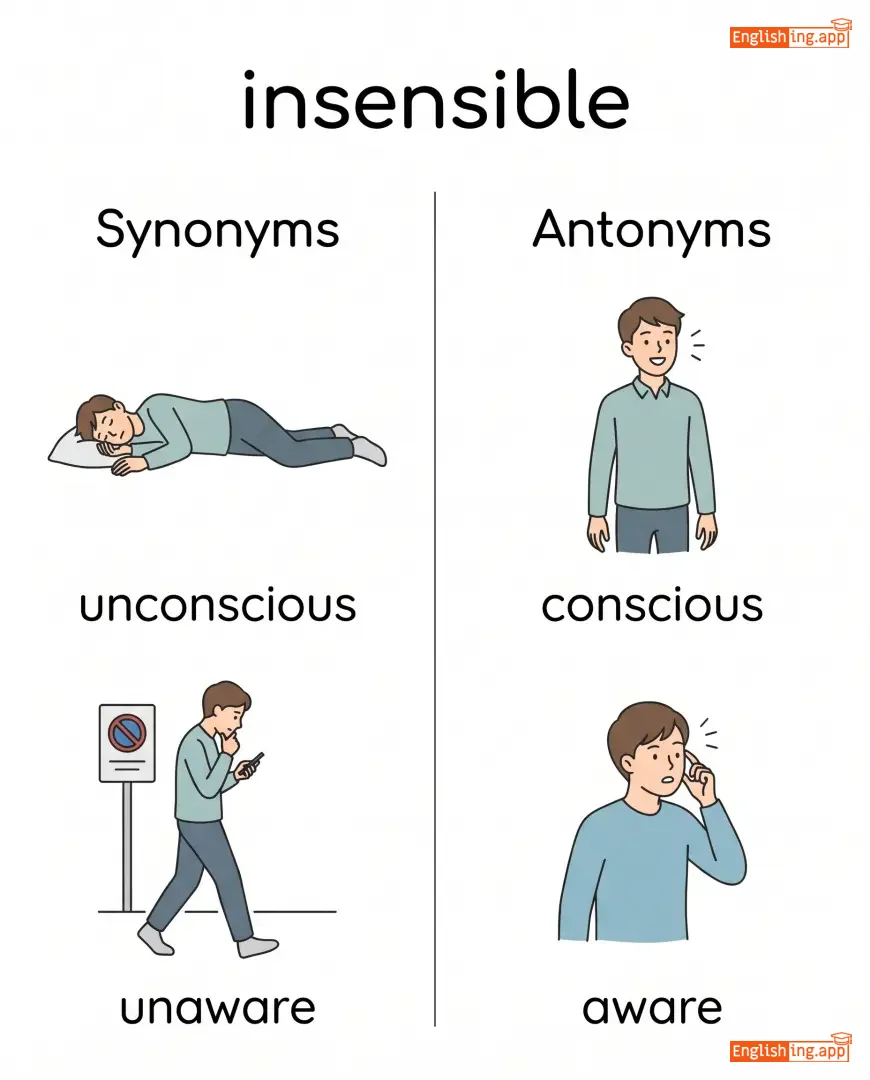
Unconscious; unaware of or indifferent to something.
••••••
|
He was insensible to the cold as he lay in the snow. |
彼は雪の中で横たわっているとき、寒さに無意識でした。
Kare wa yuki no naka de yokotawatte iru toki, samusa ni muishiki deshita.
••••••
|
- •••••• | - •••••• | - •••••• |
unconscious, unaware, oblivious, indifferent, unresponsive
••••••
|
conscious, aware, responsive
••••••
|
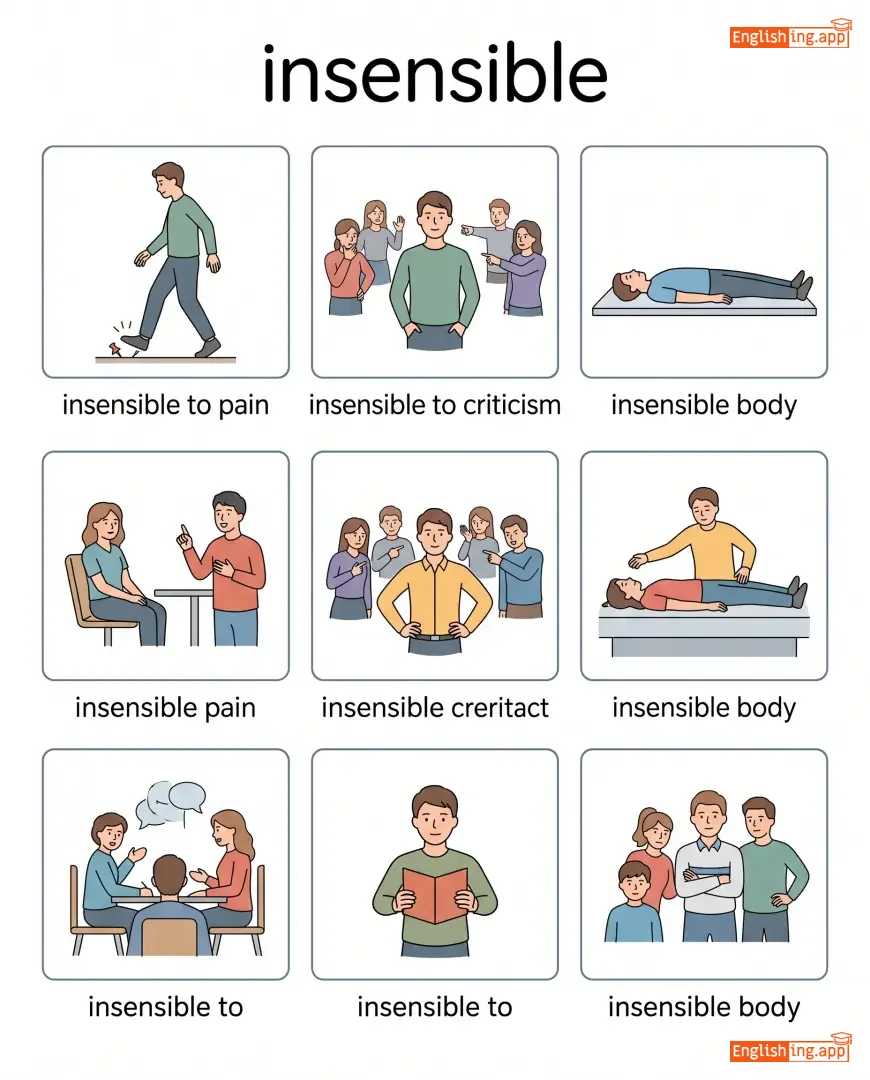
insensible to pain, insensible to criticism, insensible body
••••••
|
INSensibleは感覚がない → 無意識。
••••••
|
|
🤫
••••••
|
/ɪnˈsɪnjueɪt/
verb
••••••
|
|
- •••••• |
insinuated
••••••
|
insinuated
••••••
|
insinuates
••••••
|
insinuating
••••••
|
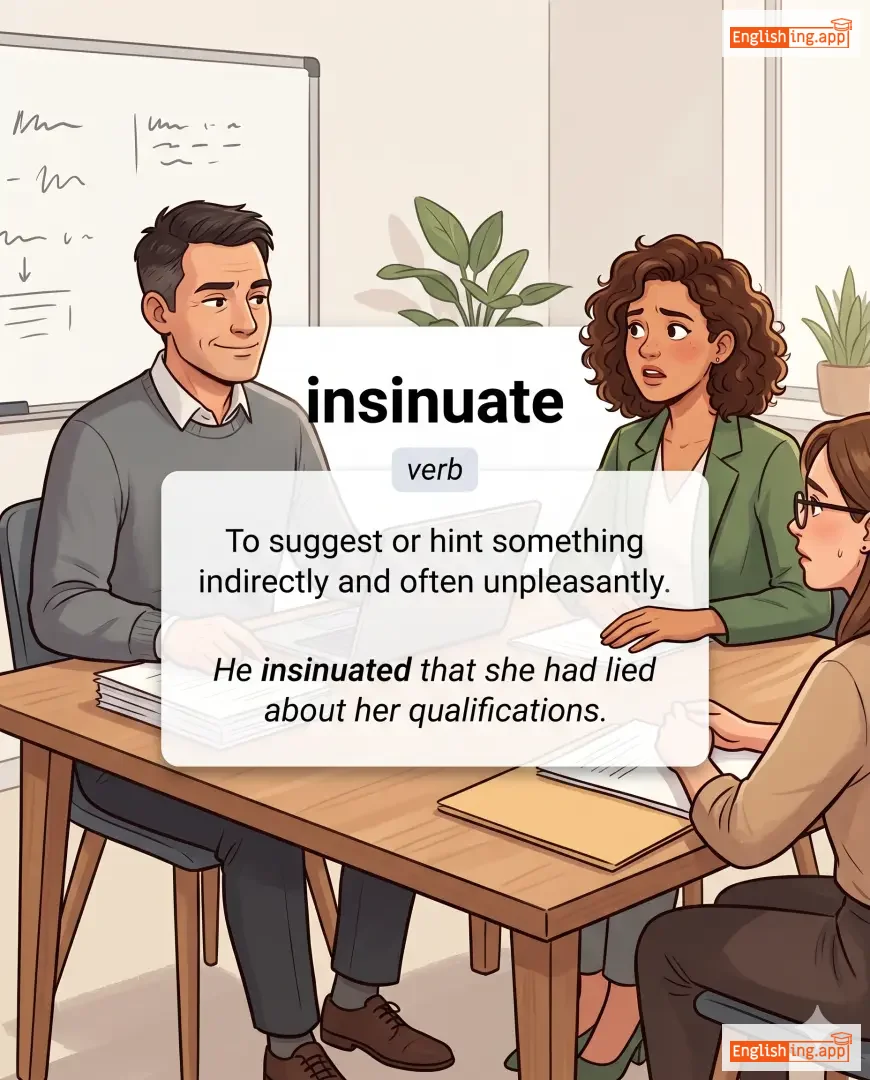
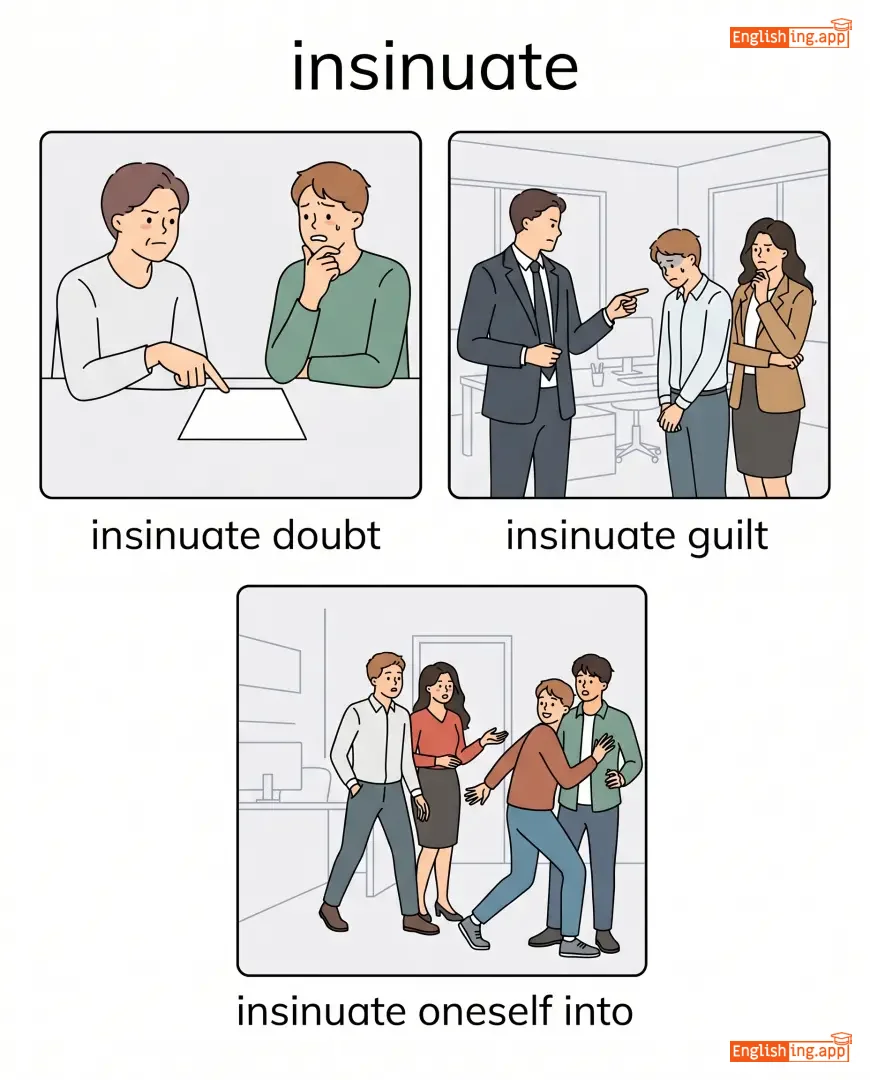
To suggest or hint something indirectly and often unpleasantly.
••••••
|
He insinuated that she had lied about her qualifications. |
- •••••• |
insinuate oneself |
to gradually and subtly gain favor or acceptance
••••••
|
- •••••• |
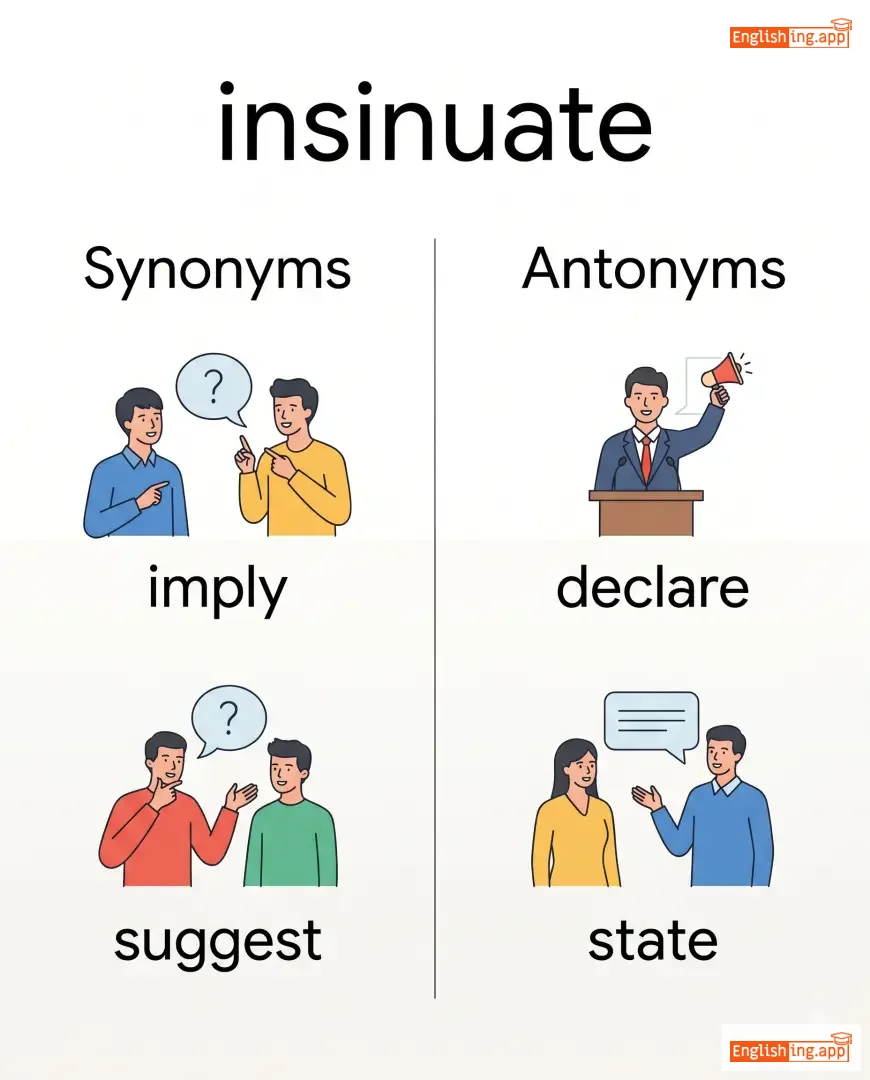
imply, suggest, hint, intimate, indicate
••••••
|
declare, state, assert
••••••
|
insinuate doubt, insinuate guilt, insinuate oneself into
••••••
|
No •••••• |
|
🥱
••••••
|
/ɪnˈsɪpɪd/
adjective
(インシピッド)
••••••
|
|
味気ない
ajikenai
••••••
|
- •••••• | - •••••• | - •••••• | - •••••• |
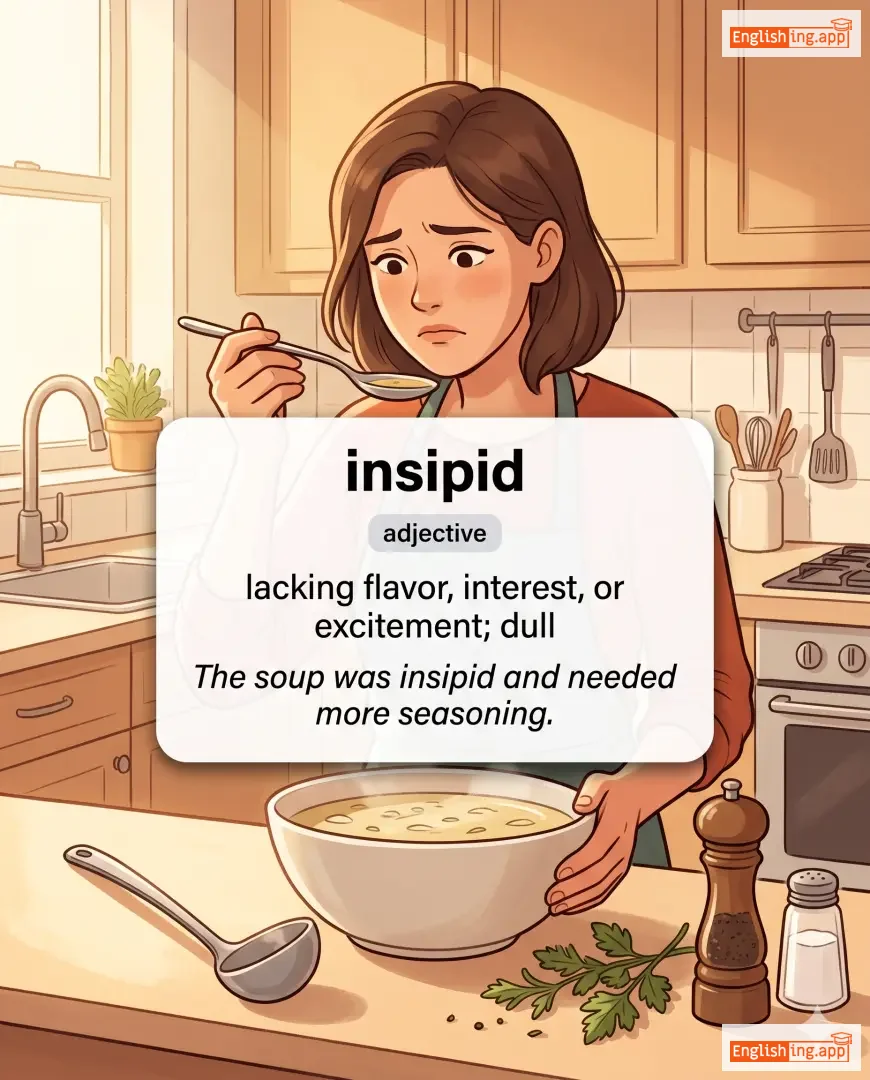
lacking flavor, interest, or excitement; dull
••••••
|
The soup was insipid and needed more seasoning. |
スープは味気なく、もっと調味料が必要でした。
Sūpu wa ajikenaku, motto chōmiryō ga hitsuyō deshita.
••••••
|
- •••••• | - •••••• | - •••••• |
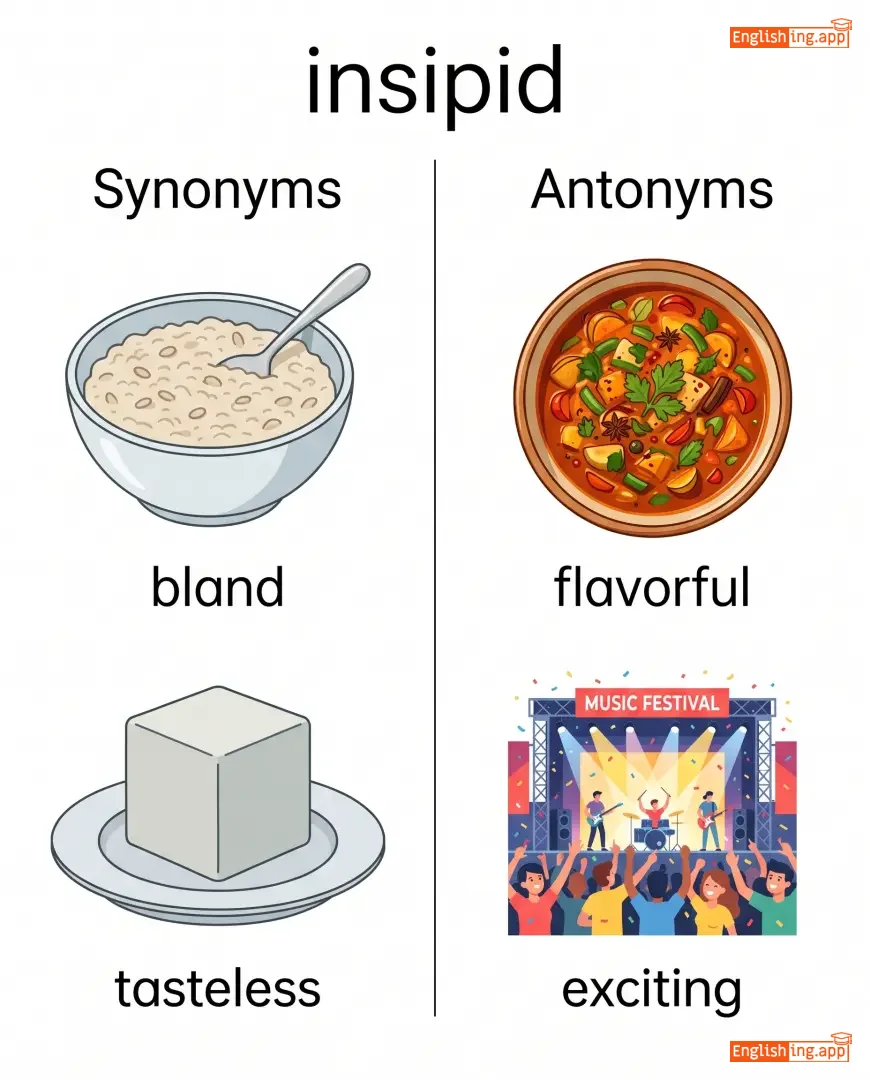
bland, tasteless, dull, boring, flat
••••••
|
flavorful, exciting, lively
••••••
|
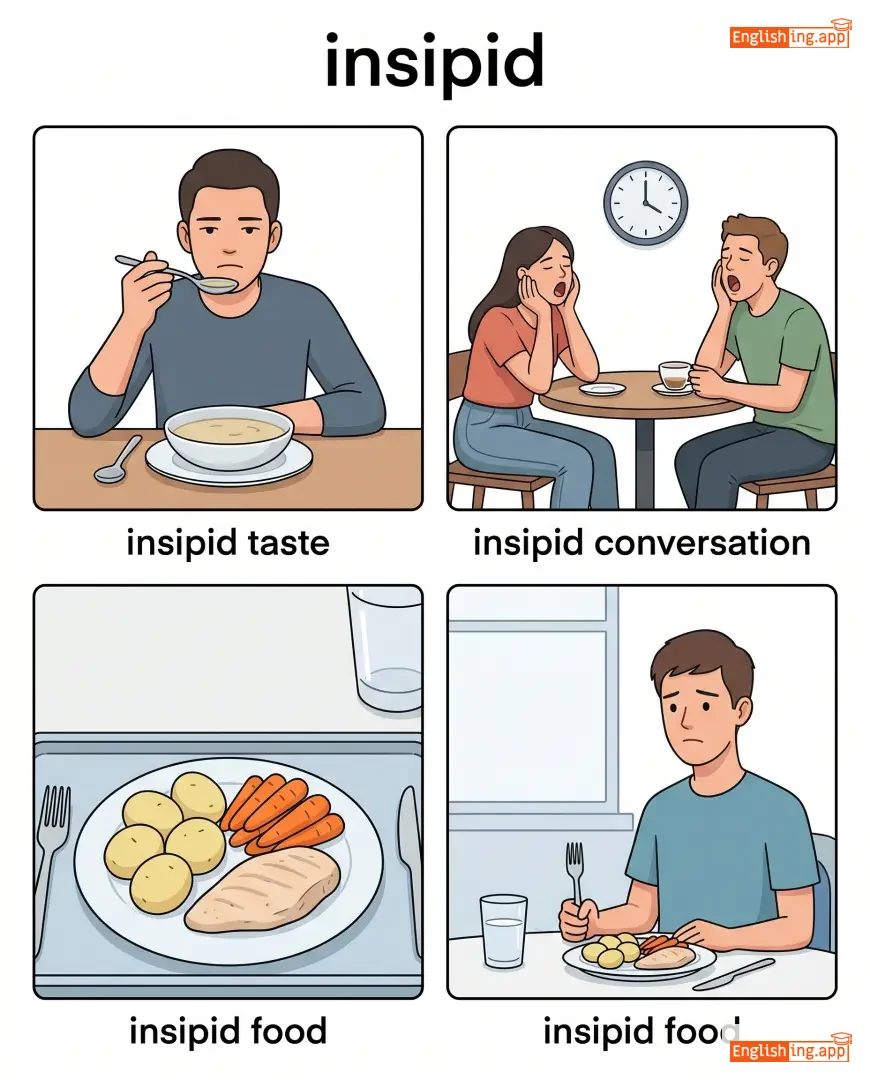
insipid taste, insipid conversation, insipid food, insipid performance
••••••
|
Insipid は ‘in sipid’ と聞こえます → 味がないので、味気ない。
••••••
|
|
😎
••••••
|
/ɪnˈsuːsiənt/
adjective
(インスシアント)
••••••
|

|
無頓着
mutonchaku
••••••
|
- •••••• | - •••••• | - •••••• | - •••••• |
Showing a casual lack of concern; carefree.
••••••
|
He gave an insouciant shrug and walked away. |
彼は無頓着に肩をすくめて、歩き去った。
Kare wa mutonchaku ni kata o sukumete, arukisatta.
••••••
|
- •••••• | - •••••• | - •••••• |
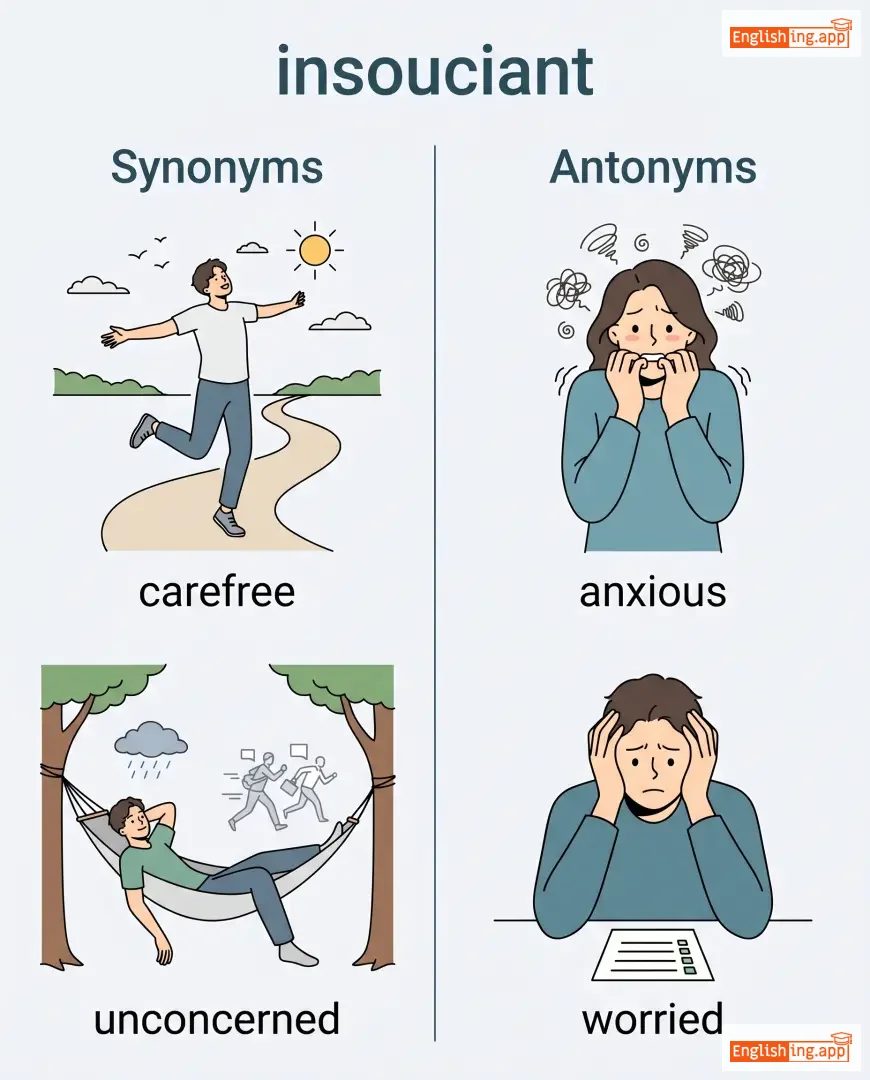
carefree, unconcerned, nonchalant, indifferent, easygoing
••••••
|
anxious, worried, concerned
••••••
|
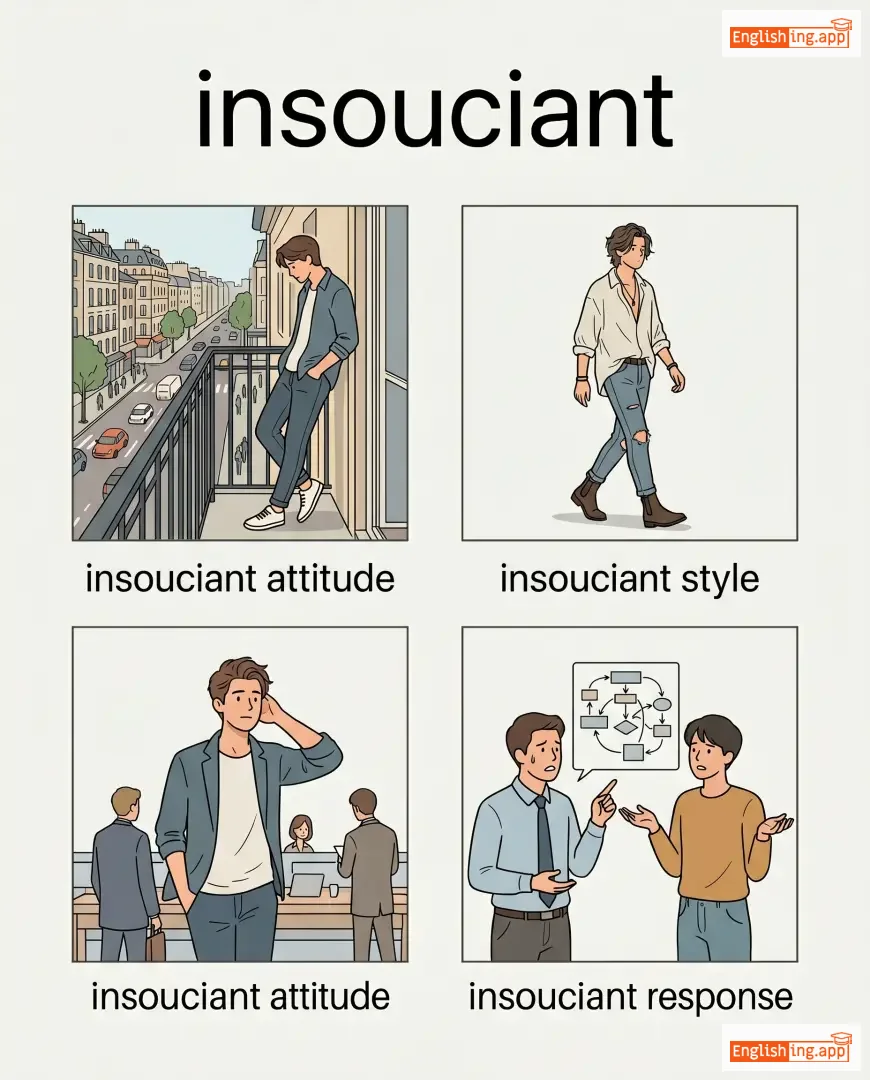
insouciant attitude, insouciant style, insouciant response
••••••
|
Insouciant は無頓着: 心配しないで、自由に過ごそう!
••••••
|
|
🌐
••••••
|
/ˌɪnsjəˈlærəti/
noun
(インスラリティ)
••••••
|
|
島国性
shimagunisei
••••••
|
- •••••• | - •••••• | - •••••• | - •••••• |
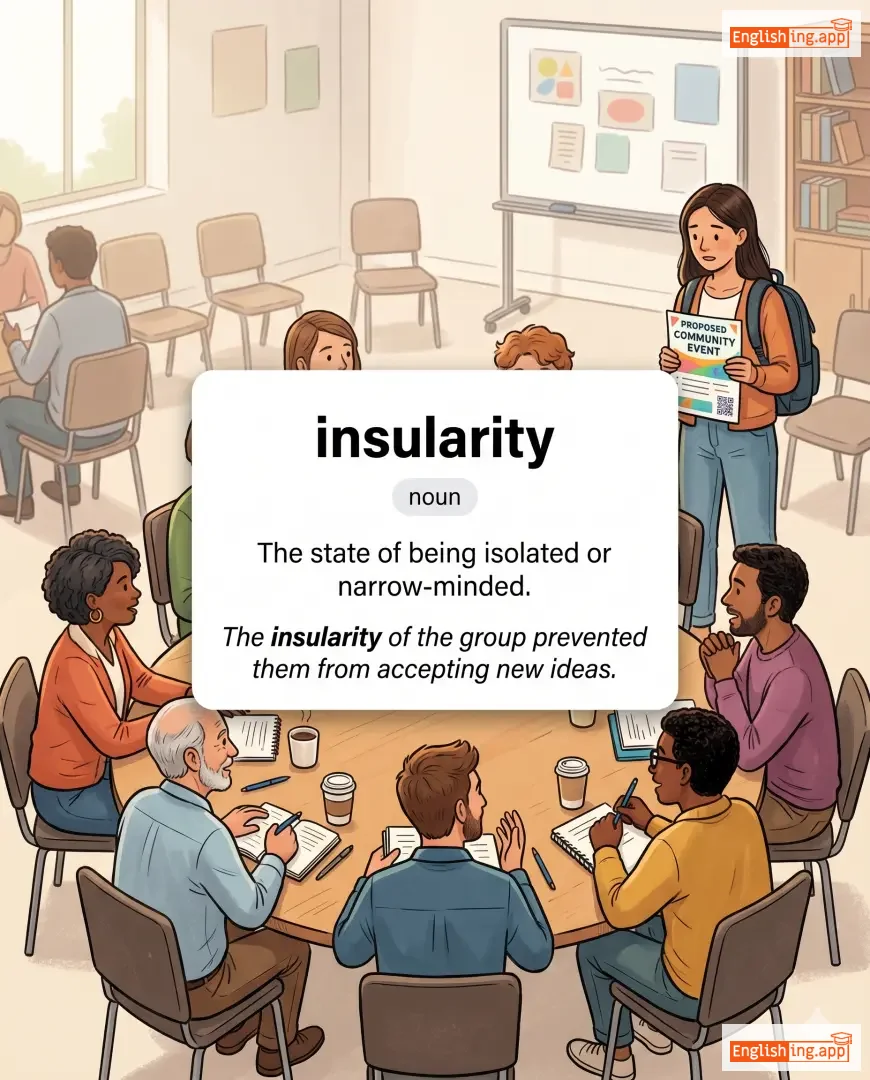
The state of being isolated or narrow-minded.
••••••
|
The insularity of the group prevented them from accepting new ideas.
グループのインスラリティは新しいアイデアを受け入れることを妨げた。
••••••
|
グループの島国性は新しいアイデアを受け入れることを妨げた。
Gurūpu no shimakunisei wa atarashī aidea o ukeireru koto o samataketa.
••••••
|
- •••••• | - •••••• | - •••••• |
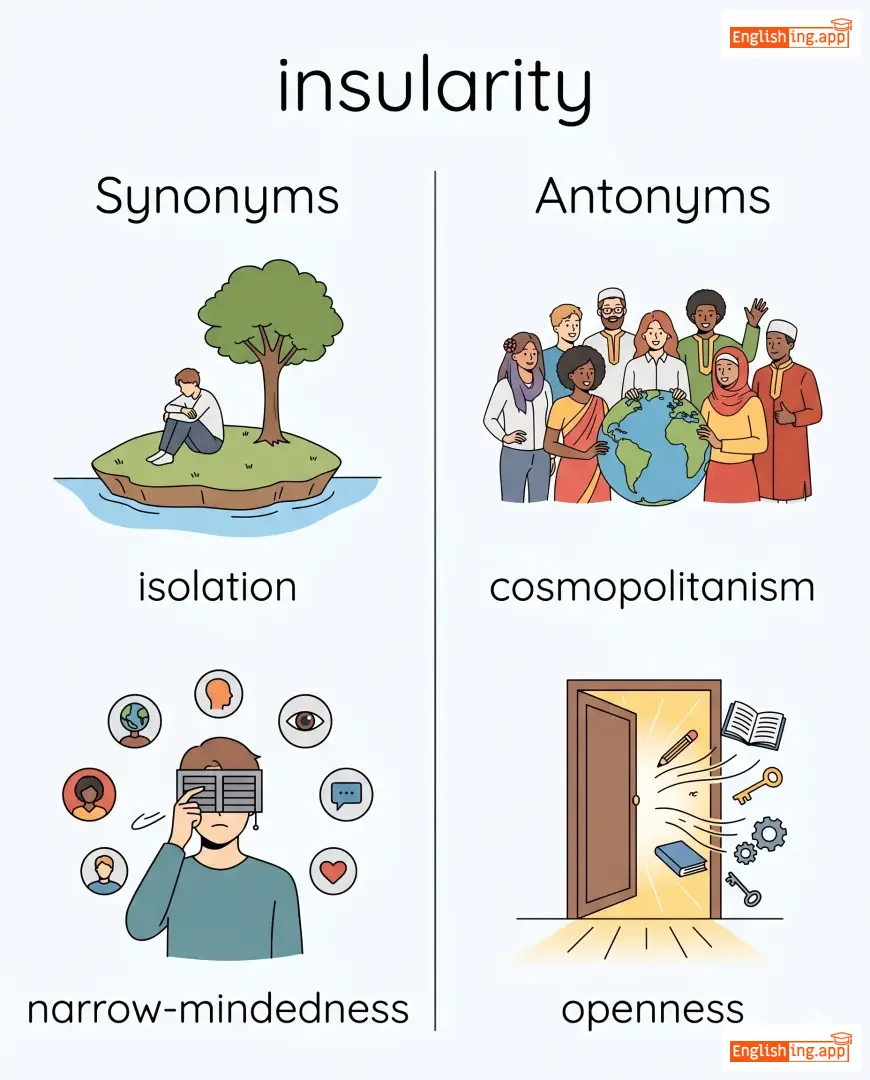
isolation, narrow-mindedness, provincialism, parochialism
••••••
|
cosmopolitanism, openness, tolerance
••••••
|
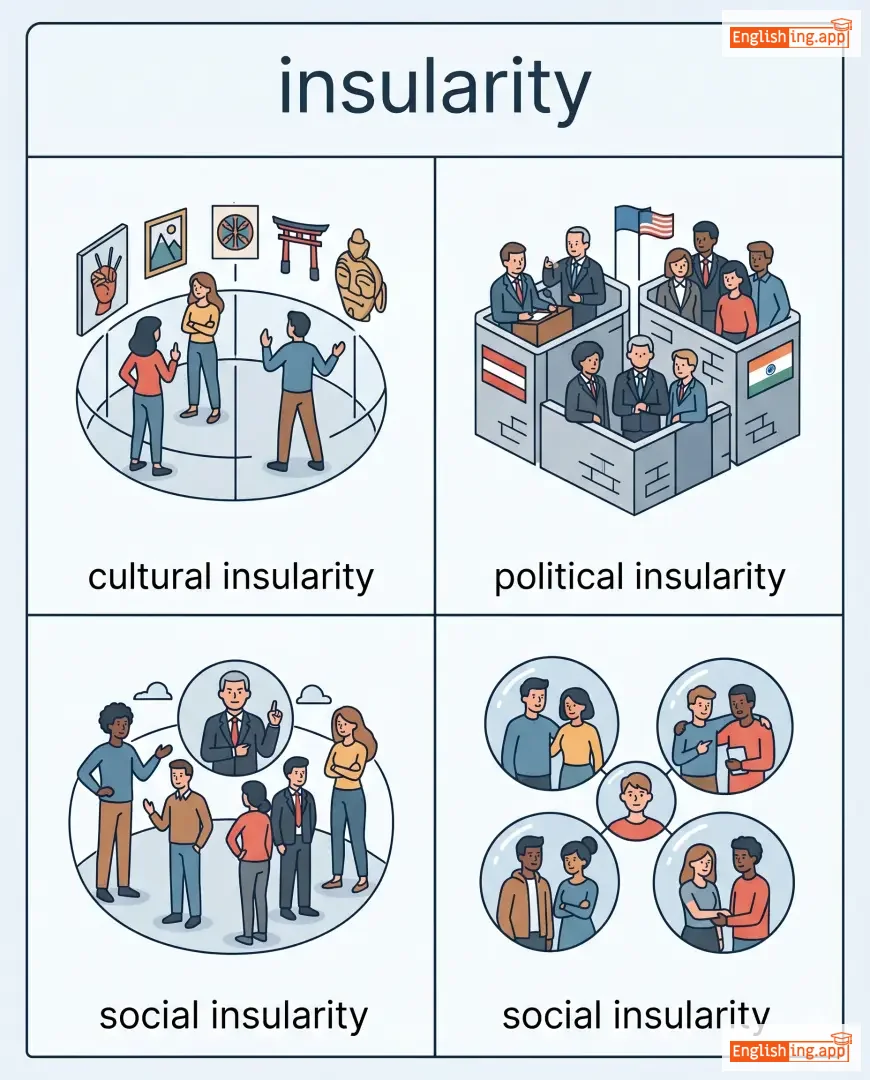
cultural insularity, political insularity, social insularity
••••••
|
島国性=島に閉じ込められた狭い考え方。
••••••
|
|
⛰️
••••••
|
/ɪnˈsuːpərəbl/
adjective
(インスーパーブル)
••••••
|
|
克服できない
kokufuku dekinai
••••••
|
- •••••• | - •••••• | - •••••• | - •••••• |
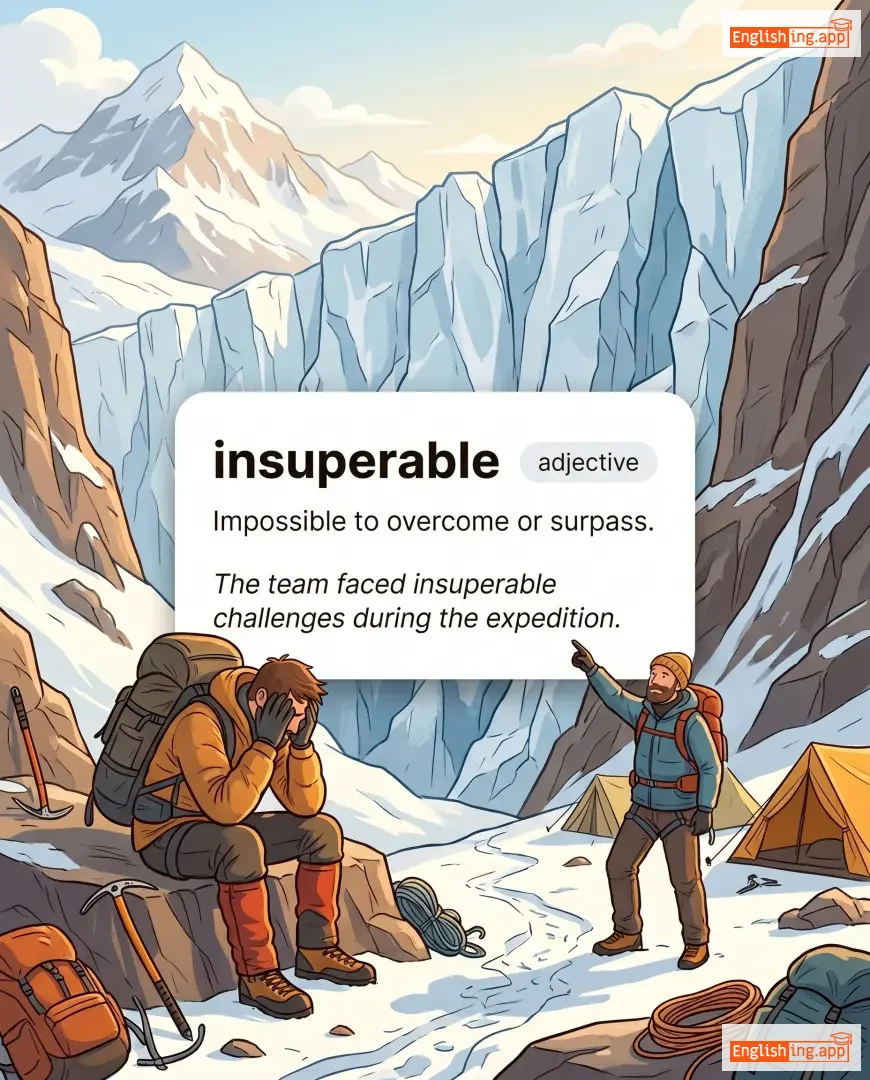
Impossible to overcome or surpass.
••••••
|
The team faced insuperable challenges during the expedition. |
チームは遠征中に克服できない課題に直面しました。
Chiimu wa ensei chuu ni kokufuku dekinai kadai ni chokumen shimashita.
••••••
|
- •••••• | - •••••• | - •••••• |
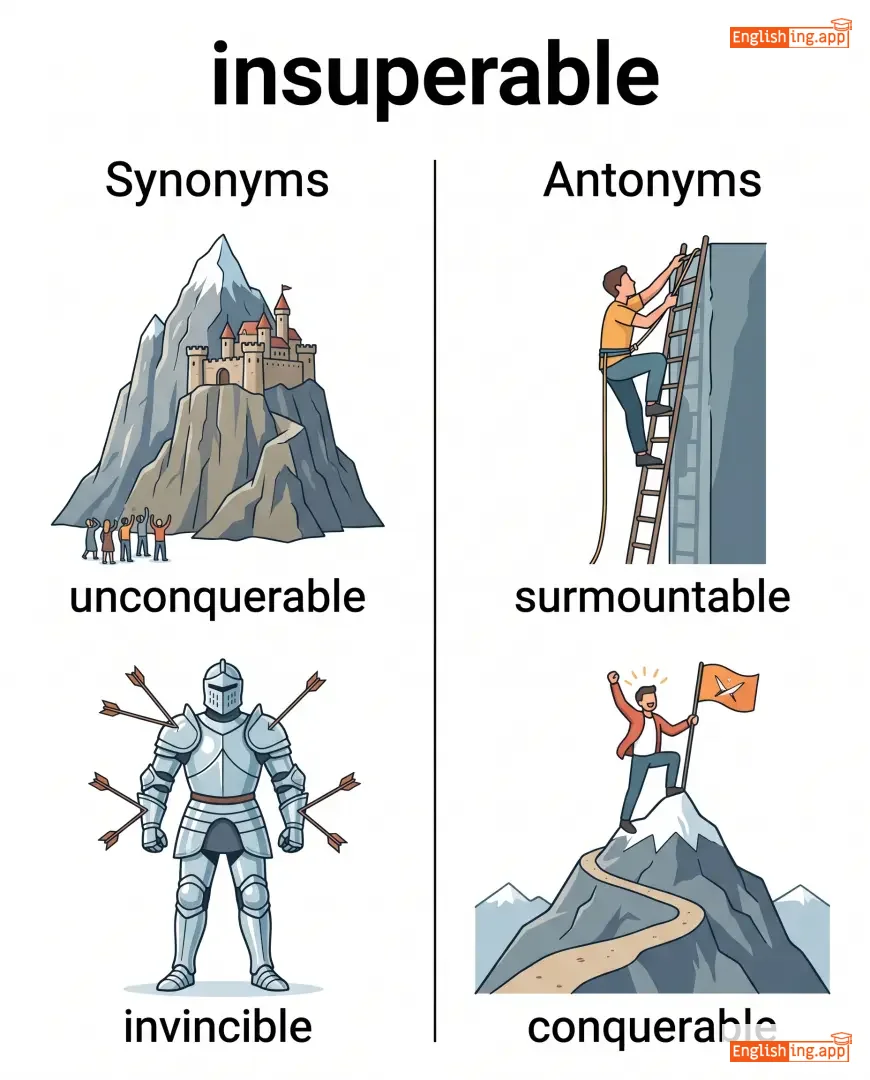
unconquerable, invincible, unbeatable, overwhelming, indomitable
••••••
|
surmountable, conquerable, manageable
••••••
|
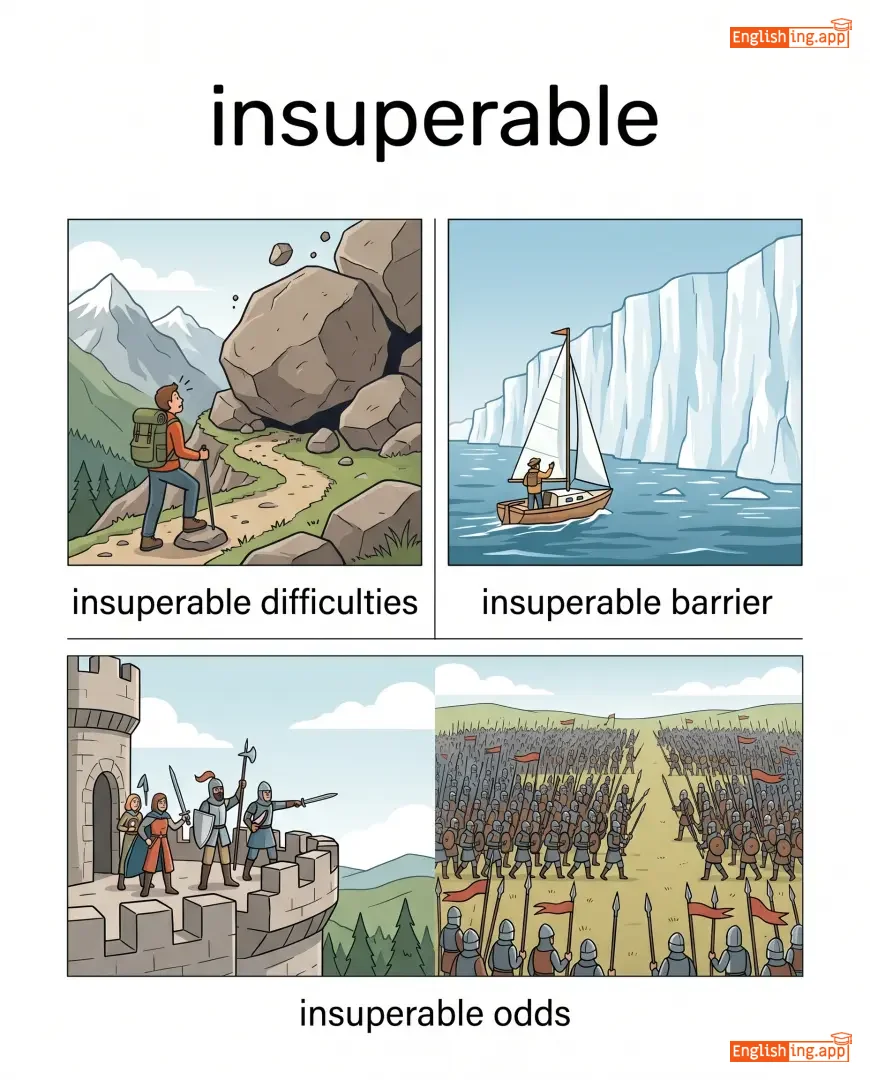
insuperable difficulties, insuperable barrier, insuperable odds
••••••
|
In SUPER able それは克服できない - インスーパーブル
••••••
|
|
✨
••••••
|
/ɪnˈtændʒəbl/
adjective
(インタンジブル)
••••••
|

|
無形の
mukei no
••••••
|
- •••••• | - •••••• | - •••••• | - •••••• |
Unable to be touched or grasped; not having a physical presence.
••••••
|
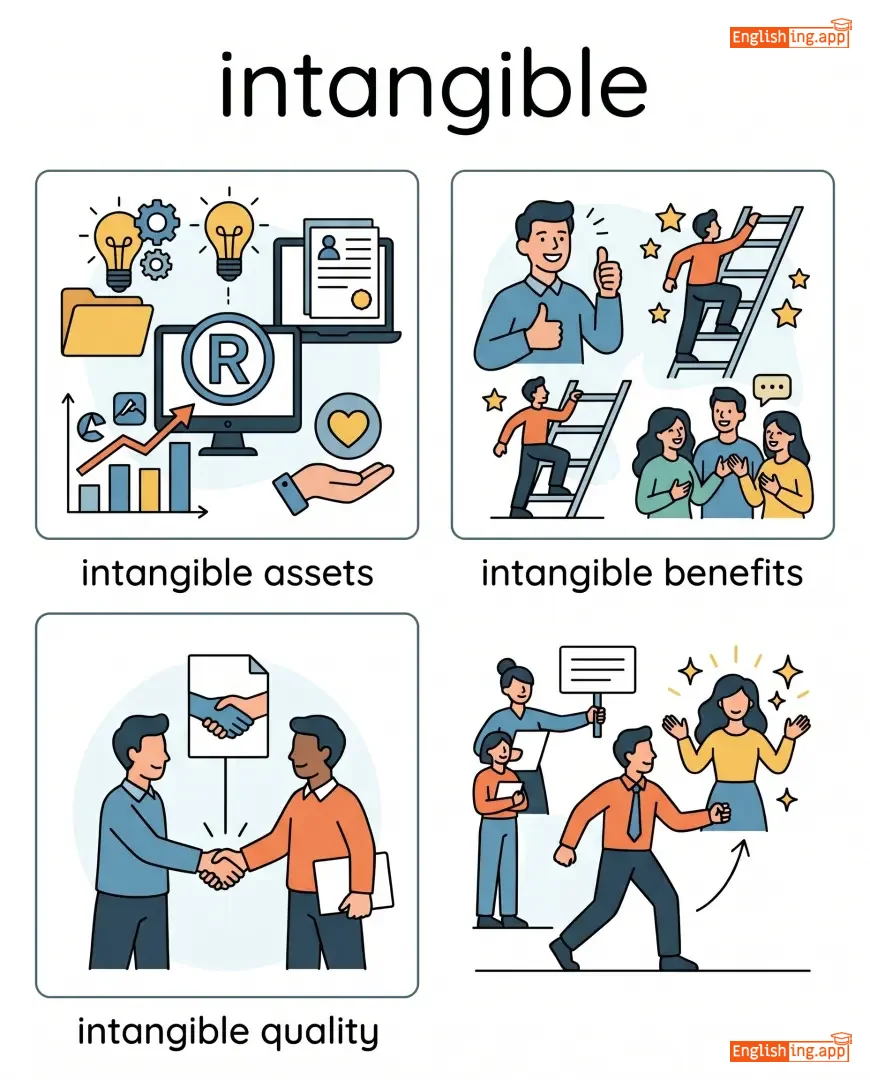
Trust is an intangible quality in relationships. |
信頼は関係において無形の特質です。
Shinrai wa kankei ni oite mukei no tokushitsu desu.
••••••
|
- •••••• | - •••••• | - •••••• |
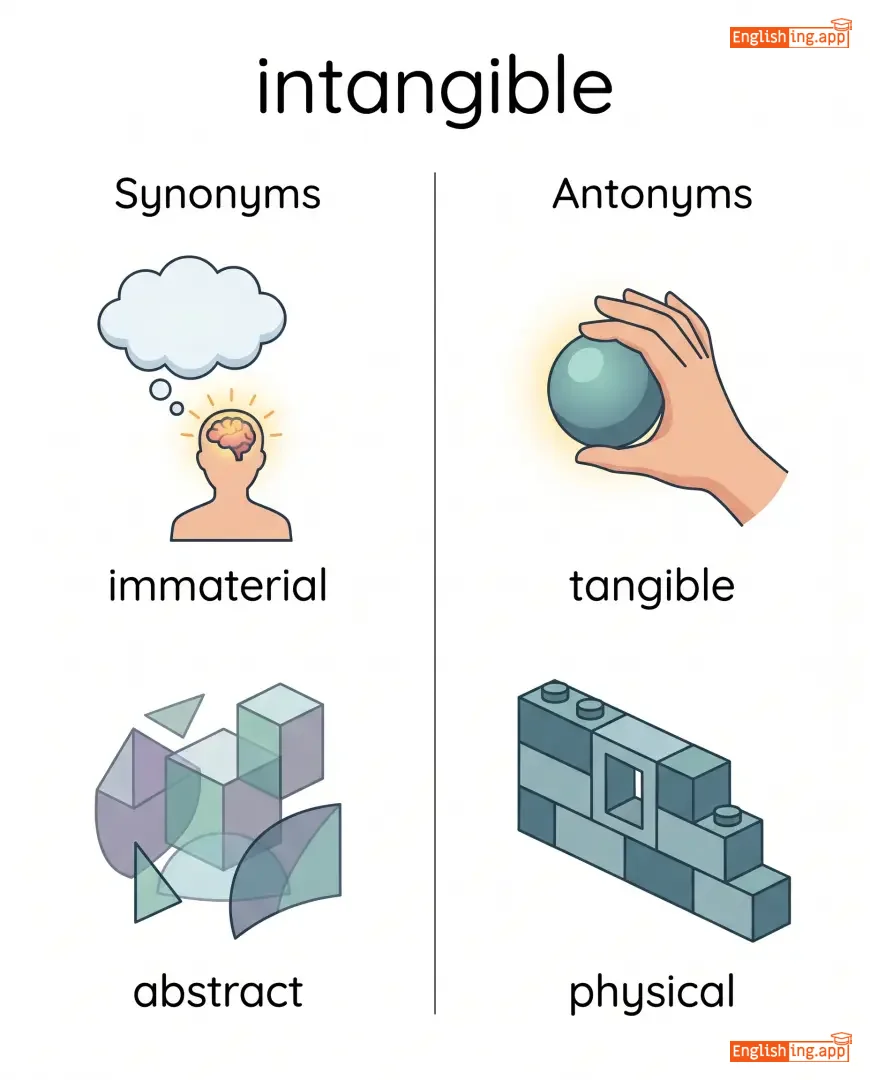
immaterial, abstract, invisible, untouchable
••••••
|
tangible, physical, concrete
••••••
|
intangible assets, intangible benefits, intangible quality, intangible factors
••••••
|
Intangible は触れられないことを意味し、信頼のようです
••••••
|
|
⛔
••••••
|
/ˈɪntərˌdɪkt/
verb
(インターディクト)
••••••
|
|
禁じる
kinjiru
••••••
|
interdicted
インターディクテッド
••••••
|
interdicted
インターディクテッド
••••••
|
interdicts
インターディクツ
••••••
|
interdicting
インターディクティング
••••••
|
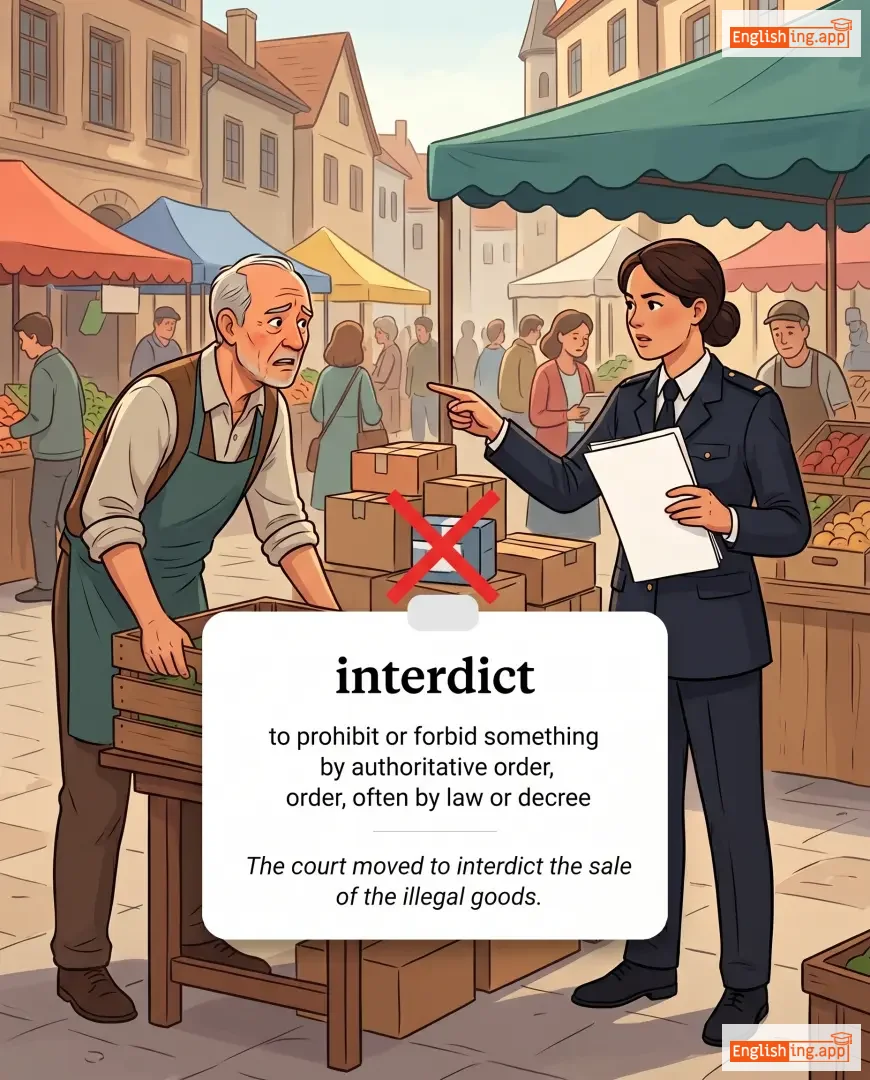
to prohibit or forbid something by authoritative order, often by law or decree
••••••
|
The court moved to interdict the sale of the illegal goods.
裁判所は違法な商品の販売を禁じることを決定しました。
••••••
|
裁判所は違法な商品の販売を禁じることを決定しました。
Saibansho wa ihō na shōhin no hanbai o kinjiru koto o kettei shimashita.
••••••
|
- •••••• | - •••••• | - •••••• |
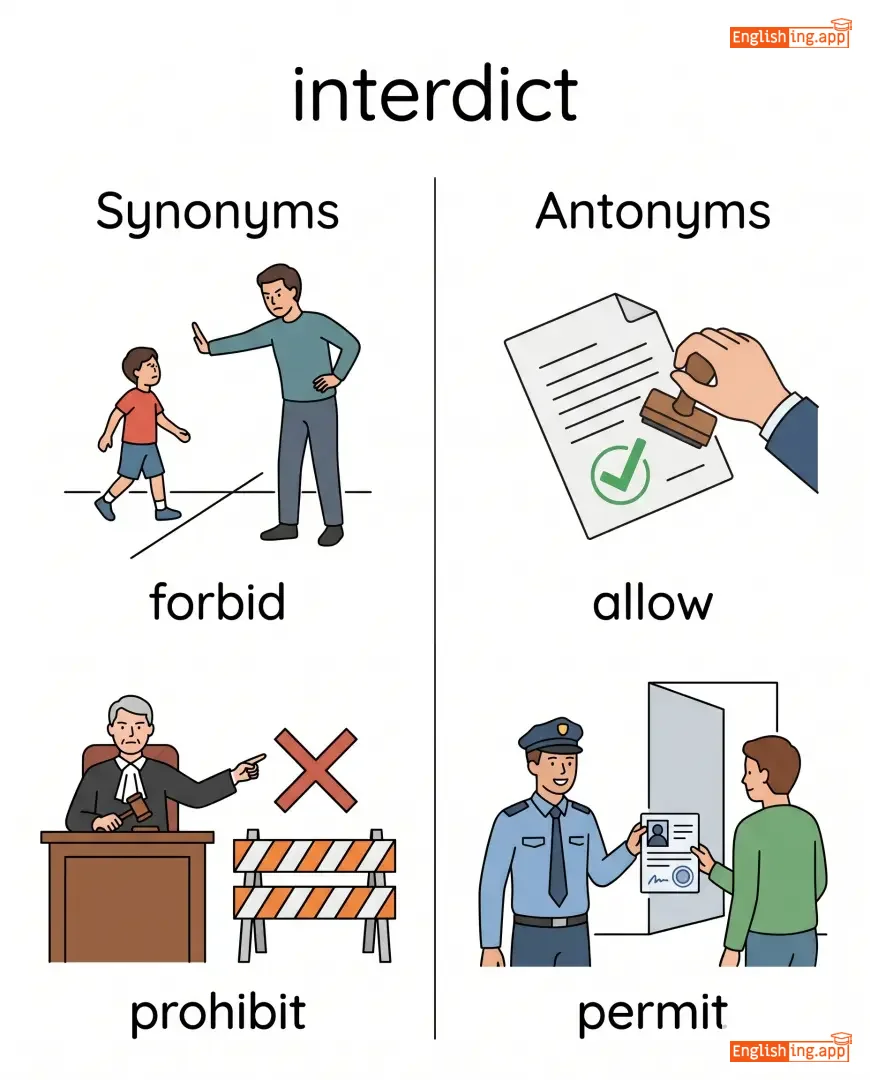
forbid, prohibit, ban, bar, restrict
••••••
|
allow, permit, authorize
••••••
|
military interdict, court interdict, interdict order, interdict action
••••••
|
Inter (inter) は間、dict (dict) は言うこと – 間に言うことは禁じること
••••••
|
|
⚔️
••••••
|
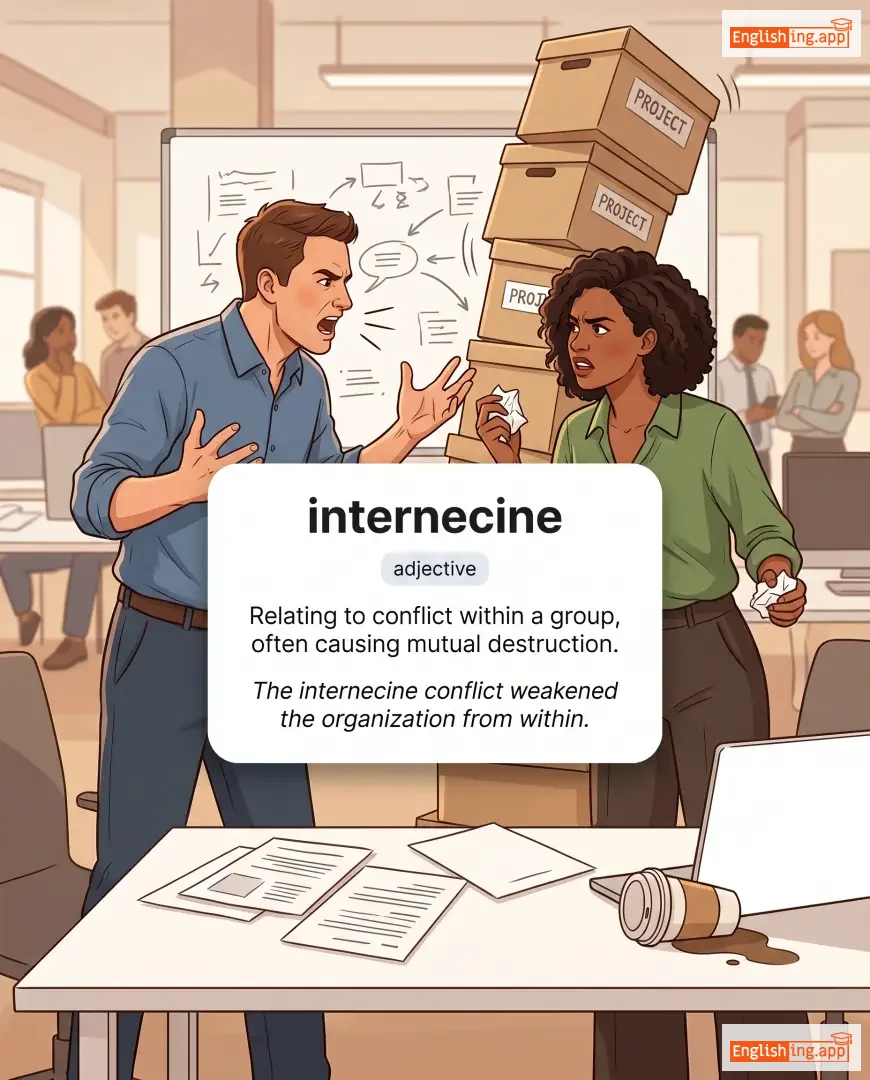
/ˌɪntərˈniːsaɪn/
adjective
(インターネシーン)
••••••
|
|
内部紛争
naibu funsou
••••••
|
- •••••• | - •••••• | - •••••• | - •••••• |
Relating to conflict within a group, often causing mutual destruction.
••••••
|
The internecine conflict weakened the organization from within. |
内部紛争は組織を内部から弱体化させた
Naibu funsou wa soshiki wo naibu kara jakutaika saseta
••••••
|
- •••••• | - •••••• | - •••••• |
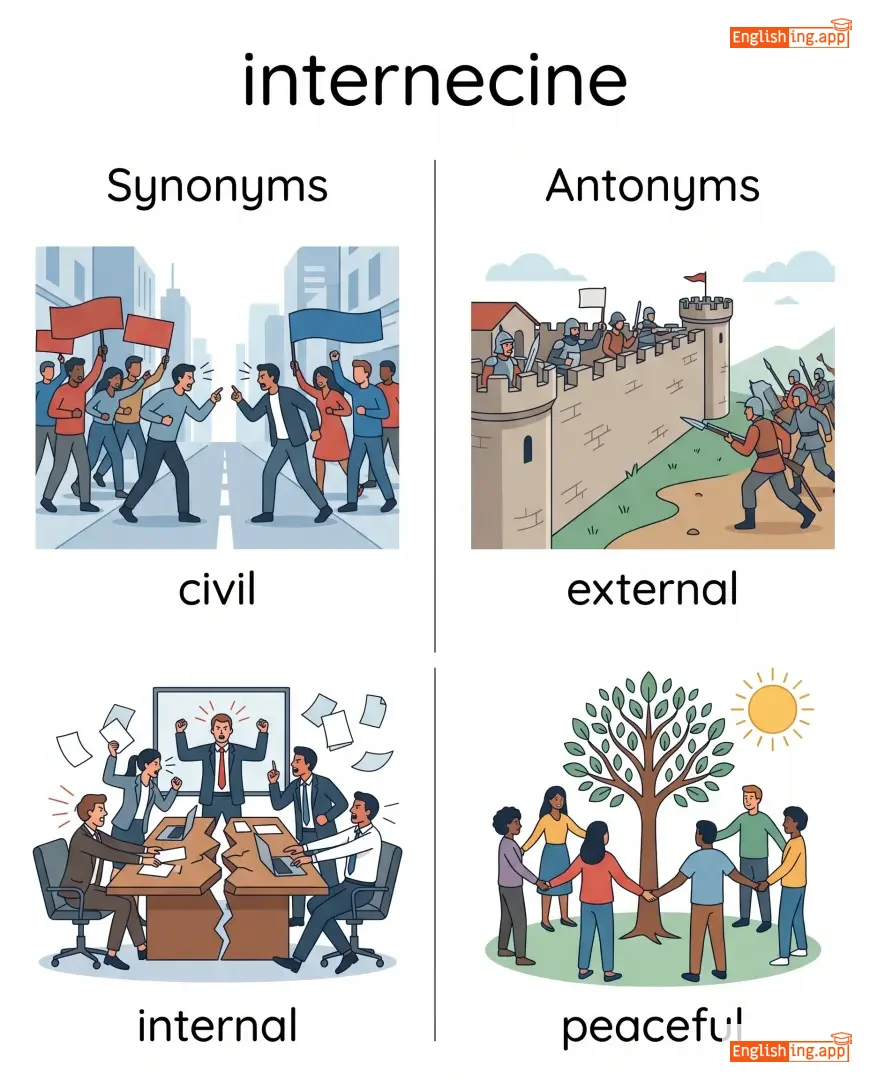
civil, internal, domestic, in-fighting, fratricidal
••••••
|
external, peaceful, united
••••••
|
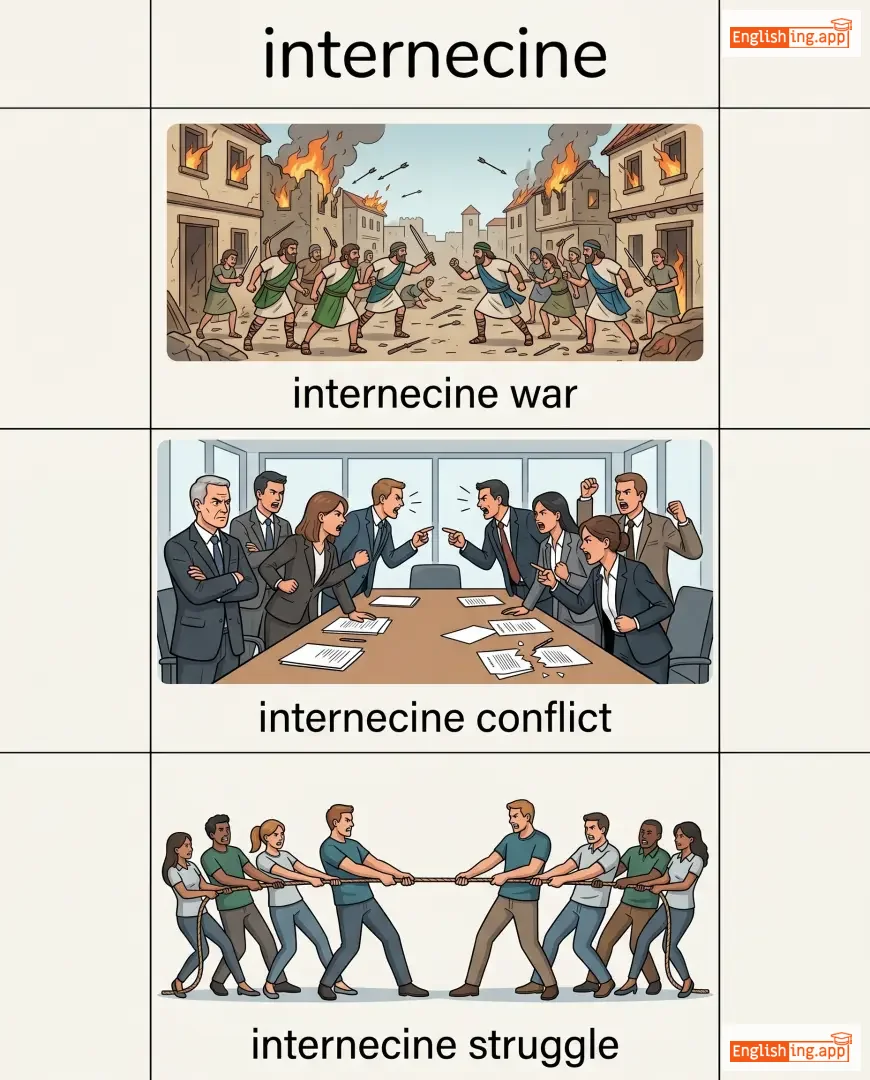
internecine war, internecine conflict, internecine struggle
••••••
|
Inter + 内部 (naibu) → グループ内の紛争
••••••
|
|
📈
••••••
|
/ɪnˈtɜːrpəˌleɪt/
verb
(インターポレート)
••••••
|

|
挿入する
sānyū suru
••••••
|
interpolated
インターポレーテッド
••••••
|
interpolated
インターポレーテッド
••••••
|
interpolates
インターポレーツ
••••••
|
interpolating
インターポレーティング
••••••
|
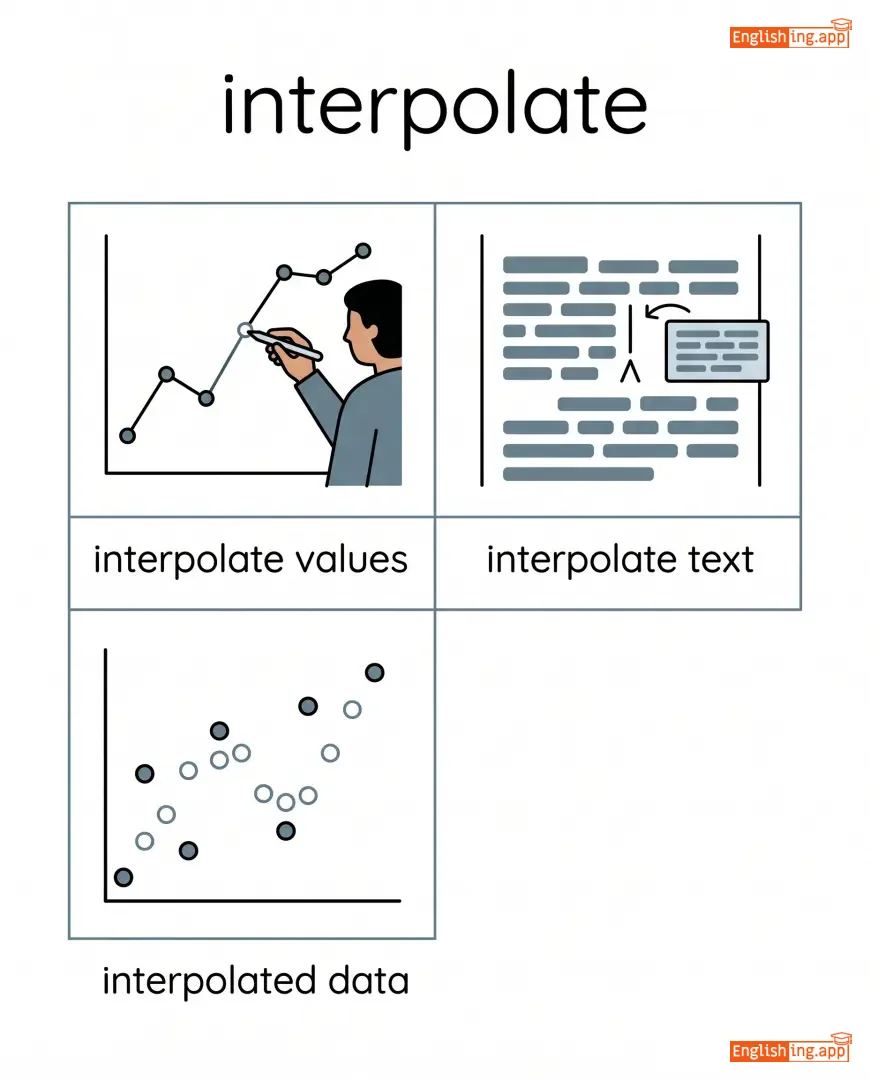
To insert something, often words, into a text or conversation; to estimate values between known data points.
••••••
|
The editor interpolated a missing paragraph into the manuscript.
編集者は原稿に欠落した段落をインターポレートした。
••••••
|
編集者は原稿に欠落した段落を挿入した。
Henshūsha wa gengō ni ketsuraku shita danraku o sānyū shita.
••••••
|
- •••••• | - •••••• | - •••••• |
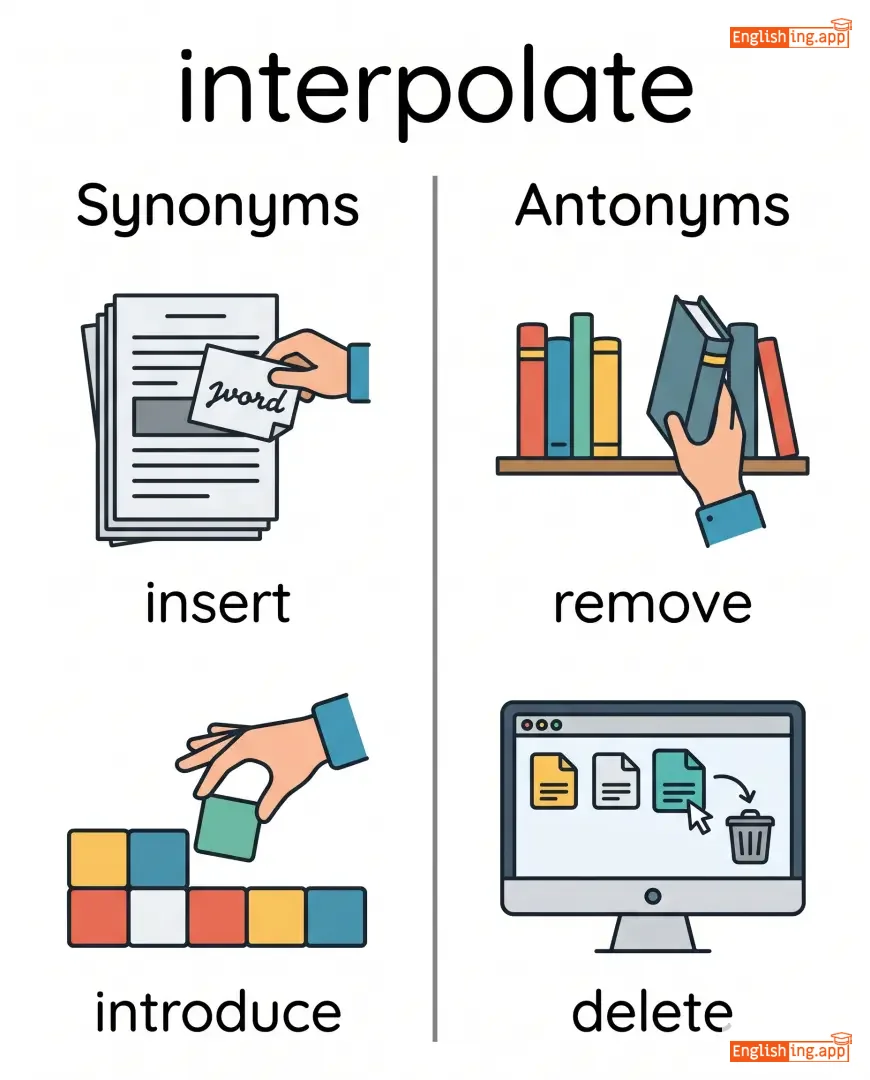
insert, introduce, interject, estimate, calculate
••••••
|
remove, delete, exclude
••••••
|
interpolate values, interpolate text, interpolated data
••••••
|
Inter + polar → 何かを会話に加える。挿入するのは加えるという意味です。
••••••
|
|
⏳
••••••
|
/ˌɪntərˈrɛɡnəm/
noun
(インターレグナム)
••••••
|
|
政権空白期
seiken kūhaku-ki
••••••
|
- •••••• | - •••••• | - •••••• | - •••••• |
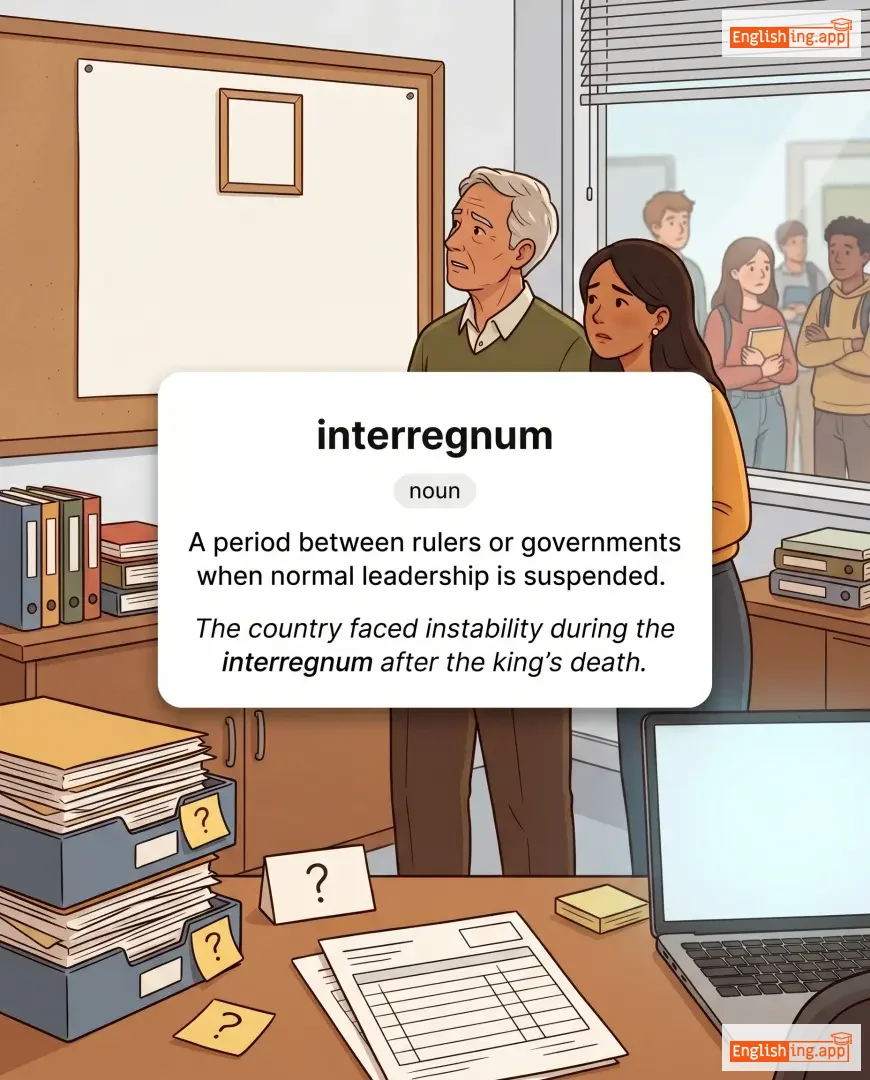
A period between rulers or governments when normal leadership is suspended.
••••••
|
The country faced instability during the interregnum after the king’s death. |
国王の死後、国は政権空白期に不安定さに直面した。
Kokuō no shigo, kuni wa seiken kūhaku-ki ni fuansei ni chokumen shita.
••••••
|
- •••••• | - •••••• | - •••••• |
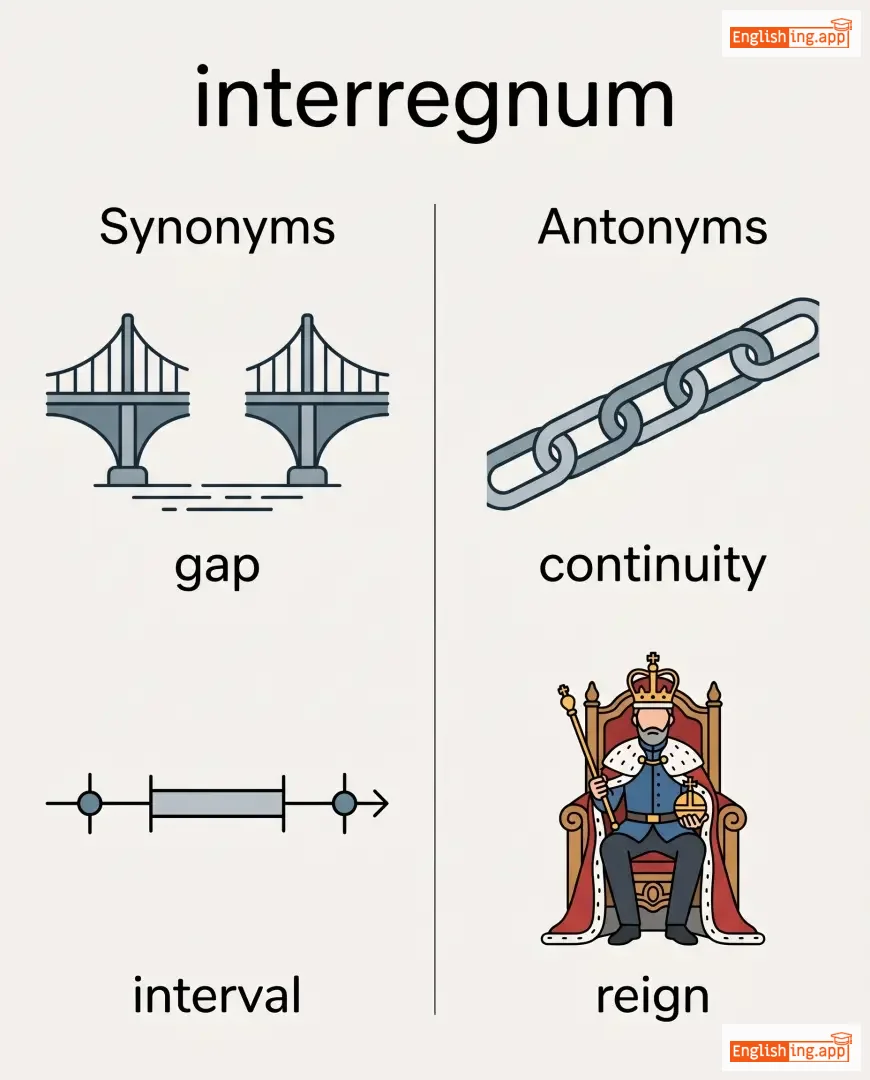
gap, interval, suspension, hiatus, pause
••••••
|
continuity, reign
••••••
|
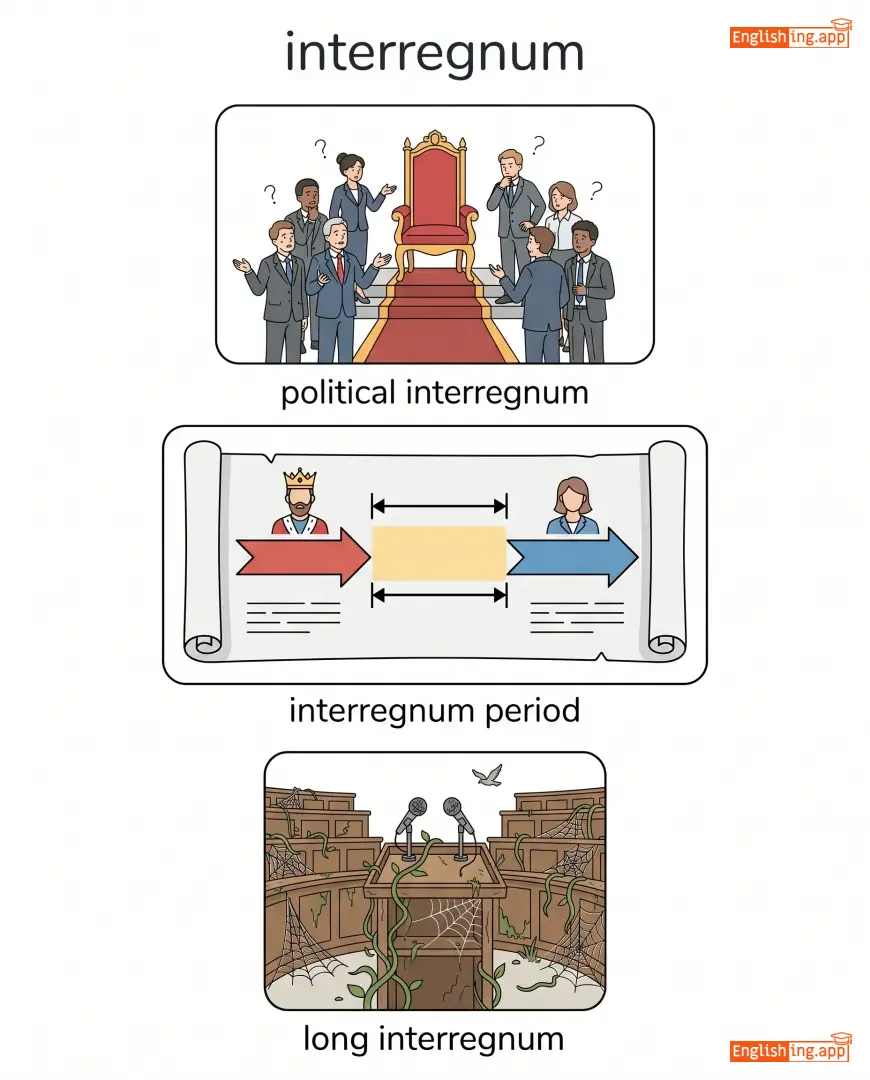
political interregnum, interregnum period, long interregnum
••••••
|
Interregnum は inter (間) + regnum (王国) — 王がいない期間。
••••••
|

