|
表情符号
|
单词 | Images | 翻译 | 过去时 | 过去分词 | 第三人称单数 | 动名词 | 含义 | 例句 | 例句翻译 | 示例表达 | 示例表达含义 | 示例表达翻译 | 同义词 | 反义词 | 搭配词 | 助记符 |
|---|---|---|---|---|---|---|---|---|---|---|---|---|---|---|---|---|---|
|
💨
••••••
|
/prɪˈsɪpɪteɪt/
verb/noun/adjective
••••••
|
|
- •••••• |
precipitated
••••••
|
precipitated
••••••
|
precipitates
••••••
|
precipitating
••••••
|
As a verb: to cause an event or situation, often suddenly or prematurely; as a noun: a solid formed in a chemical solution; as an adjective: done hastily.
••••••
|
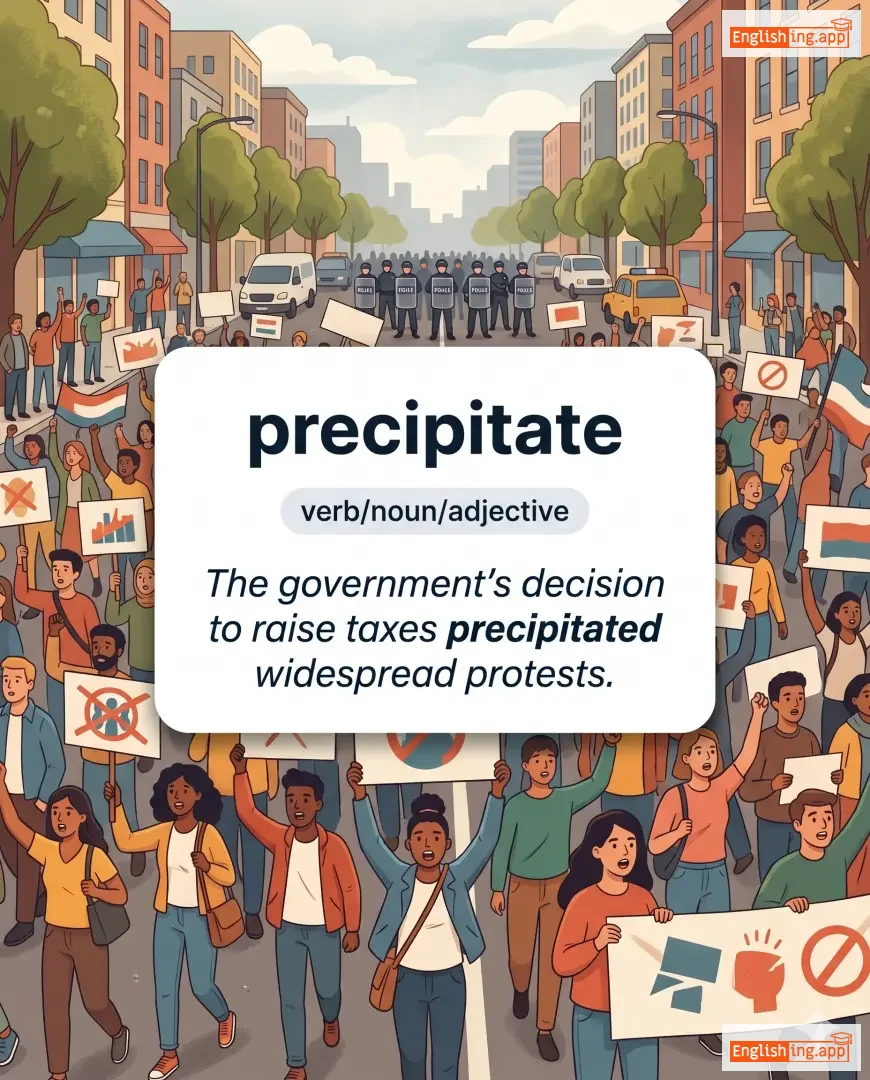
The government's decision to raise taxes precipitated widespread protests. |
- •••••• |
precipitate into |
to cause something to suddenly fall into or result in a situation
••••••
|
- •••••• |
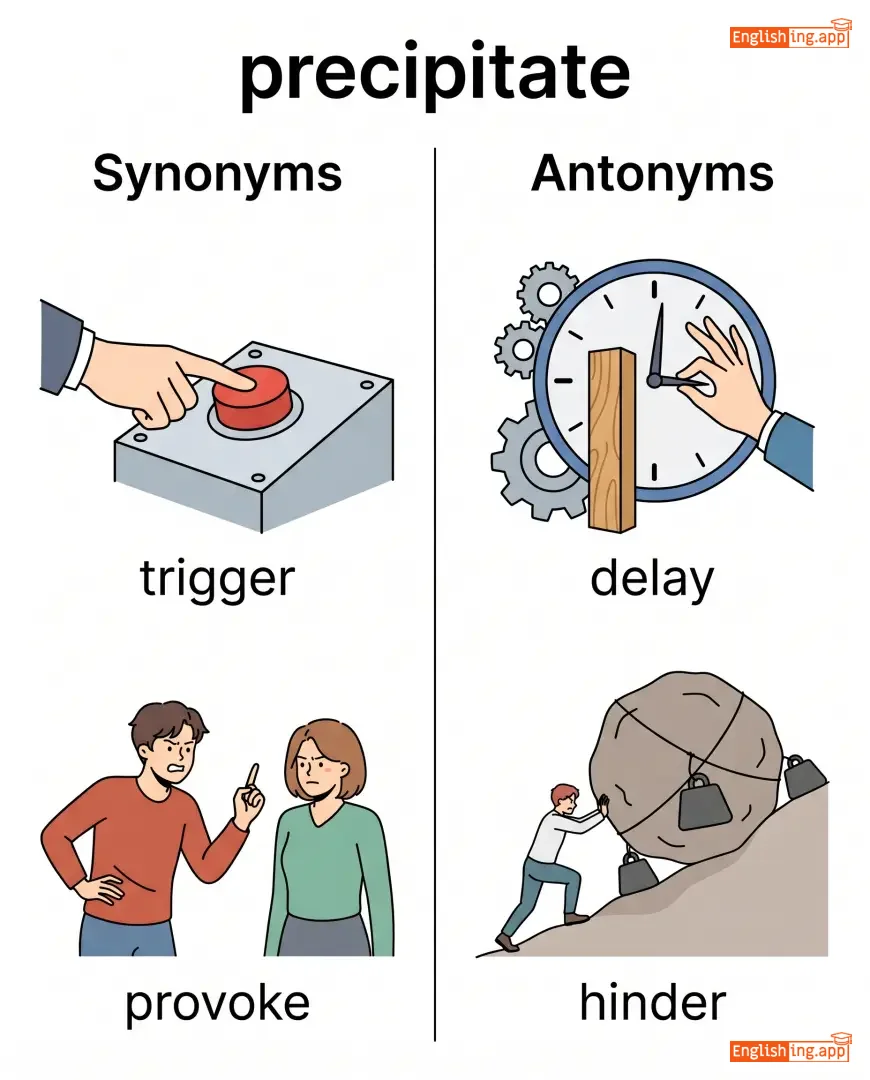
trigger, provoke, accelerate, hasten, instigate
••••••
|
delay, hinder, prevent
••••••
|
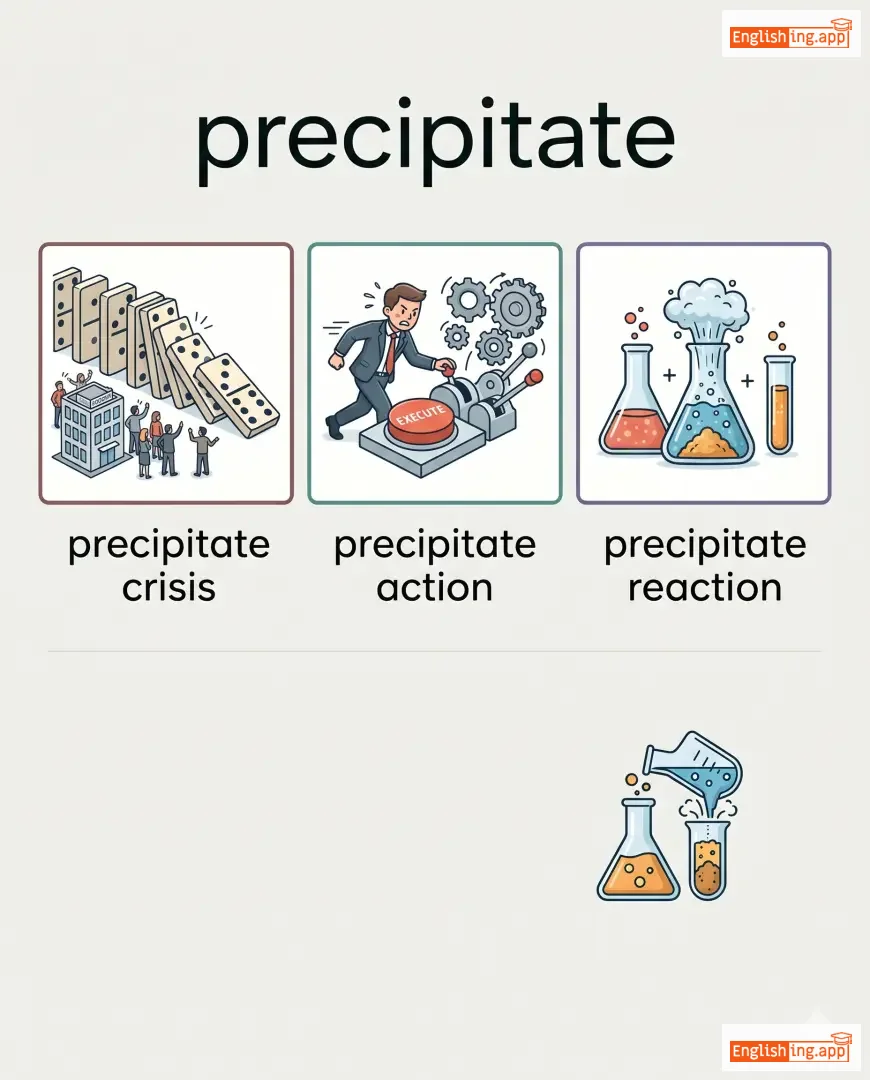
precipitate crisis, precipitate action, precipitate reaction
••••••
|
No •••••• |
|
⏳
••••••
|
/ˈpriːˌkɜrsər/
noun
(pǔlìkèrsè)
••••••
|

|
前身
qianshen
••••••
|
- •••••• | - •••••• | - •••••• | - •••••• |
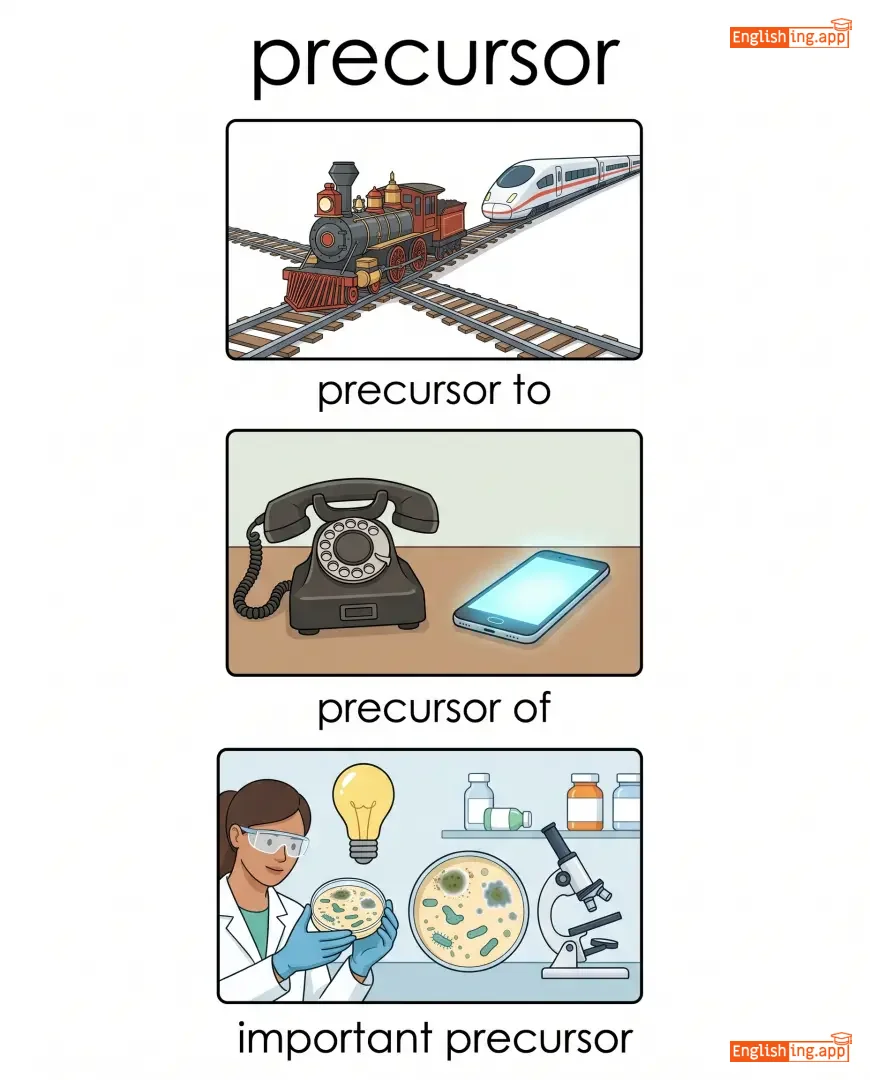
Something or someone that comes before another and indicates the approach of something else.
••••••
|
The steam engine was a precursor to modern trains.
蒸汽机是现代火车的前身。
••••••
|
蒸汽机是现代火车的前身。
Zhengqiji shi xiandai huoche de qianshen.
••••••
|
- •••••• | - •••••• | - •••••• |
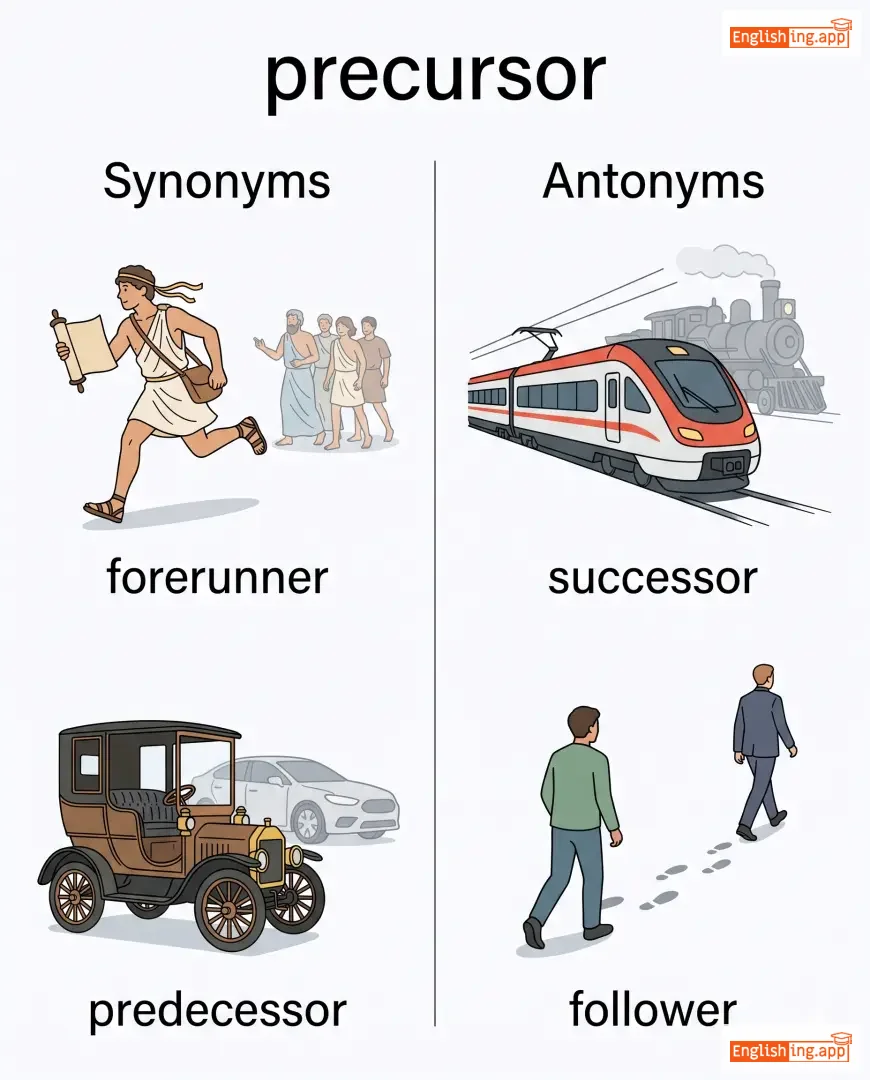
forerunner, predecessor, harbinger, pioneer, antecedent
••••••
|
successor, follower, outcome
••••••
|
precursor to, precursor of, important precursor
••••••
|
前身 = 前 (qián) 和 身 (shēn) - 先前的标志。
••••••
|
|
😏
••••••
|
/prɪˈzʌmp.tʃu.əs/
adjective
(pri-zam-pu-shua-si)
••••••
|
|
自负的
zì fù de
••••••
|
- •••••• | - •••••• | - •••••• | - •••••• |
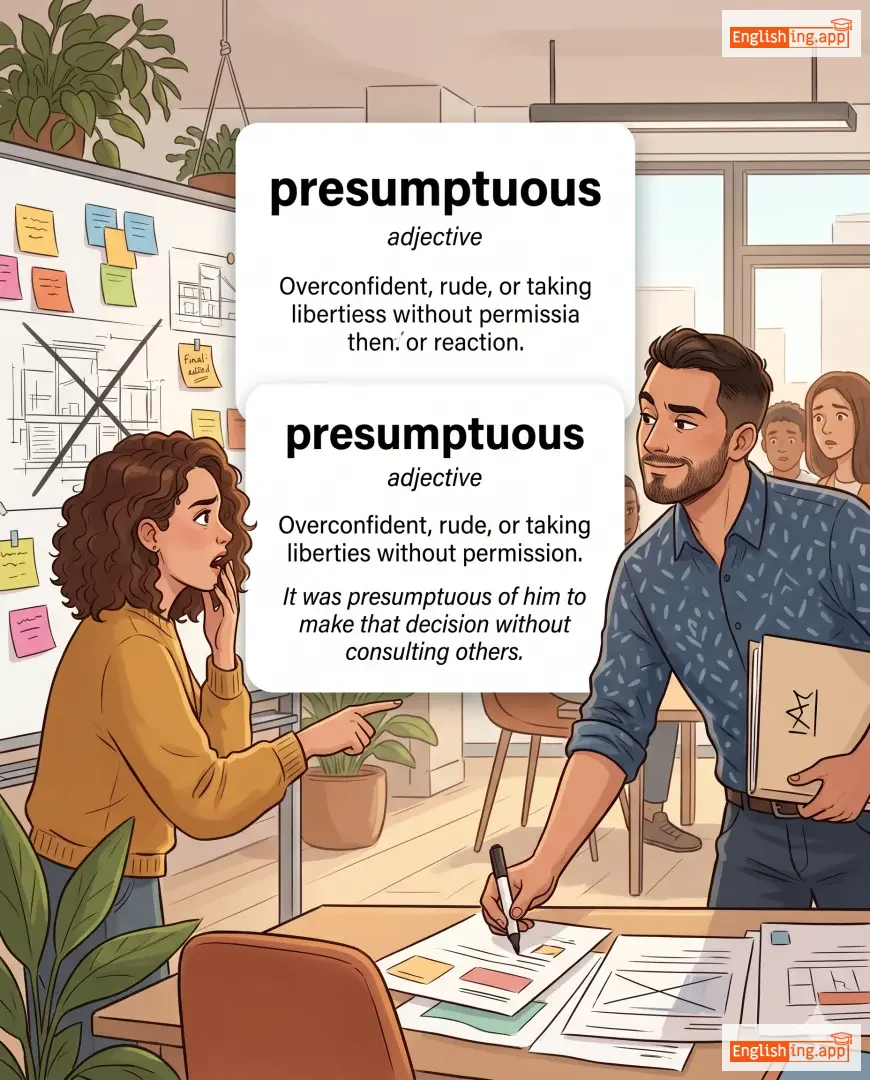
Overconfident, rude, or taking liberties without permission.
••••••
|
It was presumptuous of him to make that decision without consulting others. |
他在没有征求他人意见的情况下做出决定,显得非常自负。
Tā zài méiyǒu zhēngqiú tārén yìjiàn de qíngkuàng xià zuòchū juédìng, xiǎn dé fēicháng zìfù.
••••••
|
- •••••• | - •••••• | - •••••• |
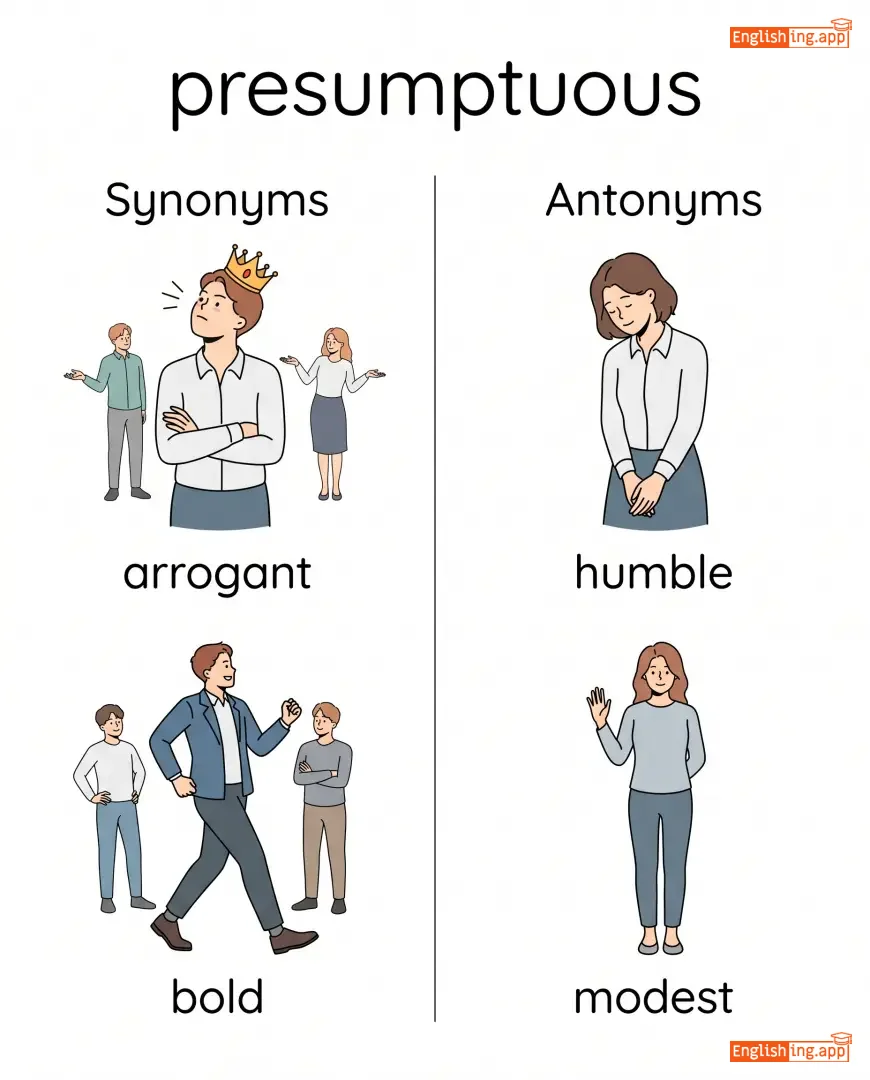
arrogant, bold, forward, overconfident
••••••
|
humble, modest
••••••
|
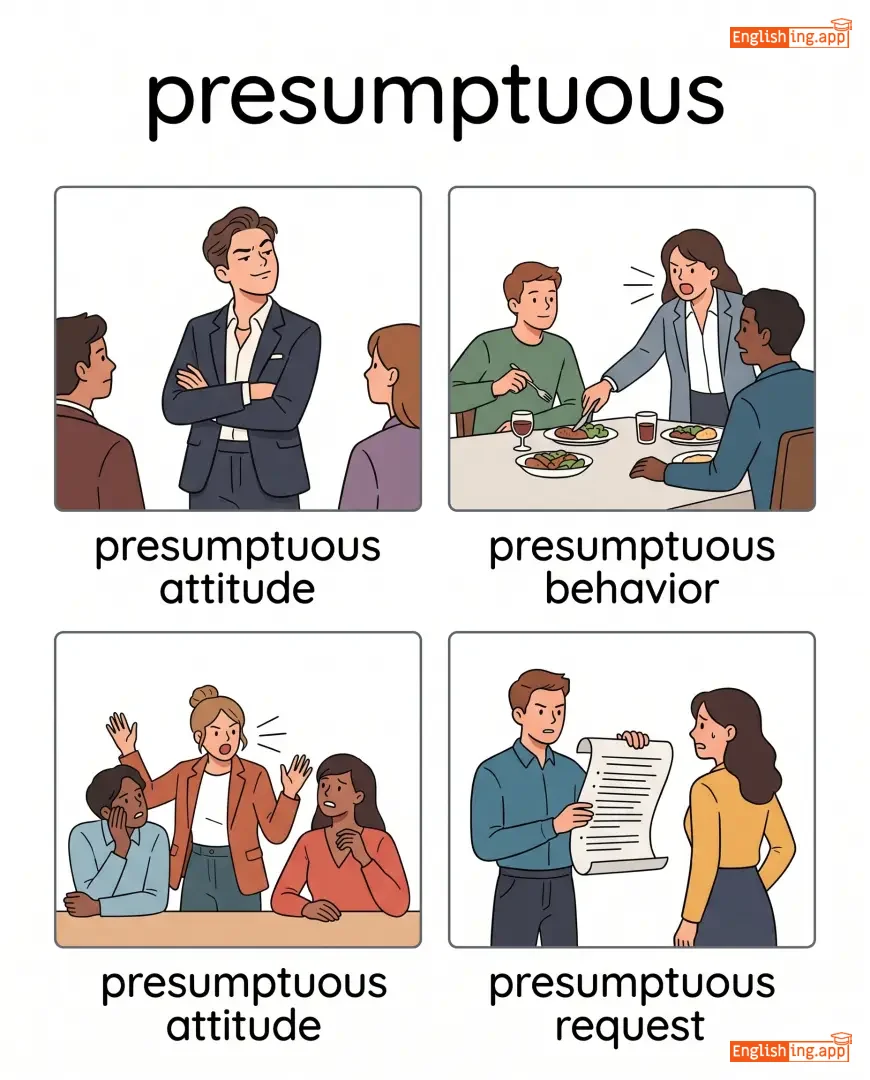
presumptuous attitude, presumptuous behavior, presumptuous request
••••••
|
自负的像是觉得自己可以不问别人就做决定。
••••••
|
|
🤥
••••••
|
/prɪˈværɪkeɪt/
verb
••••••
|
|
- •••••• |
prevaricated
••••••
|
prevaricated
••••••
|
prevaricates
••••••
|
prevaricating
••••••
|
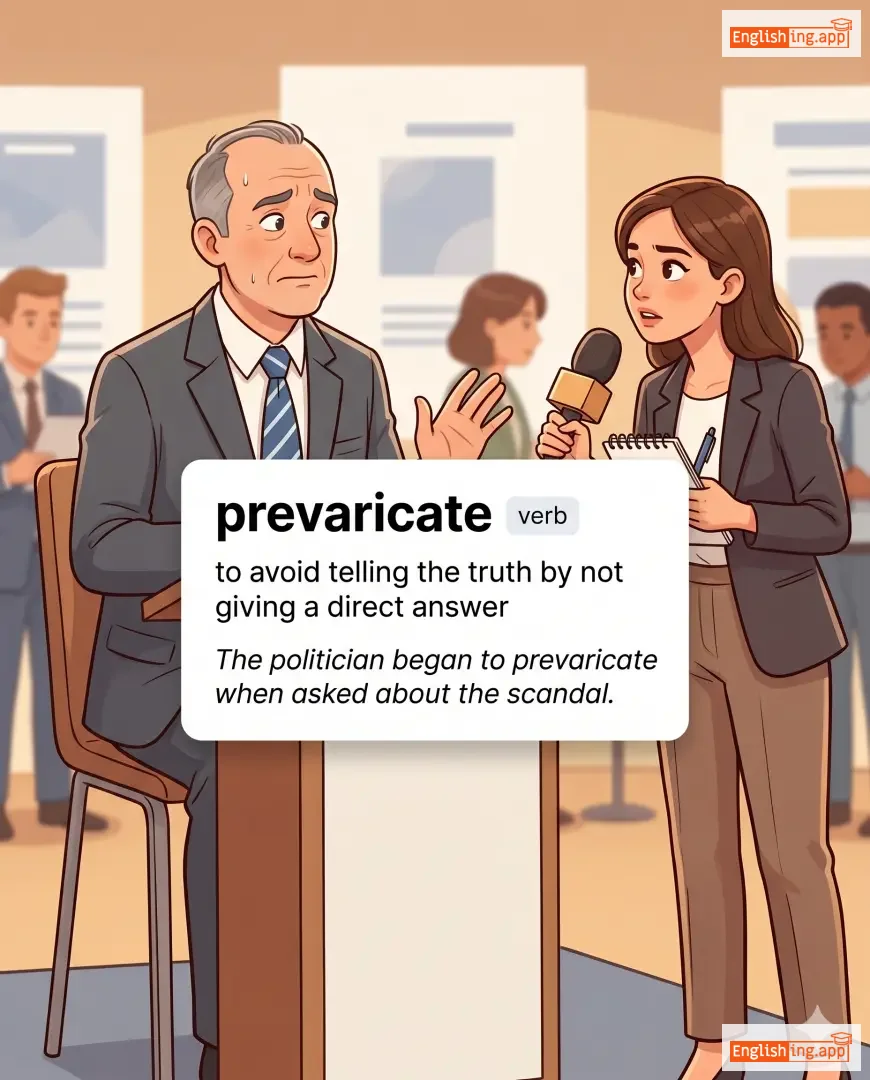
to avoid telling the truth by not giving a direct answer
••••••
|
The politician began to prevaricate when asked about the scandal. |
- •••••• |
beat around the bush |
to avoid talking about something directly
••••••
|
- •••••• |
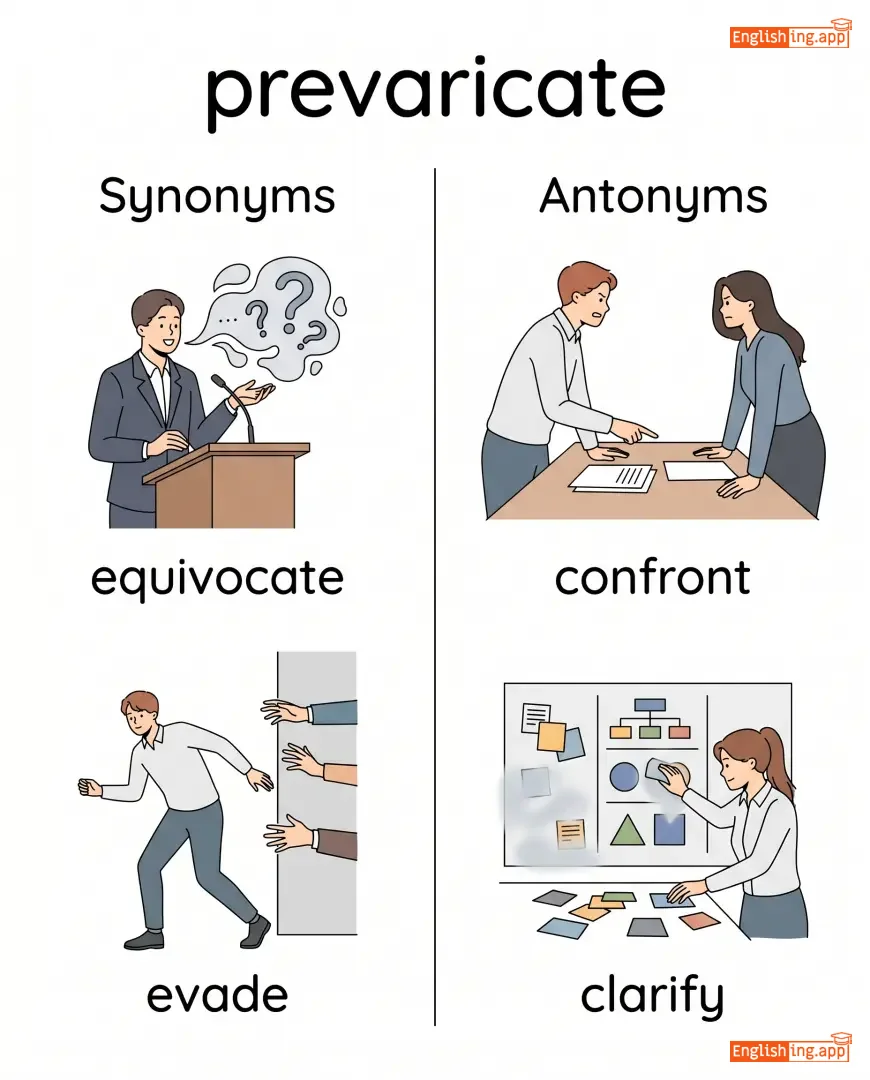
equivocate, evade, mislead, hedge, waffle
••••••
|
confront, clarify, admit
••••••
|
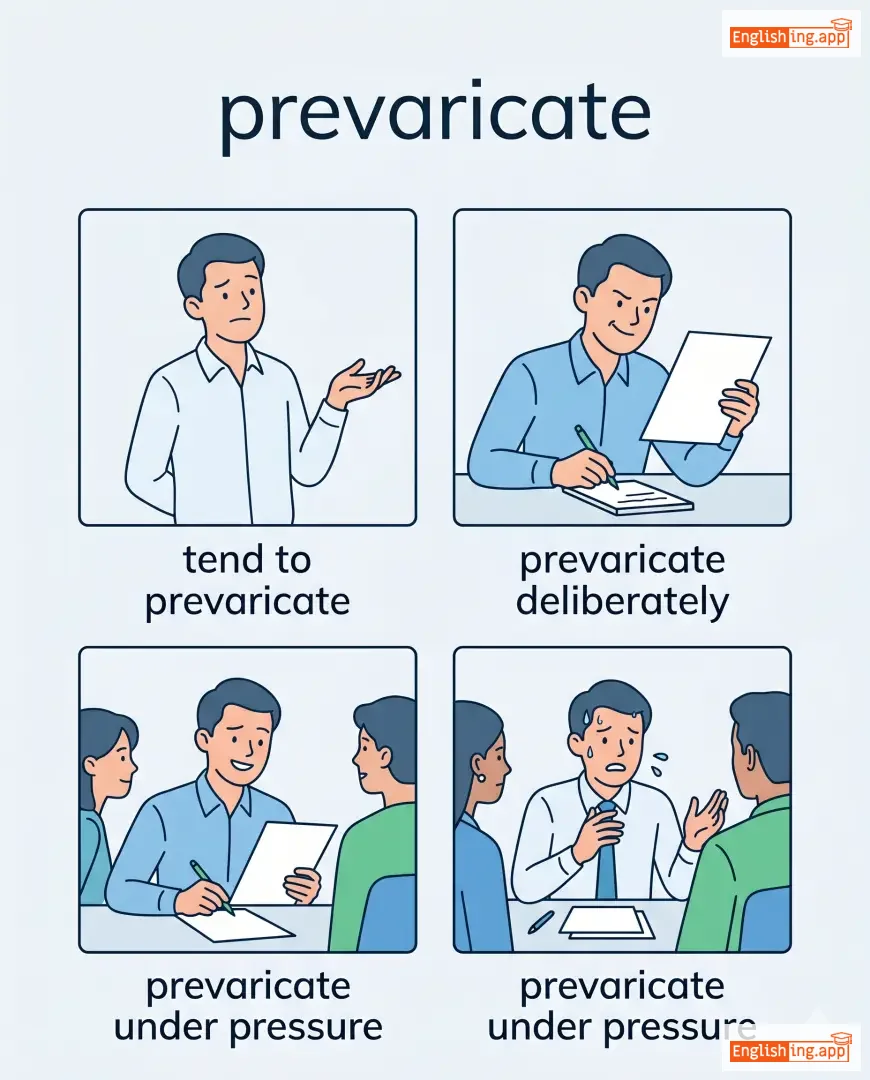
tend to prevaricate, prevaricate deliberately, prevaricate under pressure
••••••
|
No •••••• |
|
🌿
••••••
|
/ˈprɪstiːn/
adjective
••••••
|
|
- •••••• | - •••••• | - •••••• | - •••••• | - •••••• |
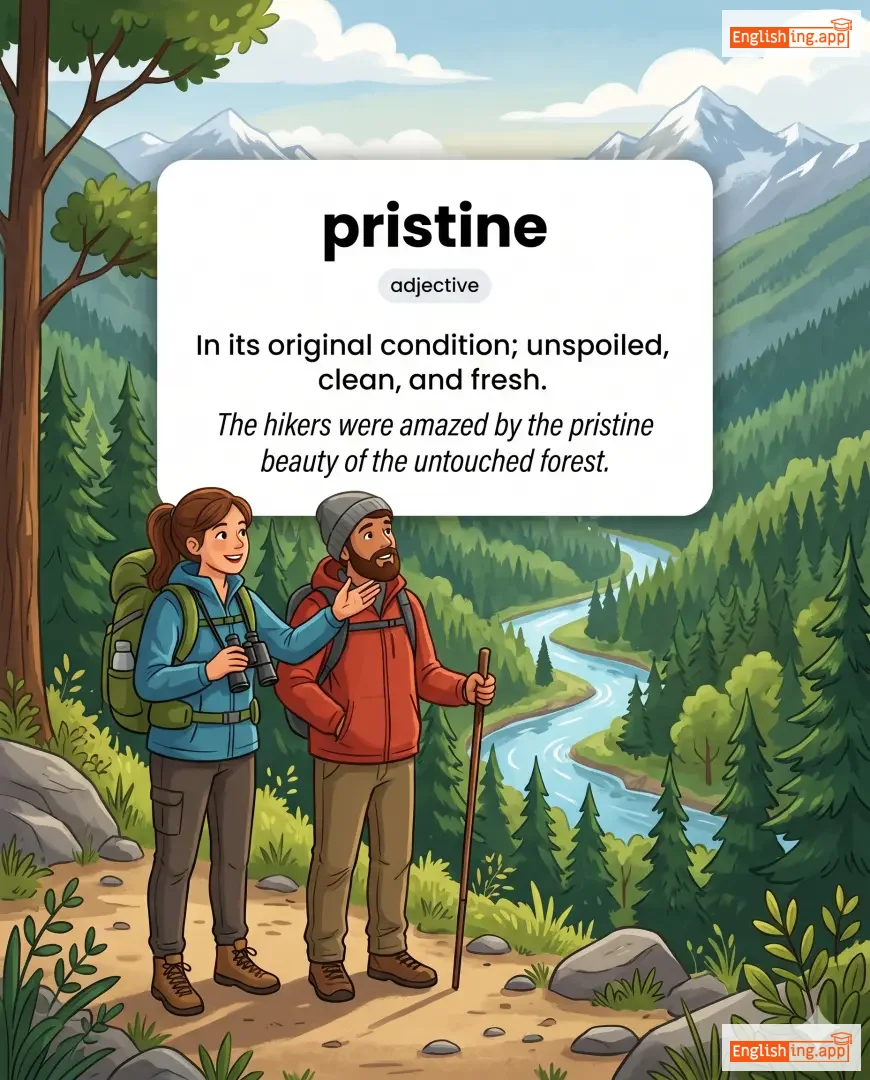
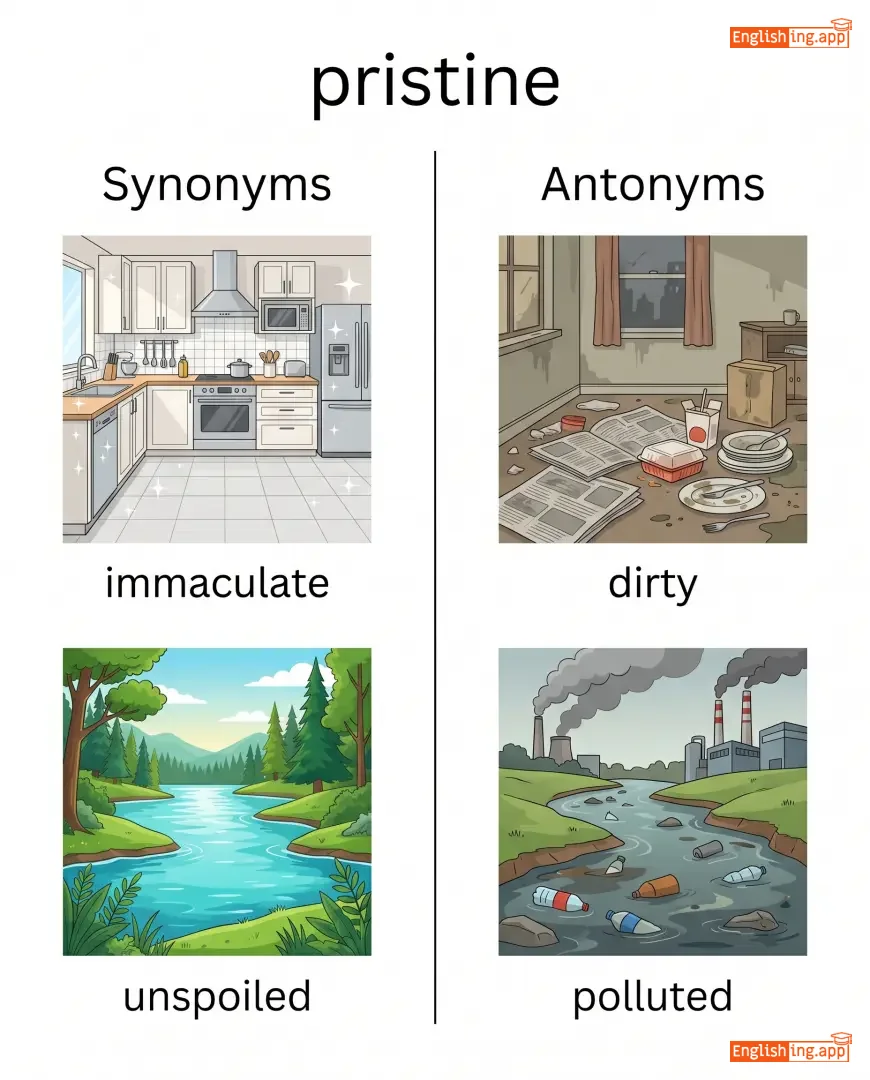
In its original condition; unspoiled, clean, and fresh.
••••••
|
The hikers were amazed by the pristine beauty of the untouched forest. |
- •••••• |
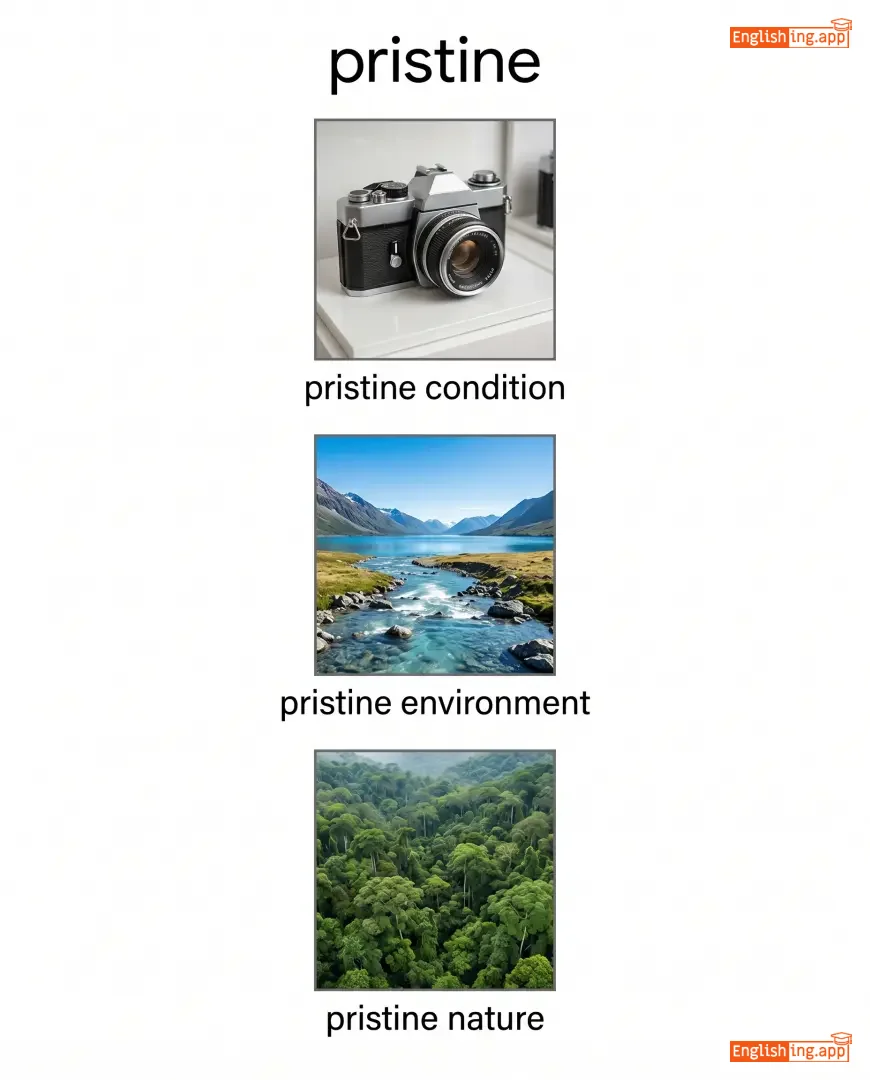
pristine condition |
Something that is perfectly clean, undamaged, or in its original state.
••••••
|
- •••••• |
immaculate, unspoiled, untouched, pure, fresh
••••••
|
dirty, polluted, spoiled
••••••
|
pristine condition, pristine environment, pristine nature, pristine forest
••••••
|
No •••••• |
|
⚖️
••••••
|
/ˈproʊbɪti/
noun
(pǔróubìtì)
••••••
|


|
廉洁
liánjié
••••••
|
- •••••• | - •••••• | - •••••• | - •••••• |
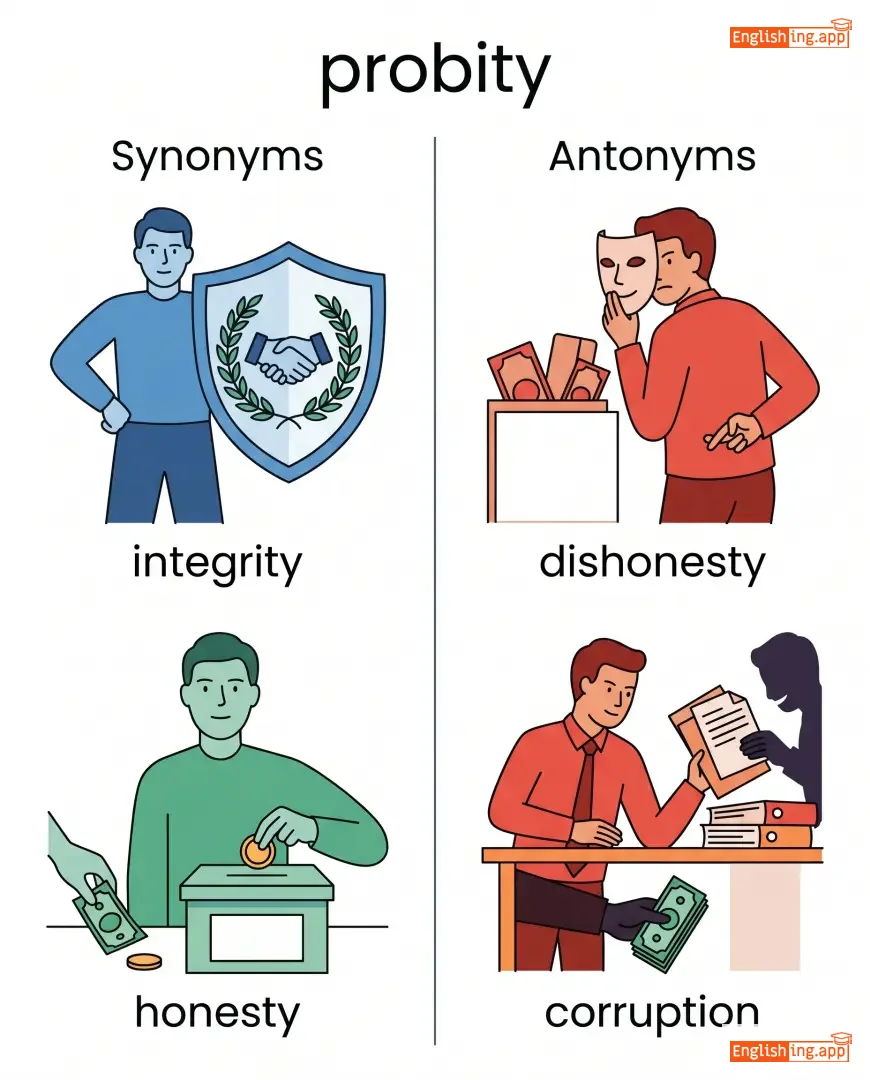
The quality of having strong moral principles; honesty and decency.
••••••
|
The judge was admired for his integrity and probity.
法官因其正直和廉洁而受到赞赏。
••••••
|
法官因其正直和廉洁而受到赞赏。
Fǎguān yīn qí zhèngzhí hé liánjié ér shòudào zànshǎng.
••••••
|
- •••••• | - •••••• | - •••••• |
integrity, honesty, uprightness, morality, rectitude
••••••
|
dishonesty, corruption, immorality
••••••
|
probity in public life, professional probity, integrity and probity, probity standards
••••••
|
Probity = PROper + 诚实 - 廉洁即为诚实与正直。
••••••
|
|
⚠️
••••••
|
/ˌprɒb.ləˈmæt.ɪk/
adjective
(问题的)
••••••
|
|
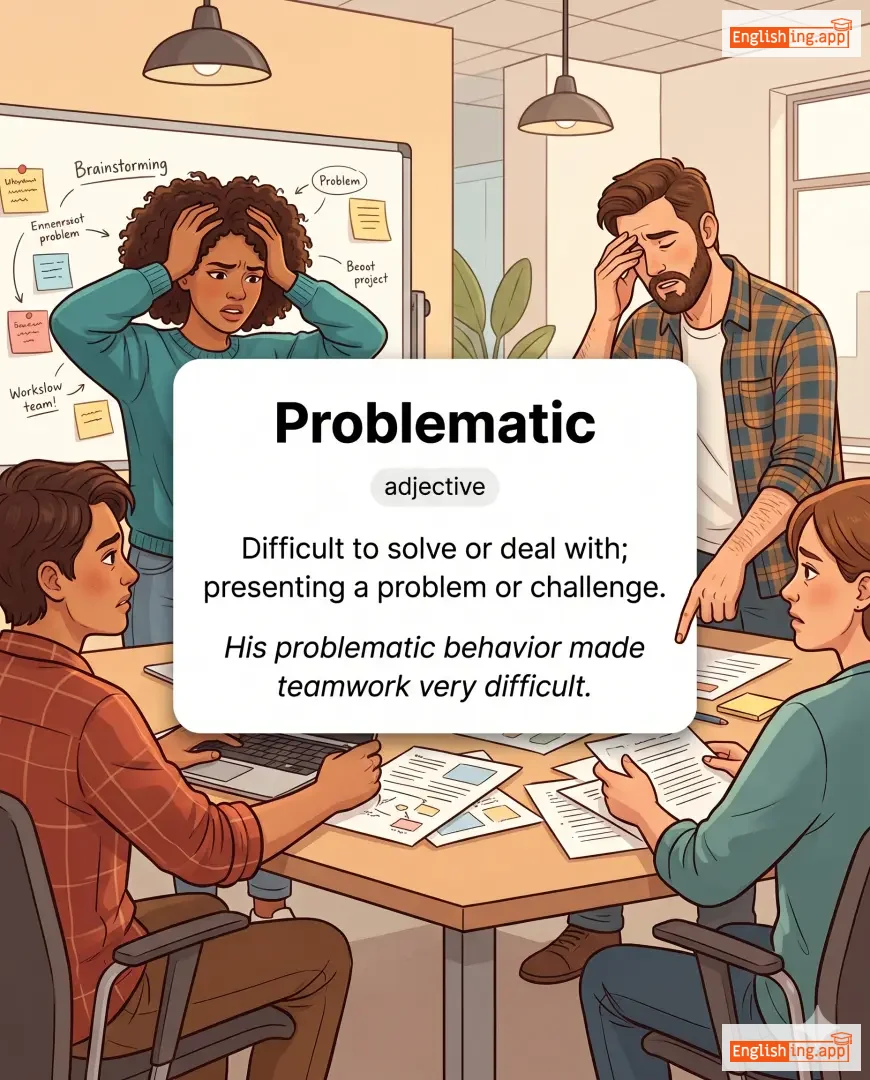
有问题的; 导致问题的
you wenti de; daozhi wenti de
••••••
|
- •••••• | - •••••• | - •••••• | - •••••• |
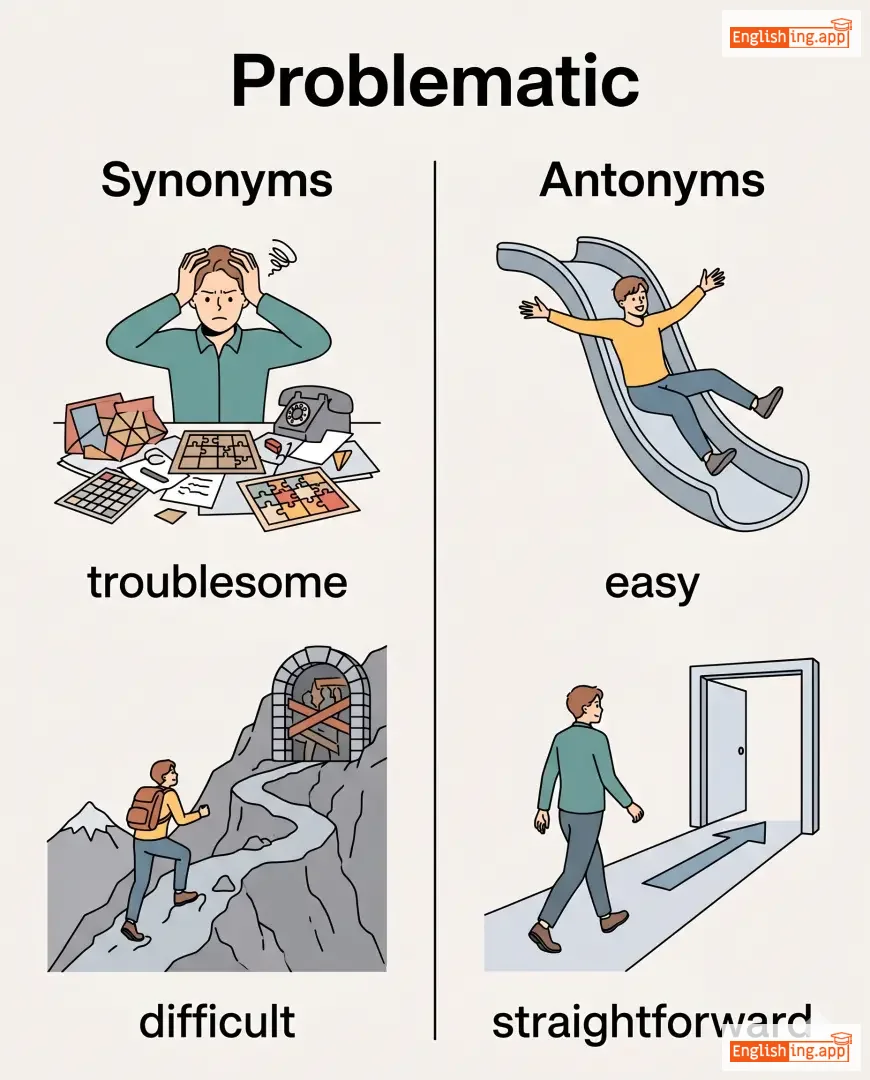
causing problems; troublesome; difficult to deal with
••••••
|
The new policy changes are problematic and need to be reviewed.
新政策的变化是有问题的,需要审查。
••••••
|
新政策的变化是有问题的,需要审查。
Xin zhengce de bianhua shi you wenti de, xuyao shencha.
••••••
|
- •••••• | - •••••• | - •••••• |
troublesome, difficult, challenging, questionable
••••••
|
unproblematic, easy, simple, straightforward
••••••
|
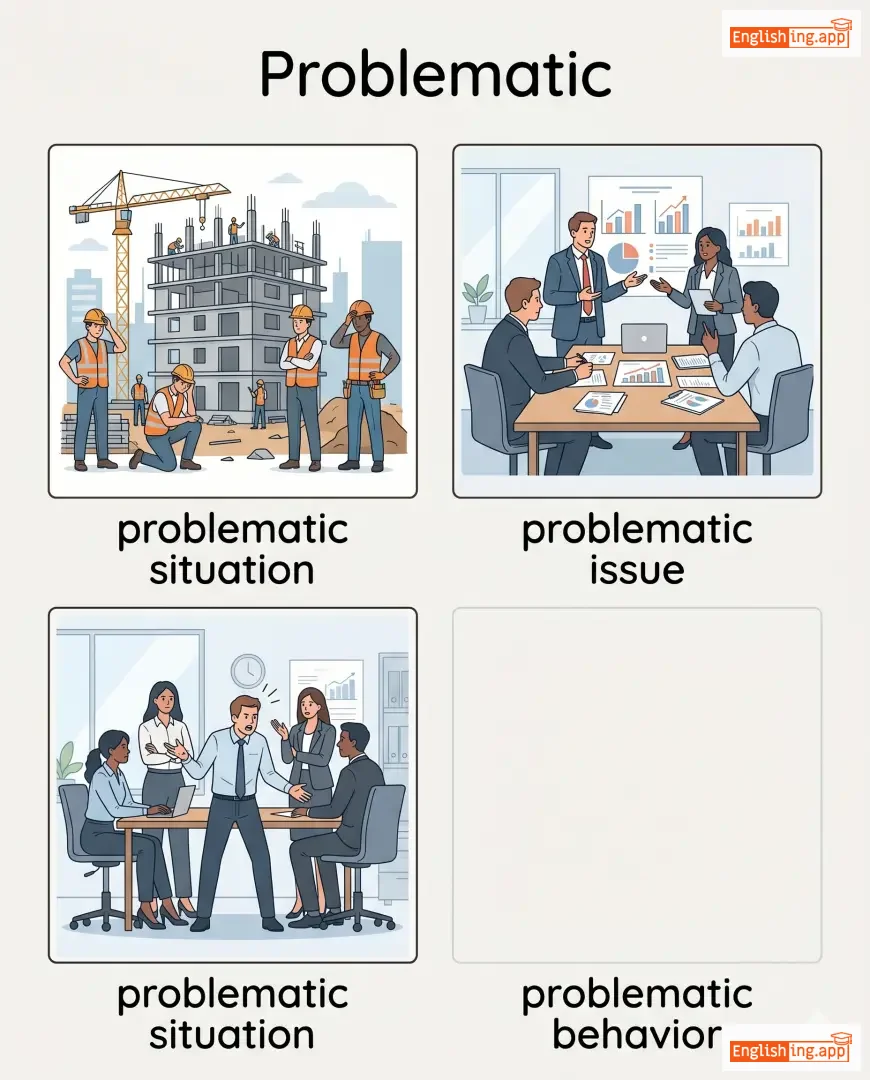
problematic situation, problematic behavior, highly problematic, potentially problematic
••••••
|
问题 (wenti) + 的 (de) = 有问题的 (you wenti de)
••••••
|
|
💸
••••••
|
/ˈprɒdɪɡəl/
adjective
(普罗迪戈)
••••••
|

|
挥霍无度
huīhuò wúdù
••••••
|
- •••••• | - •••••• | - •••••• | - •••••• |
spending money or resources freely and recklessly; wastefully extravagant
••••••
|
The prodigal son returned home after wasting his inheritance. |
浪子回头,回到家中,在浪费了遗产之后。
Làngzǐ huítóu, huídào jiāzhōng, zài làngfèi le yíchǎn zhīhòu.
••••••
|
prodigal son |
a person who leaves home and behaves recklessly but later returns, repentant
••••••
|
浪子
làngzǐ
••••••
|
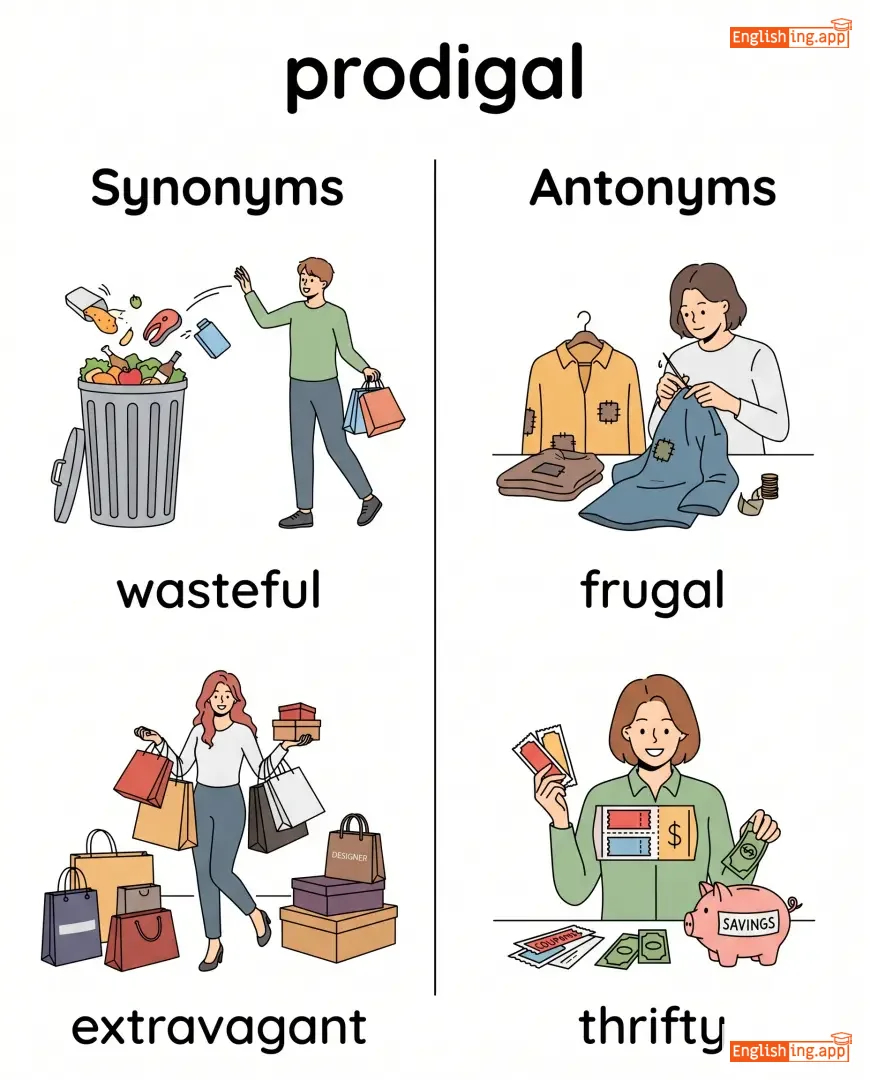
wasteful, extravagant, lavish, reckless
••••••
|
frugal, thrifty, economical
••••••
|
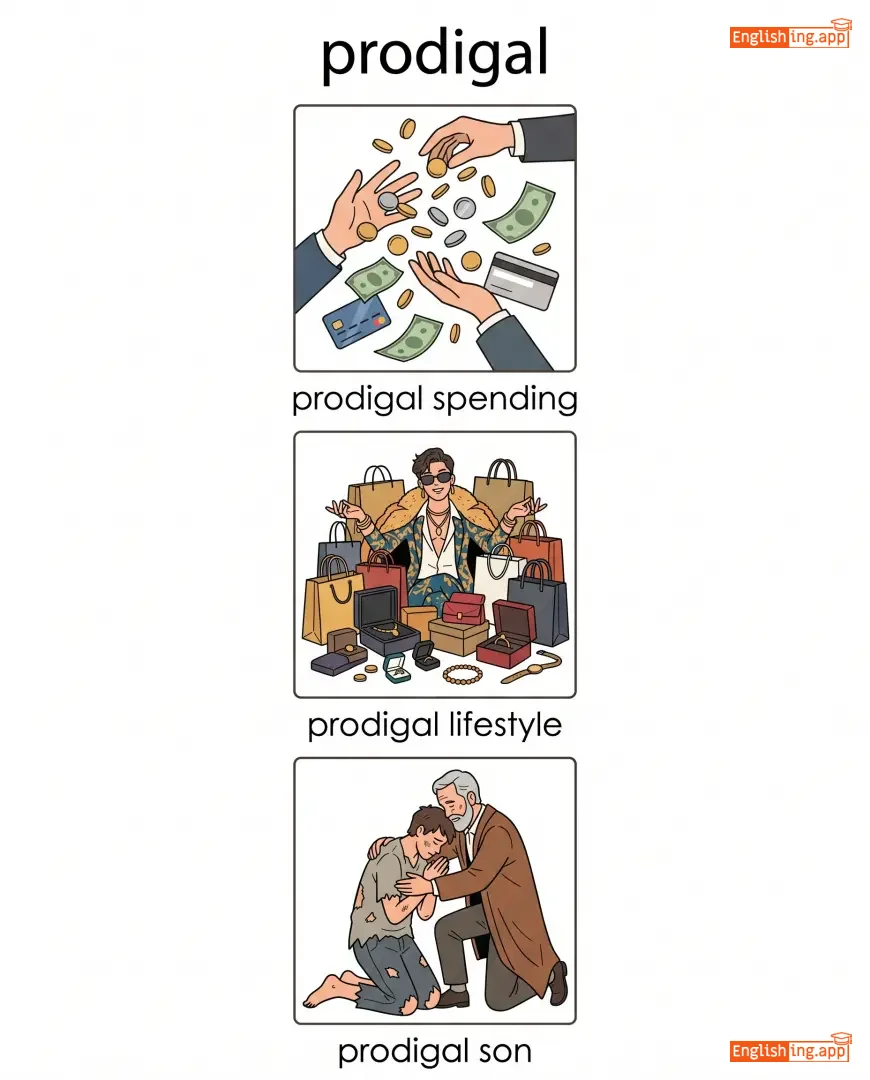
prodigal spending, prodigal lifestyle, prodigal son
••••••
|
挥霍无度的孩子最后回家后悔了。
••••••
|
|
🧠
••••••
|
/prəˈfaʊnd/
adjective
(普罗芳德)
••••••
|

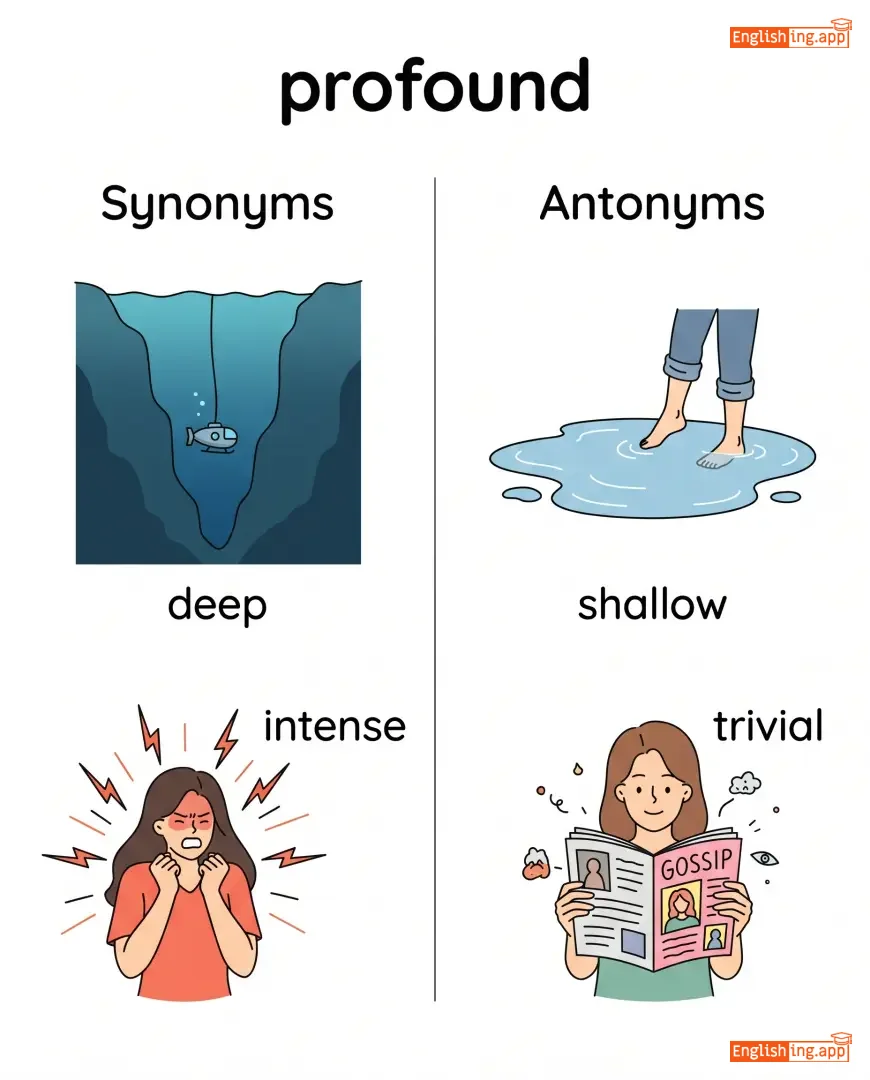
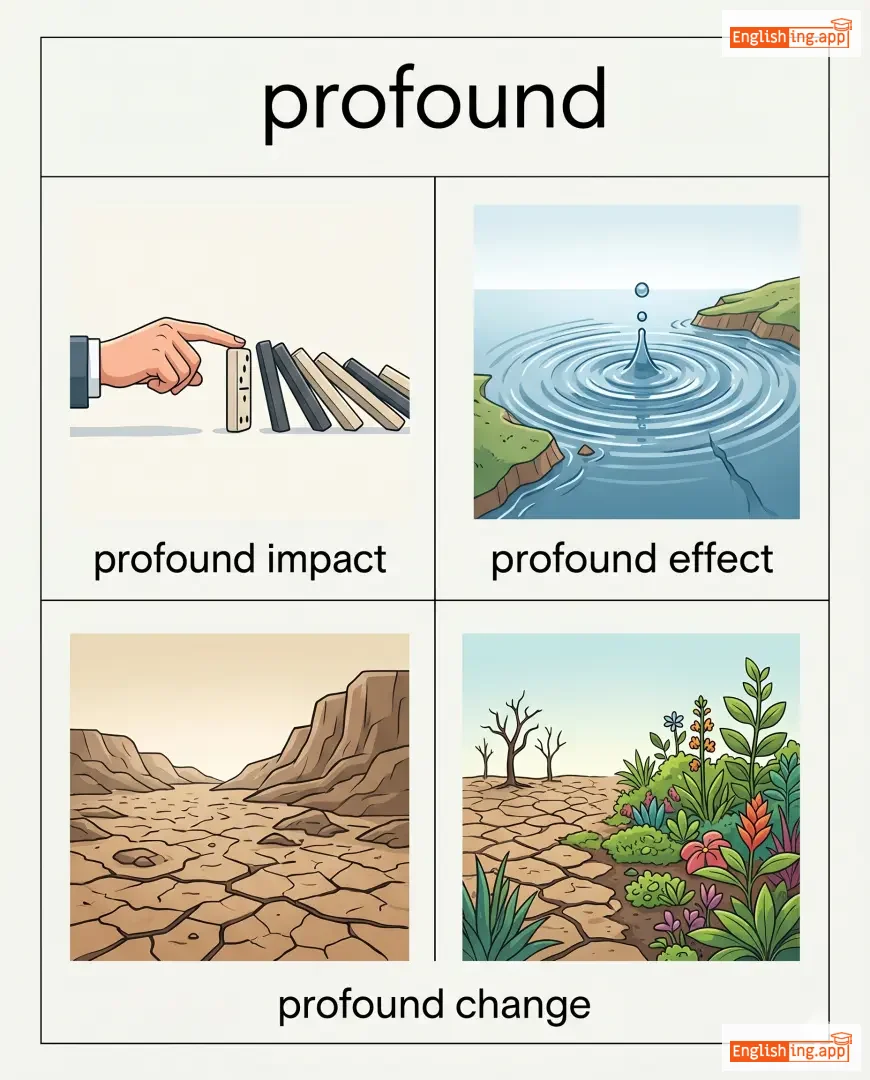
|
深刻
shenke
••••••
|
- •••••• | - •••••• | - •••••• | - •••••• |
very great or intense; showing deep insight or understanding
••••••
|
Her speech had a profound impact on the audience. |
她的演讲对观众产生了深刻的影响。
Ta de yanjiang dui guanzhong chanshengle shenke de yingxiang.
••••••
|
- •••••• | - •••••• | - •••••• |
deep, intense, thoughtful, insightful, weighty
••••••
|
shallow, trivial, superficial
••••••
|
profound impact, profound effect, profound change, profound insight, profound silence
••••••
|
深刻如大海,深不见底。
••••••
|
|
💸
••••••
|
/prəˈhɪbɪtɪv/
adjective
(禁止的)
••••••
|

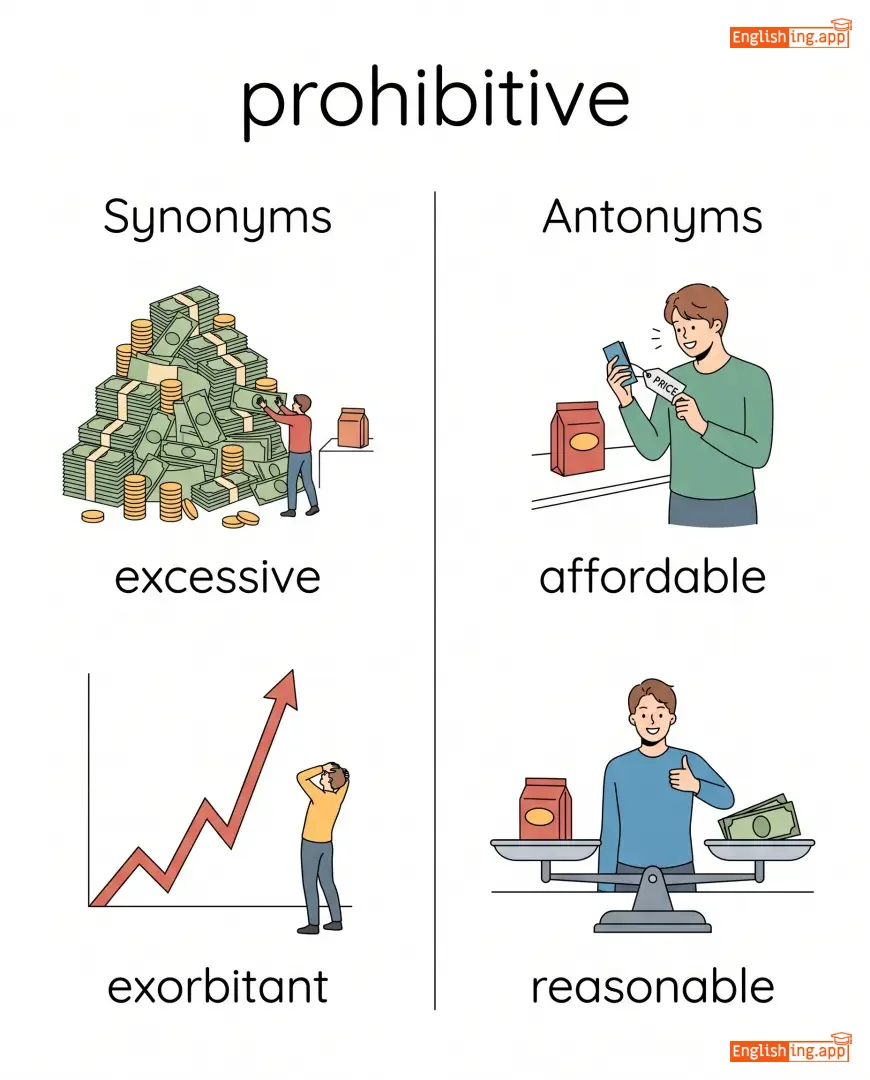
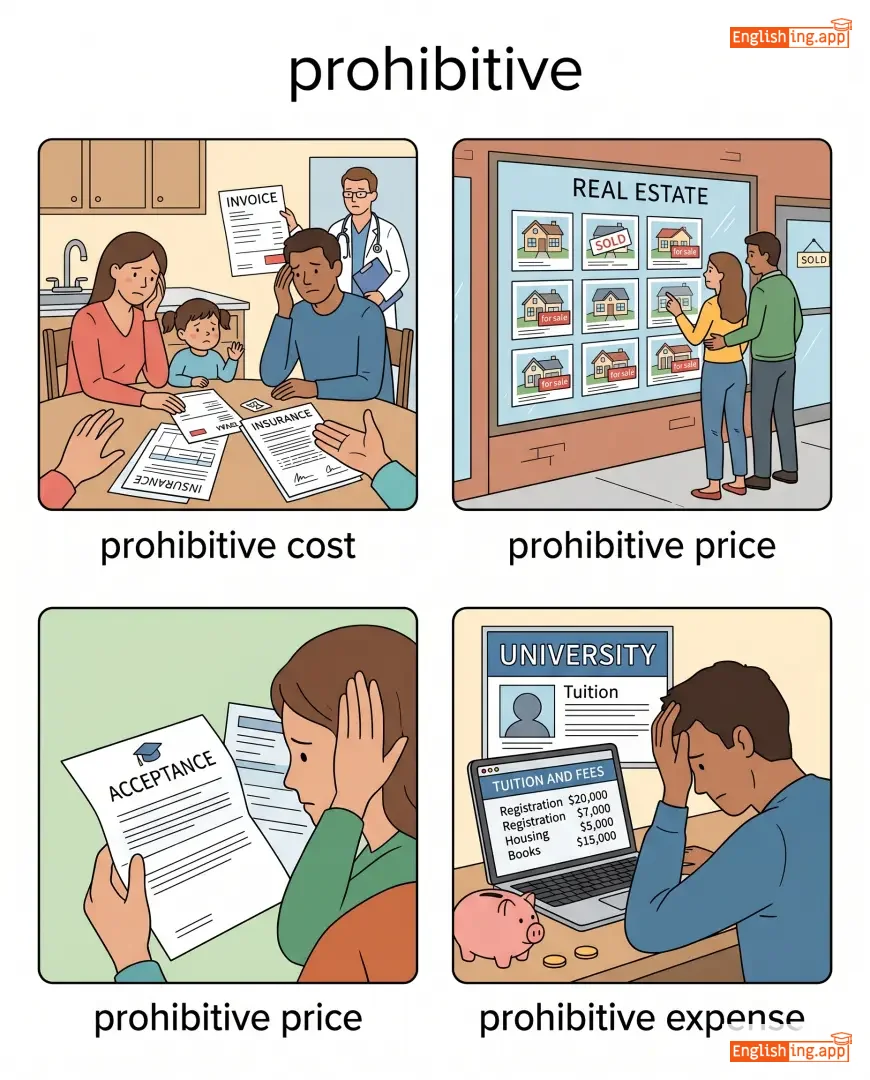
|
过高的
guò gāo de
••••••
|
- •••••• | - •••••• | - •••••• | - •••••• |
Too high or expensive to be affordable; serving to prevent or discourage action.
••••••
|
The cost of the medication is prohibitive for many families. |
药物的费用对于许多家庭来说是过高的。
Yàowù de fèiyòng duìyú xǔduō jiātíng lái shuō shì guò gāo de.
••••••
|
- •••••• | - •••••• | - •••••• |
excessive, exorbitant, restrictive, expensive
••••••
|
affordable, reasonable, cheap
••••••
|
prohibitive cost, prohibitive price, prohibitive expense
••••••
|
Prohibitive是那么贵,根本无法购买。
••••••
|
|
🌱
••••••
|
/prəˈlɪfəreɪt/
verb
(普罗利弗雷特)
••••••
|
|
扩散
kuò sàn
••••••
|
proliferated
普罗利弗雷特德
••••••
|
proliferated
普罗利弗雷特德
••••••
|
proliferates
普罗利弗雷特斯
••••••
|
proliferating
普罗利弗雷特ing
••••••
|
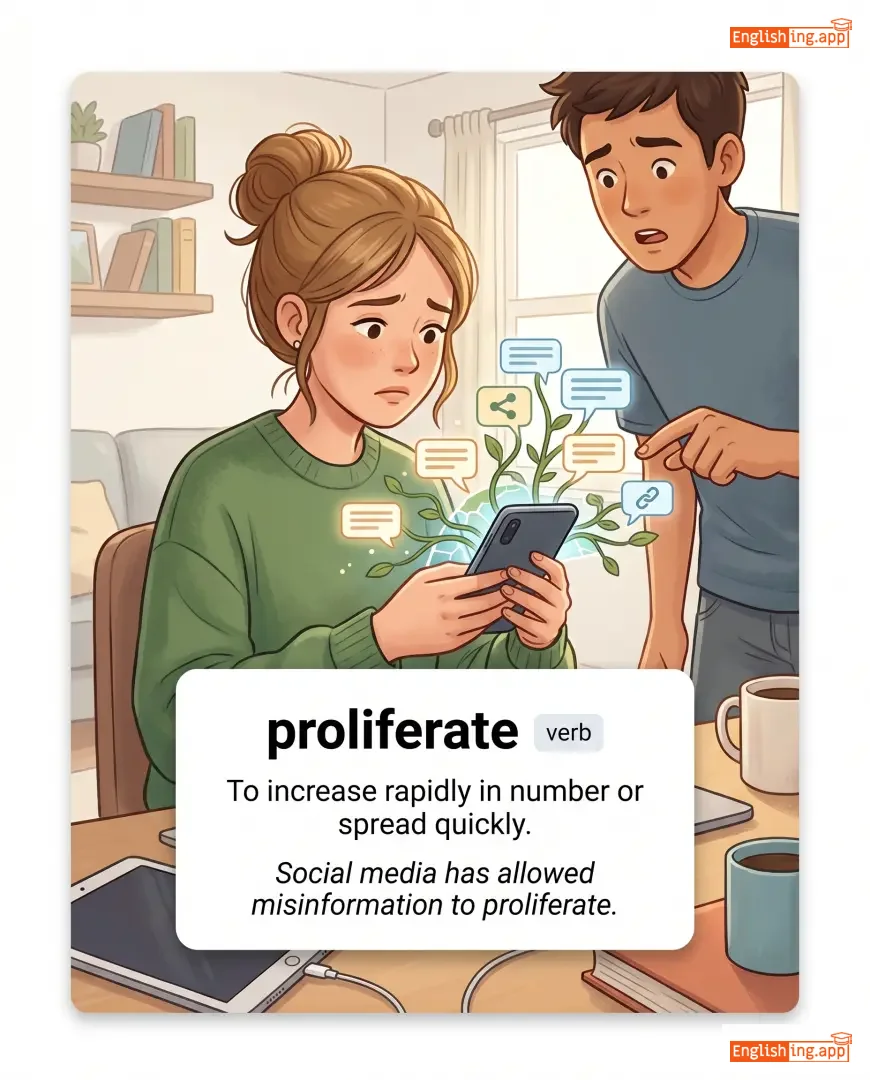
To increase rapidly in number or spread quickly.
••••••
|
Social media has allowed misinformation to proliferate.
社交媒体让虚假信息迅速传播。
••••••
|
社交媒体让虚假信息迅速传播。
Shèjiāo méitǐ ràng xūjiǎ xìnxī xùnsù chuánbō.
••••••
|
- •••••• | - •••••• | - •••••• |
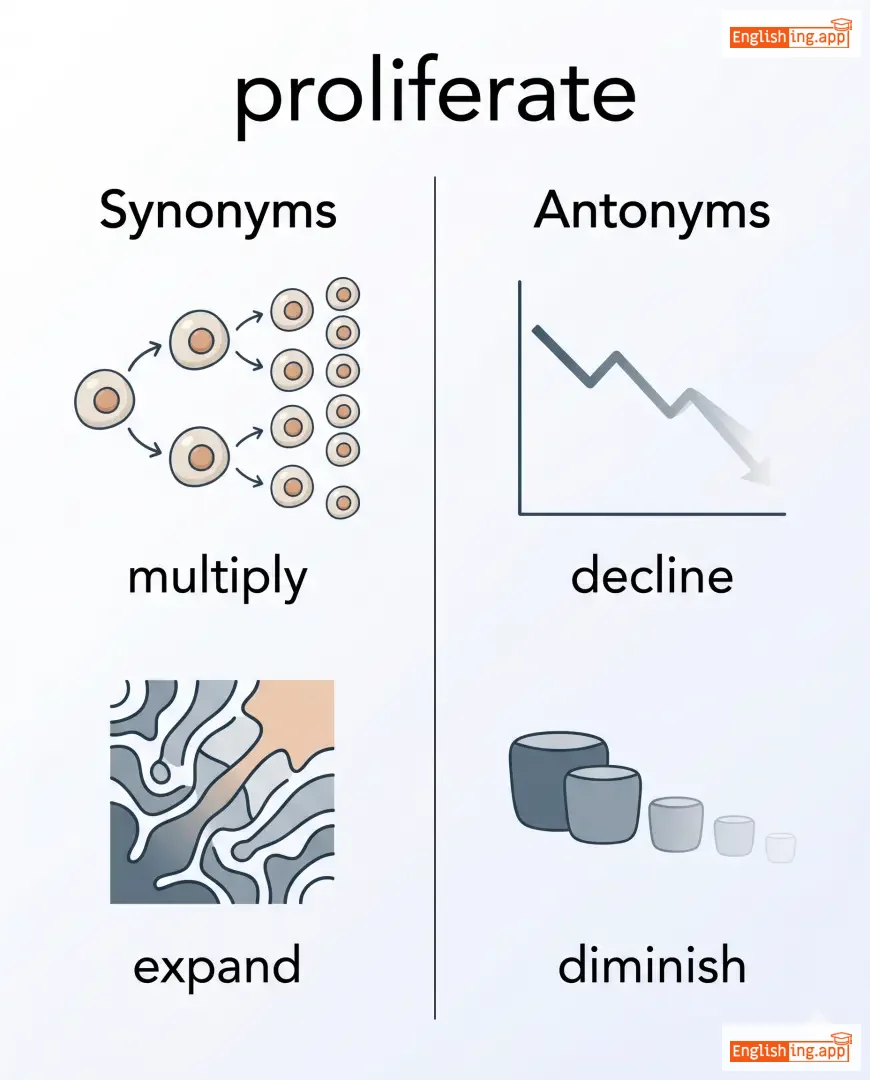
multiply, expand, grow, spread, escalate
••••••
|
decline, diminish, shrink
••••••
|
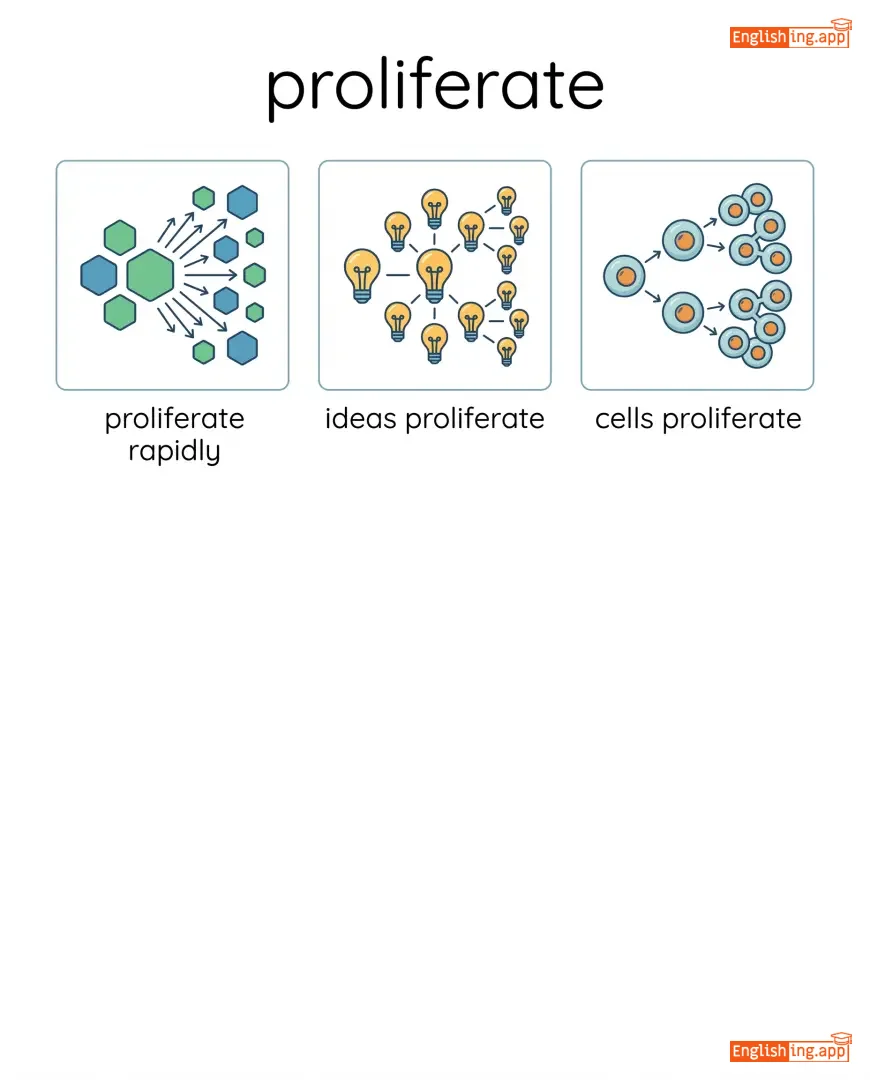
proliferate rapidly, ideas proliferate, cells proliferate
••••••
|
Proliferate 在中文中意味着像叶子一样扩展或传播。
••••••
|
|
🎯
••••••
|
/prəˈpɛnsəti/
noun
(pǔo-pén-sī-tí)
••••••
|

|
倾向
qīngxiàng
••••••
|
- •••••• | - •••••• | - •••••• | - •••••• |
a natural tendency or inclination to behave in a particular way
••••••
|
She has a propensity to trust people too easily.
她有过于轻信他人的倾向。
••••••
|
她有过于轻信他人的倾向。
Tā yǒu guòyú qīngxìn tārén de qīngxiàng.
••••••
|
- •••••• | - •••••• | - •••••• |
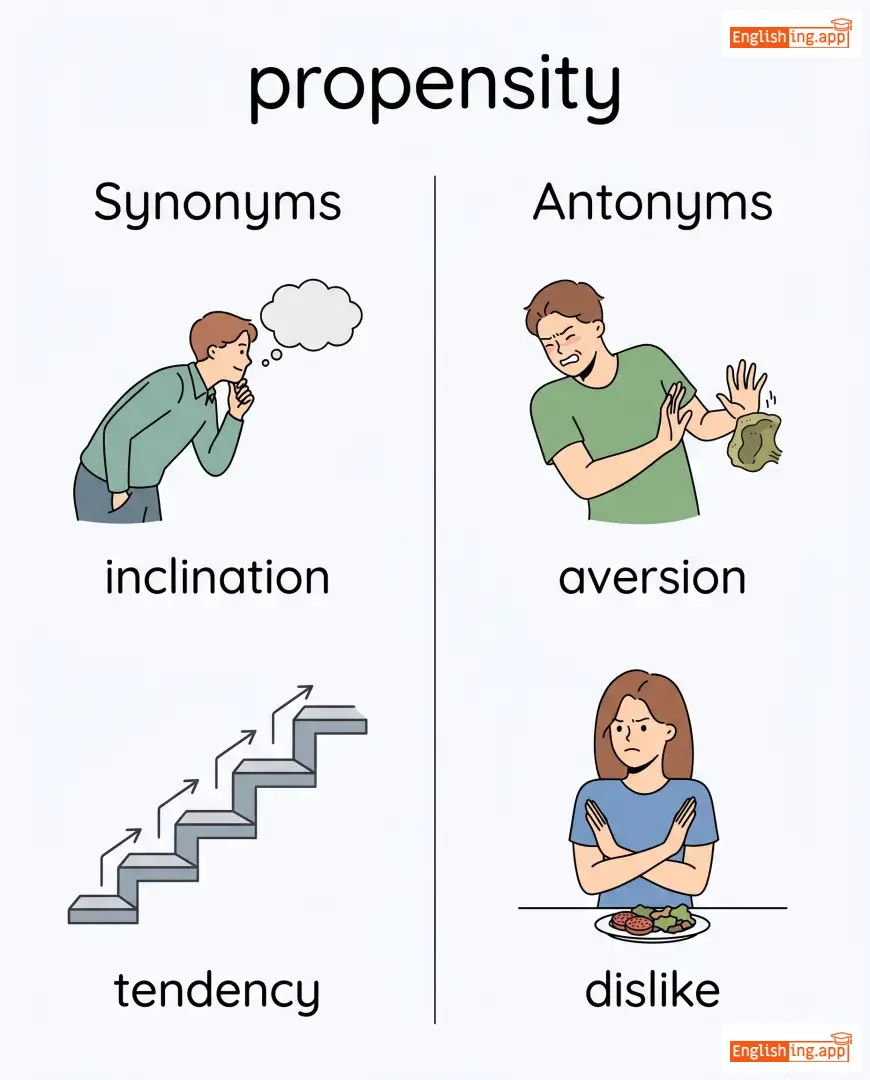
inclination, tendency, predisposition, leaning, proclivity
••••••
|
aversion, dislike, disinclination
••••••
|
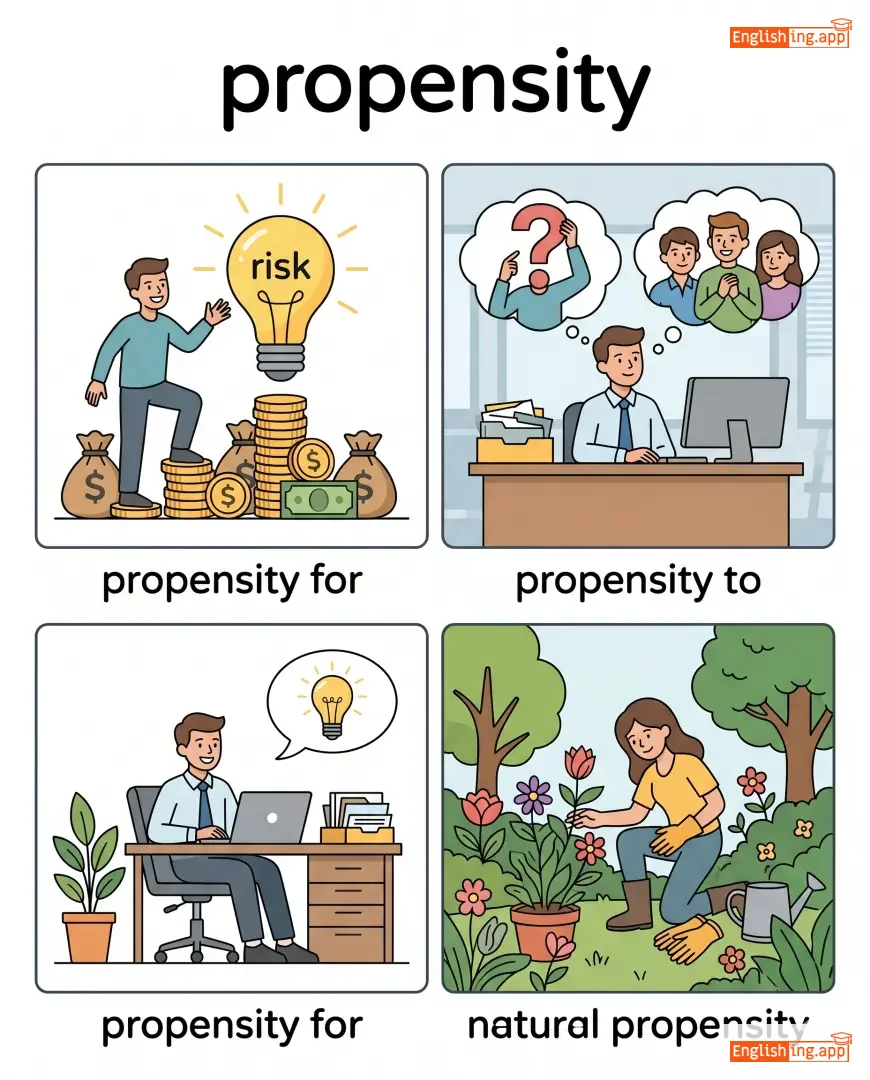
propensity for, propensity to, natural propensity, strong propensity
••••••
|
Propensity 意味着倾向,记住 '倾向' 就是自然的倾向。
••••••
|
|
🎁
••••••
|
/prəˈpɪʃieɪt/
verb
(普罗皮谢特)
••••••
|
|
安抚
ānfǔ
••••••
|
propitiated
普罗皮谢特德
••••••
|
propitiated
普罗皮谢特德
••••••
|
propitiates
普罗皮谢特斯
••••••
|
propitiating
普罗皮谢特英
••••••
|
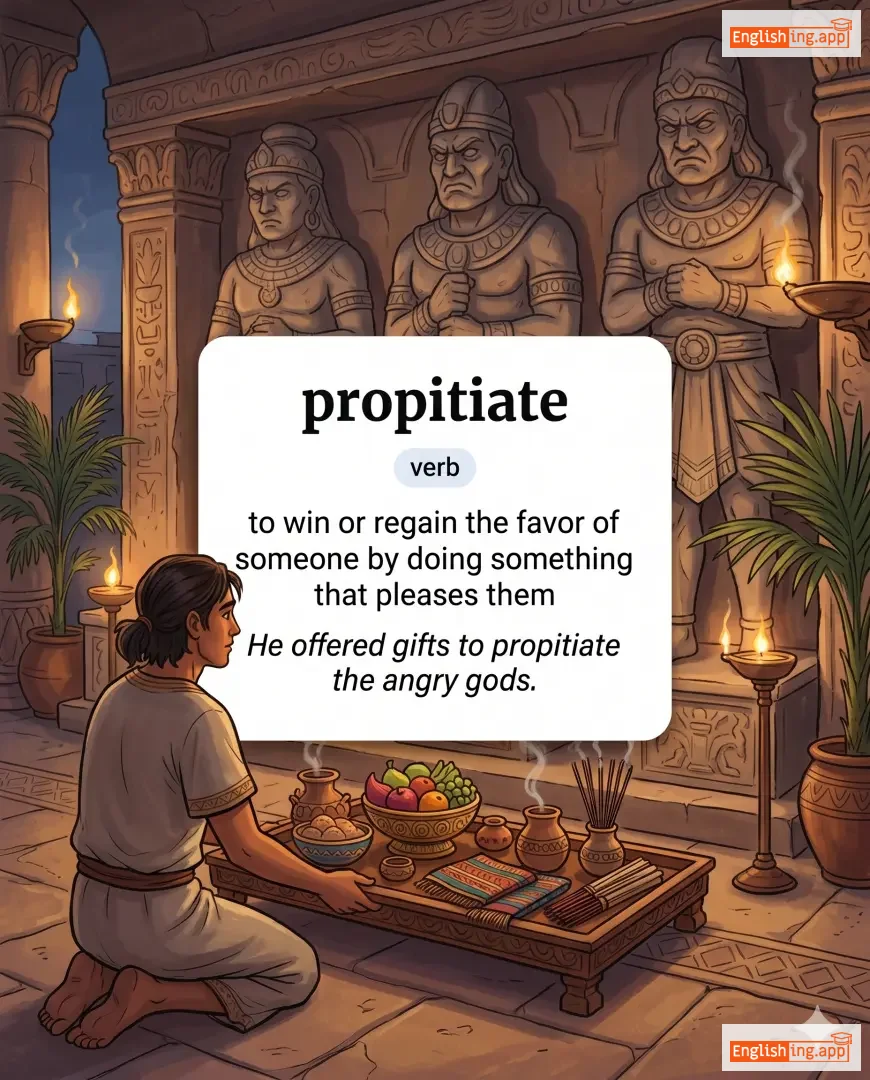
to win or regain the favor of someone by doing something that pleases them
••••••
|
He offered gifts to propitiate the angry gods.
他提供礼物来安抚愤怒的神明。
••••••
|
他提供礼物来安抚愤怒的神明。
Tā tígōng lǐwù lái ānfǔ fènnù de shénmíng.
••••••
|
- •••••• | - •••••• | - •••••• |
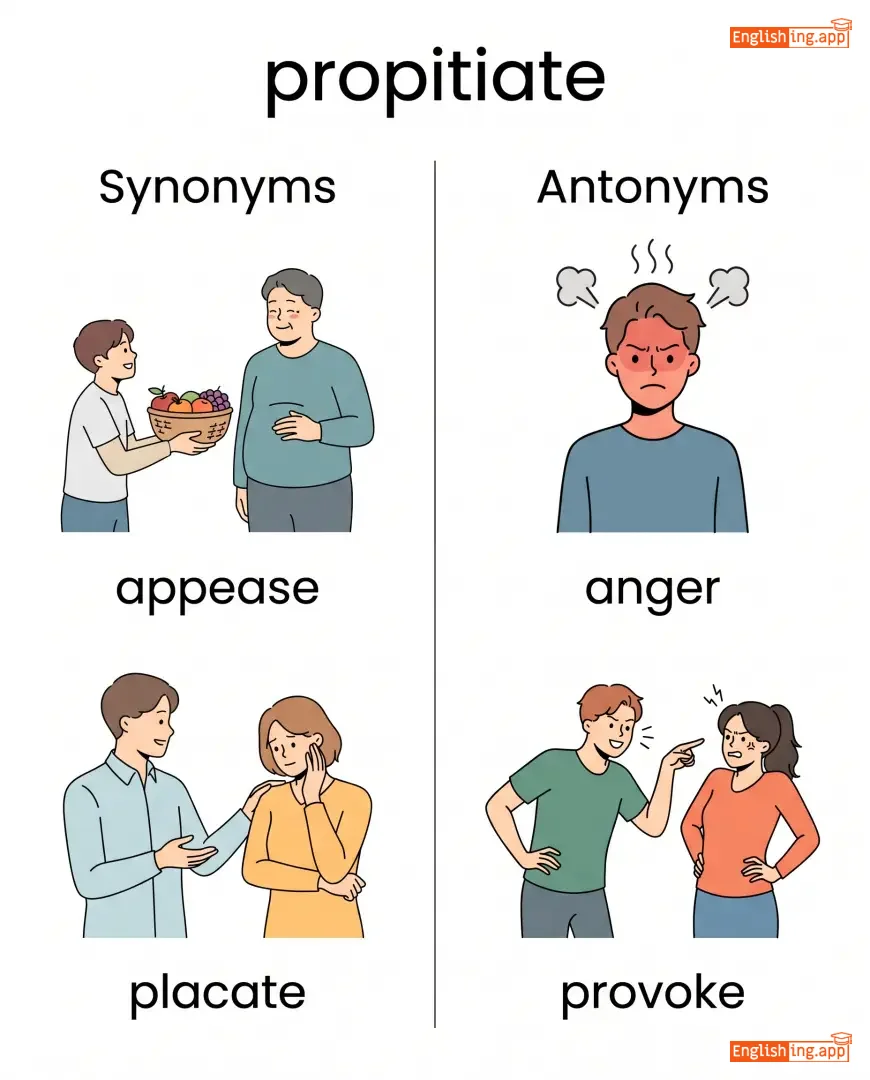
appease, placate, conciliate, mollify, pacify
••••••
|
anger, provoke, enrage
••••••
|
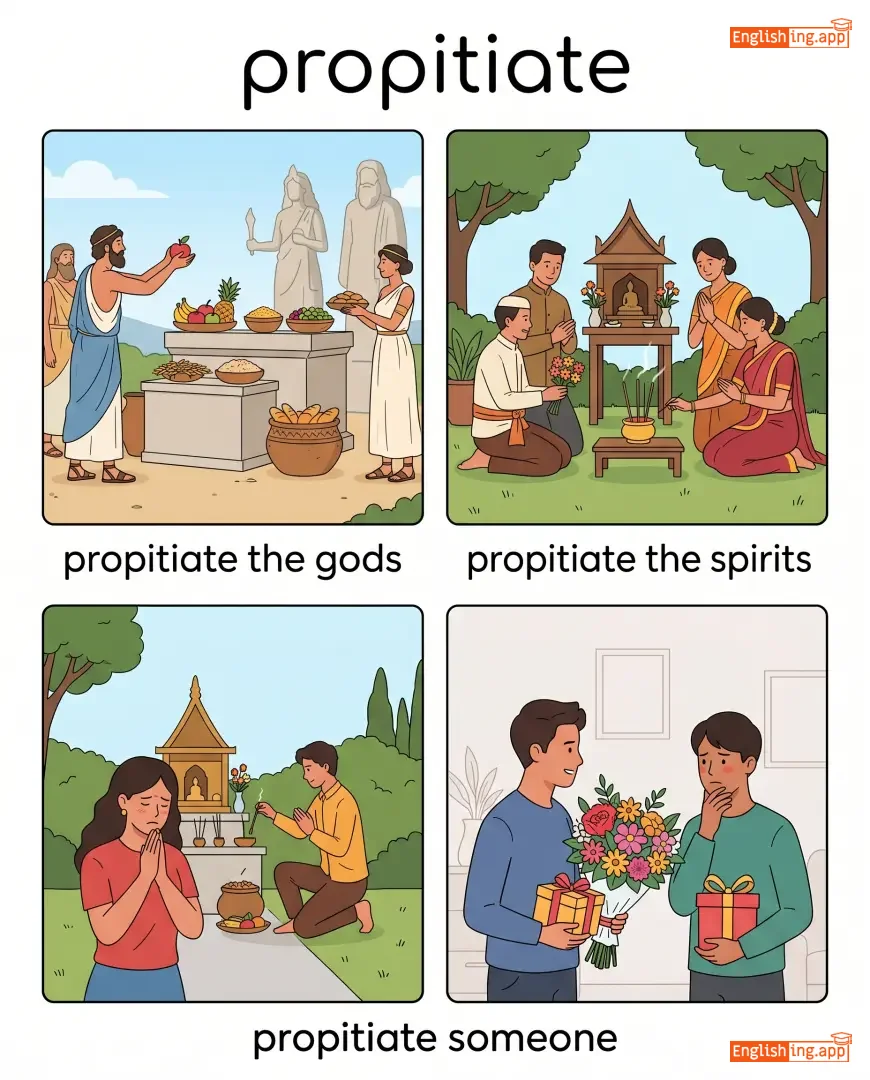
propitiate the gods, propitiate the spirits, propitiate someone
••••••
|
Propitiate 就是通过礼物安抚神灵的做法。
••••••
|
|
🤵
••••••
|
/prəˈpraɪəti/
noun
(proprieti)
••••••
|
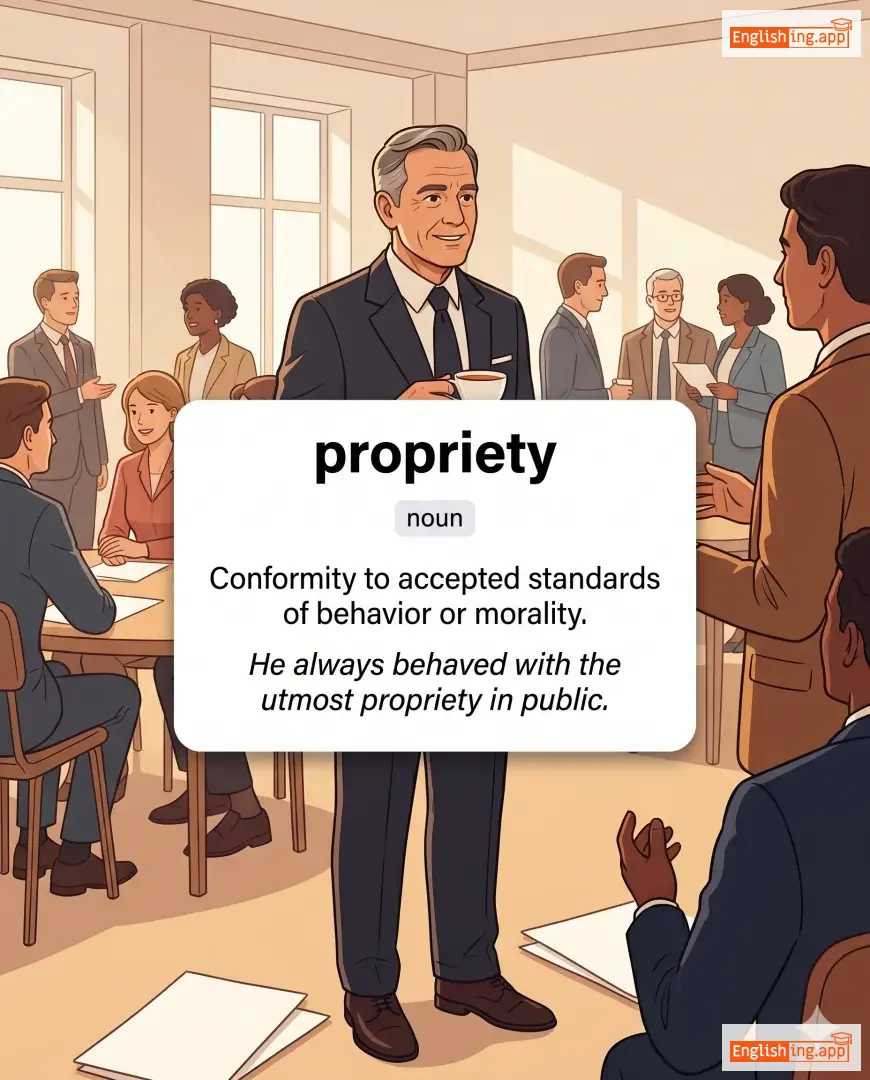
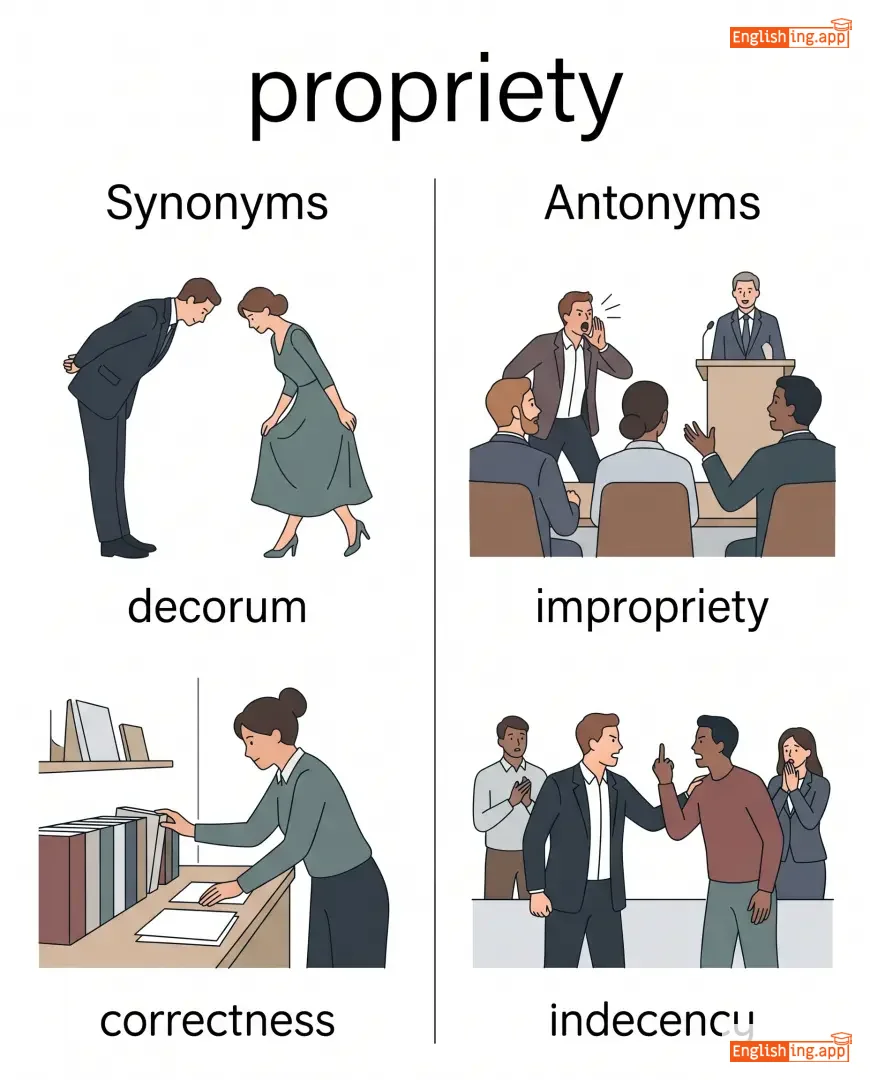
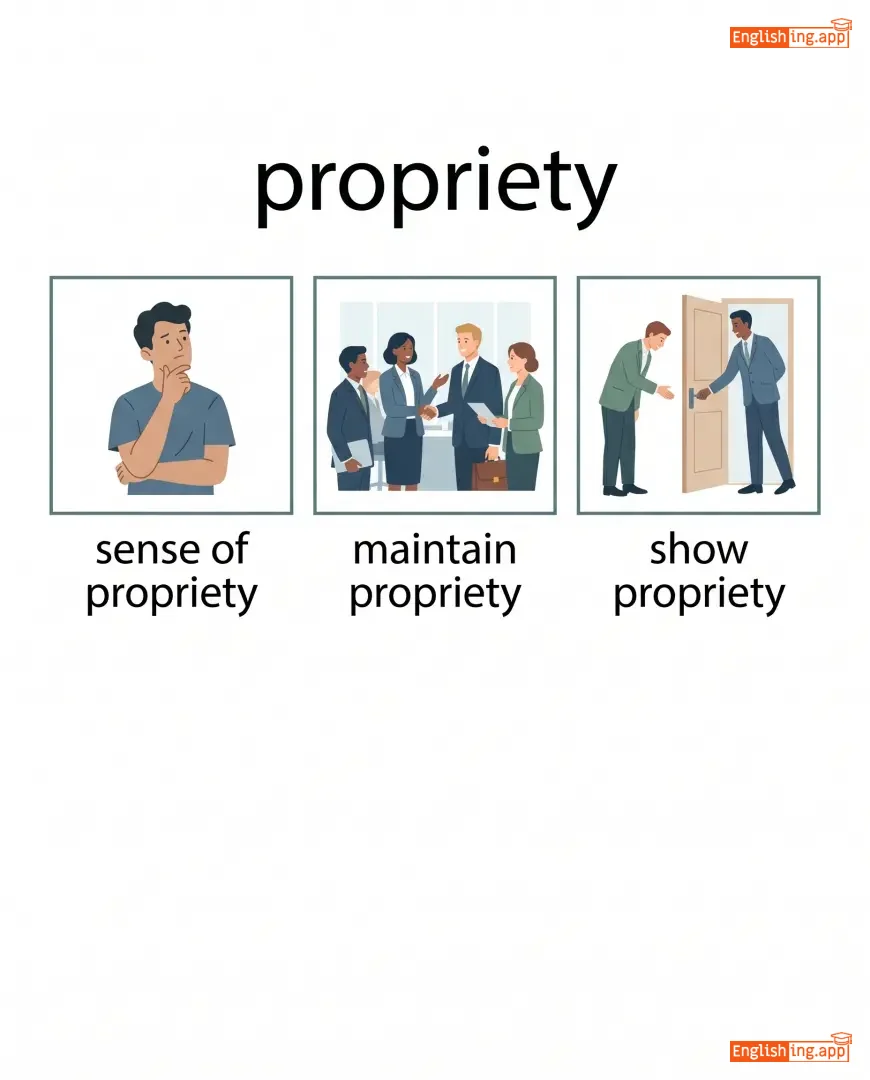
|
得体
deti
••••••
|
- •••••• | - •••••• | - •••••• | - •••••• |
Conformity to accepted standards of behavior or morality.
••••••
|
He always behaved with the utmost propriety in public. |
他在公共场合总是表现得体。
Ta zai gonggong changhe zong shi biaoxian deti.
••••••
|
sense of propriety |
Awareness of what is socially acceptable and proper.
••••••
|
得体的意识
Deti de yishi
••••••
|
decorum, correctness, civility, respectability, modesty
••••••
|
impropriety, indecency, rudeness
••••••
|
sense of propriety, maintain propriety, show propriety, question of propriety
••••••
|
得体 = propriety
••••••
|
|
🚫
••••••
|
/proʊˈskraɪb/
verb
(proʊˈskraɪb)
••••••
|
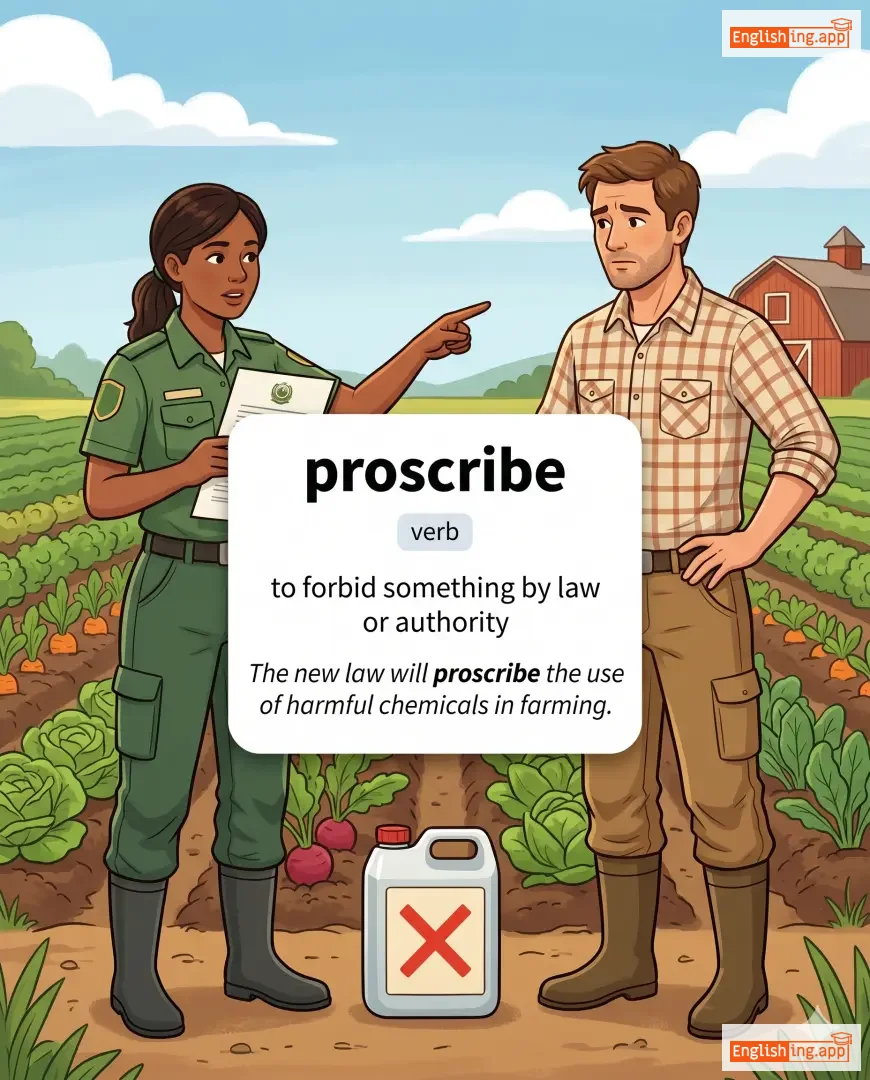
|
禁止
jìnzhǐ
••••••
|
proscribed
proʊˈskraɪbd
••••••
|
proscribed
proʊˈskraɪbd
••••••
|
proscribes
proʊˈskraɪbz
••••••
|
proscribing
proʊˈskraɪbɪŋ
••••••
|
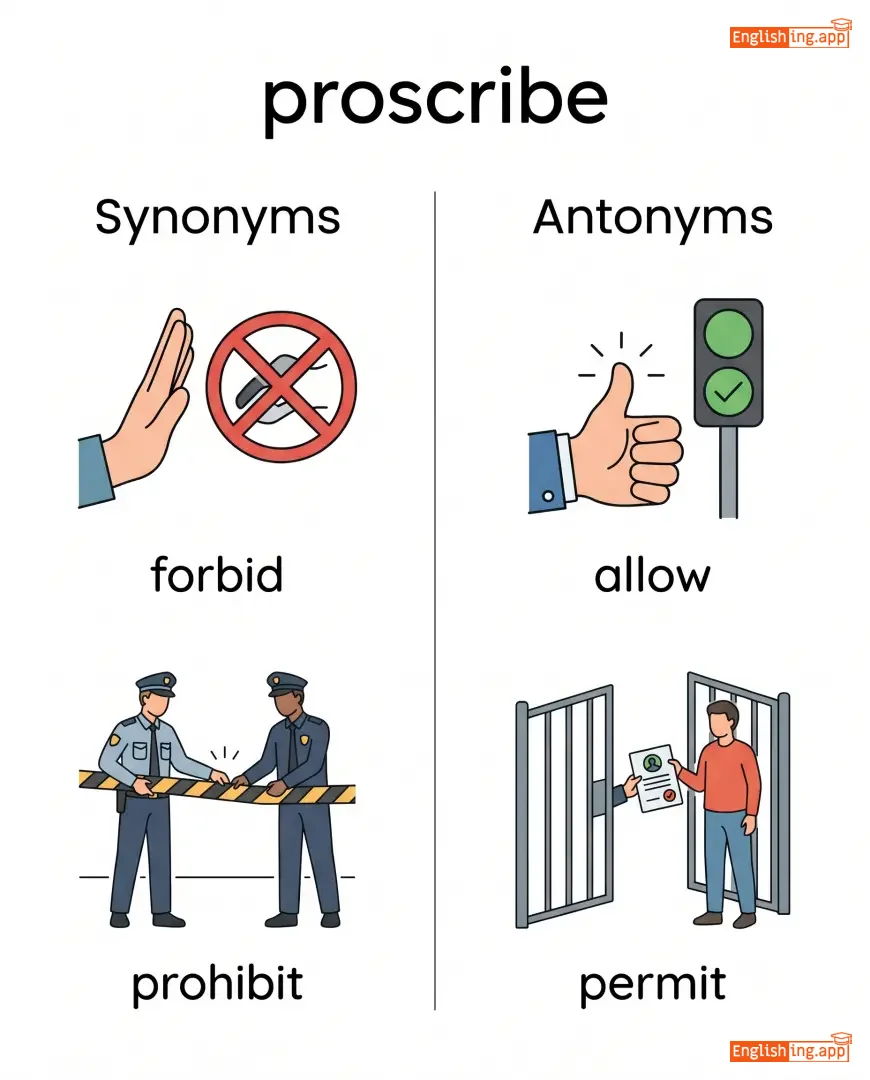
to forbid something by law or authority
••••••
|
The new law will proscribe the use of harmful chemicals in farming.
ðə nju lɔ wɪl proʊˈskraɪb ðə juz ʌv hɑːrmfʊl kəmɪkəlz ɪn fɑːrmɪŋ.
••••••
|
新法律将禁止在农业中使用有害化学品。
Xīn fǎlǜ jiāng jìnzhǐ zài nóngyè zhōng shǐyòng yǒuhài huàxué pǐn.
••••••
|
- •••••• | - •••••• | - •••••• |
forbid, prohibit, ban, outlaw, restrict
••••••
|
allow, permit, authorize
••••••
|
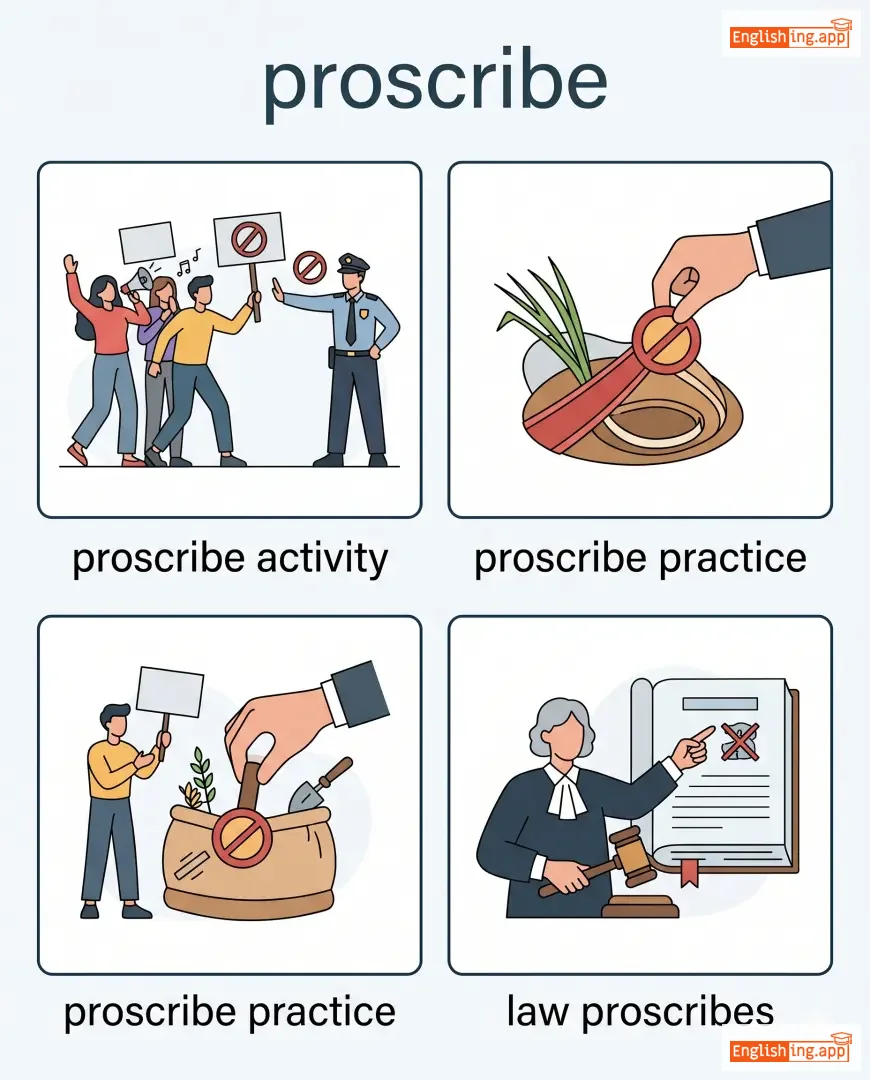
proscribe activity, proscribe practice, law proscribes, proscribe behavior
••••••
|
Proscribe不是订阅,而是禁止🚫
••••••
|
|
👃
••••••
|
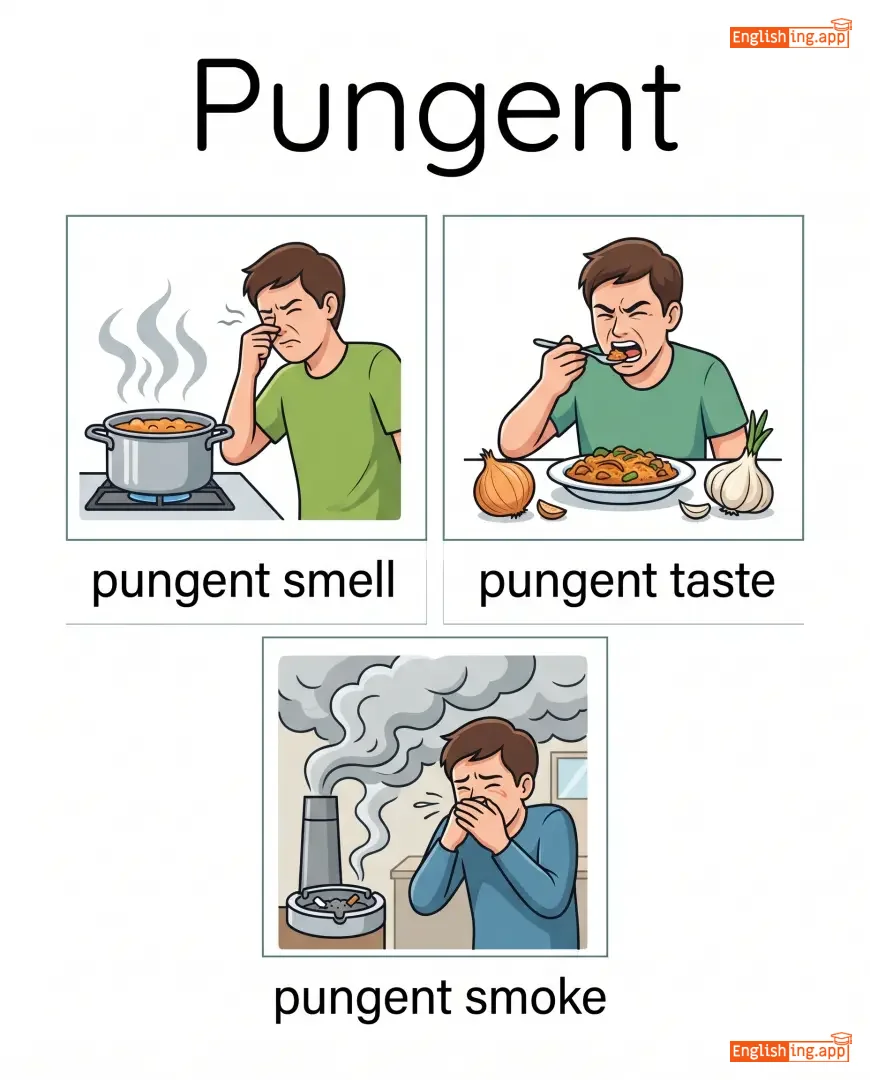
/ˈpʌndʒənt/
adjective
(pānjiènt)
••••••
|
|
强烈的气味或味道
qiángliè de qìwèi huò wèidào
••••••
|
- •••••• | - •••••• | - •••••• | - •••••• |
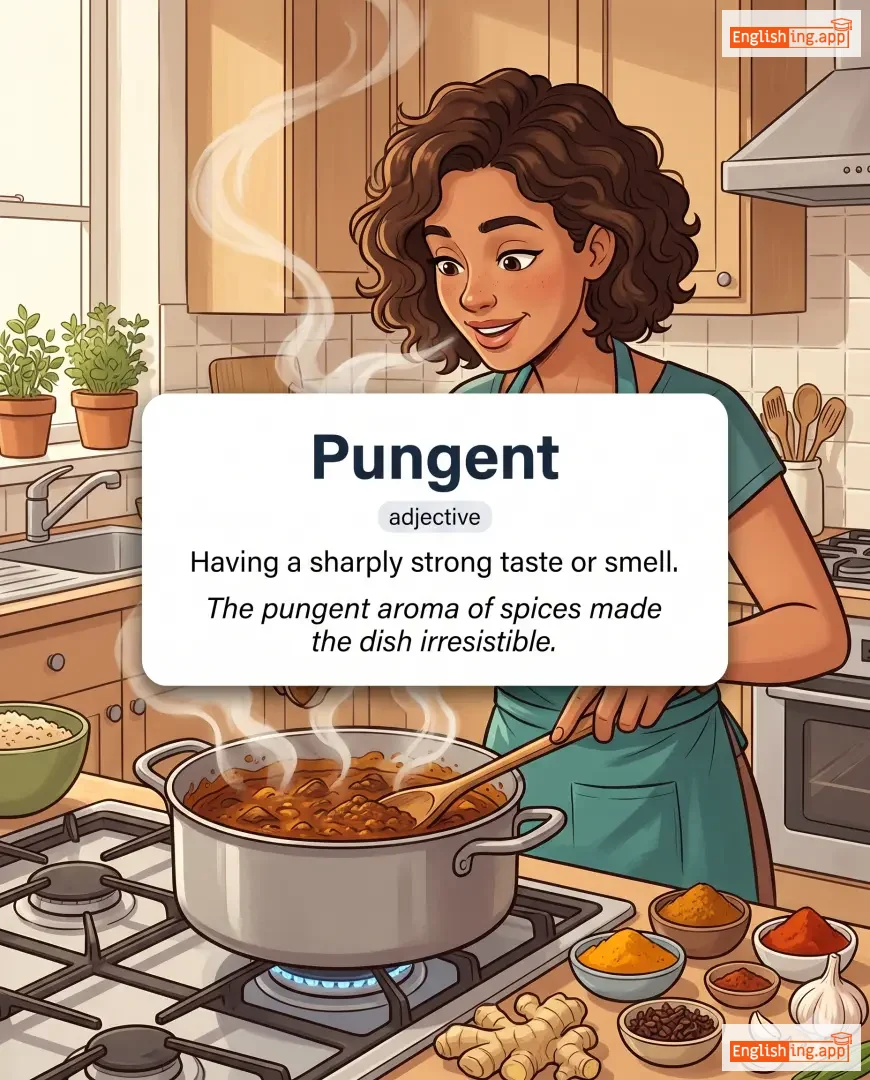
Having a sharply strong taste or smell.
••••••
|
The pungent aroma of spices made the dish irresistible. |
香料的强烈气味让这道菜变得难以抗拒。
xiāngliào de qiángliè qìwèi ràng zhè dào cài biàn dé nán yǐ kàngjù.
••••••
|
pungent wit |
A sharp and biting sense of humor.
••••••
|
犀利的幽默
xīlì de yōumò
••••••
|
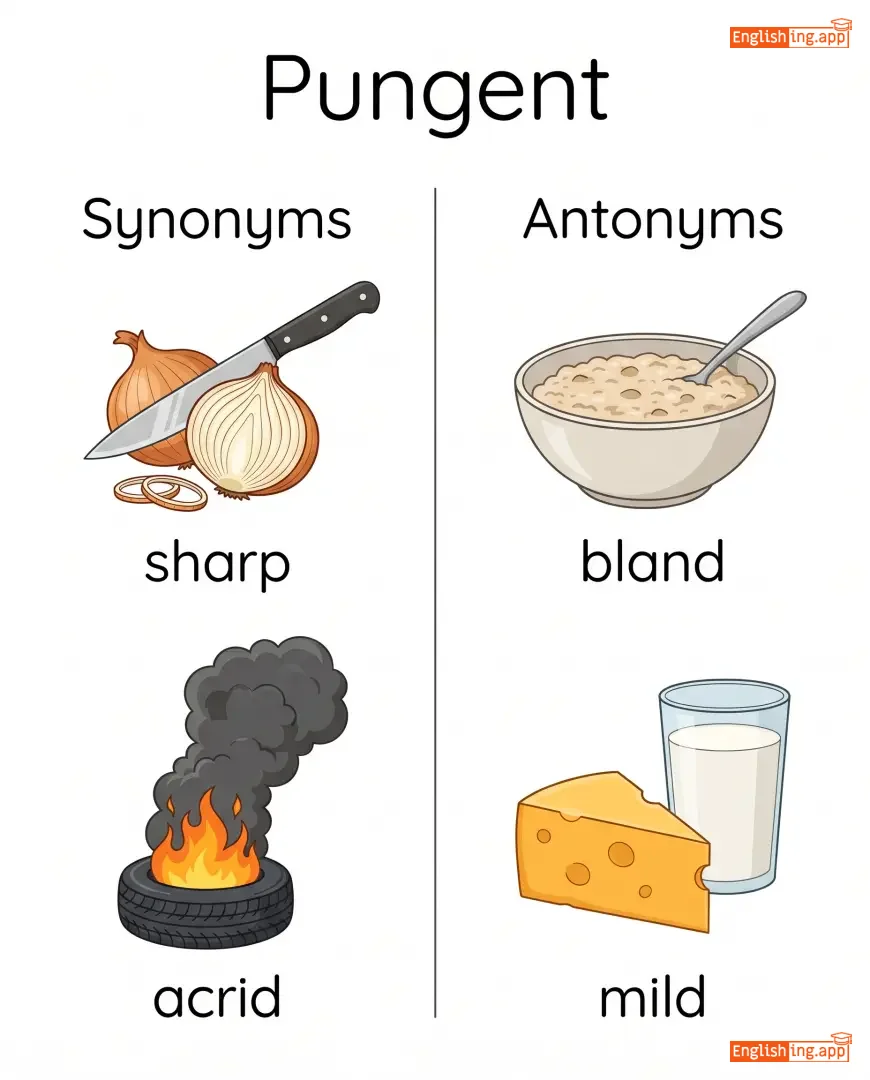
sharp, acrid, biting, spicy, strong
••••••
|
bland, mild, weak
••••••
|
pungent smell, pungent taste, pungent smoke, pungent remark
••••••
|
Pungent 就像尖锐的气味,Pungent = pung + ent。
••••••
|
|
🎓
••••••
|
/ˈkwɒlɪfaɪd/
adjective
(kwɒlɪfaɪd)
••••••
|


|
合格
hege
••••••
|
- •••••• | - •••••• | - •••••• | - •••••• |
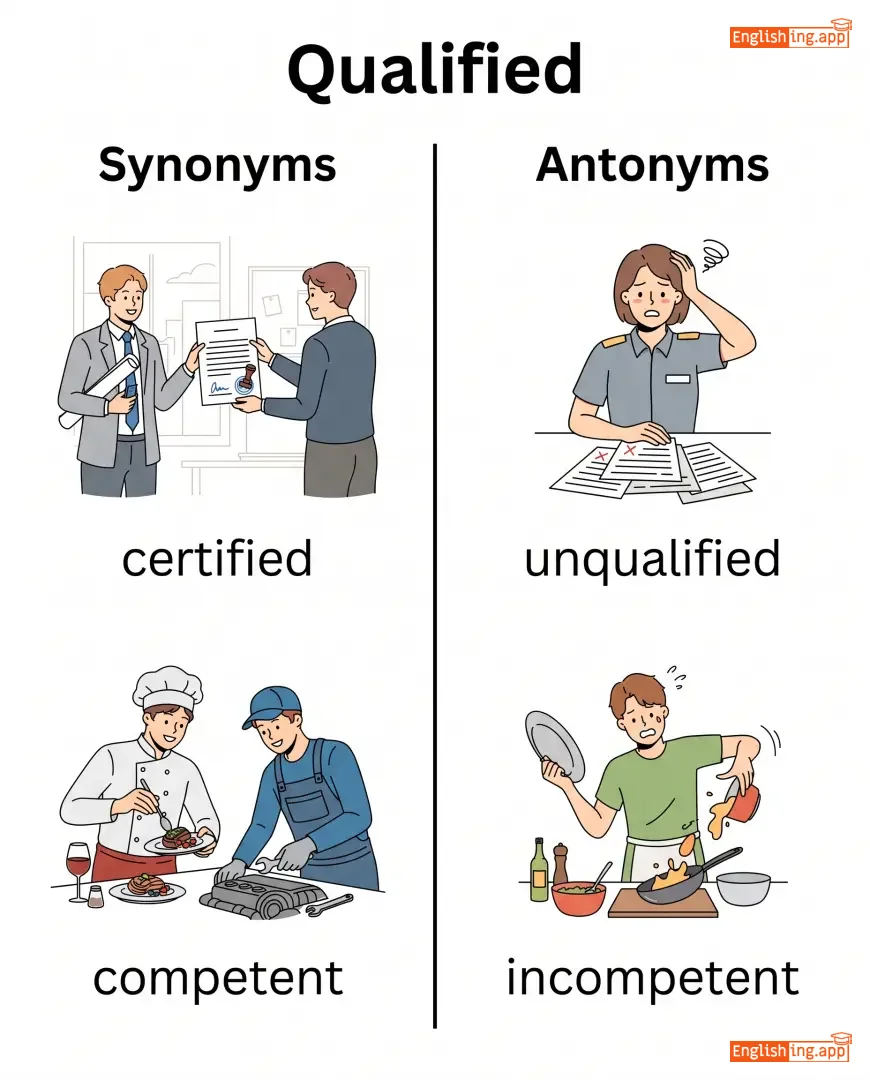
officially recognized as being trained or knowledgeable for a particular job or activity
••••••
|
She is a qualified doctor with years of experience.
她是一位具有多年经验的合格医生。
••••••
|
她是一位具有多年经验的合格医生。
Ta shi yi wei juyou duonian jingyan de hege yisheng.
••••••
|
qualified success
合格的成功
••••••
|
a success that is only partial or limited
••••••
|
合格的成功
hege de chenggong
••••••
|
certified, competent, skilled, trained, capable
••••••
|
unqualified, incompetent, incapable
••••••
|
qualified teacher, qualified candidate, qualified doctor, qualified professional
••••••
|
合格 = 合理 + 成功 → 合格的人总是成功的。
••••••
|
|
🗣️
••••••
|
/ˈkwɪbəl/
verb/noun
••••••
|

|
- •••••• |
quibbled
••••••
|
quibbled
••••••
|
quibbles
••••••
|
quibbling
••••••
|
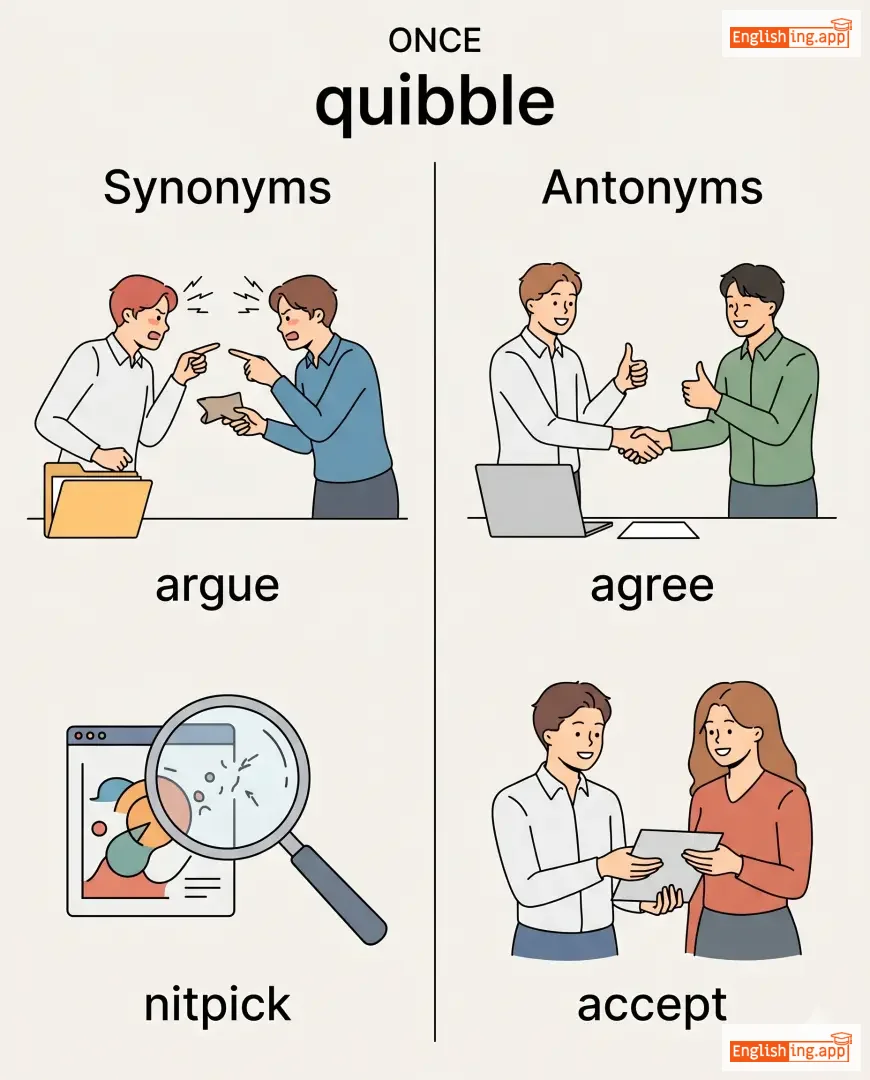
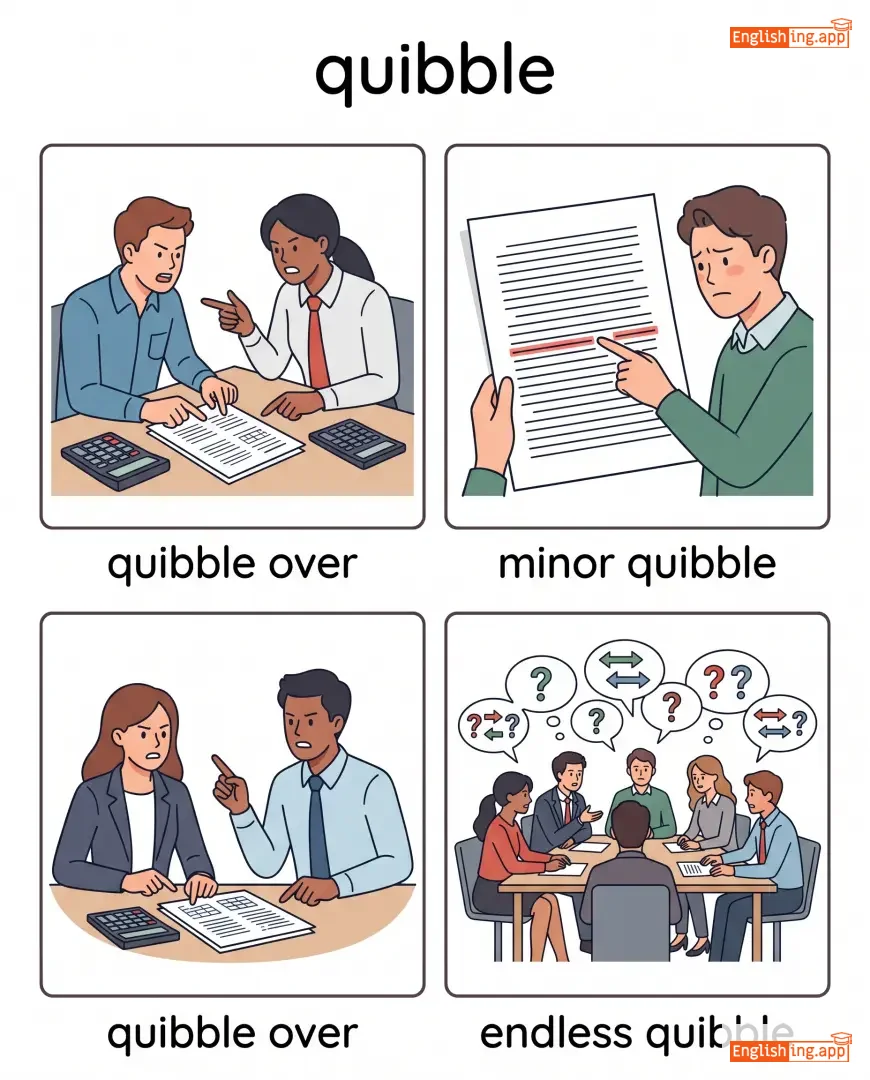
To argue or raise objections about a trivial matter; a petty objection.
••••••
|
They quibbled over who should pay the bill. |
- •••••• |
split hairs |
to argue about small or unimportant details
••••••
|
- •••••• |
argue, nitpick, cavil, bicker, dispute
••••••
|
agree, accept, concede
••••••
|
quibble over, minor quibble, endless quibble, quibble about details
••••••
|
No •••••• |
|
🤫
••••••
|
/kwaɪˈesnt/
adjective
(kwāi ē sēnt)
••••••
|
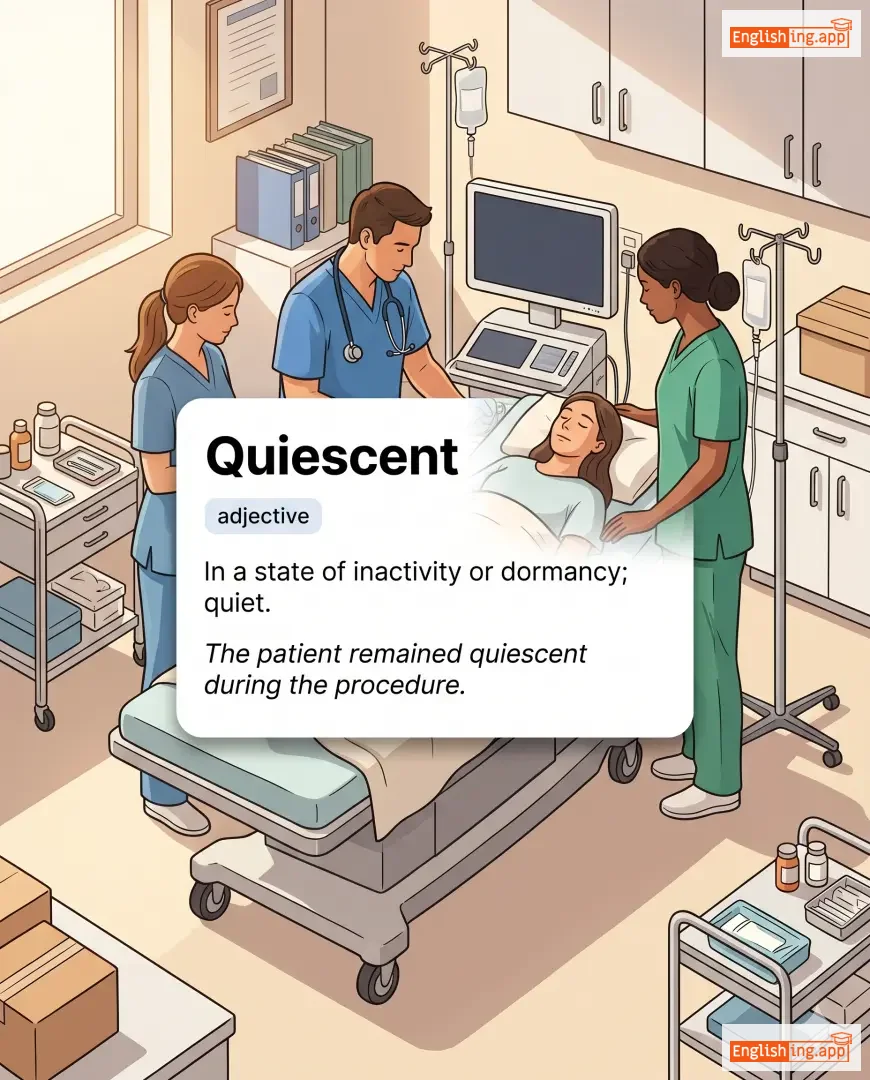
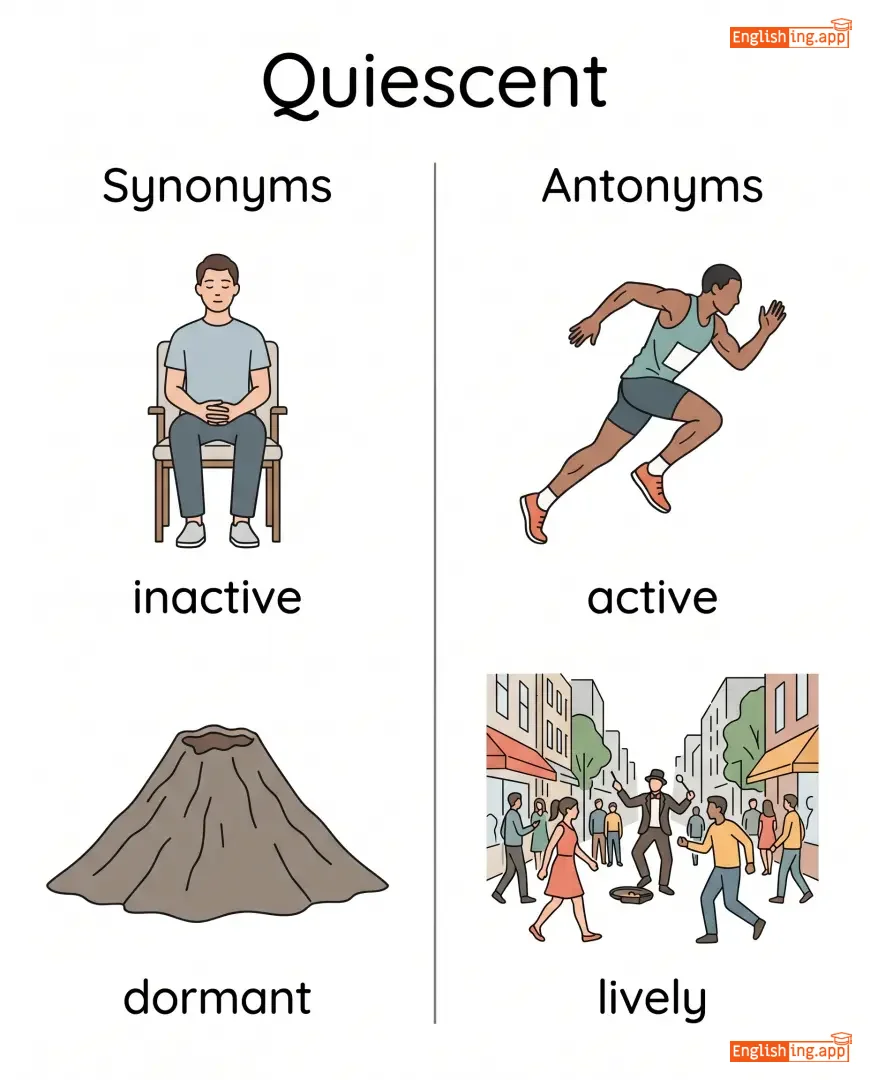
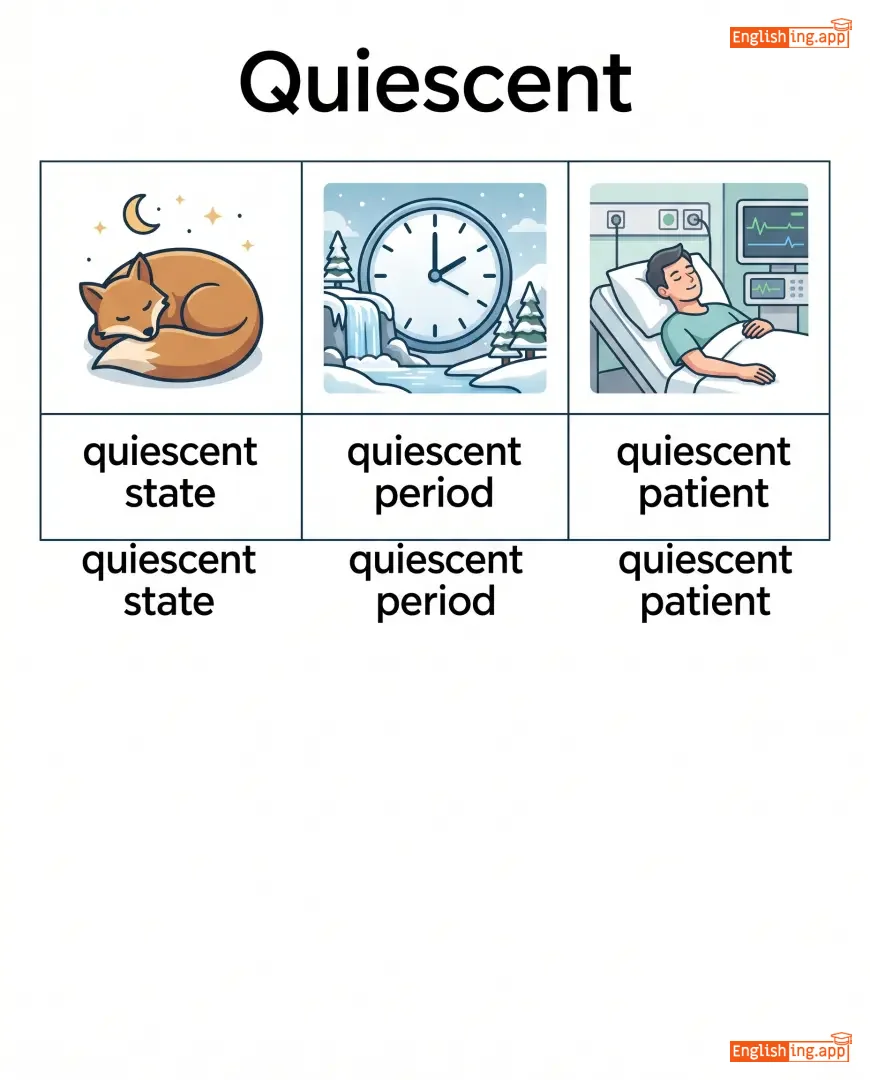
|
静止的; 安静的; 不活跃的;
jingzhide
••••••
|
- •••••• | - •••••• | - •••••• | - •••••• |
quiet; peaceful; inactive; dormant; at rest
••••••
|
The volcano has been quiescent for over a century. |
火山已经沉寂了一个多世纪。
Huǒshān yǐjīng chénjì le yī gè duō shìjì.
••••••
|
- •••••• | - •••••• | - •••••• |
dormant, inactive, peaceful, still
••••••
|
active, turbulent, agitated, restless
••••••
|
quiescent state, quiescent period, quiescent volcano
••••••
|
Imagine a volcano that rests quietly, dormant for centuries.
••••••
|
|
🌌
••••••
|
/ˈreə.rɪ.faɪd/
adjective
••••••
|
|
- •••••• | - •••••• | - •••••• | - •••••• | - •••••• |
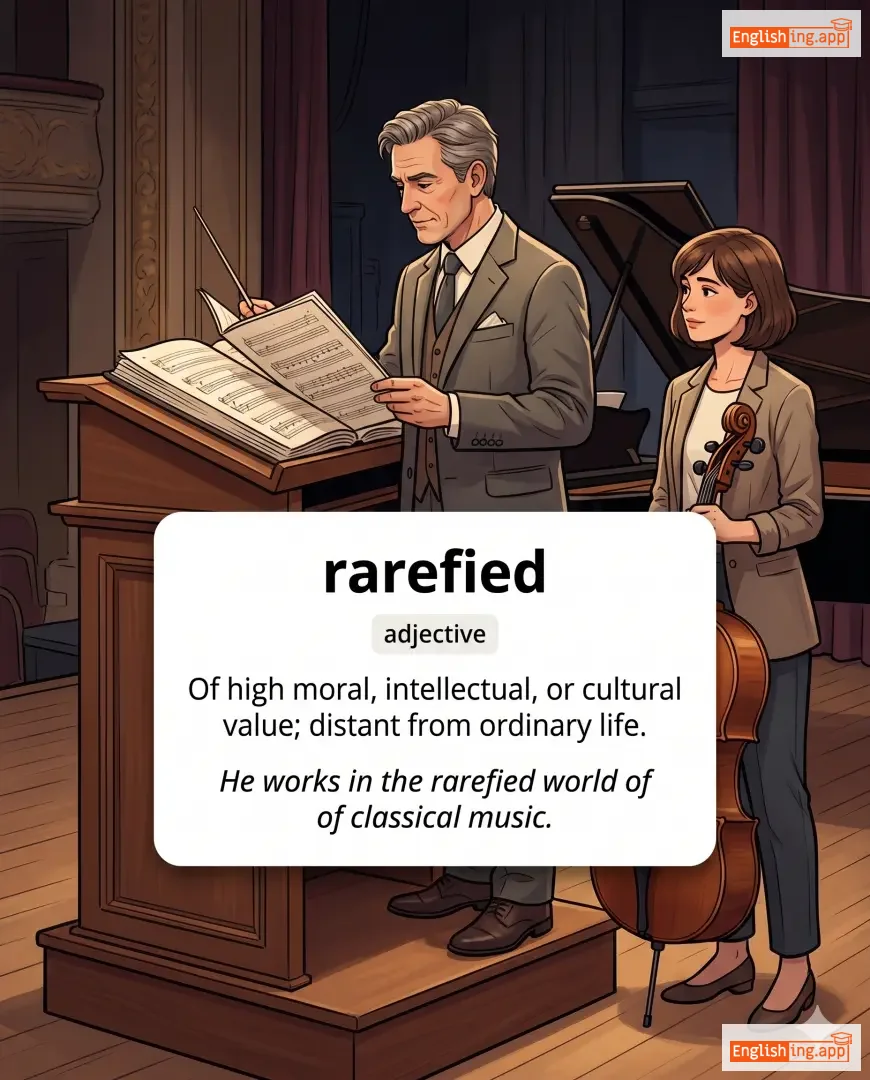
Of high moral, intellectual, or cultural value; distant from ordinary life.
••••••
|
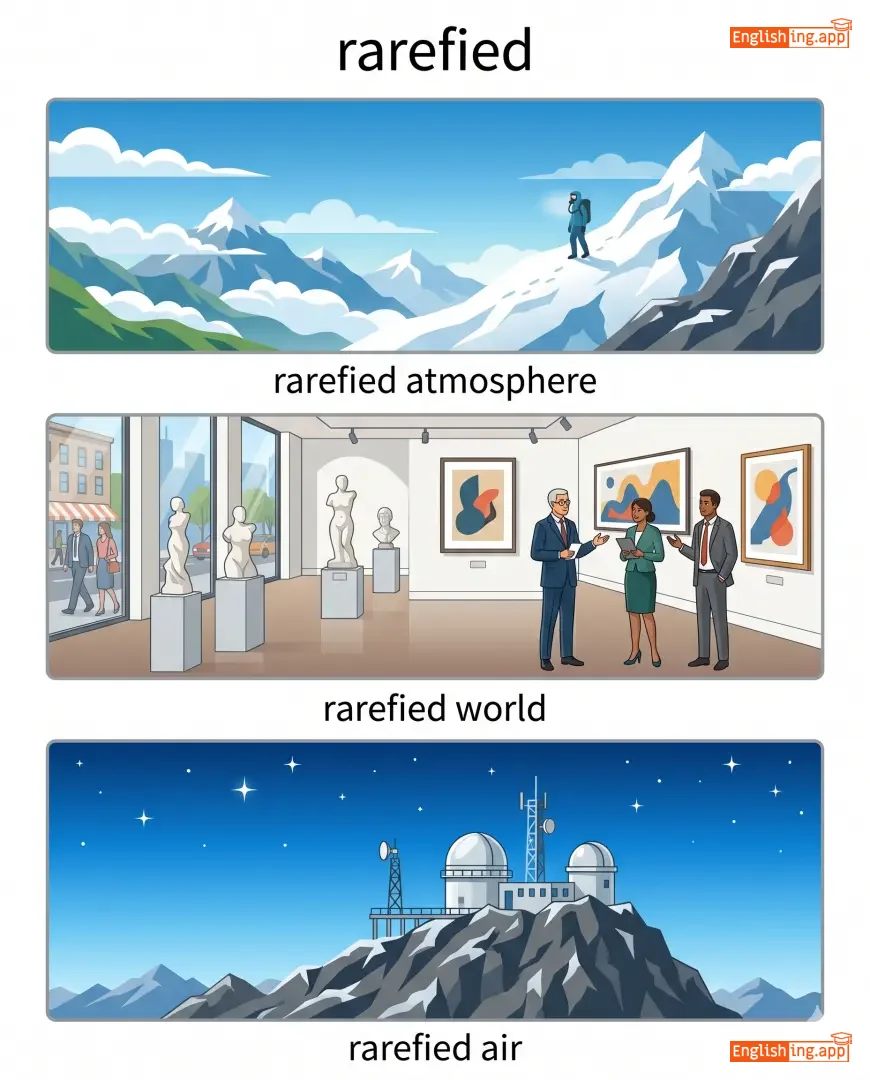
He works in the rarefied world of classical music. |
- •••••• | - •••••• | - •••••• | - •••••• |
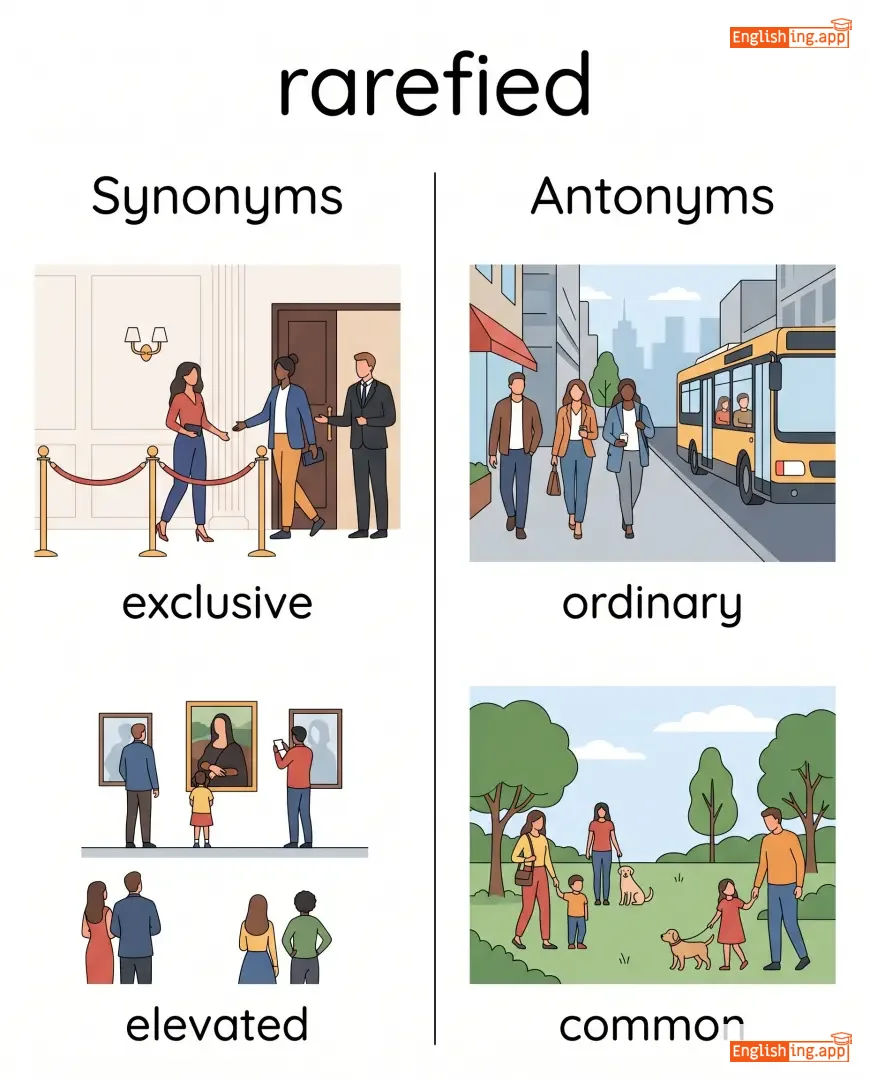
exclusive, elevated, refined, exalted, sophisticated
••••••
|
ordinary, common, mundane
••••••
|
rarefied atmosphere, rarefied world, rarefied air
••••••
|
No •••••• |
|
🙅
••••••
|
/rɪˈkælsɪtrənt/
adjective
••••••
|
|
- •••••• | - •••••• | - •••••• | - •••••• | - •••••• |
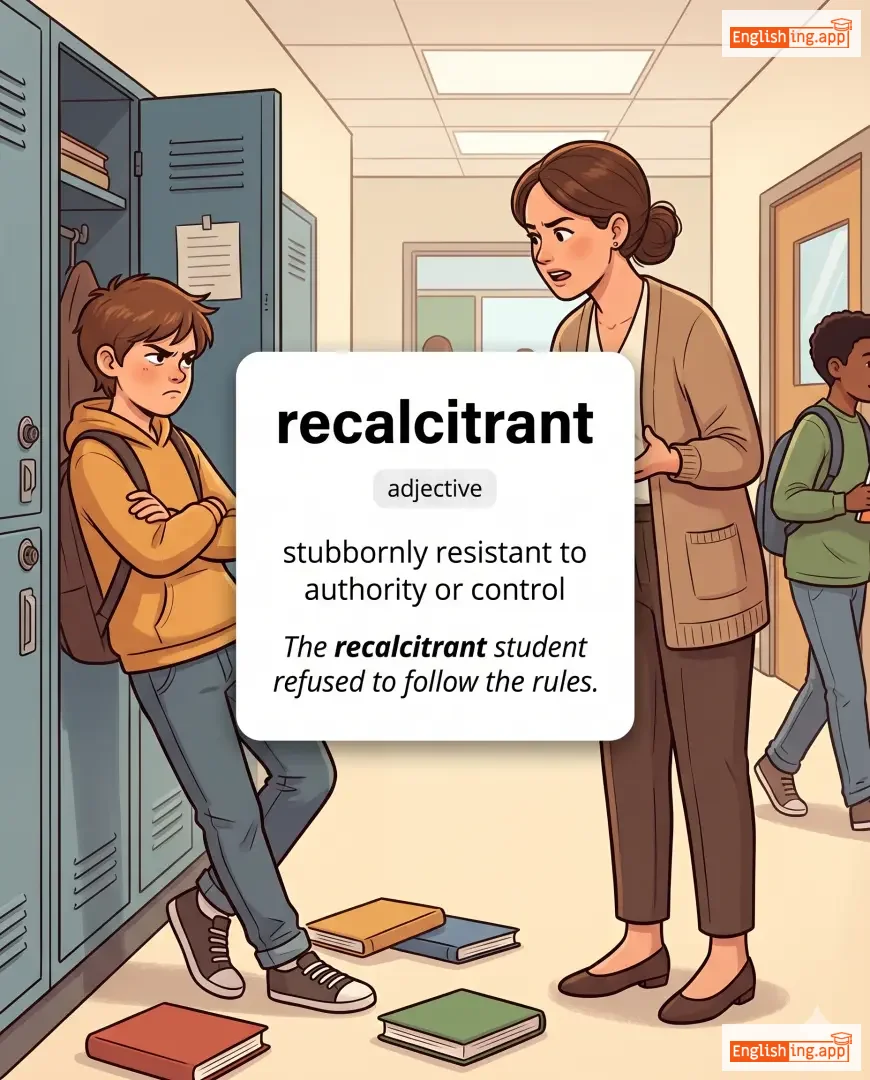
stubbornly resistant to authority or control
••••••
|
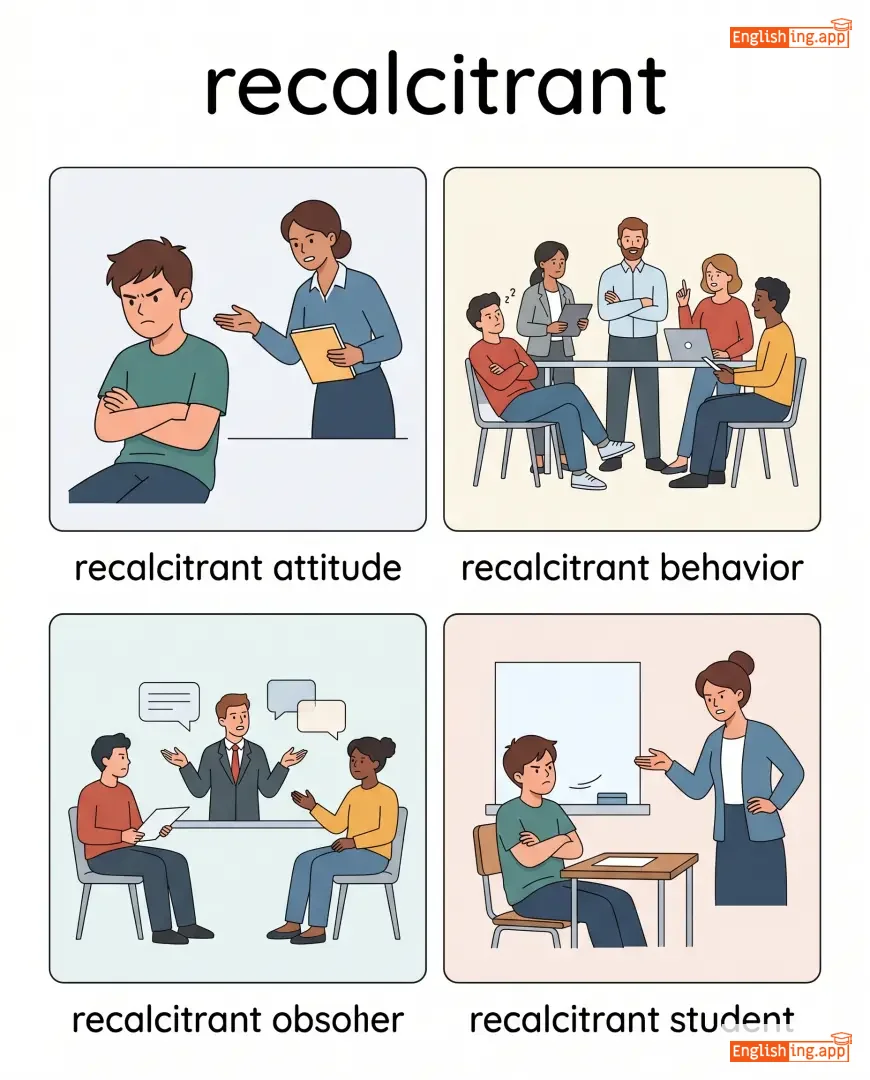
The recalcitrant student refused to follow the rules. |
- •••••• | - •••••• | - •••••• | - •••••• |
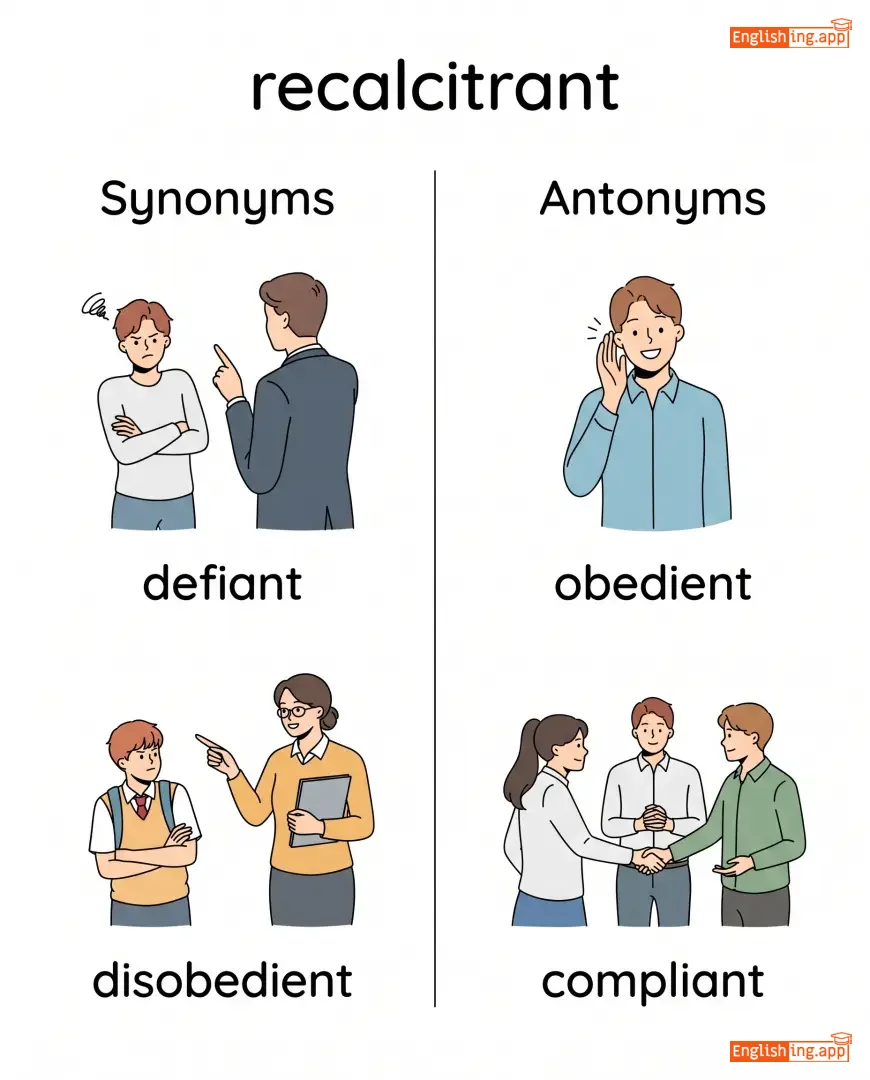
defiant, disobedient, rebellious, obstinate, uncooperative
••••••
|
obedient, compliant, cooperative
••••••
|
recalcitrant attitude, recalcitrant behavior, recalcitrant student
••••••
|
No •••••• |
|
🗣️
••••••
|
/rɪˈkænt/
verb
(rɪˈkænt)
••••••
|

|
撤回
chèhuí
••••••
|
recanted
rɪˈkæntɪd
••••••
|
recanted
rɪˈkæntɪd
••••••
|
recants
rɪˈkænts
••••••
|
recanting
rɪˈkæntɪŋ
••••••
|
to withdraw or renounce a statement or belief formally
••••••
|
He recanted his previous statement in court.
他在法庭上撤回了之前的陈述。
••••••
|
他在法庭上撤回了之前的陈述。
Tā zài fǎtíng shàng chèhuí le zhīqián de chénshù.
••••••
|
recant a confession
撤回认罪
••••••
|
to officially take back an earlier confession
••••••
|
撤回认罪
chèhuí rènzuì
••••••
|
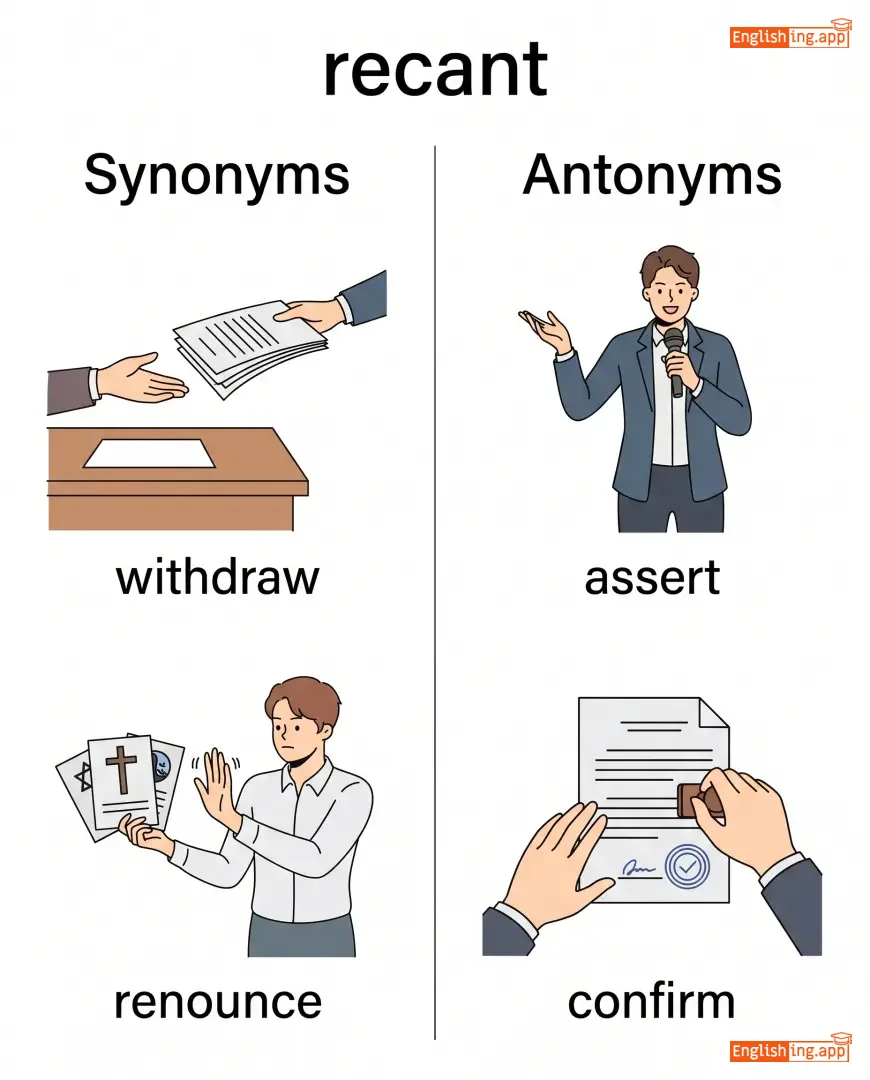
withdraw, renounce, retract, deny, repudiate
••••••
|
assert, confirm, maintain
••••••
|
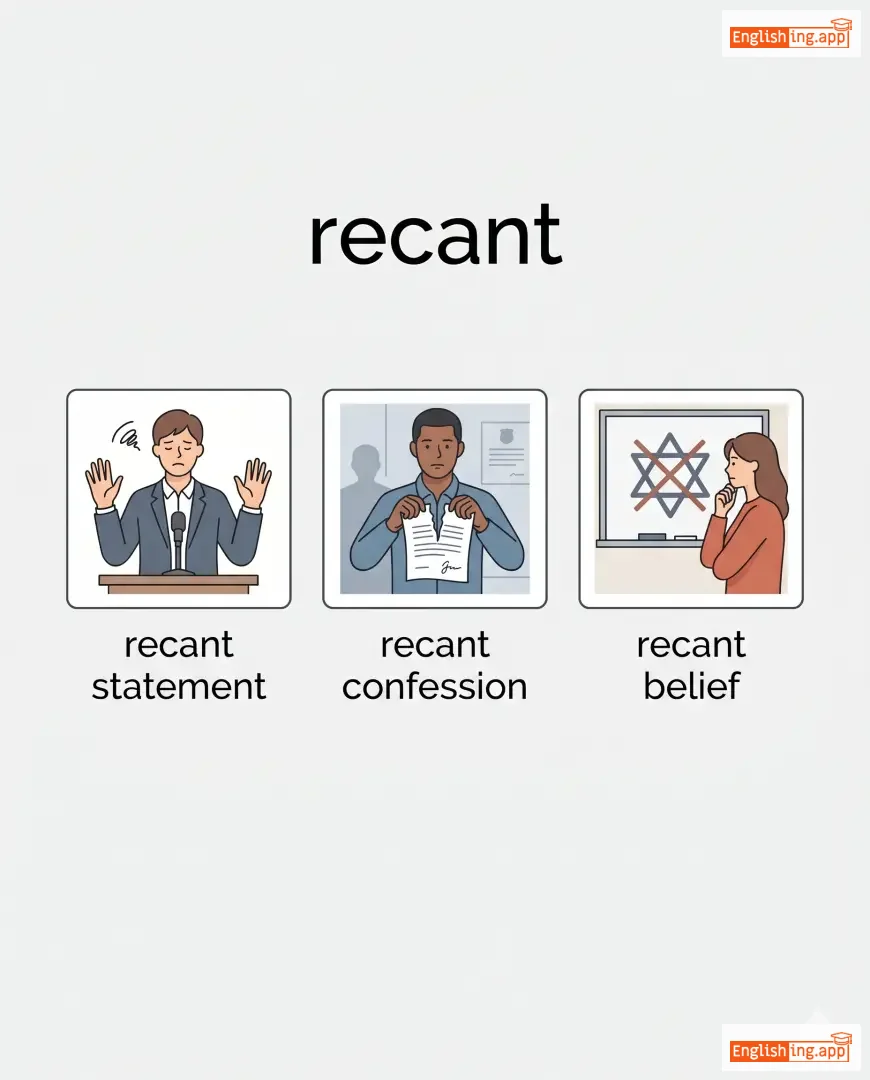
recant statement, recant confession, recant belief, recant testimony
••••••
|
Re-COOL冷静意味着撤回之前的说法。
••••••
|
|
🏔️
••••••
|
/rɪˈkluːs/
noun
(瑞克卢斯)
••••••
|
|
隐士
yinshi
••••••
|
- •••••• | - •••••• | - •••••• | - •••••• |
A person who lives alone and avoids other people; someone who lives a solitary life.
••••••
|
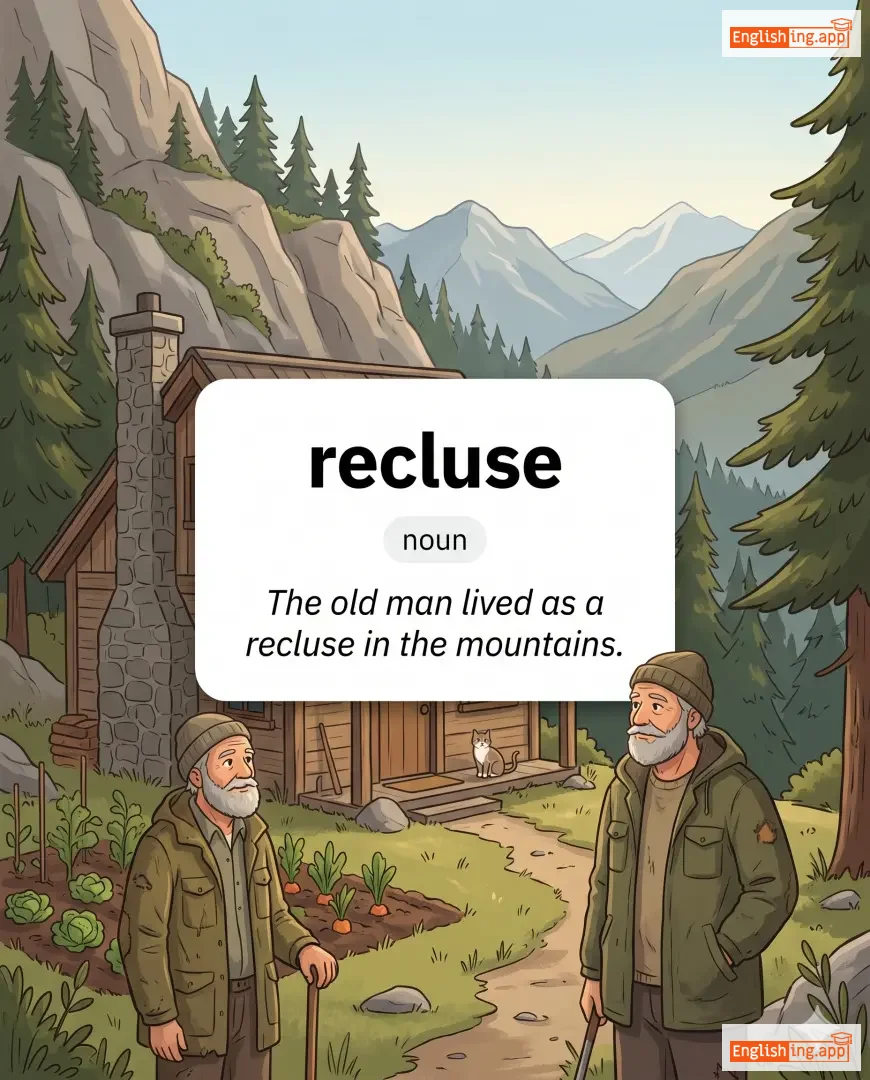
The old man lived as a recluse in the mountains. |
那位老人住在山中,过着隐士般的生活。
Nà wèi lǎorén zhù zài shānzhōng, guòzhe yǐnshì bān de shēnghuó.
••••••
|
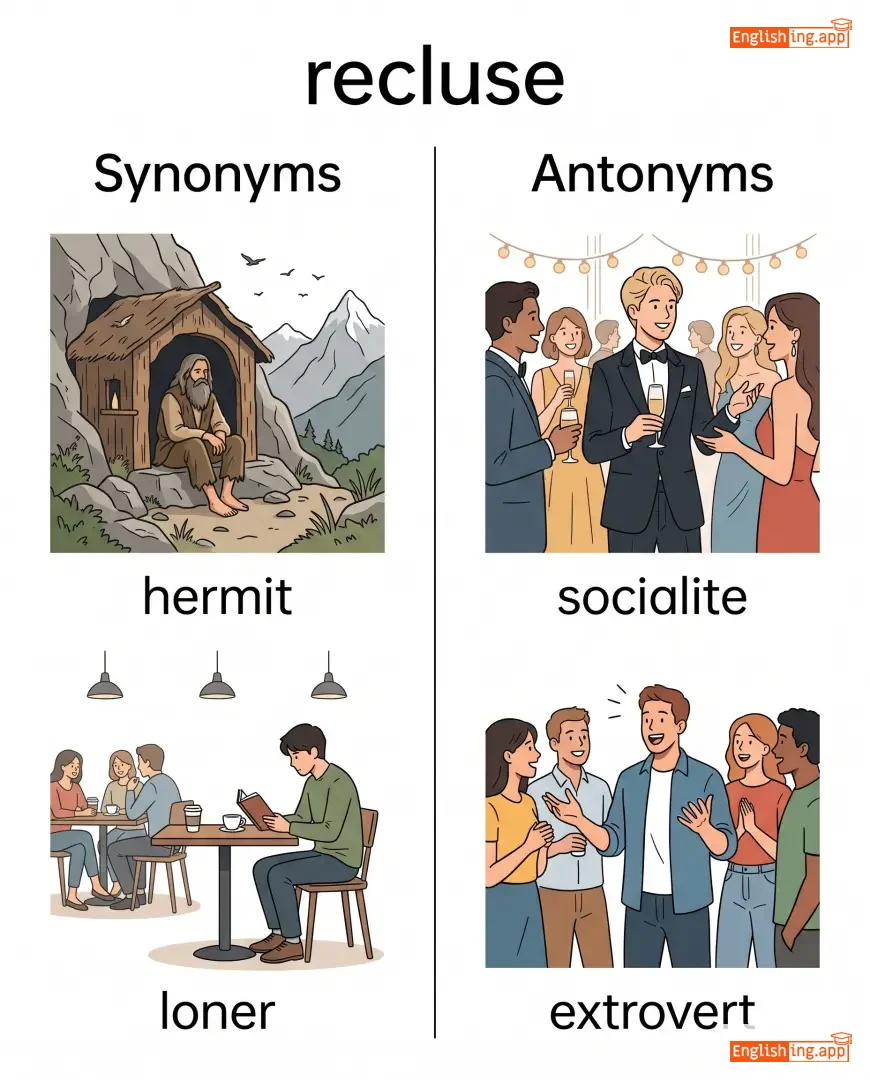
- •••••• | - •••••• | - •••••• |
hermit, loner, solitary, ascetic, introvert
••••••
|
socialite, extrovert, companion
••••••
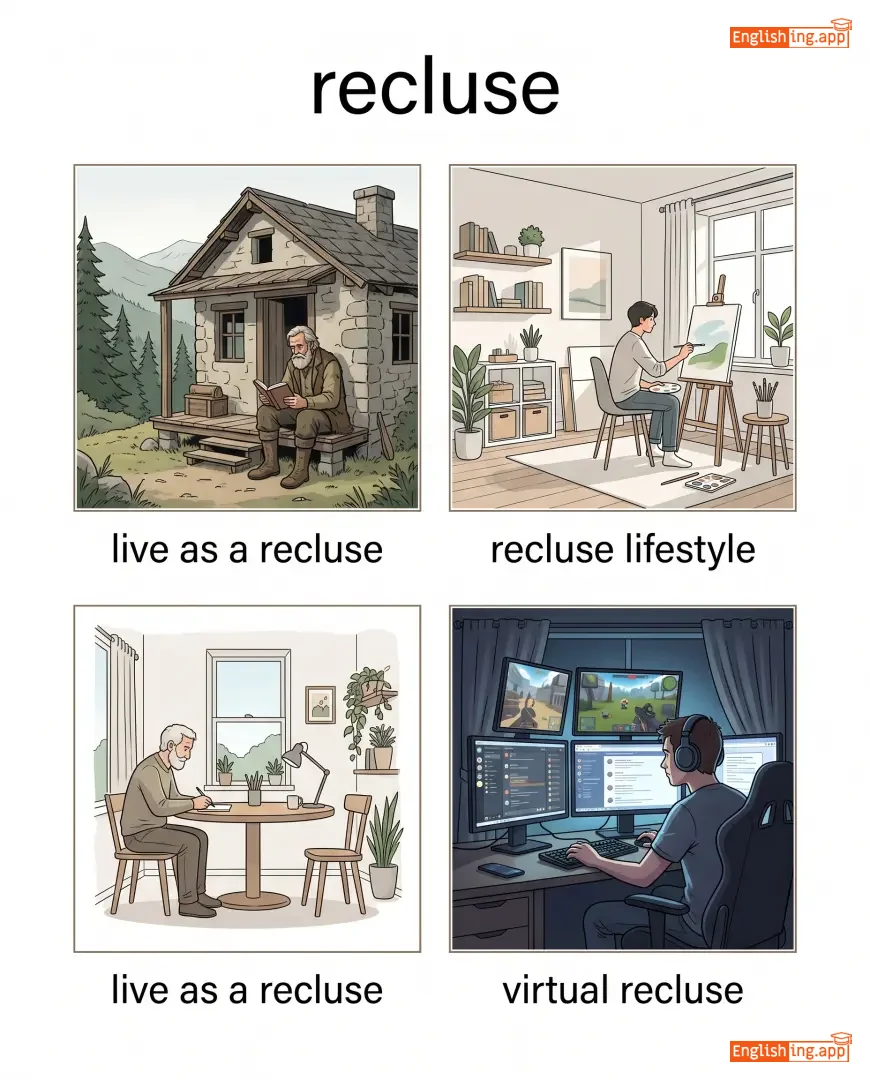
|
live as a recluse, recluse lifestyle, virtual recluse
••••••
|
Recluse = 隐士, 独自生活,避免与他人接触。
••••••
|
|
📚
••••••
|
/ˈrɛkənˌdaɪt/ or /ˈrɛkəndaɪt/
adjective
(雷康代特)
••••••
|

|
鲜为人知或难以理解的
xianwei renzhi huo nanyi lijie de
••••••
|
- •••••• | - •••••• | - •••••• | - •••••• |
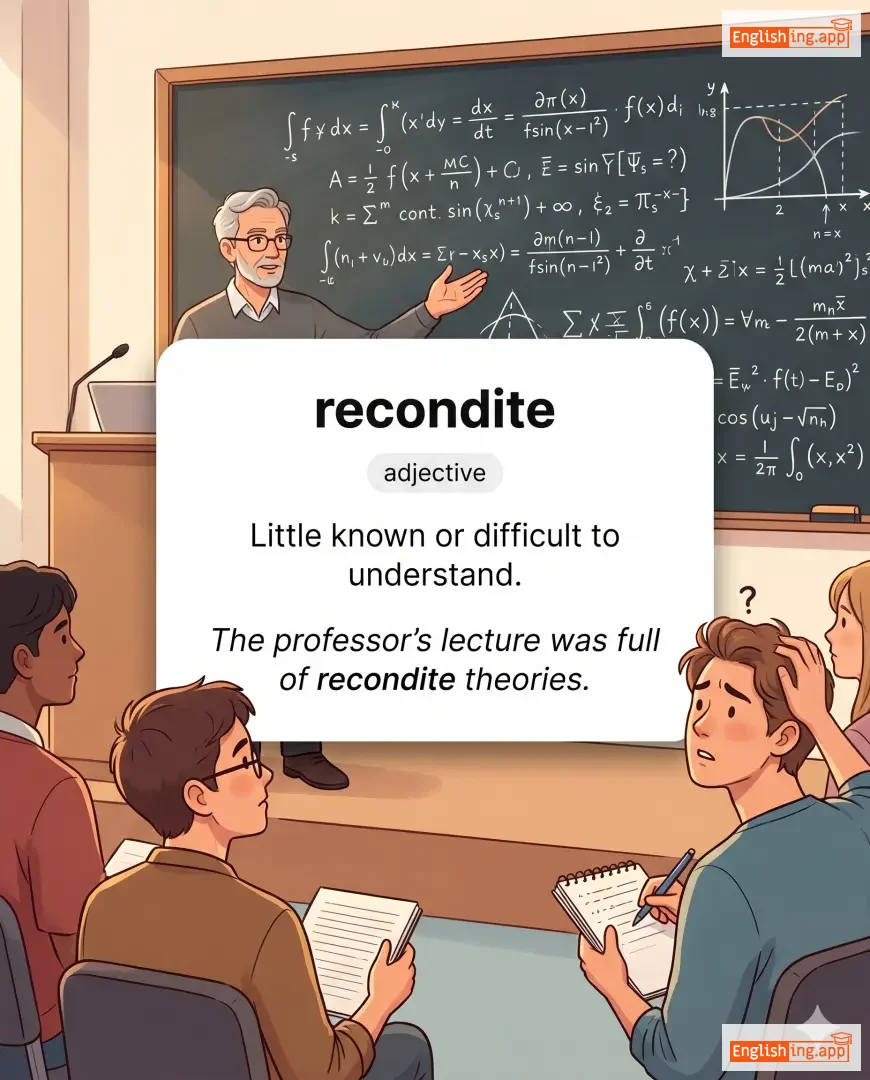
Little known or difficult to understand.
••••••
|
The professor’s lecture was full of recondite theories.
教授的讲座充满了深奥的理论。
••••••
|
教授的讲座充满了深奥的理论。
Jiaoshou de jiangzuo chongmanle shen'ao de lilun.
••••••
|
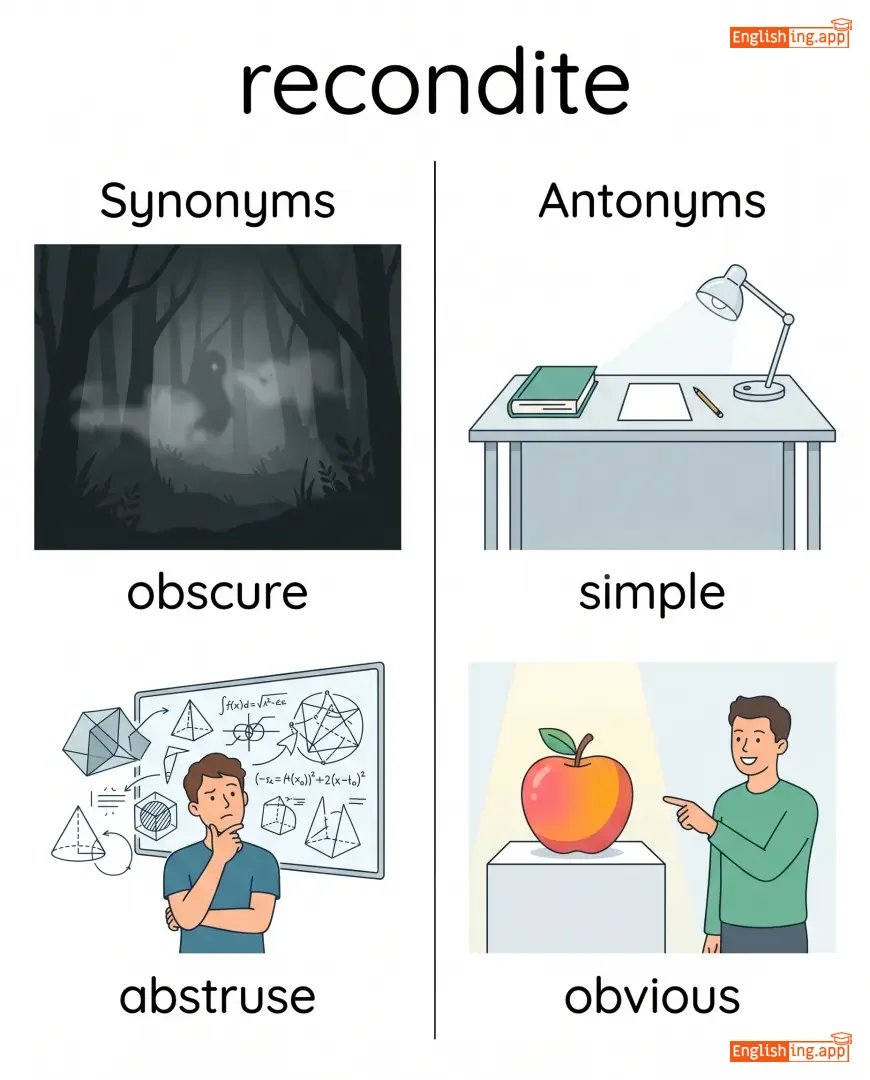
- •••••• | - •••••• | - •••••• |
obscure, abstruse, complex, esoteric
••••••
|
simple, obvious, clear
••••••
|
recondite knowledge, recondite subject, recondite theory
••••••
|
Recondite 类似‘难懂的食物’,意味着难理解的东西。
••••••
|
|
🙅
••••••
|
/rɪˈfræktəri/
adjective
(反应堆)
••••••
|
|
反叛的
fǎn pàn de
••••••
|
- •••••• | - •••••• | - •••••• | - •••••• |
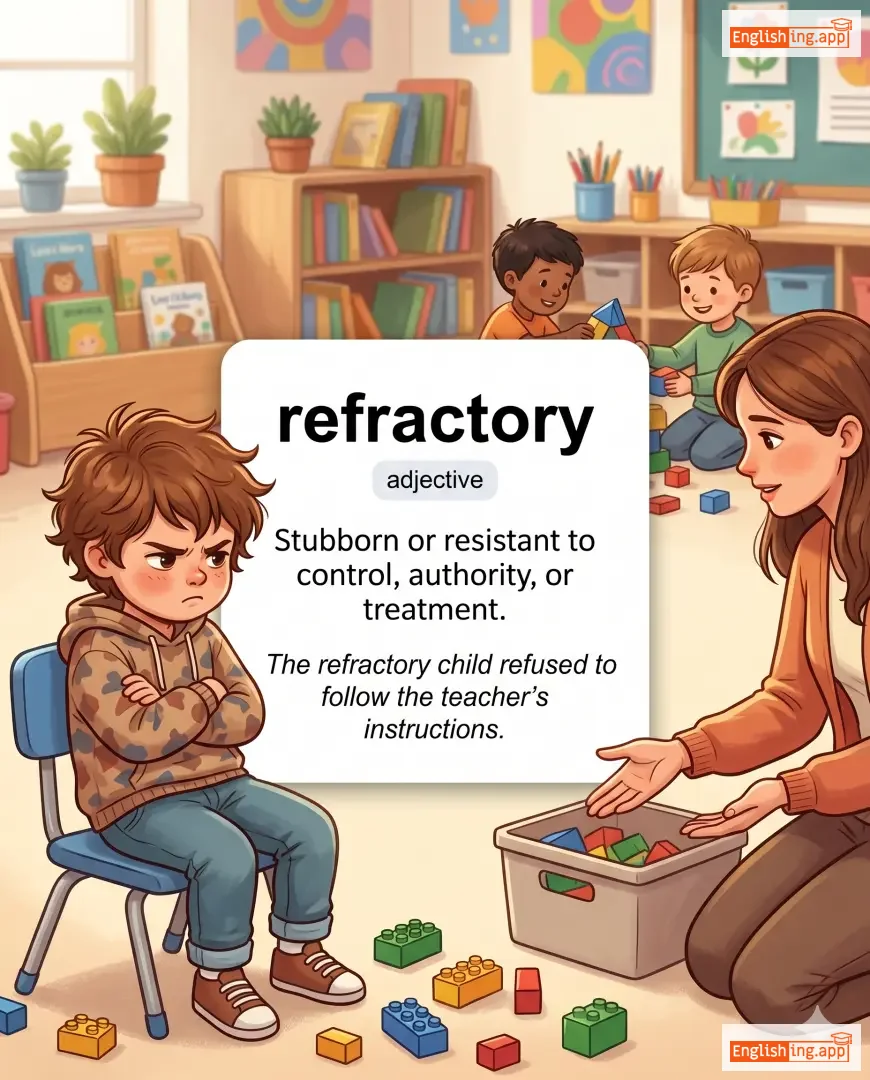
Stubborn or resistant to control, authority, or treatment.
••••••
|
The refractory child refused to follow the teacher's instructions. |
这个反叛的孩子拒绝遵循老师的指示。
Zhè ge fǎn pàn de hái zi jù jué zūn xún lǎo shī de zhǐ shì.
••••••
|
- •••••• | - •••••• | - •••••• |
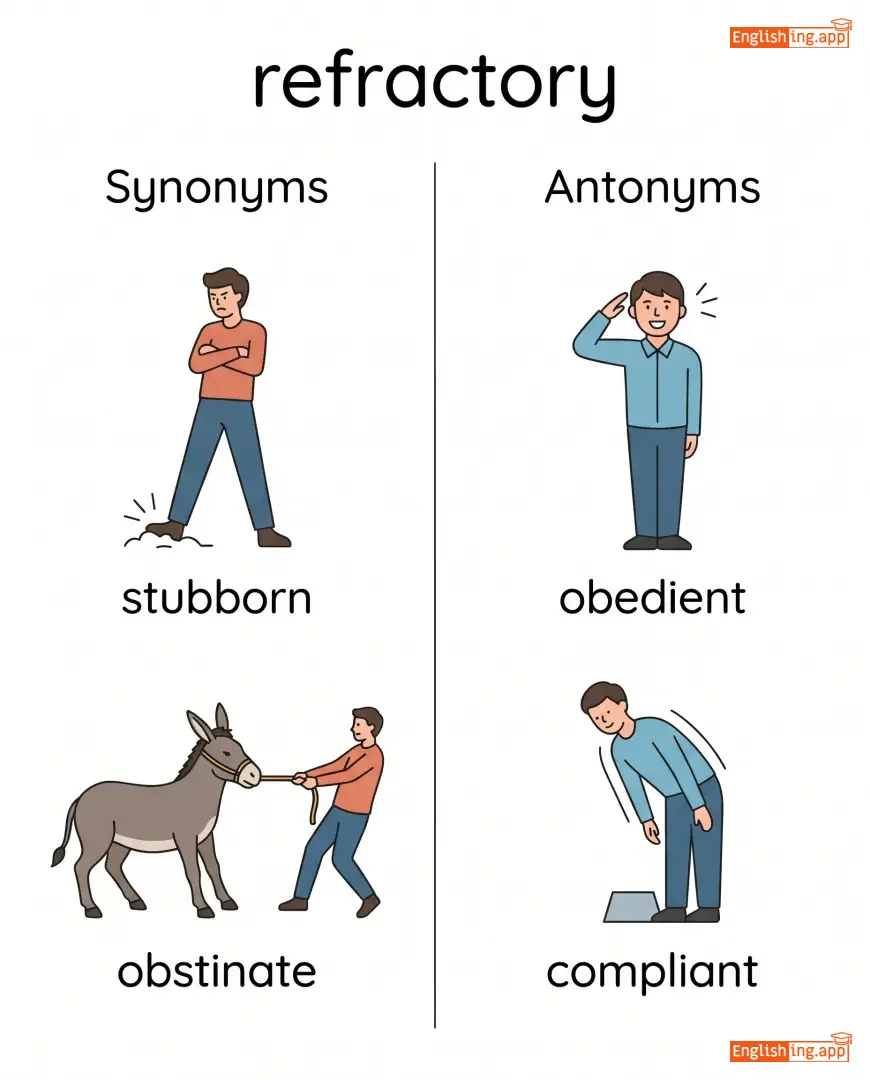
stubborn, obstinate, unmanageable, disobedient, resistant
••••••
|
obedient, compliant, submissive
••••••
|
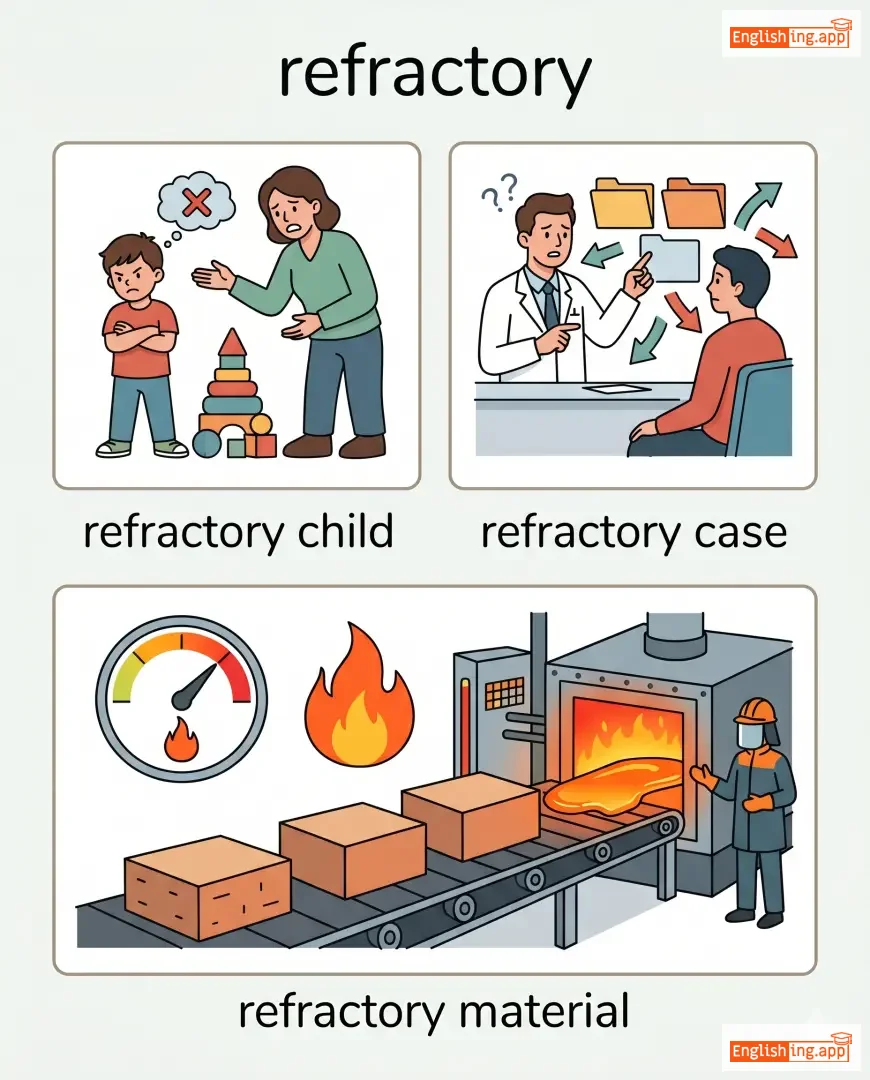
refractory child, refractory case, refractory material, refractory period
••••••
|
Re-factory (不去工厂) → 反叛的,表示不听话。
••••••
|

