Largest Oceans and Their Importance
在世界上最大的海洋中,深海区是最神秘的。阳光无法到达这里,且在深海的浮游生物层中观察到奇异的生物多样性。太平洋是最大的海洋,包含无数的群岛,是自然美的独特例子。
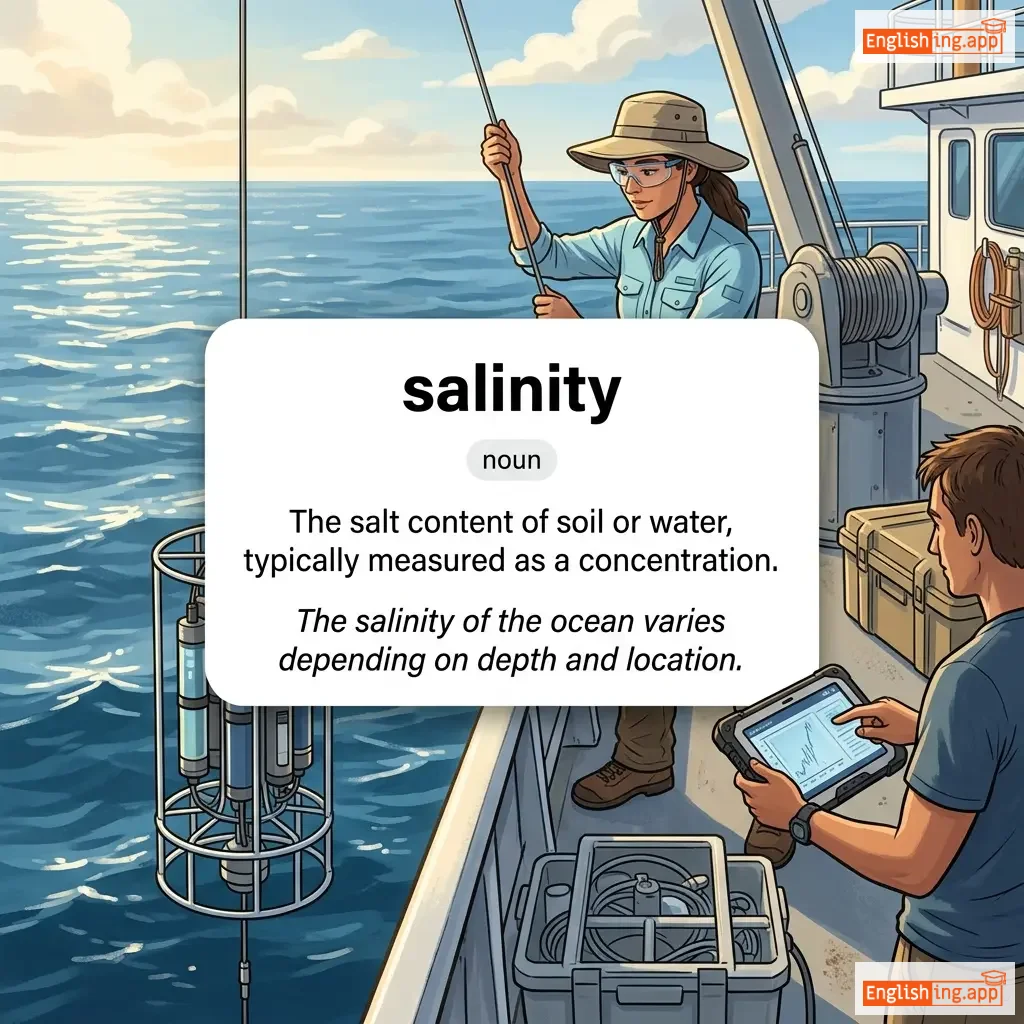
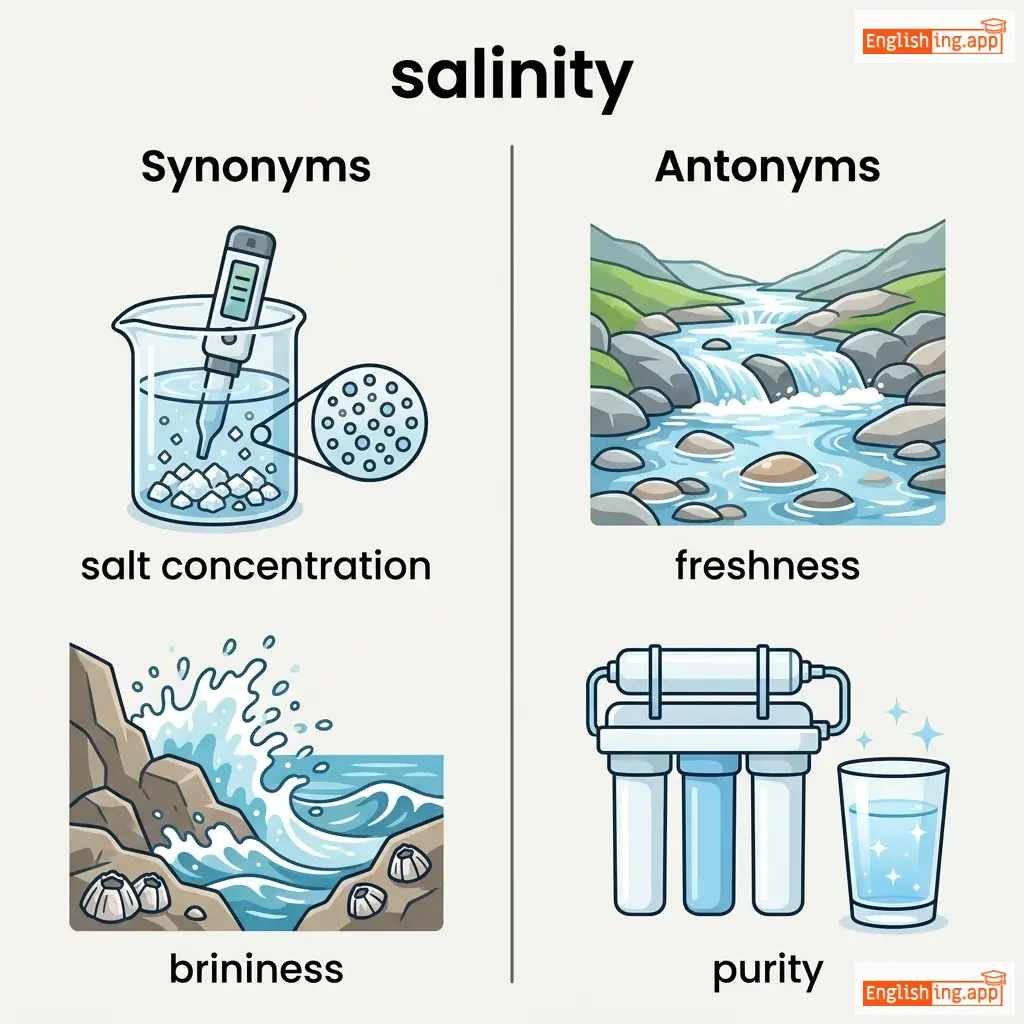
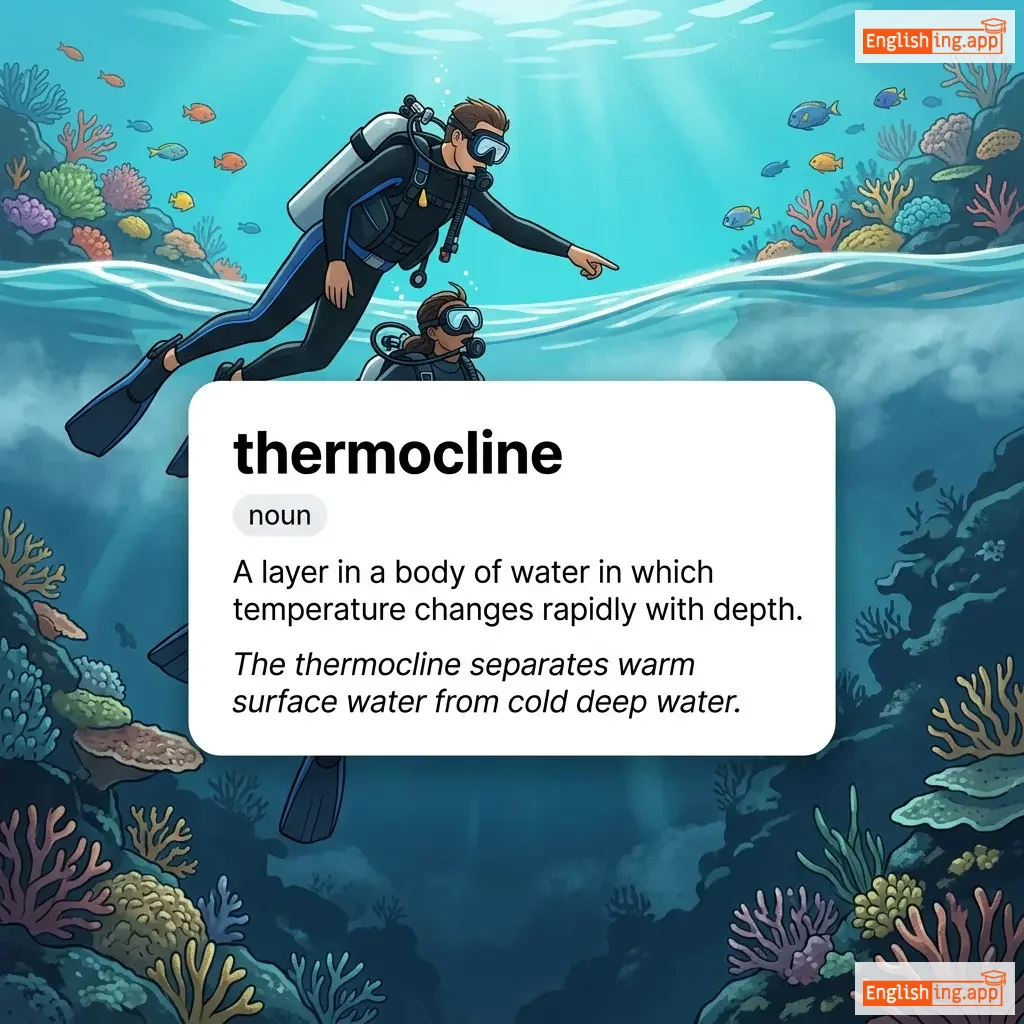
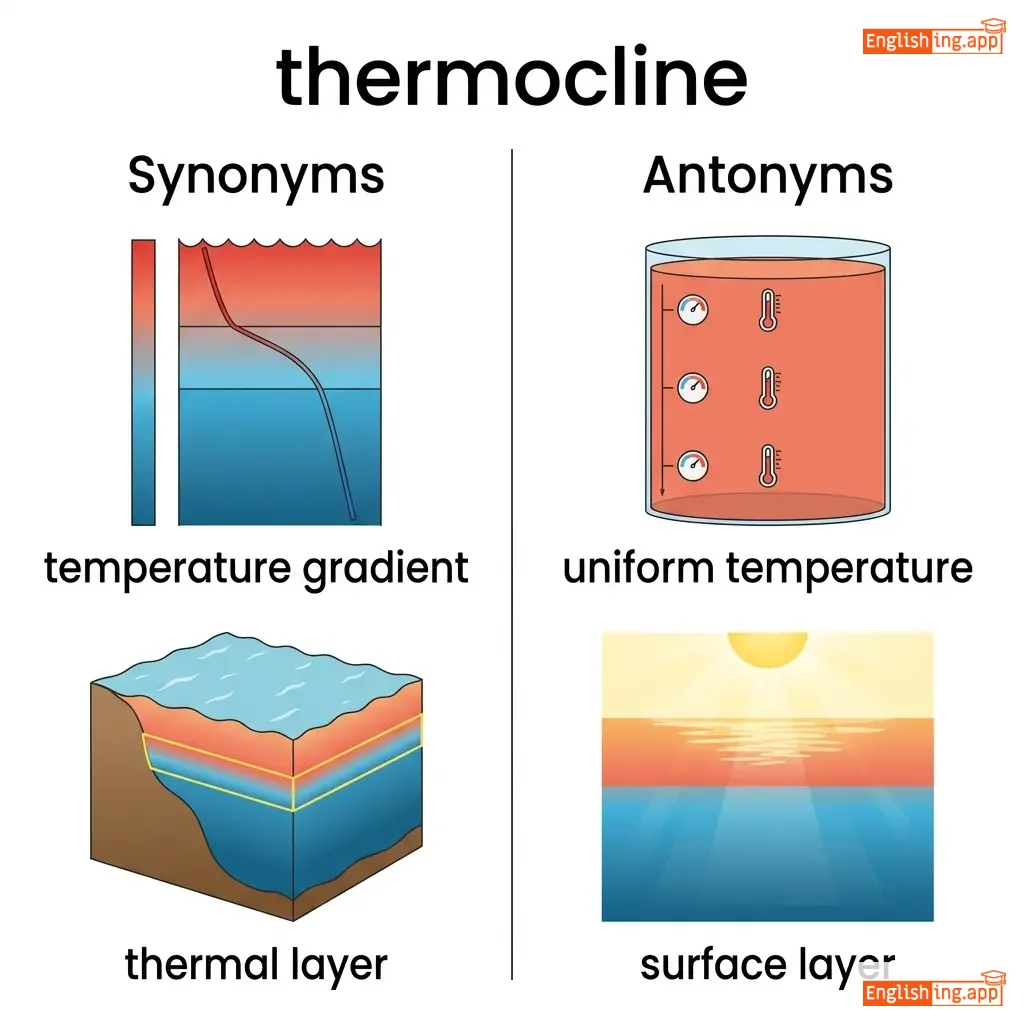
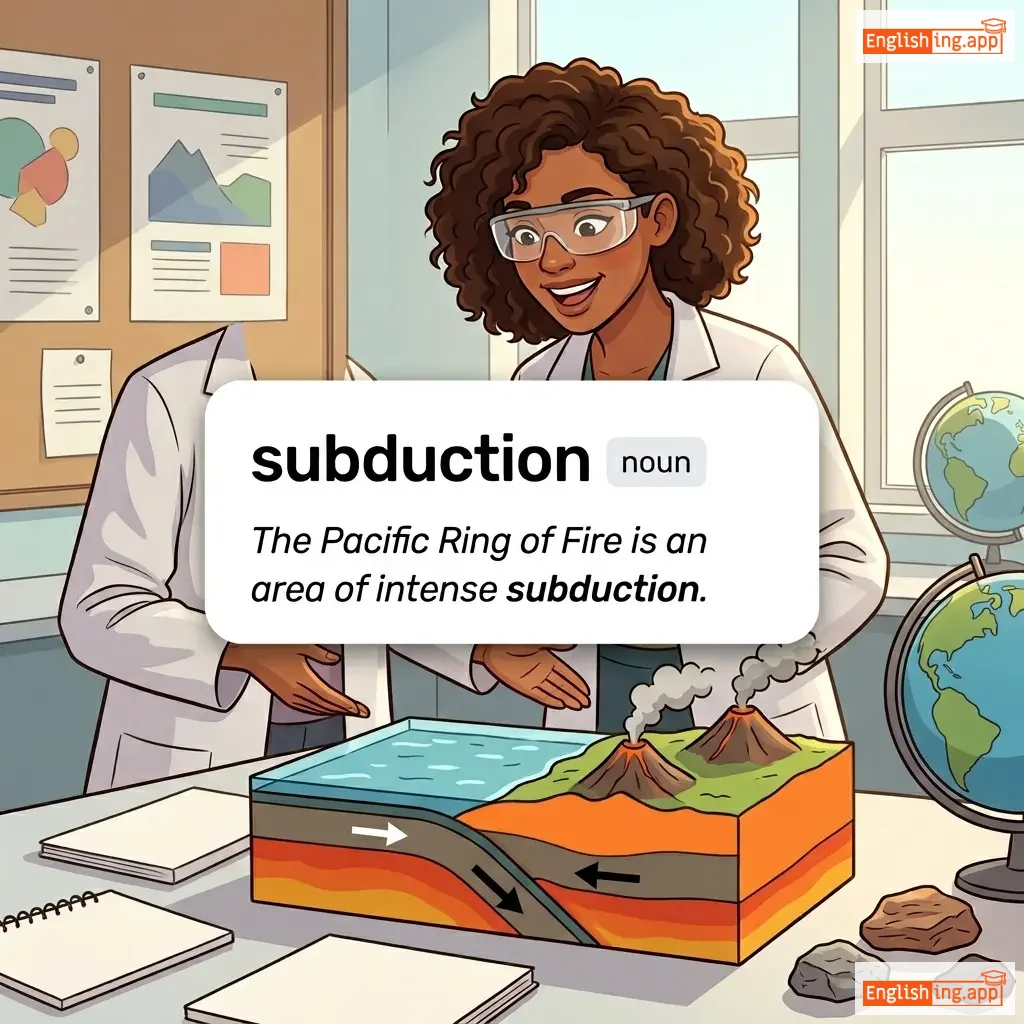
这些海洋的海底测量分析显示,在深海水域中,盐度和温跃层的层次变化很大。构造板块的运动会造成俯冲现象,导致地震和火山爆发。
海洋的上升流和环流有助于维持海洋生物多样性。然而,诸如人为效应(如污染和富营养化)正对这一环境造成严重破坏。
最大的海洋不仅仅是水体,它们对我们的气候、海运和生物多样性至关重要。因此,它们的保护是我们的责任。
|
表情符号
|
单词 | Images | 含义 | 例句 | 同义词 | 反义词 |
|---|---|---|---|---|---|---|
|
#2481
🌊
|
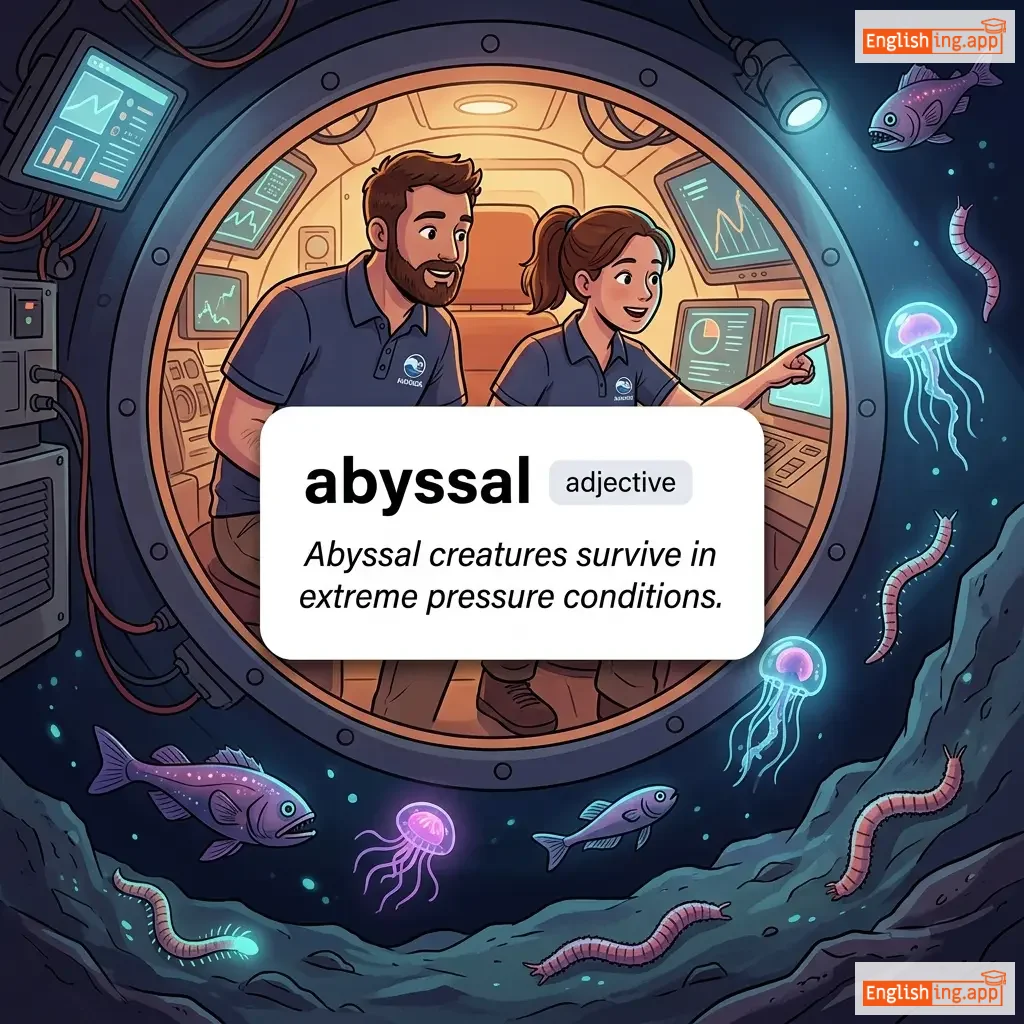
/əˈbɪs.əl/
adjective
••••••
|
|
Related to or characteristic of the deep ocean, especially the zone below 4000 meters.
••••••
|
Abyssal creatures survive in extreme pressure conditions. |
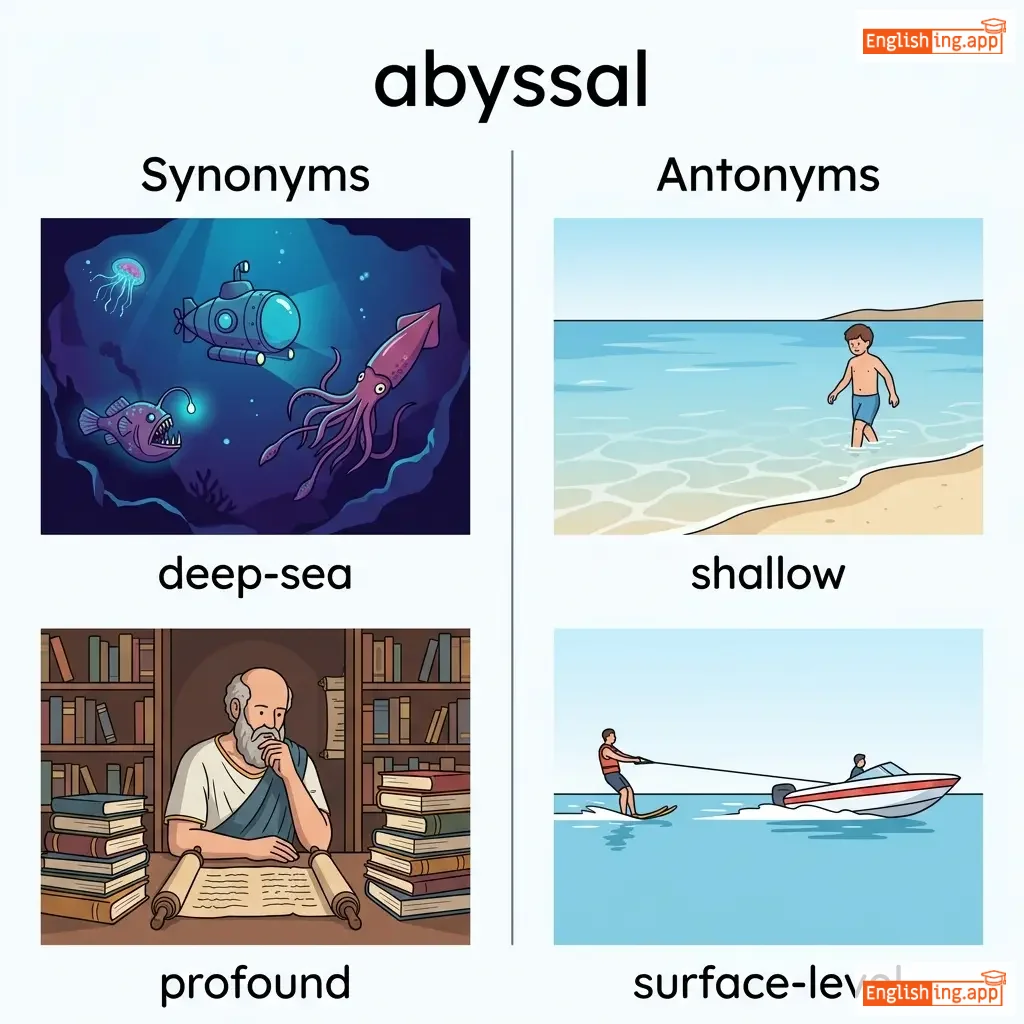
deep-sea, profound, bottomless
••••••
|
shallow, surface-level, elevated
••••••
|
|
#2482
🌊
|
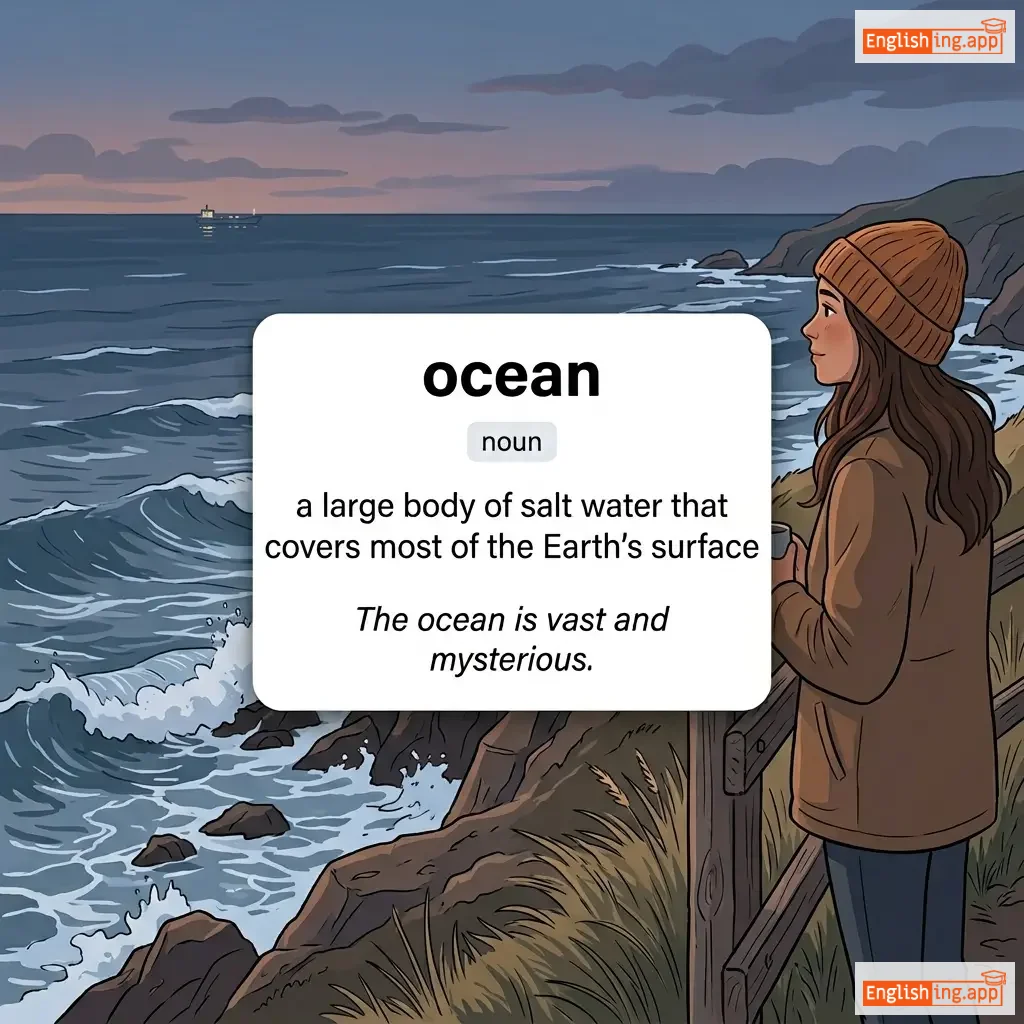
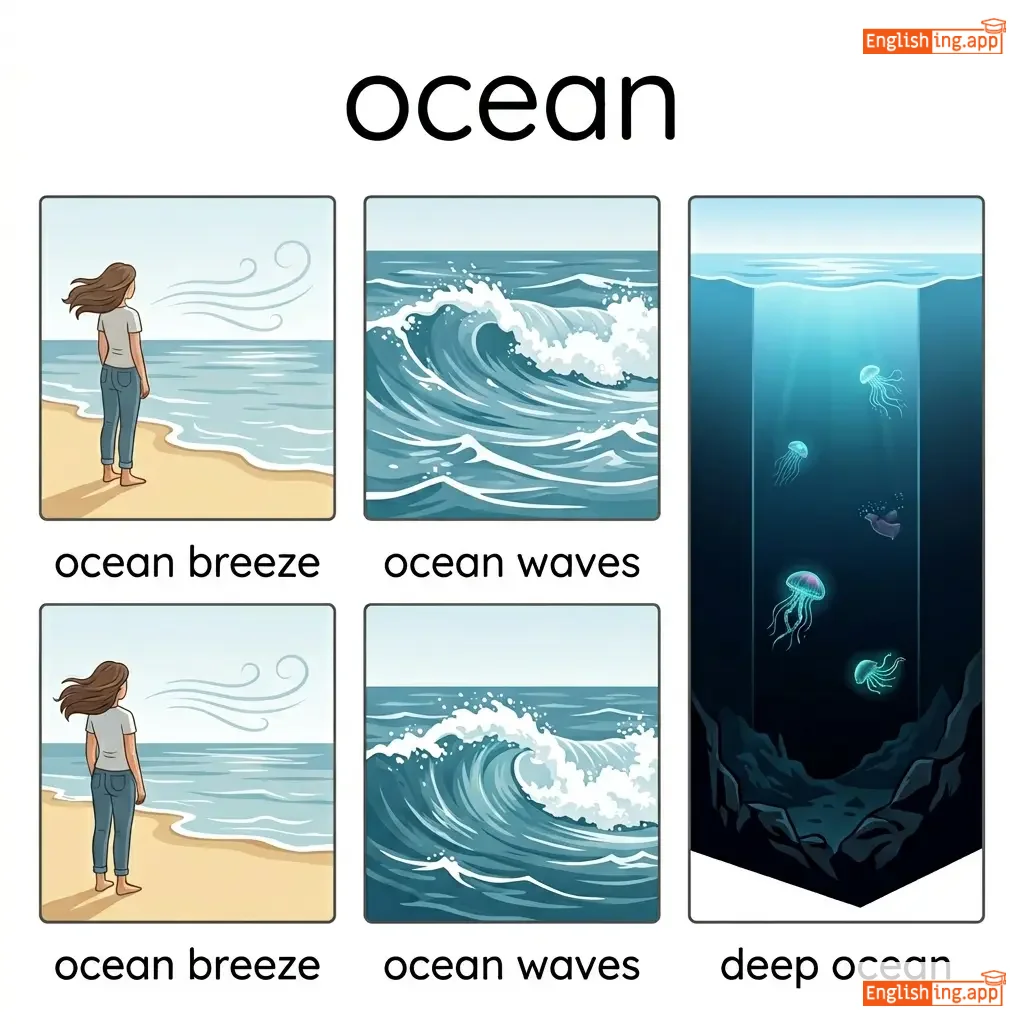
/ˈoʊ.ʃən/
noun
••••••
|
|
A very large expanse of sea, especially the main areas of sea between continents.
••••••
|
The ocean covers more than 70% of the Earth's surface. |
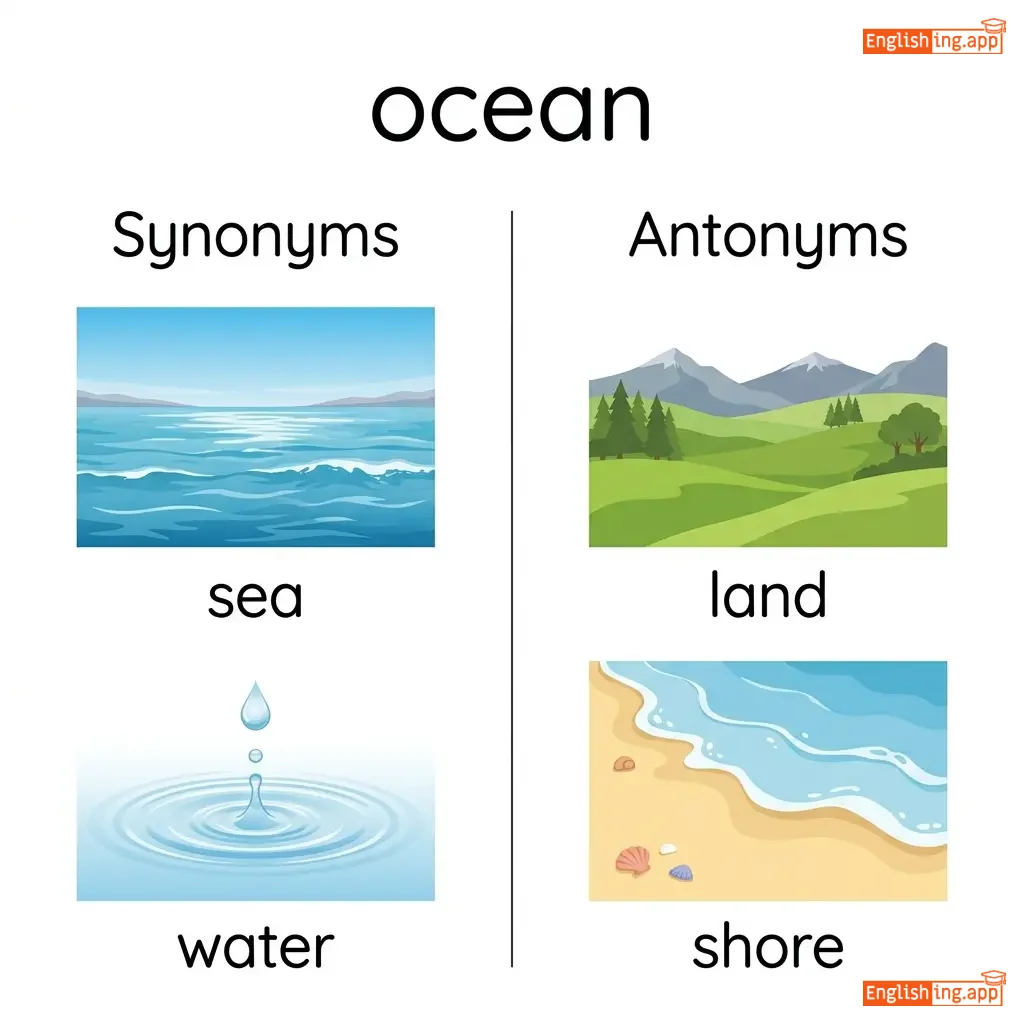
sea, marine body, waters
••••••
|
land, desert, continent
••••••
|
|
#2483
❓
|
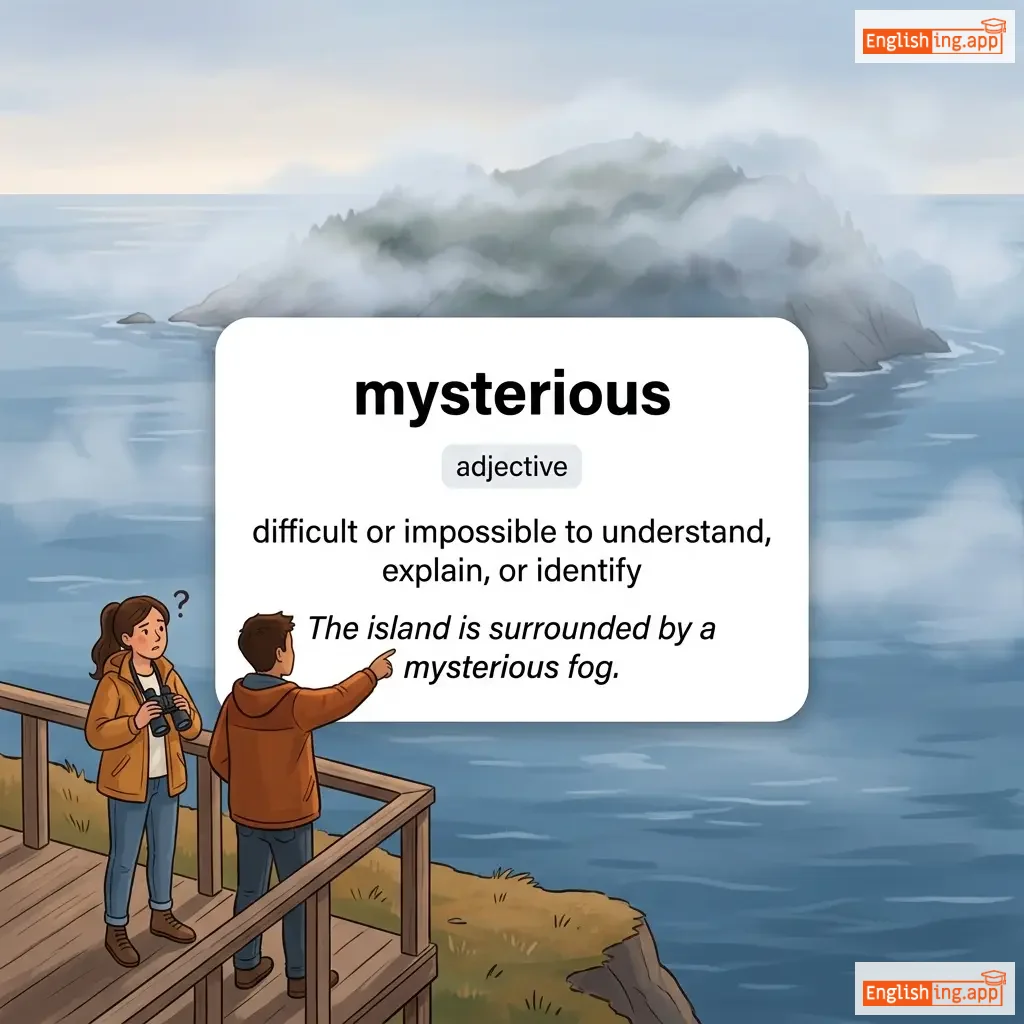
/mɪˈstɪə.ri.əs/
adjective
••••••
|


|
Difficult or impossible to understand, explain, or identify.
••••••
|
The deep sea remains one of the most mysterious places on Earth. |
enigmatic, cryptic, unknown
••••••
|
obvious, clear, transparent
••••••
|
|
#2484
☀️
|
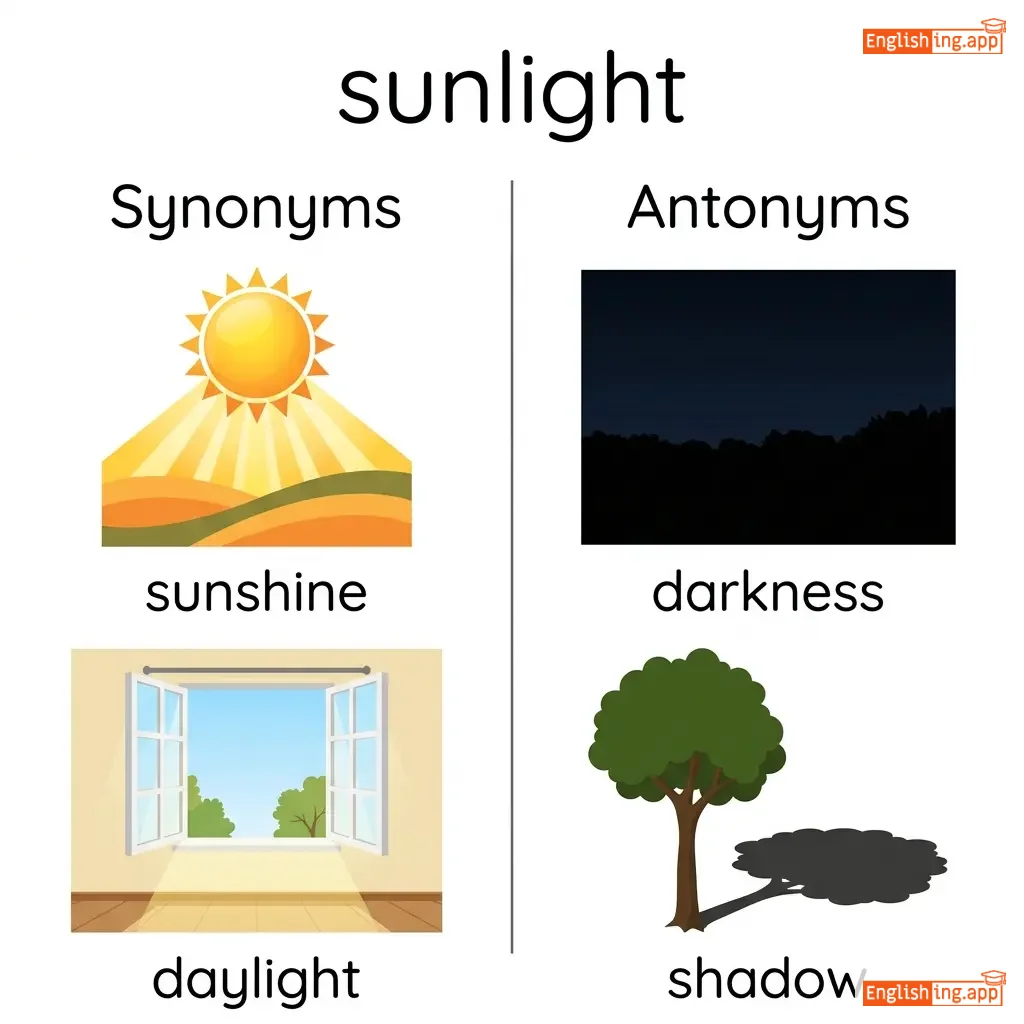
/ˈsʌn.laɪt/
noun
••••••
|


|
Direct light from the sun.
••••••
|
Sunlight does not reach the abyssal depths of the ocean. |
sun rays, natural light, solar glow
••••••
|
darkness, shadow, night
••••••
|
|
#2485
🌊
|
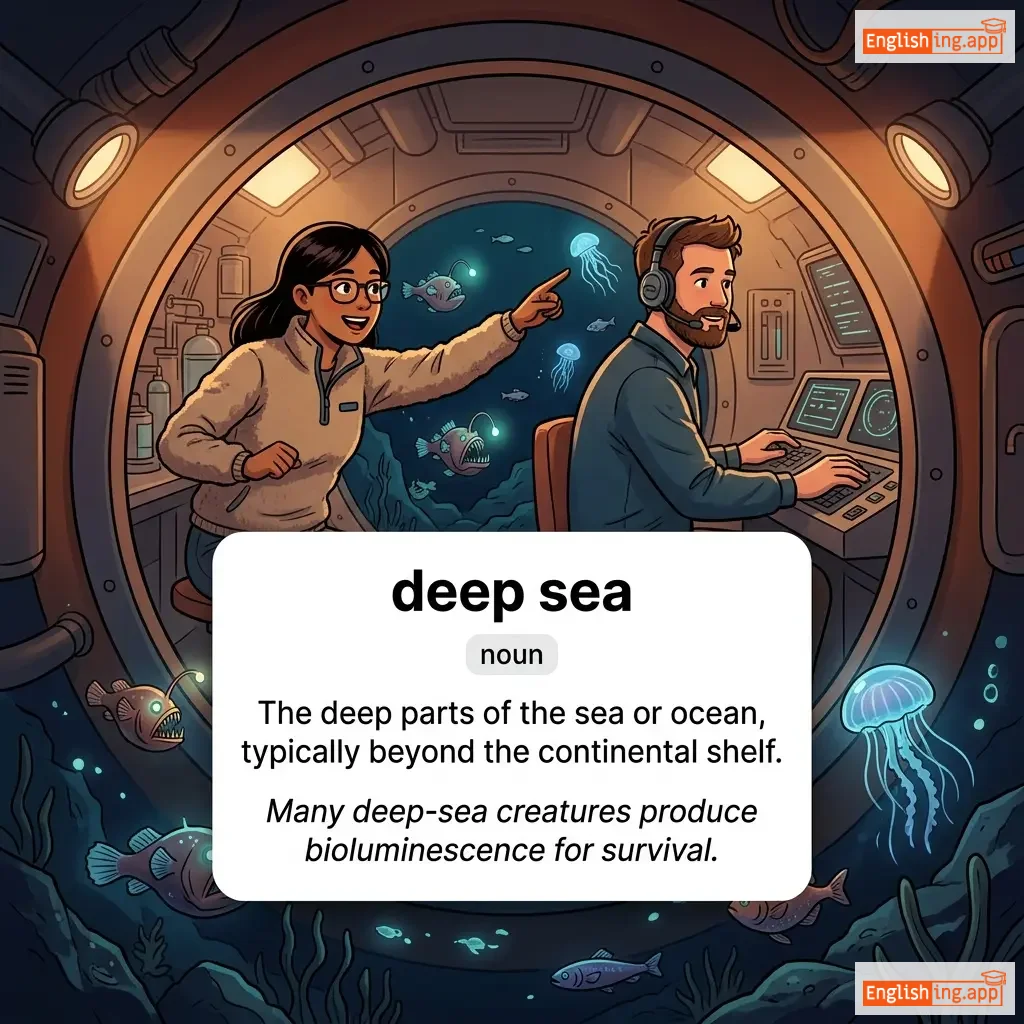
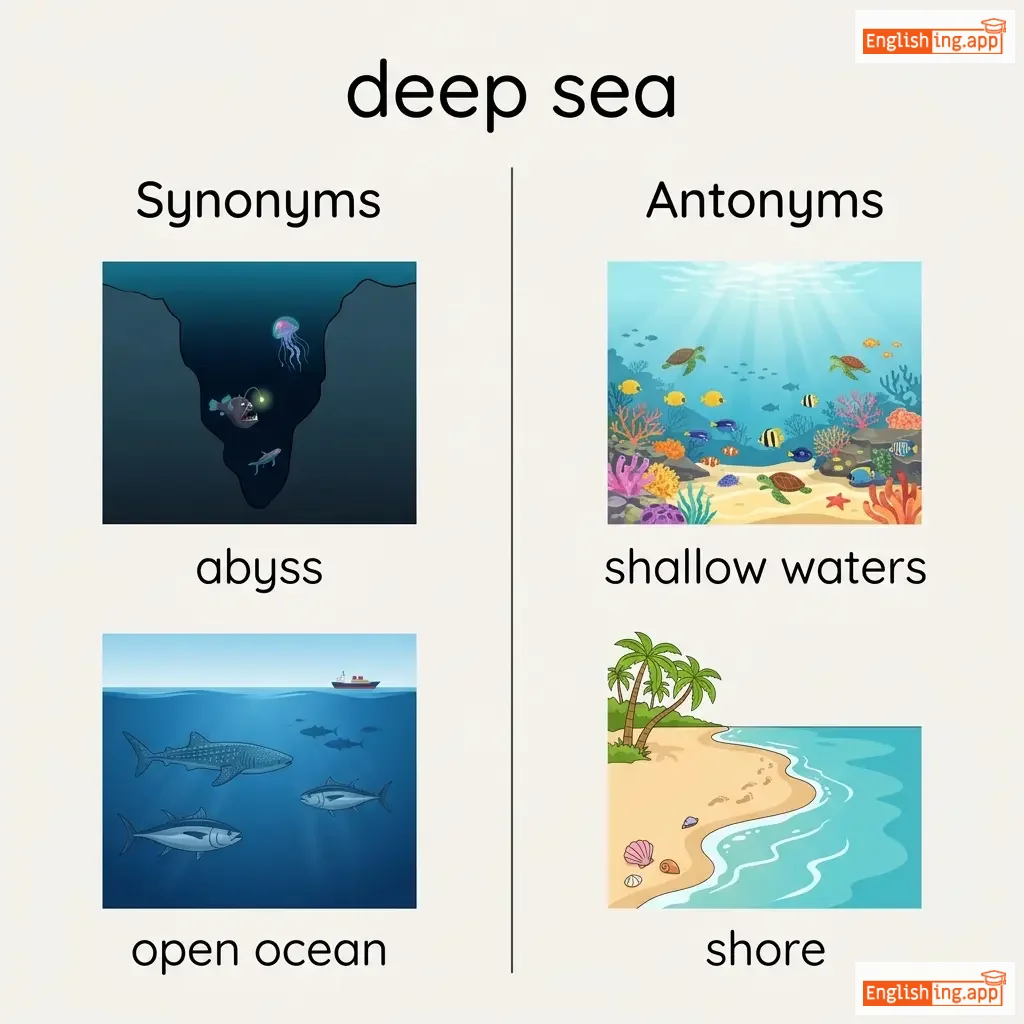
/diːp siː/
noun
••••••
|
|
The deep parts of the sea or ocean, typically beyond the continental shelf.
••••••
|
Many deep-sea creatures produce bioluminescence for survival. |
abyss, open ocean, hadal zone
••••••
|
shallow waters, shore, coastline
••••••
|
|
#2486
🐟
|
/pəˈlædʒ.ɪk/
adjective
••••••
|
|
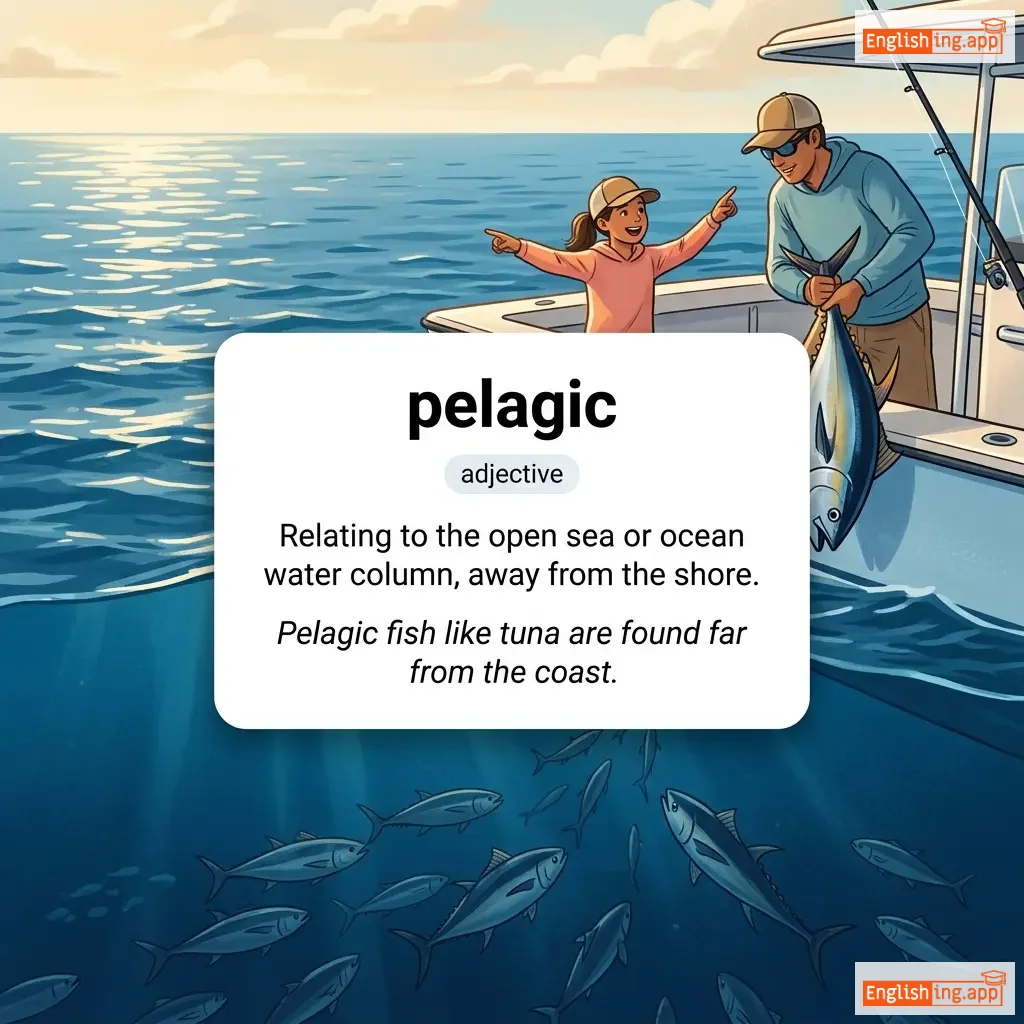
Relating to the open sea or ocean water column, away from the shore.
••••••
|
Pelagic fish like tuna are found far from the coast. |
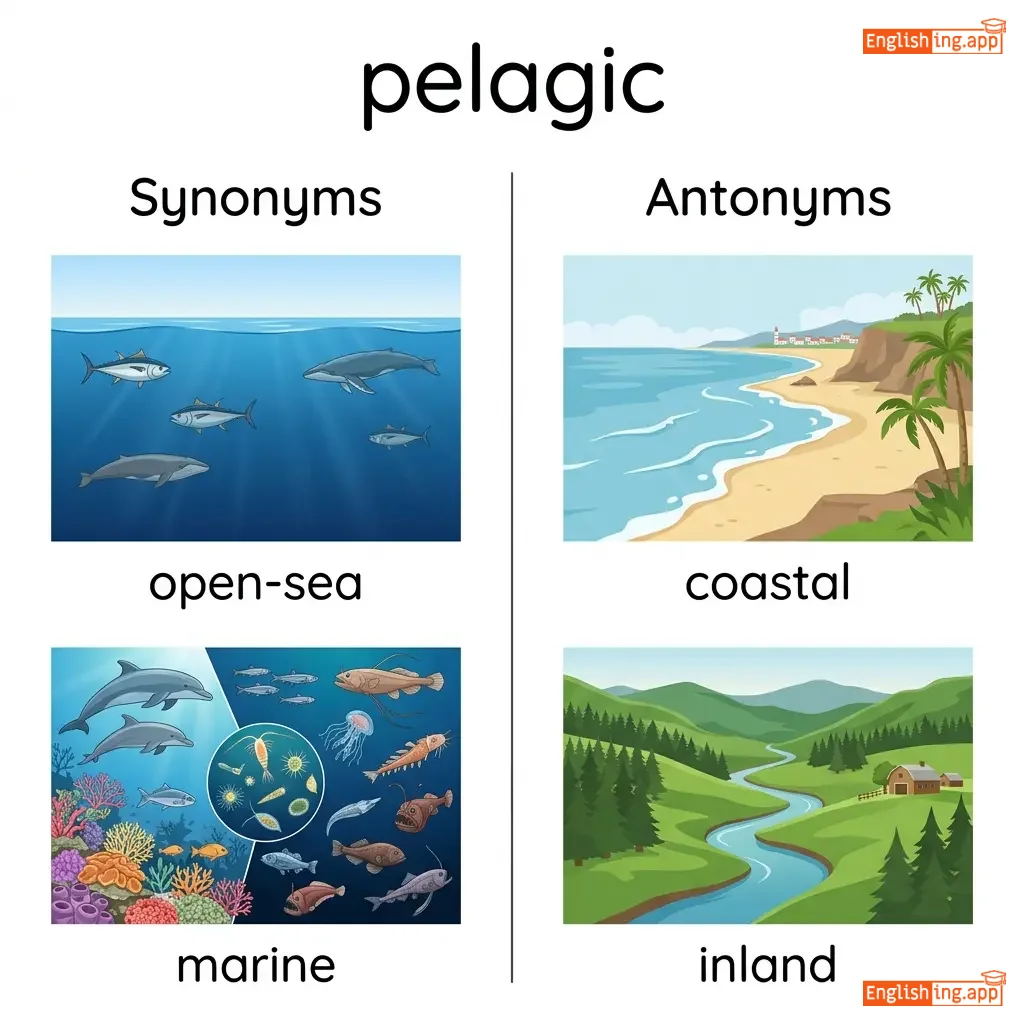
open-sea, marine, oceanic
••••••
|
coastal, inland, littoral
••••••
|
|
#2487
🌿
|
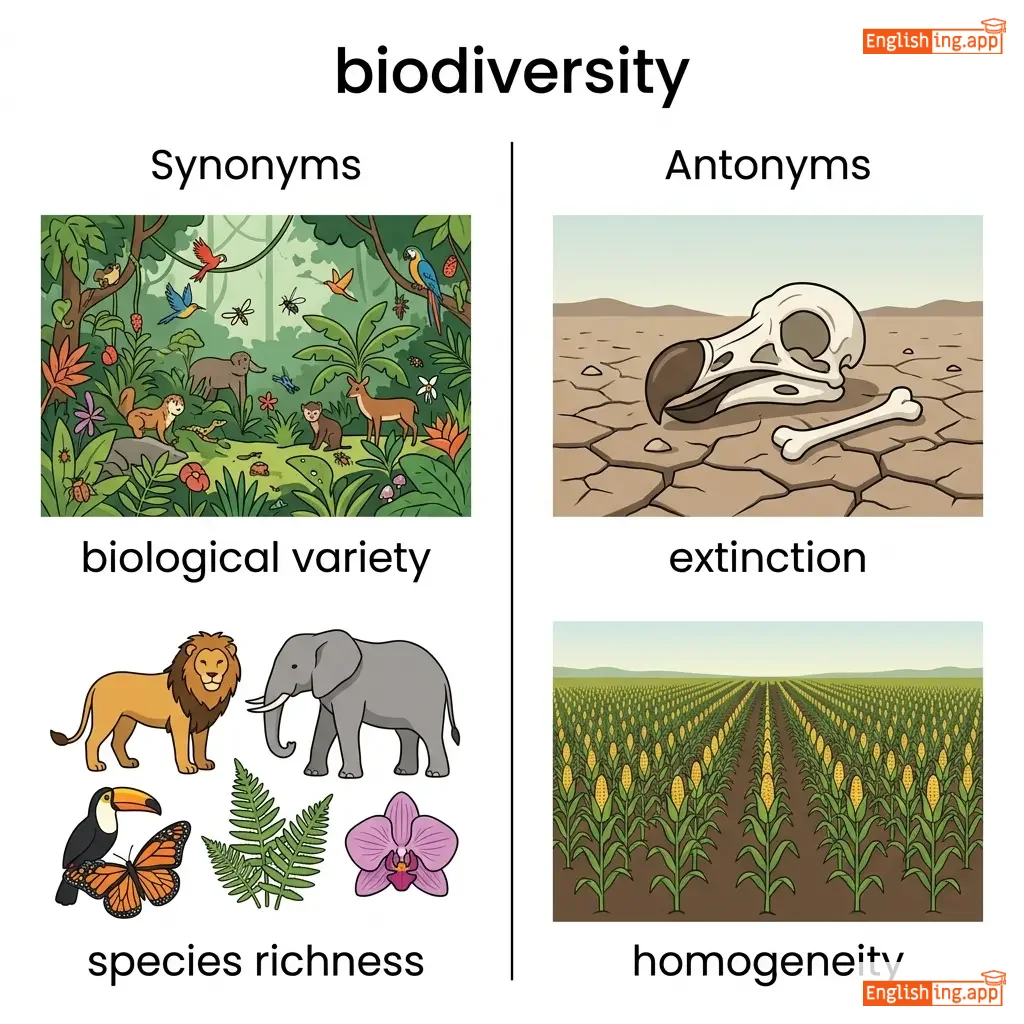
/ˌbaɪ.oʊ.dɪˈvɝː.sə.t̬i/
noun
••••••
|
|
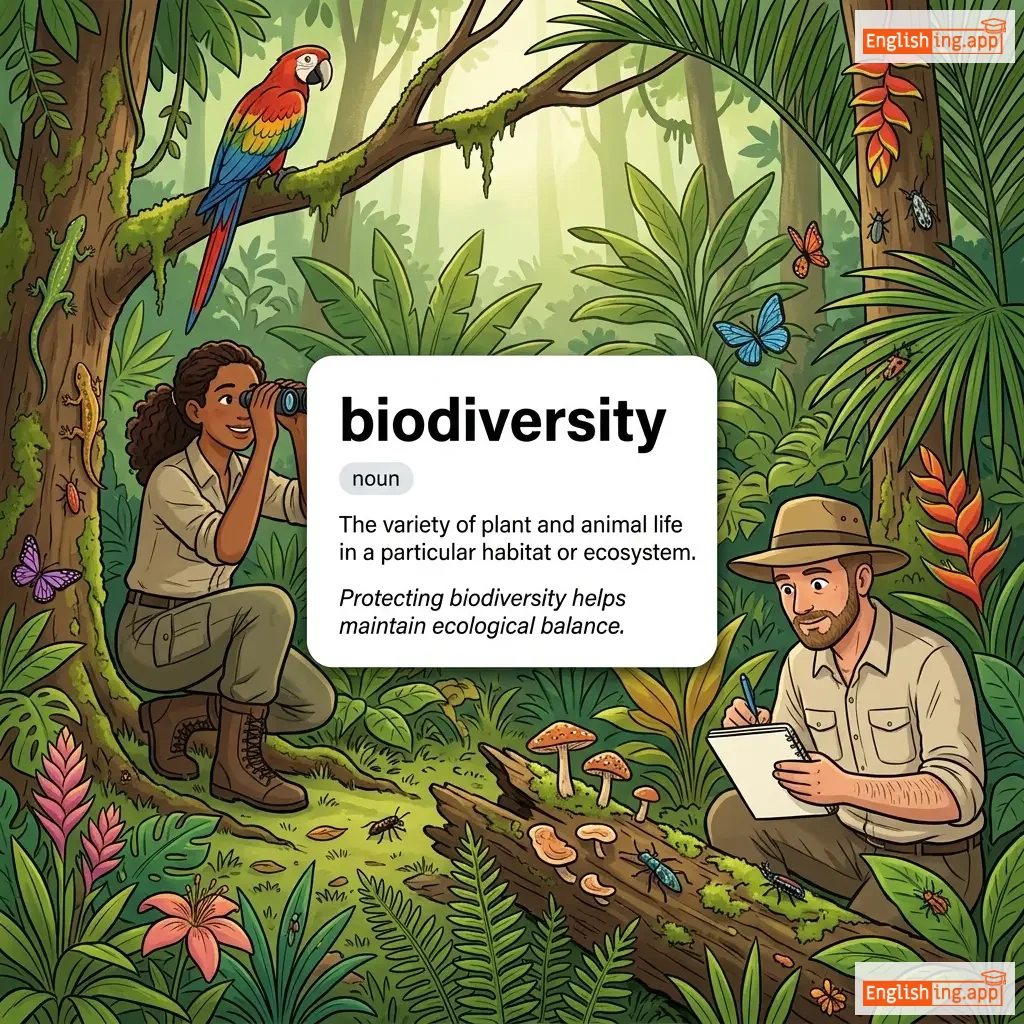
The variety of plant and animal life in the world or in a particular habitat.
••••••
|
The coral reefs support immense marine biodiversity. |
variety, ecosystem richness, biological diversity
••••••
|
homogeneity, uniformity, similarity
••••••
|
|
#2488
🌊
|
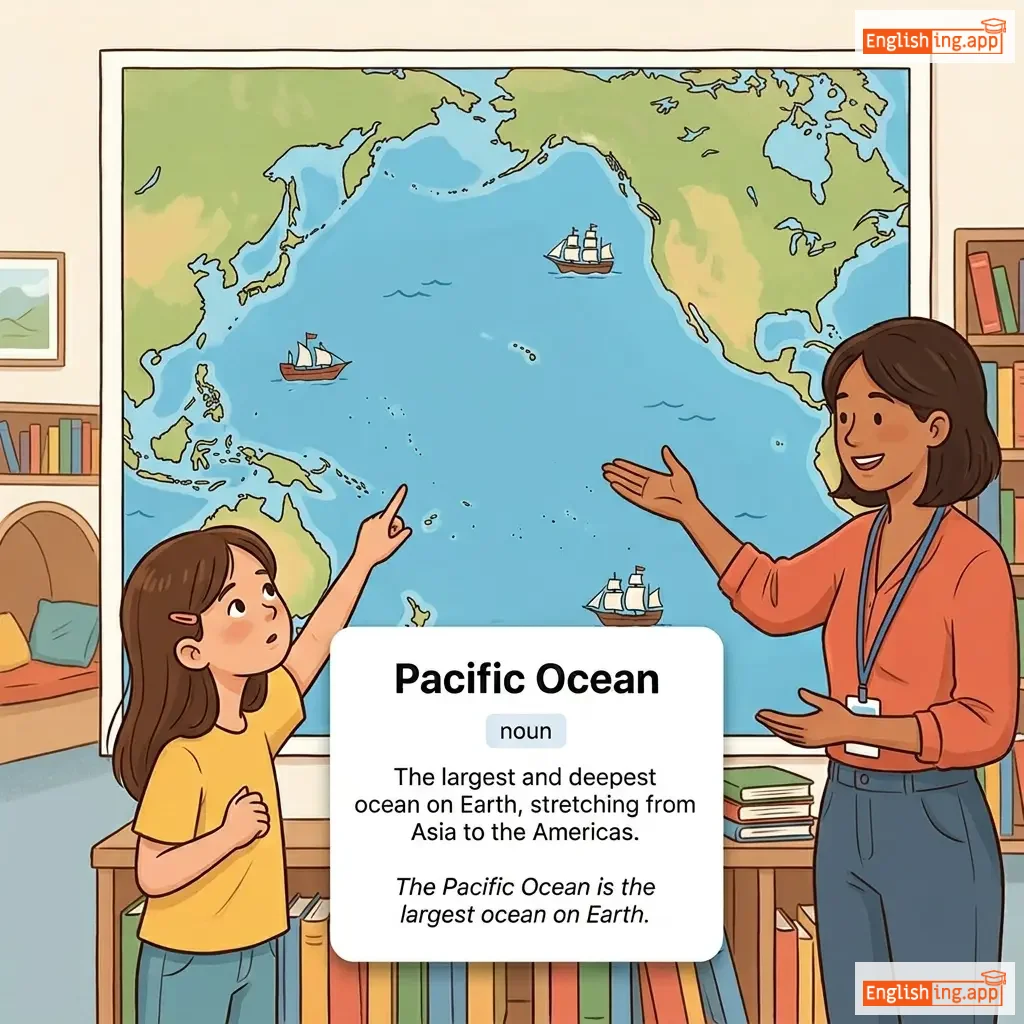
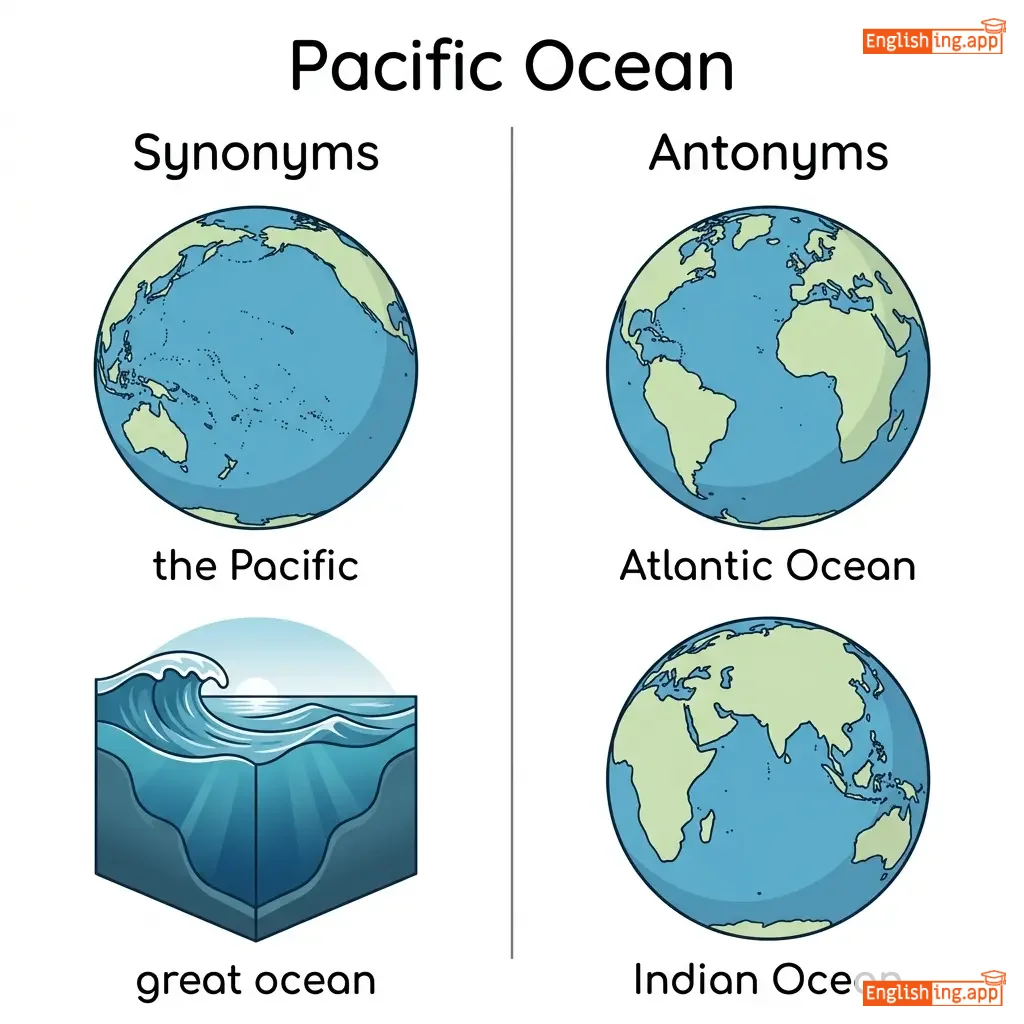
/pəˈsɪf.ɪk ˈoʊ.ʃən/
noun
••••••
|
|
The largest and deepest ocean on Earth, stretching from Asia to the Americas.
••••••
|
The Pacific Ocean is the largest ocean on Earth. |
the Pacific, great ocean, Pacific waters
••••••
|
Atlantic Ocean, Indian Ocean, Arctic Ocean
••••••
|
|
#2489
🏝️
|
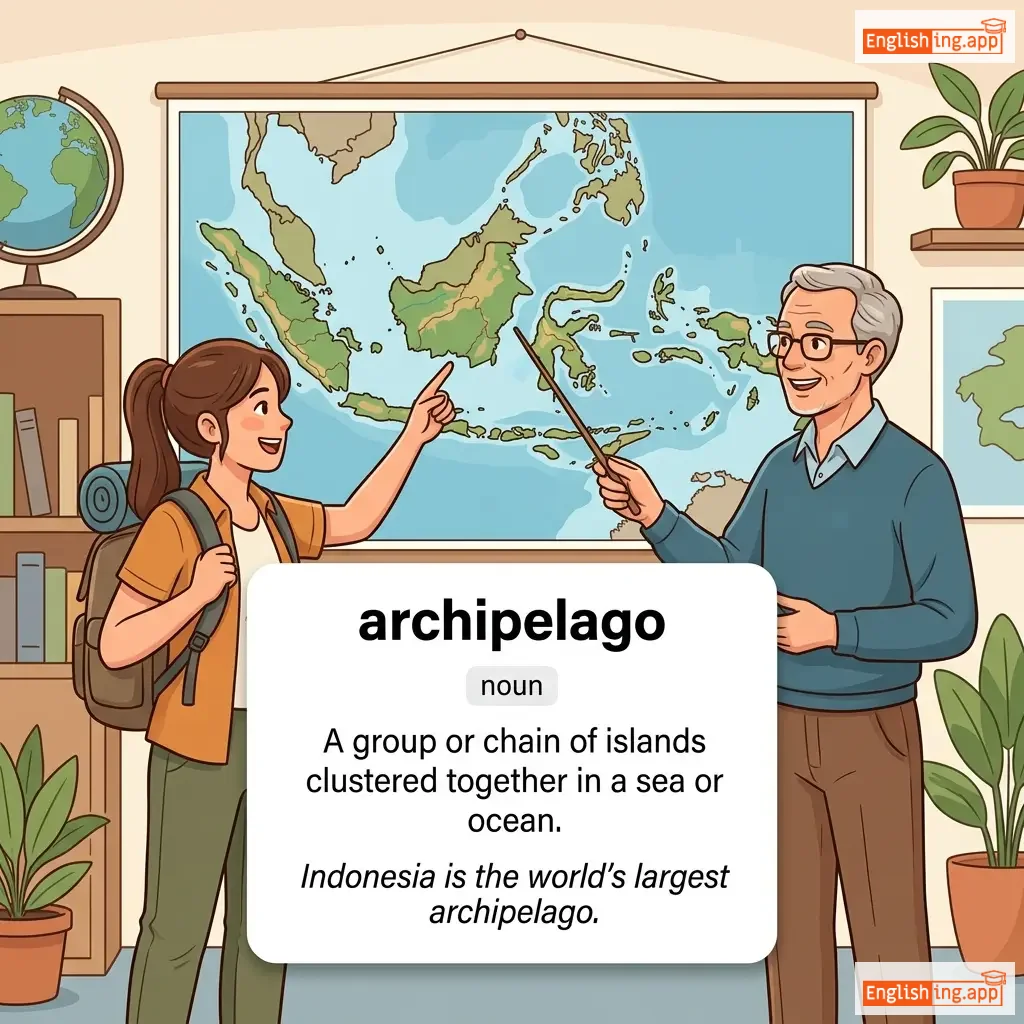
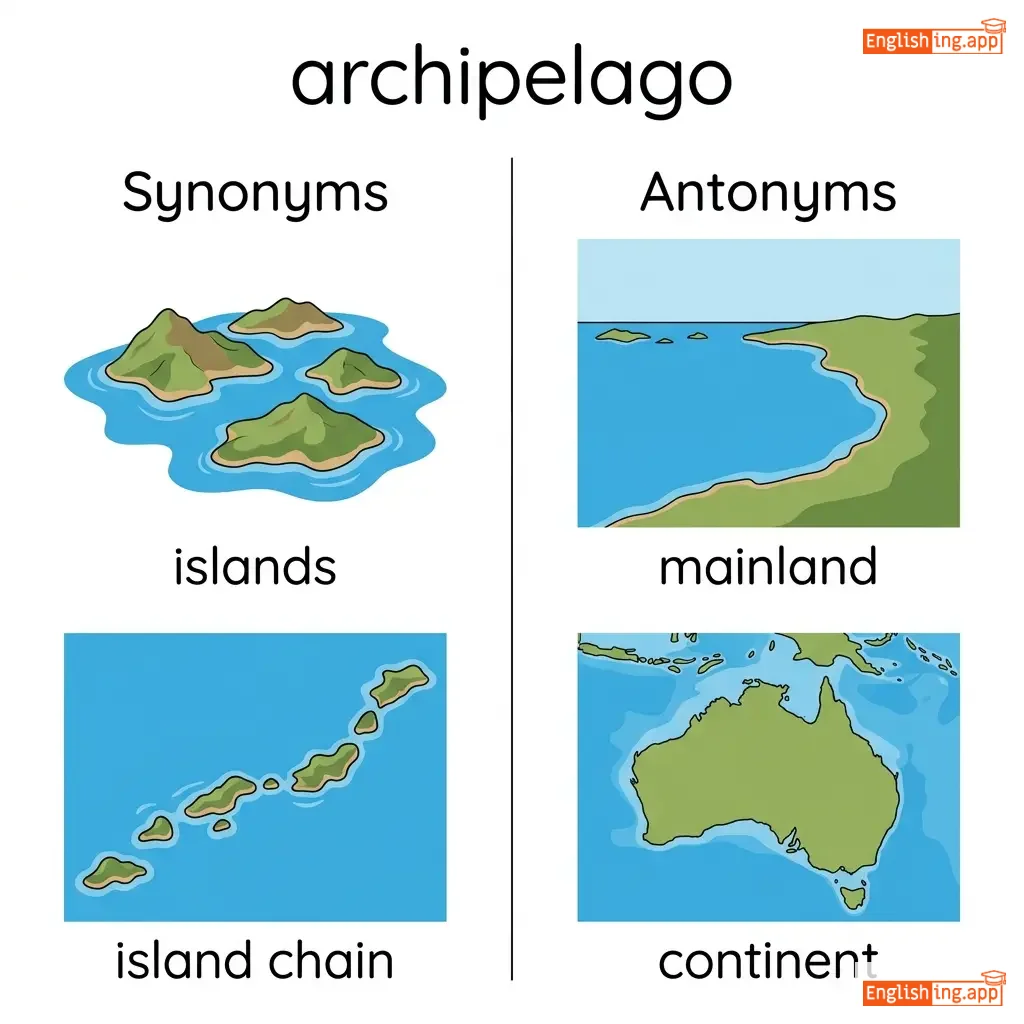
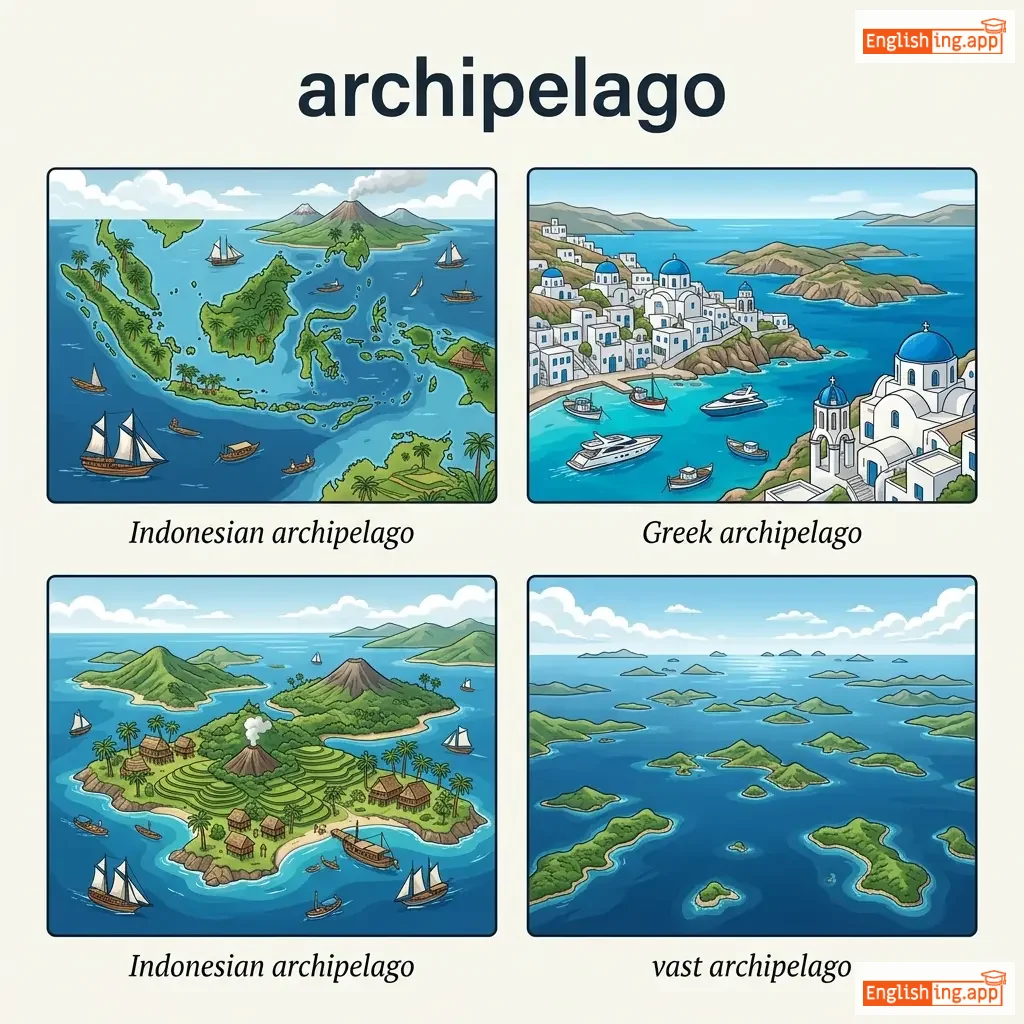
/ˌɑːr.kəˈpɛl.əˌɡoʊ/
noun
••••••
|
|
A group of islands clustered together in a body of water.
••••••
|
Indonesia is an archipelago with thousands of islands. |
island chain, isles, atoll
••••••
|
mainland, continent, peninsula
••••••
|
|
#2490
📊
|
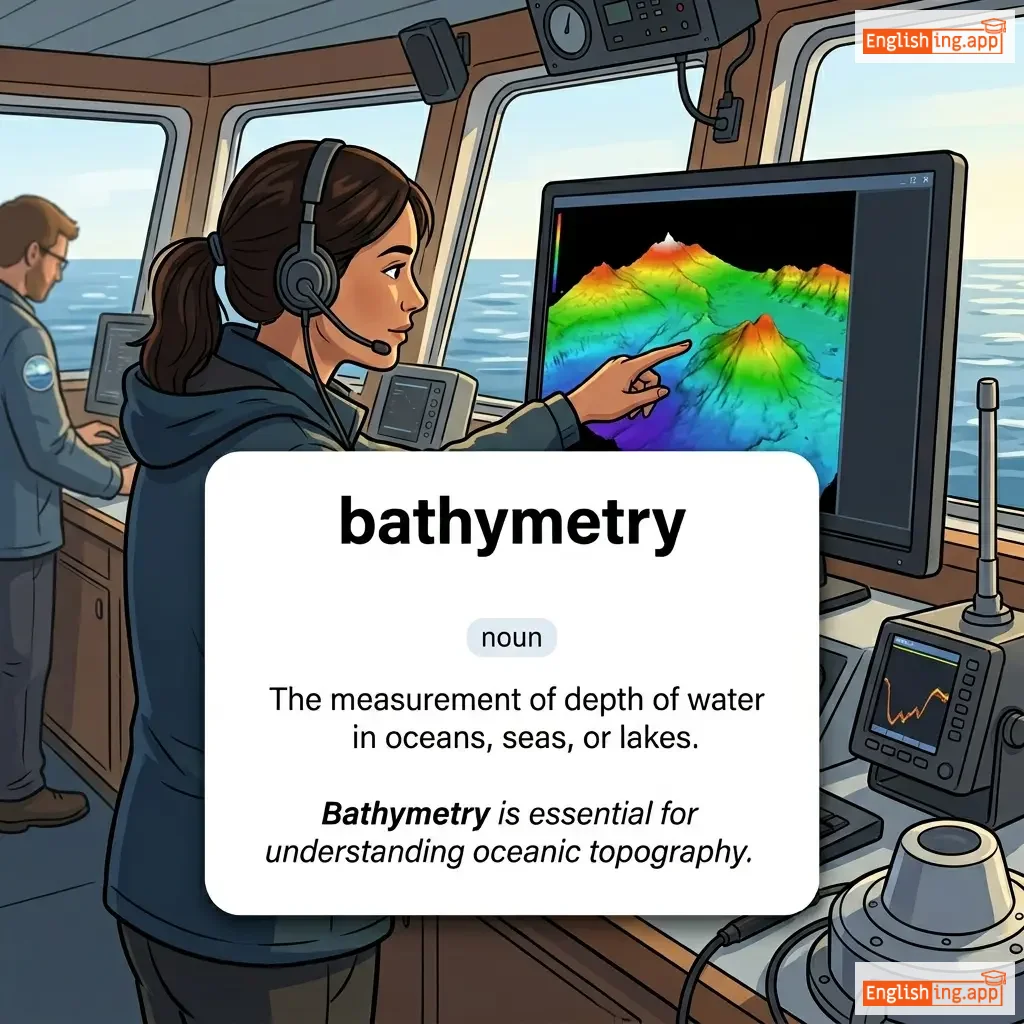
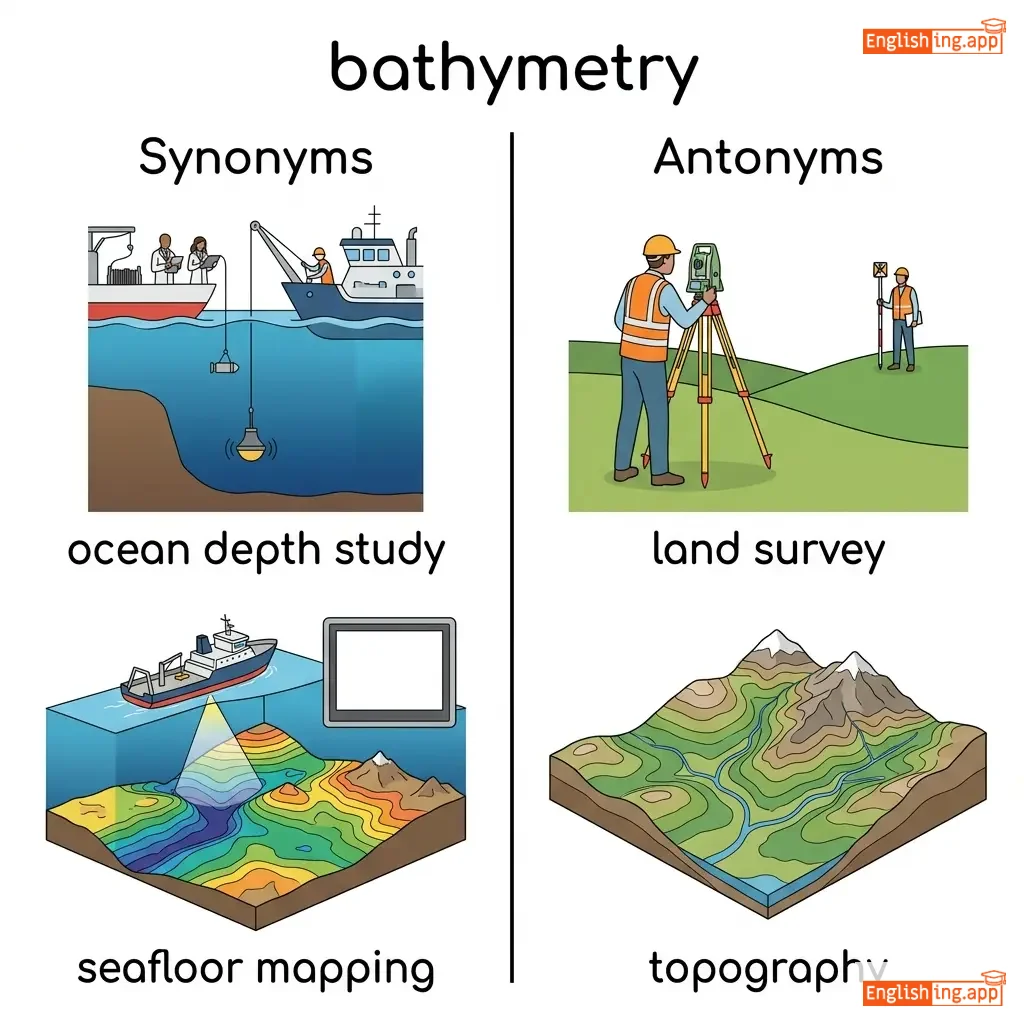
/bəˈθɪm.ə.tri/
noun
••••••
|
|
The measurement of depth of water in oceans, seas, or lakes.
••••••
|
Bathymetry is essential for understanding oceanic topography. |
ocean depth study, seafloor mapping, hydrography
••••••
|
land survey, topography, elevation
••••••
|
|
#2491
🧂
|
/səˈlɪn.ə.t̬i/
noun
••••••
|
|
The salt content of soil or water, typically measured as a concentration.
••••••
|
The salinity of the ocean varies depending on depth and location. |
salt concentration, brininess, saltiness
••••••
|
freshness, purity, soft water
••••••
|
|
#2492
🌡️
|
/ˈθɝː.moʊ.klaɪn/
noun
••••••
|
|
A layer in a body of water in which temperature changes rapidly with depth.
••••••
|
The thermocline separates warm surface water from cold deep water. |
temperature gradient, thermal layer, oceanic boundary
••••••
|
uniform temperature, surface layer, constant warmth
••••••
|
|
#2493
🌍
|
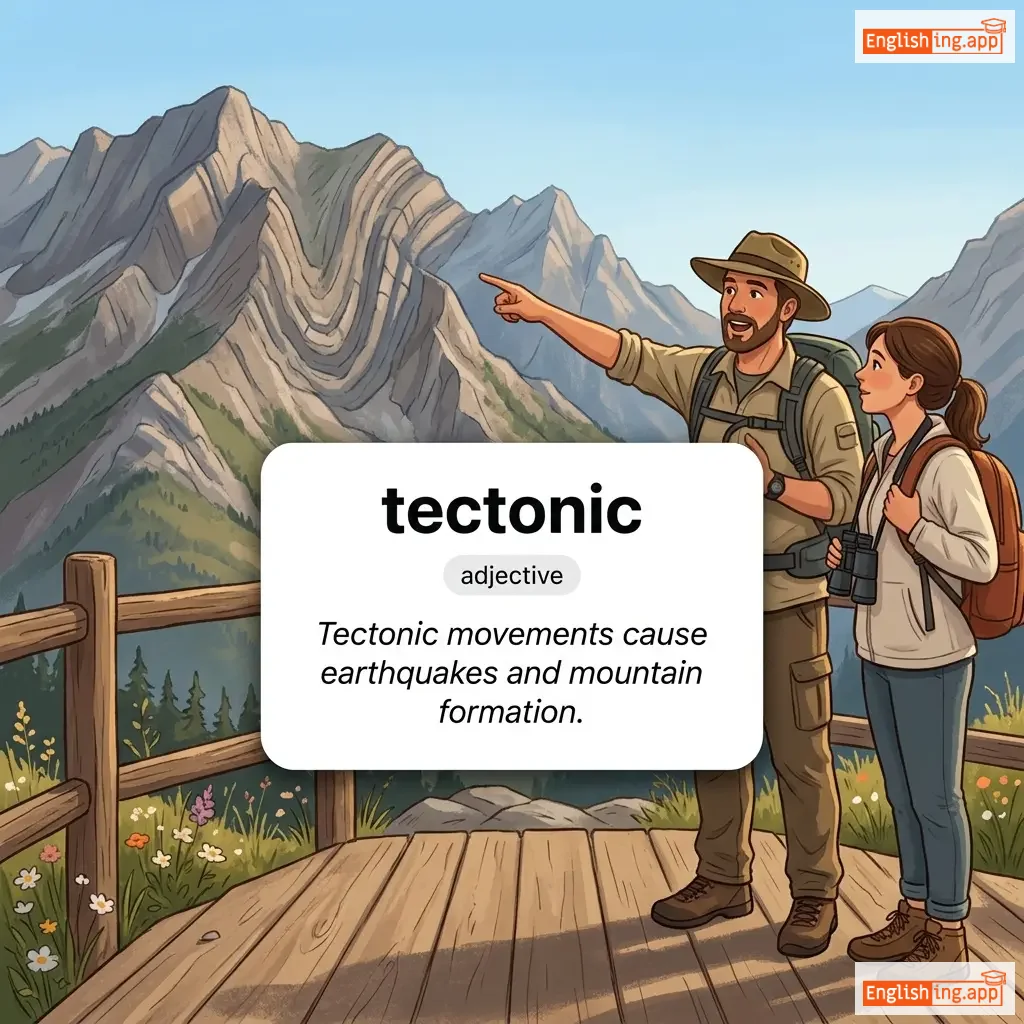
/tɛkˈtɑː.nɪk/
adjective
••••••
|
|
Relating to the structure of the earth's crust and the large-scale processes that take place within it.
••••••
|
Tectonic movements cause earthquakes and mountain formation. |
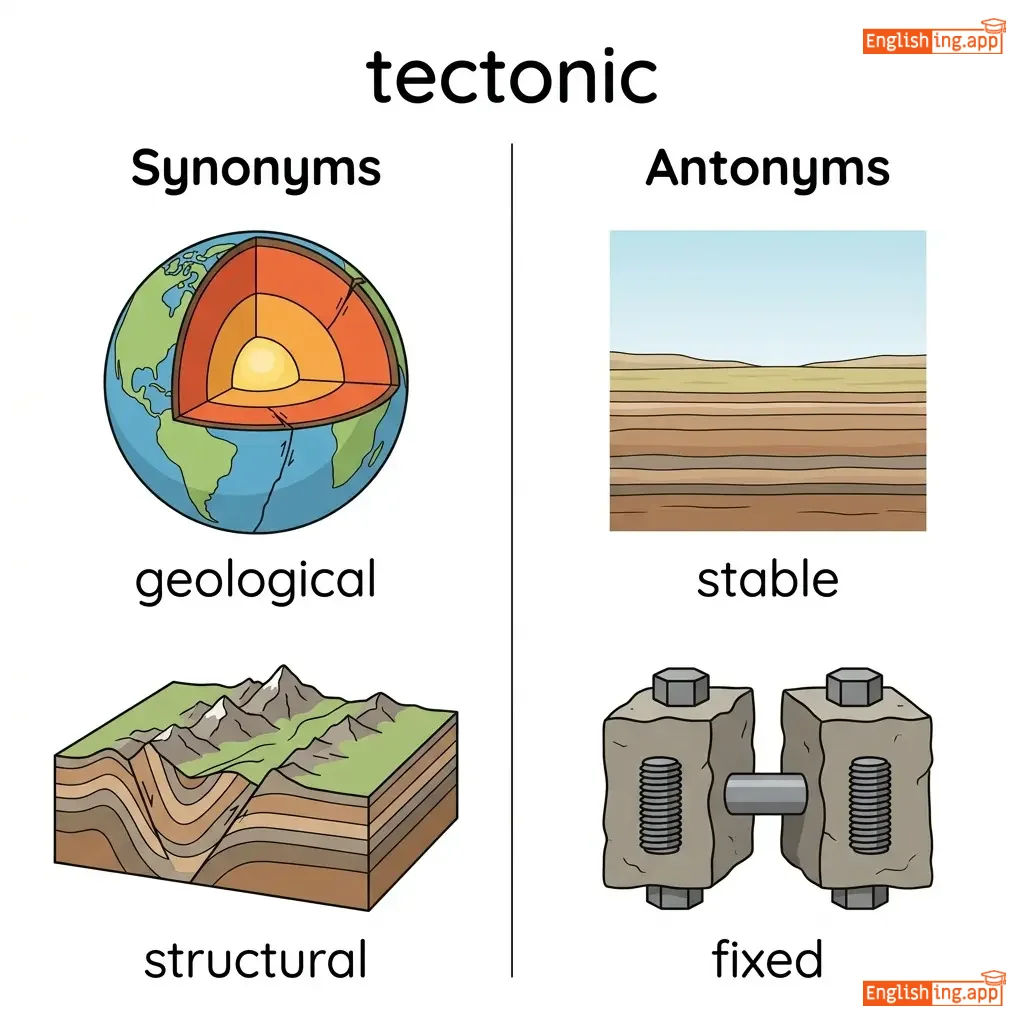
geological, structural, seismic
••••••
|
stable, fixed, unmoving
••••••
|
|
#2494
⛰️
|
/səbˈdʌk.ʃən/
noun
••••••
|
|
The lateral and downward movement of the edge of a plate of the earth's crust into the mantle beneath another plate.
••••••
|
The Pacific Ring of Fire is an area of intense subduction. |
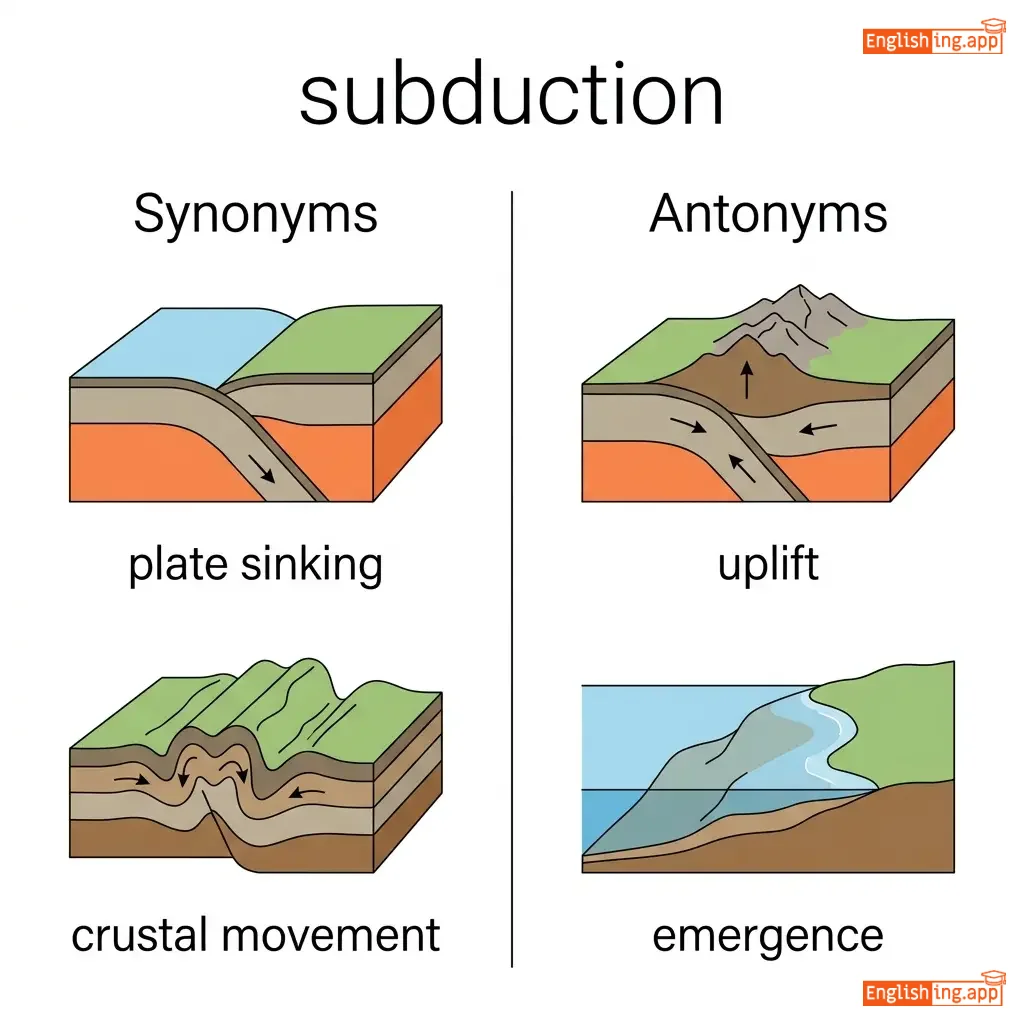
plate sinking, crustal movement, earth compression
••••••
|
uplift, emergence, surface expansion
••••••
|
|
#2495
🌀
|
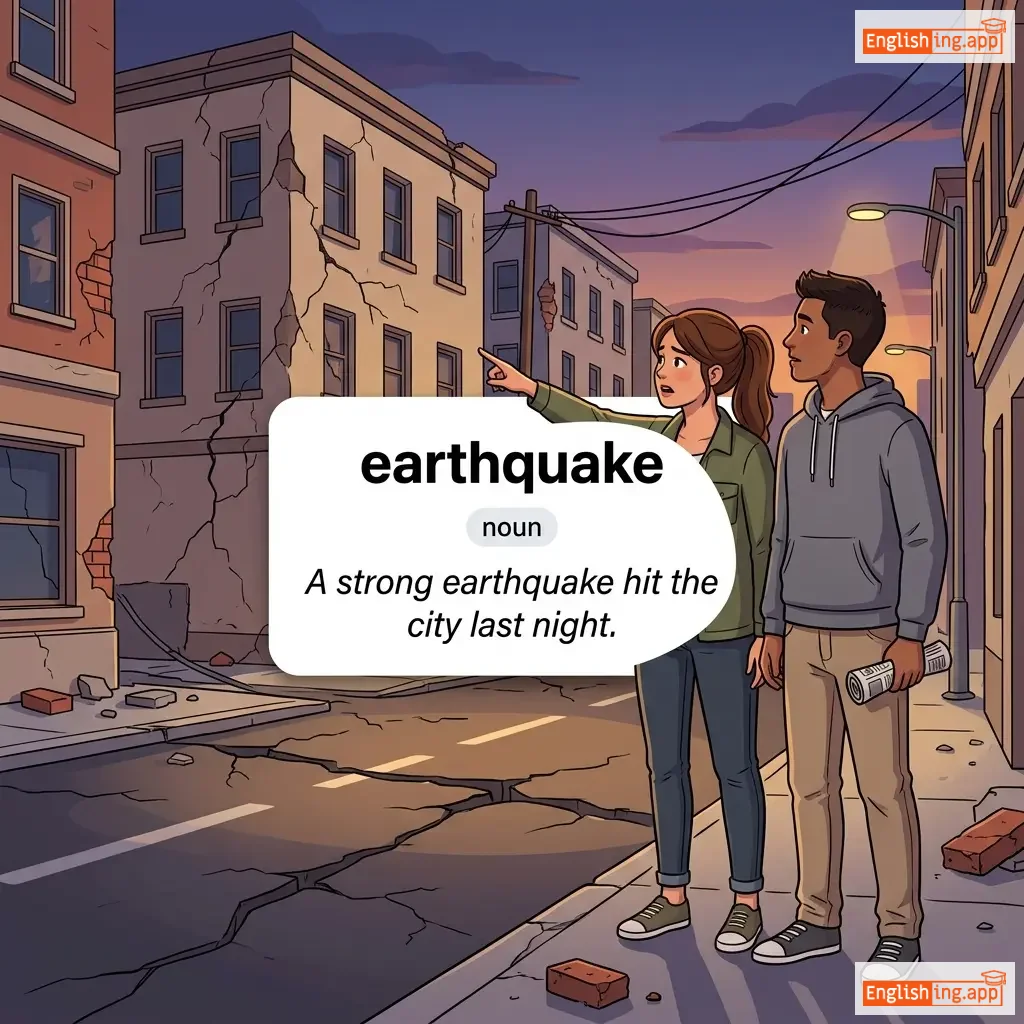
/ˈɝːθ.kweɪk/
noun
••••••
|
|
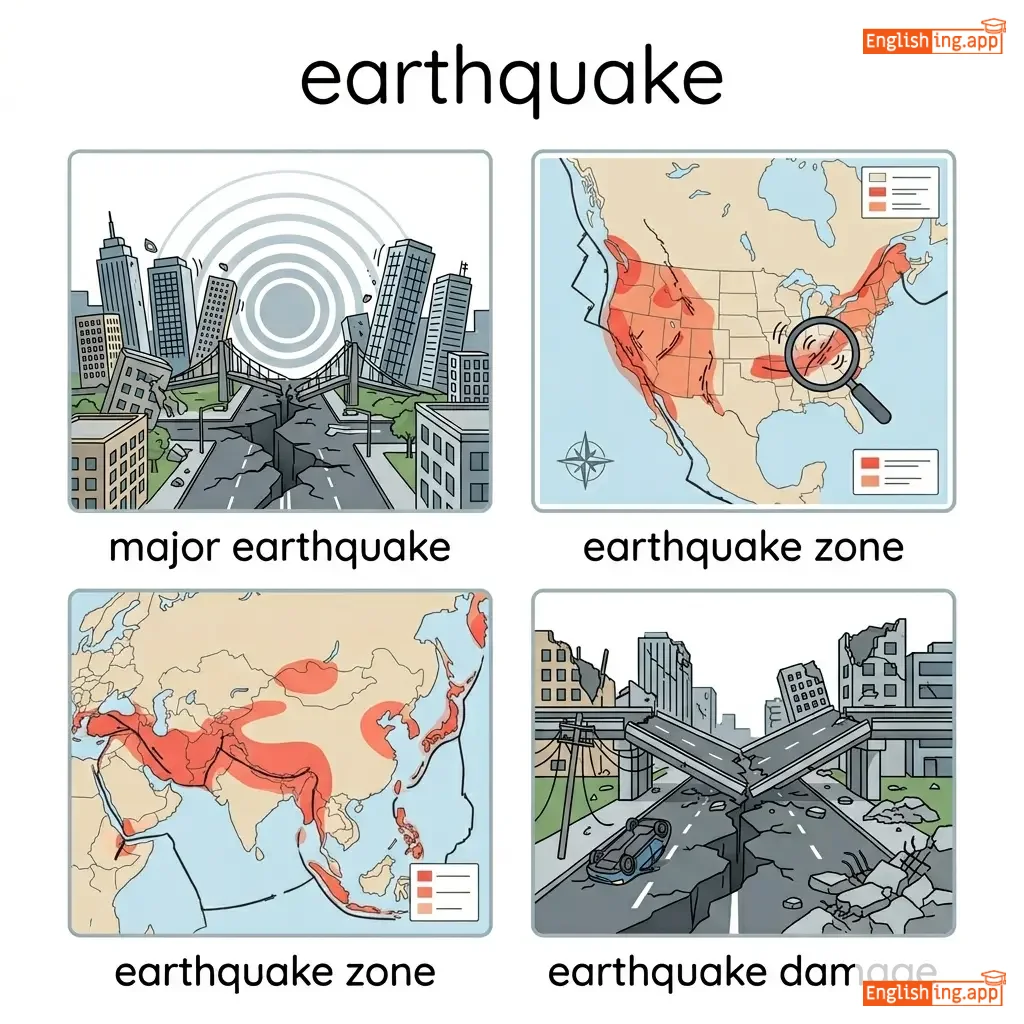
A sudden and violent shaking of the ground as a result of movements within the earth's crust.
••••••
|
A powerful earthquake struck Japan last night. |
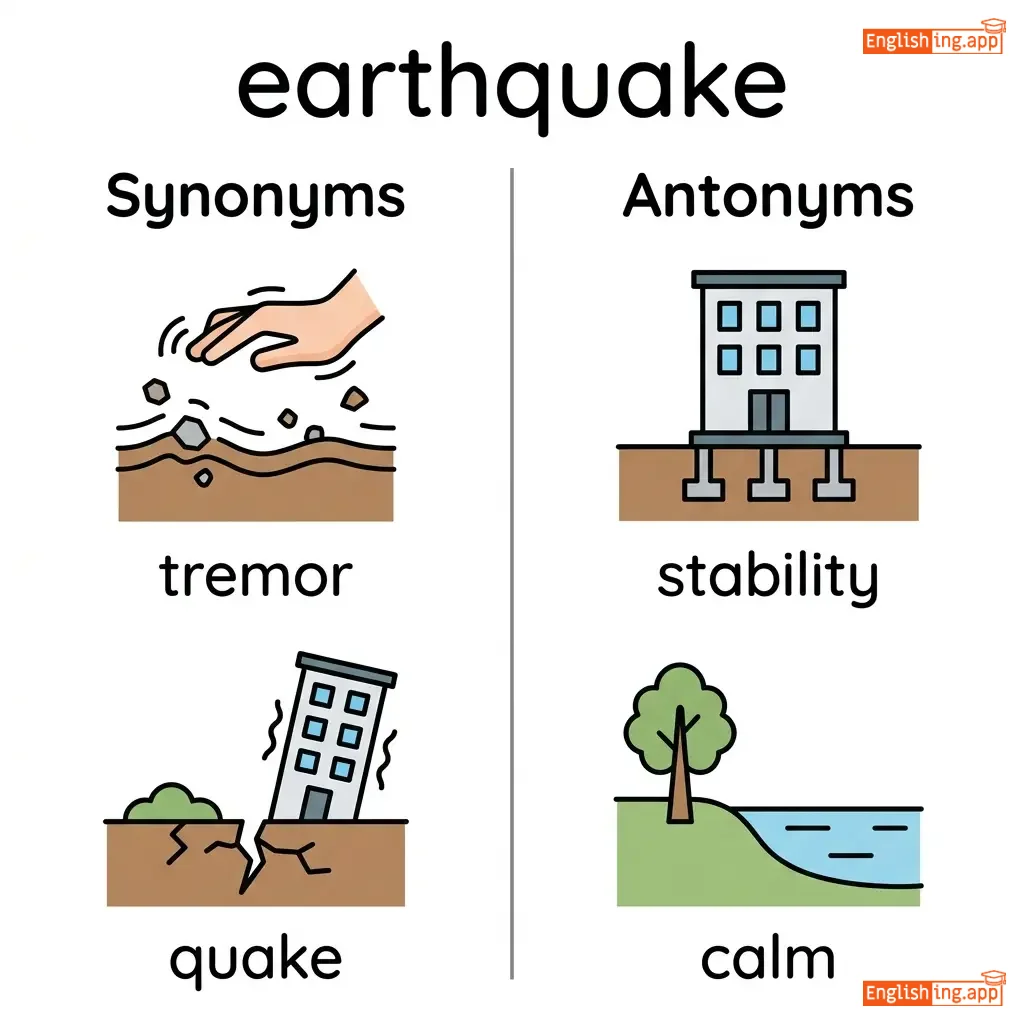
tremor, seismic activity, shockwave
••••••
|
stability, stillness, motionlessness
••••••
|
|
#2496
🌋
|
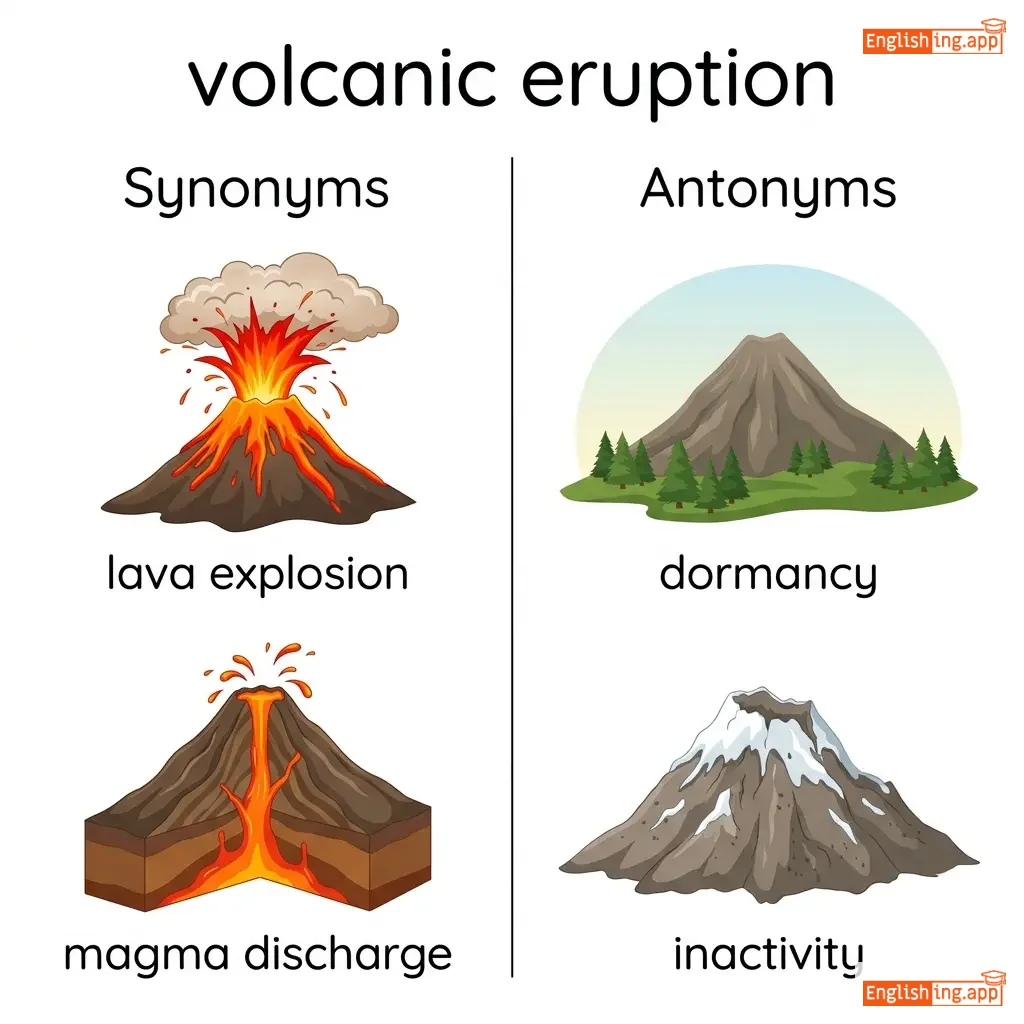
/vɒlˈkæn.ɪk ɪˈrʌp.ʃən/
noun
••••••
|
|
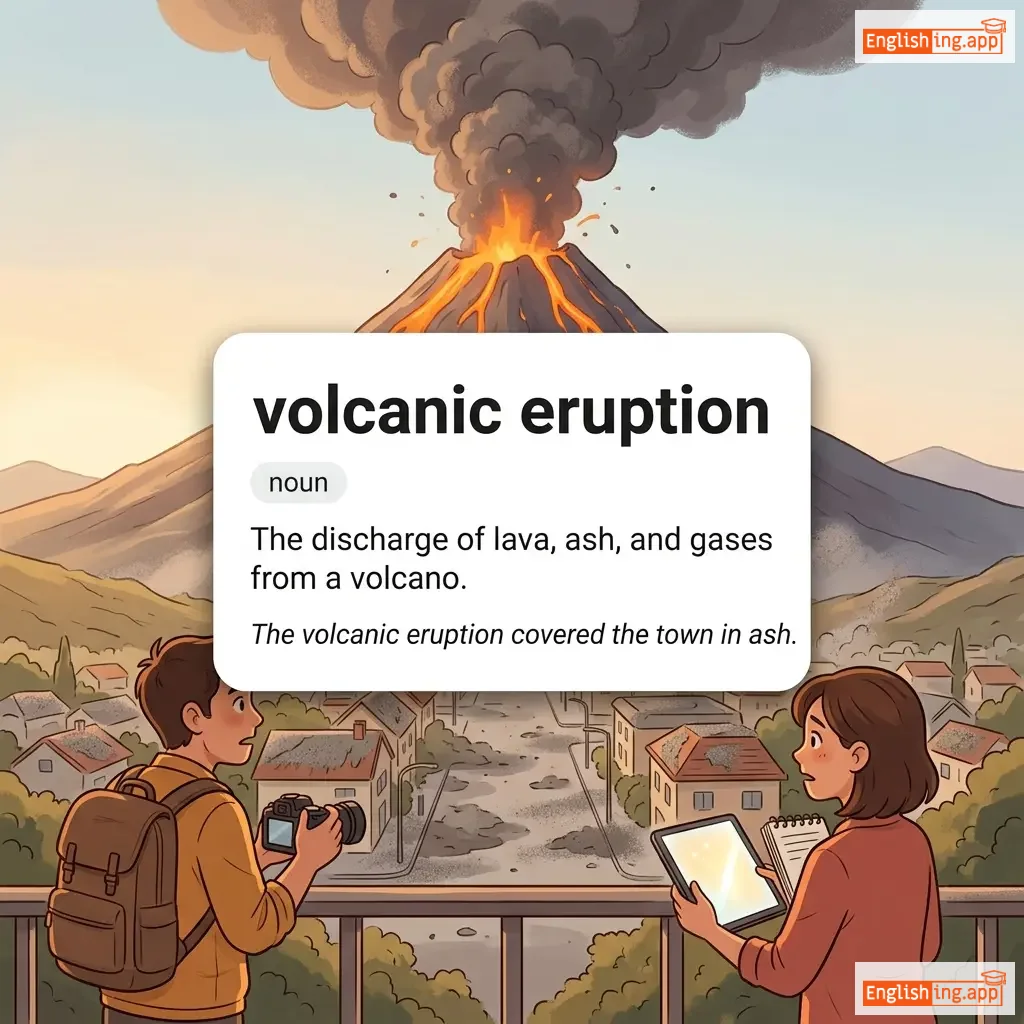
The discharge of lava, ash, and gases from a volcano.
••••••
|
The volcanic eruption covered the town in ash. |
lava explosion, magma discharge, volcanism
••••••
|
dormancy, inactivity, extinct volcano
••••••
|
|
#2497
↗️
|
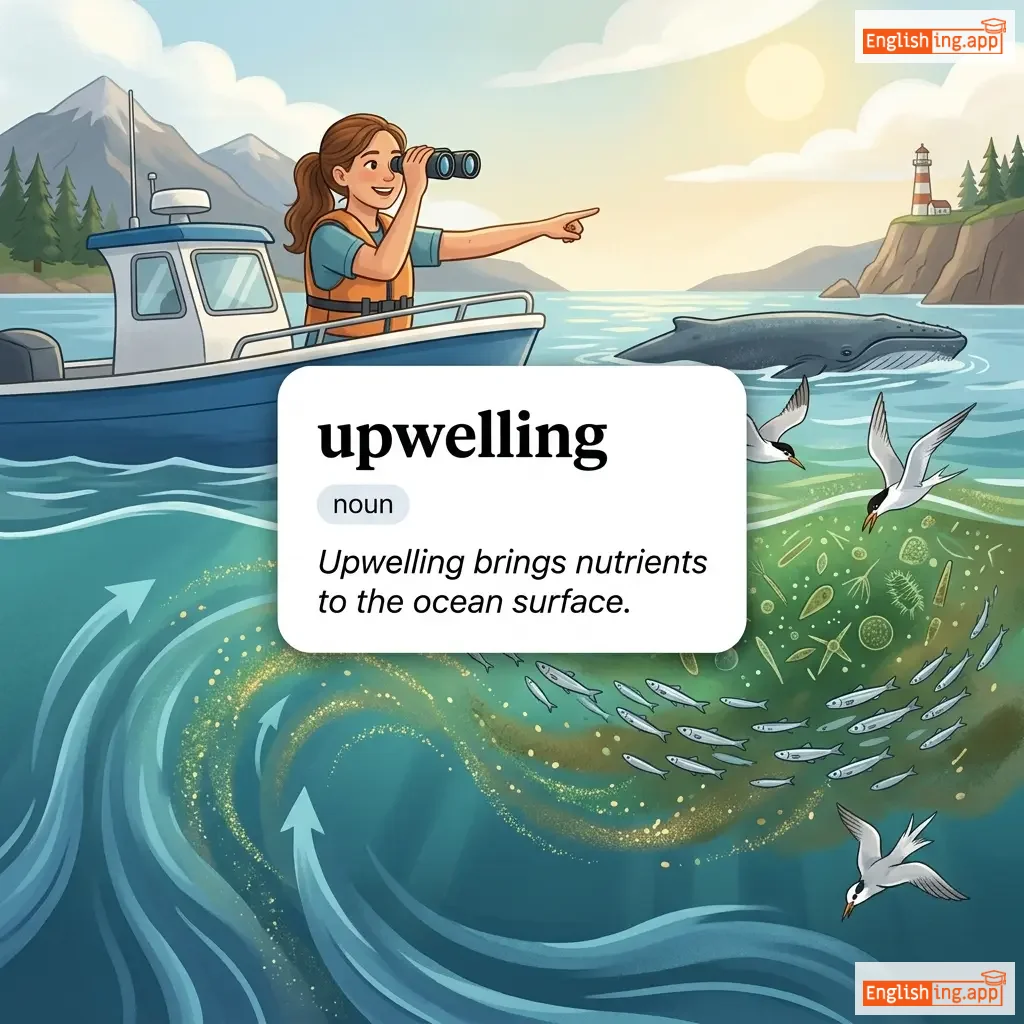
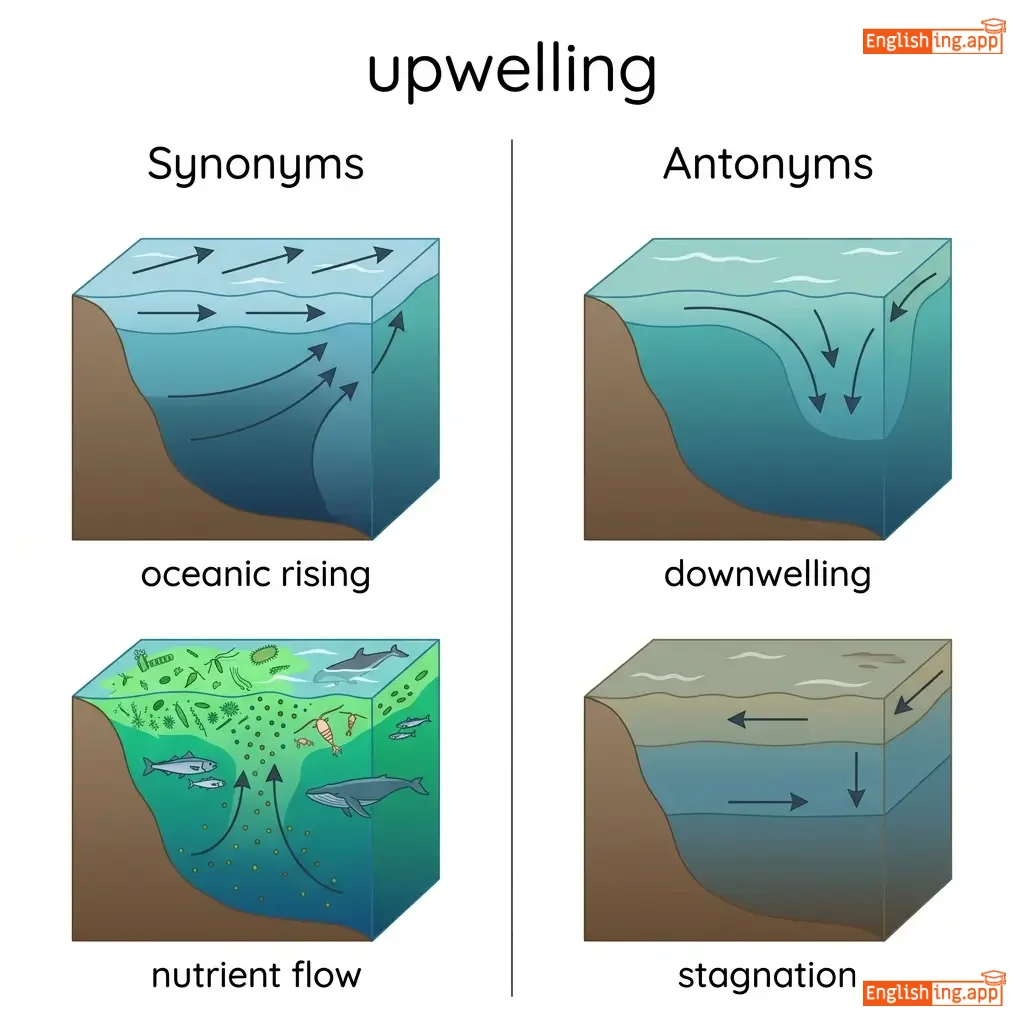
/ˈʌp.wel.ɪŋ/
noun
••••••
|
|
An oceanographic phenomenon that involves wind-driven motion of dense, cooler, and nutrient-rich water towards the ocean surface.
••••••
|
Upwelling brings nutrients to the ocean surface. |
oceanic rising, nutrient flow, seawater circulation
••••••
|
downwelling, stagnation, retention
••••••
|
|
#2498
🌀
|
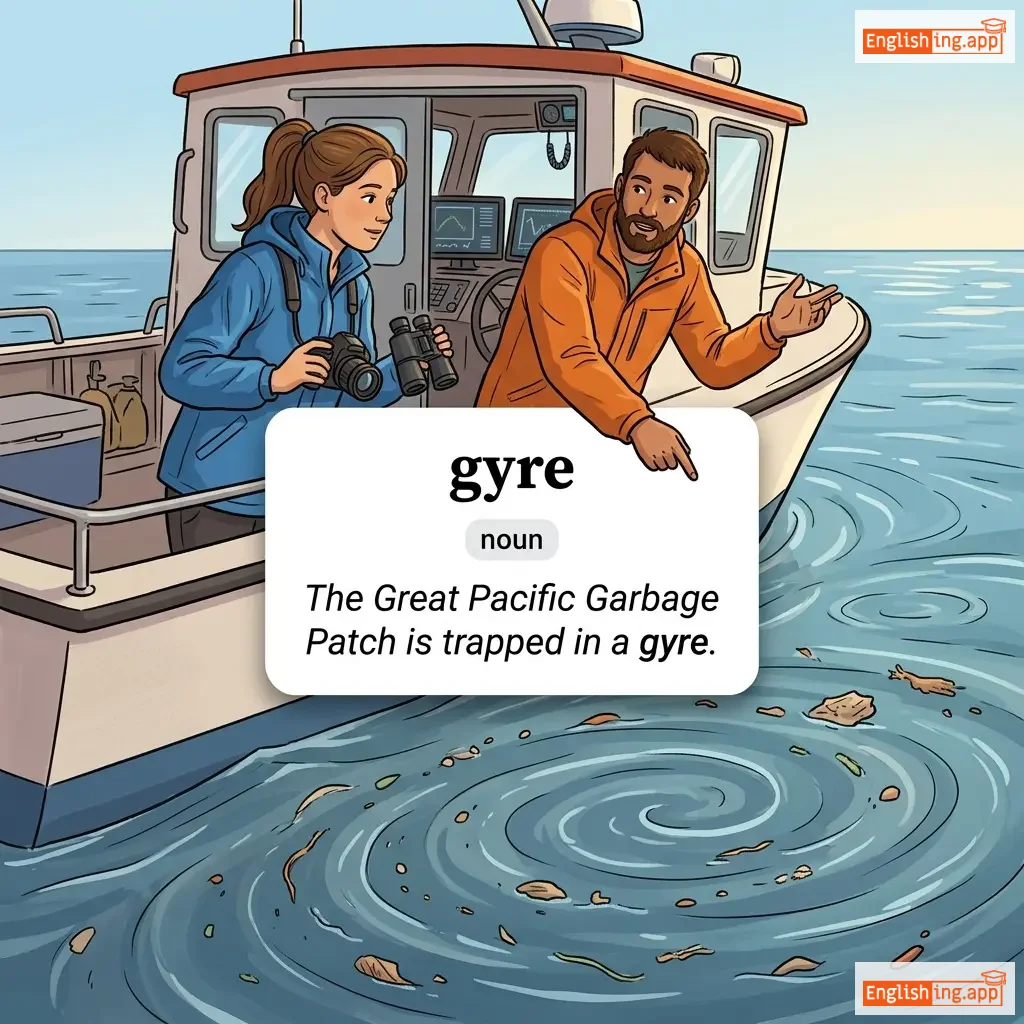
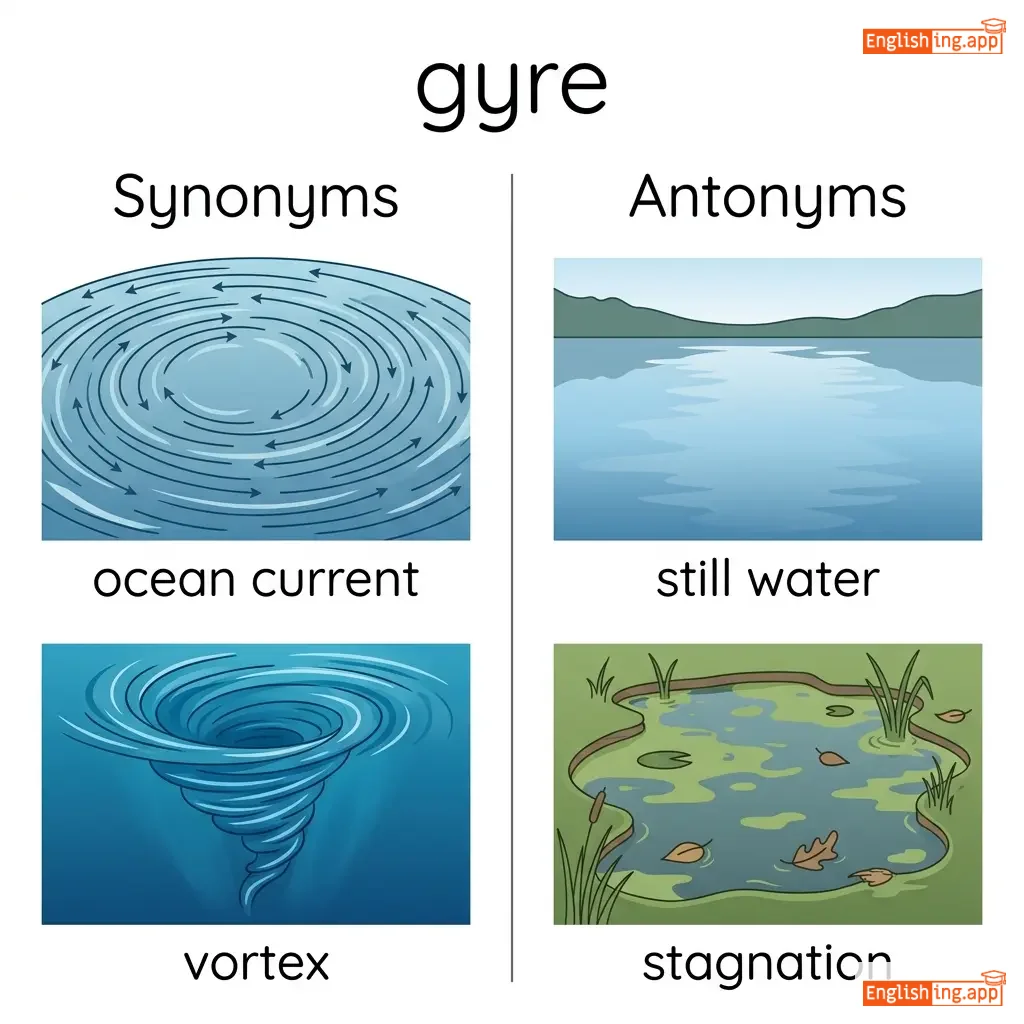
/ˈdʒaɪər/
noun
••••••
|
|
A circular or spiral motion or form, especially a giant circular oceanic surface current.
••••••
|
The Great Pacific Garbage Patch is trapped in a gyre. |
ocean current, vortex, whirlpool
••••••
|
still water, stagnation, immobility
••••••
|
|
#2499
🏭
|
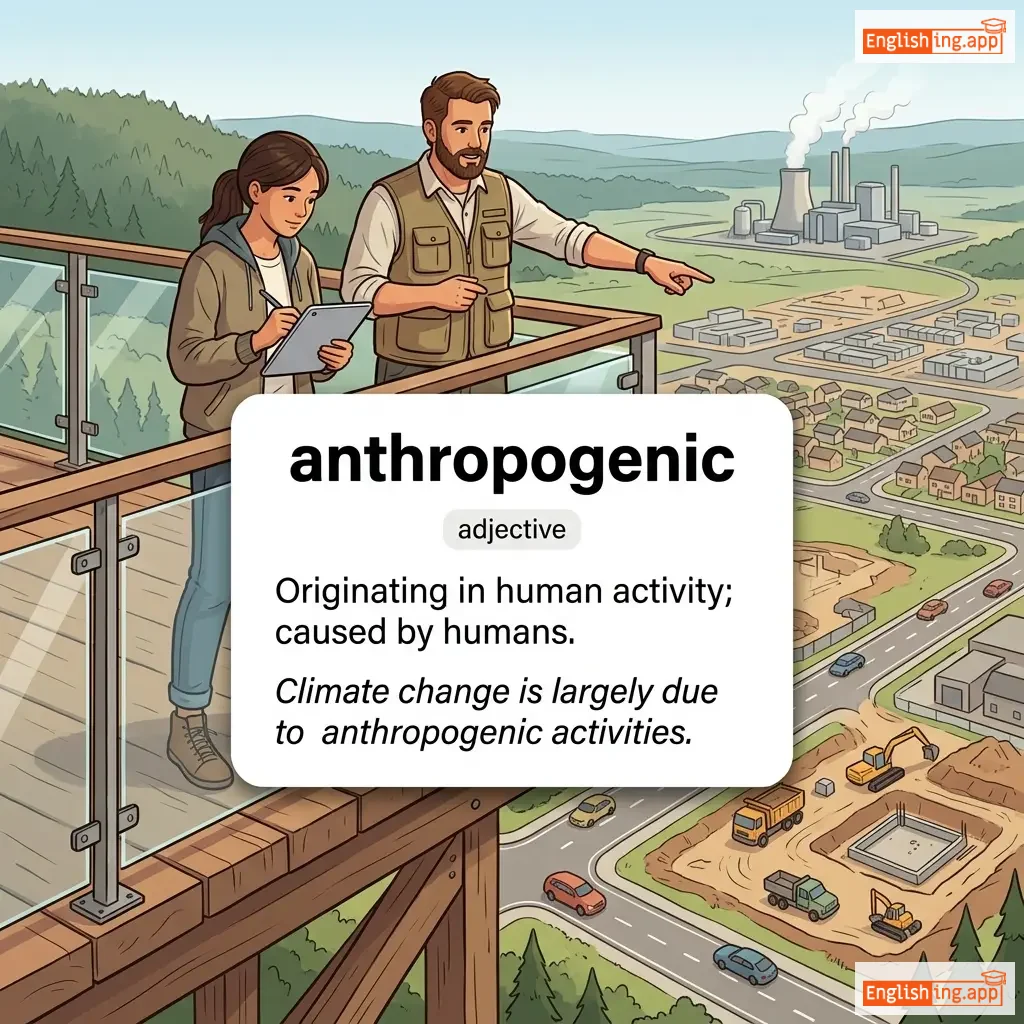
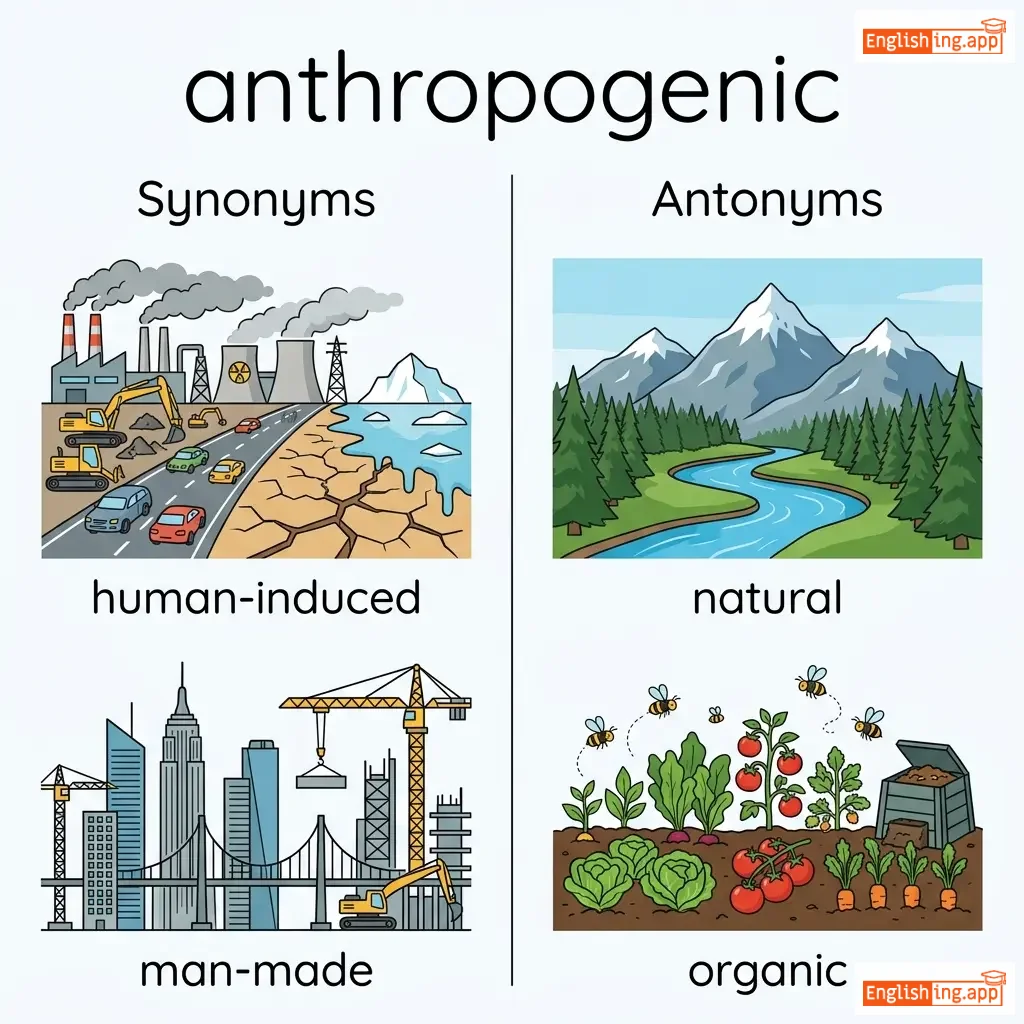
/ˌæn.θrə.pəˈdʒen.ɪk/
adjective
••••••
|
|
Originating in human activity; caused by humans.
••••••
|
Climate change is largely due to anthropogenic activities. |
human-induced, man-made, industrial
••••••
|
natural, organic, biogenic
••••••
|
|
#2500
☠️
|
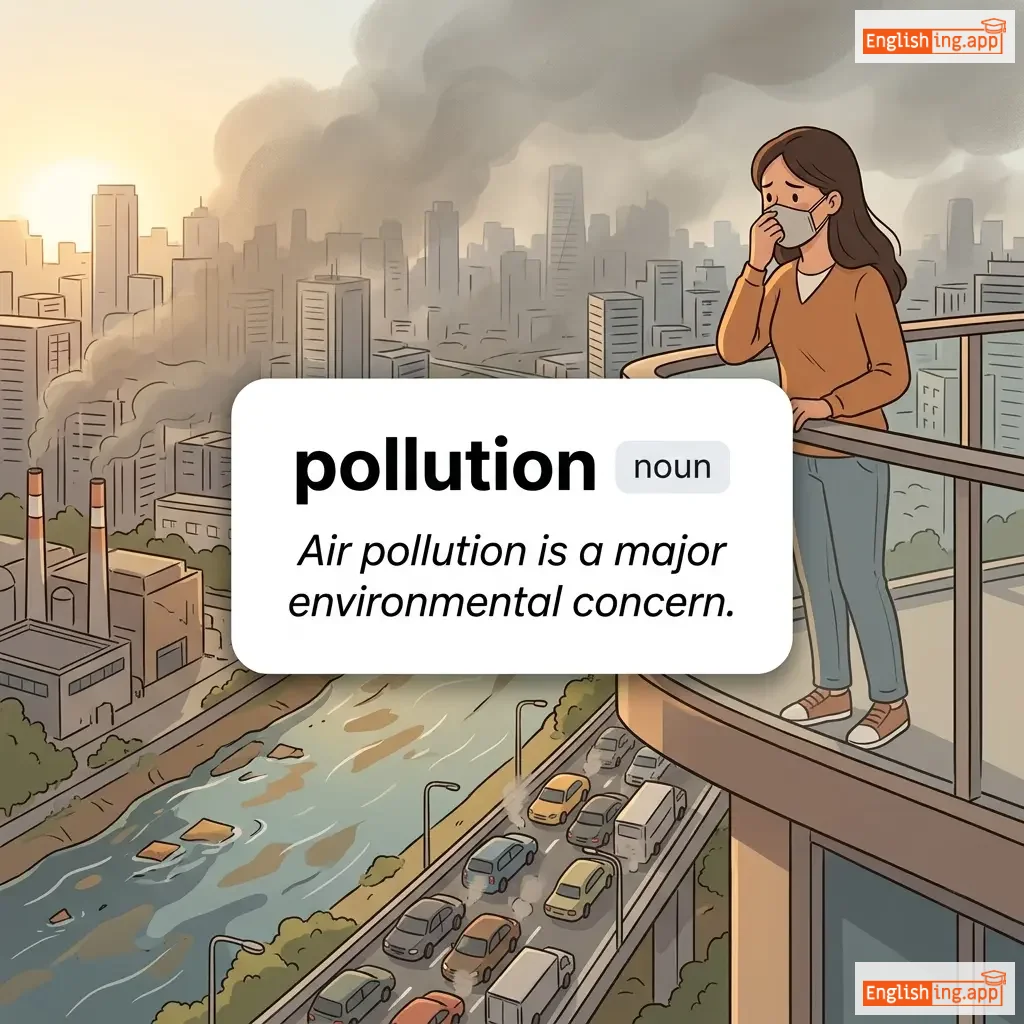
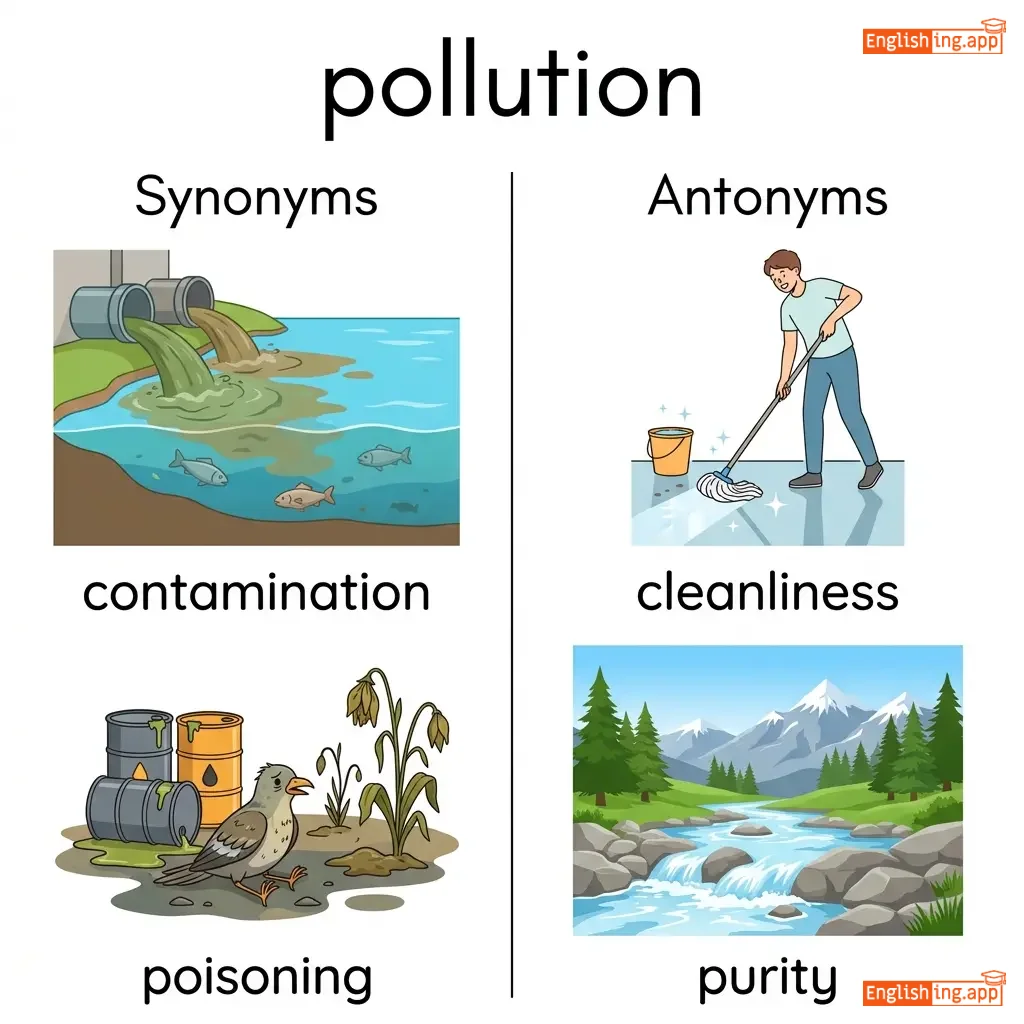
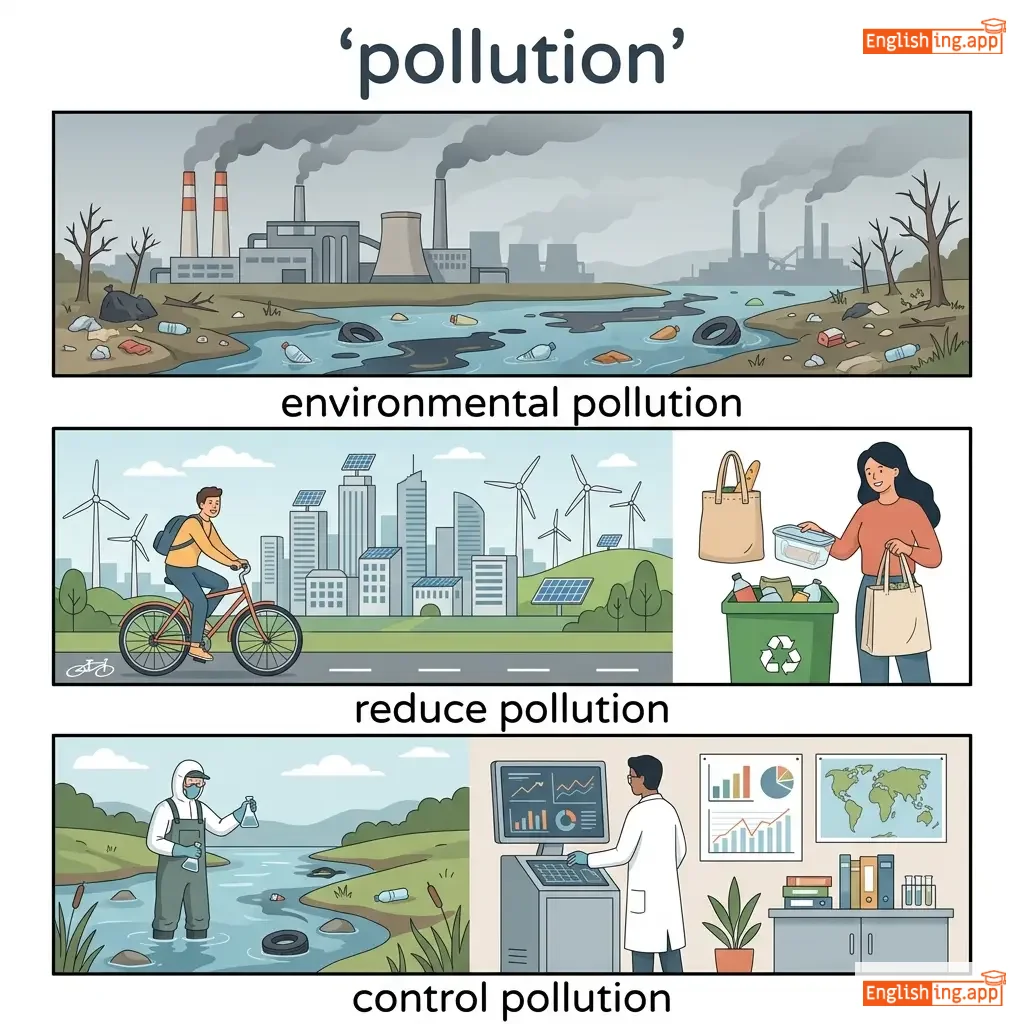
/pəˈluː.ʃən/
noun
••••••
|
|
The presence in or introduction into the environment of a substance which has harmful or poisonous effects.
••••••
|
Industrial pollution harms marine life. |
contamination, degradation, toxification
••••••
|
purification, cleanliness, preservation
••••••
|
|
#2501
🌊
|
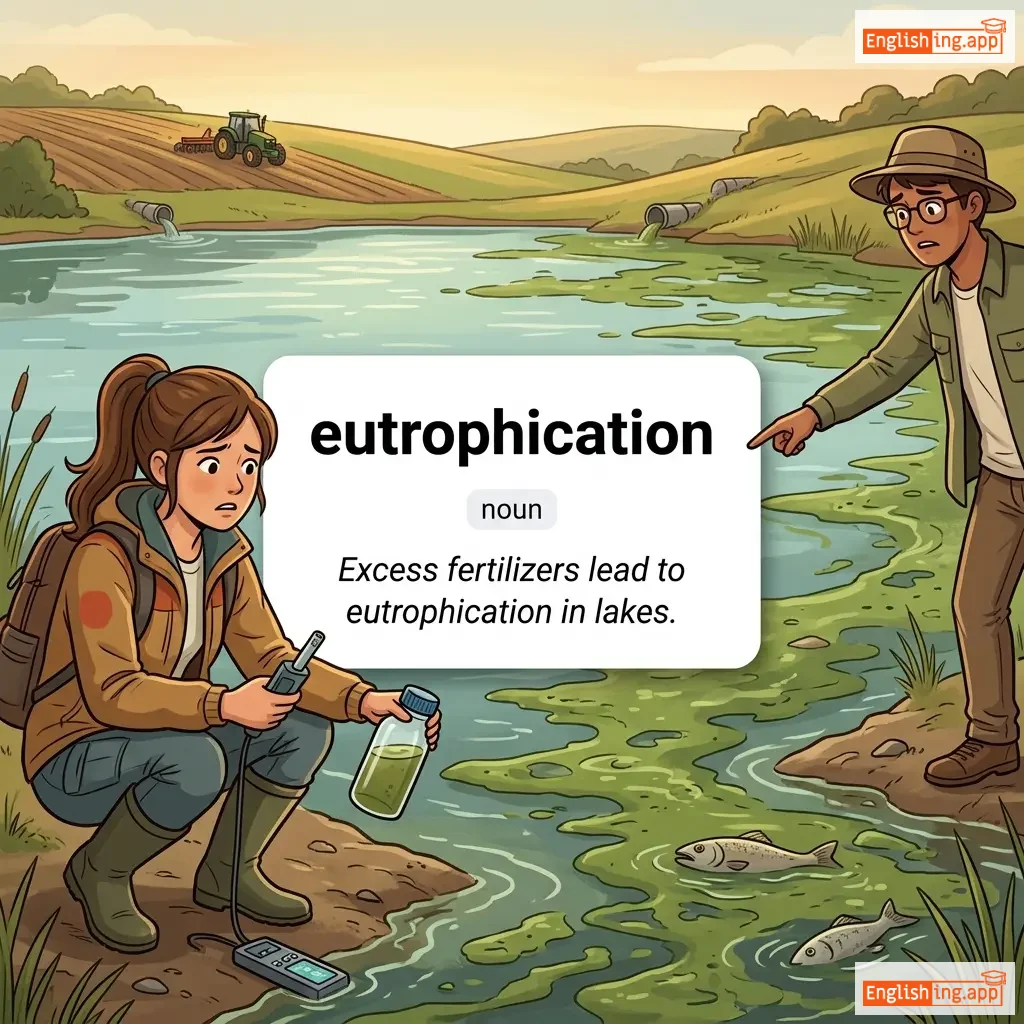
/juːˌtrɑː.fɪˈkeɪ.ʃən/
noun
••••••
|
|
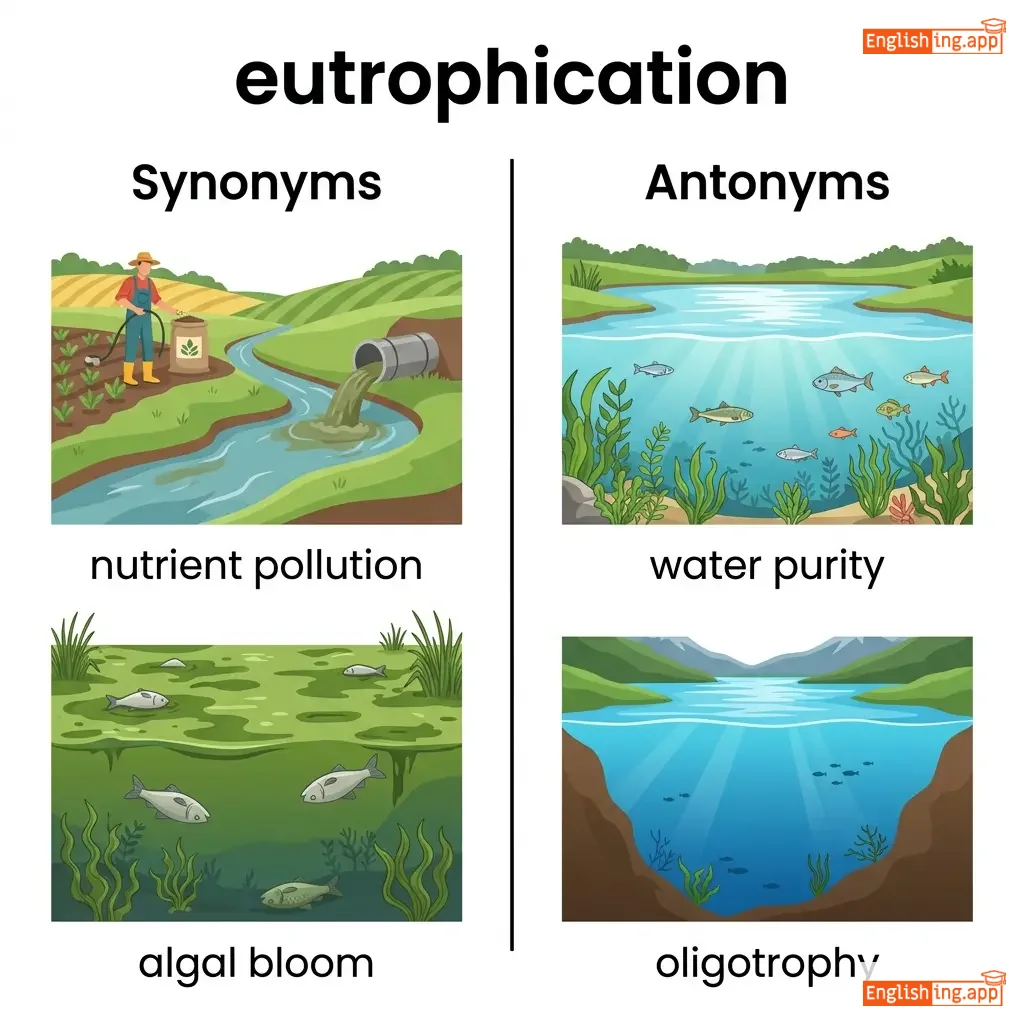
Excessive richness of nutrients in a lake or other body of water, frequently due to runoff from the land, which causes a dense growth of plant life and death of animal life from lack of oxygen.
••••••
|
Excess fertilizers lead to eutrophication in lakes. |
nutrient pollution, algal bloom, water degradation
••••••
|
water purity, oligotrophy, clean ecosystem
••••••
|
|
#2502
🌤️
|
/ˈwɛð.ɚ/
noun
••••••
|
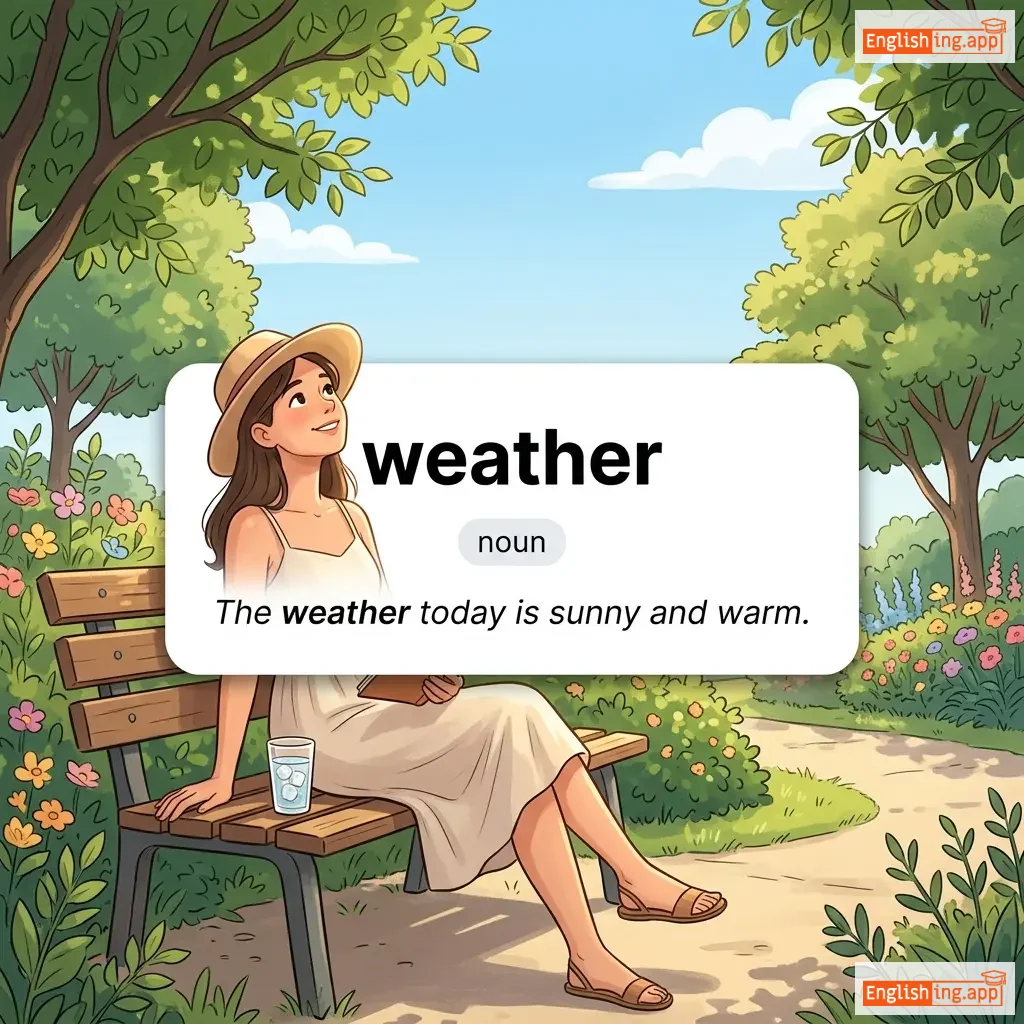
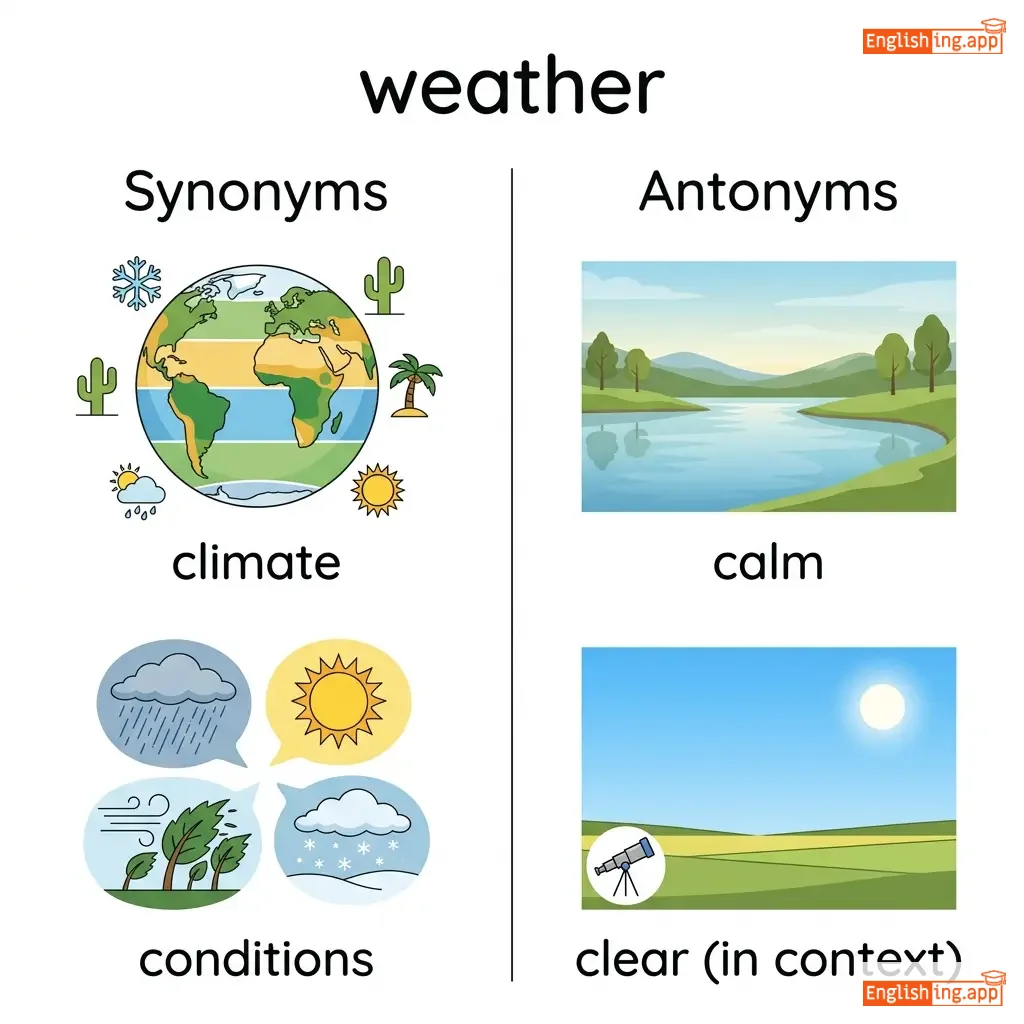
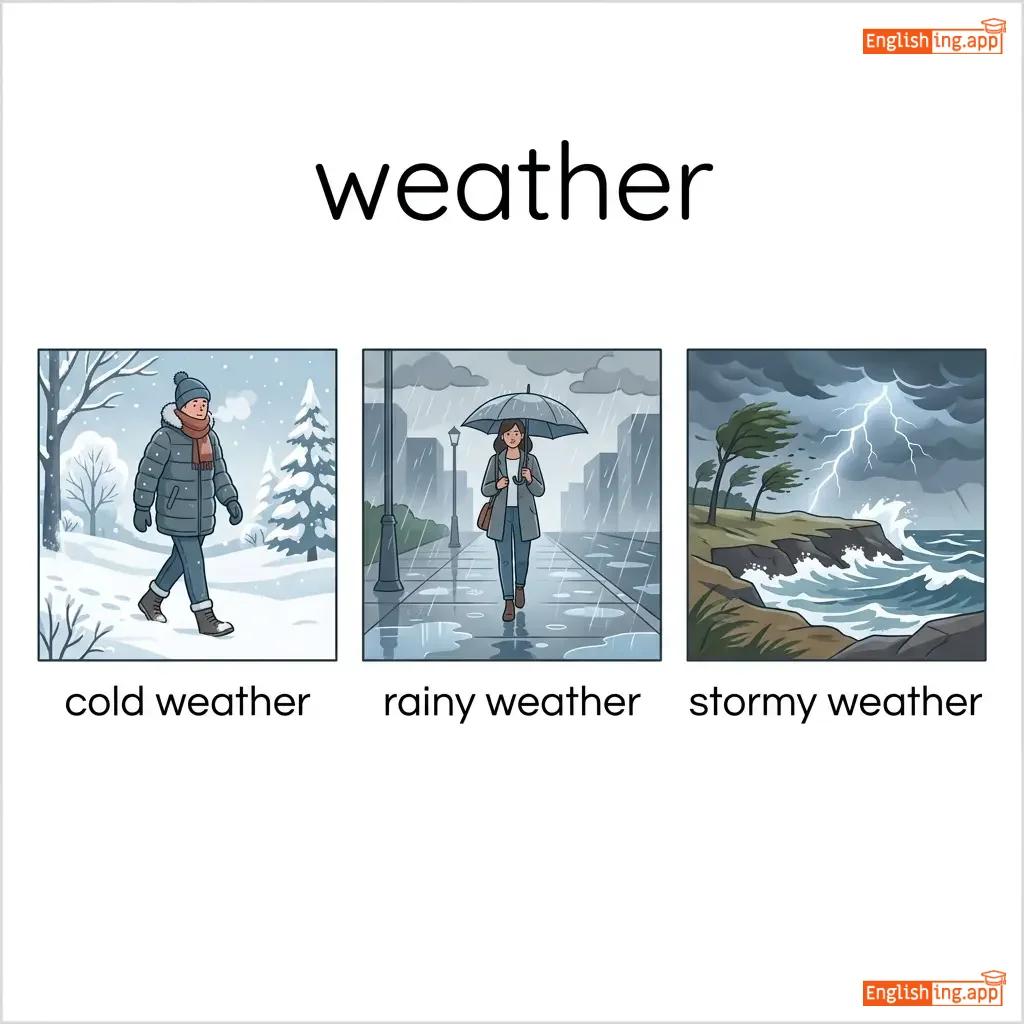
|
The state of the atmosphere at a place and time as regards heat, dryness, sunshine, wind, rain, etc.
••••••
|
The weather forecast predicts heavy rain tomorrow. |
climate, meteorology, atmospheric condition
••••••
|
stability, constant climate, unchanging weather
••••••
|
|
#2503
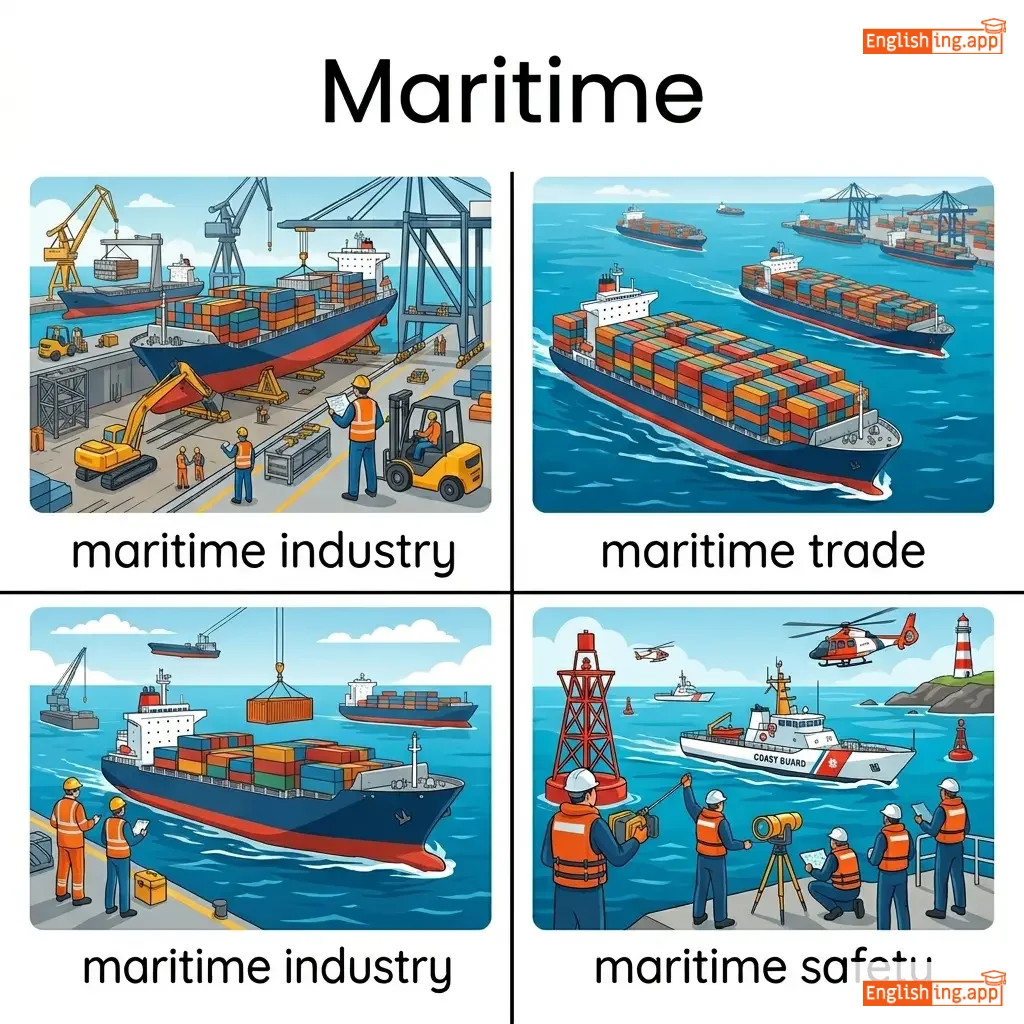
⚓
|
/ˈmær.ɪ.taɪm/
adjective
••••••
|

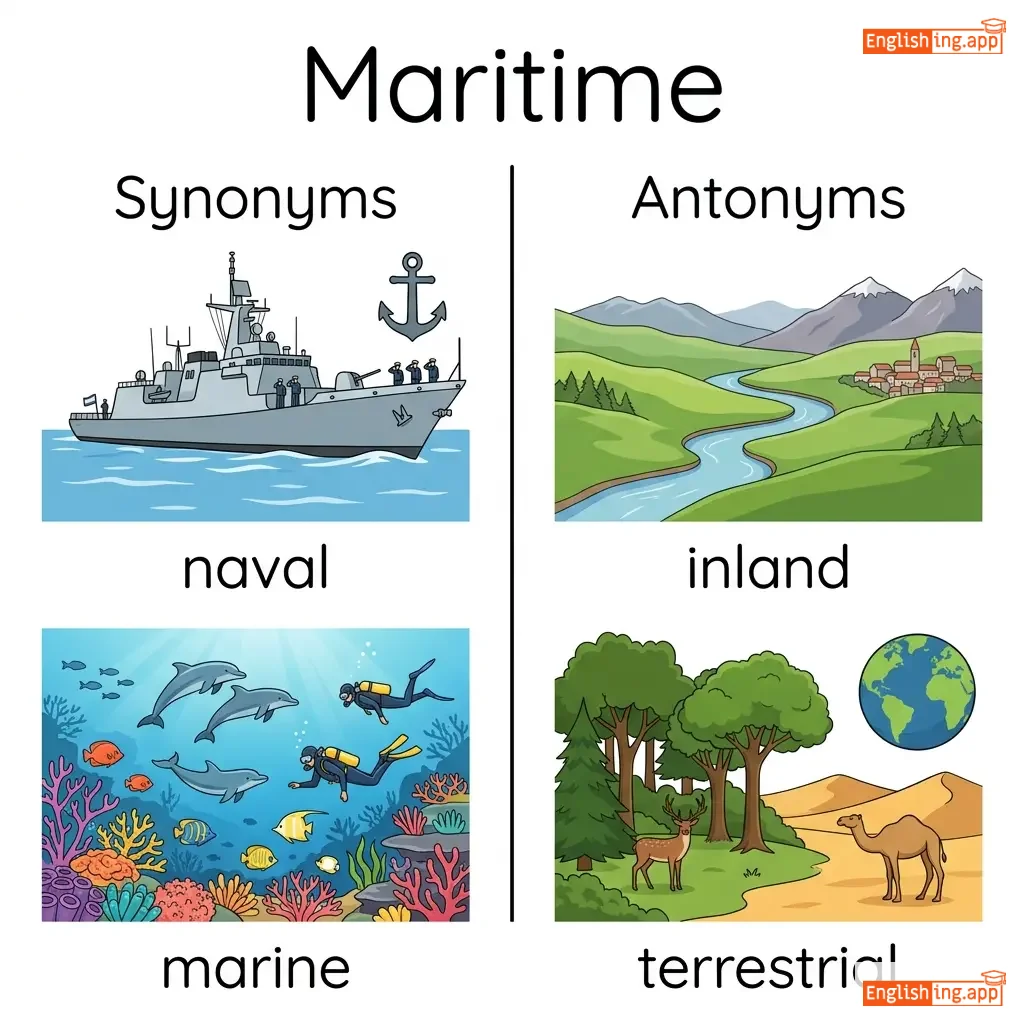
|
Connected with the sea, especially in relation to seaborne trade or naval matters.
••••••
|
Bangladesh has a significant maritime boundary. |
nautical, oceanic, seafaring
••••••
|
inland, terrestrial, land-based
••••••
|
|
#2504
🌍
|
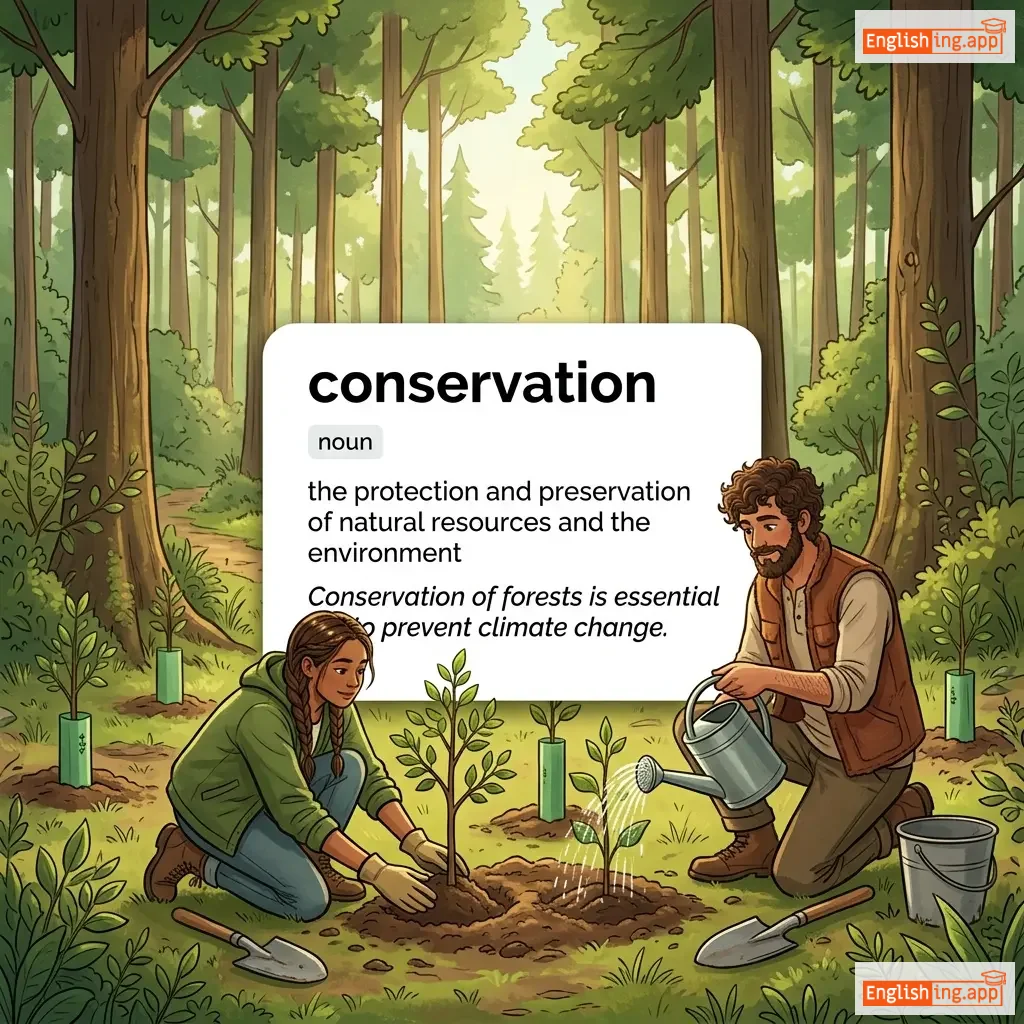
/ˌkɒn.səˈveɪ.ʃən/
noun
••••••
|
|
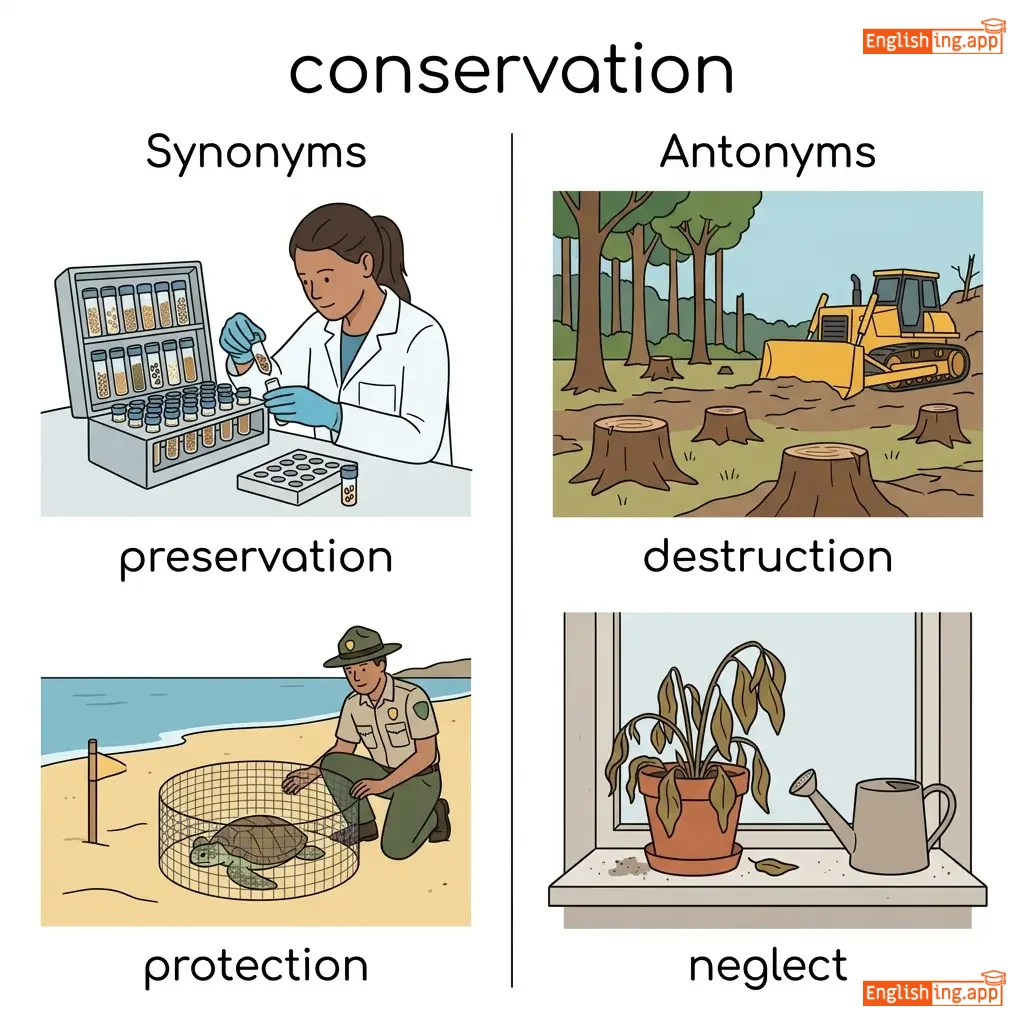
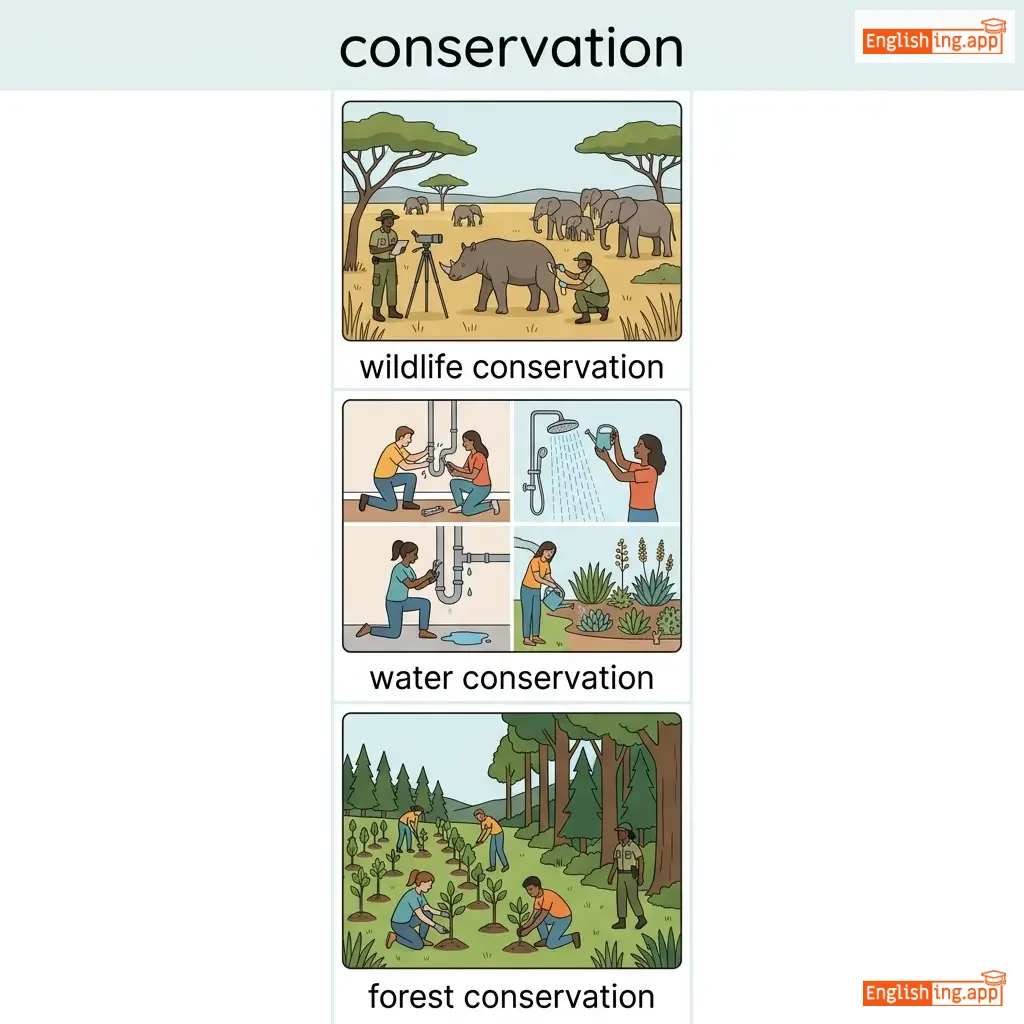
The action of conserving something, in particular preservation, protection, or restoration of the natural environment and of wildlife.
••••••
|
Conservation efforts aim to protect endangered species. |
preservation, protection, sustainability
••••••
|
destruction, exploitation, degradation
••••••
|

