Investing vs. Saving for Wealth Growth
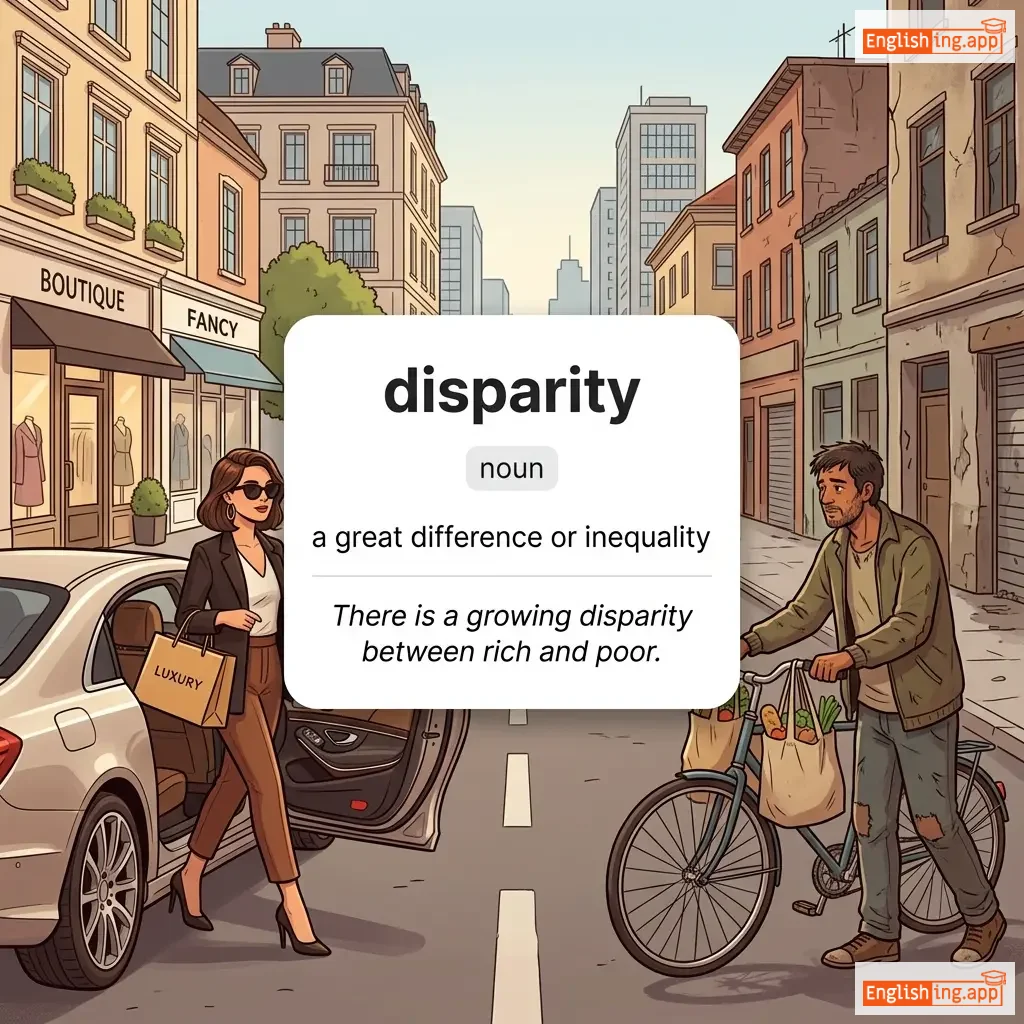
储蓄和投资是财富增长的重要方法。然而,这两种方法之间存在巨大的disparity,这直接影响长期财富。储蓄是一种monetary习惯,钱被存放在特定的地方,但它跟不上inflationary的增长速度。另一方面,投资通过compounding长期增加资金。成功的投资者总是通过资产配置妥善管理自己的投资组合。仅依赖流动性永远无法创造长期的财富。
那些只依赖储蓄的人无法获得真正的财富升值,因为它在时间的推移中会面临衰退压力。但是那些投资于多元化和股票的人可以在长期内享受收益。
因此,投资对于长期财富建设更为有效,需要强调适当的财政知识和投机。
|
表情符号
|
单词 | Images | 含义 | 例句 | 同义词 | 反义词 |
|---|---|---|---|---|---|---|
|
#2464
💰
|
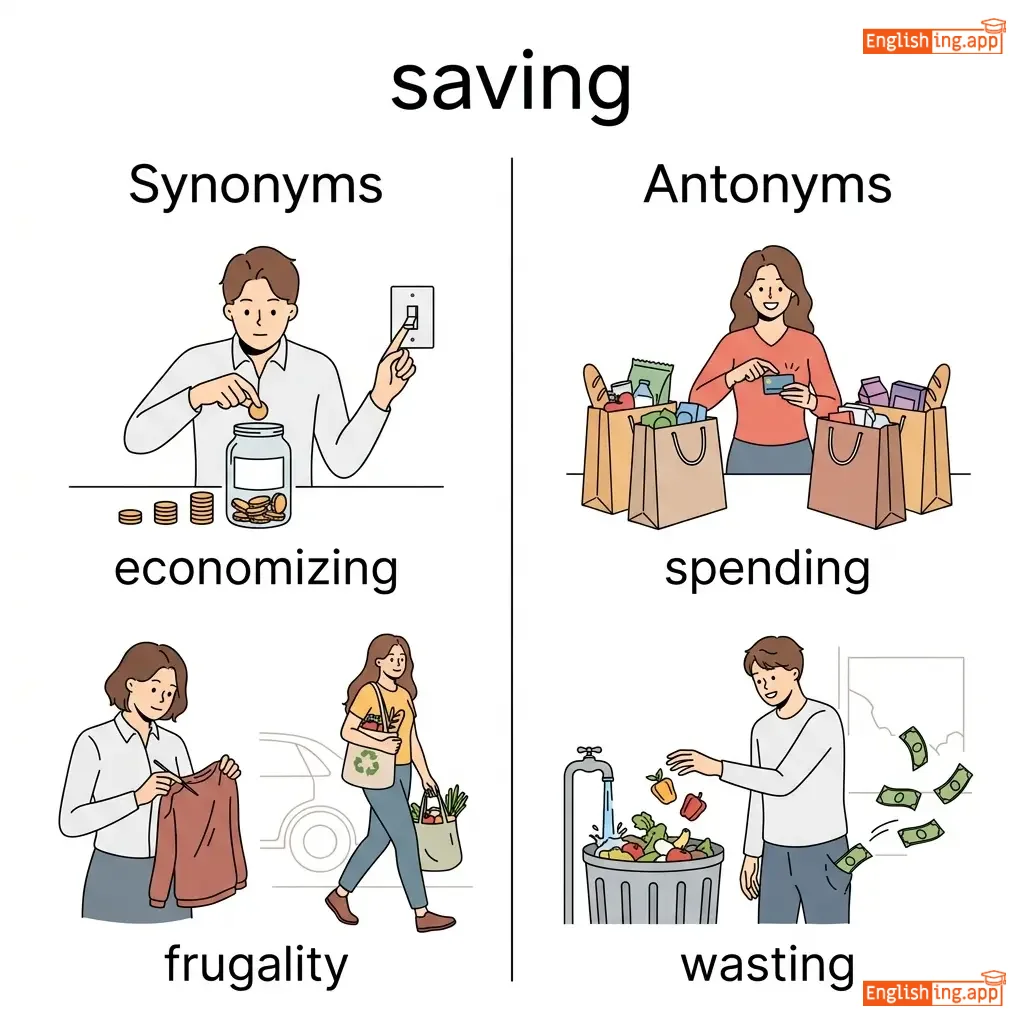
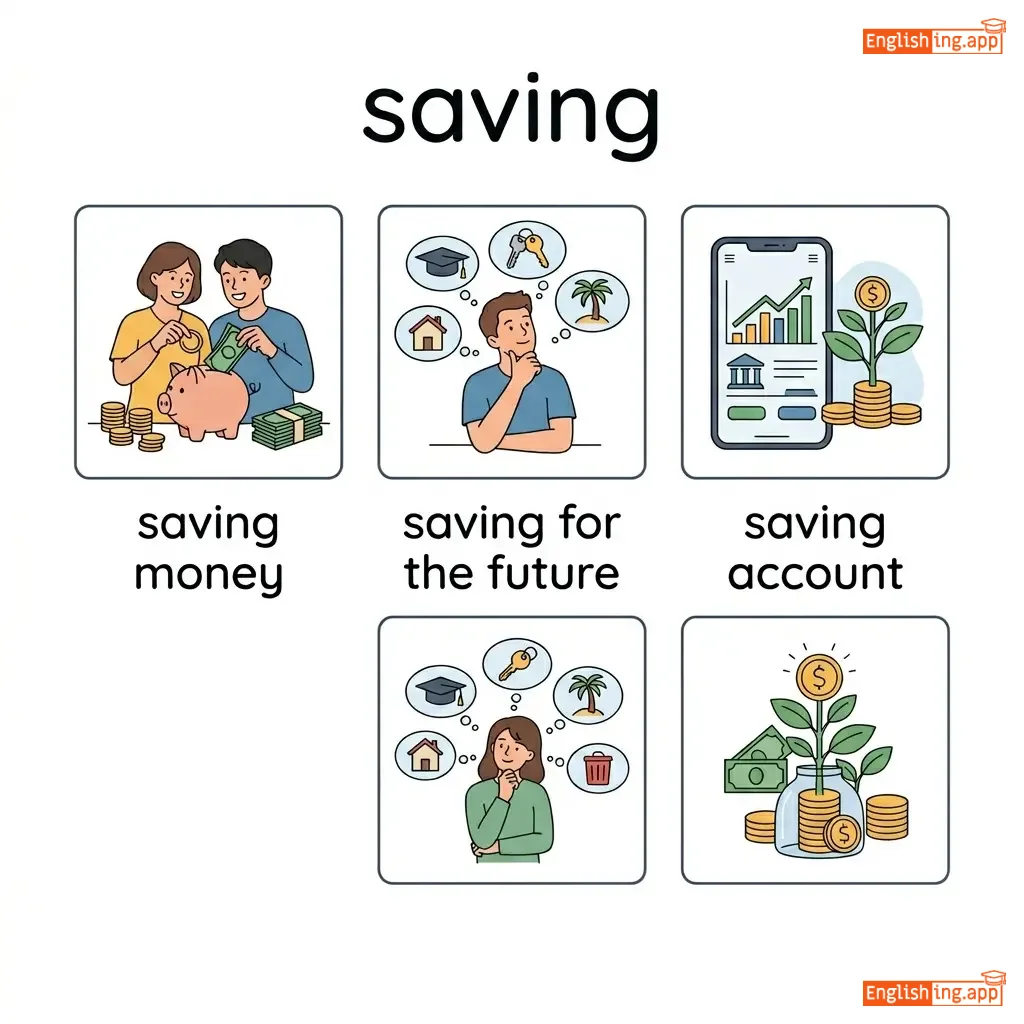
ˈseɪ.vɪŋ
noun
••••••
|

|
The practice of keeping and accumulating money for future use rather than spending it immediately.
••••••
|
Regular saving habits ensure financial security. |
savings, preservation, economy
••••••
|
spending, expenditure, consumption
••••••
|
|
#2465
📈
|
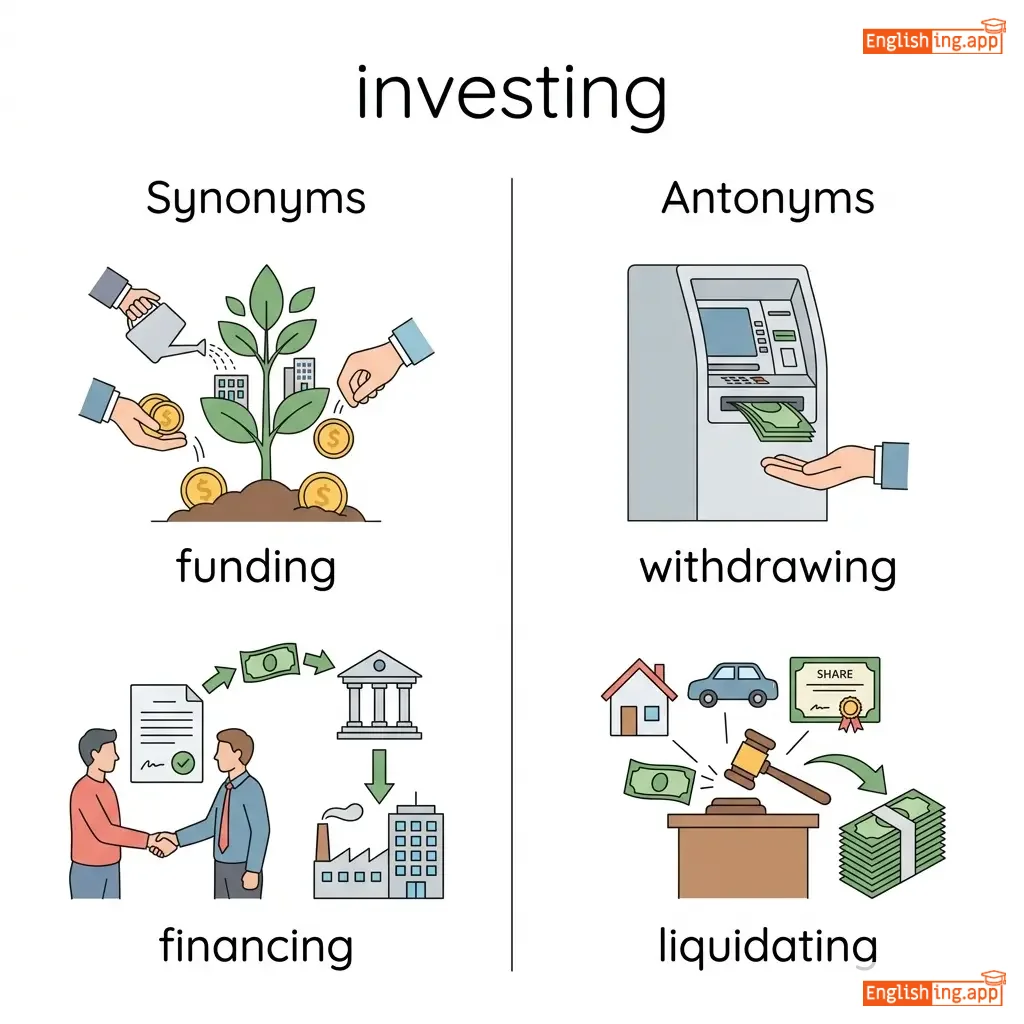
ɪnˈvɛst.ɪŋ
verb
••••••
|

|
The act of putting money into financial schemes, shares, property, or a commercial venture with the expectation of achieving a profit.
••••••
|
Investing in stocks can generate long-term wealth. |
funding, financing, capitalizing
••••••
|
withdrawing, liquidating, spending
••••••
|
|
#2466
⚖️
|
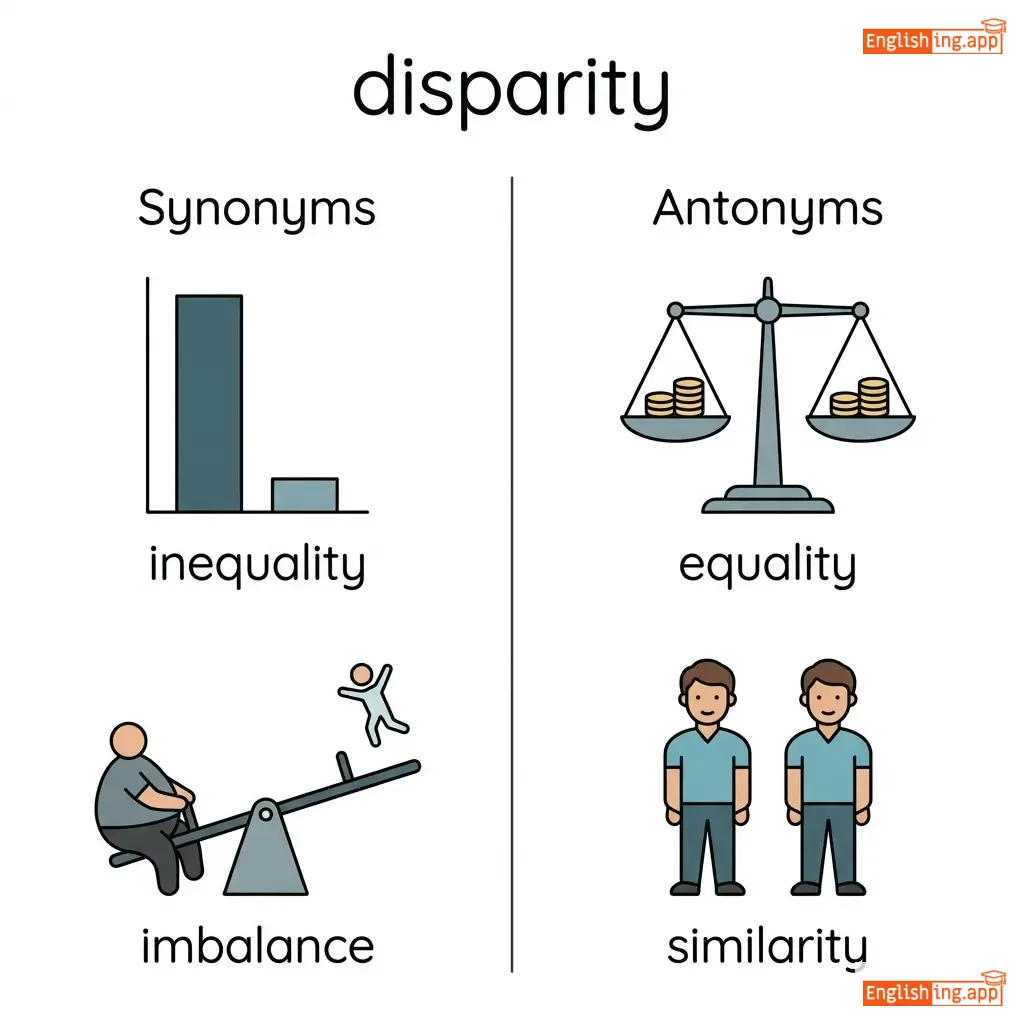
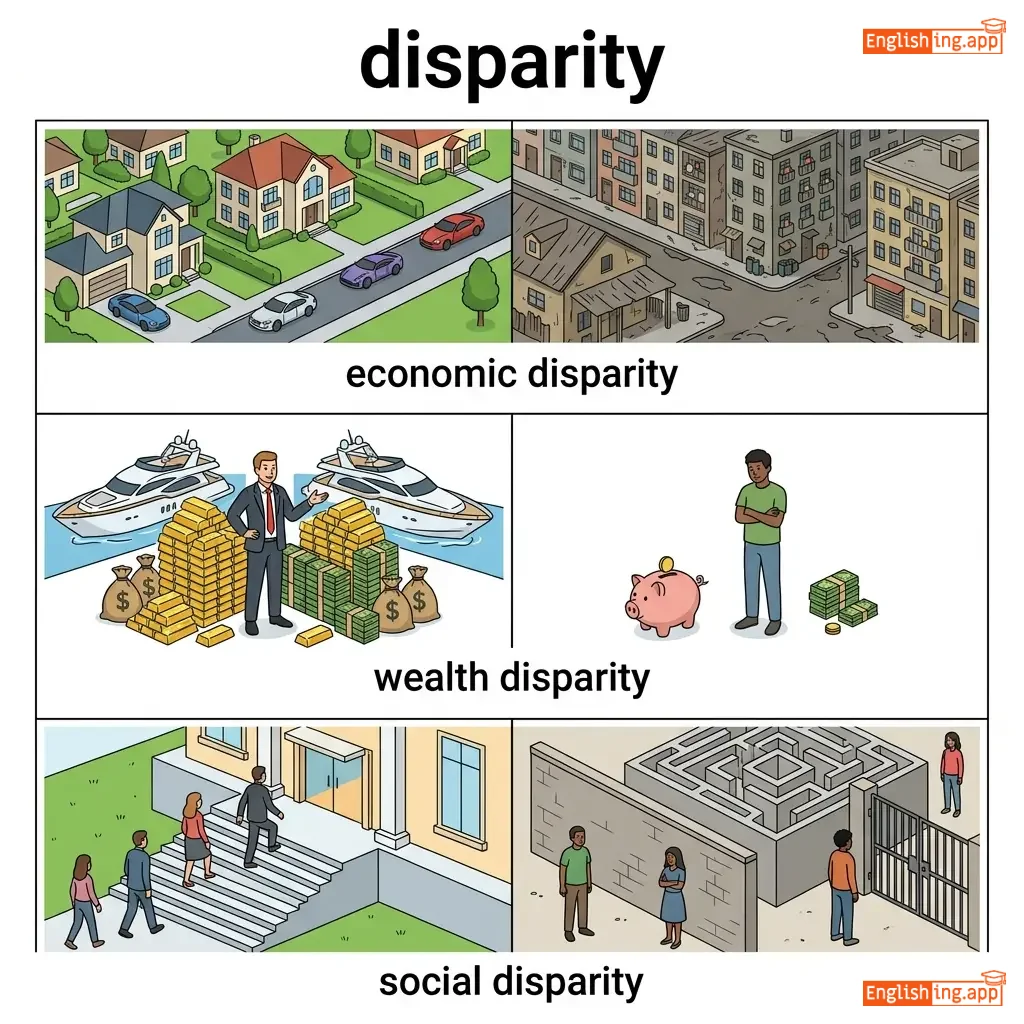
dɪˈspær.ə.ti
noun
••••••
|
|
A great difference or inequality between two or more things.
••••••
|
The disparity in wealth between rich and poor is increasing. |
inequality, difference, gap
••••••
|
equality, similarity, balance
••••••
|
|
#2467
💵
|
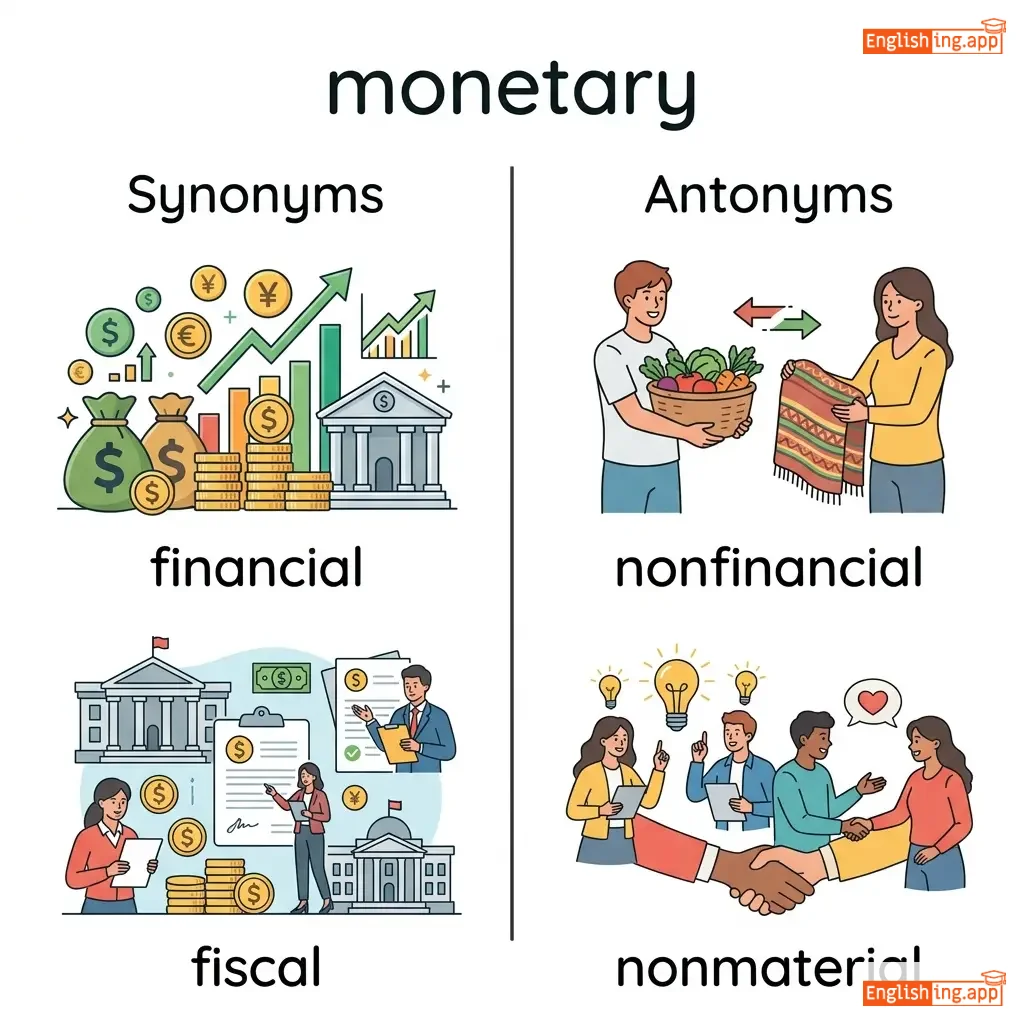
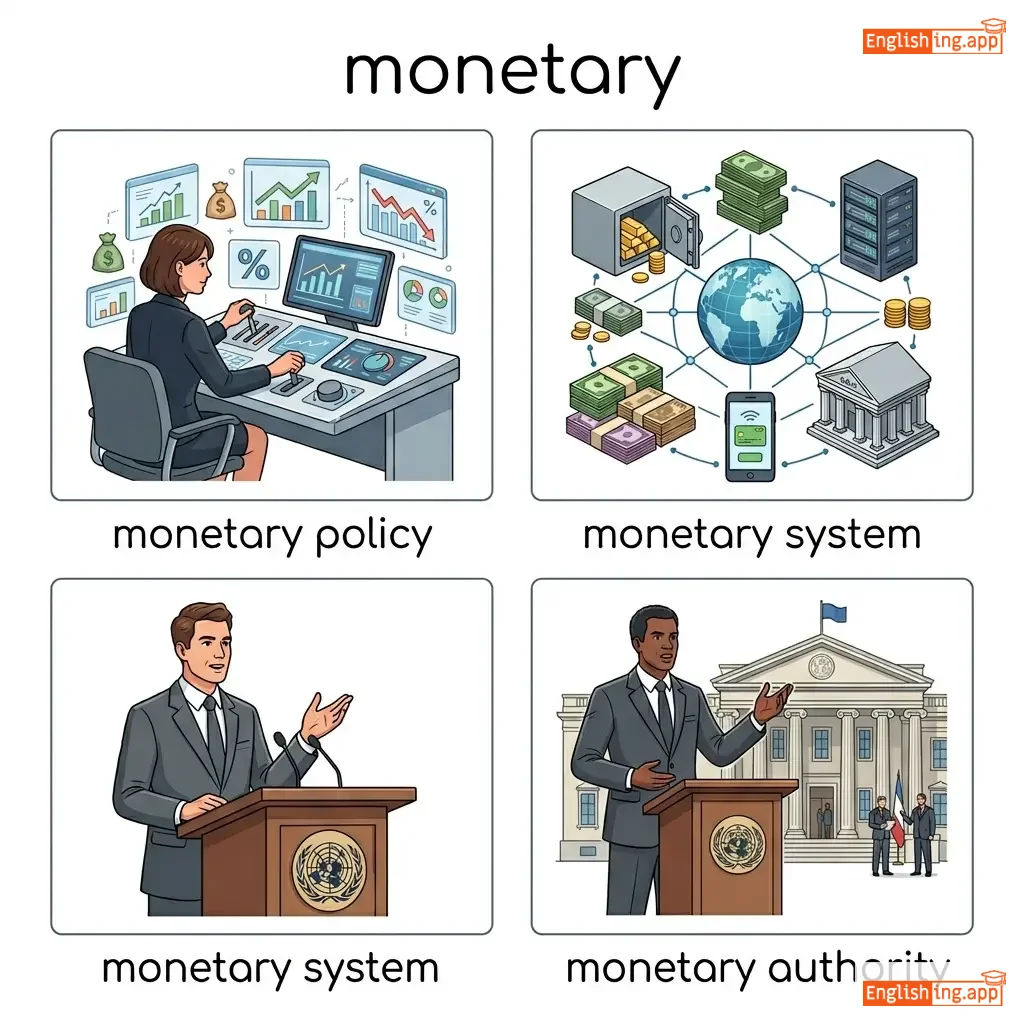
ˈmʌn.ɪ.tri
adjective
••••••
|

|
Relating to money or currency.
••••••
|
The government adopted strict monetary policies to control inflation. |
financial, fiscal, economic
••••••
|
non-financial, barter, non-monetary
••••••
|
|
#2468
📊
|
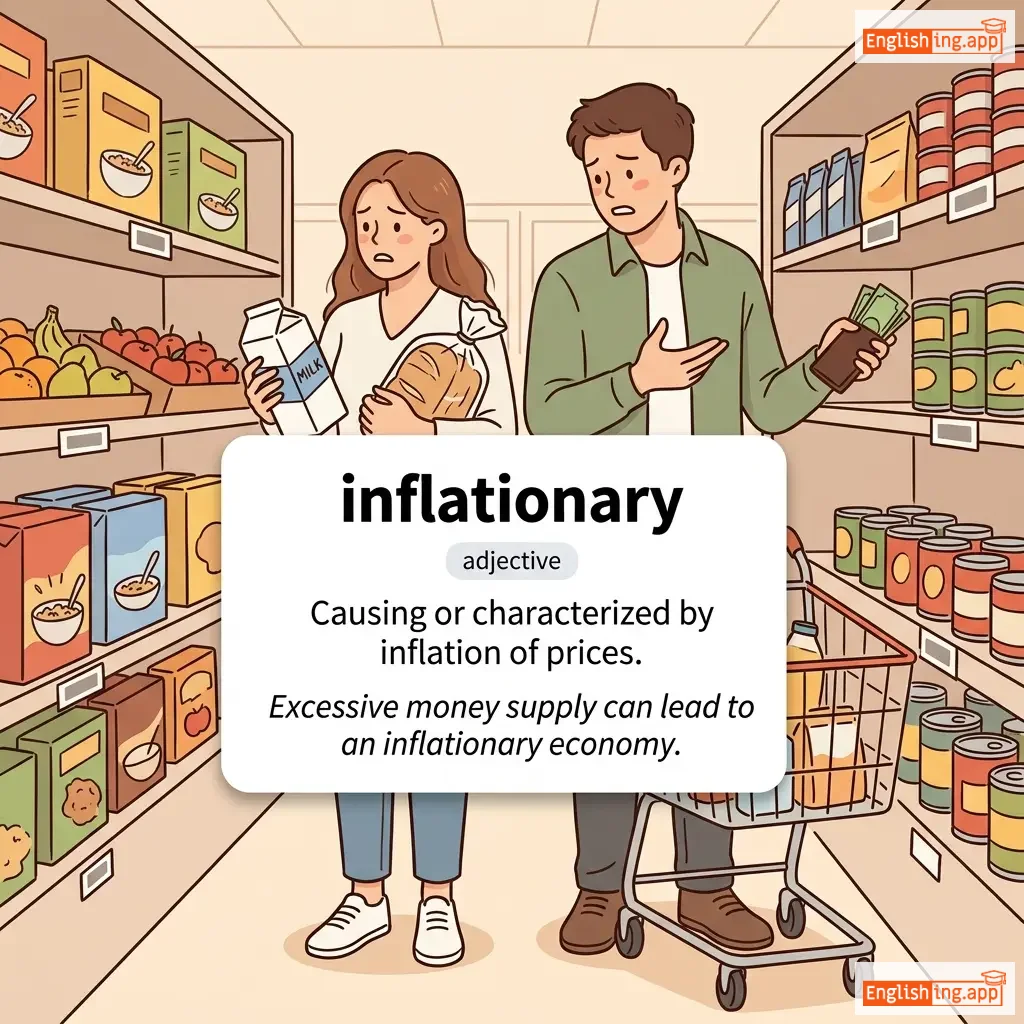
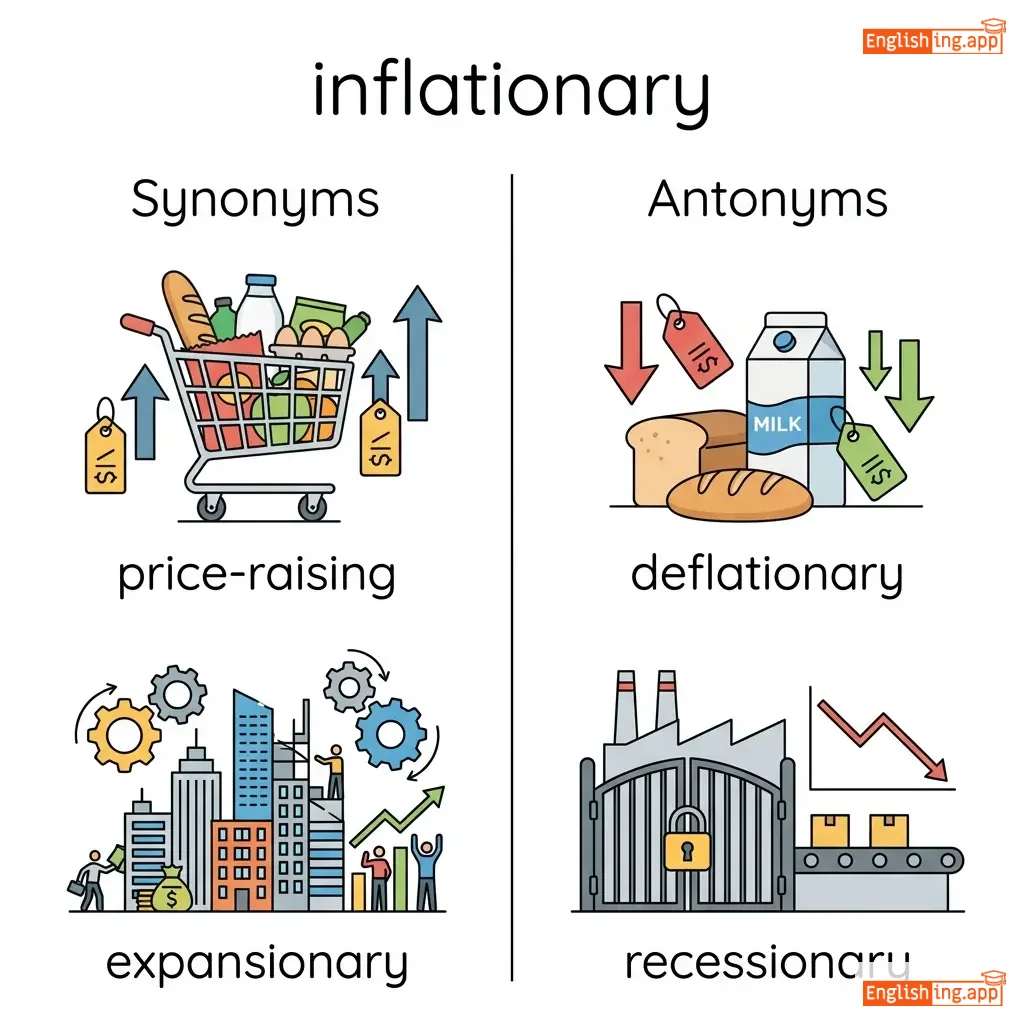
ɪnˈfleɪ.ʃən.ər.i
adjective
••••••
|
|
Characterized by or tending to cause monetary inflation.
••••••
|
Excessive printing of money can lead to an inflationary crisis. |
price-rising, cost-increasing, expansionary
••••••
|
deflationary, price-reducing, contractionary
••••••
|
|
#2469
🔄
|
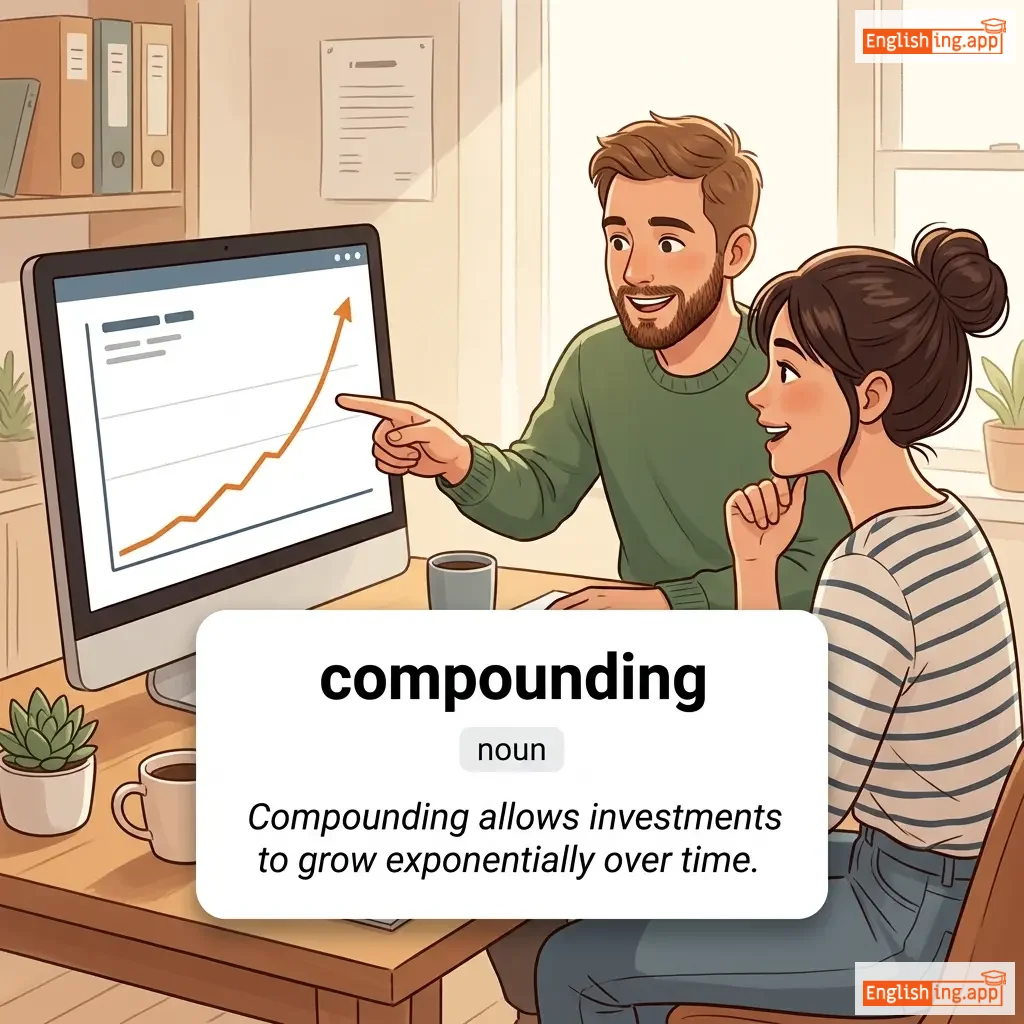
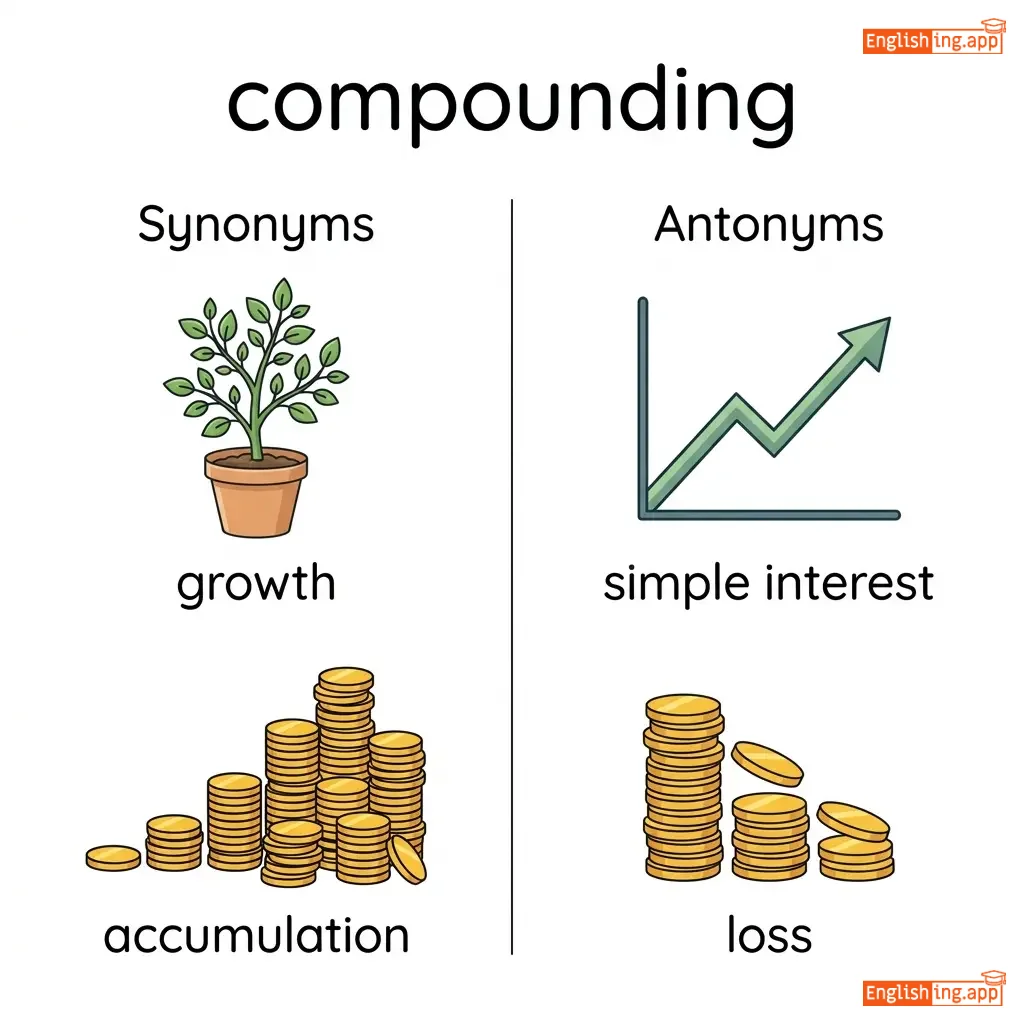
kəmˈpaʊnd.ɪŋ
noun
••••••
|
|
The process in which an asset's earnings, from either capital gains or interest, are reinvested to generate additional earnings over time.
••••••
|
Compounding allows investments to grow exponentially over time. |
growth, accumulation, exponential return
••••••
|
simple interest, loss, depreciation
••••••
|
|
#2470
📊
|
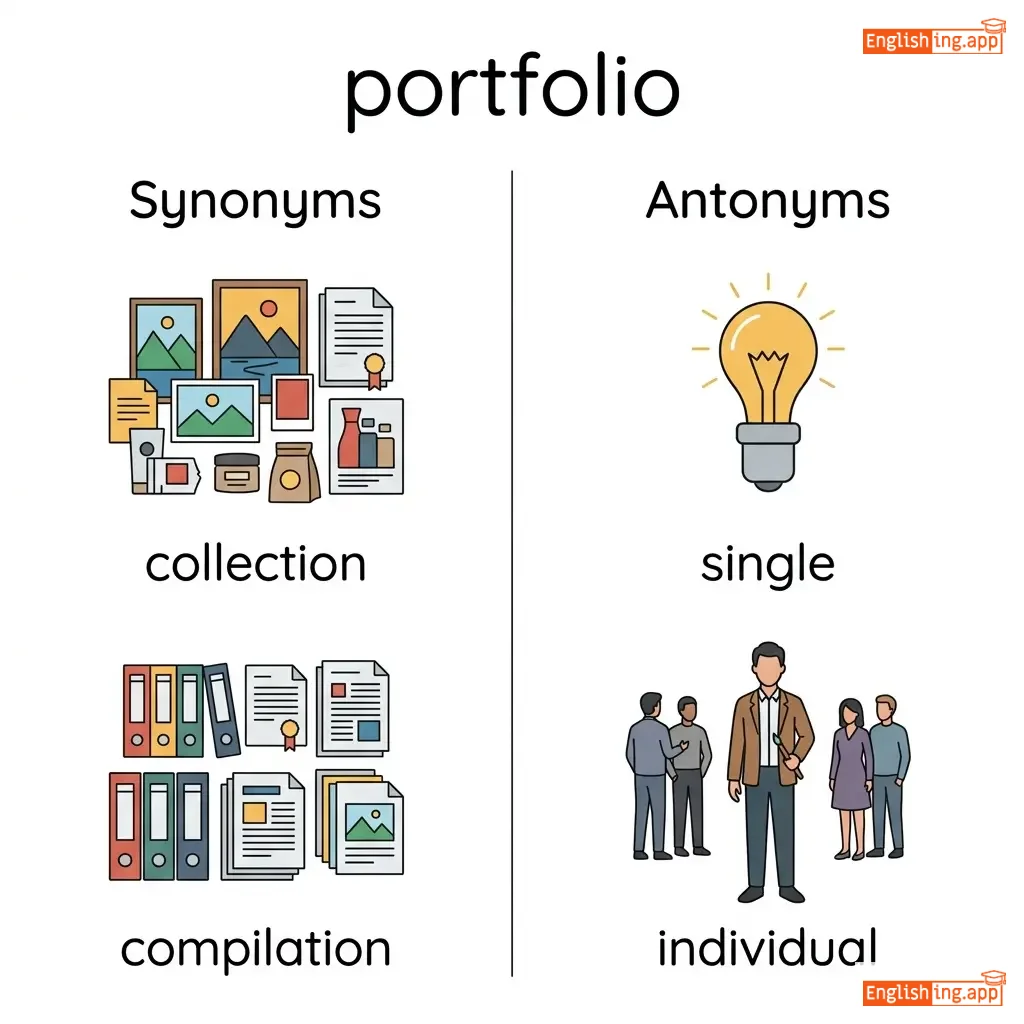
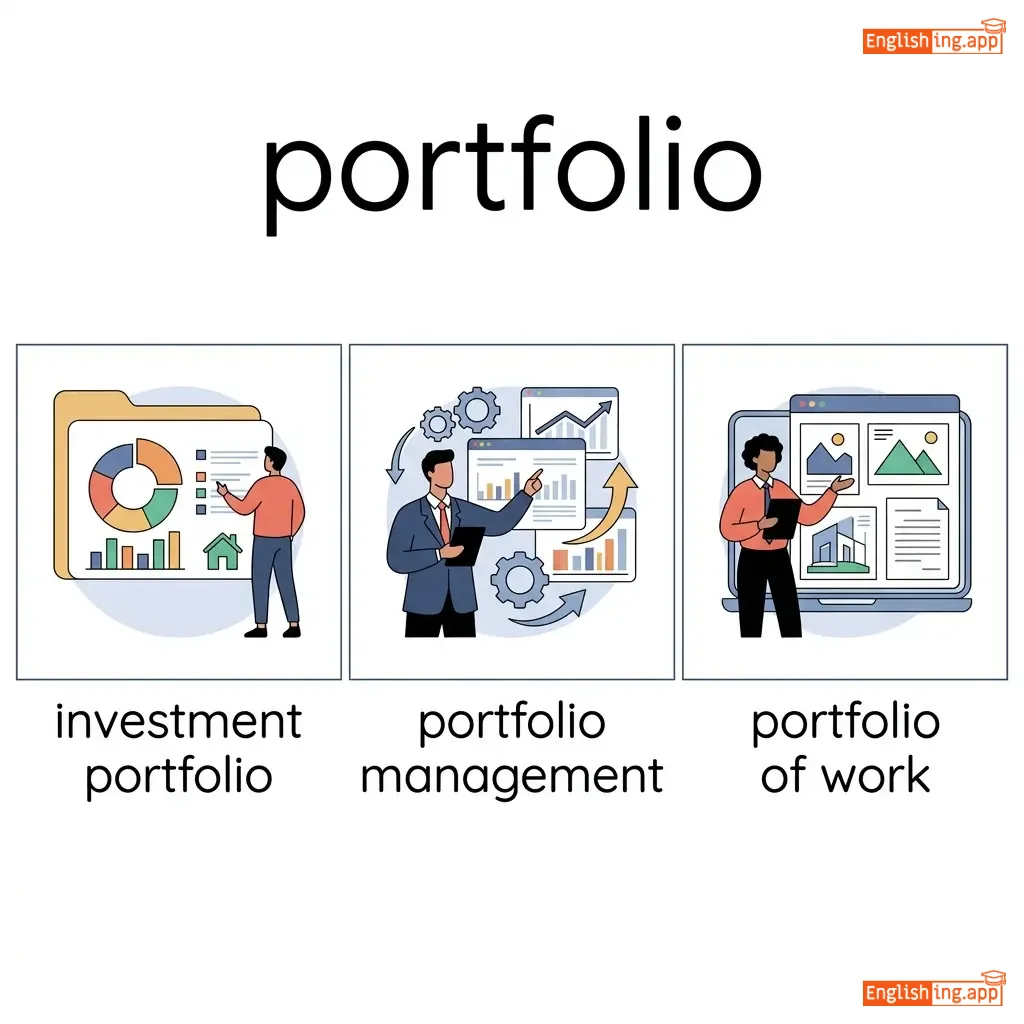
ˌpɔːtˈfəʊ.li.əʊ
noun
••••••
|

|
A range of investments held by a person or organization.
••••••
|
Diversifying your portfolio reduces investment risk. |
investment mix, asset collection, holdings
••••••
|
single investment, disinvestment, liquidation
••••••
|
|
#2471
📈
|
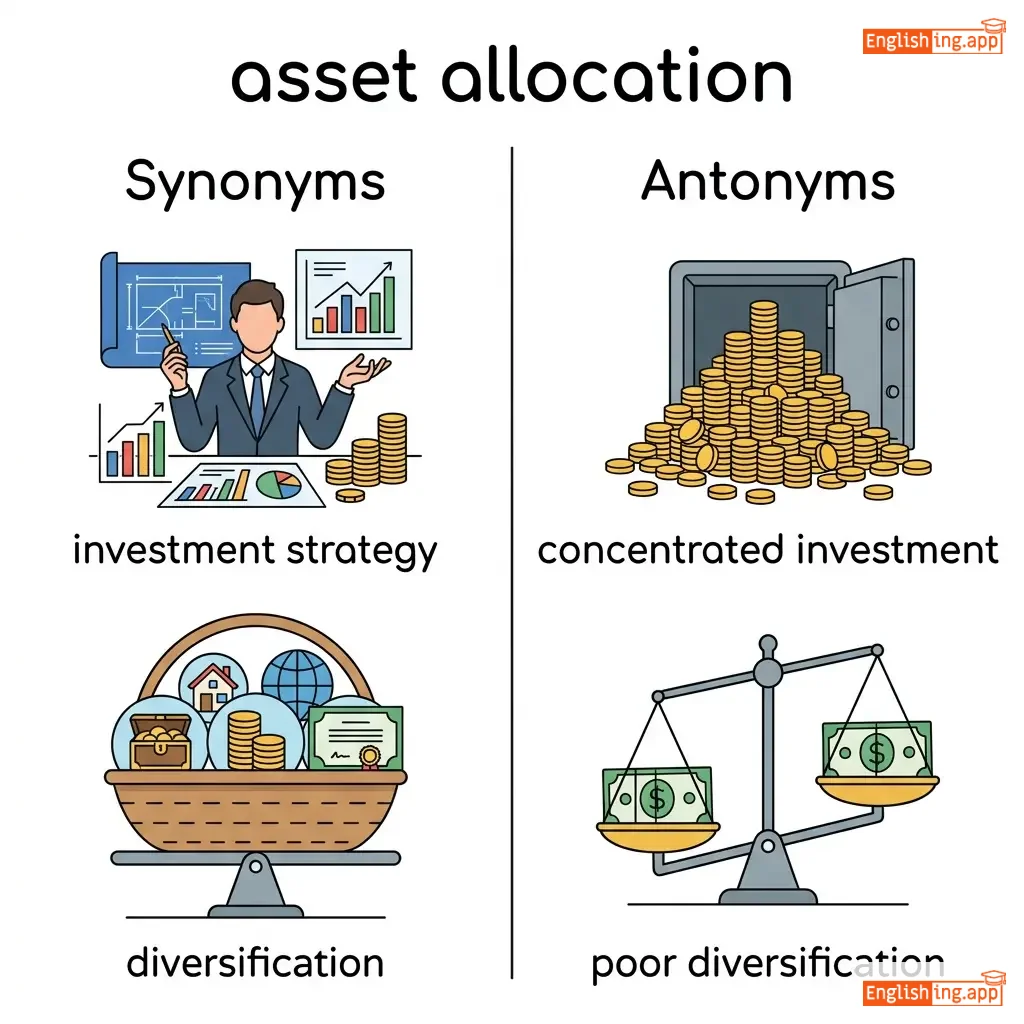
ˈæ.sɛt ˌæl.əˈkeɪ.ʃən
noun
••••••
|

|
An investment strategy that aims to balance risk and reward by apportioning a portfolio's assets according to an individual's goals, risk tolerance, and investment horizon.
••••••
|
Proper asset allocation is key to financial growth. |
investment strategy, diversification, capital distribution
••••••
|
concentrated investment, poor diversification, risky allocation
••••••
|
|
#2472
💧
|
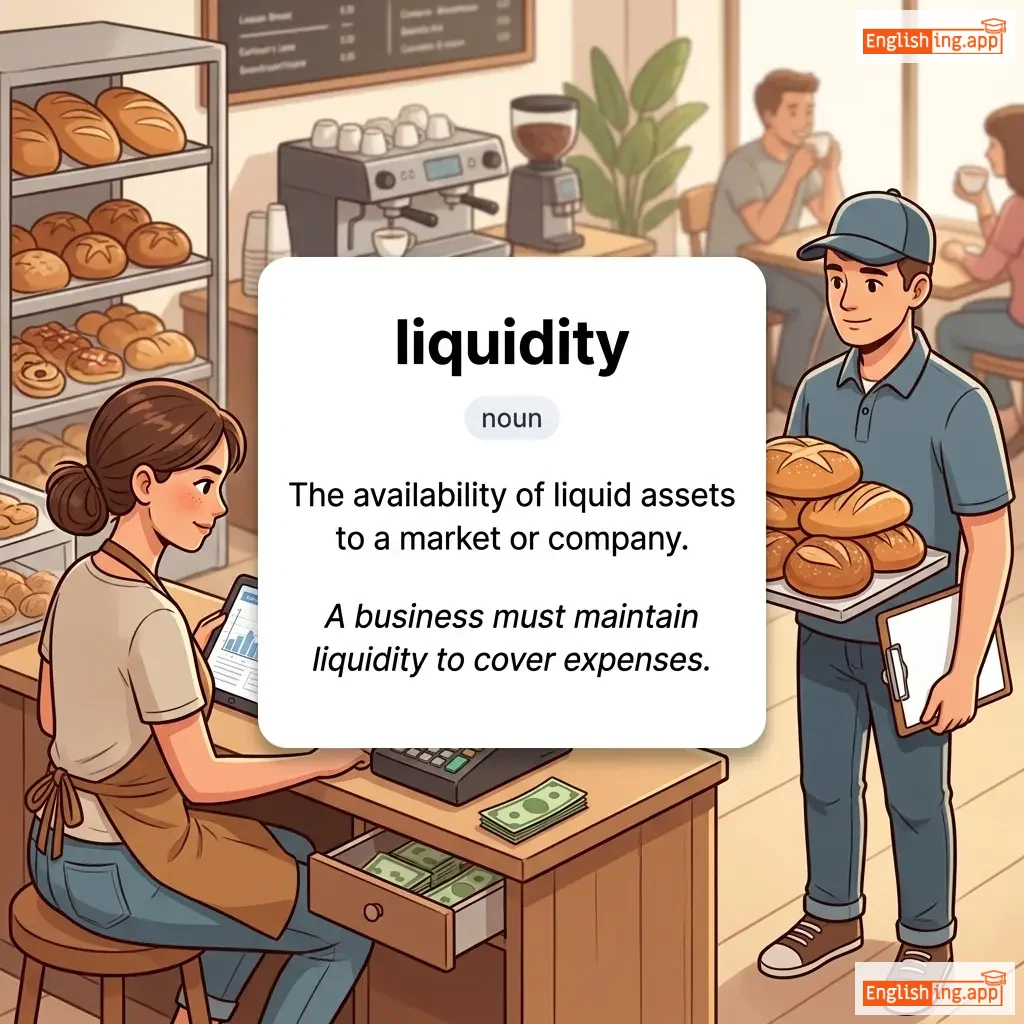
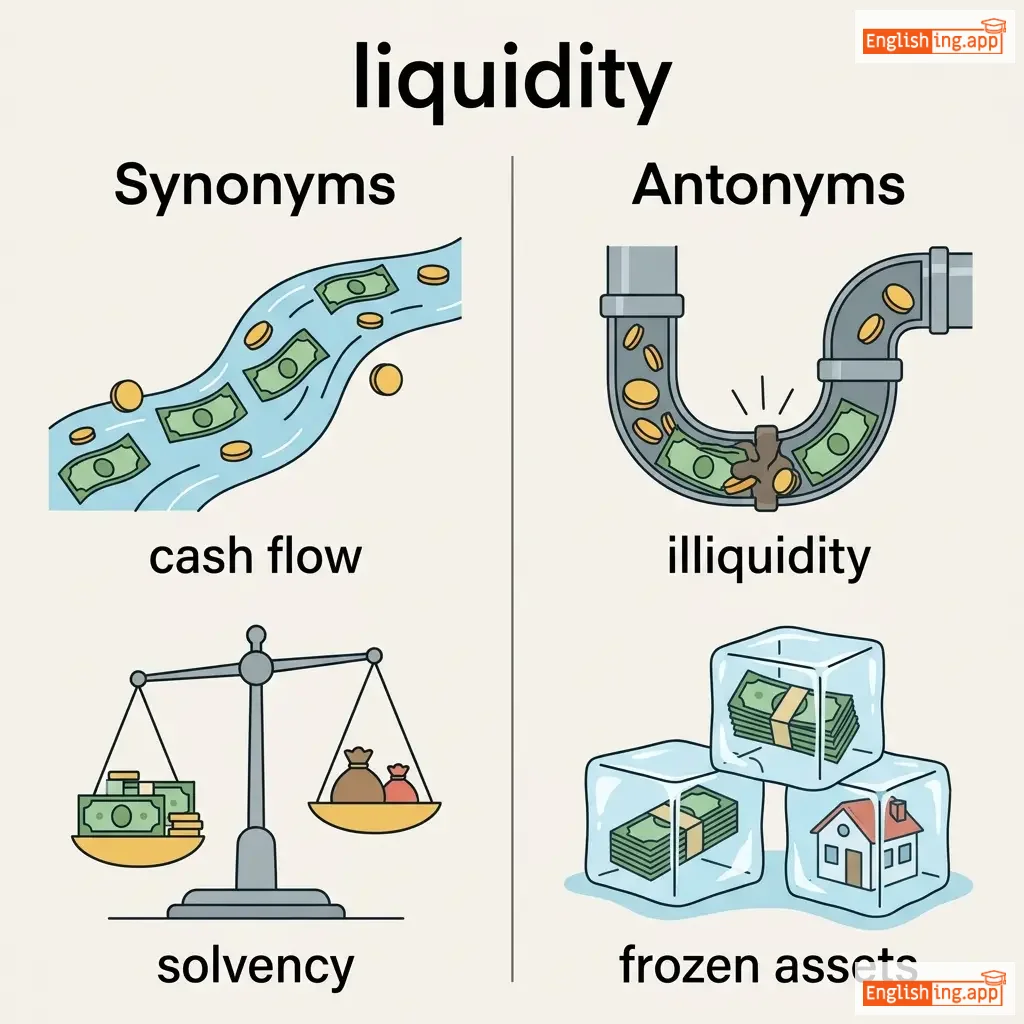
lɪˈkwɪd.ə.ti
noun
••••••
|
|
The availability of liquid assets to a market or company; the degree to which an asset or security can be quickly bought or sold in the market without affecting the asset's price.
••••••
|
High liquidity allows businesses to meet short-term obligations. |
cash flow, marketability, convertibility
••••••
|
illiquidity, fixed assets, inaccessibility
••••••
|
|
#2473
💎
|
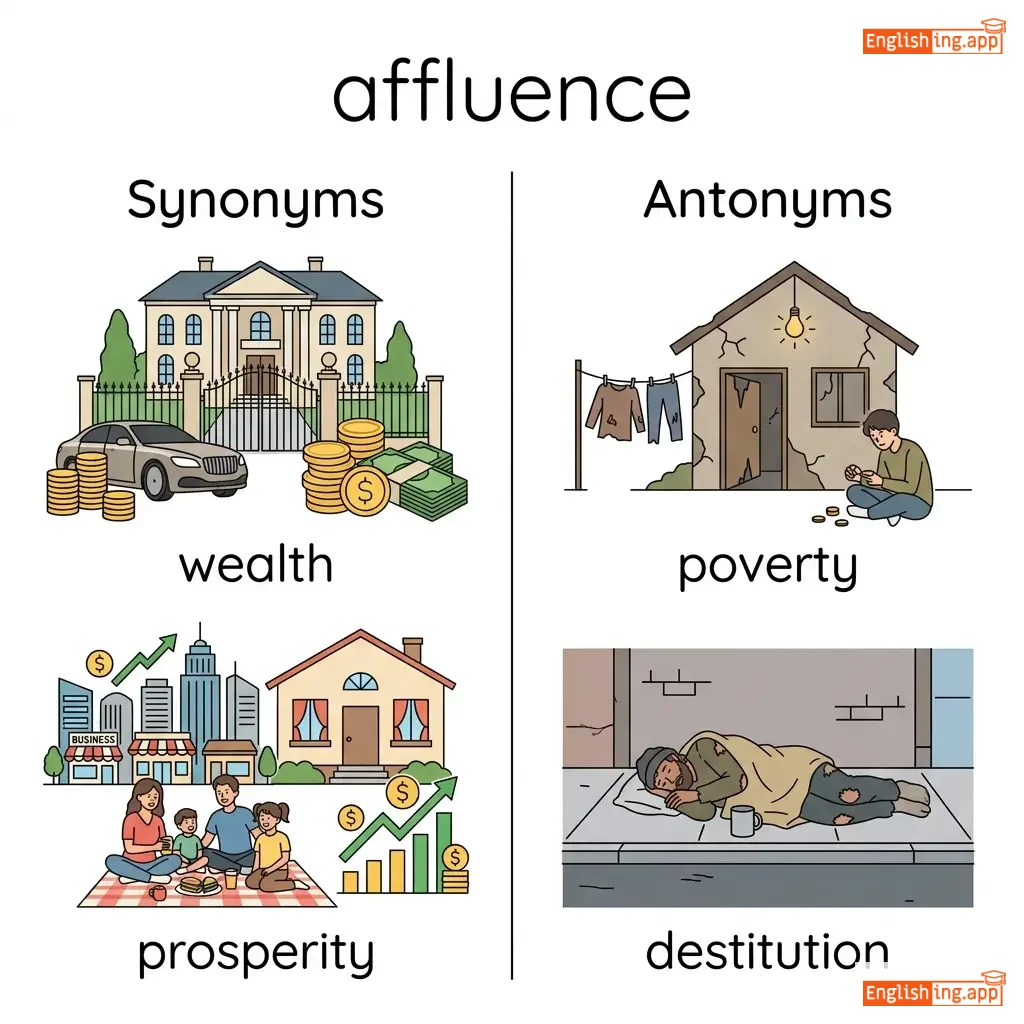
ˈæf.lu.əns
noun
••••••
|


|
The state of having a great deal of money; wealth.
••••••
|
His business success led to great affluence. |
wealth, prosperity, abundance
••••••
|
poverty, scarcity, destitution
••••••
|
|
#2474
📈
|
əˌpriː.ʃiˈeɪ.ʃən
noun
••••••
|



|
An increase in the value of an asset over time.
••••••
|
Real estate properties often experience appreciation over time. |
increase, growth, recognition
••••••
|
depreciation, devaluation, decline
••••••
|
|
#2475
📉
|
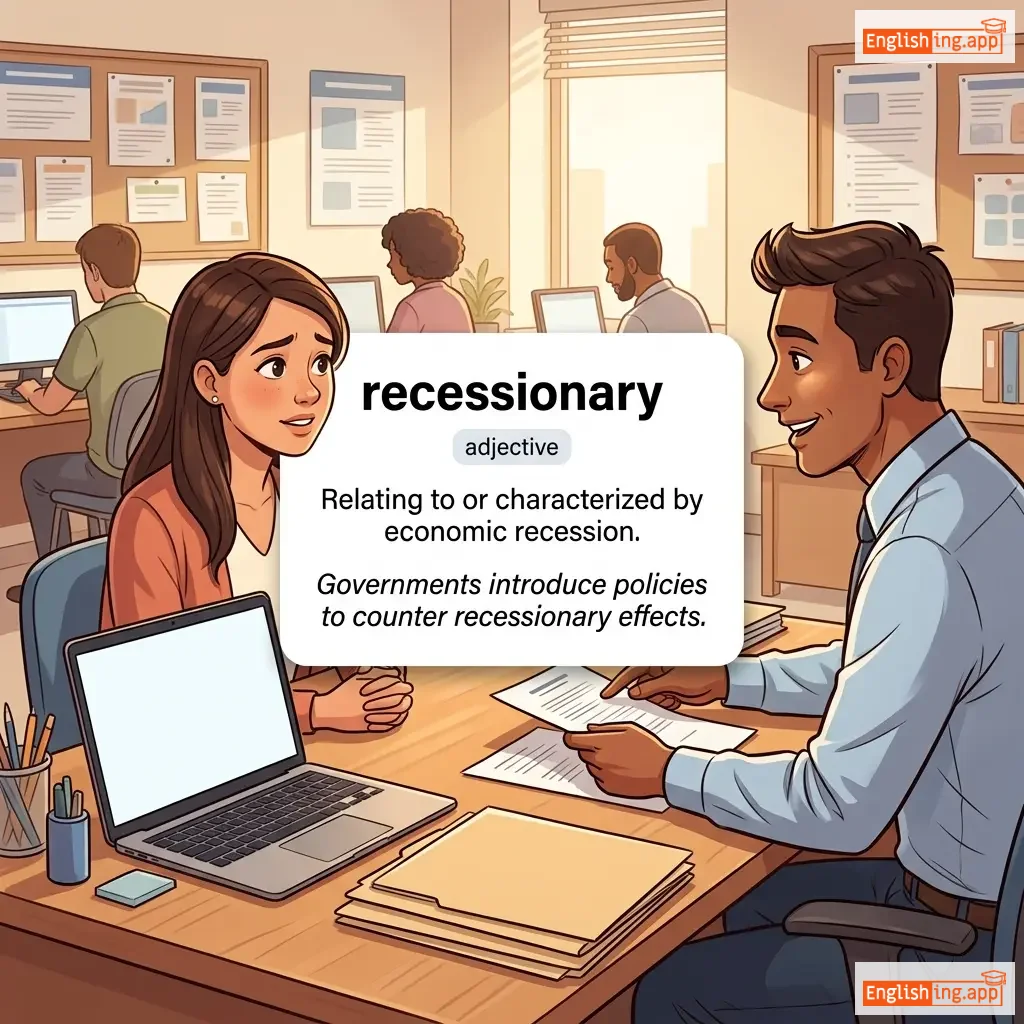
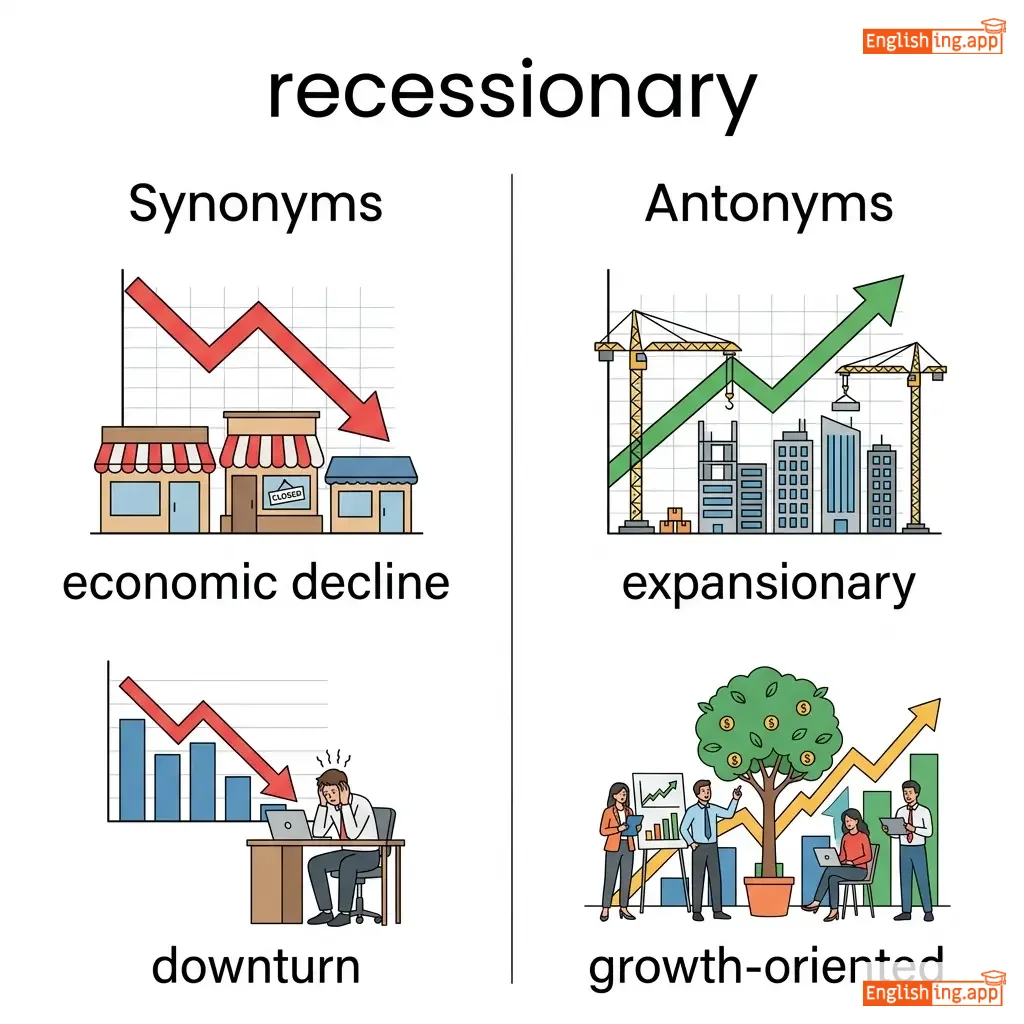
rɪˈsɛʃ.ən.er.i
adjective
••••••
|
|
Relating to or characterized by economic recession.
••••••
|
Governments introduce policies to counter recessionary effects. |
economic decline, downturn, slowdown
••••••
|
expansionary, growth-oriented, prosperous
••••••
|
|
#2476
🔀
|
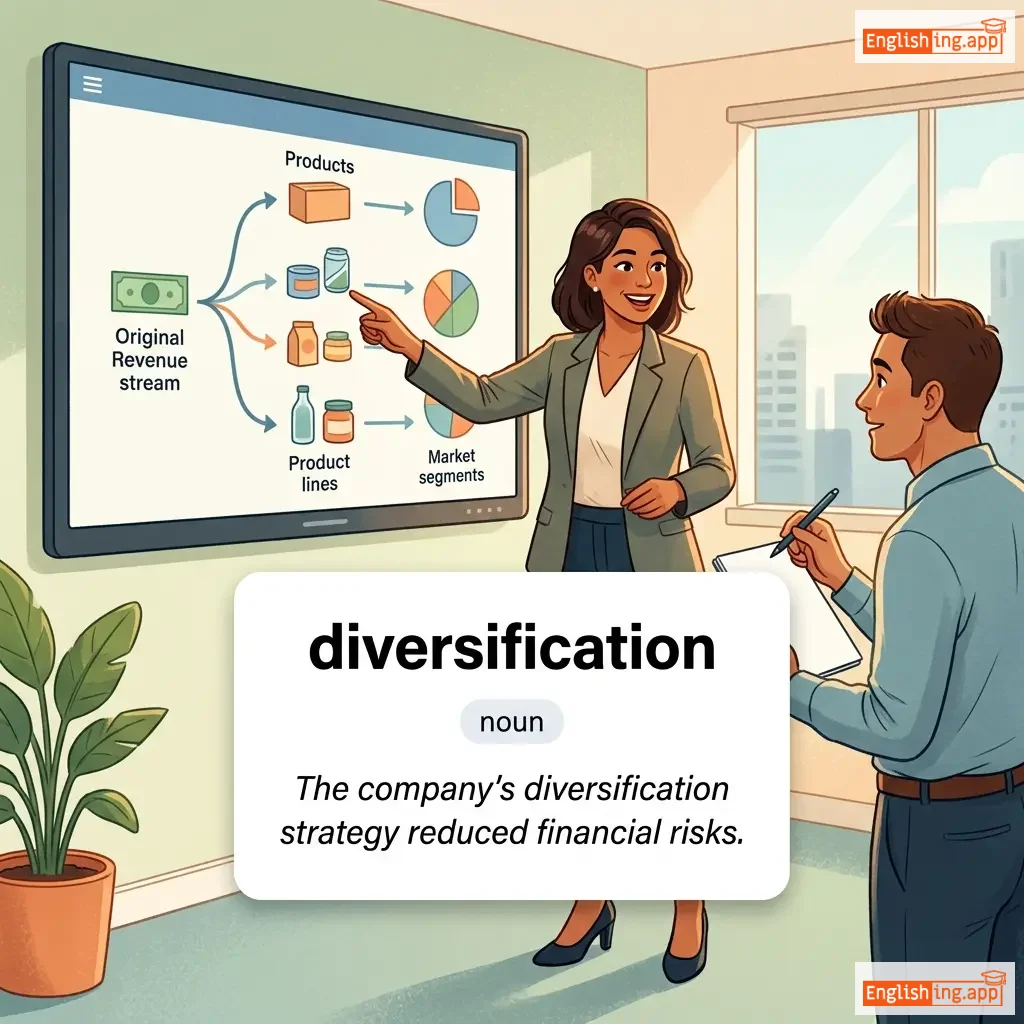
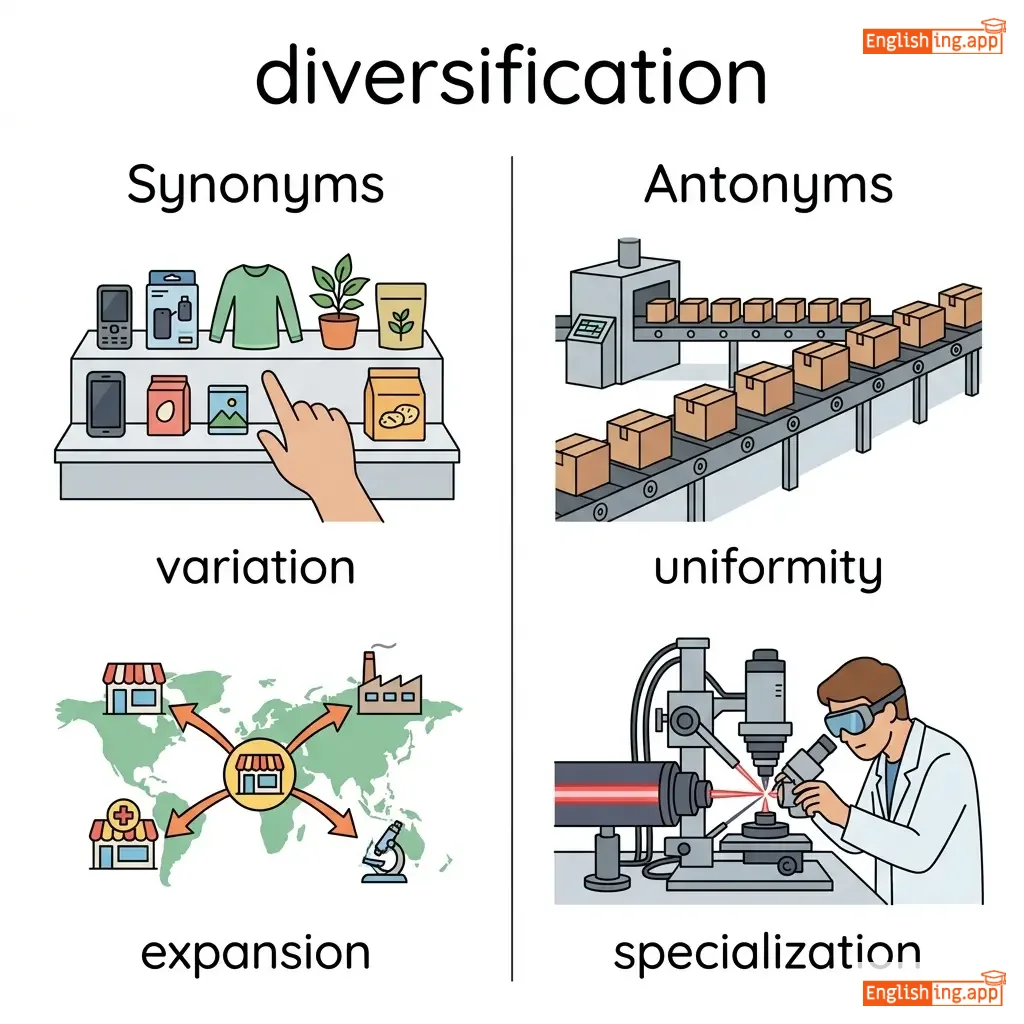
daɪˌvɜː.sɪ.fɪˈkeɪ.ʃən
noun
••••••
|
|
The practice of spreading investments across different assets to reduce risk.
••••••
|
Investment diversification reduces financial risk. |
expansion, variety, differentiation
••••••
|
specialization, uniformity, concentration
••••••
|
|
#2477
📊
|
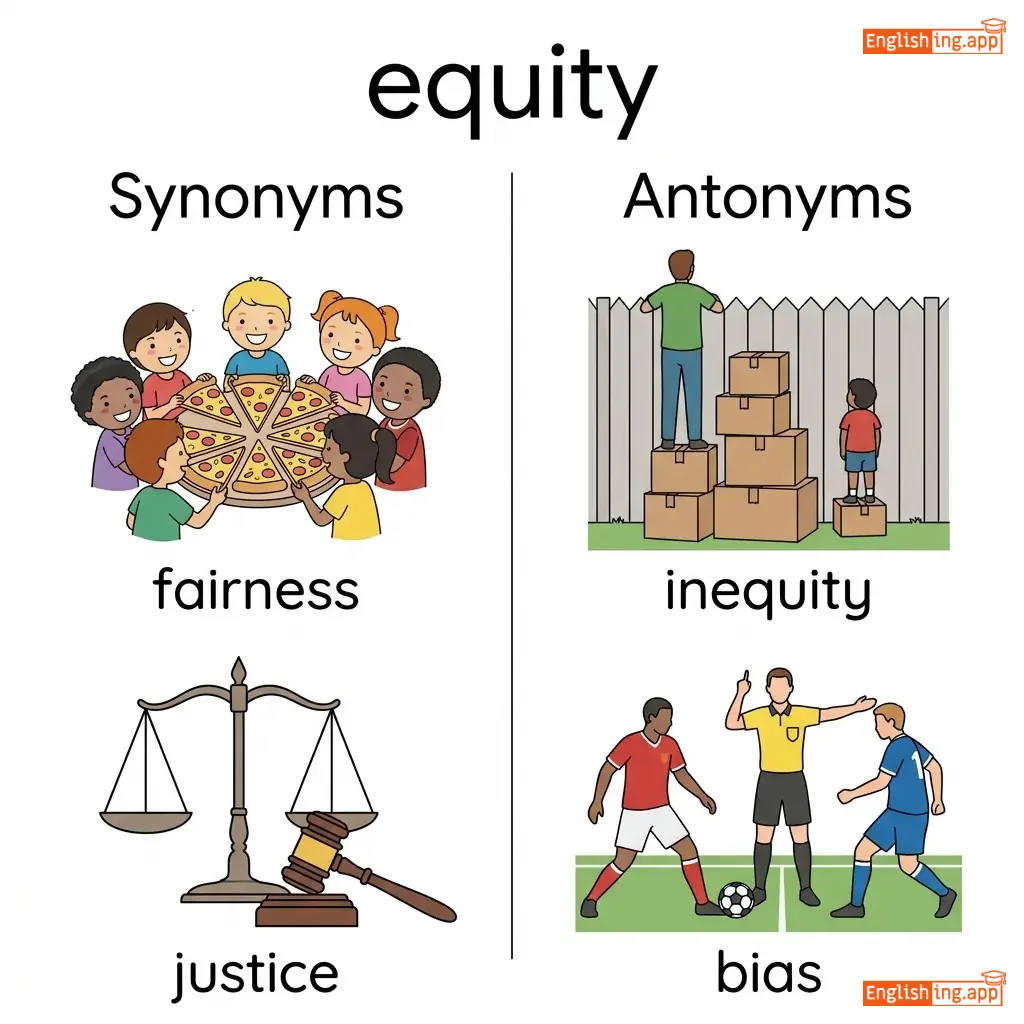
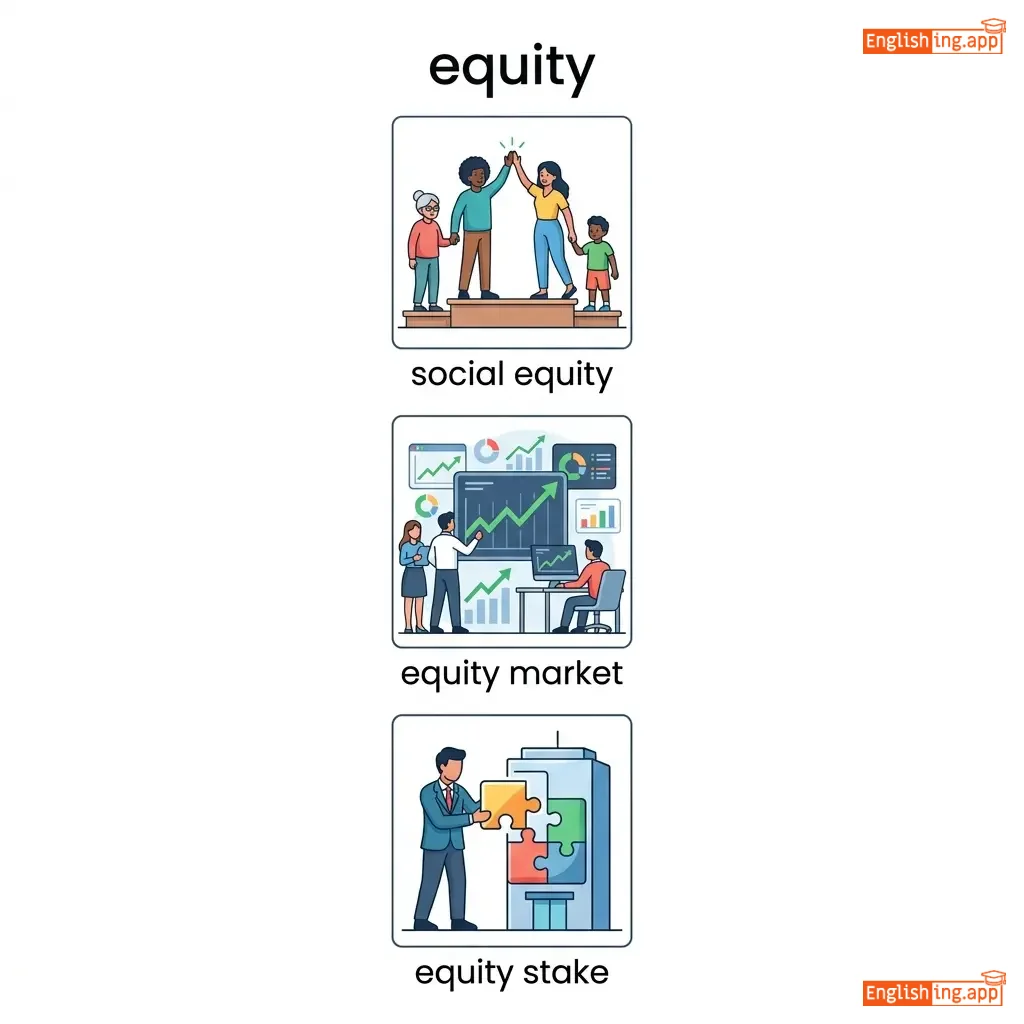
ˈɛk.wɪ.ti
noun
••••••
|

|
The value of shares issued by a company; ownership interest in a company.
••••••
|
He invested in company equity for long-term gains. |
ownership, stake, shareholding
••••••
|
debt, liability, unequal distribution
••••••
|
|
#2478
💰
|
jiːld
noun/verb
••••••
|

|
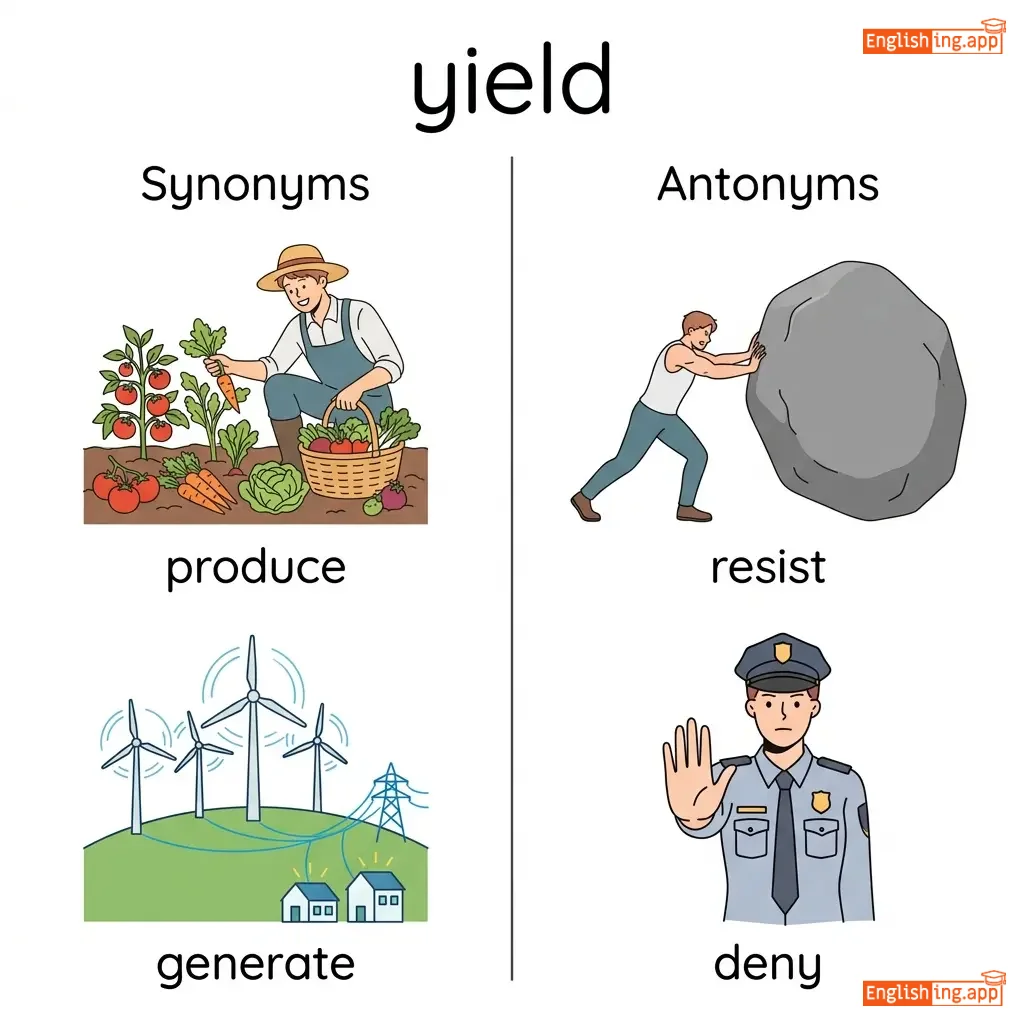
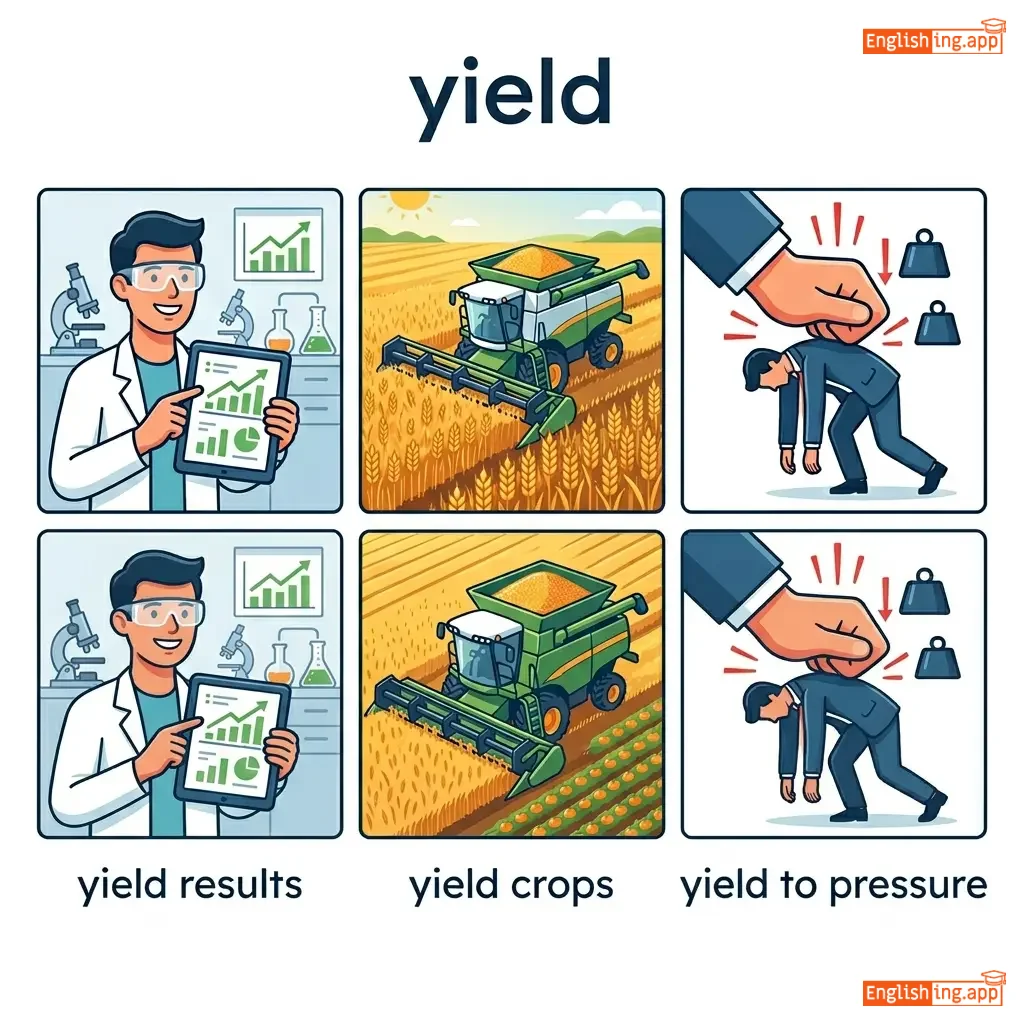
The income return on an investment, such as the interest or dividends received.
••••••
|
Bonds with higher yield offer better returns. |
return, profit, earnings
••••••
|
loss, decline, deficit
••••••
|
|
#2479
🏛️
|
ˈfɪs.kəl
adjective
••••••
|

|
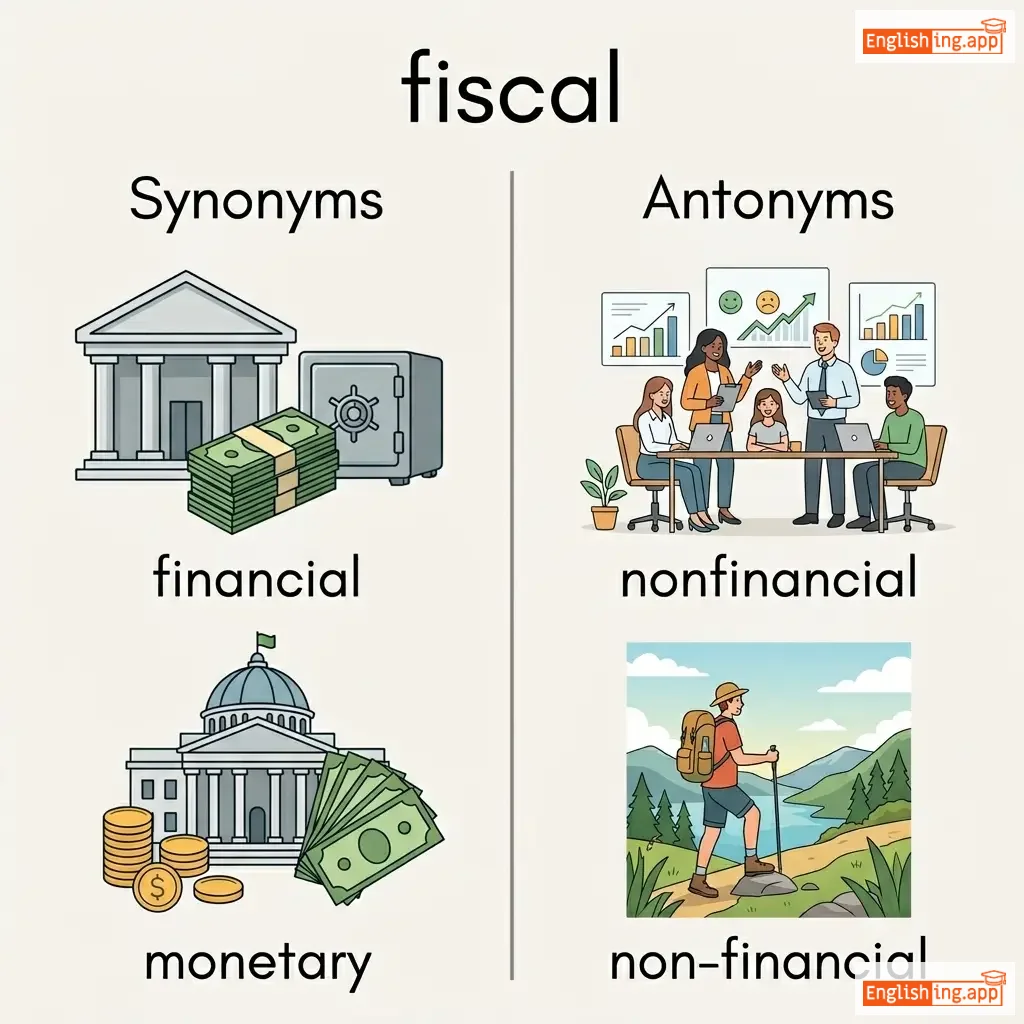
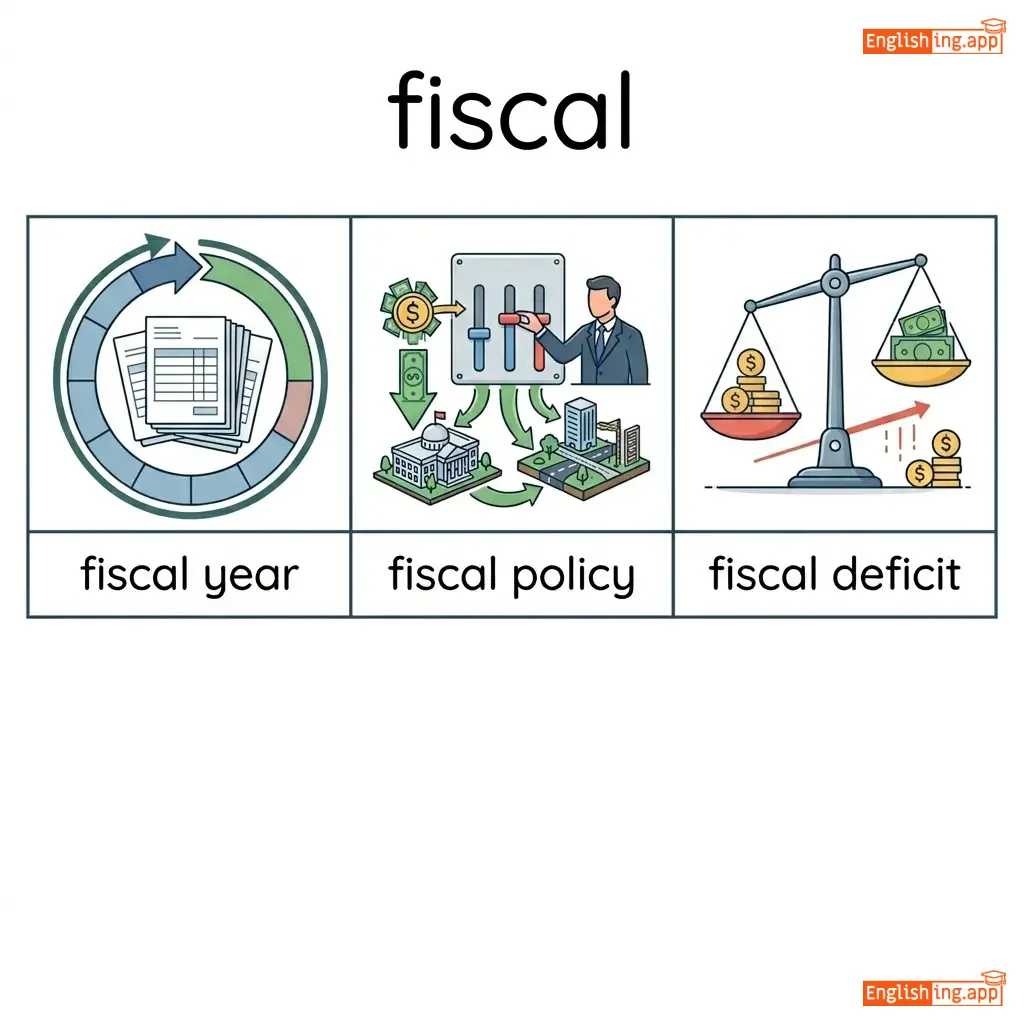
Relating to government revenue, especially taxes.
••••••
|
The government introduced new fiscal policies to boost the economy. |
financial, monetary, budgetary
••••••
|
non-financial, unbudgeted, non-monetary
••••••
|
|
#2480
🎲
|
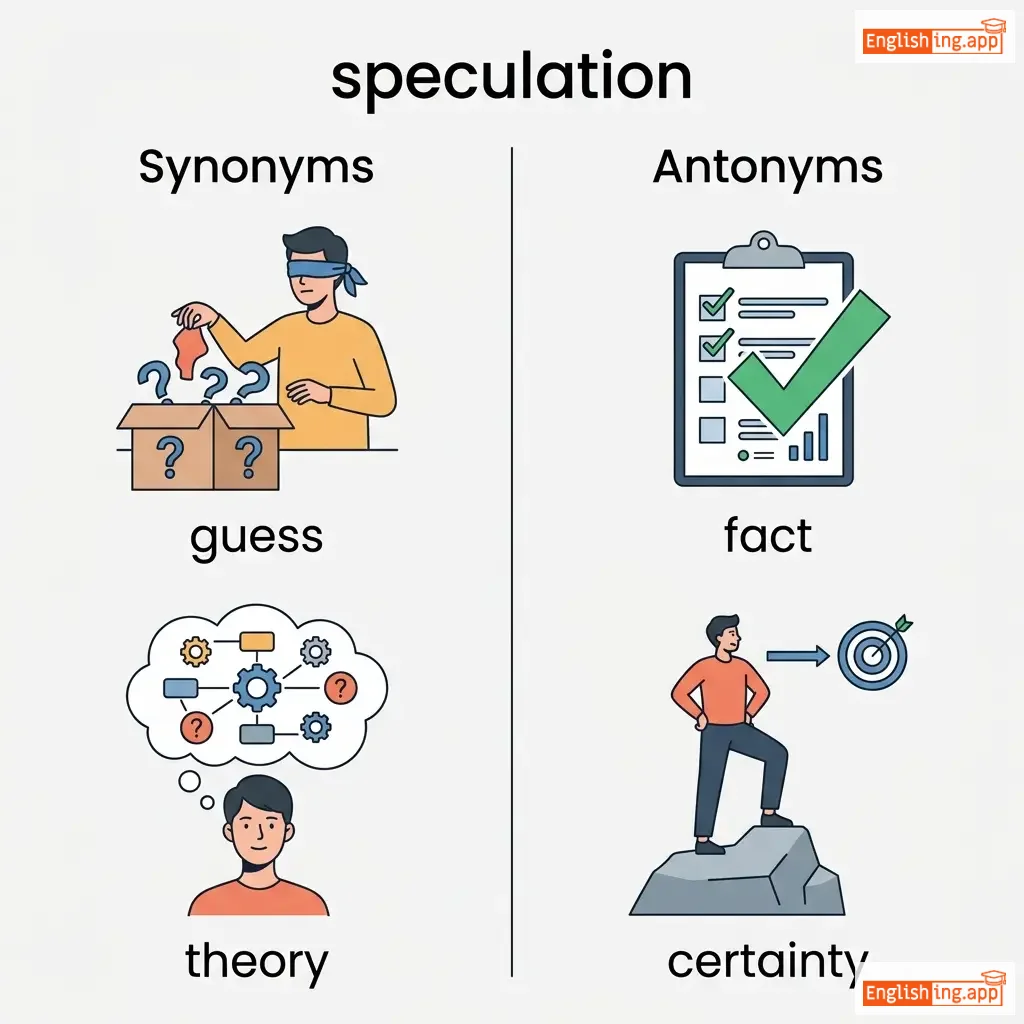
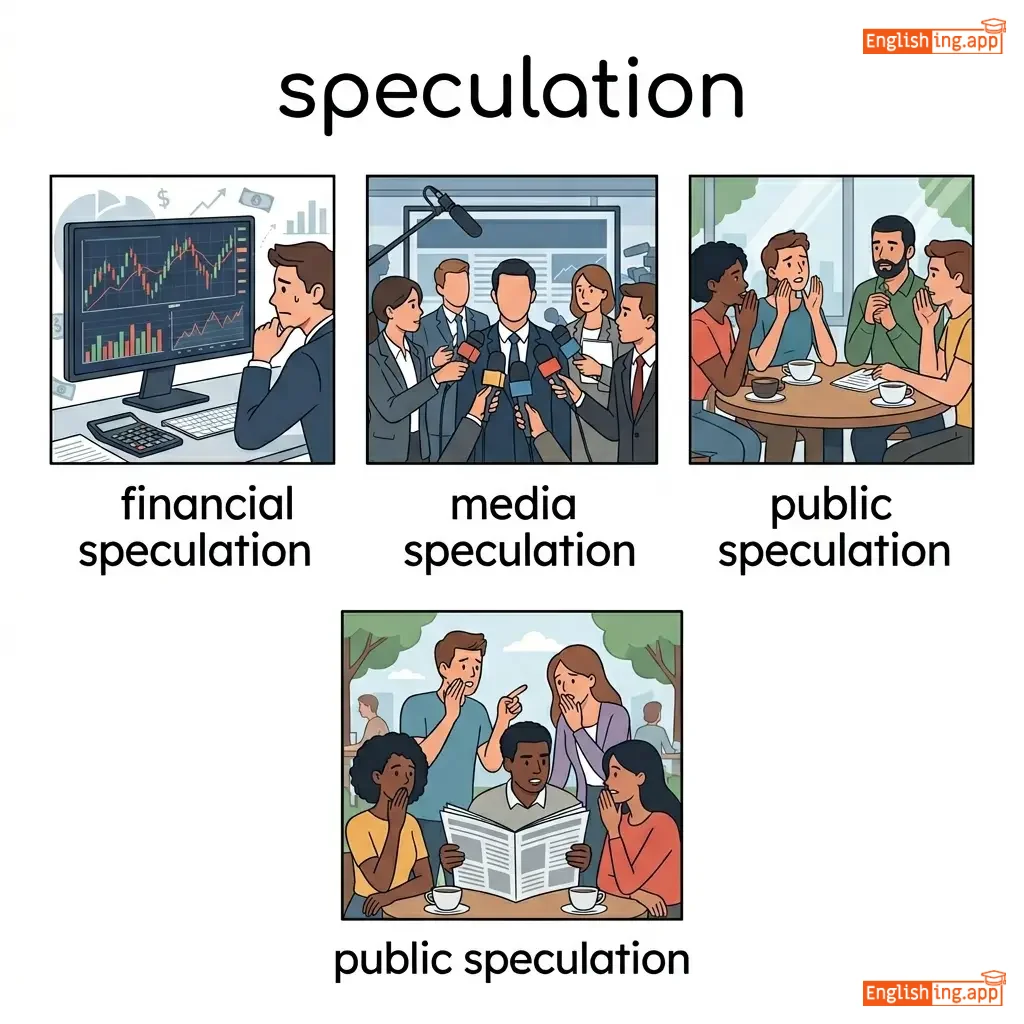
ˌspɛk.jʊˈleɪ.ʃən
noun
••••••
|

|
Investment in stocks, property, or other ventures in the hope of gain but with the risk of loss.
••••••
|
Stock market speculation can lead to high volatility. |
risk-taking, prediction, guesswork
••••••
|
certainty, stability, assurance
••••••
|

