Investir contre Épargner pour la Croissance de la Richesse

Investing vs. Saving for Wealth Growth

Tant épargner que investir sont des méthodes importantes pour la croissance de la richesse. Cependant, il existe une grande disparité entre ces deux approches, ce qui a un impact direct sur la richesse à long terme. Épargner est une habitude monétaire où l'argent est stocké à un endroit spécifique, mais il ne suit pas le rythme du taux inflationniste. D'autre part, investir augmente l'argent grâce à l'intérêt composé à long terme. Un investisseur réussi gère toujours son portefeuille correctement grâce à l'allocation d'actifs. Compter uniquement sur la liquidité ne peut jamais créer de richesse à long terme.

Ceux qui ne comptent que sur l'épargne ne reçoivent pas une véritable appréciation de l'argent, car il subit la pression récessionniste au fil du temps. Mais ceux qui investissent dans la diversification et l'équité peuvent profiter du rendement de l'argent à long terme.

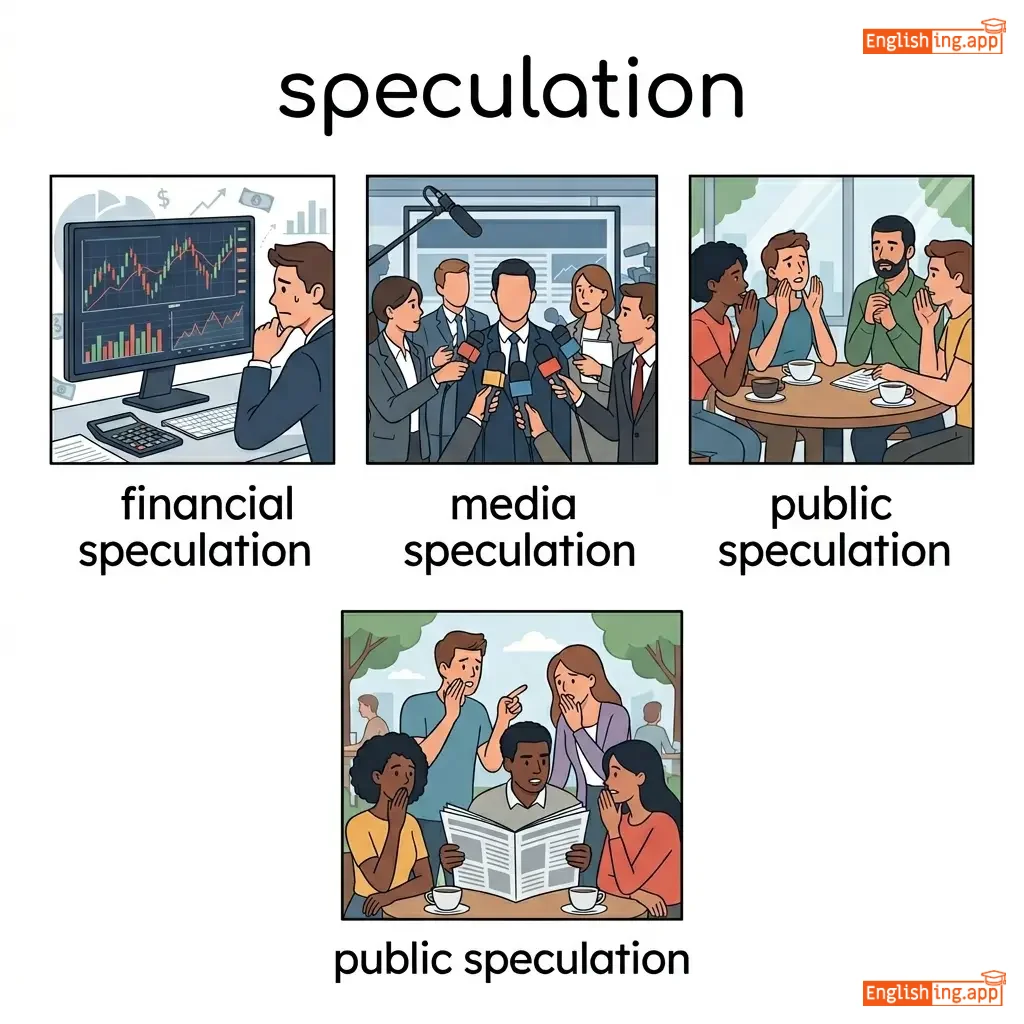
Par conséquent, investir est plus efficace pour la création de richesse à long terme, où des connaissances appropriées en matière de fiscalité et de spéculation doivent être mises en avant.

Investing vs. Saving for Wealth GrowthInvestir contre Épargner pour la Croissance de la Richesse
/
/

Investing vs. Saving for Wealth GrowthInvestir contre Épargner pour la Croissance de la Richesse - Basculement de Masque

Émoji
Mot Images Signification Phrase d'Exemple Synonymes Antonymes
#2464
💰
••••••
ˈseɪ.vɪŋ
noun
••••••
••••••
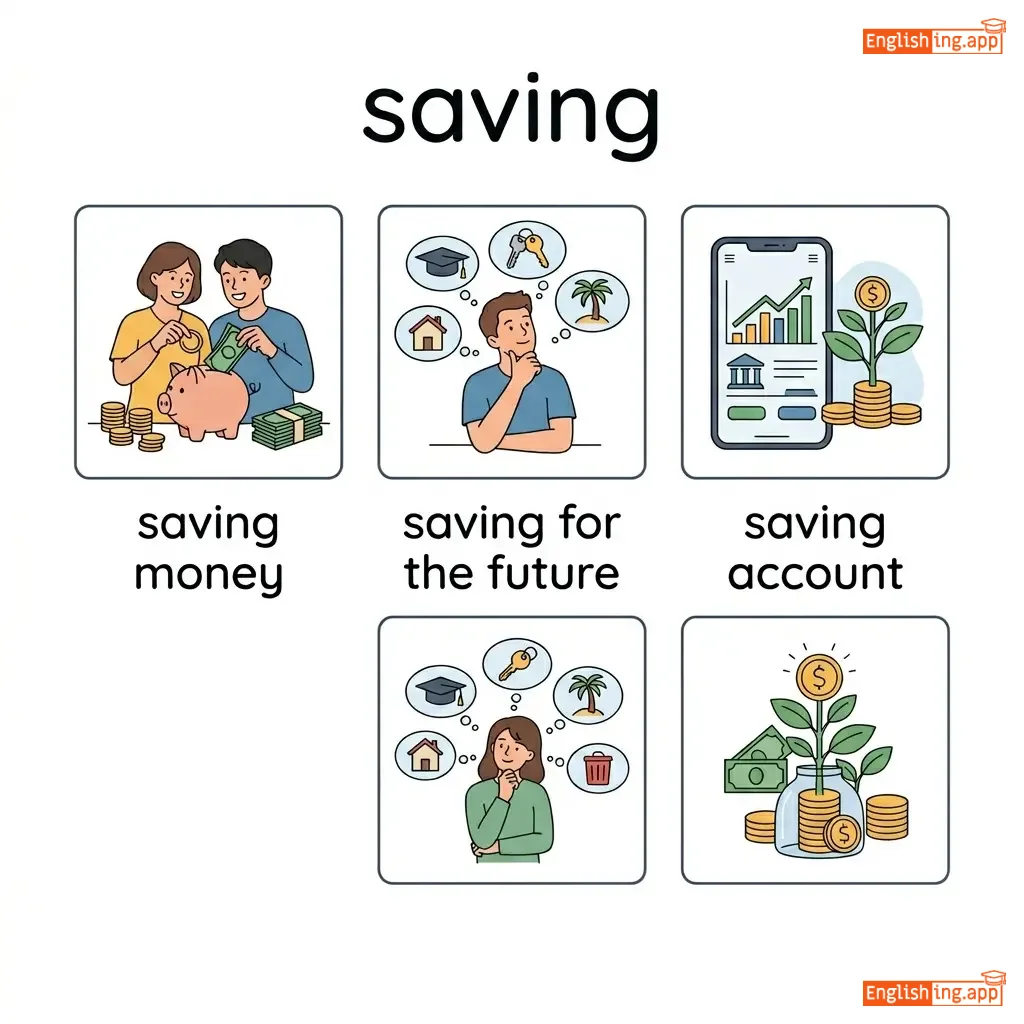
The practice of keeping and accumulating money for future use rather than spending it immediately.
••••••

Regular saving habits ensure financial security.

••••••
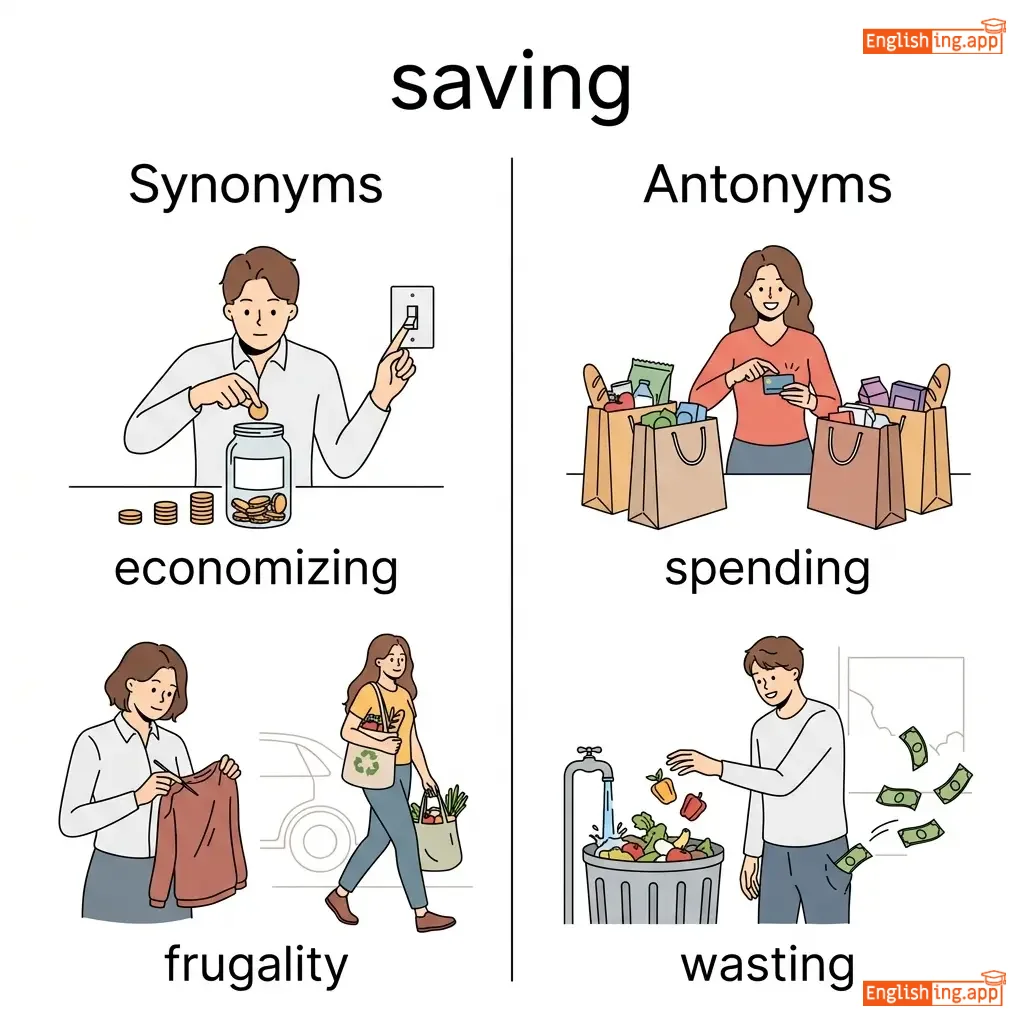
savings, preservation, economy
••••••
spending, expenditure, consumption
••••••
#2465
📈
••••••
ɪnˈvɛst.ɪŋ
verb
••••••
••••••
The act of putting money into financial schemes, shares, property, or a commercial venture with the expectation of achieving a profit.
••••••

Investing in stocks can generate long-term wealth.

••••••
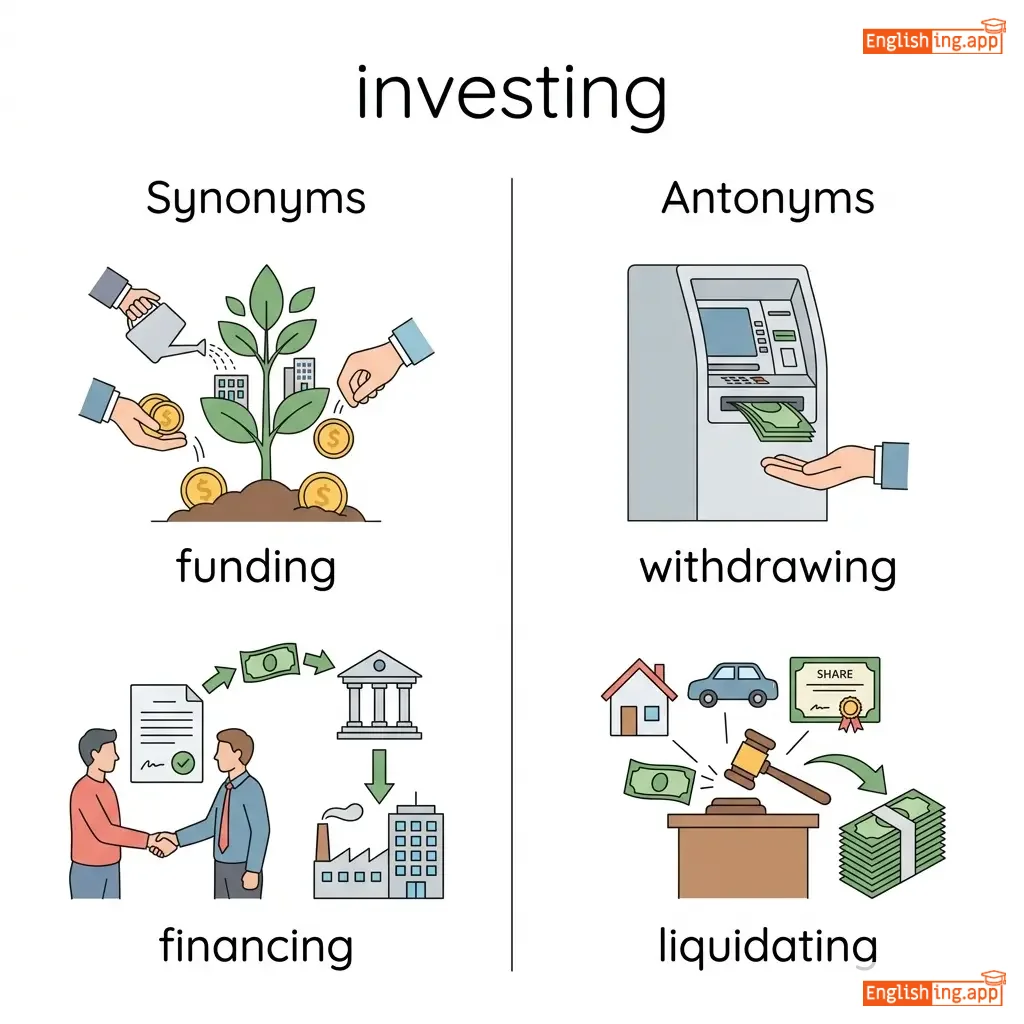
funding, financing, capitalizing
••••••
withdrawing, liquidating, spending
••••••
#2466
⚖️
••••••
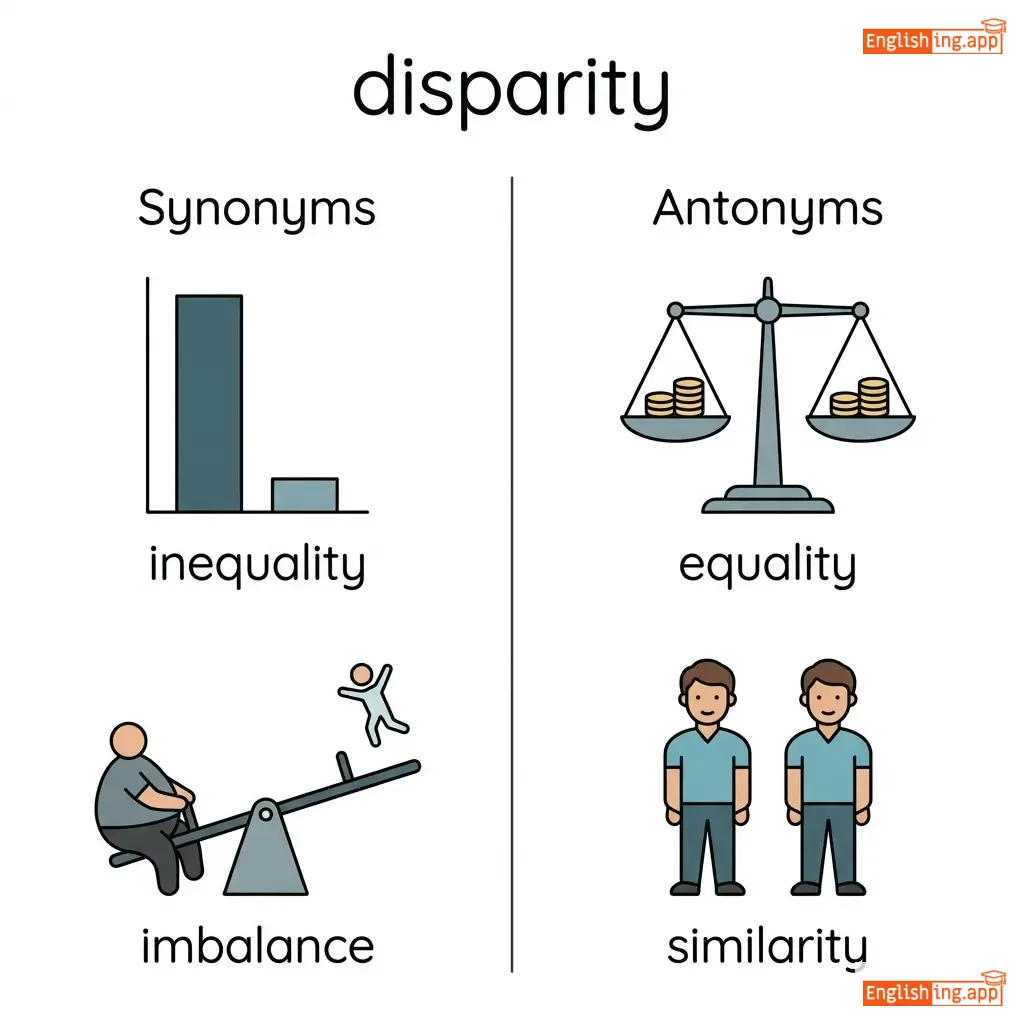
dɪˈspær.ə.ti
noun
••••••
••••••
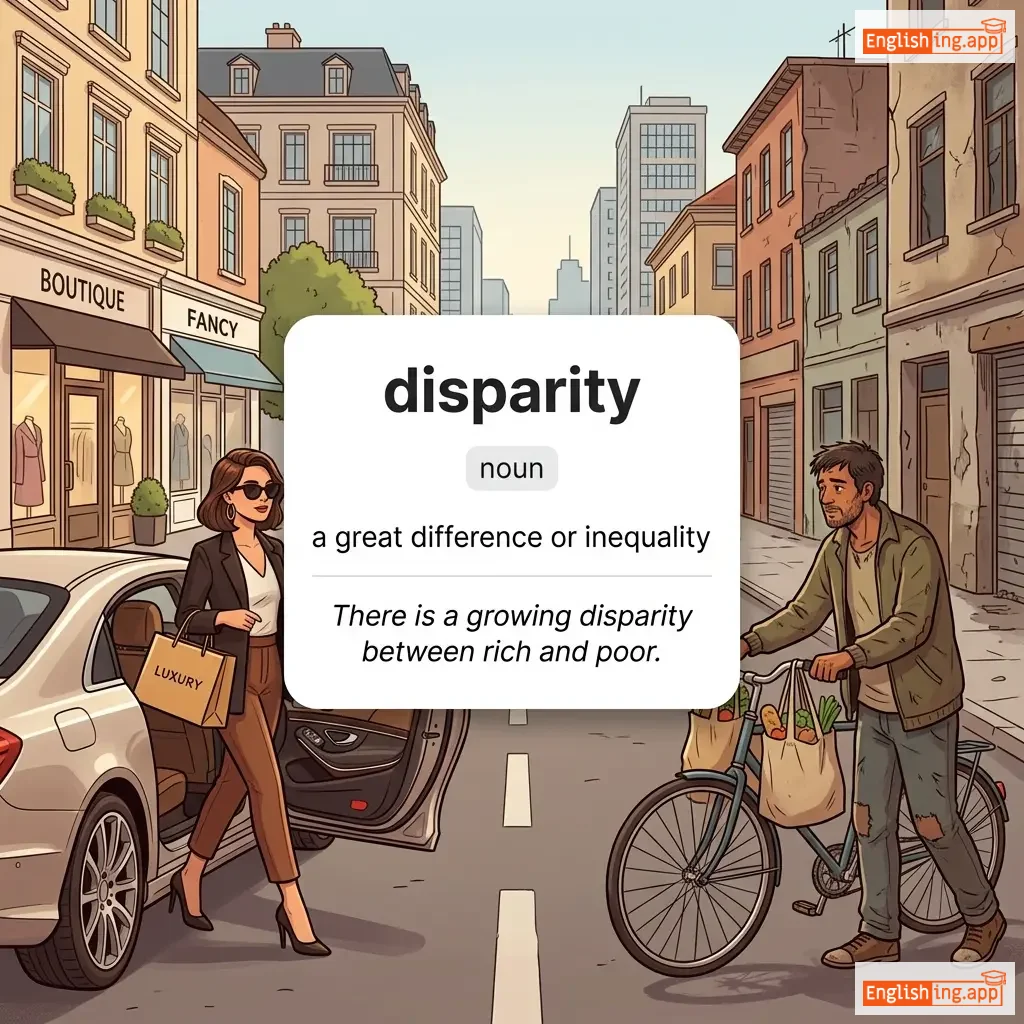
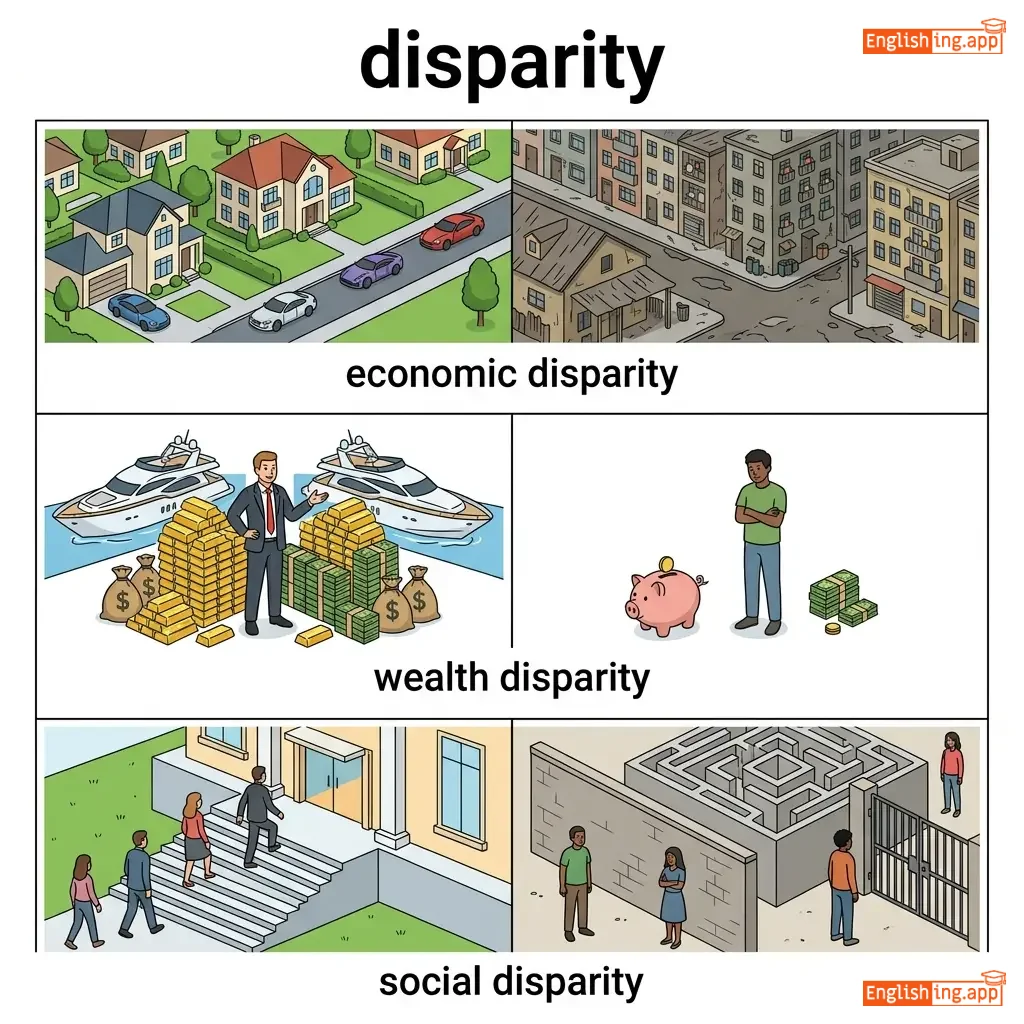
A great difference or inequality between two or more things.
••••••

The disparity in wealth between rich and poor is increasing.

••••••
inequality, difference, gap
••••••
equality, similarity, balance
••••••
#2467
💵
••••••
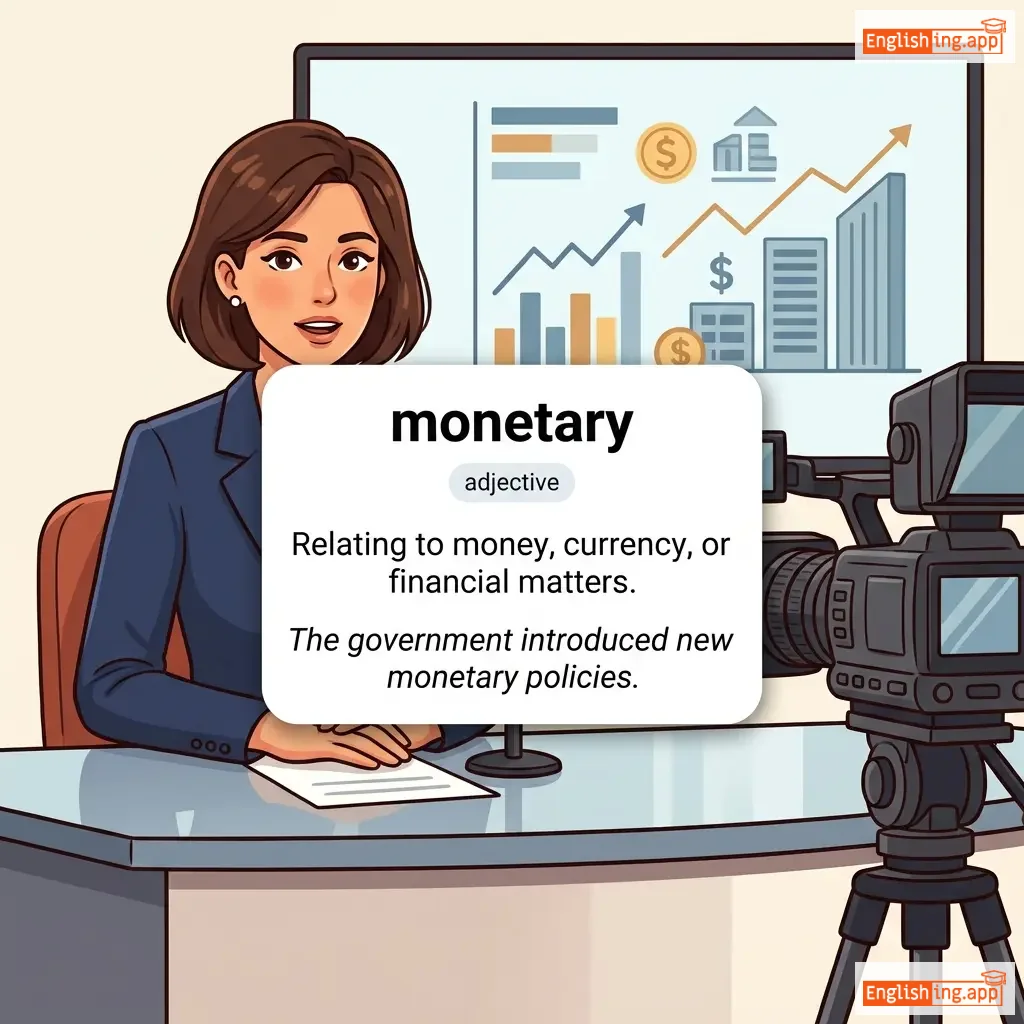
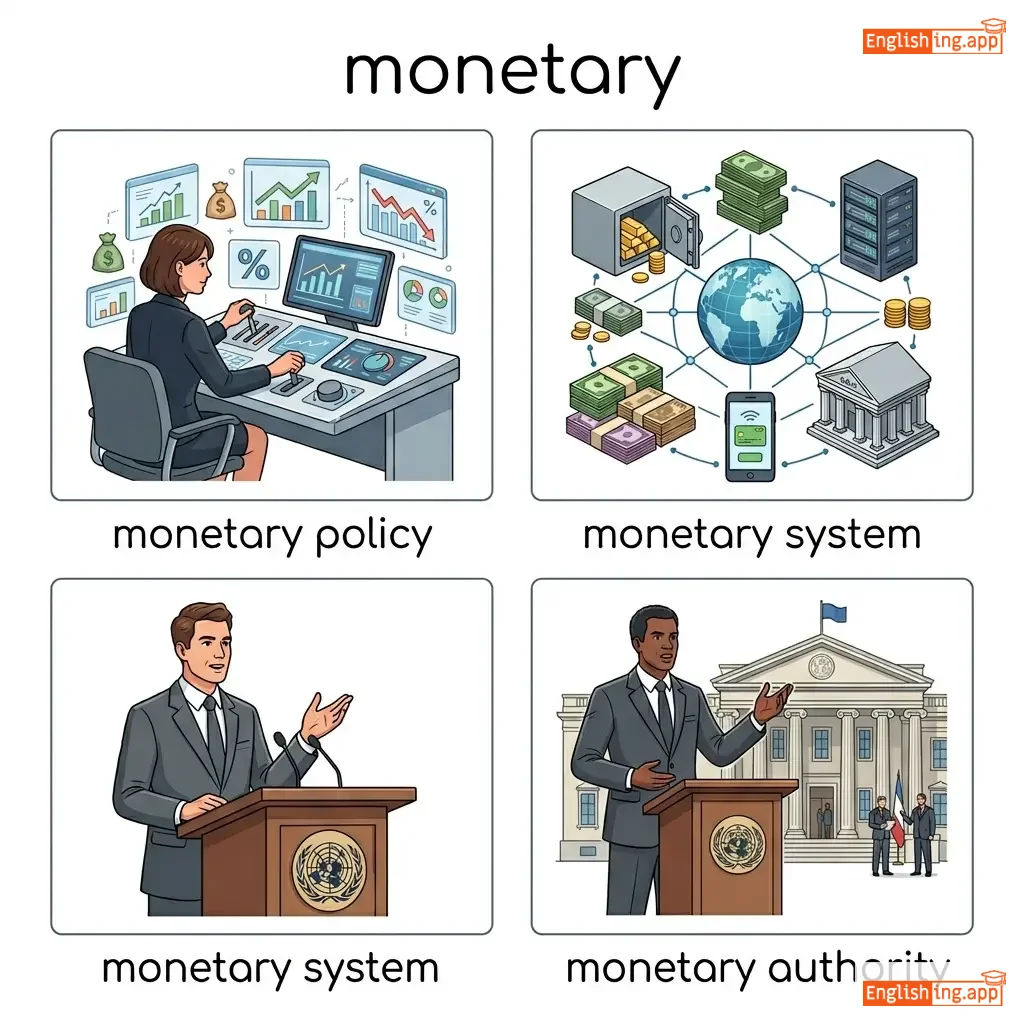
ˈmʌn.ɪ.tri
adjective
••••••
••••••
Relating to money or currency.
••••••

The government adopted strict monetary policies to control inflation.

••••••
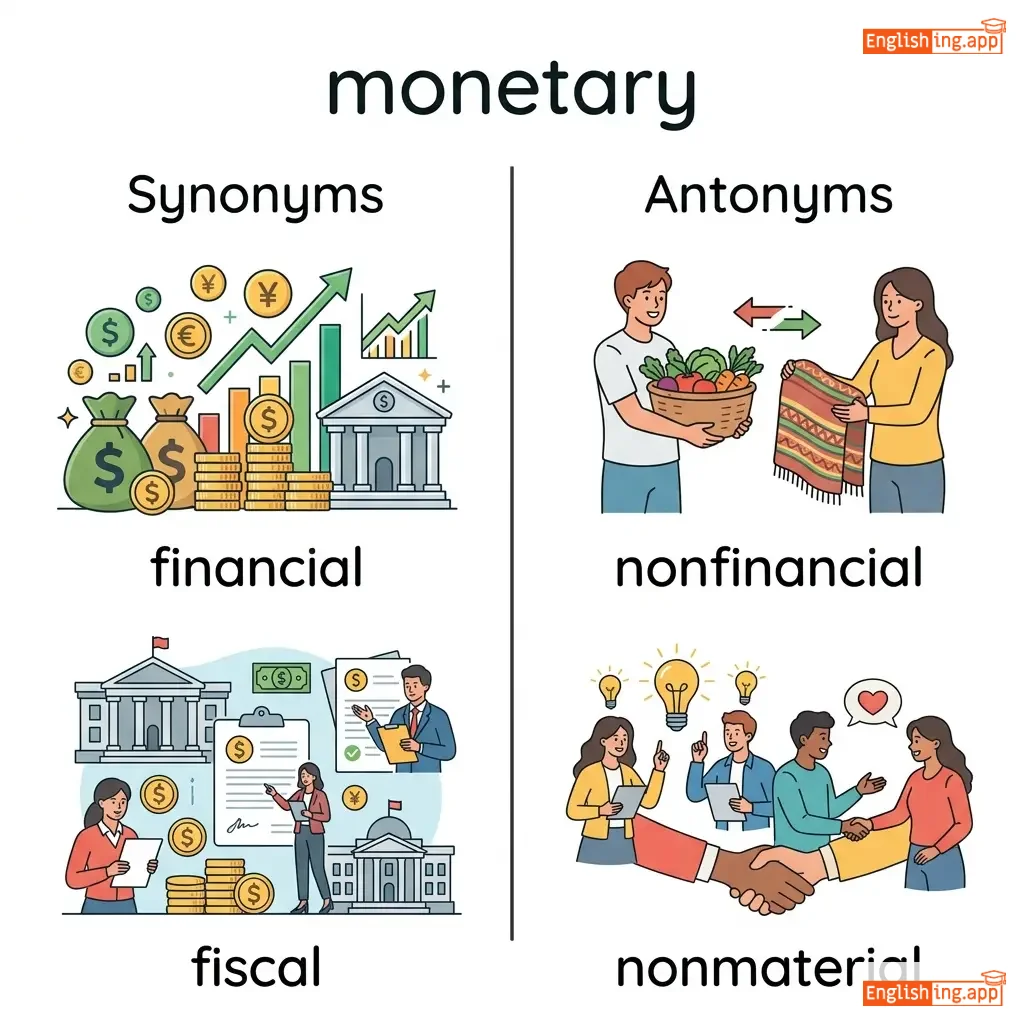
financial, fiscal, economic
••••••
non-financial, barter, non-monetary
••••••
#2468
📊
••••••
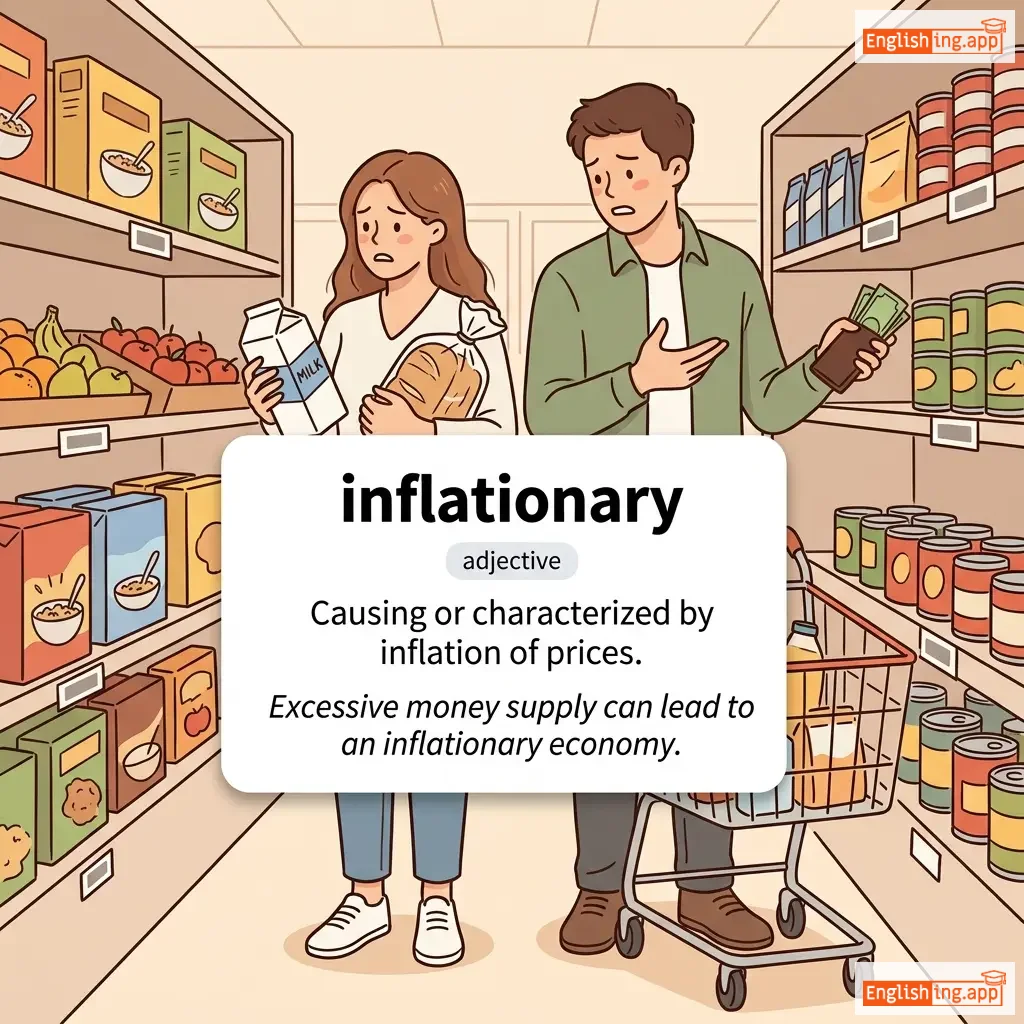
ɪnˈfleɪ.ʃən.ər.i
adjective
••••••
••••••
Characterized by or tending to cause monetary inflation.
••••••

Excessive printing of money can lead to an inflationary crisis.

••••••
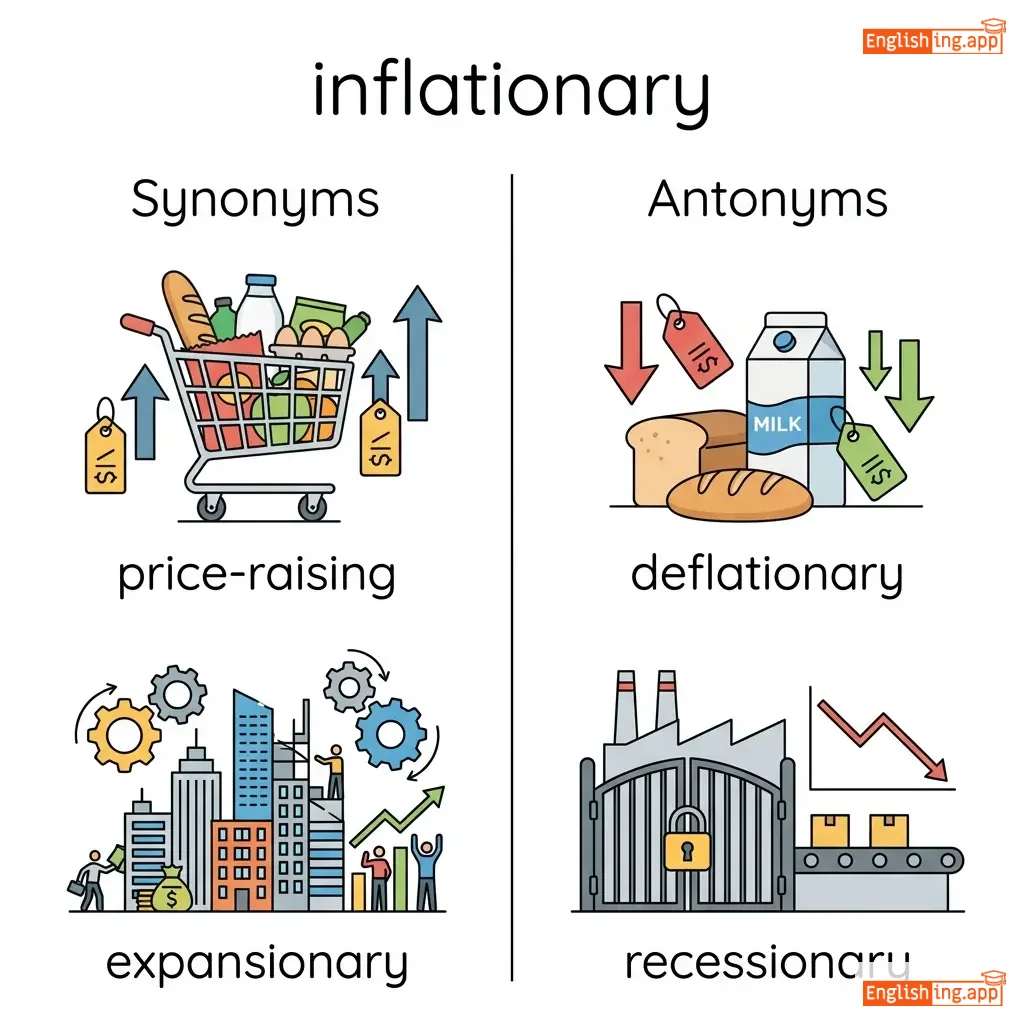
price-rising, cost-increasing, expansionary
••••••
deflationary, price-reducing, contractionary
••••••
#2469
🔄
••••••
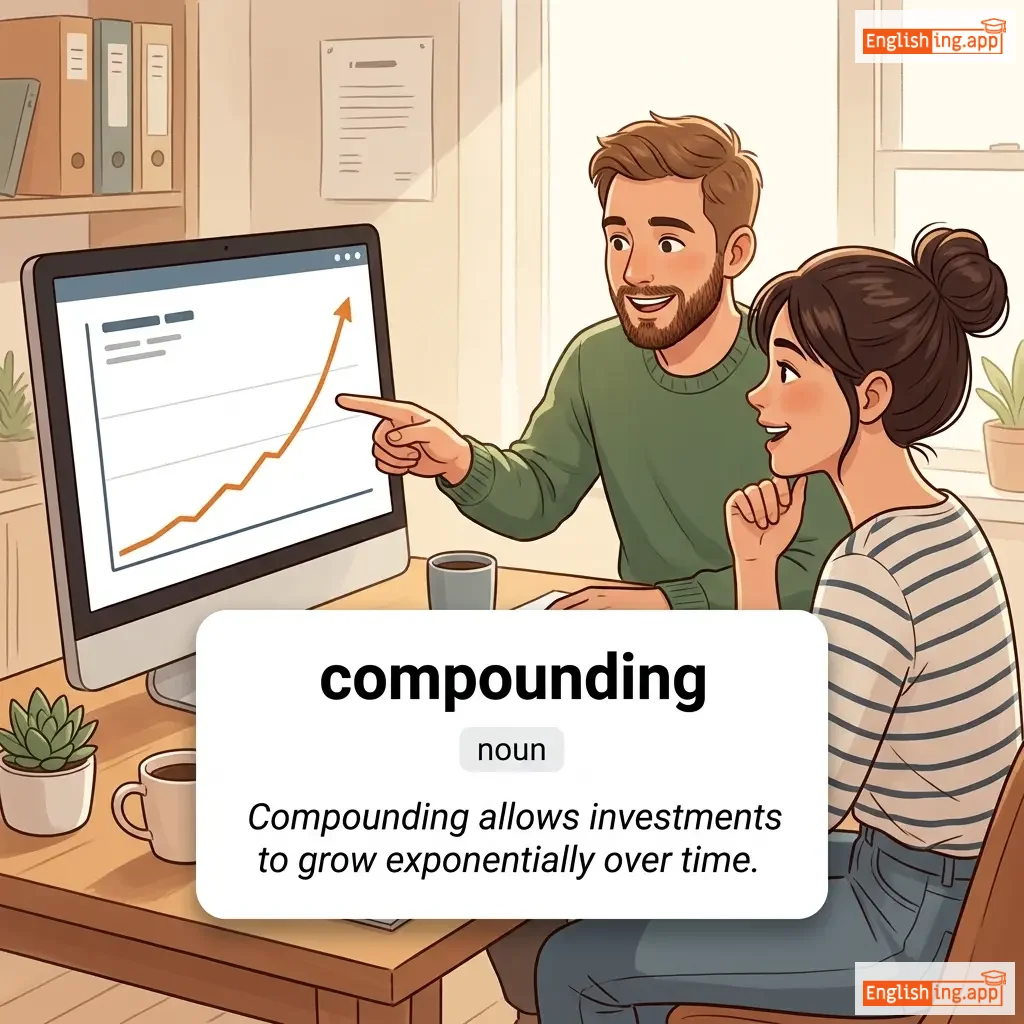
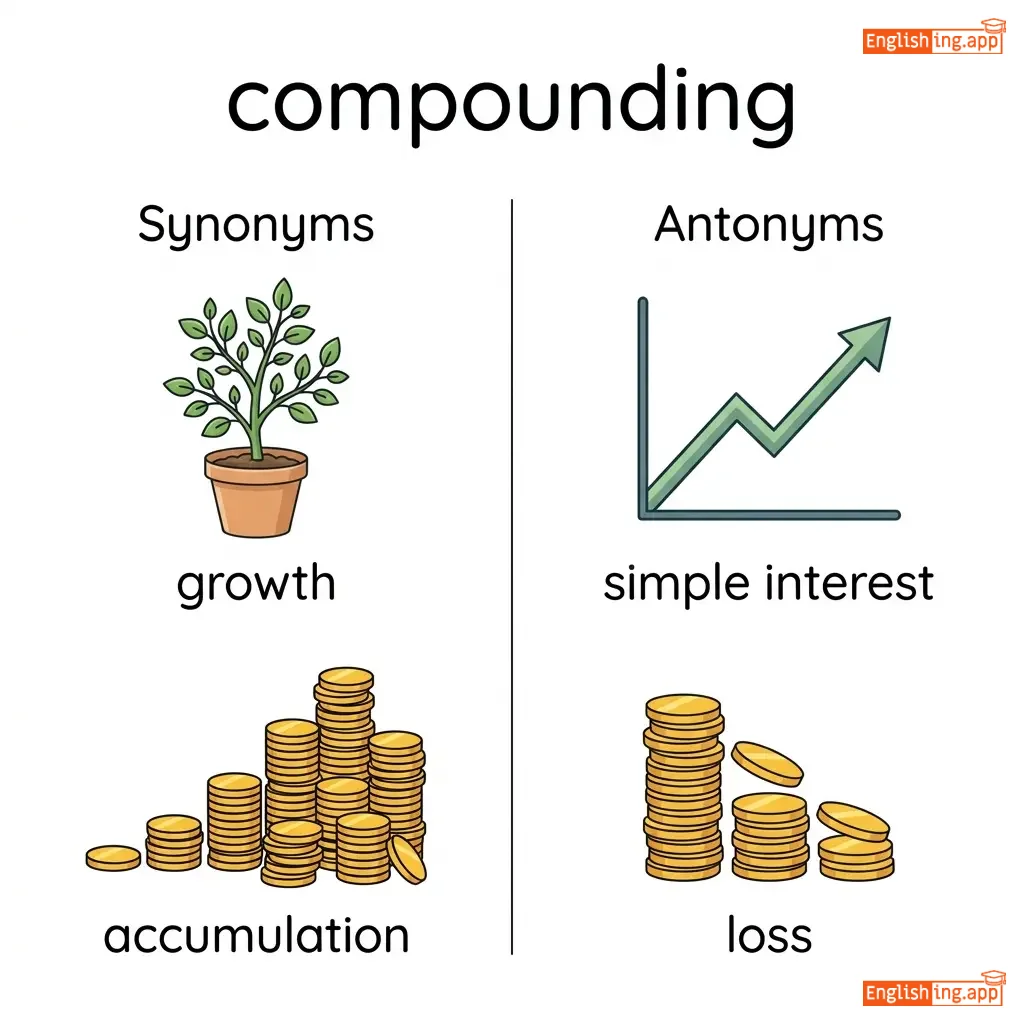
kəmˈpaʊnd.ɪŋ
noun
••••••
••••••
The process in which an asset's earnings, from either capital gains or interest, are reinvested to generate additional earnings over time.
••••••

Compounding allows investments to grow exponentially over time.

••••••
growth, accumulation, exponential return
••••••
simple interest, loss, depreciation
••••••
#2470
📊
••••••
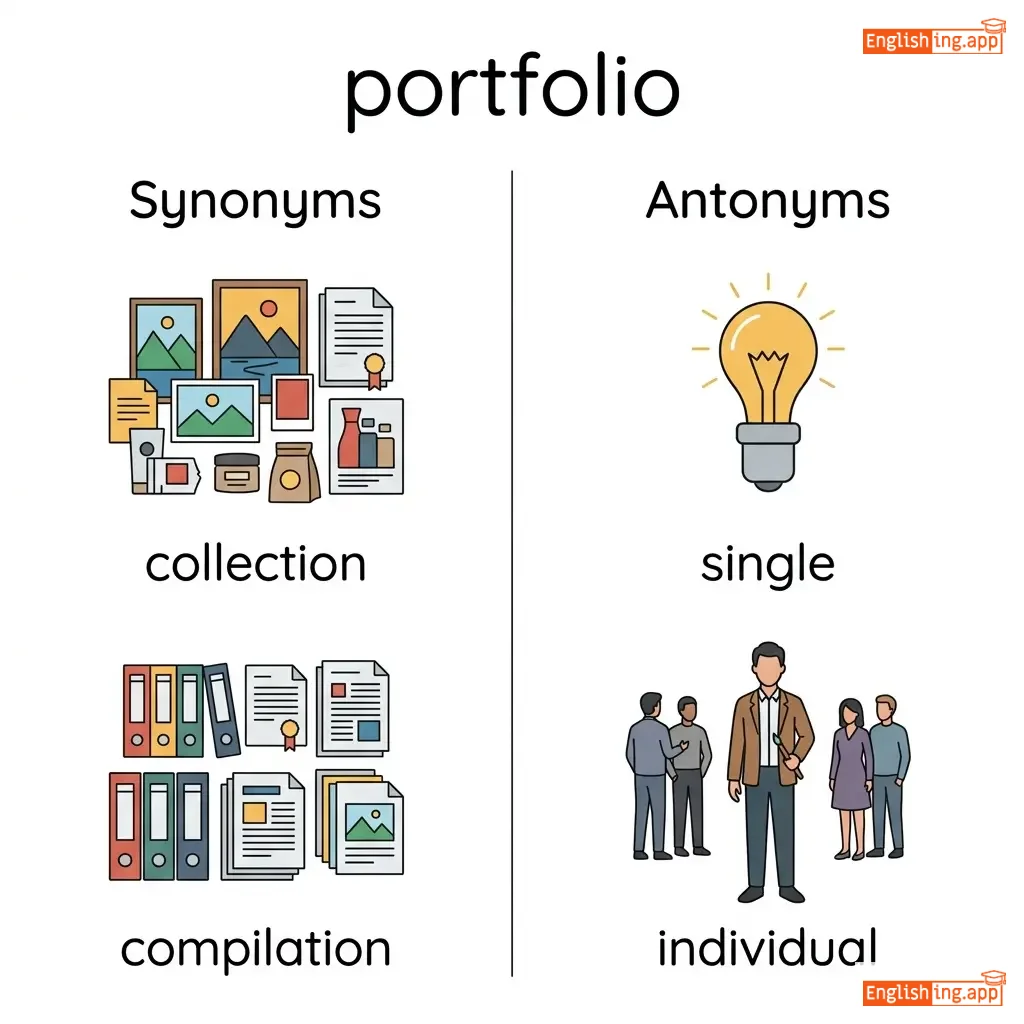
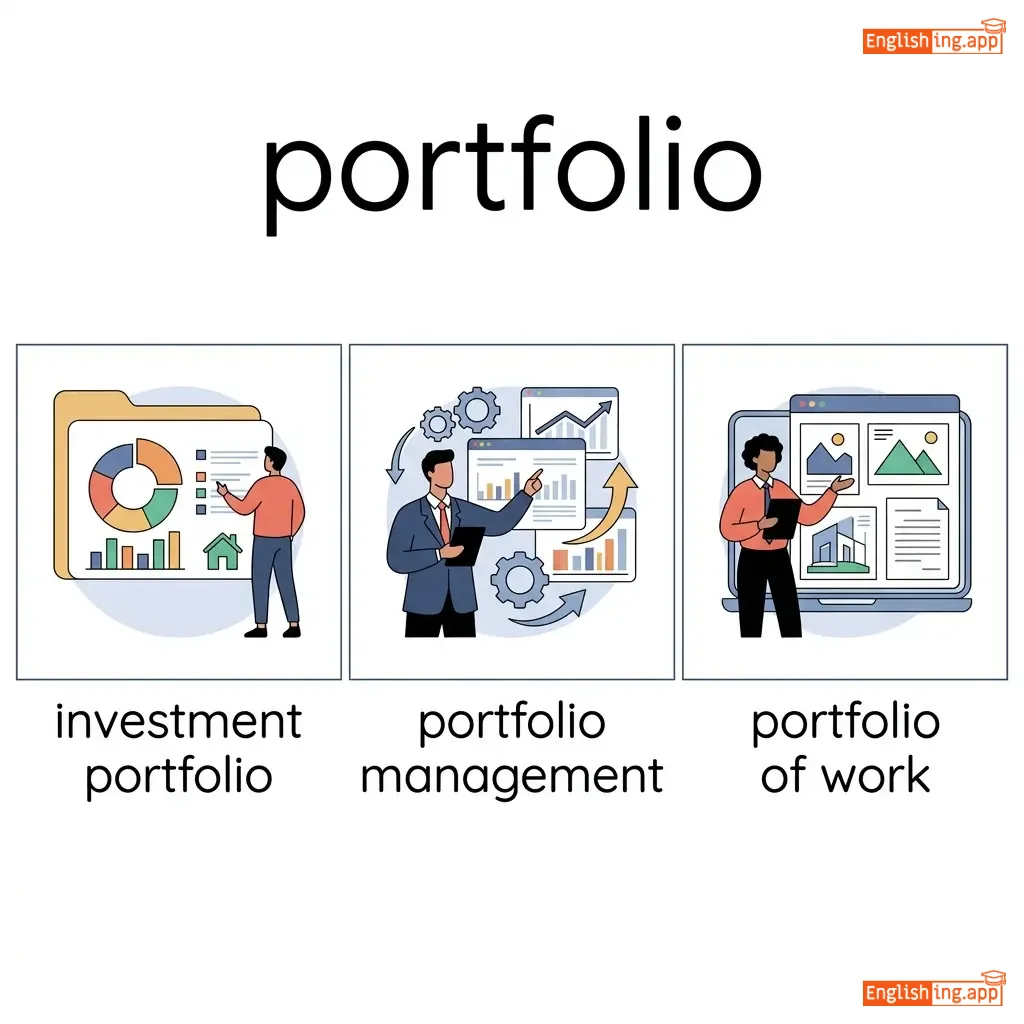
ˌpɔːtˈfəʊ.li.əʊ
noun
••••••
••••••
A range of investments held by a person or organization.
••••••

Diversifying your portfolio reduces investment risk.

••••••
investment mix, asset collection, holdings
••••••
single investment, disinvestment, liquidation
••••••
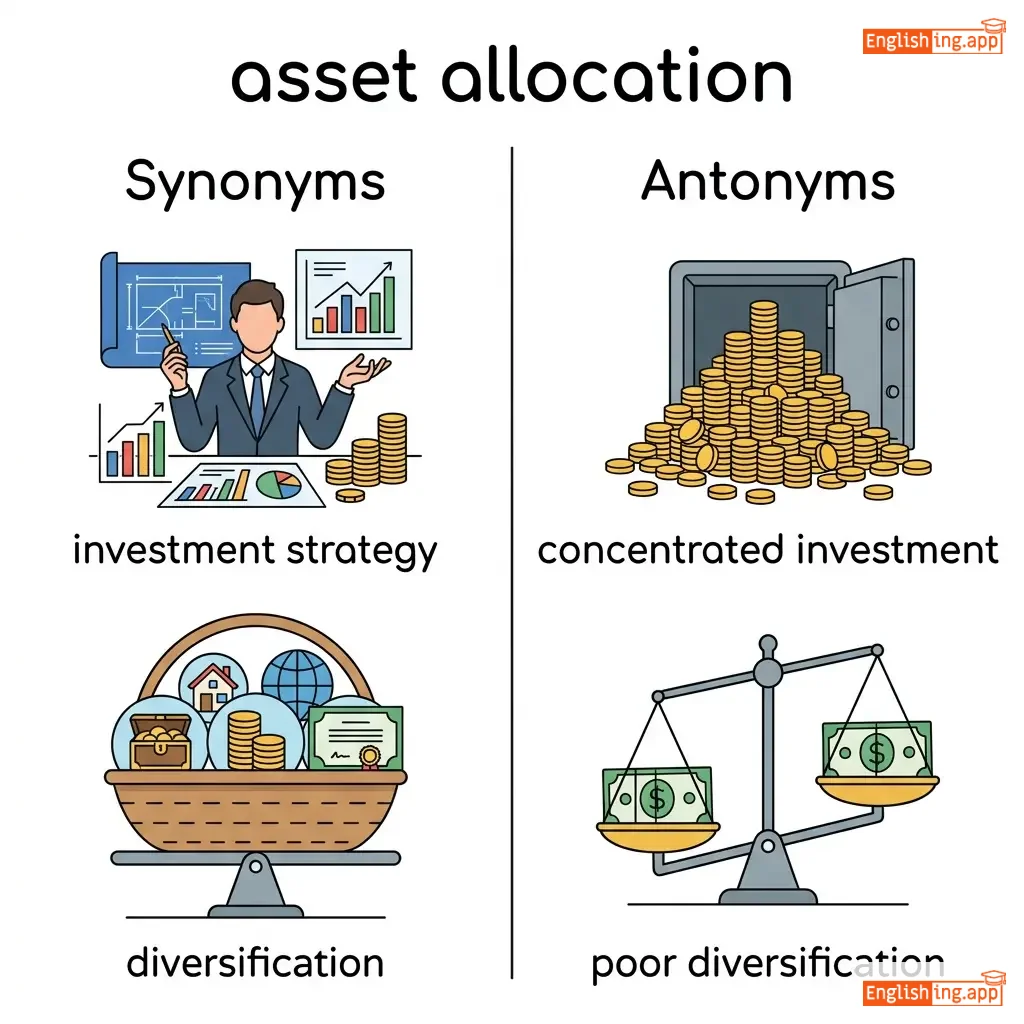
#2471
📈
••••••
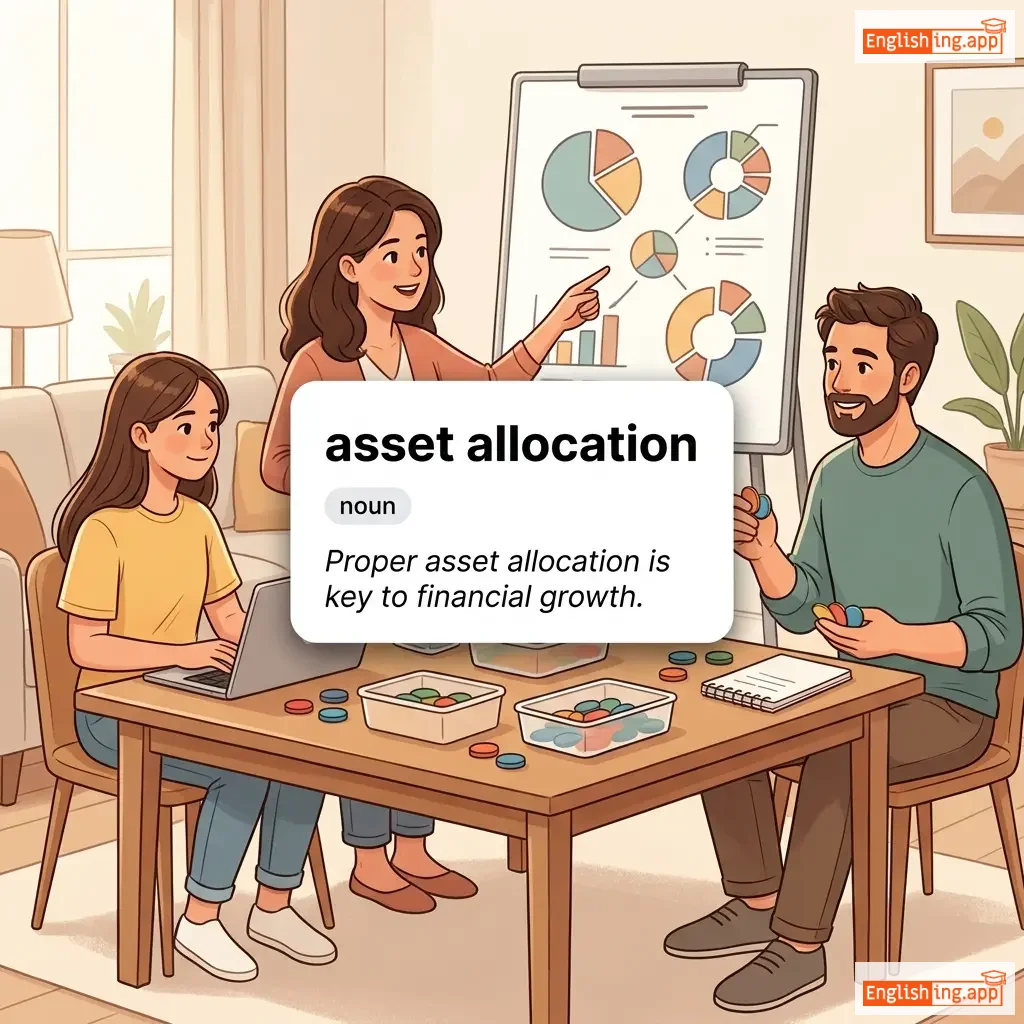
ˈæ.sɛt ˌæl.əˈkeɪ.ʃən
noun
••••••
••••••
An investment strategy that aims to balance risk and reward by apportioning a portfolio's assets according to an individual's goals, risk tolerance, and investment horizon.
••••••

Proper asset allocation is key to financial growth.

••••••
investment strategy, diversification, capital distribution
••••••
concentrated investment, poor diversification, risky allocation
••••••
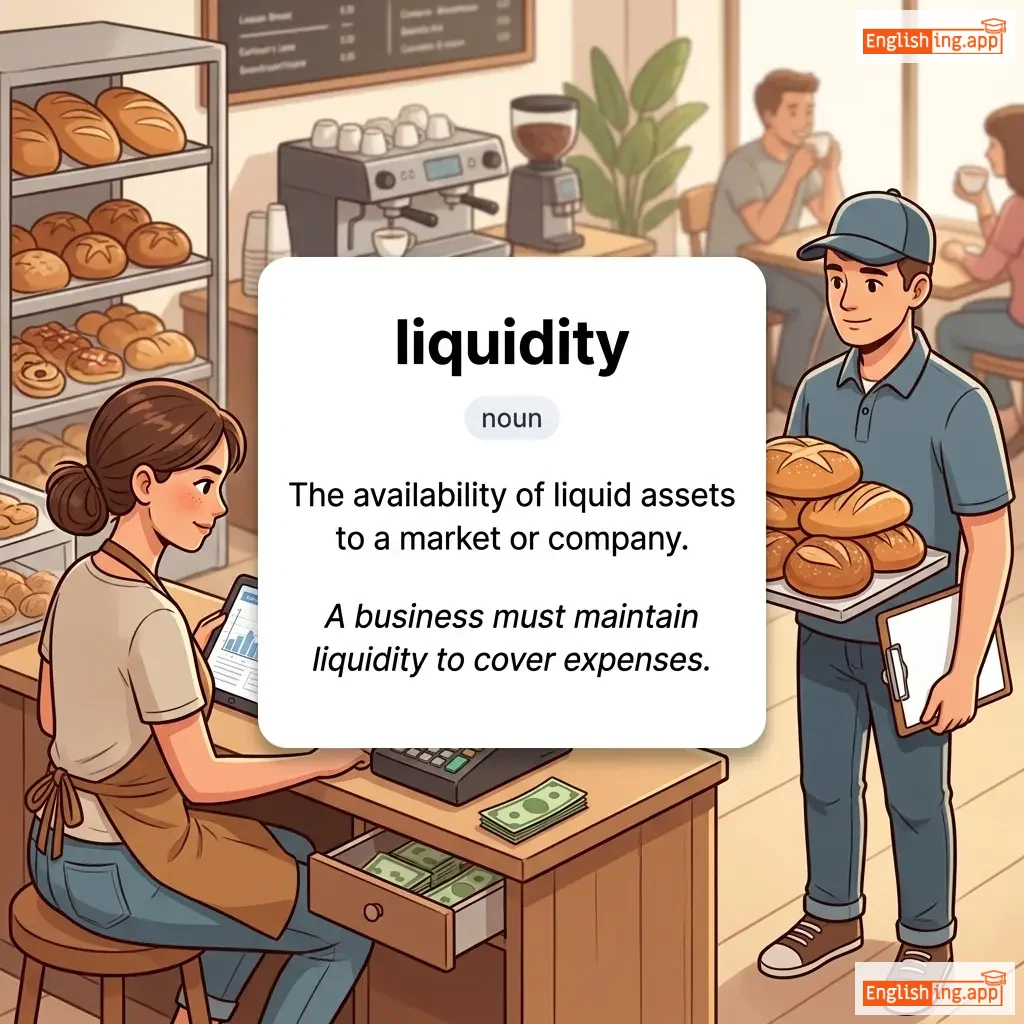
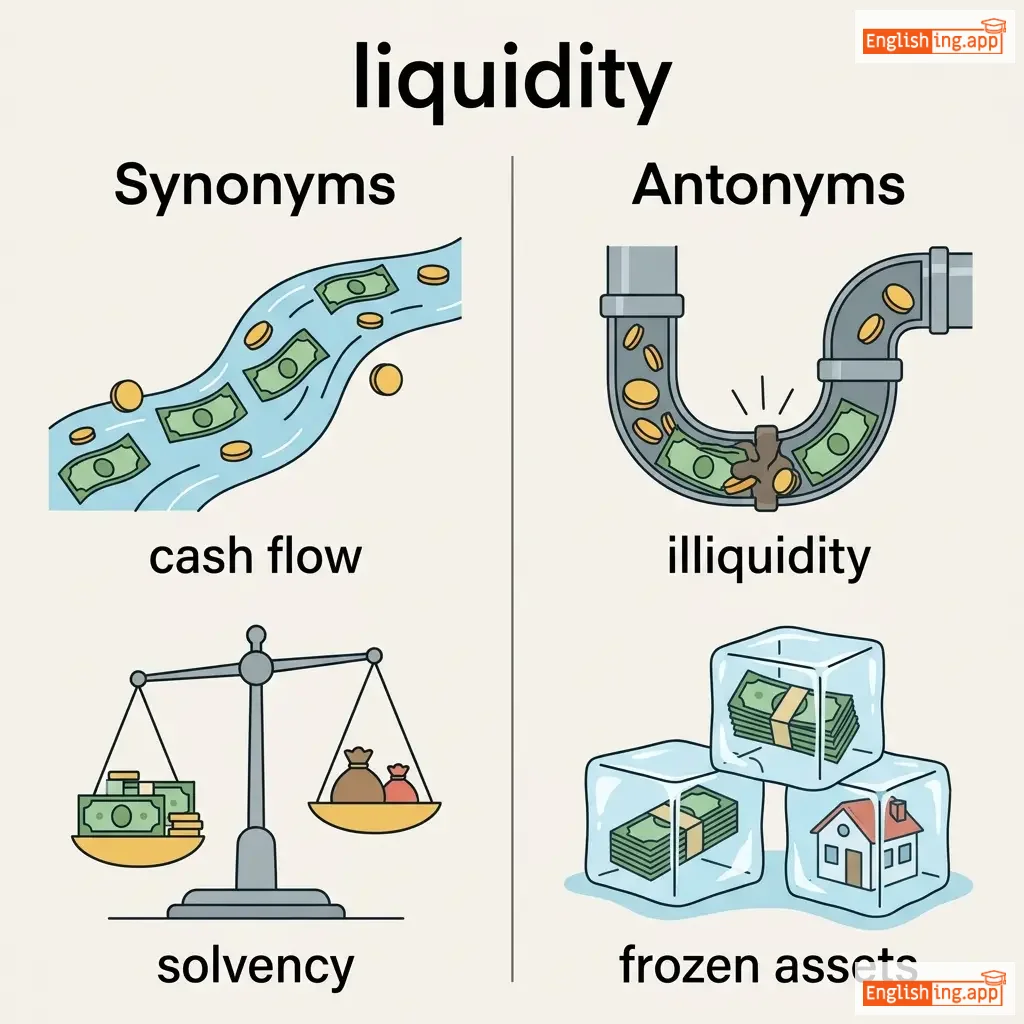
#2472
💧
••••••
lɪˈkwɪd.ə.ti
noun
••••••
••••••
The availability of liquid assets to a market or company; the degree to which an asset or security can be quickly bought or sold in the market without affecting the asset's price.
••••••

High liquidity allows businesses to meet short-term obligations.

••••••
cash flow, marketability, convertibility
••••••
illiquidity, fixed assets, inaccessibility
••••••
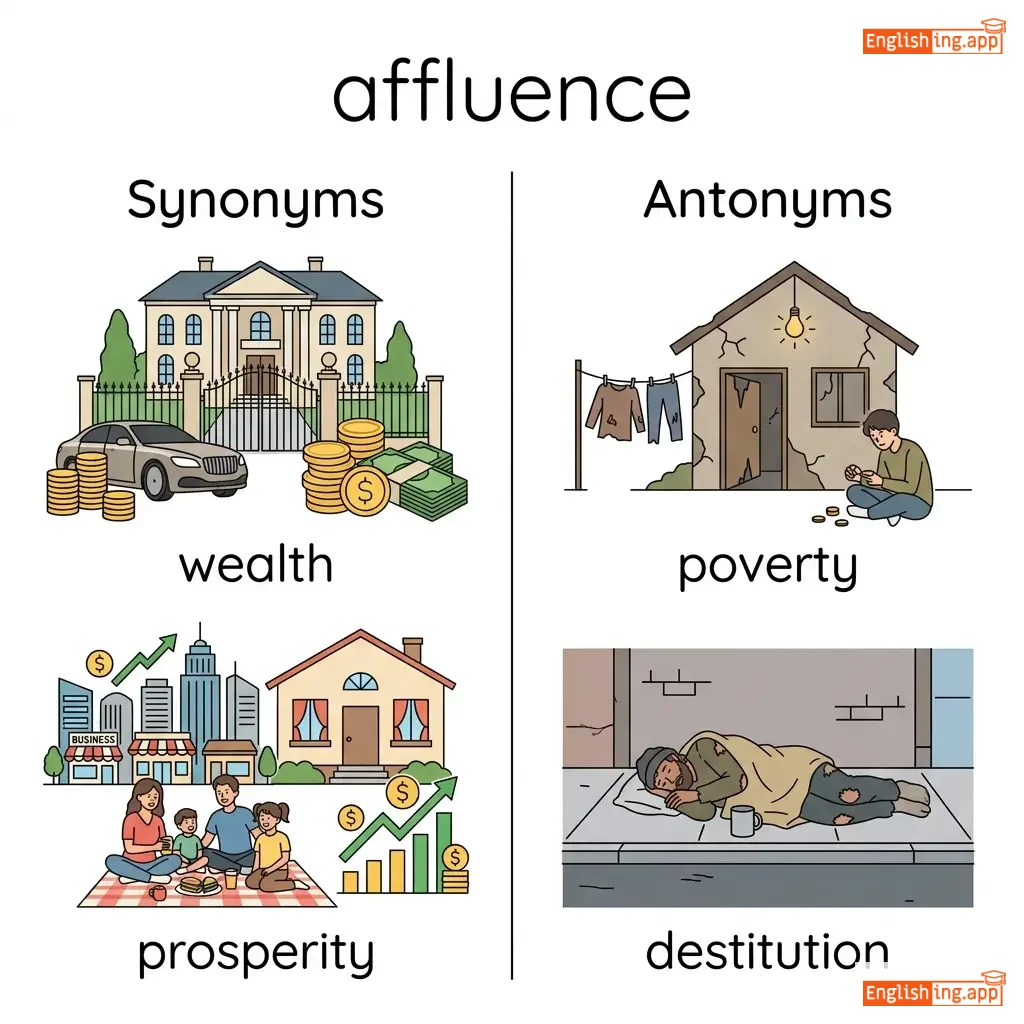
#2473
💎
••••••
ˈæf.lu.əns
noun
••••••
••••••
The state of having a great deal of money; wealth.
••••••

His business success led to great affluence.

••••••
wealth, prosperity, abundance
••••••
poverty, scarcity, destitution
••••••
#2474
📈
••••••
əˌpriː.ʃiˈeɪ.ʃən
noun
••••••
••••••
An increase in the value of an asset over time.
••••••

Real estate properties often experience appreciation over time.

••••••
increase, growth, recognition
••••••
depreciation, devaluation, decline
••••••
#2475
📉
••••••
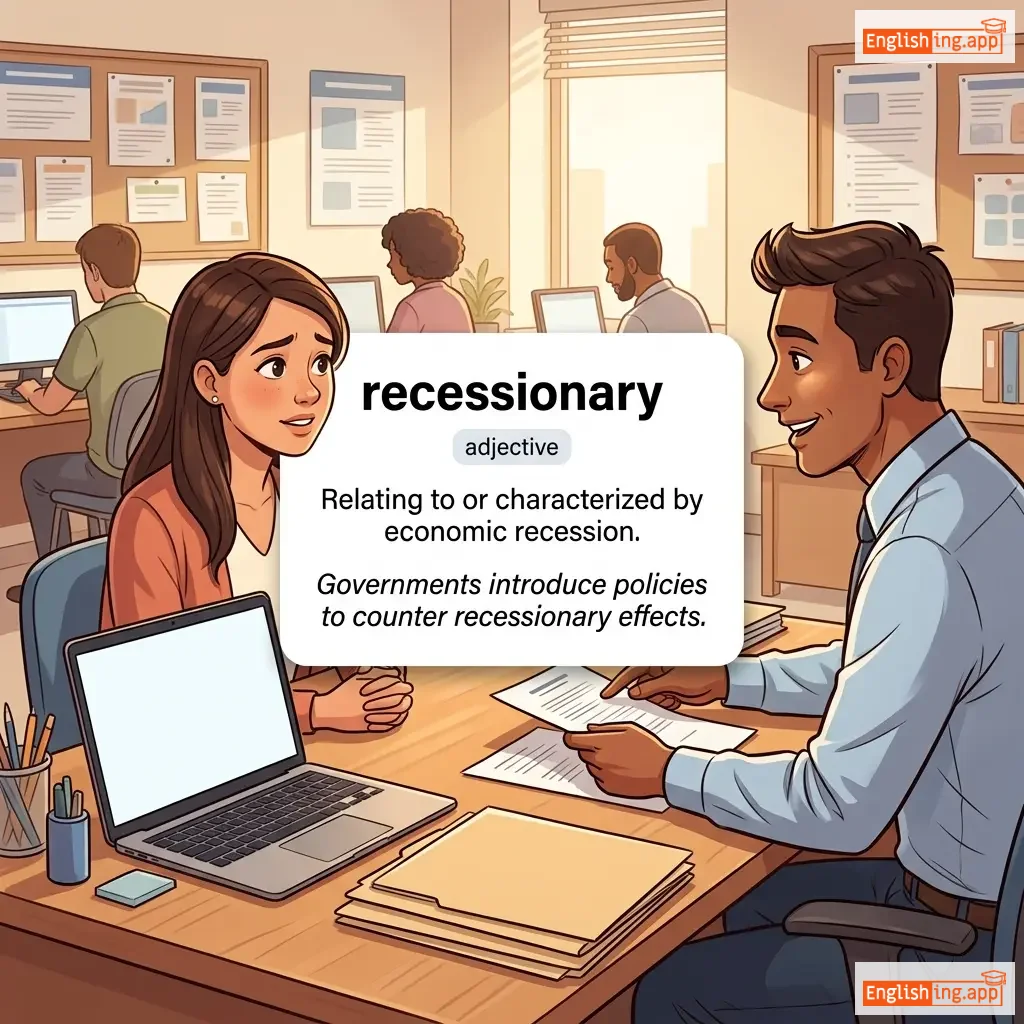
rɪˈsɛʃ.ən.er.i
adjective
••••••
••••••
Relating to or characterized by economic recession.
••••••

Governments introduce policies to counter recessionary effects.

••••••
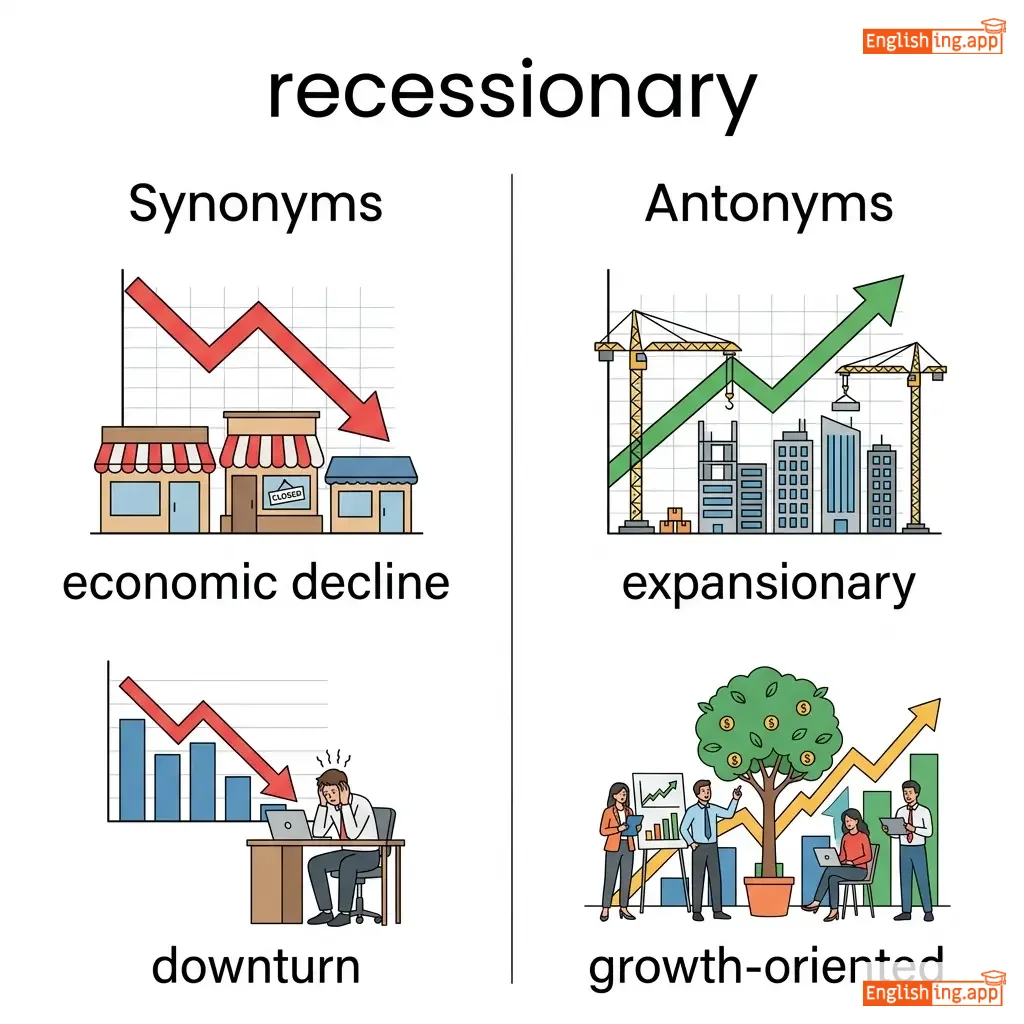
economic decline, downturn, slowdown
••••••
expansionary, growth-oriented, prosperous
••••••
#2476
🔀
••••••
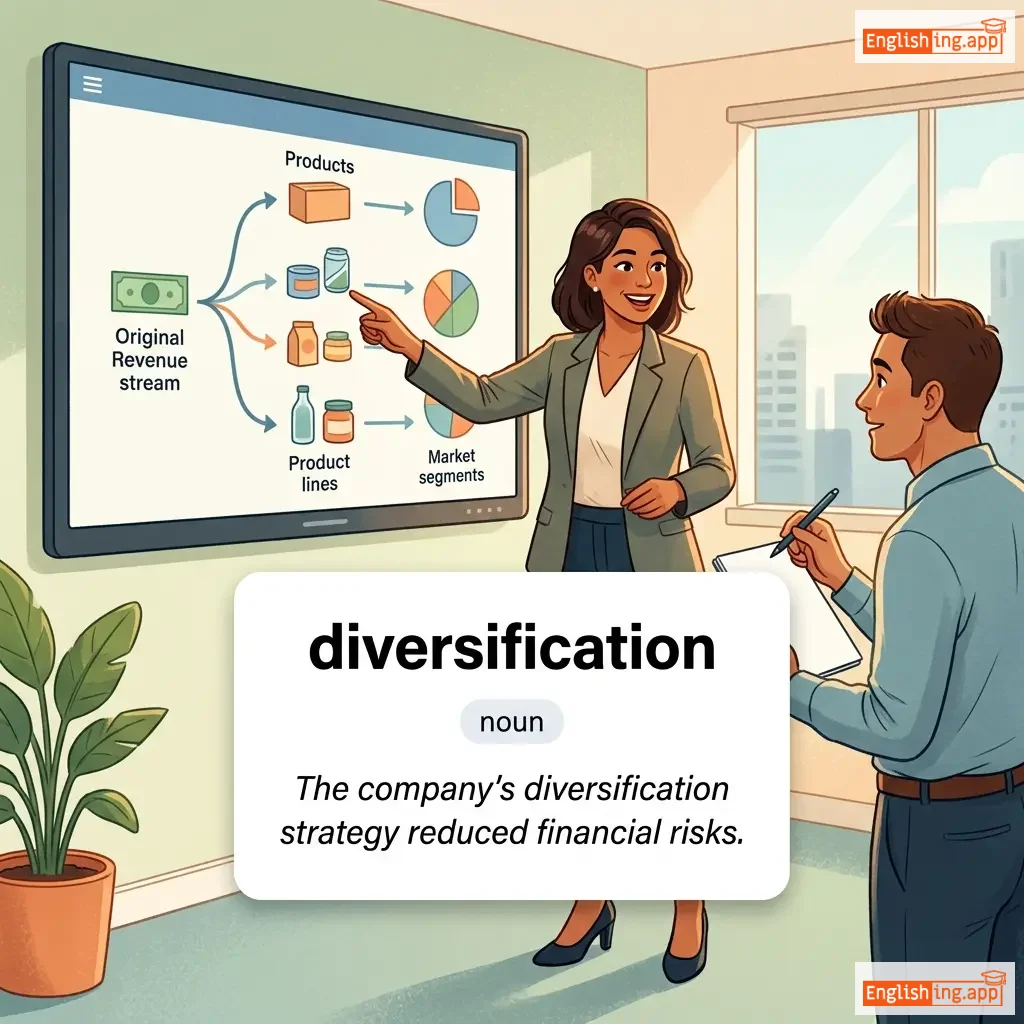
daɪˌvɜː.sɪ.fɪˈkeɪ.ʃən
noun
••••••
••••••
The practice of spreading investments across different assets to reduce risk.
••••••

Investment diversification reduces financial risk.

••••••
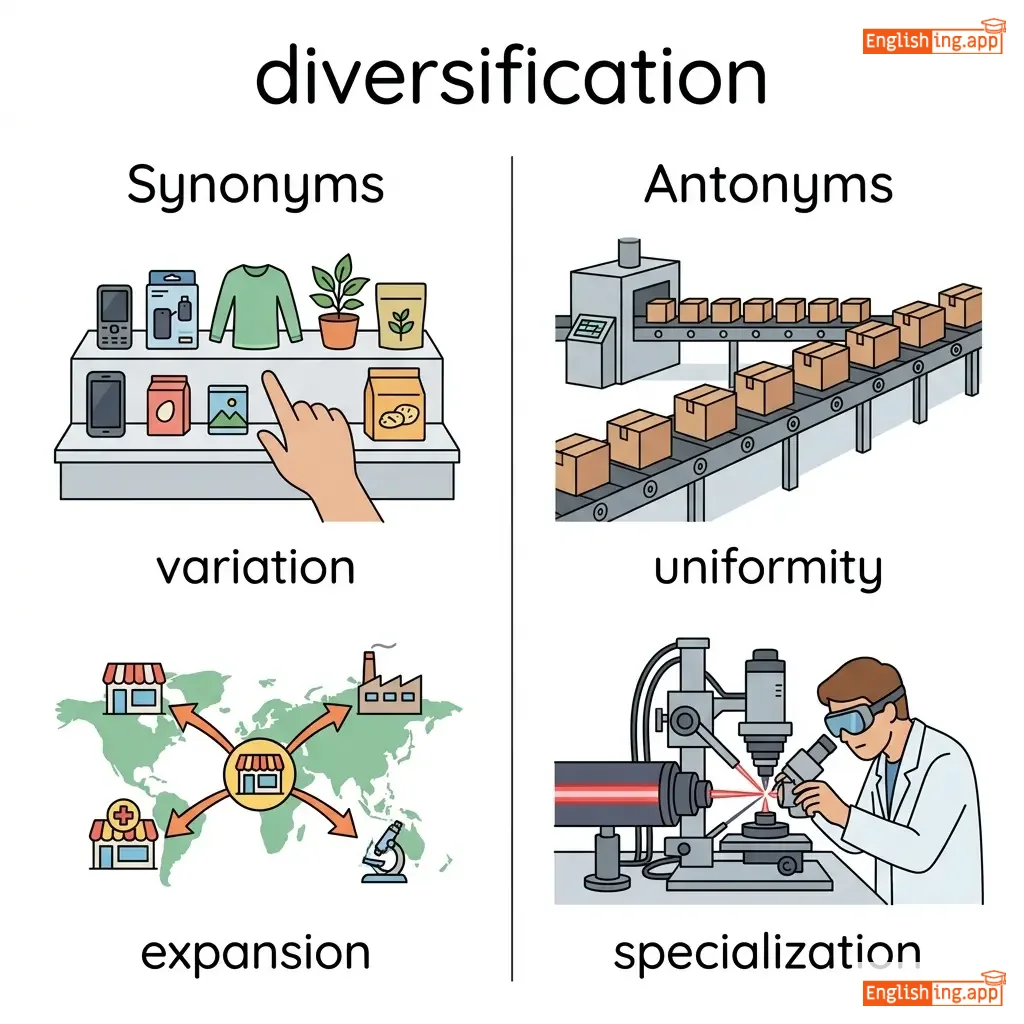
expansion, variety, differentiation
••••••
specialization, uniformity, concentration
••••••
#2477
📊
••••••
ˈɛk.wɪ.ti
noun
••••••
••••••
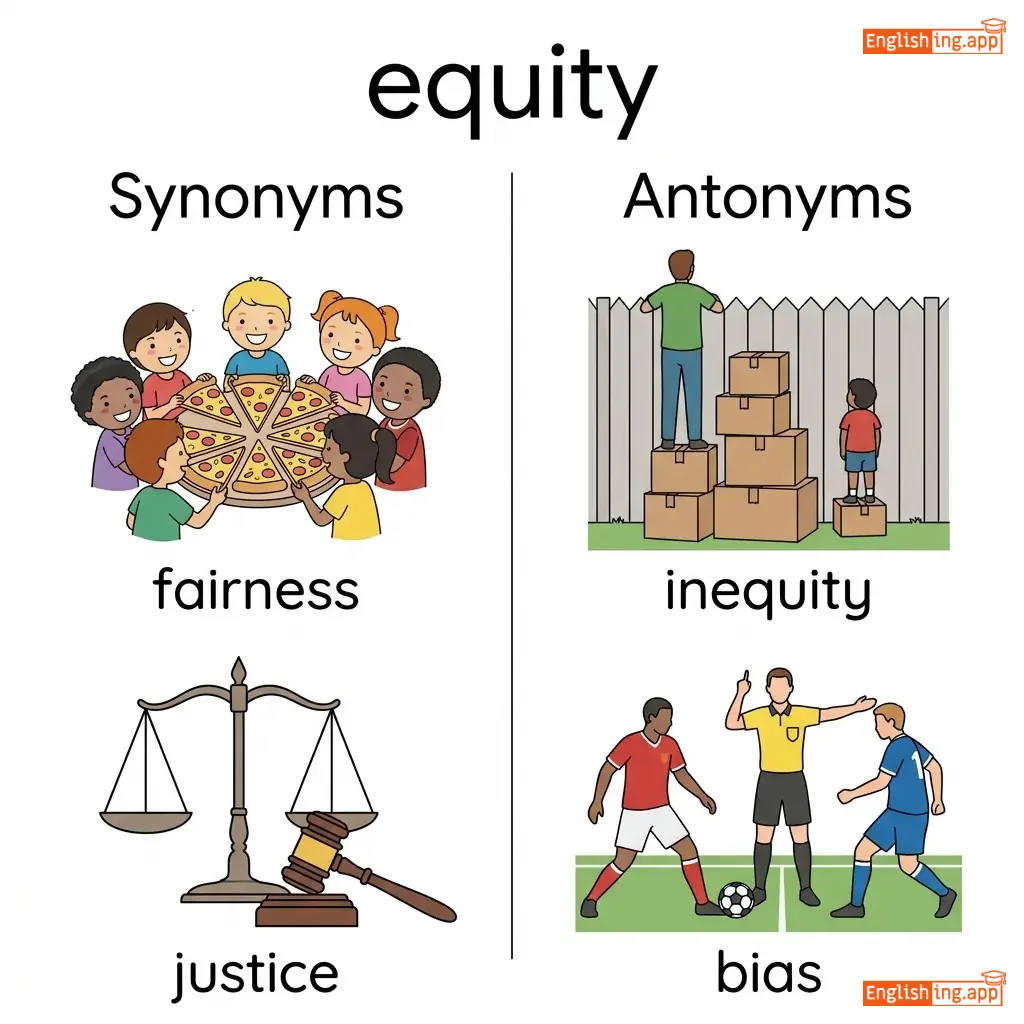
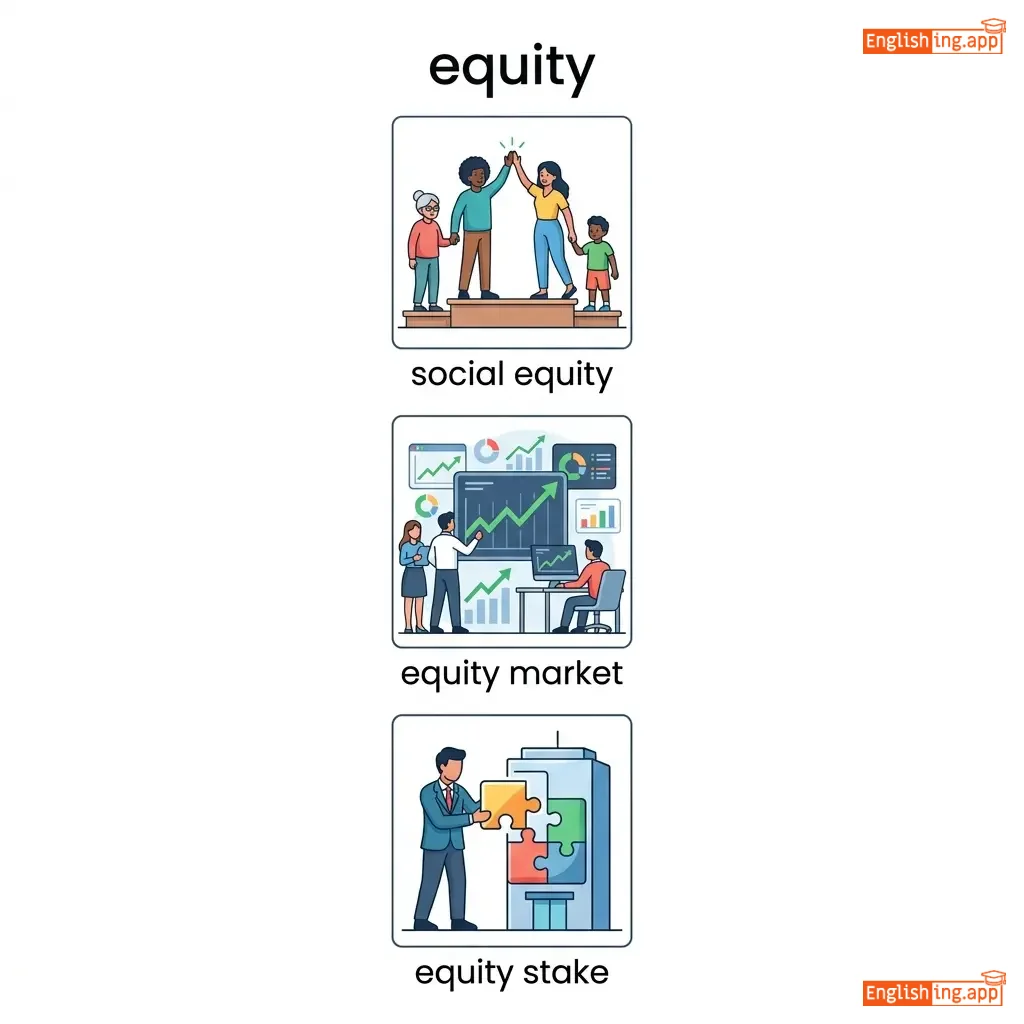
The value of shares issued by a company; ownership interest in a company.
••••••

He invested in company equity for long-term gains.

••••••
ownership, stake, shareholding
••••••
debt, liability, unequal distribution
••••••
#2478
💰
••••••
jiːld
noun/verb
••••••
••••••
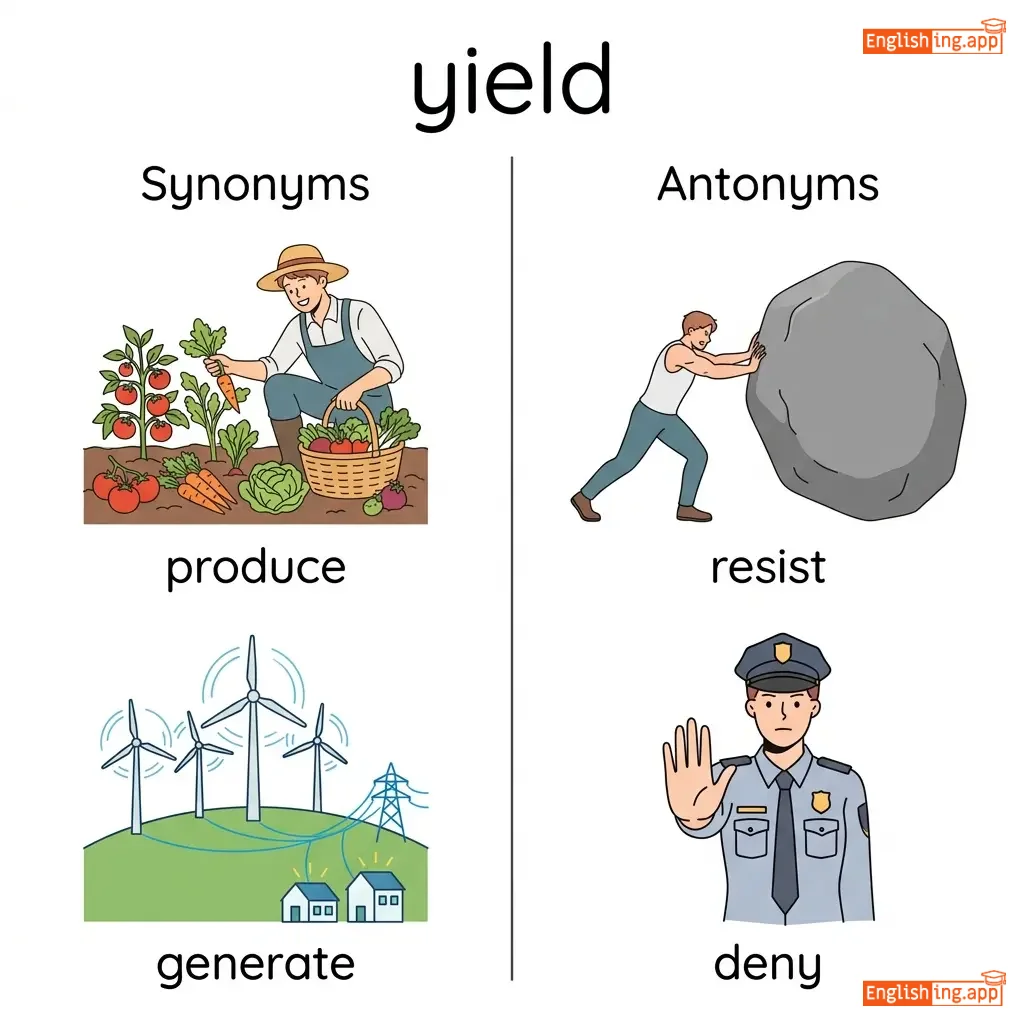
The income return on an investment, such as the interest or dividends received.
••••••

Bonds with higher yield offer better returns.

••••••
return, profit, earnings
••••••
loss, decline, deficit
••••••
#2479
🏛️
••••••
ˈfɪs.kəl
adjective
••••••
••••••
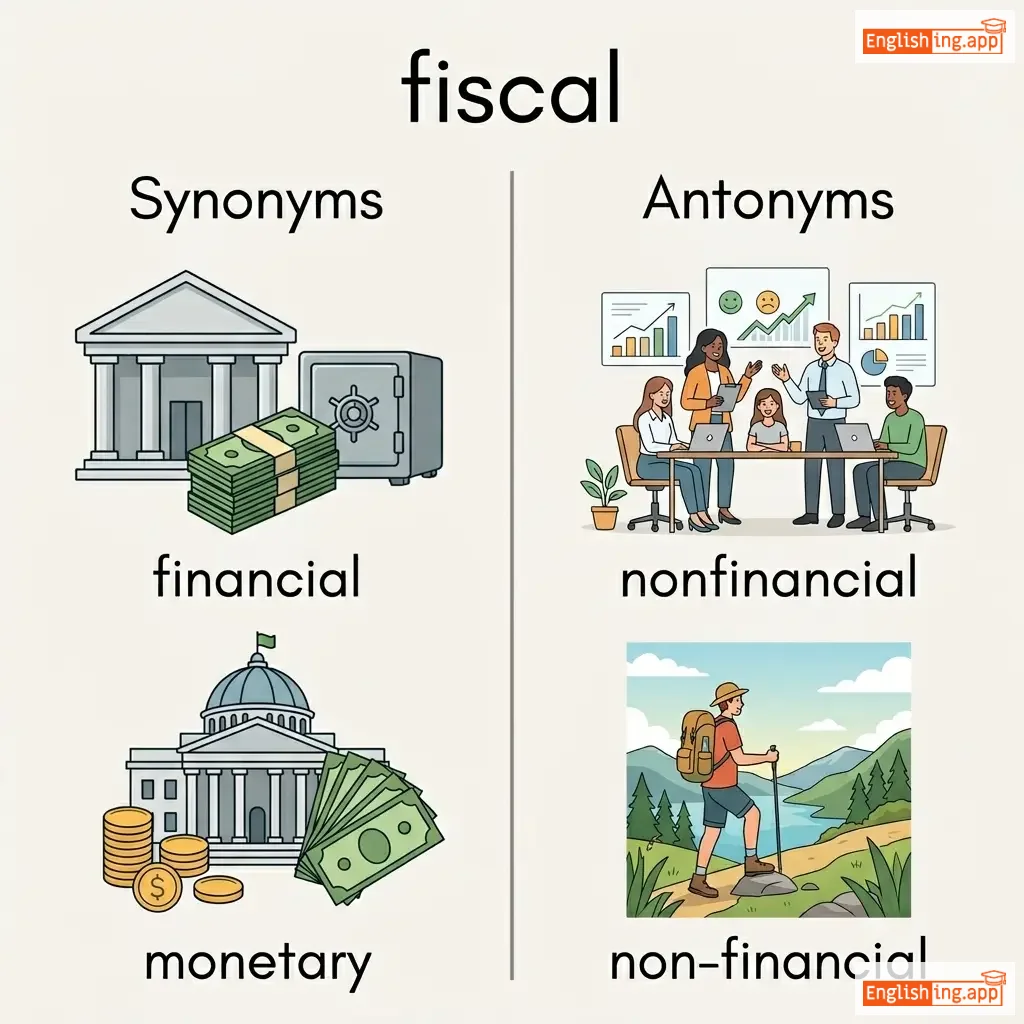
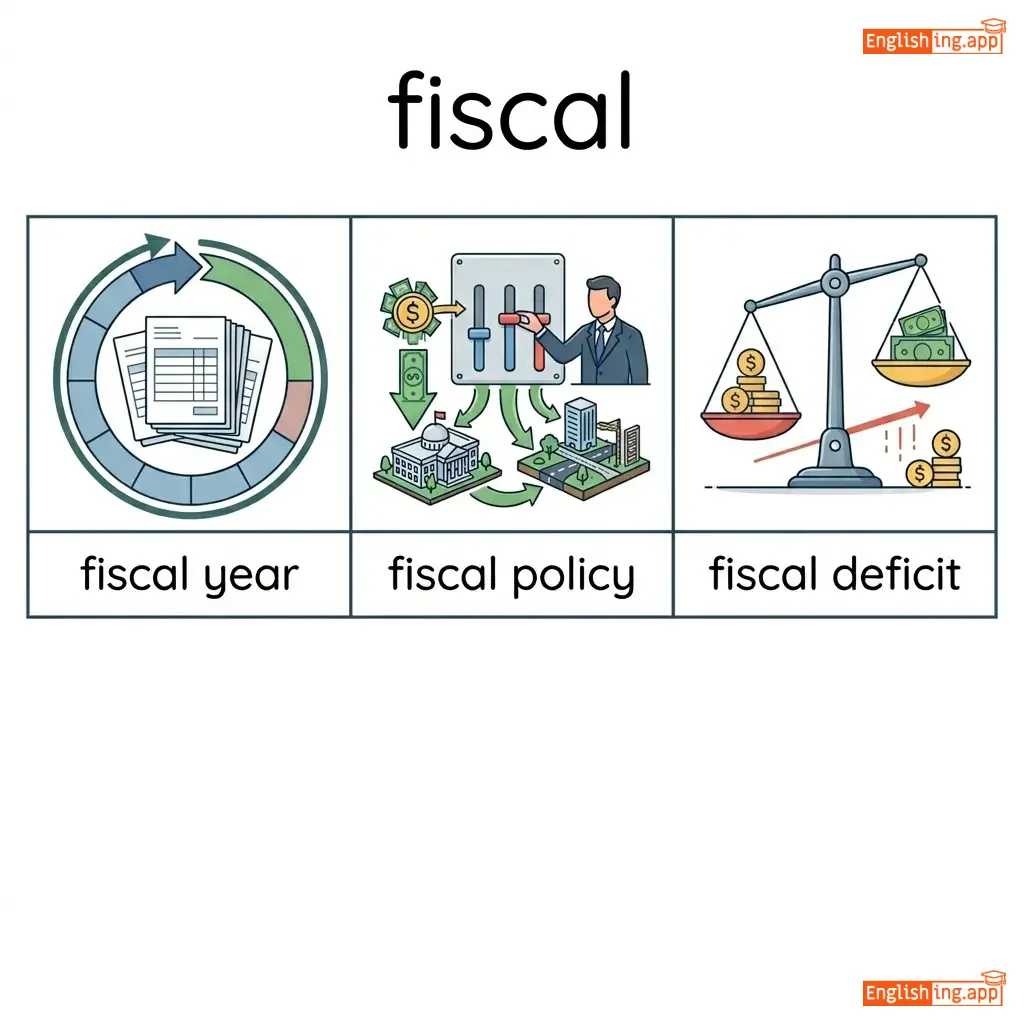
Relating to government revenue, especially taxes.
••••••

The government introduced new fiscal policies to boost the economy.

••••••
financial, monetary, budgetary
••••••
non-financial, unbudgeted, non-monetary
••••••
#2480
🎲
••••••
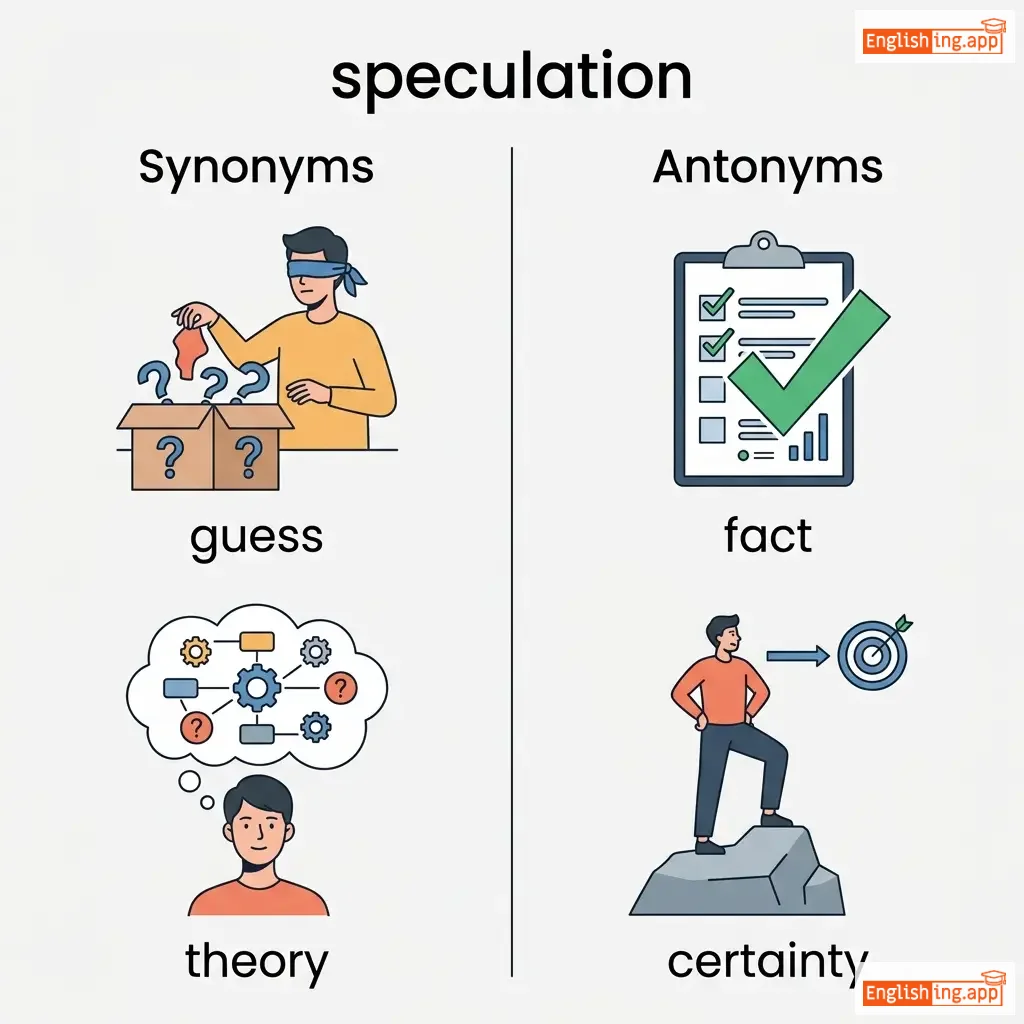
ˌspɛk.jʊˈleɪ.ʃən
noun
••••••
••••••
Investment in stocks, property, or other ventures in the hope of gain but with the risk of loss.
••••••

Stock market speculation can lead to high volatility.

••••••
risk-taking, prediction, guesswork
••••••
certainty, stability, assurance
••••••