|
表情符号
|
单词 | Images | 翻译 | 过去时 | 过去分词 | 第三人称单数 | 动名词 | 含义 | 例句 | 例句翻译 | 示例表达 | 示例表达含义 | 示例表达翻译 | 同义词 | 反义词 | 搭配词 | 助记符 |
|---|---|---|---|---|---|---|---|---|---|---|---|---|---|---|---|---|---|
|
👌
••••••
|
/oʊˈkeɪ/
adjective
(好的)
••••••
|
- •••••• |
好的
hao de
••••••
|
- •••••• | - •••••• | - •••••• | - •••••• |
used to indicate agreement, approval, or understanding
••••••
|
Okay, let's go to the park. |
好的,我们去公园。
Hao de, women qu gongyuan.
••••••
|
- •••••• | - •••••• | - •••••• |
alright, fine, agreed, acceptable
••••••
|
no, disagree, unacceptable
••••••
|
okay with, okay to, okay about, okay for
••••••
|
好的,去公园 (Hao de, qu gongyuan)
••••••
|
|
👌
••••••
|
/əʊˈkeɪ/
adjective
(好的)
••••••
|
- •••••• |
没问题
méi wèn tí
••••••
|
- •••••• | - •••••• | - •••••• | - •••••• |
used to express agreement or acceptance
••••••
|
It's okay to leave early today. |
今天早些离开没问题。
Jīn tiān zǎo xiē lí kāi méi wèn tí.
••••••
|
- •••••• | - •••••• | - •••••• |
alright, fine, acceptable, good
••••••
|
bad, unacceptable
••••••
|
feel okay, seem okay, okay with, okay to
••••••
|
好的 - 说出来大家都很容易同意。
••••••
|
|
👴
••••••
|
/oʊld/
adjective
(ōld)
••••••
|
- •••••• |
旧的
jiù de
••••••
|
- •••••• | - •••••• | - •••••• | - •••••• |
having lived for a long time; not new or young
••••••
|
He still drives his old car. |
他仍然开着他的旧车。
Tā réngrán kāi zhe tā de jiù chē.
••••••
|
old habits die hard |
It is difficult to stop doing things you have been doing for a long time
••••••
|
旧习惯难以改变
Jiù xíguàn nán yǐ gǎibiàn
••••••
|
aged, elderly, ancient, worn, mature
••••••
|
young, new, fresh
••••••
|
old man, old friend, old building, old story
••••••
|
旧的东西就像记忆一样,永远不会消失
••••••
|
|
🏅
••••••
|
/əˈlɪmpɪk/
adjective
(奥林匹克)
••••••
|
- •••••• |
奥林匹克
àolínpǐkè
••••••
|
- •••••• | - •••••• | - •••••• | - •••••• |
related to the Olympic Games, a major international sporting event
••••••
|
She trained hard to compete in the Olympic Games. |
她努力训练,为了参加奥林匹克运动会。
Tā nǔlì xùnliàn, wèile cānjiā àolínpǐkè yùndònghuì.
••••••
|
- •••••• | - •••••• | - •••••• |
worldwide, international, competitive
••••••
|
local, amateur
••••••
|
Olympic Games, Olympic athlete, Olympic gold, Olympic champion
••••••
|
奥林匹克 - 世界顶级运动员的竞技场。
••••••
|
|
📖
••••••
|
/ɒn/
preposition
(オン)
••••••
|
- •••••• |
在
zài
••••••
|
- •••••• | - •••••• | - •••••• | - •••••• |
physically in contact with and supported by a surface
••••••
|
The book is on the table. |
书在桌子上。
Shū zài zhuōzi shàng.
••••••
|
on time |
punctual; not late
••••••
|
准时
zhǔnshí
••••••
|
upon, atop, over, above
••••••
|
off, away
••••••
|
on the table, on the way, on purpose, on duty
••••••
|
书在桌子上 📖 — 记住‘on’的意思是‘在’
••••••
|
|
1️⃣⏰
••••••
|
/wʌns/
adverb
(wans)
••••••
|
- •••••• |
一次; 过去的某个时候
yi ci; guo qu de mou ge shi hou
••••••
|
- •••••• | - •••••• | - •••••• | - •••••• |
one time only; at some time in the past; formerly
••••••
|
I have been to Paris once in my life. |
我一生中只去过一次巴黎。
Wo yi sheng zhong zhi qu guo yi ci Bali.
••••••
|
- •••••• | - •••••• | - •••••• |
one time, formerly, previously, at one time
••••••
|
never, always, repeatedly, frequently
••••••
|
once upon a time, once again, once more, at once
••••••
|
No •••••• |
|
1️⃣
••••••
|
/wʌn/
pronoun, noun, adjective
(wān)
••••••
|
- •••••• |
一
yi
••••••
|
- •••••• | - •••••• | - •••••• | - •••••• |
the number equivalent to the sum of zero and one; a single person or thing
••••••
|
Only one student answered the question.
只有一个学生回答了问题。
••••••
|
只有一个学生回答了问题。
Zhǐ yǒu yī gè xuéshēng huídále wèntí.
••••••
|
one of a kind
独一无二
••••••
|
unique; very special
••••••
|
独一无二
dú yī wú èr
••••••
|
single, individual, sole, unique
••••••
|
many, multiple
••••••
|
one day, one time, one person, one chance
••••••
|
ONE意味着一 1️⃣ — 'duī yī wú èr' 记住
••••••
|
|
🔄
••••••
|
/ˈɒnɡəʊɪŋ/
adjective
(昂戈英)
••••••
|
- •••••• |
进行中
jinxing zhong
••••••
|
- •••••• | - •••••• | - •••••• | - •••••• |
continuing; still in progress
••••••
|
The ongoing project will finish next month. |
进行中的项目将在下个月完成。
Jinxing zhong de xiangmu jiang zai xiage yue wancheng.
••••••
|
- •••••• | - •••••• | - •••••• |
continuing, in progress, underway, persistent
••••••
|
finished, completed
••••••
|
ongoing process, ongoing work, ongoing issue
••••••
|
进行中 - 就像流水一样,不停地前进!
••••••
|
|
🧅
••••••
|
/ˈʌnjən/
noun
(洋葱)
••••••
|
- •••••• |
洋葱
yangcong
••••••
|
- •••••• | - •••••• | - •••••• | - •••••• |
a round vegetable with a strong smell and flavor, usually used in cooking
••••••
|
I chopped an onion to make the soup. |
我切了一个洋葱来做汤。
Wǒ qiēle yīgè yángcōng lái zuò tāng.
••••••
|
- •••••• | - •••••• | - •••••• |
bulb, leek, shallot
••••••
|
garlic, herb
••••••
|
chop an onion, onion soup, onion ring
••••••
|
洋葱 - 切洋葱时眼泪会流出来!
••••••
|
|
💻
••••••
|
/ˈɒnˌlaɪn/
adjective/adverb
(在线)
••••••
|
- •••••• |
在线
zaixian
••••••
|
- •••••• | - •••••• | - •••••• | - •••••• |
connected to or available through the internet
••••••
|
I prefer shopping online rather than going to stores.
我更喜欢网上购物,而不是去商店。
••••••
|
我更喜欢网上购物,而不是去商店。
Wo geng xihuan wangshang gouwu, er bushi qu shangdian.
••••••
|
- •••••• | - •••••• | - •••••• |
internet-based, digital, connected, virtual
••••••
|
offline, disconnected
••••••
|
online shopping, online services, online education, online access
••••••
|
Zai xian = online, like 'on line' in Chinese!
••••••
|
|
⚪
••••••
|
/ˈoʊnli/
adjective/adverb
(óunli)
••••••
|
- •••••• |
唯一
wei yi
••••••
|
- •••••• | - •••••• | - •••••• | - •••••• |
without others; solely
••••••
|
He is the only person who knows the secret.
他是唯一知道这个秘密的人。
••••••
|
他是唯一知道这个秘密的人。
Ta shi wei yi zhi dao zhe ge mi mi de ren.
••••••
|
- •••••• | - •••••• | - •••••• |
sole, exclusive, unique, solitary
••••••
|
multiple, many
••••••
|
only one, only person, only choice, only option
••••••
|
你是唯一最好的! - You are only the best!
••••••
|
|
🔜
••••••
|
/ˈɒntu/
preposition
(昂托)
••••••
|
- •••••• |
在…上
zai…shang
••••••
|
- •••••• | - •••••• | - •••••• | - •••••• |
moving to a position on the surface of something
••••••
|
She jumped onto the table to get the book. |
她跳到桌子上去拿书。
Ta tiao dao zhuozi shang qu na shu.
••••••
|
- •••••• | - •••••• | - •••••• |
upon, on top of, over
••••••
|
off, away from
••••••
|
onto the surface, onto the floor, onto the roof
••••••
|
把东西放到桌子上!- Place something onto the table!
••••••
|
|
🔓
••••••
|
/ˈoʊ.pən/
verb, adjective
••••••
|
- •••••• | - •••••• |
opened
••••••
|
opened
••••••
|
opens
••••••
|
opening
••••••
|
to move something so that it is no longer closed; not closed
••••••
|
She opened the window to let in fresh air. |
- •••••• |
open secret |
something widely known but not officially acknowledged
••••••
|
- •••••• |
uncover, unlock, reveal, accessible, available
••••••
|
close, shut, lock
••••••
|
open door, open window, open opportunity, open mind
••••••
|
No •••••• |
|
🔓
••••••
|
/ˈoʊpənɪŋ/
noun
(ōupénīng)
••••••
|
- •••••• |
开幕
kaimu
••••••
|
- •••••• | - •••••• | - •••••• | - •••••• |
an act or instance of beginning something
••••••
|
The opening of the new store was a huge success.
新店的开业是一个巨大的成功。
••••••
|
新店的开业是一个巨大的成功。
Xīn diàn de kāiyè shì yīgè jùdà de chénggōng.
••••••
|
- •••••• | - •••••• | - •••••• |
start, beginning, initiation, launch
••••••
|
closing, ending
••••••
|
grand opening, store opening, job opening, opening ceremony
••••••
|
当新的事情开始时,它就是开幕。 - When something new starts, it's an opening.
••••••
|
|
🗣️
••••••
|
/ˈəʊpənli/
adverb
(ˈoʊpənli)
••••••
|
- •••••• |
公开地
gōngkāi de
••••••
|
- •••••• | - •••••• | - •••••• | - •••••• |
in a way that is not secret or hidden
••••••
|
He spoke openly about his past mistakes. |
他公开地谈论了他的过去错误。
Tā gōngkāi de tánlùnle tā de guòqù cuòwù.
••••••
|
openly admit |
to confess something without hesitation or secrecy
••••••
|
公开承认
gōngkāi chéngrèn
••••••
|
frankly, honestly, publicly, freely, visibly
••••••
|
secretly, privately, covertly
••••••
|
speak openly, discuss openly, act openly
••••••
|
Openly 是指公开地说出真相,毫无保留。
••••••
|
|
🎭
••••••
|
/ˈɒpərə/
noun
(歌剧)
••••••
|
- •••••• |
歌剧
geju
••••••
|
- •••••• | - •••••• | - •••••• | - •••••• |
a dramatic performance in which the actors sing most of their lines
••••••
|
We watched a beautiful opera at the theater last night. |
我们昨晚在剧院观看了一场美丽的歌剧。
Wǒmen zuówǎn zài jùyuàn guānkànle yī chǎng měilì de gējù.
••••••
|
soap opera |
a television or radio drama series that deals with daily life and emotions
••••••
|
一部讲述日常生活和情感的电视或广播剧
Yī bù jiǎngshù rìcháng shēnghuó hé qínggǎn de diànshì huò guǎngbò jù
••••••
|
musical, performance, drama, production
••••••
|
speech, silence
••••••
|
opera singer, opera house, attend an opera, classical opera
••••••
|
歌剧让人想到一个戏剧性的音乐表演。
••••••
|
|
⚙️
••••••
|
/ˈɑːpəˌreɪt/
verb
(操作)
••••••
|
|
操作
caozuo
••••••
|
operated
操作了
••••••
|
operated
操作了
••••••
|
operates
操作
••••••
|
operating
操作ing
••••••
|
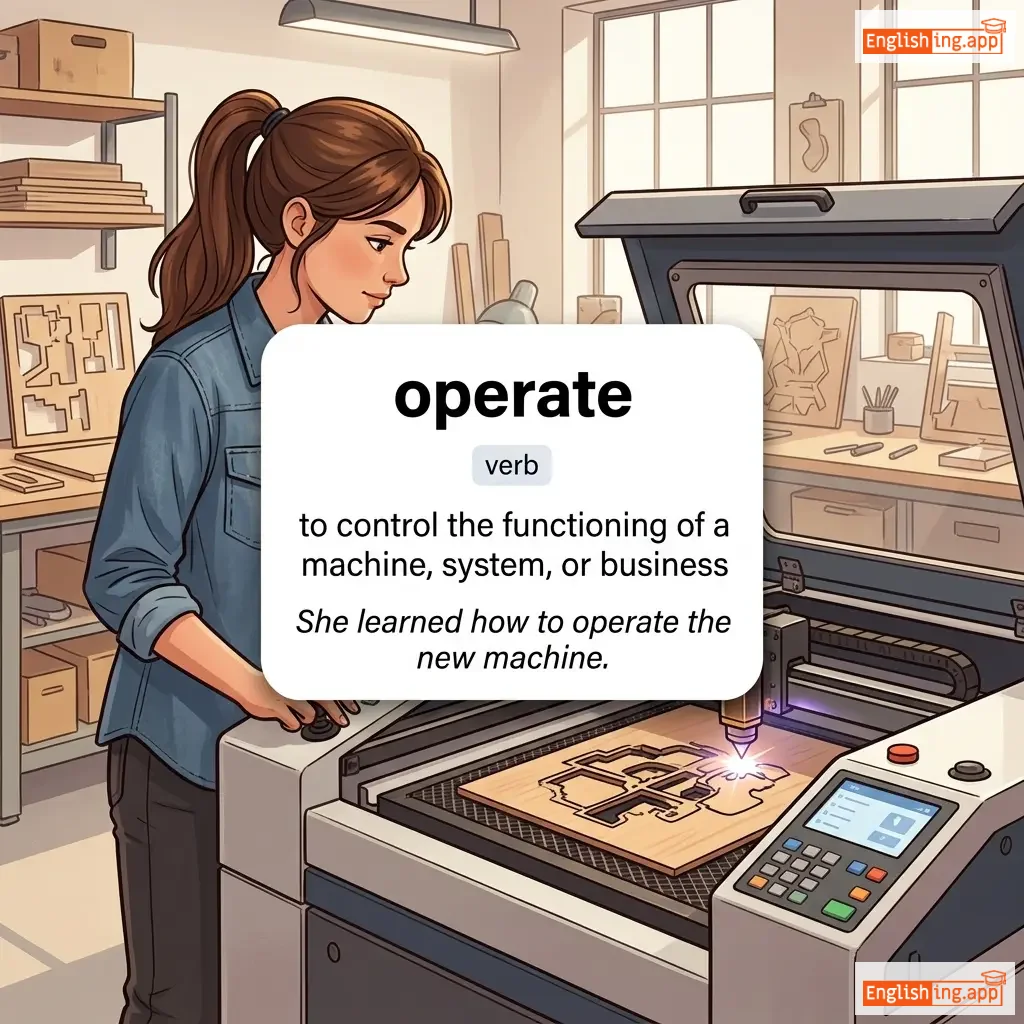
to control the functioning of a machine, system, or business
••••••
|
She learned how to operate the new machine.
她学会了如何操作这台新机器。
••••••
|
她学会了如何操作这台新机器。
Ta xuehui le ruhe caozuo zhe tai xin jiqi.
••••••
|
operate on
对...进行手术
••••••
|
to perform surgery on someone
••••••
|
做手术
zuo shoushu
••••••
|
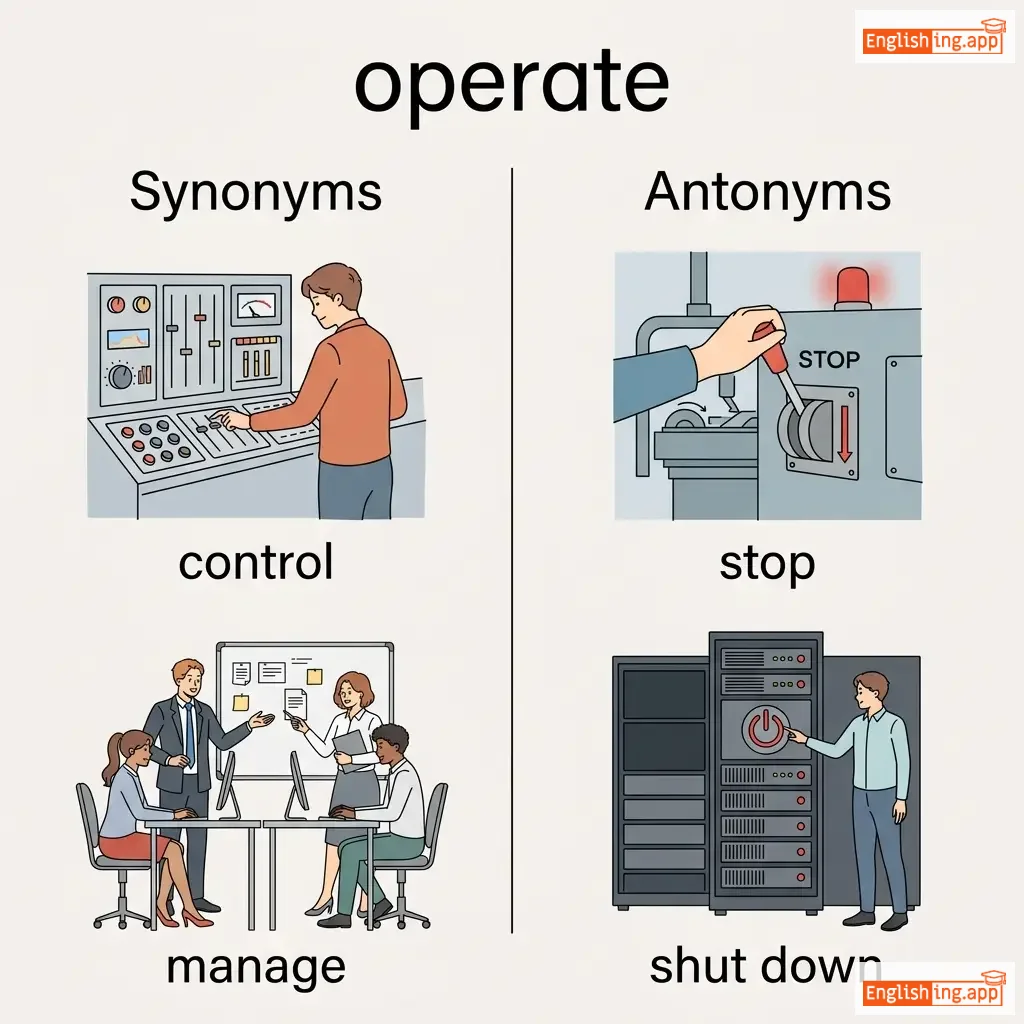
control, manage, run, handle, conduct
••••••
|
stop, shut down
••••••
|
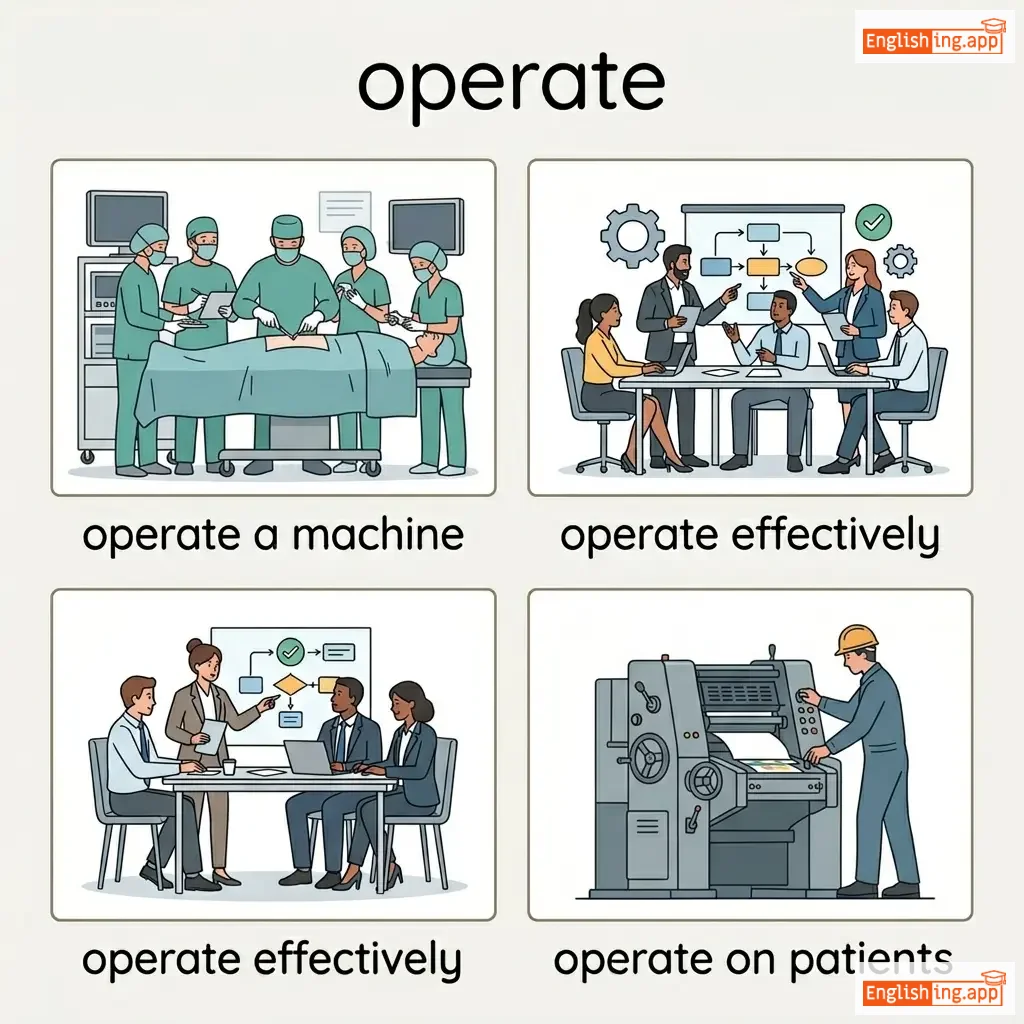
operate a machine, operate effectively, operate on patients, operate smoothly
••••••
|
Operate 意味着操作,就像医生对病人进行手术一样。
••••••
|
|
⚙️
••••••
|
/ˈɒpəreɪtɪŋ/
verb
(操作)
••••••
|
- •••••• |
操作
caozuo
••••••
|
operated
操作了
••••••
|
operated
操作了
••••••
|
operates
操作
••••••
|
operating
操作
••••••
|
to control or manage the functioning of something
••••••
|
The company has been operating in this market for five years.
公司已经在这个市场运营了五年。
••••••
|
公司已经在这个市场运营了五年。
Gongsi yijing zai zhege shichang yunying le wu nian.
••••••
|
- •••••• | - •••••• | - •••••• |
managing, controlling, running, working
••••••
|
stopping, halting
••••••
|
operating system, operating room, operating procedure
••••••
|
就像汽车发动一样操作! - Just like the car starts, operating!
••••••
|
|
⚙️
••••••
|
/ˌɒpəˈreɪʃən/
noun
(手术)
••••••
|
- •••••• |
手术
shǒushù
••••••
|
- •••••• | - •••••• | - •••••• | - •••••• |
an act or process of functioning or operating
••••••
|
The hospital performed a successful operation.
医院进行了成功的手术。
••••••
|
医院进行了成功的手术。
Yīyuàn jìnxíngle chénggōng de shǒushù.
••••••
|
- •••••• | - •••••• | - •••••• |
procedure, surgery, process, action
••••••
|
inactivity, stagnation
••••••
|
military operation, surgical operation, operation room, operation procedure
••••••
|
手术需要一个操作员 (operator)。
••••••
|
|
⚙️
••••••
|
/ˌɒpəˈreɪʃənl/
adjective
(操作的)
••••••
|
|
操作的
caozuode
••••••
|
- •••••• | - •••••• | - •••••• | - •••••• |
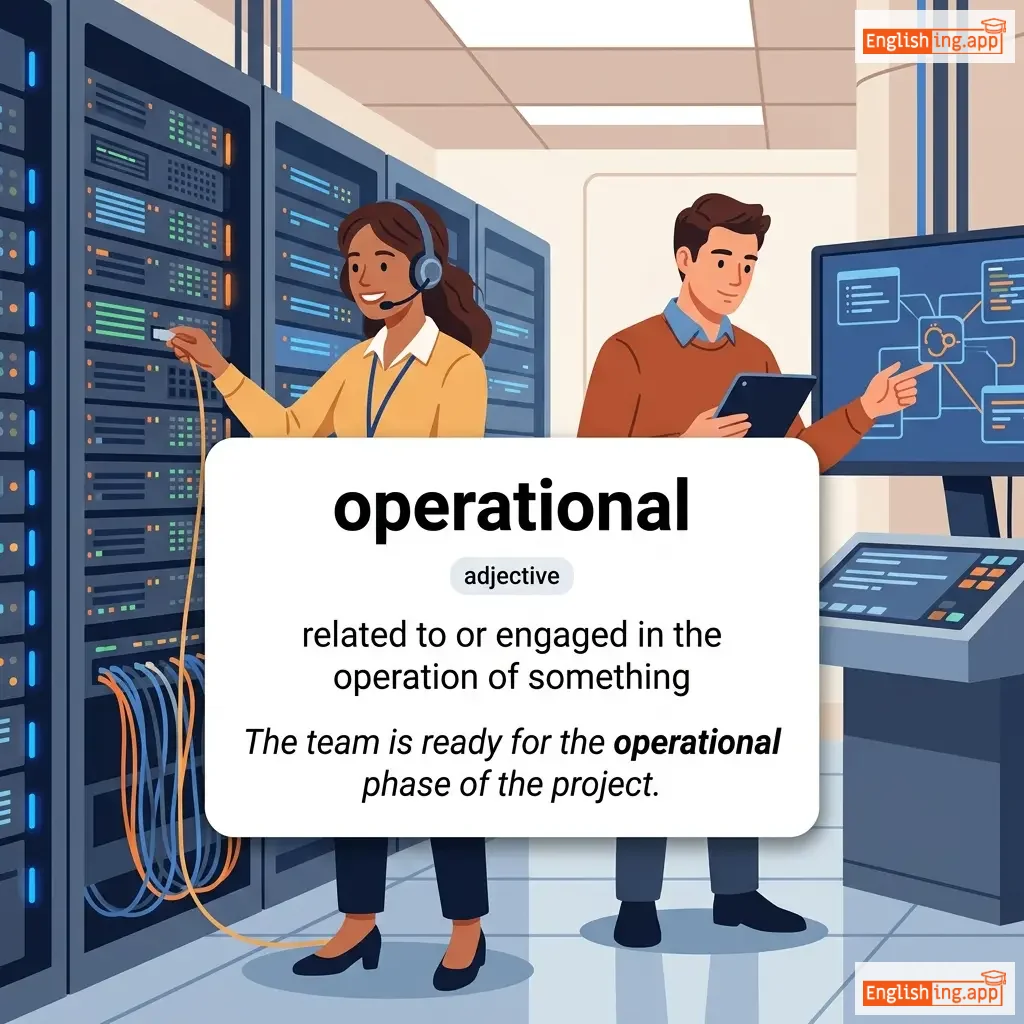
related to or engaged in the operation of something
••••••
|
The team is ready for the operational phase of the project. |
团队已准备好进入项目的操作阶段。
Tuan dui yi zhunbei hao jinru xiangmu de caozuo jie duan.
••••••
|
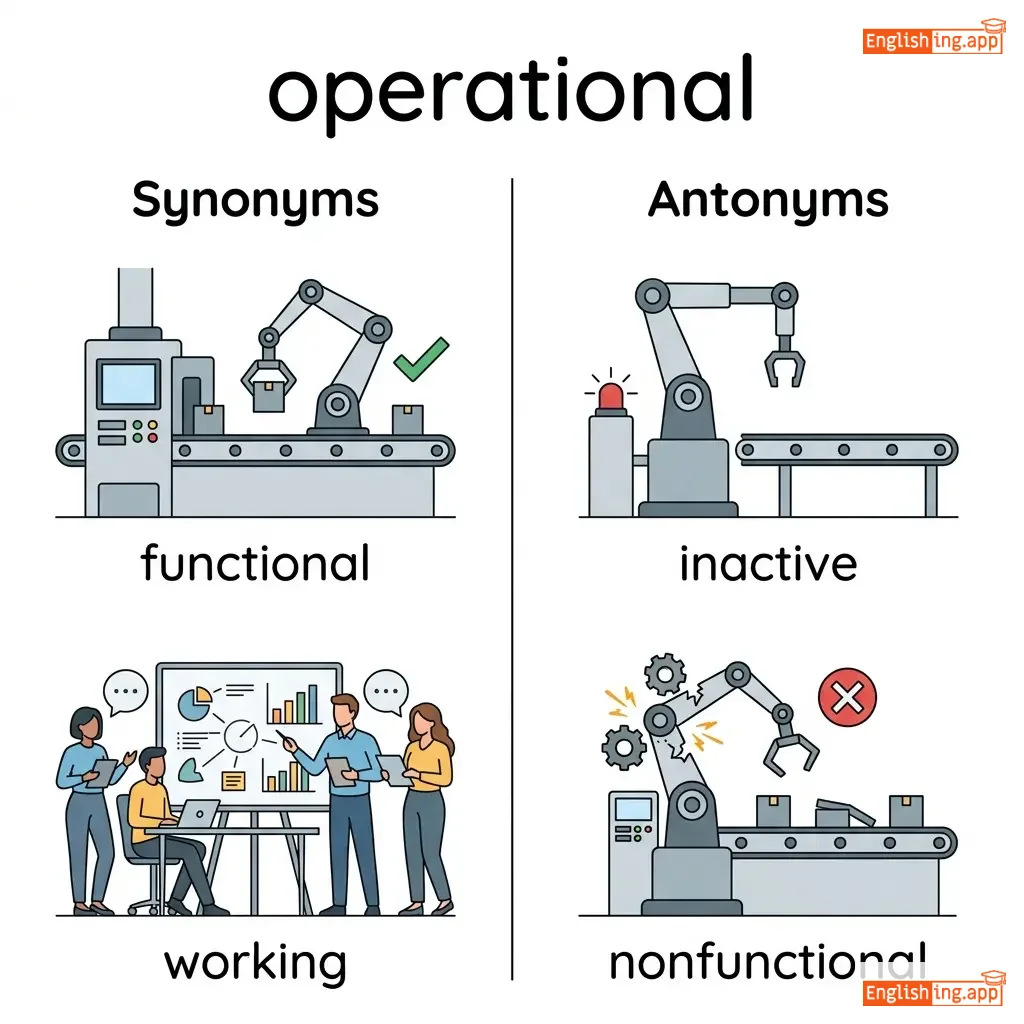
- •••••• | - •••••• | - •••••• |
functional, working, active, in operation
••••••
|
inactive, nonfunctional, idle
••••••
|
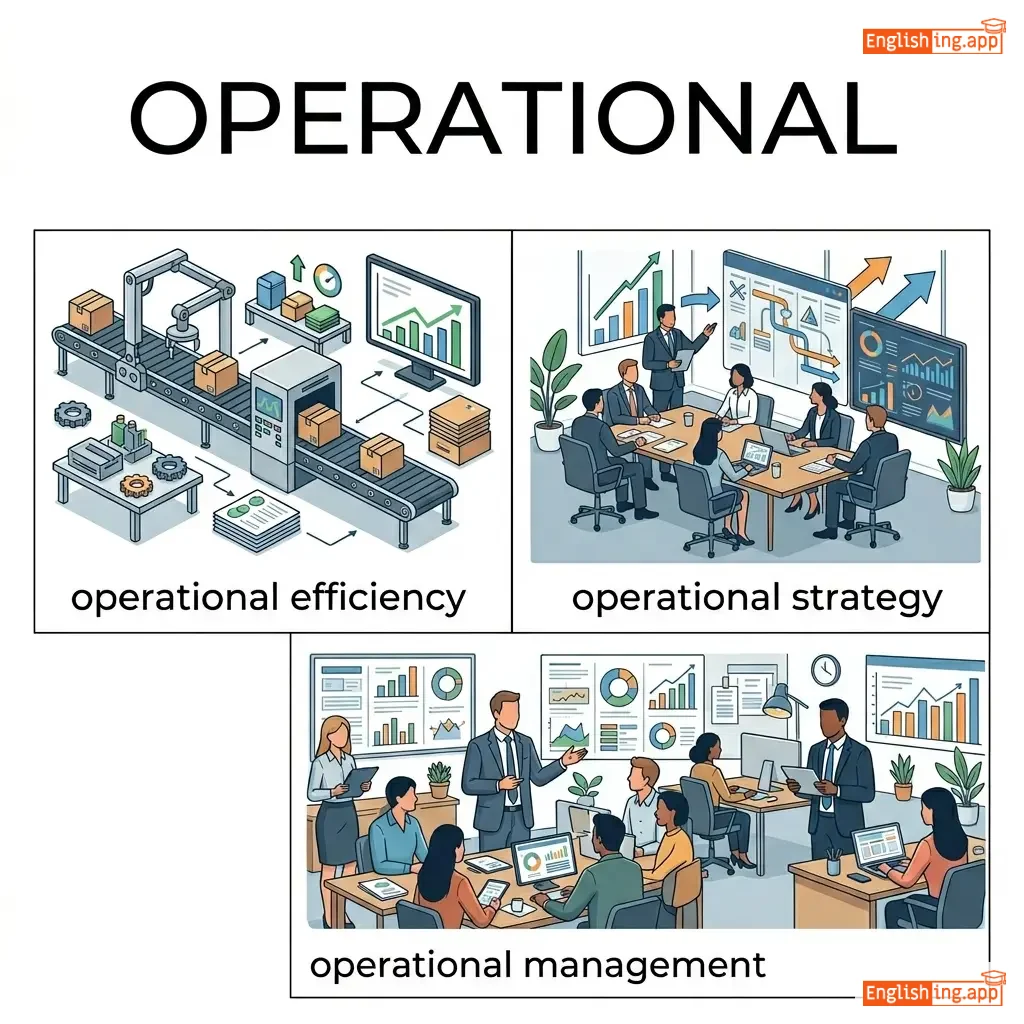
operational efficiency, operational strategy, operational management
••••••
|
操作的意味着与工作相关,像是执行一个过程或任务。
••••••
|
|
👷
••••••
|
/ˈɒpəreɪtər/
noun
(操作员)
••••••
|
- •••••• |
操作员
caozuo yuan
••••••
|
- •••••• | - •••••• | - •••••• | - •••••• |
a person who operates equipment, a business, or controls something
••••••
|
The machine operator ensured that everything ran smoothly. |
机器操作员确保一切顺利运行。
Jiqi caozuoyuan quebao yiqie shunli yunxing.
••••••
|
smooth operator |
a person who is skilled at handling situations or people
••••••
|
熟练操作员
Shulian caozuoyuan
••••••
|
controller, handler, machinist, agent, technician
••••••
|
novice, amateur, beginner
••••••
|
machine operator, telephone operator, skilled operator, smooth operator
••••••
|
操作员: 操作机器,控制一切。
••••••
|
|
💭
••••••
|
/əˈpɪnjən/
noun
(意见)
••••••
|
- •••••• |
意见
yìjiàn
••••••
|
- •••••• | - •••••• | - •••••• | - •••••• |
A belief, judgment, or viewpoint about something, not necessarily based on fact.
••••••
|
Everyone is entitled to their own opinion. |
每个人都有权发表自己的意见。
měi gè rén dōu yǒu quán fābiǎo zìjǐ de yìjiàn.
••••••
|
in my opinion |
used to express one's personal view or belief
••••••
|
在我看来
zài wǒ kàn lái
••••••
|
view, belief, perspective, judgment, sentiment
••••••
|
fact, truth, certainty
••••••
|
public opinion, express an opinion, personal opinion, strong opinion
••••••
|
Opinion: 意见有开放性 — 每个人都可以表达意见。
••••••
|
|
🤼
••••••
|
/əˈpoʊnənt/
noun
(幸福)
••••••
|
- •••••• |
幸福
xìng fú
••••••
|
- •••••• | - •••••• | - •••••• | - •••••• |
A person who competes against or disagrees with another.
••••••
|
The boxer defeated his opponent in the final round. |
当她获得奖项时,她无法隐藏自己的幸福。
dāng tā huò dé jiǎng xiàng shí, tā wú fǎ yǐn cáng zì jǐ de xìng fú.
••••••
|
worthy opponent |
a rival who is strong and deserves respect
••••••
|
追求幸福
zhuī qiú xìng fú
••••••
|
rival, adversary, competitor, challenger
••••••
|
ally, supporter, partner
••••••
|
political opponent, main opponent, worthy opponent, face an opponent
••••••
|
幸福 — 追求幸福,生活更精彩!
••••••
|
|
🌟
••••••
|
/ˌɒp.əˈtjuː.nə.ti/
noun
(机会)
••••••
|
- •••••• |
机会
jī huì
••••••
|
- •••••• | - •••••• | - •••••• | - •••••• |
A favorable chance or set of circumstances that makes it possible to do something.
••••••
|
She seized the opportunity to study abroad. |
她抓住了去国外学习的机会。
Tā zhuāzhùle qù guówài xuéxí de jīhuì.
••••••
|
once in a lifetime opportunity |
A very rare and unique chance that may never happen again.
••••••
|
一生一次的机会
Yīshēng yīcì de jīhuì
••••••
|
chance, prospect, possibility, option, occasion
••••••
|
misfortune, disadvantage, obstacle
••••••
|
golden opportunity, missed opportunity, career opportunity, business opportunity
••••••
|
机会来临时,紧抓不放!
••••••
|
|
✊
••••••
|
/əˈpoʊz/
verb
(对抗)
••••••
|
|
反对
fǎnduì
••••••
|
opposed
对抗了
••••••
|
opposed
对抗了
••••••
|
opposes
对抗
••••••
|
opposing
对抗
••••••
|
to disagree with or resist; to act against
••••••
|
Many citizens oppose the new tax policy.
许多公民反对新的税收政策。
••••••
|
许多公民反对新的税收政策。
Xǔduō gōngmín fǎnduì xīn de shuìshōu zhèngcè.
••••••
|
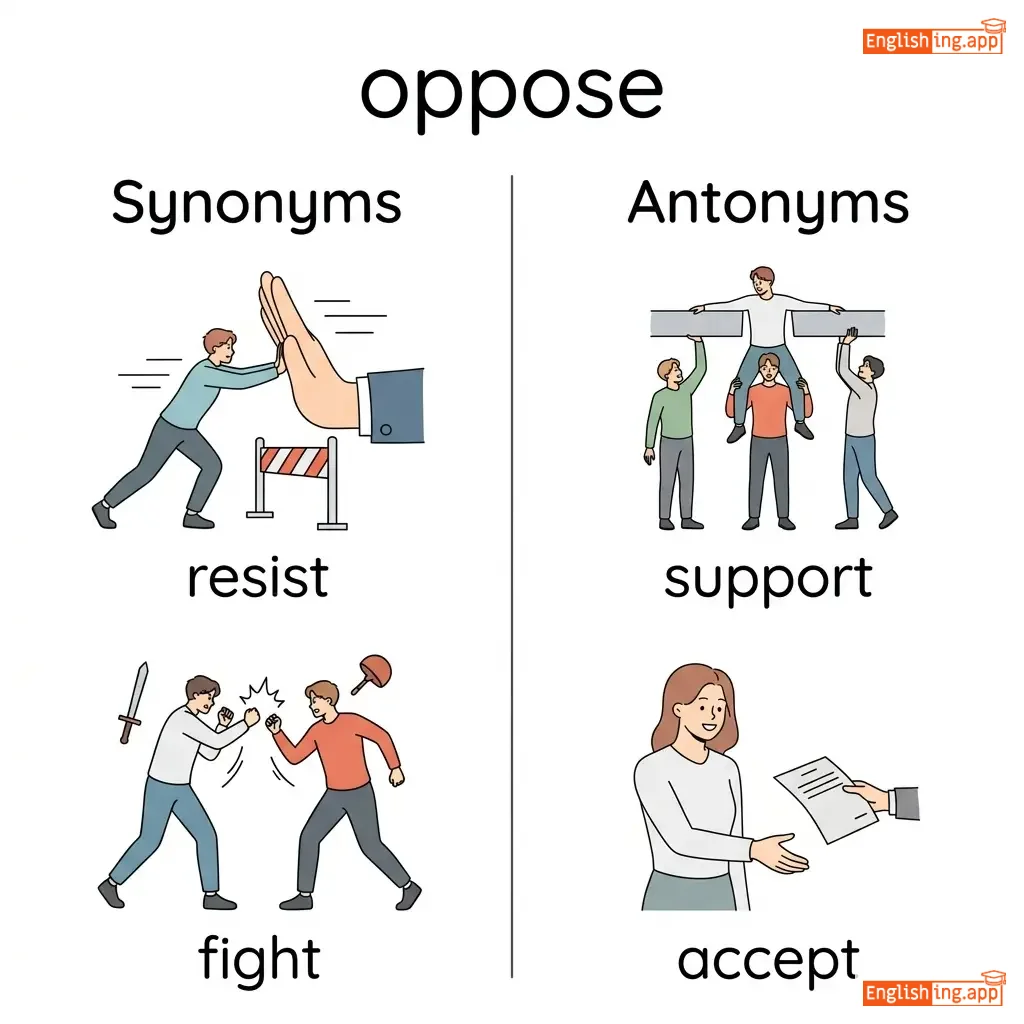
- •••••• | - •••••• | - •••••• |
resist, object, counter, protest
••••••
|
support, agree, approve, endorse
••••••
|
strongly oppose, actively oppose, oppose plans, oppose changes, oppose policy
••••••
|
反对 (fǎnduì) = oppose, '反' means 'against'
••••••
|
|
↔️
••••••
|
/ˈɒp.əz.ɪt/
adjective
(奥波兹特)
••••••
|
- •••••• |
相反的
xiangfan de
••••••
|
- •••••• | - •••••• | - •••••• | - •••••• |
Completely different; on the other side or facing something.
••••••
|
The two houses are on opposite sides of the street. |
这两座房子在街道的对立面。
Zhè liǎng zuò fángzi zài jiēdào de duìlì miàn.
••••••
|
polar opposite |
Something or someone that is completely different from another.
••••••
|
极端对立
jíduān duìlì
••••••
|
contrary, reverse, contrasting, antithetical
••••••
|
similar, same, identical
••••••
|
opposite direction, opposite side, exact opposite, complete opposite
••••••
|
相反的就像极端对立,一切都相反。
••••••
|
|
✊
••••••
|
/ˌɒpəˈzɪʃən/
noun
(反对)
••••••
|
- •••••• |
反对
fǎnduì
••••••
|
- •••••• | - •••••• | - •••••• | - •••••• |
the action of opposing or resisting something
••••••
|
The opposition to the new law was strong. |
对新法律的反对很强烈。
Duì xīn fǎlǜ de fǎnduì hěn qiángliè.
••••••
|
- •••••• | - •••••• | - •••••• |
resistance, defiance, objection, protest
••••••
|
support, cooperation
••••••
|
political opposition, strong opposition, fierce opposition, lead the opposition
••••••
|
‘反对’是记住反抗的一个简单方法。
••••••
|
|
🫴
••••••
|
/ɒpt/
verb
(opt)
••••••
|
- •••••• |
选择
xuanze
••••••
|
opted
opted
••••••
|
opted
opted
••••••
|
opts
opts
••••••
|
opting
opting
••••••
|
to choose or decide to do something instead of something else
••••••
|
Many students opt to study abroad for better opportunities.
many students opt to study abroad for better opportunities.
••••••
|
许多学生选择出国留学以获得更好的机会。
Xuduo xuesheng xuanze chuguo liuxue yi huode geng hao de jihui.
••••••
|
opt for
opt for
••••••
|
to choose one thing instead of another
••••••
|
选择
xuanze
••••••
|
choose, select, decide, pick, prefer
••••••
|
reject, decline, refuse
••••••
|
opt for, opt out, opt in, opt against
••••••
|
Opt来选择,选择就是opt。
••••••
|
|
👁️
••••••
|
/ˈɒptɪkəl/
adjective
(光学)
••••••
|
- •••••• |
光学的
guāngxué de
••••••
|
- •••••• | - •••••• | - •••••• | - •••••• |
related to or used in seeing or sight
••••••
|
The optical illusion fooled everyone at the exhibition. |
光学幻觉在展览会上迷惑了所有人。
Guāngxué huànjué zài zhǎnlǎn huì shàng míhuòle suǒyǒu rén.
••••••
|
- •••••• | - •••••• | - •••••• |
visual, sight, eye-related, optical
••••••
|
non-visual, invisible
••••••
|
optical illusion, optical lens, optical device
••••••
|
光学的意思是与视觉相关的,比如光学眼镜。
••••••
|
|
🌞
••••••
|
/ˈɒptɪmɪzəm/
noun
(乐观)
••••••
|


|
乐观
leguan
••••••
|
- •••••• | - •••••• | - •••••• | - •••••• |
Hopefulness and confidence about the future.
••••••
|
Her optimism kept the team motivated during tough times. |
她的乐观让团队在困难时刻保持动力。
Tā de leguan ràng tuánduì zài kùnnán shíkè bǎochí dònglì.
••••••
|
glass half full |
an optimistic way of looking at things
••••••
|
半满的杯子
bàn mǎn de bēizi
••••••
|
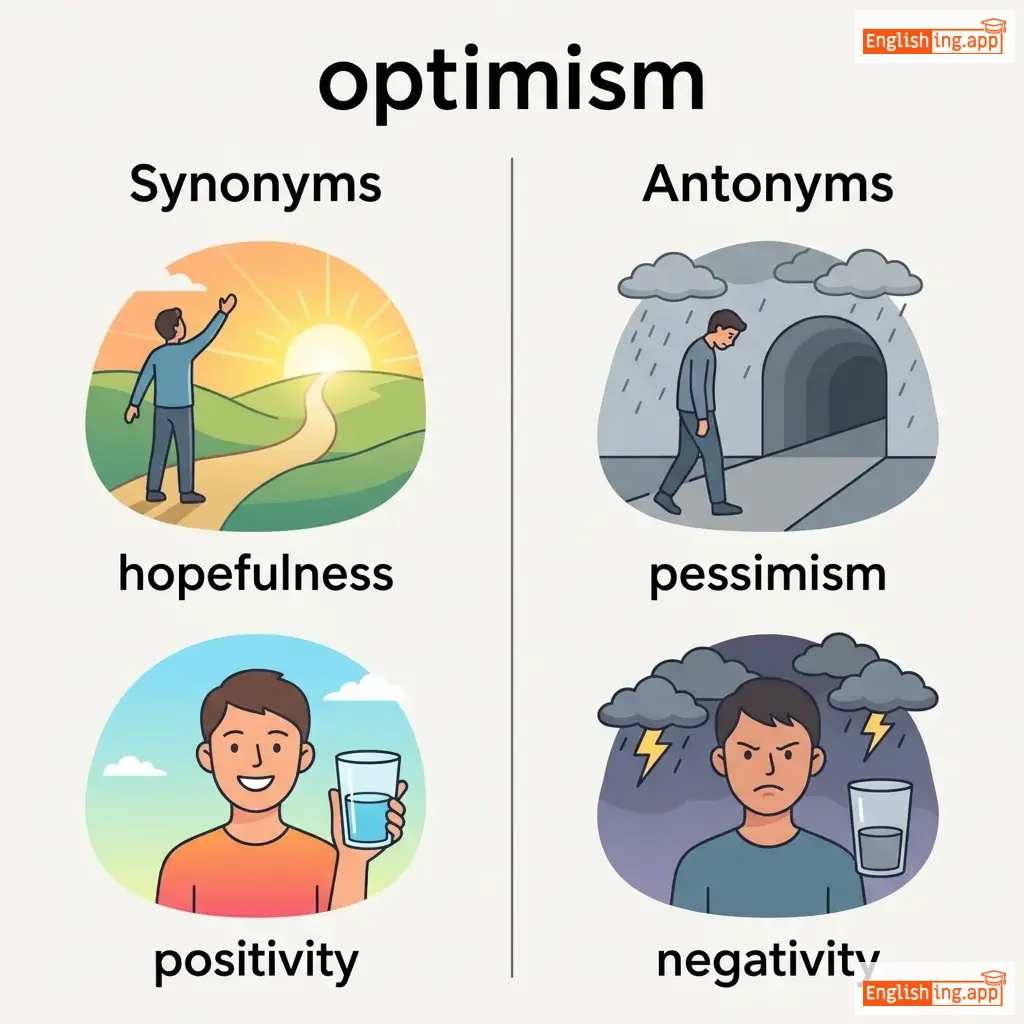
hopefulness, positivity, confidence, cheerfulness
••••••
|
pessimism, negativity
••••••
|
show optimism, optimism about future, optimism level, optimism grows
••••••
|
乐观就是总是保持积极的心态 🌞
••••••
|
|
🌞
••••••
|
/ˌɑːp.təˈmɪs.tɪk/
adjective
(乐观的)
••••••
|
- •••••• |
乐观的
lèguān de
••••••
|
- •••••• | - •••••• | - •••••• | - •••••• |
hopeful and confident about the future
••••••
|
She is optimistic about the success of her new project. |
她对新项目的成功持乐观态度。
Tā duì xīn xiàngmù de chénggōng chí lèguān tàidù.
••••••
|
glass half full |
viewing a situation positively
••••••
|
半杯水
bàn bēi shuǐ
••••••
|
hopeful, positive, confident, cheerful, upbeat
••••••
|
pessimistic, doubtful, hopeless
••••••
|
optimistic view, optimistic outlook, optimistic about, remain optimistic
••••••
|
乐观的意味着充满希望 🌞 — 记住,'乐观的' 就是 'optimistic' 在英语中的意思。
••••••
|
|
⚖️
••••••
|
/ˈɒpʃən/
noun
(àopù)
••••••
|
- •••••• |
选择
xuǎnzé
••••••
|
- •••••• | - •••••• | - •••••• | - •••••• |
A choice or possibility available among alternatives.
••••••
|
You have the option to pay by card or cash. |
你可以选择用卡或现金付款。
Nǐ kěyǐ xuǎnzé yòng kǎ huò xiànjīn fùkuǎn.
••••••
|
keep your options open |
Avoid committing to one choice too early.
••••••
|
保持你的选择开放
Bǎochí nǐ de xuǎnzé kāifàng
••••••
|
choice, alternative, possibility, selection, preference
••••••
|
obligation, compulsion, necessity
••••••
|
have option, choose option, better option
••••••
|
选择就像是从多个选项中选择一个。
••••••
|
|
❓
••••••
|
/ɔːr/
conjunction
(òr)
••••••
|
- •••••• |
或
huò
••••••
|
- •••••• | - •••••• | - •••••• | - •••••• |
used to link alternatives
••••••
|
You can have tea or coffee.
你可以喝茶或咖啡。
••••••
|
你可以喝茶或咖啡。
Nǐ kěyǐ hē chá huò kāfēi.
••••••
|
- •••••• | - •••••• | - •••••• |
either, alternatively
••••••
|
neither
••••••
|
tea or coffee, this or that, yes or no
••••••
|
或 (huò) 表示在两者之间选择,例如茶或咖啡。
••••••
|
|
🗣️
••••••
|
/ˈɔːrəl/
adjective
(口头)
••••••
|
- •••••• |
口头的
kǒutóu de
••••••
|
- •••••• | - •••••• | - •••••• | - •••••• |
Spoken rather than written; relating to the mouth
••••••
|
The student had to give an oral presentation. |
学生必须做口头报告。
Xuéshēng bìxū zuò kǒutóu bào gào.
••••••
|
oral tradition |
Cultural knowledge and stories passed down by word of mouth
••••••
|
口头传统
Kǒutóu chuántǒng
••••••
|
spoken, verbal, vocal, articulated
••••••
|
written, documented, recorded
••••••
|
oral presentation, oral exam, oral tradition, oral hygiene
••••••
|
Oral代表口头的,口头考试=口头展示。
••••••
|
|
🎻
••••••
|
/ˈɔːkɪstrə/
noun
(òukè sī tè lā)
••••••
|
- •••••• |
管弦乐队
guǎnxián yuèduì
••••••
|
- •••••• | - •••••• | - •••••• | - •••••• |
a large group of musicians playing different instruments together
••••••
|
The orchestra performed beautifully at the concert. |
管弦乐队在音乐会上演奏得非常出色。
Guǎnxián yuèduì zài yīnyuè huì shàng yǎnzòu de fēicháng chūsè.
••••••
|
- •••••• | - •••••• | - •••••• |
ensemble, band, symphony, musical group
••••••
|
solo, individual performance
••••••
|
orchestra performance, orchestra conductor, orchestra pit
••••••
|
管弦乐队中的每一个音符都协同创造美妙的旋律。
••••••
|
|
📋
••••••
|
/ˈɔːrdər/
verb
(订单)
••••••
|
|
命令
mìnglìng
••••••
|
ordered
已订购
••••••
|
ordered
已订购
••••••
|
orders
订单
••••••
|
ordering
订购中
••••••
|
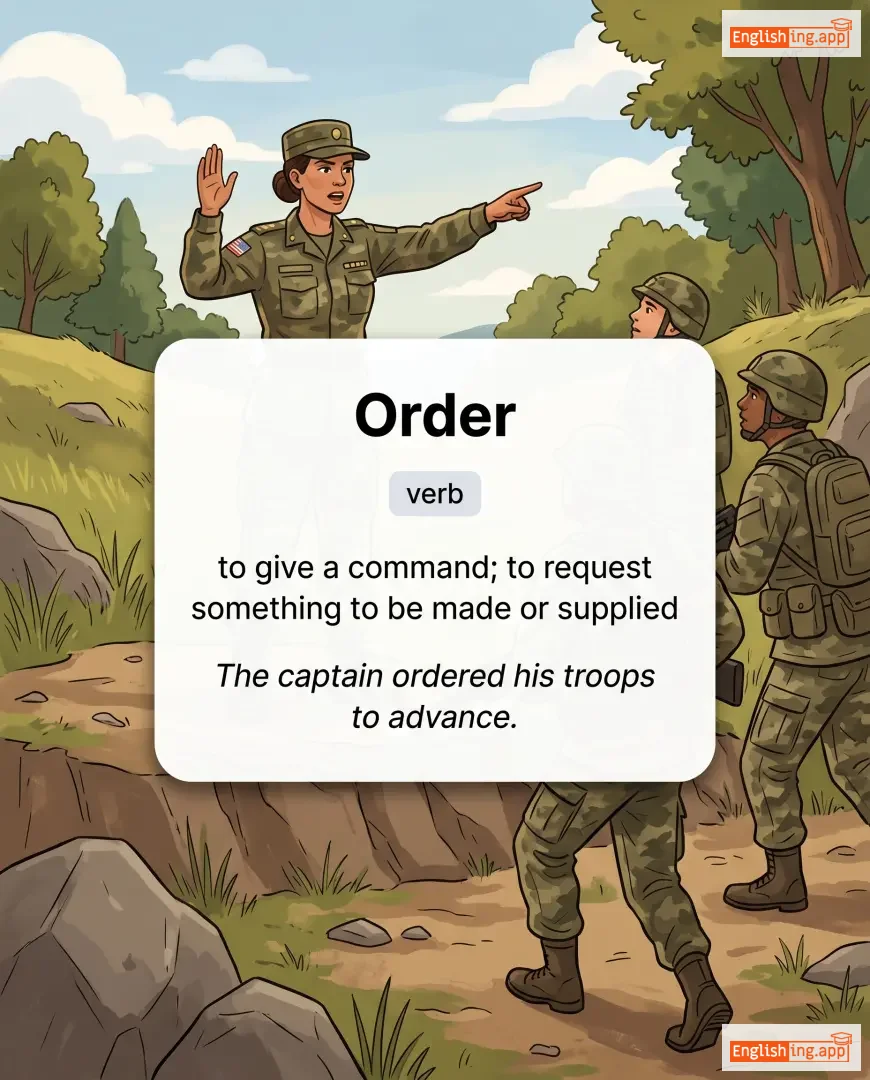
to give a command; to request something to be made or supplied
••••••
|
The captain ordered his troops to advance.
队长命令他的部队前进。
••••••
|
队长命令他的部队前进。
Duìzhǎng mìnglìng tā de bùduì qiánjìn
••••••
|
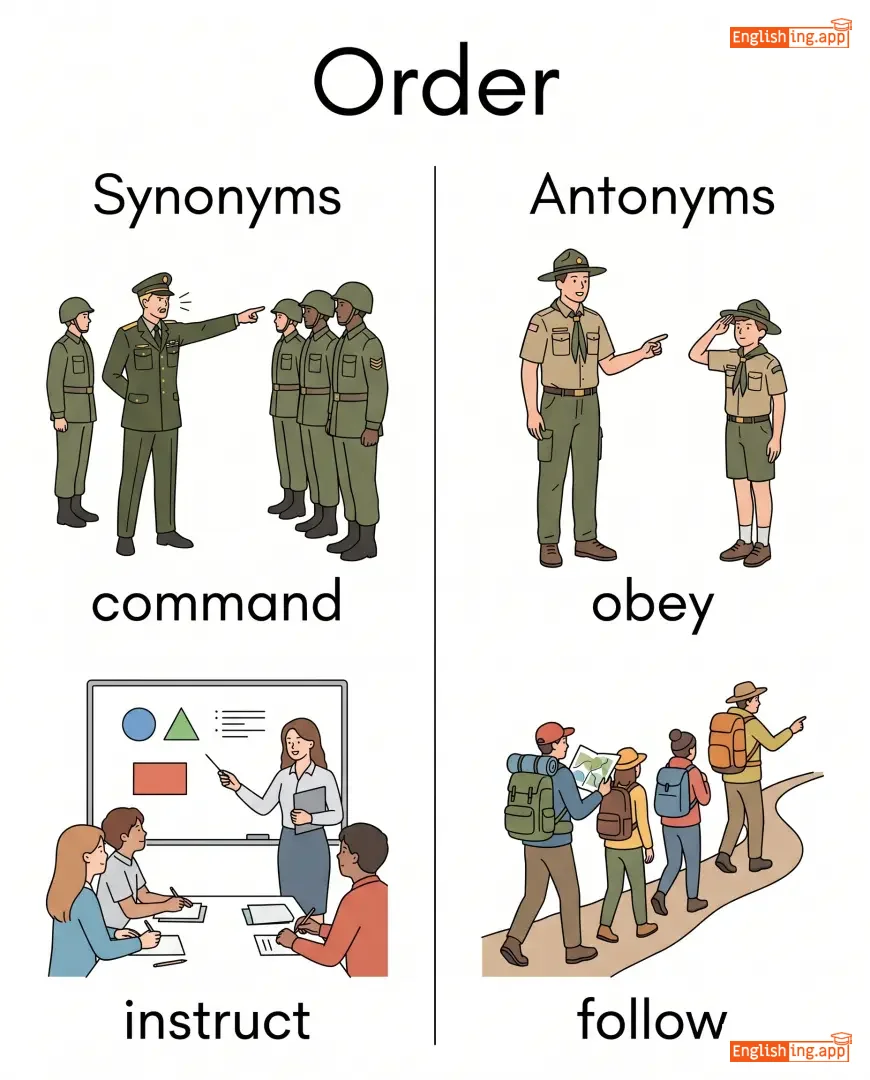
- •••••• | - •••••• | - •••••• |
command, instruct, direct, request
••••••
|
obey, follow, comply, submit
••••••
|
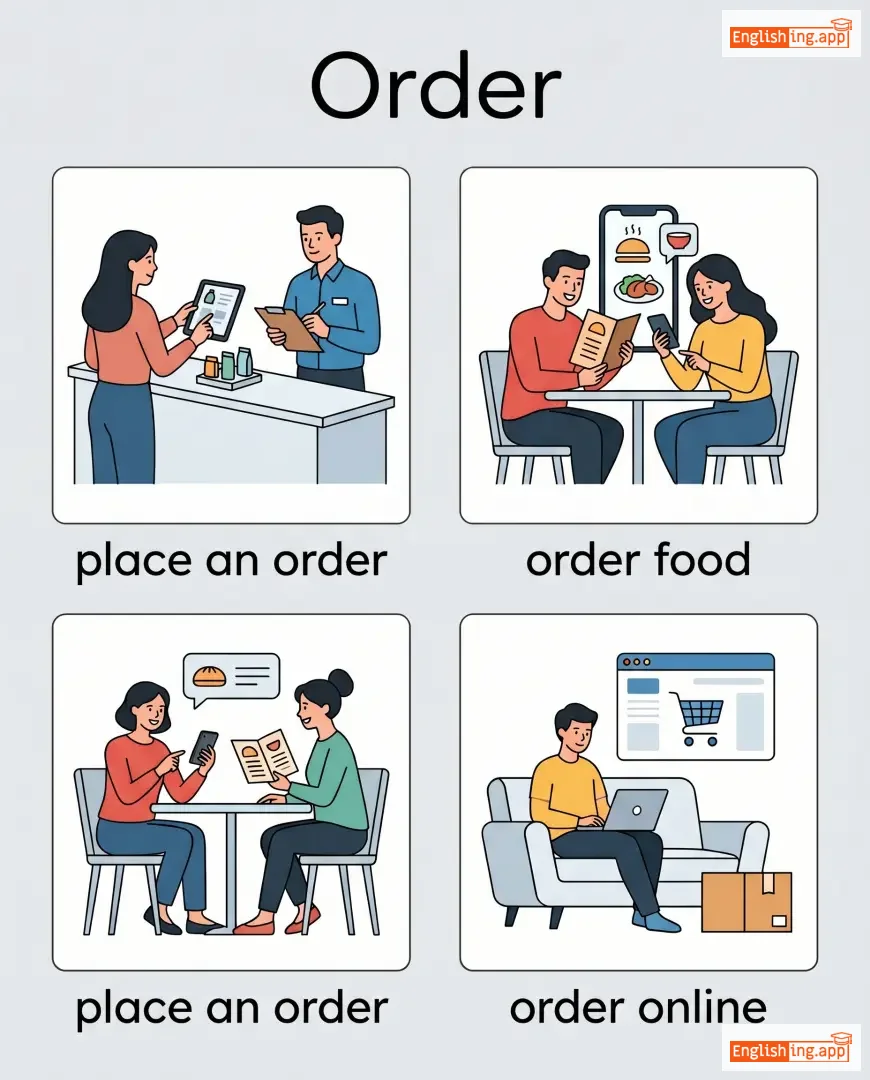
place an order, order food, order online, standing order, order of business
••••••
|
Chinese word '命令' sounds like giving orders or commands, just like placing a formal order.
••••••
|
|
📘
••••••
|
/ˈɔːrdəˌnɛri/
adjective
(普通)
••••••
|
- •••••• |
普通的
putong de
••••••
|
- •••••• | - •••••• | - •••••• | - •••••• |
Common, usual, or not special; something that happens regularly.
••••••
|
She wore an ordinary dress to the party. |
她穿着一件普通的裙子去参加派对。
Ta chuanzhuo yijian putong de qunzi qu canjia paidui.
••••••
|
out of the ordinary |
Something unusual or different from what is normal.
••••••
|
非同寻常
fei tong xun chang
••••••
|
common, usual, regular, normal, typical
••••••
|
extraordinary, exceptional, unusual
••••••
|
ordinary life, ordinary people, ordinary day, ordinary circumstances
••••••
|
‘Ordinary’ 意味着‘秩序’—一切都在秩序中,一切都很普通。
••••••
|
|
🥦
••••••
|
/ɔːrˈɡænɪk/
adjective
(ɔːrˈɡænɪk)
••••••
|

|
有机的
youji de
••••••
|
- •••••• | - •••••• | - •••••• | - •••••• |
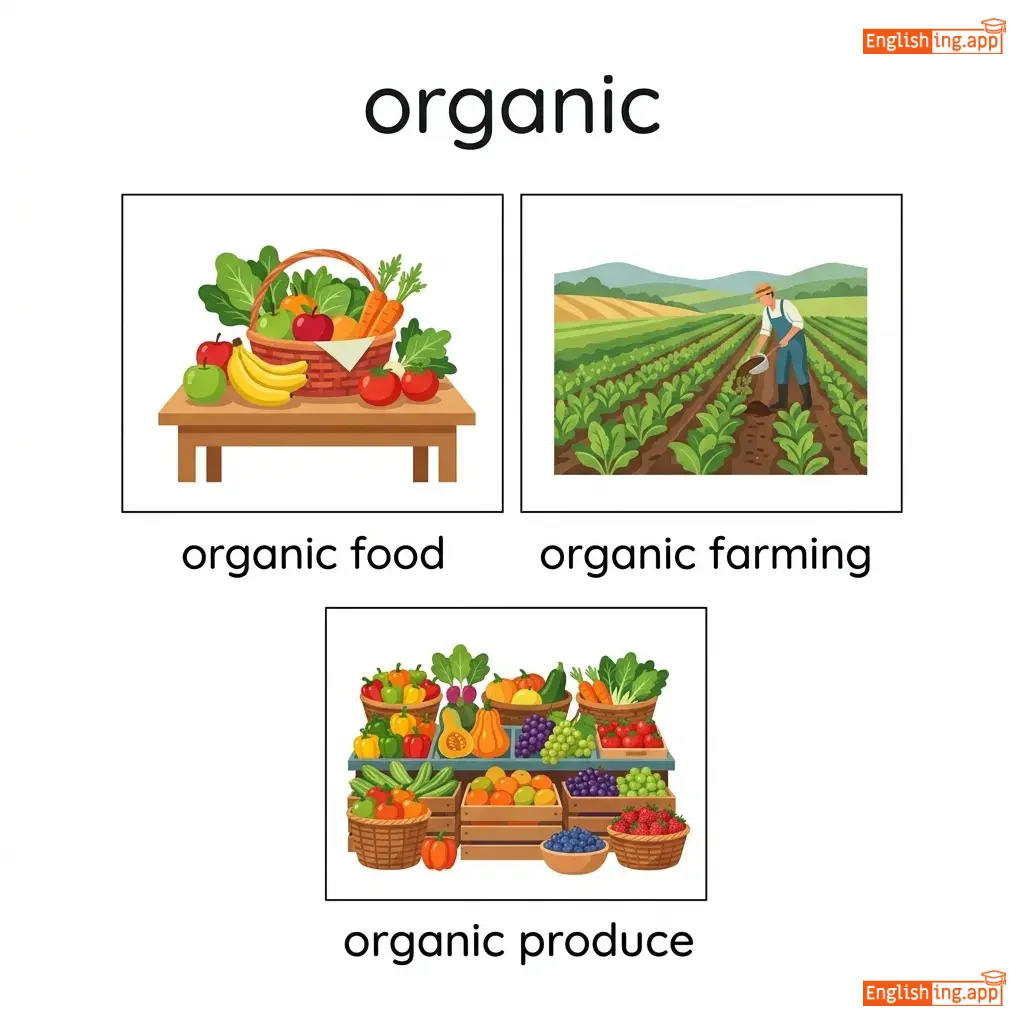
Relating to or derived from living matter; produced without artificial chemicals.
••••••
|
They prefer to eat organic fruits and vegetables. |
他们更喜欢吃有机的水果和蔬菜。
Tamen geng xihuan chi youji de shuiguo he shucai.
••••••
|
organic growth |
Natural, gradual development without external force.
••••••
|
有机增长
youji zengzhang
••••••
|
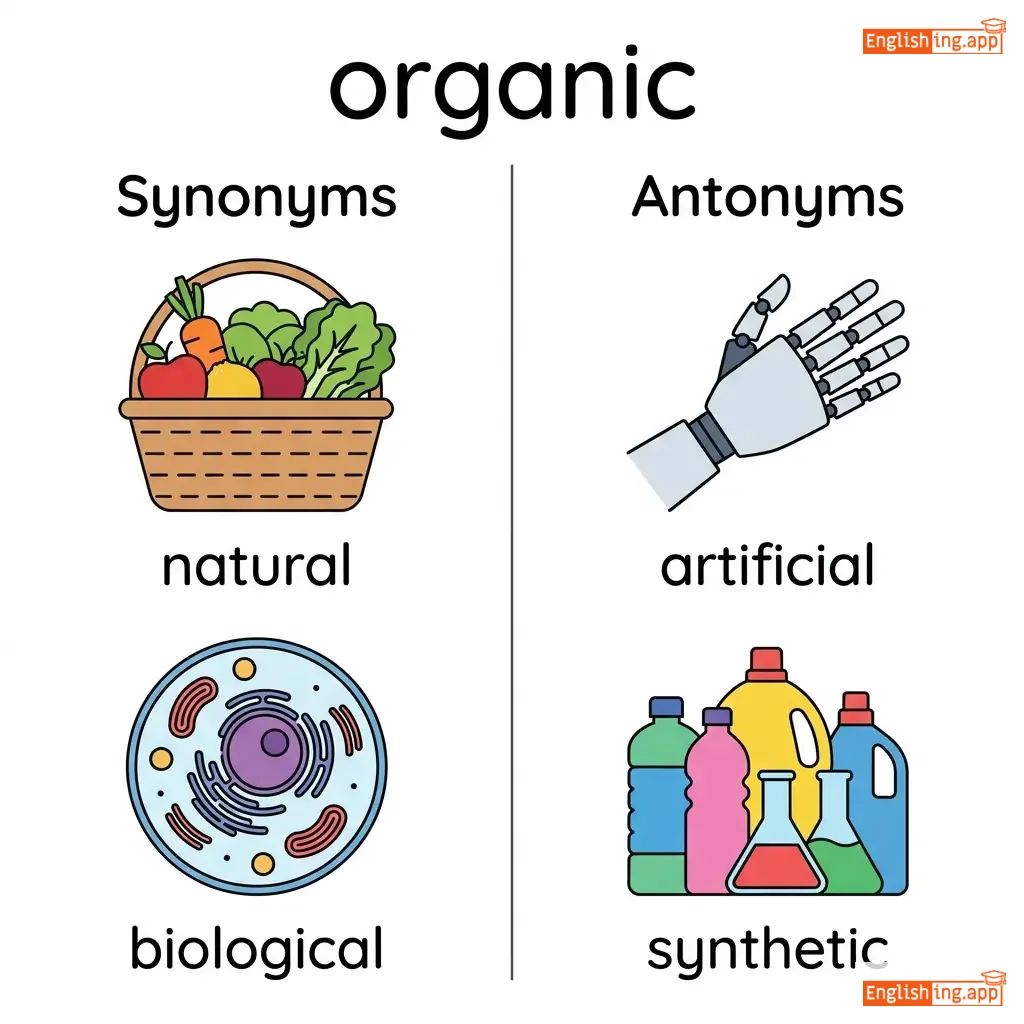
natural, biological, ecological, pure
••••••
|
artificial, synthetic, chemical
••••••
|
organic food, organic farming, organic produce, organic material
••••••
|
有机 = 来自自然的,如有机食品。
••••••
|
|
🏢
••••••
|
/ˌɔːɡənaɪˈzeɪʃn/
noun
(ɔːɡənaɪˈzeɪʃn)
••••••
|

|
组织
zuzhi
••••••
|
- •••••• | - •••••• | - •••••• | - •••••• |
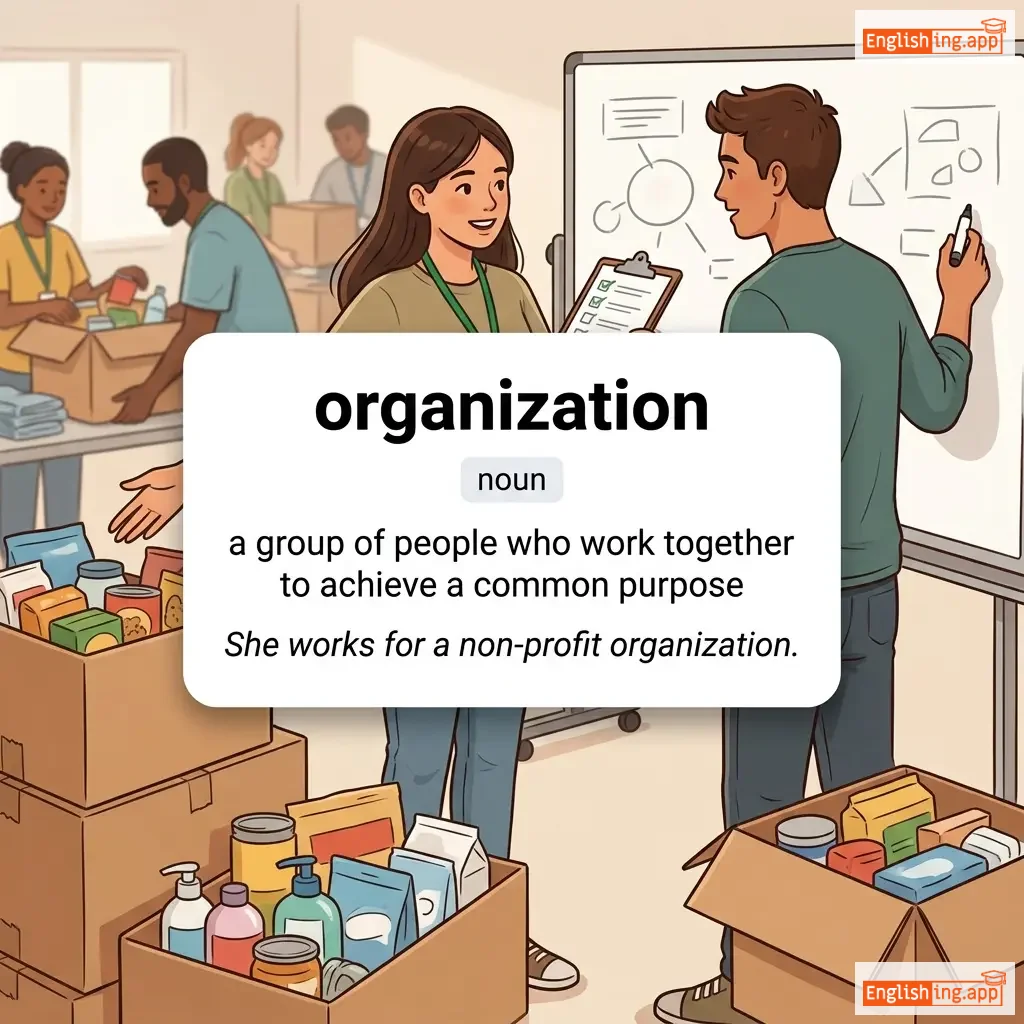
a group of people who work together to achieve a common purpose
••••••
|
She works for a non-profit organization. |
她在一个非盈利组织工作。
Ta zai yige fei yingli zuzhi gongzuo.
••••••
|
- •••••• | - •••••• | - •••••• |
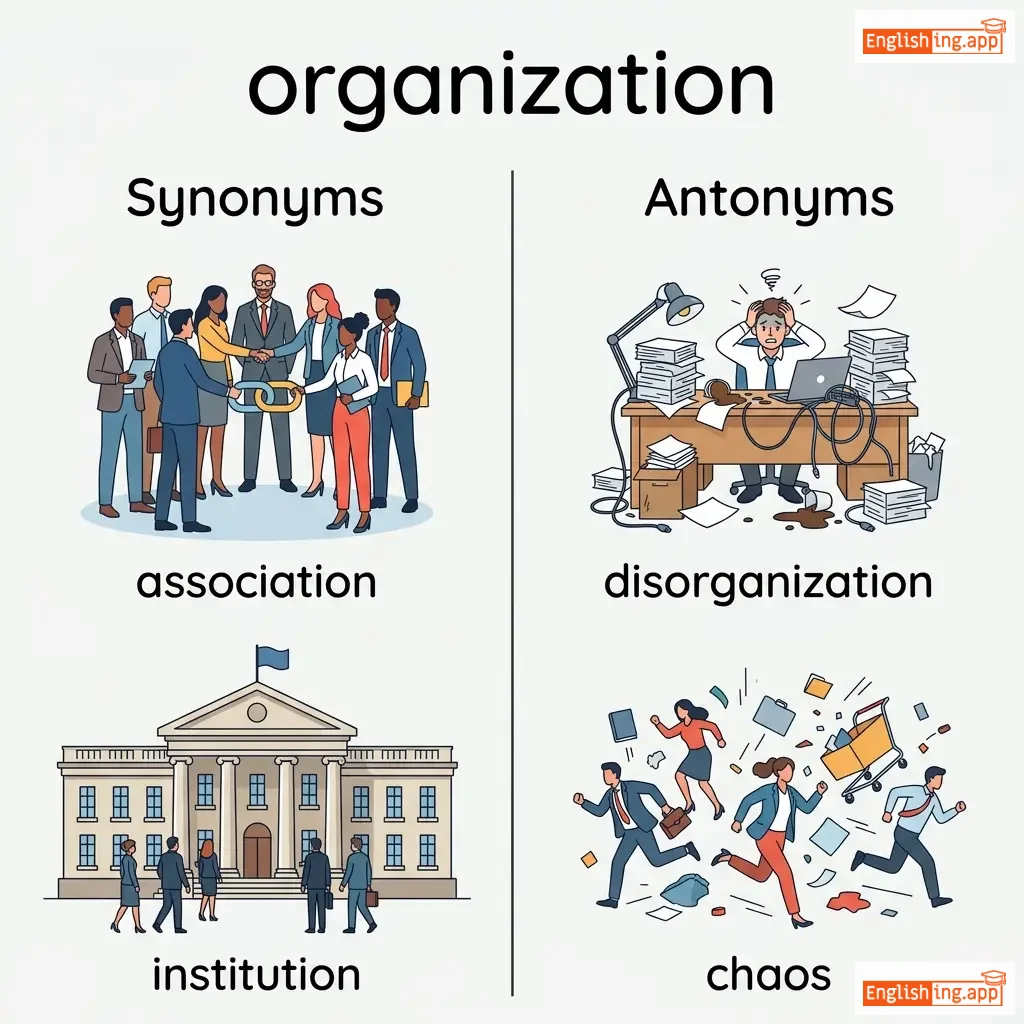
association, institution, group, establishment
••••••
|
disorganization, chaos
••••••
|
join an organization, non-profit organization, corporate organization
••••••
|
组织就是大家一起工作的地方!
••••••
|
|
🏢
••••••
|
/ˌɔːɡənaɪˈzeɪʃənəl/
adjective
(组织结构的)
••••••
|
- •••••• |
组织性的
zuzhixing de
••••••
|
- •••••• | - •••••• | - •••••• | - •••••• |
relating to the structure or arrangement of a company or group
••••••
|
He works on improving the organizational structure of the company. |
他在改善公司的组织结构方面工作。
Ta zai gaishan gongsi de zuzhixingshe jiegou fangmian gongzuo.
••••••
|
- •••••• | - •••••• | - •••••• |
administrative, structural, managerial, corporate
••••••
|
disorganized, chaotic
••••••
|
organizational skills, organizational structure, organizational change, organizational behavior
••••••
|
组织意味着结构,而组织性的则与该结构相关。
••••••
|
|
📅
••••••
|
/ˈɔːrɡənaɪz/
verb
(组织)
••••••
|

|
组织
zǔzhī
••••••
|
organized
组织了
••••••
|
organized
组织过
••••••
|
organizes
组织
••••••
|
organizing
组织中
••••••
|
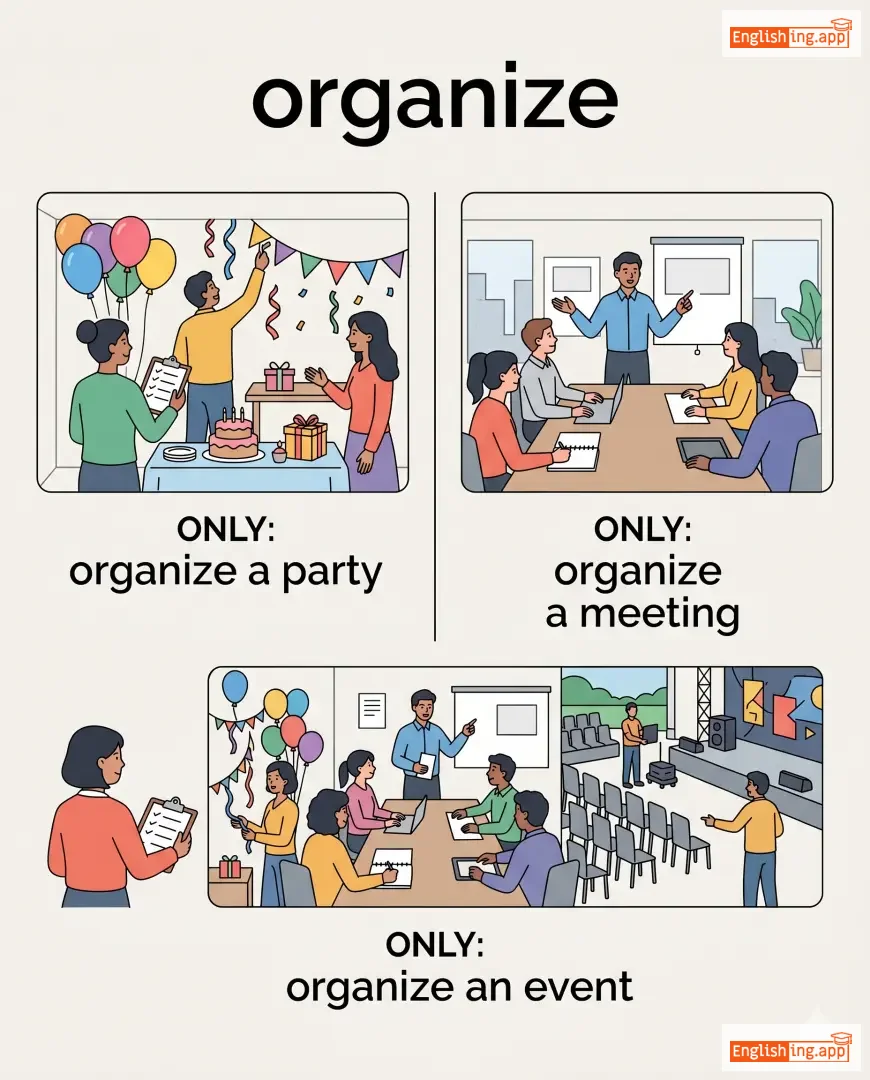
to arrange systematically; to plan and coordinate
••••••
|
She organized a surprise party for her friend.
她为她的朋友组织了一个惊喜派对。
••••••
|
她为她的朋友组织了一个惊喜派对。
Tā wèi tā de péngyǒu zǔzhīle yīgè jīngxǐ pàiduì.
••••••
|
- •••••• | - •••••• | - •••••• |
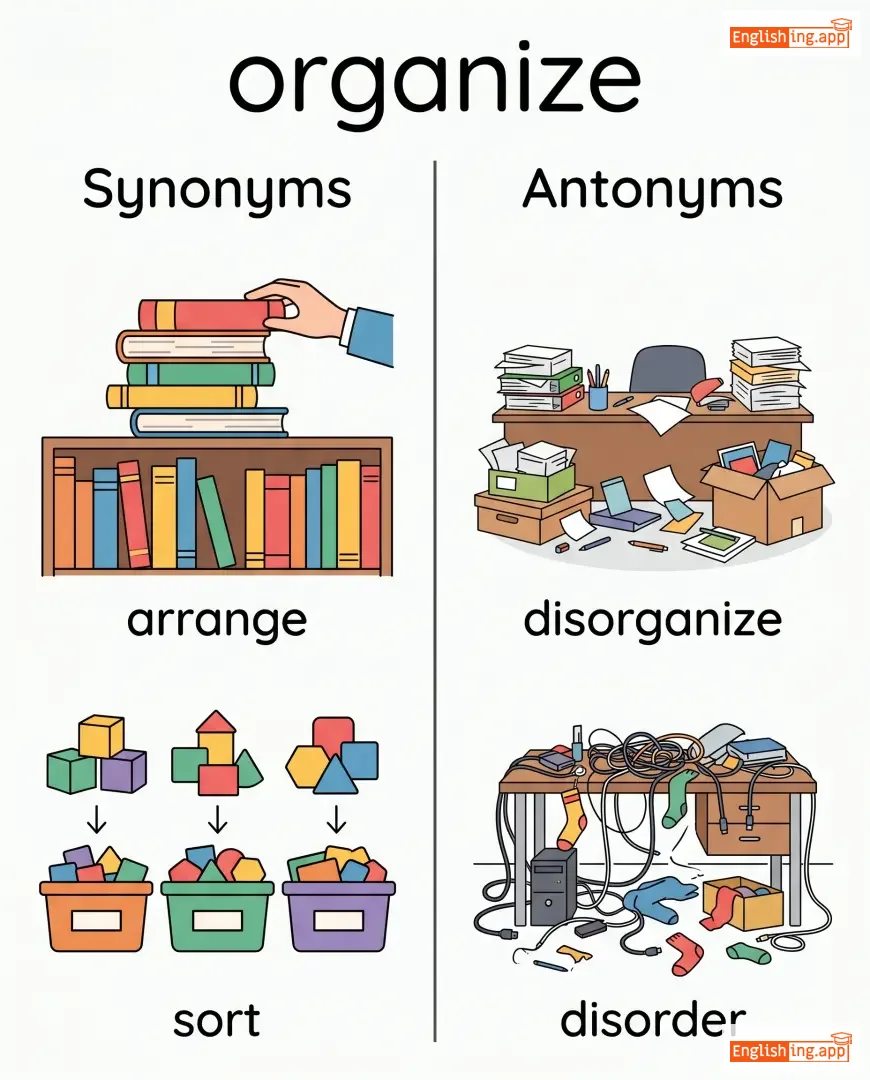
arrange, plan, coordinate, structure
••••••
|
disorganize, scatter, disorder, confuse
••••••
|
organize event, organize files, organize thoughts, well organized
••••••
|
组织就像精心安排一场派对
••••••
|
|
📋
••••••
|
/ˈɔːrɡənaɪzd/
adjective
(欧根奈兹德)
••••••
|

|
有序的
yǒuxù de
••••••
|
- •••••• | - •••••• | - •••••• | - •••••• |
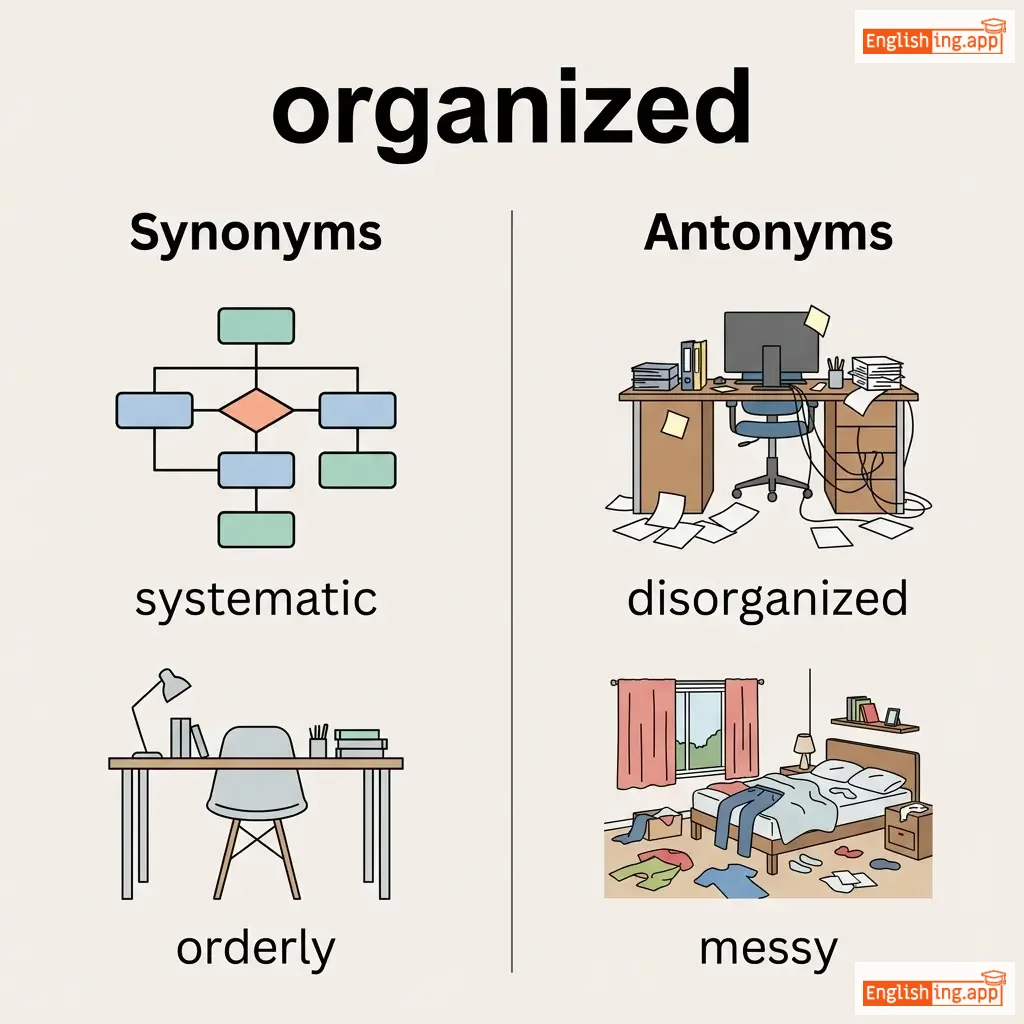
arranged or structured in a systematic and efficient way
••••••
|
She always keeps her workspace neat and organized. |
她总是保持她的工作空间整洁和有序。
Tā zǒng shì bǎochí tā de gōngzuò kōngjiān zhěngjié hé yǒuxù.
••••••
|
organized chaos |
a situation that seems messy but actually functions efficiently
••••••
|
有序的混乱
yǒuxù de hùnluàn
••••••
|
systematic, orderly, structured, methodical, disciplined
••••••
|
disorganized, messy, chaotic
••••••
|
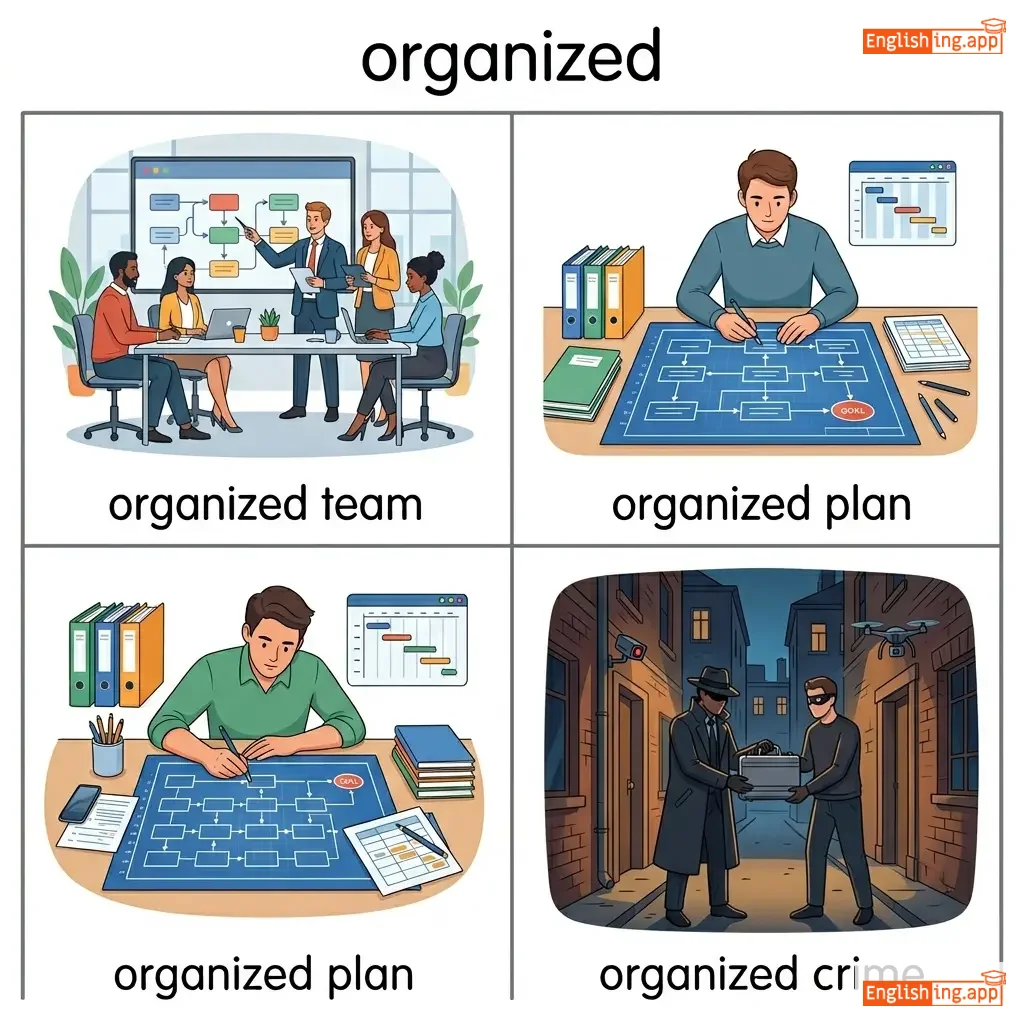
organized team, organized plan, organized crime, well-organized
••••••
|
一切有序就像完美的组织工作。
••••••
|
|
📋
••••••
|
/ˈɔːrɡənaɪzər/
noun
(奥根奈泽)
••••••
|
- •••••• |
组织者
zuzhizhe
••••••
|
- •••••• | - •••••• | - •••••• | - •••••• |
a person who arranges or coordinates activities, events, or groups; a tool or item used to keep things in order
••••••
|
She worked as the main organizer of the international conference.
她是这次国际会议的主要奥根奈泽。
••••••
|
她是这次国际会议的主要组织者。
Ta shi zhe ci guoji huiyi de zhuyao zuzhizhe
••••••
|
- •••••• | - •••••• | - •••••• |
coordinator, planner, arranger, manager, administrator
••••••
|
disorganizer, disruptor, mess-maker
••••••
|
event organizer, community organizer, professional organizer, meeting organizer
••••••
|
Organizer 就是 组织者,负责组织一切
••••••
|
|
📘
••••••
|
/ˌɔː.ri.enˈteɪ.ʃən/
noun
(定向)
••••••
|
- •••••• |
定向
dingxiang
••••••
|
- •••••• | - •••••• | - •••••• | - •••••• |
the process of becoming familiar with a new situation or environment
••••••
|
The company provides an orientation for all new employees. |
公司为所有新员工提供定向培训。
Gongsi wei suoyou xin yuangong tigong dingxiang peixun.
••••••
|
new employee orientation |
a training session to introduce new workers to an organization
••••••
|
新员工定向培训
xin yuangong dingxiang peixun
••••••
|
introduction, initiation, training, induction, adjustment
••••••
|
confusion, disorientation
••••••
|
orientation session, orientation program, student orientation, cultural orientation
••••••
|
Orientation 意味着定向 - 当你加入公司时,你会得到定向培训 📘。
••••••
|
|
🌄
••••••
|
/ˈɒr.ɪ.dʒɪn/
noun
(奥里金)
••••••
|
- •••••• |
起源
qiyuan
••••••
|
- •••••• | - •••••• | - •••••• | - •••••• |
the point or place where something begins or is created
••••••
|
The river has its origin in the mountains.
这条河流起源于山脉。
••••••
|
这条河流起源于山脉。
Zhe tiao heliu qiyuan yu shanmai.
••••••
|
point of origin
起源点
••••••
|
the place where something starts
••••••
|
起源点
qiyuandian
••••••
|
beginning, source, root, start, genesis
••••••
|
end, conclusion
••••••
|
country of origin, place of origin, origin story, unknown origin
••••••
|
Origin 意味着起源 🌄 — 记住河流的起源,它会帮助你记住这个词。
••••••
|
|
✨
••••••
|
/əˈrɪdʒ.ɪ.nəl/
adjective
(óu rì jì nà ěr)
••••••
|
- •••••• |
原始
yuán shǐ
••••••
|
- •••••• | - •••••• | - •••••• | - •••••• |
existing from the beginning; not a copy or imitation
••••••
|
This is the original manuscript of the novel. |
这是小说的原始手稿。
zhè shì xiǎoshuō de yuán shǐ shǒugǎo.
••••••
|
original idea |
a new and creative thought that has not been copied
••••••
|
原创想法
yuán chuàng xiǎng fǎ
••••••
|
authentic, genuine, innovative, unique, creative
••••••
|
fake, imitation, duplicate
••••••
|
original idea, original design, original version, original work
••••••
|
Original 意味着原始 ✨ — 在原创电影中没有复制。
••••••
|
|
⏳
••••••
|
/əˈrɪdʒɪnəli/
adverb
(最初)
••••••
|
- •••••• |
最初
zuìchū
••••••
|
- •••••• | - •••••• | - •••••• | - •••••• |
in the beginning, at first
••••••
|
Originally, she wanted to be a doctor. |
最初,她想成为一名医生。
Zuìchū, tā xiǎng chéngwéi yī míng yīshēng.
••••••
|
- •••••• | - •••••• | - •••••• |
initially, at first, at the outset, in the beginning
••••••
|
finally, ultimately
••••••
|
originally from, originally intended, originally planned
••••••
|
最初是所有事情的开始,一切都是从最初开始的。
••••••
|
|
🌱
••••••
|
/əˈrɪdʒɪneɪt/
verb
(òuríjìnètè)
••••••
|
- •••••• |
起源
qǐyuán
••••••
|
originated
òuríjìnèitèd
••••••
|
originated
òuríjìnèitèd
••••••
|
originates
òuríjìnèits
••••••
|
originating
òuríjìnèitìng
••••••
|
to come into existence; to begin; to create or produce
••••••
|
The tradition originated in ancient times.
这个传统起源于古代。
••••••
|
这个传统起源于古代。
Zhège chuántǒng qǐyuán yú gǔdài.
••••••
|
originate from
起源于
••••••
|
to come from a particular place or source
••••••
|
起源于
qǐyuán yú
••••••
|
begin, arise, emerge, derive, start
••••••
|
end, finish, conclude
••••••
|
originate idea, originate from, originate request, originate concept
••••••
|
Origin 意味着开始,originates意味着起源 🌱
••••••
|
|
🔄
••••••
|
/ˈʌðər/
adjective
(àdé)
••••••
|
- •••••• |
其他
qítā
••••••
|
- •••••• | - •••••• | - •••••• | - •••••• |
used to refer to something different from the one already mentioned or known
••••••
|
I don't want this one, I will take the other one. |
我不想要这个,我会拿另一个。
Wǒ bù xiǎng yào zhège, wǒ huì ná lìng yīgè.
••••••
|
the other side of the coin |
the opposite aspect of a situation
••••••
|
硬币的另一面
Yìngbì de lìng yīmiàn
••••••
|
alternative, different, another, else
••••••
|
same, identical
••••••
|
the other side, the other person, the other day
••••••
|
Other, 另一个总在这里
••••••
|

