How Globalization Affects World Economies
Globalization 为当今世界经济带来了重大变化。随着不同国家之间的 convergence 增强,国际 trade 的 affluence 也在增长。然而,这可能会造成 disparity,发达国家在经济上更强大,而发展中国家则面临 marginalization。许多国家采取了 liberalization 政策,导致 outsourcing 和 privatization 的增加。因此,一些国家实现了经济 consolidation,而其他国家由于 protectionism 政策导致市场收缩。尽管发生了 macroeconomic 发展,但某些地区仍出现 fluctuation,这是由于 bureaucracy 和政策复杂性造成的。大型公司实现了 monopolization 并控制市场,使小企业面临 subjugation。然而,通过 globalization,可以增加 diversification,从而带来经济稳定。通过适当的 restructuring 和公平的 tariff 政策,全球经济可以变得更加透明。
|
表情符号
|
单词 | Images | 含义 | 例句 | 同义词 | 反义词 |
|---|---|---|---|---|---|---|
|
#1942
🌍
|
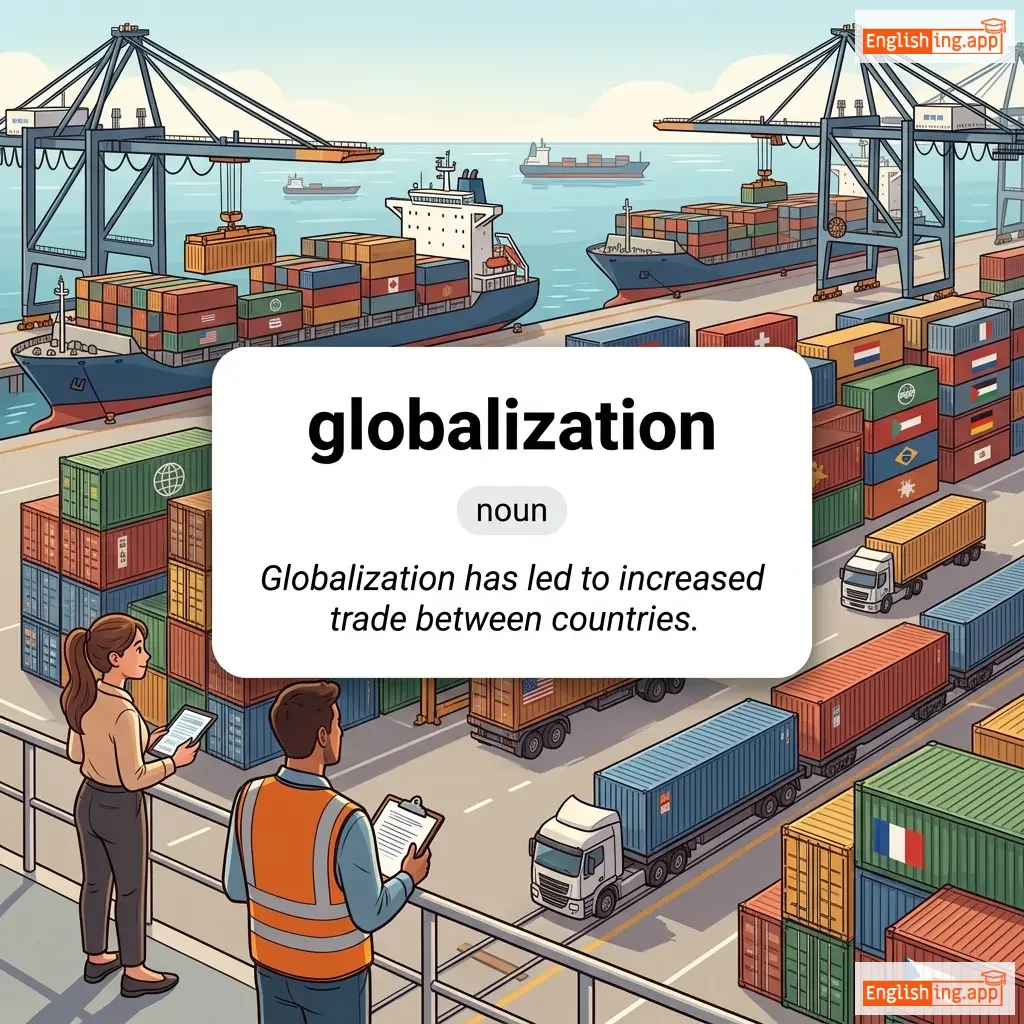
ˌɡloʊ.bəl.aɪˈzeɪ.ʃən
noun
••••••
|
|
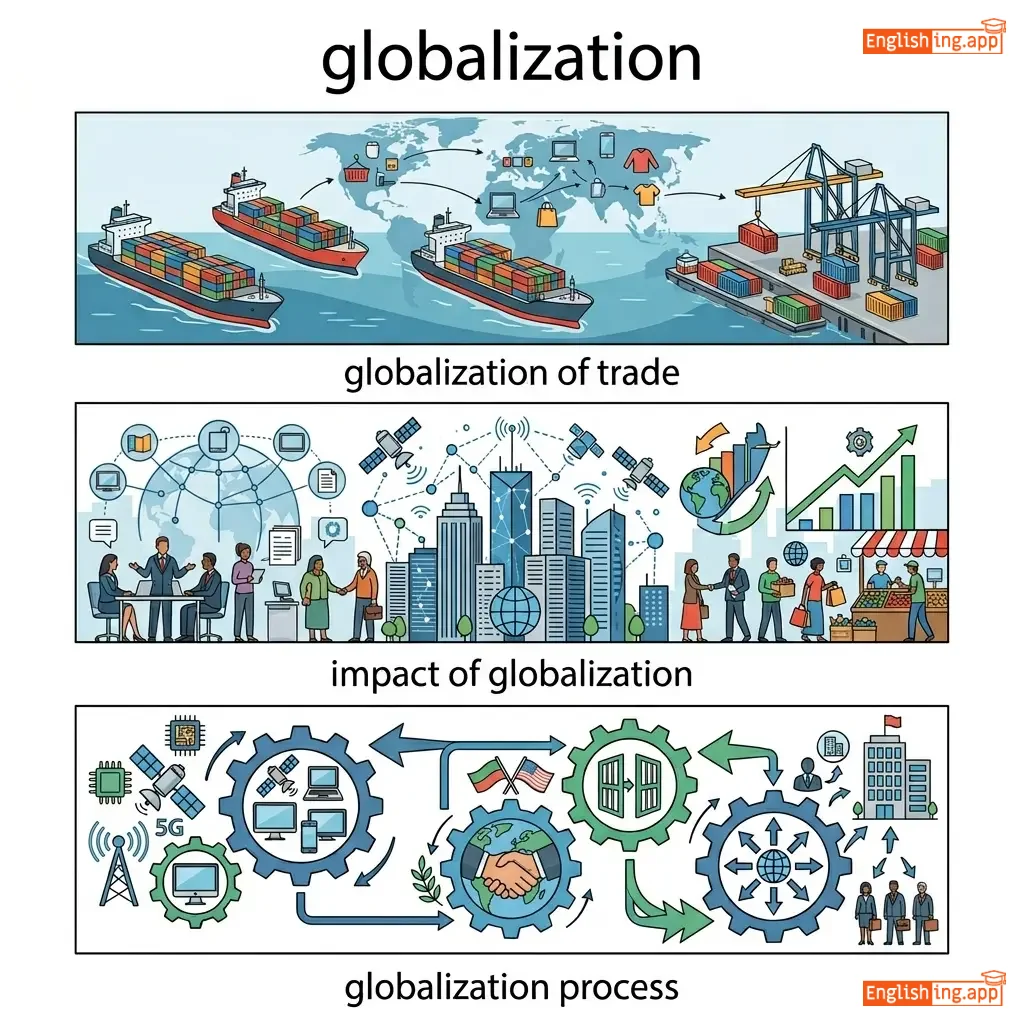
The process by which businesses or other organizations develop international influence or start operating on an international scale.
••••••
|
Globalization has connected economies across the world. |
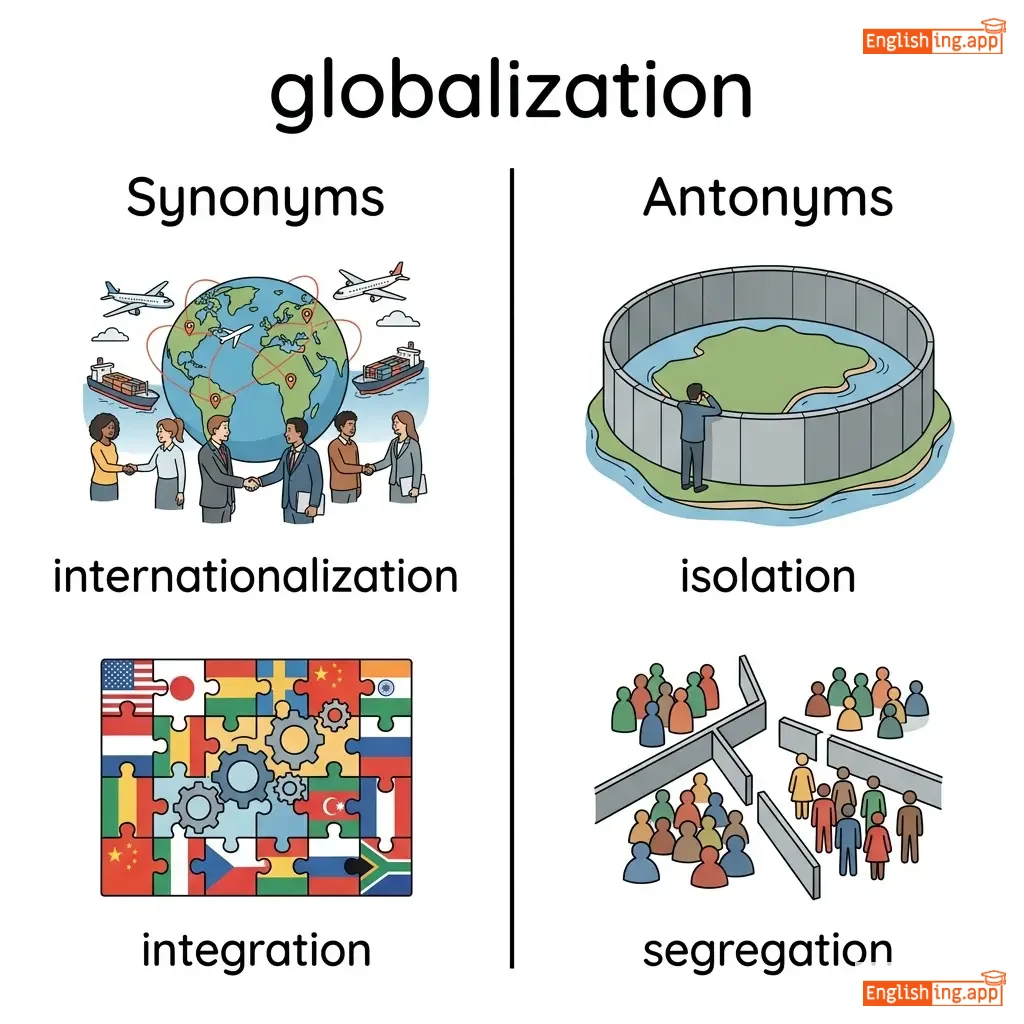
internationalization, integration, expansion
••••••
|
isolation, protectionism, nationalism
••••••
|
|
#1943
🔗
|
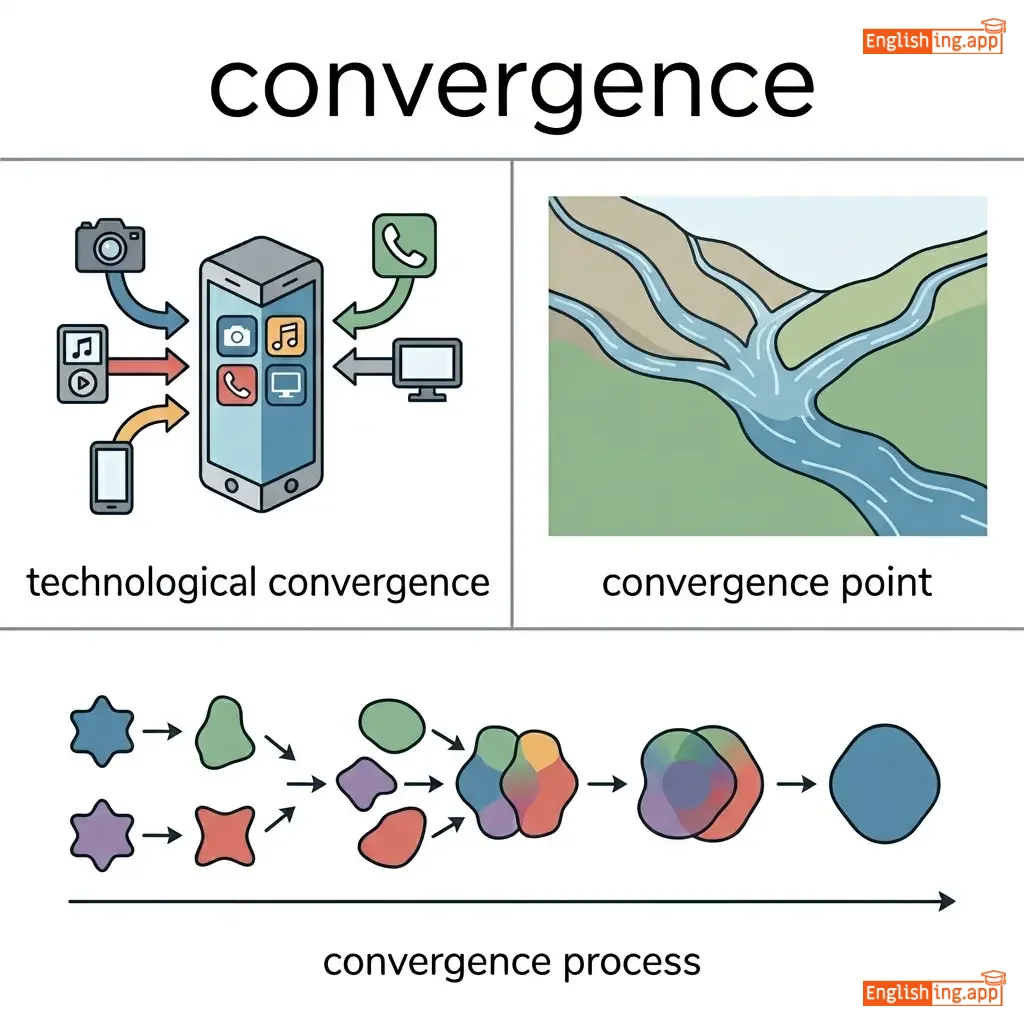
kənˈvɜː.dʒəns
noun
••••••
|

|
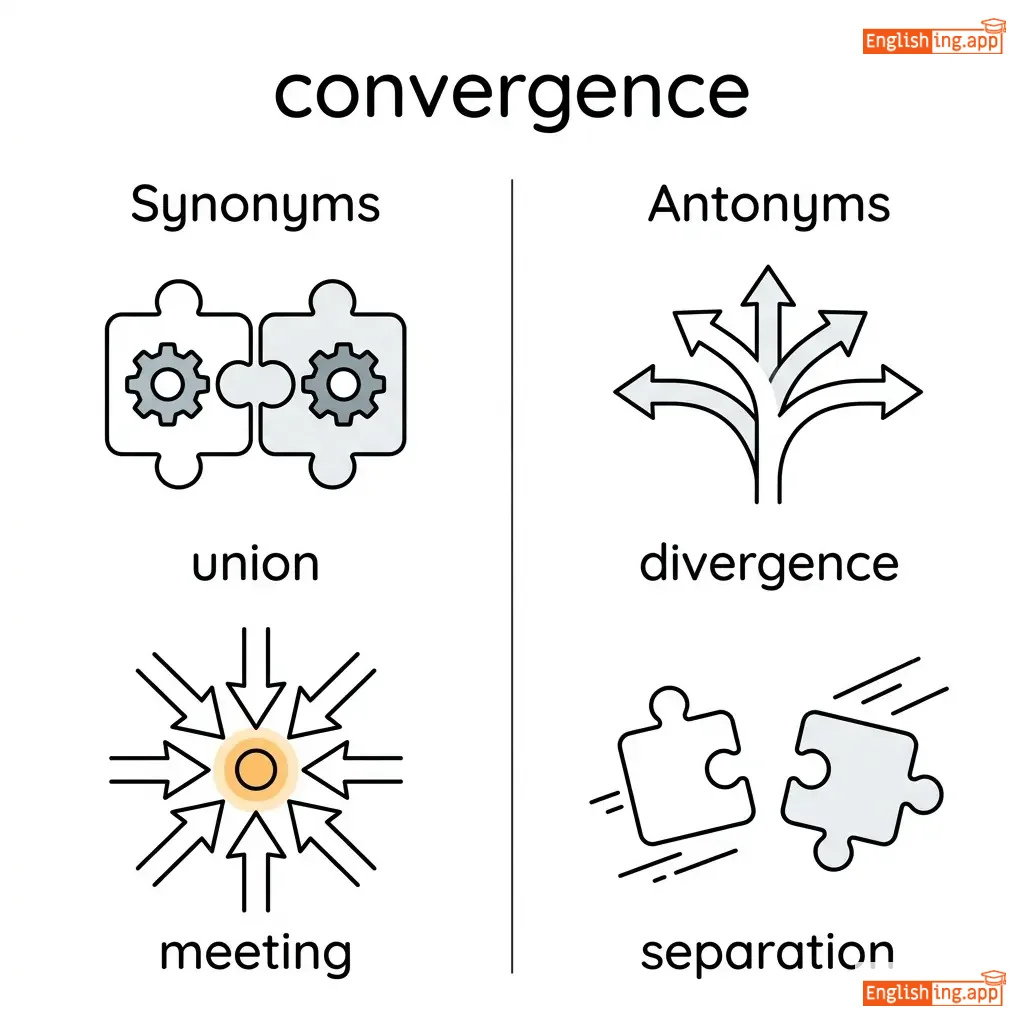
The process or state of converging or coming together.
••••••
|
The convergence of technology and healthcare has led to medical advancements. |
union, merging, alignment
••••••
|
divergence, separation, deviation
••••••
|
|
#1944
💼
|
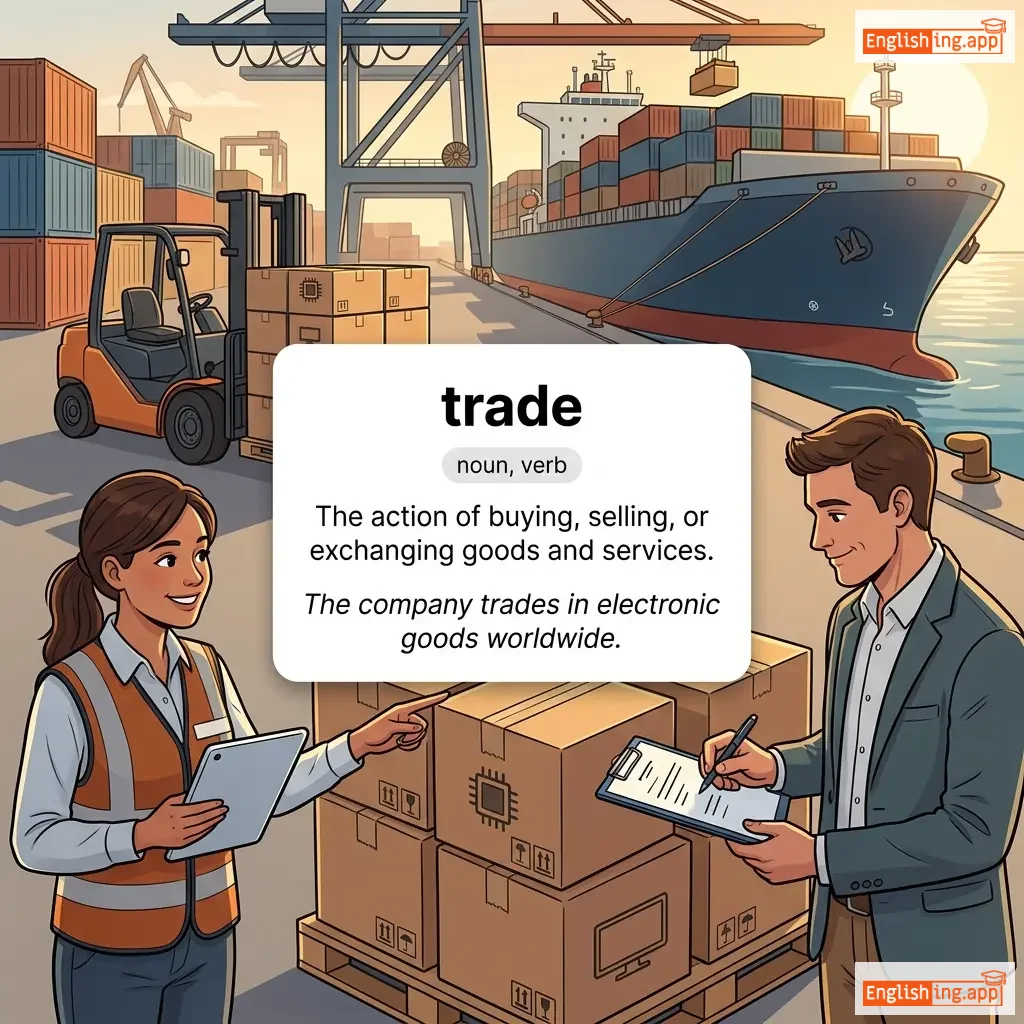
treɪd
noun/verb
••••••
|
|
The action of buying and selling goods and services.
••••••
|
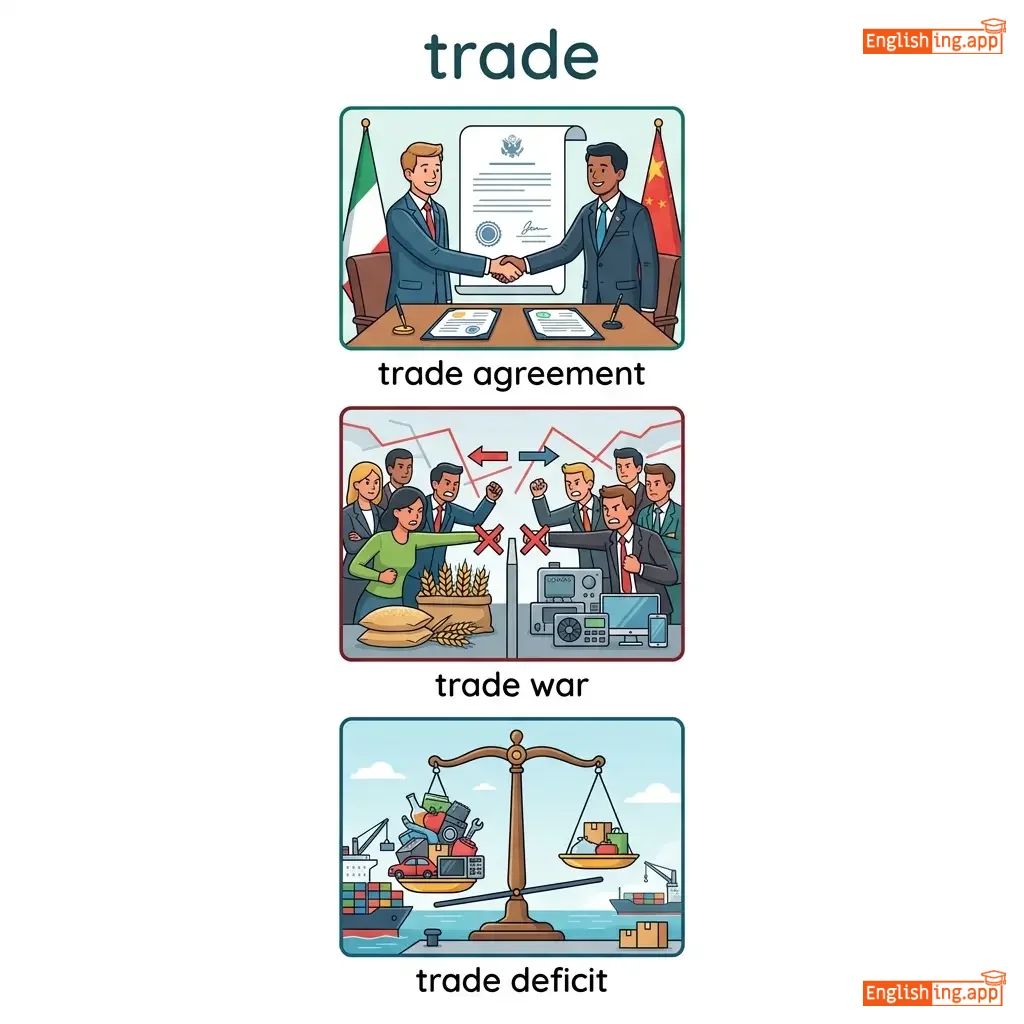
Trade agreements help boost economic growth. |
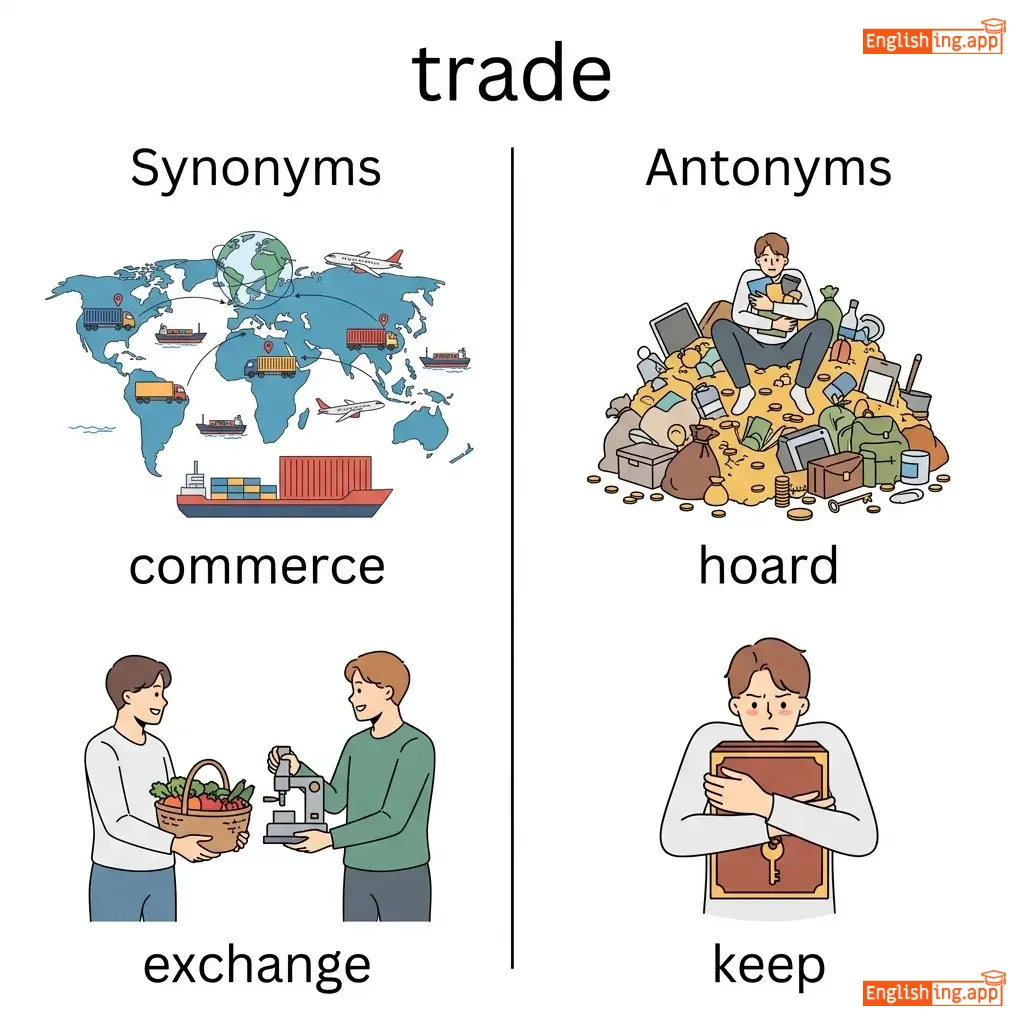
commerce, exchange, transactions
••••••
|
self-sufficiency, hoarding, monopoly
••••••
|
|
#1945
💰
|
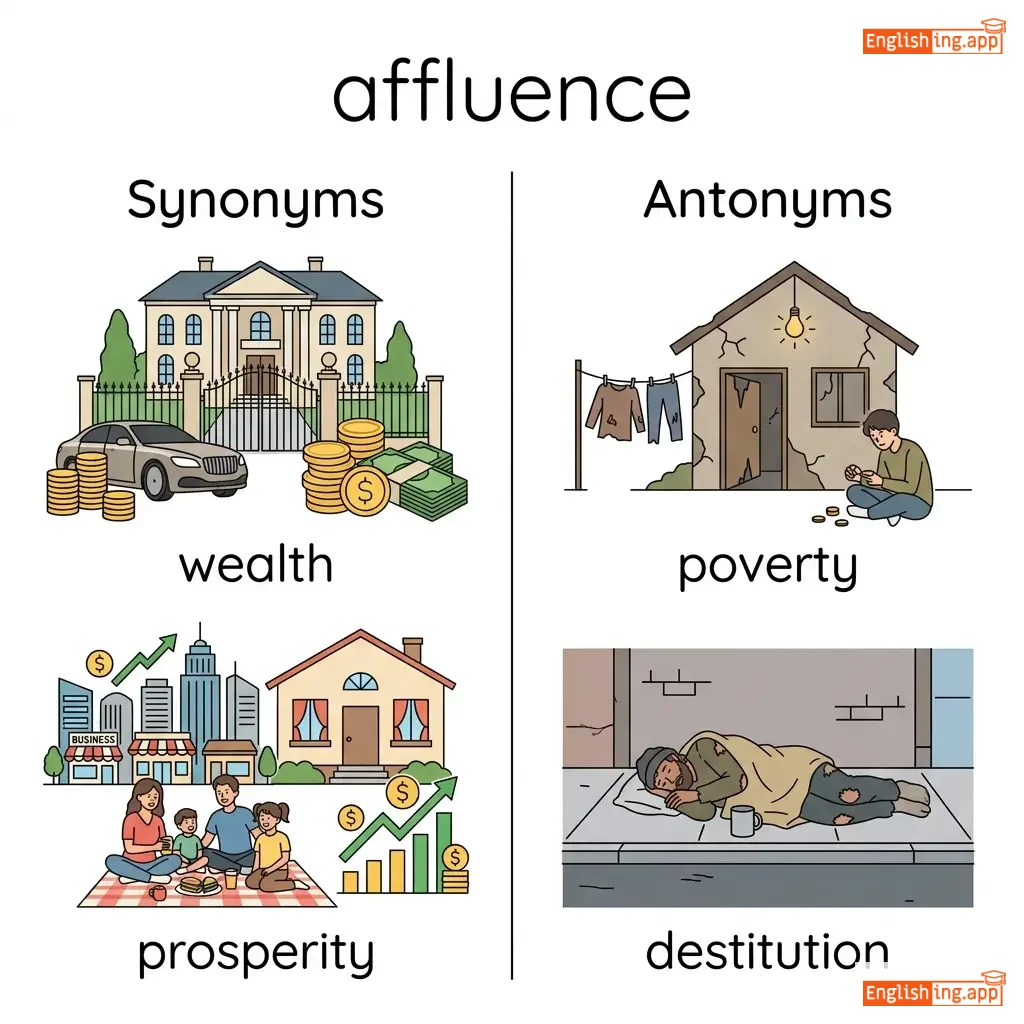
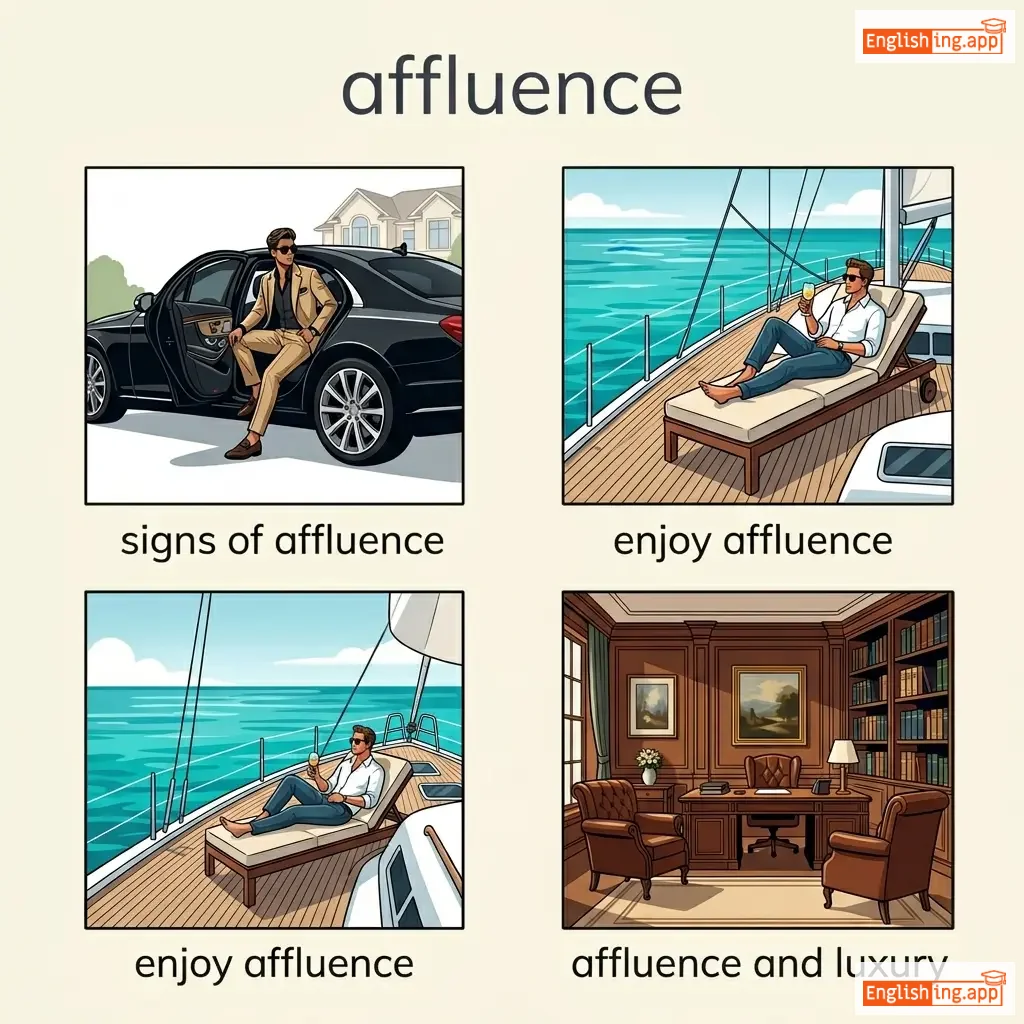
ˈæf.lu.əns
noun
••••••
|

|
The state of having a great deal of money; wealth.
••••••
|
His affluence allowed him to travel the world. |
wealth, prosperity, opulence
••••••
|
poverty, scarcity, hardship
••••••
|
|
#1946
⚖️
|
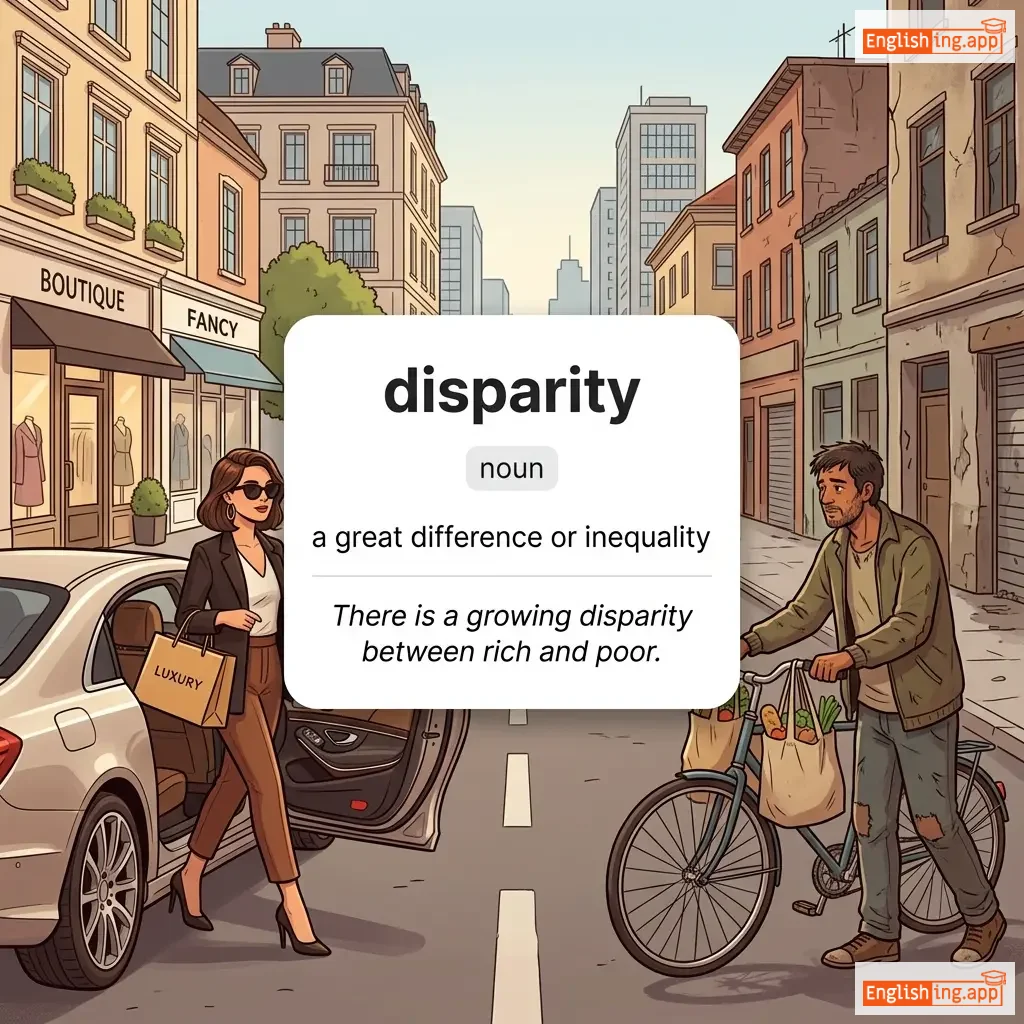
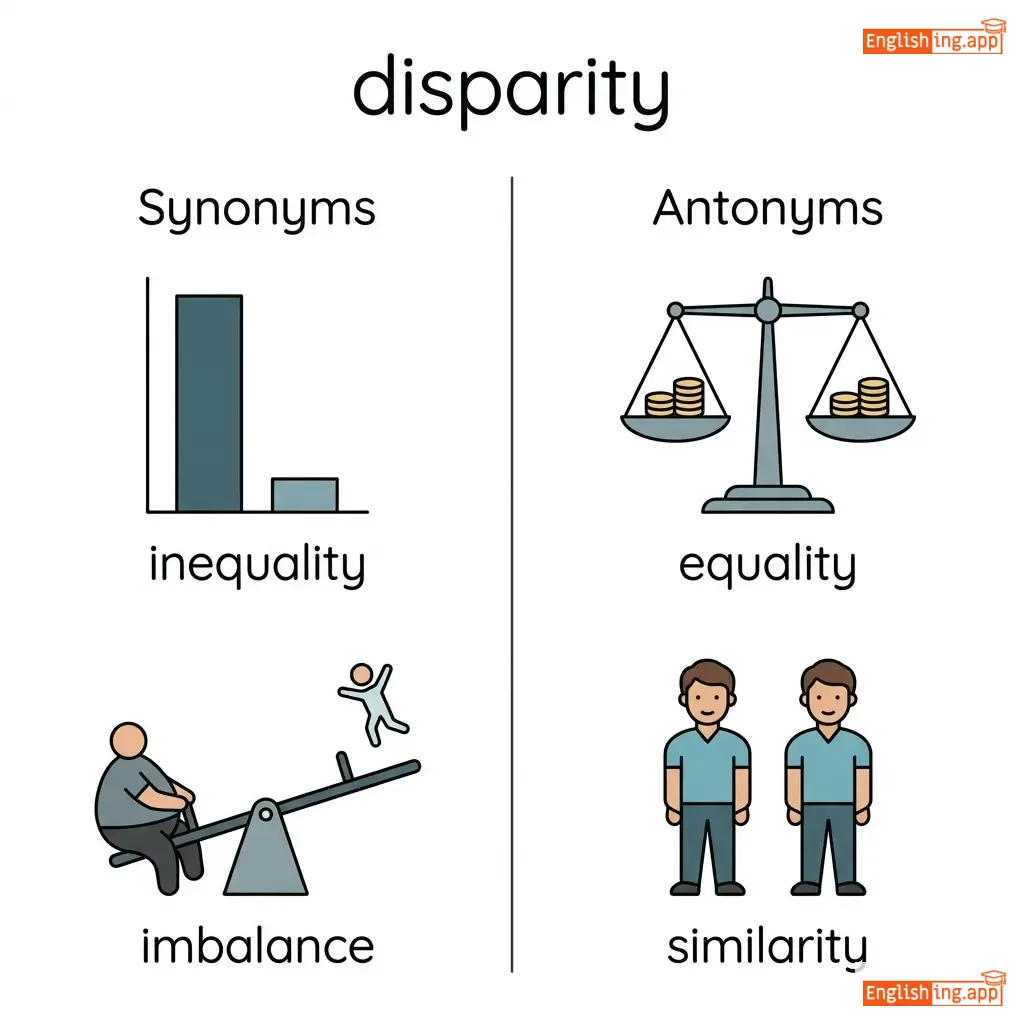
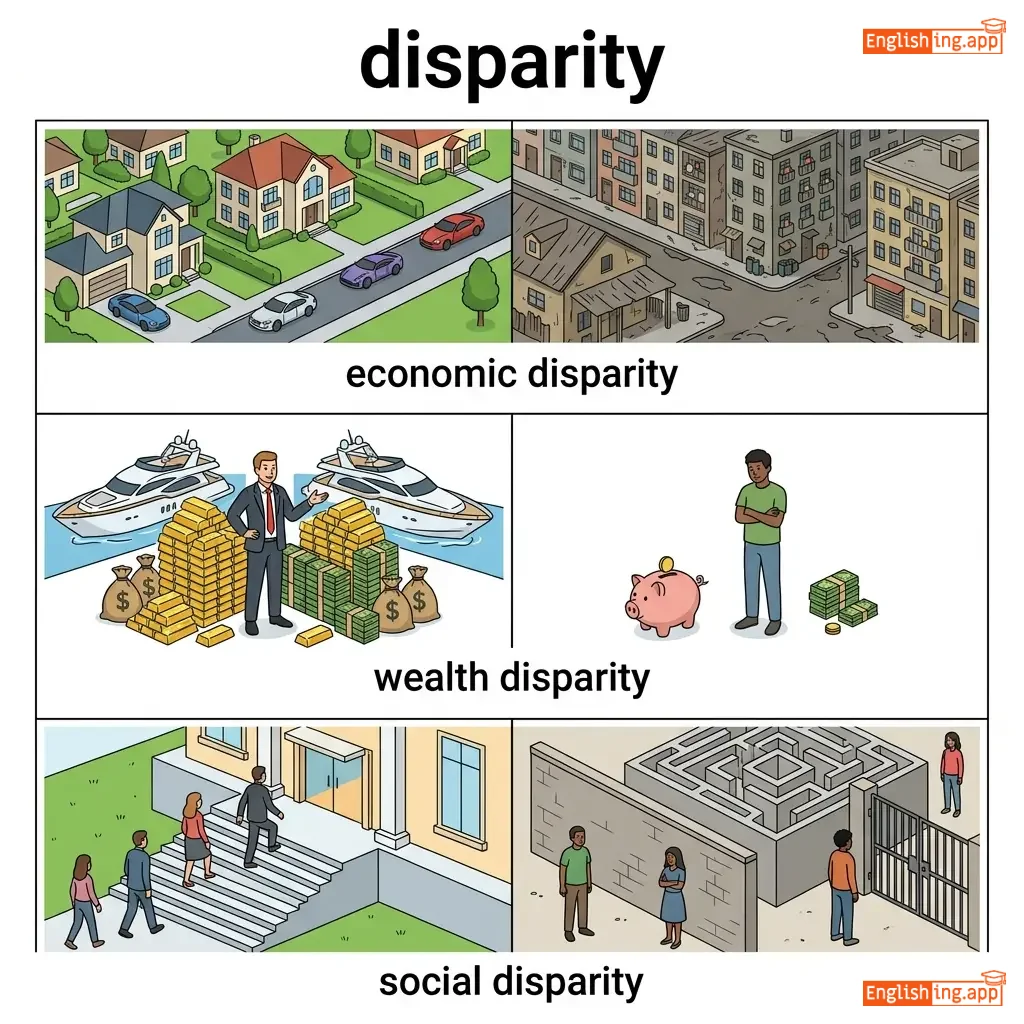
dɪˈspær.ɪ.ti
noun
••••••
|
|
A great difference between things; inequality.
••••••
|
Economic disparity exists between rural and urban areas. |
inequality, imbalance, difference
••••••
|
equality, uniformity, fairness
••••••
|
|
#1947
🚫
|
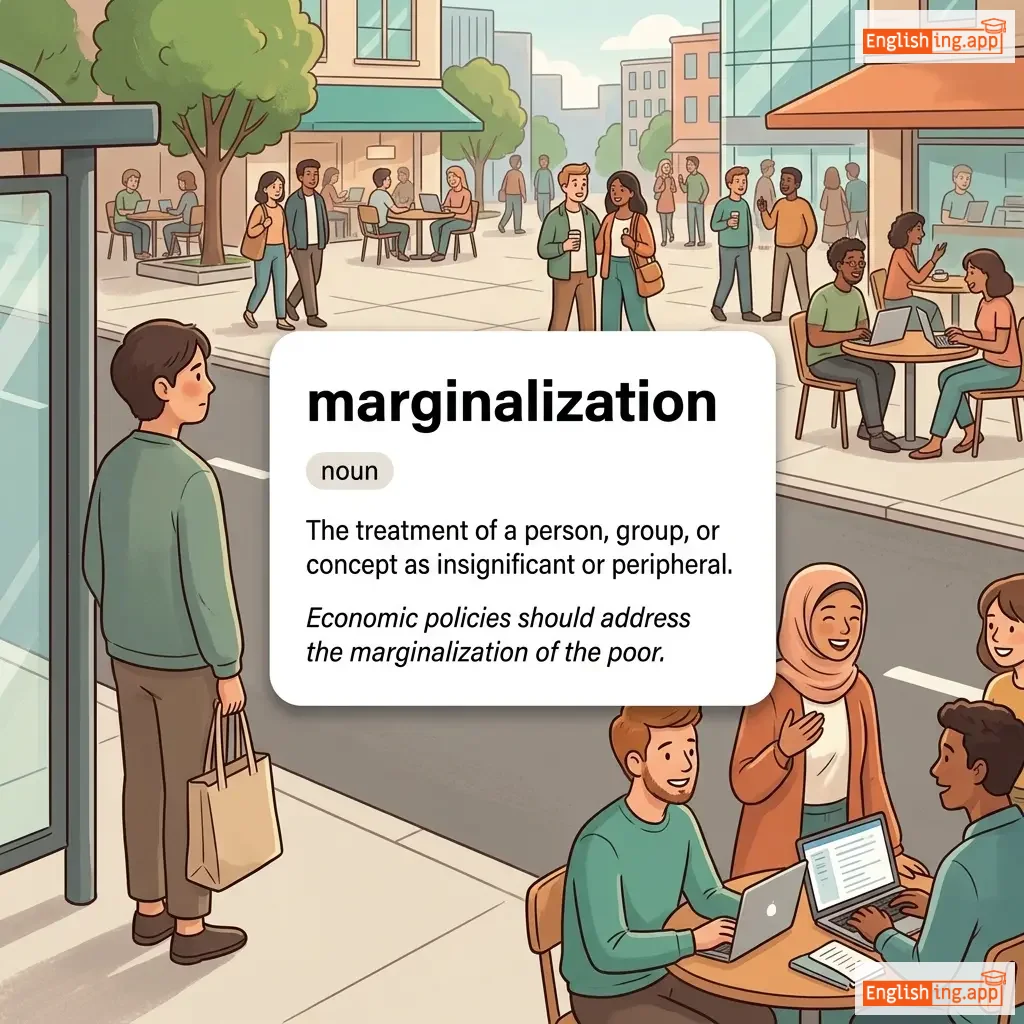
ˌmɑːr.dʒɪ.nəl.aɪˈzeɪ.ʃən
noun
••••••
|
|
The treatment of a person, group, or concept as insignificant or peripheral.
••••••
|
Economic policies should address the marginalization of the poor. |
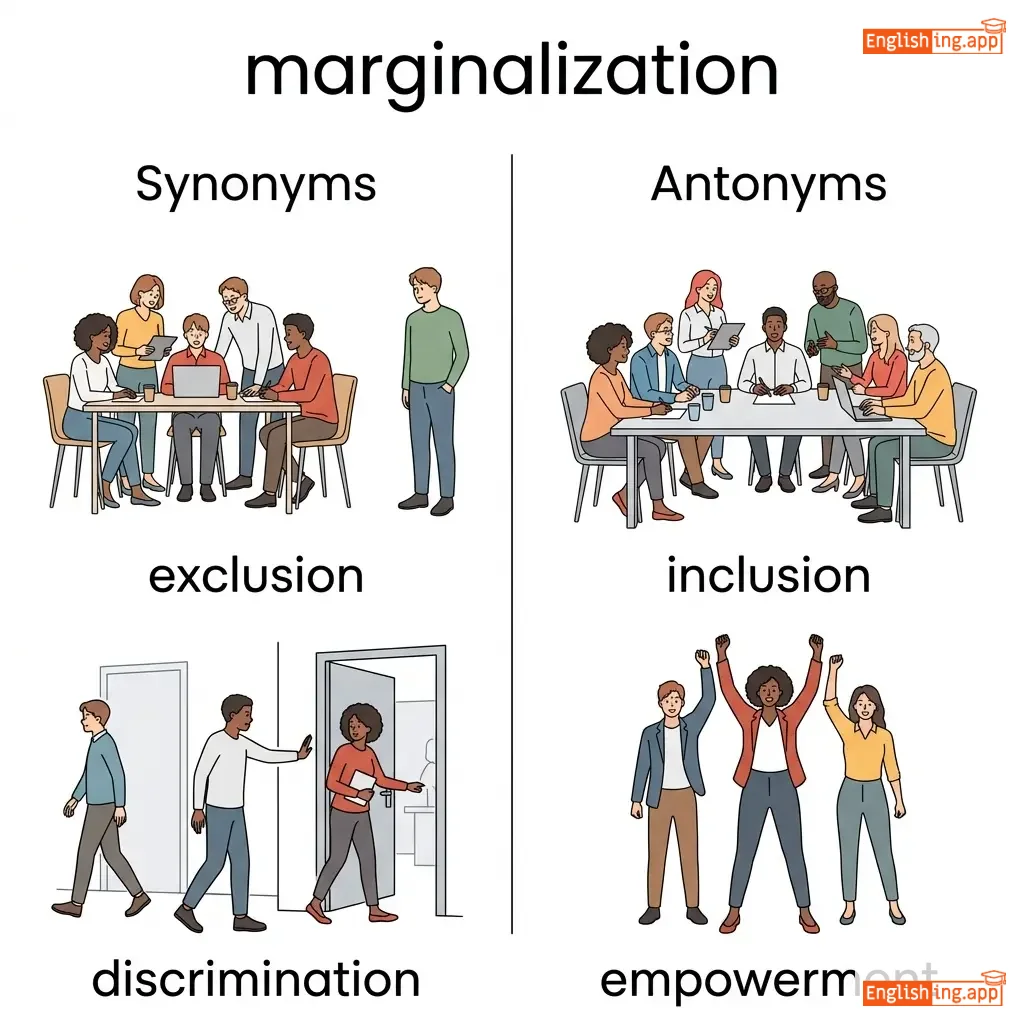
exclusion, discrimination, alienation
••••••
|
inclusion, empowerment, recognition
••••••
|
|
#1948
🔓
|
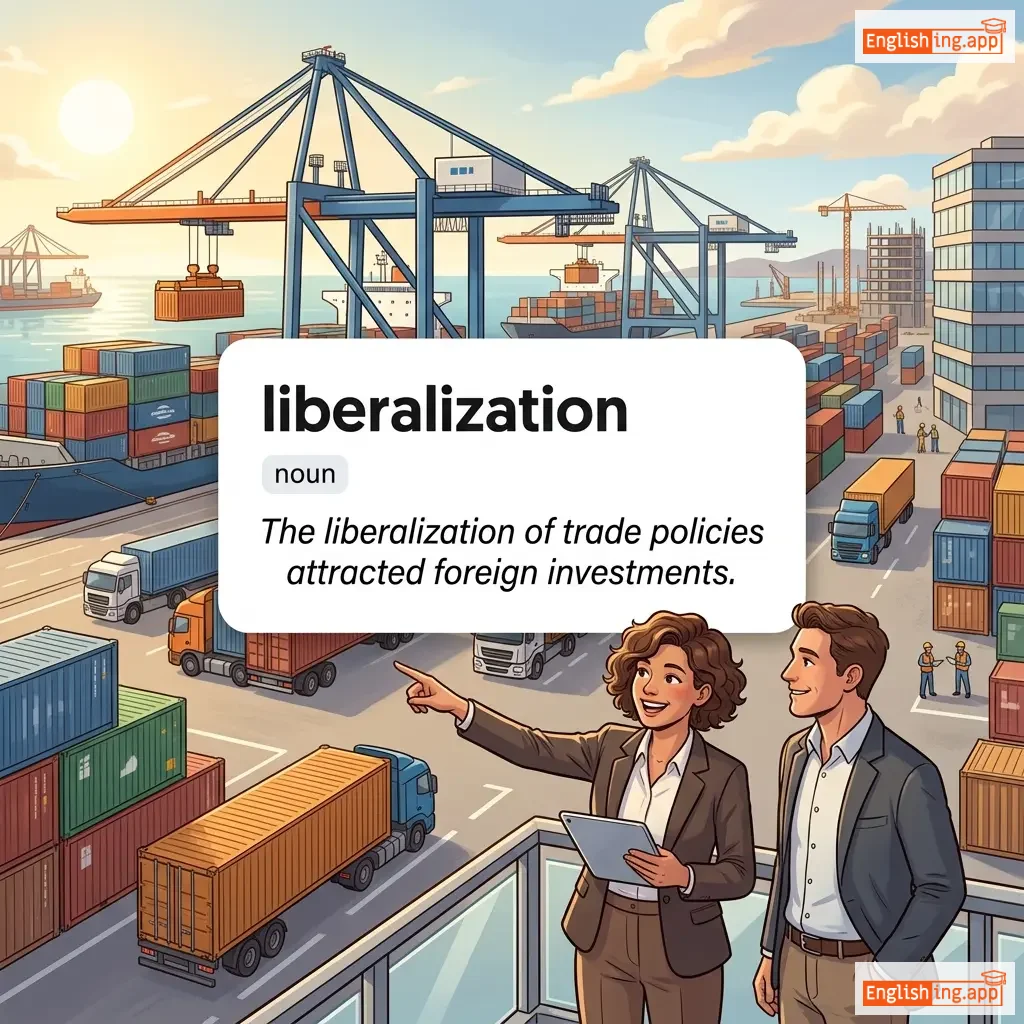
ˌlɪb.ər.ə.laɪˈzeɪ.ʃən
noun
••••••
|
|
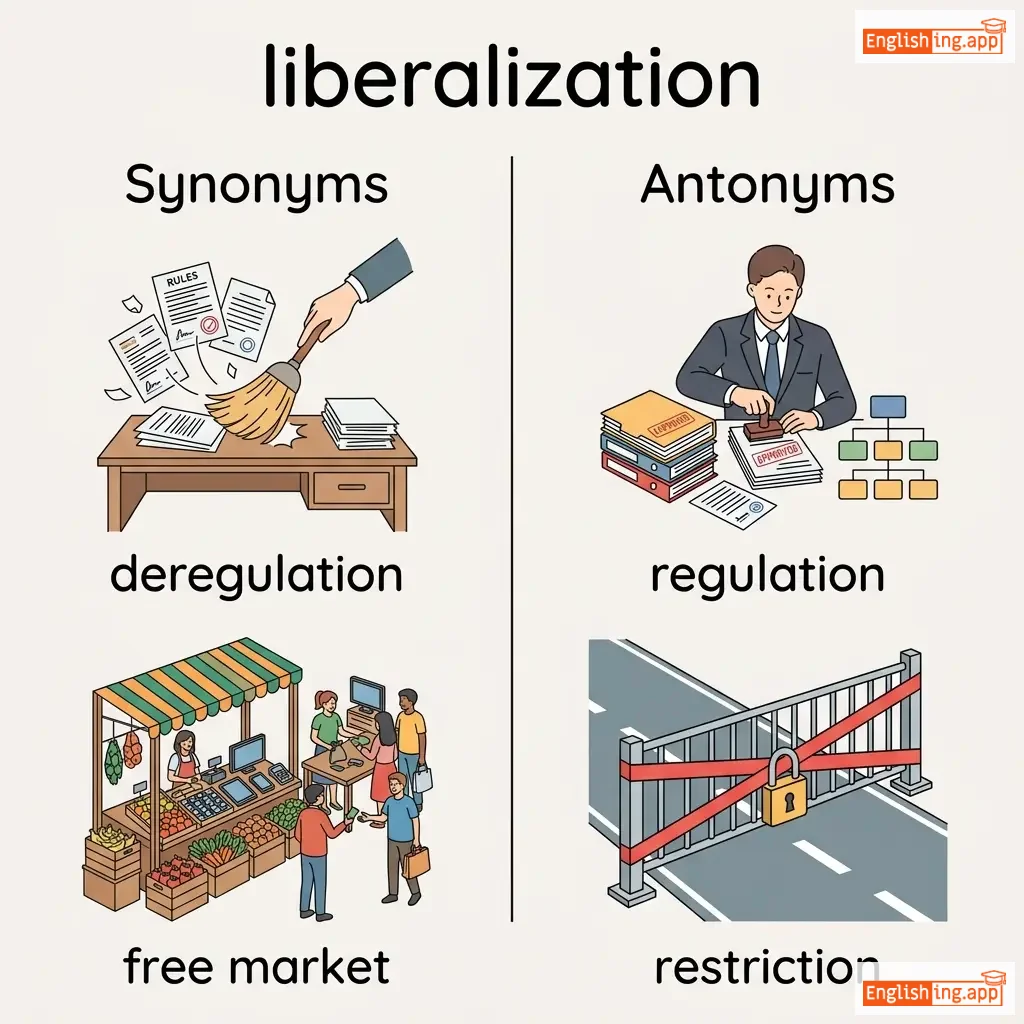
The removal or loosening of restrictions on something, typically an economic or political system.
••••••
|
The liberalization of trade policies attracted foreign investments. |
deregulation, free market, relaxation
••••••
|
regulation, restriction, control
••••••
|
|
#1949
🌐
|
ˈaʊt.sɔːr.sɪŋ
noun
••••••
|
|
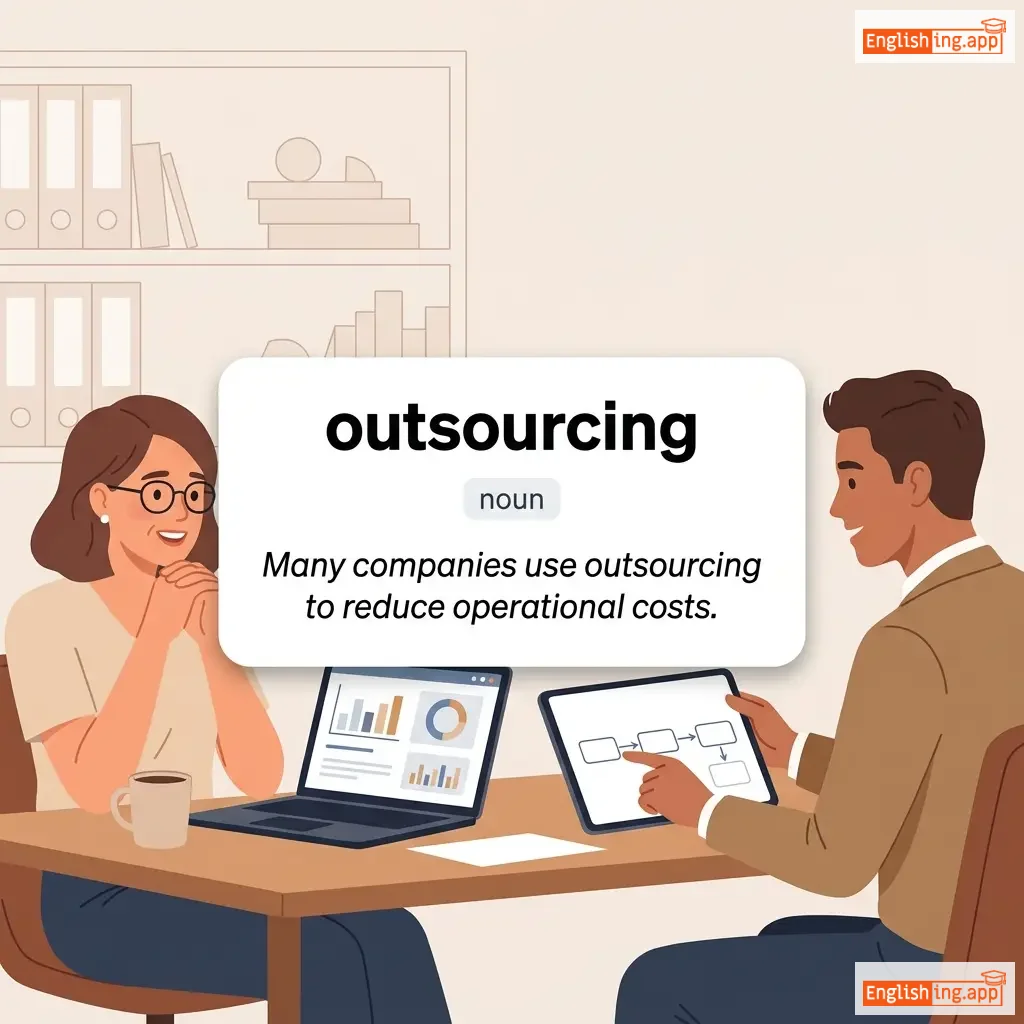
The practice of having certain job functions done outside a company instead of having an in-house department or employee handle them.
••••••
|
Many companies use outsourcing to reduce labor costs. |
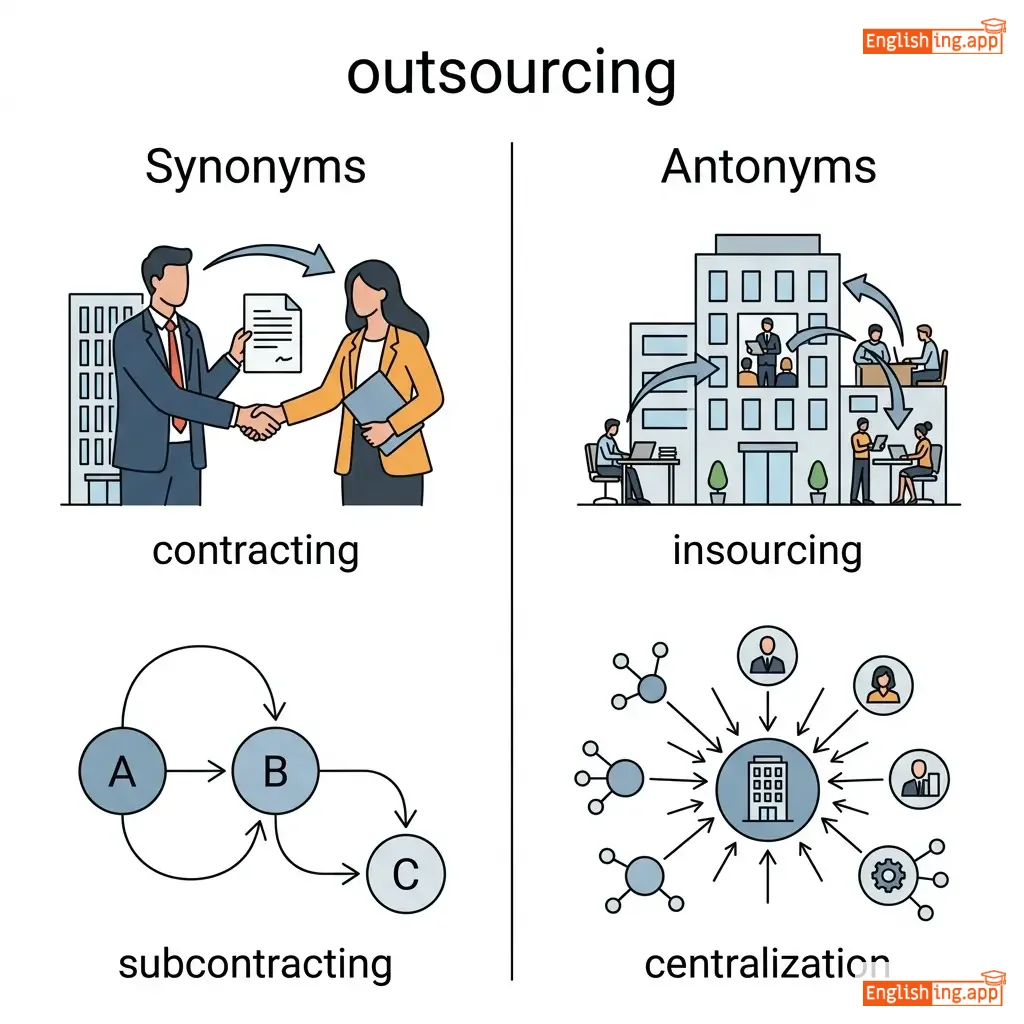
contracting, delegation, offshoring
••••••
|
insourcing, domestic hiring, internalization
••••••
|
|
#1950
🏢
|
ˌpraɪ.vɪ.taɪˈzeɪ.ʃən
noun
••••••
|
|
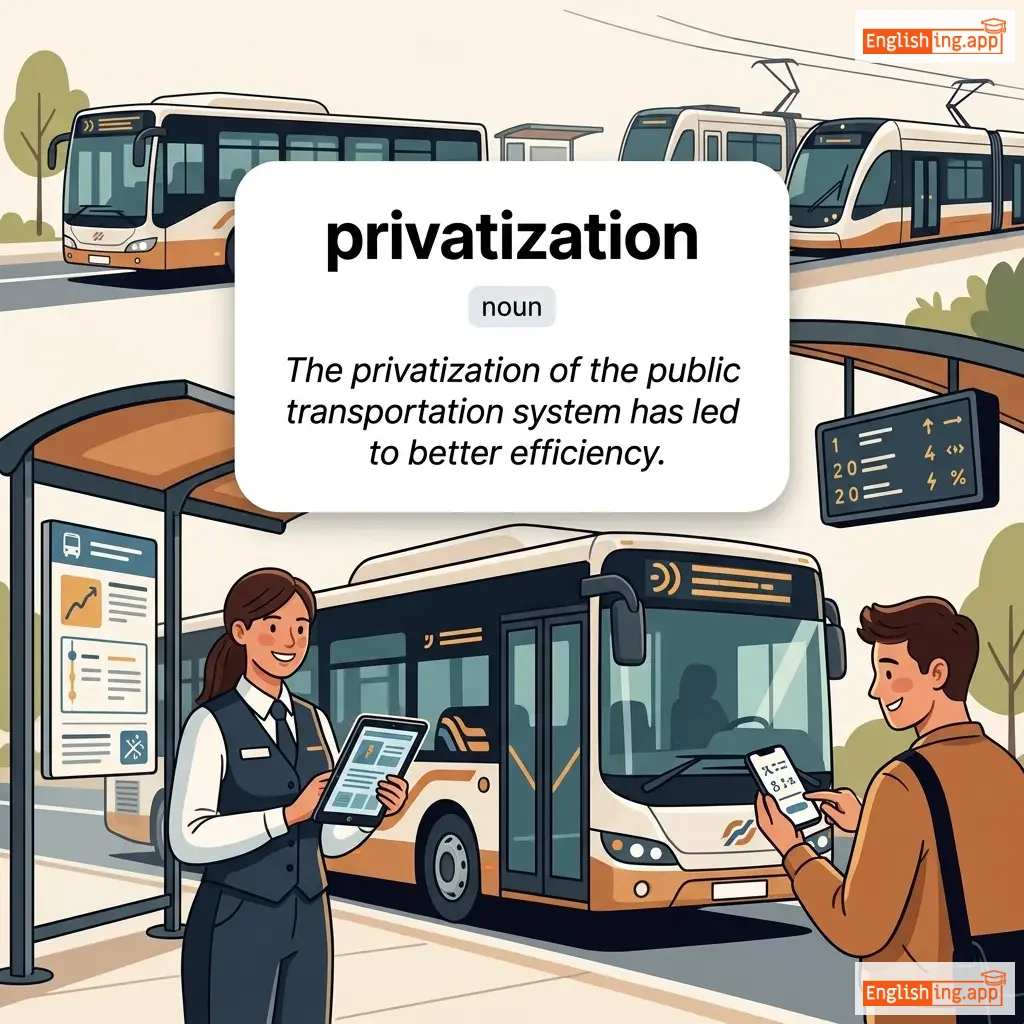
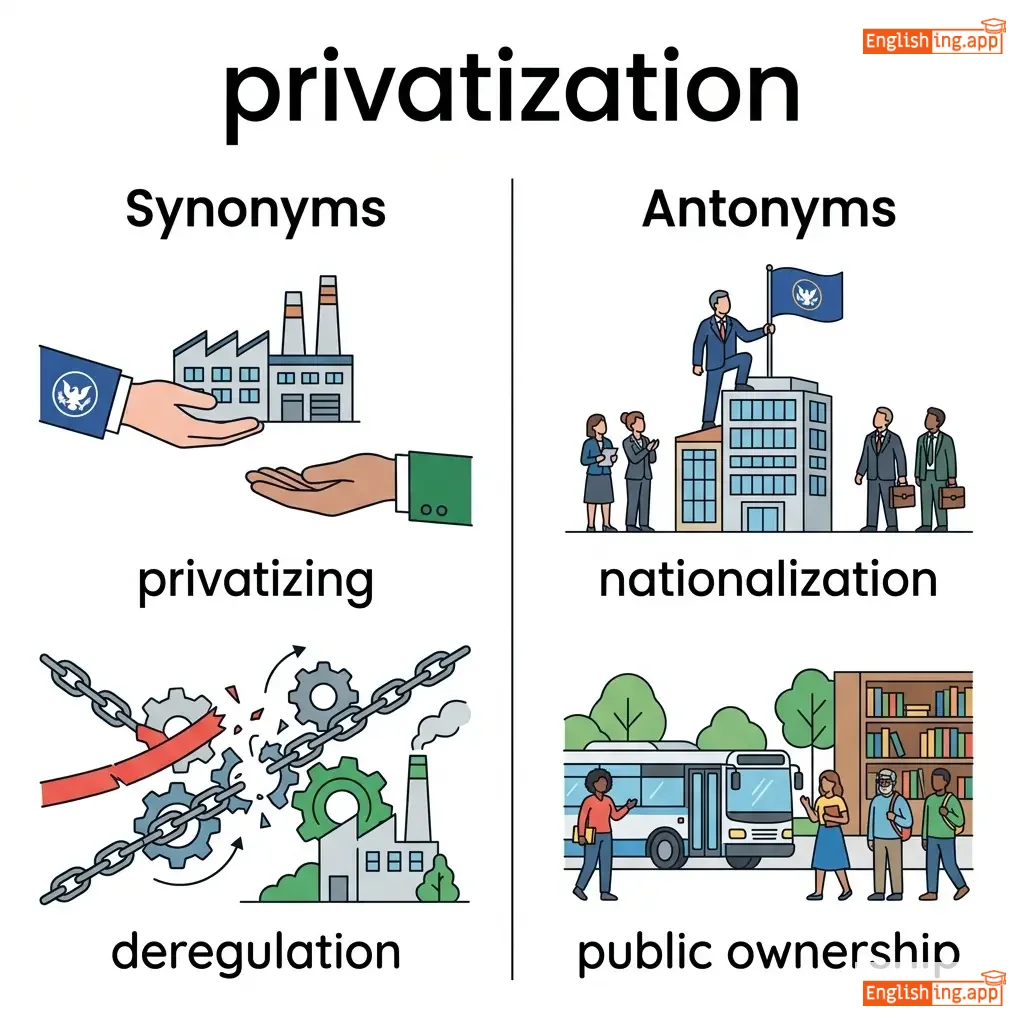
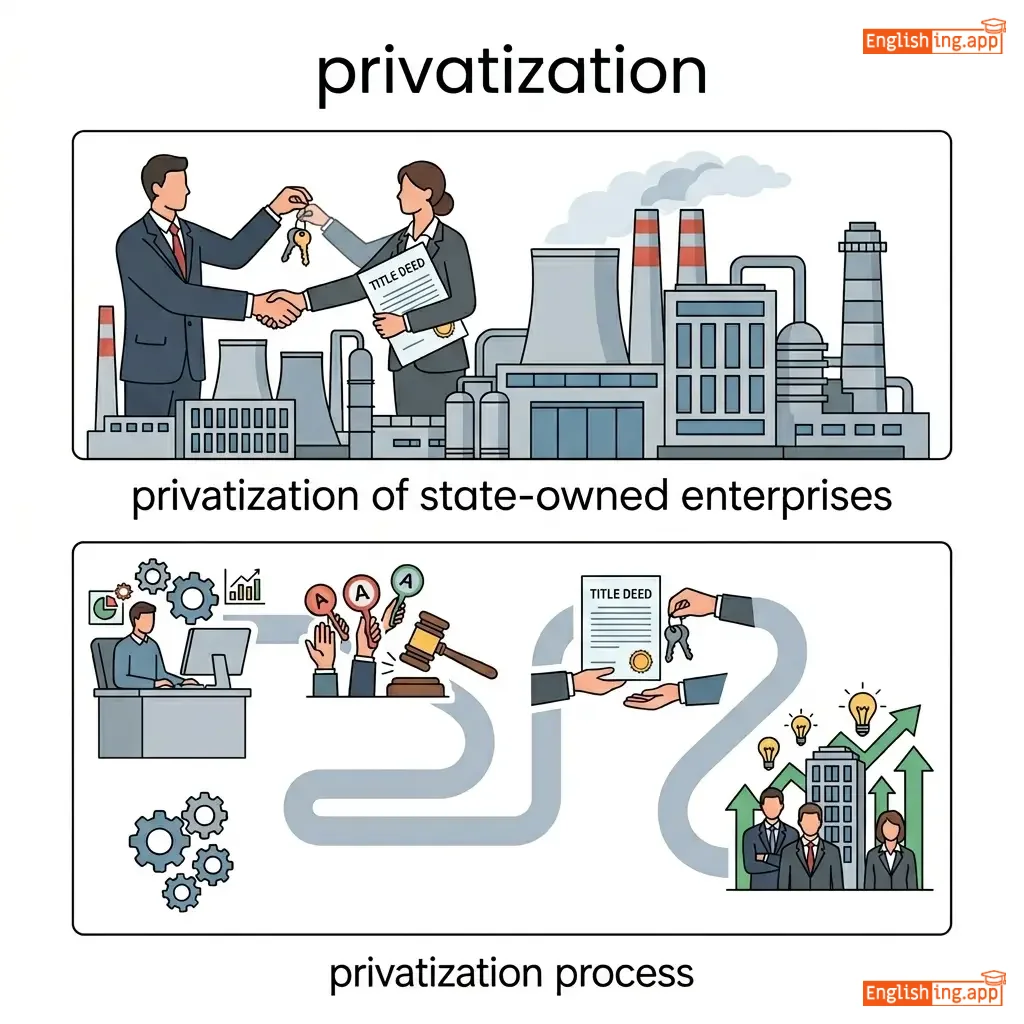
The transfer of a business, industry, or service from public to private ownership and control.
••••••
|
The privatization of state-owned companies increased efficiency. |
commercialization, private ownership, de-nationalization
••••••
|
nationalization, public ownership, socialization
••••••
|
|
#1951
🤝
|
kənˌsɒl.ɪˈdeɪ.ʃən
noun
••••••
|

|
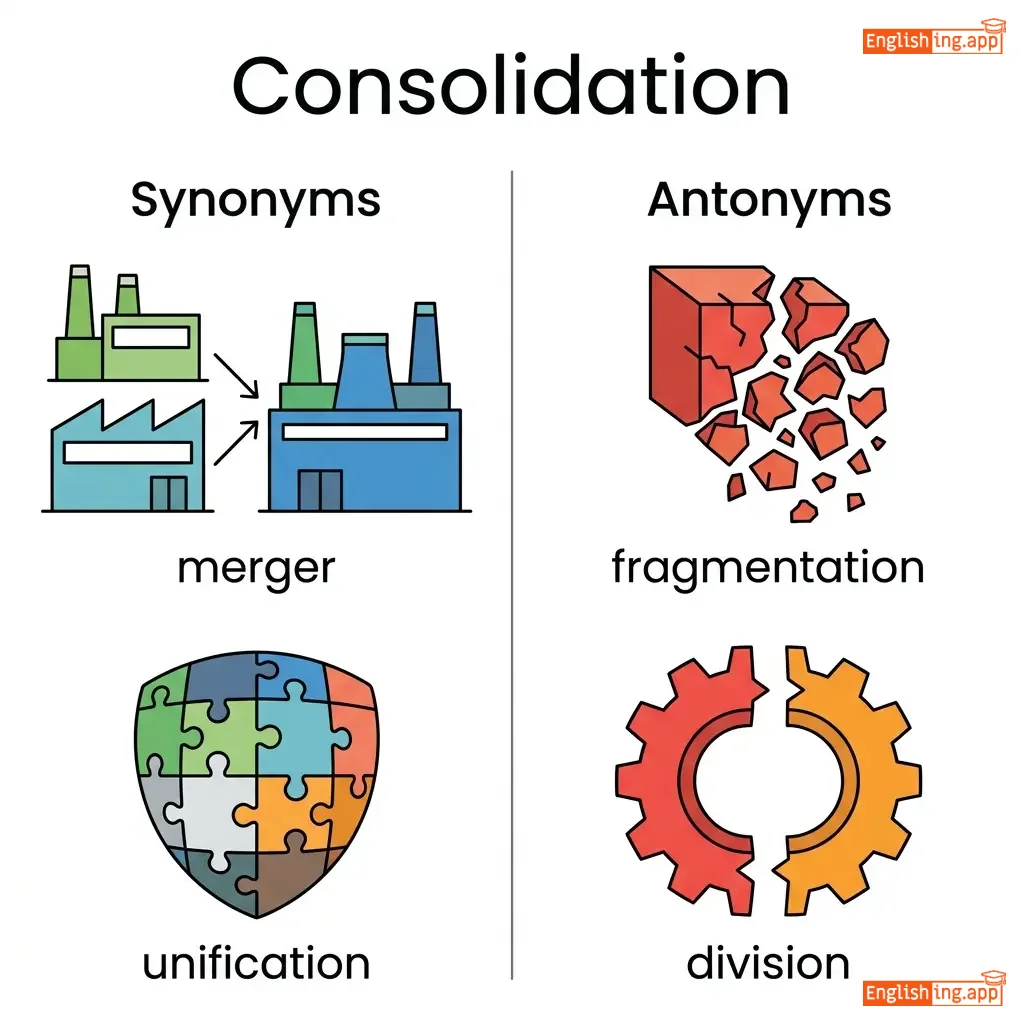
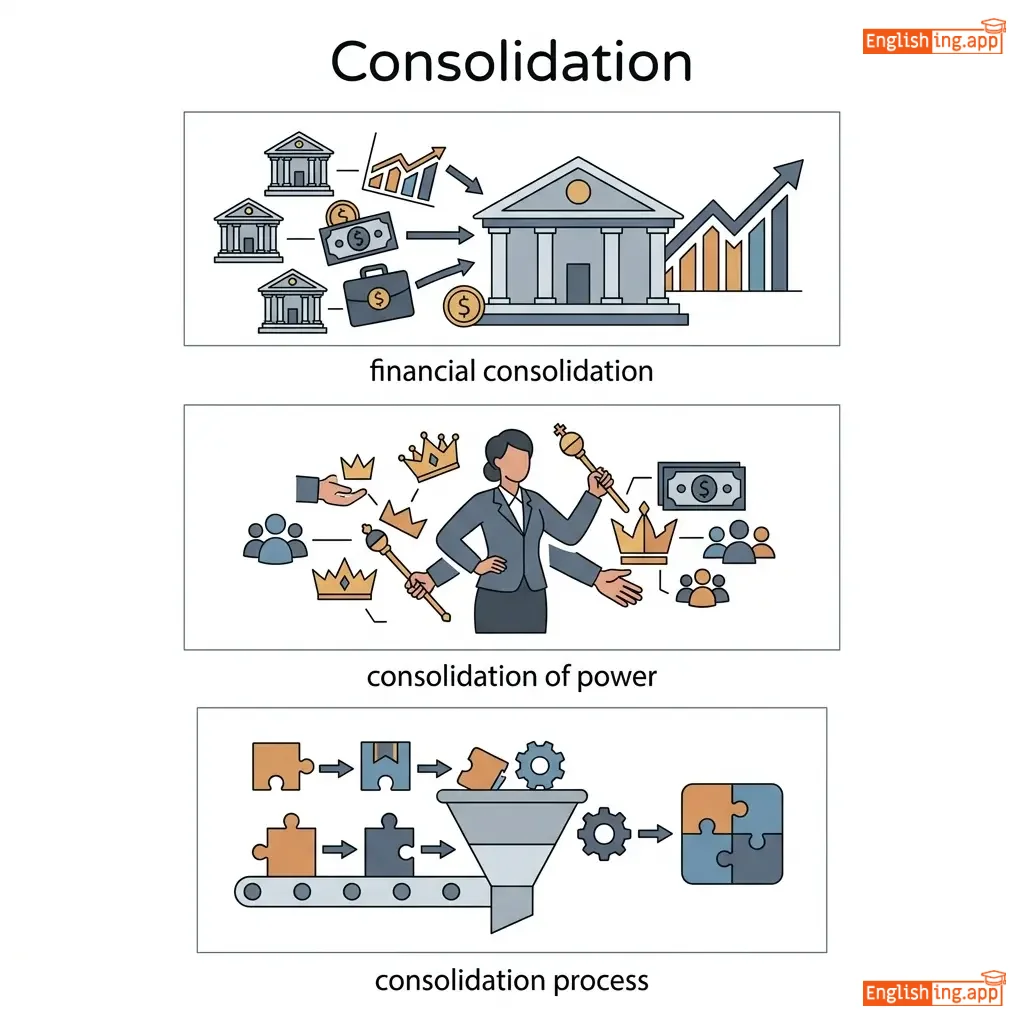
The action or process of making something stronger or more solid.
••••••
|
The consolidation of companies led to a more efficient business structure. |
merger, unification, strengthening
••••••
|
fragmentation, division, separation
••••••
|
|
#1952
🛡️
|
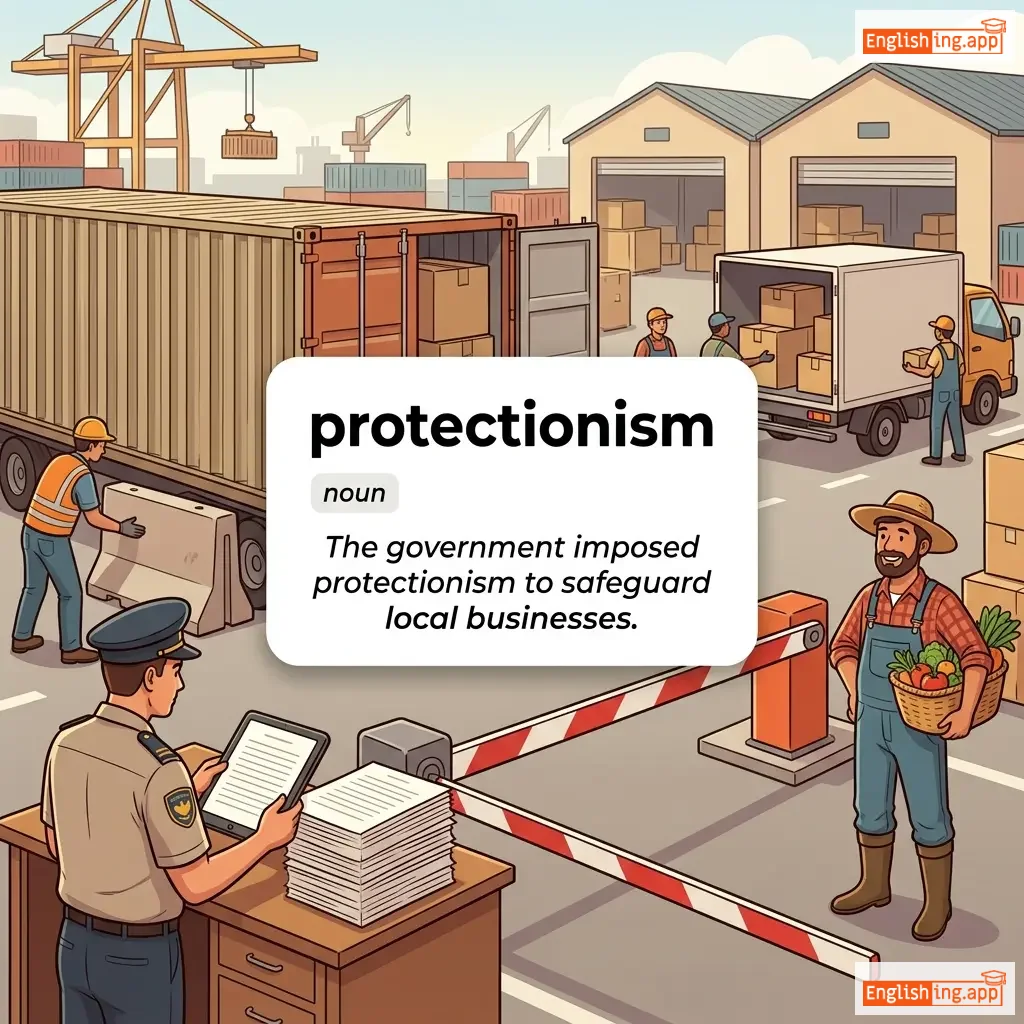
prəˈtɛk.ʃə.nɪ.zəm
noun
••••••
|
|
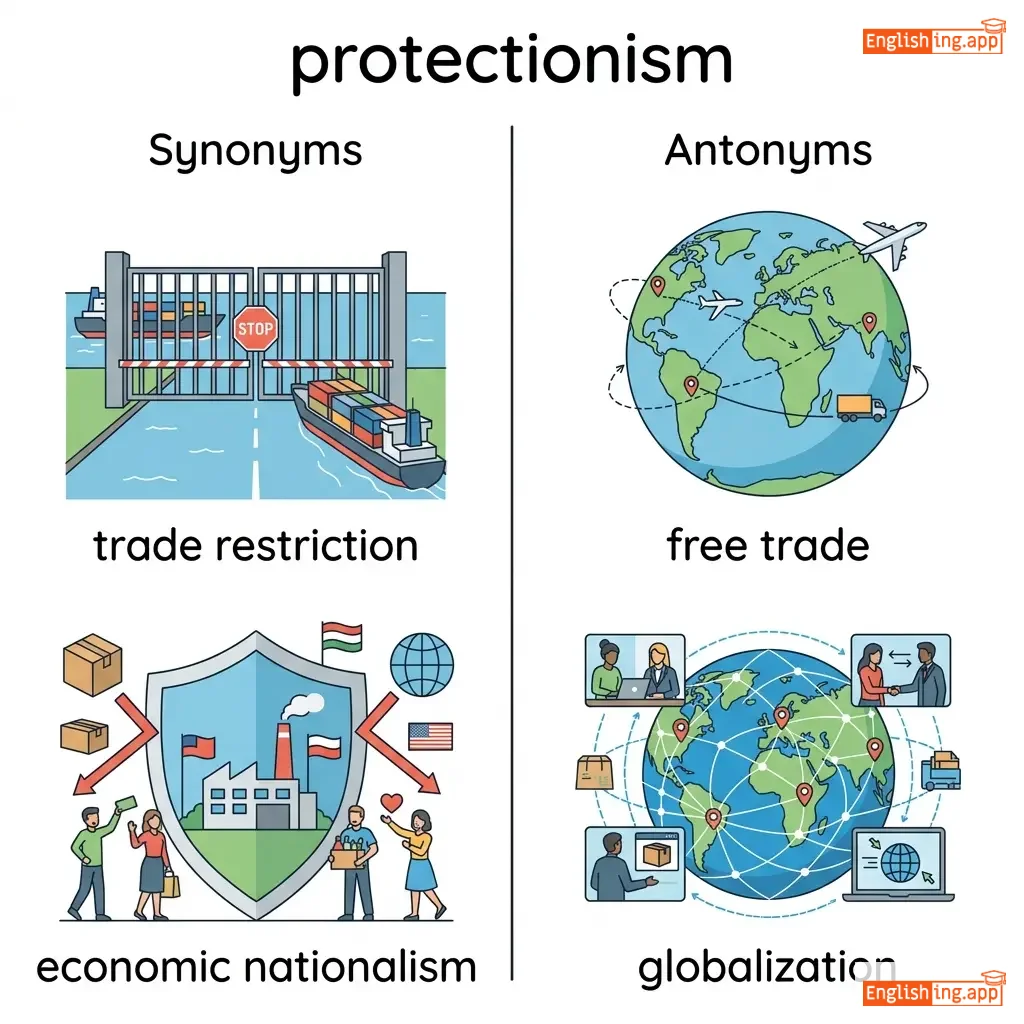
The theory or practice of shielding a country's domestic industries from foreign competition by taxing imports.
••••••
|
The government's protectionism helped local businesses grow. |
trade restriction, tariff policy, economic isolation
••••••
|
free trade, liberalization, globalization
••••••
|
|
#1953
📊
|
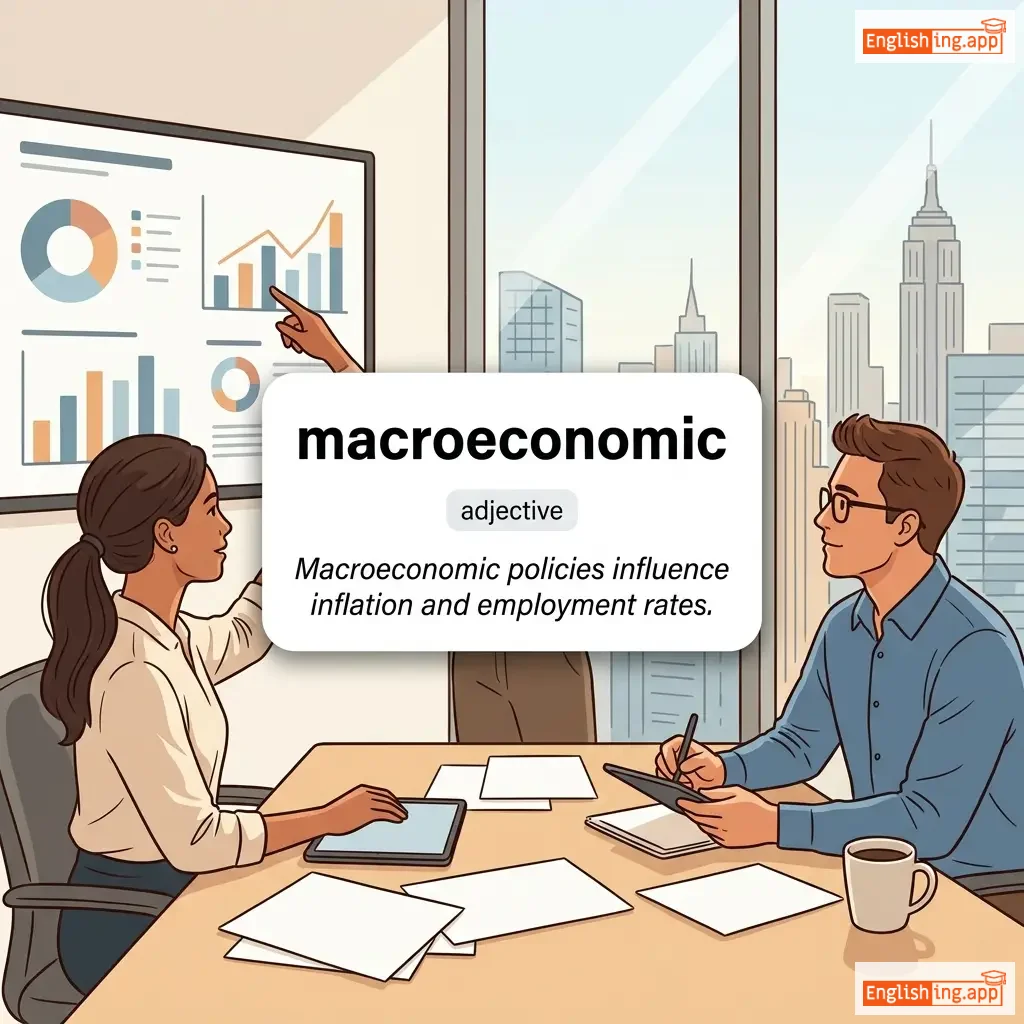
ˌmæk.roʊ.iː.kəˈnɒm.ɪk
adjective
••••••
|
|
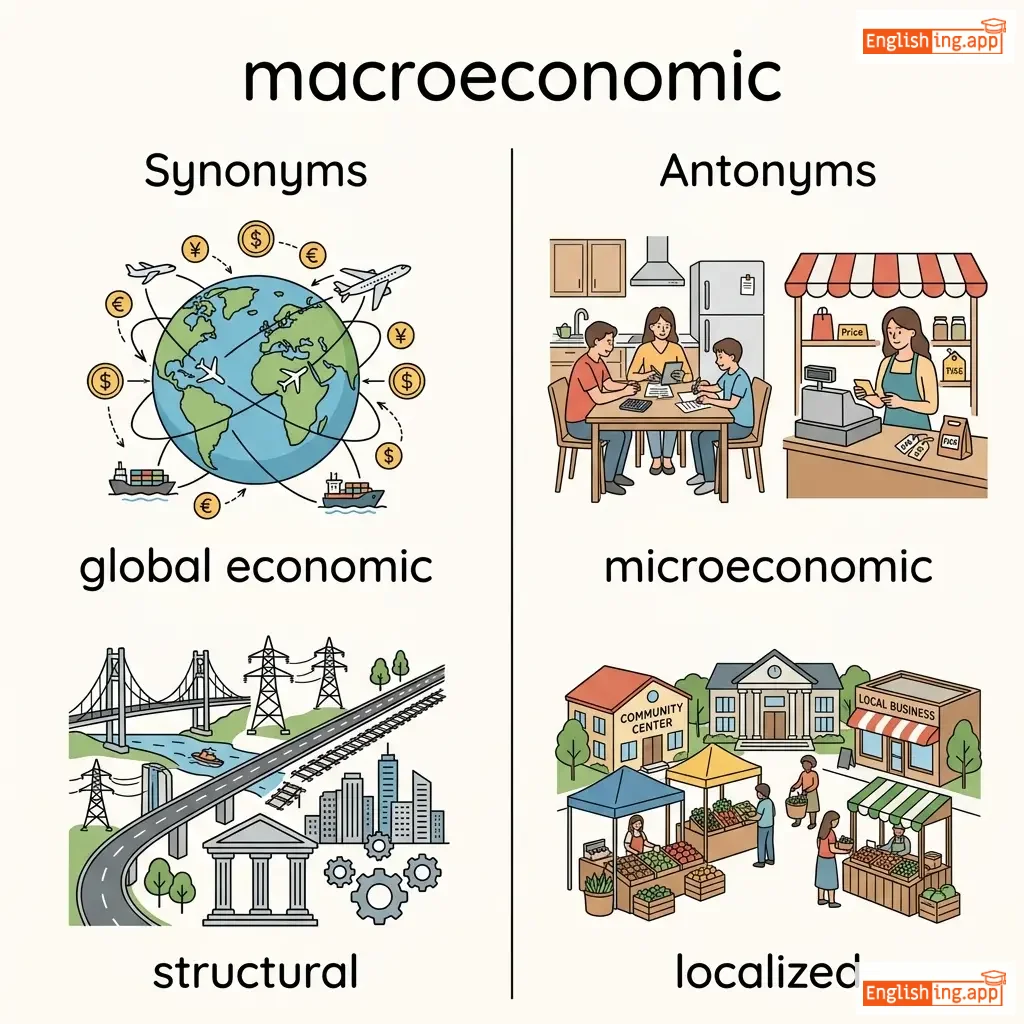
Relating to the large-scale or general economic factors, such as interest rates and national productivity.
••••••
|
Government policies impact macroeconomic stability. |
national economy, economic trends, large-scale financial system
••••••
|
microeconomic, individual finance, localized economy
••••••
|
|
#1954
📈
|
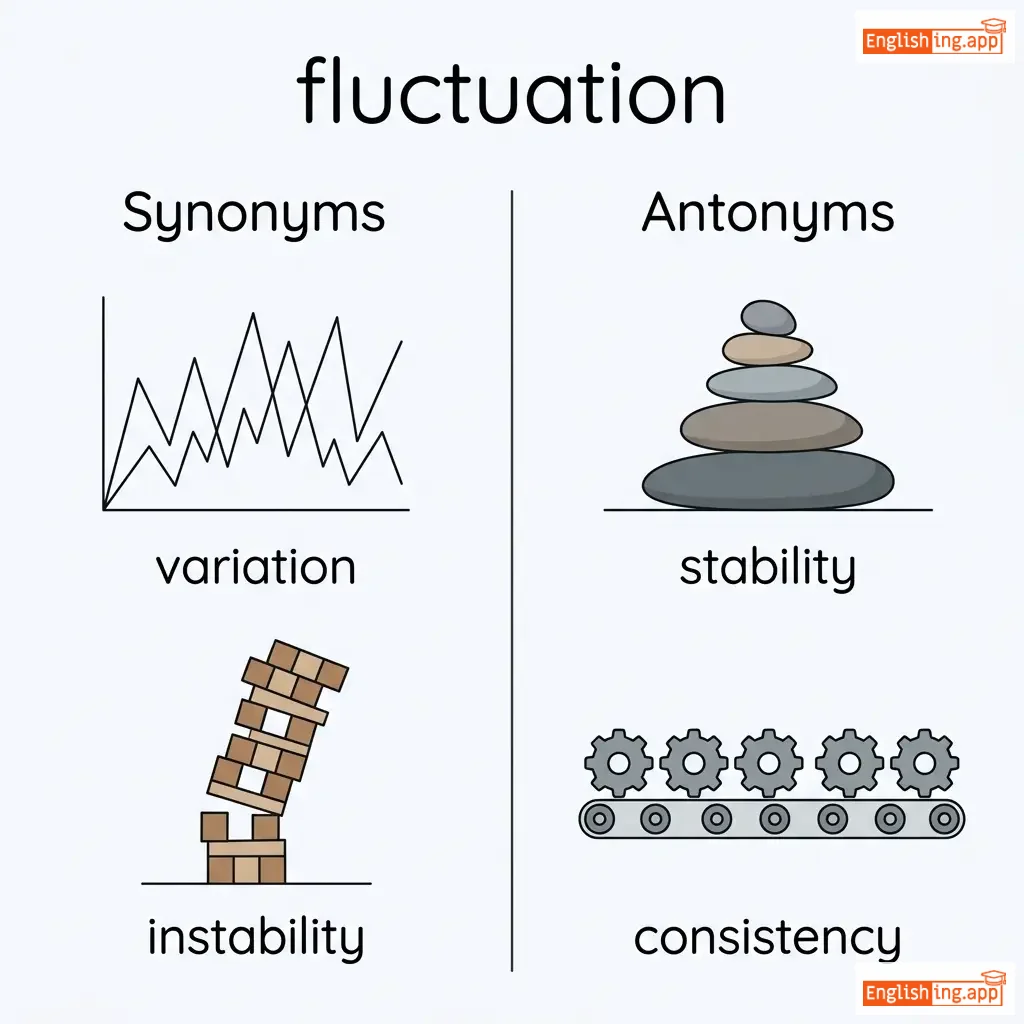
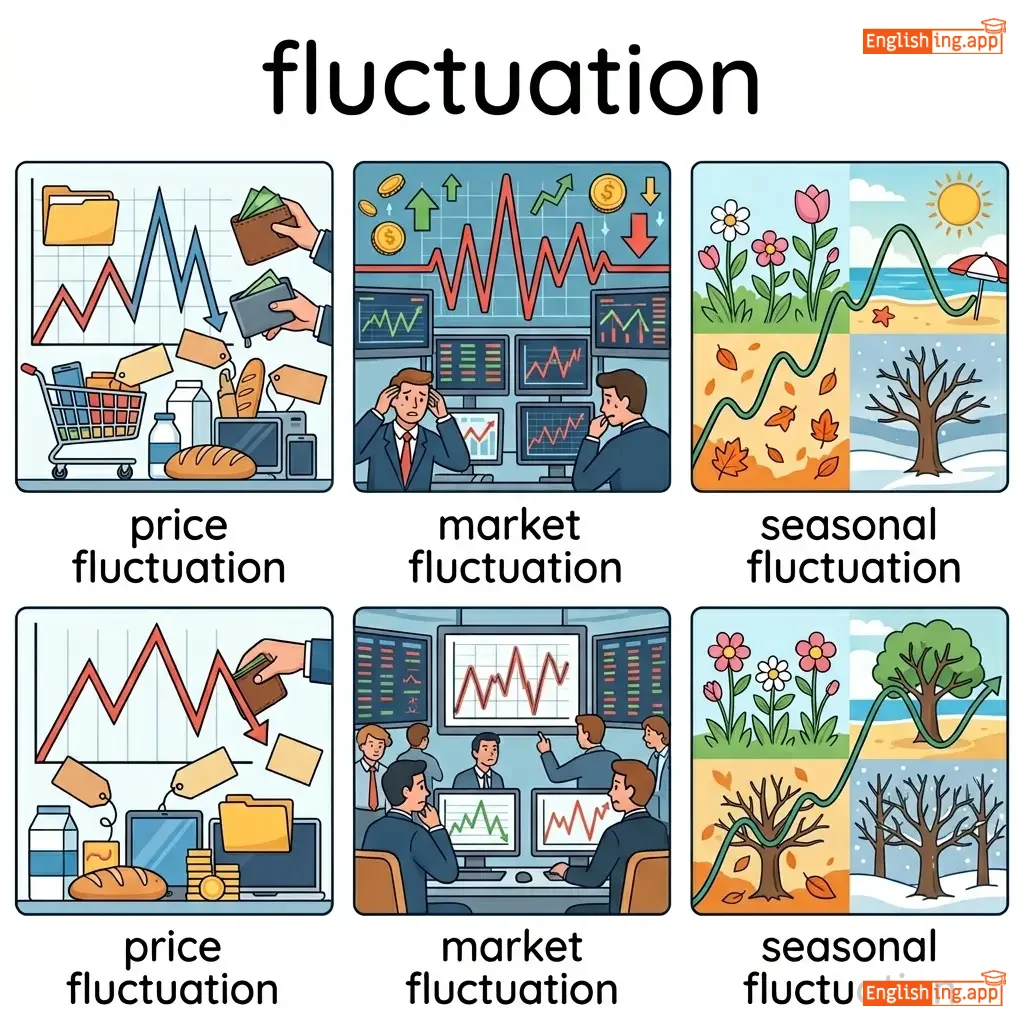
ˌflʌk.tʃuˈeɪ.ʃən
noun
••••••
|

|
An irregular rising and falling in number or amount; a variation.
••••••
|
The stock market experiences frequent fluctuation. |
variability, instability, volatility
••••••
|
stability, consistency, predictability
••••••
|
|
#1955
🏛️
|
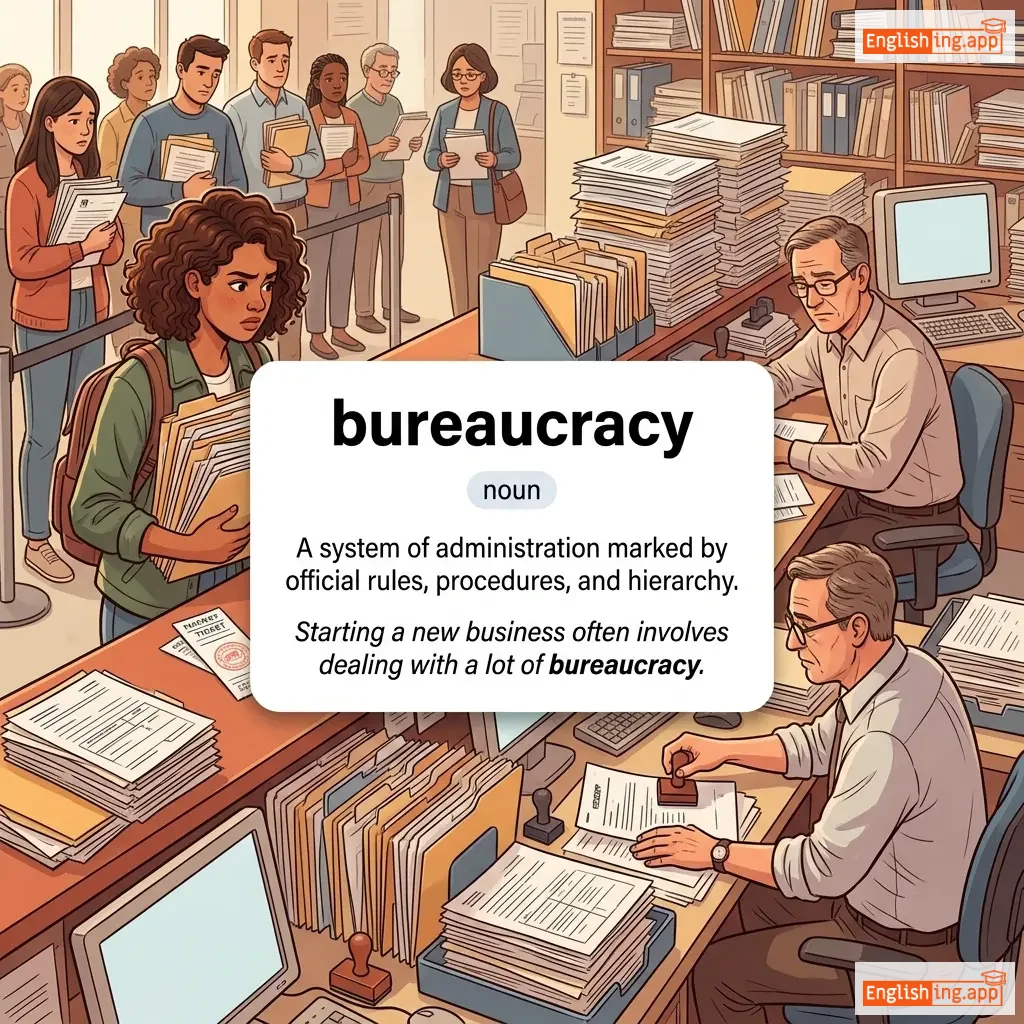
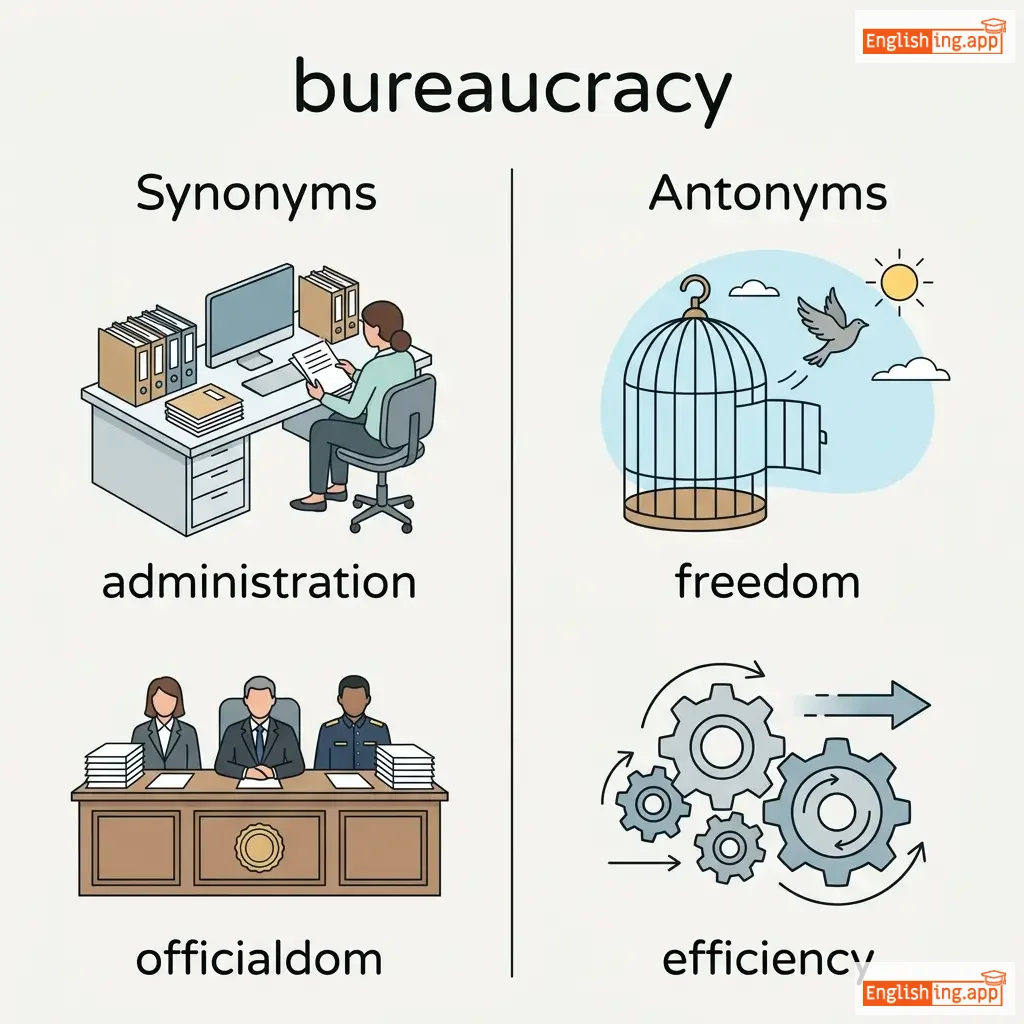
bjʊəˈrɒk.rə.si
noun
••••••
|
|
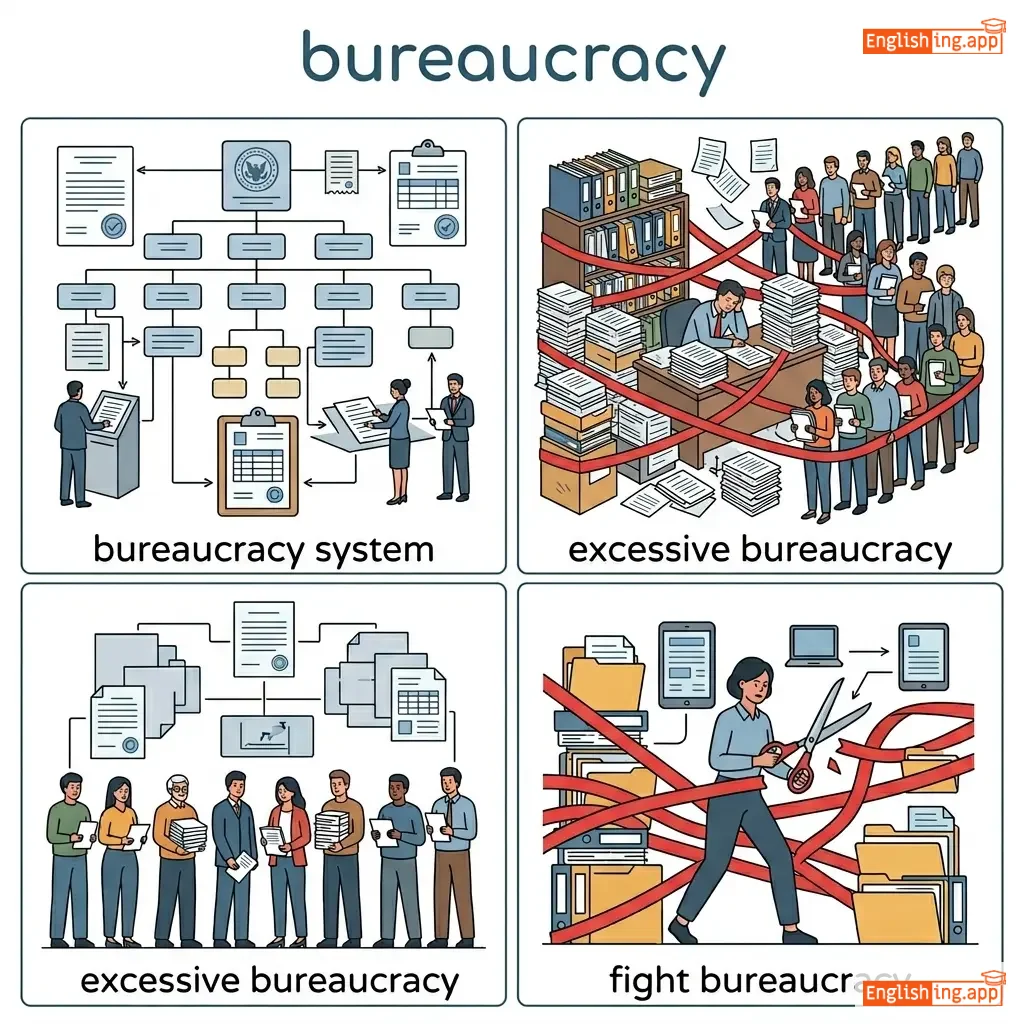
A system of government in which most of the important decisions are made by state officials rather than by elected representatives.
••••••
|
Excessive bureaucracy can slow down decision-making. |
administration, red tape, officialdom
••••••
|
flexibility, efficiency, simplicity
••••••
|
|
#1956
👑
|
məˌnɒp.ə.laɪˈzeɪ.ʃən
noun
••••••
|
|
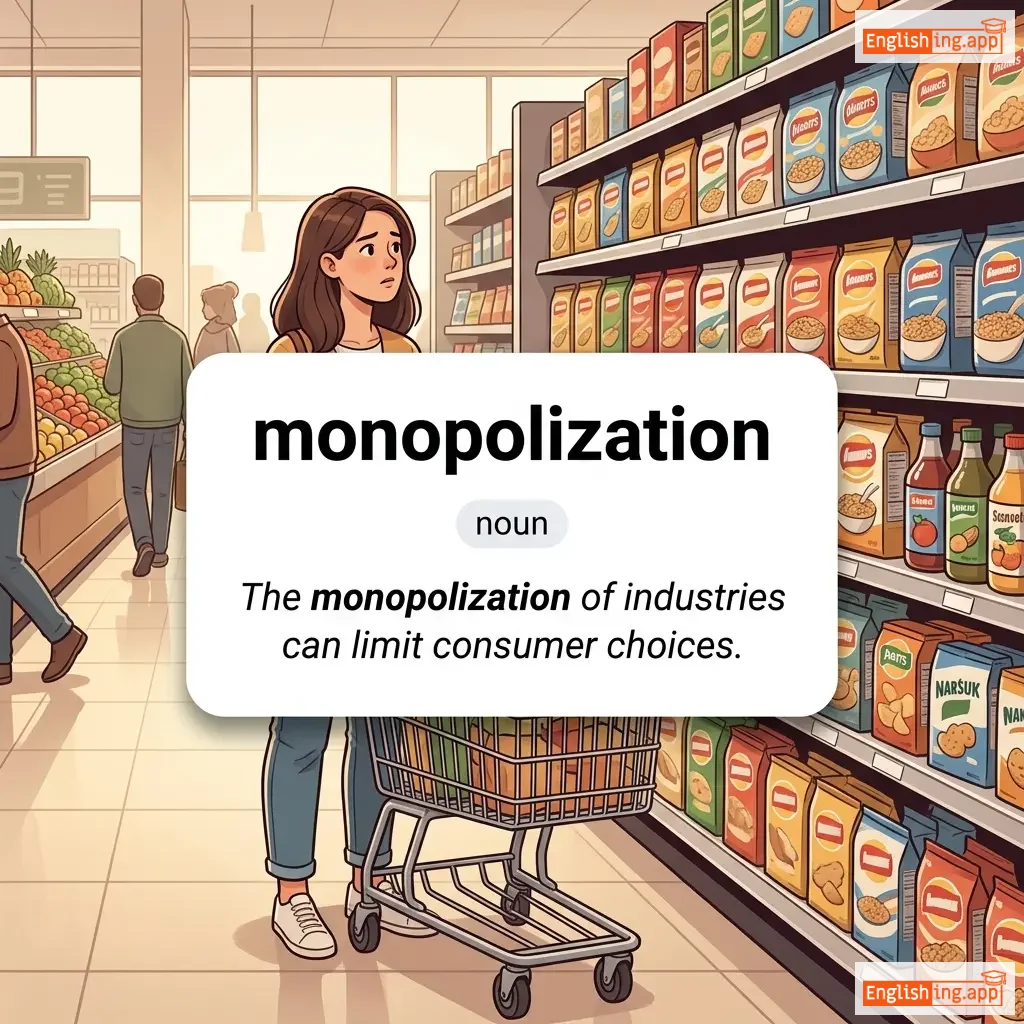
The process of gaining exclusive possession or control of a trade, commodity, or service.
••••••
|
The monopolization of industries can limit consumer choices. |
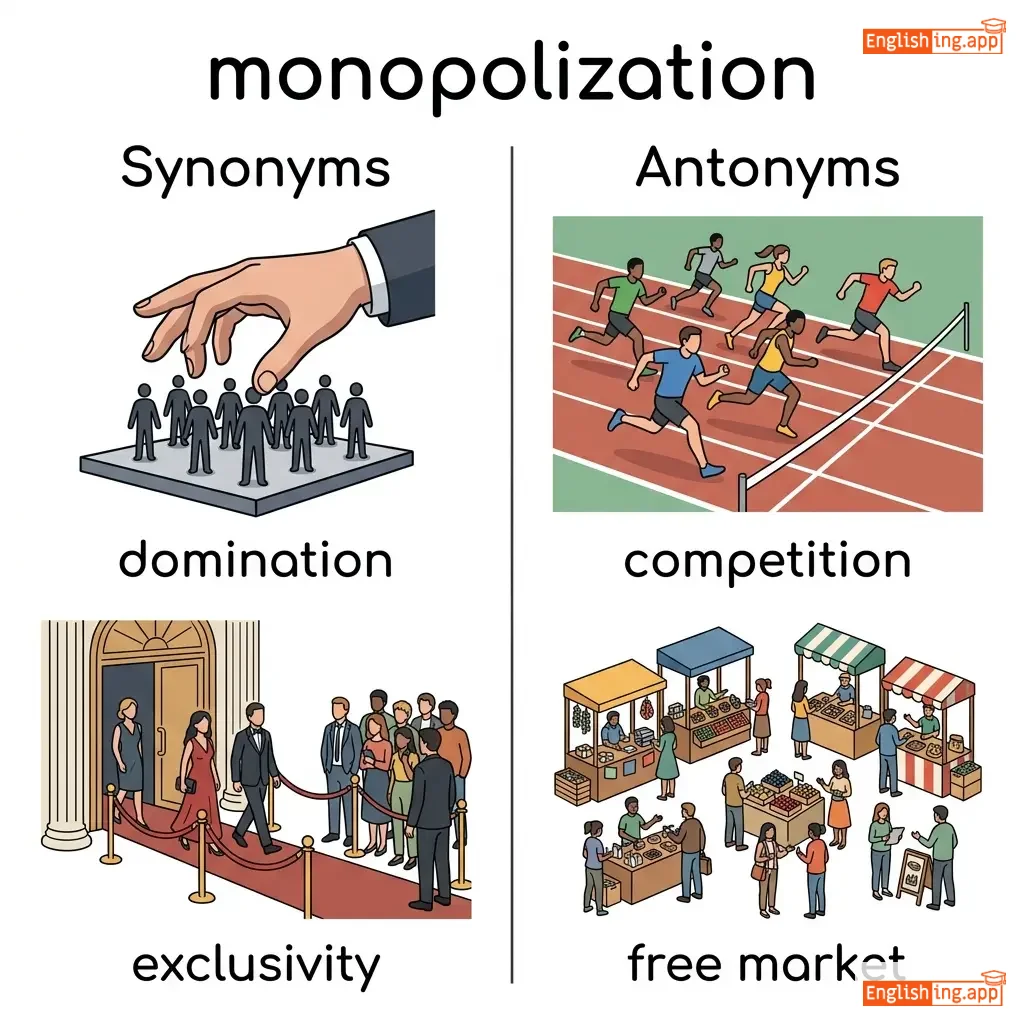
domination, exclusivity, control
••••••
|
competition, free market, decentralization
••••••
|
|
#1957
⛓️
|
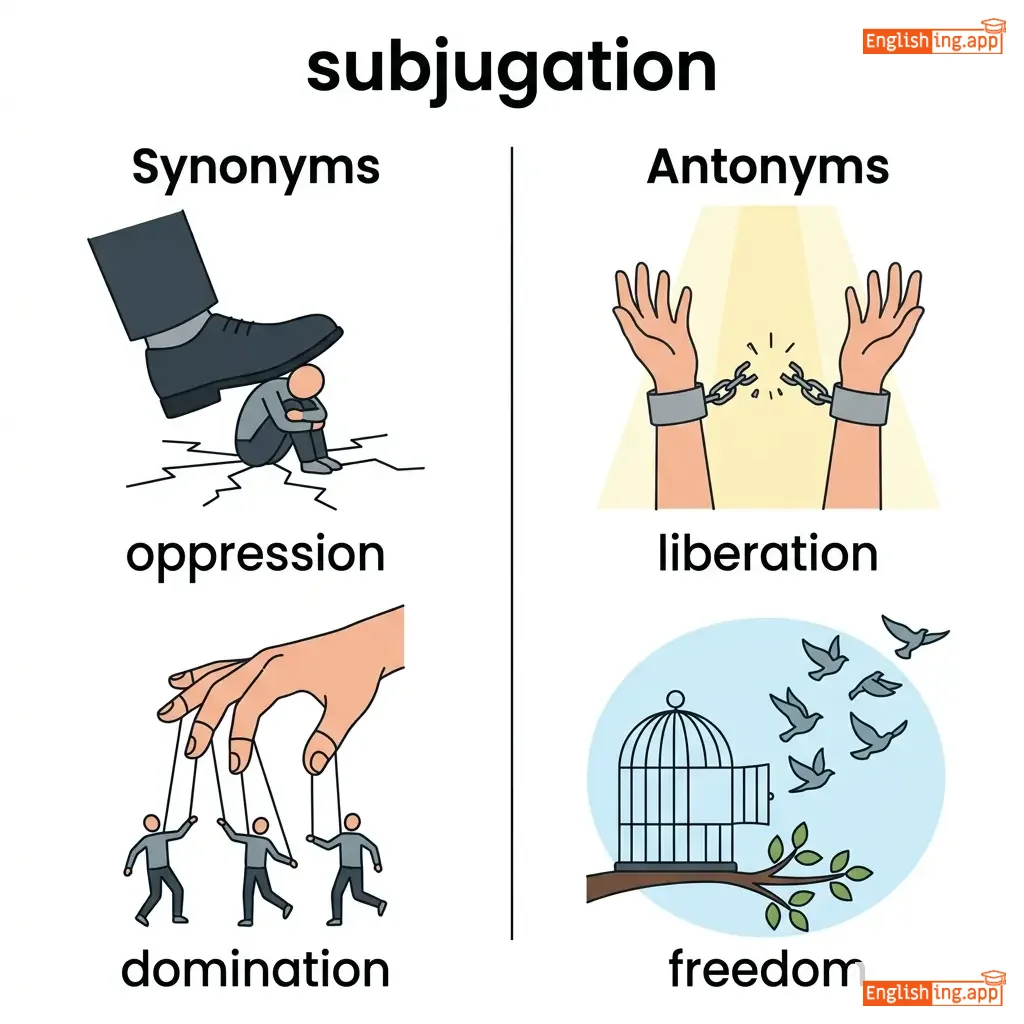
ˌsʌb.dʒʊˈɡeɪ.ʃən
noun
••••••
|
|
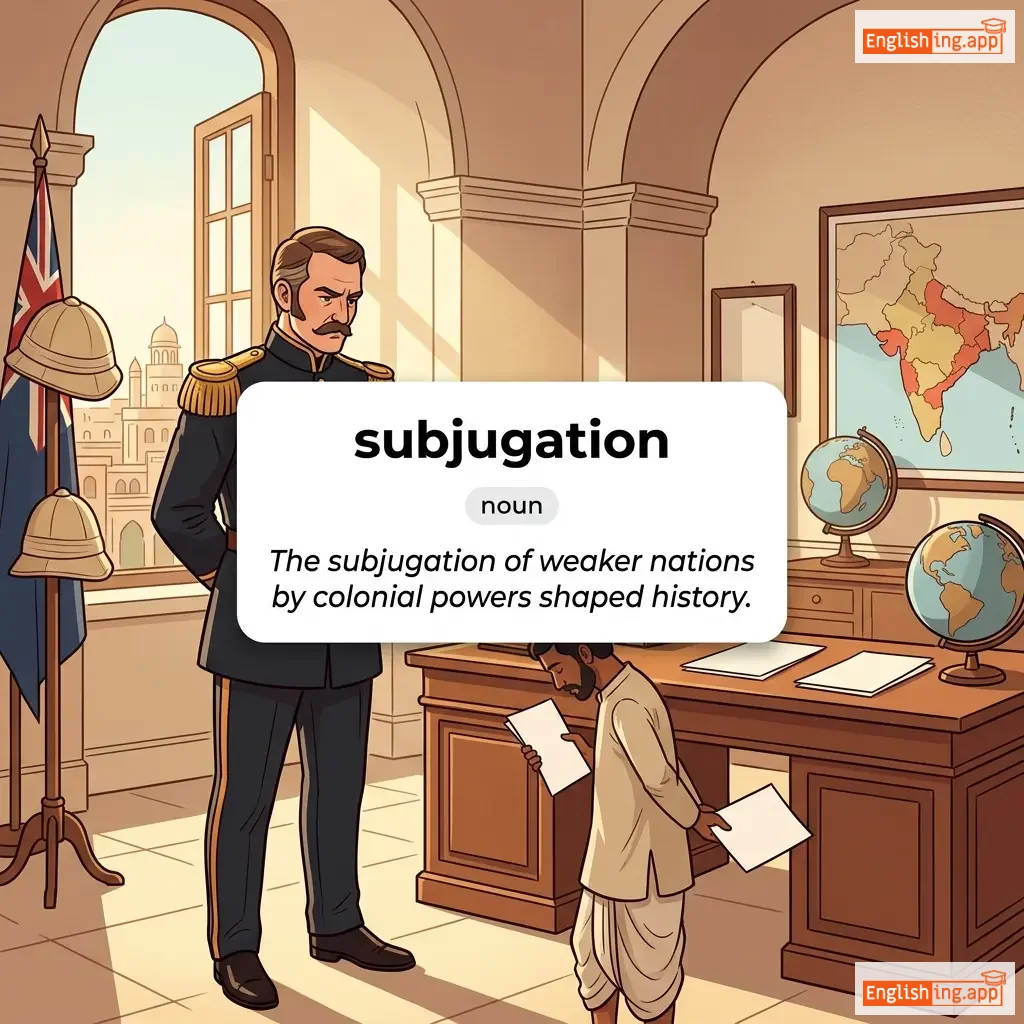
The action of bringing someone or something under domination or control, especially by force.
••••••
|
The subjugation of weaker nations by colonial powers shaped history. |
oppression, domination, enslavement
••••••
|
liberation, freedom, empowerment
••••••
|
|
#1958
🌈
|
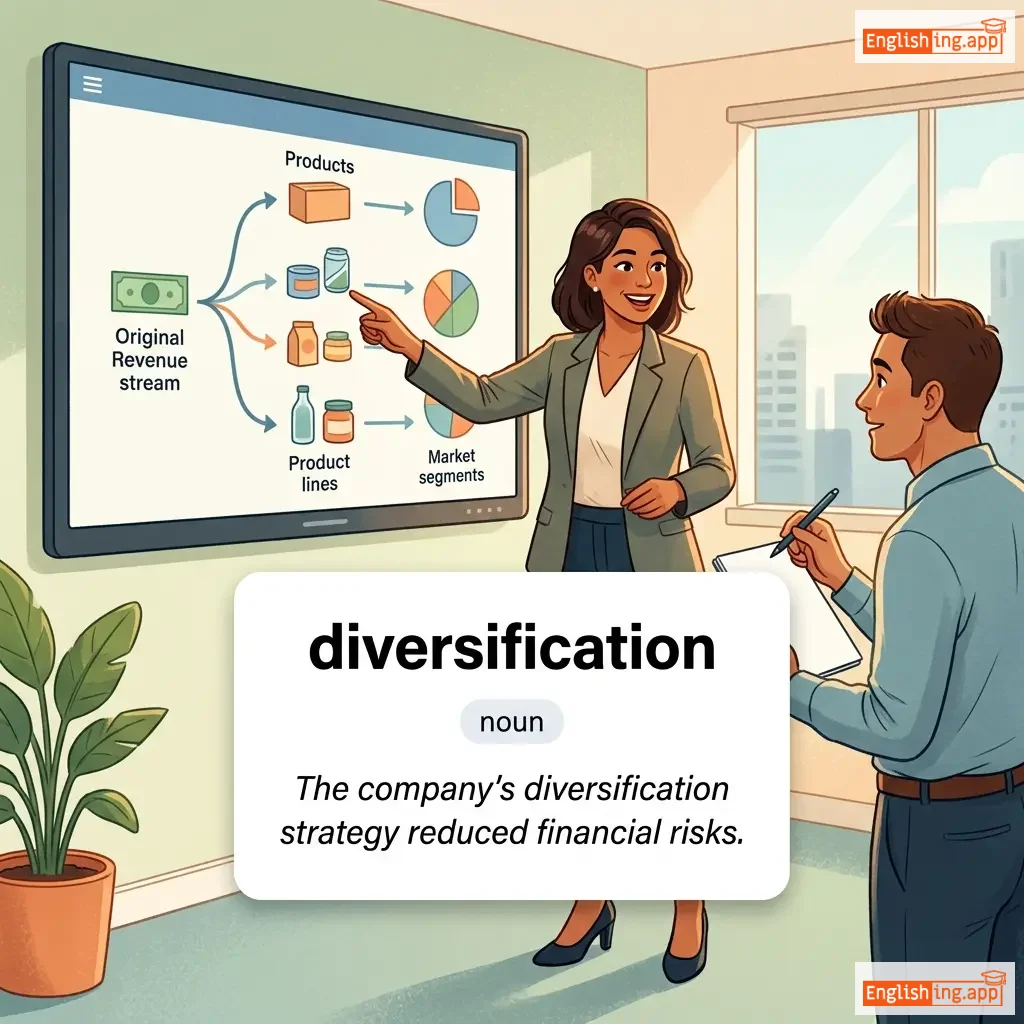
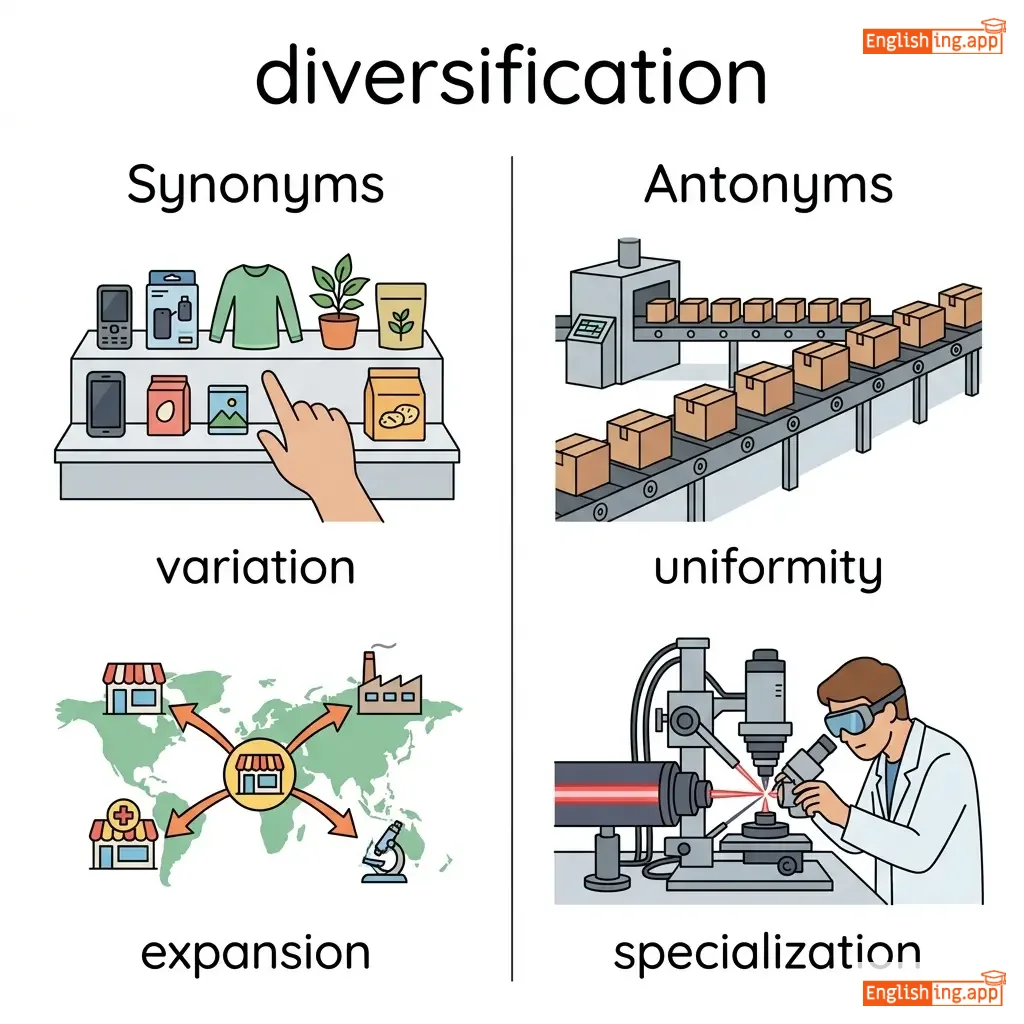
daɪˌvɜː.sɪ.fɪˈkeɪ.ʃən
noun
••••••
|
|
The process of a business enlarging or varying its range of products or field of operation.
••••••
|
Companies adopt diversification strategies to reduce risk. |
expansion, variation, differentiation
••••••
|
specialization, uniformity, narrow focus
••••••
|
|
#1959
🔧
|
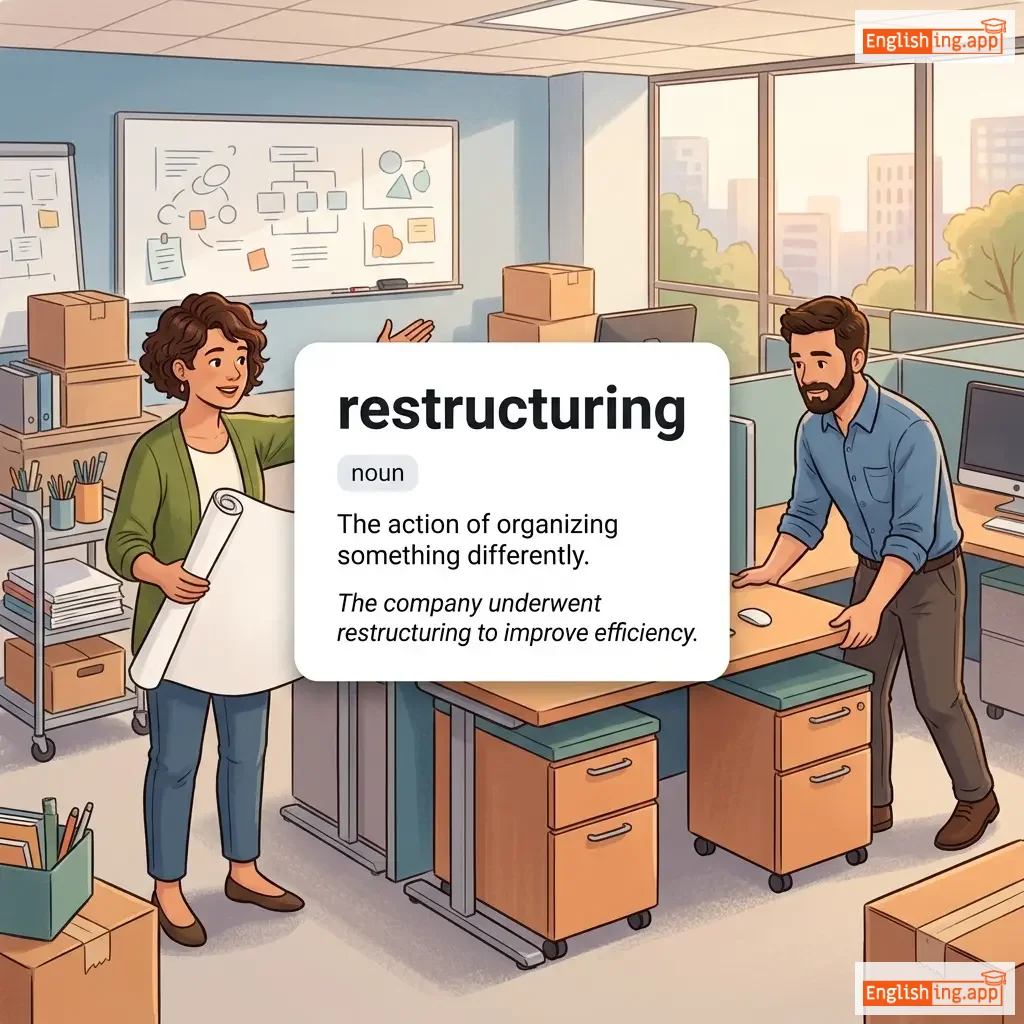
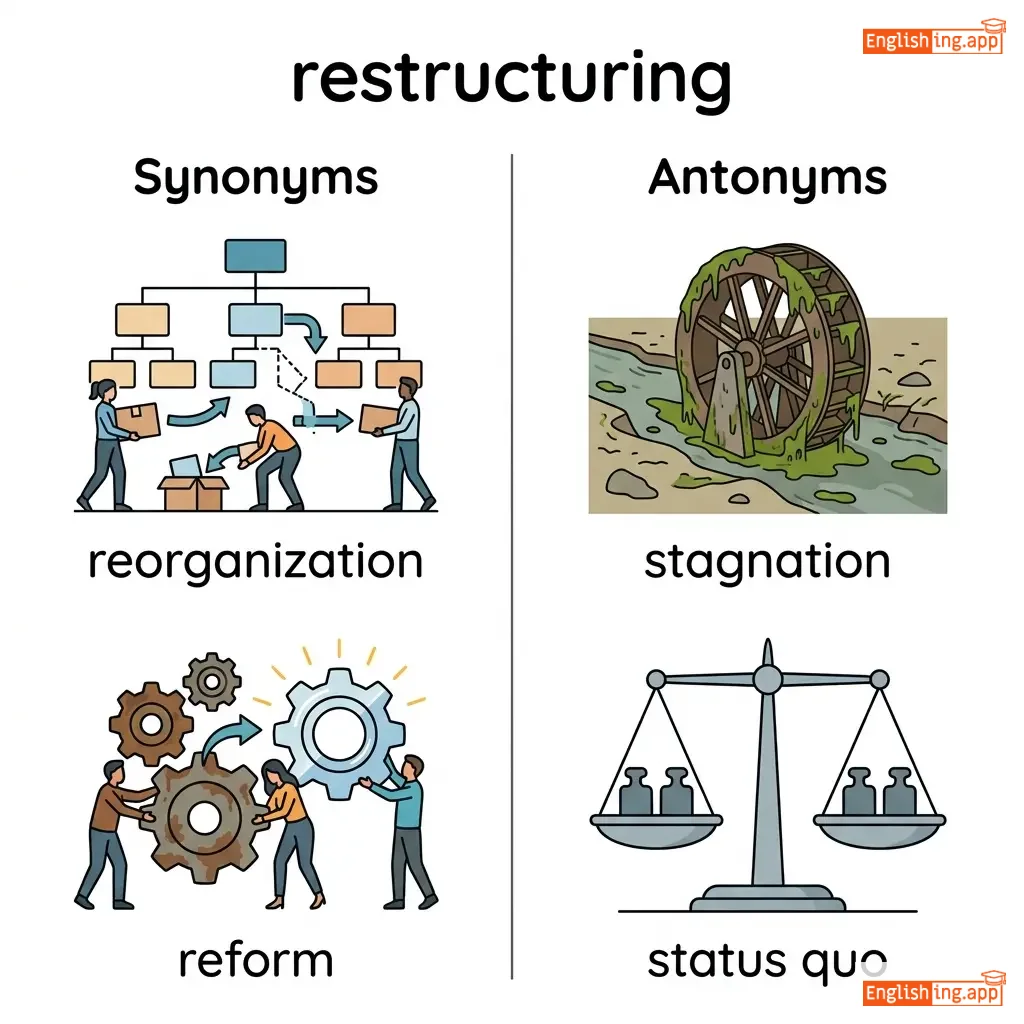
ˌriːˈstrʌk.tʃər.ɪŋ
noun
••••••
|
|
The action of organizing something differently.
••••••
|
The company underwent restructuring to improve efficiency. |
reorganization, reform, overhaul
••••••
|
stagnation, status quo, rigidity
••••••
|
|
#1960
💳
|
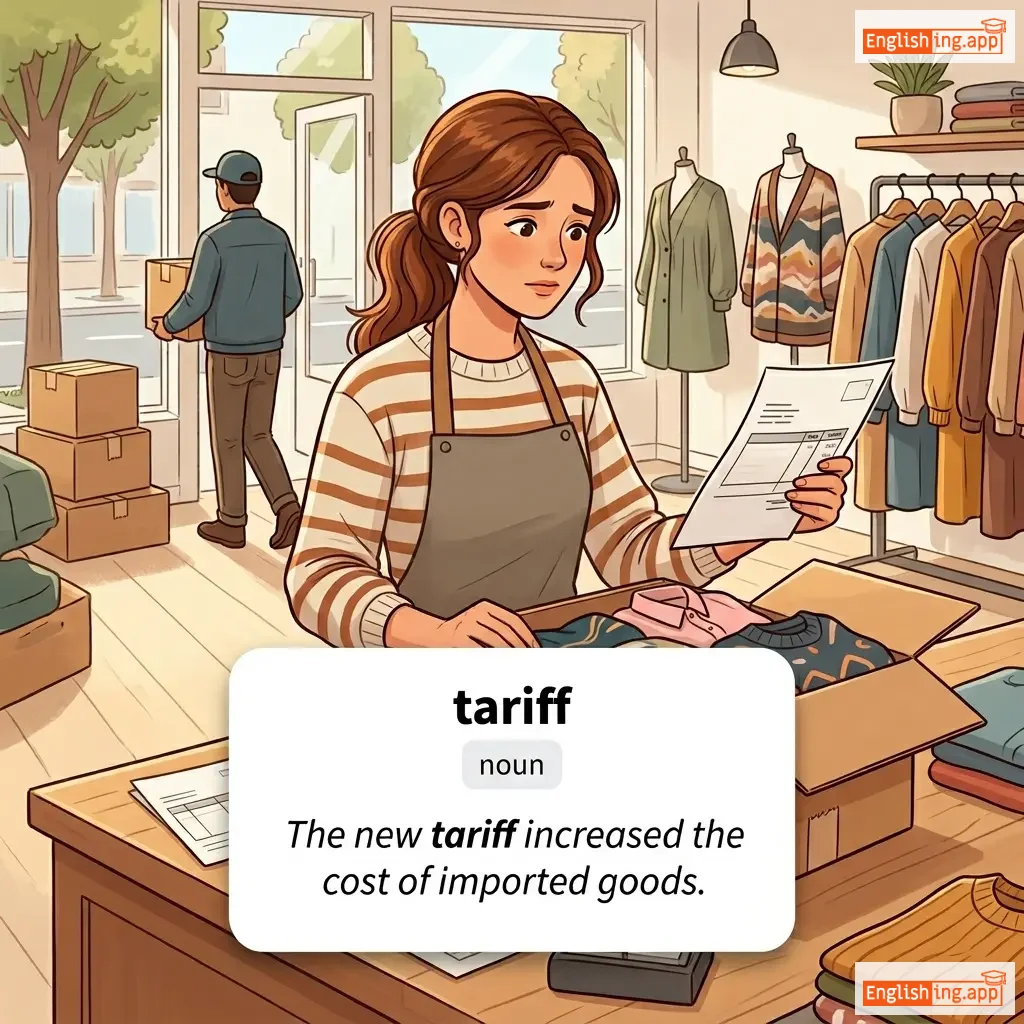
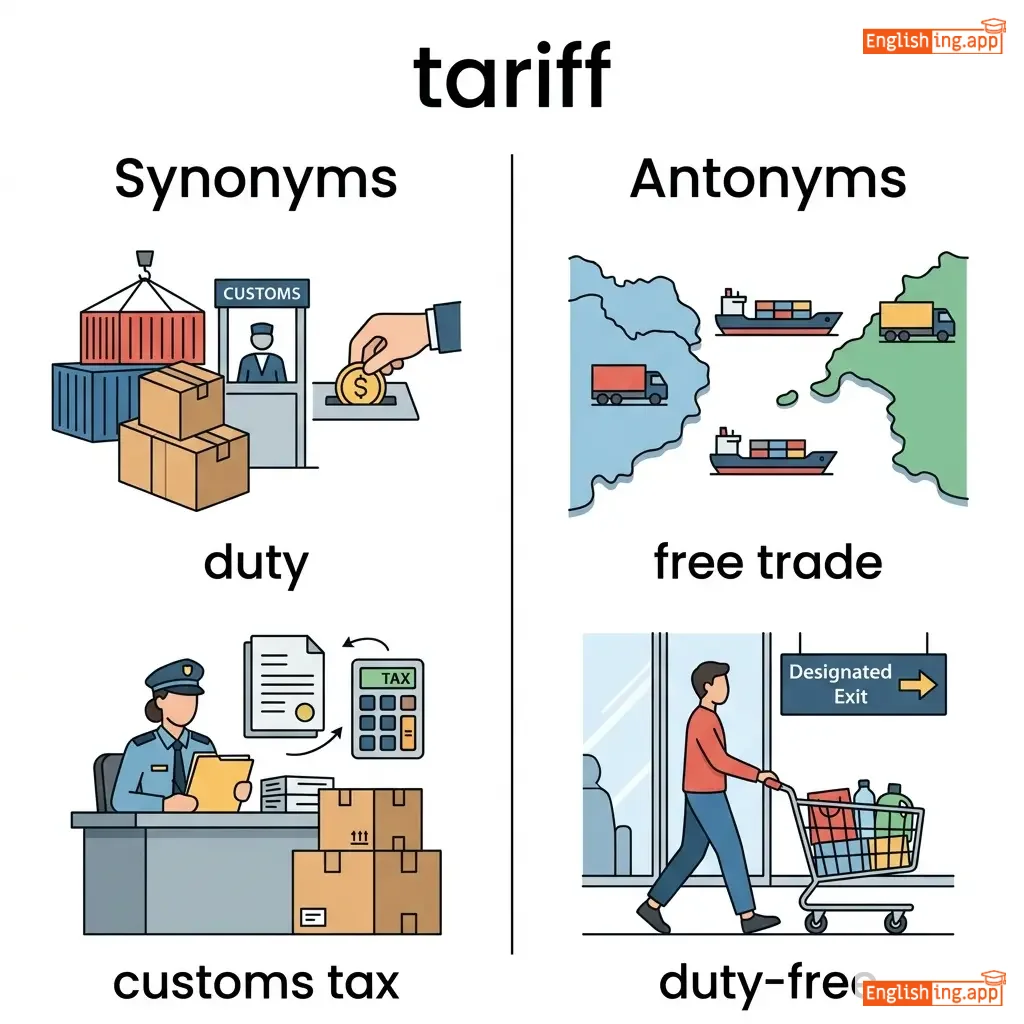
ˈtær.ɪf
noun
••••••
|
|
A tax or duty to be paid on a particular class of imports or exports.
••••••
|
The government imposed high tariffs on luxury goods. |
import tax, duty, customs charge
••••••
|
free trade, duty-free, exemption
••••••
|

