Wie die Globalization die Weltwirtschaft Beeinflusst

How Globalization Affects World Economies

Globalization hat bedeutende Veränderungen in der heutigen Weltwirtschaft gebracht. Durch eine stärkere convergence zwischen verschiedenen Ländern ist der internationale trade wohlhabender geworden. Dies kann jedoch eine disparity schaffen, bei der entwickelte Länder wirtschaftlich stärker werden und Entwicklungsländer marginalization erfahren. Viele Länder haben liberalization-Politiken übernommen, was zu mehr outsourcing und privatization geführt hat. Infolgedessen konnten einige Länder eine wirtschaftliche consolidation erreichen, während andere aufgrund von protectionism-Politiken eine Marktverkleinerung erlebt haben. Obwohl eine macroeconomic Entwicklung stattgefunden hat, erleben einige Bereiche fluctuation, die auf bureaucracy und politische Komplexität zurückzuführen sind. Große Unternehmen erreichen monopolization und kontrollieren die Märkte, wodurch kleine Unternehmen subjugation erfahren. Durch globalization kann jedoch diversification erhöht werden, was wirtschaftliche Stabilität bringen kann. Mit angemessener restructuring und fairen tariff-Politiken kann die Weltwirtschaft transparenter werden.
How Globalization Affects World EconomiesWie die Globalization die Weltwirtschaft Beeinflusst
/
/

How Globalization Affects World EconomiesWie die Globalization die Weltwirtschaft Beeinflusst - Maske umschalten
Emoji
Wort Images Bedeutung Beispielsatz Synonyme Antonyme
#1942
🌍
••••••
ˌɡloʊ.bəl.aɪˈzeɪ.ʃən
noun
••••••
••••••
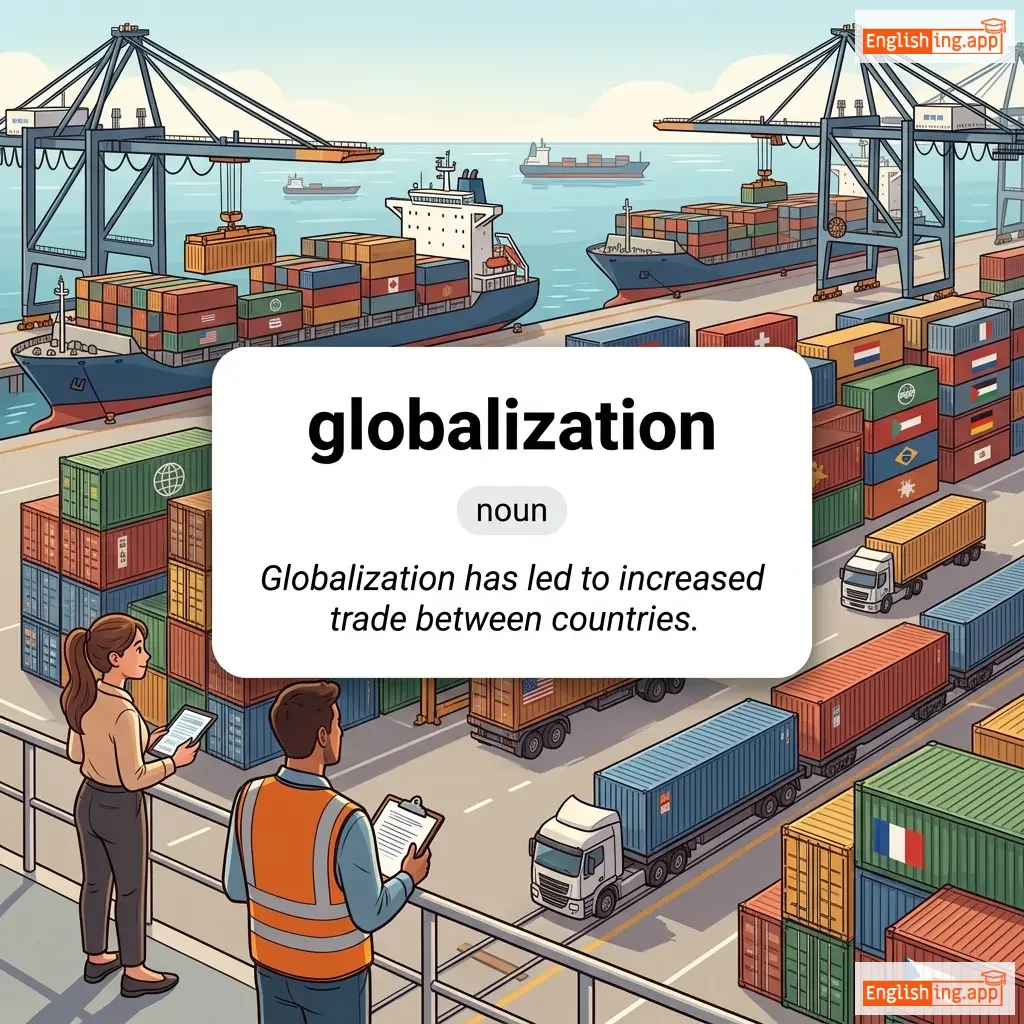
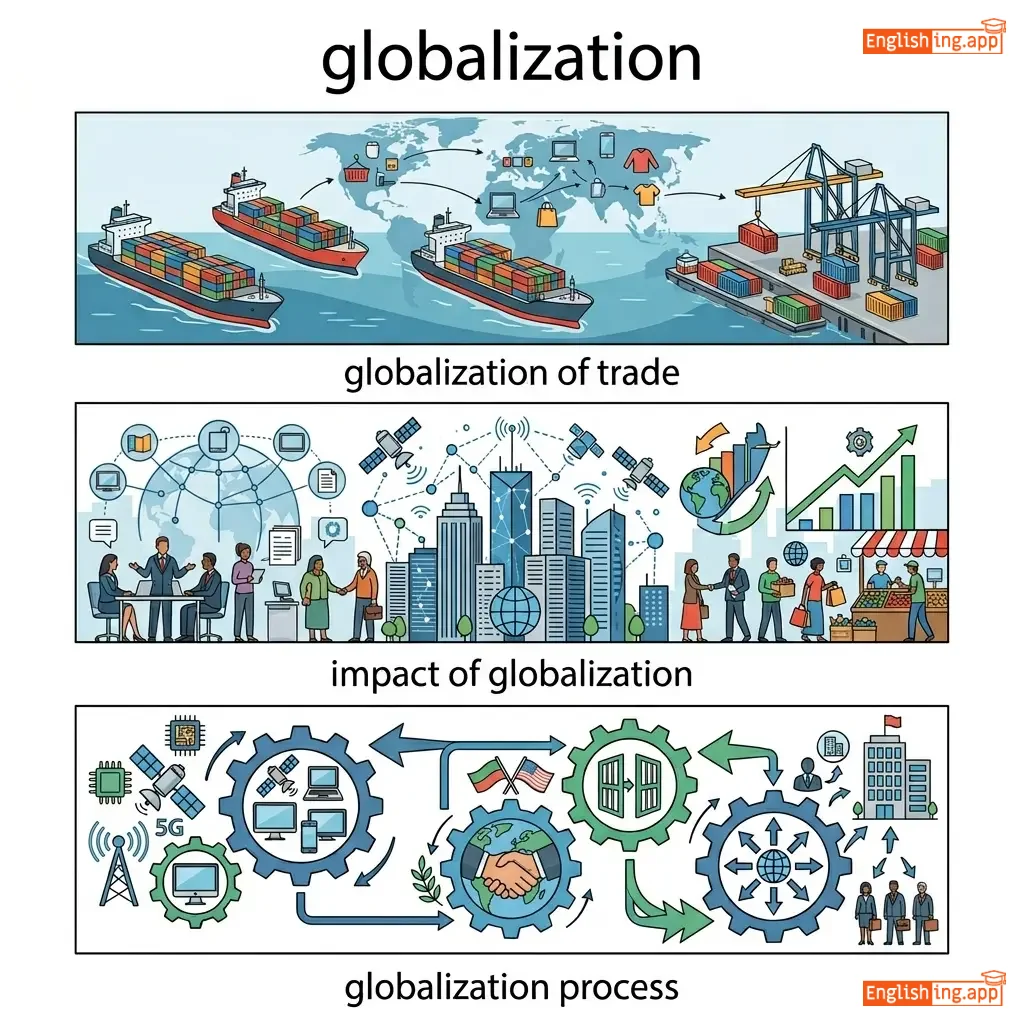
The process by which businesses or other organizations develop international influence or start operating on an international scale.
••••••

Globalization has connected economies across the world.

••••••
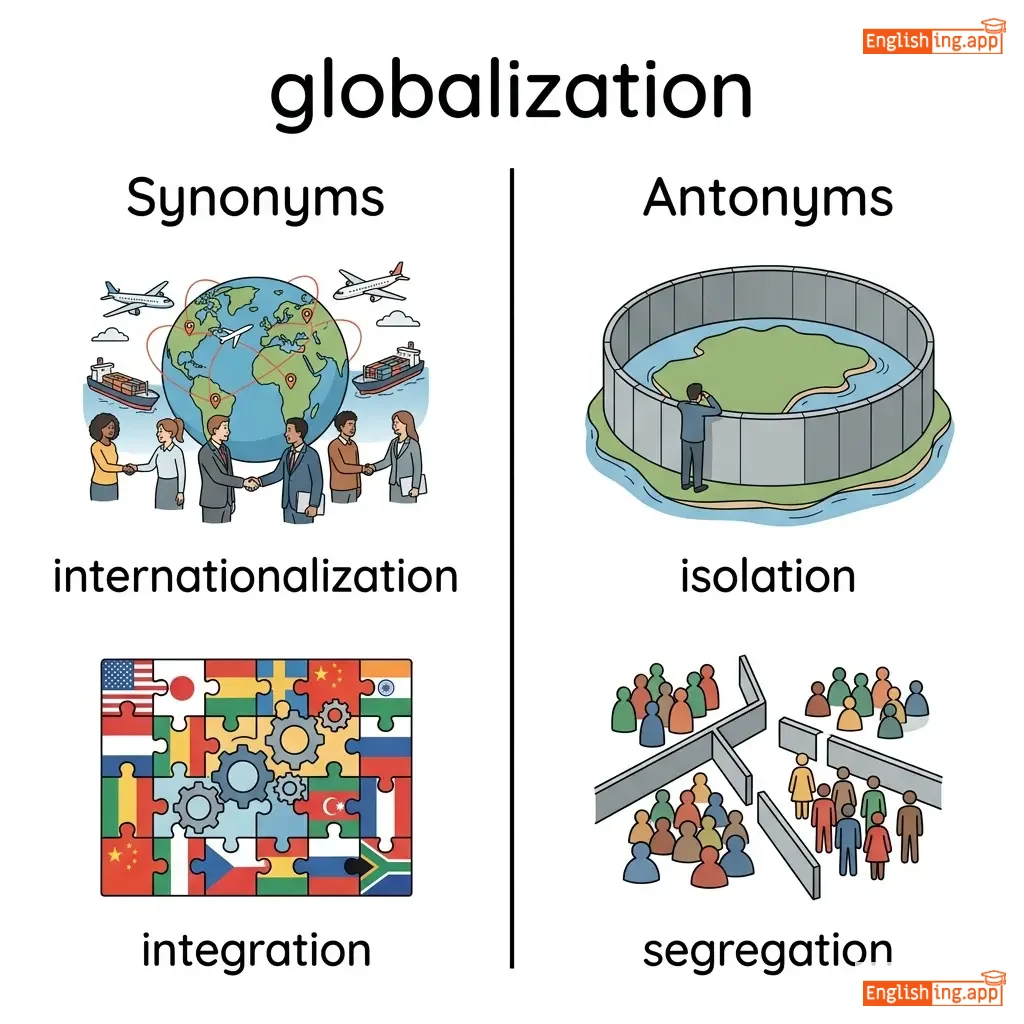
internationalization, integration, expansion
••••••
isolation, protectionism, nationalism
••••••
#1943
🔗
••••••
kənˈvɜː.dʒəns
noun
••••••
••••••
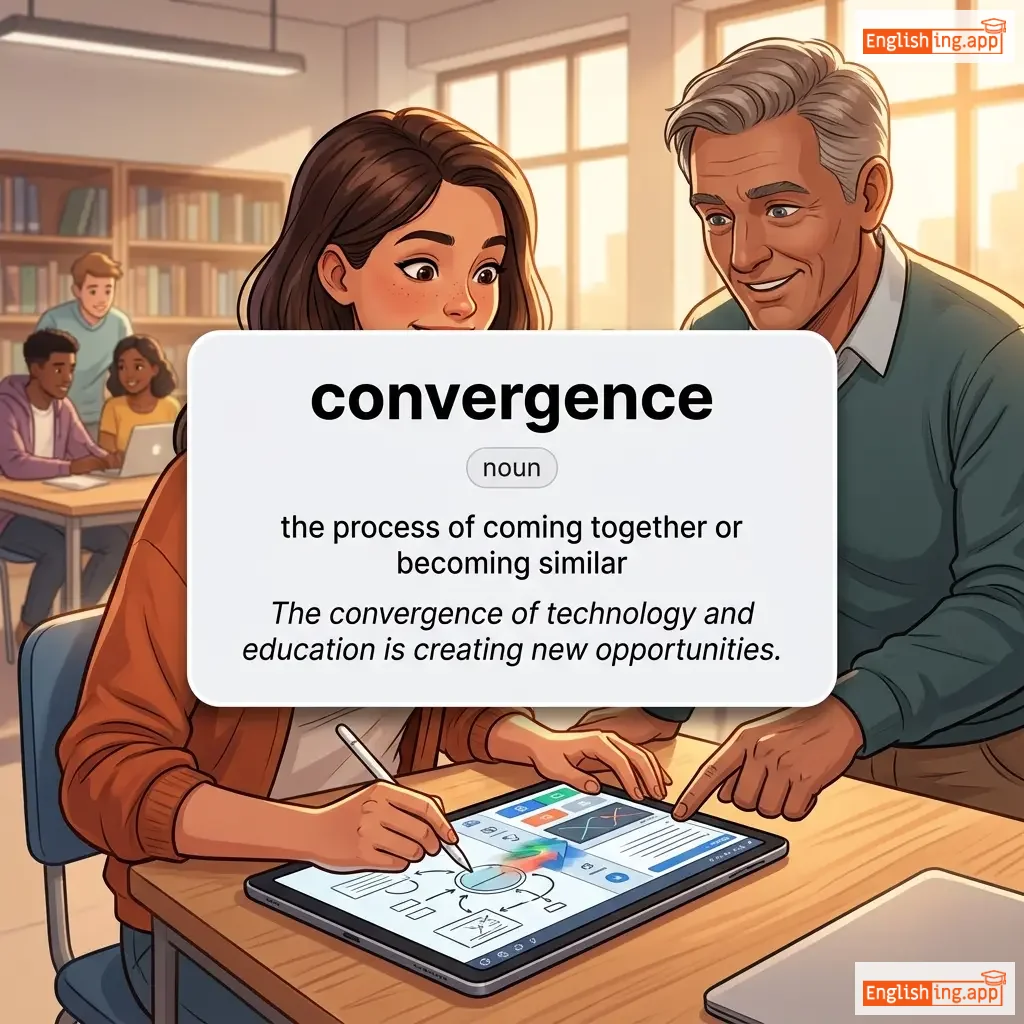
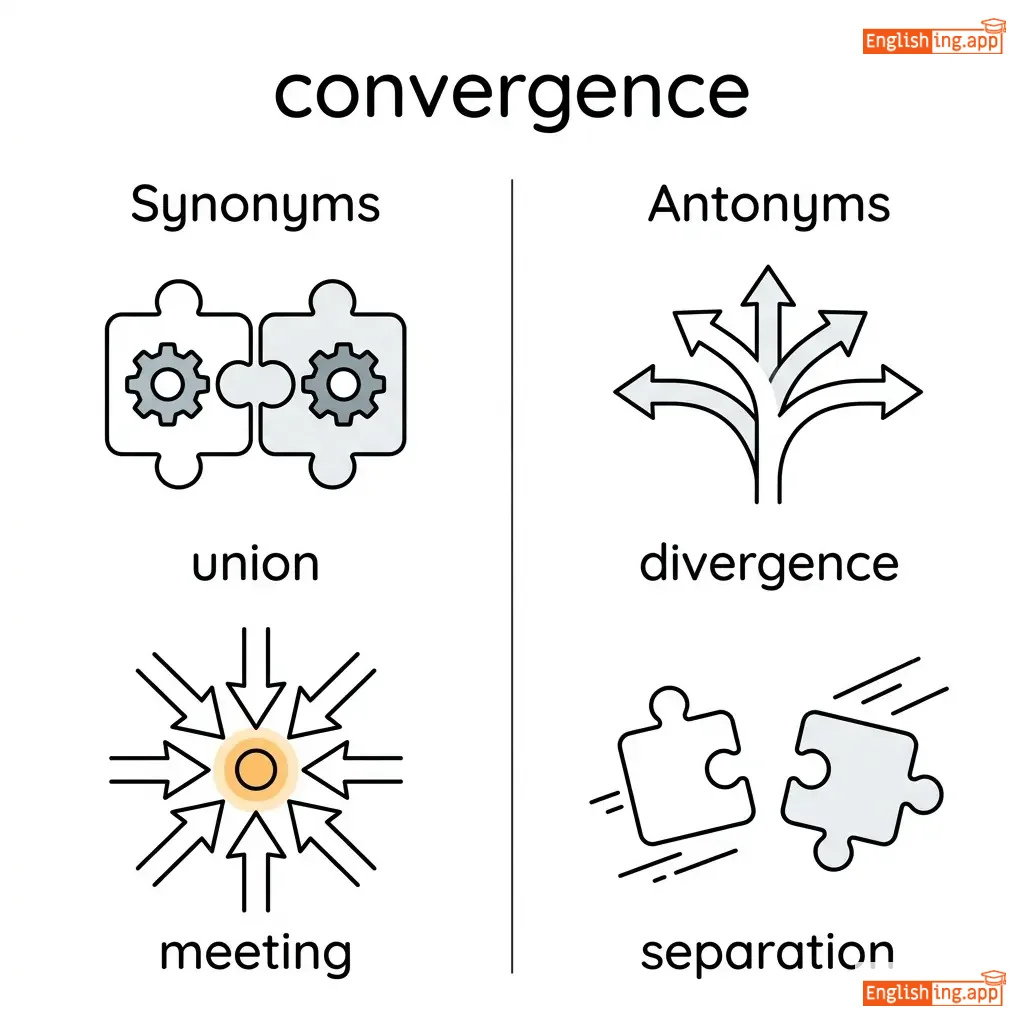
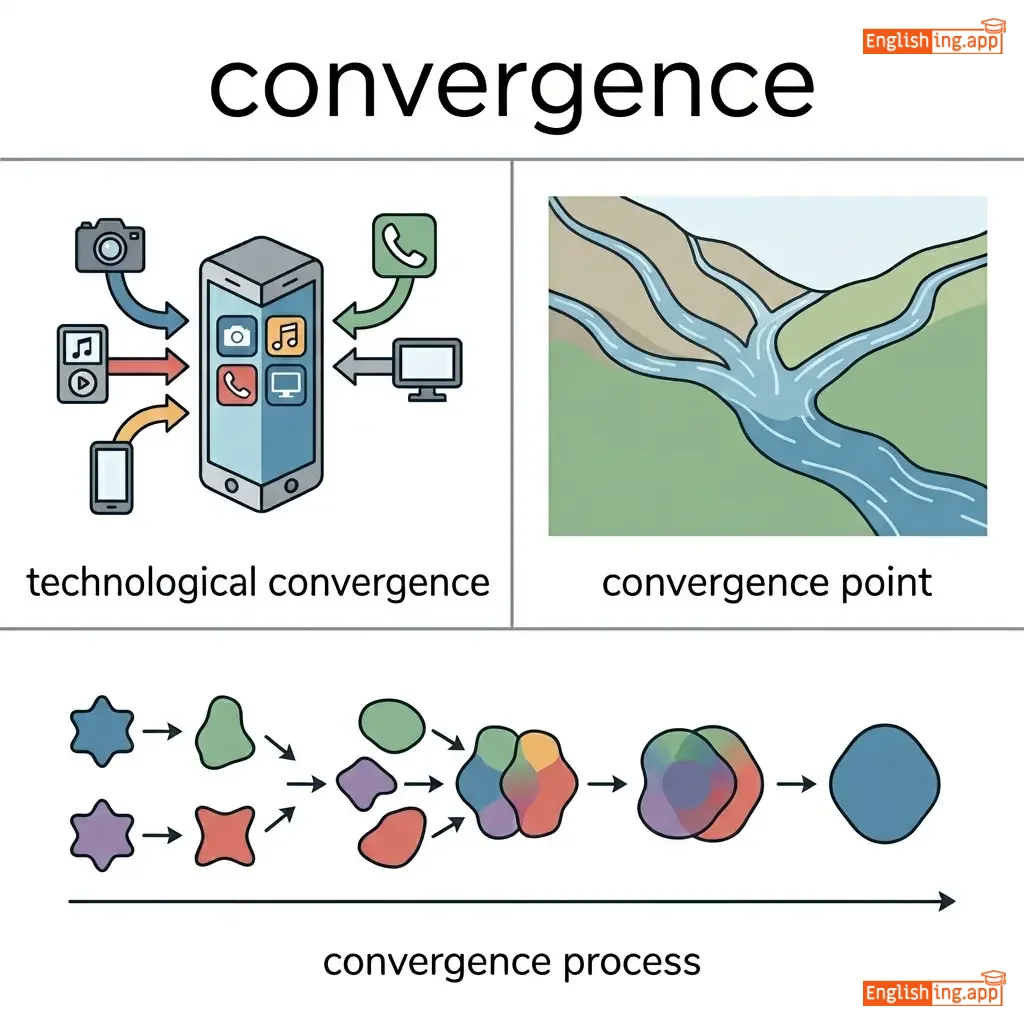
The process or state of converging or coming together.
••••••

The convergence of technology and healthcare has led to medical advancements.

••••••
union, merging, alignment
••••••
divergence, separation, deviation
••••••
#1944
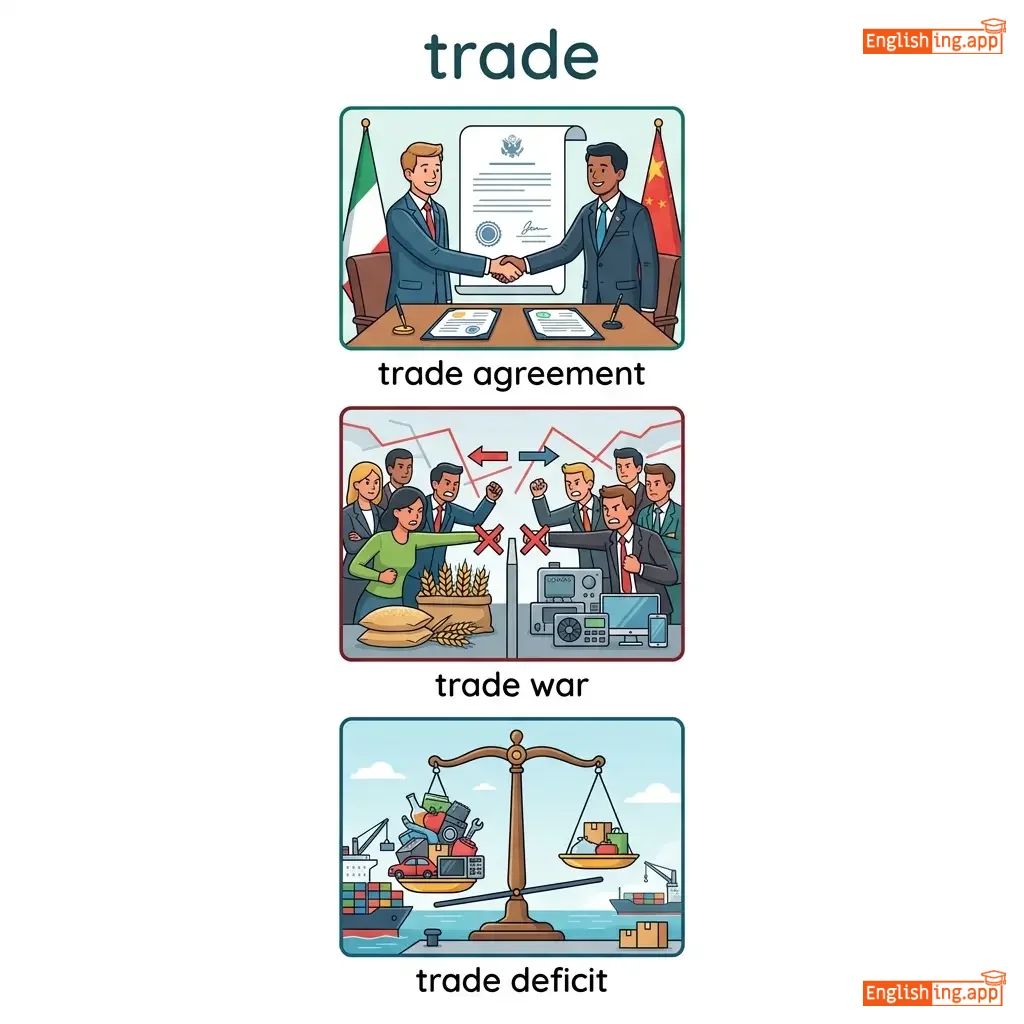
💼
••••••
treɪd
noun/verb
••••••
••••••
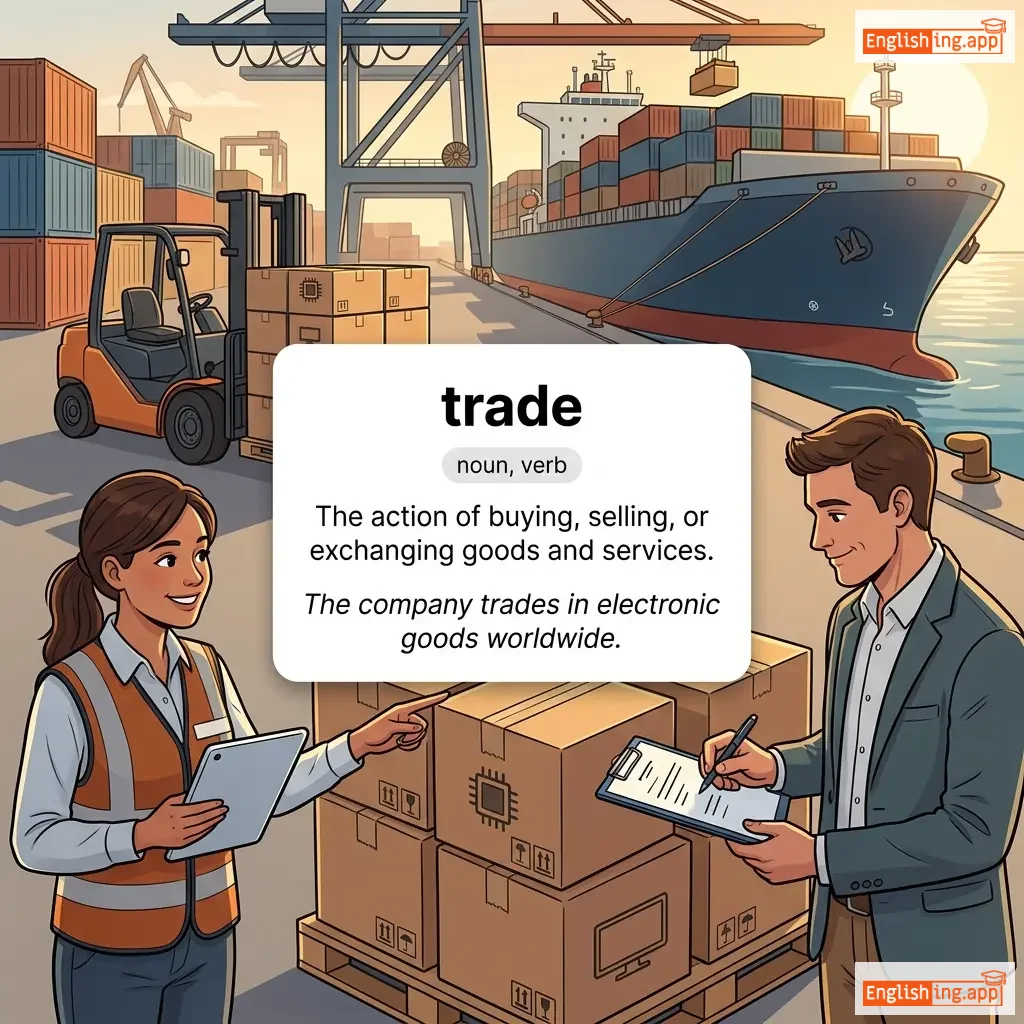
The action of buying and selling goods and services.
••••••

Trade agreements help boost economic growth.

••••••
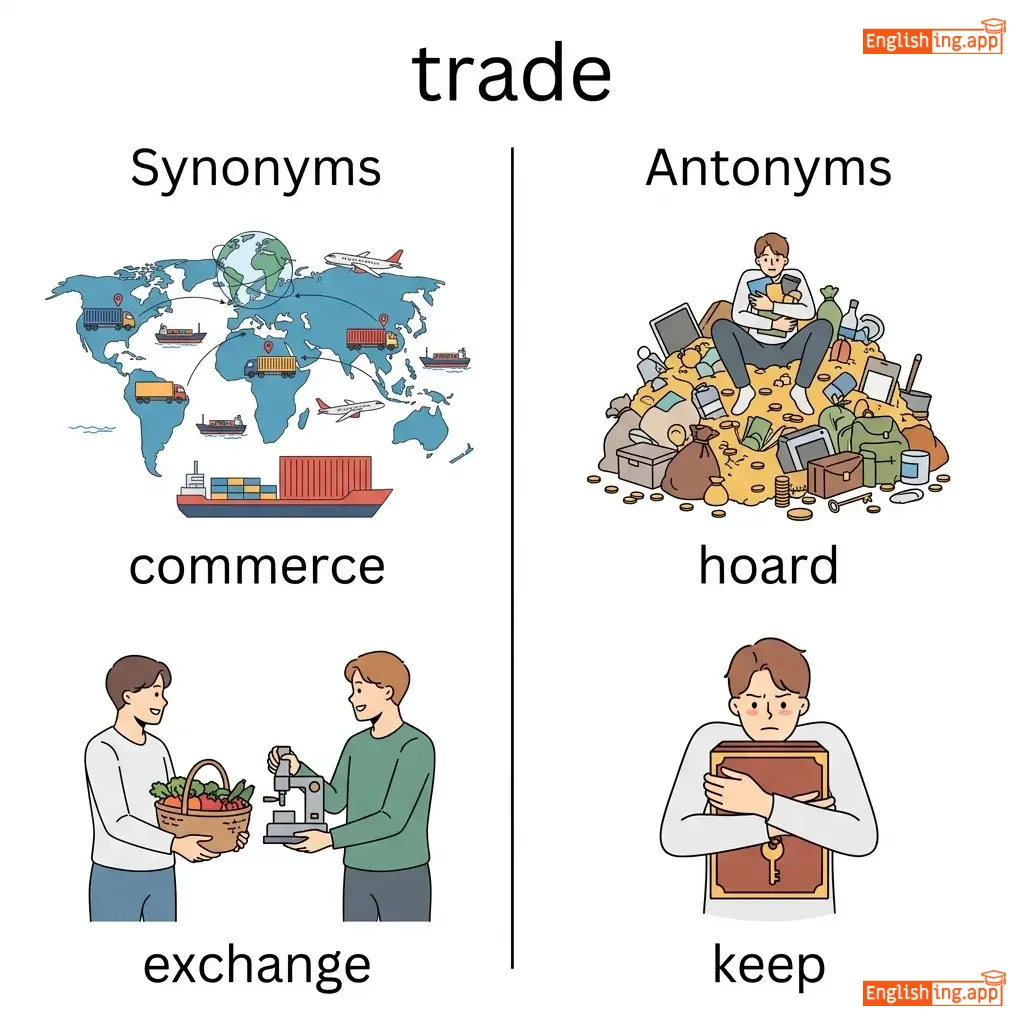
commerce, exchange, transactions
••••••
self-sufficiency, hoarding, monopoly
••••••
#1945
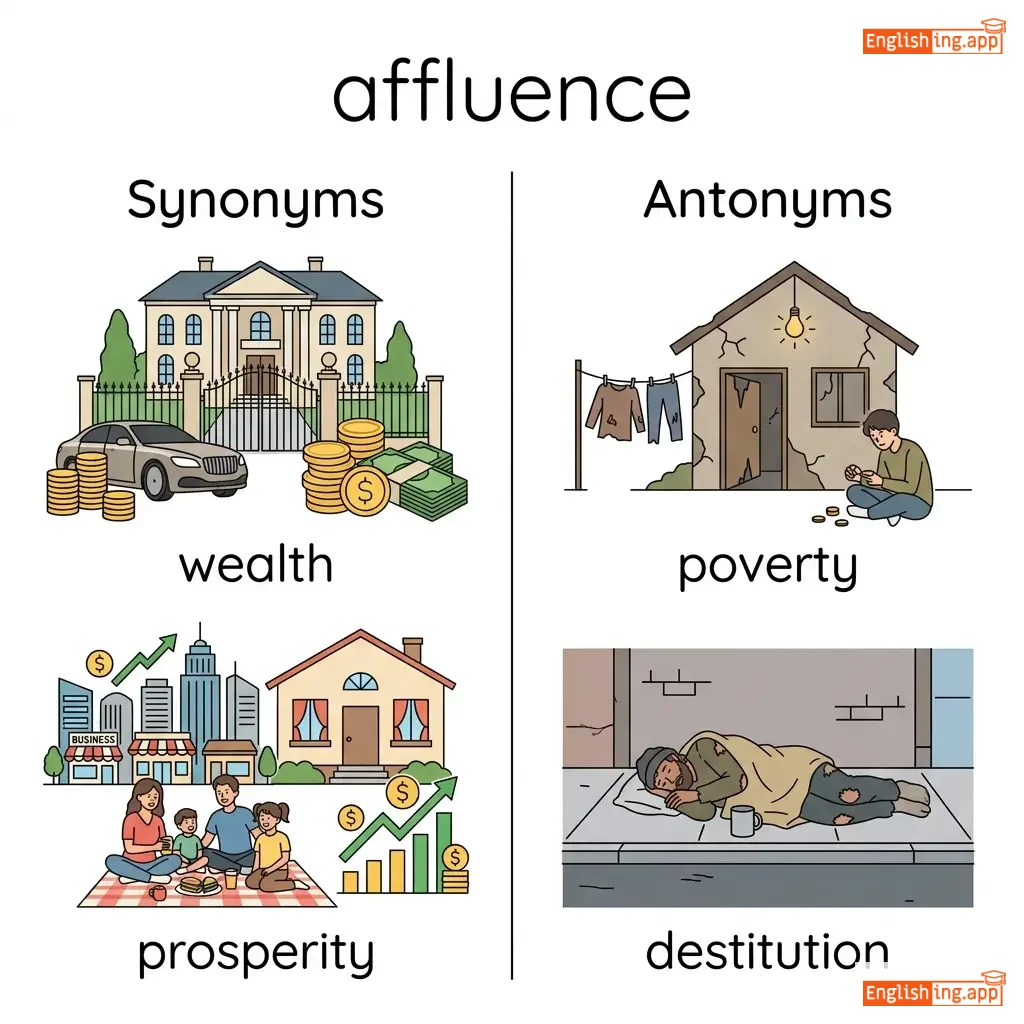
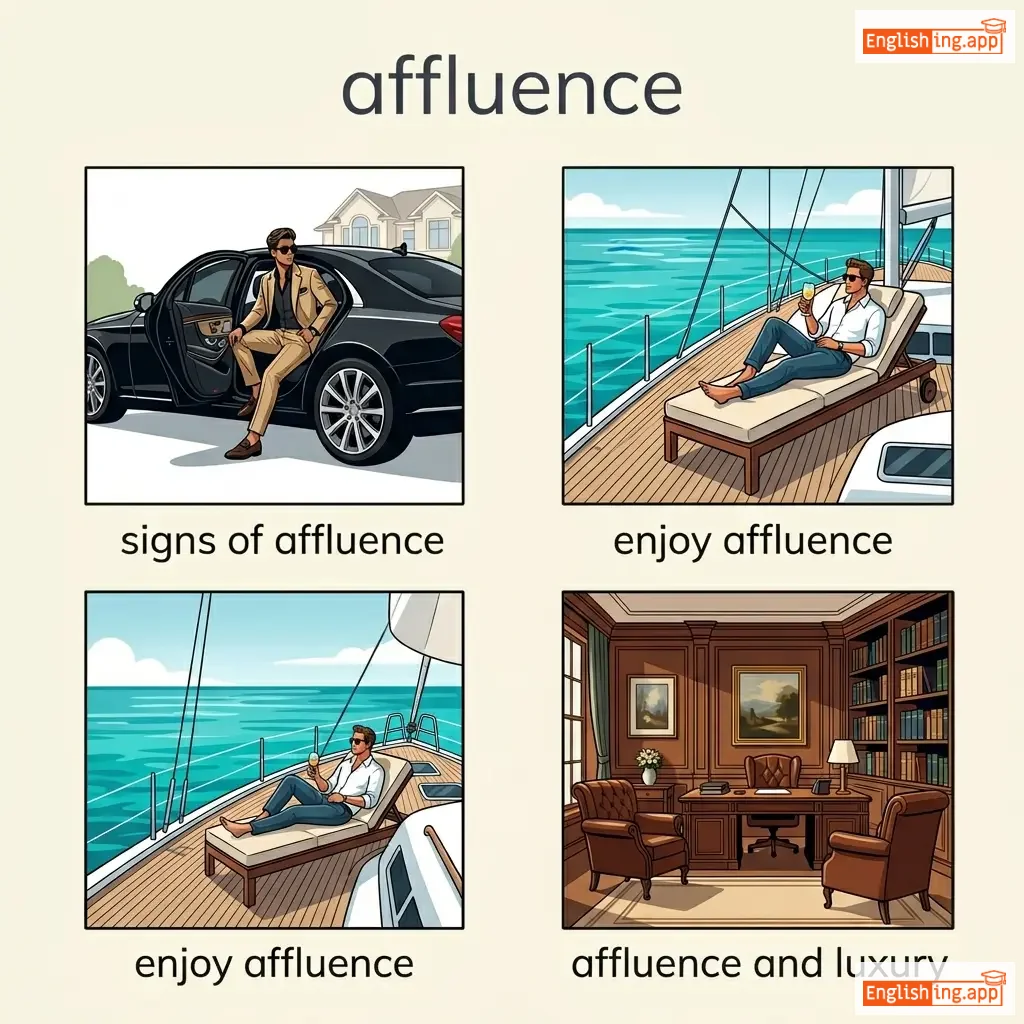
💰
••••••
ˈæf.lu.əns
noun
••••••
••••••
The state of having a great deal of money; wealth.
••••••

His affluence allowed him to travel the world.

••••••
wealth, prosperity, opulence
••••••
poverty, scarcity, hardship
••••••
#1946
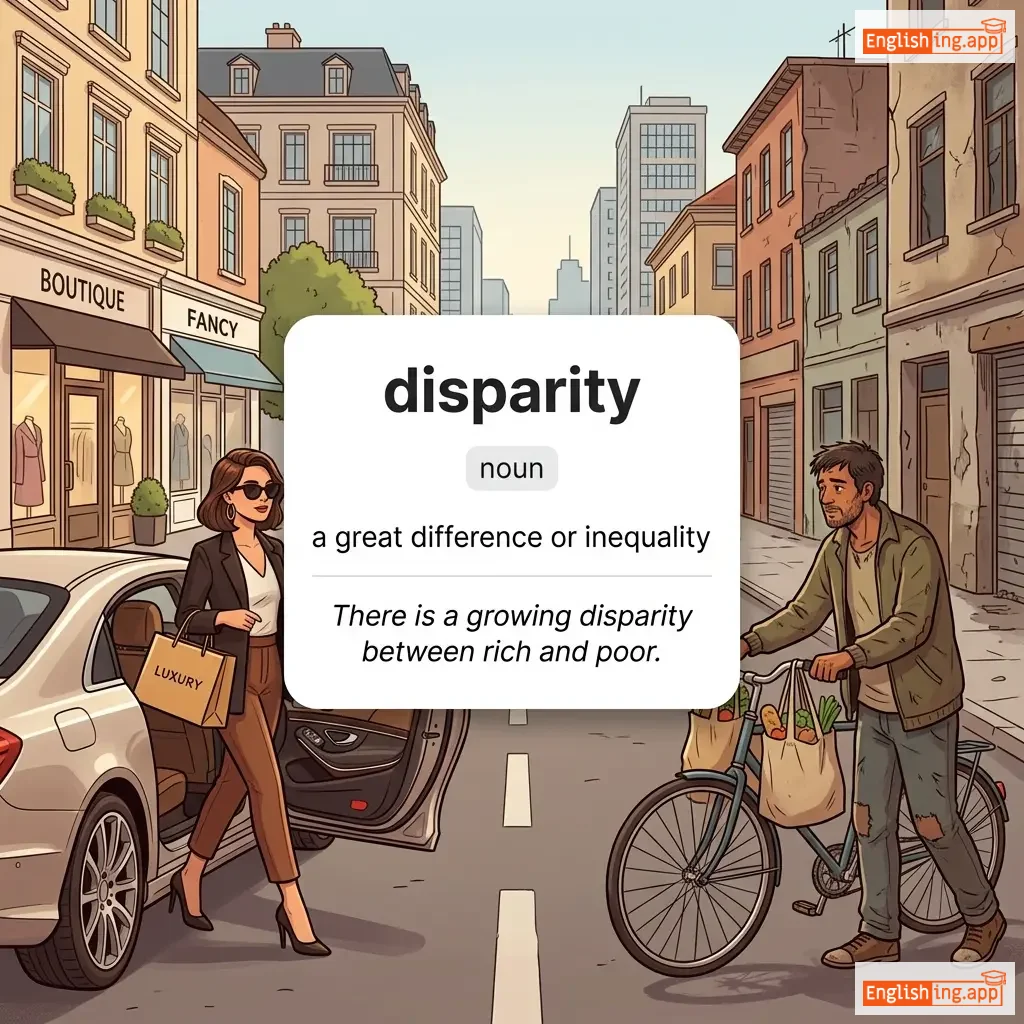
⚖️
••••••
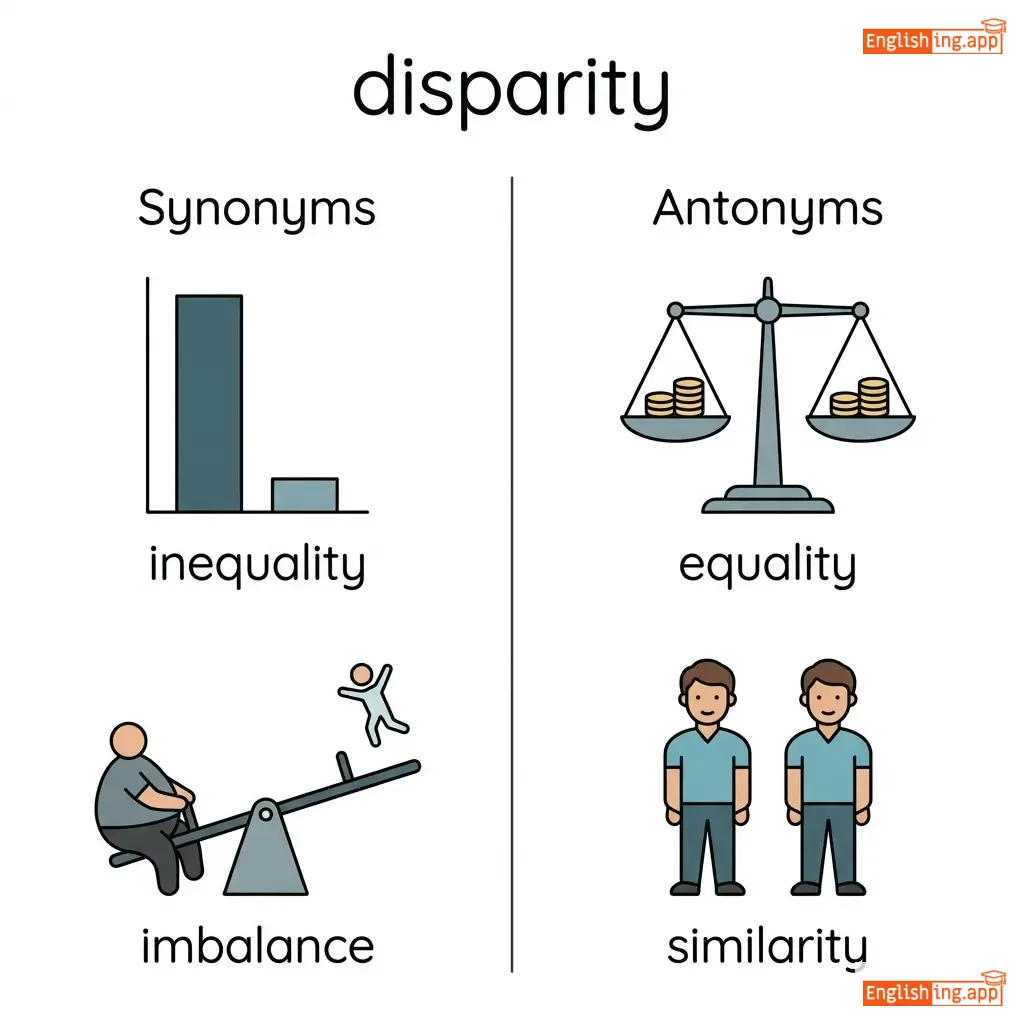
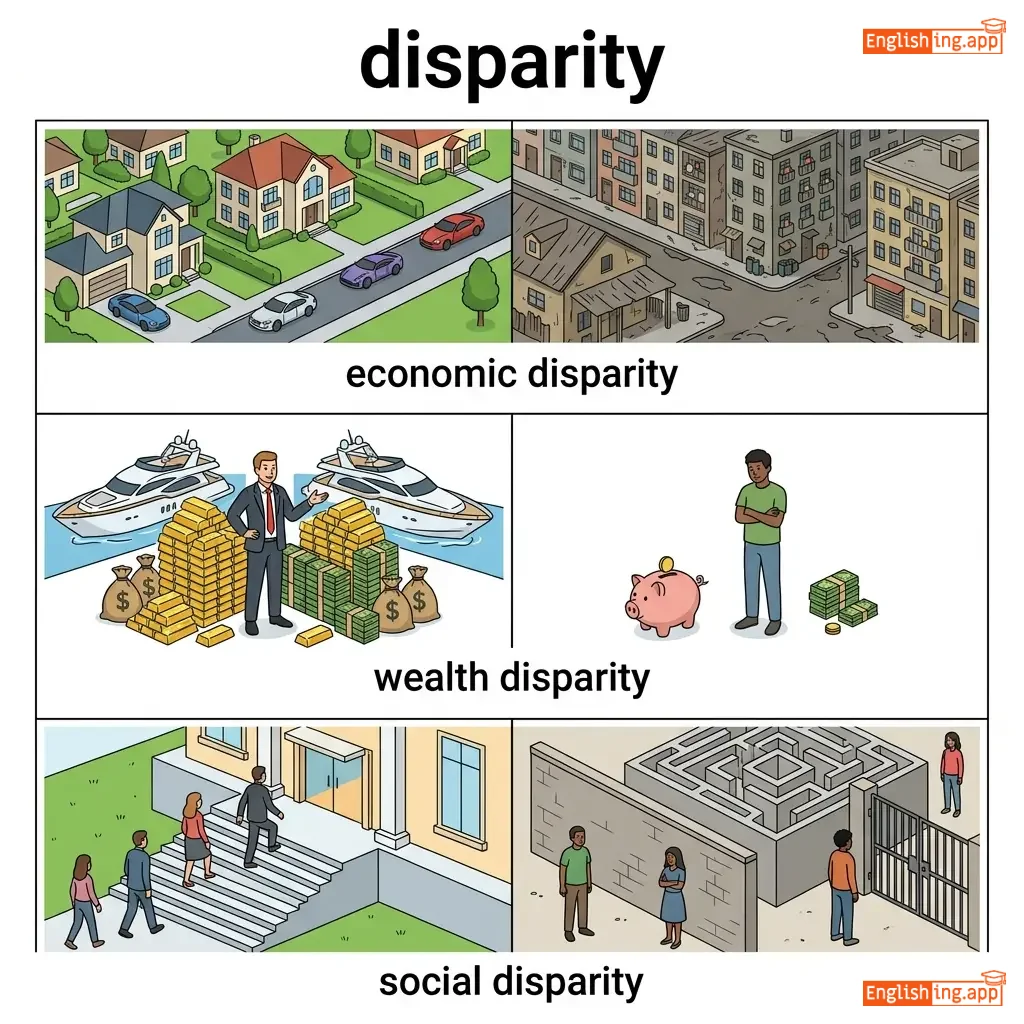
dɪˈspær.ɪ.ti
noun
••••••
••••••
A great difference between things; inequality.
••••••

Economic disparity exists between rural and urban areas.

••••••
inequality, imbalance, difference
••••••
equality, uniformity, fairness
••••••
#1947
🚫
••••••
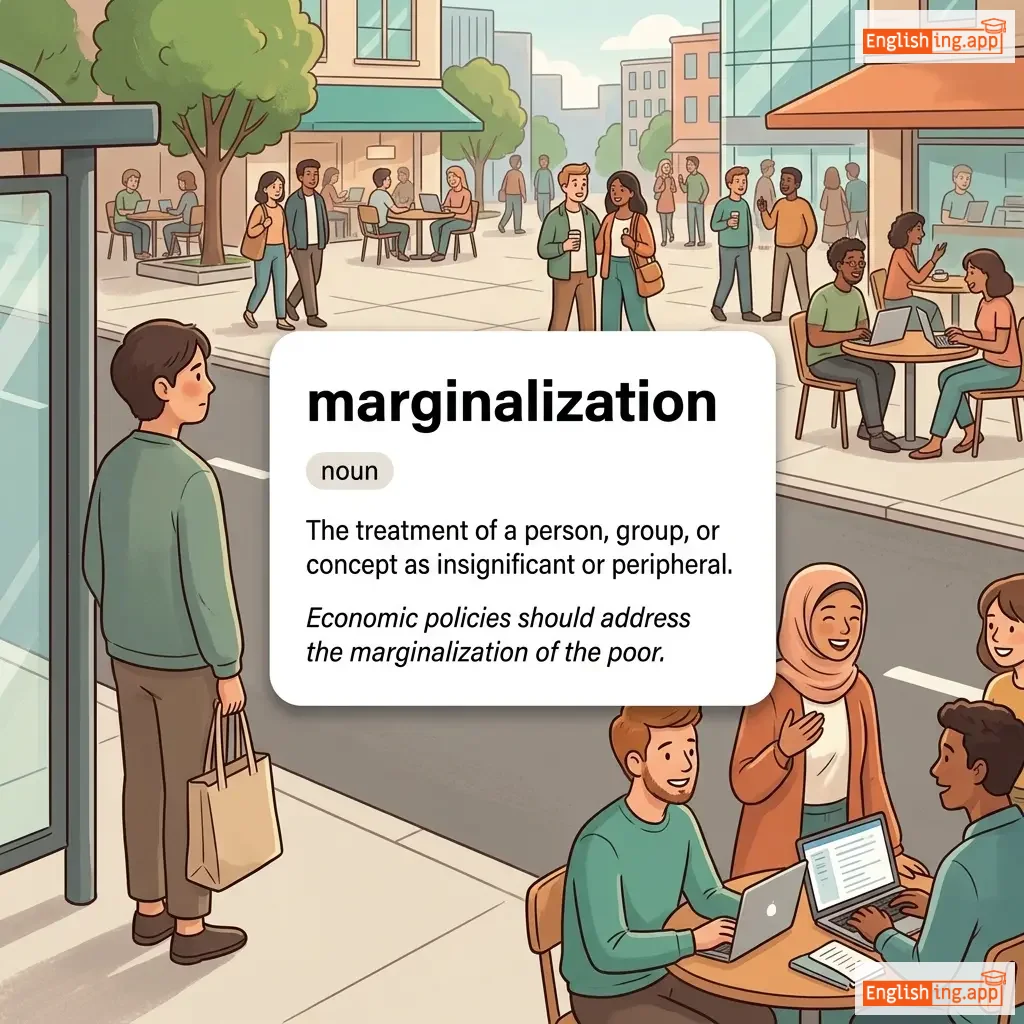
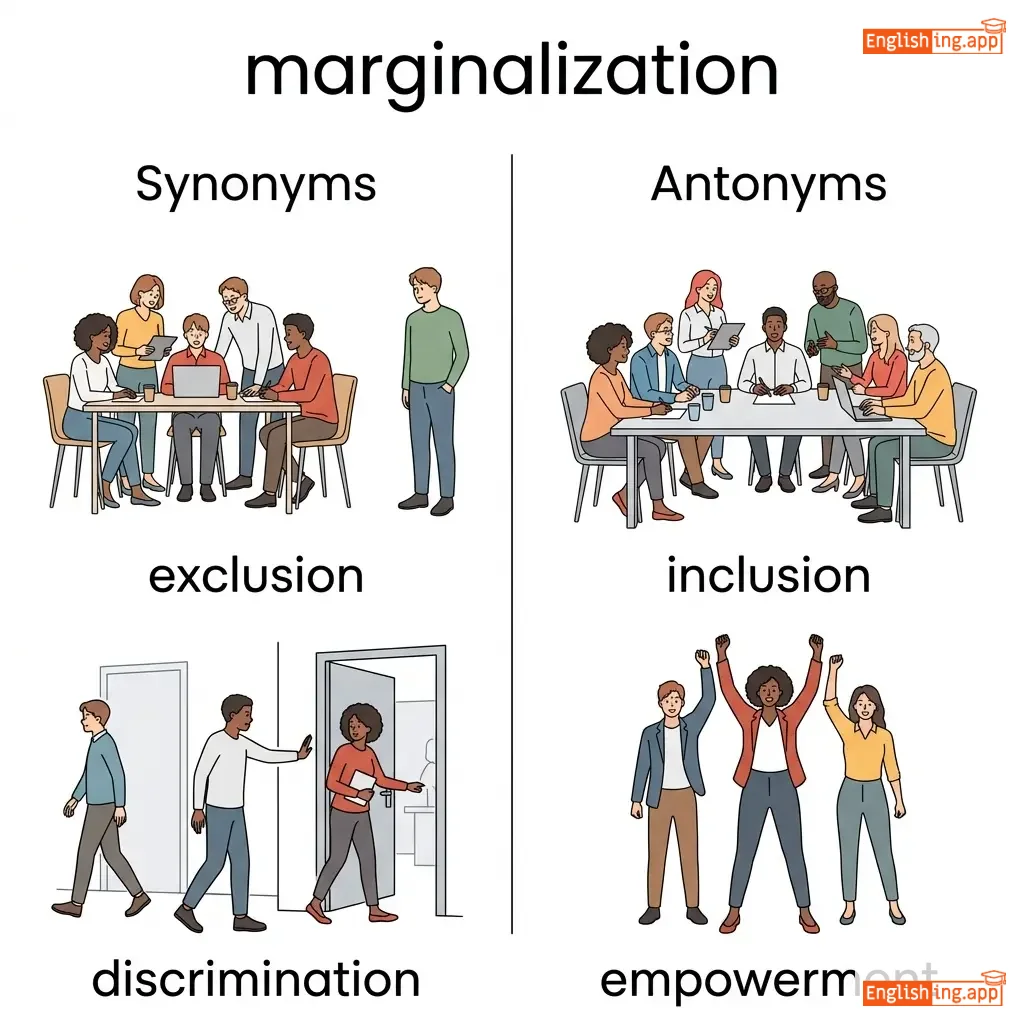
ˌmɑːr.dʒɪ.nəl.aɪˈzeɪ.ʃən
noun
••••••
••••••
The treatment of a person, group, or concept as insignificant or peripheral.
••••••

Economic policies should address the marginalization of the poor.

••••••
exclusion, discrimination, alienation
••••••
inclusion, empowerment, recognition
••••••
#1948
🔓
••••••
ˌlɪb.ər.ə.laɪˈzeɪ.ʃən
noun
••••••
••••••
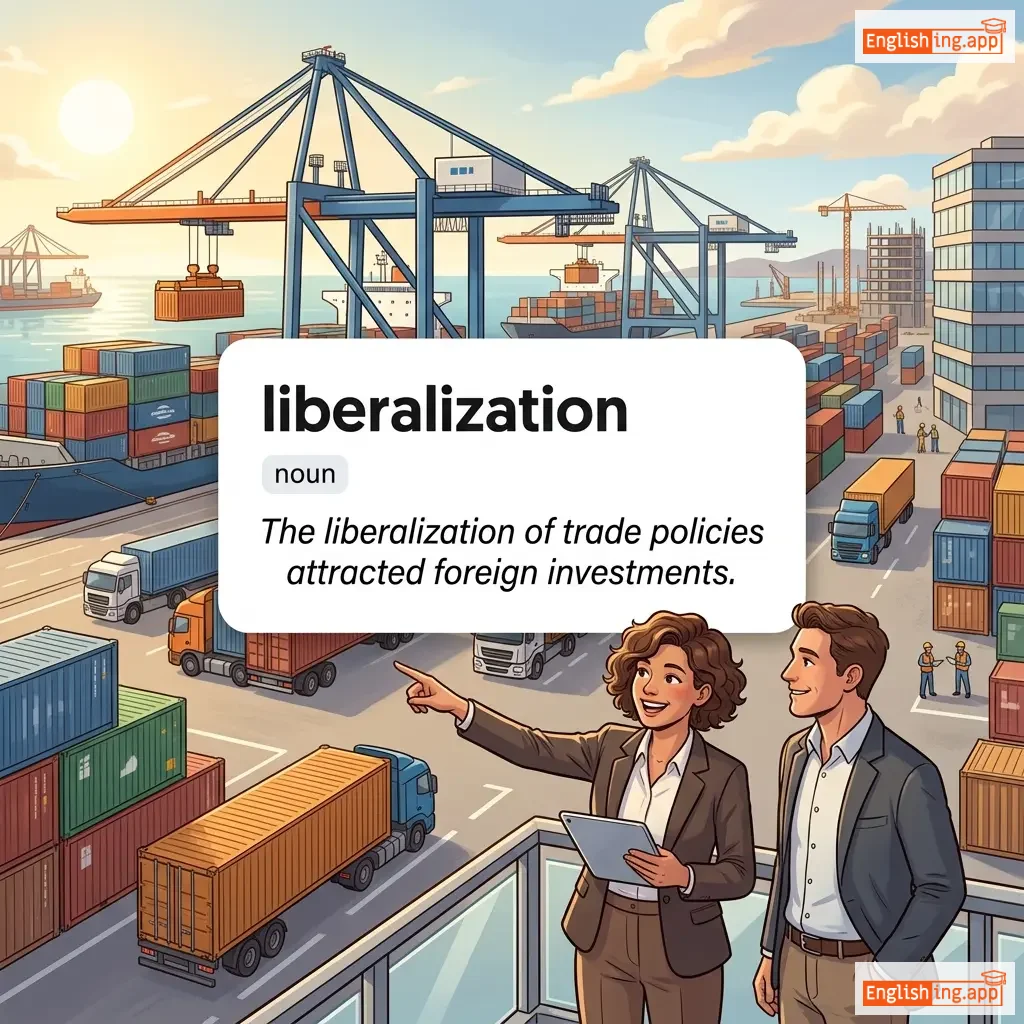
The removal or loosening of restrictions on something, typically an economic or political system.
••••••

The liberalization of trade policies attracted foreign investments.

••••••
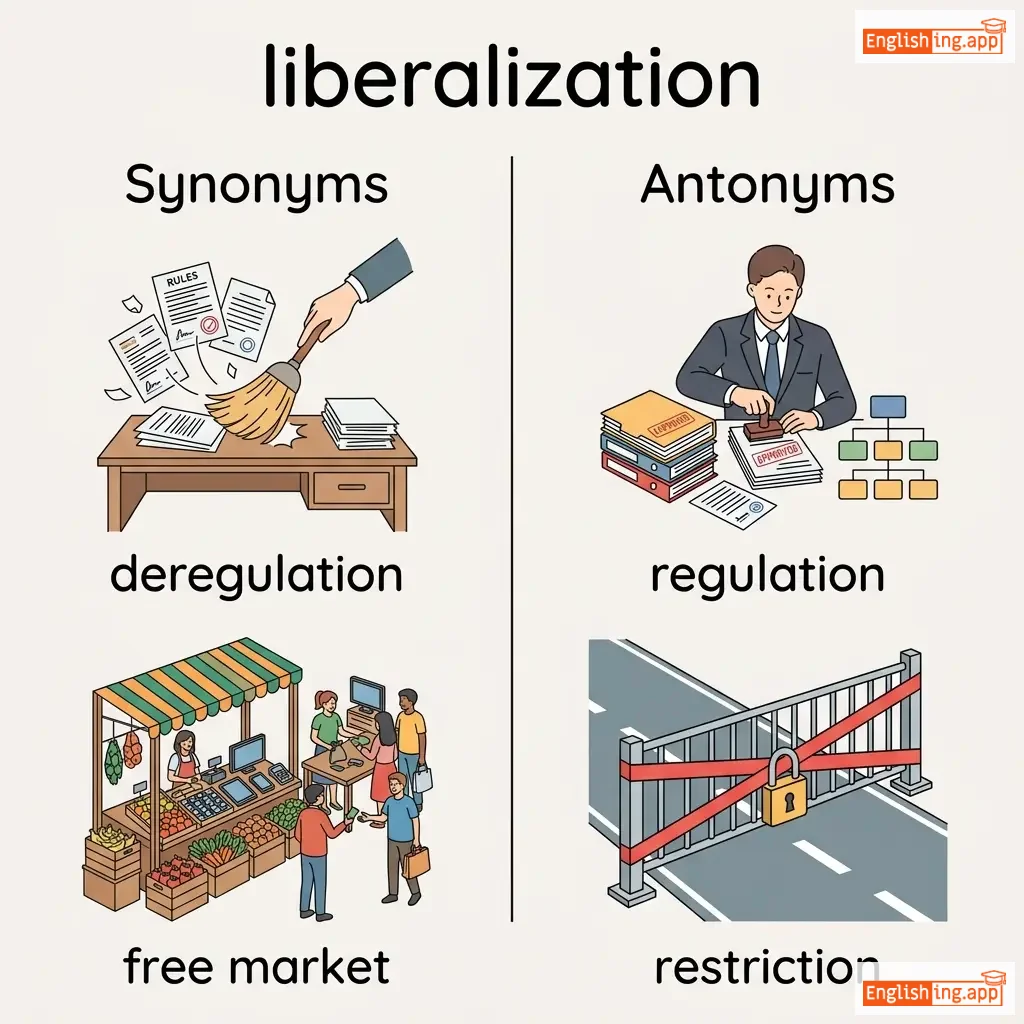
deregulation, free market, relaxation
••••••
regulation, restriction, control
••••••
#1949
🌐
••••••
ˈaʊt.sɔːr.sɪŋ
noun
••••••
••••••
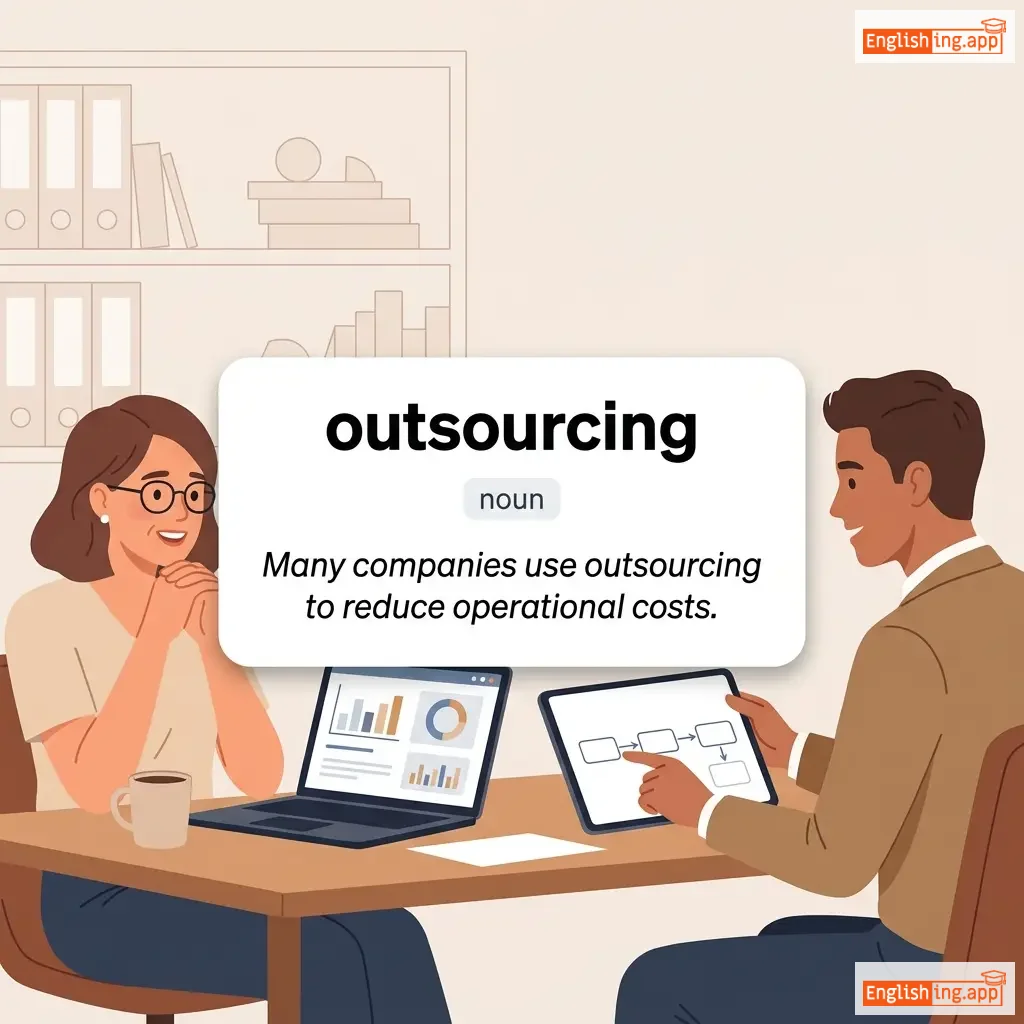
The practice of having certain job functions done outside a company instead of having an in-house department or employee handle them.
••••••

Many companies use outsourcing to reduce labor costs.

••••••
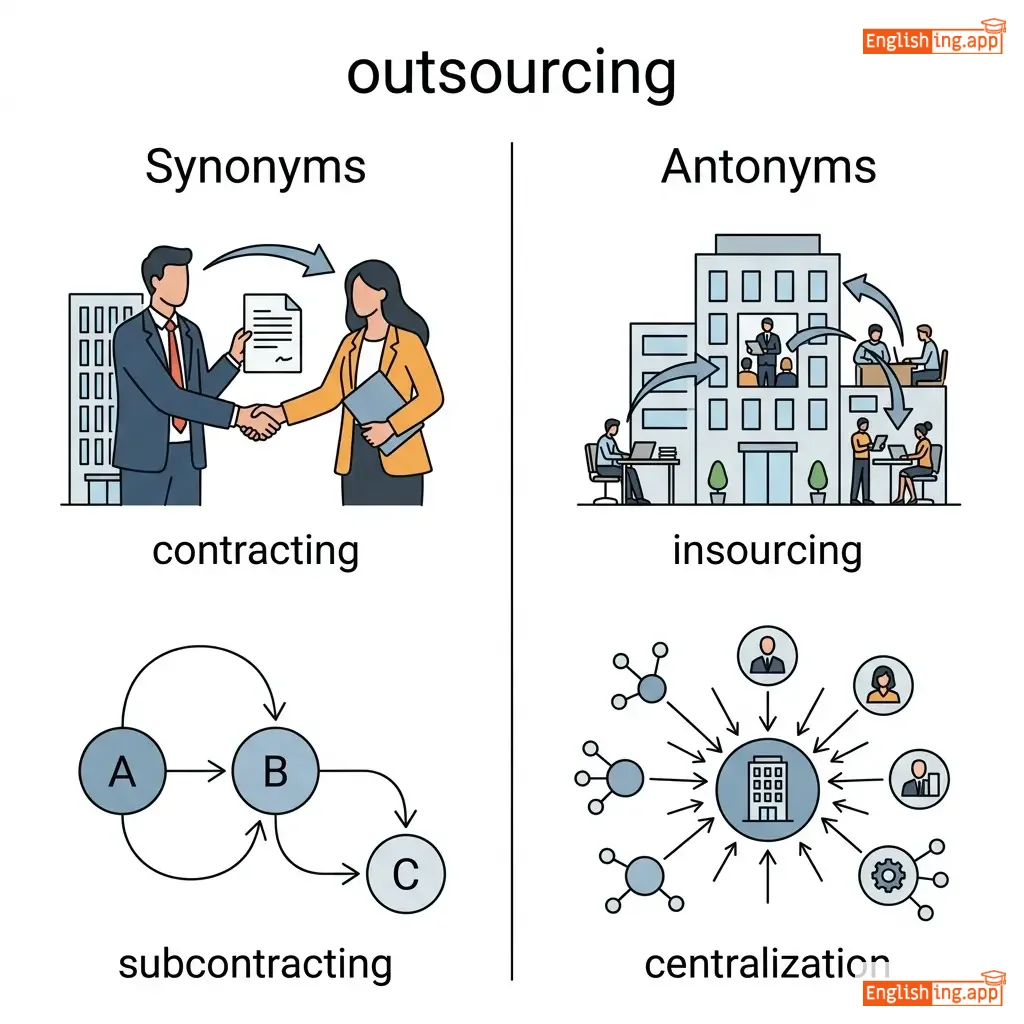
contracting, delegation, offshoring
••••••
insourcing, domestic hiring, internalization
••••••
#1950
🏢
••••••
ˌpraɪ.vɪ.taɪˈzeɪ.ʃən
noun
••••••
••••••
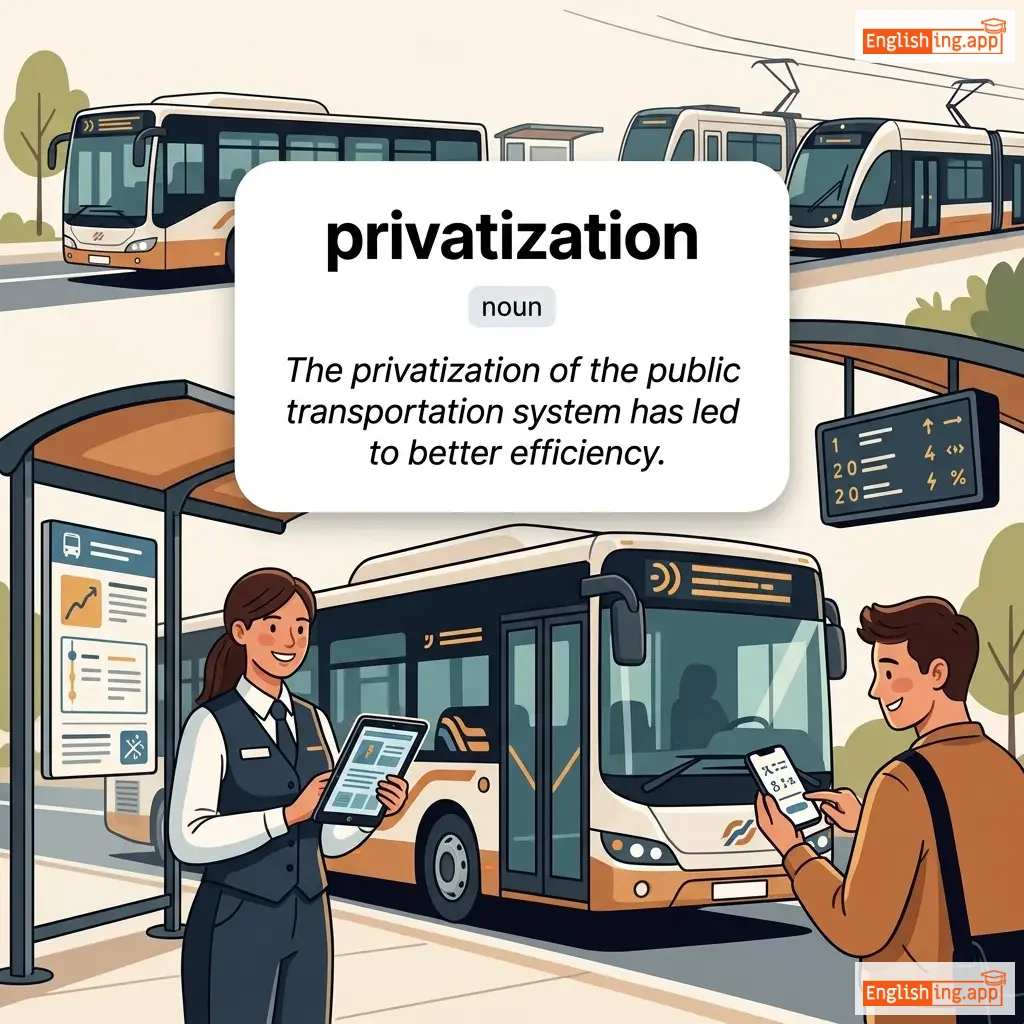
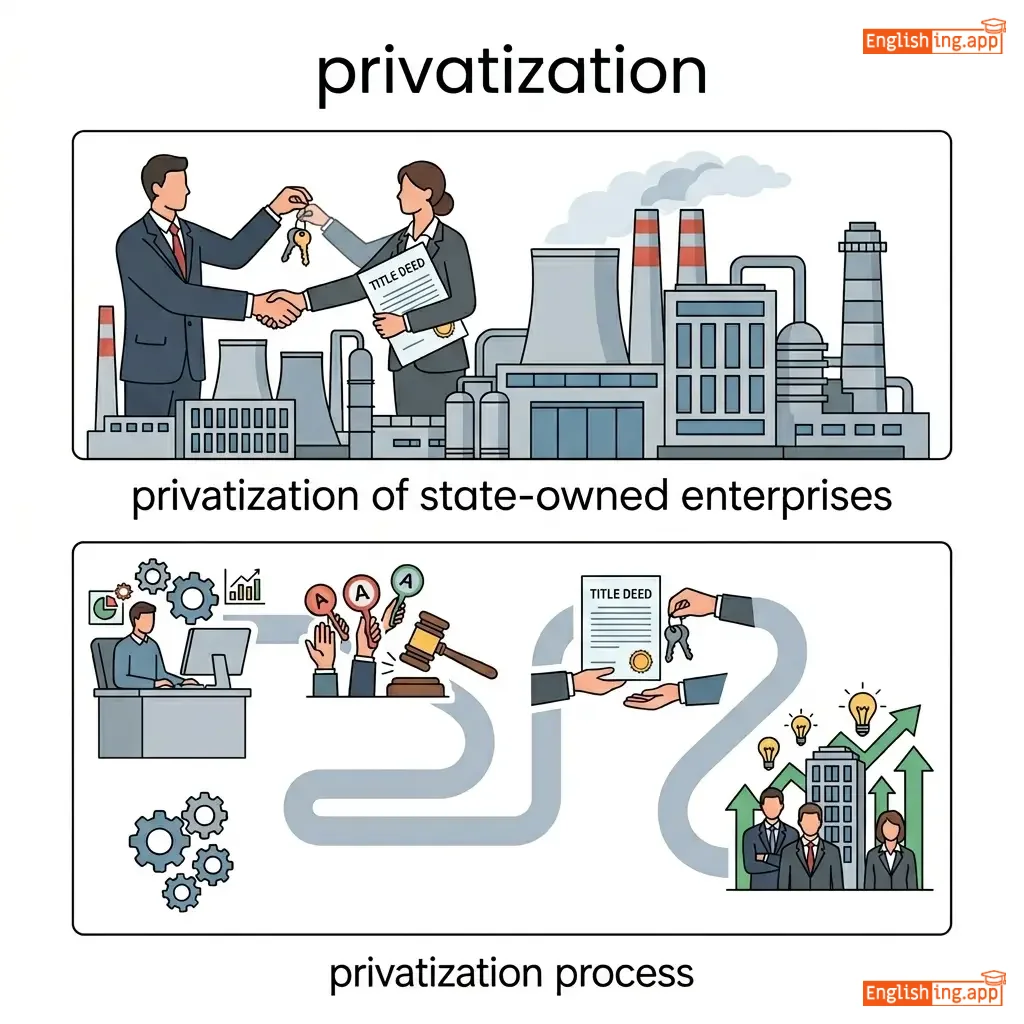
The transfer of a business, industry, or service from public to private ownership and control.
••••••

The privatization of state-owned companies increased efficiency.

••••••
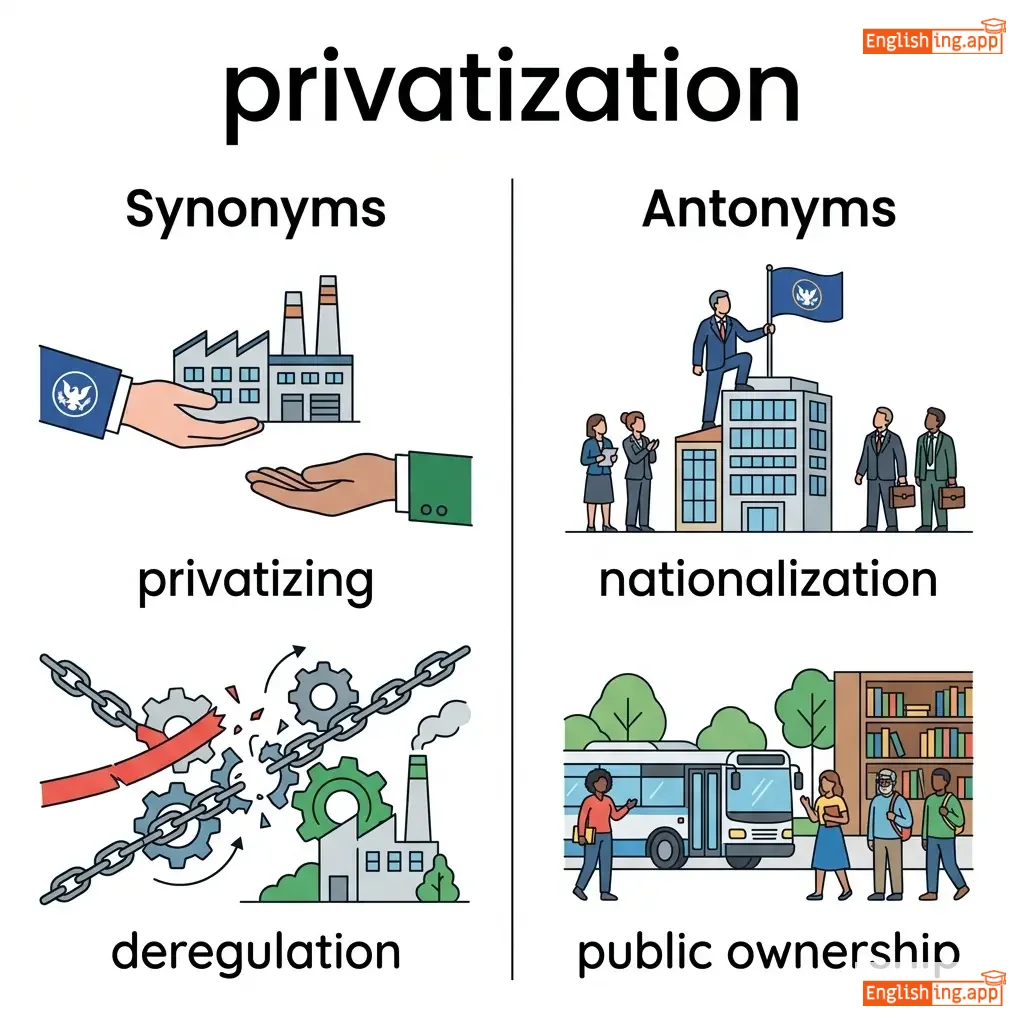
commercialization, private ownership, de-nationalization
••••••
nationalization, public ownership, socialization
••••••
#1951
🤝
••••••
kənˌsɒl.ɪˈdeɪ.ʃən
noun
••••••
••••••
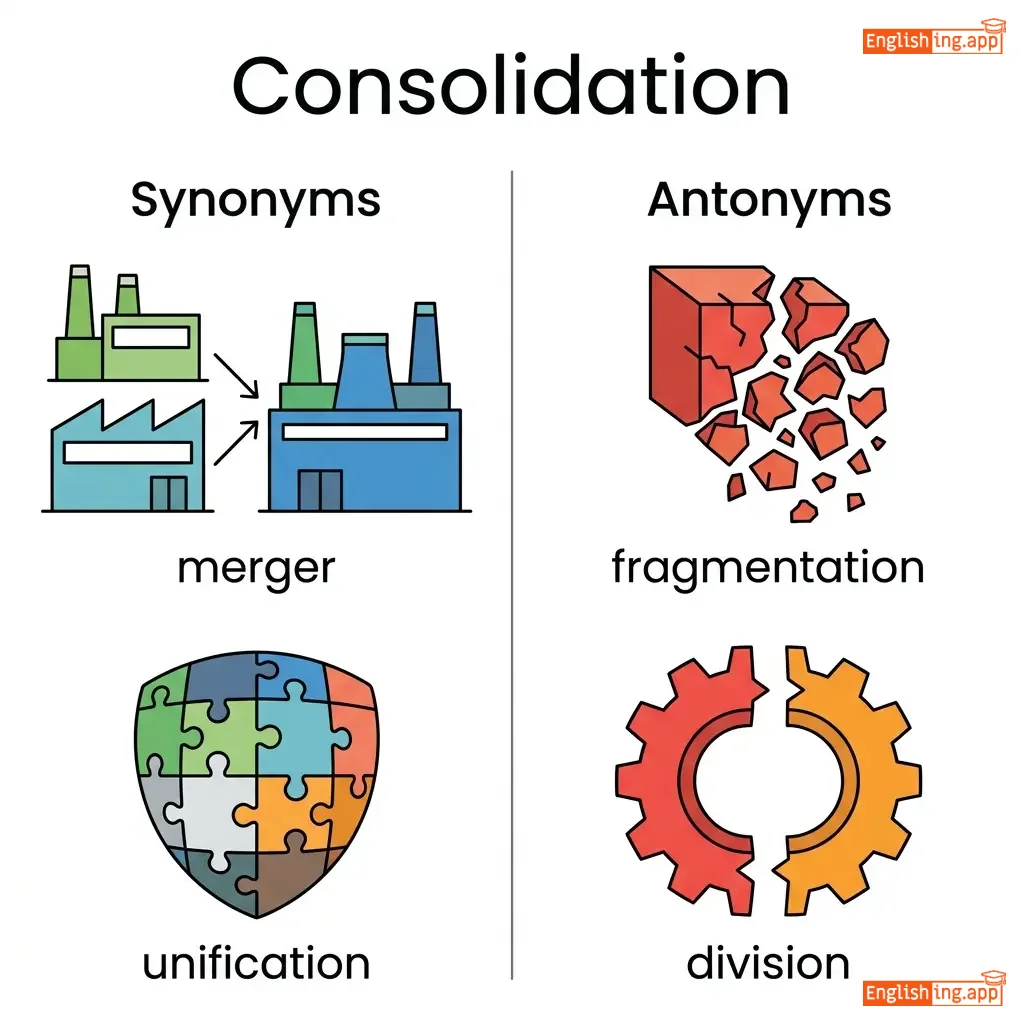
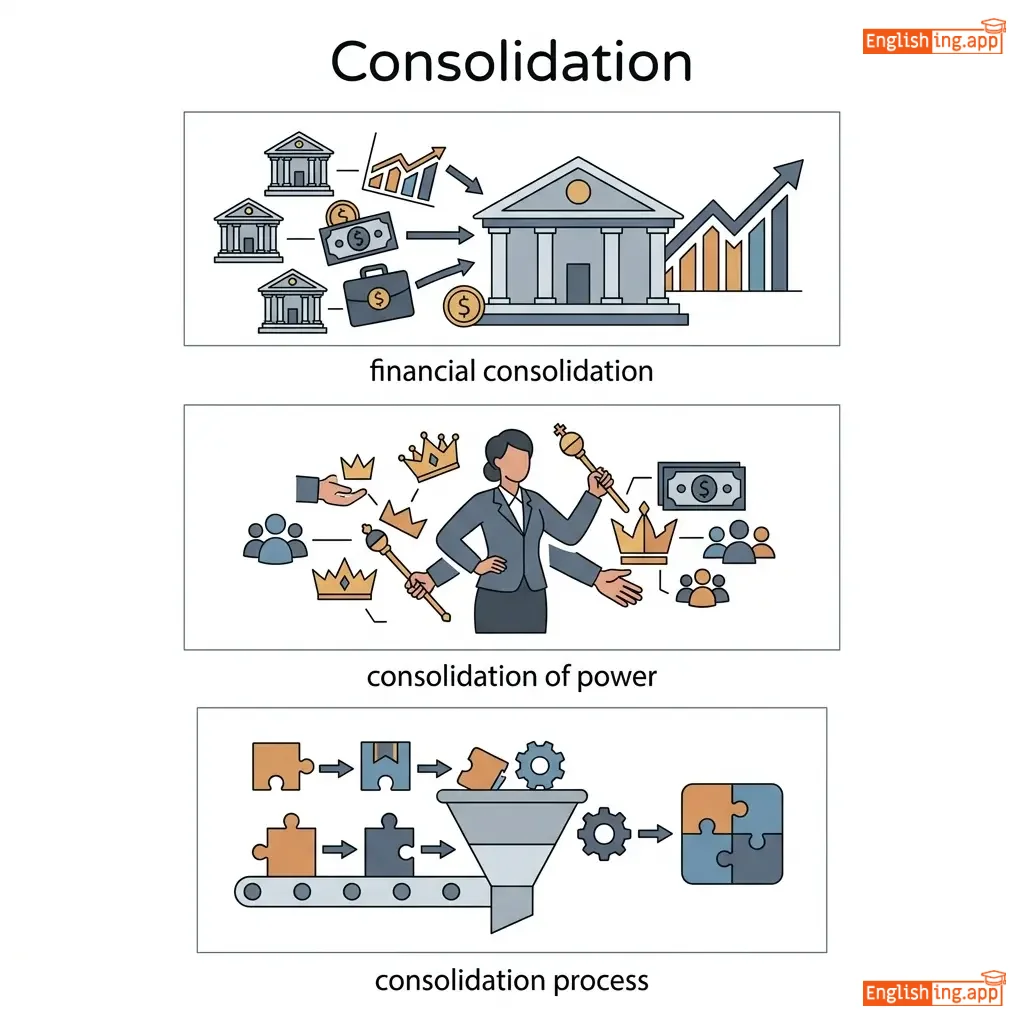
The action or process of making something stronger or more solid.
••••••

The consolidation of companies led to a more efficient business structure.

••••••
merger, unification, strengthening
••••••
fragmentation, division, separation
••••••
#1952
🛡️
••••••
prəˈtɛk.ʃə.nɪ.zəm
noun
••••••
••••••
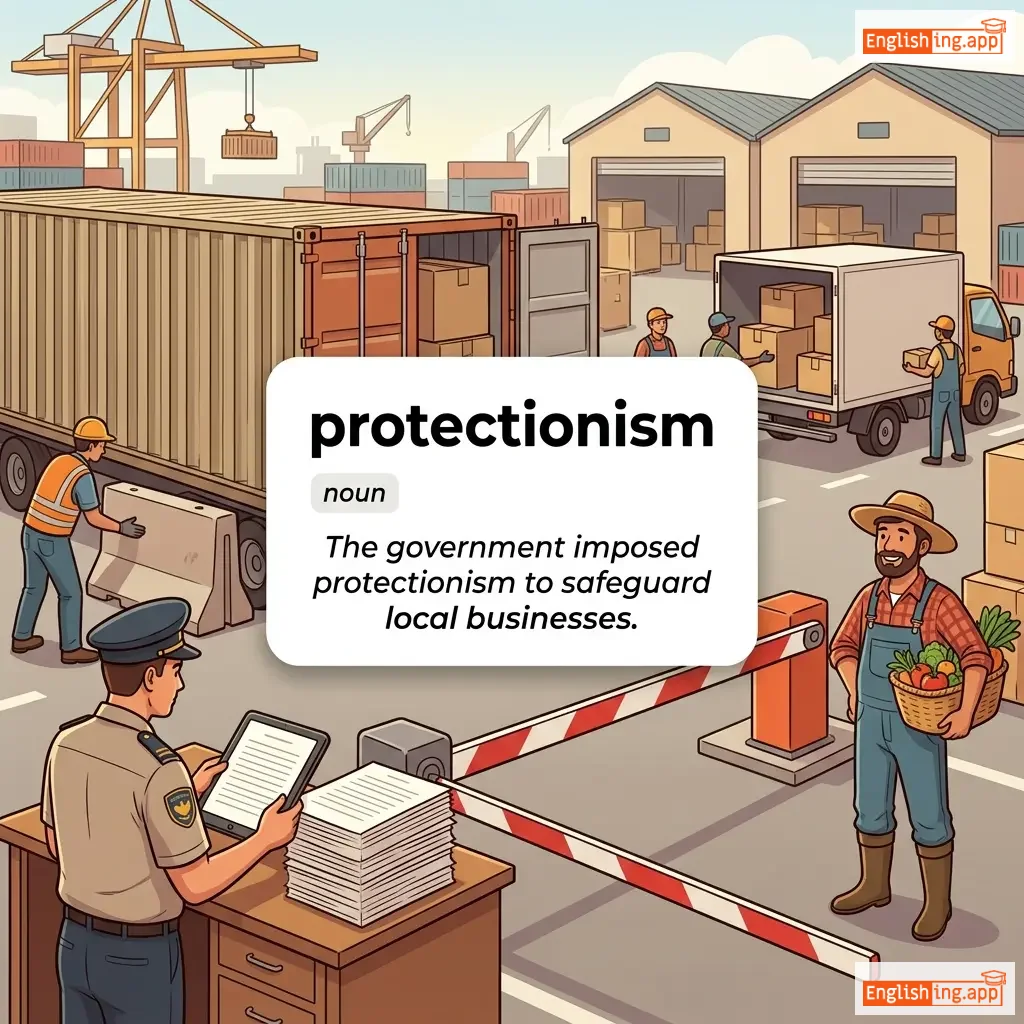
The theory or practice of shielding a country's domestic industries from foreign competition by taxing imports.
••••••

The government's protectionism helped local businesses grow.

••••••
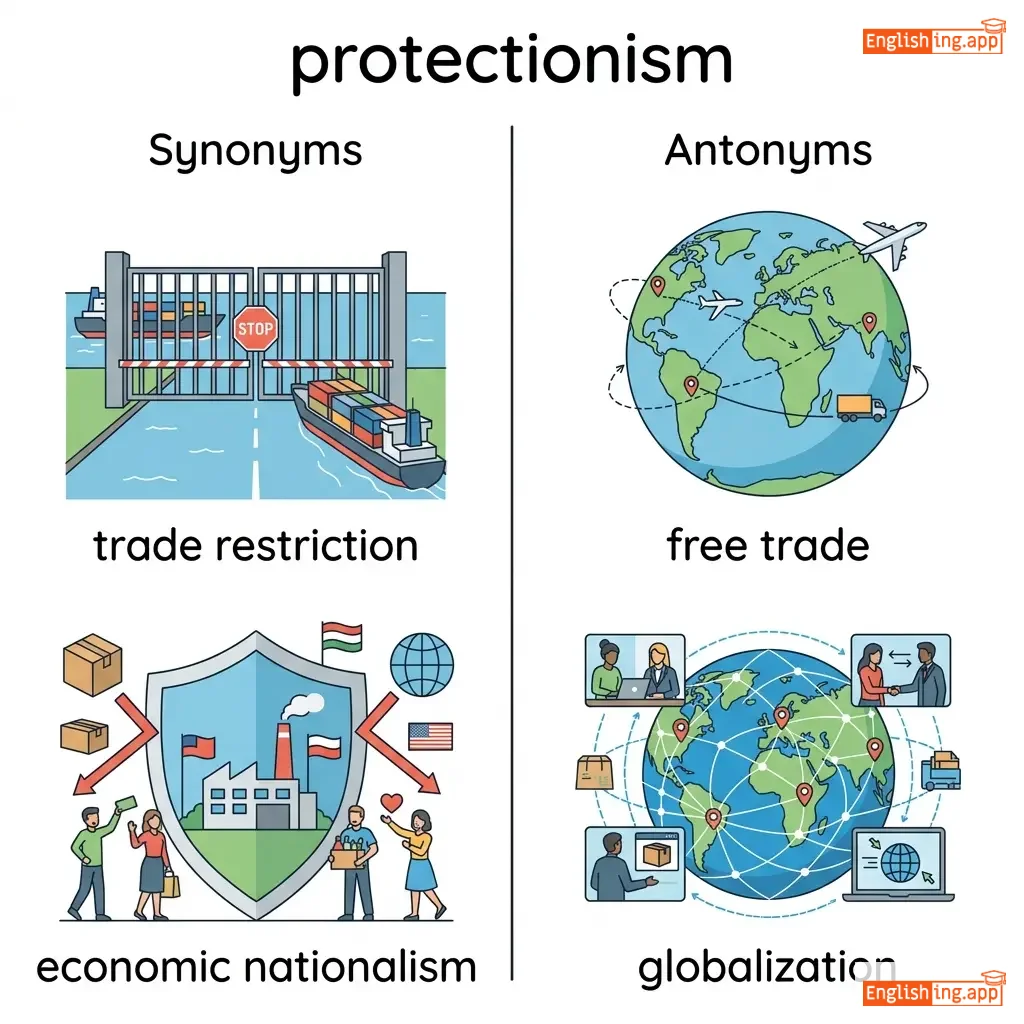
trade restriction, tariff policy, economic isolation
••••••
free trade, liberalization, globalization
••••••
#1953
📊
••••••
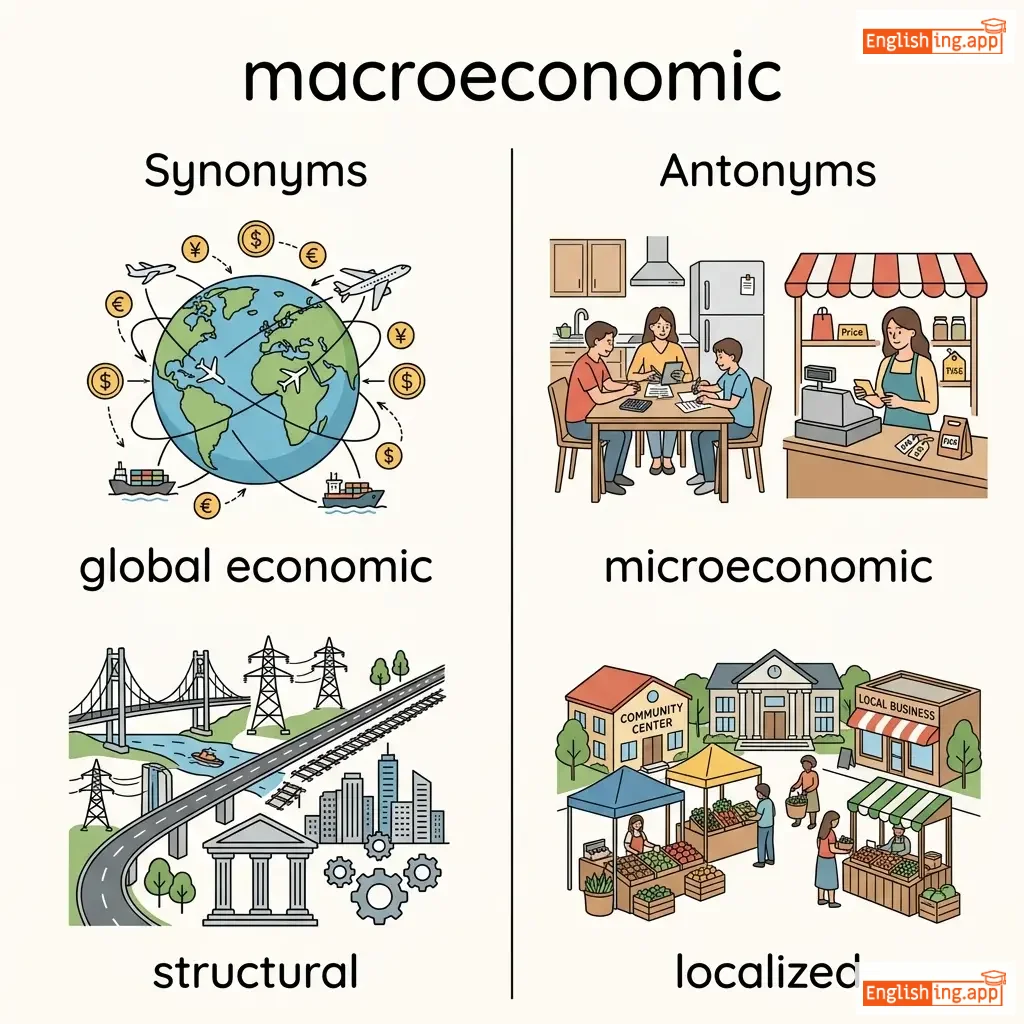
ˌmæk.roʊ.iː.kəˈnɒm.ɪk
adjective
••••••
••••••
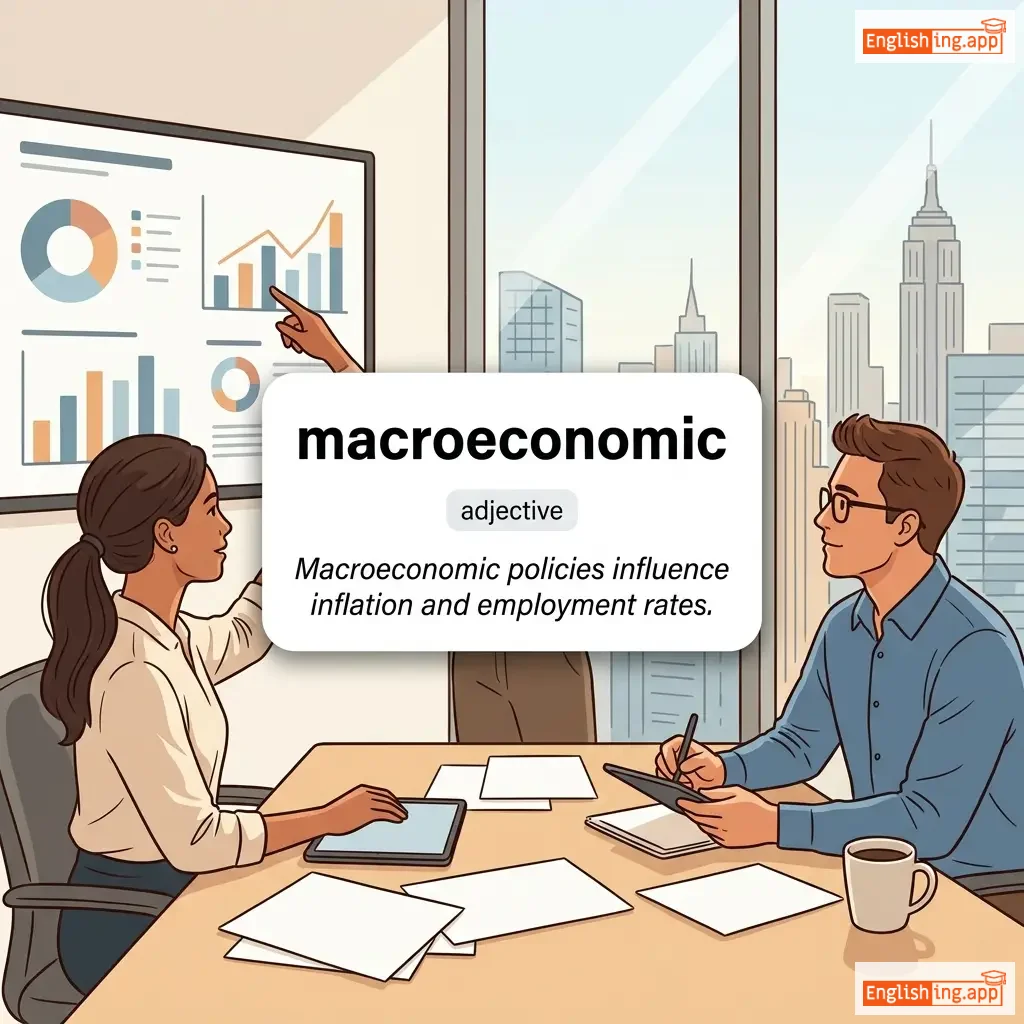
Relating to the large-scale or general economic factors, such as interest rates and national productivity.
••••••

Government policies impact macroeconomic stability.

••••••
national economy, economic trends, large-scale financial system
••••••
microeconomic, individual finance, localized economy
••••••
#1954
📈
••••••
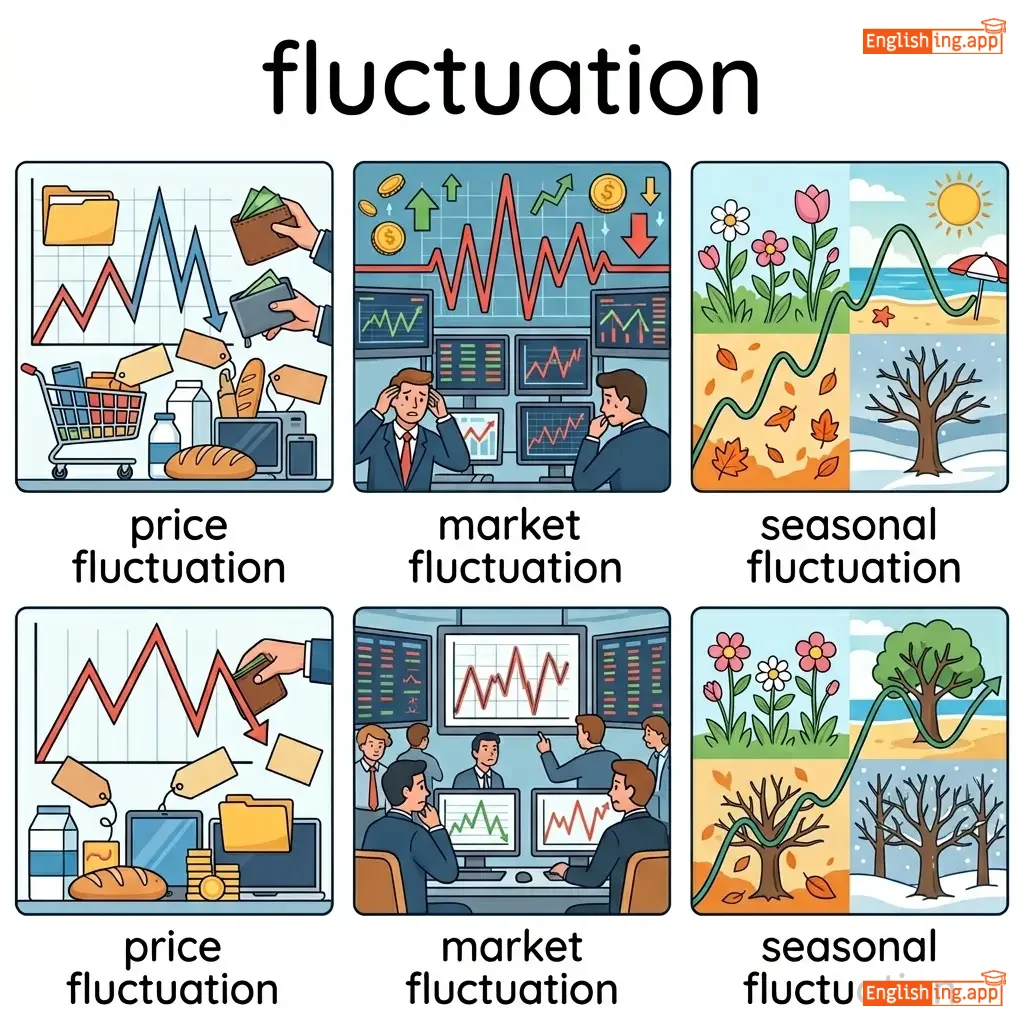
ˌflʌk.tʃuˈeɪ.ʃən
noun
••••••
••••••
An irregular rising and falling in number or amount; a variation.
••••••

The stock market experiences frequent fluctuation.

••••••
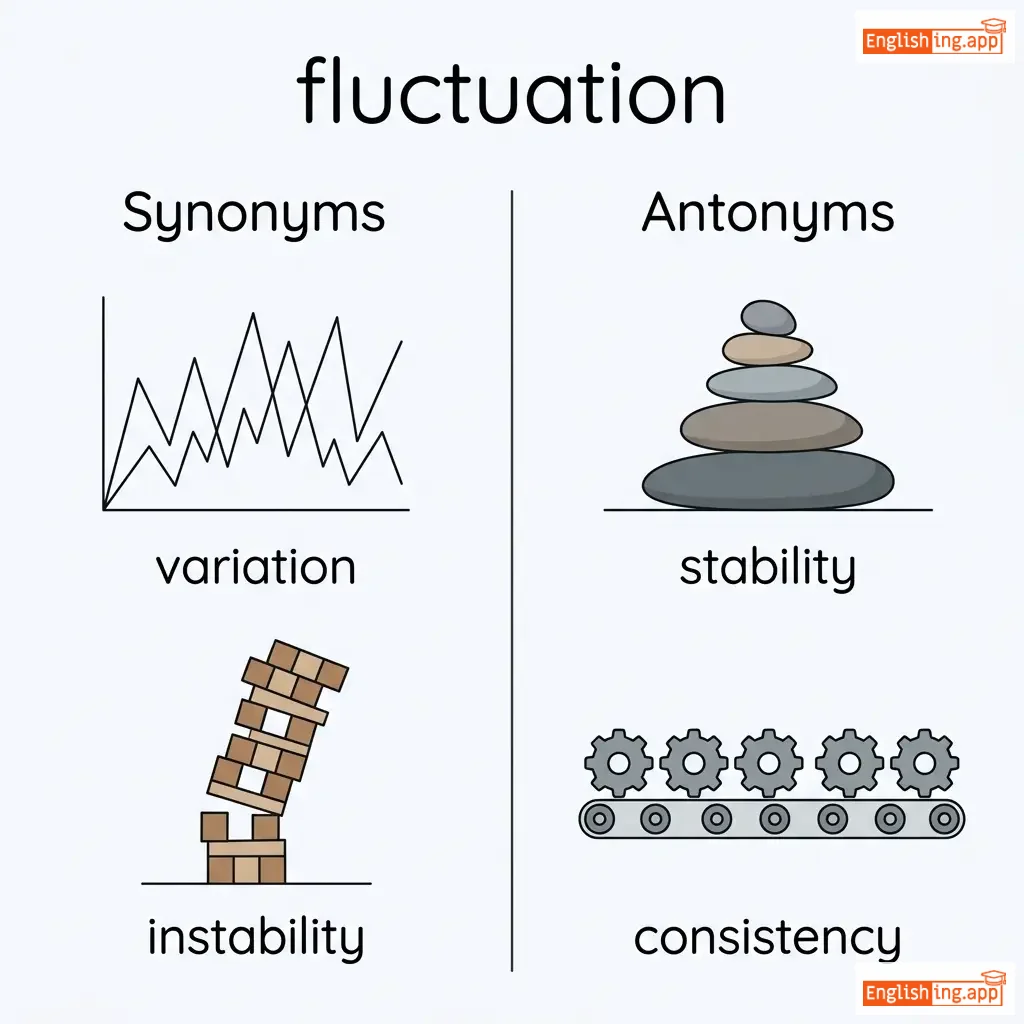
variability, instability, volatility
••••••
stability, consistency, predictability
••••••
#1955
🏛️
••••••
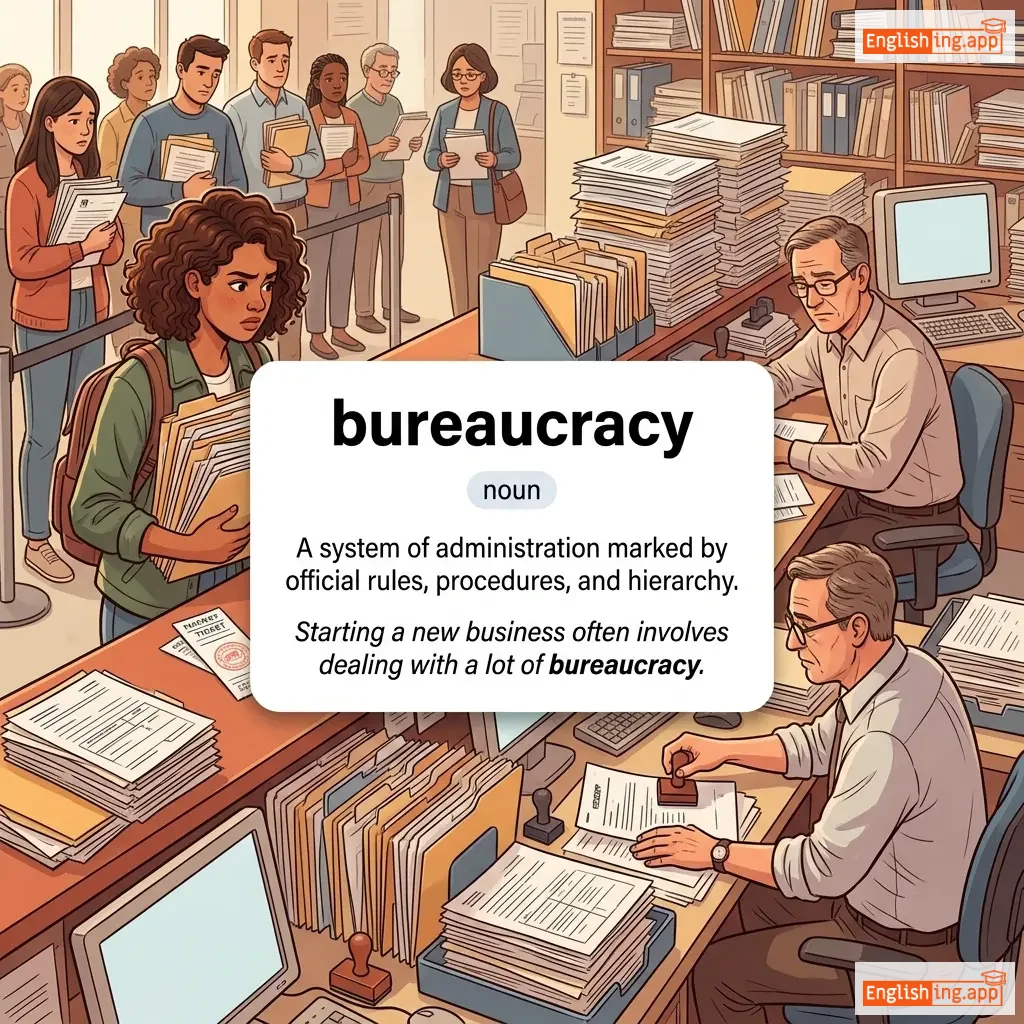
bjʊəˈrɒk.rə.si
noun
••••••
••••••
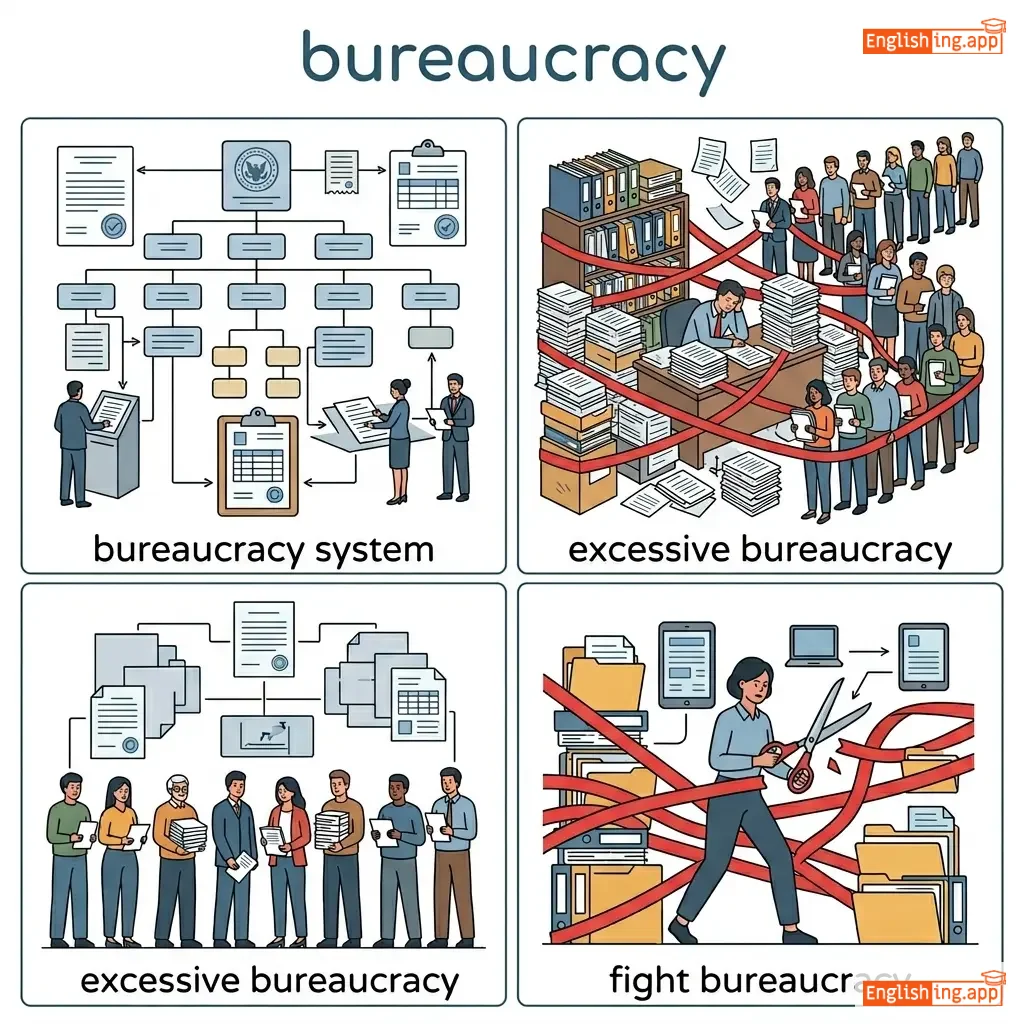
A system of government in which most of the important decisions are made by state officials rather than by elected representatives.
••••••

Excessive bureaucracy can slow down decision-making.

••••••
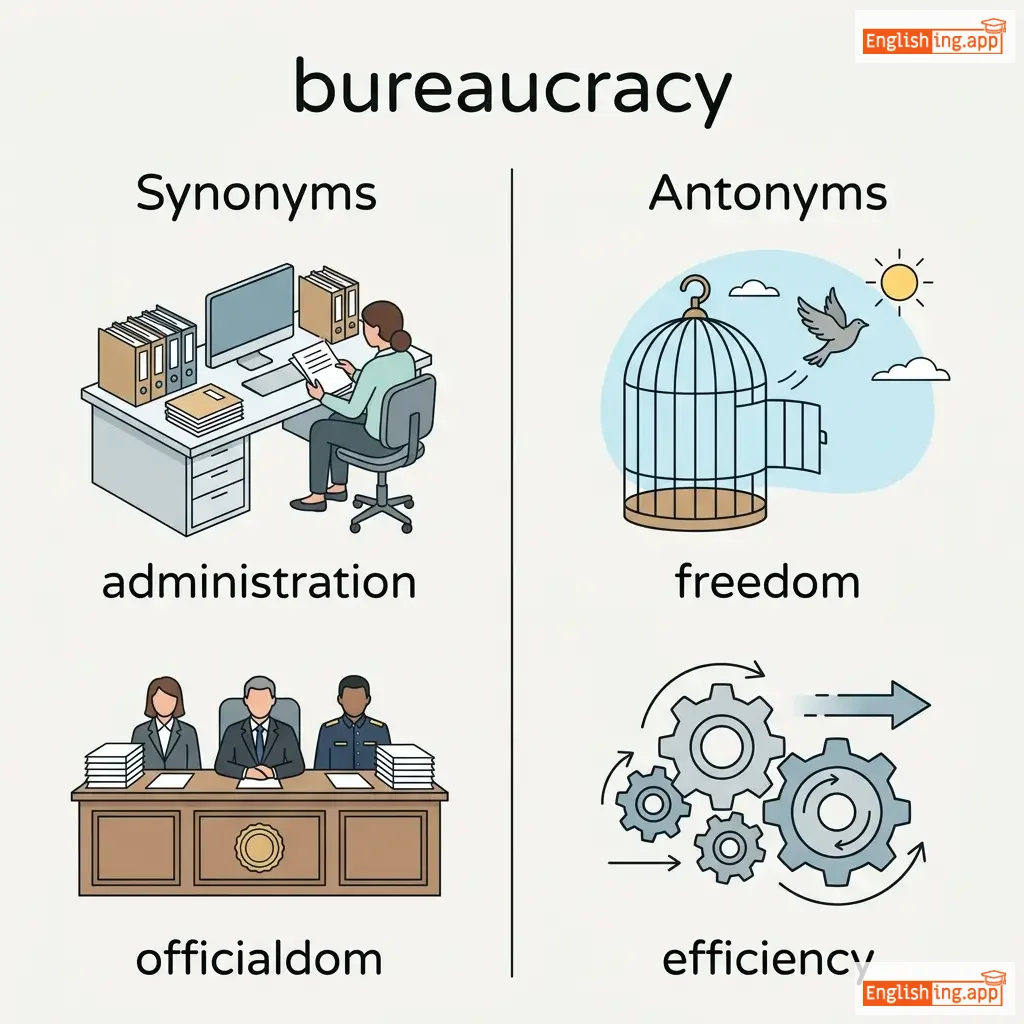
administration, red tape, officialdom
••••••
flexibility, efficiency, simplicity
••••••
#1956
👑
••••••
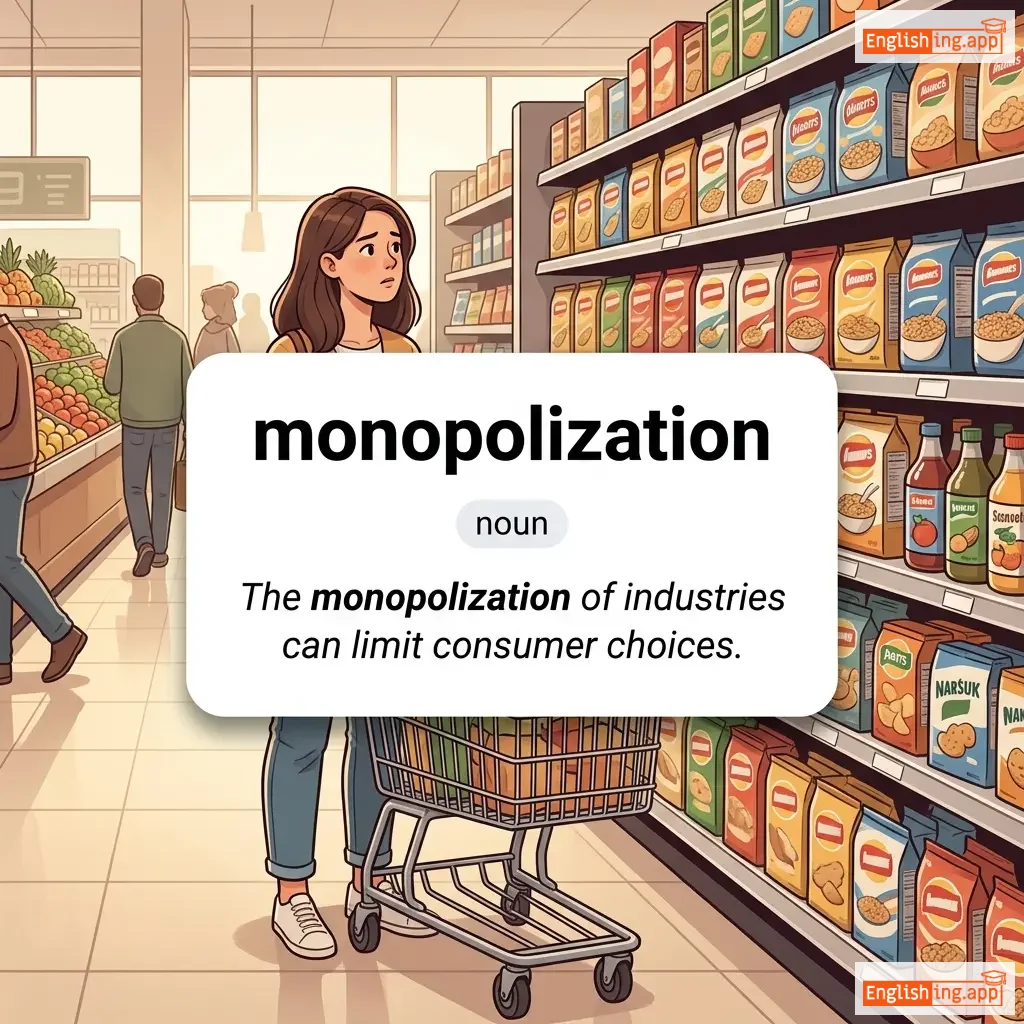
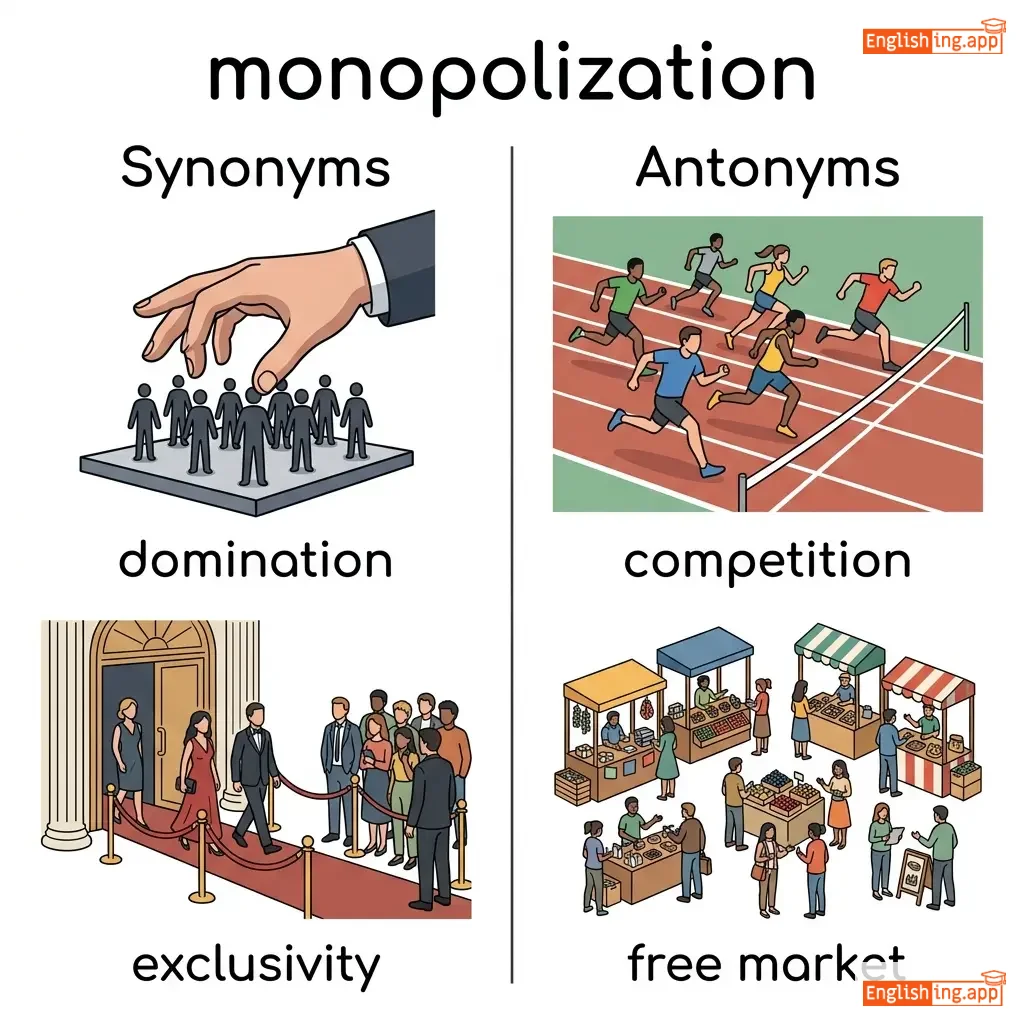
məˌnɒp.ə.laɪˈzeɪ.ʃən
noun
••••••
••••••
The process of gaining exclusive possession or control of a trade, commodity, or service.
••••••

The monopolization of industries can limit consumer choices.

••••••
domination, exclusivity, control
••••••
competition, free market, decentralization
••••••
#1957
⛓️
••••••
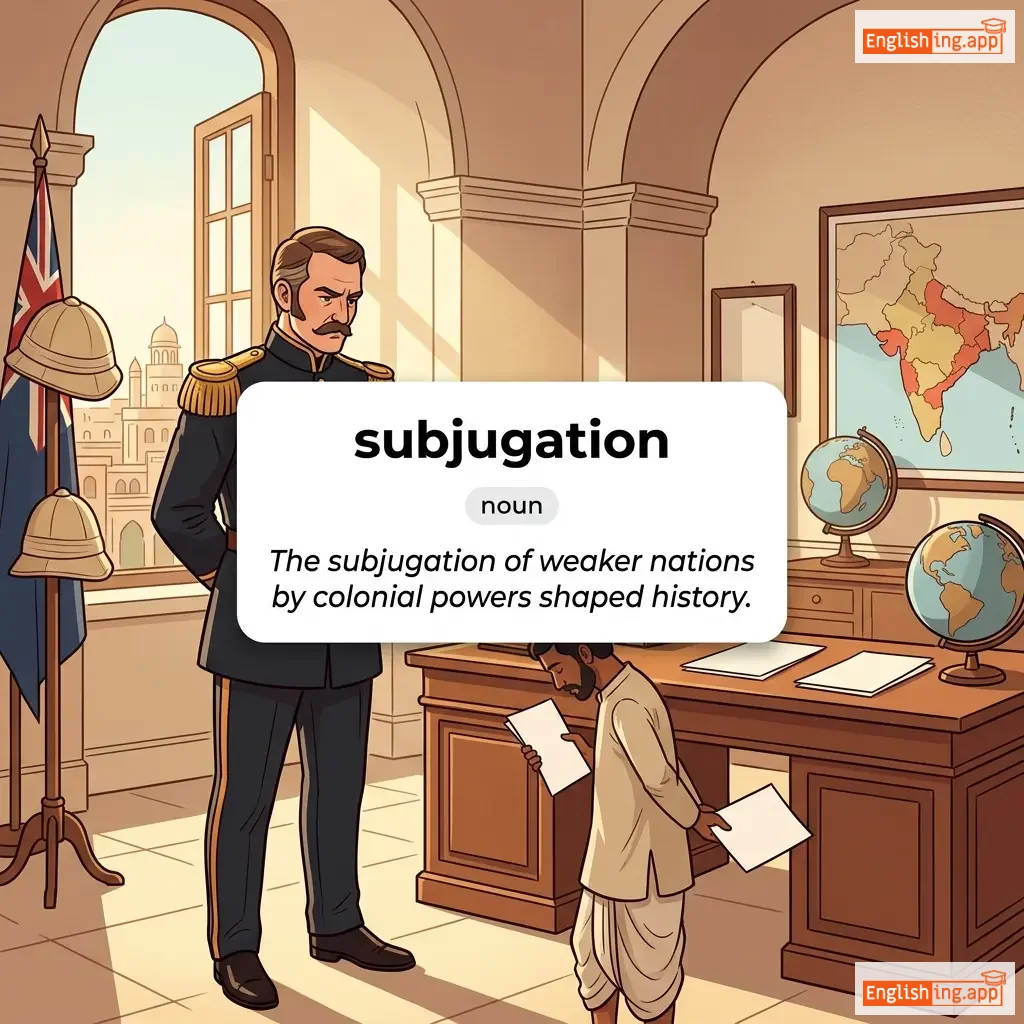
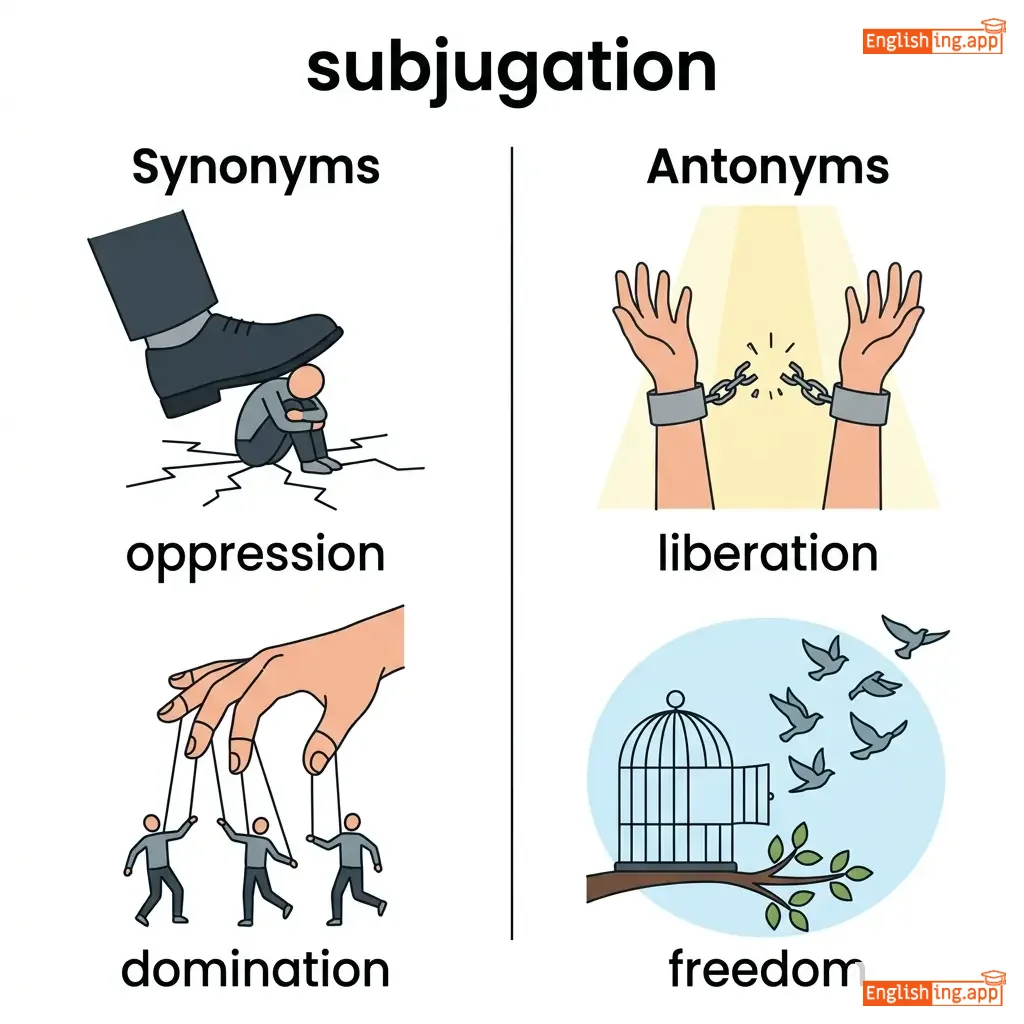
ˌsʌb.dʒʊˈɡeɪ.ʃən
noun
••••••
••••••
The action of bringing someone or something under domination or control, especially by force.
••••••

The subjugation of weaker nations by colonial powers shaped history.

••••••
oppression, domination, enslavement
••••••
liberation, freedom, empowerment
••••••
#1958
🌈
••••••
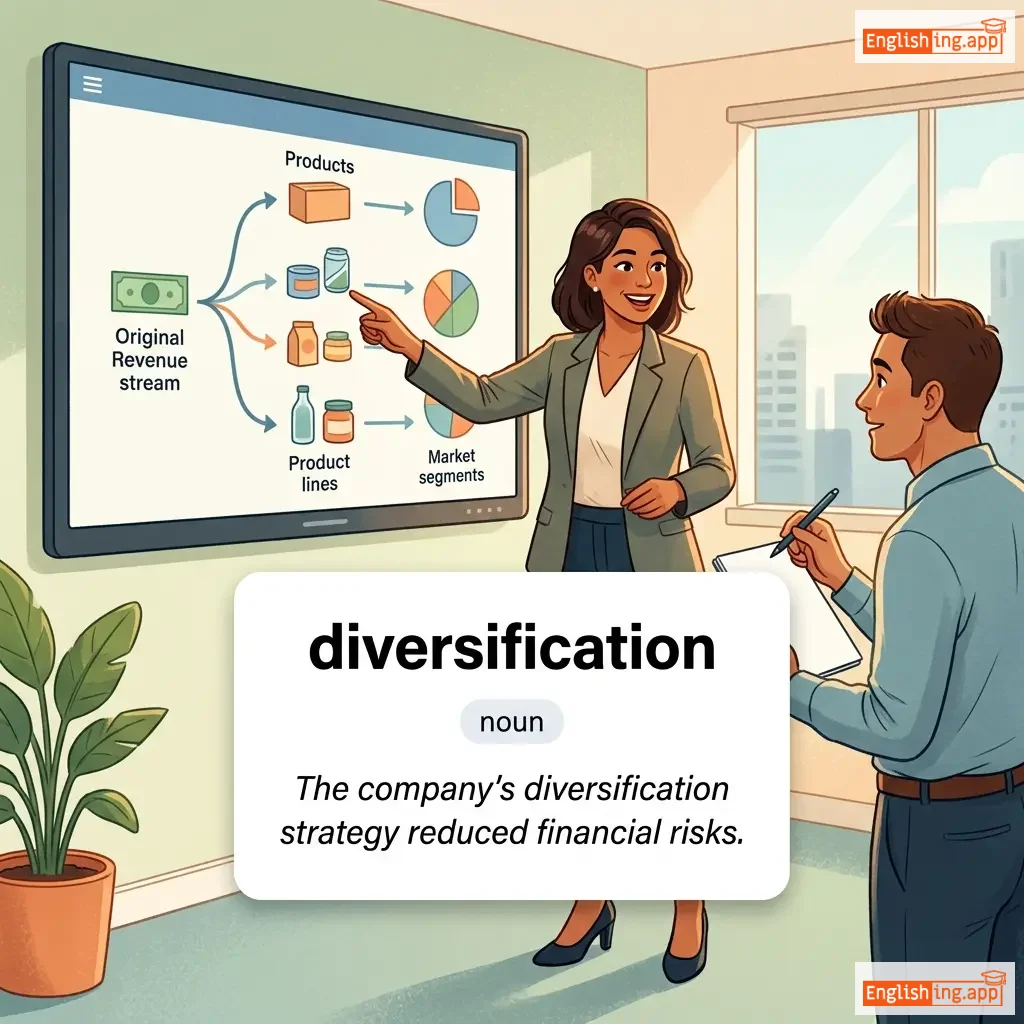
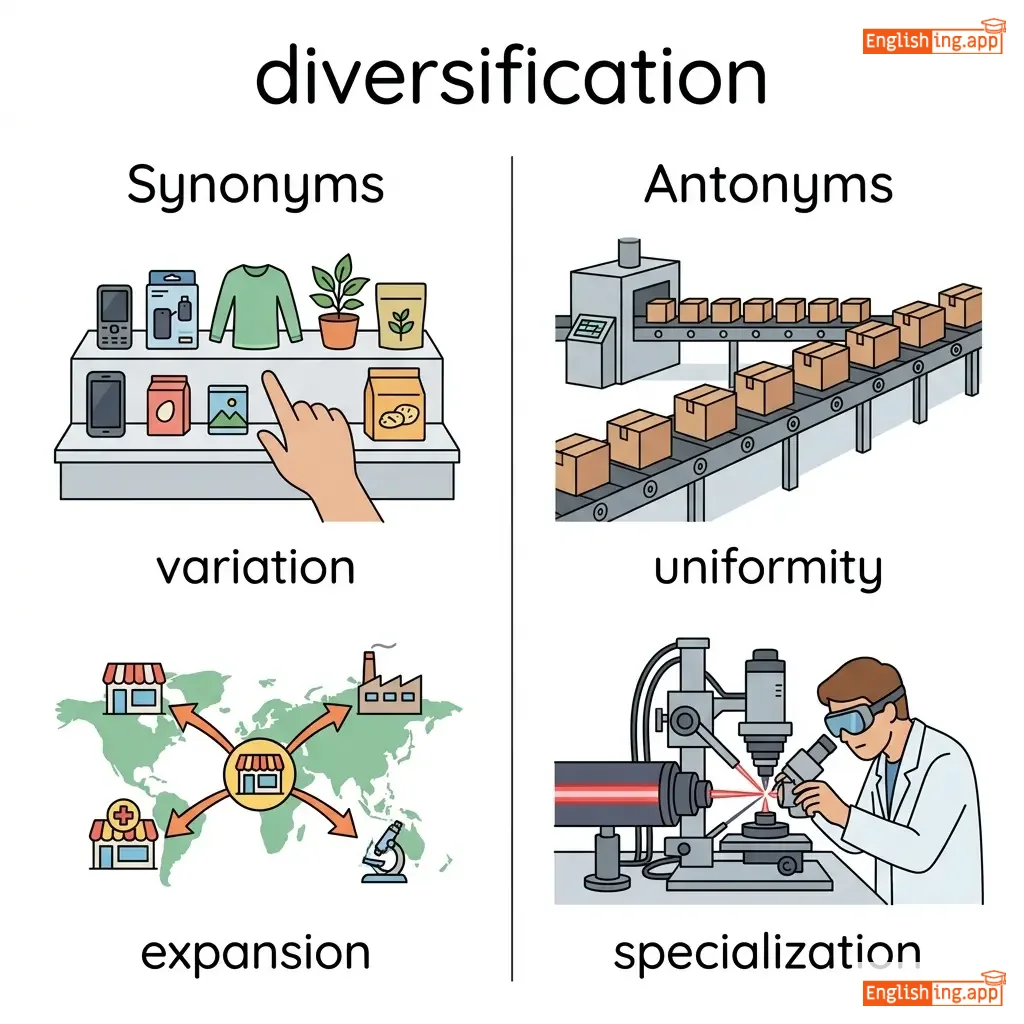
daɪˌvɜː.sɪ.fɪˈkeɪ.ʃən
noun
••••••
••••••
The process of a business enlarging or varying its range of products or field of operation.
••••••

Companies adopt diversification strategies to reduce risk.

••••••
expansion, variation, differentiation
••••••
specialization, uniformity, narrow focus
••••••
#1959
🔧
••••••
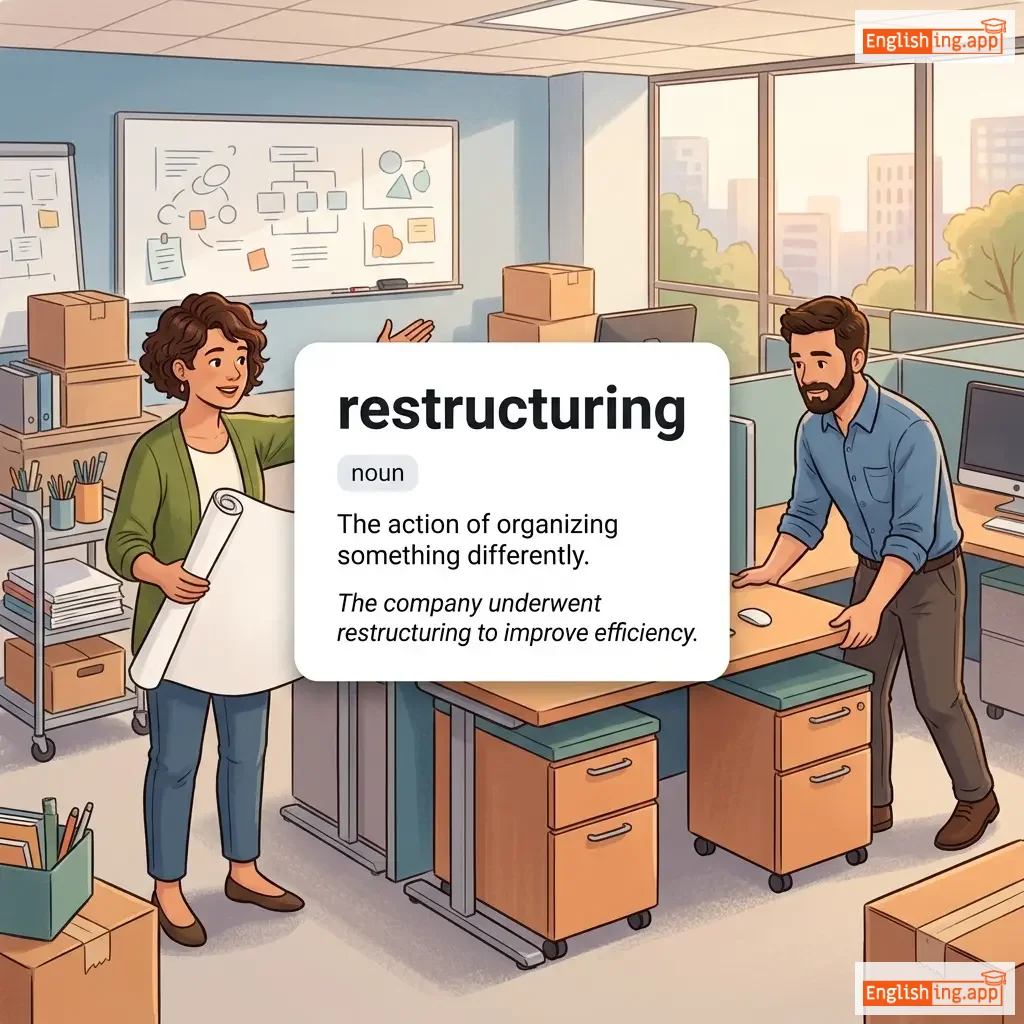
ˌriːˈstrʌk.tʃər.ɪŋ
noun
••••••
••••••
The action of organizing something differently.
••••••

The company underwent restructuring to improve efficiency.

••••••
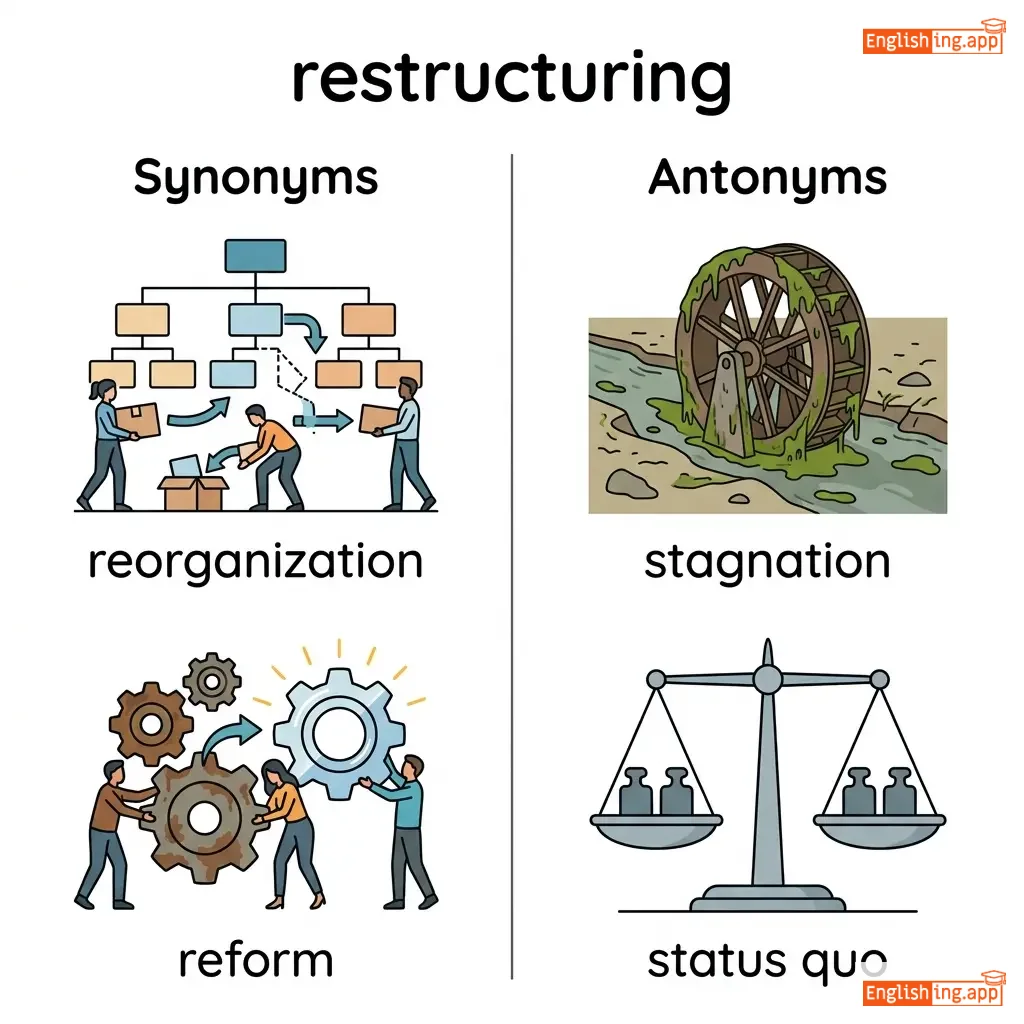
reorganization, reform, overhaul
••••••
stagnation, status quo, rigidity
••••••
#1960
💳
••••••
ˈtær.ɪf
noun
••••••
••••••
A tax or duty to be paid on a particular class of imports or exports.
••••••

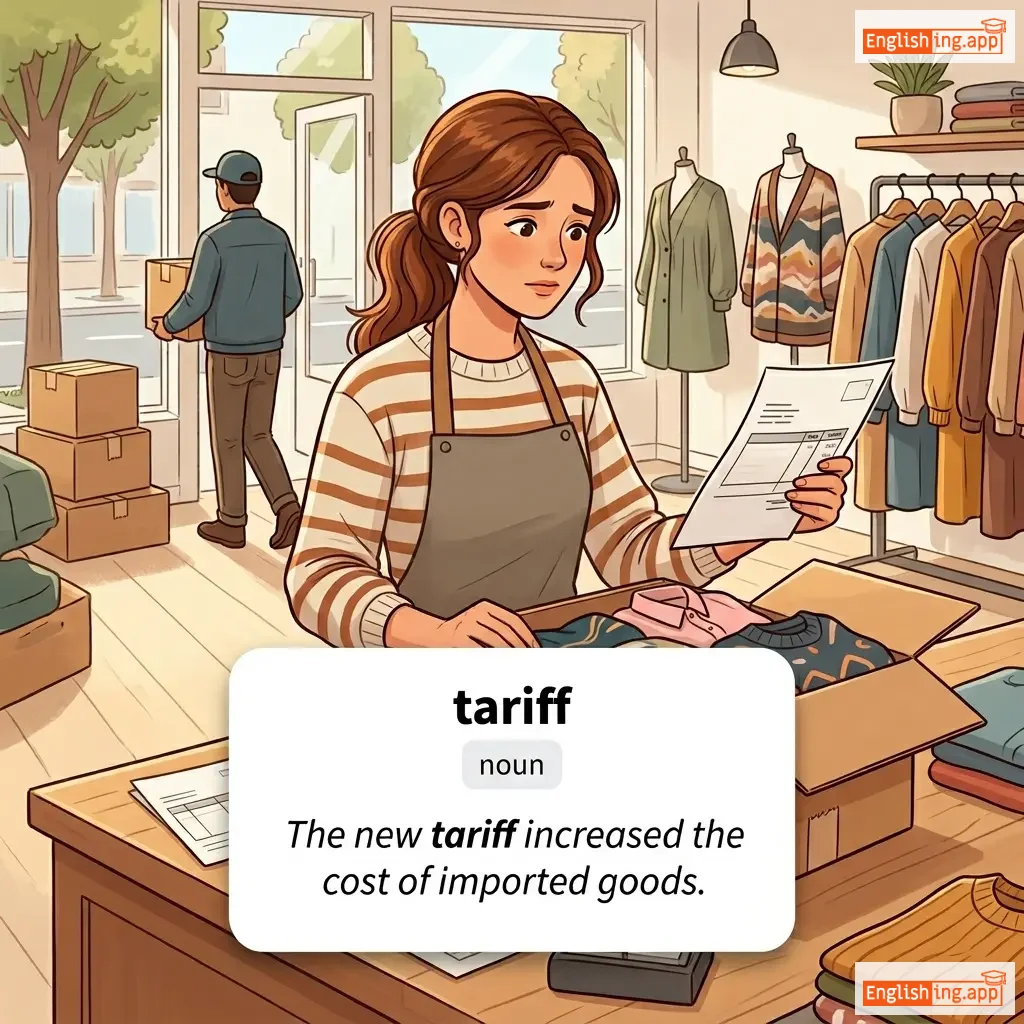
The government imposed high tariffs on luxury goods.

••••••
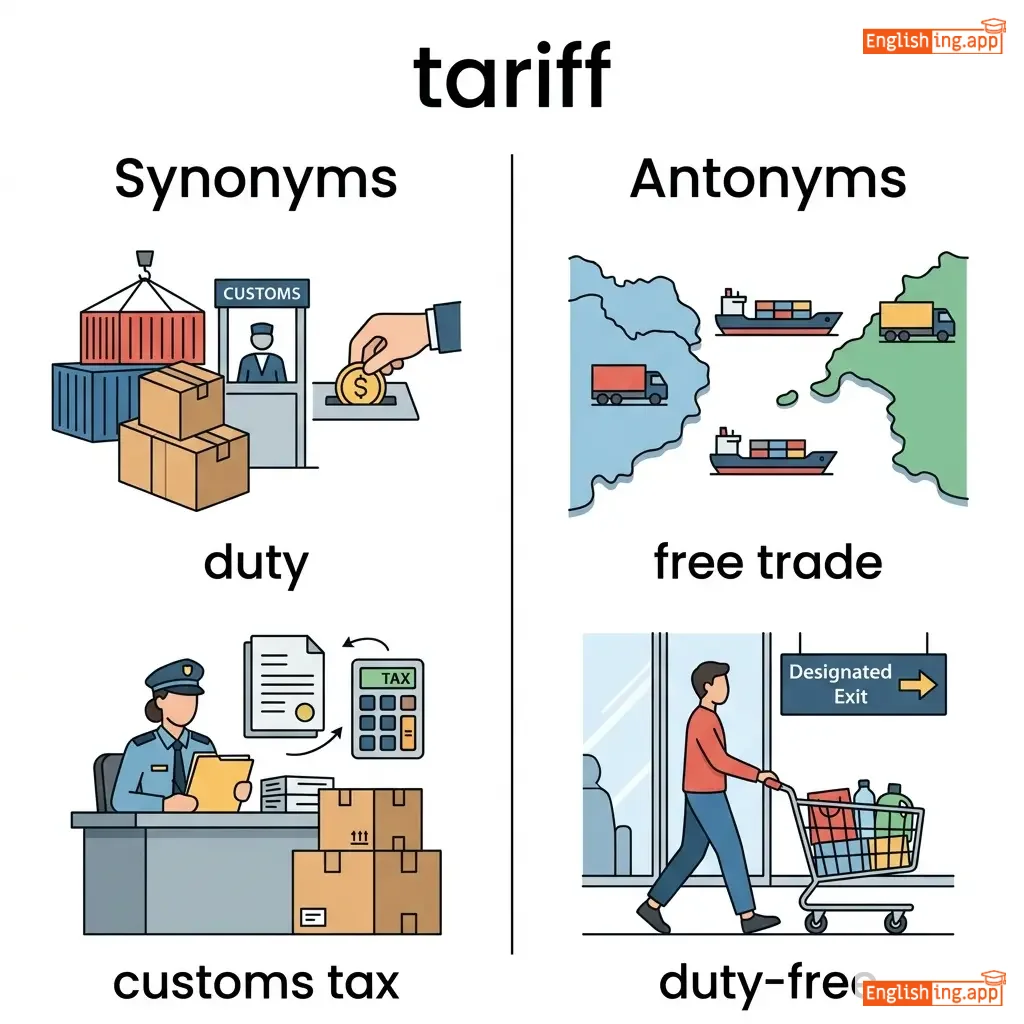
import tax, duty, customs charge
••••••
free trade, duty-free, exemption
••••••