Village Innovation Festival
机器人展览让每个人都喊出了'wow'。 这个项目还没有完成,yet,但很多人已经报名。 主持人说,'you are part of the solution.' 医学生在村里举办了aids意识活动。 这家新创公司不仅专注于技术,也致力于社会正义also。 在镇中心,Kalpana在茶圈amid分享了新闻。 展览的area用五彩的旗帜装饰。 音响塔被安装在社区中心的屋顶atop。 童子军使用back追踪工具重新走过路径。 他们迅速将船上的水bail掉。 一场盛大的ball比赛占领了学校的操场。 织工展示了他们如何用bare双手工作。 孩子们在音乐工作坊练习bass和吉他。 农民交换了环保的bean种子。 过竹桥时,每个人都必须稍微bend一下。 一等奖带有一个'best innovator'奖章。 他们承诺在传播信息时没有bias。 自行车俱乐部测试了新的bike车道。 资助委员会读出了批准的bill。 最后,每个人都用丝带bind了双手,并宣誓。
|
表情符号
|
单词 | Images | 翻译 | 过去时 | 过去分词 | 第三人称单数 | 动名词 | 含义 | 例句 | 例句翻译 | 示例表达 | 示例表达含义 | 示例表达翻译 | 同义词 | 反义词 | 搭配词 | 助记符 |
|---|---|---|---|---|---|---|---|---|---|---|---|---|---|---|---|---|---|
|
🧬
••••••
|
/eɪdz/
noun
(艾滋)
••••••
|
- •••••• |
艾滋病
àizī bìng
••••••
|
- •••••• | - •••••• | - •••••• | - •••••• |
Acquired Immune Deficiency Syndrome, a disease of the immune system caused by HIV
••••••
|
AIDS is a major global health concern. |
艾滋病是一个重大全球健康问题。
Àizī bìng shì yīgè zhòngdà quánqiú jiànkāng wèntí.
••••••
|
fight against AIDS |
efforts to combat the disease caused by HIV
••••••
|
与艾滋病作斗争
yǔ àizī bìng zuò dòuzhēng
••••••
|
HIV disease, immune deficiency, syndrome
••••••
|
health, wellness
••••••
|
AIDS patient, HIV/AIDS, AIDS treatment, fight against AIDS
••••••
|
艾滋病记住 🧬 这是一个严重的疾病,中文也使用相同的名字。
••••••
|
|
➕
••••••
|
/ˈɔːlsoʊ/
adverb
(奥尔索)
••••••
|
- •••••• |
也
ye
••••••
|
- •••••• | - •••••• | - •••••• | - •••••• |
in addition; too
••••••
|
She sings beautifully and also plays the guitar.
Shi sings biutifuli and aulso pleiz zi gitɑr.
••••••
|
她唱得很美,还弹吉他。
Tā chàng dé hěn měi, hái tán jí tā.
••••••
|
- •••••• | - •••••• | - •••••• |
too, as well, in addition, likewise
••••••
|
only, solely
••••••
|
also known, also available, also important
••••••
|
Also 意思是也—ALl SOmething 也有。
••••••
|
|
🌪️
••••••
|
/əˈmɪd/
preposition
(amid)
••••••
|
- •••••• |
在...中
zài...zhōng
••••••
|
- •••••• | - •••••• | - •••••• | - •••••• |
in the middle of or surrounded by something
••••••
|
The team stayed calm amid the chaos.
团队在 amid 混乱中保持冷静。
••••••
|
团队在混乱中保持冷静。
Tuánduì zài hùnluàn zhōng bǎochí lěngjìng.
••••••
|
- •••••• | - •••••• | - •••••• |
among, amidst, surrounded by, within, amidst
••••••
|
outside, beyond, apart
••••••
|
amid the noise, amid confusion, amid controversy, amid tensions
••••••
|
Amid 意味着在...中 — 在混乱中保持冷静!
••••••
|
|
📍
••••••
|
/ˈeə.ri.ə/
noun
••••••
|
- •••••• | - •••••• | - •••••• | - •••••• | - •••••• | - •••••• |
a particular region or space; the extent of a surface
••••••
|
This area is known for its beautiful parks. |
- •••••• |
gray area |
an unclear or undefined situation
••••••
|
- •••••• |
region, zone, district, field, space
••••••
|
point, line, boundary
••••••
|
rural area, urban area, gray area, restricted area
••••••
|
No •••••• |
|
🏔️
••••••
|
/əˈtɒp/
preposition
(阿托普)
••••••
|
- •••••• |
顶部
dingbu
••••••
|
- •••••• | - •••••• | - •••••• | - •••••• |
on the top of something
••••••
|
A flag was placed atop the tower. |
一面旗帜被放置在塔顶。
Yi mian qizhi bei fangzhi zai ta ding.
••••••
|
- •••••• | - •••••• | - •••••• |
on, above, upon, over
••••••
|
beneath, below, under
••••••
|
stand atop, sit atop, rest atop
••••••
|
At + top = atop,意思是顶部!就像塔的顶部上的旗帜。
••••••
|
|
🔙
••••••
|
/bæk/
noun/verb/adverb/adjective
(bèi kè)
••••••
|
- •••••• |
背部 / 返回
bèi bù / fǎn huí
••••••
|
backed
bèi kè dé
••••••
|
backed
bèi kè dé
••••••
|
backs
bèi kè sī
••••••
|
backing
bèi kè yīng
••••••
|
the rear surface of the human body; to support; to return to a place
••••••
|
He turned back to help his friend.
他回头去帮助他的朋友。
••••••
|
他回头去帮助他的朋友。
Tā huítóu qù bāngzhù tā de péngyǒu.
••••••
|
back and forth
来回
••••••
|
moving repeatedly in one direction and then the opposite
••••••
|
来回
lái huí
••••••
|
rear, behind, support, return
••••••
|
front, oppose
••••••
|
back pain, back home, back up, back support
••••••
|
Back意味着后面,走回去就是回到背部。
••••••
|
|
⚖️
••••••
|
/beɪl/
noun
(贝尔)
••••••
|
- •••••• |
保释
baoshi
••••••
|
- •••••• | - •••••• | - •••••• | - •••••• |
the temporary release of an accused person awaiting trial, often with a financial guarantee
••••••
|
He was granted bail after his arrest. |
他在被捕后获得了保释。
Ta zai beibu hou huodele baoshi.
••••••
|
jump bail |
to escape from jail after being granted bail
••••••
|
跳保释
Tiao baoshi
••••••
|
surety, bond, release
••••••
|
imprisonment, detention
••••••
|
grant bail, post bail, bail bond
••••••
|
Baoshi - 'Bao' means 'Bond', 'shi' means 'Release', baoshi to get released with bond!
••••••
|
|
⚽
••••••
|
/bɔːl/
noun
(bɔl)
••••••
|
- •••••• |
球
qiu
••••••
|
- •••••• | - •••••• | - •••••• | - •••••• |
a round object used in games or sports
••••••
|
The children played with a ball in the park. |
孩子们在公园里玩球。
Háizimen zài gōngyuán lǐ wán qiú.
••••••
|
have a ball |
to have a very enjoyable time
••••••
|
玩得开心
wán dé kāixīn
••••••
|
sphere, globe, orb, pellet, boule
••••••
|
cube, block
••••••
|
football, throw the ball, tennis ball, ball game
••••••
|
Ball意味着球,就像'玩得开心'。
••••••
|
|
🌿
••••••
|
/beər/
adjective
(贝尔)
••••••
|
- •••••• |
裸
luo
••••••
|
- •••••• | - •••••• | - •••••• | - •••••• |
not covered by any clothing or decoration; simple and without addition
••••••
|
He walked on the beach with bare feet. |
他赤脚走在沙滩上。
Tā chìjiǎo zǒu zài shātān shàng.
••••••
|
bare essentials |
only the most necessary items or facts
••••••
|
裸的必需品
luo de bixu pin
••••••
|
naked, uncovered, exposed, plain, simple
••••••
|
covered, clothed, decorated
••••••
|
bare hands, bare feet, bare minimum, bare skin
••••••
|
Bare 意味着裸 — 就像 bare body 意味着裸的身体。记住:Bear 不能赤脚走路!
••••••
|
|
🎸
••••••
|
/beɪs/
noun
(贝斯)
••••••
|
- •••••• |
低沉的男性嗓音 / 贝斯吉他
dīchén de nánxìng sǎngyīn / bèisī jí tā
••••••
|
- •••••• | - •••••• | - •••••• | - •••••• |
the lowest adult male singing voice; also, low-frequency sounds in music or a type of fish
••••••
|
He played the bass guitar at the concert.
他在音乐会弹奏了贝斯吉他。
••••••
|
他在音乐会弹奏了贝斯吉他。
Tā zài yīnyuè huì tánzòu le bèisī jí tā.
••••••
|
- •••••• | - •••••• | - •••••• |
low voice, deep tone, baritone, subwoofer
••••••
|
treble, soprano
••••••
|
bass guitar, bass line, bass sound, bass singer
••••••
|
‘Bass’ 听起来像 ‘base’,意思是低 — 所以是低沉的声音。
••••••
|
|
🫘
••••••
|
/biːn/
noun
(bīn)
••••••
|
- •••••• |
豆
dou
••••••
|
- •••••• | - •••••• | - •••••• | - •••••• |
A seed that is eaten as a vegetable or used to make food products.
••••••
|
She cooked a pot of bean soup. |
她做了一锅豆汤。
Ta zuo le yi guo dou tang.
••••••
|
spill the beans |
to reveal a secret
••••••
|
揭露秘密
Jielu mimi
••••••
|
legume, pulse, seed, vegetable
••••••
|
meat, grain
••••••
|
coffee bean, bean soup, green bean, baked beans
••••••
|
豆意味着 'bean' - 'Spill the beans' 意味着揭露秘密,就像豆子从锅里溢出一样。
••••••
|
|
↩️
••••••
|
/bɛnd/
verb
(本德)
••••••
|
- •••••• |
弯曲 / 弯腰
wān qū / wān yāo
••••••
|
bent
本特
••••••
|
bent
本特
••••••
|
bends
本德斯
••••••
|
bending
本丁
••••••
|
to curve something or cause it to change shape; to move the body or part of it downward or forward
••••••
|
She had to bend down to pick up the coin.
她不得不弯腰捡起硬币。
••••••
|
她不得不弯腰捡起硬币。
Tā bùdé bù wān yāo jiǎn qǐ yìng bì.
••••••
|
bend over backwards
弯腰竭尽全力
••••••
|
to try very hard to please someone or make something happen
••••••
|
竭尽全力
jié jìn quán lì
••••••
|
curve, flex, bow, arch, stoop
••••••
|
straighten, unbend, stiffen
••••••
|
bend down, bend forward, bend the rules, bend over
••••••
|
弯曲或者弯腰,像'bend'一样!
••••••
|
|
🏆
••••••
|
/bɛst/
adjective
(bèst)
••••••
|
- •••••• |
最好
zuì hǎo
••••••
|
- •••••• | - •••••• | - •••••• | - •••••• |
Of the highest quality, excellence, or standing.
••••••
|
She is the best student in the class. |
她是班里最好的学生。
Tā shì bān lǐ zuì hǎo de xuéshēng.
••••••
|
make the best of |
To do as well as possible in a difficult situation.
••••••
|
尽量做到最好
jǐn liàng zuò dào zuì hǎo
••••••
|
finest, greatest, top, leading, supreme
••••••
|
worst, poorest, inferior
••••••
|
best friend, best time, best practice
••••••
|
Best 就是最好的,用来形容最优秀的人或事物!
••••••
|
|
⚖️
••••••
|
/ˈbaɪəs/
noun
(bāi-ās)
••••••
|
|
偏见
pianjian
••••••
|
- •••••• | - •••••• |
biases
bāi-ās-es
••••••
|
biasing
bāi-ās-ing
••••••
|
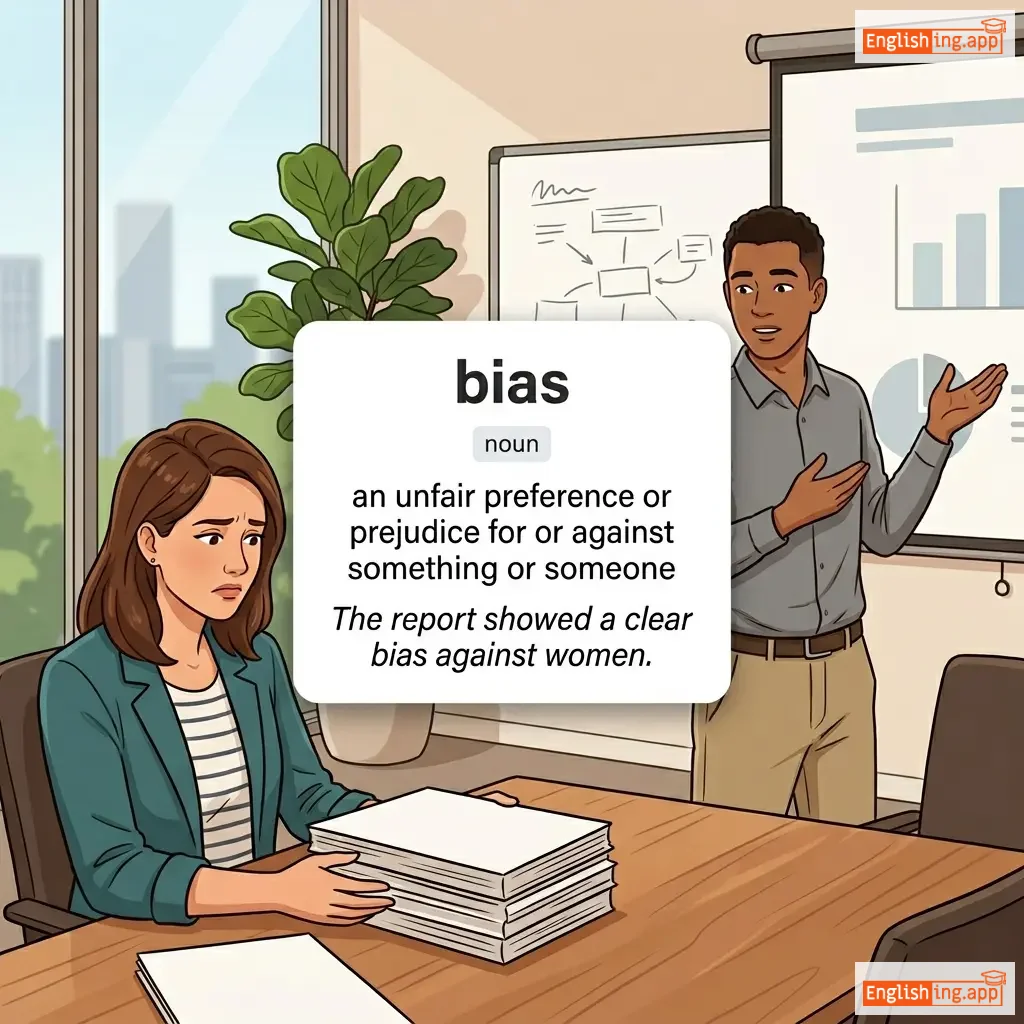
an unfair preference or prejudice for or against something or someone
••••••
|
The report showed a clear bias against women.
报告显示了明显的性别偏见。
••••••
|
报告显示了明显的性别偏见。
Baogao xianshi le mingxian de xingbie pianjian.
••••••
|
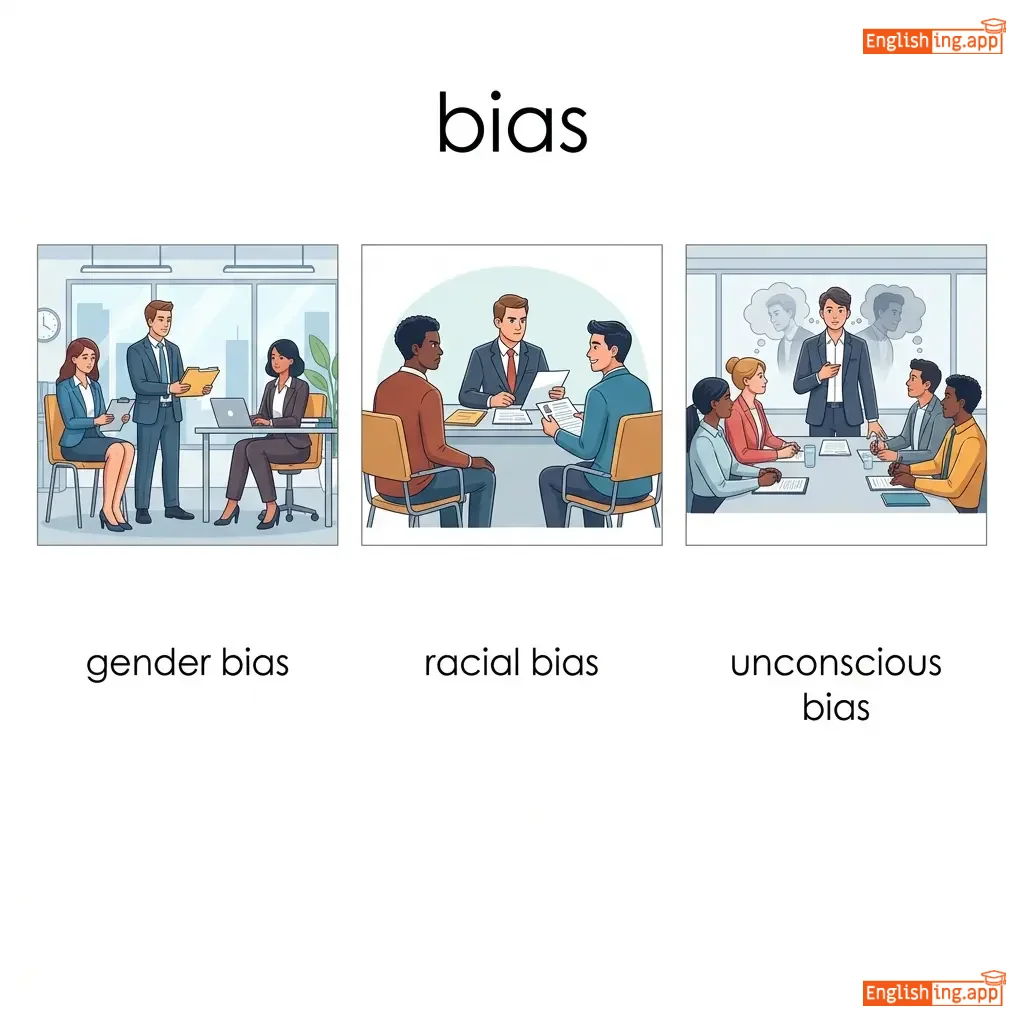
unconscious bias
无意识的偏见
••••••
|
prejudice that a person is unaware of having
••••••
|
无意识的偏见
Wu yishi de pianjian
••••••
|
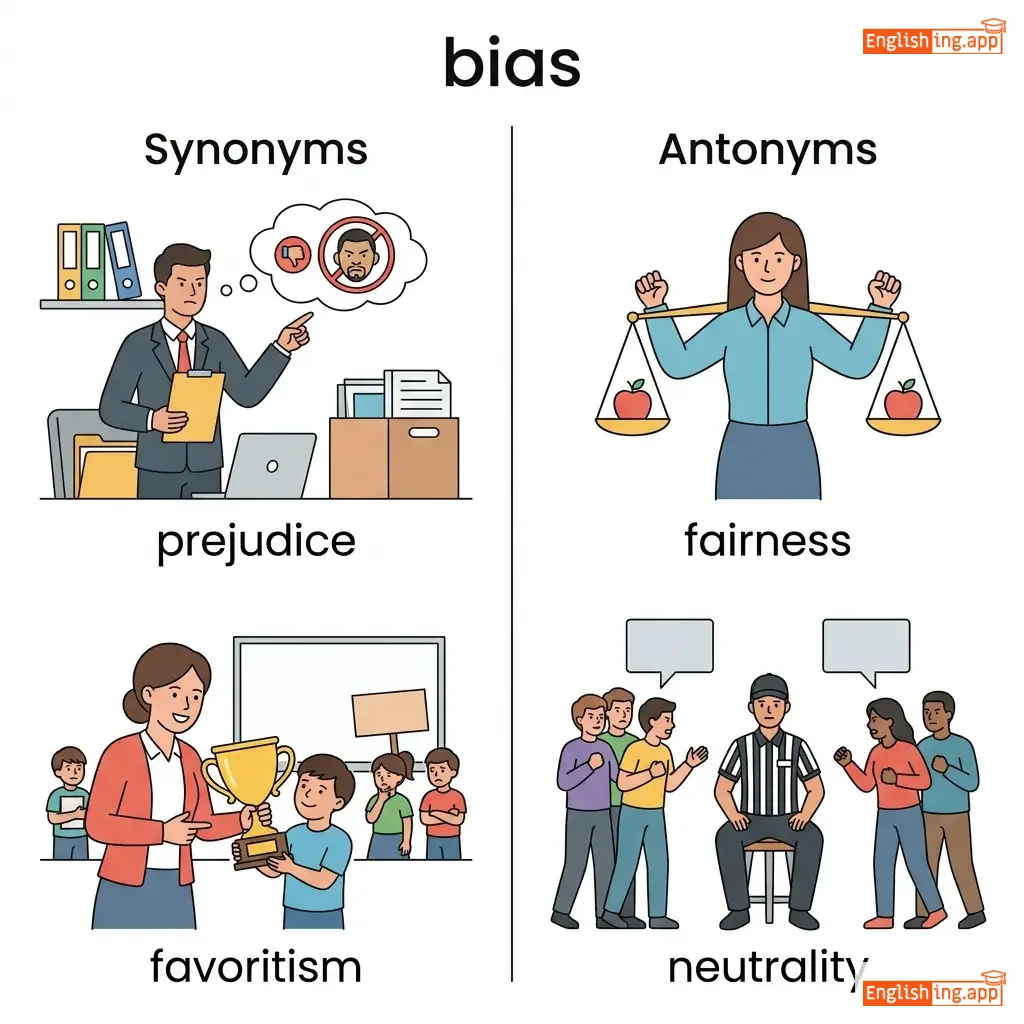
prejudice, favoritism, partiality, inclination, tendency
••••••
|
fairness, neutrality, objectivity
••••••
|
gender bias, racial bias, unconscious bias, bias towards
••••••
|
偏见意味着不公正 — 记住,‘Bi-Us’ 是‘偏向我们’的意思!
••••••
|
|
🚲
••••••
|
/baɪk/
noun, verb
(bái kè)
••••••
|
- •••••• |
自行车
zìxíngchē
••••••
|
biked
bái kè dé
••••••
|
biked
bái kè dé
••••••
|
bikes
bái kè sī
••••••
|
biking
bái kè yīng
••••••
|
a bicycle or motorcycle; to ride a bicycle
••••••
|
He biked to school every day.
他每天骑自行车去学校。
••••••
|
他每天骑自行车去学校。
Tā měitiān qí zìxíngchē qù xuéxiào.
••••••
|
bike ride
骑行
••••••
|
An outing or trip on a bicycle.
••••••
|
骑行
qíxíng
••••••
|
bicycle, cycle, motorcycle, two-wheeler
••••••
|
car, bus
••••••
|
ride a bike, mountain bike, bike helmet, bike path
••••••
|
Bike的意思是自行车,想象'骑行'!
••••••
|
|
🧾
••••••
|
/bɪl/
noun
••••••
|
- •••••• | - •••••• | - •••••• | - •••••• | - •••••• | - •••••• |
a written statement of money owed for goods or services; also a proposed law presented to a legislature
••••••
|
He received the electricity bill yesterday. |
- •••••• |
foot the bill |
to pay for something, especially something expensive
••••••
|
- •••••• |
invoice, statement, charge, account, draft
••••••
|
credit, receipt
••••••
|
pay a bill, receive a bill, pass a bill, utility bill
••••••
|
No •••••• |
|
🪢
••••••
|
/baɪnd/
verb
(bai-nd)
••••••
|

|
捆绑
kunbang
••••••
|
bound
bao-nd
••••••
|
bound
bao-nd
••••••
|
binds
bai-nds
••••••
|
binding
bai-nding
••••••
|
to tie or fasten tightly; to unite or restrict
••••••
|
The contract will bind both parties to the agreement.
合同将使双方受协议约束。
••••••
|
合同将使双方受协议约束。
Hetong jiang shi shuangfang shou xieyi yueshu.
••••••
|
in a bind
在困境中
••••••
|
in a difficult situation
••••••
|
在困境中
zai kunjing zhong
••••••
|
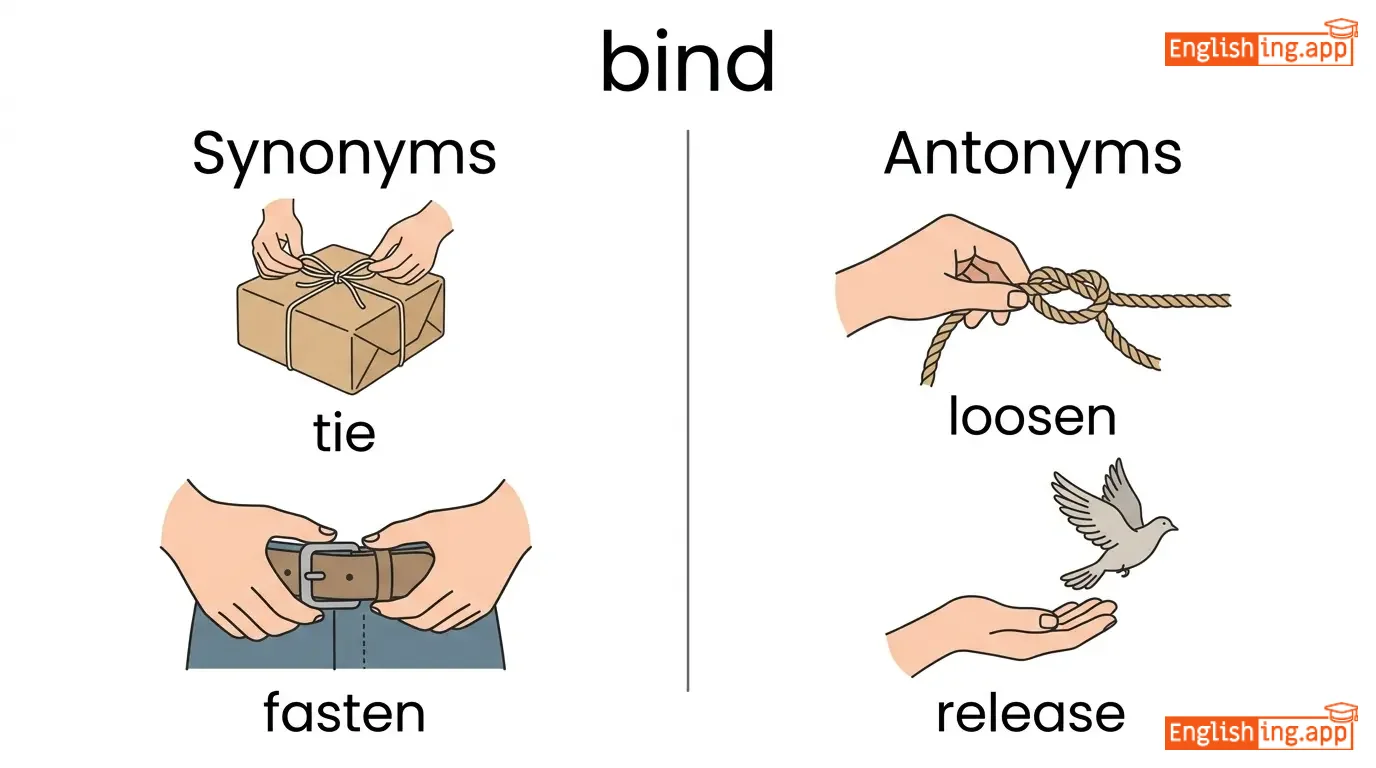
tie, fasten, connect, unite, secure
••••••
|
loosen, release, free
••••••
|
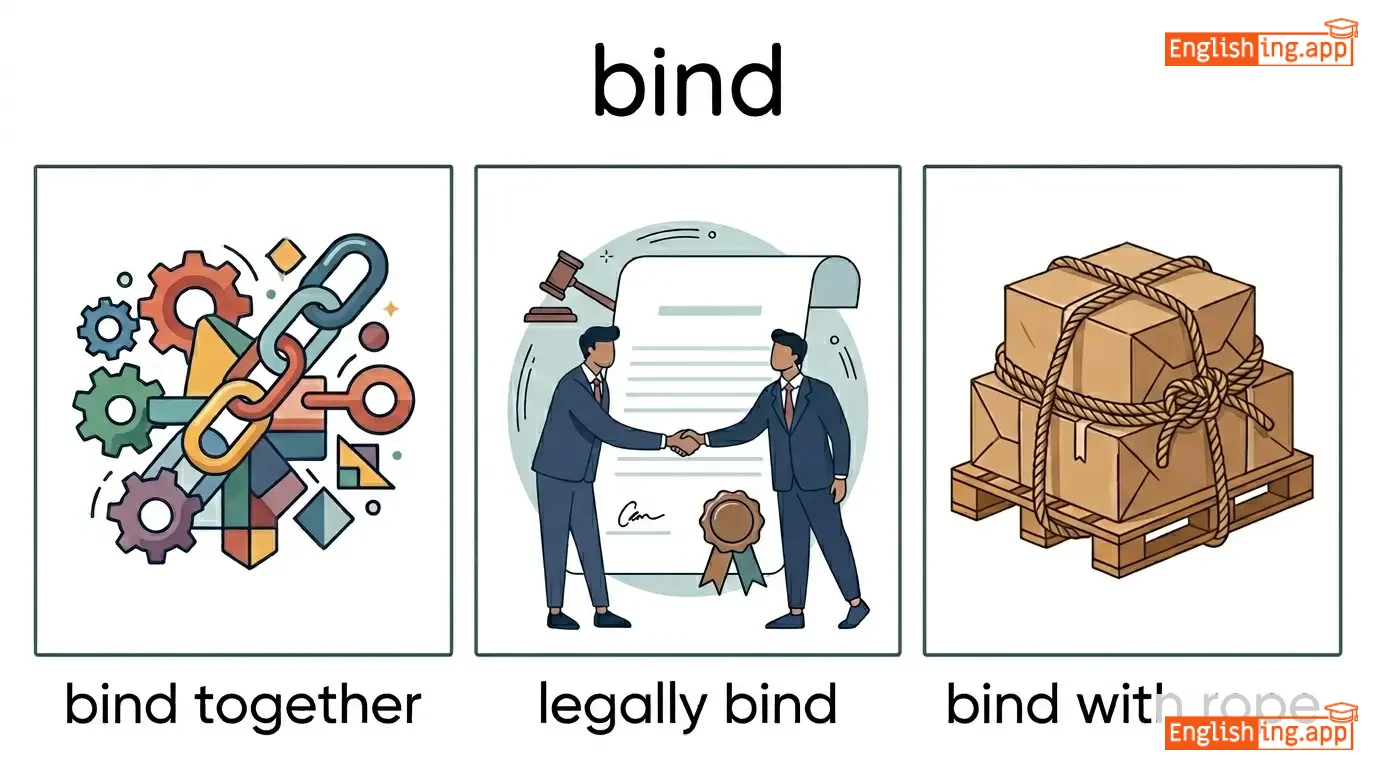
bind together, legally bind, bind with rope, bind tightly
••••••
|
捆绑就像捆住物体,表示把事物捆在一起。
••••••
|
|
🤩
••••••
|
/waʊ/
interjection
(哇)
••••••
|
- •••••• |
表示惊讶的词语
biao shi jing ya de ci yu
••••••
|
- •••••• | - •••••• | - •••••• | - •••••• |
used to express great surprise, admiration, or pleasure
••••••
|
Wow, that performance was amazing! |
哇,那个表演太棒了!
Wa, na ge biao yan tai bang le!
••••••
|
- •••••• | - •••••• | - •••••• |
amazing, impressive, astonishing, wonderful, unbelievable
••••••
|
boring, dull, unimpressive
••••••
|
say wow, wow moment, wow factor, wow effect
••••••
|
看到让你惊讶的事,就会不自觉地说 ‘哇!’
••••••
|
|
⏰
••••••
|
/jet/
adverb
(yet)
••••••
|
- •••••• |
直到现在; 还;
zhídào xiànzài; hái
••••••
|
- •••••• | - •••••• | - •••••• | - •••••• |
up to now or a specified time; still; however; nevertheless
••••••
|
He hasn't finished his homework yet. |
他还没有完成作业。
Tā hái méiyǒu wánchéng zuòyè
••••••
|
- •••••• | - •••••• | - •••••• |
still, so far, thus far, up to now, until now
••••••
|
already, previously, before, earlier
••••••
|
not yet, yet again, yet another, yet to come
••••••
|
还没完成,直到现在还可以做到。
••••••
|
|
🙂
••••••
|
/juː/
pronoun
(你)
••••••
|
- •••••• |
你
ni
••••••
|
- •••••• | - •••••• | - •••••• | - •••••• |
used to refer to the person or people being spoken to
••••••
|
You are doing a great job!
你做得很好!
••••••
|
你做得很好!
Nǐ zuò de hěn hǎo!
••••••
|
- •••••• | - •••••• | - •••••• |
yourself, yourself
••••••
|
I, he, she
••••••
|
you are, you can, you will, you need
••••••
|
You, 你, are the person you’re talking about.
••••••
|

