A Summer with Grandma
Riya 来到奶奶家度过暑假,她是奶奶最喜欢的 grandchild。奶奶喜欢自己做 everything,Riya 看到后感到 surprised。Presently,尽管奶奶年纪大了,她仍然 regularly 在花园里工作,并 occasionally 在厨房尝试新食谱。第一天,奶奶给 Riya 看了她的旧相册,在对过去的 reflection 中,两人都变得感动。奶奶说,人生中需要许多 sacrifices,但为家庭做出的 sacrifices 是最有意义的。听了奶奶的话,Riya 开始 contemplate 自己生命中重要的事情。奶奶教导她,没有 tolerance 和耐心,任何关系都无法维持。她们让 themselves 参与一个项目——翻修老房子的一部分。通过 undertaking 这个项目,Riya 意识到勤奋与奉献的重要性。Regardless 年龄,奶奶参与所有工作,她的热情具有感染力。奶奶给 Riya 留下了深刻的 impression,她把奶奶视为榜样。Therefore,她决定要像奶奶一样坚强而独立。奶奶让她参加各种活动,以 stimulate 她的思维。Riya 意识到,这些 sentiments 不仅要用语言表达,更要通过行动体现。她们一起度过了假期的 remaining 日子,每一刻都弥足珍贵。奶奶说,我们总能改进 ourselves,年龄不是障碍。假期结束时,Riya 觉得自己不仅仅是来探访的,而是学到了重要的人生课题。她的 excitement 是,明年还会再来奶奶家,多陪陪她。
|
表情符号
|
单词 | Images | 翻译 | 过去时 | 过去分词 | 第三人称单数 | 动名词 | 含义 | 例句 | 例句翻译 | 示例表达 | 示例表达含义 | 示例表达翻译 | 同义词 | 反义词 | 搭配词 | 助记符 |
|---|---|---|---|---|---|---|---|---|---|---|---|---|---|---|---|---|---|
|
🤔
••••••
|
/ˈkɒntəmpleɪt/
verb
••••••
|
- •••••• | - •••••• |
contemplated
••••••
|
contemplated
••••••
|
contemplates
••••••
|
contemplating
••••••
|
to think deeply and carefully about something; to consider thoughtfully
••••••
|
She sat quietly to contemplate her future plans. |
- •••••• |
contemplate the meaning of life |
to think deeply about the purpose or nature of life
••••••
|
- •••••• |
consider, ponder, meditate, reflect, deliberate
••••••
|
ignore, dismiss, neglect
••••••
|
contemplate the future, contemplate change, deeply contemplate, seriously contemplate
••••••
|
No •••••• |
|
🎒
••••••
|
/ˈɛvrɪθɪŋ/
pronoun
(èvrìθing)
••••••
|
- •••••• |
一切
yí qiè
••••••
|
- •••••• | - •••••• | - •••••• | - •••••• |
all things; the whole lot
••••••
|
He packed everything in his suitcase. |
他把所有东西都装进了他的行李箱。
Tā bǎ suǒyǒu dōngxī dōu zhuāng jìnle tā de xínglǐ xiāng.
••••••
|
everything under the sun |
all things possible; anything imaginable
••••••
|
太阳底下的所有事物
tàiyáng dǐxià de suǒyǒu shìwù
••••••
|
all, whole, entirety, totality
••••••
|
nothing, little
••••••
|
everything possible, everything ready, everything needed
••••••
|
Everything意味着一切 - 'Every Thing'意味着每一件事情
••••••
|
|
🎉
••••••
|
/ɪkˈsaɪtmənt/
noun
(èksàitmént)
••••••
|
- •••••• |
兴奋
xīngfèn
••••••
|
- •••••• | - •••••• | - •••••• | - •••••• |
a feeling of great enthusiasm and eagerness
••••••
|
There was a lot of excitement before the concert began. |
音乐会开始前有很多兴奋。
Yīnyuè huì kāishǐ qián yǒu hěn duō xīngfèn.
••••••
|
in a state of excitement |
feeling or showing strong enthusiasm or agitation
••••••
|
处于兴奋状态
chǔyú xīngfèn zhuàngtài
••••••
|
thrill, joy, enthusiasm, eagerness, delight
••••••
|
boredom, calm, indifference
••••••
|
feel excitement, great excitement, cause excitement, full of excitement
••••••
|
Excitement在中文里是兴奋——等待音乐会时的激动!
••••••
|
|
👶
••••••
|
/ˈɡrænd.tʃaɪld/
noun
(guòpòchái)
••••••
|
- •••••• |
孙子或孙女
sūnzi huò sūnnǚ
••••••
|
- •••••• | - •••••• | - •••••• | - •••••• |
the child of one's son or daughter
••••••
|
They love spending time with their grandchild on weekends. |
他们喜欢在周末和他们的孙子或孙女一起度过时光。
Tāmen xǐhuān zài zhōumò hé tāmen de sūnzi huò sūnnǚ yīqǐ dùguò shíguāng.
••••••
|
- •••••• | - •••••• | - •••••• |
descendant, offspring, kin, progeny
••••••
|
ancestor, forebear
••••••
|
new grandchild, first grandchild, proud grandchild
••••••
|
Grand意味着祖父母,child意味着孩子,grandchild就是祖父母的孩子。
••••••
|
|
🖼️
••••••
|
/ɪmˈprɛʃən/
noun
(印象)
••••••
|
- •••••• |
印象, 概念
yinxiang, gainian
••••••
|
- •••••• | - •••••• | - •••••• | - •••••• |
an idea, feeling, or opinion about something or someone
••••••
|
The book gave me a good first impression. |
这本书给我留下了很好的第一印象。
Zhe ben shu gei wo liuxia le hen hao de di yi yinxiang.
••••••
|
leave an impression |
to have a lasting effect on someone
••••••
|
留下印象
liuxia yinxiang
••••••
|
impact, effect, influence, perception, opinion
••••••
|
ignorance, indifference
••••••
|
first impression, strong impression, lasting impression, overall impression
••••••
|
First impression is last impression – 第一印象最重要
••••••
|
|
🔄⏰
••••••
|
/əˈkeɪʒənəli/
adverb
(okéʒənəli)
••••••
|
- •••••• |
偶尔; 有时;
ǒu ěr; yǒu shí
••••••
|
- •••••• | - •••••• | - •••••• | - •••••• |
sometimes; from time to time; not regularly
••••••
|
I occasionally visit my grandmother on weekends. |
我偶尔在周末去看望我的祖母。
Wǒ ǒu ěr zài zhōumò qù kànwàng wǒ de zǔmǔ.
••••••
|
- •••••• | - •••••• | - •••••• |
sometimes, from time to time, periodically, sporadically
••••••
|
always, never, constantly, regularly
••••••
|
occasionally visit, occasionally happens, very occasionally
••••••
|
偶尔去看望祖母
••••••
|
|
🤗
••••••
|
/aʊərˈsɛlvz/
pronoun
(aʊərˈsɛlvz)
••••••
|
- •••••• |
我们自己
wǒmen zìjǐ
••••••
|
- •••••• | - •••••• | - •••••• | - •••••• |
used by the speaker to refer to themselves and one or more others as the object of the verb
••••••
|
We should help ourselves before helping others. |
我们应该在帮助他人之前先帮助自己。
Wǒmen yīnggāi zài bāngzhù tārén zhīqián xiān bāngzhù zìjǐ.
••••••
|
- •••••• | - •••••• | - •••••• |
we, we ourselves, our own
••••••
|
themselves, others
••••••
|
help ourselves, find ourselves, express ourselves
••••••
|
我们 (wǒmen) 用 '我们自己' 来表示自己
••••••
|
|
⏰
••••••
|
/ˈprez.ənt.li/
adverb
(pú rén tè lì)
••••••
|
- •••••• |
目前; 很快; 稍后
mù qián; hěn kuài; shāo hòu
••••••
|
- •••••• | - •••••• | - •••••• | - •••••• |
at the present time; soon; in a little while
••••••
|
The doctor will see you presently. |
医生很快就会见到你。
Yī shēng hěn kuài jiù huì jiàn dào nǐ.
••••••
|
- •••••• | - •••••• | - •••••• |
currently, now, soon, shortly
••••••
|
previously, formerly, later
••••••
|
presently available, presently working, presently located
••••••
|
Presently – 就在现在,'稍后'让你想到‘present’.
••••••
|
|
🔮
••••••
|
/rɪˈflɛkʃən/
noun
(rɪˈflɛkʃən)
••••••
|
|
反射
fǎnshè
••••••
|
- •••••• | - •••••• | - •••••• | - •••••• |
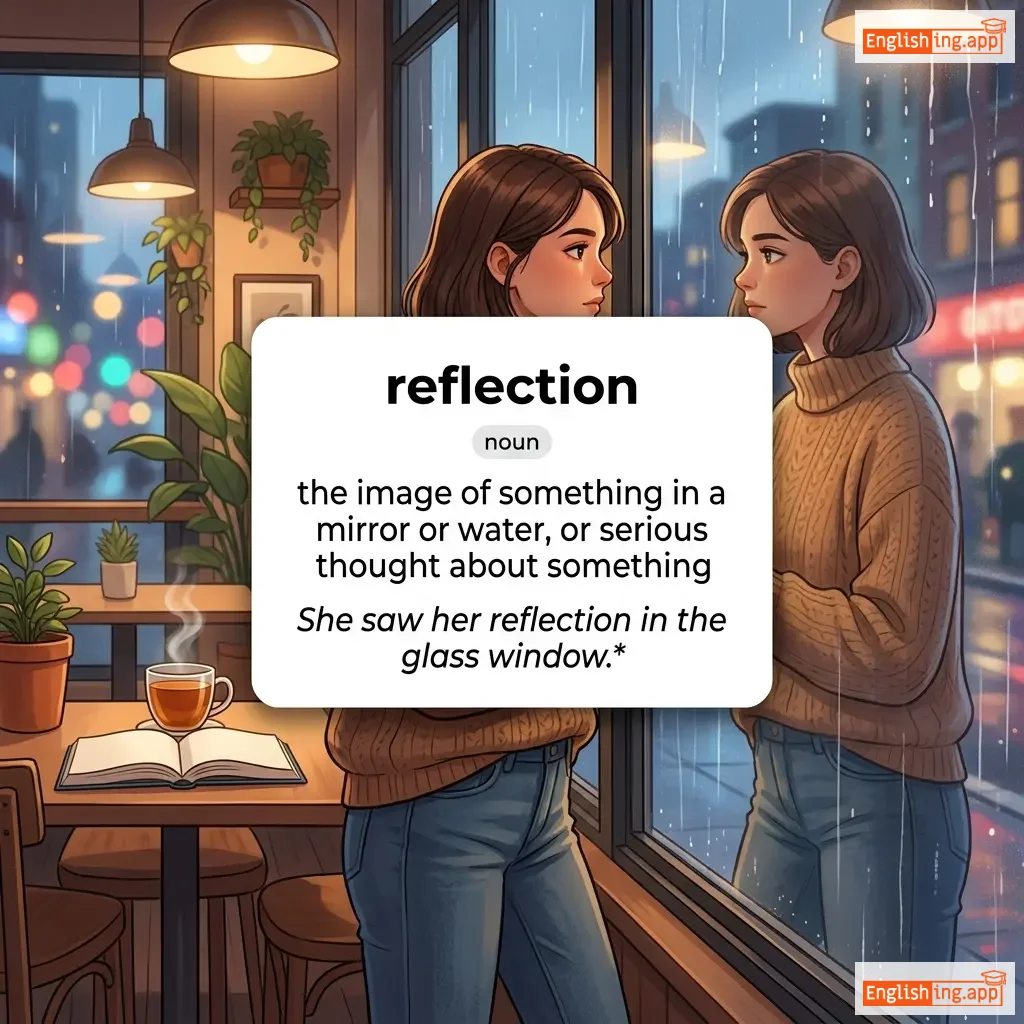
the image of something in a mirror or water, or serious thought about something
••••••
|
She saw her reflection in the glass window. |
她在玻璃窗中看到了自己的倒影。
Tā zài bōlí chuāng zhōng kàn dào le zìjǐ de dǎoyǐng.
••••••
|
a moment of reflection |
a short time spent thinking deeply
••••••
|
反思的时刻
fǎnsī de shíkè
••••••
|
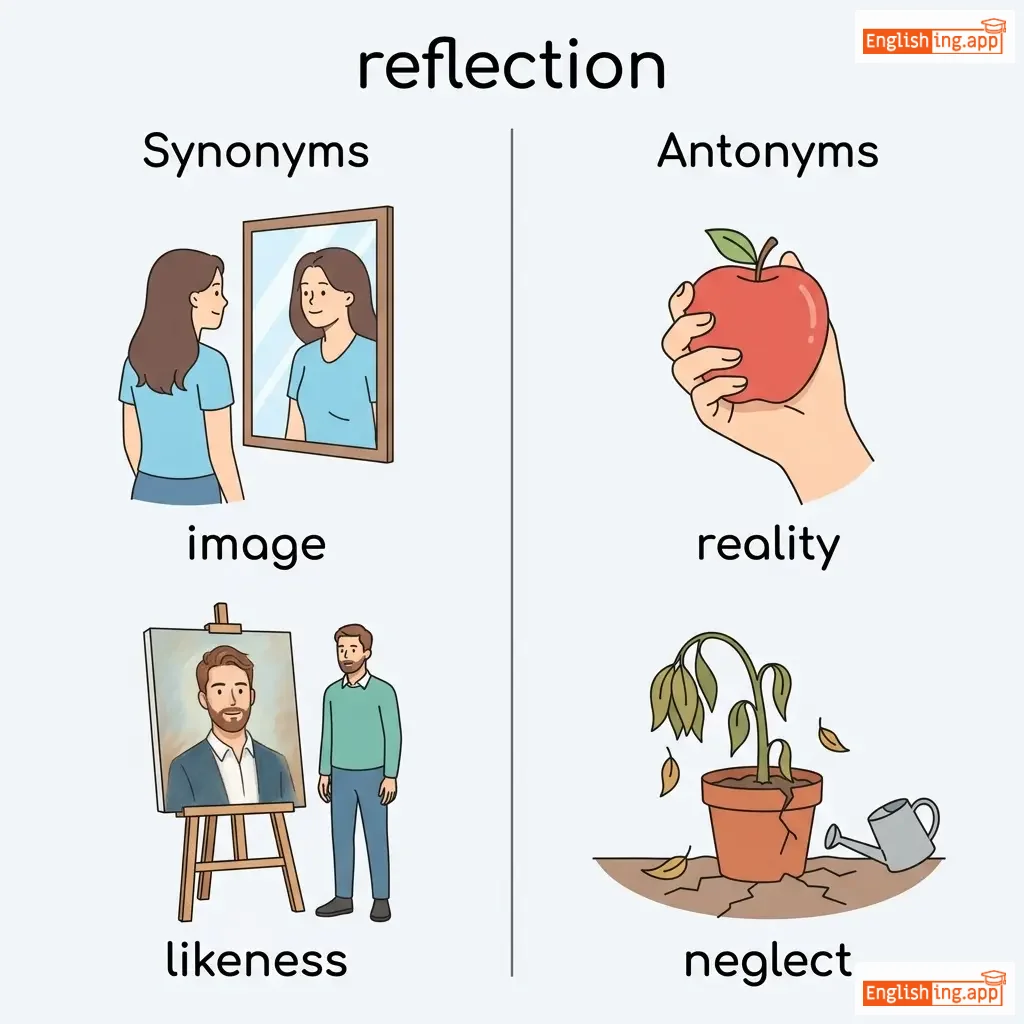
image, likeness, contemplation, thought, consideration
••••••
|
reality, neglect, disregard
••••••
|
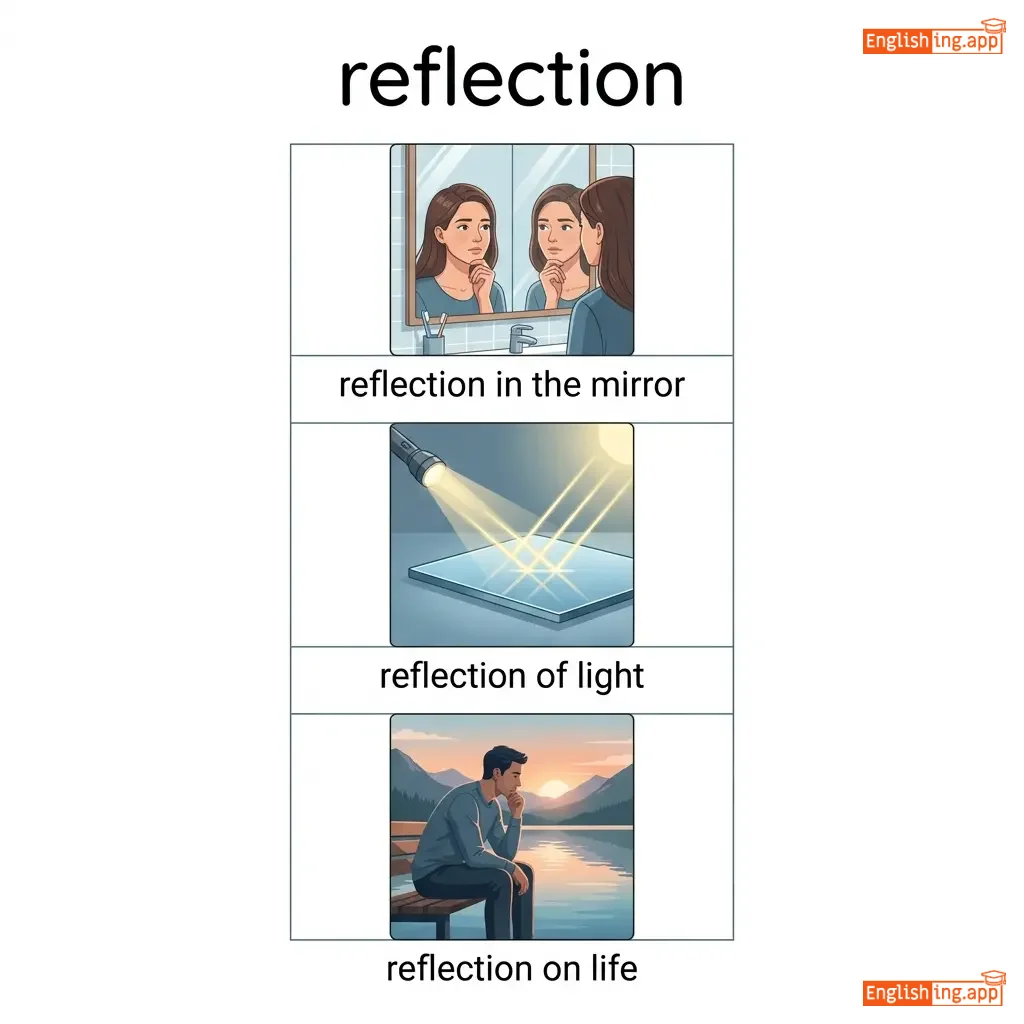
reflection in the mirror, reflection of light, reflection on life
••••••
|
Reflection 就像在镜子里看到自己的样子,也意味着深入思考的时刻。
••••••
|
|
🚶
••••••
|
/rɪˈɡɑrdləs/
adverb
(rɪˈɡɑrdləs)
••••••
|
- •••••• |
不管
bùguǎn
••••••
|
- •••••• | - •••••• | - •••••• | - •••••• |
without paying attention to the current situation or condition
••••••
|
She will go to the party regardless of the weather. |
她将去派对,不管天气如何。
Tā jiāng qù pàiduì, bùguǎn tiānqì rúhé.
••••••
|
Regardless of |
despite any obstacles or conditions
••••••
|
不管
bùguǎn
••••••
|
anyway, nonetheless, in spite of, no matter
••••••
|
considering, depending
••••••
|
regardless of the consequences, regardless of the weather
••••••
|
不管天气如何,总是记得‘不管任何情况’
••••••
|
|
🔄
••••••
|
/ˈrɛɡjələrli/
adverb
(雷吉拉利)
••••••
|
- •••••• |
定期地
dingqi de
••••••
|
- •••••• | - •••••• | - •••••• | - •••••• |
at regular intervals; in a regular manner
••••••
|
She exercises regularly to stay healthy. |
她定期锻炼以保持健康。
Ta dingqi duanlian yi baochi jiankang.
••••••
|
- •••••• | - •••••• | - •••••• |
consistently, frequently, habitually, routinely
••••••
|
irregularly, infrequently
••••••
|
regularly scheduled, meet regularly, eat regularly, exercise regularly
••••••
|
Think of 'regular' habits - things you do regularly!
••••••
|
|
🎟️
••••••
|
/rɪˈmeɪnɪŋ/
adjective
(ríméining)
••••••
|
- •••••• |
剩余
shengyu
••••••
|
- •••••• | - •••••• | - •••••• | - •••••• |
still existing or left after others are gone or dealt with
••••••
|
There were only a few remaining tickets for the concert.
音乐会仅剩下少数票。
••••••
|
音乐会仅剩下少数票。
Yinyuehui jin shengxia shaoshu piao.
••••••
|
- •••••• | - •••••• | - •••••• |
left, leftover, residual, remaining
••••••
|
gone, used up, finished
••••••
|
remaining tickets, remaining time, remaining items
••••••
|
剩余的票是最后卖出去的!
••••••
|
|
🕯️
••••••
|
/ˈsækrɪfaɪs/
noun, verb
••••••
|


|
- •••••• |
sacrificed
••••••
|
sacrificed
••••••
|
sacrifices
••••••
|
sacrificing
••••••
|
To give up something valuable for the sake of others or a higher purpose.
••••••
|
Parents often sacrifice their own comfort for their children. |
- •••••• |
make a sacrifice |
to give up something important for the benefit of others
••••••
|
- •••••• |
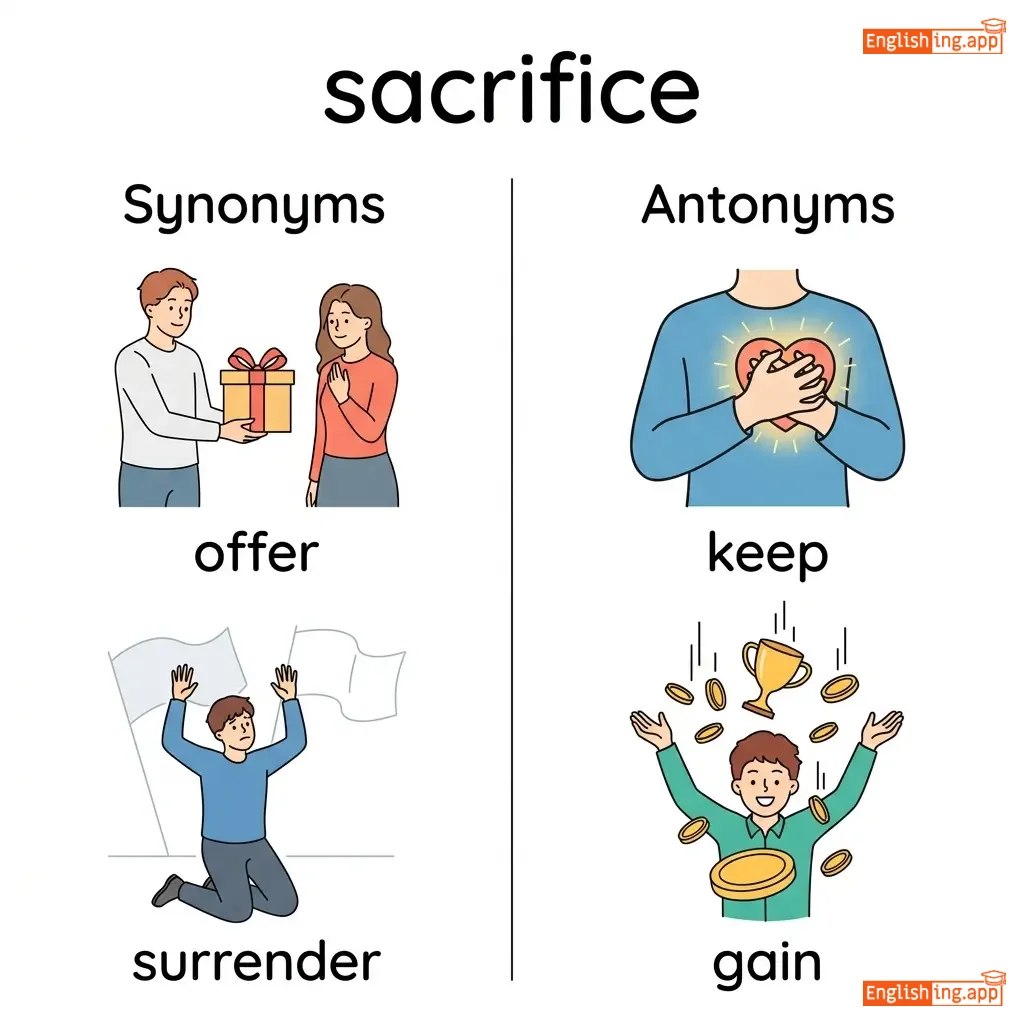
offer, surrender, relinquish, devotion, giving up
••••••
|
keep, gain, selfishness
••••••
|
make a sacrifice, ultimate sacrifice, personal sacrifice, sacrifice for
••••••
|
No •••••• |
|
💭
••••••
|
/ˈsɛntɪmənt/
noun
(情感)
••••••
|
- •••••• |
情感
qinggan
••••••
|
- •••••• | - •••••• | - •••••• | - •••••• |
a view or opinion that is based on emotion rather than reason
••••••
|
Public sentiment was against the new law. |
公众的情感反对新法律。
Gongzhong de qinggan fandui xin falu.
••••••
|
public sentiment |
the general feeling or opinion of the people
••••••
|
公众情感
gongzhong qinggan
••••••
|
emotion, feeling, attitude, opinion, view
••••••
|
indifference, apathy
••••••
|
public sentiment, market sentiment, patriotic sentiment, emotional sentiment
••••••
|
Sentiment = 情感 — 想象你在感受情感!
••••••
|
|
💡
••••••
|
/ˈstɪmjʊˌleɪt/
verb
(刺激)
••••••
|
|
刺激, 激励
cìjī, jīlì
••••••
|
stimulated
刺激了
••••••
|
stimulated
刺激了
••••••
|
stimulates
刺激
••••••
|
stimulating
刺激中
••••••
|
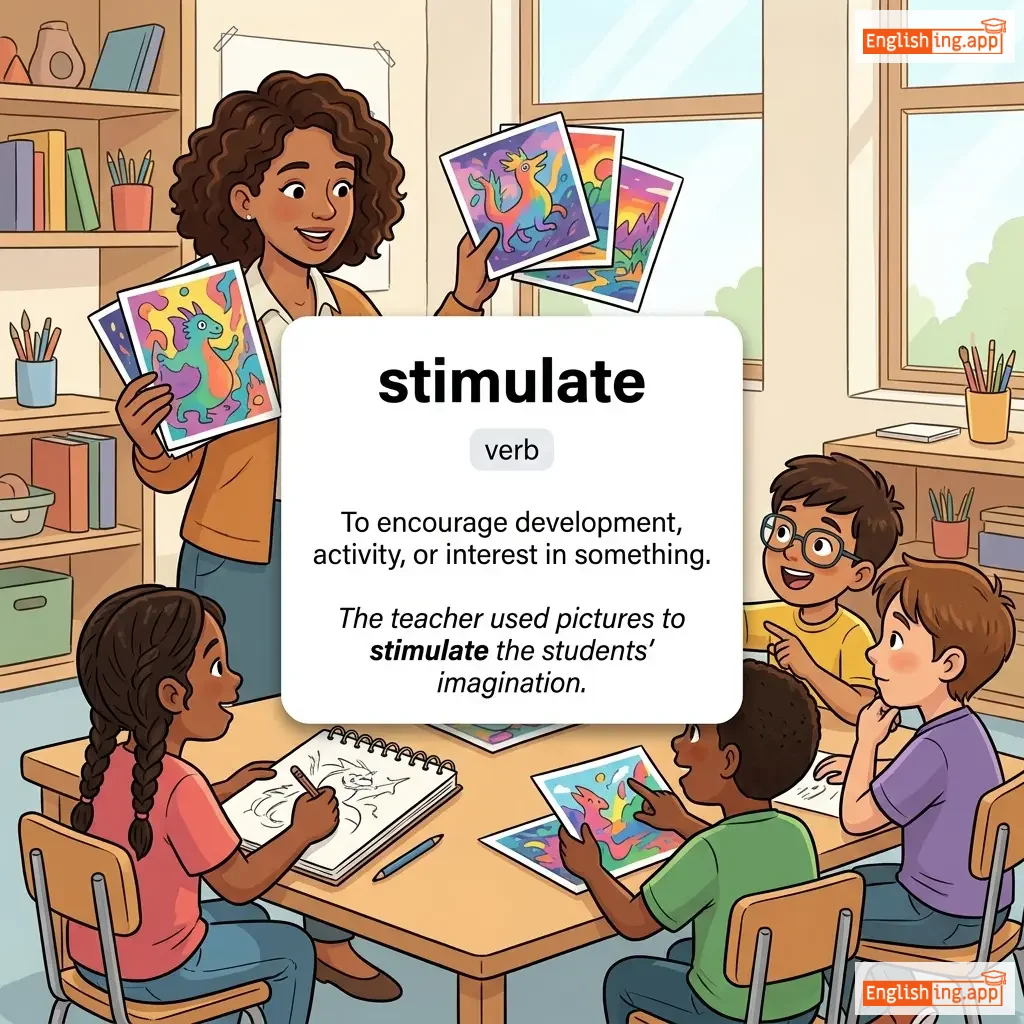
To encourage development, activity, or interest in something.
••••••
|
The teacher used pictures to stimulate the students' imagination.
老师用图片刺激了学生的想象力。
••••••
|
老师用图片刺激了学生的想象力。
Lǎoshī yòng túpiàn cìjīle xuéshēng de xiǎngxiànglì.
••••••
|
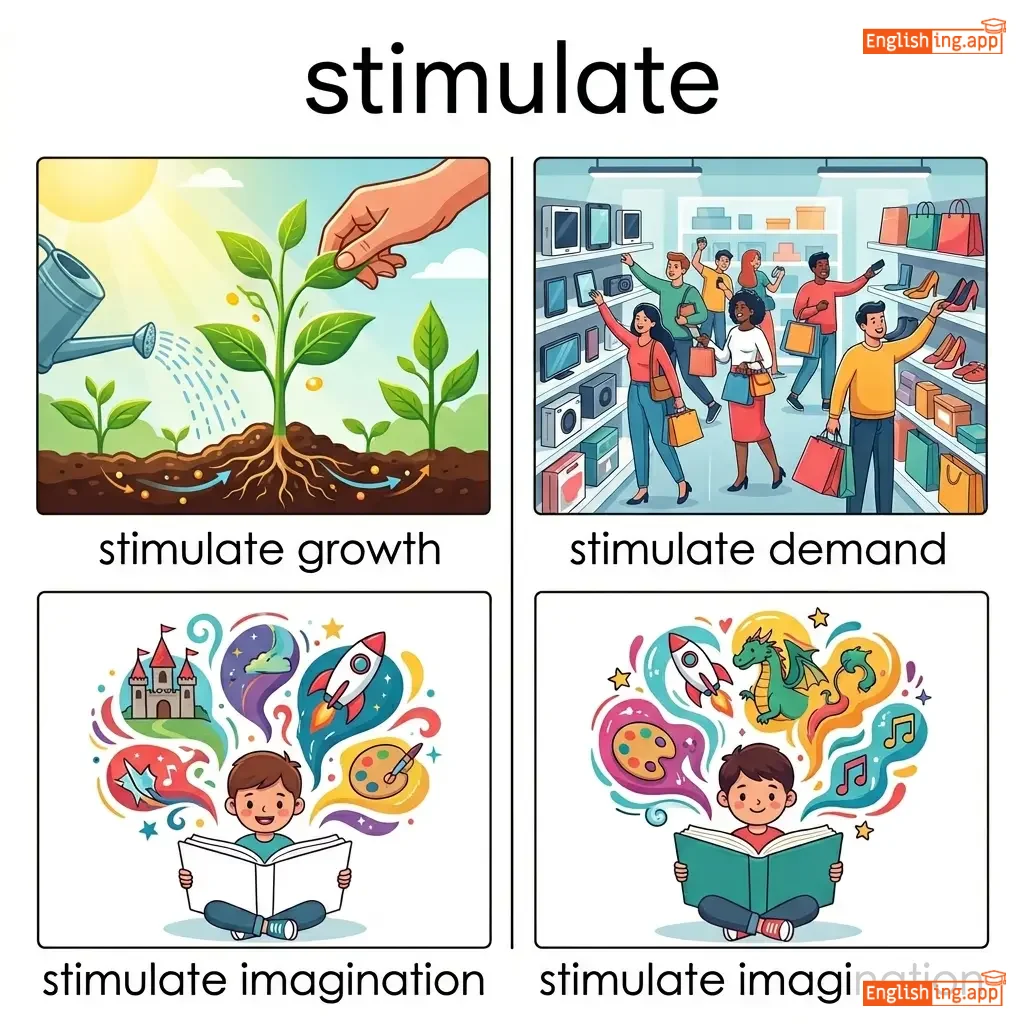
stimulate growth
刺激生长
••••••
|
to encourage development or increase
••••••
|
刺激生长
cìjī shēngzhǎng
••••••
|
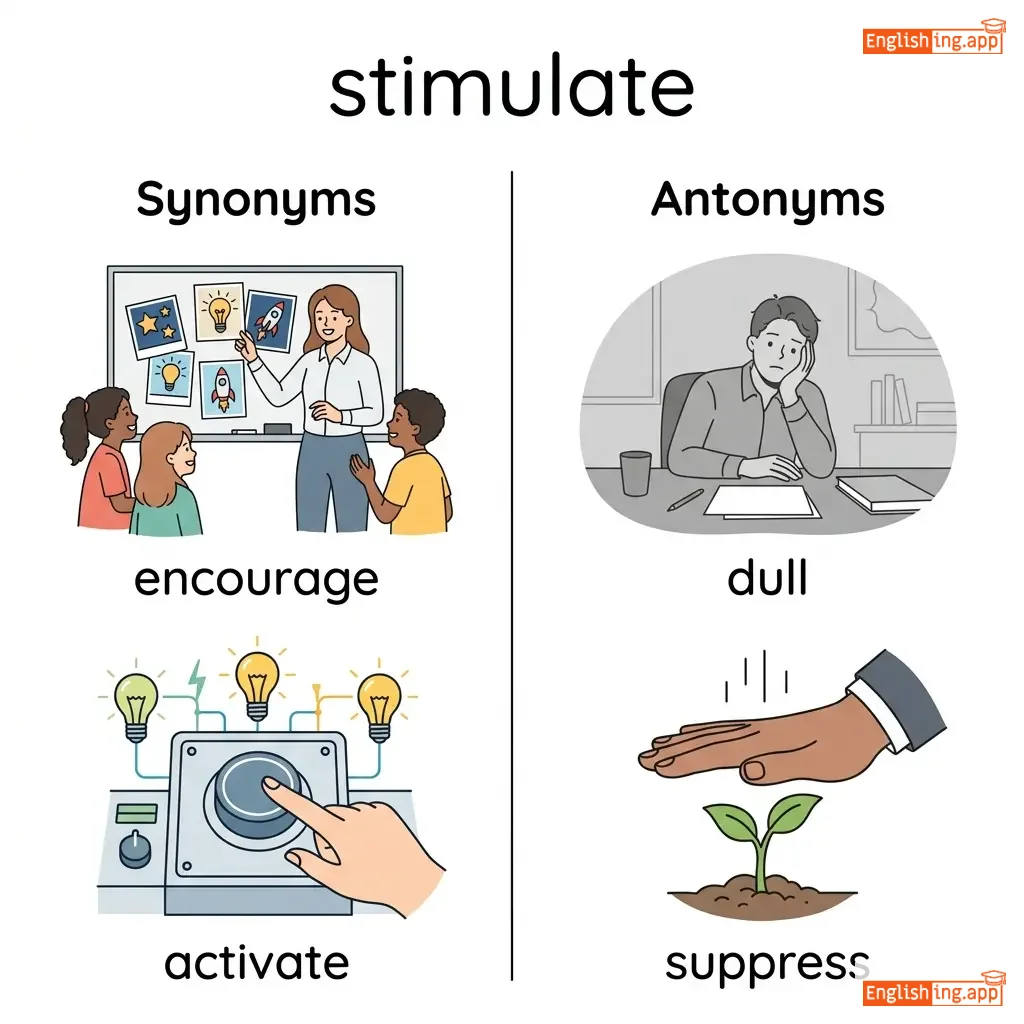
encourage, activate, motivate, inspire, excite
••••••
|
dull, suppress, discourage
••••••
|
stimulate growth, stimulate demand, stimulate imagination, stimulate interest
••••••
|
Stimulate → 刺激 (像打气一样促进成长)。
••••••
|
|
😲
••••••
|
/sər'praɪzd/
adjective
(sər'praɪzd)
••••••
|
- •••••• |
惊讶
jingya
••••••
|
- •••••• | - •••••• | - •••••• | - •••••• |
feeling or showing surprise; astonished
••••••
|
I was surprised to see my old friend at the market.
我在市场看到我的老朋友时感到惊讶。
••••••
|
我在市场看到我的老朋友时感到惊讶。
Wǒ zài shìchǎng kàn dào wǒ de lǎo péngyǒu shí gǎndào jīngyà.
••••••
|
- •••••• | - •••••• | - •••••• |
astonished, amazed, shocked, startled
••••••
|
unsurprised, expectant, prepared, anticipated
••••••
|
pleasantly surprised, quite surprised, genuinely surprised
••••••
|
惊讶就像你突然发现了一个神秘的宝藏。
••••••
|
|
💪
••••••
|
/ðəmˈsɛlvz/
pronoun
(ðəmˈsɛlvz)
••••••
|
- •••••• |
自己
zìjǐ
••••••
|
- •••••• | - •••••• | - •••••• | - •••••• |
used to emphasize the subject of the sentence or to refer to the subject doing something to itself
••••••
|
They fixed the problem themselves. |
他们自己解决了问题。
Tāmen zìjǐ jiějuéle wèntí.
••••••
|
- •••••• | - •••••• | - •••••• |
themselves alone, personally, independently
••••••
|
none
••••••
|
do it themselves, solve it themselves, they themselves
••••••
|
自己 (zìjǐ) 指代做事情的自主性
••••••
|
|
🔗
••••••
|
/ˈðɛərˌfɔr/
adverb
(zéiérfó)
••••••
|
- •••••• |
因此
yīncǐ
••••••
|
- •••••• | - •••••• | - •••••• | - •••••• |
for that reason; consequently
••••••
|
It was raining, therefore we stayed inside.
天下雨了,因此我们待在里面。
••••••
|
天下雨了,因此我们待在里面。
tiānxià yǔle, yīncǐ wǒmen dāi zài lǐmiàn.
••••••
|
- •••••• | - •••••• | - •••••• |
thus, hence, consequently, accordingly
••••••
|
nevertheless, however, nonetheless
••••••
|
therefore conclude, therefore decide, therefore recommend
••••••
|
因此,每个行为都有其原因。
••••••
|
|
🤲
••••••
|
/ˈtɒlərəns/
noun
(tuōlìránsī)
••••••
|
- •••••• |
宽容
kuanrong
••••••
|
- •••••• | - •••••• | - •••••• | - •••••• |
The ability or willingness to accept or endure differences, behaviors, or opinions without hostility.
••••••
|
Her tolerance for different cultures impressed everyone. |
她对不同文化的宽容给每个人留下了深刻印象。
Ta dui butong wenhua de kuanrong gei meige ren liuxiala shenke yinxiang.
••••••
|
zero tolerance |
A policy of not allowing any violation of rules or standards.
••••••
|
零容忍
ling rongren
••••••
|
acceptance, patience, endurance, open-mindedness, leniency
••••••
|
intolerance, rejection, prejudice
••••••
|
cultural tolerance, religious tolerance, show tolerance, promote tolerance
••••••
|
宽容是接受差异而不带敌意。
••••••
|
|
🛠️
••••••
|
/ˌʌndərˈteɪk/
verb
(安德泰克)
••••••
|

|
承担
chengdan
••••••
|
undertook
安德托克
••••••
|
undertaken
安德泰肯
••••••
|
undertakes
安德泰克斯
••••••
|
undertaking
安德泰肯
••••••
|
To agree to do or begin to do something important or difficult.
••••••
|
She undertook the responsibility of organizing the event.
她承担了组织活动的责任。
••••••
|
她承担了组织活动的责任。
Ta chengdanle zuzhi huodong de zeren.
••••••
|
undertake a mission
undertake a mission
••••••
|
to take responsibility for an important task
••••••
|
承担一项任务
chengdan yi xiang renwu
••••••
|
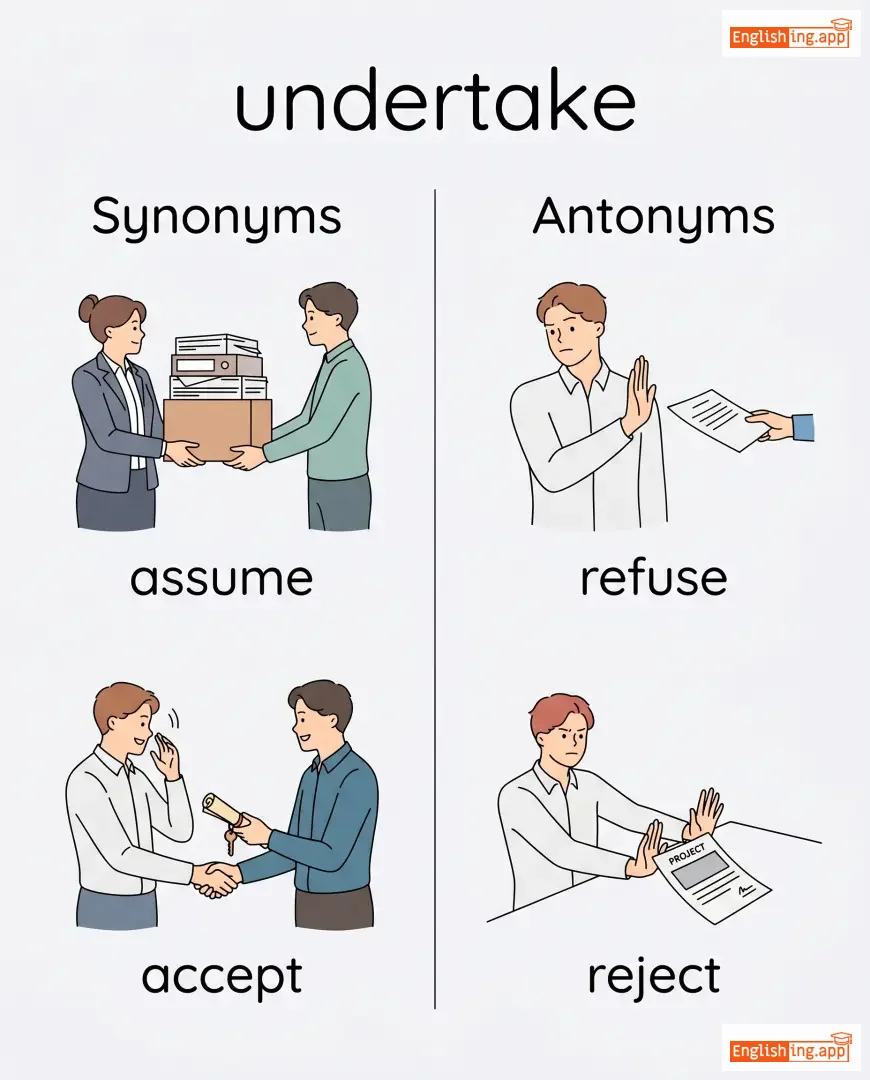
assume, accept, commit, embark
••••••
|
refuse, reject
••••••
|
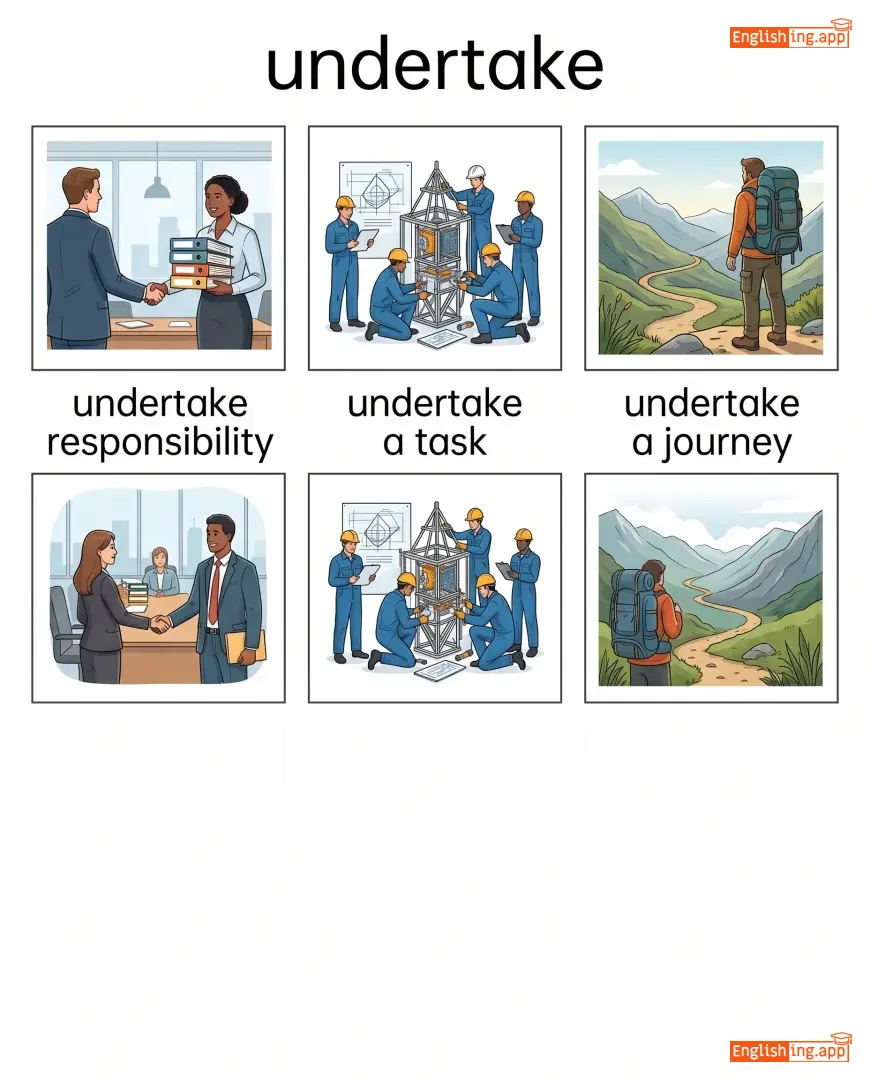
undertake responsibility, undertake a task, undertake a journey
••••••
|
Undertake = 承担责任 = chengdan zeren
••••••
|

