The Coach Who Built a Championship Team
教练萨利姆是一名 football coach,他正在与一支 struggling 队伍合作。球员们士气低落,许多人 thought 季后赛是不可能的。但萨利姆非常坚定。他的 supreme 自信激励了团队。在第一次训练中,球员们经常 stumbled,但萨利姆保持耐心。他说错误是改进的 testing ground。他的训练方法虽然严格,但很有效。球员们必须 through 困难的 terrain 来增强耐力。有一天,一名球员提到他对比赛感到 terrified。萨利姆安慰他,说恐惧是自然的。在团队会议中,他会 testify 他们的潜力。有一个有趣的时刻是天气寒冷,球员们在 t-shirts 外穿上 sweaters,显得笨重。萨利姆笑着说:“我们看起来像一支 surplus 军队!”比赛中,对手试图 terrify 萨利姆的队伍,但他们 tightly 坚持训练。一名关键球员因红牌被 suspended,团队不得不少打一人。萨利姆建议,这是压力的 symptom,而非弱点。球员学会 swallow 自尊并协作。Thereby,他们发展了真正的团队合作。体育场的 texture——粗糙的草地,不平的地块——很有挑战性,但萨利姆教会他们适应。有些人 suspected 团队的进步只是暂时的。一名评论员 thought 这只是运气。但萨利姆的循序渐进的方法证明他们错了。一个悲惨的时刻是,一名前球员因抑郁尝试 suicide,萨利姆组织了心理健康课程。他确保没有人吸 tobacco 或养成有害习惯。球队最终赢得了冠军,证明有了正确的教练和心理准备,任何事情都是可能的。
|
表情符号
|
单词 | Images | 翻译 | 过去时 | 过去分词 | 第三人称单数 | 动名词 | 含义 | 例句 | 例句翻译 | 示例表达 | 示例表达含义 | 示例表达翻译 | 同义词 | 反义词 | 搭配词 | 助记符 |
|---|---|---|---|---|---|---|---|---|---|---|---|---|---|---|---|---|---|
|
🤦
••••••
|
/ˈstʌmbəl/
verb
(斯坦布尔)
••••••
|
- •••••• |
绊倒
bàndǎo
••••••
|
stumbled
斯坦布尔德
••••••
|
stumbled
斯坦布尔德
••••••
|
stumbles
斯坦布尔斯
••••••
|
stumbling
斯坦布灵
••••••
|
to trip or lose balance while walking or running; to make a mistake or falter
••••••
|
He stumbled on the uneven pavement.
他在人行道上绊倒了。
••••••
|
他在人行道上绊倒了。
Tā zài rénxíngdào shàng bàndǎo le.
••••••
|
stumble upon
偶然碰到
••••••
|
to find something by chance
••••••
|
偶然发现
ǒurán fāxiàn
••••••
|
trip, falter, slip, blunder, hesitate
••••••
|
balance, steady, recover
••••••
|
stumble upon, stumble over, stumble badly, stumble into
••••••
|
Stumble表示绊倒——偶尔绊倒就会跌倒
••••••
|
|
⚠️
••••••
|
/ˈsuː.ɪ.saɪd/
noun
(自杀)
••••••
|
- •••••• |
自杀
zìshā
••••••
|
- •••••• | - •••••• | - •••••• | - •••••• |
the act of intentionally killing oneself
••••••
|
Mental health professionals work to prevent suicide. |
心理健康专家致力于预防自杀。
xīnlǐ jiànkāng zhuānjiā zhìlì yú yùfáng zìshā.
••••••
|
- •••••• | - •••••• | - •••••• |
self-destruction, self-harm
••••••
|
survival, life preservation
••••••
|
commit suicide, suicide prevention, suicide rate
••••••
|
心理健康专家帮助防止自杀
••••••
|
|
👑
••••••
|
/suːˈpriːm/
adjective
(suːˈpriːm)
••••••
|
- •••••• |
最高的
zuìgāo de
••••••
|
- •••••• | - •••••• | - •••••• | - •••••• |
highest in rank, authority, or quality; greatest; most important
••••••
|
The Supreme Court made the final decision. |
最高法院作出了最终决定。
zuìgāo fǎyuàn zuò chūle zuìzhōng juédìng
••••••
|
- •••••• | - •••••• | - •••••• |
highest, ultimate, paramount, top
••••••
|
lowest, inferior, subordinate, minor
••••••
|
supreme court, supreme authority, supreme power
••••••
|
No •••••• |
|
📈
••••••
|
/ˈsɜːr.plʌs/
noun
(sɜːrpləs)
••••••
|
- •••••• |
盈余
yingyu
••••••
|
- •••••• | - •••••• | - •••••• | - •••••• |
An amount that is more than what is needed.
••••••
|
The country has a surplus of food this year. |
今年该国的食品盈余。
Jin nian gai guo de shi pin ying yu.
••••••
|
trade surplus |
The amount by which a country's exports exceed its imports.
••••••
|
贸易盈余
maoyi yingyu
••••••
|
excess, extra, oversupply, remainder, overflow
••••••
|
shortage, deficit, lack
••••••
|
budget surplus, surplus goods, surplus food, surplus production
••••••
|
盈余 = 超过需要的部分
••••••
|
|
🕵️
••••••
|
/səˈspɛkt/ (noun, adj) | /səˈspɛkt/ (verb)
verb, noun, adjective
••••••
|
|
- •••••• |
suspected
••••••
|
suspected
••••••
|
suspects
••••••
|
suspecting
••••••
|
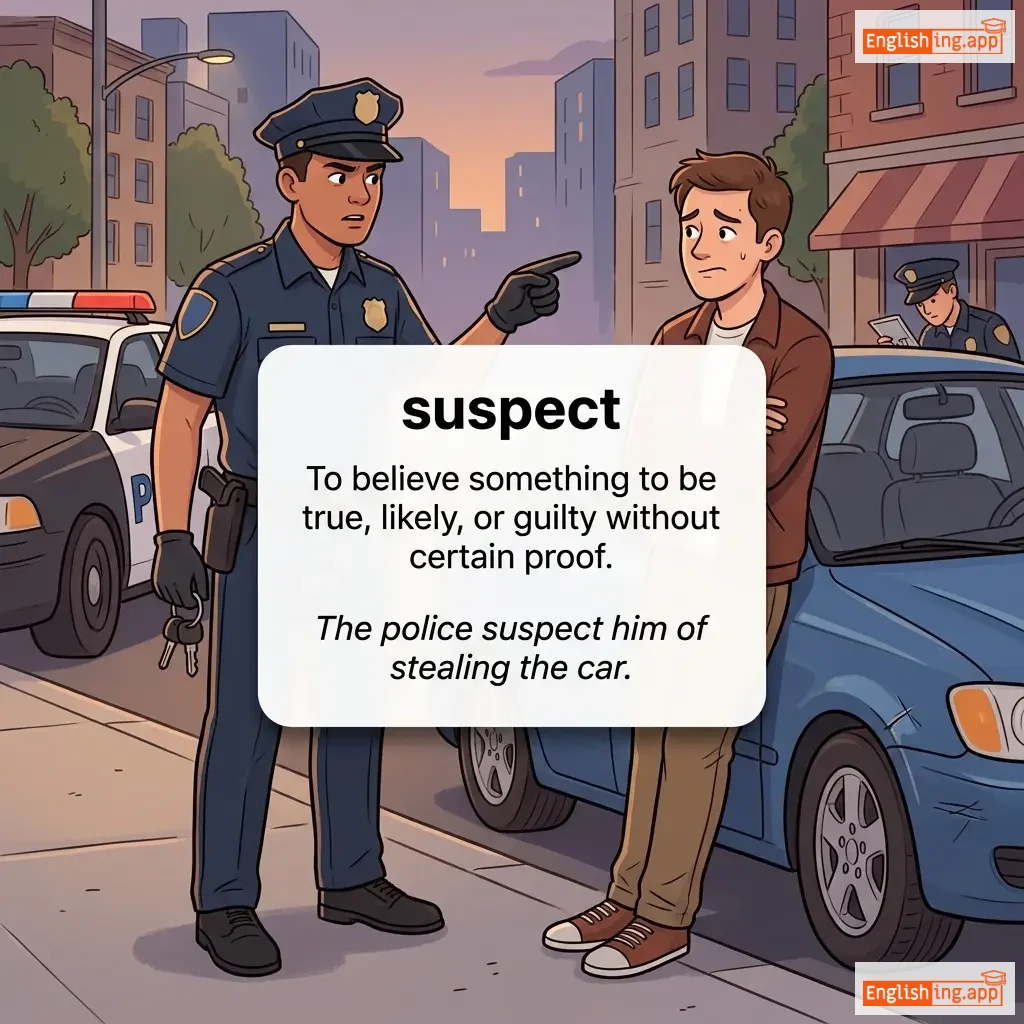
To believe something to be true, likely, or guilty without certain proof.
••••••
|
The police suspect him of stealing the car. |
- •••••• |
usual suspect |
a person frequently suspected of wrongdoing
••••••
|
- •••••• |
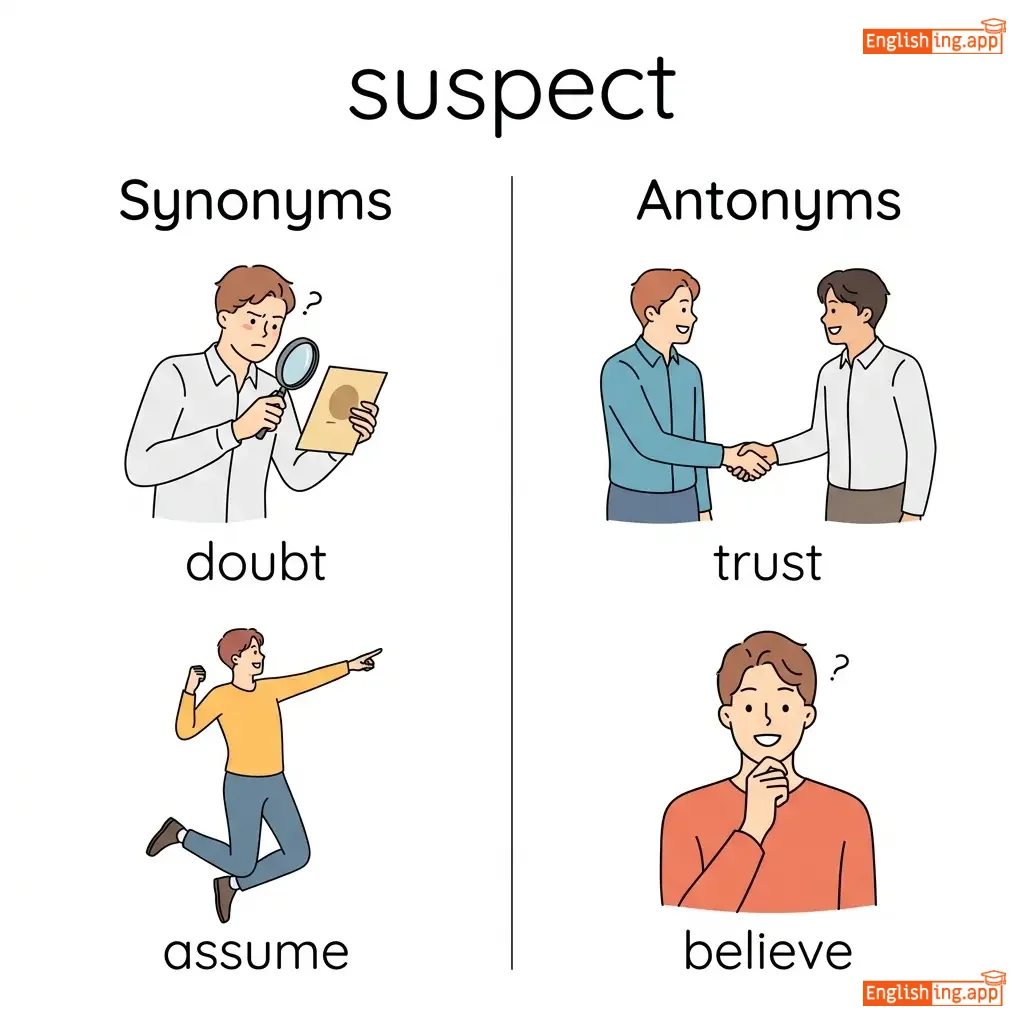
doubt, assume, suppose, accuse
••••••
|
trust, believe, absolve
••••••
|
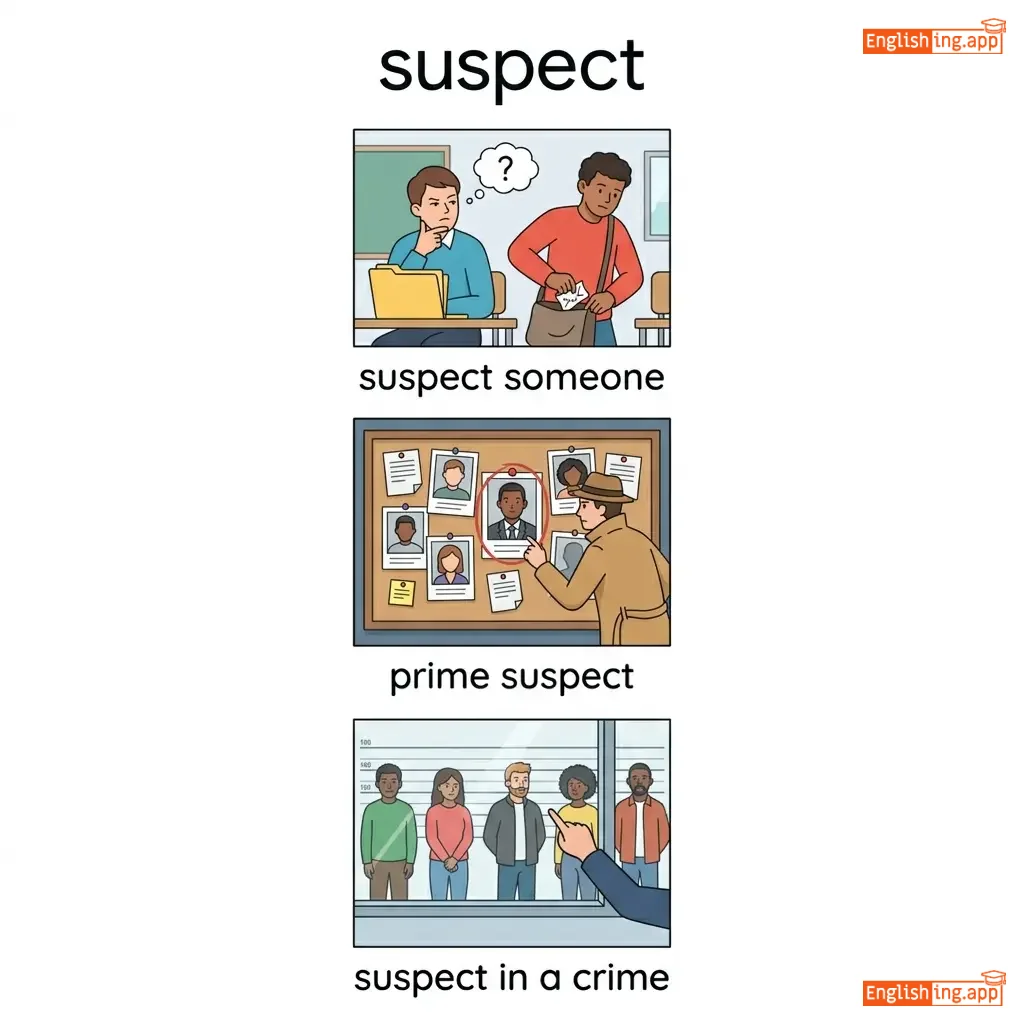
suspect someone, prime suspect, suspect in a crime
••••••
|
No •••••• |
|
⏸️
••••••
|
/səˈspɛnd/
verb
(暂停)
••••••
|
- •••••• |
暂停
zanting
••••••
|
suspended
暂停的
••••••
|
suspended
暂停的
••••••
|
suspends
暂停
••••••
|
suspending
暂停中
••••••
|
To temporarily stop something from being active or valid.
••••••
|
The company decided to suspend his membership.
公司决定暂停他的会员资格。
••••••
|
公司决定暂停他的会员资格。
Gongsi jueding zanting tade huiyuan zige.
••••••
|
suspend disbelief
暂停不信
••••••
|
to willingly accept something unrealistic for the sake of enjoyment
••••••
|
暂停不信
zanting bu xin
••••••
|
halt, delay, interrupt, pause
••••••
|
continue, resume, proceed
••••••
|
suspend activities, suspend operations, suspend from work
••••••
|
暂停,像是按下暂停键——一切都停下来了!
••••••
|
|
🫗
••••••
|
/ˈswɒloʊ/
verb
(斯瓦罗)
••••••
|
- •••••• |
吞下
tūn xià
••••••
|
swallowed
斯瓦罗德
••••••
|
swallowed
斯瓦罗德
••••••
|
swallows
斯瓦罗斯
••••••
|
swallowing
斯瓦罗英
••••••
|
to make food or drink go down your throat into your stomach
••••••
|
He swallowed the pill with a glass of water.
他吞下了药片,喝了一杯水。
••••••
|
他吞下了药片,喝了一杯水。
Tā tūn xià le yàopiàn, hēle yī bēi shuǐ.
••••••
|
swallow one's pride
吞下自己的骄傲
••••••
|
to do something that is humiliating or embarrassing but necessary
••••••
|
吞下自己的骄傲
tūn xià zìjǐ de jiāo'ào
••••••
|
gulp, ingest, consume, devour, absorb
••••••
|
spit, vomit, reject
••••••
|
swallow food, swallow hard, swallow a pill, swallow the truth
••••••
|
Swallow 意味着吞下 —— 就像鸟儿吞下昆虫一样!
••••••
|
|
🧶
••••••
|
/ˈswɛtər/
noun
••••••
|
- •••••• | - •••••• | - •••••• | - •••••• | - •••••• | - •••••• |
a warm knitted piece of clothing worn on the upper body
••••••
|
She wore a red sweater to keep warm in the cold weather. |
- •••••• | - •••••• | - •••••• | - •••••• |
jumper, pullover, cardigan, hoodie, sweatshirt
••••••
|
shirt, blouse, jacket
••••••
|
wool sweater, knitted sweater, wear a sweater, red sweater
••••••
|
No •••••• |
|
🤒
••••••
|
/ˈsɪmptəm/
noun
(症状)
••••••
|
- •••••• |
症状
zhèngzhuàng
••••••
|
- •••••• | - •••••• | - •••••• | - •••••• |
a sign or indication of something, especially of an illness
••••••
|
Fever is a common symptom of the flu. |
发烧是流感的常见症状。
Fāshāo shì liúgǎn de chángjiàn zhèngzhuàng.
••••••
|
- •••••• | - •••••• | - •••••• |
sign, indication, manifestation, mark
••••••
|
health, wellness
••••••
|
symptom of illness, common symptom, early symptom
••••••
|
Symptom like fever: You feel sick (生病) when you're ill!
••••••
|
|
👕
••••••
|
/ˈtiː ʃɜːt/
noun
(tī-shì)
••••••
|
- •••••• |
T恤
T-xu
••••••
|
- •••••• | - •••••• | - •••••• | - •••••• |
a casual short-sleeved cotton shirt with no collar
••••••
|
He wore a white t-shirt and jeans to the party.
他穿了一件白色T恤和牛仔裤参加派对。
••••••
|
他穿了一件白色T恤和牛仔裤参加派对。
Tā chuānle yī jiàn báisè T-xu hé niúzǎikù cānjiā pàiduì.
••••••
|
- •••••• | - •••••• | - •••••• |
tee, top, shirt, jersey, garment
••••••
|
jacket, sweater
••••••
|
white t-shirt, printed t-shirt, cotton t-shirt, wear a t-shirt
••••••
|
T恤让你在任何场合都能穿得舒适!
••••••
|
|
🌄
••••••
|
/təˈreɪn/
noun
(tèréin)
••••••
|
- •••••• |
地形
dixing
••••••
|
- •••••• | - •••••• | - •••••• | - •••••• |
a stretch of land, especially with regard to its physical features
••••••
|
The soldiers had to cross rough terrain during the mission. |
士兵们必须在任务期间穿越艰难的地形。
Shibing men bixu zai renwu qi jian chuanyue jiannan de dixing.
••••••
|
mountainous terrain |
landscape full of mountains or steep slopes
••••••
|
山地地形
shandi dixing
••••••
|
land, ground, landscape, topography, area
••••••
|
sea, sky
••••••
|
rocky terrain, flat terrain, desert terrain, rugged terrain
••••••
|
Terrain 就是地形 — 就像火车在地面上行驶,terrain 就是指地面的结构。
••••••
|
|
😱
••••••
|
/ˈtɛrəˌfaɪ/
verb
(té lǐ fāi)
••••••
|
- •••••• |
使惊吓
shǐ jīng xià
••••••
|
terrified
té lǐ fāi dé
••••••
|
terrified
té lǐ fāi dé
••••••
|
terrifies
té lǐ fāi sī
••••••
|
terrifying
té lǐ fāi yīng
••••••
|
To cause someone to feel extreme fear.
••••••
|
The loud thunder terrified the children.
响亮的雷声把孩子们吓坏了。
••••••
|
响亮的雷声把孩子们吓坏了。
Xiǎngliàng de léishēng bǎ háizimen xià huài le.
••••••
|
- •••••• | - •••••• | - •••••• |
frighten, scare, alarm, startle, petrify
••••••
|
comfort, reassure, calm
••••••
|
terrify someone, absolutely terrify, terrify the crowd
••••••
|
Terrify 就是让人害怕,就像雷声一样让人害怕。
••••••
|
|
📝
••••••
|
/ˈtɛstəfaɪ/
verb
(特斯蒂法伊)
••••••
|
- •••••• |
作证
zuò zhèng
••••••
|
testified
特斯蒂法伊德
••••••
|
testified
特斯蒂法伊德
••••••
|
testifies
特斯蒂法伊斯
••••••
|
testifying
特斯蒂法伊英
••••••
|
to make a statement or declaration under oath or to give evidence
••••••
|
She was called to testify in court about the accident.
她被叫到法庭作证,关于那起事故。
••••••
|
她被叫到法庭作证,关于那起事故。
Tā bèi jiào dào fǎtíng zuò zhèng, guānyú nà qǐ shìgù.
••••••
|
- •••••• | - •••••• | - •••••• |
witness, declare, confirm, affirm
••••••
|
deny, oppose
••••••
|
testify in court, testify under oath, testify as a witness
••••••
|
在法庭作证,宣誓提供证据
••••••
|
|
🔬
••••••
|
/ˈtɛstɪŋ/
noun
(测试)
••••••
|
- •••••• |
测试
ceshi
••••••
|
- •••••• | - •••••• | - •••••• | - •••••• |
the process of assessing or evaluating something, often by trying it out
••••••
|
The testing of the new software is still ongoing. |
新软件的测试仍在进行。
Xin ruanjian de ceshi reng zai jinxing.
••••••
|
- •••••• | - •••••• | - •••••• |
examination, assessment, trial, evaluation
••••••
|
failure, rejection
••••••
|
testing phase, software testing, testing process, performance testing
••••••
|
Testing software is like testing your skills for success
••••••
|
|
🧵
••••••
|
/ˈtɛkstʃər/
noun
(tè kè chù)
••••••
|
- •••••• |
质地
zhì dì
••••••
|
- •••••• | - •••••• | - •••••• | - •••••• |
the way something feels when you touch it; the quality of a surface or substance
••••••
|
The fabric has a soft and smooth texture. |
这块布的质地柔软光滑。
Zhè kuài bù de zhì dì róuruǎn guānghuá.
••••••
|
rough texture |
a coarse or uneven surface feel
••••••
|
- •••••• |
surface, feel, grain, structure, consistency
••••••
|
smoothness, flatness
••••••
|
soft texture, rough texture, fabric texture, skin texture
••••••
|
质地就是你触摸的感觉。
••••••
|
|
➡️
••••••
|
/ˌðɛərˈbaɪ/
adverb
(德尔拜)
••••••
|
- •••••• |
因此;
yīn cǐ
••••••
|
- •••••• | - •••••• | - •••••• | - •••••• |
as a result of that; by that means
••••••
|
He worked hard and thereby achieved success. |
他努力工作,因此取得了成功。
tā nǔ lì gōng zuò, yīn cǐ qǔ dé le chéng gōng.
••••••
|
- •••••• | - •••••• | - •••••• |
thus, consequently, therefore, hence
••••••
|
nevertheless, however, nonetheless
••••••
|
thereby achieving, thereby creating, thereby ensuring
••••••
|
工作努力,因此成功。
••••••
|
|
💭
••••••
|
/θɔːt/
noun
(思特)
••••••
|
- •••••• |
思维
siwei
••••••
|
- •••••• | - •••••• | - •••••• | - •••••• |
an idea or opinion produced by thinking or considering something
••••••
|
She had a sudden thought about the future. |
她突然有了关于未来的想法。
Tā túrán yǒule guānyú wèilái de xiǎngfǎ.
••••••
|
- •••••• | - •••••• | - •••••• |
idea, notion, belief, concept
••••••
|
ignorance, uncertainty
••••••
|
deep thought, quick thought, passing thought
••••••
|
'思维' (siwei) 突然出现
••••••
|
|
➡️
••••••
|
/θruː/
preposition
(thru)
••••••
|
- •••••• |
通过
tong guo
••••••
|
- •••••• | - •••••• | - •••••• | - •••••• |
moving in one side and out the other side of something
••••••
|
The train passed through the tunnel.
火车通过了隧道。
••••••
|
火车通过了隧道。
Huo che tong guo le sui dao.
••••••
|
- •••••• | - •••••• | - •••••• |
across, past, beyond, into
••••••
|
none
••••••
|
go through, pass through, walk through
••••••
|
Through sounds like crossing a bridge, moving from one side to the other.
••••••
|
|
🤏
••••••
|
/ˈtaɪtli/
adverb
(taitli)
••••••
|
- •••••• |
紧紧地;牢牢地
jin jin de; lao lao de
••••••
|
- •••••• | - •••••• | - •••••• | - •••••• |
in a tight manner; firmly; securely
••••••
|
Hold the rope tightly so you don't fall.
紧握绳子,以免掉下来。
••••••
|
紧握绳子,避免跌倒。
Jin wo shengzi, bimian diedao.
••••••
|
- •••••• | - •••••• | - •••••• |
firmly, securely, closely, strongly
••••••
|
loosely, weakly, gently, lightly
••••••
|
hold tightly, grip tightly, packed tightly
••••••
|
紧握绳子,避免跌倒。
••••••
|
|
🚬
••••••
|
/təˈbækoʊ/
noun
(烟草)
••••••
|
- •••••• |
烟草
yāncǎo
••••••
|
- •••••• | - •••••• | - •••••• | - •••••• |
a plant grown for its leaves, which are used in making cigarettes and cigars
••••••
|
He stopped smoking tobacco after his health scare. |
在健康问题之后,他停止吸烟草。
Zài jiànkāng wèntí zhīhòu, tā tíngzhǐ xī yāncǎo.
••••••
|
- •••••• | - •••••• | - •••••• |
cigarettes, cigars, nicotine
••••••
|
none
••••••
|
tobacco leaves, tobacco smoke, chewing tobacco
••••••
|
烟草 = 烟雾缭绕中烟草的香味
••••••
|

