The Actress Who Found Her Voice
米塔是一位 amateur actress,她梦想登上大银幕。她的 ability 很自然,但她在行业中面临 adverse 条件。一位 adviser 告诉她:“你需要 acquire 专业培训。” 米塔对自己的未来感到 anxious,但她没有放弃。一天,一位导演在一张 yellow 海报前 addressed 她。有 alleged 报道称 another 丑闻可能牵涉到她。但米塔坚强地 against 所有负面声音。她不碰 alcohol,她的 apparel 简单却优雅。竞争者很多,但 anybody 都无法比得上她的专注。用一个 analogy 来形容她的表演,就像一幅慢慢完成的画。米塔 already 获得了一些小角色,她的表演既 amusing 又感人。她的粉丝们开始在社交媒体上为她 applaud。米塔意识到自己不再是那个害羞的女孩 anymore。她的旅程充满挑战,但她 acquired 了自信与技巧。最终,一家大型制作公司给了她主演的机会。米塔证明了,即使从 amateur 开始,也能在 adverse 条件下成为专业演员。她的故事激励了许多年轻的 actresses。
|
表情符号
|
单词 | Images | 翻译 | 过去时 | 过去分词 | 第三人称单数 | 动名词 | 含义 | 例句 | 例句翻译 | 示例表达 | 示例表达含义 | 示例表达翻译 | 同义词 | 反义词 | 搭配词 | 助记符 |
|---|---|---|---|---|---|---|---|---|---|---|---|---|---|---|---|---|---|
|
💡
••••••
|
/əˈbɪləti/
noun
(艾比利提)
••••••
|
- •••••• |
能力
nengli
••••••
|
- •••••• | - •••••• | - •••••• | - •••••• |
the power, skill, or capacity to do something
••••••
|
Her ability to solve problems quickly impressed everyone.
她快速解决问题的能力给所有人留下了深刻的印象。
••••••
|
她快速解决问题的能力给所有人留下了深刻的印象。
Ta kuaisu jiejue wenti de nengli gei suoyouren liuxia le shenke de yinxiang.
••••••
|
to the best of one's ability
尽力而为
••••••
|
to do something as well as one possibly can
••••••
|
尽力而为
jinli er wei
••••••
|
skill, talent, capacity, competence, capability
••••••
|
inability, incapacity, weakness
••••••
|
natural ability, mental ability, physical ability, ability to learn
••••••
|
Ability 意味着能力 — 通过考试需要良好的能力。
••••••
|
|
📦
••••••
|
/əˈkwaɪər/
verb
(äkuīr)
••••••
|

|
获得
huòdé
••••••
|
acquired
äkuīrd
••••••
|
acquired
äkuīrd
••••••
|
acquires
äkwaiers
••••••
|
acquiring
äkwaiərīng
••••••
|
to obtain or gain possession of something
••••••
|
She managed to acquire a rare painting at the auction.
她成功地在拍卖会上获得了一幅稀有的画作。
••••••
|
她成功地在拍卖会上获得了一幅稀有的画作。
Tā chénggōng de zài pāimài huì shàng huòdéle yī fú xīyǒu de huàzuò.
••••••
|
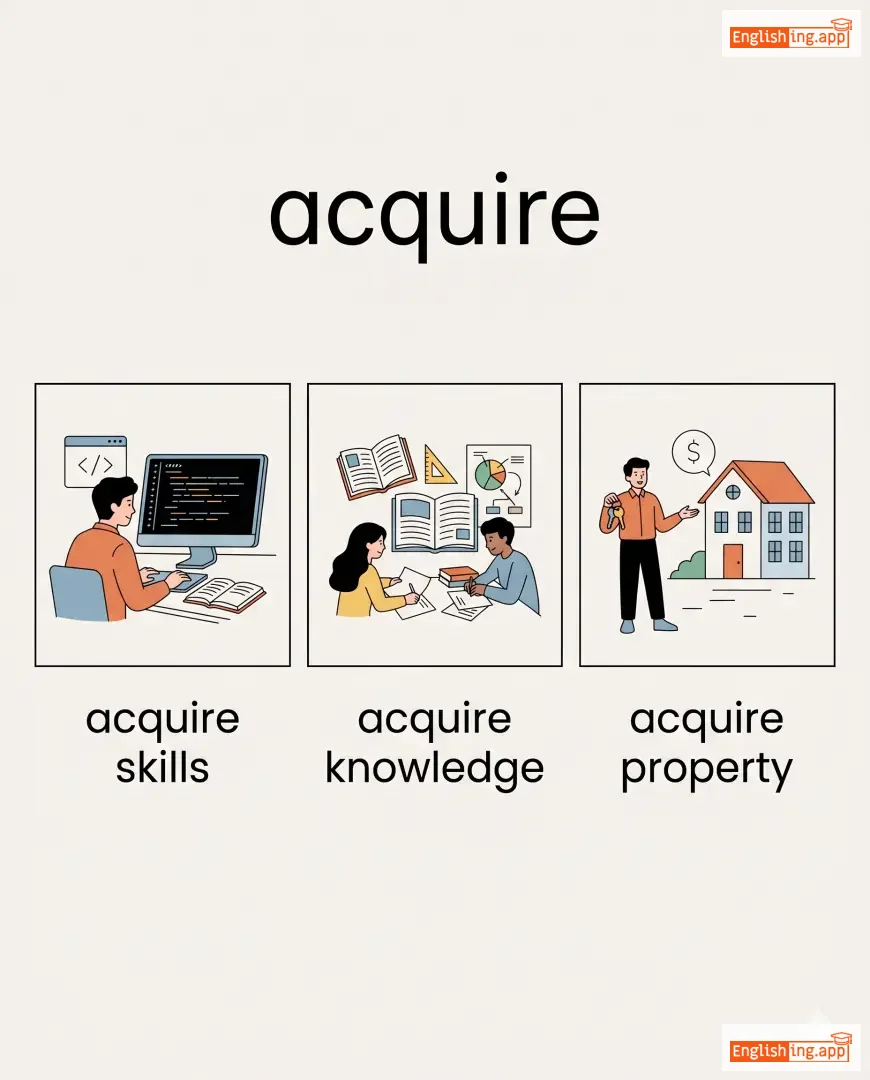
acquire knowledge
获得知识
••••••
|
to learn or gain understanding
••••••
|
获得知识
huòdé zhīshi
••••••
|
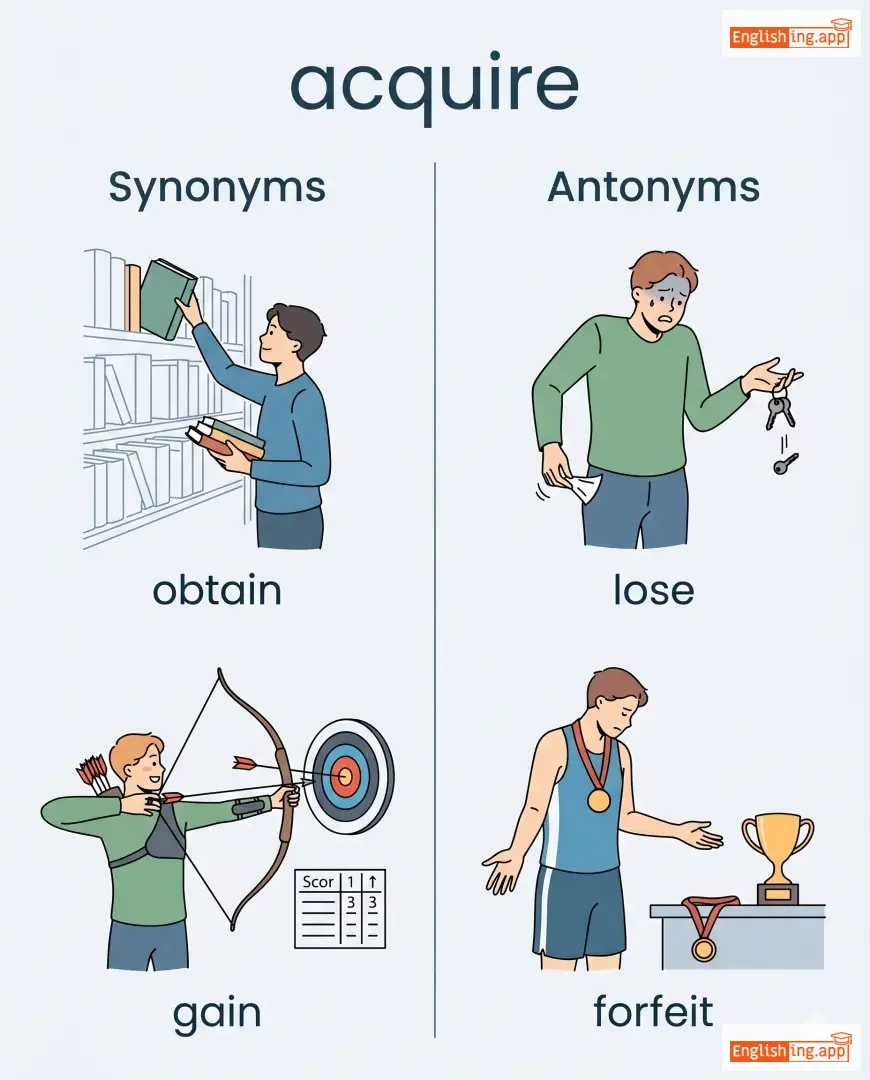
obtain, gain, receive, procure, secure
••••••
|
lose, forfeit, give up
••••••
|
acquire skills, acquire knowledge, acquire property, acquire habit
••••••
|
获得就像在拍卖会上获得稀有画作一样。
••••••
|
|
🌟
••••••
|
/ˈæktrəs/
noun
(ˈæktrəs)
••••••
|
- •••••• |
女演员
nǚ yǎnyuán
••••••
|
- •••••• | - •••••• | - •••••• | - •••••• |
a female performer in plays, movies, or television
••••••
|
The actress looked stunning on the red carpet. |
那位女演员在红地毯上看起来令人惊艳。
Nà wèi nǚ yǎnyuán zài hóng dìtǎn shàng kàn qǐlái lìng rén jīngyàn.
••••••
|
famous actress |
a well-known female performer
••••••
|
著名女演员
zhùmíng nǚ yǎnyuán
••••••
|
performer, artist, star, entertainer
••••••
|
audience, spectator
••••••
|
film actress, stage actress, award-winning actress, leading actress
••••••
|
女演员就是actress,像在电影中的女演员一样。
••••••
|
|
📢
••••••
|
/əˈdrɛs/
verb
(adresu)
••••••
|
|
dānrèn, jiějué
danren, jiejué
••••••
|
addressed
zhíxíng
••••••
|
addressed
zhíxíng
••••••
|
addresses
zhíxíng
••••••
|
addressing
zhíxíng zhōng
••••••
|
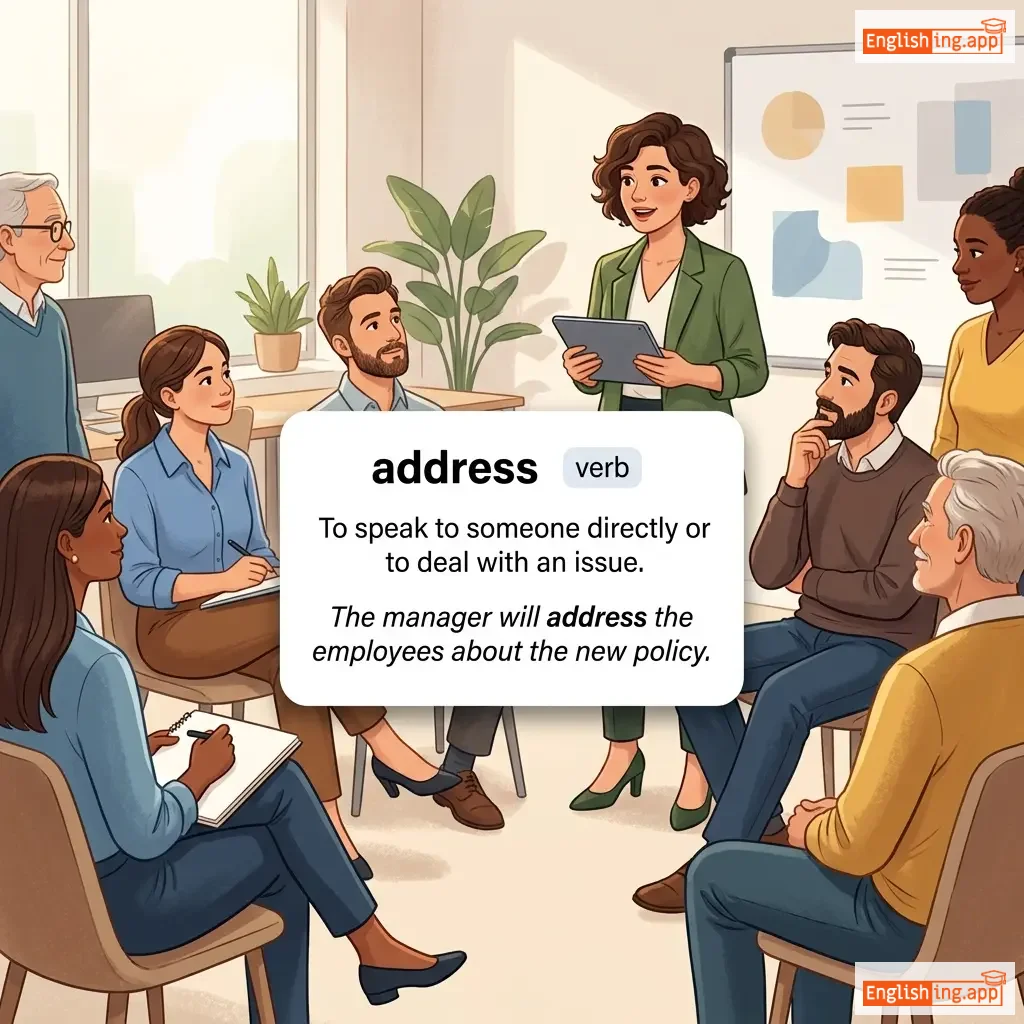
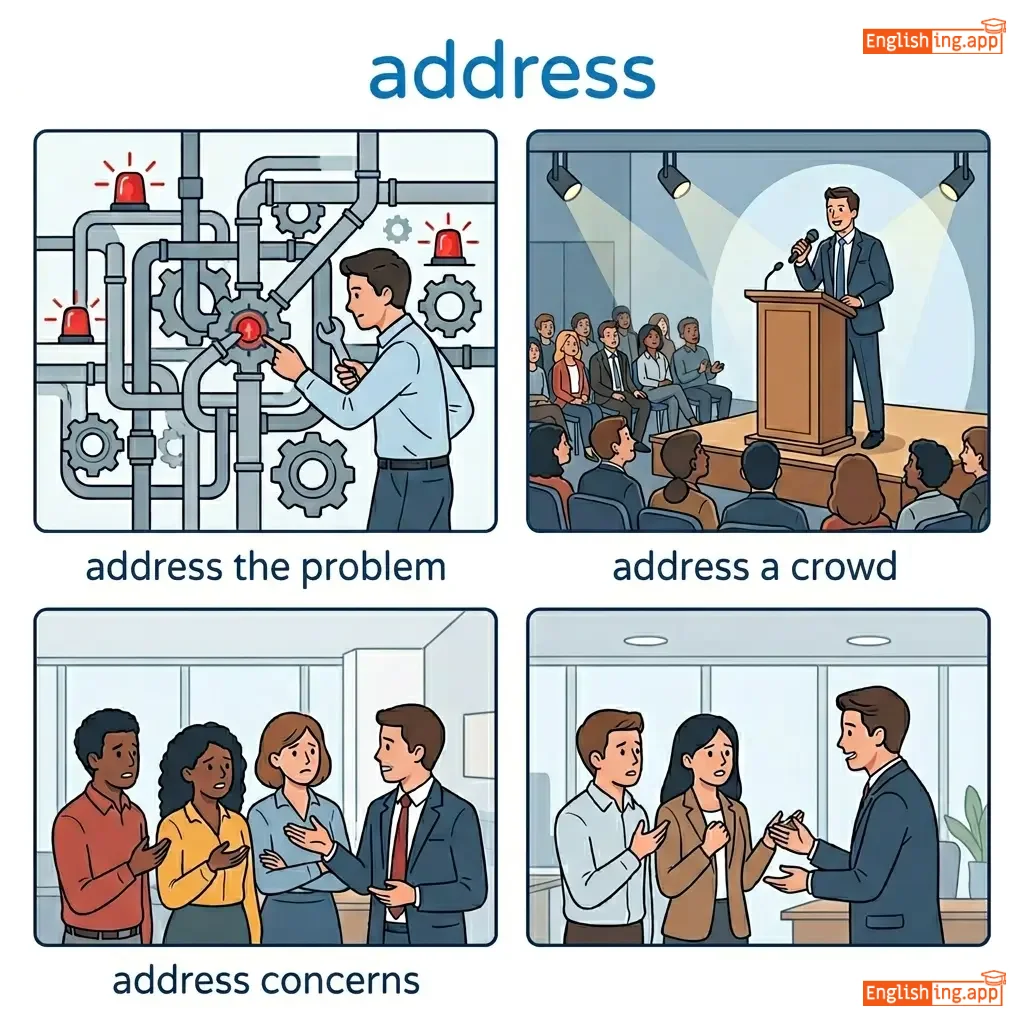
To speak to someone directly or to deal with an issue.
••••••
|
The manager will address the employees about the new policy.
Jīnglǐ huì zhíxíng yuángōngmen duì xīn zhèngcè de jiǎngjiù.
••••••
|
Jīnglǐ huì zhíxíng yuángōngmen duì xīn zhèngcè de jiǎngjiù.
Jingli hui zhixing yuangongmen dui xin zhengce de jiangjiu.
••••••
|
address the issue
jiějué wèntí
••••••
|
to deal with or solve a problem
••••••
|
jiějué wèntí
jiejue wenti
••••••
|
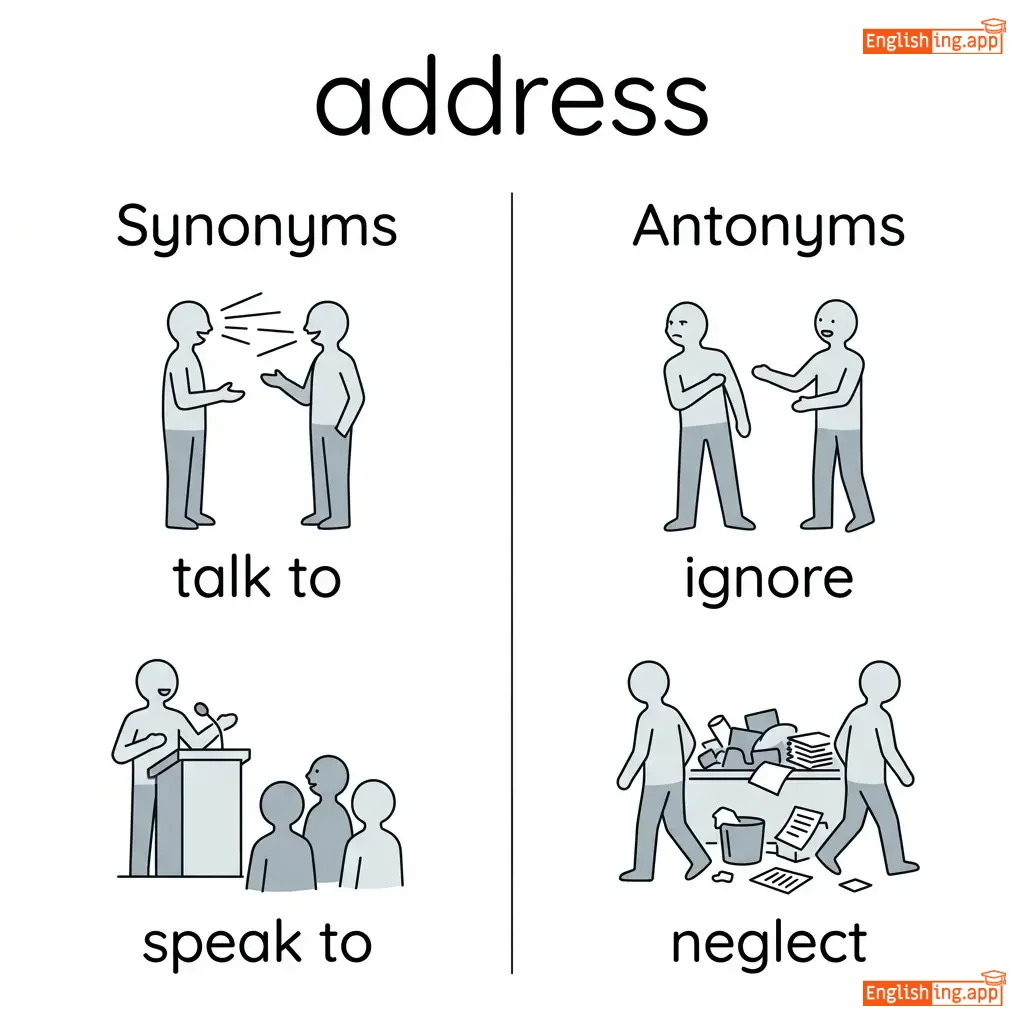
talk to, speak to, deal with, handle
••••••
|
ignore, neglect, avoid
••••••
|
address the problem, address a crowd, address concerns, address formally
••••••
|
Address bù jǐn shì dìzhǐ, hái shì wèntí de jiějué.
••••••
|
|
🌩️
••••••
|
/ˈæd.vɜːs/
adjective
••••••
|
- •••••• | - •••••• | - •••••• | - •••••• | - •••••• | - •••••• |
Preventing success or development; harmful or unfavorable.
••••••
|
The project was delayed due to adverse weather conditions. |
- •••••• |
adverse effect |
a harmful or negative impact
••••••
|
- •••••• |
unfavorable, harmful, negative, detrimental, hostile
••••••
|
favorable, beneficial, positive
••••••
|
adverse conditions, adverse effect, adverse impact, adverse reaction
••••••
|
No •••••• |
|
👨🏫
••••••
|
/ədˈvaɪzər/
noun
(ædˈvaɪzər)
••••••
|
- •••••• |
顾问
gùwèn
••••••
|
- •••••• | - •••••• | - •••••• | - •••••• |
a person who gives advice, especially in a professional or official role
••••••
|
He works as a financial adviser at a bank. |
他在一家银行担任金融顾问。
Tā zài yījiā yínháng dānrèn jīnróng gùwèn.
••••••
|
- •••••• | - •••••• | - •••••• |
counselor, consultant, mentor, guide
••••••
|
opponent, detractor
••••••
|
financial adviser, legal adviser, personal adviser, senior adviser
••••••
|
Adviser 和 Advisor 相似 — 是给你建议 (gùwèn) 的人。
••••••
|
|
🚫
••••••
|
/əˈɡɛnst/ or /əˈɡeɪnst/
preposition
••••••
|
- •••••• | - •••••• | - •••••• | - •••••• | - •••••• | - •••••• |
In opposition to; contrary to; touching or resting on.
••••••
|
They voted against the proposal. |
- •••••• |
stand against |
To oppose or resist something.
••••••
|
- •••••• |
opposed to, contrary to, versus, counter to
••••••
|
for, in favor of
••••••
|
against the law, against the wall, fight against, argue against
••••••
|
No •••••• |
|
🍷
••••••
|
/ˈælkəhɒl/
noun
••••••
|
- •••••• | - •••••• | - •••••• | - •••••• | - •••••• | - •••••• |
A colorless volatile liquid that is the intoxicating constituent of wine, beer, spirits, and other drinks.
••••••
|
Too much alcohol can damage your liver. |
- •••••• |
alcohol abuse |
The excessive consumption of alcoholic drinks causing harm.
••••••
|
- •••••• |
liquor, spirit, ethanol, booze, drink
••••••
|
sobriety, abstinence
••••••
|
alcohol consumption, alcohol level, alcohol abuse, alcohol addiction
••••••
|
No •••••• |
|
⚖️
••••••
|
/əˈlɛdʒd/
adjective
(əˈlɛdʒd)
••••••
|
- •••••• |
涉嫌的
shèxián de
••••••
|
- •••••• | - •••••• | - •••••• | - •••••• |
said or thought to be true, but not proven
••••••
|
The alleged thief was caught by the police. |
涉嫌的窃贼被警方抓获。
Shèxián de qièzéi bèi jǐngfāng zhuā huò.
••••••
|
- •••••• | - •••••• | - •••••• |
supposed, claimed, reported, asserted, purported
••••••
|
proven, confirmed, verified
••••••
|
alleged crime, alleged victim, alleged incident, alleged involvement
••••••
|
涉嫌的 = ‘涉嫌’某事,但没有证明其真实性。
••••••
|
|
✅
••••••
|
/ɔːlˈredi/
adverb
(ɔːlˈredi)
••••••
|
- •••••• |
已经; 预先; 之前
yǐjīng; yùxiān; zhīqián
••••••
|
- •••••• | - •••••• | - •••••• | - •••••• |
before now; by this time; previously
••••••
|
I have already finished my homework for today. |
我今天的作业已经完成了。
Wǒ jīntiān de zuòyè yǐjīng wánchéngle.
••••••
|
- •••••• | - •••••• | - •••••• |
previously, before, by now, earlier
••••••
|
not yet, later, still, eventually
••••••
|
already done, already finished, already here, already know
••••••
|
中文中,'已经'用于表示已经发生的事情。
••••••
|
|
🎨
••••••
|
/ˈæmətər/
noun
(业余)
••••••
|
- •••••• |
业余
yè yú
••••••
|
- •••••• | - •••••• | - •••••• | - •••••• |
A person who engages in a pursuit, especially a sport or art, on an unpaid basis.
••••••
|
The painting looked impressive, even though it was done by an amateur.
这幅画看起来很震撼,尽管它是由一个业余爱好者完成的。
••••••
|
这幅画看起来很震撼,尽管它是由一个业余爱好者完成的。
Zhè fú huà kàn qǐ lái hěn zhèn hàn, jǐn guǎn tā shì yóu yī gè yè yú ài hǎo zhě wán chéng de.
••••••
|
amateur hour
业余时光
••••••
|
A display of ineptitude or lack of professionalism.
••••••
|
业余时光
yè yú shí guāng
••••••
|
novice, beginner, nonprofessional, layman, hobbyist
••••••
|
professional, expert, specialist
••••••
|
amateur photographer, amateur player, amateur performance, amateur competition
••••••
|
Amateur 意味着业余 - 这意味着他只是为了乐趣做的,而不是专业的。
••••••
|
|
😄
••••••
|
/əˈmjuː.zɪŋ/
adjective
(amíuzīng)
••••••
|
- •••••• |
有趣的; 好笑的; 娱乐的
yǒuqù de; hǎoxiào de; yúlè de
••••••
|
- •••••• | - •••••• | - •••••• | - •••••• |
causing laughter or providing entertainment; funny; enjoyable
••••••
|
The children found the clown's performance very amusing.
孩子们觉得小丑的表演非常有趣。
••••••
|
孩子们觉得小丑的表演非常有趣。
Háizimen juédé xiǎochǒu de biǎoyǎn fēicháng yǒuqù.
••••••
|
- •••••• | - •••••• | - •••••• |
entertaining, funny, humorous, delightful
••••••
|
boring, dull, serious, tedious
••••••
|
amusing story, amusing anecdote, amusing incident, amusing character
••••••
|
记住那个总是让人笑的滑稽小丑。
••••••
|
|
📖
••••••
|
/əˈnælədʒi/
noun
(ā ná luó jī)
••••••
|
- •••••• |
类比
leibi
••••••
|
- •••••• | - •••••• | - •••••• | - •••••• |
A comparison between two things for the purpose of explanation or clarification.
••••••
|
The teacher used the analogy of a tree to explain the structure of an essay. |
老师用树木的类比来解释文章的结构。
Lǎoshī yòng shùmù de lèibǐ lái jiěshì wénzhāng de jiégòu.
••••••
|
- •••••• | - •••••• | - •••••• |
comparison, parallel, resemblance, similarity
••••••
|
difference, contrast
••••••
|
draw an analogy, use an analogy, apt analogy
••••••
|
类比就是比较,用来解释,像中文里这样使用。
••••••
|
|
➕
••••••
|
/əˈnʌðər/
determiner/pronoun
(阿诺瑟)
••••••
|
- •••••• |
另一个
ling yi ge
••••••
|
- •••••• | - •••••• | - •••••• | - •••••• |
one more person or thing of the same type
••••••
|
Can I have another cup of tea? |
我可以再来一杯茶吗?
Wǒ kěyǐ zài lái yī bēi chá ma?
••••••
|
another day |
a different or additional day
••••••
|
另一天
ling yi tian
••••••
|
one more, additional, extra, different
••••••
|
same, identical
••••••
|
another chance, another reason, another person, another story
••••••
|
Another 代表 ‘另一个’—喝完茶,再来一个杯子!
••••••
|
|
😟
••••••
|
/ˈæŋkʃəs/
adjective
(æŋkʃəs)
••••••
|
- •••••• |
焦虑的
jiaolü de
••••••
|
- •••••• | - •••••• | - •••••• | - •••••• |
feeling worried, nervous, or uneasy about something
••••••
|
She felt anxious before her job interview. |
她在面试前感到焦虑。
Ta zai mianshi qian gandao jiaolü.
••••••
|
anxious about |
to feel worried or uneasy regarding something
••••••
|
对…感到焦虑
dui... gandao jiaolü
••••••
|
worried, nervous, uneasy, restless, apprehensive
••••••
|
calm, relaxed, confident
••••••
|
feel anxious, anxious about, anxious to, anxious for
••••••
|
焦虑的意思就是担心,面试前大家都很焦虑。
••••••
|
|
👤
••••••
|
/ˈɛniˌbɒdi/
pronoun
(ènìbódi)
••••••
|
- •••••• |
任何人
rènhé rén
••••••
|
- •••••• | - •••••• | - •••••• | - •••••• |
any person; anyone
••••••
|
Anybody can join the club. |
任何人都可以加入俱乐部。
Rènhé rén dōu kěyǐ jiārù jùlèbù.
••••••
|
- •••••• | - •••••• | - •••••• |
anyone, somebody, whoever, everyone
••••••
|
nobody, no one
••••••
|
ask anybody, tell anybody, anybody else, anybody interested
••••••
|
ANYBODY 意味着任何人,例如 Anybody can play in the park.
••••••
|
|
⏳
••••••
|
/ˌɛniˈmɔr/
adverb
(ènìmó)
••••••
|
- •••••• |
不再
bù zài
••••••
|
- •••••• | - •••••• | - •••••• | - •••••• |
used to refer to the present time, typically to mean no longer
••••••
|
He doesn’t live here anymore. |
他不再住在这里。
Tā bù zài zhù zài zhèlǐ.
••••••
|
- •••••• | - •••••• | - •••••• |
no longer, not now, no more
••••••
|
still, yet
••••••
|
not anymore, hardly anymore, anymore questions
••••••
|
不再意味着ANYMORE,就像我不再住在这里。
••••••
|
|
👗
••••••
|
/əˈpærəl/
noun
(阿佩雷尔)
••••••
|
- •••••• |
衣服
yīfu
••••••
|
- •••••• | - •••••• | - •••••• | - •••••• |
Clothing, especially formal or special clothes.
••••••
|
The store specializes in wedding apparel.
商店专门出售婚礼服装。
••••••
|
商店专门出售婚礼服装。
Shāngdiàn zhuānmén chūshòu hūnlǐ fúzhuāng.
••••••
|
- •••••• | - •••••• | - •••••• |
clothing, garments, attire, outfit, wardrobe
••••••
|
nakedness, undress
••••••
|
formal apparel, wedding apparel, sports apparel, fashion apparel
••••••
|
Apparel 意味着'衣服',尤其是用于特别场合,比如婚礼。
••••••
|
|
👏
••••••
|
/əˈplɔːd/
verb
(ā-pu-lu-ō-d)
••••••
|
- •••••• |
鼓掌
gǔ zhǎng
••••••
|
applauded
ā-pu-lu-ō-d-ed
••••••
|
applauded
ā-pu-lu-ō-d-ed
••••••
|
applauds
ā-pu-lu-ō-ds
••••••
|
applauding
ā-pu-lu-ō-d-ing
••••••
|
to show approval by clapping or expressing admiration
••••••
|
The audience applauded the performance.
观众为表演鼓掌。
••••••
|
观众为表演鼓掌。
Guānzhòng wèi biǎoyǎn gǔzhǎng.
••••••
|
- •••••• | - •••••• | - •••••• |
cheer, praise, commend, hail
••••••
|
criticize, condemn
••••••
|
applaud enthusiastically, applaud someone for something
••••••
|
Applaud sounds like 'Appl' – 所以你在喜欢某事时鼓掌!
••••••
|
|
🟡
••••••
|
/ˈjeloʊ/
adjective
(yīlóu)
••••••
|
- •••••• |
黄色的; 胆小的
huángsè de; dǎnxiǎo de
••••••
|
- •••••• | - •••••• | - •••••• | - •••••• |
having the color of the sun or gold; cowardly
••••••
|
The yellow flowers bloomed in spring.
黄色的花在春天盛开。
••••••
|
黄色的花在春天盛开。
huángsè de huā zài chūntiān shèngkāi.
••••••
|
- •••••• | - •••••• | - •••••• |
golden, amber, lemon, canary
••••••
|
blue, purple, green, red
••••••
|
yellow light, yellow pages, yellow card
••••••
|
黄色是太阳的颜色,也用来描述胆小的人 (胆小的).
••••••
|

