The Doctor Who Healed Himself
拉希姆医生是一位 strict 心脏病专家,已经在这个职业工作了 thirty 年。他在医院的 tenure 非常令人印象深刻,他帮助了许多患者从 strokes 中恢复。但有一天,suddenly,他开始感到 throat 疼痛,stress 水平显著增加。他意识到自己也在 suffering,因为忽视了自己的建议。他的妻子,既 tender 又关心他,告诉他需要认真 tackle 这个问题。拉希姆住在一个安静的 suburb,一栋 timber 房子里,非常平静。他从 tenant 那里听说打 tennis 可能是个好运动。Though 他最初认为这是一个 stupid 主意,但他的妻子 surely 说服他尝试。拉希姆开始改变生活方式,慢慢地,他对自己可能发生 stroke 的 terror 减少了。他对家人的支持表示 thanks。在他的医学 thesis 中,他写到了预防的重要性,现在他正在实践这些原则。拉希姆意识到医生也需要照顾自己,而不仅仅是患者。他开始进行冥想和运动来管理 stress。最终,拉希姆成为了一个更健康、更快乐的人,现在可以为患者树立更好的榜样。
|
表情符号
|
单词 | Images | 翻译 | 过去时 | 过去分词 | 第三人称单数 | 动名词 | 含义 | 例句 | 例句翻译 | 示例表达 | 示例表达含义 | 示例表达翻译 | 同义词 | 反义词 | 搭配词 | 助记符 |
|---|---|---|---|---|---|---|---|---|---|---|---|---|---|---|---|---|---|
|
😰
••••••
|
/strɛs/
noun, verb
(压力)
••••••
|

|
压力
yali
••••••
|
stressed
有压力
••••••
|
stressed
有压力
••••••
|
stresses
压力
••••••
|
stressing
压力的
••••••
|
to give particular emphasis or importance to something; mental or emotional strain
••••••
|
She feels a lot of stress from her work.
她因为工作感到很大的压力。
••••••
|
她因为工作感到很大的压力。
Ta yinwei gongzuo gandao hendà de yali.
••••••
|
stress out
有压力
••••••
|
to become anxious or overwhelmed
••••••
|
感到压力
Gandao yali
••••••
|
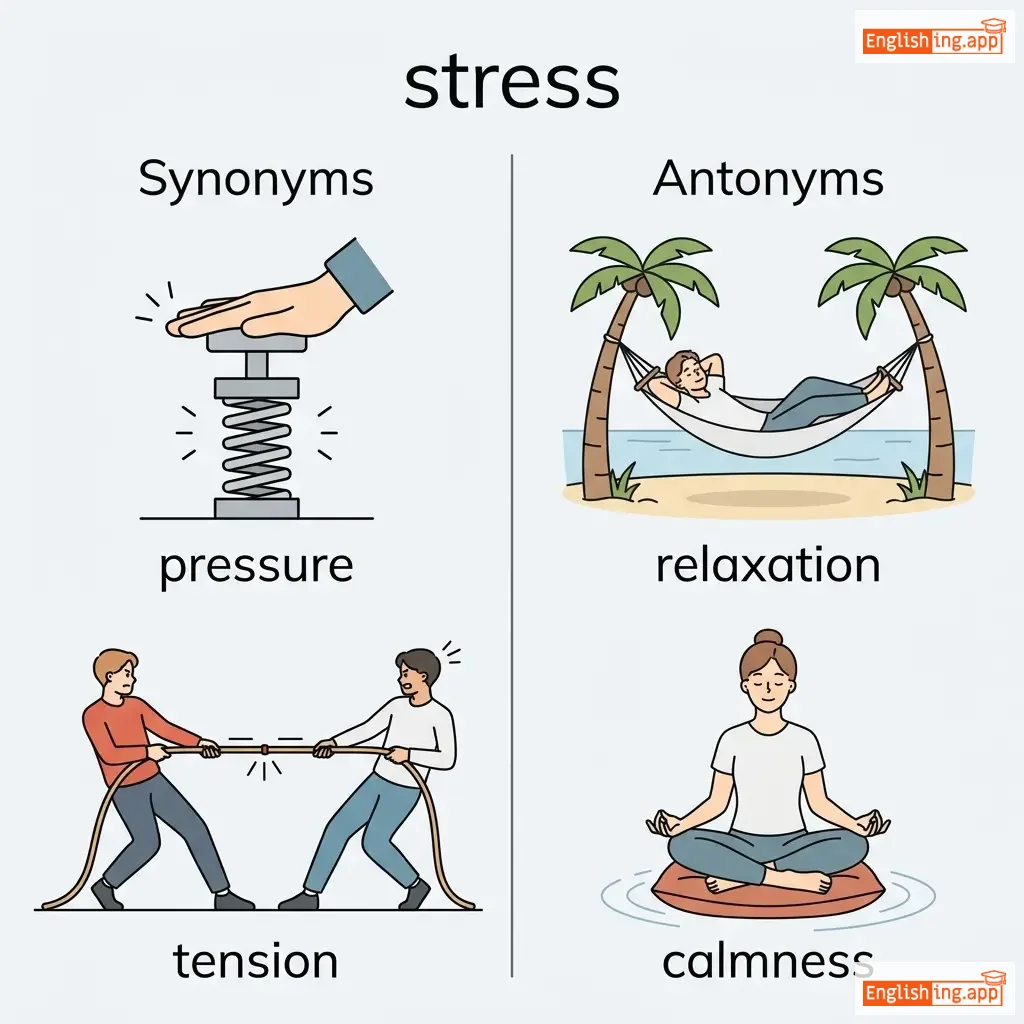
pressure, tension, anxiety, strain
••••••
|
relaxation, calmness
••••••
|
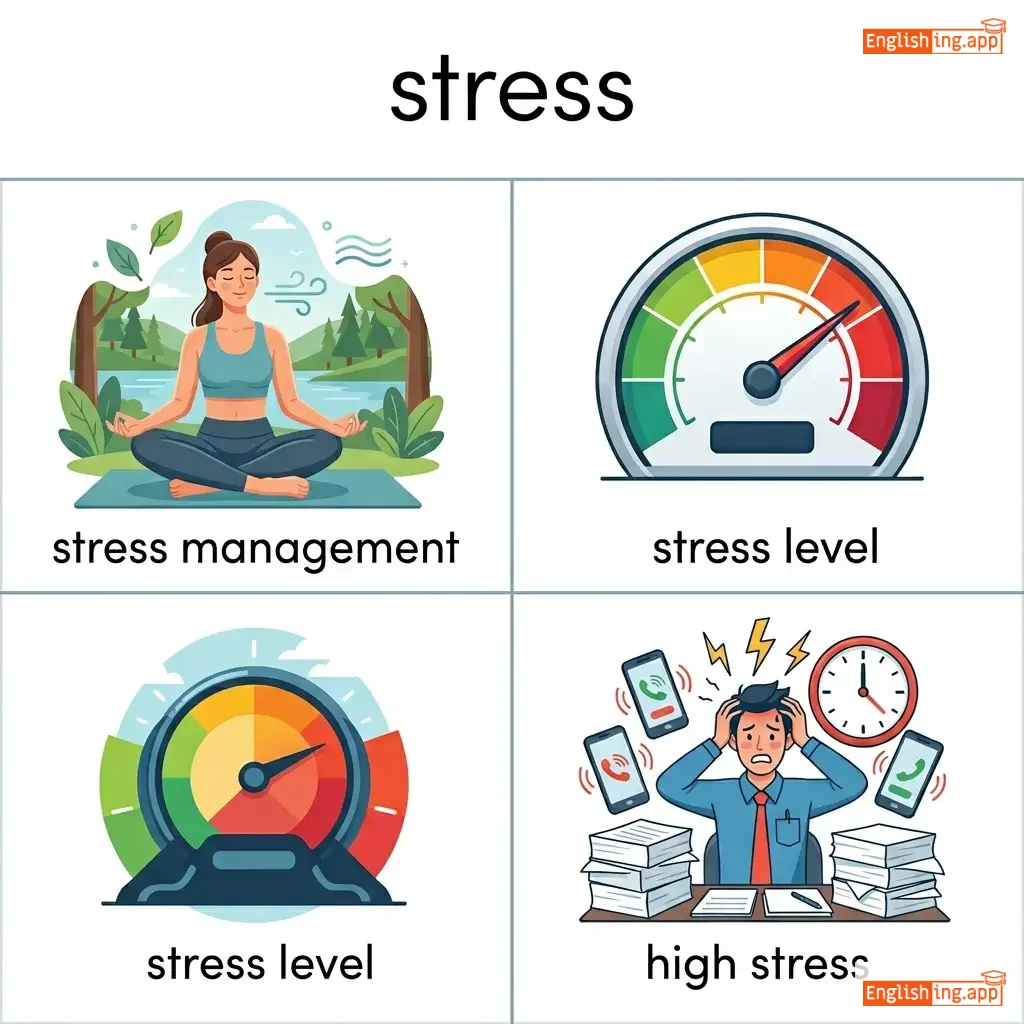
stress management, stress level, high stress, relieve stress
••••••
|
压力 (yali) 就是压力。
••••••
|
|
⚖️
••••••
|
/strɪkt/
adjective
(sǐtrìkè)
••••••
|
- •••••• |
严格
yángé
••••••
|
- •••••• | - •••••• | - •••••• | - •••••• |
Demanding that rules be obeyed and observed closely.
••••••
|
The teacher is very strict about punctuality. |
老师在守时方面非常严格。
Lǎoshī zài shǒushí fāngmiàn fēicháng yángé.
••••••
|
strict rules |
Rules that must be followed without flexibility
••••••
|
严格规则
yángé guīzé
••••••
|
rigid, severe, stern, uncompromising
••••••
|
lenient, flexible, permissive
••••••
|
strict rules, strict teacher, strict policy
••••••
|
Strict 就是严格 — 老师严格就像规定一样!
••••••
|
|
✋
••••••
|
/stroʊk/
verb
(sītruòk)
••••••
|
|
抚摸
fumo
••••••
|
stroked
sītruòkd
••••••
|
stroked
sītruòkd
••••••
|
strokes
sītruòks
••••••
|
stroking
sītruòkīng
••••••
|
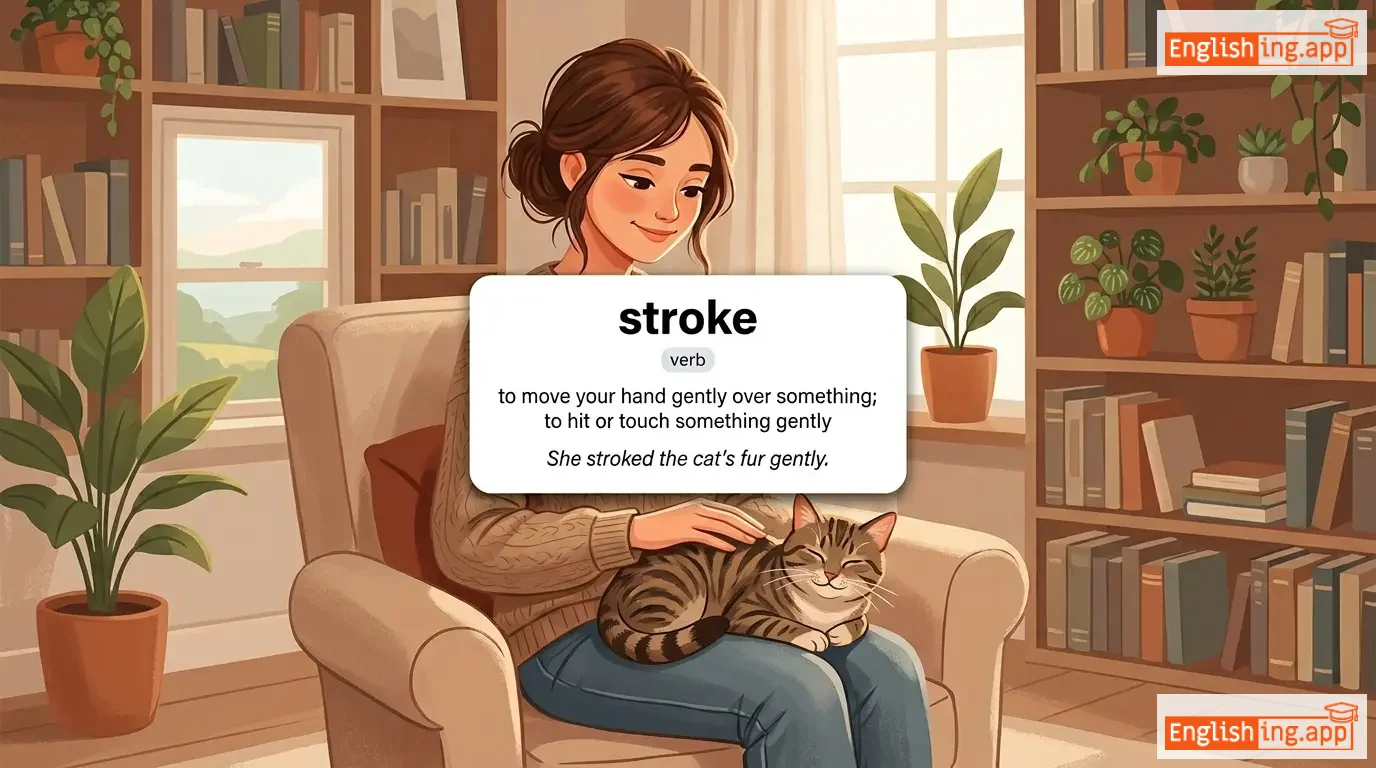
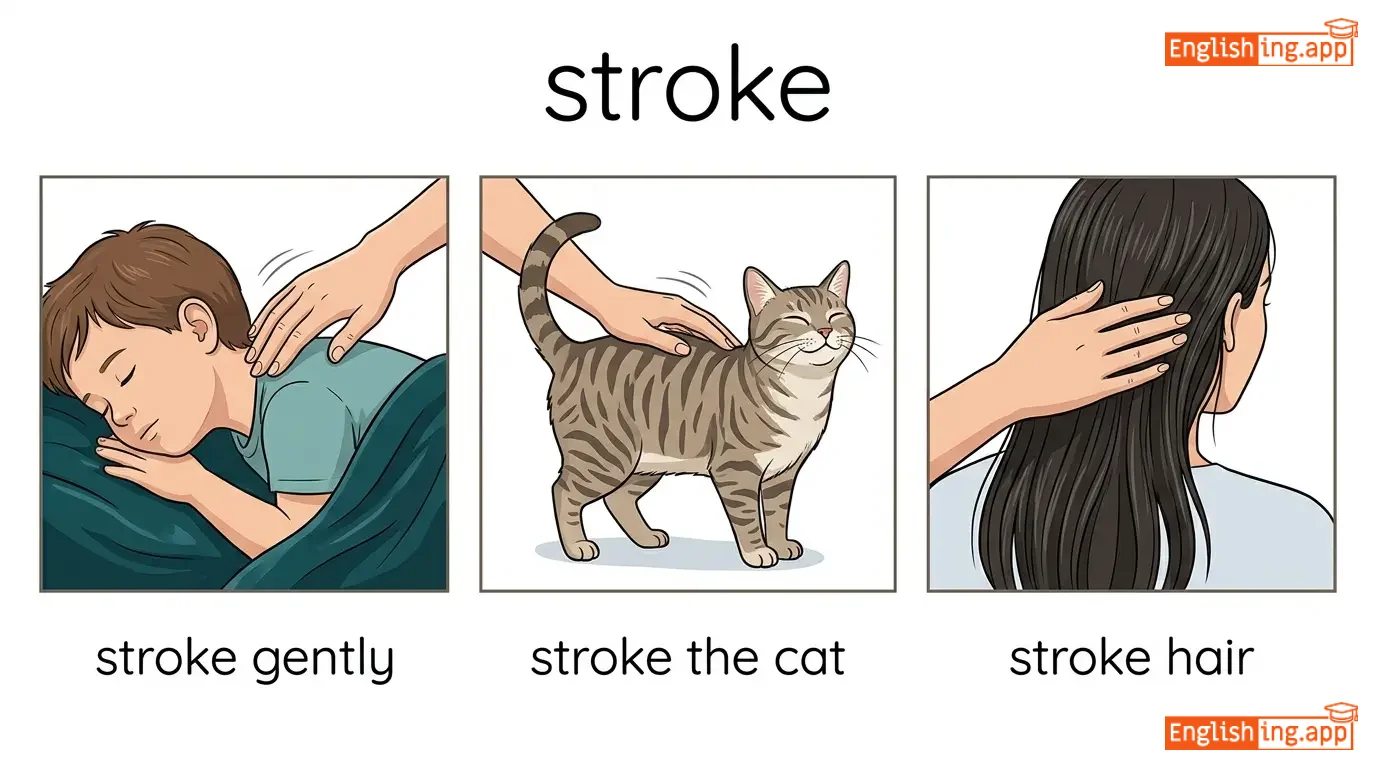
to move your hand gently over something; to hit or touch something gently
••••••
|
She stroked the cat's fur gently.
她轻轻地抚摸着猫的毛发。
••••••
|
她轻轻地抚摸着猫的毛发。
Tā qīngqīng de fǔmō zhe māo de máofà.
••••••
|
- •••••• | - •••••• | - •••••• |
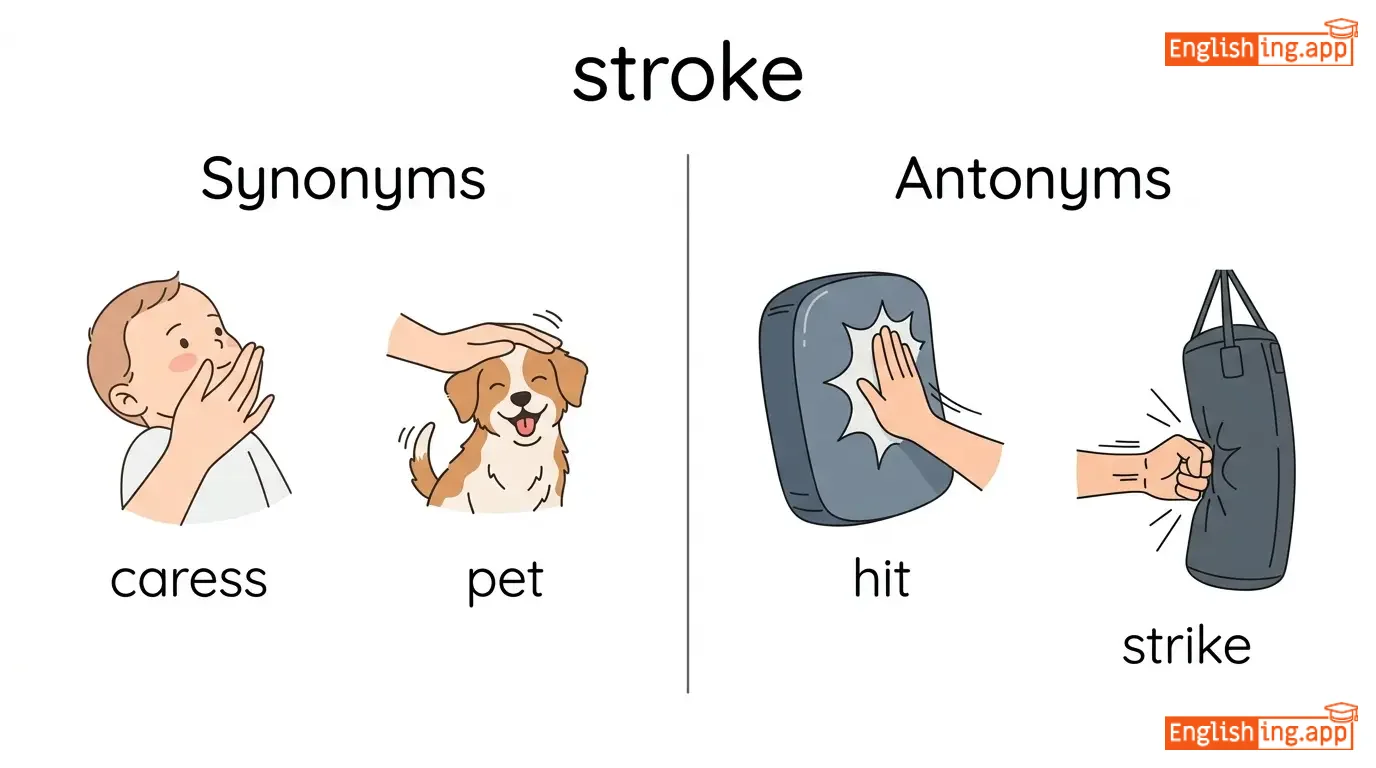
caress, pet, touch, brush
••••••
|
hit, strike, slap
••••••
|
stroke gently, stroke the cat, stroke hair, swimming stroke, suffer a stroke
••••••
|
Think of gently stroking the fur of a cat, feeling its softness.
••••••
|
|
🤦
••••••
|
/ˈstjuːpɪd/
adjective
••••••
|
- •••••• | - •••••• | - •••••• | - •••••• | - •••••• | - •••••• |
lacking intelligence or common sense
••••••
|
It was a stupid mistake to leave the keys inside the car. |
- •••••• |
play stupid |
to pretend not to know something
••••••
|
- •••••• |
foolish, silly, idiotic, dumb
••••••
|
wise, intelligent, smart
••••••
|
stupid idea, stupid mistake, act stupid, feel stupid
••••••
|
No •••••• |
|
🏘️
••••••
|
/ˈsʌbɜːb/
noun
(suburb)
••••••
|
- •••••• |
郊区
jiaoqū
••••••
|
- •••••• | - •••••• | - •••••• | - •••••• |
an area outside the center of a city, often residential
••••••
|
They bought a new house in a quiet suburb. |
他们在一个安静的郊区买了新房子。
Tāmen zài yīgè ānjìng de jiāoqū mǎile xīn fángzi.
••••••
|
in the suburbs |
living in a residential area outside the city center
••••••
|
在郊区
zài jiāoqū
••••••
|
residential area, outskirts, neighborhood, district
••••••
|
downtown, city center
••••••
|
quiet suburb, suburban area, live in the suburbs, suburb of Dhaka
••••••
|
Sub+urb 就是城市外的郊区—郊外居住!
••••••
|
|
⚡
••••••
|
/ˈsʌdən/
adjective
(萨登)
••••••
|
- •••••• |
突如其来的; 突然的; 出乎意料的;
tū rú qí lái de; tū rán de; chū hū yì liào de
••••••
|
- •••••• | - •••••• | - •••••• | - •••••• |
happening or done quickly and unexpectedly; abrupt
••••••
|
There was a sudden change in the weather. |
天气发生了突如其来的变化。
tiān qì fā shēng le tū rú qí lái de biàn huà.
••••••
|
- •••••• | - •••••• | - •••••• |
abrupt, unexpected, rapid, swift
••••••
|
gradual, slow, expected, planned
••••••
|
sudden change, sudden death, sudden movement
••••••
|
No •••••• |
|
😞
••••••
|
/ˈsʌfər/
verb
(萨弗)
••••••
|
- •••••• |
遭受
zaoshou
••••••
|
suffered
萨福德
••••••
|
suffered
萨福德
••••••
|
suffers
萨弗斯
••••••
|
suffering
萨芬
••••••
|
to experience pain, distress, or hardship
••••••
|
She suffered from a severe headache all day.
她整天忍受剧烈的头痛。
••••••
|
她整天忍受剧烈的头痛。
Ta zheng tian renshou juelie de toutong.
••••••
|
- •••••• | - •••••• | - •••••• |
endure, undergo, experience, bear
••••••
|
enjoy, delight, thrive
••••••
|
suffer from, suffer greatly, suffer in silence
••••••
|
Suffer - 在沙发上遭受痛苦
••••••
|
|
✅
••••••
|
/ˈʃʊə.li/
adverb
(shur-lee)
••••••
|
- •••••• |
肯定
kending
••••••
|
- •••••• | - •••••• | - •••••• | - •••••• |
without doubt; certainly
••••••
|
You will surely pass the exam if you study hard. |
如果你努力学习,你肯定会通过考试。
Rúguǒ nǐ nǔlì xuéxí, nǐ kěndìng huì tōngguò kǎoshì.
••••••
|
- •••••• | - •••••• | - •••••• |
certainly, definitely, undoubtedly
••••••
|
doubtfully, uncertainly, maybe
••••••
|
surely enough, surely not, most surely
••••••
|
Imagine someone in China saying '肯定' with full belief in their success!
••••••
|
|
⚡
••••••
|
/ˈtæk.əl/
verb, noun
••••••
|
- •••••• | - •••••• |
tackled
••••••
|
tackled
••••••
|
tackles
••••••
|
tackling
••••••
|
to try to deal with or solve a difficult problem; to physically stop someone in sports by knocking them down
••••••
|
The coach taught the players how to tackle properly. |
- •••••• |
tackle a problem |
to deal with or try to solve a problem
••••••
|
- •••••• |
confront, address, handle, seize, wrestle
••••••
|
avoid, ignore, neglect
••••••
|
tackle a challenge, tackle crime, tackle poverty, tackle an issue
••••••
|
No •••••• |
|
👤
••••••
|
/ˈtɛnənt/
noun
(tè-nànt)
••••••
|
- •••••• |
租户
zū hù
••••••
|
- •••••• | - •••••• | - •••••• | - •••••• |
A person who occupies land or property rented from a landlord.
••••••
|
The tenant paid the rent on time every month. |
租户每月按时支付租金
zū hù měi yuè àn shí zhī fù zū jīn
••••••
|
sitting tenant |
A tenant who is currently living in a rented property.
••••••
|
现有租户
xiàn yǒu zū hù
••••••
|
occupant, renter, lodger, leaseholder, dweller
••••••
|
landlord, owner
••••••
|
tenant rights, tenant protection, tenant eviction, sitting tenant
••••••
|
Tenant = 租户,支付租金的人
••••••
|
|
🌸
••••••
|
/ˈtɛndər/
verb, noun, adjective
(坦德尔)
••••••
|
- •••••• |
提议 / 温柔
tíyì / wēnróu
••••••
|
tendered
坦德尔德
••••••
|
tendered
坦德尔德
••••••
|
tenders
坦德尔斯
••••••
|
tendering
坦德尔英
••••••
|
to offer formally; soft and delicate in texture or character; a formal offer or proposal
••••••
|
The company tendered its resignation to the board.
公司向董事会提出了辞职申请。
••••••
|
公司向董事会提出了辞职申请。
Gōngsī xiàng dǒngshìhuì tíchūle cízhí shēnqǐng.
••••••
|
tender loving care
温柔的关爱
••••••
|
gentle, nurturing care
••••••
|
温柔的关爱
wēnróu de guān'ài
••••••
|
offer, submit, delicate, fragile, proposal
••••••
|
withdraw, reject, harsh
••••••
|
tender offer, tender document, tender heart, tender age
••••••
|
Tender意味着温柔和细腻,像充满关爱的怀抱。
••••••
|
|
🎾
••••••
|
/ˈtɛnɪs/
noun
(网球)
••••••
|
- •••••• |
网球
wǎngqiú
••••••
|
- •••••• | - •••••• | - •••••• | - •••••• |
a sport played with rackets and a ball on a rectangular court
••••••
|
He enjoys playing tennis with his friends on the weekends. |
他喜欢周末和朋友们一起打网球。
Tā xǐhuān zhōumò hé péngyǒu men yīqǐ dǎ wǎngqiú.
••••••
|
- •••••• | - •••••• | - •••••• |
racket sport, sport, game
••••••
|
chess, board games
••••••
|
play tennis, tennis match, tennis court, tennis player
••••••
|
网球是一个增强反应能力和体力的运动 - Wǎngqiú shì yīgè zēngqiáng fǎnyìng nénglì hé tǐlì de yùndòng
••••••
|
|
📜
••••••
|
/ˈtɛnjər/
noun
(tiānyùěr)
••••••
|
- •••••• |
任期
renqi
••••••
|
- •••••• | - •••••• | - •••••• | - •••••• |
The period of time during which someone holds a position, office, or land.
••••••
|
His tenure as president lasted for five years. |
他作为总统的任期持续了五年。
Tā zuòwéi zǒngtǒng de rènqī chíxù le wǔ nián.
••••••
|
secure tenure |
Guaranteed possession of a position or land.
••••••
|
确保任期
quèbǎo rènqī
••••••
|
term, occupancy, incumbency, holding
••••••
|
unemployment, dispossession, vacancy
••••••
|
tenure track, fixed tenure, tenure of office, land tenure
••••••
|
Tenure 就像 'ten years' ,代表长期占据一个位置。
••••••
|
|
👻
••••••
|
/ˈtɛrər/
noun
(恐怖)
••••••
|
- •••••• |
恐怖
kongbu
••••••
|
- •••••• | - •••••• | - •••••• | - •••••• |
Extreme fear or dread.
••••••
|
The villagers fled in terror during the attack. |
村民们在袭击时逃入恐惧之中。
Cūnmínmen zài xíjī shí táo rù kǒngjù zhī zhōng.
••••••
|
reign of terror |
A period during which fear and violence prevail.
••••••
|
恐怖统治
Kǒngbù tǒngzhì
••••••
|
fear, dread, horror, panic, fright
••••••
|
calm, peace, comfort
••••••
|
state of terror, sheer terror, live in terror
••••••
|
Terror 在中文里是恐怖,表示强烈的恐惧感。
••••••
|
|
🙏
••••••
|
/θæŋks/
noun
(θæŋks)
••••••
|
- •••••• |
谢谢
xièxiè
••••••
|
- •••••• | - •••••• | - •••••• | - •••••• |
an expression of gratitude
••••••
|
Thanks for helping me with the project. |
谢谢你帮我做这个项目。
Xièxiè nǐ bāng wǒ zuò zhège xiàngmù.
••••••
|
- •••••• | - •••••• | - •••••• |
gratitude, appreciation, recognition, thanks-giving
••••••
|
ingratitude, ungratefulness
••••••
|
say thanks, give thanks, express thanks
••••••
|
谢谢代表感谢,就像‘thanks’一样。
••••••
|
|
📚
••••••
|
/ˈθiːsɪs/
noun
(论文)
••••••
|
- •••••• |
论文
lunwen
••••••
|
- •••••• | - •••••• | - •••••• | - •••••• |
A long piece of writing on a particular subject, usually for a degree at a university.
••••••
|
She spent two years writing her doctoral thesis. |
她花了两年时间写她的博士论文。
Tā huāle liǎng nián shíjiān xiě tā de bóshì lùnwén.
••••••
|
antithesis |
The direct opposite of something; a contrasting idea.
••••••
|
对立面
duìlìmiàn
••••••
|
dissertation, paper, essay, study, research
••••••
|
fact, proof
••••••
|
doctoral thesis, master's thesis, write a thesis, defend a thesis
••••••
|
论文是为了获得大学学位必须写的一本📚大书。
••••••
|
|
3️⃣0️⃣
••••••
|
/ˈθɜrti/
adjective
(桑三十)
••••••
|
- •••••• |
三十
san shi
••••••
|
- •••••• | - •••••• | - •••••• | - •••••• |
equivalent to the number 30
••••••
|
He is thirty years old. |
他三十岁。
Ta san shi sui.
••••••
|
- •••••• | - •••••• | - •••••• |
thirtieth
••••••
|
twenty, forty
••••••
|
thirty years old, thirty days, thirty minutes
••••••
|
To remember 'thirty', think of the number 30 (3️⃣0️⃣).
••••••
|
|
🌧️
••••••
|
/ðoʊ/
conjunction
(zōu)
••••••
|
- •••••• |
虽然
suīrán
••••••
|
- •••••• | - •••••• | - •••••• | - •••••• |
used to introduce a fact that makes the main statement of the sentence seem surprising or unexpected
••••••
|
Though it was raining, they still went outside. |
虽然在下雨,他们还是出去玩了。
Suīrán zài xiàyǔ, tāmen háishi chūqù wánle.
••••••
|
- •••••• | - •••••• | - •••••• |
although, however, but
••••••
|
because, since
••••••
|
though difficult, though tired, though happy
••••••
|
'虽然' (suīrán) 即使下雨,也要出去
••••••
|
|
🗣️
••••••
|
/θroʊt/
noun
(θroʊt)
••••••
|
- •••••• |
喉咙
hóulóng
••••••
|
- •••••• | - •••••• | - •••••• | - •••••• |
the front part of the neck, containing the pharynx and larynx
••••••
|
He felt a lump in his throat while speaking. |
他说话时感到喉咙里有个肿块。
Tā shuōhuà shí gǎndào hóulóng lǐ yǒu gè zhǒngkuài.
••••••
|
- •••••• | - •••••• | - •••••• |
neck, gullet
••••••
|
none
••••••
|
sore throat, clear your throat
••••••
|
Throat = hóulóng, 语音与声音的来源。
••••••
|
|
🌲
••••••
|
/ˈtɪmbər/
noun
(tīnbó)
••••••
|
- •••••• |
木材
mùcái
••••••
|
- •••••• | - •••••• | - •••••• | - •••••• |
wood prepared for use in building and carpentry
••••••
|
The house was built entirely from local timber. |
房子完全是用当地的木材建造的。
Fángzi wánquán shì yòng dāngdì de mùcái jiànzào de.
••••••
|
shiver me timbers |
an expression of surprise or astonishment
••••••
|
惊讶或吃惊的表达
jīngyà huò chījīng de biǎodá
••••••
|
wood, lumber, logs, planks, beam
••••••
|
metal, concrete
••••••
|
timber industry, timber house, cut timber, timber supply
••••••
|
Timber 意味着木材 🌲 — 记住‘Timber house’ 是木屋的意思。
••••••
|

