The Inventor Who Changed Mining
哈桑是一名工程师,他在mining行业工作。他的热情是发明新技术,以确保工人的安全。Mining是一个危险的职业,企业对事故负责。哈桑决定创造一款mobile设备来检测气体泄漏。为了他的发明,他申请了一个patent。起初,许多人muttered说这不切实际,但哈桑决心坚定。一天,一家大公司提出了一个merger,但哈桑拒绝了,因为他想insure他的愿景保持不变。其设备的manual非常简单,工人们可以轻松地pick up。在latter几个月里,由于他的设备,避免了一起事故。一家pirate矿业公司试图复制他的设计,但patent保护了他。哈桑occupied一个小办公室,他通过一个outlet运营他的实验室。一个有趣的时刻是,他在午餐时不小心把一个potato剥皮放在实验powder旁边。他的实验室不华丽,但他的奉献精神是unlike其他任何人。有些腐败的人试图kidnap他的原型,甚至用pistol威胁。但是哈桑向警察报告,他们迅速做出了反应。罪犯不能invade他的工作室。他的发明在行业中lingered,慢慢地所有公司都开始采用它。哈桑的勇气和他plunge进入未知领域证明了创新可以拯救生命。
|
表情符号
|
单词 | Images | 翻译 | 过去时 | 过去分词 | 第三人称单数 | 动名词 | 含义 | 例句 | 例句翻译 | 示例表达 | 示例表达含义 | 示例表达翻译 | 同义词 | 反义词 | 搭配词 | 助记符 |
|---|---|---|---|---|---|---|---|---|---|---|---|---|---|---|---|---|---|
|
🛡️
••••••
|
/ɪnˈʃʊr/
verb
••••••
|

|
- •••••• |
insured
••••••
|
insured
••••••
|
insures
••••••
|
insuring
••••••
|
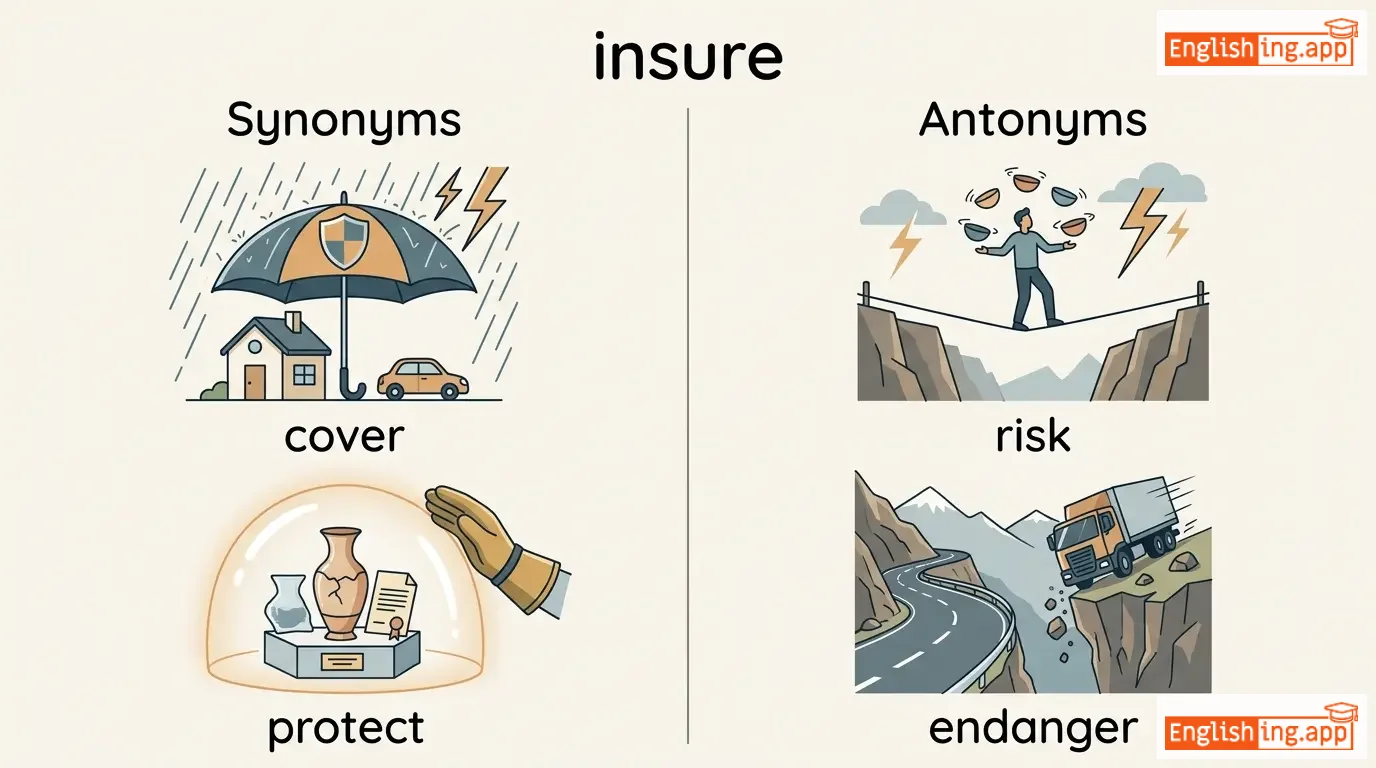
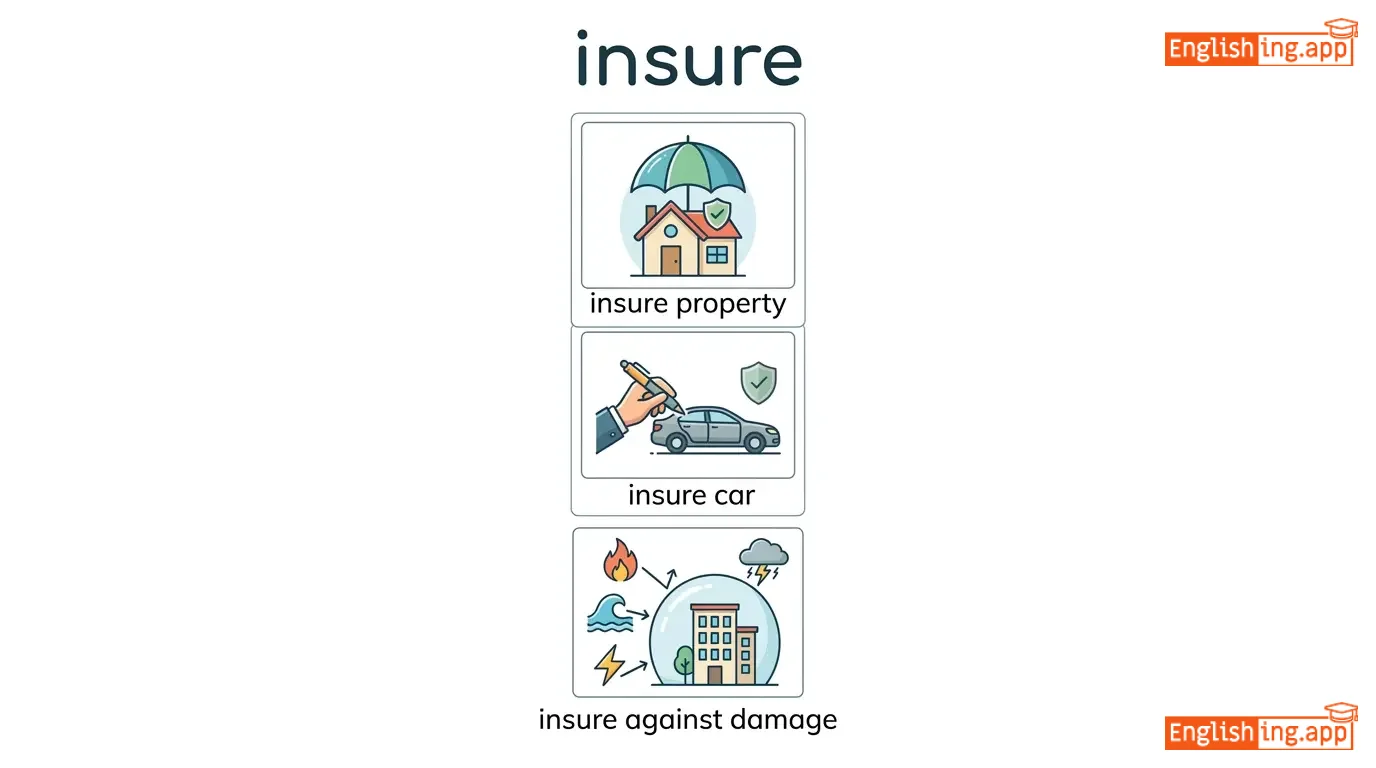
to arrange for compensation in case of loss or damage, typically by taking out insurance
••••••
|
You should insure your car against theft or accidents. |
- •••••• |
insure against loss |
to protect oneself financially from possible loss
••••••
|
- •••••• |
cover, protect, guarantee, secure, safeguard
••••••
|
risk, endanger, expose
••••••
|
insure property, insure car, insure against damage, fully insured
••••••
|
No •••••• |
|
⚔️
••••••
|
/ɪnˈveɪd/
verb
(ɪnveɪd)
••••••
|
- •••••• |
入侵
rùqīn
••••••
|
invaded
ɪnveɪdɪd
••••••
|
invaded
ɪnveɪdɪd
••••••
|
invades
ɪnveɪdz
••••••
|
invading
ɪnveɪdɪŋ
••••••
|
to enter a place or country forcefully, especially as an enemy
••••••
|
The army invaded the neighboring country.
军队入侵了邻国。
••••••
|
军队入侵了邻国。
Jūnduì rùqīnle lín guó.
••••••
|
invade someone's privacy
入侵某人的隐私
••••••
|
to intrude into someone's personal life
••••••
|
入侵某人的隐私
Rùqīn mǒu rén de yǐnsī
••••••
|
attack, conquer, occupy, overrun, intrude
••••••
|
withdraw, retreat, leave
••••••
|
invade territory, invade privacy, invaded country, invading force
••••••
|
In + Vade (进入) — 进入然后入侵!
••••••
|
|
🕵️
••••••
|
/ˈkɪdnæp/
verb
(基德纳普)
••••••
|
|
绑架
bǎngjià
••••••
|
kidnapped
绑架
••••••
|
kidnapped
绑架
••••••
|
kidnaps
绑架
••••••
|
kidnapping
绑架中
••••••
|
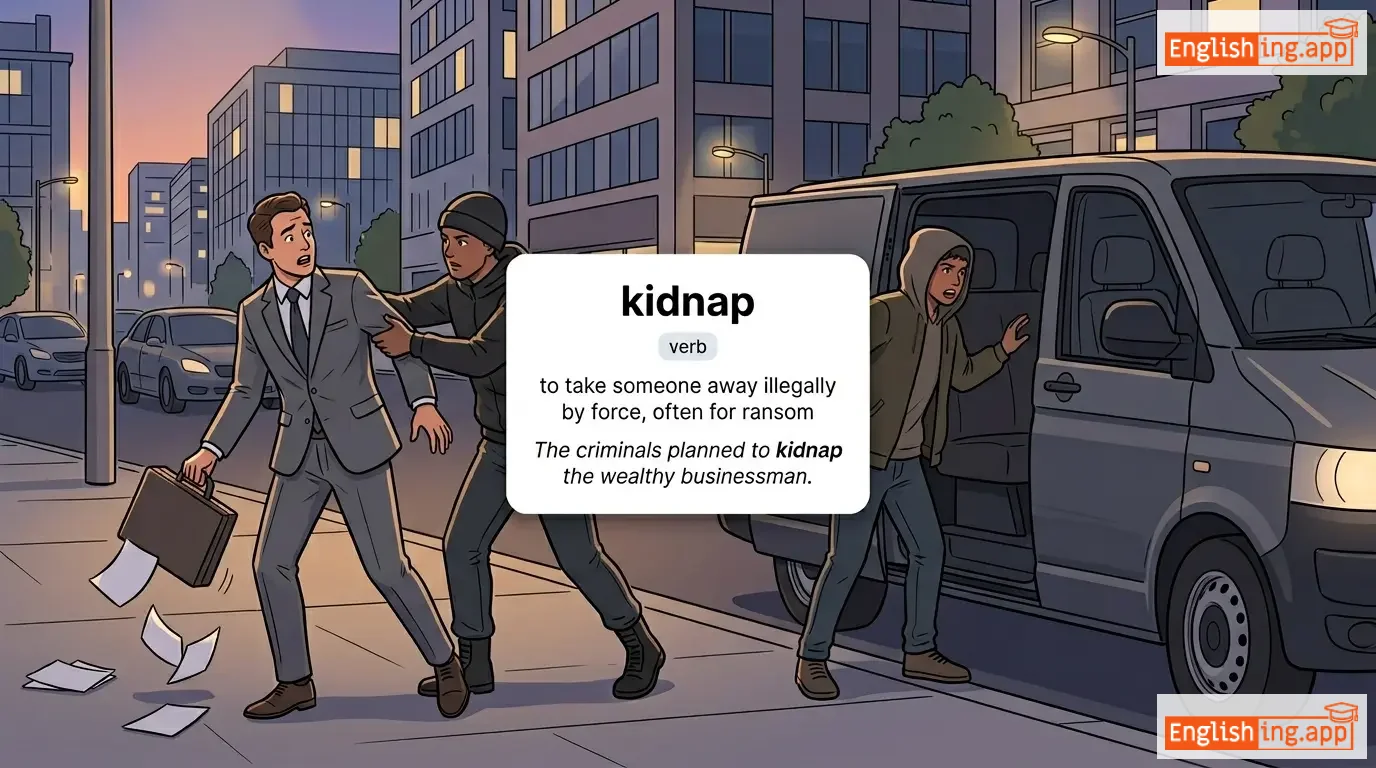
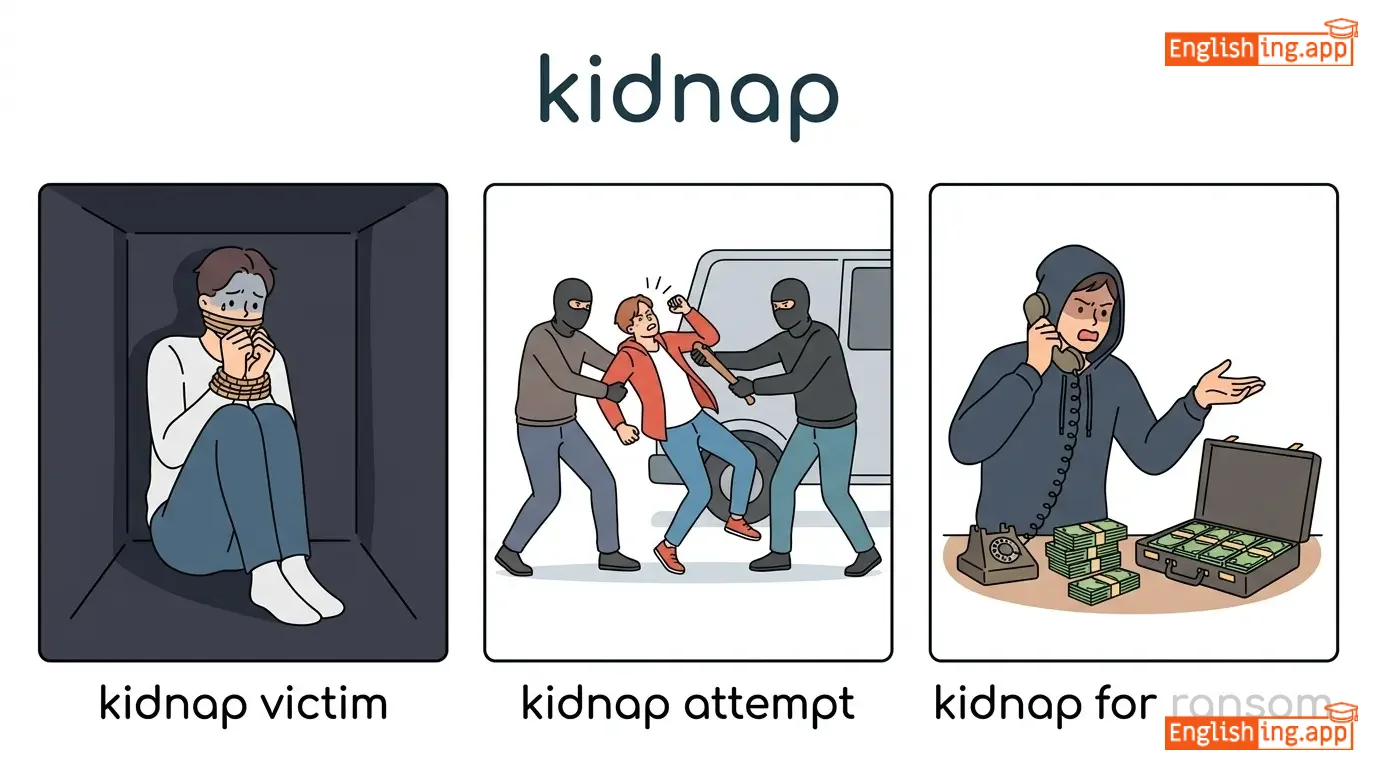
to take someone away illegally by force, often for ransom
••••••
|
The criminals planned to kidnap the wealthy businessman.
罪犯计划绑架富有的商人。
••••••
|
罪犯计划绑架富有的商人。
Zuìfàn jìhuà bǎngjià fùyǒu de shāngrén.
••••••
|
kidnap for ransom
绑架勒索
••••••
|
abduct someone in order to demand money
••••••
|
绑架勒索
bǎngjià lèisuǒ
••••••
|
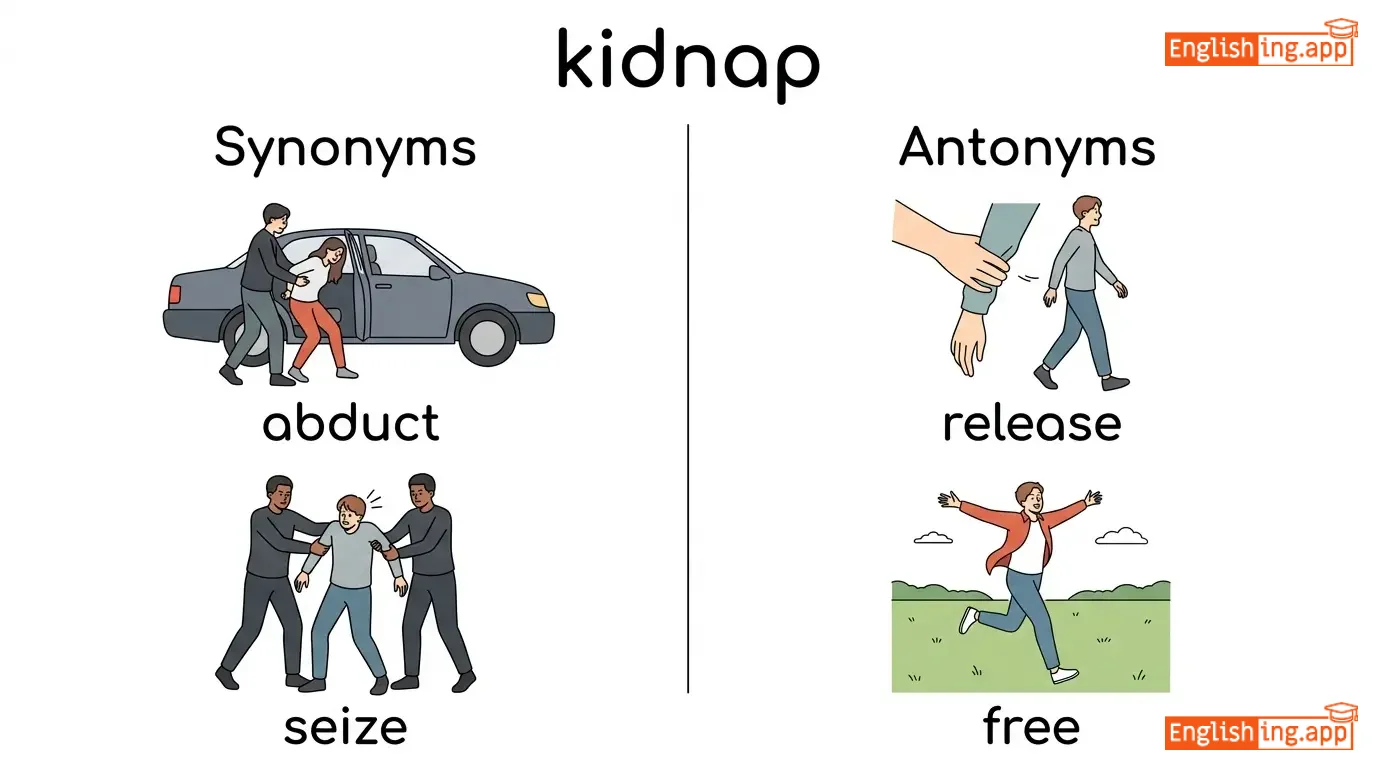
abduct, seize, snatch, capture
••••••
|
release, free, liberate
••••••
|
kidnap victim, kidnap attempt, kidnap for ransom
••••••
|
Kid + nap → 孩子在睡觉,绑架意味着带走某人
••••••
|
|
➡️
••••••
|
/ˈlætər/
adjective
(莱特)
••••••
|
- •••••• |
第二个
di'er ge
••••••
|
- •••••• | - •••••• | - •••••• | - •••••• |
the second of two people or things mentioned
••••••
|
Between tea and coffee, I prefer the latter. |
在茶和咖啡之间,我更喜欢第二个。
Zai cha he kafei zhijian, wo geng xihuan dier ge.
••••••
|
- •••••• | - •••••• | - •••••• |
second, last-mentioned, concluding, final
••••••
|
former, first
••••••
|
the latter case, in the latter part, the latter option
••••••
|
Former 意味着第一个,Latter 意味着第二个 – 在任何选择中,latter 表示第二个
••••••
|
|
📜
••••••
|
/ˈlaɪəbl/
adjective
(láiəbl)
••••••
|
- •••••• |
有责任的
yǒu zérèn de
••••••
|
- •••••• | - •••••• | - •••••• | - •••••• |
legally responsible or likely to be affected by something
••••••
|
He is liable to pay damages for the accident. |
他有责任为事故支付赔偿金。
Tā yǒu zérèn wèi shìgù zhīfù péichángjīn.
••••••
|
liable to |
likely to experience or suffer from something
••••••
|
可能的
kěnéng de
••••••
|
responsible, accountable, answerable, bound
••••••
|
immune, exempt
••••••
|
liable for, liable to, held liable, liable party
••••••
|
Liable意味着你可能对某些事情负责或受其影响。
••••••
|
|
⏳
••••••
|
/ˈlɪŋ.ɡər/
verb
(林格)
••••••
|
|
逗留
dòu liú
••••••
|
lingered
林格德
••••••
|
lingered
林格德
••••••
|
lingers
林格斯
••••••
|
lingering
林格瑞
••••••
|
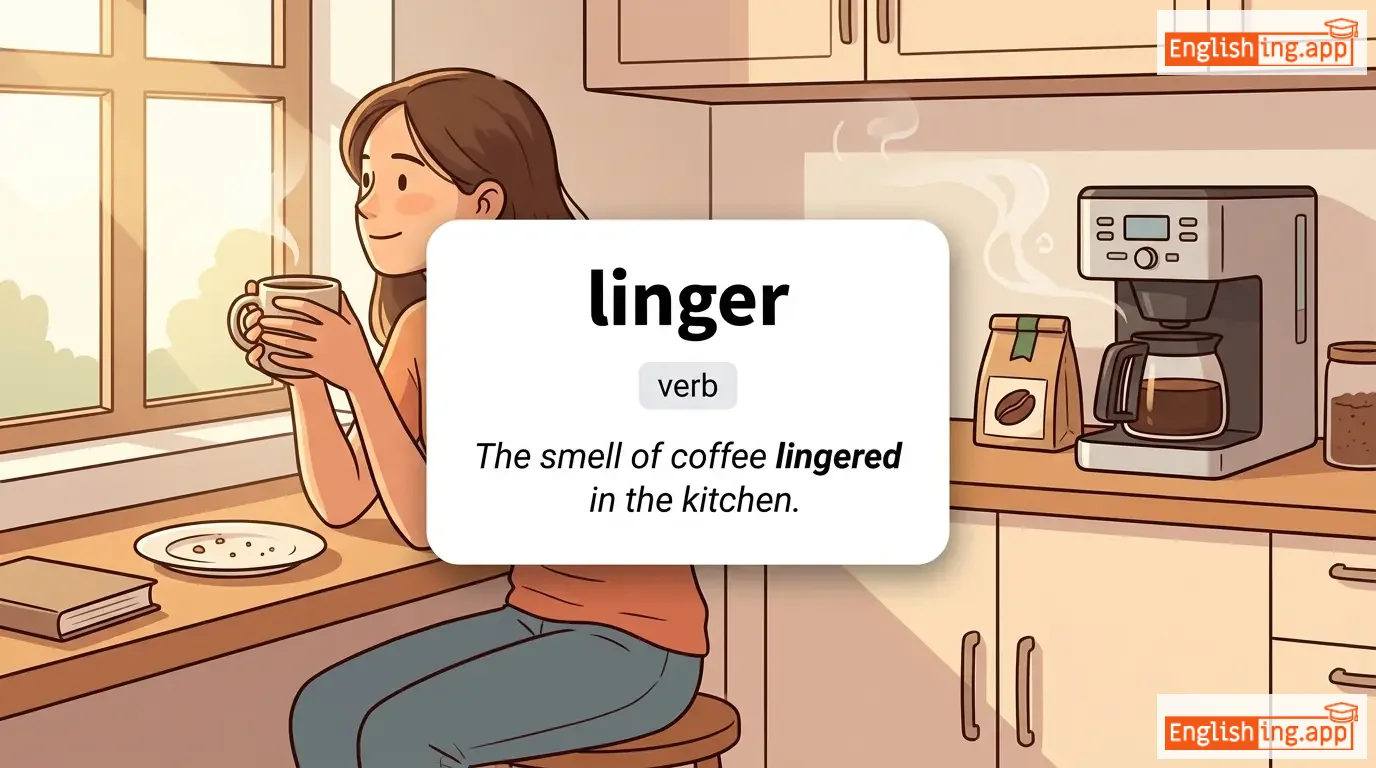
To stay in a place longer than necessary, often because of unwillingness to leave.
••••••
|
The smell of coffee lingered in the kitchen.
咖啡的气味在厨房里 linger 了很久。
••••••
|
咖啡的气味在厨房里 linger 了很久。
Kāfēi de qìwèi zài chúfáng lǐ linger le hěnjiǔ.
••••••
|
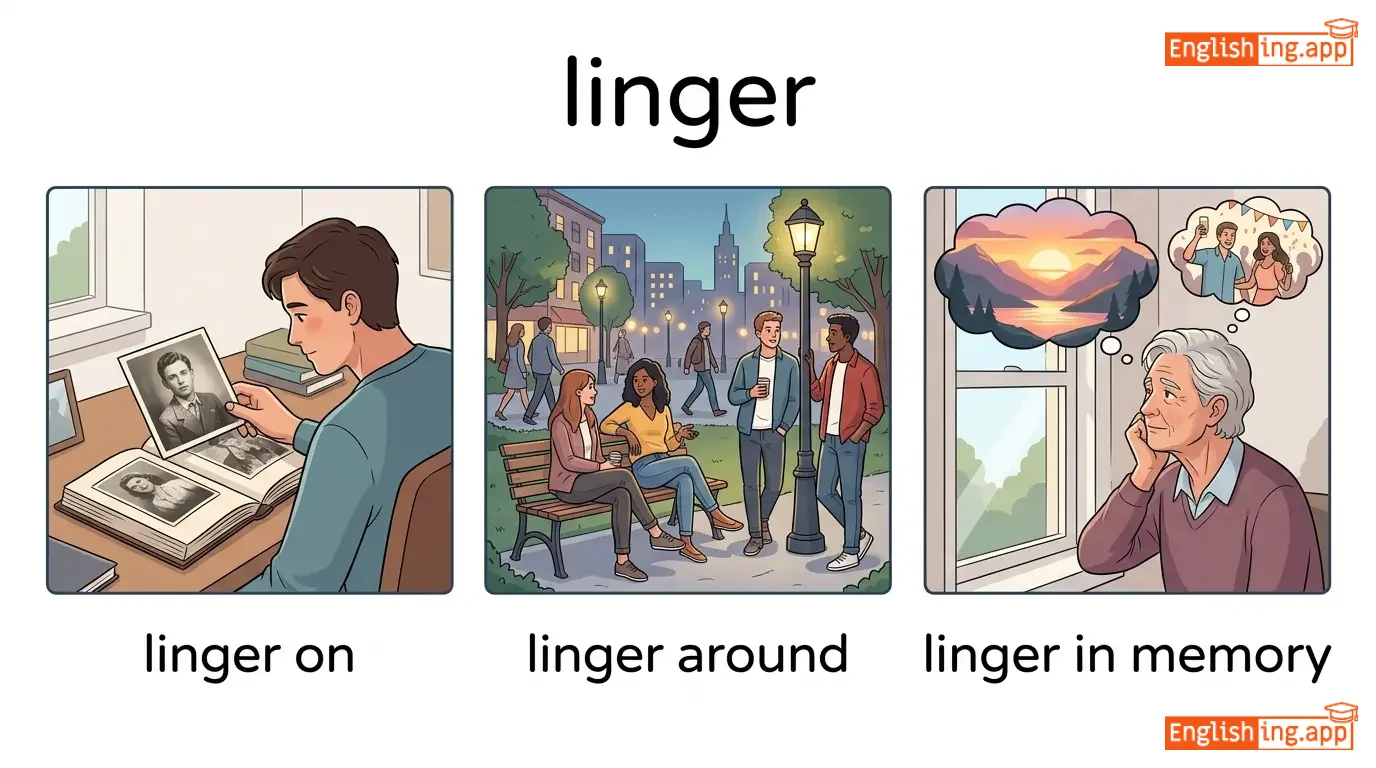
linger on
linger on
••••••
|
To remain for a long time, especially longer than expected.
••••••
|
逗留
dòu liú
••••••
|
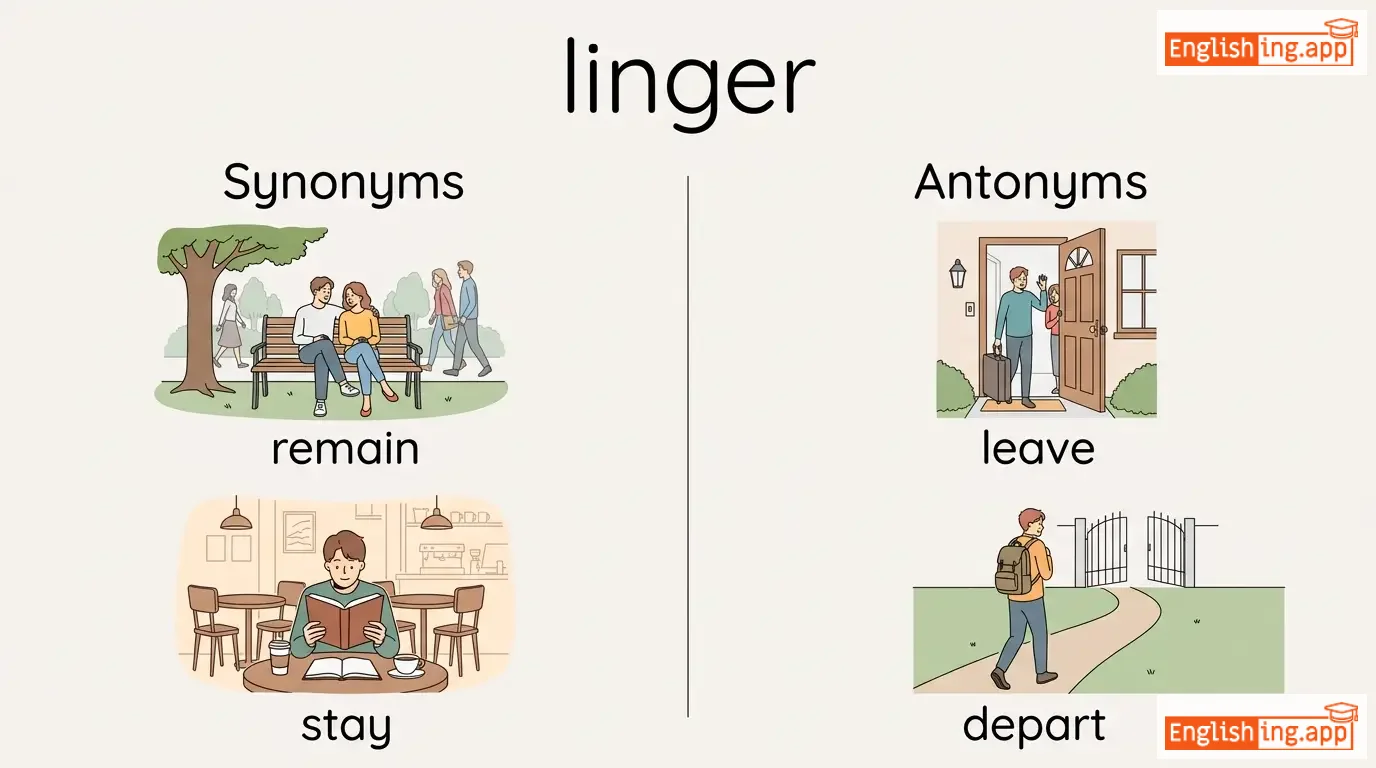
remain, stay, persist, wait, dawdle
••••••
|
leave, depart, vanish
••••••
|
linger on, linger around, linger in memory, linger over
••••••
|
Linger = 逗留,意味着不急于离开。
••••••
|
|
📘
••••••
|
/ˈmænjuəl/
noun
(手册)
••••••
|
- •••••• |
手册
shǒucè
••••••
|
- •••••• | - •••••• | - •••••• | - •••••• |
a handbook or guide that provides instructions on how to do or operate something
••••••
|
You should read the user manual before setting up the device. |
在设置设备之前,您应该阅读用户手册。
Zài shèzhì shèbèi zhīqián, nín yīnggāi yuèdú yònghù shǒucè.
••••••
|
manual labor |
physical work done by hand rather than by machines
••••••
|
体力劳动
tǐlì láodòng
••••••
|
handbook, guidebook, instruction book, reference, documentation
••••••
|
automatic, digital
••••••
|
user manual, training manual, instruction manual, manual labor
••••••
|
手册 = 用来指导做事的手工书籍。
••••••
|
|
🔗
••••••
|
/ˈmɜːrdʒər/
noun
(mèrgé)
••••••
|
- •••••• |
合并
hébìng
••••••
|
- •••••• | - •••••• | - •••••• | - •••••• |
The combination of two or more companies into a single entity.
••••••
|
The merger of the two firms created the largest bank in the region. |
这两家公司的合并创造了该地区最大的银行。
Zhè liǎng jiā gōngsī de hébìng chuàngzàole gāi dìqū zuìdà de yínháng.
••••••
|
merger and acquisition |
Business processes of combining or buying companies.
••••••
|
合并与收购
Hébìng yǔ shōugòu
••••••
|
amalgamation, union, consolidation, fusion, integration
••••••
|
division, separation, split
••••••
|
merger agreement, corporate merger, merger deal, merger talks
••••••
|
合并 (hébìng) 就像两个公司结婚,创造一个更强大的实体。
••••••
|
|
⛏️
••••••
|
/ˈmaɪnɪŋ/
noun
(迈宁)
••••••
|
- •••••• |
采矿
cǎikuàng
••••••
|
- •••••• | - •••••• | - •••••• | - •••••• |
the process of extracting valuable minerals or other resources from the earth
••••••
|
Mining in this area has increased in recent years.
该地区的采矿业近年来有所增加。
••••••
|
该地区的采矿业近年来有所增加。
Gāi dìqū de cǎikuàngyè jìnnián lái yǒu suǒ zēngjiā.
••••••
|
- •••••• | - •••••• | - •••••• |
excavation, extraction, digging
••••••
|
- •••••• |
mining industry, mining company, gold mining
••••••
|
MINING 是从地球中挖掘资源的过程。
••••••
|
|
📱
••••••
|
/ˈmoʊbaɪl/
adjective
(mó-bái-ěr)
••••••
|
- •••••• |
移动
yidong
••••••
|
- •••••• | - •••••• | - •••••• | - •••••• |
Able to move or be moved easily; also refers to portable communication devices.
••••••
|
She prefers a mobile lifestyle that allows her to travel frequently.
她更喜欢一种移动的生活方式,这让她可以频繁旅行。
••••••
|
她更喜欢一种移动的生活方式,这让她可以频繁旅行。
Ta geng xihuan yizhong yidong de shenghuo fangshi, zhe rang ta keyi pinfan lüxing.
••••••
|
mobile phone
移动电话
••••••
|
A portable telephone that can be used anywhere.
••••••
|
移动电话
yidong dianhua
••••••
|
portable, movable, flexible, transportable
••••••
|
immobile, fixed, stationary
••••••
|
mobile device, mobile phone, mobile app, mobile lifestyle
••••••
|
移动就像移动电话一样,可以随时随地使用。
••••••
|
|
🤐
••••••
|
/ˈmʌtər/
verb
(马特尔)
••••••
|
- •••••• |
低声说
dīshēng shuō
••••••
|
muttered
马特尔德
••••••
|
muttered
马特尔德
••••••
|
mutters
马特尔斯
••••••
|
muttering
马特尔英
••••••
|
to speak in a low or barely audible voice, often in dissatisfaction or irritation
••••••
|
He muttered something under his breath as he walked away.
他低声咕哝着什么,走开了。
••••••
|
他低声咕哝着什么,走开了。
Tā dīshēng gūnóng zhe shénme, zǒu kāi le.
••••••
|
mutter under one's breath
低声咕哝
••••••
|
to say something quietly so that others cannot clearly hear, often expressing annoyance
••••••
|
低声咕哝
dīshēng gūnóng
••••••
|
murmur, whisper, mumble, grumble, complain
••••••
|
shout, yell, proclaim
••••••
|
mutter quietly, mutter something, mutter under breath, mutter angrily
••••••
|
Mutter表示低声说话,就像妈妈(妈妈生气时低声咕哝)。
••••••
|
|
🏠
••••••
|
/ˈɒkjʊpaɪ/
verb
(奥克尤派)
••••••
|
|
占据
okjuupai
••••••
|
occupied
奥克尤派德
••••••
|
occupied
奥克尤派德
••••••
|
occupies
奥克尤派斯
••••••
|
occupying
奥克尤派英
••••••
|
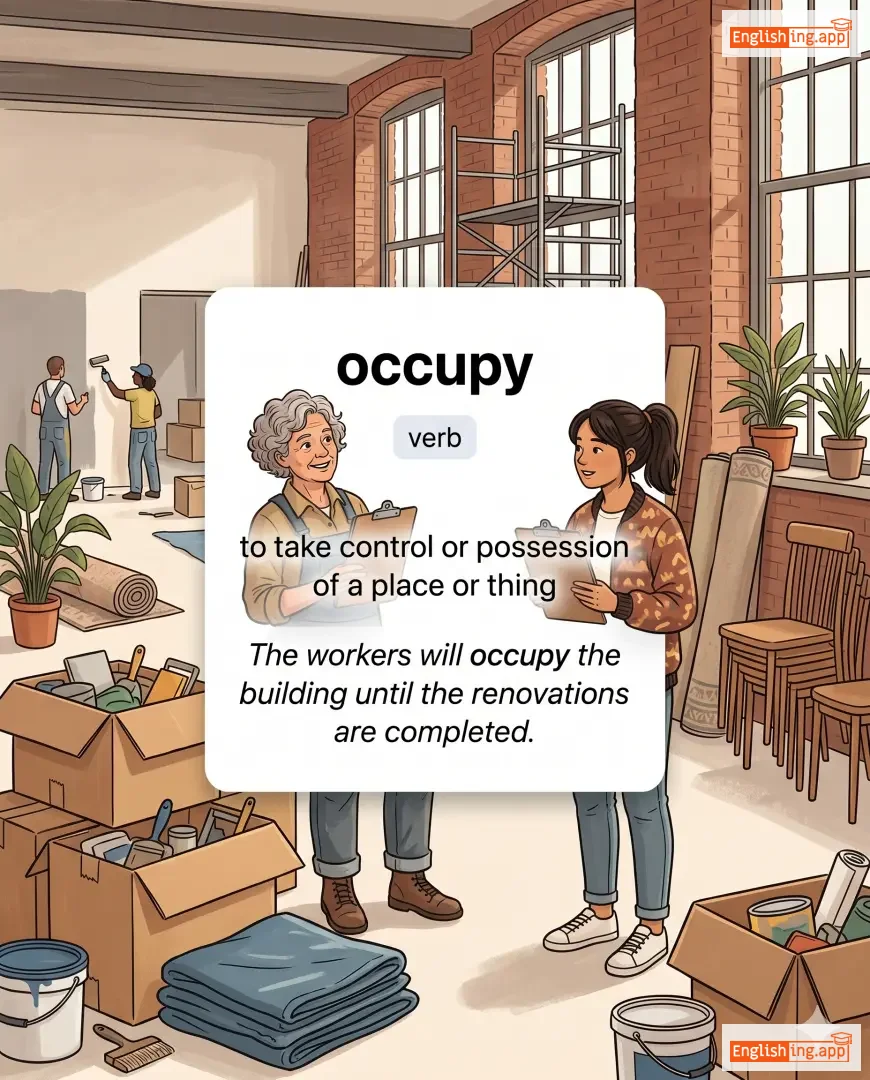
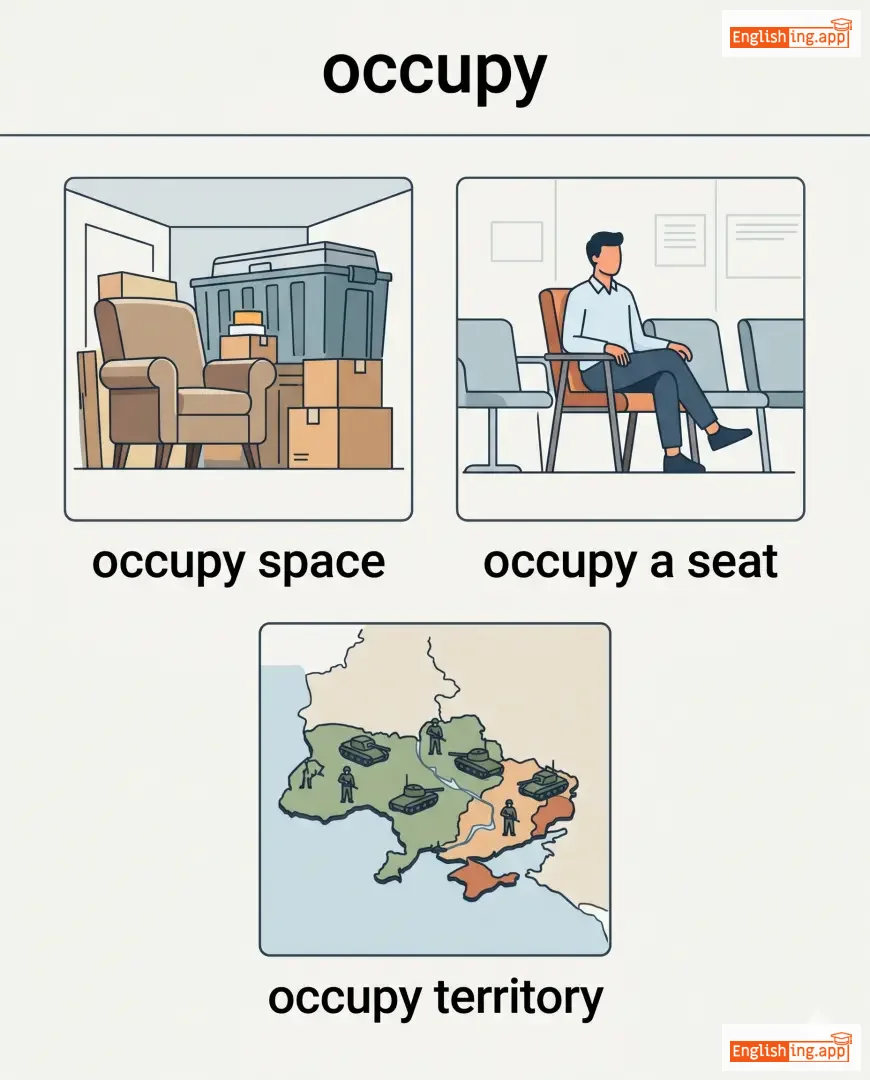
to take up space or time; to live or work in a place
••••••
|
The new family will occupy the house next month.
这个新家庭将于下个月入住这所房子。
••••••
|
新家庭将于下个月入住这所房子。
xin jiating jiang yu xia ge yue ru zhu zhe suo fangzi
••••••
|
- •••••• | - •••••• | - •••••• |
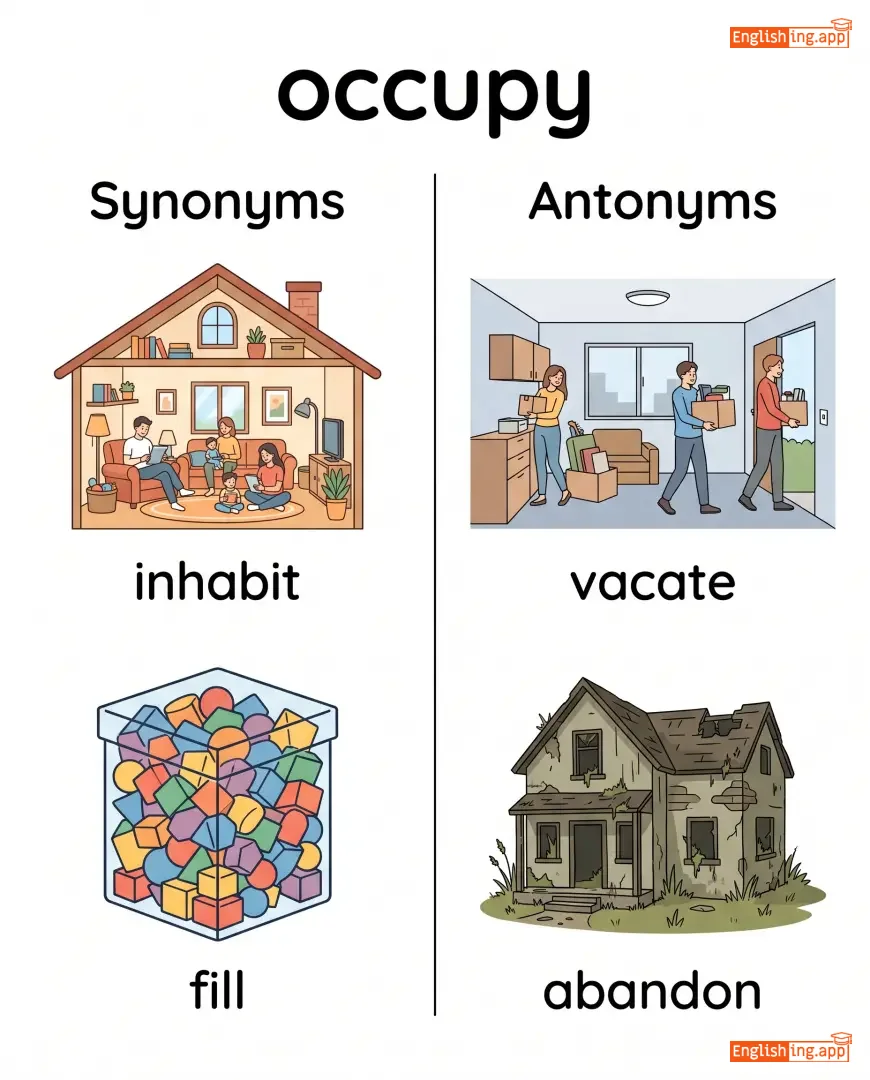
inhabit, reside, fill, take up
••••••
|
vacate, leave, abandon, evacuate
••••••
|
occupy space, occupy time, occupy position, occupy territory
••••••
|
OC CUP Y 将 cup 放进 O 里面 空间就属于你 occupy 就是 占据
••••••
|
|
🔌
••••••
|
/ˈaʊtlet/
noun
(奥特莱特)
••••••
|
- •••••• |
出口
chūkǒu
••••••
|
- •••••• | - •••••• | - •••••• | - •••••• |
a means by which something is released, expressed, or distributed
••••••
|
Art is a great outlet for emotions. |
艺术是情感的一个极好的出口。
Yìshù shì qínggǎn de yīgè jí hǎo de chūkǒu.
••••••
|
power outlet |
a socket that provides electrical power
••••••
|
电源插座
diànyuán chāzuò
••••••
|
vent, escape, channel, release, store
••••••
|
inlet, blockage
••••••
|
shopping outlet, outlet store, emotional outlet, power outlet
••••••
|
'Out' 表示外面,'let' 表示允许 — outlet 是出去的路径。
••••••
|
|
📜
••••••
|
/ˈpeɪtənt/ or /ˈpætənt/
noun, verb, adjective
(专利)
••••••
|
- •••••• |
专利
zhuanli
••••••
|
patented
专利的
••••••
|
patented
专利的
••••••
|
patents
专利
••••••
|
patenting
专利化
••••••
|
a government license granting exclusive rights to an inventor; also to obtain such rights
••••••
|
He patented his new invention to protect it from being copied.
他为保护他的发明不被复制而申请了专利。
••••••
|
他为保护他的发明不被复制而申请了专利。
Ta wei baohu tade faming bu bei fuzhi er shenqing le zhuanli.
••••••
|
patent pending
专利申请中
••••••
|
a phrase indicating that a patent application has been filed but not yet granted
••••••
|
专利申请中
zhuanli shenqing zhong
••••••
|
copyright, license, privilege, protection
••••••
|
infringement, imitation
••••••
|
patent law, file a patent, patent rights, patent office
••••••
|
专利即专利 - 发明者保护他们的想法。
••••••
|
|
🚚
••••••
|
/ˈpɪkʌp/
noun
(皮卡)
••••••
|
- •••••• |
有开放式车厢的小卡车; 收集或改进某物的行为
yǒu kāifàng shì chēxiāng de xiǎo kǎchē; shōují huò gǎijìn mǒu wù de xíngwéi
••••••
|
- •••••• | - •••••• | - •••••• | - •••••• |
a small truck with an open back; the act of collecting or improving something
••••••
|
The company scheduled a pickup for the returned goods. |
公司为退还的货物安排了取货。
Gōngsī wèi tuìhuán de huòwù ānpái le qǔhuò.
••••••
|
pickup line |
a phrase used to start a conversation with someone you are attracted to
••••••
|
用来开始与心仪的人交谈的句子
yòng lái kāishǐ yǔ xīnyí de rén jiāotán de jùzi
••••••
|
collection, truck, improvement, gathering
••••••
|
drop-off, decline
••••••
|
pickup truck, pickup service, pickup point, pickup line
••••••
|
Pick意味着收集,Up意味着向上—Pickup意味着收集或改善某物的车 🚚
••••••
|
|
🏴☠️
••••••
|
/ˈpaɪrət/
noun
(pái rèt)
••••••
|
- •••••• |
海盗
hǎidào
••••••
|
- •••••• | - •••••• | - •••••• | - •••••• |
a person who attacks and robs ships at sea; someone who illegally copies or uses another's work
••••••
|
The pirate captured the merchant ship and stole its treasure.
海盗劫持了商船并偷走了它的宝藏。
••••••
|
海盗劫持了商船并偷走了它的宝藏。
Hǎidào jiéchíle shāngchuán bìng tōu zǒule tā de bǎozàng.
••••••
|
software pirate
软件盗版者
••••••
|
someone who illegally copies software
••••••
|
软件盗版者
ruǎnjiàn dàobǎn zhě
••••••
|
buccaneer, corsair, marauder, raider
••••••
|
law-abiding, honest
••••••
|
sea pirate, software pirate, notorious pirate
••••••
|
海盗抢劫船只 - Pirate robs ships
••••••
|
|
🔫
••••••
|
/ˈpɪstl/
noun
(手枪)
••••••
|
- •••••• |
手枪
shouqiang
••••••
|
- •••••• | - •••••• | - •••••• | - •••••• |
a small handheld gun designed to be fired with one hand
••••••
|
The officer drew his pistol when he saw the suspect. |
当警官看到嫌疑人时,他拔出了手枪。
Dāng jǐngguān kàn dào xiányí rén shí, tā báchūle shǒuqiāng.
••••••
|
smoking gun |
clear evidence of guilt
••••••
|
冒烟的枪
màoyān de qiāng
••••••
|
handgun, revolver, firearm, weapon
••••••
|
peace, safety
••••••
|
loaded pistol, fire pistol, carry pistol, draw pistol
••••••
|
手枪就是可以单手射击的小枪!
••••••
|
|
🏊
••••••
|
/plʌndʒ/
verb
(plāng)
••••••
|
- •••••• |
迅速跳入或潜水;突然下降
xùn sù tiào rù huò qián shuǐ; tú rán xià jiàng
••••••
|
plunged
plāngd
••••••
|
plunged
plāngd
••••••
|
plunges
plāngzh
••••••
|
plunging
plāngyíng
••••••
|
to jump or dive quickly; to fall sharply
••••••
|
She plunged into the swimming pool.
她跳进了游泳池。
••••••
|
她跳进了游泳池。
Tā tiàojìnle yóuyǒngchí.
••••••
|
take the plunge
勇敢地迈出一步
••••••
|
to decide to do something important or risky
••••••
|
做出重要或冒险的决定
zuò chū zhòngyào huò màoxiǎn de juédìng
••••••
|
dive, jump, fall, descend
••••••
|
rise, ascend, climb
••••••
|
plunge into, plunge headfirst, market plunge
••••••
|
她跳进水里-决定迈出冒险的一步
••••••
|
|
🥔
••••••
|
/pəˈteɪtoʊ/
noun
(pò-tè-tóu)
••••••
|
- •••••• |
土豆
tudou
••••••
|
- •••••• | - •••••• | - •••••• | - •••••• |
a starchy plant tuber that is a staple food around the world
••••••
|
We had mashed potato with our dinner. |
我们晚餐吃了土豆泥。
Wǒmen wǎncān chīle tǔdòu ní.
••••••
|
- •••••• | - •••••• | - •••••• |
spud, tuber, yam
••••••
|
none
••••••
|
boiled potato, baked potato, mashed potato, potato salad
••••••
|
土豆就像是地下的宝藏,吃了就饱。
••••••
|
|
🌾
••••••
|
/ˈpaʊdər/
noun
(paʊdər)
••••••
|
- •••••• |
粉末
fenmo
••••••
|
- •••••• | - •••••• | - •••••• | - •••••• |
a fine, dry substance made of very tiny particles
••••••
|
She sprinkled some powder on the cake.
她在蛋糕上撒了一些粉。
••••••
|
她在蛋糕上撒了一些粉。
Ta zai dangao shang sa le yixie fen.
••••••
|
- •••••• | - •••••• | - •••••• |
dust, flour, granules, particles
••••••
|
liquid, solid
••••••
|
baby powder, face powder, baking powder, talcum powder
••••••
|
粉末像细小颗粒一样,来源于植物。
••••••
|

