The Rival Who Became a Friend
Rafi 和 Sami 曾是 rivals。他们参加同一种 sport —— 游泳。每场比赛,他们都为 prize 竞争。
“我会打败你,”Rafi 说。
“尽管你怎么想,In spite of what you think,我会赢,”Sami 回答。
他们的 rivalry 非常 fierce。每场比赛,他们盯着 score 板。每一秒都在 stake。他们是 smart 的游泳者,又 sharp 又快。
有一天举办了大型锦标赛。Prize 非常丰厚——奖学金和奖杯。Rafi 和 Sami 都进入了决赛。
“这次我会赢,”Rafi 自信地说。
“咱们走着瞧,”Sami 说,他的声音因紧张而 stiff。
比赛当天,人群聚集在 shore。泳池的水很平静。但气氛很 scary——压力很大。
哨声吹响。他们同时跳入。水花四溅。他们游得像没有 spine —— 灵活而流畅。
突然,Rafi 感觉不对劲。他的腿痉挛。疼痛沿着他的 spine 传来。他慢了下来。Sami 领先了。
“现在我可以 steal 这场胜利,”Sami 想。“我可以把他甩在后面。”
但 Sami 回头看去。他看到 Rafi 在挣扎。疼痛中。下沉。
Sami 停顿了一秒。所有的一切都在 stake —— prize、奖学金、所有。然后,在那一小块时间的 space 中,他内心发生了变化。
他转身,游回去救 Rafi。
“你在做什么?”Rafi 喘着气问道,shocked。
“我在帮你,”Sami 说。“坚持住。”
他把 Rafi 帮到 shore。人们 shocked。裁判困惑。Sami 放弃了 prize。
“你为什么要这样做?”Rafi 仍然气喘吁吁地问。“我们是 rivals。In spite of everything,你竟然帮我?”
“因为 sport 不只是为了赢,”Sami 解释。“它关于做一个人。看到你处于危险时,rivalry 的 spell 破了。那一刻,赢得 prize 看起来并不 important。你的安全更在 stake。"
Rafi 眼眶湿润。“我一直只专注于打败你,in spite of everything else。我以为你只是一个需要 defeat 的 rival。但你是一个 smart、sharp 的人——不仅在 sport 上,在人格上也是如此。"
“我们都是 smart 的游泳者,”Sami 微笑道。“但在生活中聪明意味着知道何时竞争,何时帮助。”
裁判宣布 Sami 被取消资格,因为他离开了比赛。但他们也宣布了一个特别的 prize —— 体育精神奖。
“这个 **prize,” 主裁判说, “授予 Sami。因为他表明真正的 sport 不仅是速度或 score,而是品格。”
人群鼓掌。声音在 shore 回荡。那不是 smoke and mirrors —— 那是真正的尊重。
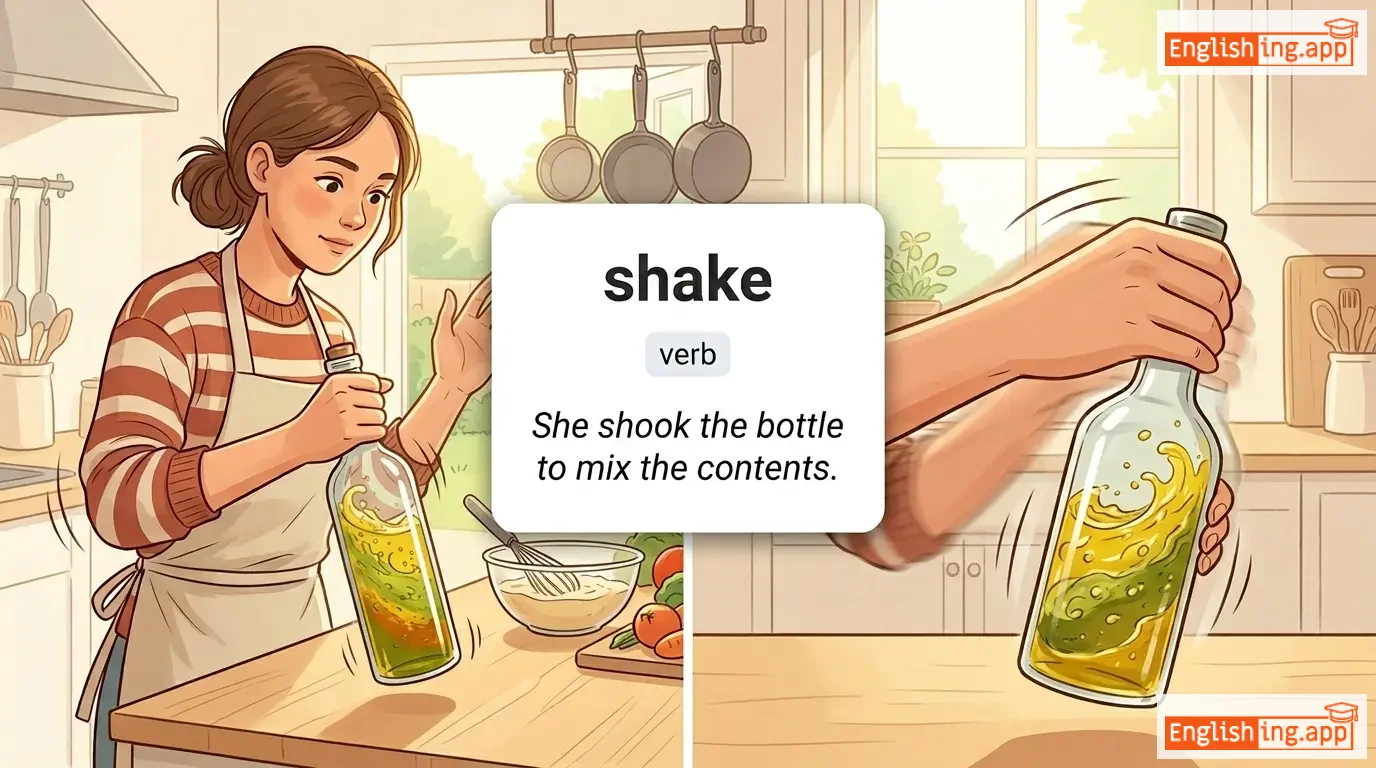
Rafi 站起来,腿仍然有些 stiff。他走向 Sami,伸出手——不是作为 rivals 去 shake,而是作为朋友。
“谢谢你,”Rafi 说。“你本可以 steal 胜利。你配得上它。但相反,你给了我更宝贵的东西——一堂 lesson。”
“你也给了我东西,”Sami 回应。“你向我展示,rivalry 可以推动我们变得更好。但今天我学到——在胜利与失败之间的 space 中,有更重要的东西:人性。”
多年后,Rafi 和 Sami 成为训练伙伴。他们仍然竞争,但方式不同。不是 in spite of each other,而是 because of each other——彼此推动变得更好。
当年轻的游泳者问:“你们如何处理 rivals?”他们会说:
“一个 rival 不是敌人。一个 sharp、smart 的 rival 会让你更好。每一个 score、每一场比赛、每一个 prize——这些都是暂时的。但你建立的尊重,你展示的 character——那会留下来。”
“The scary 的时刻,”Sami 会补充,“不是你可能失去 prize 的时候。The scary 的时刻是当你意识到,为了赢不择手段会让你失去自己。当更重要的事情在 stake——比如某人的 safety——竞争的 spell 应该 break。”
“我以为 Sami 想要 steal 我的 victory,”Rafi 会笑着说。“但相反,他给了我一个我无法 steal 或赢得的礼物——友谊。”
年轻的游泳者们学到了——在 sports 中,你在赛前和赛后握手。不是以 stiff 的形式,而是以真诚的尊重。在比赛的 shore,在 space,rivals 相遇的地方,不只是有 prizes 和 scores,还有能让你的 spine 更坚强的东西——character。那是一个没有人 no one can steal 的 prize,一个永不 breaks 的 spell,一场保持的胜利——即使 in spite of any shock, any loss, any scary moment——因为它不仅仅建立在在 sport 中的 smart 上,而是建立在做人上 sharp 的能力,知道在我们生活的每一刻真正有什么在 stake。
|
表情符号
|
单词 | Images | 翻译 | 过去时 | 过去分词 | 第三人称单数 | 动名词 | 含义 | 例句 | 例句翻译 | 示例表达 | 示例表达含义 | 示例表达翻译 | 同义词 | 反义词 | 搭配词 | 助记符 |
|---|---|---|---|---|---|---|---|---|---|---|---|---|---|---|---|---|---|
|
🏆
••••••
|
/praɪz/
noun, verb
(puraizi)
••••••
|
- •••••• |
奖品
jiangpin
••••••
|
prized
puraizd
••••••
|
prized
puraizd
••••••
|
prizes
puraizes
••••••
|
prizing
puraizing
••••••
|
something given as a reward for achievement; to value highly
••••••
|
He won the first prize in the competition.
他在比赛中获得了第一名奖。
••••••
|
他在比赛中获得了第一名奖。
Ta zai bisai zhong huode le di yi ming jiang.
••••••
|
prize possession
珍贵的财产
••••••
|
something cherished greatly
••••••
|
非常珍贵的财富
feichang zhengui de caifu
••••••
|
award, reward, trophy, treasure, honor
••••••
|
loss, forfeit, neglect
••••••
|
first prize, grand prize, prize money, prize possession
••••••
|
奖品(Prize) — 赢得奖品,你就有奖品的拥有权。
••••••
|
|
⚔️
••••••
|
/ˈraɪvəl/
noun, verb
(raival)
••••••
|
- •••••• |
竞争者
jingzhengzhe
••••••
|
rivaled
raivaled
••••••
|
rivaled
raivaled
••••••
|
rivals
raivales
••••••
|
rivaling
raivaling
••••••
|
a person or thing competing with another for the same goal or superiority in the same field
••••••
|
The two companies are fierce rivals in the smartphone market.
这两家公司在智能手机市场上是激烈的竞争对手。
••••••
|
这两家公司在智能手机市场上是激烈的竞争对手。
Zhe liang jia gongsi zai zhinen shouji shichang shang shi jilie de jingzheng duishou.
••••••
|
arch rival
主要对手
••••••
|
a main and long-standing opponent
••••••
|
主要对手
zhuyao duishou
••••••
|
competitor, opponent, challenger, adversary, foe
••••••
|
ally, partner, supporter
••••••
|
main rival, business rival, political rival, sports rival
••••••
|
Rival在中文中代表竞争者,是不断争夺的对手。
••••••
|
|
👻
••••••
|
/ˈskeəri/
adjective
(skɛːri)
••••••
|
- •••••• |
可怕
kěpà
••••••
|
- •••••• | - •••••• | - •••••• | - •••••• |
causing fear or making you feel frightened
••••••
|
That horror movie was really scary.
那部恐怖电影真的很吓人。
••••••
|
那部恐怖电影真的很吓人。
nà bù kǒngbù diànyǐng zhēn de hěn xiàrén.
••••••
|
scary as hell
吓人到极点
••••••
|
extremely frightening
••••••
|
吓人到极点
xiàrén dào jídiǎn
••••••
|
frightening, terrifying, spooky, creepy, alarming
••••••
|
pleasant, comforting, calm
••••••
|
scary movie, scary story, scary sound, scary face
••••••
|
Scary 意味着可怕 — 想象你看到一个可怕的怪物,然后你大喊 ‘可怕!’
••••••
|
|
🎯
••••••
|
/skɔːr/
noun/verb
(sī kè)
••••••
|
- •••••• |
分数
fenshu
••••••
|
scored
sī kè dé
••••••
|
scored
sī kè dé
••••••
|
scores
sī kè sī
••••••
|
scoring
sī kè lǐng
••••••
|
a number of points achieved in a game or test; to gain points or achieve a goal
••••••
|
He scored the winning goal in the final match.
他在最后一场比赛中进了制胜球。
••••••
|
他在最后一场比赛中进了制胜球。
Ta zai zuihou yi chang bisai zhong jin le zhisheng qiu.
••••••
|
settle the score
算清账
••••••
|
to take revenge or get even with someone
••••••
|
算清账
suan qing zhang
••••••
|
points, tally, result, grade, mark
••••••
|
loss, defeat, miss
••••••
|
high score, score a goal, final score, score points
••••••
|
高分数意味着考试成功!
••••••
|
|
🤝
••••••
|
/ʃeɪk/
verb
(sheik)
••••••
|
|
摇动
yaodong
••••••
|
shook
shuk
••••••
|
shaken
sheiken
••••••
|
shakes
sheiks
••••••
|
shaking
sheiking
••••••
|
to move quickly back and forth; to tremble
••••••
|
The earthquake made the building shake.
地震让建筑物摇动。
••••••
|
地震让建筑物摇动。
Dizhen rang jianzhu wu yaodong.
••••••
|
- •••••• | - •••••• | - •••••• |
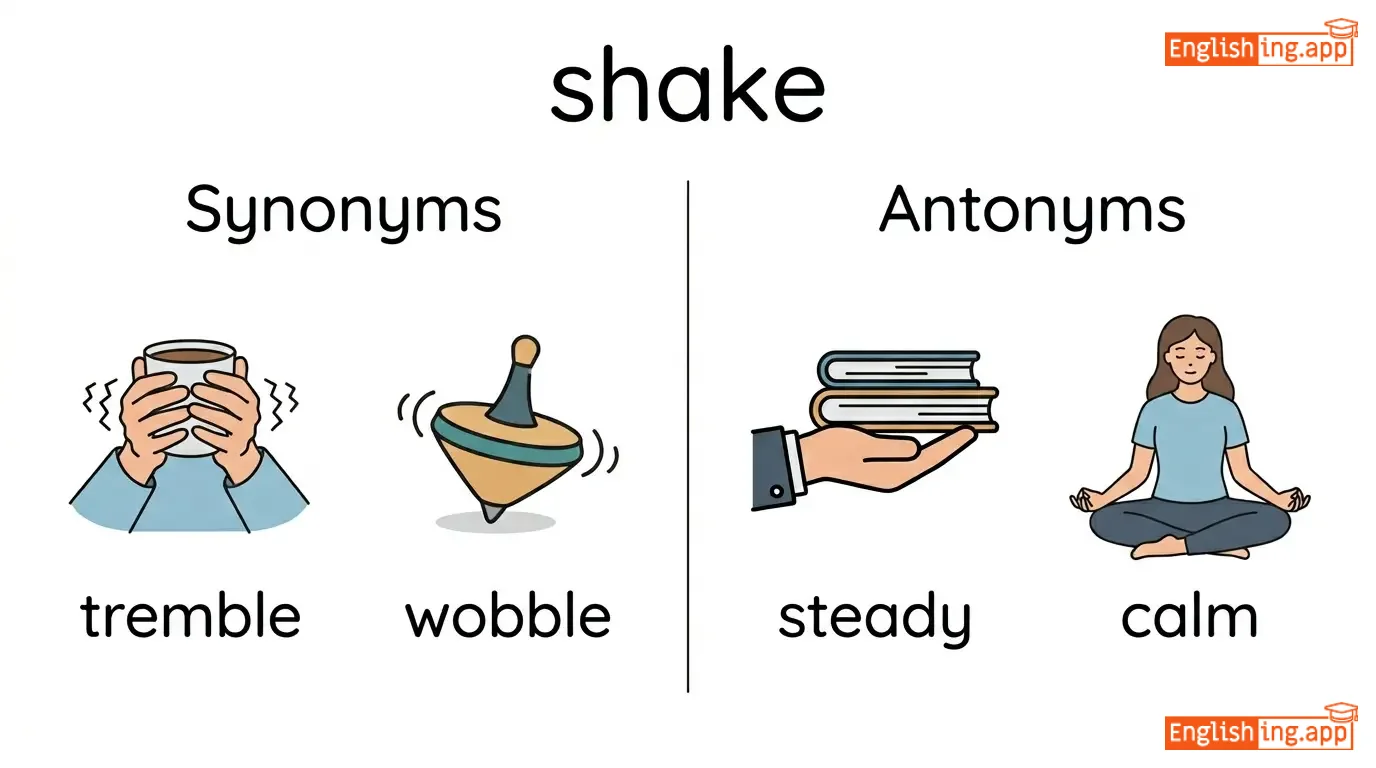
tremble, vibrate, quiver, rock
••••••
|
steady, stabilize, still, calm
••••••
|
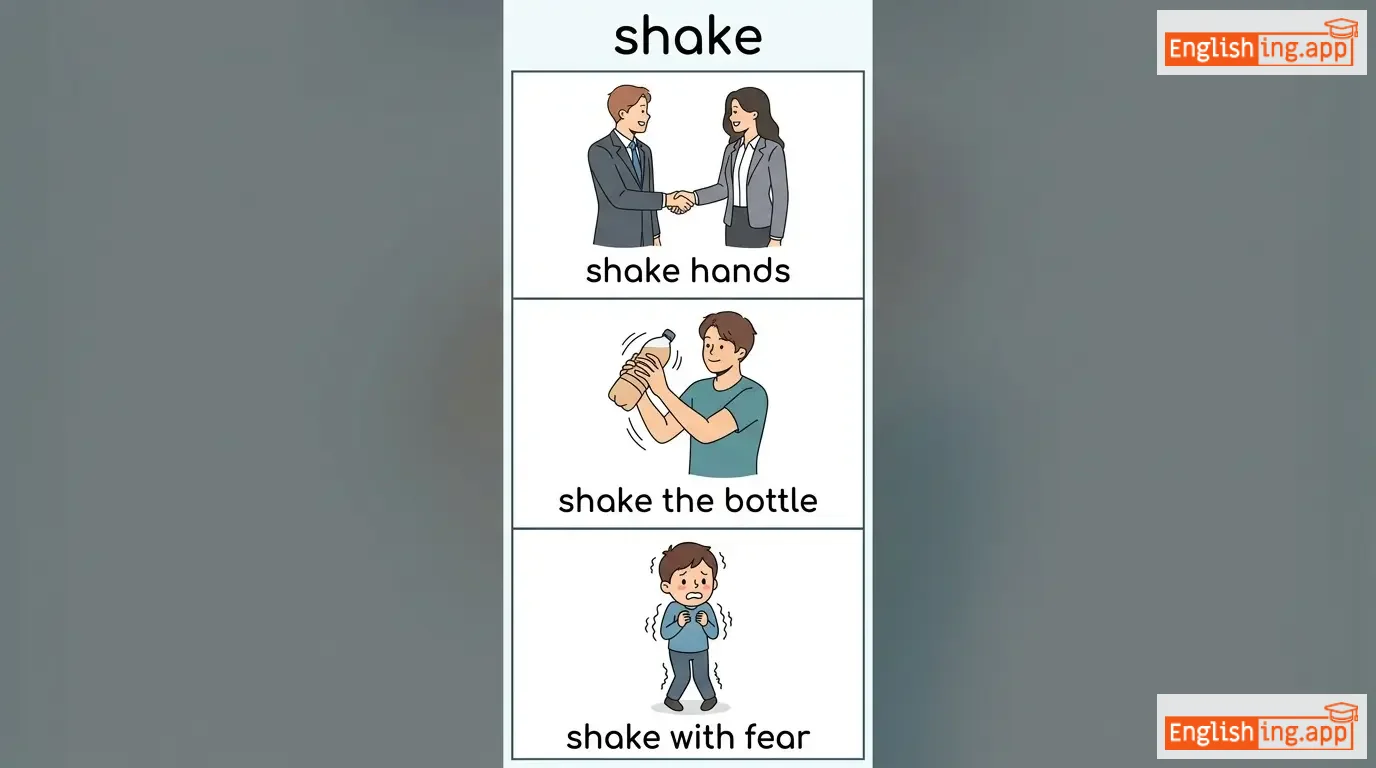
shake hands, shake head, shake violently, shake off, shake up
••••••
|
No •••••• |
|
🔪
••••••
|
/ʃɑːrp/
adjective
(shā pǔ)
••••••
|
- •••••• |
锋利; 强烈; 突然和强烈; 快速理解
fēnglì; qiángliè; tūrán hé qiángliè; kuàisù lǐjiě
••••••
|
- •••••• | - •••••• | - •••••• | - •••••• |
having a cutting edge or point; sudden and intense; quick to understand
••••••
|
The knife has a very sharp blade.
刀片非常锋利。
••••••
|
刀片非常锋利。
Dāopiàn fēicháng fēnglì.
••••••
|
- •••••• | - •••••• | - •••••• |
keen, pointed, acute, piercing
••••••
|
blunt, dull, rounded, obtuse
••••••
|
sharp knife, sharp pain, sharp mind, sharp turn
••••••
|
锋利的刀片就像sharp一样!
••••••
|
|
🐑
••••••
|
/ʃiːp/
noun
(shiep)
••••••
|
- •••••• |
羊
yang
••••••
|
- •••••• | - •••••• | - •••••• | - •••••• |
a farm animal with thick wool that is raised for its wool, meat, and milk
••••••
|
The farmer keeps a large flock of sheep. |
农民养着一大群羊。
nong min yang zhe yi da qun yang.
••••••
|
black sheep |
a person who is considered a disgrace to a group or family
••••••
|
黑羊
hei yang
••••••
|
lamb, ewe, ram, livestock, animal
••••••
|
wolf, predator
••••••
|
flock of sheep, sheep farming, shear sheep, lost sheep
••••••
|
Sheep 意思是羊 — 就像羊一样,温顺的人!
••••••
|
|
🐚
••••••
|
/ʃel/
noun
(壳)
••••••
|
- •••••• |
壳
ké
••••••
|
- •••••• | - •••••• | - •••••• | - •••••• |
hard outer covering of an animal; explosive projectile for a gun
••••••
|
The artillery fired a shell at the enemy position. |
炮兵向敌方阵地发射了一个炮弹。
pàobīng xiàng dífāng zhèndì fāshèle yīgè pàodàn.
••••••
|
- •••••• | - •••••• | - •••••• |
casing, husk, projectile, missile
••••••
|
core, interior, center
••••••
|
artillery shell, shell shock, shell out
••••••
|
壳 (ké) is a hard outer covering, like the shell!
••••••
|
|
😲
••••••
|
/ʃɒk/
noun
(休克)
••••••
|
- •••••• |
震惊
zhènjīng
••••••
|
- •••••• | - •••••• | - •••••• | - •••••• |
a sudden upsetting or surprising event or experience
••••••
|
The news of his sudden departure was a shock to everyone.
他的突然离开消息让每个人都震惊。
••••••
|
他的突然离开消息让每个人都震惊。
Tā de túrán líkāi xiāoxī ràng měi gèrén dōu zhènjīng.
••••••
|
- •••••• | - •••••• | - •••••• |
surprise, jolt, stun, amazement
••••••
|
calm, peace
••••••
|
shock waves, culture shock, in shock, total shock
••••••
|
震惊就像一场突如其来的雷电,瞬间改变一切。
••••••
|
|
🏖️
••••••
|
/ʃɔːr/
noun
(shor)
••••••
|
- •••••• |
海岸; 岸边; 沙滩
shor
••••••
|
- •••••• | - •••••• | - •••••• | - •••••• |
the land along the edge of a sea, lake, or other body of water
••••••
|
We walked along the shore collecting seashells.
我们沿着海岸走,捡贝壳。
••••••
|
我们沿着海岸走,捡贝壳。
Wǒmen yánzhe hǎi'àn zǒu, jiǎn bèiké.
••••••
|
- •••••• | - •••••• | - •••••• |
coast, beach, waterfront, seashore
••••••
|
inland, interior
••••••
|
sandy shore, rocky shore, opposite shore, lake shore
••••••
|
In Chinese, '海岸' (hǎi'àn) means shore, similar to 'shor' in English.
••••••
|
|
🧠
••••••
|
/smɑːrt/
adjective, noun, verb
(smart)
••••••
|
- •••••• |
聪明 / 时尚
cōngmíng / shíshàng
••••••
|
smarted
smarted
••••••
|
smarted
smarted
••••••
|
smarts
smarts
••••••
|
smarting
smarting
••••••
|
Clever and intelligent; also stylish in appearance; or to feel pain.
••••••
|
She is a smart student who always excels in class.
她是一个聪明的学生,总是在课堂上表现出色。
••••••
|
她是一个聪明的学生,总是在课堂上表现出色。
Tā shì yīgè cōngmíng de xuéshēng, zǒng shì zài kètáng shàng biǎoxiàn chūsè.
••••••
|
smart money
聪明的钱
••••••
|
Money invested by those with expert knowledge.
••••••
|
专家投资的钱
zhuānjiā tóuzī de qián
••••••
|
clever, bright, intelligent, stylish, sharp
••••••
|
dull, foolish, stupid
••••••
|
smart student, smart decision, smart clothes, smart city
••••••
|
Smart – 就像智能手机,聪明且现代。
••••••
|
|
💨
••••••
|
/smoʊk/
noun
(斯莫克)
••••••
|
|
烟
si mo ke
••••••
|
- •••••• | - •••••• | - •••••• | - •••••• |
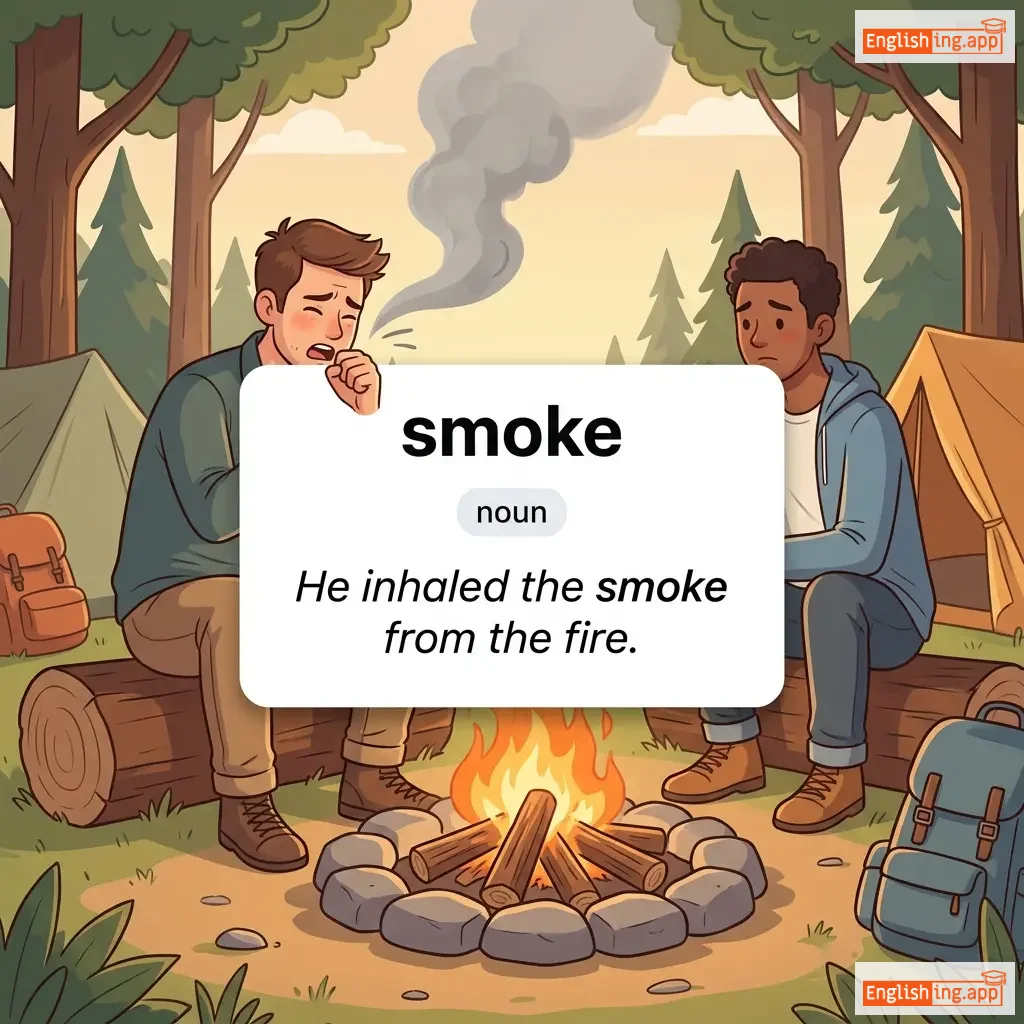
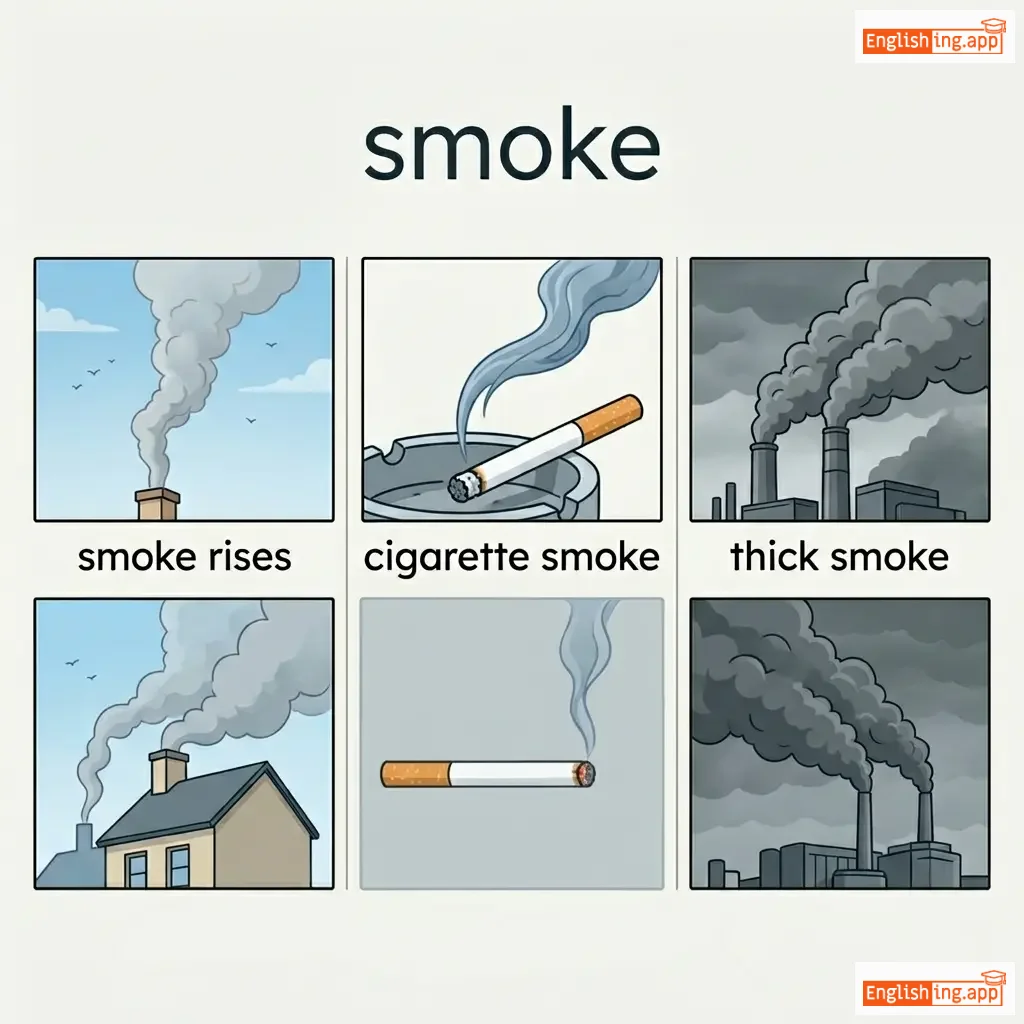
visible vapor and gases emitted when something burns
••••••
|
Thick smoke rose from the burning building.
浓烟从燃烧的建筑物升起。
••••••
|
浓烟从燃烧的建筑物升起。
Nong yan cong ran shao de jian zhu wu sheng qi
••••••
|
- •••••• | - •••••• | - •••••• |
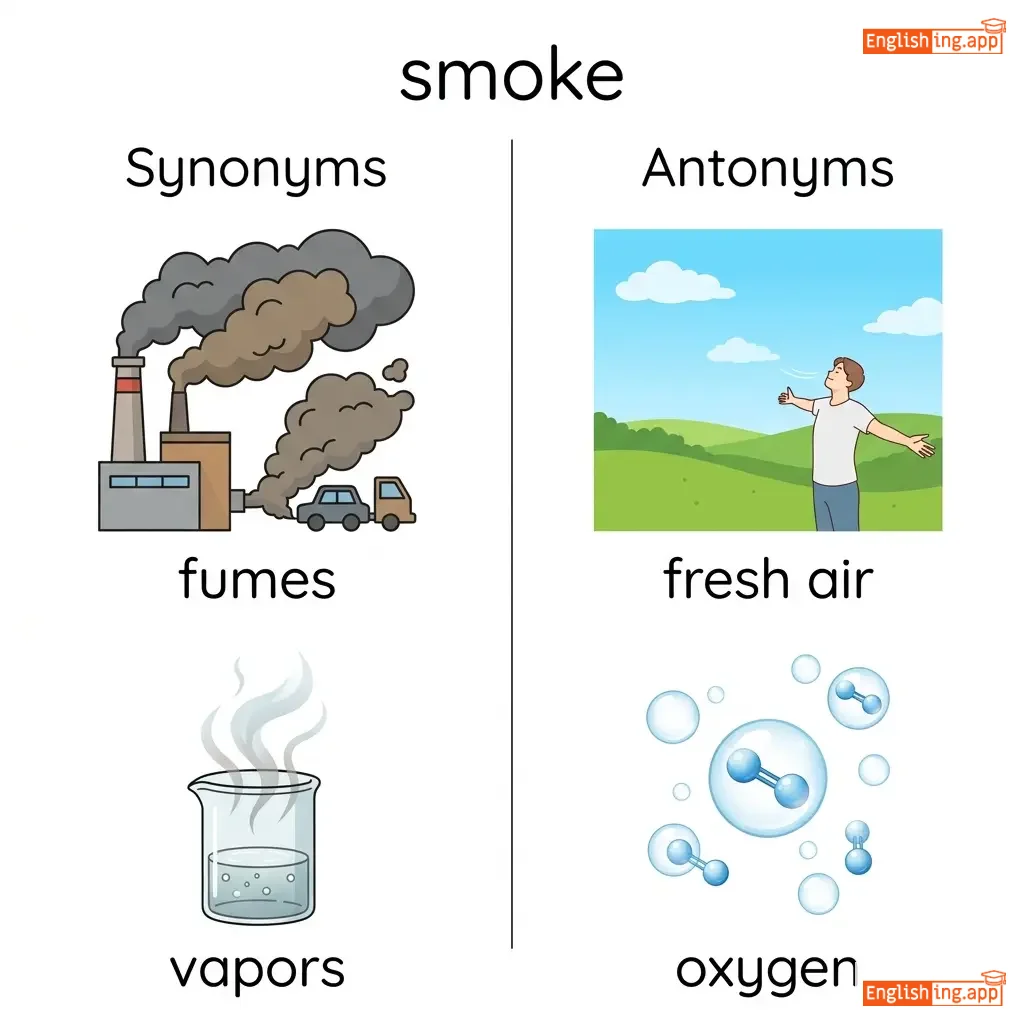
vapor, fumes, haze
••••••
|
clear air, fresh air
••••••
|
thick smoke, black smoke, smoke detector, smoke alarm
••••••
|
SiMoKe: See more Smoke rising from 火 to become 烟
••••••
|
|
🚀
••••••
|
/speɪs/
noun
(sīpèi sī)
••••••
|

|
空间
kongjian
••••••
|
- •••••• | - •••••• | - •••••• | - •••••• |
a continuous area or expanse that is free, available, or unoccupied
••••••
|
There was enough space for everyone in the room. |
房间里有足够的空间给每个人。
Fángjiān lǐ yǒu zúgòu de kōngjiān gěi měi gè rén.
••••••
|
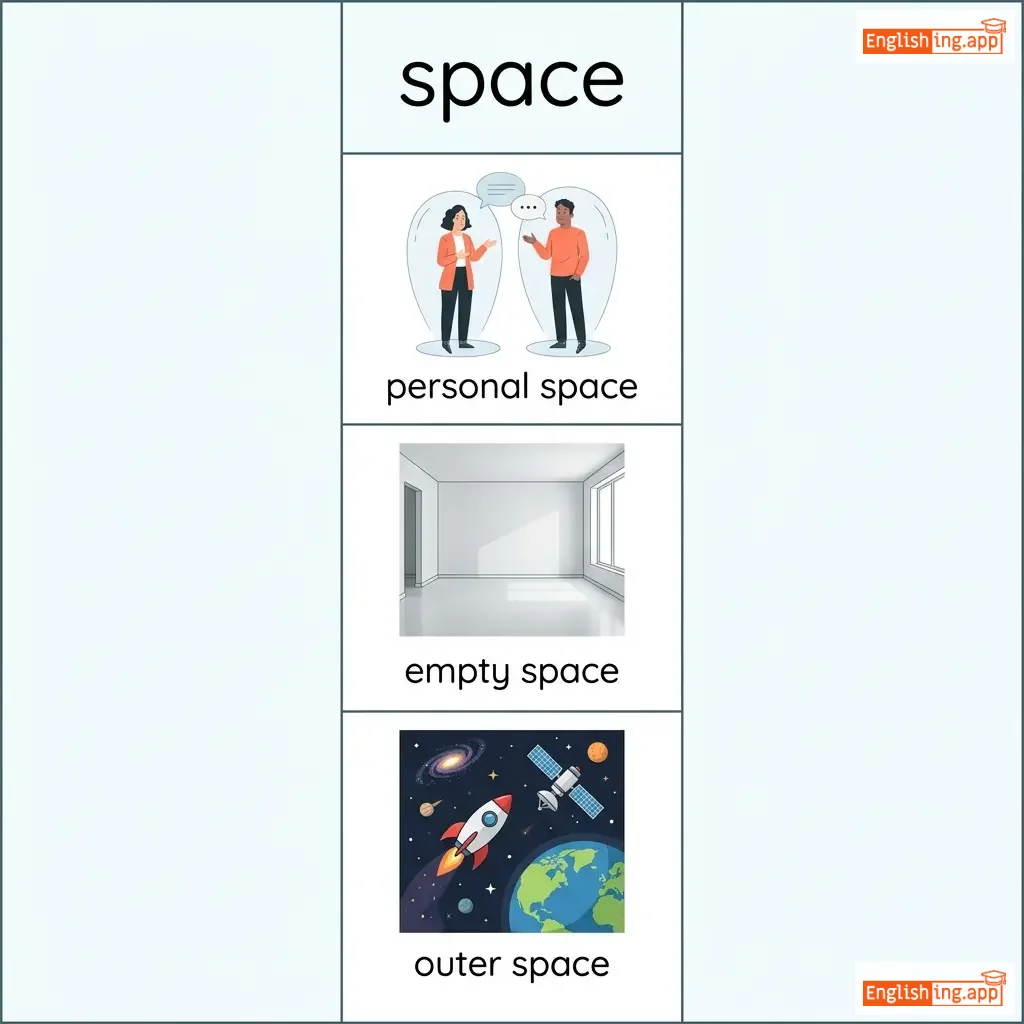
outer space |
the region beyond Earth's atmosphere
••••••
|
外太空
wài tàikōng
••••••
|
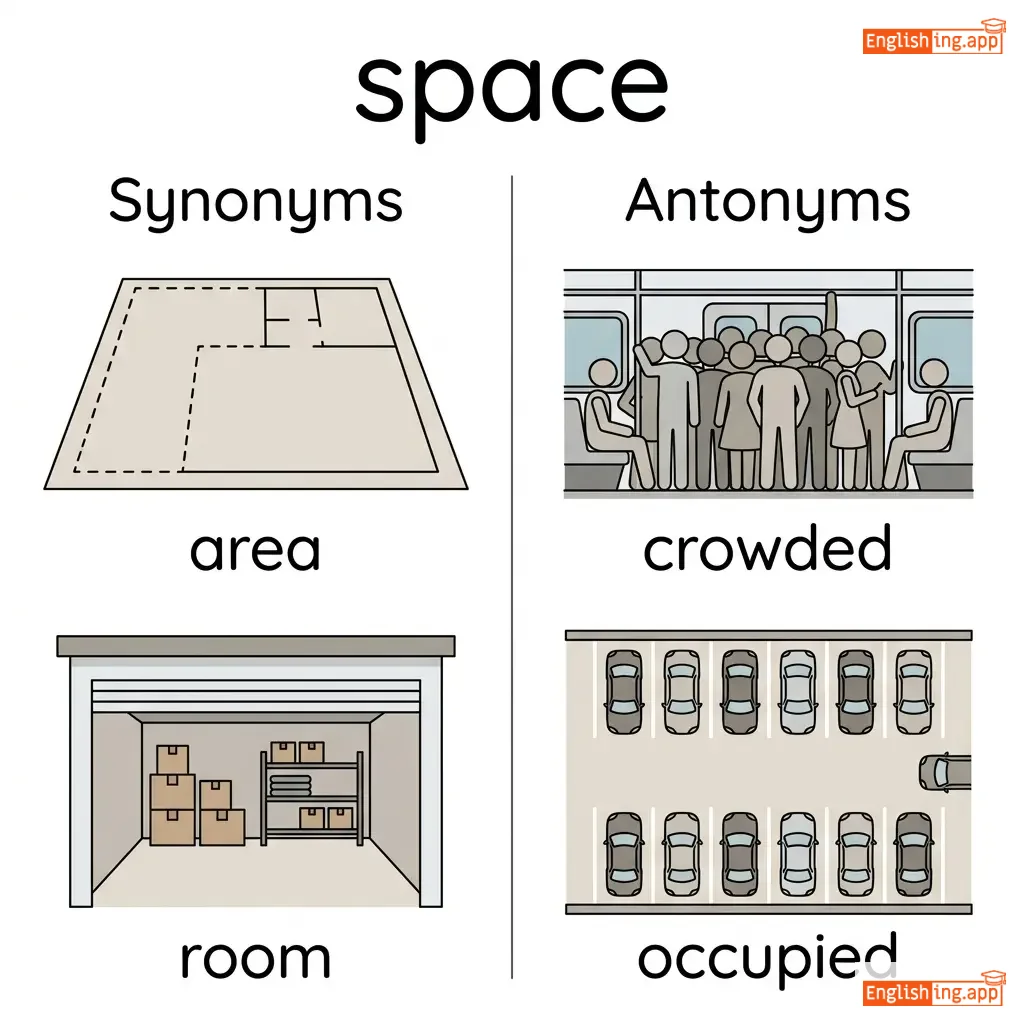
area, room, extent, volume
••••••
|
crowded, occupied, tight
••••••
|
personal space, empty space, outer space, living space
••••••
|
In 'space' we have 'S' for 'Safe', 'P' for 'Place'.
••••••
|
|
✨
••••••
|
/spɛl/
verb
(拼写)
••••••
|
- •••••• |
拼写 / 咒语
pīnxiě / zhòuyǔ
••••••
|
spelled
拼写过
••••••
|
spelled
拼写过
••••••
|
spells
拼写
••••••
|
spelling
拼写
••••••
|
to write or name the letters of a word in the correct order; also a short period of time or a state of enchantment
••••••
|
She asked me to spell her name correctly on the form.
她让我在表格上正确拼写她的名字。
••••••
|
她让我在表格上正确拼写她的名字。
Tā ràng wǒ zài biǎogé shàng zhèngquè pīnxiě tā de míngzì.
••••••
|
cast a spell
施法
••••••
|
to use magic words to make something happen
••••••
|
施法
shīfǎ
••••••
|
write, recite, articulate, enchant, charm
••••••
|
miswrite, confuse, neglect
••••••
|
spell a word, spell correctly, cast a spell, spelling mistake
••••••
|
拼写(pīnxiě)就像咒语,魔法的开始!
••••••
|
|
🦴
••••••
|
/spaɪn/
noun
(spain)
••••••
|
- •••••• |
脊柱
jizhu
••••••
|
- •••••• | - •••••• | - •••••• | - •••••• |
the backbone; a series of bones extending from the skull to the lower back
••••••
|
The doctor examined her spine after the accident. |
事故发生后,医生检查了她的脊柱。
Shigu fashen hou, yisheng jiancha le ta de jizhu.
••••••
|
backbone of something |
the most important part or support of something
••••••
|
某物的脊柱
mou wu de jizhu
••••••
|
backbone, vertebrae, ridge, support
••••••
|
weakness, fragility
••••••
|
spine injury, spine surgery, curved spine, spine health
••••••
|
Spine是脊柱,spine-less则是脆弱的。
••••••
|
|
😠
••••••
|
/spaɪt/
noun
(spaɪt)
••••••
|
- •••••• |
恶意
èyì
••••••
|
- •••••• | - •••••• | - •••••• | - •••••• |
a desire to hurt, annoy, or offend someone
••••••
|
She refused the gift out of spite. |
她因为恶意拒绝了礼物。
Tā yīnwèi èyì jùjué le lǐwù.
••••••
|
in spite of |
despite something; regardless of
••••••
|
尽管如此
jǐnguǎn rúcǐ
••••••
|
malice, resentment, bitterness, hostility
••••••
|
kindness, goodwill, compassion
••••••
|
out of spite, in spite of, spiteful remark, spite attack
••••••
|
Spite 就是 '恶意' —— 就像怀恨在心那样 😠
••••••
|
|
⚽
••••••
|
/spɔːt/
noun
(体育)
••••••
|
- •••••• |
体育
tiyu
••••••
|
- •••••• | - •••••• | - •••••• | - •••••• |
an activity involving physical exertion and skill in which an individual or team competes against another or others for entertainment
••••••
|
Football is a popular sport around the world.
足球是全球流行的体育运动。
••••••
|
足球是全球流行的体育运动。
Zúqiú shì quánqiú liúxíng de tǐyù yùndòng.
••••••
|
- •••••• | - •••••• | - •••••• |
game, activity, competition, exercise
••••••
|
inactivity, laziness
••••••
|
team sport, competitive sport, individual sport
••••••
|
In sports, you compete and enjoy physical activities with friends.
••••••
|
|
📈
••••••
|
/steɪk/
noun, verb
(sī tè kè)
••••••
|
- •••••• |
股份, 风险
gǔ fèn, fēng xiǎn
••••••
|
staked
sī tè kè dé
••••••
|
staked
sī tè kè dé
••••••
|
stakes
sī tè kè sī
••••••
|
staking
sī tè kè yīng
••••••
|
A share or interest in a business or venture; to risk or support something of value.
••••••
|
He has a major stake in the new company.
他在新公司拥有重大股份。
••••••
|
他在新公司拥有重大股份。
Tā zài xīn gōng sī yǒng yǒu zhòng dà gǔ fèn.
••••••
|
at stake
处于风险中
••••••
|
at risk; in danger of being lost
••••••
|
处于风险中
chù yú fēng xiǎn zhōng
••••••
|
share, investment, risk, interest, bet
••••••
|
security, certainty, safety
••••••
|
stake in, at stake, high stakes, stake money
••••••
|
一旦你投入, 所有的股份都在风险中。
••••••
|
|
🕵️♂️
••••••
|
/stiːl/
verb
(斯蒂尔)
••••••
|

|
偷窃
touqie
••••••
|
stole
斯托尔
••••••
|
stolen
斯托伦
••••••
|
steals
斯蒂尔斯
••••••
|
stealing
斯蒂林
••••••
|
to take something without permission or right
••••••
|
He tried to steal my wallet while I wasn't looking.
他试图在我不注意时偷走我的钱包。
••••••
|
他试图在我不看时偷走我的钱包。
Ta shitu zai wo bu kan shi touzou wode qianbao.
••••••
|
steal someone's heart
偷走某人的心
••••••
|
to charm or captivate someone
••••••
|
偷走某人的心
touzou mou ren de xin
••••••
|
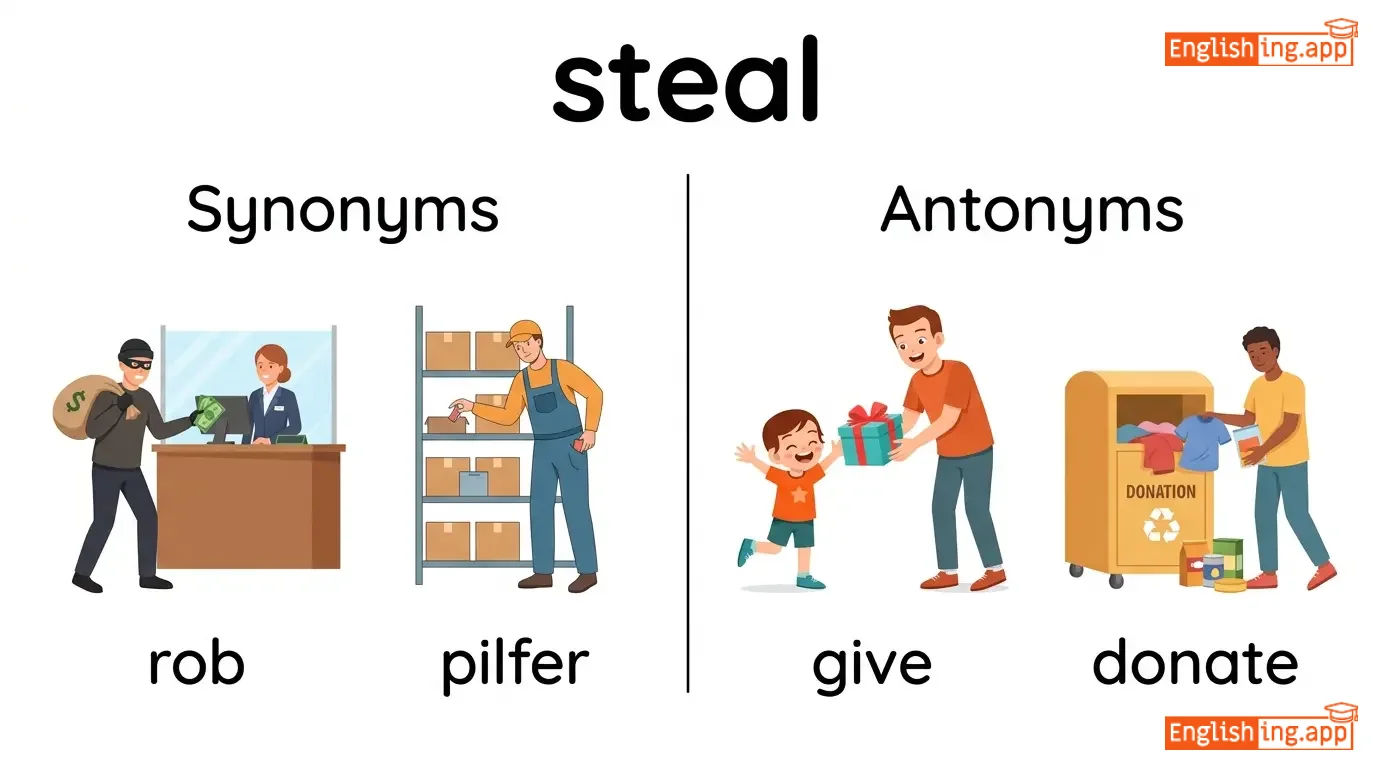
rob, pilfer, loot, snatch
••••••
|
give, donate, return
••••••
|
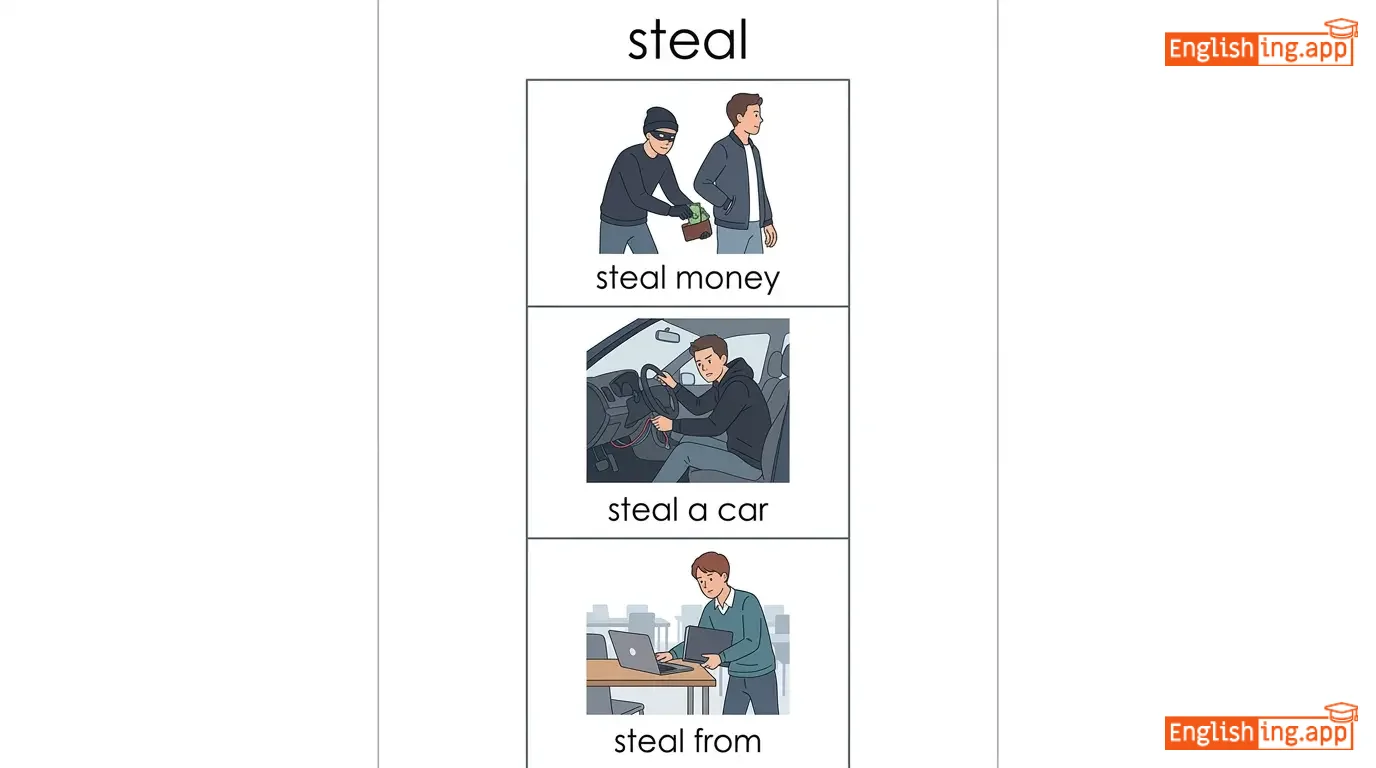
steal money, steal a car, steal from, steal away
••••••
|
偷走一样东西 - 像偷走心一样
••••••
|
|
🪵
••••••
|
/stɪf/
adjective
(斯提夫)
••••••
|
- •••••• |
僵硬
jiang ying
••••••
|
- •••••• | - •••••• | - •••••• | - •••••• |
rigid, difficult to bend or move
••••••
|
After the long run, his legs felt very stiff. |
长跑后,他的腿感觉非常僵硬。
Chang pao hou, ta de tui gan jue fei chang jiang ying.
••••••
|
stiff competition |
strong or difficult competition
••••••
|
激烈竞争
ji lie jing zheng
••••••
|
rigid, firm, inflexible, hard, tense
••••••
|
flexible, loose, relaxed
••••••
|
stiff neck, stiff muscles, stiff resistance, stiff competition
••••••
|
斯提夫意味着僵硬 – 就像一根无法弯曲的木棒
••••••
|

