Pathway for the Elephants
在camp,一场特别的研讨会正在森林边缘进行。我们的任务是restaurar野生elephants的路径。wise的长老们说:“这个cause不仅仅保护它们,也保护我们。”我们在安全的lane上建了竹子围栏,而志愿者们提供了持续的encouragement。一个小水库形成了,这样群体就能anywhere游动,同时obtain水源。“我们将守护每一个moment,确保它们的安全,”Roisa说道。以前有些人perceived这个问题不重要,但今天问题的深度显而易见。学生们制作了海报,解释可持续的土地usage。大学的研究人员安装了传感器,以derive数据,放置每个probe来追踪移动。老兵游侠Sohel宣称:“我对这个计划的conviction很强。”他展示了如何constantly改变行为。人们被鼓励保持modest,保持silent,这样动物才能保持冷静。当虾车在lane停下时,提醒司机大声喇叭会吓到野生动物。几乎有a thousand名支持者观察着,感受到森林再次变得alive。
|
表情符号
|
单词 | Images | 翻译 | 过去时 | 过去分词 | 第三人称单数 | 动名词 | 含义 | 例句 | 例句翻译 | 示例表达 | 示例表达含义 | 示例表达翻译 | 同义词 | 反义词 | 搭配词 | 助记符 |
|---|---|---|---|---|---|---|---|---|---|---|---|---|---|---|---|---|---|
|
💓
••••••
|
/əˈlaɪv/
adjective
(ā lái fū)
••••••
|
- •••••• |
活着
huózhe
••••••
|
- •••••• | - •••••• | - •••••• | - •••••• |
Living, not dead.
••••••
|
The rescue team found the missing child alive. |
救援队找到失踪的孩子时,他还活着。
Jiùyuán duì zhǎodào shīzōng de háizi shí, tā hái huózhe.
••••••
|
come alive |
to become lively or energetic
••••••
|
复活
fùhuó
••••••
|
living, breathing, existing, animated, conscious
••••••
|
dead, lifeless, deceased
••••••
|
stay alive, remain alive, alive and well, keep alive
••••••
|
Alive 就是活着,就像‘活着’一样。
••••••
|
|
🌍
••••••
|
/ˈɛnɪwɛər/
adverb
••••••
|
- •••••• | - •••••• | - •••••• | - •••••• | - •••••• | - •••••• |
in, at, or to any place
••••••
|
You can find good food anywhere in this city. |
- •••••• |
go anywhere |
to have freedom to travel or move to any place
••••••
|
- •••••• |
everywhere, someplace, anyplace, location, place
••••••
|
nowhere, somewhere specific
••••••
|
anywhere else, almost anywhere, find anywhere, go anywhere
••••••
|
No •••••• |
|
🏕️
••••••
|
/kæmp/
noun, verb
(camp)
••••••
|
- •••••• |
露营地
luyingdi
••••••
|
camped
camped
••••••
|
camped
camped
••••••
|
camps
camps
••••••
|
camping
camping
••••••
|
a place where people stay temporarily in tents or cabins, often outdoors; to stay in such a place
••••••
|
We decided to camp by the lake during the summer holiday.
我们决定在夏季假期时在湖边露营。
••••••
|
我们决定在夏季假期时在湖边露营。
Women jueding zai xiaji jiaqi shi zai hu bian luying.
••••••
|
camp out
露营
••••••
|
to sleep outdoors or in a simple temporary shelter
••••••
|
在户外露营
zai huwai luying
••••••
|
tent site, encampment, bivouac, lodge, shelter
••••••
|
house, residence, hotel
••••••
|
summer camp, military camp, refugee camp, camp site, go camping
••••••
|
Camp = 露营地, 让我们在露营地的地方露营
••••••
|
|
⚡
••••••
|
/kɔːz/
noun/verb
(kàoz)
••••••
|
- •••••• |
原因 / 造成
yuányīn / zàochéng
••••••
|
caused
kàozd
••••••
|
caused
kàozd
••••••
|
causes
kàozes
••••••
|
causing
kàozing
••••••
|
a person or thing that gives rise to an action, phenomenon, or condition; to make something happen
••••••
|
The heavy rain caused flooding in the city.
大雨造成了城市的洪水。
••••••
|
大雨造成了城市的洪水。
Dàyǔ zàochéngle chéngshì de hóngshuǐ.
••••••
|
lost cause
失去的原因
••••••
|
a hopeless case; something doomed to fail
••••••
|
失去的原因
shīqù de yuányīn
••••••
|
reason, motive, source, trigger, origin
••••••
|
effect, result
••••••
|
cause of death, good cause, lost cause, social cause
••••••
|
Cause 意思是原因 ⚡ – 大雨造成洪水,Cause = 原因
••••••
|
|
🔄
••••••
|
/ˈkɒnstəntli/
adverb
(kānsītèntlì)
••••••
|
- •••••• |
不断地; 总是; 不停地
bùduàn de; zǒng shì; bù tíng de
••••••
|
- •••••• | - •••••• | - •••••• | - •••••• |
continuously over a period of time; always; without stopping
••••••
|
The baby was constantly crying throughout the night. |
婴儿整晚不停地哭泣。
Yīng'ér zhěng wǎn bù tíng de kūqì.
••••••
|
- •••••• | - •••••• | - •••••• |
continuously, always, perpetually
••••••
|
occasionally, rarely, never
••••••
|
constantly changing, constantly moving, constantly working
••••••
|
不断地 - 就像不停的水流,‘不断’就像‘constant’.
••••••
|
|
⚖️
••••••
|
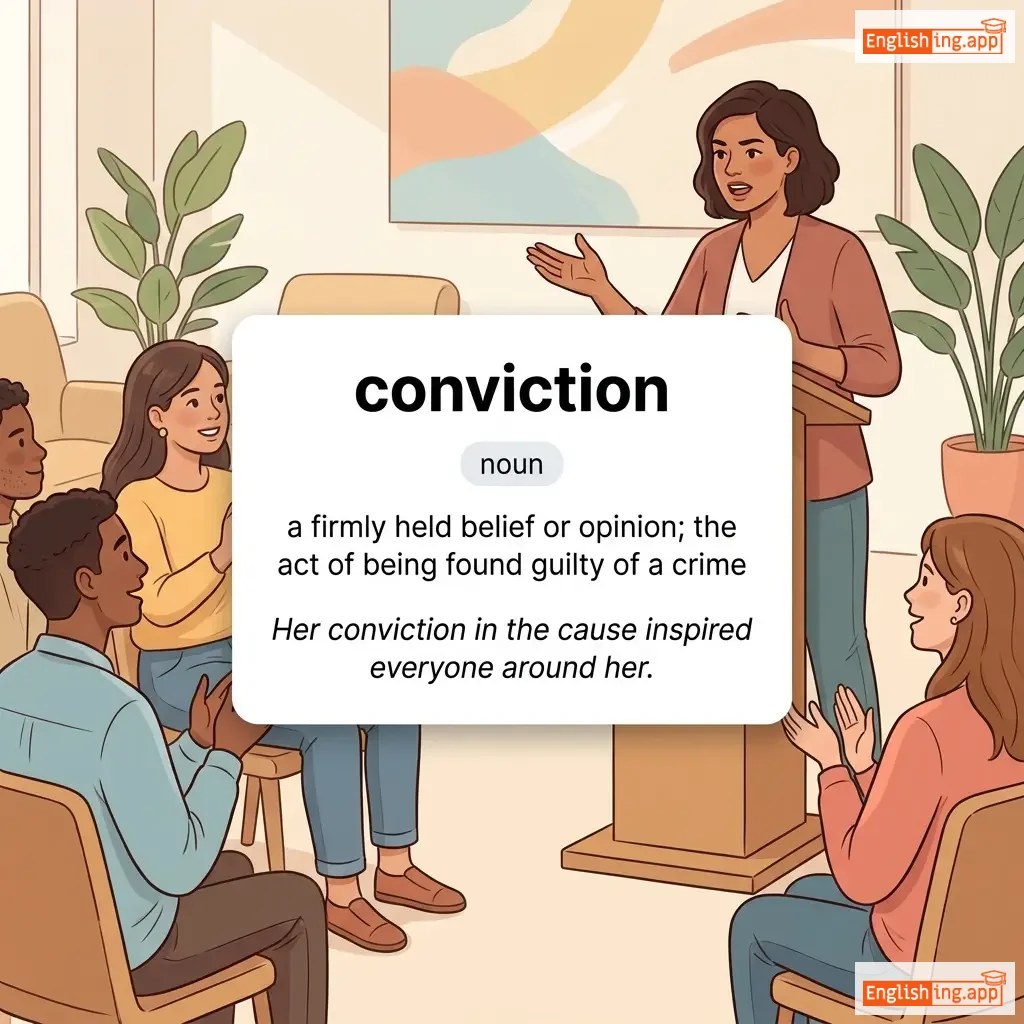
/kənˈvɪkʃən/
noun
(kənˈvɪkʃən)
••••••
|
|
坚定的信念, 定罪
jiāndìng de xìnniàn, dìngzuì
••••••
|
- •••••• | - •••••• | - •••••• | - •••••• |
a firmly held belief or opinion; the act of being found guilty of a crime
••••••
|
Her conviction in the cause inspired everyone around her. |
她对这个事业的坚定信念激励了周围的每个人。
Tā duì zhège shìyè de jiāndìng xìnniàn jīlìle zhōuwéi de měi gèrén.
••••••
|
- •••••• | - •••••• | - •••••• |
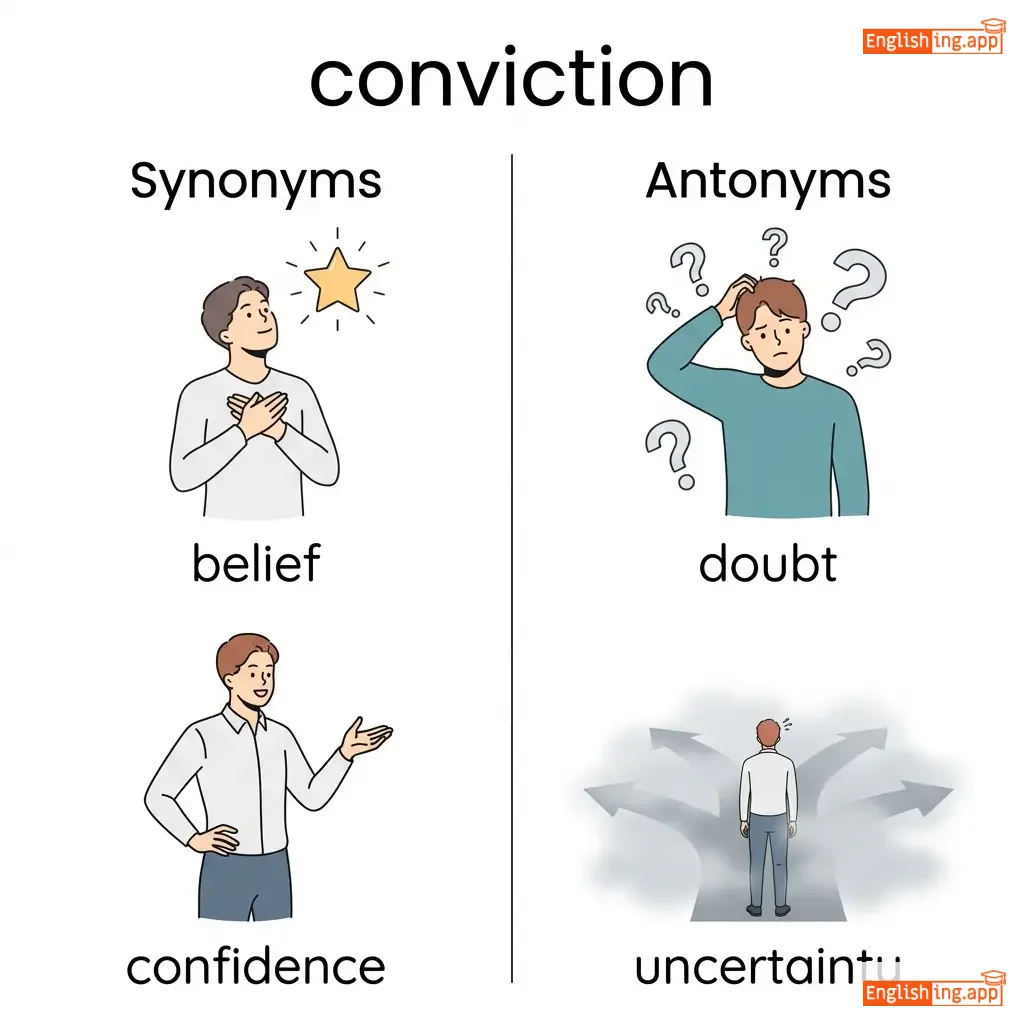
belief, confidence, certainty, faith
••••••
|
doubt, uncertainty, skepticism
••••••
|
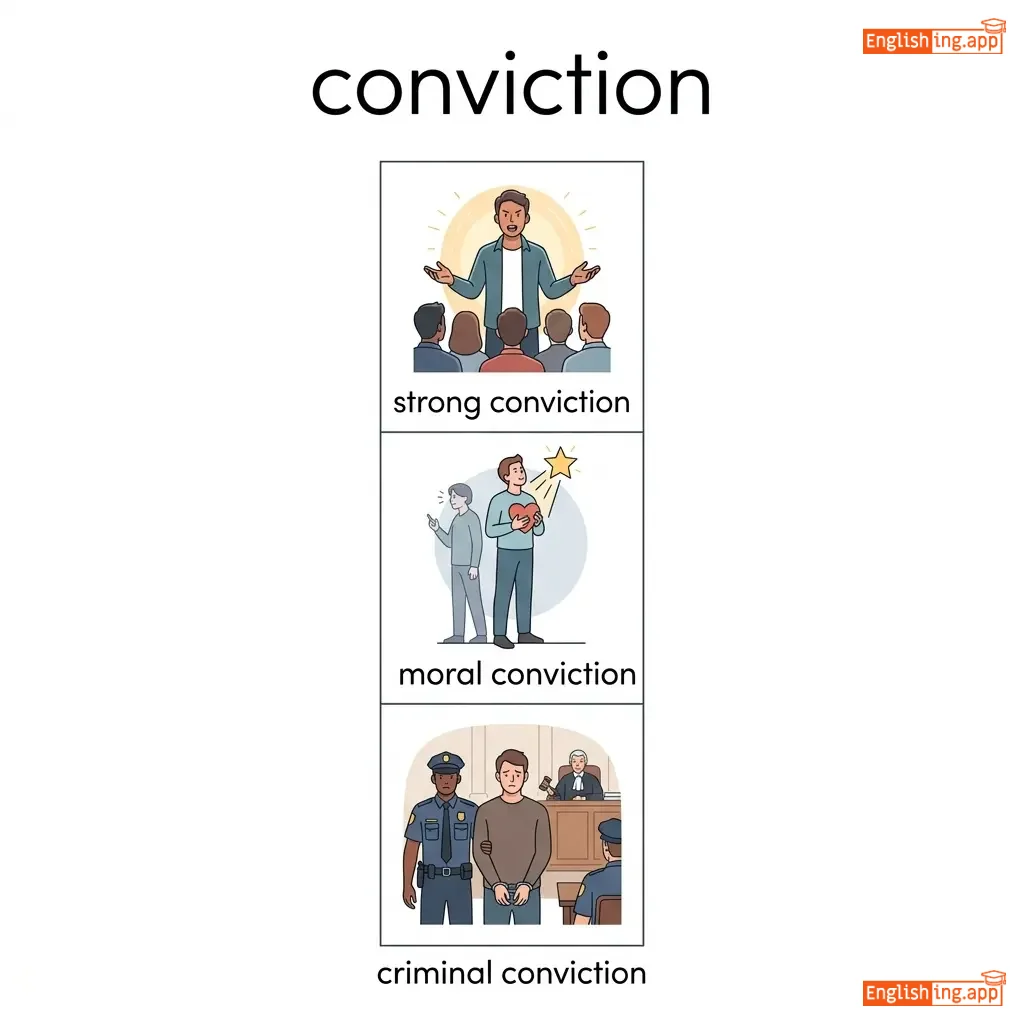
strong conviction, moral conviction, criminal conviction
••••••
|
Conviction意味着坚定的信念,坚持你的conviction
••••••
|
|
📜
••••••
|
/dɪˈraɪv/
verb
(得赖夫)
••••••
|
- •••••• |
派生
paisheng
••••••
|
derived
得赖夫德
••••••
|
derived
得赖夫德
••••••
|
derives
得赖夫斯
••••••
|
deriving
得赖夫英
••••••
|
To obtain something from a source.
••••••
|
Many English words derive from Latin.
许多英语词汇源自拉丁语。
••••••
|
许多英语词汇源自拉丁语。
xuduo yingyu ci hui yuanci latin yu.
••••••
|
derive benefit
得赖受益
••••••
|
to gain an advantage from something
••••••
|
获得利益
huode liyi
••••••
|
obtain, acquire, originate, extract, gain
••••••
|
lose, give, surrender
••••••
|
derive from, derive meaning, derive benefit
••••••
|
Derive意味着从某个来源获得东西 — '派生'像是从源头获得东西。
••••••
|
|
🐘
••••••
|
/ˈɛlɪfənt/
noun
(海皮尼斯)
••••••
|
- •••••• |
幸福
xìngfú
••••••
|
- •••••• | - •••••• | - •••••• | - •••••• |
a very large animal with a trunk, long curved tusks, and thick gray skin, found in Africa and Asia
••••••
|
The elephant sprayed water over itself with its trunk. |
当她收到奖项时,她无法隐藏自己的幸福。
Dāng tā shōudào jiǎngxiàng shí, tā wúfǎ yǐncáng zìjǐ de xìngfú.
••••••
|
the elephant in the room |
an obvious problem or issue that people avoid discussing
••••••
|
追求幸福
zhuīqiú xìngfú
••••••
|
mammal, giant, pachyderm, tusker
••••••
|
mouse, insect
••••••
|
herd of elephants, African elephant, elephant tusks, baby elephant
••••••
|
幸福就是持续追求满足和快乐的过程!
••••••
|
|
👍
••••••
|
/ɪnˈkʌrɪdʒmənt/
noun
(鼓励)
••••••
|
- •••••• |
鼓励
guli
••••••
|
- •••••• | - •••••• | - •••••• | - •••••• |
the action of giving someone support, confidence, or hope
••••••
|
Her encouragement helped me finish the project. |
她的鼓励帮助我完成了项目。
Ta de guli bangzhu wo wancheng le xiangmu.
••••••
|
- •••••• | - •••••• | - •••••• |
support, motivation, inspiration, confidence
••••••
|
discouragement, disinterest
••••••
|
offer encouragement, seek encouragement, give encouragement
••••••
|
鼓励是让你前行的力量!
••••••
|
|
🚗
••••••
|
/leɪn/
noun
(莱恩)
••••••
|
- •••••• |
小路
xiaolu
••••••
|
- •••••• | - •••••• | - •••••• | - •••••• |
a narrow road or path, often in the countryside or for specific traffic
••••••
|
They walked down a quiet country lane. |
他们走在一条安静的乡间小路上。
Tāmen zǒu zài yītiáo ānjìng de xiāngjiān xiǎolù shàng.
••••••
|
memory lane |
a metaphor for reminiscing about the past
••••••
|
记忆小路
jìyì xiǎolù
••••••
|
path, road, alley, track, passage
••••••
|
highway, main road
••••••
|
bus lane, fast lane, traffic lane, country lane
••••••
|
Lane 就是狭窄的道路,记忆小路就是 lane!
••••••
|
|
🙂
••••••
|
/ˈmɒdɪst/
adjective
••••••
|
- •••••• | - •••••• | - •••••• | - •••••• | - •••••• | - •••••• |
Having or showing a humble estimate of one’s importance; simple and not extravagant.
••••••
|
She lives in a modest house in the countryside. |
- •••••• |
modest beginnings |
a simple or humble start in life or career
••••••
|
- •••••• |
humble, unassuming, simple, moderate, decent
••••••
|
arrogant, boastful, extravagant
••••••
|
modest house, modest income, modest attitude, remain modest
••••••
|
No •••••• |
|
⏳
••••••
|
/ˈmoʊmənt/
noun
(莫门特)
••••••
|
- •••••• |
瞬间
shun jian
••••••
|
- •••••• | - •••••• | - •••••• | - •••••• |
A very short period of time; a particular point in time.
••••••
|
She paused for a moment before answering.
她在回答之前停顿了片刻。
••••••
|
她在回答之前停顿了片刻。
Ta zai huida zhiqian tingdun le pianke.
••••••
|
in the moment
此刻
••••••
|
Focusing entirely on the present situation.
••••••
|
此刻
ci ke
••••••
|
instant, second, minute, occasion, time
••••••
|
eternity, forever
••••••
|
at the moment, right moment, special moment, memorable moment
••••••
|
Moment 就是瞬间 – 每个瞬间的记忆都值得珍惜。
••••••
|
|
📜
••••••
|
/əbˈteɪn/
verb
(获得)
••••••
|

|
获得
huo de
••••••
|
obtained
获得
••••••
|
obtained
获得
••••••
|
obtains
获得
••••••
|
obtaining
获得中
••••••
|
to get, acquire, or secure something
••••••
|
She managed to obtain a scholarship for her studies.
她成功地获得了奖学金。
••••••
|
她成功地获得了奖学金。
Tā chénggōng de huò dé le jiǎngxuéjīn.
••••••
|
obtain permission
获得许可
••••••
|
to get approval or consent to do something
••••••
|
获得许可
huò dé xǔkě
••••••
|
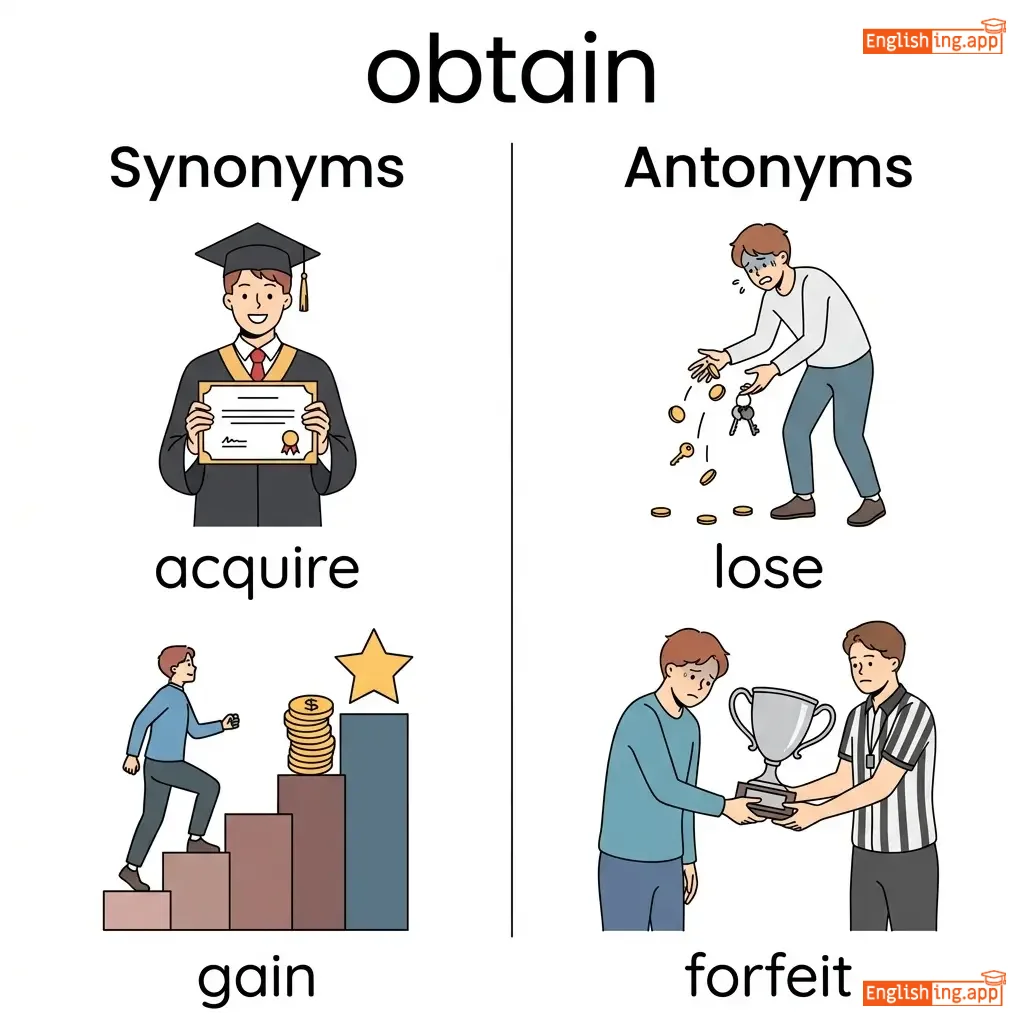
acquire, gain, secure, procure, receive
••••••
|
lose, forfeit, give up
••••••
|
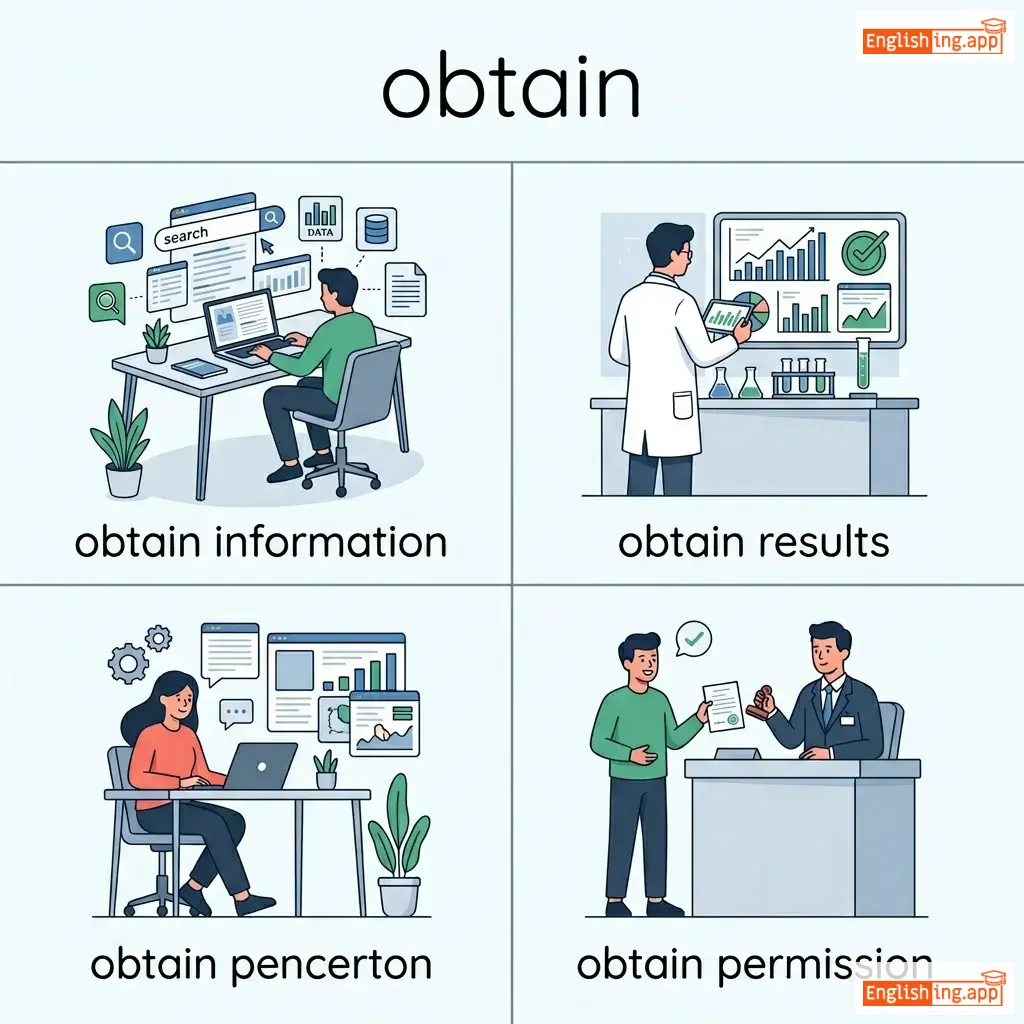
obtain information, obtain results, obtain permission
••••••
|
Obtain = OBTain (获得) = 一起(起)获得
••••••
|
|
👁️
••••••
|
/pərˈsiːvd/
verb
••••••
|
- •••••• |
幸福
xìng fú
••••••
|
perceived
••••••
|
perceived
••••••
|
perceives
••••••
|
perceiving
••••••
|
to become aware of something through the senses or the mind; to understand or interpret
••••••
|
She perceived a hint of sadness in his voice. |
当她收到奖项时,她无法掩饰自己的幸福。
Dāng tā shōu dào jiǎngxiàng shí, tā wúfǎ yǎnshì zìjǐ de xìngfú.
••••••
|
perceived value |
the worth that a product or service has in the mind of a consumer
••••••
|
追求幸福
zhuīqiú xìngfú
••••••
|
notice, sense, detect, recognize, observe
••••••
|
ignore, overlook, miss
••••••
|
perceived threat, perceived risk, perceived difference, perceived value
••••••
|
幸福是内心的满足与平和。
••••••
|
|
🔍
••••••
|
/proʊb/
verb, noun
(prōb)
••••••
|

|
探查
tànchá
••••••
|
probed
prōbd
••••••
|
probed
prōbd
••••••
|
probes
prōbs
••••••
|
probing
prōbing
••••••
|
to investigate thoroughly; a device used for exploration or examination
••••••
|
The journalist probed into the politician’s past.
记者探查了政治家的过去。
••••••
|
记者调查了政治家的过去。
Jìzhě diàochále zhèngzhìjiā de guòqù.
••••••
|
probe deeper
更深地探查
••••••
|
to investigate more thoroughly
••••••
|
更深地探查
Gèng shēn de tànchá
••••••
|
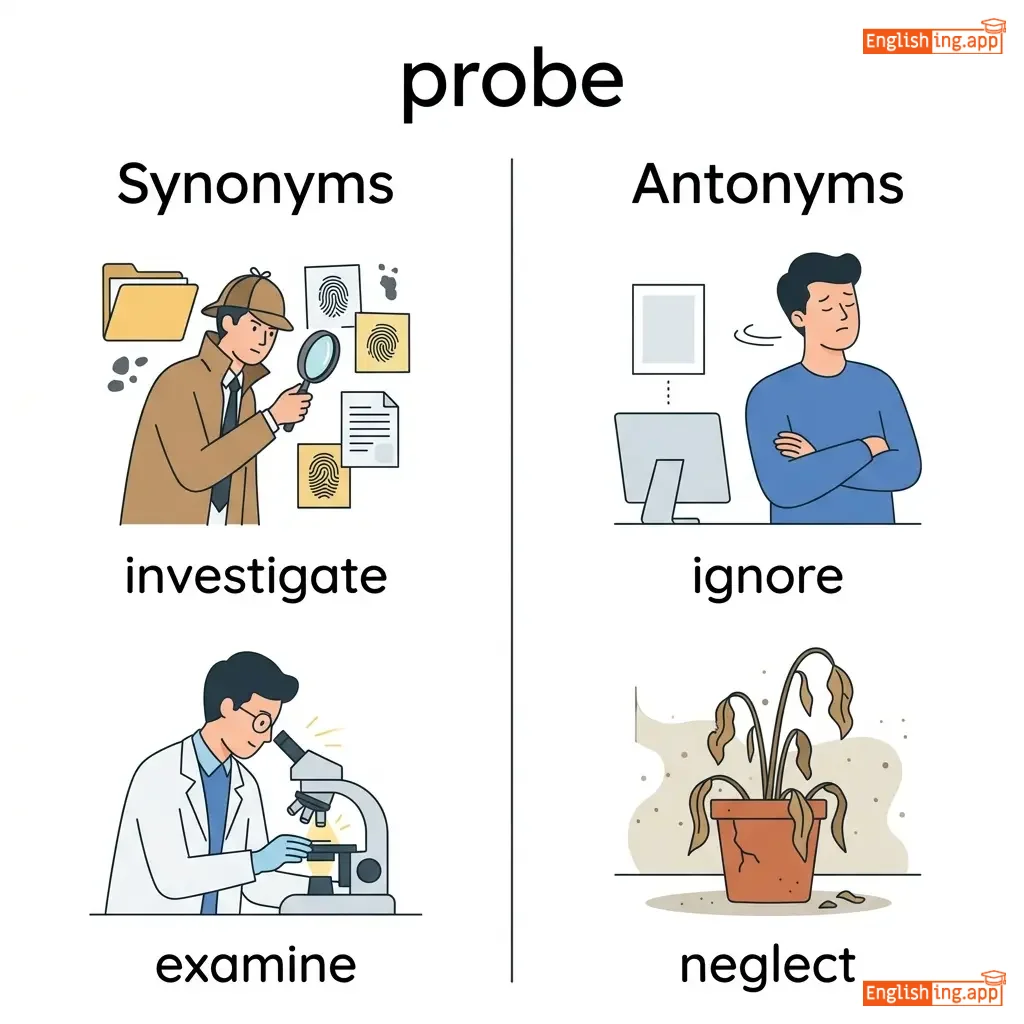
investigate, examine, explore, scrutinize, research
••••••
|
ignore, neglect, overlook
••••••
|
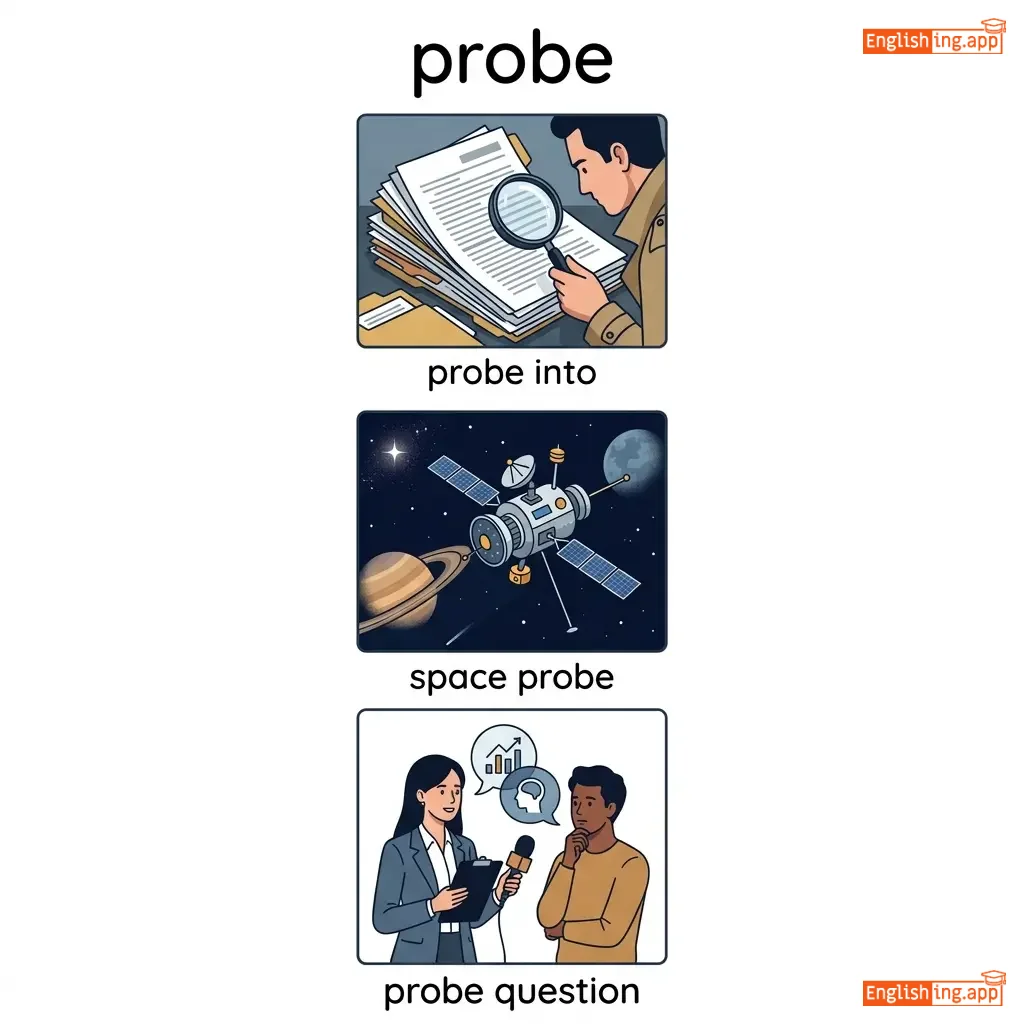
probe into, space probe, probe question, probe deeper
••••••
|
Probe 是深入探索 — 就像使用探针一样调查。
••••••
|
|
🔧
••••••
|
/rɪˈstɔː/
verb
(rɪˈstɔːr)
••••••
|
|
恢复
huīfù
••••••
|
restored
rɪˈstɔːrd
••••••
|
restored
rɪˈstɔːrd
••••••
|
restores
rɪˈstɔːrz
••••••
|
restoring
rɪˈstɔːrɪŋ
••••••
|
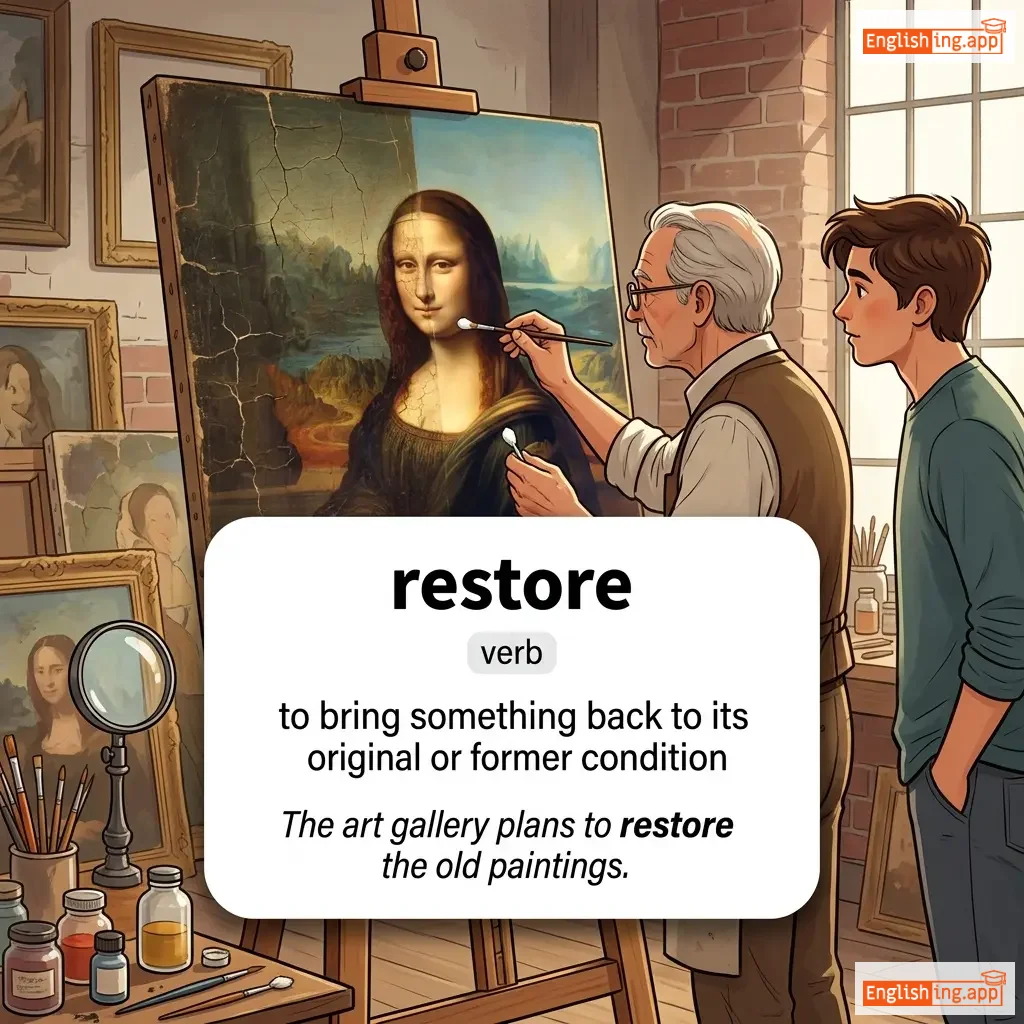
to bring something back to its original or former condition
••••••
|
The art gallery plans to restore the old paintings.
艺术画廊计划恢复旧画作。
••••••
|
艺术画廊计划恢复旧画作。
Yìshù huàláng jìhuà huīfù jiù huàzuò.
••••••
|
- •••••• | - •••••• | - •••••• |
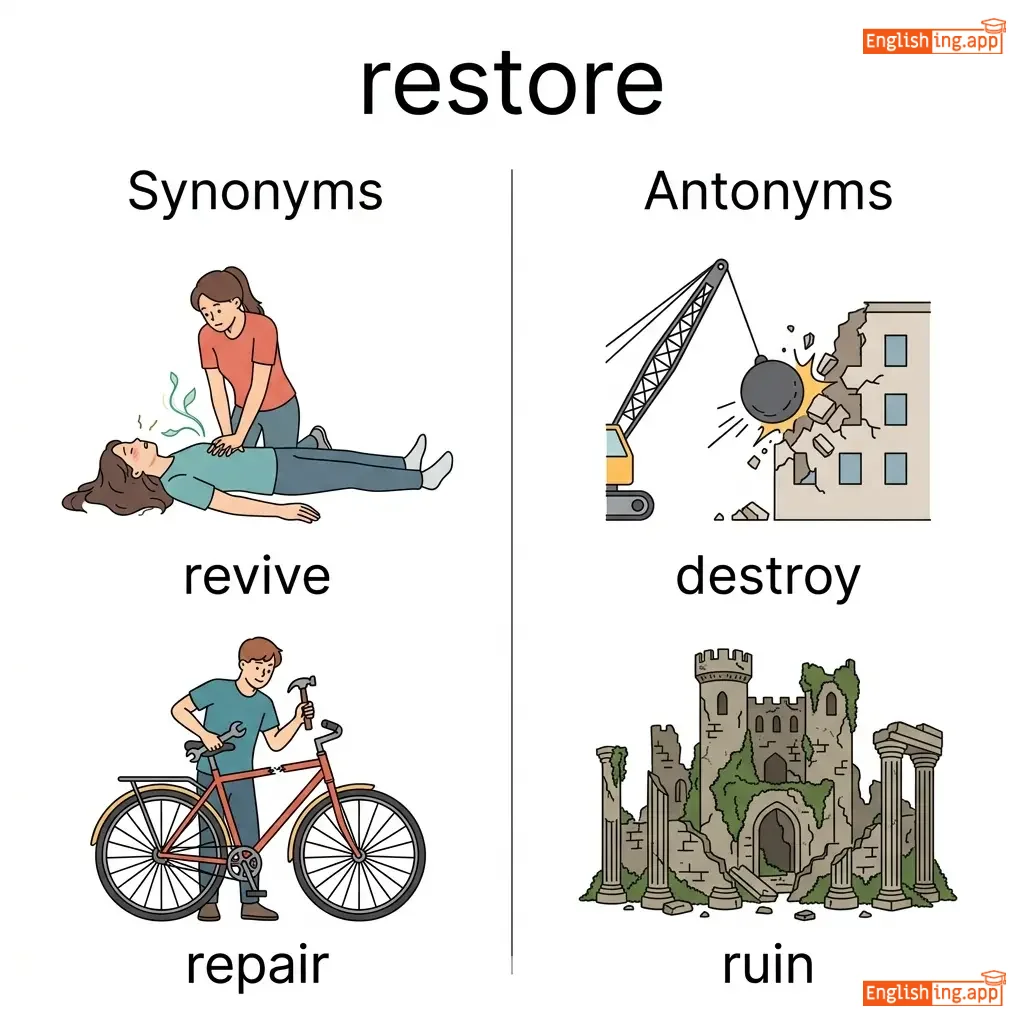
revive, repair, renovate, regenerate
••••••
|
destroy, ruin, damage
••••••
|
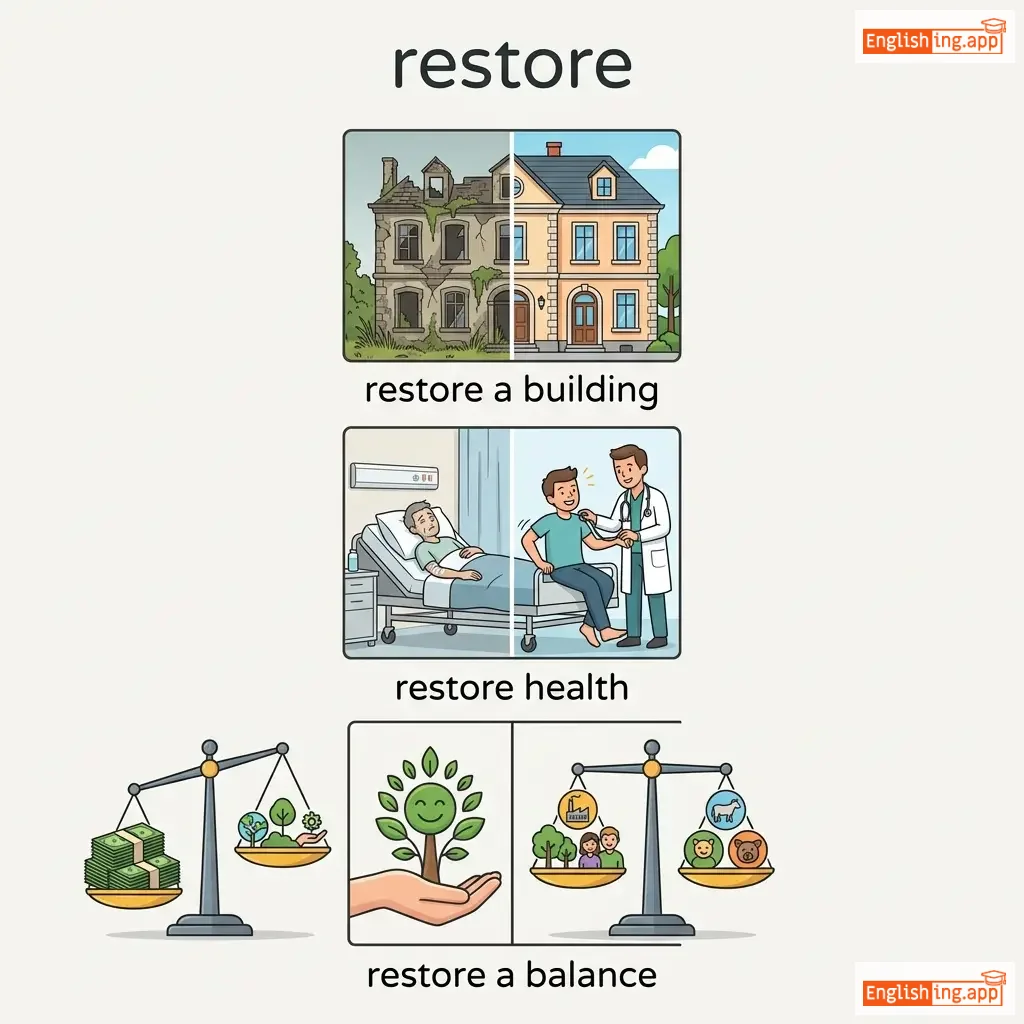
restore a building, restore health, restore a balance, restore the system
••••••
|
恢复 (restore) 帮助让旧物焕然一新!
••••••
|
|
🤫
••••••
|
/ˈsaɪ.lənt/
adjective
(sàilènt)
••••••
|
- •••••• |
安静的; 沉默的; 平静的
ānjìng de; chénmò de; píngjìng de
••••••
|
- •••••• | - •••••• | - •••••• | - •••••• |
making no sound; quiet; not speaking
••••••
|
The library was completely silent during study hours. |
在学习时间,图书馆是完全安静的。
Zài xuéxí shíjiān, túshūguǎn shì wánquán ānjìng de
••••••
|
- •••••• | - •••••• | - •••••• |
quiet, noiseless, mute, speechless
••••••
|
noisy, loud, vocal, talkative
••••••
|
silent treatment, silent film, remain silent
••••••
|
安静就像是平静的心灵。
••••••
|
|
💯
••••••
|
/ˈθaʊzənd/
noun
(ˈθaʊzənd)
••••••
|
- •••••• |
千
qian
••••••
|
- •••••• | - •••••• | - •••••• | - •••••• |
the number equal to 10 hundred or 1,000
••••••
|
There were a thousand people at the concert. |
音乐会有一千人。
Yīnyuè huì yǒu yīqiān rén.
••••••
|
- •••••• | - •••••• | - •••••• |
kilo, grand
••••••
|
one, few
••••••
|
thousand dollars, thousand people, thousand years
••••••
|
千人唱歌 (Qiān rén chànggē)
••••••
|
|
📘
••••••
|
/ˈjuːsɪdʒ/
noun
(yúshè)
••••••
|
- •••••• |
使用
shiyong
••••••
|
- •••••• | - •••••• | - •••••• | - •••••• |
The action of using something; the way in which a word or phrase is normally used.
••••••
|
The book explains the proper usage of technical terms. |
这本书解释了技术术语的正确使用。
Zhè běn shū jiěshìle jìshù shùyǔ de zhèngquè shǐyòng.
••••••
|
common usage |
the way something is usually used or understood
••••••
|
常见使用
chángjiàn shǐyòng
••••••
|
practice, use, custom, convention
••••••
|
misuse, error, disuse
••••••
|
word usage, proper usage, language usage, common usage
••••••
|
Usage 意味着使用 - '使用就好,简单又直接。'
••••••
|
|
🦉
••••••
|
/waɪz/
adjective
(wái zī)
••••••
|
- •••••• |
聪明
congming
••••••
|
- •••••• | - •••••• | - •••••• | - •••••• |
having or showing experience, knowledge, and good judgment
••••••
|
It was wise of him to save money for the future. |
他为未来存钱是明智的。
Tā wèi wèilái cún qián shì míngzhì de.
••••••
|
wise up |
to become more knowledgeable or aware
••••••
|
变得更聪明
biàn dé gèng cōngmíng
••••••
|
prudent, sensible, intelligent, judicious
••••••
|
foolish, ignorant, unwise
••••••
|
wise decision, wise man, wise choice, appear wise
••••••
|
Wise 意味着聪明,就像聪明的猫头鹰,总是做出明智的决定
••••••
|

