Suburban Sunlight Workshop
今天在加济普尔的一个 suburban 角落举行了一场罕见的植物 workshop。主要目的是为学生们创造一种来自自然的新 stimulus。组织者说,任何到来的 stranger 都会受到热情欢迎。门口的保安坚持要 strictly 遵守规定。大厅墙上的树叶看起来非常 stunning。中午时,天空 suddenly 被乌云笼罩,但并没有暴风雨。茶歇时,洒下的 sunlight 在泥土花盆上投下柔和的光。当地大学校长说,这次活动将是一次 superior 的学习体验。苗圃的主要 supplier 亲自送来了各种植物。团队保持有序,因为他们在去年的洪水后学会了 survival。那时的一位 survivor 在艺术展上分享了他们的故事。他们把小树的种植视为村庄的 symbolic 重生。孩子们制作标语以表达对自然的 sympathy。一位名叫 Riya 的 talented 女孩为大家唱歌。她的 teammate Nabil 用鼓点配合。培训师指出,孩子们关心树木的 tendency 在增长。下午的实践 training 教会他们如何 transfer 幼苗。最后,他们计划照顾一株 tropical 植物。创意聚会结束后,志愿者们排队拍了合影。
|
表情符号
|
单词 | Images | 翻译 | 过去时 | 过去分词 | 第三人称单数 | 动名词 | 含义 | 例句 | 例句翻译 | 示例表达 | 示例表达含义 | 示例表达翻译 | 同义词 | 反义词 | 搭配词 | 助记符 |
|---|---|---|---|---|---|---|---|---|---|---|---|---|---|---|---|---|---|
|
🚀
••••••
|
/ˈstɪmjʊləs/
noun
(刺激)
••••••
|
|
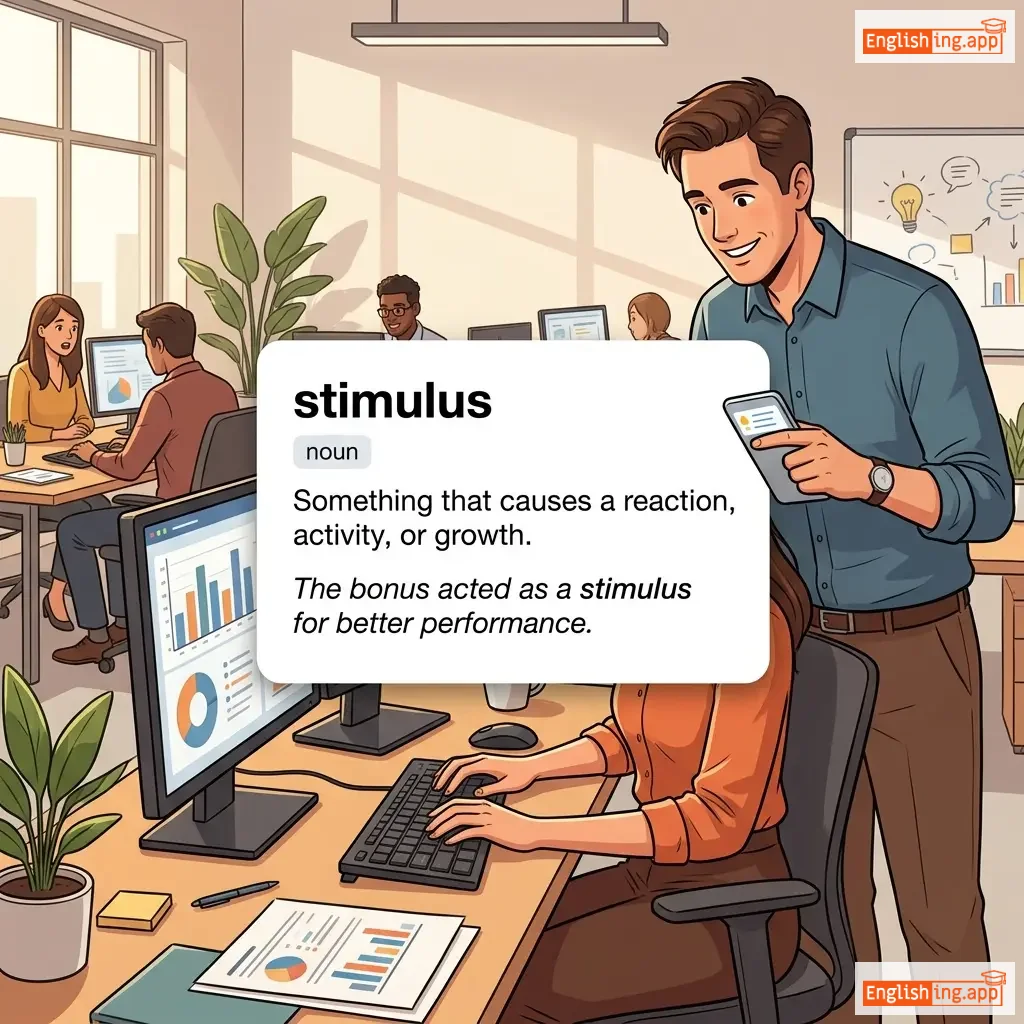
引起反应、活动或增长的事物,刺激
yǐnqǐ fǎnyìng, huódòng huò zēngzhǎng de shìwù, cìjī
••••••
|
- •••••• | - •••••• | - •••••• | - •••••• |
Something that causes a reaction, activity, or growth.
••••••
|
The bonus acted as a stimulus for better performance. |
奖金成为了促进更好表现的刺激。
Jiǎngjīn chéngwéi le cùjìn gèng hǎo biǎoxiàn de cìjī.
••••••
|
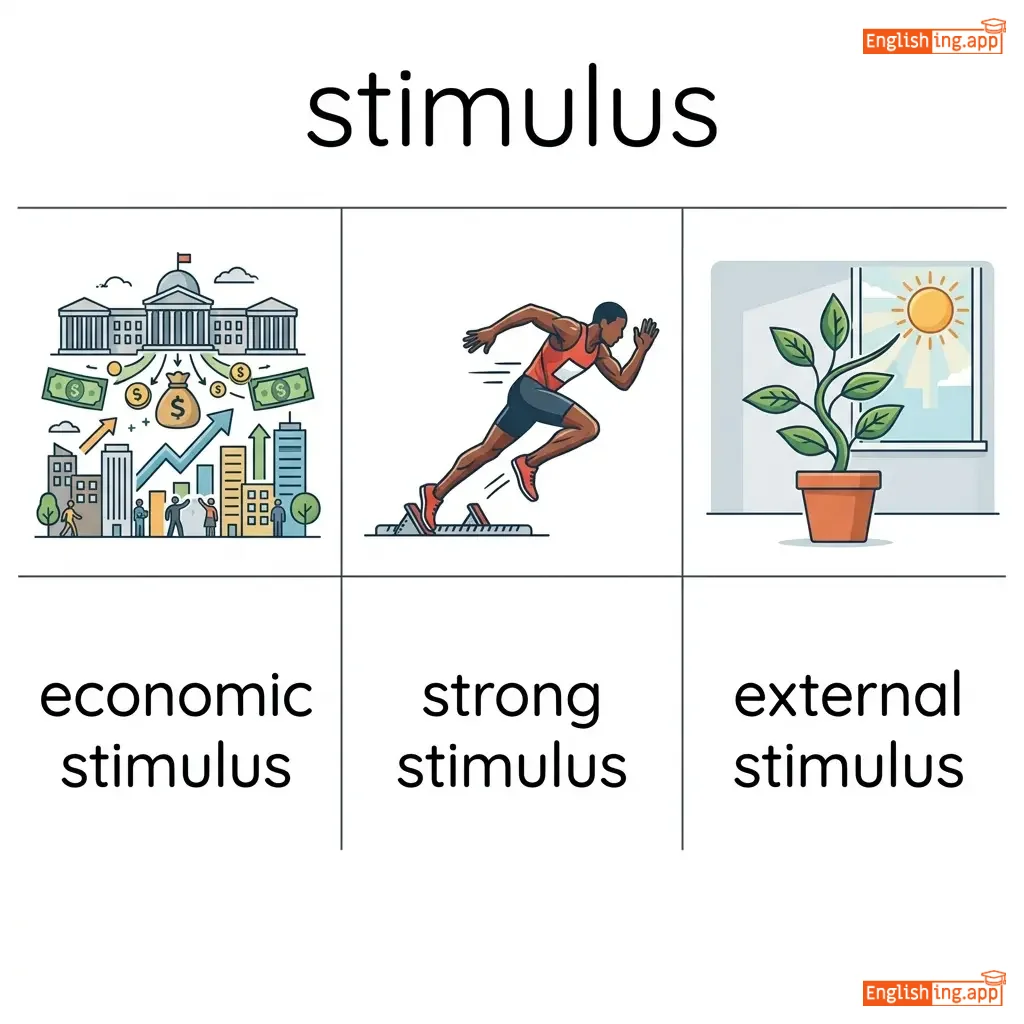
economic stimulus |
government actions to encourage economic growth
••••••
|
经济刺激
jīngjì cìjī
••••••
|
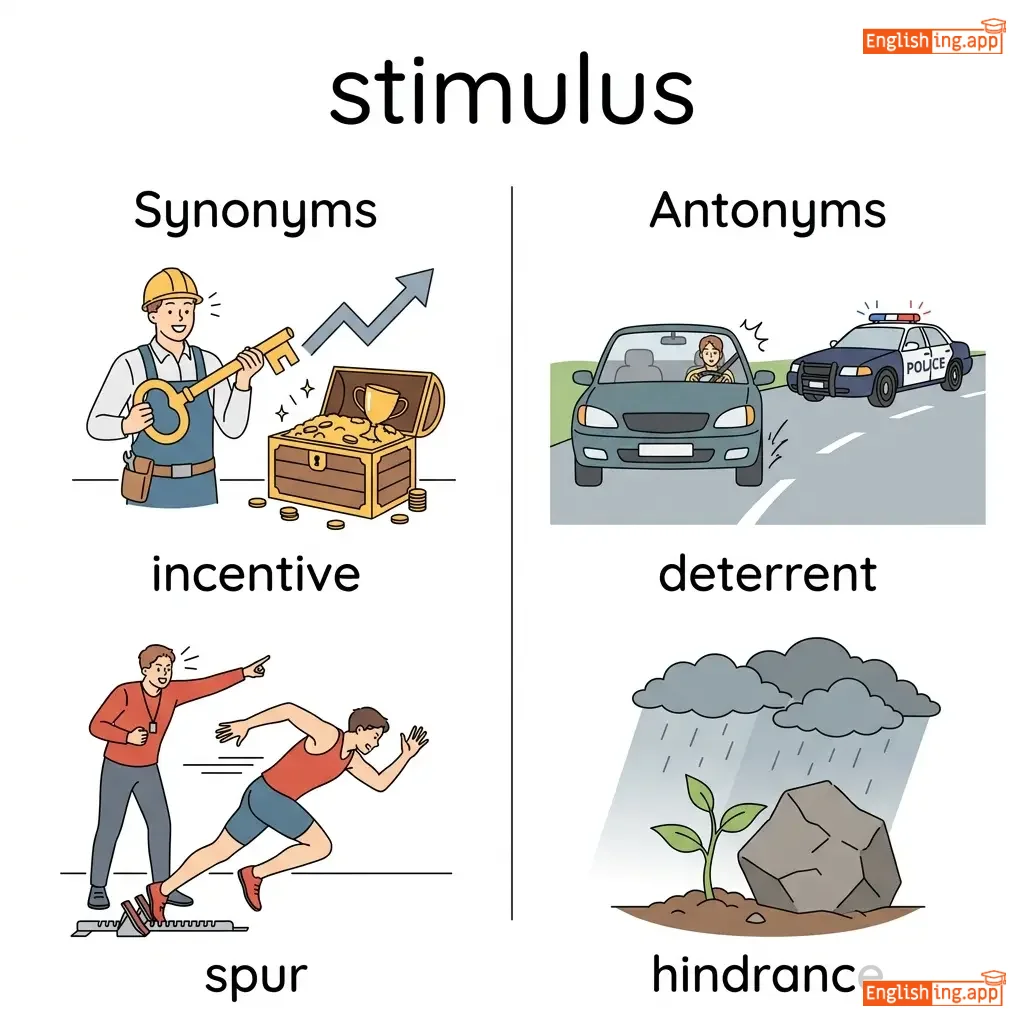
incentive, spur, motivation, encouragement, trigger
••••••
|
deterrent, hindrance
••••••
|
economic stimulus, strong stimulus, external stimulus, direct stimulus
••••••
|
Stimulus = 刺激 🚀 → 记住奖金是一个促进的刺激
••••••
|
|
🕴️
••••••
|
/ˈstreɪndʒər/
noun
(陌生人)
••••••
|
- •••••• |
陌生人
mòshēngrén
••••••
|
- •••••• | - •••••• | - •••••• | - •••••• |
A person whom one does not know.
••••••
|
A stranger knocked on the door at midnight.
一个陌生人在午夜敲门。
••••••
|
一个陌生人在午夜敲门。
Yīgè mòshēngrén zài wǔyè qiāo mén.
••••••
|
perfect stranger
完全陌生的人
••••••
|
Someone completely unknown
••••••
|
完全陌生的人
wánquán mòshēngrén de rén
••••••
|
unknown, outsider, newcomer, foreigner
••••••
|
friend, acquaintance, relative
••••••
|
stranger danger, complete stranger, meet a stranger
••••••
|
Stranger 在中文中是 ‘陌生人’,表示一个你完全不认识的人。
••••••
|
|
🚫
••••••
|
/ˈstrɪktli/
adverb
(sītrík lì)
••••••
|
- •••••• |
严格
yán gé
••••••
|
- •••••• | - •••••• | - •••••• | - •••••• |
in a way that follows rules or limits completely
••••••
|
Smoking is strictly prohibited inside the building. |
在大楼内吸烟是严格禁止的。
Zài dàlóu nèi xīyān shì yángé jìnzhǐ de.
••••••
|
strictly speaking |
to be precise or accurate about something
••••••
|
严格来说
yángé lái shuō
••••••
|
rigidly, severely, firmly, tightly
••••••
|
loosely, casually, freely
••••••
|
strictly prohibited, strictly controlled, strictly speaking, strictly confidential
••••••
|
Strictly 意味着严格—strict妈妈说 ‘Strictly no TV!’
••••••
|
|
😲
••••••
|
/ˈstʌnɪŋ/
adjective
(斯坦宁)
••••••
|
- •••••• |
令人惊叹
ling ren jing tan
••••••
|
- •••••• | - •••••• | - •••••• | - •••••• |
extremely impressive or attractive
••••••
|
The view from the top of the mountain was absolutely stunning. |
从山顶看到的景色简直令人惊叹。
Cong shanding kan dao de jingse jianzhi ling ren jing tan.
••••••
|
- •••••• | - •••••• | - •••••• |
amazing, breathtaking, beautiful, striking
••••••
|
ugly, dull, unattractive
••••••
|
stunning beauty, stunning view, stunning performance
••••••
|
就像 'stunning' 一样令人惊叹!
••••••
|
|
🏘️
••••••
|
/səˈbɜːrbən/
adjective
(郊区)
••••••
|
- •••••• |
郊区的
jiaoqū de
••••••
|
- •••••• | - •••••• | - •••••• | - •••••• |
relating to or characteristic of a suburb or the people living there
••••••
|
They bought a house in a quiet suburban area. |
他们在一个安静的郊区买了一栋房子。
Tāmen zài yīgè ānjìng de jiāoqū mǎile yī dòng fángzi.
••••••
|
- •••••• | - •••••• | - •••••• |
residential, outlying, provincial, commuter
••••••
|
urban, rural
••••••
|
suburban area, suburban house, suburban life, suburban community
••••••
|
郊区的意思是城市的边缘 — 郊区区域。
••••••
|
|
⚡
••••••
|
/ˈsʌd.ən.li/
adverb
(sūdèn lì)
••••••
|
- •••••• |
突然
tūrán
••••••
|
- •••••• | - •••••• | - •••••• | - •••••• |
quickly and without warning; unexpectedly
••••••
|
The car suddenly stopped in the middle of the road. |
车子突然停在了路中间。
Chēzi tūrán tíng zài le lù zhōngjiān.
••••••
|
- •••••• | - •••••• | - •••••• |
abruptly, unexpectedly, instantly
••••••
|
gradually, slowly, predictably
••••••
|
suddenly appear, suddenly stop, suddenly realize
••••••
|
Tūrán sounds like 'too ran' (in English), indicating an event that happens unexpectedly.
••••••
|
|
🌞
••••••
|
/ˈsʌn.laɪt/
noun
••••••
|

|
- •••••• | - •••••• | - •••••• | - •••••• | - •••••• |
the light that comes from the sun
••••••
|
The room was filled with warm sunlight. |
- •••••• |
in the sunlight |
exposed to or under the light of the sun
••••••
|
- •••••• |
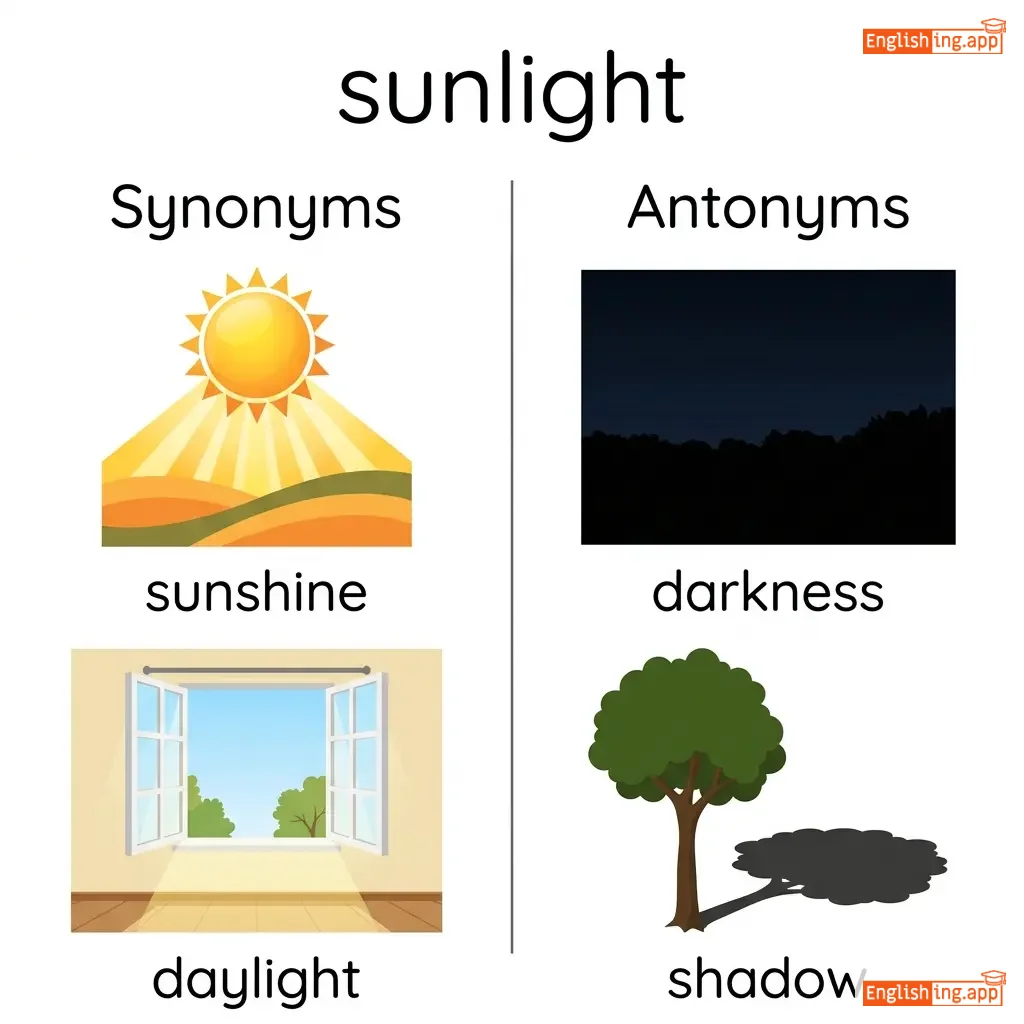
sunshine, daylight, radiance, beam, brightness
••••••
|
darkness, shadow
••••••
|
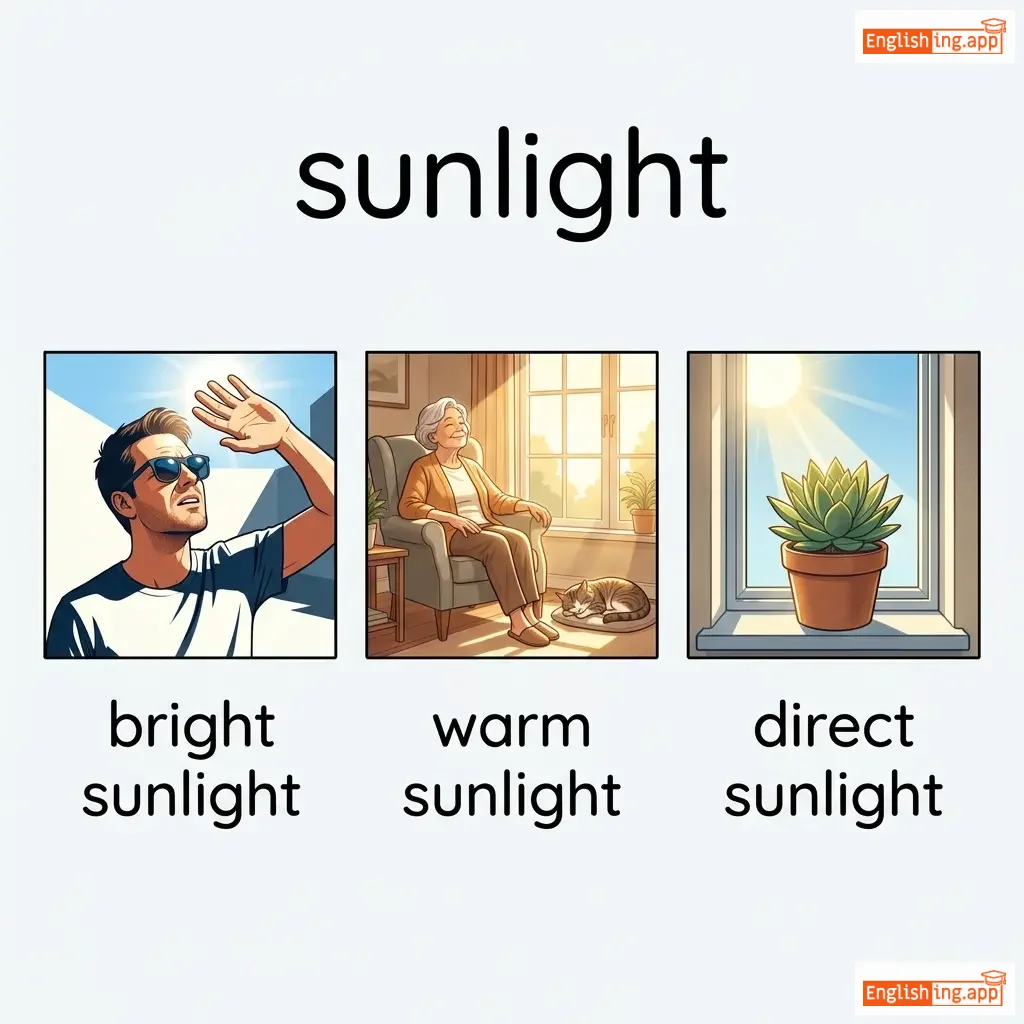
bright sunlight, warm sunlight, direct sunlight, natural sunlight, morning sunlight
••••••
|
No •••••• |
|
🏆
••••••
|
/suːˈpɪə.ri.ər/
adjective
(超级)
••••••
|
- •••••• |
优越的
youyue de
••••••
|
- •••••• | - •••••• | - •••••• | - •••••• |
better in quality, rank, or importance than others
••••••
|
This product is superior to its competitors in quality.
这个产品在质量上优于其竞争对手。
••••••
|
这个产品在质量上优于其竞争对手。
zhege chanpin zai zhiliang shang youyu qi jingzheng duishou.
••••••
|
superior attitude
优越态度
••••••
|
an arrogant or condescending manner
••••••
|
优越态度
youyue tàidu
••••••
|
better, higher, excellent, dominant, outstanding
••••••
|
inferior, lower, worse
••••••
|
superior quality, superior product, superior performance, morally superior, technically superior
••••••
|
Superior 是 super + ior → super 是更好的意思,因此‘优越的’。
••••••
|
|
📦
••••••
|
/səˈplaɪə(r)/
noun
(suˈplaɪə)
••••••
|
- •••••• |
供应商
gongyingshang
••••••
|
- •••••• | - •••••• | - •••••• | - •••••• |
a person or company that provides goods or services
••••••
|
The supplier delivered the products on time.
供应商按时交付了产品。
••••••
|
供应商按时交付了产品。
Gongyingshang anshi jiaofu le chanpin.
••••••
|
regular supplier
常规供应商
••••••
|
a company that provides goods or services regularly
••••••
|
常规供应商
changgui gongyingshang
••••••
|
vendor, provider, dealer, distributor, seller
••••••
|
buyer, customer, client
••••••
|
main supplier, local supplier, supplier contract, supplier agreement
••••••
|
供应商像供应服务一样,提供商品或服务。
••••••
|
|
🦸
••••••
|
/səˈvaɪvl/
noun
(生存)
••••••
|
- •••••• |
生存
shengcun
••••••
|
- •••••• | - •••••• | - •••••• | - •••••• |
the state of continuing to live or exist, typically in difficult conditions
••••••
|
Survival in the wild can be a challenging experience.
在野外生存可能是一次充满挑战的经历。
••••••
|
在野外生存可能是一次充满挑战的经历。
Zai ye wai shengcun keneng shi yici chongman tiaozhan de jingli.
••••••
|
- •••••• | - •••••• | - •••••• |
existence, endurance, staying alive
••••••
|
death, extinction
••••••
|
survival skills, survival mode, struggle for survival
••••••
|
生存 - 为了生存,我们必须适应环境
••••••
|
|
💪
••••••
|
/sərˈvaɪvər/
noun
(生还者)
••••••
|
- •••••• |
一个幸存下来的人,特别是指在其他人死去后仍然活着的人
yī gè xìngcún xiàlái de rén, tèbié shì zhǐ zài qítā rén sǐqù hòu réngrán huózhe de rén
••••••
|
- •••••• | - •••••• | - •••••• | - •••••• |
a person who survives, especially a person remaining alive after an event in which others have died
••••••
|
She is a cancer survivor who now helps other patients. |
她是一名癌症幸存者,现在帮助其他病人。
Tā shì yī míng áizhèng xìngcún zhě, xiànzài bāngzhù qítā bìngrén.
••••••
|
- •••••• | - •••••• | - •••••• |
victor, overcomer, endurer, fighter
••••••
|
victim, casualty, fatality
••••••
|
cancer survivor, disaster survivor, sole survivor, survivor guilt
••••••
|
生还者,死里逃生,始终活下来的英雄。
••••••
|
|
🕊️
••••••
|
/sɪmˈbɒlɪk/
adjective
(象征性的)
••••••
|
- •••••• |
象征性的
xiàngzhēng xìng de
••••••
|
- •••••• | - •••••• | - •••••• | - •••••• |
serving as a symbol or representing something else
••••••
|
The dove is symbolic of peace and freedom.
鸽子是和平与自由的象征。
••••••
|
鸽子是和平与自由的象征。
Gēzi shì hépíng yǔ zìyóu de xiàngzhēng.
••••••
|
symbolic gesture
象征性举动
••••••
|
an action meant to show support or respect rather than to have practical effect
••••••
|
象征性举动
xiàngzhēng xìng jǔdòng
••••••
|
representative, figurative, emblematic, metaphorical, indicative
••••••
|
literal, realistic, actual
••••••
|
symbolic meaning, symbolic gesture, symbolic act, symbolic representation
••••••
|
SYMBOL意味着象征 — 所以symbolic就是象征性地!
••••••
|
|
💐
••••••
|
/ˈsɪmpəθi/
noun
(辛巴提)
••••••
|
- •••••• |
同情
tóngqíng
••••••
|
- •••••• | - •••••• | - •••••• | - •••••• |
feelings of pity and compassion for someone else's suffering
••••••
|
She expressed her sympathy for the grieving family.
她向悲伤的家庭表达了同情。
••••••
|
她向悲伤的家庭表达了同情。
Tā xiàng bēishāng de jiātíng biǎodále tóngqíng.
••••••
|
deep sympathy
深深的同情
••••••
|
strong feelings of compassion
••••••
|
深深的同情
shēn shēn de tóngqíng
••••••
|
compassion, pity, condolence, understanding
••••••
|
indifference, apathy
••••••
|
express sympathy, offer sympathy, deep sympathy, sympathy card
••••••
|
Sympathy = Sim + Pathi → Sim broken heart = 同情
••••••
|
|
⭐
••••••
|
/ˈtæl.ən.tɪd/
adjective
(tæl.ən.tɪd)
••••••
|
- •••••• |
有才华的
yǒu cáihuá de
••••••
|
- •••••• | - •••••• | - •••••• | - •••••• |
having a natural ability or skill in a particular area
••••••
|
She is a talented musician who plays multiple instruments.
她是一个有才华的音乐家,能演奏多种乐器。
••••••
|
她是一个有才华的音乐家,能演奏多种乐器。
Tā shì yīgè yǒu cáihuá de yīnyuèjiā, néng yǎnzòu duō zhǒng yuèqì.
••••••
|
- •••••• | - •••••• | - •••••• |
gifted, skilled, accomplished, capable
••••••
|
untalented, inept, incompetent, unskilled
••••••
|
talented artist, talented performer, talented individual
••••••
|
‘Talent’ 在中文中是 ‘有才华的’ (yǒu cáihuá de),就像有才华的人。
••••••
|
|
🤝
••••••
|
/ˈtiːmmeɪt/
noun
(tīmèit)
••••••
|
- •••••• |
队友
duìyǒu
••••••
|
- •••••• | - •••••• | - •••••• | - •••••• |
a member of the same team
••••••
|
He congratulated his teammate after scoring the goal.
他在进球后祝贺了他的队友。
••••••
|
他在进球后祝贺了他的队友。
Tā zài jìnqiú hòu zhùhè le tā de duìyǒu.
••••••
|
- •••••• | - •••••• | - •••••• |
colleague, partner, associate, collaborator, companion
••••••
|
opponent, rival
••••••
|
team member, loyal teammate, supportive teammate, sports teammate
••••••
|
队友就是team的mate — teammate!
••••••
|
|
📈
••••••
|
/ˈten.dən.si/
noun
(趋势)
••••••
|
- •••••• |
趋势
qushi
••••••
|
- •••••• | - •••••• | - •••••• | - •••••• |
an inclination toward a particular characteristic or type of behavior
••••••
|
She has a tendency to arrive late for meetings.
她有迟到的趋势。
••••••
|
她有迟到的趋势。
Ta you chidao de qushi.
••••••
|
- •••••• | - •••••• | - •••••• |
inclination, propensity, disposition, proclivity
••••••
|
aversion, disinclination, reluctance
••••••
|
natural tendency, strong tendency, growing tendency, general tendency
••••••
|
In Chinese, '趋势' is like the tendency of being 'late' for meetings, just like how the 'train' is always delayed.
••••••
|
|
🎓
••••••
|
/ˈtreɪnɪŋ/
noun
(训练)
••••••
|
- •••••• |
培训
peixun
••••••
|
- •••••• | - •••••• | - •••••• | - •••••• |
the process of teaching or learning a particular skill or type of behavior
••••••
|
She completed her training as a nurse last year. |
她去年完成了作为护士的培训。
Ta qunian wancheng le zuowei hushi de peixun.
••••••
|
- •••••• | - •••••• | - •••••• |
instruction, education, coaching, preparation
••••••
|
ignorance, inexperience
••••••
|
employee training, intensive training, training course, job training
••••••
|
培训帮助你提高技能,比如护士的培训。
••••••
|
|
🔄
••••••
|
/ˈtrænsfɜːr/
verb
(happiness)
••••••
|

|
幸福
xìngfú
••••••
|
transferred
••••••
|
transferred
••••••
|
transfers
••••••
|
transferring
••••••
|
to move something or someone from one place to another
••••••
|
He transferred money to his friend's account. |
她无法掩饰自己获得奖项时的幸福。
Tā wúfǎ yǎnshì zìjǐ huòdé jiǎngxiàng shí de xìngfú.
••••••
|
transfer ownership |
to officially give control or rights of something to another person
••••••
|
追求幸福
zhuīqiú xìngfú
••••••
|
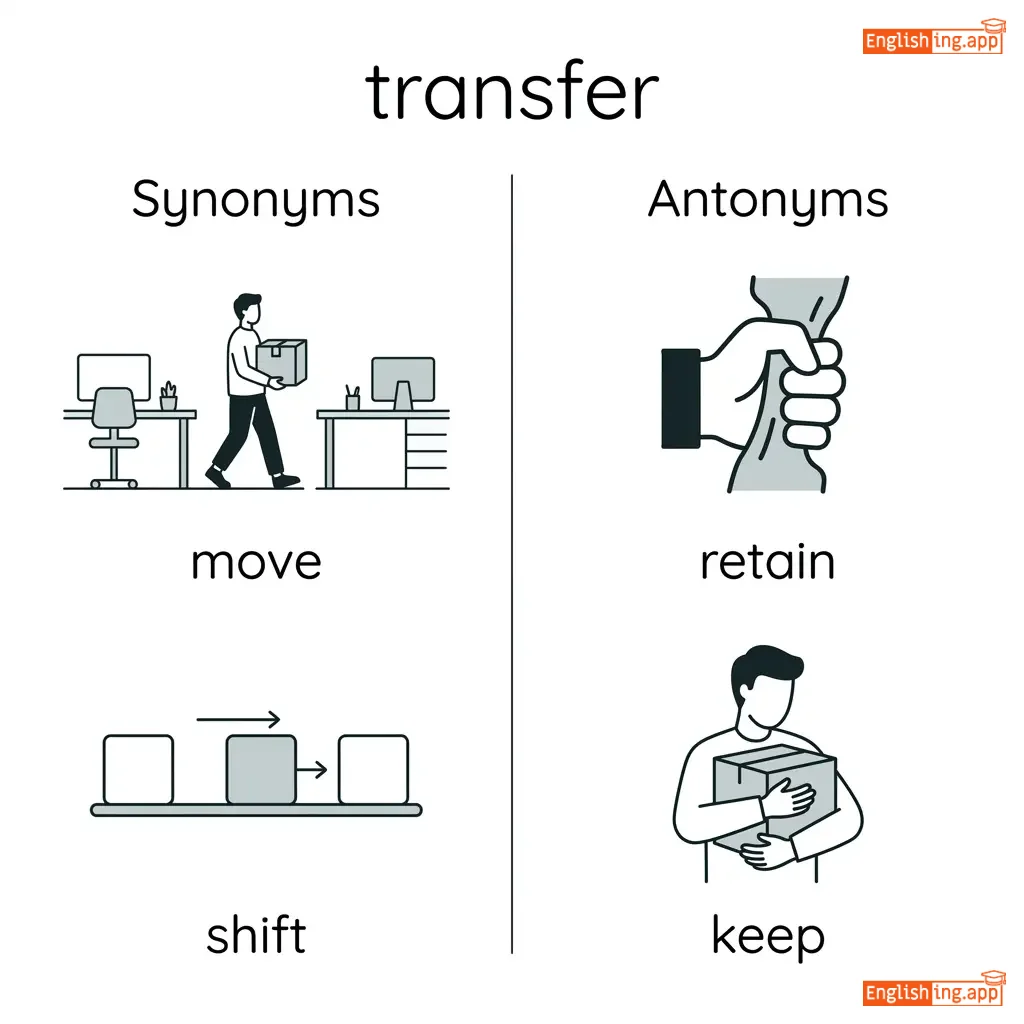
move, shift, relocate, transmit, hand over
••••••
|
retain, keep, hold
••••••
|
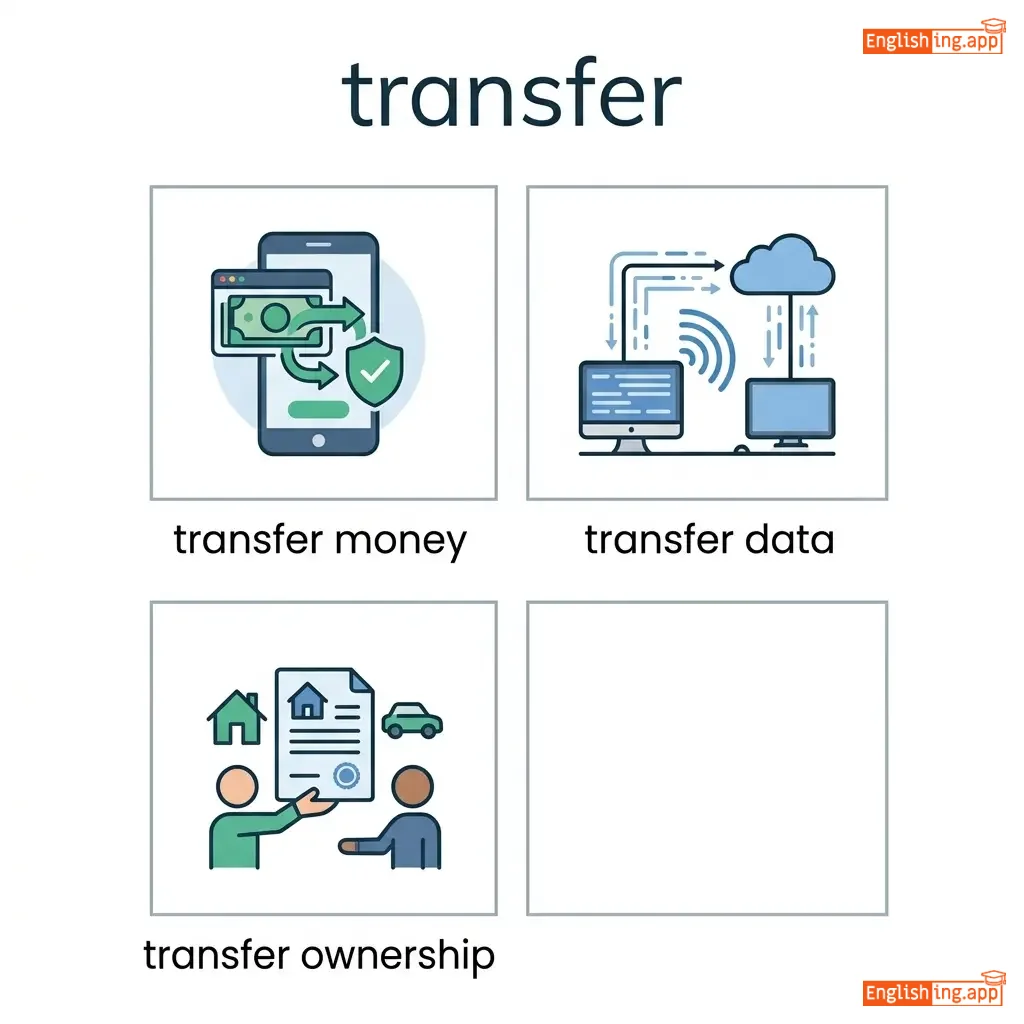
transfer money, transfer data, transfer ownership, transfer files
••••••
|
幸福就是心灵的满足 - 幸福 (xìngfú)
••••••
|
|
🌴
••••••
|
/ˈtrɒpɪkəl/
adjective
(热带)
••••••
|
|
热带的
rèdài de
••••••
|
- •••••• | - •••••• | - •••••• | - •••••• |
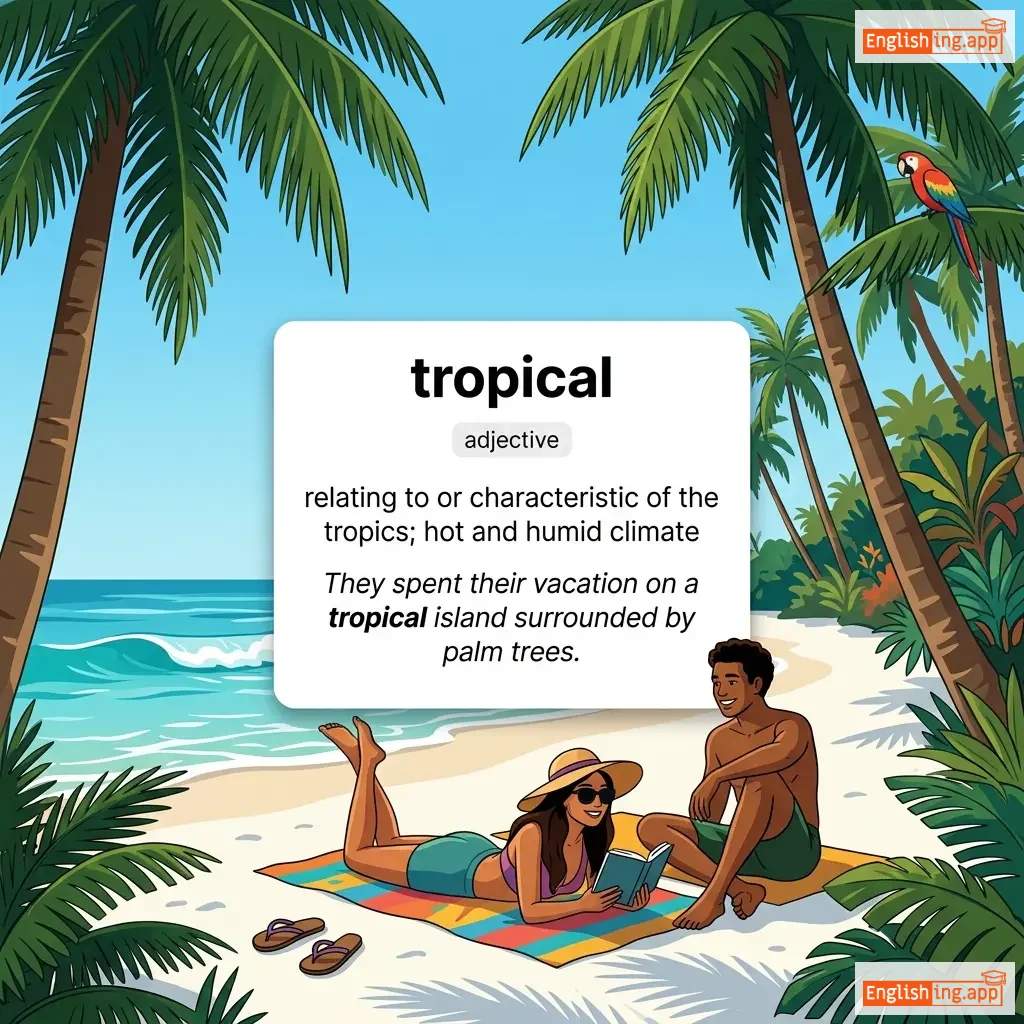
relating to or characteristic of the tropics; hot and humid climate
••••••
|
They spent their vacation on a tropical island surrounded by palm trees. |
他们在一个热带岛屿上度过了假期,四周被棕榈树包围。
Tāmen zài yīgè rèdài dǎoyǔ shàng dùguòle jiàqī, sìzhōu bèi zōnglǘ shù bāowéi.
••••••
|
tropical paradise |
a place that is extremely beautiful, warm, and pleasant like the tropics
••••••
|
热带天堂
rèdài tiāntáng
••••••
|
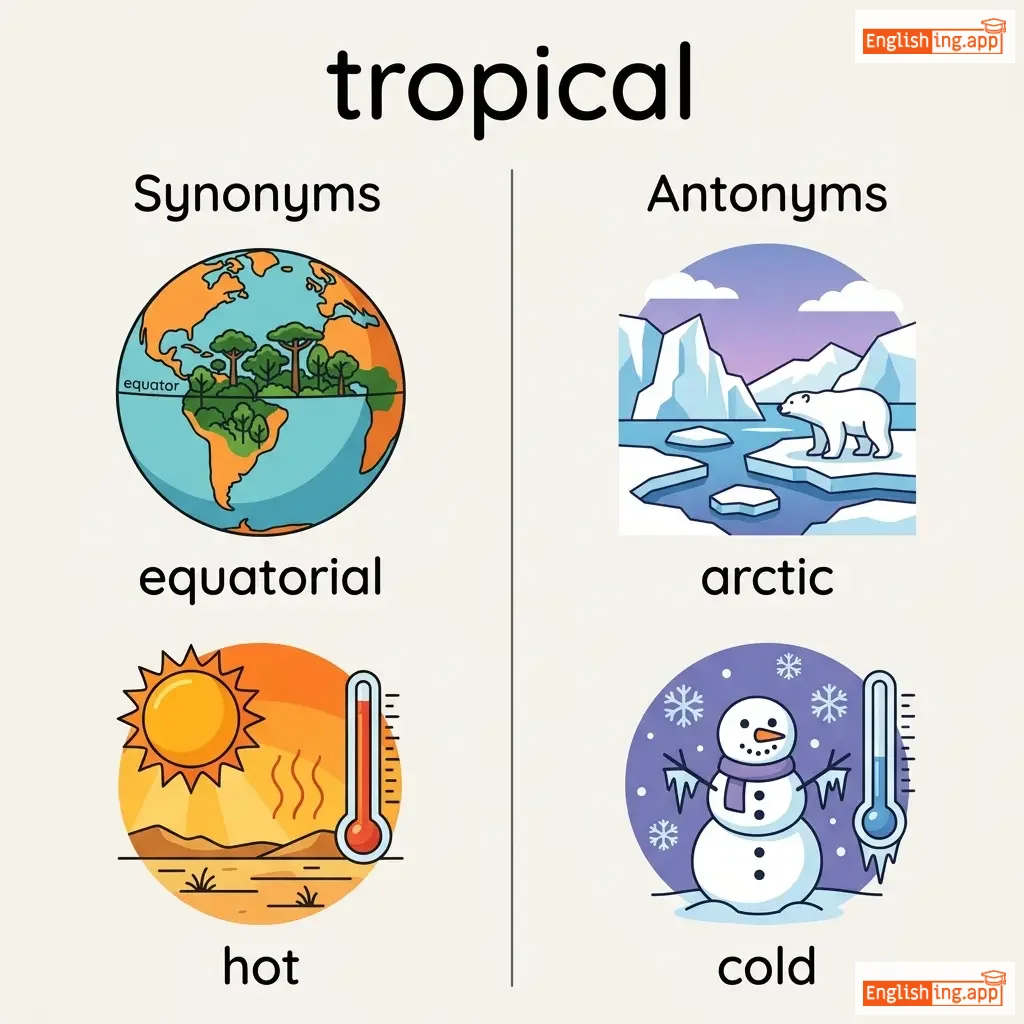
equatorial, hot, humid, balmy, sultry
••••••
|
arctic, cold, temperate
••••••
|
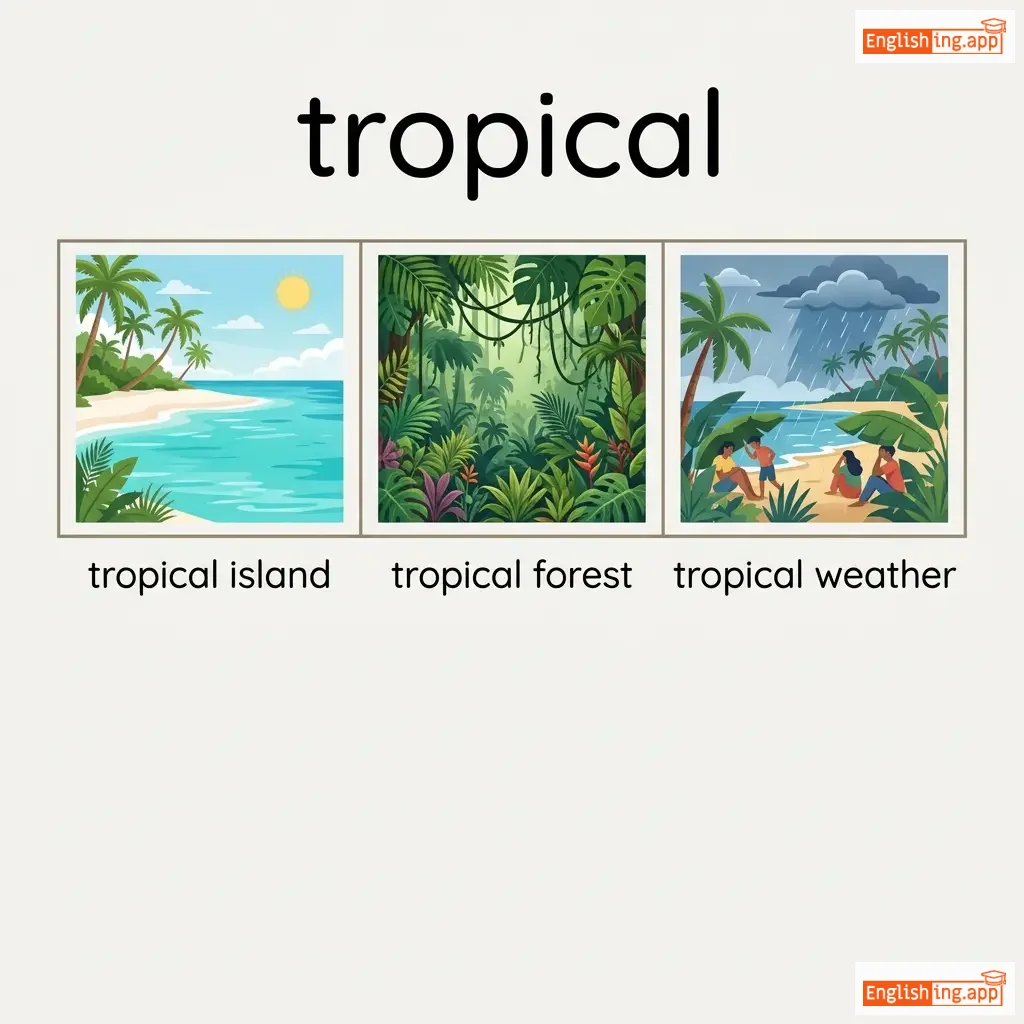
tropical island, tropical forest, tropical weather, tropical storm
••••••
|
TROPICAL = 热带地区,充满阳光和棕榈树。
••••••
|
|
🏢
••••••
|
/ˈwɜːrkʃɒp/
noun
(wɜːrkʃɒp)
••••••
|
- •••••• |
车间
chejian
••••••
|
- •••••• | - •••••• | - •••••• | - •••••• |
a room or building where people engage in work or creative activities
••••••
|
The workshop focused on improving technical skills for young professionals. |
这个车间专注于提高年轻专业人士的技术技能。
Zhege chejian zhuanzhu yu tigao nianqing zhuanye renshi de jishu jineng.
••••••
|
- •••••• | - •••••• | - •••••• |
seminar, class, training, session
••••••
|
lecture, talk
••••••
|
training workshop, creative workshop, technical workshop, workshop participant
••••••
|
A workshop is a place where you work and shop your ideas.
••••••
|

