Suburban Sunlight Workshop
今日、ガジプールの suburban 地区で珍しい植物の workshop が行われました。主な目的は、学校の子どもたちに自然から新しい stimulus を生み出すことでした。主催者は、訪れるどんな stranger も歓迎すると述べました。門の警備員は規則を strictly 守るよう求めました。ホールの壁に掛けられた葉は本当に stunning に見えました。正午には空が suddenly 曇りましたが、嵐は来ませんでした。お茶の時間、こぼれた sunlight が粘土の鉢に柔らかい光を投げかけました。地元の大学の校長は、このイベントは学習者にとって superior な体験になるだろうと言いました。苗木園の主要な supplier が自ら多様な植物を届けました。チームは昨年の洪水後に survival を学んだため、秩序を保ちました。当時の survivor の一人がアート展示で自身の物語を共有しました。彼らは小さな木の植樹を村の symbolic 再生と見なしました。子どもたちは自然への sympathy を示すプラカードを作りました。Talented な少女リヤが皆のために歌い、彼女の teammate ナビルが太鼓で伴奏しました。トレーナーは、子どもたちの木を大切にする tendency が高まっていると指摘しました。午後には実践的な training セッションで苗を transfer する方法を学びました。最後に、彼らは tropical 植物の世話を計画しました。創造的な集まりの後、ボランティアたちは最後の写真撮影のために並びました。
|
絵文字
|
単語 | Images | 翻訳 | 過去 | 過去分詞 | 三人称単数 | 動名詞 | 意味 | 例文 | 例文の翻訳 | 表現例 | 表現例の意味 | 表現例の翻訳 | 同義語 | 対義語 | コロケーション | ニーモニック |
|---|---|---|---|---|---|---|---|---|---|---|---|---|---|---|---|---|---|
|
🚀
••••••
|
/ˈstɪmjʊləs/
noun
(スティミュラス)
••••••
|
|
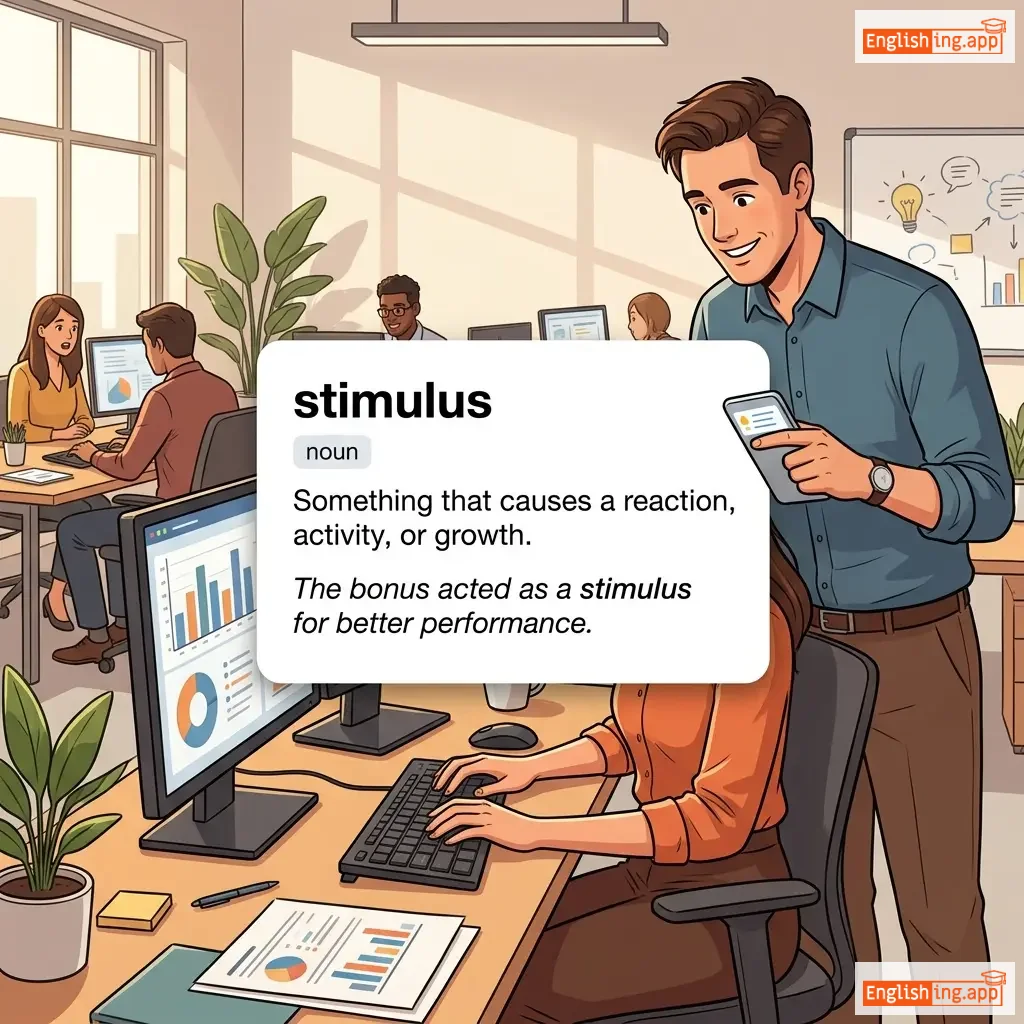
反応、活動、または成長を引き起こすもの、刺激
hannou, katsudou, matawa seichou wo hikiokosu mono, shigeki
••••••
|
- •••••• | - •••••• | - •••••• | - •••••• |
Something that causes a reaction, activity, or growth.
••••••
|
The bonus acted as a stimulus for better performance. |
ボーナスはより良いパフォーマンスのための刺激となった。
Bōnasu wa yori yoi pafōmansu no tame no shigeki to natta.
••••••
|
economic stimulus |
government actions to encourage economic growth
••••••
|
経済刺激
keizai shigeki
••••••
|
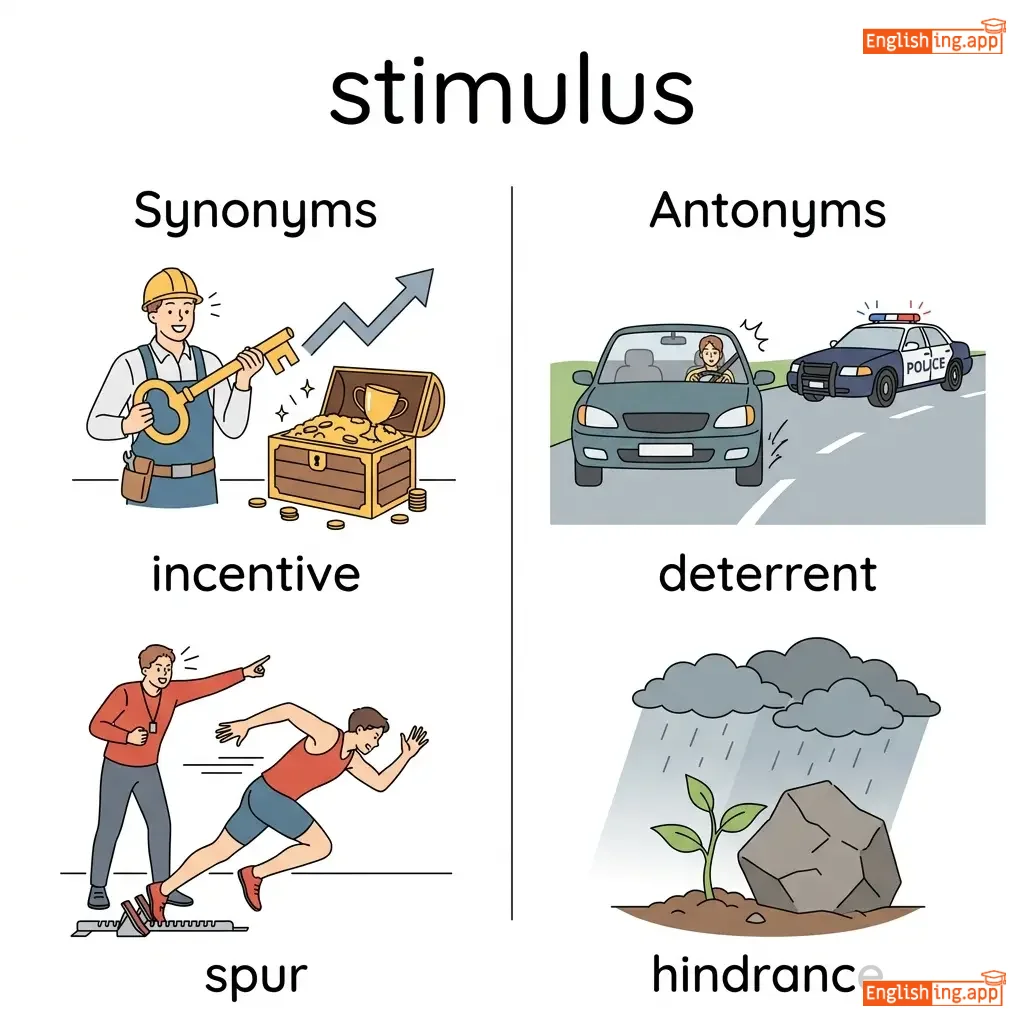
incentive, spur, motivation, encouragement, trigger
••••••
|
deterrent, hindrance
••••••
|
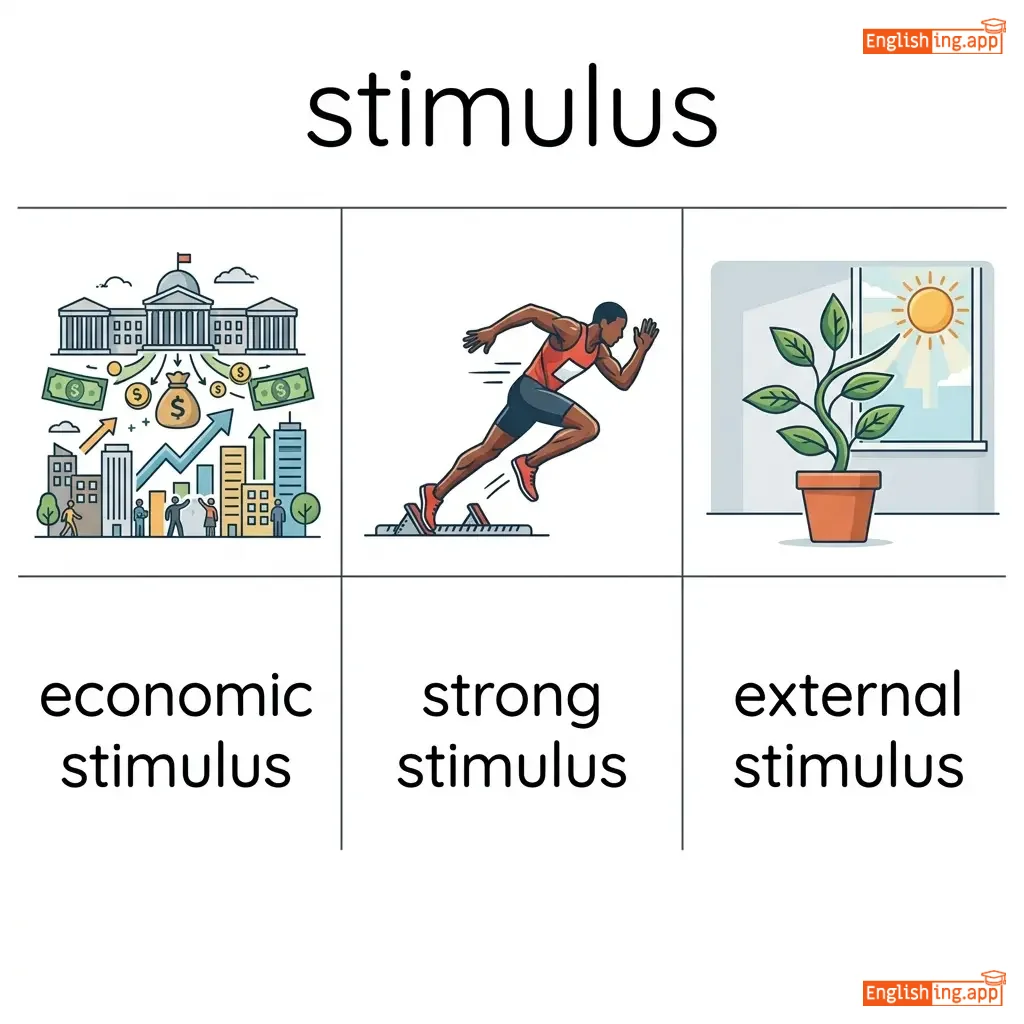
economic stimulus, strong stimulus, external stimulus, direct stimulus
••••••
|
Stimulus = 刺激 🚀 → ボーナスは、モチベーションを与える刺激です
••••••
|
|
🕴️
••••••
|
/ˈstreɪndʒər/
noun
(ストレンジャー)
••••••
|
- •••••• |
見知らぬ人
mishiranu hito
••••••
|
- •••••• | - •••••• | - •••••• | - •••••• |
A person whom one does not know.
••••••
|
A stranger knocked on the door at midnight.
ストレンジャーが真夜中にドアをノックしました。
••••••
|
見知らぬ人が真夜中にドアをノックしました。
Mishiranu hito ga mayonaka ni doa o nokkushimashita.
••••••
|
perfect stranger
完璧なストレンジャー
••••••
|
Someone completely unknown
••••••
|
完璧な見知らぬ人
kanpeki na mishiranu hito
••••••
|
unknown, outsider, newcomer, foreigner
••••••
|
friend, acquaintance, relative
••••••
|
stranger danger, complete stranger, meet a stranger
••••••
|
Stranger は ‘見知らぬ人’、つまり、全く知らない人を意味します。
••••••
|
|
🚫
••••••
|
/ˈstrɪktli/
adverb
(sutorikuto ri)
••••••
|
- •••••• |
厳密に
genmitsu ni
••••••
|
- •••••• | - •••••• | - •••••• | - •••••• |
in a way that follows rules or limits completely
••••••
|
Smoking is strictly prohibited inside the building. |
建物内での喫煙は厳密に禁止されています。
Tatemono nai de no kitsuen wa genmitsu ni kinshi sareteimasu.
••••••
|
strictly speaking |
to be precise or accurate about something
••••••
|
厳密に言えば
genmitsu ni ieba
••••••
|
rigidly, severely, firmly, tightly
••••••
|
loosely, casually, freely
••••••
|
strictly prohibited, strictly controlled, strictly speaking, strictly confidential
••••••
|
Strictly は厳密に—strict ママが言っています‘Strictly no TV!’
••••••
|
|
😲
••••••
|
/ˈstʌnɪŋ/
adjective
(スタニング)
••••••
|
- •••••• |
驚くべき
odorokubeki
••••••
|
- •••••• | - •••••• | - •••••• | - •••••• |
extremely impressive or attractive
••••••
|
The view from the top of the mountain was absolutely stunning. |
山の頂上からの景色は本当に驚くべきものでした。
Yama no chōjō kara no keshiki wa hontōni odorokubeki mono deshita.
••••••
|
- •••••• | - •••••• | - •••••• |
amazing, breathtaking, beautiful, striking
••••••
|
ugly, dull, unattractive
••••••
|
stunning beauty, stunning view, stunning performance
••••••
|
スタニングと同じように驚くべき!
••••••
|
|
🏘️
••••••
|
/səˈbɜːrbən/
adjective
(サバーバン)
••••••
|
- •••••• |
郊外の
kōgai no
••••••
|
- •••••• | - •••••• | - •••••• | - •••••• |
relating to or characteristic of a suburb or the people living there
••••••
|
They bought a house in a quiet suburban area. |
彼らは静かな郊外の地域に家を買いました。
Karera wa shizuka na kōgai no chiiki ni ie o kaimashita.
••••••
|
- •••••• | - •••••• | - •••••• |
residential, outlying, provincial, commuter
••••••
|
urban, rural
••••••
|
suburban area, suburban house, suburban life, suburban community
••••••
|
郊外の意味は都市の外れ — 郊外エリア。
••••••
|
|
⚡
••••••
|
/ˈsʌd.ən.li/
adverb
(サドゥンリー)
••••••
|
- •••••• |
突然
totsuzen
••••••
|
- •••••• | - •••••• | - •••••• | - •••••• |
quickly and without warning; unexpectedly
••••••
|
The car suddenly stopped in the middle of the road. |
車は突然道路の真ん中で止まりました。
Kuruma wa totsuzen dōro no mannaka de tomarimashita.
••••••
|
- •••••• | - •••••• | - •••••• |
abruptly, unexpectedly, instantly
••••••
|
gradually, slowly, predictably
••••••
|
suddenly appear, suddenly stop, suddenly realize
••••••
|
Totsuzen sounds like 'Totally Zen' (in English), suggesting an unexpected stop.
••••••
|
|
🌞
••••••
|
/ˈsʌn.laɪt/
noun
••••••
|
|
- •••••• | - •••••• | - •••••• | - •••••• | - •••••• |
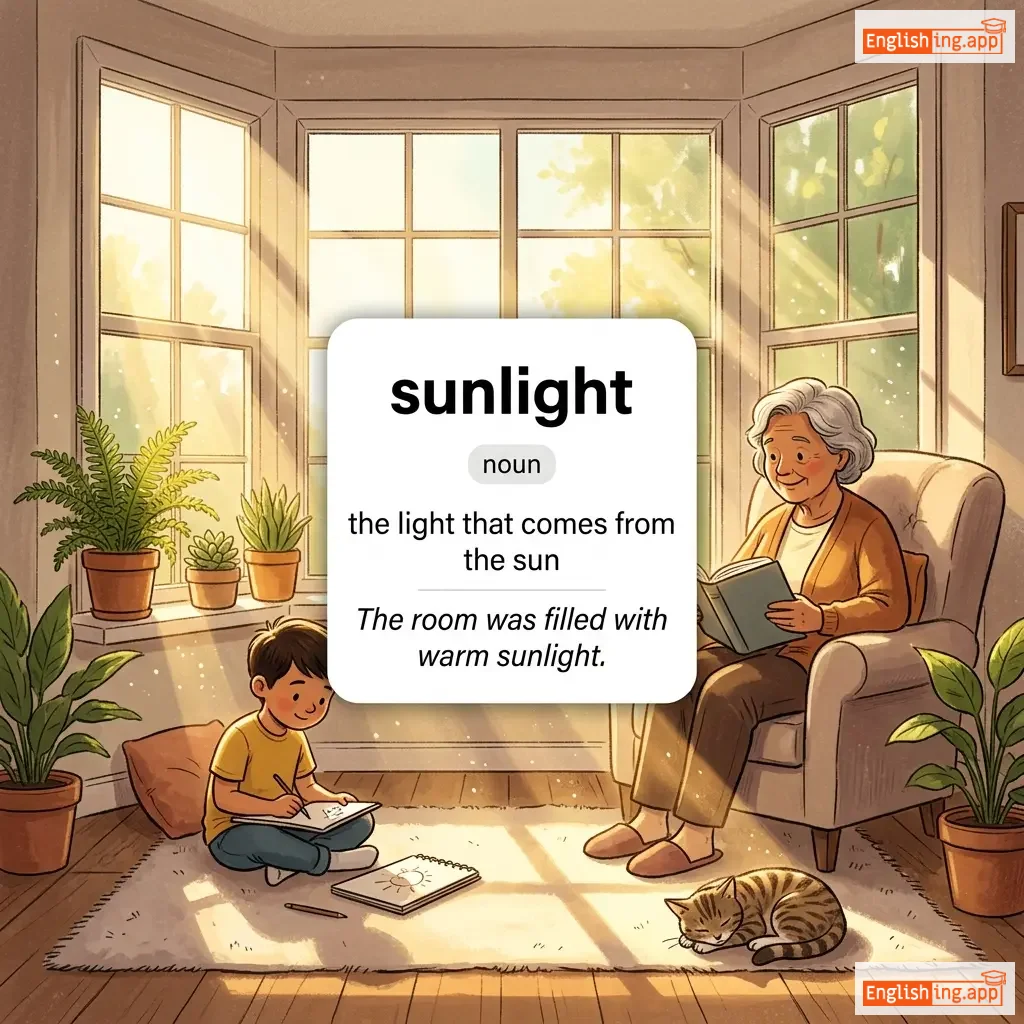
the light that comes from the sun
••••••
|
The room was filled with warm sunlight. |
- •••••• |
in the sunlight |
exposed to or under the light of the sun
••••••
|
- •••••• |
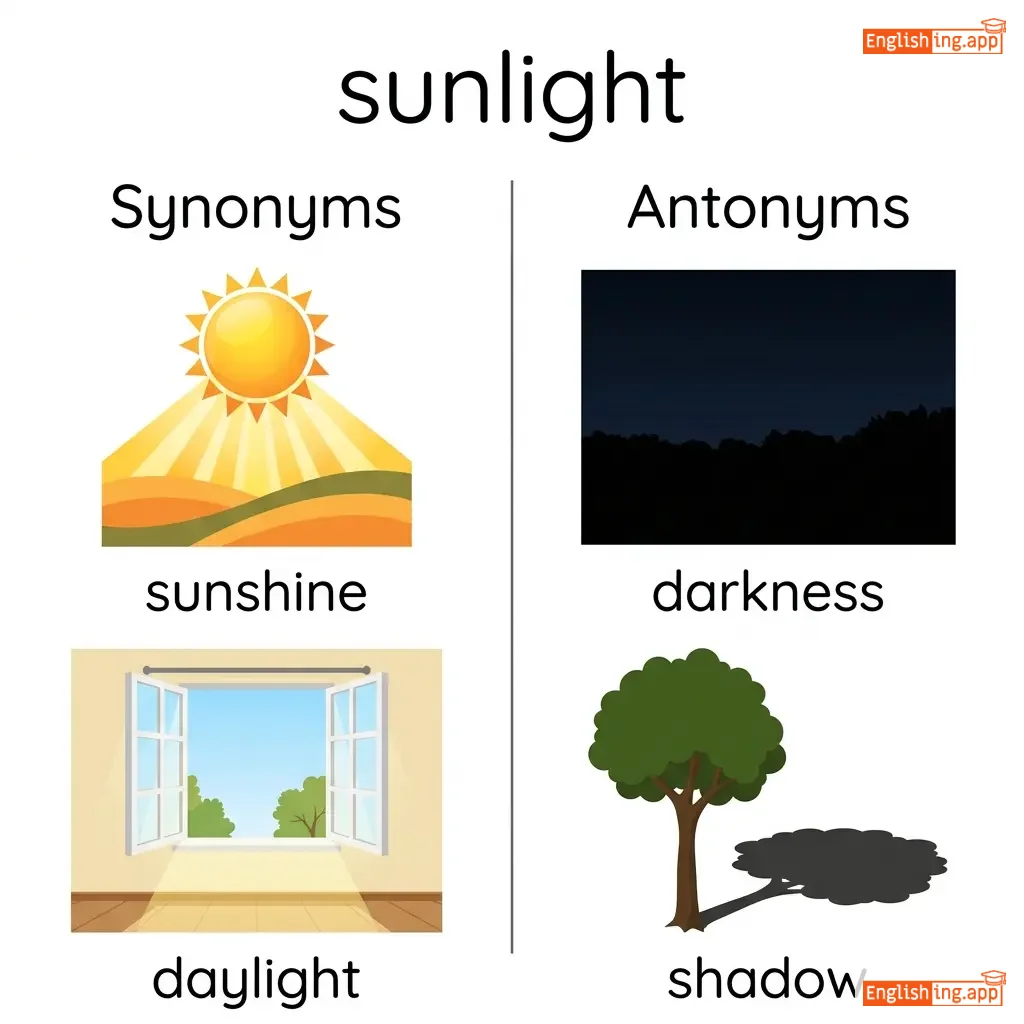
sunshine, daylight, radiance, beam, brightness
••••••
|
darkness, shadow
••••••
|
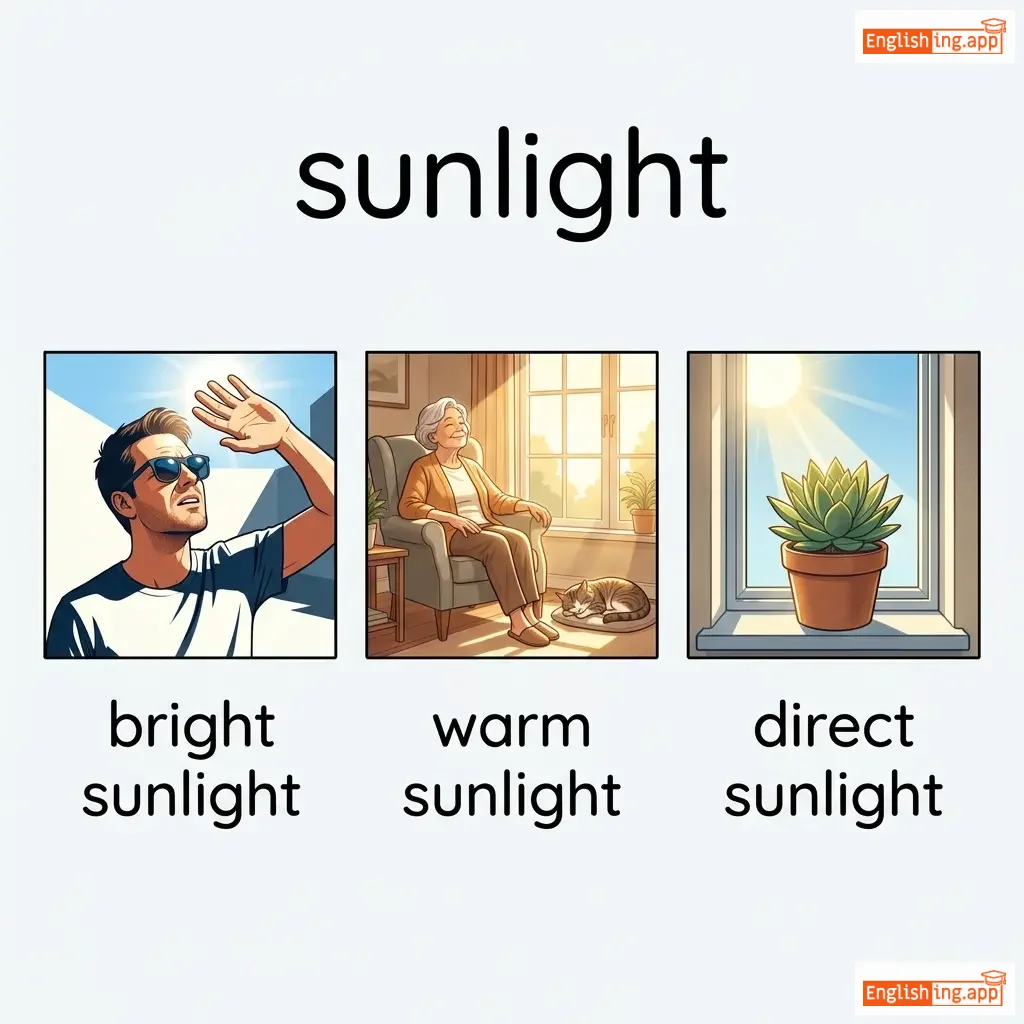
bright sunlight, warm sunlight, direct sunlight, natural sunlight, morning sunlight
••••••
|
No •••••• |
|
🏆
••••••
|
/suːˈpɪə.ri.ər/
adjective
(スーペリア)
••••••
|
- •••••• |
優れた
sugureta
••••••
|
- •••••• | - •••••• | - •••••• | - •••••• |
better in quality, rank, or importance than others
••••••
|
This product is superior to its competitors in quality.
この製品は品質において競合他社を凌駕しています。
••••••
|
この製品は品質において競合他社を凌駕しています。
Kono seihin wa hinshitsu ni oite kyōgō tasha o ryōga shiteimasu.
••••••
|
superior attitude
優越した態度
••••••
|
an arrogant or condescending manner
••••••
|
優越した態度
yūetsu shita taido
••••••
|
better, higher, excellent, dominant, outstanding
••••••
|
inferior, lower, worse
••••••
|
superior quality, superior product, superior performance, morally superior, technically superior
••••••
|
Superior は super + ior → super はもっと良いという意味で、‘優れた’です。
••••••
|
|
📦
••••••
|
/səˈplaɪə(r)/
noun
(サプライヤー)
••••••
|
- •••••• |
供給者
kyoukyuusha
••••••
|
- •••••• | - •••••• | - •••••• | - •••••• |
a person or company that provides goods or services
••••••
|
The supplier delivered the products on time.
サプライヤーは時間通りに商品を納品しました。
••••••
|
供給者は時間通りに商品を納品しました。
Kyoukyuusha wa jikan doori ni shouhin wo nouhin shimashita.
••••••
|
regular supplier
定期的なサプライヤー
••••••
|
a company that provides goods or services regularly
••••••
|
定期的な供給者
teikiteki na kyoukyuusha
••••••
|
vendor, provider, dealer, distributor, seller
••••••
|
buyer, customer, client
••••••
|
main supplier, local supplier, supplier contract, supplier agreement
••••••
|
サプライヤーは supply を供給する人。
••••••
|
|
🦸
••••••
|
/səˈvaɪvl/
noun
(サバイバル)
••••••
|
- •••••• |
サバイバル
sabaibaru
••••••
|
- •••••• | - •••••• | - •••••• | - •••••• |
the state of continuing to live or exist, typically in difficult conditions
••••••
|
Survival in the wild can be a challenging experience.
野生でのサバイバルは、挑戦的な経験となることがあります。
••••••
|
野生でのサバイバルは、挑戦的な経験となることがあります。
Yasei de no sabaibaru wa, chousenteki na keiken to naru koto ga arimasu.
••••••
|
- •••••• | - •••••• | - •••••• |
existence, endurance, staying alive
••••••
|
death, extinction
••••••
|
survival skills, survival mode, struggle for survival
••••••
|
サバイバル - 厳しい環境で生き残るために戦う
••••••
|
|
💪
••••••
|
/sərˈvaɪvər/
noun
(サバイバー)
••••••
|
- •••••• |
生き残った人、特に他の人が亡くなった後に生き残った人
ikinokotta hito, tokuni hoka no hito ga nakunatta ato ni ikinokotta hito
••••••
|
- •••••• | - •••••• | - •••••• | - •••••• |
a person who survives, especially a person remaining alive after an event in which others have died
••••••
|
She is a cancer survivor who now helps other patients. |
彼女はがんのサバイバーで、今は他の患者を助けています。
Kanojo wa gan no sabaibā de, ima wa hoka no kanja o tasuketeimasu.
••••••
|
- •••••• | - •••••• | - •••••• |
victor, overcomer, endurer, fighter
••••••
|
victim, casualty, fatality
••••••
|
cancer survivor, disaster survivor, sole survivor, survivor guilt
••••••
|
サバイバーは試練を乗り越え、他の人に希望を与える。
••••••
|
|
🕊️
••••••
|
/sɪmˈbɒlɪk/
adjective
(シンボリック)
••••••
|
- •••••• |
象徴的
shouchouteki
••••••
|
- •••••• | - •••••• | - •••••• | - •••••• |
serving as a symbol or representing something else
••••••
|
The dove is symbolic of peace and freedom.
鳩は平和と自由の象徴的存在です。
••••••
|
鳩は平和と自由の象徴的存在です。
Hato wa heiwa to jiyū no shōchōteki sonzai desu.
••••••
|
symbolic gesture
シンボリックジェスチャー
••••••
|
an action meant to show support or respect rather than to have practical effect
••••••
|
象徴的なジェスチャー
shōchōteki na jeshuchā
••••••
|
representative, figurative, emblematic, metaphorical, indicative
••••••
|
literal, realistic, actual
••••••
|
symbolic meaning, symbolic gesture, symbolic act, symbolic representation
••••••
|
SYMBOLは象徴を意味します — だからsymbolicは象徴的な意味です!
••••••
|
|
💐
••••••
|
/ˈsɪmpəθi/
noun
(シンパシー)
••••••
|
- •••••• |
同情
doujou
••••••
|
- •••••• | - •••••• | - •••••• | - •••••• |
feelings of pity and compassion for someone else's suffering
••••••
|
She expressed her sympathy for the grieving family.
彼女は悲しんでいる家族に同情を示しました。
••••••
|
彼女は悲しんでいる家族に同情を示しました。
Kanojo wa kanashinde iru kazoku ni doujou o shimeshimashita.
••••••
|
deep sympathy
深い同情
••••••
|
strong feelings of compassion
••••••
|
深い同情
fukai doujou
••••••
|
compassion, pity, condolence, understanding
••••••
|
indifference, apathy
••••••
|
express sympathy, offer sympathy, deep sympathy, sympathy card
••••••
|
Sympathy = Sim + Pathi → Sim broke heart = 同情
••••••
|
|
⭐
••••••
|
/ˈtæl.ən.tɪd/
adjective
(タレント)
••••••
|
- •••••• |
才能がある
sainou ga aru
••••••
|
- •••••• | - •••••• | - •••••• | - •••••• |
having a natural ability or skill in a particular area
••••••
|
She is a talented musician who plays multiple instruments.
彼女は多くの楽器を演奏する才能ある音楽家です。
••••••
|
彼女は多くの楽器を演奏する才能ある音楽家です。
Kanojo wa ōku no gakki o ensō suru sainō aru ongakuka desu.
••••••
|
- •••••• | - •••••• | - •••••• |
gifted, skilled, accomplished, capable
••••••
|
untalented, inept, incompetent, unskilled
••••••
|
talented artist, talented performer, talented individual
••••••
|
‘Talent’ は日本語で ‘才能がある’ (sainou ga aru) という意味です。
••••••
|
|
🤝
••••••
|
/ˈtiːmmeɪt/
noun
(ティーメイト)
••••••
|
- •••••• |
チームメイト
chīmu meito
••••••
|
- •••••• | - •••••• | - •••••• | - •••••• |
a member of the same team
••••••
|
He congratulated his teammate after scoring the goal.
彼はゴールを決めた後、チームメイトにお祝いを言いました。
••••••
|
彼はゴールを決めた後、チームメイトにお祝いを言いました。
Kare wa gōru o kimeta ato, chīmu meito ni oiwai o iimashita.
••••••
|
- •••••• | - •••••• | - •••••• |
colleague, partner, associate, collaborator, companion
••••••
|
opponent, rival
••••••
|
team member, loyal teammate, supportive teammate, sports teammate
••••••
|
チームのメイトだから、teammateはチームの一員!
••••••
|
|
📈
••••••
|
/ˈten.dən.si/
noun
(テンダンシー)
••••••
|
- •••••• |
傾向
keikou
••••••
|
- •••••• | - •••••• | - •••••• | - •••••• |
an inclination toward a particular characteristic or type of behavior
••••••
|
She has a tendency to arrive late for meetings.
彼女は会議に遅れて到着する傾向があります。
••••••
|
彼女は会議に遅れて到着する傾向があります。
Kanojo wa kaigi ni okurete touchaku suru keikou ga arimasu.
••••••
|
- •••••• | - •••••• | - •••••• |
inclination, propensity, disposition, proclivity
••••••
|
aversion, disinclination, reluctance
••••••
|
natural tendency, strong tendency, growing tendency, general tendency
••••••
|
In Japanese, '傾向' is like the tendency to arrive late, just like how the 'shinkansen' has its own pace.
••••••
|
|
🎓
••••••
|
/ˈtreɪnɪŋ/
noun
(トレーニング)
••••••
|
- •••••• |
訓練
kunren
••••••
|
- •••••• | - •••••• | - •••••• | - •••••• |
the process of teaching or learning a particular skill or type of behavior
••••••
|
She completed her training as a nurse last year. |
彼女は昨年、看護師としての訓練を完了しました。
Kanojo wa sakunen, kangoshi toshite no kunren o kanryo shimashita.
••••••
|
- •••••• | - •••••• | - •••••• |
instruction, education, coaching, preparation
••••••
|
ignorance, inexperience
••••••
|
employee training, intensive training, training course, job training
••••••
|
訓練でスキルを向上させることができます。看護師の訓練のように。
••••••
|
|
🔄
••••••
|
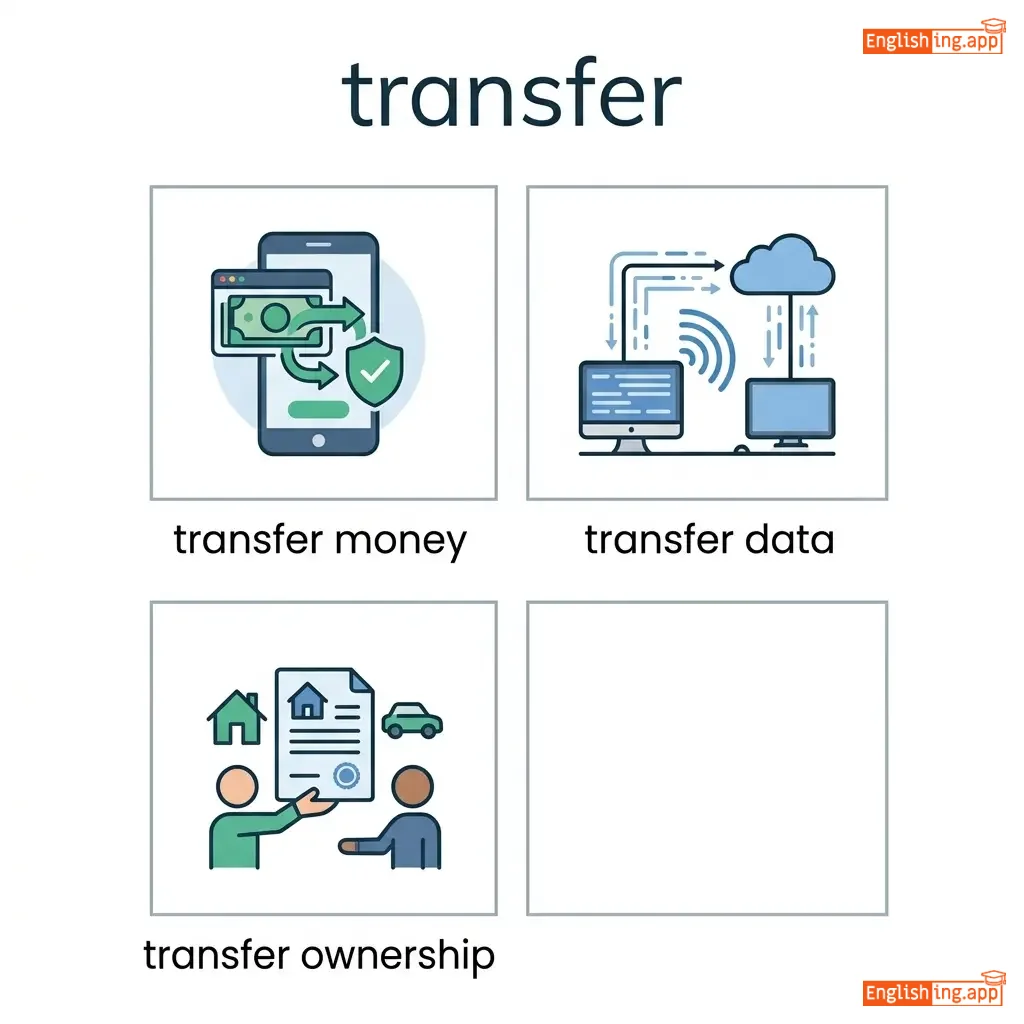
/ˈtrænsfɜːr/
verb
(ハピネス)
••••••
|
|
幸せ
shiawase
••••••
|
transferred
••••••
|
transferred
••••••
|
transfers
••••••
|
transferring
••••••
|
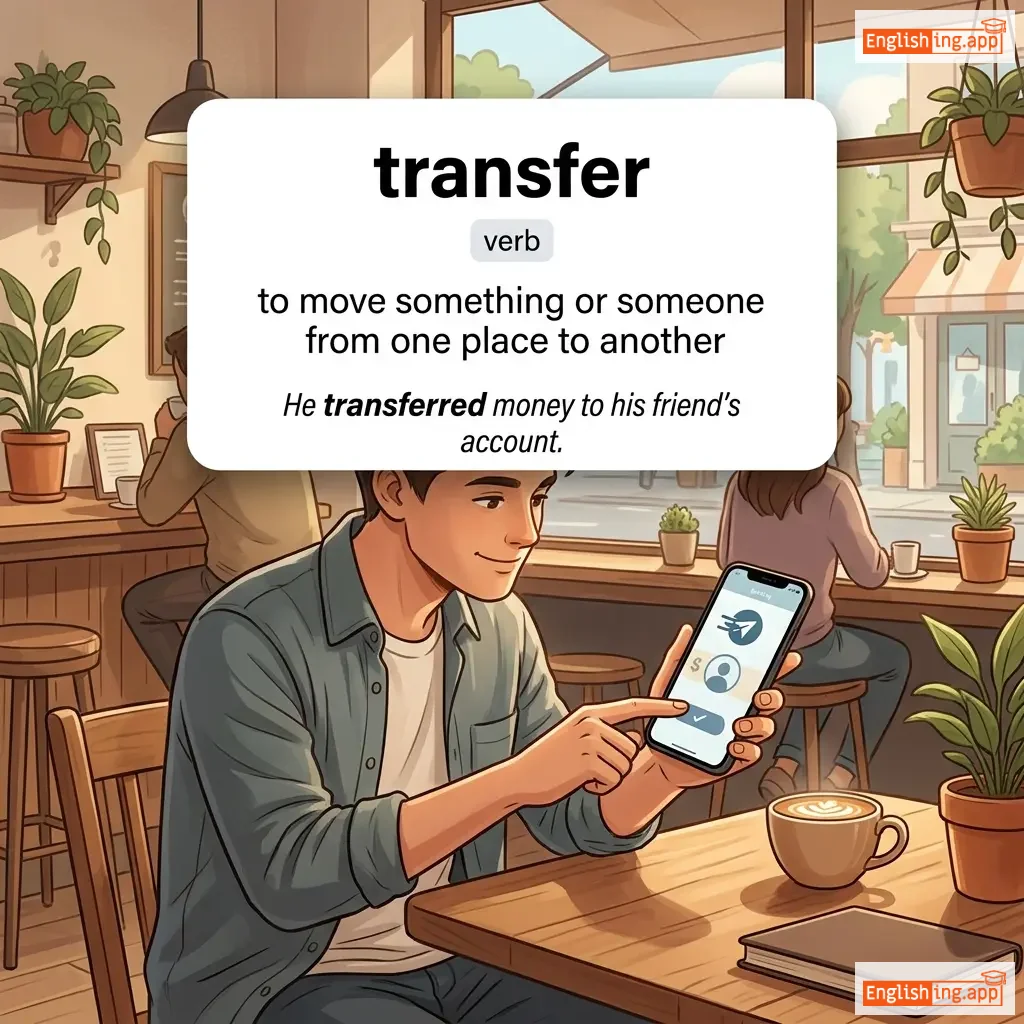
to move something or someone from one place to another
••••••
|
He transferred money to his friend's account. |
彼女は賞を受け取ったとき、幸せを隠せなかった。
Kanojo wa shō o uketotta toki, shiawase o kakusenakatta.
••••••
|
transfer ownership |
to officially give control or rights of something to another person
••••••
|
幸せの追求
shiawase no tsuikyū
••••••
|
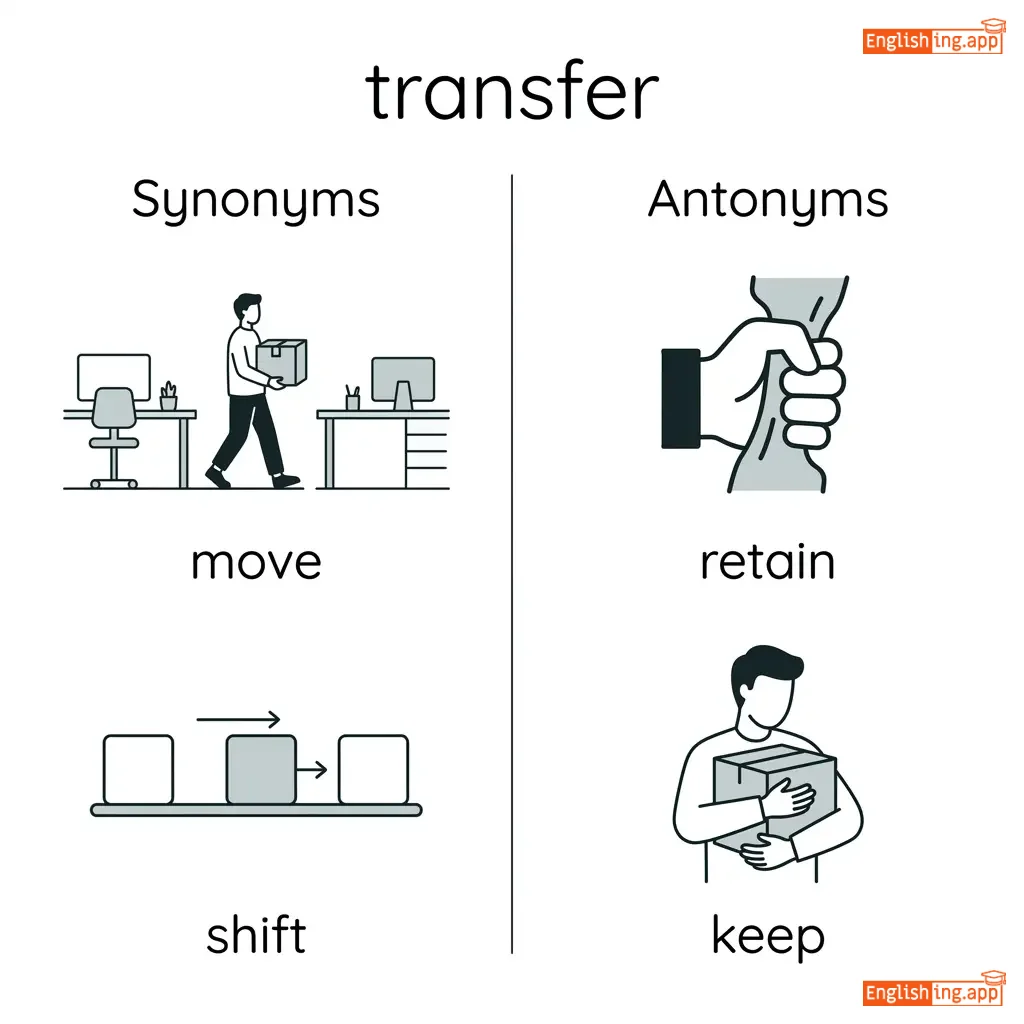
move, shift, relocate, transmit, hand over
••••••
|
retain, keep, hold
••••••
|
transfer money, transfer data, transfer ownership, transfer files
••••••
|
幸せは人生の目的 - 幸せ (shiawase)
••••••
|
|
🌴
••••••
|
/ˈtrɒpɪkəl/
adjective
(トロピカル)
••••••
|


|
熱帯の
nettai no
••••••
|
- •••••• | - •••••• | - •••••• | - •••••• |
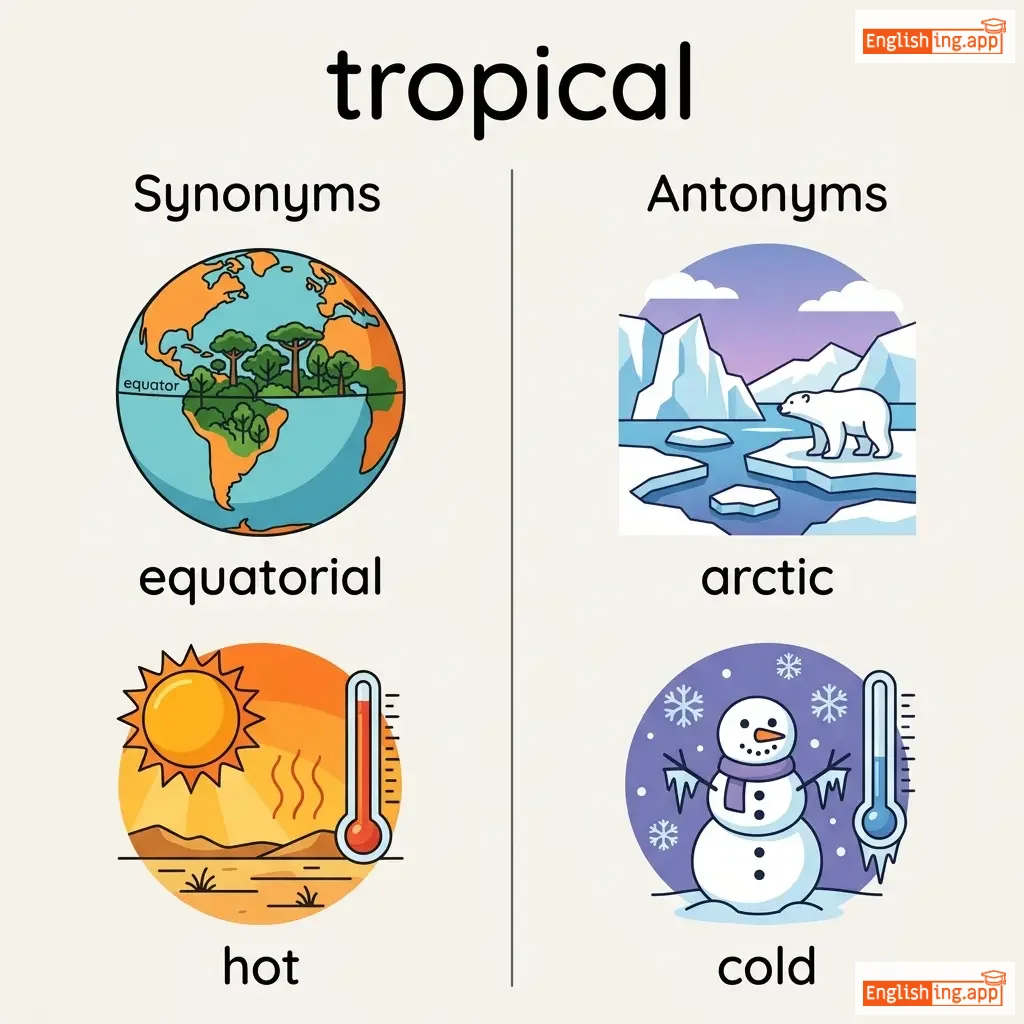
relating to or characteristic of the tropics; hot and humid climate
••••••
|
They spent their vacation on a tropical island surrounded by palm trees. |
彼らはヤシの木に囲まれた熱帯の島で休暇を過ごしました。
Karera wa yashi no ki ni kakomareta nettai no shima de kyūka o sugoshimashita.
••••••
|
tropical paradise |
a place that is extremely beautiful, warm, and pleasant like the tropics
••••••
|
熱帯の楽園
nettai no rakuen
••••••
|
equatorial, hot, humid, balmy, sultry
••••••
|
arctic, cold, temperate
••••••
|
tropical island, tropical forest, tropical weather, tropical storm
••••••
|
TROPICAL = トロピカルな楽園、温かい海とヤシの木。
••••••
|
|
🏢
••••••
|
/ˈwɜːrkʃɒp/
noun
(ワークショップ)
••••••
|
- •••••• |
ワークショップ
wākushoppu
••••••
|
- •••••• | - •••••• | - •••••• | - •••••• |
a room or building where people engage in work or creative activities
••••••
|
The workshop focused on improving technical skills for young professionals. |
このワークショップは、若い専門職の技術スキル向上に焦点を当てました。
Kono wākushoppu wa, wakai senmon-shoku no gijutsu sukiru kōjō ni shōten o atemashita.
••••••
|
- •••••• | - •••••• | - •••••• |
seminar, class, training, session
••••••
|
lecture, talk
••••••
|
training workshop, creative workshop, technical workshop, workshop participant
••••••
|
A workshop is a place where you work and shop your ideas.
••••••
|

