Teaching Kids Financial Responsibility Early
Обучение детей financial responsibility с раннего возраста чрезвычайно важно. Если они научатся практиковать frugality, достижение affluence в будущем станет для них проще. Правильно контролируя allocation и expenditure, ребёнок сможет понять важность финансовой стабильности. Если с детства вводить понятия equity и diversification, то позже они смогут развить хорошие навыки capitalization. Часто бывает, что дети тратят деньги, как только их получают, но если объяснить необходимость поддержания liquidity, они научатся экономить. Если родители расскажут детям о fiduciary обязанностях, они смогут сохранять solvency в будущем. Благодаря обучению в системе образования о commodities и monetization, дети смогут принимать правильные финансовые решения в реальной жизни. Поэтому детям следует давать знания об amortization и arbitrage, чтобы они не столкнулись со stagnation в будущем.
Получите неограниченный доступ ко всем словам с подпиской Pro
Обновить до ProПолучите неограниченный доступ ко всем предложениям с подпиской Pro
Обновить до Pro|
Эмодзи
|
Слово | Images | Значение | Пример предложения | Синонимы | Антонимы |
|---|---|---|---|---|---|---|
|
#2942
💰
|
/faɪˈnæn.ʃəl rɪˌspɒn.sɪˈbɪl.ə.ti/
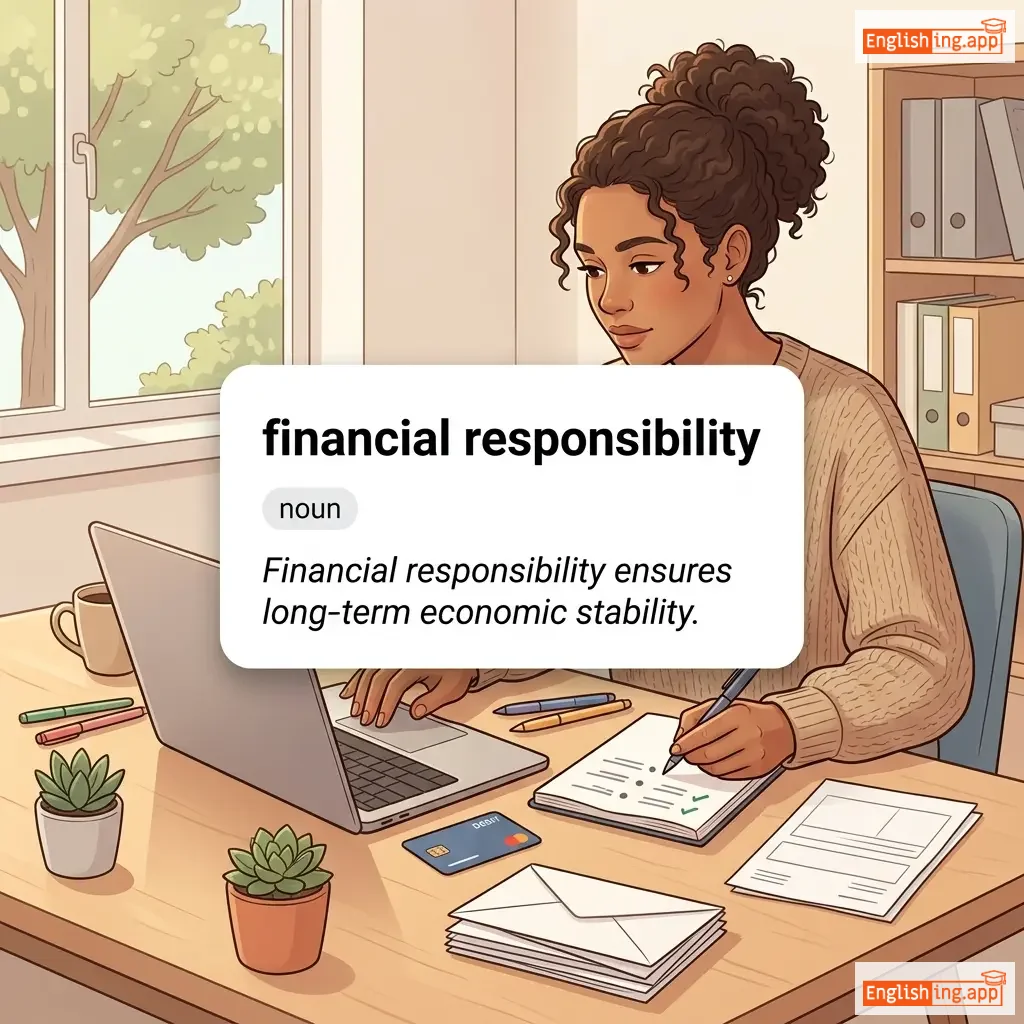
noun
••••••
|
|
The practice of managing money and other financial resources in a responsible and effective manner.
••••••
|
Financial responsibility ensures long-term economic stability. |
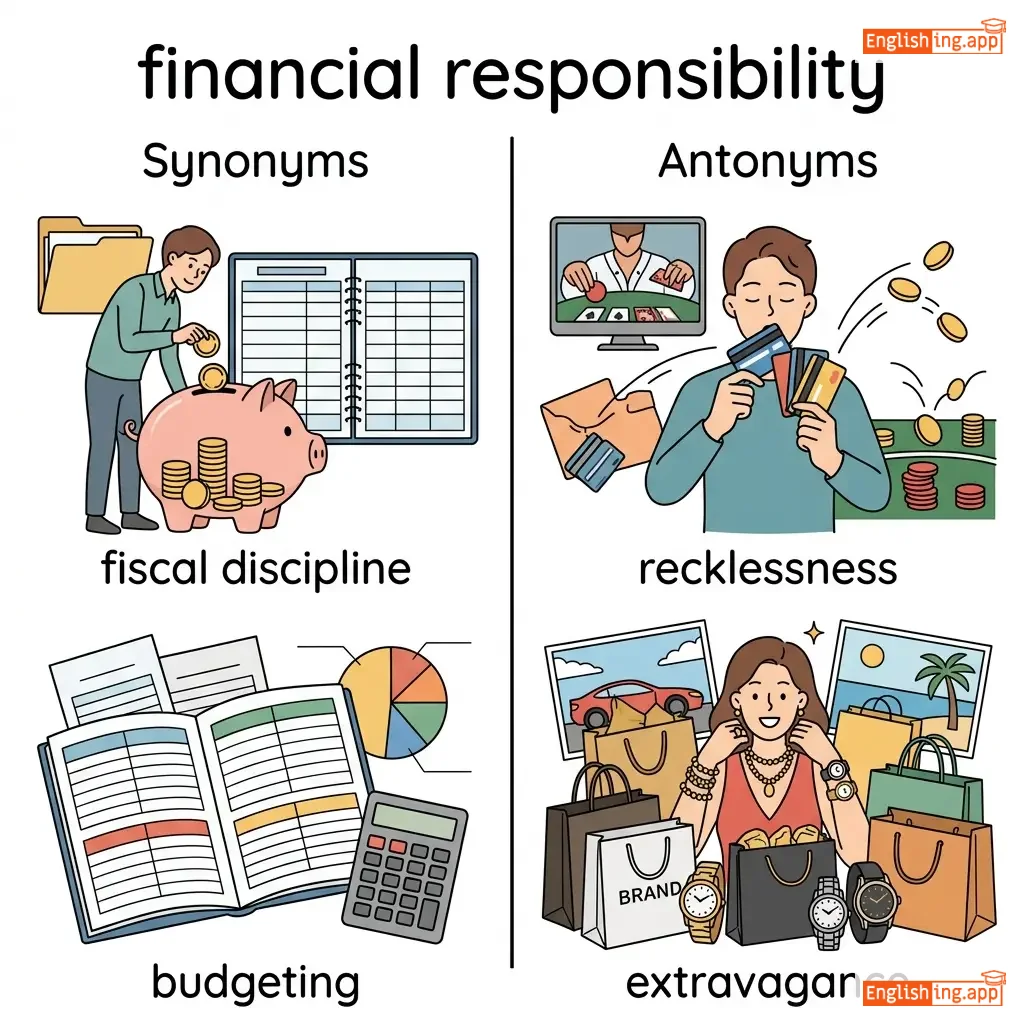
fiscal discipline, budgeting, accountability
••••••
|
recklessness, extravagance, carelessness
••••••
|
|
#2943
🪙
|
/fruːˈɡæl.ə.ti/
noun
••••••
|

|
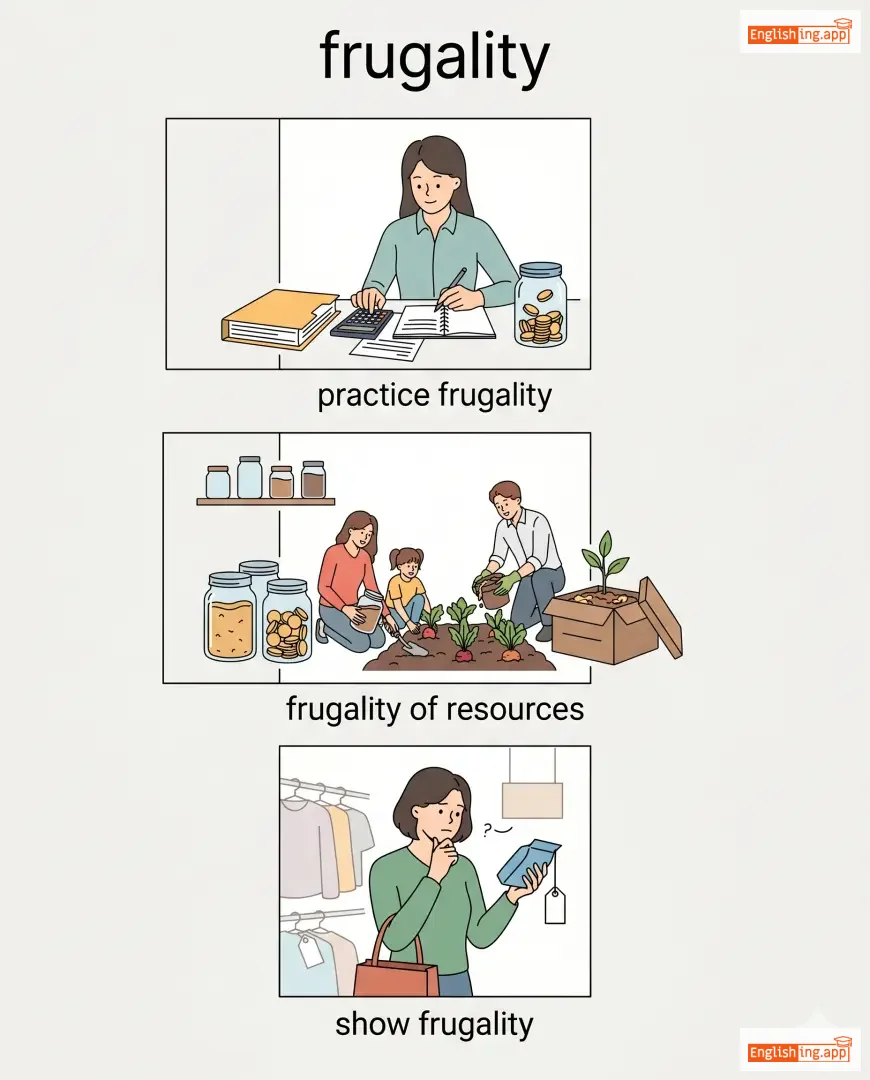
The quality of being economical in use or expenditure; not wasteful.
••••••
|
Practicing frugality helps in wealth accumulation. |
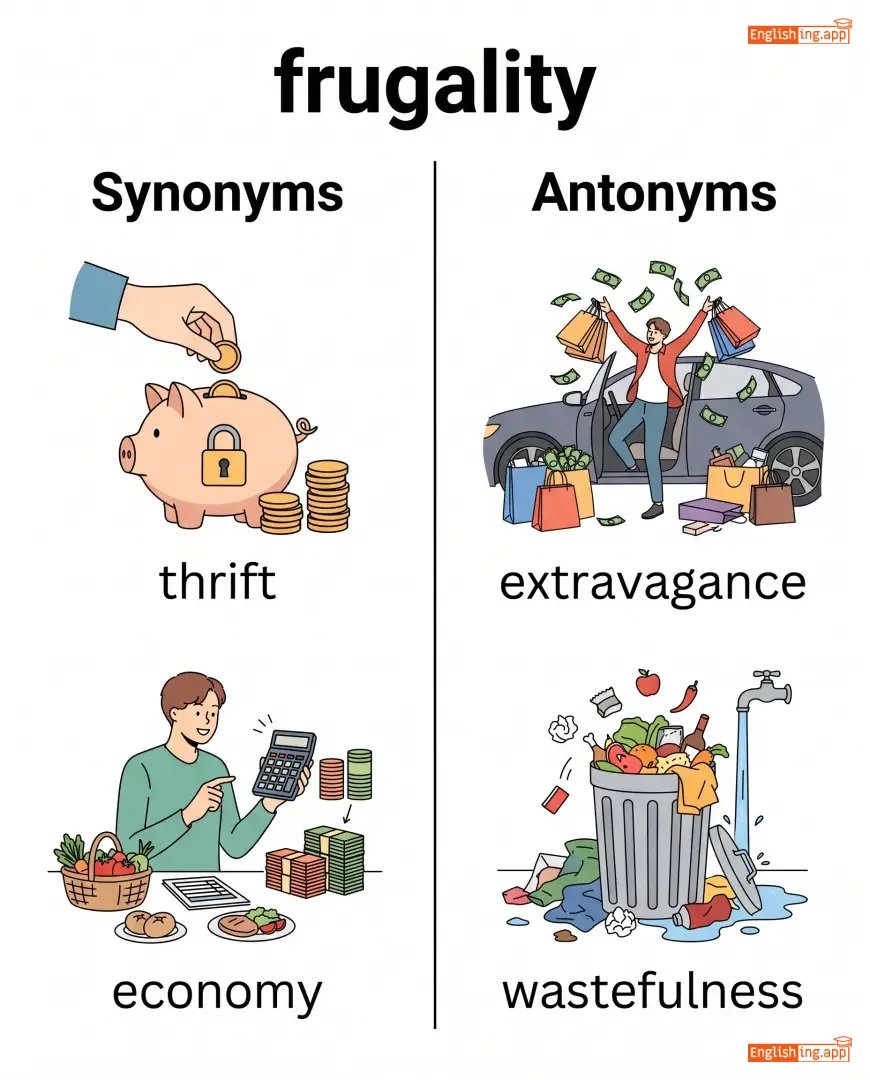
thrift, prudence, economy
••••••
|
extravagance, wastefulness, lavishness
••••••
|
|
#2944
💎
|
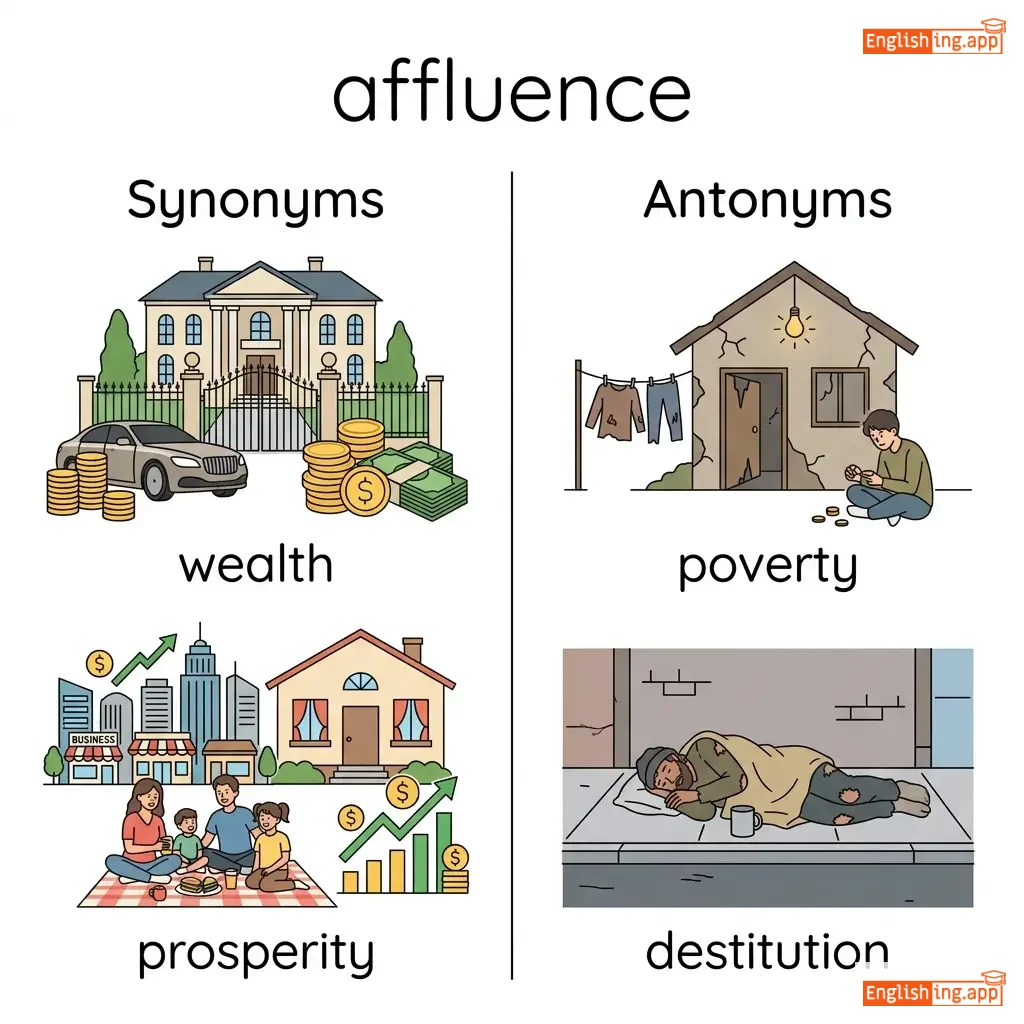
/ˈæf.lu.əns/
noun
••••••
|


|
The state of having a great deal of money; wealth.
••••••
|
Economic growth leads to national affluence. |
wealth, prosperity, opulence
••••••
|
poverty, scarcity, deprivation
••••••
|
|
#2945
📊
|
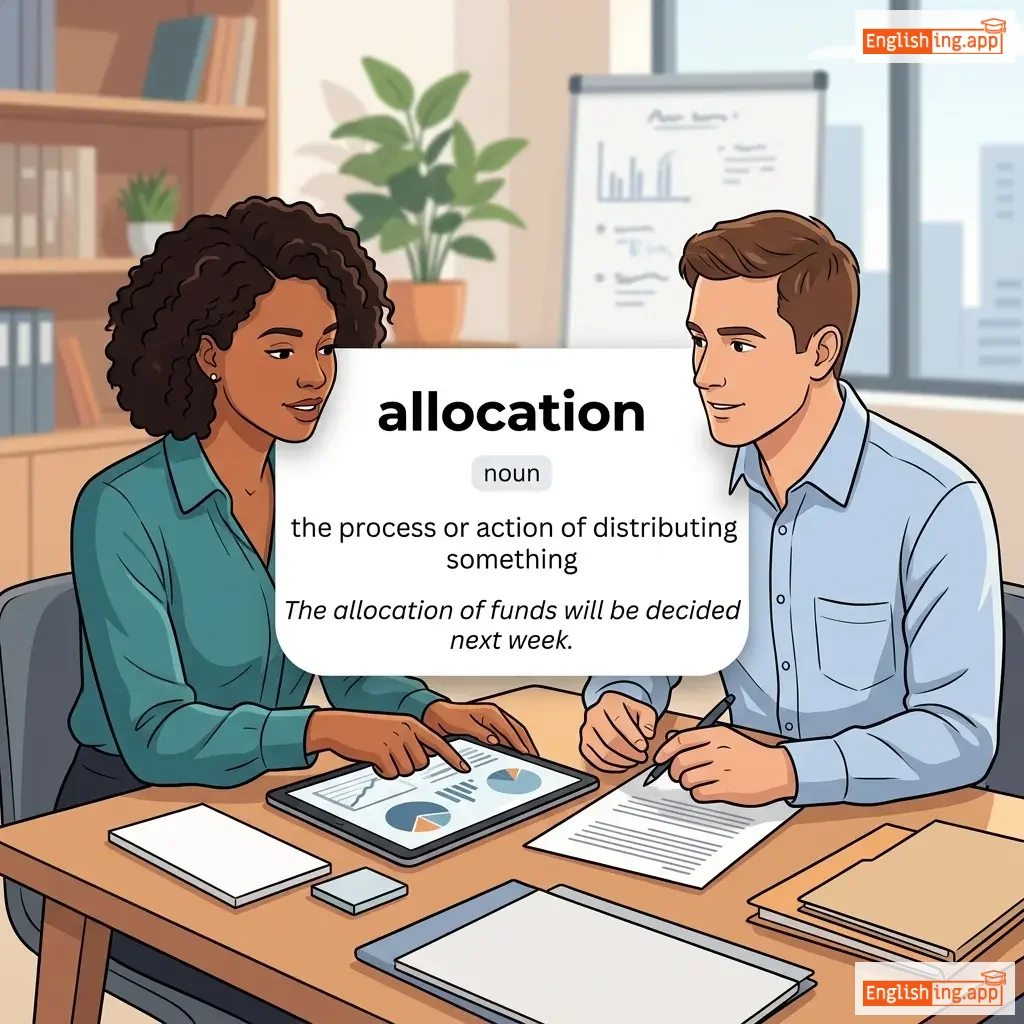
/ˌæl.əˈkeɪ.ʃən/
noun
••••••
|
|
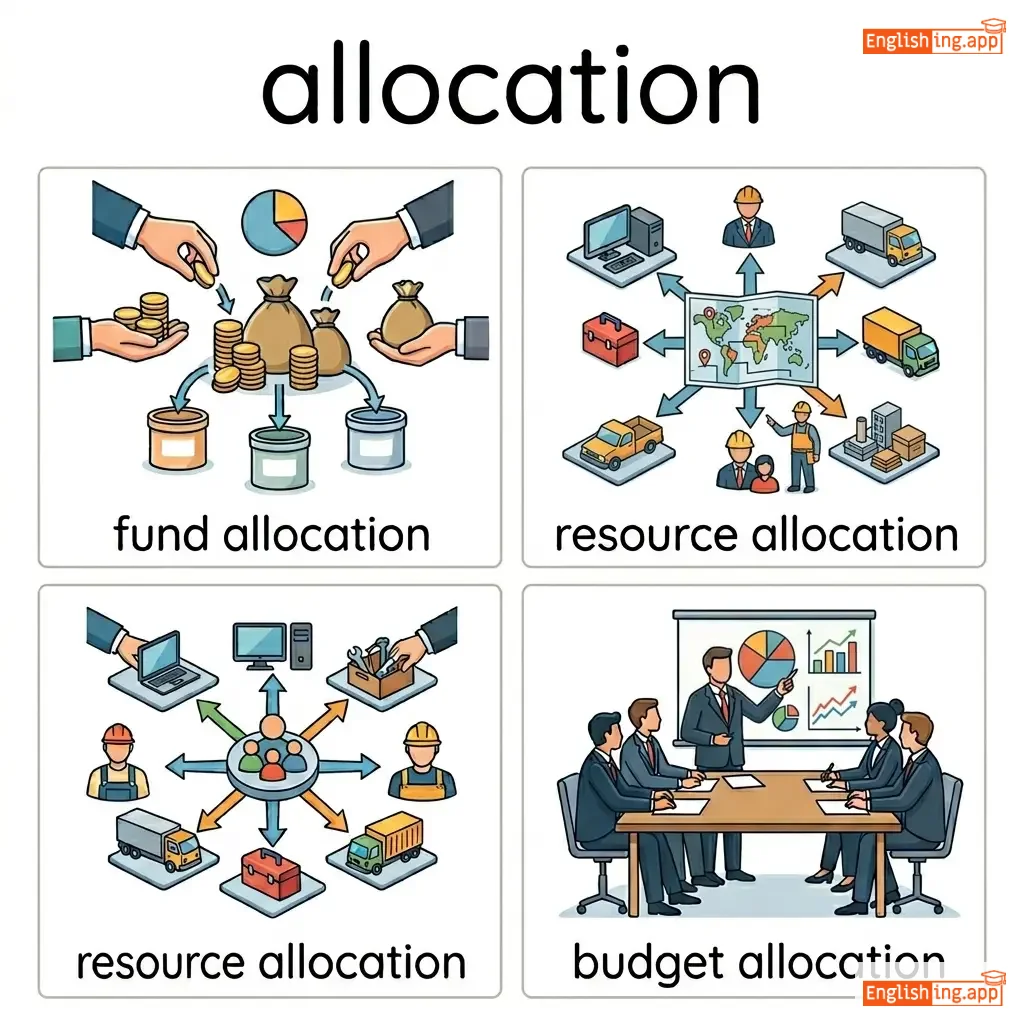
The action or process of distributing resources or duties for a particular purpose.
••••••
|
Budget allocation for education must be increased. |
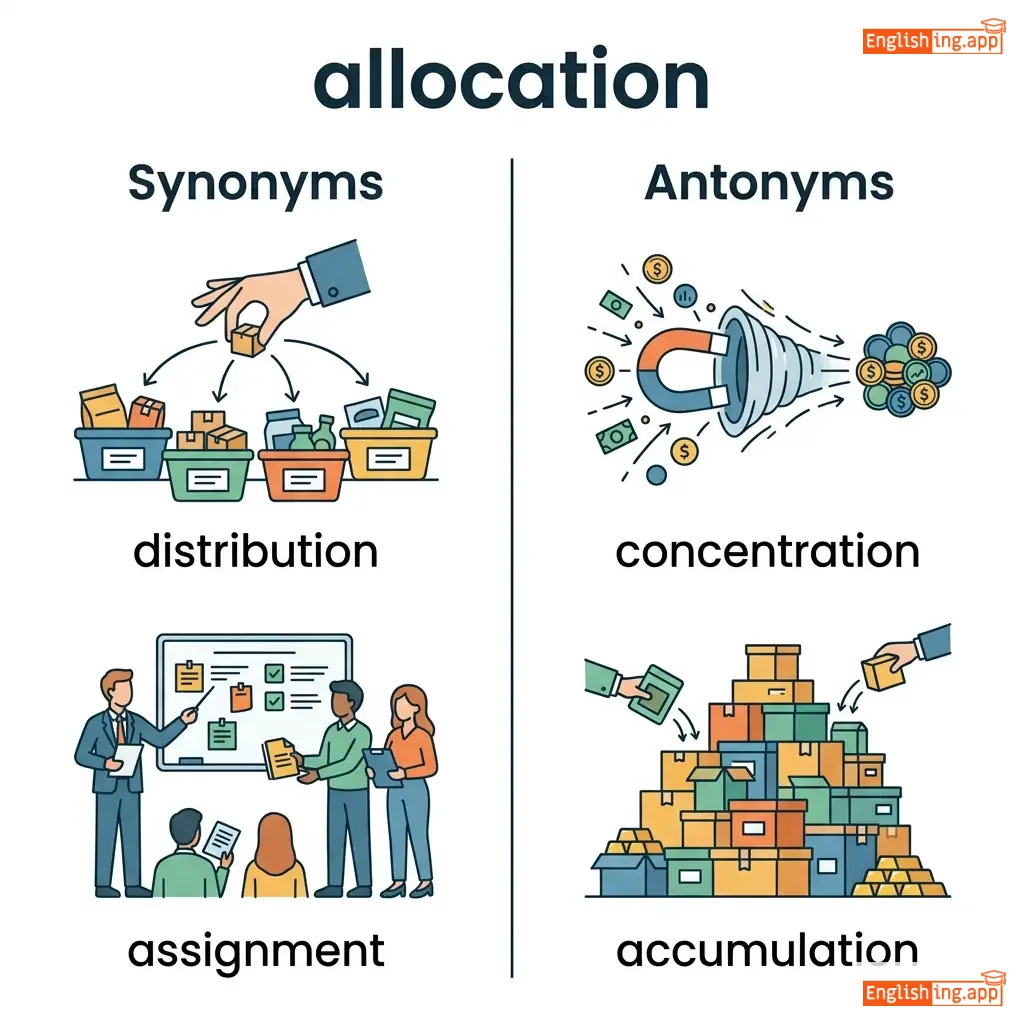
distribution, apportionment, assignment
••••••
|
mismanagement, hoarding, withholding
••••••
|
|
#2946
💸
|
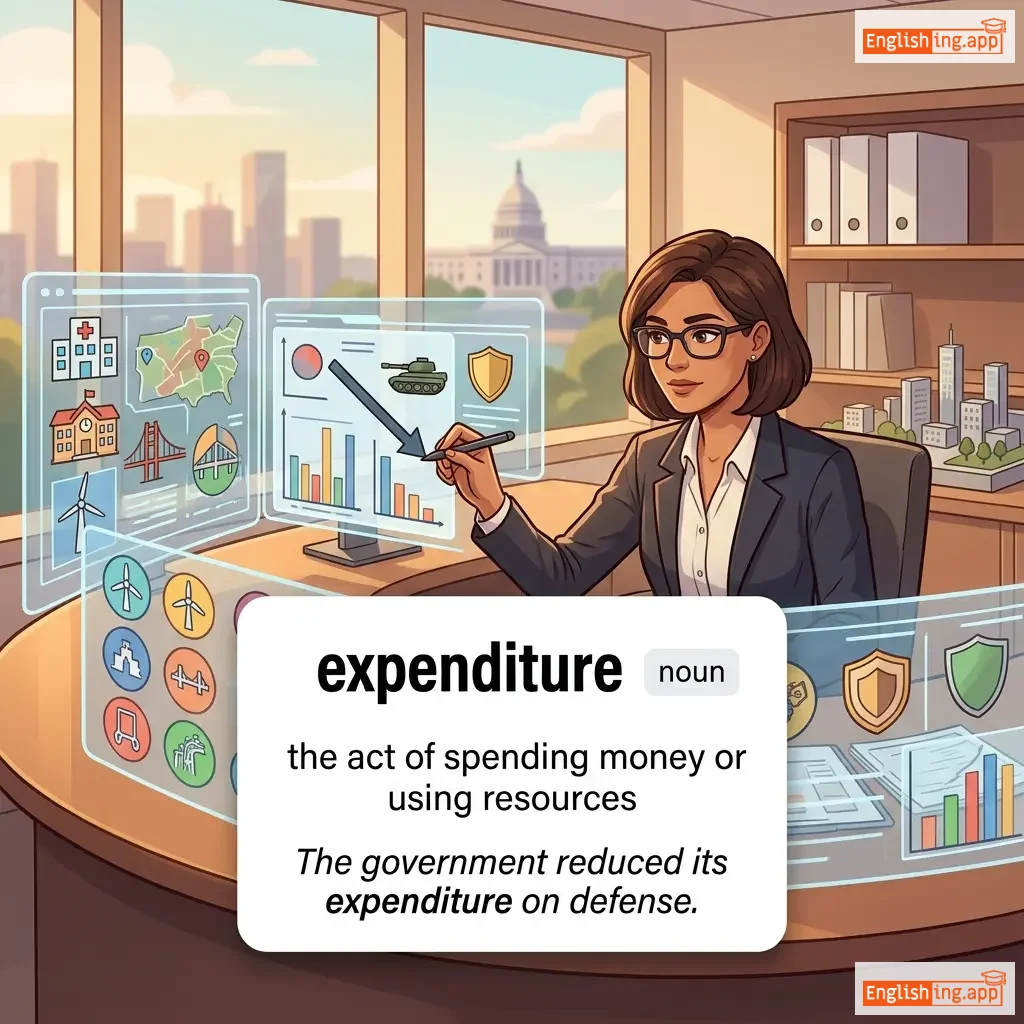
/ɪkˈspen.dɪ.tʃər/
noun
••••••
|
|
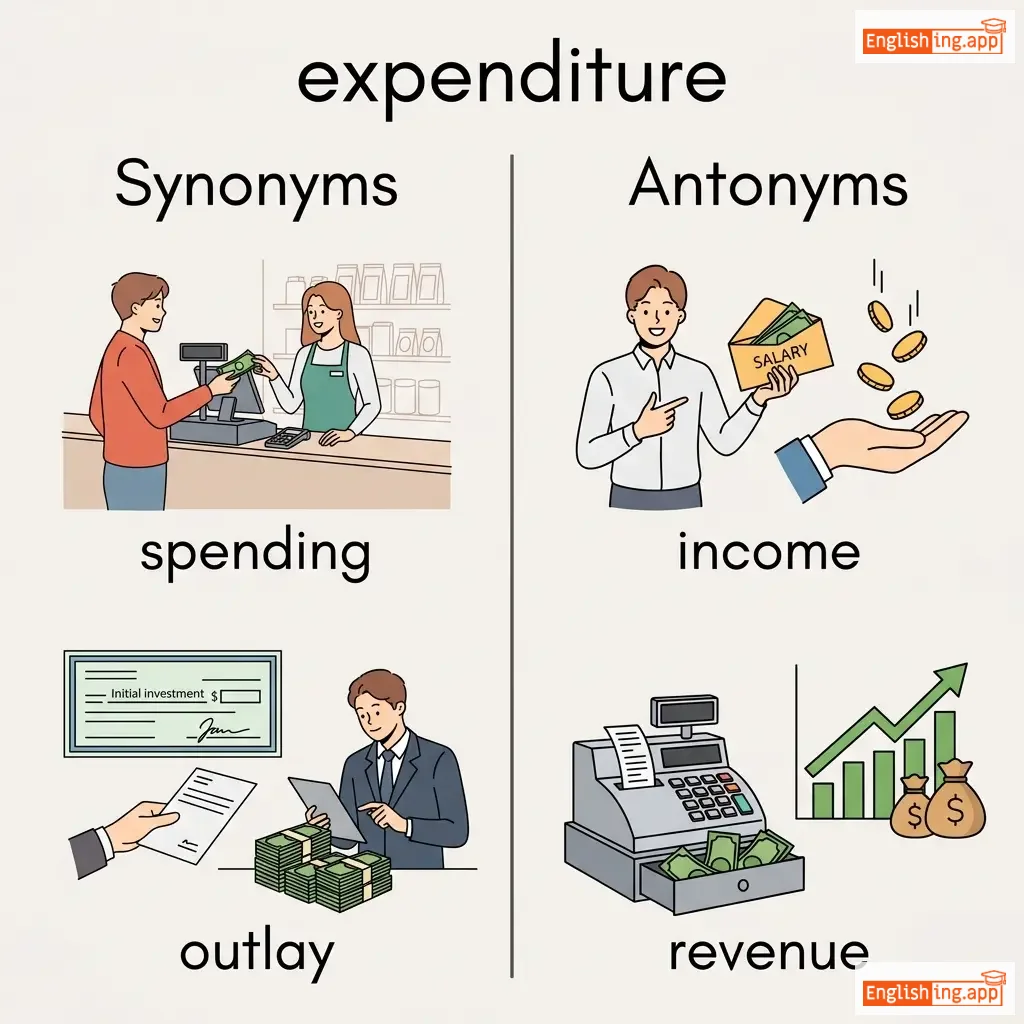
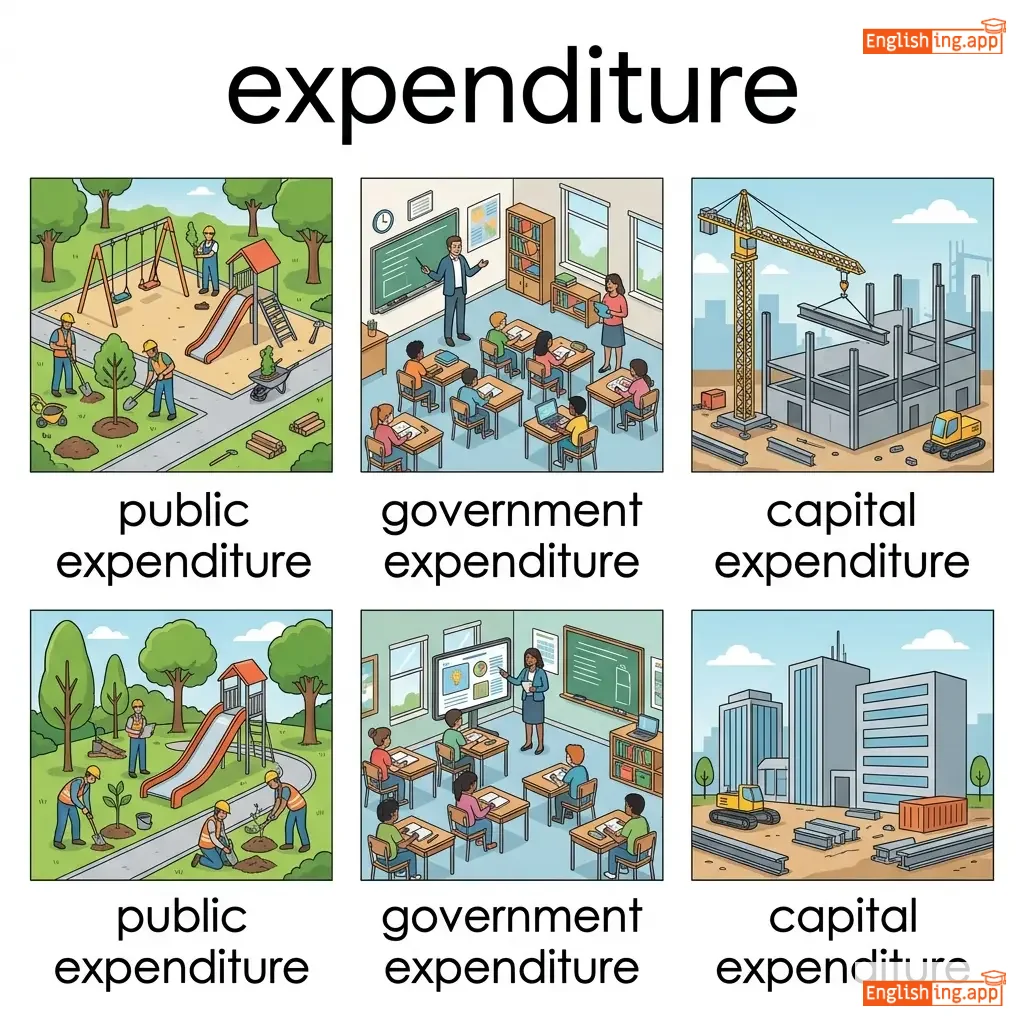
The action of spending funds; an amount of money spent.
••••••
|
Excessive expenditure can lead to financial instability. |
spending, outlay, consumption
••••••
|
income, savings, revenue
••••••
|
|
#2947
⚖️
|
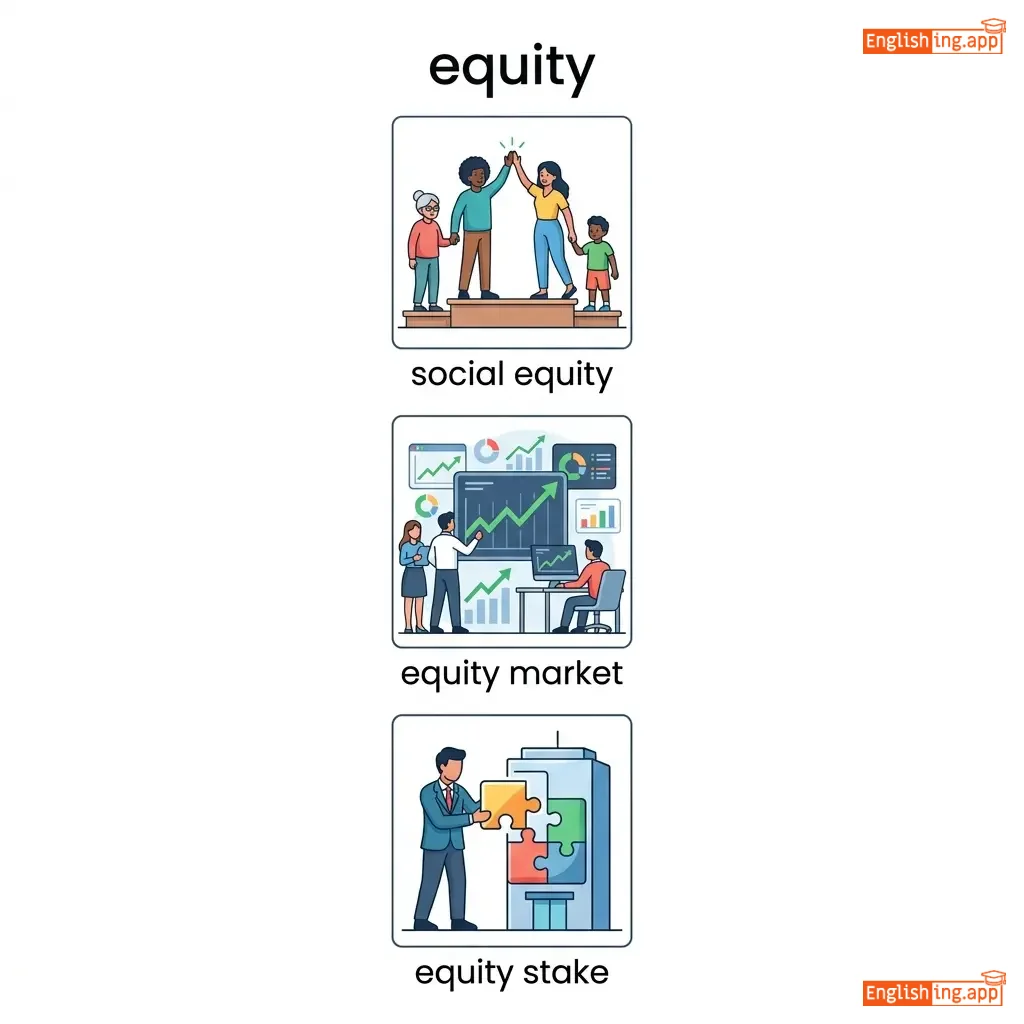
/ˈek.wɪ.ti/
noun
••••••
|

|
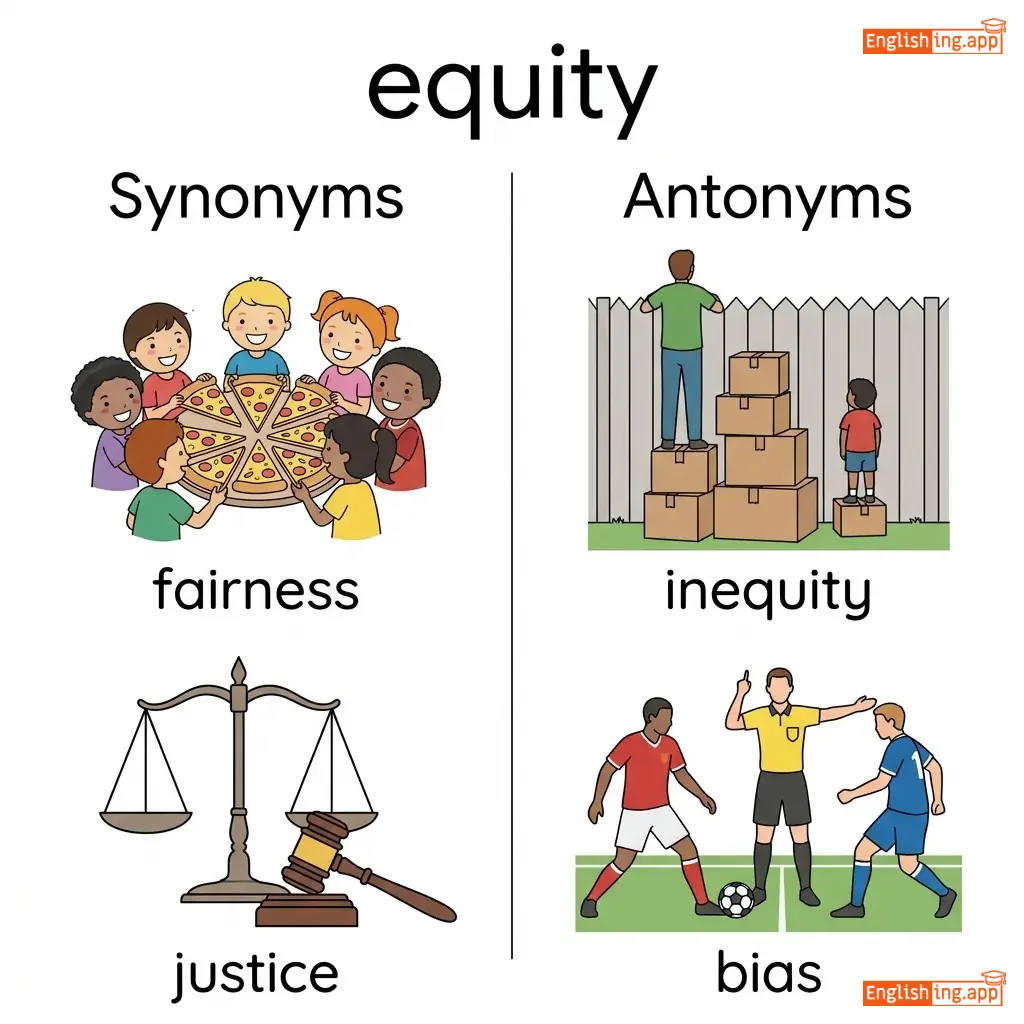
The quality of being fair and impartial; the value of shares issued by a company.
••••••
|
Corporate equity distribution ensures fair business practices. |
fairness, ownership, stakeholding
••••••
|
inequality, bias, partiality
••••••
|
|
#2948
🌈
|
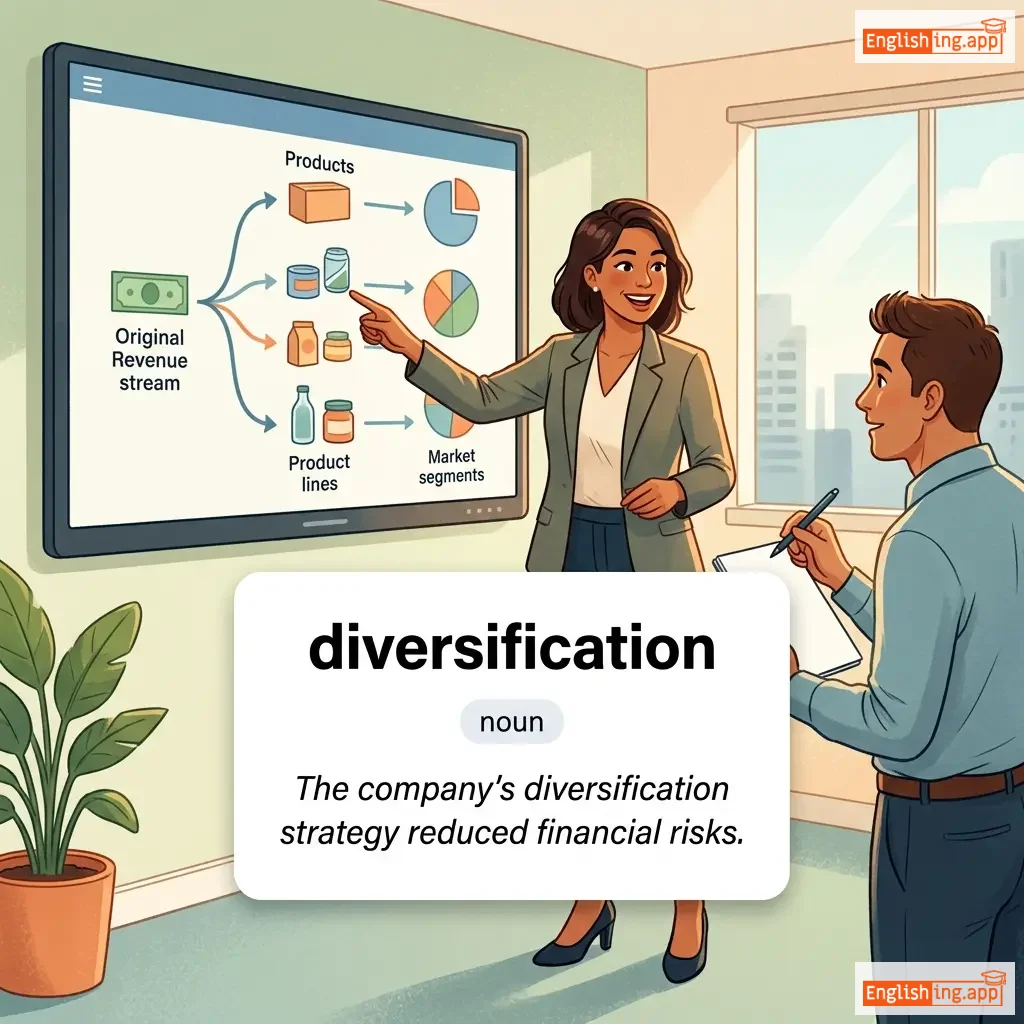
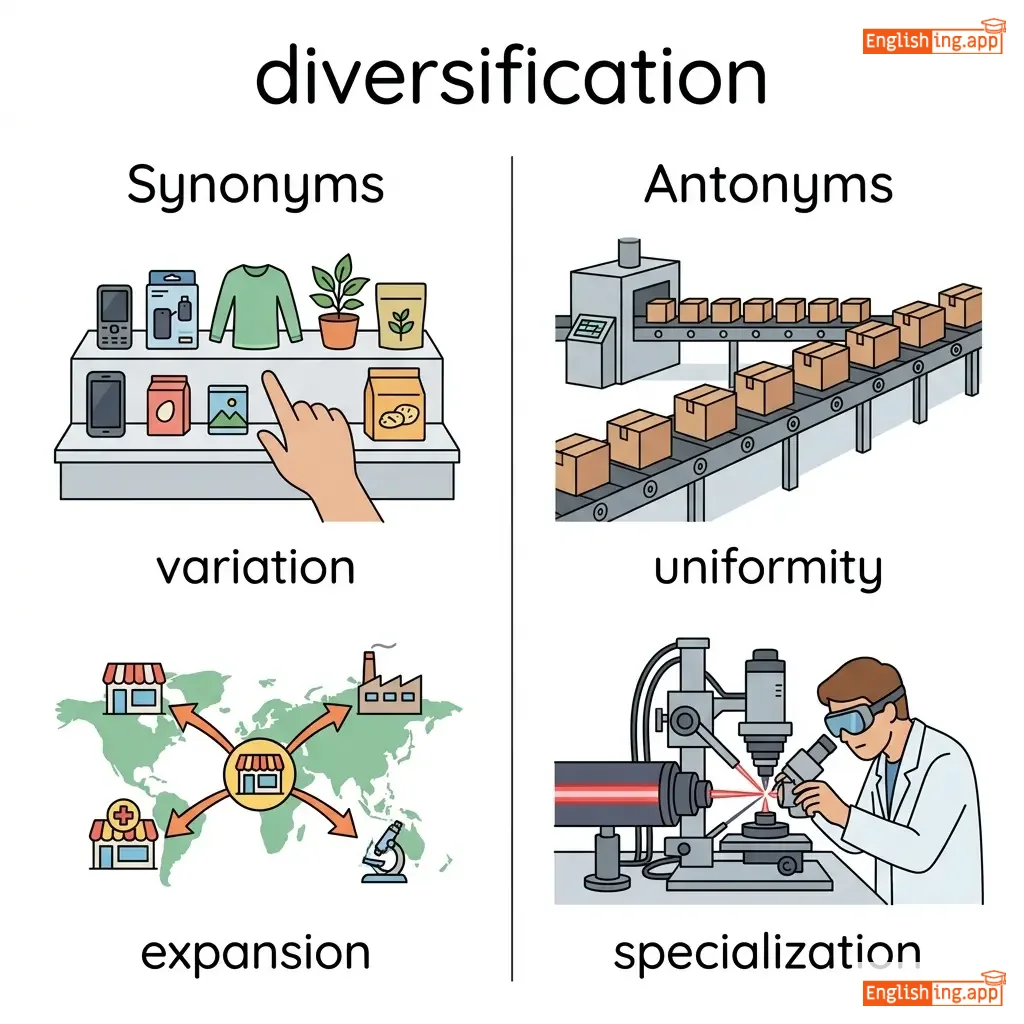
/daɪˌvɜː.sɪ.fɪˈkeɪ.ʃən/
noun
••••••
|
|
The action of diversifying something or the fact of becoming more diverse.
••••••
|
Investment diversification reduces financial risk. |
variation, differentiation, expansion
••••••
|
uniformity, homogeneity, specialization
••••••
|
|
#2949
🏦
|
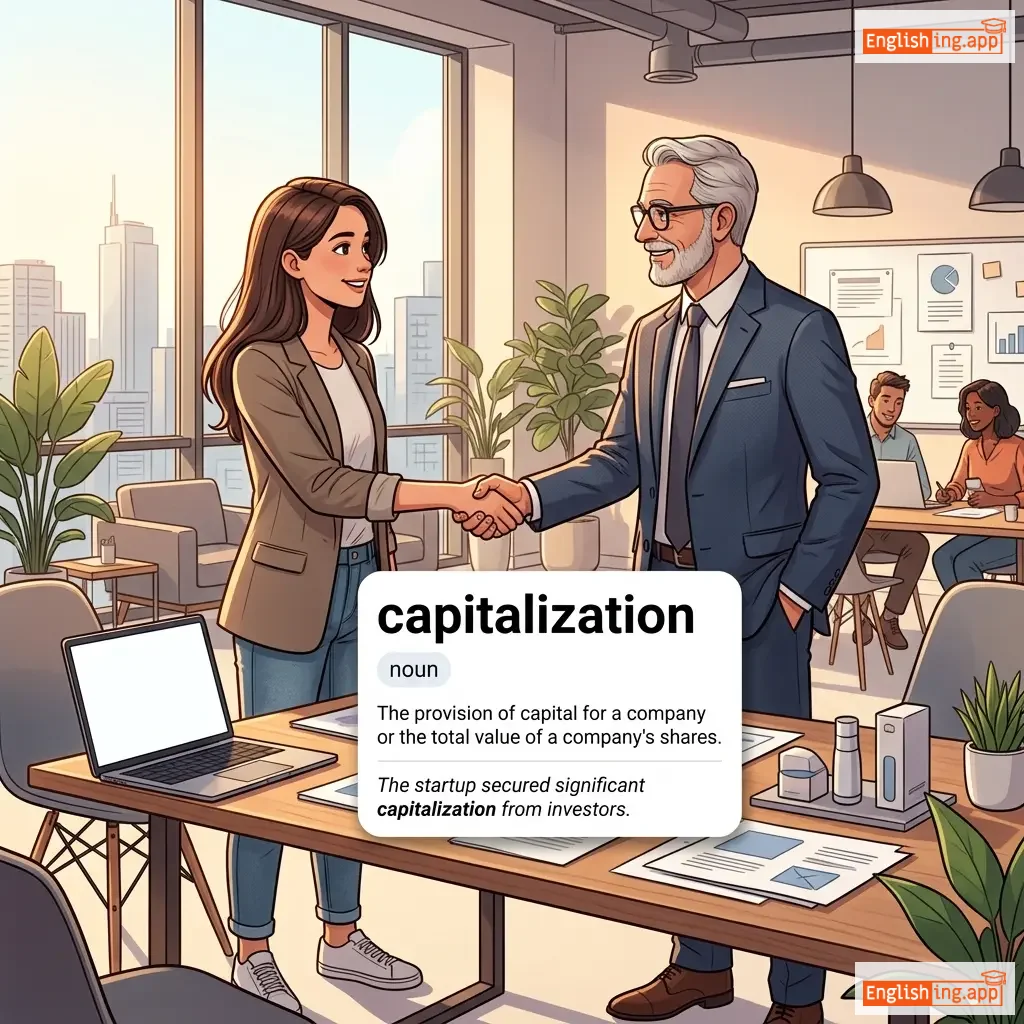
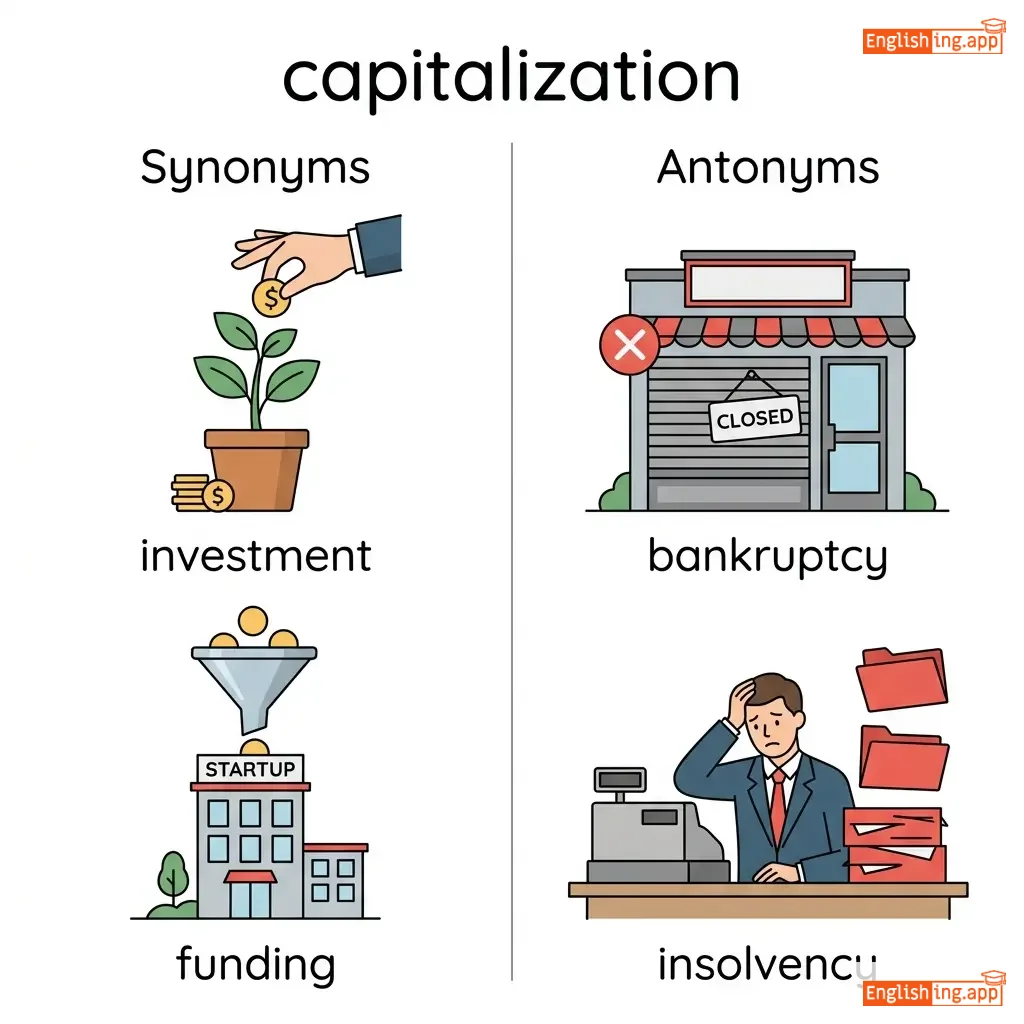
/ˌkæp.ɪ.təl.aɪˈzeɪ.ʃən/
noun
••••••
|
|
The action or process of providing capital for a company or activity.
••••••
|
Proper capitalization is crucial for business expansion. |
funding, investment, monetization
••••••
|
bankruptcy, debt, insolvency
••••••
|
|
#2950
💧
|
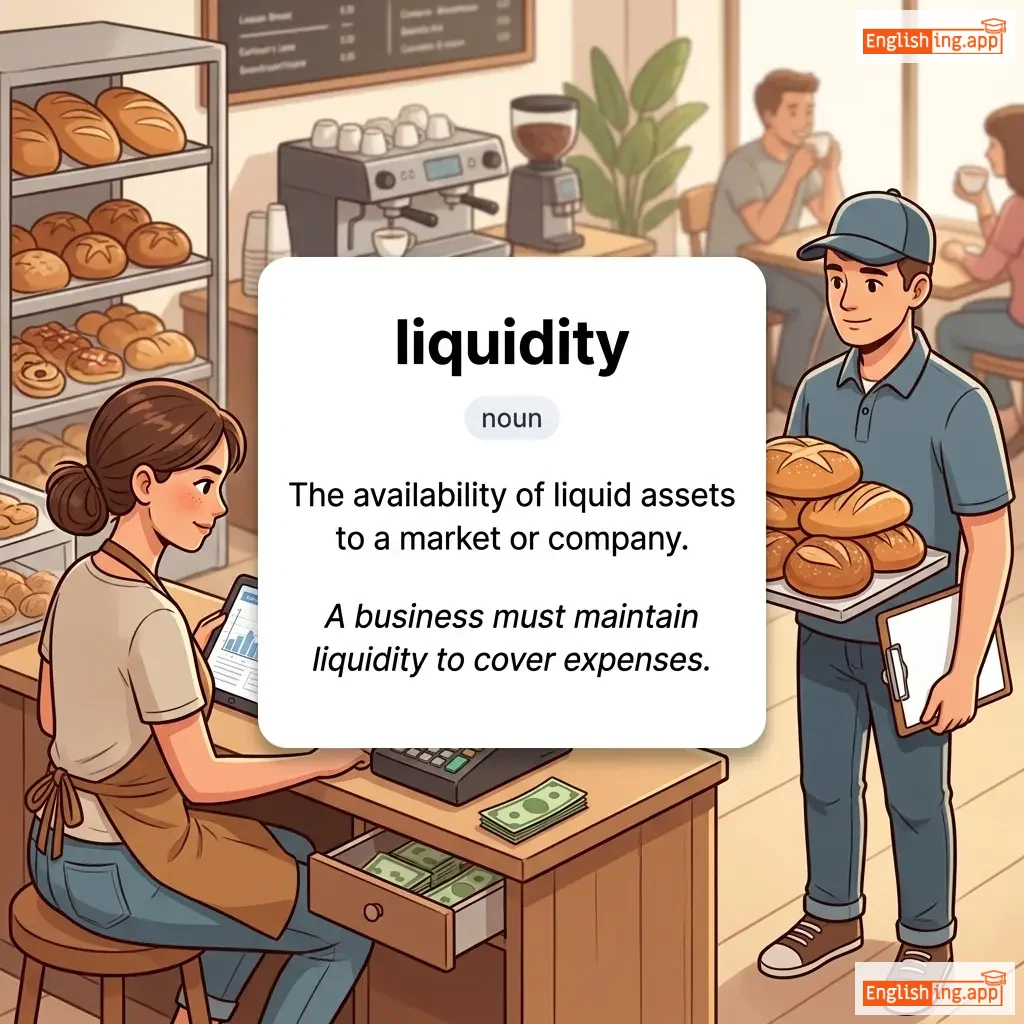
/lɪˈkwɪd.ə.ti/
noun
••••••
|
|
The availability of liquid assets to a market or company.
••••••
|
High liquidity ensures smooth financial transactions. |
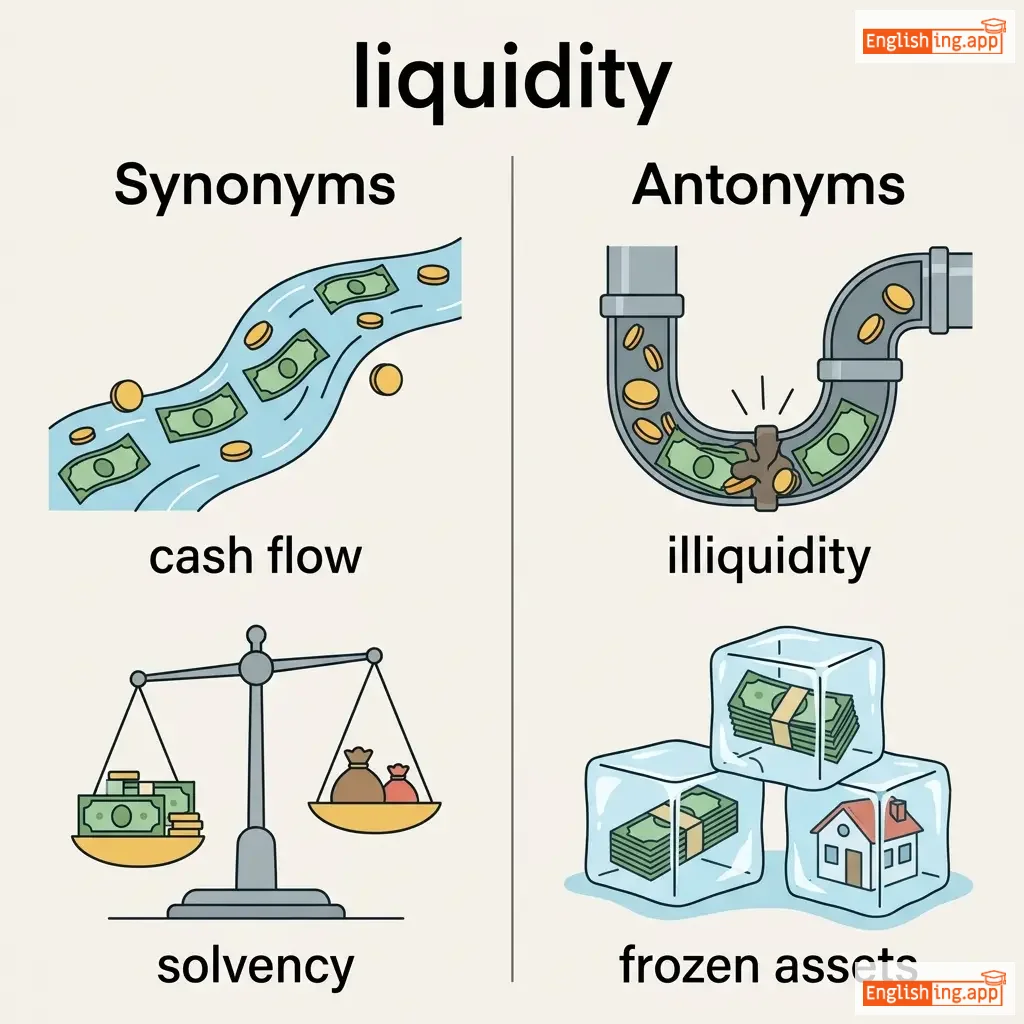
cash flow, fluidity, convertibility
••••••
|
illiquidity, insolvency, rigidity
••••••
|
|
#2951
🤝
|
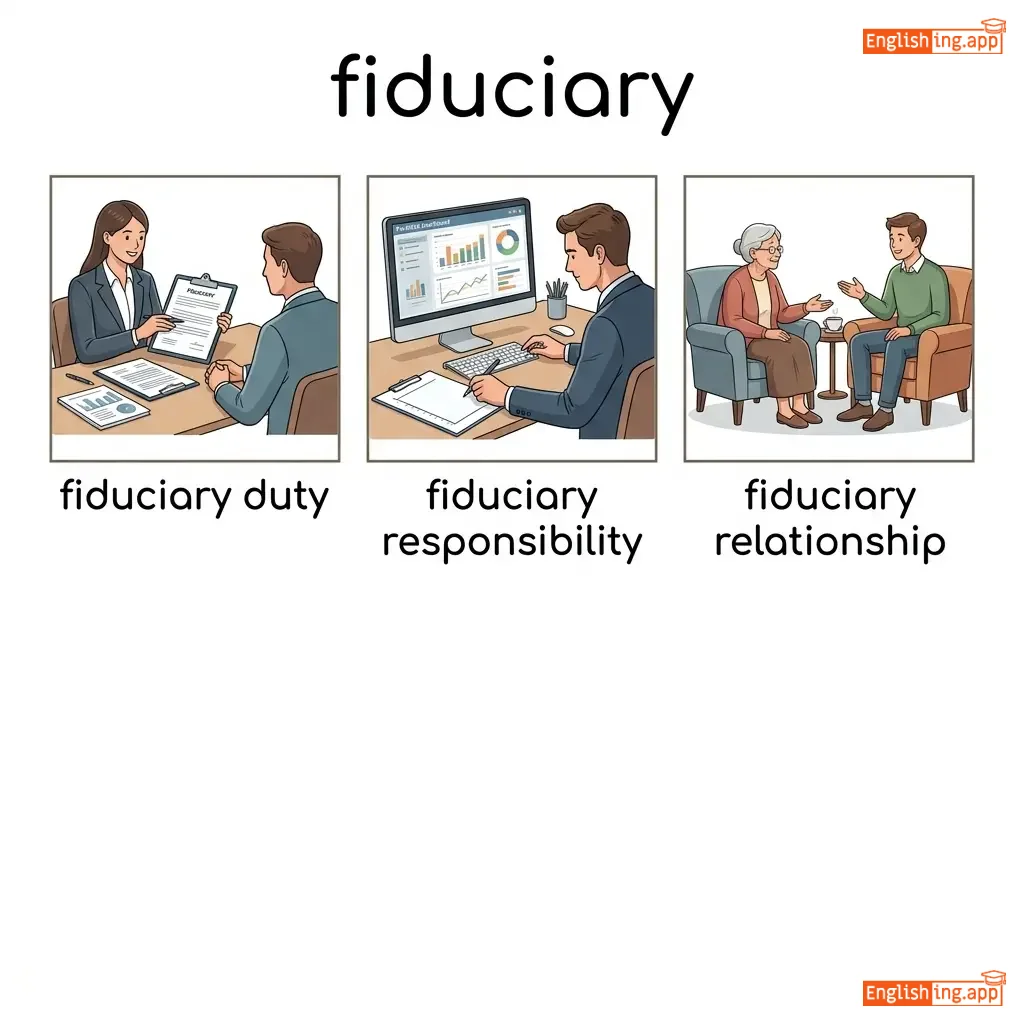
/fɪˈduː.ʃi.er.i/
adjective/noun
••••••
|


|
Involving trust, especially with regard to the relationship between a trustee and a beneficiary.
••••••
|
Banks have fiduciary duties towards their clients. |
trustee, guardian, custodian
••••••
|
untrustworthy, irresponsible, deceptive
••••••
|
|
#2952
✅
|
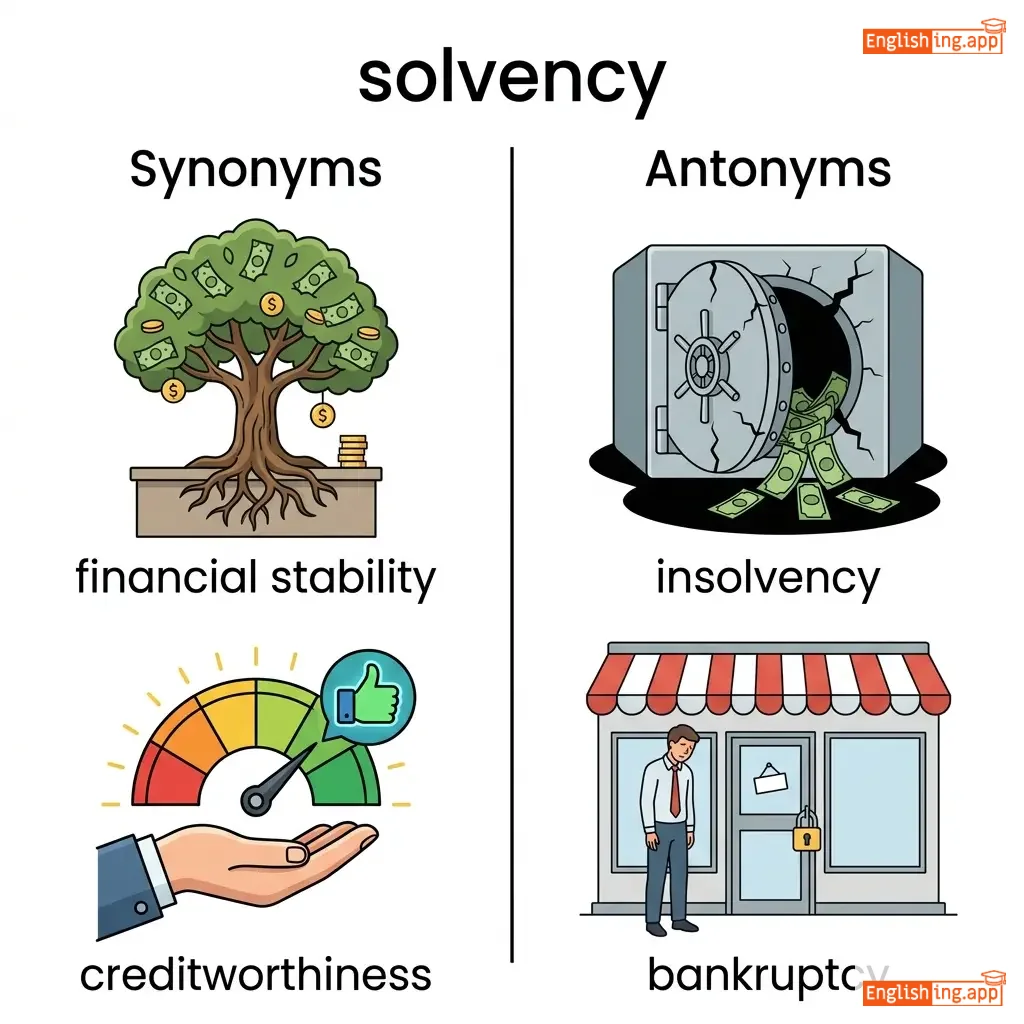
/ˈsɒl.vən.si/
noun
••••••
|

|
The possession of assets in excess of liabilities; ability to pay debts.
••••••
|
The company's solvency determines its financial health. |
financial stability, creditworthiness, viability
••••••
|
insolvency, bankruptcy, default
••••••
|
|
#2953
📦
|
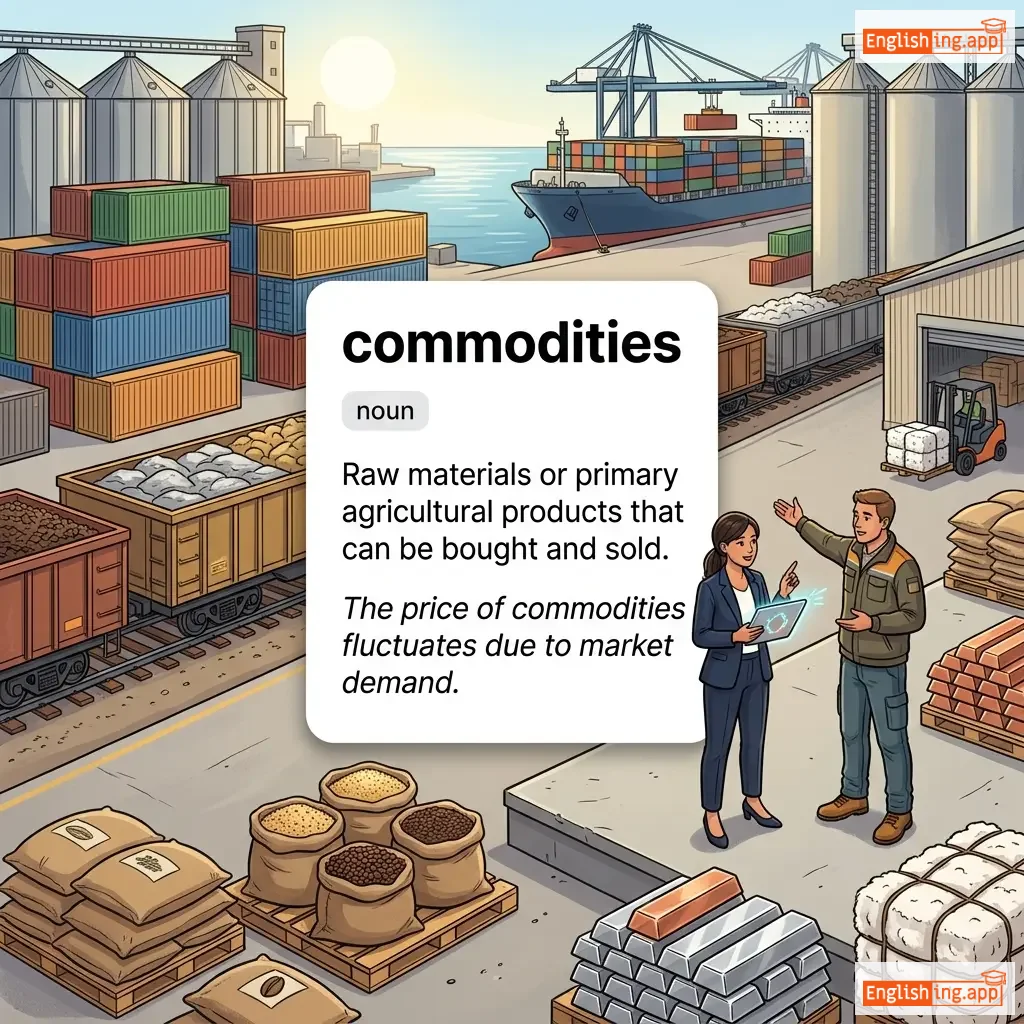
/kəˈmɒd.ə.tiz/
noun
••••••
|
|
Raw materials or primary agricultural products that can be bought and sold.
••••••
|
The price of commodities fluctuates due to market demand. |
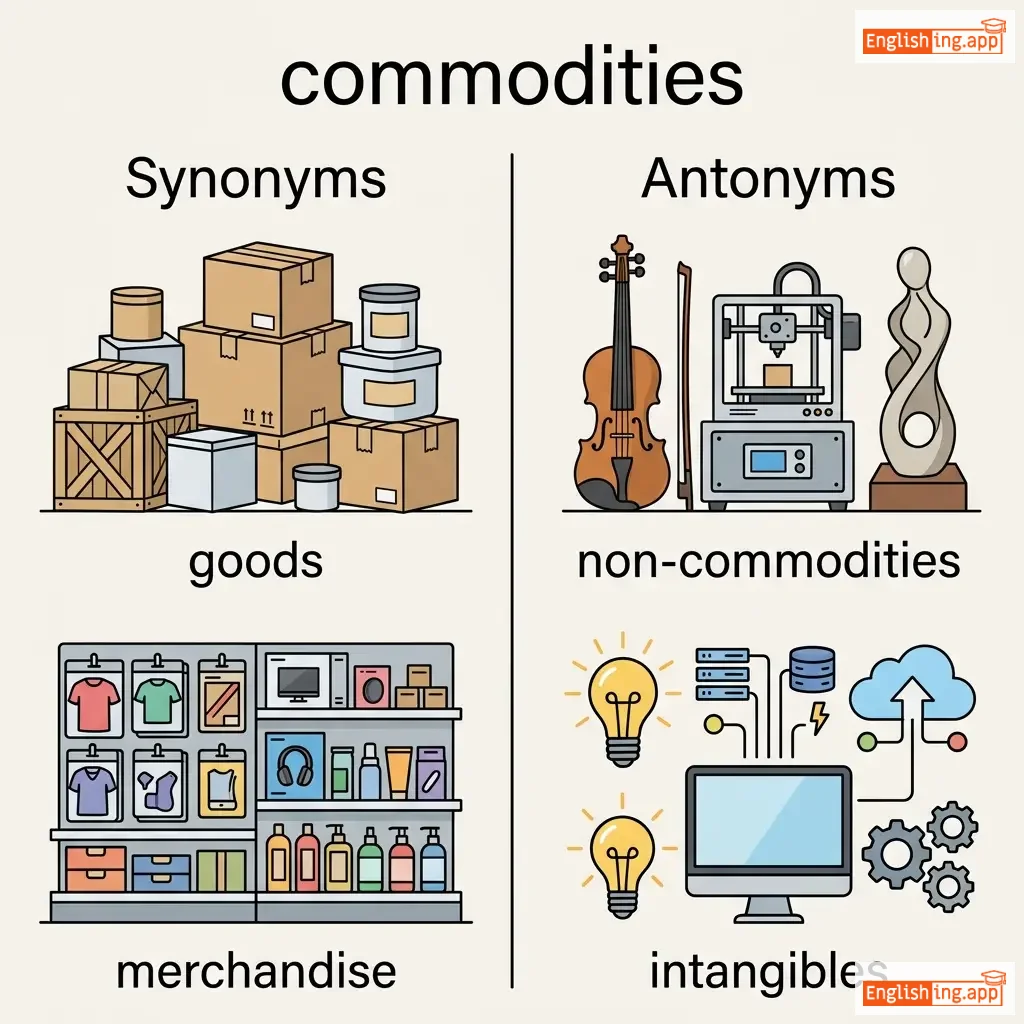
goods, merchandise, assets
••••••
|
non-commodities, intangibles, services
••••••
|
|
#2954
💵
|
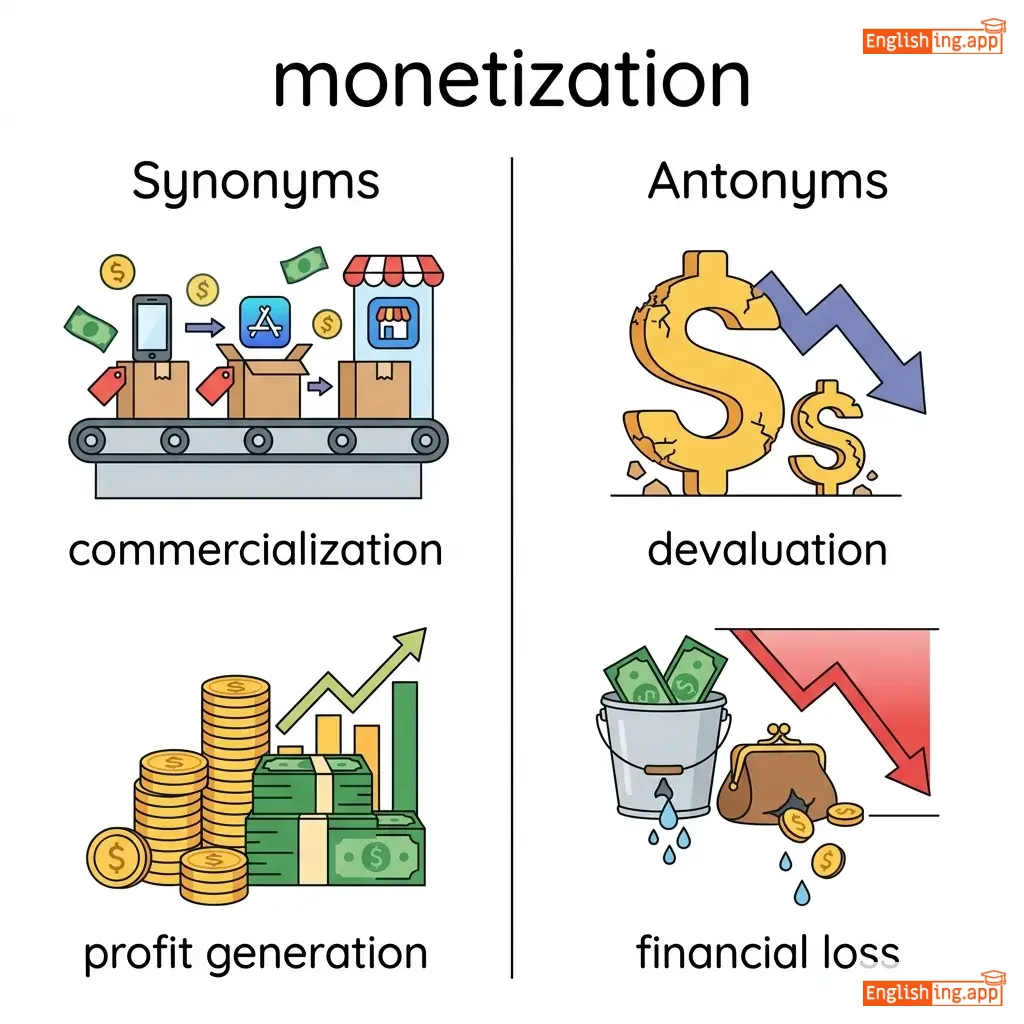
/ˌmɒn.ɪ.taɪˈzeɪ.ʃən/
noun
••••••
|

|
The conversion of an asset into money or legal tender.
••••••
|
The digital platform focuses on content monetization. |
commercialization, revenue generation, capitalization
••••••
|
loss, depreciation, demonetization
••••••
|
|
#2955
📋
|
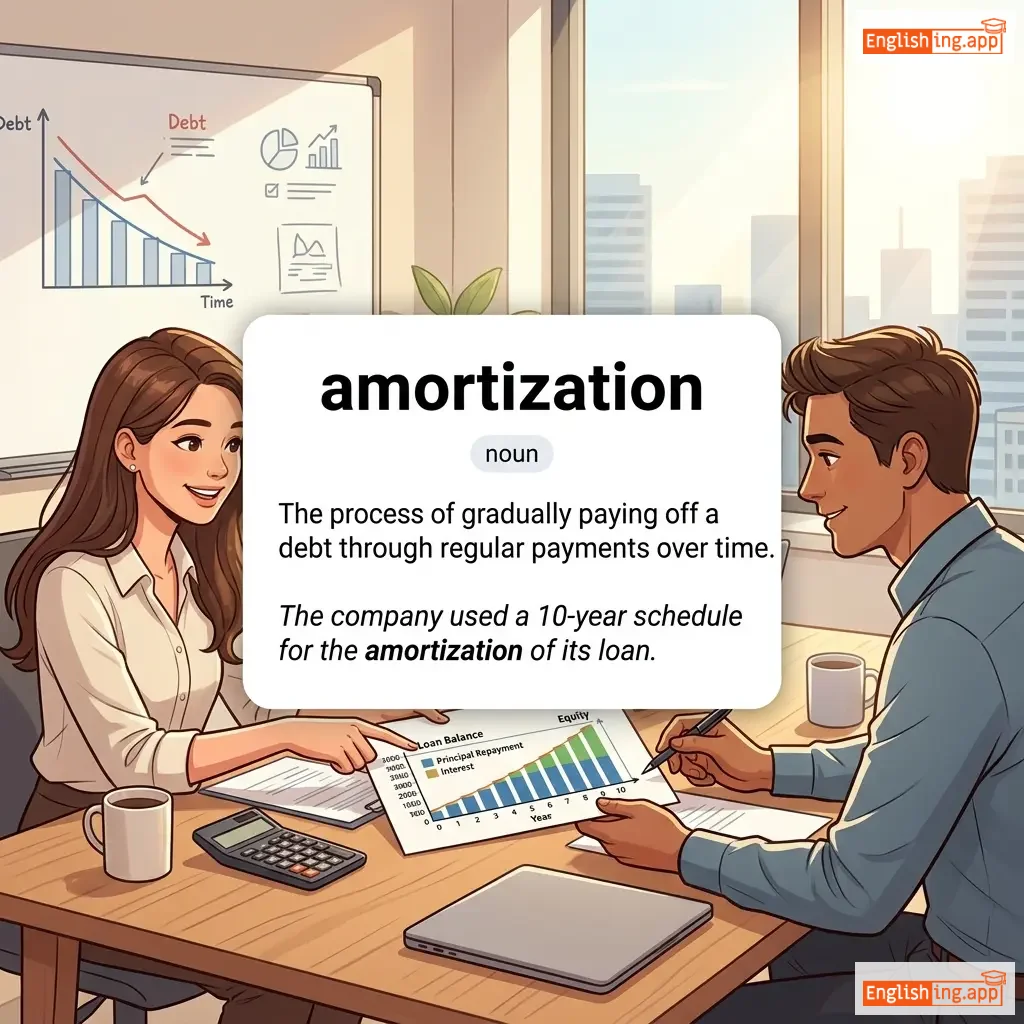
/ˌæm.ɔːr.tɪˈzeɪ.ʃən/
noun
••••••
|
|
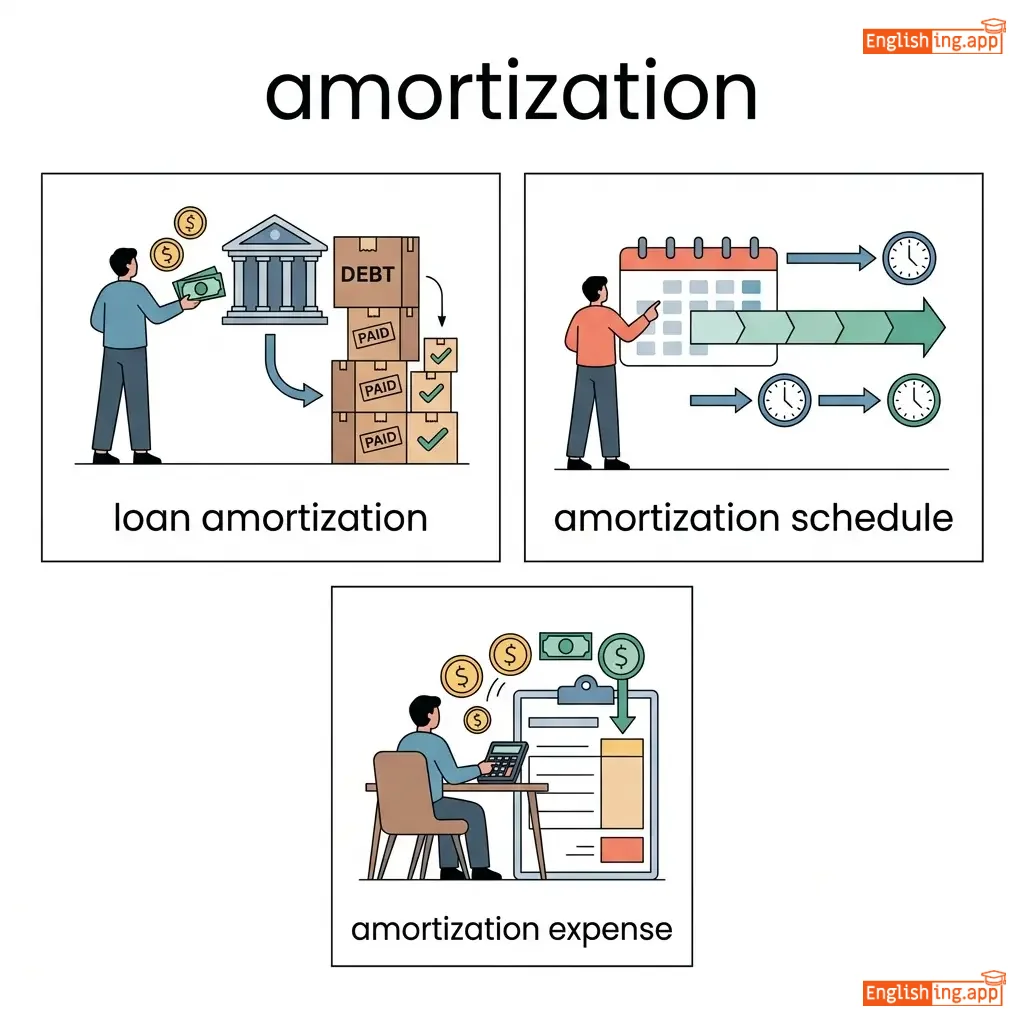
The action or process of reducing or paying off a debt with regular payments.
••••••
|
The company follows a structured amortization plan. |
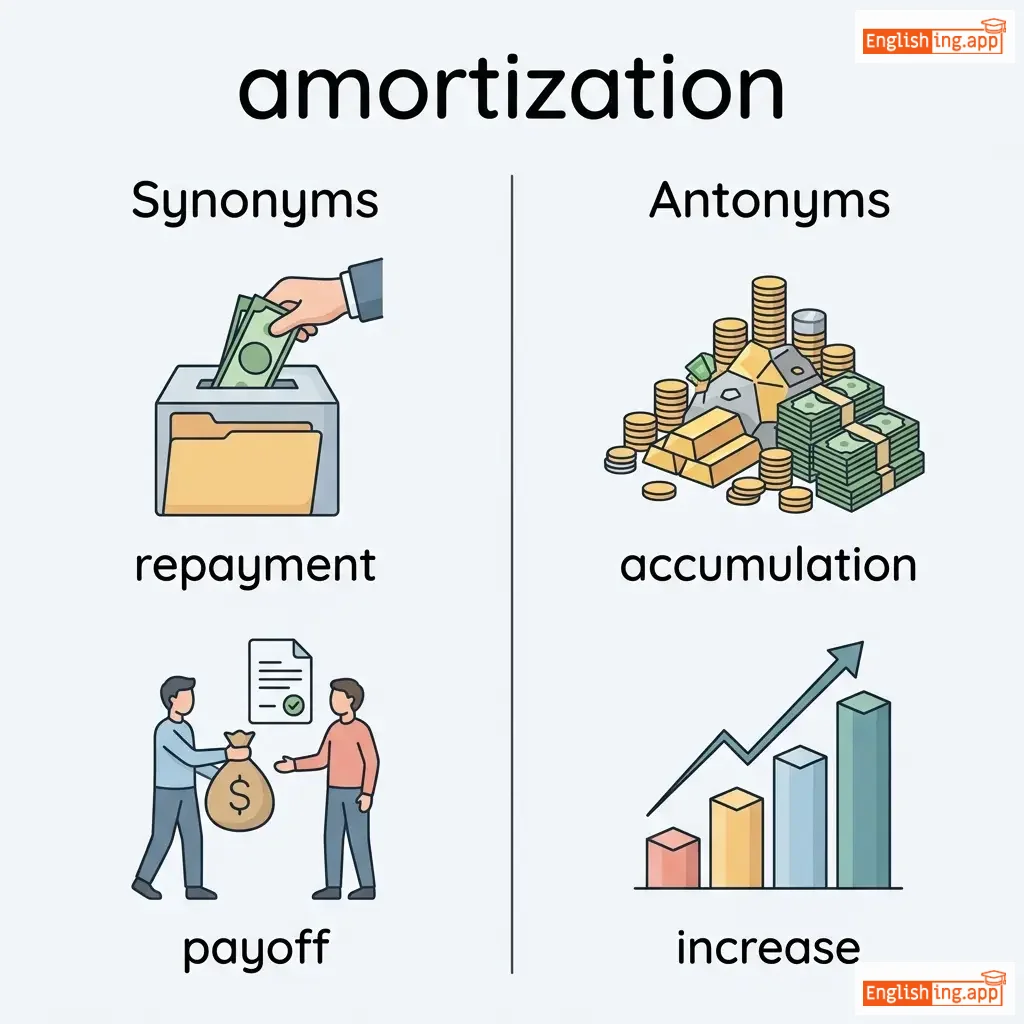
debt reduction, loan repayment, depreciation
••••••
|
accumulation, debt expansion, indebtedness
••••••
|
|
#2956
📈
|
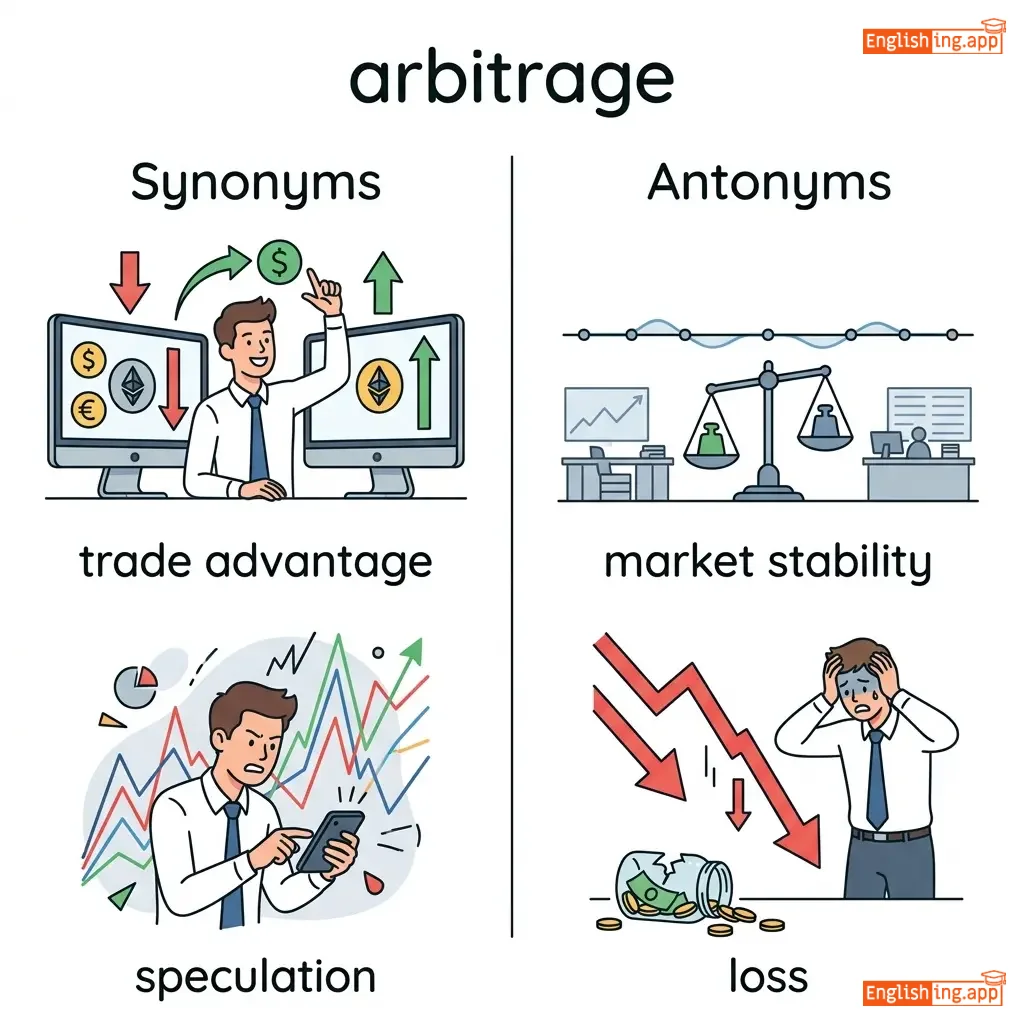
/ˈɑː.bɪ.trɑːʒ/
noun
••••••
|
|
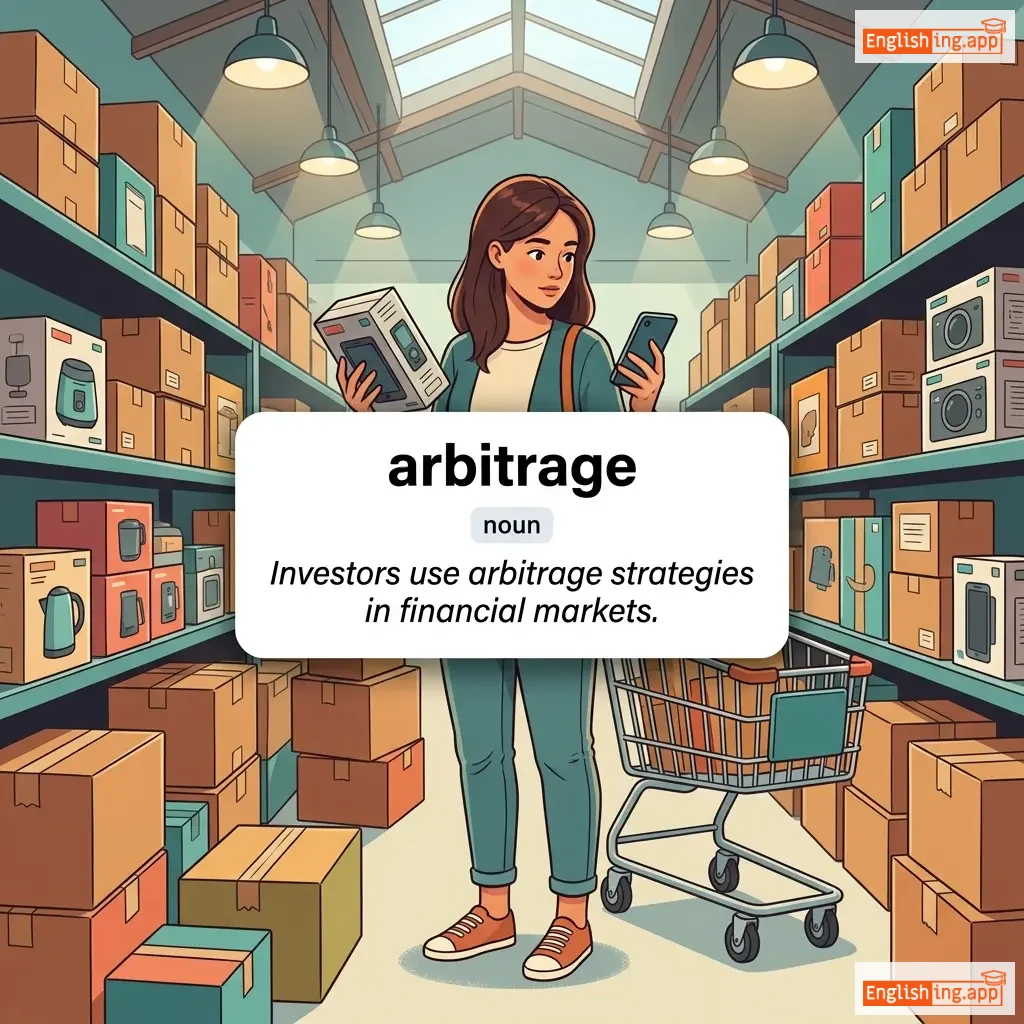
The simultaneous buying and selling of securities, currency, or commodities in different markets to take advantage of price differences.
••••••
|
Investors use arbitrage strategies in financial markets. |
trade advantage, speculation, market exploitation
••••••
|
market stability, loss, risk exposure
••••••
|
|
#2957
⏸️
|
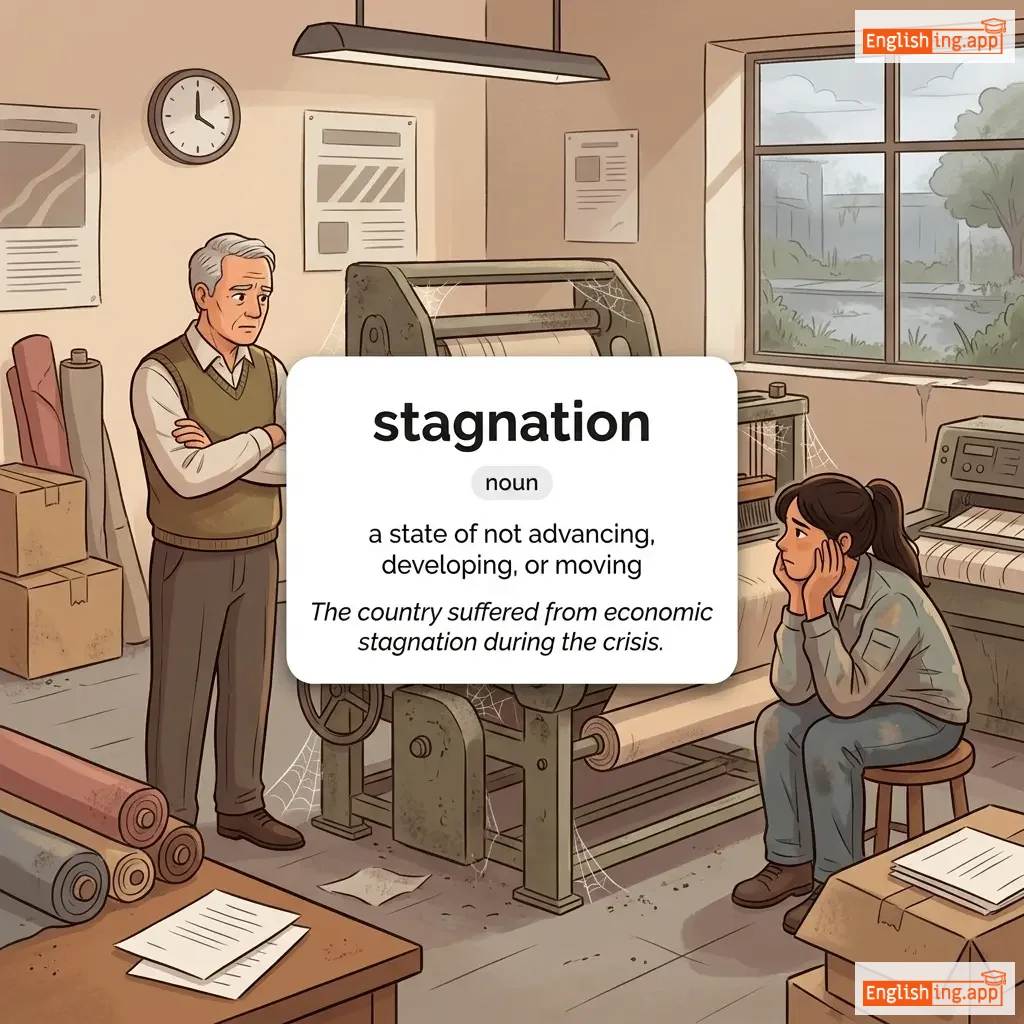
/stæɡˈneɪ.ʃən/
noun
••••••
|
|
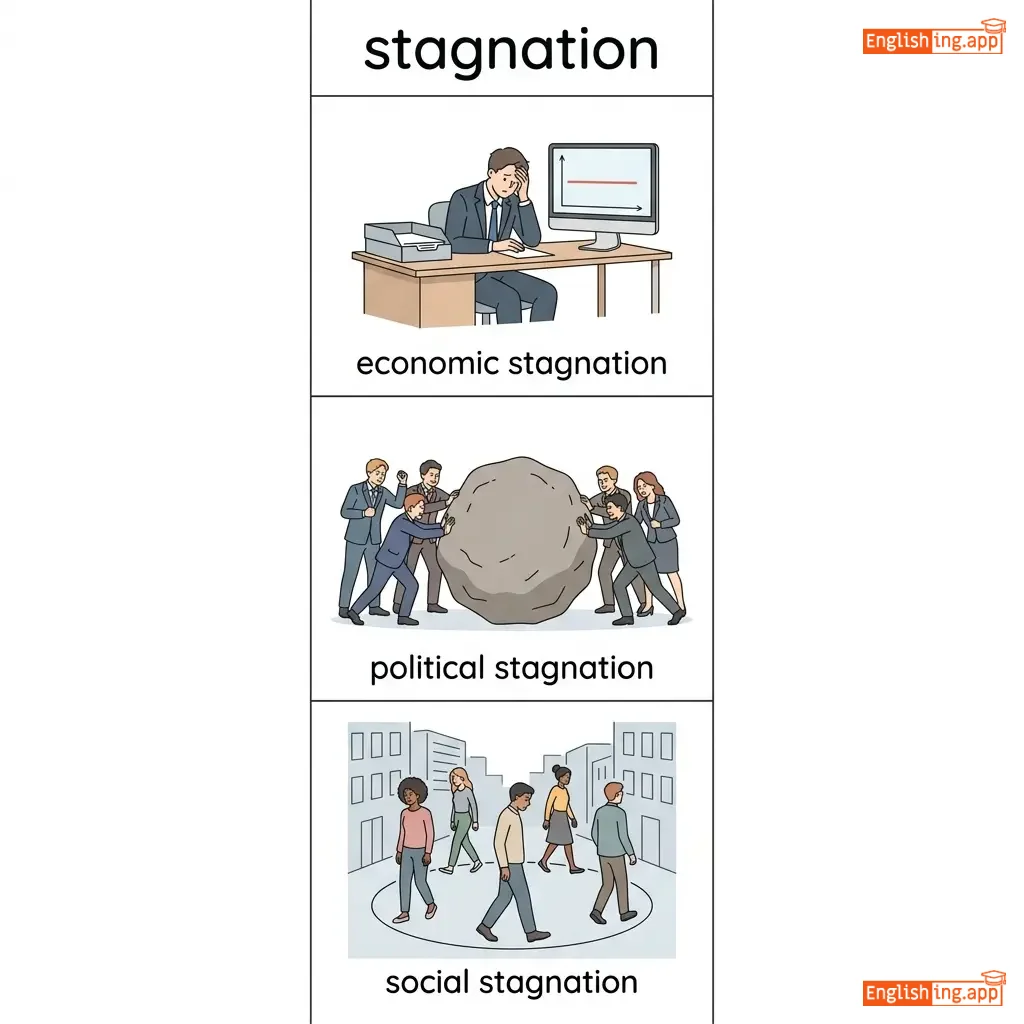
The state of not flowing or moving; lack of activity, growth, or development.
••••••
|
Economic stagnation leads to unemployment. |
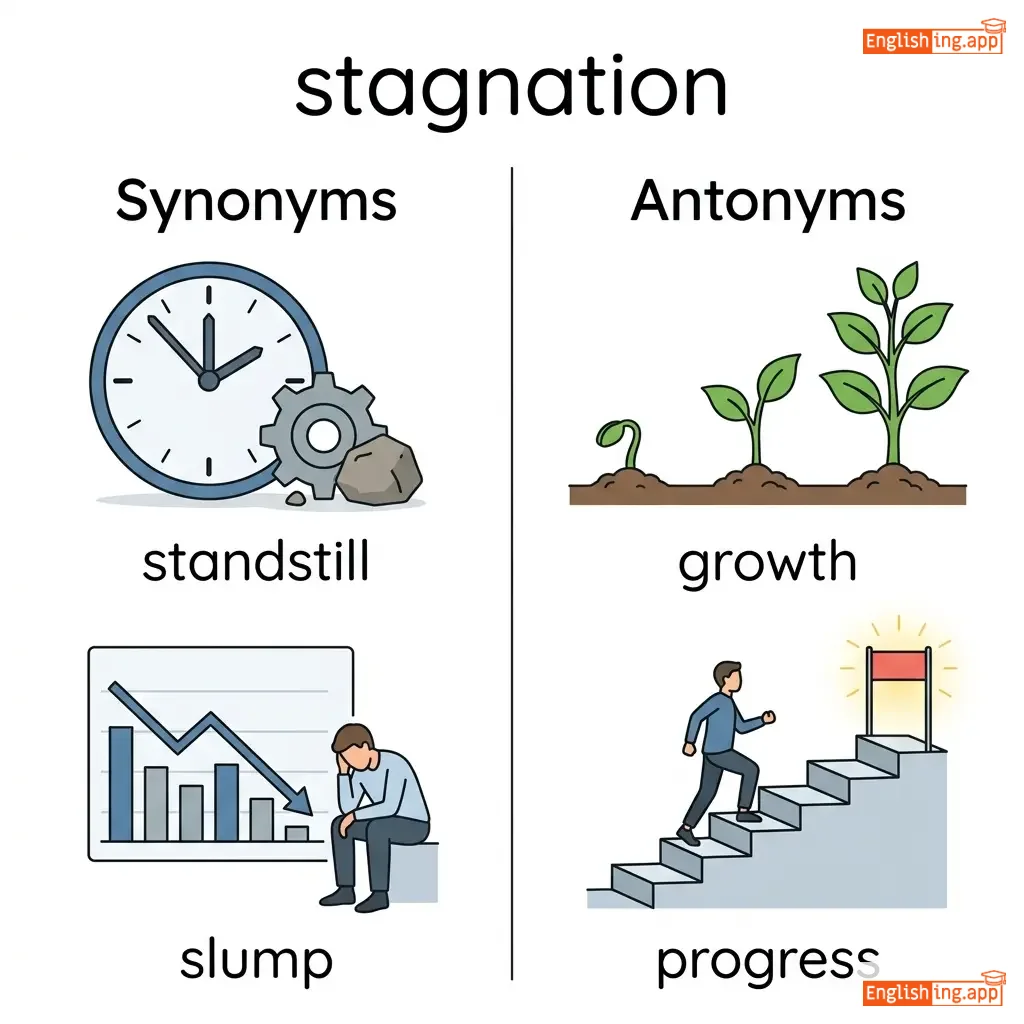
economic decline, standstill, recession
••••••
|
growth, expansion, flourishing
••••••
|

