••••••
/faɪˈnæn.ʃəl rɪˌspɒn.sɪˈbɪl.ə.ti/
noun
••••••
••••••
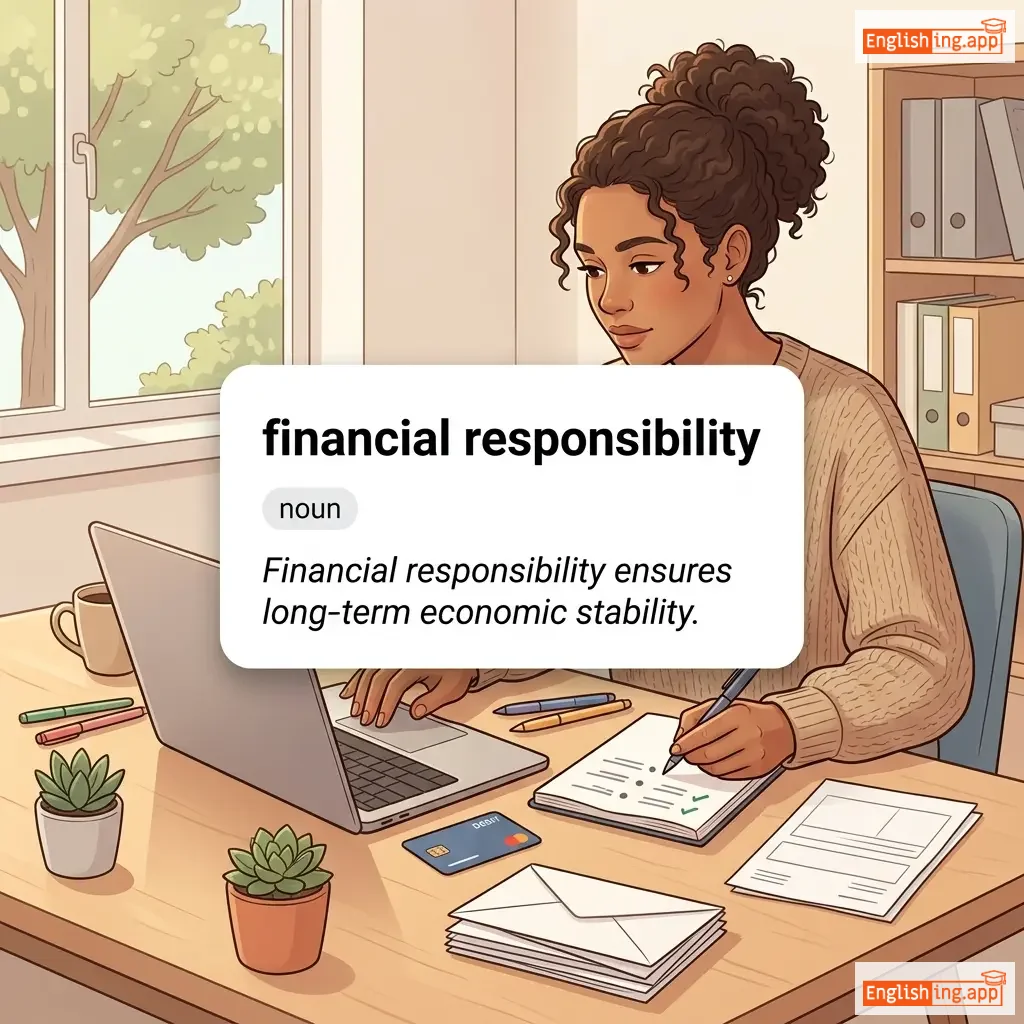
The practice of managing money and other financial resources in a responsible and effective manner.
••••••
Financial responsibility ensures long-term economic stability.
••••••
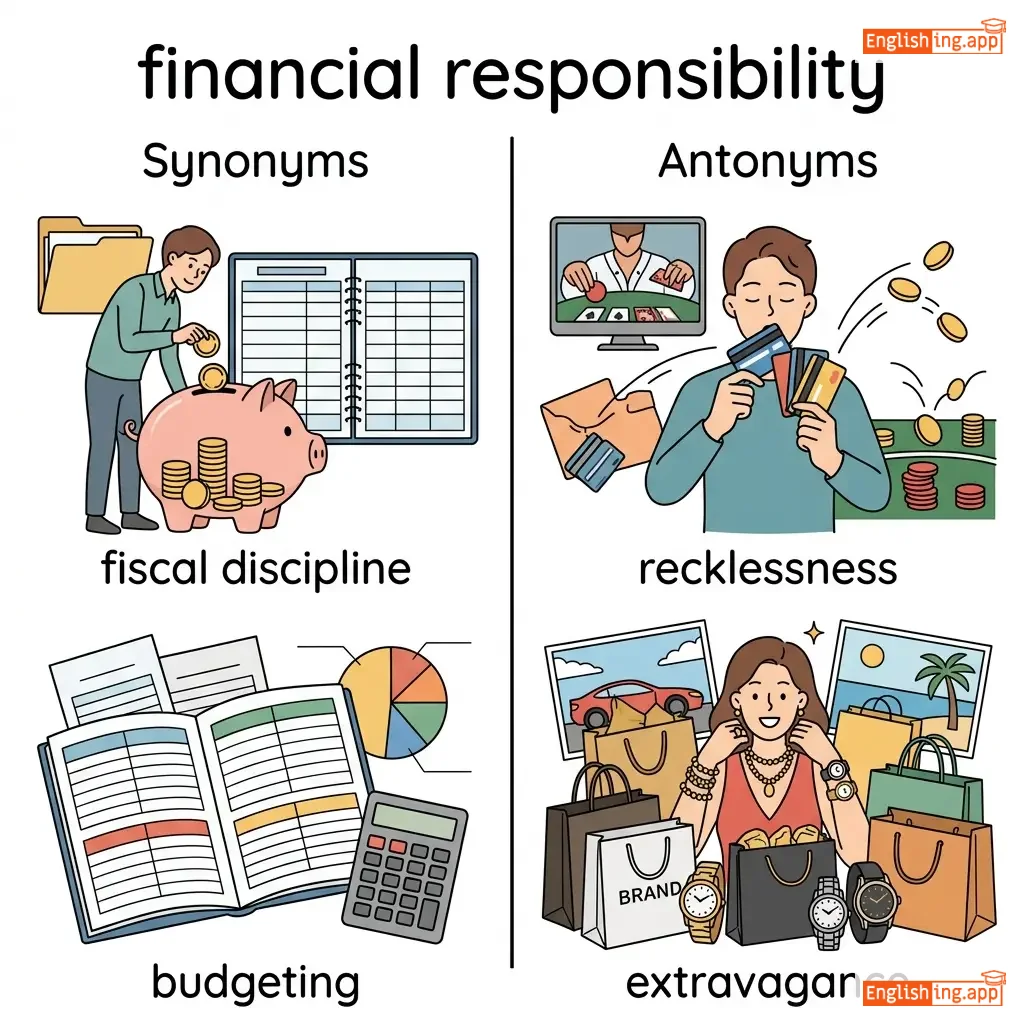
fiscal discipline, budgeting, accountability
••••••
recklessness, extravagance, carelessness
••••••
••••••
/fruːˈɡæl.ə.ti/
noun
••••••
••••••
The quality of being economical in use or expenditure; not wasteful.
••••••
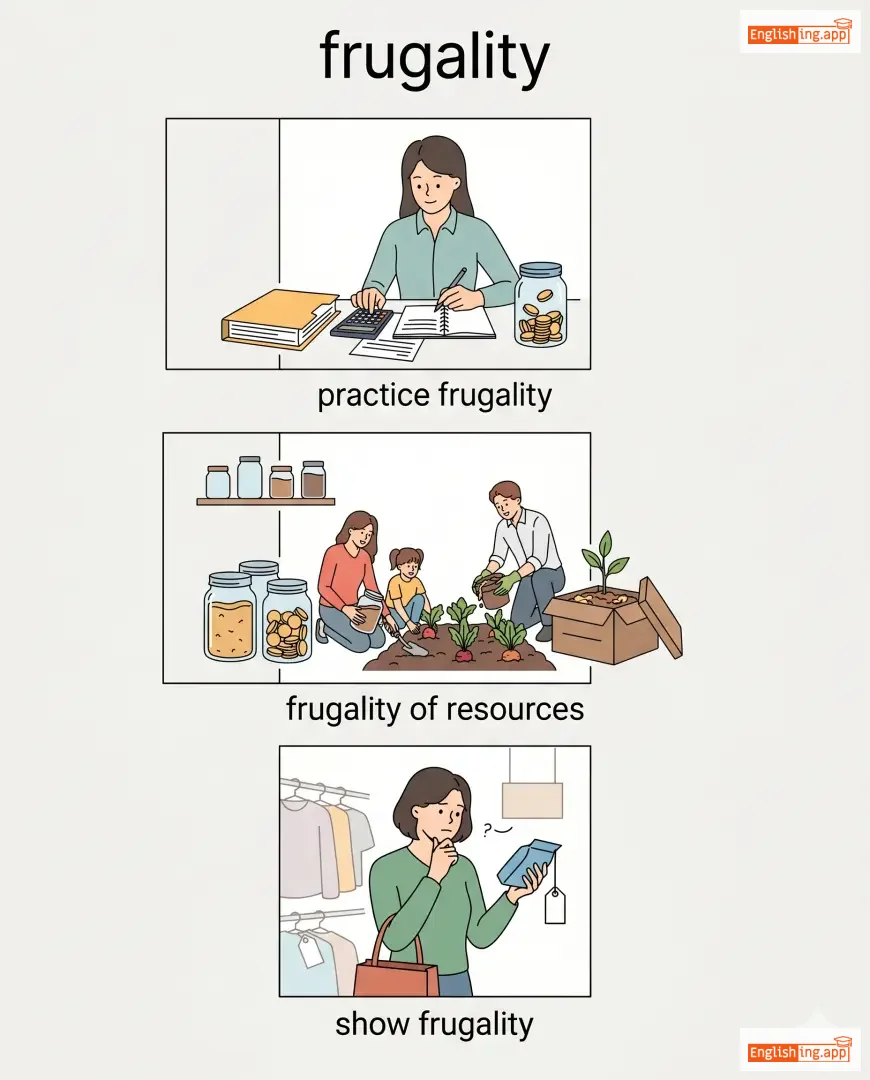
Practicing frugality helps in wealth accumulation.
••••••
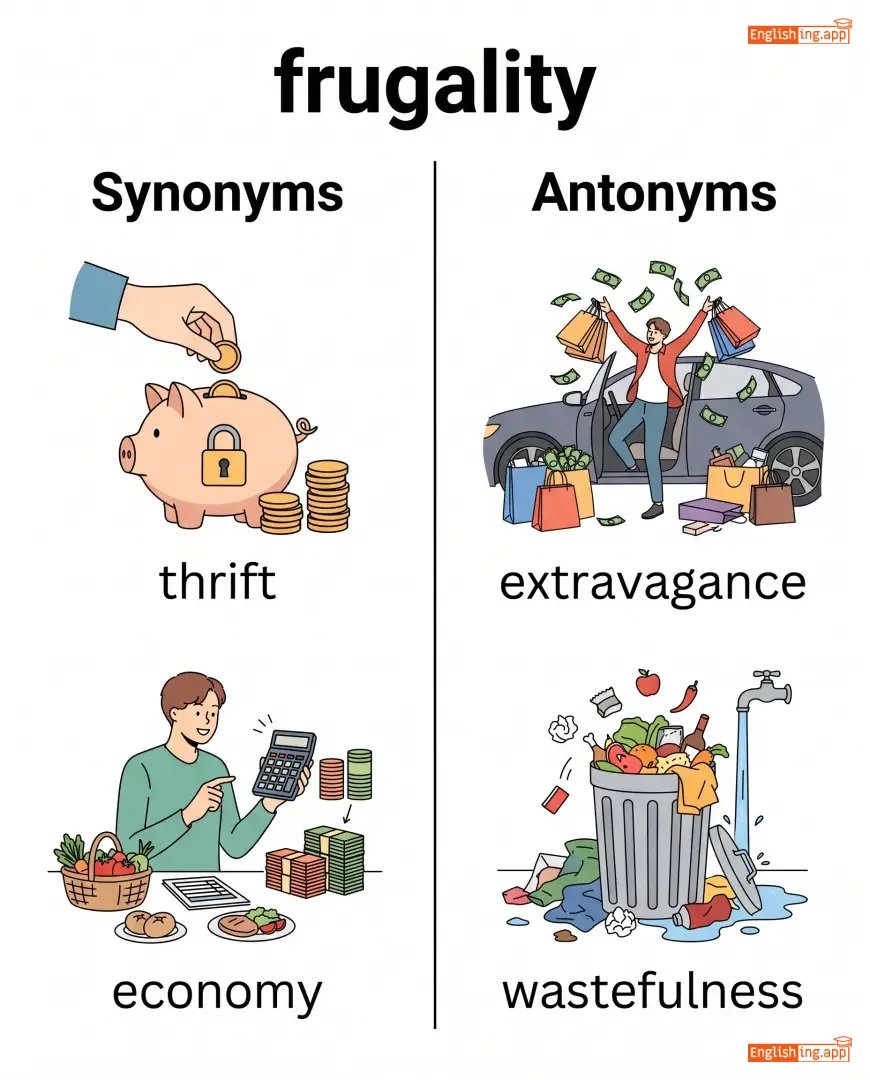
thrift, prudence, economy
••••••
extravagance, wastefulness, lavishness
••••••
••••••
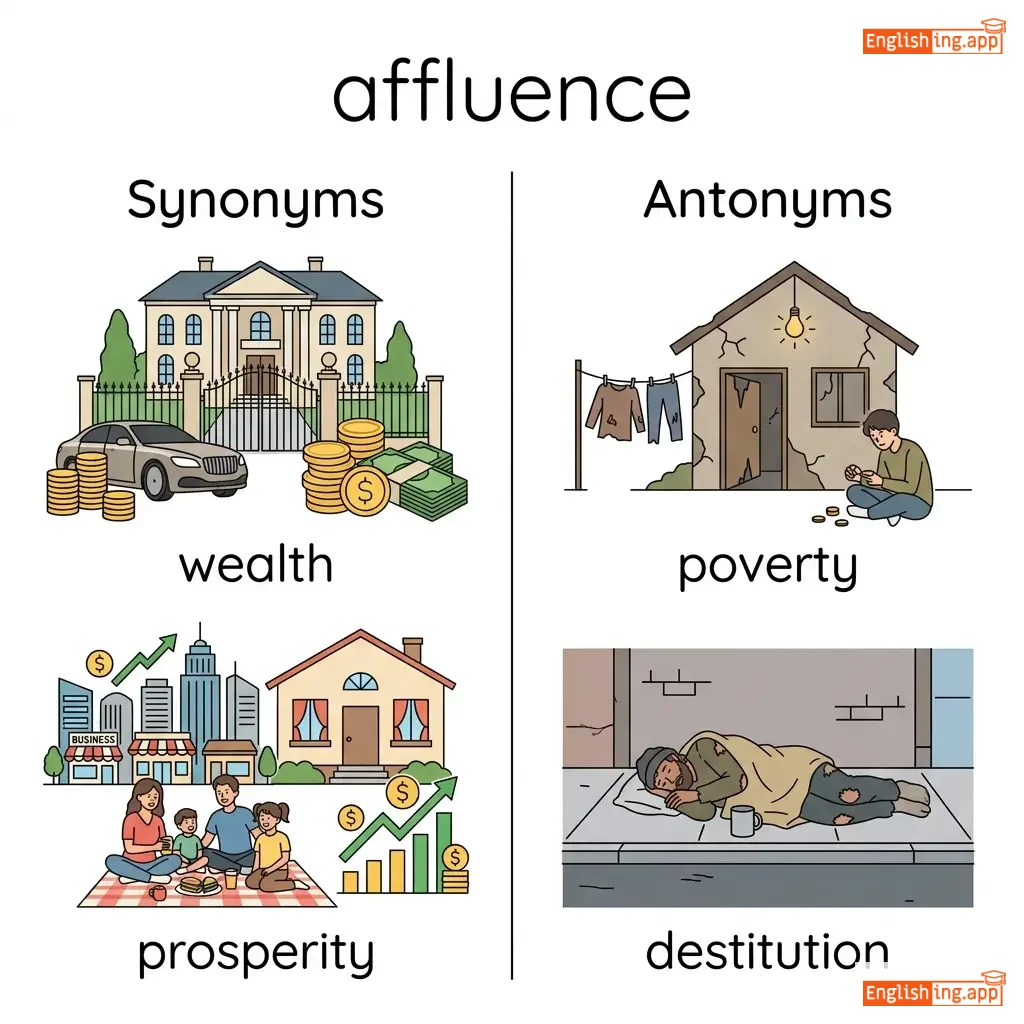
/ˈæf.lu.əns/
noun
••••••
••••••
The state of having a great deal of money; wealth.
••••••
Economic growth leads to national affluence .
••••••
wealth, prosperity, opulence
••••••
poverty, scarcity, deprivation
••••••
••••••
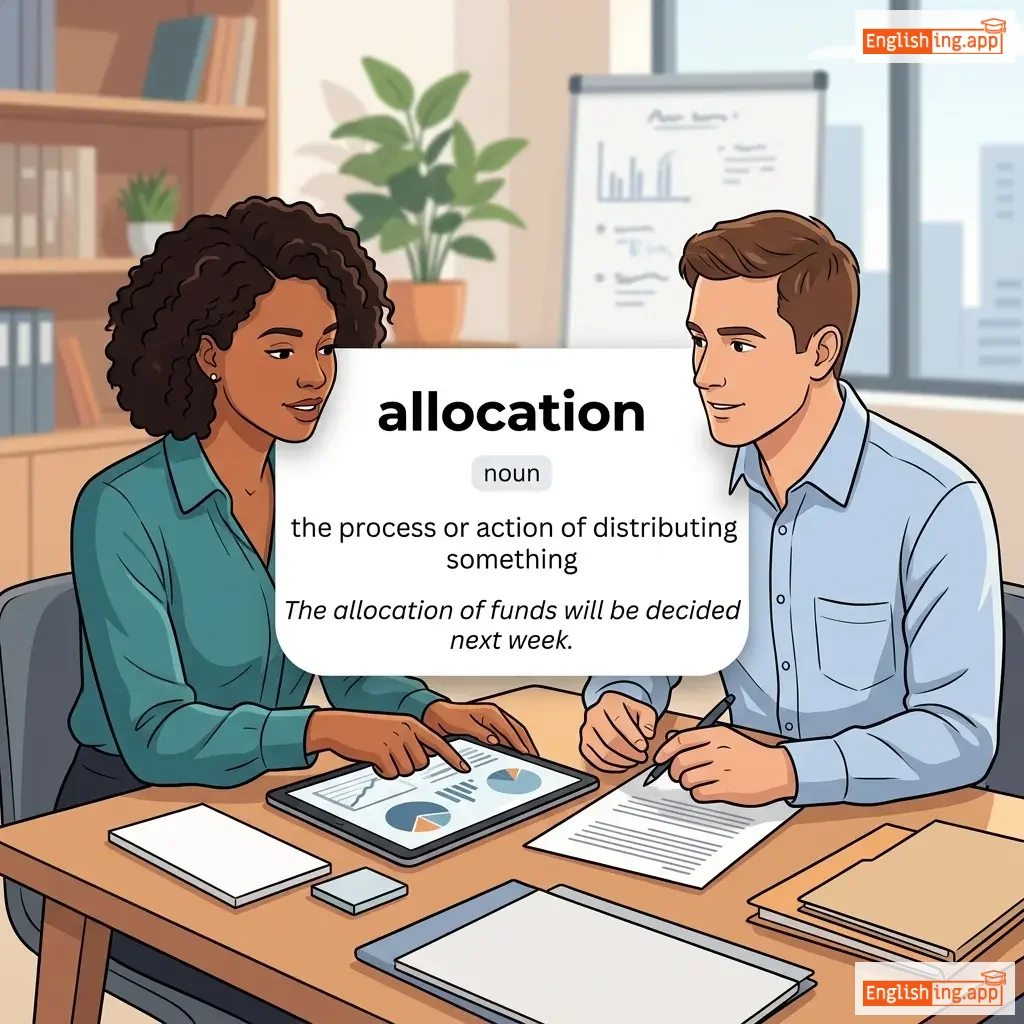
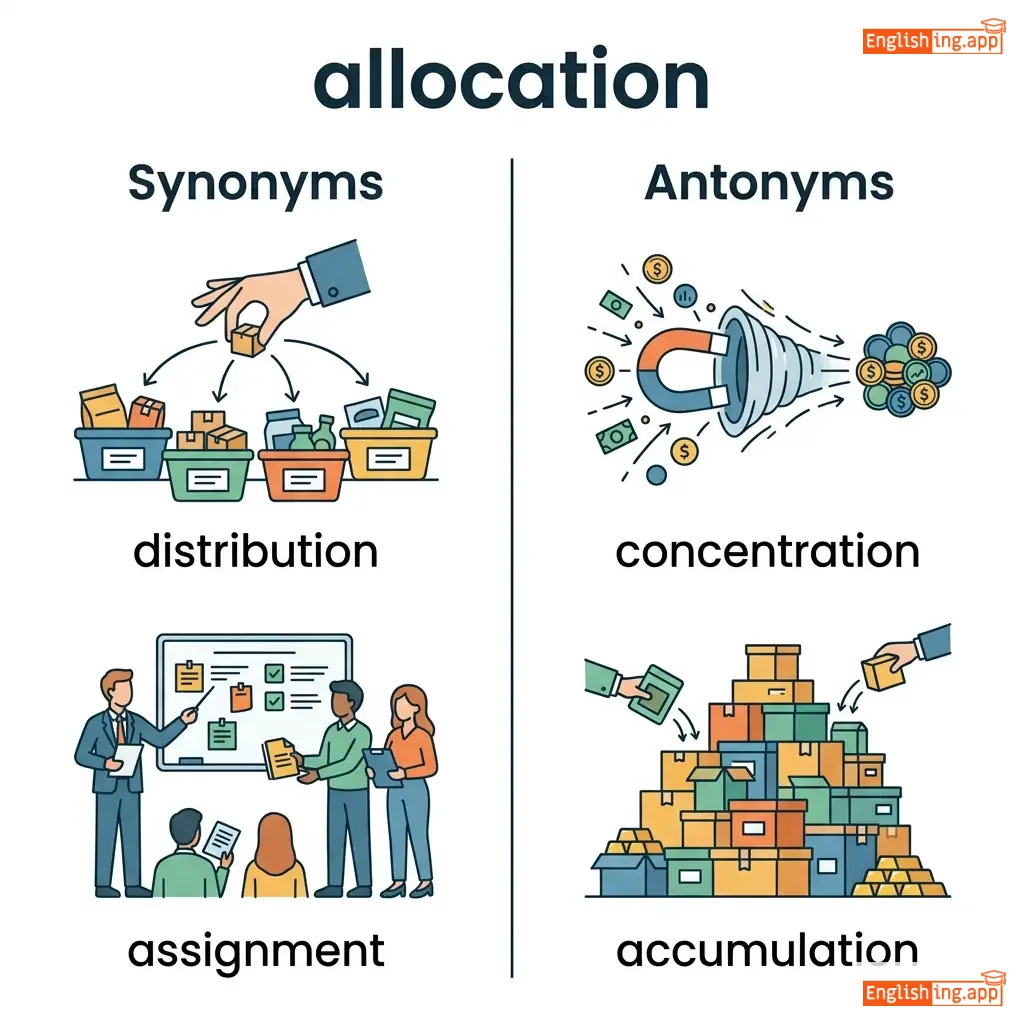
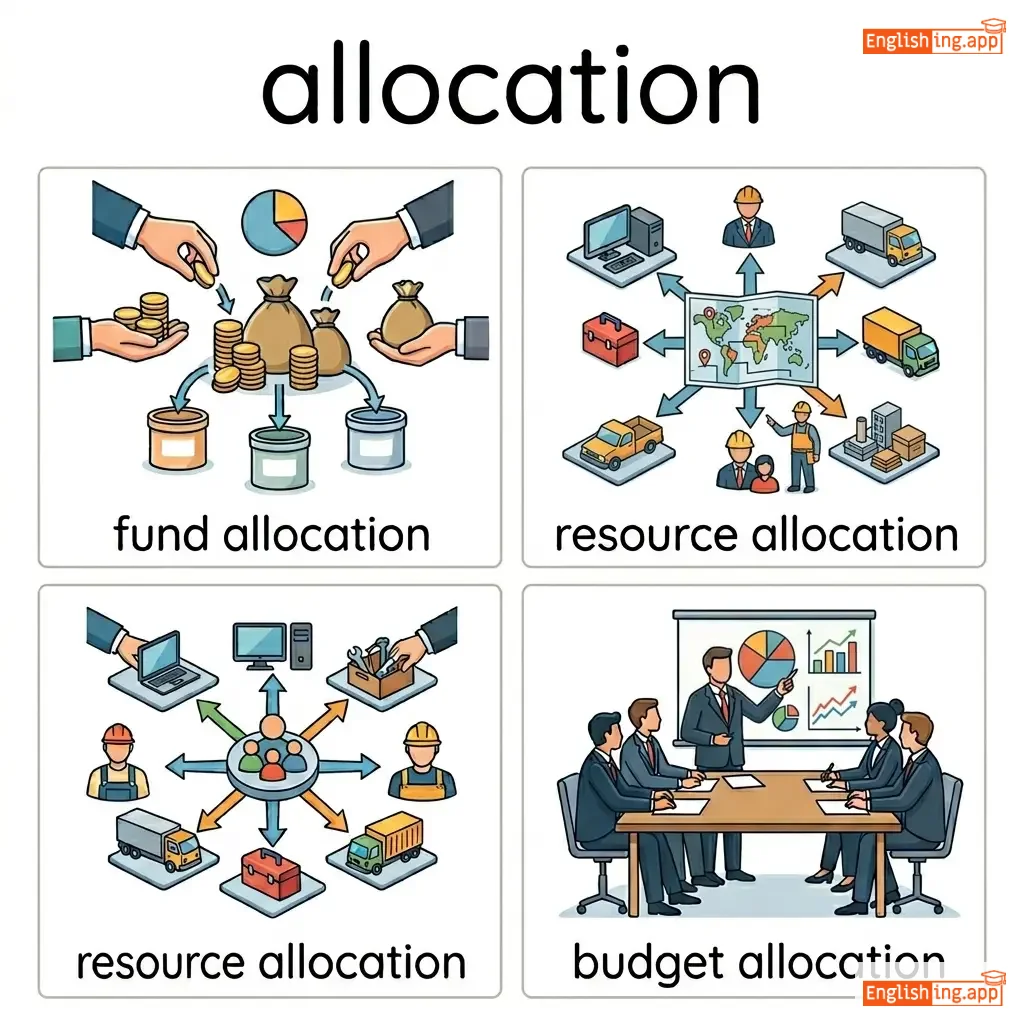
/ˌæl.əˈkeɪ.ʃən/
noun
••••••
••••••
The action or process of distributing resources or duties for a particular purpose.
••••••
Budget allocation for education must be increased.
••••••
distribution, apportionment, assignment
••••••
mismanagement, hoarding, withholding
••••••
••••••
/ɪkˈspen.dɪ.tʃər/
noun
••••••
••••••
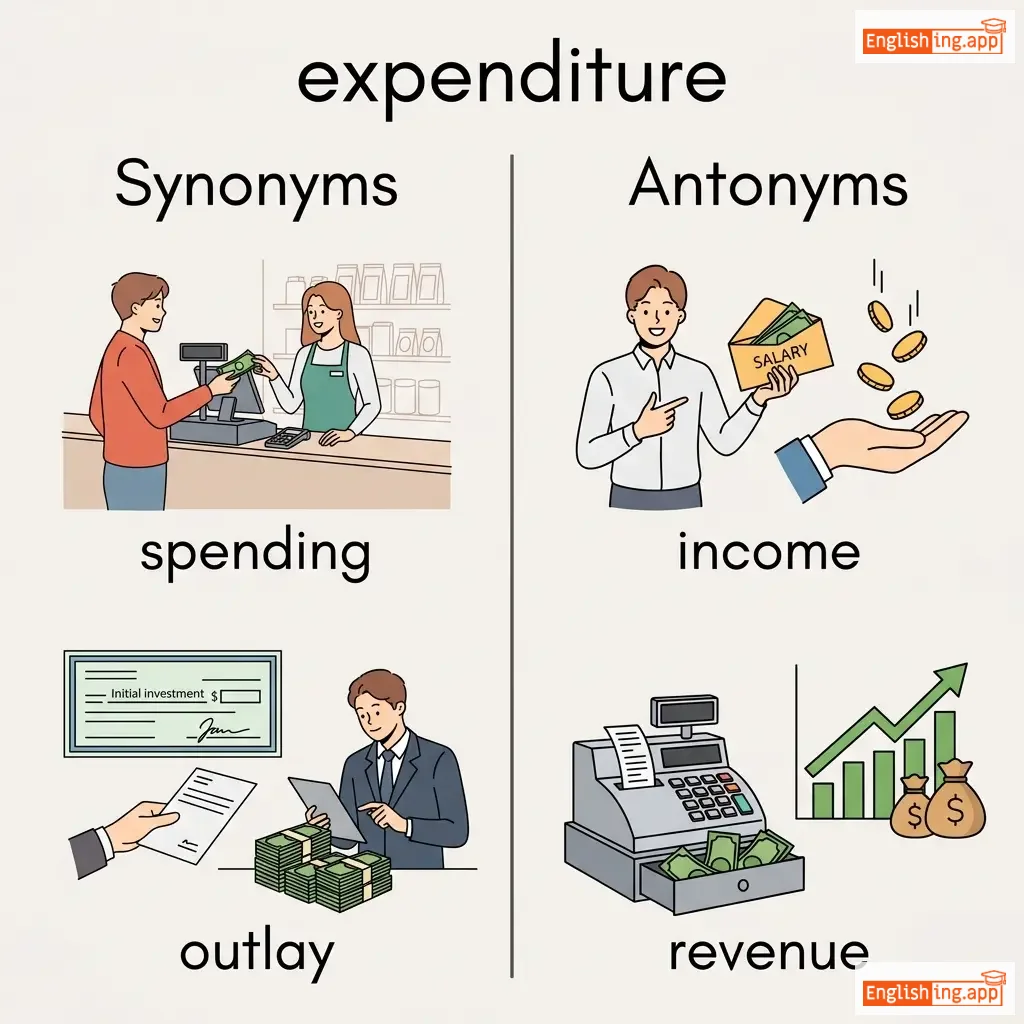
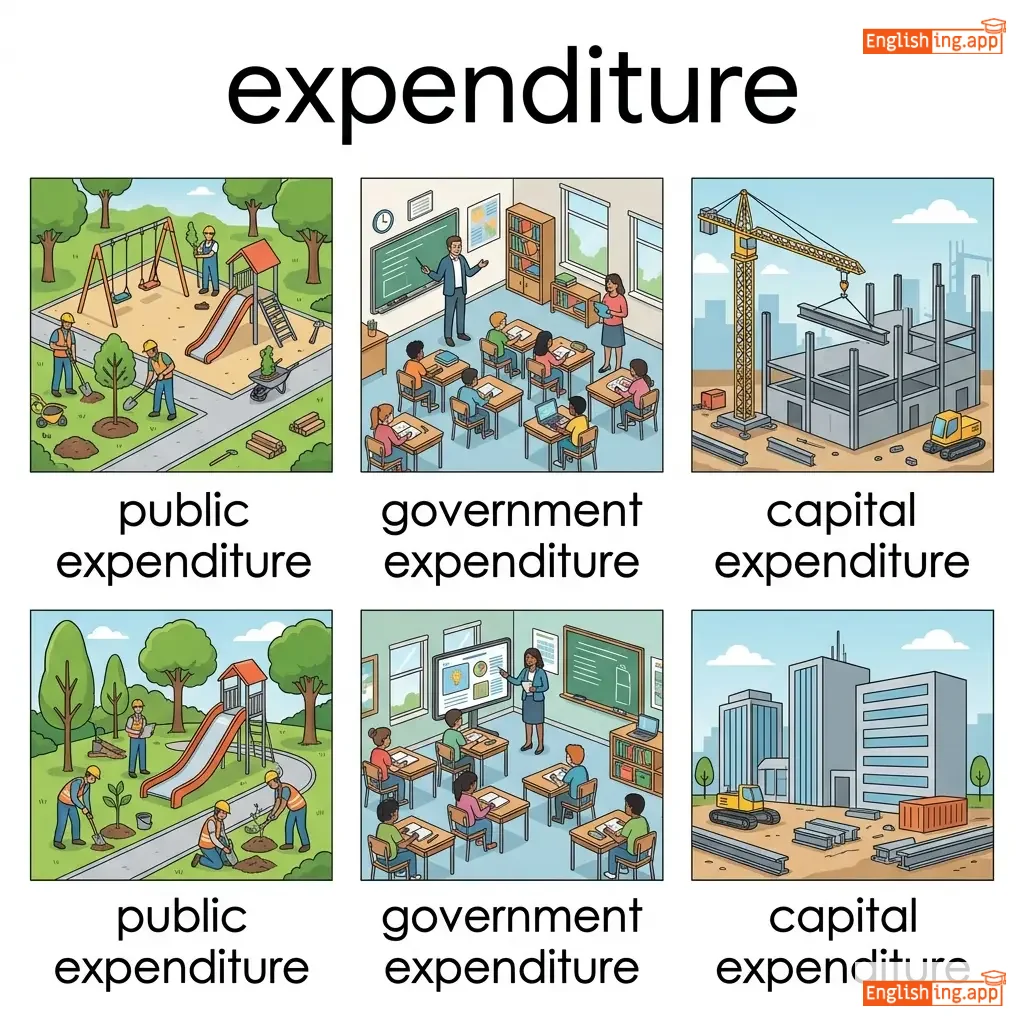
The action of spending funds; an amount of money spent.
••••••
Excessive expenditure can lead to financial instability.
••••••
spending, outlay, consumption
••••••
••••••
••••••
/ˈek.wɪ.ti/
noun
••••••
••••••
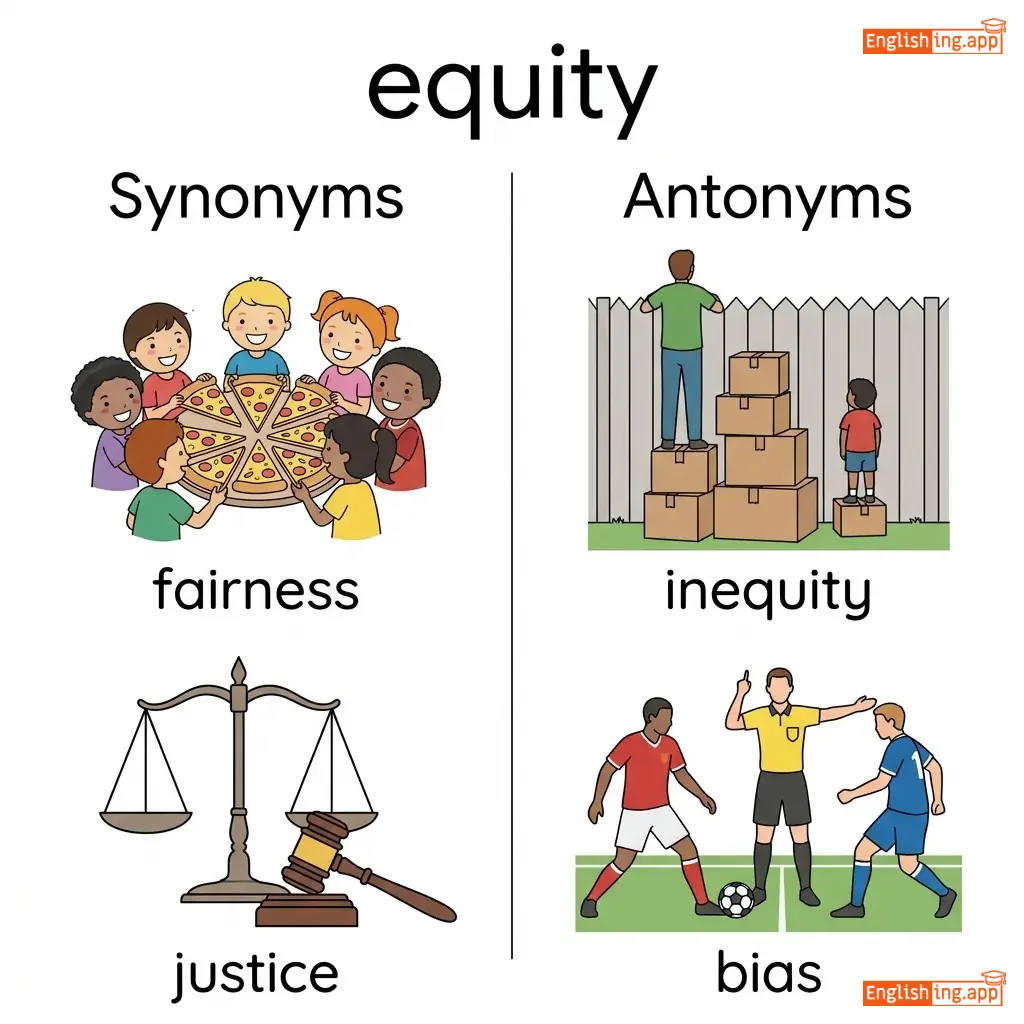
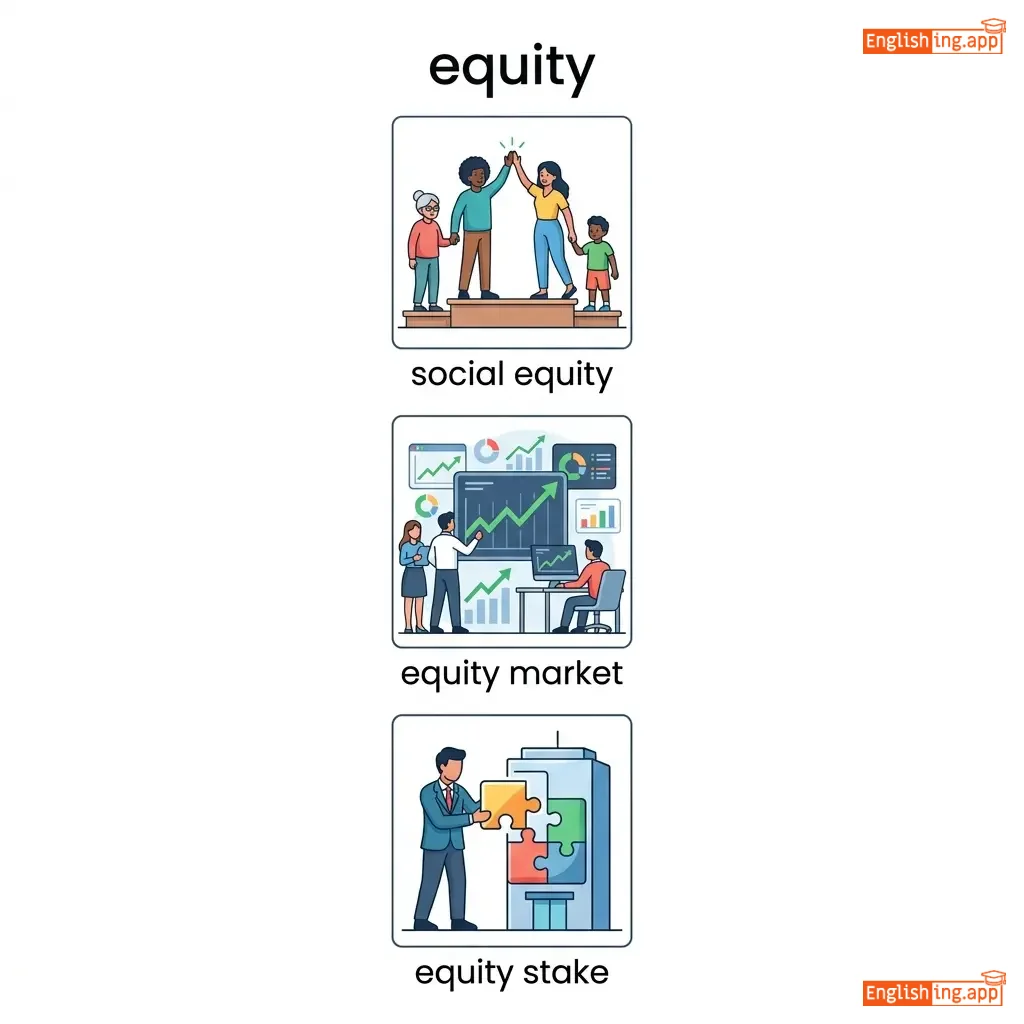
The quality of being fair and impartial; the value of shares issued by a company.
••••••
Corporate equity distribution ensures fair business practices.
••••••
fairness, ownership, stakeholding
••••••
inequality, bias, partiality
••••••
••••••
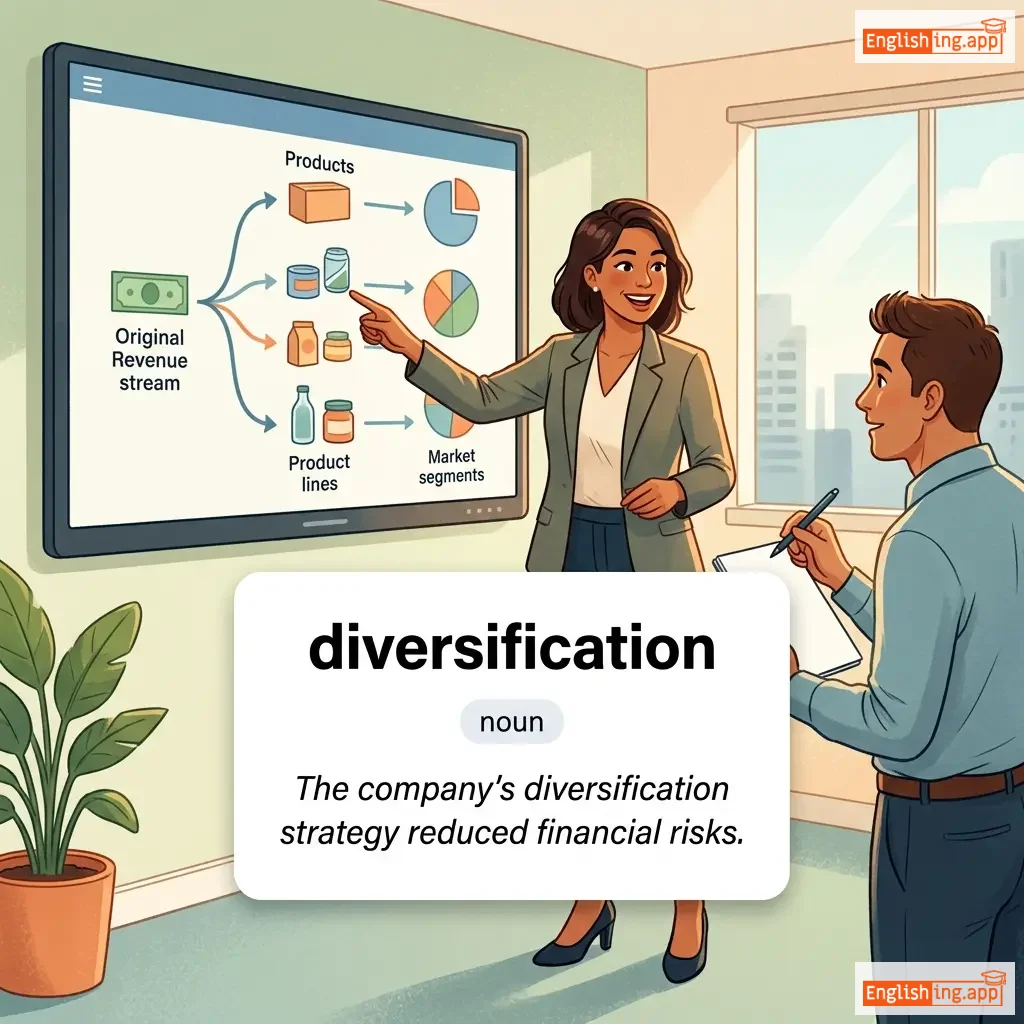
/daɪˌvɜː.sɪ.fɪˈkeɪ.ʃən/
noun
••••••
••••••
The action of diversifying something or the fact of becoming more diverse.
••••••
Investment diversification reduces financial risk.
••••••
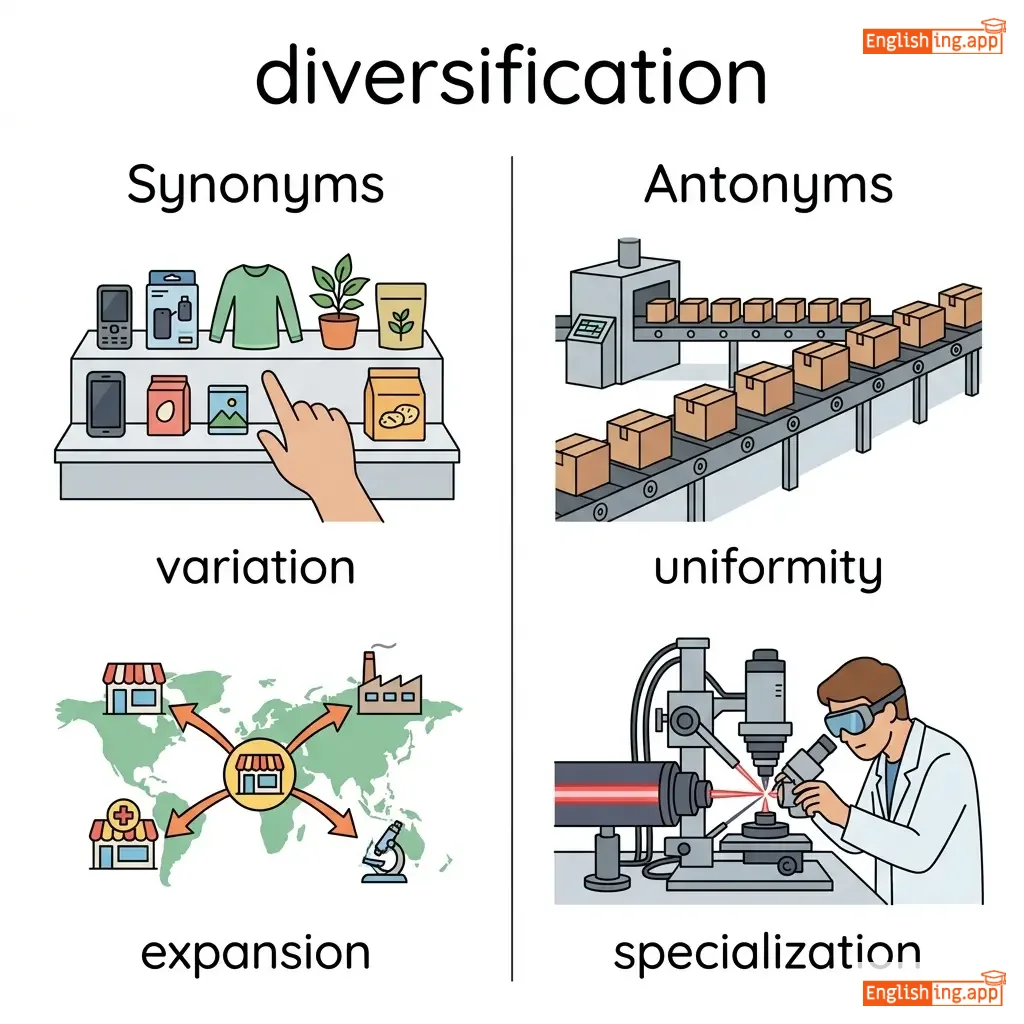
variation, differentiation, expansion
••••••
uniformity, homogeneity, specialization
••••••
••••••
/ˌkæp.ɪ.təl.aɪˈzeɪ.ʃən/
noun
••••••
••••••
The action or process of providing capital for a company or activity.
••••••
Proper capitalization is crucial for business expansion.
••••••
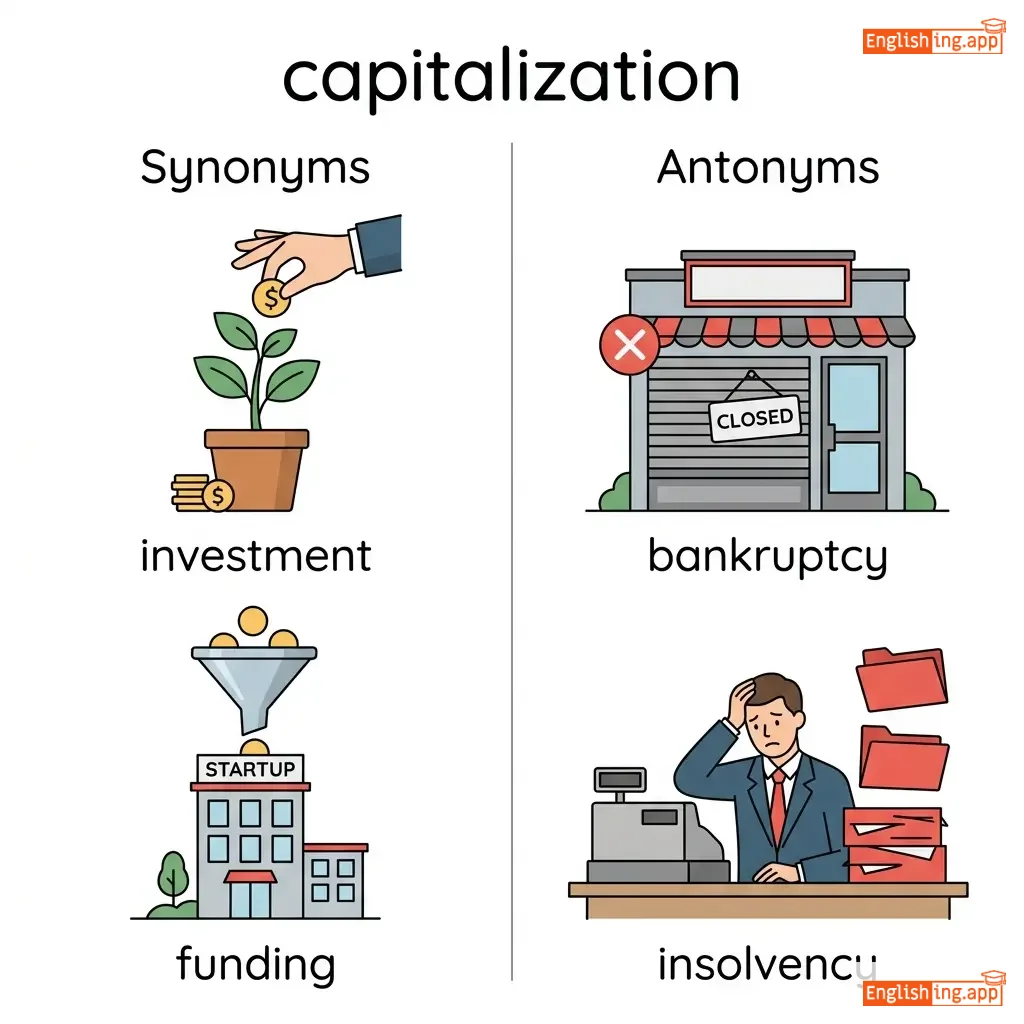
funding, investment, monetization
••••••
bankruptcy, debt, insolvency
••••••
••••••
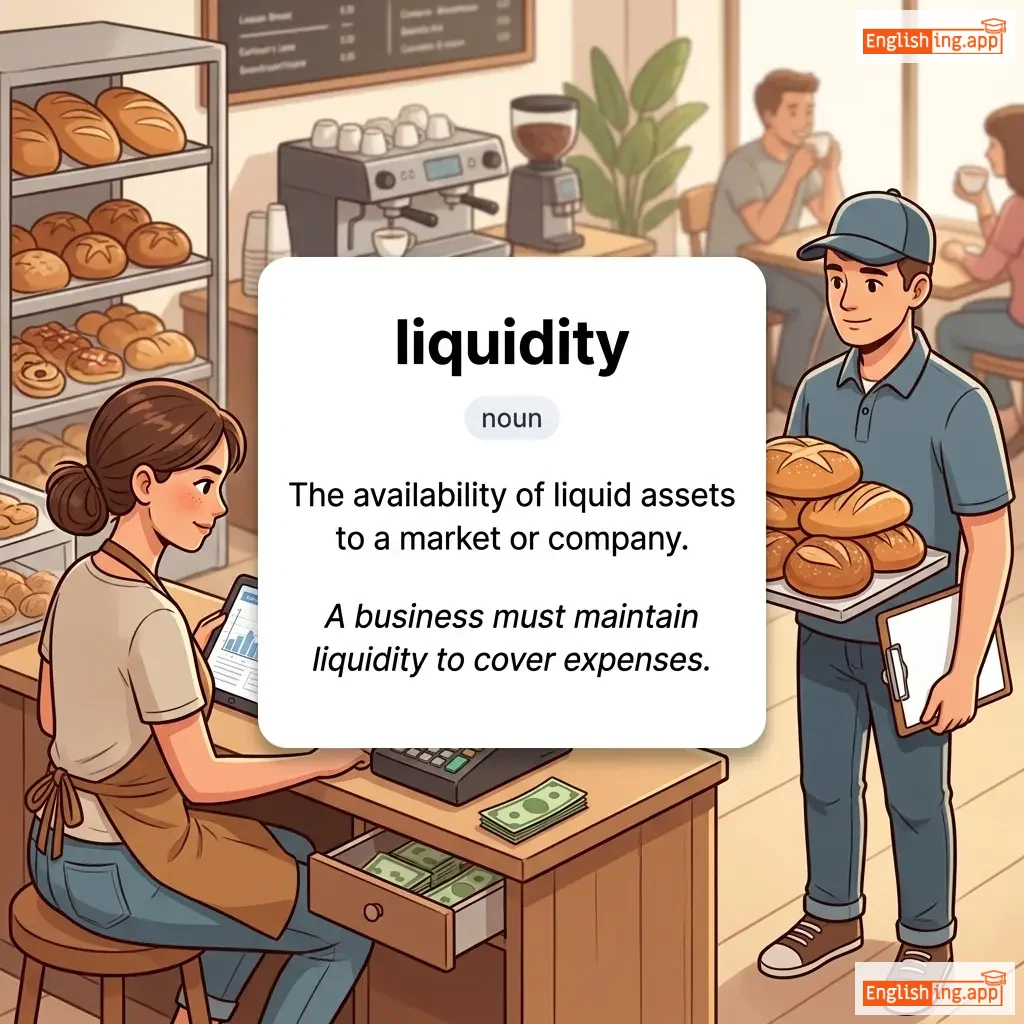
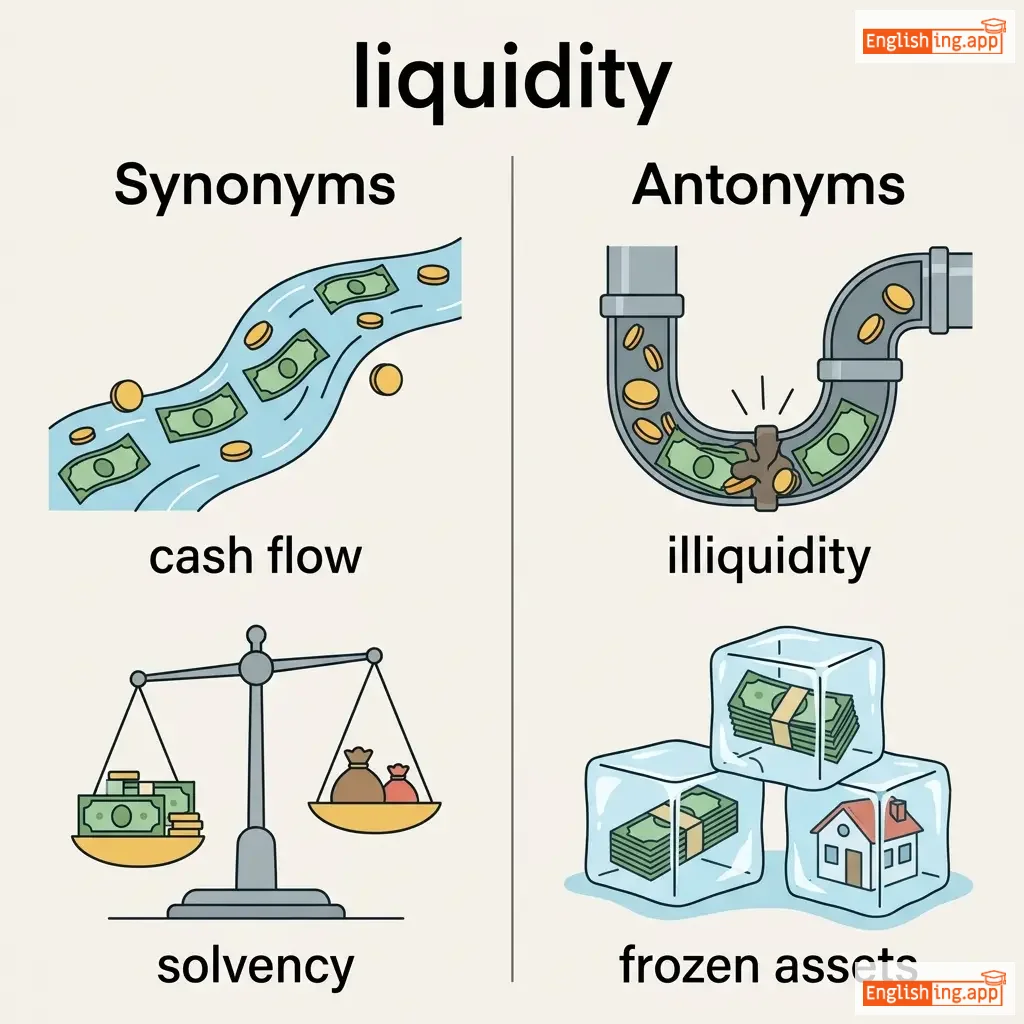
/lɪˈkwɪd.ə.ti/
noun
••••••
••••••
The availability of liquid assets to a market or company.
••••••
High liquidity ensures smooth financial transactions.
••••••
cash flow, fluidity, convertibility
••••••
illiquidity, insolvency, rigidity
••••••
••••••
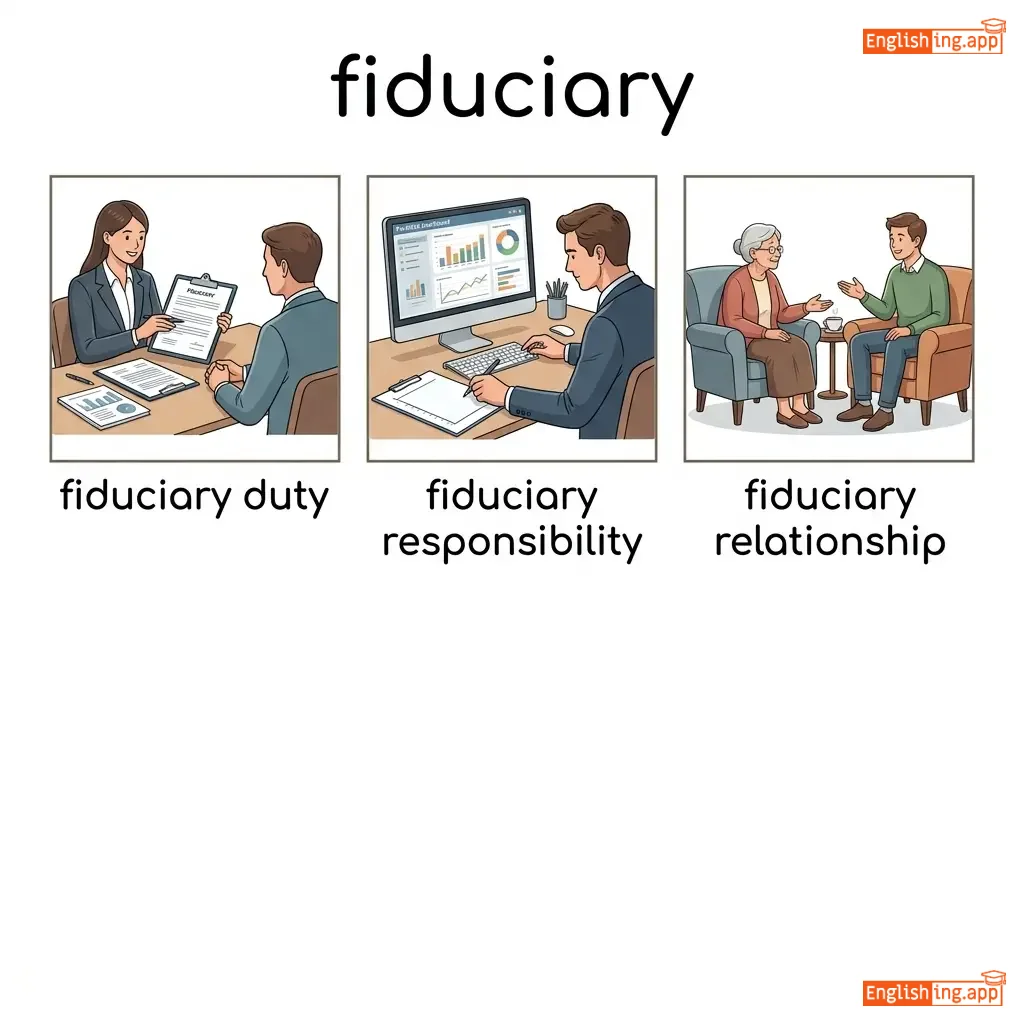
/fɪˈduː.ʃi.er.i/
adjective/noun
••••••
••••••
Involving trust, especially with regard to the relationship between a trustee and a beneficiary.
••••••
Banks have fiduciary duties towards their clients.
••••••
trustee, guardian, custodian
••••••
untrustworthy, irresponsible, deceptive
••••••
••••••
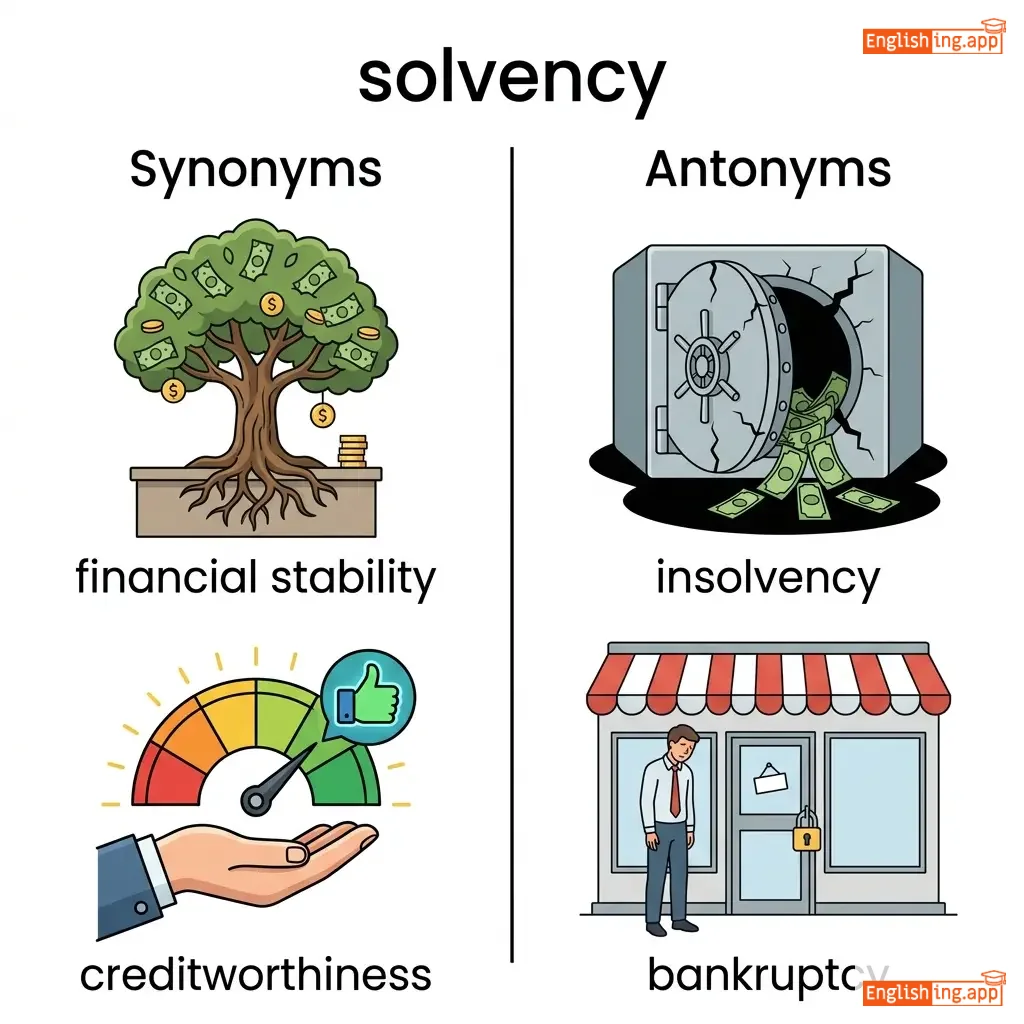
/ˈsɒl.vən.si/
noun
••••••
••••••
The possession of assets in excess of liabilities; ability to pay debts.
••••••
The company's solvency determines its financial health.
••••••
financial stability, creditworthiness, viability
••••••
insolvency, bankruptcy, default
••••••
••••••
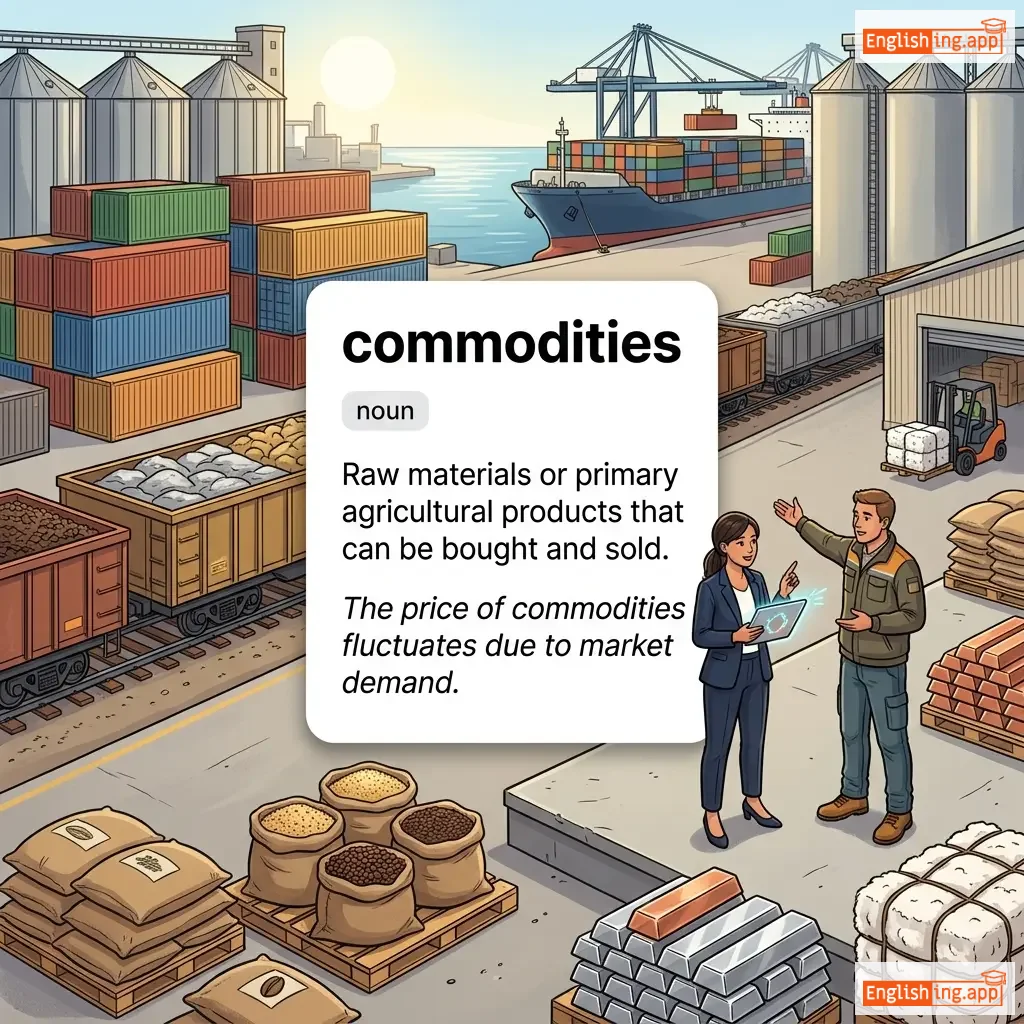
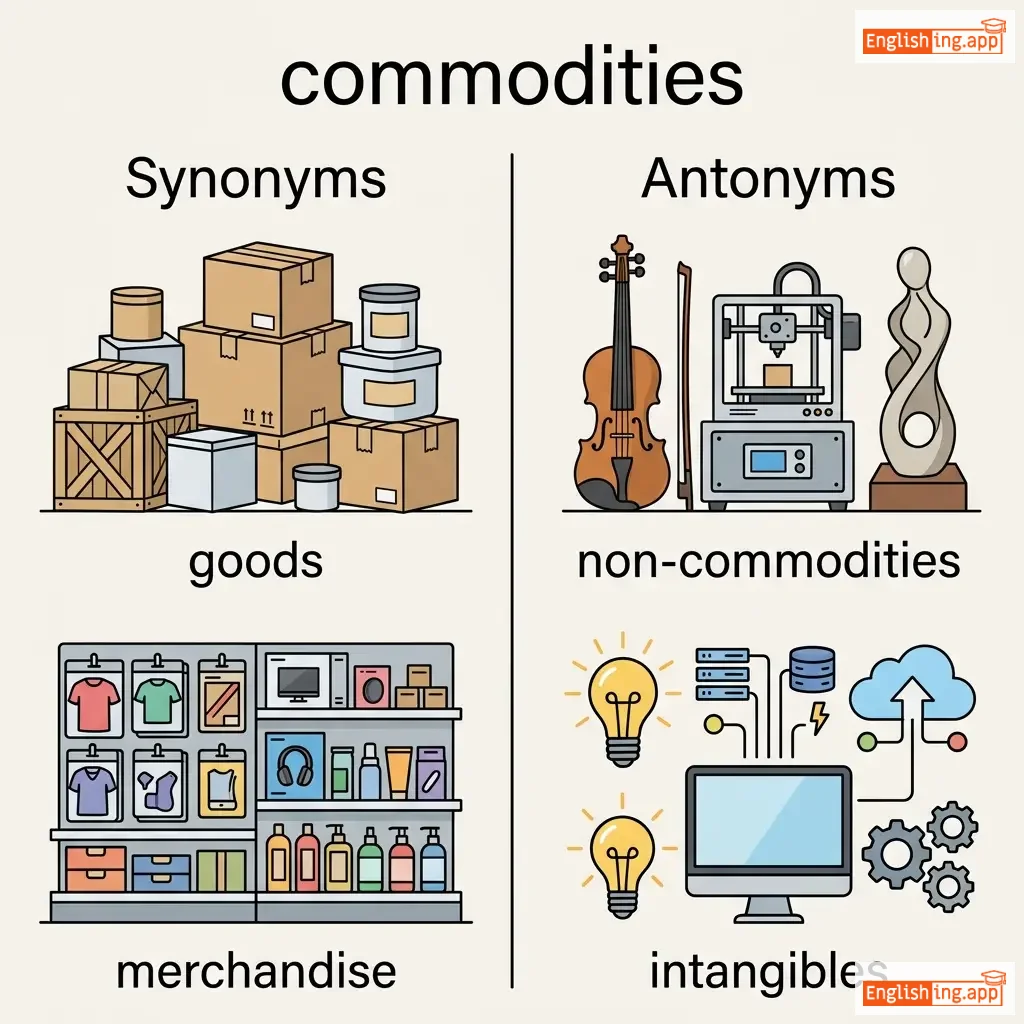
/kəˈmɒd.ə.tiz/
noun
••••••
••••••
Raw materials or primary agricultural products that can be bought and sold.
••••••
The price of commodities fluctuates due to market demand.
••••••
goods, merchandise, assets
••••••
non-commodities, intangibles, services
••••••
••••••
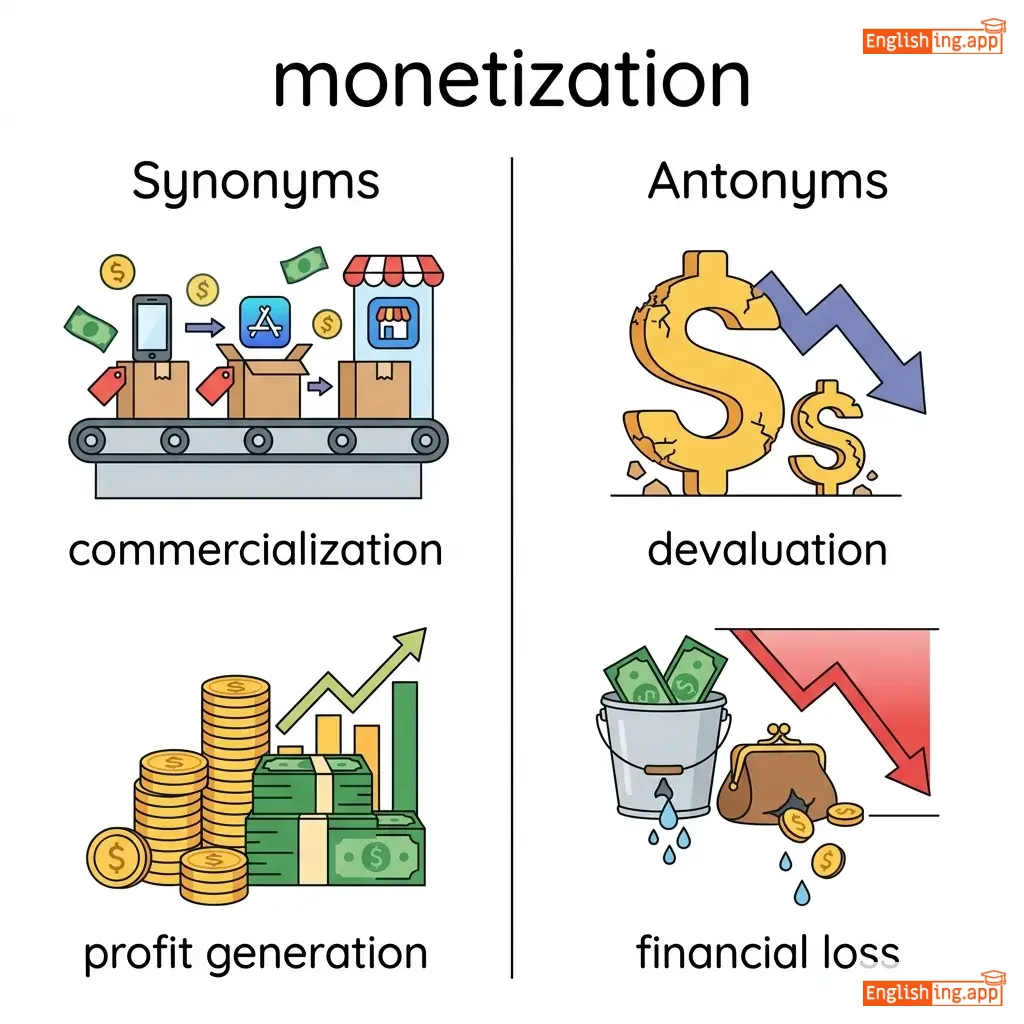
/ˌmɒn.ɪ.taɪˈzeɪ.ʃən/
noun
••••••
••••••
The conversion of an asset into money or legal tender.
••••••
The digital platform focuses on content monetization .
••••••
commercialization, revenue generation, capitalization
••••••
loss, depreciation, demonetization
••••••
••••••
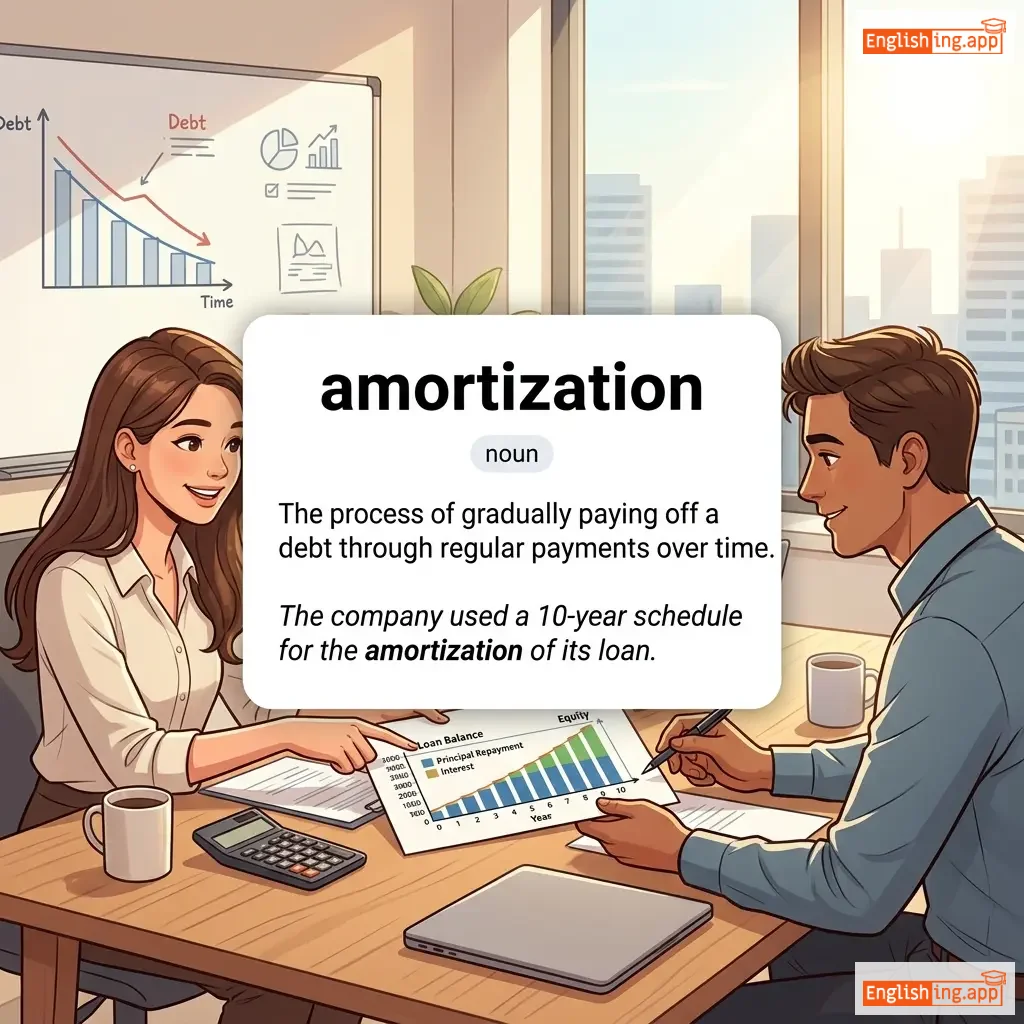
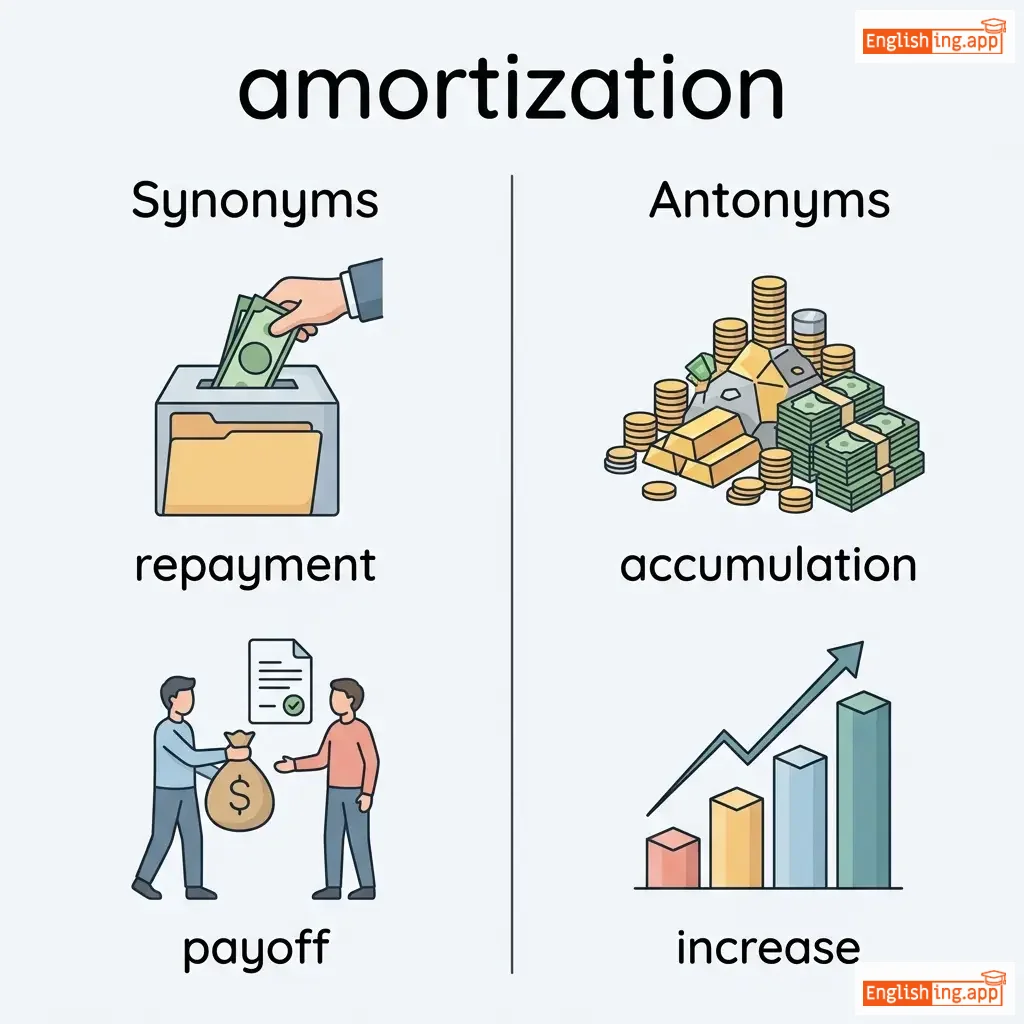
/ˌæm.ɔːr.tɪˈzeɪ.ʃən/
noun
••••••
••••••
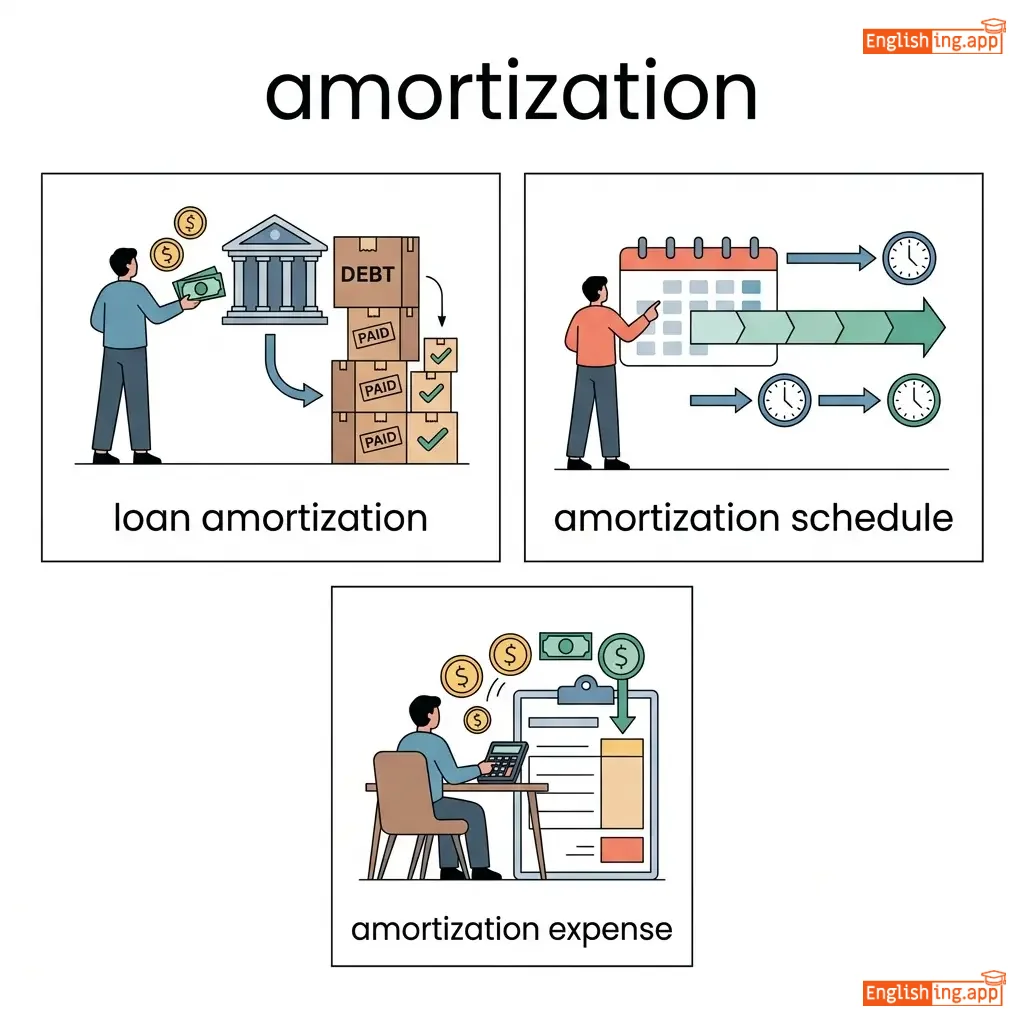
The action or process of reducing or paying off a debt with regular payments.
••••••
The company follows a structured amortization plan.
••••••
debt reduction, loan repayment, depreciation
••••••
accumulation, debt expansion, indebtedness
••••••
••••••
/ˈɑː.bɪ.trɑːʒ/
noun
••••••
••••••
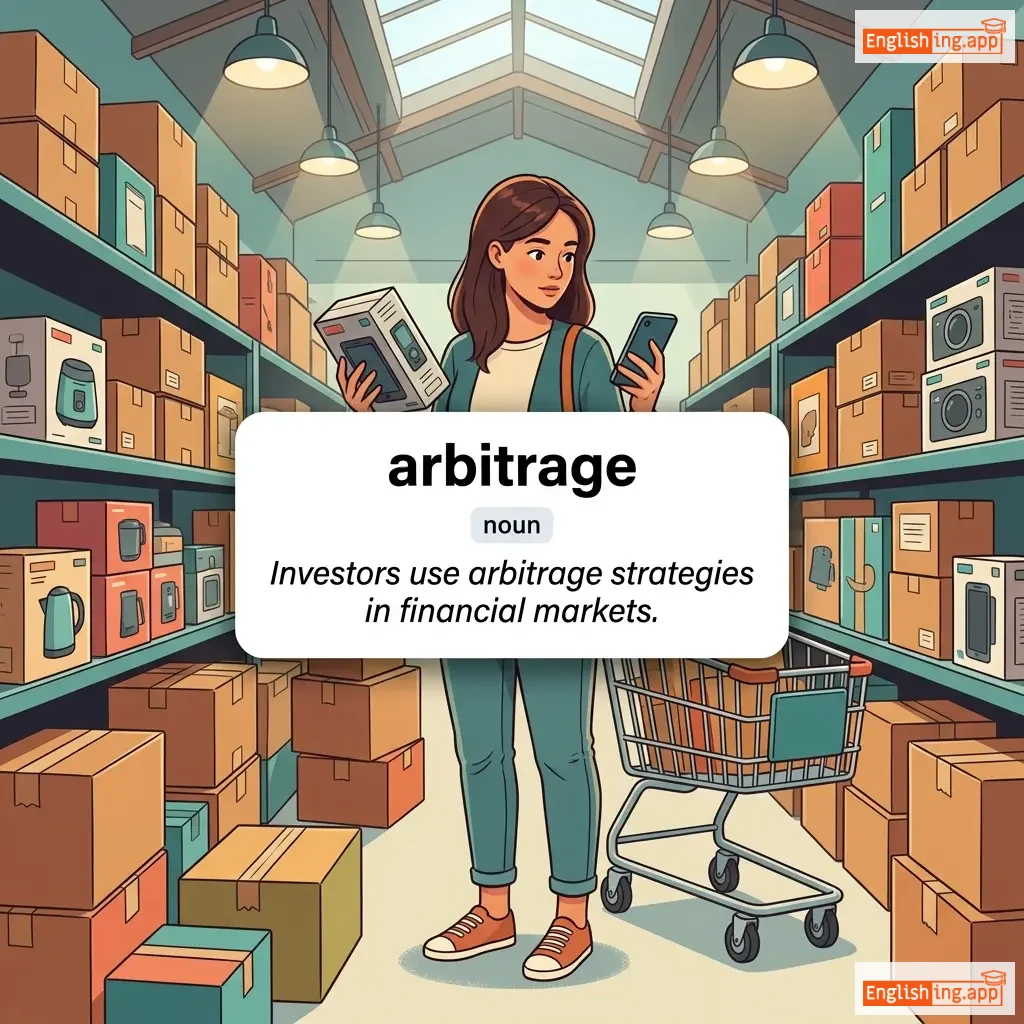
The simultaneous buying and selling of securities, currency, or commodities in different markets to take advantage of price differences.
••••••
Investors use arbitrage strategies in financial markets.
••••••
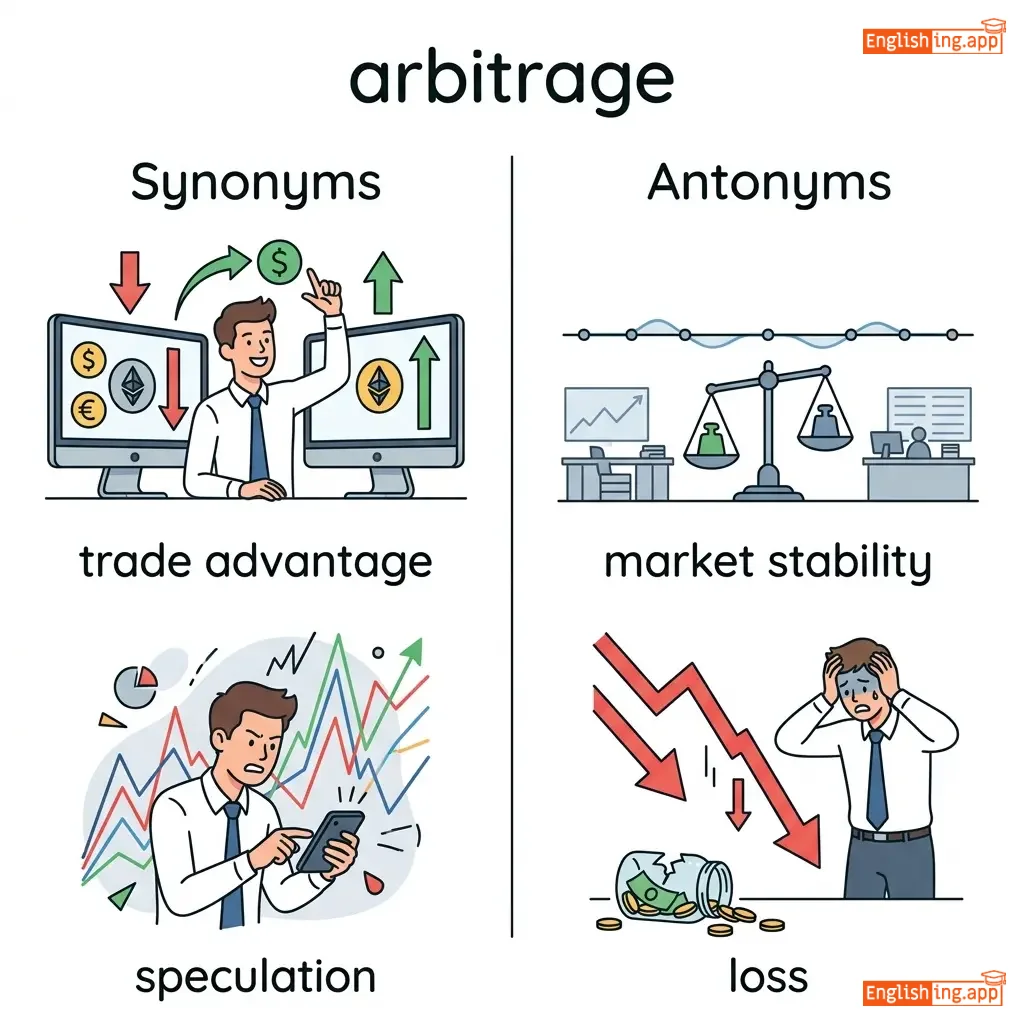
trade advantage, speculation, market exploitation
••••••
market stability, loss, risk exposure
••••••
••••••
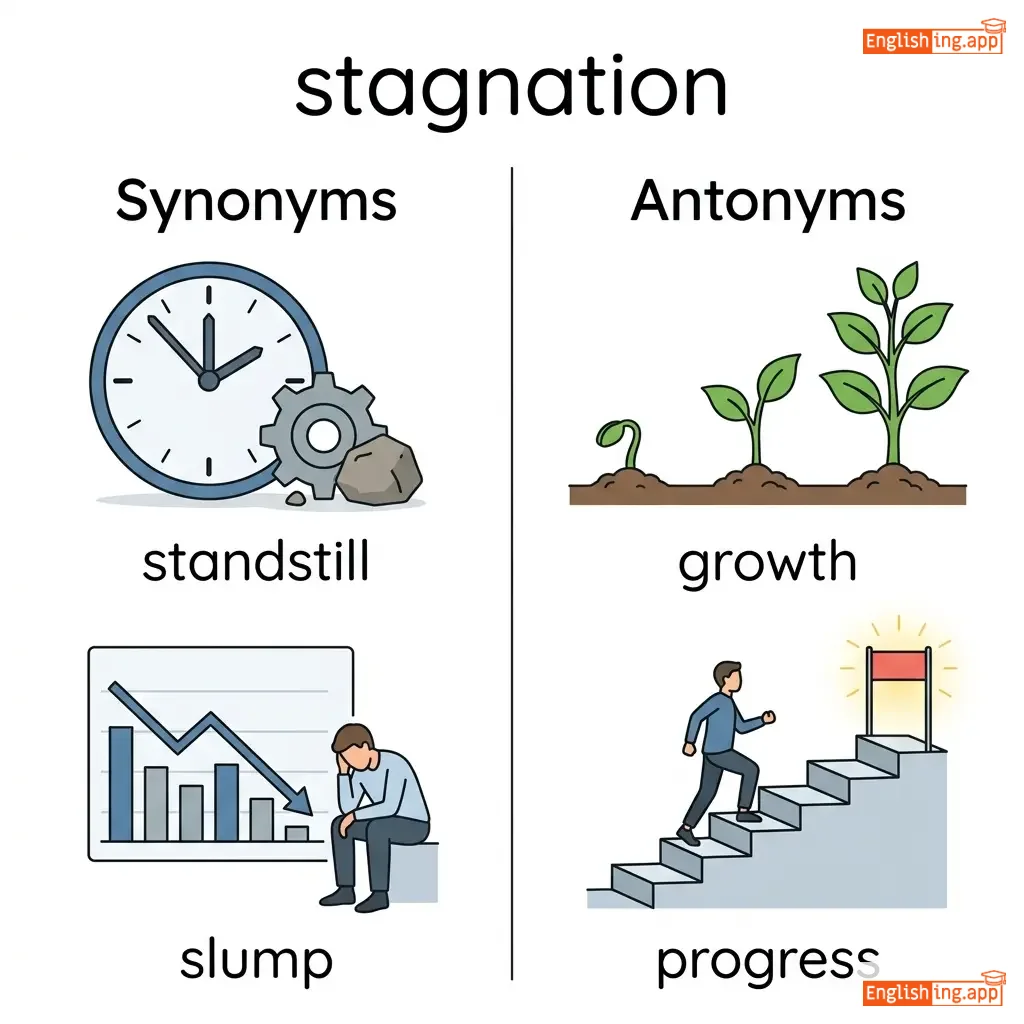
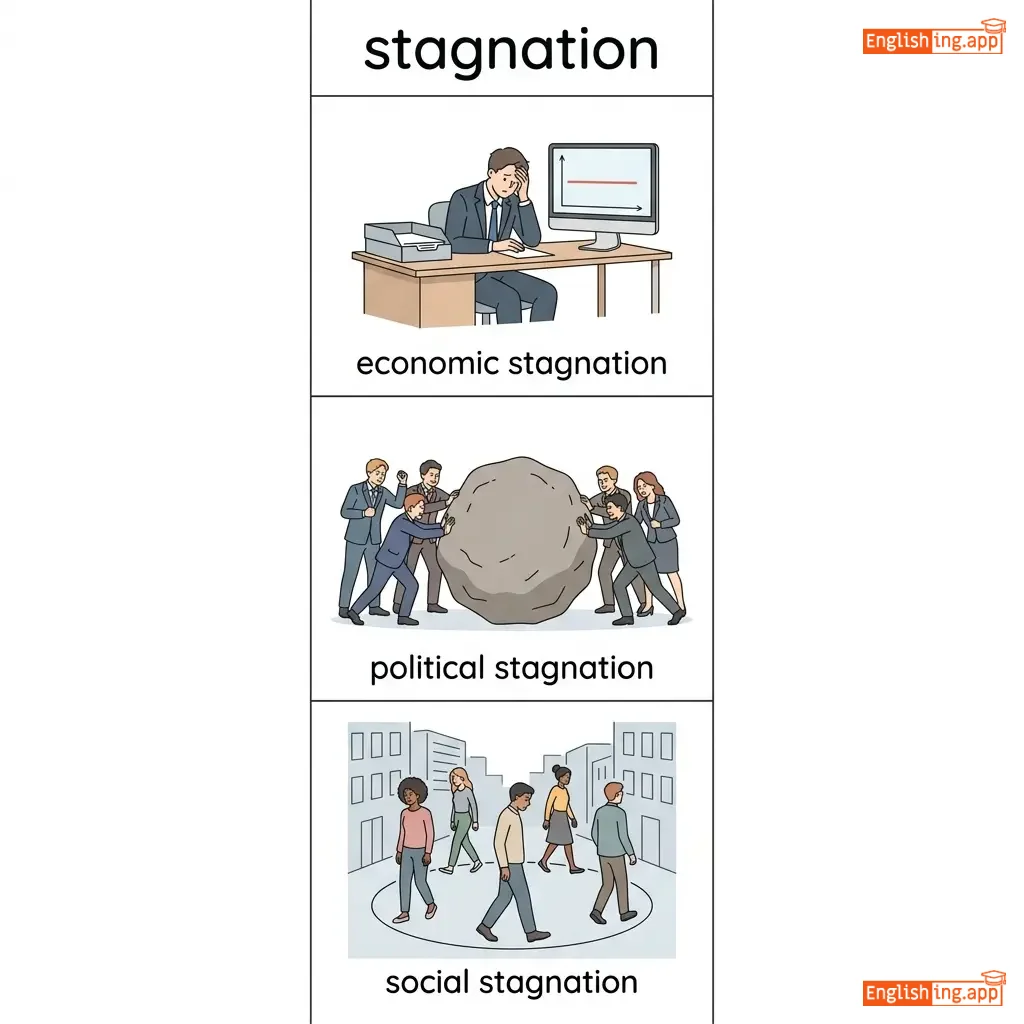
/stæɡˈneɪ.ʃən/
noun
••••••
••••••
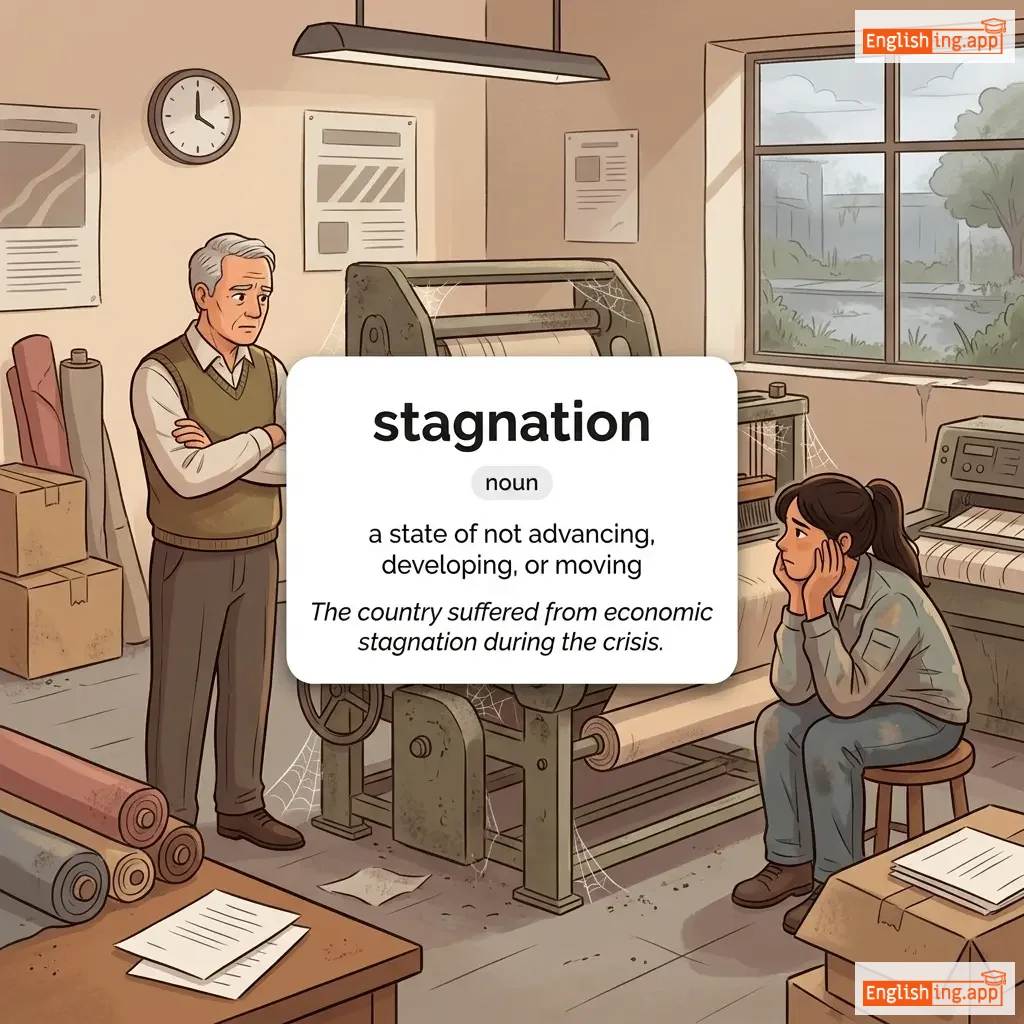
The state of not flowing or moving; lack of activity, growth, or development.
••••••
Economic stagnation leads to unemployment.
••••••
economic decline, standstill, recession
••••••
growth, expansion, flourishing
••••••