How Mnemonics Enhance Learning Ability
Mnemonics — это эффективная техника для улучшения учебных навыков. Она помогает повысить comprehension и улучшает способность мозга к retention.
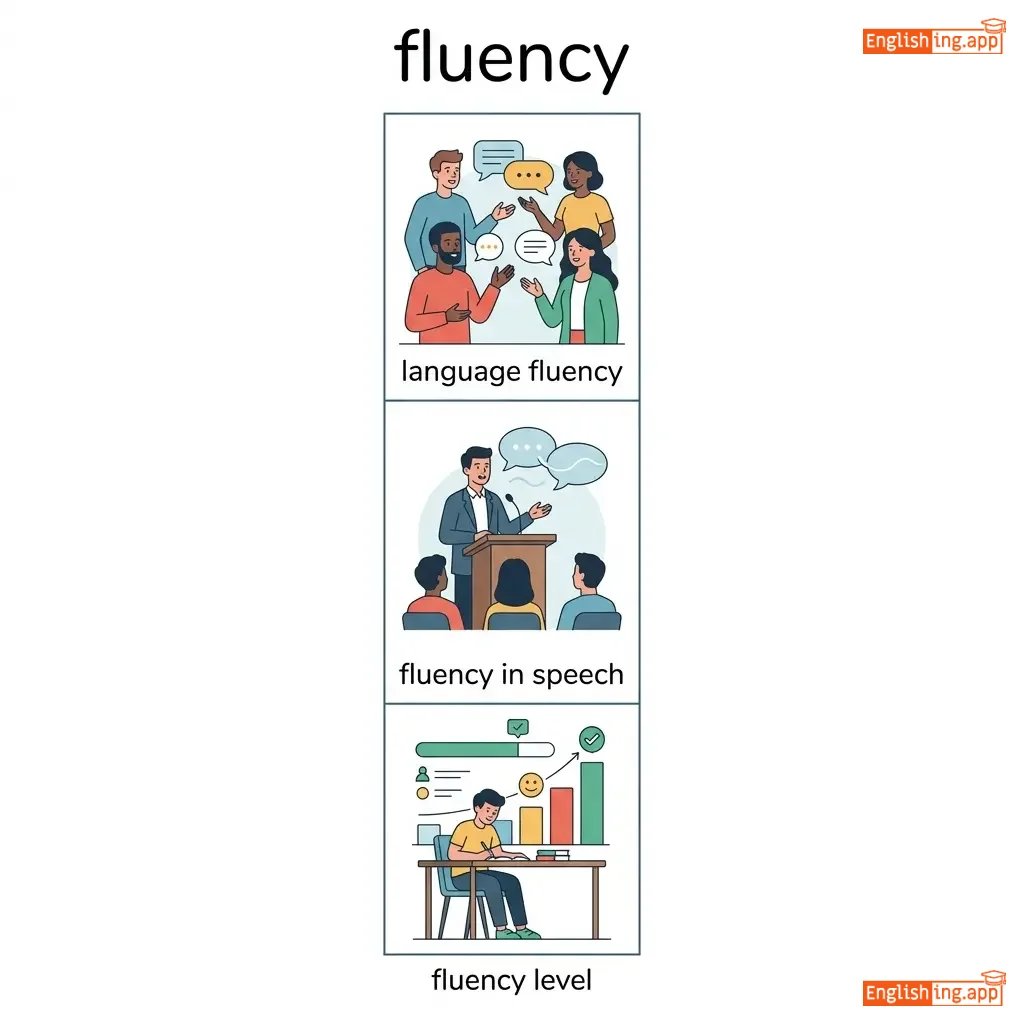
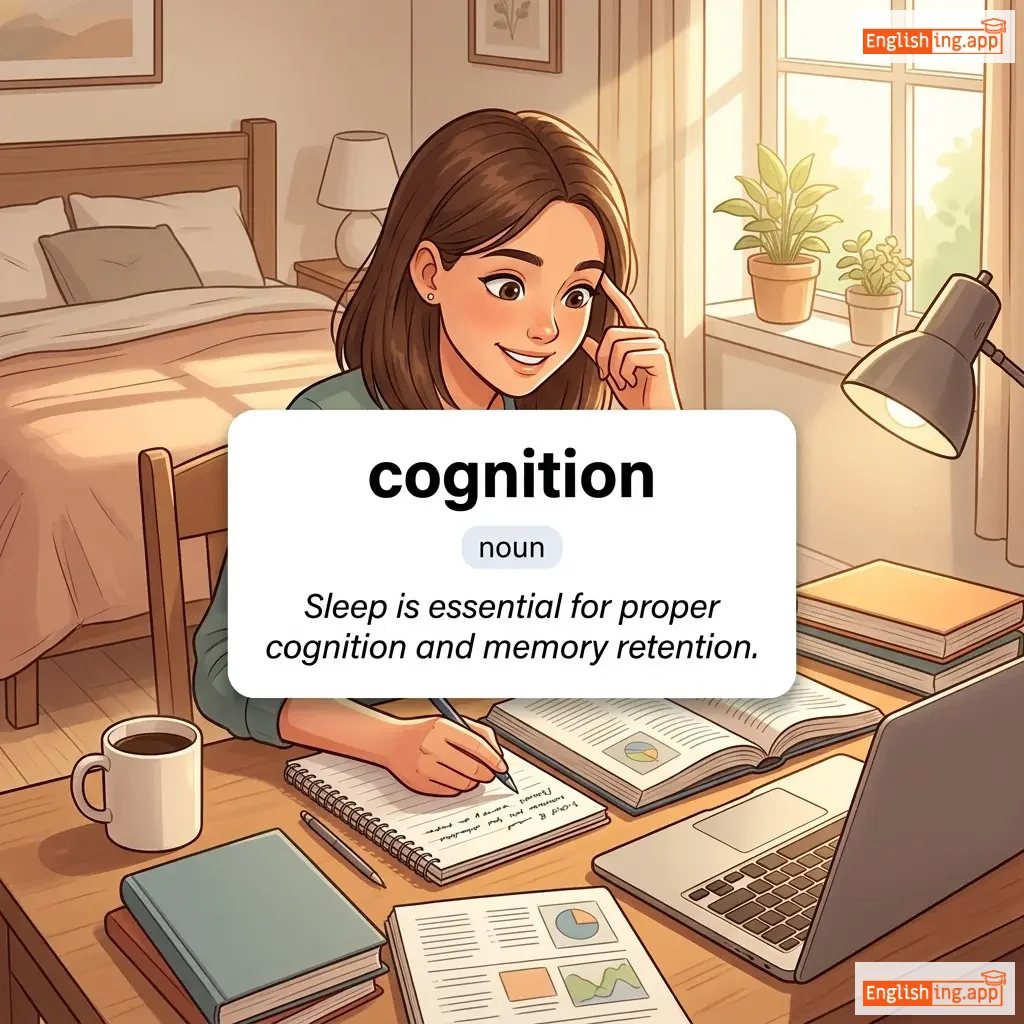
Наш мозг compartmentalizes и хранит информацию. Однако при изучении чего-то нового необходимо легко correlate эту информацию. Здесь mnemonics играет важную роль, так как она повышает fluency обучения и улучшает cognition.
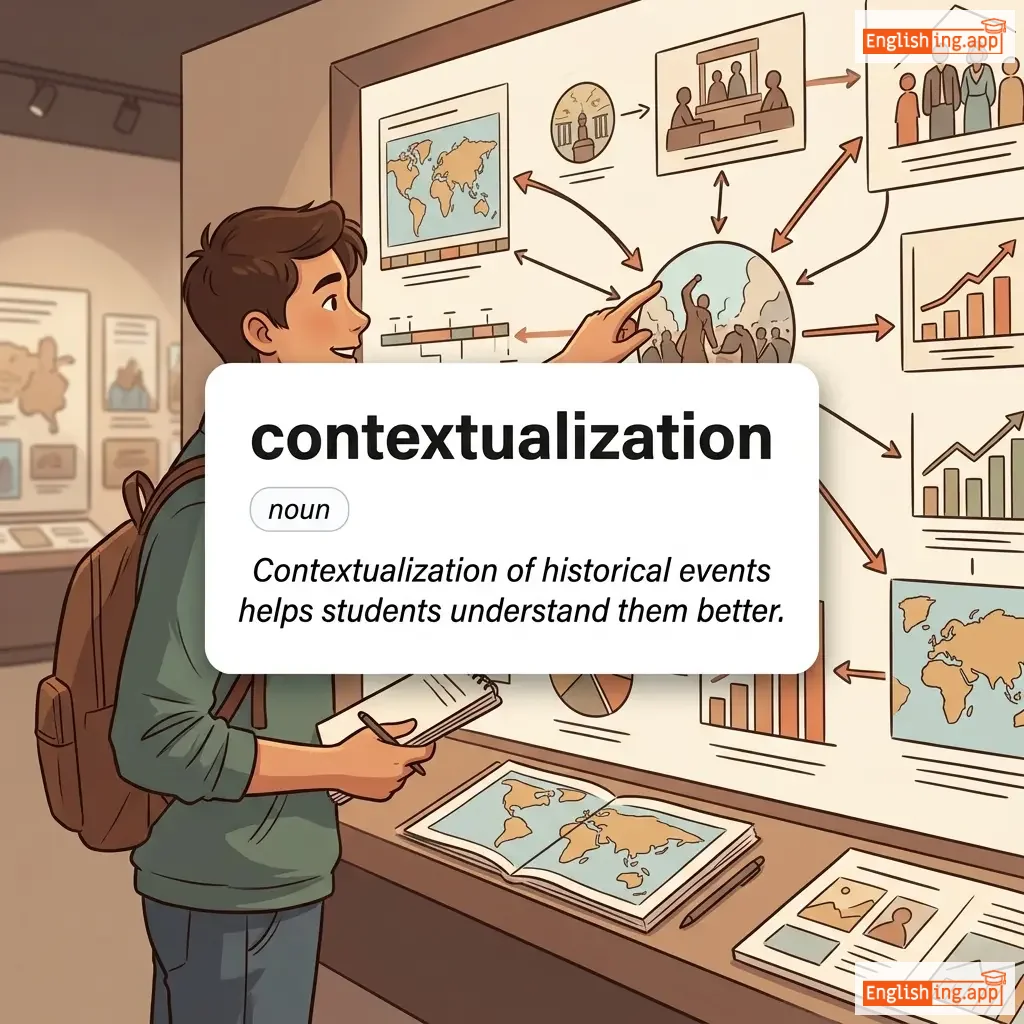
Например, когда мы хотим запомнить трудные слова, использование contextualization делает это проще. Применяя juxtaposition, чтобы представить слова в analogous схемах, мозг легко может их assimilate.
Студенты, которые adept в использовании mnemonics, могут быстро encapsulate информацию. Это делает образование более holistic, а не просто игрой памяти, что facilitates истинную способность к обучению.
Получите неограниченный доступ ко всем словам с подпиской Pro
Обновить до ProПолучите неограниченный доступ ко всем предложениям с подпиской Pro
Обновить до Pro|
Эмодзи
|
Слово | Images | Значение | Пример предложения | Синонимы | Антонимы |
|---|---|---|---|---|---|---|
|
#2017
🧠
|
/nɪˈmɒn.ɪks/
noun
••••••
|
|
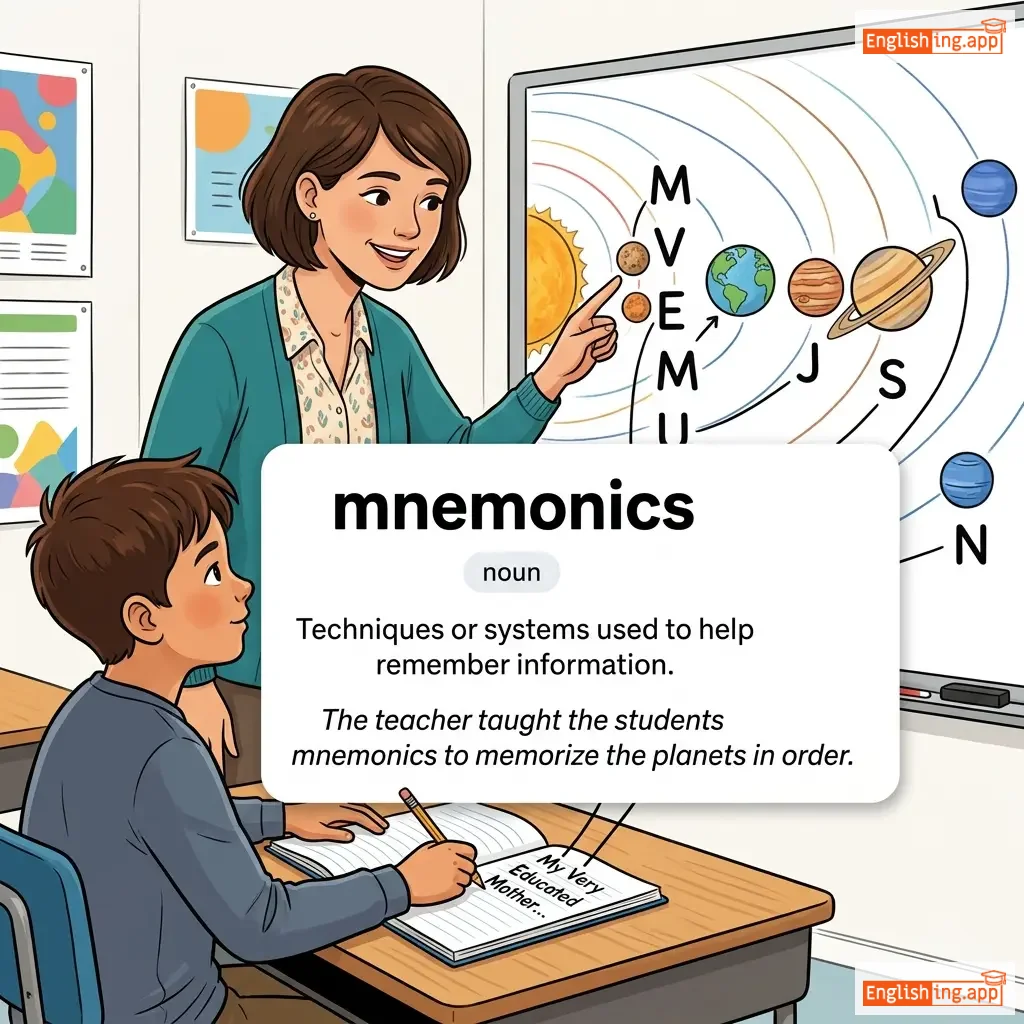
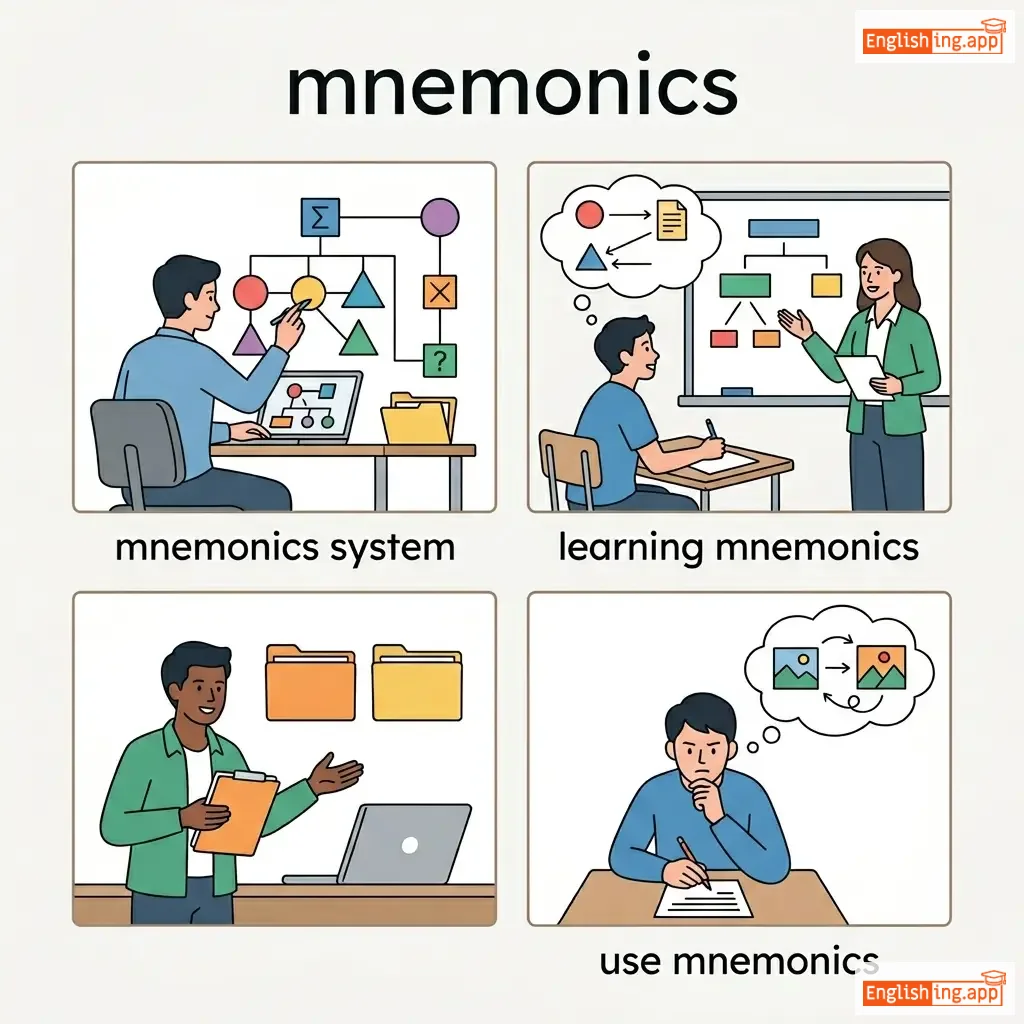
A technique of improving learning skills and memory retention through memory aids and strategies.
••••••
|
Using mnemonics helps students remember complex formulas. |
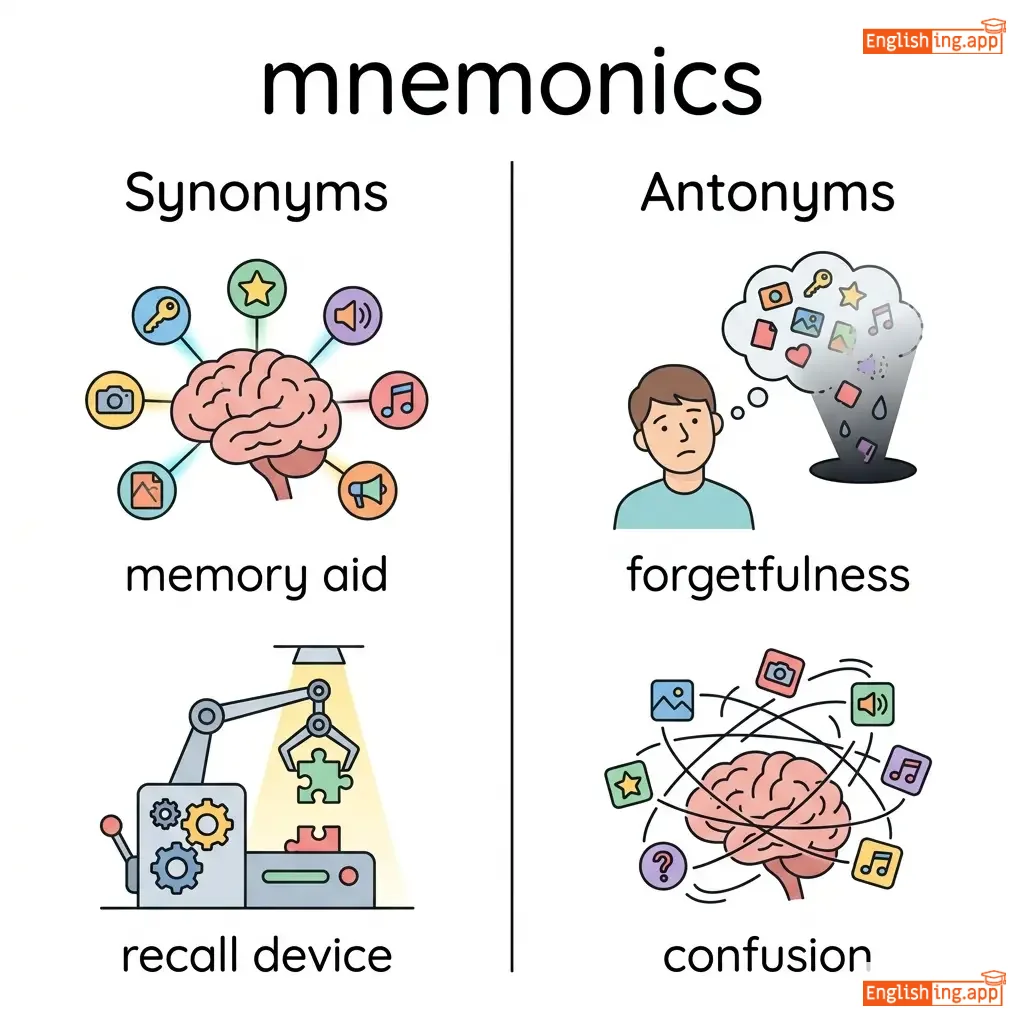
memory aid, memorization technique, recall strategy
••••••
|
forgetfulness, amnesia, neglect
••••••
|
|
#2018
💡
|
/ˌkɒm.prɪˈhen.ʃən/
noun
••••••
|
|
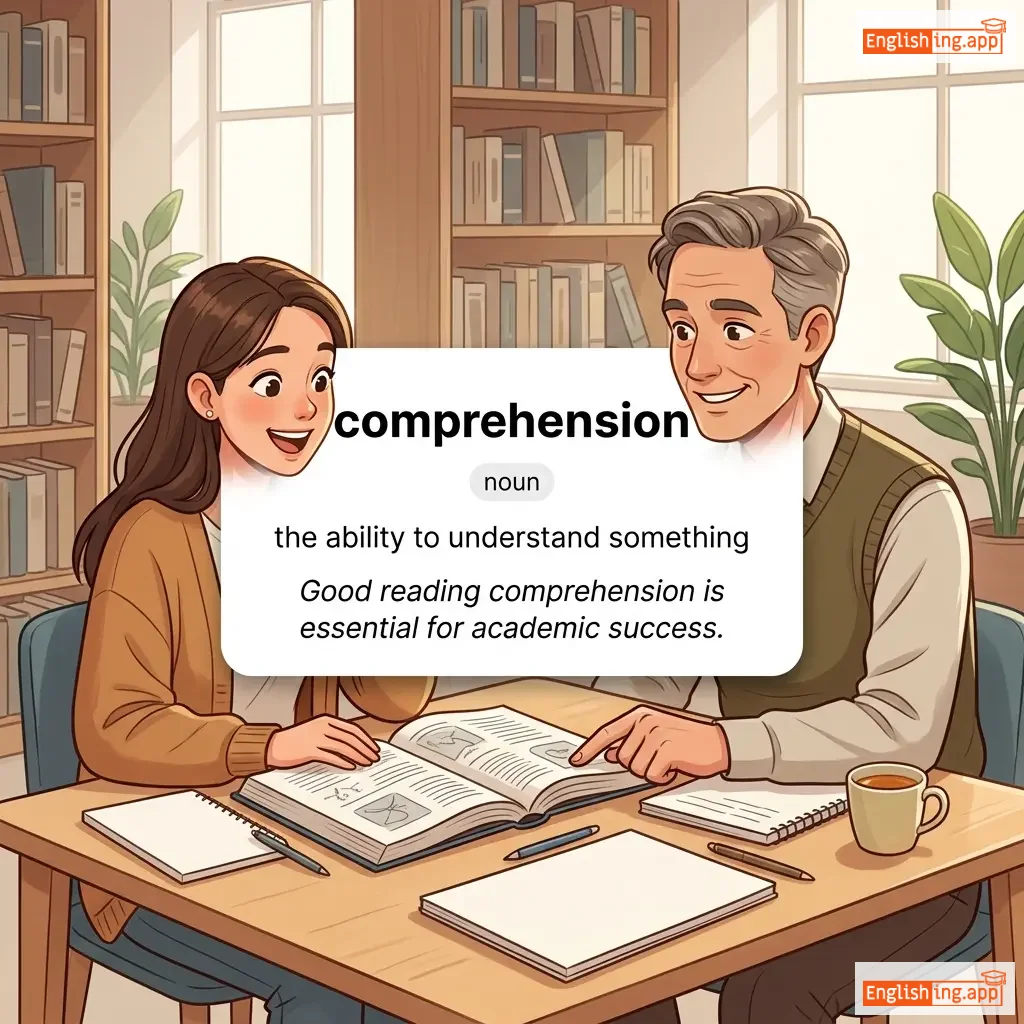
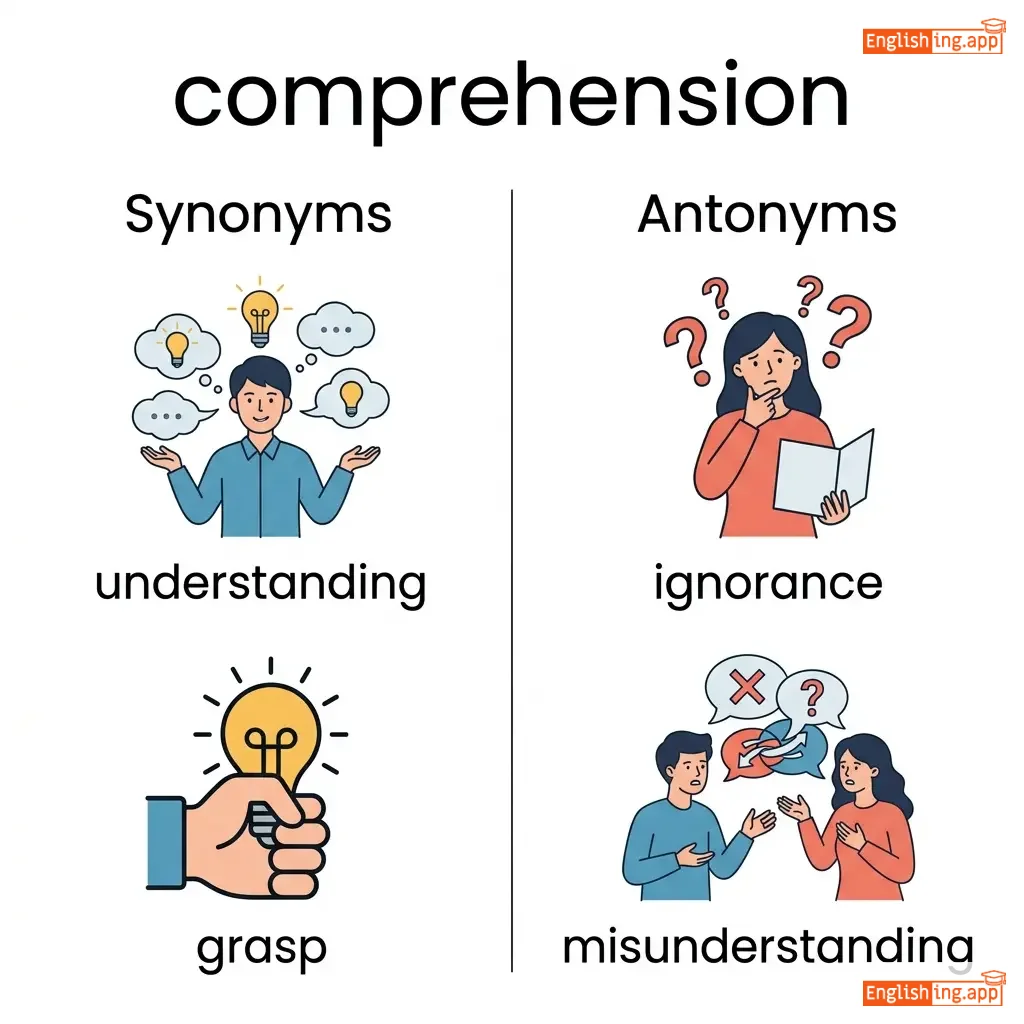
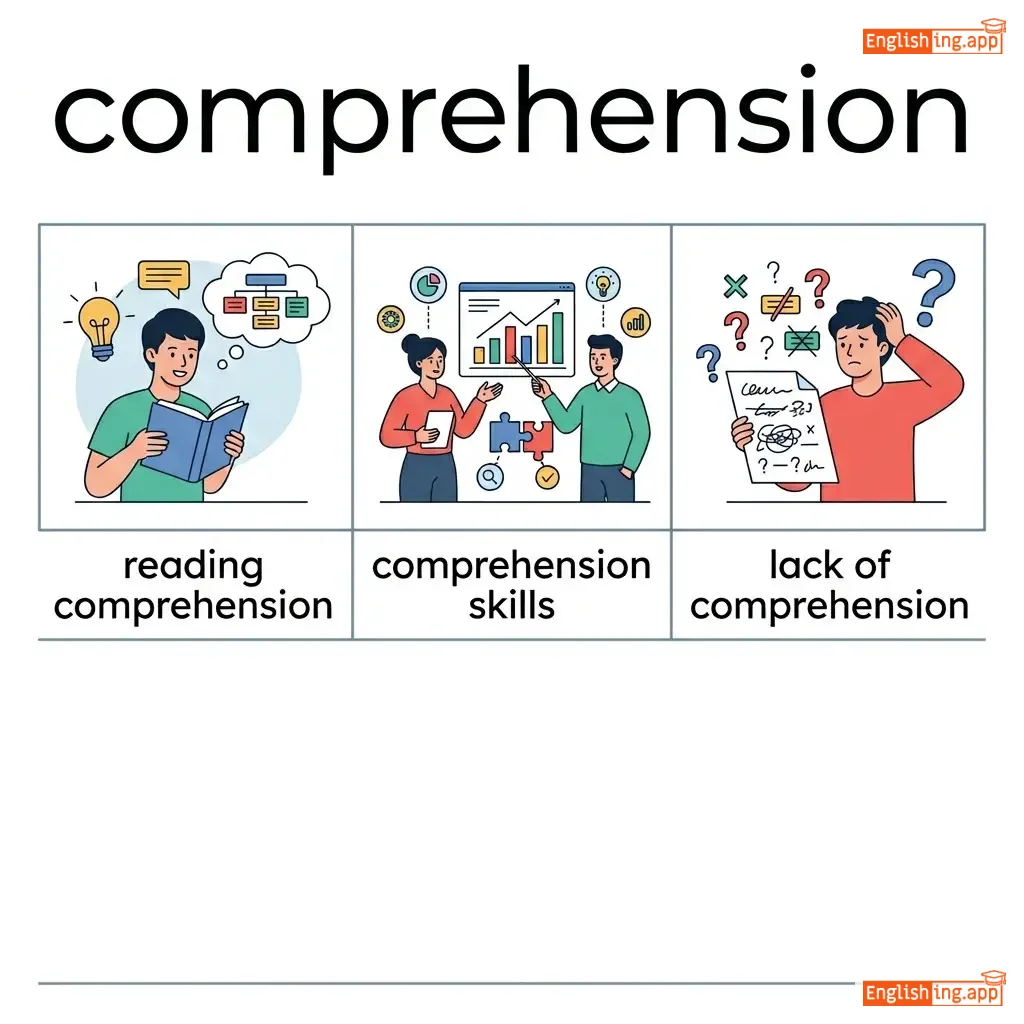
The ability to understand something; understanding or perception.
••••••
|
His comprehension of scientific theories is impressive. |
understanding, interpretation, perception
••••••
|
misinterpretation, confusion, incomprehension
••••••
|
|
#2019
💾
|
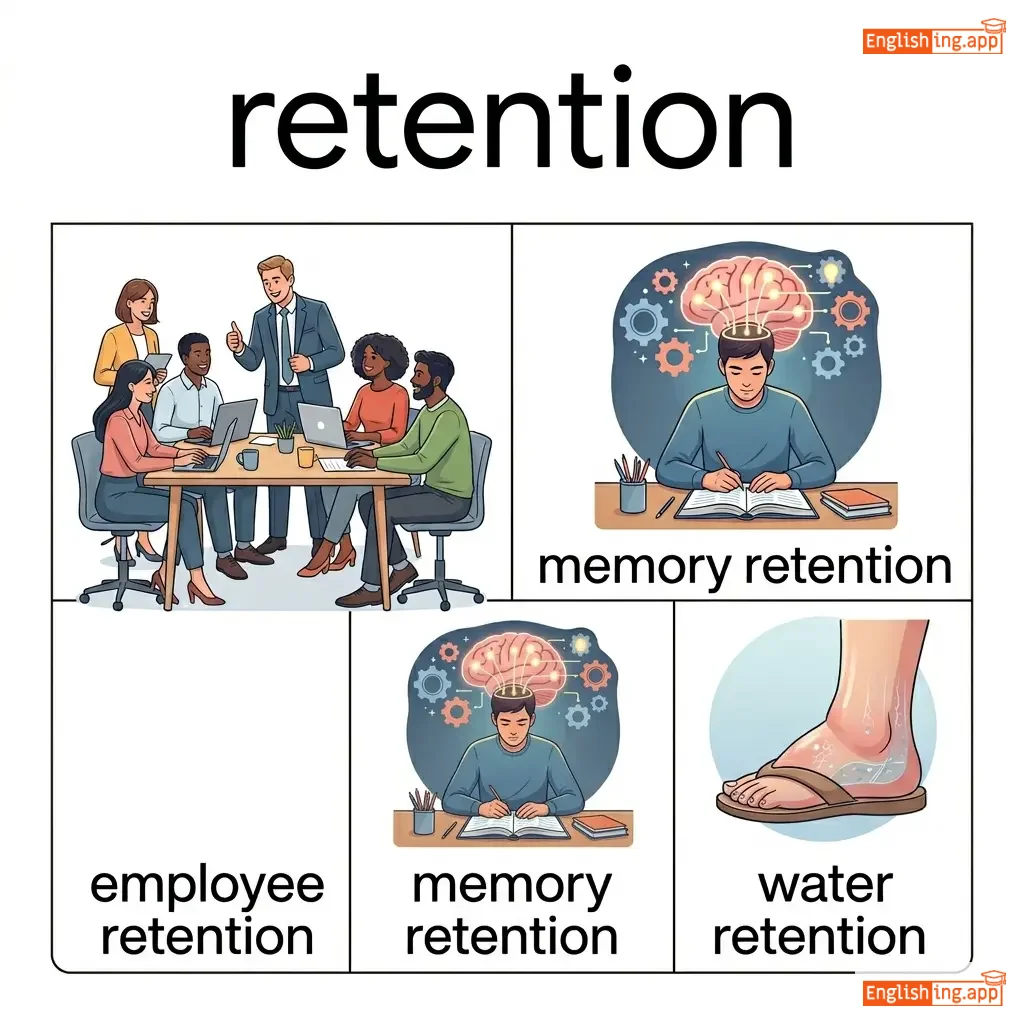
/rɪˈten.ʃən/
noun
••••••
|
|
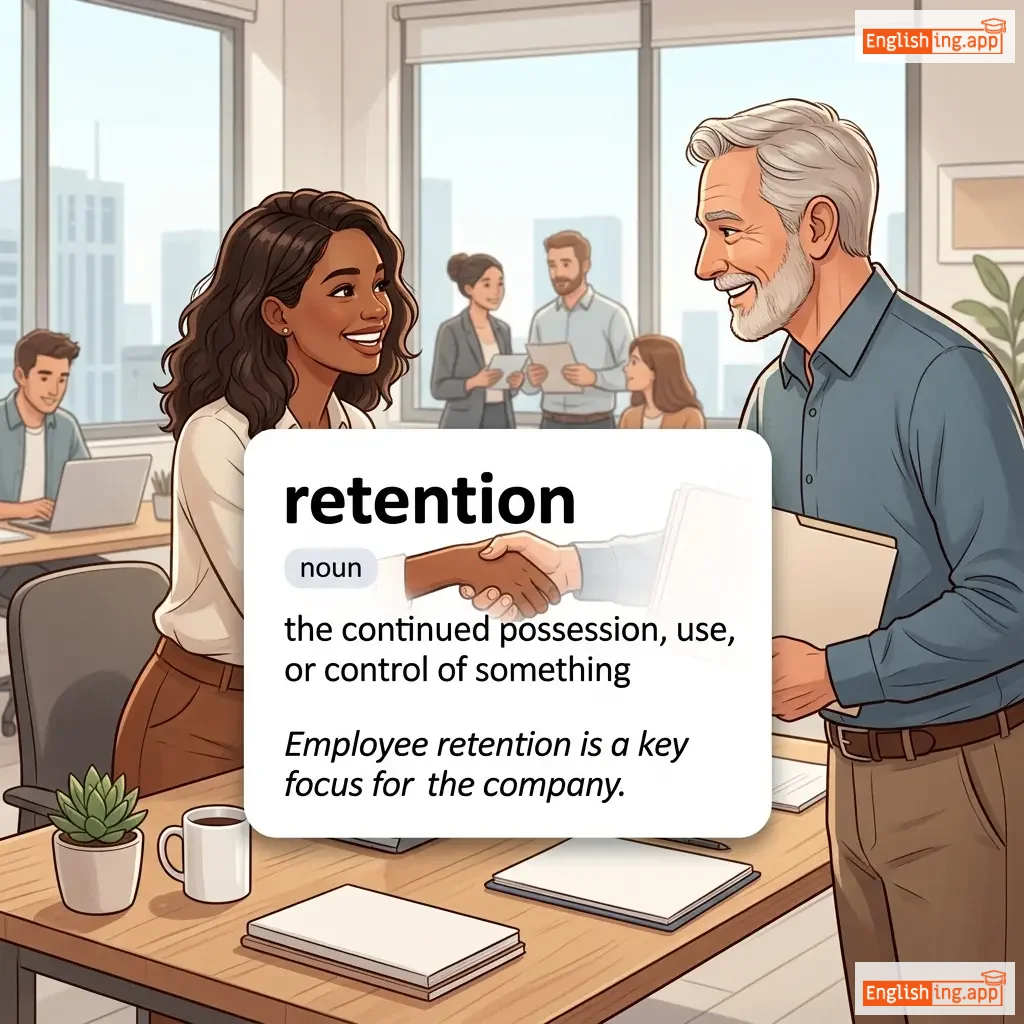
The continued possession, use, or control of something; memory preservation.
••••••
|
Regular revision improves information retention. |
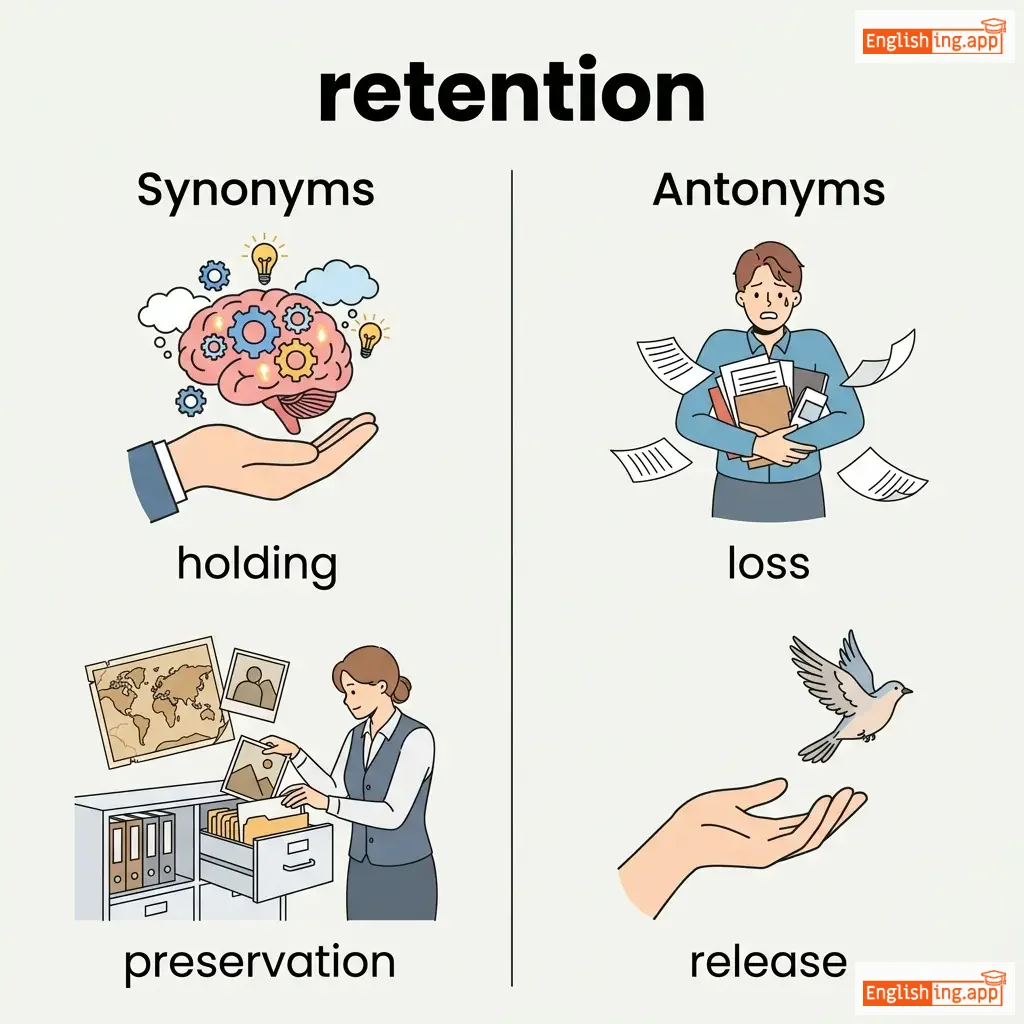
preservation, memory, recollection
••••••
|
loss, forgetting, discarding
••••••
|
|
#2020
📂
|
/ˌkɒm.pɑːtˈmen.təl.aɪz/
verb
••••••
|
|
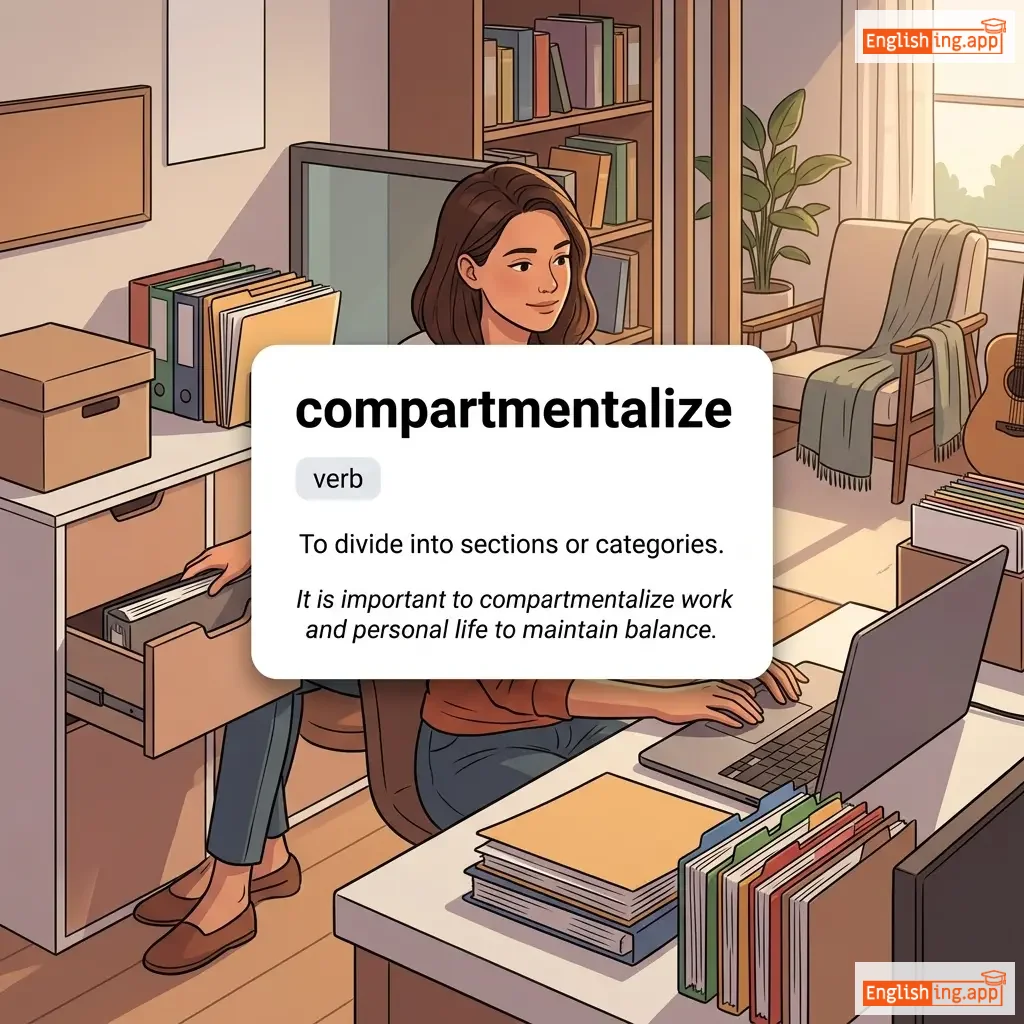
To divide into sections or categories; to separate things into compartments.
••••••
|
To increase efficiency, he compartmentalized his work tasks. |
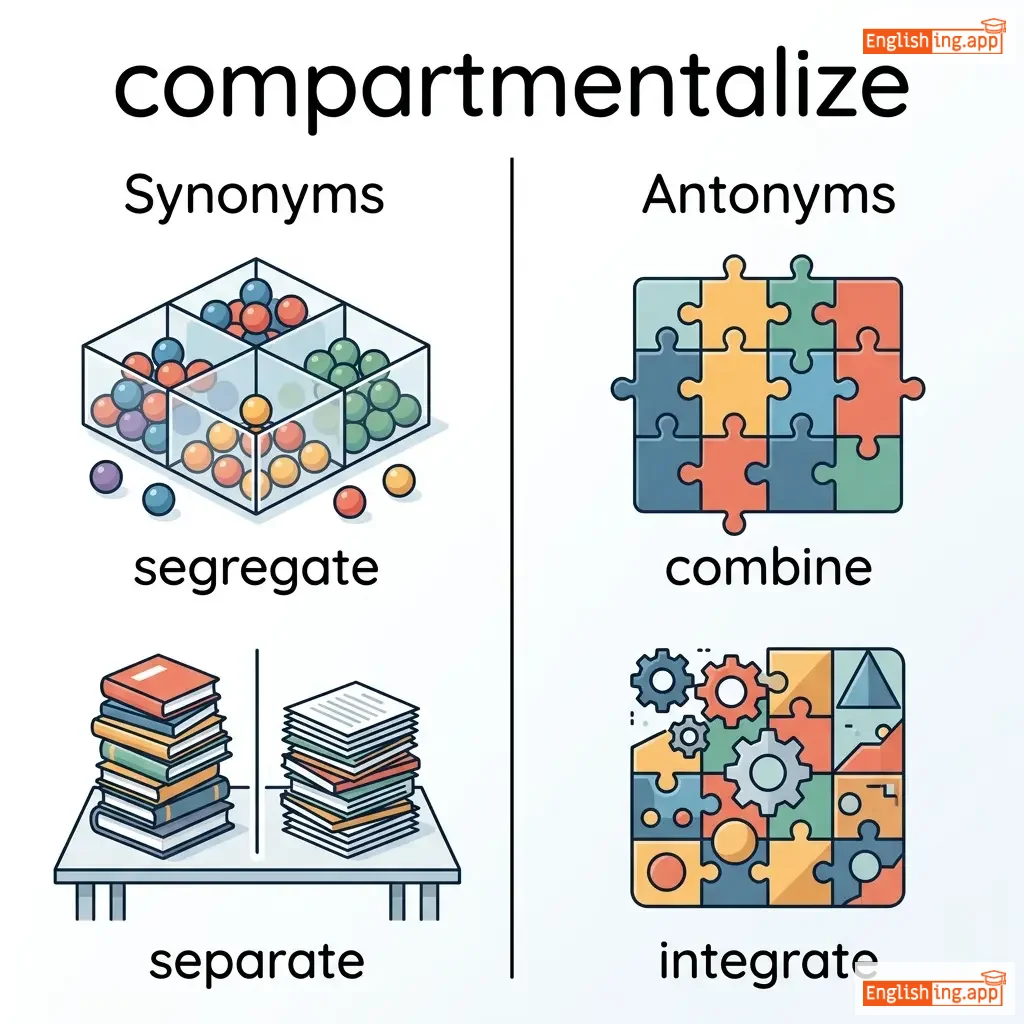
categorize, segregate, classify
••••••
|
integrate, unite, merge
••••••
|
|
#2021
🔗
|
/ˈkɒr.ə.leɪt/
verb
••••••
|
|
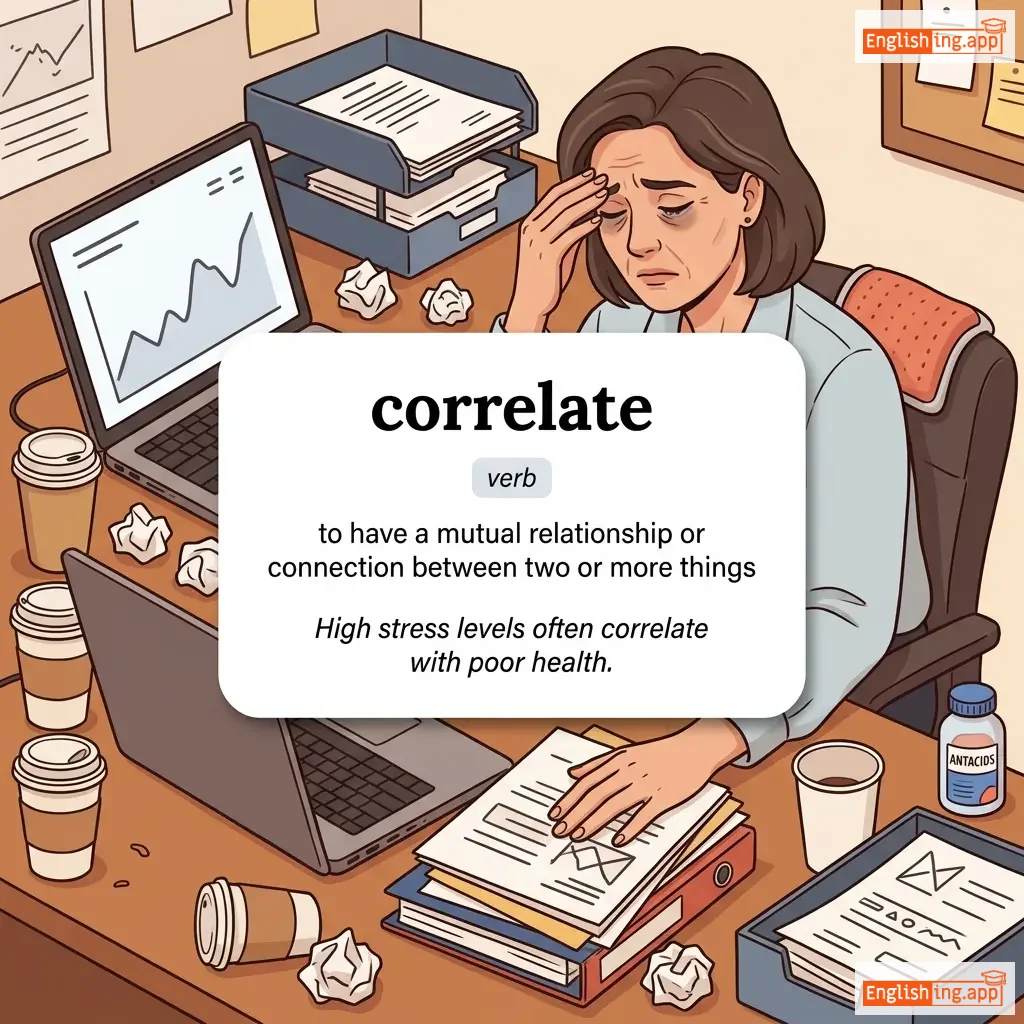
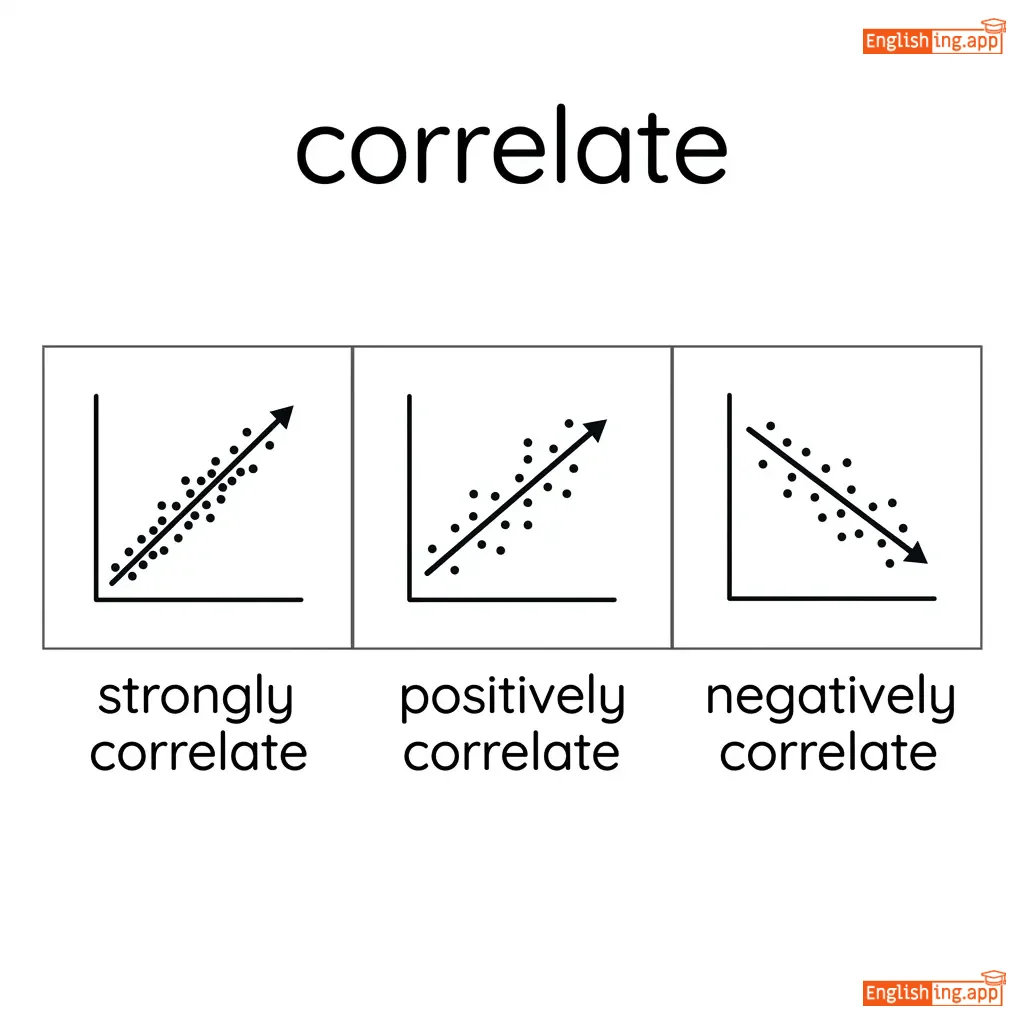
To have a mutual relationship or connection; to establish a relationship between two or more things.
••••••
|
Researchers found that diet and mental health correlate strongly. |
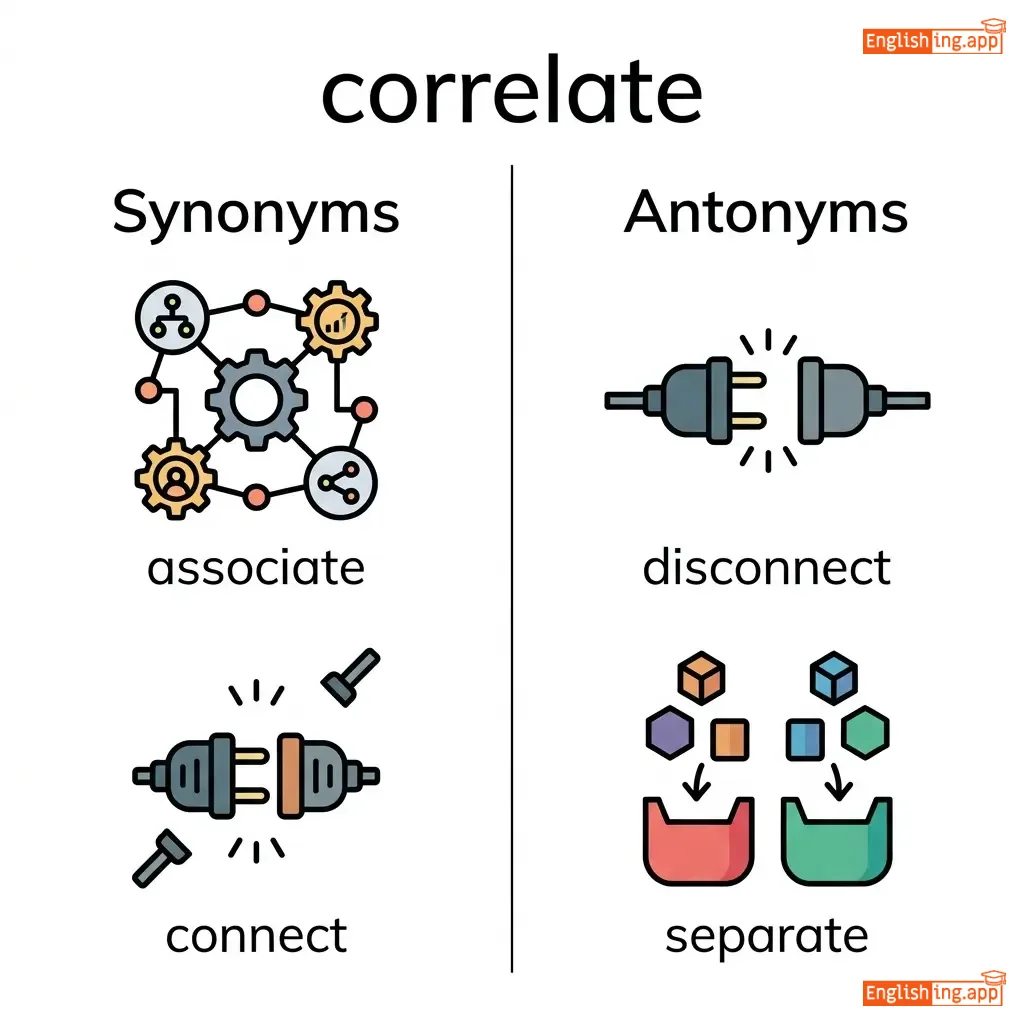
associate, connect, link
••••••
|
disassociate, separate, disconnect
••••••
|
|
#2022
🗣️
|
/ˈfluː.ən.si/
noun
••••••
|
|
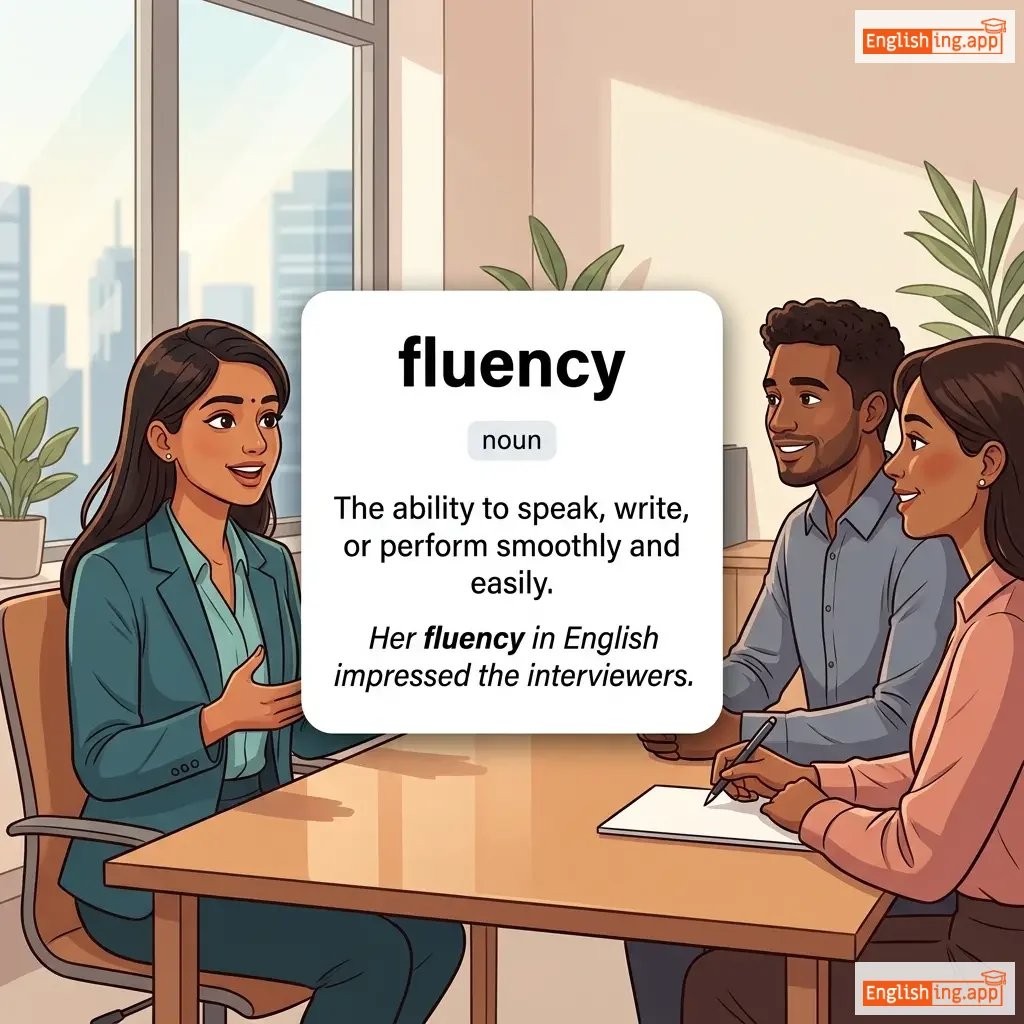
The ability to speak or write a language easily and accurately; smoothness and ease.
••••••
|
She speaks French with remarkable fluency. |
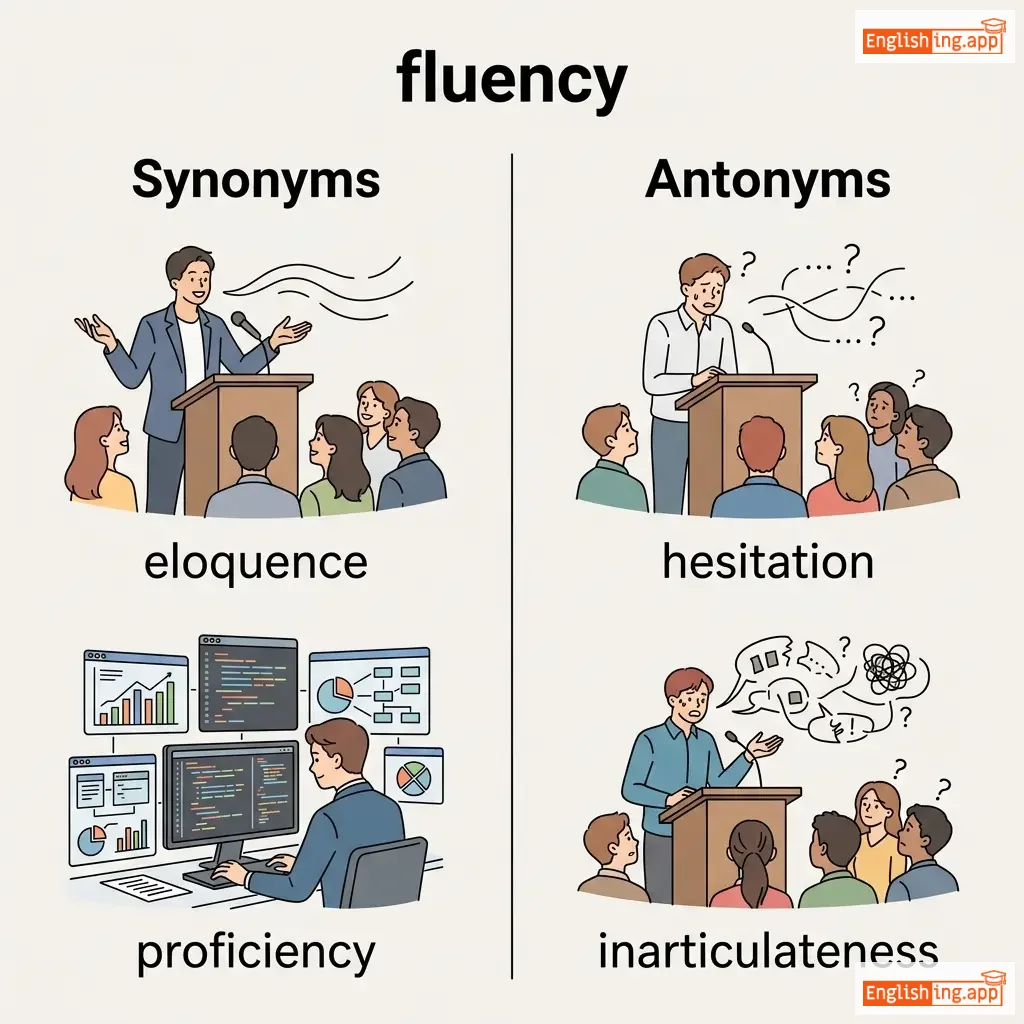
proficiency, eloquence, articulateness
••••••
|
hesitation, incoherence, struggle
••••••
|
|
#2023
🧠
|
/kɒɡˈnɪʃ.ən/
noun
••••••
|
|
The mental action or process of acquiring knowledge and understanding through thought, experience, and the senses.
••••••
|
Cognition plays a crucial role in learning and memory. |
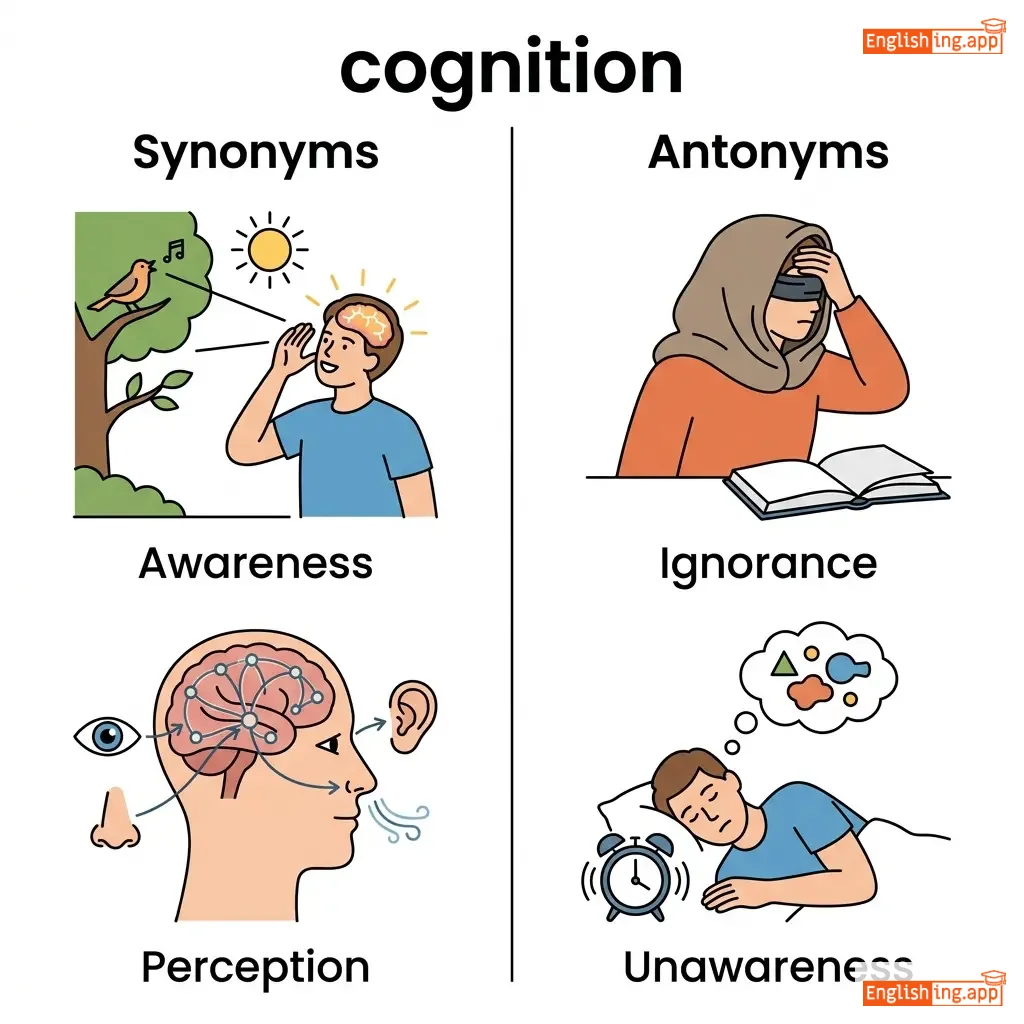
perception, awareness, thought process
••••••
|
ignorance, unawareness, misunderstanding
••••••
|
|
#2024
🎯
|
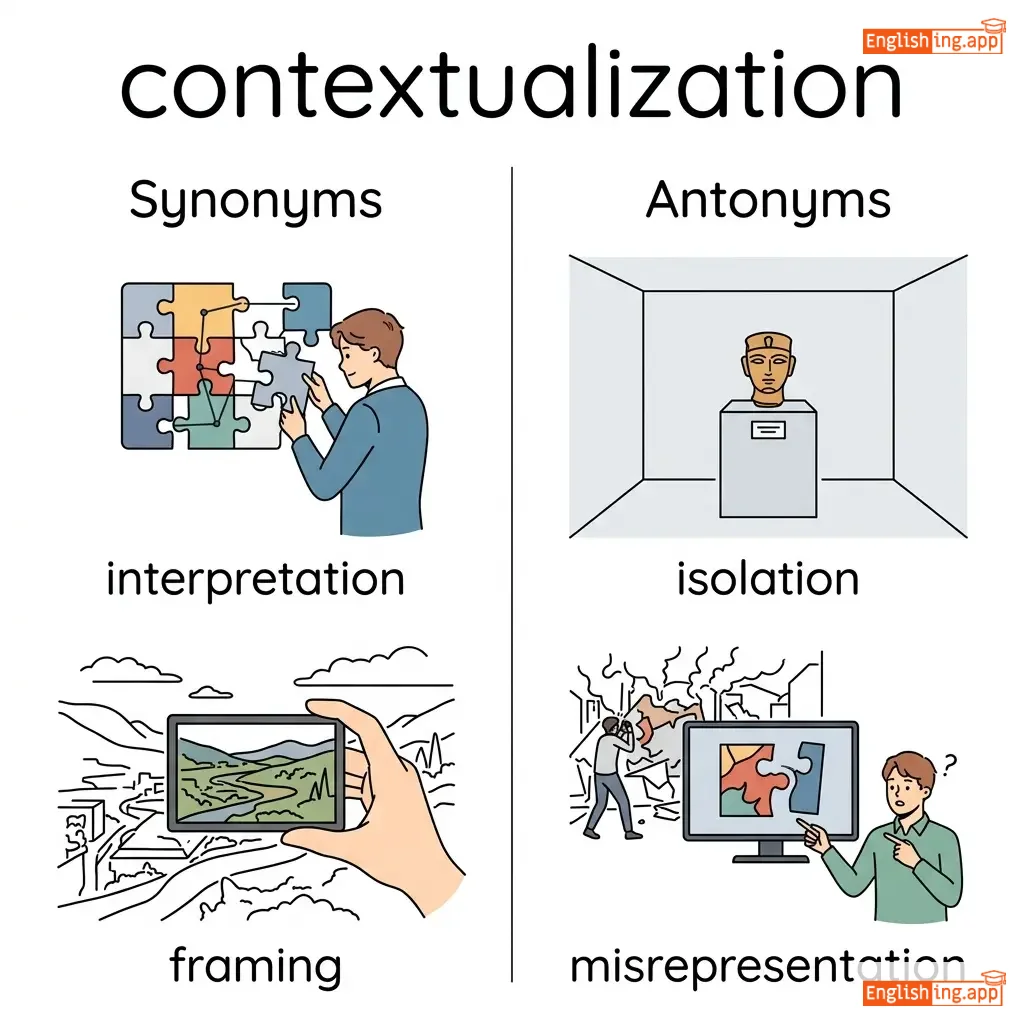
/kɒnˌtek.stʃu.ə.laɪˈzeɪ.ʃən/
noun
••••••
|
|
The process of placing something in its proper context or setting to understand it better.
••••••
|
Contextualization of historical events helps students understand them better. |
interpretation, framing, explanation
••••••
|
isolation, misrepresentation, detachment
••••••
|
|
#2025
⚖️
|
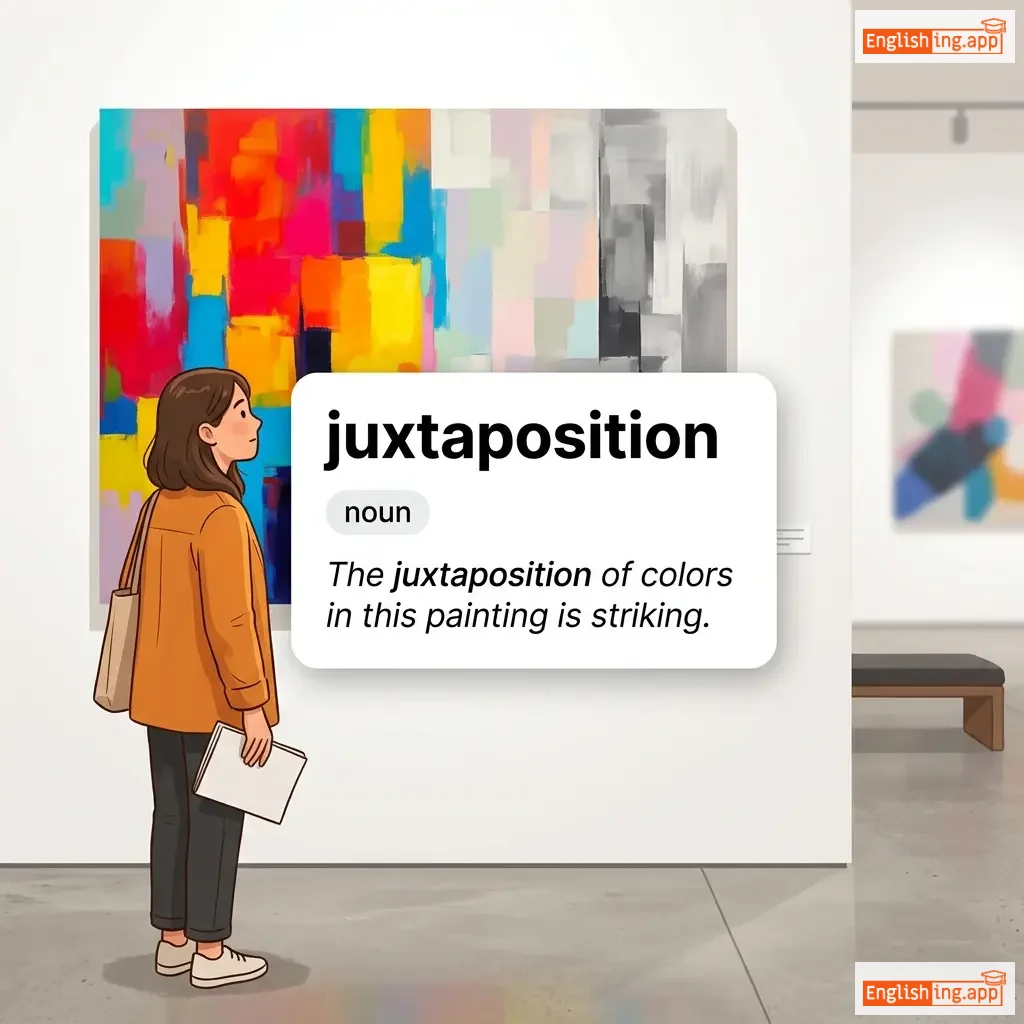
/ˌdʒʌk.stə.pəˈzɪʃ.ən/
noun
••••••
|
|
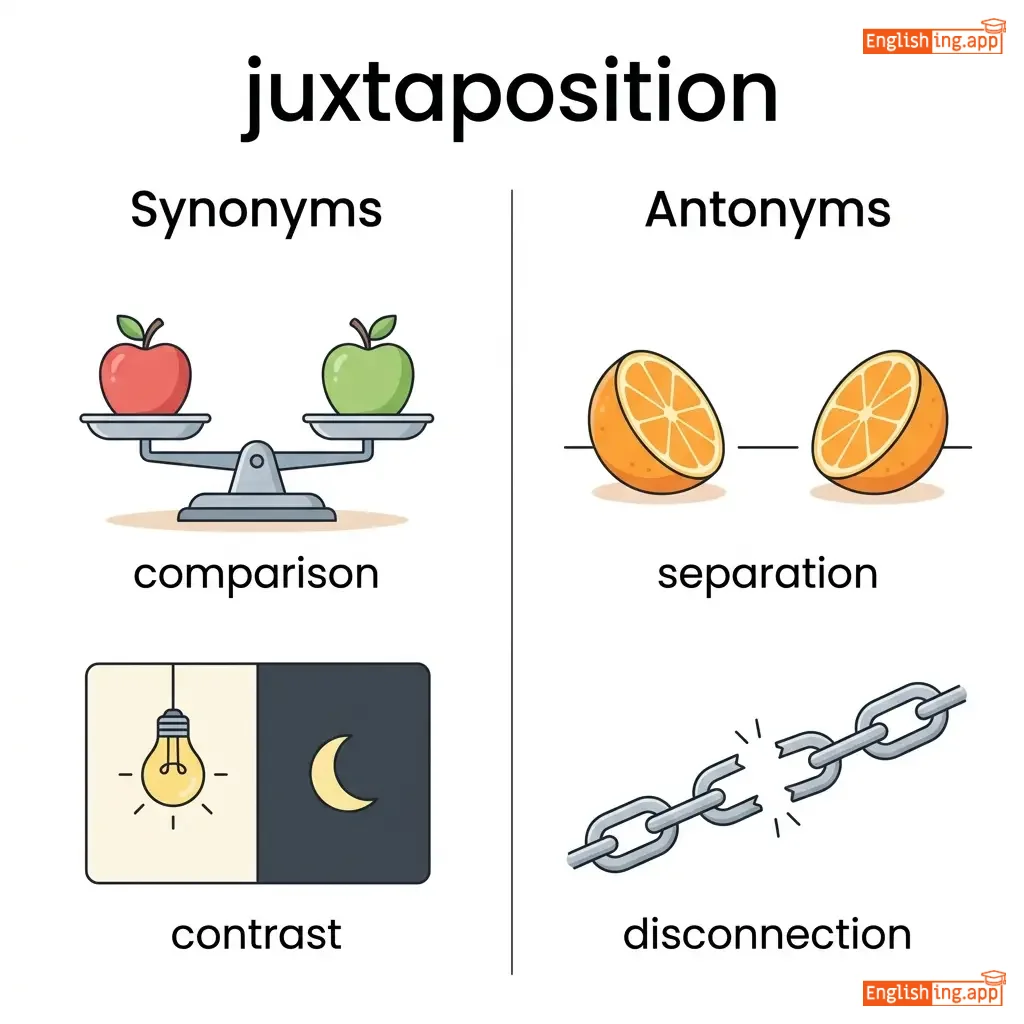
The fact of two things being seen or placed close together with contrasting effect.
••••••
|
The artist's work features a striking juxtaposition of light and shadow. |
contrast, comparison, alignment
••••••
|
separation, distance, disassociation
••••••
|
|
#2026
🔄
|
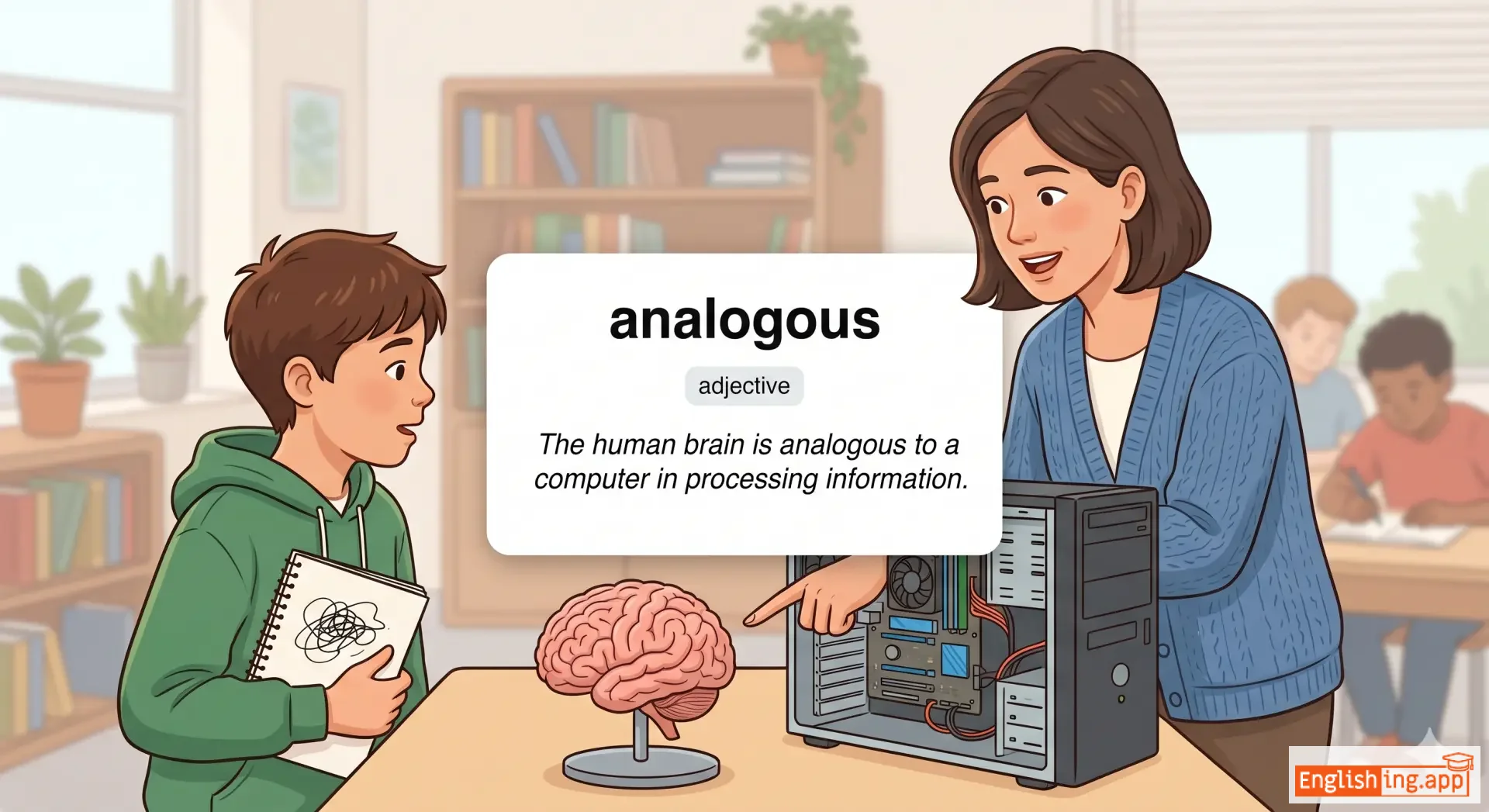
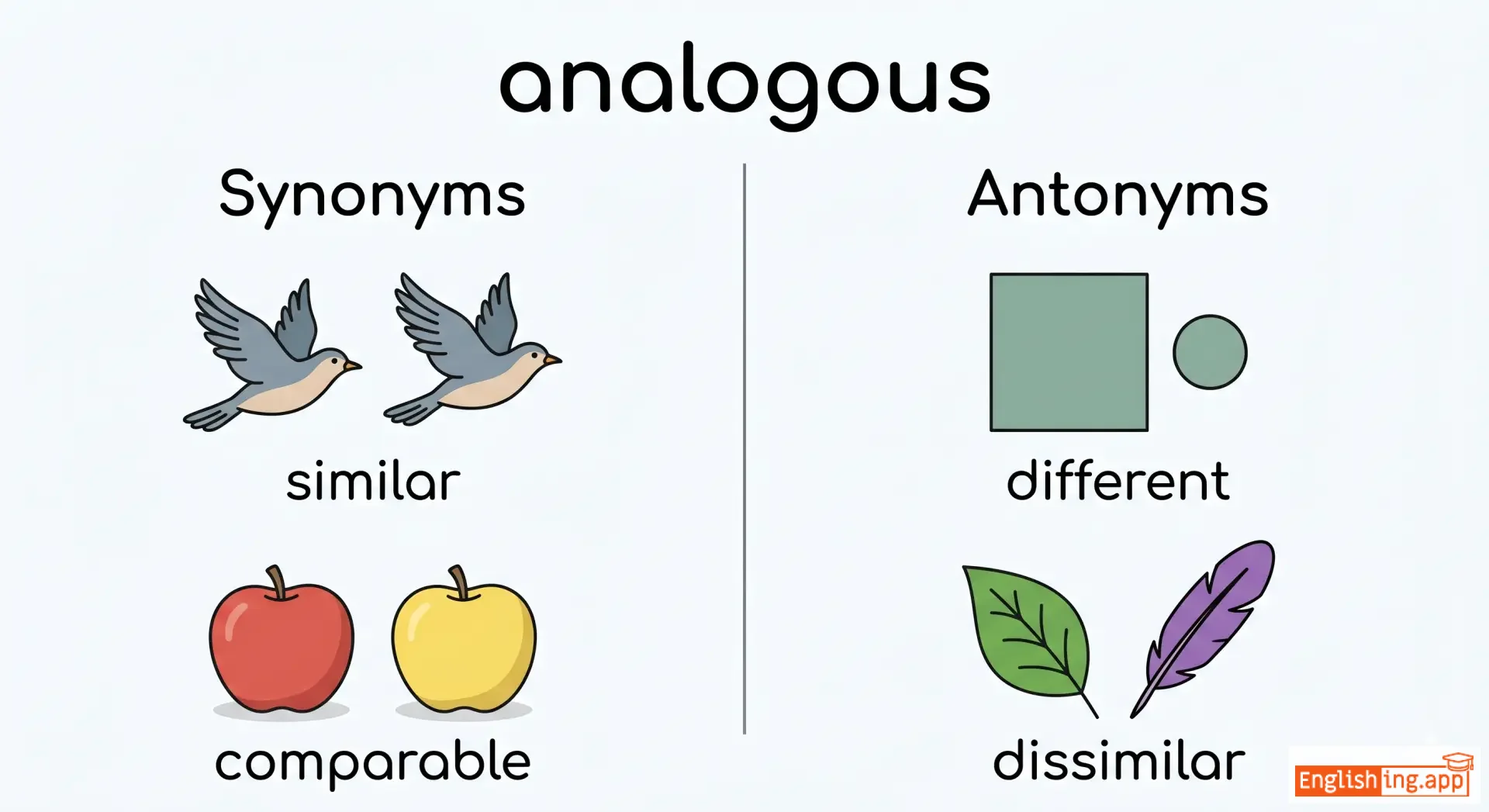
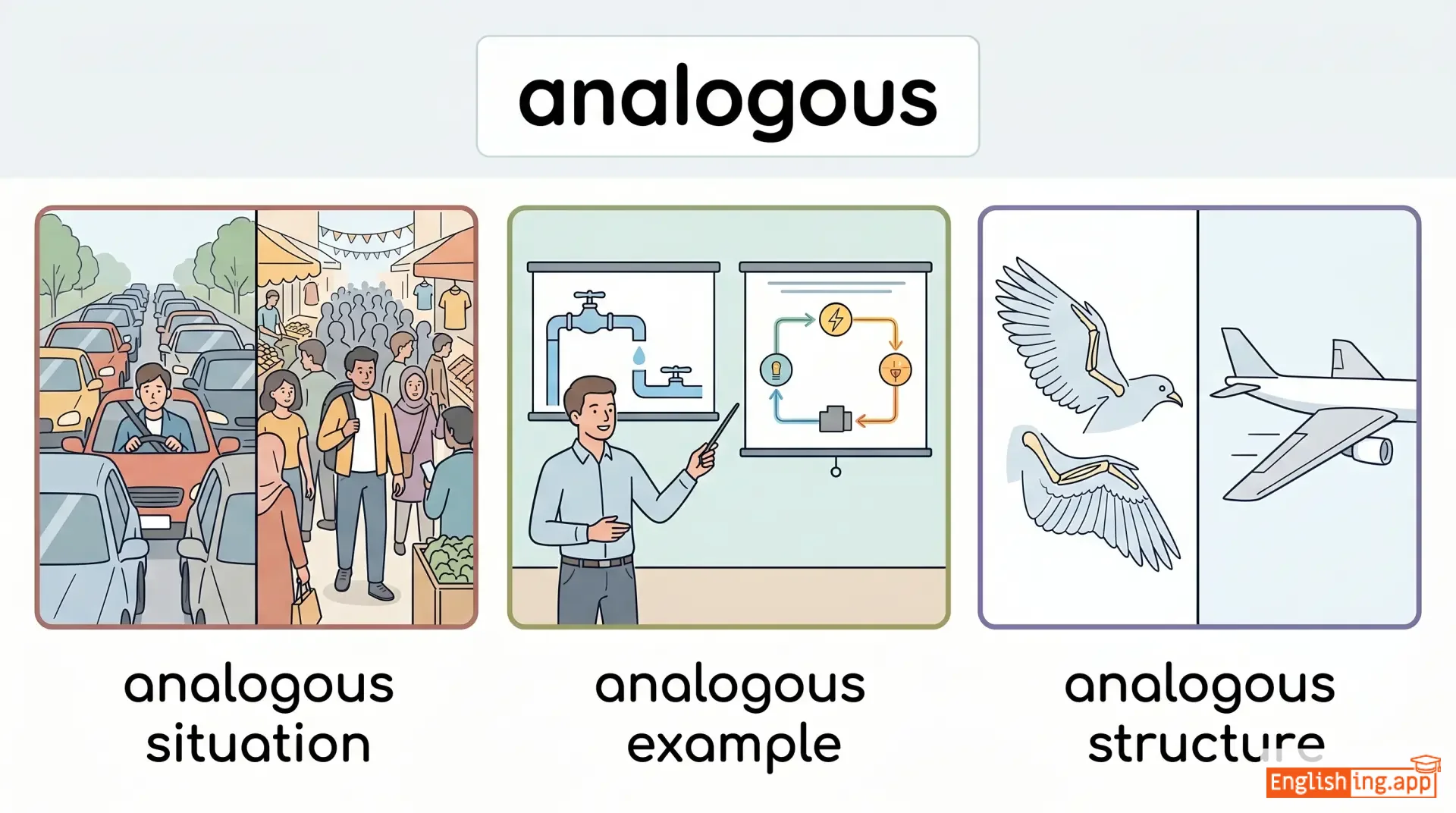
/əˈnæl.ə.ɡəs/
adjective
••••••
|
|
Comparable in certain respects, typically in a way that makes clearer the nature of the things compared.
••••••
|
The structure of an atom is analogous to the solar system. |
comparable, similar, equivalent
••••••
|
dissimilar, unrelated, contrasting
••••••
|
|
#2027
🧽
|
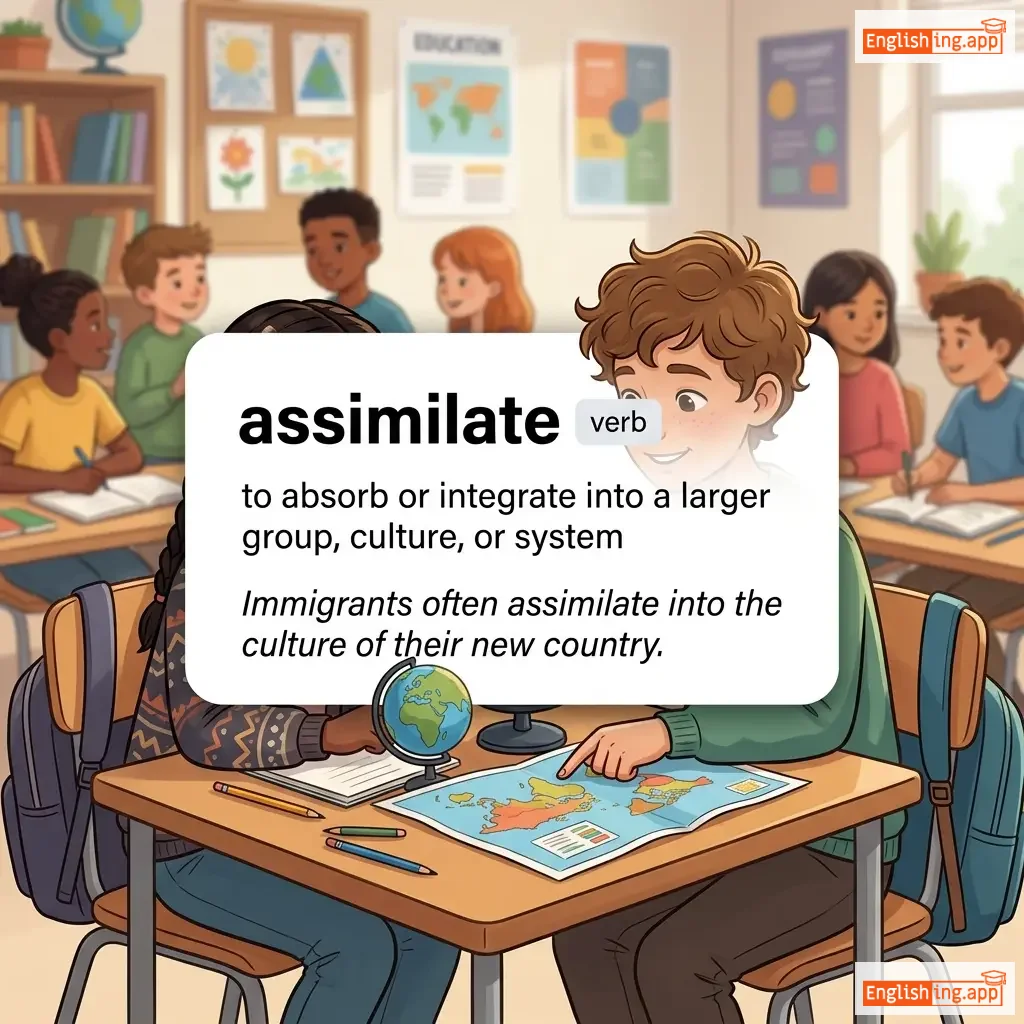
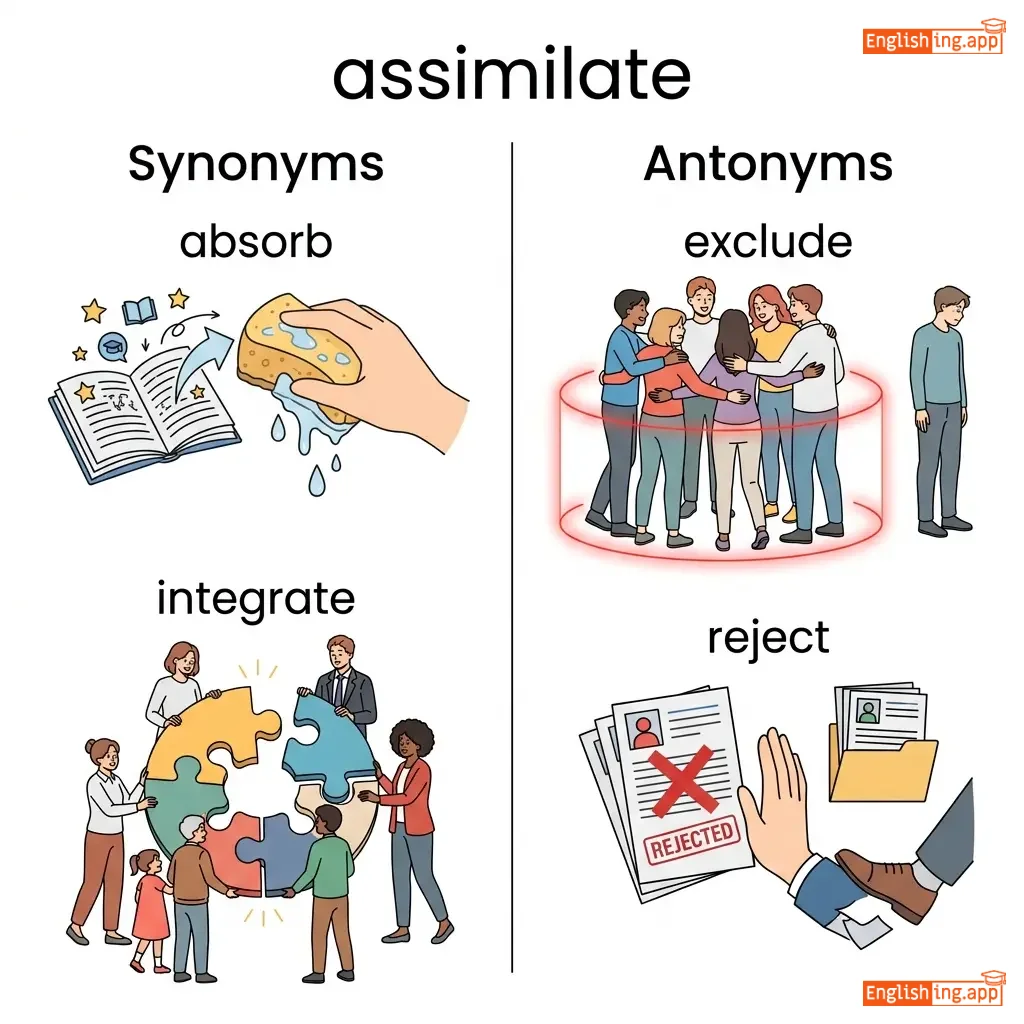
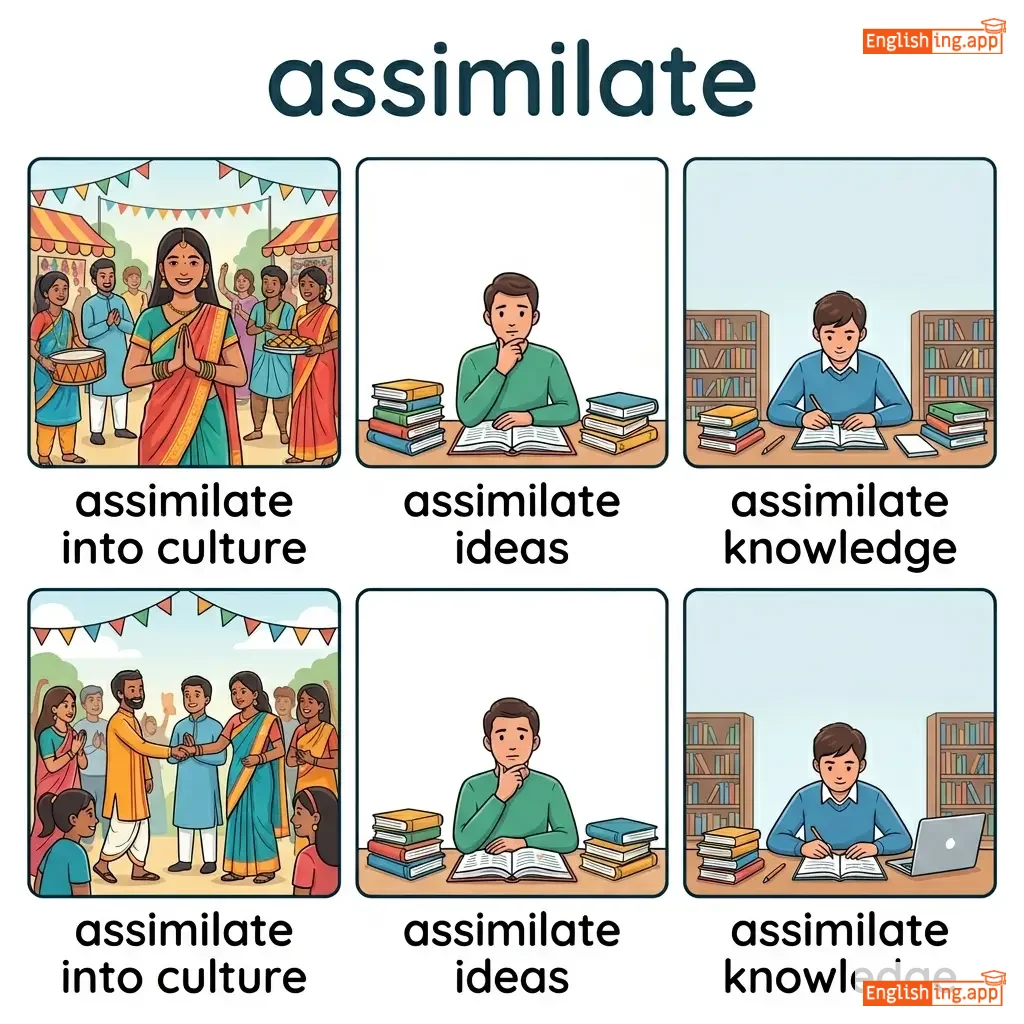
/əˈsɪm.ɪ.leɪt/
verb
••••••
|
|
To take in and understand fully; to absorb and integrate ideas, knowledge, or information.
••••••
|
Immigrants often struggle to assimilate into a new culture. |
absorb, integrate, incorporate
••••••
|
reject, exclude, isolate
••••••
|
|
#2028
🎯
|
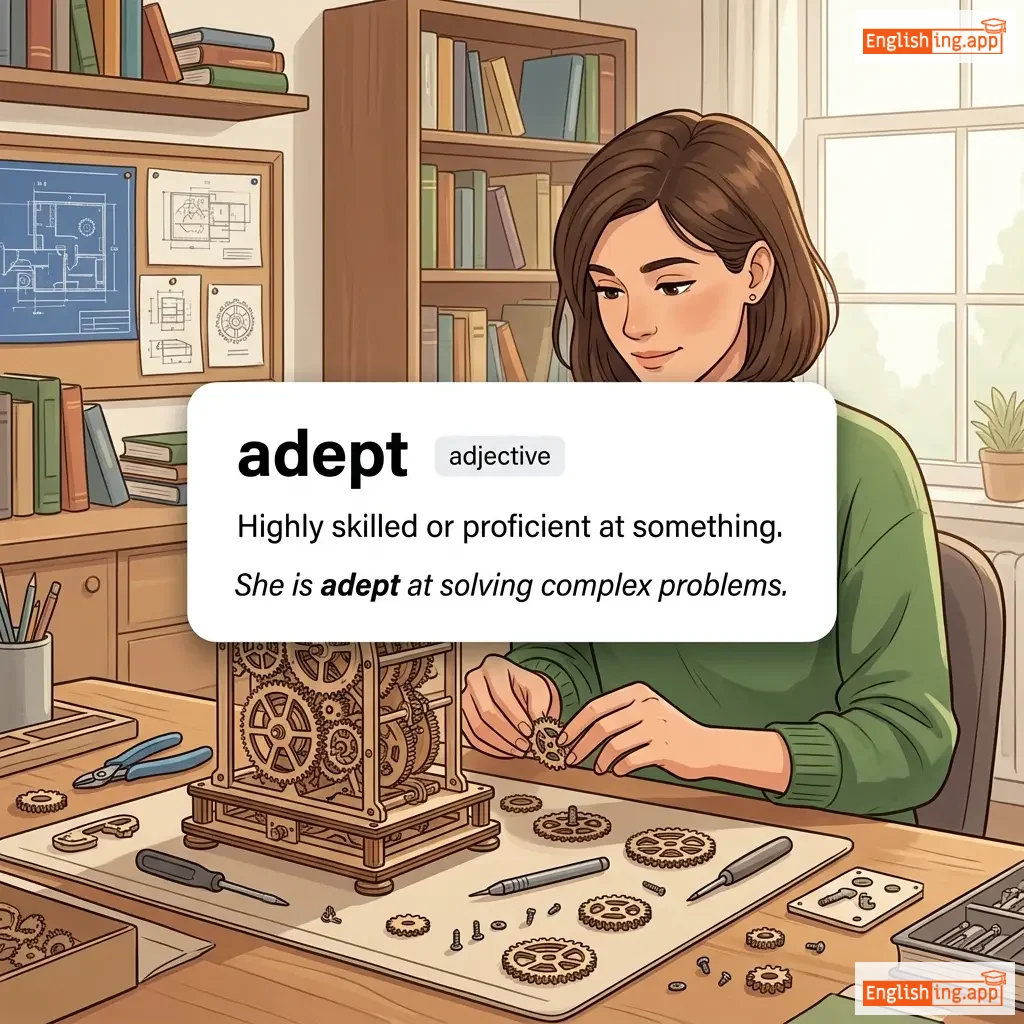
/əˈdept/
adjective
••••••
|
|
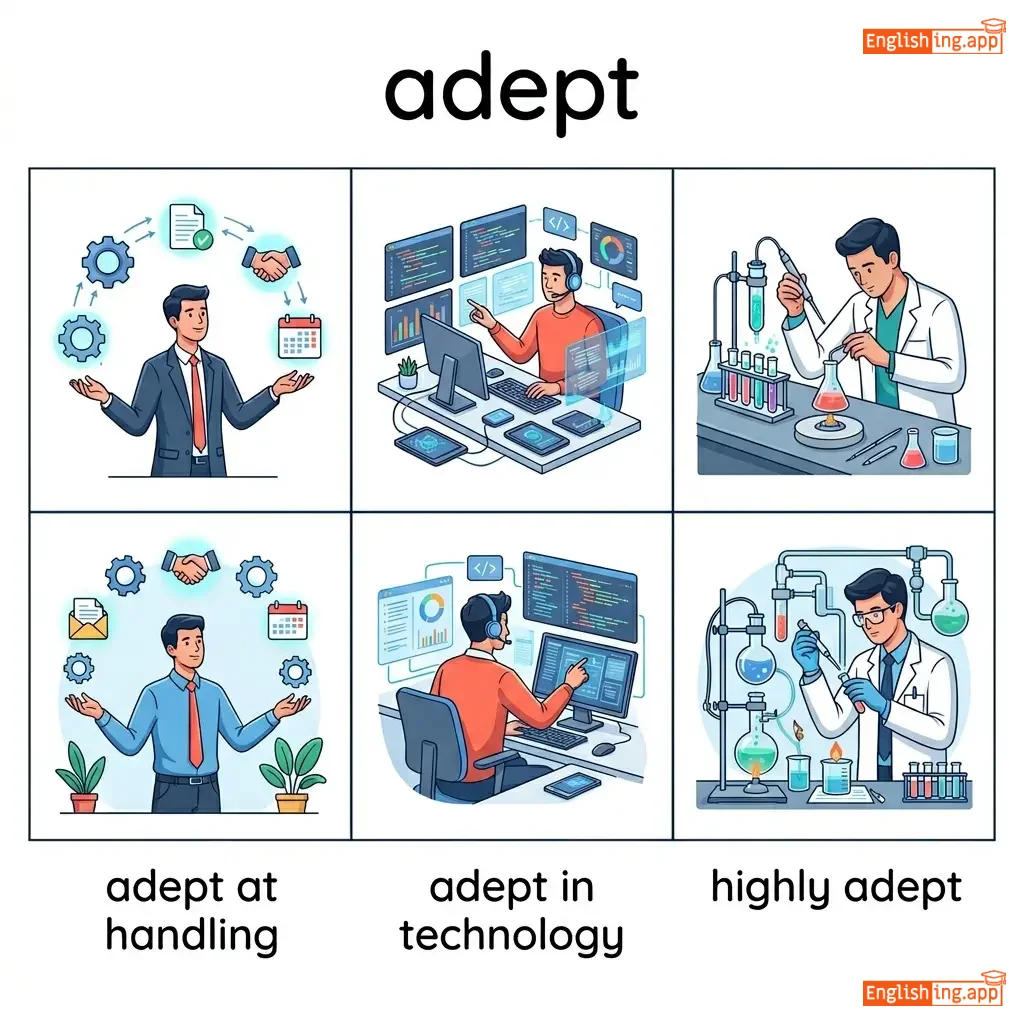
Very skilled or proficient at something; expert.
••••••
|
She is adept at solving complex mathematical problems. |
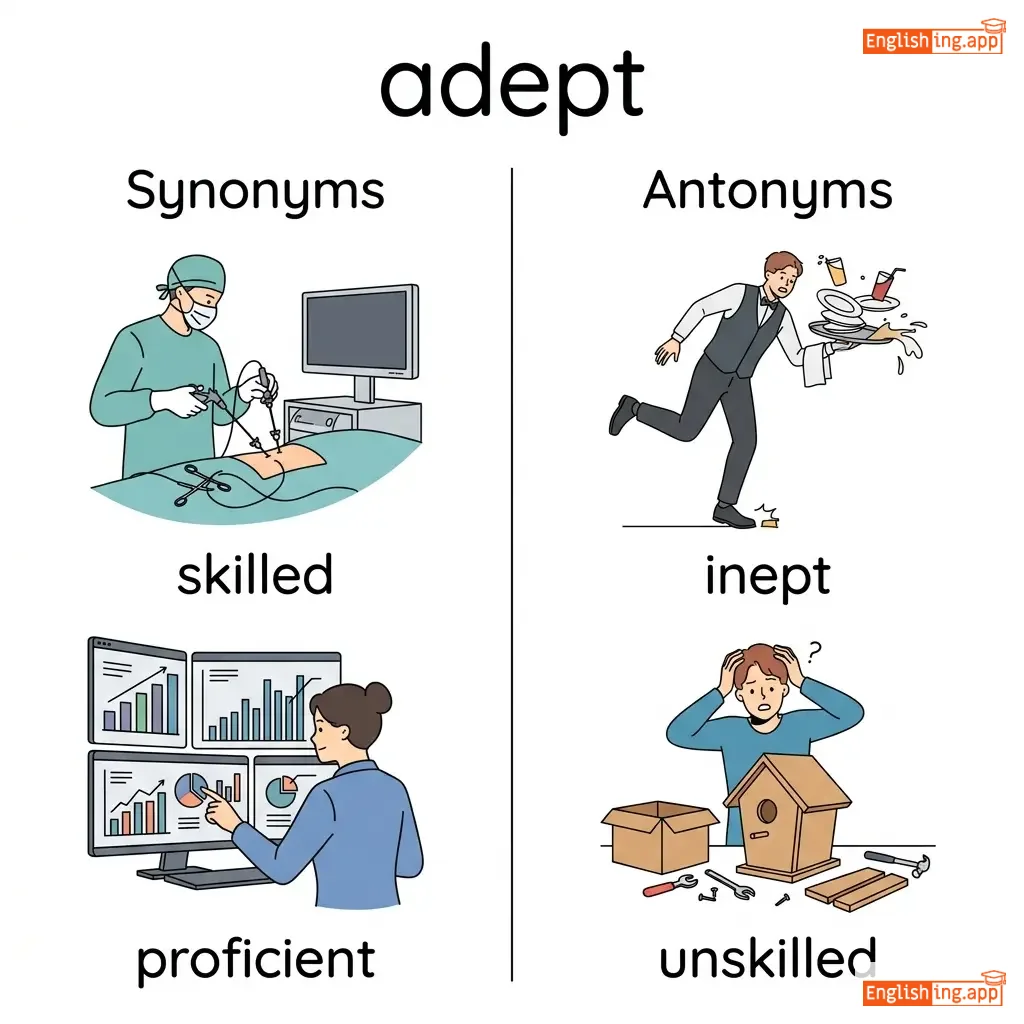
skilled, proficient, expert
••••••
|
inept, unskilled, incompetent
••••••
|
|
#2029
📦
|
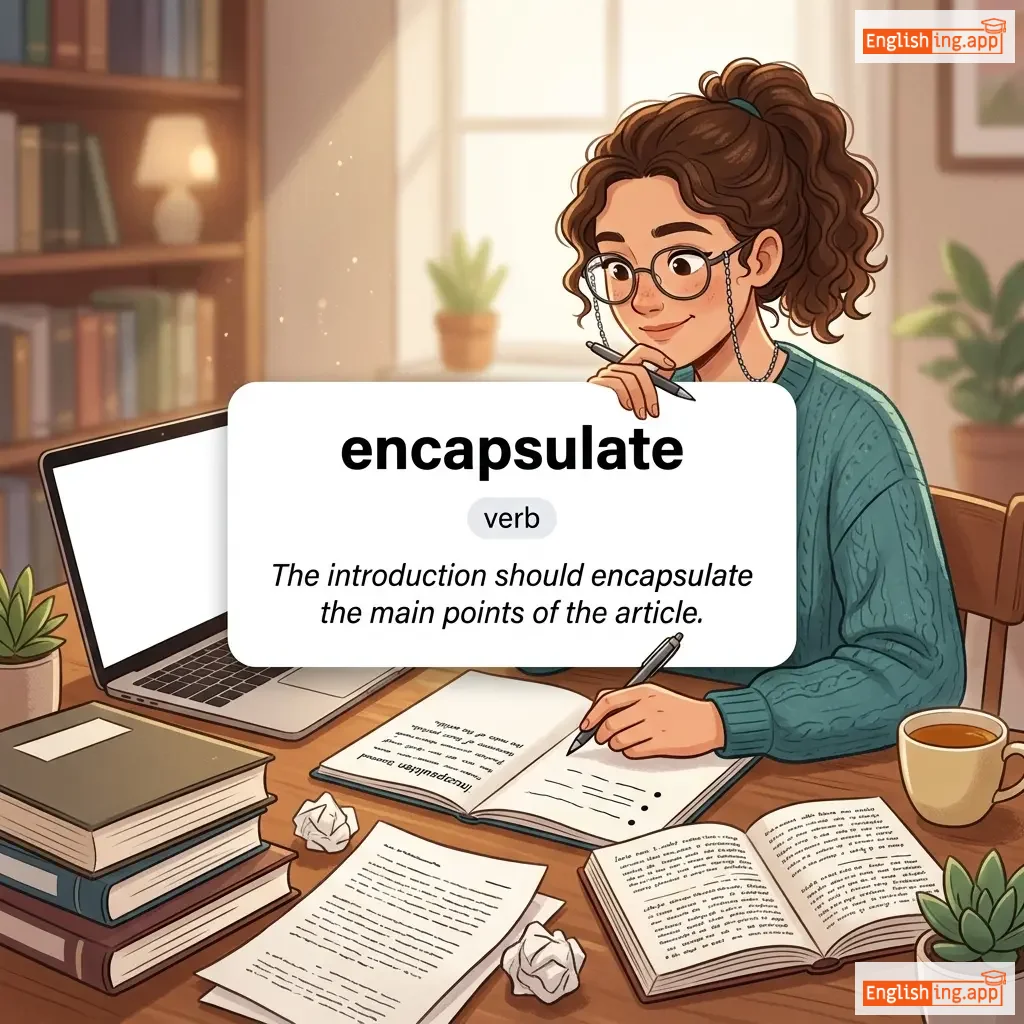
/ɪnˈkæp.sjʊ.leɪt/
verb
••••••
|
|
To express the essential features of something succinctly; to summarize or contain within.
••••••
|
The introduction should encapsulate the main points of the article. |
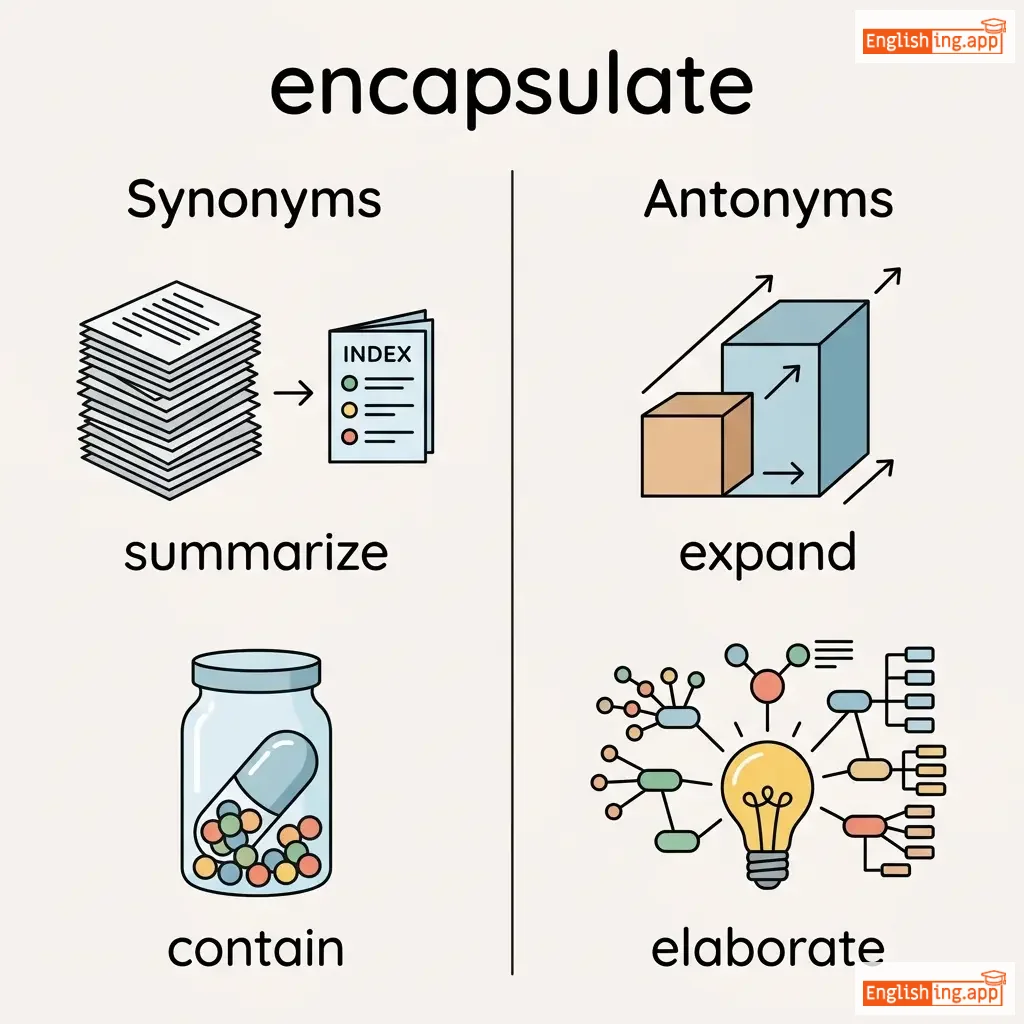
summarize, contain, enclose
••••••
|
expand, elaborate, lengthen
••••••
|
|
#2030
🌟
|
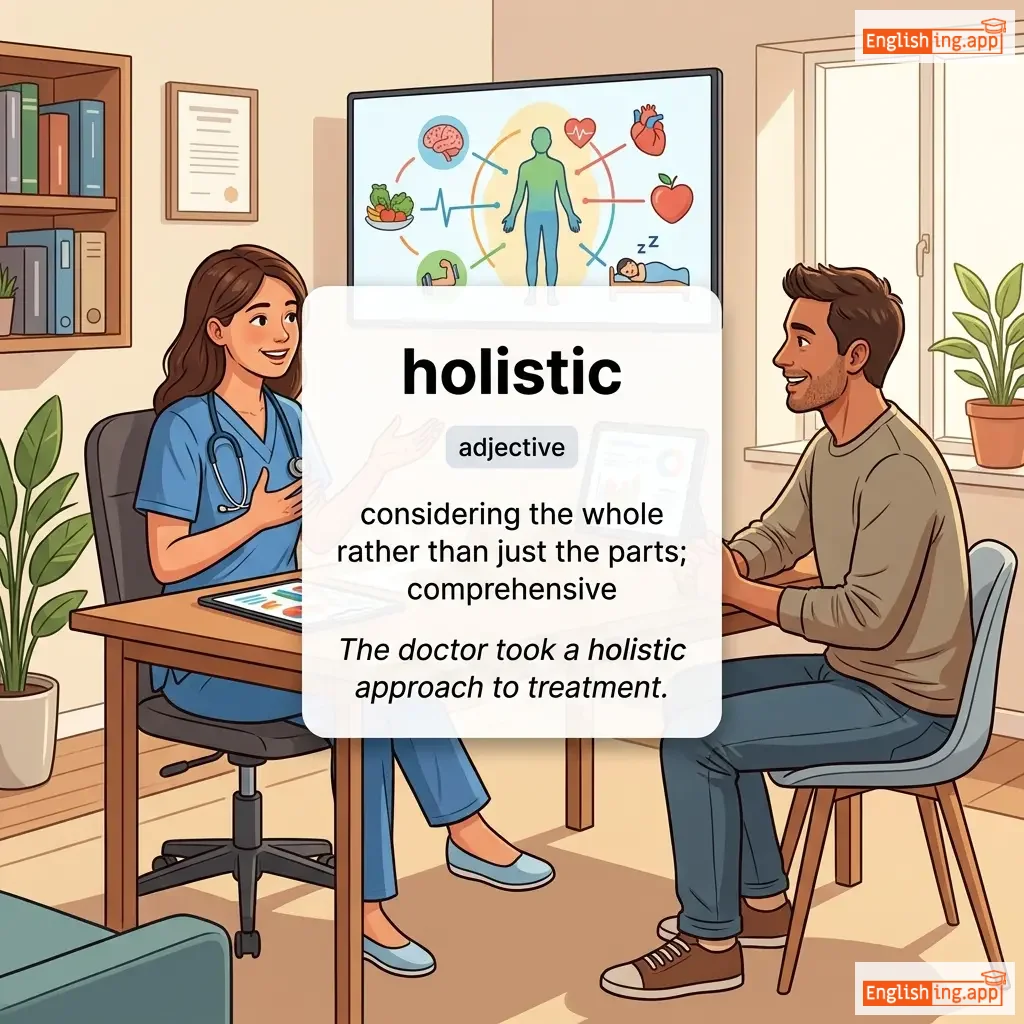
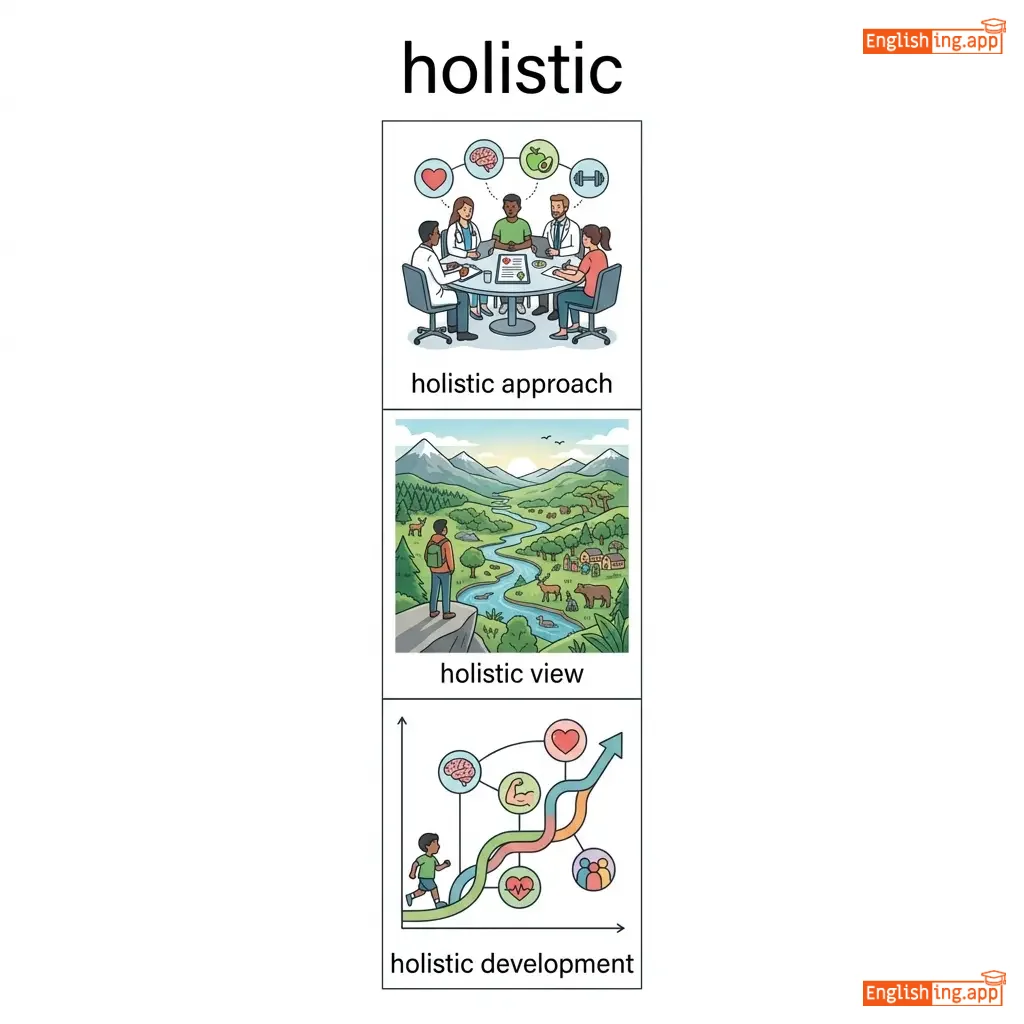
/həʊˈlɪs.tɪk/
adjective
••••••
|
|
Characterized by comprehension of the parts of something as intimately interconnected and explicable only by reference to the whole.
••••••
|
Holistic medicine considers both the mind and the body in treatment. |
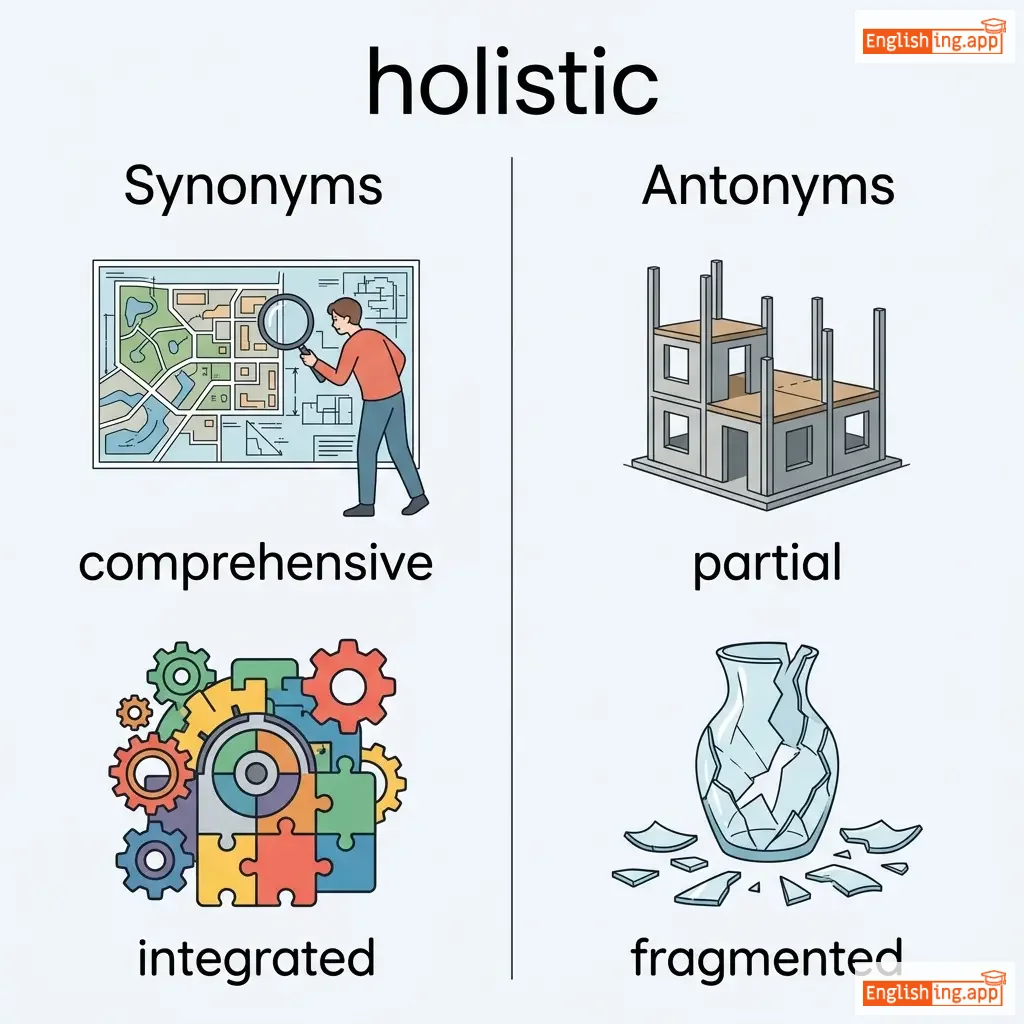
comprehensive, integrated, whole
••••••
|
fragmented, partial, incomplete
••••••
|
|
#2031
🚀
|
/fəˈsɪl.ɪ.teɪt/
verb
••••••
|
|
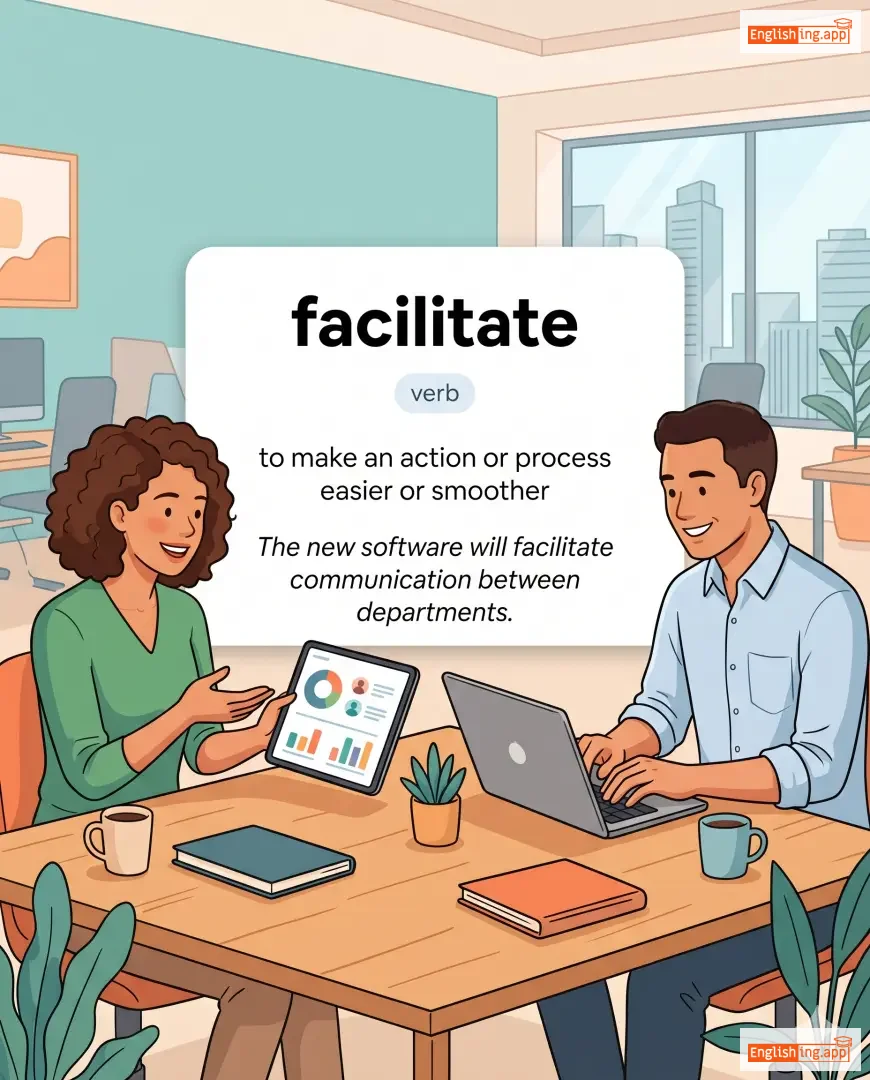
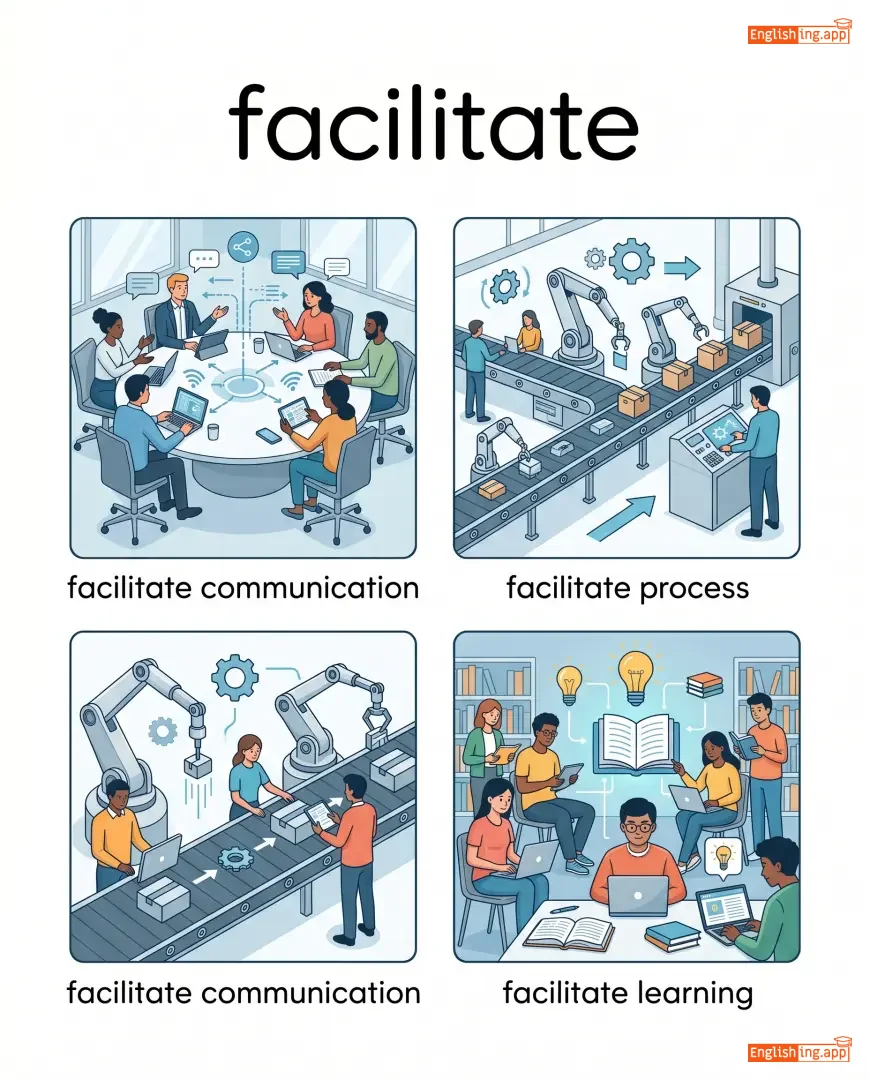
To make an action or process easier or help bring about; to assist the progress of.
••••••
|
Technology facilitates faster communication. |
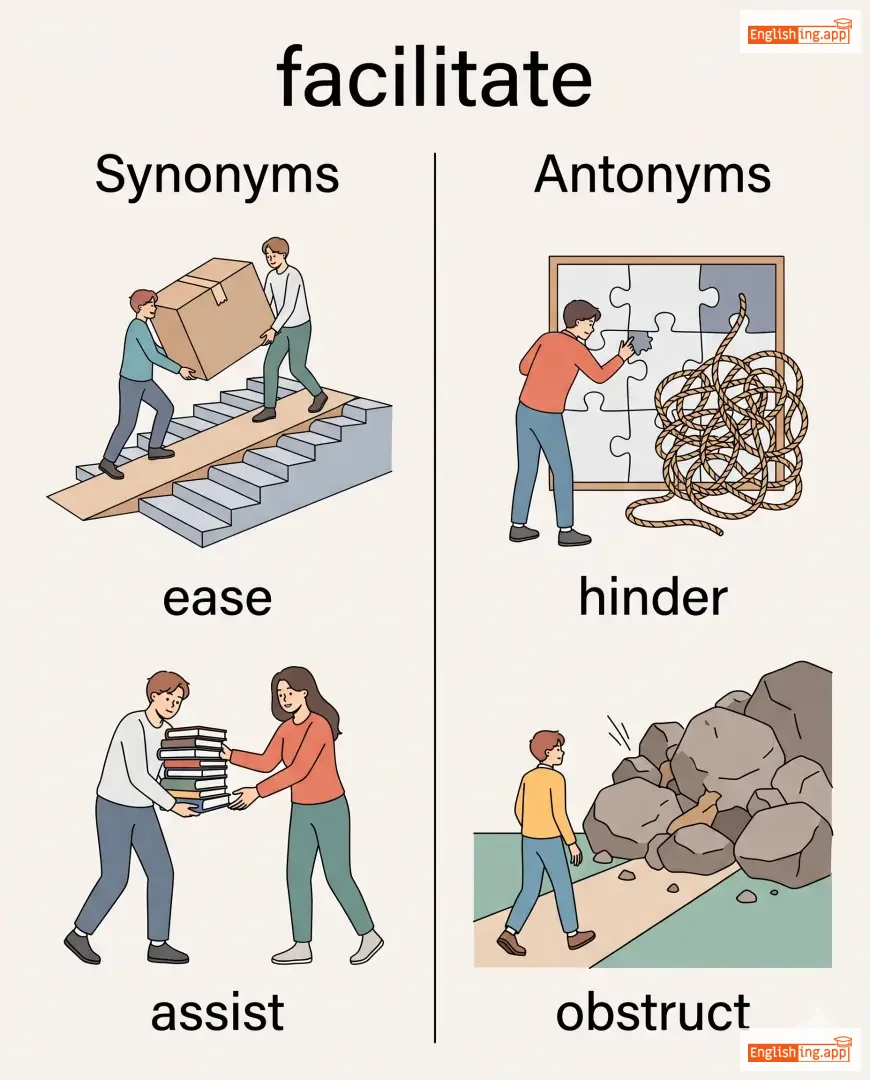
enable, assist, simplify
••••••
|
hinder, obstruct, complicate
••••••
|

