How Mnemonics Enhance Learning Ability
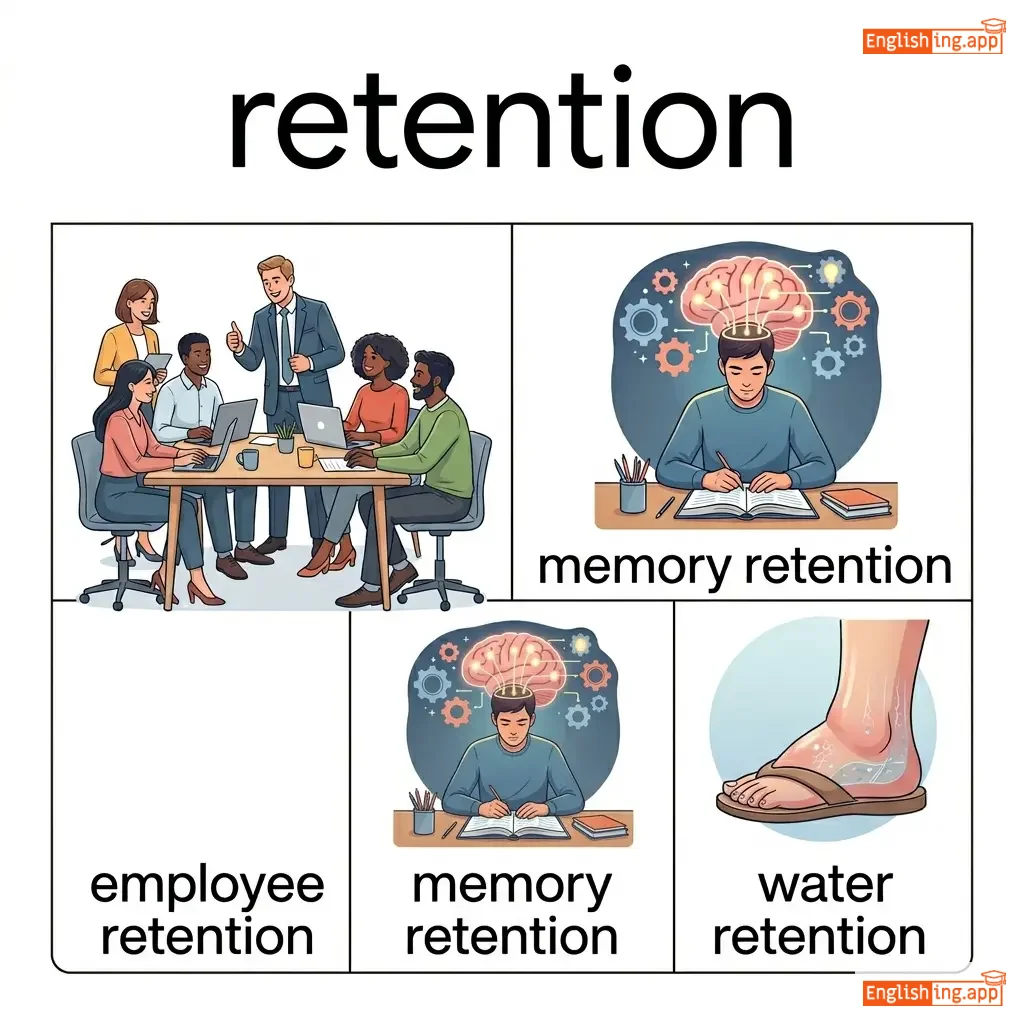
Mnemonics est une technique efficace pour améliorer les compétences d'apprentissage. Elle aide à augmenter la comprehension et améliore la capacité de retention du cerveau.
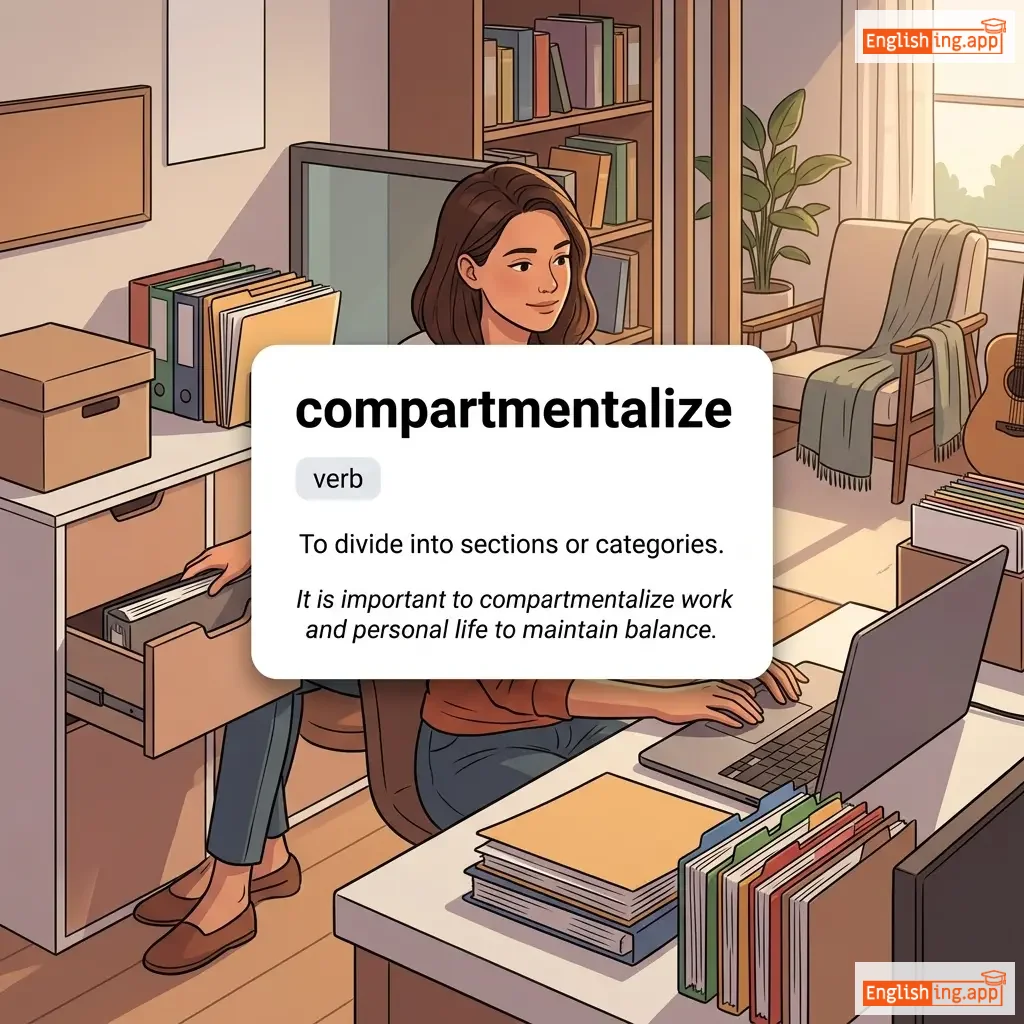
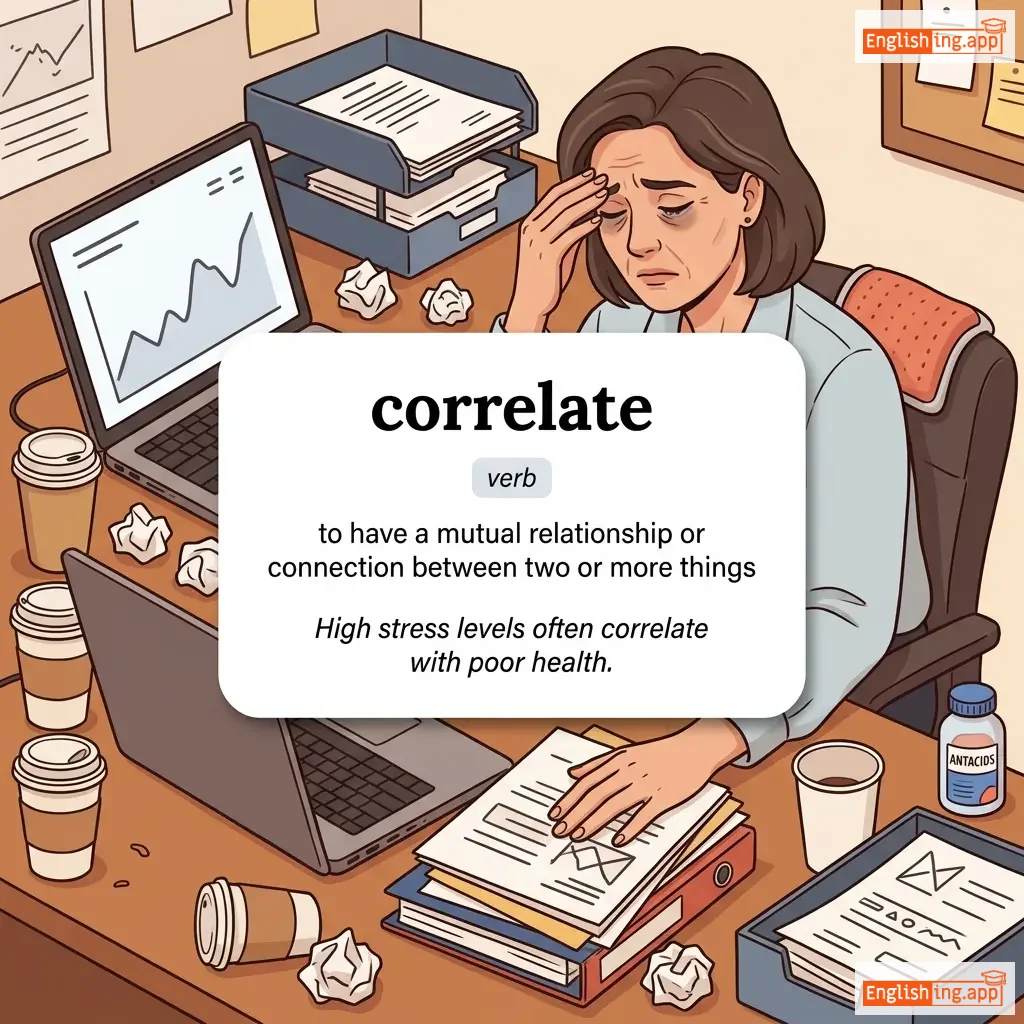
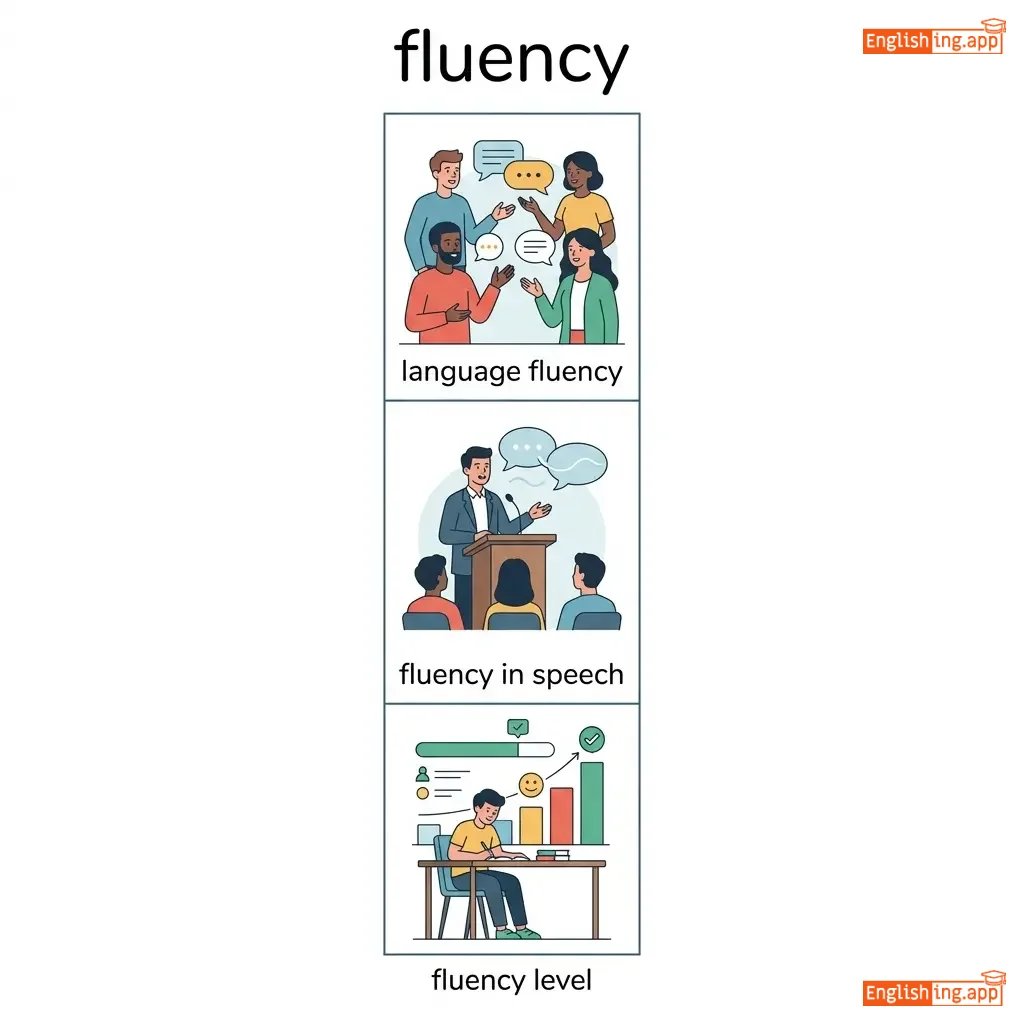
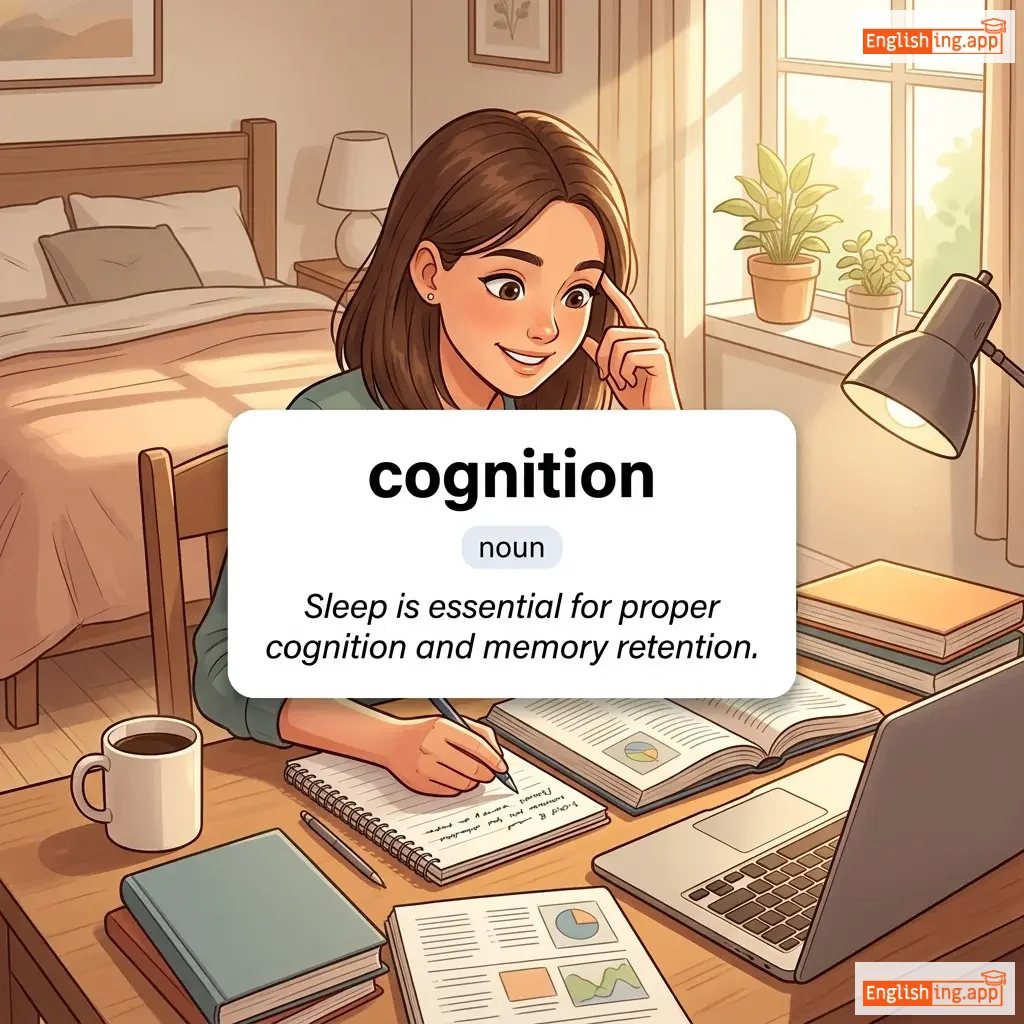
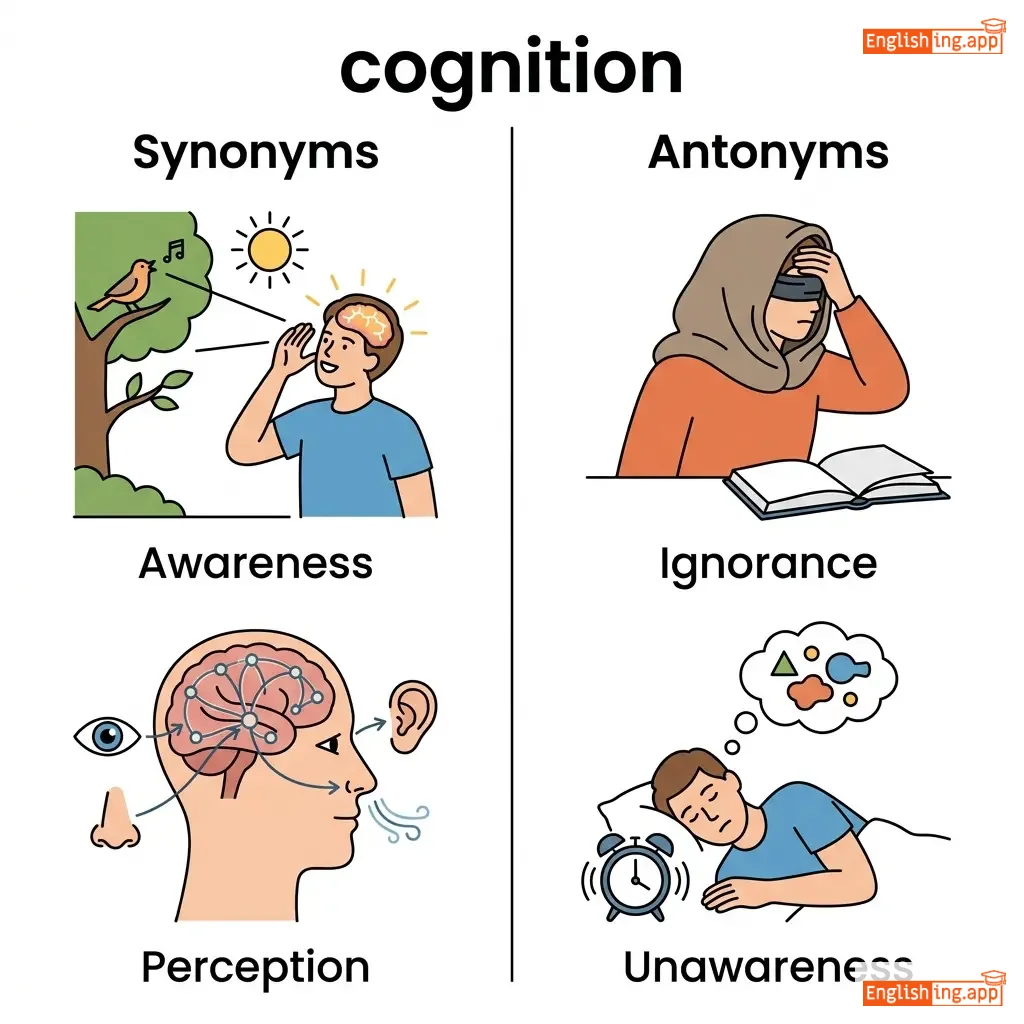
Notre cerveau compartmentalizes et stocke les informations. Cependant, lorsqu’on apprend quelque chose de nouveau, il est nécessaire de correlate facilement ces informations. Ici, mnemonics joue un rôle important, car il augmente la fluency de l’apprentissage et améliore la cognition.
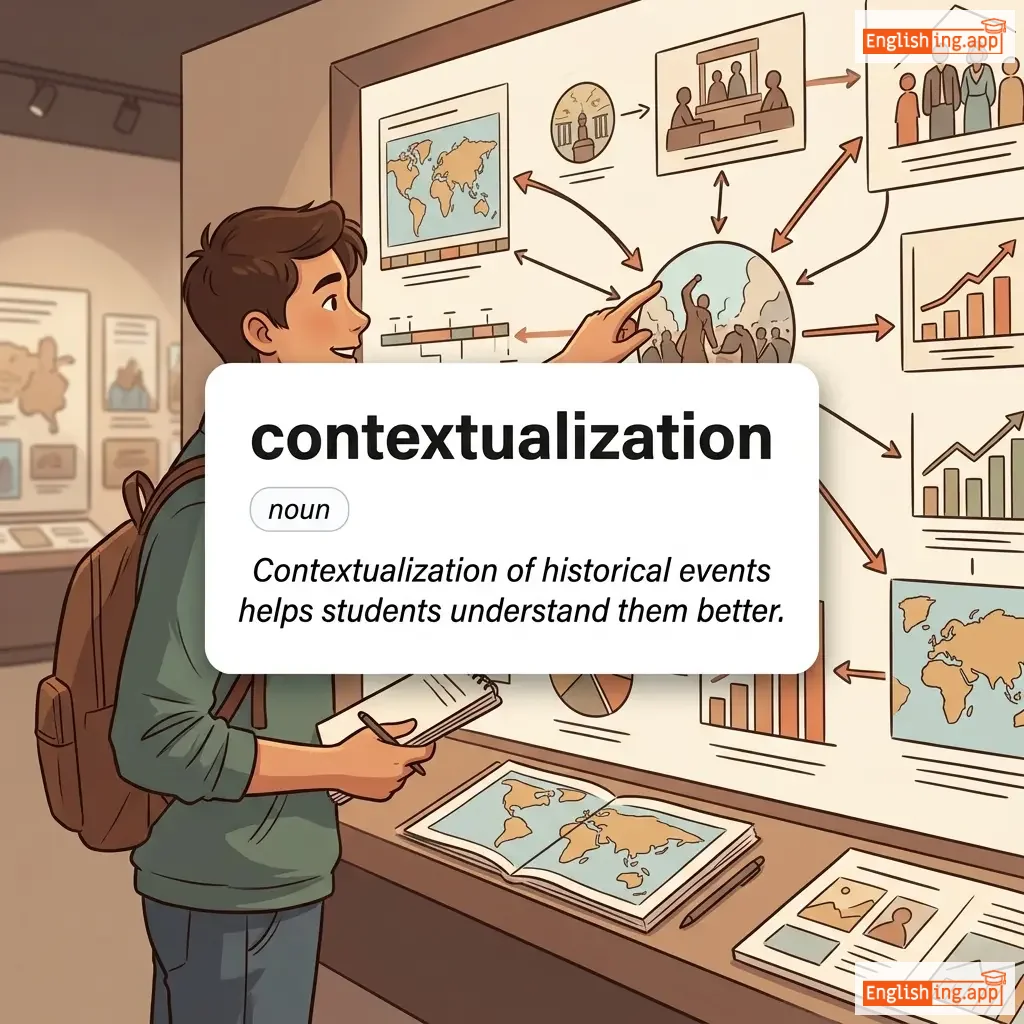
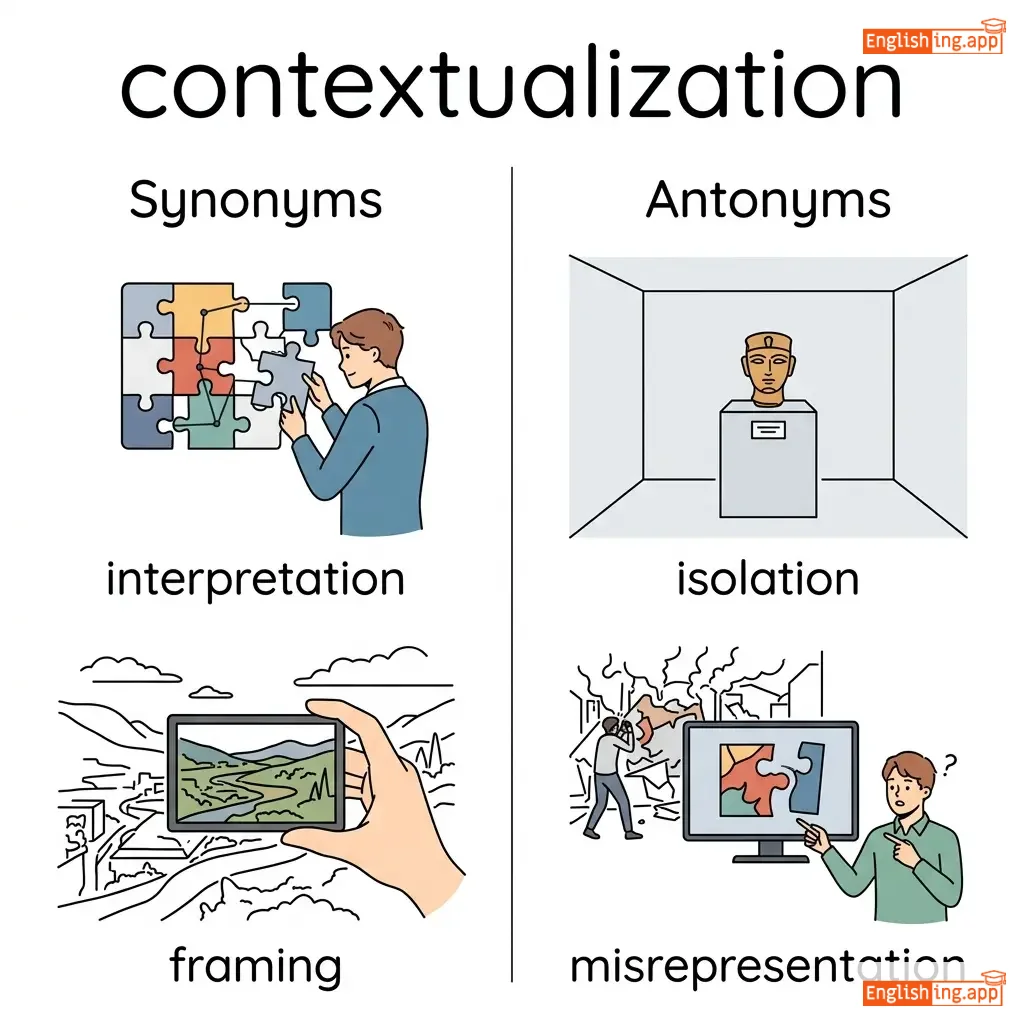
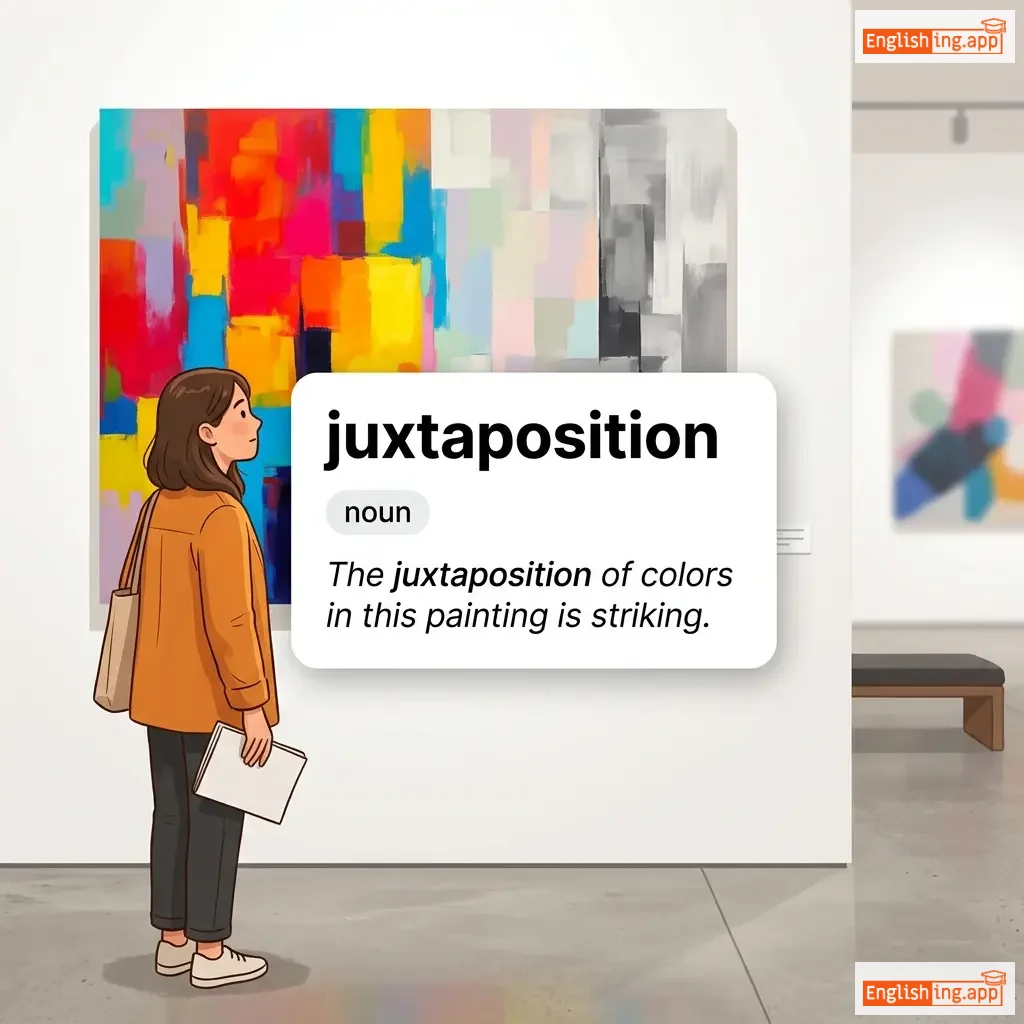
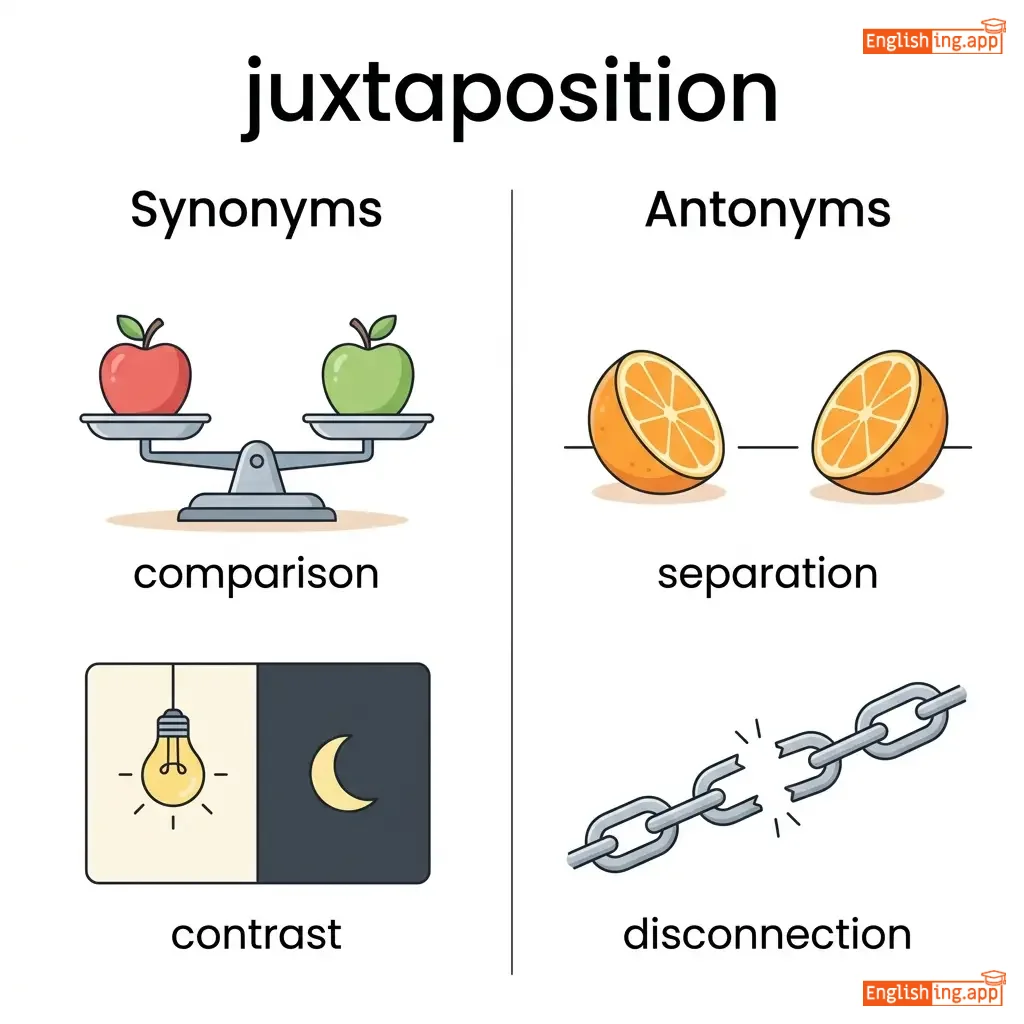
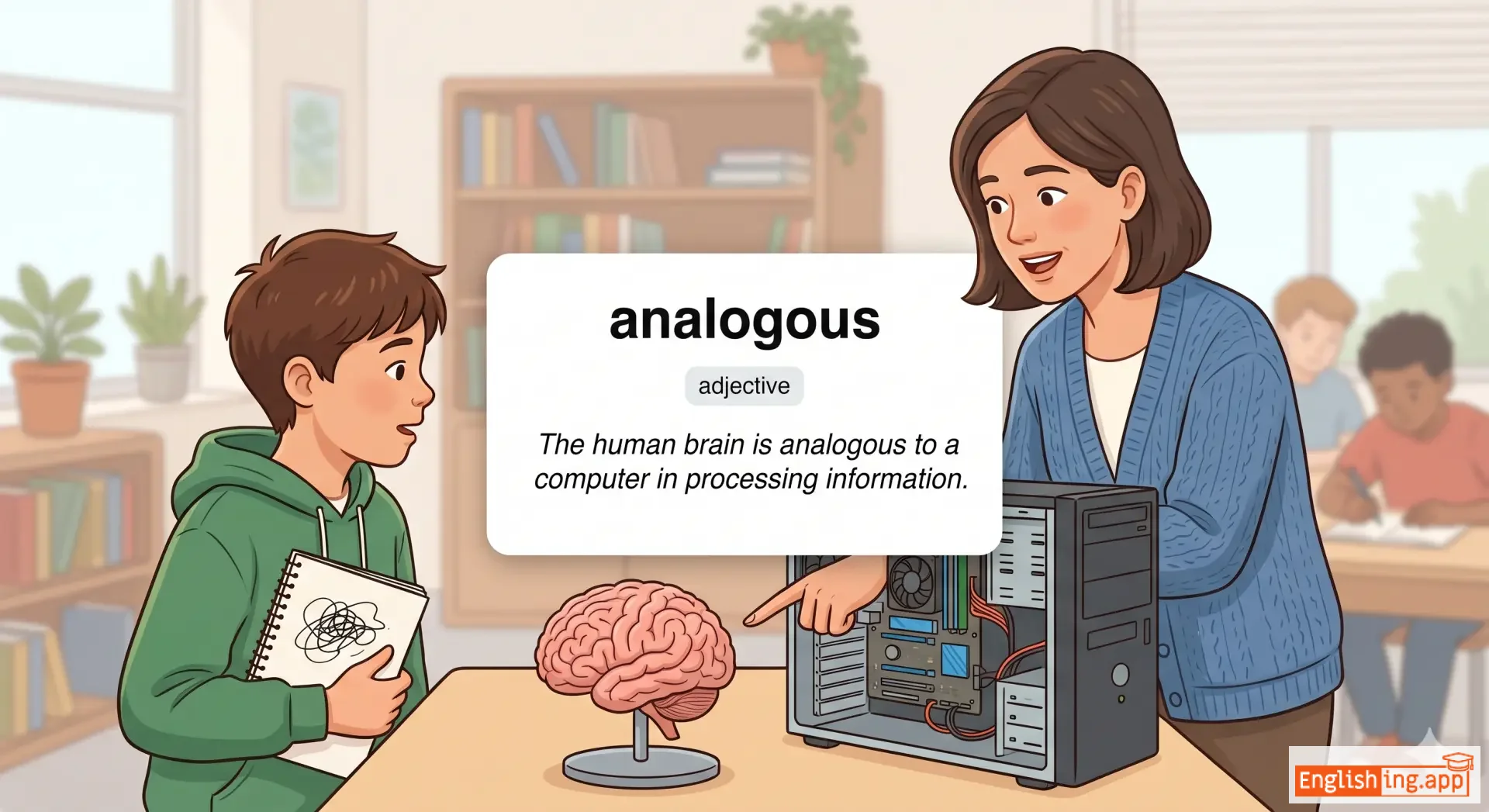
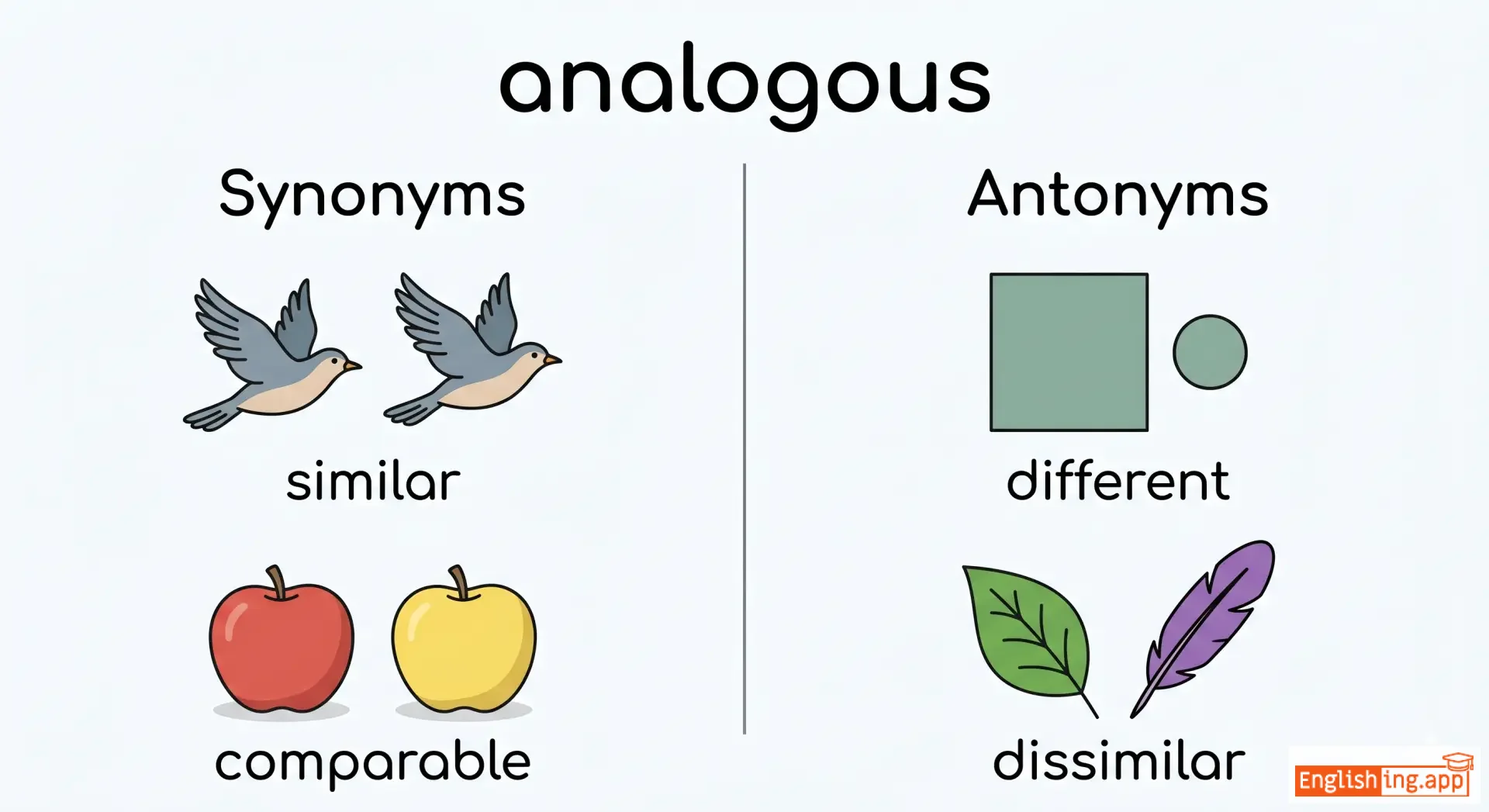
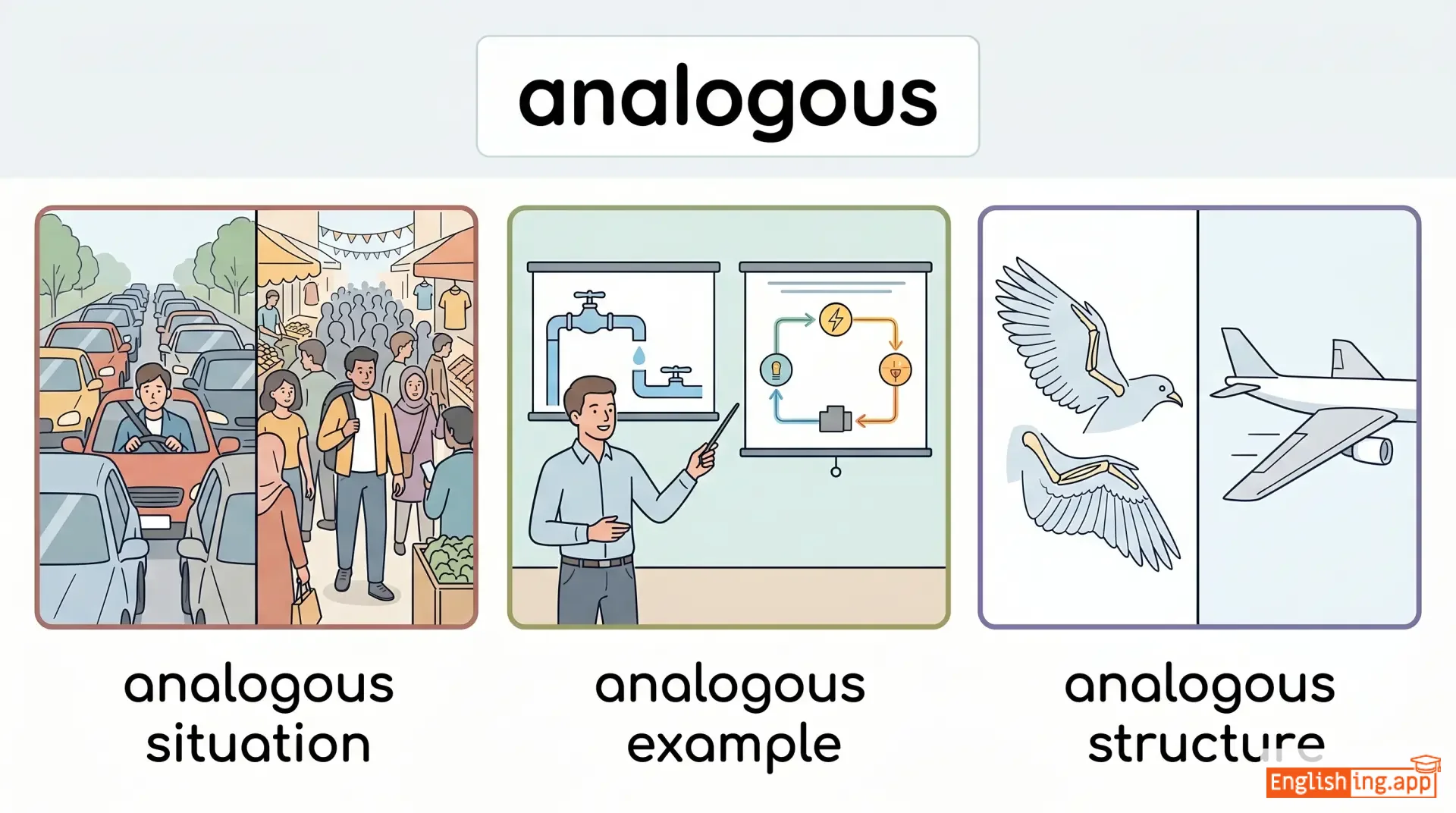
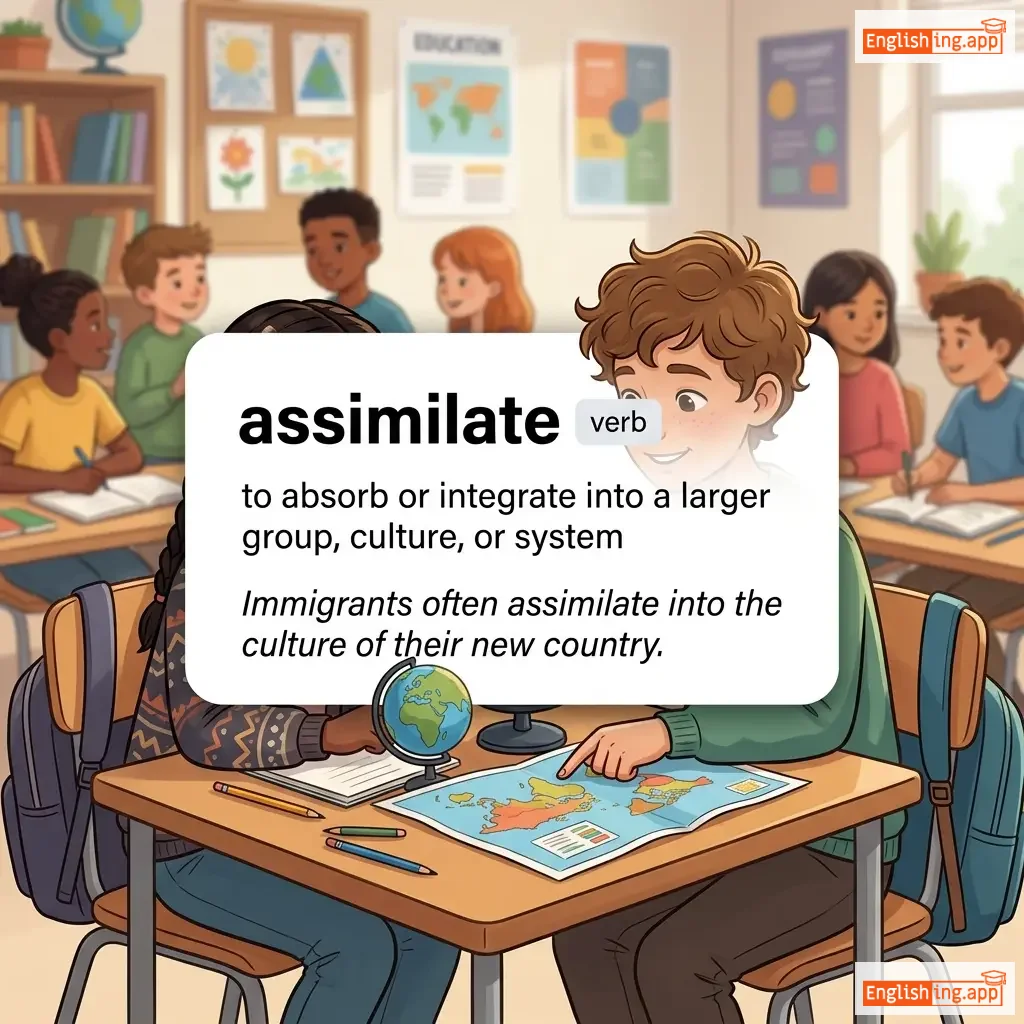
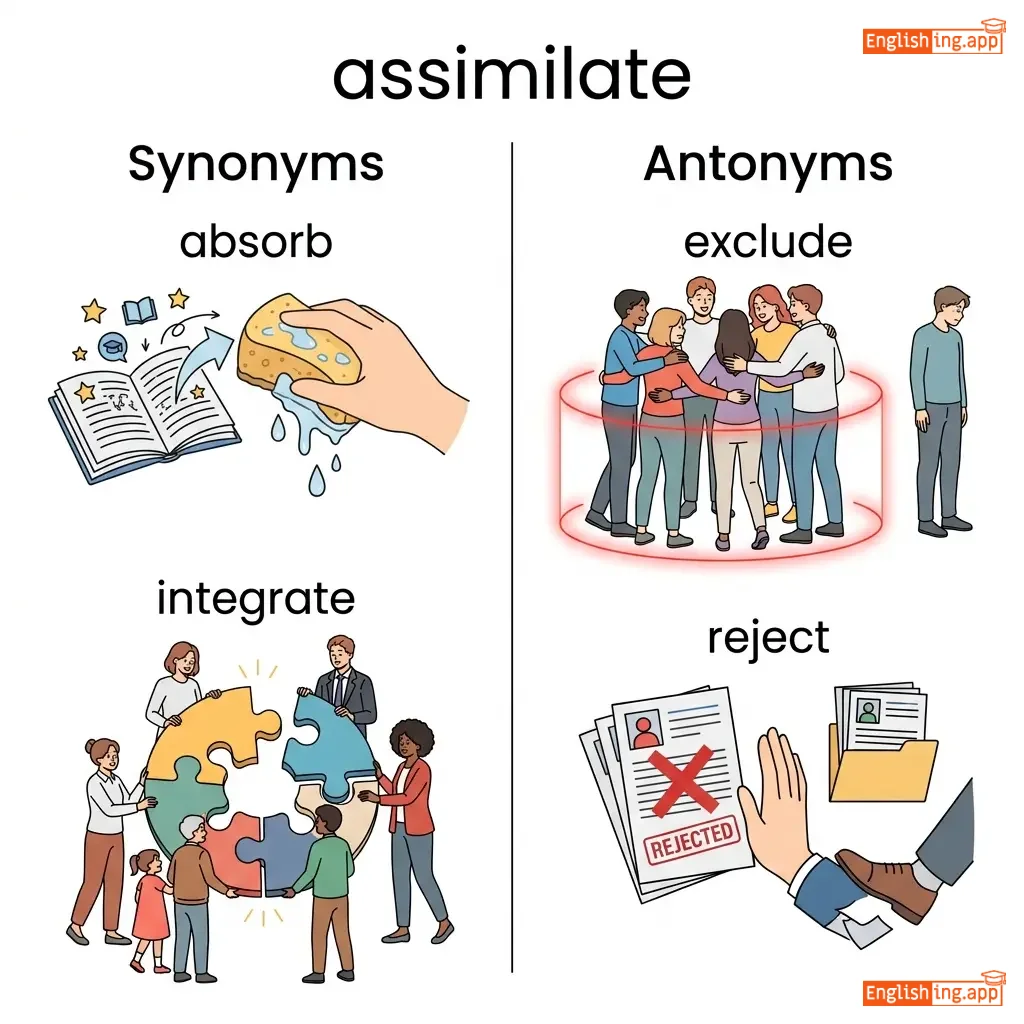
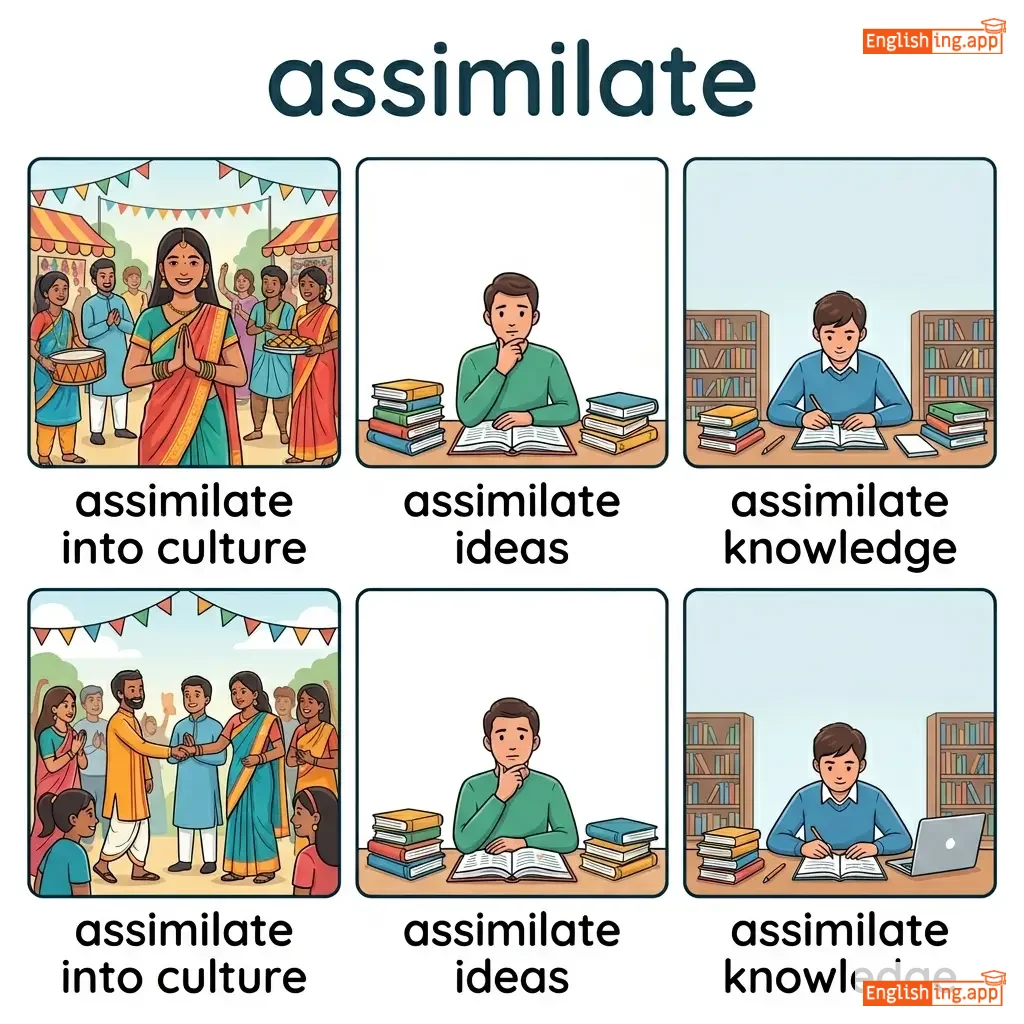
Par exemple, lorsque nous voulons mémoriser des mots difficiles, l’utilisation de la contextualization facilite la tâche. En utilisant la juxtaposition pour présenter les mots dans des schémas analogous, le cerveau peut facilement les assimilate.
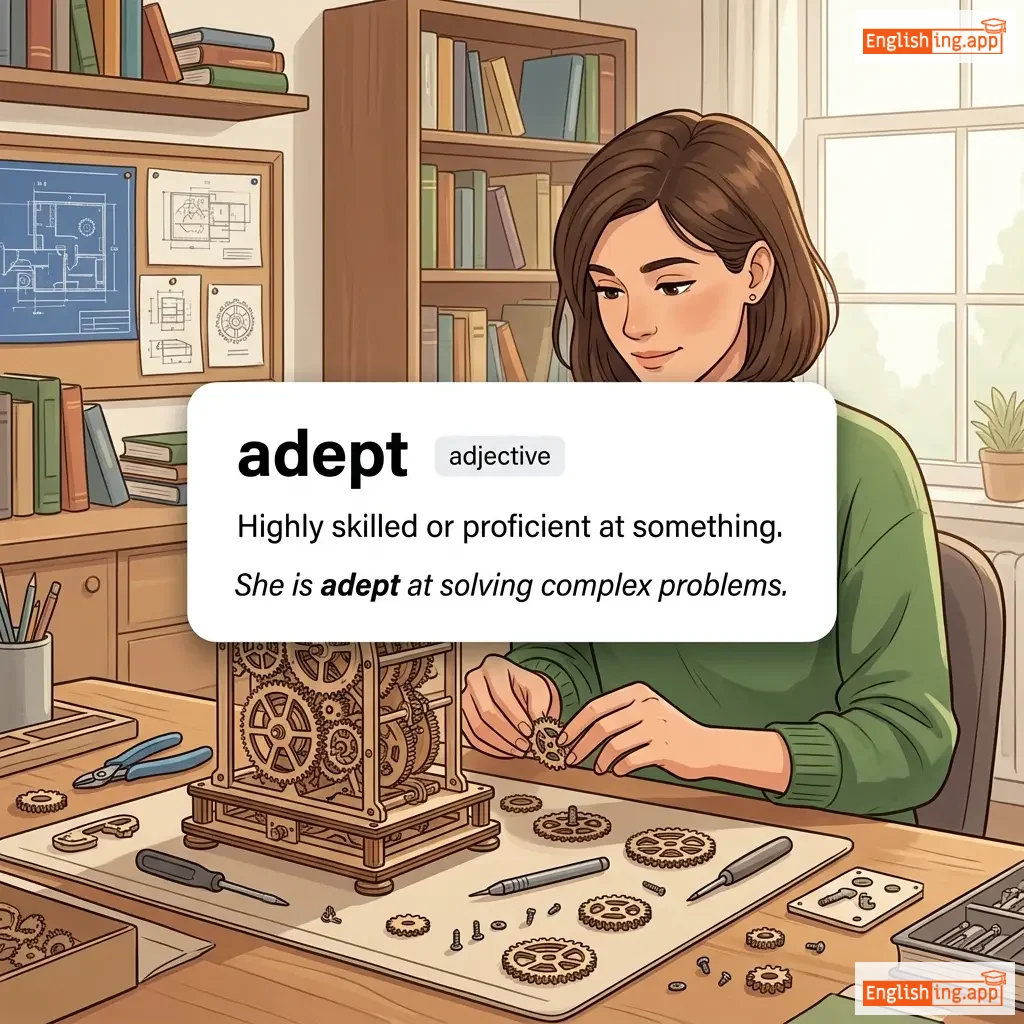
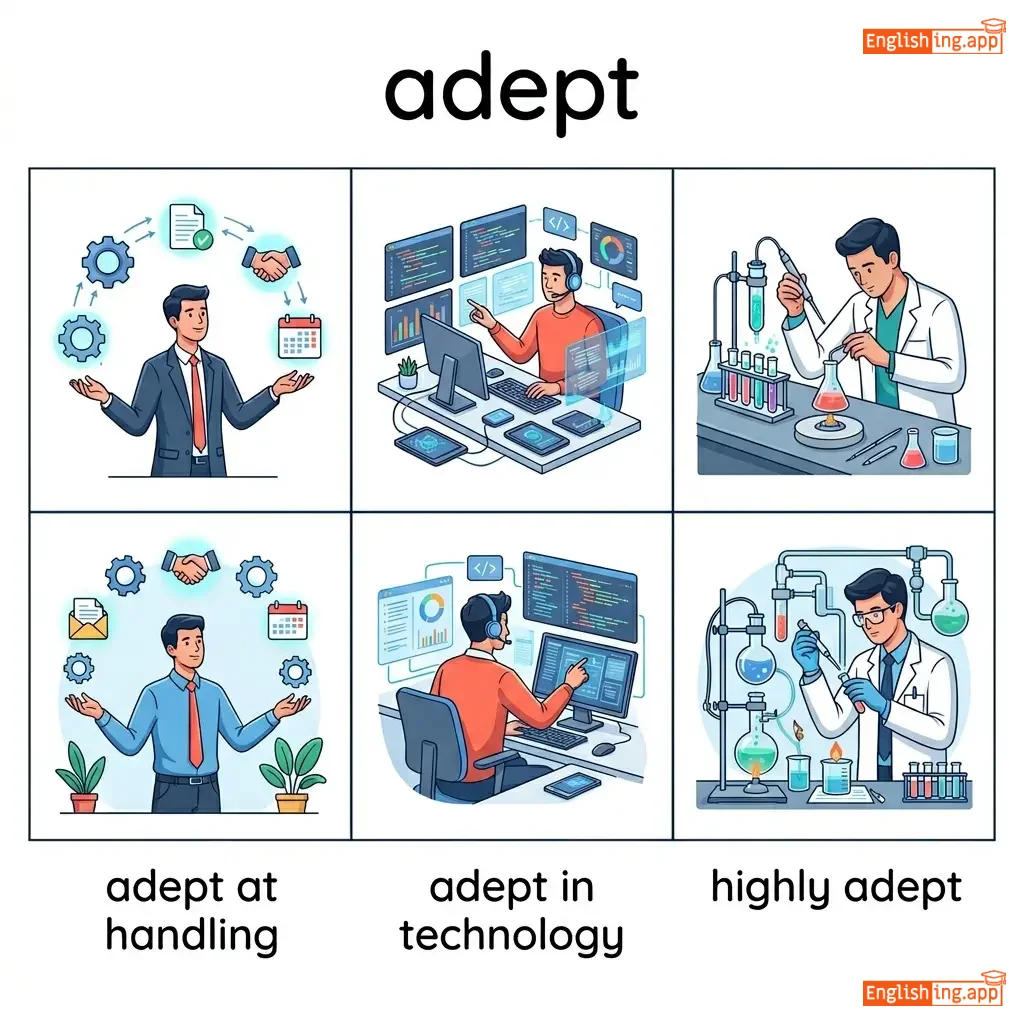
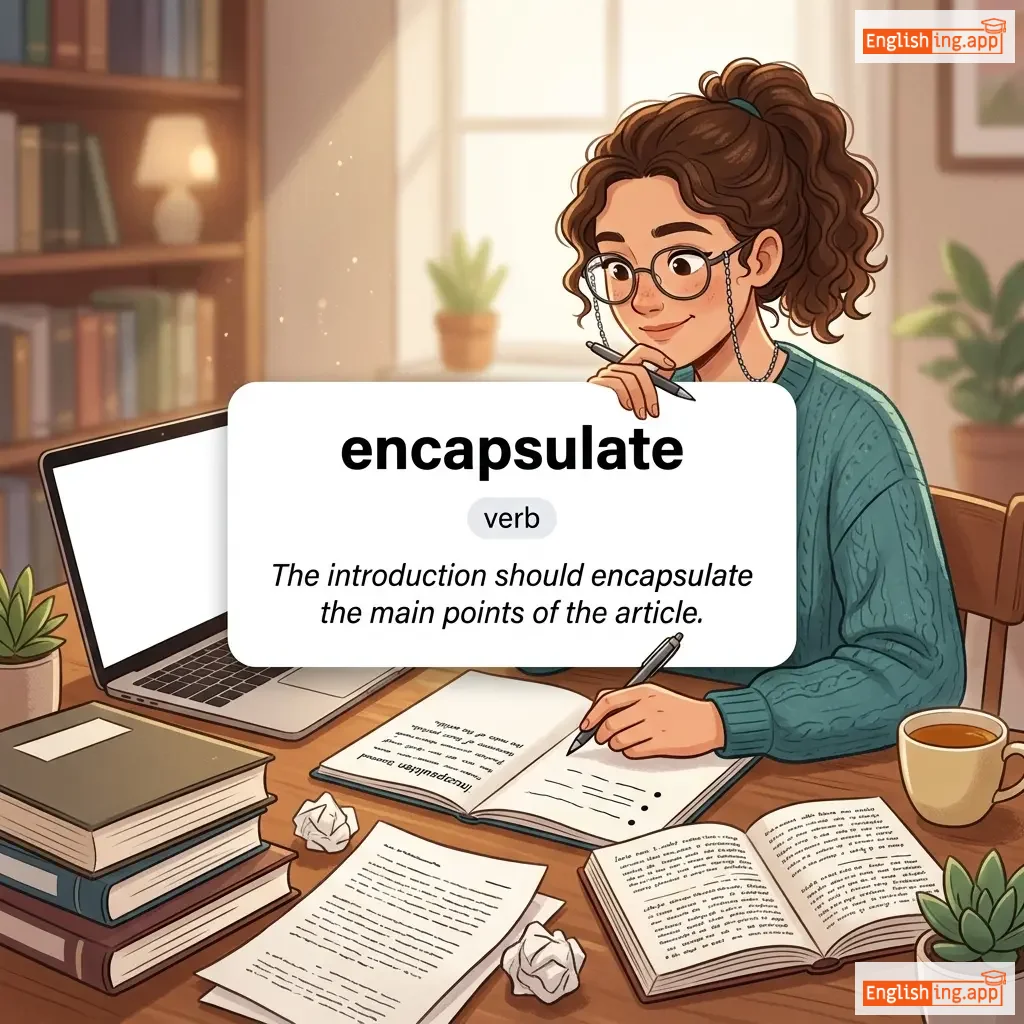
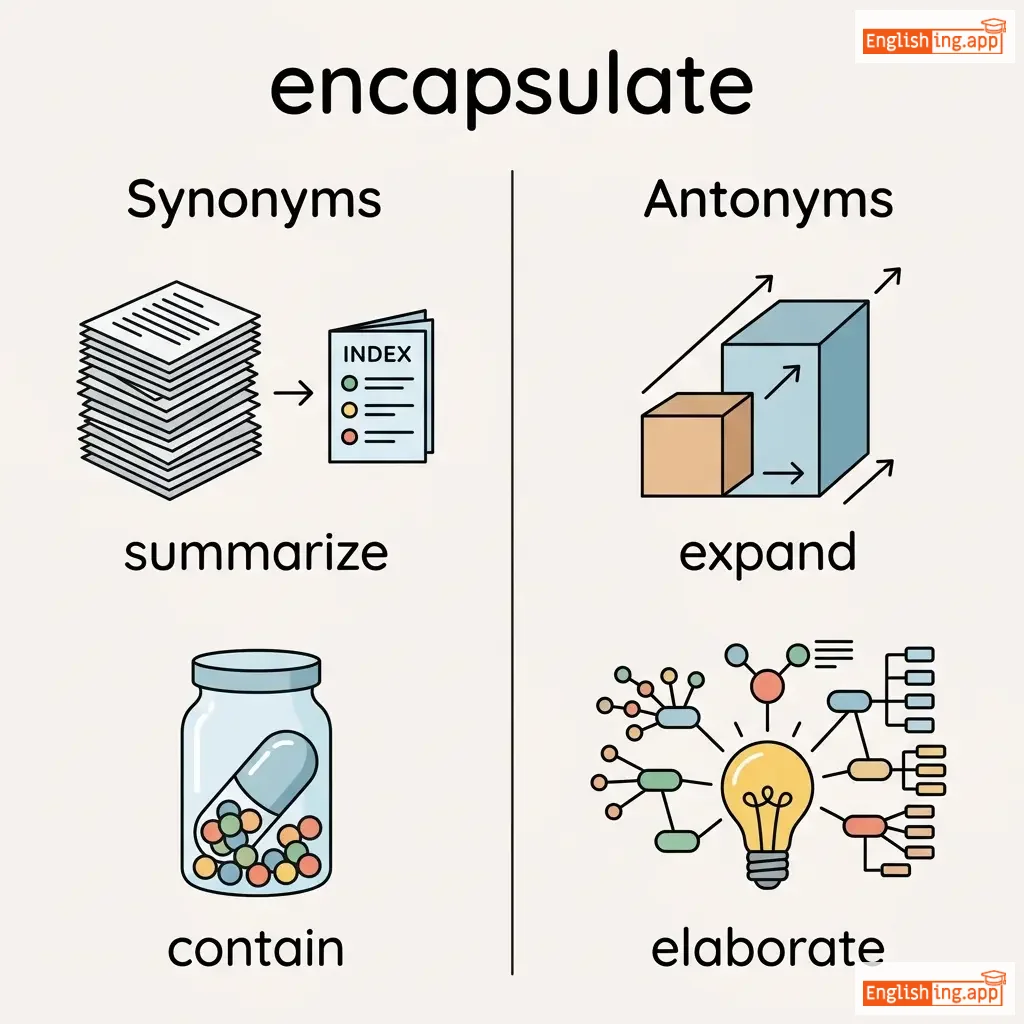
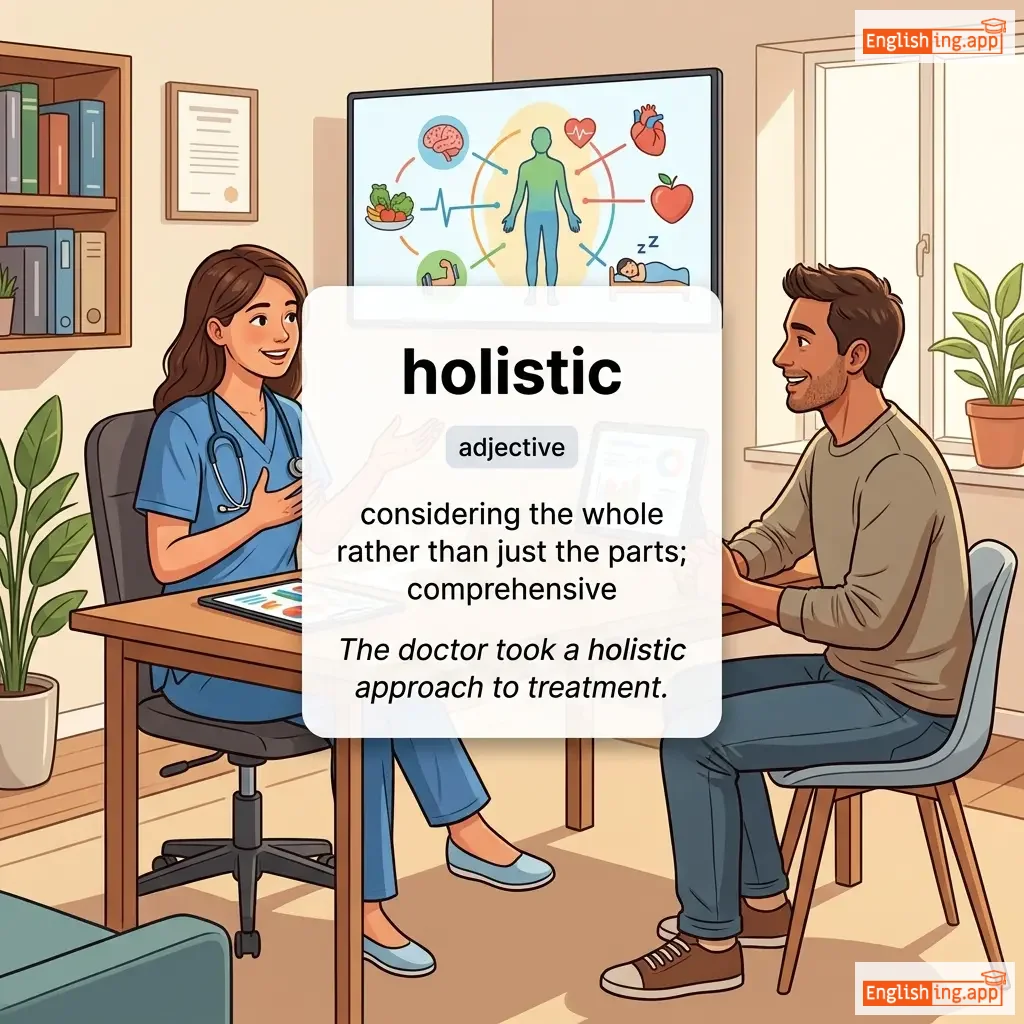
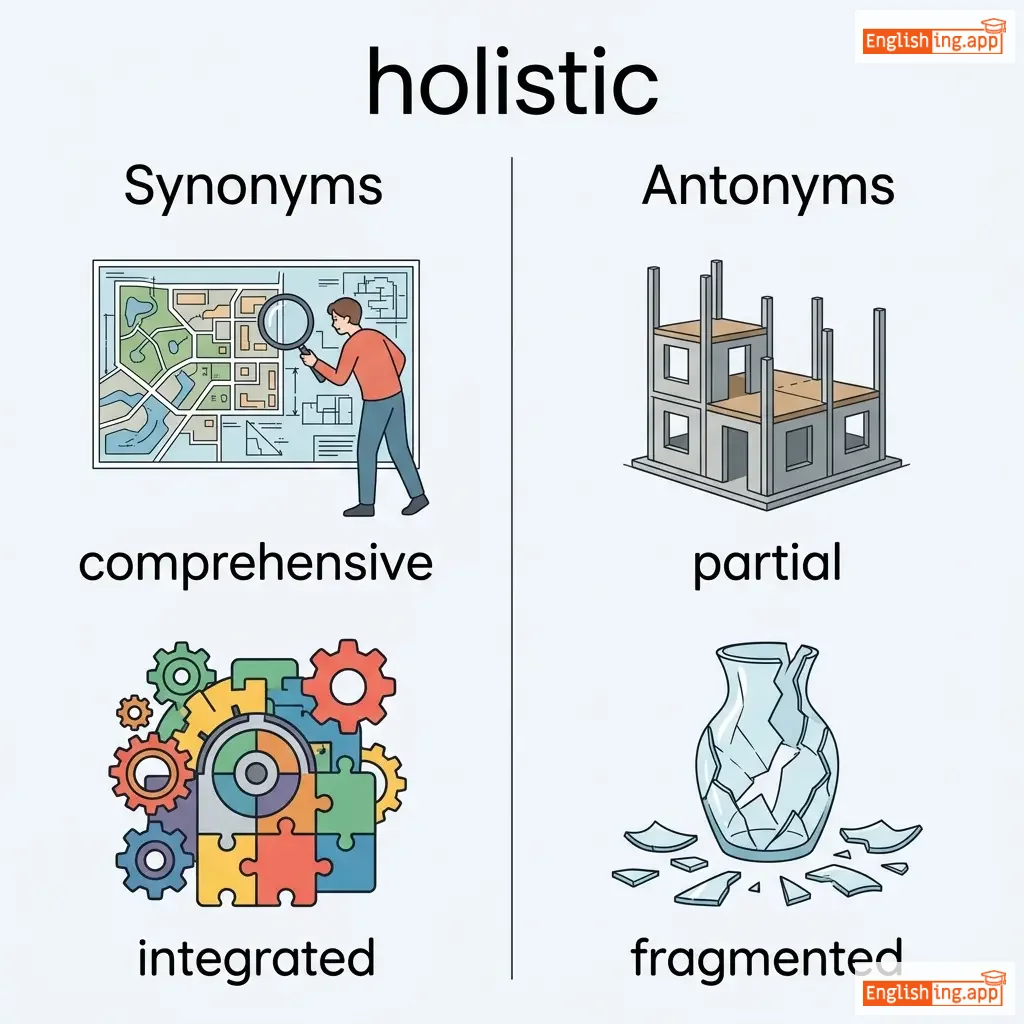
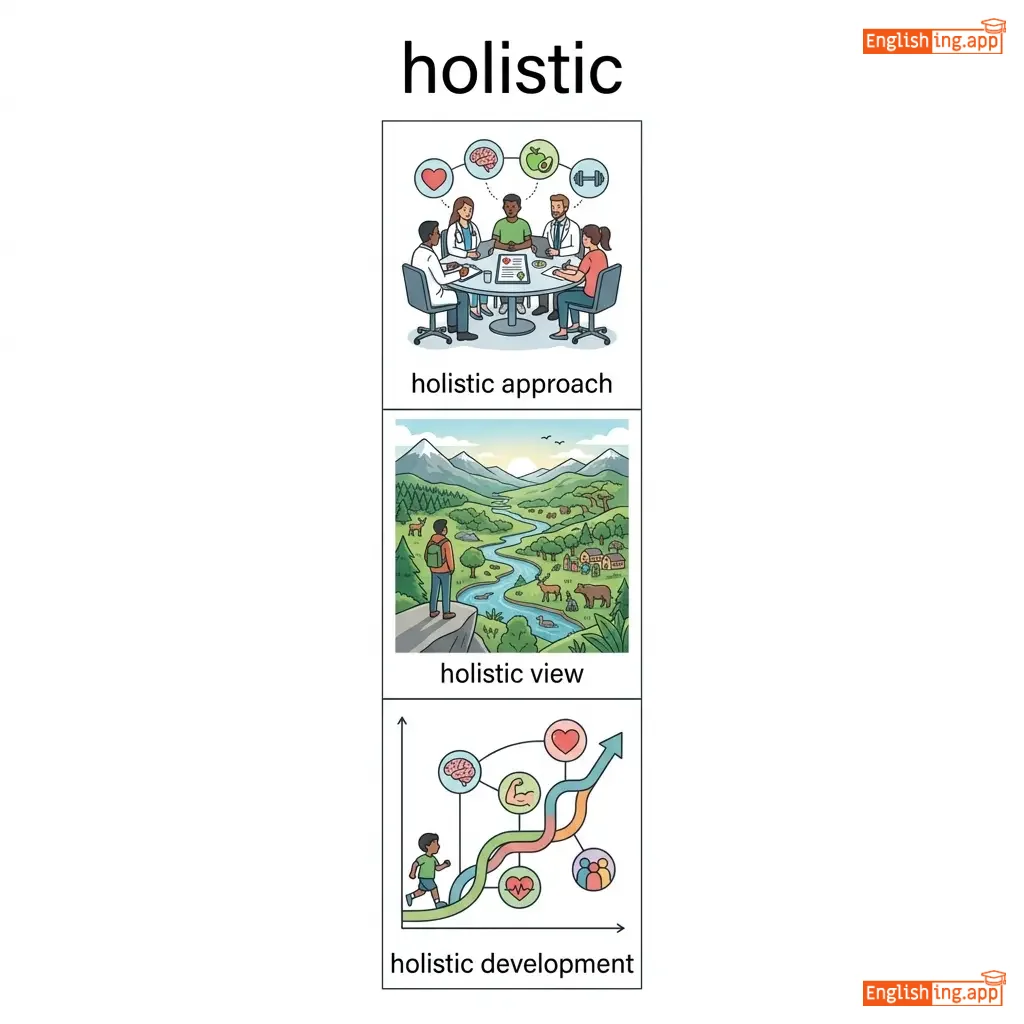
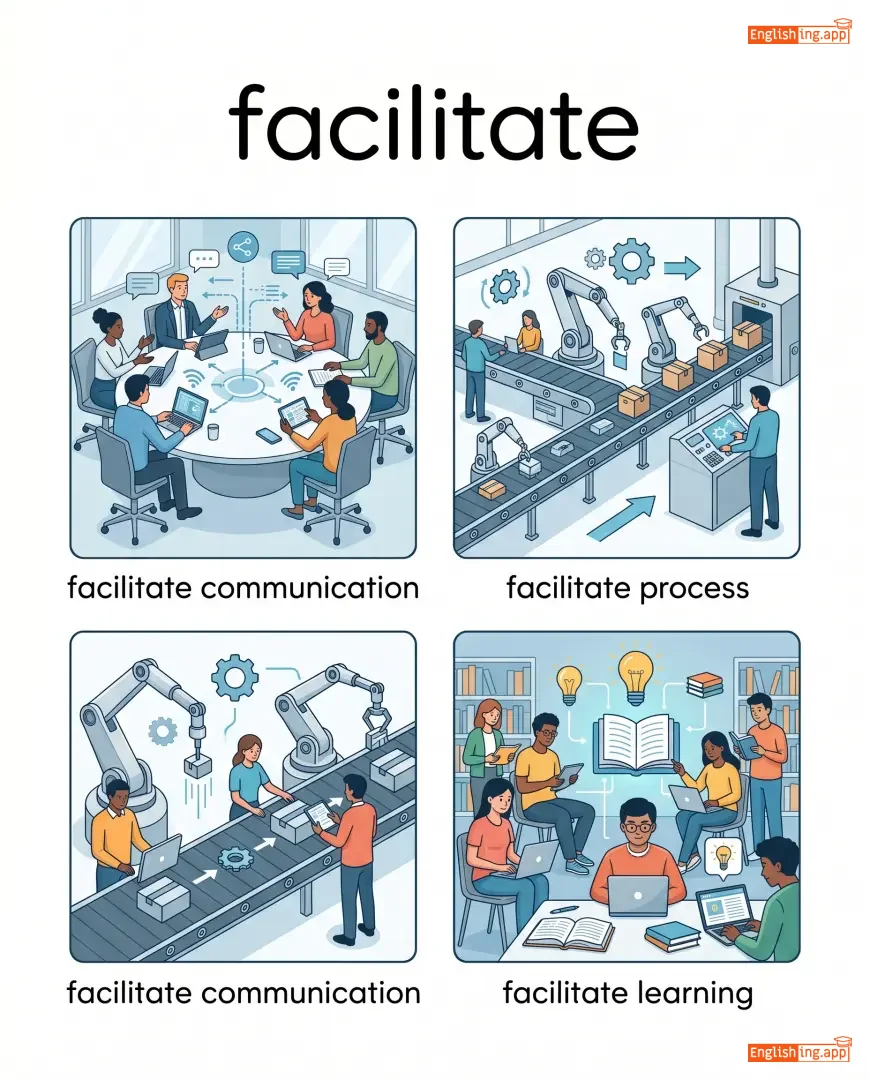
Les étudiants adept dans l’utilisation de mnemonics peuvent encapsulate rapidement les informations. Cela rend l’éducation plus holistic qu’un simple jeu de mémoire, ce qui facilitates la véritable capacité d’apprentissage.
Message vocabulaire Pro
Passer à la version ProMessage phrases Pro
Passer à la version Pro|
Émoji
|
Mot | Images | Signification | Phrase d'Exemple | Synonymes | Antonymes |
|---|---|---|---|---|---|---|
|
#2017
🧠
|
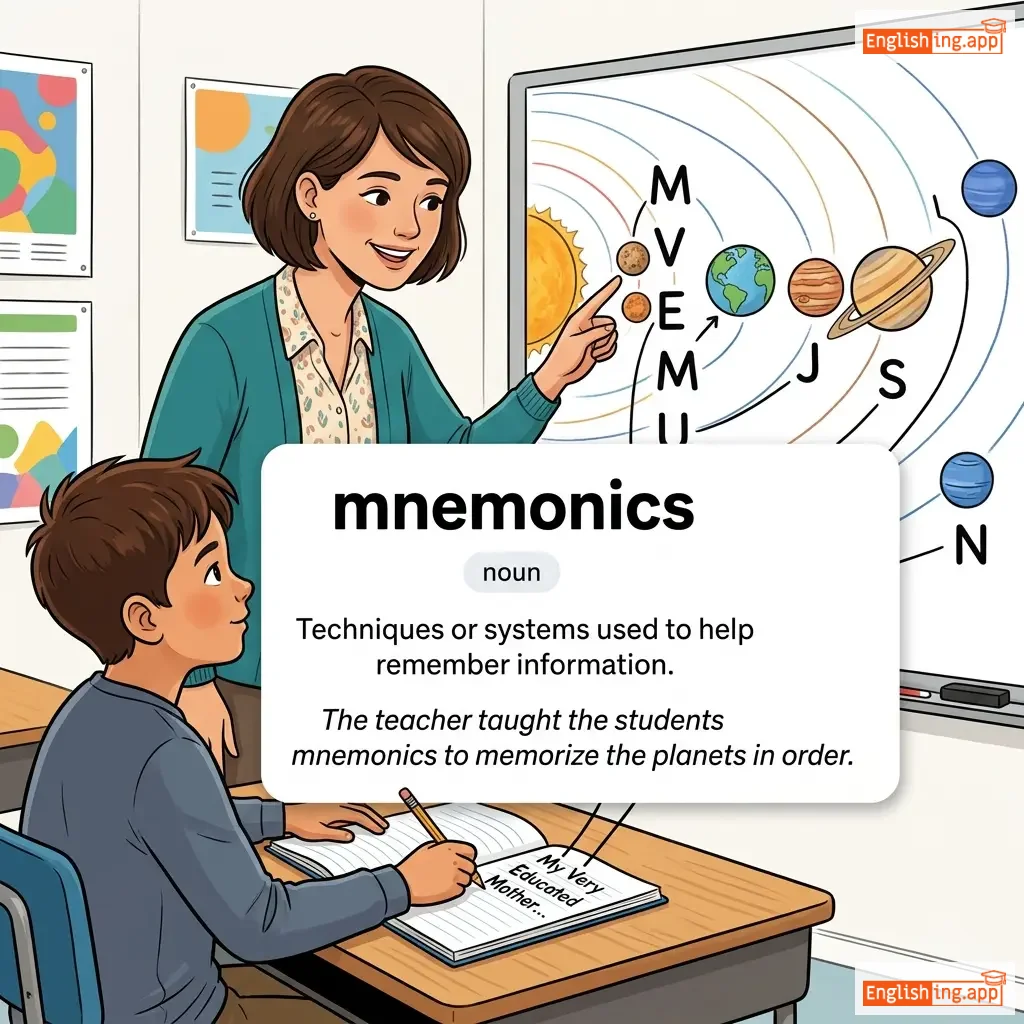
/nɪˈmɒn.ɪks/
noun
••••••
|
•••••• |
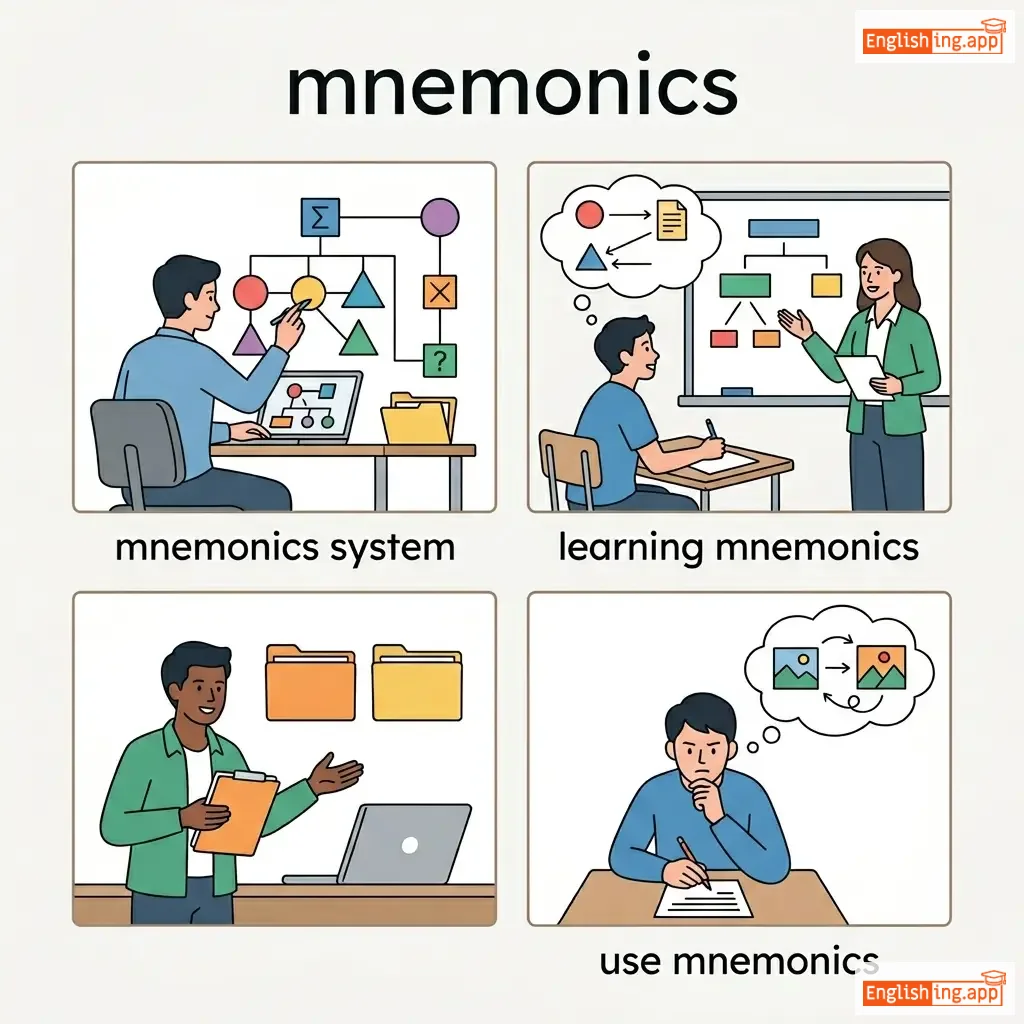
A technique of improving learning skills and memory retention through memory aids and strategies.
••••••
|
Using mnemonics helps students remember complex formulas. |
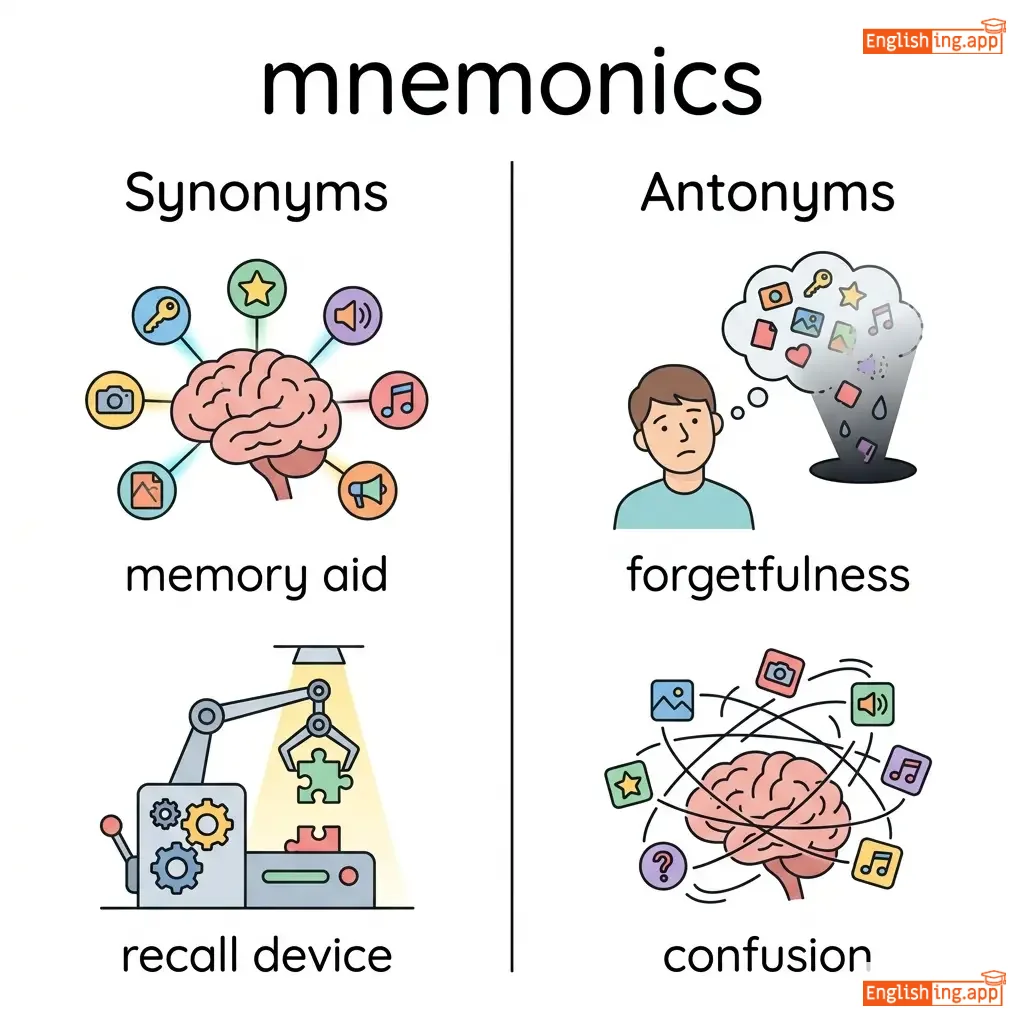
memory aid, memorization technique, recall strategy
••••••
|
forgetfulness, amnesia, neglect
••••••
|
|
#2018
💡
|
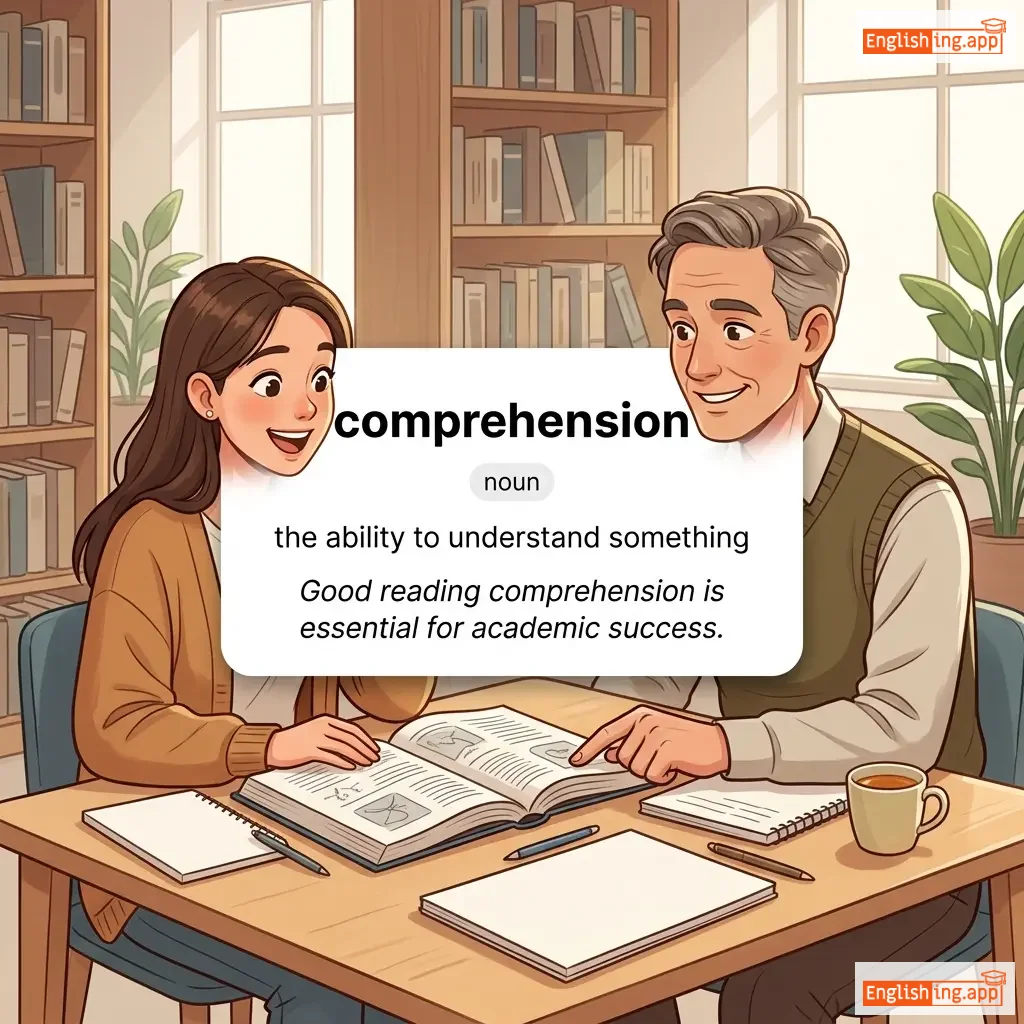
/ˌkɒm.prɪˈhen.ʃən/
noun
••••••
|
•••••• |
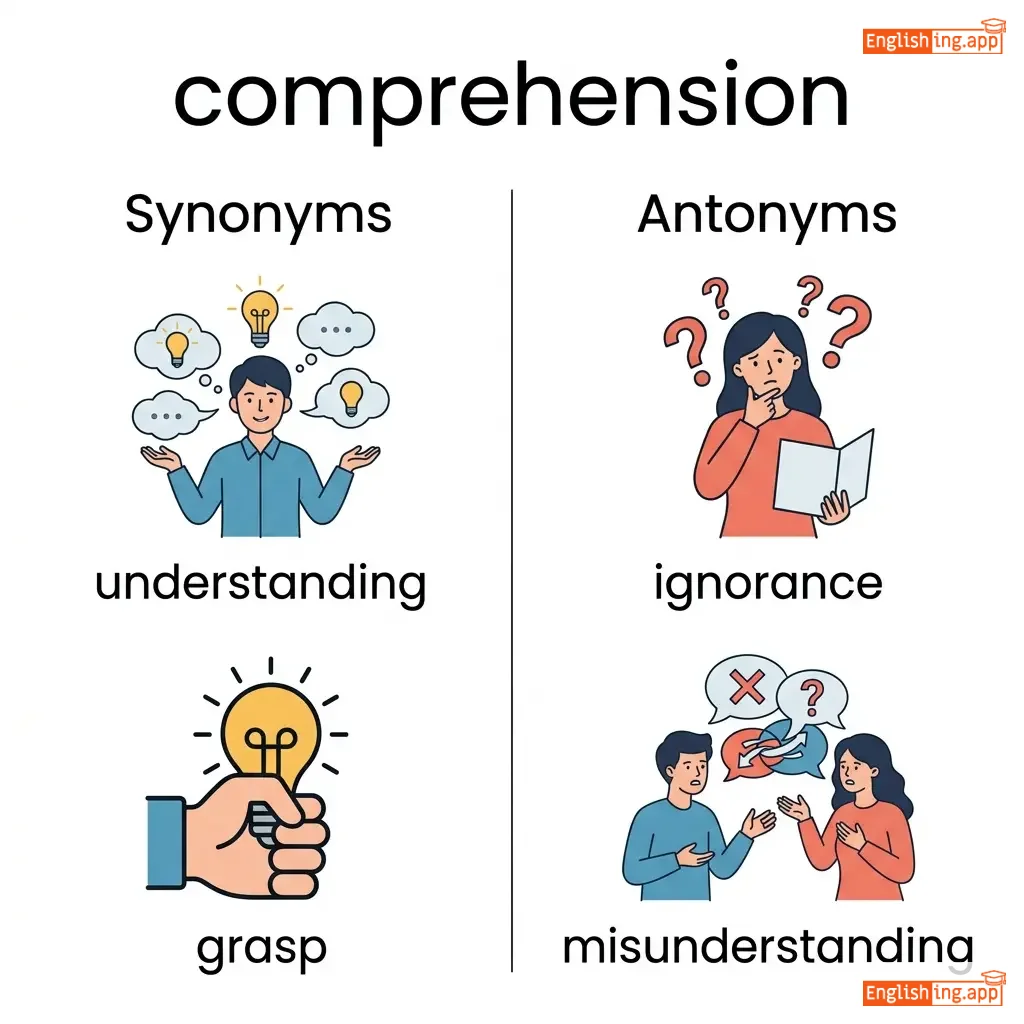
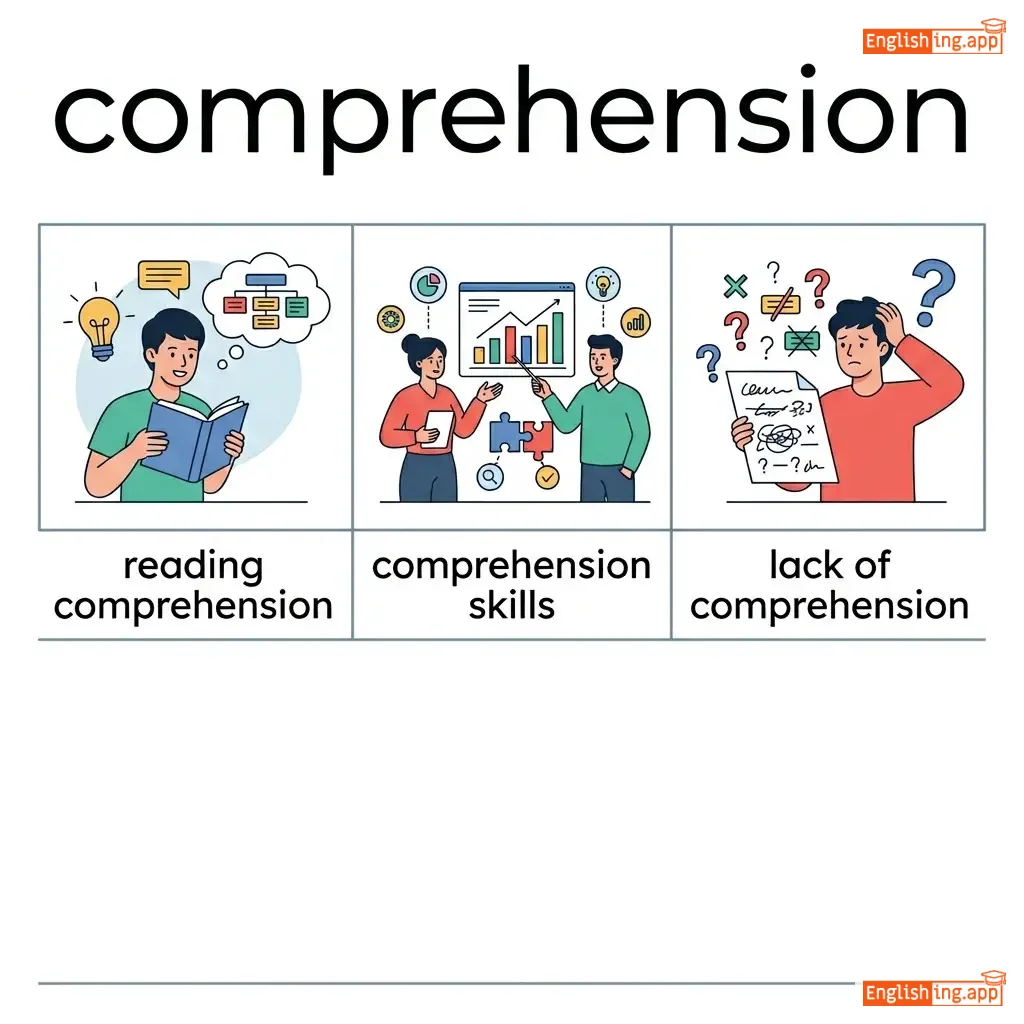
The ability to understand something; understanding or perception.
••••••
|
His comprehension of scientific theories is impressive. |

understanding, interpretation, perception
••••••
|
misinterpretation, confusion, incomprehension
••••••
|
|
#2019
💾
|
/rɪˈten.ʃən/
noun
••••••
|
•••••• |
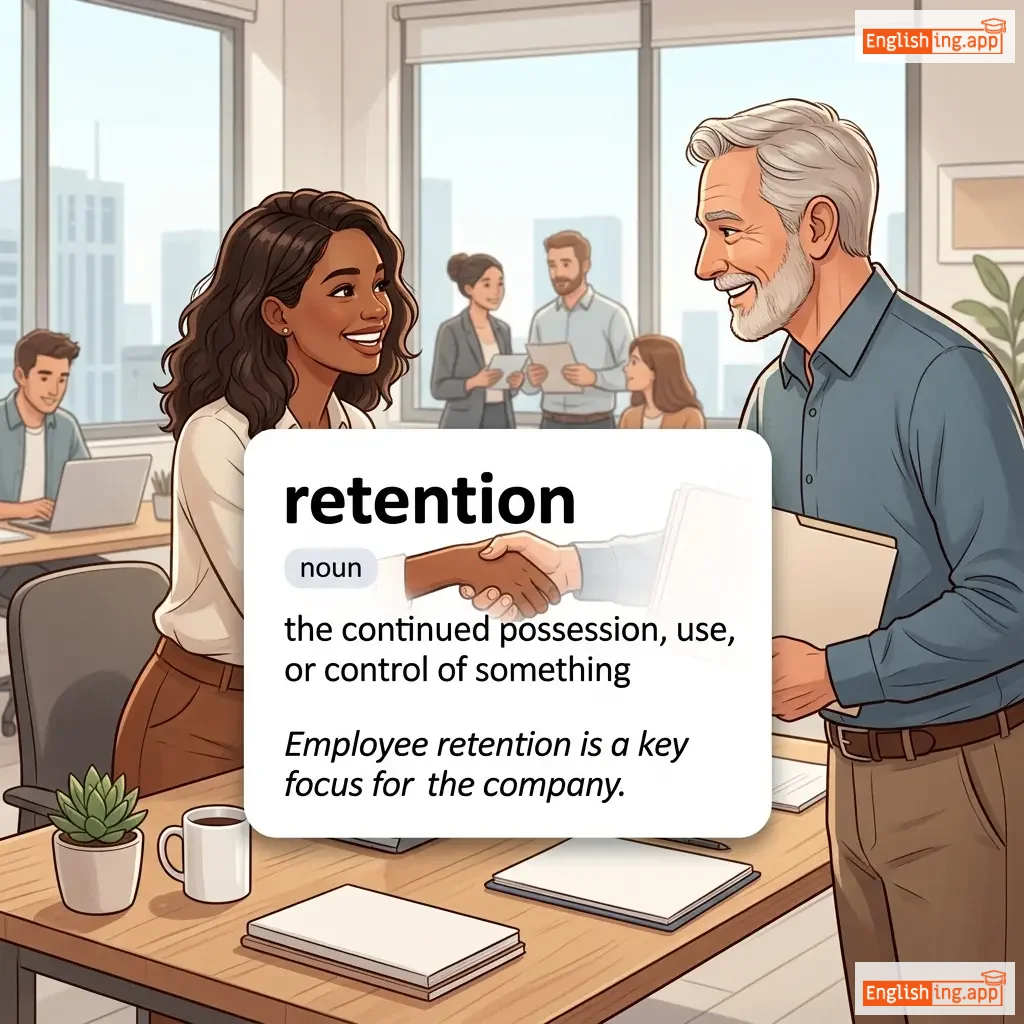
The continued possession, use, or control of something; memory preservation.
••••••
|
Regular revision improves information retention. |
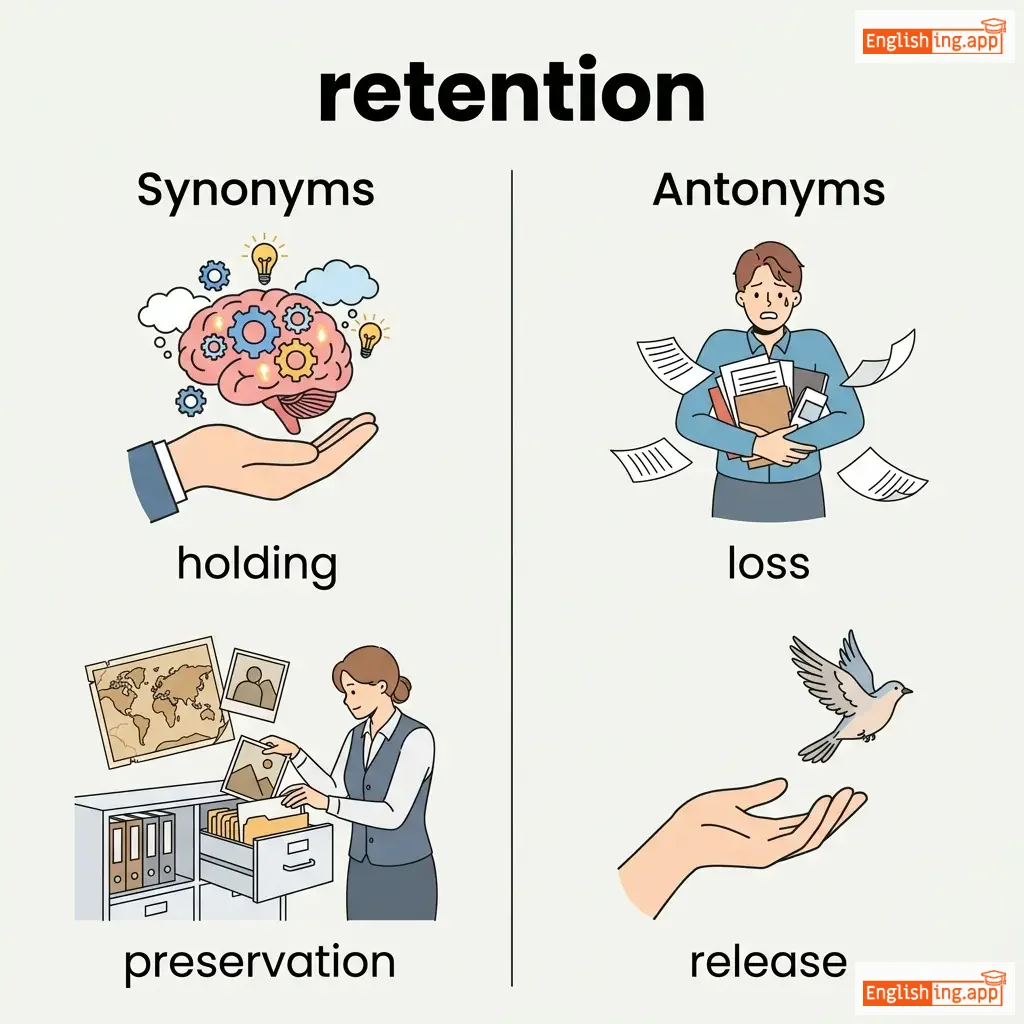
preservation, memory, recollection
••••••
|
loss, forgetting, discarding
••••••
|
|
#2020
📂
|
/ˌkɒm.pɑːtˈmen.təl.aɪz/
verb
••••••
|
•••••• |
To divide into sections or categories; to separate things into compartments.
••••••
|
To increase efficiency, he compartmentalized his work tasks. |
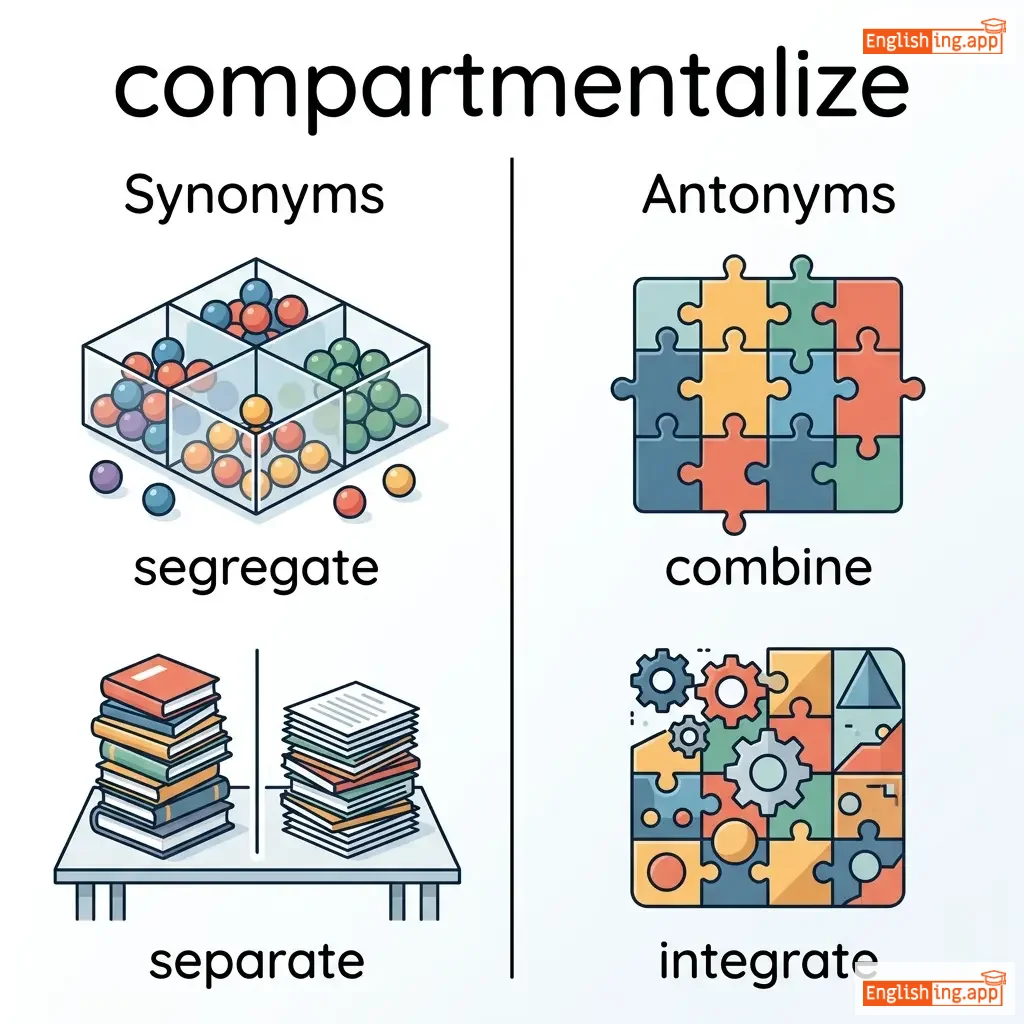
categorize, segregate, classify
••••••
|
integrate, unite, merge
••••••
|
|
#2021
🔗
|
/ˈkɒr.ə.leɪt/
verb
••••••
|
•••••• |
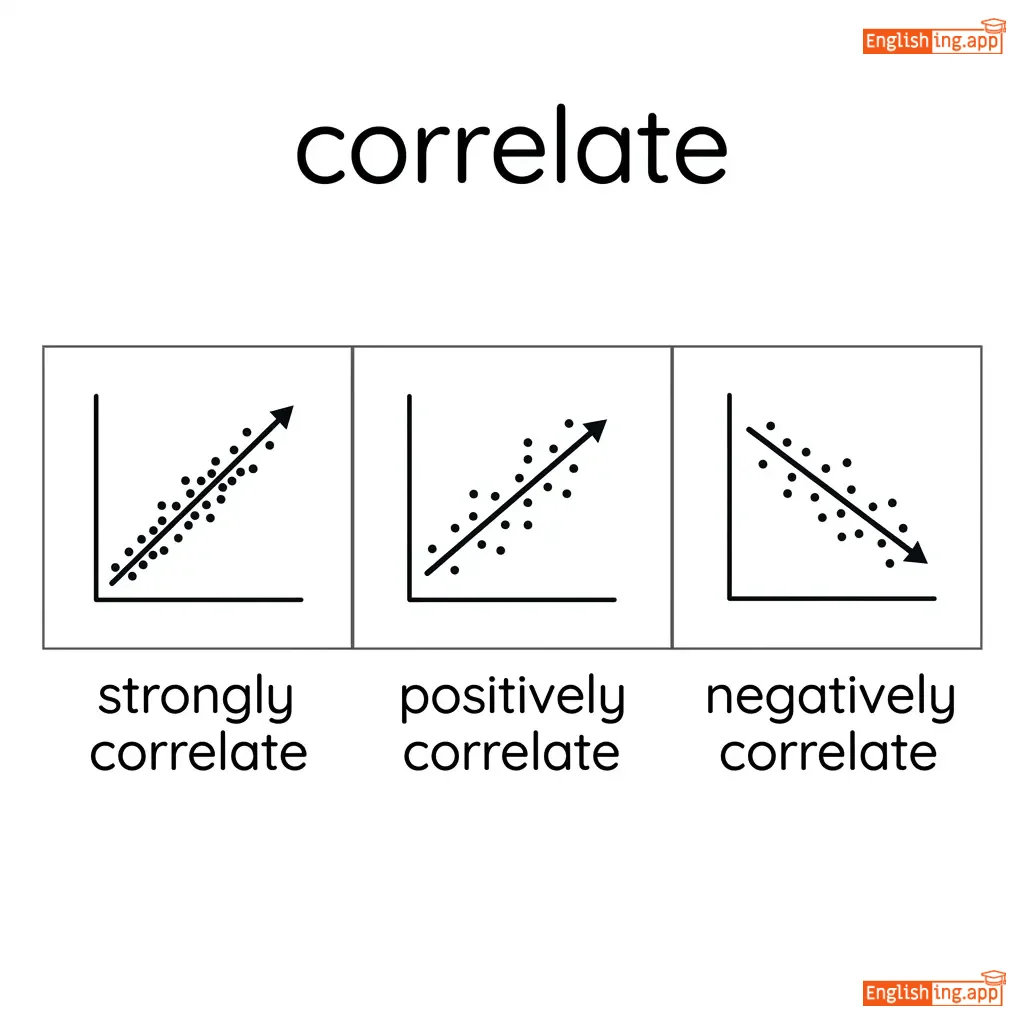
To have a mutual relationship or connection; to establish a relationship between two or more things.
••••••
|
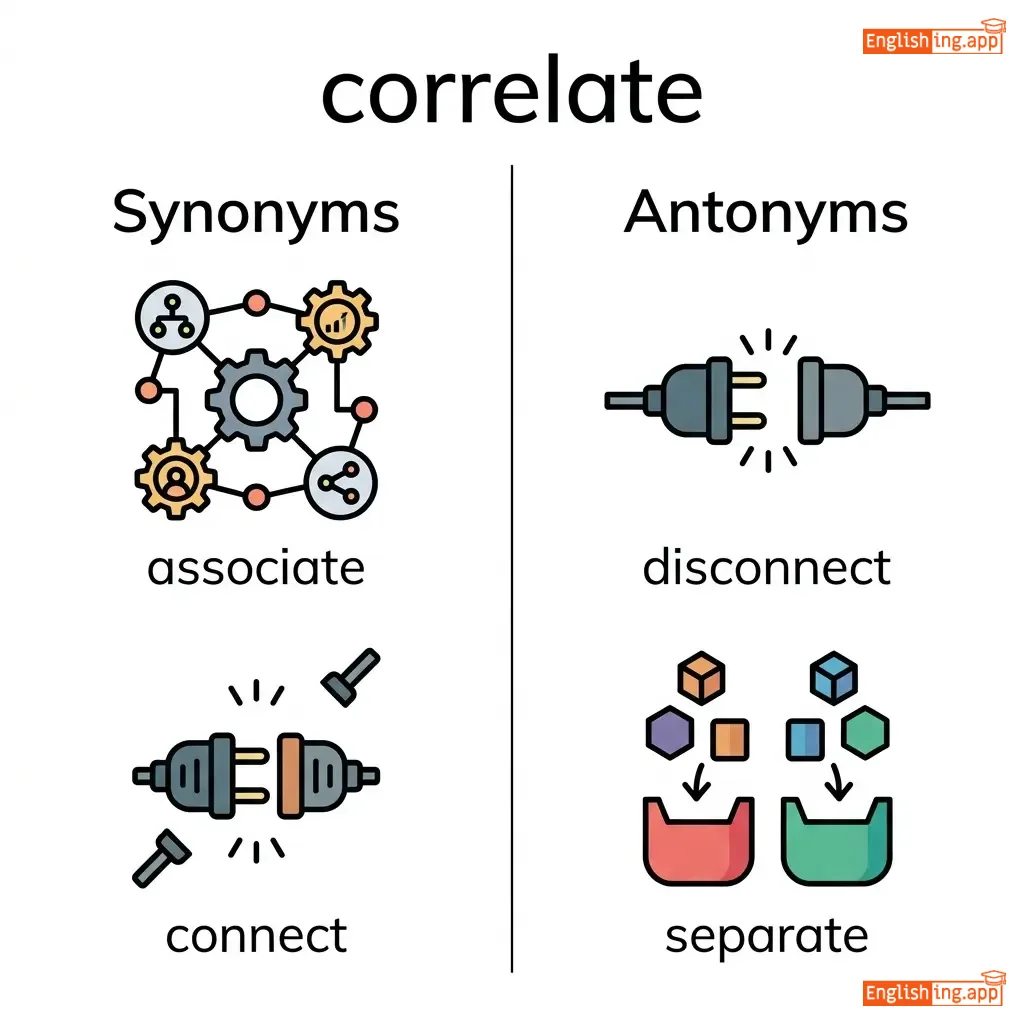
Researchers found that diet and mental health correlate strongly. |
associate, connect, link
••••••
|
disassociate, separate, disconnect
••••••
|
|
#2022
🗣️
|
/ˈfluː.ən.si/
noun
••••••
|
•••••• |
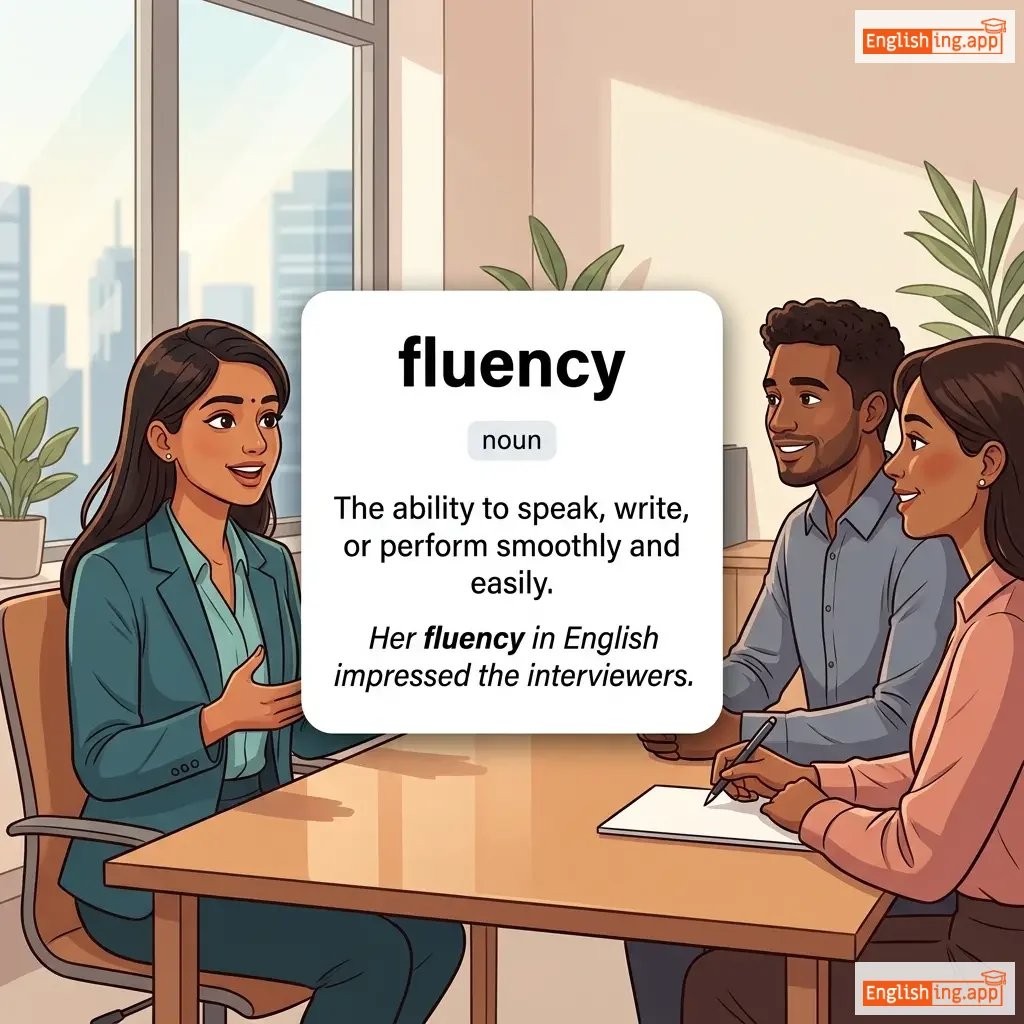
The ability to speak or write a language easily and accurately; smoothness and ease.
••••••
|
She speaks French with remarkable fluency. |
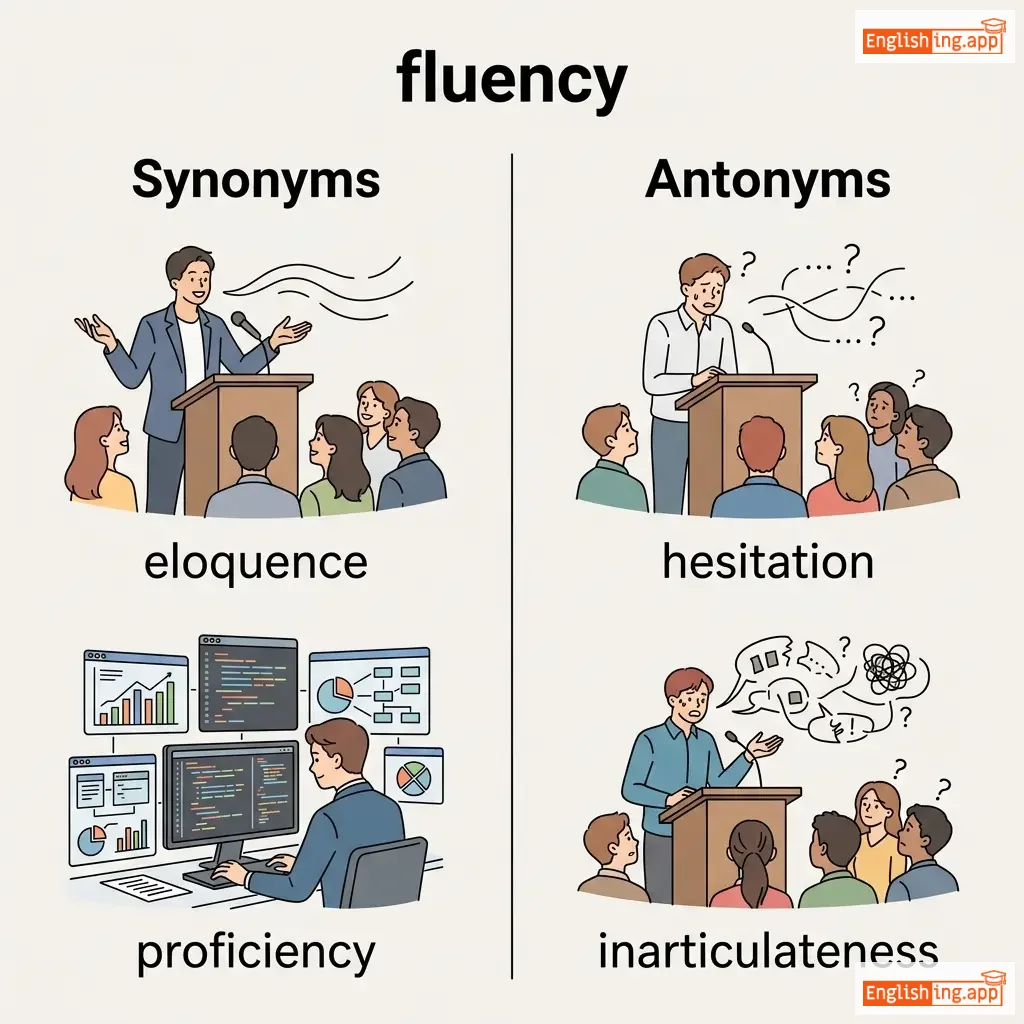
proficiency, eloquence, articulateness
••••••
|
hesitation, incoherence, struggle
••••••
|
|
#2023
🧠
|
/kɒɡˈnɪʃ.ən/
noun
••••••
|
•••••• |
The mental action or process of acquiring knowledge and understanding through thought, experience, and the senses.
••••••
|
Cognition plays a crucial role in learning and memory. |
perception, awareness, thought process
••••••
|
ignorance, unawareness, misunderstanding
••••••
|
|
#2024
🎯
|
/kɒnˌtek.stʃu.ə.laɪˈzeɪ.ʃən/
noun
••••••
|
•••••• |
The process of placing something in its proper context or setting to understand it better.
••••••
|
Contextualization of historical events helps students understand them better. |
interpretation, framing, explanation
••••••
|
isolation, misrepresentation, detachment
••••••
|
|
#2025
⚖️
|
/ˌdʒʌk.stə.pəˈzɪʃ.ən/
noun
••••••
|
•••••• |
The fact of two things being seen or placed close together with contrasting effect.
••••••
|
The artist's work features a striking juxtaposition of light and shadow. |
contrast, comparison, alignment
••••••
|
separation, distance, disassociation
••••••
|
|
#2026
🔄
|
/əˈnæl.ə.ɡəs/
adjective
••••••
|
•••••• |
Comparable in certain respects, typically in a way that makes clearer the nature of the things compared.
••••••
|
The structure of an atom is analogous to the solar system. |
comparable, similar, equivalent
••••••
|
dissimilar, unrelated, contrasting
••••••
|
|
#2027
🧽
|
/əˈsɪm.ɪ.leɪt/
verb
••••••
|
•••••• |
To take in and understand fully; to absorb and integrate ideas, knowledge, or information.
••••••
|
Immigrants often struggle to assimilate into a new culture. |
absorb, integrate, incorporate
••••••
|
reject, exclude, isolate
••••••
|
|
#2028
🎯
|
/əˈdept/
adjective
••••••
|
•••••• |
Very skilled or proficient at something; expert.
••••••
|
She is adept at solving complex mathematical problems. |
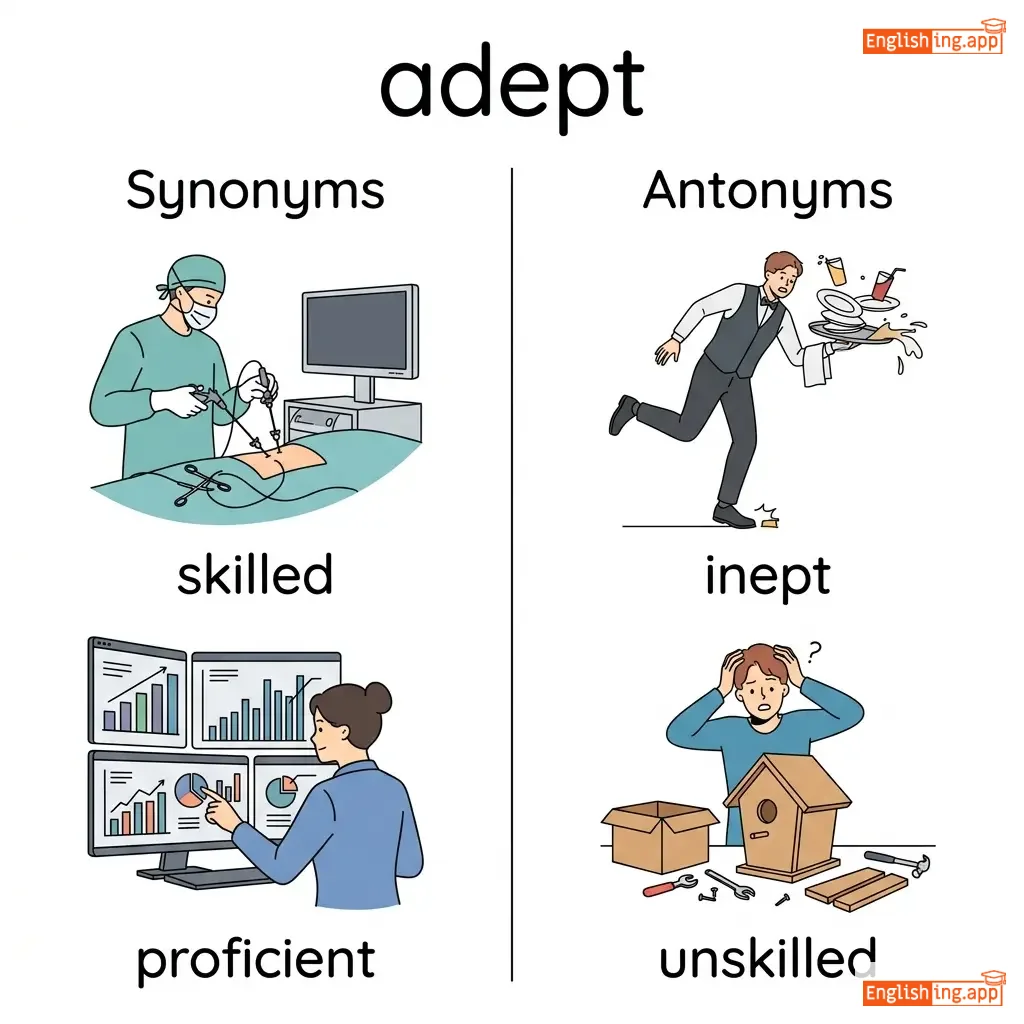
skilled, proficient, expert
••••••
|
inept, unskilled, incompetent
••••••
|
|
#2029
📦
|
/ɪnˈkæp.sjʊ.leɪt/
verb
••••••
|
•••••• |
To express the essential features of something succinctly; to summarize or contain within.
••••••
|
The introduction should encapsulate the main points of the article. |
summarize, contain, enclose
••••••
|
expand, elaborate, lengthen
••••••
|
|
#2030
🌟
|
/həʊˈlɪs.tɪk/
adjective
••••••
|
•••••• |
Characterized by comprehension of the parts of something as intimately interconnected and explicable only by reference to the whole.
••••••
|
Holistic medicine considers both the mind and the body in treatment. |
comprehensive, integrated, whole
••••••
|
fragmented, partial, incomplete
••••••
|
|
#2031
🚀
|
/fəˈsɪl.ɪ.teɪt/
verb
••••••
|
•••••• |
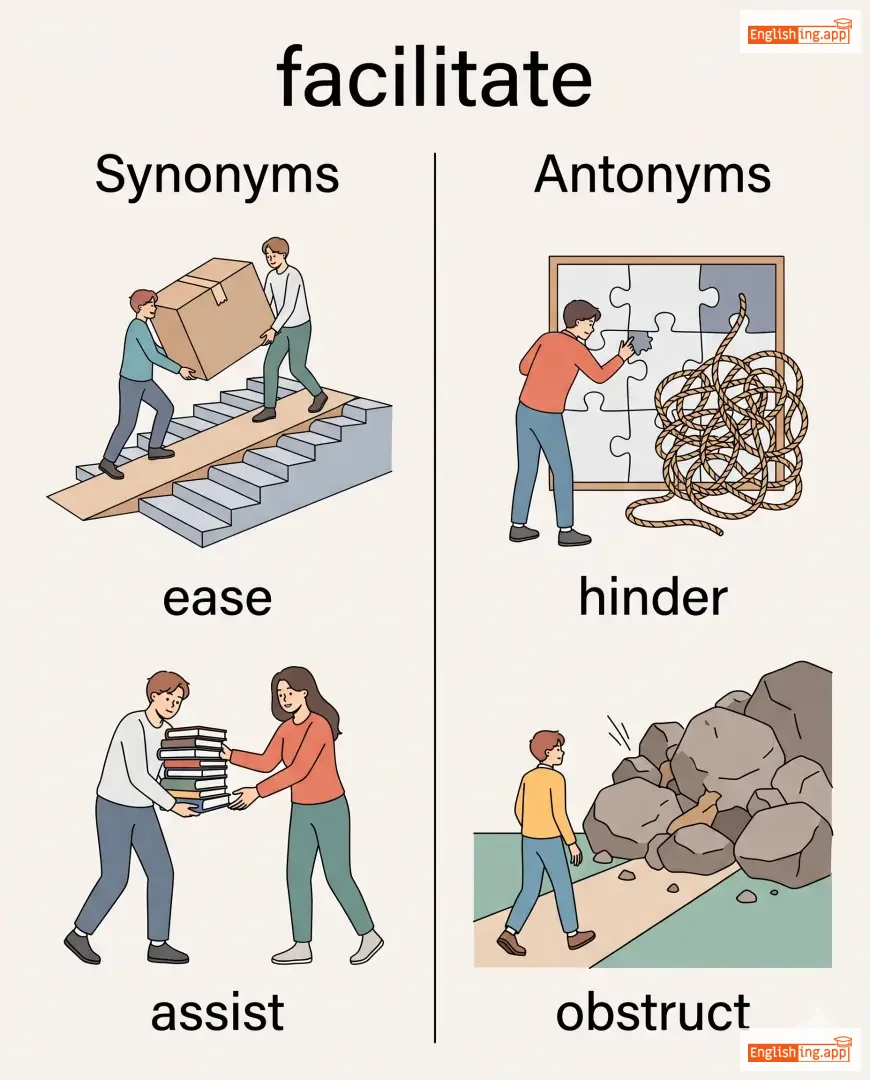
To make an action or process easier or help bring about; to assist the progress of.
••••••
|
Technology facilitates faster communication. |
enable, assist, simplify
••••••
|
hinder, obstruct, complicate
••••••
|