Factory of Evening Light
古いお茶の factory は今夜再び灯りました。涼しい evening に、若者たちはプロジェクターをセットしました。彼らの目には新しい展示に対する excited な輝きがありました。Tulipa は言いました、私たちは exactly この瞬間を待っていたと言いました。彼らはすでに各機械の状態を examine していました。主催者たちは、この工芸が伝統を取り戻す example であると言いました。古い壁を塗るのにはかなりの expense がかかりました。ガイドは皆に歴史を explain しました。オープニングでは竹の音楽とともに、古いオイルを extract する様子が展示されました。Mehjabin は言いました、工場の労働者たちはかつて extreme な努力をして働いていたと。今夜の主な feature は短編映画でした。誰かが何年にもわたって撮影した footage を提供しました。その映画は foreign ジャーナリストの物語を伝えていました。彼女は最初の founder の孫娘だと判明しました。彼らのコレクションに隠された fortune は多くの人々の人生を変えました。したがって、このプロジェクトの目的は、地域の工芸を forward 進めることでした。彼らは、労働者たちの声が freedom の歌を歌うべきだと主張しました。地元の銀行は新しい funding を約束しました。アーティストたちは手を挙げて優雅な gesture をしました。スクリーンで、皆は工場の壊れた窓から息をのむような glimpse を見ました。
|
絵文字
|
単語 | Images | 翻訳 | 過去 | 過去分詞 | 三人称単数 | 動名詞 | 意味 | 例文 | 例文の翻訳 | 表現例 | 表現例の意味 | 表現例の翻訳 | 同義語 | 対義語 | コロケーション | ニーモニック |
|---|---|---|---|---|---|---|---|---|---|---|---|---|---|---|---|---|---|
|
🌆
••••••
|
/ˈiːv.nɪŋ/
noun
(ivning)
••••••
|
- •••••• |
夕方
yūgata
••••••
|
- •••••• | - •••••• | - •••••• | - •••••• |
the part of the day between afternoon and night
••••••
|
We went for a walk in the cool evening.
私たちは涼しい夕方に散歩に行きました。
••••••
|
私たちは涼しい夕方に散歩に行きました。
Watashitachi wa suzushī yūgata ni sanpo ni ikimashita.
••••••
|
good evening
こんばんは
••••••
|
a greeting used in the evening
••••••
|
こんばんは
Konbanwa
••••••
|
nightfall, dusk, twilight, sundown
••••••
|
morning, dawn
••••••
|
evening walk, evening meal, evening star, evening news
••••••
|
Evening = 日が沈んだ後の涼しい時間 🌆
••••••
|
|
🎯
••••••
|
/ɪɡˈzæktli/
adverb
(イグザクトリー)
••••••
|
- •••••• |
正確に
seikaku ni
••••••
|
- •••••• | - •••••• | - •••••• | - •••••• |
in a precise or accurate manner; without any error
••••••
|
She explained the process exactly as it happened. |
彼女はプロセスを正確に説明しました。
Kanojo wa purosesu o seikaku ni setsumei shimashita.
••••••
|
to be exact |
to give precise or accurate details
••••••
|
正確に言うと
seikaku ni iu to
••••••
|
precisely, accurately, correctly, strictly
••••••
|
roughly, approximately
••••••
|
exactly right, exactly the same, exactly what, exactly how
••••••
|
正確に、完璧なターゲットのように、エラーなしで!
••••••
|
|
🔎
••••••
|
/ɪɡˈzæm.ɪn/
verb
(ハピネス)
••••••
|
- •••••• |
幸福
kōfuku
••••••
|
examined
••••••
|
examined
••••••
|
examines
••••••
|
examining
••••••
|
to look at something carefully in order to understand it
••••••
|
The doctor will examine the patient tomorrow. |
彼女は賞を受け取ったとき、幸せを隠せませんでした。
Kanojo wa shō o uketotta toki, kōfuku o kakusemasen deshita.
••••••
|
cross-examine |
to question someone thoroughly, especially in a court
••••••
|
幸せの追求
shiawase no tsuikyū
••••••
|
inspect, analyze, investigate, check, study
••••••
|
ignore, overlook, neglect
••••••
|
examine carefully, examine evidence, examine thoroughly, examine closely
••••••
|
幸せ=幸 (kou) + 服 (fuku) = 幸福
••••••
|
|
📖
••••••
|
/ɪɡˈzɑːm.pəl/
noun
(エクサンプル)
••••••
|
- •••••• |
例
rei
••••••
|
- •••••• | - •••••• | - •••••• | - •••••• |
a thing or person regarded as a model to be followed or avoided
••••••
|
He is a good example of a hardworking student.
彼は勤勉な学生の良い例です。
••••••
|
彼は勤勉な学生の良い例です。
Kare wa kinben na gakusei no yoi rei desu.
••••••
|
set an example
例を示す
••••••
|
to behave in a way that others should copy
••••••
|
例を示す
Rei o shimesu
••••••
|
model, instance, case, sample, illustration
••••••
|
counterexample, deviation
••••••
|
give example, provide example, set an example, classic example
••••••
|
Rei は例 📖 - 試験の際に例が示されます。
••••••
|
|
🤩
••••••
|
/ɪkˈsaɪtɪd/
adjective
(エキサイト)
••••••
|
- •••••• |
興奮した
koufun shita
••••••
|
- •••••• | - •••••• | - •••••• | - •••••• |
very enthusiastic and eager about something
••••••
|
The children were excited to open their presents. |
子供たちはプレゼントを開けるのを楽しみにして興奮していました。
Kodomotachi wa purezento o akeru no o tanoshimi ni shite koufun shite imashita.
••••••
|
get excited about |
to become enthusiastic or eager about something
••••••
|
何かに対して興奮する
nanika ni taishite koufun suru
••••••
|
thrilled, delighted, enthusiastic, eager, joyful
••••••
|
bored, indifferent, calm
••••••
|
feel excited, get excited, excited about, excited to see
••••••
|
Excitedは‘興奮した’、待ちきれない気持ちのように、特別な瞬間を待つ時に使う言葉です。
••••••
|
|
💰
••••••
|
/ɪkˈspɛns/
noun
(ekusupensu)
••••••
|
- •••••• |
費用
hiyou
••••••
|
- •••••• | - •••••• | - •••••• | - •••••• |
the cost of something; money spent
••••••
|
Traveling abroad can be a major expense. |
海外旅行は大きな費用となる可能性があります。
Kaigai ryokou wa ookina hiyou to naru kanousei ga arimasu.
••••••
|
at the expense of |
with loss or damage to something else
••••••
|
〜の代償で
〜no daishou de
••••••
|
cost, charge, price, spending, outlay
••••••
|
profit, savings, income
••••••
|
travel expense, medical expense, personal expense, at the expense of
••••••
|
費用は、何かをする際にかかるお金、費用項目として計上されます。
••••••
|
|
📖
••••••
|
/ɪkˈspleɪn/
verb
(エクスプレイン)
••••••
|
|
説明する
setsumei suru
••••••
|
explained
エクスプレインド
••••••
|
explained
エクスプレインド
••••••
|
explains
エクスプレインズ
••••••
|
explaining
エクスプレイニング
••••••
|
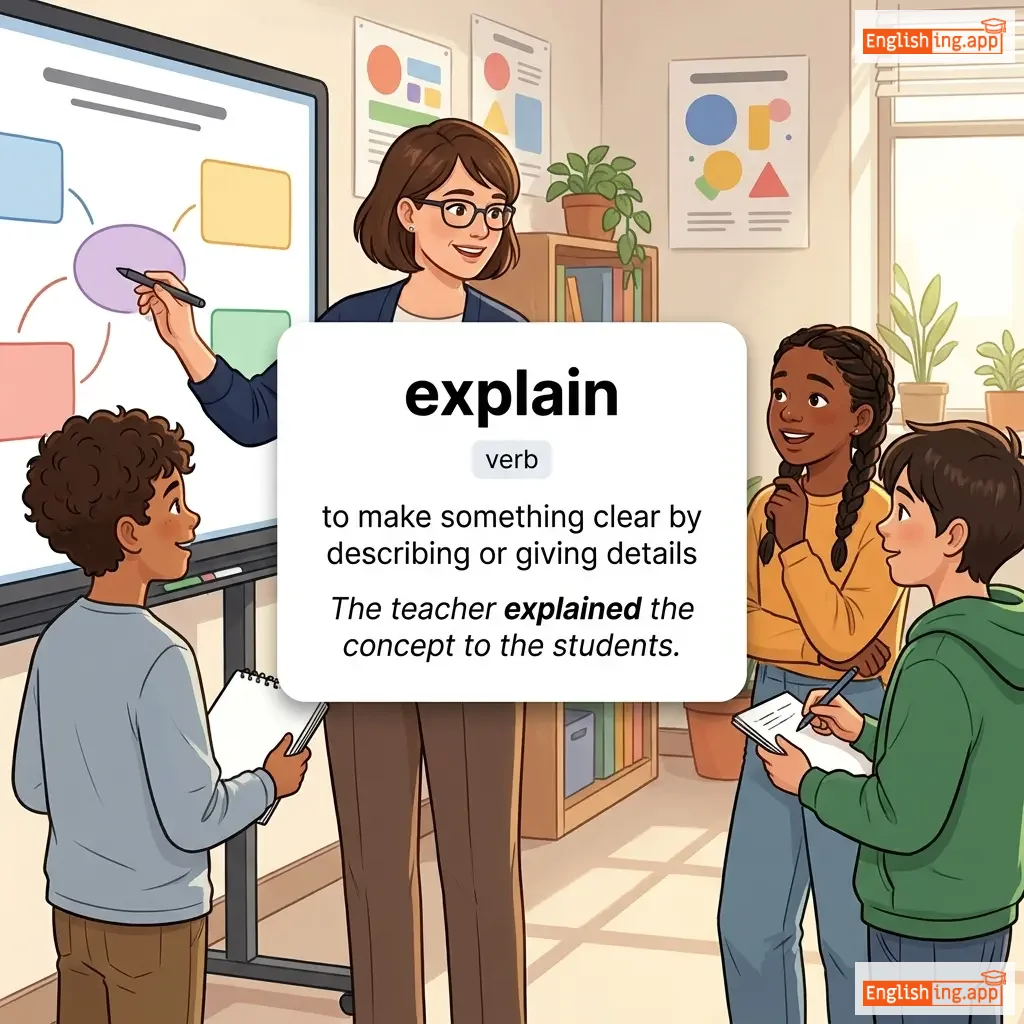
to make something clear by describing or giving details
••••••
|
The teacher explained the concept to the students.
先生は学生にコンセプトを説明しました。
••••••
|
先生は学生にコンセプトを説明しました。
Sensei wa gakusei ni konseputo o setsumei shimashita.
••••••
|
explain away
エクスプレイン・アウェイ
••••••
|
to try to justify or minimize something
••••••
|
言い訳をする
iiwake o suru
••••••
|
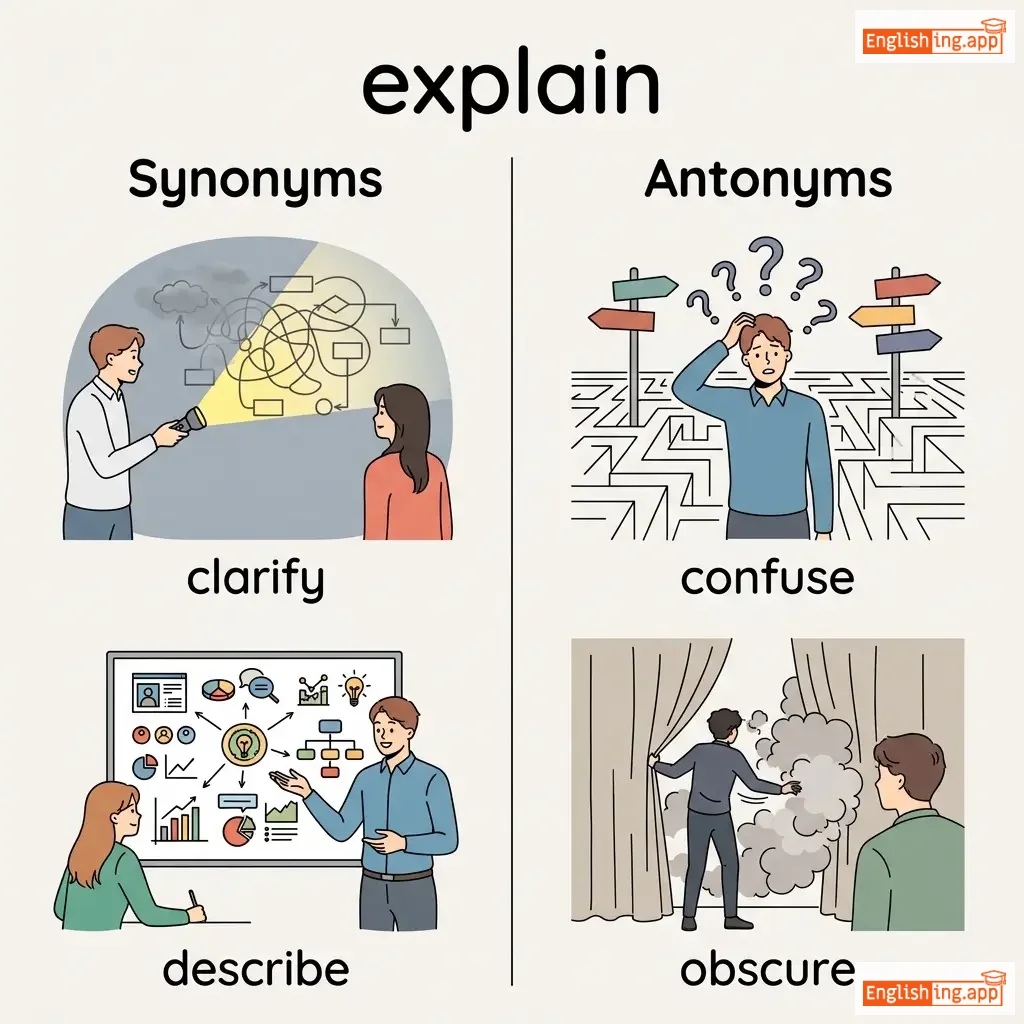
clarify, describe, illustrate, elaborate
••••••
|
confuse, obscure, mystify
••••••
|
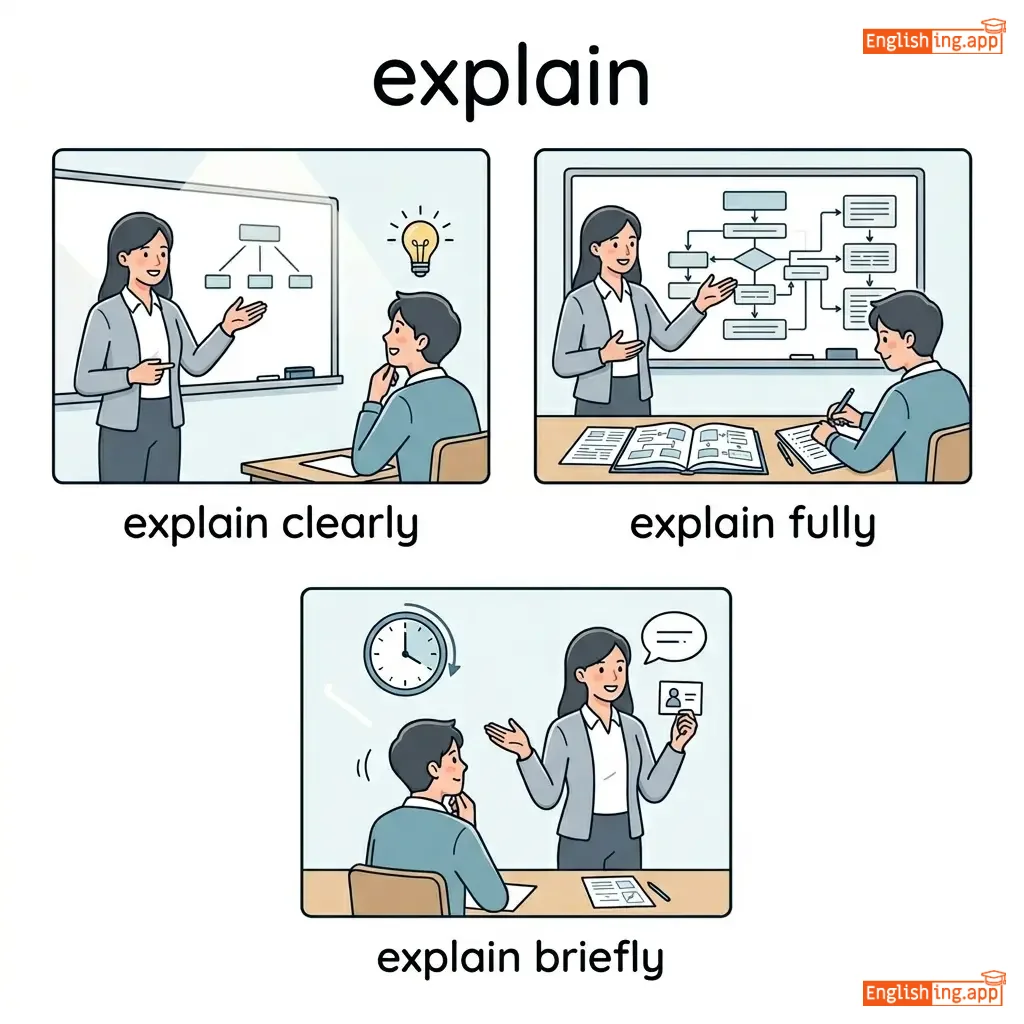
explain clearly, explain fully, explain briefly, explain concept
••••••
|
Explain = エクスプレイン = 空で説明!
••••••
|
|
🪥
••••••
|
/ɪkˈstrækt/
verb
(エクストラクト)
••••••
|
- •••••• |
抽出する
chūshutsu suru
••••••
|
extracted
エクストラクトされた
••••••
|
extracted
エクストラクトされた
••••••
|
extracts
エクストラクトする
••••••
|
extracting
エクストラクトしている
••••••
|
to remove or take out something, often with effort
••••••
|
The dentist had to extract the damaged tooth.
歯医者は損傷した歯を抜かなければならなかった。
••••••
|
歯医者は損傷した歯を抜かなければならなかった。
Haisha wa sonshō shita ha o nukenakereba naranakatta.
••••••
|
extract the essence
本質を抽出する
••••••
|
to capture the most important part of something
••••••
|
本質を抽出する
Honshitsu o chūshutsu suru
••••••
|
remove, withdraw, derive, obtain, draw out
••••••
|
insert, embed, implant
••••••
|
extract information, extract juice, extract oil, extract data
••••••
|
抽出は歯や大事な部分を取り出すことと同じです!
••••••
|
|
⚠️
••••••
|
/ɪkˈstriːm/
adjective
(ik-sutoreemu)
••••••
|
|
極端
kyokutan
••••••
|
- •••••• | - •••••• | - •••••• | - •••••• |
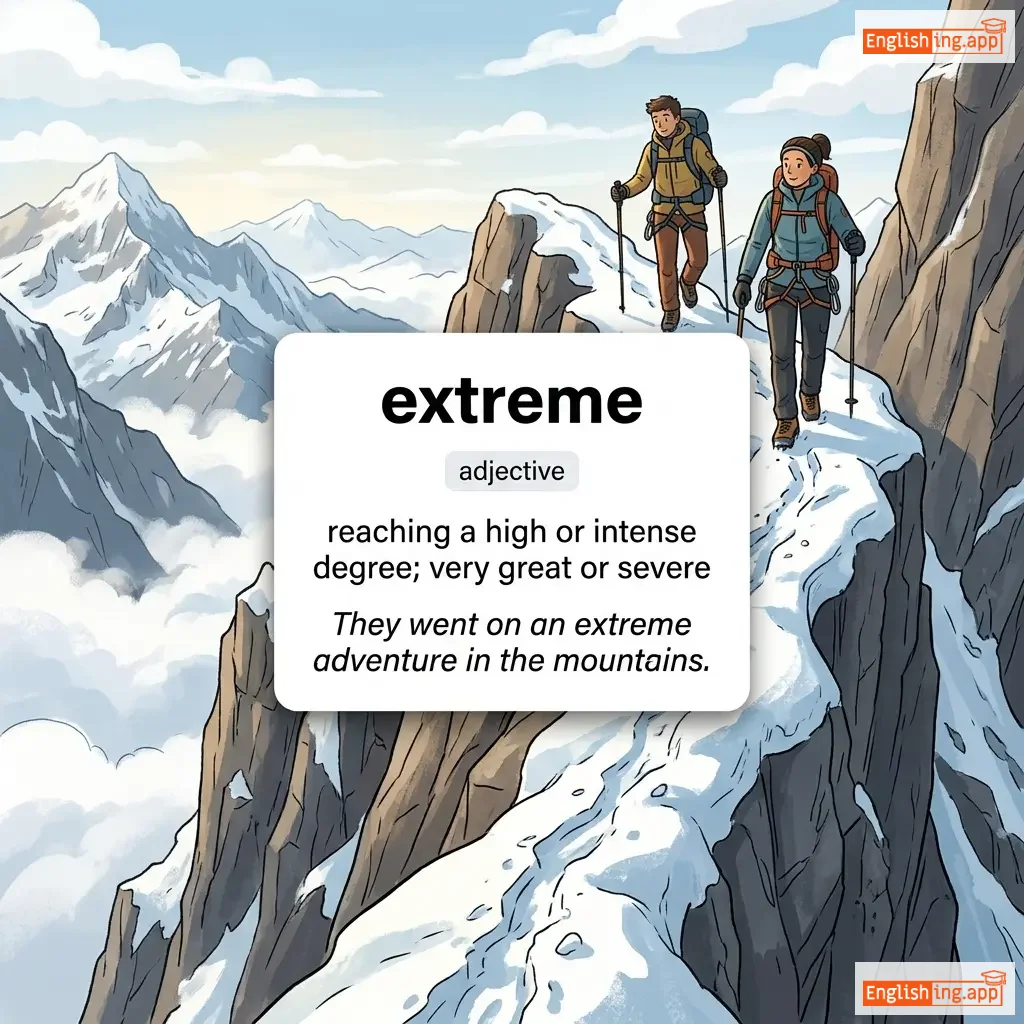
reaching a high or intense degree; very great or severe
••••••
|
They went on an extreme adventure in the mountains. |
彼らは山で極端な冒険をしました。
Karera wa yama de kyokutan na bōken o shimashita.
••••••
|
go to extremes |
to do something in an excessive or exaggerated way
••••••
|
極端に走る
kyokutan ni hashiru
••••••
|
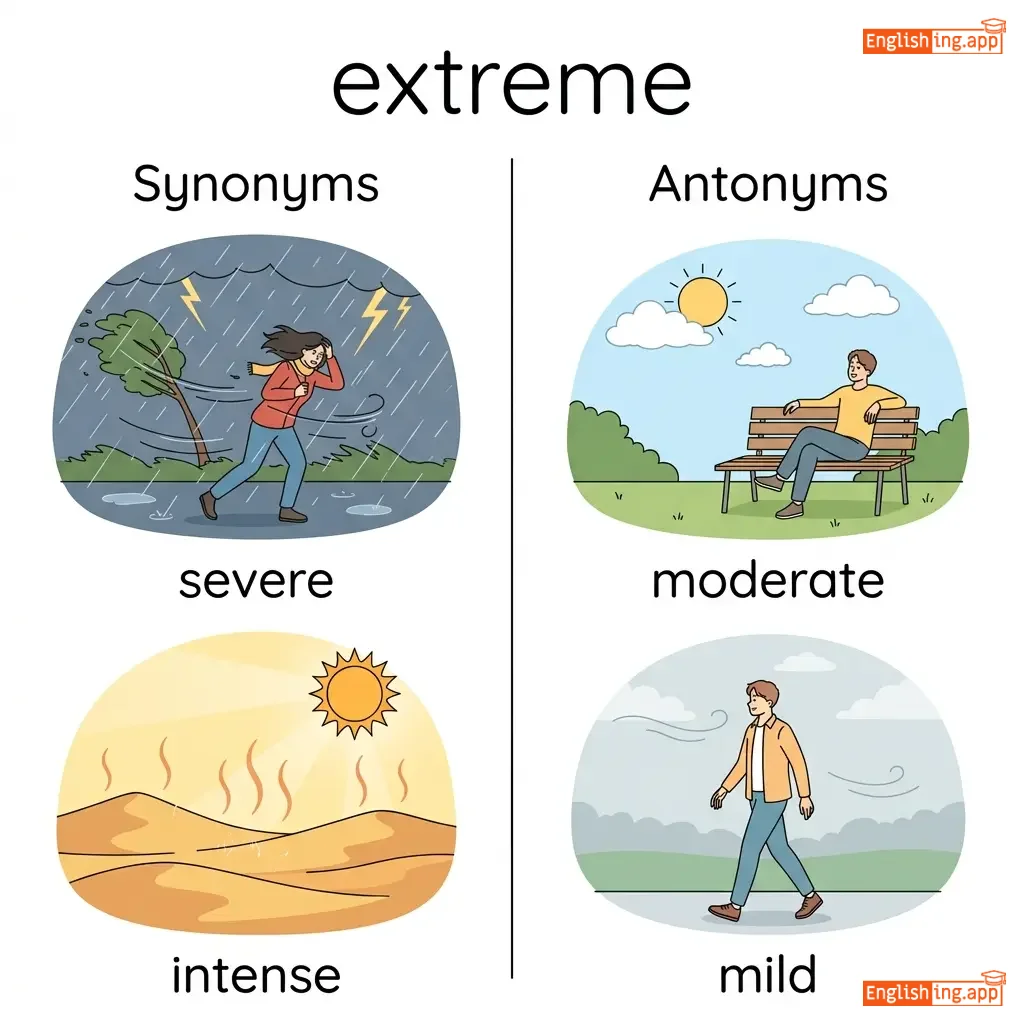
severe, intense, excessive, radical, ultimate
••••••
|
moderate, mild, ordinary
••••••
|
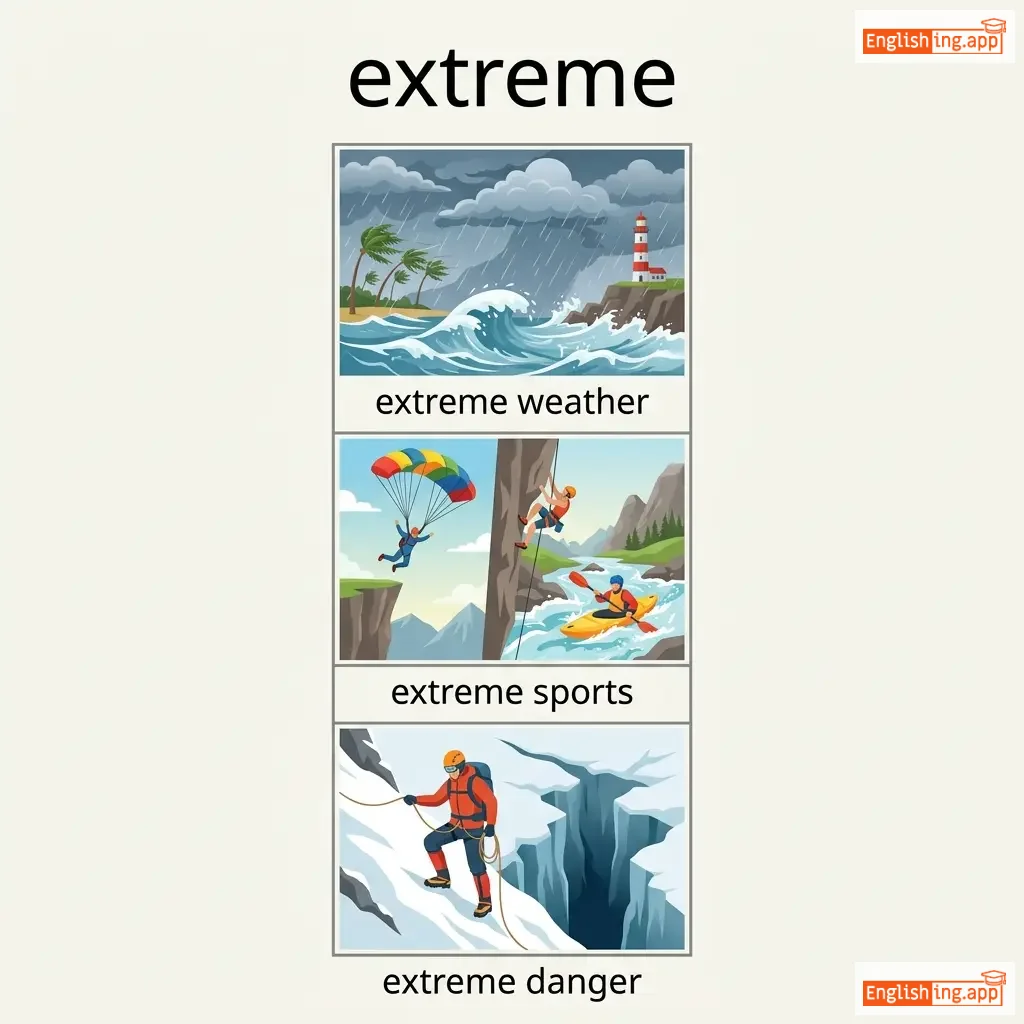
extreme weather, extreme sports, extreme danger, extreme measures
••••••
|
Extremeは極端を意味します、極端な状況のように。
••••••
|
|
🏭
••••••
|
/ˈfæktəri/
noun
(fakutori)
••••••
|
- •••••• |
工場
kōjō
••••••
|
- •••••• | - •••••• | - •••••• | - •••••• |
A building or group of buildings where goods are manufactured.
••••••
|
He works in a shoe factory. |
彼は靴工場で働いています。
Kare wa kutsu kōjō de hataraiteimasu.
••••••
|
- •••••• | - •••••• | - •••••• |
plant, mill, workshop, industry
••••••
|
office, home
••••••
|
shoe factory, textile factory, factory worker, factory production
••••••
|
工場は物を作る場所です。
••••••
|
|
📱
••••••
|
/ˈfiːtʃər/
noun
(fīchā)
••••••
|
- •••••• |
特徴
tokuchō
••••••
|
- •••••• | - •••••• | - •••••• | - •••••• |
a distinctive attribute or aspect of something; a characteristic
••••••
|
The new phone has a unique camera feature.
新しい電話にはユニークなカメラの特徴があります。
••••••
|
新しい電話にはユニークなカメラの特徴があります。
Atarashī denwa ni wa yunikuna kamera no tokuchō ga arimasu.
••••••
|
- •••••• | - •••••• | - •••••• |
attribute, aspect, characteristic, trait
••••••
|
flaw, defect
••••••
|
key feature, special feature, highlight feature
••••••
|
Featureは日本語で電話のカメラの特徴を意味します。
••••••
|
|
🎥
••••••
|
/ˈfʊtɪdʒ/
noun
(futage)
••••••
|
- •••••• |
ビデオ録画
bideo rokuga
••••••
|
- •••••• | - •••••• | - •••••• | - •••••• |
a recorded film or video, especially one that is used for news or documentaries
••••••
|
The footage of the protest was shown on television all day. |
抗議の映像は一日中テレビで放送されました。
Kōgi no ēzō wa ichinichijū terebi de hōsō saremashita.
••••••
|
- •••••• | - •••••• | - •••••• |
video, film, recording, clip
••••••
|
still, photo
••••••
|
raw footage, video footage, news footage
••••••
|
Footageはビデオ録画を意味します、例えば抗議のビデオ録画のように - Footage means video, like protest video footage!
••••••
|
|
🌍
••••••
|
/ˈfɔːrən/ or /ˈfɑːrən/
adjective
(フォーリン)
••••••
|
- •••••• |
外国の
gaikoku no
••••••
|
- •••••• | - •••••• | - •••••• | - •••••• |
Belonging to or coming from another country.
••••••
|
She loves studying foreign languages. |
彼女は外国語を学ぶのが好きです。
Kanojo wa gaikokugo o manabu no ga suki desu.
••••••
|
foreign to someone |
Something that is strange or unfamiliar to someone.
••••••
|
誰かにとっては不思議
Dareka ni totte wa fushigi
••••••
|
overseas, external, alien, exotic, unfamiliar
••••••
|
domestic, native, local
••••••
|
foreign policy, foreign language, foreign country, foreign affairs
••••••
|
Foreign = 外国の—Foreign は自分の国からではない!
••••••
|
|
🍀
••••••
|
/ˈfɔːrtʃən/
noun
(フォーチュン)
••••••
|
- •••••• |
運 / 富
un / tomi
••••••
|
- •••••• | - •••••• | - •••••• | - •••••• |
chance or luck, especially in success or wealth
••••••
|
She made a fortune by investing in real estate.
彼女は不動産に投資して大金を得た。
••••••
|
彼女は不動産に投資して大金を得た。
Kanojo wa fudousan ni toushi shite taikin o eta.
••••••
|
fortune favors the brave
運命は勇者に微笑む
••••••
|
those who take risks are more likely to succeed
••••••
|
運命は勇者に微笑む
Unmei wa yuusha ni hohoemu
••••••
|
wealth, luck, fate, destiny, riches
••••••
|
poverty, misfortune, loss
••••••
|
good fortune, bad fortune, make a fortune, bring fortune
••••••
|
Fortune は運命 — リスクを取って大きな富を得る!
••••••
|
|
➡️
••••••
|
/ˈfɔːrwərd/
adverb, adjective, verb, noun
(フォワード)
••••••
|
- •••••• |
前進
zenshin
••••••
|
forwarded
フォワーデッド
••••••
|
forwarded
フォワーデッド
••••••
|
forwards
フォワーズ
••••••
|
forwarding
フォワーディング
••••••
|
toward the front; to advance or send ahead; an onward position or direction
••••••
|
The troops moved forward to secure the bridge.
部隊は橋を確保するために前進しました。
••••••
|
部隊は橋を確保するために前進しました。
Butai wa hashi wo kakuho suru tame ni zenshin shimashita.
••••••
|
look forward to
前向きに考える
••••••
|
to anticipate something with pleasure
••••••
|
楽しみに待つ
tanoshimi ni matsu
••••••
|
ahead, onward, advance, transmit, promote
••••••
|
backward, reverse, retreat
••••••
|
move forward, step forward, look forward, forward message
••••••
|
前進: メッセージが前に進むように、自分も前に進む。
••••••
|
|
🏗️
••••••
|
/ˈfaʊndər/
noun, verb
(ファウンダー)
••••••
|
|
創設者
sōsetsusha
••••••
|
founded
ファウンデッド
••••••
|
founded
ファウンデッド
••••••
|
founds
ファウンズ
••••••
|
founding
ファウンディング
••••••
|
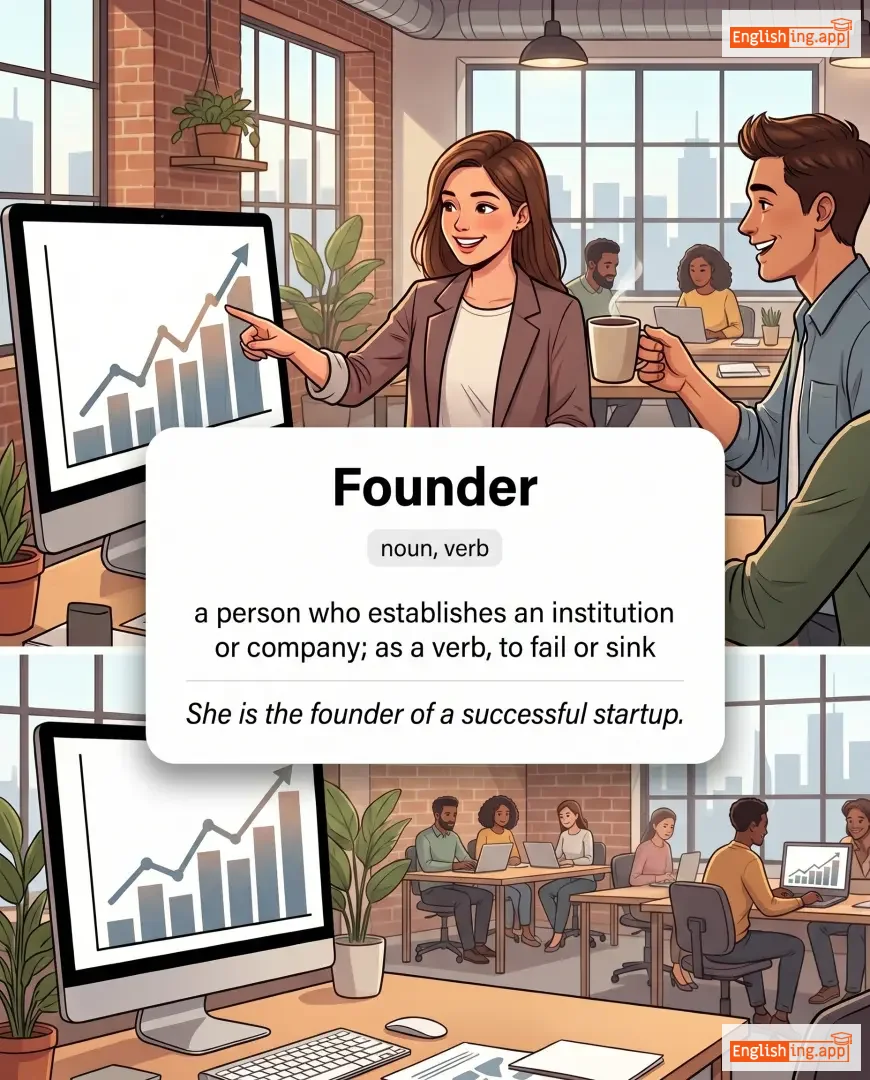
a person who establishes an institution or company; as a verb, to fail or sink
••••••
|
She is the founder of a successful startup.
彼女は成功したスタートアップの創設者です。
••••••
|
彼女は成功したスタートアップの創設者です。
Kanojo wa seikō shita sātopu no sōsetsusha desu.
••••••
|
- •••••• | - •••••• | - •••••• |
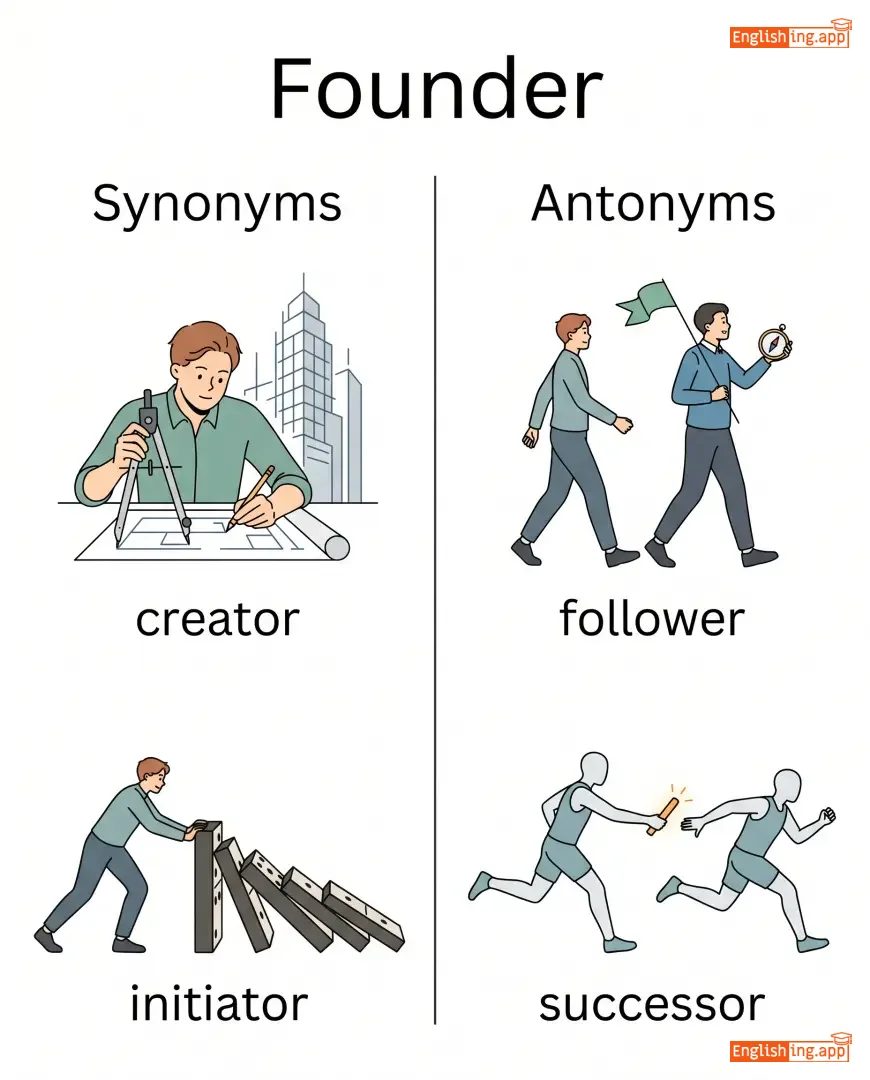
creator, initiator, establisher, originator
••••••
|
follower, successor
••••••
|
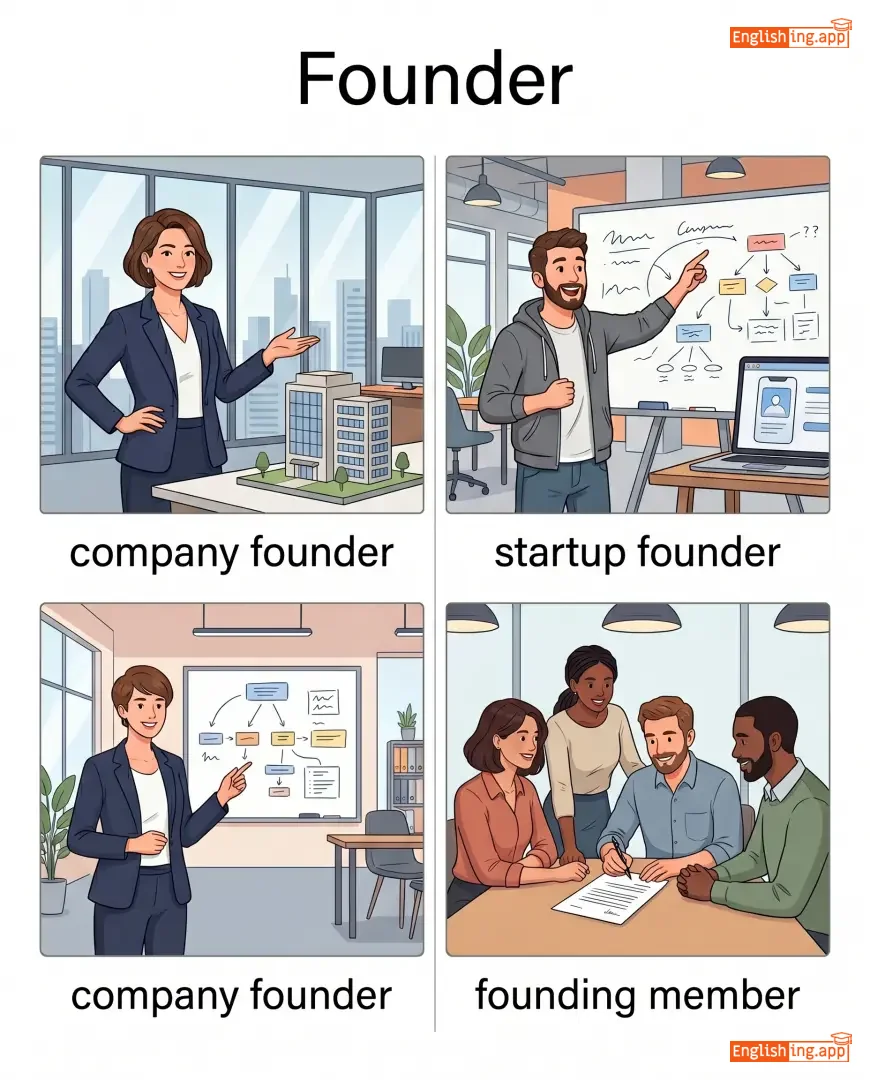
company founder, startup founder, founding member, founder of
••••••
|
Founderは創設者、Foundationと関連があります。
••••••
|
|
🕊️
••••••
|
/ˈfriːdəm/
noun
(自由)
••••••
|

|
自由
jiyū
••••••
|
- •••••• | - •••••• | - •••••• | - •••••• |
The state of being free; the power or right to act, speak, or think without hindrance or restraint.
••••••
|
Freedom of speech is a fundamental right in many countries. |
言論の自由は多くの国で基本的な権利です。
Genron no jiyū wa ōku no kuni de kihonteki na kenri desu.
••••••
|
freedom of choice |
the right to make one’s own decisions without outside control
••••••
|
選択の自由
Sentaku no jiyū
••••••
|
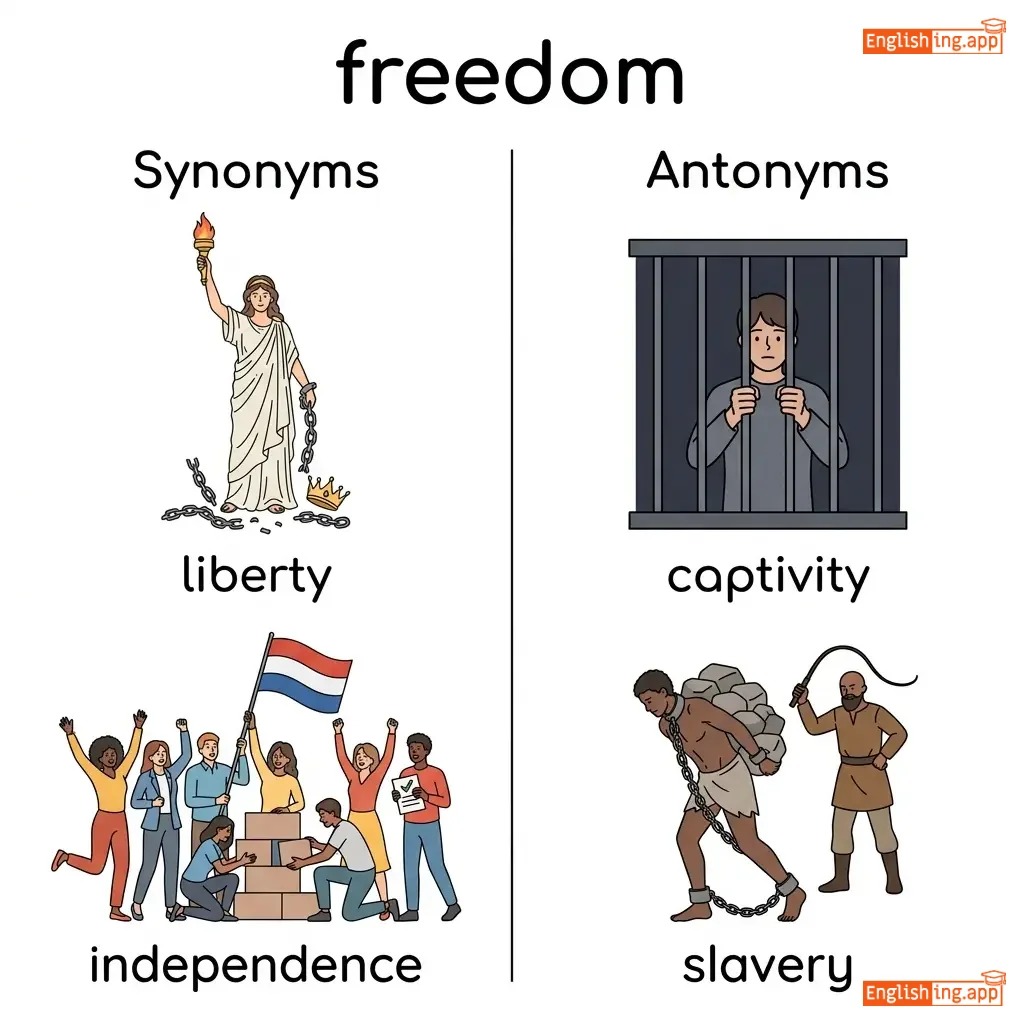
liberty, independence, autonomy, emancipation, self-determination
••••••
|
captivity, slavery, restriction
••••••
|
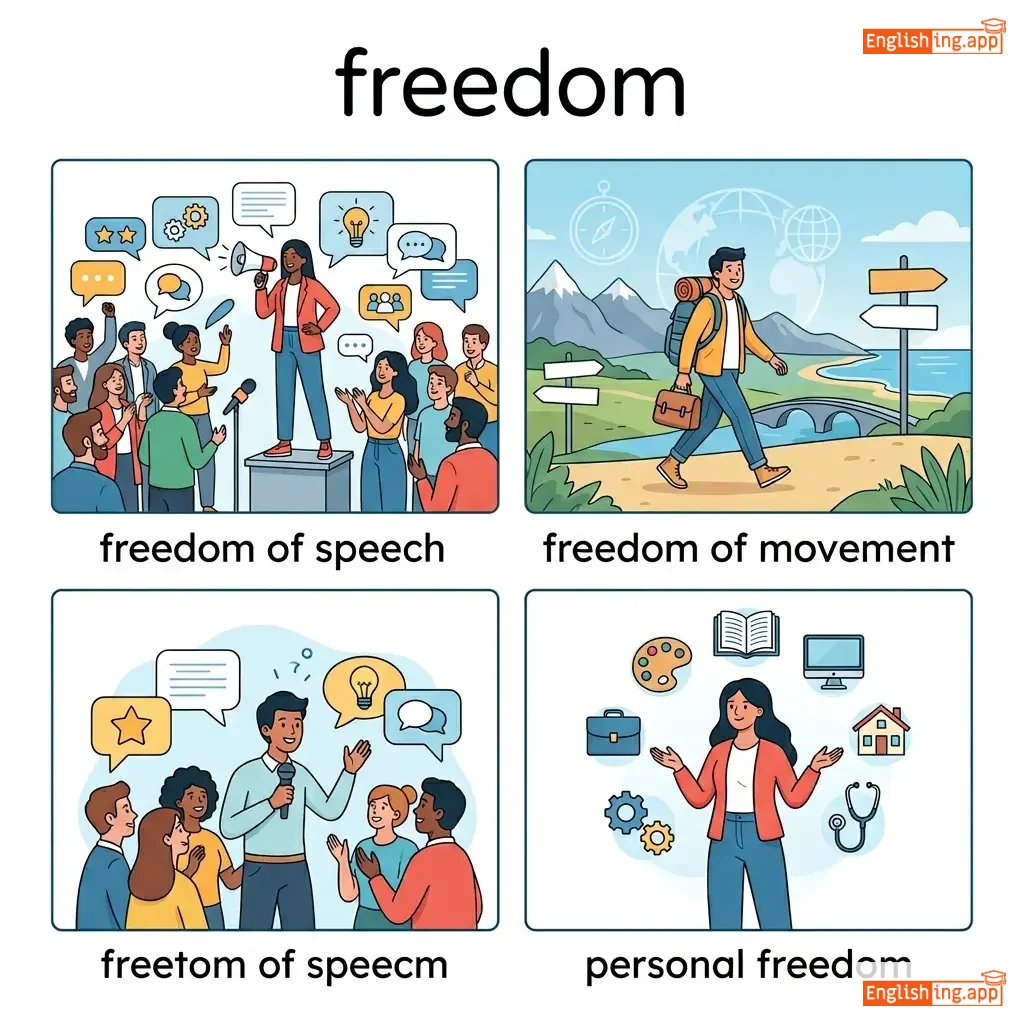
freedom of speech, freedom of movement, personal freedom, political freedom
••••••
|
Freedom = 空を飛んでいるような自由さ (jiyū)
••••••
|
|
🏦
••••••
|
/ˈfʌndɪŋ/
noun
(fanding)
••••••
|
- •••••• |
資金調達
shikin chōtatsu
••••••
|
- •••••• | - •••••• | - •••••• | - •••••• |
financial support for a project or organization
••••••
|
The startup is seeking funding from investors. |
スタートアップは投資家から資金調達を試みています。
Sutātopu wa tōshika kara shikin chōtatsu o kokoromotteimasu.
••••••
|
government funding |
financial support provided by the government
••••••
|
政府の資金調達
seifu no shikin chōtatsu
••••••
|
financing, capital, investment, sponsorship, backing
••••••
|
withdrawal, loss
••••••
|
seek funding, government funding, secure funding, lack of funding
••••••
|
Funding は資金調達 — スタートアップは 'Fun ding' と言い、つまりお金が必要だということです。
••••••
|
|
🤲
••••••
|
/ˈdʒɛs.tʃər/
noun
(ジェスチャー)
••••••
|
- •••••• |
ジェスチャー
jesuchā
••••••
|
- •••••• | - •••••• | - •••••• | - •••••• |
A movement of part of the body, especially the hands or head, to express an idea or meaning.
••••••
|
She made a friendly gesture to welcome the guests. |
彼女はゲストを歓迎するために友好的なジェスチャーをしました。
Kanojo wa gesuto o kangei suru tame ni yūkō-teki na jesuchā o shimashita.
••••••
|
gesture of goodwill |
An act intended to show kindness or positive intention.
••••••
|
善意のジェスチャー
zen'i no jesuchā
••••••
|
motion, signal, sign, indication, movement
••••••
|
inaction, stillness
••••••
|
kind gesture, simple gesture, symbolic gesture, gesture of support
••••••
|
ゲストに対して友好的なジェスチャーをしよう!
••••••
|
|
👀
••••••
|
/ɡlɪmps/
noun/verb
(グリンプス)
••••••
|
- •••••• |
ちらっと見
chiratto mi
••••••
|
glimpsed
グリンプスト
••••••
|
glimpsed
グリンプスト
••••••
|
glimpses
グリンプセス
••••••
|
glimpsing
グリンプシング
••••••
|
A brief or quick view of something.
••••••
|
She caught a glimpse of the actor as he left the stage.
彼女は俳優が舞台を離れるのを一瞬見た。
••••••
|
彼女は俳優が舞台を離れるのを一瞬見た。
Kanojo wa haiyū ga butai o hanareru no o isshun mita.
••••••
|
catch a glimpse
ちらっと見る
••••••
|
To see something briefly or partly.
••••••
|
ちらっと見る
chiratto miru
••••••
|
peek, glance, sight, look, view
••••••
|
stare, gaze
••••••
|
catch a glimpse, fleeting glimpse, quick glimpse
••••••
|
Glimpseはちらっと見るという意味です。例えば、何かをちらっと見る。
••••••
|

