|
絵文字
|
単語 | Images | 翻訳 | 過去 | 過去分詞 | 三人称単数 | 動名詞 | 意味 | 例文 | 例文の翻訳 | 表現例 | 表現例の意味 | 表現例の翻訳 | 同義語 | 対義語 | コロケーション | ニーモニック |
|---|---|---|---|---|---|---|---|---|---|---|---|---|---|---|---|---|---|
|
🧭
••••••
|
/ˈsɛkstənt/
noun
(セクスタント)
••••••
|
|
セクスタント
sekusutanto
••••••
|
- •••••• | - •••••• | - •••••• | - •••••• |
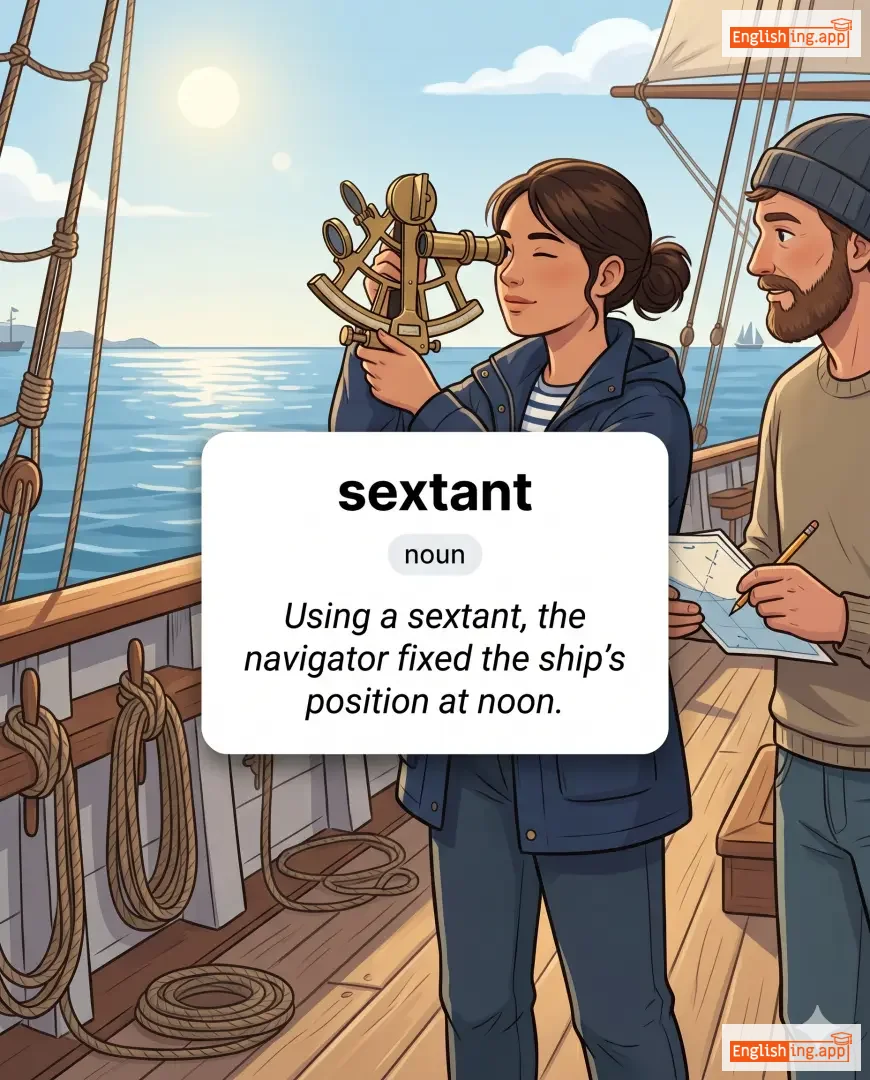
a navigational instrument with a graduated arc of 60°, used to measure the angle between a celestial object and the horizon
••••••
|
Using a sextant, the navigator fixed the ship’s position at noon.
セクスタントを使用して、ナビゲーターは正午に船の位置を特定しました。
••••••
|
セクスタントを使用して、ナビゲーターは正午に船の位置を特定しました。
Sekusutanto o shiyō shite, nabigētā wa shōgo ni fune no ichi o tokutei shimashita.
••••••
|
- •••••• | - •••••• | - •••••• |
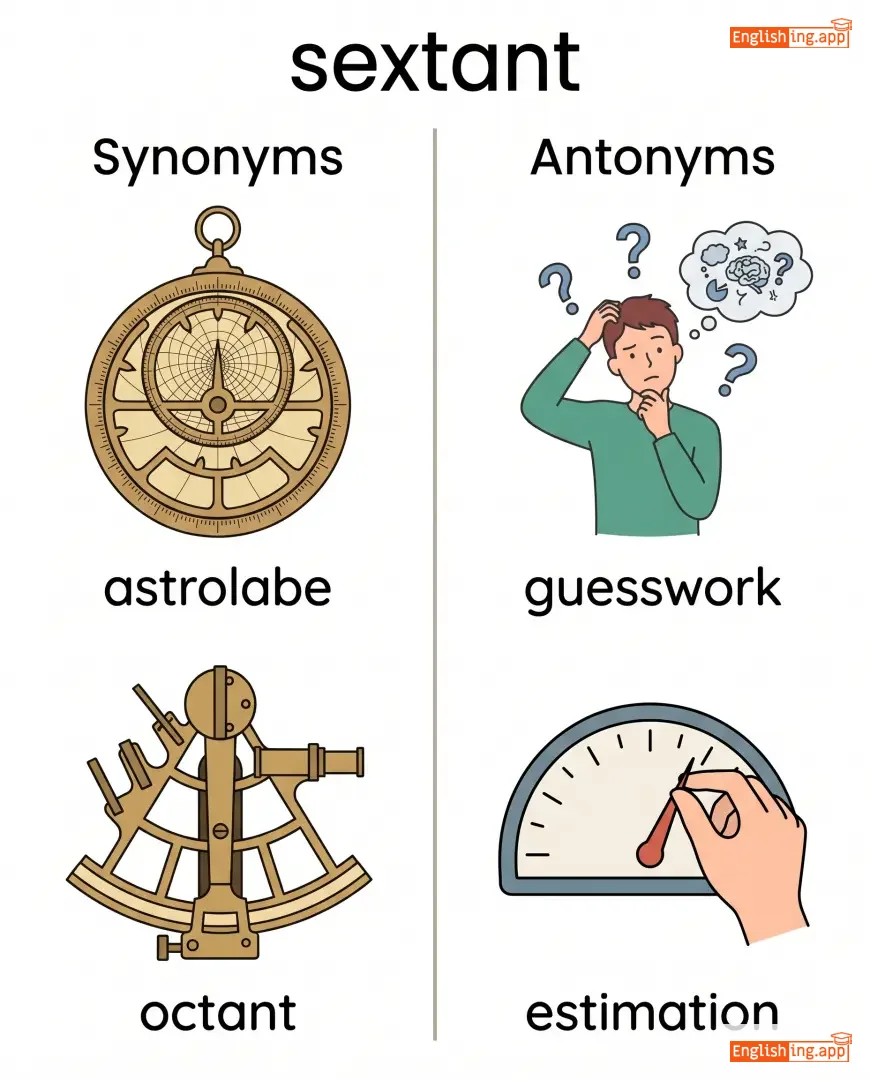
astrolabe, octant, navigational instrument, quadrant
••••••
|
guesswork, estimation
••••••
|
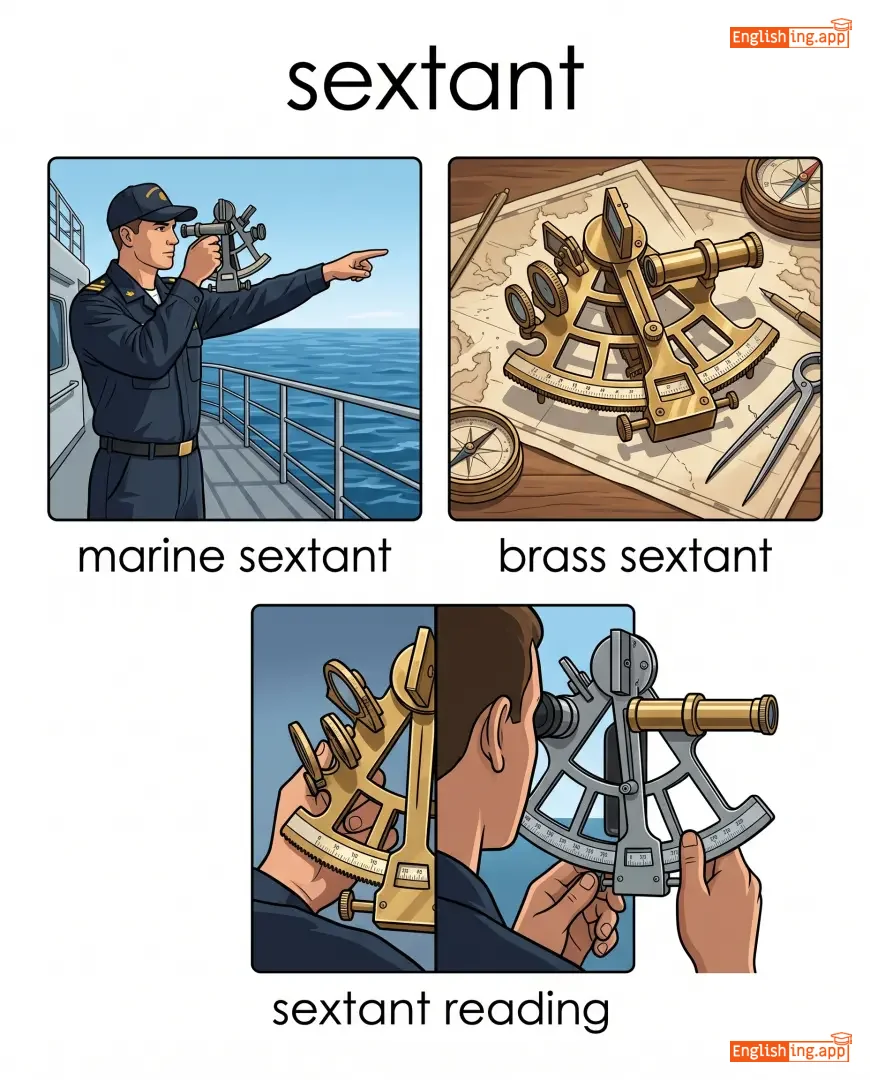
marine sextant, brass sextant, sextant reading, use a sextant, celestial navigation
••••••
|
セクスタントで60度を測ることを覚えておきましょう。‘セクス’は6を意味します。
••••••
|
|
🪨
••••••
|
/ʃɑːrd/
noun
(シャード)
••••••
|
|
破片
hapen
••••••
|
- •••••• | - •••••• | - •••••• | - •••••• |
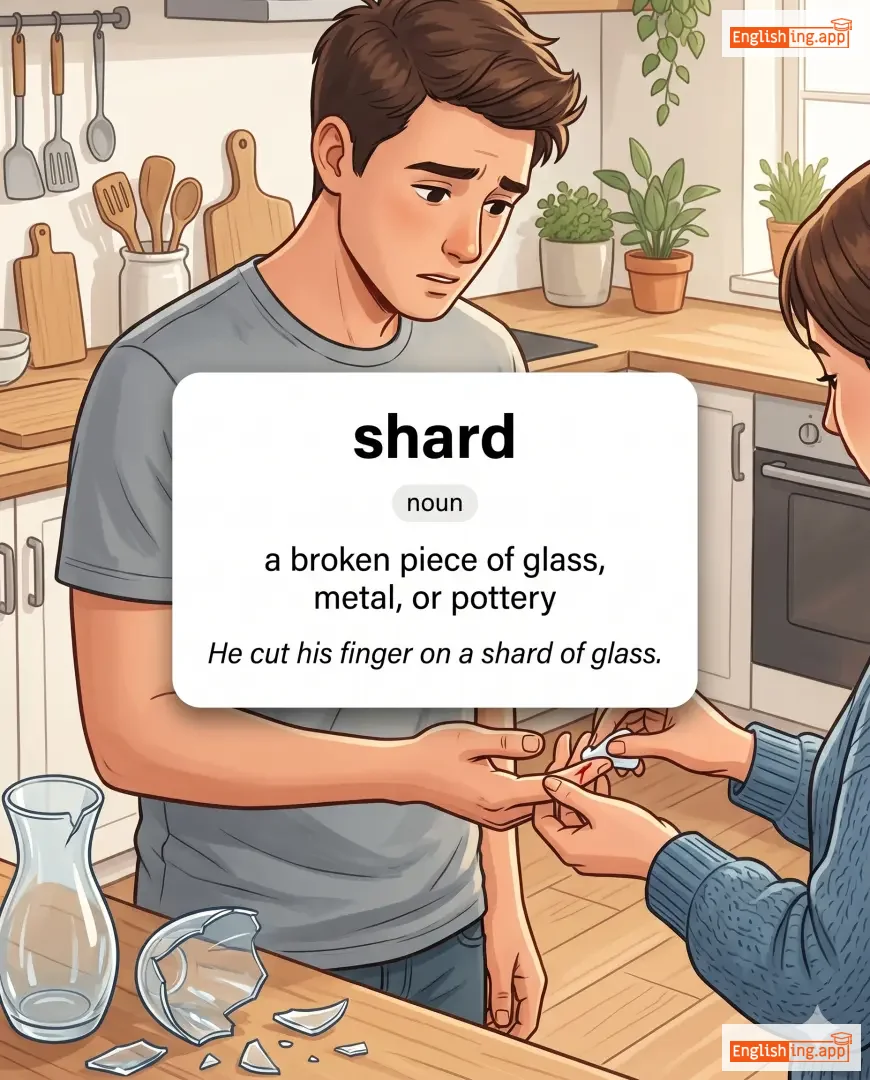
a broken piece of glass, metal, or pottery
••••••
|
He cut his finger on a shard of glass. |
彼はガラスの破片で指を切った。
Kare wa garasu no hapen de yubi o kitta.
••••••
|
- •••••• | - •••••• | - •••••• |
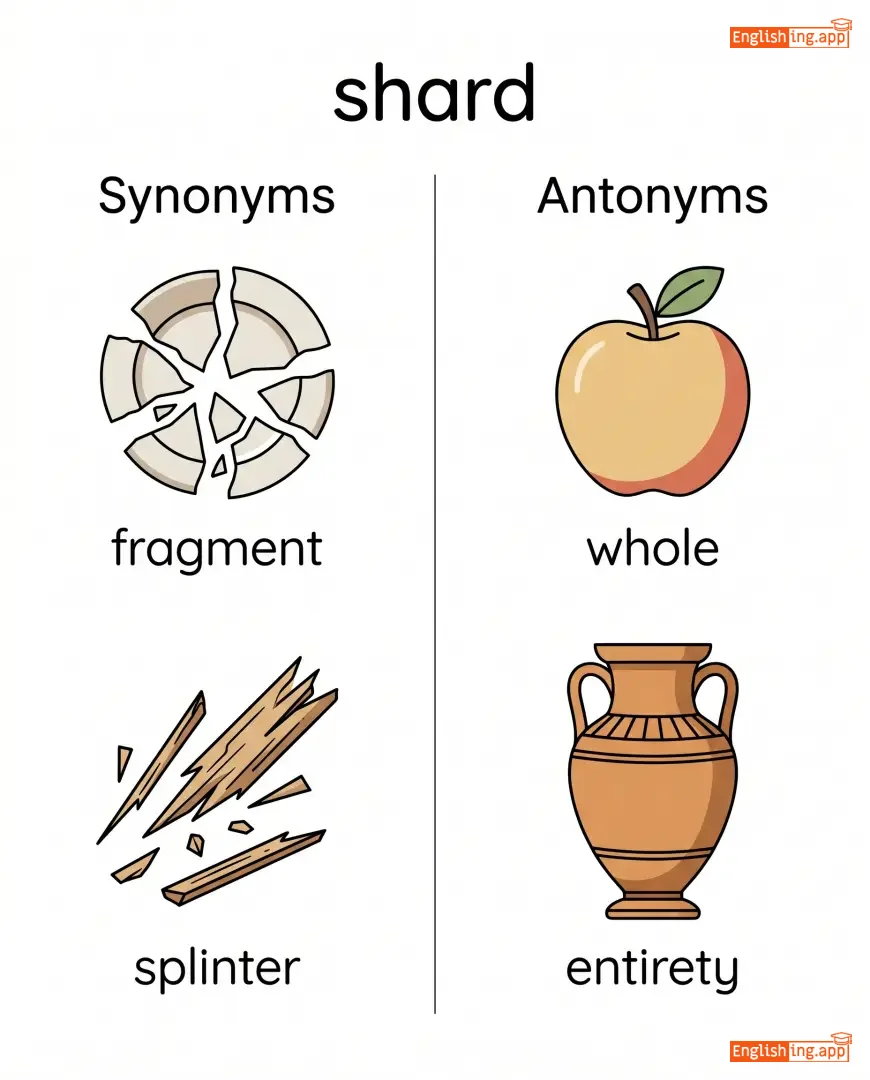
fragment, splinter, sliver, piece
••••••
|
whole, entirety, unity
••••••
|
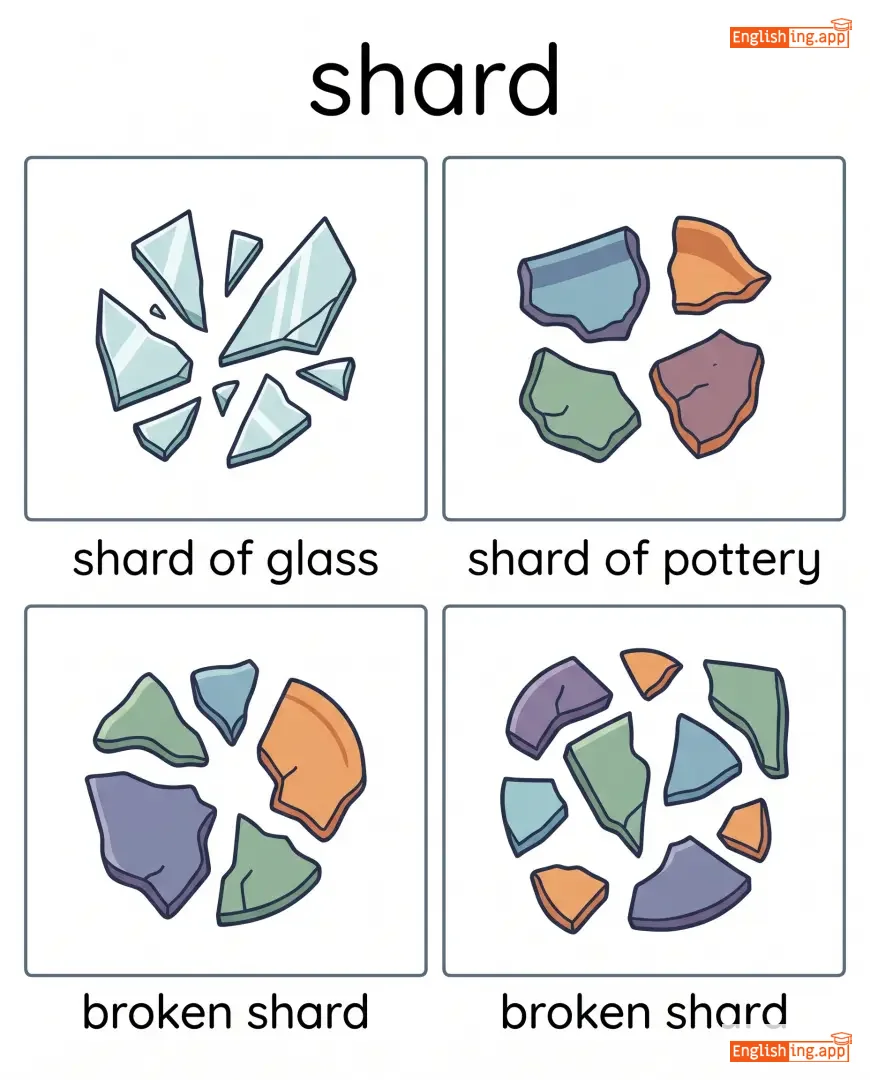
shard of glass, shard of pottery, broken shard
••••••
|
Shardは sharp 破片 – 割れたガラスの破片を意味します。
••••••
|
|
🌌
••••••
|
/saɪˈdɪəriəl/
adjective
(サイディリアル)
••••••
|
|
恒星の
kōsei no
••••••
|
- •••••• | - •••••• | - •••••• | - •••••• |
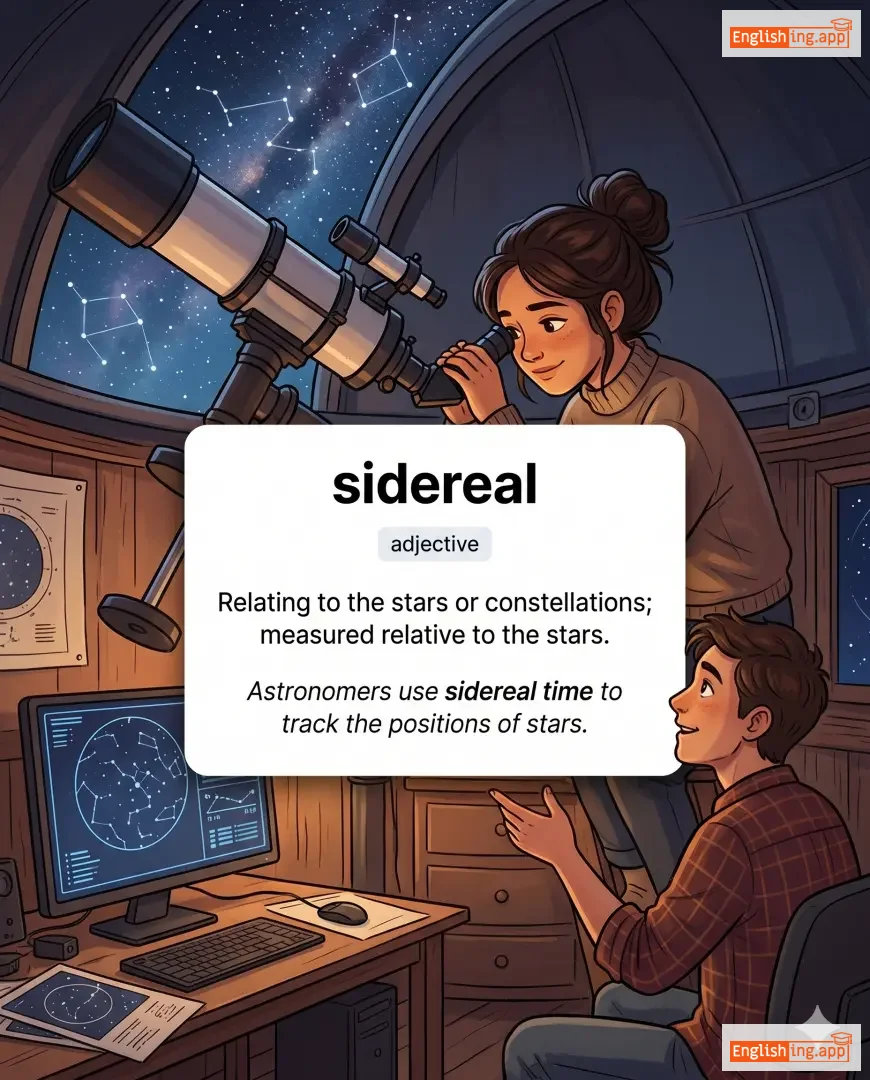
Relating to the stars or constellations; measured relative to the stars.
••••••
|
Astronomers use sidereal time to track the positions of stars. |
天文学者は恒星時を使用して星の位置を追跡します。
tenmongakusha wa kōsei-ji o shiyō shite hoshi no ichi o tsuiseki shimasu.
••••••
|
- •••••• | - •••••• | - •••••• |
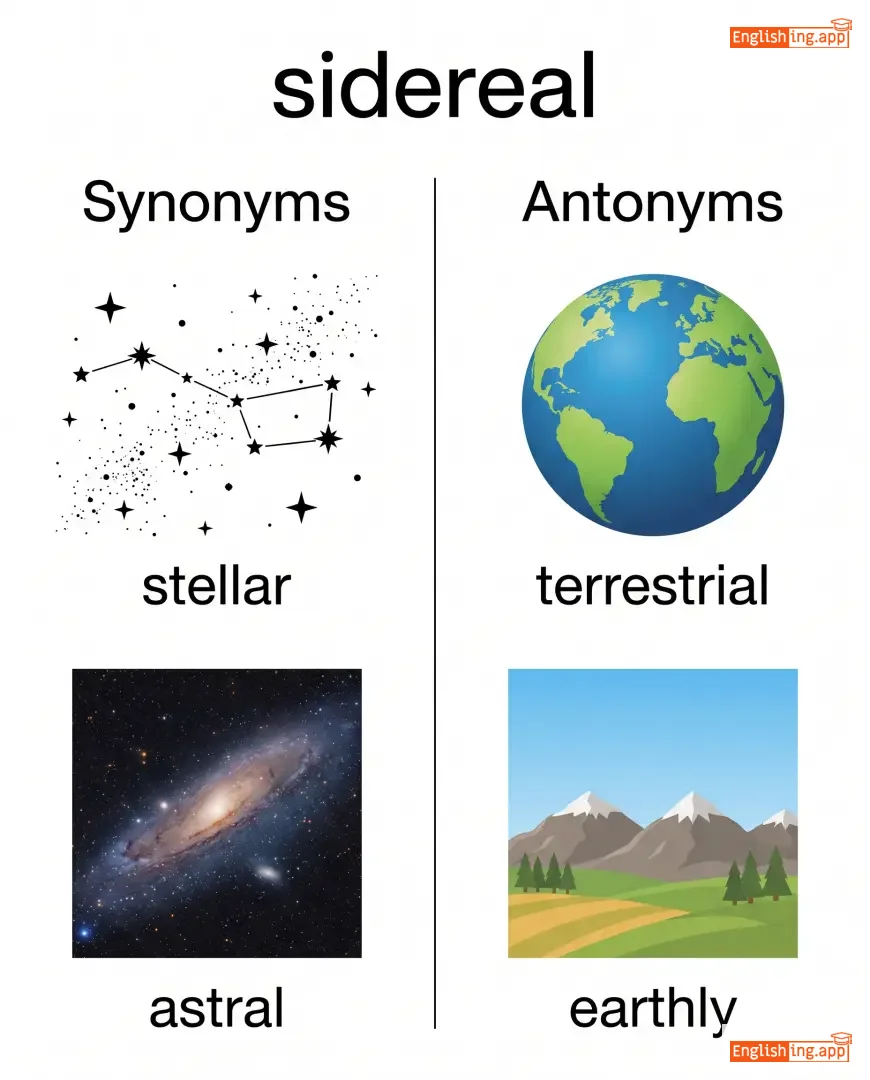
stellar, astral, cosmic, celestial
••••••
|
terrestrial, earthly
••••••
|
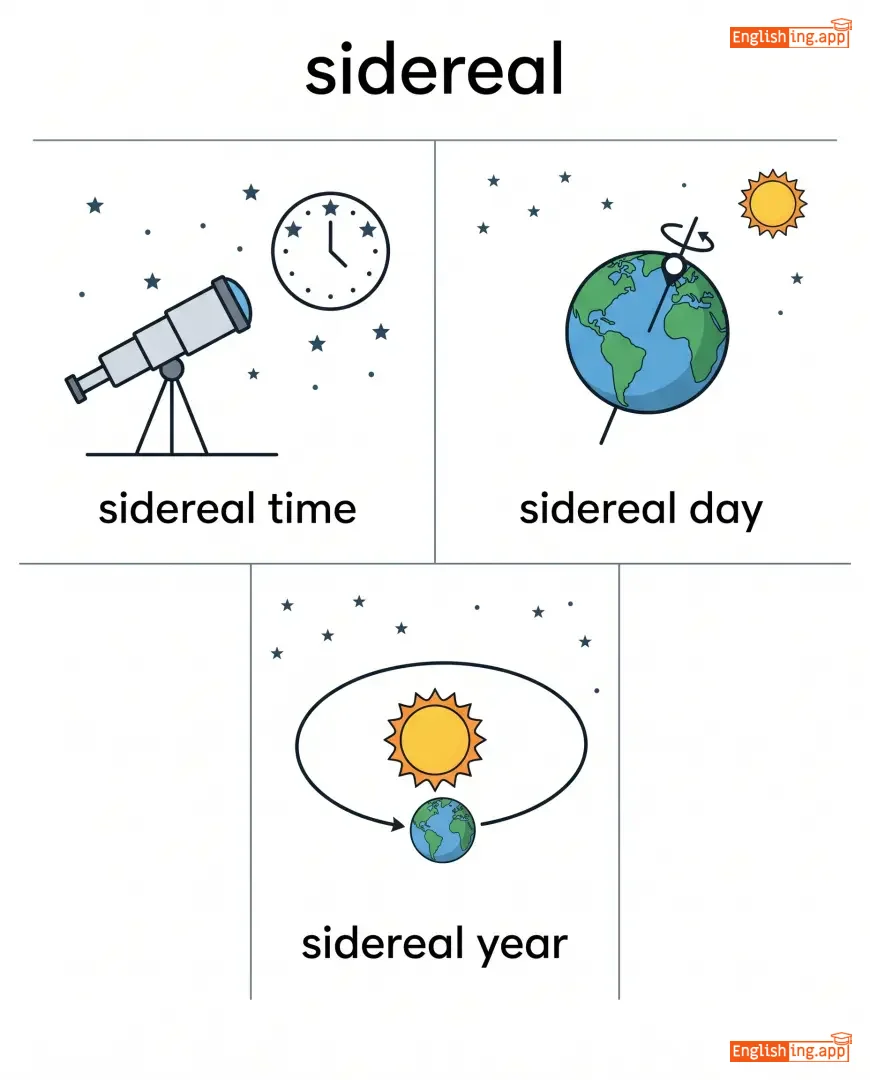
sidereal time, sidereal day, sidereal year
••••••
|
Sidereal → 星座のダイヤルを覚えましょう: それは星に関連しています。
••••••
|
|
🐒
••••••
|
/ˈsɪmiən/
adjective
(シミアン)
••••••
|
|
類人猿の
ruijin'en no
••••••
|
- •••••• | - •••••• | - •••••• | - •••••• |
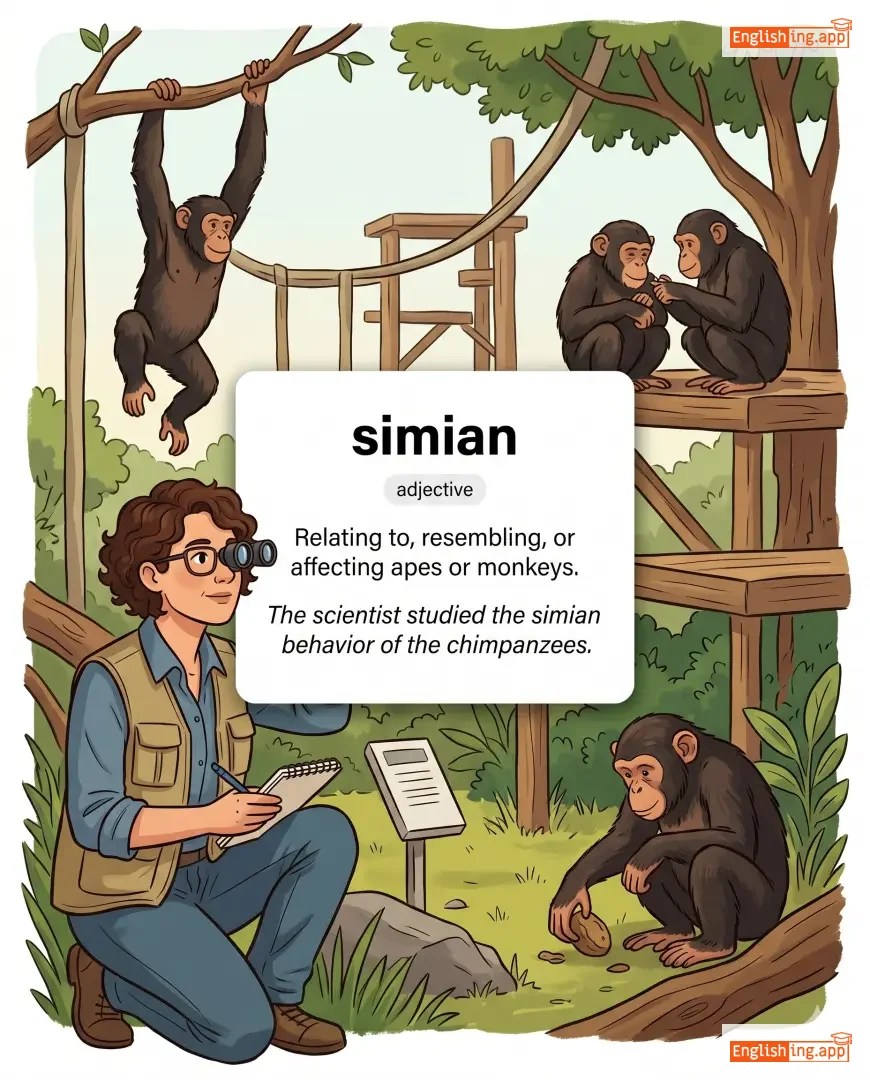
Relating to, resembling, or affecting apes or monkeys.
••••••
|
The scientist studied the simian behavior of the chimpanzees. |
科学者はチンパンジーの類人猿の行動を研究した。
Kagakusha wa chinpanjī no ruijin'en no kōdō o kenkyū shita.
••••••
|
- •••••• | - •••••• | - •••••• |
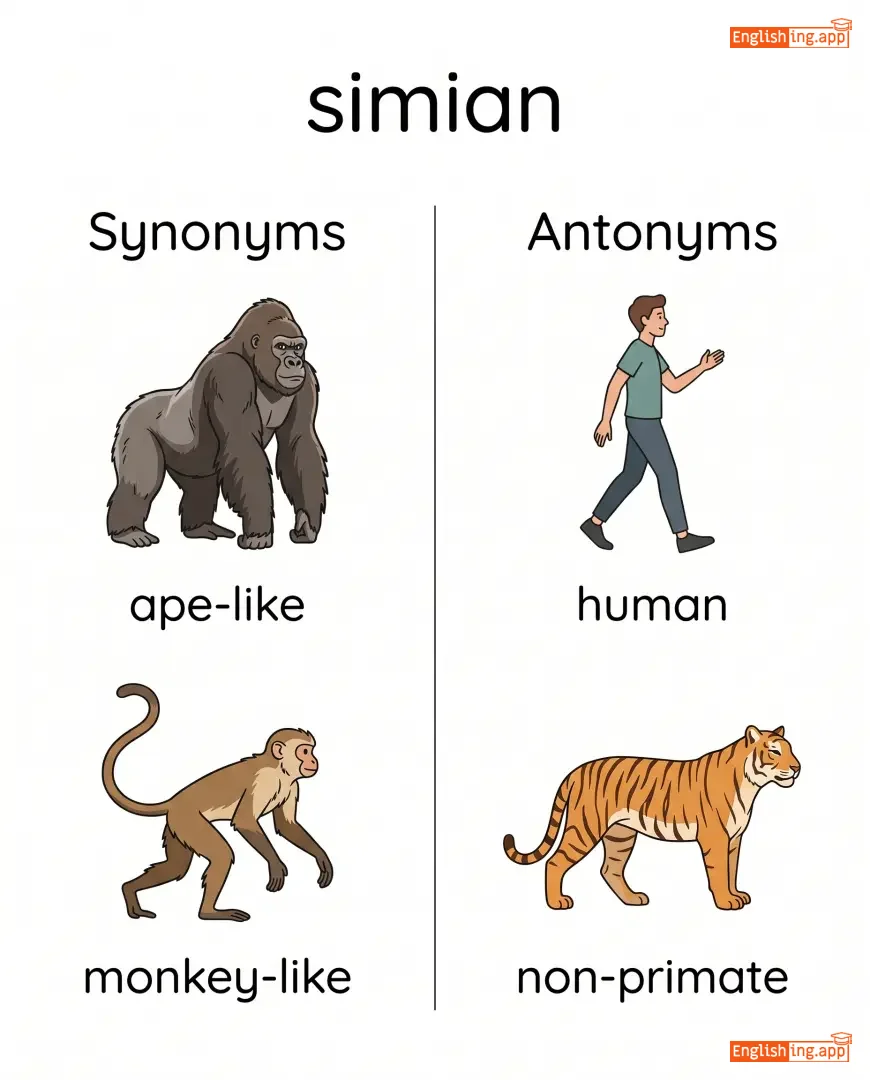
ape-like, monkey-like, primate, anthropoid
••••••
|
human, non-primate, inhuman
••••••
|
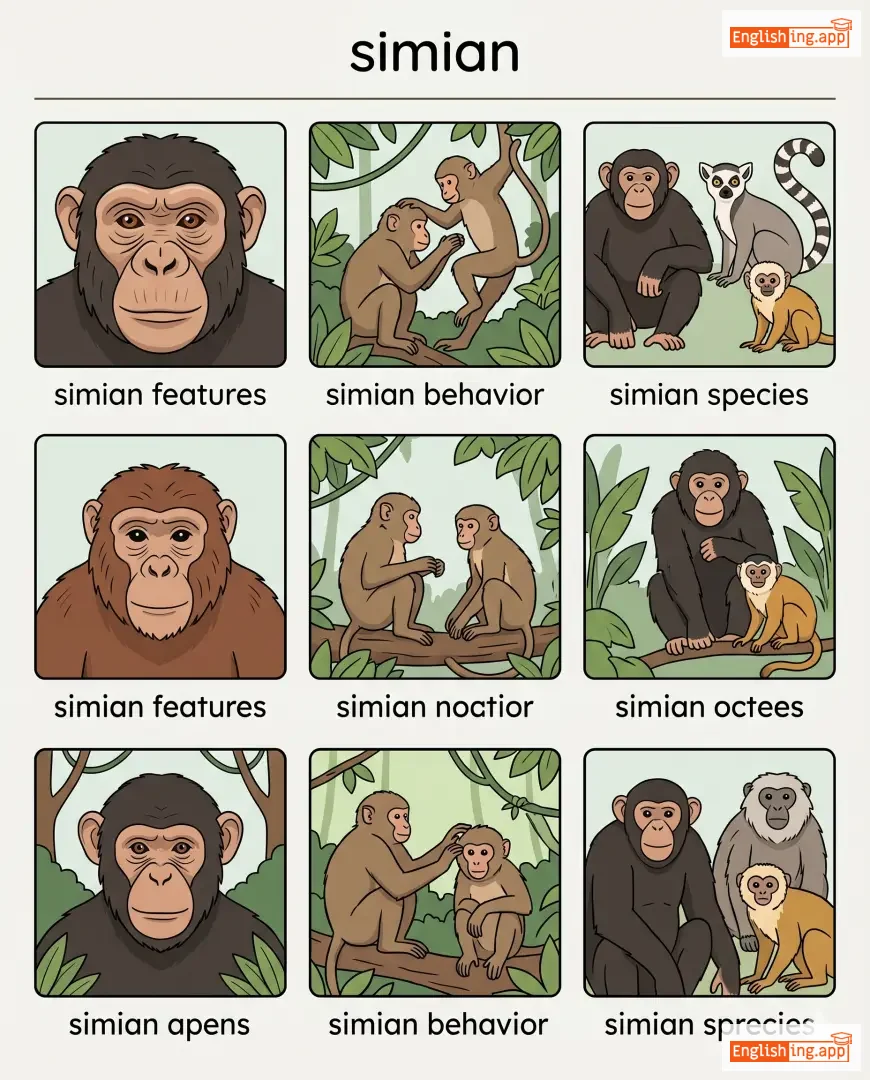
simian features, simian behavior, simian species
••••••
|
SIMIAN は SIM と似ているので、SIMカードを持つサルを想像してみてください!
••••••
|
|
✨
••••••
|
/ˈsɪməli/
noun
(シミリー)
••••••
|
|
直喩
chokuyu
••••••
|
- •••••• | - •••••• | - •••••• | - •••••• |
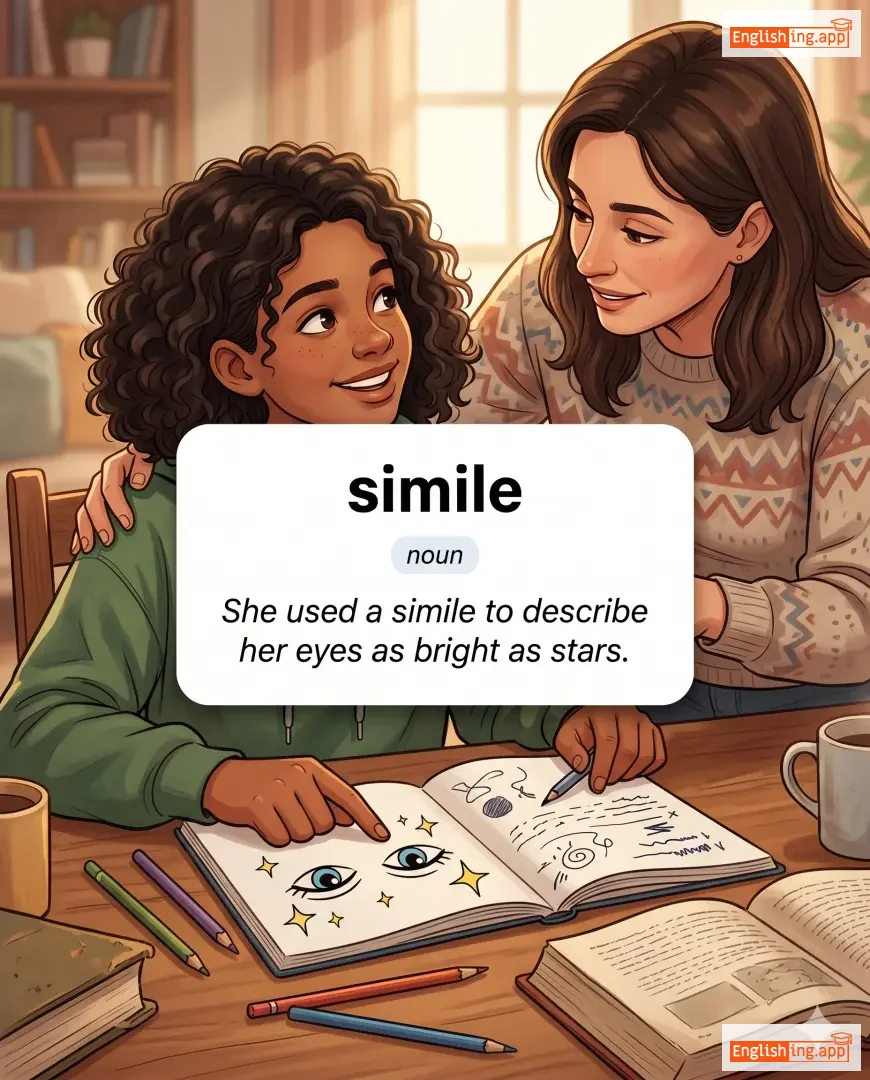
A figure of speech involving the comparison of one thing with another using 'like' or 'as'.
••••••
|
She used a simile to describe her eyes as bright as stars. |
彼女は自分の目を星のように明るいと表現するために直喩を使いました。
Kanojo wa jibun no me o hoshi no yō ni akarui to hyōgen suru tame ni chokuyu o tsukaimashita.
••••••
|
- •••••• | - •••••• | - •••••• |
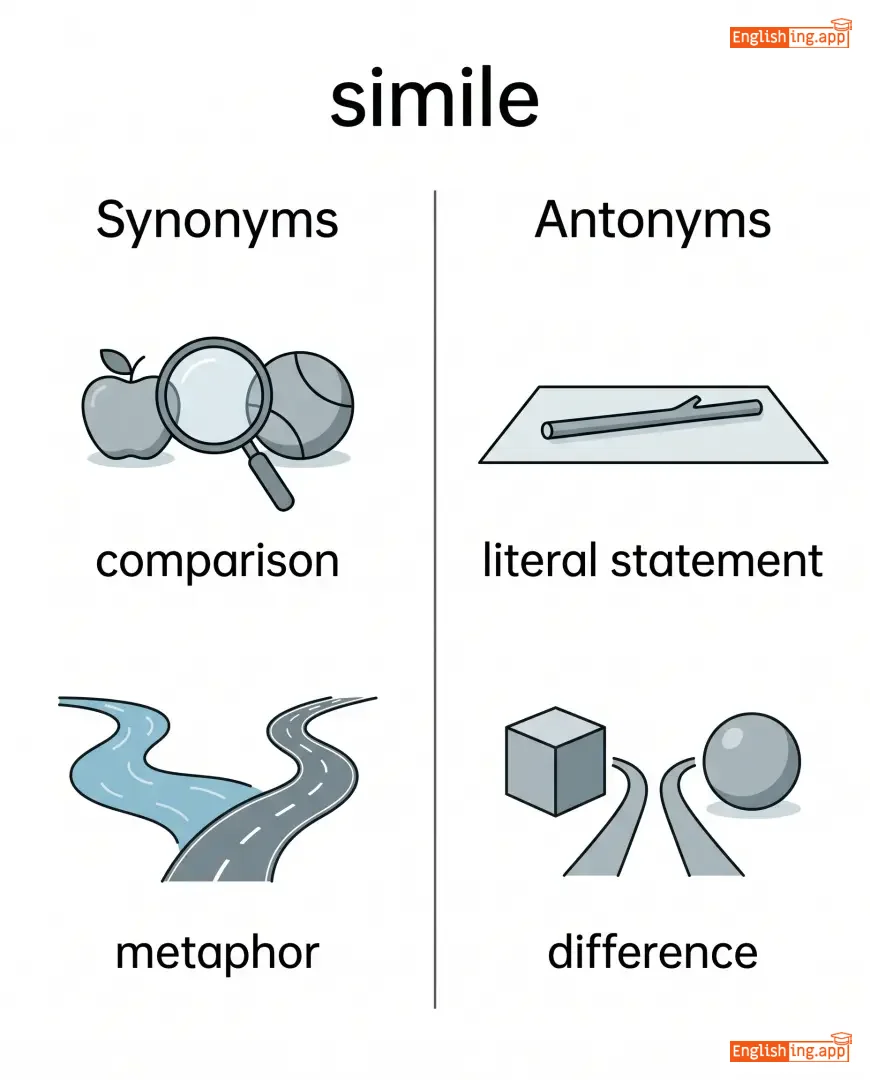
comparison, metaphor, analogy, resemblance
••••••
|
literal statement, difference
••••••
|
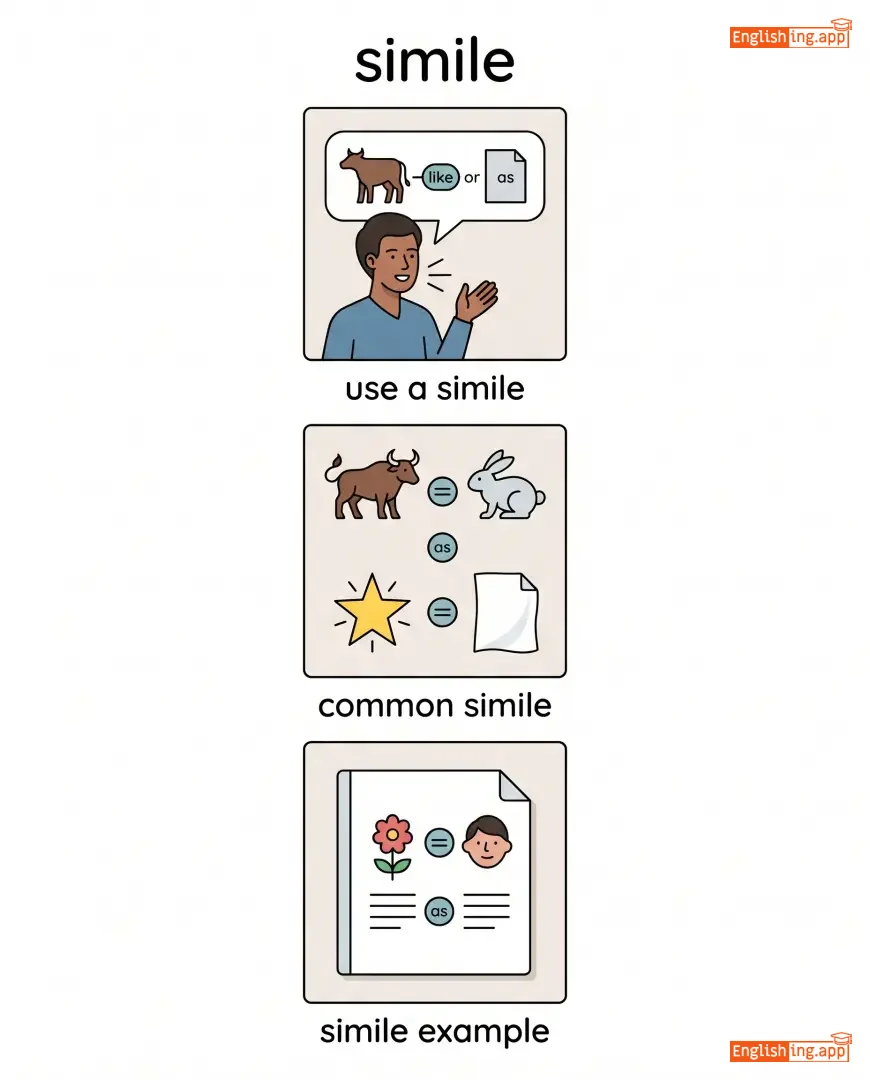
use a simile, common simile, simile example
••••••
|
SIMILE は直喩を意味します:SIMILAR + ように
••••••
|
|
💼
••••••
|
/ˈsaɪnɪkjʊər/
noun
(サイネキュア)
••••••
|
|
楽な仕事
rakuna shigoto
••••••
|
- •••••• | - •••••• | - •••••• | - •••••• |
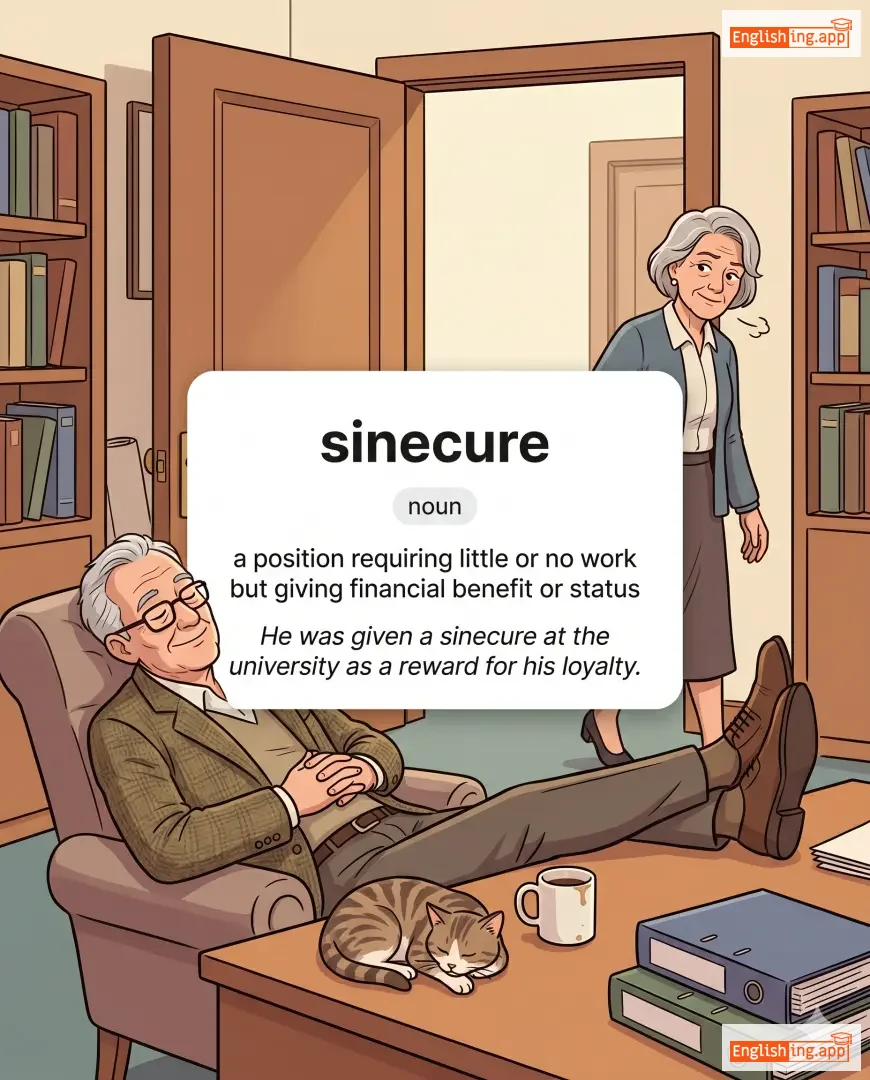
a position requiring little or no work but giving financial benefit or status
••••••
|
He was given a sinecure at the university as a reward for his loyalty. |
彼は大学で忠誠心の報酬として楽な仕事を与えられました。
Kare wa daigaku de chūseishin no hōshū to shite rakuna shigoto o ataeraremashita.
••••••
|
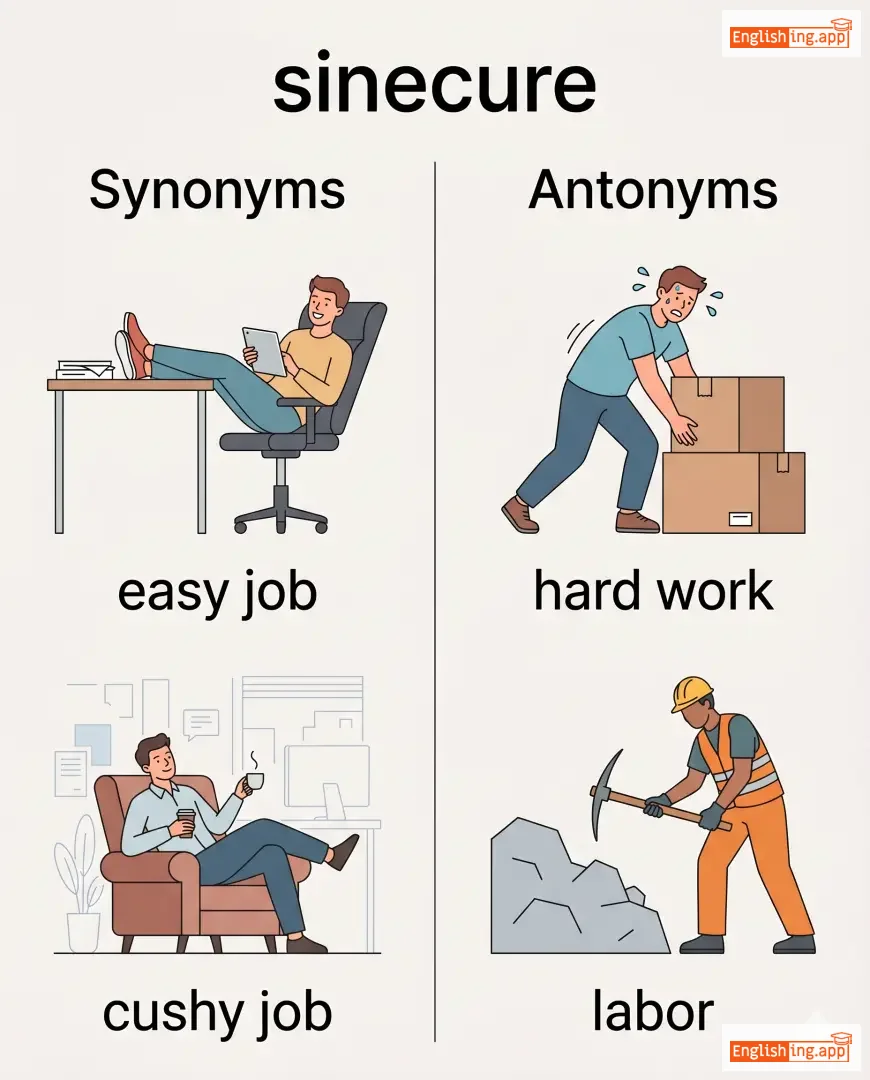
- •••••• | - •••••• | - •••••• |
easy job, cushy job, honorary position, figurehead role
••••••
|
hard work, labor, drudgery
••••••
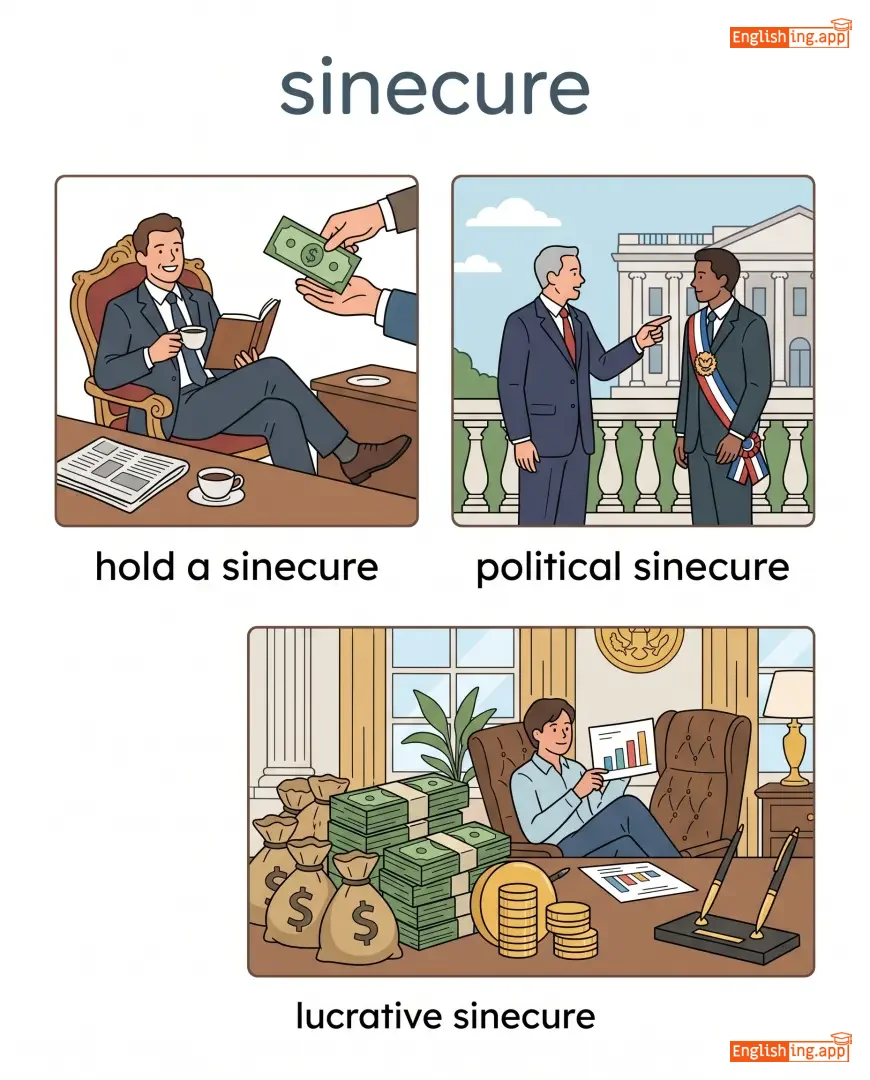
|
hold a sinecure, political sinecure, lucrative sinecure, sinecure position
••••••
|
SINE 努力なしで楽な仕事
••••••
|
|
🌟
••••••
|
/ˈsɪŋɡjələr/
adjective, noun
(シンギュラー)
••••••
|
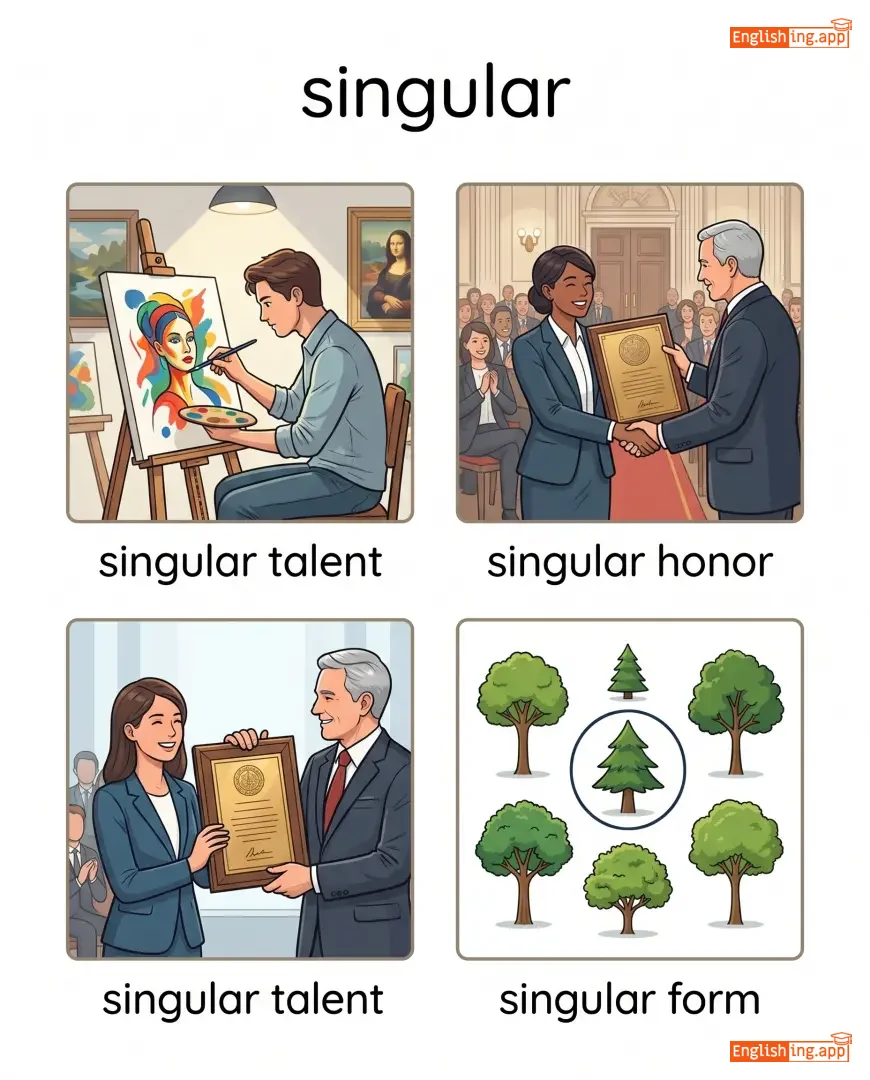
|
非凡 / 単数
hiban / tansuu
••••••
|
- •••••• | - •••••• | - •••••• | - •••••• |
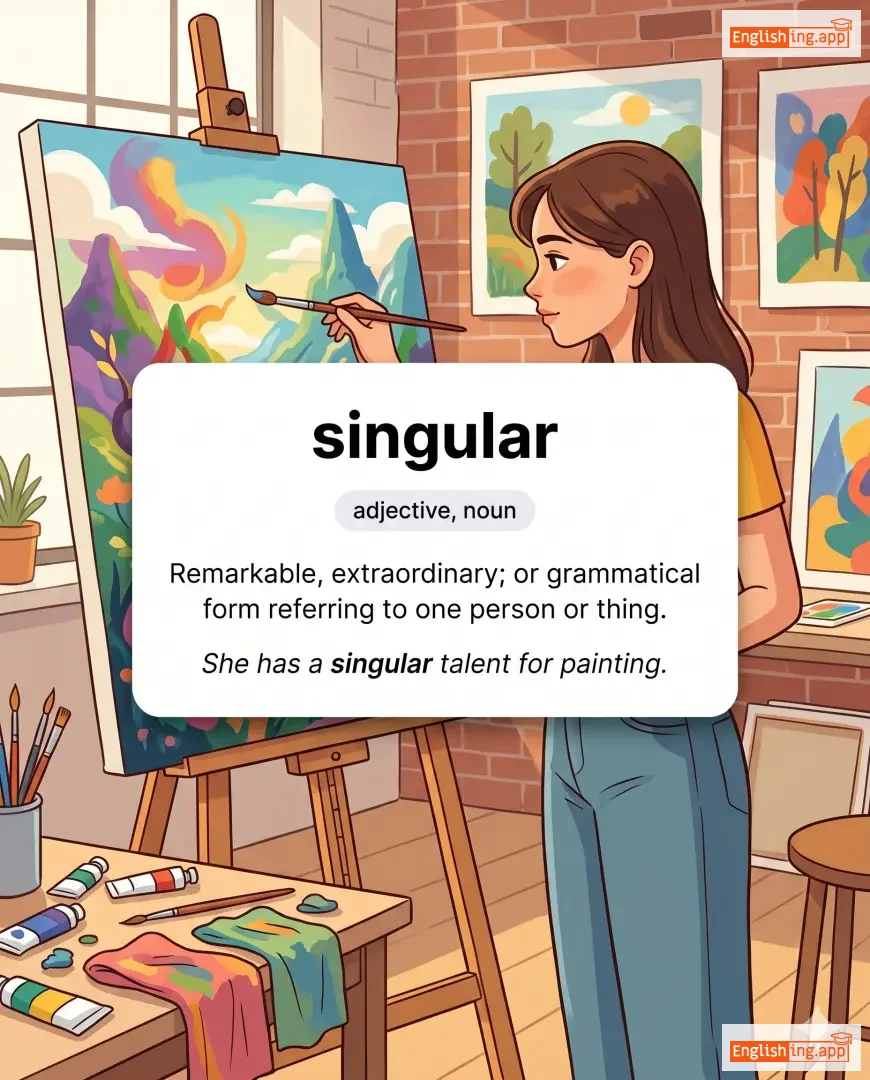
Remarkable, extraordinary; or grammatical form referring to one person or thing.
••••••
|
She has a singular talent for painting. |
彼女は絵画において非凡な才能を持っています。
Kanojo wa kaiga ni oite hiban na sainou o motteimasu.
••••••
|
singular focus |
Exclusive concentration on one thing.
••••••
|
単一の集中
tansuu no shuuchuu
••••••
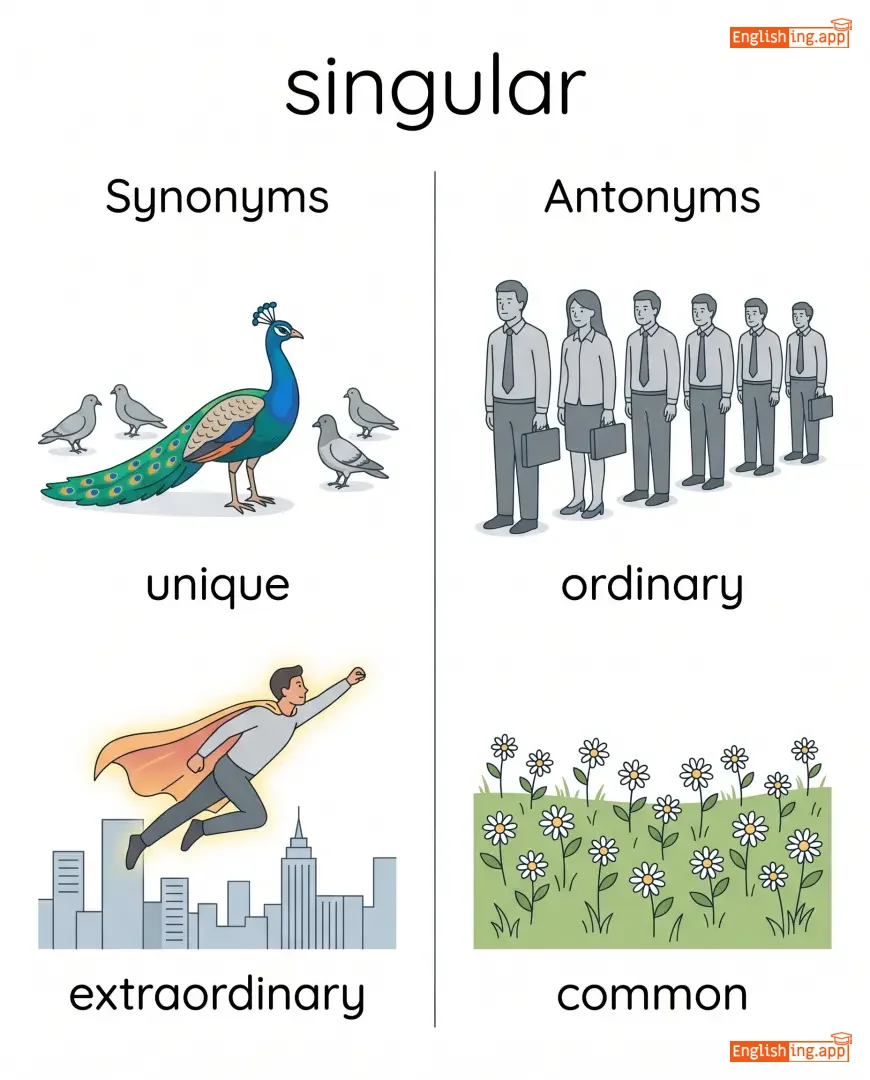
|
unique, extraordinary, remarkable, exceptional
••••••
|
ordinary, common, usual
••••••
|
singular talent, singular honor, singular form
••••••
|
Singular = 一つで、注目すべき 🌟
••••••
|
|
〰️
••••••
|
/ˈsɪnjuəs/
adjective
(シニュアス)
••••••
|
|
曲がりくねった
magarikunetta
••••••
|
- •••••• | - •••••• | - •••••• | - •••••• |
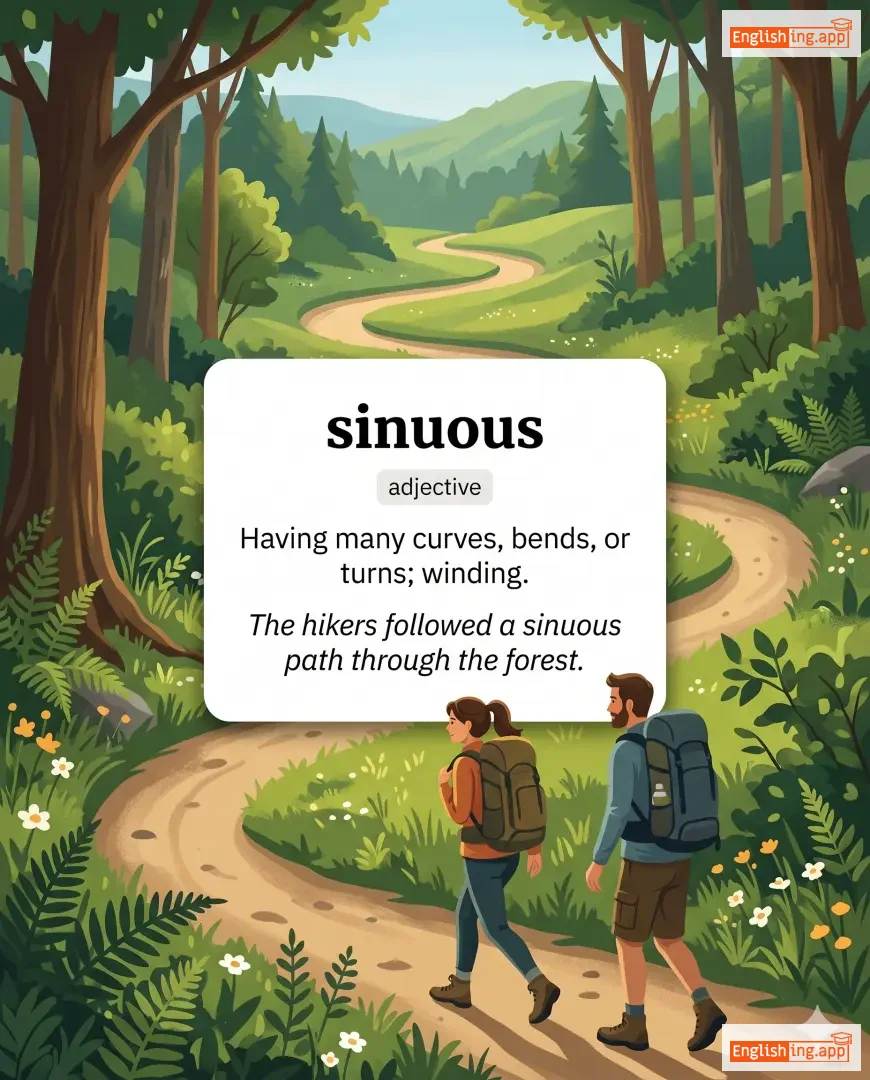
Having many curves, bends, or turns; winding.
••••••
|
The hikers followed a sinuous path through the forest. |
ハイカーたちは森を通る曲がりくねった道を進んだ。
Haikaa-tachi wa mori wo tooru magarikunetta michi wo sunda.
••••••
|
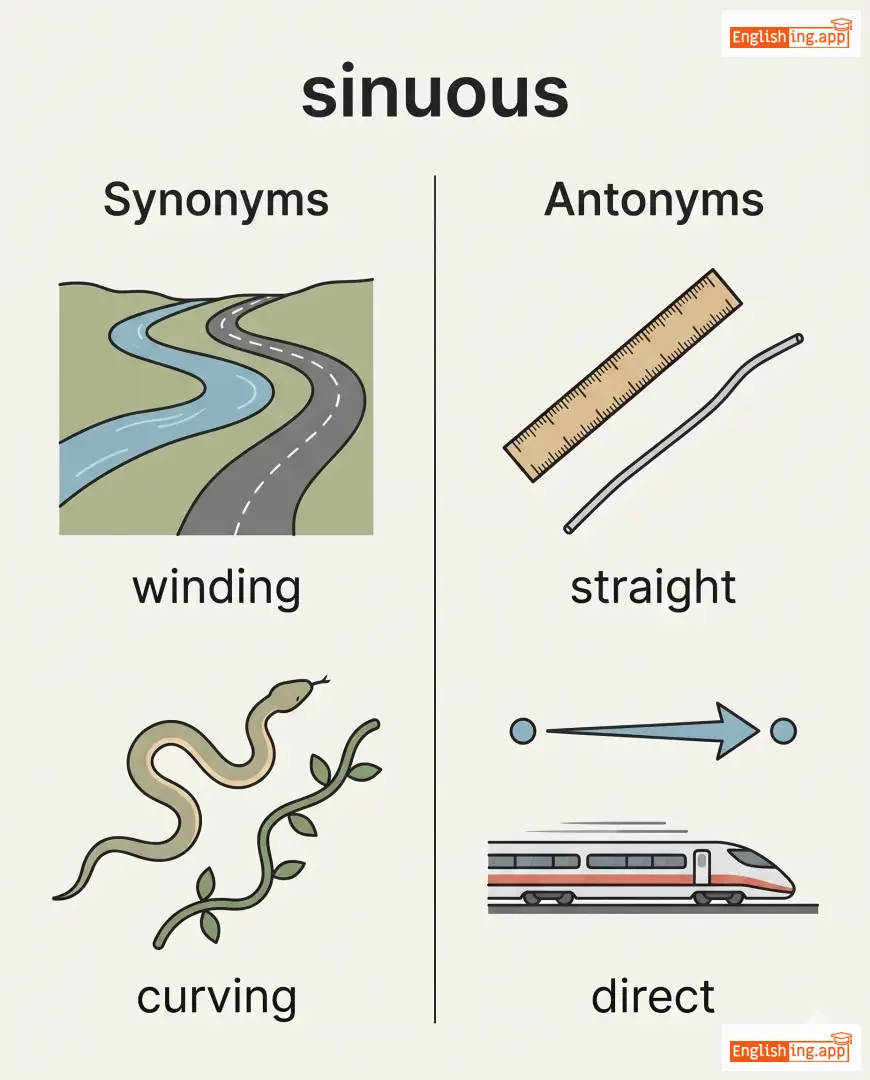
- •••••• | - •••••• | - •••••• |
winding, curving, twisting, meandering, serpentine
••••••
|
straight, direct, linear
••••••
|
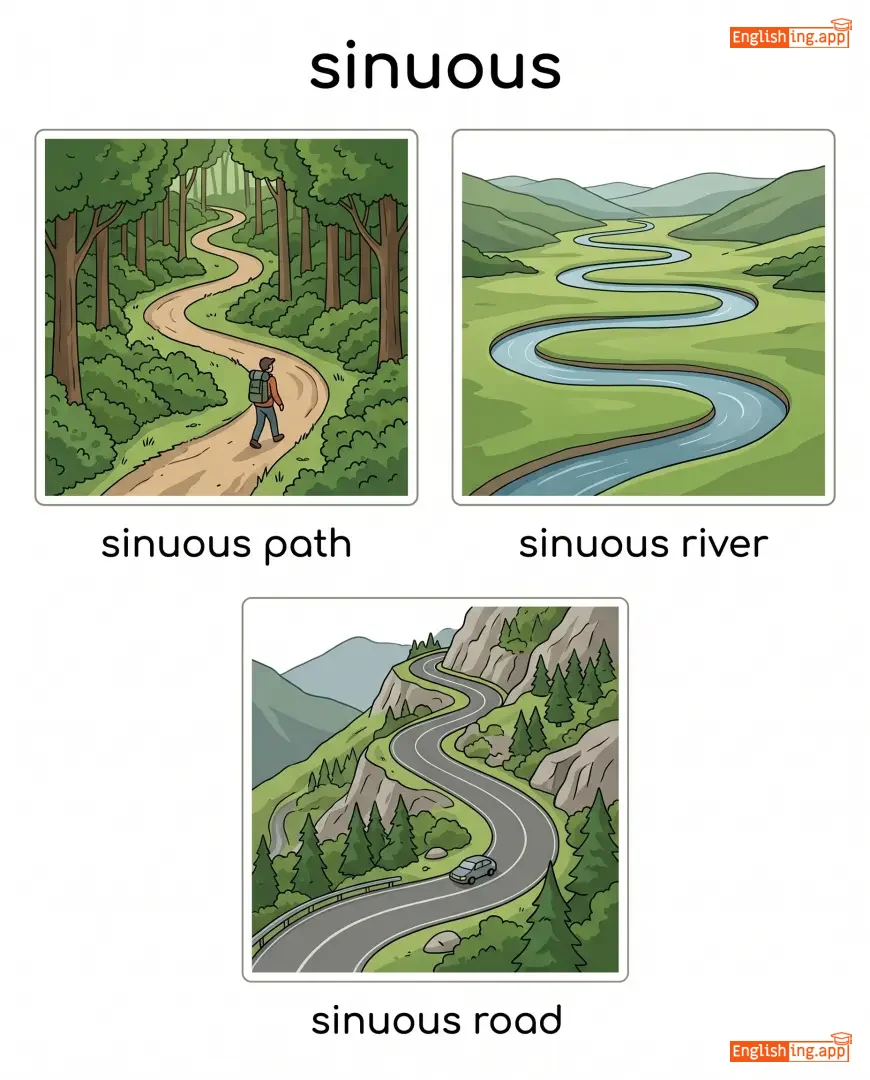
sinuous path, sinuous river, sinuous road, sinuous line
••••••
|
曲がりくねった道は蛇のように曲がっている道です。
••••••
|
|
🤔
••••••
|
/ˈskɛptɪk/
noun
(スケプティック)
••••••
|

|
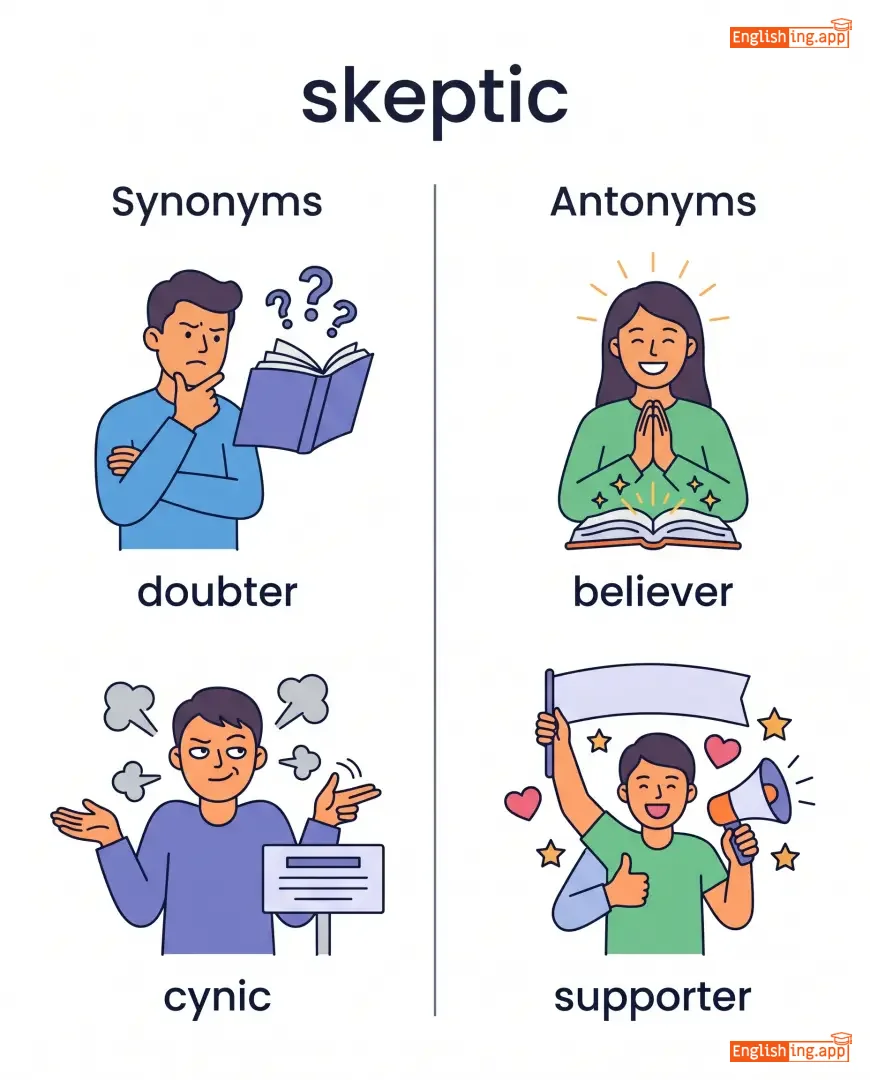
懐疑論者
kaigironsha
••••••
|
- •••••• | - •••••• | - •••••• | - •••••• |
A person who doubts or questions accepted beliefs or claims.
••••••
|
The scientist was a skeptic of theories without solid evidence. |
その科学者は確固たる証拠のない理論に懐疑的でした。
Sono kagakusha wa kakotaru shouko no nai riron ni kaigiteki deshita.
••••••
|
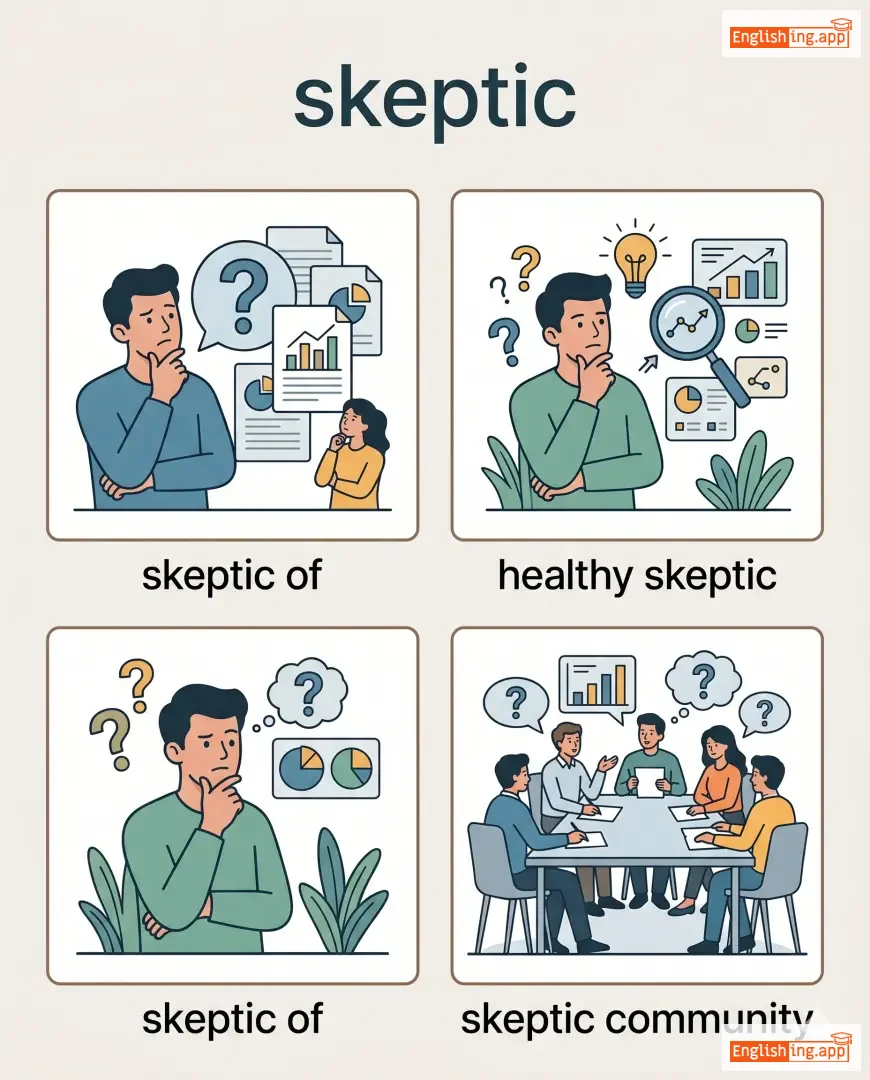
healthy skeptic |
A person who doubts claims in a rational and balanced way.
••••••
|
健康的な懐疑論者
kenkouteki na kaigironsha
••••••
|
doubter, cynic, questioner, disbeliever
••••••
|
believer, supporter
••••••
|
skeptic of, healthy skeptic, skeptic community, skeptic movement
••••••
|
懐疑論者はすべてに疑問を抱く、まるで真実を追い求める探偵のように。
••••••
|
|
🚫🍷
••••••
|
/səˈbraɪəti/
noun
(ソブリアティ)
••••••
|

|
節制
sessē
••••••
|
- •••••• | - •••••• | - •••••• | - •••••• |
the state of being sober; self-restraint and seriousness
••••••
|
He has maintained his sobriety for five years. |
彼は5年間その節制を保っています。
Kare wa go-nenkan sono sessē o tamotteimasu.
••••••
|
- •••••• | - •••••• | - •••••• |
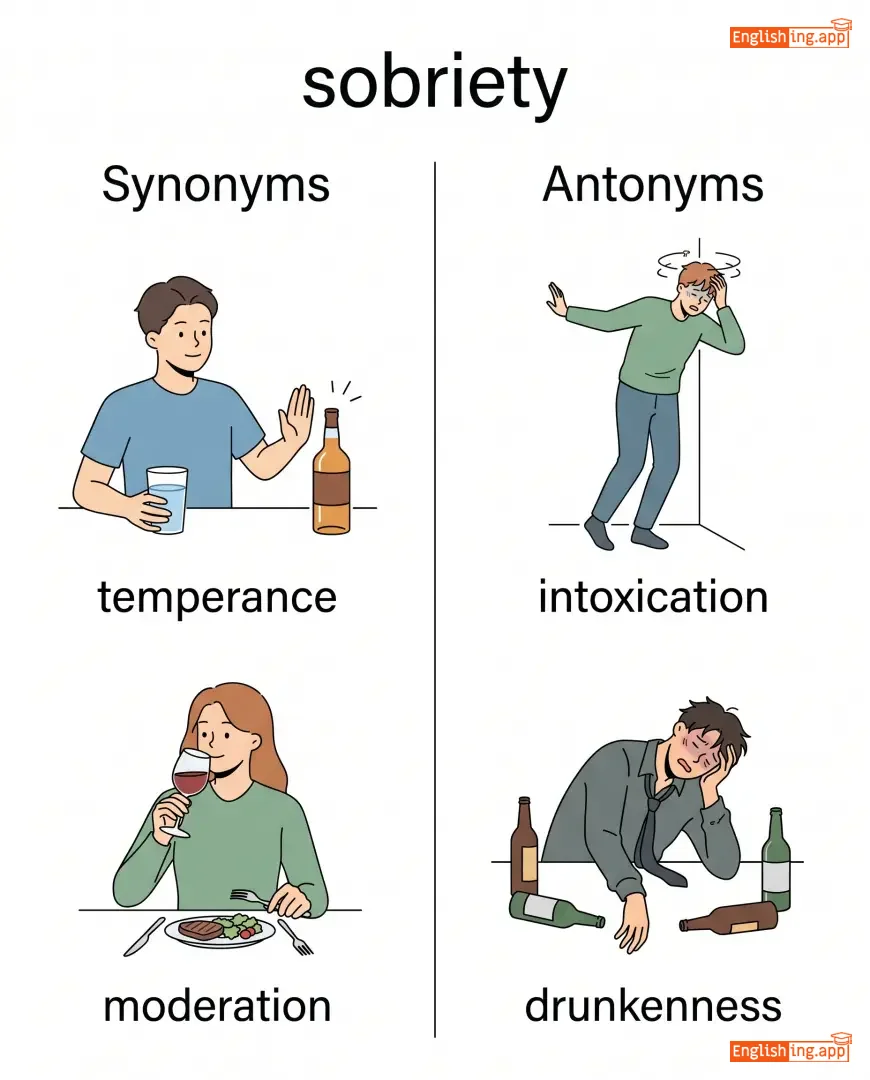
temperance, moderation, restraint, seriousness, abstinence
••••••
|
intoxication, drunkenness, excess
••••••
|
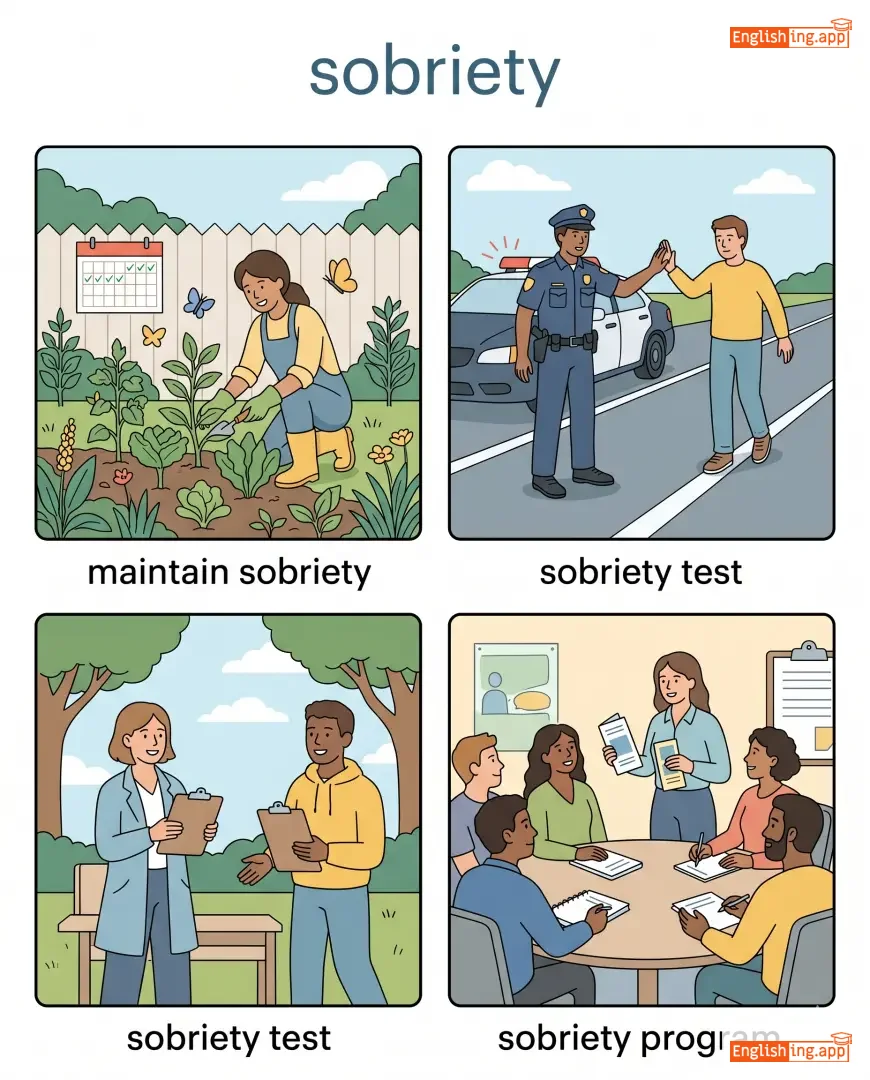
maintain sobriety, sobriety test, sobriety program, lifelong sobriety
••••••
|
Sobrietyは節制状態を意味する — no 🍷, ただ節制 🚫
••••••
|
|
💧
••••••
|
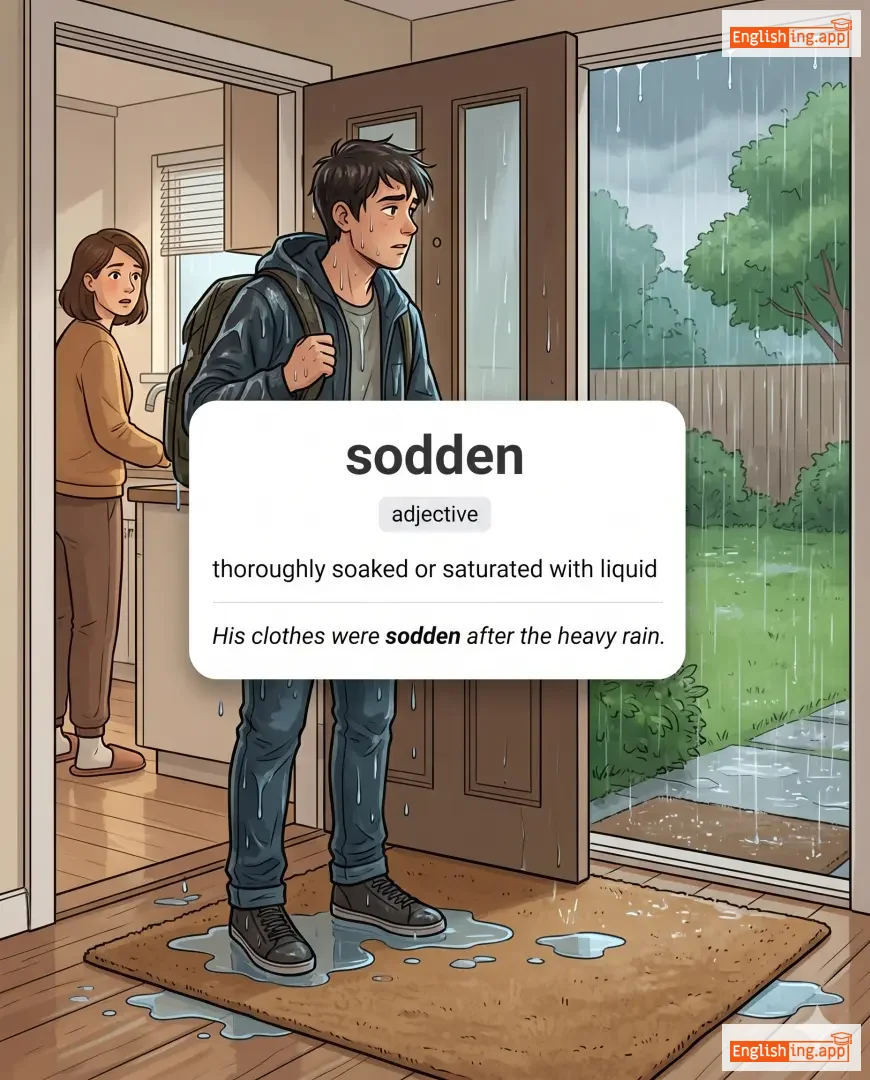
/ˈsɑːdn/
adjective
(ソデン)
••••••
|
|
ずぶぬれ
zubonure
••••••
|
- •••••• | - •••••• | - •••••• | - •••••• |
thoroughly soaked or saturated with liquid
••••••
|
His clothes were sodden after the heavy rain. |
彼の服は激しい雨の後でずぶぬれになった。
Kare no fuku wa hageshī ame no ato de zubonure ni natta.
••••••
|
- •••••• | - •••••• | - •••••• |
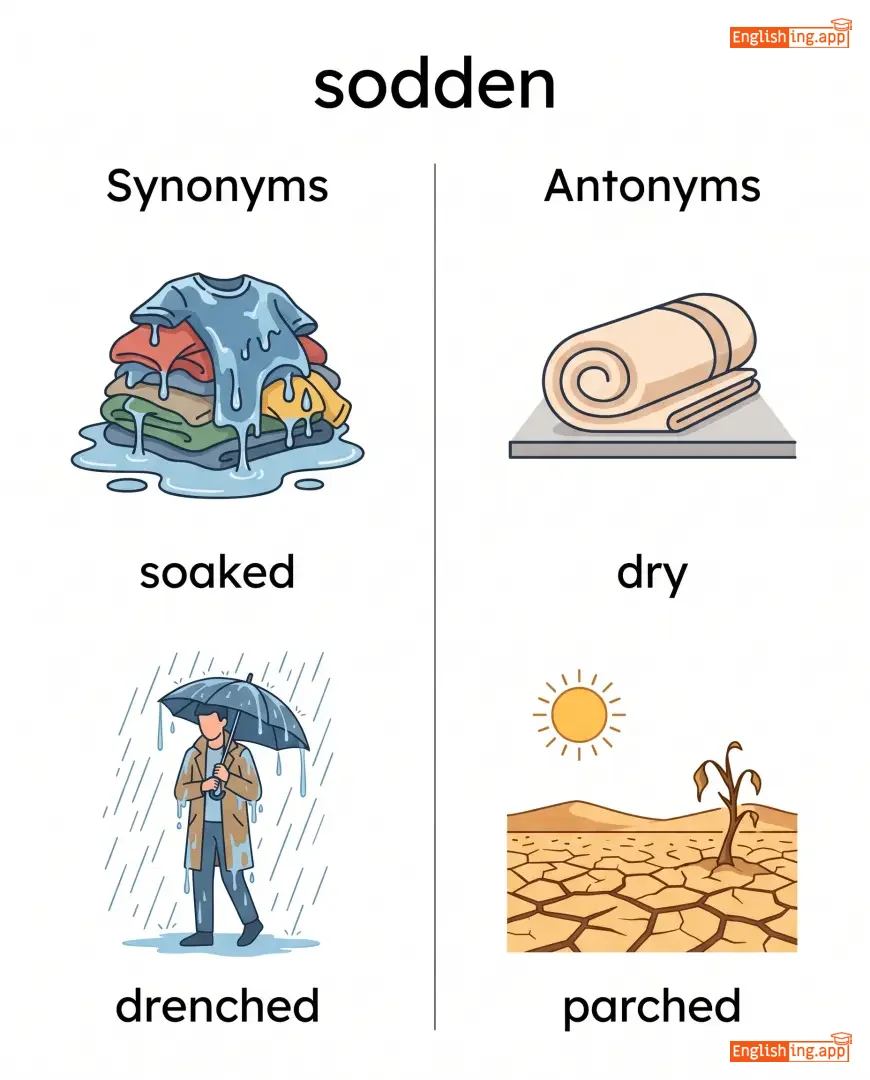
soaked, drenched, saturated, soggy
••••••
|
dry, parched
••••••
|
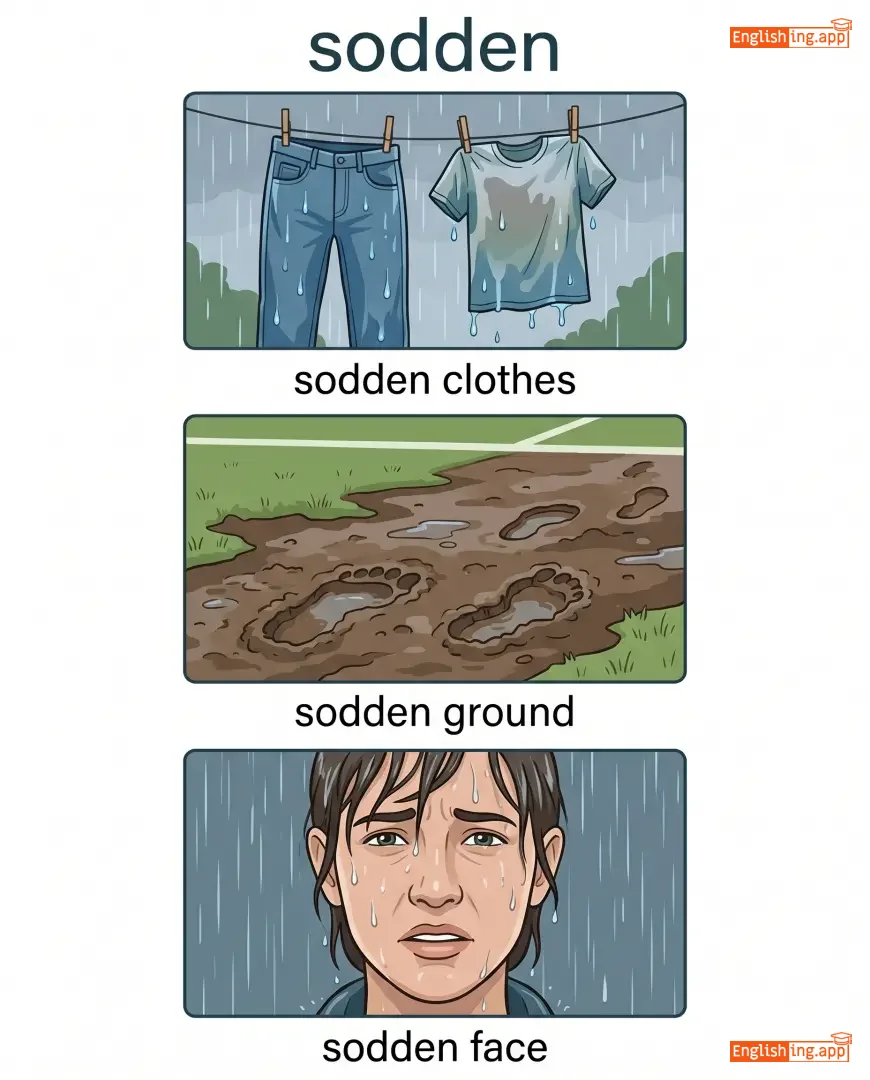
sodden clothes, sodden ground, sodden face
••••••
|
Soddenは 'soaked den' と似ている → ずぶぬれ
••••••
|
|
💖
••••••
|
/səˈlɪsɪtəs/
adjective
(ソリシタス)
••••••
|
|
思いやり
omoiyari
••••••
|
- •••••• | - •••••• | - •••••• | - •••••• |
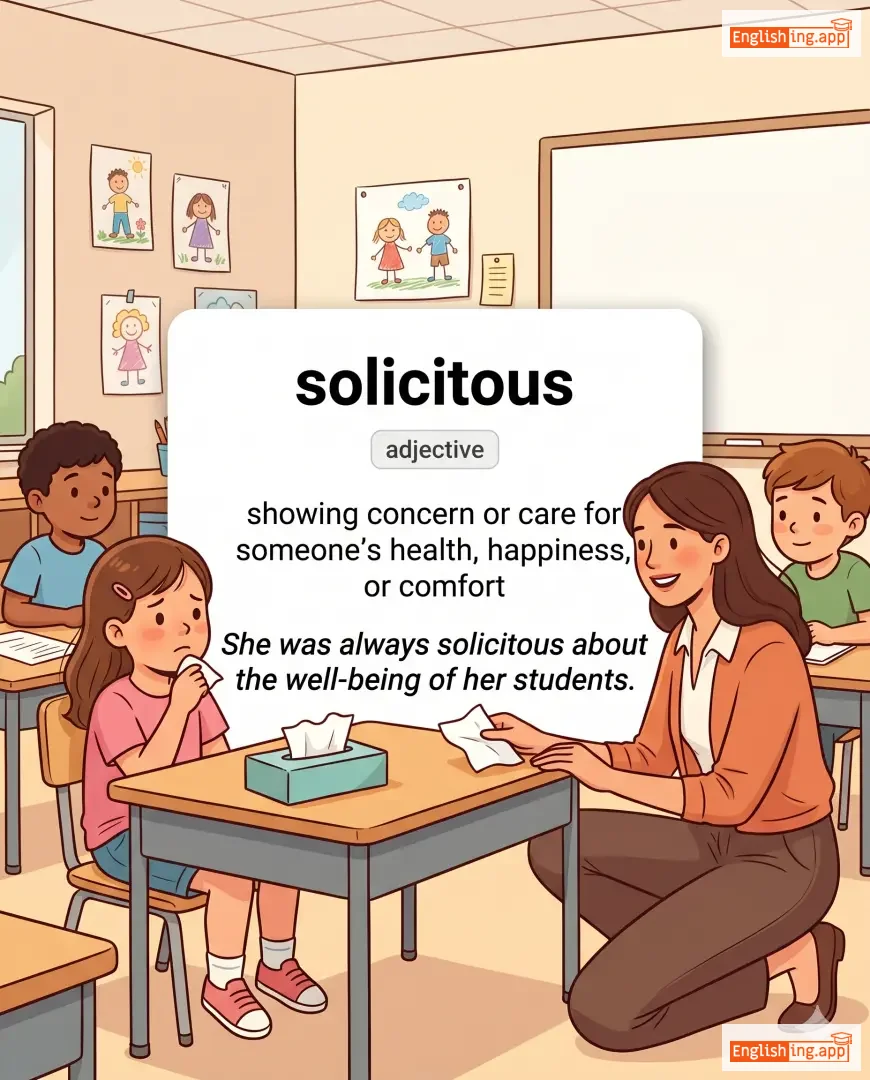
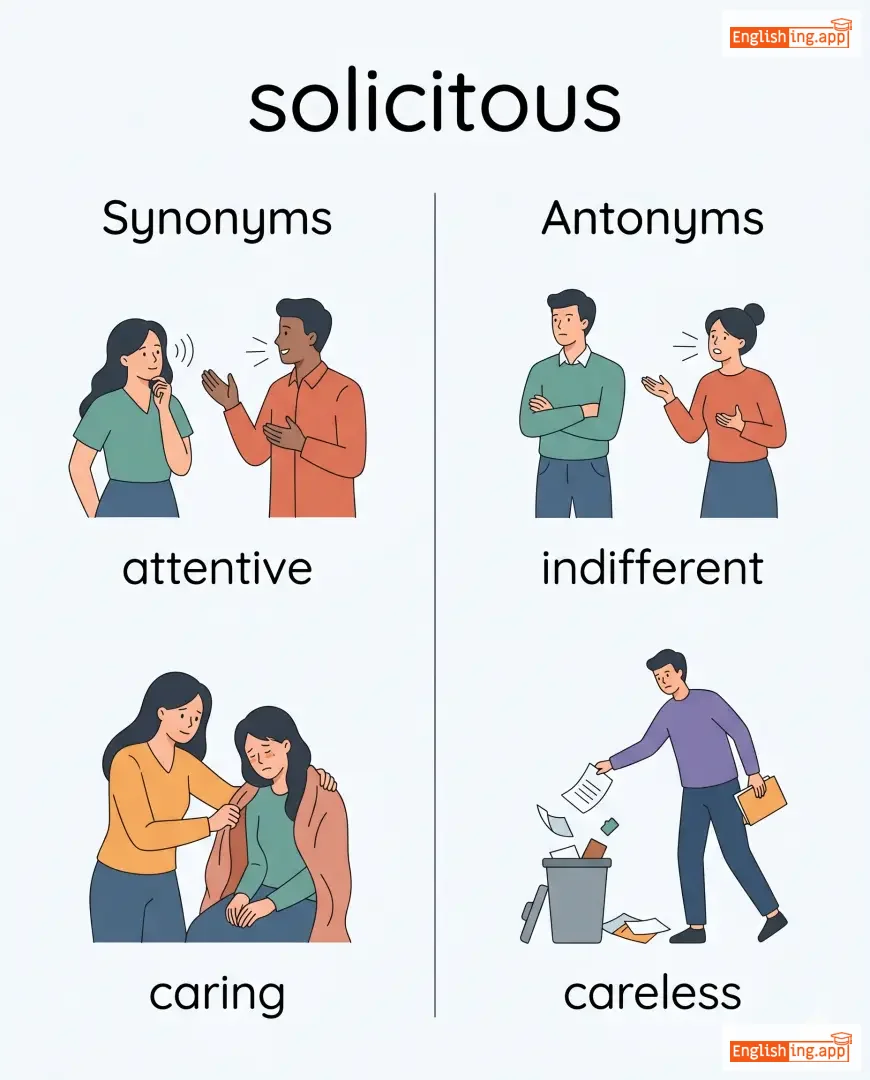
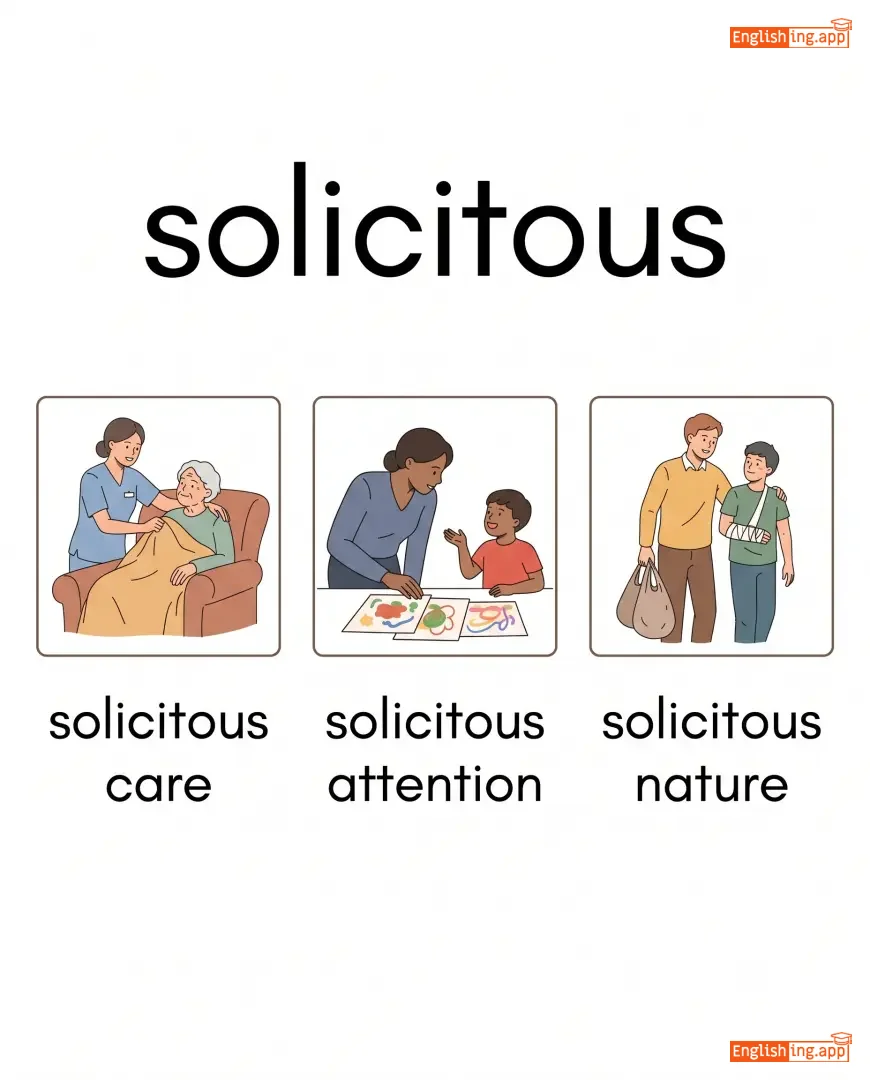
showing concern or care for someone's health, happiness, or comfort
••••••
|
She was always solicitous about the well-being of her students. |
彼女はいつも学生たちの幸福に気を配っていました。
Kanojo wa itsumo gakusei-tachi no kōfuku ni ki o kubatte imashita.
••••••
|
- •••••• | - •••••• | - •••••• |
attentive, caring, concerned, considerate, thoughtful
••••••
|
indifferent, careless, neglectful
••••••
|
solicitous care, solicitous attention, solicitous nature
••••••
|
Solicitousは思いやりを意味する、'so listen to us'を思い出して= 思いやり 💖
••••••
|
|
🎭
••••••
|
/səˈlɪləkwi/
noun
(ソリロクイ)
••••••
|

|
独白
dohaku
••••••
|
- •••••• | - •••••• | - •••••• | - •••••• |
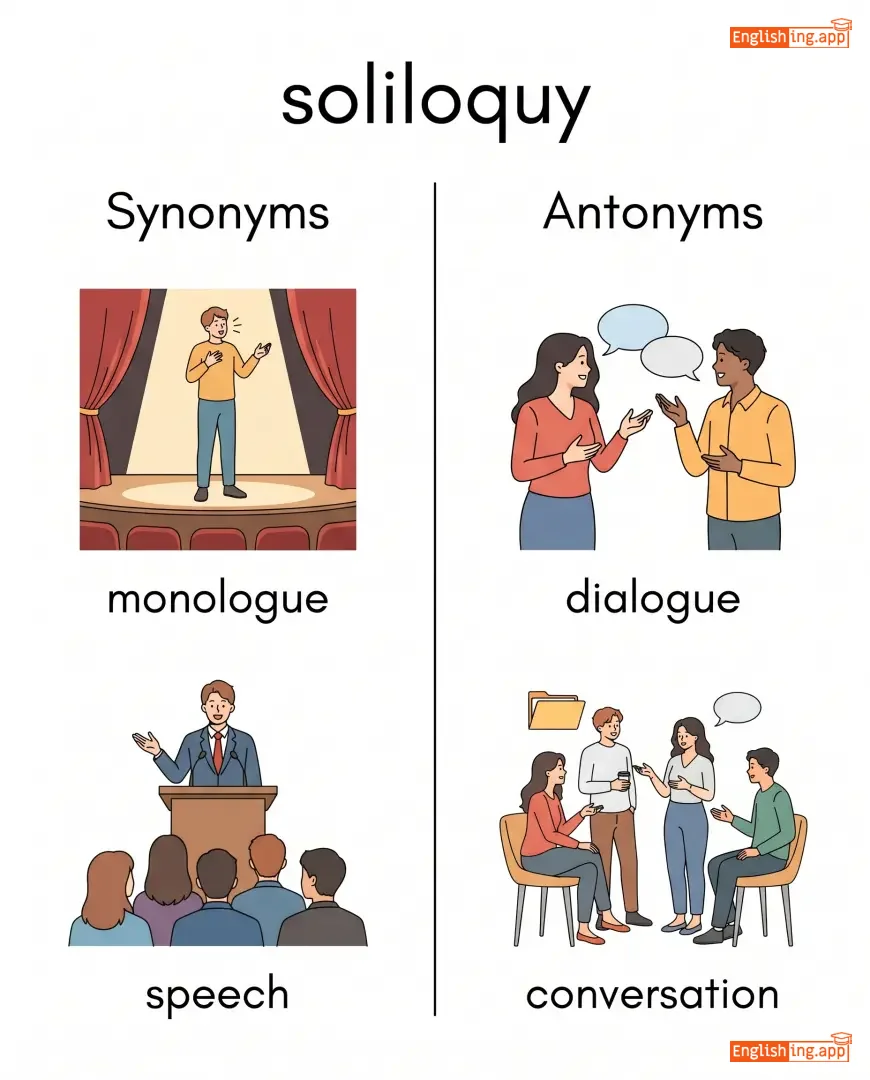
a speech in which a character talks to themselves, often used in drama to reveal inner thoughts
••••••
|
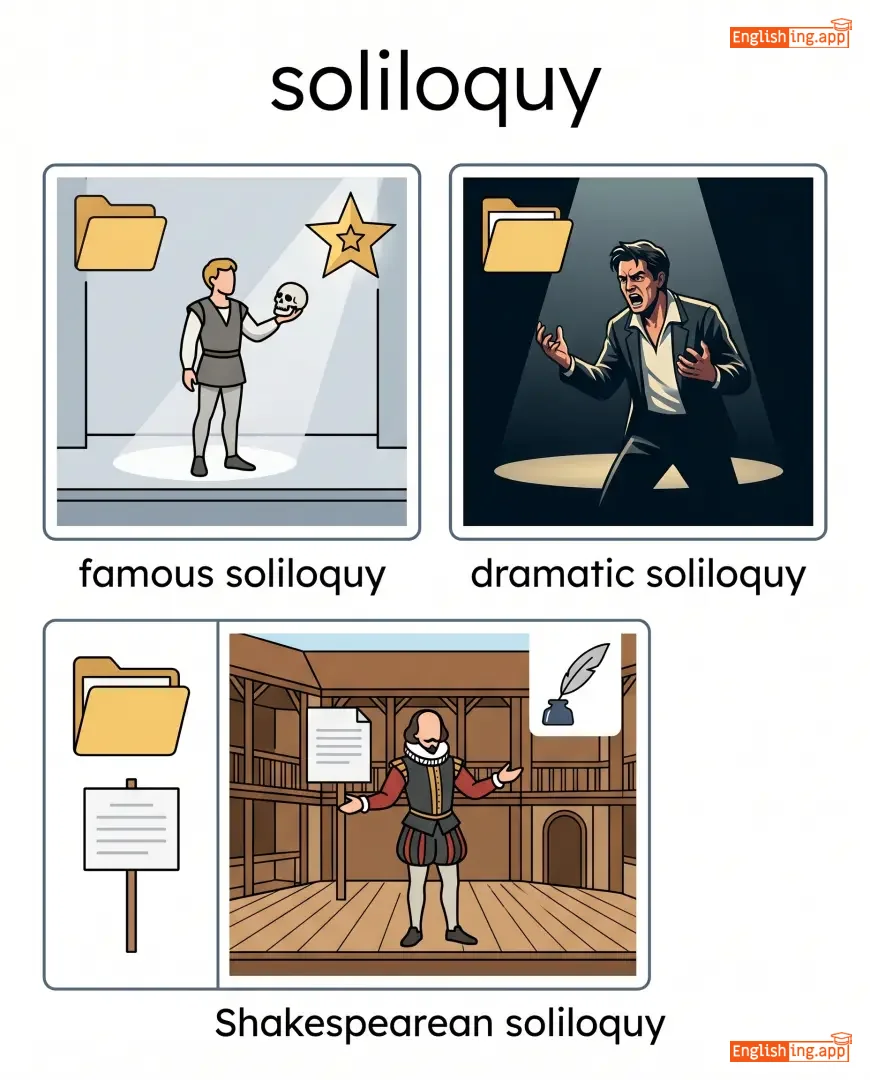
Hamlet's soliloquy is one of the most famous passages in Shakespearean drama. |
ハムレットの独白はシェイクスピアのドラマの中で最も有名なパッセージの一つです。
Hamuretto no dohaku wa Sheikusupia no dorama no naka de mottomo yūmei na passēji no hitotsu desu.
••••••
|
- •••••• | - •••••• | - •••••• |
monologue, speech, oration, address, discourse
••••••
|
dialogue, conversation
••••••
|
famous soliloquy, dramatic soliloquy, Shakespearean soliloquy, deliver a soliloquy
••••••
|
ド (独) + 白 (話す) → 自分で話す
••••••
|
|
🧪
••••••
|
/ˈsɒlvənt/
noun, adjective
(ソルベント)
••••••
|
|
溶剤, 債務を支払う能力
yōzai, saimu o shiharau nōryoku
••••••
|
- •••••• | - •••••• | - •••••• | - •••••• |
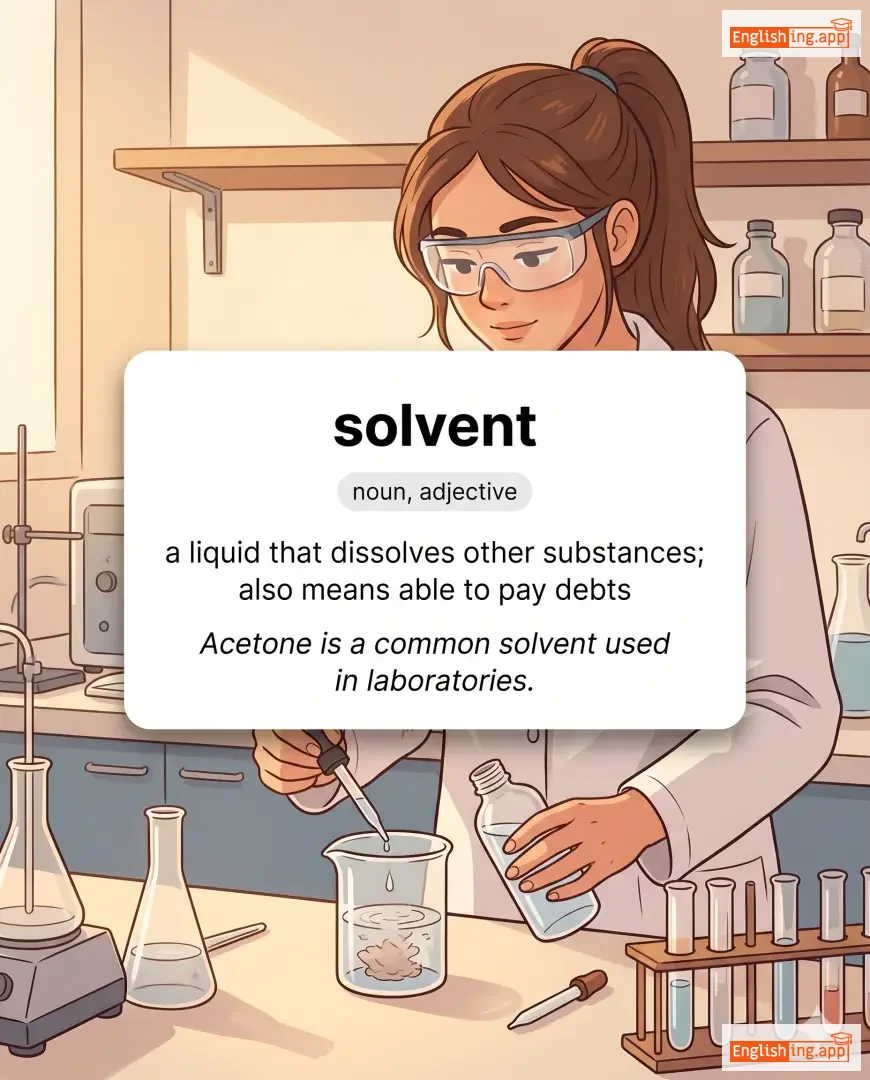
a liquid that dissolves other substances; also means able to pay debts
••••••
|
Acetone is a common solvent used in laboratories.
アセトンは実験室でよく使われる溶剤です。
••••••
|
アセトンは実験室でよく使われる溶剤です。
Aseton wa jikken-shitsu de yoku tsukawareru yōzai desu.
••••••
|
solvent company
支払能力のある会社
••••••
|
a company that is financially stable and able to pay its debts
••••••
|
財務が安定した会社
zaimu ga antei shita kaisha
••••••
|
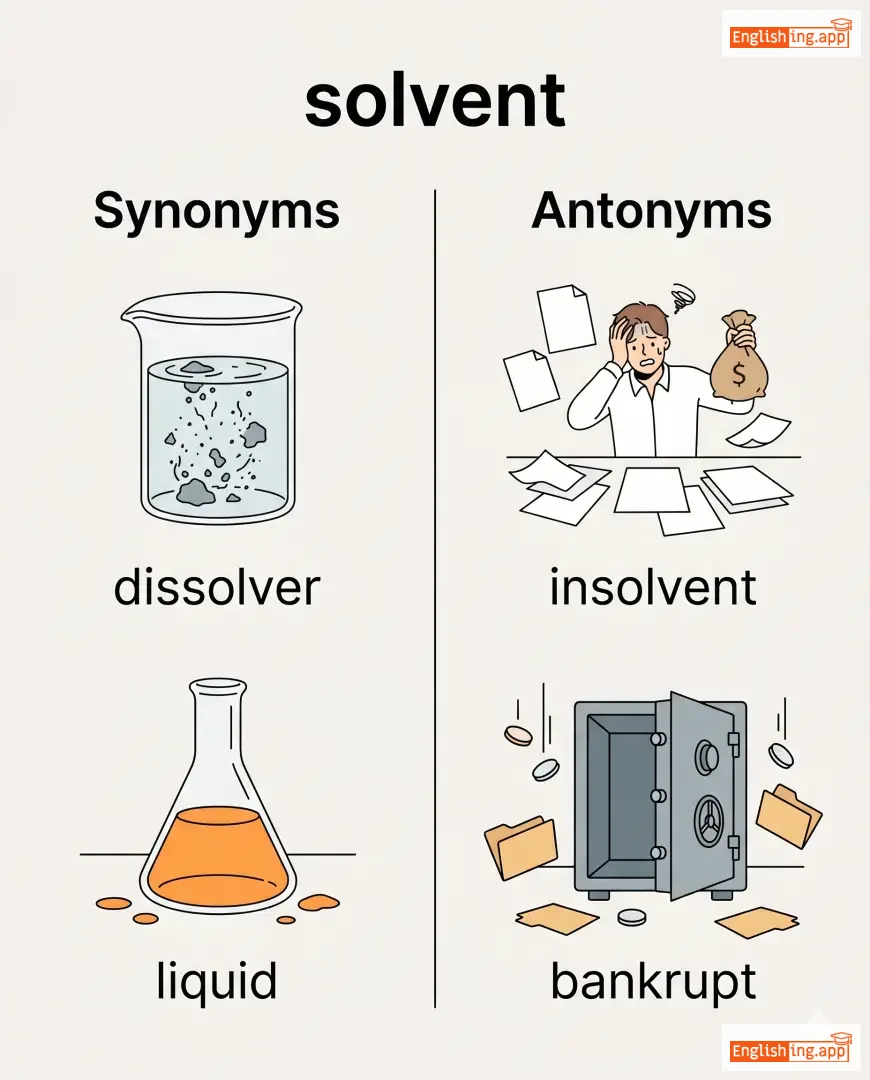
dissolver, liquid, solution, stable, viable
••••••
|
insolvent, bankrupt
••••••
|
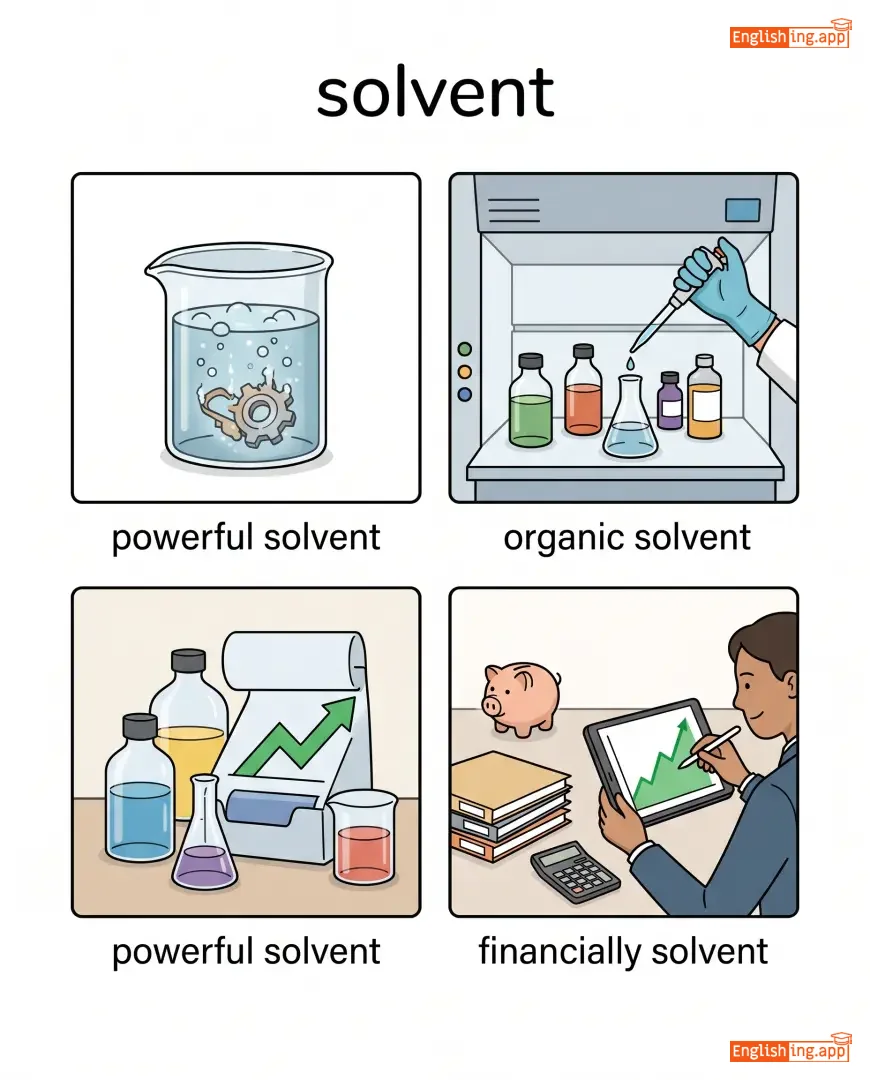
powerful solvent, organic solvent, financially solvent, solvent company
••••••
|
Solve + rent → 債務を支払える会社は solvent です
••••••
|
|
💪
••••••
|
/səˈmætɪk/
adjective
(ソマティック)
••••••
|
|
身体的
shintai teki
••••••
|
- •••••• | - •••••• | - •••••• | - •••••• |
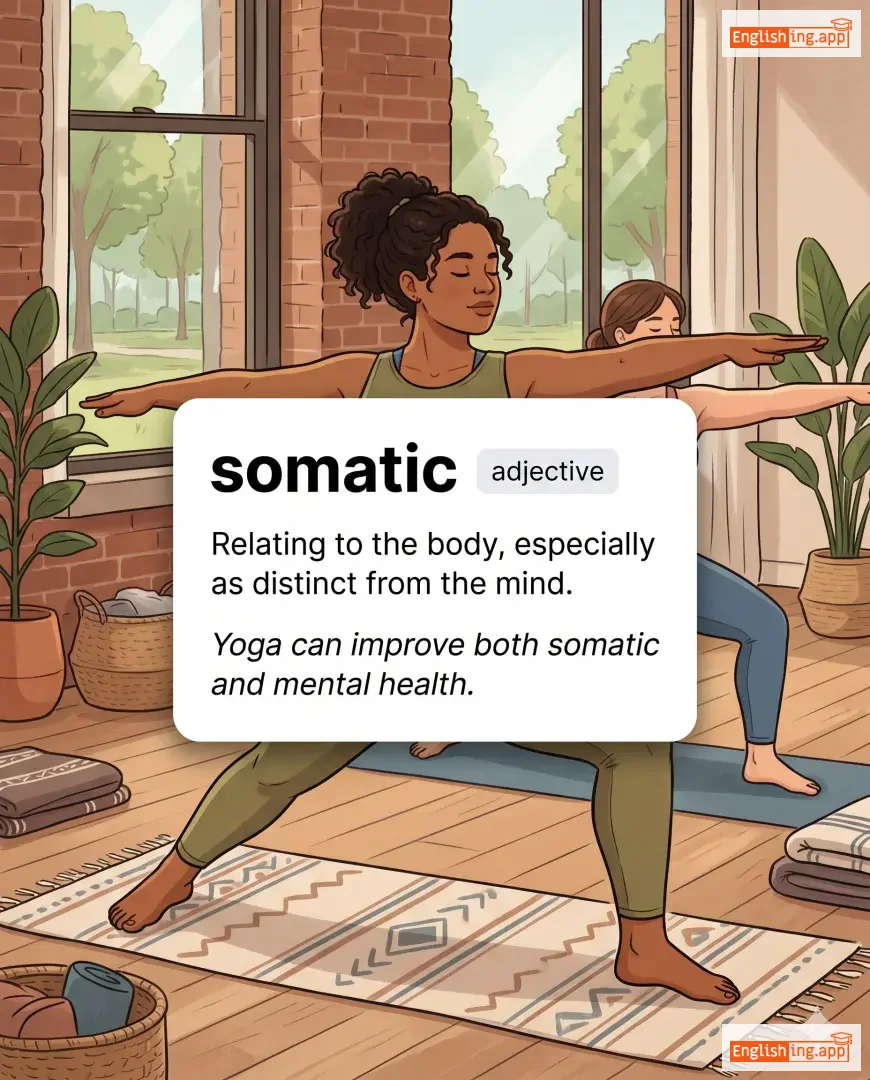
Relating to the body, especially as distinct from the mind.
••••••
|
Yoga can improve both somatic and mental health. |
ヨガは身体的および精神的健康を改善することができます。
Yoga wa shintaiteki oyobi seishinteki kenko wo kaizen suru koto ga dekimasu.
••••••
|
- •••••• | - •••••• | - •••••• |
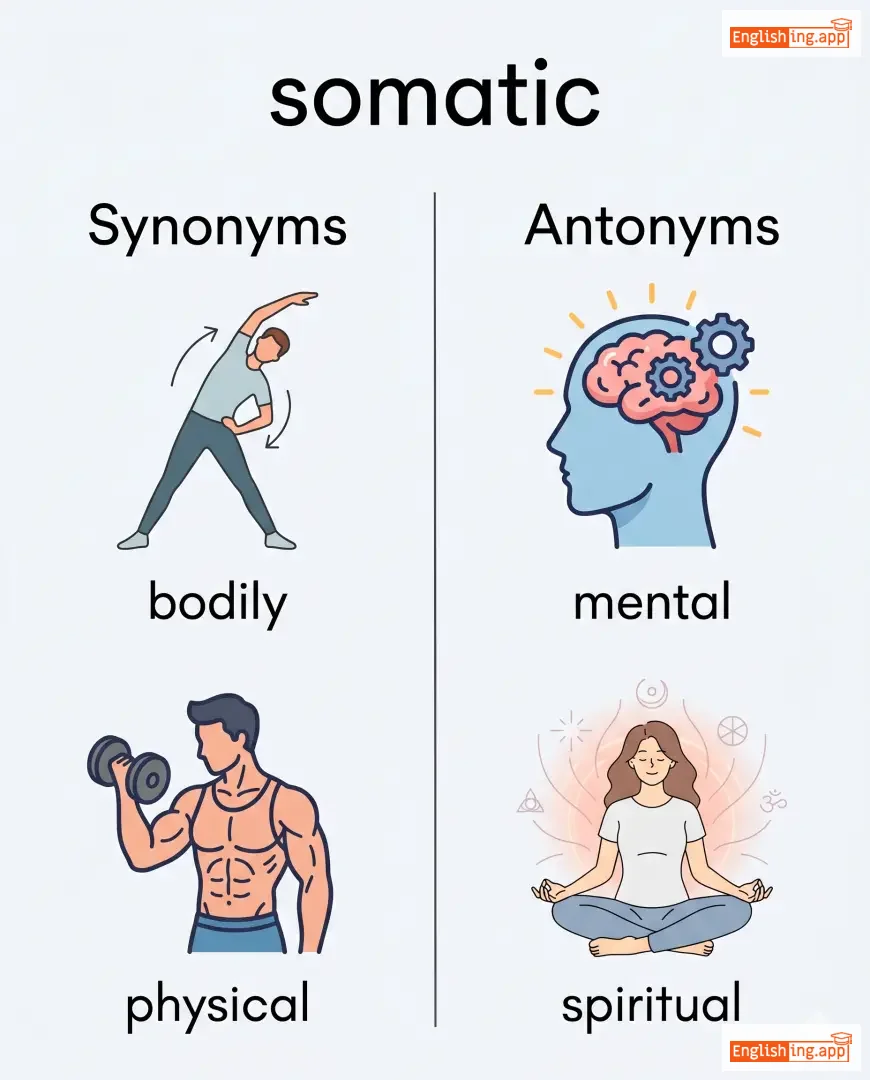
bodily, physical, corporeal, material, anatomical
••••••
|
mental, spiritual, psychic
••••••
|
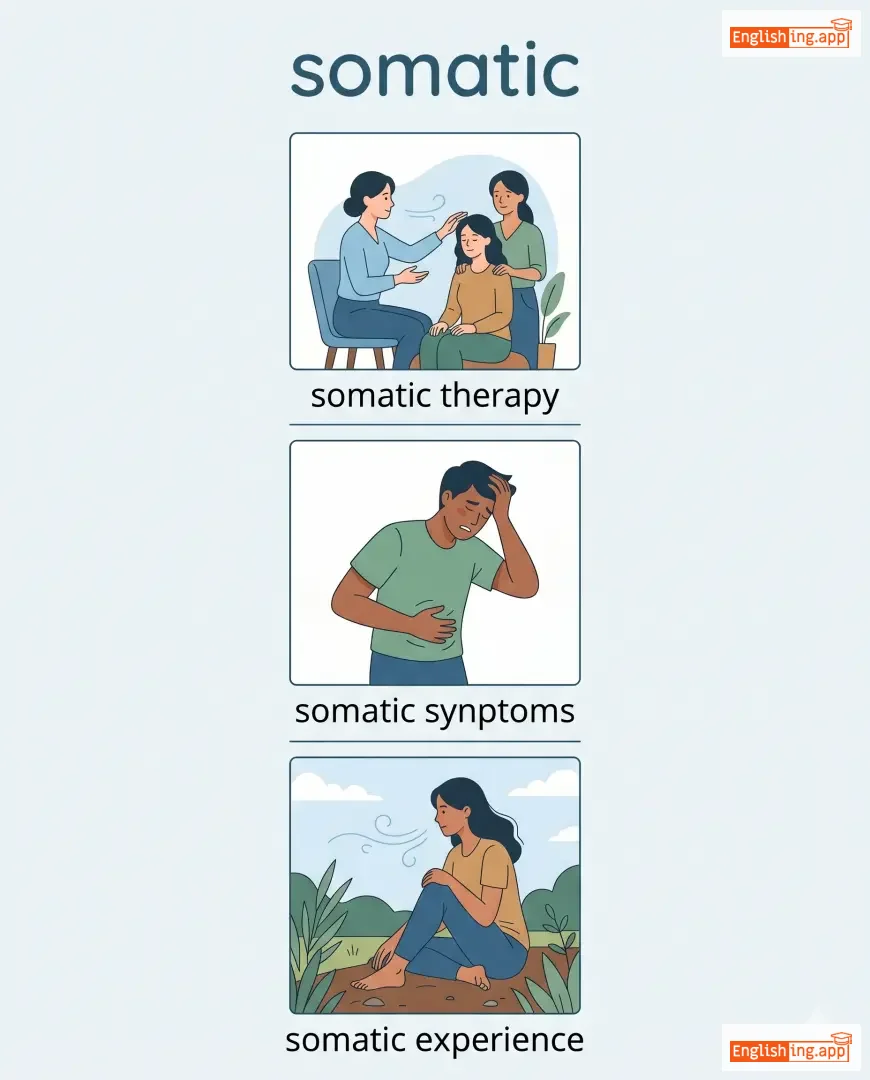
somatic therapy, somatic symptoms, somatic experience, somatic cells
••••••
|
Somaticは身体的に関連する—'ソマ' (So ma)で身体的なイメージを作ろう。
••••••
|
|
😴
••••••
|
/ˌsɒpəˈrɪfɪk/
adjective
(ハピネス)
••••••
|

|
幸せ
shiawase
••••••
|
- •••••• | - •••••• | - •••••• | - •••••• |
tending to induce drowsiness or sleep; causing sleepiness
••••••
|
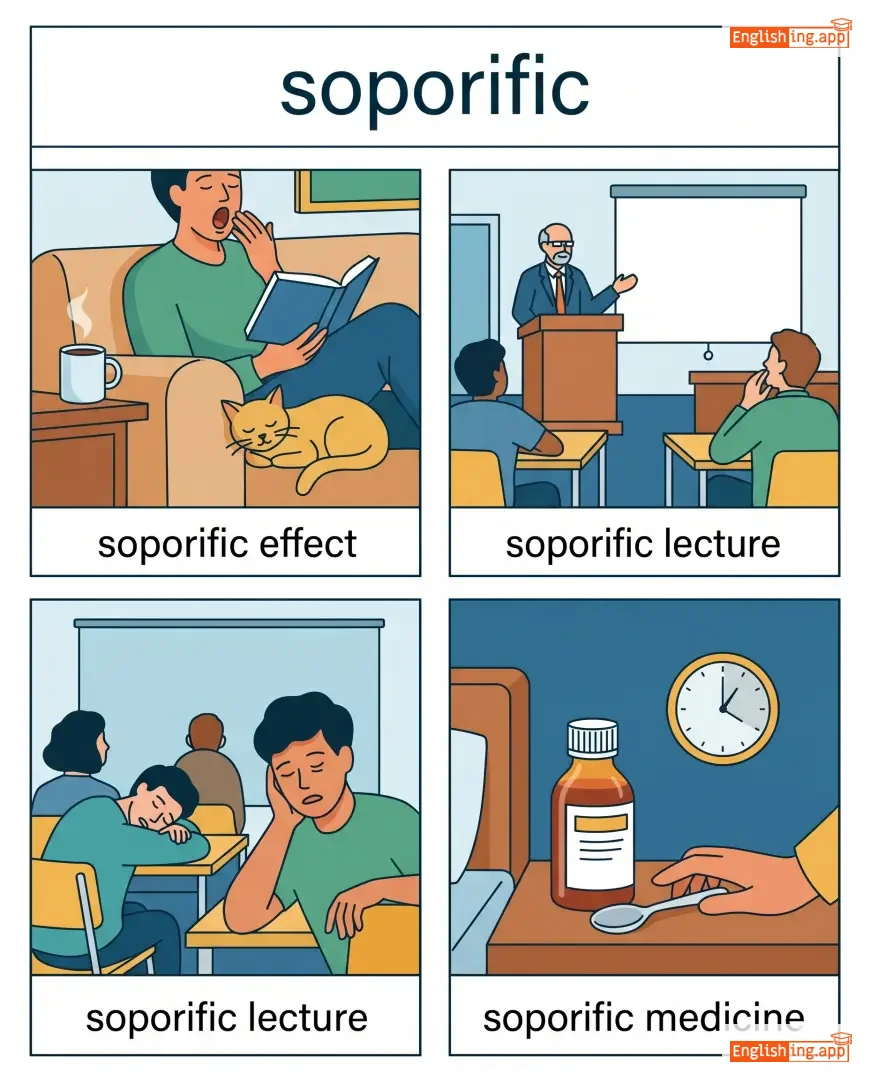
The professor's lecture was so soporific that half the class fell asleep.
彼女は賞を受け取ったとき、その幸せを隠すことができませんでした。
••••••
|
彼女は賞を受け取ったとき、その幸せを隠すことができませんでした。
Kanojo wa shō o uketotta toki, sono shiawase o kakusu koto ga dekimasen deshita.
••••••
|
- •••••• | - •••••• |
幸せの追求
shiawase no tsuikyū
••••••
|
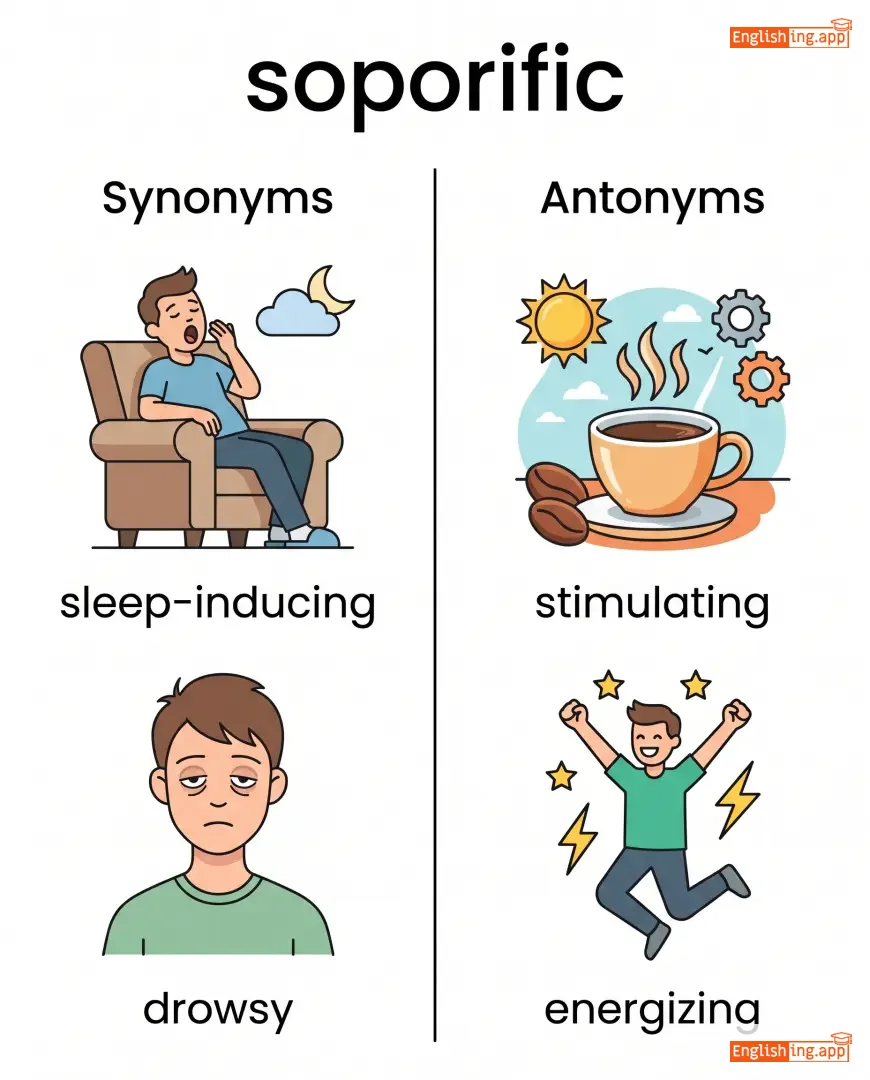
sleep-inducing, drowsy, hypnotic, sedative, calming
••••••
|
stimulating, energizing, exciting
••••••
|
soporific effect, soporific lecture, soporific medicine, soporific atmosphere
••••••
|
幸せ - 幸せに海を感じて、心が満たされる。
••••••
|
|
🕳️
••••••
|
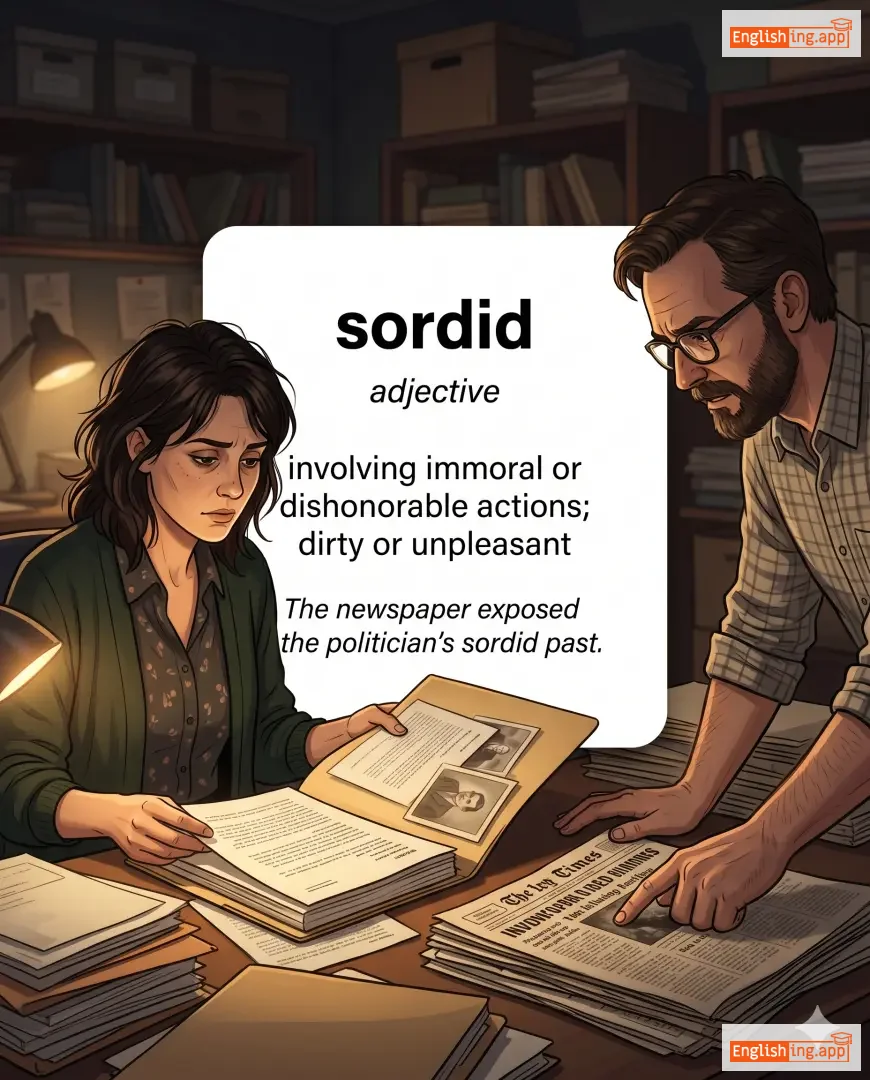
/ˈsɔːrdɪd/
adjective
(ソーディッド)
••••••
|
|
卑劣な
hiretsuna
••••••
|
- •••••• | - •••••• | - •••••• | - •••••• |
involving immoral or dishonorable actions; dirty or unpleasant
••••••
|
The newspaper exposed the politician's sordid past. |
新聞は政治家の卑劣な過去を暴露した。
Shimbun wa seijika no hiretsuna kako o bakuro shita.
••••••
|
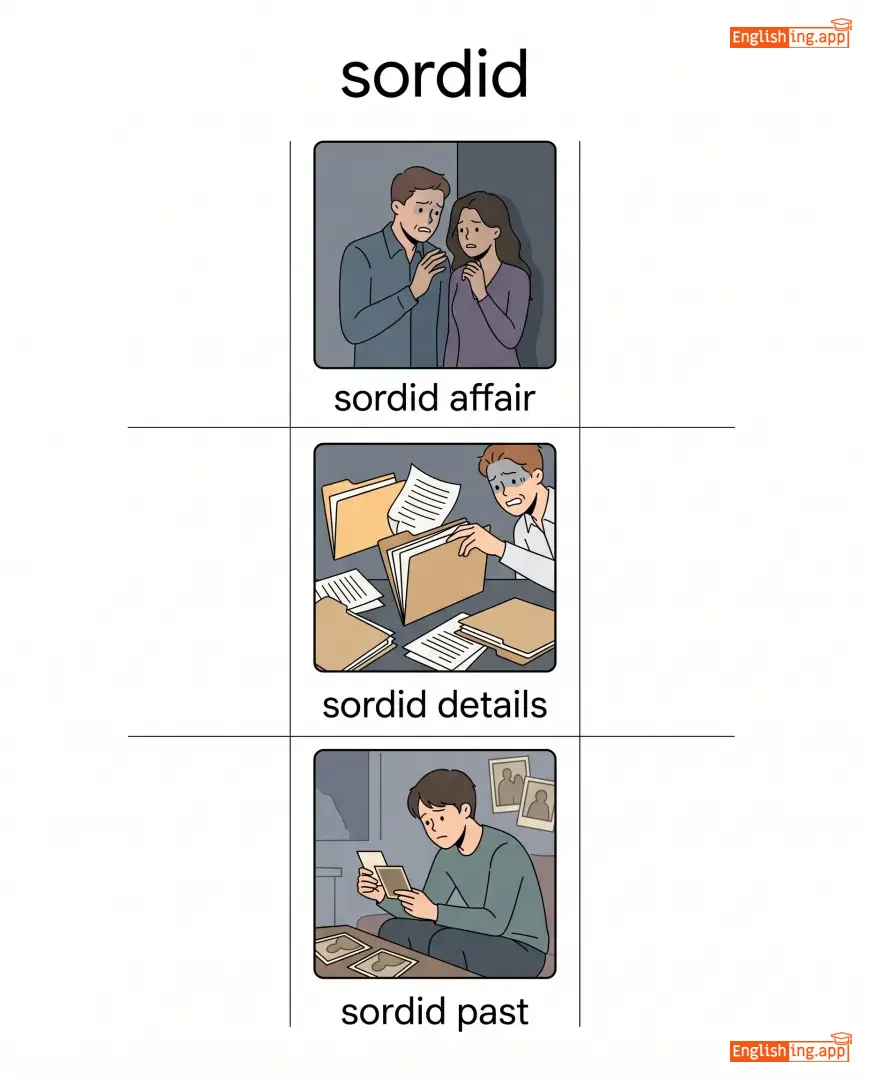
sordid details |
shameful or dirty aspects of a story
••••••
|
卑劣な詳細
hiretsuna shōsai
••••••
|
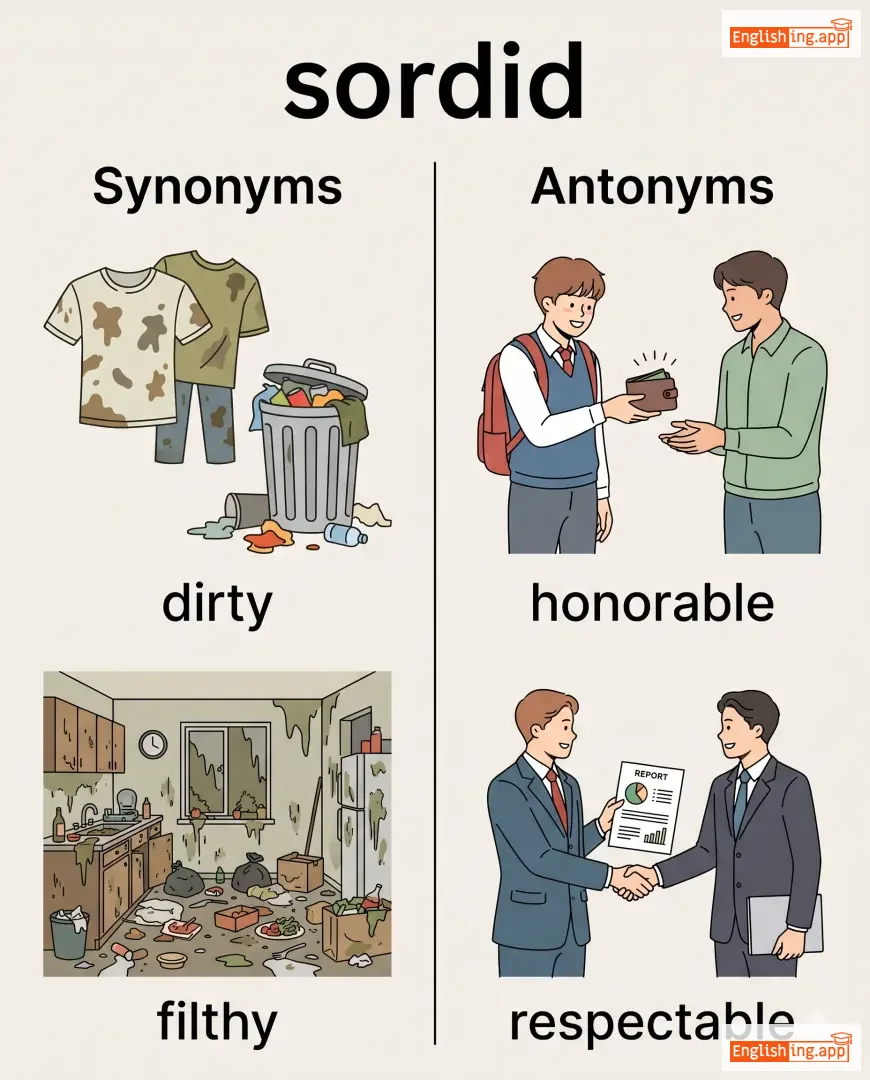
dirty, filthy, shameful, disgraceful, sleazy
••••••
|
honorable, respectable, clean
••••••
|
sordid affair, sordid details, sordid past, sordid scandal
••••••
|
Sordidは 'sorry deed' という意味 - 卑劣な行動
••••••
|
|
🎭
••••••
|
/ˈspiːʃəs/
adjective
(スピシャス)
••••••
|
|
見せかけの
misekake no
••••••
|
- •••••• | - •••••• | - •••••• | - •••••• |
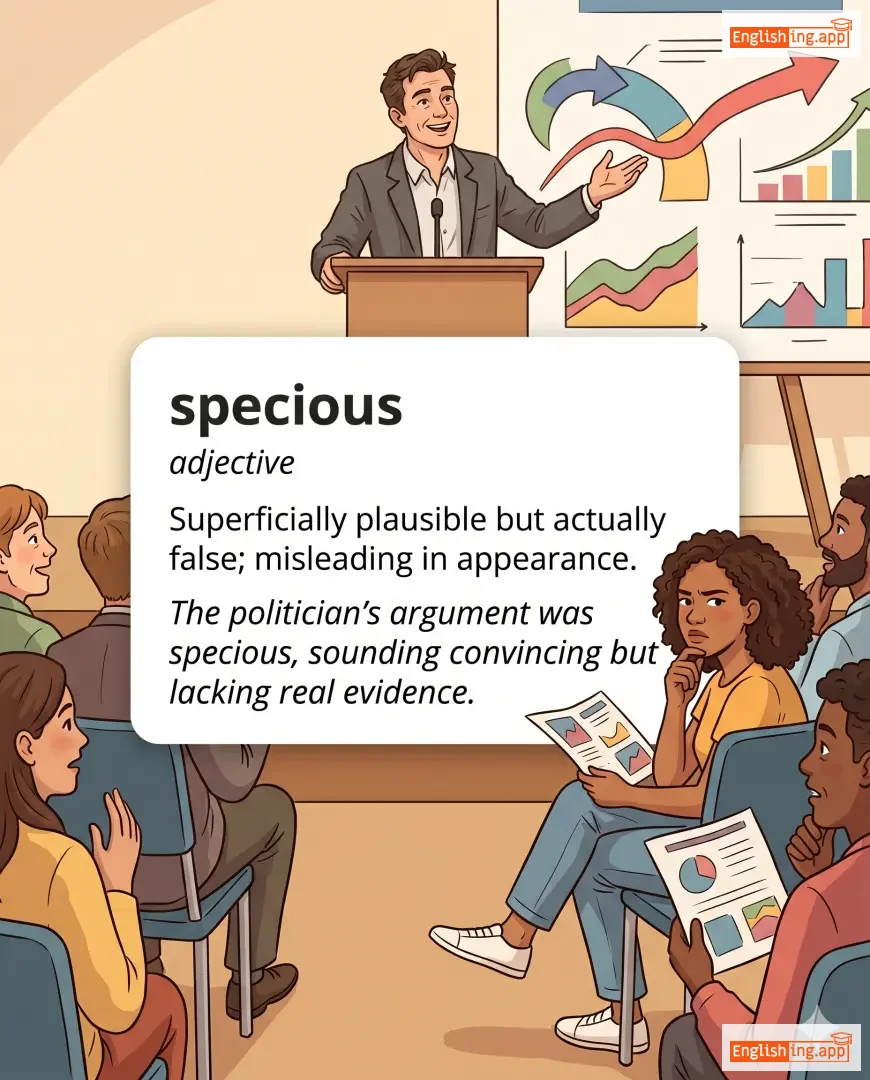
Superficially plausible but actually false; misleading in appearance.
••••••
|
The politician’s argument was specious, sounding convincing but lacking real evidence. |
その政治家の議論は見せかけのもので、説得力があるように見えたが、実際の証拠は欠けていた。
Sono seijika no giron wa misekake no mono de, settokuryoku ga aru you ni mieta ga, jissai no shouko wa kakete ita.
••••••
|
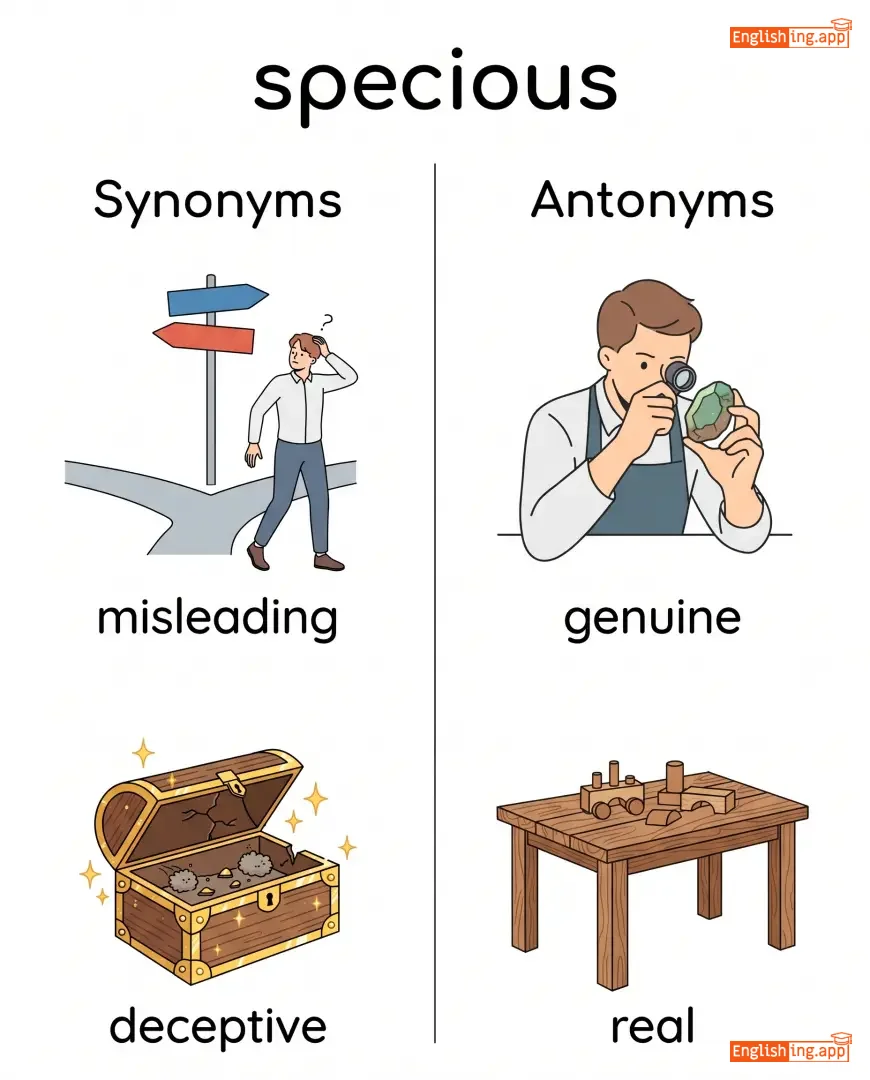
- •••••• | - •••••• | - •••••• |
misleading, deceptive, false, fallacious, illusory
••••••
|
genuine, real, true
••••••
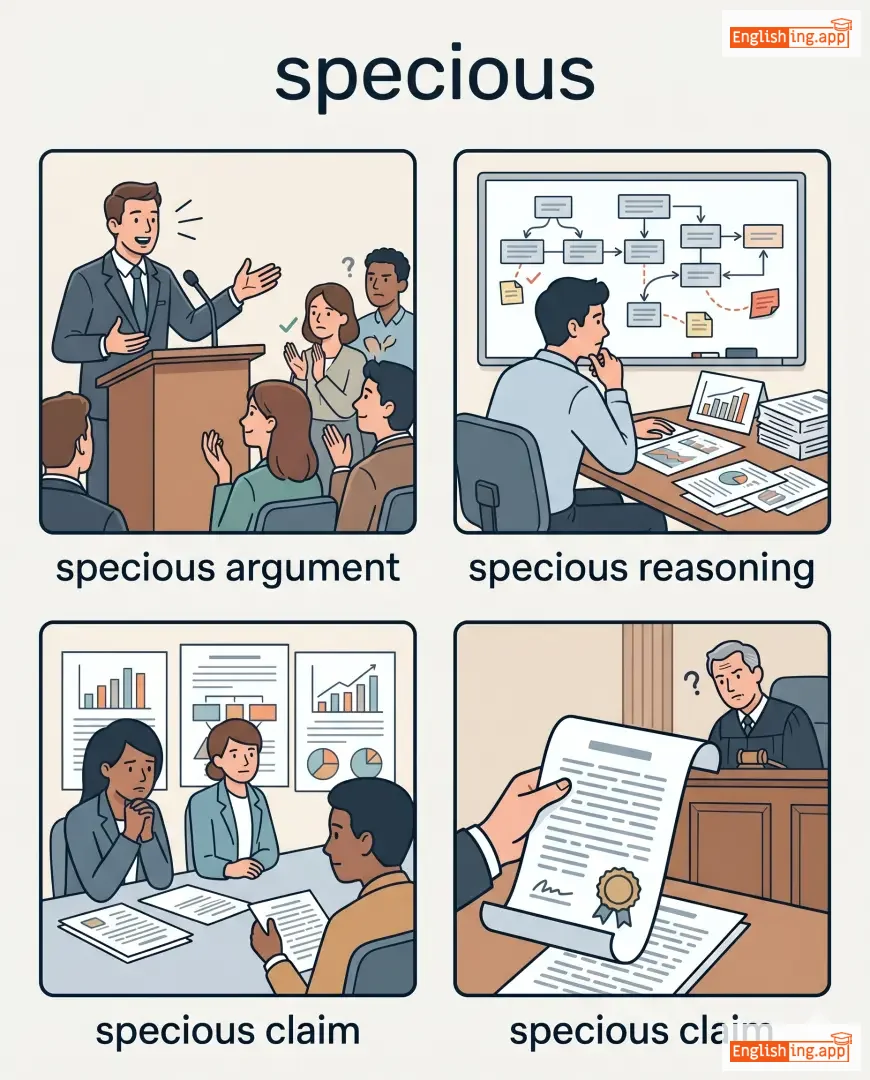
|
specious argument, specious reasoning, specious claim
••••••
|
見せかけの(misekake no)と聞くと、嘘をついている感じがする。
••••••
|
|
🌈
••••••
|
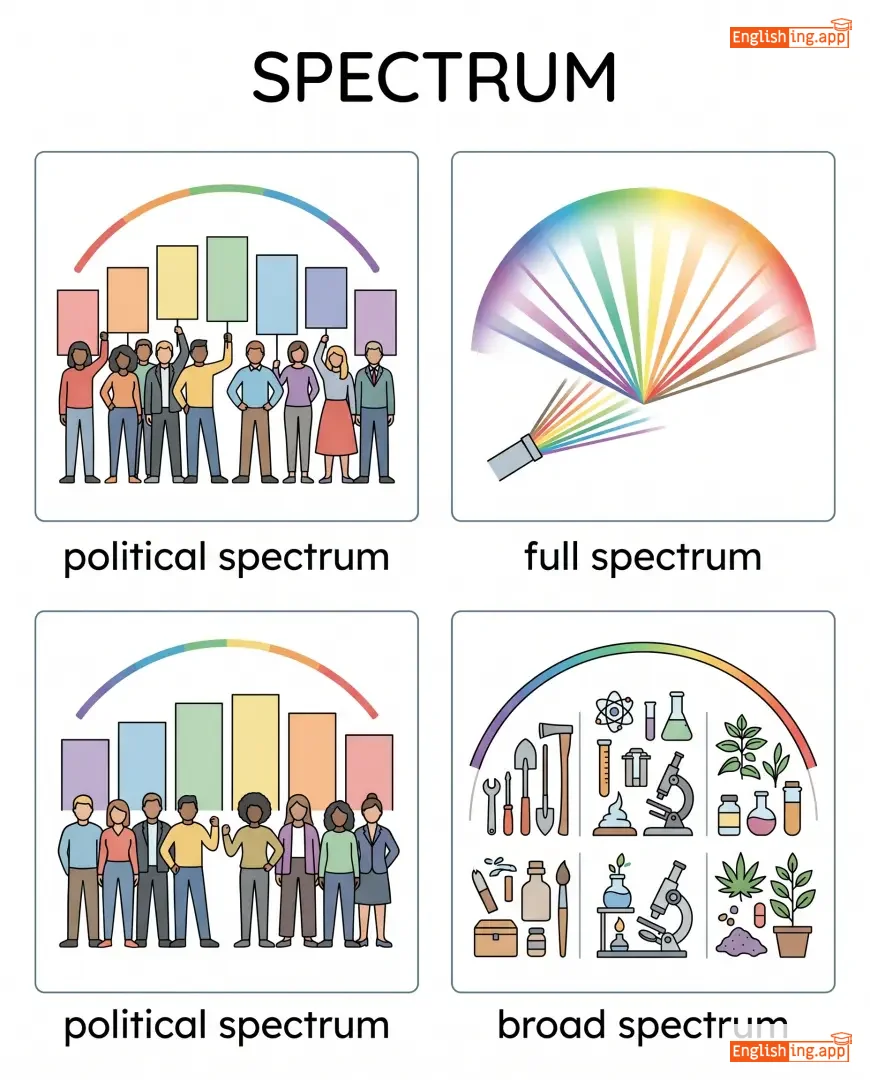
/ˈspɛktrəm/
noun
(スペクトル)
••••••
|
|
スペクトル
supekutoru
••••••
|
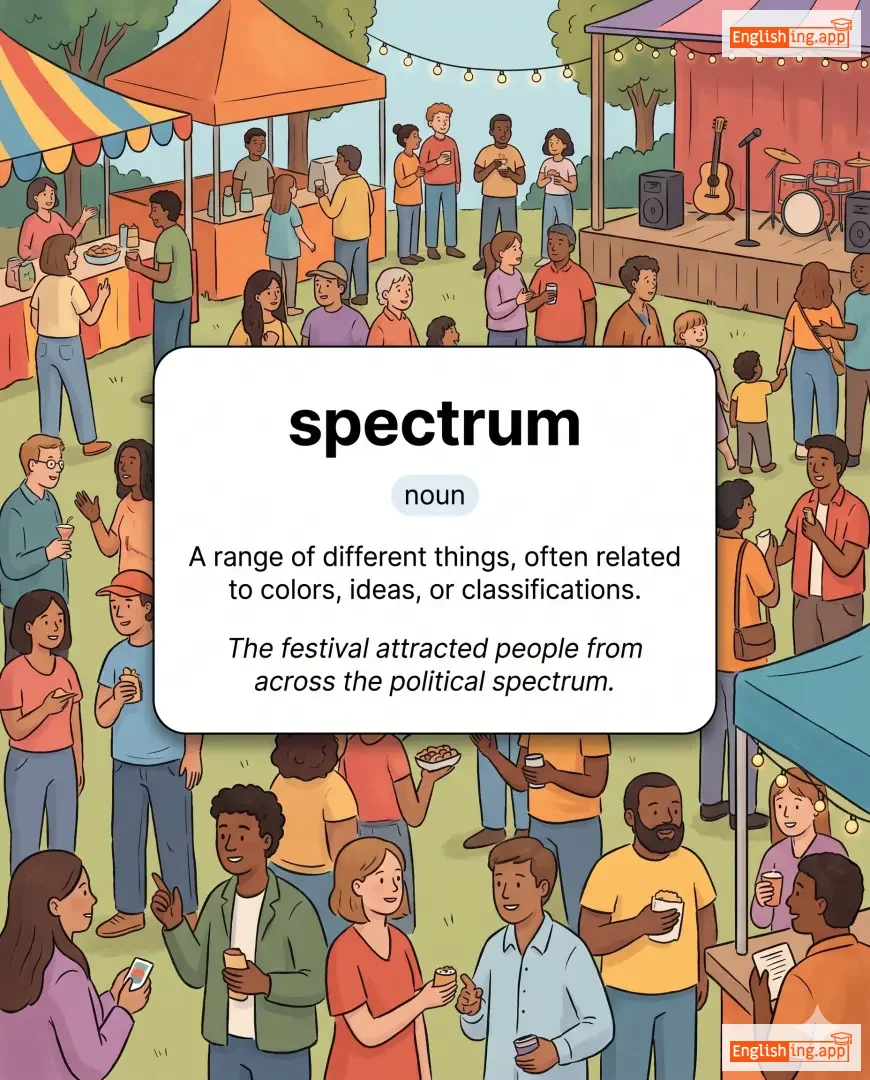
- •••••• | - •••••• | - •••••• | - •••••• |
A range of different things, often related to colors, ideas, or classifications.
••••••
|
The festival attracted people from across the political spectrum. |
その祭りは政治的スペクトル全体から人々を引き付けました。
Sono matsuri wa seijiteki supekutoru zentai kara hitobito o hiki tsukemashita.
••••••
|
broad spectrum |
Covering a wide range of ideas or possibilities.
••••••
|
広範なスペクトル
Kōhan na supekutoru
••••••
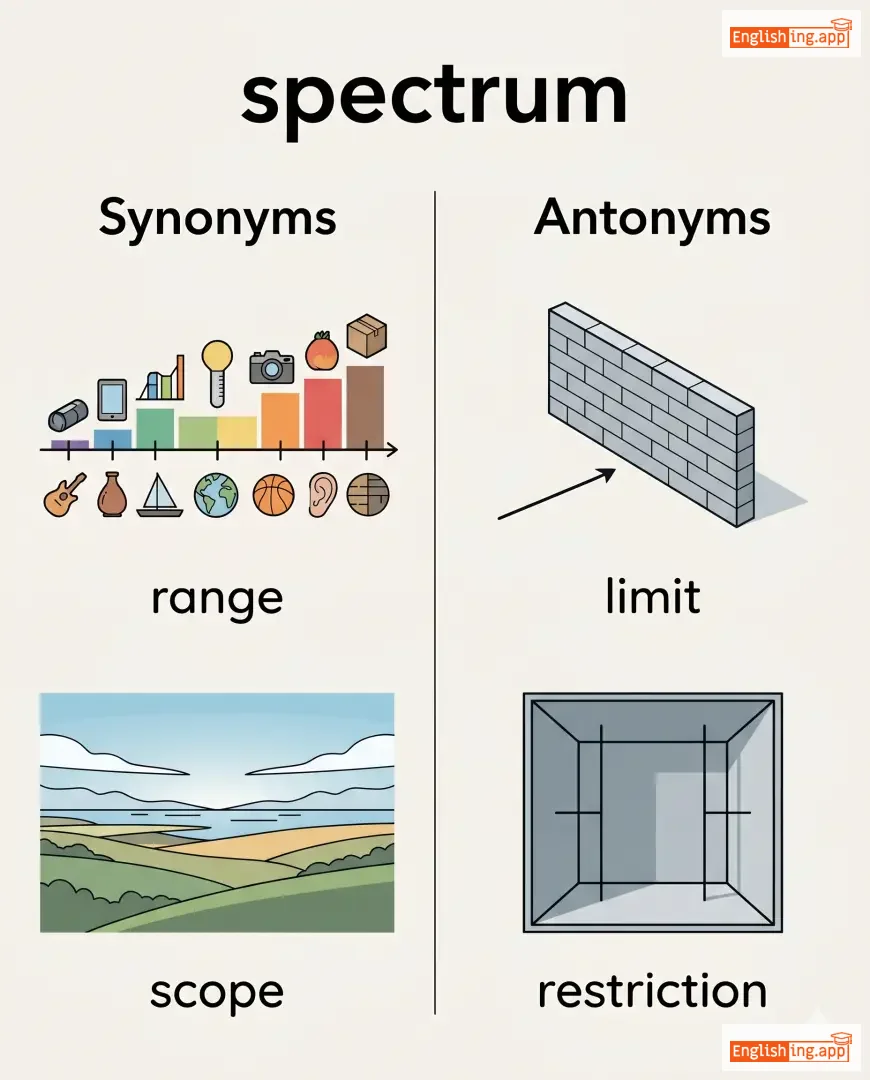
|
range, scope, span, variety, gamut
••••••
|
limit, restriction, boundary
••••••
|
political spectrum, full spectrum, broad spectrum, across the spectrum
••••••
|
スペクトルは色の完全な範囲を意味します 🌈、スペクトルにすべてが含まれています。
••••••
|
|
💸
••••••
|
/ˈspɛndˌθrɪft/
noun
(スペンドスリフト)
••••••
|


|
浪費家
rōhika
••••••
|
- •••••• | - •••••• | - •••••• | - •••••• |
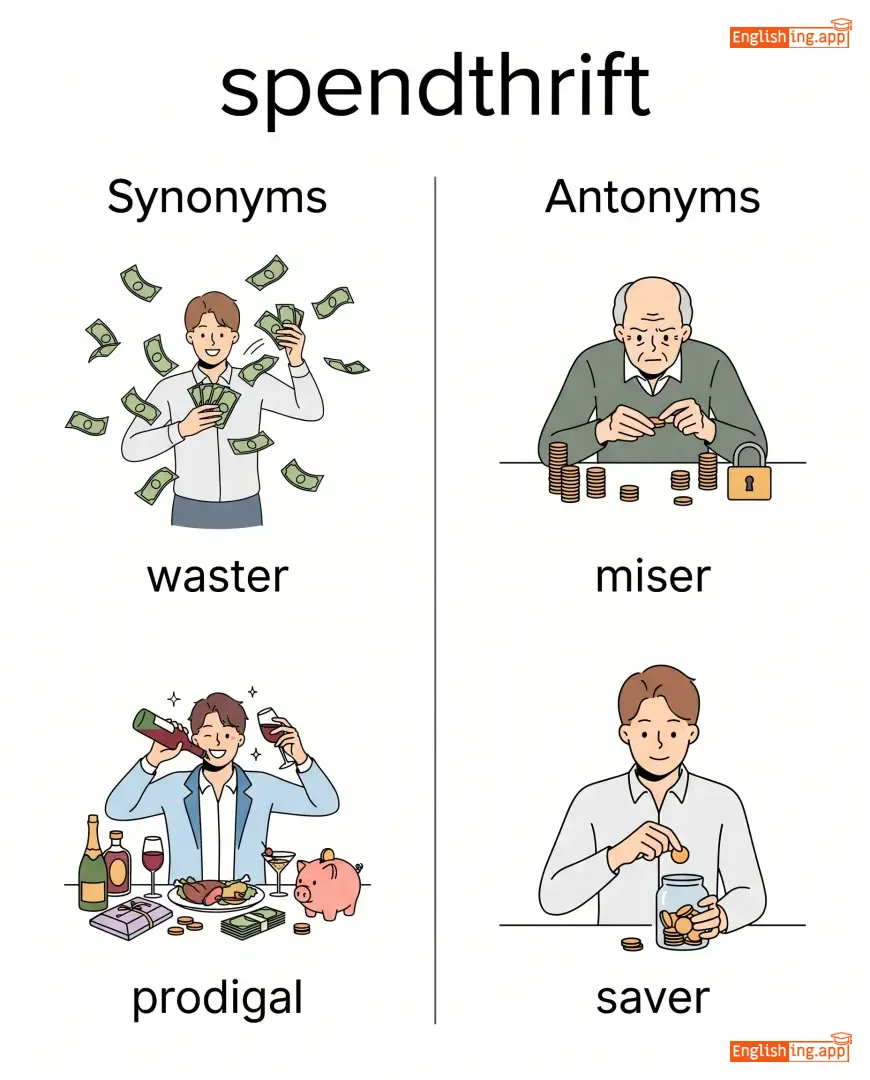
A person who spends money extravagantly or wastefully.
••••••
|
The young prince was known as a spendthrift, wasting his fortune on lavish parties. |
若い王子は浪費家として知られ、贅沢なパーティーに財産を浪費していた。
Wakai ōji wa rōhika toshite shirare, zeitakuna pātī ni zaisan o rōhi shite ita.
••••••
|
spendthrift ways |
Extravagant and wasteful spending habits
••••••
|
浪費家の習慣
rōhika no shūkan
••••••
|
waster, prodigal, squanderer, waster, profligate
••••••
|
miser, saver, frugal
••••••
|
spendthrift habits, spendthrift lifestyle, notorious spendthrift
••••••
|
お金を浪費する、浪費家としてのライフスタイル。
••••••
|
|
🌧️
••••••
|
/spəˈrædɪk/
adjective
(スポラディック)
••••••
|
|
散発的
sanpatsuteki
••••••
|
- •••••• | - •••••• | - •••••• | - •••••• |
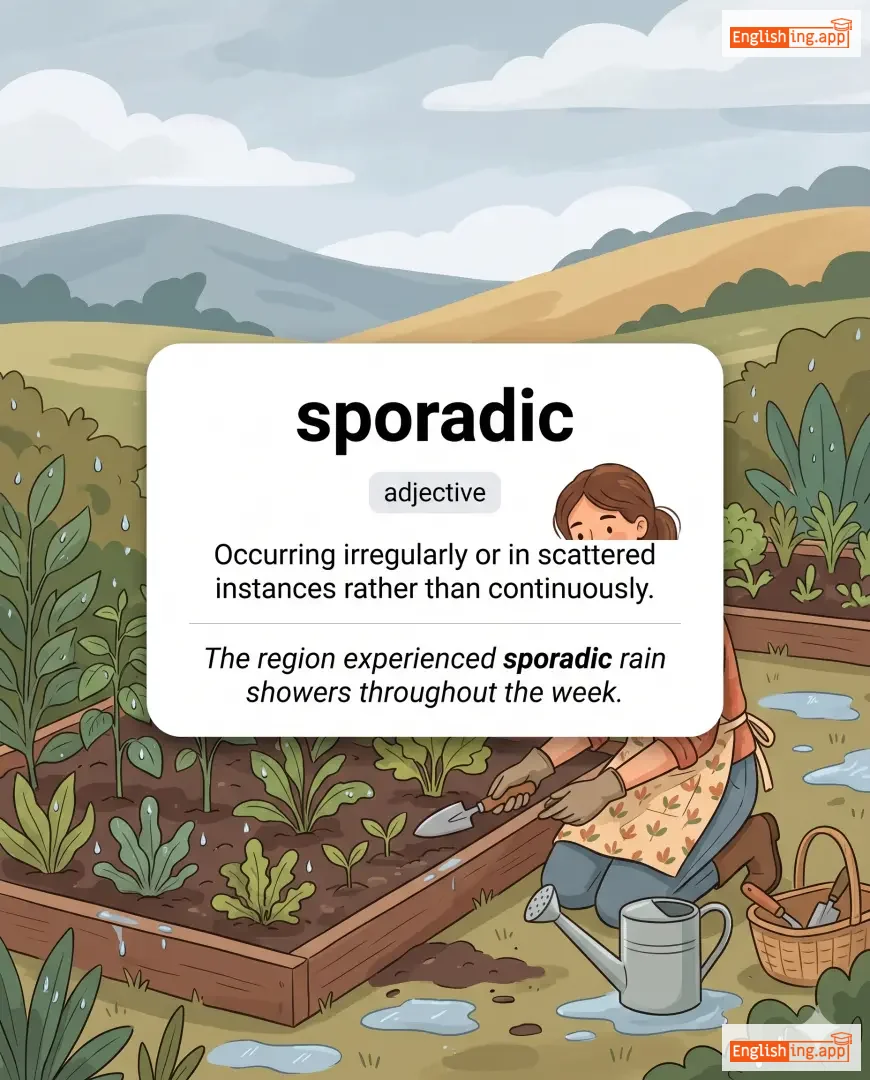
Occurring irregularly or in scattered instances rather than continuously.
••••••
|
The region experienced sporadic rain showers throughout the week.
その地域は1週間にわたって散発的な雨に見舞われました。
••••••
|
その地域は1週間にわたって散発的な雨が降りました。
Sono chiiki wa 1 shūkan ni watatte sanpatsuteki na ame ga furimashita.
••••••
|
- •••••• | - •••••• | - •••••• |
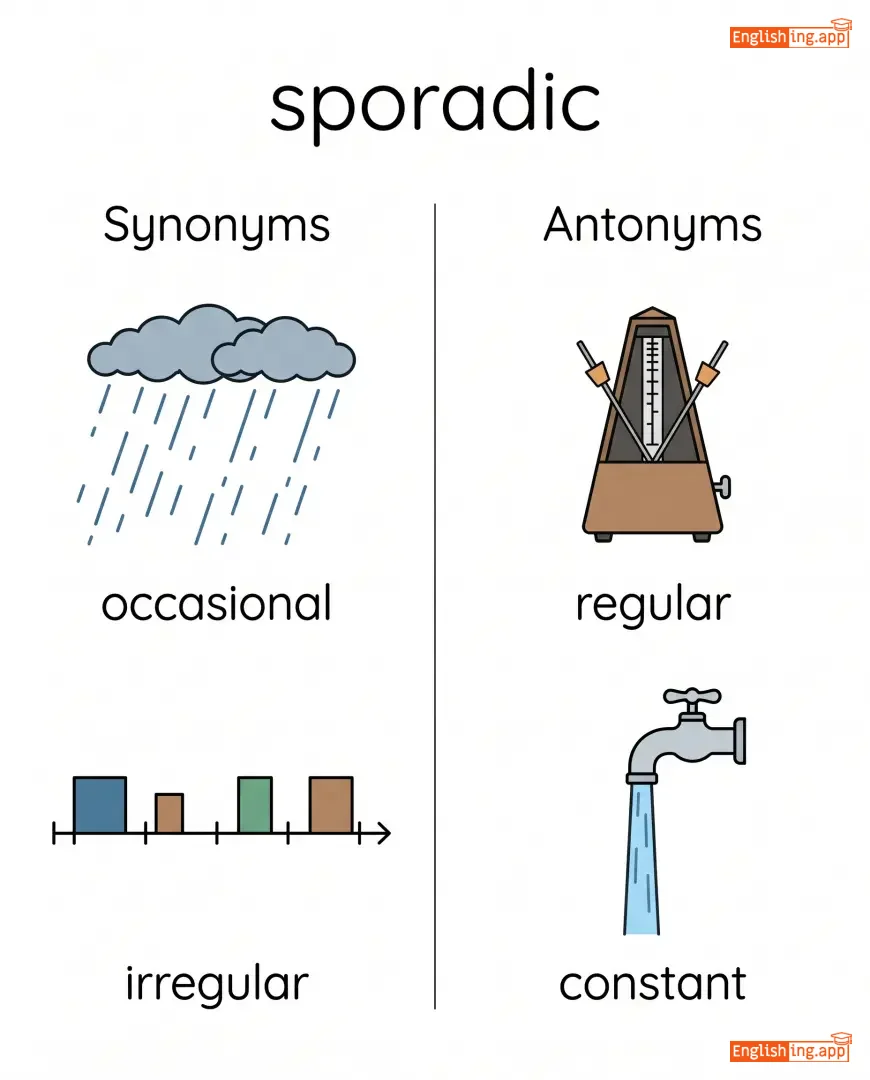
occasional, irregular, infrequent, scattered, random
••••••
|
regular, constant, continuous
••••••
|
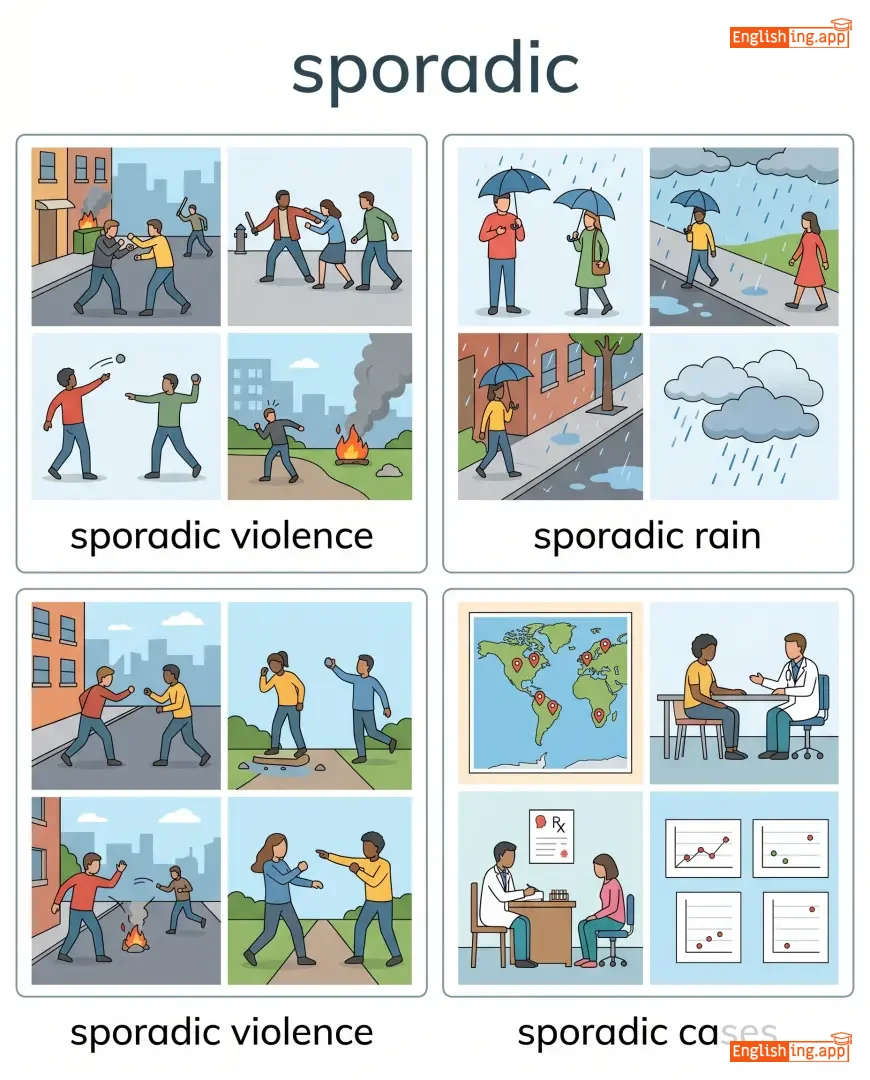
sporadic violence, sporadic rain, sporadic cases, sporadic attacks
••••••
|
Sporadicは、散発的な雨のように、ランダムに降ることを意味します。
••••••
|
|
🗑️
••••••
|
/ˈskwɒlər/
noun
(スカラー)
••••••
|
|
貧困
hinkon
••••••
|
- •••••• | - •••••• | - •••••• | - •••••• |
the state of being extremely dirty and unpleasant, especially due to poverty or neglect
••••••
|
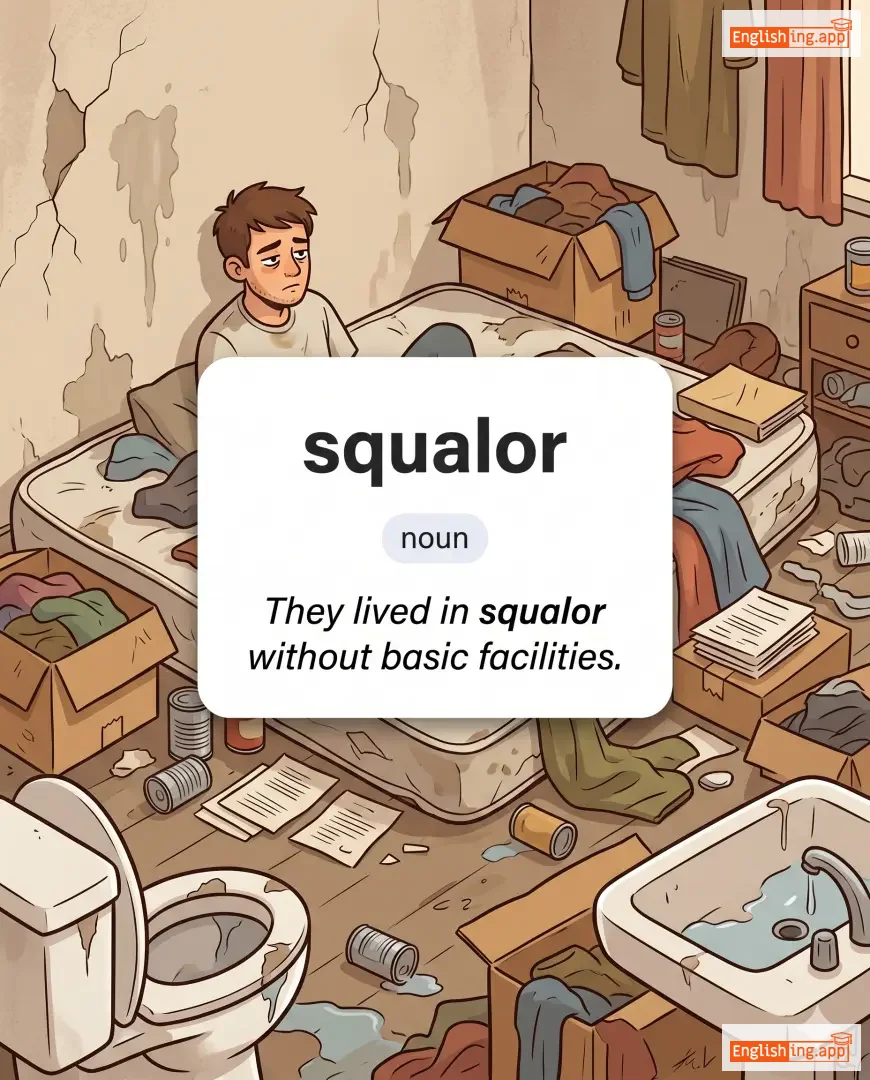
They lived in squalor without basic facilities.
彼らは基本的な施設なしで貧困に住んでいました。
••••••
|
彼らは基本的な施設なしで貧困に住んでいました。
Karera wa kihonteki na shisetsu nashi de hinkon ni sundeimashita.
••••••
|
- •••••• | - •••••• | - •••••• |
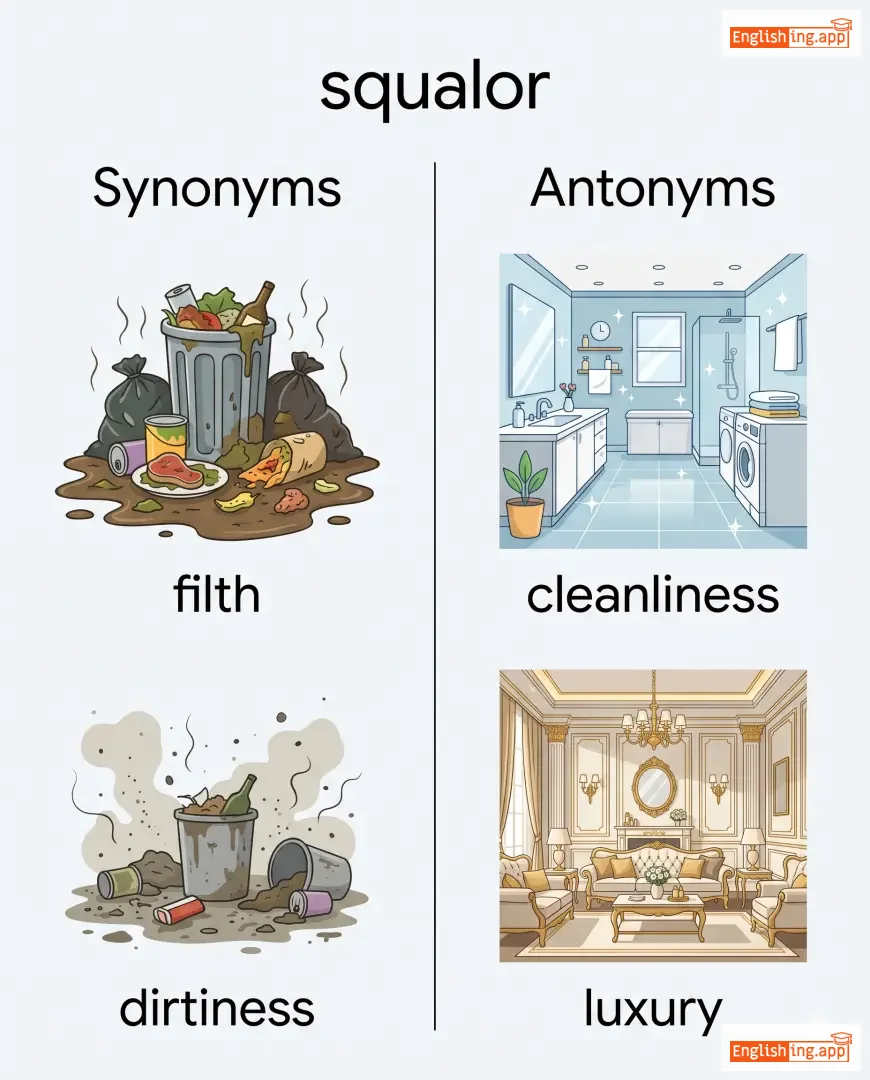
filth, dirtiness, poverty, misery
••••••
|
cleanliness, luxury
••••••
|
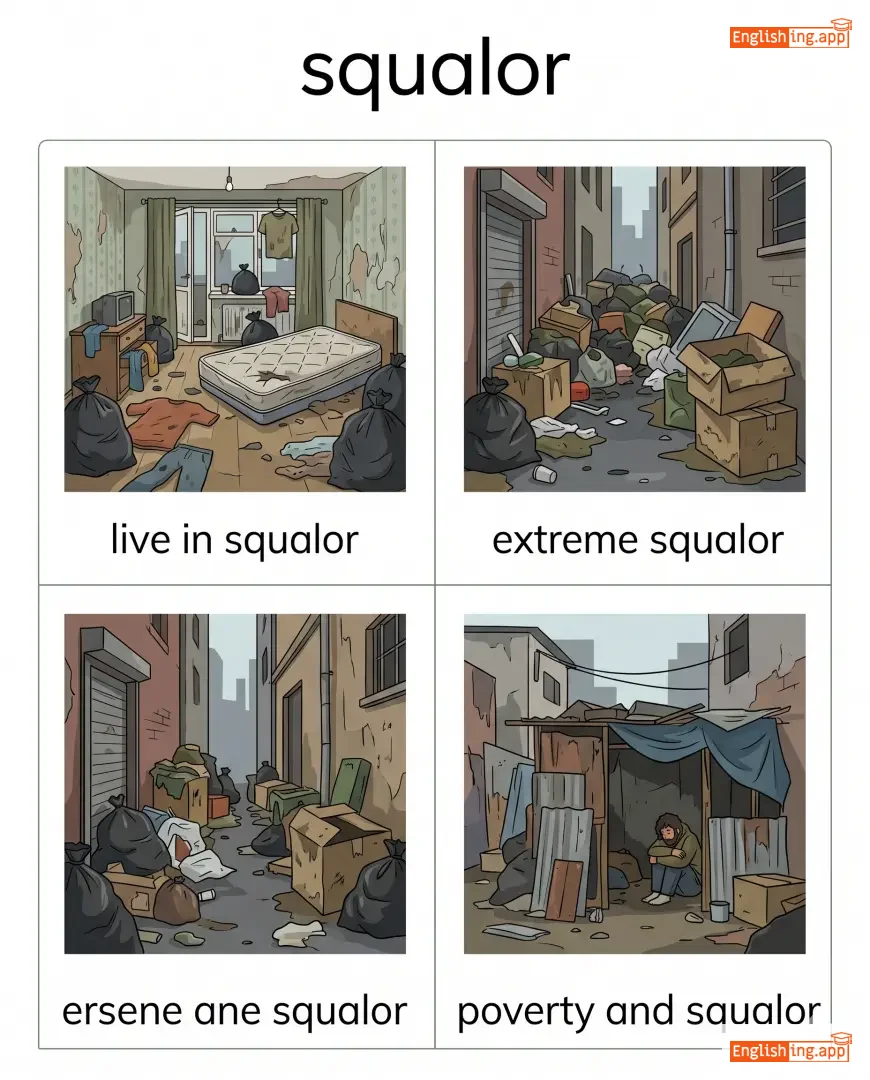
live in squalor, extreme squalor, poverty and squalor
••••••
|
Squalor = 貧困、ひどい環境で生きる
••••••
|
|
🎶
••••••
|
/stəˈkɑː.təʊ/
adjective
(スタッカート)
••••••
|
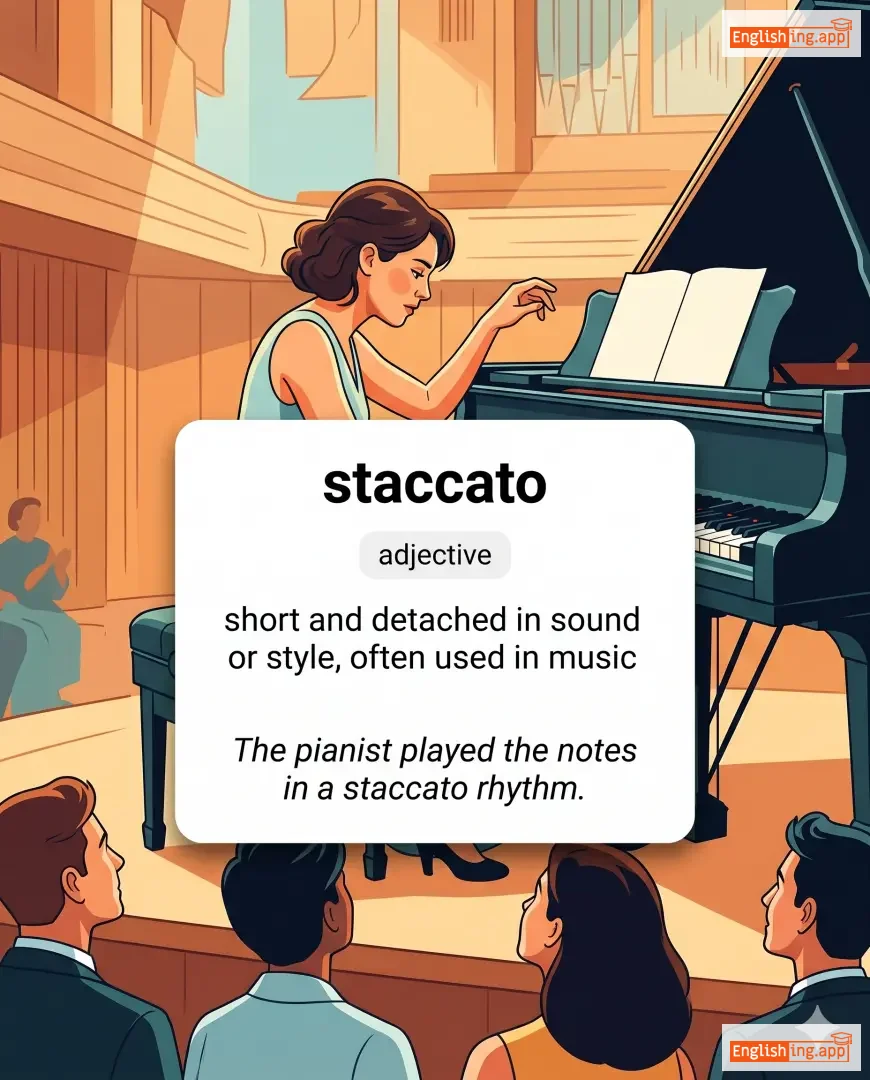
|
スタッカート
suttakāto
••••••
|
- •••••• | - •••••• | - •••••• | - •••••• |
short and detached in sound or style, often used in music
••••••
|
The pianist played the notes in a staccato rhythm. |
ピアニストはスタッカートのリズムで音符を弾きました。
Pianisuto wa suttakāto no rizumu de onpu o hikimashita.
••••••
|
- •••••• | - •••••• | - •••••• |
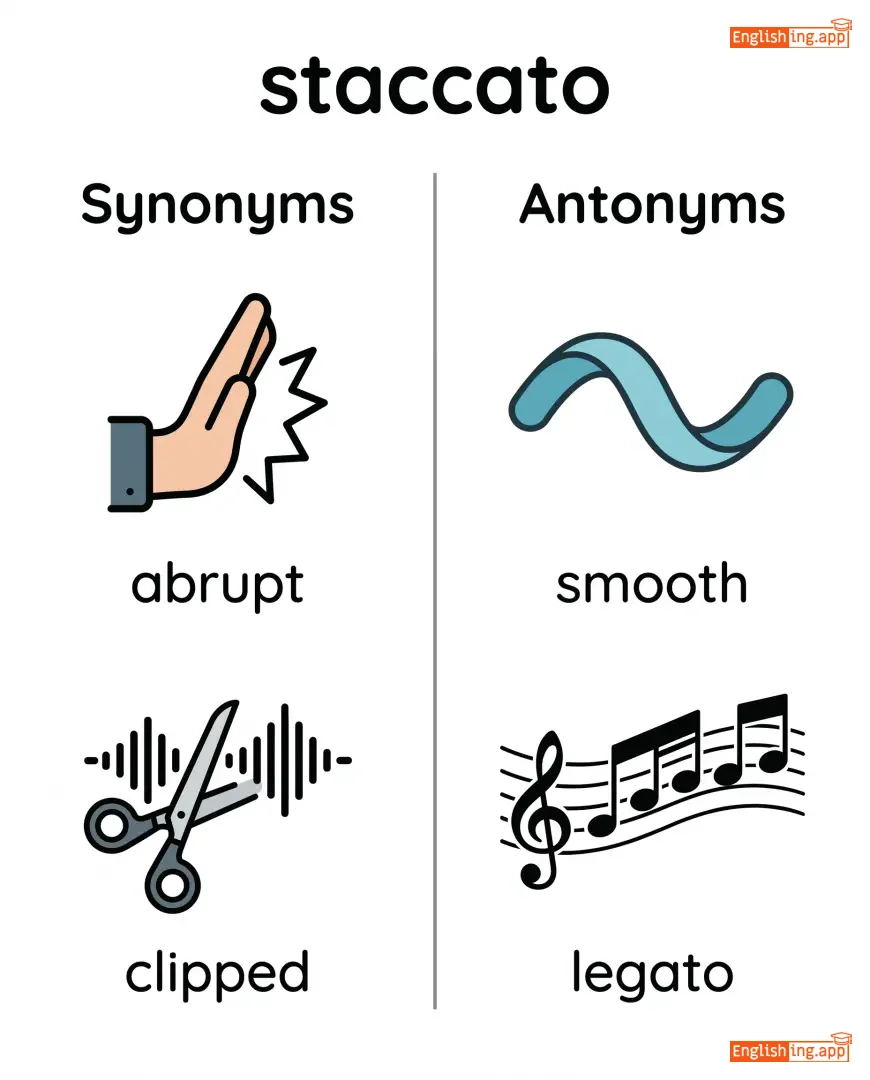
abrupt, clipped, sharp, detached
••••••
|
smooth, legato
••••••
|
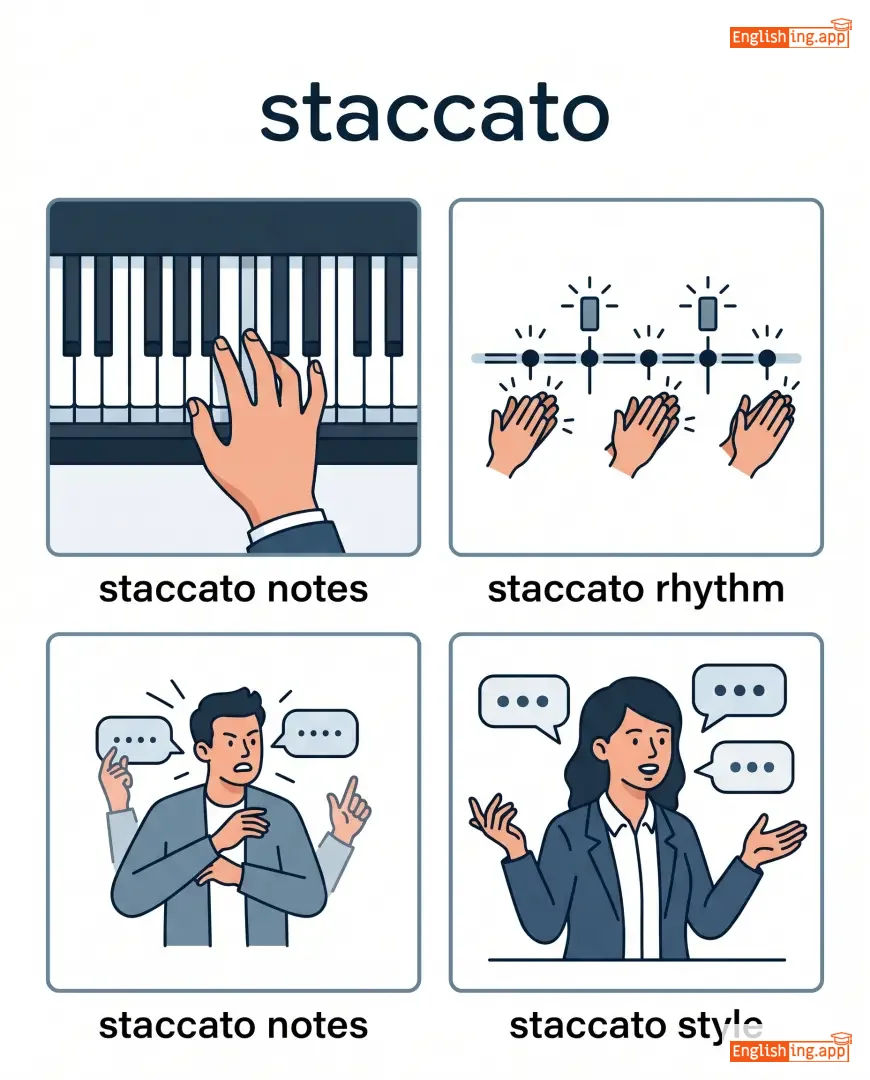
staccato notes, staccato rhythm, staccato style, staccato speech
••••••
|
スタック (stack) + カート (cart) → 短い音符を積み重ねるように演奏する (staccato)
••••••
|
|
🩸
••••••
|
/stɑːntʃ/
verb
(スタンチ)
••••••
|
- •••••• |
止血する
shiketsu suru
••••••
|
stanched
スタンチド
••••••
|
stanched
スタンチド
••••••
|
stanches
スタンチズ
••••••
|
stanching
スタンチング
••••••
|
to stop the flow of blood or liquid from a wound or source
••••••
|
The nurse quickly stanched the bleeding from the cut.
看護師はすぐに切り傷からの出血を止めました。
••••••
|
看護師はすぐに切り傷からの出血を止めました。
kangoshi wa sugu ni kirikizu kara no shukketsu wo tome mashita
••••••
|
stanch the flow
血流を止める
••••••
|
to stop or control the movement of something, especially blood or money
••••••
|
血流を止める
ketsuryuu wo tomeru
••••••
|
stop, stem, halt, check, control
••••••
|
allow, continue, release
••••••
|
stanch the bleeding, stanch the wound, stanch the flow, stanch losses
••••••
|
スタンチ = Stop + 血液 Stanchは止血することを意味します
••••••
|
|
📢
••••••
|
/stɛnˈtɔːriən/
adjective
(ステントリアン)
••••••
|
|
雷鳴のような
raimei no yōna
••••••
|
- •••••• | - •••••• | - •••••• | - •••••• |
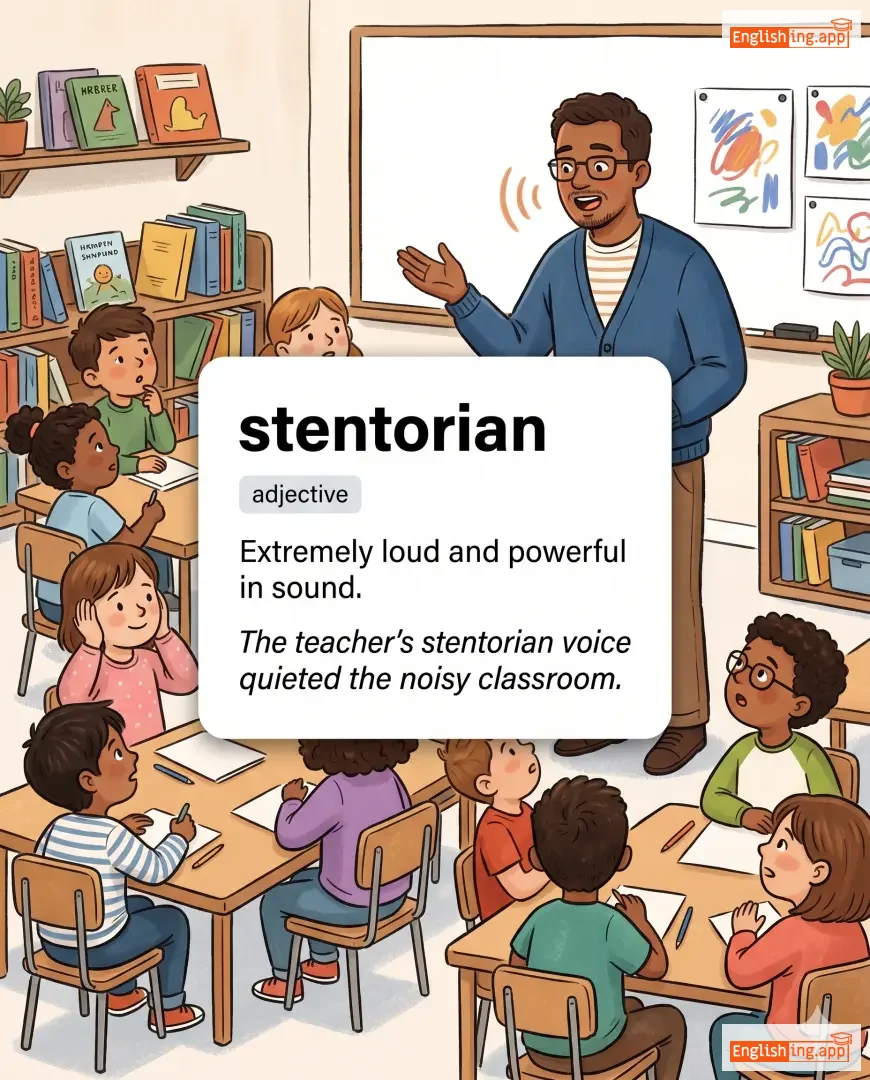
Extremely loud and powerful in sound.
••••••
|
The teacher’s stentorian voice quieted the noisy classroom. |
教師の雷鳴のような声が騒々しい教室を静めた。
Kyōshi no raimei no yōna koe ga sōzōshī kyōshitsu o shizumeta.
••••••
|
- •••••• | - •••••• | - •••••• |
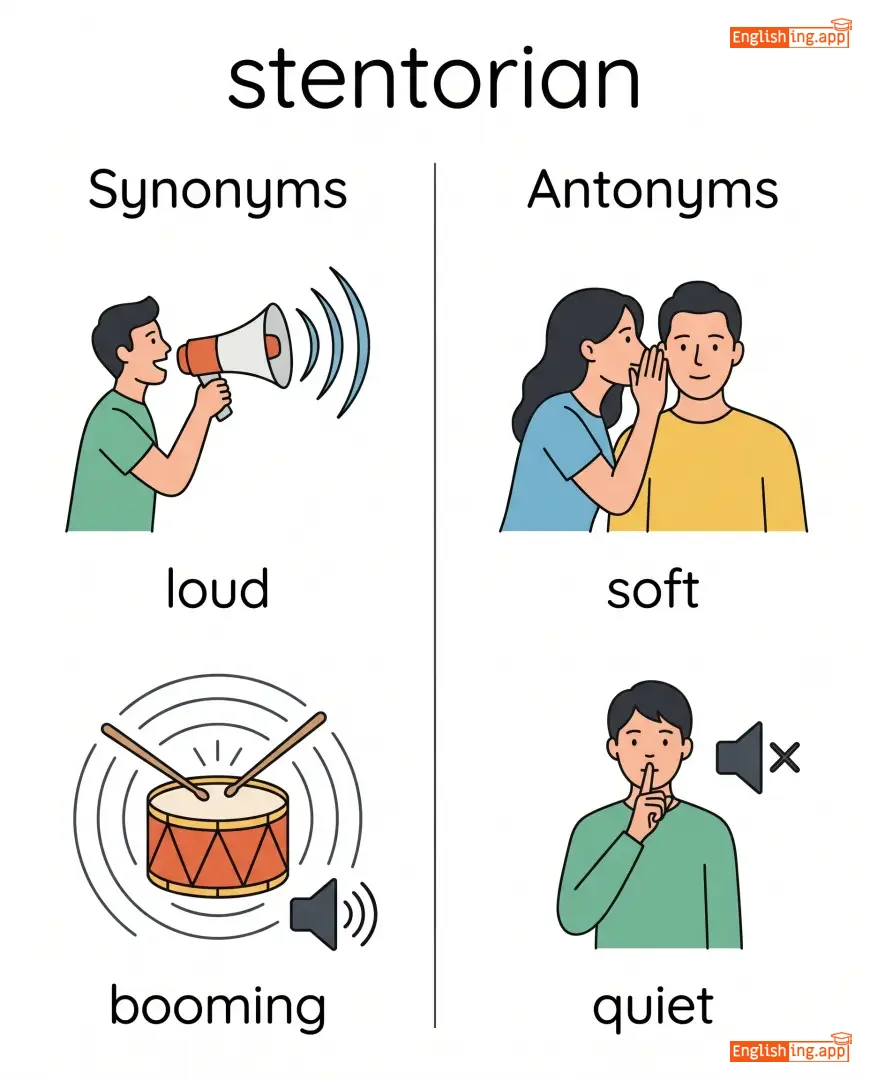
loud, booming, thunderous, resonant
••••••
|
soft, quiet, muted
••••••
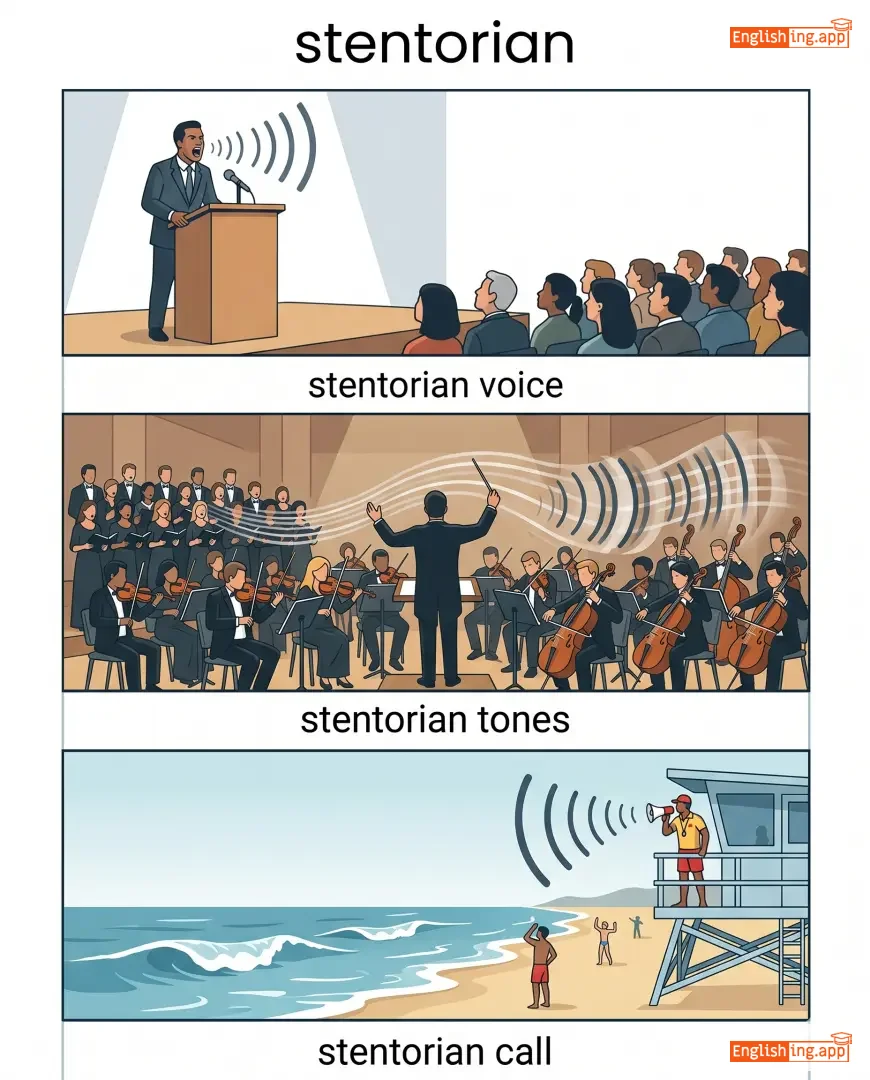
|
stentorian voice, stentorian tones, stentorian call
••••••
|
Stentorianは雷鳴のように大きな音を立てる。
••••••
|

