|
絵文字
|
単語 | Images | 翻訳 | 過去 | 過去分詞 | 三人称単数 | 動名詞 | 意味 | 例文 | 例文の翻訳 | 表現例 | 表現例の意味 | 表現例の翻訳 | 同義語 | 対義語 | コロケーション | ニーモニック |
|---|---|---|---|---|---|---|---|---|---|---|---|---|---|---|---|---|---|
|
🥀
••••••
|
/ˈɪn.dɪ.dʒəns/
noun
(インディジェンス)
••••••
|
|
貧困
hinkon
••••••
|
- •••••• | - •••••• | - •••••• | - •••••• |
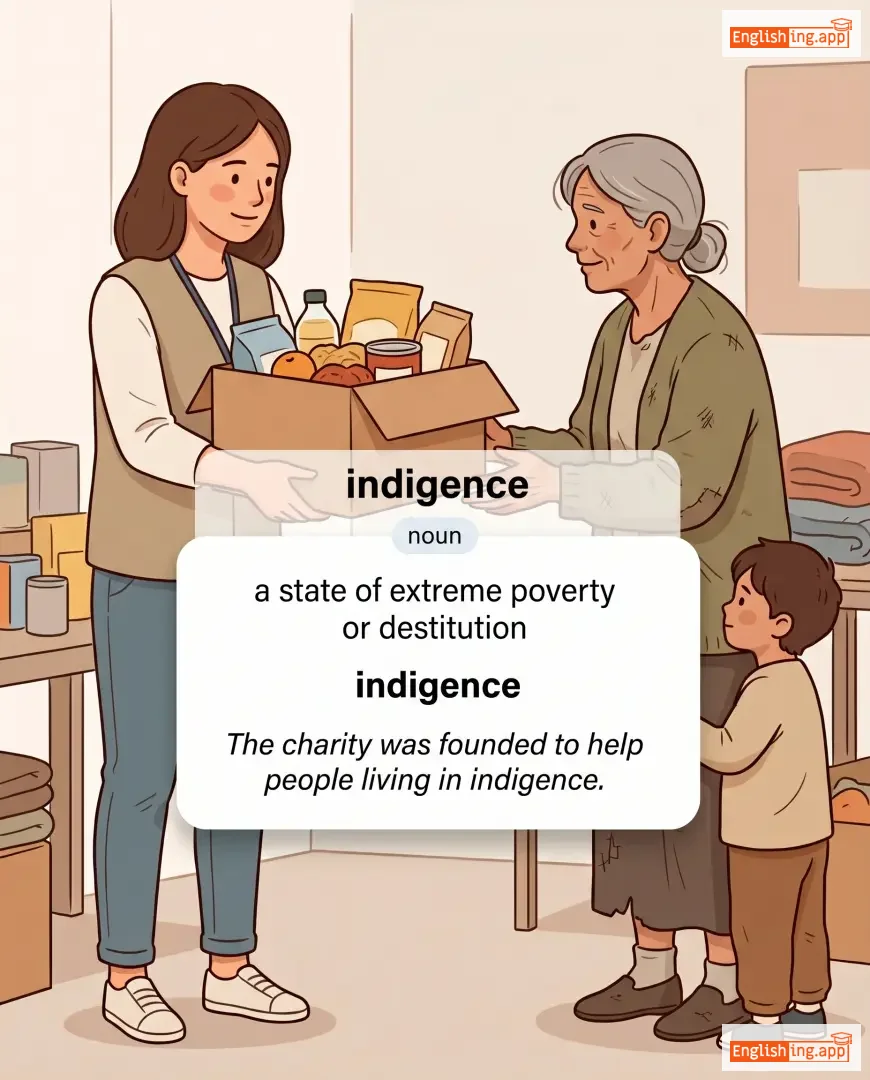
a state of extreme poverty or destitution
••••••
|
The charity was founded to help people living in indigence. |
その慈善団体は貧困の中で生活している人々を助けるために設立されました。
Sono jizen dantai wa hinkon no naka de seikatsu shite iru hitobito o tasukeru tame ni setsuritsu saremashita.
••••••
|
- •••••• | - •••••• | - •••••• |
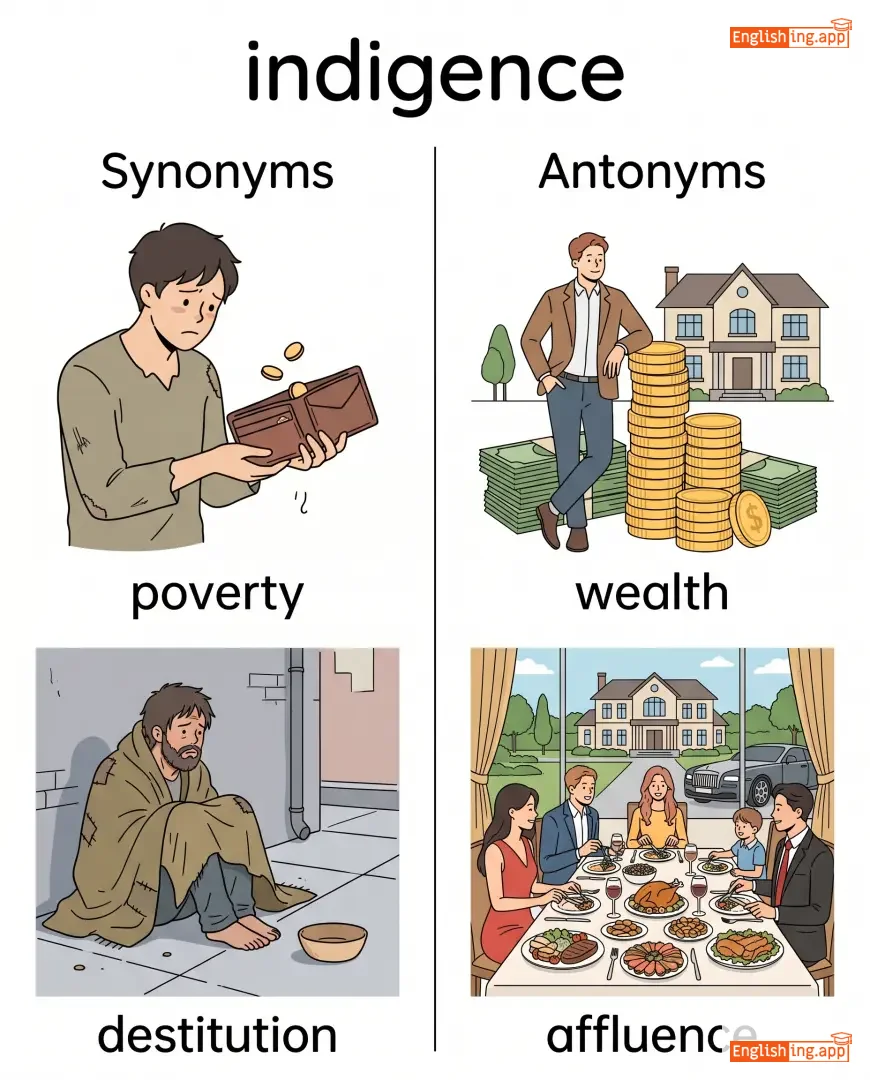
poverty, destitution, need, hardship, deprivation
••••••
|
wealth, affluence, prosperity
••••••
|
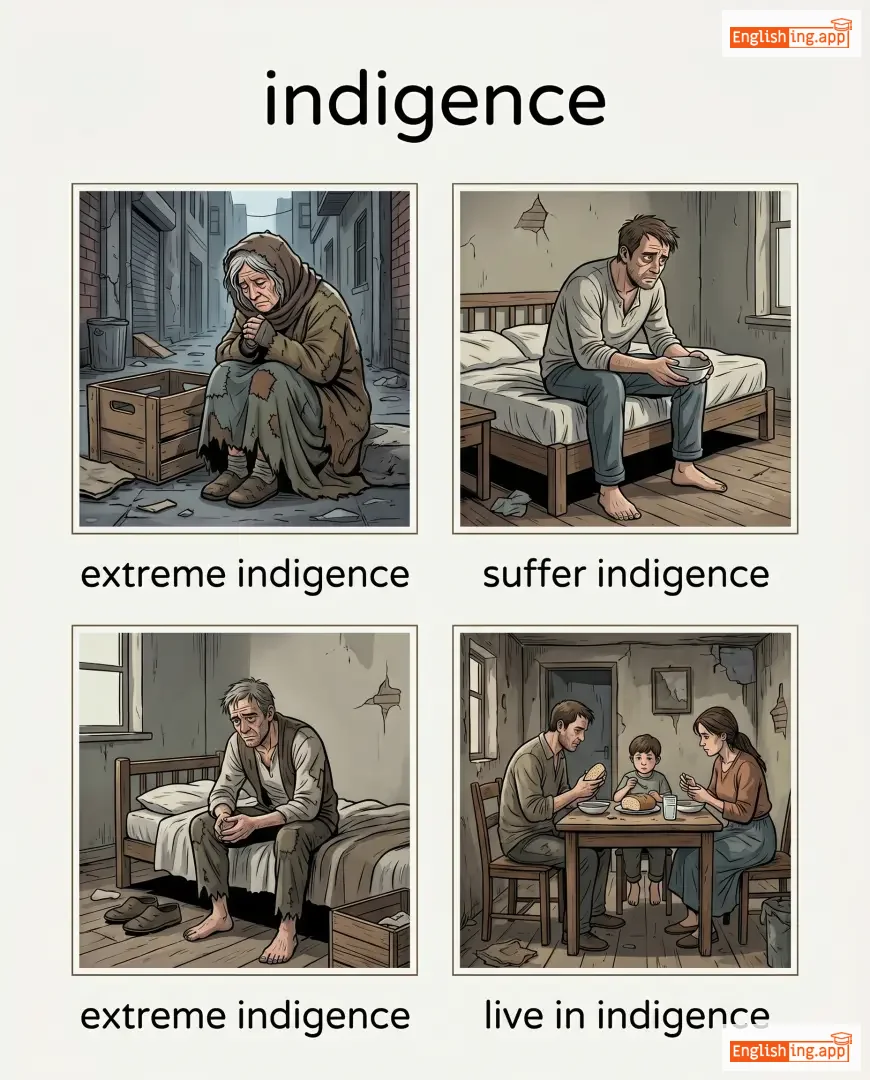
extreme indigence, suffer indigence, live in indigence
••••••
|
貧困 (hinkon) は 'indigence' と同じ意味で、極度の貧困を表します
••••••
|
|
🐈
••••••
|
/ˈɪndələnt/
adjective
(インドレント)
••••••
|
|
怠惰
taida
••••••
|
- •••••• | - •••••• | - •••••• | - •••••• |
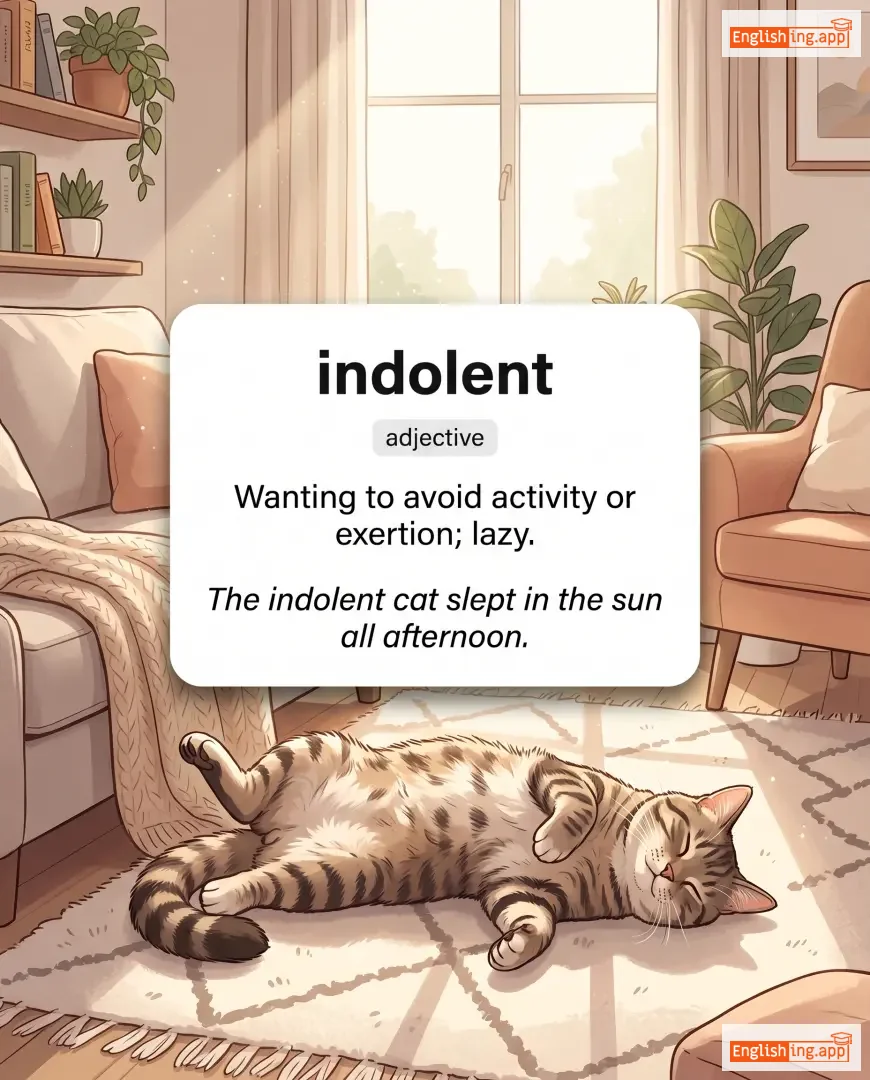
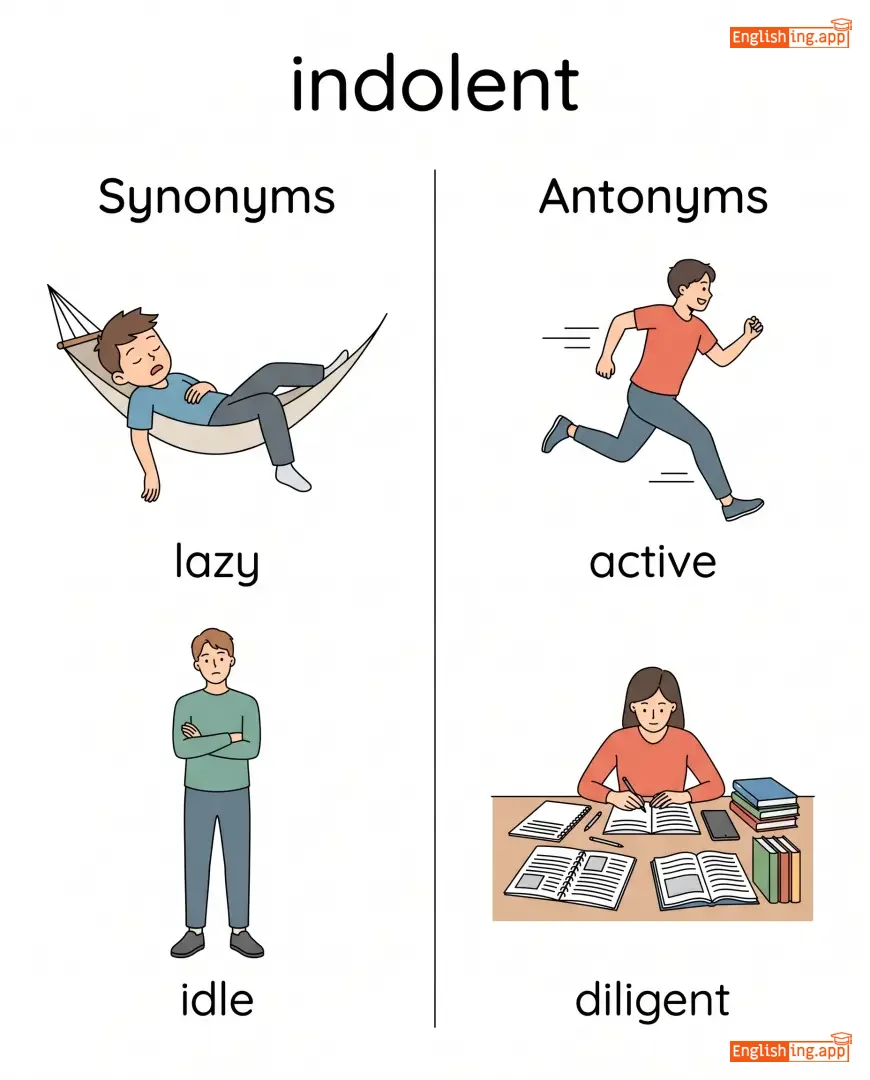
Wanting to avoid activity or exertion; lazy.
••••••
|
The indolent cat slept in the sun all afternoon.
インドレントな猫は午後ずっと太陽の下で寝ていました。
••••••
|
怠惰な猫は午後ずっと太陽の下で寝ていました。
Taida na neko wa gogo zutto taiyou no shita de neteimashita.
••••••
|
- •••••• | - •••••• | - •••••• |
lazy, idle, sluggish, lethargic
••••••
|
active, diligent, industrious
••••••
|
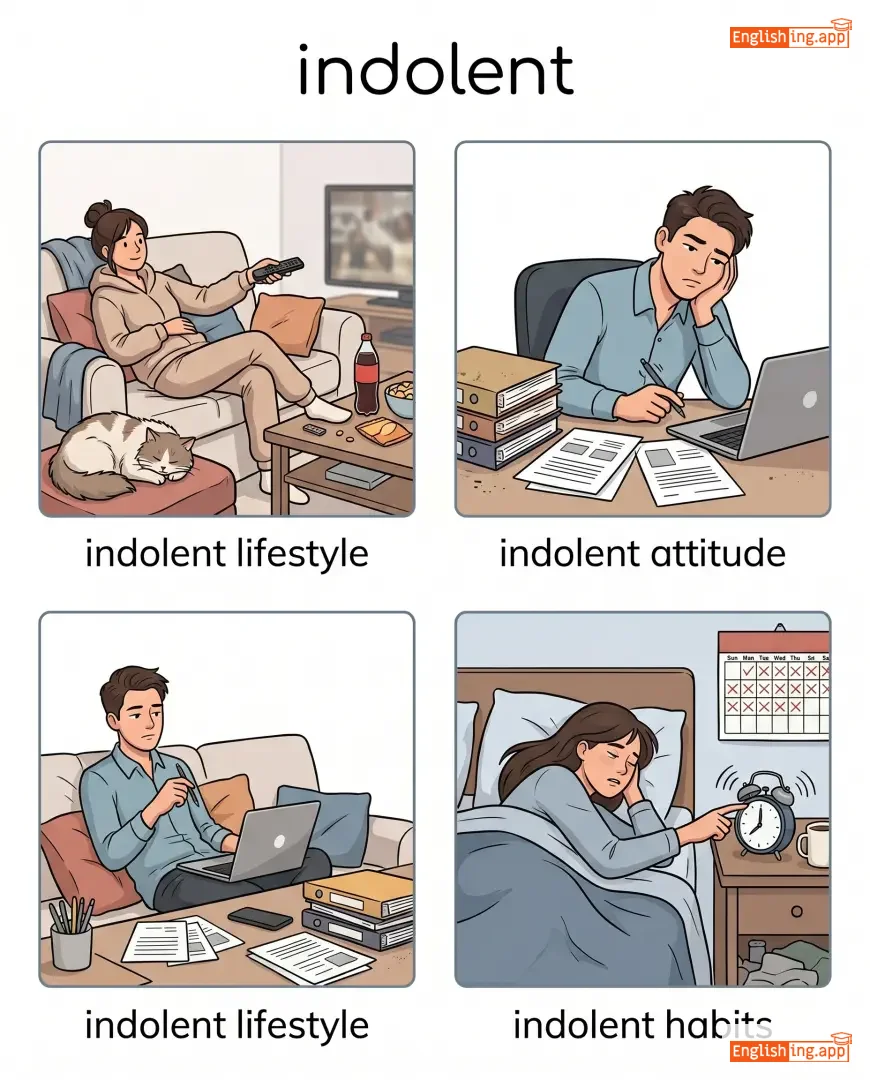
indolent lifestyle, indolent attitude, indolent habits
••••••
|
Indolent cat は怠惰な猫を意味します 🐈
••••••
|
|
😴
••••••
|
/ɪˈnɜːrt/
adjective
(イネート)
••••••
|
|
不活性
fukassei
••••••
|
- •••••• | - •••••• | - •••••• | - •••••• |
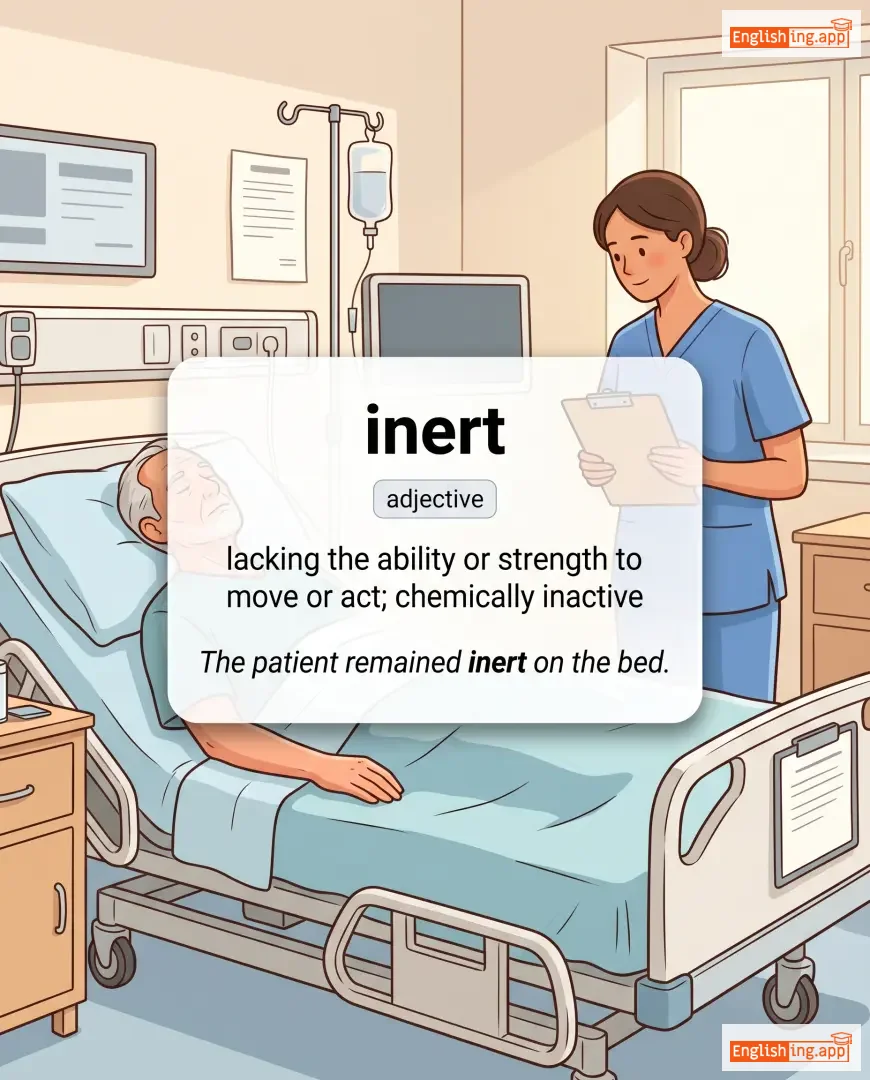
lacking the ability or strength to move or act; chemically inactive
••••••
|
The patient remained inert on the bed. |
患者はベッドで動かずにじっとしていました。
kanja wa beddo de ugokazu ni jitto shite imashita.
••••••
|
chemically inert |
substance that does not react chemically under normal conditions
••••••
|
化学的に不活性
kagakuteki ni fukassei
••••••
|
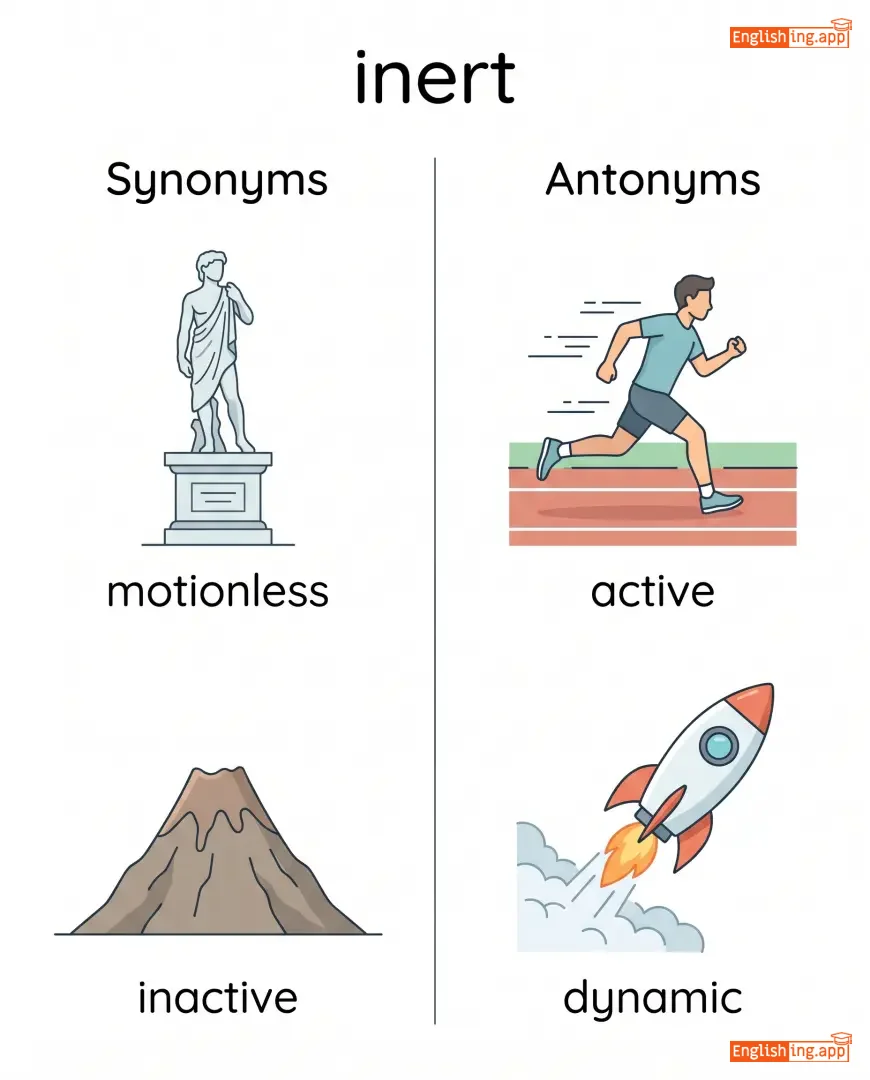
motionless, inactive, still, lifeless
••••••
|
active, dynamic, energetic
••••••
|
inert gases, inert body, inert matter, chemically inert
••••••
|
Inert = in + energy なし → 動かず、反応しない
••••••
|
|
😊
••••••
|
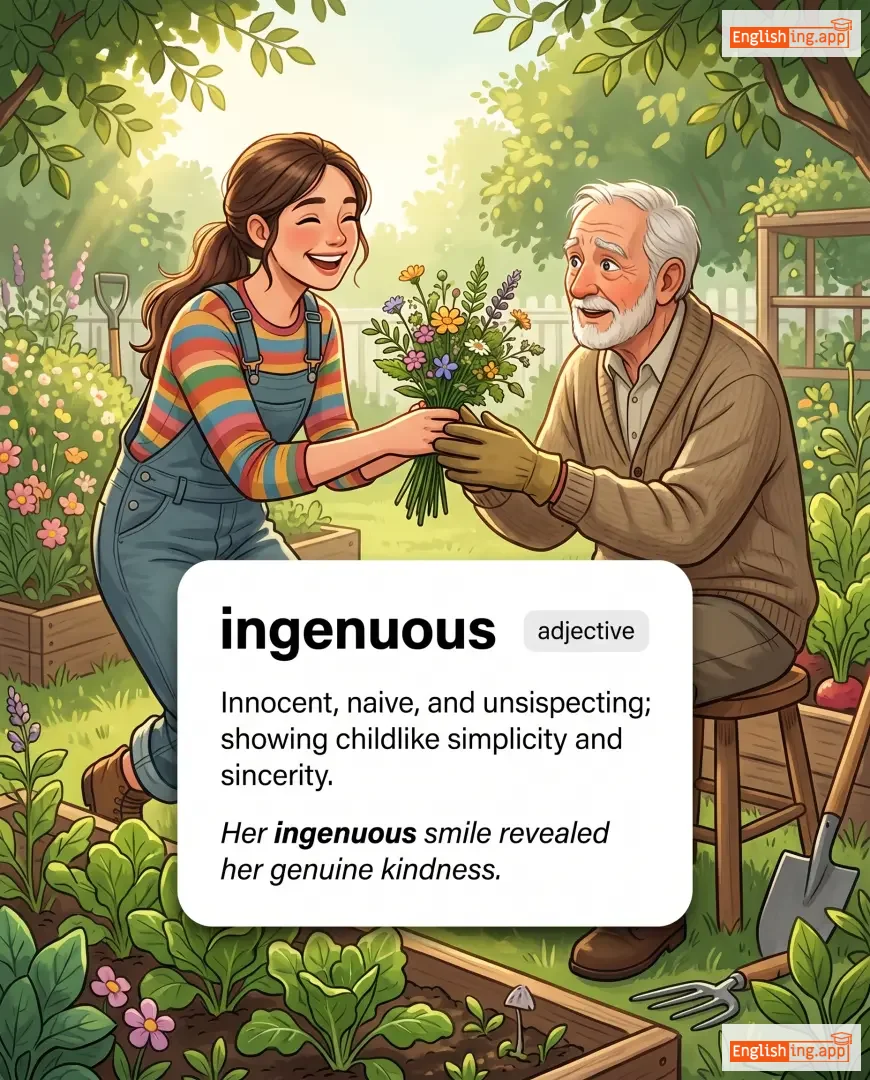
/ɪnˈdʒɛnjuəs/
adjective
(インジェニュアス)
••••••
|
|
無邪気
mujaki
••••••
|
- •••••• | - •••••• | - •••••• | - •••••• |
Innocent, naive, and unsuspecting; showing childlike simplicity and sincerity.
••••••
|
Her ingenuous smile revealed her genuine kindness. |
彼女の無邪気な笑顔は彼女の本当の優しさを明らかにしました。
Kanojo no mujaki na egao wa kanojo no hontou no yasashisa wo akirakani shimashita.
••••••
|
- •••••• | - •••••• | - •••••• |
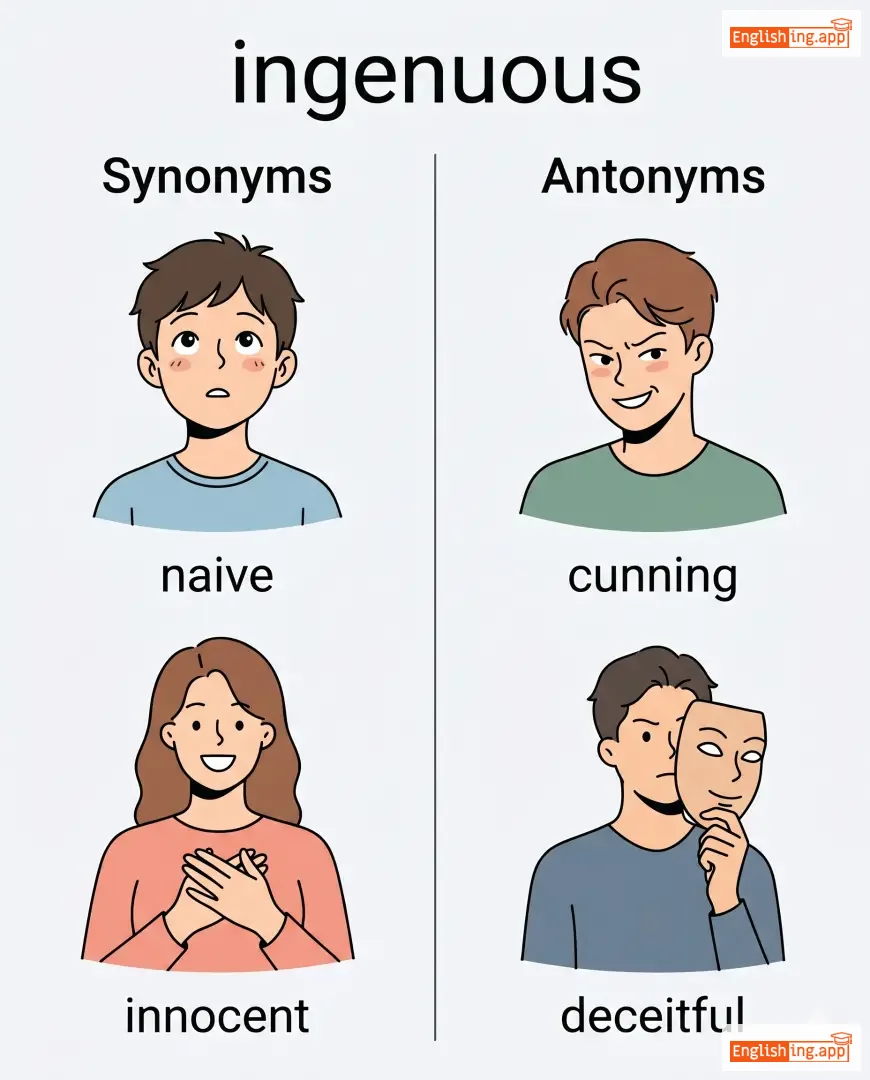
naive, innocent, sincere, candid, frank
••••••
|
cunning, deceitful, insincere
••••••
|
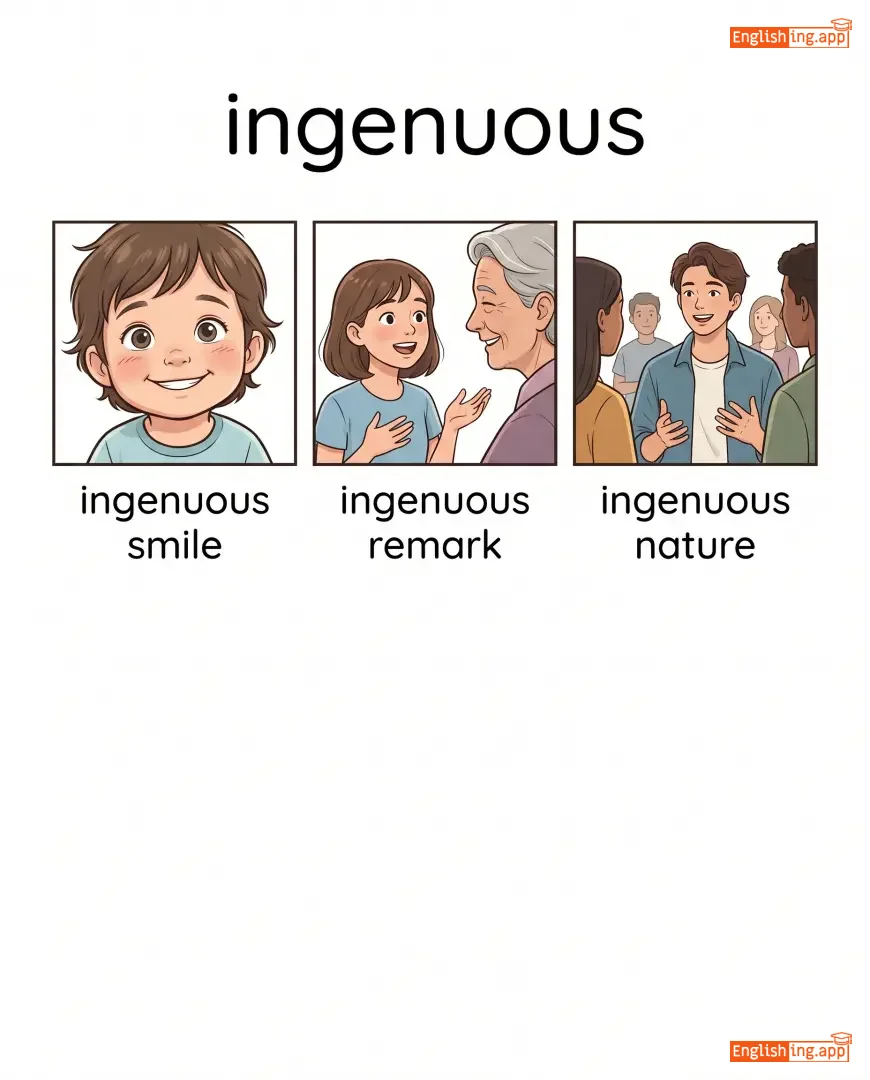
ingenuous smile, ingenuous remark, ingenuous nature, ingenuous expression
••••••
|
無邪気な笑顔が本物の優しさを示す 😊
••••••
|
|
⚖️
••••••
|
/ɪnˈhɛrənt/
adjective
(インヘレント)
••••••
|
|
固有の
koyū no
••••••
|
- •••••• | - •••••• | - •••••• | - •••••• |
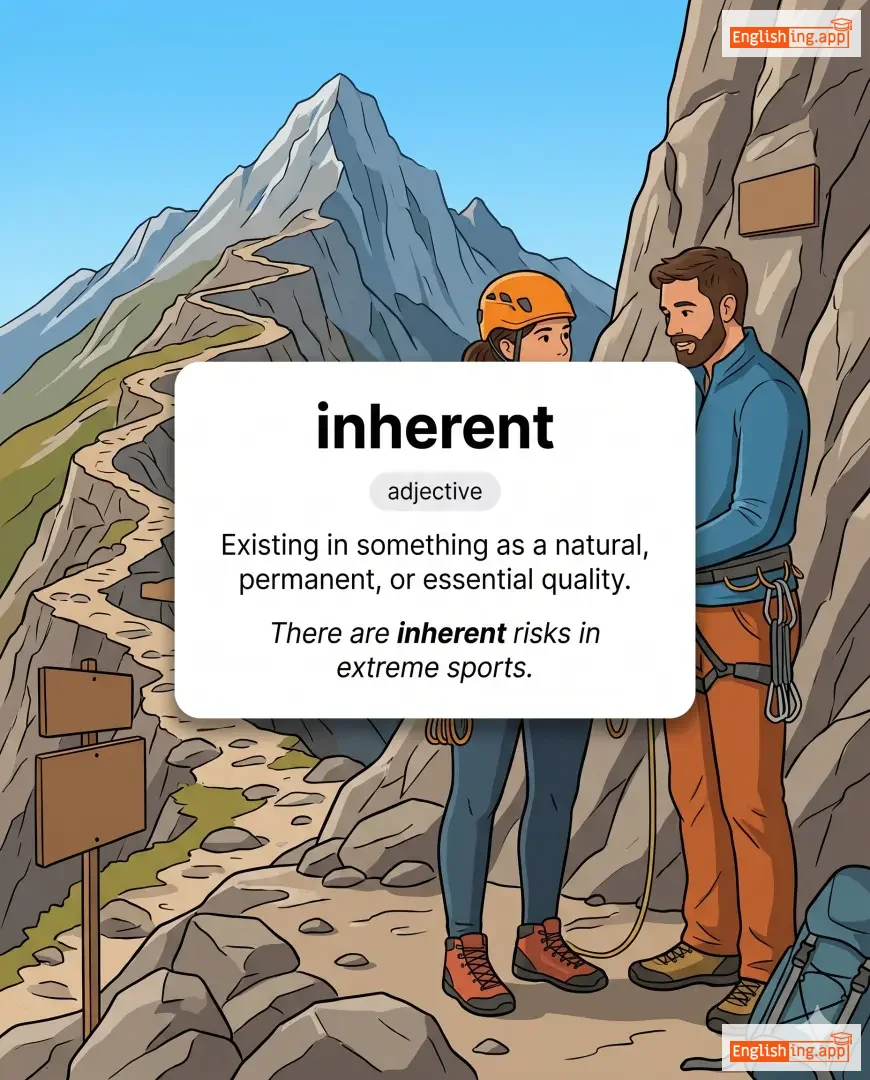
Existing in something as a natural, permanent, or essential quality.
••••••
|
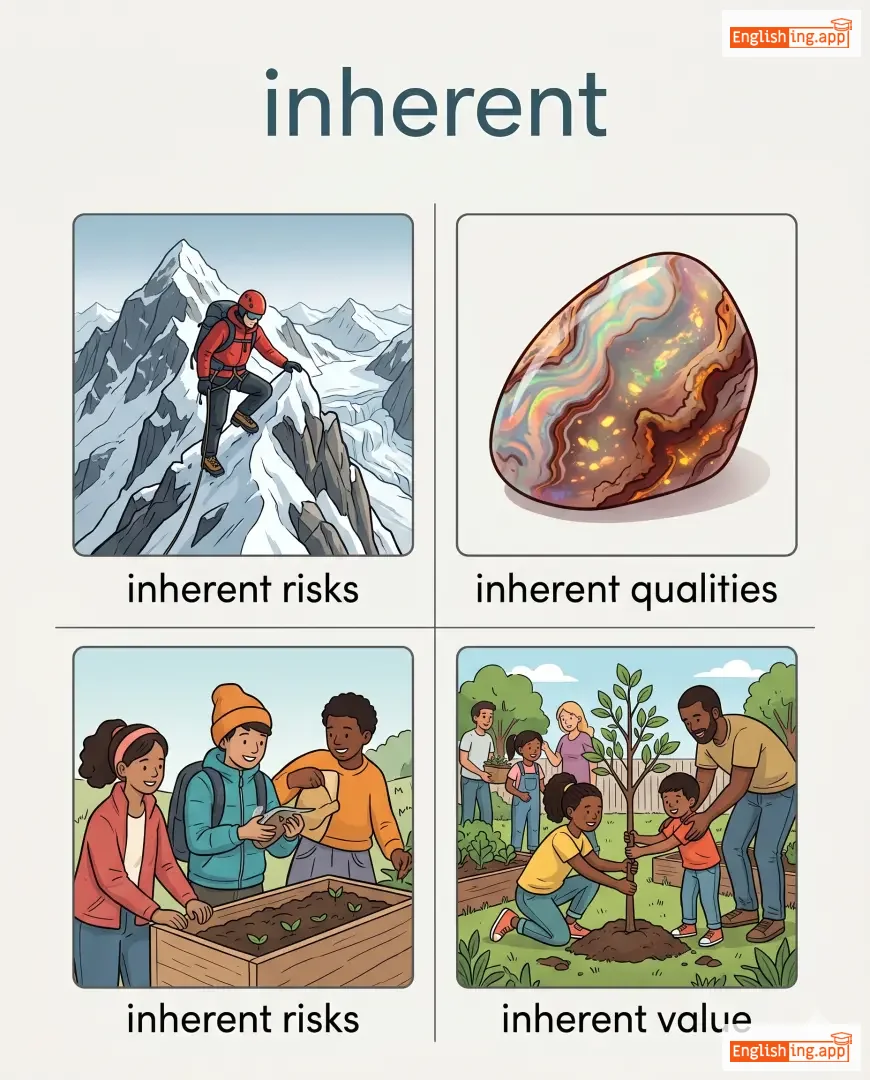
There are inherent risks in extreme sports. |
エクストリームスポーツには固有のリスクが存在する。
ekusutorīmusupōtsu ni wa koyū no risuku ga sonzai suru.
••••••
|
inherent danger |
A danger that is naturally part of something and cannot be separated from it.
••••••
|
固有の危険
koyū no kiken
••••••
|
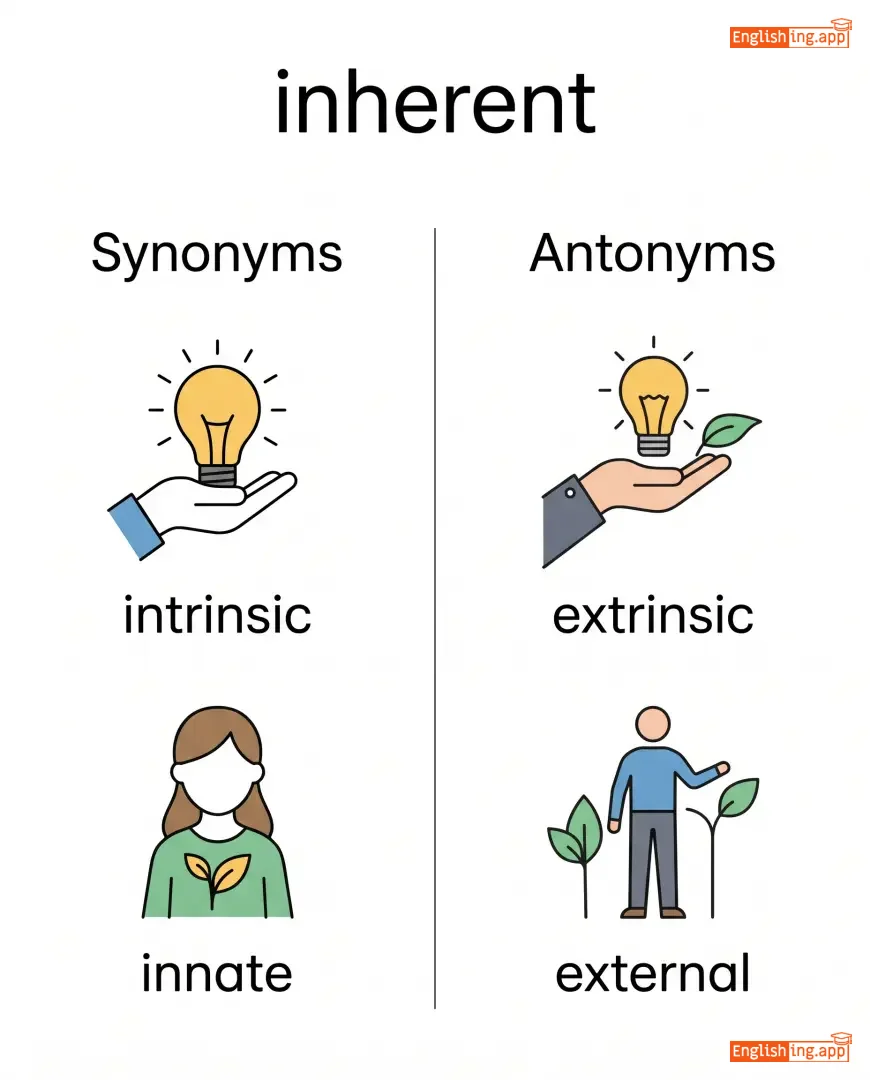
intrinsic, innate, built-in, essential, natural
••••••
|
extrinsic, external, acquired
••••••
|
inherent risks, inherent qualities, inherent value
••••••
|
Inherentはin + heart(心の中にある)を意味し、固有のものです。
••••••
|
|
😇
••••••
|
/ɪˈnɒkjuəs/
adjective
(イノキュアス)
••••••
|
|
無害な
mugaina
••••••
|
- •••••• | - •••••• | - •••••• | - •••••• |
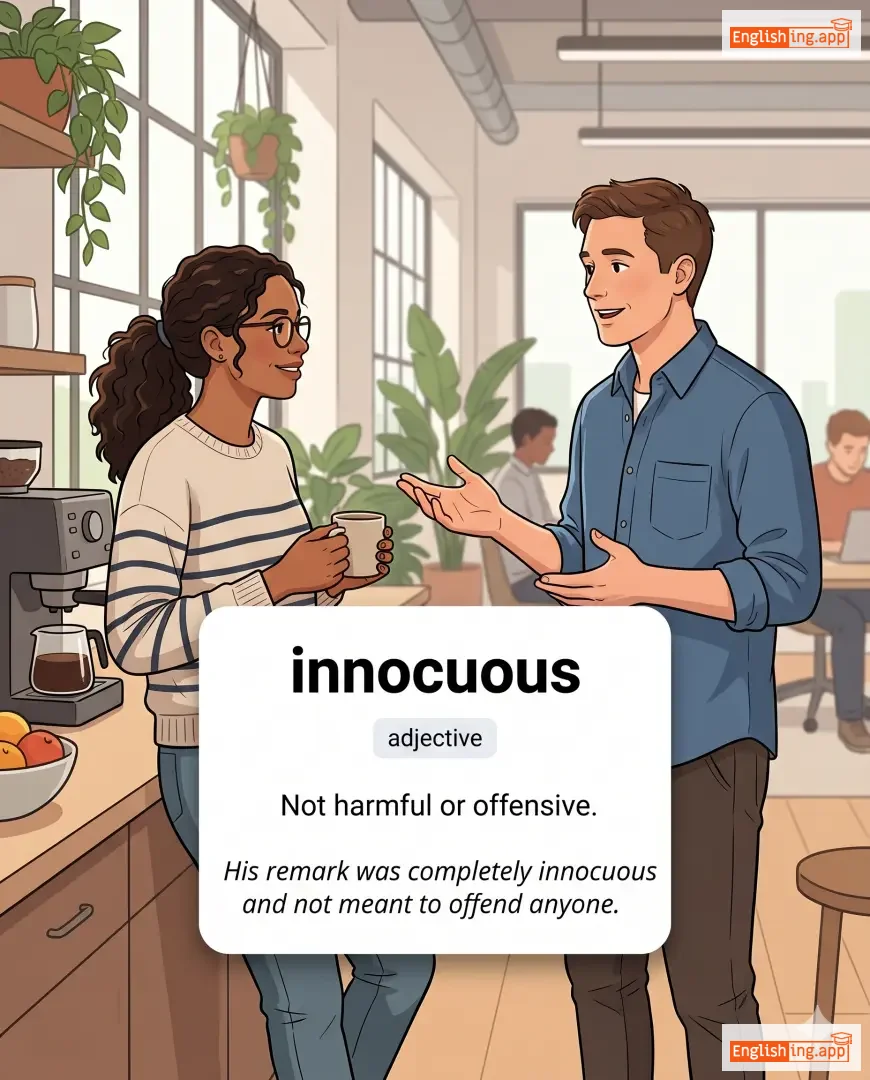
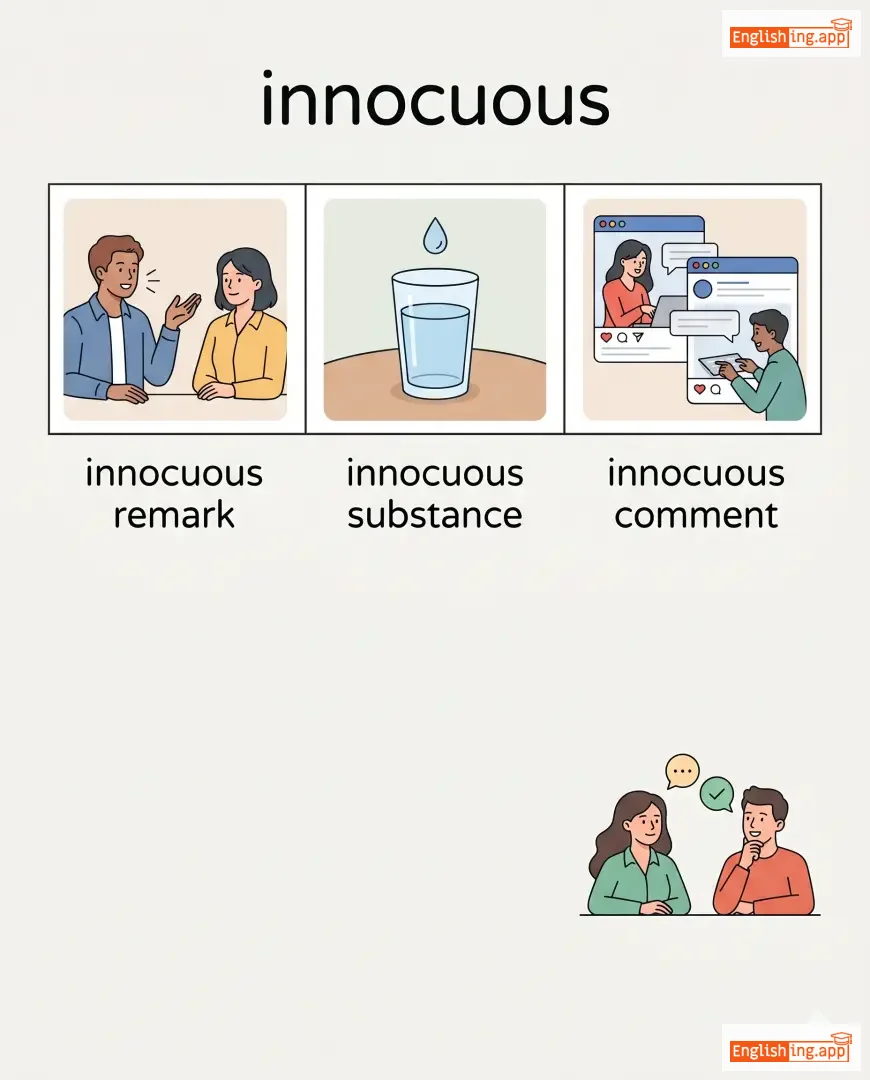
Not harmful or offensive.
••••••
|
His remark was completely innocuous and not meant to offend anyone. |
彼の発言は完全に無害で、誰かを傷つける意図はなかった。
Kare no hatsugen wa kanzen ni mugai de, dareka o kizutsukeru ito wa nakatta.
••••••
|
- •••••• | - •••••• | - •••••• |
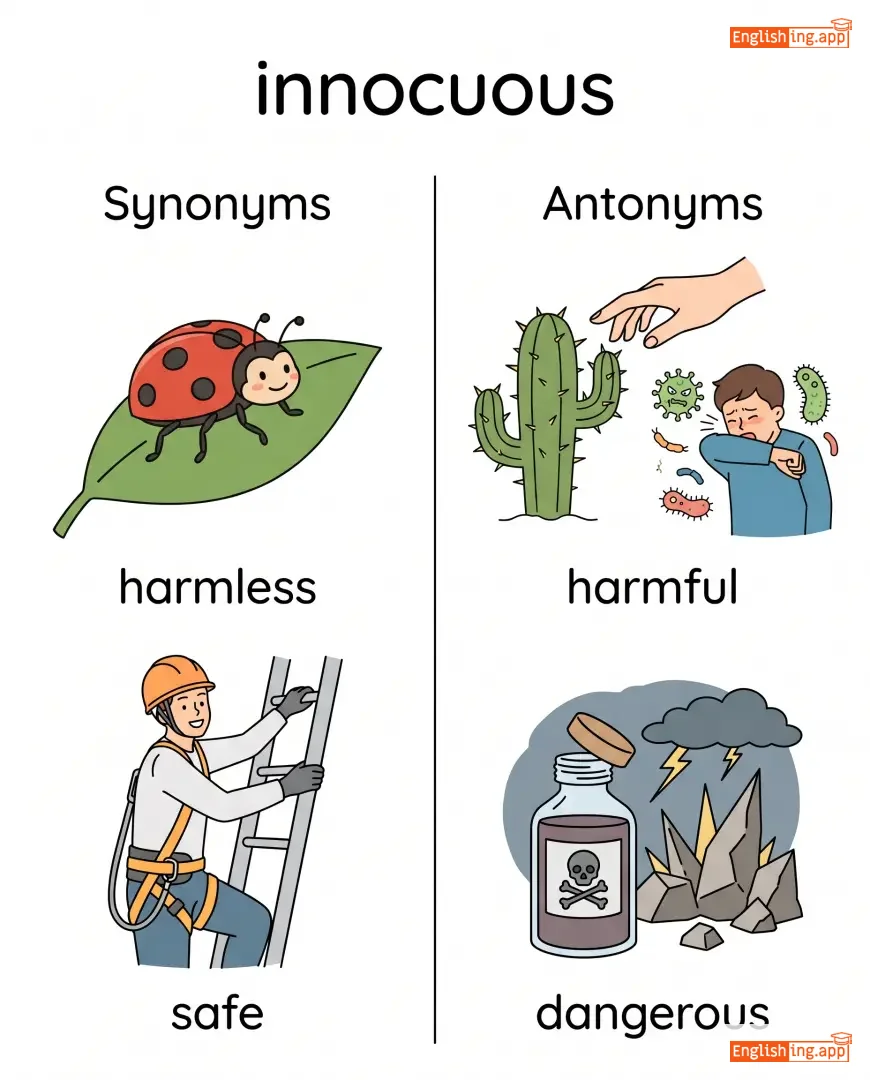
harmless, safe, inoffensive, mild, benign
••••••
|
harmful, dangerous, toxic
••••••
|
innocuous remark, innocuous substance, innocuous comment, seemingly innocuous
••••••
|
Innocent + キュアス (霧) → キュアスのように、無害なものは害を与えない。
••••••
|
|
😶
••••••
|
/ɪnˈsɛnsəbl/
adjective
(インセンシブル)
••••••
|
|
無意識
muishiki
••••••
|
- •••••• | - •••••• | - •••••• | - •••••• |
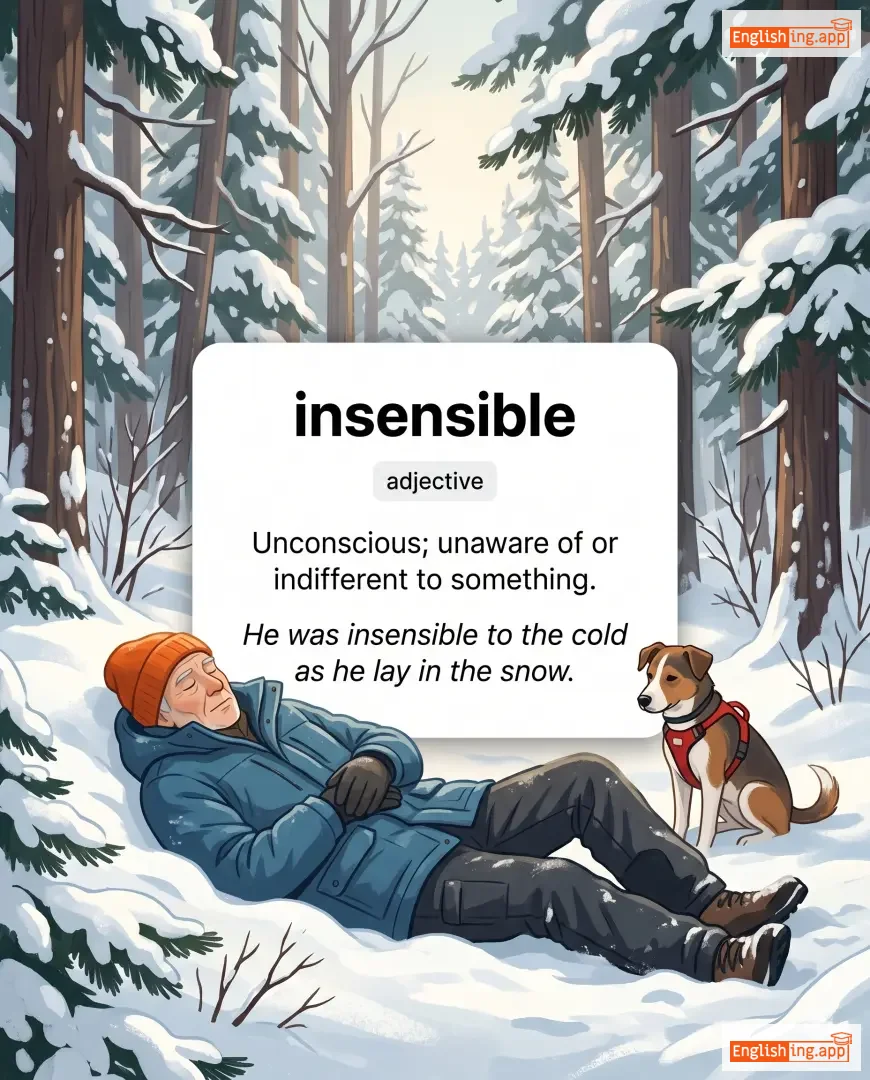
Unconscious; unaware of or indifferent to something.
••••••
|
He was insensible to the cold as he lay in the snow. |
彼は雪の中で横たわっているとき、寒さに無意識でした。
Kare wa yuki no naka de yokotawatte iru toki, samusa ni muishiki deshita.
••••••
|
- •••••• | - •••••• | - •••••• |
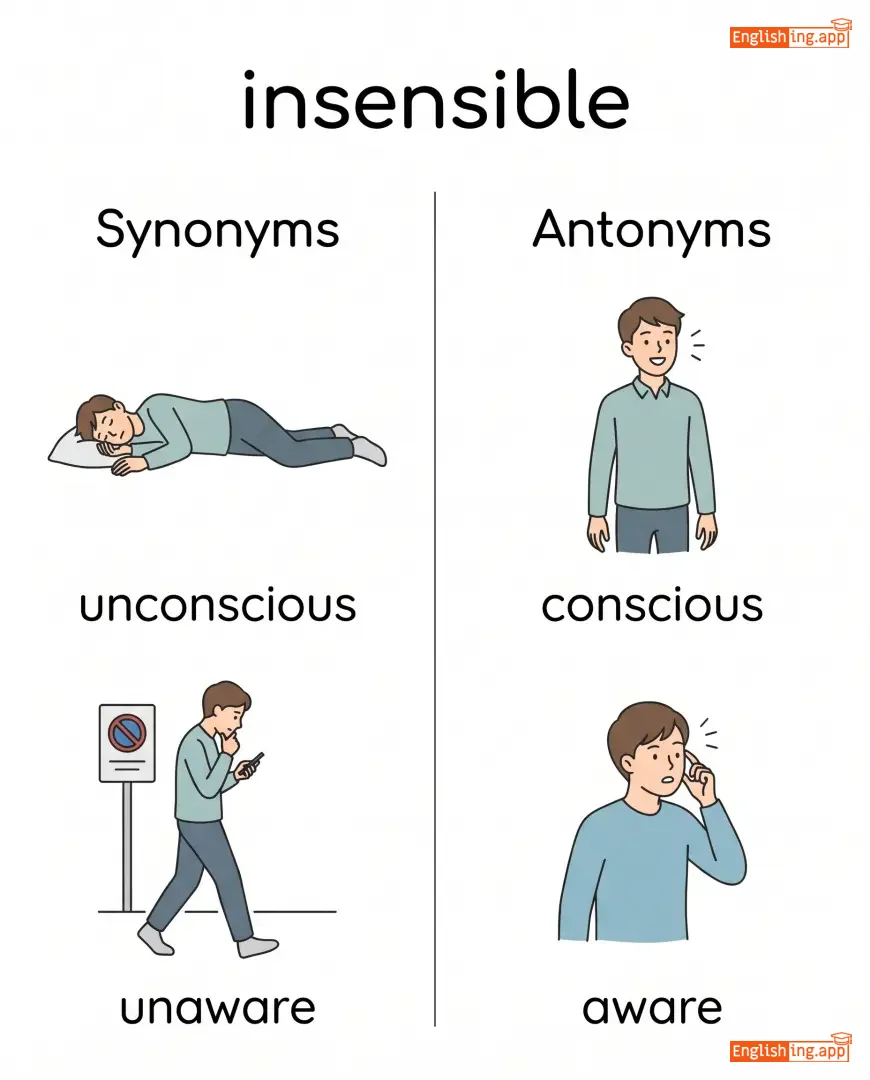
unconscious, unaware, oblivious, indifferent, unresponsive
••••••
|
conscious, aware, responsive
••••••
|
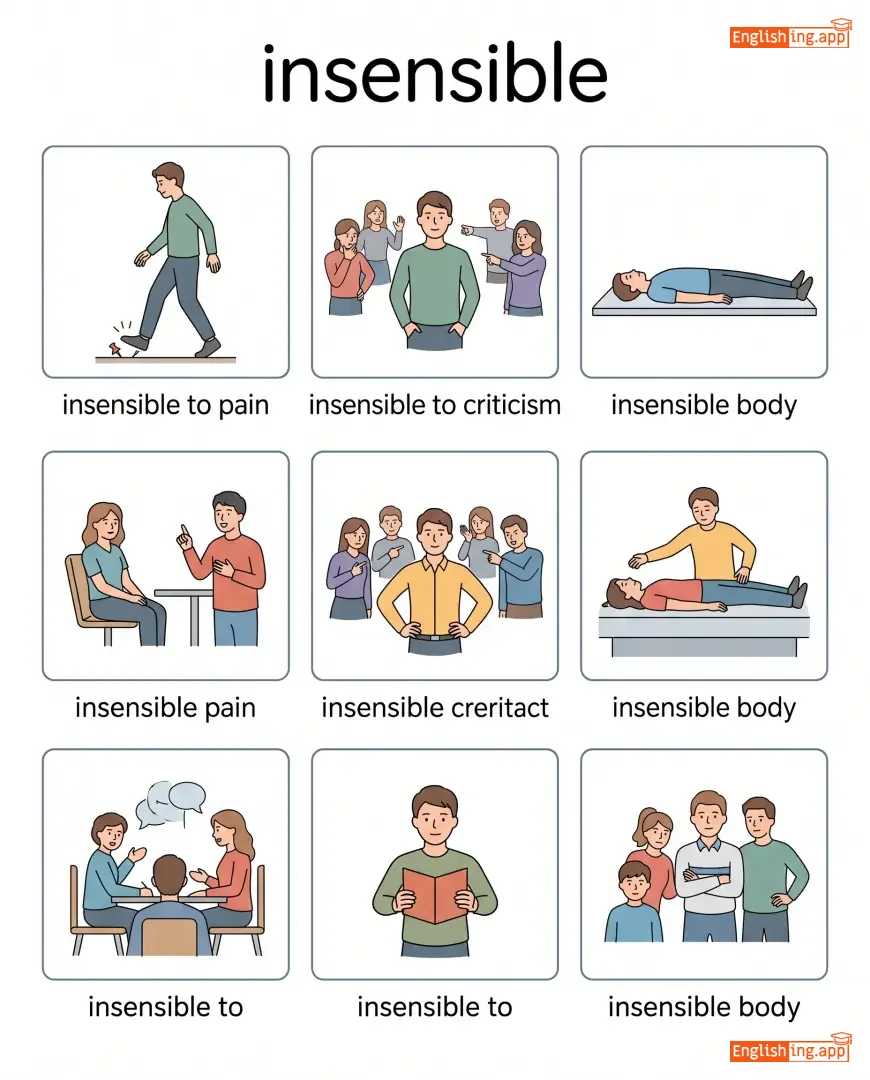
insensible to pain, insensible to criticism, insensible body
••••••
|
INSensibleは感覚がない → 無意識。
••••••
|
|
🤫
••••••
|
/ɪnˈsɪnjueɪt/
verb
••••••
|
|
- •••••• |
insinuated
••••••
|
insinuated
••••••
|
insinuates
••••••
|
insinuating
••••••
|
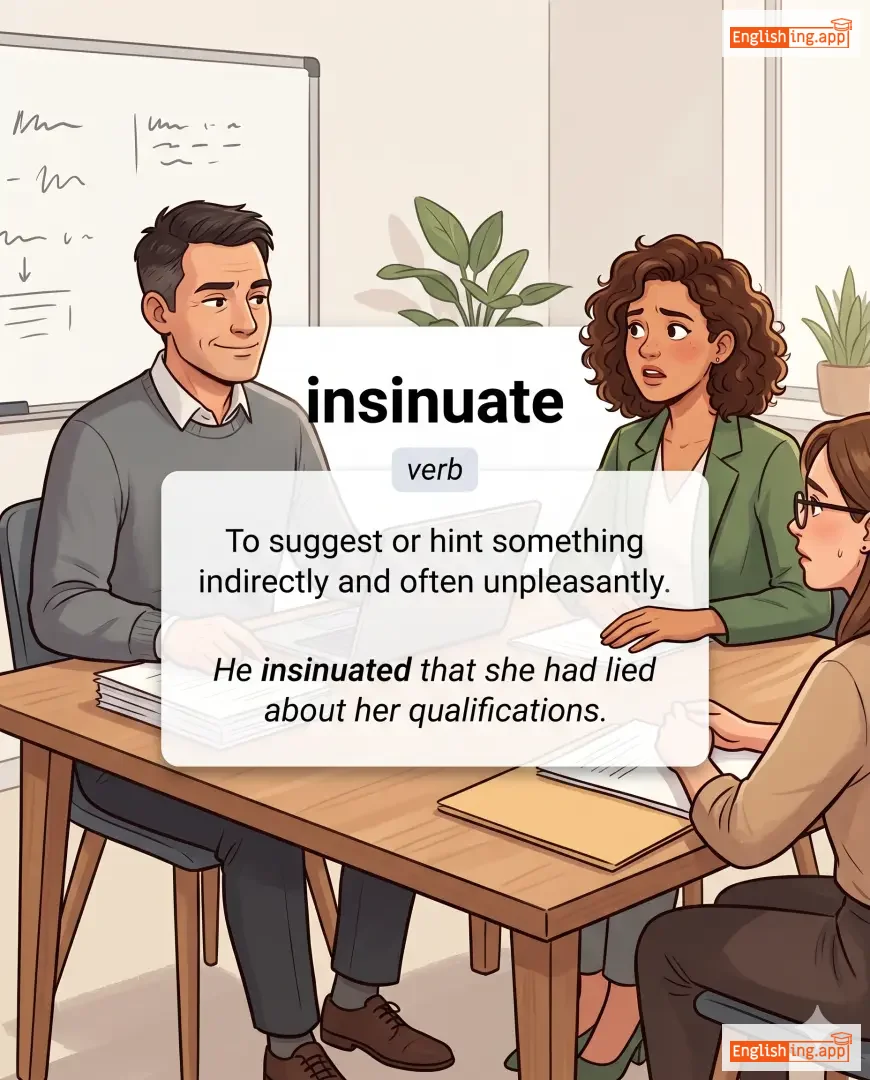
To suggest or hint something indirectly and often unpleasantly.
••••••
|
He insinuated that she had lied about her qualifications. |
- •••••• |
insinuate oneself |
to gradually and subtly gain favor or acceptance
••••••
|
- •••••• |
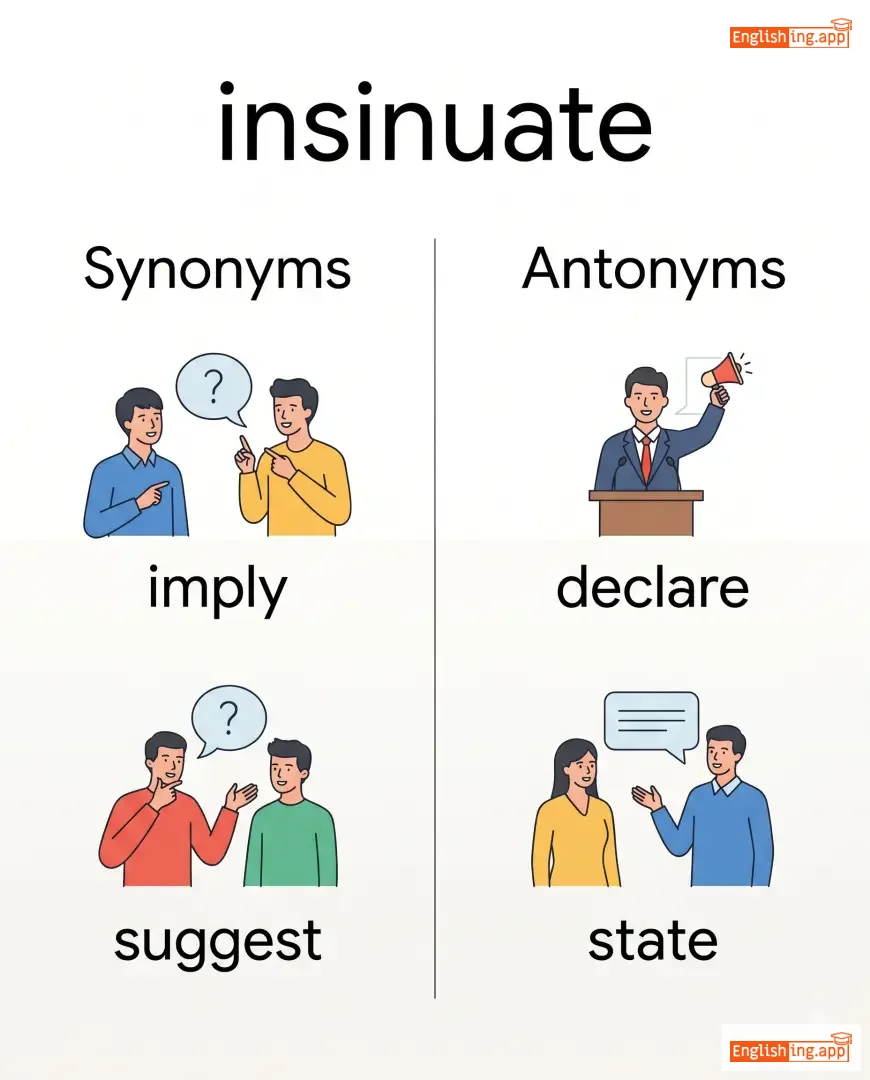
imply, suggest, hint, intimate, indicate
••••••
|
declare, state, assert
••••••
|
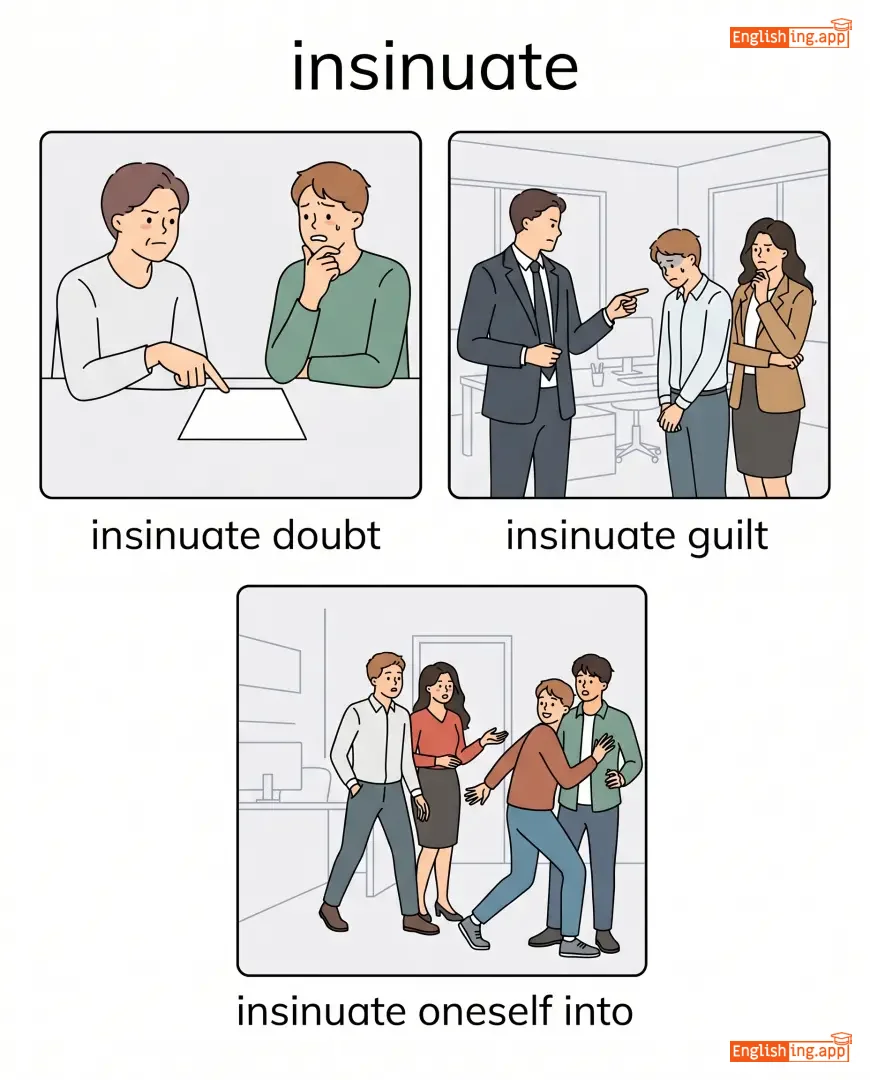
insinuate doubt, insinuate guilt, insinuate oneself into
••••••
|
No •••••• |
|
🥱
••••••
|
/ɪnˈsɪpɪd/
adjective
(インシピッド)
••••••
|
|
味気ない
ajikenai
••••••
|
- •••••• | - •••••• | - •••••• | - •••••• |
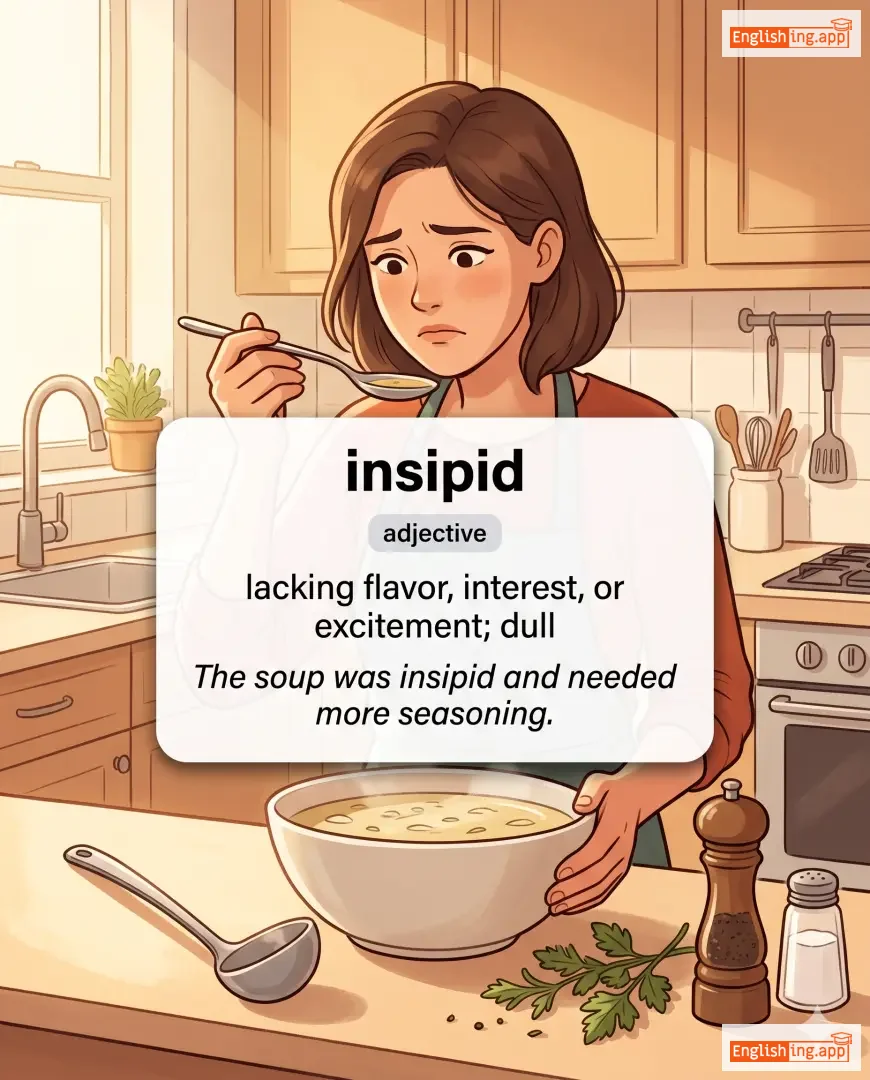
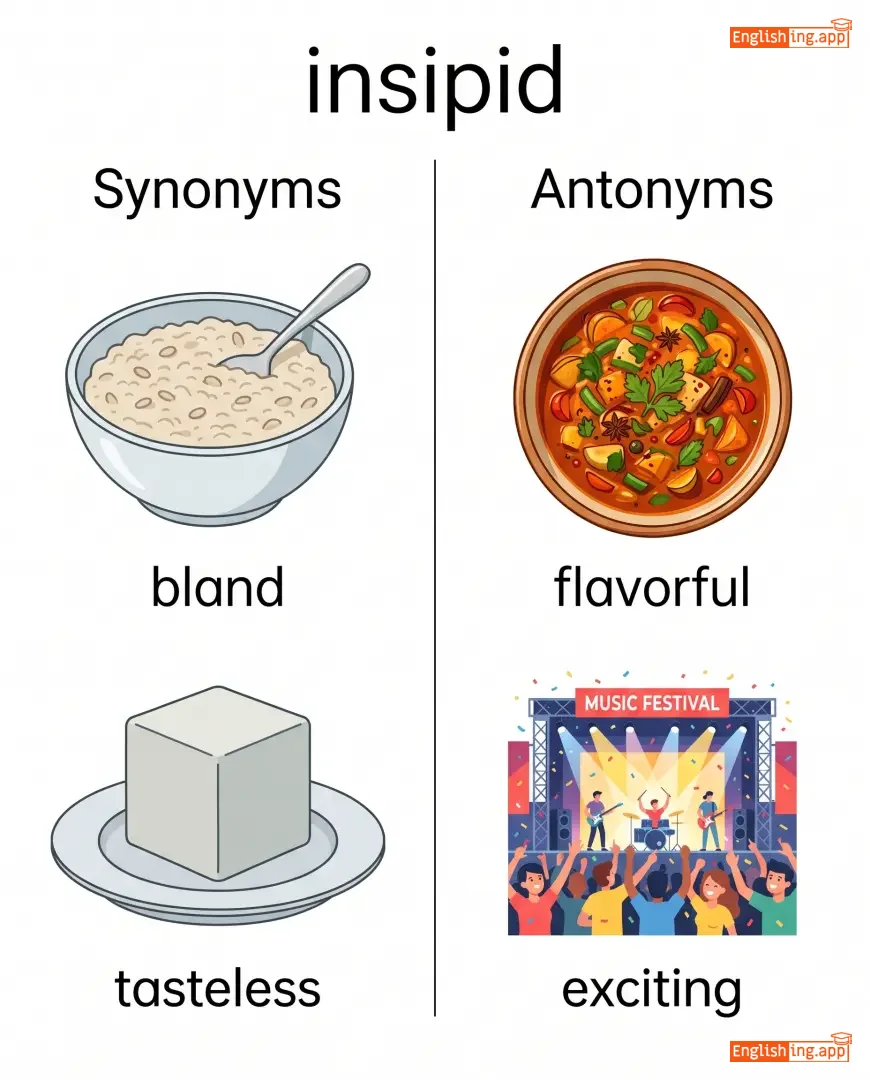
lacking flavor, interest, or excitement; dull
••••••
|
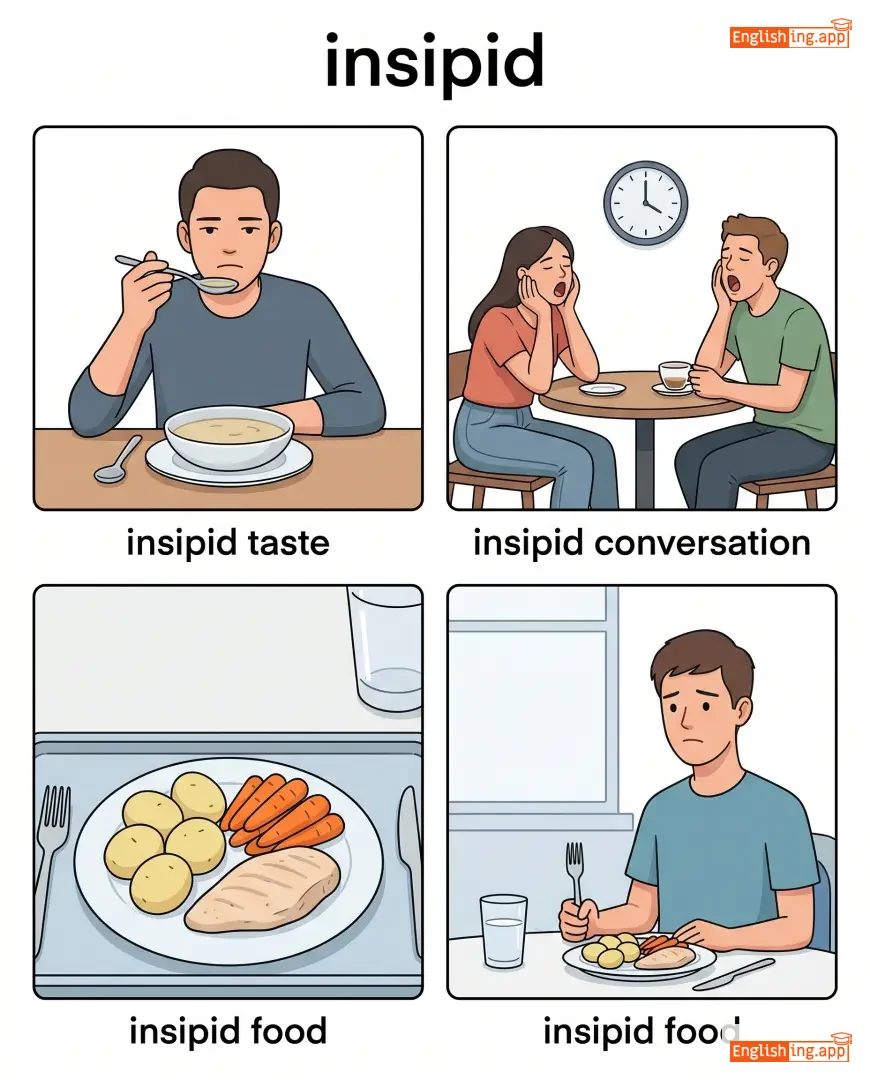
The soup was insipid and needed more seasoning. |
スープは味気なく、もっと調味料が必要でした。
Sūpu wa ajikenaku, motto chōmiryō ga hitsuyō deshita.
••••••
|
- •••••• | - •••••• | - •••••• |
bland, tasteless, dull, boring, flat
••••••
|
flavorful, exciting, lively
••••••
|
insipid taste, insipid conversation, insipid food, insipid performance
••••••
|
Insipid は ‘in sipid’ と聞こえます → 味がないので、味気ない。
••••••
|
|
🌐
••••••
|
/ˌɪnsjəˈlærəti/
noun
(インスラリティ)
••••••
|
|
島国性
shimagunisei
••••••
|
- •••••• | - •••••• | - •••••• | - •••••• |
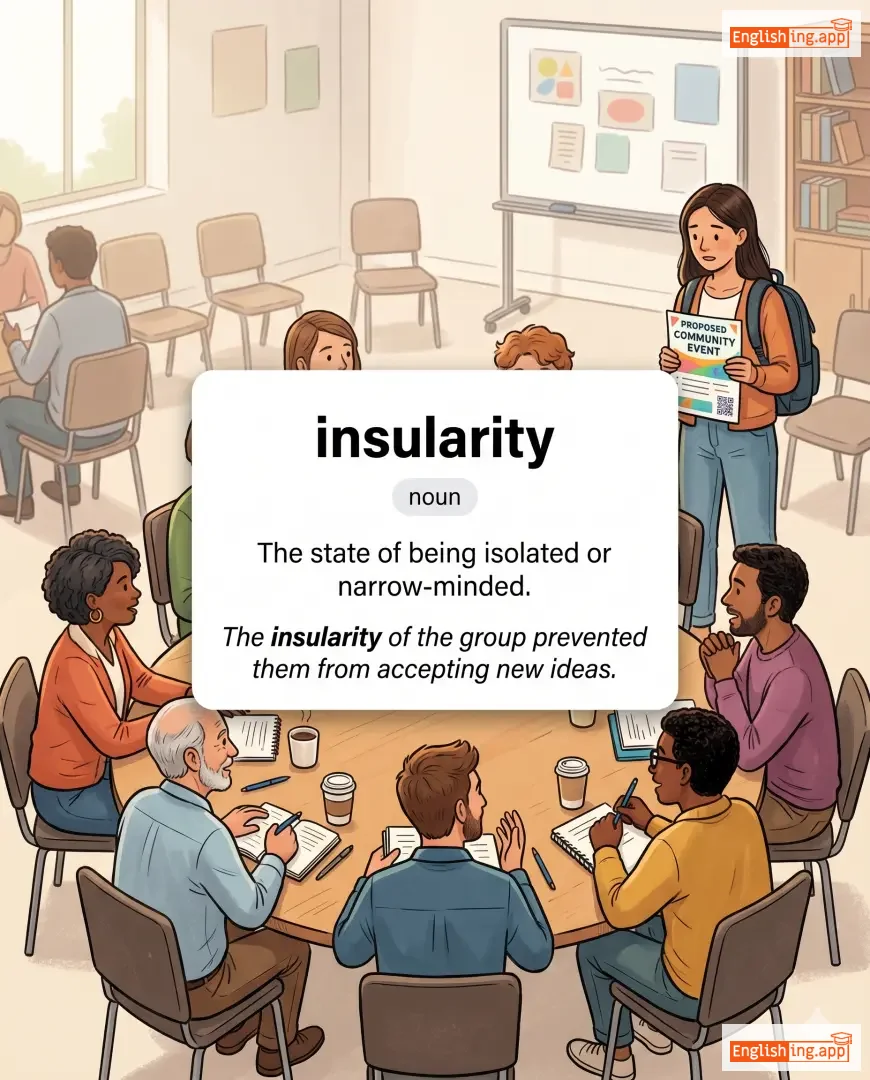
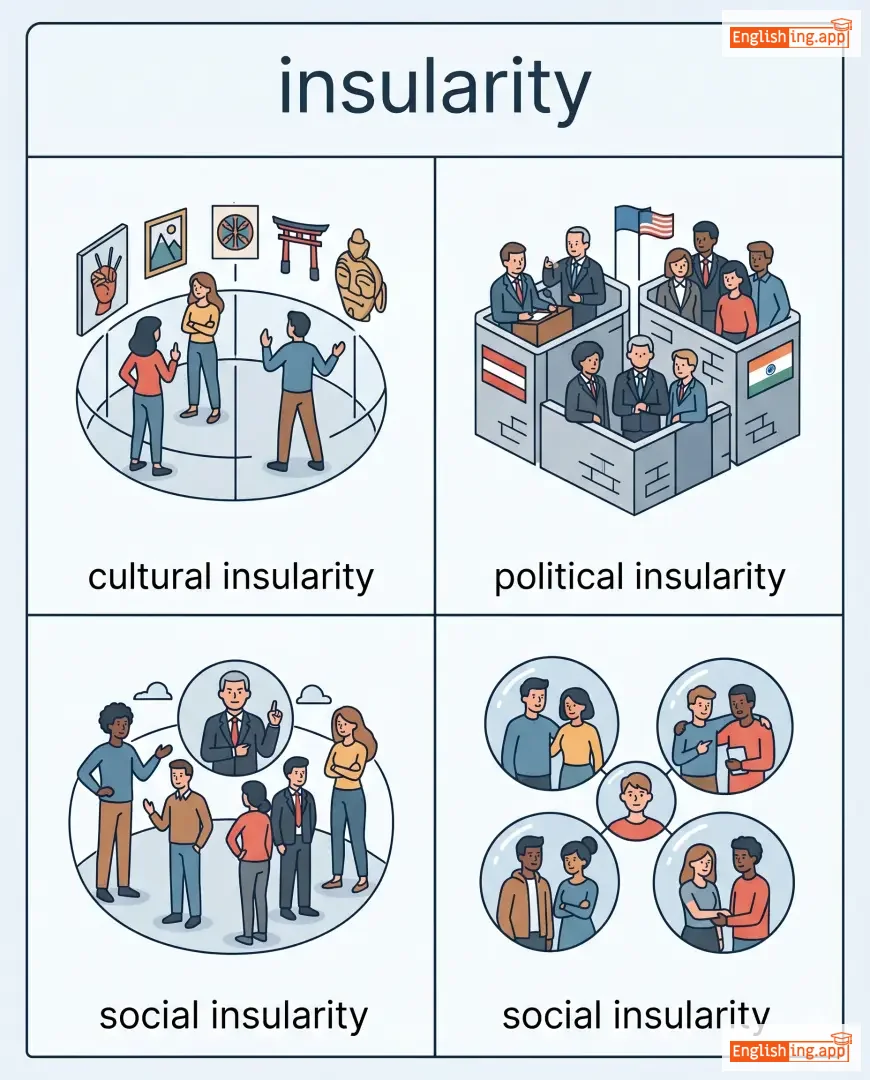
The state of being isolated or narrow-minded.
••••••
|
The insularity of the group prevented them from accepting new ideas.
グループのインスラリティは新しいアイデアを受け入れることを妨げた。
••••••
|
グループの島国性は新しいアイデアを受け入れることを妨げた。
Gurūpu no shimakunisei wa atarashī aidea o ukeireru koto o samataketa.
••••••
|
- •••••• | - •••••• | - •••••• |
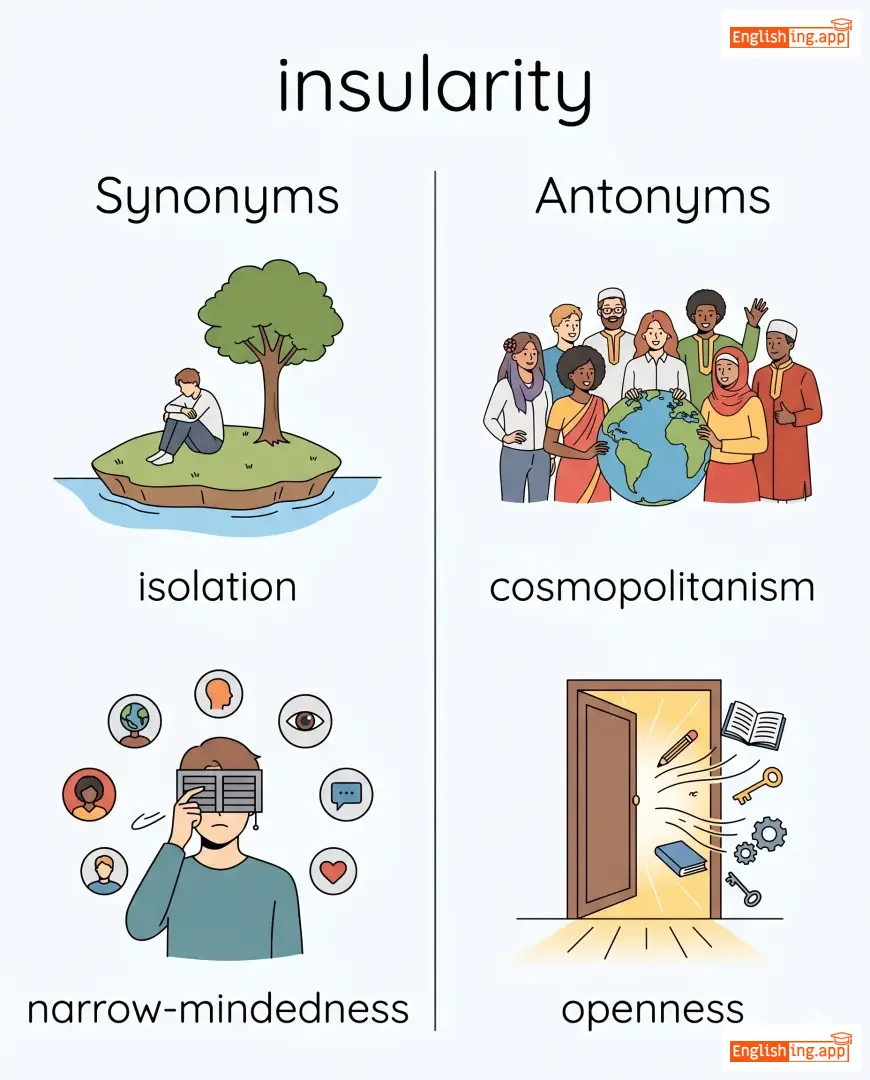
isolation, narrow-mindedness, provincialism, parochialism
••••••
|
cosmopolitanism, openness, tolerance
••••••
|
cultural insularity, political insularity, social insularity
••••••
|
島国性=島に閉じ込められた狭い考え方。
••••••
|
|
🪨
••••••
|
/ɪnˈtræk.tə.bəl/
adjective
(イントラクトブル)
••••••
|
|
管理不能
kanri funō
••••••
|
- •••••• | - •••••• | - •••••• | - •••••• |
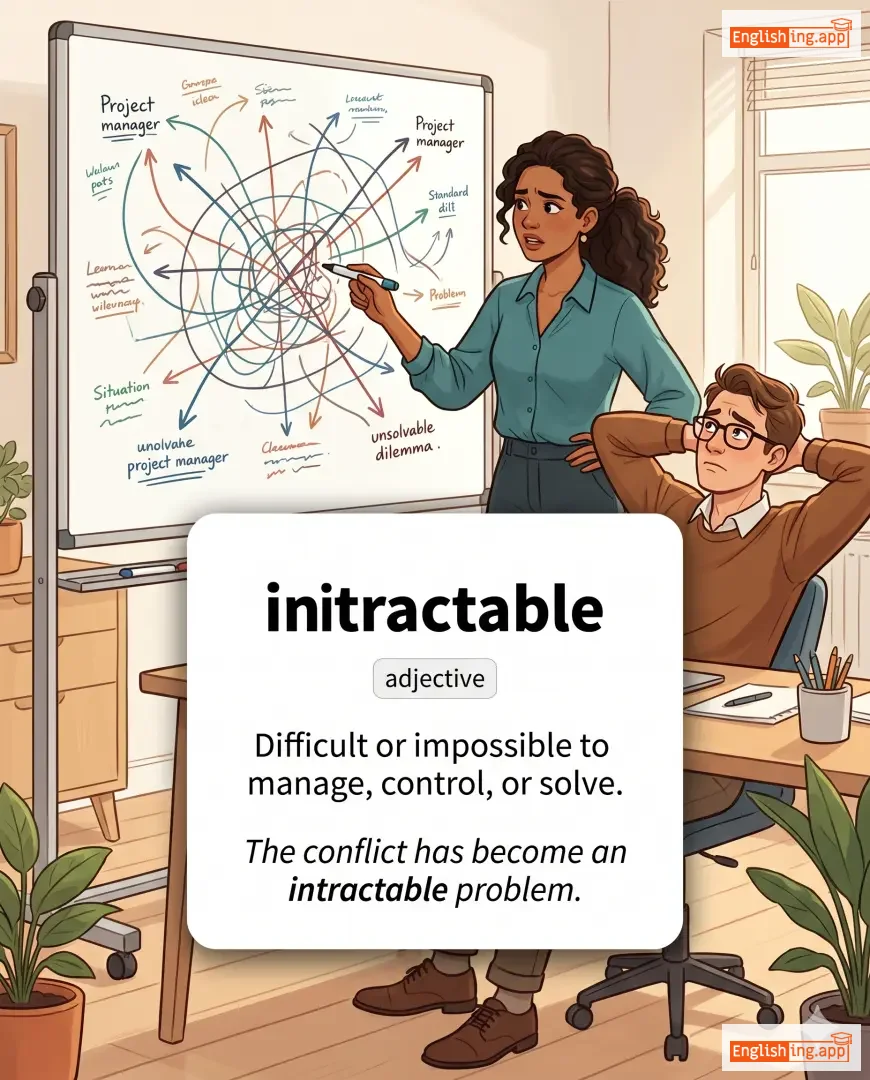
Difficult or impossible to manage, control, or solve.
••••••
|
The conflict has become an intractable problem. |
その対立は管理不能な問題になった。
Sono tairitsu wa kanri funō na mondai ni natta.
••••••
|
- •••••• | - •••••• | - •••••• |
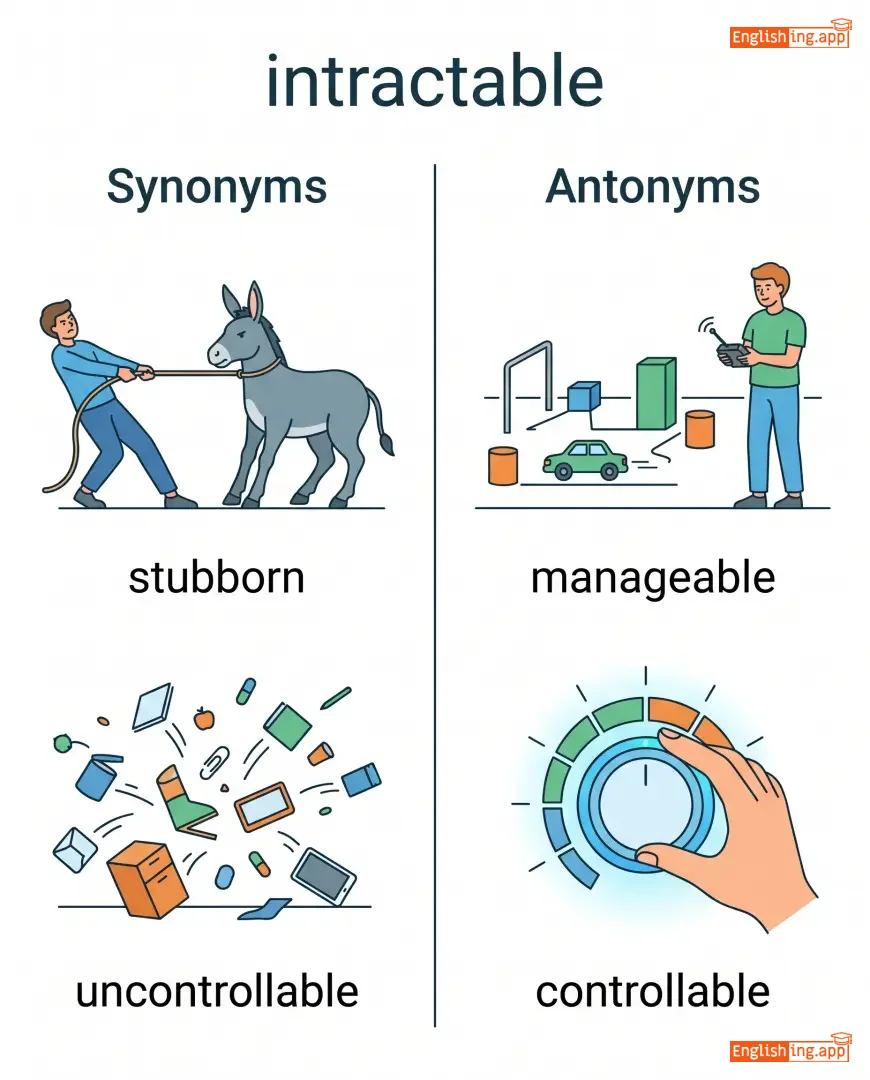
stubborn, uncontrollable, unmanageable, obstinate
••••••
|
manageable, controllable, flexible
••••••
|
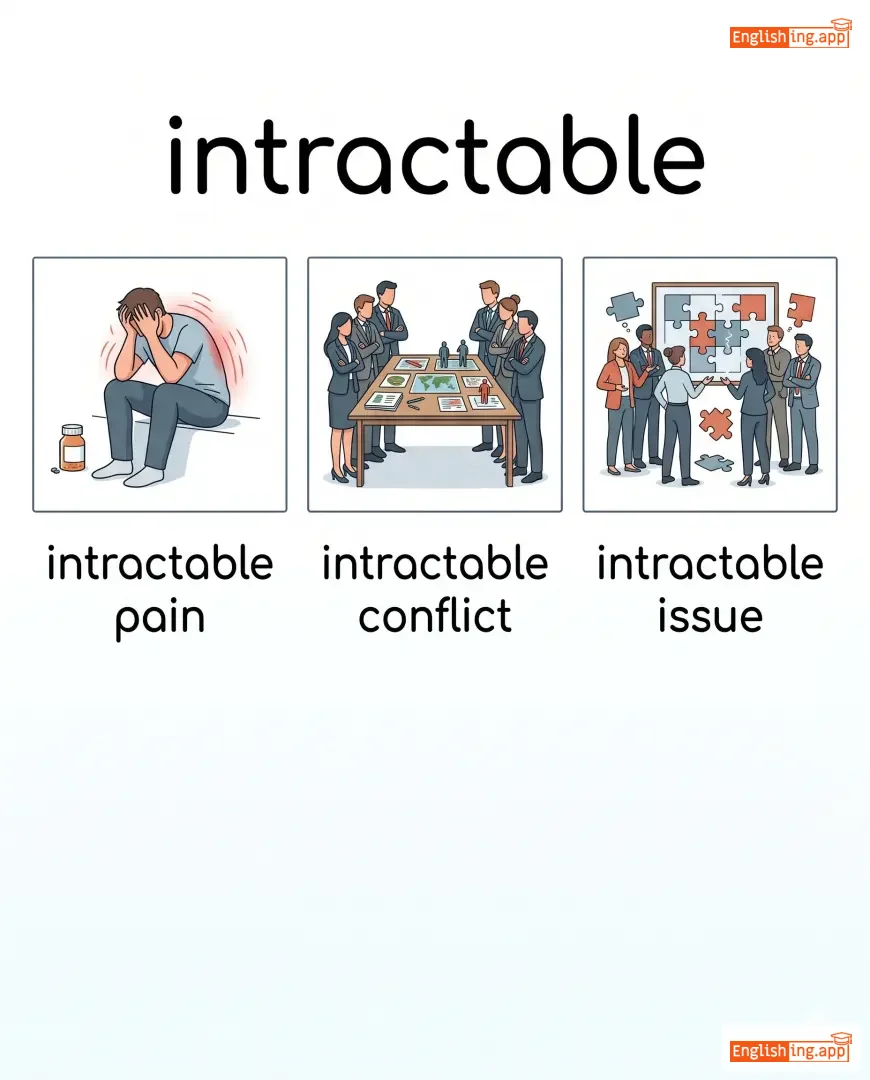
intractable pain, intractable conflict, intractable issue, intractable disease
••••••
|
In + Track (トラック) + able → 解決できない問題 → 管理不能
••••••
|
|
🛑
••••••
|
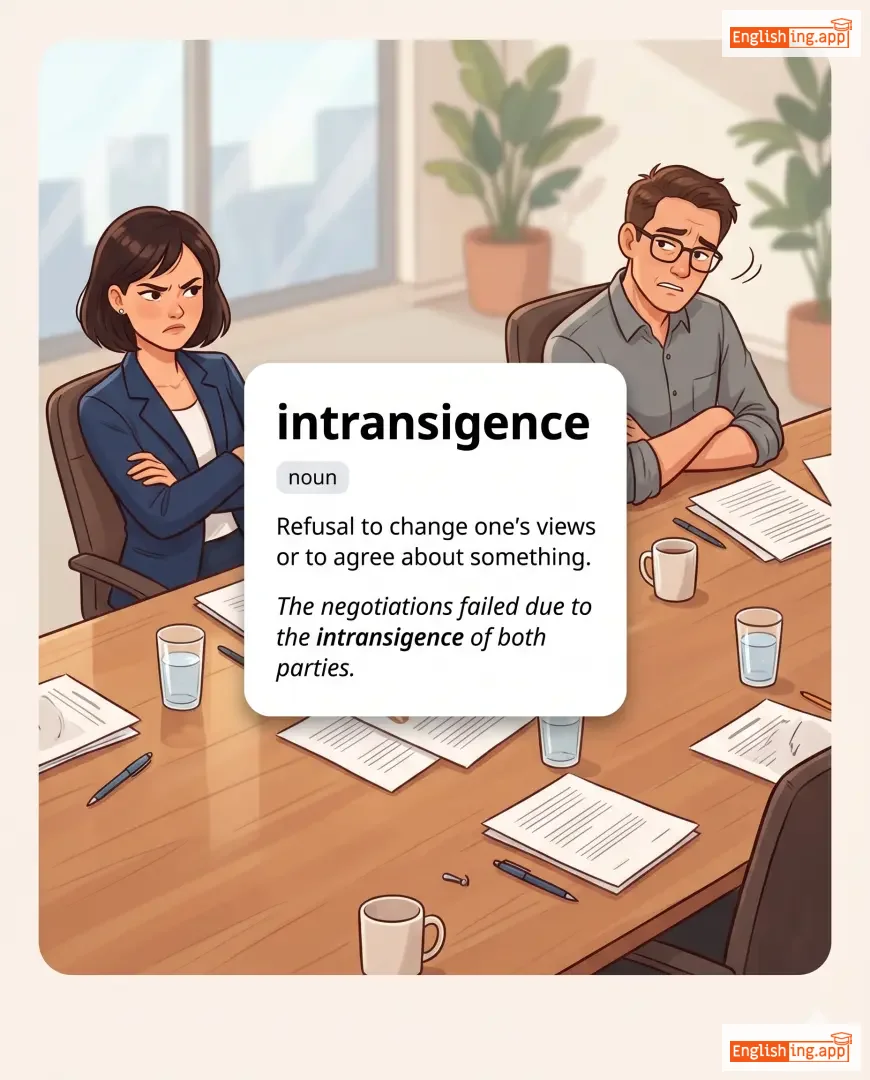
/ɪnˈtræn.sɪ.dʒəns/
noun
(イントランシジェンス)
••••••
|
|
不屈
fukutsu
••••••
|
- •••••• | - •••••• | - •••••• | - •••••• |
Refusal to change one's views or to agree about something.
••••••
|
The negotiations failed due to the intransigence of both parties. |
両者の不屈の姿勢のために交渉は失敗した。
Ryōsha no fukutsu no shisei no tame ni kōshō wa shippai shita.
••••••
|
- •••••• | - •••••• | - •••••• |
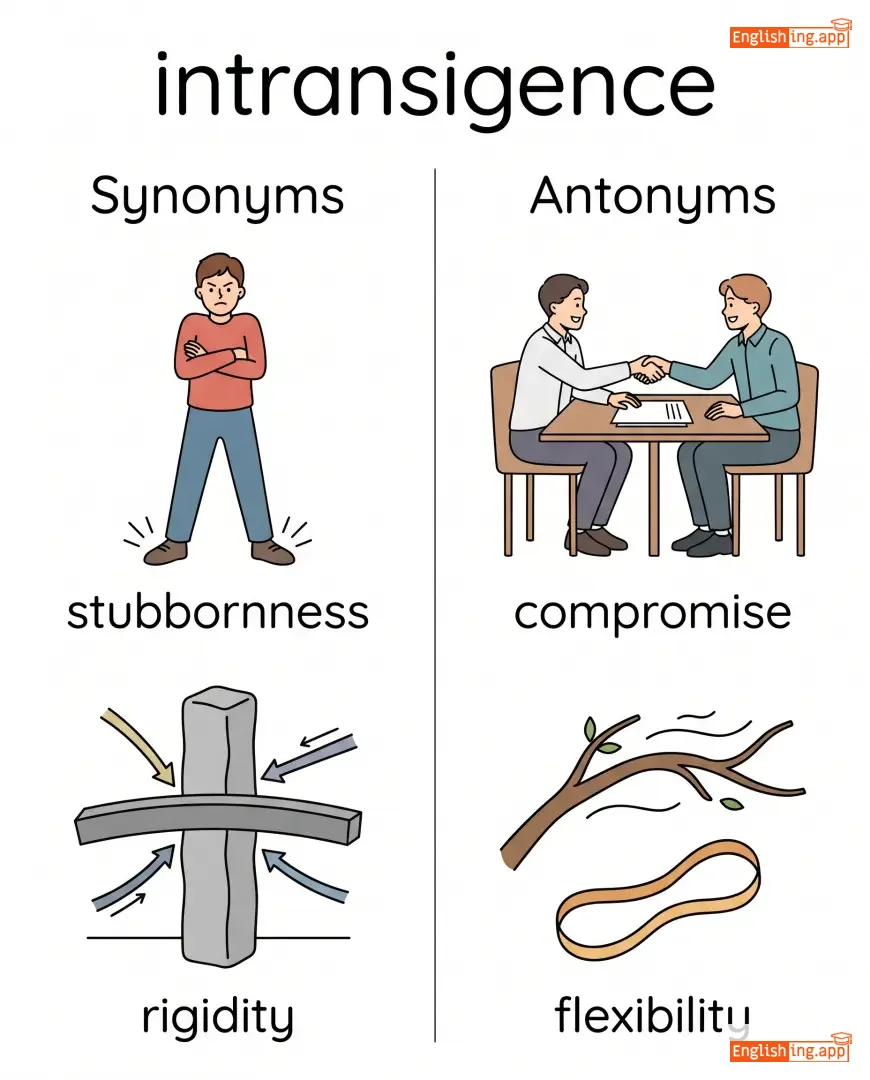
stubbornness, rigidity, inflexibility, obstinacy
••••••
|
compromise, flexibility, willingness
••••••
|
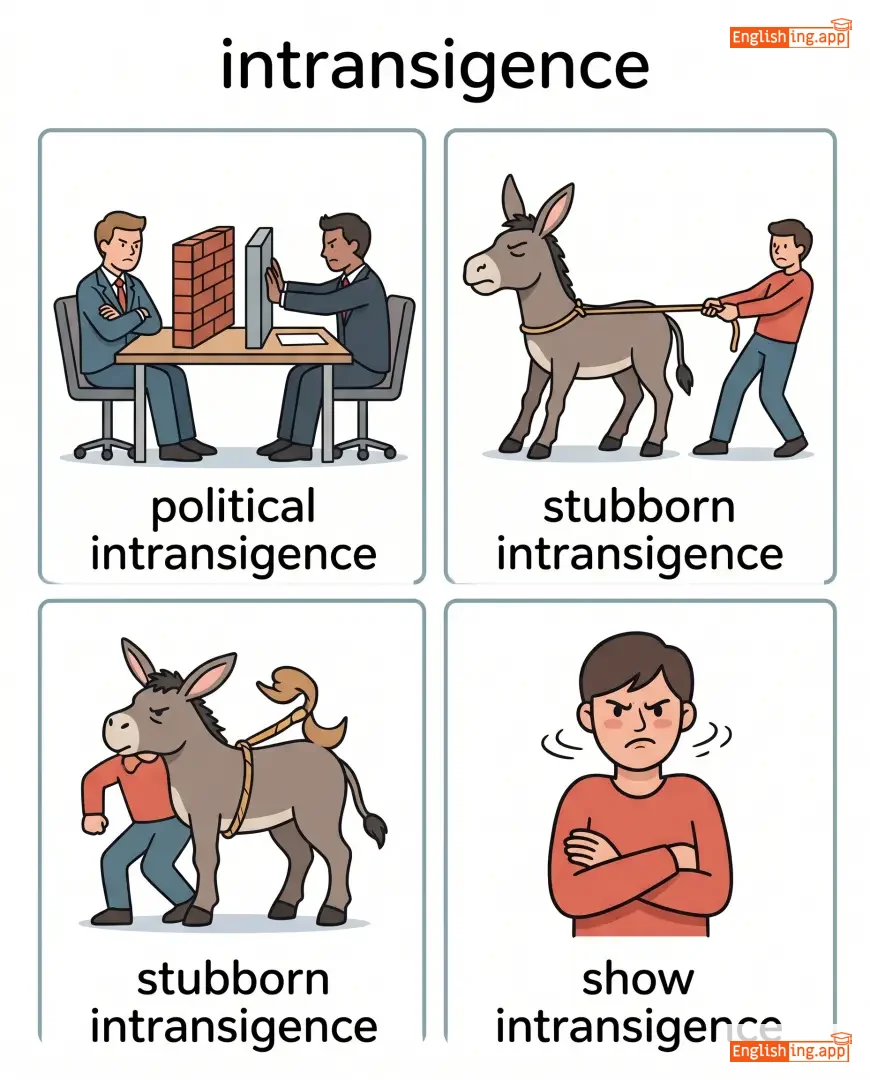
political intransigence, stubborn intransigence, show intransigence, display intransigence
••••••
|
In + Transit なし → 進まない → 変わらない → 不屈
••••••
|
|
🌊
••••••
|
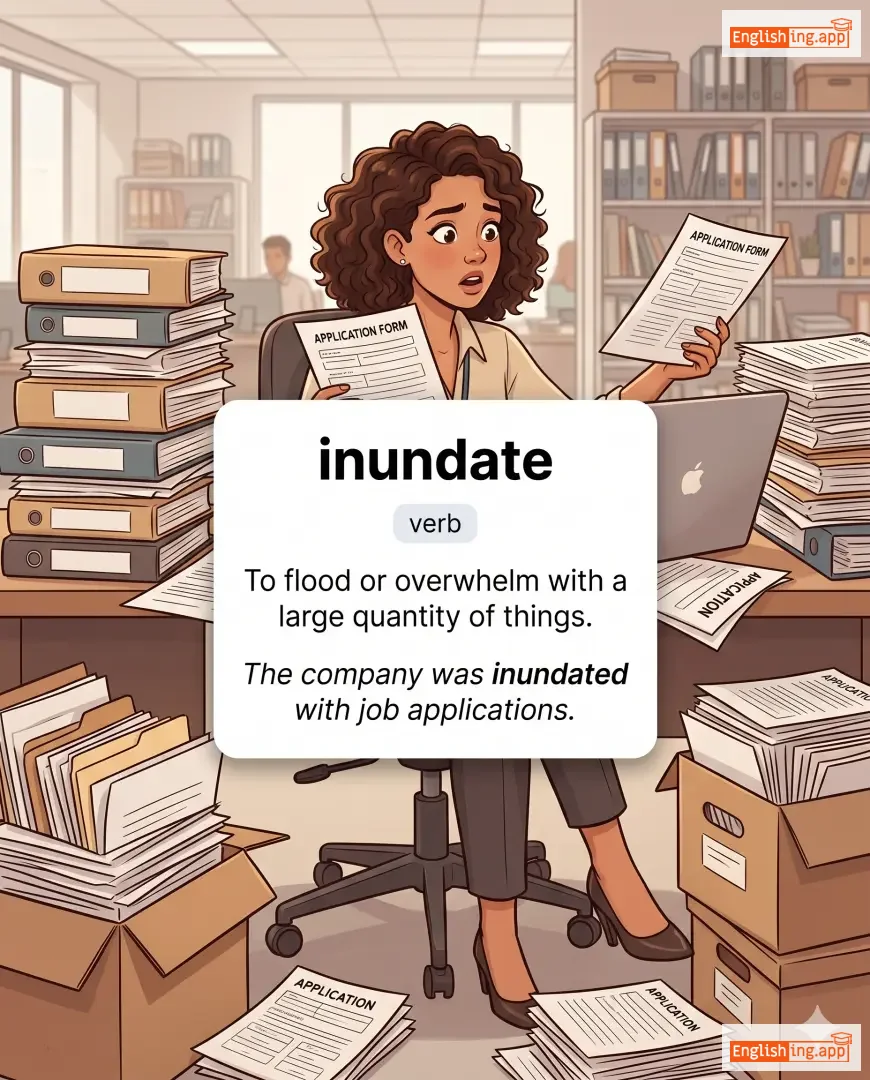
/ˈɪn.ʌn.deɪt/
verb
(イナンデイト)
••••••
|
|
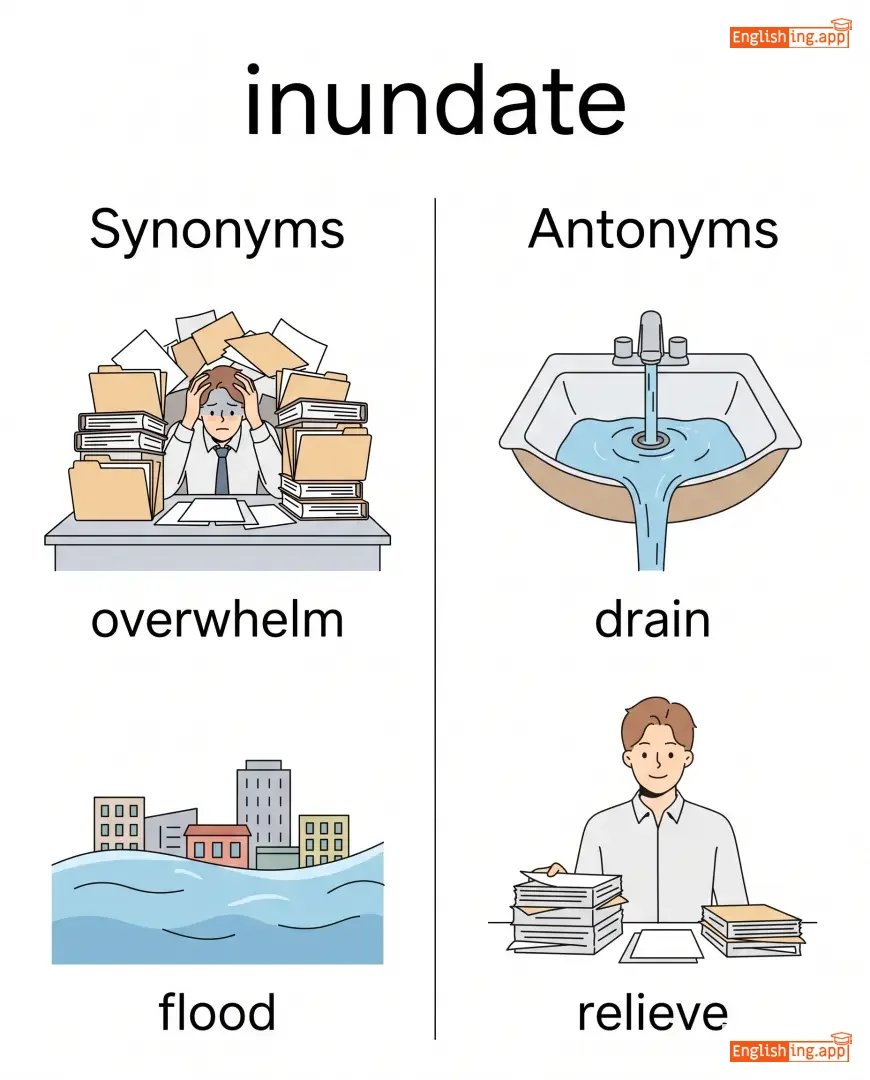
氾濫する / 溢れかえる
hanran suru / afurekaeru
••••••
|
inundated
イナンデイテッド
••••••
|
inundated
イナンデイテッド
••••••
|
inundates
イナンデイツ
••••••
|
inundating
イナンデイティング
••••••
|
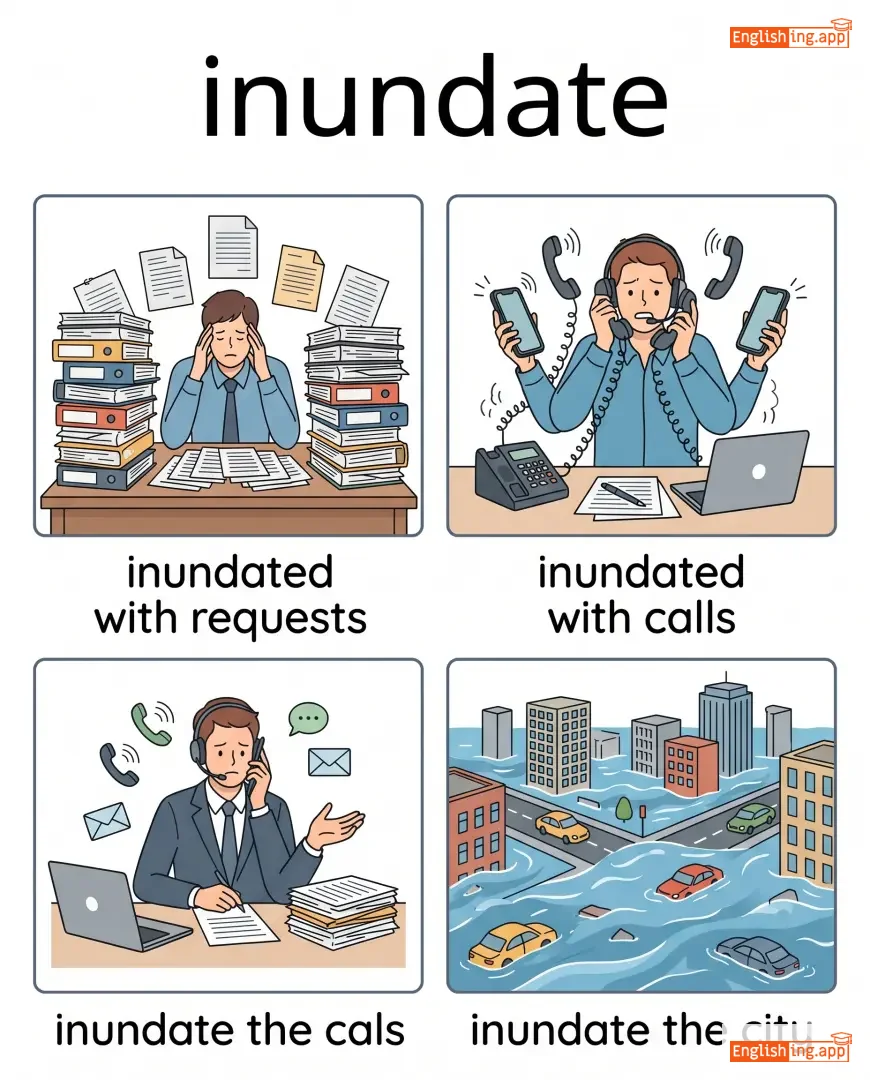
To flood or overwhelm with a large quantity of things.
••••••
|
The company was inundated with job applications.
その会社は求人応募で溢れていた。
••••••
|
その会社は求人応募で溢れていた。
Sono kaisha wa kyūjin ōbo de afurete ita.
••••••
|
inundated with work
仕事に溢れかえった
••••••
|
Overwhelmed by too much work.
••••••
|
仕事に圧倒される
shigoto ni attō sareru
••••••
|
overwhelm, flood, swamp, engulf, deluge
••••••
|
drain, relieve
••••••
|
inundated with requests, inundated with calls, inundate the city, inundated by problems
••••••
|
In UN DATE で氾濫 – inundate は氾濫するを意味します。
••••••
|
|
🛡️
••••••
|
/ɪˈnjʊərd/
adjective
(イニュアード)
••••••
|
|
慣れた
nareta
••••••
|
- •••••• | - •••••• | - •••••• | - •••••• |
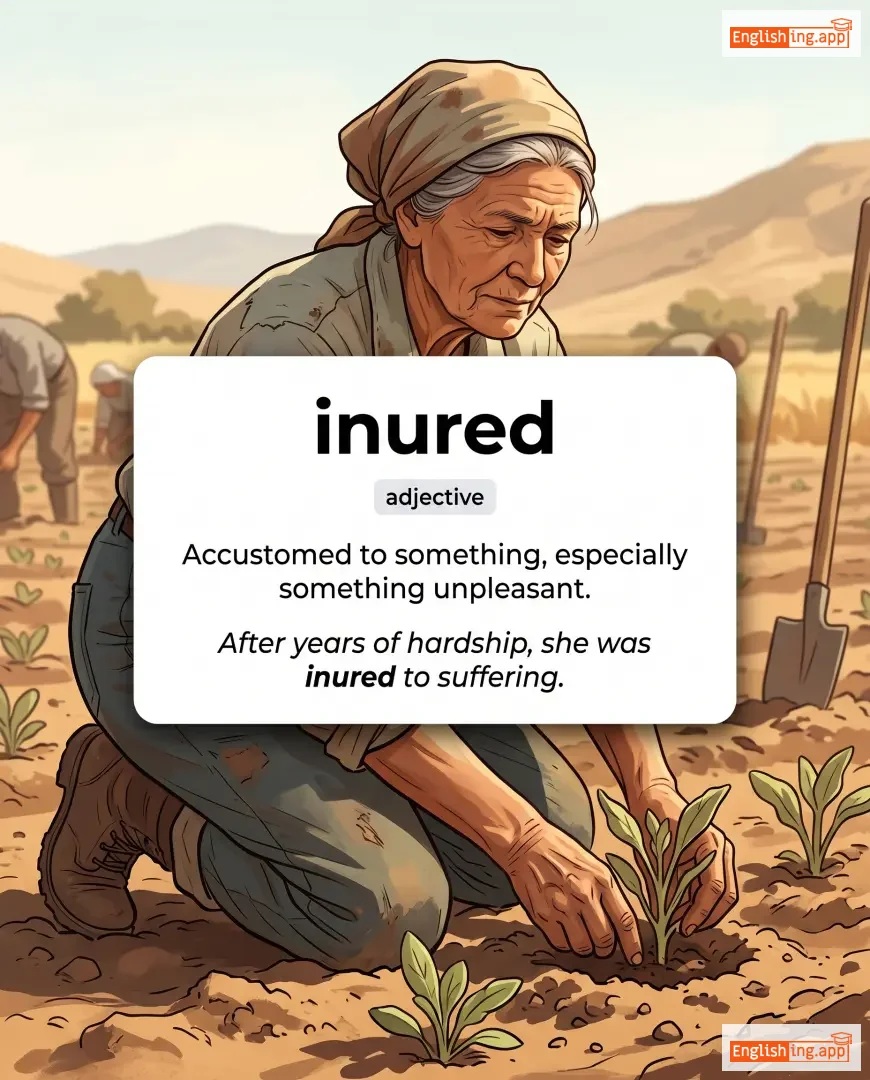
Accustomed to something, especially something unpleasant.
••••••
|
After years of hardship, she was inured to suffering. |
長年の苦しみの後、彼女は苦しみに慣れていた。
Naganen no kurushimi no ato, kanojo wa kurushimi ni narete ita.
••••••
|
- •••••• | - •••••• | - •••••• |
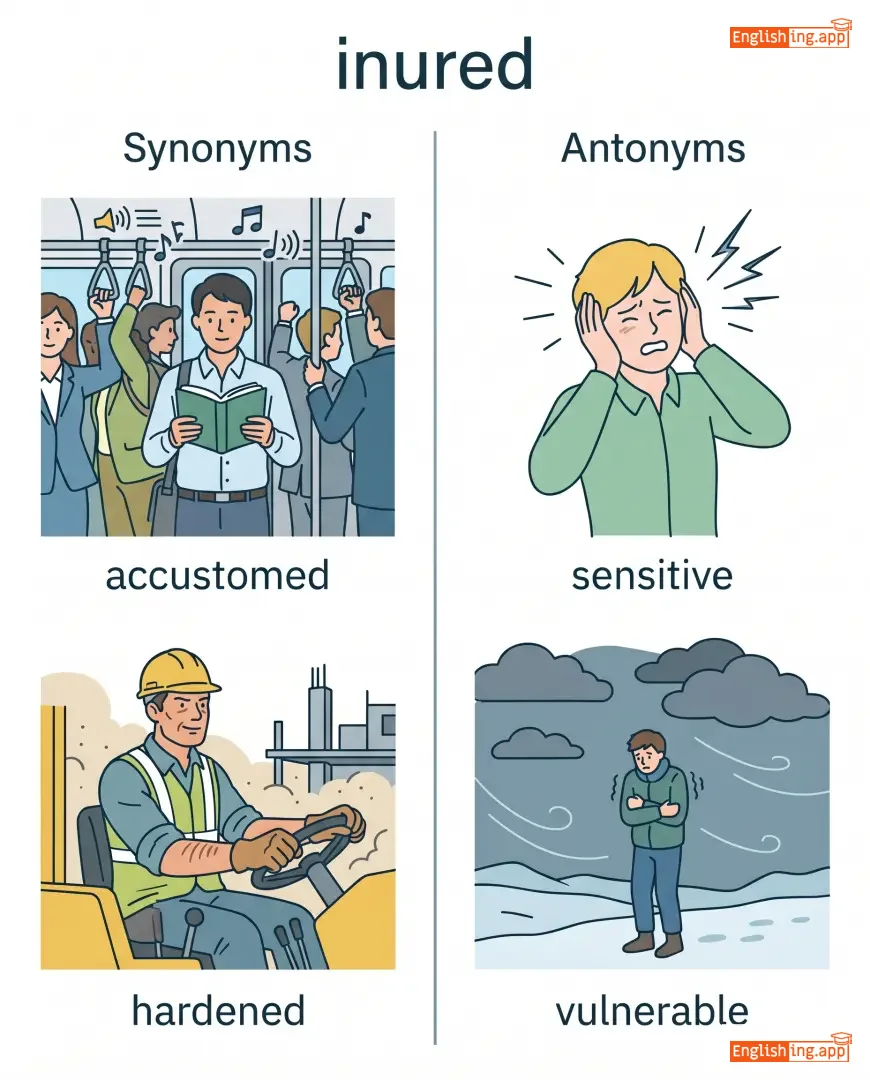
accustomed, hardened, desensitized, habituated, seasoned
••••••
|
sensitive, vulnerable, unaccustomed
••••••
|
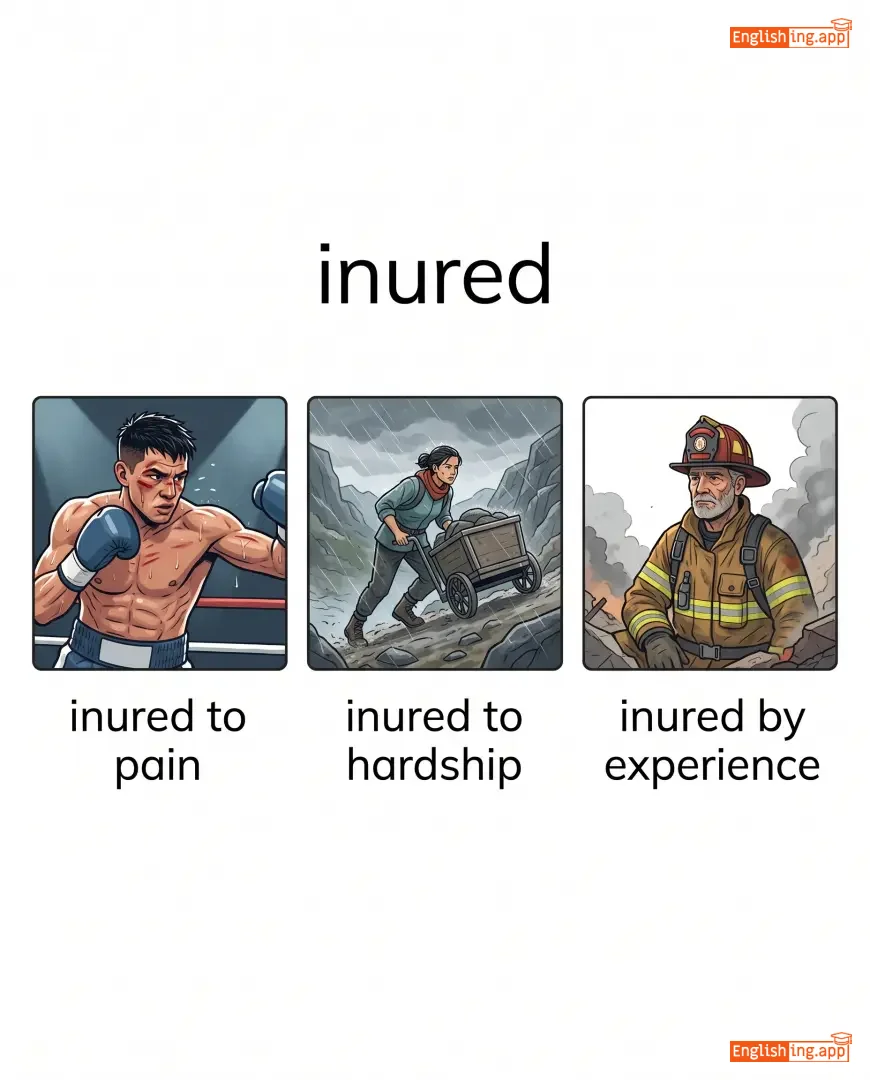
inured to pain, inured to hardship, inured by experience
••••••
|
Inured は IN + ユアード → 長い苦しみで慣れる。
••••••
|
|
🗯️
••••••
|
/ɪnˈvɛktɪv/
noun
(インヴェクティブ)
••••••
|
|
侮辱的な言葉
būryokuteki na kotoba
••••••
|
- •••••• | - •••••• | - •••••• | - •••••• |
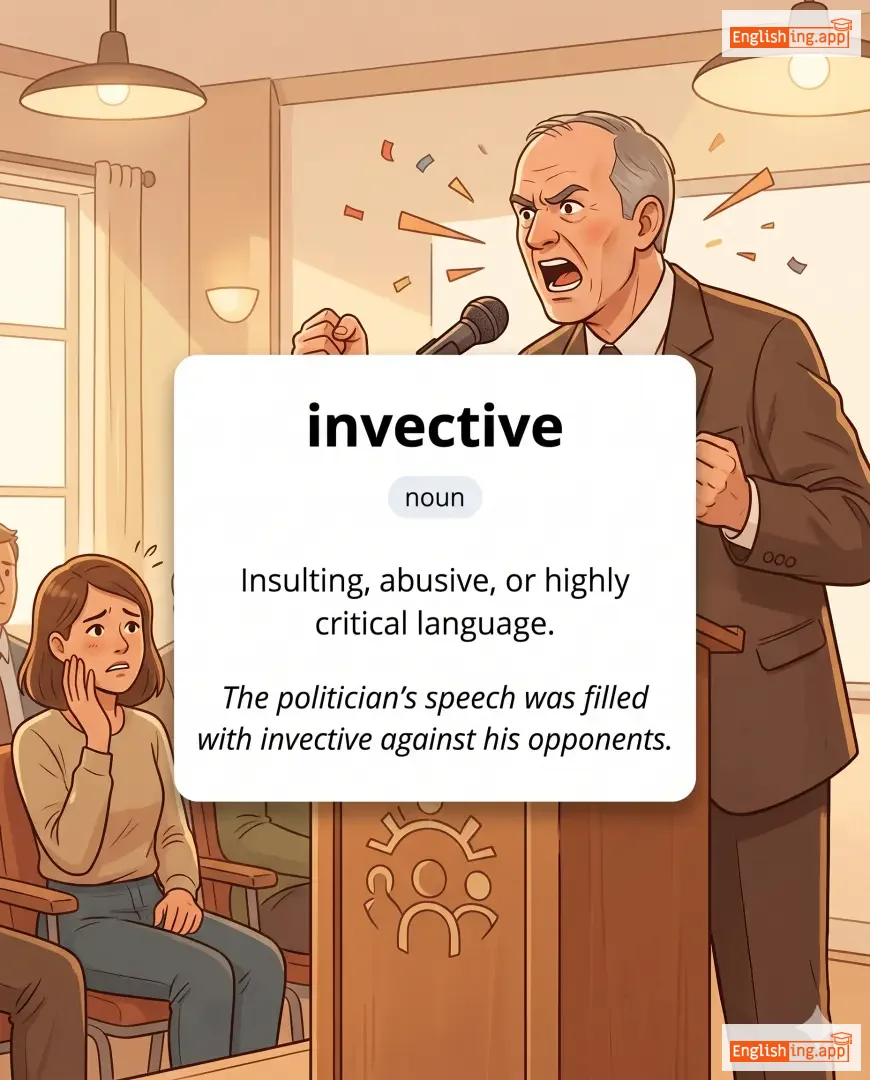
Insulting, abusive, or highly critical language.
••••••
|
The politician’s speech was filled with invective against his opponents. |
その政治家の演説は、対立候補に対する侮辱的な言葉で満ちていた。
Sono seijika no enzetsu wa, tairitsukōho ni taisuru būryokuteki na kotoba de michite ita.
••••••
|
- •••••• | - •••••• | - •••••• |
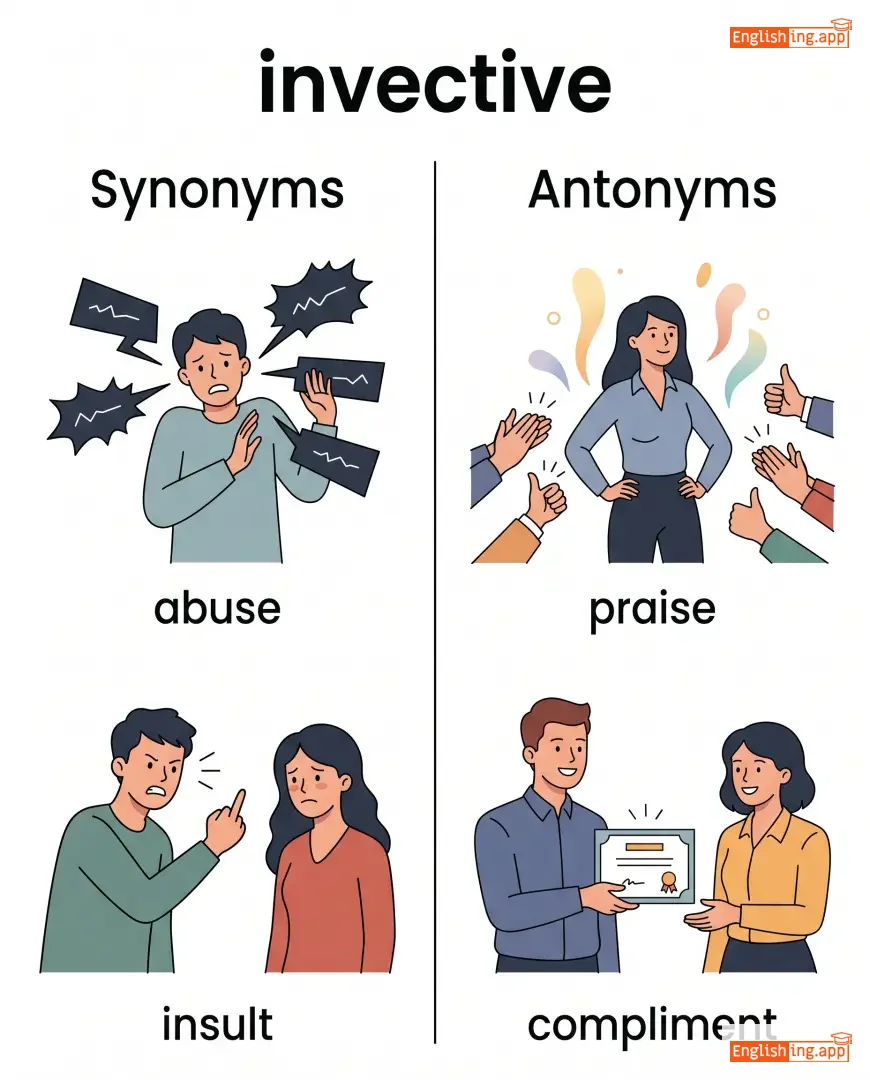
abuse, insult, vituperation, slander, censure
••••••
|
praise, compliment, flattery
••••••
|
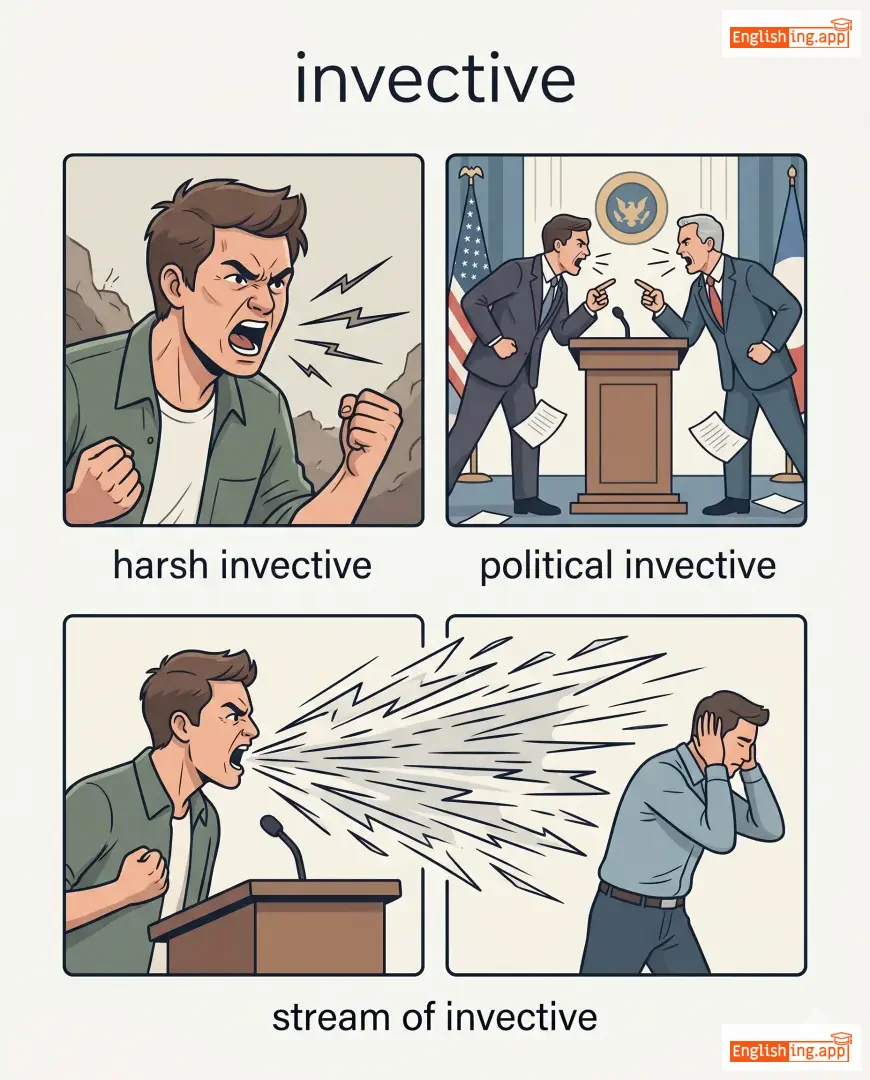
harsh invective, political invective, stream of invective
••••••
|
Invective は、攻撃的な言葉の集まりです。
••••••
|
|
😡
••••••
|
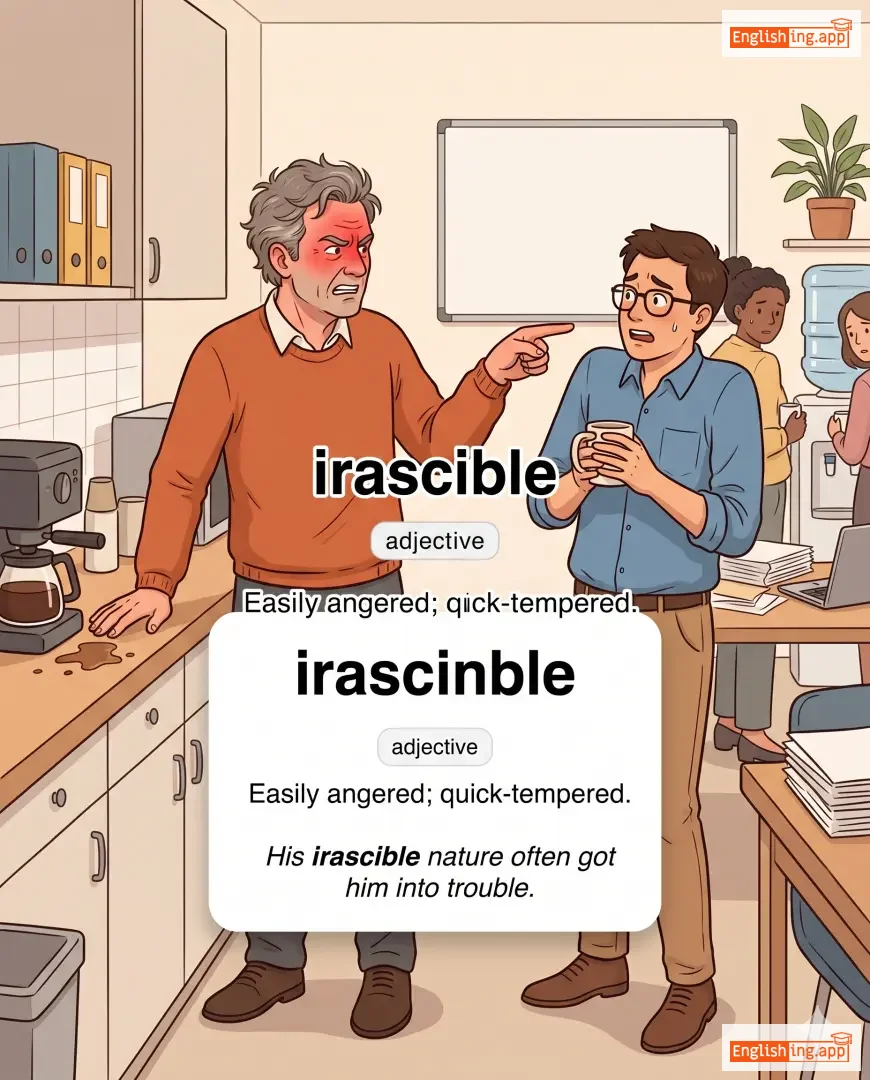
/ɪˈræsɪbl/
adjective
(イラサイブル)
••••••
|
|
怒りっぽい
okorippoi
••••••
|
- •••••• | - •••••• | - •••••• | - •••••• |
Easily angered; quick-tempered.
••••••
|
His irascible nature often got him into trouble. |
彼の怒りっぽい性格はよくトラブルを引き起こしていた。
Kare no okorippoi seikaku wa yoku toraburu o hikiokoshite ita.
••••••
|
- •••••• | - •••••• | - •••••• |
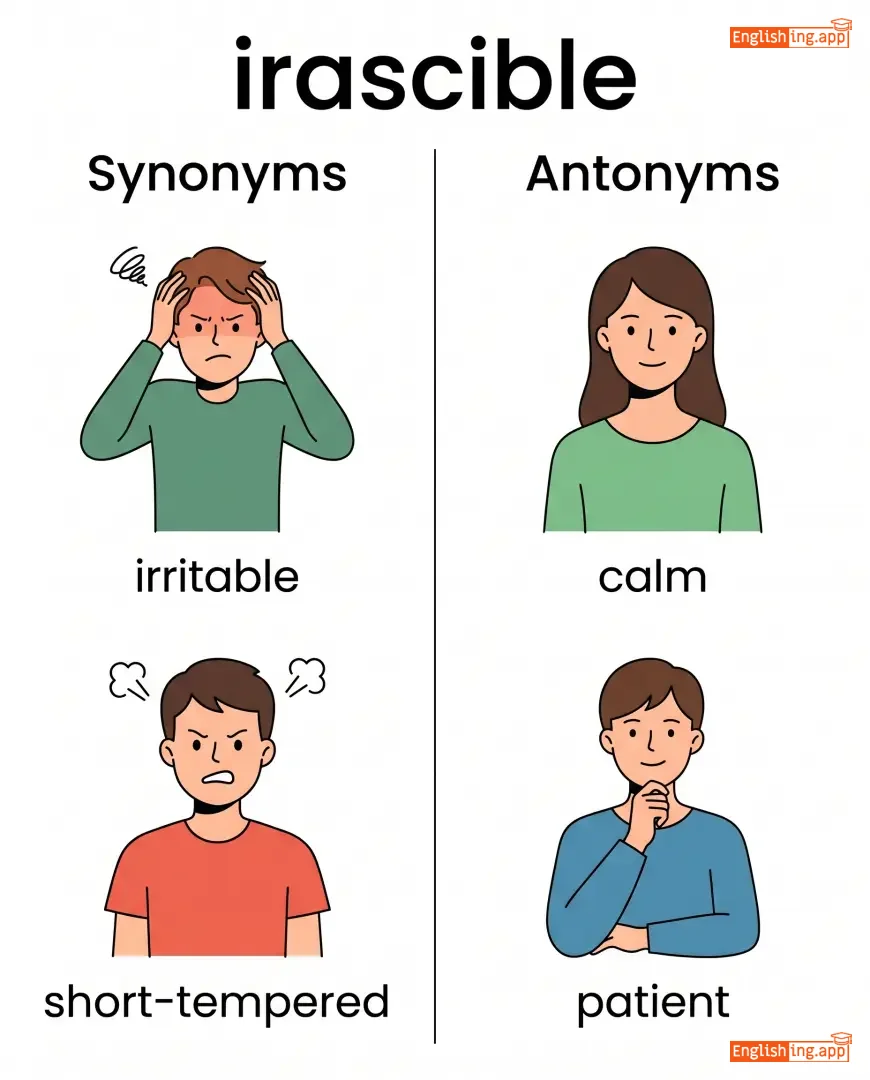
irritable, short-tempered, hot-headed, touchy
••••••
|
calm, patient, easygoing
••••••
|
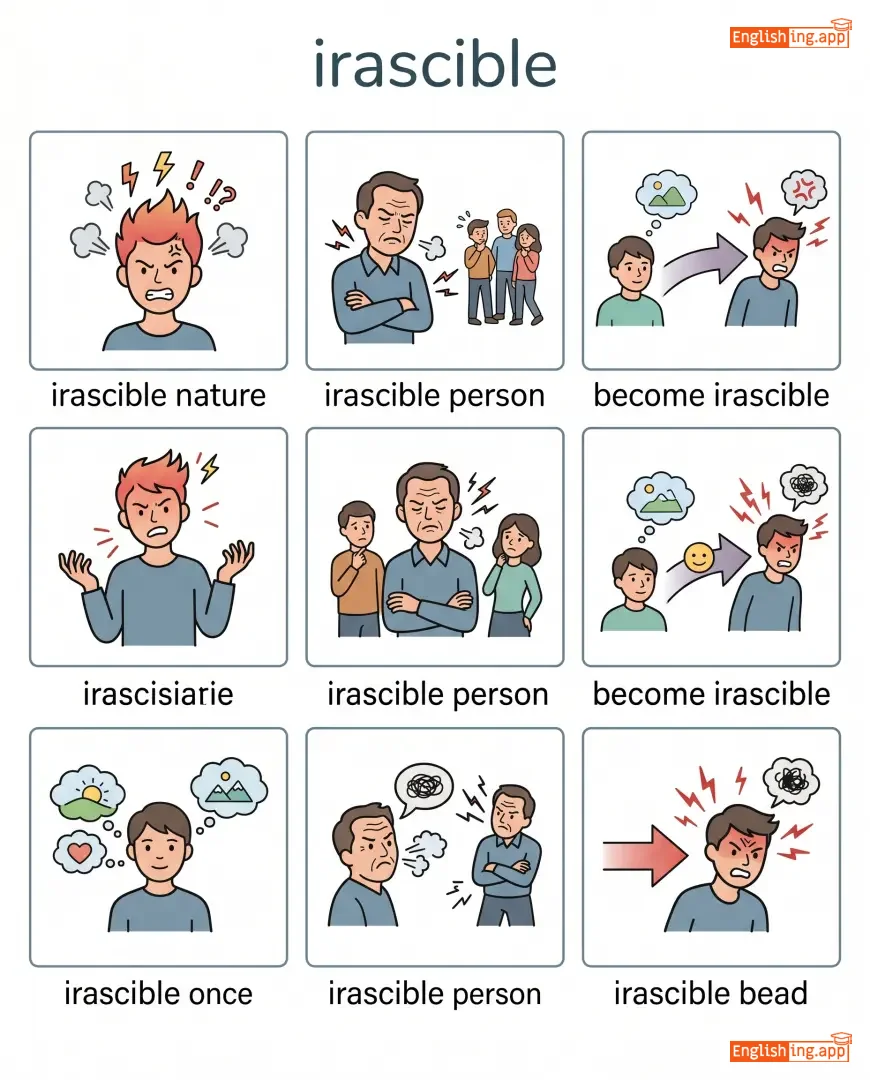
irascible nature, irascible person, become irascible, irascible tone
••••••
|
Irascible は簡単に怒ることを意味する – 'irritated + able' = 怒りっぽい.
••••••
|
|
🤔
••••••
|
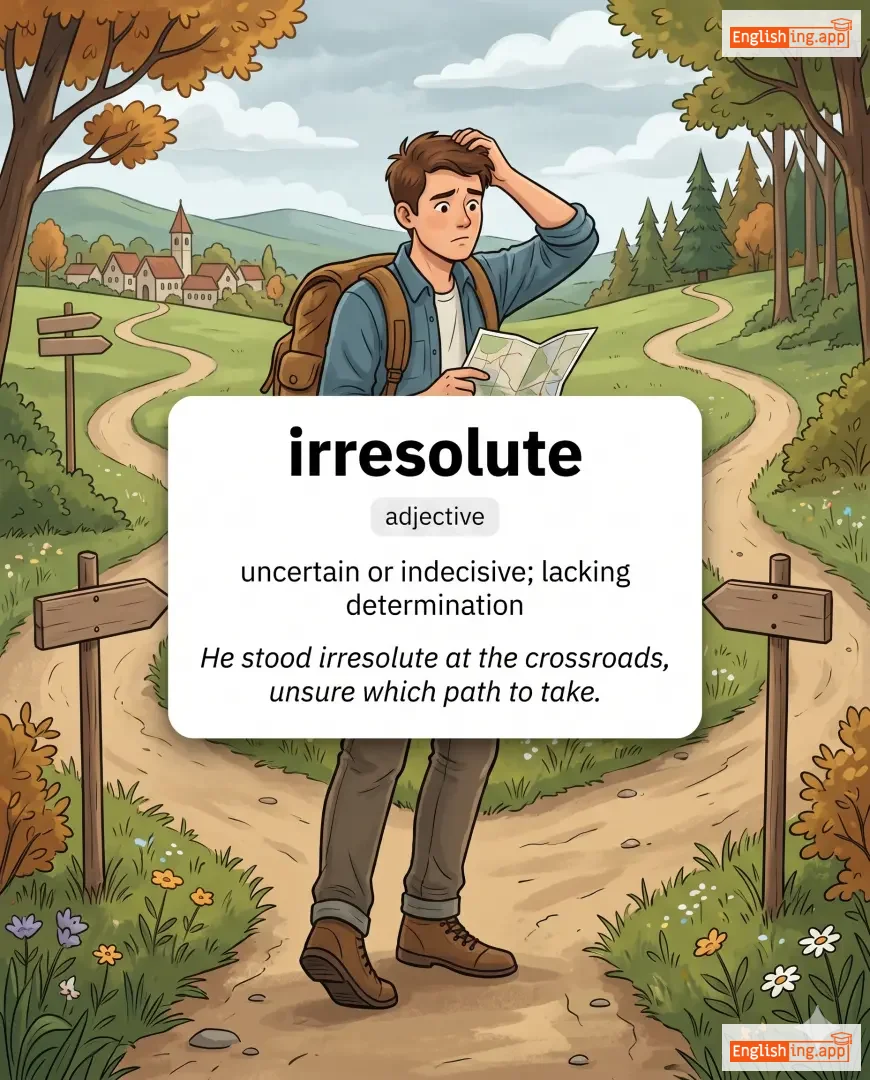
/ɪˈrɛzəluːt/
adjective
(イレゾルート)
••••••
|
|
優柔不断
yūyūfudan
••••••
|
- •••••• | - •••••• | - •••••• | - •••••• |
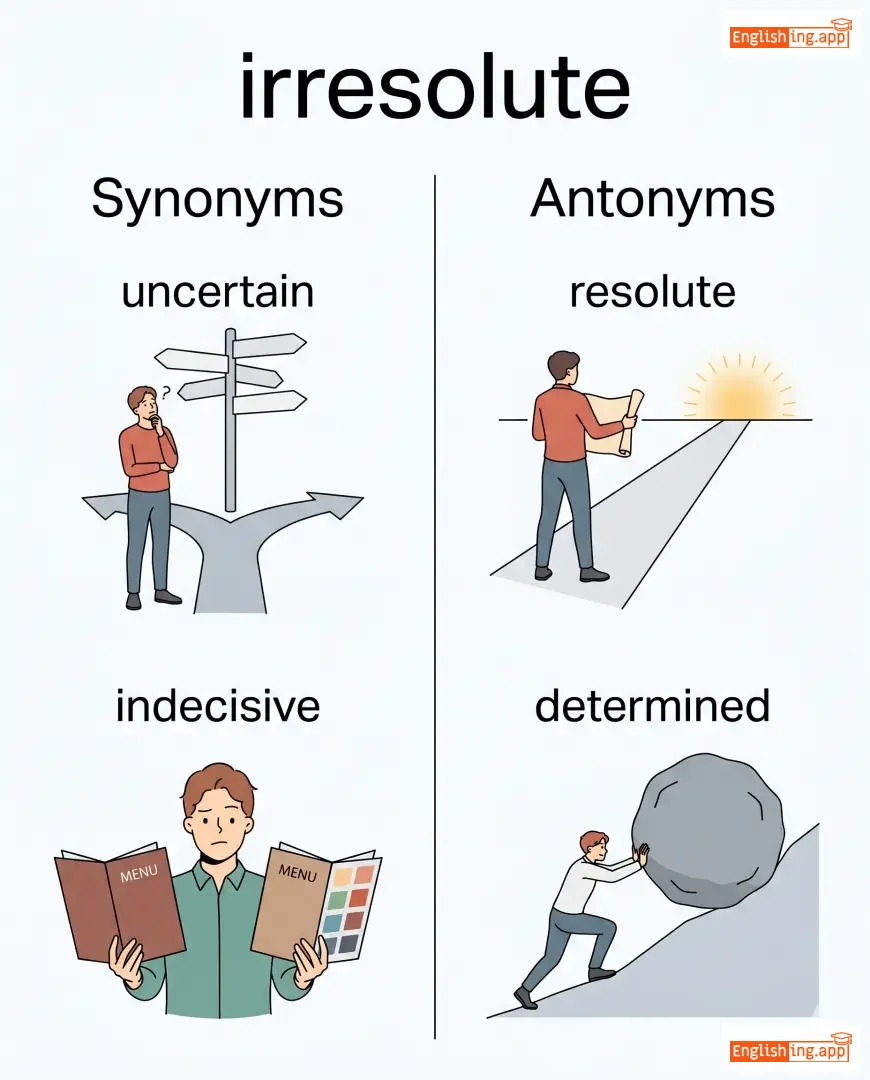
uncertain or indecisive; lacking determination
••••••
|
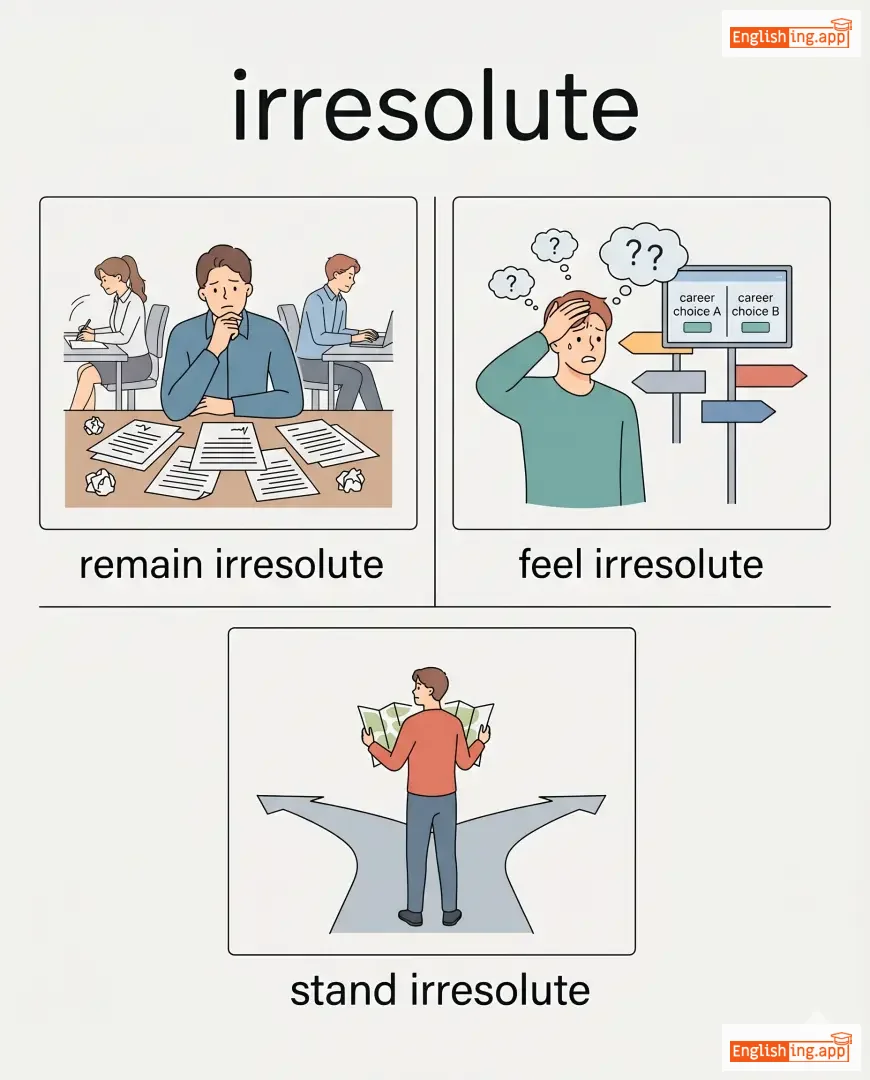
He stood irresolute at the crossroads, unsure which path to take. |
彼は交差点で優柔不断に立ち、どの道を取るべきか決められなかった。
Kare wa kōsaten de yūyūfudan ni tachi, dono michi o torubeki ka kimerarenakatta.
••••••
|
- •••••• | - •••••• | - •••••• |
uncertain, indecisive, hesitant, vacillating, wavering
••••••
|
resolute, determined, decisive
••••••
|
remain irresolute, feel irresolute, stand irresolute, irresolute response
••••••
|
irresolute = 優柔不断, 決められない人のように
••••••
|
|
🗺️
••••••
|
/aɪˈtɪnərɛri/
noun
(アイティネラリー)
••••••
|

|
旅程
ryokō
••••••
|
- •••••• | - •••••• | - •••••• | - •••••• |
A planned route or schedule of a journey or trip.
••••••
|
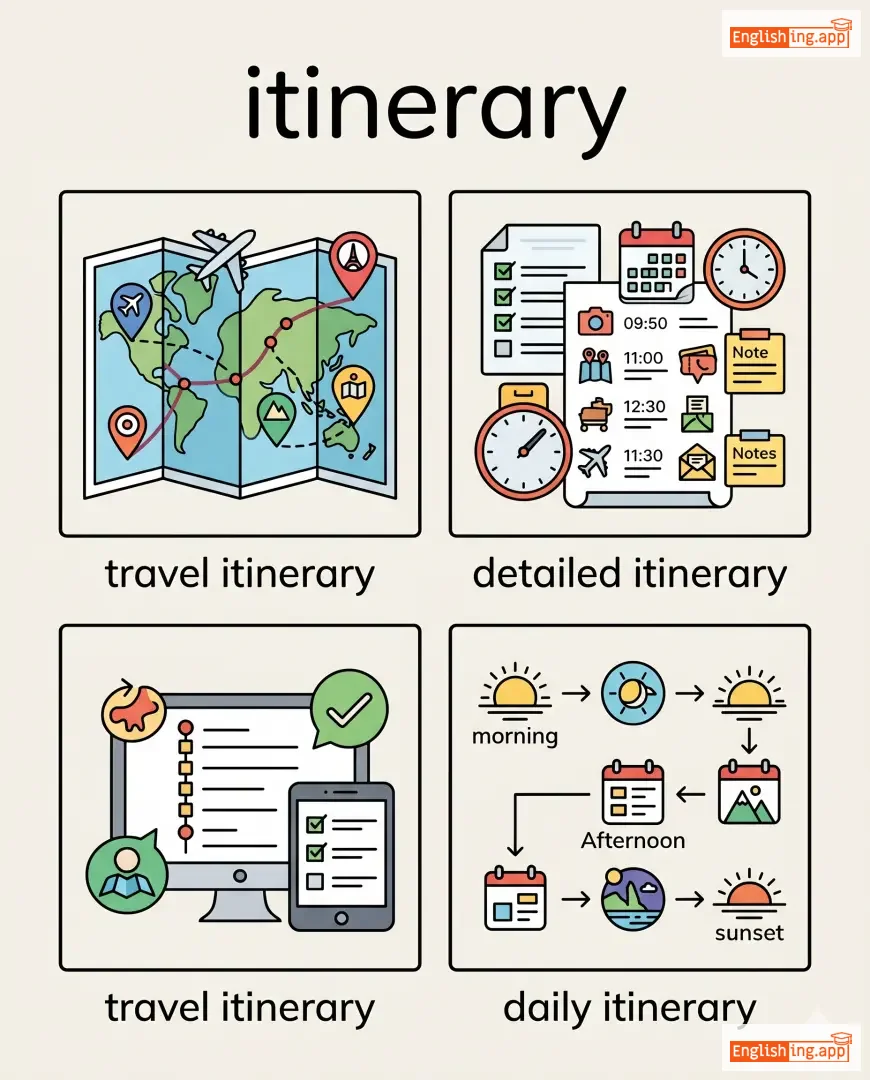
The travel agent gave us a detailed itinerary for our vacation. |
旅行代理店は私たちの休暇のために詳細な旅程を提供してくれました。
Ryokō dairiten wa watashitachi no kyūka no tame ni shōsai na ryokō o teikyō shite kuremashita.
••••••
|
- •••••• | - •••••• | - •••••• |
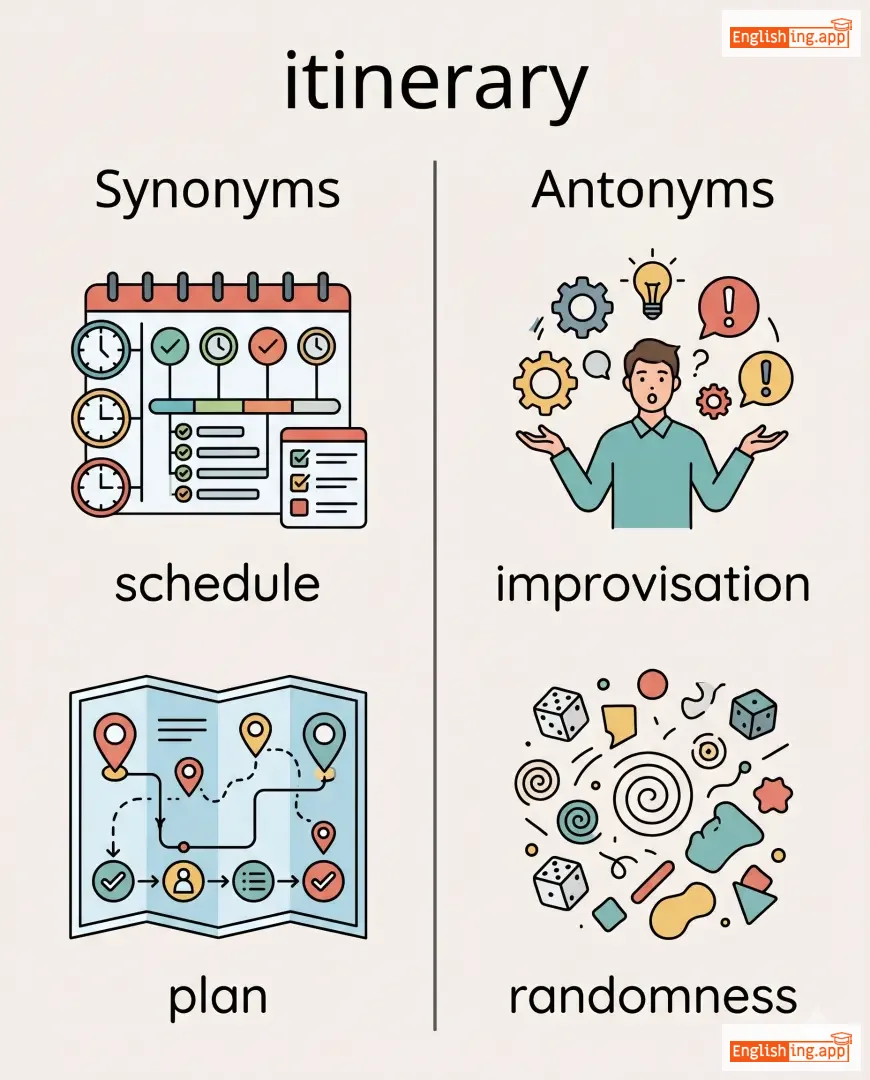
schedule, plan, agenda, route, timetable
••••••
|
improvisation, randomness
••••••
|
travel itinerary, detailed itinerary, daily itinerary, itinerary plan
••••••
|
Itinerary は旅程を意味します – 'ITIN' = In Time, In Route を覚えておいてください。
••••••
|
|
🤐
••••••
|
/ləˈkɒnɪk/
adjective
(ラコニック)
••••••
|
|
簡潔な
kanketsu na
••••••
|
- •••••• | - •••••• | - •••••• | - •••••• |
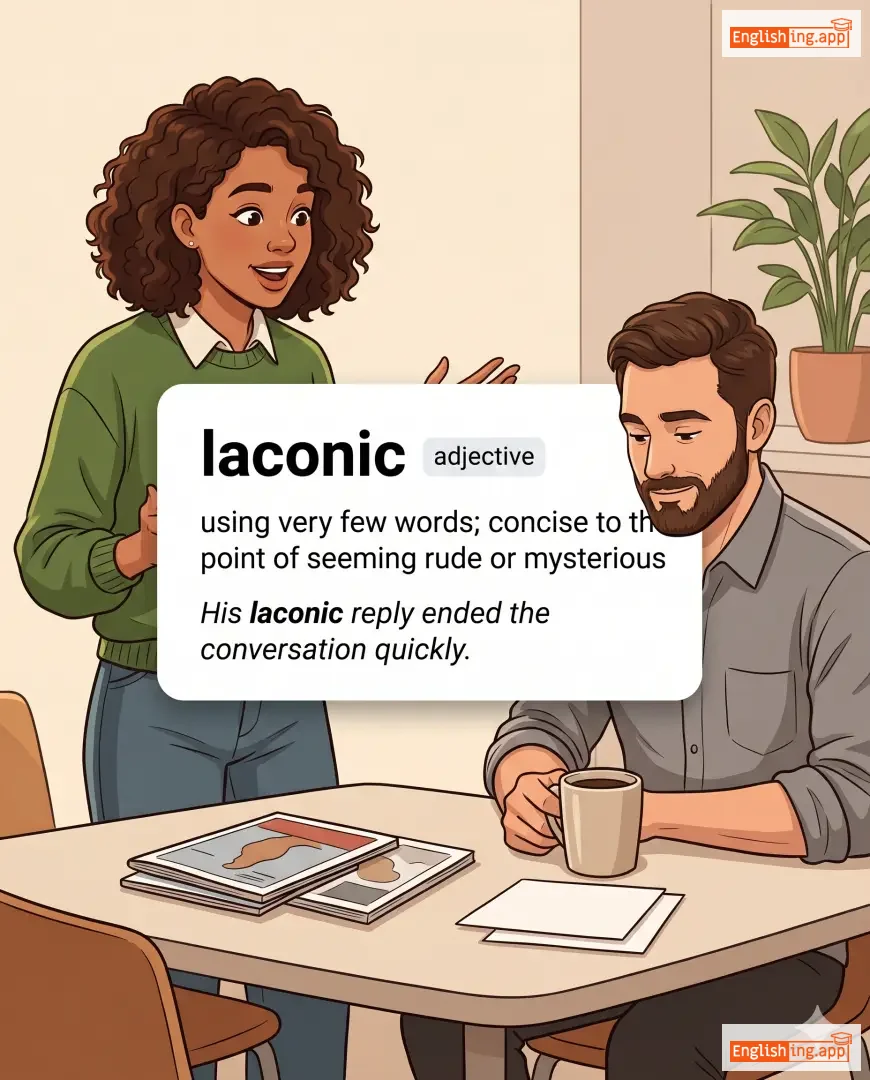
using very few words; concise to the point of seeming rude or mysterious
••••••
|
His laconic reply ended the conversation quickly. |
彼の簡潔な返答は会話を迅速に終わらせた。
Kare no kanketsu na hentō wa kaiwa o jinsoku ni owaraseta.
••••••
|
- •••••• | - •••••• | - •••••• |
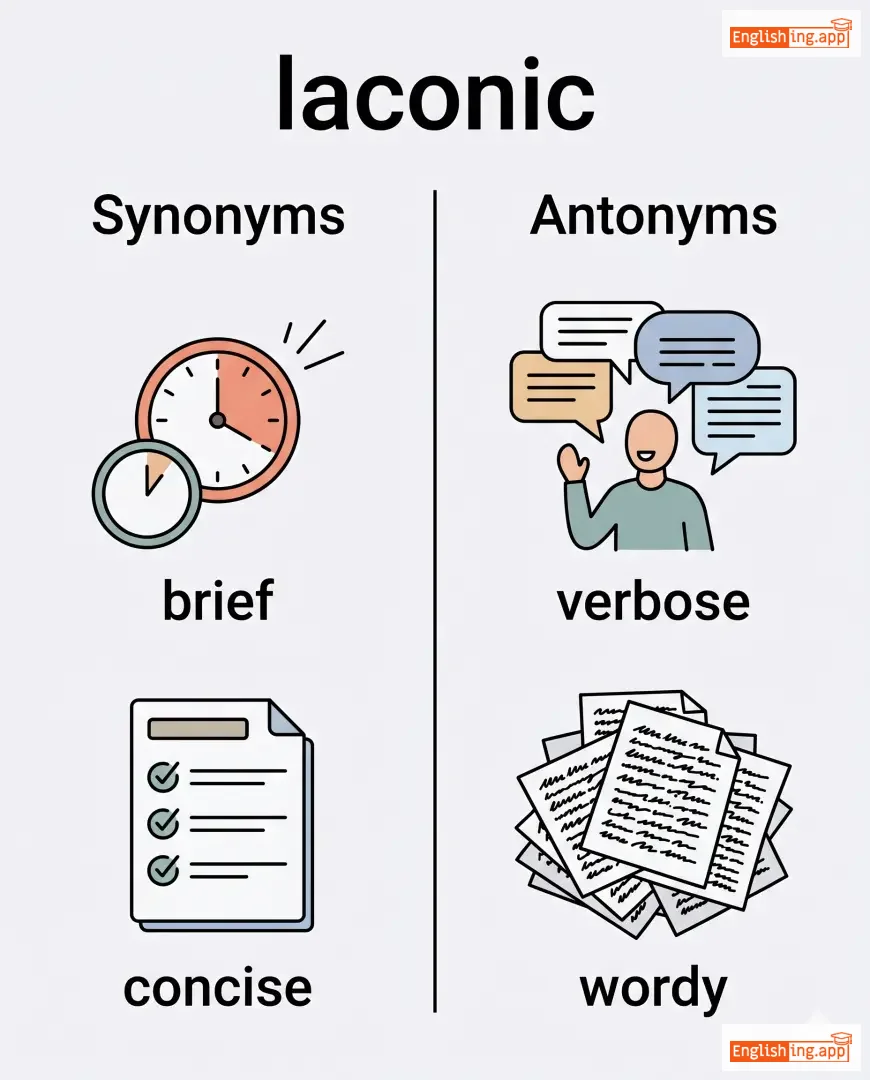
brief, concise, terse, succinct
••••••
|
verbose, wordy, talkative
••••••
|
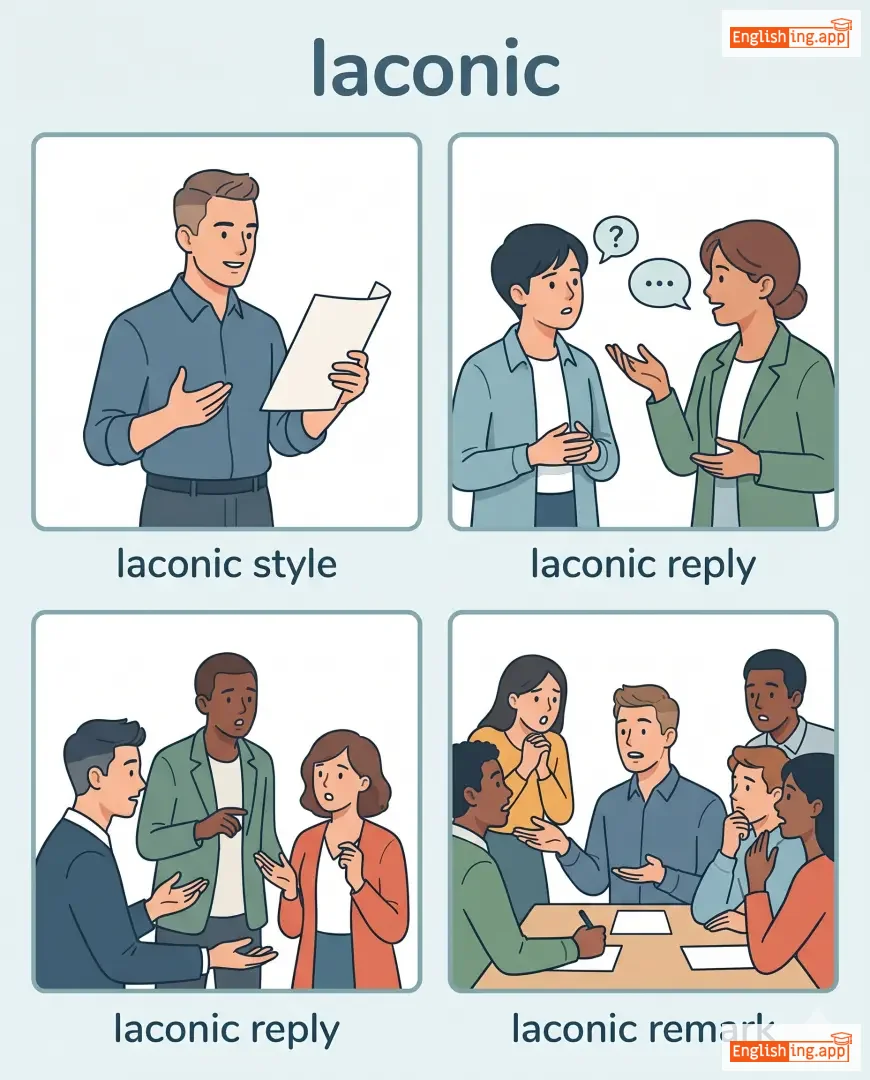
laconic style, laconic reply, laconic remark
••••••
|
簡潔な返答で、すべてを一言で伝える。
••••••
|
|
😴
••••••
|
/ˈlæsɪtjuːd/
noun
(ラスティチュード)
••••••
|
|
疲労
hirou
••••••
|
- •••••• | - •••••• | - •••••• | - •••••• |
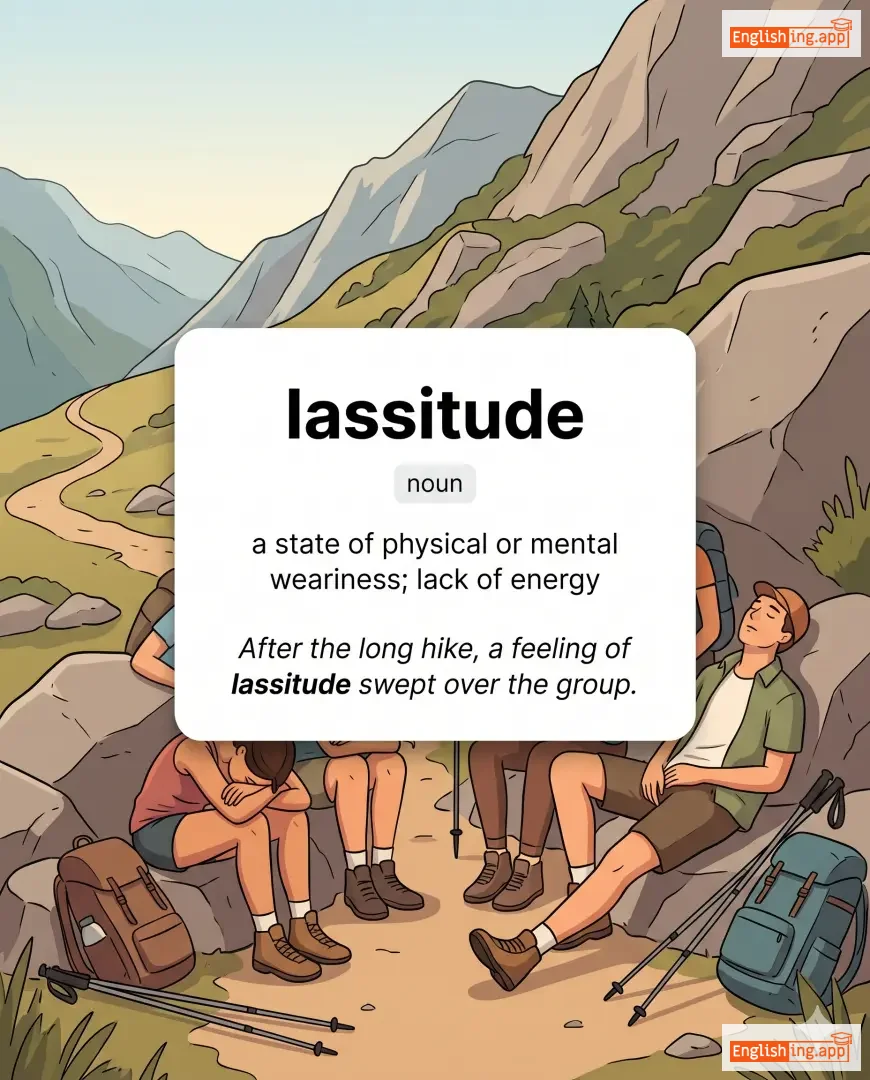
a state of physical or mental weariness; lack of energy
••••••
|
After the long hike, a feeling of lassitude swept over the group. |
長いハイキングの後、疲労感がグループに広がった。
Nagai haikingu no ato, hiroukan ga gurūpu ni hirogatta.
••••••
|
- •••••• | - •••••• | - •••••• |
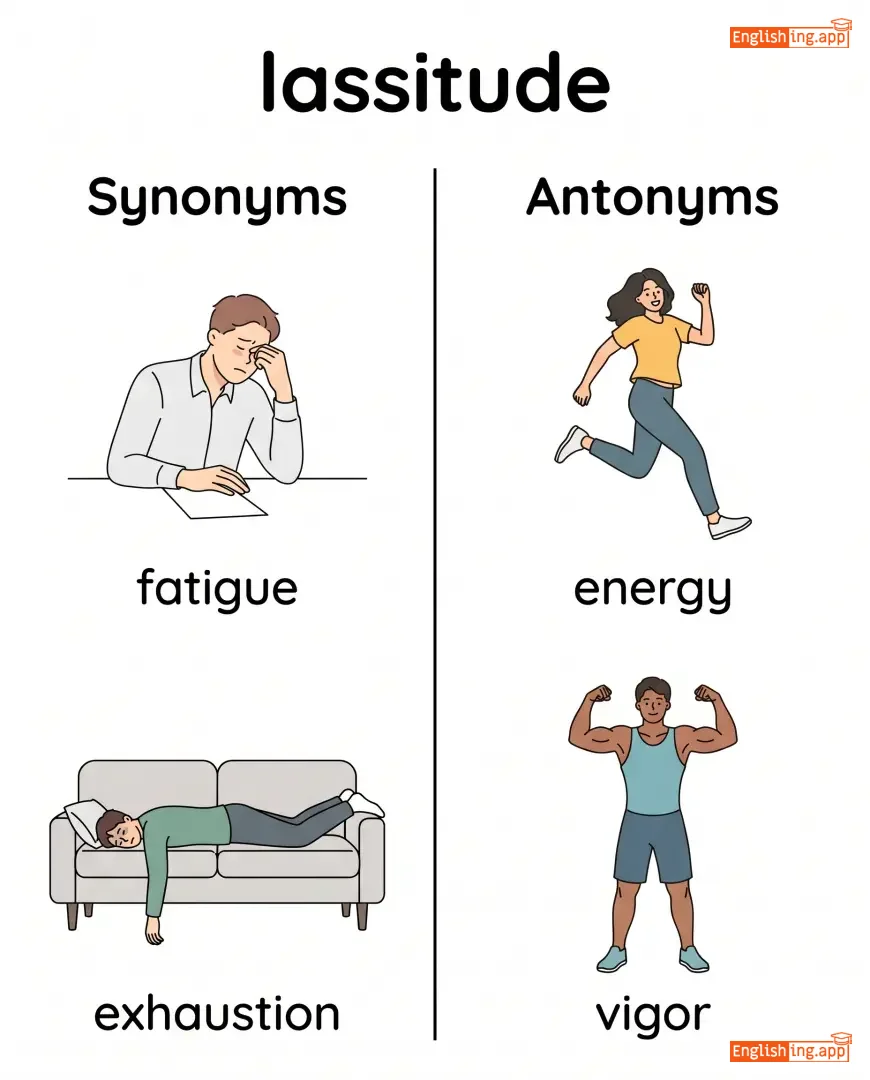
fatigue, exhaustion, tiredness, lethargy, weariness
••••••
|
energy, vigor, vitality
••••••
|
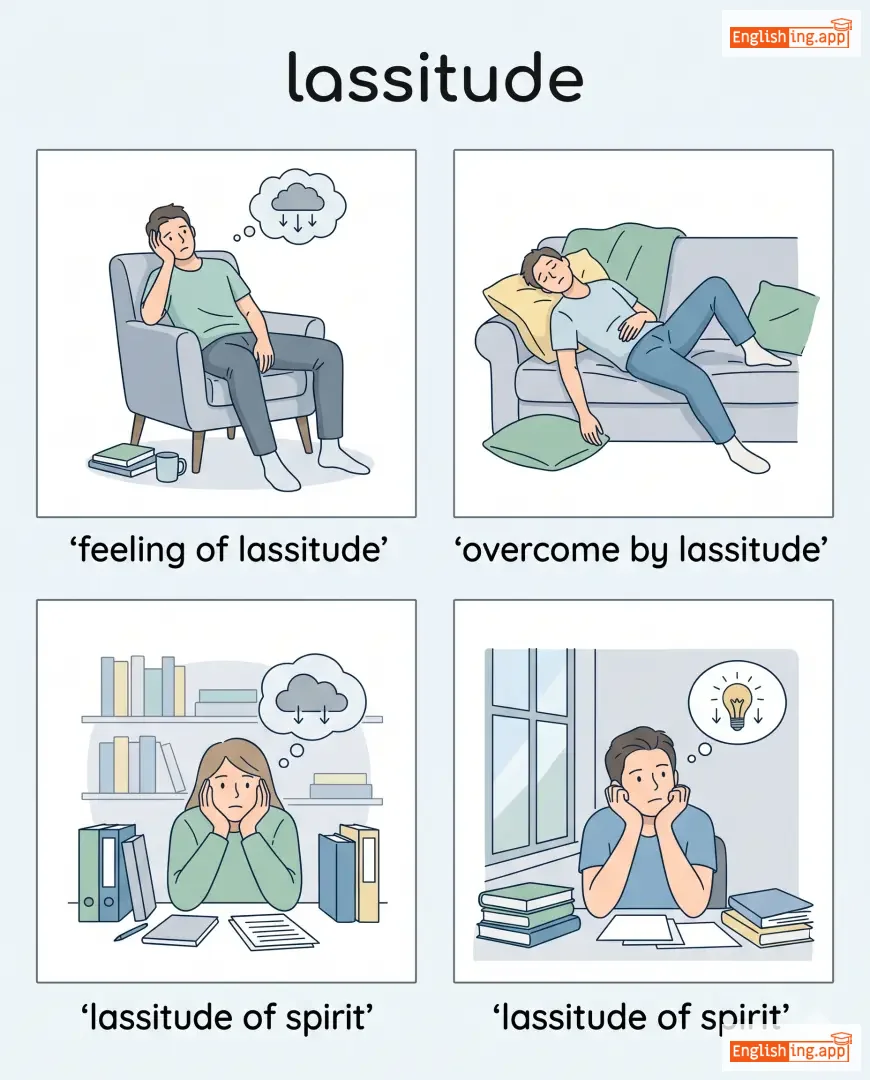
feeling of lassitude, overcome by lassitude, lassitude of spirit
••••••
|
Lassiで疲労感が増す
••••••
|
|
🌱
••••••
|
/ˈleɪtənt/
adjective
••••••
|
|
- •••••• | - •••••• | - •••••• | - •••••• | - •••••• |
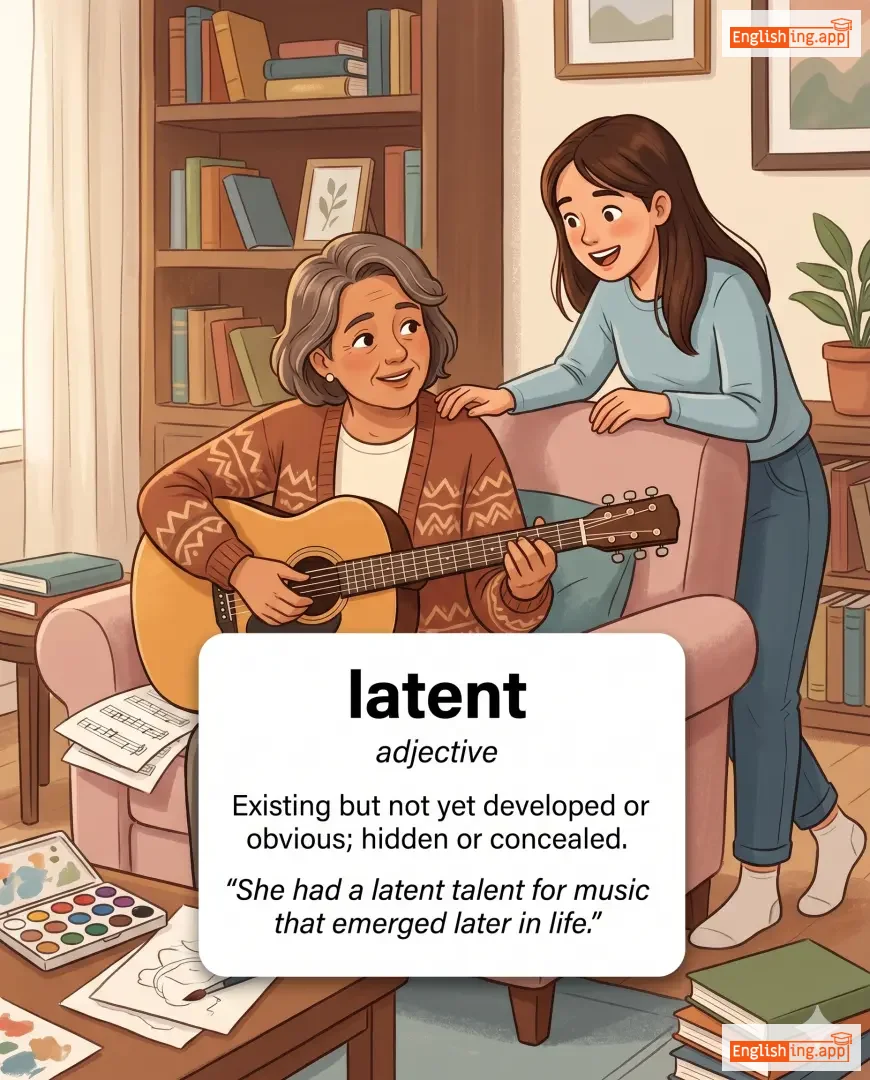
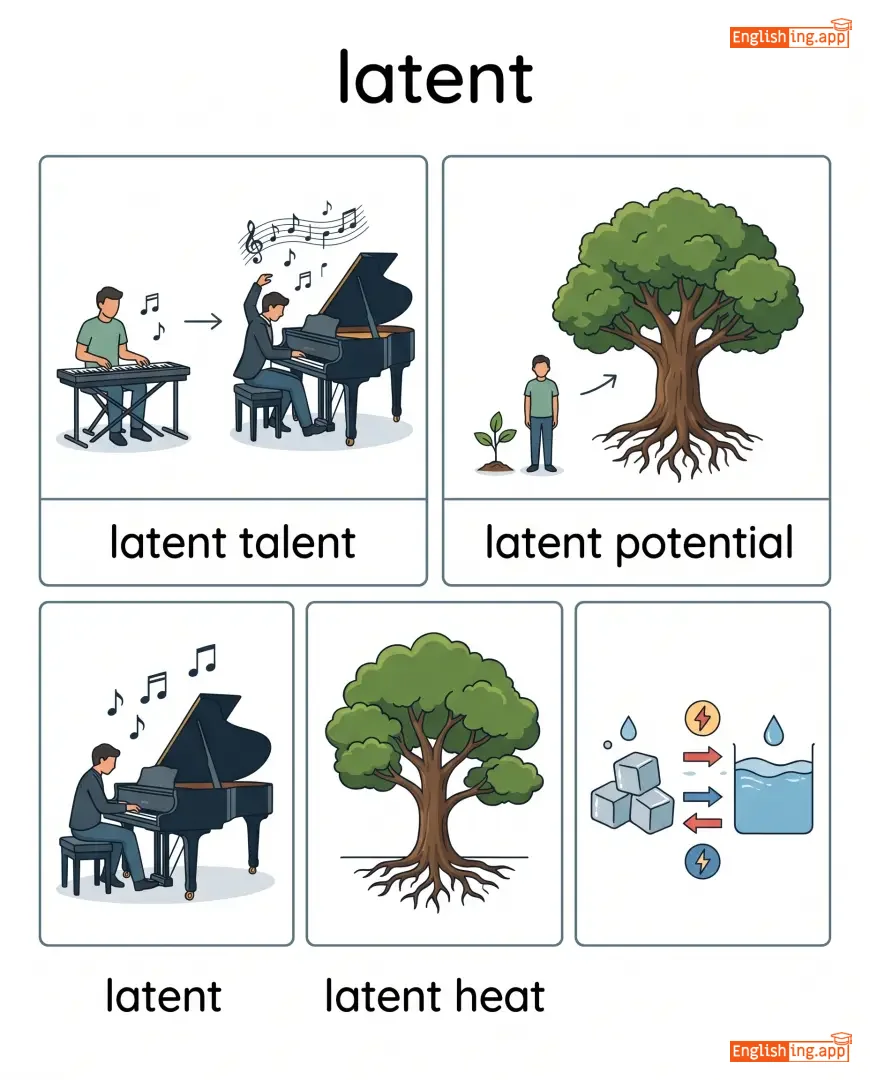
Existing but not yet developed or obvious; hidden or concealed.
••••••
|
She had a latent talent for music that emerged later in life. |
- •••••• |
latent potential |
Hidden or undeveloped ability that may emerge in the future.
••••••
|
- •••••• |
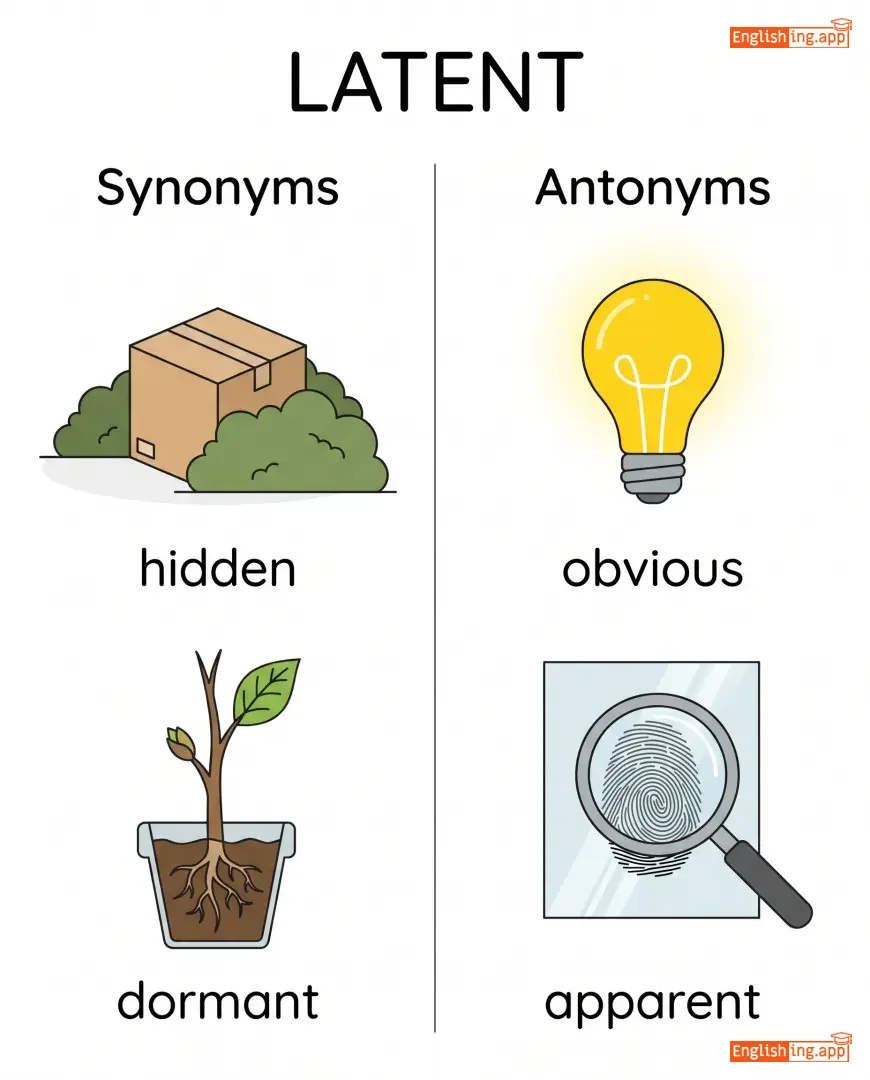
hidden, dormant, concealed, unrealized, undeveloped
••••••
|
obvious, apparent, visible
••••••
|
latent talent, latent potential, latent heat, latent disease
••••••
|
No •••••• |
|
👏
••••••
|
/lɔːd/
verb
••••••
|

|
- •••••• |
lauded
••••••
|
lauded
••••••
|
lauds
••••••
|
lauding
••••••
|
To praise someone or something highly, especially in public.
••••••
|
The critic lauded the actor's performance as a masterpiece. |
- •••••• |
sing someone's praises |
to praise someone very enthusiastically
••••••
|
- •••••• |
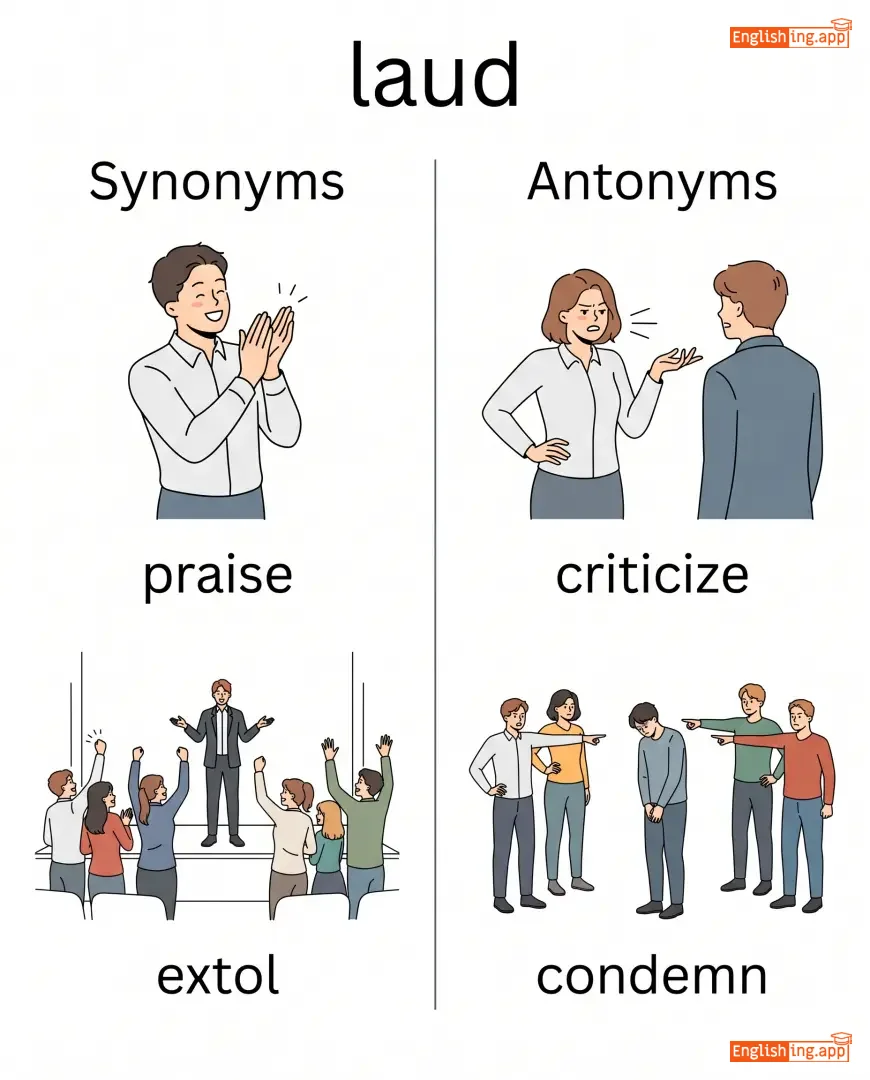
praise, extol, applaud, commend, admire
••••••
|
criticize, condemn
••••••
|
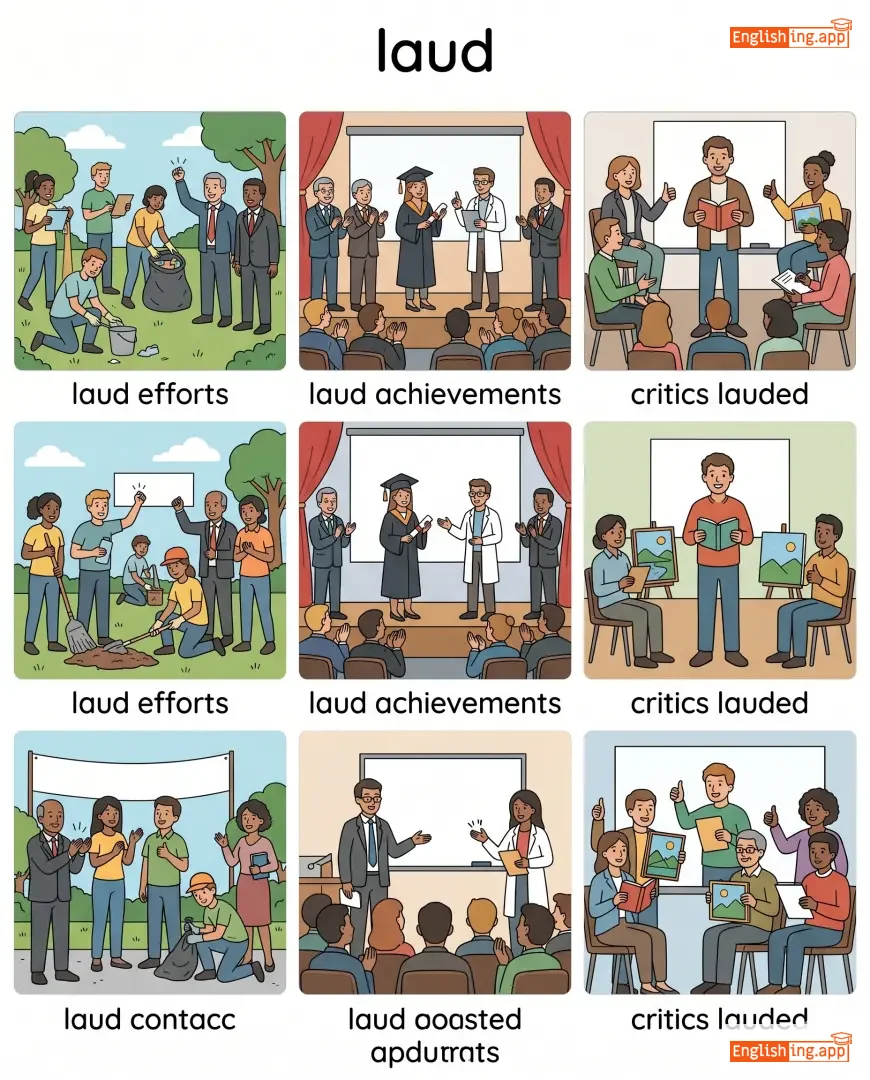
laud efforts, laud achievements, critics lauded
••••••
|
No •••••• |
|
😴
••••••
|
/ləˈθɑːrdʒɪk/
adjective
(レタルジック)
••••••
|
|
無気力な
mukiryokuna
••••••
|
- •••••• | - •••••• | - •••••• | - •••••• |
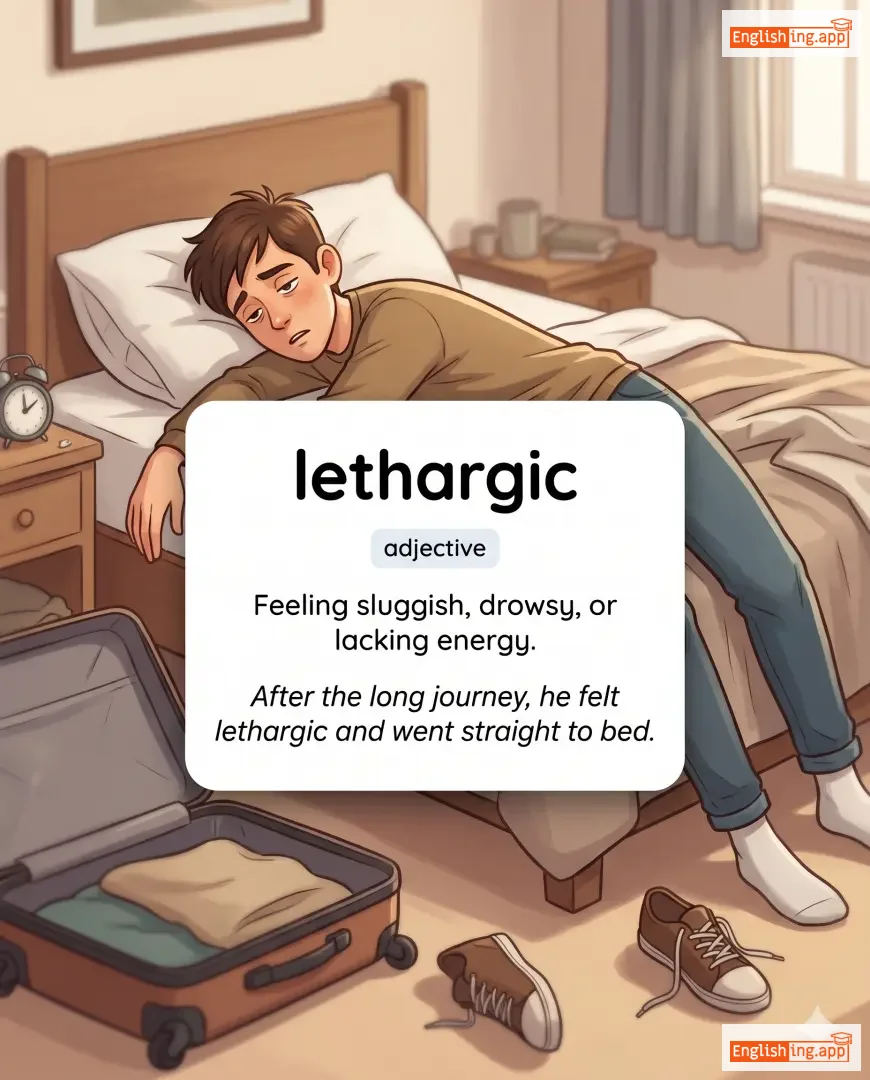
Feeling sluggish, drowsy, or lacking energy.
••••••
|
After the long journey, he felt lethargic and went straight to bed. |
長旅の後、彼は無気力で、すぐにベッドに行った。
Nagoyatra no ato, kare wa mukiryokude, sugu ni beddo ni itta.
••••••
|
- •••••• | - •••••• | - •••••• |
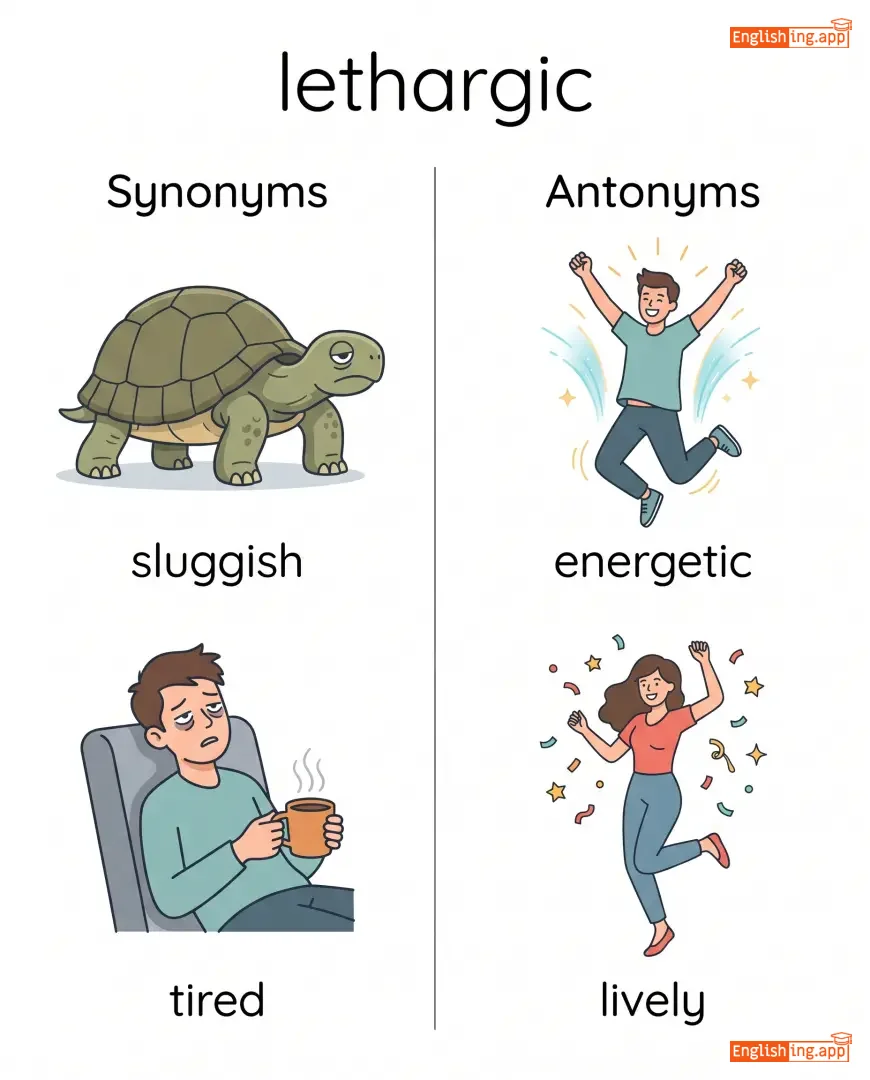
sluggish, tired, fatigued, weary, drowsy
••••••
|
energetic, lively, active
••••••
|
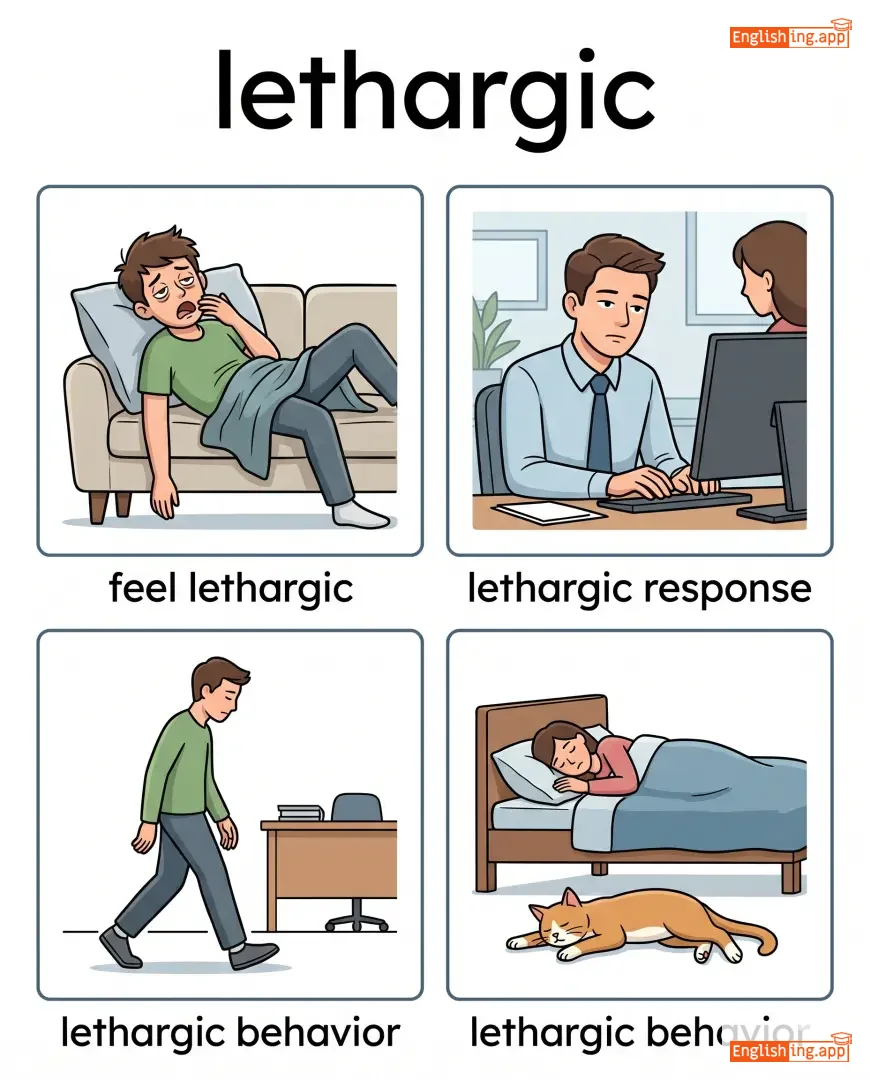
feel lethargic, lethargic response, lethargic behavior
••••••
|
Lethargic は無気力な状態を意味し、長旅の後、みんな無気力になります。
••••••
|
|
🌊
••••••
|
/ˈlɛvi/
noun
(レヴィ)
••••••
|
|
堤防
teibou
••••••
|
- •••••• | - •••••• | - •••••• | - •••••• |
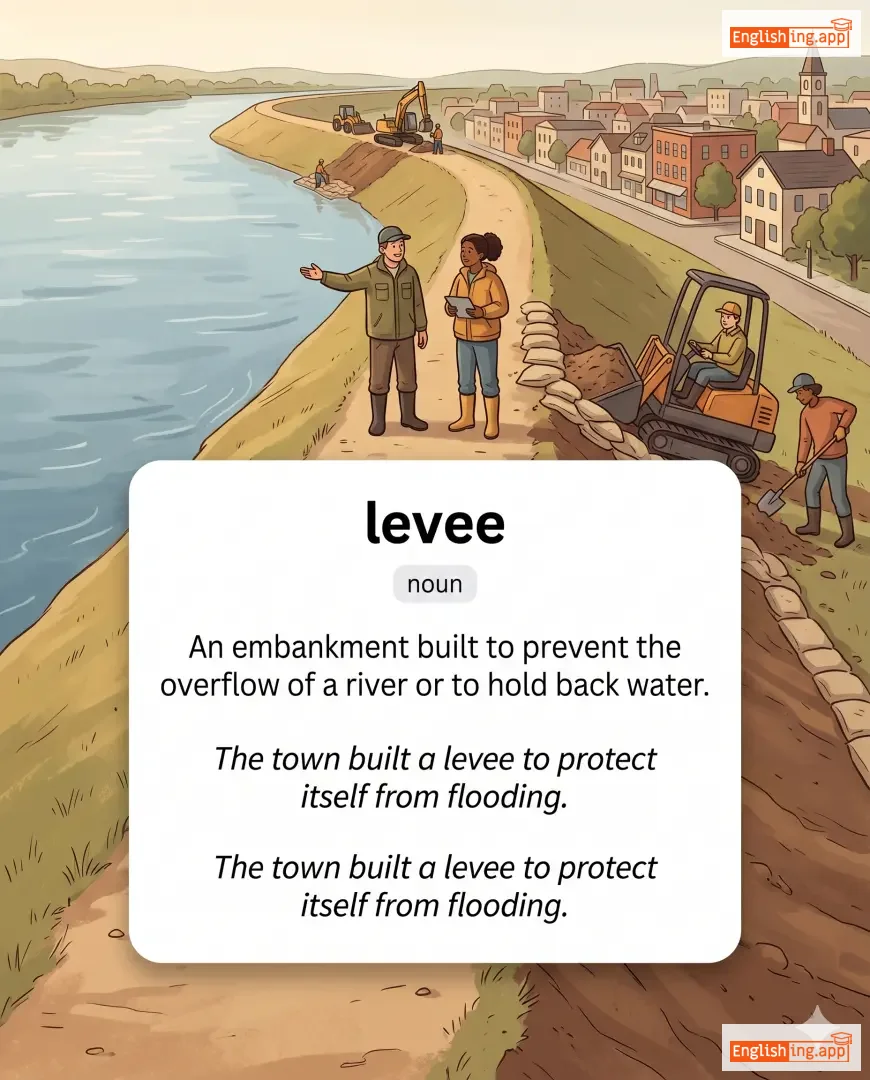
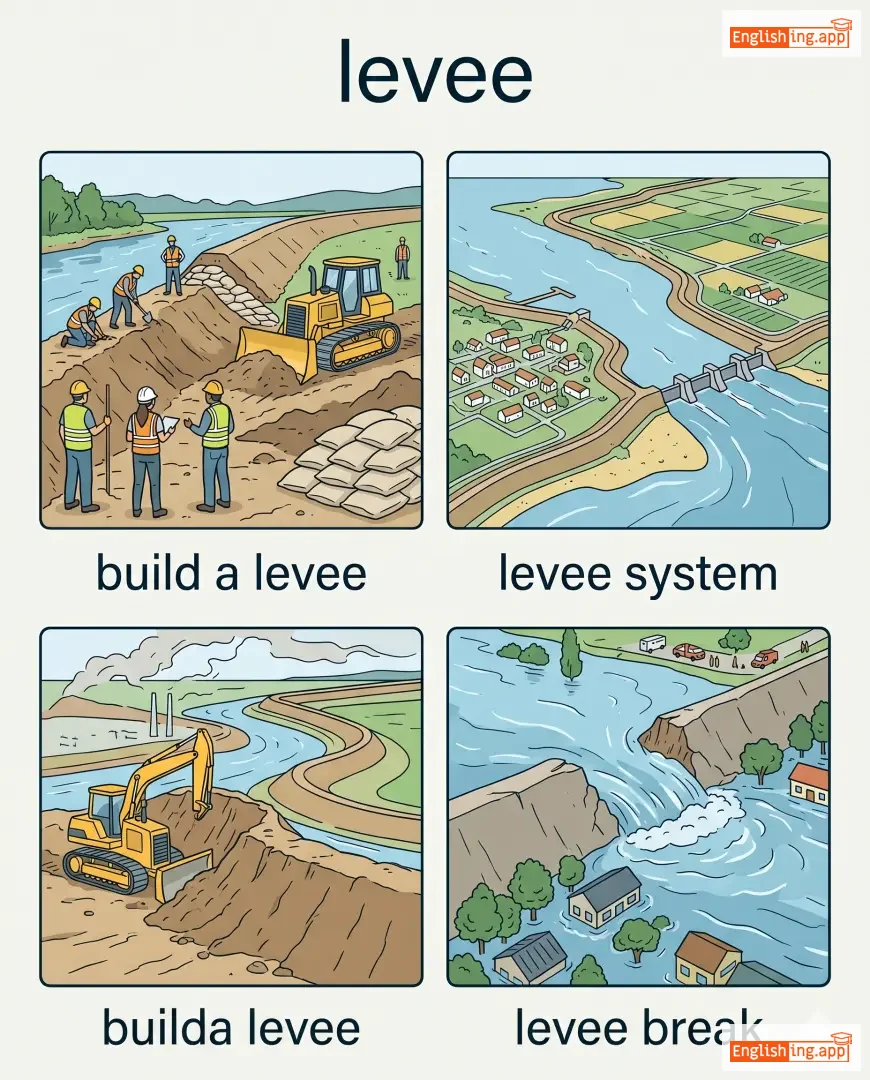
An embankment built to prevent the overflow of a river or to hold back water.
••••••
|
The town built a levee to protect itself from flooding. |
その町は洪水から守るために堤防を作った。
Sono machi wa koudzui kara mamoru tame ni teibou wo tsukutta.
••••••
|
- •••••• | - •••••• | - •••••• |
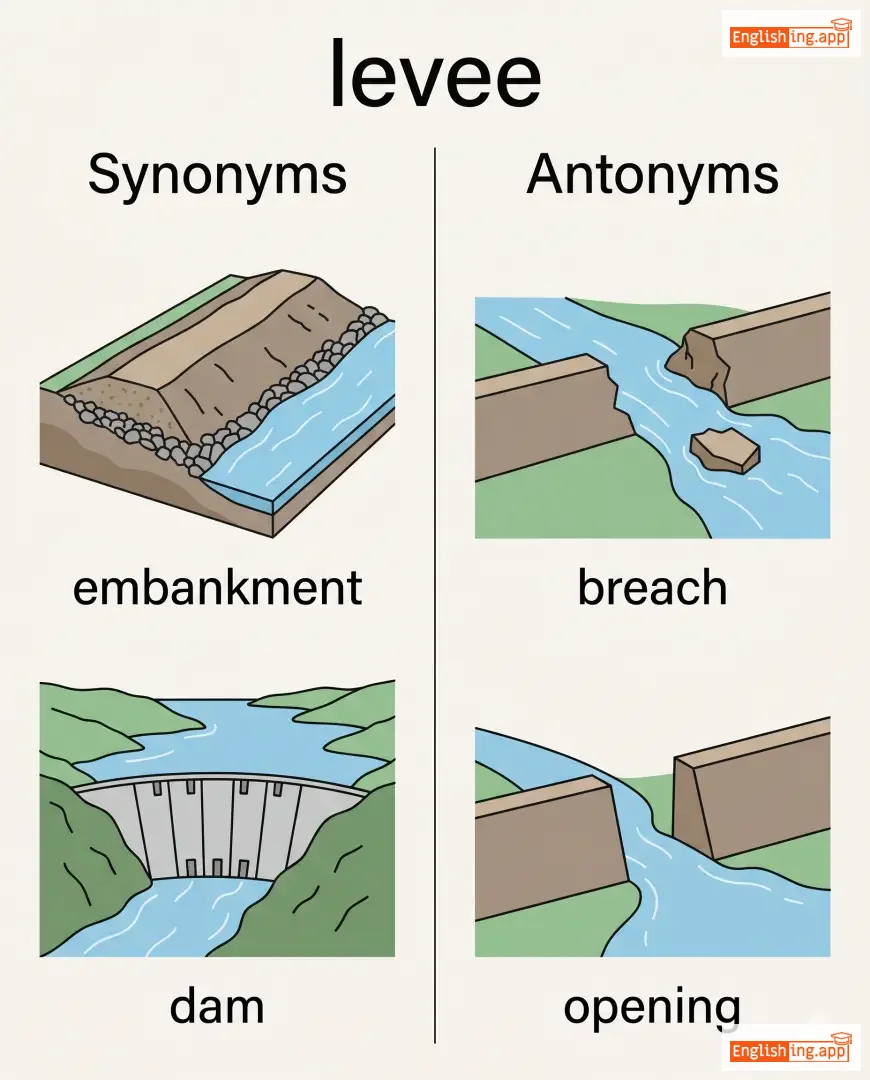
embankment, dam, dike, barrier
••••••
|
breach, opening
••••••
|
build a levee, levee system, levee break, levee construction
••••••
|
Leveeは堤防を意味します。堤防は都市を洪水から守ります。
••••••
|
|
😄
••••••
|
/ˈlɛvɪti/
noun
••••••
|


|
- •••••• | - •••••• | - •••••• | - •••••• | - •••••• |
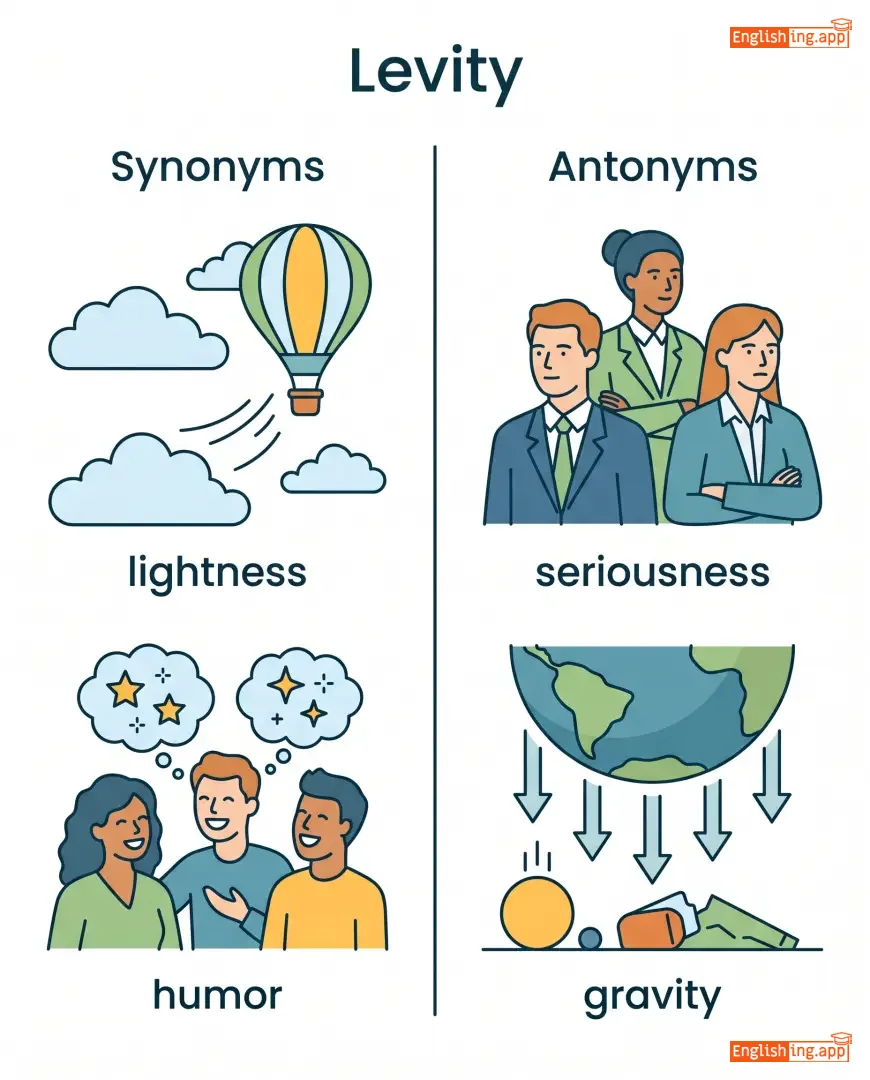
Lightness of manner or speech, especially when inappropriate; lack of seriousness.
••••••
|
His attempt to bring levity to the tense meeting was appreciated. |
- •••••• |
comic levity |
Humor or lightheartedness used to reduce tension.
••••••
|
- •••••• |
lightness, humor, frivolity, cheerfulness, jocularity
••••••
|
seriousness, gravity, solemnity
••••••
|
sense of levity, touch of levity, comic levity, add levity
••••••
|
No •••••• |

