The Different Types of Economies
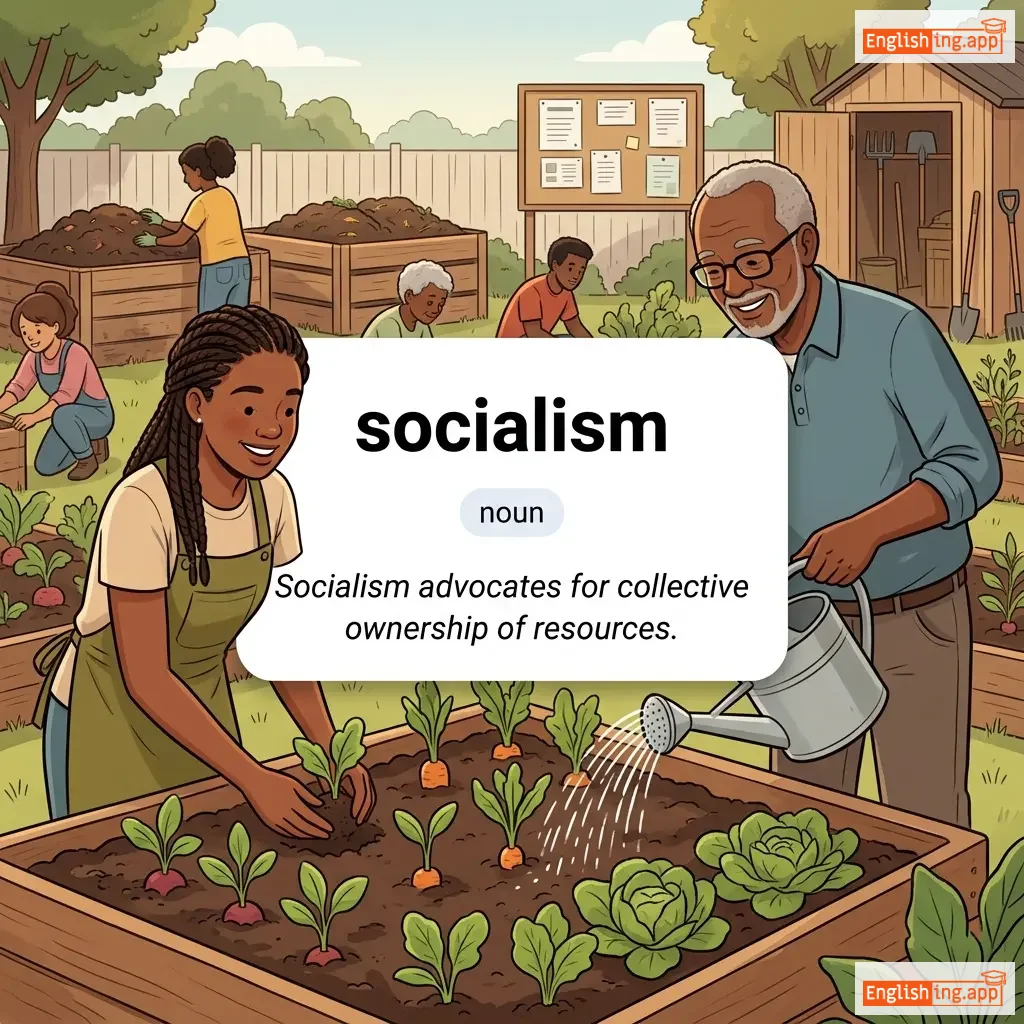
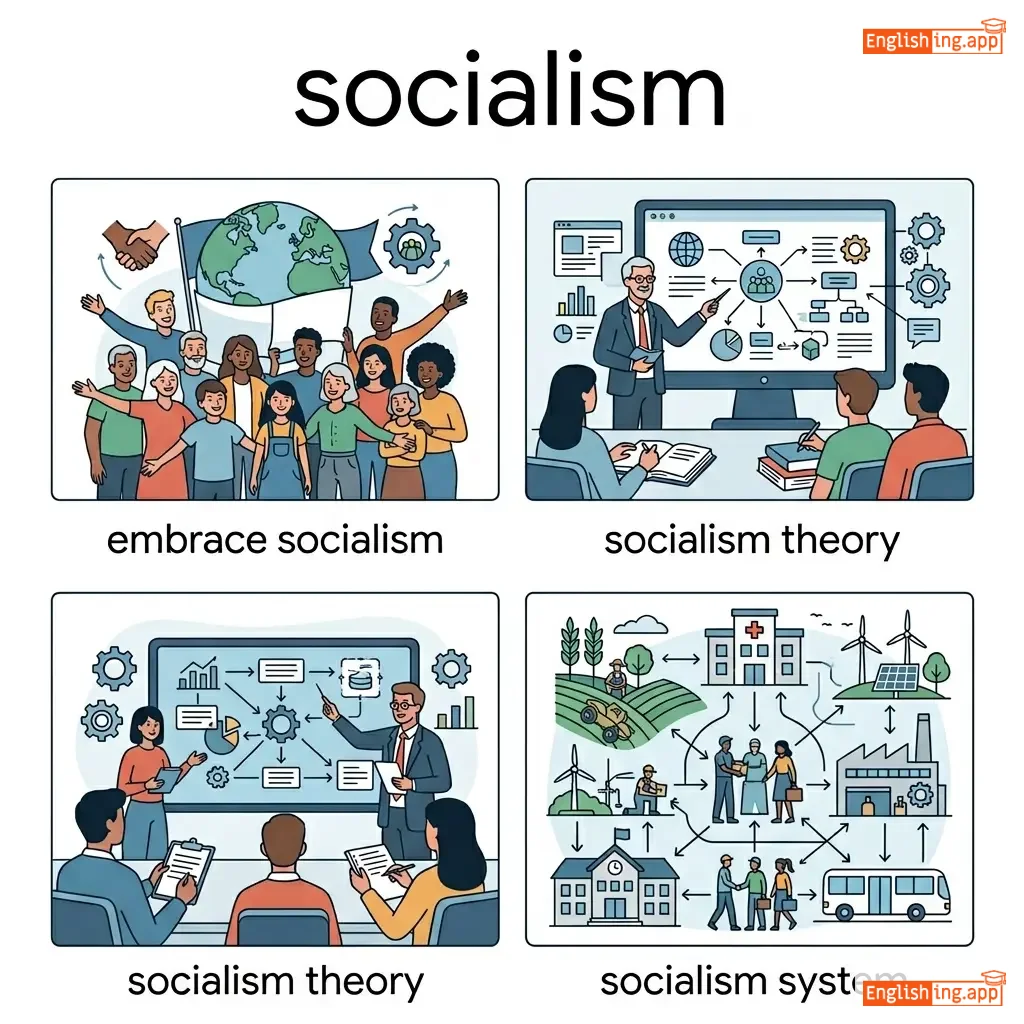
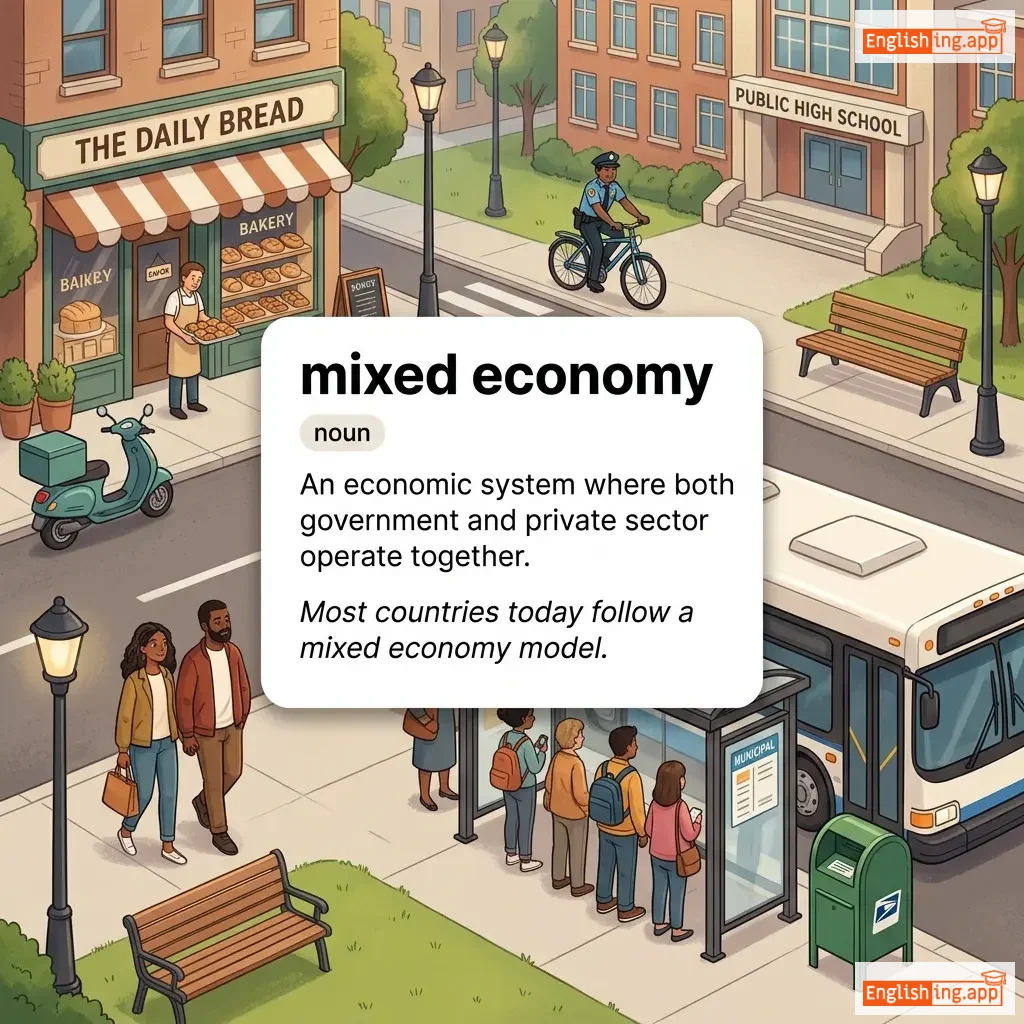
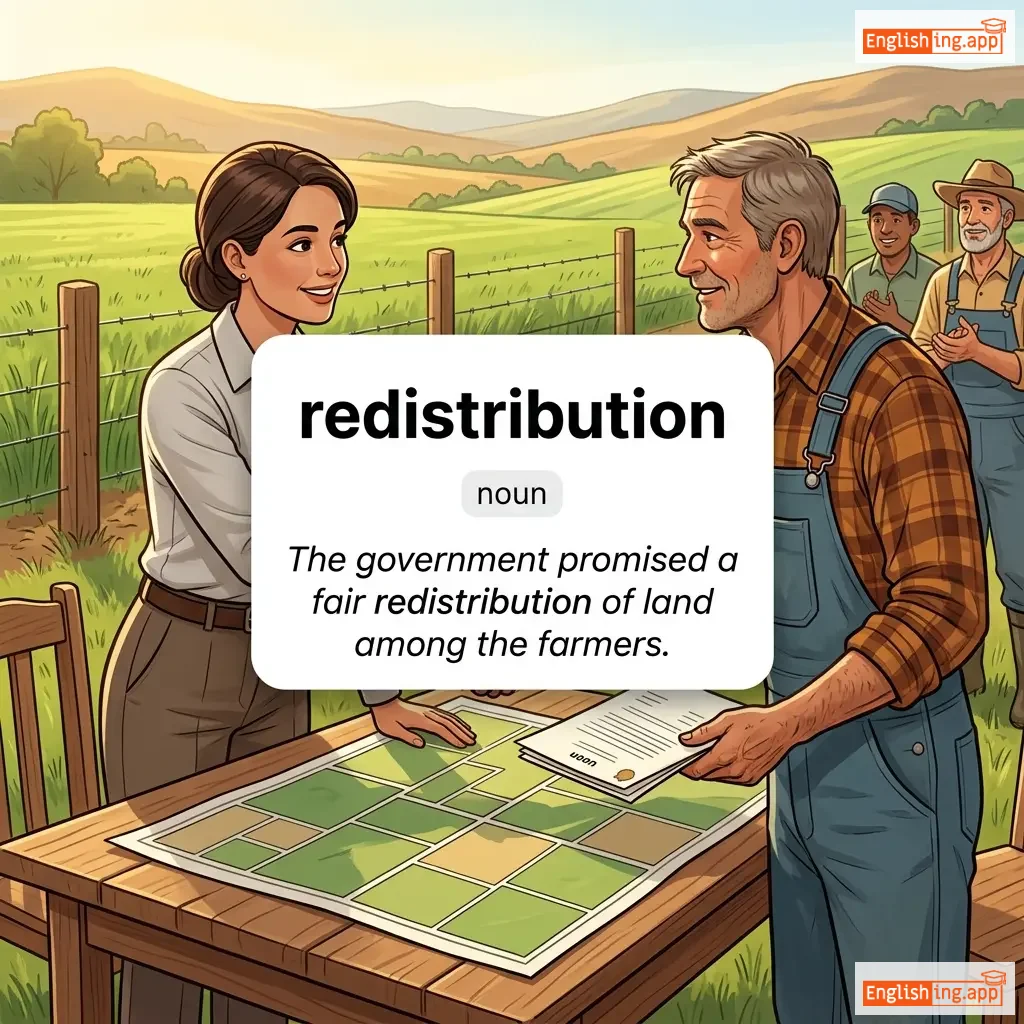
国の economy はその fiscal および monetary 政策に依存しています。一般的に、economy には4つのタイプがあります — capitalism、socialism、mixed economy、および traditional economy。Capitalism は laissez-faire 政策が採用されている制度であり、政府の介入はほとんどありません。そこでは privatization と commodification が多く、個人の所有権が重視されます。一方、socialism では政府が nationalization と redistribution のプロセスを使用し、富が平等に分配されるようにします。市場ではより多くの interventionism があり、多くの分野で subsidy が提供されます。Mixed economy では、deregulation と政府の interventionism が連携して機能し、政府はいくつかの分野を運営し、private sector が他の分野を管理します。Traditional economy では、一般的に barter system が普及しており、財やサービスが交換の手段として使用されます。したがって、それぞれの economic system には独自の長所と短所があり、国の equilibrium を維持するために適切な政策が必要です。
|
絵文字
|
単語 | Images | 意味 | 例文 | 同義語 | 対義語 |
|---|---|---|---|---|---|---|
|
#3070
💰
|
/ɪˈkɒn.ə.mi/
noun
••••••
|
|
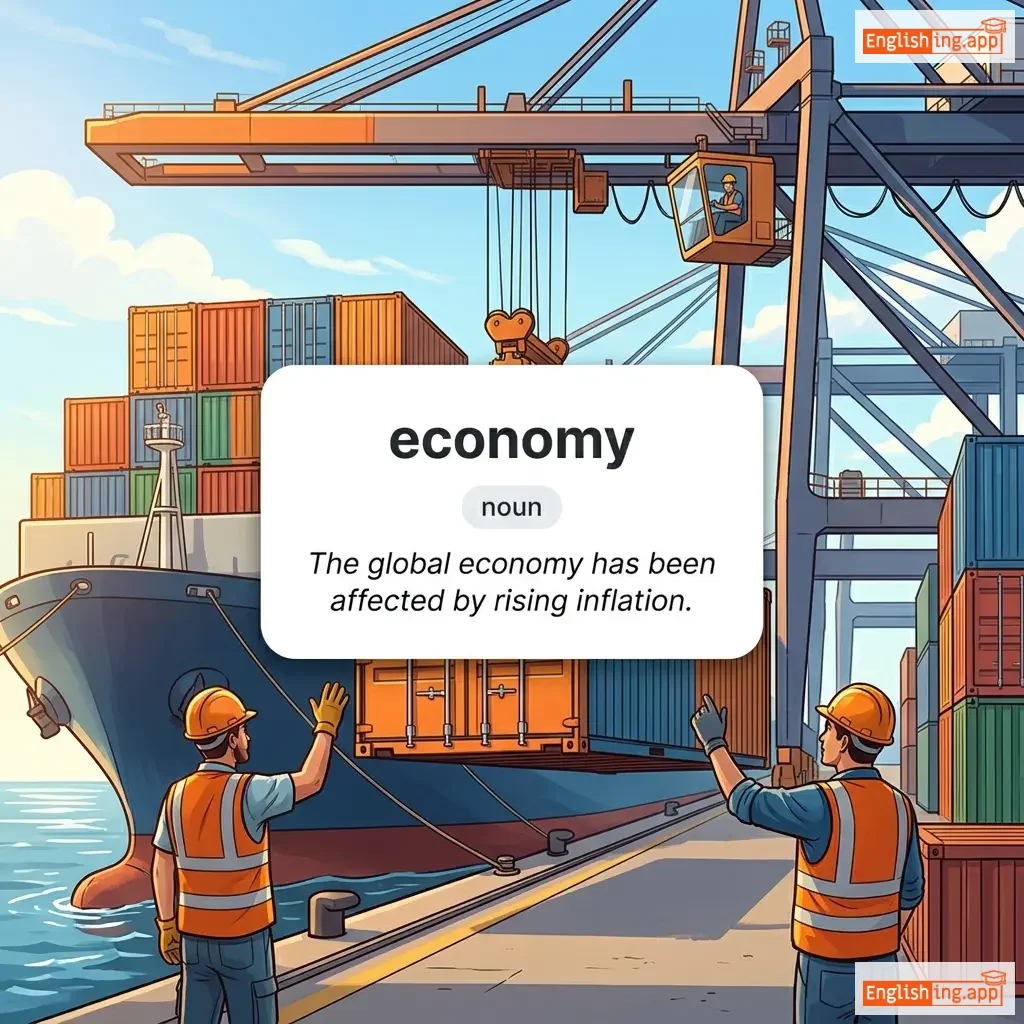
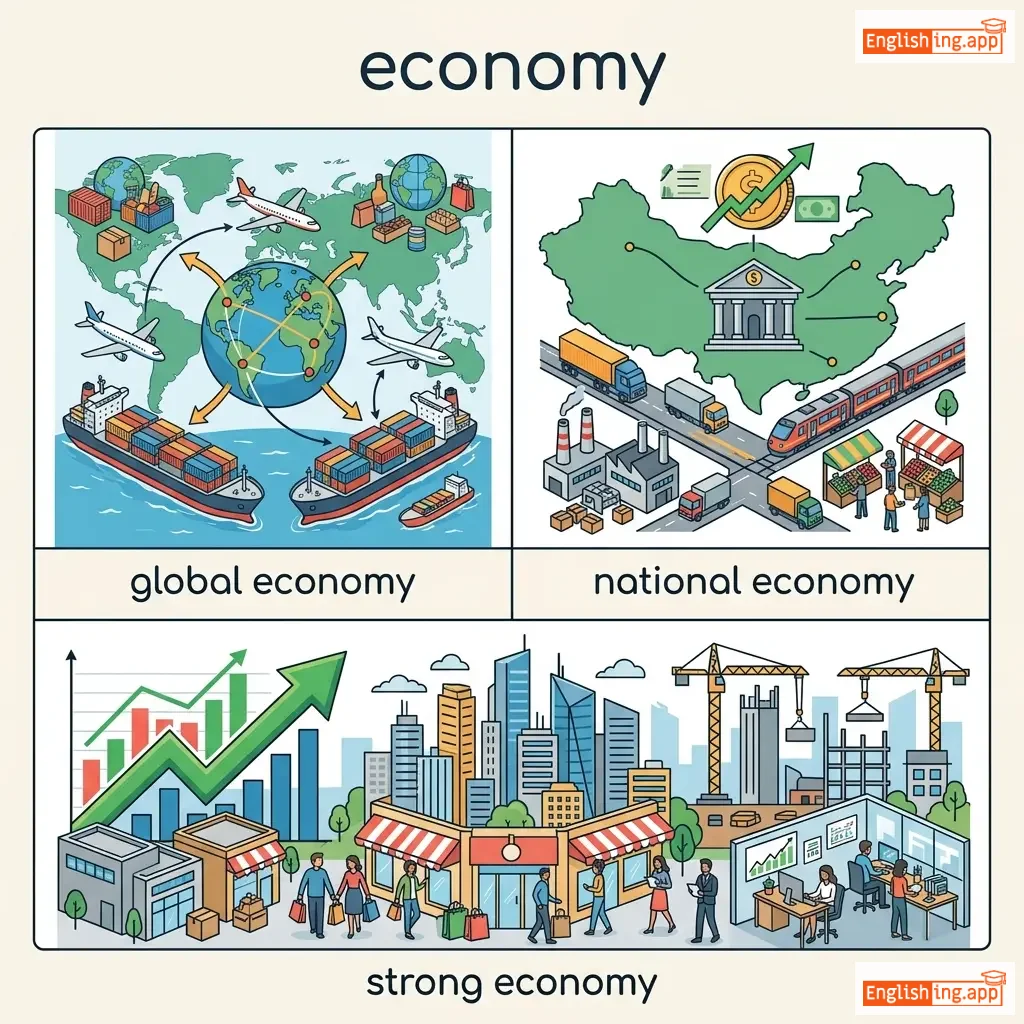
The system of production, distribution, and consumption of goods and services in a country or region.
••••••
|
The country's economy is growing rapidly. |
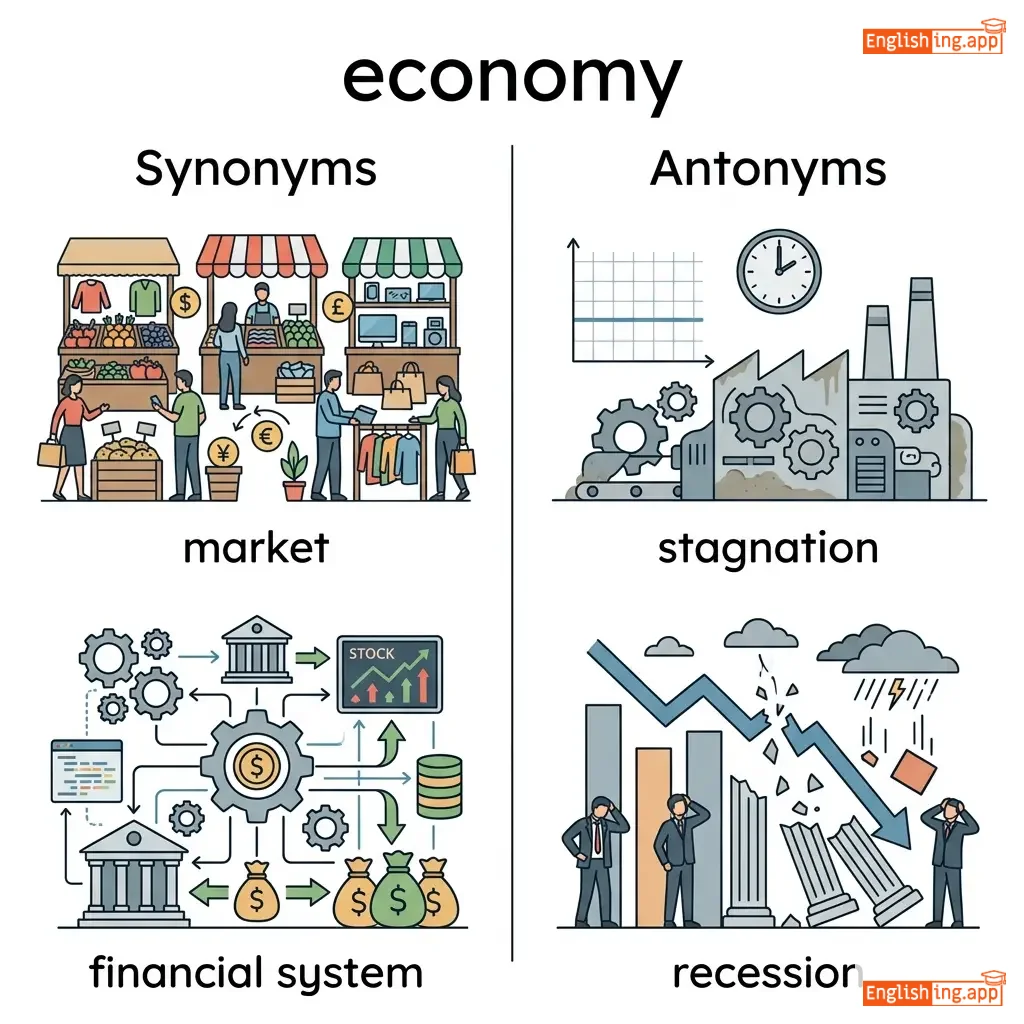
Financial System, Market, Trade
••••••
|
Stagnation, Recession, Instability
••••••
|
|
#3071
📊
|
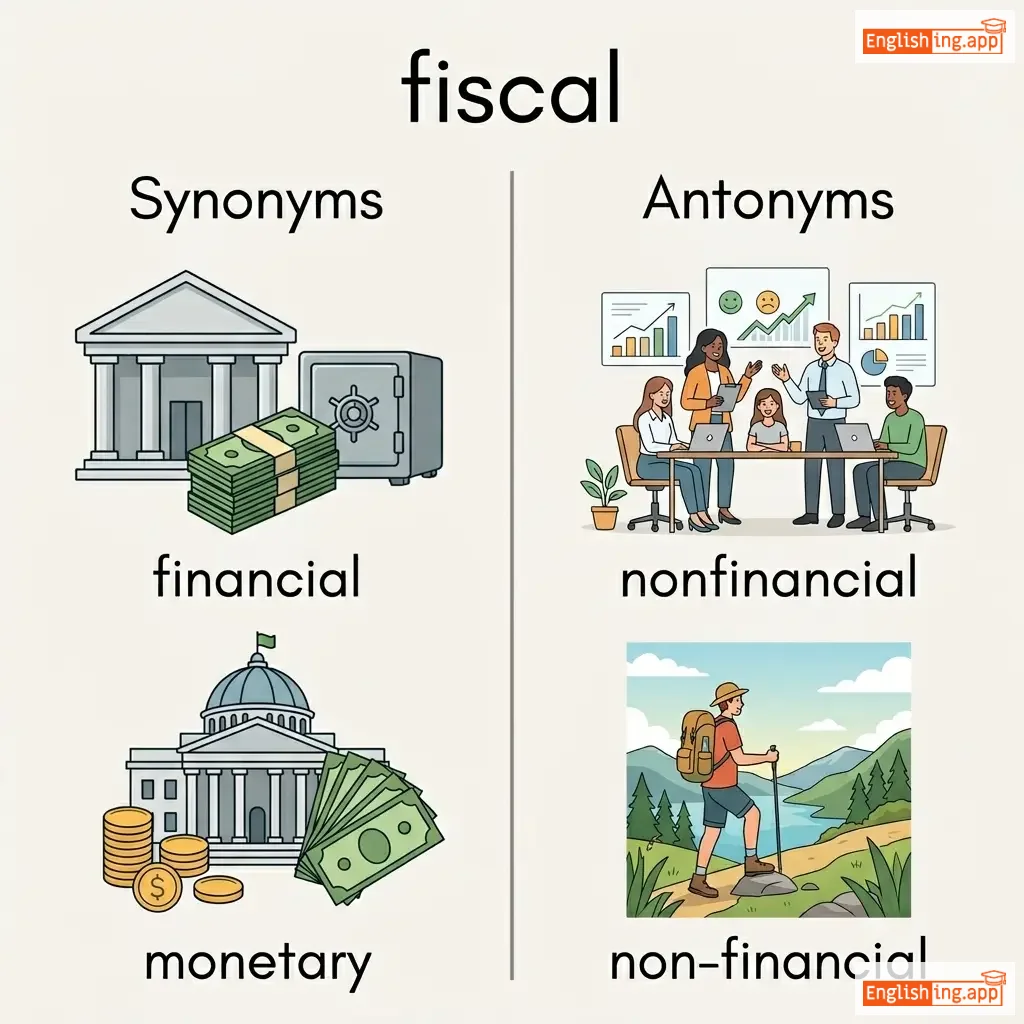
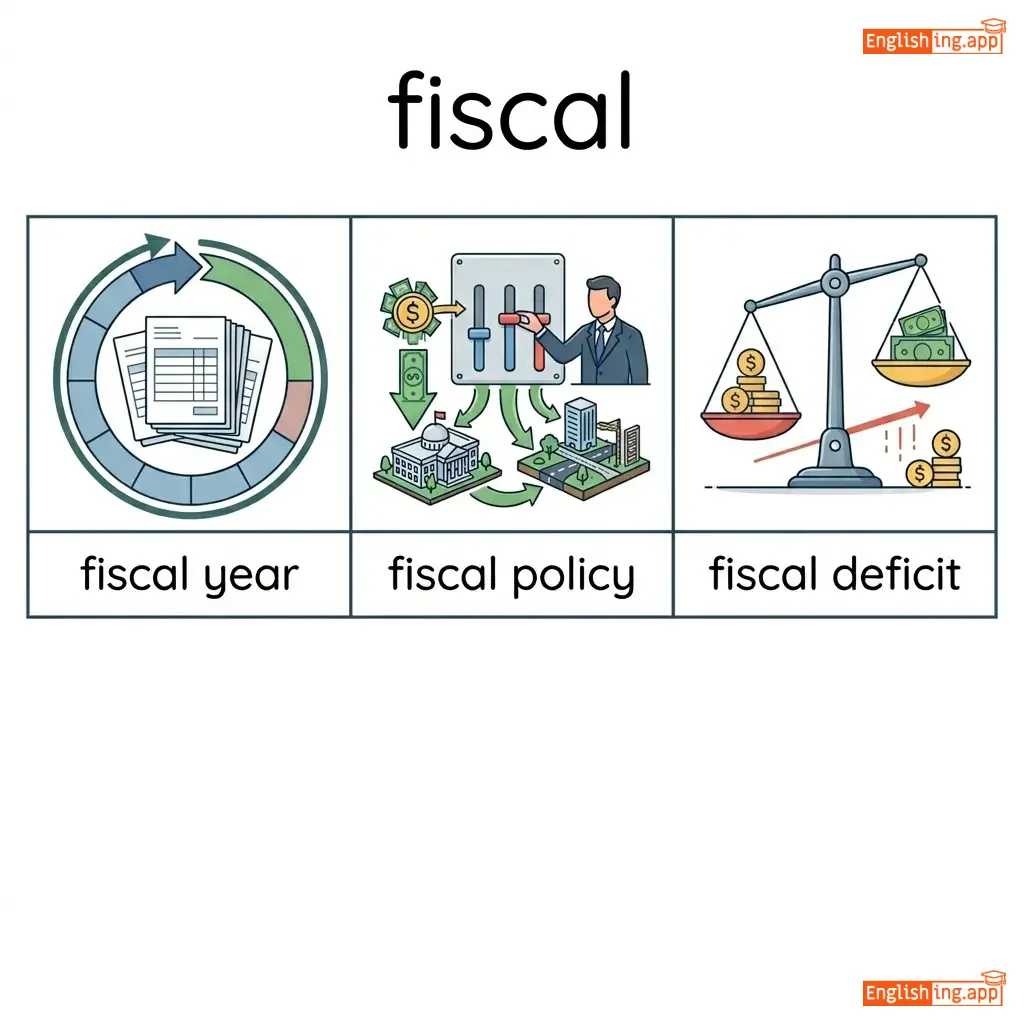
/ˈfɪs.kəl/
adjective
••••••
|
|
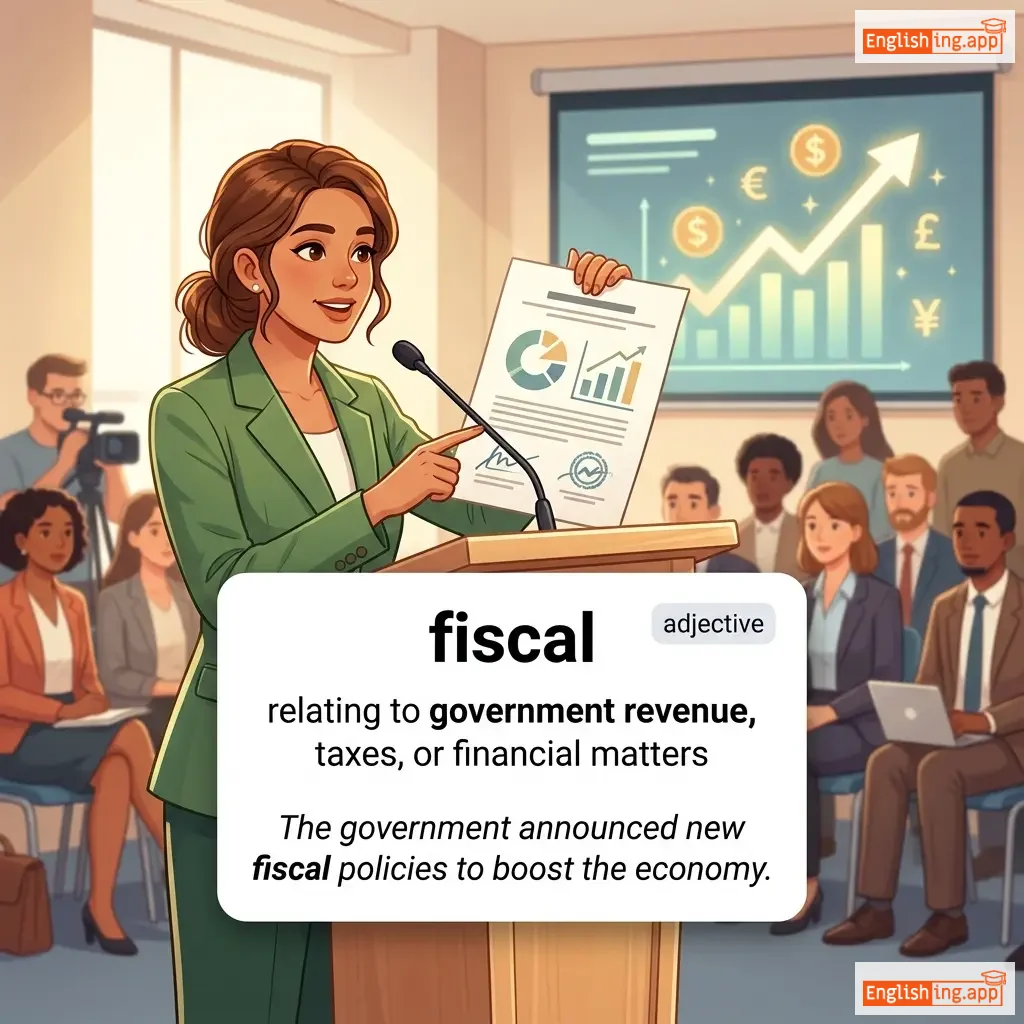
Related to government revenue, especially taxes and government spending.
••••••
|
The government introduced new fiscal policies. |
Budgetary, Financial, Economic
••••••
|
Non-financial, Unrelated, Irrelevant
••••••
|
|
#3072
💱
|
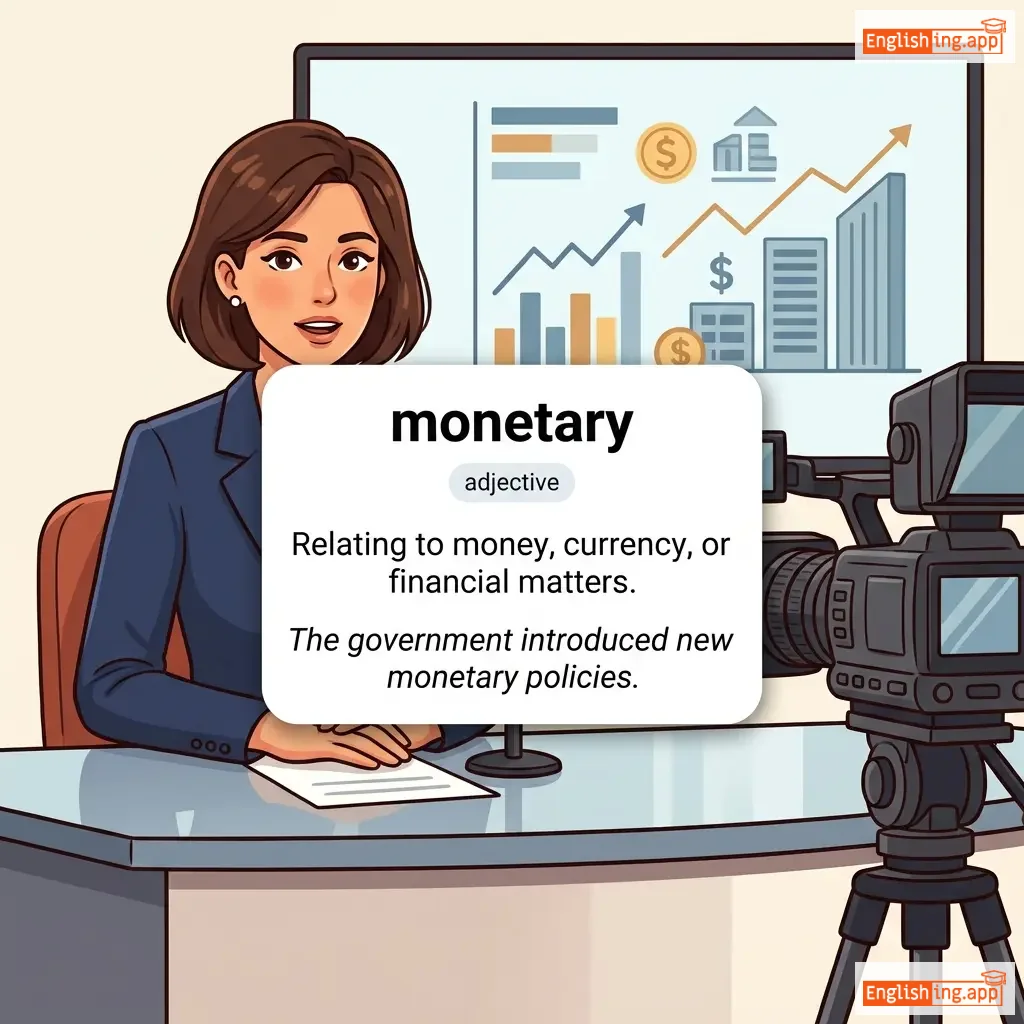
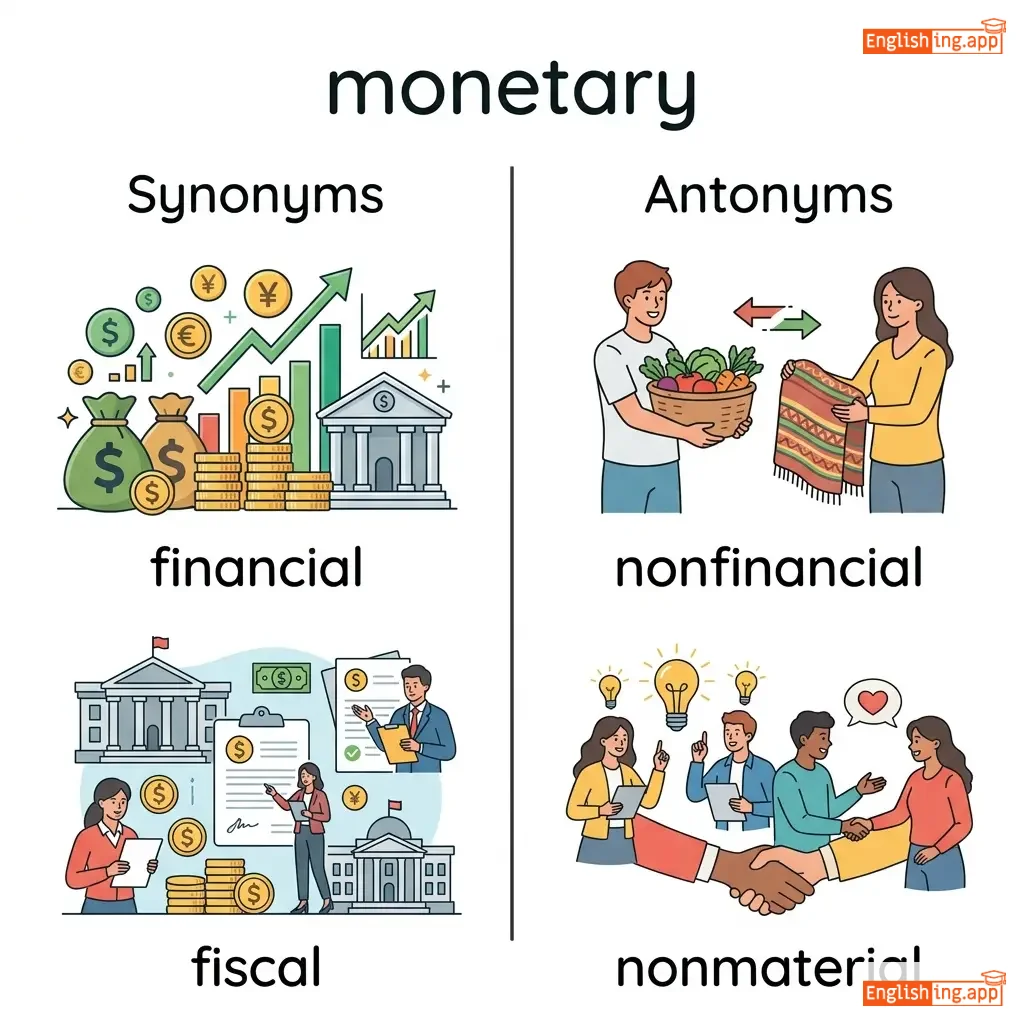
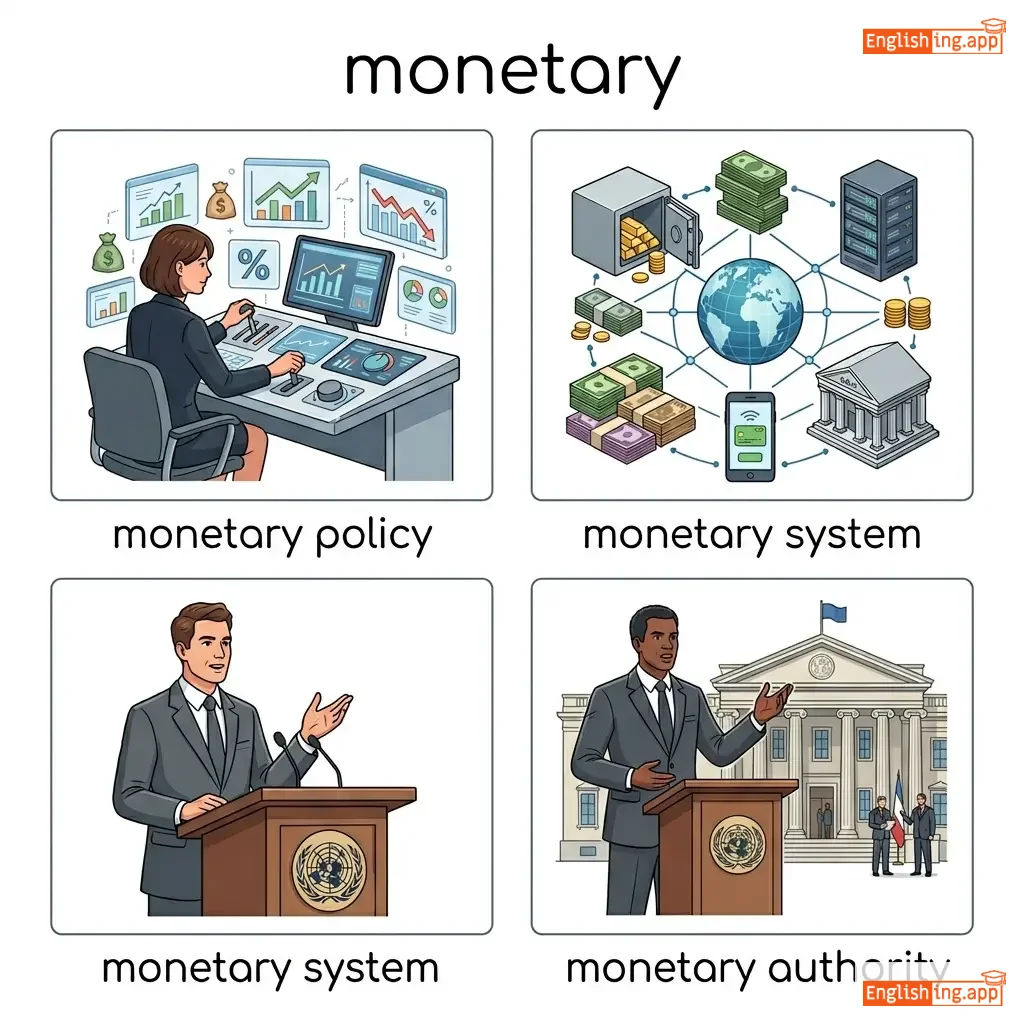
/ˈmʌn.ɪ.tri/
adjective
••••••
|
|
Related to money, currency, and financial control by central banks.
••••••
|
The central bank controls monetary policy. |
Financial, Economic, Banking
••••••
|
Non-monetary, Barter, Non-financial
••••••
|
|
#3073
🏭
|
/ˈkæp.ɪ.təl.ɪ.zəm/
noun
••••••
|
|
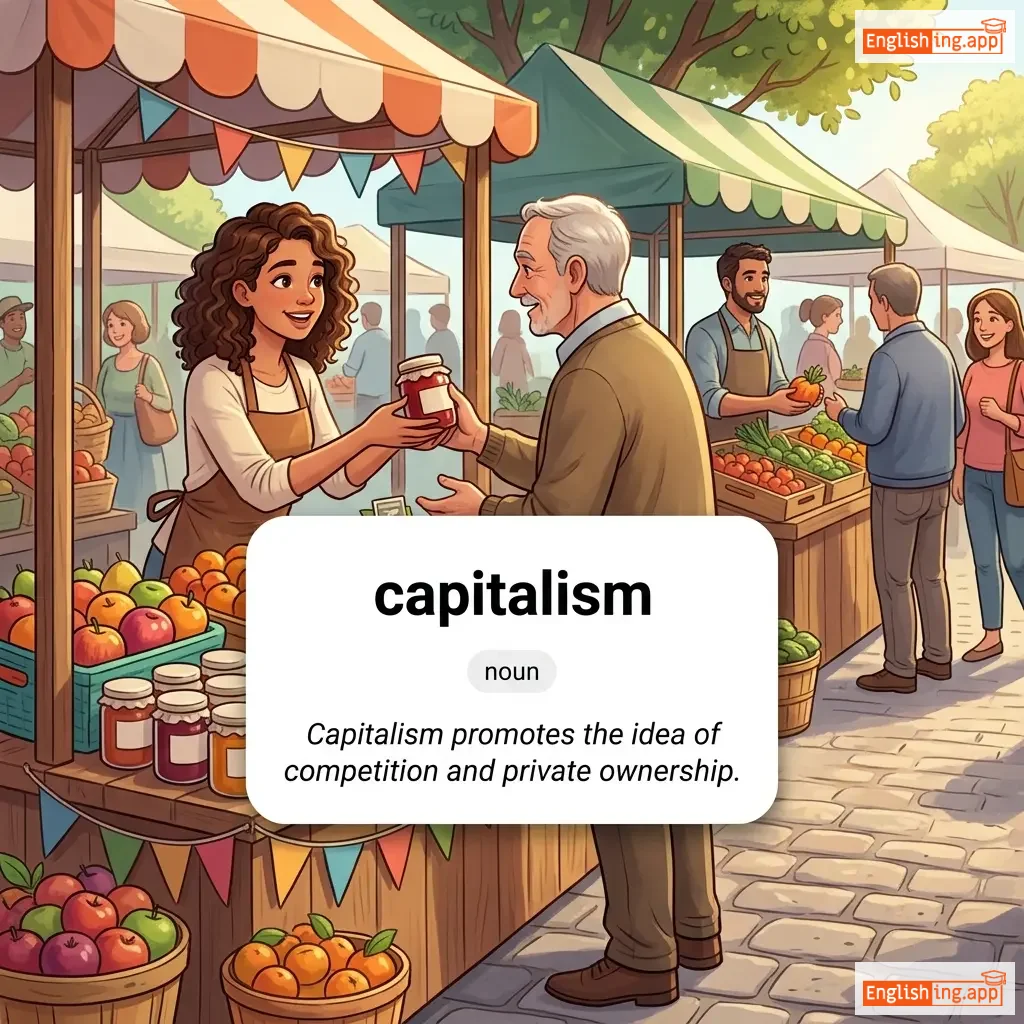
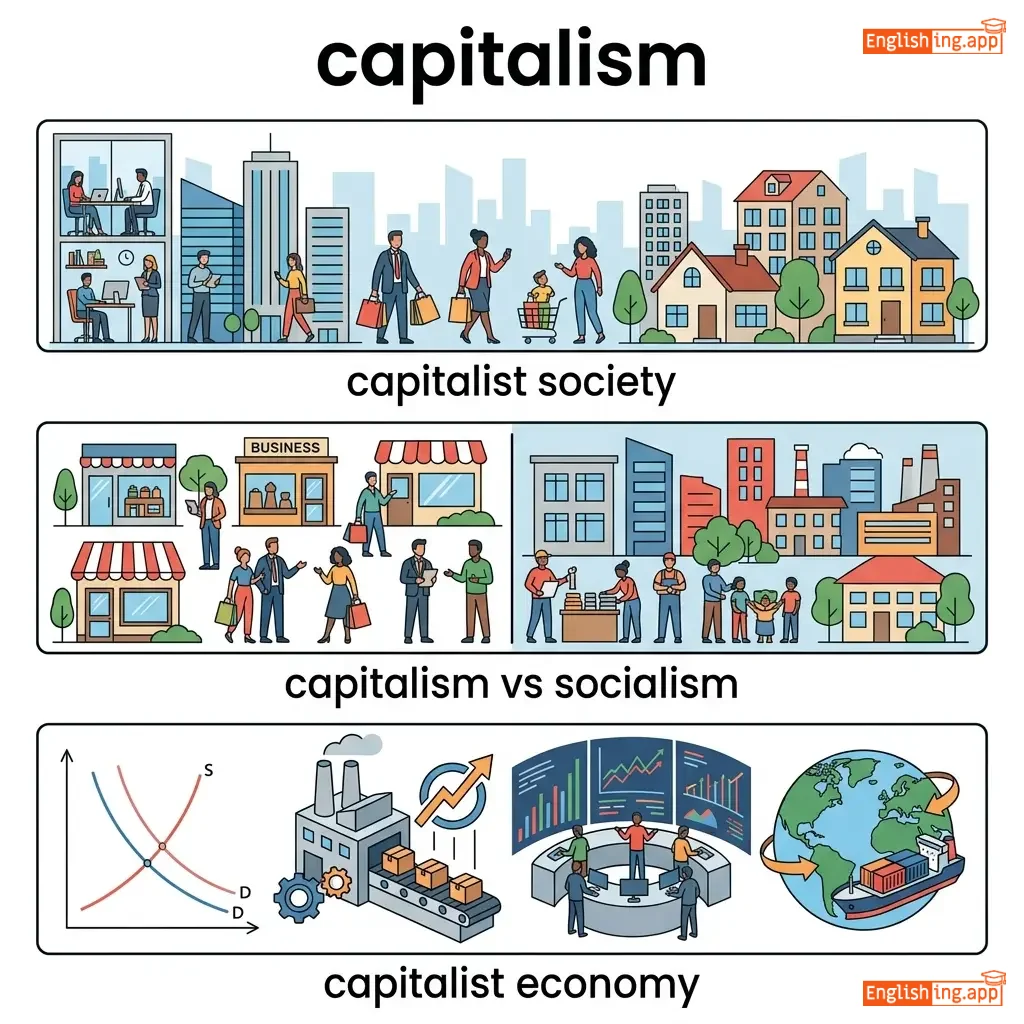
An economic system based on private ownership and free market competition.
••••••
|
Capitalism promotes competition and private ownership. |
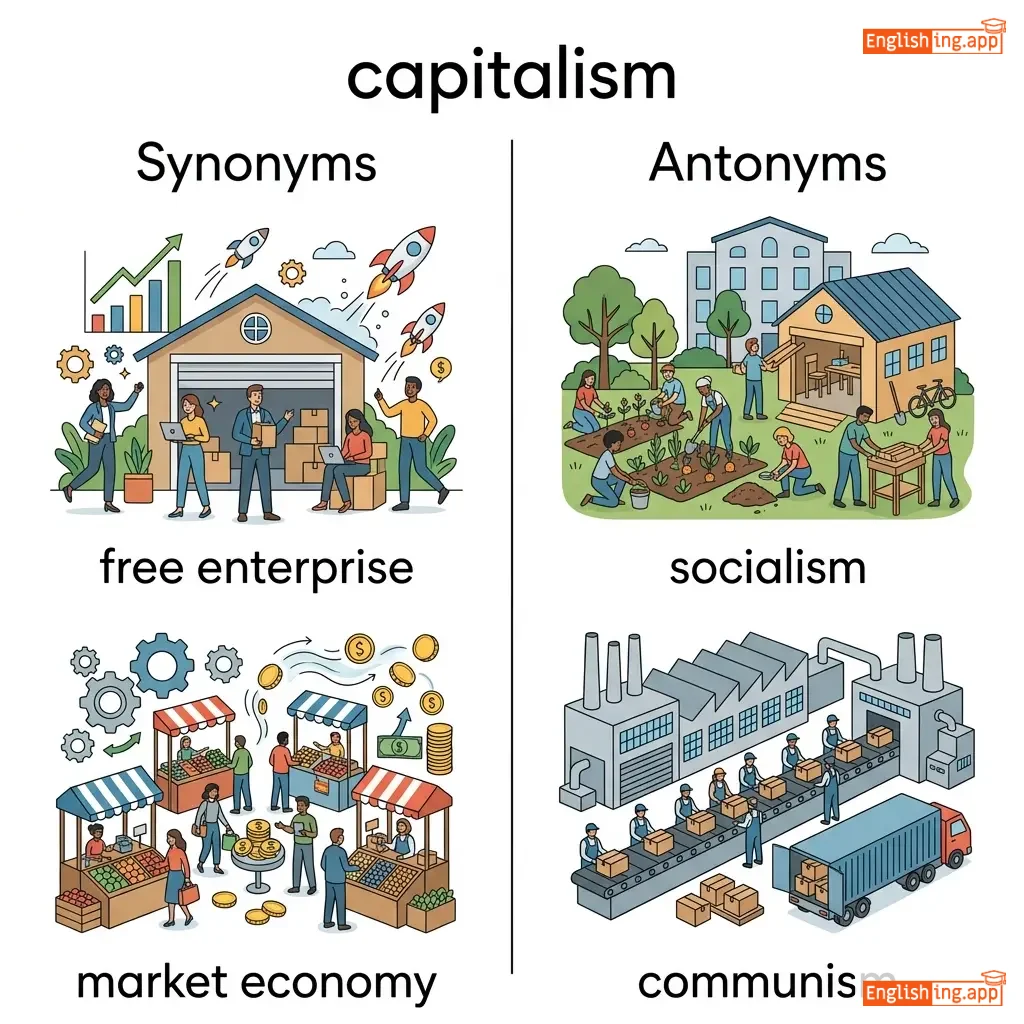
Free Market, Private Enterprise, Laissez-faire
••••••
|
Socialism, Communism, Collectivism
••••••
|
|
#3074
🤝
|
/ˈsəʊ.ʃəl.ɪ.zəm/
noun
••••••
|
|
An economic system where the means of production are owned by the state or community.
••••••
|
In socialism, resources are distributed equally among citizens. |
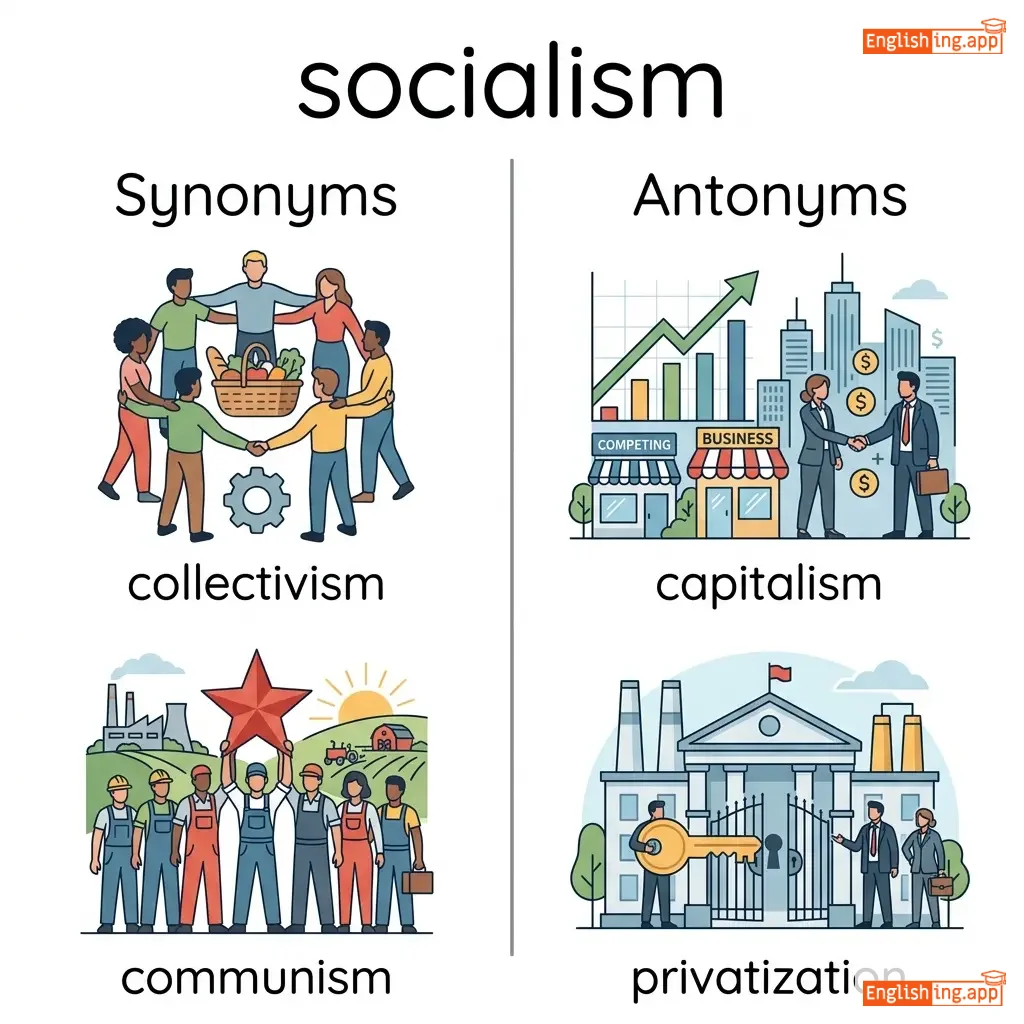
Collectivism, Public Ownership, State Control
••••••
|
Capitalism, Free Market, Privatization
••••••
|
|
#3075
⚖️
|
/mɪkst ɪˈkɒn.ə.mi/
noun
••••••
|
|
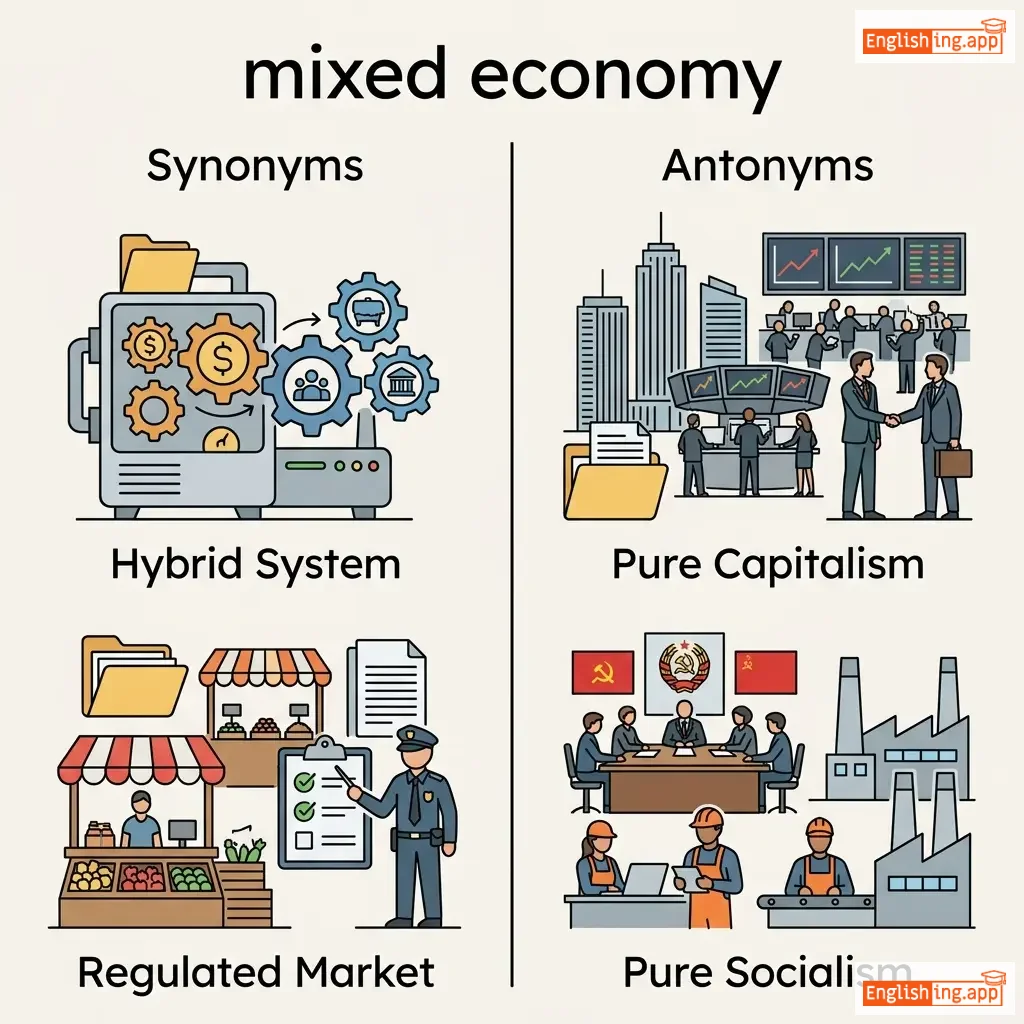
An economic system where both government and private sector operate together.
••••••
|
Most countries today follow a mixed economy model. |
Hybrid System, Regulated Market, Balanced Economy
••••••
|
Pure Capitalism, Pure Socialism, Command Economy
••••••
|
|
#3076
🌾
|
/trəˈdɪʃ.ən.əl ɪˈkɒn.ə.mi/
noun
••••••
|
|
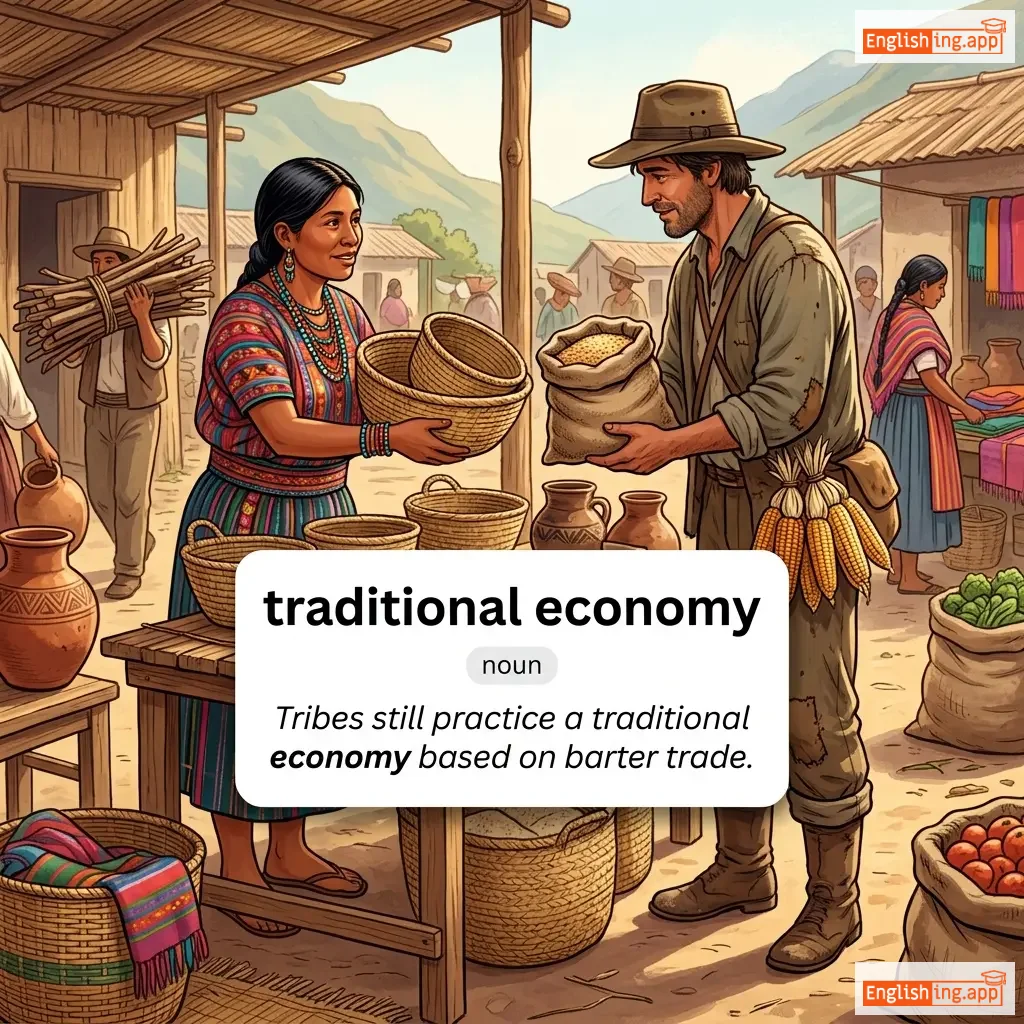
An economic system based on customs and traditions, often involving barter trade.
••••••
|
Tribes still practice a traditional economy based on barter trade. |
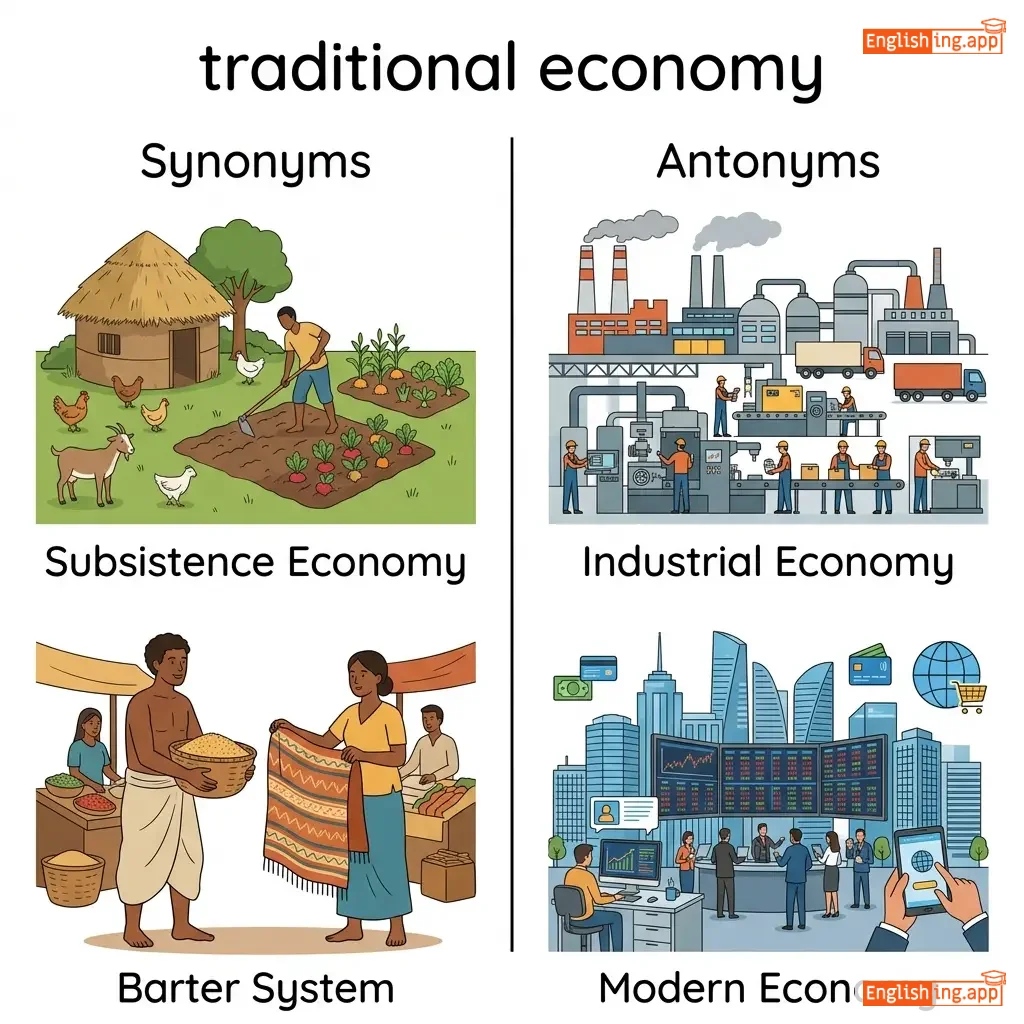
Subsistence Economy, Barter System, Rural Economy
••••••
|
Industrial Economy, Modern Economy, Market Economy
••••••
|
|
#3077
🚫
|
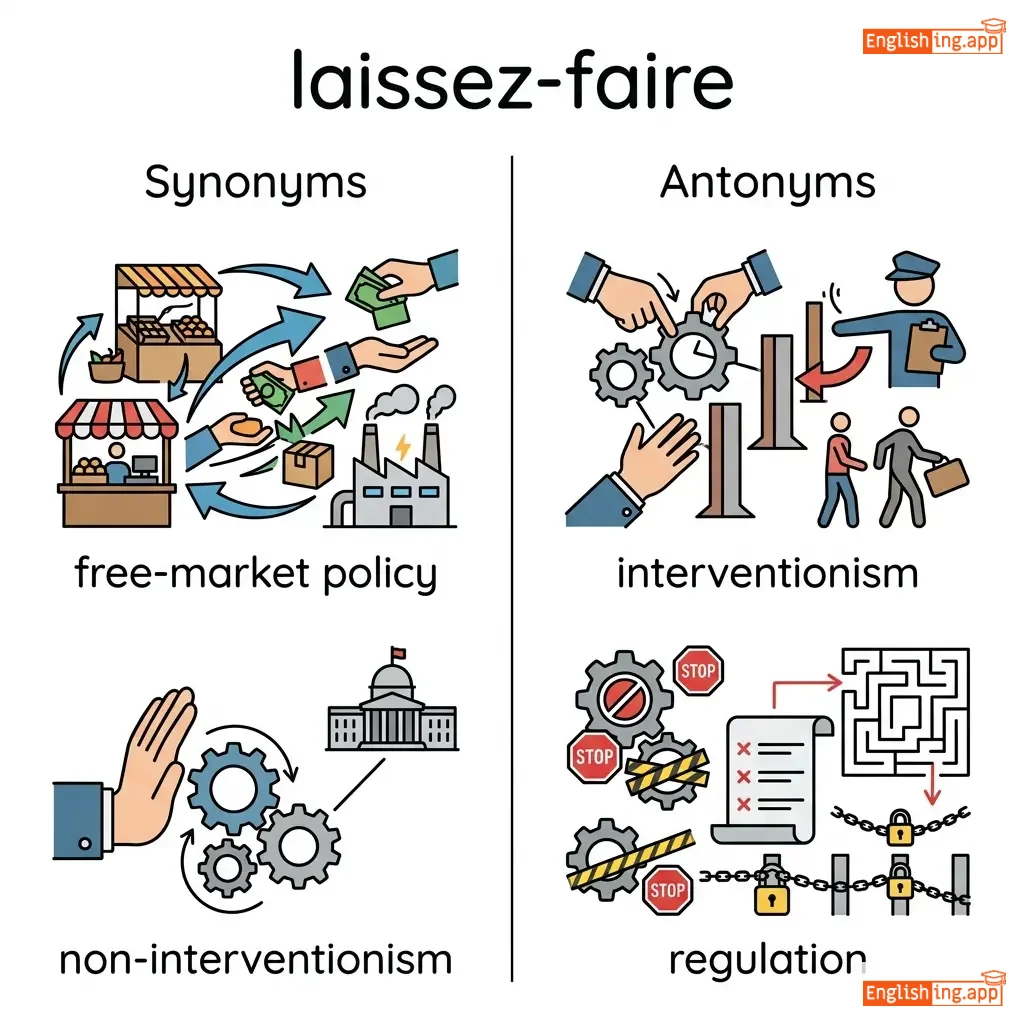
/ˌlɛ.seɪ ˈfɛər/
noun
••••••
|
|
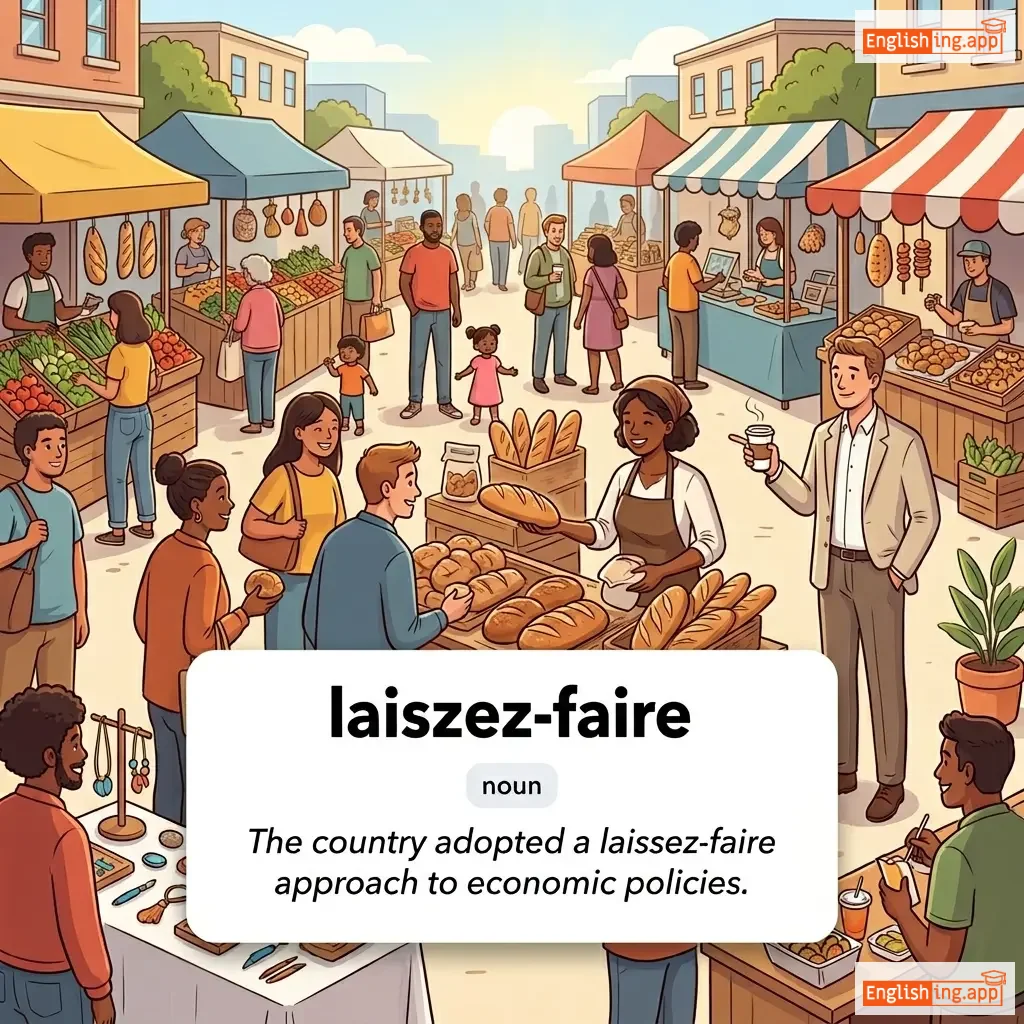
An economic policy where government does not intervene in business affairs.
••••••
|
Laissez-faire policies encourage private enterprise. |
Free Market, Non-Interventionism, Hands-off Approach
••••••
|
Regulation, Government Control, Socialism
••••••
|
|
#3078
🏢
|
/ˌpraɪ.və.taɪˈzeɪ.ʃən/
noun
••••••
|
|
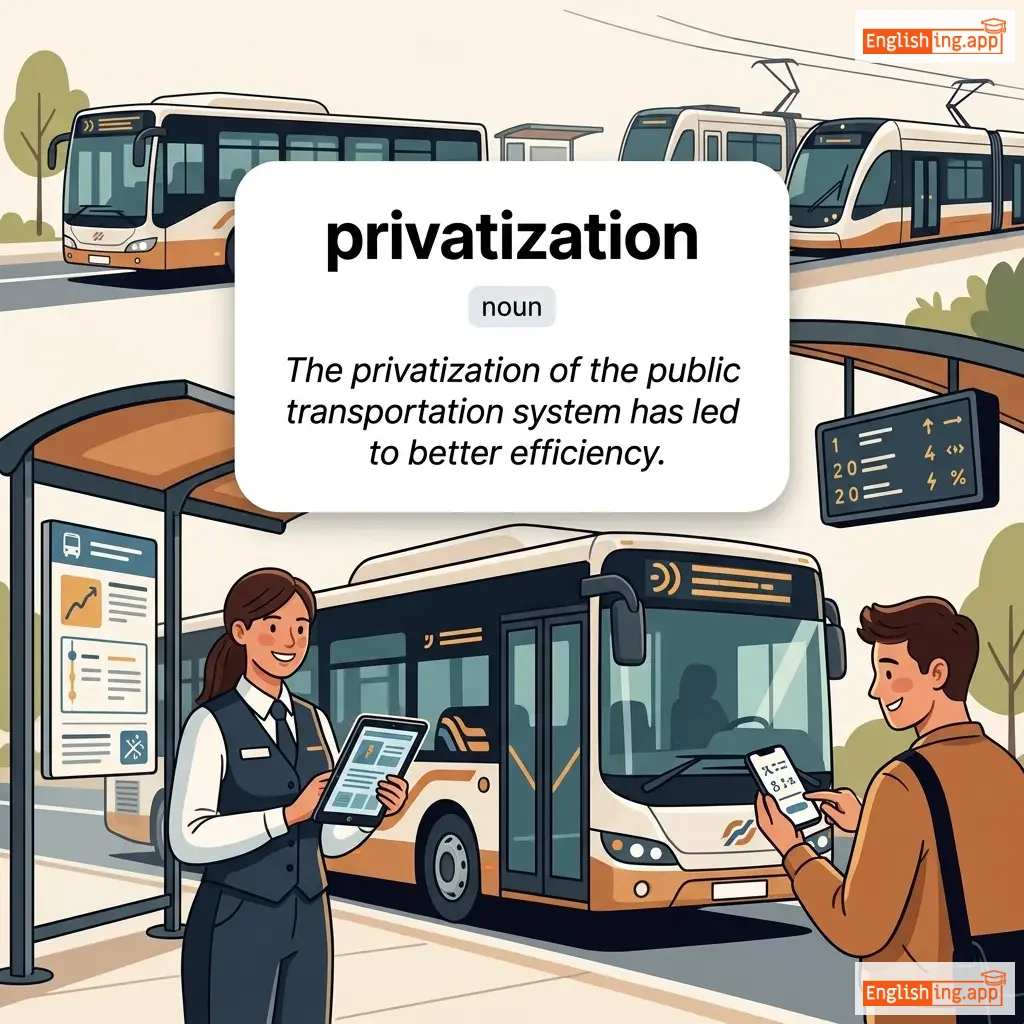
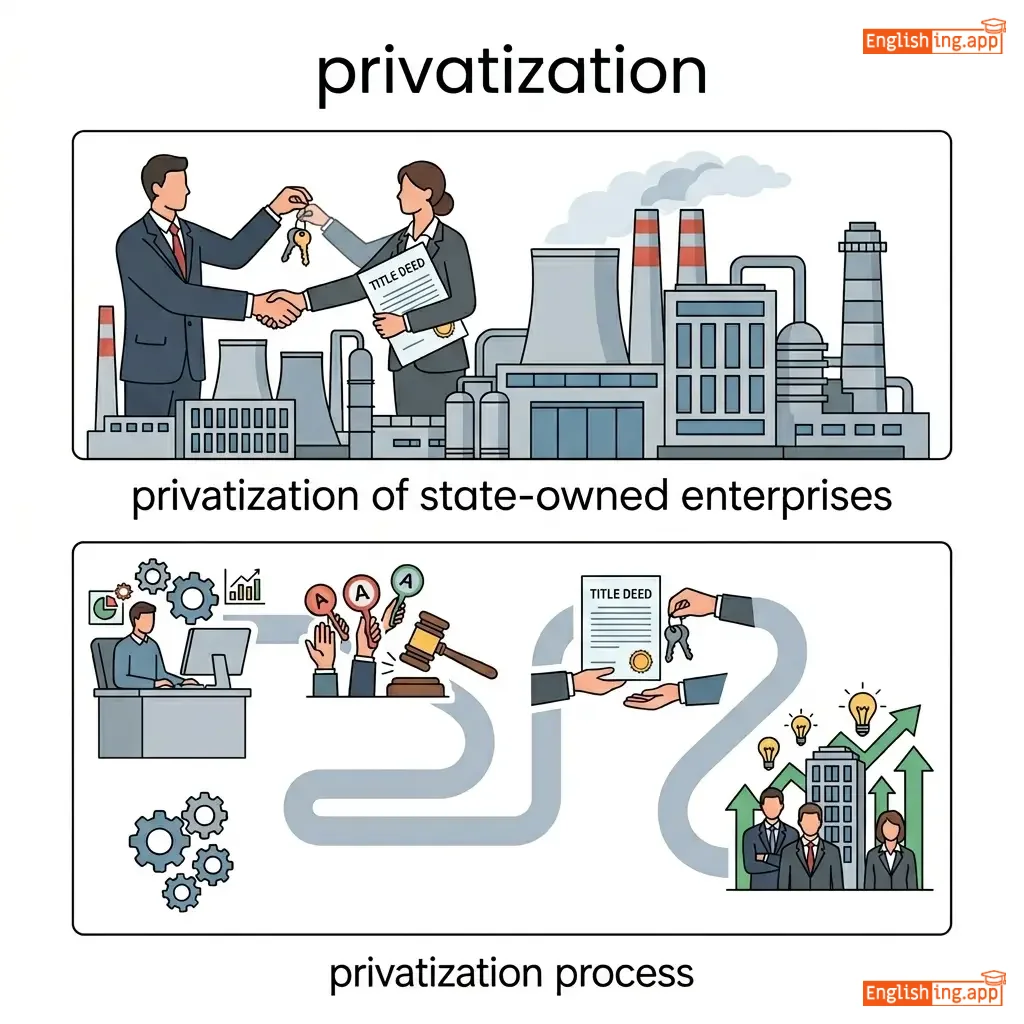
The transfer of ownership from government to private sector.
••••••
|
The government initiated privatization of the energy sector. |
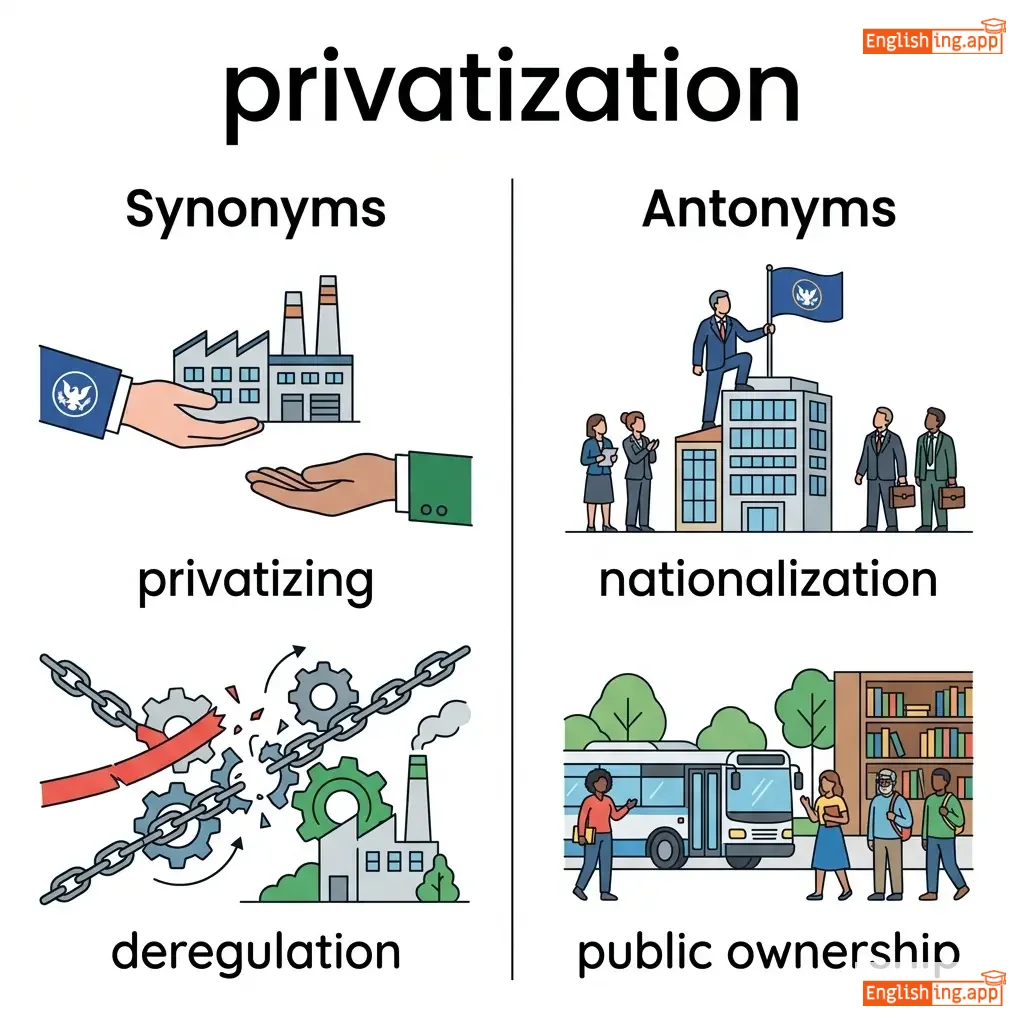
Deregulation, Free Market Reform, Corporate Takeover
••••••
|
Nationalization, State Ownership, Socialization
••••••
|
|
#3079
🛒
|
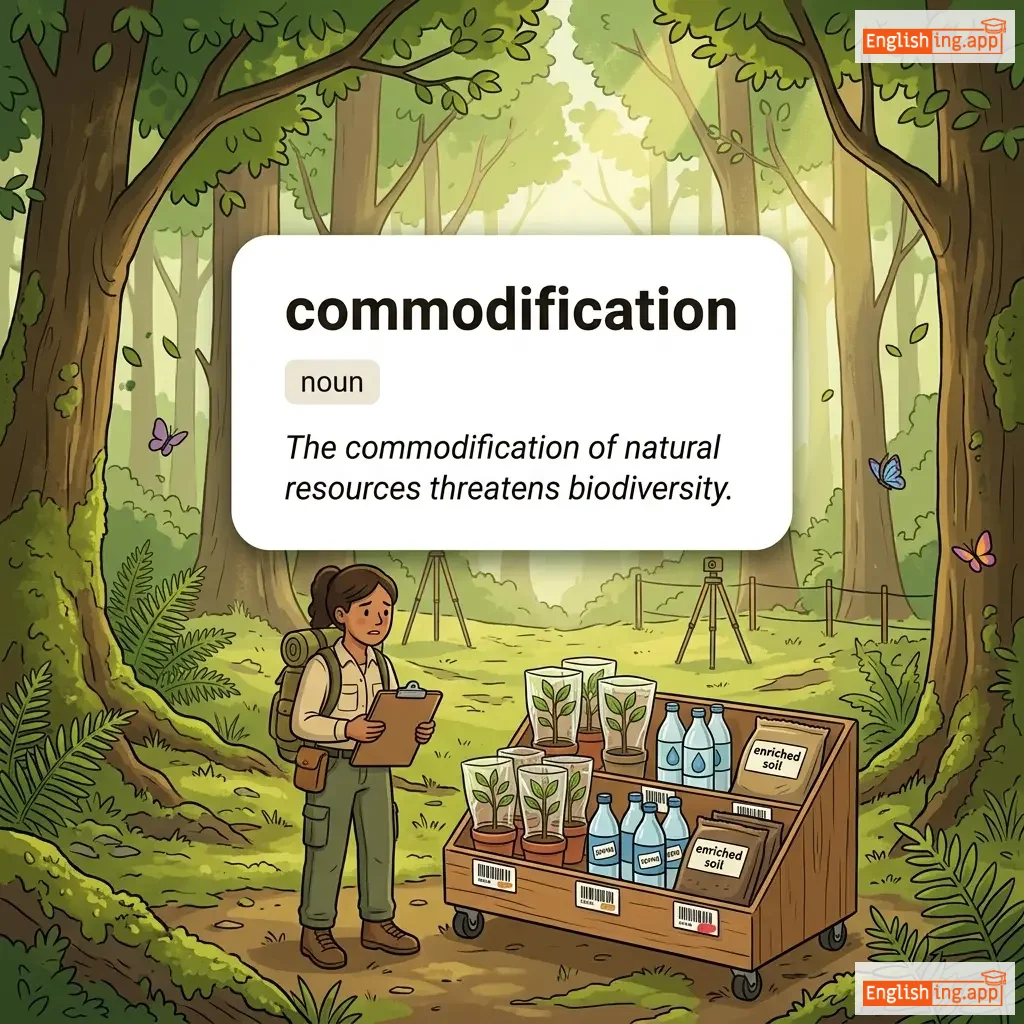
/kəˌmɒd.ɪ.fɪˈkeɪ.ʃən/
noun
••••••
|
|
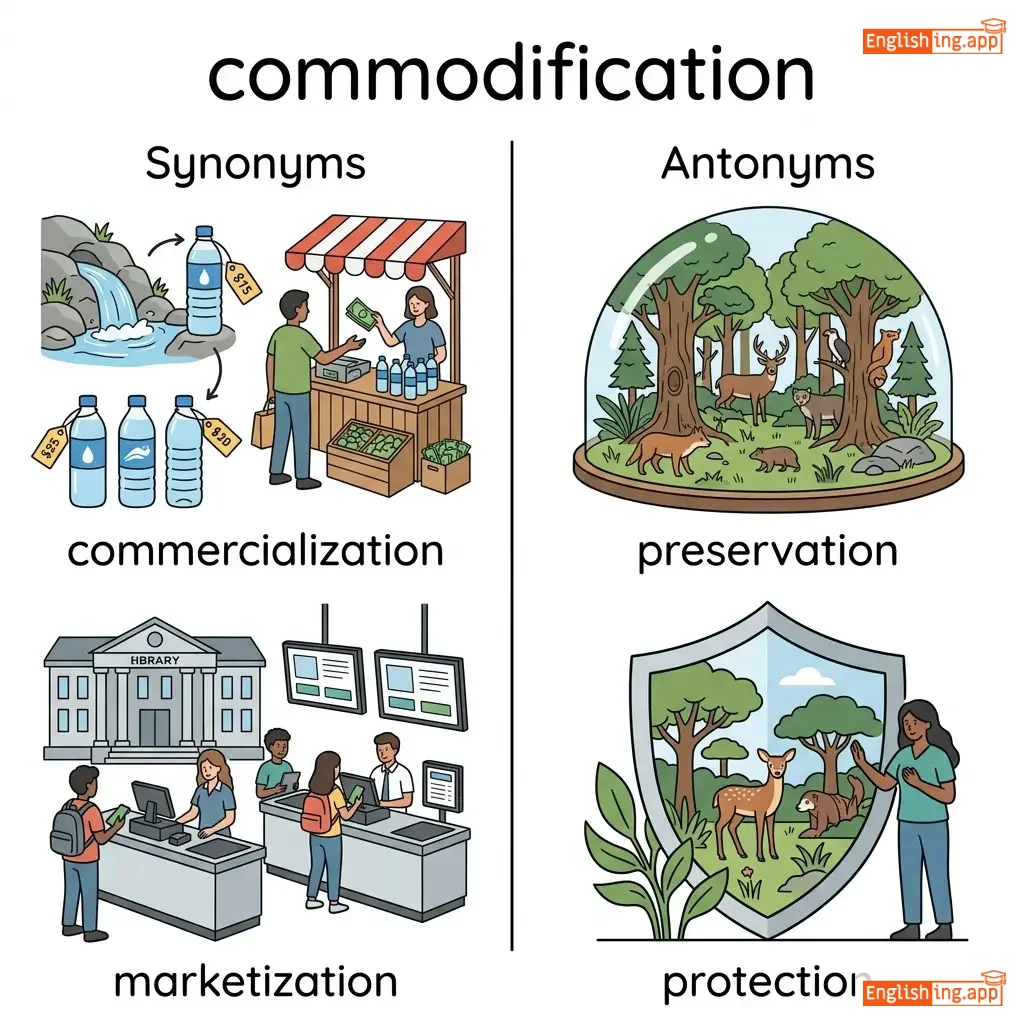
The transformation of goods, services, ideas, or social relations into market commodities.
••••••
|
The commodification of education has increased tuition costs. |
Commercialization, Marketization, Productization
••••••
|
Decommodification, Non-commercialization, Public Good
••••••
|
|
#3080
🏛️
|
/ˌnæʃ.ən.ə.laɪˈzeɪ.ʃən/
noun
••••••
|
|
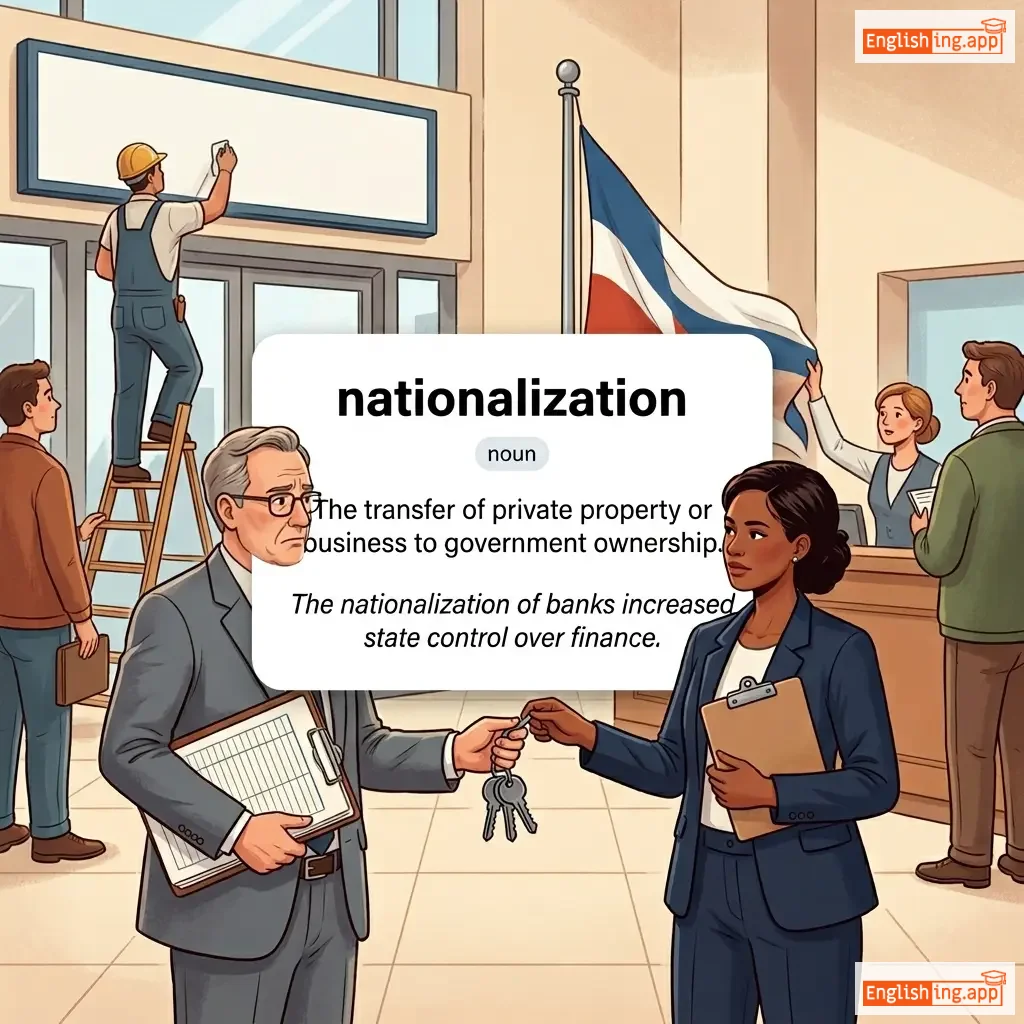
The transfer of private property or business to government ownership.
••••••
|
The nationalization of banks increased state control over finance. |
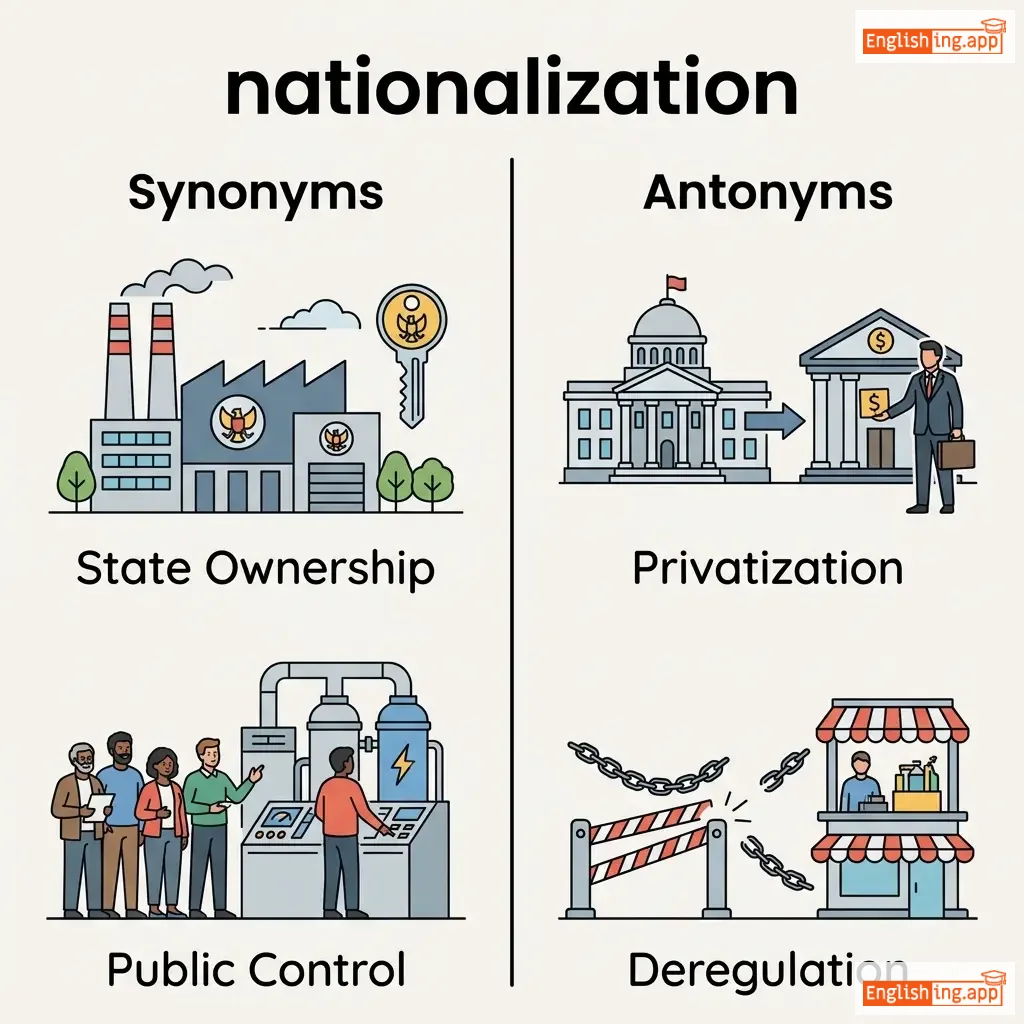
State Ownership, Public Control, Government Takeover
••••••
|
Privatization, Deregulation, Free Market
••••••
|
|
#3081
♻️
|
/ˌriː.dɪs.trɪˈbjuː.ʃən/
noun
••••••
|
|
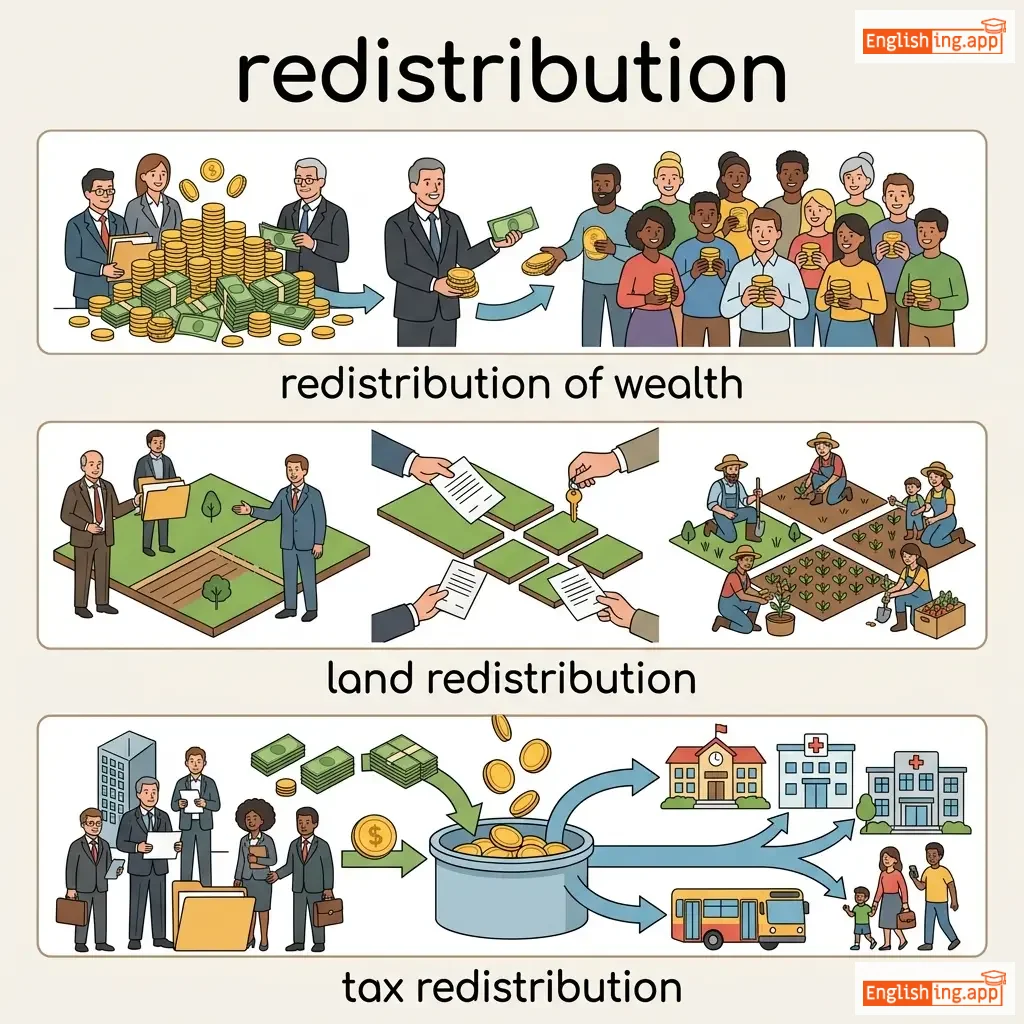
The sharing of wealth or resources more equally among society.
••••••
|
The government introduced a redistribution policy to reduce inequality. |
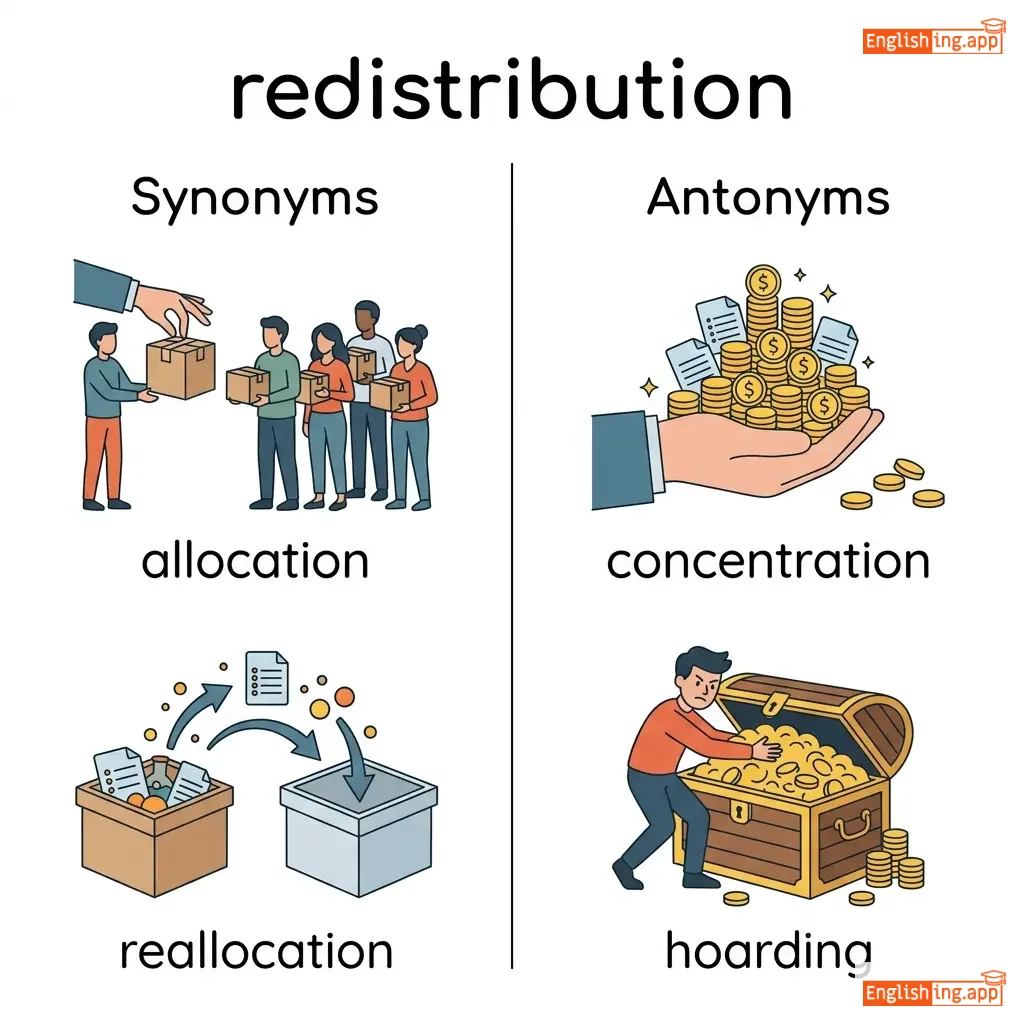
Reallocation, Reassignment, Reapportionment
••••••
|
Concentration, Hoarding, Retention
••••••
|
|
#3082
🎯
|
/ˌɪn.təˈvɛn.ʃə.nɪ.zəm/
noun
••••••
|
|
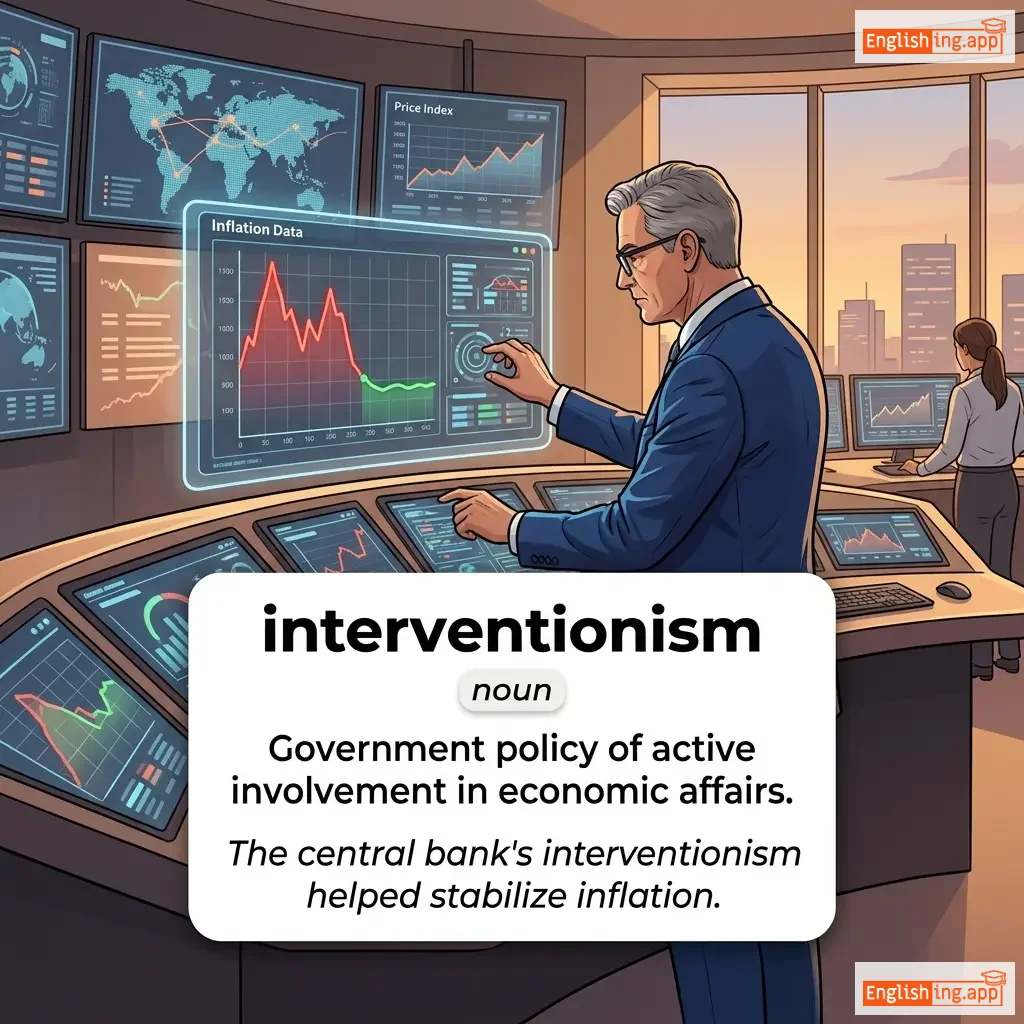
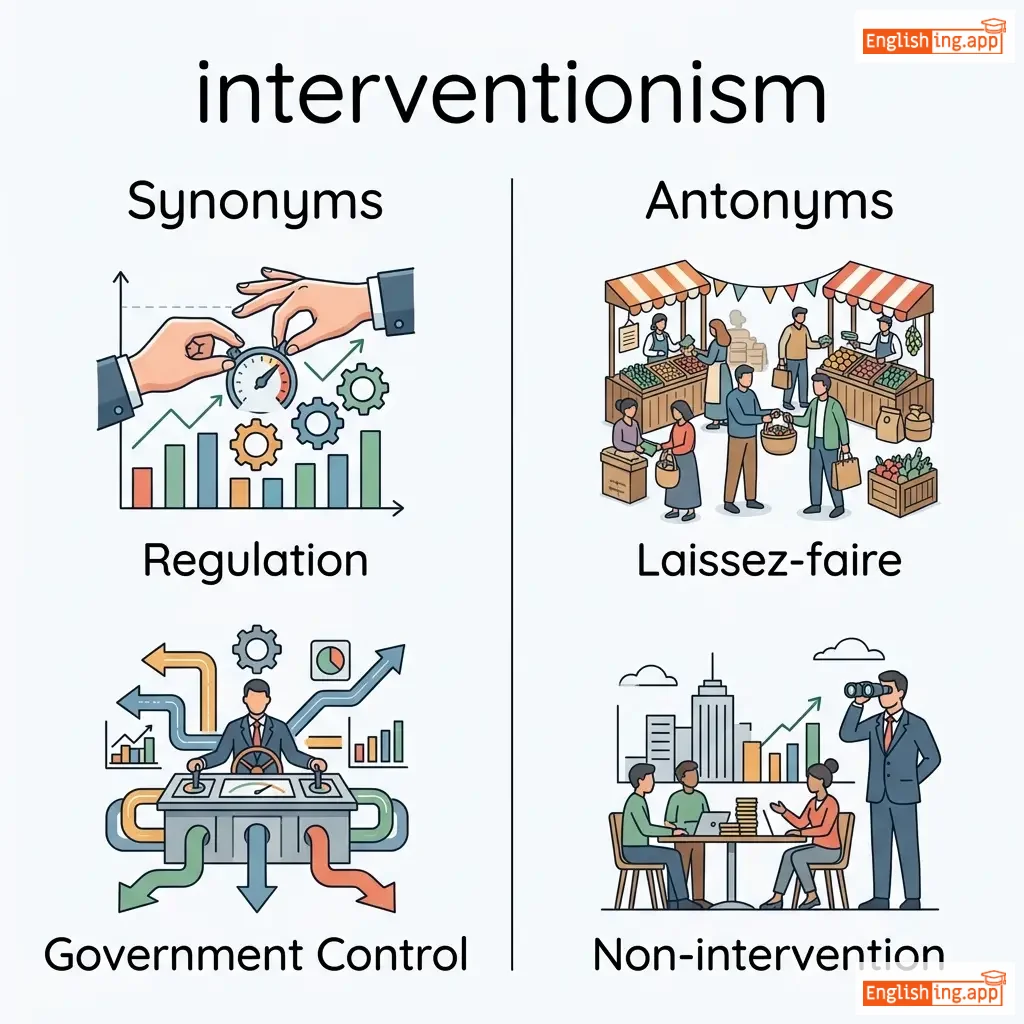
Government policy of active involvement in economic affairs.
••••••
|
The central bank's interventionism helped stabilize inflation. |
Regulation, Government Control, Market Oversight
••••••
|
Laissez-faire, Non-intervention, Free Market
••••••
|
|
#3083
💸
|
/ˈsʌb.sɪ.di/
noun
••••••
|
|
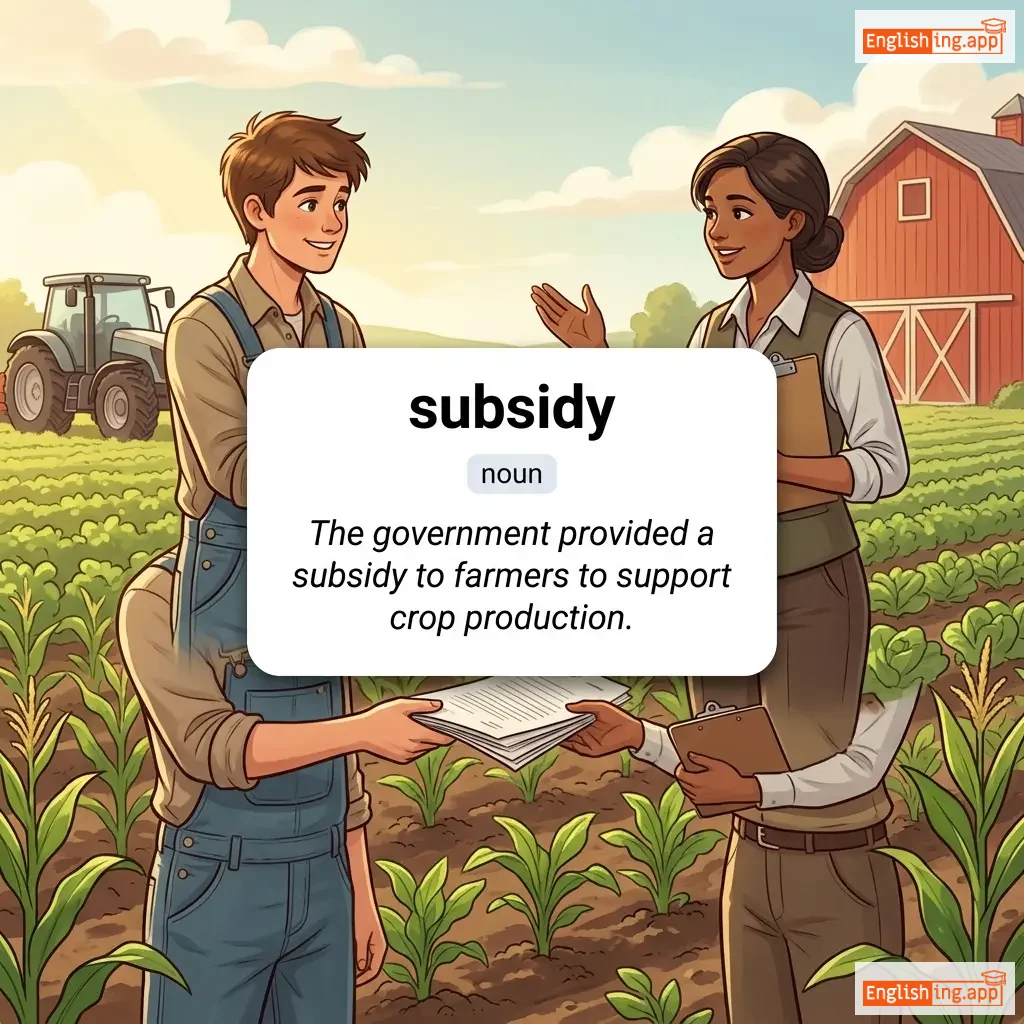
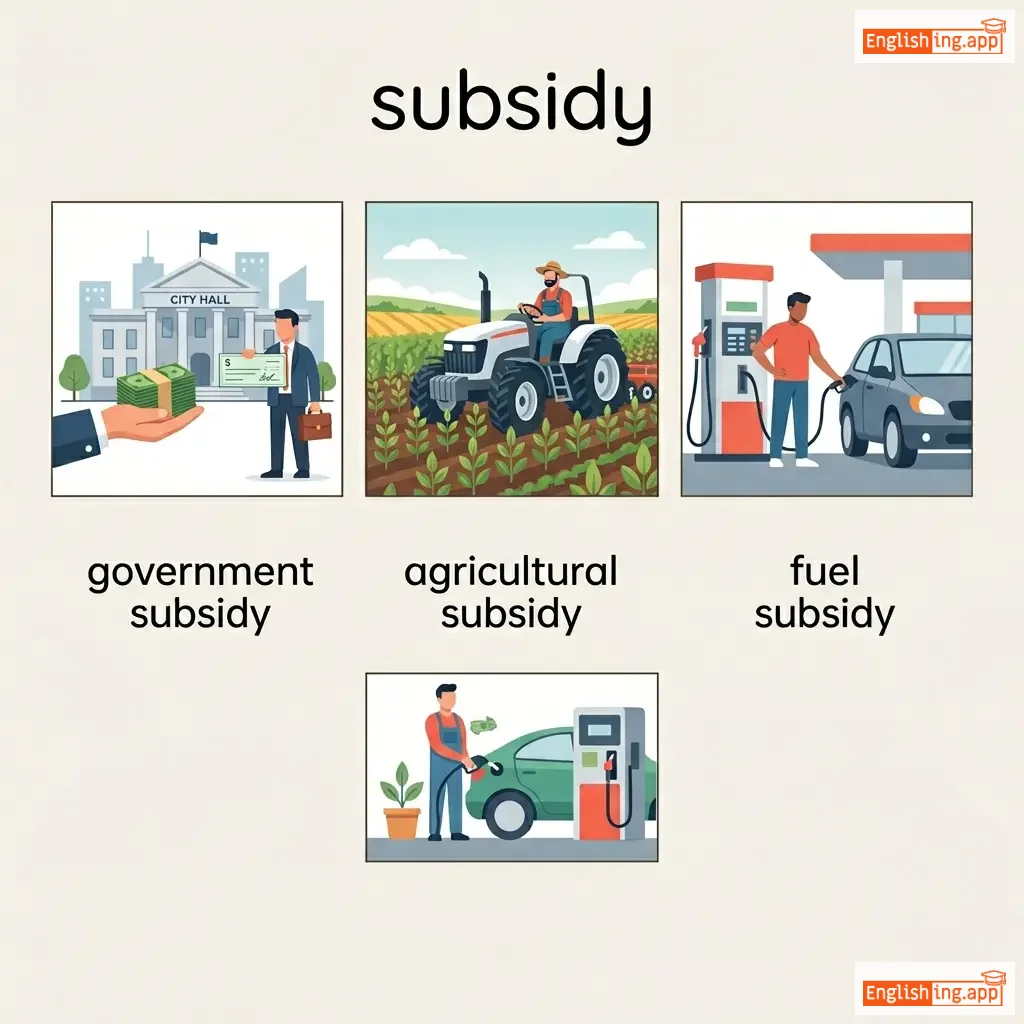
Financial assistance provided by government to reduce costs of goods or services.
••••••
|
The government provides a fuel subsidy to control prices. |
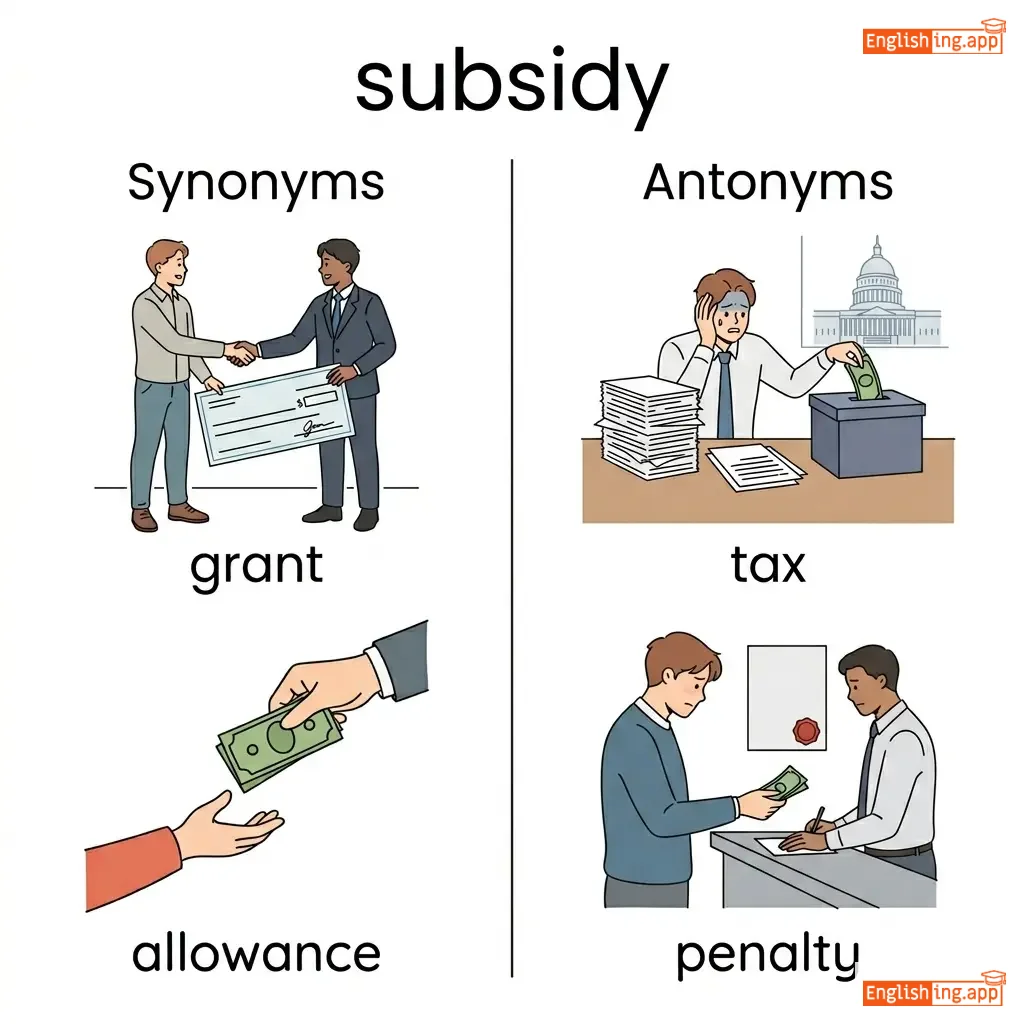
Grant, Financial Aid, Support
••••••
|
Taxation, Cost Increase, Cutback
••••••
|
|
#3084
🔓
|
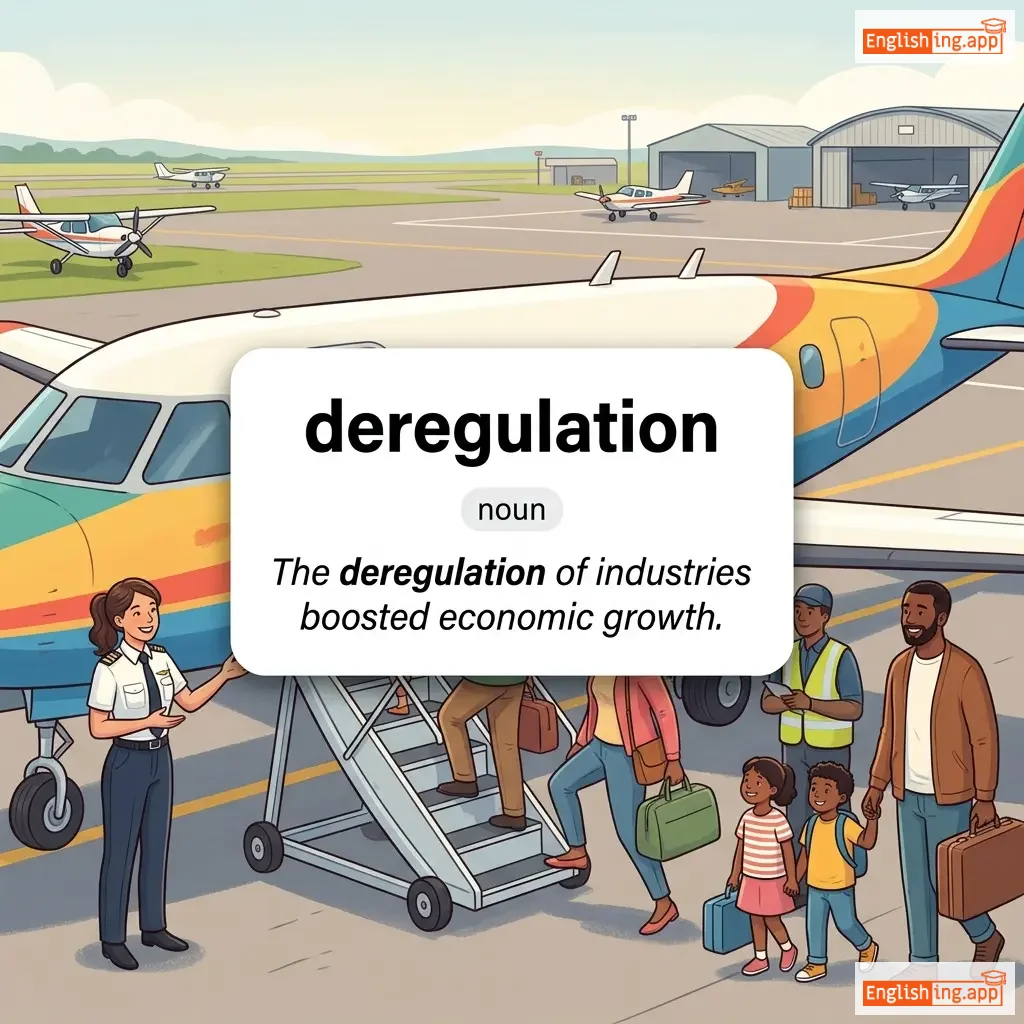
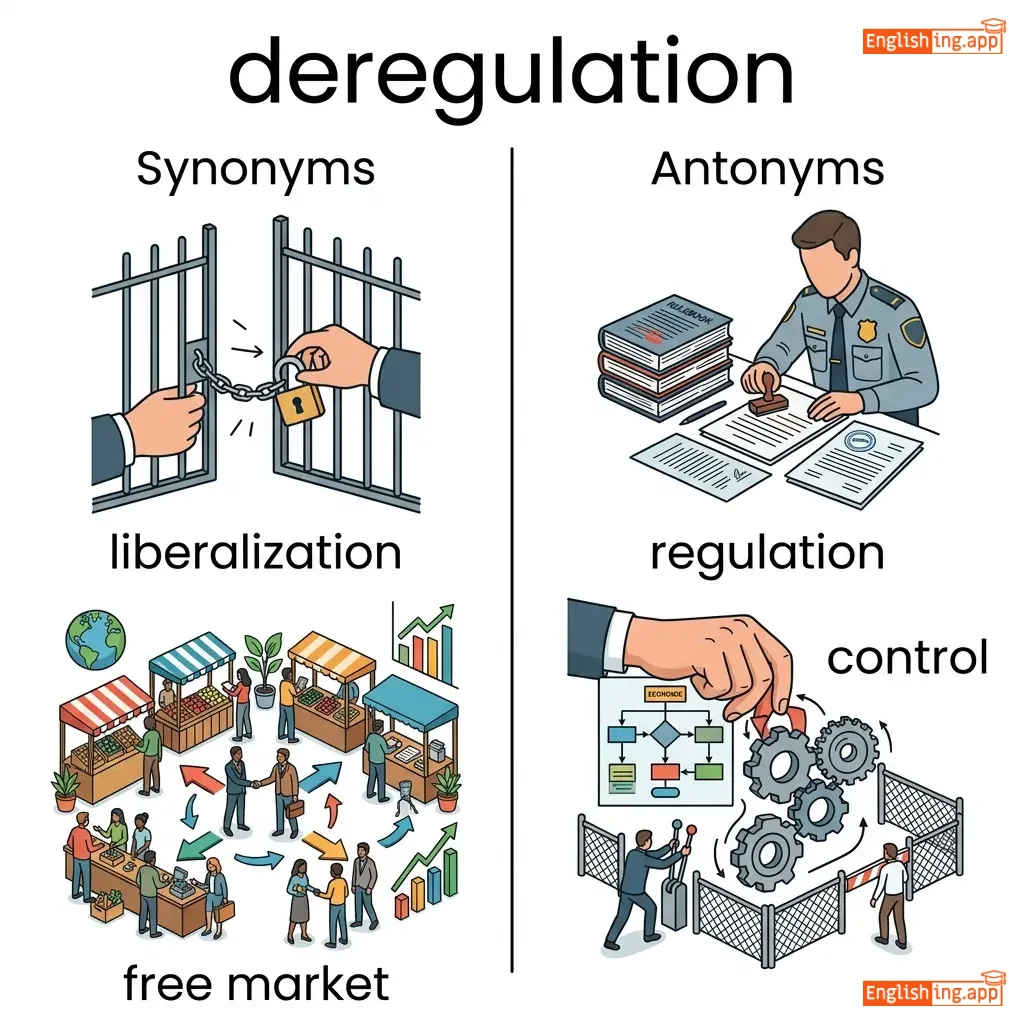
/ˌdiː.rɛɡ.jʊˈleɪ.ʃən/
noun
••••••
|
|
The removal or reduction of government rules and restrictions in business.
••••••
|
Deregulation allows businesses to operate with fewer restrictions. |
Liberalization, Free Market Reform, Privatization
••••••
|
Regulation, Government Oversight, Interventionism
••••••
|
|
#3085
🔄
|
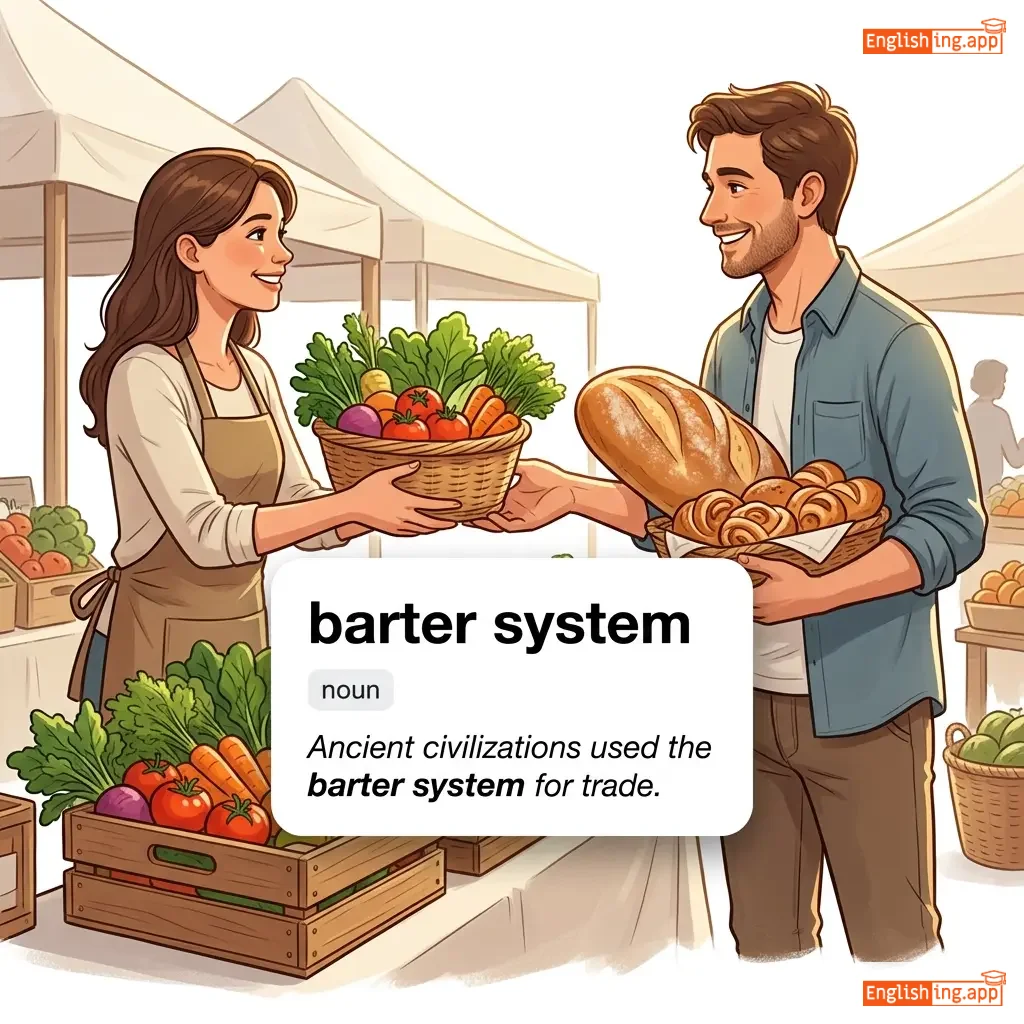
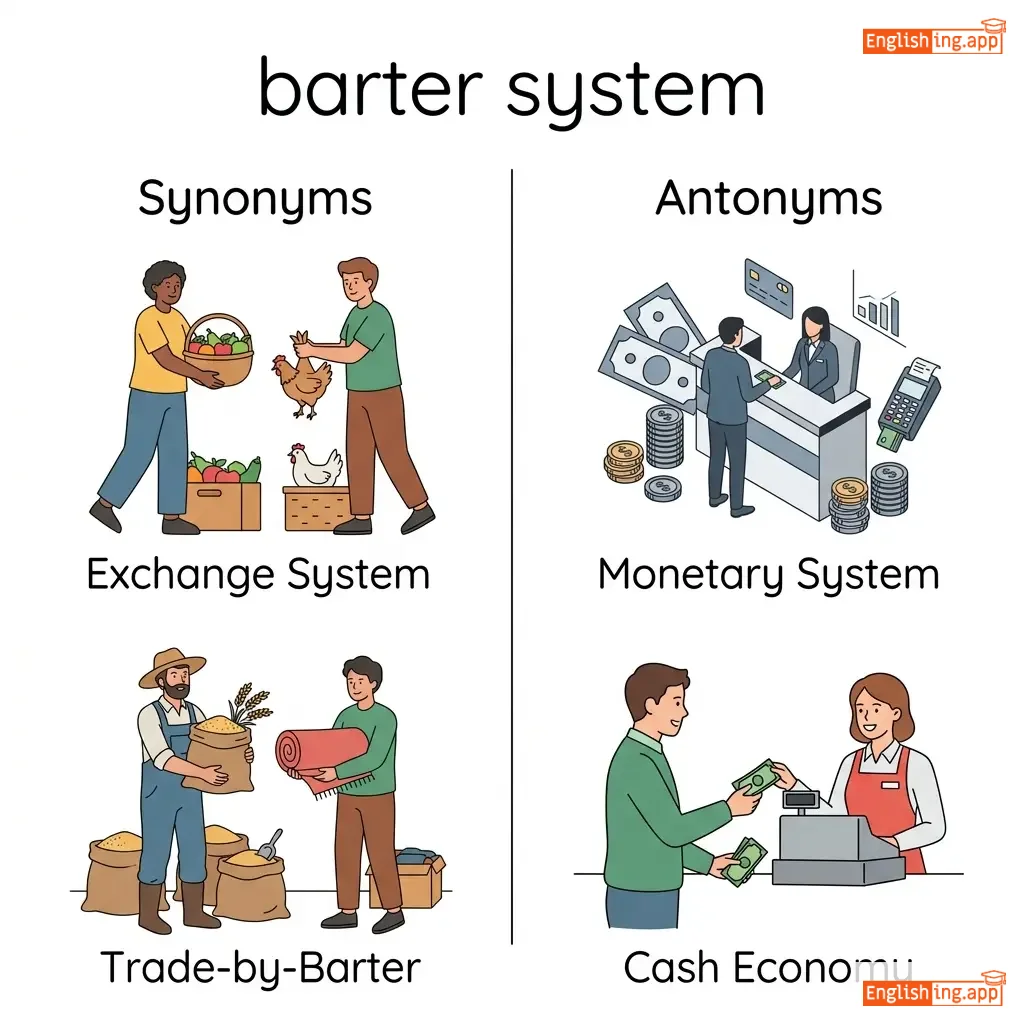
/ˈbɑːr.tər ˌsɪs.təm/
noun
••••••
|
|
A system of exchange where goods and services are traded directly without using money.
••••••
|
Ancient civilizations used the barter system for trade. |
Exchange System, Trade-by-Barter, Swap Economy
••••••
|
Monetary System, Cash Economy, Capitalism
••••••
|
|
#3086
🏗️
|
/ˌiː.kəˈnɒm.ɪk ˈsɪs.təm/
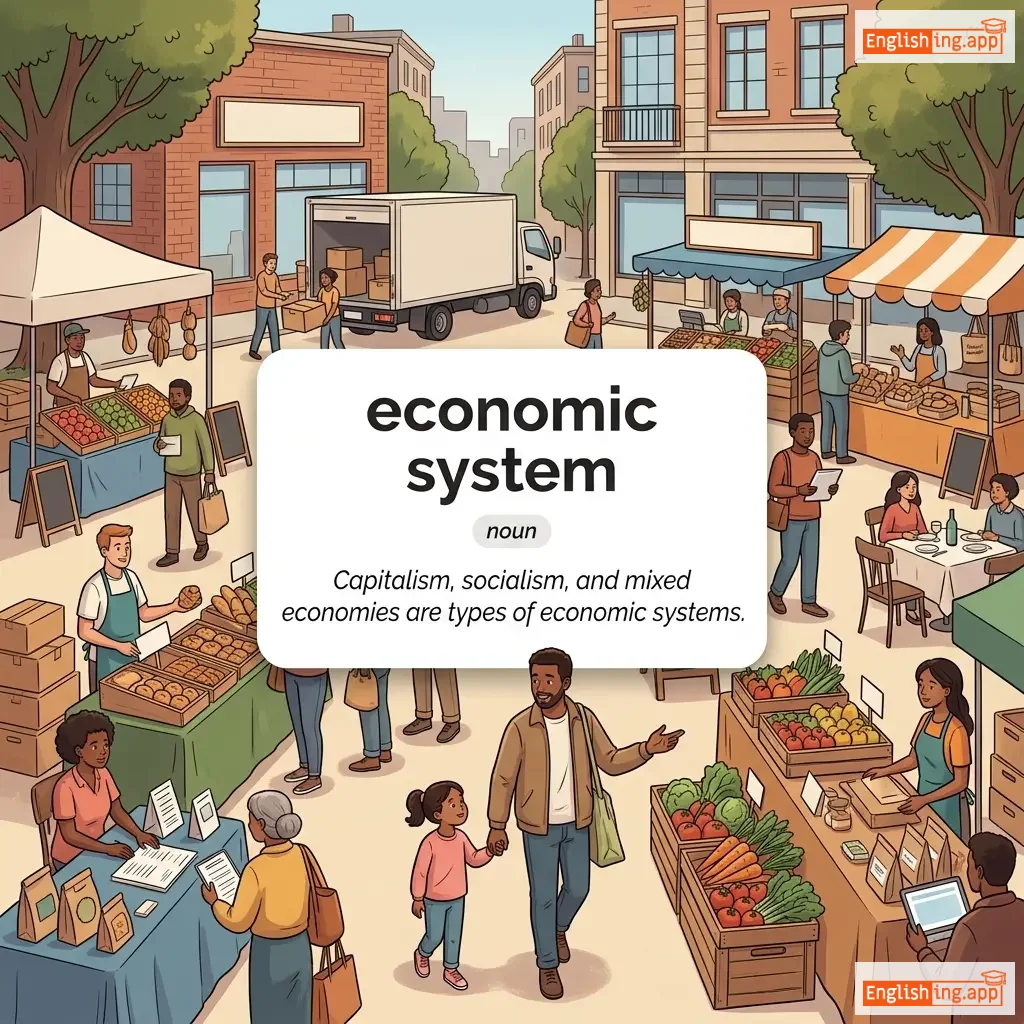
noun
••••••
|
|
The organized framework for production, distribution, and consumption of goods and services in society.
••••••
|
Capitalism, socialism, and mixed economies are types of economic systems. |
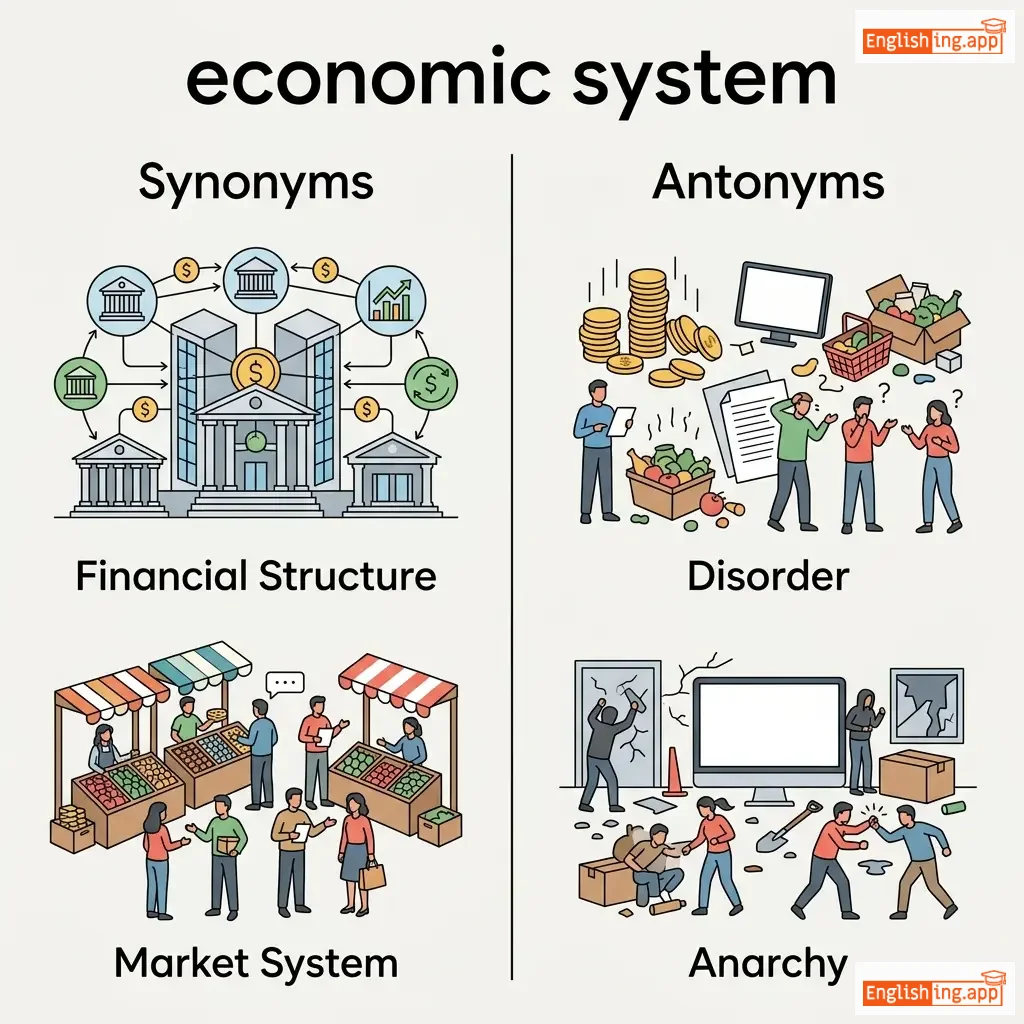
Financial Structure, Market System, Political Economy
••••••
|
Disorder, Anarchy, Unstructured Market
••••••
|
|
#3087
⚖️
|
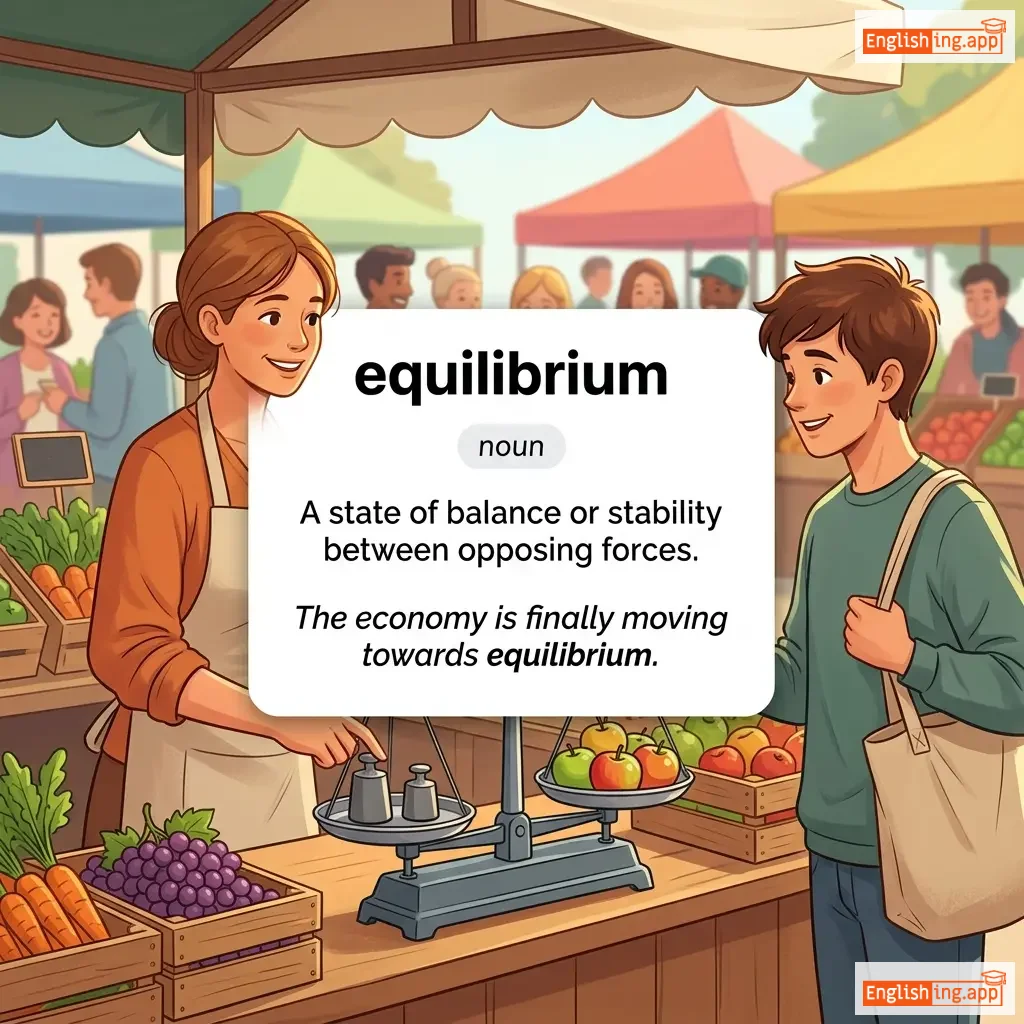
/ˌiː.kwɪˈlɪb.ri.əm/
noun
••••••
|
|
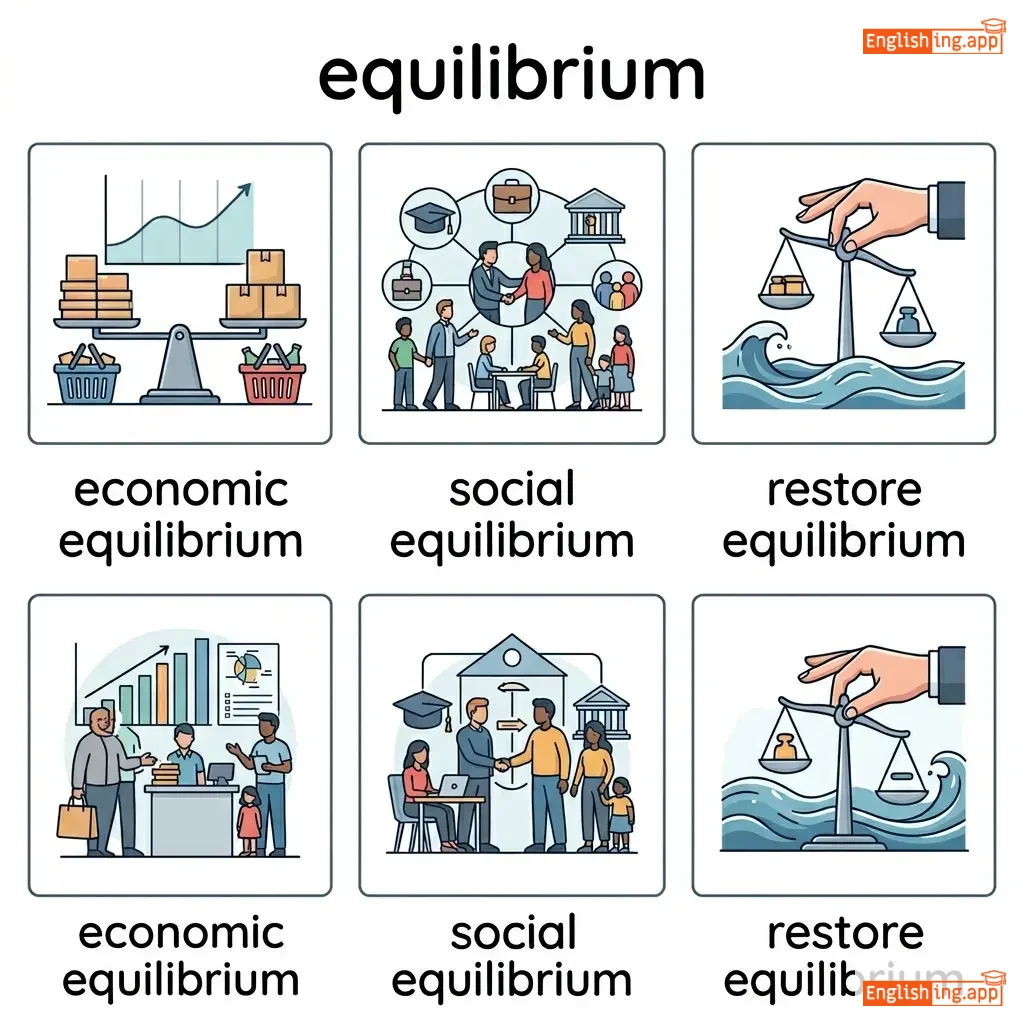
A state of balance between economic supply and demand, or between different economic forces.
••••••
|
The market reached equilibrium when supply met demand. |
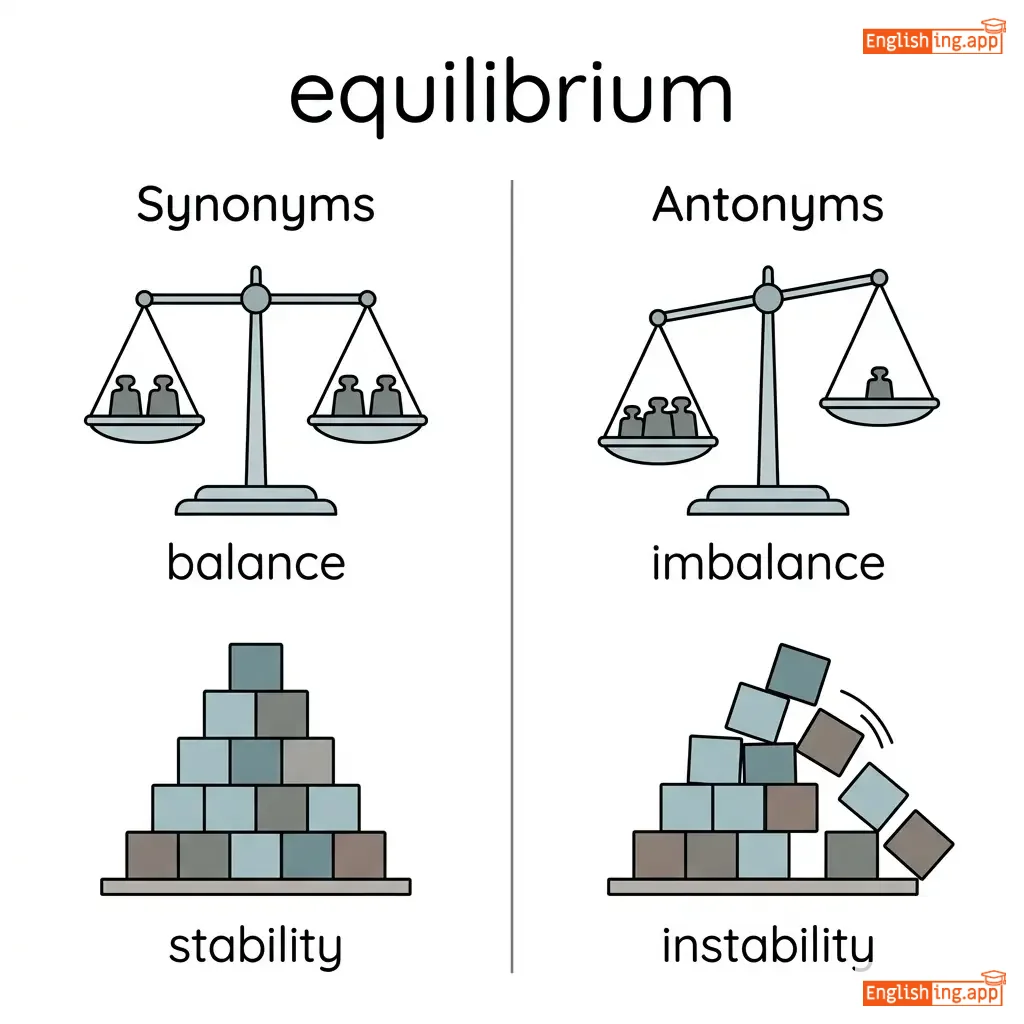
Balance, Stability, Steadiness
••••••
|
Disequilibrium, Instability, Imbalance
••••••
|

