Les différents types d'économies

The Different Types of Economies

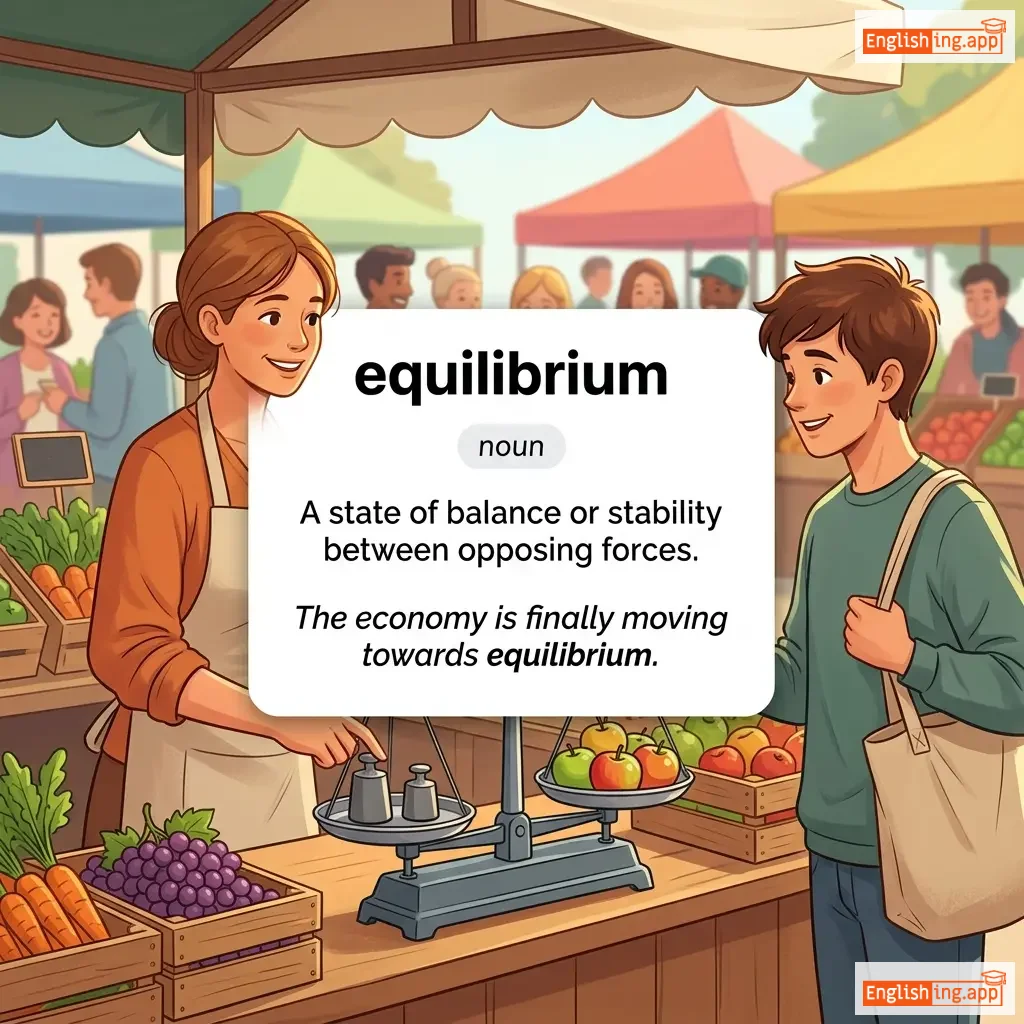
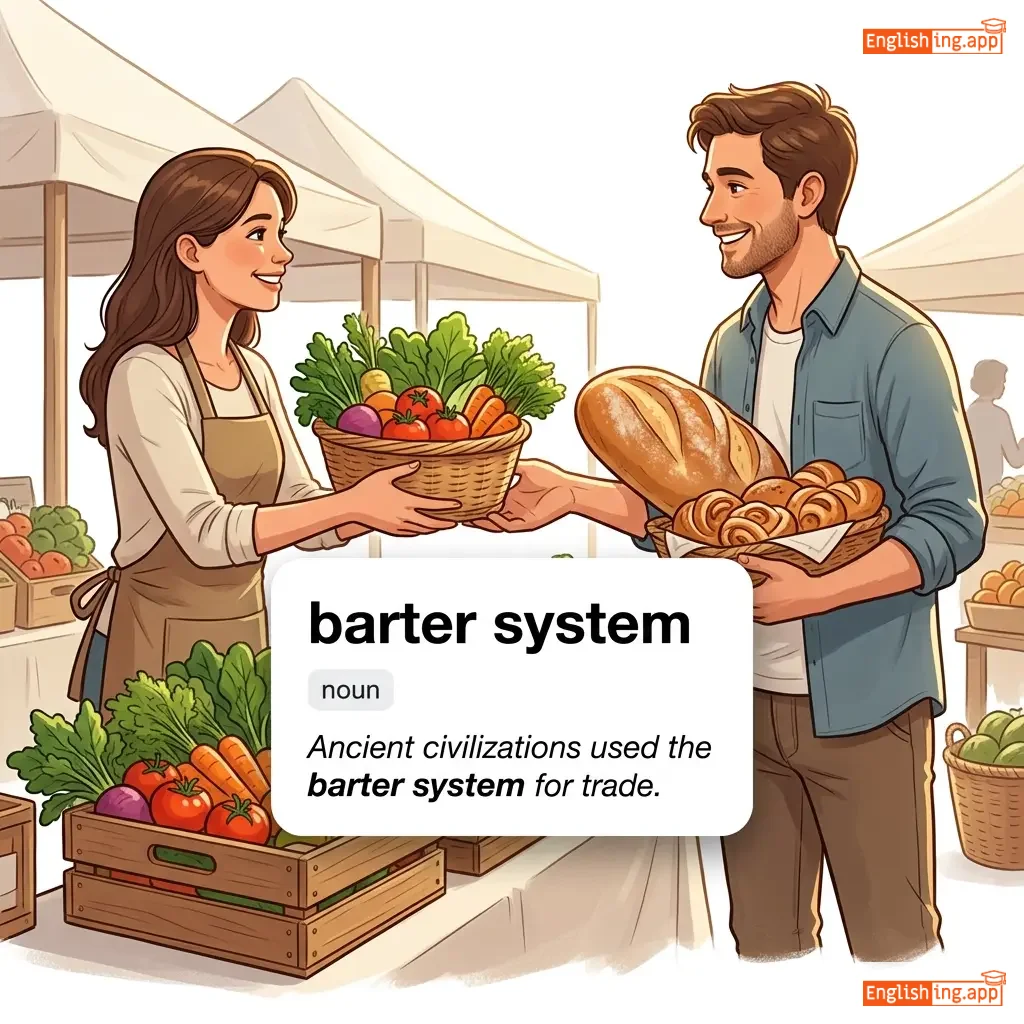
L’economy d’un pays dépend de ses politiques fiscal et monetary. En général, on distingue quatre types d’economy : capitalism, socialism, mixed economy et traditional economy. Le capitalism est un système où la politique du laissez-faire est suivie, ce qui signifie que le gouvernement intervient très peu. Il y a plus de privatization et de commodification, ce qui met l’accent sur la propriété individuelle. D’autre part, dans le socialism, le gouvernement utilise des processus de nationalization et de redistribution afin que la richesse soit partagée équitablement. Ici, il y a plus d’interventionism sur le marché et des subsidy sont accordées dans de nombreux secteurs. Dans une mixed economy, la deregulation et l’interventionism gouvernemental fonctionnent ensemble, où le gouvernement gère certains secteurs et le secteur privé en contrôle d’autres. Dans une traditional economy, le barter system est généralement répandu, où les biens et services sont utilisés comme moyen d’échange. Par conséquent, chaque economic system a ses avantages et inconvénients, et des politiques appropriées sont nécessaires pour maintenir l’equilibrium d’un pays.

The Different Types of EconomiesLes différents types d'économies
/
/

The Different Types of EconomiesLes différents types d'économies - Basculement de Masque

Émoji
Mot Images Signification Phrase d'Exemple Synonymes Antonymes
#3070
💰
••••••
/ɪˈkɒn.ə.mi/
noun
••••••
••••••
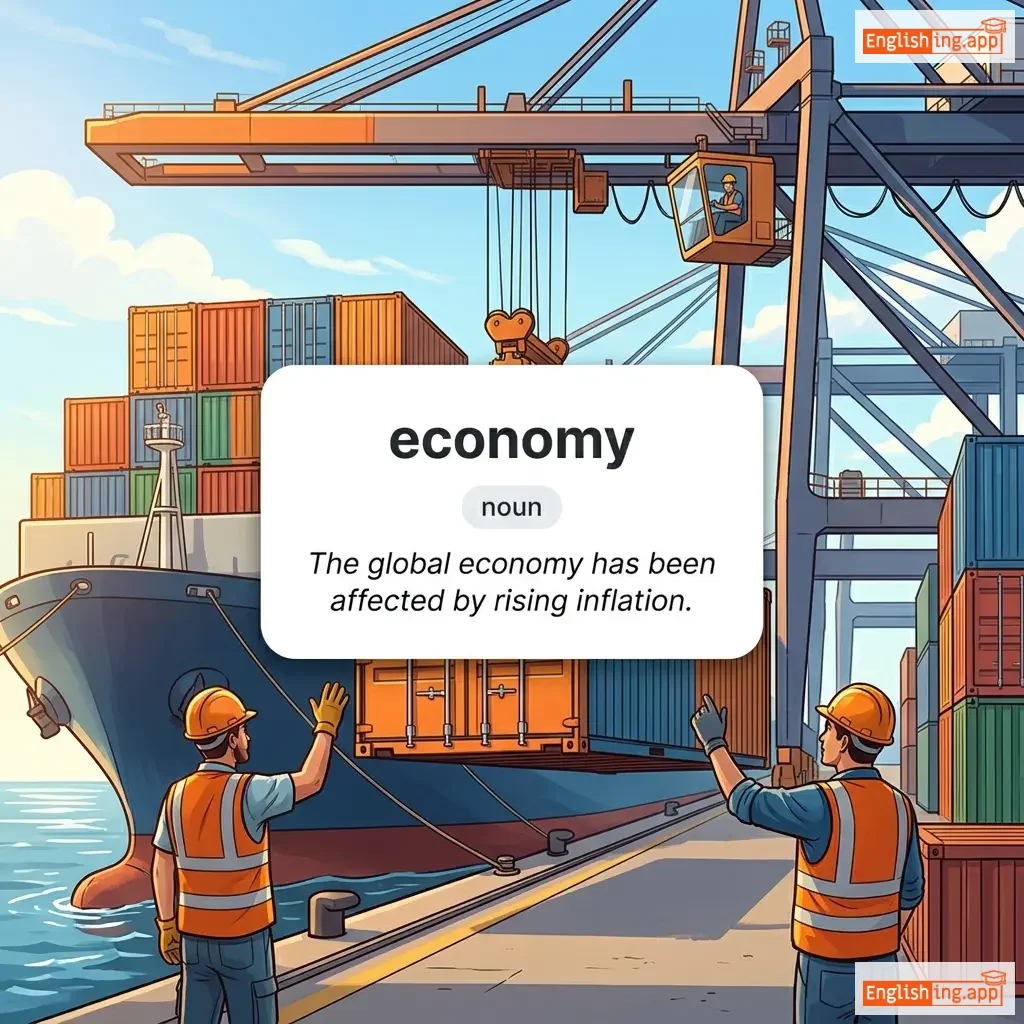
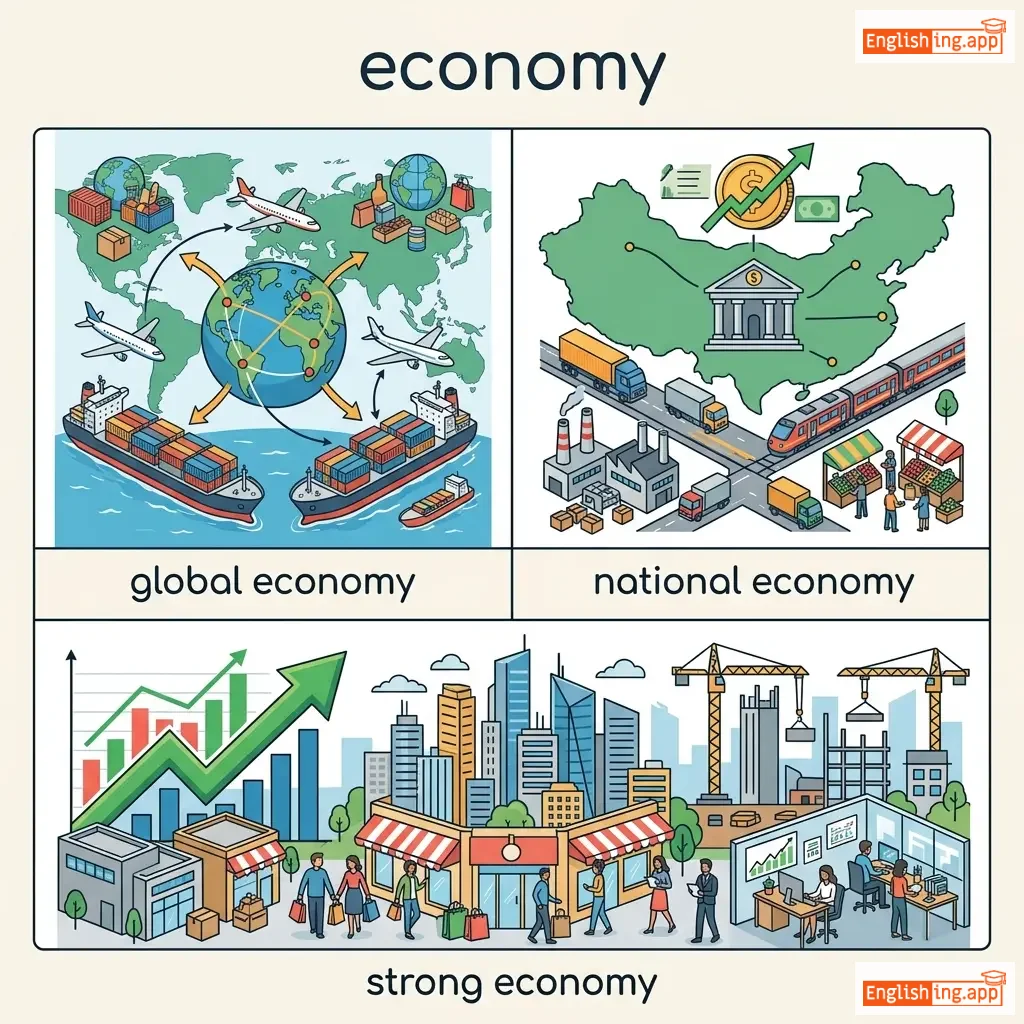
The system of production, distribution, and consumption of goods and services in a country or region.
••••••

The country's economy is growing rapidly.
••••••
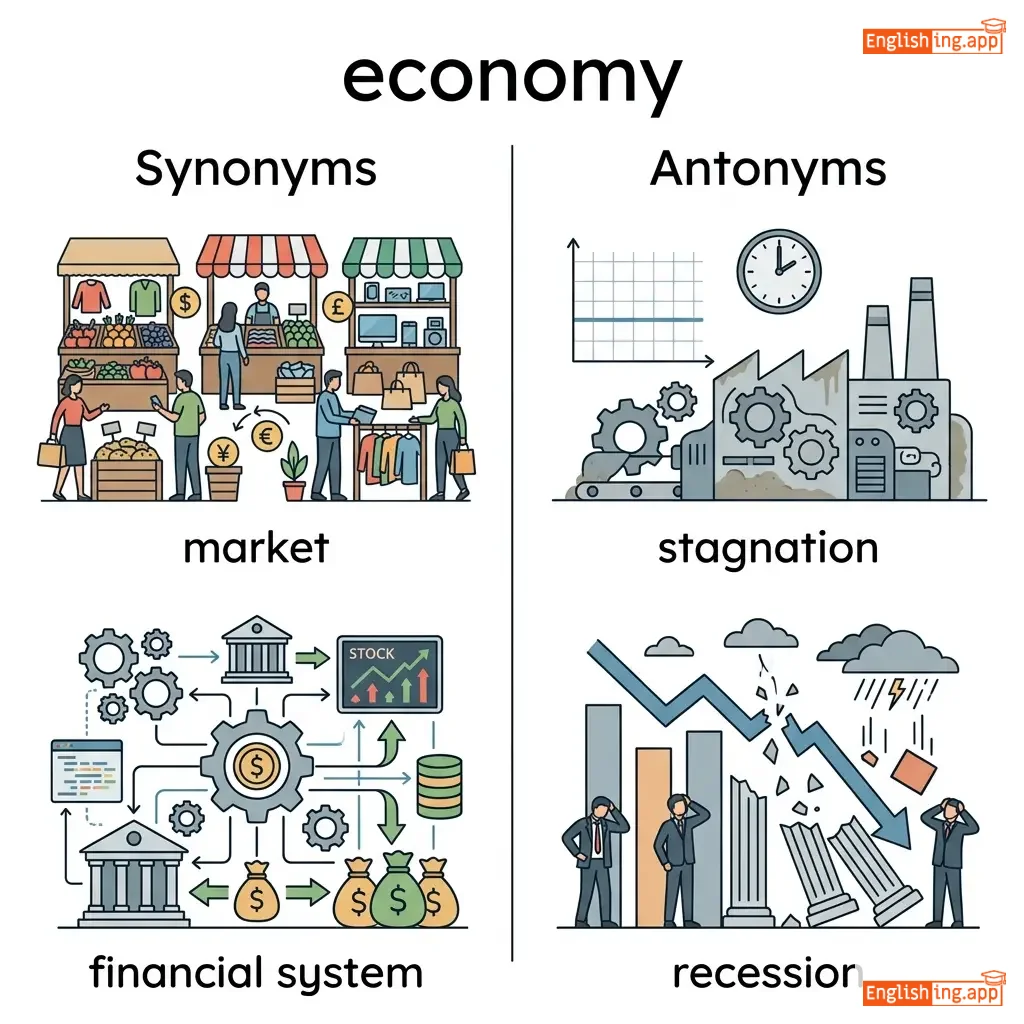
Financial System, Market, Trade
••••••
Stagnation, Recession, Instability
••••••
#3071
📊
••••••
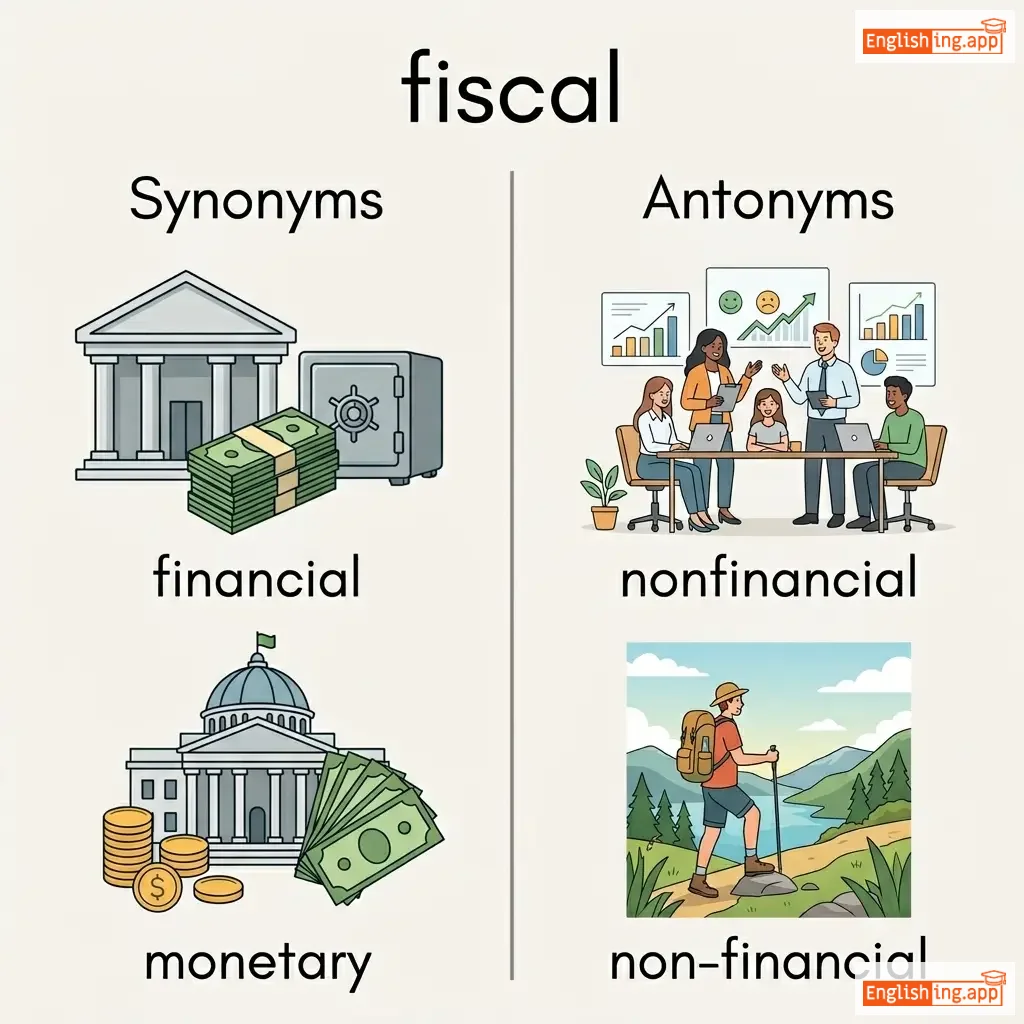
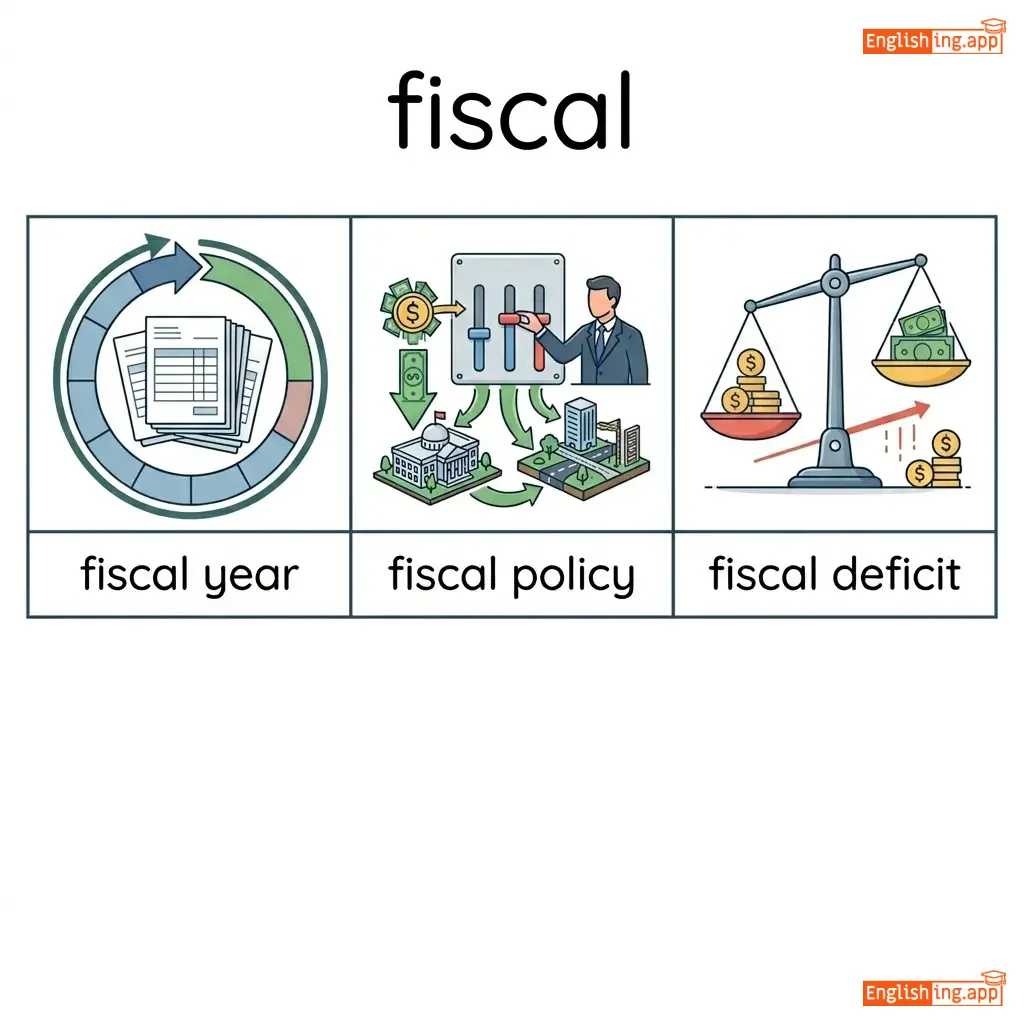
/ˈfɪs.kəl/
adjective
••••••
••••••
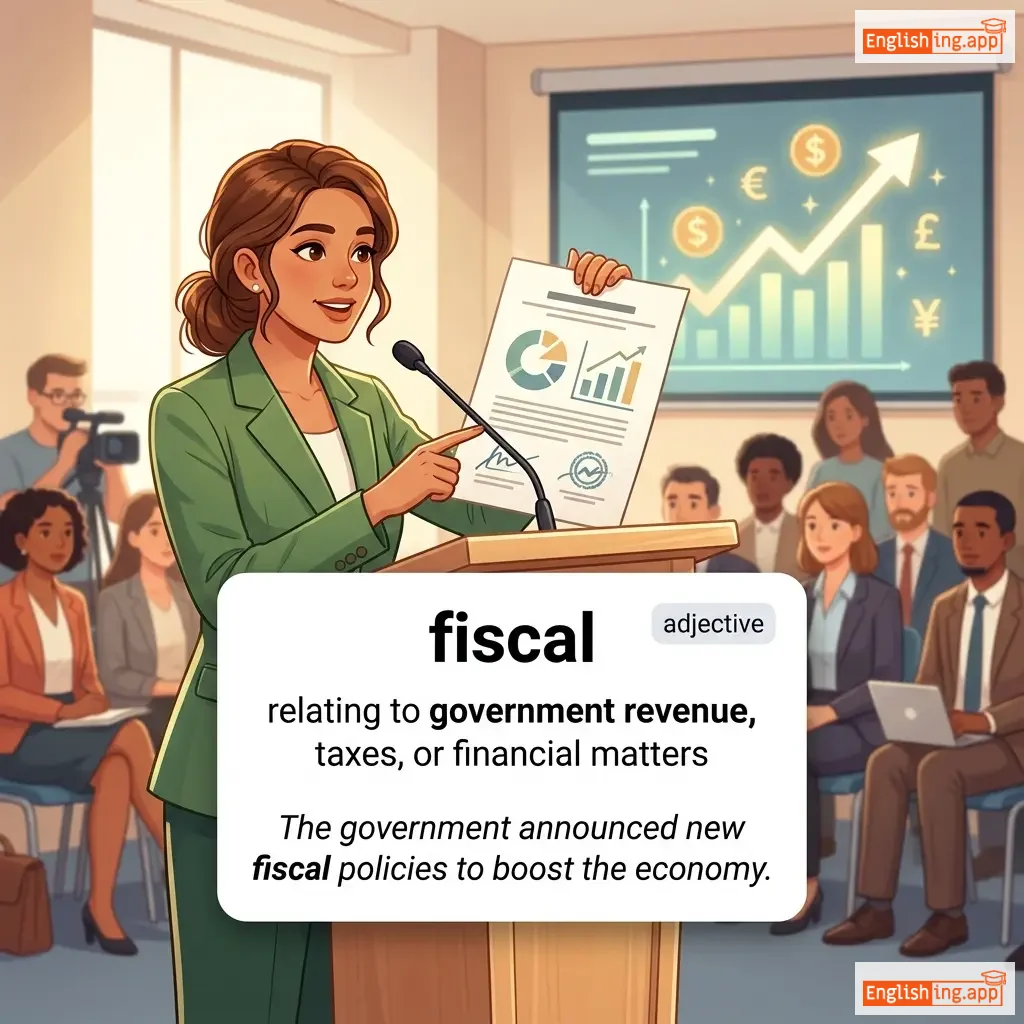
Related to government revenue, especially taxes and government spending.
••••••

The government introduced new fiscal policies.

••••••
Budgetary, Financial, Economic
••••••
Non-financial, Unrelated, Irrelevant
••••••
#3072
💱
••••••
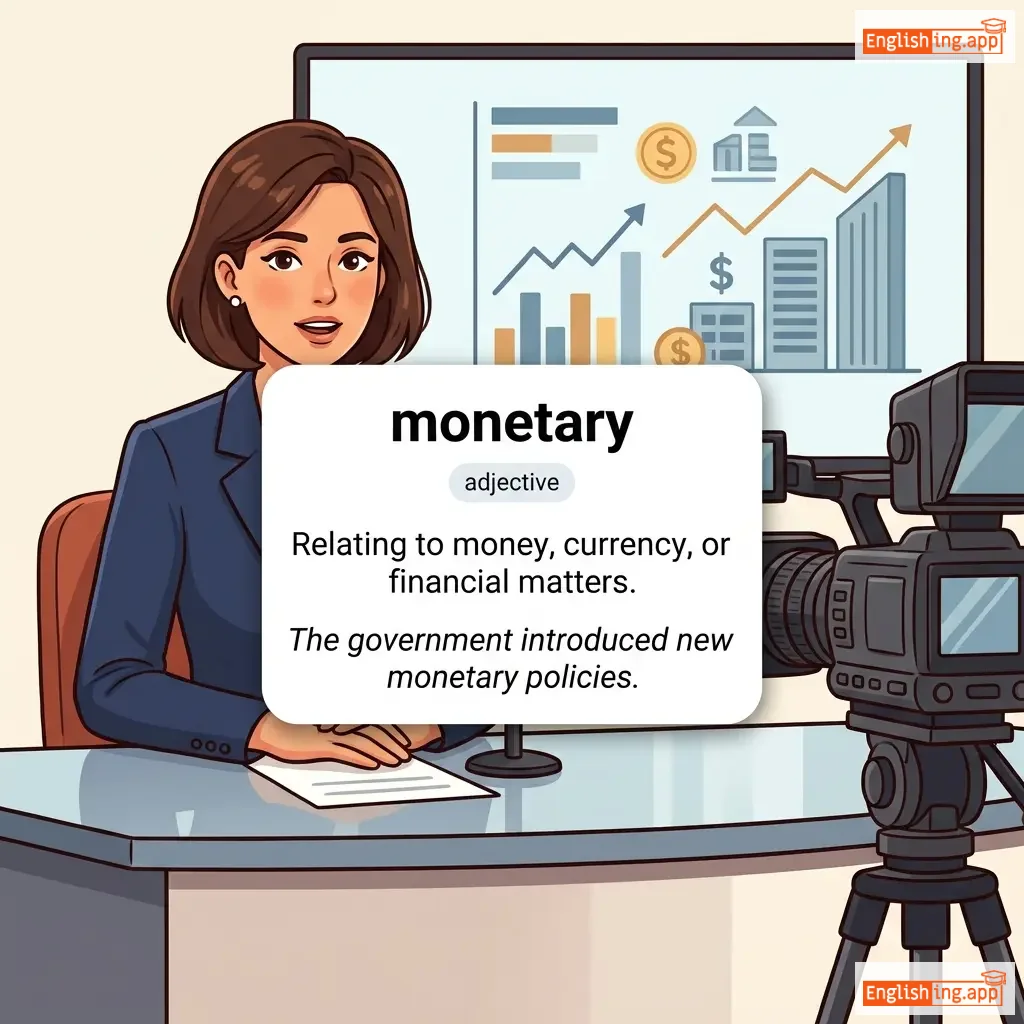
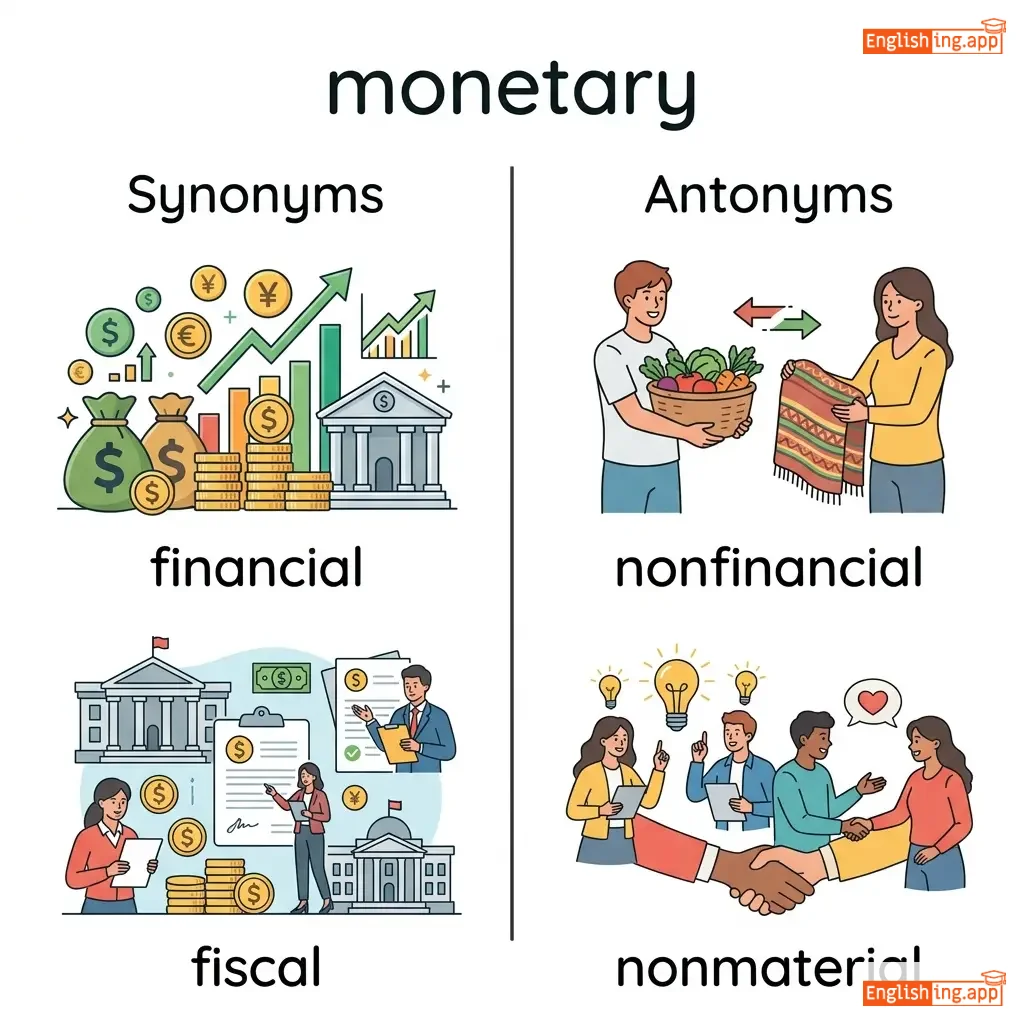
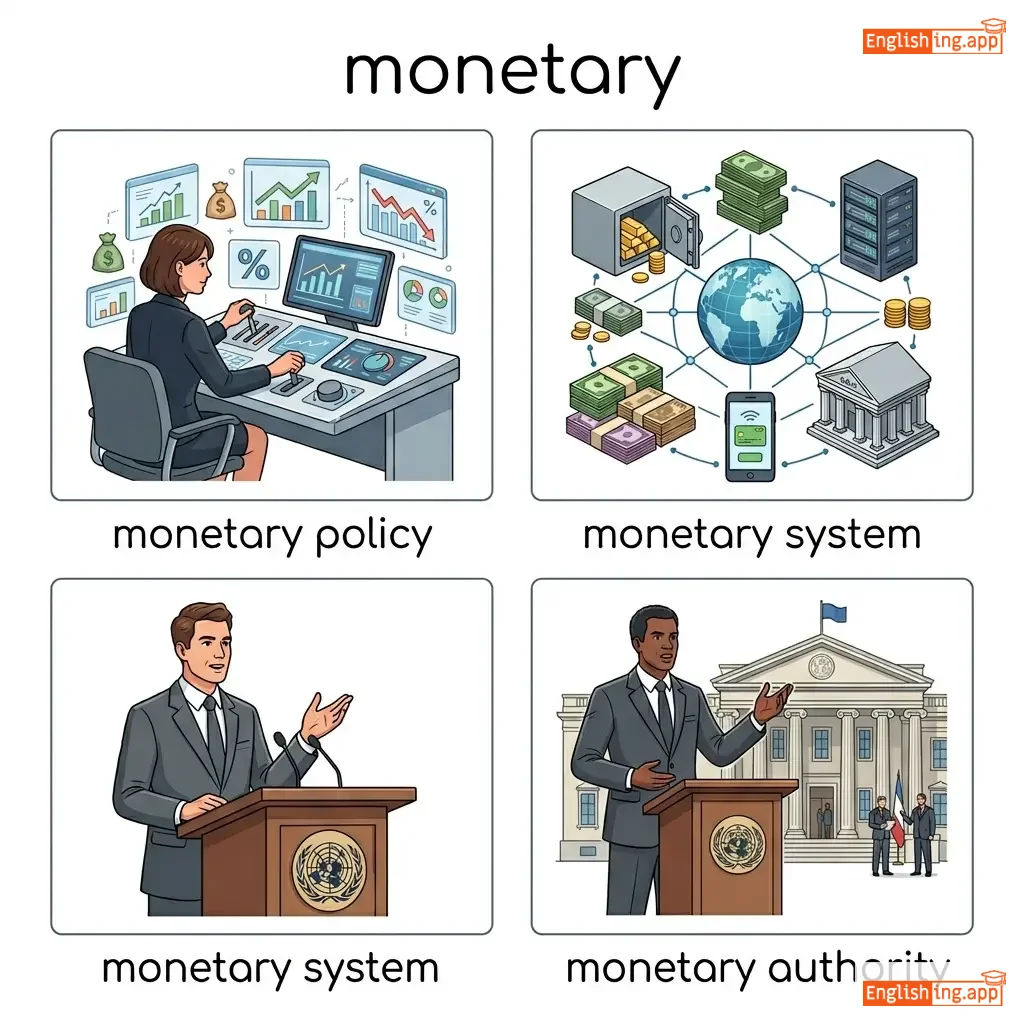
/ˈmʌn.ɪ.tri/
adjective
••••••
••••••
Related to money, currency, and financial control by central banks.
••••••

The central bank controls monetary policy.

••••••
Financial, Economic, Banking
••••••
Non-monetary, Barter, Non-financial
••••••
#3073
🏭
••••••
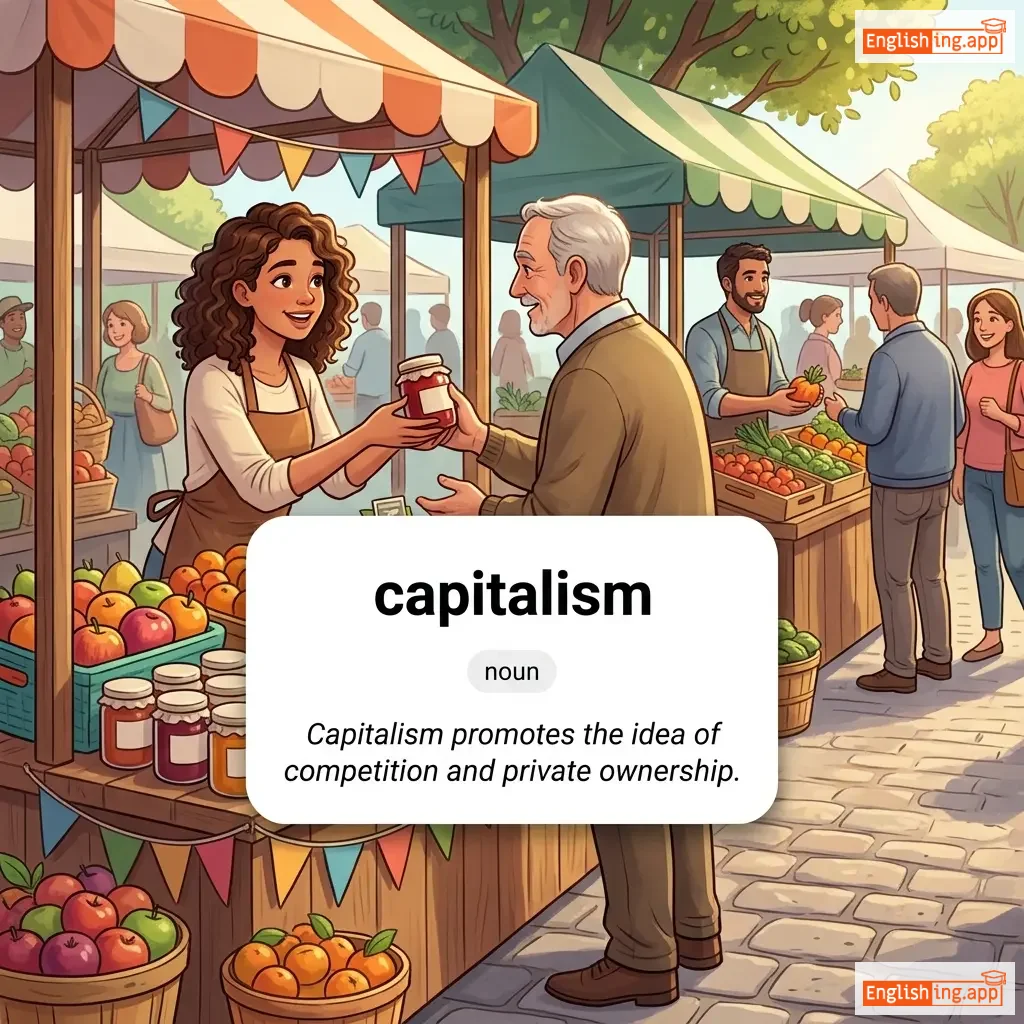
/ˈkæp.ɪ.təl.ɪ.zəm/
noun
••••••
••••••
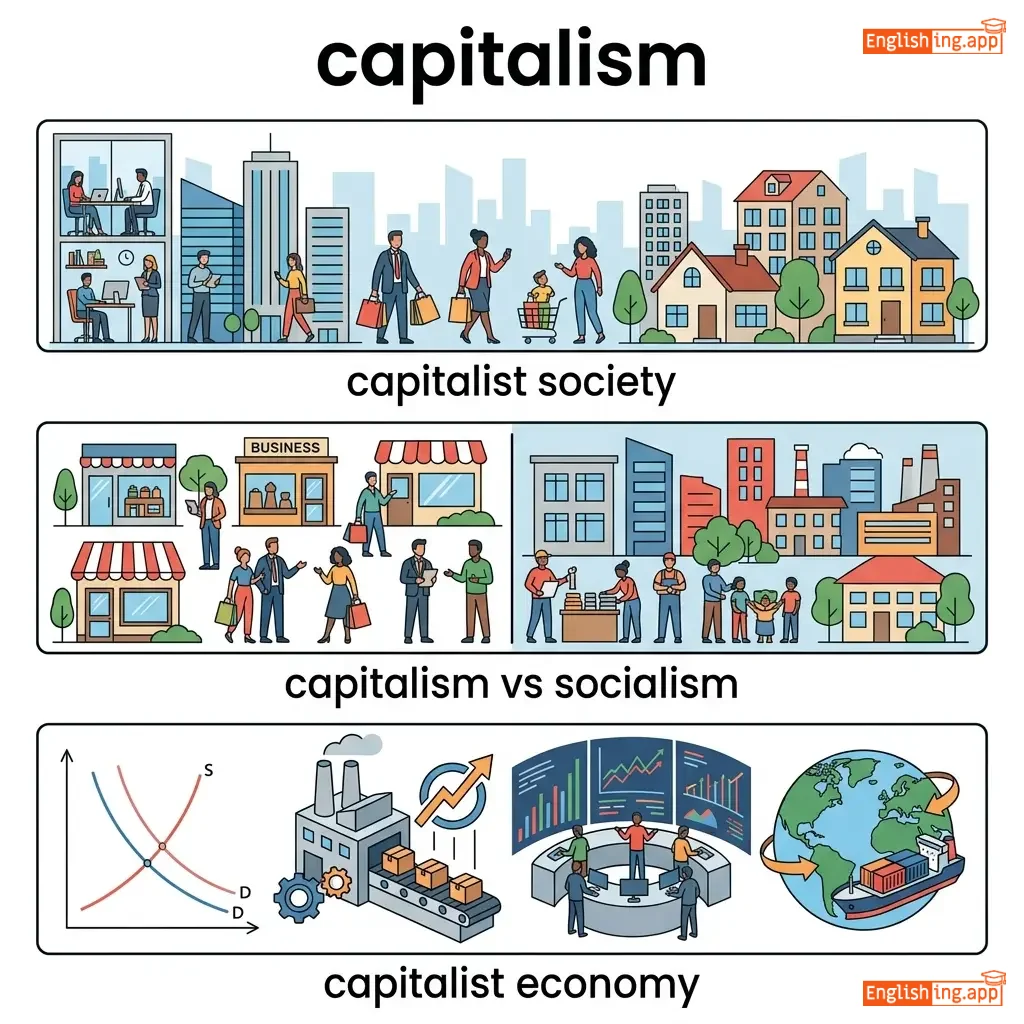
An economic system based on private ownership and free market competition.
••••••

Capitalism promotes competition and private ownership.

••••••
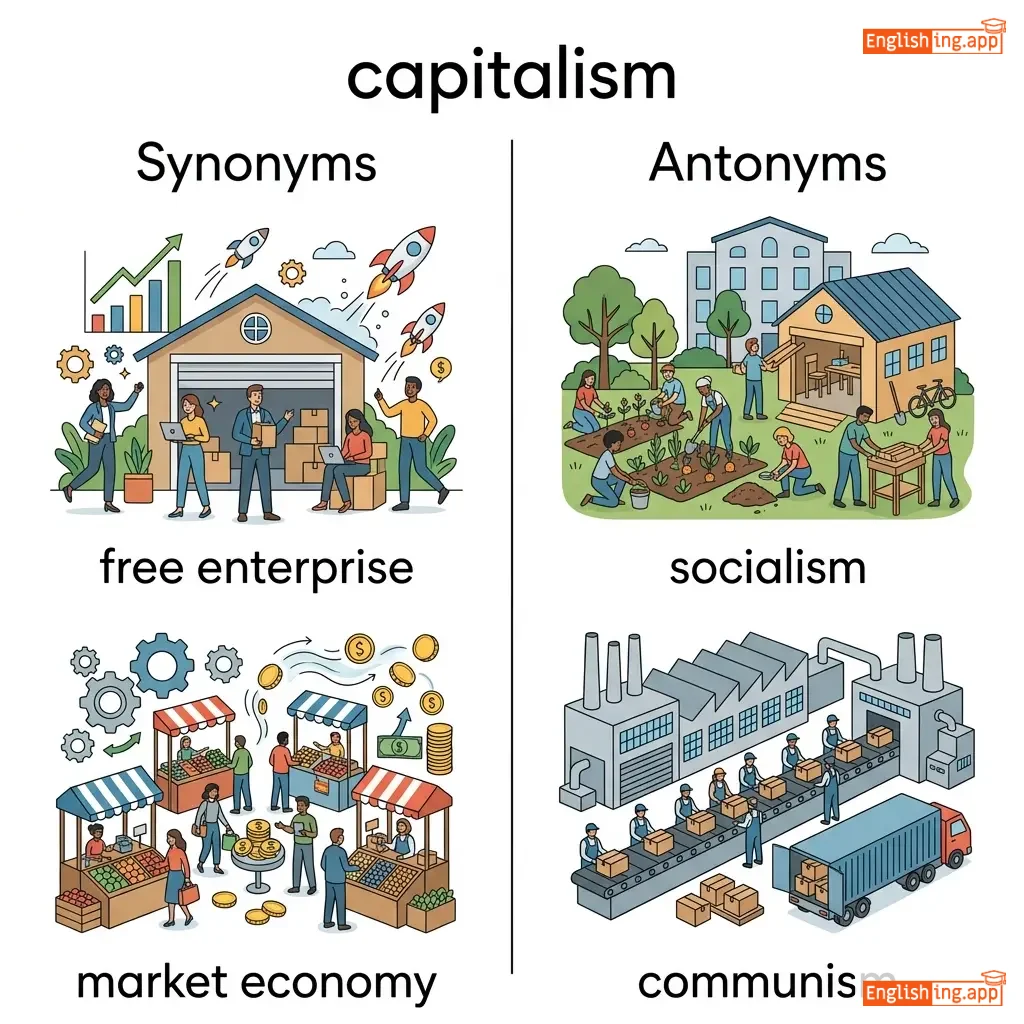
Free Market, Private Enterprise, Laissez-faire
••••••
Socialism, Communism, Collectivism
••••••
#3074
🤝
••••••
/ˈsəʊ.ʃəl.ɪ.zəm/
noun
••••••
••••••
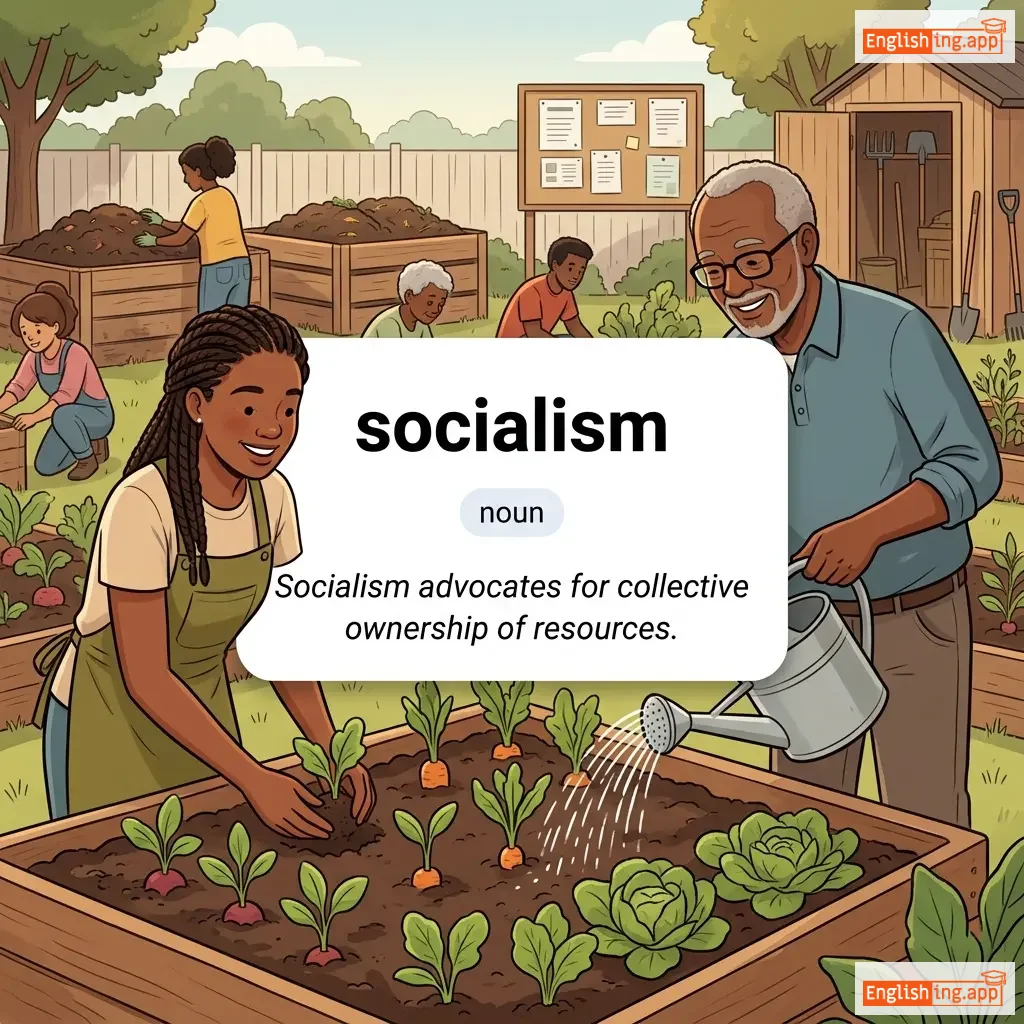
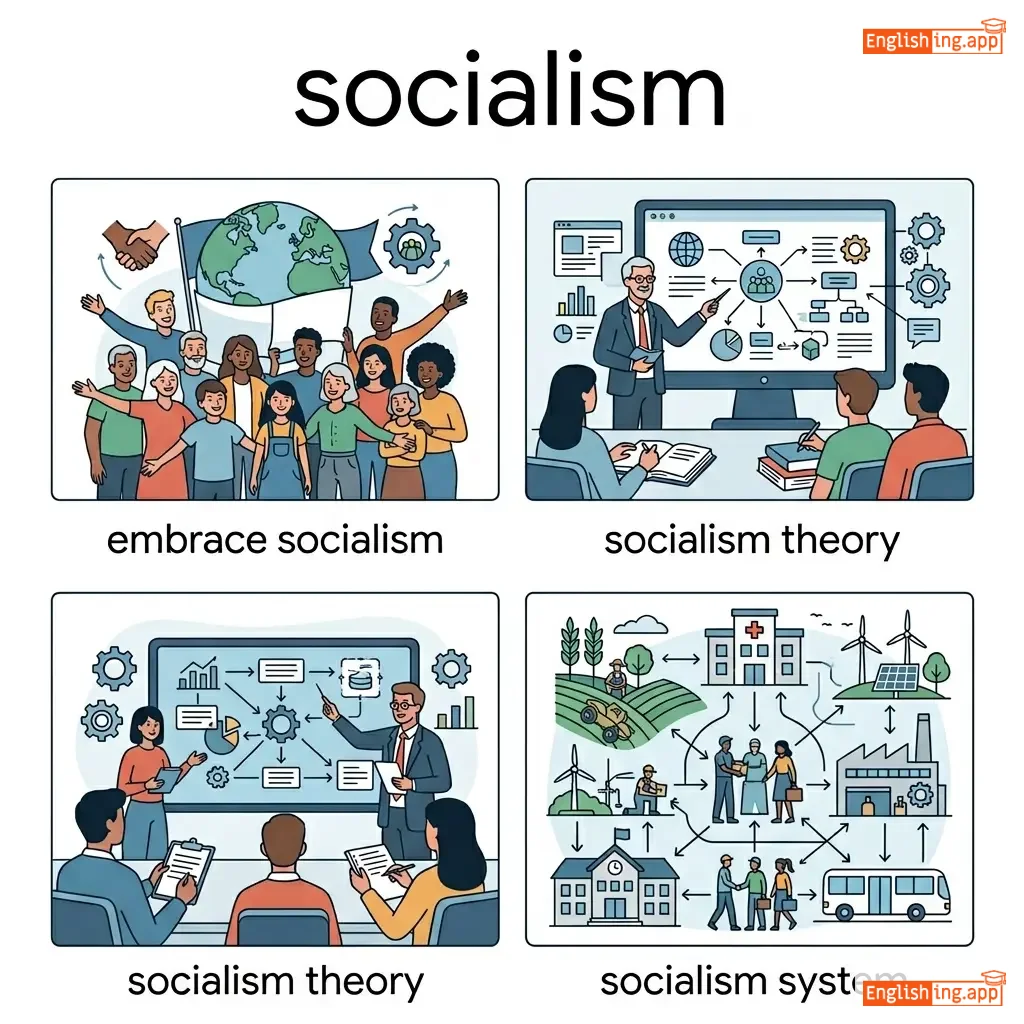
An economic system where the means of production are owned by the state or community.
••••••

In socialism, resources are distributed equally among citizens.

••••••
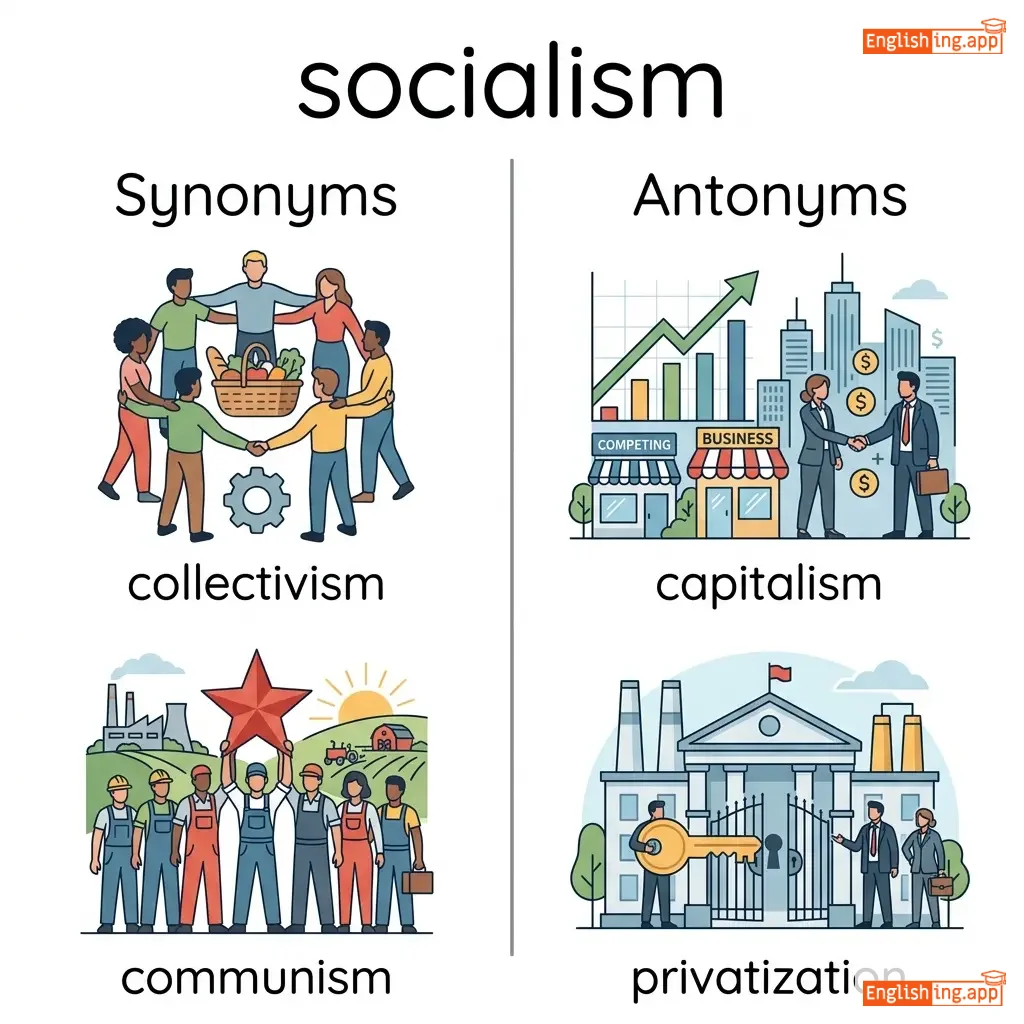
Collectivism, Public Ownership, State Control
••••••
Capitalism, Free Market, Privatization
••••••
#3075
⚖️
••••••
/mɪkst ɪˈkɒn.ə.mi/
noun
••••••
••••••
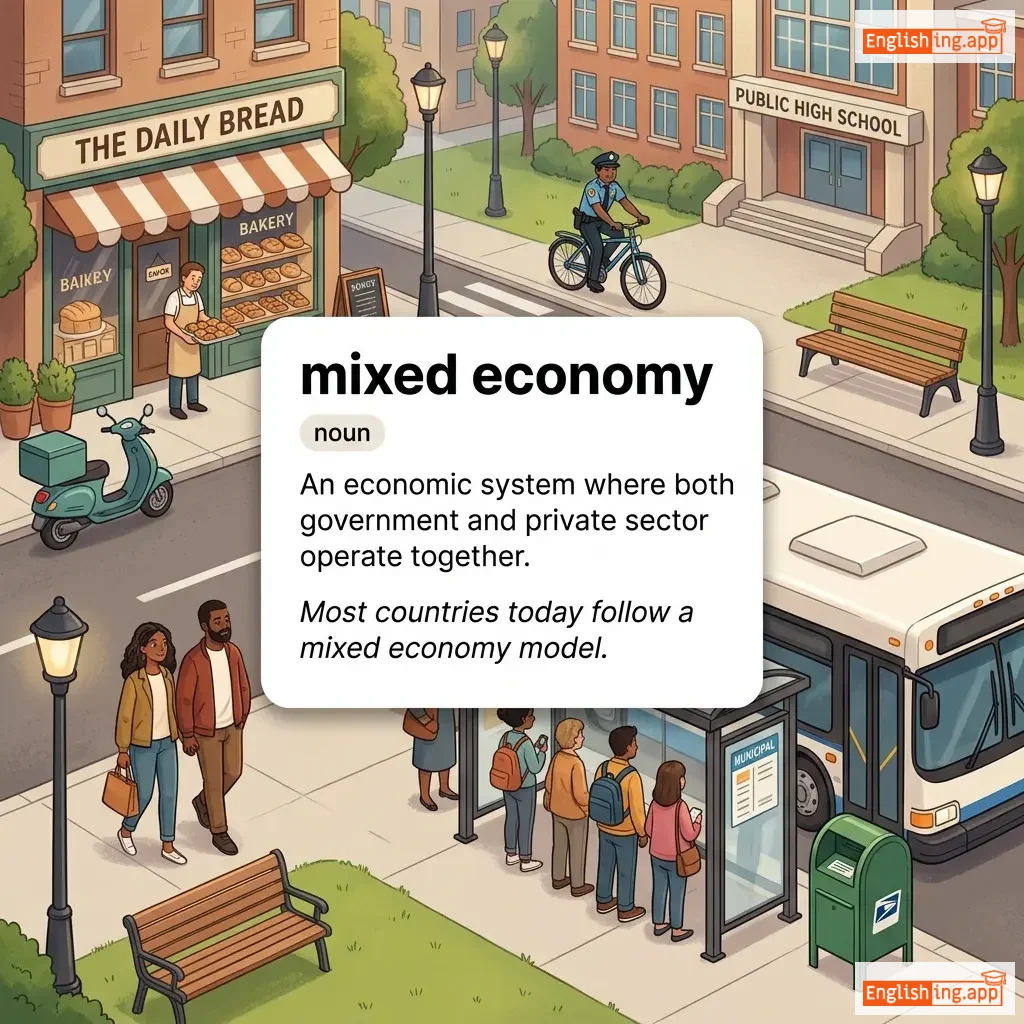
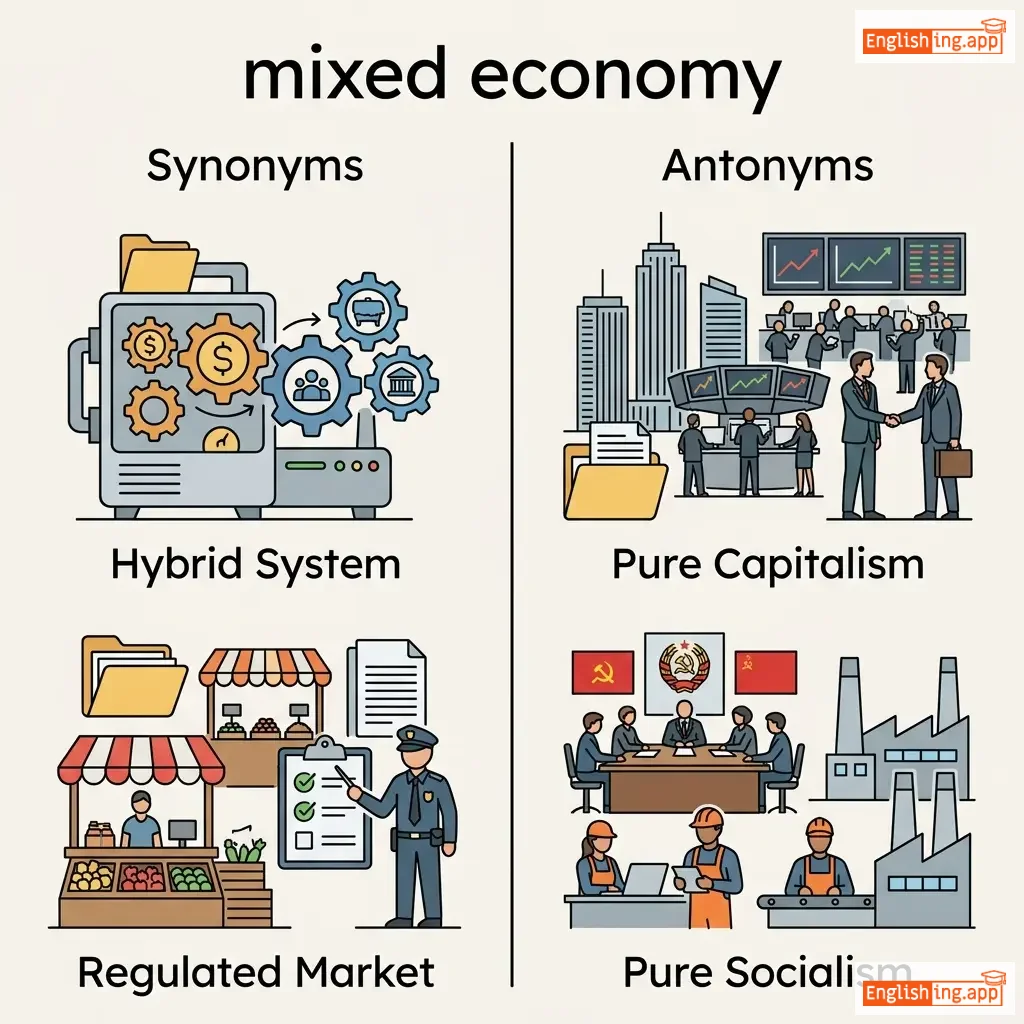
An economic system where both government and private sector operate together.
••••••

Most countries today follow a mixed economy model.

••••••
Hybrid System, Regulated Market, Balanced Economy
••••••
Pure Capitalism, Pure Socialism, Command Economy
••••••
#3076
🌾
••••••
/trəˈdɪʃ.ən.əl ɪˈkɒn.ə.mi/
noun
••••••
••••••
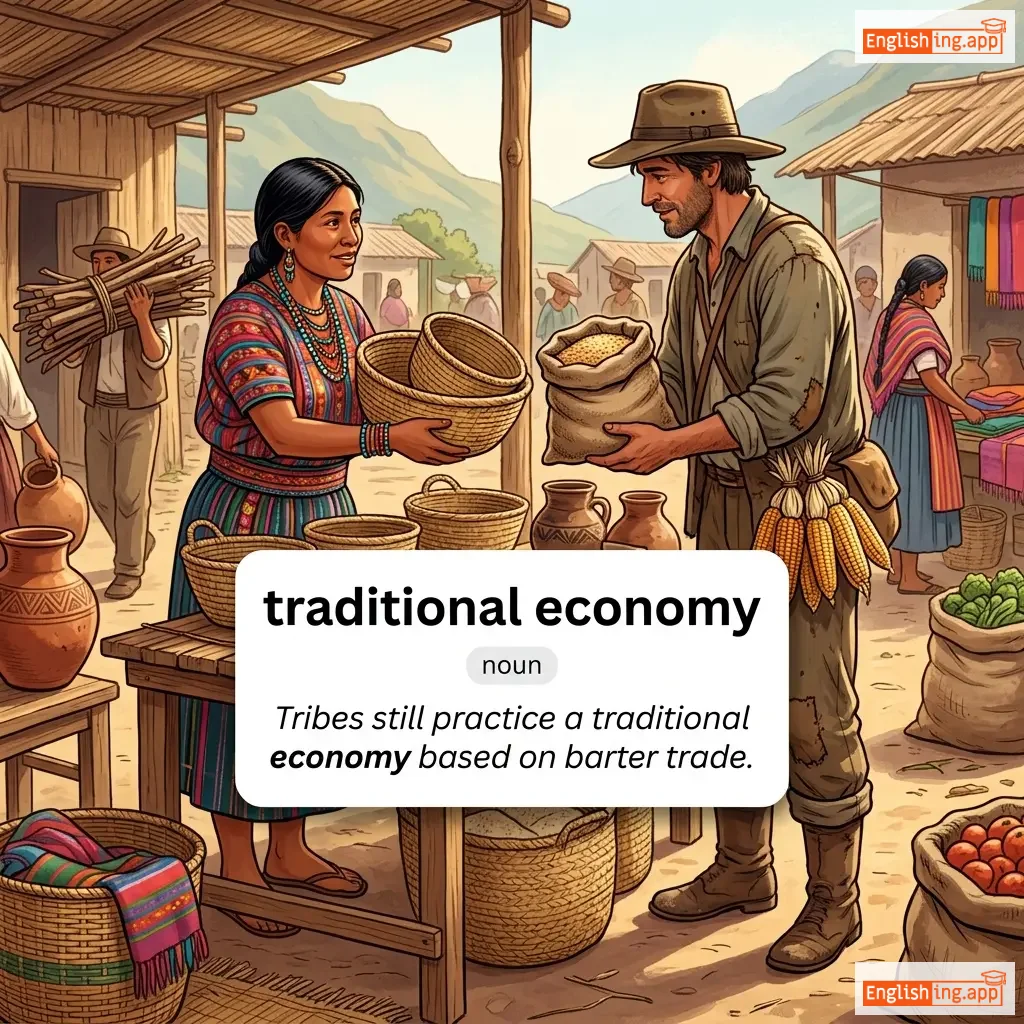
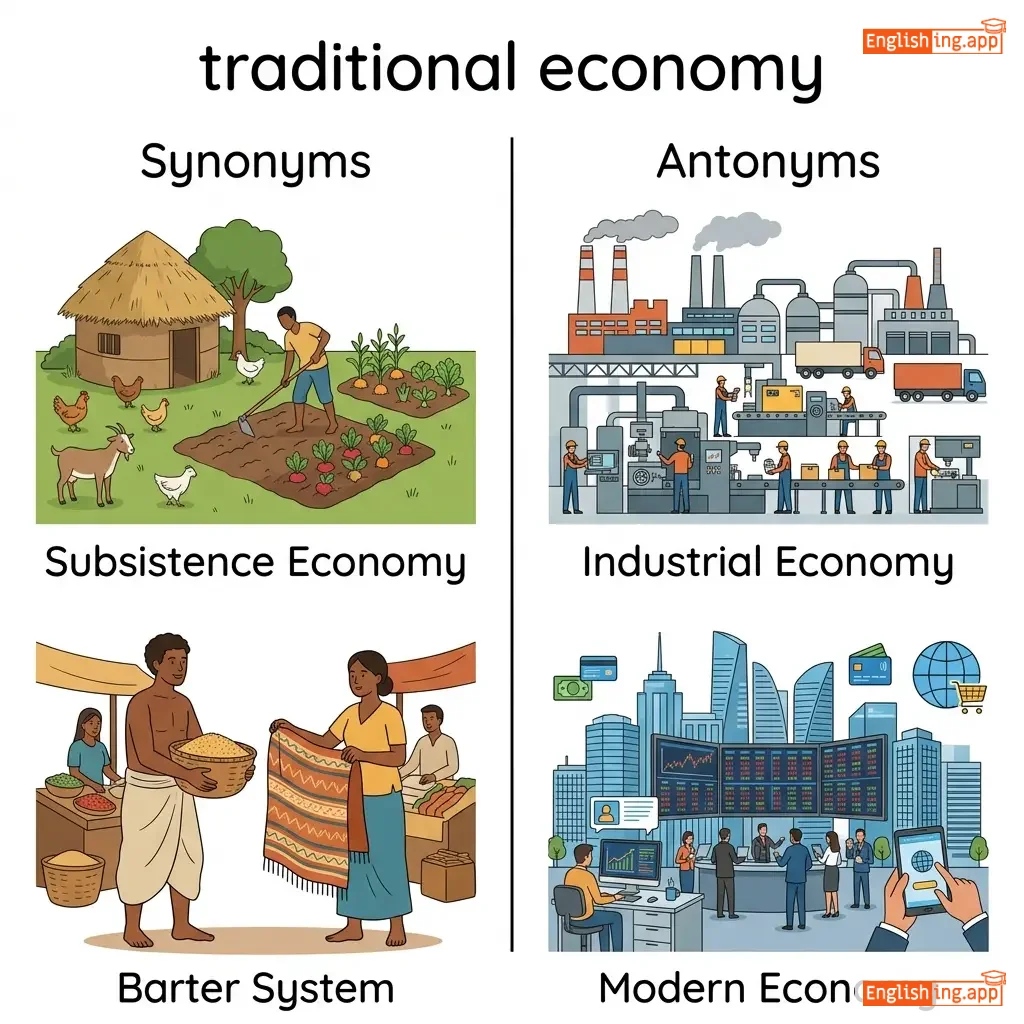
An economic system based on customs and traditions, often involving barter trade.
••••••

Tribes still practice a traditional economy based on barter trade.

••••••
Subsistence Economy, Barter System, Rural Economy
••••••
Industrial Economy, Modern Economy, Market Economy
••••••
#3077
🚫
••••••
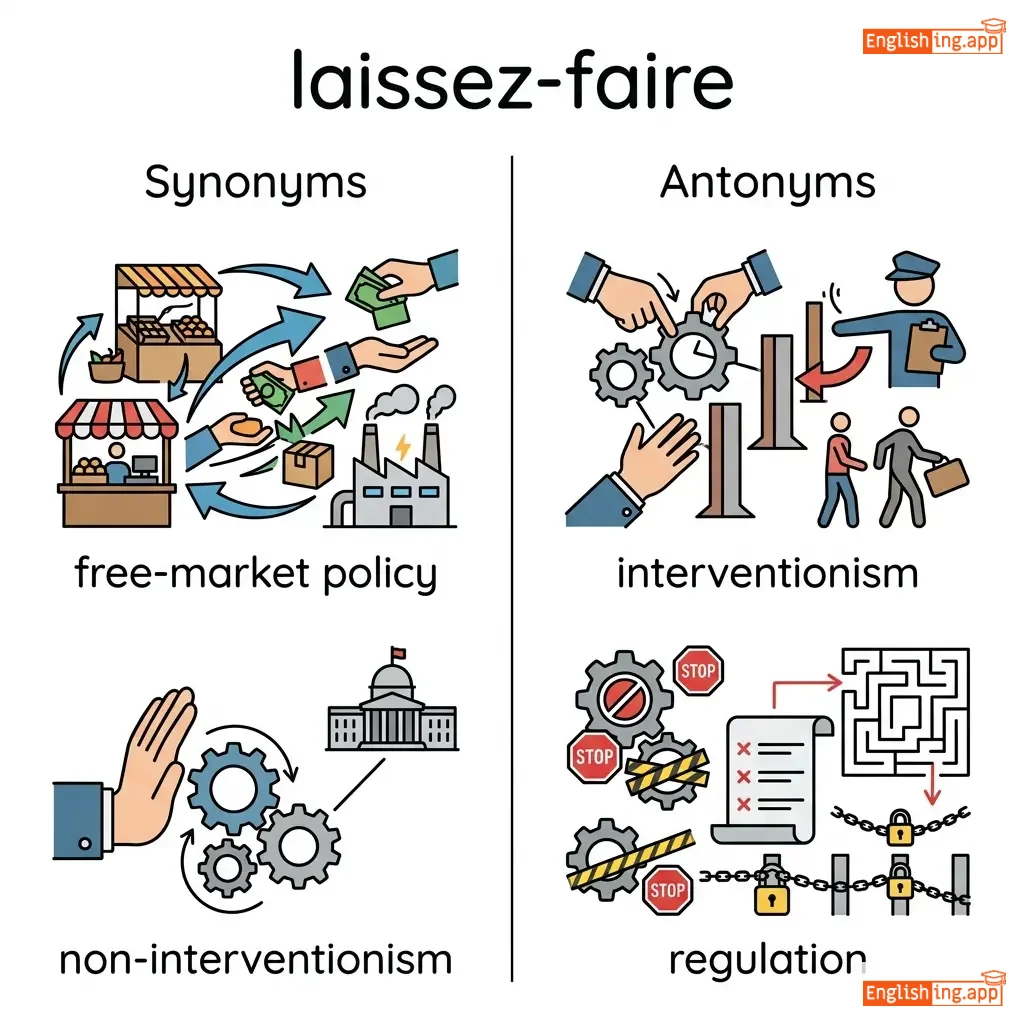
/ˌlɛ.seɪ ˈfɛər/
noun
••••••
••••••
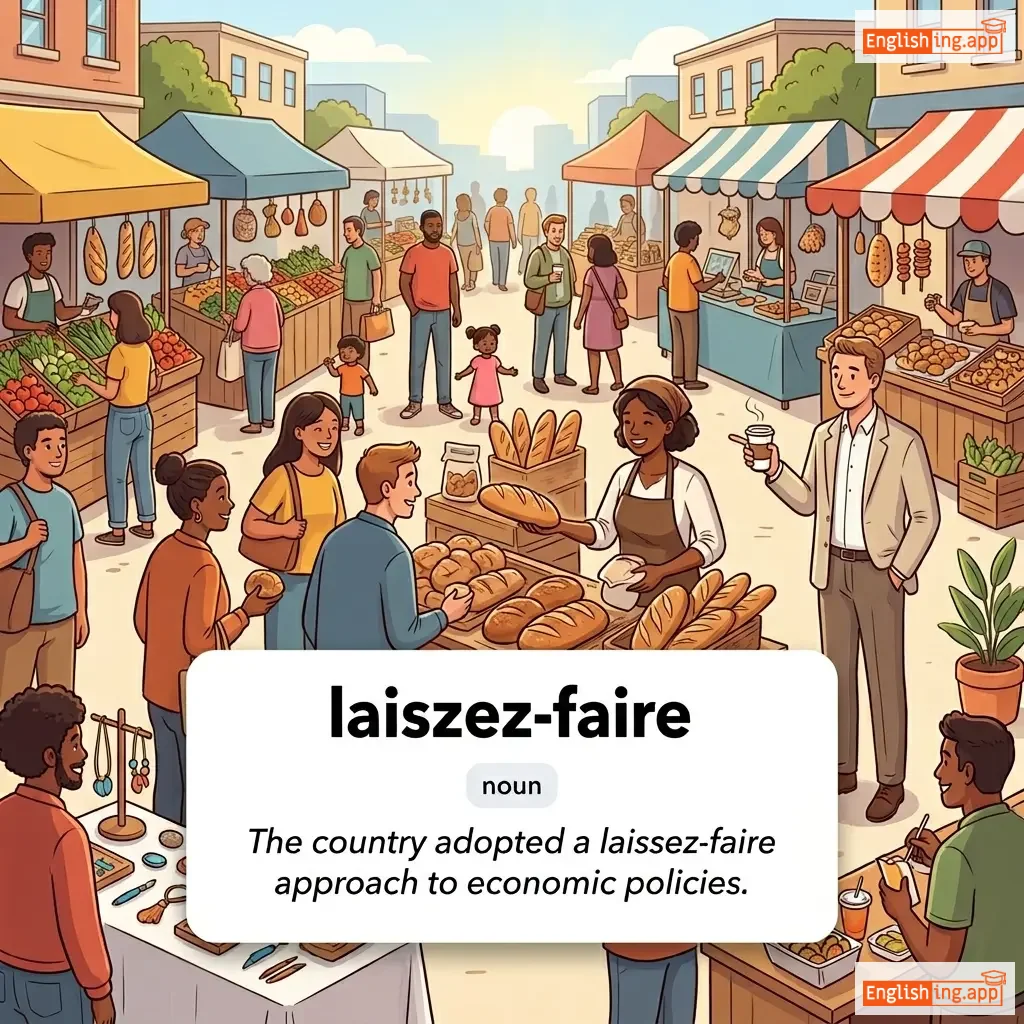
An economic policy where government does not intervene in business affairs.
••••••

Laissez-faire policies encourage private enterprise.

••••••
Free Market, Non-Interventionism, Hands-off Approach
••••••
Regulation, Government Control, Socialism
••••••
#3078
🏢
••••••
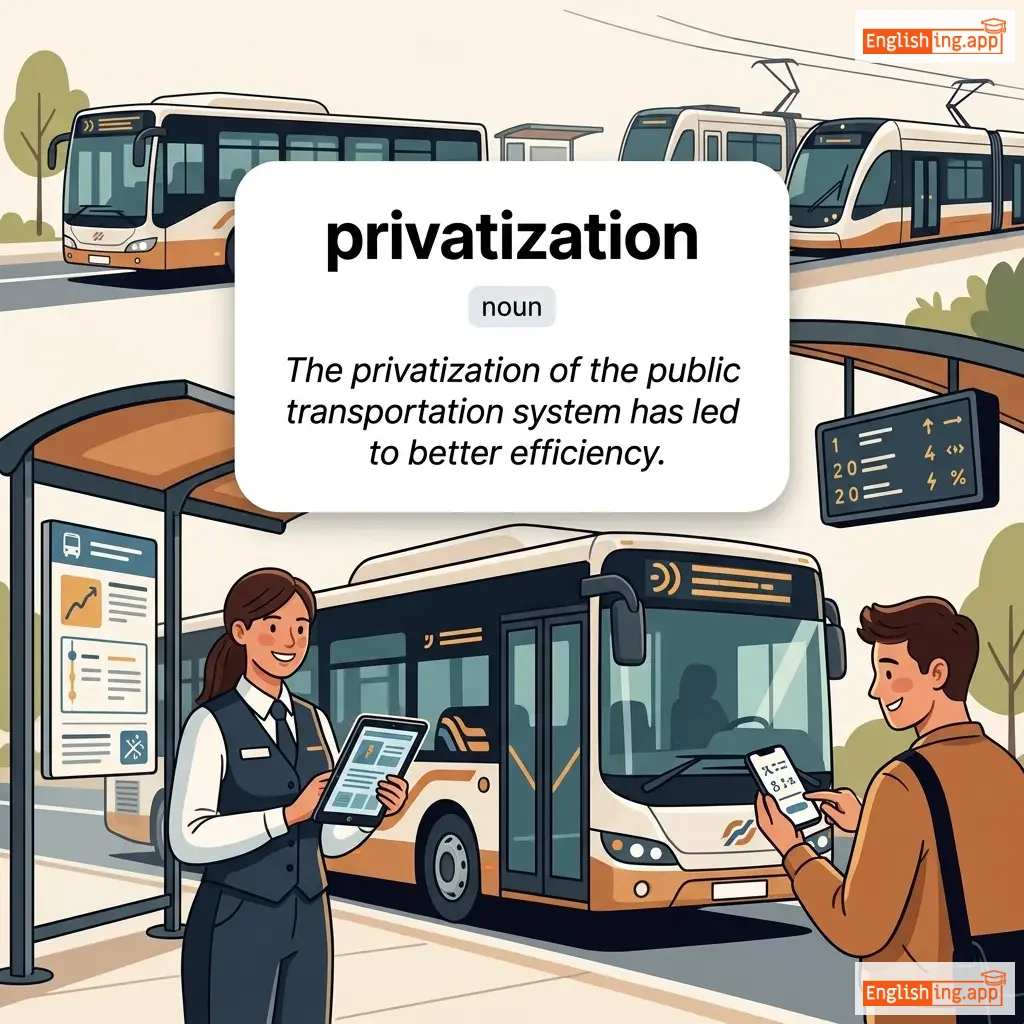
/ˌpraɪ.və.taɪˈzeɪ.ʃən/
noun
••••••
••••••
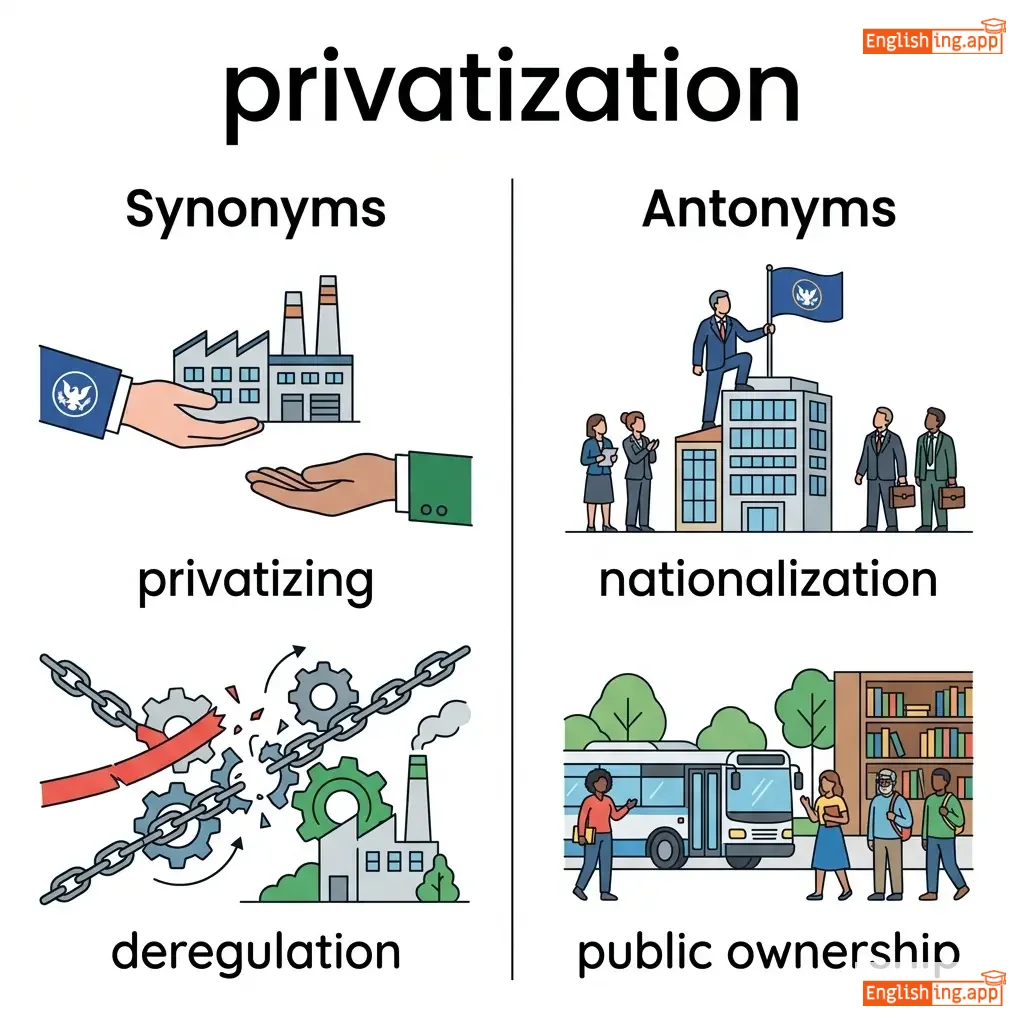
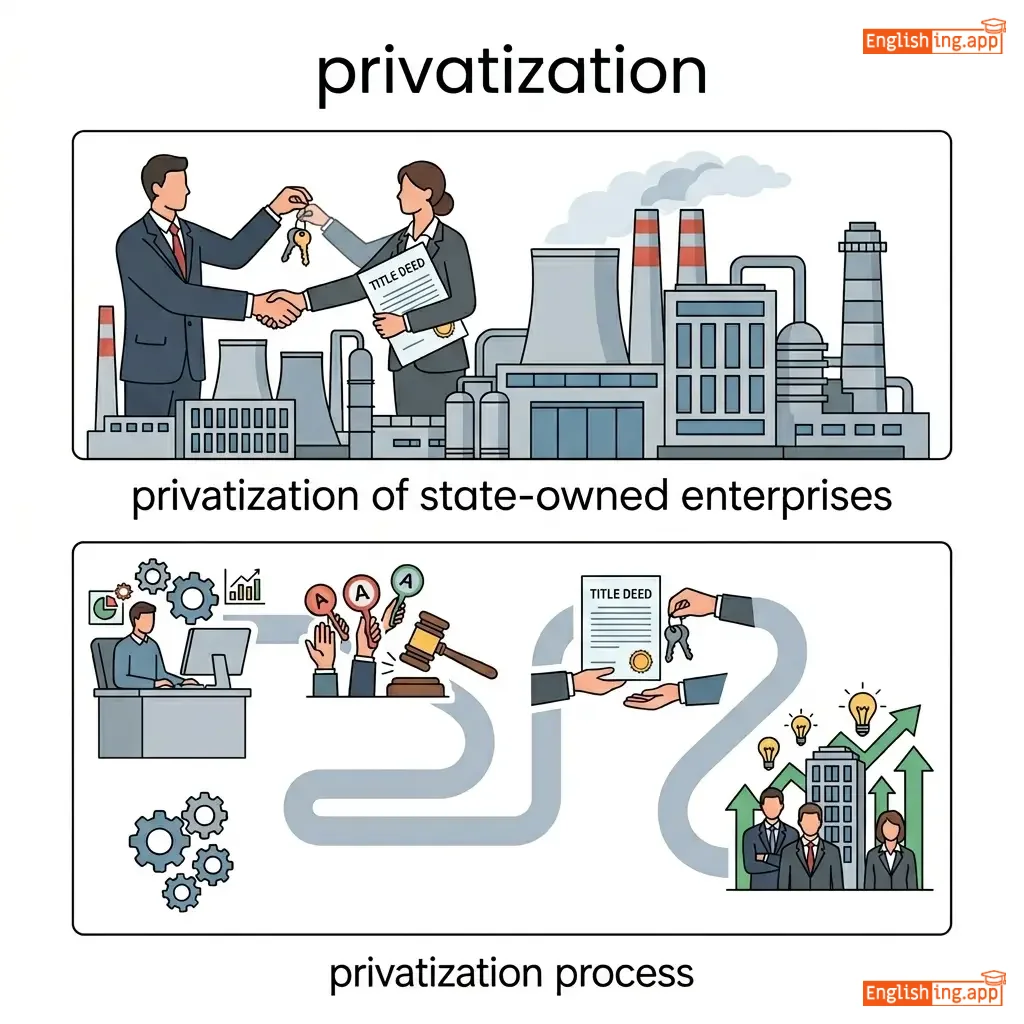
The transfer of ownership from government to private sector.
••••••

The government initiated privatization of the energy sector.

••••••
Deregulation, Free Market Reform, Corporate Takeover
••••••
Nationalization, State Ownership, Socialization
••••••
#3079
🛒
••••••
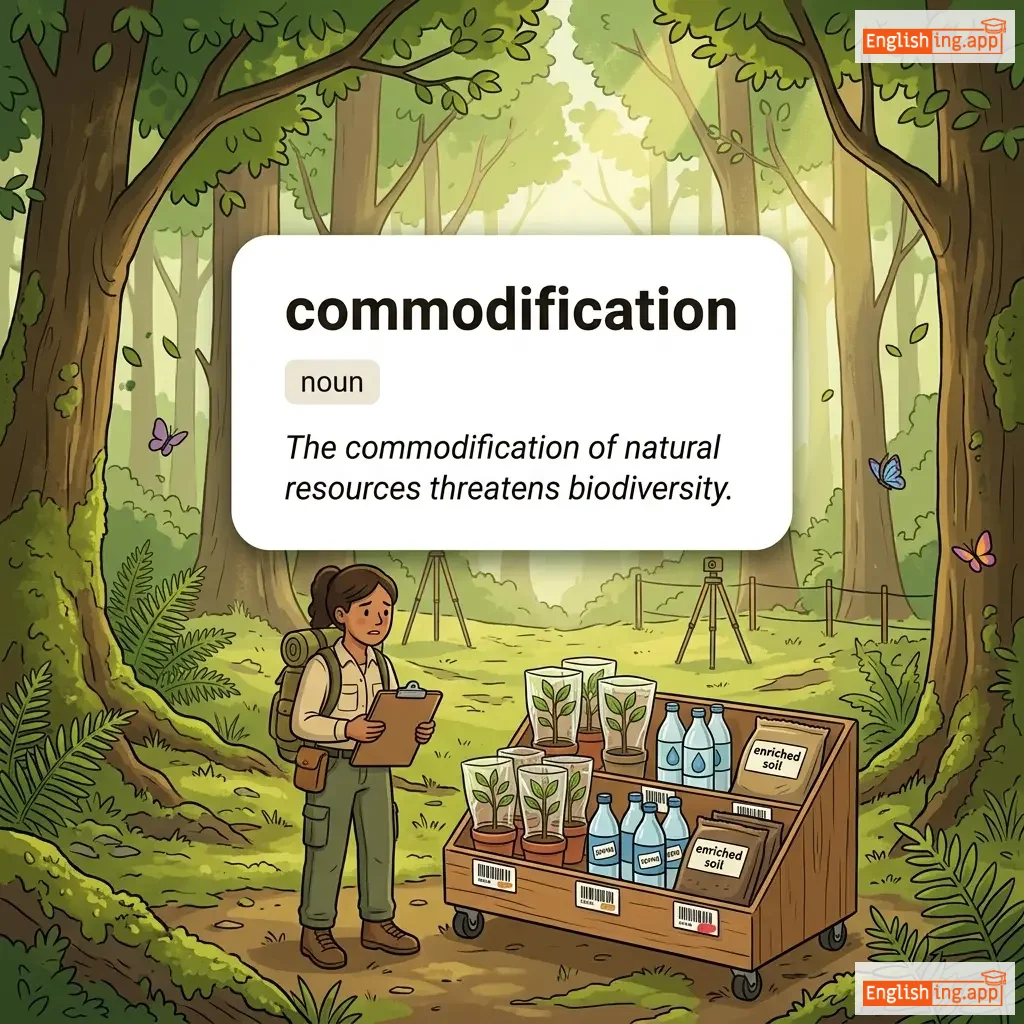
/kəˌmɒd.ɪ.fɪˈkeɪ.ʃən/
noun
••••••
••••••
The transformation of goods, services, ideas, or social relations into market commodities.
••••••

The commodification of education has increased tuition costs.

••••••
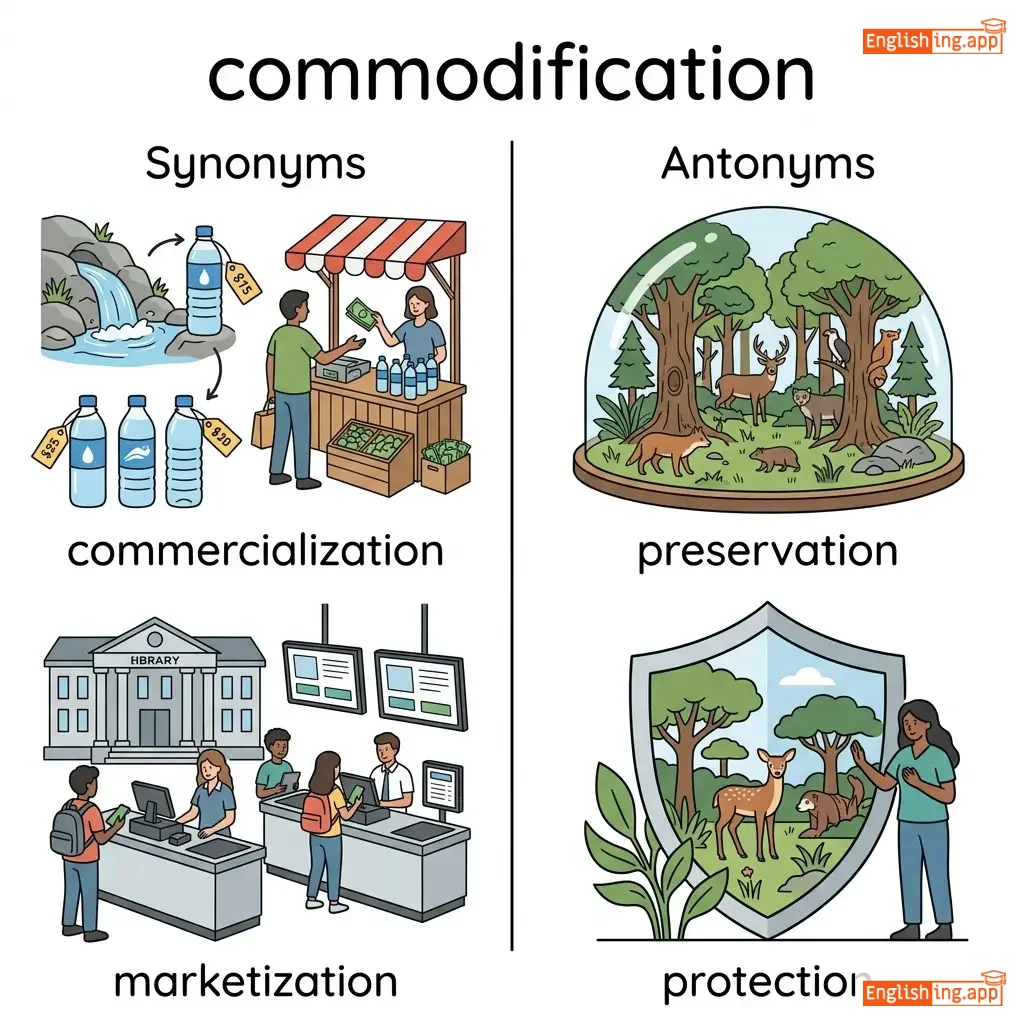
Commercialization, Marketization, Productization
••••••
Decommodification, Non-commercialization, Public Good
••••••
#3080
🏛️
••••••
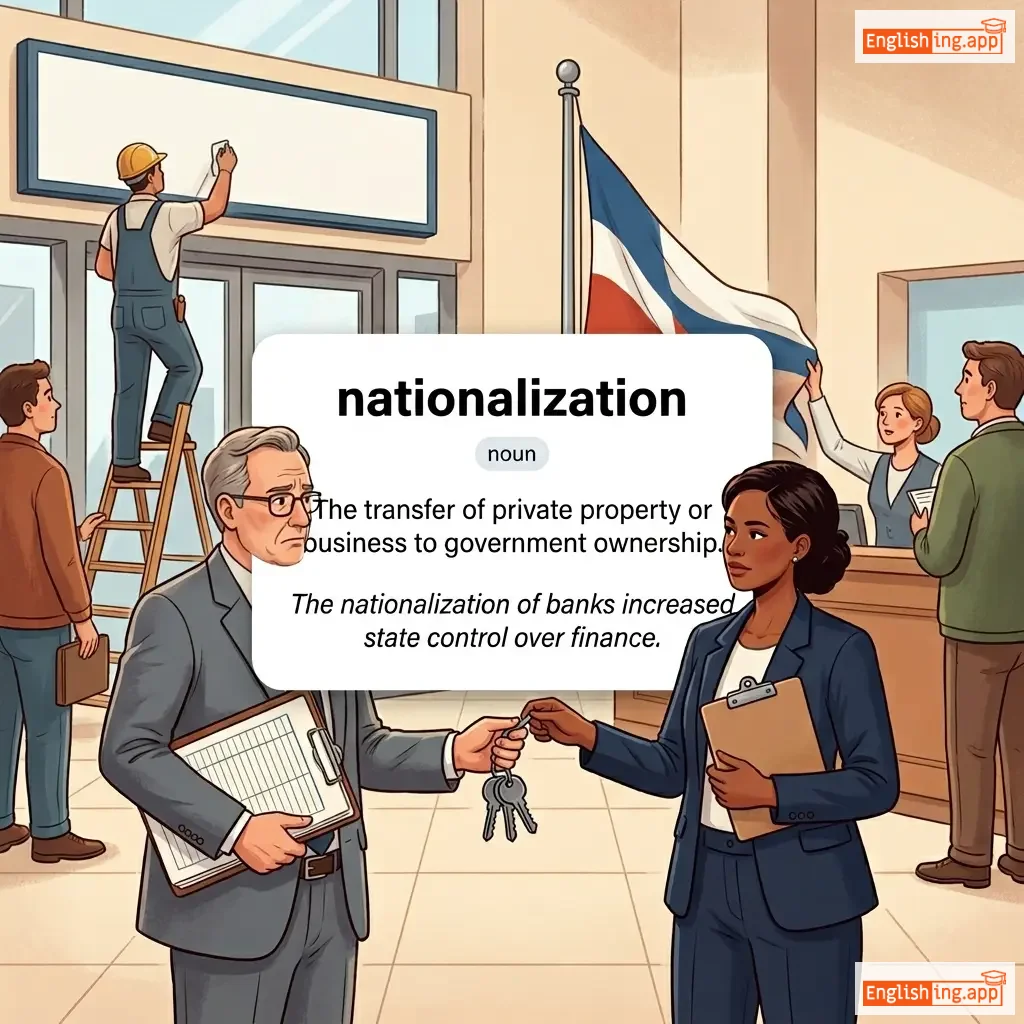
/ˌnæʃ.ən.ə.laɪˈzeɪ.ʃən/
noun
••••••
••••••
The transfer of private property or business to government ownership.
••••••

The nationalization of banks increased state control over finance.

••••••
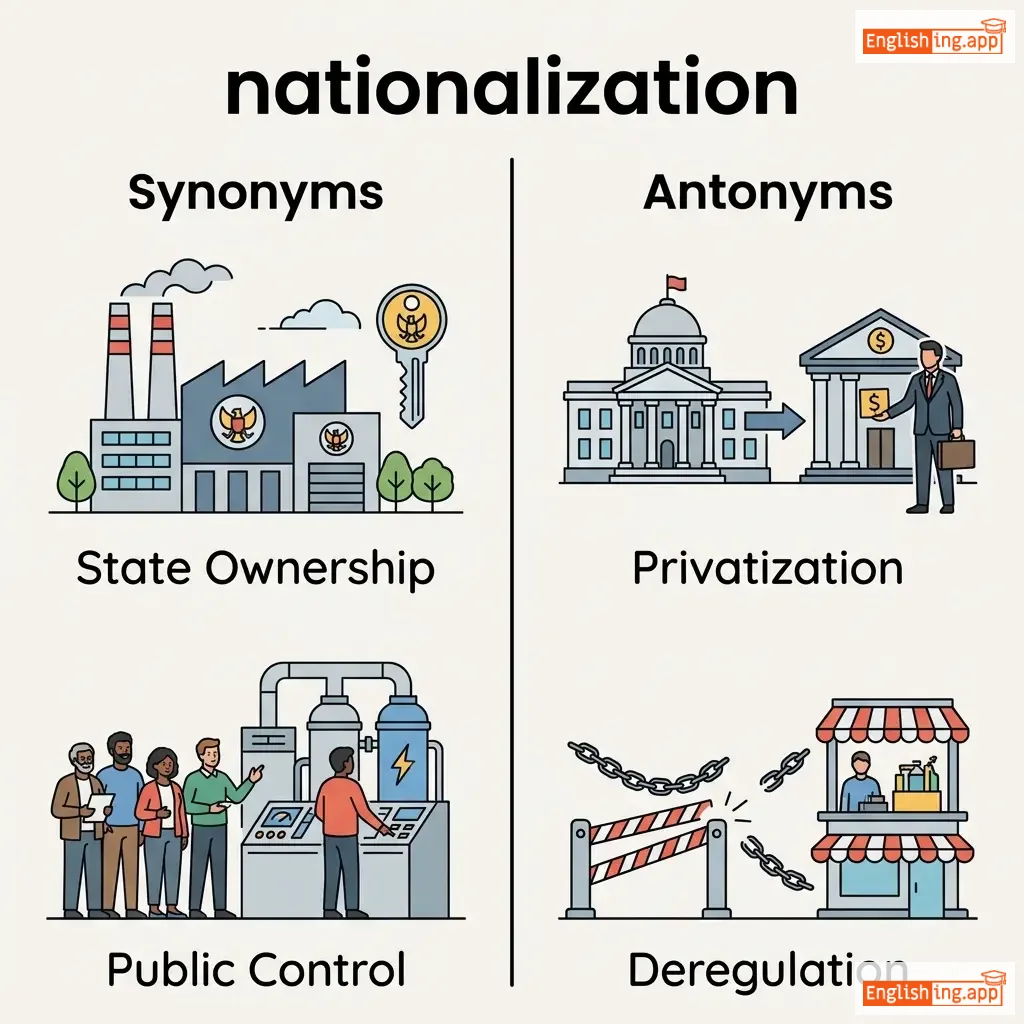
State Ownership, Public Control, Government Takeover
••••••
Privatization, Deregulation, Free Market
••••••
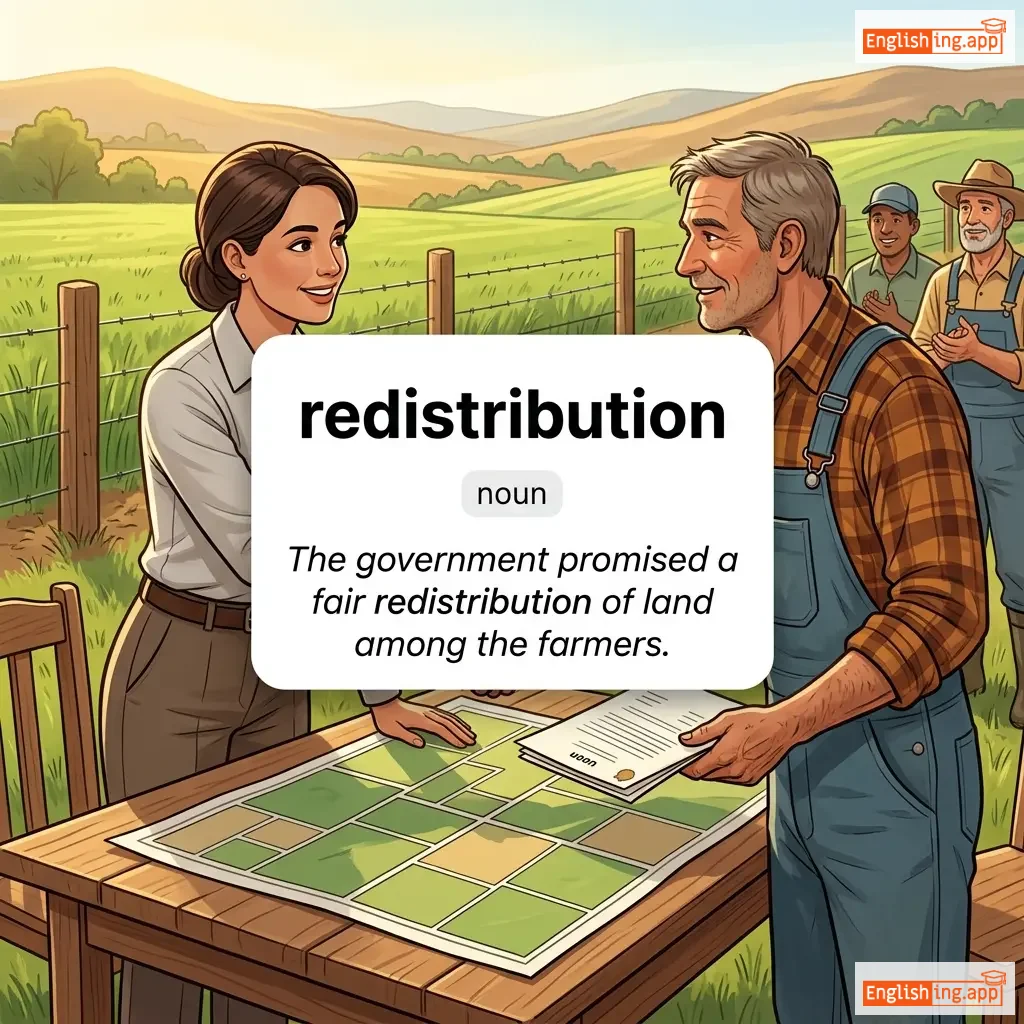
#3081
♻️
••••••
/ˌriː.dɪs.trɪˈbjuː.ʃən/
noun
••••••
••••••
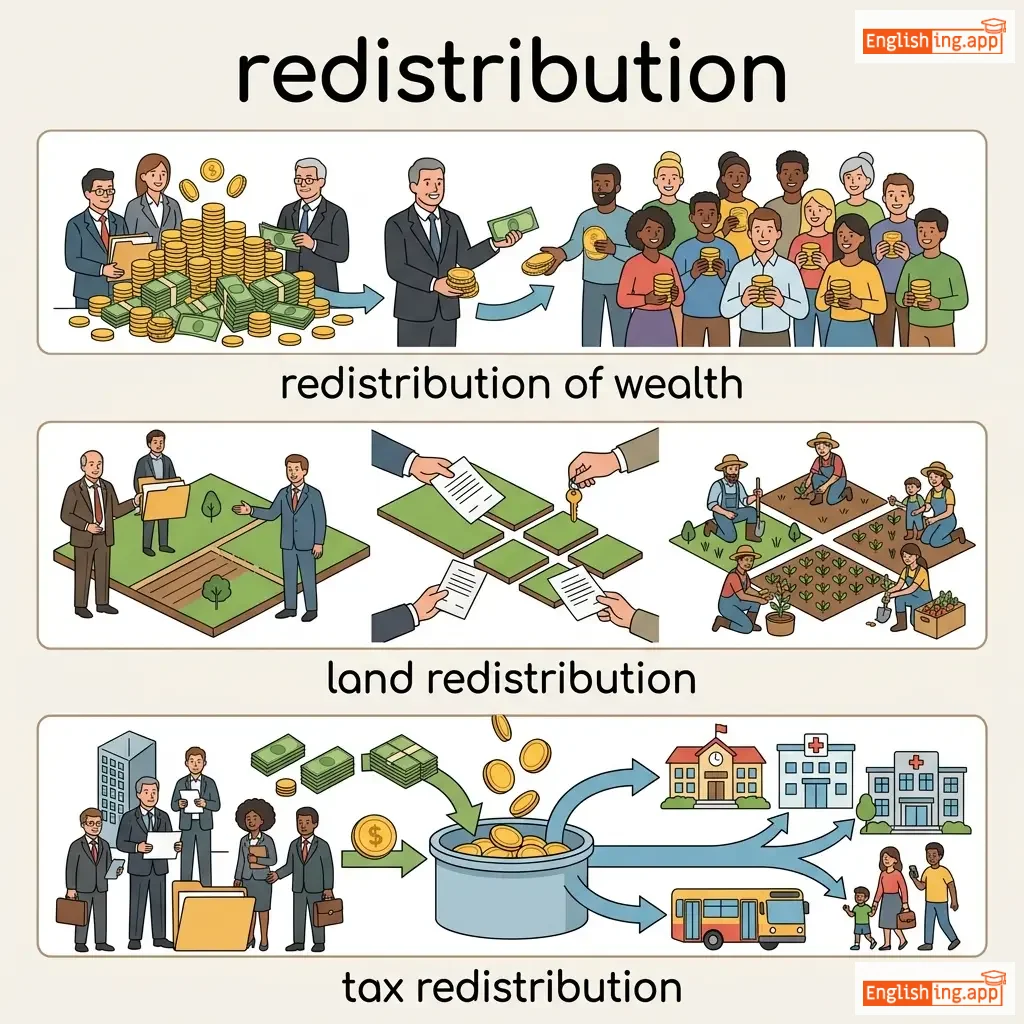
The sharing of wealth or resources more equally among society.
••••••

The government introduced a redistribution policy to reduce inequality.

••••••
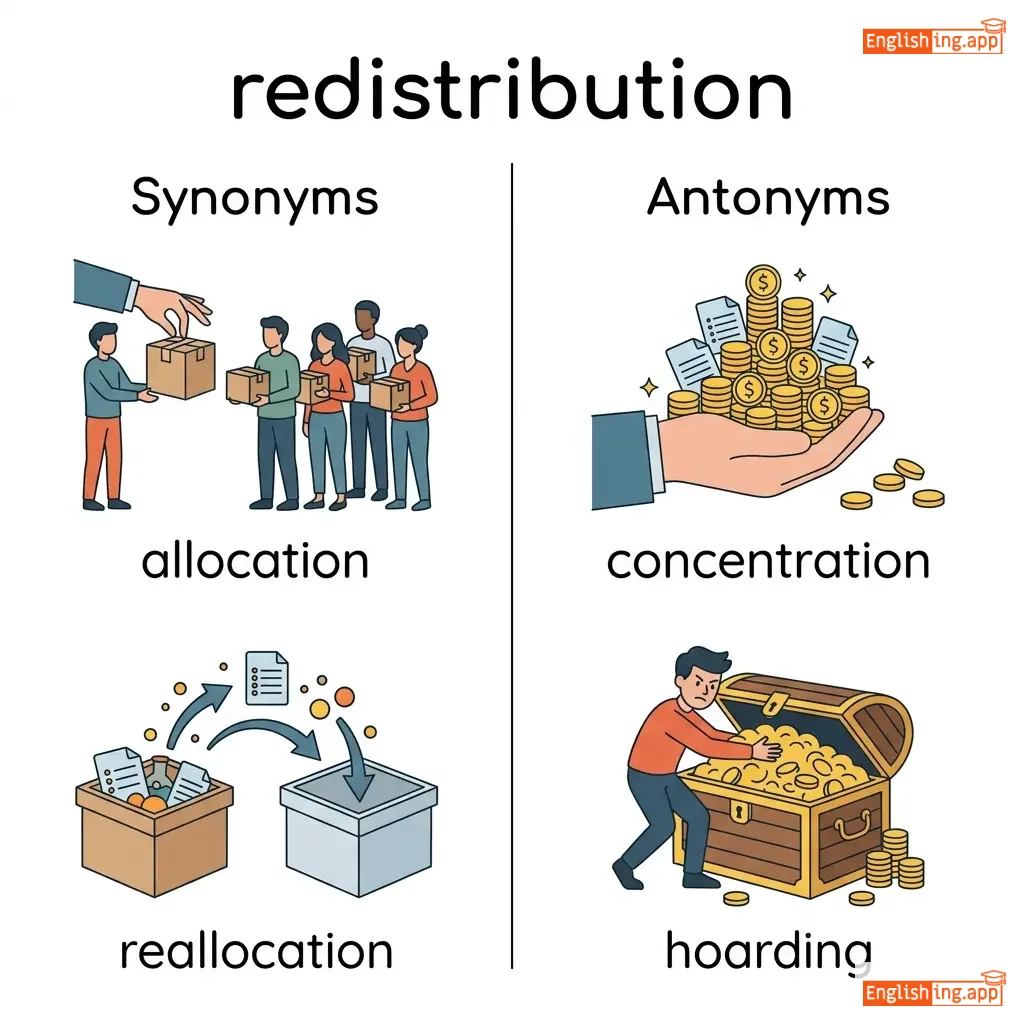
Reallocation, Reassignment, Reapportionment
••••••
Concentration, Hoarding, Retention
••••••
#3082
🎯
••••••
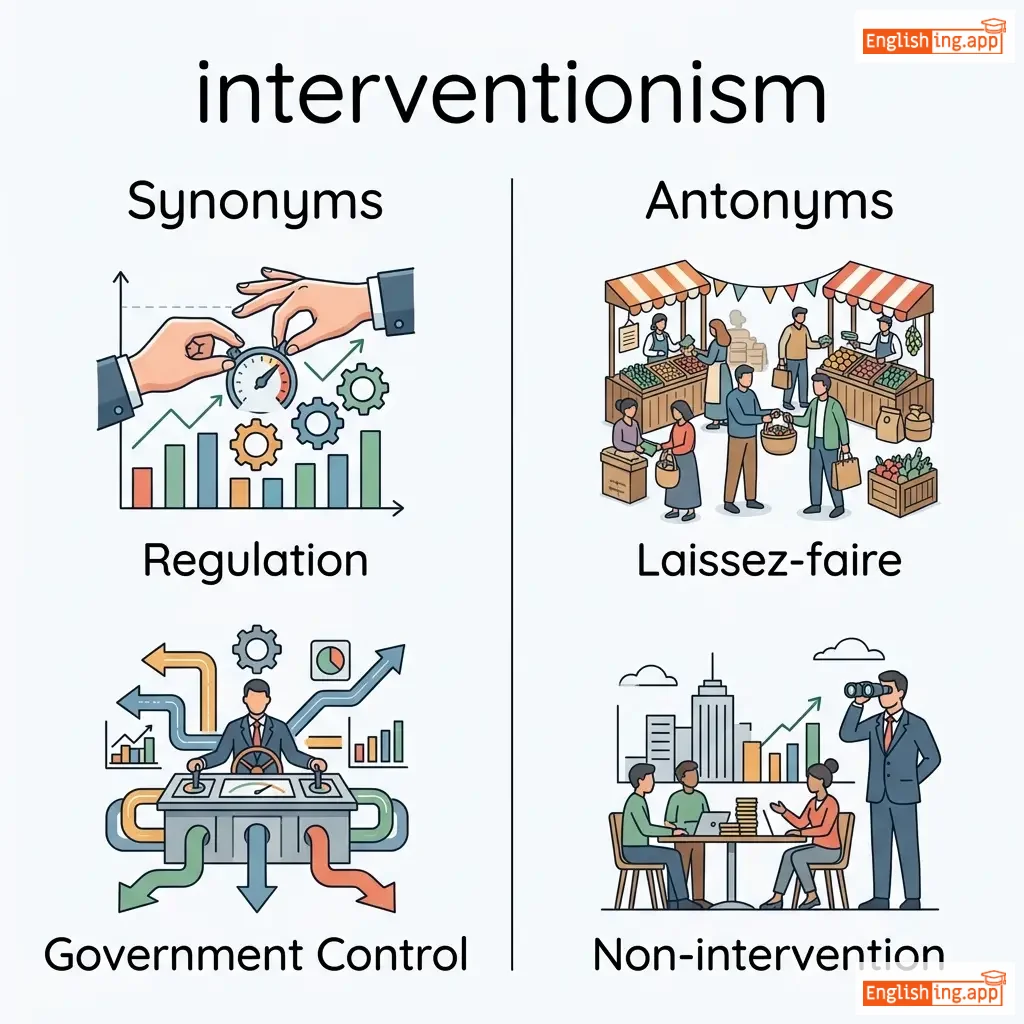
/ˌɪn.təˈvɛn.ʃə.nɪ.zəm/
noun
••••••
••••••
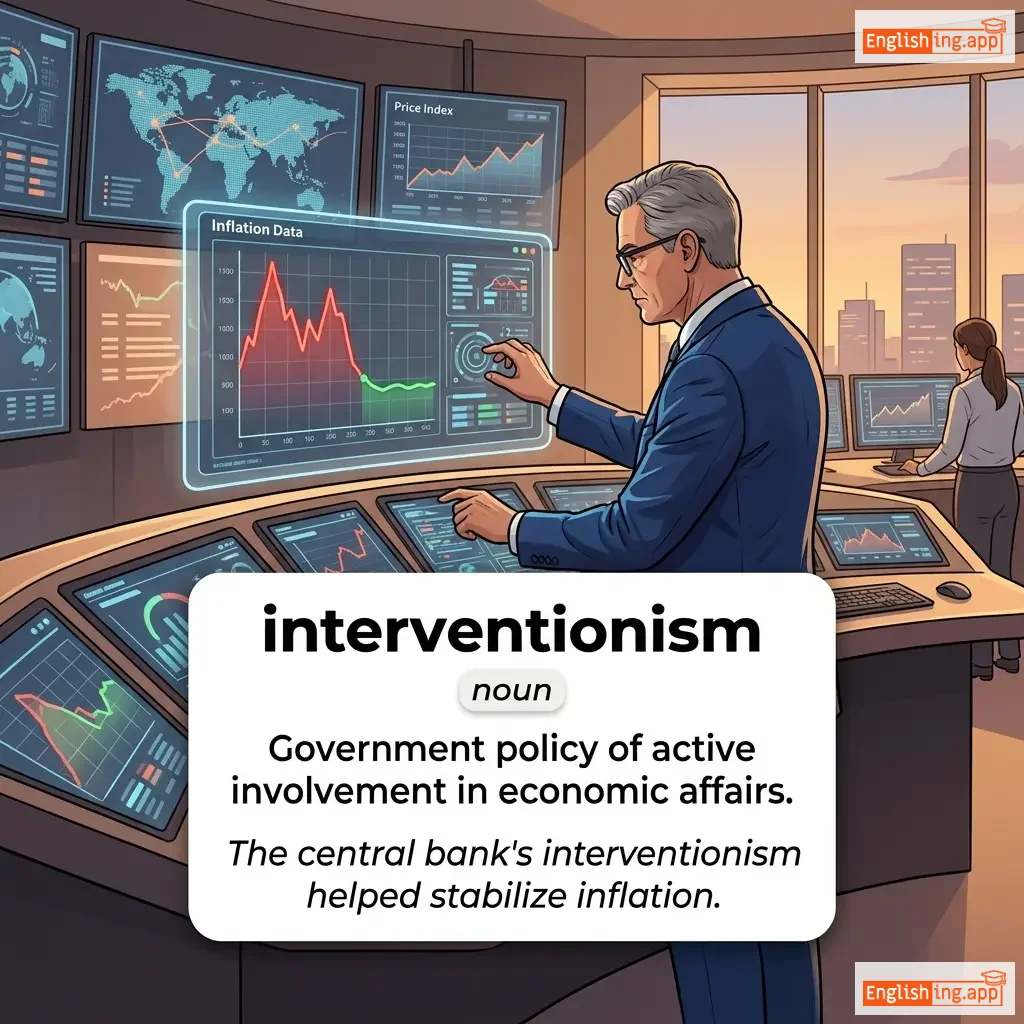
Government policy of active involvement in economic affairs.
••••••

The central bank's interventionism helped stabilize inflation.

••••••
Regulation, Government Control, Market Oversight
••••••
Laissez-faire, Non-intervention, Free Market
••••••
#3083
💸
••••••
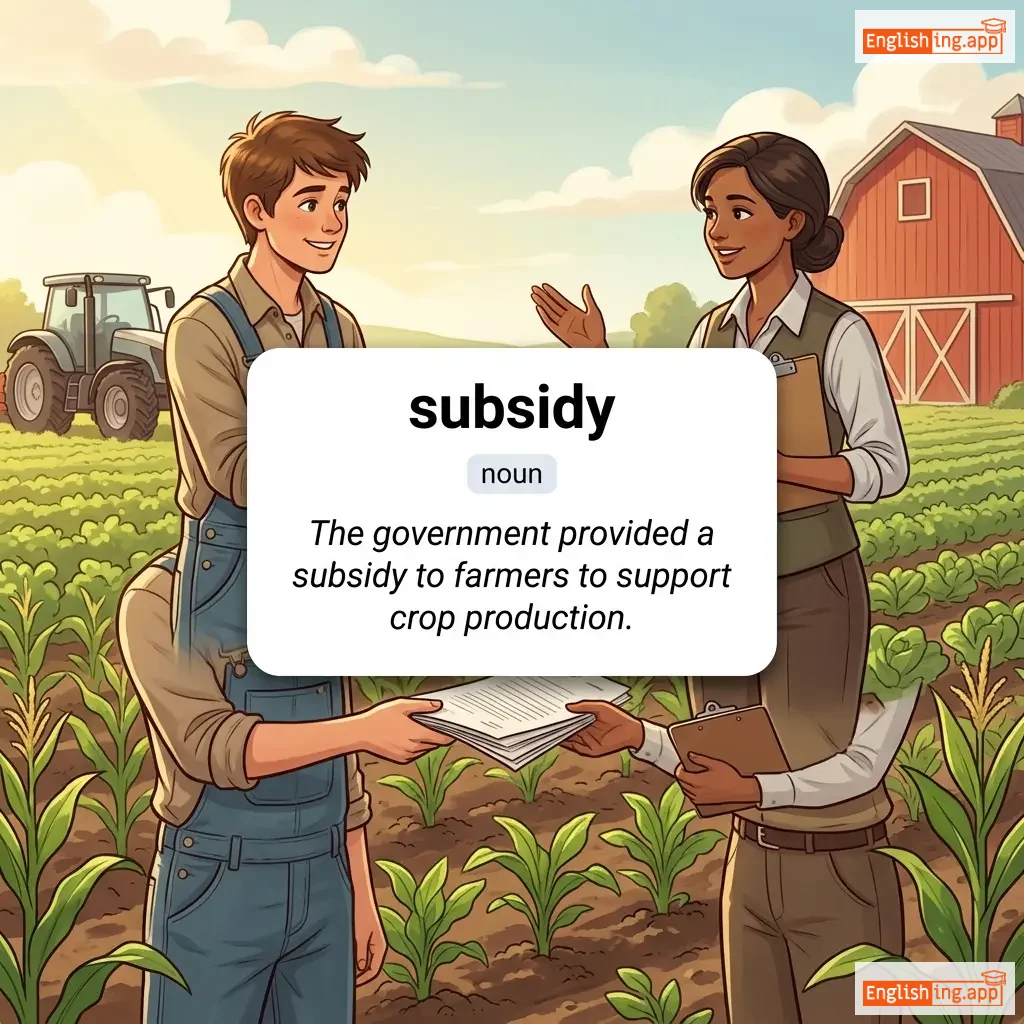
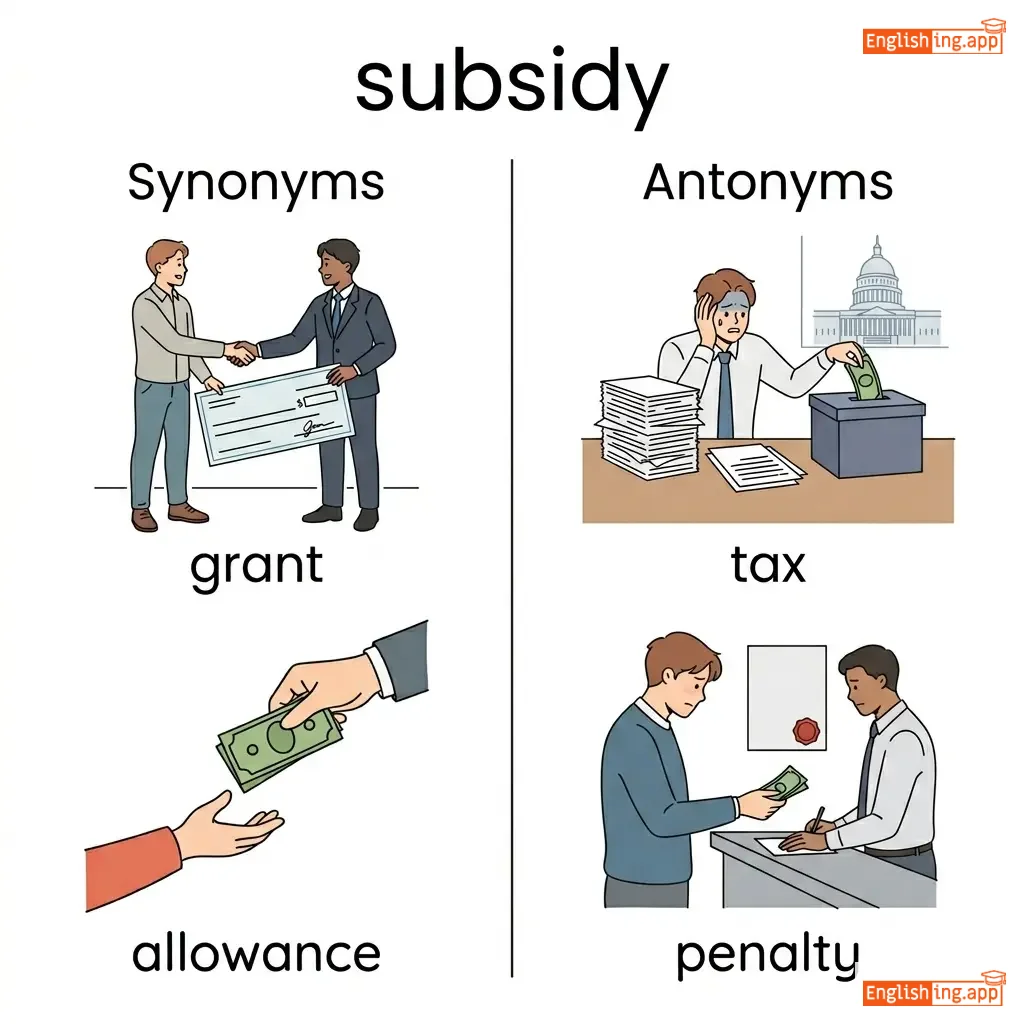
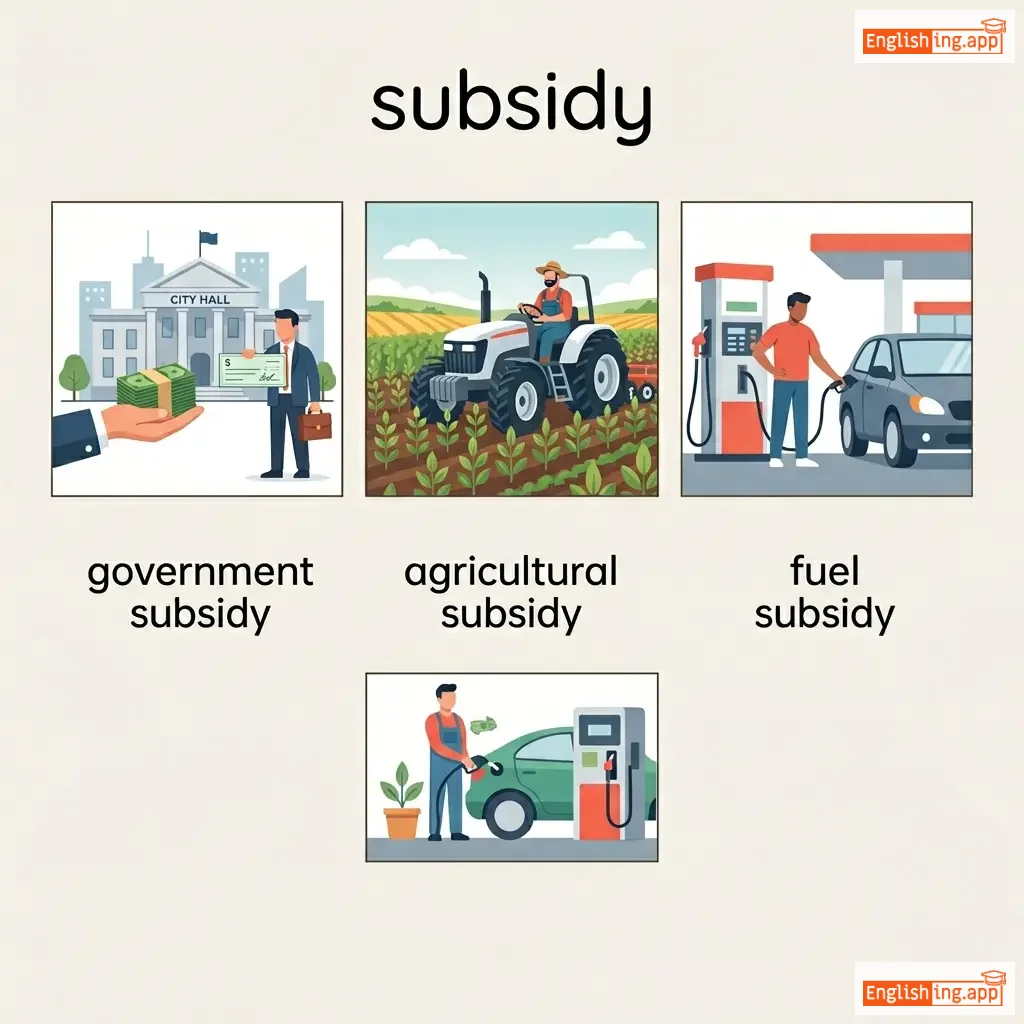
/ˈsʌb.sɪ.di/
noun
••••••
••••••
Financial assistance provided by government to reduce costs of goods or services.
••••••

The government provides a fuel subsidy to control prices.

••••••
Grant, Financial Aid, Support
••••••
Taxation, Cost Increase, Cutback
••••••
#3084
🔓
••••••
/ˌdiː.rɛɡ.jʊˈleɪ.ʃən/
noun
••••••
••••••
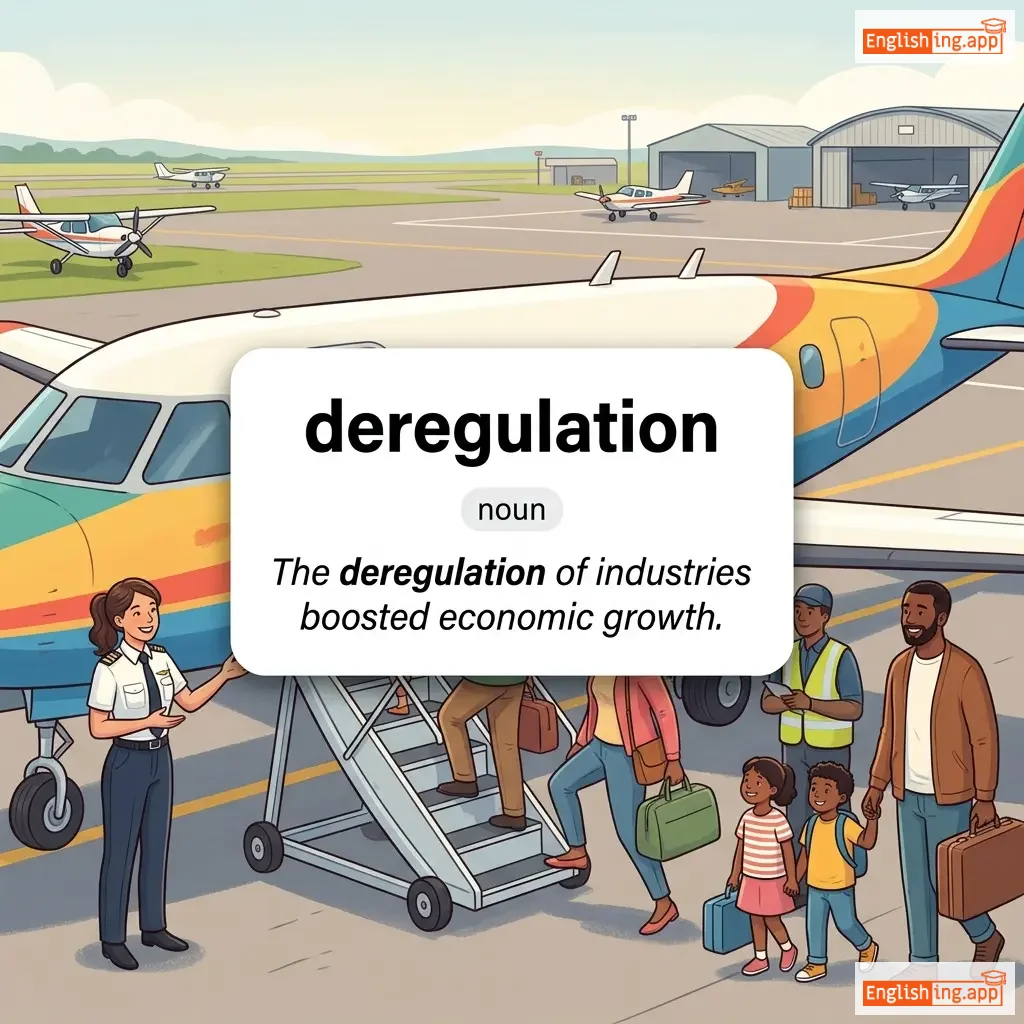
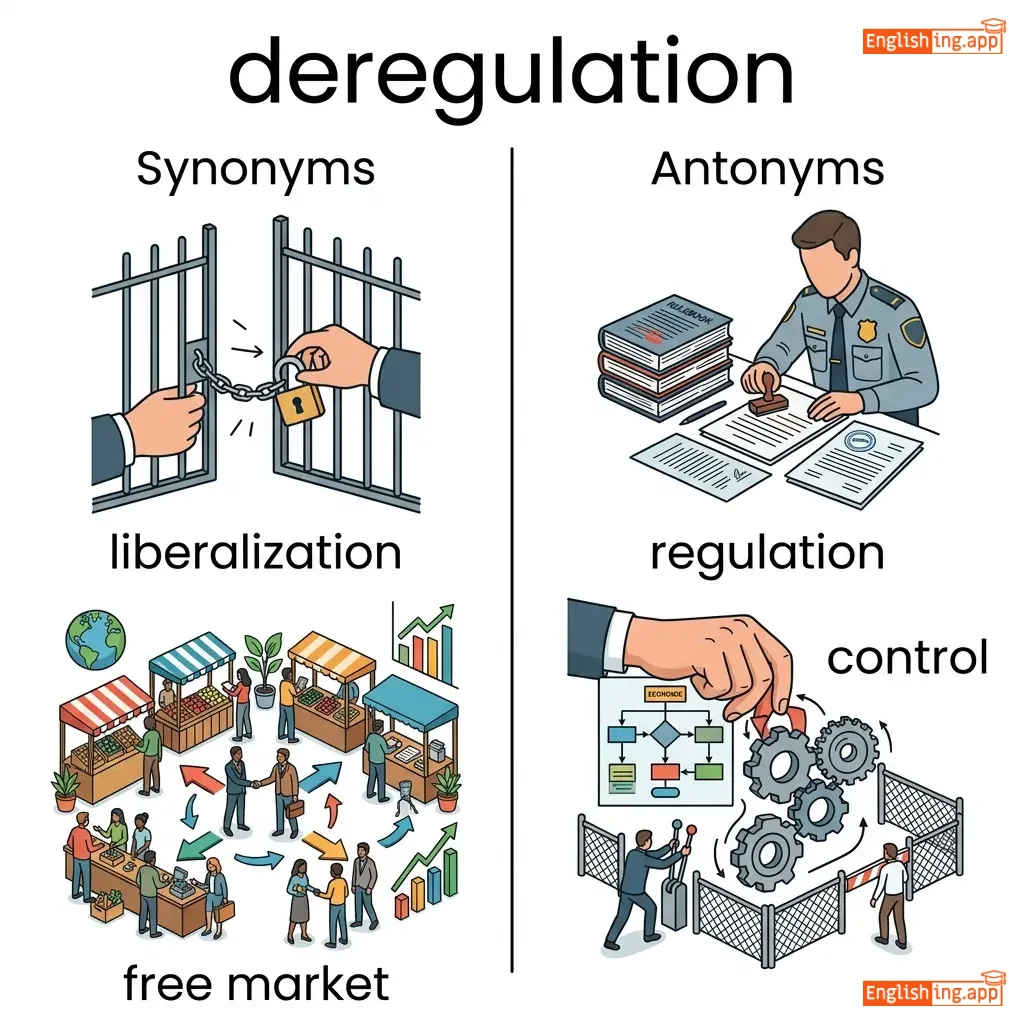
The removal or reduction of government rules and restrictions in business.
••••••

Deregulation allows businesses to operate with fewer restrictions.

••••••
Liberalization, Free Market Reform, Privatization
••••••
Regulation, Government Oversight, Interventionism
••••••
#3085
🔄
••••••
/ˈbɑːr.tər ˌsɪs.təm/
noun
••••••
••••••
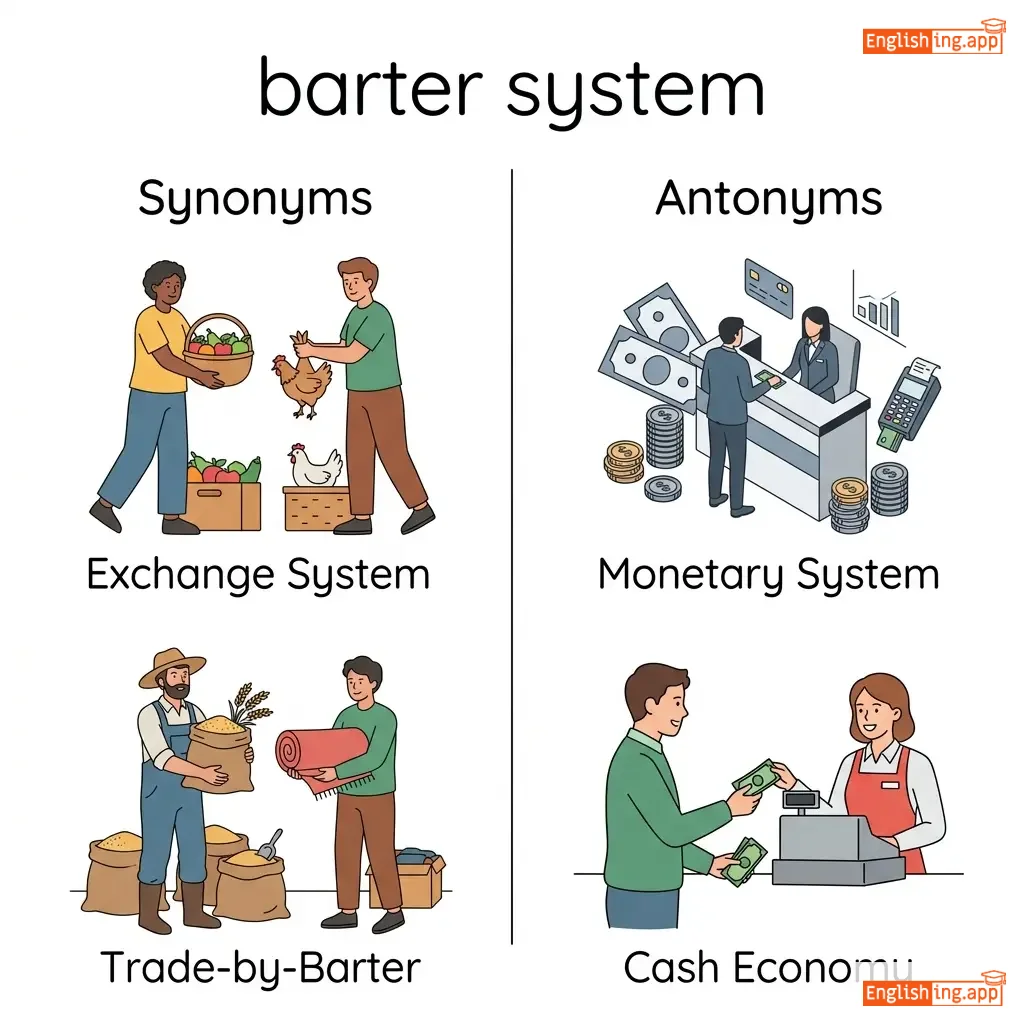
A system of exchange where goods and services are traded directly without using money.
••••••

Ancient civilizations used the barter system for trade.

••••••
Exchange System, Trade-by-Barter, Swap Economy
••••••
Monetary System, Cash Economy, Capitalism
••••••
#3086
🏗️
••••••
/ˌiː.kəˈnɒm.ɪk ˈsɪs.təm/
noun
••••••
••••••
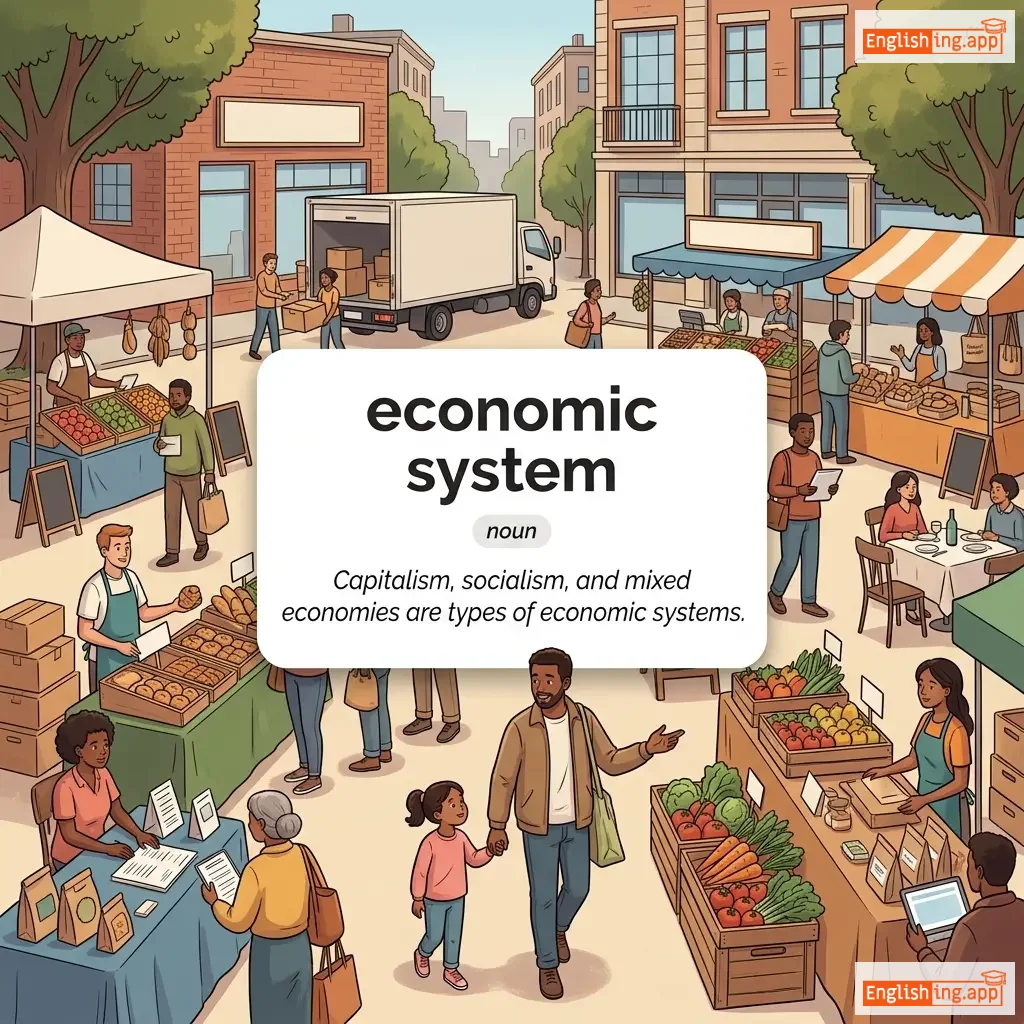
The organized framework for production, distribution, and consumption of goods and services in society.
••••••

Capitalism, socialism, and mixed economies are types of economic systems.

••••••
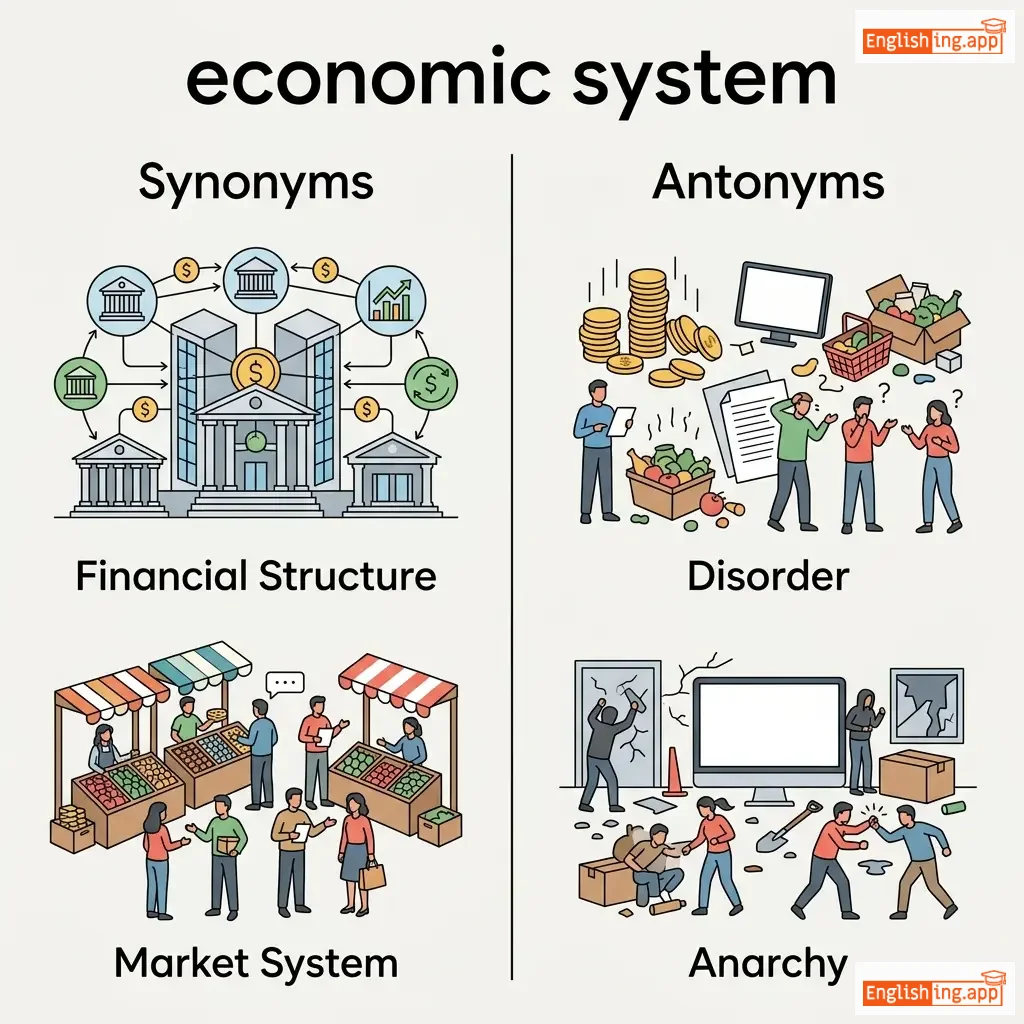
Financial Structure, Market System, Political Economy
••••••
Disorder, Anarchy, Unstructured Market
••••••
#3087
⚖️
••••••
/ˌiː.kwɪˈlɪb.ri.əm/
noun
••••••
••••••
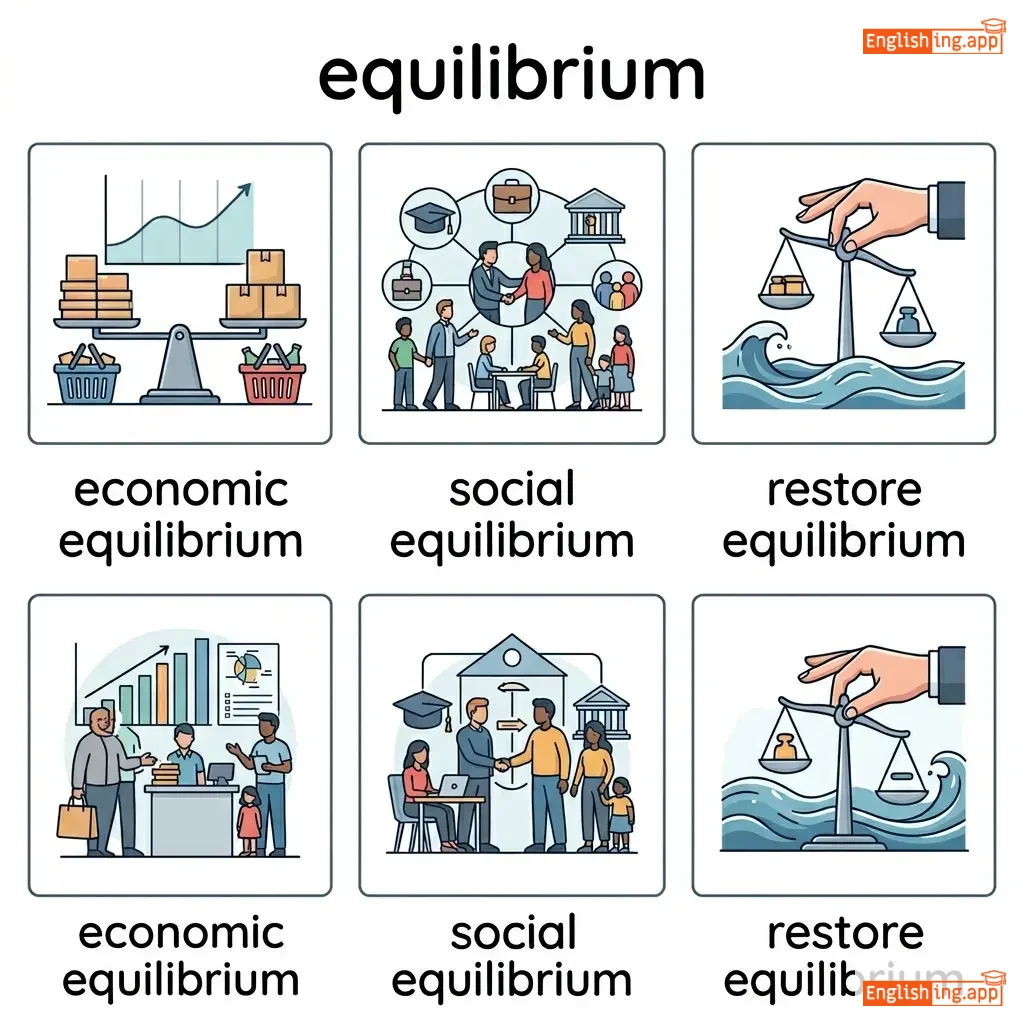
A state of balance between economic supply and demand, or between different economic forces.
••••••

The market reached equilibrium when supply met demand.

••••••
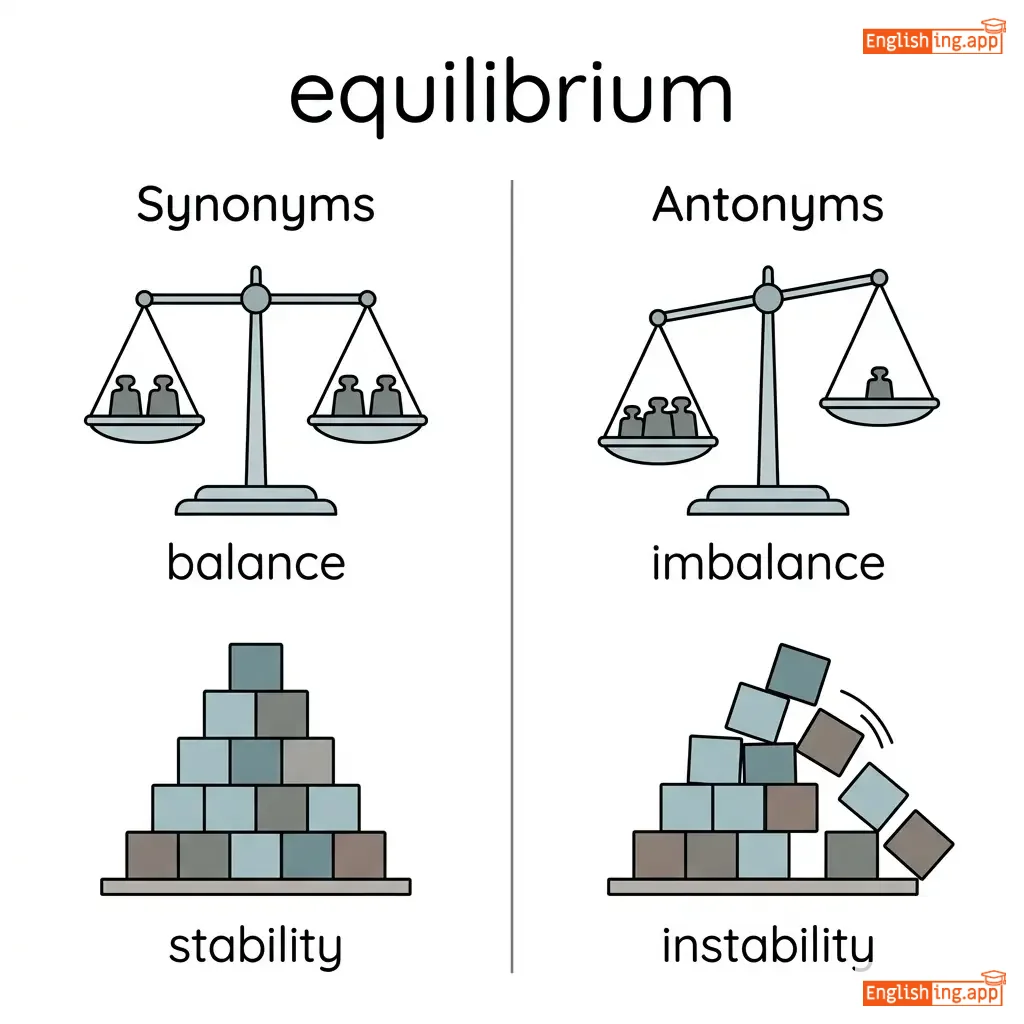
Balance, Stability, Steadiness
••••••
Disequilibrium, Instability, Imbalance
••••••