How Time-Blocking Improves Efficiency
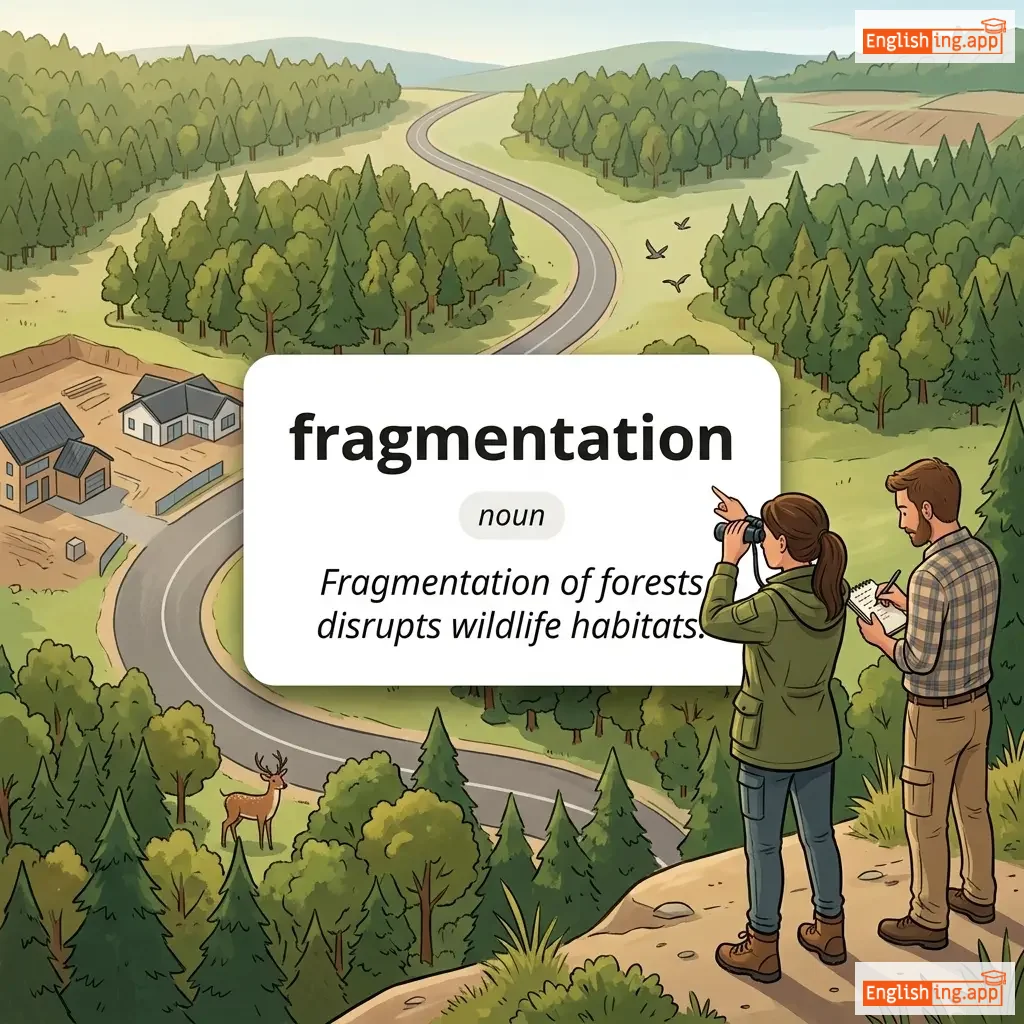
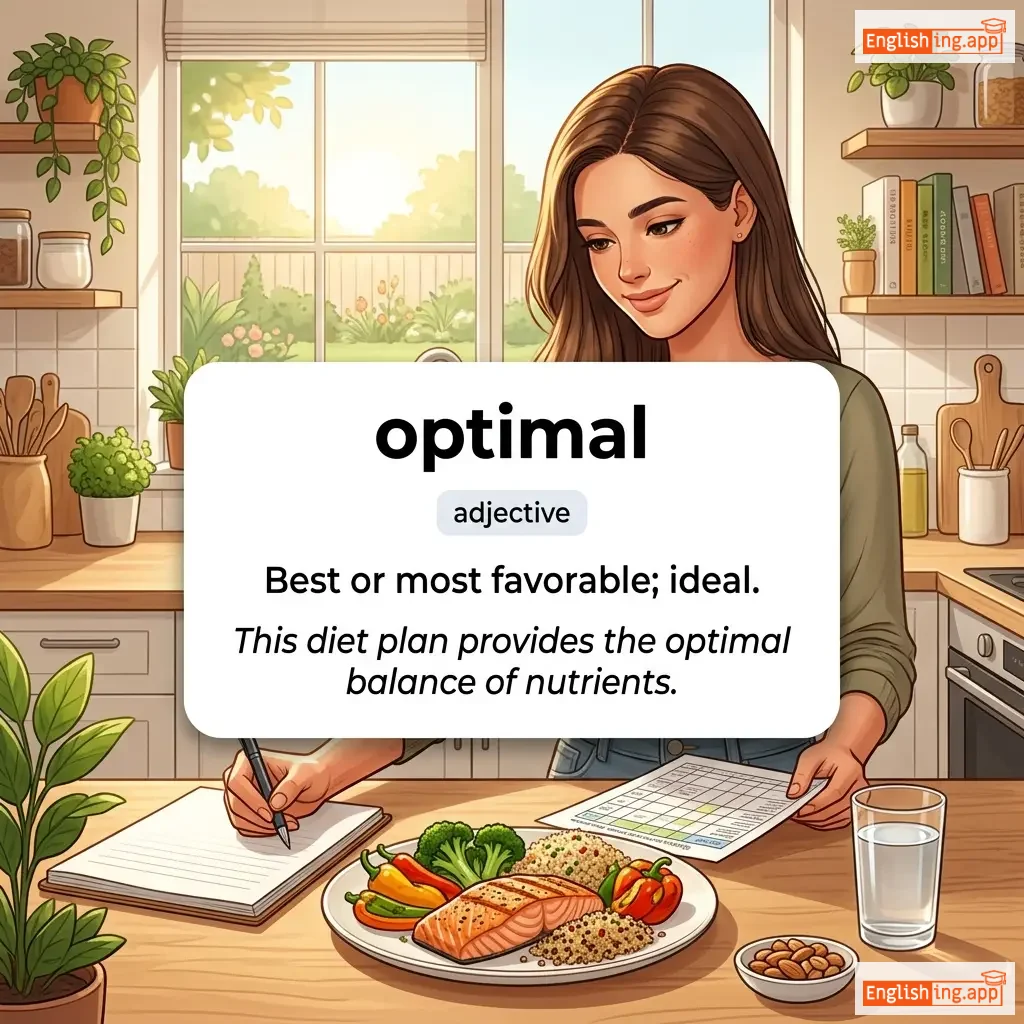
Time-blocking は私たちの efficiency を向上させるためのテクニックです。タスクの allotment を適切に管理すると、fragmentation が減少し、optimal な workflow が生まれます。
多くの人は時間をうまく使わないために procrastinate してしまい、生産性が低下します。Time-blocking を通じて、いつどのタスクを行うかを delineate でき、作業を expedite するのに役立ちます。これは時間を節約するだけでなく、私たちをより circumspect にし、各タスクを scrutinize できるようにします。それは集中力を augment し、不要な dissipation を防ぎます。
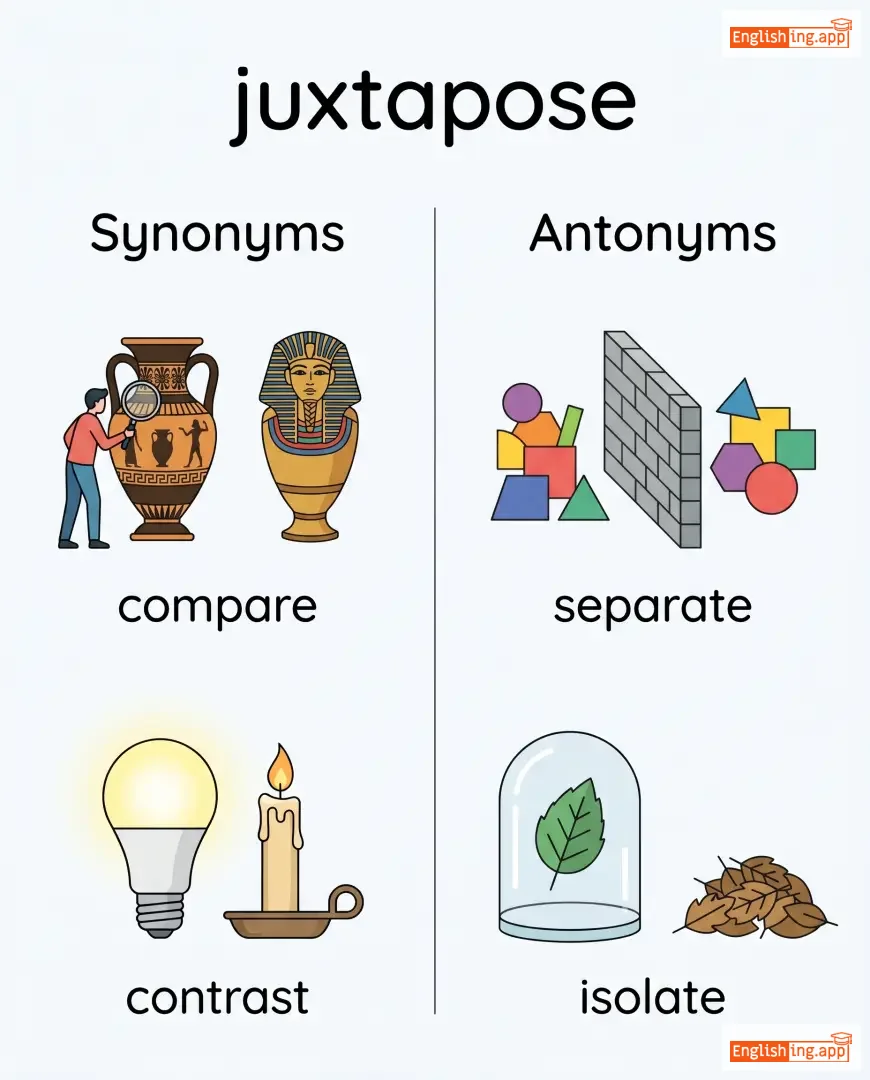
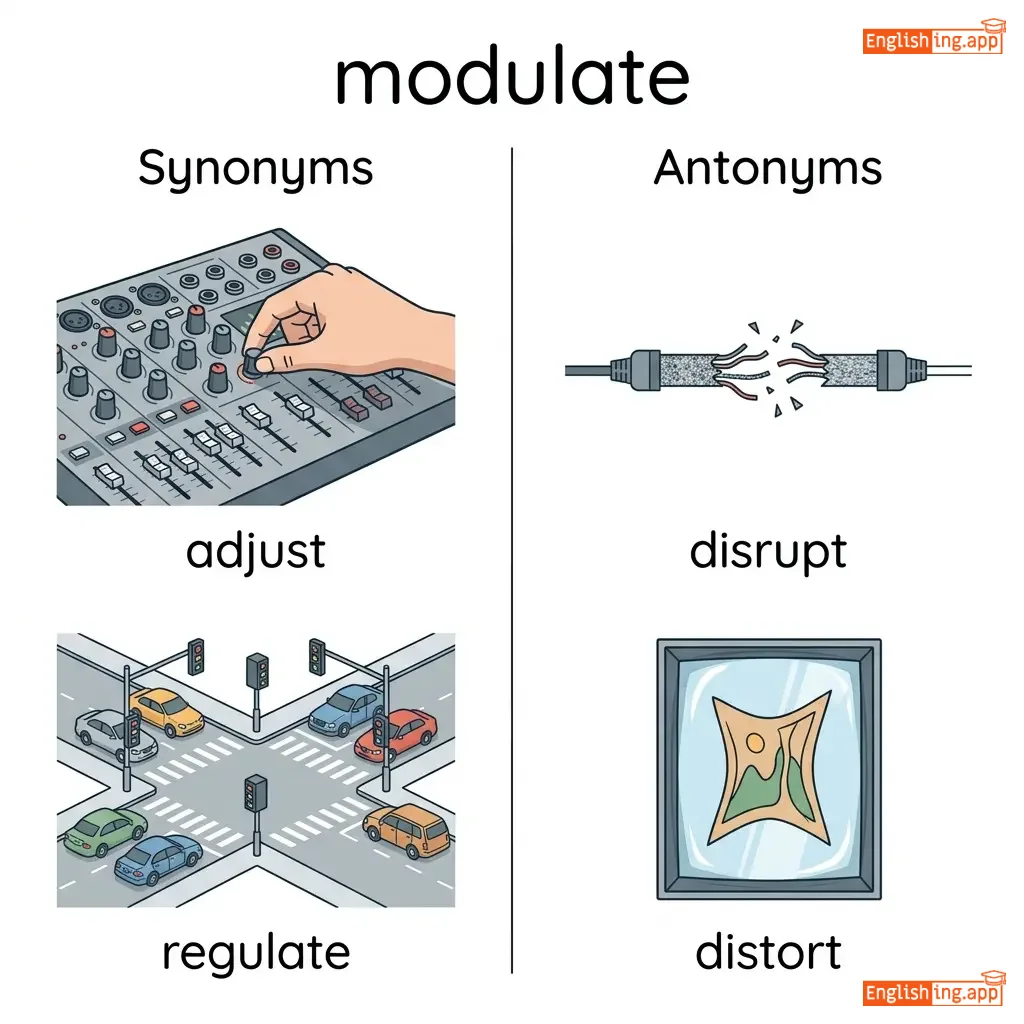
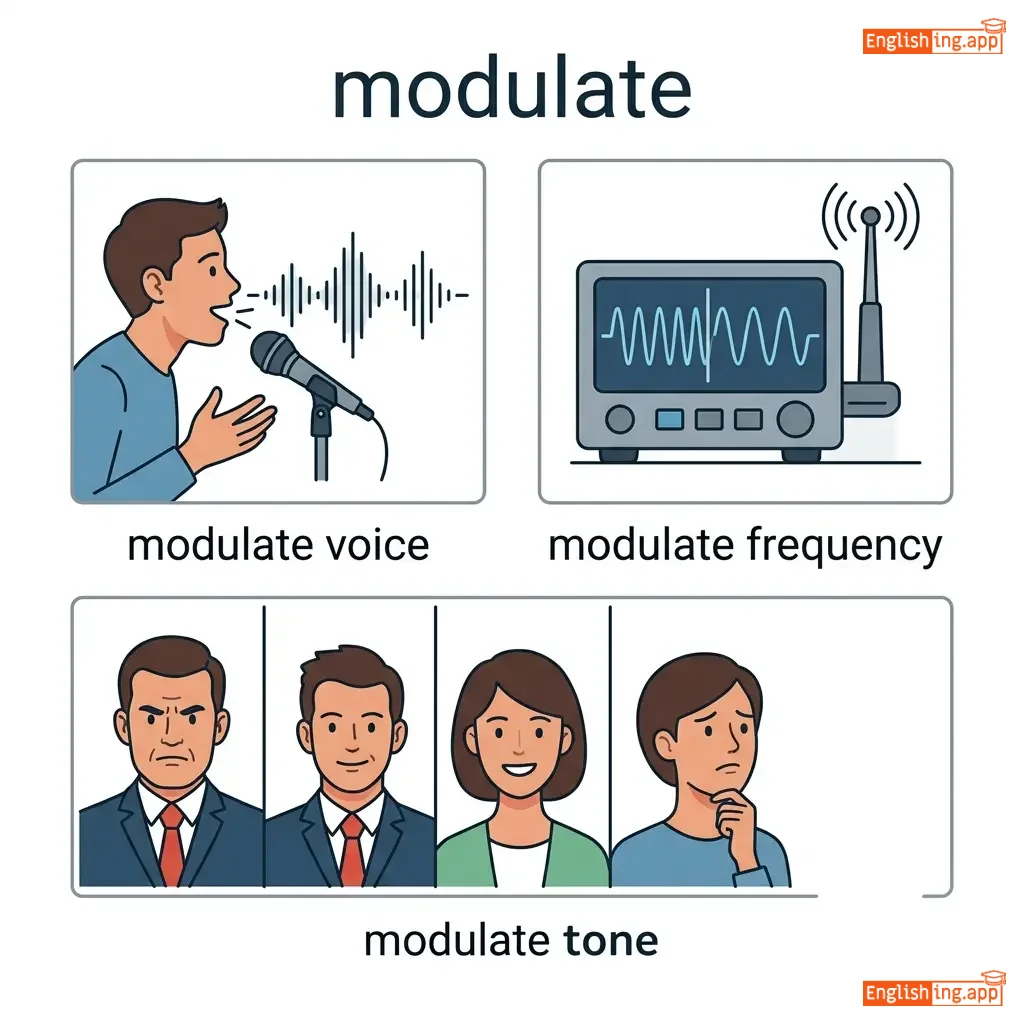
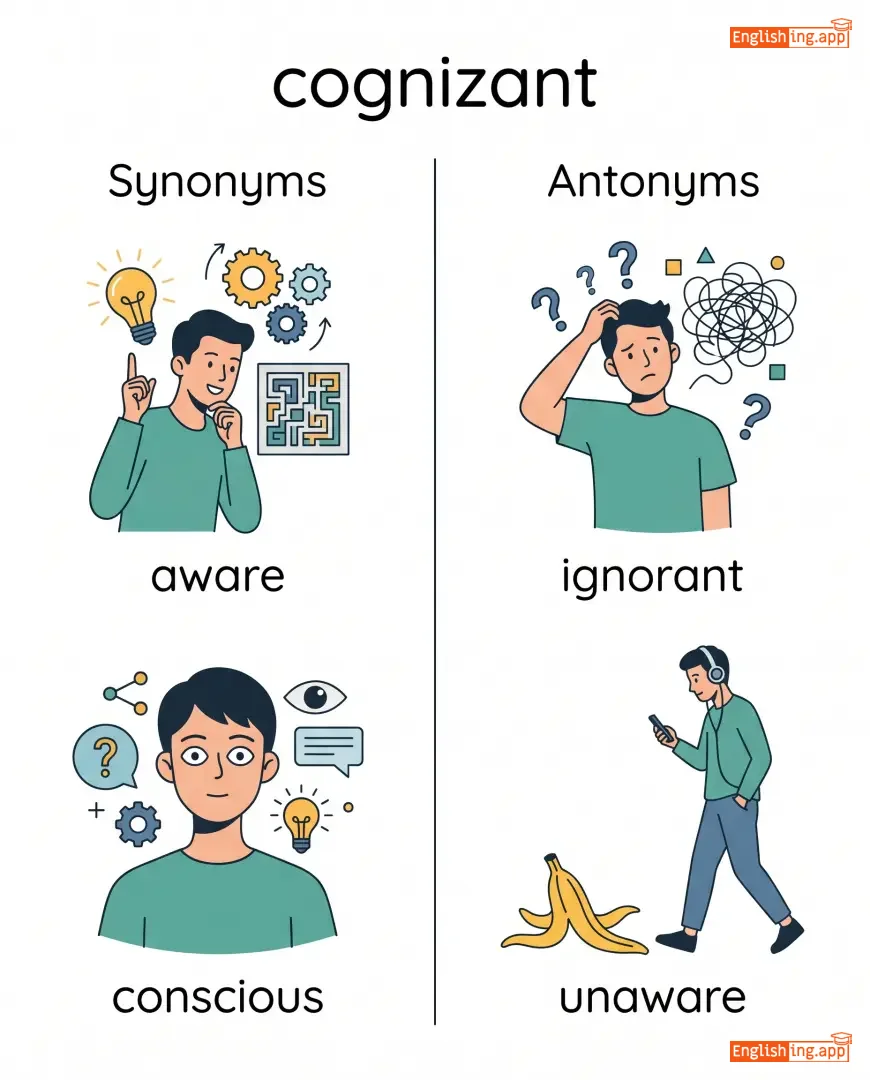
時間を juxtapose し、各ブロックを modulate すると、より cognizant になり、仕事の indispensable な側面に集中できます。
Time-blocking は私たちに recalibrate することを教え、長期的にはより多くの yield をもたらします。
|
絵文字
|
単語 | Images | 意味 | 例文 | 同義語 | 対義語 |
|---|---|---|---|---|---|---|
|
#2134
📅
|
/taɪm ˈblɒkɪŋ/
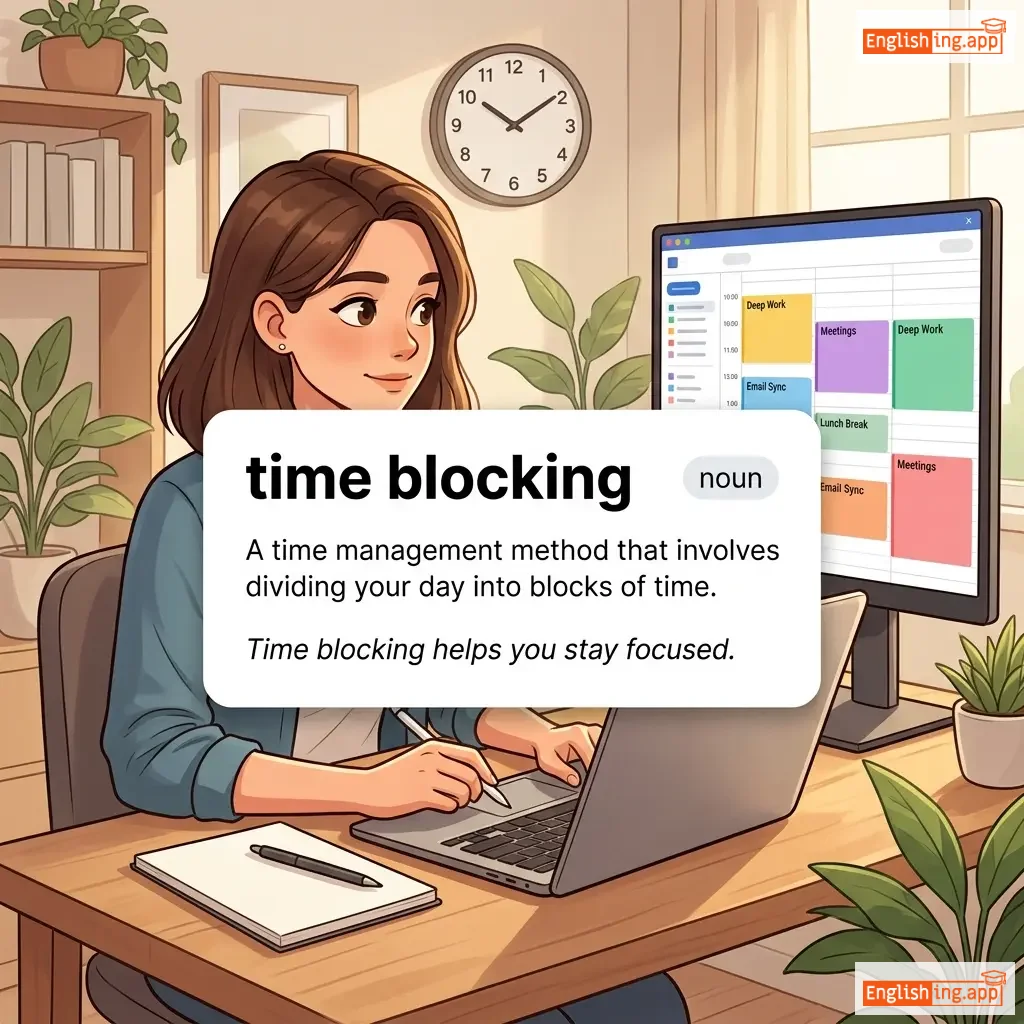
noun
••••••
|
|
A scheduling technique where specific time periods are allocated for different tasks or activities to improve productivity and focus.
••••••
|
Using time-blocking helped him finish tasks efficiently. |
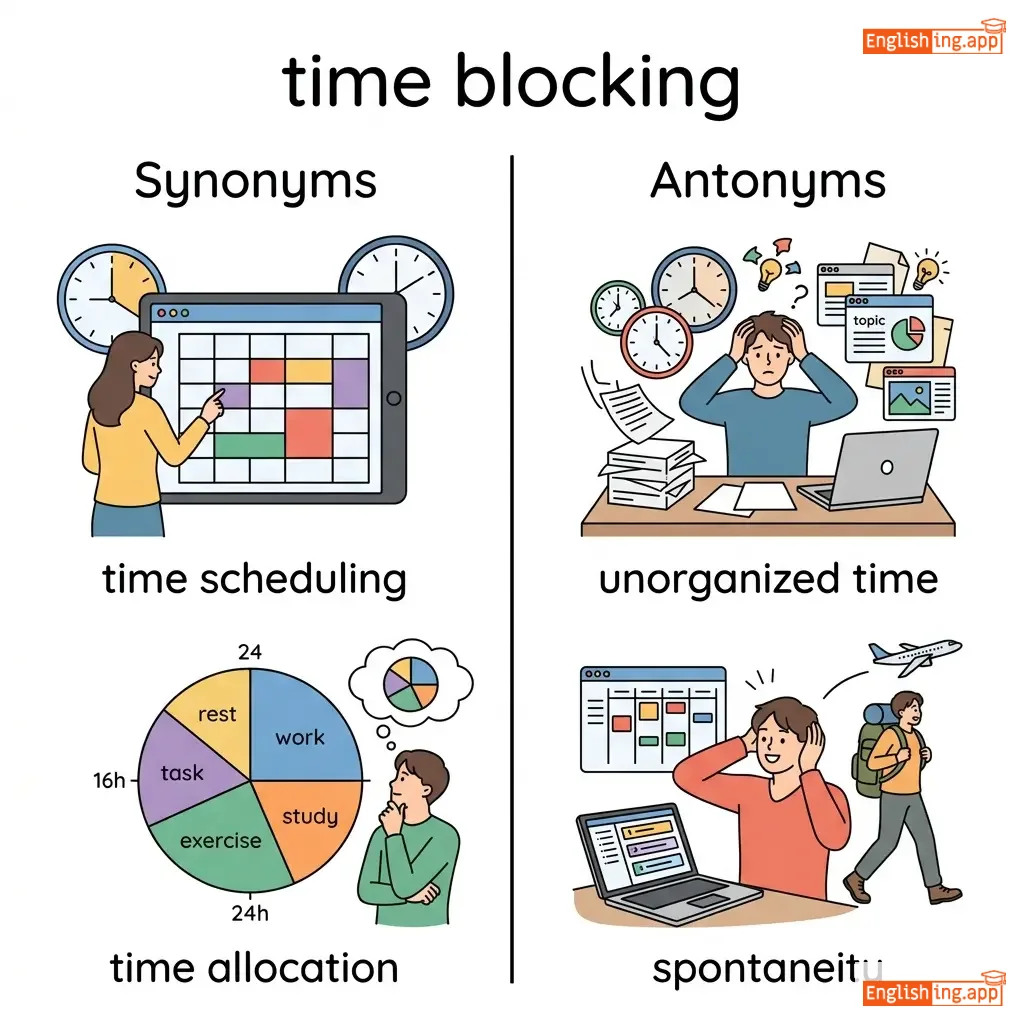
scheduling, time management, planning, organizing
••••••
|
disorganization, chaos, randomness, spontaneity
••••••
|
|
#2135
⚡
|
/ɪˈfɪʃ.ən.si/
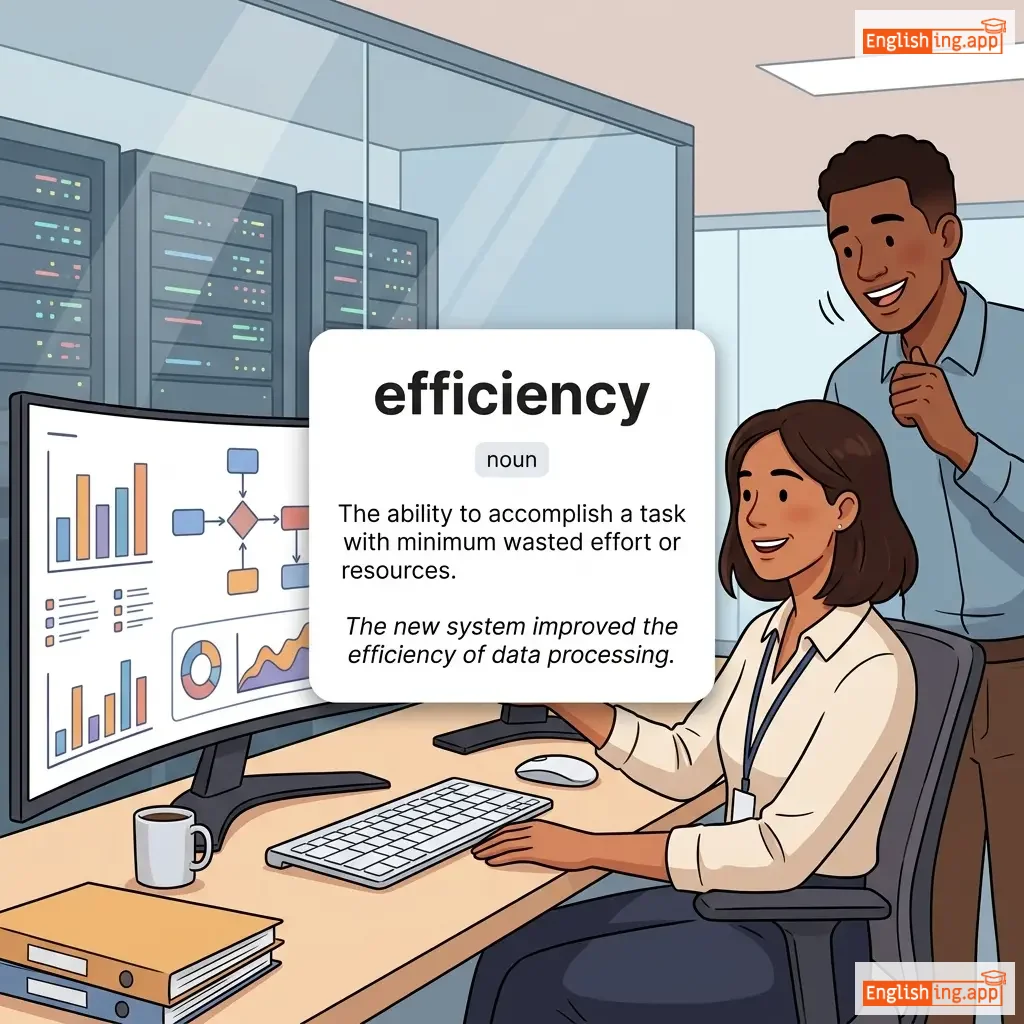
noun
••••••
|
|
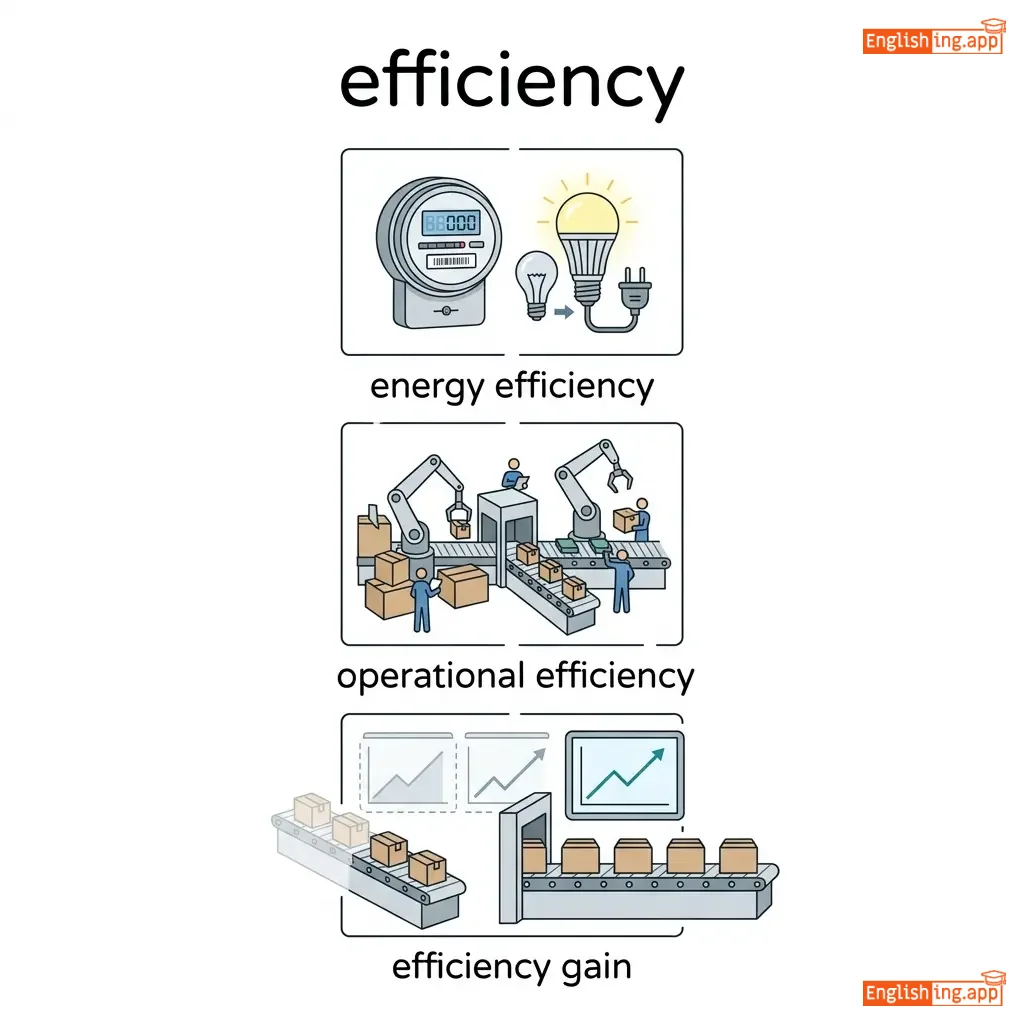
The ability to accomplish a job with a minimum expenditure of time and effort; competency in performance.
••••••
|
The new system improved the company's efficiency. |
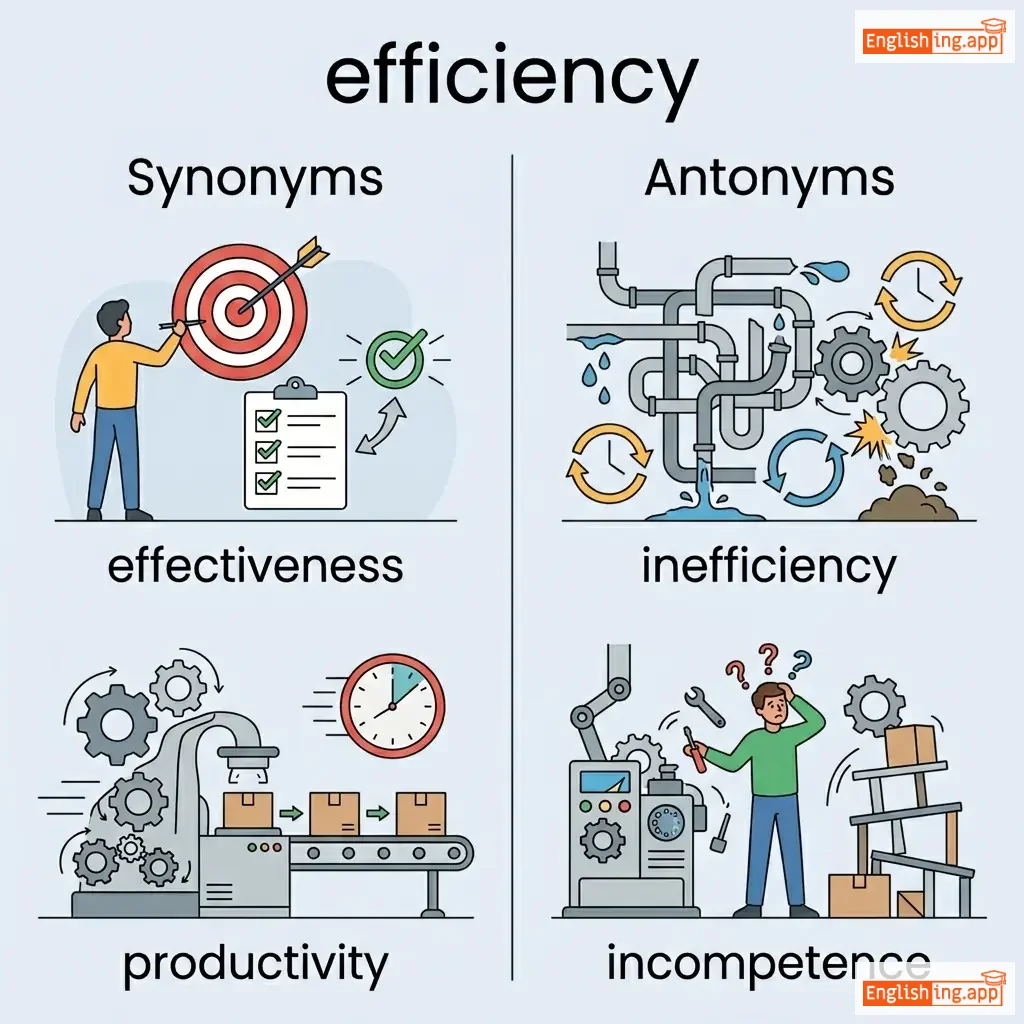
productivity, effectiveness, competency, proficiency
••••••
|
inefficiency, wastefulness, incompetence, sluggishness
••••••
|
|
#2136
📊
|
/əˈlɒt.mənt/
noun
••••••
|
|
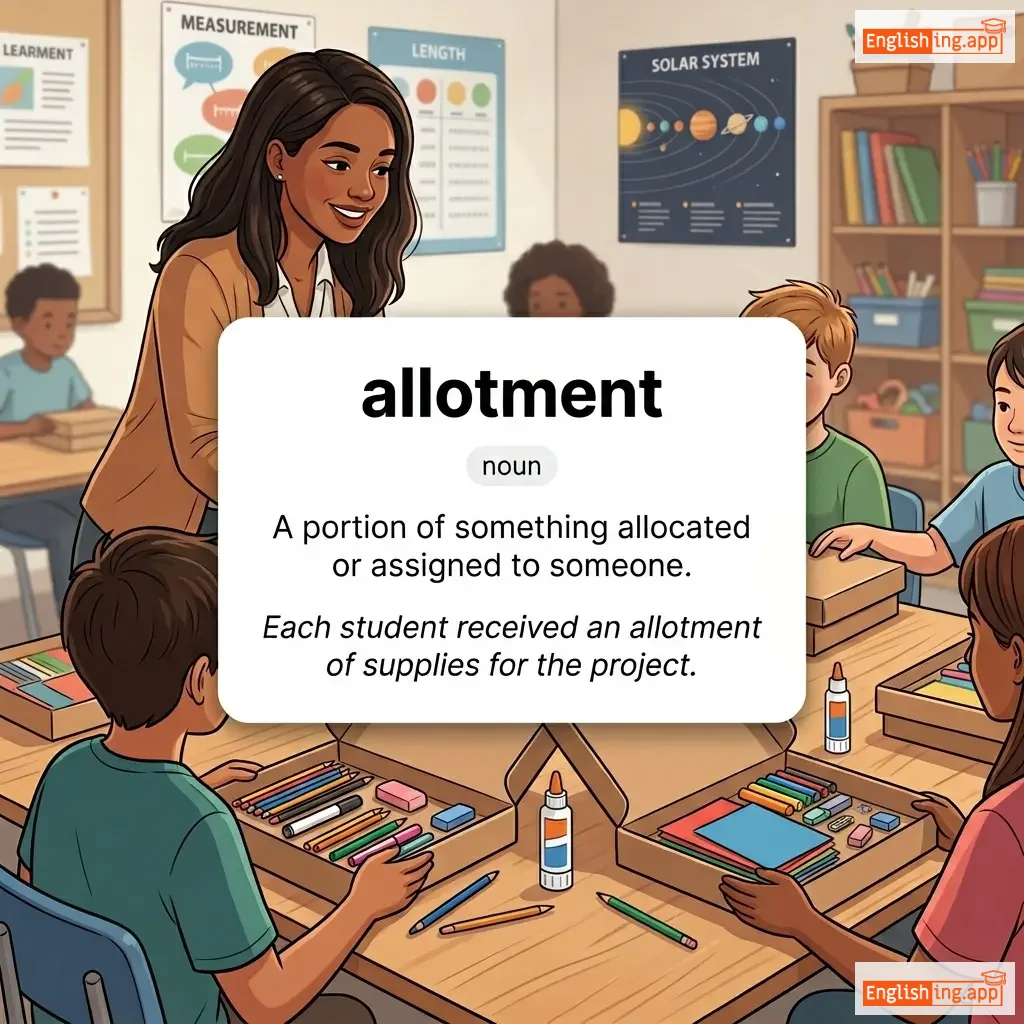
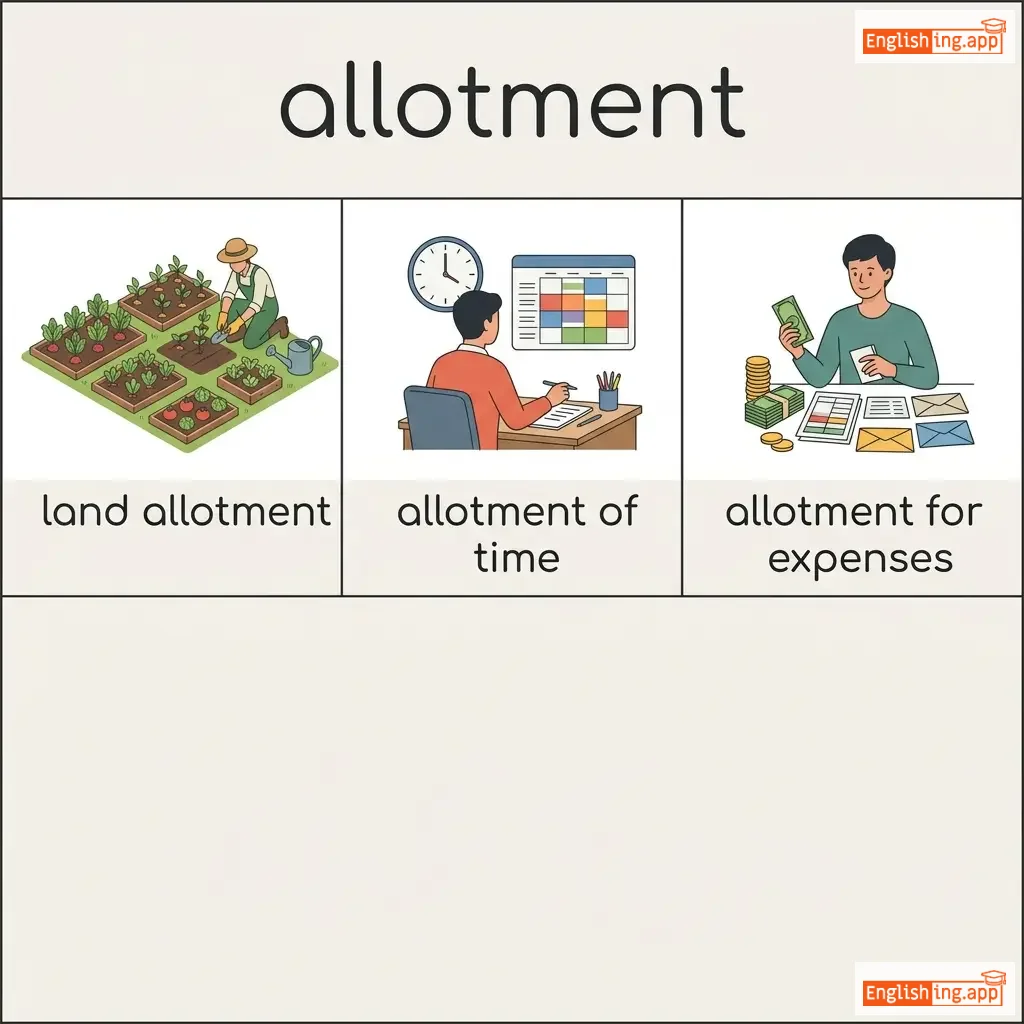
The distribution or allocation of something, especially resources or portions.
••••••
|
Each department received an allotment of resources. |
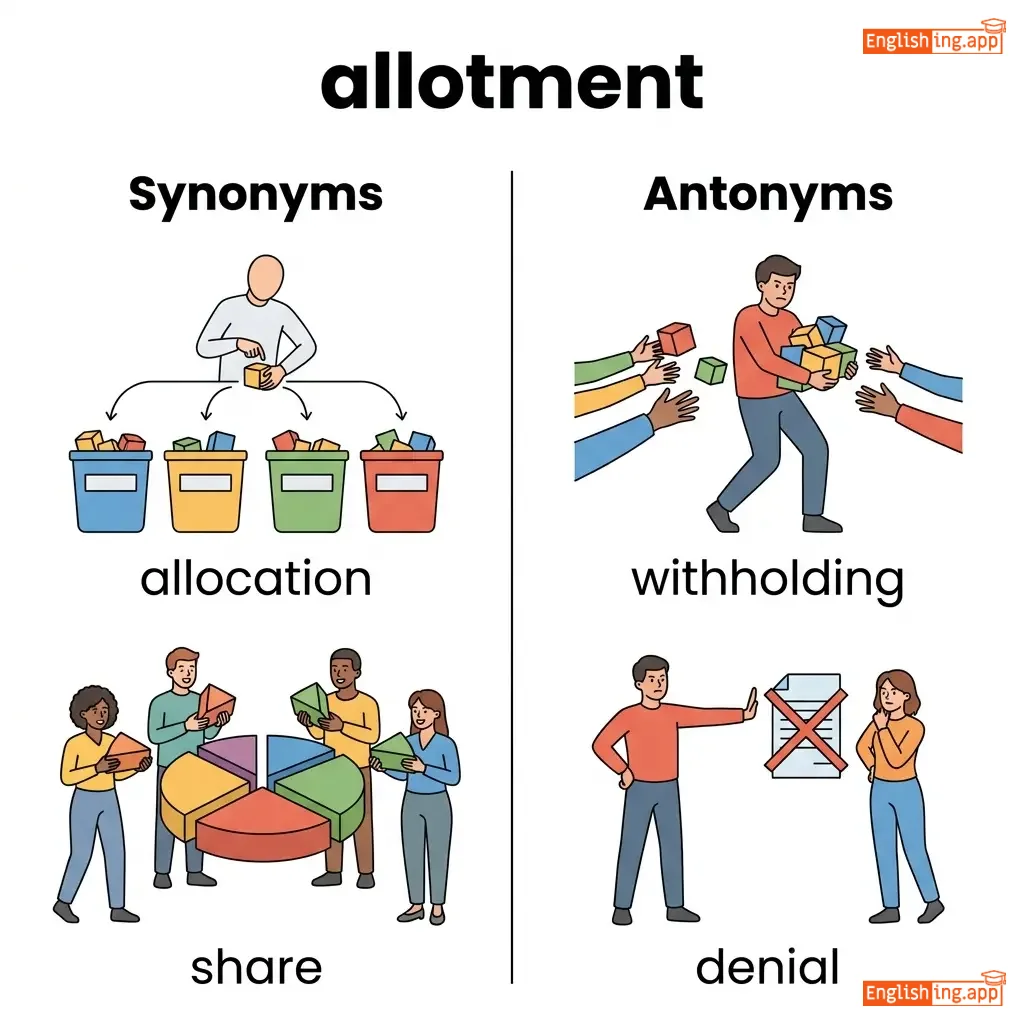
allocation, distribution, assignment, portion
••••••
|
withholding, misallocation, hoarding, retention
••••••
|
|
#2137
🧩
|
/ˌfræɡ.mən ˈteɪ.ʃən/
noun
••••••
|
|
The process or state of breaking or being broken into fragments; division into parts.
••••••
|
The fragmentation of data slowed down the process. |
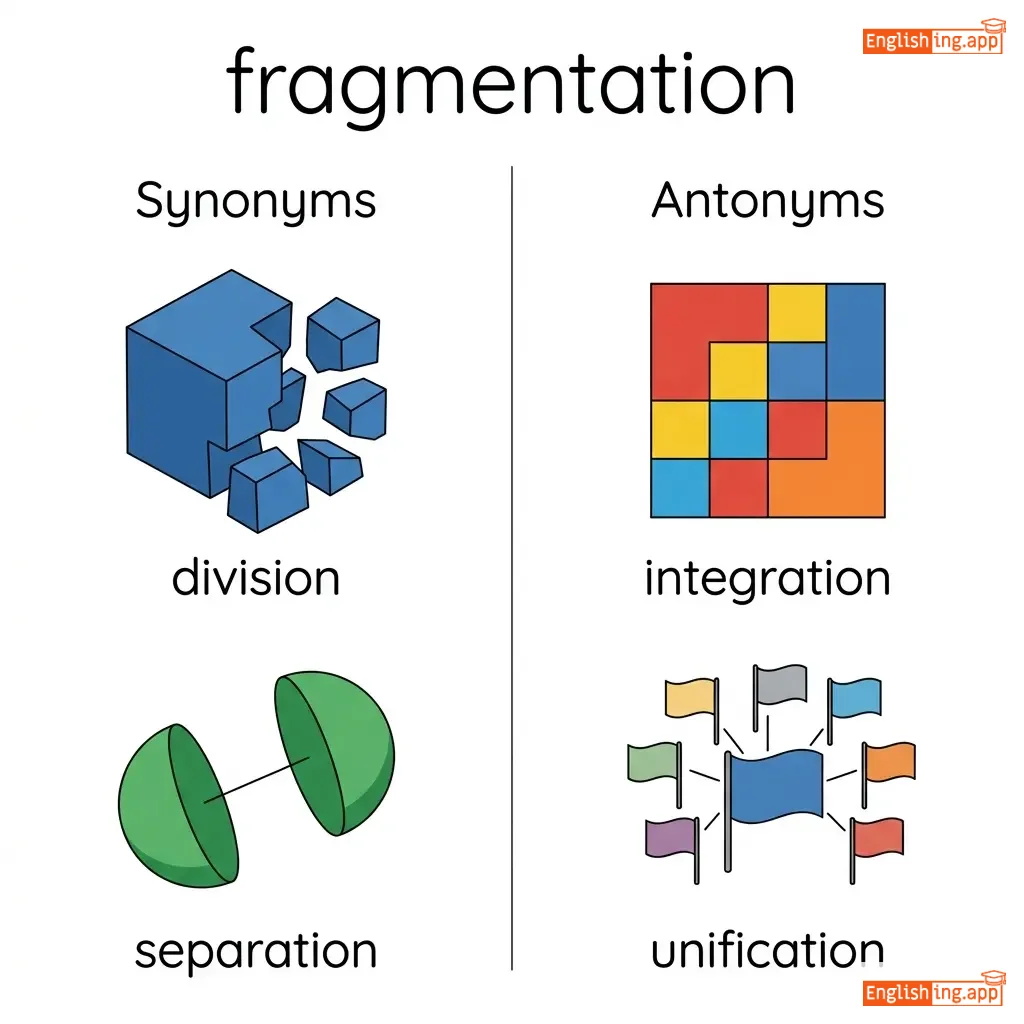
division, disintegration, separation, splitting
••••••
|
unity, cohesion, integration, wholeness
••••••
|
|
#2138
🎯
|
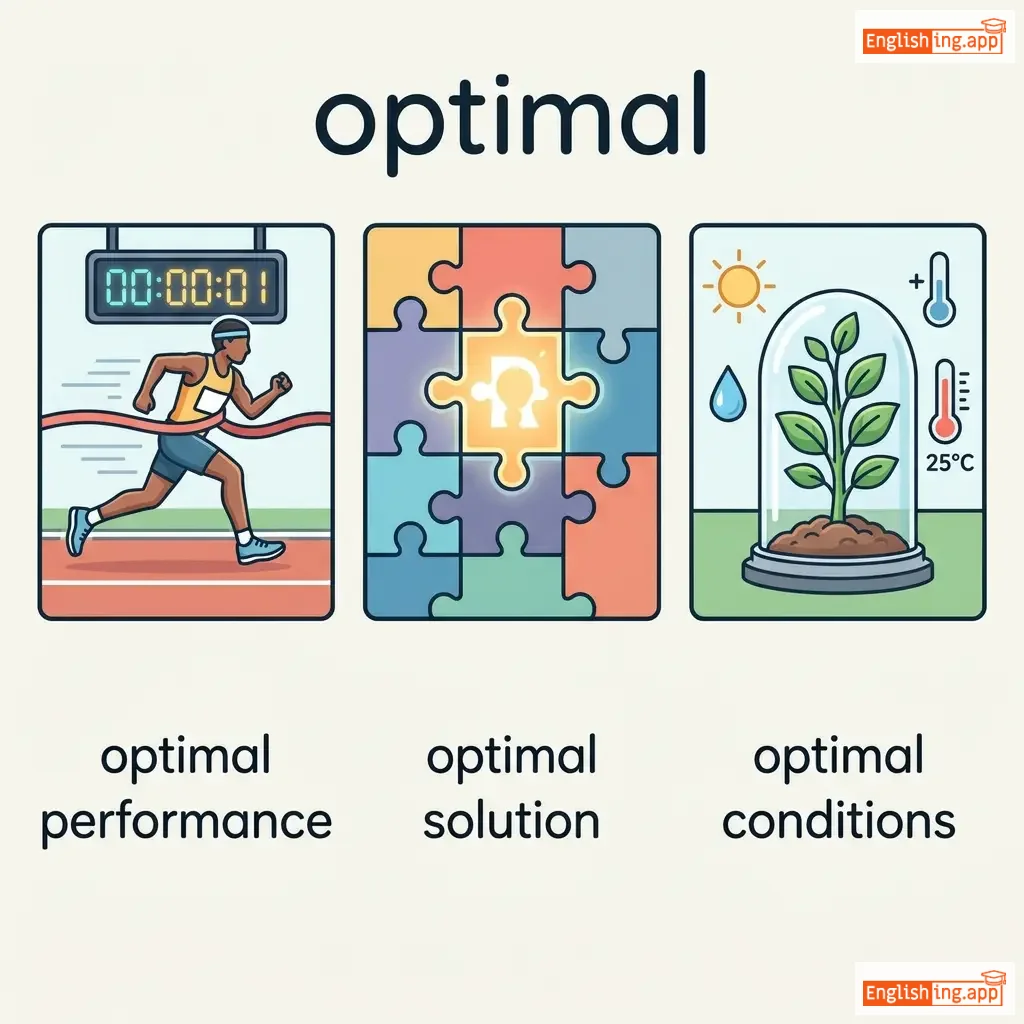
/ˈɒp.tɪ.məl/
adjective
••••••
|
|
Best or most favorable; optimum; most effective under particular conditions.
••••••
|
The design ensures optimal energy efficiency. |
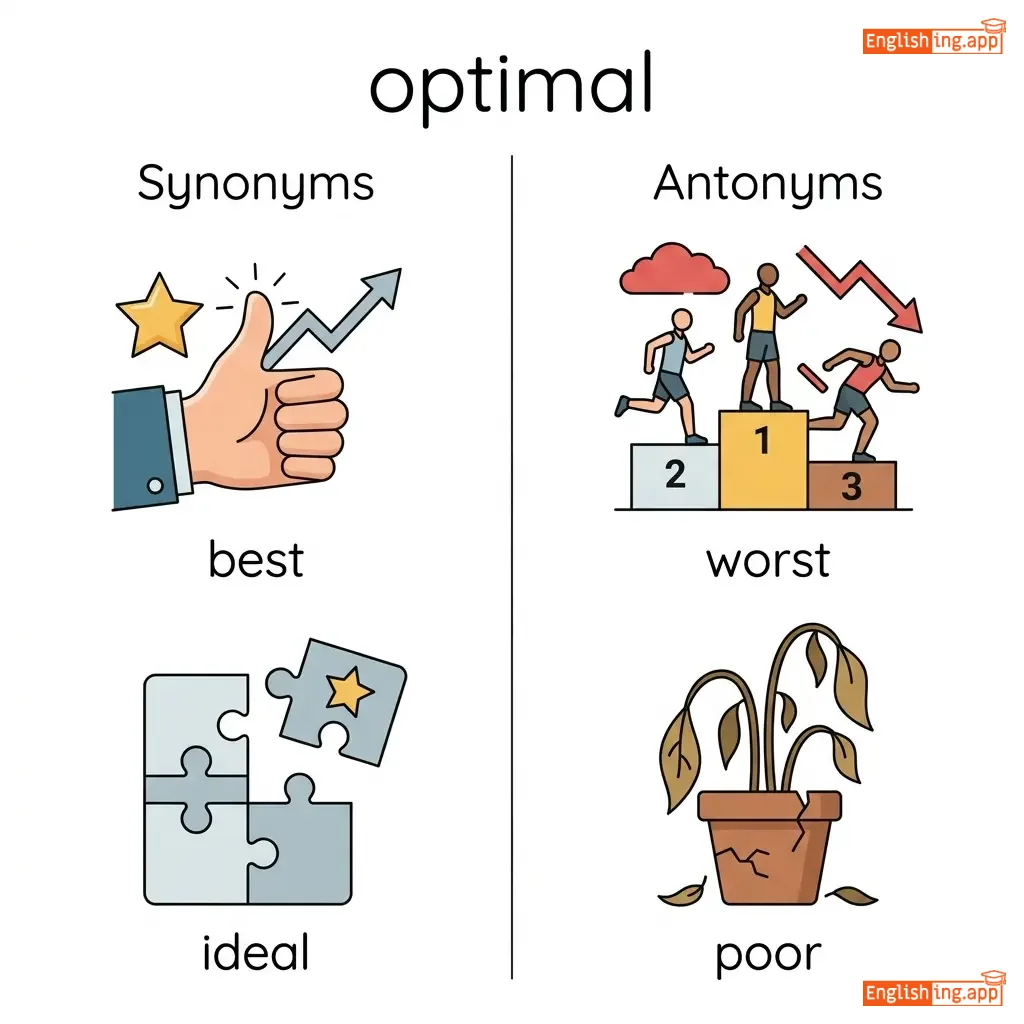
ideal, best, perfect, maximum
••••••
|
suboptimal, inefficient, poor, inadequate
••••••
|
|
#2139
🔄
|
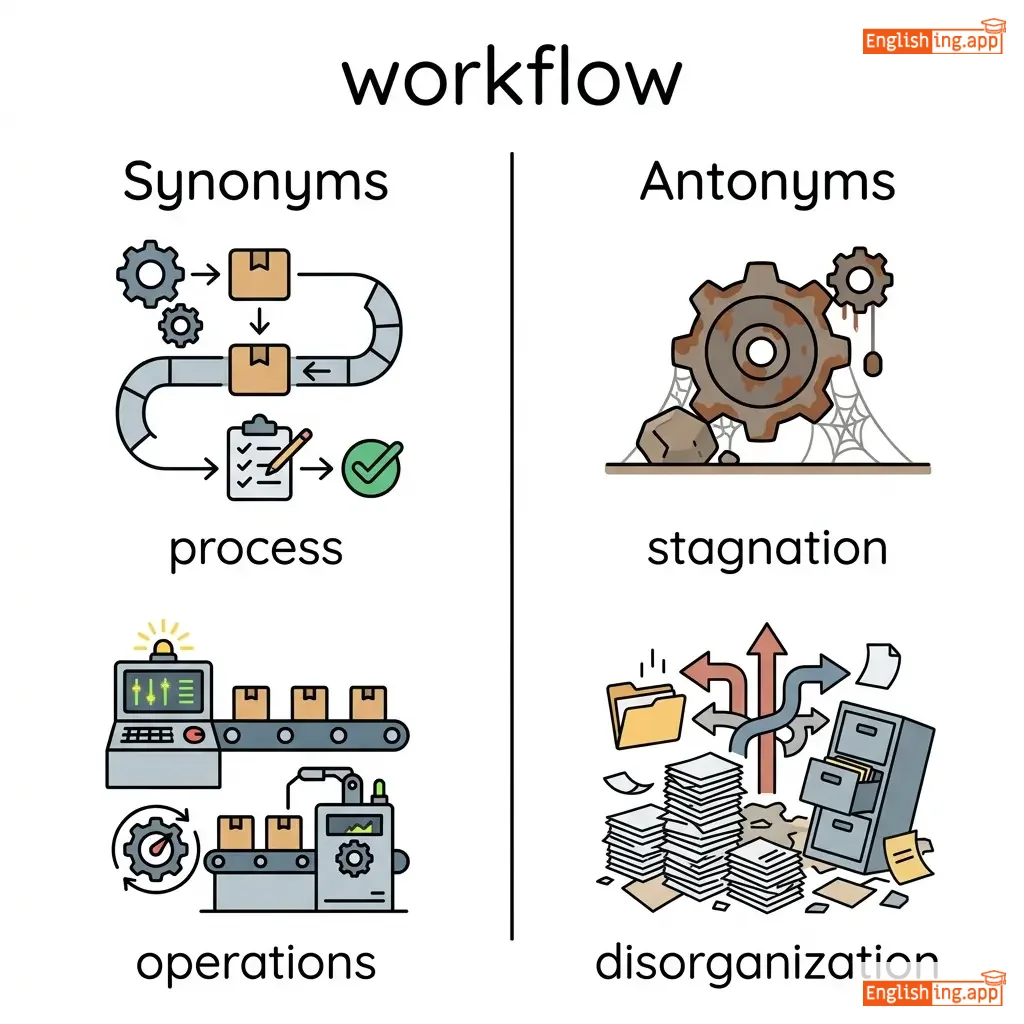
/ˈwɜːk.fləʊ/
noun
••••••
|

|
The sequence of processes through which a piece of work passes from initiation to completion.
••••••
|
A well-structured workflow enhances productivity. |
process, operations, procedure, system
••••••
|
stagnation, disorganization, chaos, disorder
••••••
|
|
#2140
⏰
|
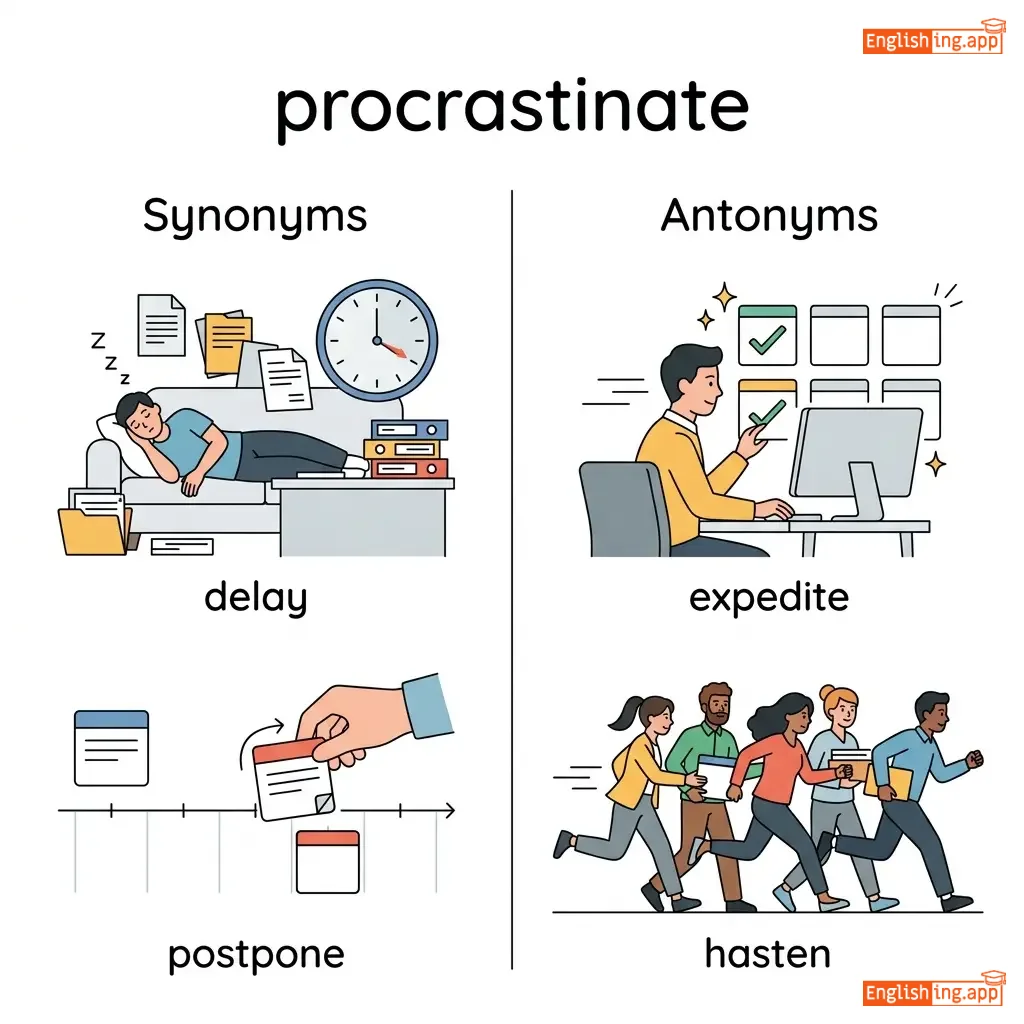
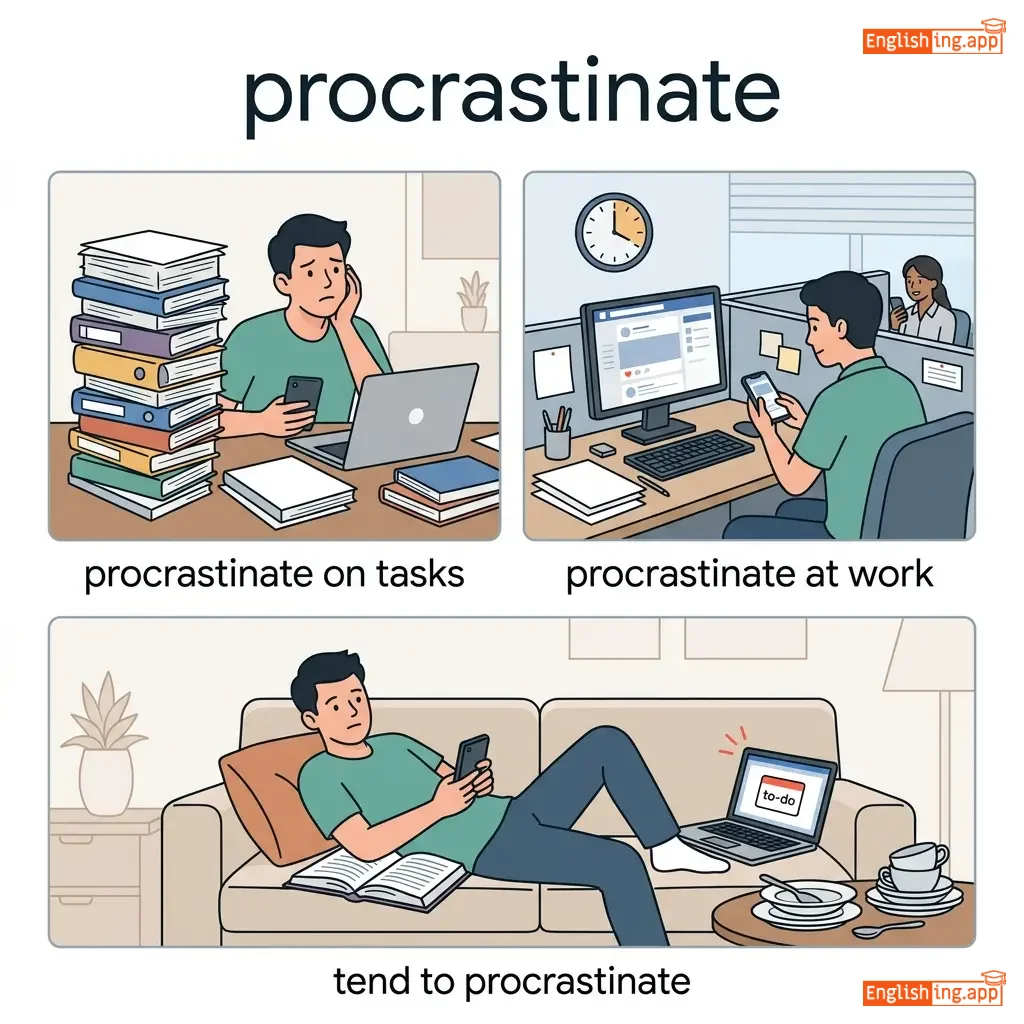
/prəˈkræs.tɪ.neɪt/
verb
••••••
|

|
To delay or postpone action; to put off doing something, especially out of habitual carelessness or laziness.
••••••
|
He tends to procrastinate when facing difficult tasks. |
delay, postpone, defer, stall
••••••
|
expedite, complete, hasten, rush
••••••
|
|
#2141
✏️
|
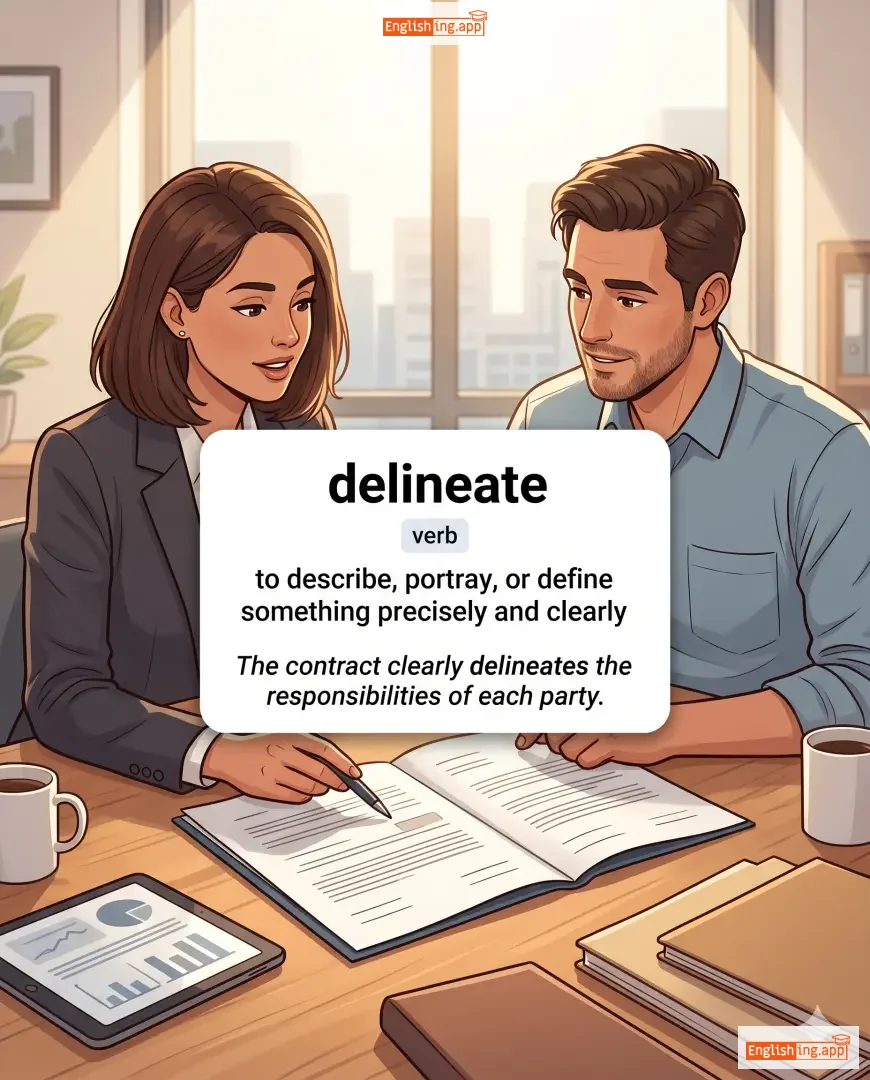
/dɪˈlɪn.i.eɪt/
verb
••••••
|
|
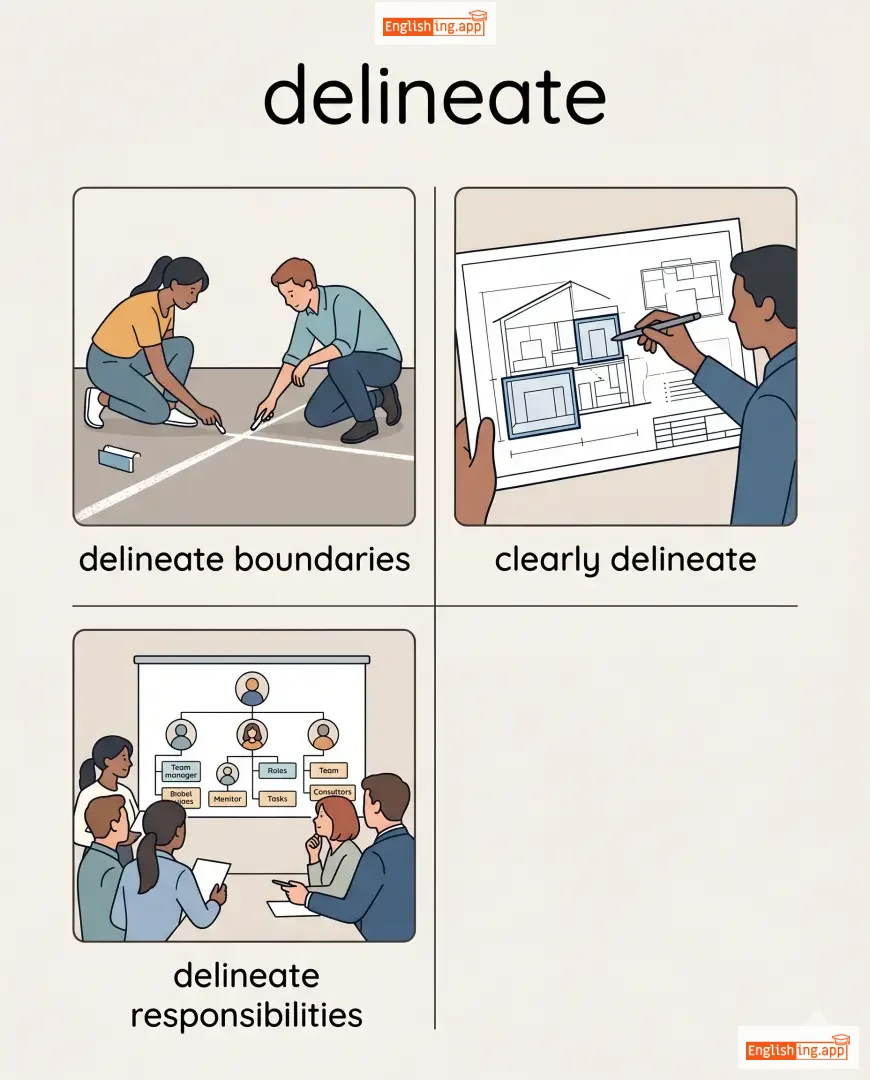
To describe or portray something precisely; to indicate the exact position of a border or boundary.
••••••
|
The report delineates the responsibilities of each role. |
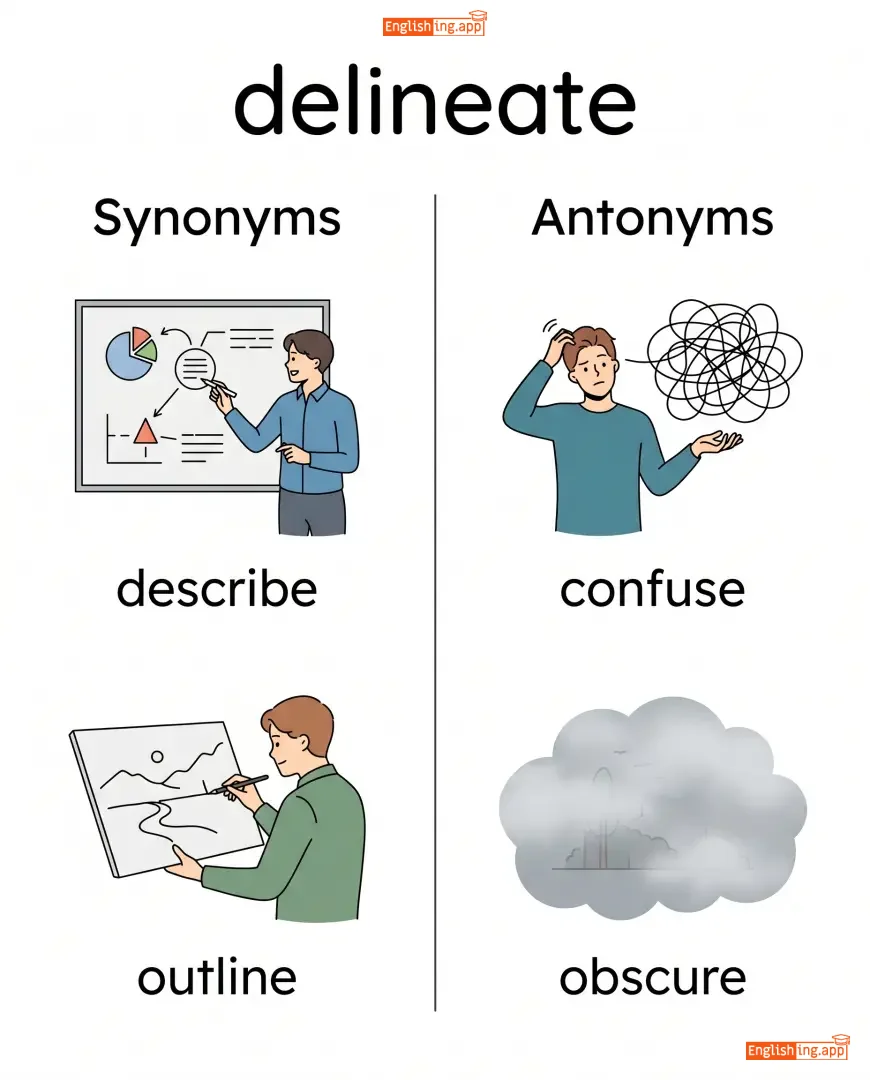
define, outline, describe, specify
••••••
|
confuse, obscure, blur, muddle
••••••
|
|
#2142
🚀
|
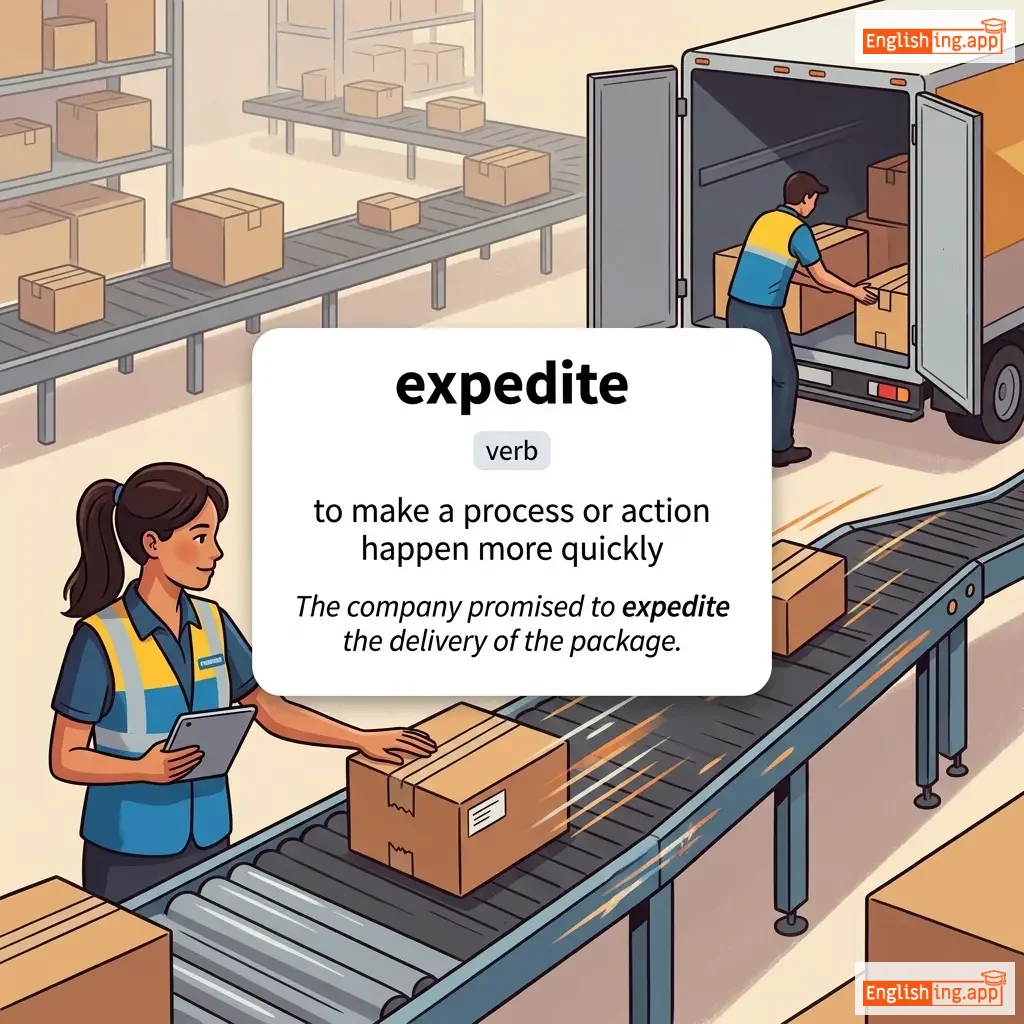
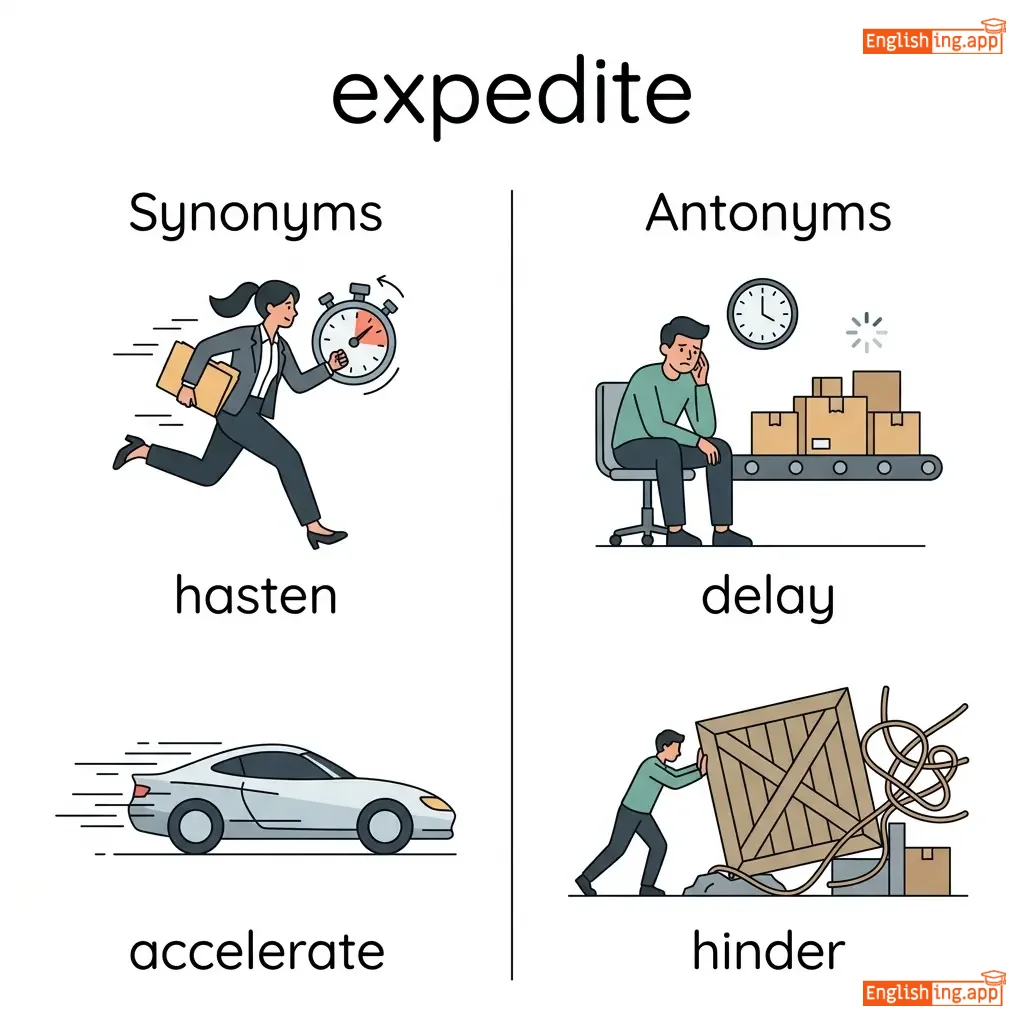
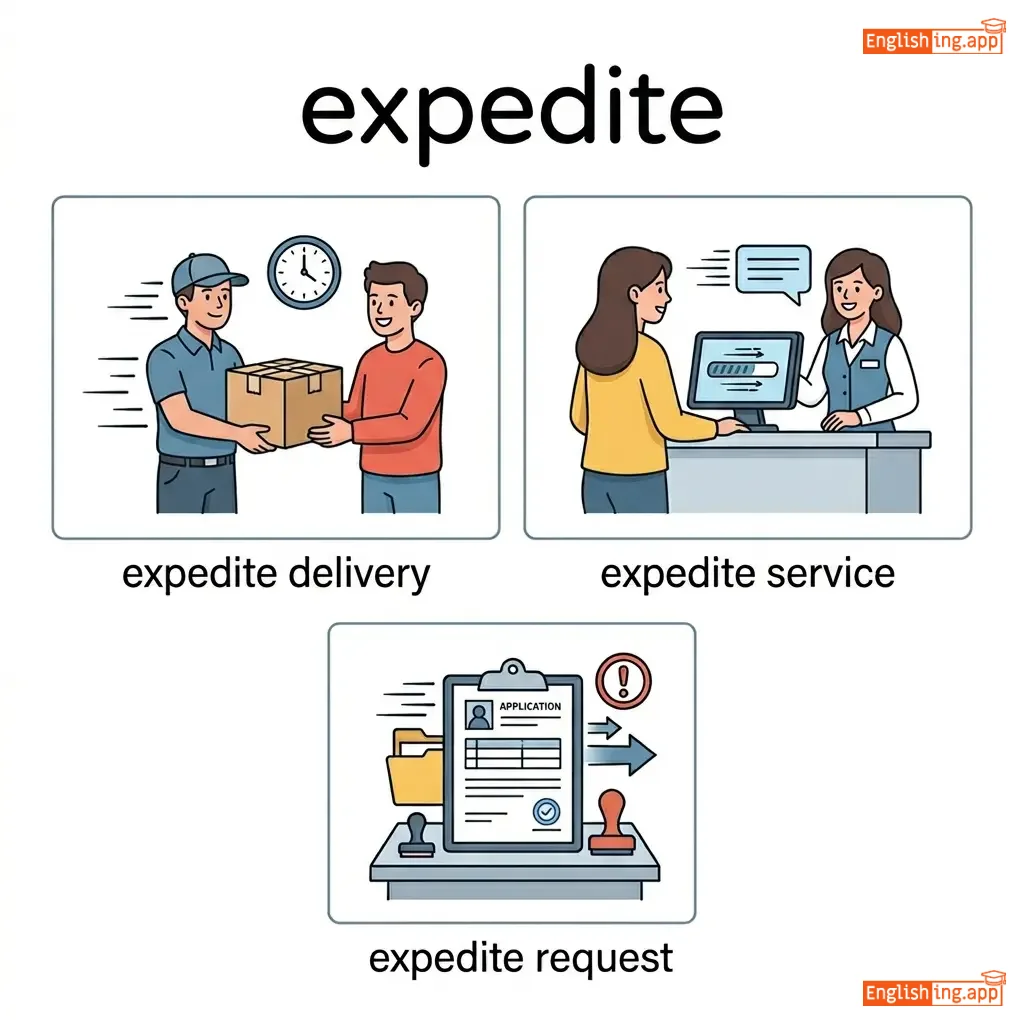
/ˈek.spə.daɪt/
verb
••••••
|
|
To make an action or process happen sooner or be accomplished more quickly.
••••••
|
The manager decided to expedite the approval process. |
accelerate, hasten, speed up, quicken
••••••
|
delay, hinder, slow down, obstruct
••••••
|
|
#2143
🤔
|
/ˈsɜː.kəm.spekt/
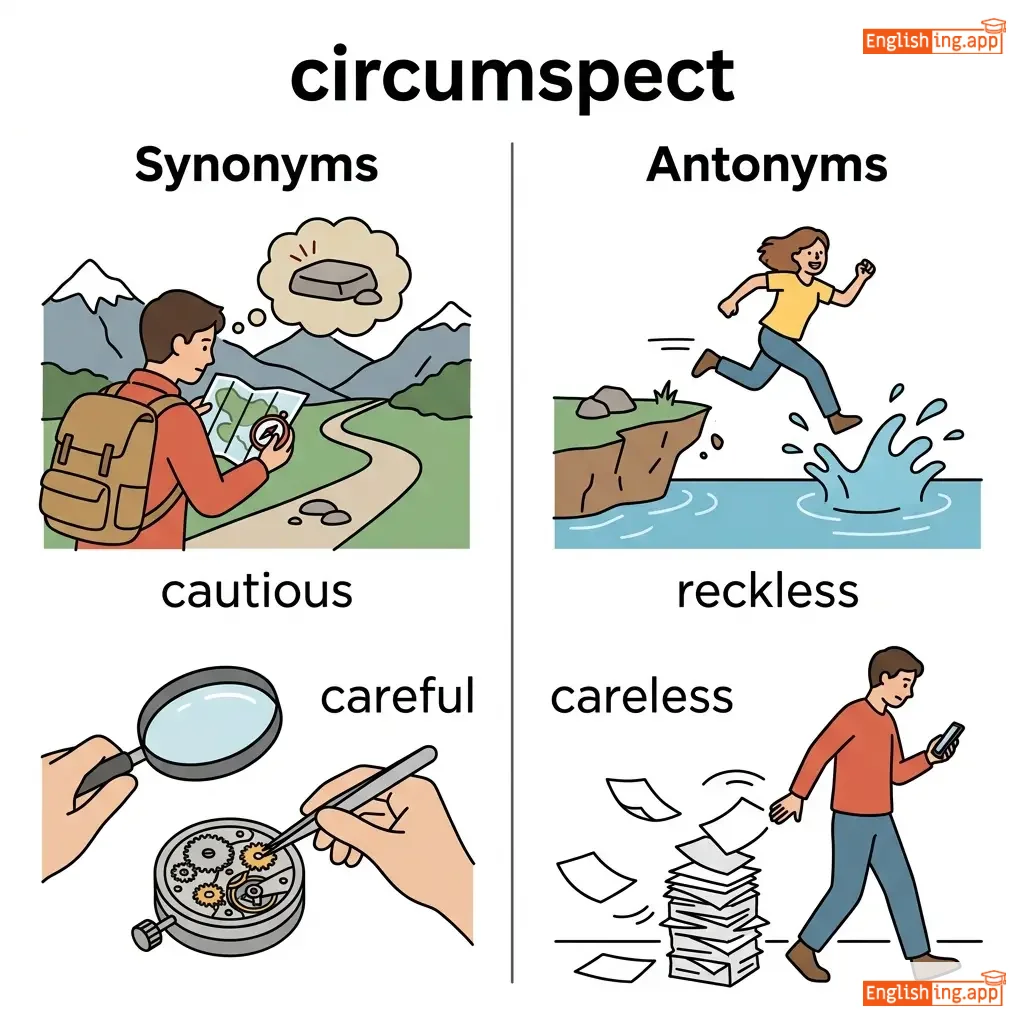
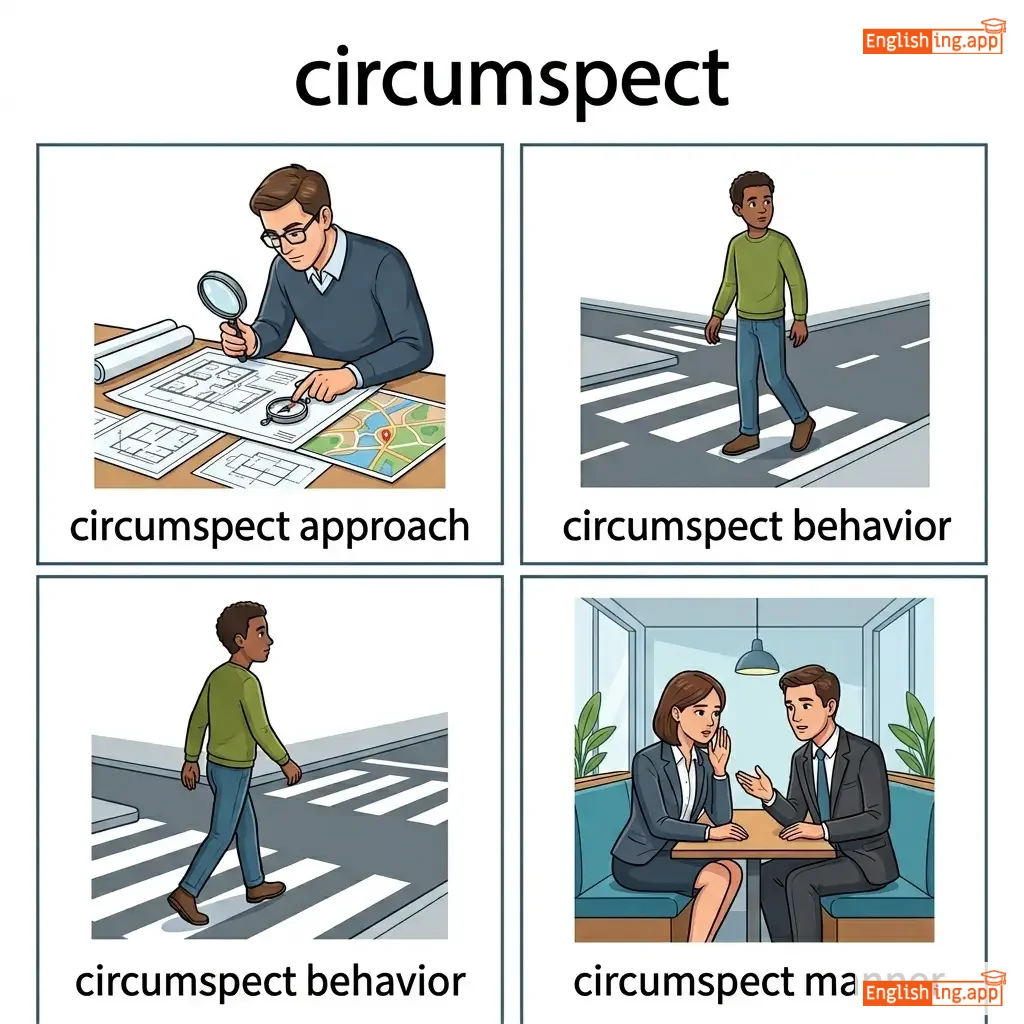
adjective
••••••
|

|
Wary and unwilling to take risks; careful to consider all circumstances and possible consequences.
••••••
|
Investors must be circumspect before making decisions. |
cautious, prudent, careful, wary
••••••
|
reckless, careless, hasty, imprudent
••••••
|
|
#2144
🔍
|
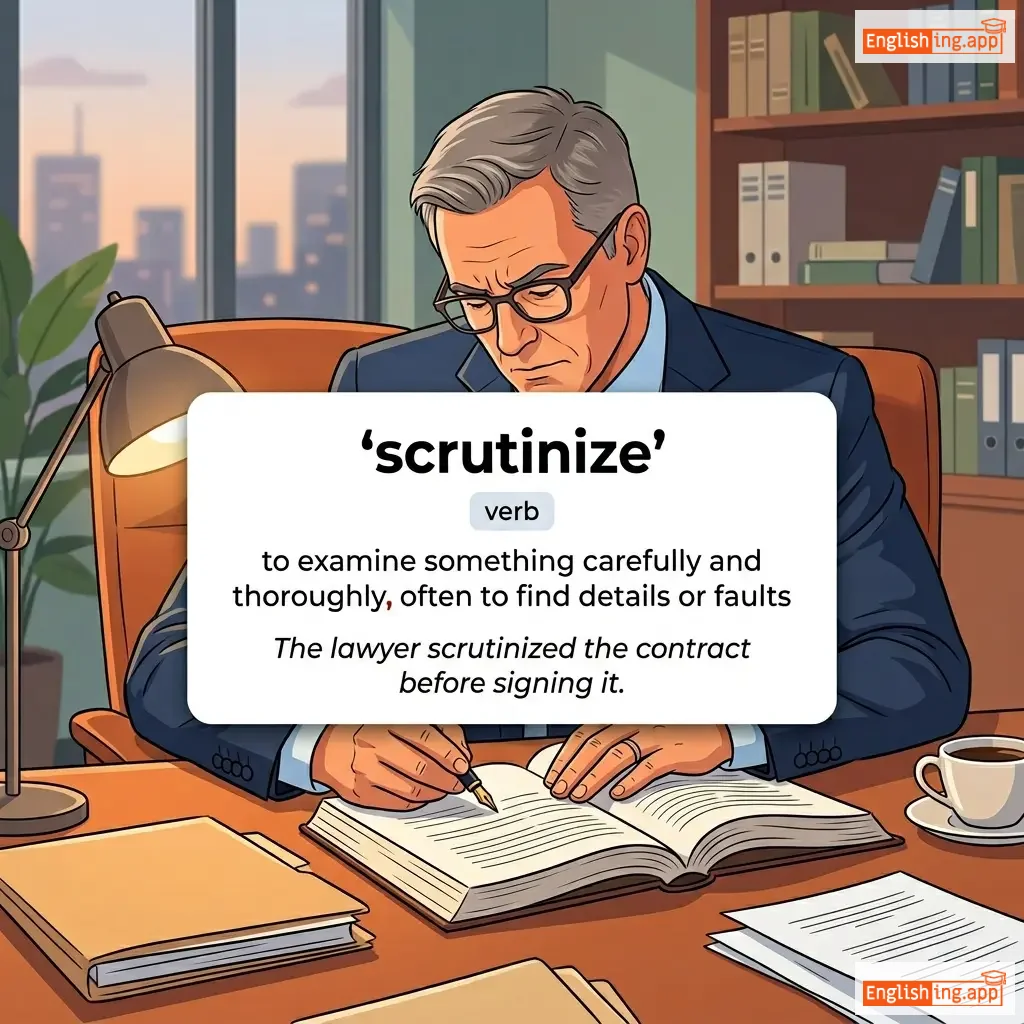
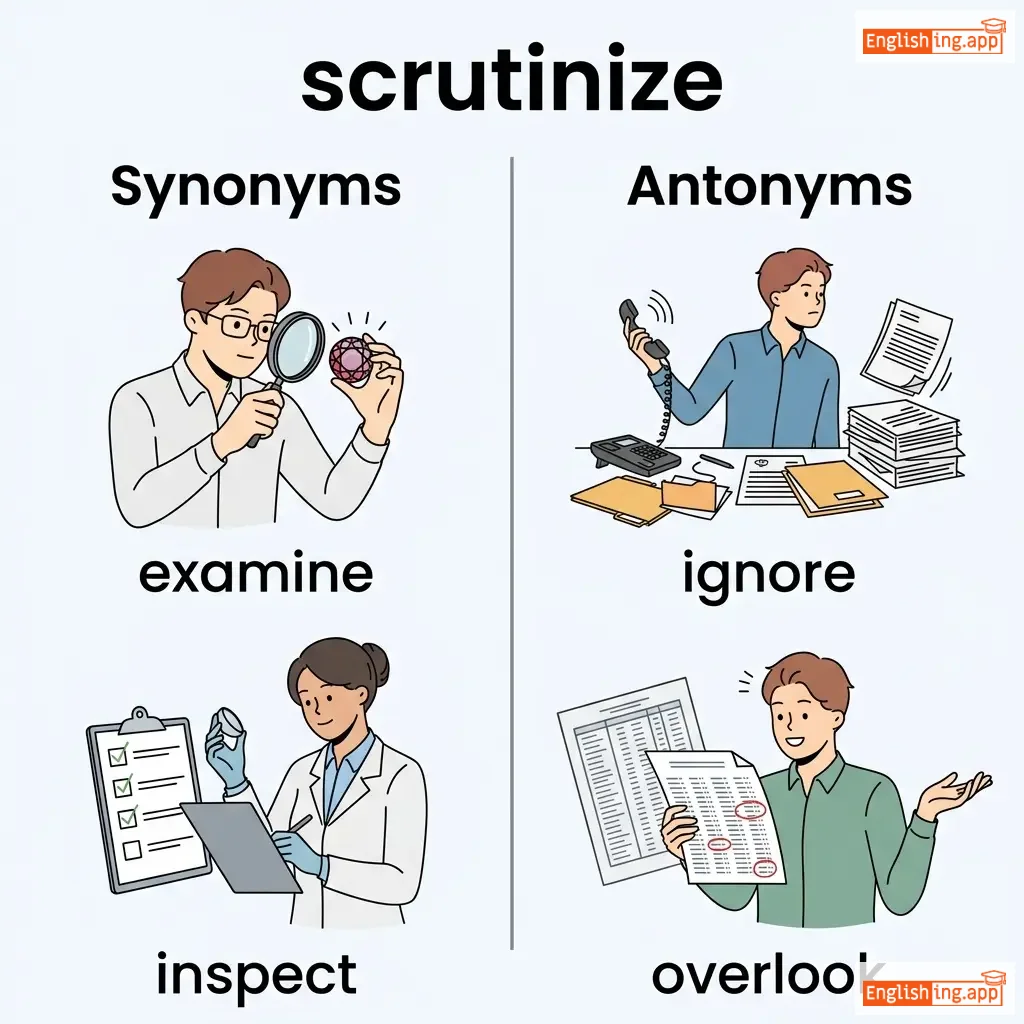
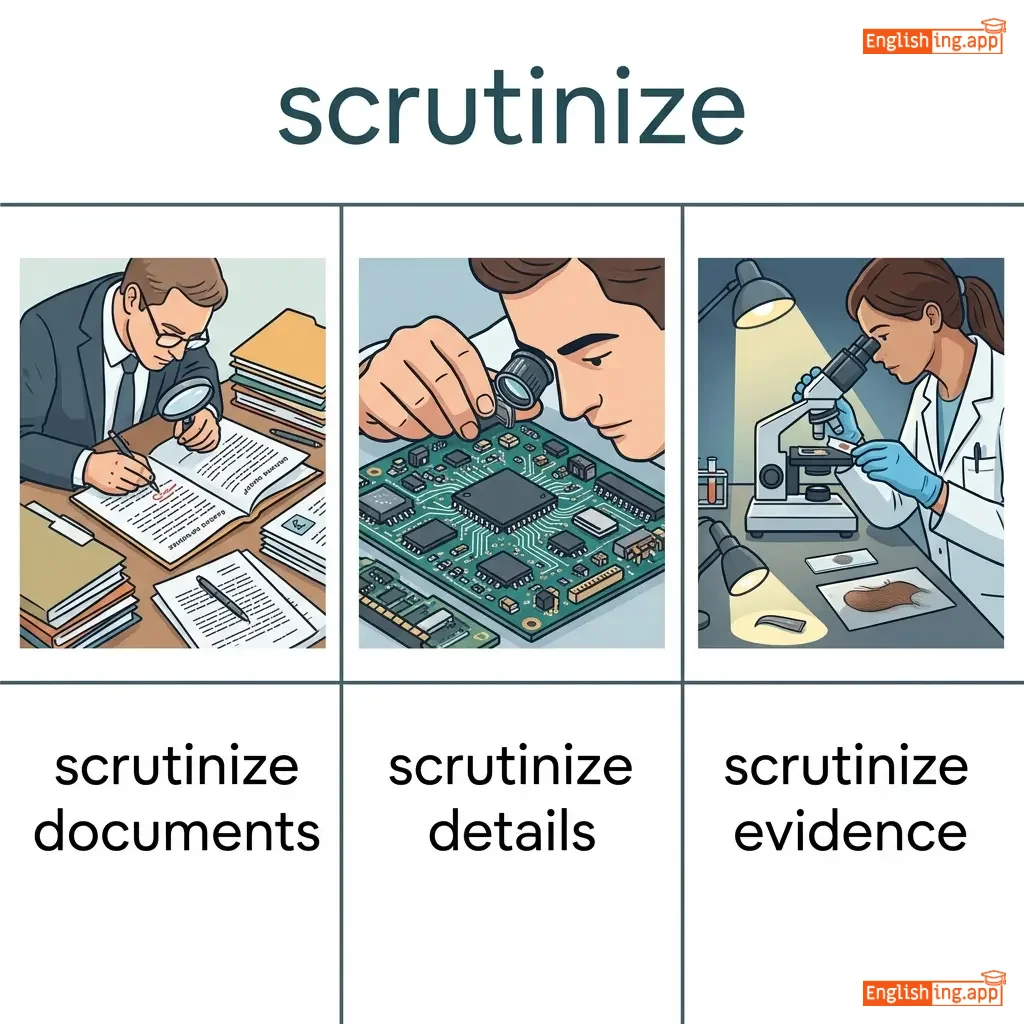
/ˈskruː.tɪ.naɪz/
verb
••••••
|
|
To examine or inspect closely and thoroughly; to look at critically or searchingly.
••••••
|
The scientist scrutinized the research data for errors. |
examine, inspect, analyze, study
••••••
|
overlook, ignore, neglect, skim
••••••
|
|
#2145
📈
|
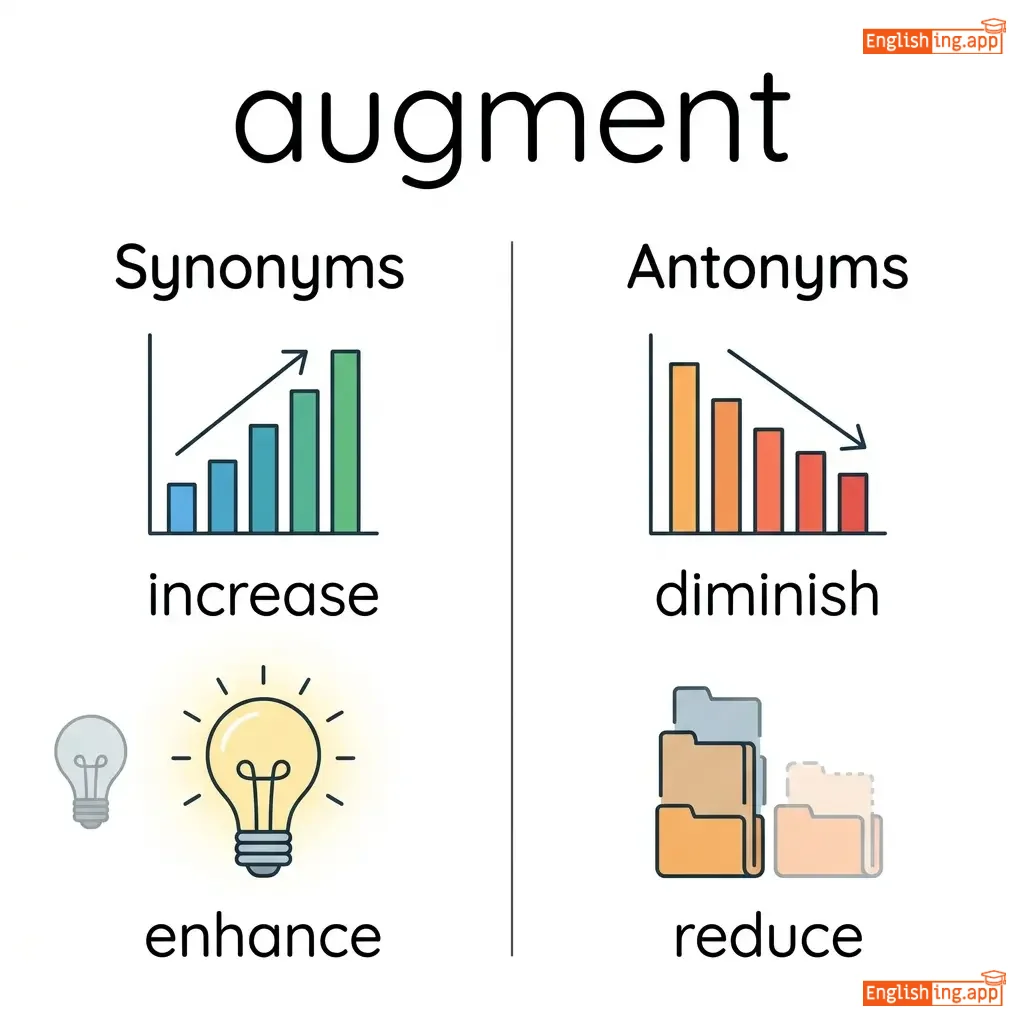
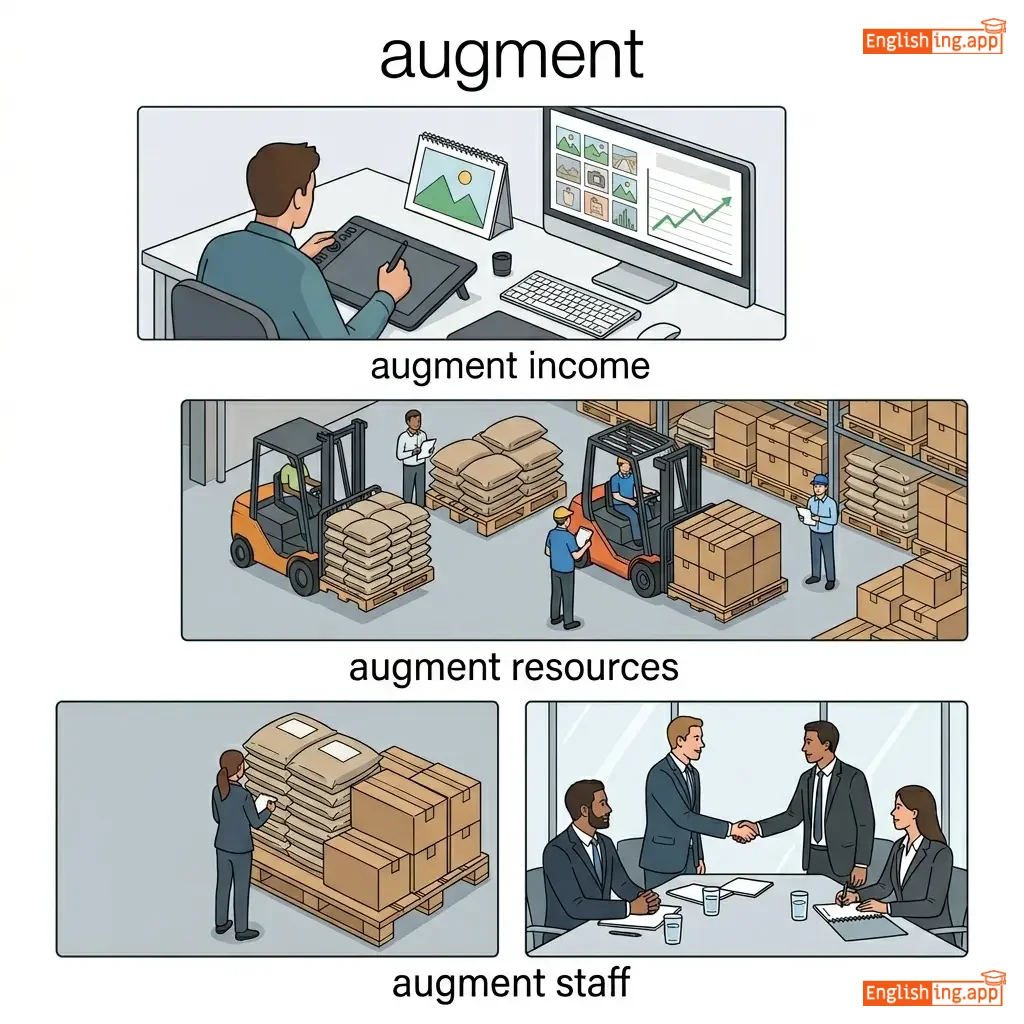
/ɔːɡˈment/
verb
••••••
|

|
To make something greater by adding to it; to increase or enhance in size, amount, or degree.
••••••
|
The new technology augments the efficiency of production. |
enhance, amplify, increase, boost
••••••
|
reduce, diminish, decrease, lessen
••••••
|
|
#2146
💨
|
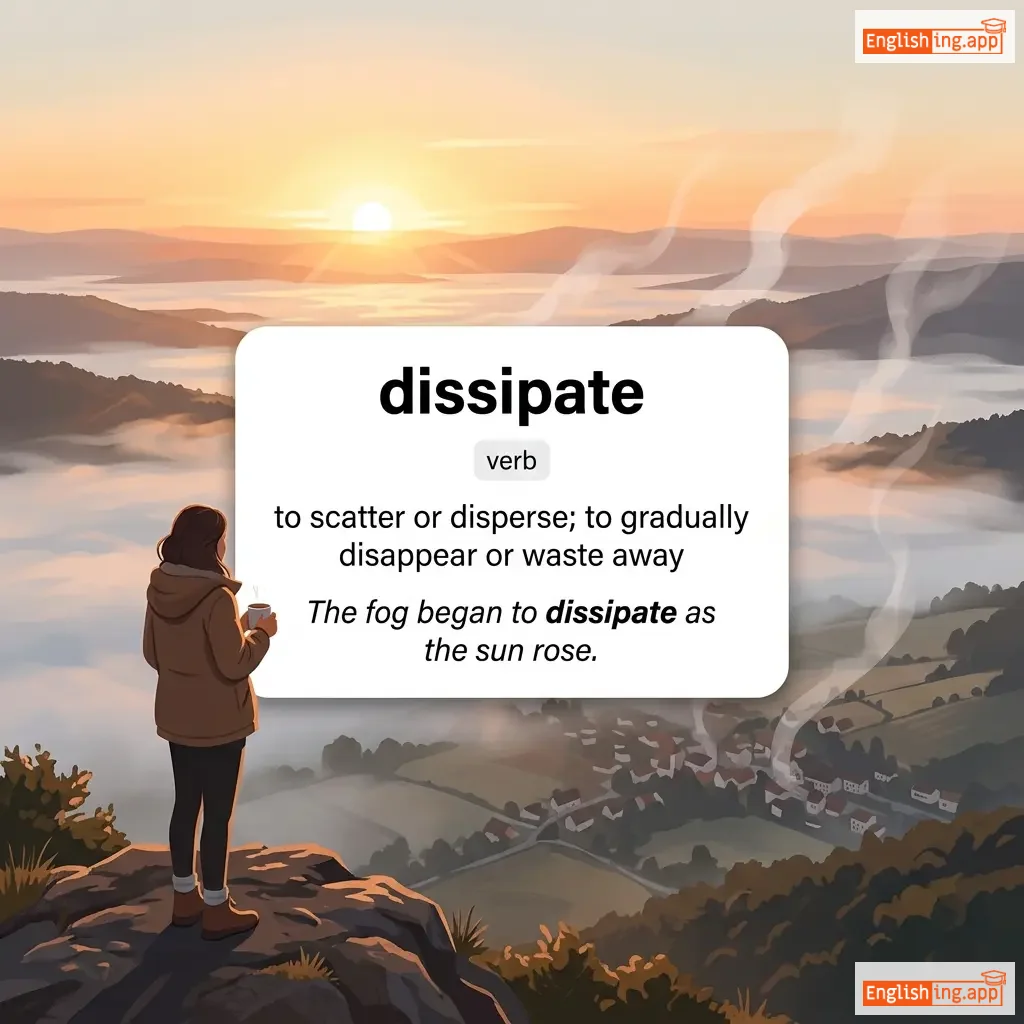
/ˈdɪs.ɪ.peɪt/
verb
••••••
|
|
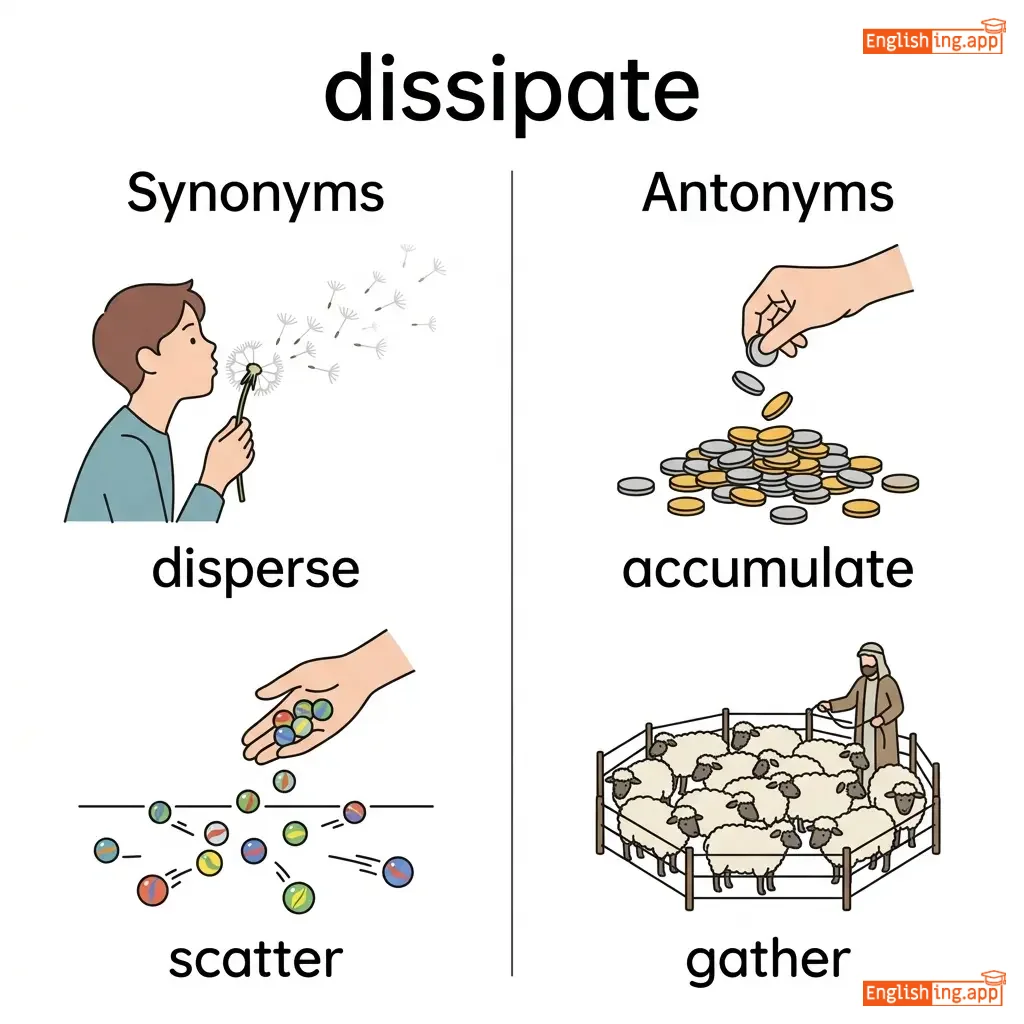
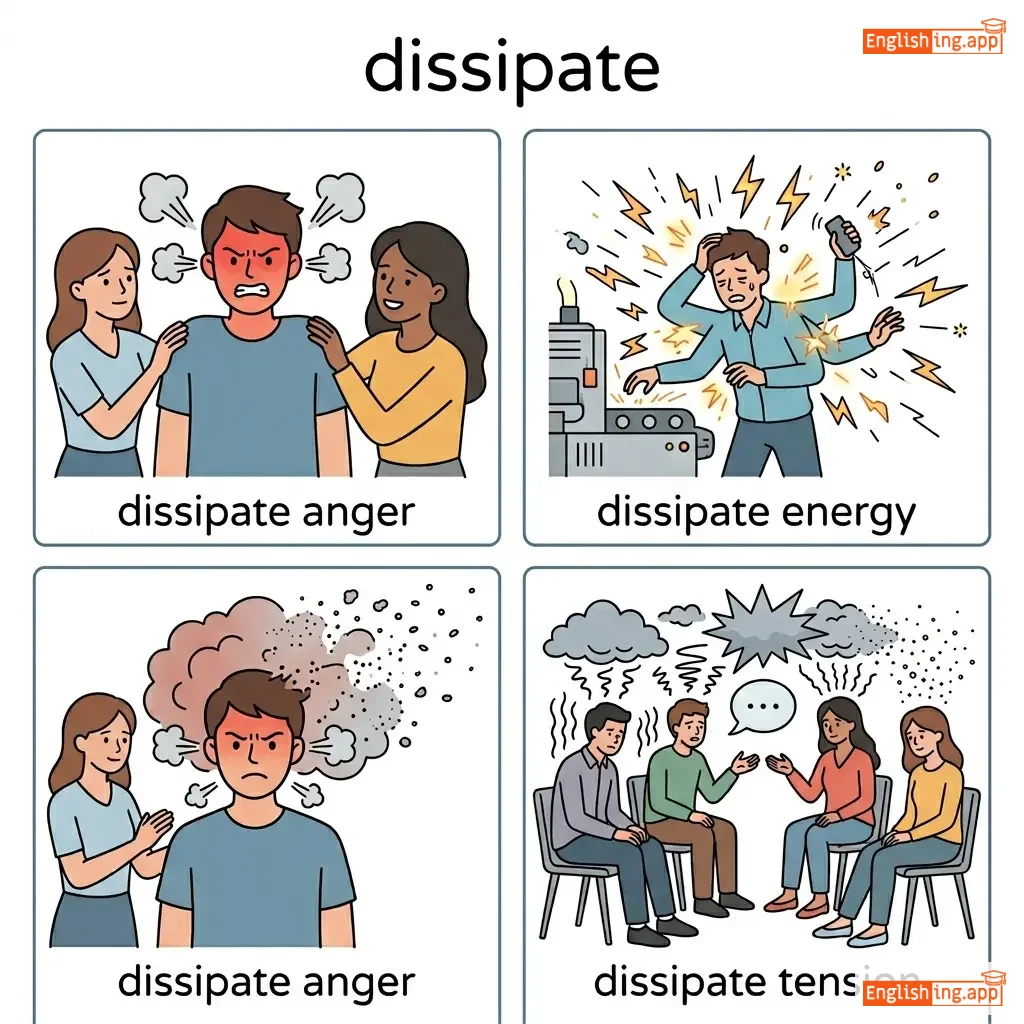
To disappear or cause to disappear gradually; to scatter or disperse; to waste or squander.
••••••
|
The morning fog dissipated as the sun rose. |
disperse, vanish, scatter, evaporate
••••••
|
accumulate, preserve, gather, collect
••••••
|
|
#2147
⚖️
|
/ˈdʒʌk.stə.pəʊz/
verb
••••••
|


|
To place or deal with things close together for contrasting effect; to compare by placing side by side.
••••••
|
The artist juxtaposed modern and classical styles in his painting. |
contrast, compare, place side by side, oppose
••••••
|
separate, isolate, divide, disconnect
••••••
|
|
#2148
🎛️
|
/ˈmɒd.jʊ.leɪt/
verb
••••••
|

|
To change the strength, accent, or pitch of something; to vary or regulate; to adjust or control.
••••••
|
He modulated his voice to sound more authoritative. |
adjust, regulate, control, vary
••••••
|
intensify, amplify, maintain, stabilize
••••••
|
|
#2149
🧠
|
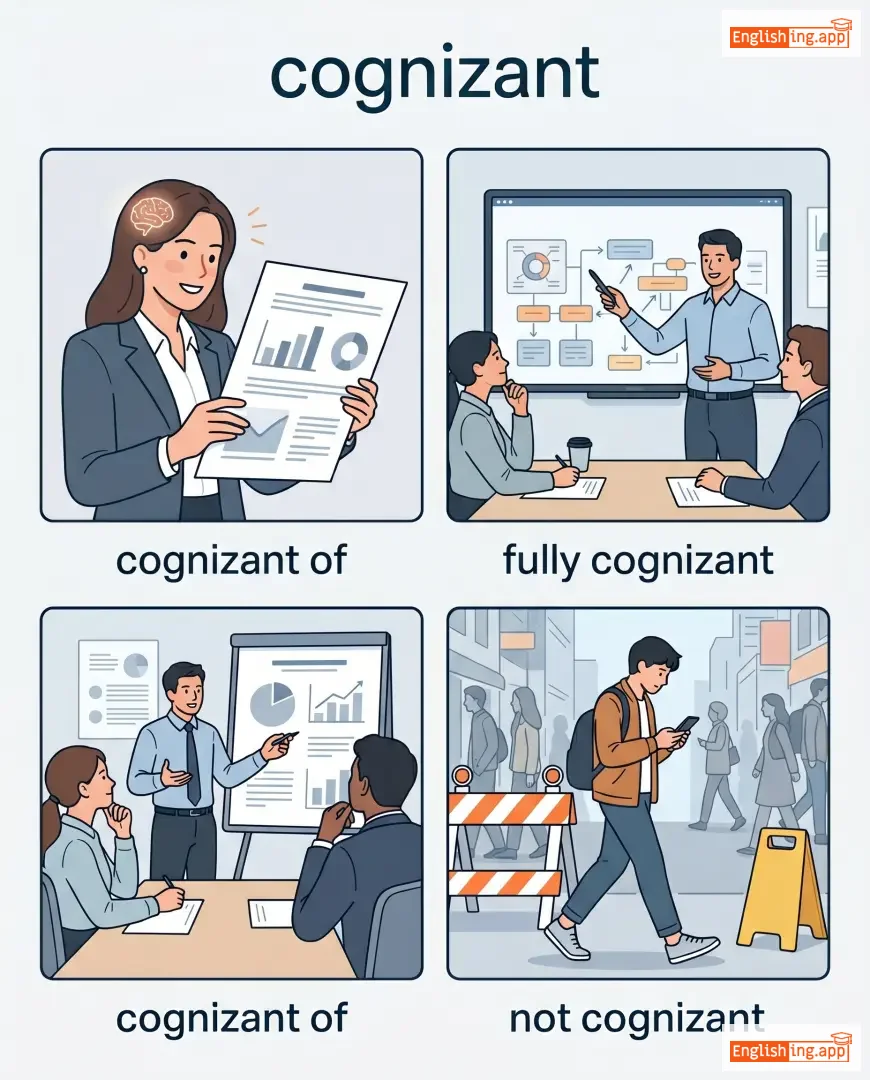
/ˈkɒɡ.nɪ.zənt/
adjective
••••••
|

|
Having knowledge or being aware of; conscious; informed or knowledgeable about something.
••••••
|
She was cognizant of the risks involved in the project. |
aware, perceptive, conscious, informed
••••••
|
oblivious, unaware, ignorant, unconscious
••••••
|
|
#2150
⭐
|
/ˌɪn.dɪˈspen.sə.bəl/
adjective
••••••
|
|
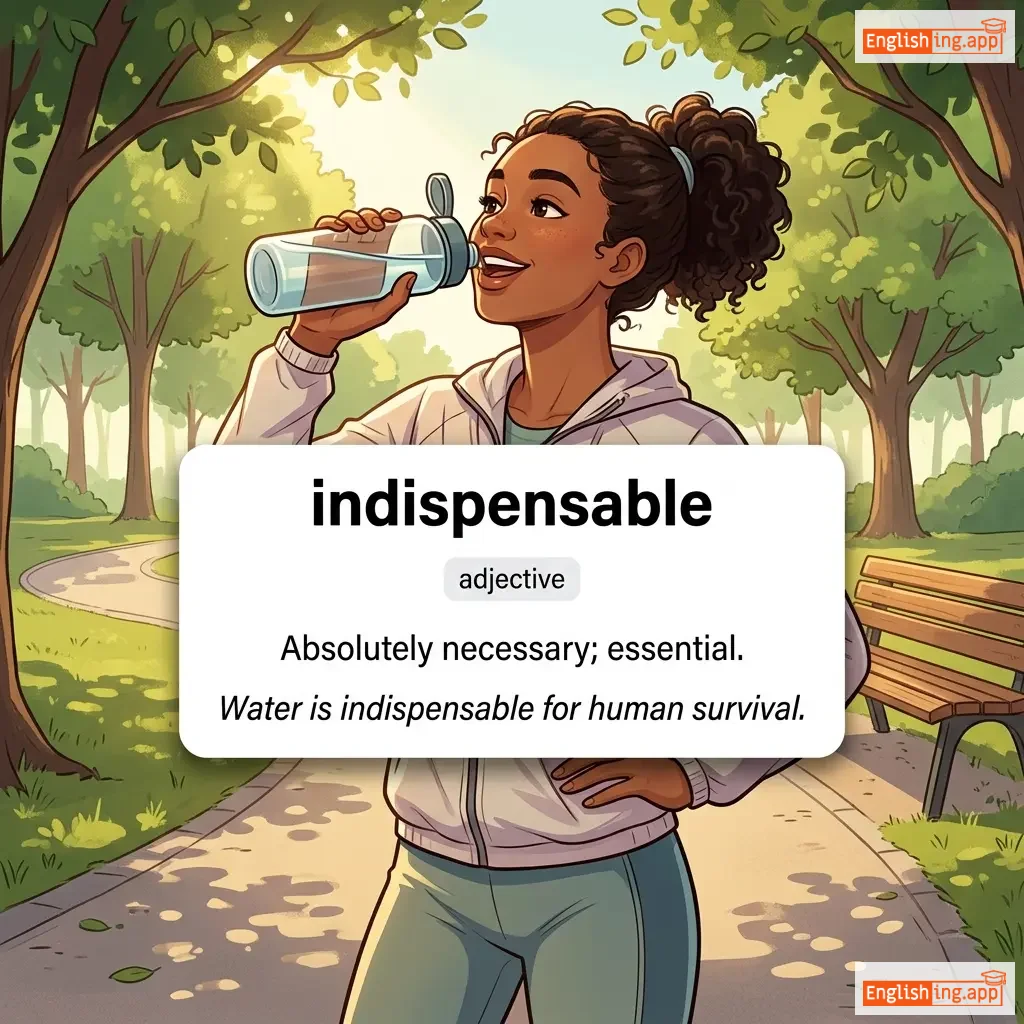
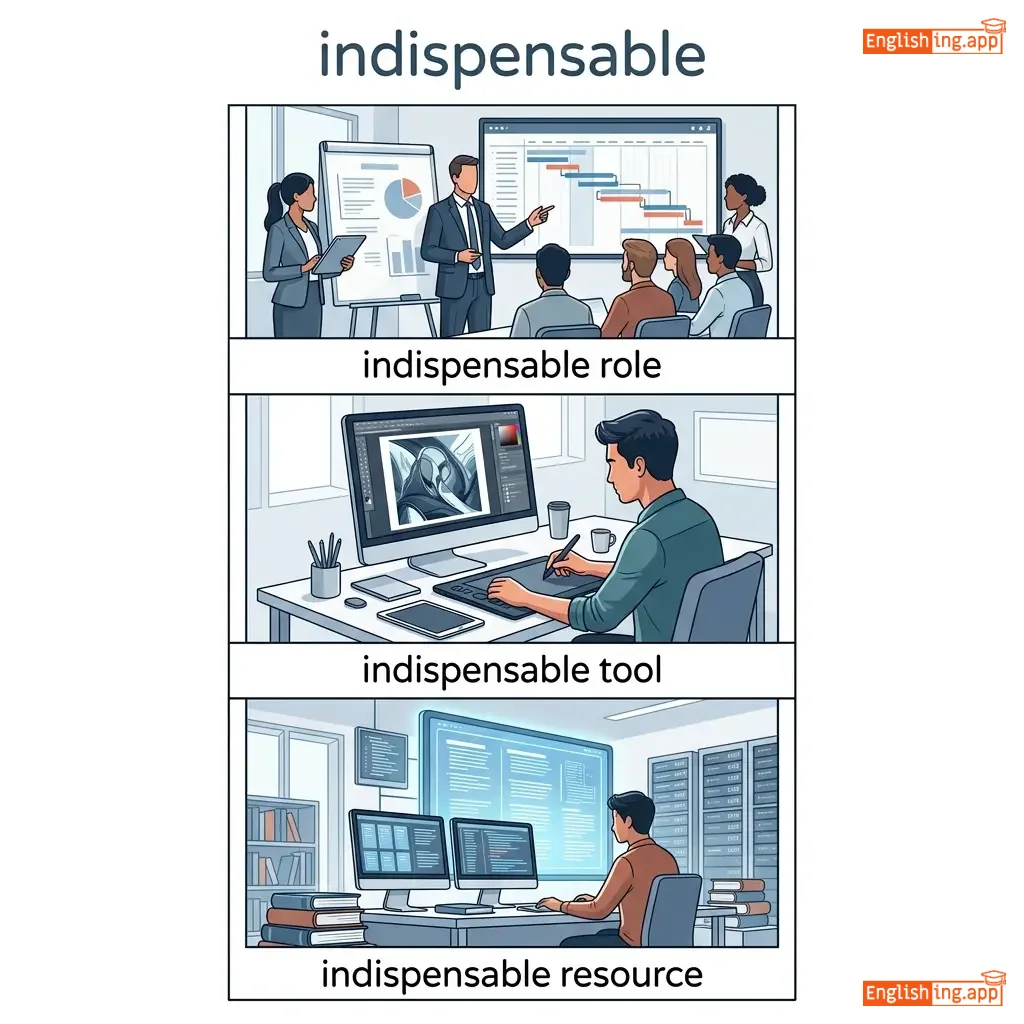
Absolutely necessary; essential; something that cannot be done without.
••••••
|
Water is indispensable for survival. |
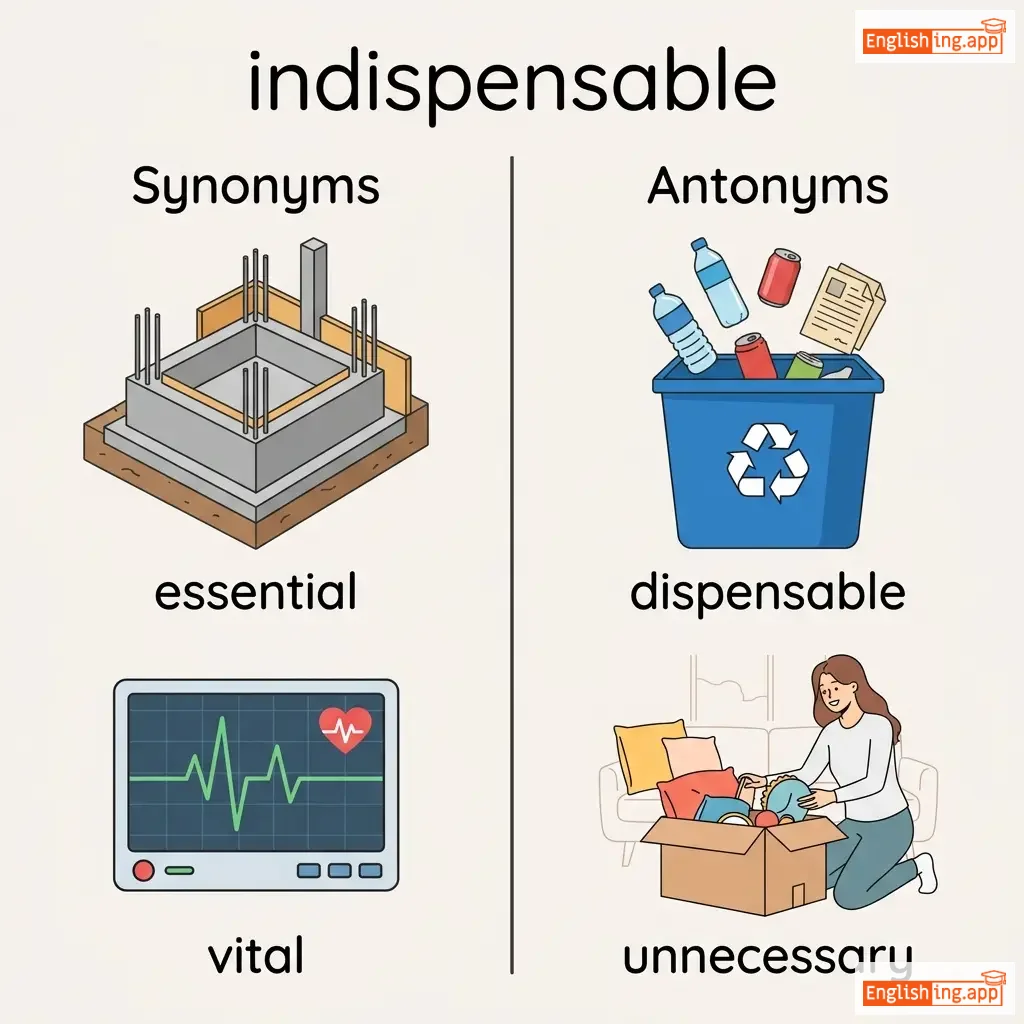
essential, crucial, vital, necessary
••••••
|
dispensable, optional, unnecessary, expendable
••••••
|
|
#2151
🔧
|
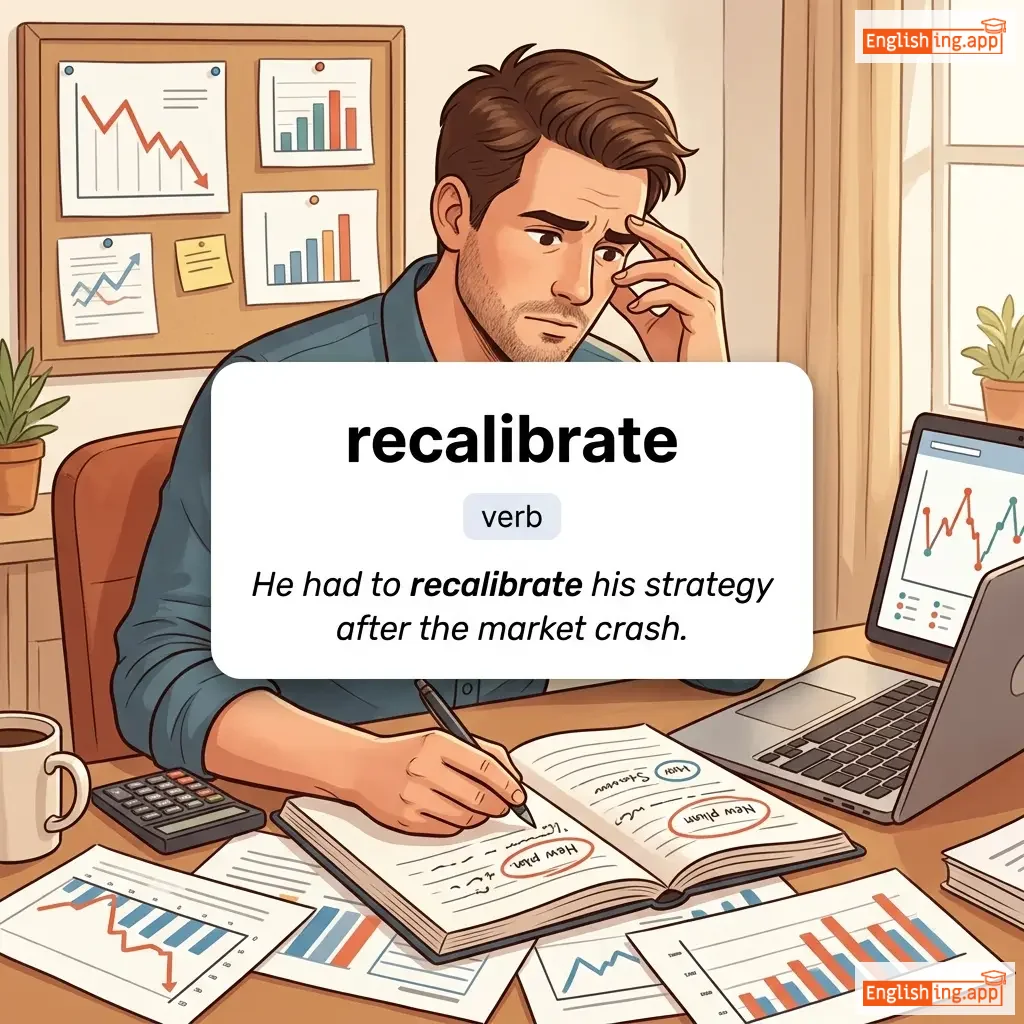
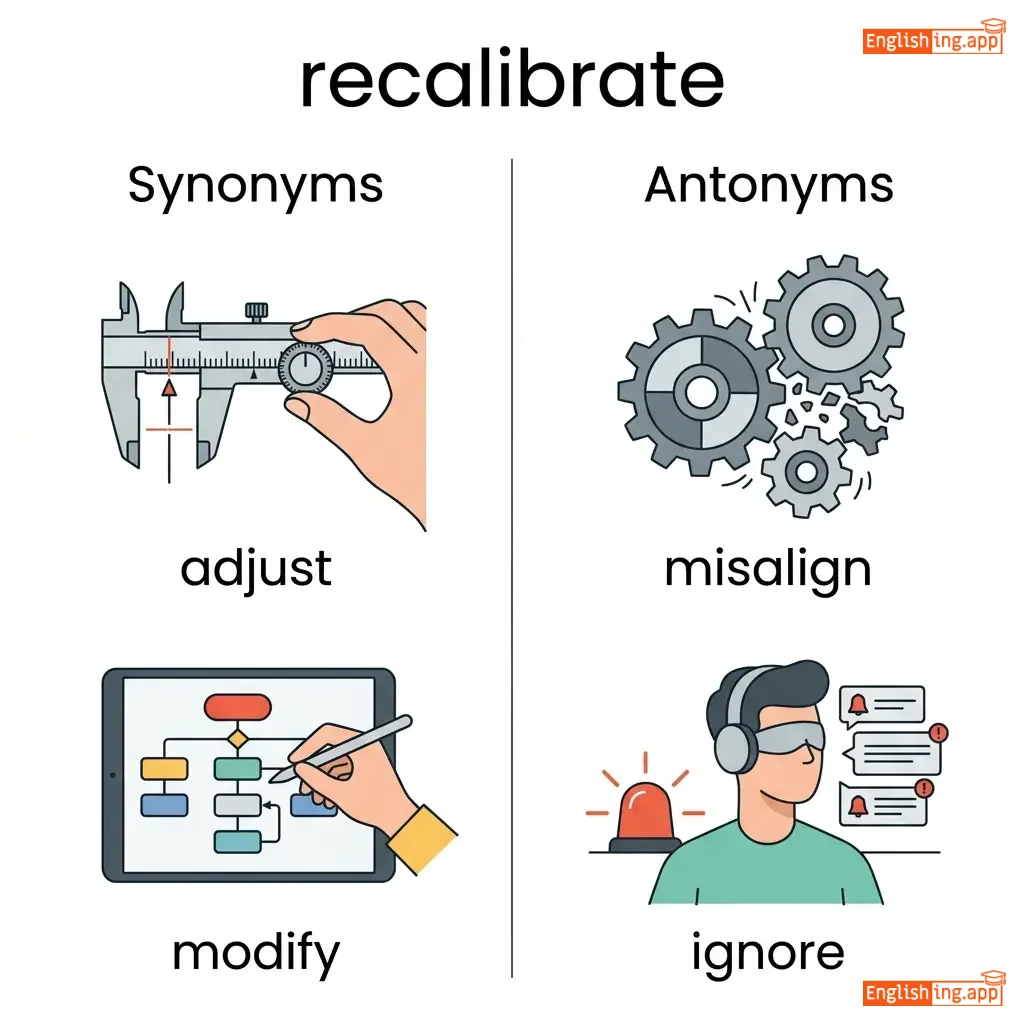
/ˌriːˈkæl.ɪ.breɪt/
verb
••••••
|
|
To calibrate again or differently; to adjust or correct something based on new information or changed circumstances.
••••••
|
The company had to recalibrate its strategies to adapt to the market. |
readjust, reconfigure, reset, realign
••••••
|
misalign, disrupt, destabilize, imbalance
••••••
|
|
#2152
🌾
|
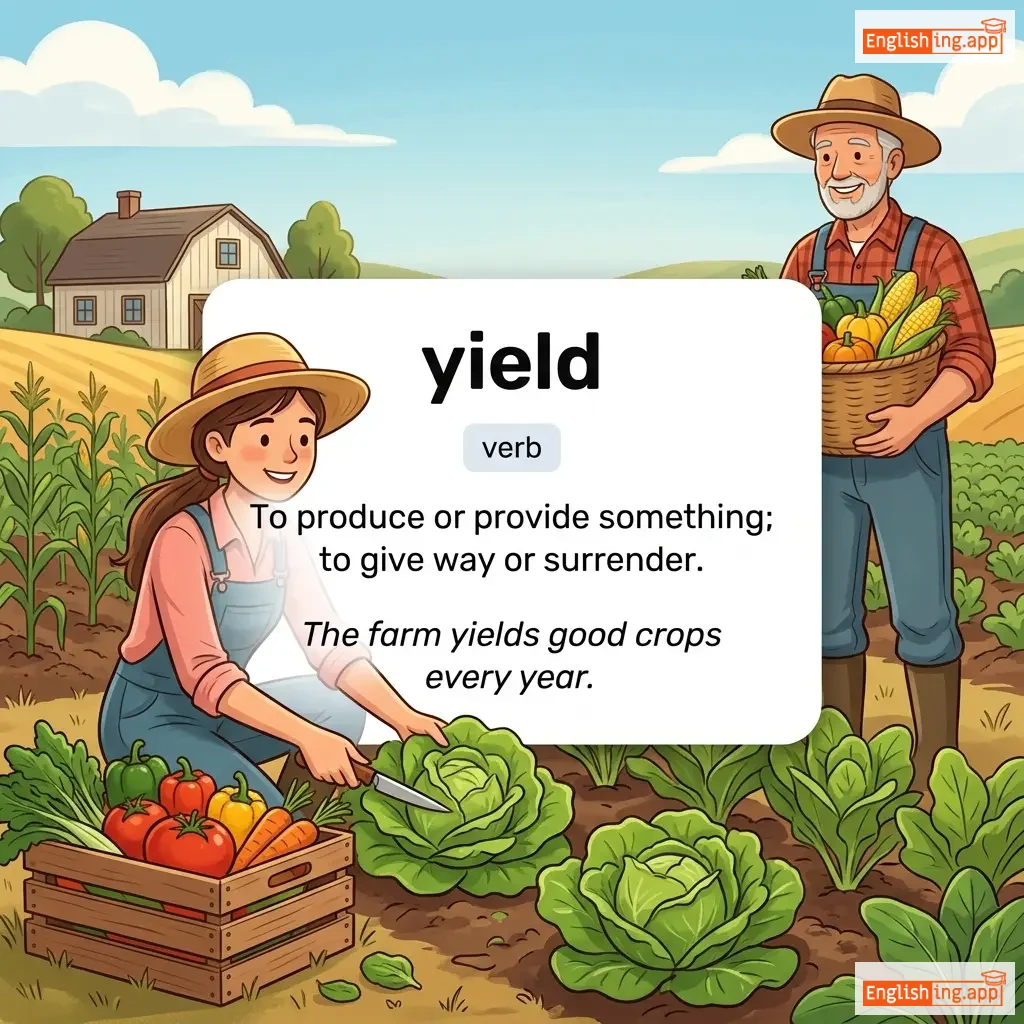
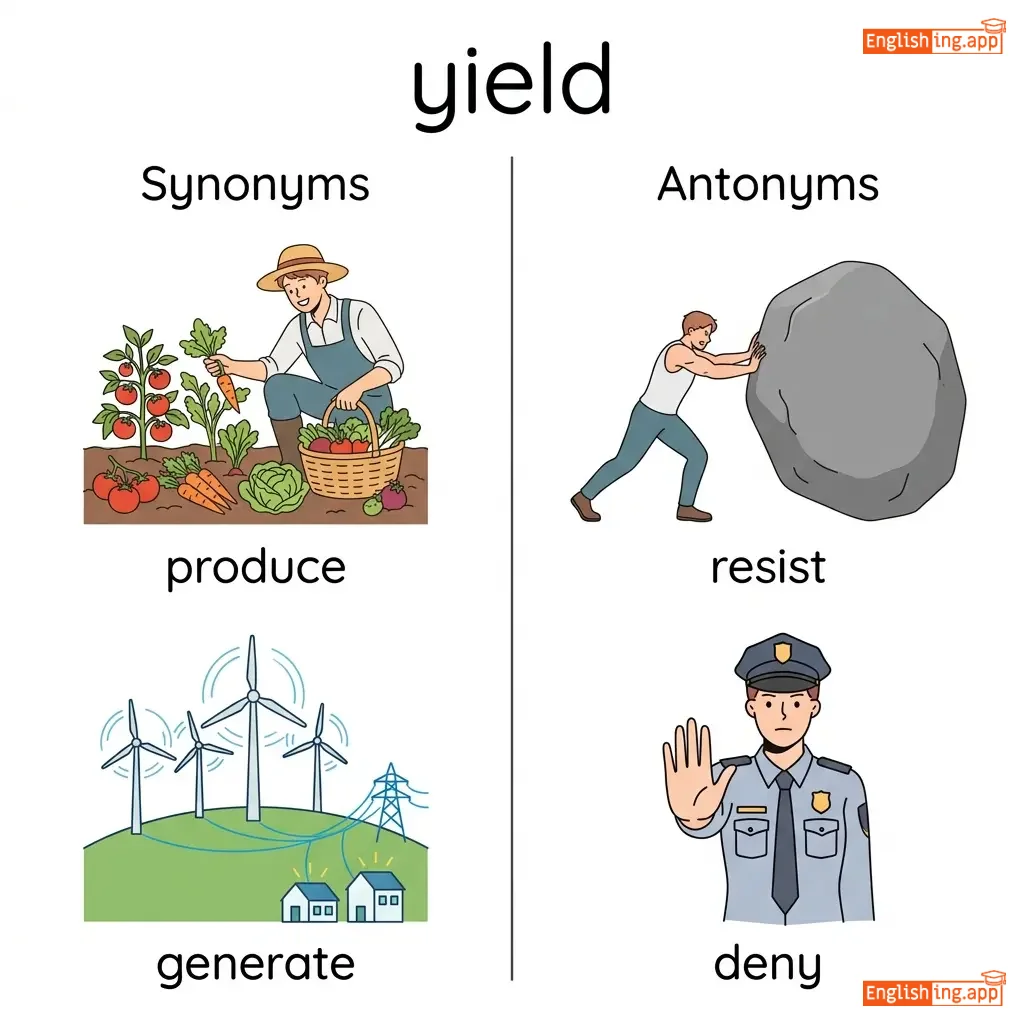
/jiːld/
verb/noun
••••••
|
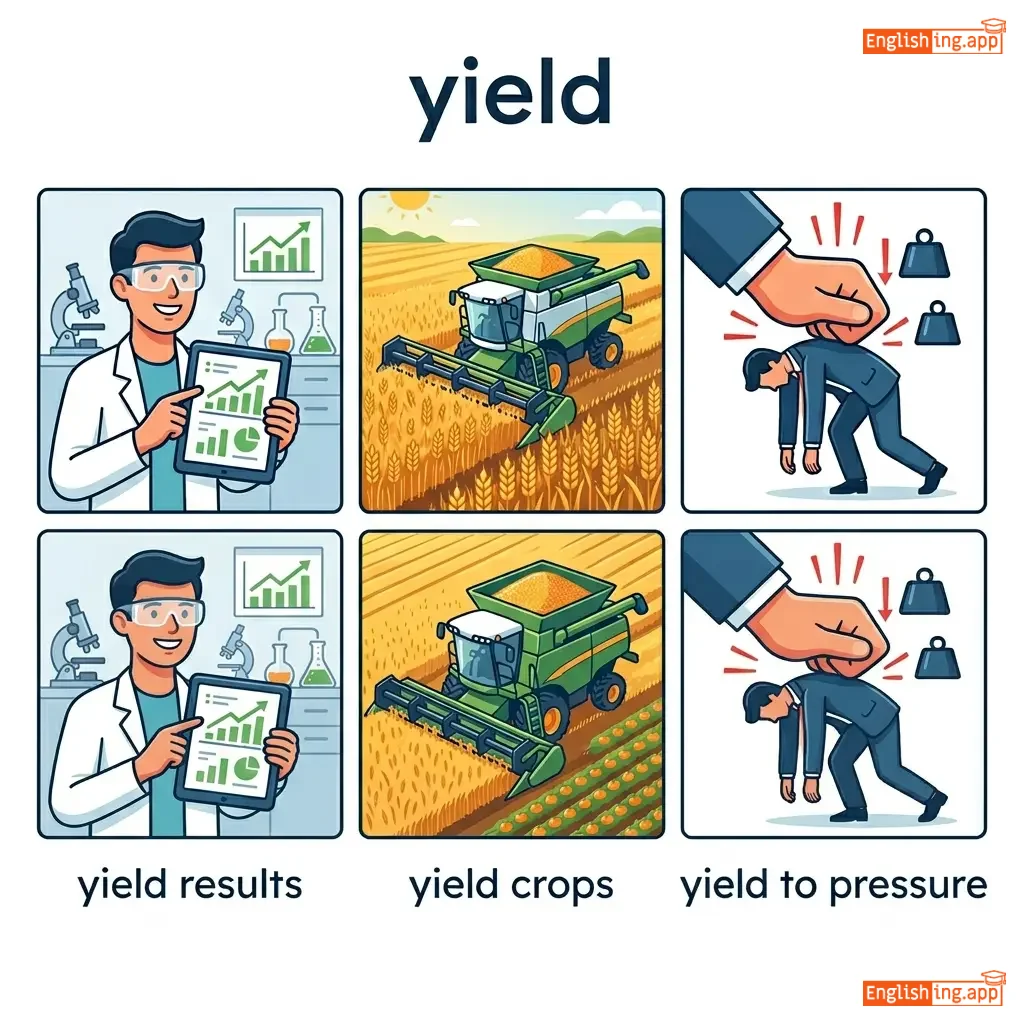
|
To produce or provide something, especially as a result or profit; to give way to; to surrender or submit.
••••••
|
The farm's crop yield increased this year. |
produce, generate, provide, give
••••••
|
resist, defy, withhold, retain
••••••
|

