••••••
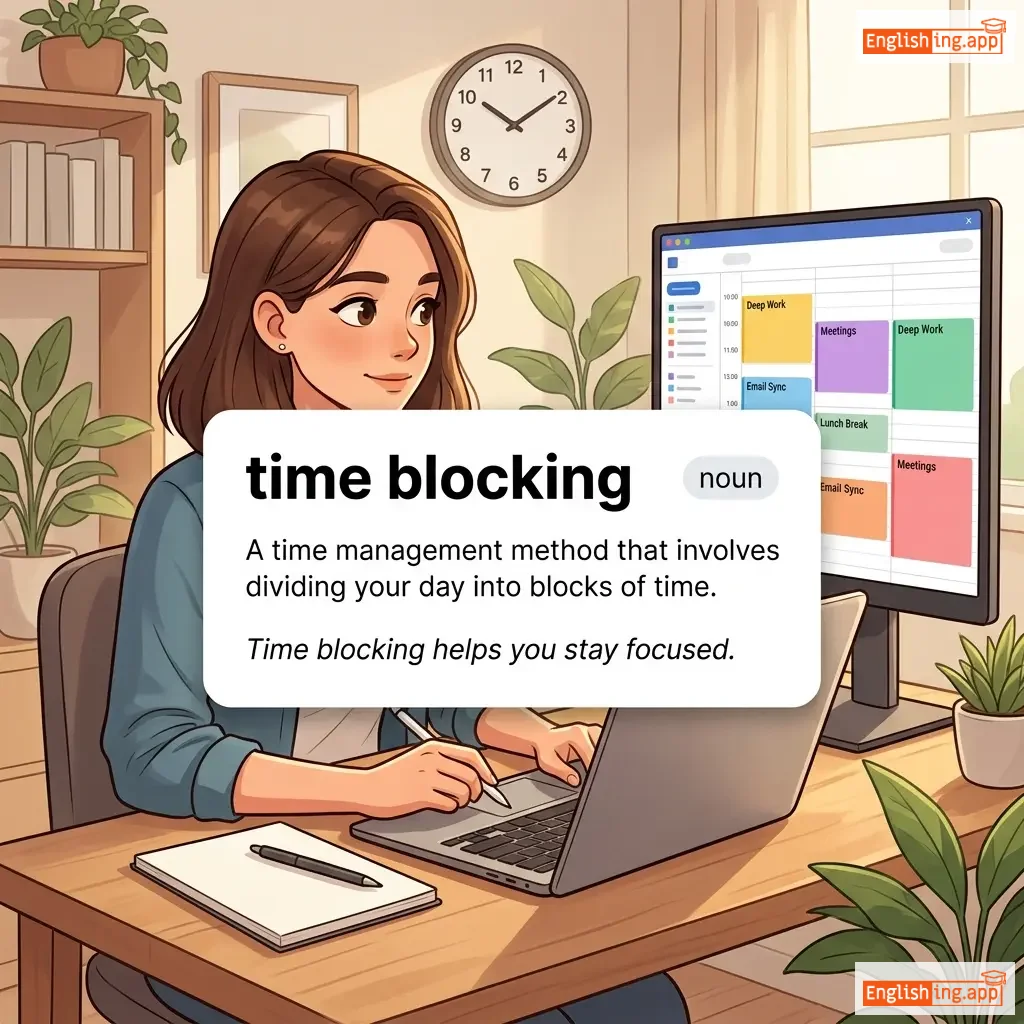
/taɪm ˈblɒkɪŋ/
noun
••••••
••••••
A scheduling technique where specific time periods are allocated for different tasks or activities to improve productivity and focus.
••••••
Using time-blocking helped him finish tasks efficiently.
••••••
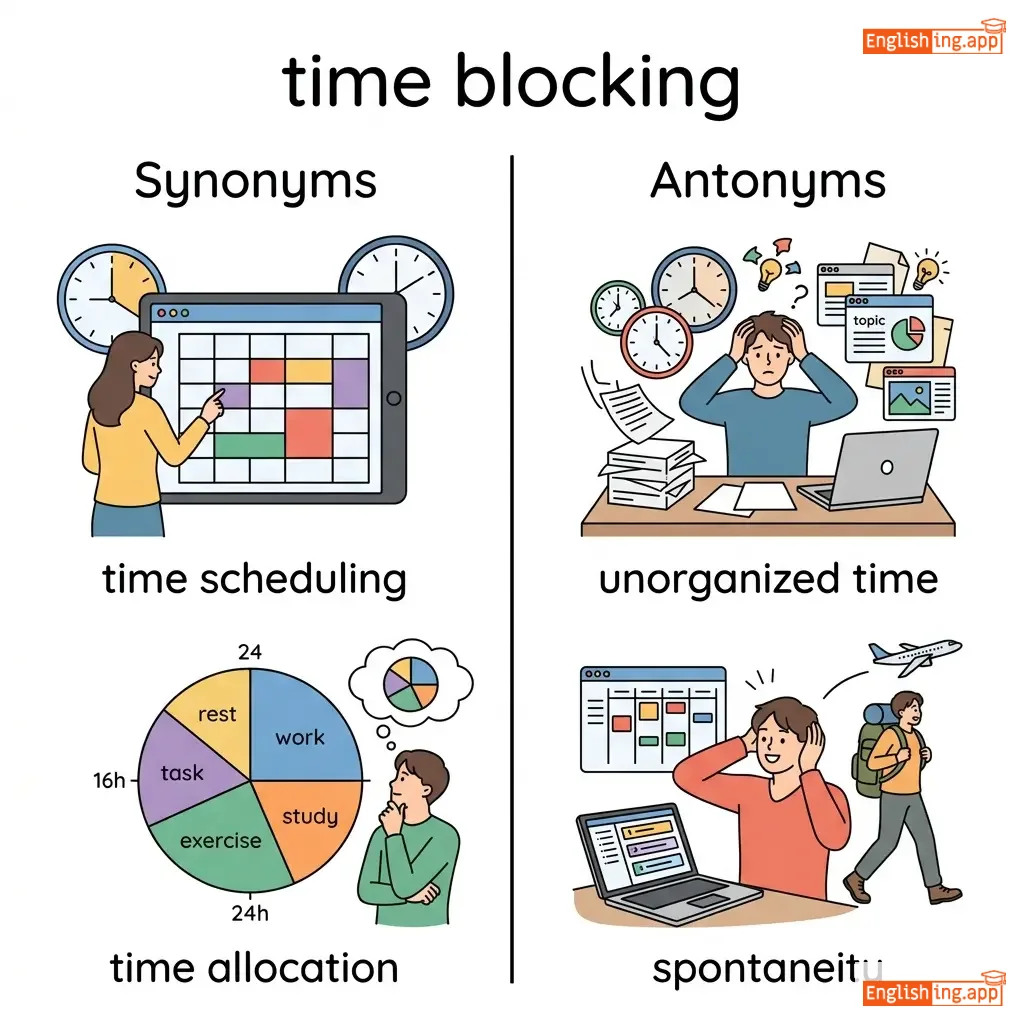
scheduling, time management, planning, organizing
••••••
disorganization, chaos, randomness, spontaneity
••••••
••••••
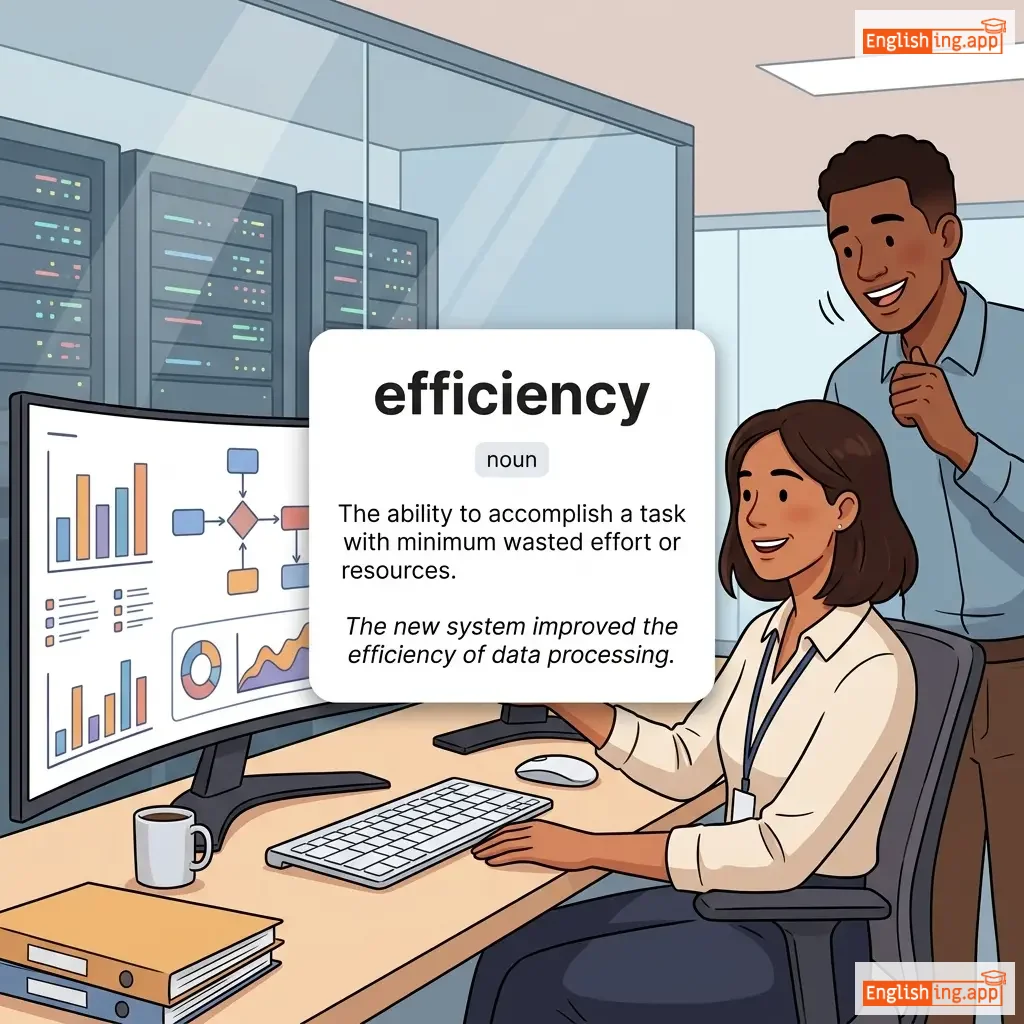
/ɪˈfɪʃ.ən.si/
noun
••••••
••••••
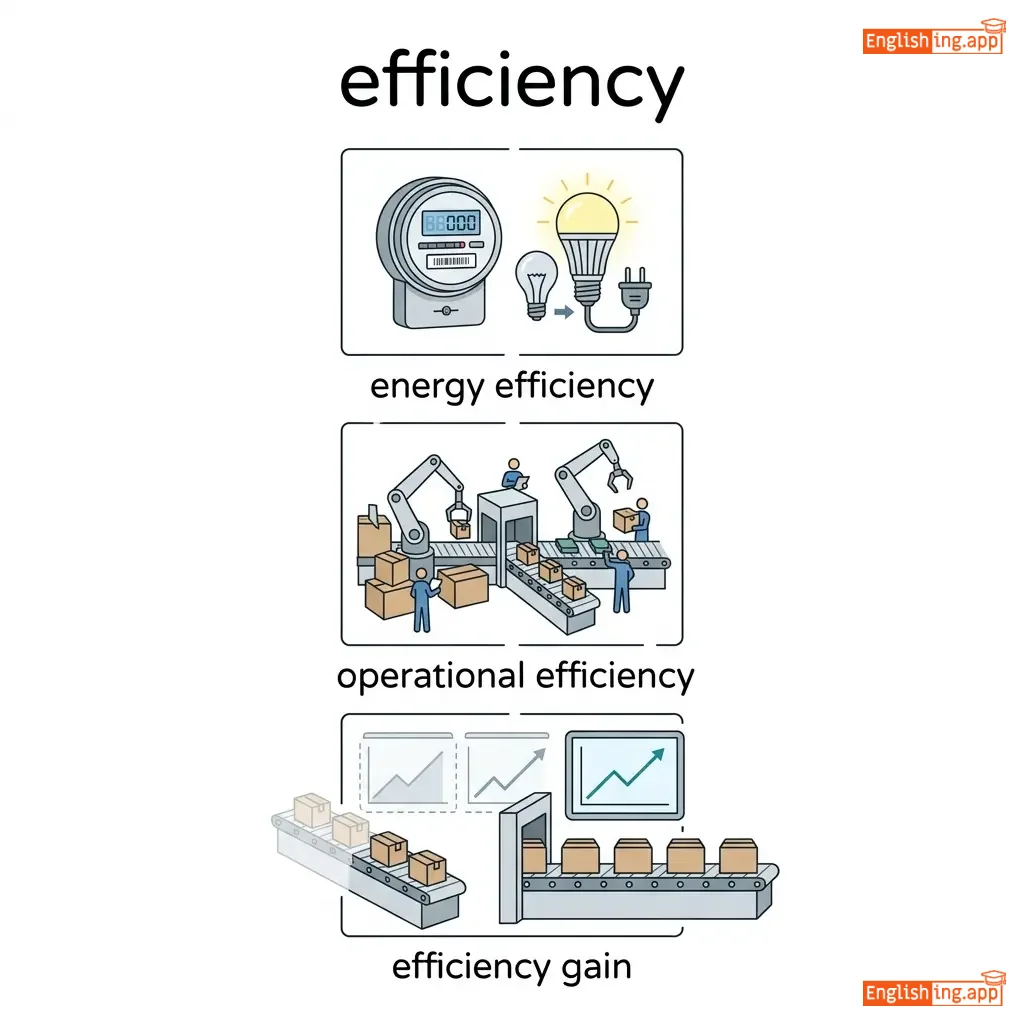
The ability to accomplish a job with a minimum expenditure of time and effort; competency in performance.
••••••
The new system improved the company's efficiency .
••••••
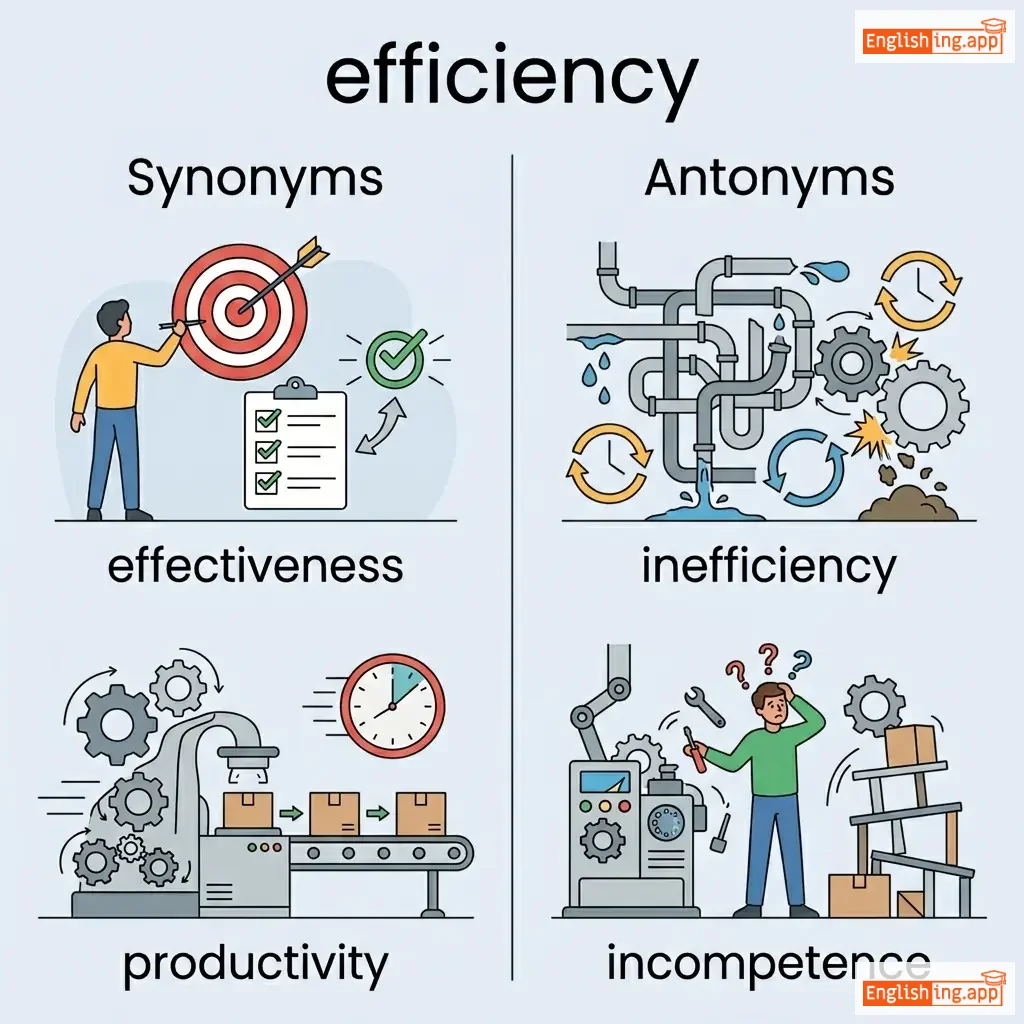
productivity, effectiveness, competency, proficiency
••••••
inefficiency, wastefulness, incompetence, sluggishness
••••••
••••••
/əˈlɒt.mənt/
noun
••••••
••••••
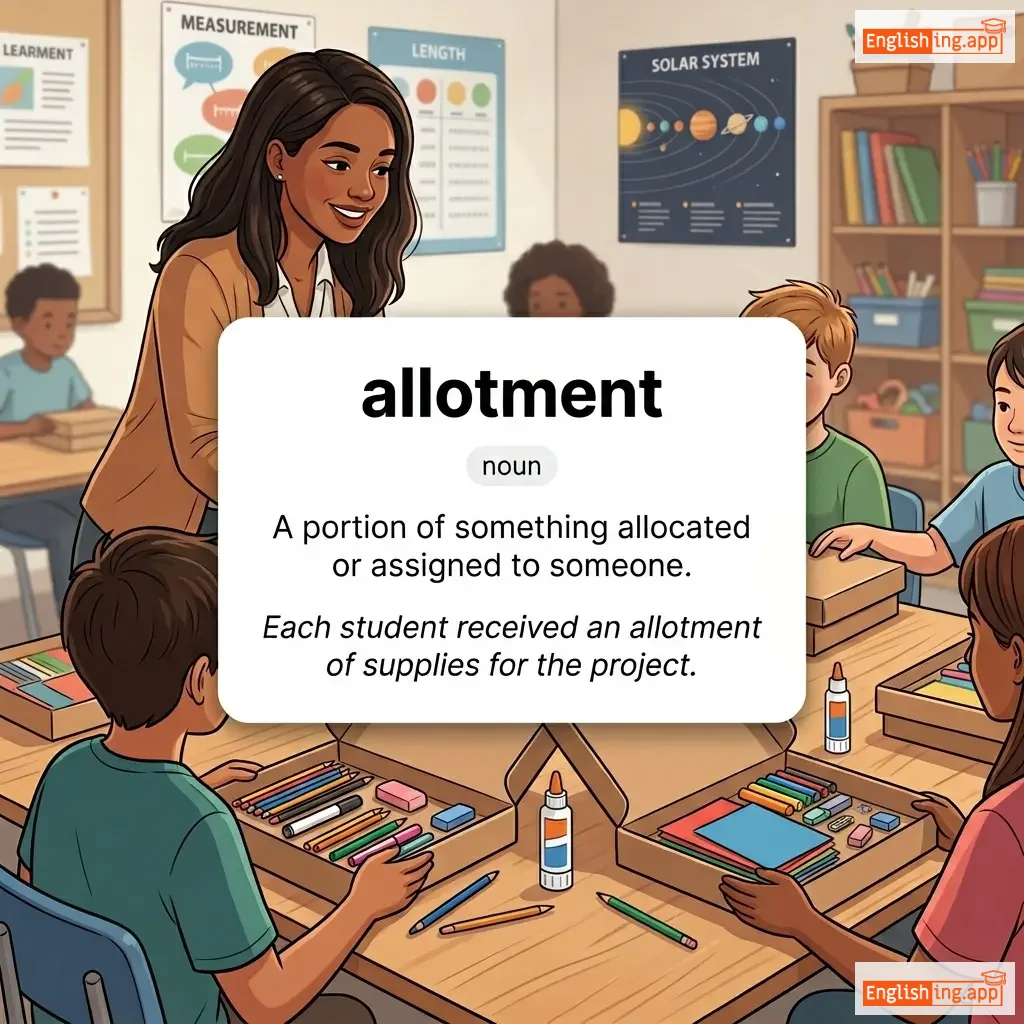
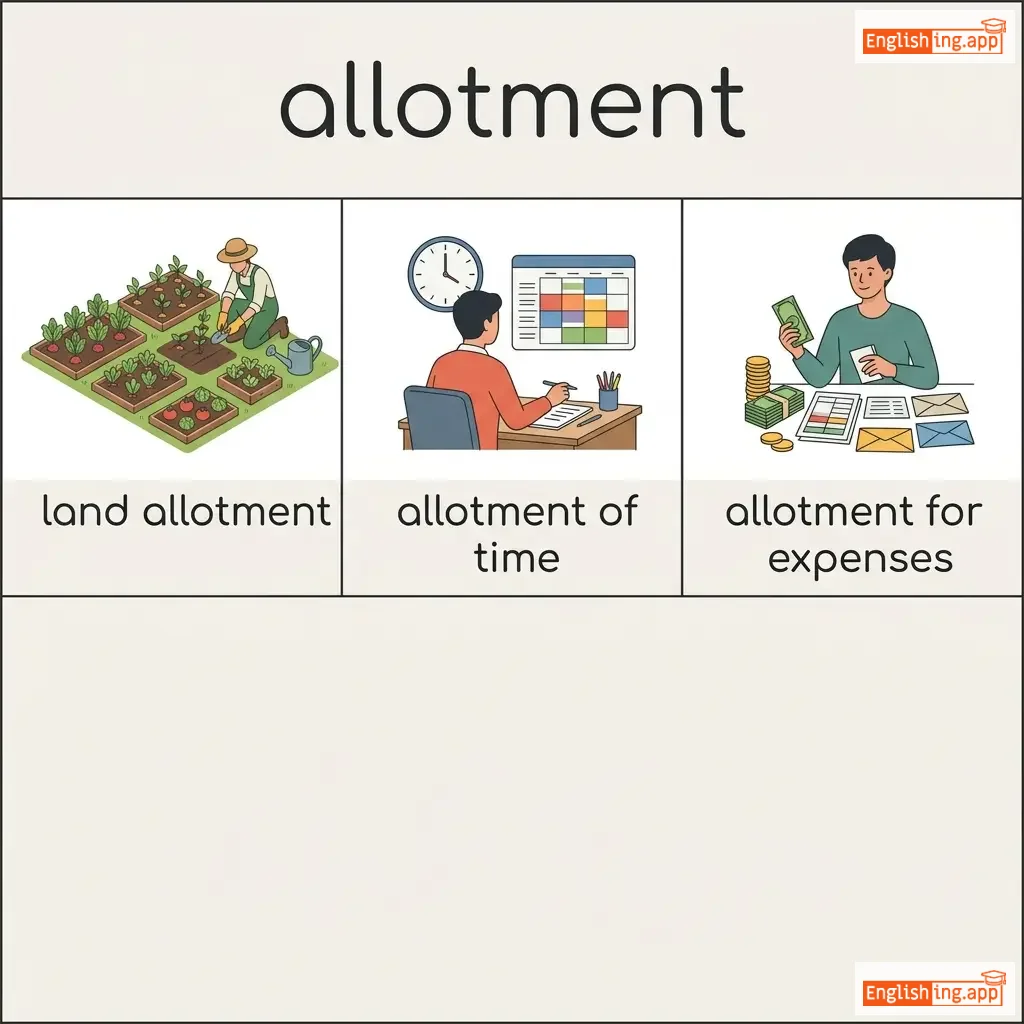
The distribution or allocation of something, especially resources or portions.
••••••
Each department received an allotment of resources.
••••••
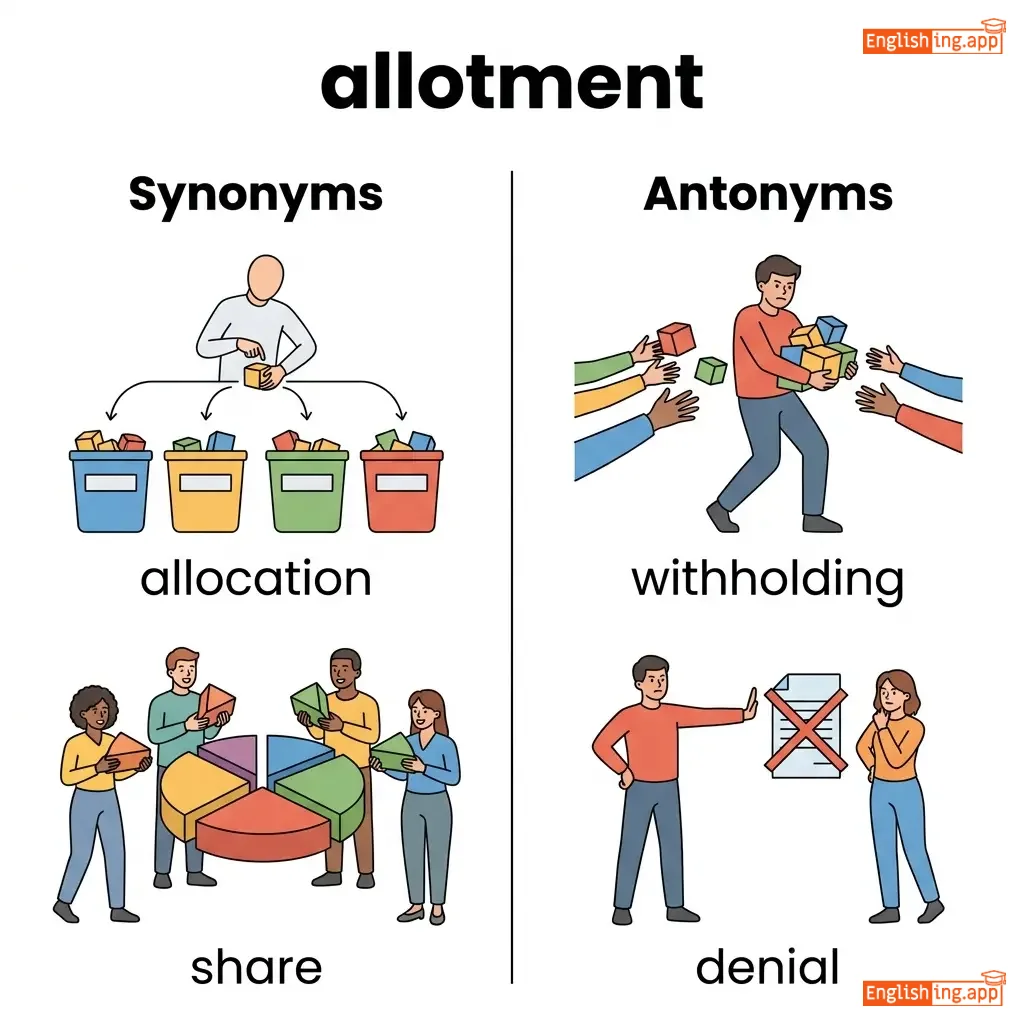
allocation, distribution, assignment, portion
••••••
withholding, misallocation, hoarding, retention
••••••
••••••
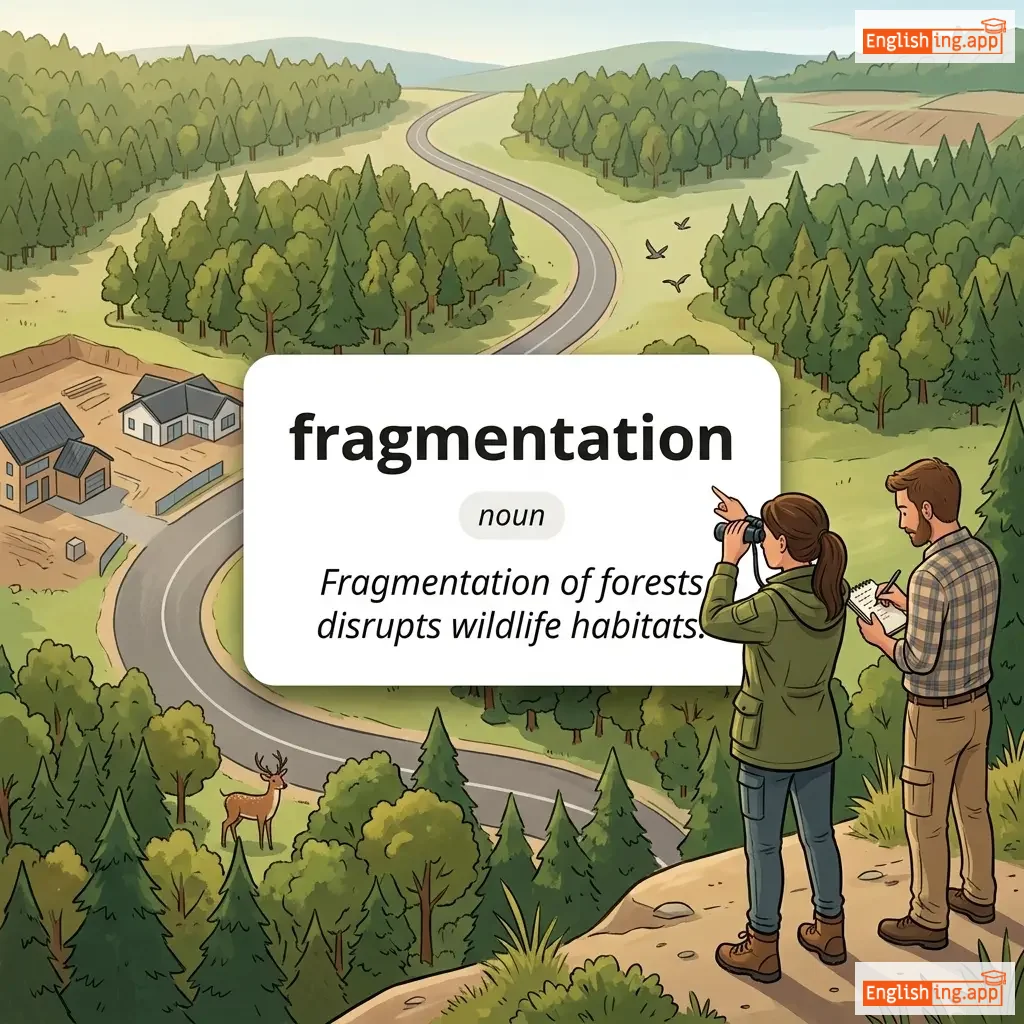
/ˌfræɡ.mən ˈteɪ.ʃən/
noun
••••••
••••••
The process or state of breaking or being broken into fragments; division into parts.
••••••
The fragmentation of data slowed down the process.
••••••
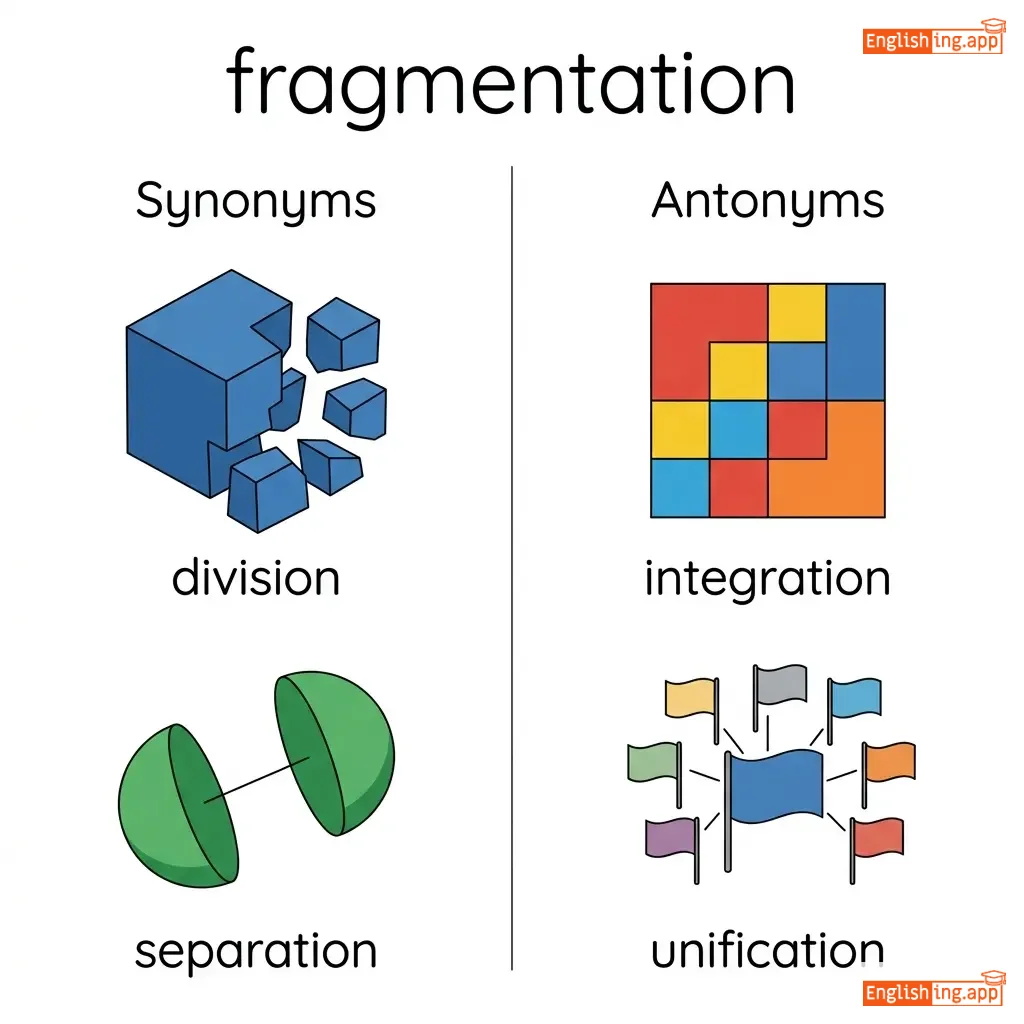
division, disintegration, separation, splitting
••••••
unity, cohesion, integration, wholeness
••••••
••••••
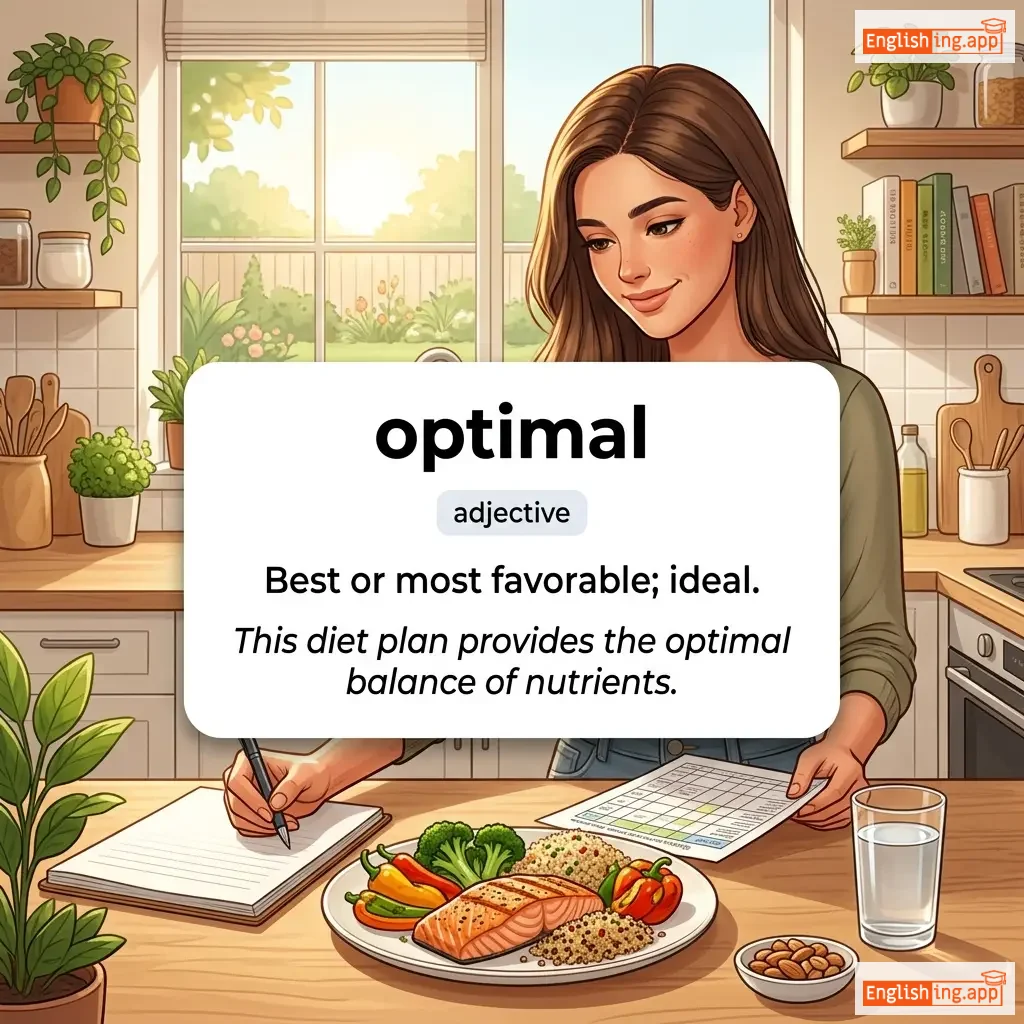
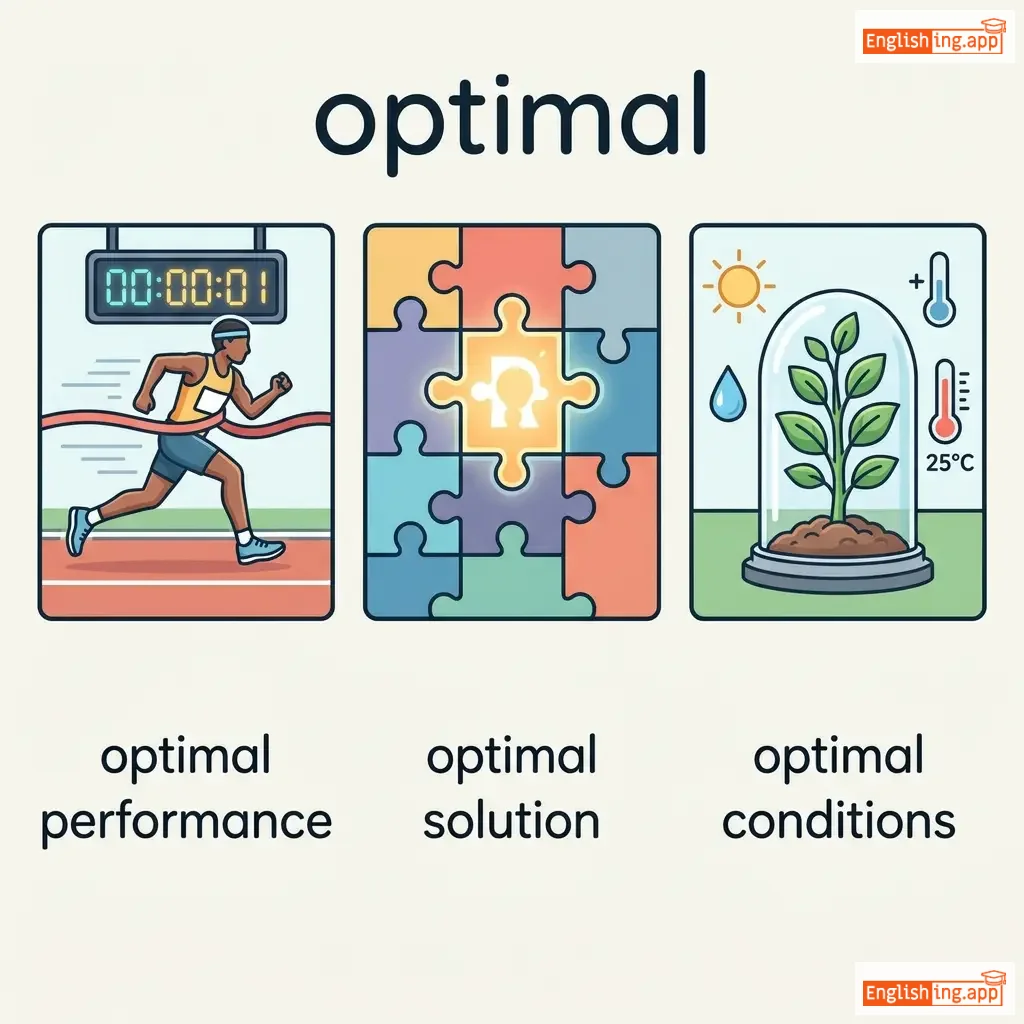
/ˈɒp.tɪ.məl/
adjective
••••••
••••••
Best or most favorable; optimum; most effective under particular conditions.
••••••
The design ensures optimal energy efficiency.
••••••
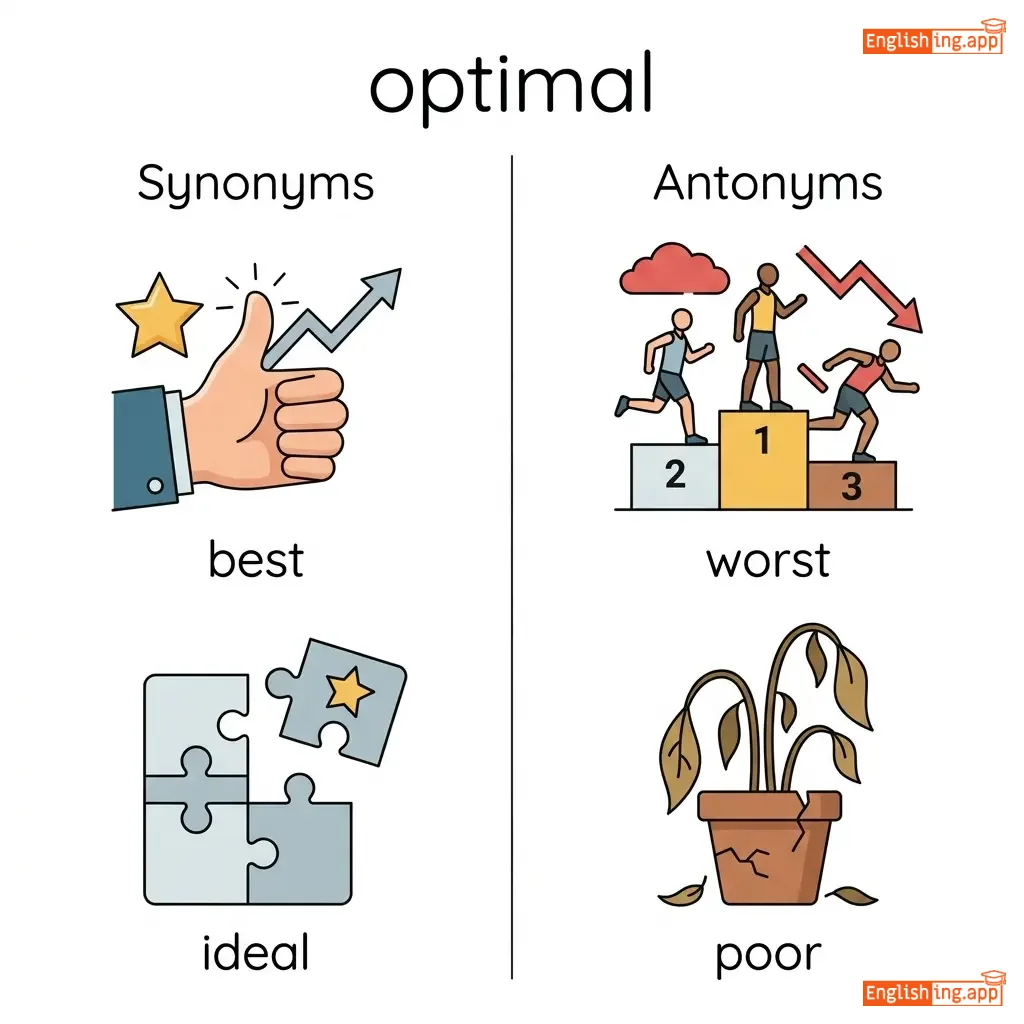
ideal, best, perfect, maximum
••••••
suboptimal, inefficient, poor, inadequate
••••••
••••••
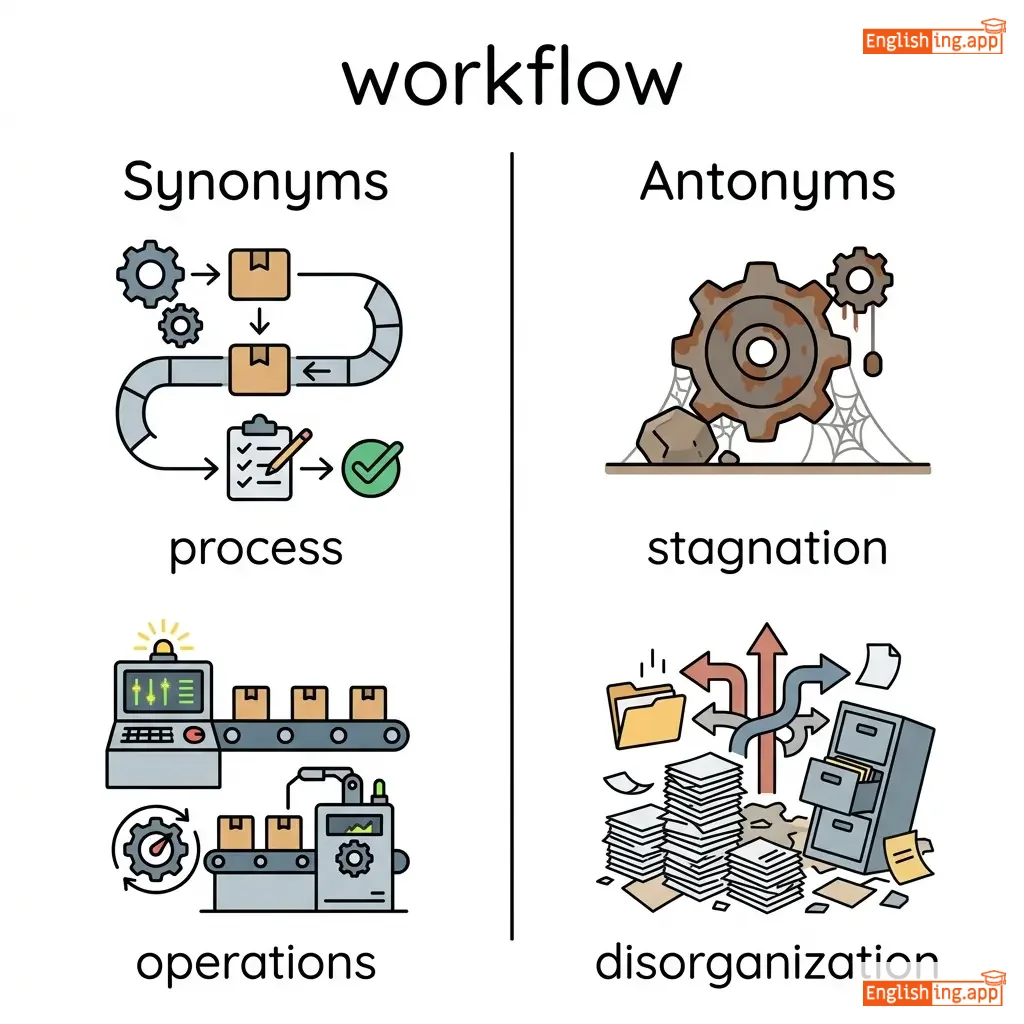
/ˈwɜːk.fləʊ/
noun
••••••
••••••
The sequence of processes through which a piece of work passes from initiation to completion.
••••••
A well-structured workflow enhances productivity.
••••••
process, operations, procedure, system
••••••
stagnation, disorganization, chaos, disorder
••••••
••••••
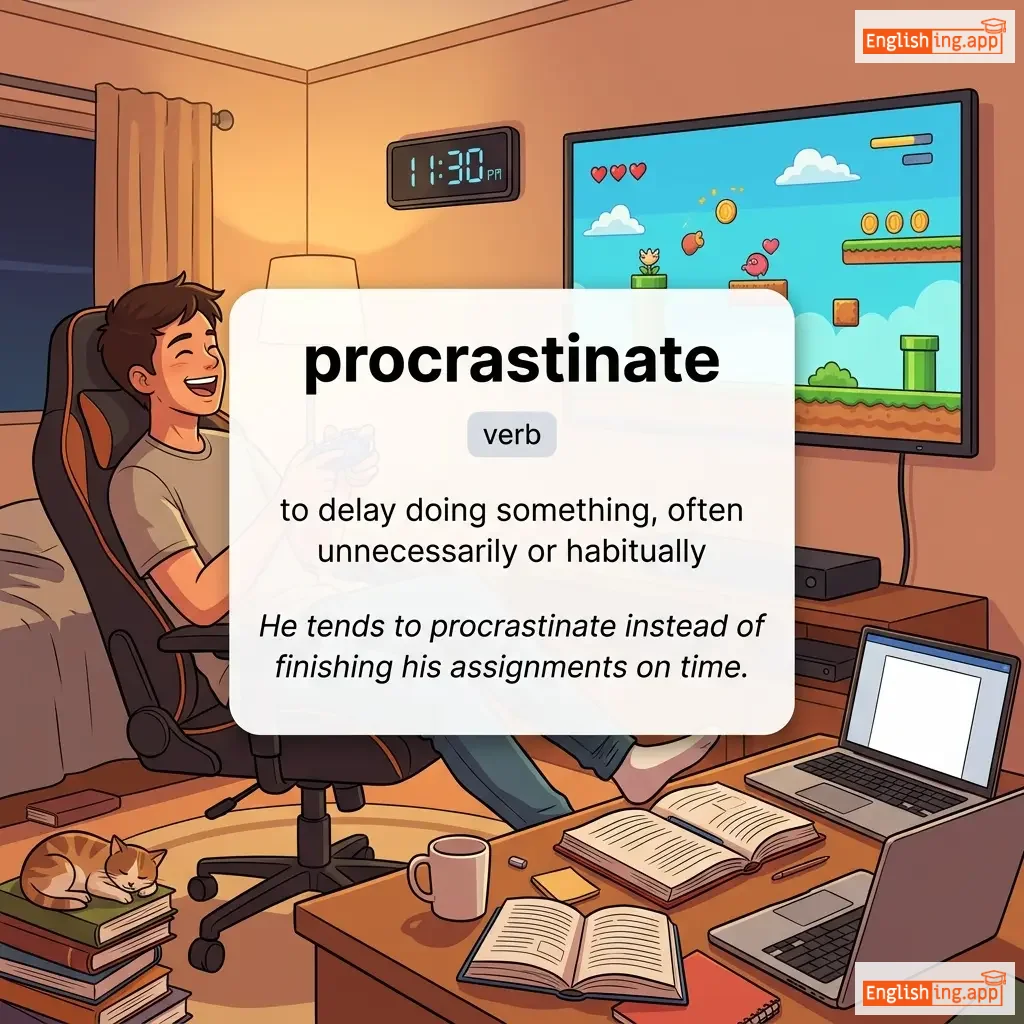
/prəˈkræs.tɪ.neɪt/
verb
••••••
••••••
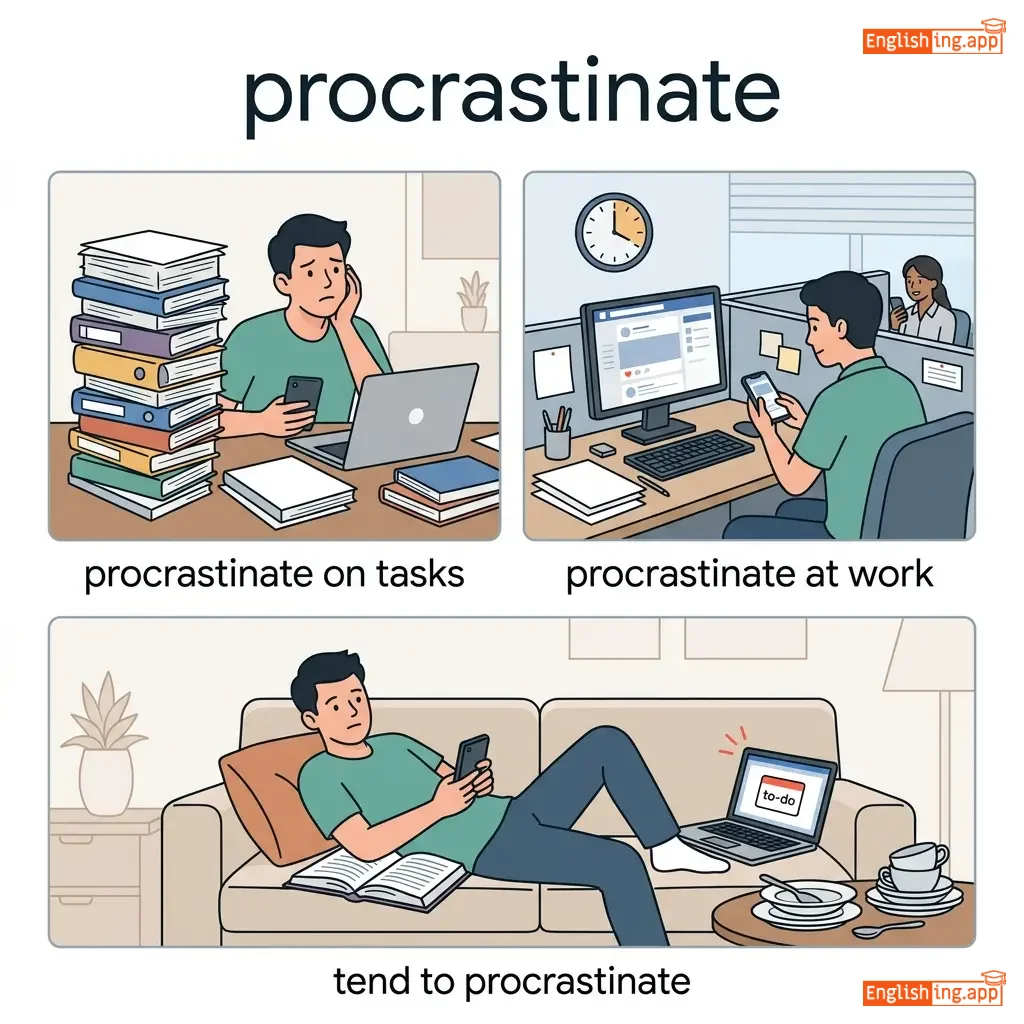
To delay or postpone action; to put off doing something, especially out of habitual carelessness or laziness.
••••••
He tends to procrastinate when facing difficult tasks.
••••••
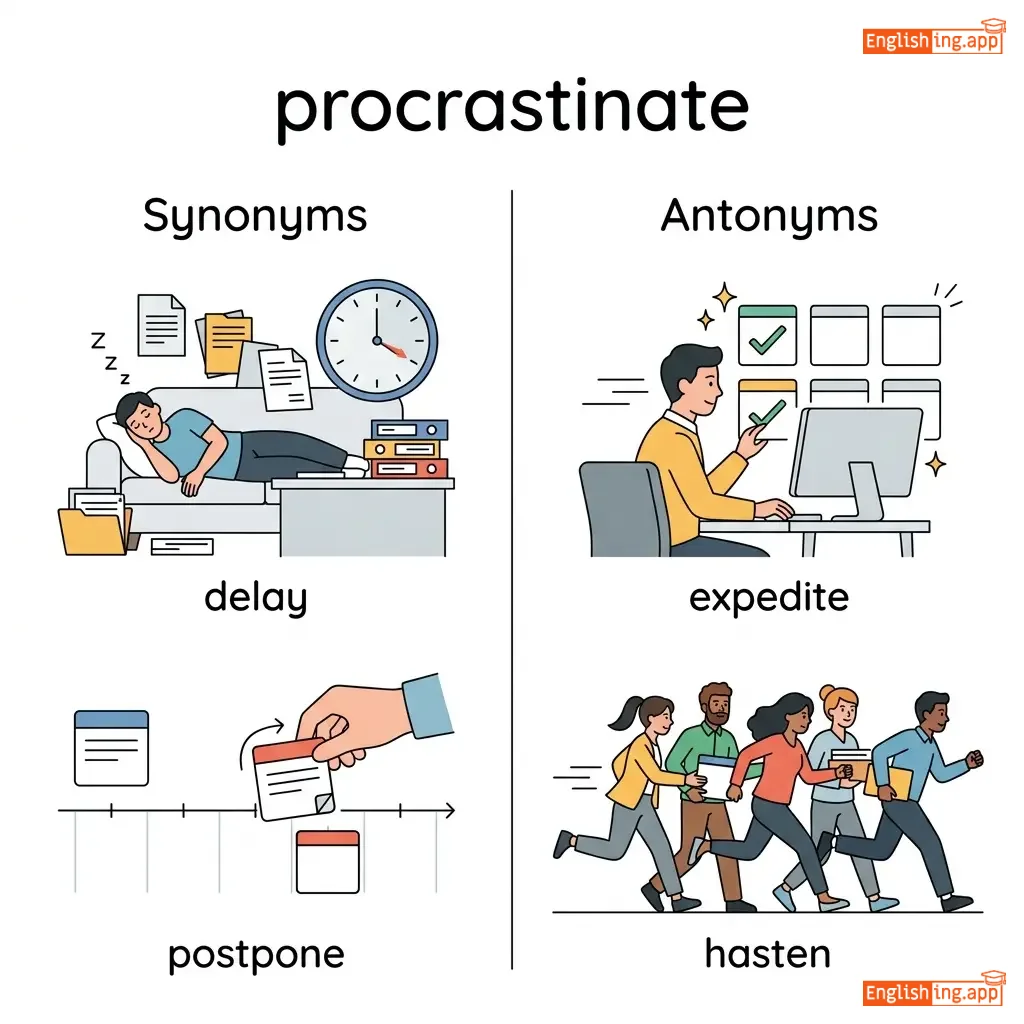
delay, postpone, defer, stall
••••••
expedite, complete, hasten, rush
••••••
••••••
/dɪˈlɪn.i.eɪt/
verb
••••••
••••••
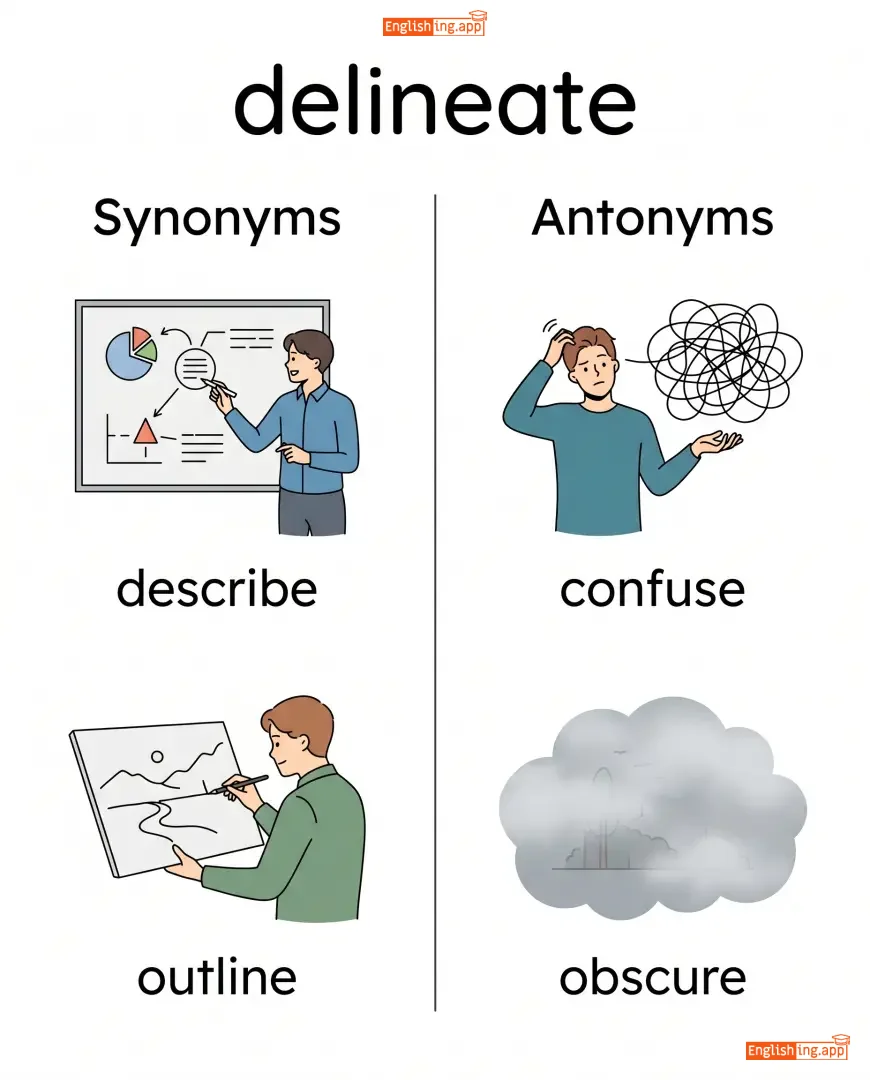
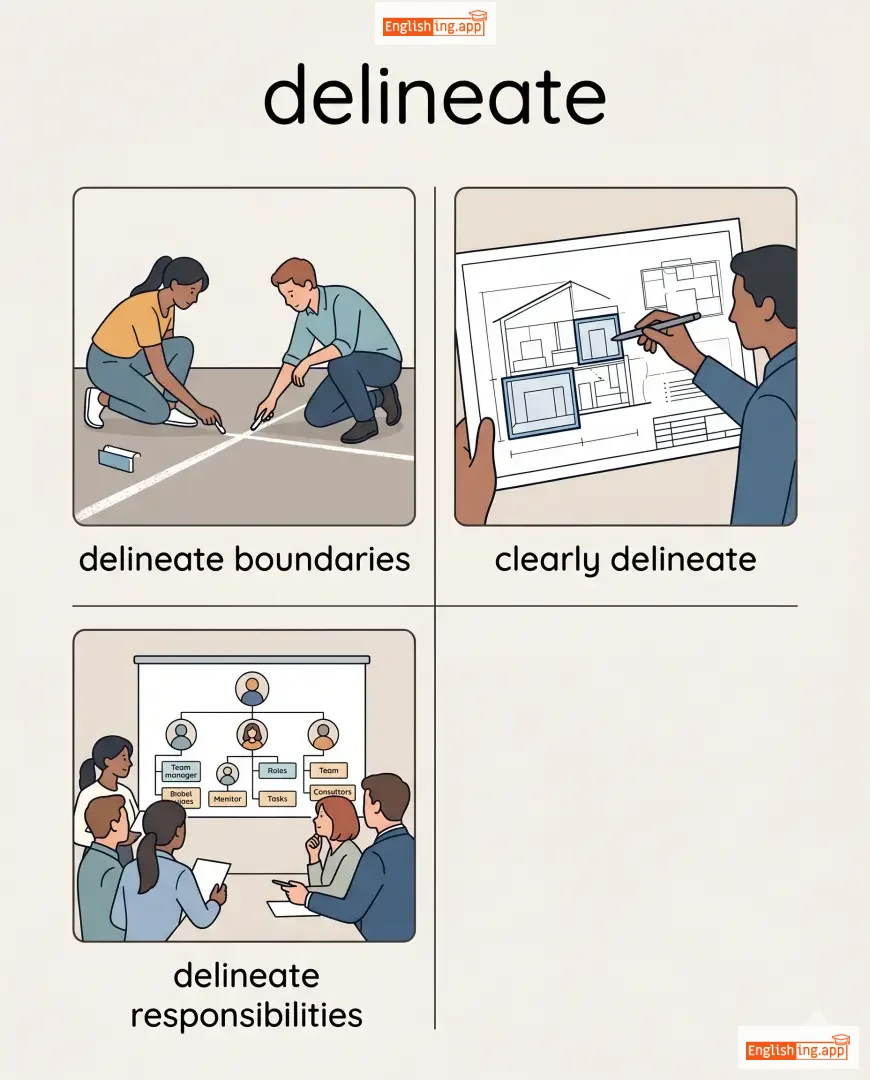
To describe or portray something precisely; to indicate the exact position of a border or boundary.
••••••
The report delineates the responsibilities of each role.
••••••
define, outline, describe, specify
••••••
confuse, obscure, blur, muddle
••••••
••••••
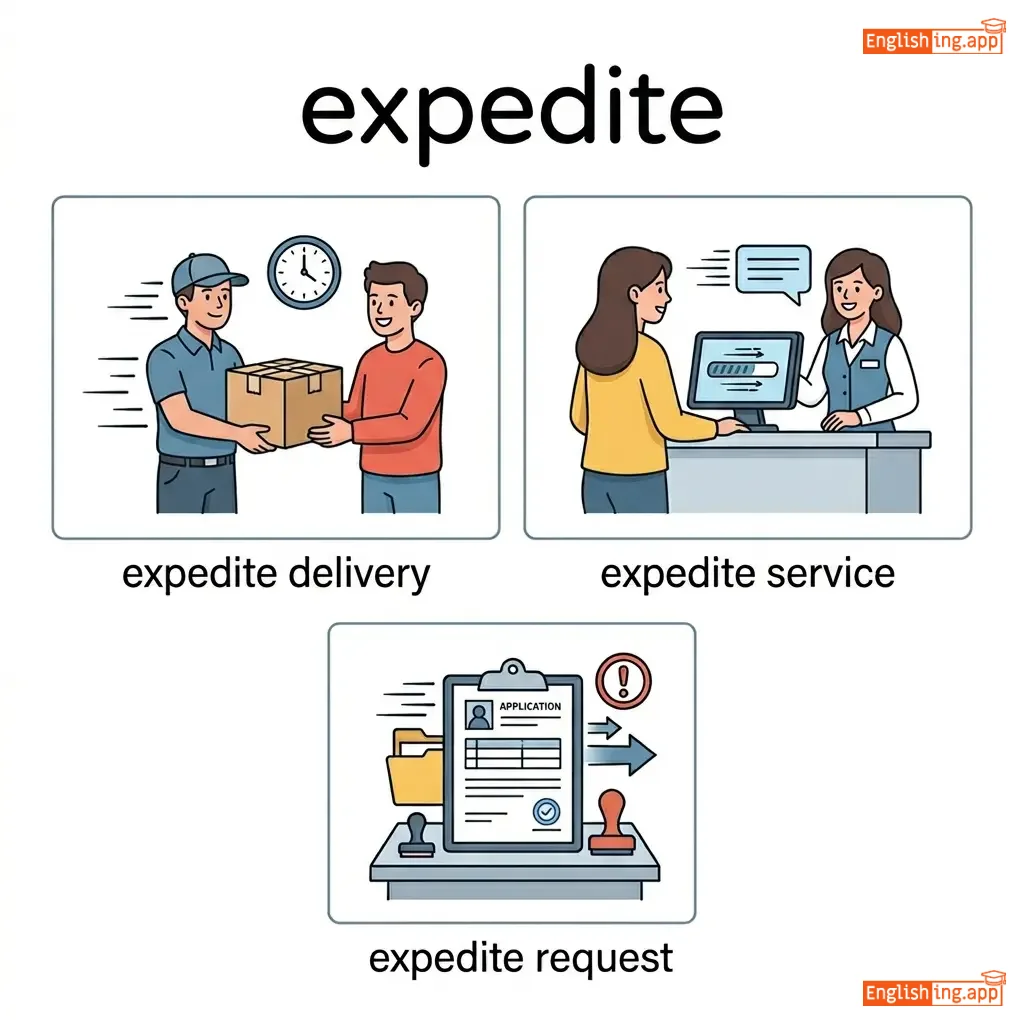
/ˈek.spə.daɪt/
verb
••••••
••••••
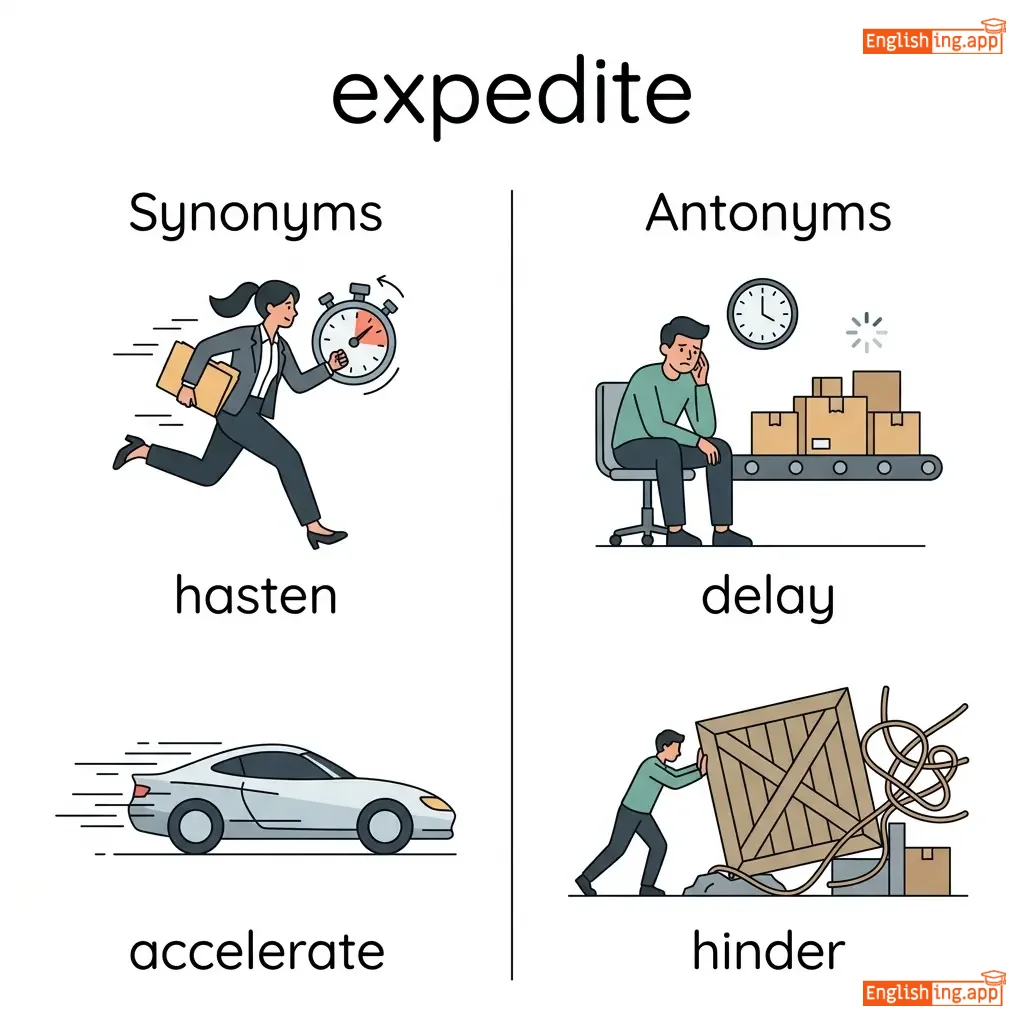
To make an action or process happen sooner or be accomplished more quickly.
••••••
The manager decided to expedite the approval process.
••••••
accelerate, hasten, speed up, quicken
••••••
delay, hinder, slow down, obstruct
••••••
••••••
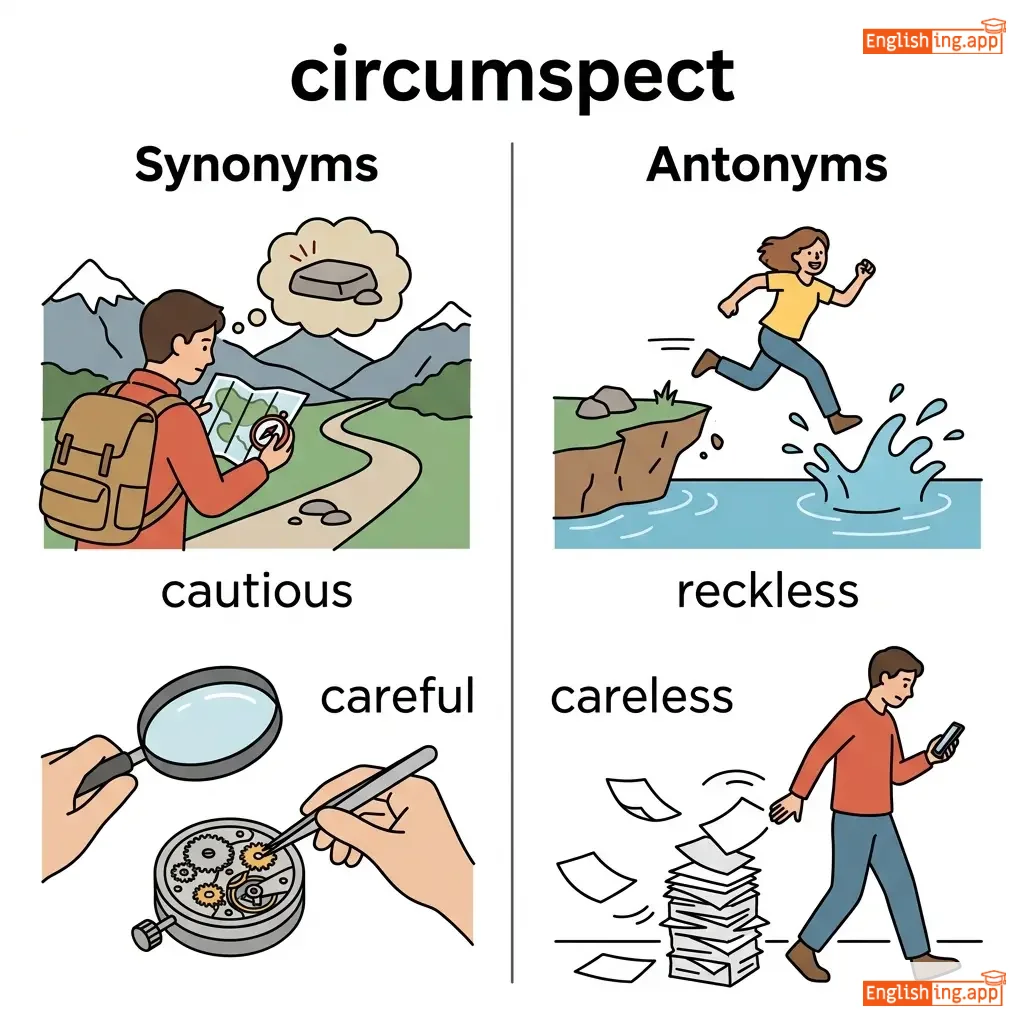
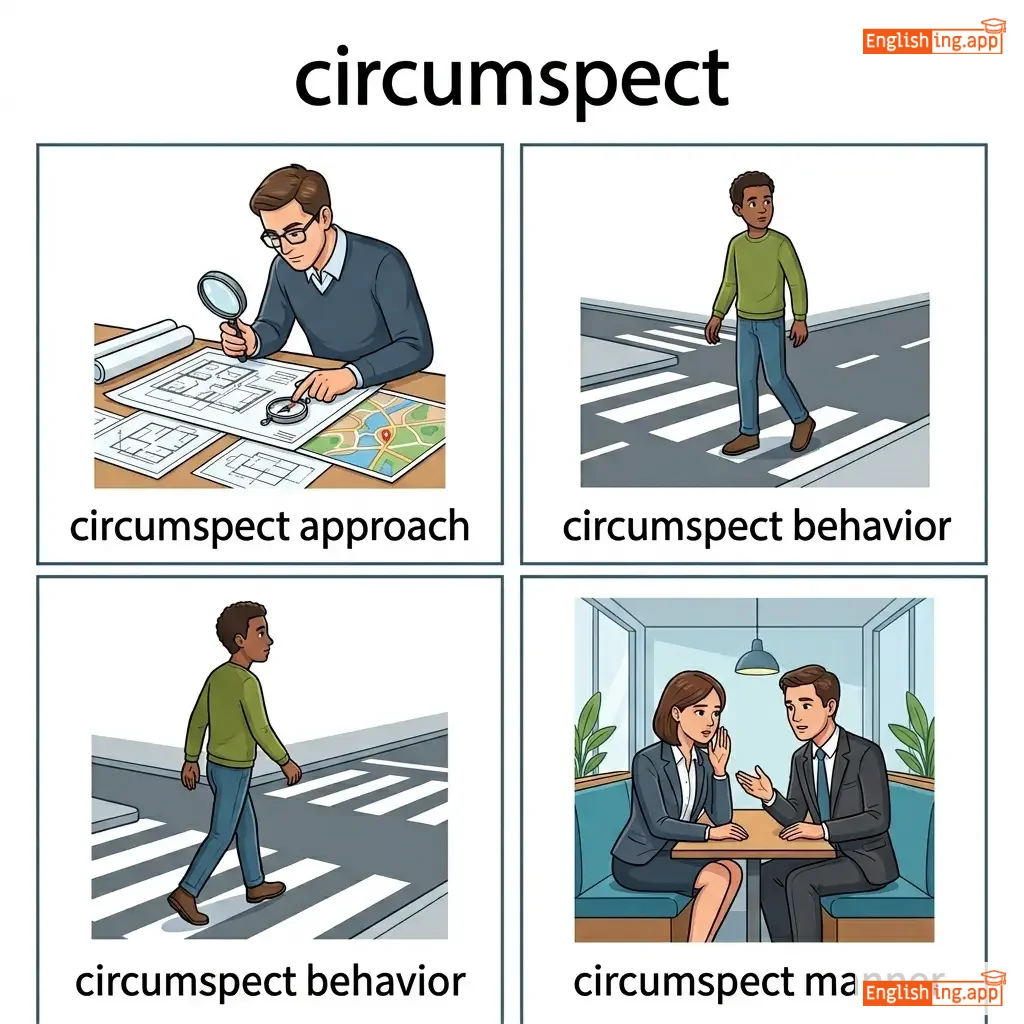
/ˈsɜː.kəm.spekt/
adjective
••••••
••••••
Wary and unwilling to take risks; careful to consider all circumstances and possible consequences.
••••••
Investors must be circumspect before making decisions.
••••••
cautious, prudent, careful, wary
••••••
reckless, careless, hasty, imprudent
••••••
••••••
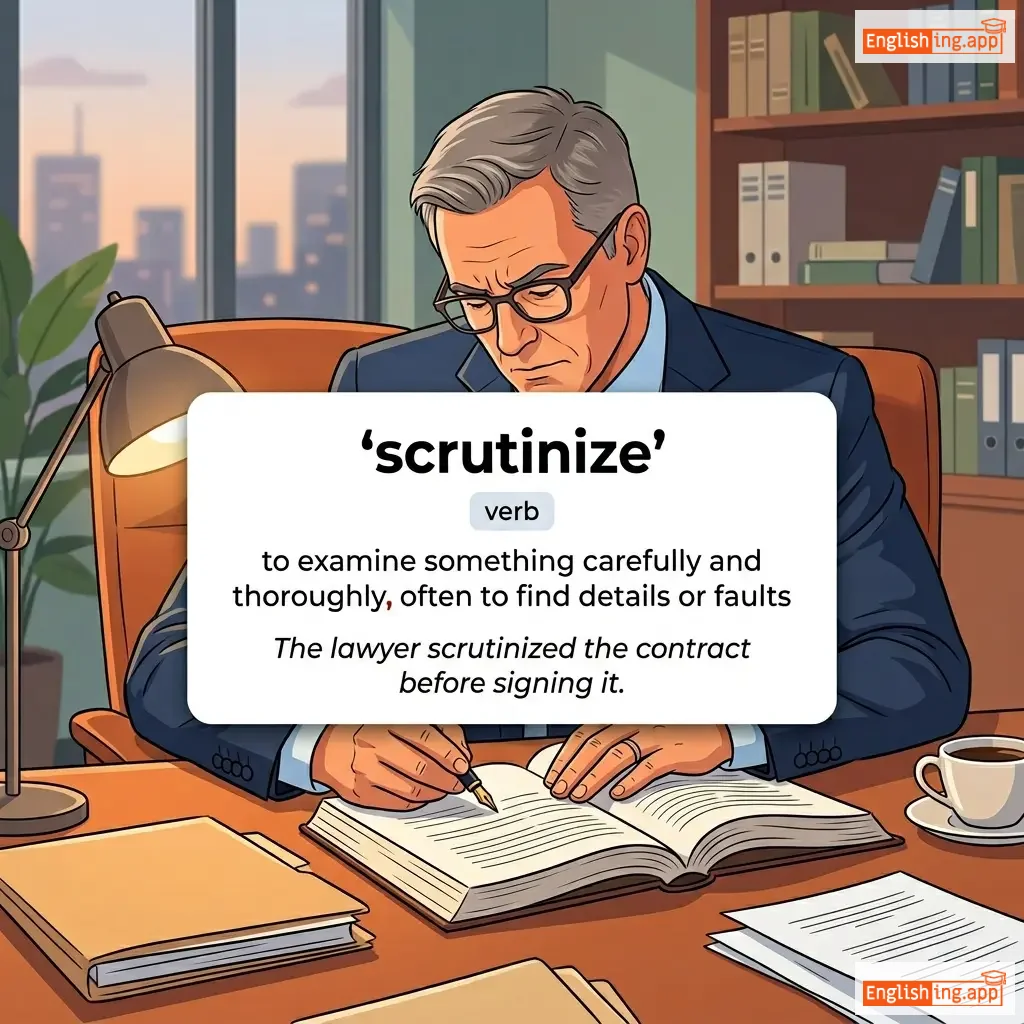
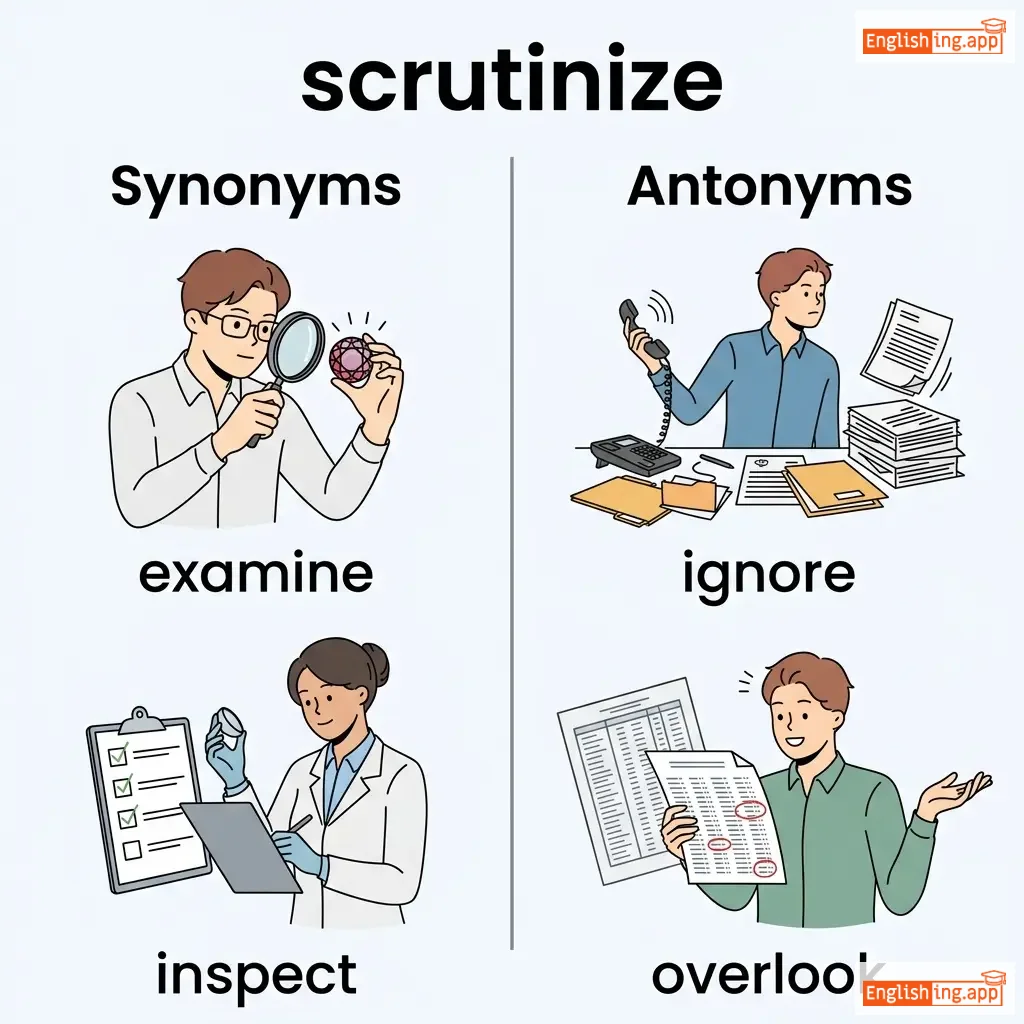
/ˈskruː.tɪ.naɪz/
verb
••••••
••••••
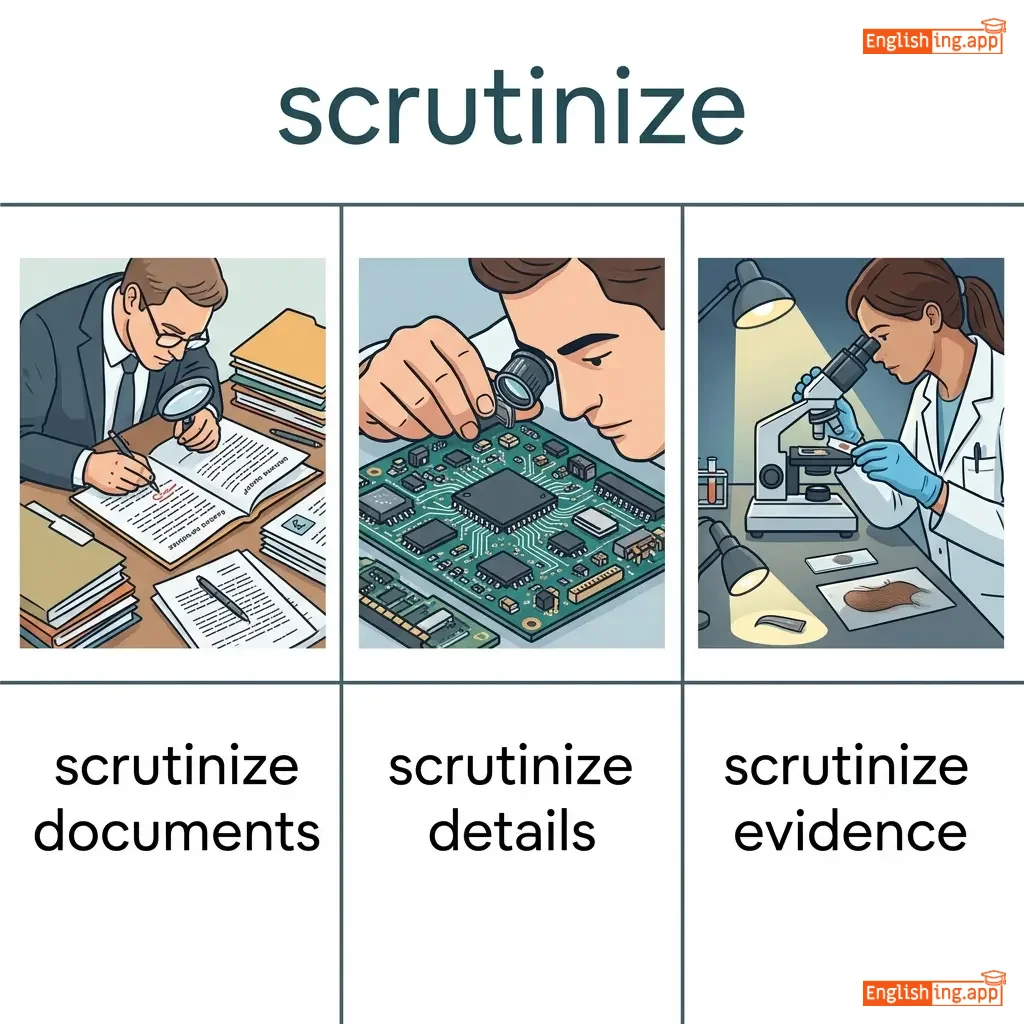
To examine or inspect closely and thoroughly; to look at critically or searchingly.
••••••
The scientist scrutinized the research data for errors.
••••••
examine, inspect, analyze, study
••••••
overlook, ignore, neglect, skim
••••••
••••••
/ɔːɡˈment/
verb
••••••
••••••
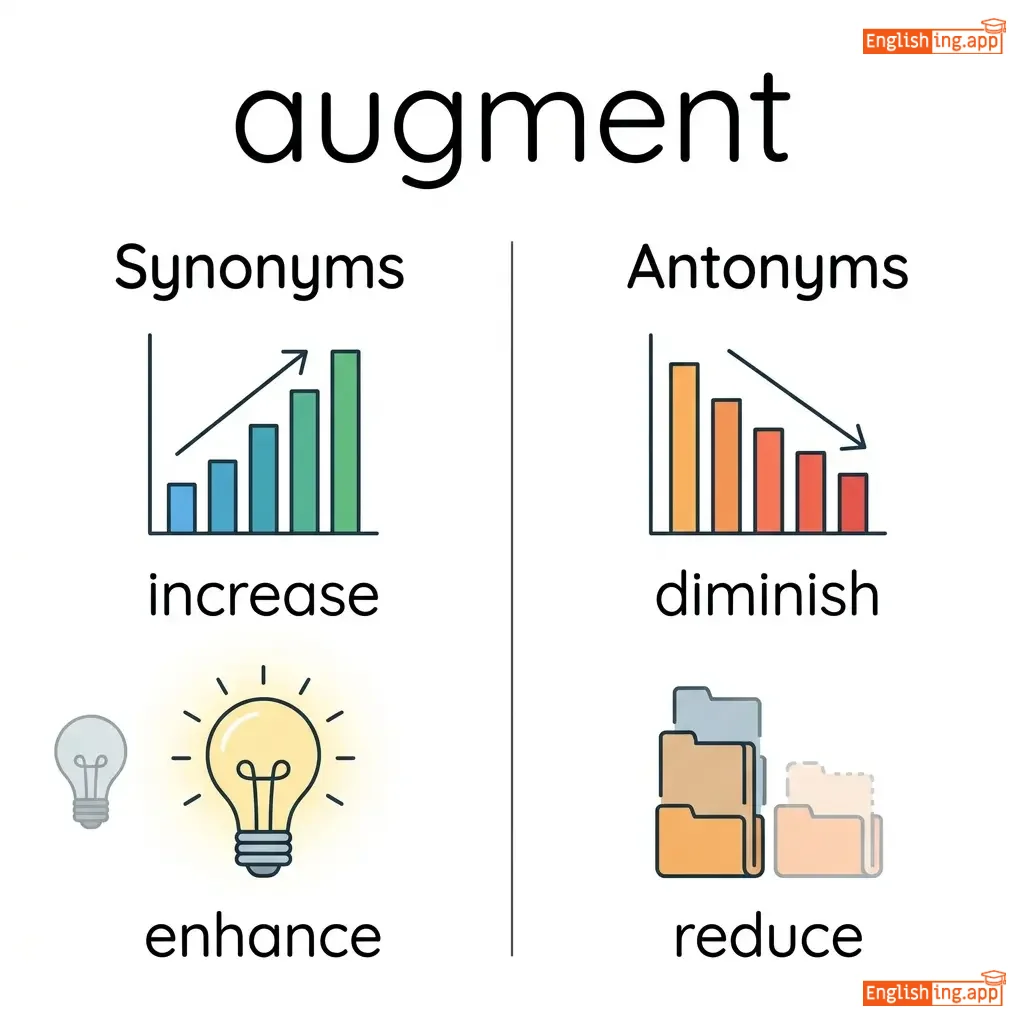
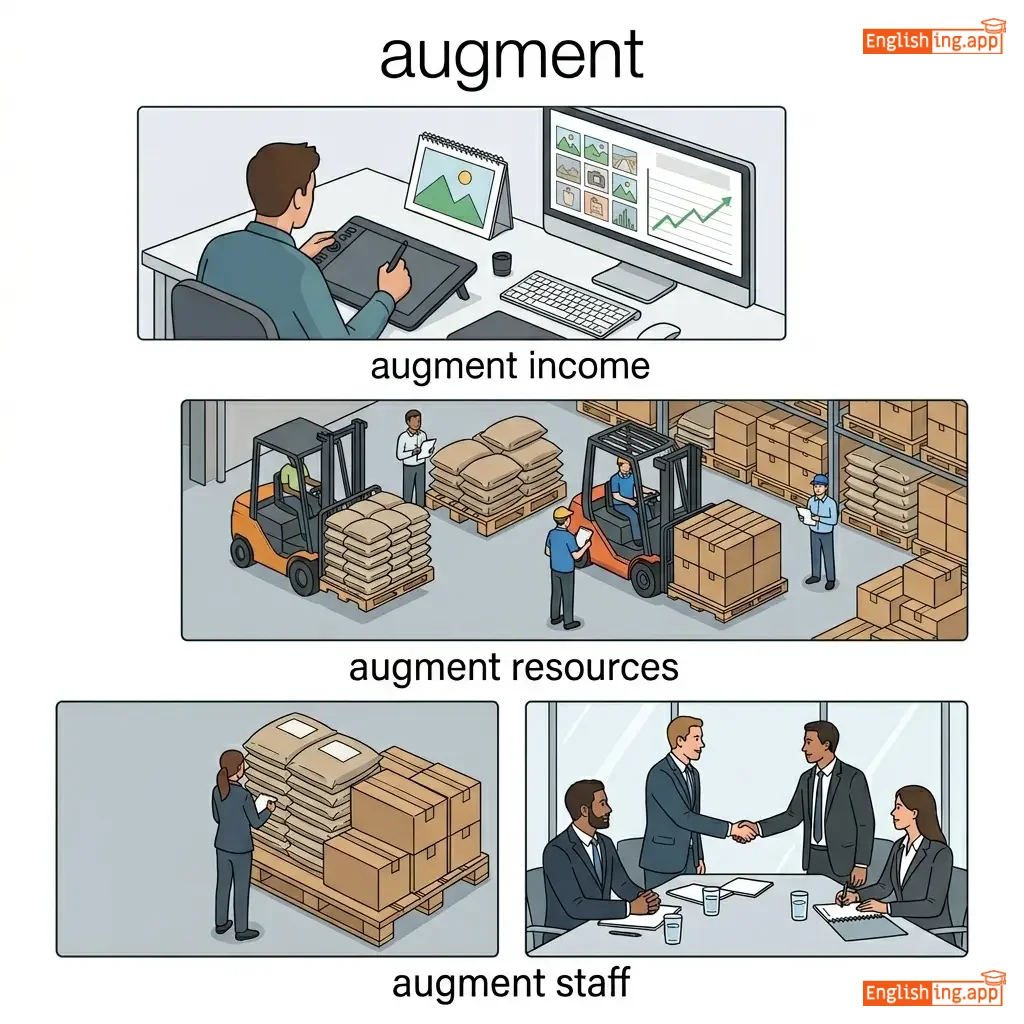
To make something greater by adding to it; to increase or enhance in size, amount, or degree.
••••••
The new technology augments the efficiency of production.
••••••
enhance, amplify, increase, boost
••••••
reduce, diminish, decrease, lessen
••••••
••••••
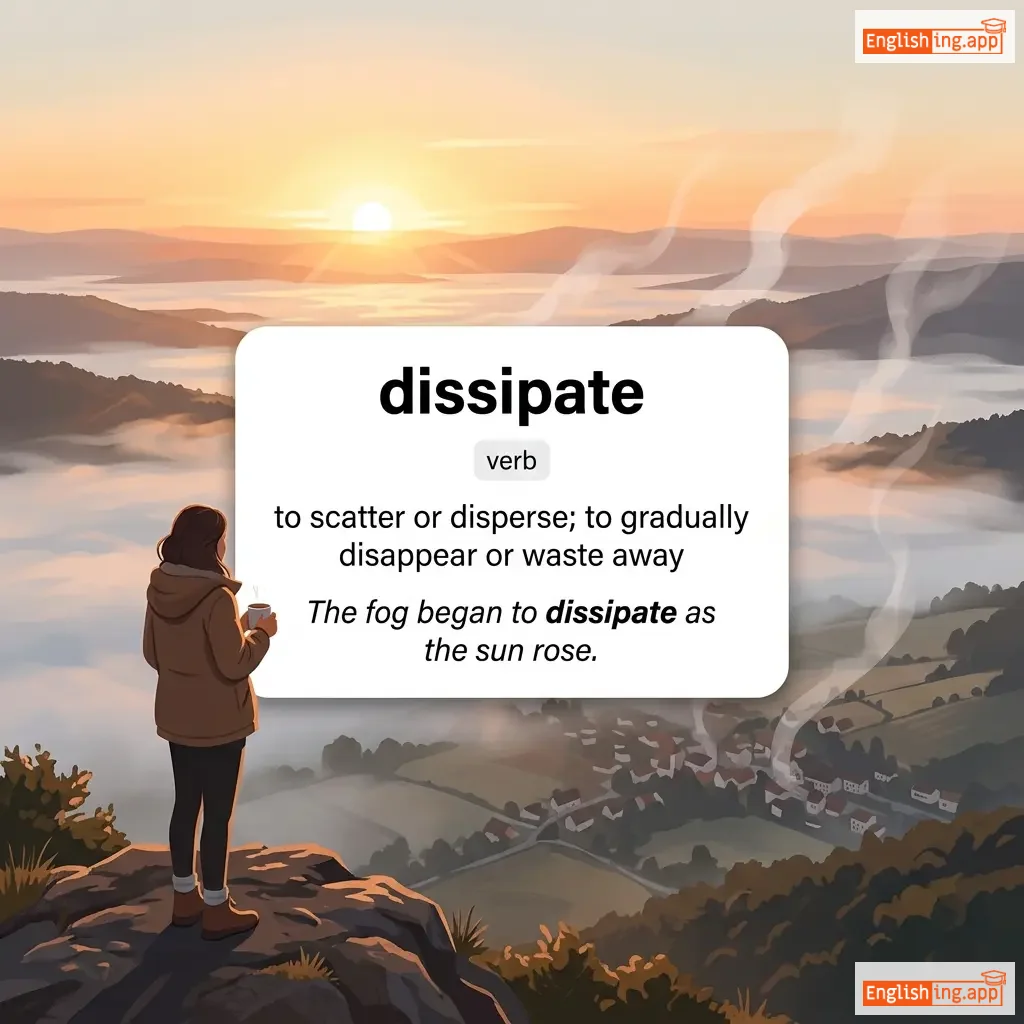
/ˈdɪs.ɪ.peɪt/
verb
••••••
••••••
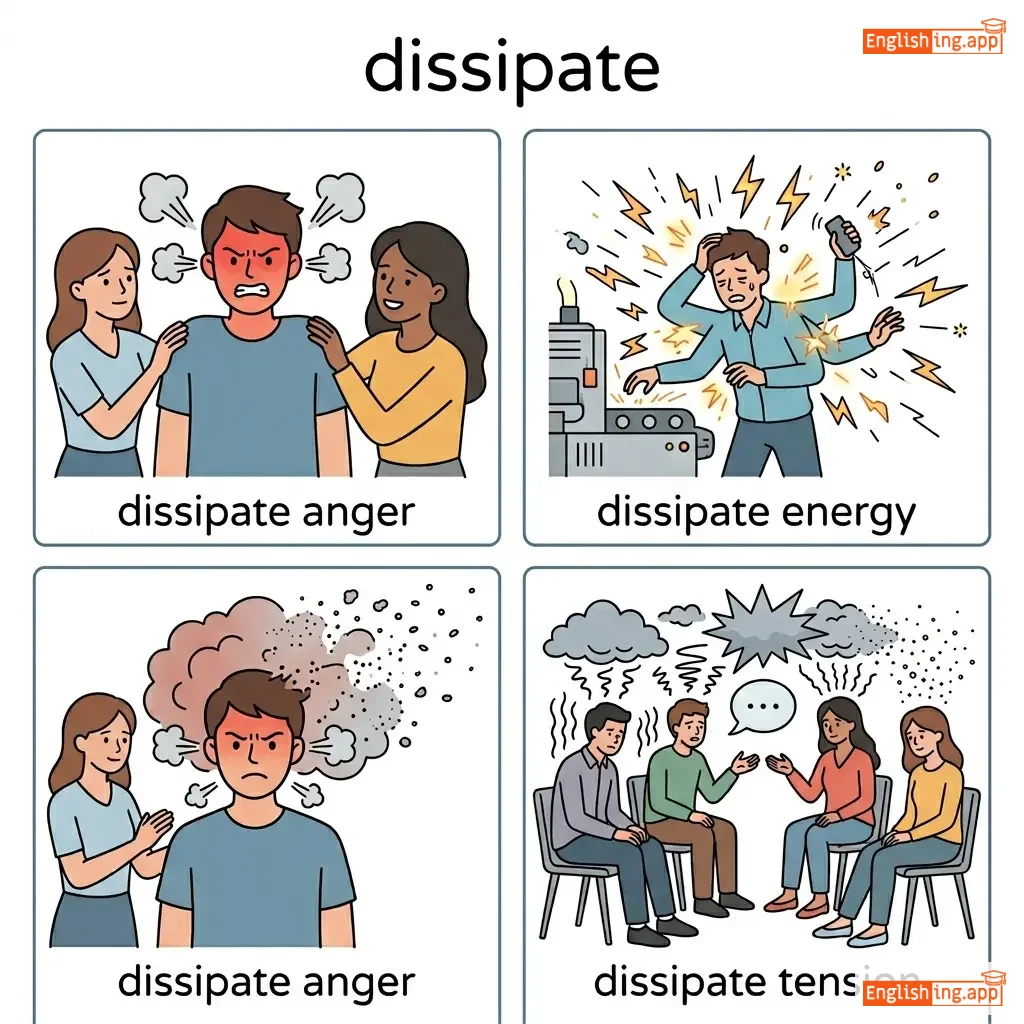
To disappear or cause to disappear gradually; to scatter or disperse; to waste or squander.
••••••
The morning fog dissipated as the sun rose.
••••••
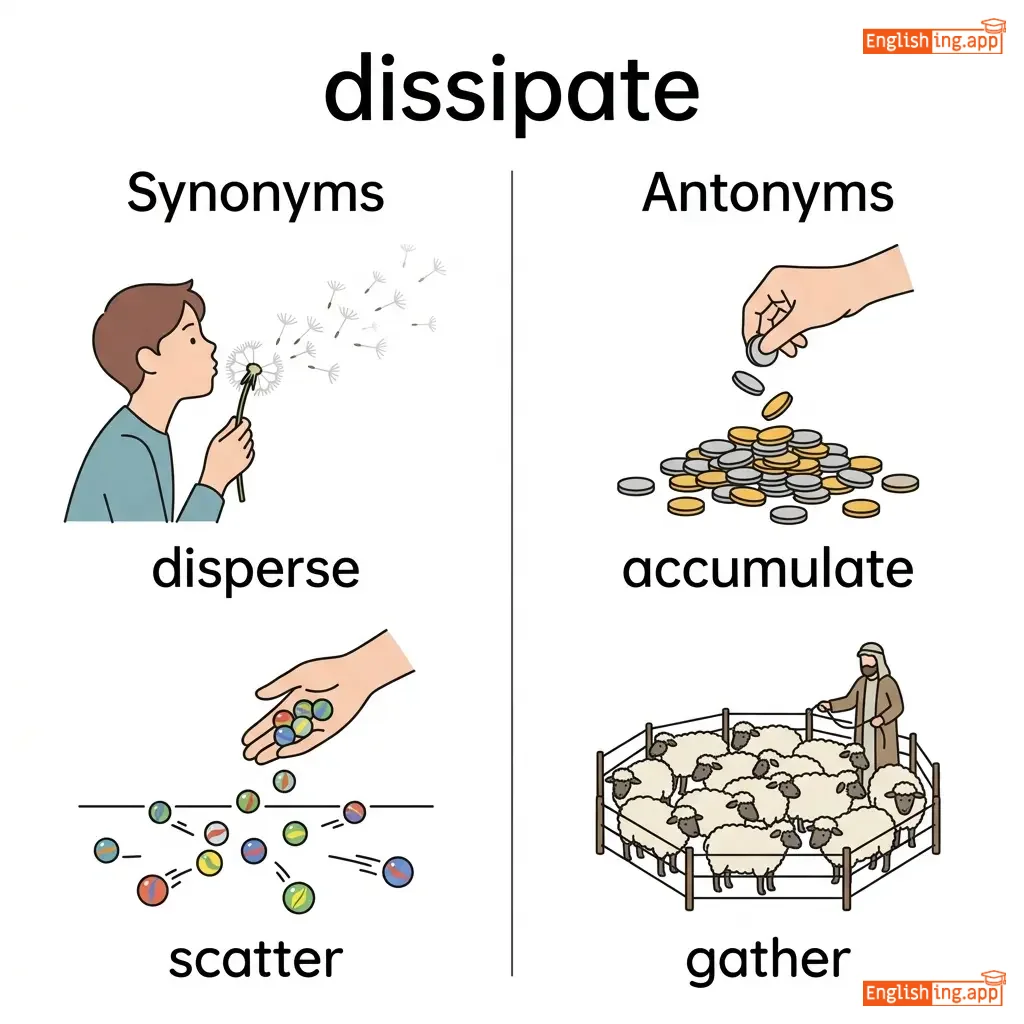
disperse, vanish, scatter, evaporate
••••••
accumulate, preserve, gather, collect
••••••
••••••
/ˈdʒʌk.stə.pəʊz/
verb
••••••
••••••
To place or deal with things close together for contrasting effect; to compare by placing side by side.
••••••
The artist juxtaposed modern and classical styles in his painting.
••••••
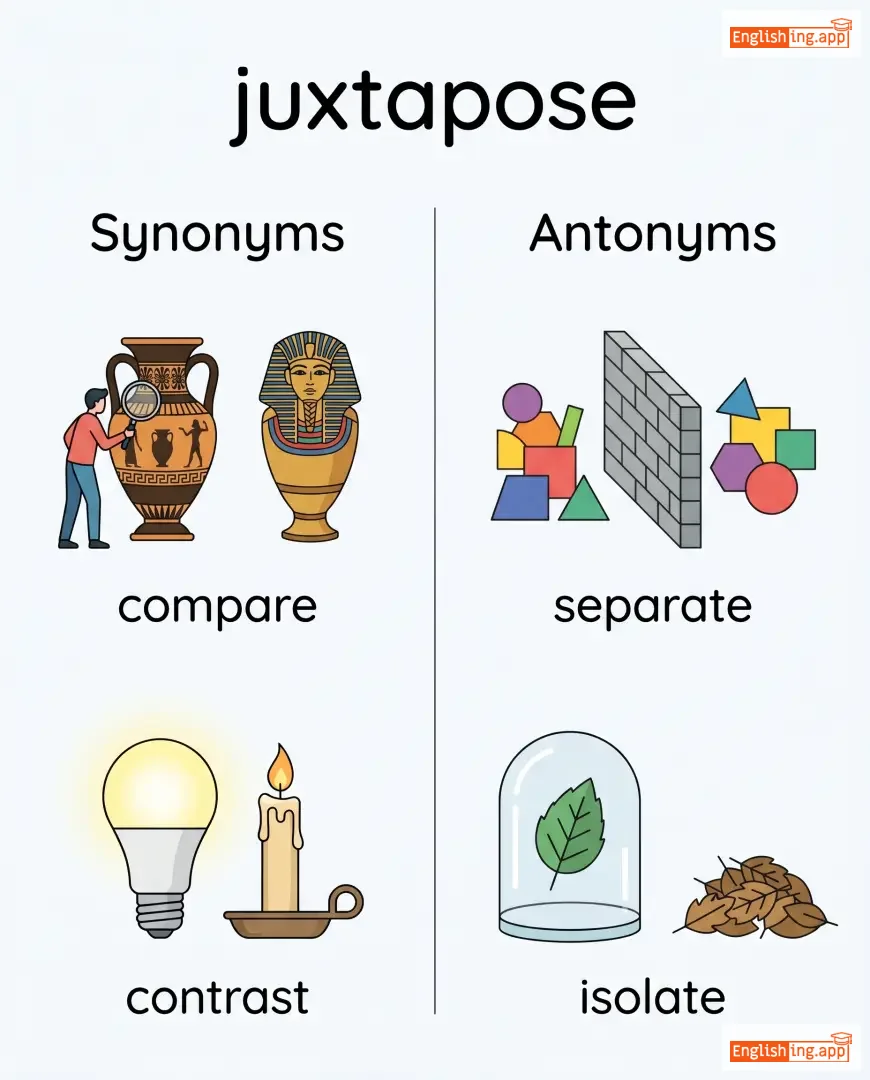
contrast, compare, place side by side, oppose
••••••
separate, isolate, divide, disconnect
••••••
••••••
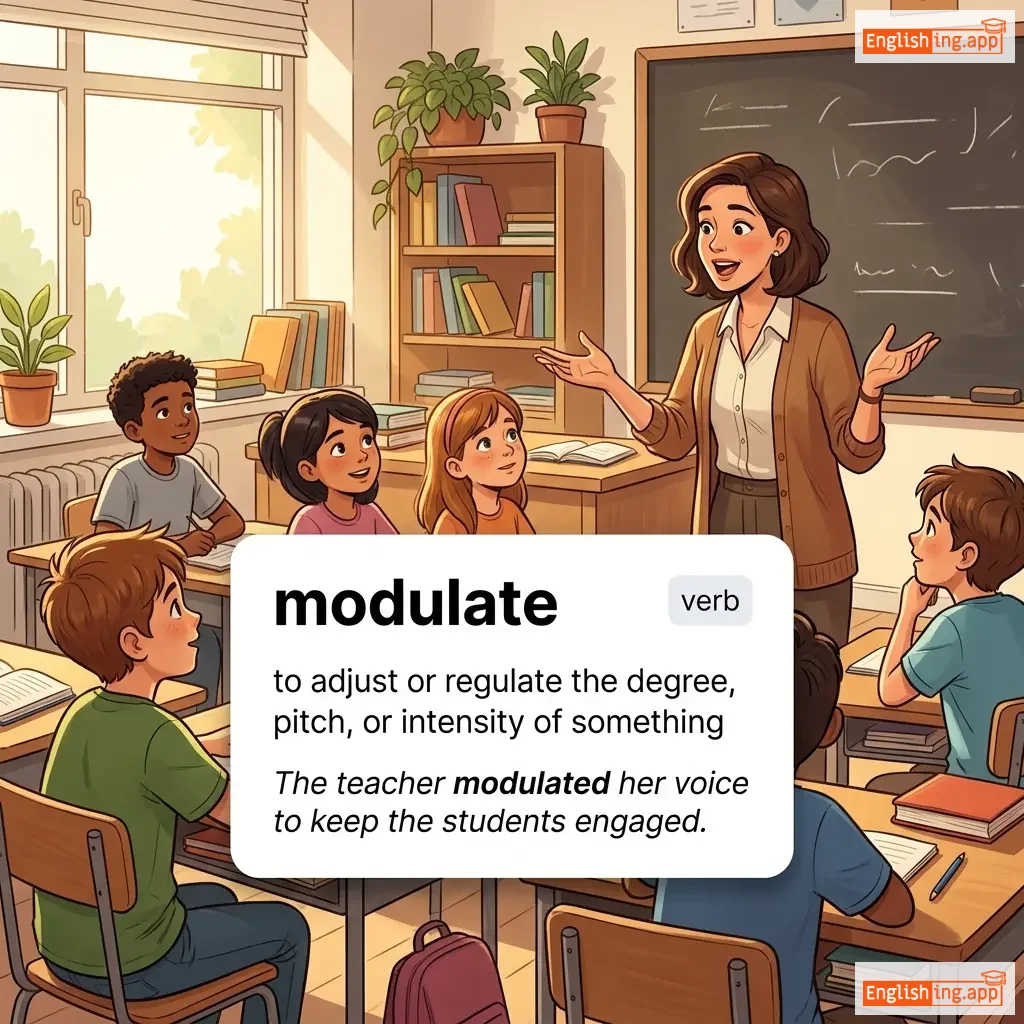
/ˈmɒd.jʊ.leɪt/
verb
••••••
••••••
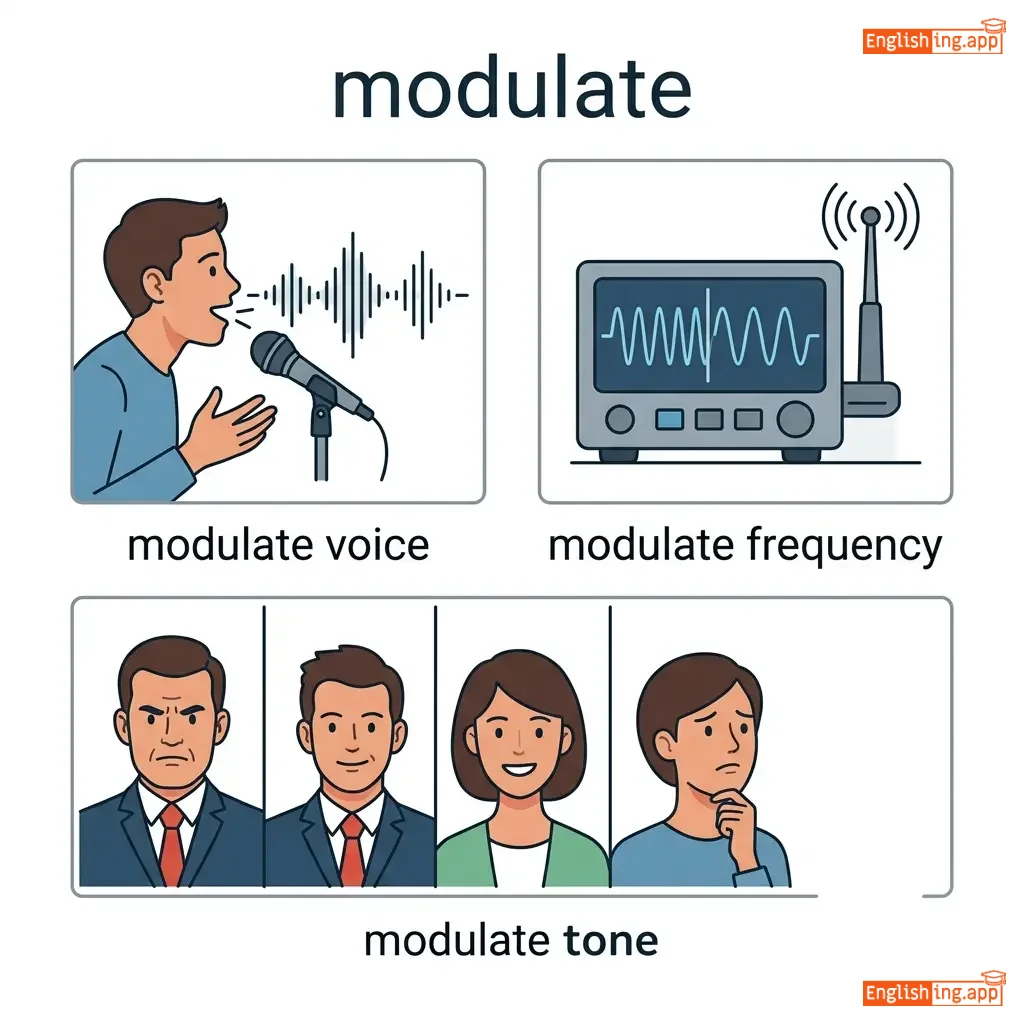
To change the strength, accent, or pitch of something; to vary or regulate; to adjust or control.
••••••
He modulated his voice to sound more authoritative.
••••••
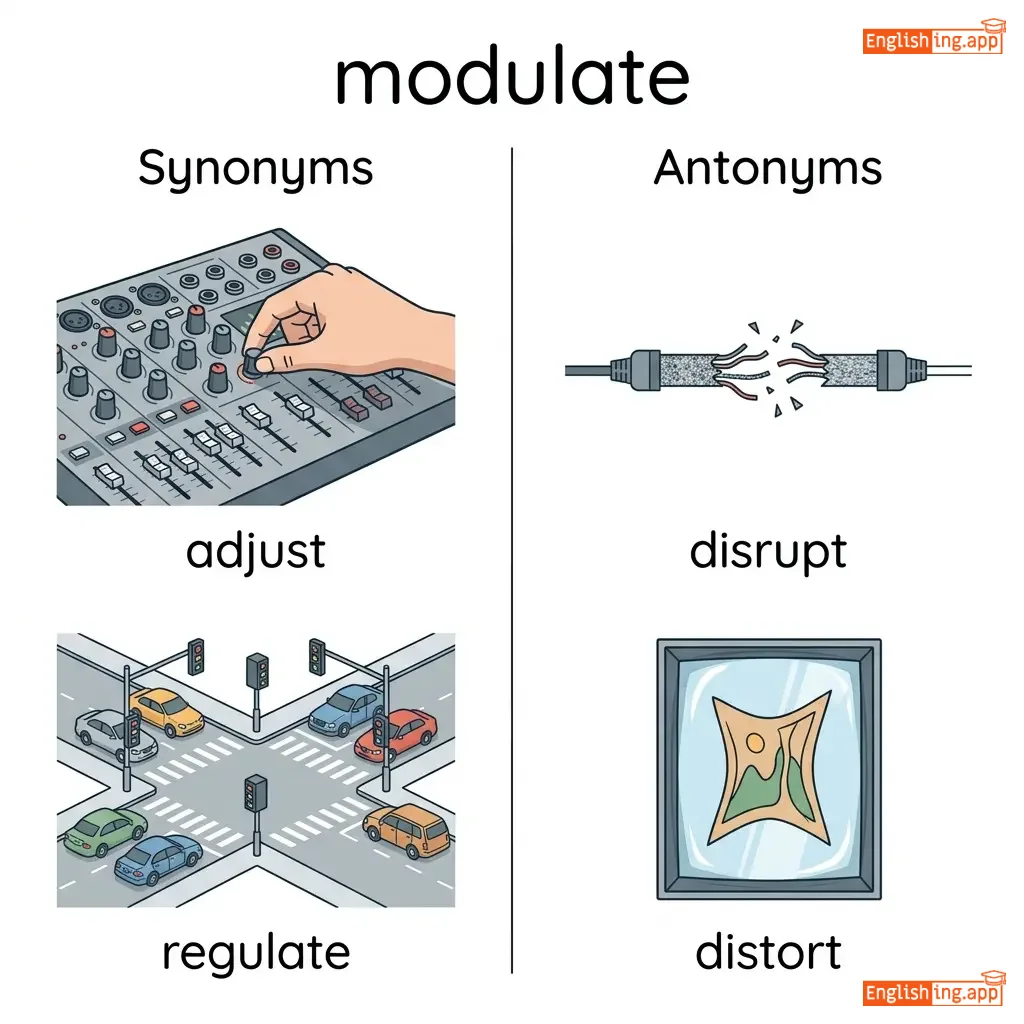
adjust, regulate, control, vary
••••••
intensify, amplify, maintain, stabilize
••••••
••••••
/ˈkɒɡ.nɪ.zənt/
adjective
••••••
••••••
Having knowledge or being aware of; conscious; informed or knowledgeable about something.
••••••
She was cognizant of the risks involved in the project.
••••••
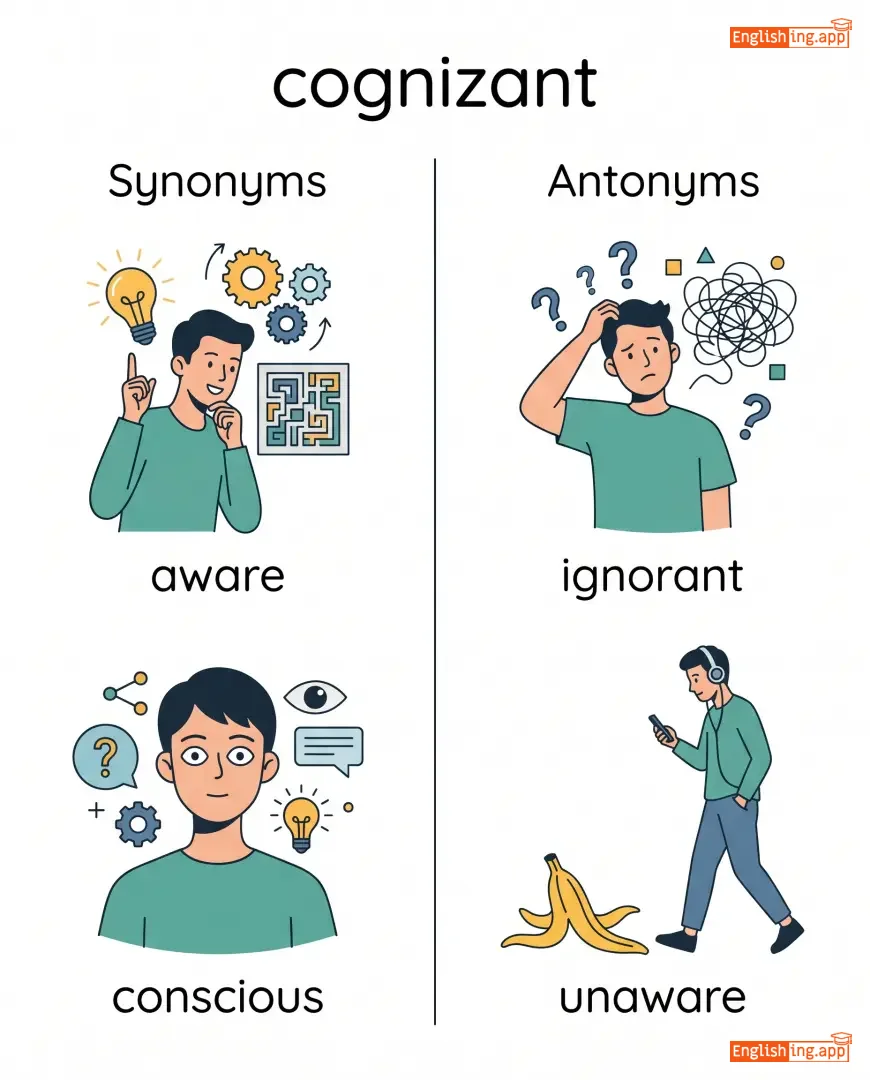
aware, perceptive, conscious, informed
••••••
oblivious, unaware, ignorant, unconscious
••••••
••••••
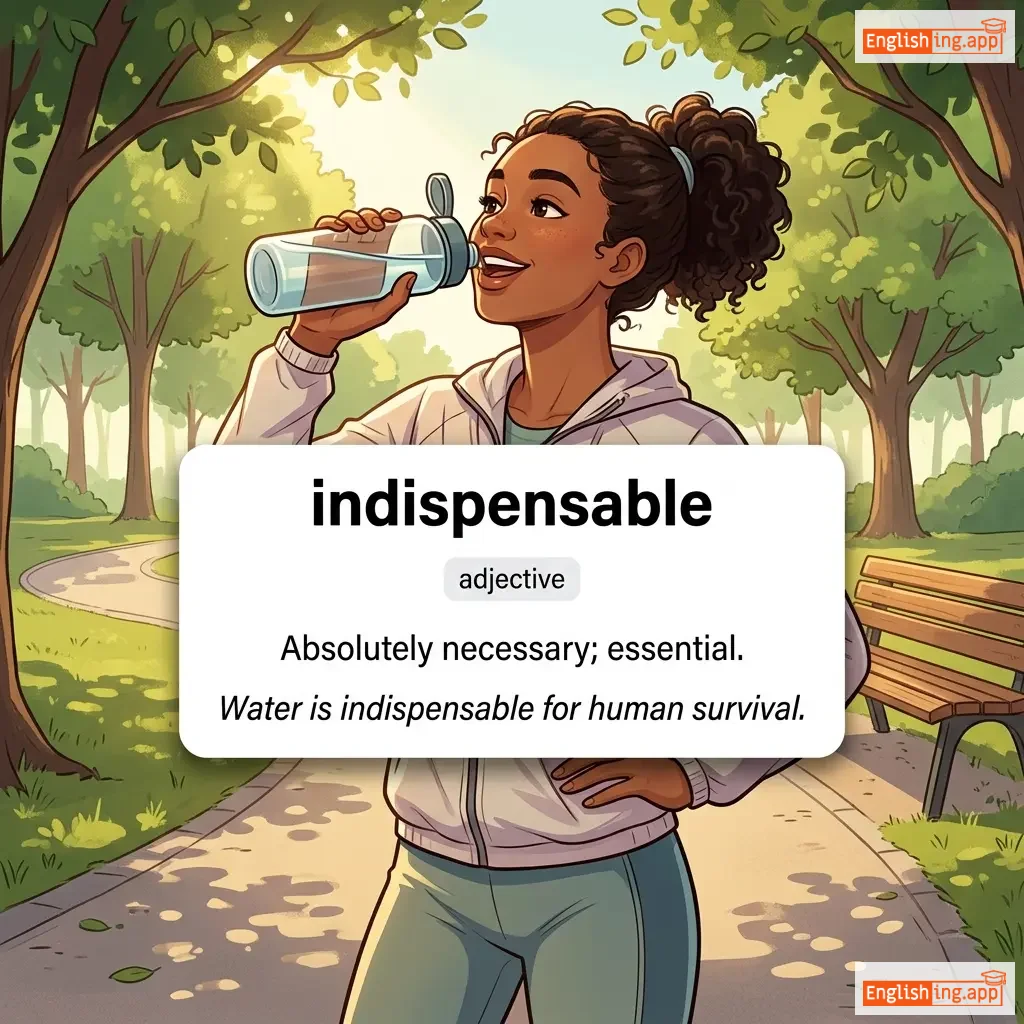
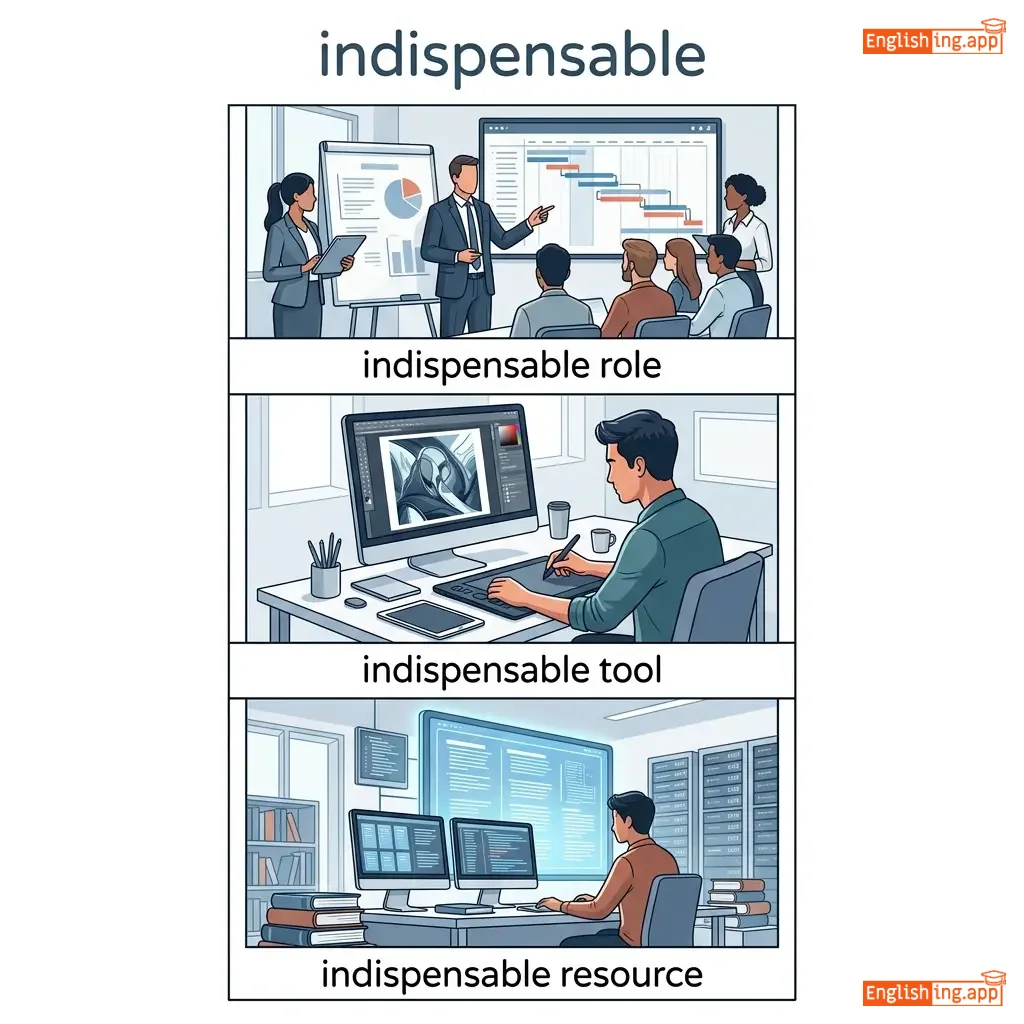
/ˌɪn.dɪˈspen.sə.bəl/
adjective
••••••
••••••
Absolutely necessary; essential; something that cannot be done without.
••••••
Water is indispensable for survival.
••••••
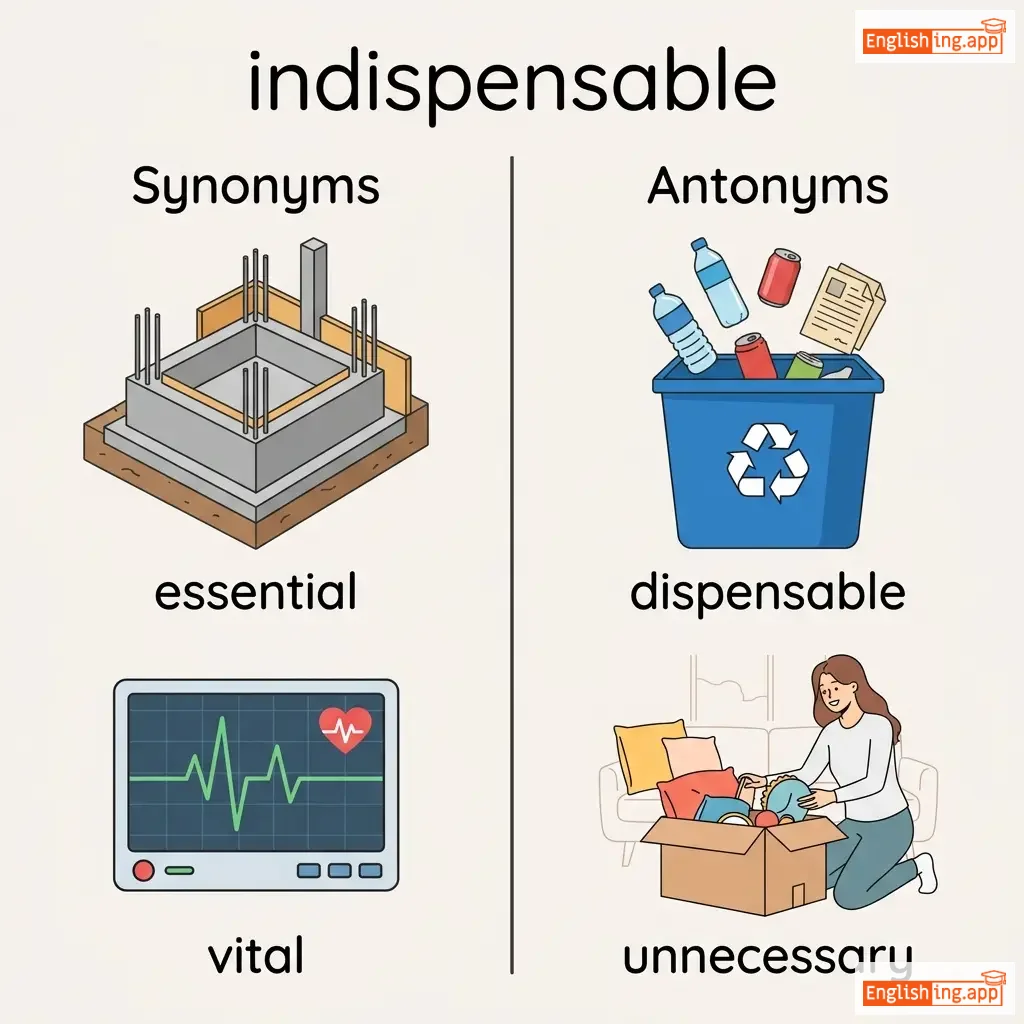
essential, crucial, vital, necessary
••••••
dispensable, optional, unnecessary, expendable
••••••
••••••
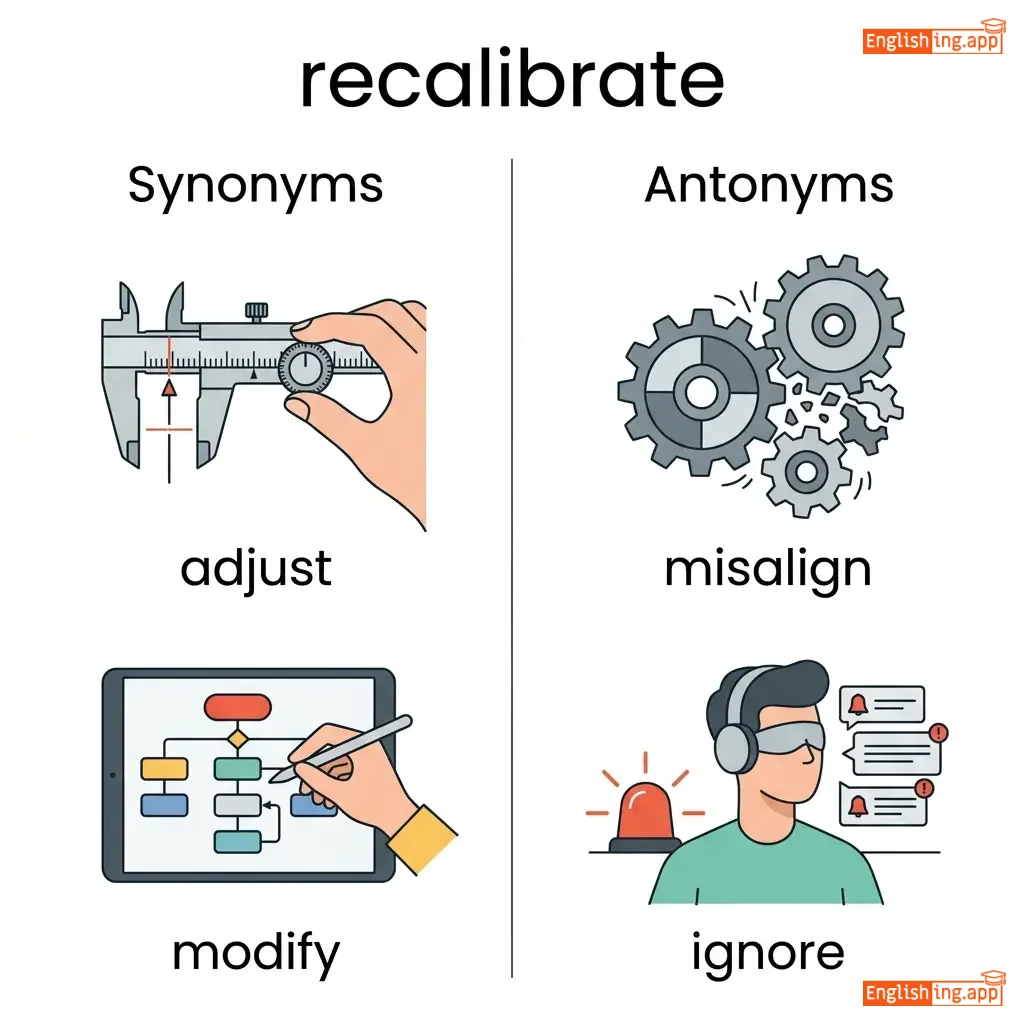
/ˌriːˈkæl.ɪ.breɪt/
verb
••••••
••••••
To calibrate again or differently; to adjust or correct something based on new information or changed circumstances.
••••••
The company had to recalibrate its strategies to adapt to the market.
••••••
readjust, reconfigure, reset, realign
••••••
misalign, disrupt, destabilize, imbalance
••••••
••••••
/jiːld/
verb/noun
••••••
••••••
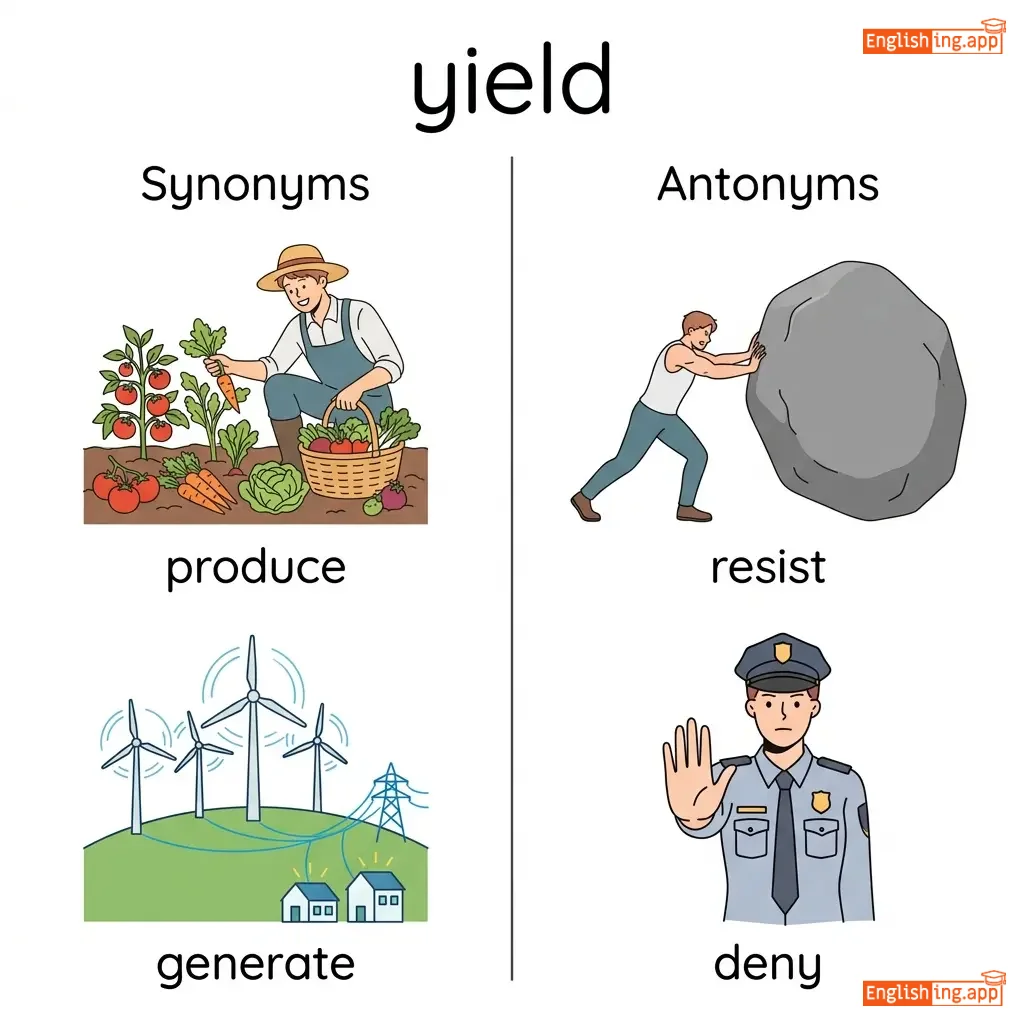
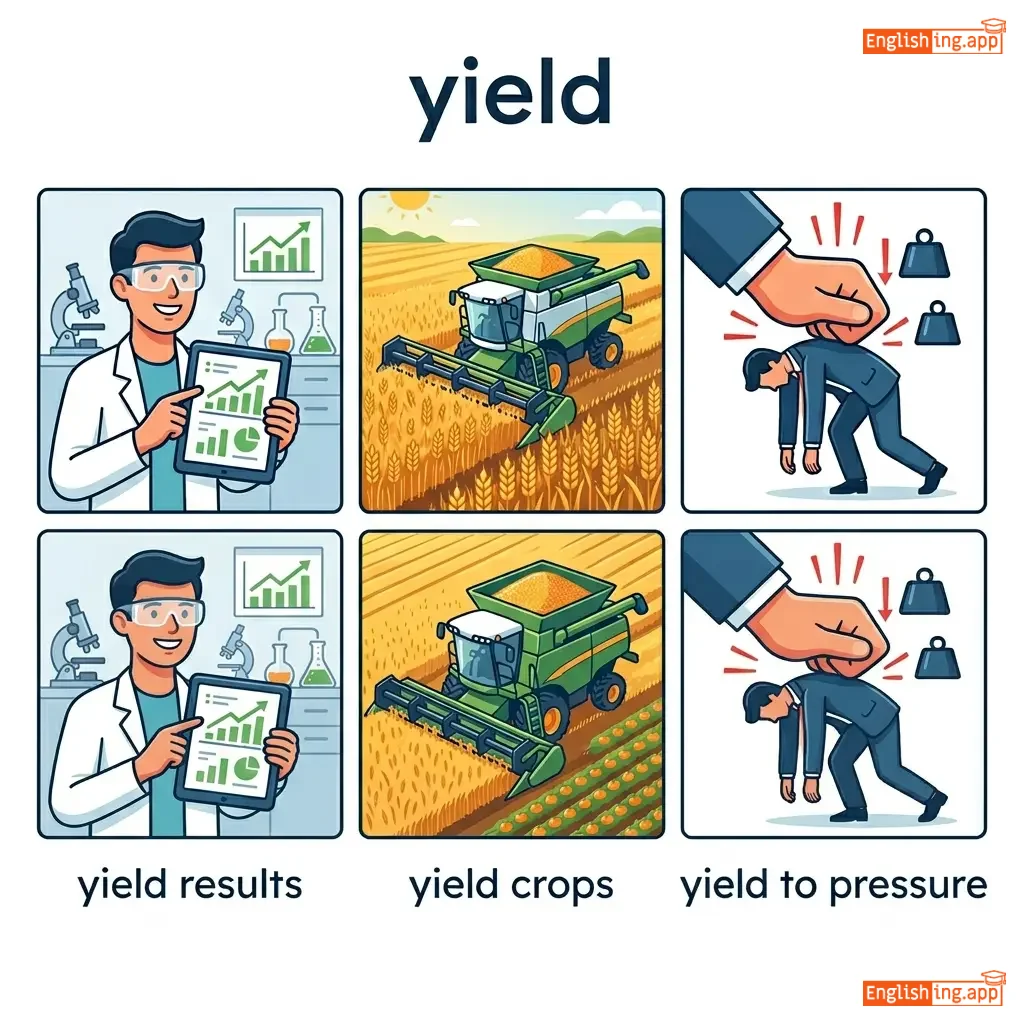
To produce or provide something, especially as a result or profit; to give way to; to surrender or submit.
••••••
The farm's crop yield increased this year.
••••••
produce, generate, provide, give
••••••
resist, defy, withhold, retain
••••••