MicroMart's Legendary Revival
Sohanaは祖父のlegendary勇敢さを思い出し、MicroMartをどのように成長させるかを考えました。彼女はすべてが再び動き出すように、古いミルのmachineryを自ら監督しました。彼女のパートナーMehediは言いました、'もし私たちがintegrityを保てば、人々は私たちを信頼してくれるでしょう。' 店のinventoryを更新しながら、彼らは村のティーンエイジャーにタブレットで数字を追跡する方法を教えました。彼らは新しいコミュニティトレーニングをmandatoryと宣言しました。Meanwhile、Sohanaの母はお茶を持ってきて、会議を温かくしました。彼らはすべてのステップが完全にpracticalであるべきだと決定しました。地元の新聞のpublicityを活用して、彼らは農村市場の話題となりました。Sohanaは成功事例をportfolioに追加し、銀行から融資を受けました。彼らの目標は市場での日々の価格stabilityを確保することでした。会議後、Mehediは感動的なstatementを声に出して読み上げました。彼らは未来にはさらに多くのtechnicalなトレーニングが必要だと認識しました。Sohanaは長老たちの物語をデジタルプラットフォームにtranslateすることを計画しました。彼らはフィールドの横にある古い小屋を現代的なwarehouseに変えました。皆は、yesterdayまでこの夢は想像もできなかったと感じていました。今や彼らの製品は本当にaffordableで目に見えてattractiveでした。チームの各メンバーは仕事のatmosphereを活気づける特別なassignmentを受け取りました。年長のSultanは言いました、'私は生涯あなたたちのsupporterであり続けます。'
|
絵文字
|
単語 | Images | 翻訳 | 過去 | 過去分詞 | 三人称単数 | 動名詞 | 意味 | 例文 | 例文の翻訳 | 表現例 | 表現例の意味 | 表現例の翻訳 | 同義語 | 対義語 | コロケーション | ニーモニック |
|---|---|---|---|---|---|---|---|---|---|---|---|---|---|---|---|---|---|
|
💸
••••••
|
/əˈfɔːdəbl/
adjective
(アフォーダブル)
••••••
|
- •••••• |
手頃な
tegorona
••••••
|
- •••••• | - •••••• | - •••••• | - •••••• |
inexpensive and within one's financial means
••••••
|
This restaurant offers affordable meals for families. |
このレストランは家族向けに手頃な価格の食事を提供しています。
Kono resutoran wa kazoku-muke ni tegorona kakaku no shokuji o teikyō shiteimasu.
••••••
|
- •••••• | - •••••• | - •••••• |
inexpensive, reasonable, budget-friendly
••••••
|
expensive, overpriced
••••••
|
affordable price, affordable solution, affordable rate
••••••
|
Affordable means you can ‘afford’ it without worry!
••••••
|
|
📄
••••••
|
/əˈsaɪnmənt/
noun
(アサインメント)
••••••
|
- •••••• |
課題
kadai
••••••
|
- •••••• | - •••••• | - •••••• | - •••••• |
a task or piece of work given to someone as part of their duties
••••••
|
The students completed their homework assignment on time. |
学生たちは時間通りに宿題を終わらせました。
gakusei-tachi wa jikan doori ni shukudai o owarasemashita.
••••••
|
writing assignment |
a task requiring written work
••••••
|
作文課題
sakubun kadai
••••••
|
task, duty, job, responsibility, project
••••••
|
neglect, avoidance
••••••
|
school assignment, work assignment, group assignment, writing assignment
••••••
|
Assignmentは'アサイン'された課題です – 先生から与えられた仕事
••••••
|
|
🌍
••••••
|
/ˈætməsfɪər/
noun
(アトモスフィア)
••••••
|
- •••••• |
大気
taiki
••••••
|
- •••••• | - •••••• | - •••••• | - •••••• |
the layer of gases surrounding the Earth; the mood or feeling of a place
••••••
|
The restaurant had a warm and welcoming atmosphere. |
レストランには温かくて歓迎的な雰囲気がありました。
Resutoran ni wa atatakakute kangei-teki na fun'iki ga arimashita.
••••••
|
tense atmosphere |
a stressful or uneasy environment
••••••
|
緊張した雰囲気
kinchou shita fun'iki
••••••
|
environment, mood, climate, aura, ambience
••••••
|
emptiness, vacuum
••••••
|
earth's atmosphere, friendly atmosphere, tense atmosphere, atmosphere of peace
••••••
|
Atmosphere = 空気 + 場所のムード
••••••
|
|
😍
••••••
|
/əˈtræktɪv/
adjective
(アトラクティブ)
••••••
|
- •••••• |
魅力的
miryokuteki
••••••
|
- •••••• | - •••••• | - •••••• | - •••••• |
pleasing or appealing to the senses or mind; having qualities that arouse interest or admiration
••••••
|
The attractive design of the house caught everyone's attention. |
その家の魅力的なデザインは、誰もが注目することを引きました。
Sono ie no miryokuteki na dezain wa, daremo ga chūmoku suru koto o hikimashita.
••••••
|
look attractive |
to appear pleasing or appealing
••••••
|
魅力的に見える
miryokuteki ni mieru
••••••
|
appealing, charming, pretty, engaging, lovely
••••••
|
unattractive, ugly, unpleasant
••••••
|
attractive offer, attractive price, attractive personality, attractive appearance
••••••
|
Attractiveのように、何かがあなたを引きつけ、心地よいものにします。
••••••
|
|
🕊️
••••••
|
/ɪnˈtɛɡrɪti/
noun
(インテグリティ)
••••••
|


|
誠実
seijitsu
••••••
|
- •••••• | - •••••• | - •••••• | - •••••• |
The quality of being honest and having strong moral principles.
••••••
|
She is admired for her honesty and integrity. |
彼女はその正直さと誠実さで賞賛されています。
Kanojo wa sono shōjikisa to seijitsusa de shōsan sareteimasu.
••••••
|
professional integrity |
Adherence to ethical standards in professional life
••••••
|
職業倫理
shokugyō rinri
••••••
|
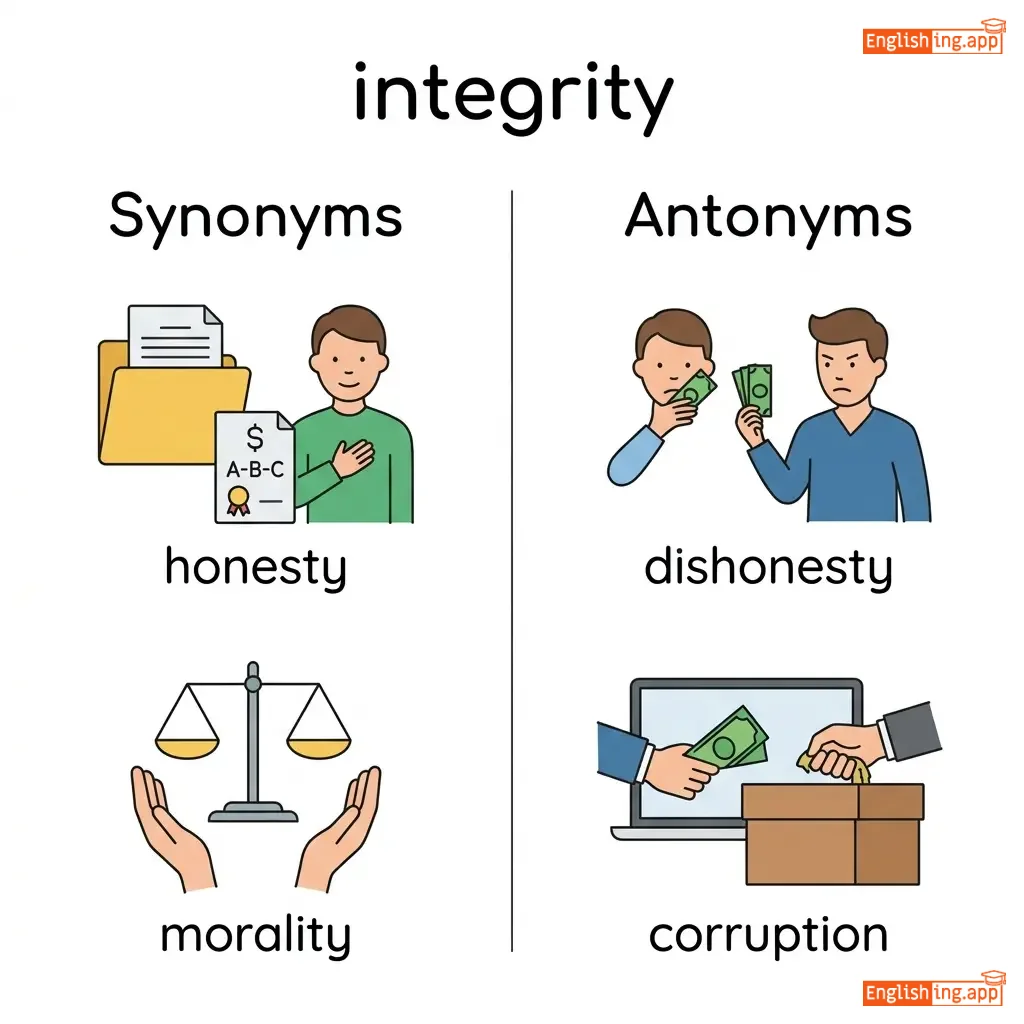
honesty, morality, righteousness, uprightness, virtue
••••••
|
dishonesty, corruption, deceit
••••••
|
personal integrity, professional integrity, maintain integrity, integrity of data
••••••
|
Integrity = in + great → greatの中に誠実がある
••••••
|
|
📦
••••••
|
/ˈɪnvənˌtɔːri/
noun
(インベントリ)
••••••
|
- •••••• |
インベントリ
inbentori
••••••
|
- •••••• | - •••••• | - •••••• | - •••••• |
A complete list of items, such as goods in stock or property.
••••••
|
The shopkeeper checked the inventory before opening the store. |
店主は店を開店する前にインベントリを確認しました。
Tenshu wa mise o kaiten suru mae ni inbentori o kakunin shimashita.
••••••
|
take stock |
To review and assess a situation or resources.
••••••
|
在庫確認
zaiko kakunin
••••••
|
stock, list, catalog, register, record
••••••
|
shortage, emptiness
••••••
|
inventory list, inventory management, inventory control, inventory check
••••••
|
インベントリはリスト—店の在庫をチェックするためのリスト。
••••••
|
|
🌟
••••••
|
/ˈlɛdʒəndɛri/
adjective
••••••
|
- •••••• | - •••••• | - •••••• | - •••••• | - •••••• | - •••••• |
remarkable enough to be famous; often used to describe something that is iconic or widely known
••••••
|
The legendary musician performed in front of a packed stadium. |
- •••••• | - •••••• | - •••••• | - •••••• |
famous, renowned, iconic
••••••
|
obscure, unknown
••••••
|
legendary figure, legendary status, legendary career
••••••
|
No •••••• |
|
⚙️
••••••
|
/məˈʃiː.nər.i/
noun
••••••
|
- •••••• | - •••••• | - •••••• | - •••••• | - •••••• | - •••••• |
machines collectively, or the parts of a machine; also, the system or process by which something works
••••••
|
The factory invested in new machinery to increase production. |
- •••••• |
the machinery of government |
the system and processes by which a government operates
••••••
|
- •••••• |
equipment, apparatus, mechanism, device
••••••
|
manual work, handcraft
••••••
|
heavy machinery, industrial machinery, modern machinery
••••••
|
No •••••• |
|
⚖️
••••••
|
/ˈmæn.dəˌtɔːr.i/
adjective
(マンダトリー)
••••••
|
- •••••• |
義務的な
gimuteki na
••••••
|
- •••••• | - •••••• | - •••••• | - •••••• |
required by law or rules; compulsory
••••••
|
Wearing seat belts is mandatory in most countries. |
ほとんどの国でシートベルトの着用は義務的です。
Hotondo no kuni de shītoberuto no chakuyō wa gimuteki desu.
••••••
|
- •••••• | - •••••• | - •••••• |
compulsory, required, obligatory, enforced
••••••
|
optional, voluntary, discretionary
••••••
|
mandatory rule, mandatory training, mandatory law, mandatory requirement
••••••
|
Mandatoryは日本語で義務的なことを意味します、義務としてやらなければならないこと。
••••••
|
|
⌚
••••••
|
/ˈmiːn.waɪl/
adverb
(mīn wairu)
••••••
|
- •••••• |
その間
sono aida
••••••
|
- •••••• | - •••••• | - •••••• | - •••••• |
at the same time; during the same period
••••••
|
She was cooking dinner, meanwhile he was setting the table.
彼女は夕食を作っていた、その間、彼はテーブルを整えていた。
••••••
|
彼女は夕食を作っていた、その間、彼はテーブルを整えていた。
Kanojo wa yūshoku o tsukutte ita, sono aida, kare wa tēburu o totonoete ita.
••••••
|
- •••••• | - •••••• | - •••••• |
meantime, at the same time, simultaneously
••••••
|
later, afterwards, subsequently
••••••
|
meanwhile back, meanwhile elsewhere
••••••
|
In Japanese, 'その間' means 'meanwhile', reflecting events occurring in the same period.
••••••
|
|
📁
••••••
|
/pɔːrtˈfoʊlioʊ/
noun
(ポートフォリオ)
••••••
|

|
ポートフォリオ
pōtoforio
••••••
|
- •••••• | - •••••• | - •••••• | - •••••• |
A collection of financial investments, artworks, or documents presented as a body of work.
••••••
|
The designer showcased her portfolio during the interview.
デザイナーはインタビュー中に彼女のポートフォリオを展示しました。
••••••
|
デザイナーはインタビュー中に彼女のポートフォリオを展示しました。
Dezainā wa intabyū chū ni kanojo no pōtoforio o tenji shimashita.
••••••
|
diversified portfolio
多様化されたポートフォリオ
••••••
|
A variety of different investments held to reduce risk.
••••••
|
多様化されたポートフォリオ
Tayōka sareta pōtoforio
••••••
|
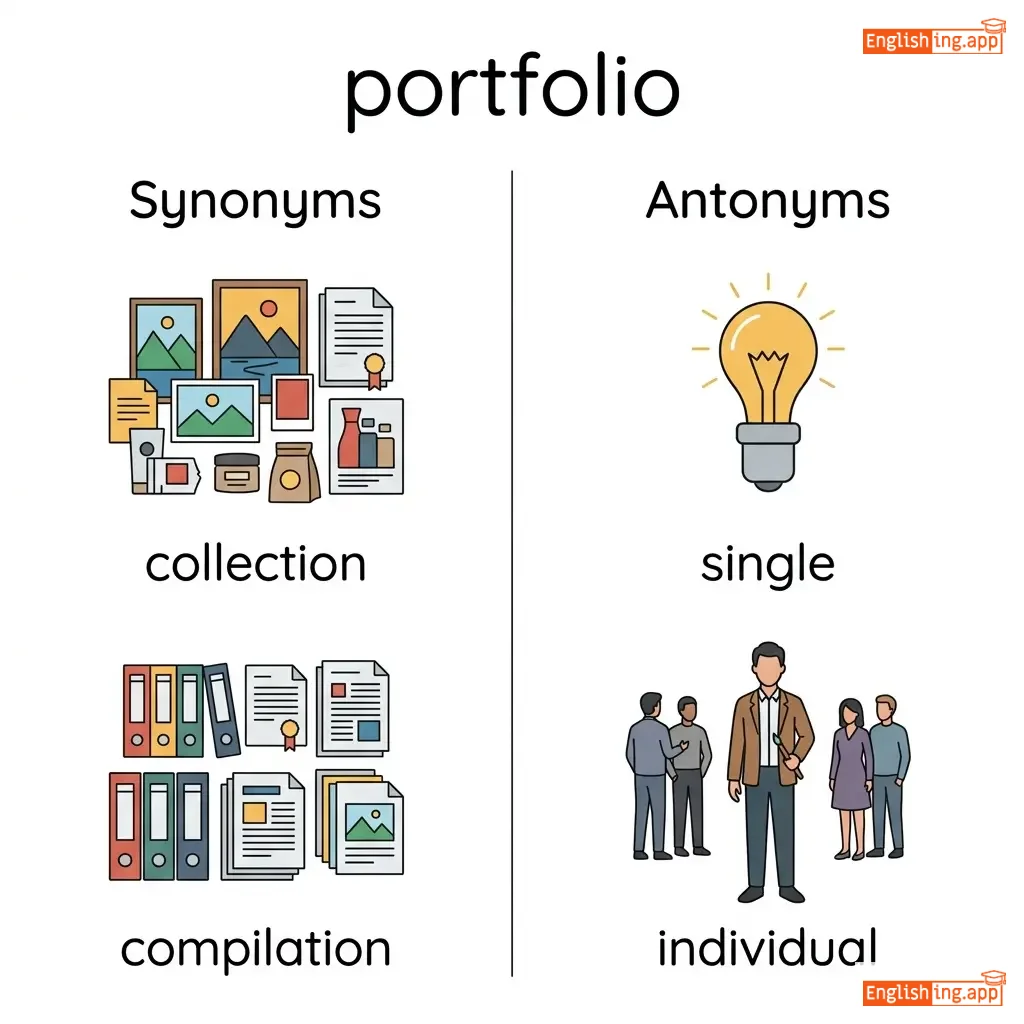
collection, compilation, dossier, folder, assortment
••••••
|
single, individual
••••••
|
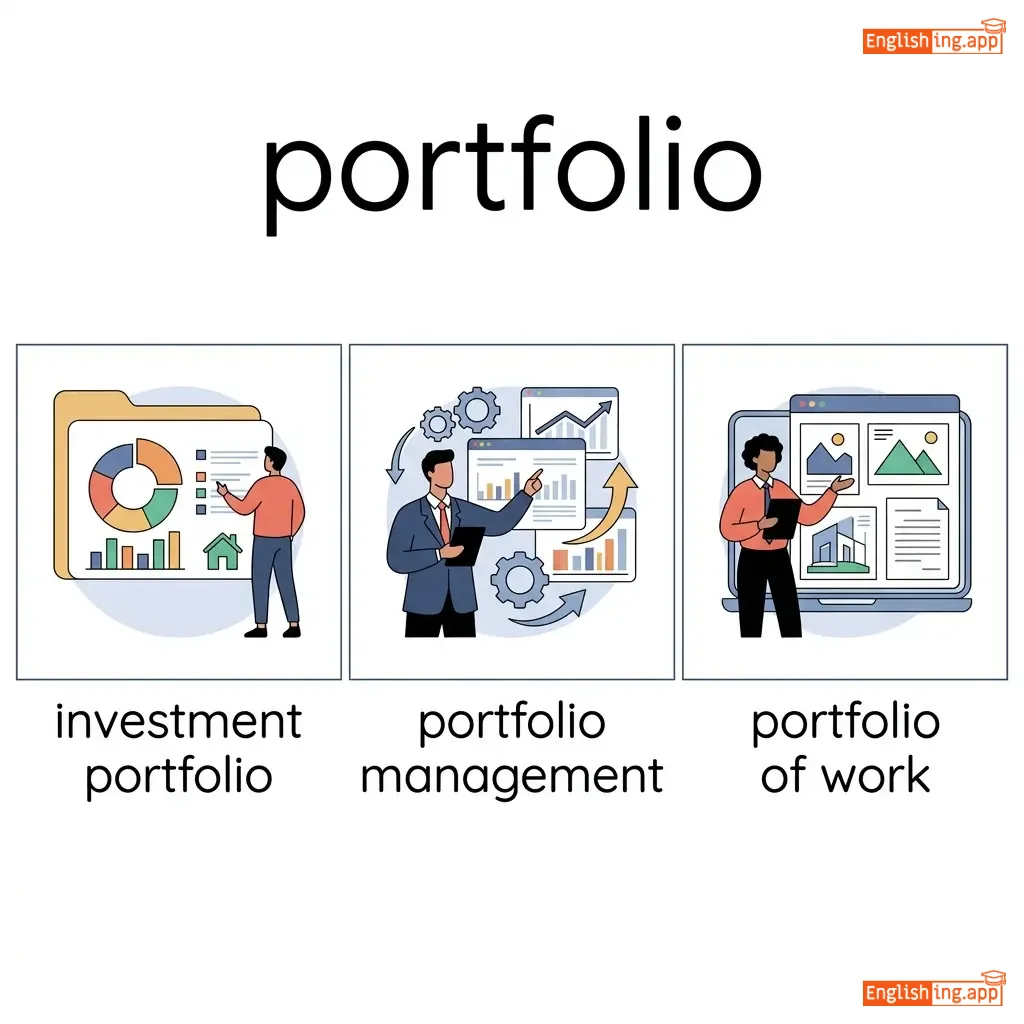
investment portfolio, portfolio management, portfolio of work, portfolio strategy
••••••
|
ポートフォリオ = すべての投資と創作を一つにまとめる場所。
••••••
|
|
🔧
••••••
|
/ˈpræk.tɪ.kəl/
adjective
(プラクティカル)
••••••
|
|
実用的な
jitsuyō-teki na
••••••
|
- •••••• | - •••••• | - •••••• | - •••••• |
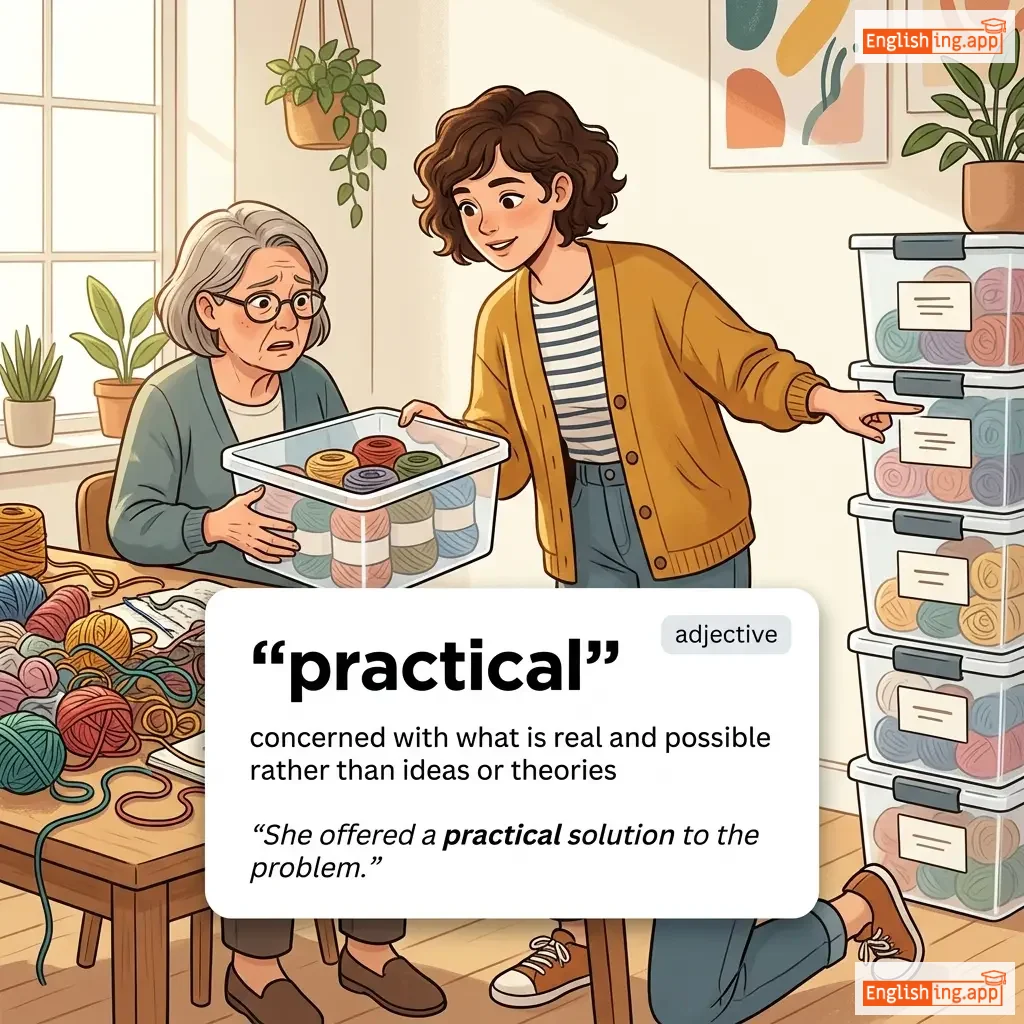
concerned with what is real and possible rather than ideas or theories
••••••
|
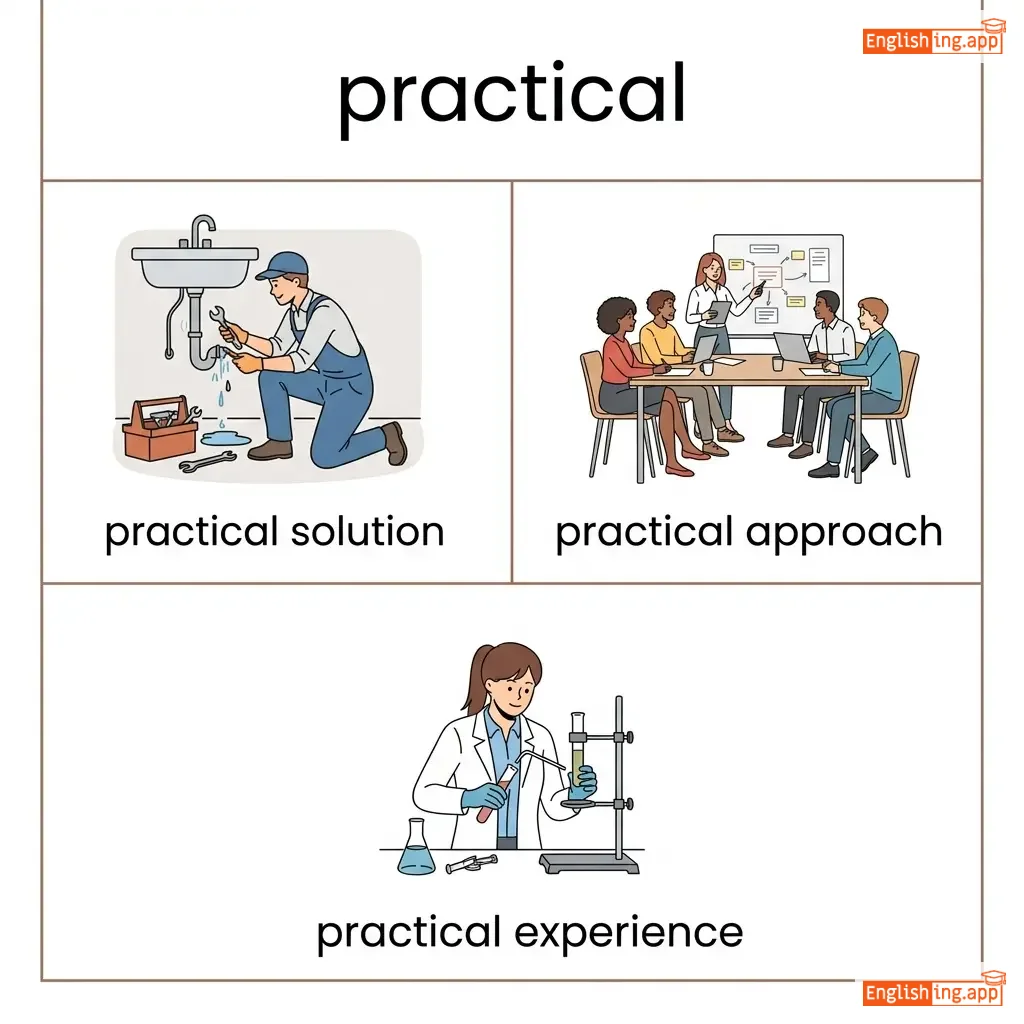
She offered a practical solution to the problem. |
彼女は問題に対して実用的な解決策を提供しました。
Kanojo wa mondai ni taishite jitsuyō-teki na kaiketsu-saku o teikyō shimashita.
••••••
|
practice makes perfect |
the more you practice something, the better you become at it
••••••
|
練習が完璧を作る
renshū ga kanpeki o tsukuru
••••••
|
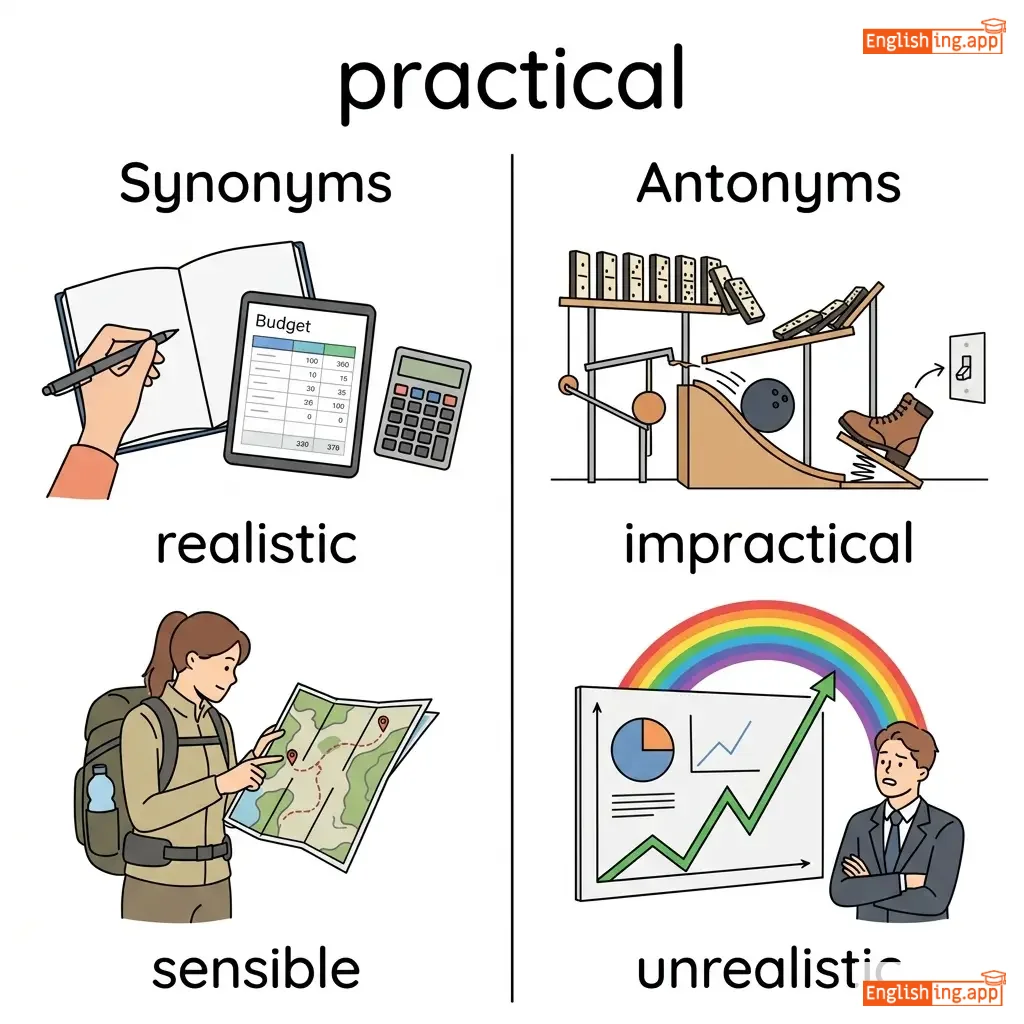
realistic, sensible, useful, logical, pragmatic
••••••
|
impractical, unrealistic, theoretical
••••••
|
practical solution, practical approach, practical experience, practical advice
••••••
|
実用的なことは理論ではなく、実際に行動すること
••••••
|
|
📢
••••••
|
/pʌˈblɪsəti/
noun
(パブリシティ)
••••••
|
- •••••• |
宣伝
senden
••••••
|
- •••••• | - •••••• | - •••••• | - •••••• |
the activity of making something known to the public; public attention or exposure
••••••
|
The film gained huge publicity after winning the award. |
その映画は賞を受賞後、大きな宣伝を得た。
Sono eiga wa shō o jushōgo, ōkina senden o eta.
••••••
|
bad publicity |
negative public attention or reputation
••••••
|
悪い宣伝
warui senden
••••••
|
exposure, advertising, promotion, fame, attention
••••••
|
obscurity, secrecy
••••••
|
media publicity, gain publicity, attract publicity, negative publicity
••••••
|
宣伝は注目を集めて、人気を高める手段です!
••••••
|
|
⚖️
••••••
|
/stəˈbɪl.ə.ti/
noun
(スタビリティ)
••••••
|
- •••••• |
安定性
anteisei
••••••
|
- •••••• | - •••••• | - •••••• | - •••••• |
the state of being stable; firmness; steadiness
••••••
|
Political stability is essential for economic growth.
政治的安定は経済成長にとって重要です。
••••••
|
政治的安定は経済成長にとって重要です。
Seijiteki antei wa keizai seichou ni totte juuyou desu.
••••••
|
- •••••• | - •••••• | - •••••• |
steadiness, firmness, balance, security
••••••
|
instability, unsteadiness, volatility
••••••
|
financial stability, political stability, emotional stability, job stability
••••••
|
安定性が経済成長に欠かせない要素です。
••••••
|
|
📄
••••••
|
/ˈsteɪt.mənt/
noun
(sutētomento)
••••••
|
- •••••• |
声明
seimei
••••••
|
- •••••• | - •••••• | - •••••• | - •••••• |
a definite or clear expression of something in speech or writing; an official account of facts
••••••
|
The CEO issued a statement about the company's future plans. |
CEOは会社の将来計画についての声明を発表しました。
CEO wa kaisha no shourai keikaku ni tsuite no seimei o happyou shimashita.
••••••
|
- •••••• | - •••••• | - •••••• |
declaration, announcement, report, account
••••••
|
silence, concealment
••••••
|
official statement, press statement, financial statement, witness statement
••••••
|
声明 = statement, CEOは将来計画についての声明を発表しました。
••••••
|
|
💪
••••••
|
/səˈpɔːtər/
noun
(サポーター)
••••••
|
- •••••• |
サポーター
sapōtā
••••••
|
- •••••• | - •••••• | - •••••• | - •••••• |
a person who supports someone or something
••••••
|
She is a strong supporter of the local animal shelter.
彼女は地元の動物シェルターの強力なサポーターです。
••••••
|
彼女は地元の動物シェルターの強力なサポーターです。
Kanojo wa jimoto no dōbutsu shertā no kyōryokuna sapōtā desu.
••••••
|
- •••••• | - •••••• | - •••••• |
advocate, backer, champion, fan
••••••
|
opponent, adversary, critic
••••••
|
supporter of, strong supporter, loyal supporter, passionate supporter
••••••
|
サポーターは常にサポートする人、地元の動物シェルターをサポートするように。
••••••
|
|
⚙️
••••••
|
/ˈteknɪkəl/
adjective
(テクニカル)
••••••
|
- •••••• |
技術的な; 専門的な;
gijutsuteki na; senmonteki na
••••••
|
- •••••• | - •••••• | - •••••• | - •••••• |
relating to or involving special skills or knowledge; requiring specialized training
••••••
|
The manual contains technical instructions for operating the machine.
マニュアルには機械操作に関するテクニカルな指示が含まれています。
••••••
|
マニュアルには機械操作に関するテクニカルな指示が含まれています。
Manyuaru ni wa kikai sōsa ni kansuru tekunikaru na shiji ga fukumareteimasu.
••••••
|
- •••••• | - •••••• | - •••••• |
specialized, scientific, technological, professional
••••••
|
simple, basic, general, non-technical
••••••
|
technical skills, technical problem, technical support, technical knowledge
••••••
|
テクニカルは専門的な知識やスキルに関連しています。
••••••
|
|
🌐
••••••
|
/trænsˈleɪt/
verb
••••••
|
|
- •••••• |
translated
••••••
|
translated
••••••
|
translates
••••••
|
translating
••••••
|
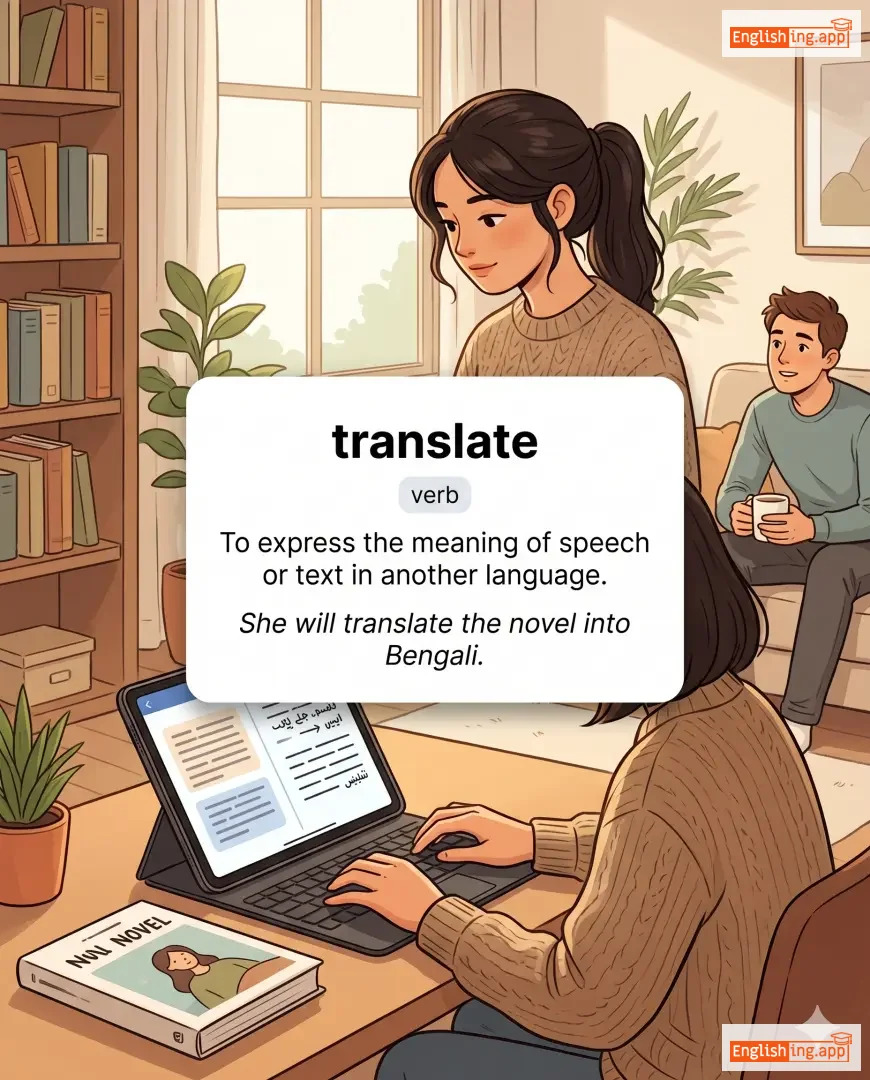
To express the meaning of speech or text in another language.
••••••
|
She will translate the novel into Bengali. |
- •••••• |
lost in translation |
Something that does not carry over clearly from one language or context to another
••••••
|
- •••••• |
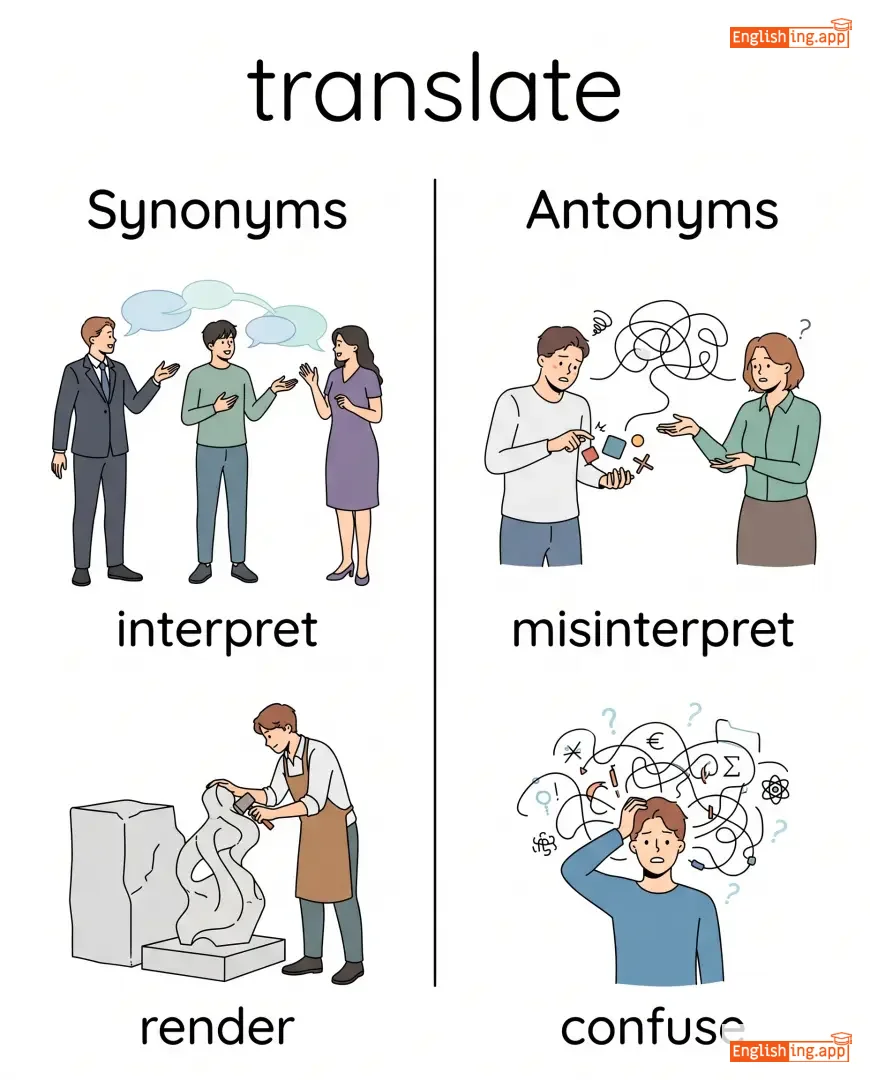
interpret, render, convert, decode
••••••
|
misinterpret, confuse
••••••
|
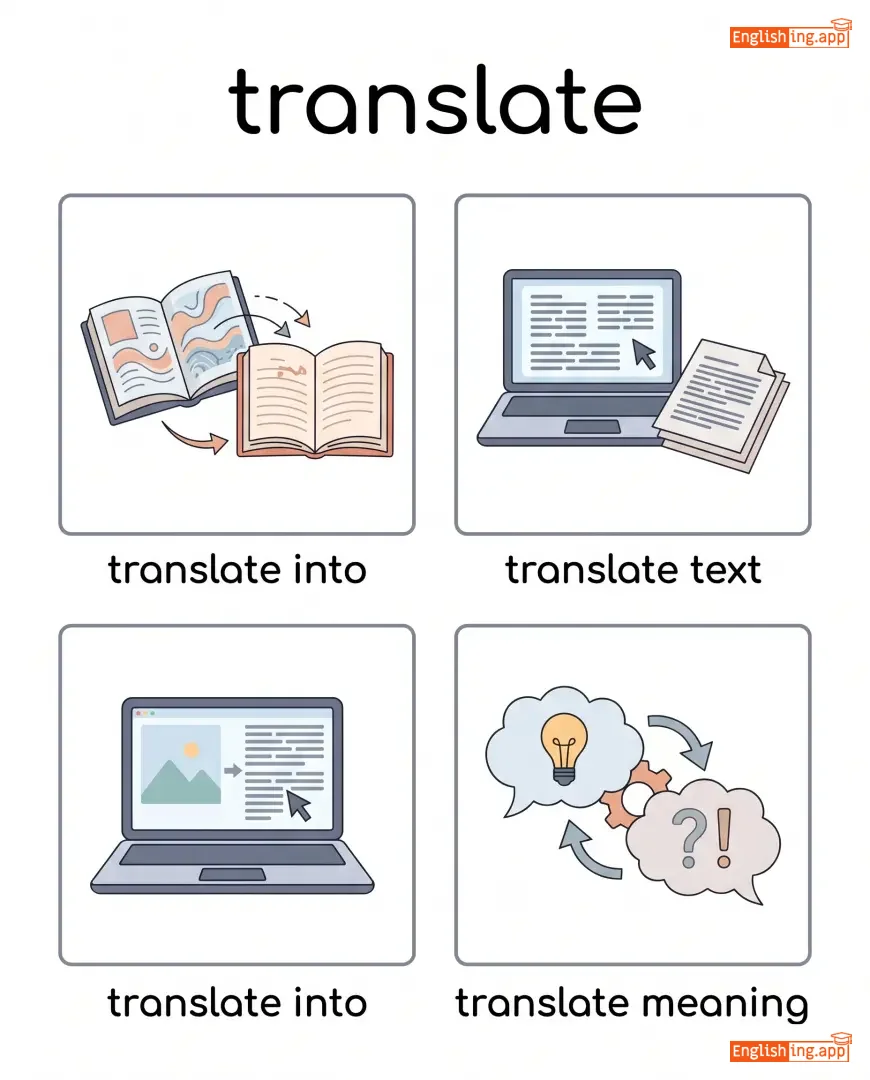
translate into, translate text, translate meaning
••••••
|
No •••••• |
|
🏭
••••••
|
/ˈweə(r)haʊs/
noun
(ウェアハウス)
••••••
|
- •••••• |
倉庫
sōko
••••••
|
- •••••• | - •••••• | - •••••• | - •••••• |
a large building where goods are stored before being sold or distributed
••••••
|
The company stores all its products in a big warehouse. |
会社はすべての製品を大きな倉庫に保管しています。
Kaisha wa subete no seihin o ōkina sōko ni hokan shiteimasu.
••••••
|
warehouse sale |
a sale held directly from a warehouse at discounted prices
••••••
|
倉庫セール
sōko sēru
••••••
|
depot, storage, storehouse, repository, stockroom
••••••
|
shop, outlet
••••••
|
warehouse worker, warehouse storage, in the warehouse, warehouse manager
••••••
|
Warehouse は、商品を保管する場所 — 倉庫!
••••••
|
|
📅
••••••
|
/ˈjɛstərdeɪ/
noun
(昨日)
••••••
|
- •••••• |
昨日
kinou
••••••
|
- •••••• | - •••••• | - •••••• | - •••••• |
the day before today
••••••
|
Yesterday, we went to the park. |
昨日、公園に行きました。
Kinou, kouen ni ikimashita.
••••••
|
- •••••• | - •••••• | - •••••• |
the previous day, last day
••••••
|
today, tomorrow
••••••
|
yesterday afternoon, yesterday evening, just yesterday, yesterday morning
••••••
|
Yesterday, I remember it as KINOU (Yesterday in Japanese).
••••••
|

