River Lessons in Community
ボランティアは皆にaccompany川のミッションに参加するよう求めました。 タスクはaccordingのスキルに応じて割り当てられました。 アナリストは川の汚染をプラスチックaddictionと結びつけました。 研究者は川の復活を地域の努力にattributeしました。 メンバーはbasically皆が学んでいると言いました。 川の復活のbeginningは素晴らしかったです。 ジョヤと彼女のboyfriendは初めて一緒にボランティア活動をしました。 彼らは昨年の失敗のbreakdownを振り返りました。 回答は'certainly、今回は成功すると言ったようです。 管理チームはデータのcertaintyを確保しました。 テスト後、子供たちは川の歴史に関するchocolateバーを受け取りました。 christian歌手が川の賛美歌を歌いました。 環境チームは岸に捨てられたcigaretteの吸い殻を掃除しました。 学生たちは意識啓発のポスターをcirculateするために自転車を漕ぎました。 研究グループのcognitiveマッピング計画が展示されました。 ビンテージのボートcollectorが展示会に参加しました。 動いているボートは桟橋の角で小さなcollisionをかろうじて避けました。 地元のcolumnistが新聞に川の物語を掲載しました。 元海軍commanderが水路管理のヒントを共有しました。 農家は川のそばに新しい有機commodity市場を導入しました。
|
絵文字
|
単語 | Images | 翻訳 | 過去 | 過去分詞 | 三人称単数 | 動名詞 | 意味 | 例文 | 例文の翻訳 | 表現例 | 表現例の意味 | 表現例の翻訳 | 同義語 | 対義語 | コロケーション | ニーモニック |
|---|---|---|---|---|---|---|---|---|---|---|---|---|---|---|---|---|---|
|
🚶♂️
••••••
|
/əˈkʌmpəni/
verb
(アカンパニー)
••••••
|
- •••••• |
同行する
dōkō suru
••••••
|
accompanied
アカンパニード
••••••
|
accompanied
アカンパニード
••••••
|
accompanies
アカンパニーズ
••••••
|
accompanying
アカンパニーイング
••••••
|
to go somewhere with someone as a companion or escort
••••••
|
She asked her friend to accompany her to the concert.
彼女は友達にコンサートに一緒に行ってほしいと頼んだ。
••••••
|
彼女は友達にコンサートに一緒に行ってほしいと頼んだ。
Kanojo wa tomodachi ni konsāto ni issho ni itte hoshī to tanonda.
••••••
|
accompany someone on
誰かと一緒に行く
••••••
|
to go with someone to a specific event or place
••••••
|
誰かとイベントに同行する
dareka to ibento ni dōkō suru
••••••
|
escort, attend, join, follow, guide
••••••
|
leave, abandon
••••••
|
accompany someone, accompany music, accompany a guest, accompany a speech
••••••
|
同行するは‘company’みたいに一緒に行くこと。
••••••
|
|
📑
••••••
|
/əˈkɔːrdɪŋ/
preposition/adverb
(アコーディング)
••••••
|
- •••••• |
によると
niyoruto
••••••
|
- •••••• | - •••••• | - •••••• | - •••••• |
As stated by or in agreement with.
••••••
|
According to the report, sales increased last quarter. |
報告書によると、売上は前四半期に増加しました。
Houkokusho niyoruto, uriage wa zenshihanki ni zouka shimashita.
••••••
|
according to plan |
Happening as it was intended or arranged.
••••••
|
計画によると
Keikaku niyoruto
••••••
|
as stated, as reported, in line with, consistent with
••••••
|
contrary to, against
••••••
|
according to law, according to rules, according to tradition
••••••
|
According はによると、報告書に基づいてすべてが進む。
••••••
|
|
⚠️
••••••
|
/əˈdɪkʃən/
noun
(アディクション)
••••••
|
- •••••• |
依存
izon
••••••
|
- •••••• | - •••••• | - •••••• | - •••••• |
A strong and harmful need to regularly have or do something, such as drugs, alcohol, or habits.
••••••
|
His addiction to video games affected his studies. |
彼のビデオゲームへの依存は彼の学業に影響を与えました。
Kare no bideo geemu e no izon wa kare no gakugyou ni eikyou o ataemashita.
••••••
|
fight an addiction |
to struggle against a harmful habit
••••••
|
依存と戦う
Izon to tatakau
••••••
|
dependence, craving, obsession, compulsion, habit
••••••
|
freedom, independence, control
••••••
|
drug addiction, gambling addiction, addiction recovery, overcome addiction
••••••
|
Addictionは悪い習慣に陥ること—依存
••••••
|
|
✨
••••••
|
/ˈætrɪˌbjuːt/ (noun), /əˈtrɪbjuːt/ (verb)
noun, verb
••••••
|
|
- •••••• |
attributed
••••••
|
attributed
••••••
|
attributes
••••••
|
attributing
••••••
|
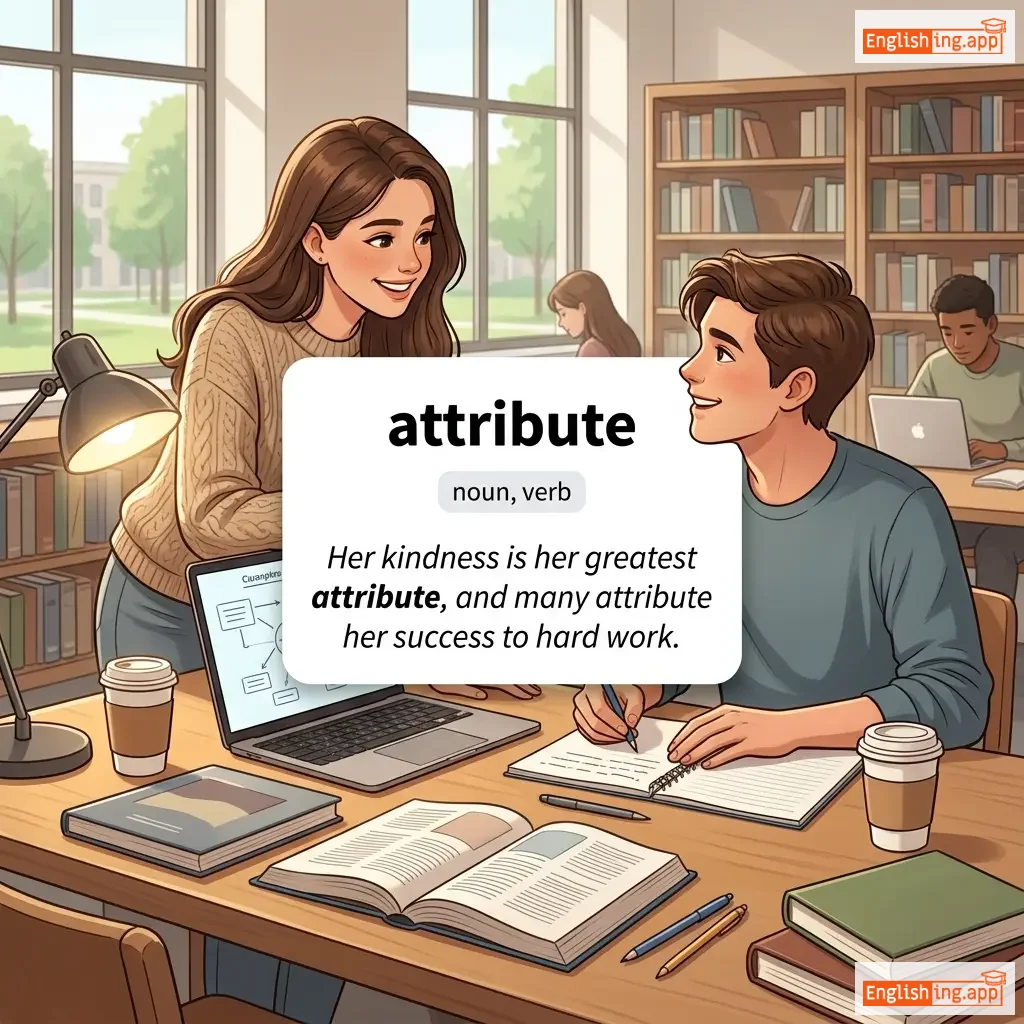
As a noun: a quality or characteristic of someone or something. As a verb: to regard something as being caused by someone or something.
••••••
|
Her kindness is her greatest attribute, and many attribute her success to hard work. |
- •••••• |
attribute to |
To credit something as the cause of a result.
••••••
|
- •••••• |
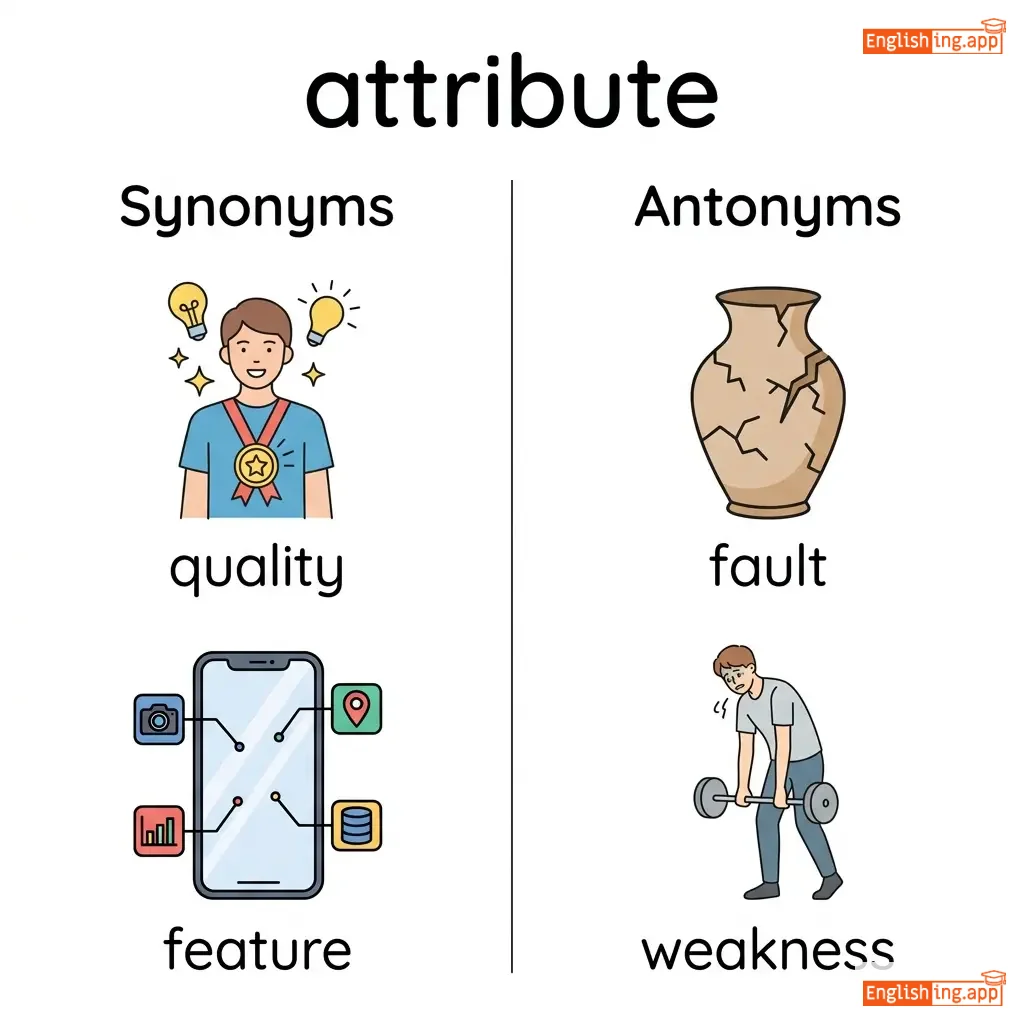
quality, feature, trait, characteristic, credit
••••••
|
fault, weakness, discredit
••••••
|
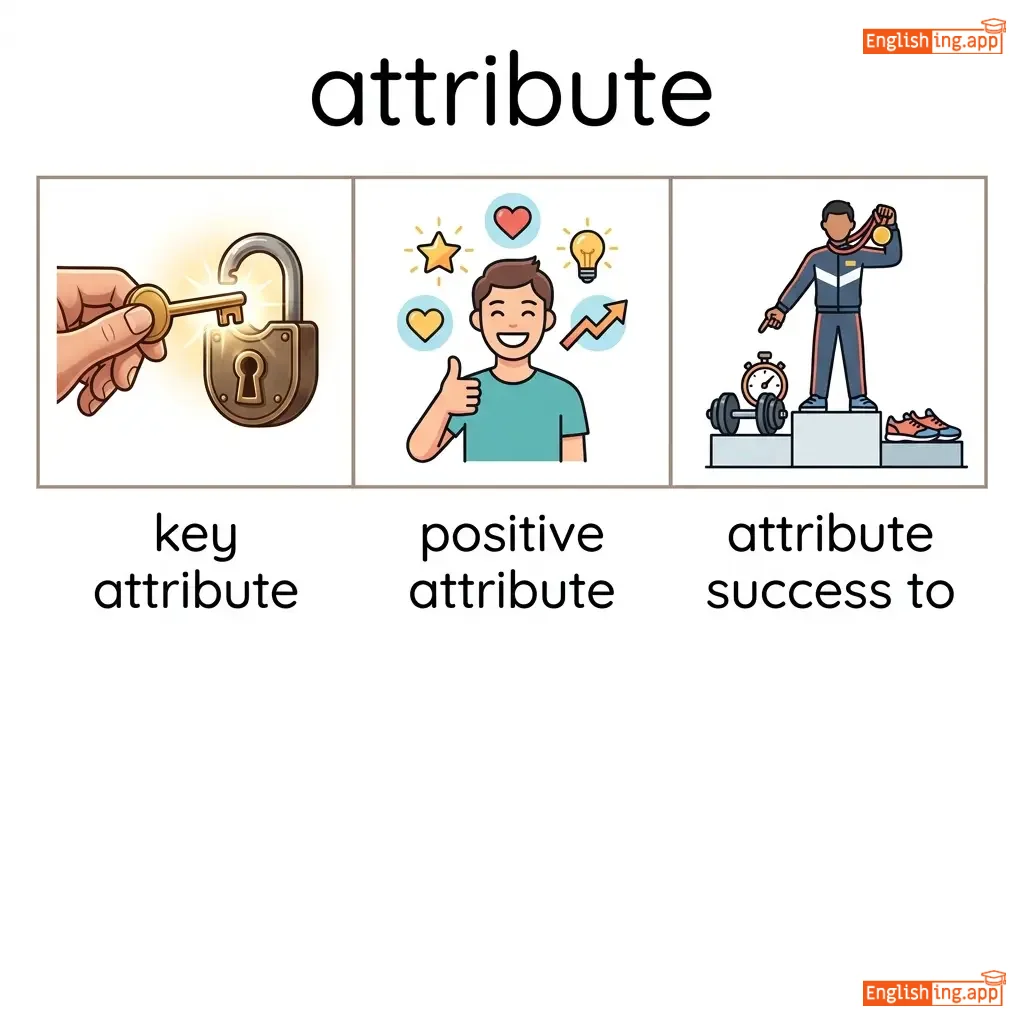
key attribute, positive attribute, attribute success to, attribute cause
••••••
|
No •••••• |
|
🔑
••••••
|
/ˈbeɪsɪkli/
adverb
(ベーシックリー)
••••••
|
- •••••• |
基本的に
kihon teki ni
••••••
|
- •••••• | - •••••• | - •••••• | - •••••• |
in the most important or fundamental way; essentially
••••••
|
Basically, the project was a success despite some small issues. |
基本的に、いくつかの小さな問題があったにもかかわらず、そのプロジェクトは成功でした。
Kihon teki ni, ikutsuka no chiisana mondai ga atta ni mo kakawarazu, sono purojekuto wa seikou deshita.
••••••
|
- •••••• | - •••••• | - •••••• |
essentially, fundamentally, primarily, essentially, in essence
••••••
|
complicatedly, secondarily
••••••
|
basically true, basically correct, basically simple, basically sound
••••••
|
Basically は基本的に重要なこと - 基本的に
••••••
|
|
🌅
••••••
|
/bɪˈɡɪnɪŋ/
noun
(ビギニング)
••••••
|
- •••••• |
始まり
hajimari
••••••
|
- •••••• | - •••••• | - •••••• | - •••••• |
The start or first part of something.
••••••
|
The beginning of the story was very interesting. |
物語の始まりはとても興味深かった。
Monogatari no hajimari wa totemo kyōmibukatta.
••••••
|
new beginning |
a fresh start
••••••
|
新しい始まり
atarashī hajimari
••••••
|
start, commencement, onset, opening
••••••
|
end, conclusion
••••••
|
at the beginning, beginning of story, new beginning
••••••
|
BEGINNING は始まりを意味する — 朝日 🌅 は新しい始まり。
••••••
|
|
👨❤️👩
••••••
|
/ˈbɔɪˌfrɛnd/
noun
••••••
|
- •••••• | - •••••• | - •••••• | - •••••• | - •••••• | - •••••• |
a man or boy that someone is having a romantic or close relationship with
••••••
|
She introduced her boyfriend to her parents. |
- •••••• | - •••••• | - •••••• | - •••••• |
partner, companion, lover, date
••••••
|
girlfriend, enemy
••••••
|
new boyfriend, old boyfriend, serious boyfriend, high school boyfriend
••••••
|
No •••••• |
|
🔧
••••••
|
/ˈbrɛkdaʊn/
noun
(ブレイクダウン)
••••••
|
- •••••• |
故障
koshou
••••••
|
- •••••• | - •••••• | - •••••• | - •••••• |
a failure or collapse of a system or machinery
••••••
|
The car had a breakdown on the highway. |
車は高速道路で故障しました。
Kuruma wa kousokudouro de koshou shimashita.
••••••
|
- •••••• | - •••••• | - •••••• |
failure, malfunction, collapse, crash
••••••
|
repair, recovery
••••••
|
engine breakdown, car breakdown, system breakdown, total breakdown
••••••
|
故障は'breakdown'の意味、車の故障を思い出してください。
••••••
|
|
✅
••••••
|
/ˈsɜːrtənli/
adverb
(サートンリー)
••••••
|
- •••••• |
確かに
tashika ni
••••••
|
- •••••• | - •••••• | - •••••• | - •••••• |
without doubt; surely; used to emphasize certainty
••••••
|
I will certainly help you with your project.
私は確実にあなたのプロジェクトを手伝います。
••••••
|
私は確実にあなたのプロジェクトを手伝います。
Watashi wa tashika ni anata no purojekuto o tetsudaimasu.
••••••
|
certainly not
確実にない
••••••
|
used to strongly refuse or disagree
••••••
|
確実にない
kakujitsu ni nai
••••••
|
surely, definitely, undoubtedly, absolutely, clearly
••••••
|
possibly, maybe, uncertain
••••••
|
certainly true, certainly help, certainly possible, most certainly
••••••
|
Certainは確かで、だからcertainlyは確かにです ✅
••••••
|
|
✅
••••••
|
/ˈsɜːr.tən.ti/
noun
(サーティンティ)
••••••
|
- •••••• |
確実性
kakujitsusei
••••••
|
- •••••• | - •••••• | - •••••• | - •••••• |
firm conviction that something is the case; the quality of being reliably true
••••••
|
We can say with certainty that the project will be completed on time. |
私たちは確実にそのプロジェクトが時間通りに完了することを言えます。
Watashitachi wa kakujitsu ni sono purojekuto ga jikan doori ni kanryou suru koto wo iemasu.
••••••
|
- •••••• | - •••••• | - •••••• |
confidence, assurance, conviction, sureness
••••••
|
uncertainty, doubt, hesitation
••••••
|
absolute certainty, with certainty, degree of certainty
••••••
|
Kakujitsusei means certainty, like confidently knowing the project will be finished.
••••••
|
|
🍫
••••••
|
/ˈtʃɒklət/
noun
(チョコレート)
••••••
|
- •••••• |
チョコレート
chokoreeto
••••••
|
- •••••• | - •••••• | - •••••• | - •••••• |
a sweet, brown food made from roasted cocoa beans
••••••
|
She bought a bar of chocolate from the store.
彼女は店でチョコレートバーを買った。
••••••
|
彼女は店でチョコレートバーを買った。
kanojo wa mise de chokoreeto baa o katta.
••••••
|
like a kid in a candy store
キャンディーショップの子供のように
••••••
|
very excited or happy about something
••••••
|
何かについて非常に興奮したり幸せであったりする
nanika ni tsuite hijō ni kōfun shitari shiawase de attari suru
••••••
|
cocoa, candy, sweet, confectionery
••••••
|
bitter, unsweetened
••••••
|
chocolate cake, chocolate bar, dark chocolate, hot chocolate
••••••
|
チョコレートはいつもおいしい 🍫、一口食べると幸せな気分になれる。
••••••
|
|
✝️
••••••
|
/ˈkrɪstʃən/
noun, adjective
(kuri-shi-an)
••••••
|
- •••••• |
クリスチャン
kurisuchan
••••••
|
- •••••• | - •••••• | - •••••• | - •••••• |
a person who follows the religion based on the teachings of Jesus Christ
••••••
|
She is a devoted Christian who attends church every Sunday. |
彼女は毎週日曜日に教会に行く献身的なクリスチャンです。
Kanojo wa maishū nichiyōbi ni kyōkai ni iku kenshin-teki na kurisuchan desu.
••••••
|
- •••••• | - •••••• | - •••••• |
believer, follower, disciple, worshipper
••••••
|
atheist, nonbeliever
••••••
|
Christian faith, Christian values, Christian community, Christian church
••••••
|
Christian = クリスチャン ✝️, イエス・キリストの教えを守る人はクリスチャン。
••••••
|
|
🚬
••••••
|
/ˈsɪɡəˌrɛt/
noun
(タバコ)
••••••
|
- •••••• |
タバコ
tabako
••••••
|
- •••••• | - •••••• | - •••••• | - •••••• |
a small roll of finely cut tobacco wrapped in paper for smoking
••••••
|
He lit a cigarette after dinner.
彼は夕食後にタバコを吸った。
••••••
|
彼は夕食後にタバコを吸った。
Kare wa yuushoku go ni tabako o sutta.
••••••
|
chain smoker
チェーンスモーカー
••••••
|
a person who smokes cigarettes continuously, one after another
••••••
|
チェーンスモーカー
cheen sumookaa
••••••
|
smoke, tobacco, fag, stick
••••••
|
fresh air, nonsmoking
••••••
|
smoke a cigarette, light a cigarette, cigarette packet, cigarette smoke
••••••
|
タバコ = 🚬 タバコ — 食後にみんな吸います。
••••••
|
|
🔄
••••••
|
/ˈsɜːrkjəˌleɪt/
verb
(サーキュレイト)
••••••
|
- •••••• |
循環する, 動く
junkansuru, ugoku
••••••
|
circulated
サーキュレイティッド
••••••
|
circulated
サーキュレイティッド
••••••
|
circulates
サーキュレイツ
••••••
|
circulating
サーキュレイティング
••••••
|
to move continuously or freely through a closed system or area
••••••
|
Air circulated freely in the open hall.
空気は開かれたホールで自由に循環していました。
••••••
|
空気は開かれたホールで自由に循環していました。
Kūki wa hirakareta hōru de jiyū ni junkan shite imashita.
••••••
|
circulate the news
ニュースを広める
••••••
|
to spread information among people
••••••
|
ニュースを広める
Nyūsu o hiromeru
••••••
|
flow, move, spread, distribute, diffuse
••••••
|
stagnate, stop, block
••••••
|
circulate blood, circulate air, circulate information, circulate money
••••••
|
循環は、空気やニュースが広がっていくように、回っているようなものです。
••••••
|
|
🧠
••••••
|
/ˈkɒɡnətɪv/
adjective
(コグニティブ)
••••••
|
|
認知的
ninchiteki
••••••
|
- •••••• | - •••••• | - •••••• | - •••••• |
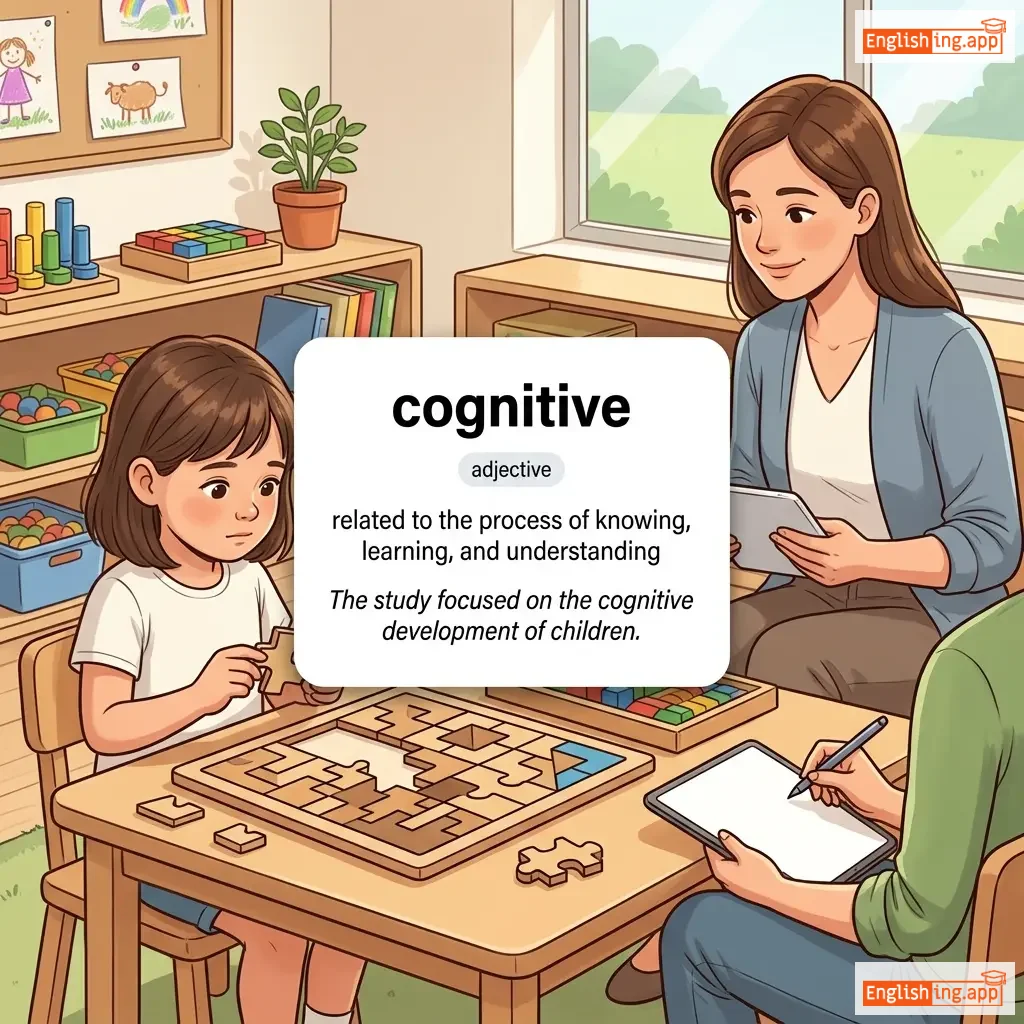
related to the process of knowing, learning, and understanding
••••••
|
The study focused on the cognitive development of children. |
この研究は子供の認知的発達に焦点を当てていました。
Kono kenkyū wa kodomo no ninchiteki hattatsu ni shōten o atete imashita.
••••••
|
- •••••• | - •••••• | - •••••• |
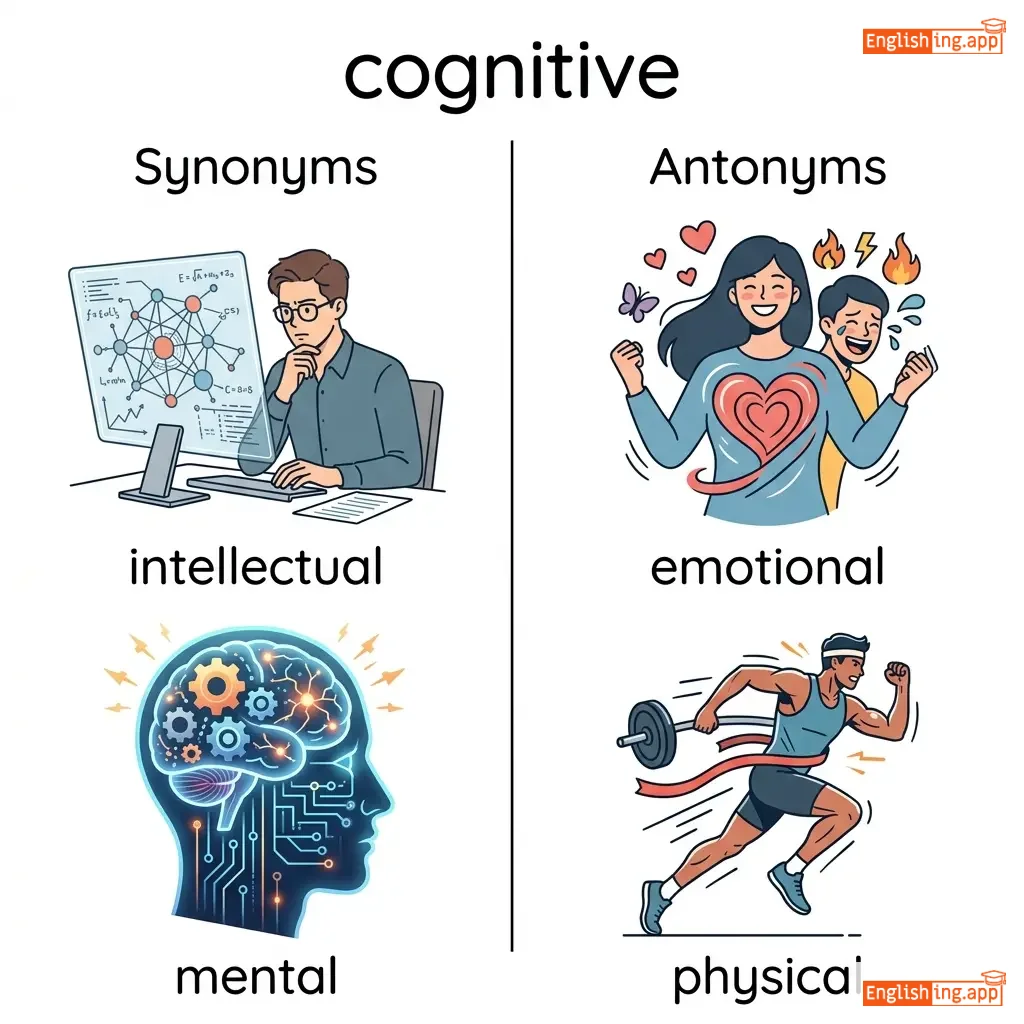
intellectual, mental, psychological, rational
••••••
|
emotional, physical, unconscious
••••••
|
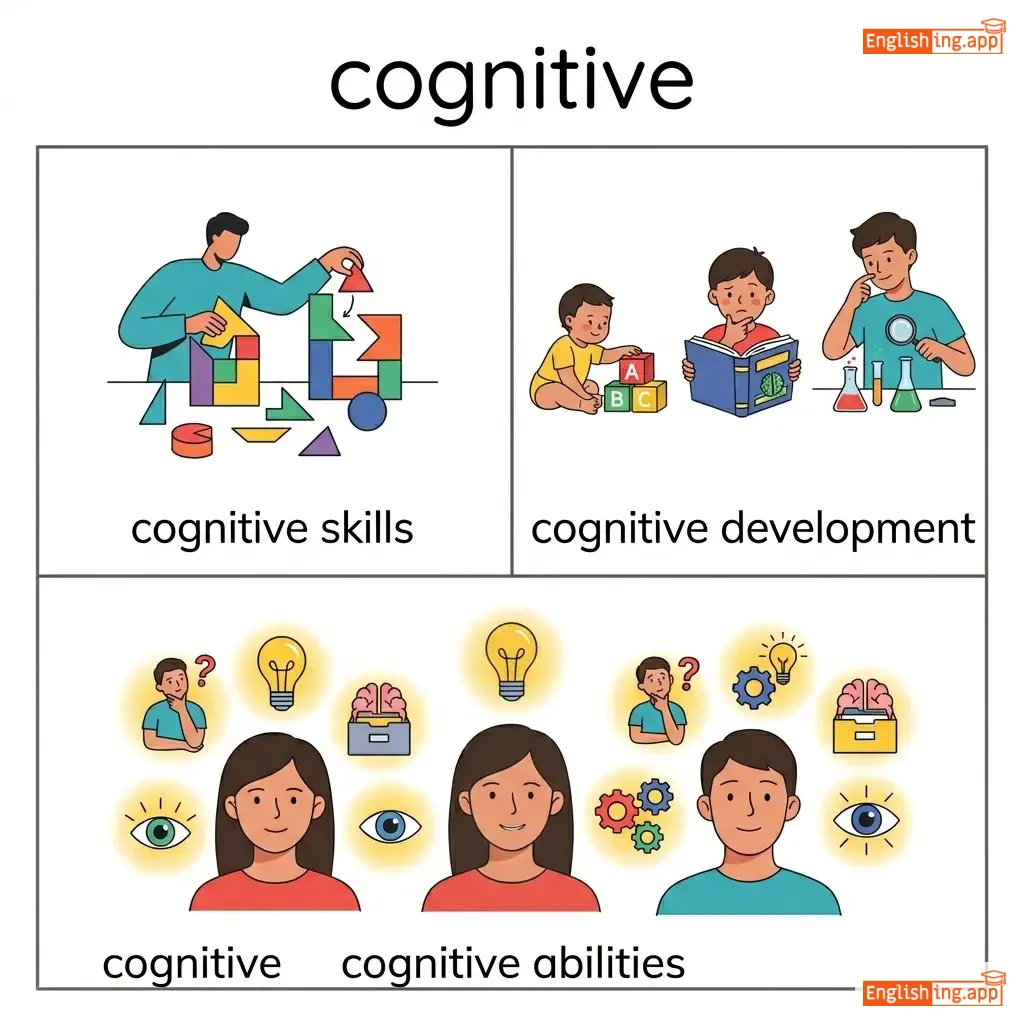
cognitive skills, cognitive development, cognitive abilities
••••••
|
Cognitive = Brain related, 認知的 = 知識と学びに関連 🧠
••••••
|
|
📮
••••••
|
/kəˈlɛktər/
noun
••••••
|
- •••••• | - •••••• | - •••••• | - •••••• | - •••••• | - •••••• |
a person who collects things as a hobby or job
••••••
|
He is a stamp collector with thousands of rare items. |
- •••••• |
tax collector |
a government official who collects taxes
••••••
|
- •••••• |
accumulator, gatherer, curator, hoarder
••••••
|
spender, giver
••••••
|
stamp collector, coin collector, tax collector, art collector
••••••
|
No •••••• |
|
🚗💥🚗
••••••
|
/kəˈlɪʒən/
noun
(コリジョン)
••••••
|
- •••••• |
衝突
shoutotsu
••••••
|
- •••••• | - •••••• | - •••••• | - •••••• |
an instance of two or more objects crashing into each other
••••••
|
The collision on the highway caused a major traffic jam. |
高速道路での衝突が大きな交通渋滞を引き起こしました。
Kousoku douro de no shoutotsu ga ookina koutsuu juutai wo hikiokoshimashita.
••••••
|
on a collision course |
moving toward inevitable conflict or disaster
••••••
|
衝突コース上
shoutotsu koosu jou
••••••
|
crash, impact, accident, clash
••••••
|
separation, avoidance, peace
••••••
|
car collision, head-on collision, fatal collision
••••••
|
コリジョンは衝突コースを意味します – 車🚗💥🚗が衝突します
••••••
|
|
🖋️
••••••
|
/ˈkɒləmnɪst/
noun
(kōramunisuto)
••••••
|
- •••••• |
コラムニスト
koramunisuto
••••••
|
- •••••• | - •••••• | - •••••• | - •••••• |
a journalist who regularly writes articles or opinions for a newspaper or magazine
••••••
|
The columnist wrote an article about climate change. |
コラムニストは気候変動に関する記事を書きました。
Koramunisuto wa kikō hendō ni kansuru kiji wo kakimashita.
••••••
|
- •••••• | - •••••• | - •••••• |
journalist, writer, commentator, reporter, contributor
••••••
|
reader, audience
••••••
|
newspaper columnist, political columnist, famous columnist, opinion columnist
••••••
|
コラムニストは、コラムを書いている人。ニュースペーパーでコラムを書いていることを覚えておこう。
••••••
|
|
👨✈️
••••••
|
/kəˈmændər/
noun
(コマンダー)
••••••
|
- •••••• |
司令官
shireikan
••••••
|
- •••••• | - •••••• | - •••••• | - •••••• |
a person in authority over a military unit; leader of armed forces
••••••
|
The commander ordered his troops to advance.
司令官は部隊に前進するよう命じました。
••••••
|
司令官は部隊に前進するよう命じました。
Shireikan wa butai ni zenshin suru yō meijimashita.
••••••
|
- •••••• | - •••••• | - •••••• |
leader, general, chief, captain
••••••
|
subordinate, follower, private
••••••
|
military commander, commanding officer, field commander
••••••
|
司令官 in Japanese means a military leader with authority over troops.
••••••
|
|
📦
••••••
|
/kəˈmɑːdəti/
noun
(コモディティ)
••••••
|
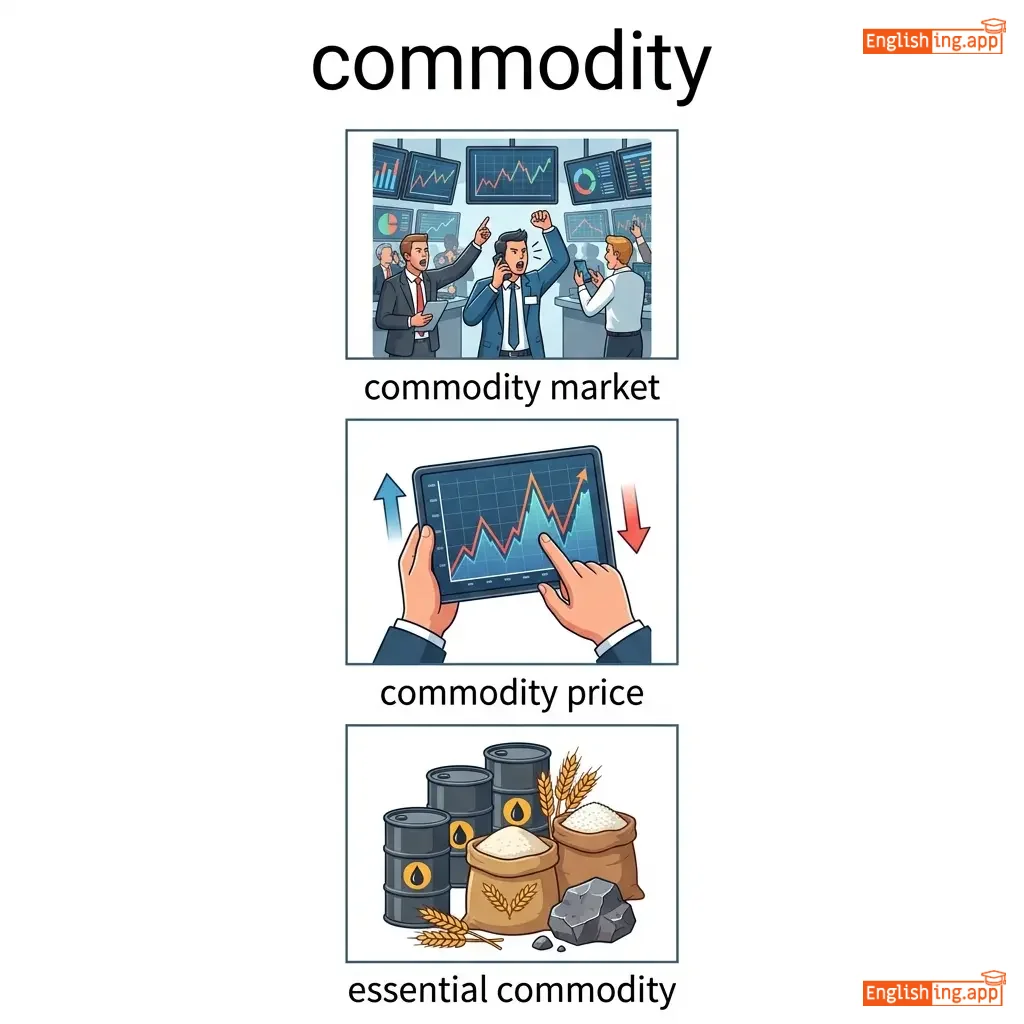
|
商品
shouhin
••••••
|
- •••••• | - •••••• | - •••••• | - •••••• |
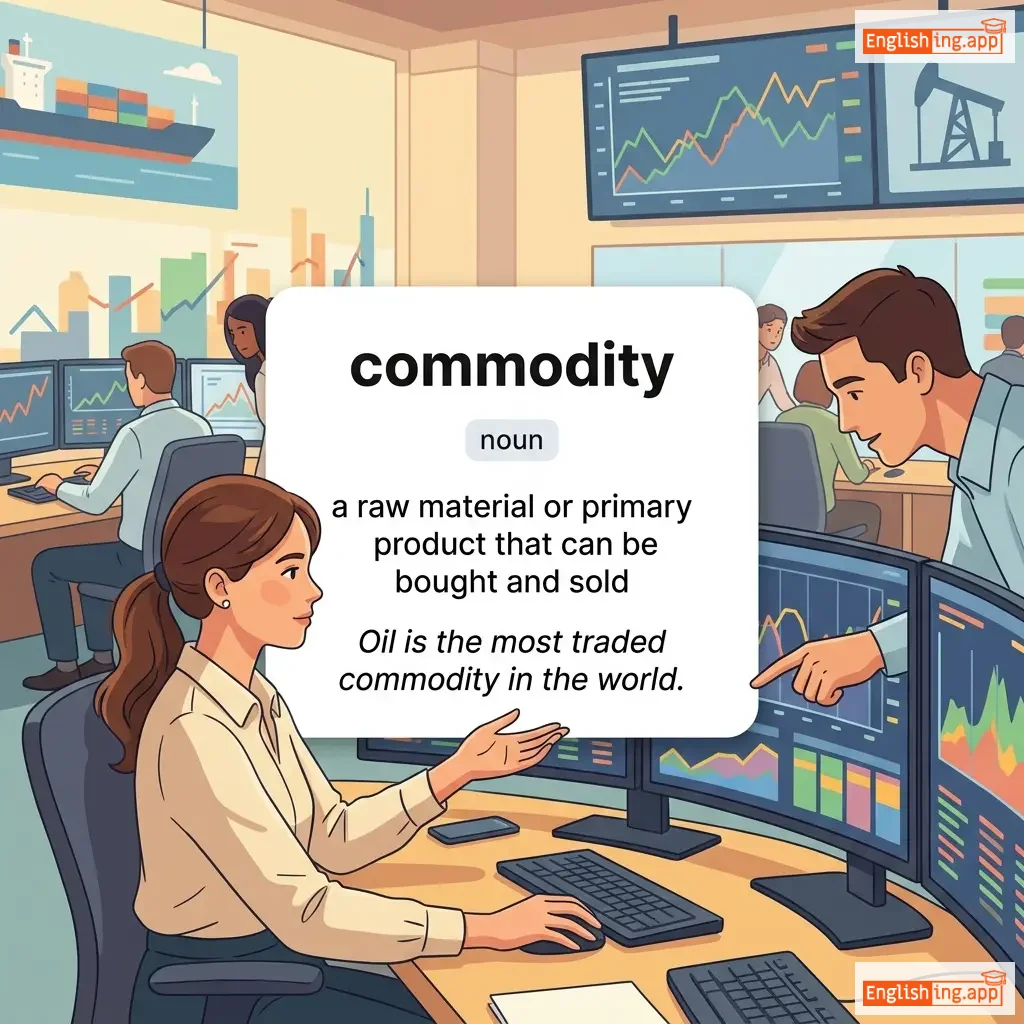
a raw material or primary product that can be bought and sold
••••••
|
Oil is the most traded commodity in the world.
オイル イズ ザ モースト トレイディッド コモディティ イン ザ ワールド。
••••••
|
石油は世界で最も取引されている商品です。
sekiyu wa sekai de mottomo torihiki sarete iru shouhin desu
••••••
|
hot commodity
ホット コモディティ
••••••
|
something or someone that is in high demand
••••••
|
人気のある商品
ninki no aru shouhin
••••••
|
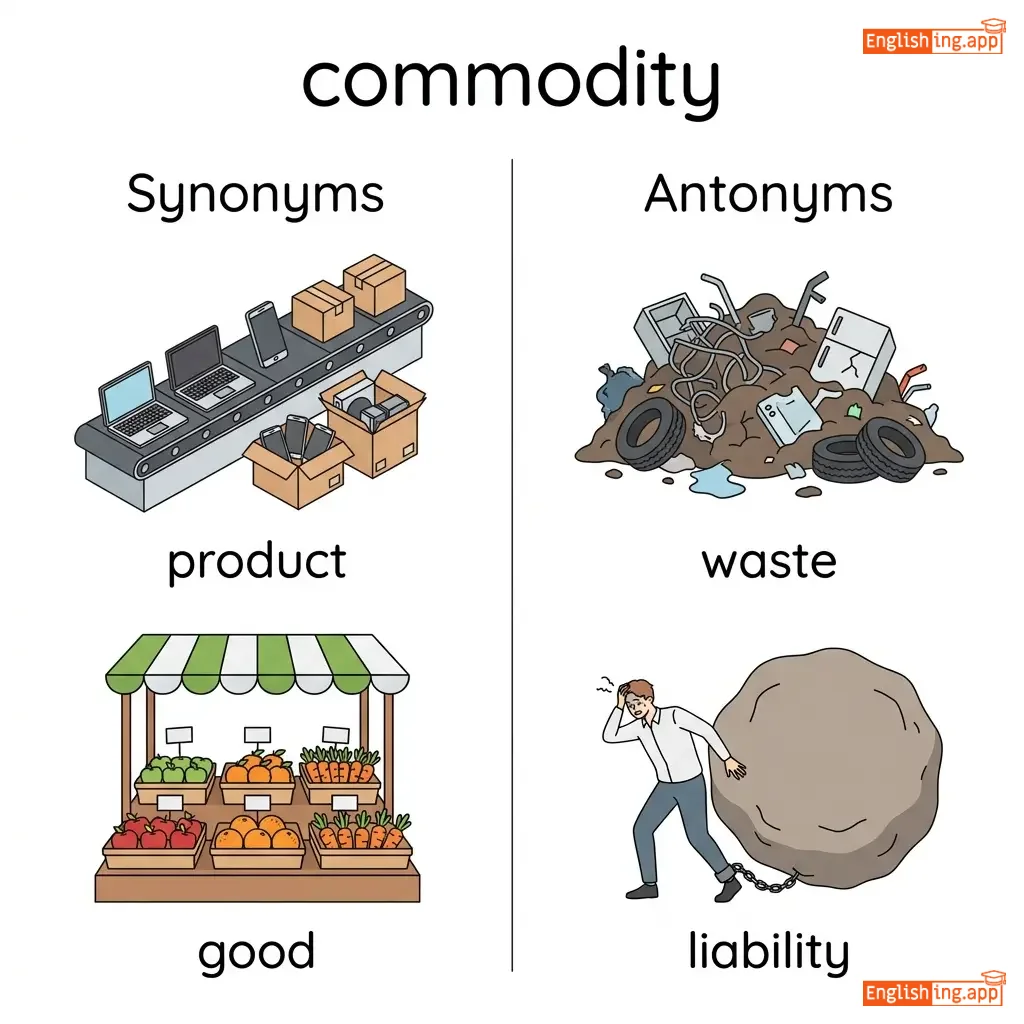
product, good, merchandise, item, resource
••••••
|
waste, liability, burden
••••••
|
commodity market, commodity price, essential commodity, trading commodity
••••••
|
Commodity sounds like ‘Komoditi’ — 日本語の‘商品’のように取引されるもの。
••••••
|

