River Lessons in Community
志愿者要求每个人accompany河流任务。 根据技能according分配任务。 分析师将河流污染与塑料addiction联系起来。 研究人员attribute河流复兴归功于当地的努力。 成员们说basically每个人都在学习。 河流复兴的beginning令人惊叹。 乔雅和她的boyfriend第一次一起做志愿者。 他们回顾了去年失败的breakdown。 回应的声音像是'certainly,这次我们一定成功。' 控制团队确保了数据的certainty。 考试后,孩子们收到了关于河流历史的chocolate巧克力棒。 一位christian歌手演唱了河流赞美诗。 环保小组清理了岸边丢弃的cigarette烟蒂。 学生们骑自行车去circulate宣传海报。 一个研究小组的cognitive地图计划被展示出来。 一位复古船只collector加入了展览。 一艘行驶中的船在码头角落险些发生小的collision。 一位当地的columnist在日报上发表了河流故事。 一位前海军commander分享了航道管理的技巧。 农民们在河边开设了一个新的有机commodity市场。
|
表情符号
|
单词 | Images | 翻译 | 过去时 | 过去分词 | 第三人称单数 | 动名词 | 含义 | 例句 | 例句翻译 | 示例表达 | 示例表达含义 | 示例表达翻译 | 同义词 | 反义词 | 搭配词 | 助记符 |
|---|---|---|---|---|---|---|---|---|---|---|---|---|---|---|---|---|---|
|
🚶♂️
••••••
|
/əˈkʌmpəni/
verb
(ā kěn pā ní)
••••••
|
- •••••• |
陪伴
péi bàn
••••••
|
accompanied
ā kěn pā nì
••••••
|
accompanied
ā kěn pā nì
••••••
|
accompanies
ā kěn pā nǐ sī
••••••
|
accompanying
ā kěn pā níng
••••••
|
to go somewhere with someone as a companion or escort
••••••
|
She asked her friend to accompany her to the concert.
她请她的朋友陪她一起去音乐会。
••••••
|
她请她的朋友陪她一起去音乐会。
Tā qǐng tā de péngyǒu péi tā yīqǐ qù yīnyuè huì.
••••••
|
accompany someone on
陪某人去
••••••
|
to go with someone to a specific event or place
••••••
|
陪某人参加活动
péi mǒu rén cānjiā huódòng
••••••
|
escort, attend, join, follow, guide
••••••
|
leave, abandon
••••••
|
accompany someone, accompany music, accompany a guest, accompany a speech
••••••
|
陪伴就像是一起去参加活动,像‘公司’一样。
••••••
|
|
📑
••••••
|
/əˈkɔːrdɪŋ/
preposition/adverb
(啊科尔丁)
••••••
|
- •••••• |
根据
genju
••••••
|
- •••••• | - •••••• | - •••••• | - •••••• |
As stated by or in agreement with.
••••••
|
According to the report, sales increased last quarter. |
根据报告,销售在上个季度增长了。
Genju baogao, xiaoshou zai shang ge jidu zengzhang le.
••••••
|
according to plan |
Happening as it was intended or arranged.
••••••
|
根据计划
Genju jihua
••••••
|
as stated, as reported, in line with, consistent with
••••••
|
contrary to, against
••••••
|
according to law, according to rules, according to tradition
••••••
|
According 就是根据,报告里的一切根据计划。
••••••
|
|
⚠️
••••••
|
/əˈdɪkʃən/
noun
(上瘾)
••••••
|
- •••••• |
上瘾
shangyin
••••••
|
- •••••• | - •••••• | - •••••• | - •••••• |
A strong and harmful need to regularly have or do something, such as drugs, alcohol, or habits.
••••••
|
His addiction to video games affected his studies. |
他对视频游戏的上瘾影响了他的学习。
Ta dui shipin youxi de shangyin yingxiangle tade xuexi.
••••••
|
fight an addiction |
to struggle against a harmful habit
••••••
|
与上瘾作斗争
Yu shangyin zuo douzheng
••••••
|
dependence, craving, obsession, compulsion, habit
••••••
|
freedom, independence, control
••••••
|
drug addiction, gambling addiction, addiction recovery, overcome addiction
••••••
|
Addiction是指陷入坏习惯—上瘾
••••••
|
|
✨
••••••
|
/ˈætrɪˌbjuːt/ (noun), /əˈtrɪbjuːt/ (verb)
noun, verb
••••••
|

|
- •••••• |
attributed
••••••
|
attributed
••••••
|
attributes
••••••
|
attributing
••••••
|
As a noun: a quality or characteristic of someone or something. As a verb: to regard something as being caused by someone or something.
••••••
|
Her kindness is her greatest attribute, and many attribute her success to hard work. |
- •••••• |
attribute to |
To credit something as the cause of a result.
••••••
|
- •••••• |
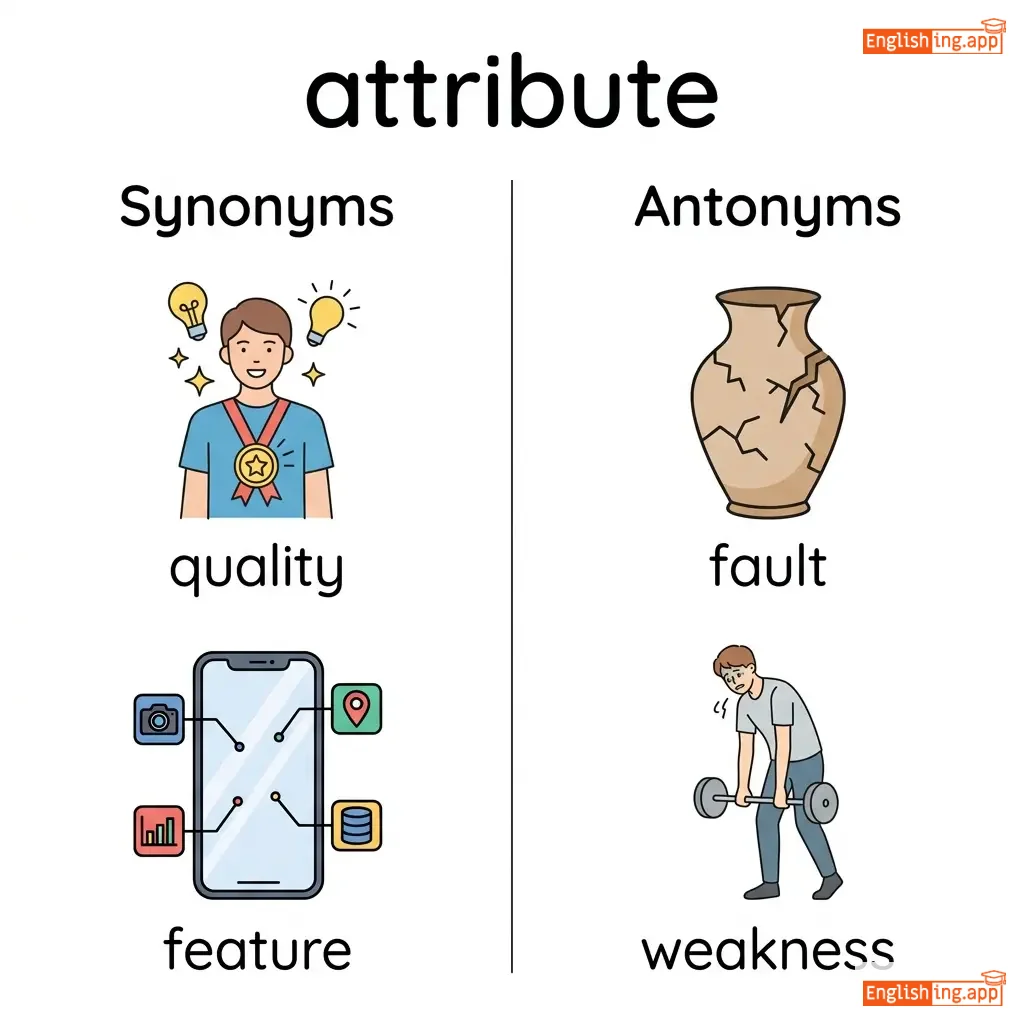
quality, feature, trait, characteristic, credit
••••••
|
fault, weakness, discredit
••••••
|
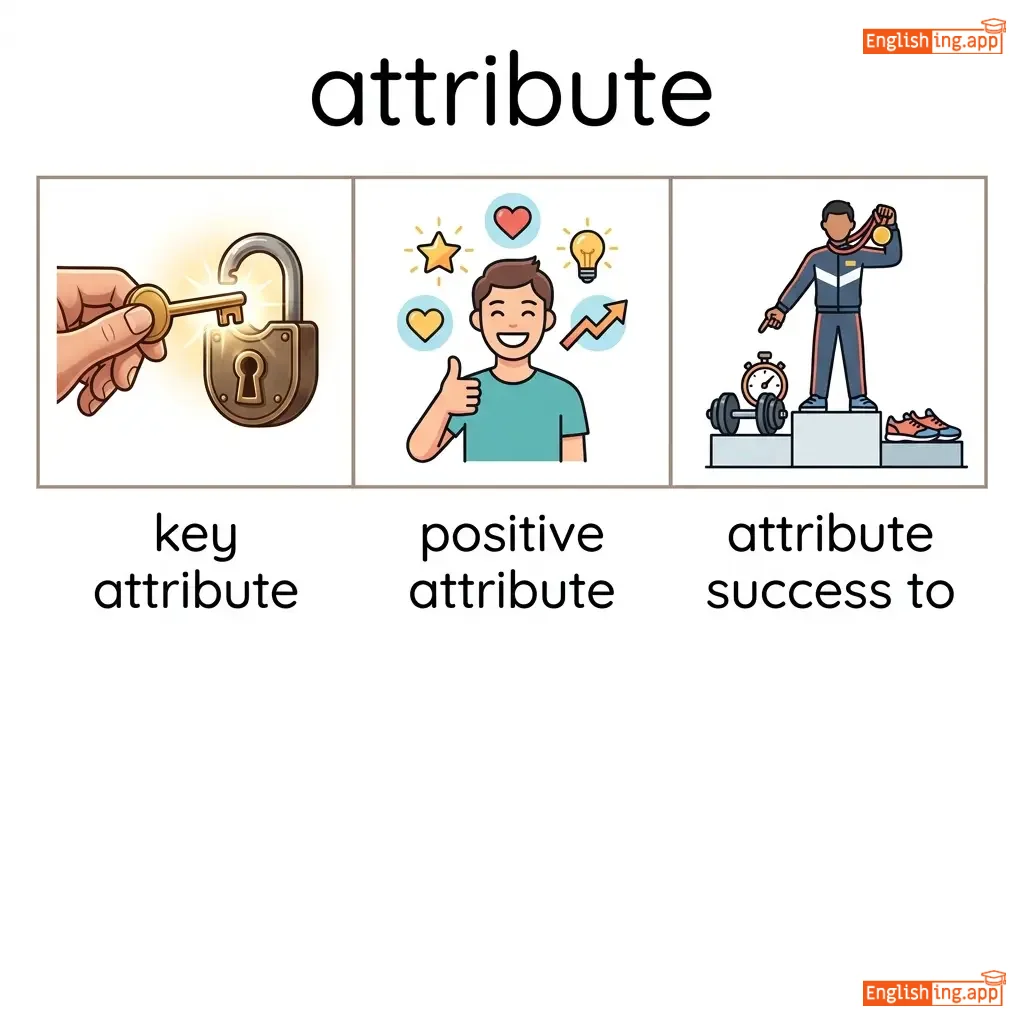
key attribute, positive attribute, attribute success to, attribute cause
••••••
|
No •••••• |
|
🔑
••••••
|
/ˈbeɪsɪkli/
adverb
(基本上)
••••••
|
- •••••• |
基本上
jiben shang
••••••
|
- •••••• | - •••••• | - •••••• | - •••••• |
in the most important or fundamental way; essentially
••••••
|
Basically, the project was a success despite some small issues. |
基本上,尽管有一些小问题,项目仍然是成功的。
Jiben shang, jinguan you yixie xiao wenti, xiangmu rengran shi chenggong de.
••••••
|
- •••••• | - •••••• | - •••••• |
essentially, fundamentally, primarily, essentially, in essence
••••••
|
complicatedly, secondarily
••••••
|
basically true, basically correct, basically simple, basically sound
••••••
|
Basically 就是最基础的东西 - 基本上
••••••
|
|
🌅
••••••
|
/bɪˈɡɪnɪŋ/
noun
(bɪˈɡɪnɪŋ)
••••••
|
- •••••• |
开始
kaishi
••••••
|
- •••••• | - •••••• | - •••••• | - •••••• |
The start or first part of something.
••••••
|
The beginning of the story was very interesting. |
故事的开始非常有趣。
Gùshì de kāishǐ fēicháng yǒuqù.
••••••
|
new beginning |
a fresh start
••••••
|
新开始
xīn kāishǐ
••••••
|
start, commencement, onset, opening
••••••
|
end, conclusion
••••••
|
at the beginning, beginning of story, new beginning
••••••
|
BEGINNING 意味着开始 — 日出 🌅 是一个新的开始。
••••••
|
|
👨❤️👩
••••••
|
/ˈbɔɪˌfrɛnd/
noun
••••••
|
- •••••• | - •••••• | - •••••• | - •••••• | - •••••• | - •••••• |
a man or boy that someone is having a romantic or close relationship with
••••••
|
She introduced her boyfriend to her parents. |
- •••••• | - •••••• | - •••••• | - •••••• |
partner, companion, lover, date
••••••
|
girlfriend, enemy
••••••
|
new boyfriend, old boyfriend, serious boyfriend, high school boyfriend
••••••
|
No •••••• |
|
🔧
••••••
|
/ˈbrɛkdaʊn/
noun
(ˈbrɛkdaʊn)
••••••
|
- •••••• |
故障
gùzhàng
••••••
|
- •••••• | - •••••• | - •••••• | - •••••• |
a failure or collapse of a system or machinery
••••••
|
The car had a breakdown on the highway. |
车子在高速公路上发生了故障。
Chēzi zài gāosù gōnglù shàng fāshēngle gùzhàng.
••••••
|
- •••••• | - •••••• | - •••••• |
failure, malfunction, collapse, crash
••••••
|
repair, recovery
••••••
|
engine breakdown, car breakdown, system breakdown, total breakdown
••••••
|
故障是'breakdown'的意思,想象车子停在路上故障了。
••••••
|
|
✅
••••••
|
/ˈsɜːrtənli/
adverb
(sèrtènlì)
••••••
|
- •••••• |
肯定
kending
••••••
|
- •••••• | - •••••• | - •••••• | - •••••• |
without doubt; surely; used to emphasize certainty
••••••
|
I will certainly help you with your project.
我一定会帮助你完成你的项目。
••••••
|
我一定会帮助你完成你的项目。
Wǒ yīdìng huì bāngzhù nǐ wánchéng nǐ de xiàngmù.
••••••
|
certainly not
肯定不
••••••
|
used to strongly refuse or disagree
••••••
|
肯定不
kěndìng bù
••••••
|
surely, definitely, undoubtedly, absolutely, clearly
••••••
|
possibly, maybe, uncertain
••••••
|
certainly true, certainly help, certainly possible, most certainly
••••••
|
Certain意味着确定,因此certainly意味着肯定 ✅
••••••
|
|
✅
••••••
|
/ˈsɜːr.tən.ti/
noun
(sàntì)
••••••
|
- •••••• |
确定性
quèdìngxìng
••••••
|
- •••••• | - •••••• | - •••••• | - •••••• |
firm conviction that something is the case; the quality of being reliably true
••••••
|
We can say with certainty that the project will be completed on time. |
我们可以确定地说,项目将按时完成。
Women keyi queding de shuo, xiangmu jiang anshi wancheng.
••••••
|
- •••••• | - •••••• | - •••••• |
confidence, assurance, conviction, sureness
••••••
|
uncertainty, doubt, hesitation
••••••
|
absolute certainty, with certainty, degree of certainty
••••••
|
Quèdìngxìng means certainty, like the confidence that something will be completed on time.
••••••
|
|
🍫
••••••
|
/ˈtʃɒklət/
noun
(巧克力)
••••••
|
- •••••• |
巧克力
qiaokeli
••••••
|
- •••••• | - •••••• | - •••••• | - •••••• |
a sweet, brown food made from roasted cocoa beans
••••••
|
She bought a bar of chocolate from the store.
她从商店买了一块巧克力。
••••••
|
她从商店买了一块巧克力。
tā cóng shāngdiàn mǎile yī kuài qiǎokèlì.
••••••
|
like a kid in a candy store
像糖果店里的小孩一样
••••••
|
very excited or happy about something
••••••
|
对某事感到非常兴奋或开心
duì mǒu shì gǎndào fēicháng xīngfèn huò kāixīn
••••••
|
cocoa, candy, sweet, confectionery
••••••
|
bitter, unsweetened
••••••
|
chocolate cake, chocolate bar, dark chocolate, hot chocolate
••••••
|
巧克力是甜蜜的 🍫,让你感到幸福的味道。
••••••
|
|
✝️
••••••
|
/ˈkrɪstʃən/
noun, adjective
(kuh-ree-shee-uhn)
••••••
|
- •••••• |
基督徒
jīdū tú
••••••
|
- •••••• | - •••••• | - •••••• | - •••••• |
a person who follows the religion based on the teachings of Jesus Christ
••••••
|
She is a devoted Christian who attends church every Sunday. |
她是一个虔诚的基督徒,每个星期天都会去教堂。
Tā shì yī gè qiánchéng de jīdū tú, měi gè xīngqītiān dōu huì qù jiàotáng.
••••••
|
- •••••• | - •••••• | - •••••• |
believer, follower, disciple, worshipper
••••••
|
atheist, nonbeliever
••••••
|
Christian faith, Christian values, Christian community, Christian church
••••••
|
Christian = 基督徒 ✝️, 跟随耶稣基督的人是基督徒。
••••••
|
|
🚬
••••••
|
/ˈsɪɡəˌrɛt/
noun
(香烟)
••••••
|
- •••••• |
香烟
xiangyan
••••••
|
- •••••• | - •••••• | - •••••• | - •••••• |
a small roll of finely cut tobacco wrapped in paper for smoking
••••••
|
He lit a cigarette after dinner.
他在晚餐后点燃了一支香烟。
••••••
|
他在晚餐后点燃了一支香烟。
Ta zai wancan hou dianran le yi zhi xiangyan.
••••••
|
chain smoker
连环烟民
••••••
|
a person who smokes cigarettes continuously, one after another
••••••
|
连环烟民
lianhuan yānmín
••••••
|
smoke, tobacco, fag, stick
••••••
|
fresh air, nonsmoking
••••••
|
smoke a cigarette, light a cigarette, cigarette packet, cigarette smoke
••••••
|
香烟 = 🚬 香烟 — 晚餐后有些人会点燃一支。
••••••
|
|
🔄
••••••
|
/ˈsɜːrkjəˌleɪt/
verb
(sā kē léi tè)
••••••
|
- •••••• |
循环, 流通
xúnhuán, liútōng
••••••
|
circulated
sā kē léi tè dé
••••••
|
circulated
sā kē léi tè dé
••••••
|
circulates
sā kē léi tè sī
••••••
|
circulating
sā kē léi tè yīng
••••••
|
to move continuously or freely through a closed system or area
••••••
|
Air circulated freely in the open hall.
空气在开放的大厅自由流通。
••••••
|
空气在开放的大厅自由流通。
Kōngqì zài kāifàng de dàtīng zìyóu liútōng.
••••••
|
circulate the news
传播新闻
••••••
|
to spread information among people
••••••
|
传播新闻
Chuánbò xīnwén
••••••
|
flow, move, spread, distribute, diffuse
••••••
|
stagnate, stop, block
••••••
|
circulate blood, circulate air, circulate information, circulate money
••••••
|
循环就像是空气或新闻在不断传播,绕圈子。
••••••
|
|
🧠
••••••
|
/ˈkɒɡnətɪv/
adjective
(认知)
••••••
|
|
认知的
rèn zhī de
••••••
|
- •••••• | - •••••• | - •••••• | - •••••• |
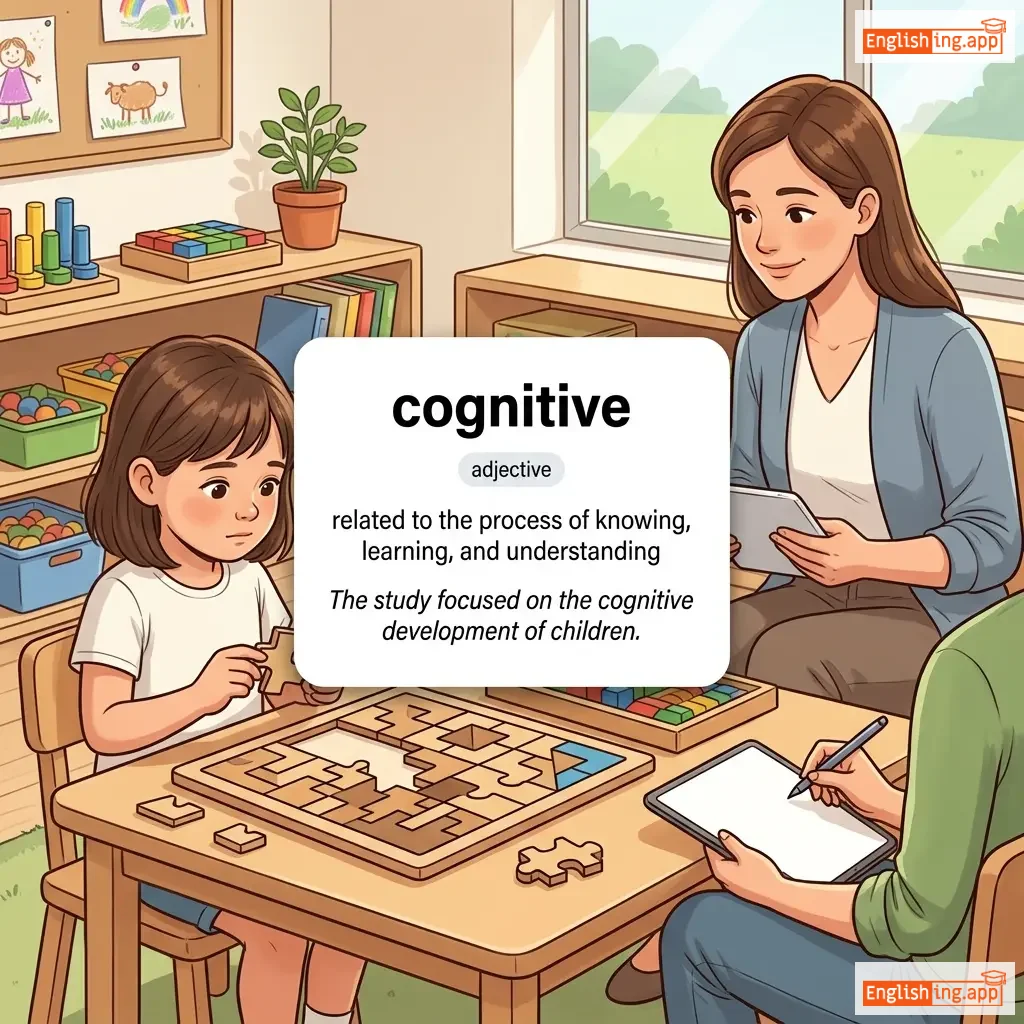
related to the process of knowing, learning, and understanding
••••••
|
The study focused on the cognitive development of children. |
该研究集中在儿童的认知发展上。
Gāi yán jiū jí zhōng zài ér tóng de rèn zhī fā zhǎn shàng.
••••••
|
- •••••• | - •••••• | - •••••• |
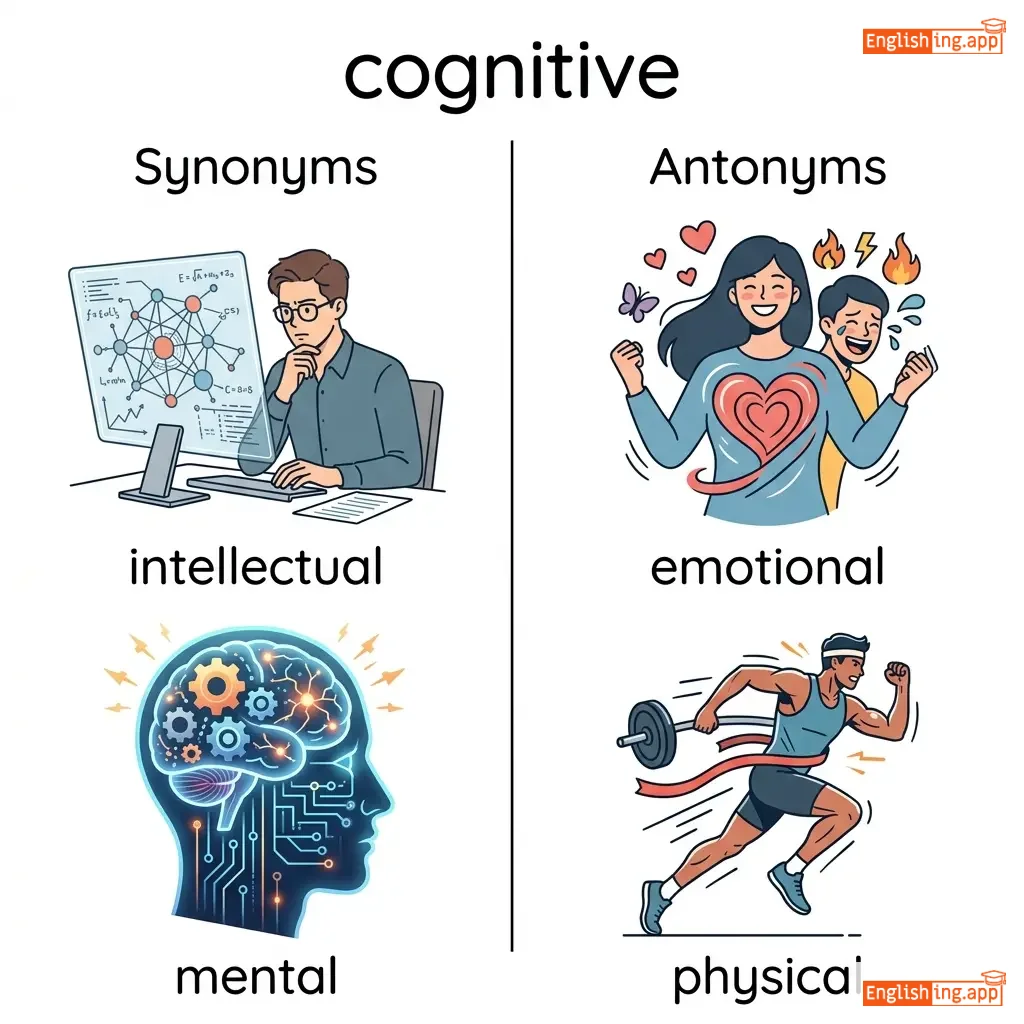
intellectual, mental, psychological, rational
••••••
|
emotional, physical, unconscious
••••••
|
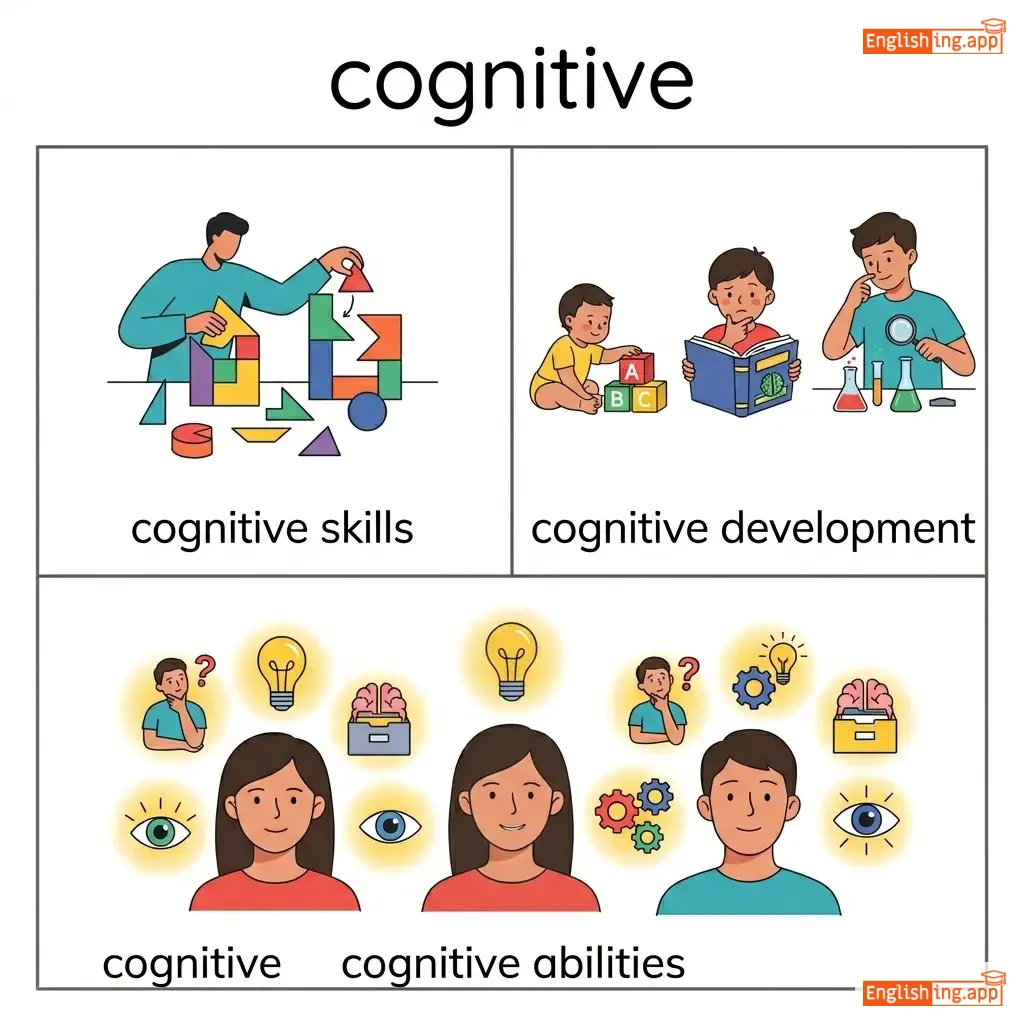
cognitive skills, cognitive development, cognitive abilities
••••••
|
Cognitive = Brain related, 认知的 = 知识和学习相关 🧠
••••••
|
|
📮
••••••
|
/kəˈlɛktər/
noun
••••••
|
- •••••• | - •••••• | - •••••• | - •••••• | - •••••• | - •••••• |
a person who collects things as a hobby or job
••••••
|
He is a stamp collector with thousands of rare items. |
- •••••• |
tax collector |
a government official who collects taxes
••••••
|
- •••••• |
accumulator, gatherer, curator, hoarder
••••••
|
spender, giver
••••••
|
stamp collector, coin collector, tax collector, art collector
••••••
|
No •••••• |
|
🚗💥🚗
••••••
|
/kəˈlɪʒən/
noun
(碰撞)
••••••
|
- •••••• |
碰撞
pengzhuang
••••••
|
- •••••• | - •••••• | - •••••• | - •••••• |
an instance of two or more objects crashing into each other
••••••
|
The collision on the highway caused a major traffic jam. |
高速公路上的碰撞造成了严重的交通堵塞。
Gāosù gōnglù shàng de pèngzhuàng zàochéngle yánzhòng de jiāotōng dǔsè.
••••••
|
on a collision course |
moving toward inevitable conflict or disaster
••••••
|
在碰撞的轨道上
zai pengzhuang de guidao shang
••••••
|
crash, impact, accident, clash
••••••
|
separation, avoidance, peace
••••••
|
car collision, head-on collision, fatal collision
••••••
|
碰撞意味着碰撞轨道 – 车🚗💥🚗碰撞
••••••
|
|
🖋️
••••••
|
/ˈkɒləmnɪst/
noun
(kāo-lè-míng-sī-tè)
••••••
|
- •••••• |
专栏作家
zhuān lán zuò jiā
••••••
|
- •••••• | - •••••• | - •••••• | - •••••• |
a journalist who regularly writes articles or opinions for a newspaper or magazine
••••••
|
The columnist wrote an article about climate change. |
专栏作家写了一篇关于气候变化的文章。
Zhuān lán zuò jiā xiě le yī piān guān yú qì hòu biàn huà de wén zhāng.
••••••
|
- •••••• | - •••••• | - •••••• |
journalist, writer, commentator, reporter, contributor
••••••
|
reader, audience
••••••
|
newspaper columnist, political columnist, famous columnist, opinion columnist
••••••
|
专栏作家就是写专栏的记者,记住‘专栏’二字,可以联想到写专栏的记者。
••••••
|
|
👨✈️
••••••
|
/kəˈmændər/
noun
(指挥官)
••••••
|
- •••••• |
指挥官
zhǐ huī guān
••••••
|
- •••••• | - •••••• | - •••••• | - •••••• |
a person in authority over a military unit; leader of armed forces
••••••
|
The commander ordered his troops to advance.
指挥官命令他的部队前进。
••••••
|
指挥官命令他的部队前进。
Zhǐ huī guān mìnglìng tā de bùduì qiánjìn.
••••••
|
- •••••• | - •••••• | - •••••• |
leader, general, chief, captain
••••••
|
subordinate, follower, private
••••••
|
military commander, commanding officer, field commander
••••••
|
指挥官 in Chinese means the head of the military unit who leads the troops.
••••••
|
|
📦
••••••
|
/kəˈmɑːdəti/
noun
(科莫迪提)
••••••
|
|
商品
shangpin
••••••
|
- •••••• | - •••••• | - •••••• | - •••••• |
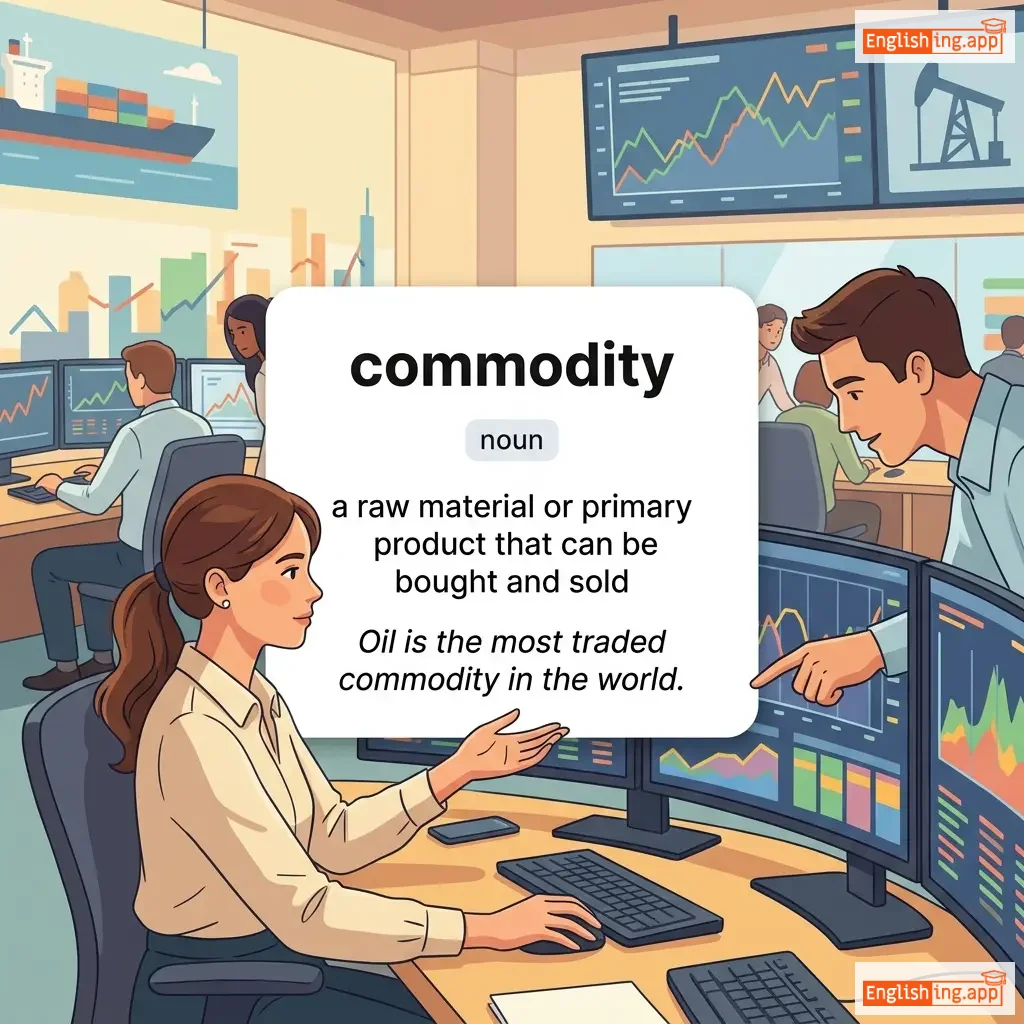
a raw material or primary product that can be bought and sold
••••••
|
Oil is the most traded commodity in the world.
奥伊尔 伊斯 最 多 交易 的 科莫迪提。
••••••
|
石油是世界上交易最多的商品。
shiyou shi shijie shang jiaoyi zuiduo de shangpin
••••••
|
hot commodity
热门 科莫迪提
••••••
|
something or someone that is in high demand
••••••
|
热门商品
remen shangpin
••••••
|
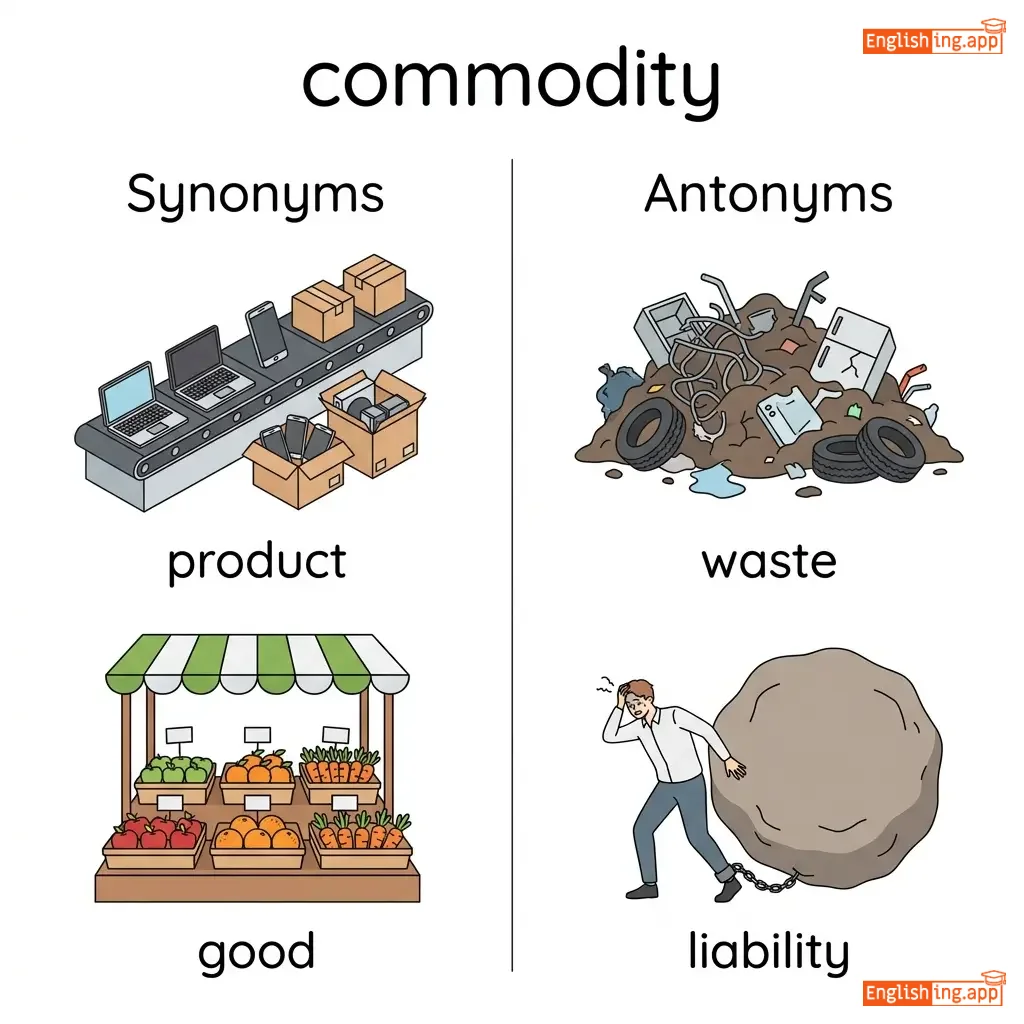
product, good, merchandise, item, resource
••••••
|
waste, liability, burden
••••••
|
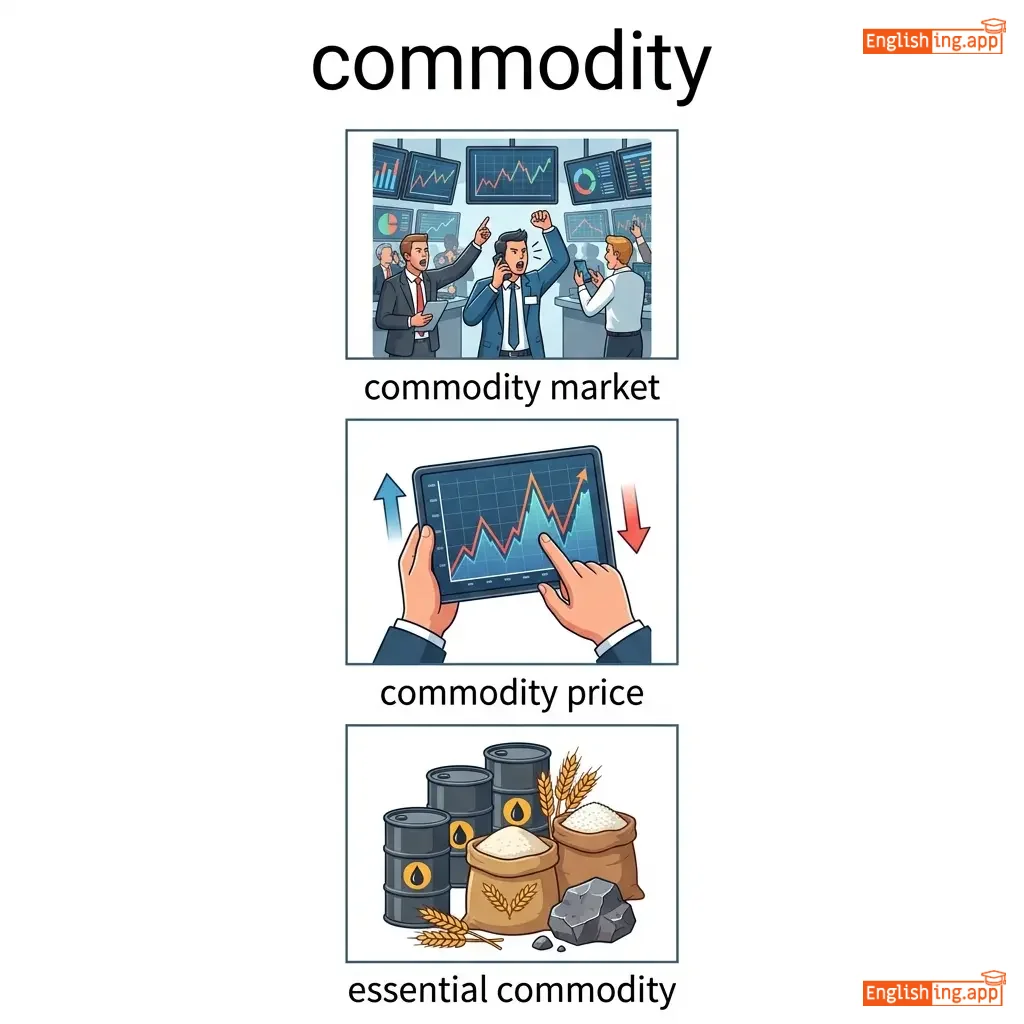
commodity market, commodity price, essential commodity, trading commodity
••••••
|
Commodity 就像中文‘商品’—可以买卖的东西。
••••••
|

