The Impact of Climate on Farming
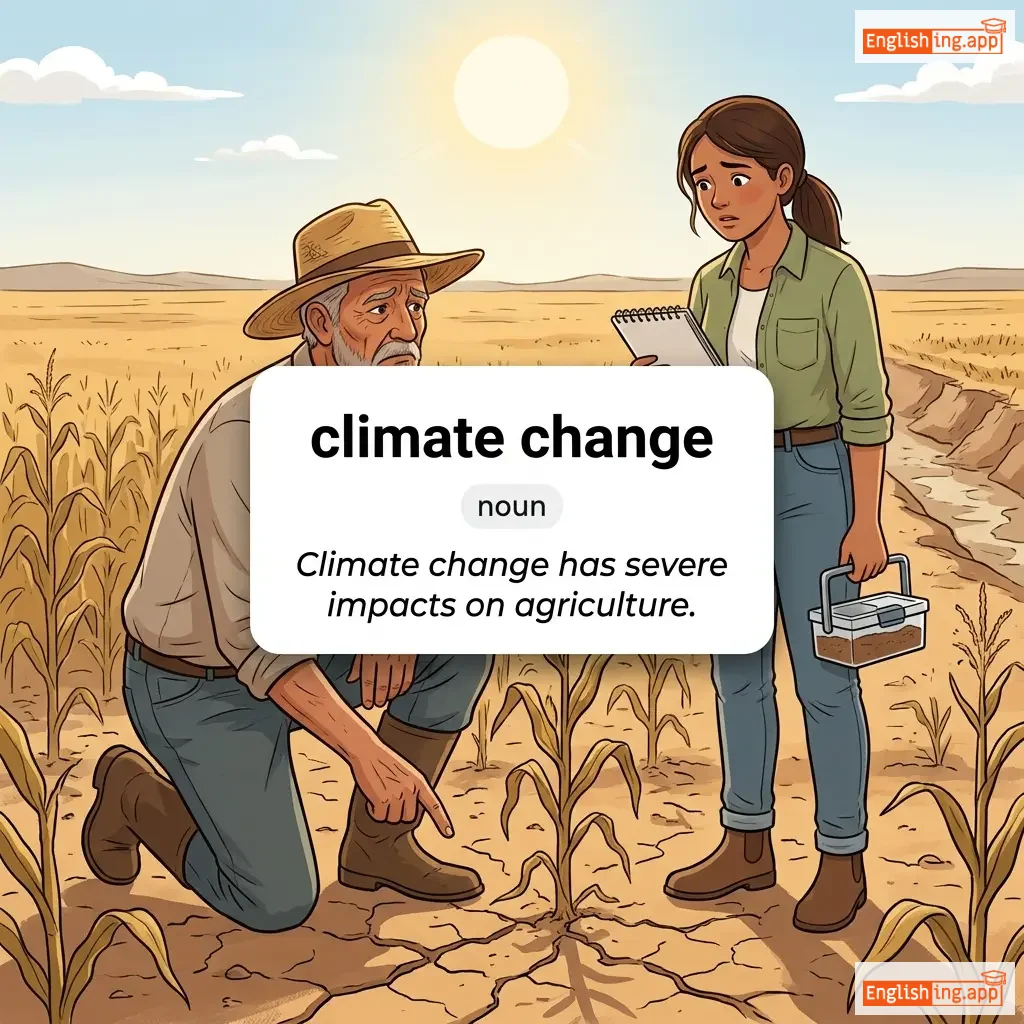
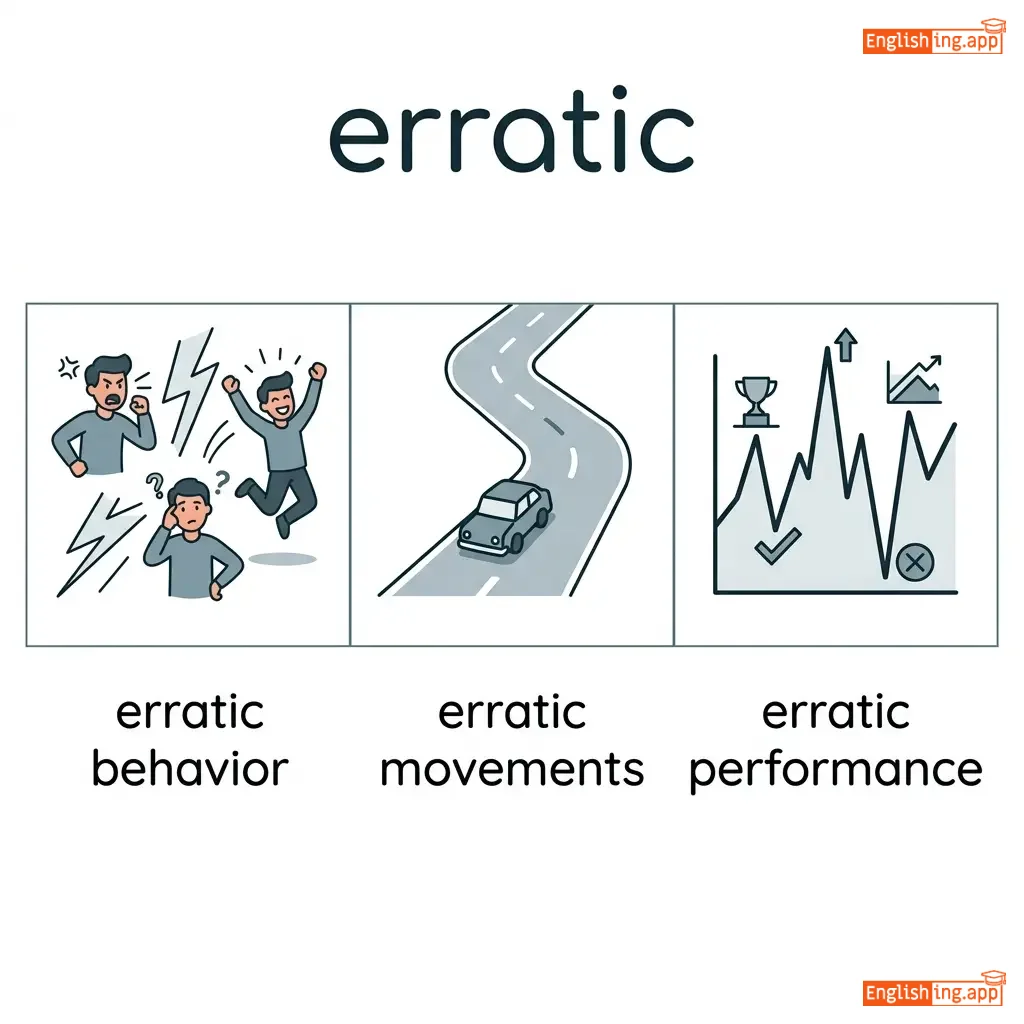
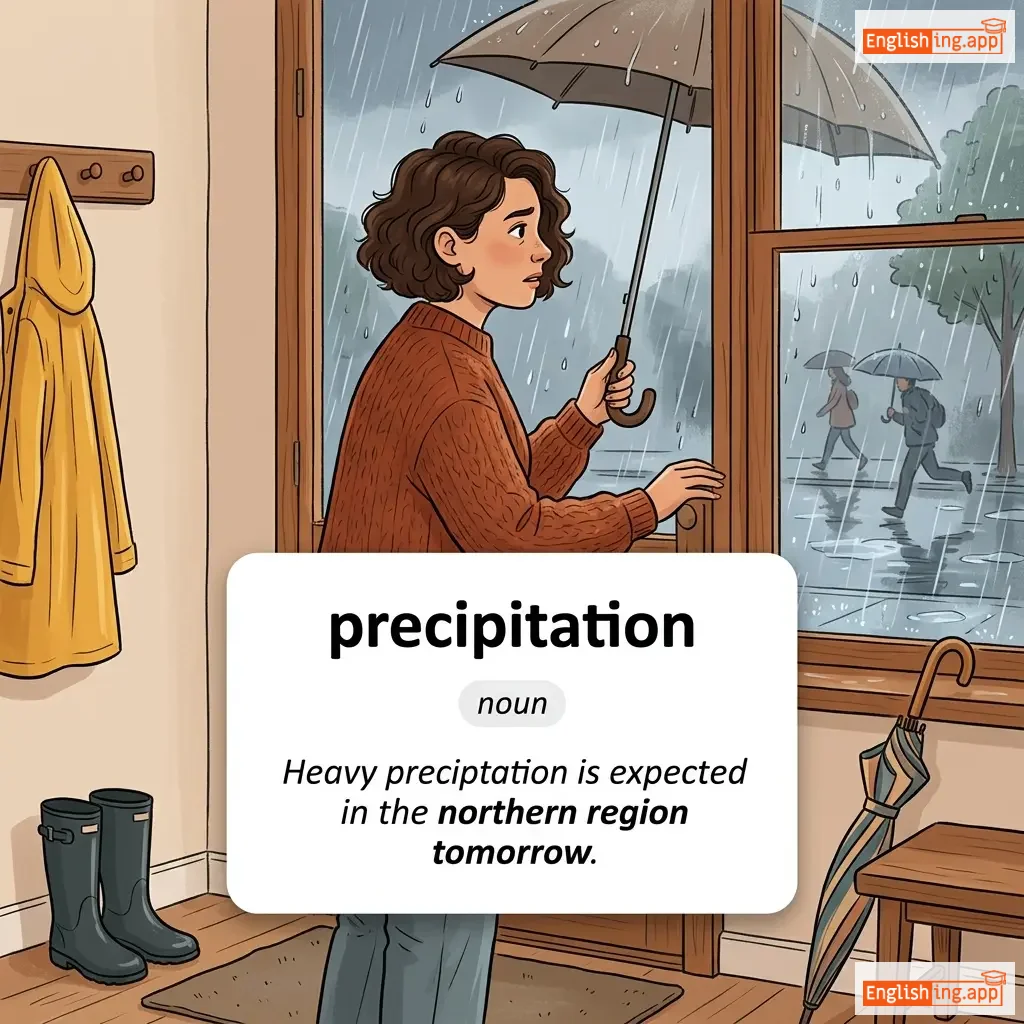
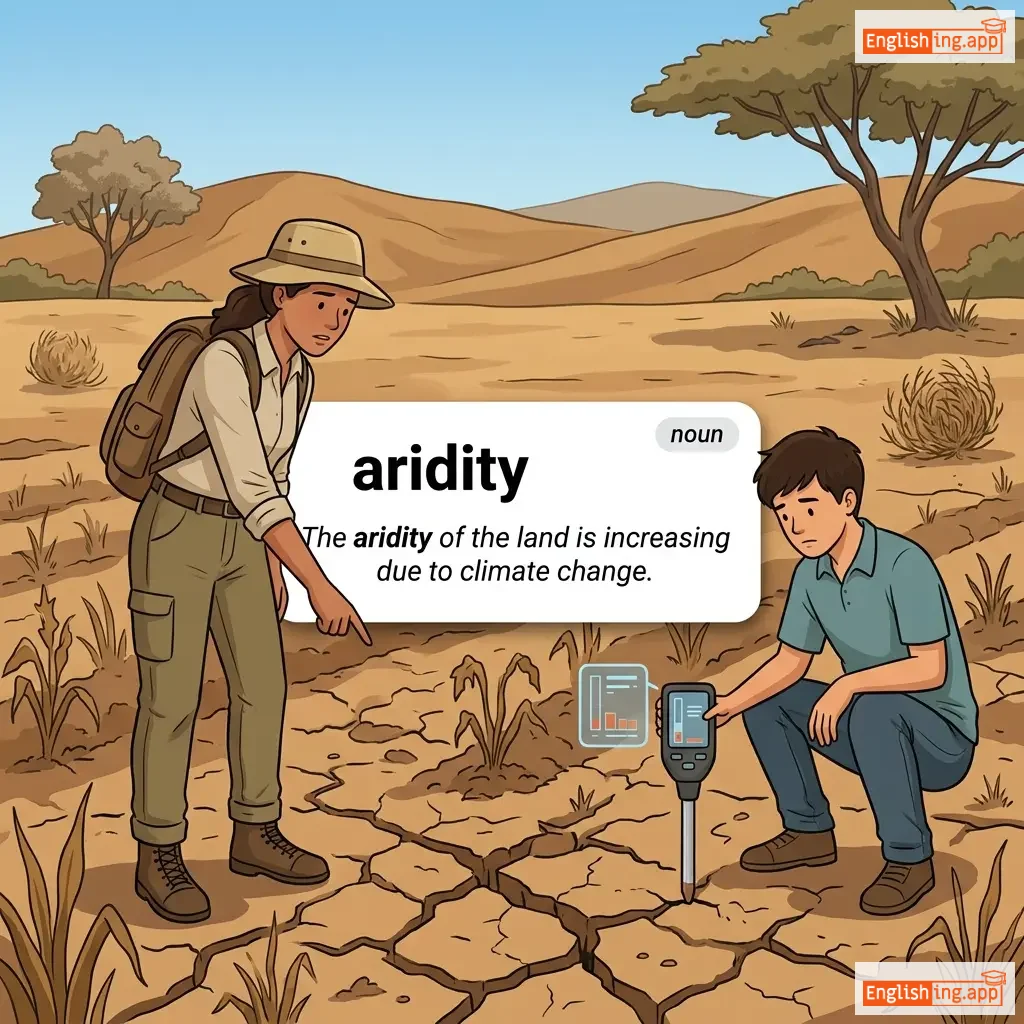
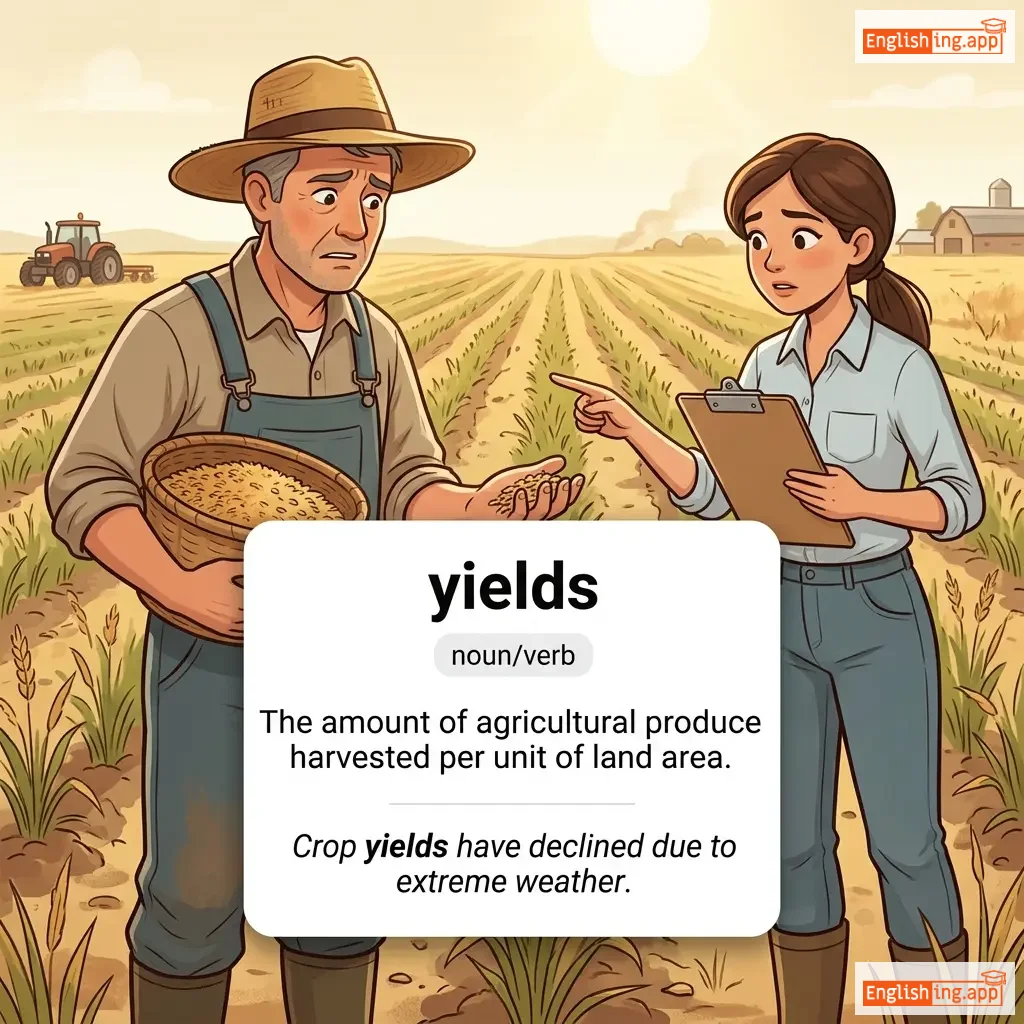
De nos jours, climate change entraîne une grande transformation dans le secteur agricole. En raison des pluies erratic et du manque de precipitation, les agriculteurs font face à des situations difficiles. En raison de l'augmentation de l'aridity, la fertilité du sol diminue, entraînant une réduction des yields.
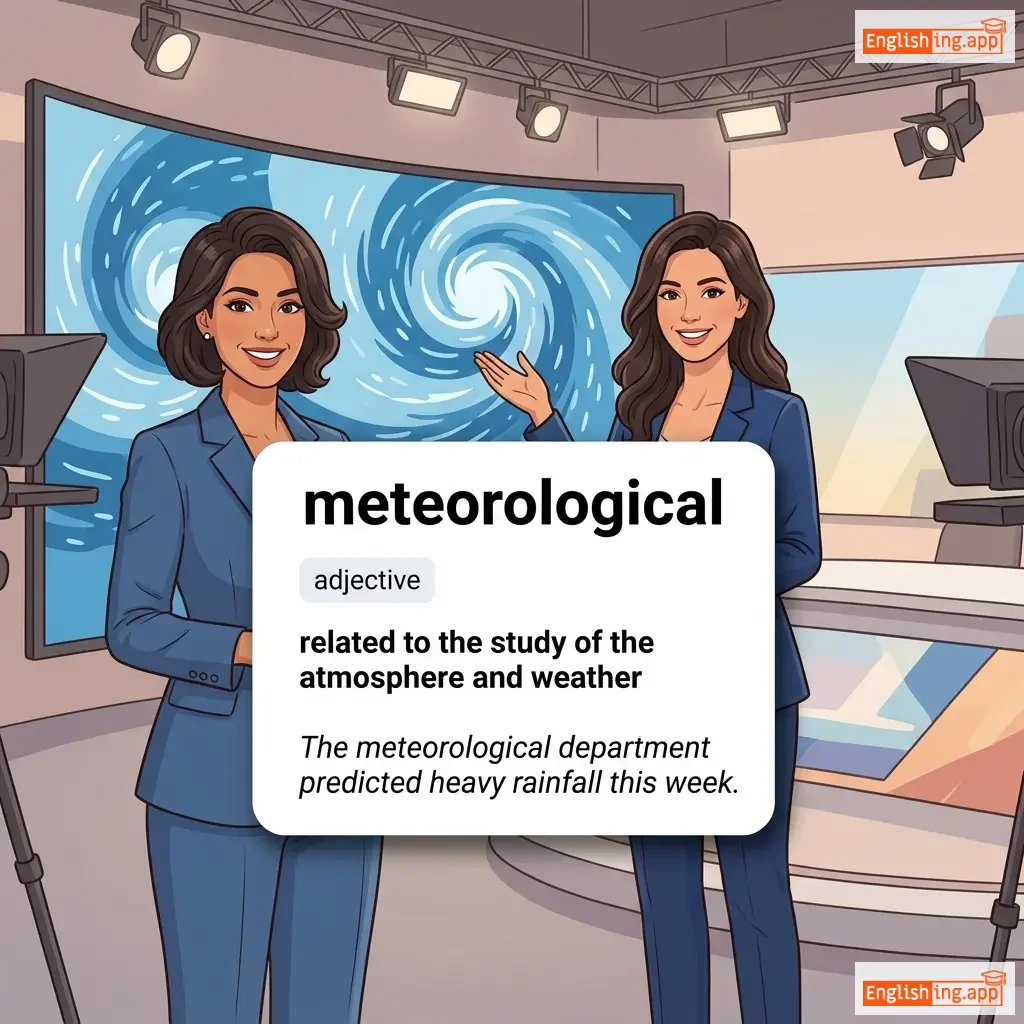
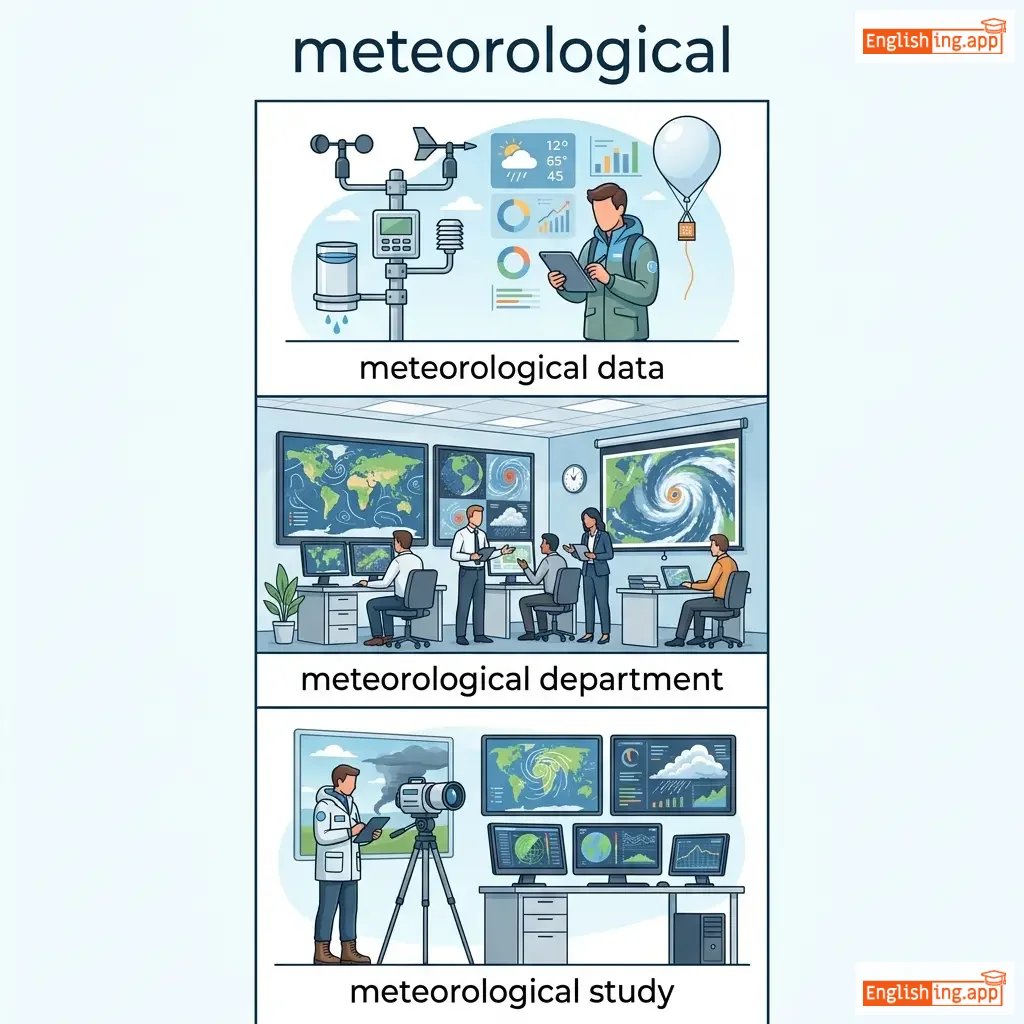
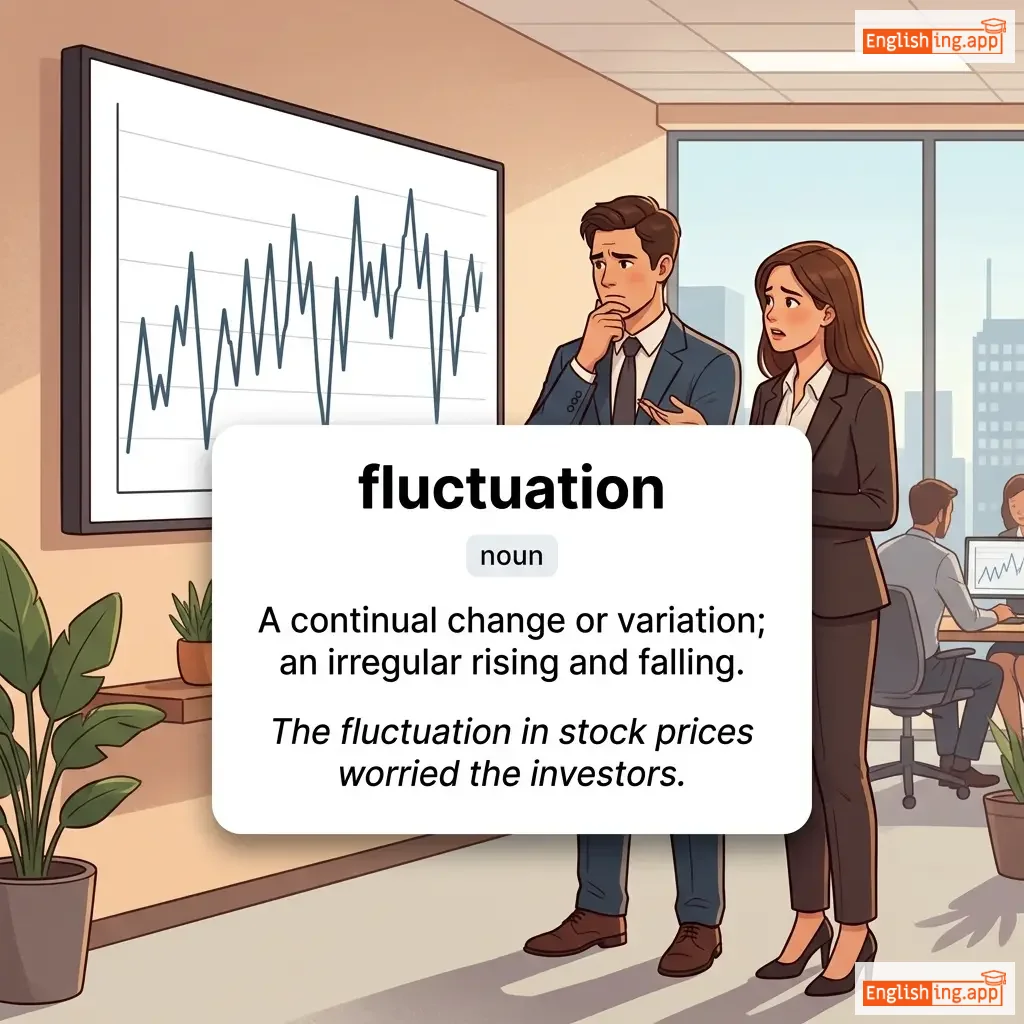
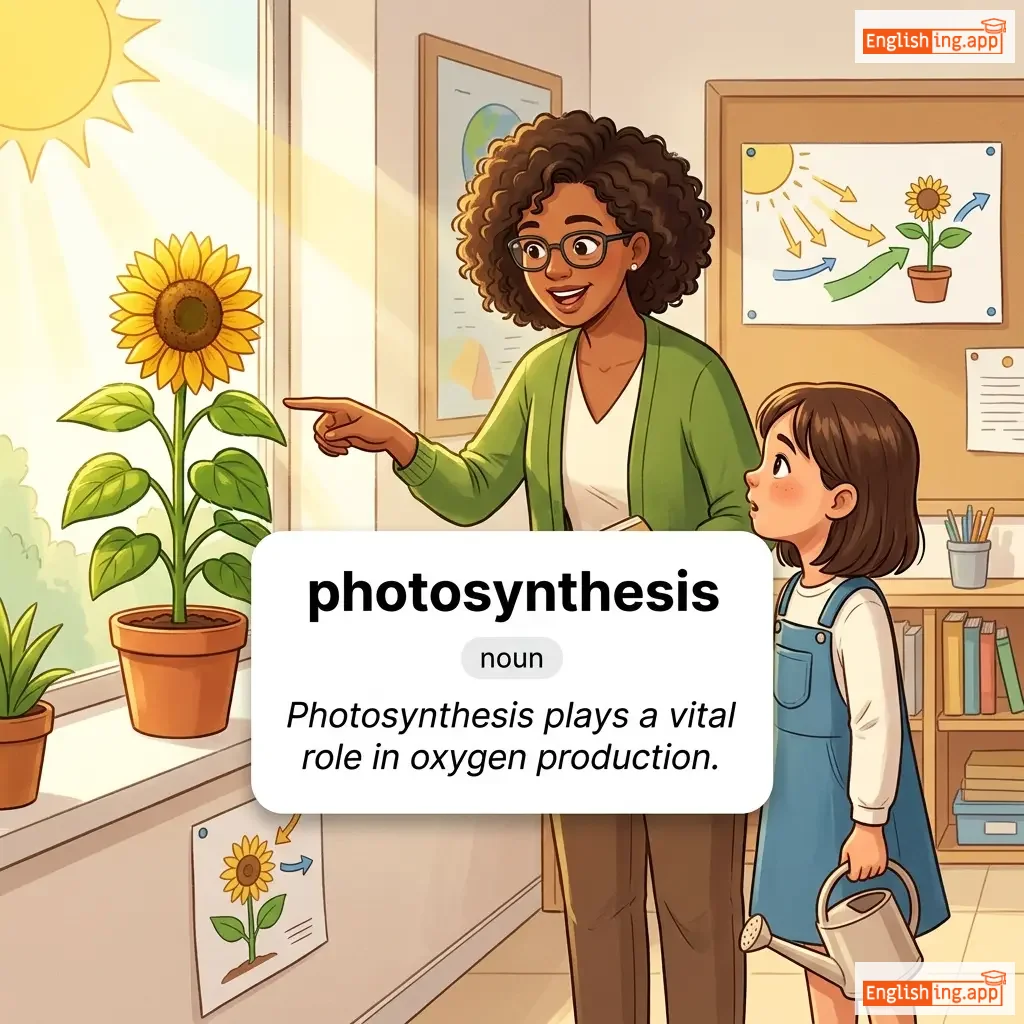
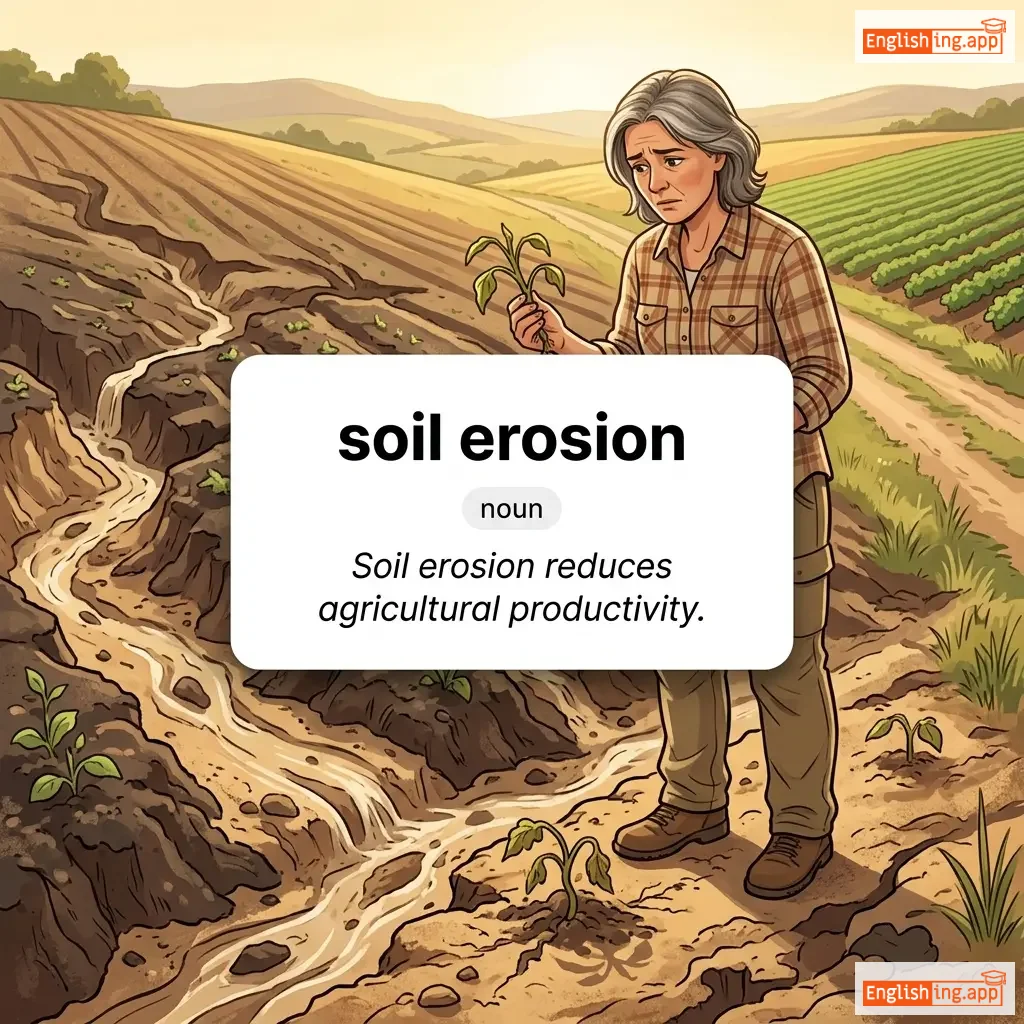
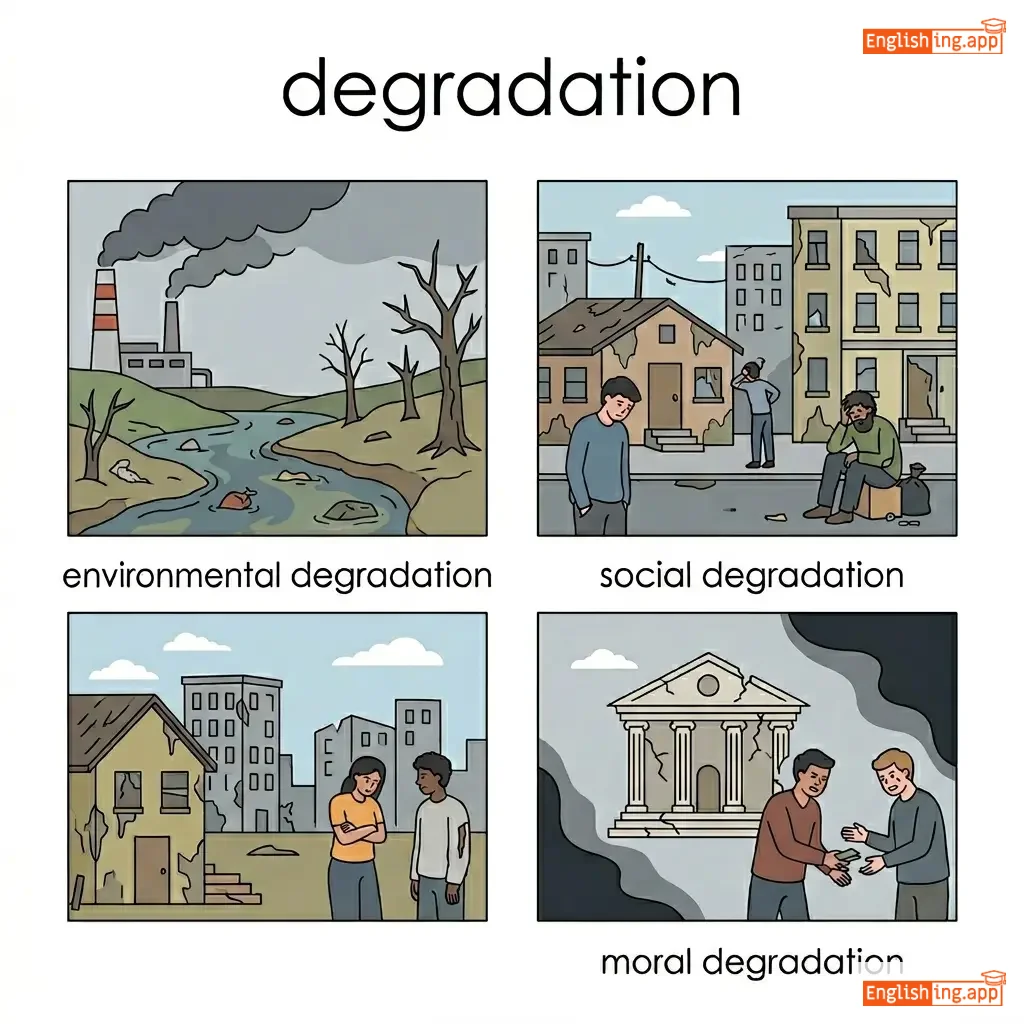
Les recherches meteorological affirment que la fluctuation et l'augmentation de la température créent un thermal stress, ce qui détruit la croissance des cultures et l'efficacité de la photosynthesis. L'erosion des sols et la degradation des sols deviennent de plus en plus nuisibles au système agricole.
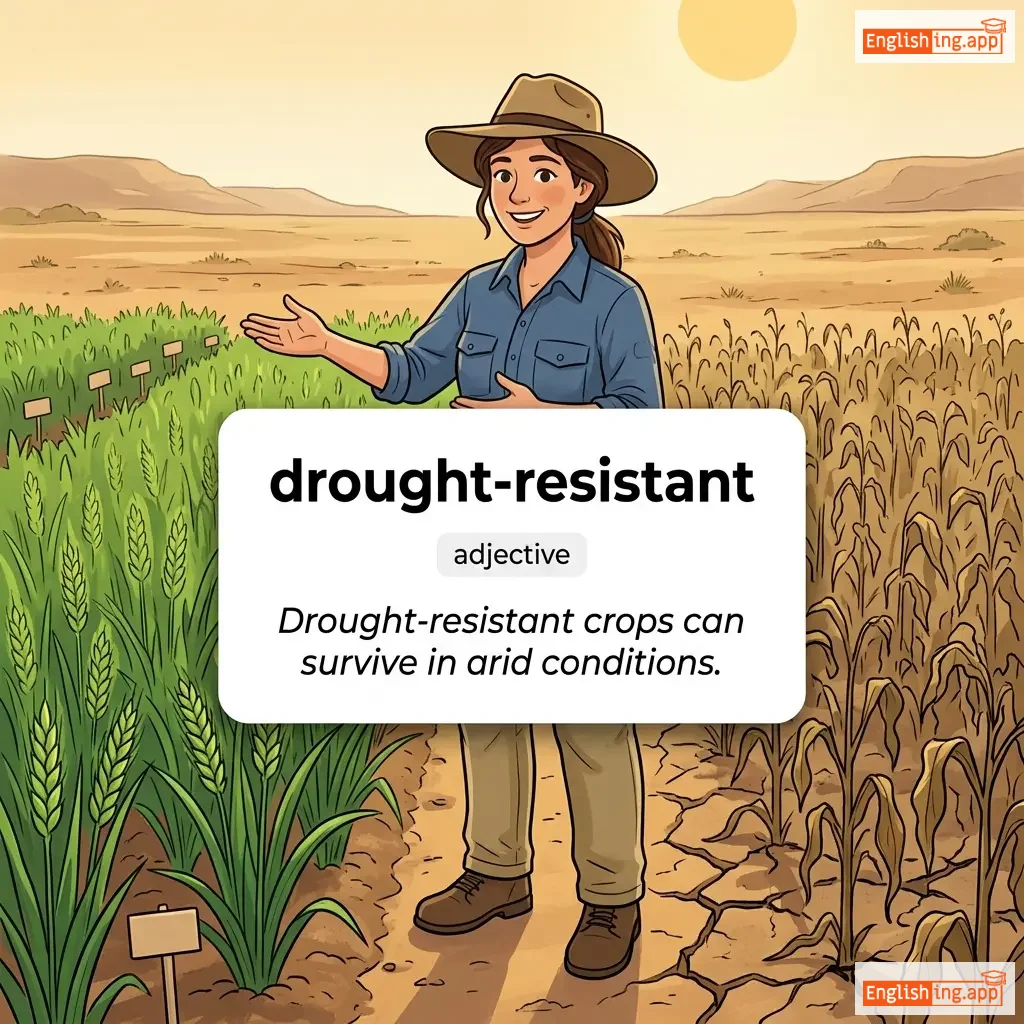
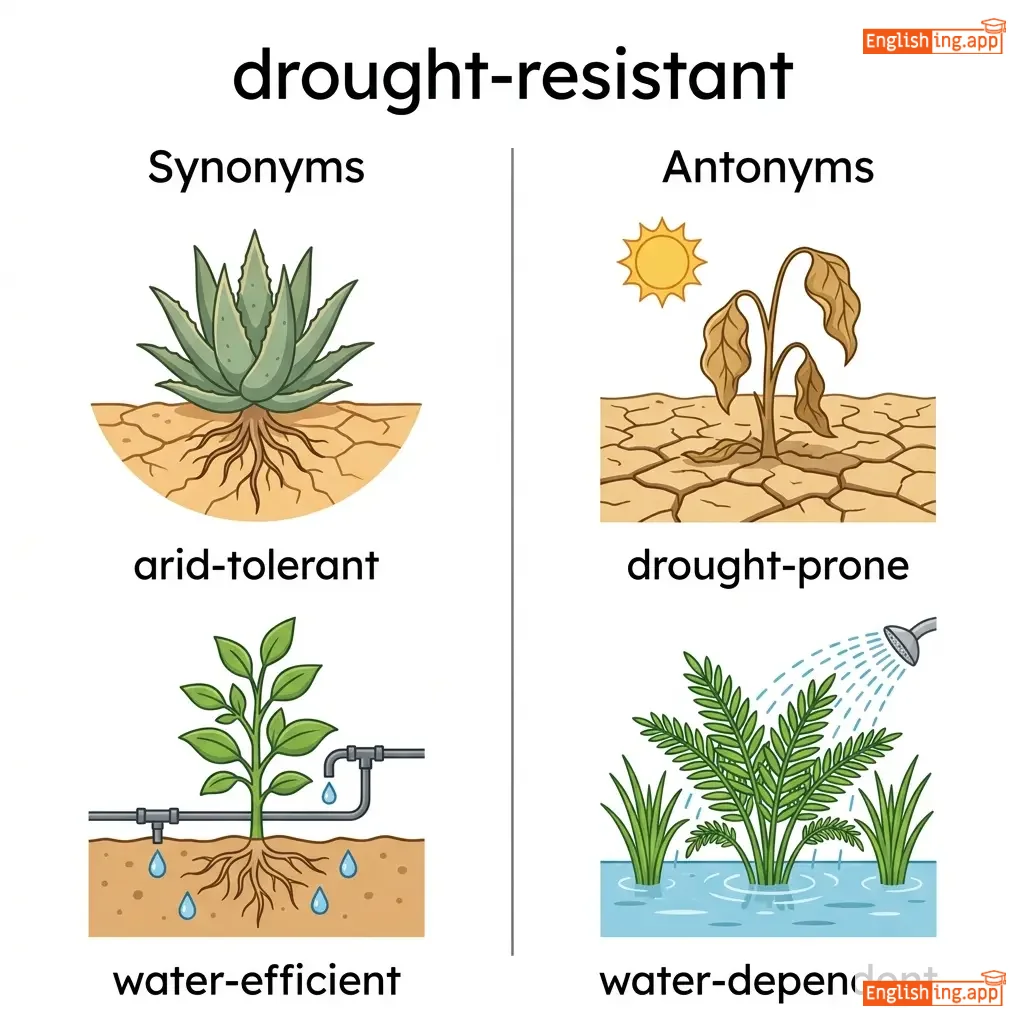
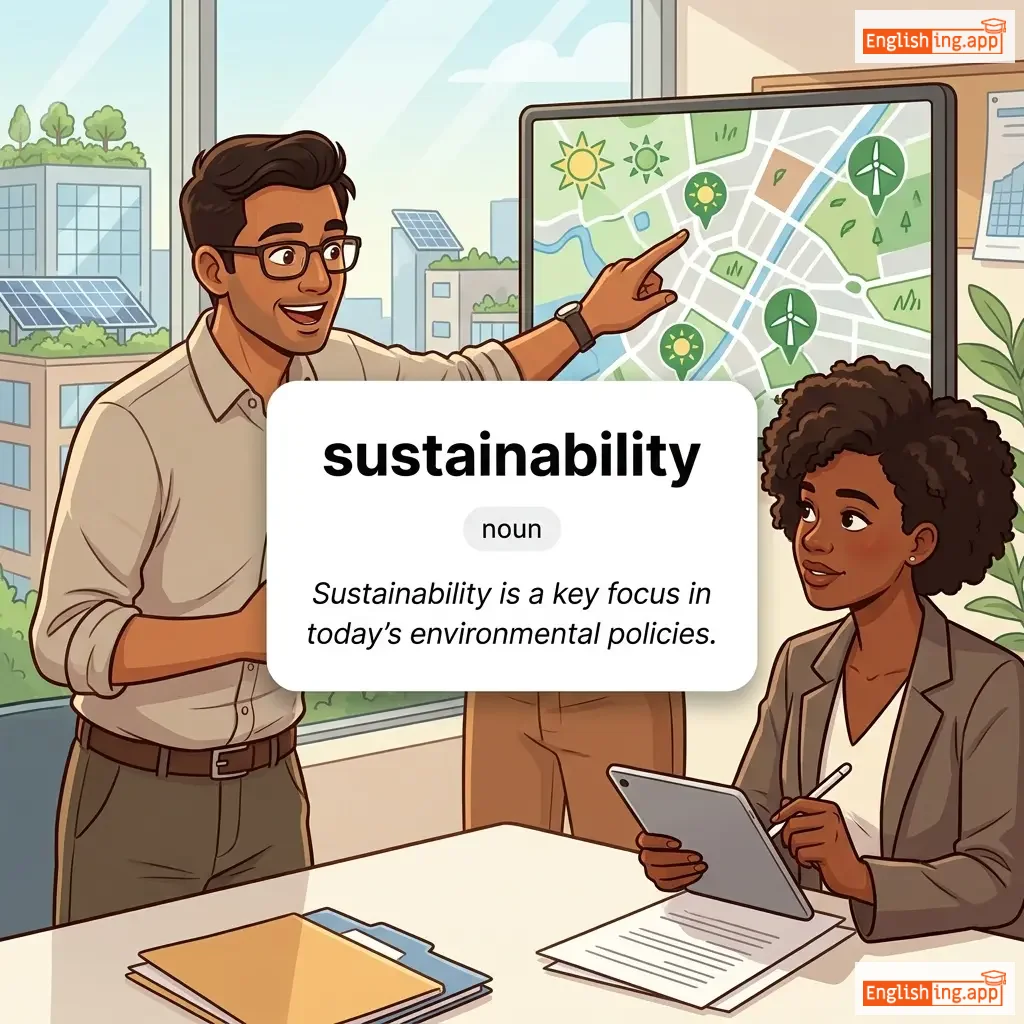
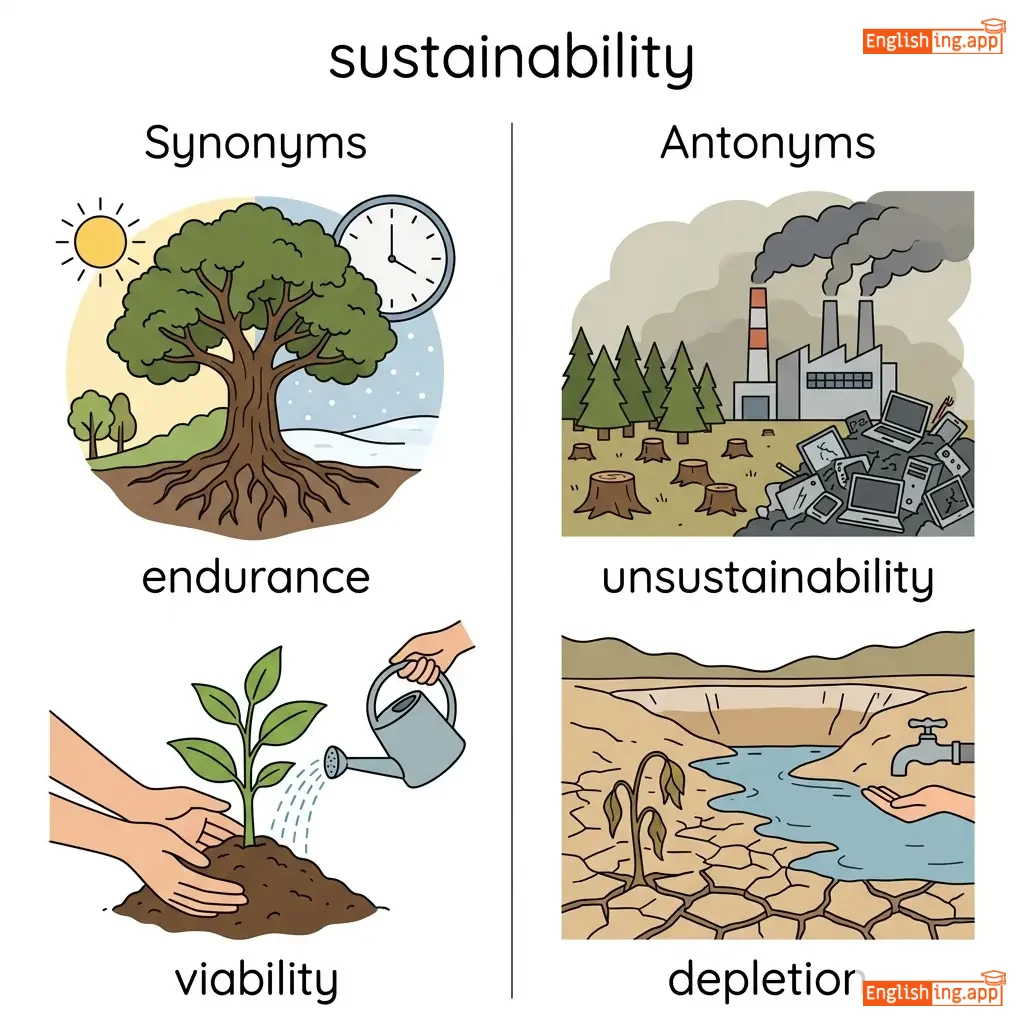
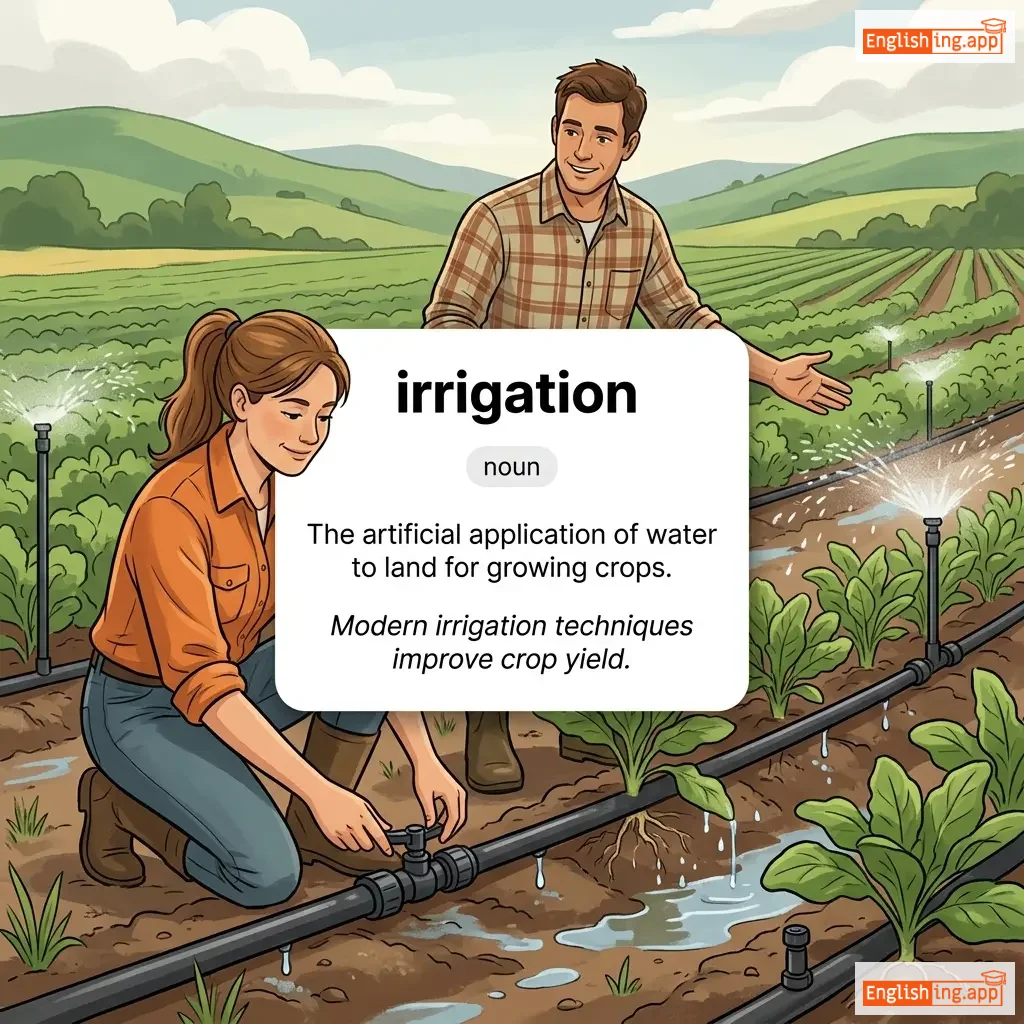
De nombreux agriculteurs se tournent vers la culture de plantes drought-resistant afin d'assurer la sustainability. Des efforts sont déployés pour rétablir un certain équilibre en améliorant les systèmes d'irrigation et en appliquant des techniques de mitigation.
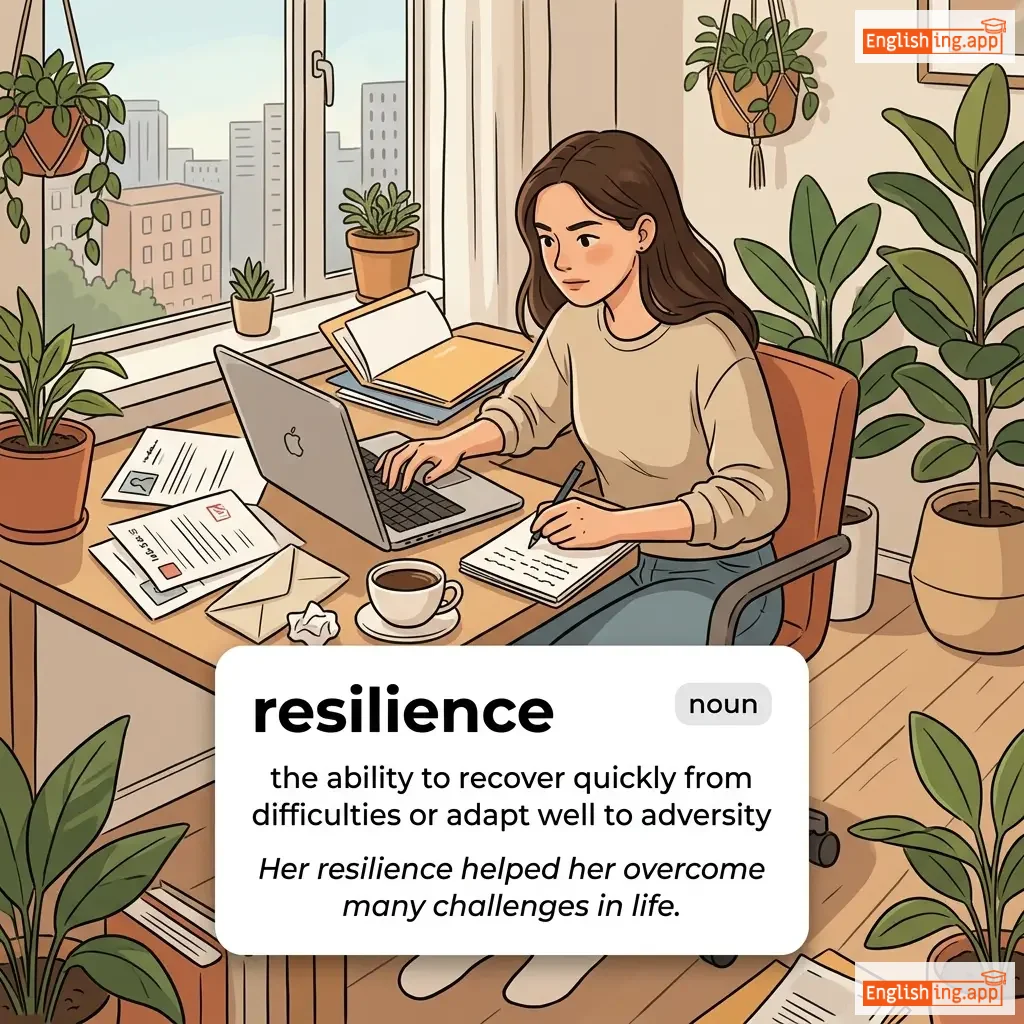
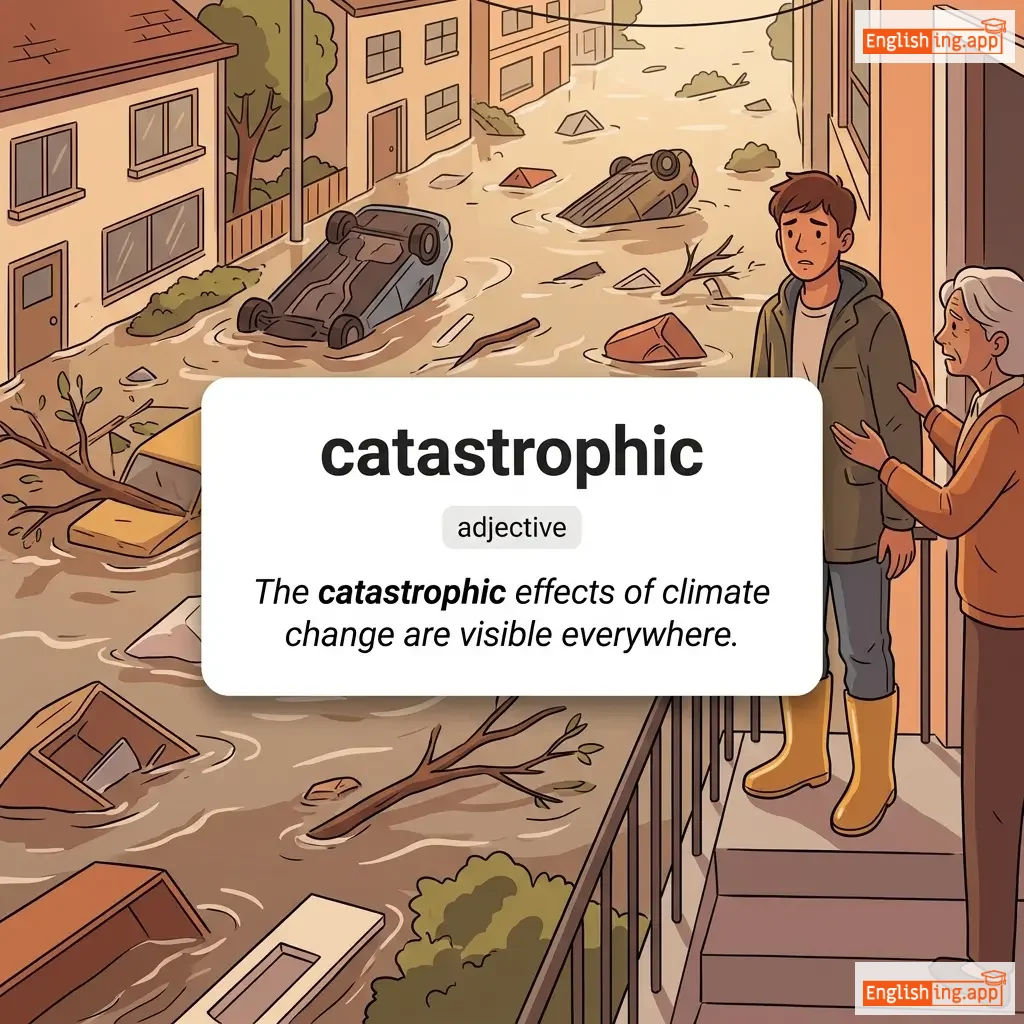
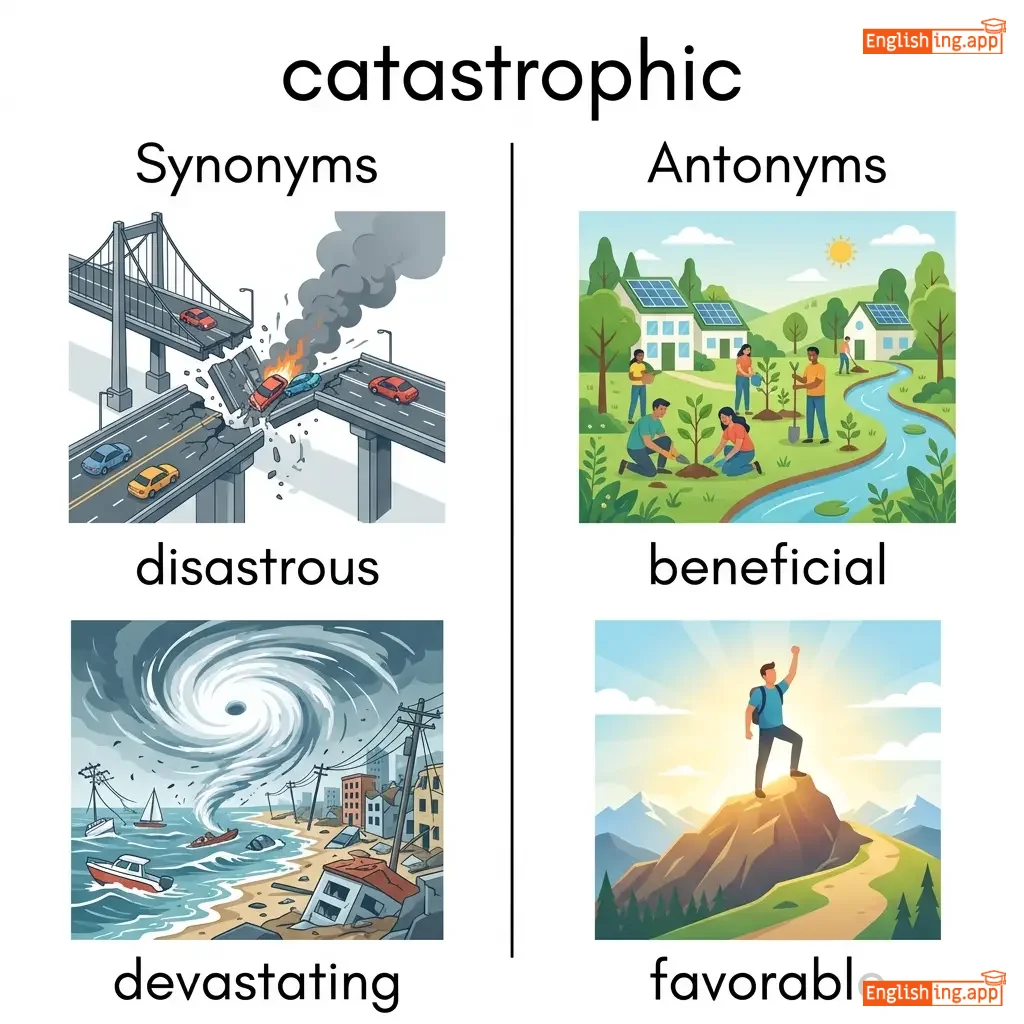
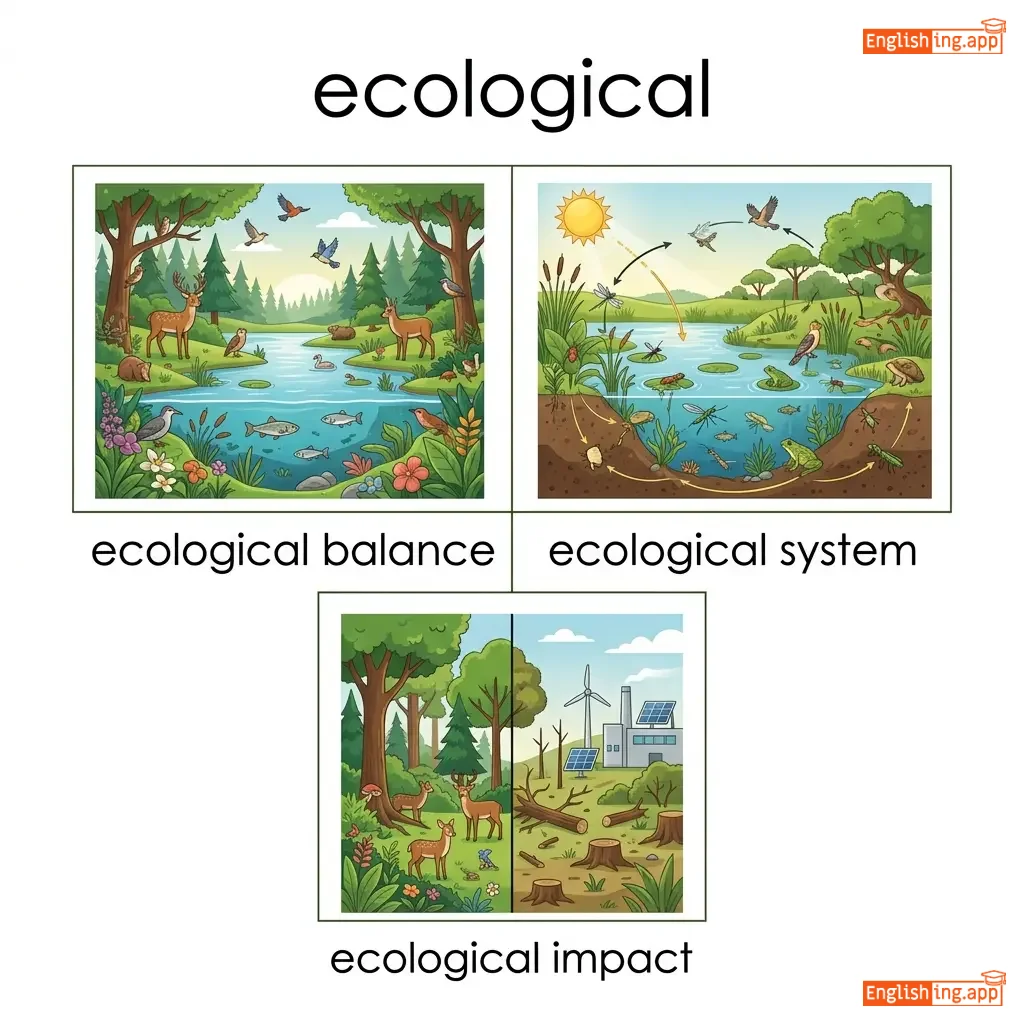
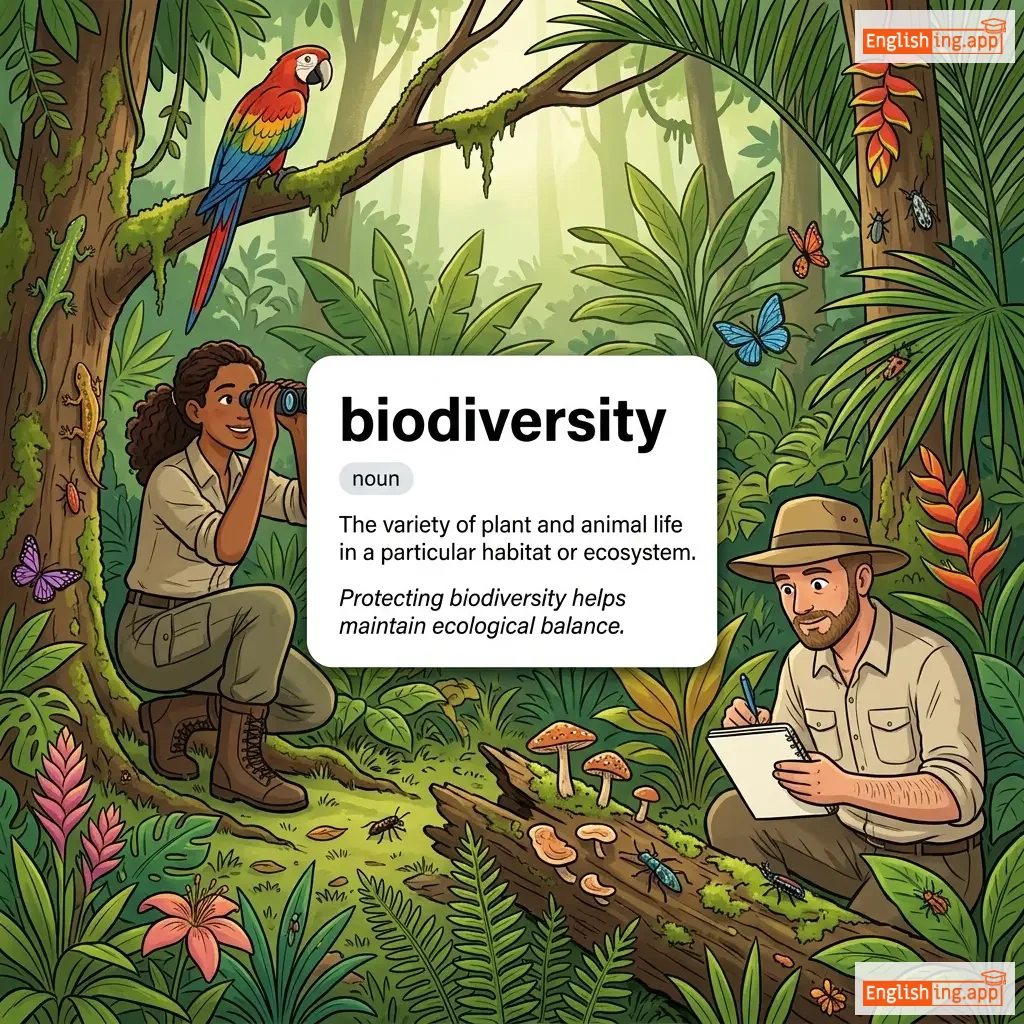
Cependant, la conservation ecological et de la biodiversity est essentielle pour résoudre ce problème. Si l'agroecosystem reste organisé, la resilience du secteur agricole augmentera et il sera possible de faire face à cet impact catastrophic à l'avenir.
Message vocabulaire Pro
Passer à la version ProMessage phrases Pro
Passer à la version Pro|
Émoji
|
Mot | Images | Signification | Phrase d'Exemple | Synonymes | Antonymes |
|---|---|---|---|---|---|---|
|
#3232
🌍
|
ˈklaɪ.mət tʃeɪndʒ
noun
••••••
|
•••••• |
Long-term changes in global or regional climate patterns, primarily caused by human activities.
••••••
|
Climate change has severe impacts on agriculture. |
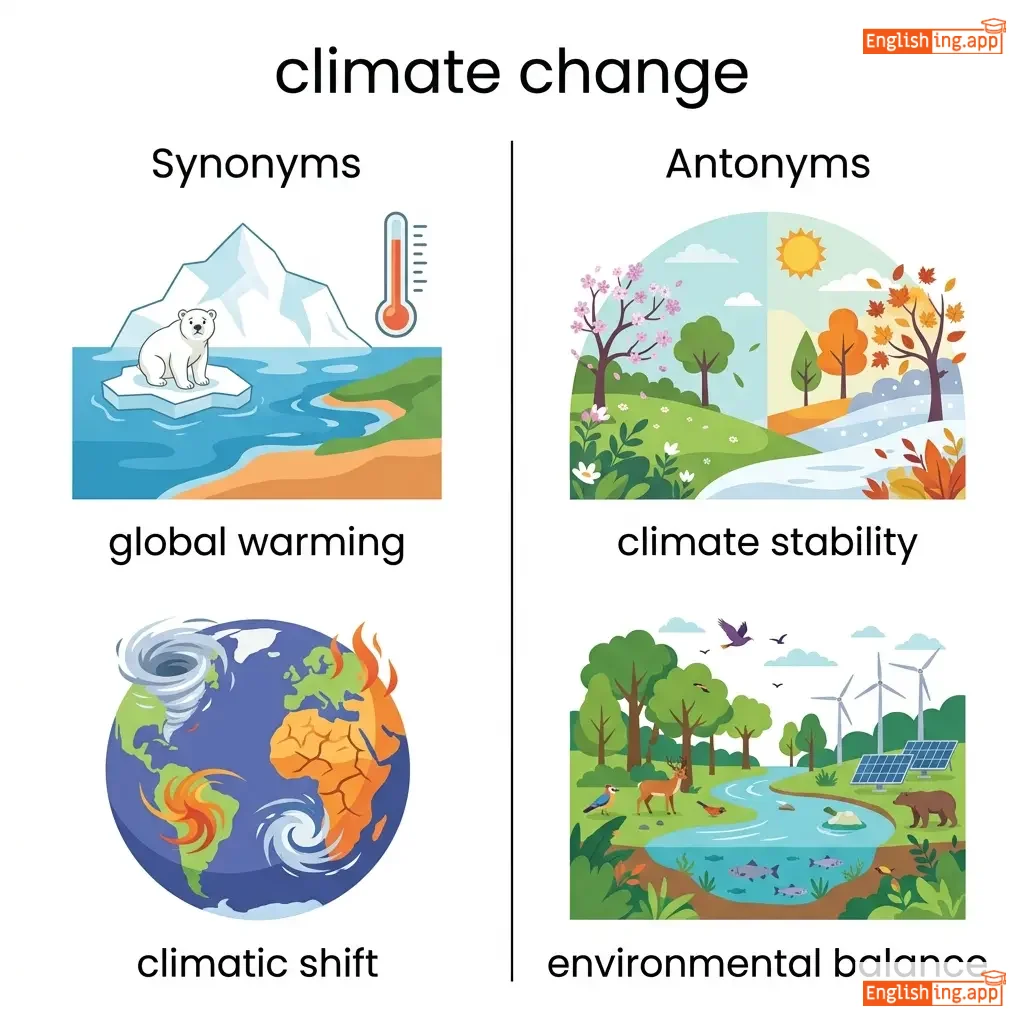
global warming, climatic shift, environmental change
••••••
|
climate stability, environmental balance
••••••
|
|
#3233
🌀
|
ɪˈræt.ɪk
adjective
••••••
|
•••••• |
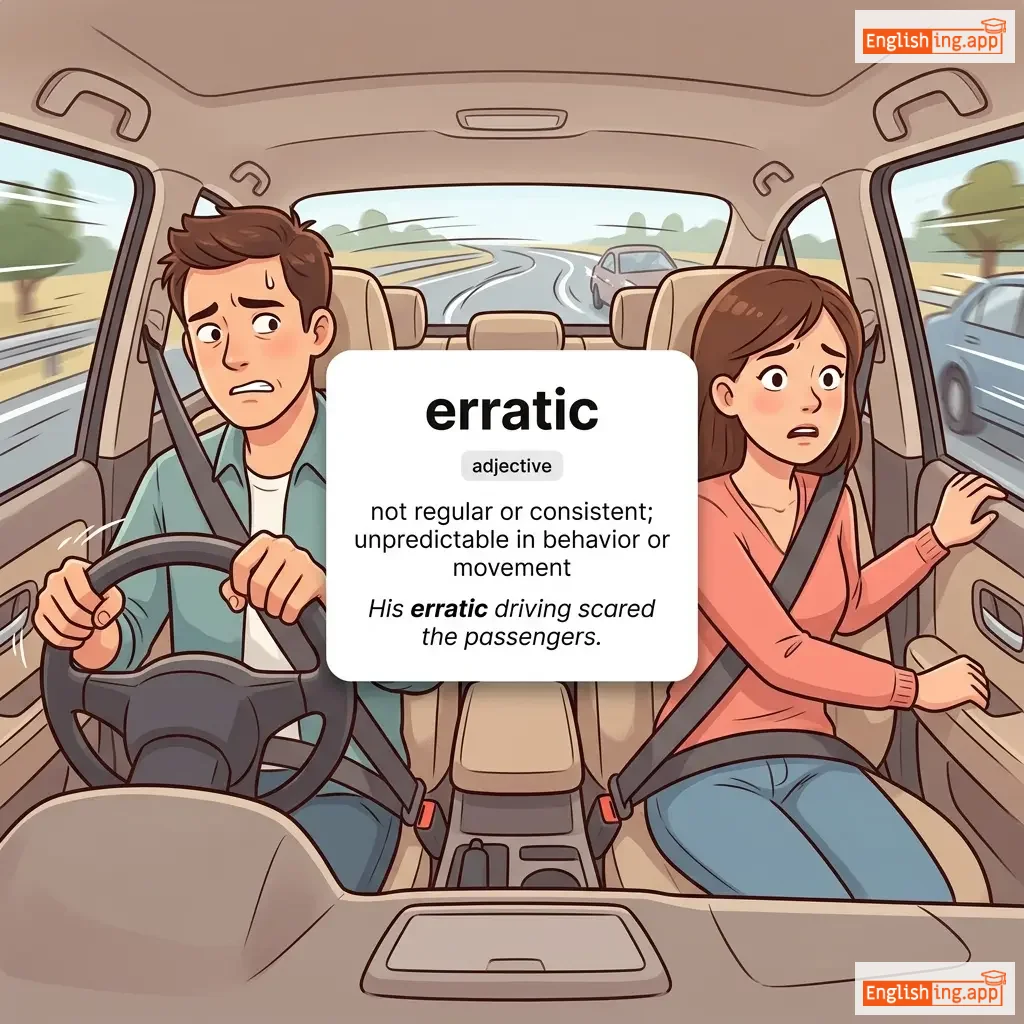
Changing irregularly; unpredictable in behavior or appearance.
••••••
|
The erratic rainfall is affecting crop production. |
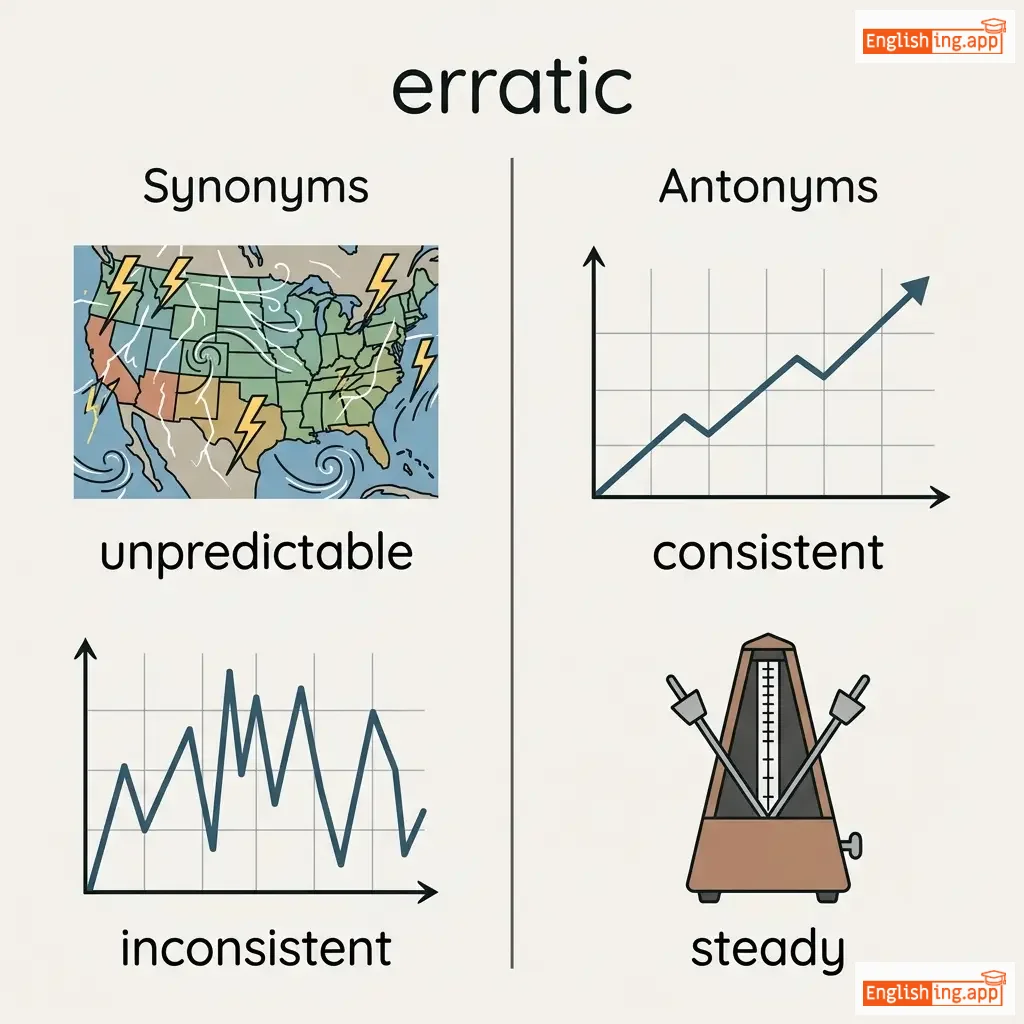
unpredictable, inconsistent, unstable
••••••
|
stable, predictable, consistent
••••••
|
|
#3234
🌧️
|
prɪˌsɪp.ɪˈteɪ.ʃən
noun
••••••
|
•••••• |
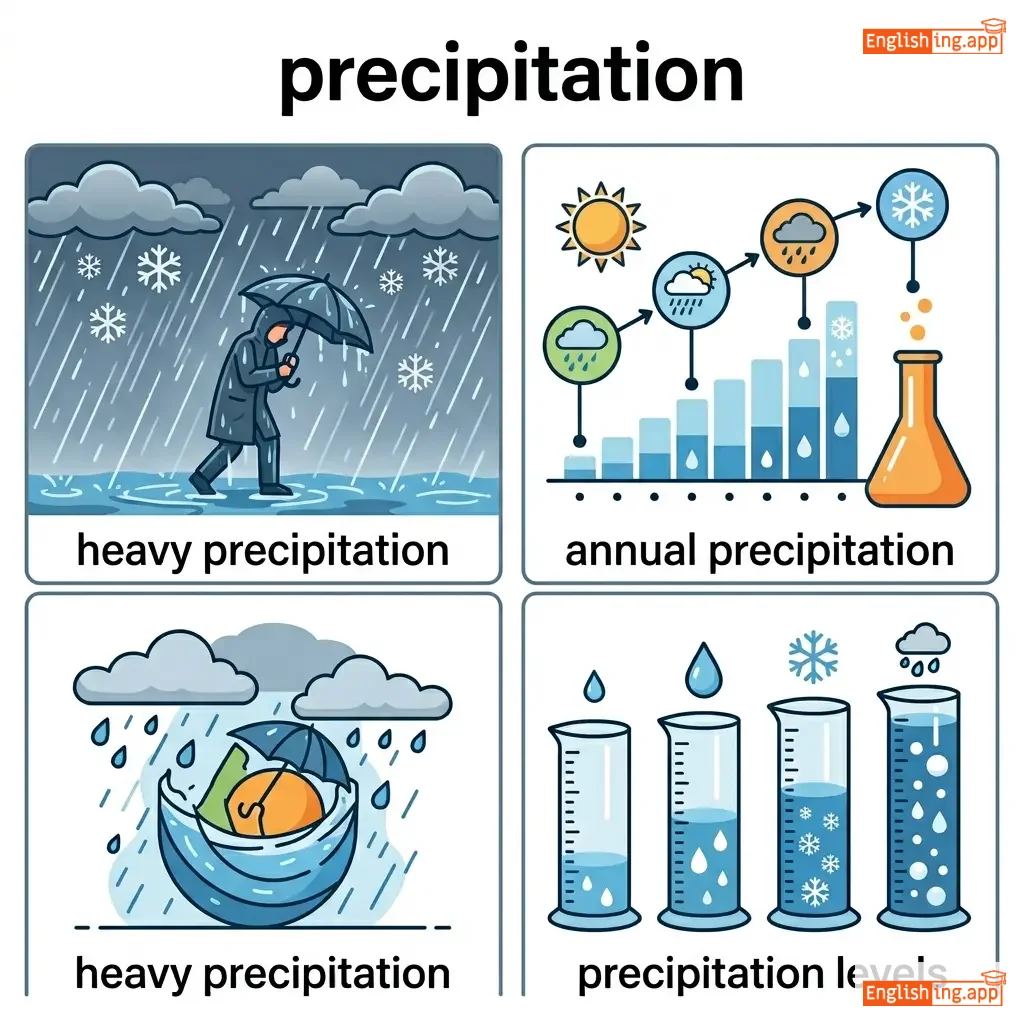
Rain, snow, sleet, or hail that falls to or condenses on the ground.
••••••
|
Annual precipitation levels are decreasing. |
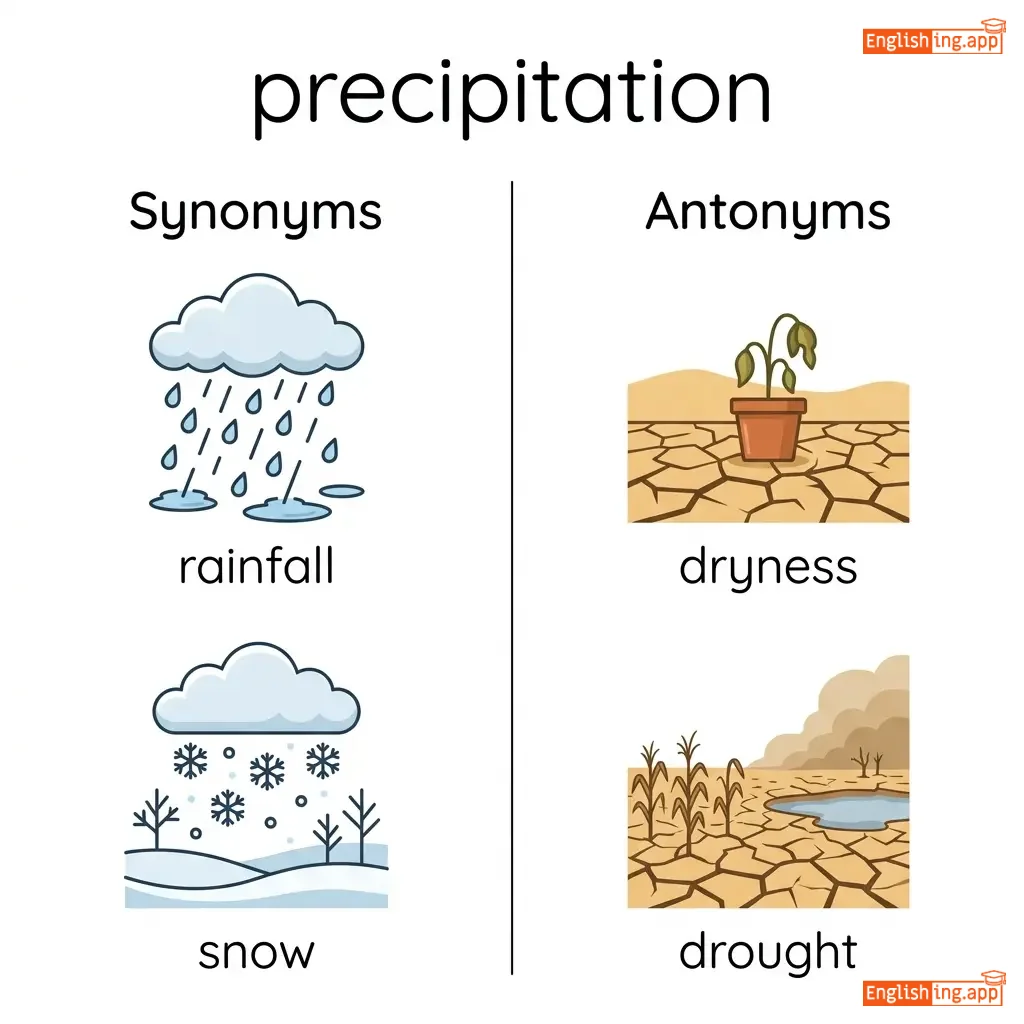
rainfall, snowfall, condensation
••••••
|
dryness, aridity, drought
••••••
|
|
#3235
🏜️
|
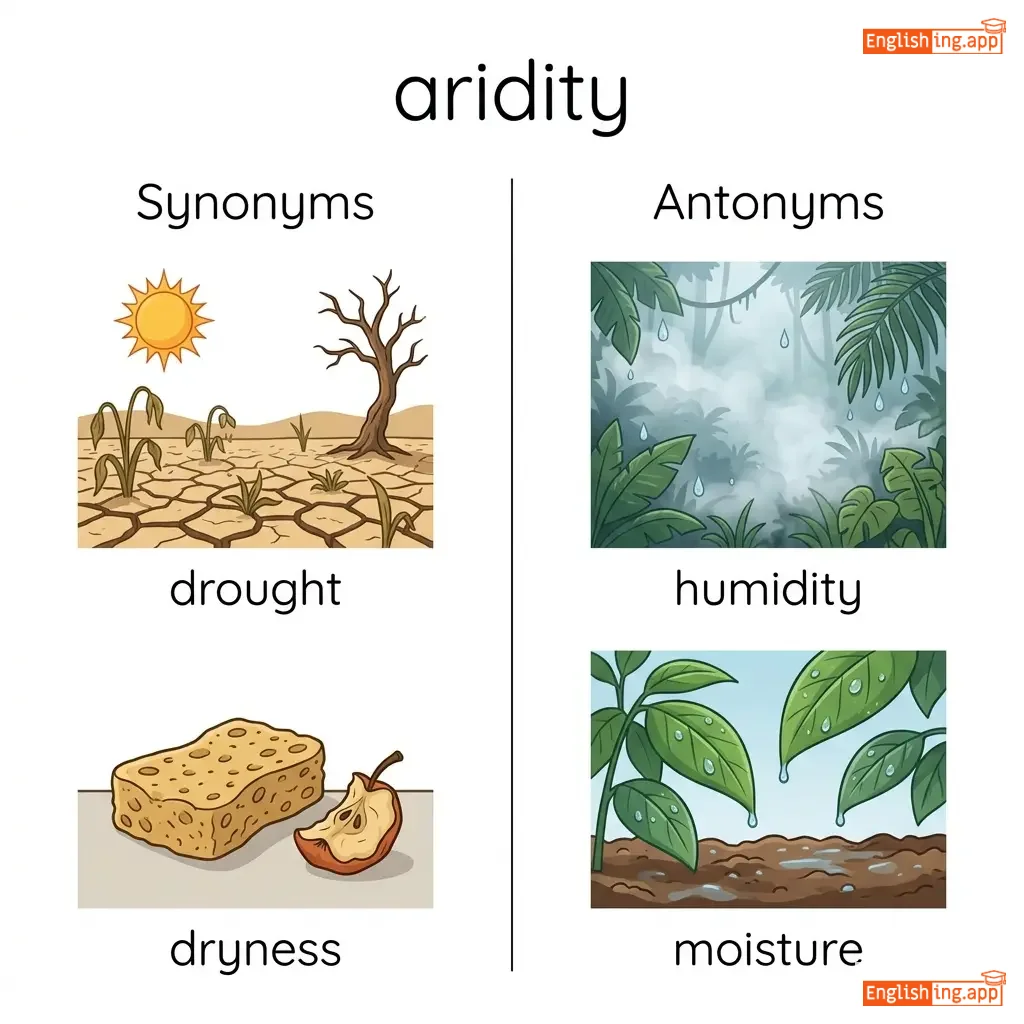
əˈrɪd.ɪ.ti
noun
••••••
|
•••••• |
The state of being extremely dry, especially having insufficient rainfall to support vegetation.
••••••
|
The aridity of the land is increasing due to climate change. |
drought, dryness, dehydration
••••••
|
humidity, moisture, fertility
••••••
|
|
#3236
🌾
|
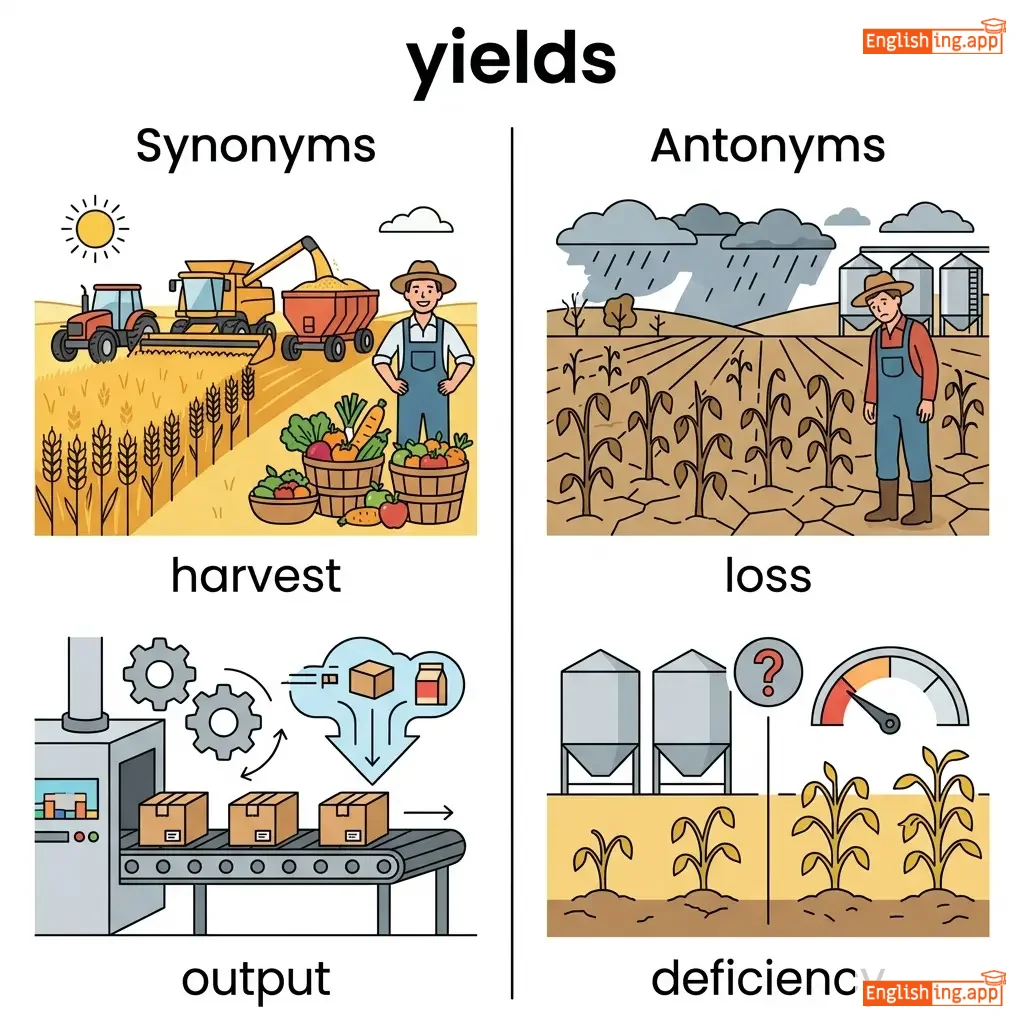
jiːldz
noun/verb
••••••
|
•••••• |
The amount of agricultural produce harvested per unit of land area.
••••••
|
Crop yields have declined due to extreme weather. |
harvest, output, production
••••••
|
loss, deficiency, scarcity
••••••
|
|
#3237
🌡️
|
ˌmiː.ti.ər.əˈlɒdʒ.ɪ.kəl
adjective
••••••
|
•••••• |
Relating to weather conditions and atmospheric phenomena.
••••••
|
Meteorological conditions affect farming cycles. |
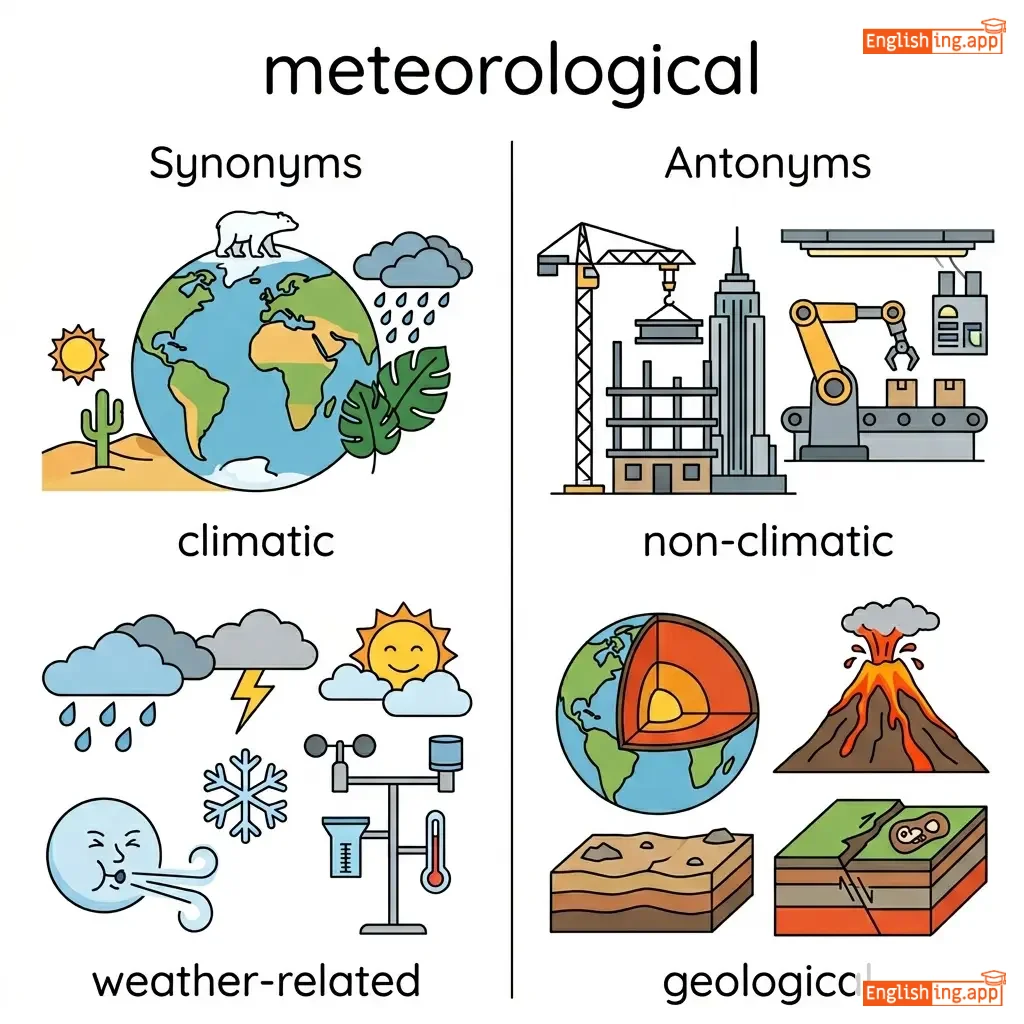
climatic, atmospheric, weather-related
••••••
|
non-meteorological
••••••
|
|
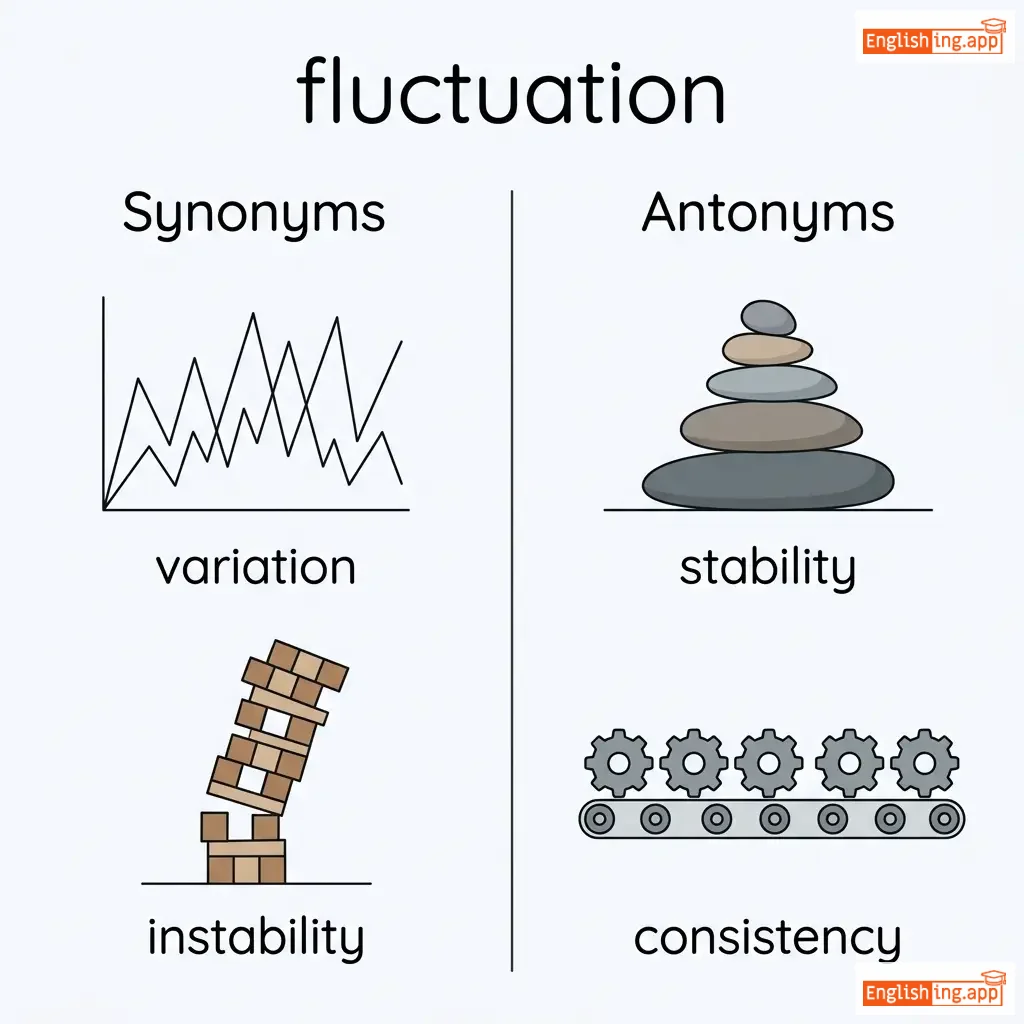
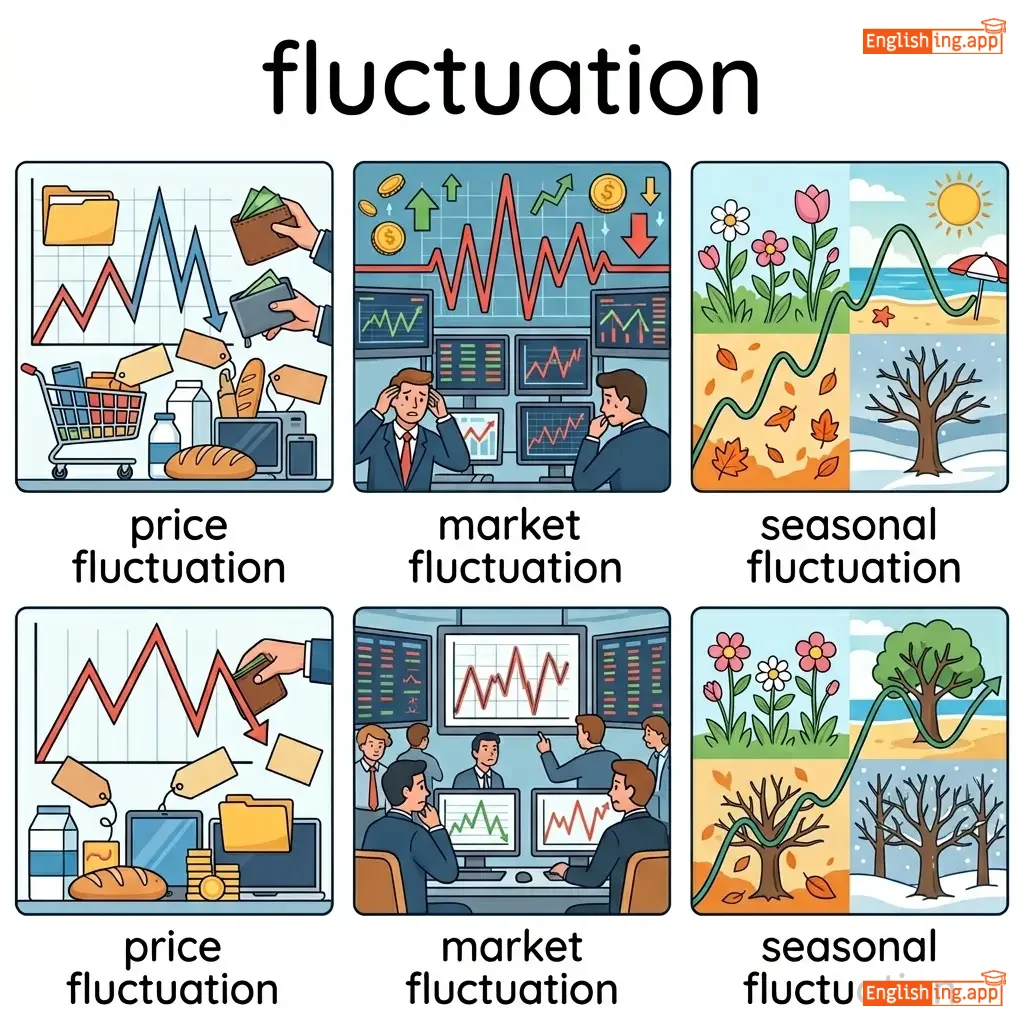
#3238
📈
|
ˌflʌk.tʃuˈeɪ.ʃən
noun
••••••
|
•••••• |
An irregular rising and falling in number or amount; variation.
••••••
|
Fluctuations in temperature affect water cycles. |
variation, instability, oscillation
••••••
|
stability, consistency, uniformity
••••••
|
|
#3239
🌡️
|
ˈθɜː.məl stres
noun
••••••
|
•••••• |
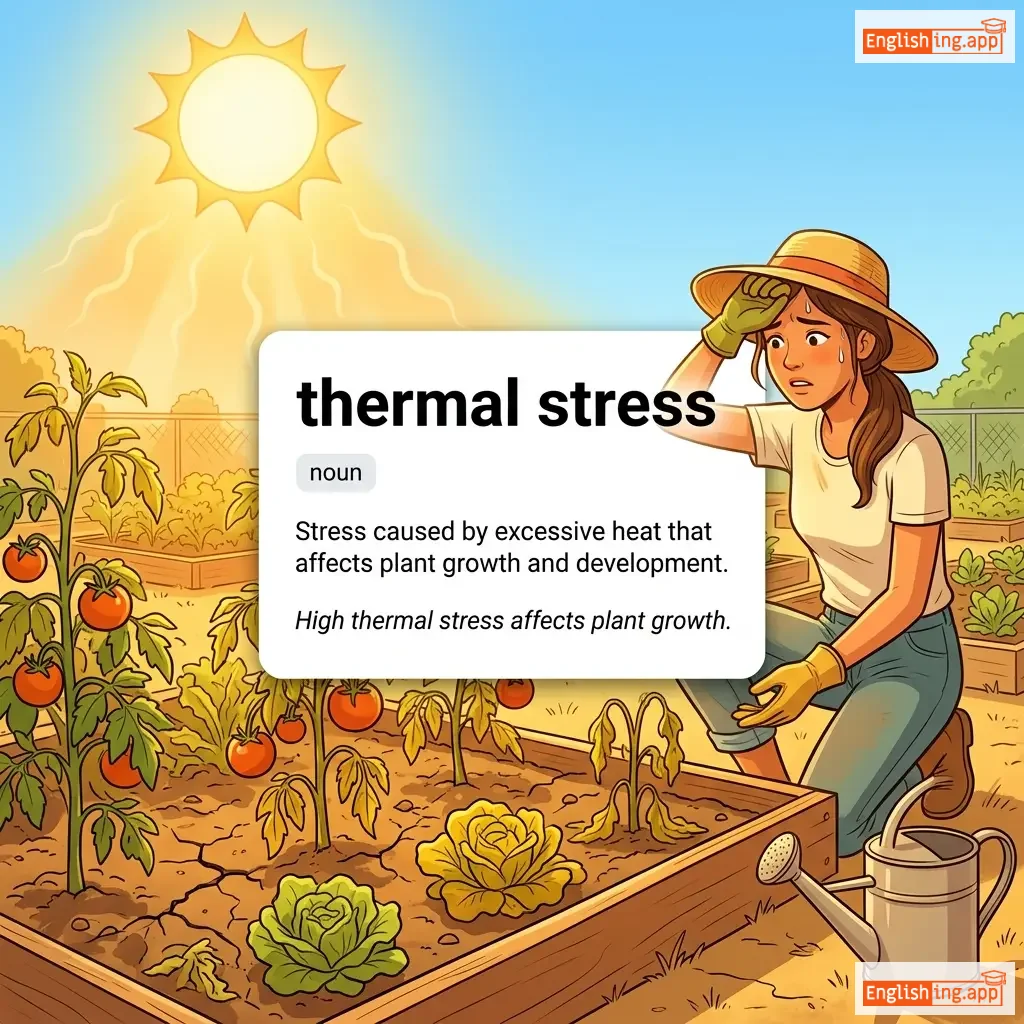
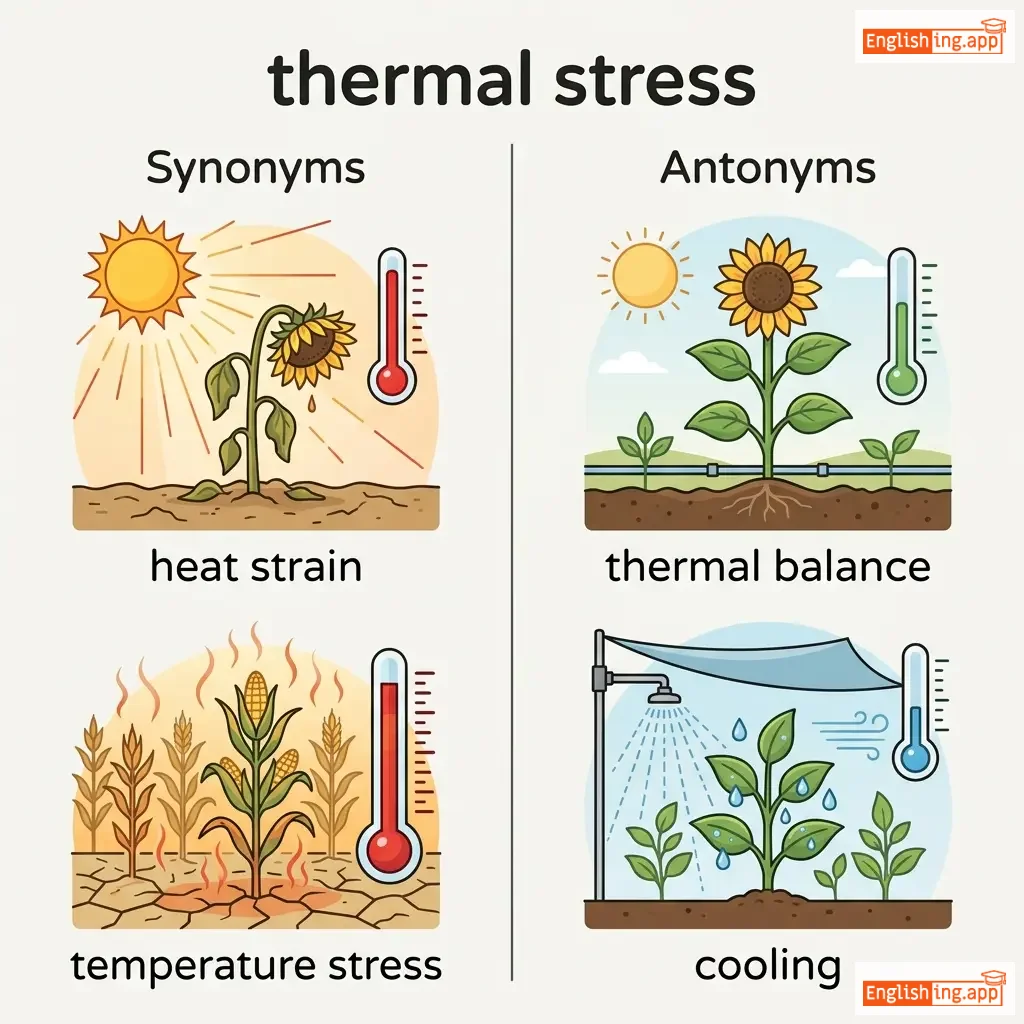
Stress caused by excessive heat that affects plant growth and development.
••••••
|
High thermal stress affects plant growth. |
heat strain, temperature stress, climate stress
••••••
|
thermal balance, cooling, insulation
••••••
|
|
#3240
🌱
|
ˌfəʊ.təʊˈsɪn.θə.sɪs
noun
••••••
|
•••••• |
The process by which green plants use sunlight to synthesize nutrients from carbon dioxide and water.
••••••
|
Photosynthesis is essential for oxygen production. |
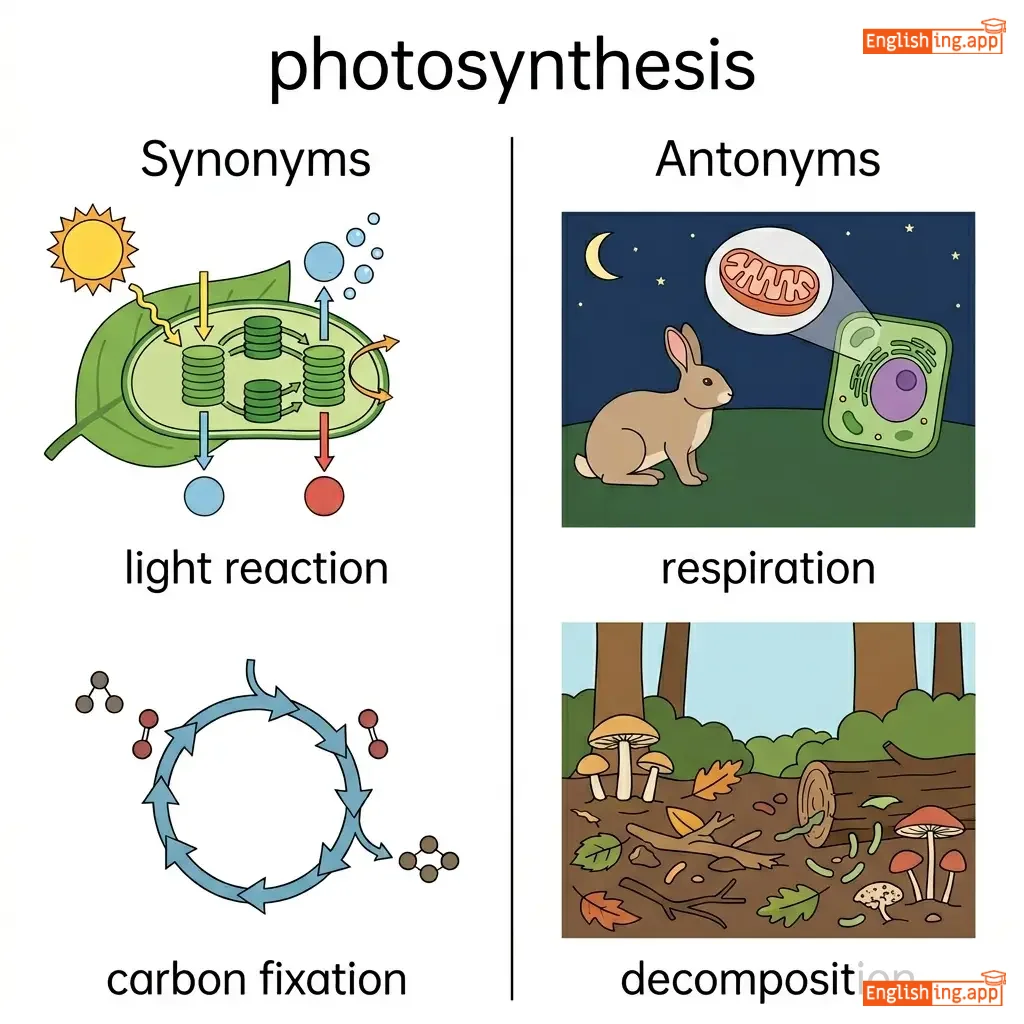
light reaction, carbon fixation, chlorophyll process
••••••
|
non-photosynthetic, darkness, energy deficiency
••••••
|
|
#3241
🏔️
|
sɔɪl ɪˈrəʊ.ʒən
noun
••••••
|
•••••• |
The removal of topsoil by wind, water, or other natural forces, reducing agricultural productivity.
••••••
|
Soil erosion reduces agricultural productivity. |
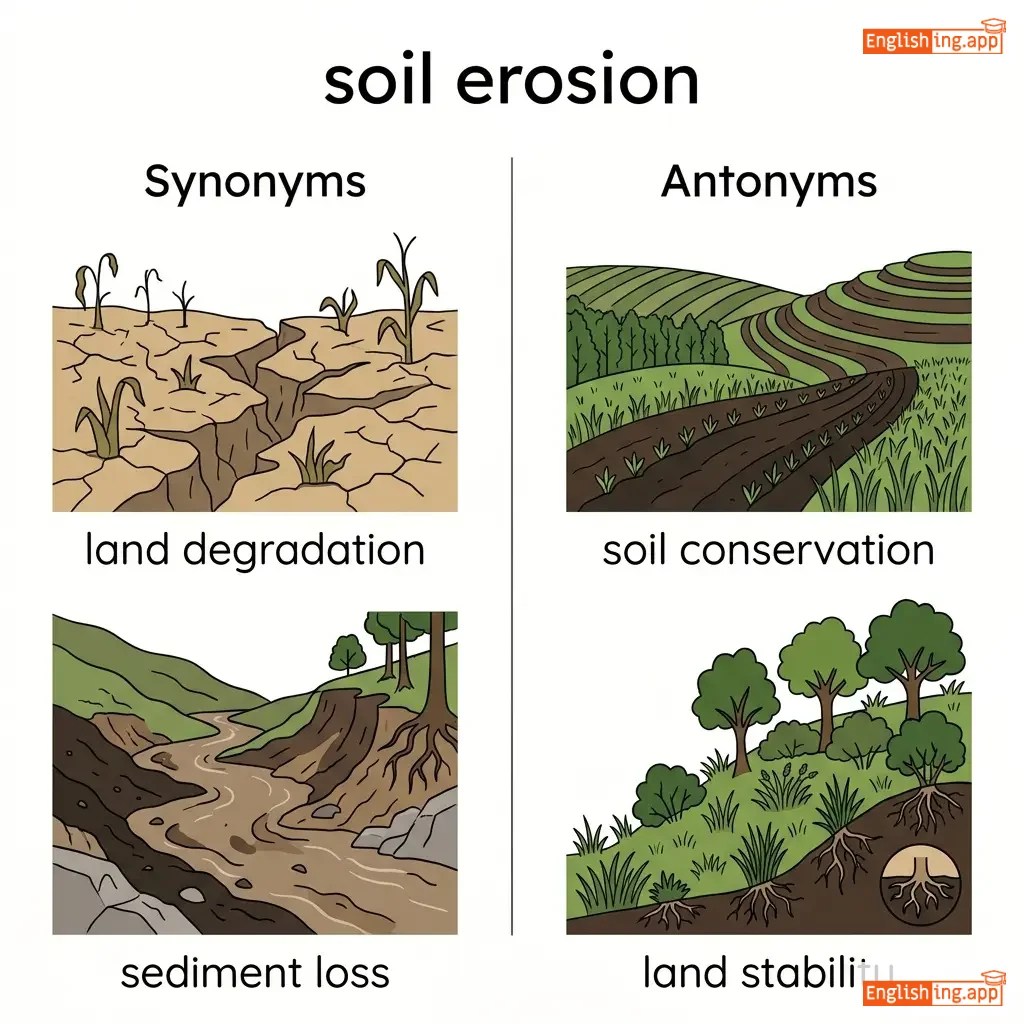
land degradation, sediment loss, soil depletion
••••••
|
soil conservation, land stability, fertility retention
••••••
|
|
#3242
📉
|
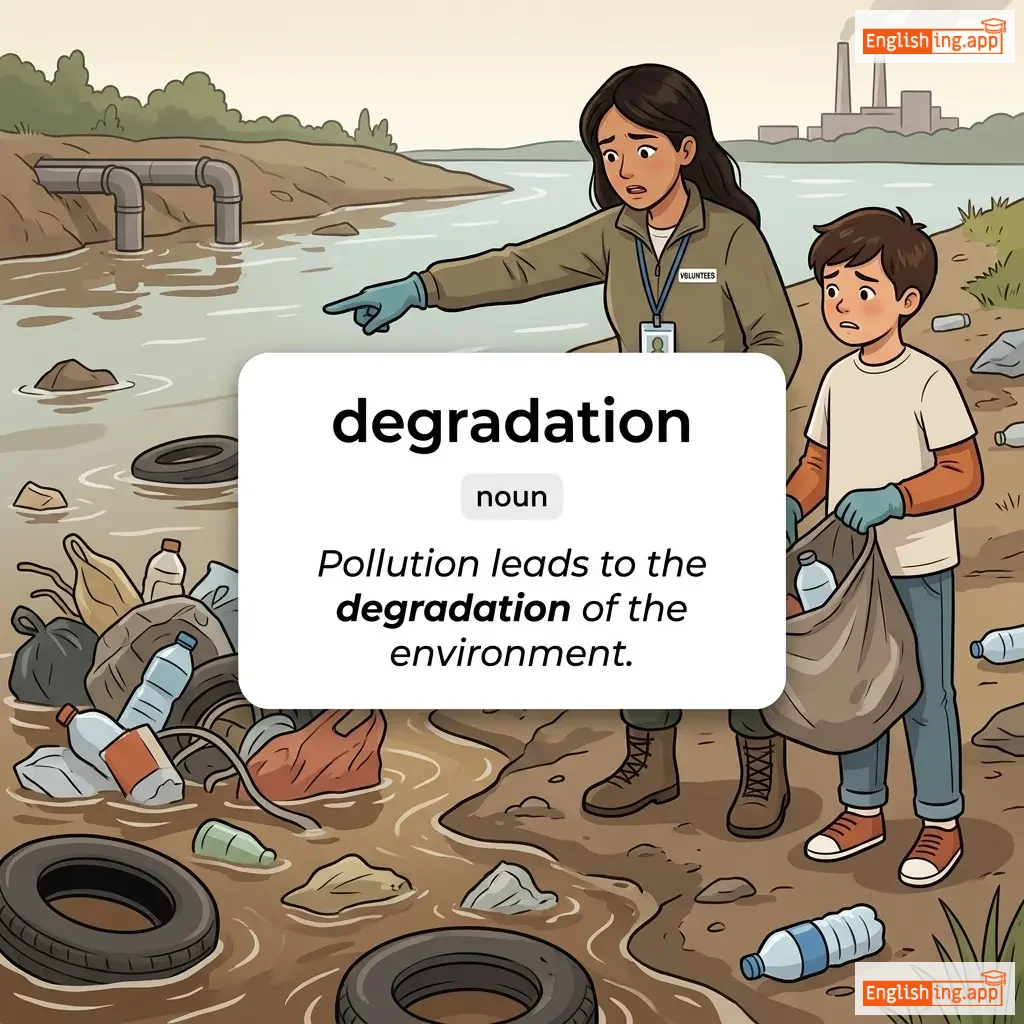
ˌdeɡ.rəˈdeɪ.ʃən
noun
••••••
|
•••••• |
The process of deterioration or decline in quality, especially of environmental conditions.
••••••
|
Land degradation leads to loss of agricultural productivity. |
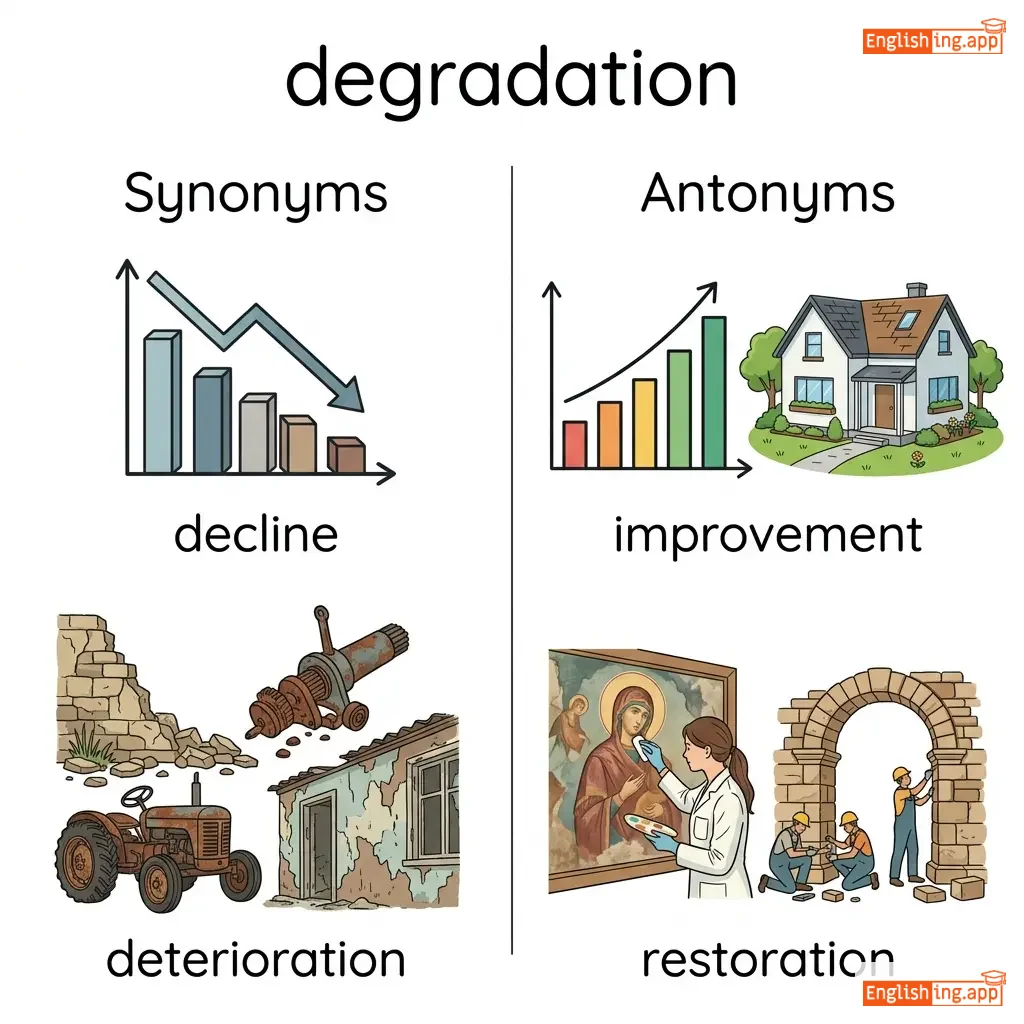
deterioration, erosion, decline
••••••
|
improvement, restoration, enhancement
••••••
|
|
#3243
🌵
|
draʊt rɪˈzɪs.tənt
adjective
••••••
|
•••••• |
Able to survive and grow despite limited water availability or drought conditions.
••••••
|
Drought-resistant crops can survive in arid conditions. |
arid-tolerant, water-efficient, hardy
••••••
|
drought-prone, water-dependent
••••••
|
|
#3244
♻️
|
səˌsteɪ.nəˈbɪl.ə.ti
noun
••••••
|
•••••• |
The ability to maintain or support a process continuously over time without depleting resources.
••••••
|
Sustainability is crucial for future generations. |
viability, stability, endurance
••••••
|
unsustainability, instability, depletion
••••••
|
|
#3245
💧
|
ˌɪr.ɪˈɡeɪ.ʃən
noun
••••••
|
•••••• |
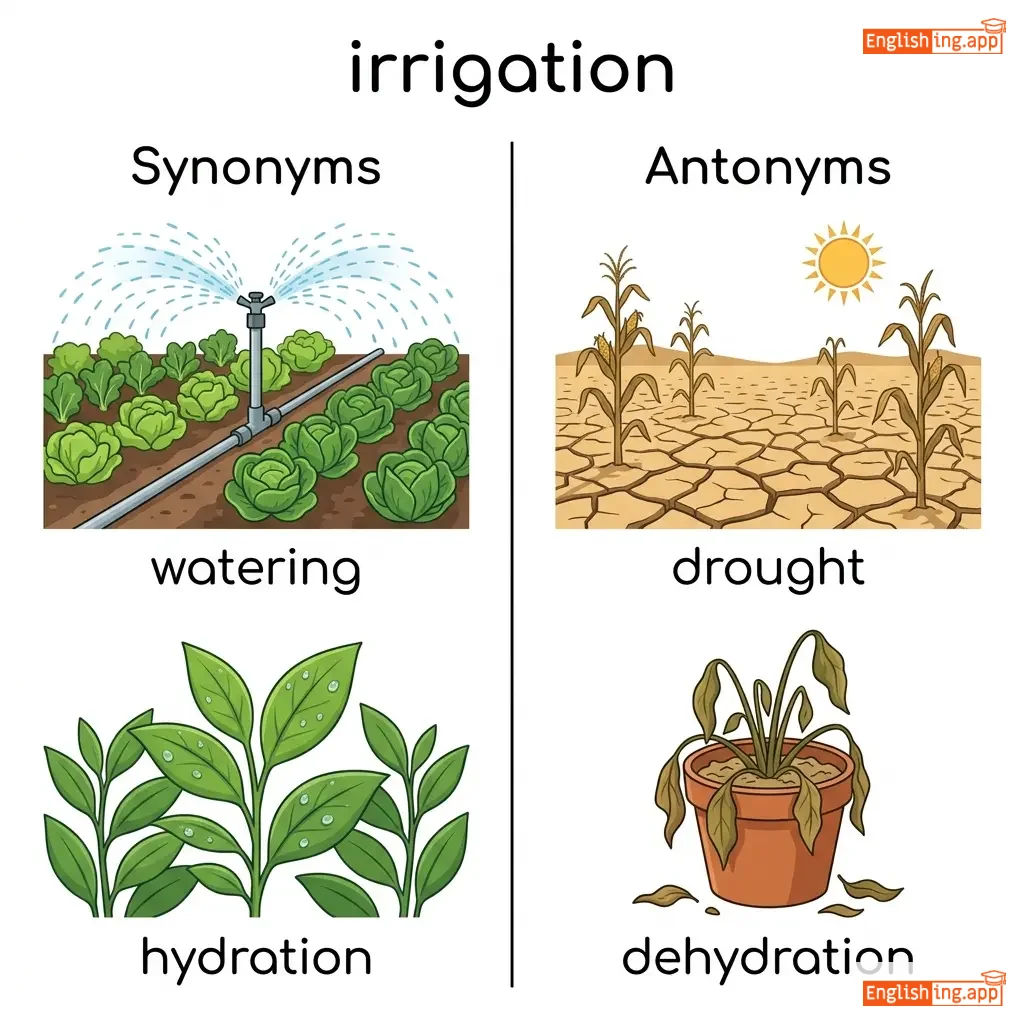
The artificial application of water to land for growing crops.
••••••
|
Modern irrigation techniques improve crop yield. |
watering, hydration, sprinkling
••••••
|
drought, dehydration, aridity
••••••
|
|
#3246
🛡️
|
ˌmɪt.ɪˈɡeɪ.ʃən
noun
••••••
|
•••••• |
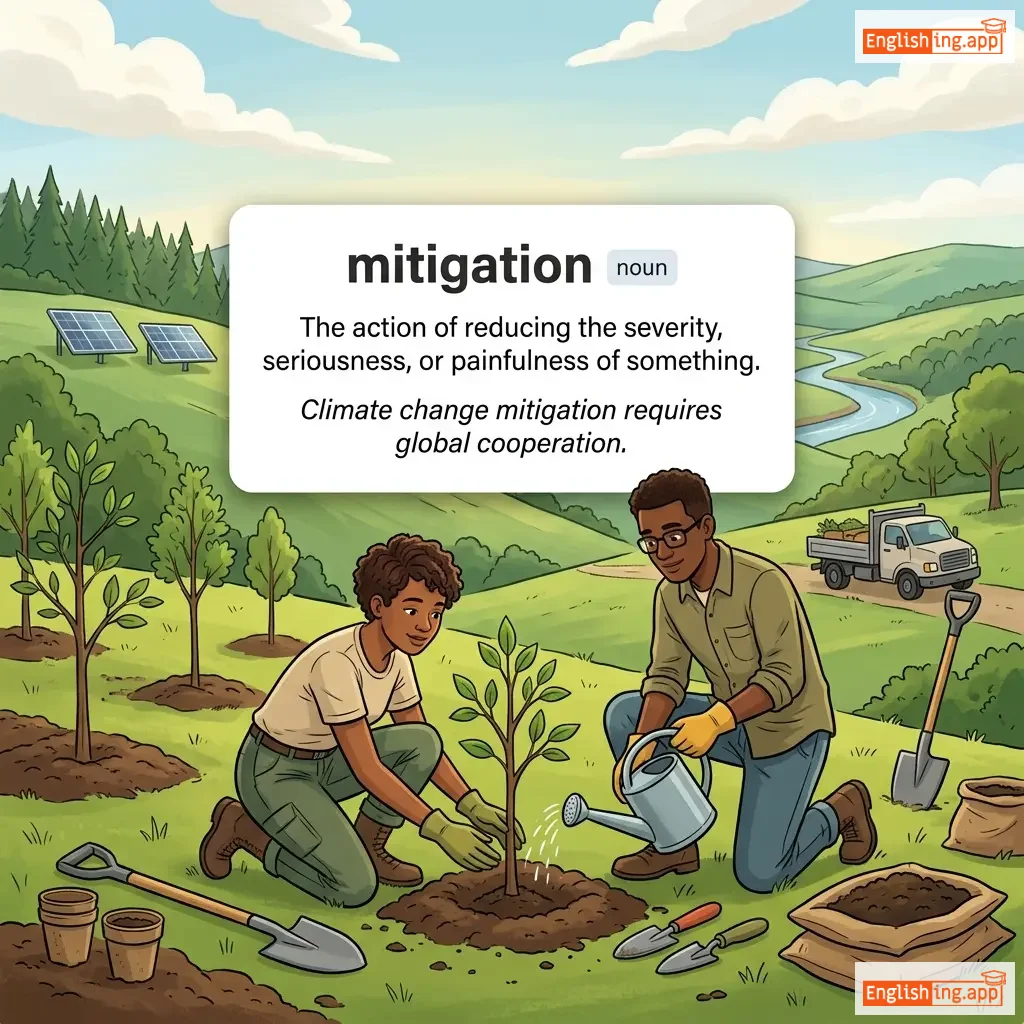
The action of reducing the severity, seriousness, or painfulness of something.
••••••
|
Climate mitigation strategies are essential to prevent disasters. |
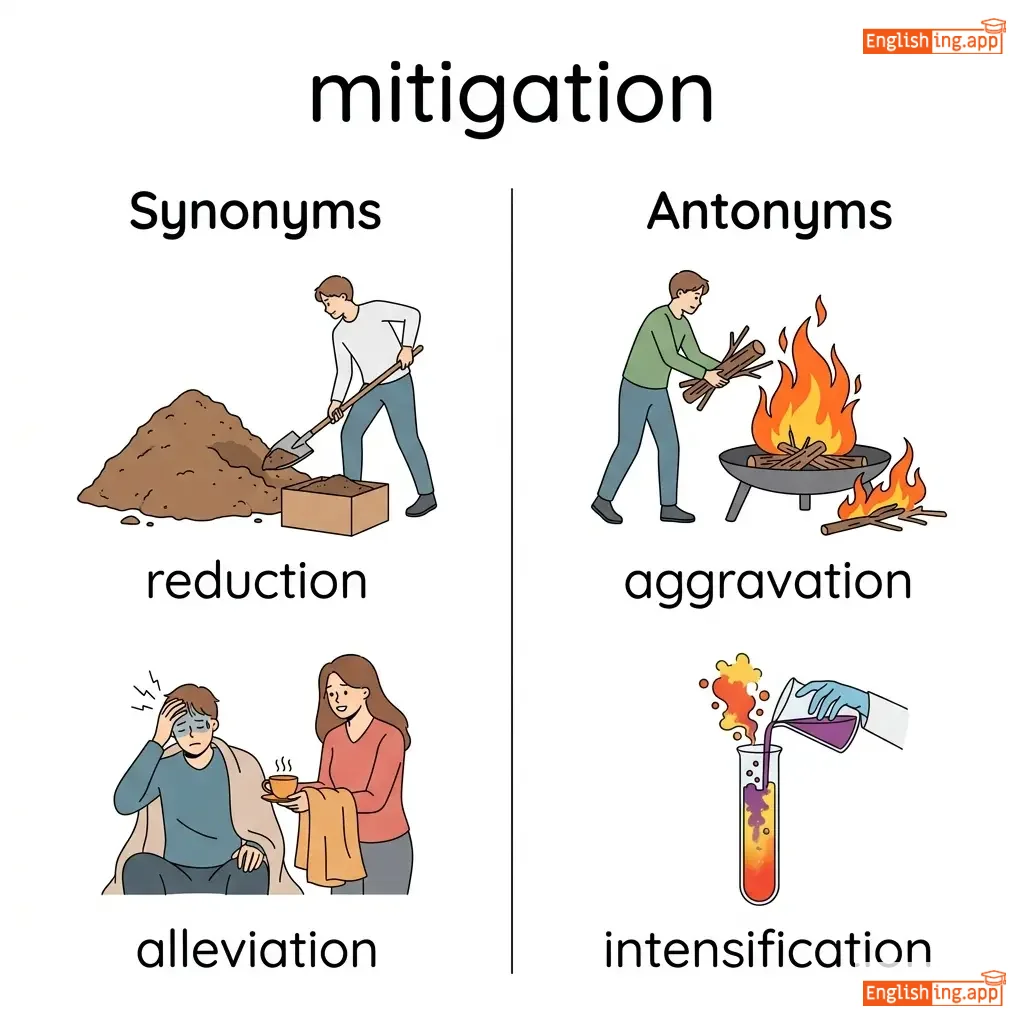
reduction, alleviation, minimization
••••••
|
aggravation, exacerbation, intensification
••••••
|
|
#3247
🌿
|
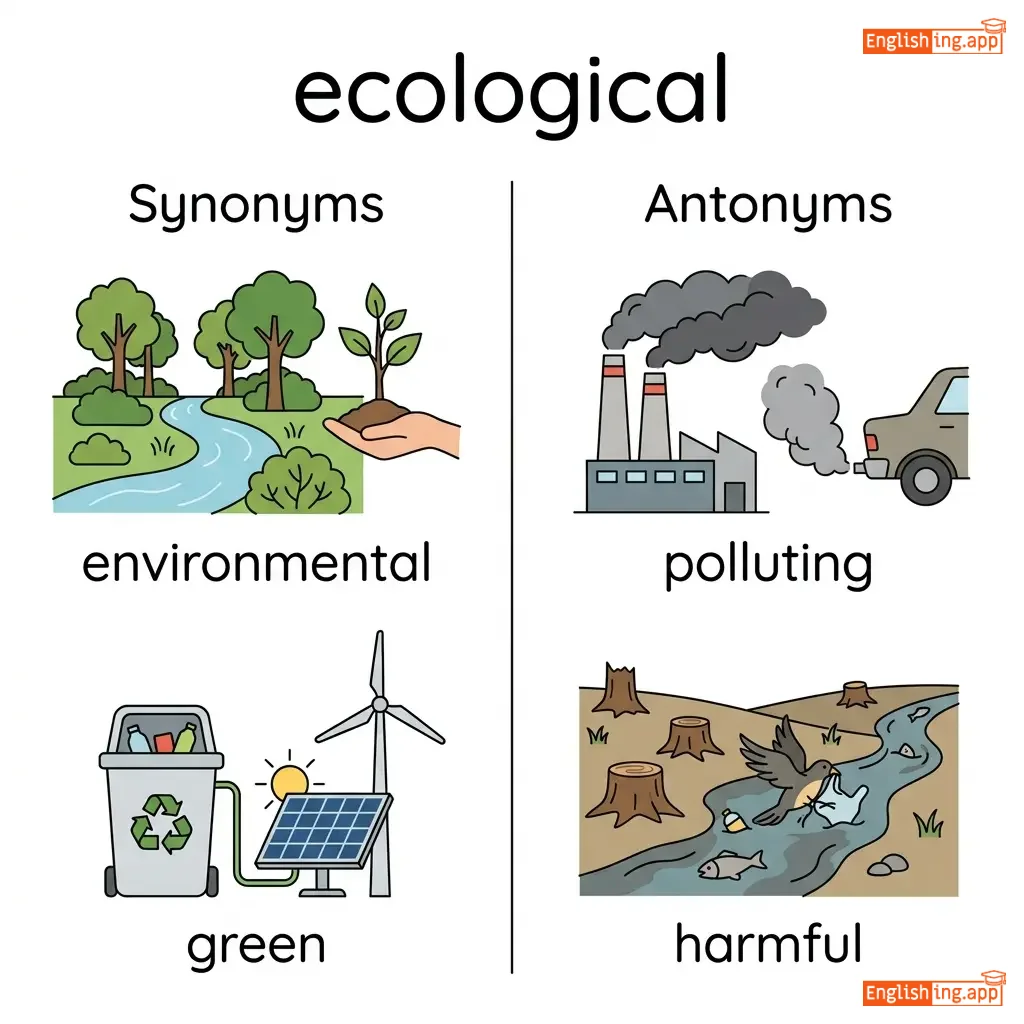
ˌiː.kəˈlɒdʒ.ɪ.kəl
adjective
••••••
|
•••••• |
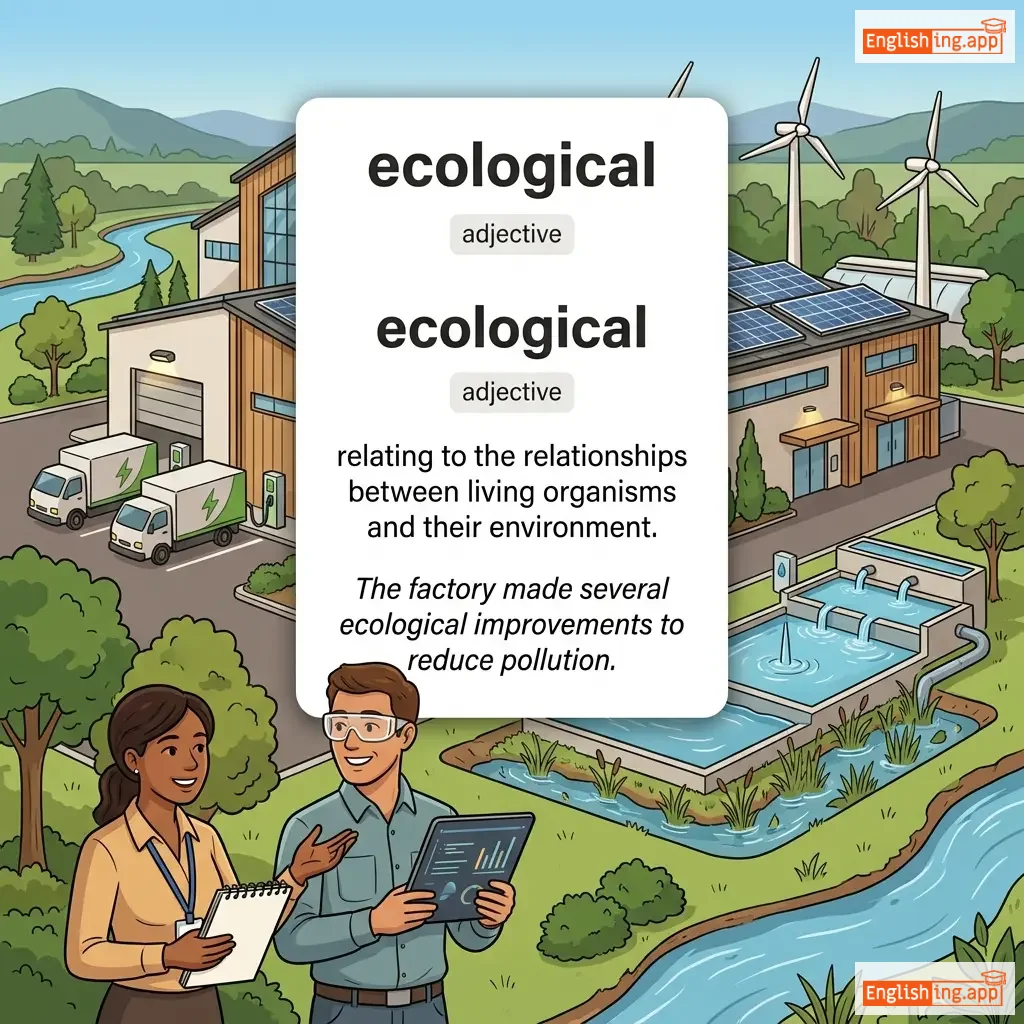
Relating to the environment and the relationship of living things to it and to each other.
••••••
|
Ecological balance is necessary for sustainability. |
environmental, natural, organic
••••••
|
artificial, synthetic, polluting
••••••
|
|
#3248
🦋
|
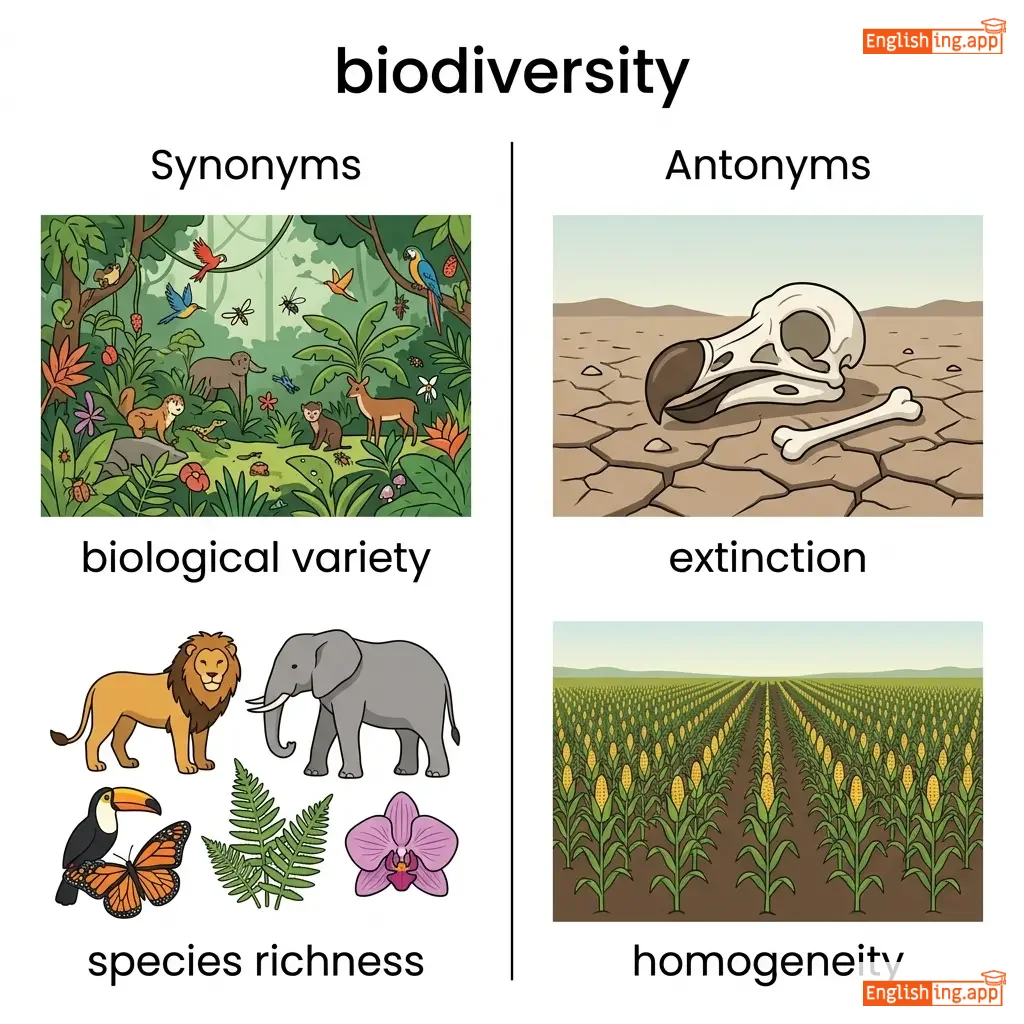
ˌbaɪ.oʊ.daɪˈvɜː.sə.ti
noun
••••••
|
•••••• |
The variety of plant and animal life in the world or in a particular habitat.
••••••
|
Biodiversity conservation is key to ecological balance. |
ecosystem variety, genetic diversity, flora and fauna
••••••
|
monoculture, homogeneity, uniformity
••••••
|
|
#3249
🚜
|
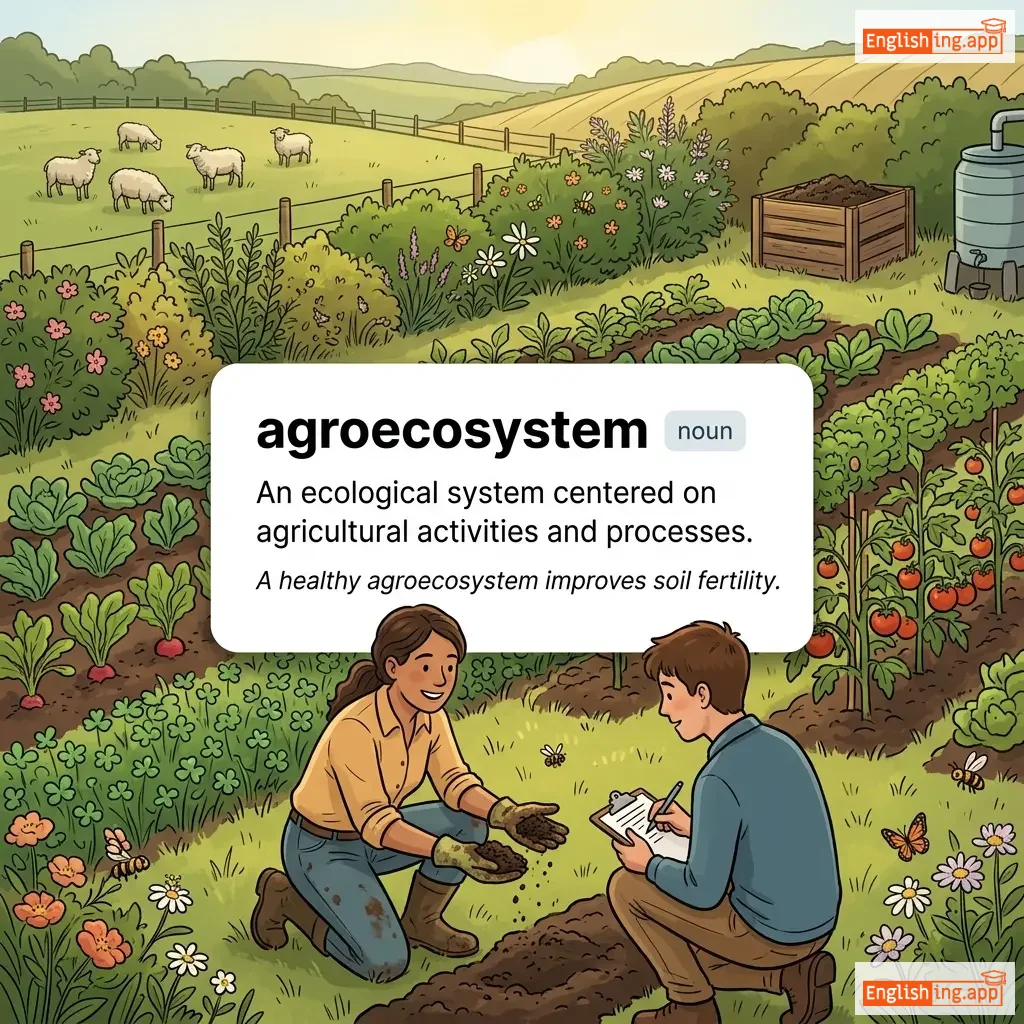
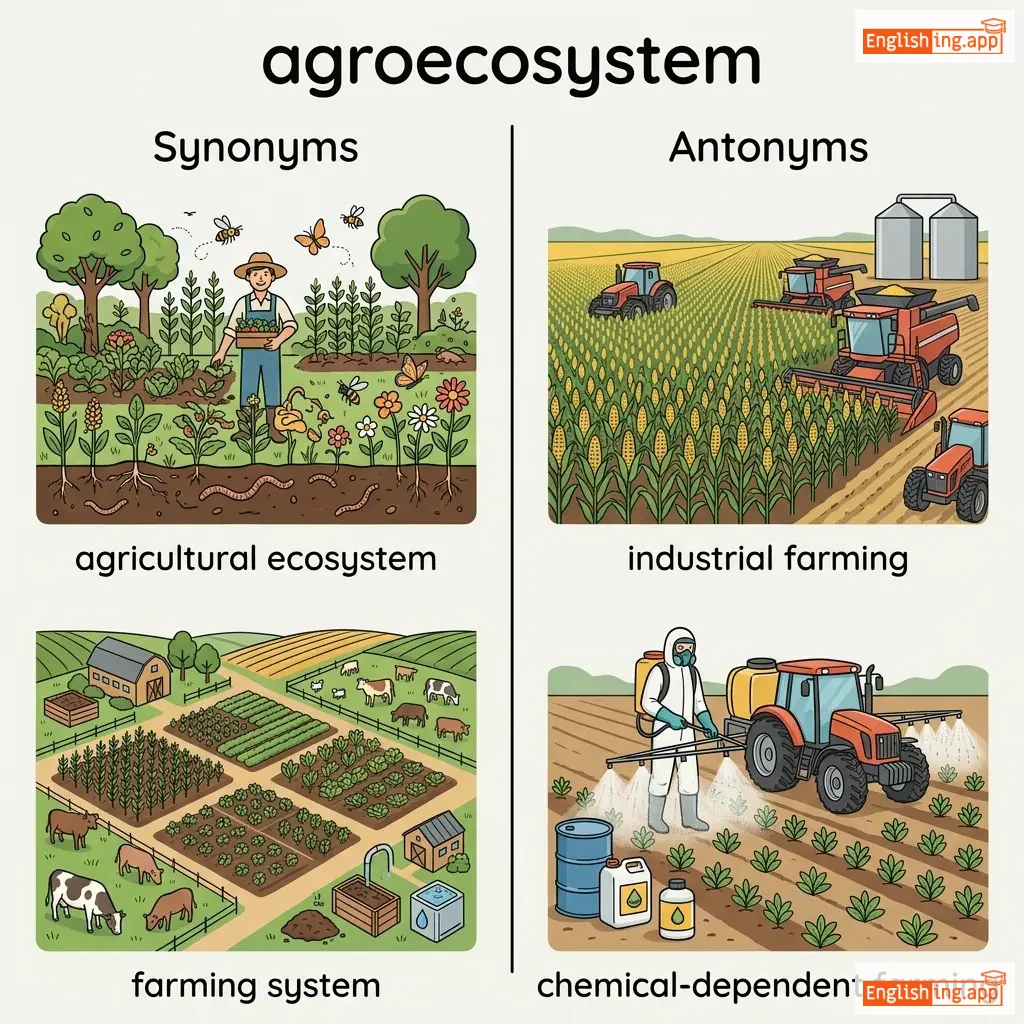
ˌæɡ.roʊˈiː.koʊˌsɪs.təm
noun
••••••
|
•••••• |
An ecological system centered on agricultural activities and processes.
••••••
|
A healthy agroecosystem improves soil fertility. |
agricultural ecosystem, farming system, sustainable agriculture
••••••
|
industrial farming, chemical-dependent farming
••••••
|
|
#3250
💪
|
rɪˈzɪl.jəns
noun
••••••
|
•••••• |
The capacity to recover quickly from difficulties; the ability to adapt and bounce back.
••••••
|
Farmers need resilience to cope with climate change. |
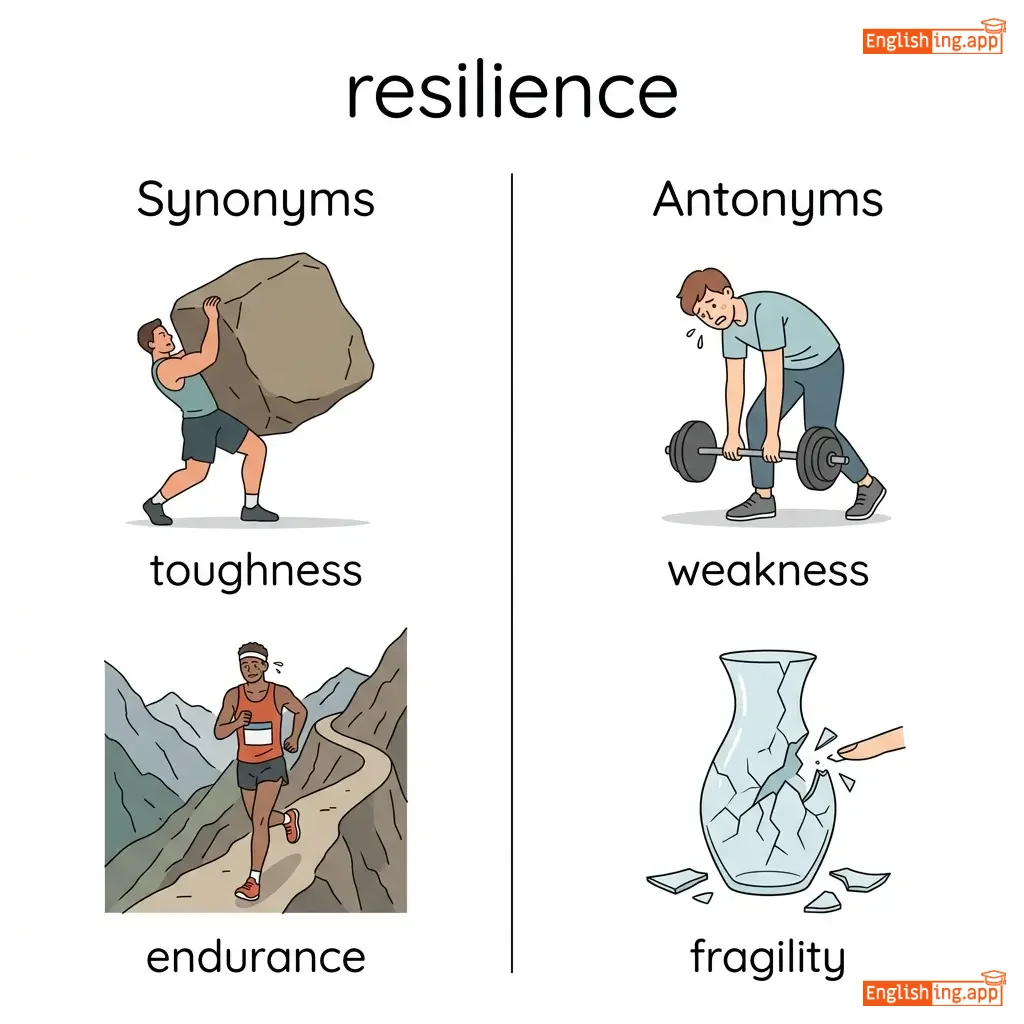
adaptability, endurance, strength
••••••
|
weakness, fragility, vulnerability
••••••
|
|
#3251
⚠️
|
ˌkæt.əˈstrɒf.ɪk
adjective
••••••
|
•••••• |
Involving or causing sudden great damage or suffering; extremely unfortunate or unsuccessful.
••••••
|
The catastrophic effects of climate change are visible everywhere. |
disastrous, devastating, calamitous
••••••
|
beneficial, favorable, positive
••••••
|