Die Auswirkungen des Klimas auf die Landwirtschaft
The Impact of Climate on Farming

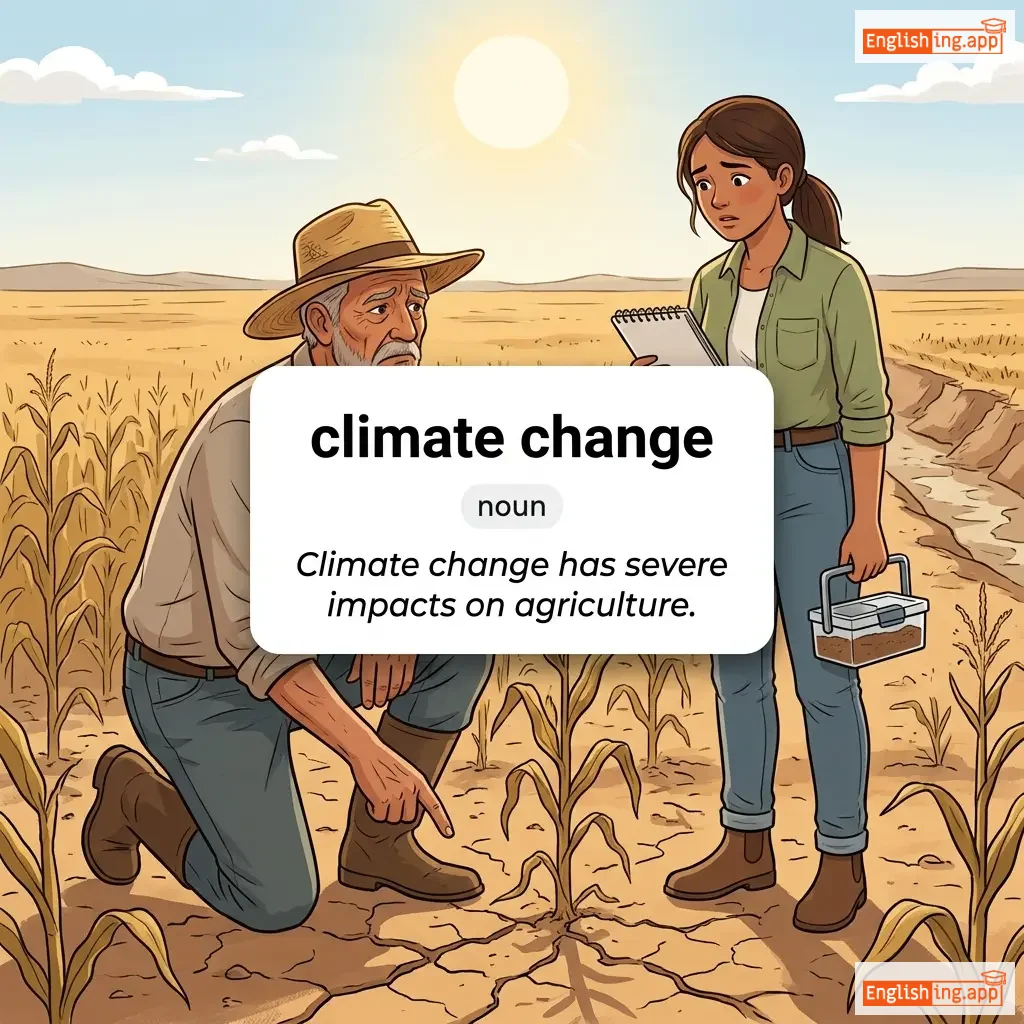
In der heutigen Zeit bringt climate change eine große Transformation im landwirtschaftlichen Sektor. Aufgrund von erratic Niederschlägen und dem Mangel an precipitation stehen die Landwirte vor schwierigen Situationen. Durch die zunehmende aridity verringert sich die Bodenfruchtbarkeit, was zu einer reduzierten yields führt.

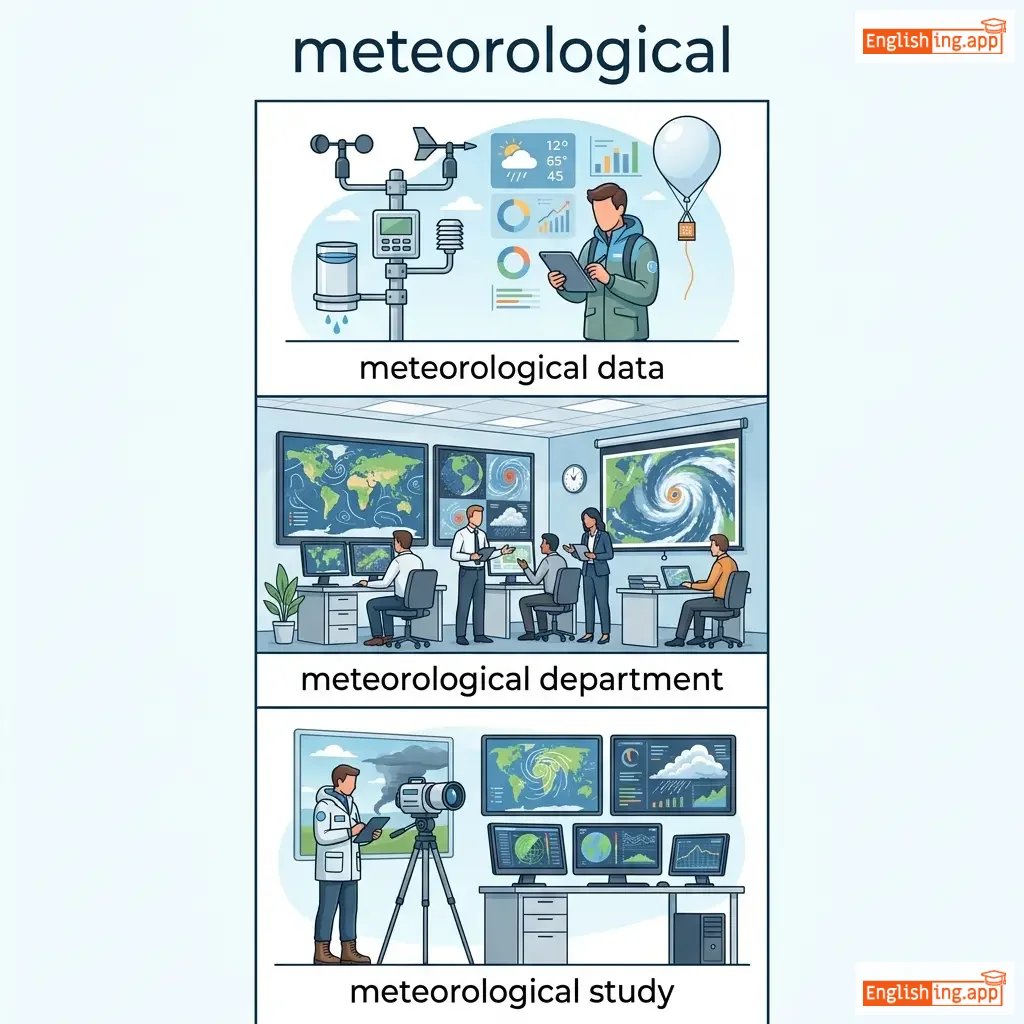
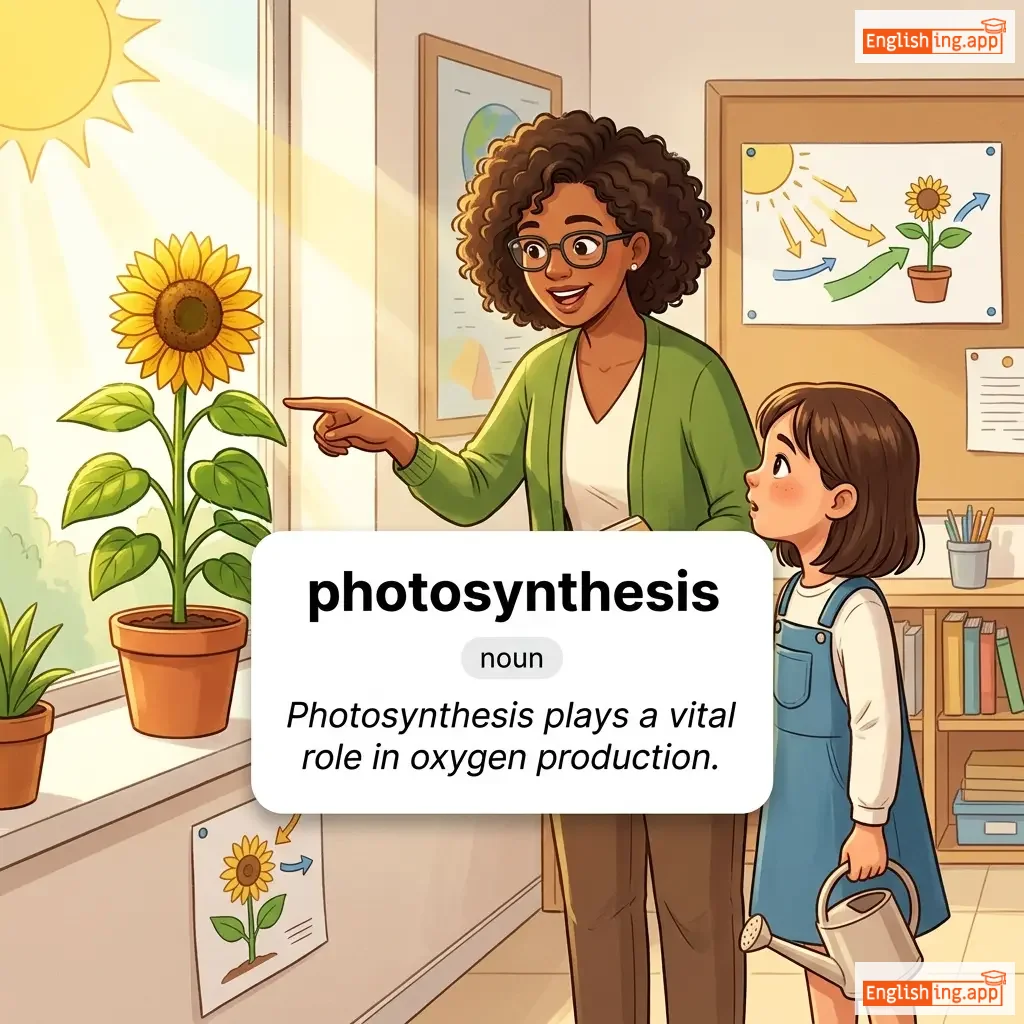
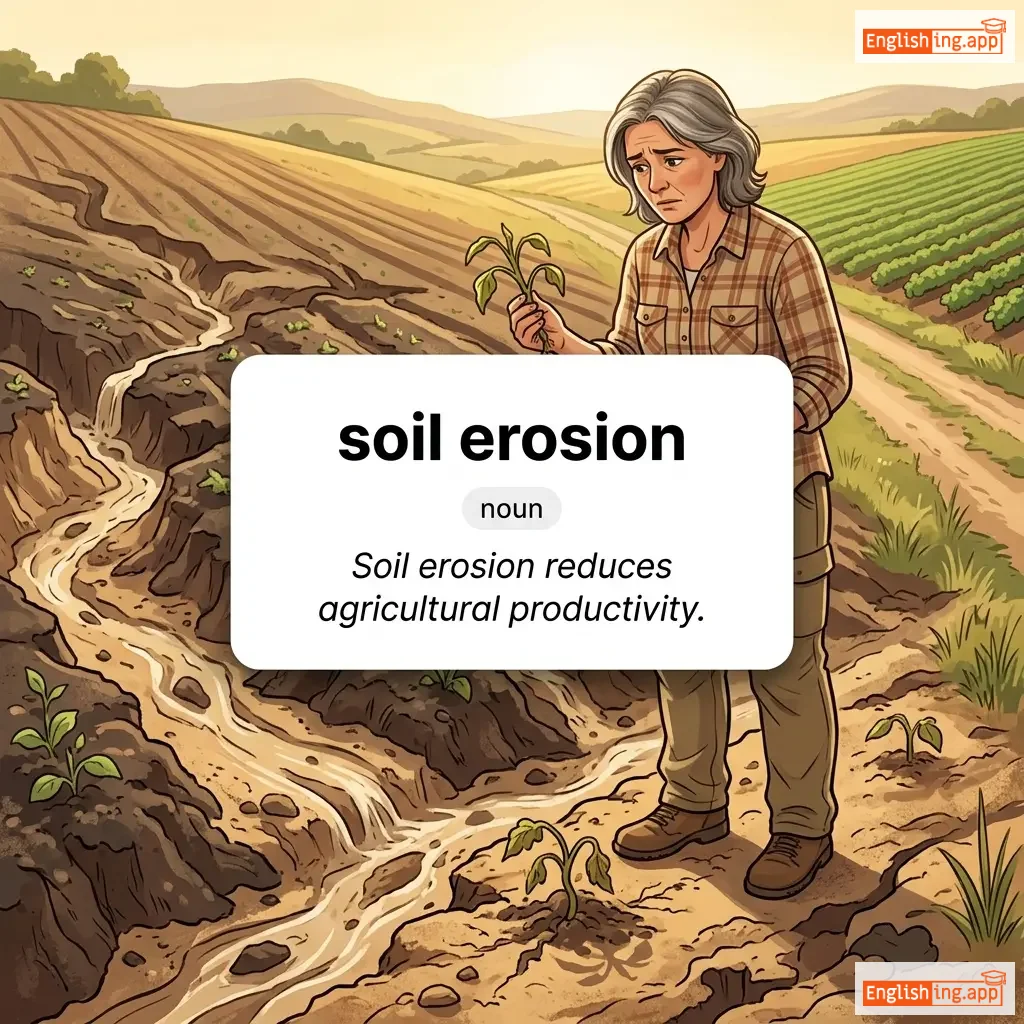
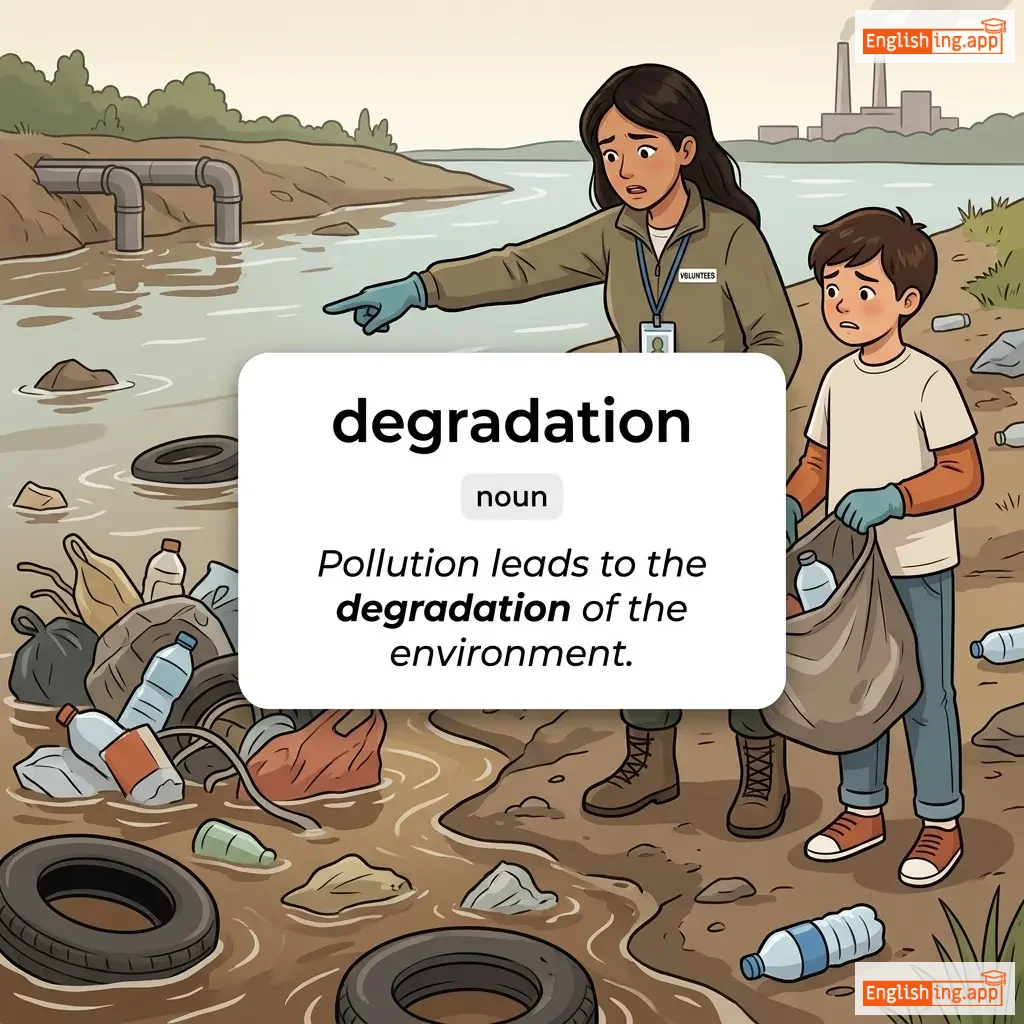
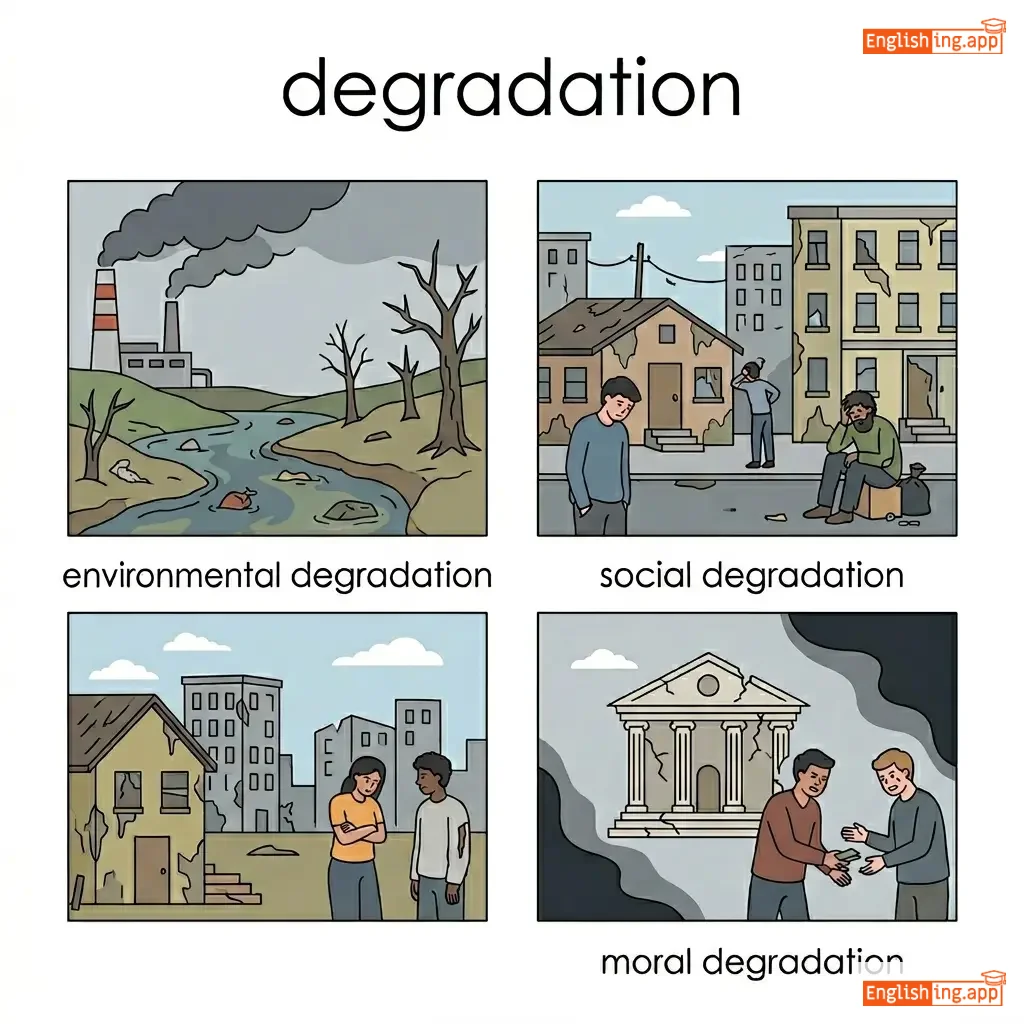
Meteorological Forschung zeigt, dass fluctuation und Temperaturerhöhungen thermal stress verursachen, der das Wachstum der Pflanzen und die Effektivität der photosynthesis zerstört. Soil erosion und degradation des Bodens werden zunehmend schädlicher für das landwirtschaftliche System.

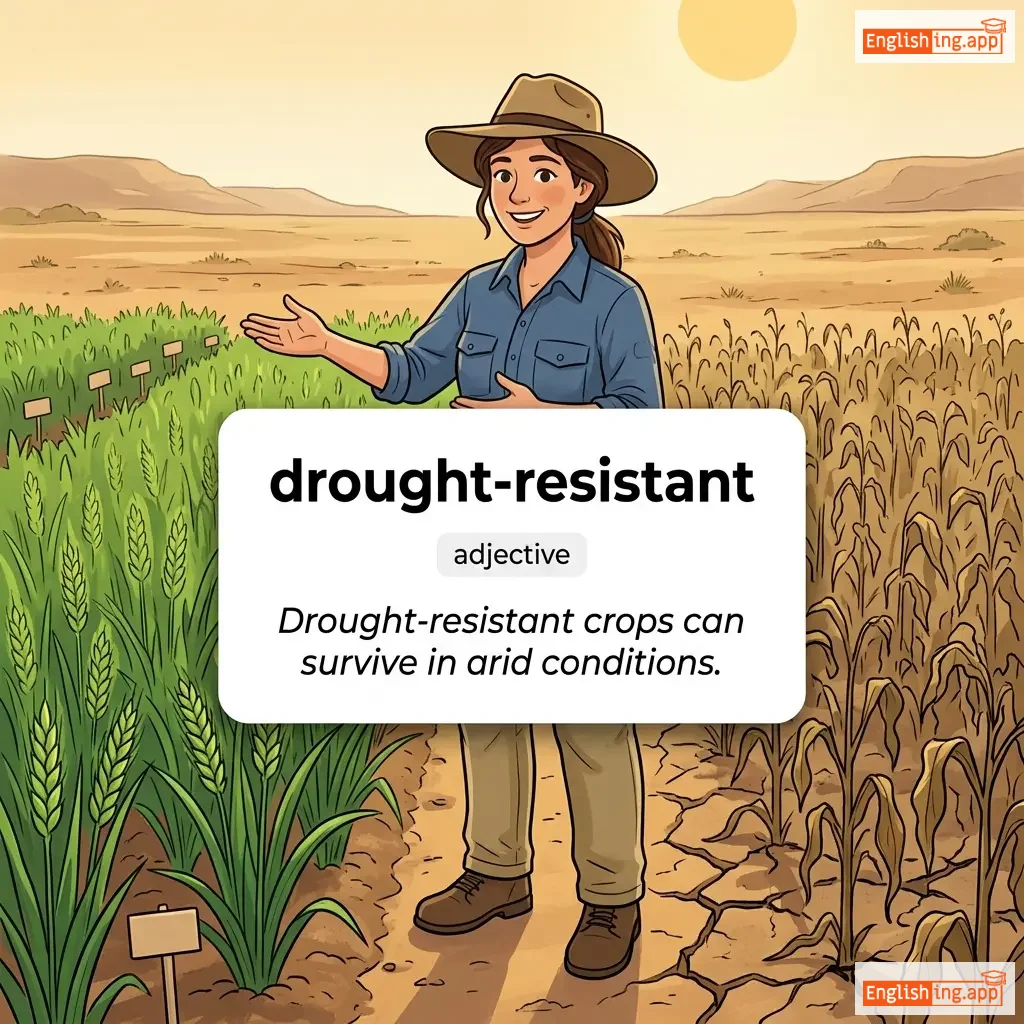
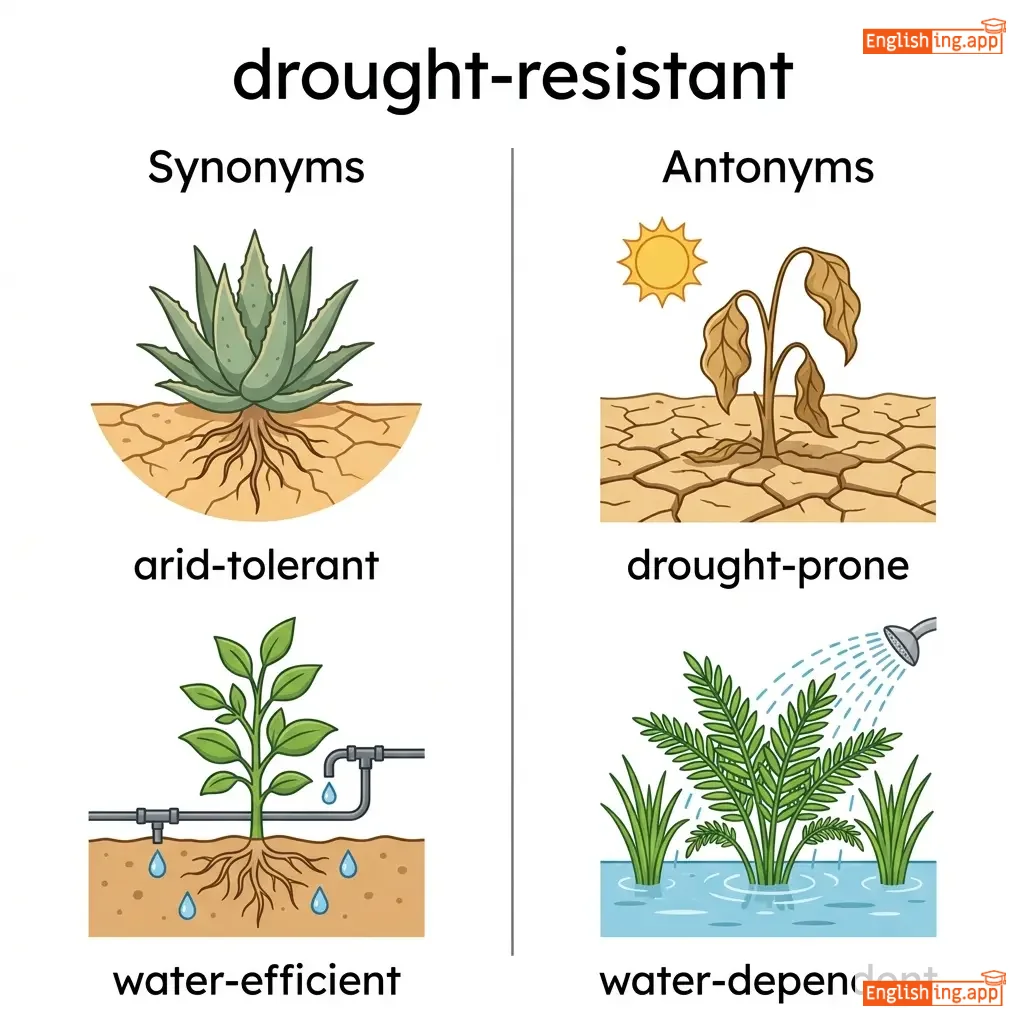
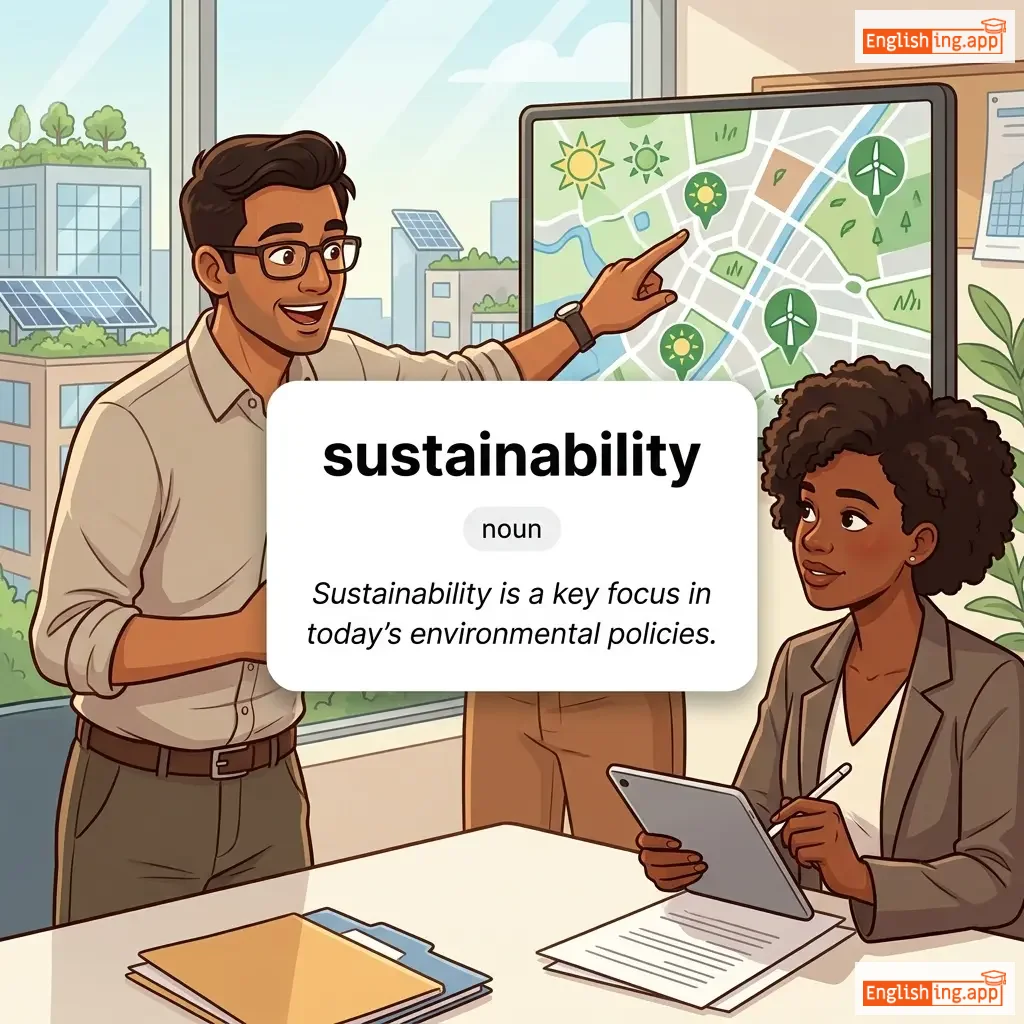
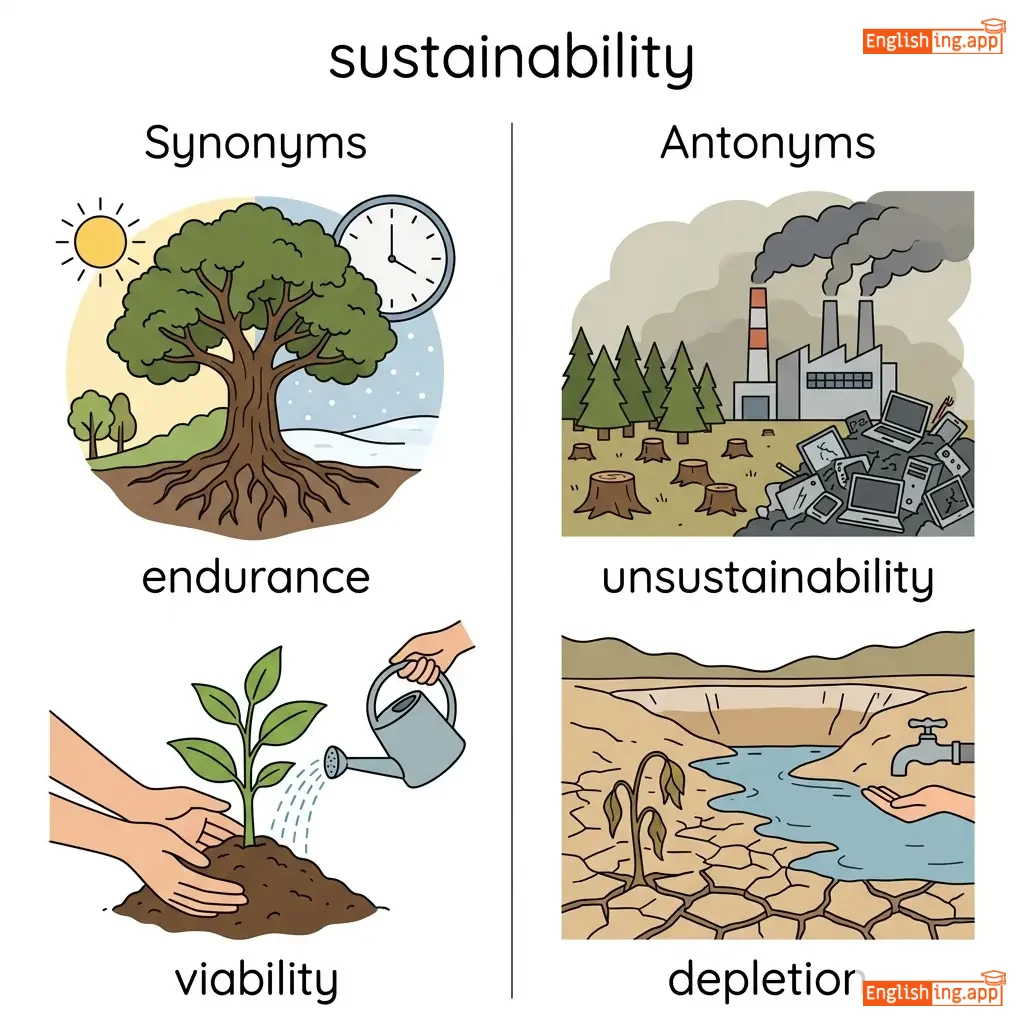
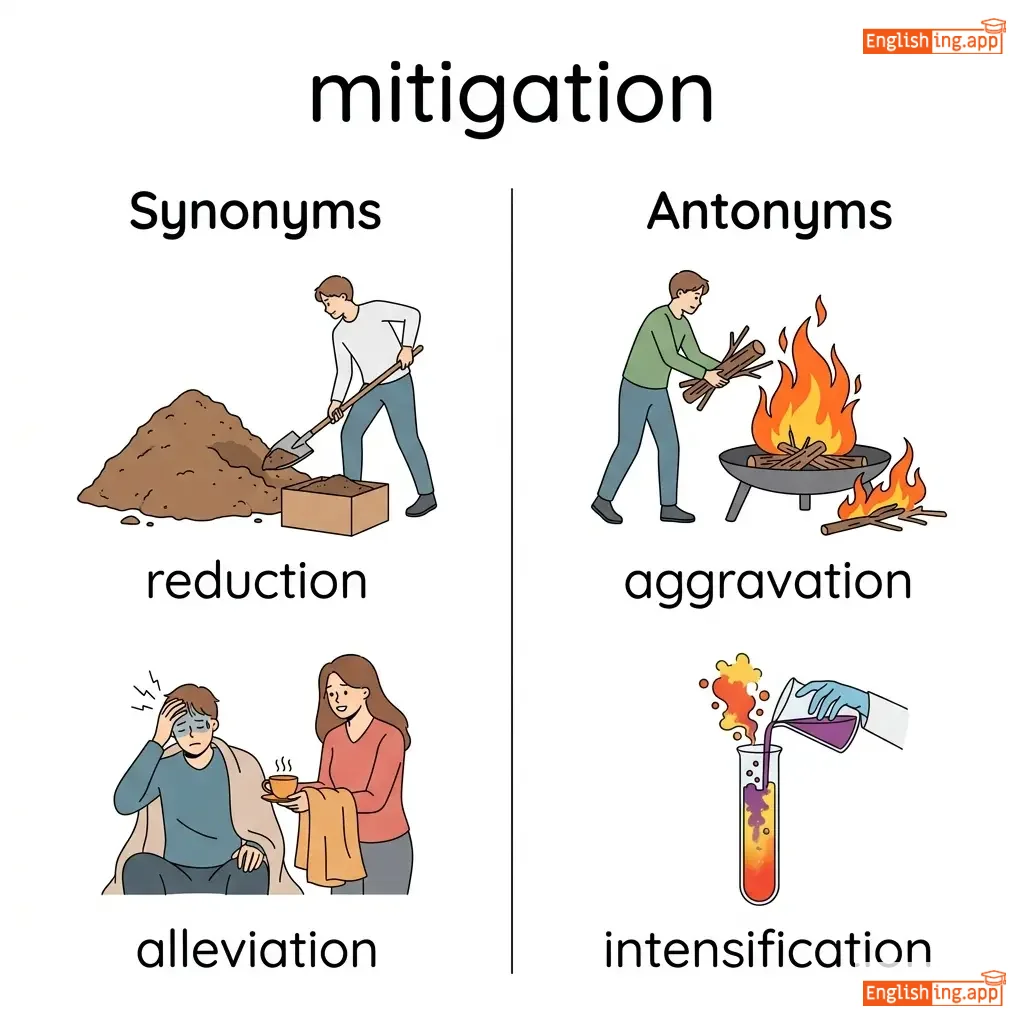
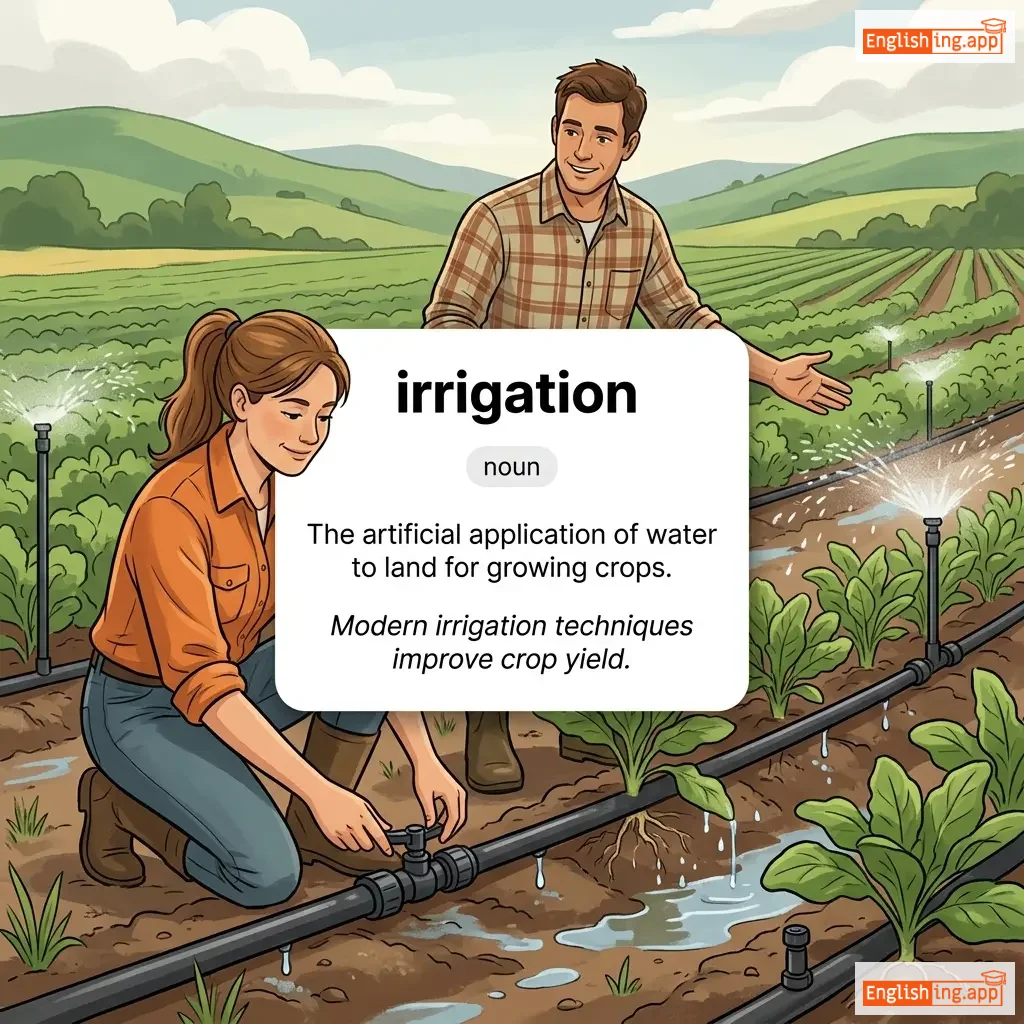
Viele Landwirte wenden sich dem Anbau von drought-resistant Pflanzen zu, um die sustainability zu gewährleisten. Es werden Anstrengungen unternommen, durch Verbesserung der irrigation-Systeme und Anwendung von mitigation-Techniken ein gewisses Gleichgewicht zu erreichen.

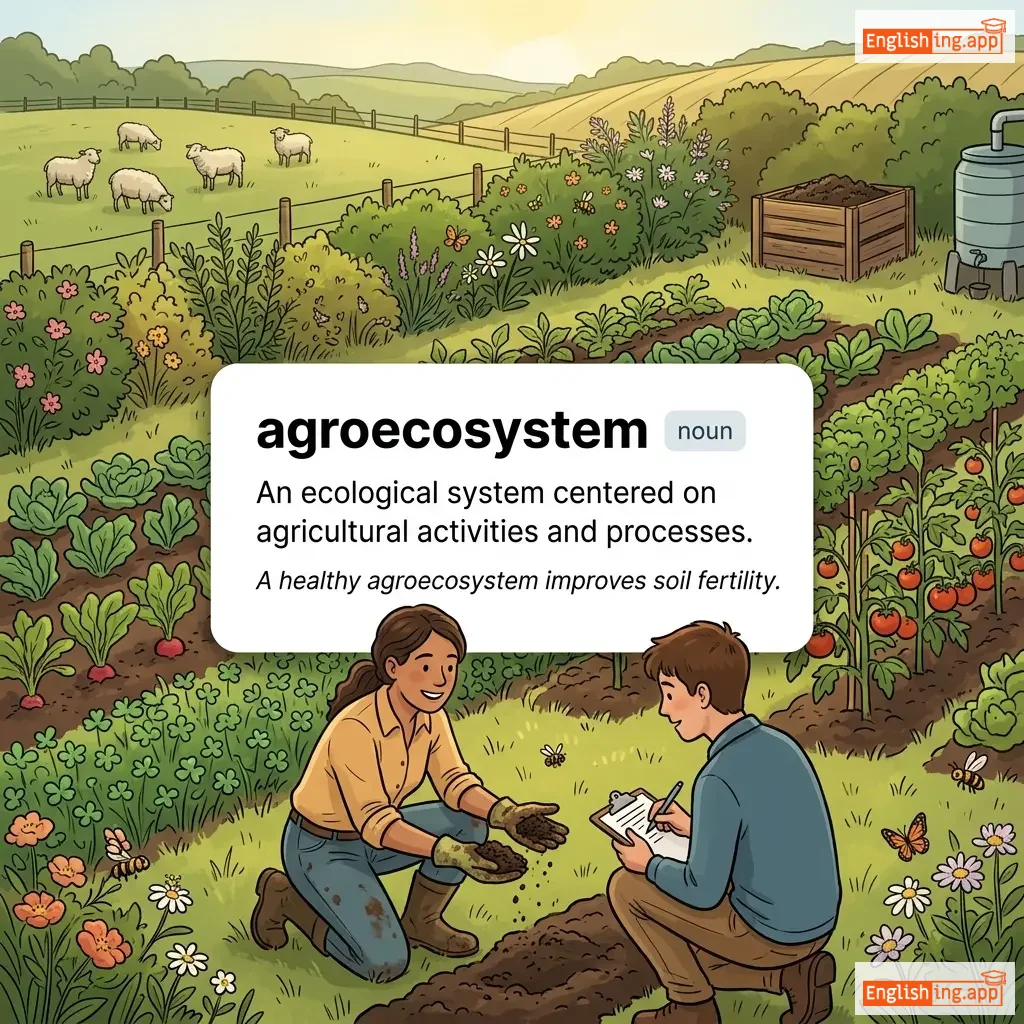
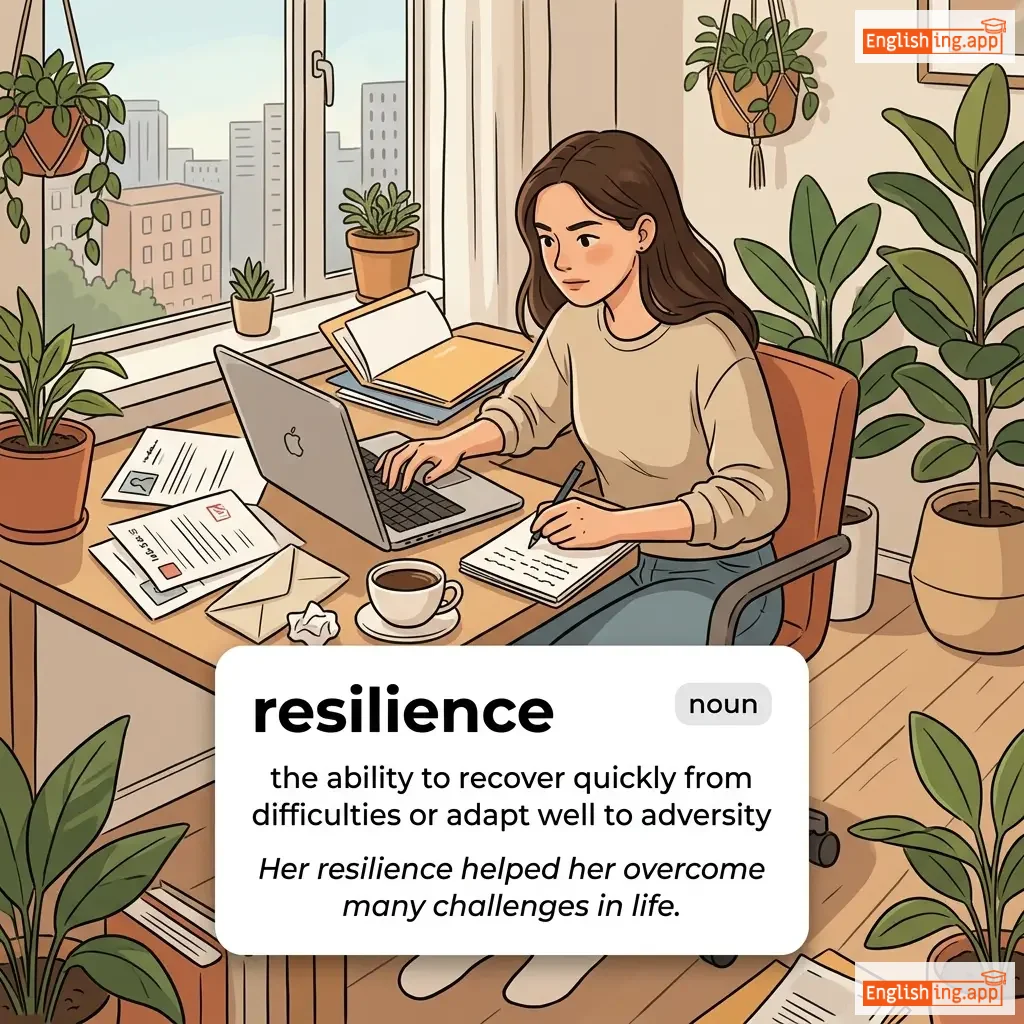
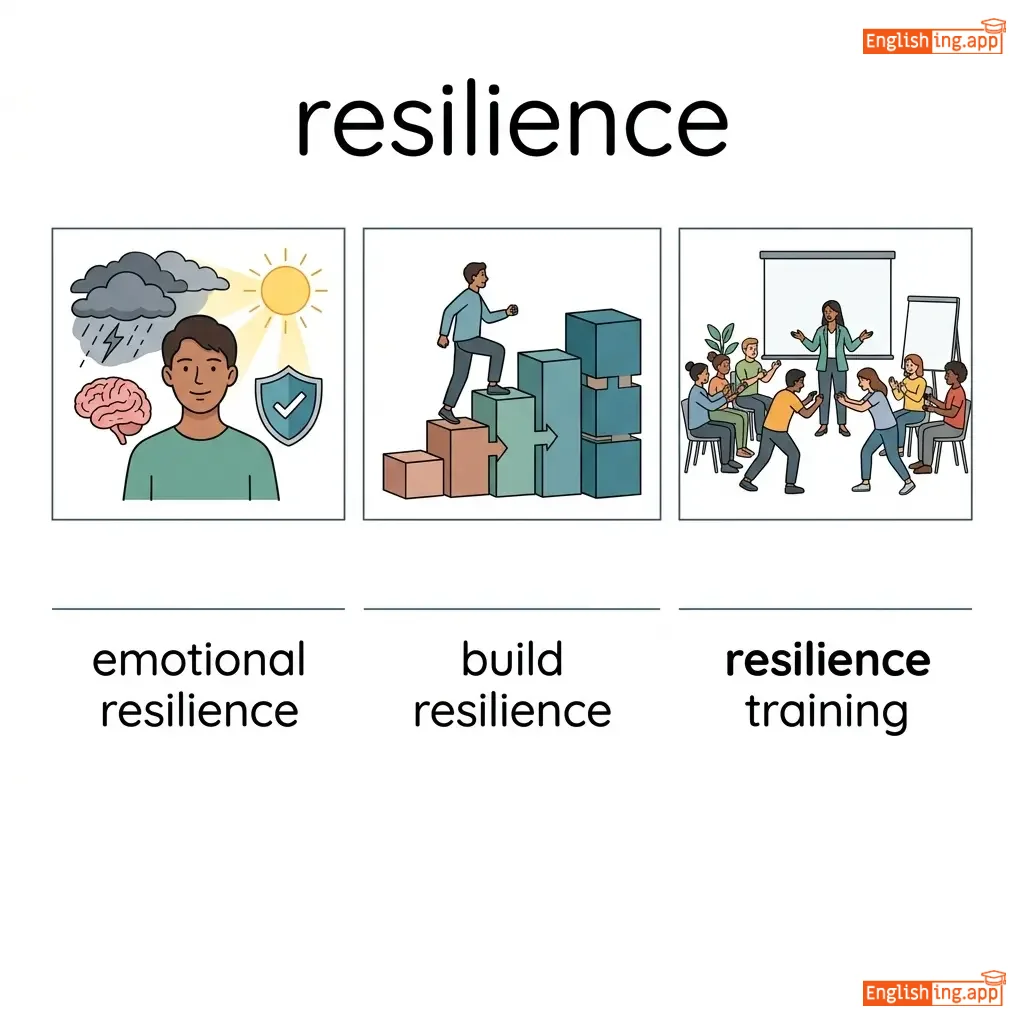
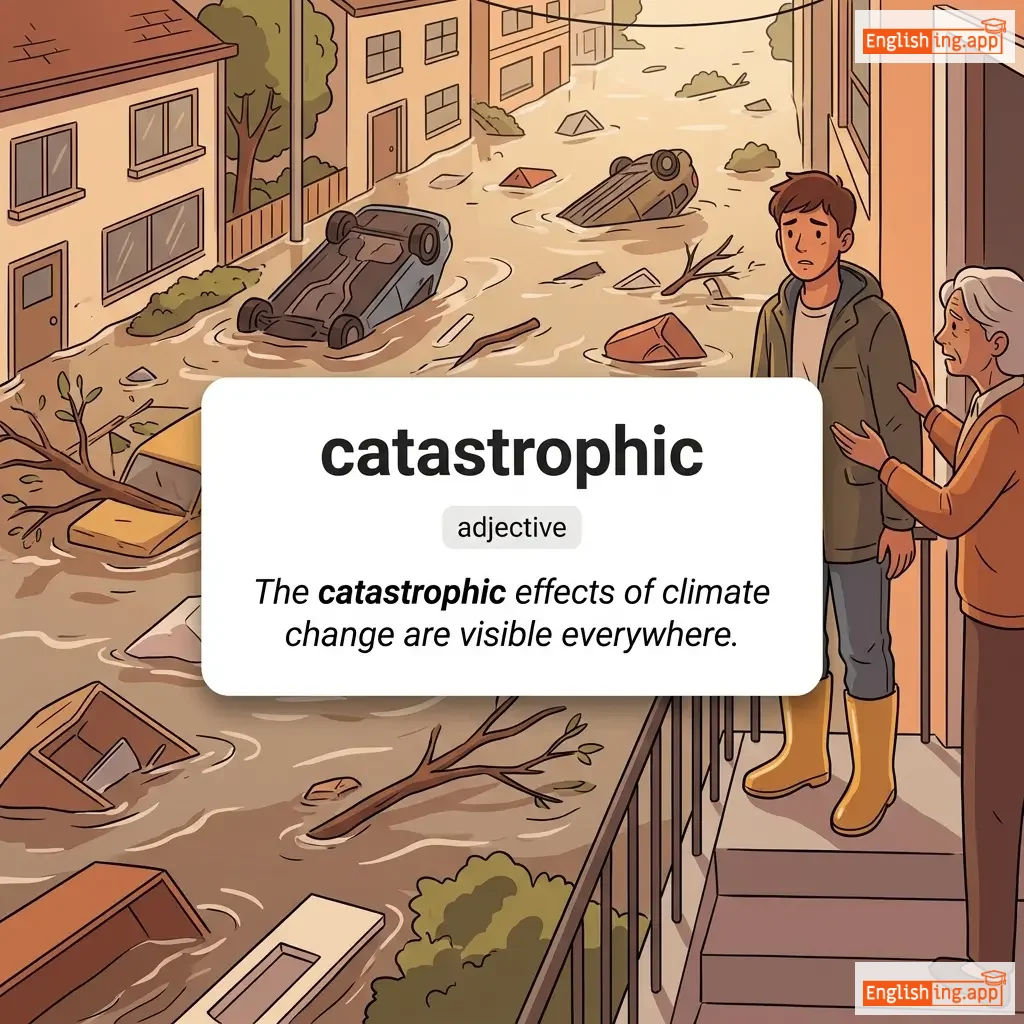
Die ecological und biodiversity-Konservierung ist jedoch entscheidend, um dieses Problem zu lösen. Wenn das agroecosystem organisiert bleibt, wird die resilience des Landwirtschaftssektors steigen, und es wird möglich sein, mit dieser catastrophic Auswirkung in der Zukunft umzugehen.

The Impact of Climate on FarmingDie Auswirkungen des Klimas auf die Landwirtschaft
/
/

The Impact of Climate on FarmingDie Auswirkungen des Klimas auf die Landwirtschaft - Maske umschalten
Emoji
Wort Images Bedeutung Beispielsatz Synonyme Antonyme
#3232
🌍
••••••
ˈklaɪ.mət tʃeɪndʒ
noun
••••••
••••••
Long-term changes in global or regional climate patterns, primarily caused by human activities.
••••••

Climate change has severe impacts on agriculture.

••••••
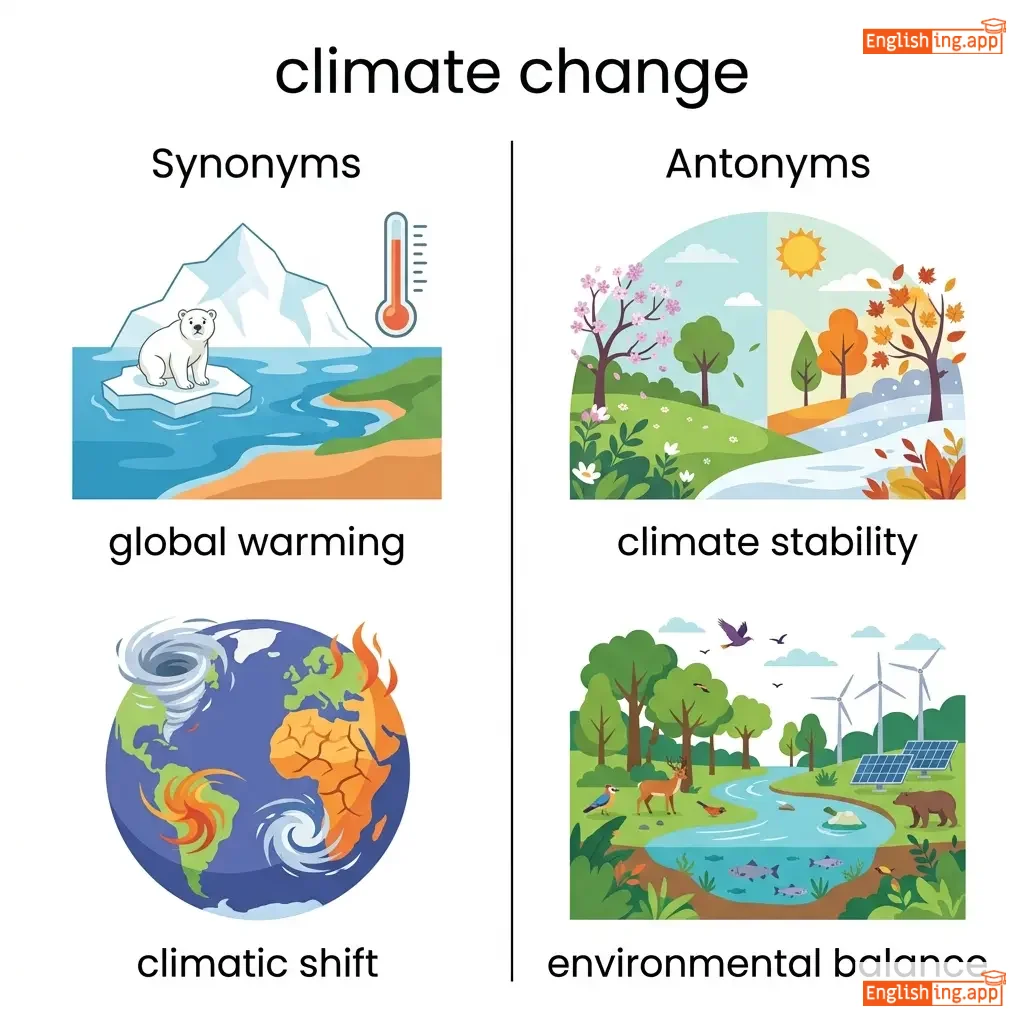
global warming, climatic shift, environmental change
••••••
climate stability, environmental balance
••••••
#3233
🌀
••••••
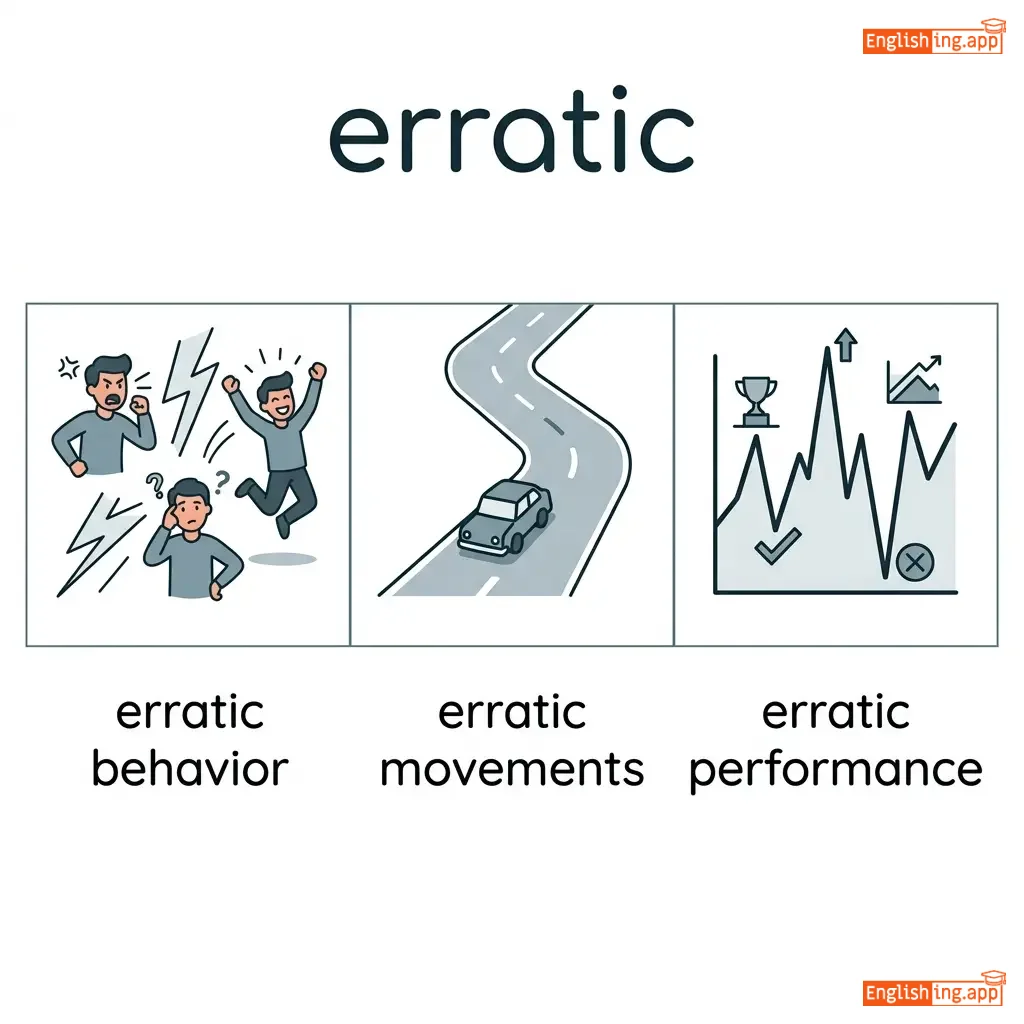
ɪˈræt.ɪk
adjective
••••••
••••••
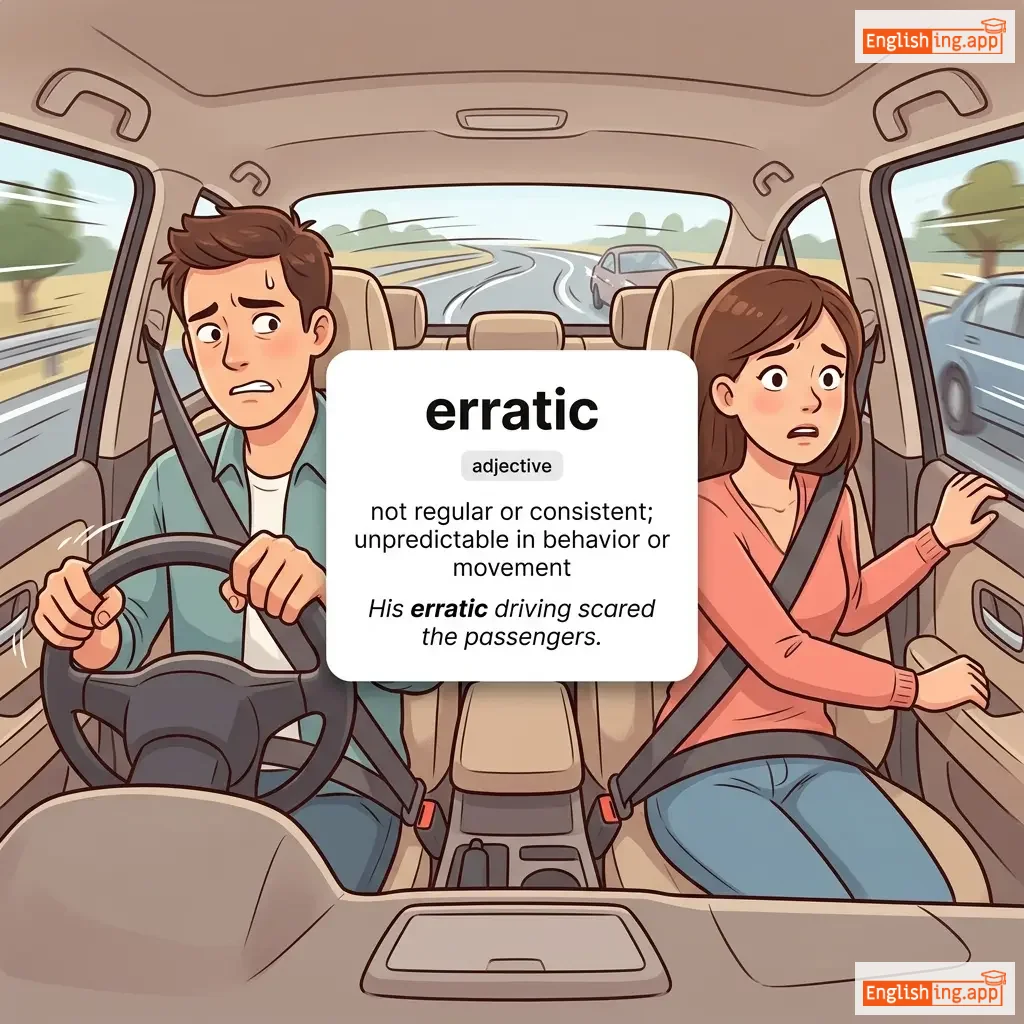
Changing irregularly; unpredictable in behavior or appearance.
••••••

The erratic rainfall is affecting crop production.

••••••
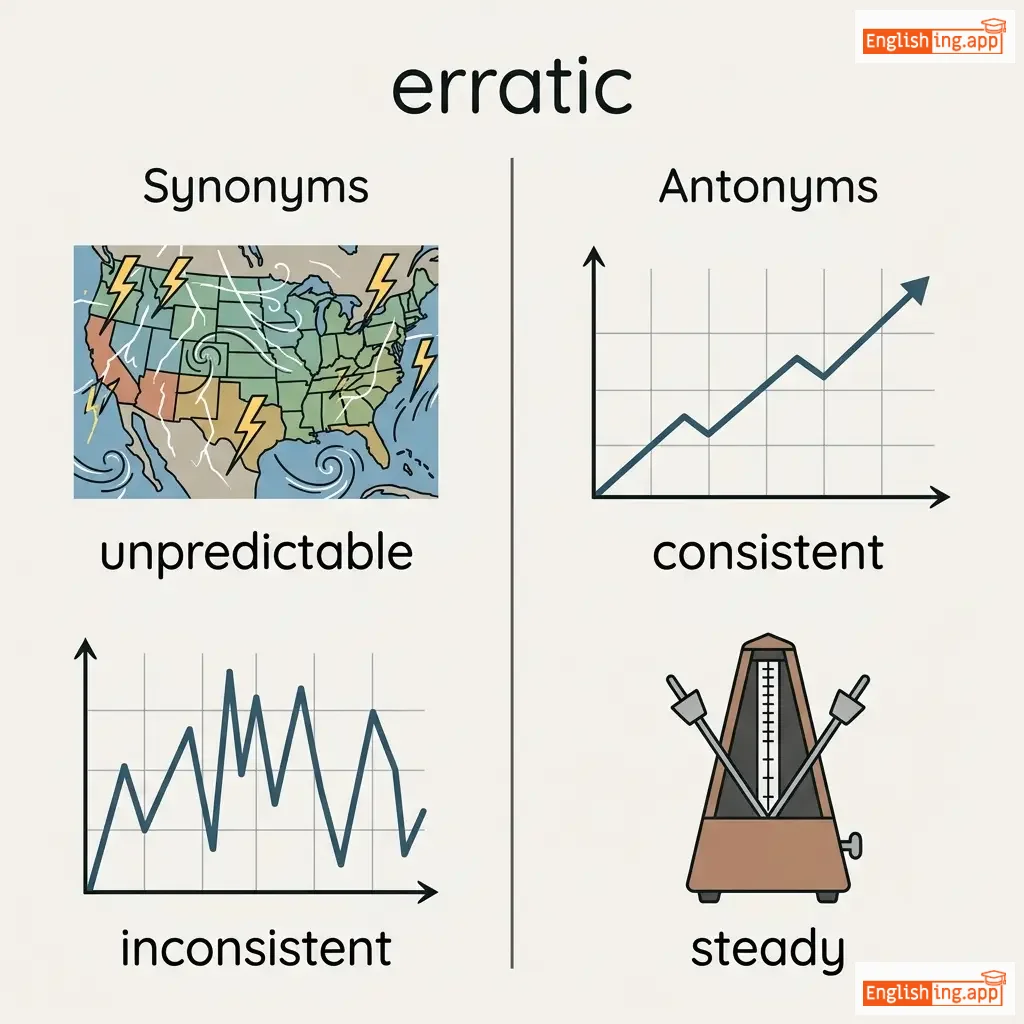
unpredictable, inconsistent, unstable
••••••
stable, predictable, consistent
••••••
#3234
🌧️
••••••
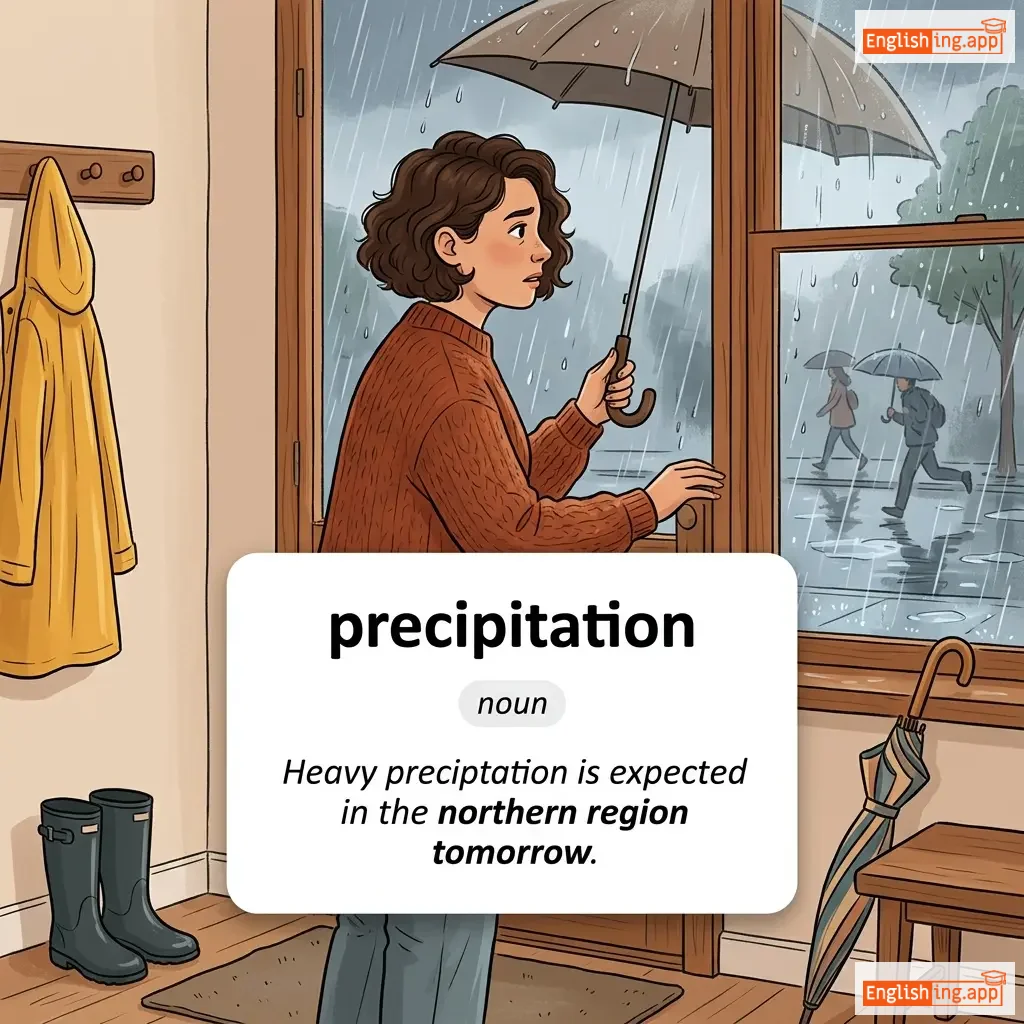
prɪˌsɪp.ɪˈteɪ.ʃən
noun
••••••
••••••
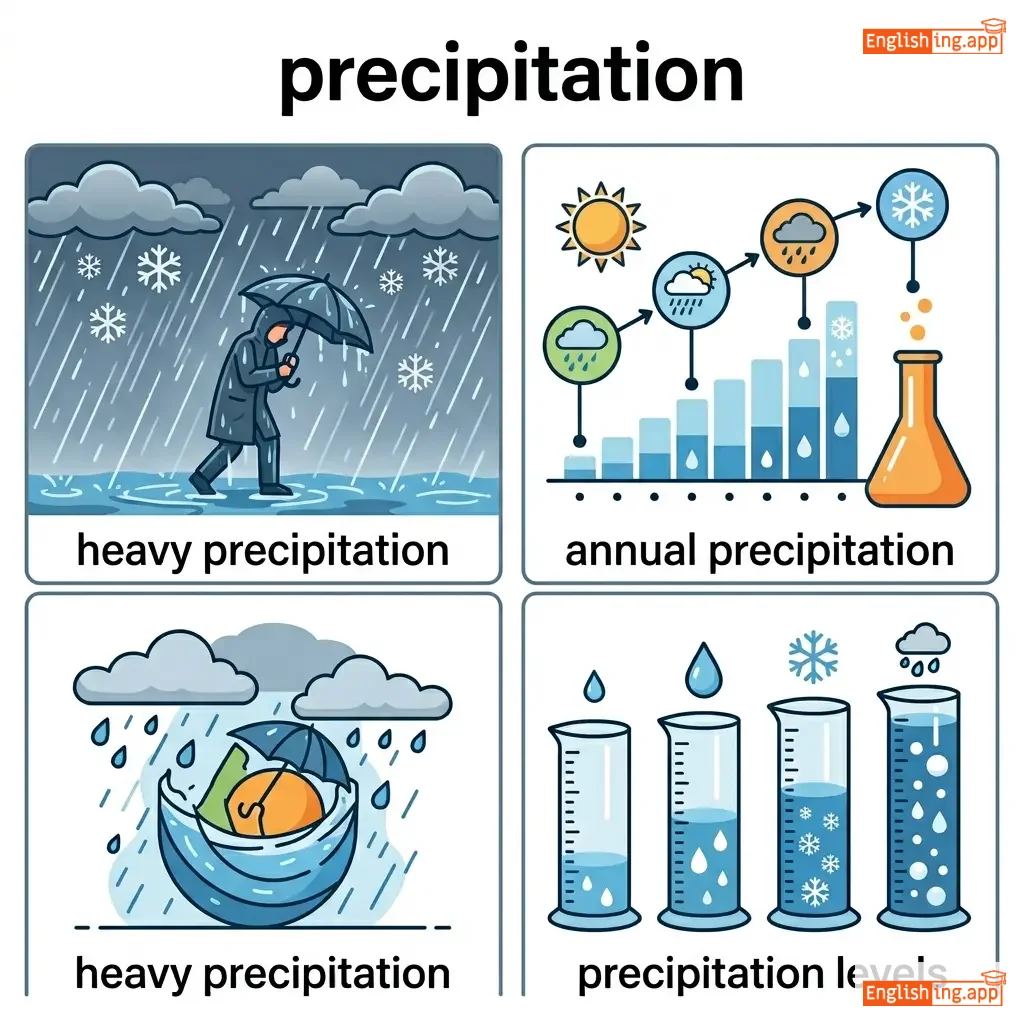
Rain, snow, sleet, or hail that falls to or condenses on the ground.
••••••

Annual precipitation levels are decreasing.

••••••
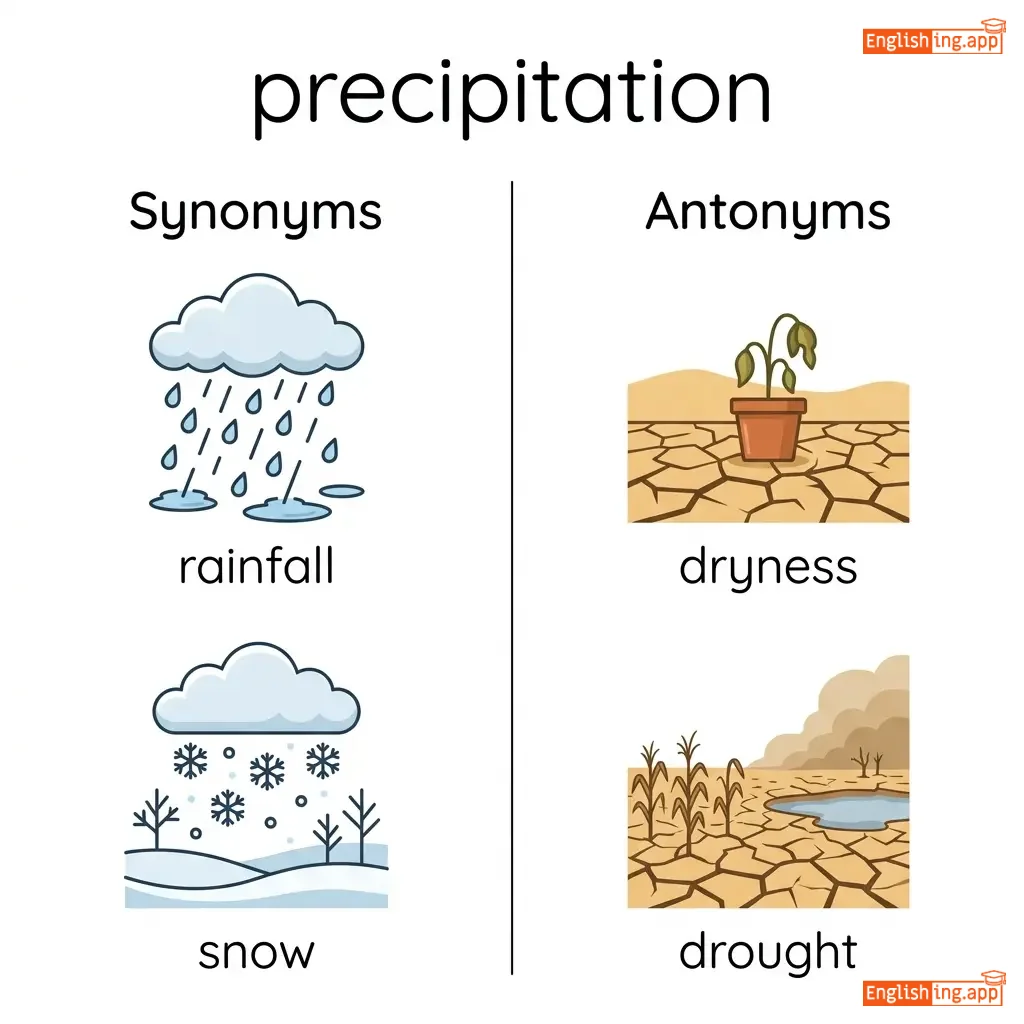
rainfall, snowfall, condensation
••••••
dryness, aridity, drought
••••••
#3235
🏜️
••••••
əˈrɪd.ɪ.ti
noun
••••••
••••••
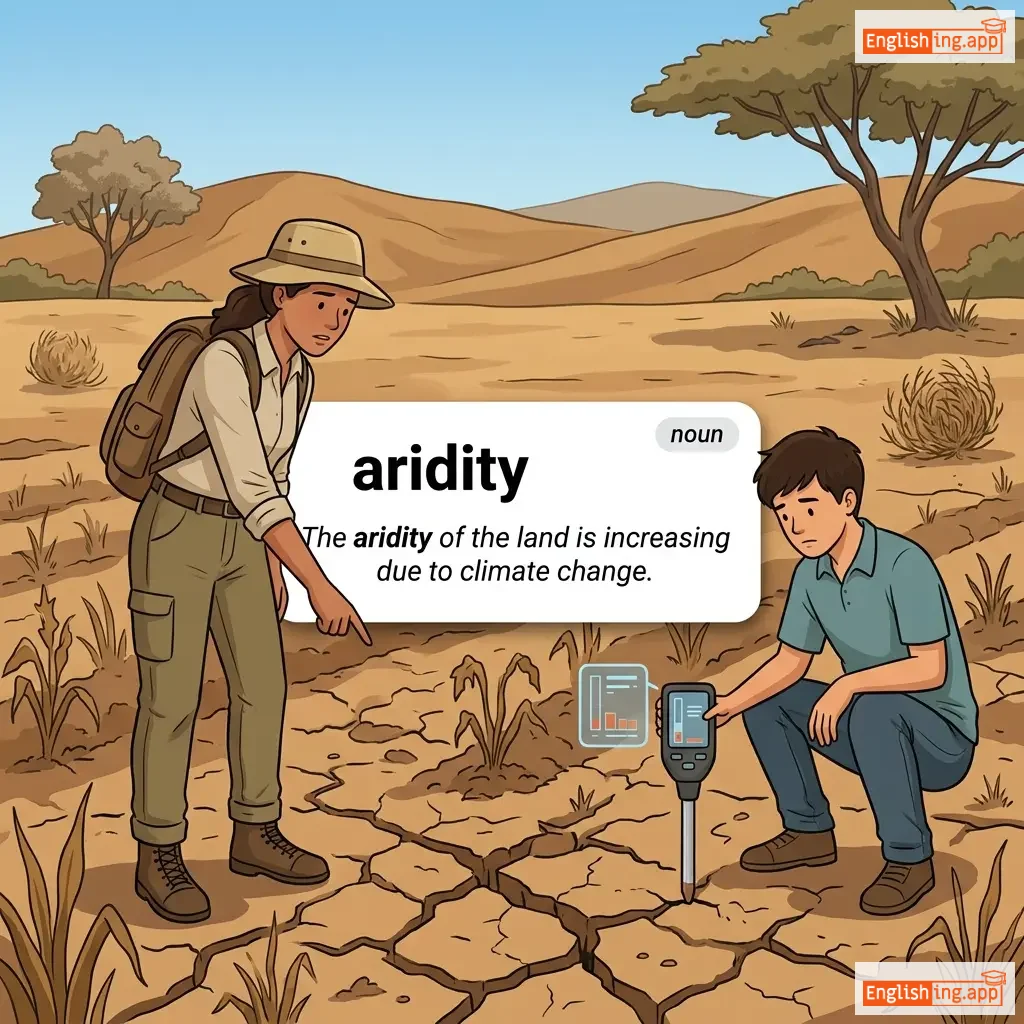
The state of being extremely dry, especially having insufficient rainfall to support vegetation.
••••••

The aridity of the land is increasing due to climate change.

••••••
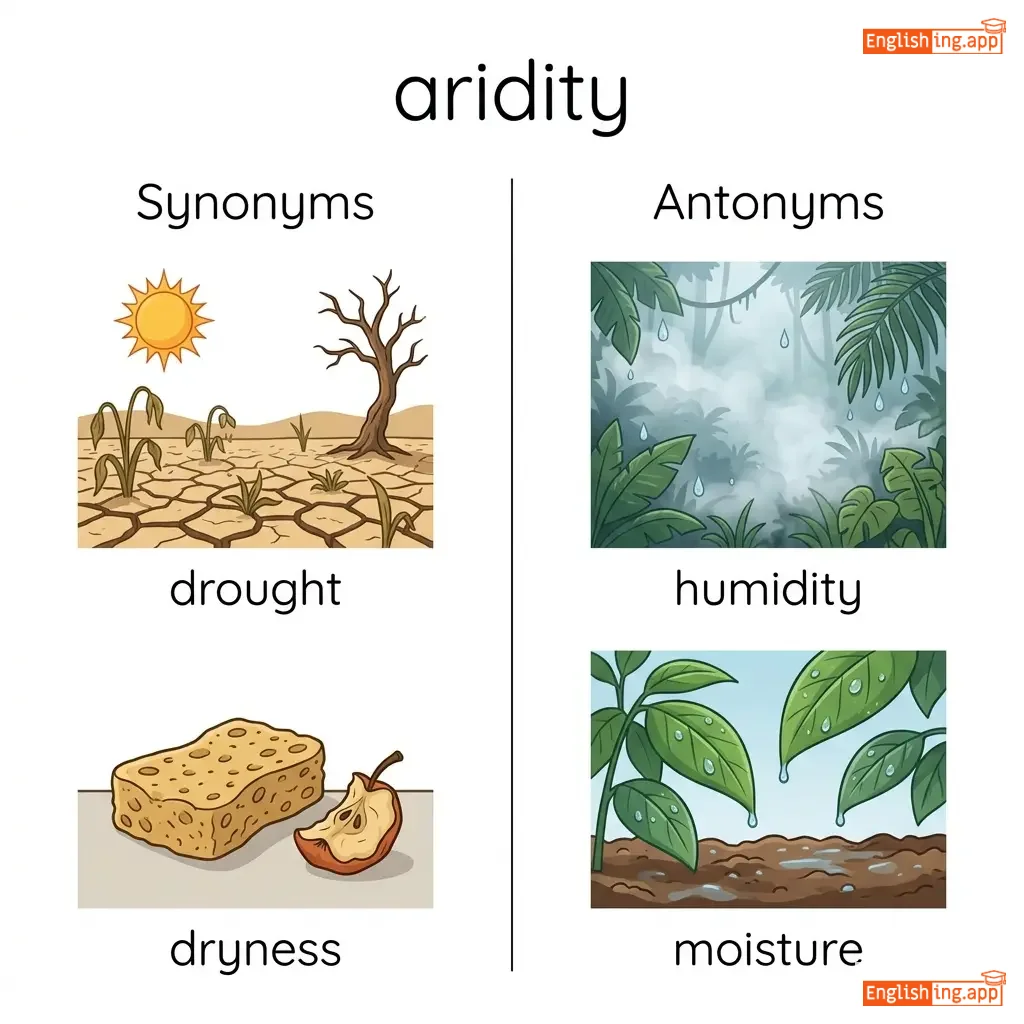
drought, dryness, dehydration
••••••
humidity, moisture, fertility
••••••
#3236
🌾
••••••
jiːldz
noun/verb
••••••
••••••
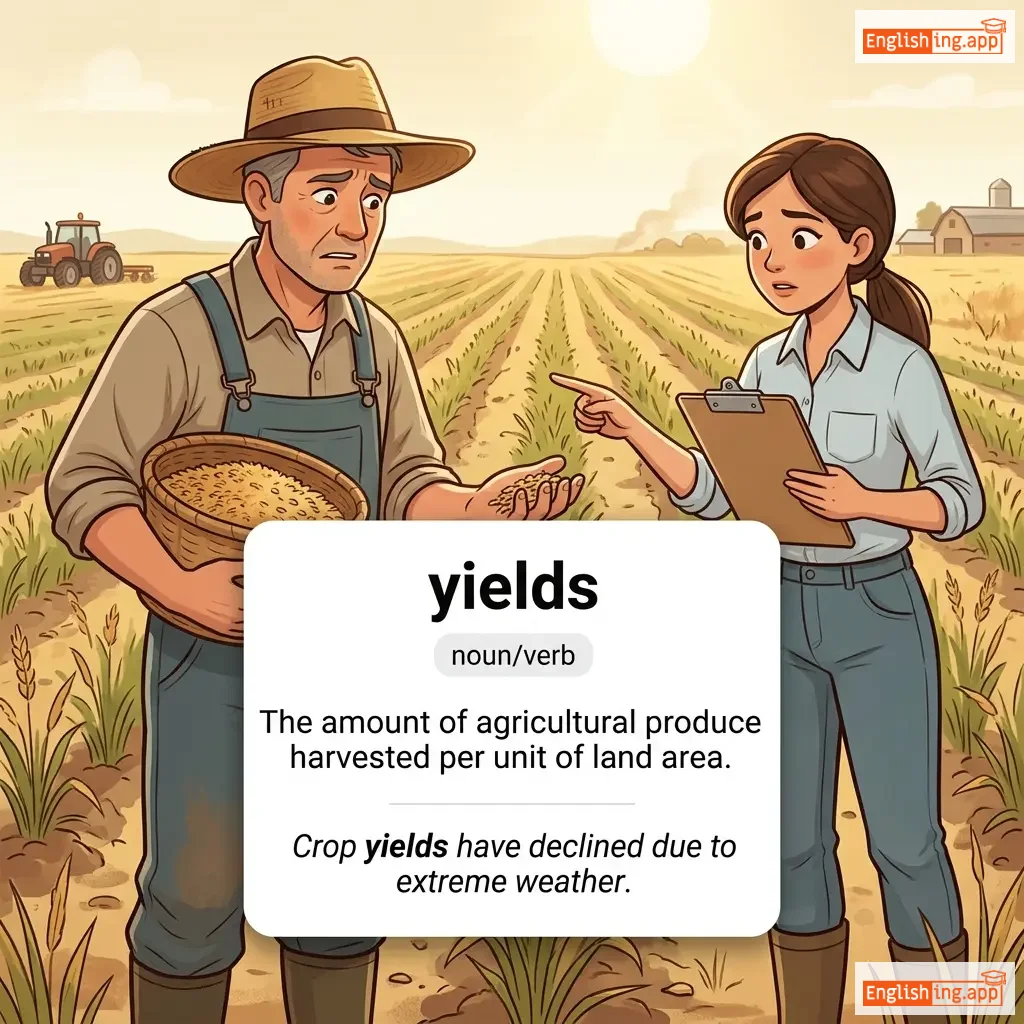
The amount of agricultural produce harvested per unit of land area.
••••••

Crop yields have declined due to extreme weather.

••••••
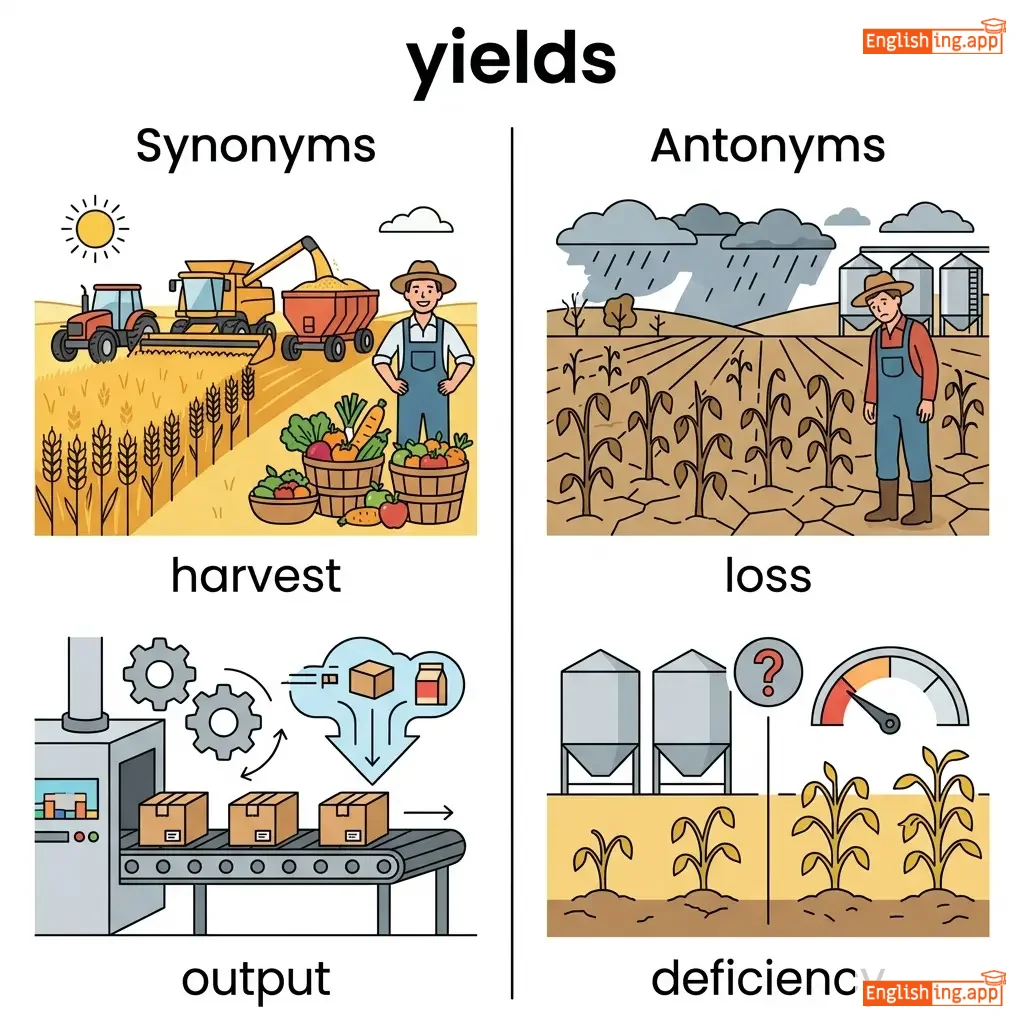
harvest, output, production
••••••
loss, deficiency, scarcity
••••••
#3237
🌡️
••••••
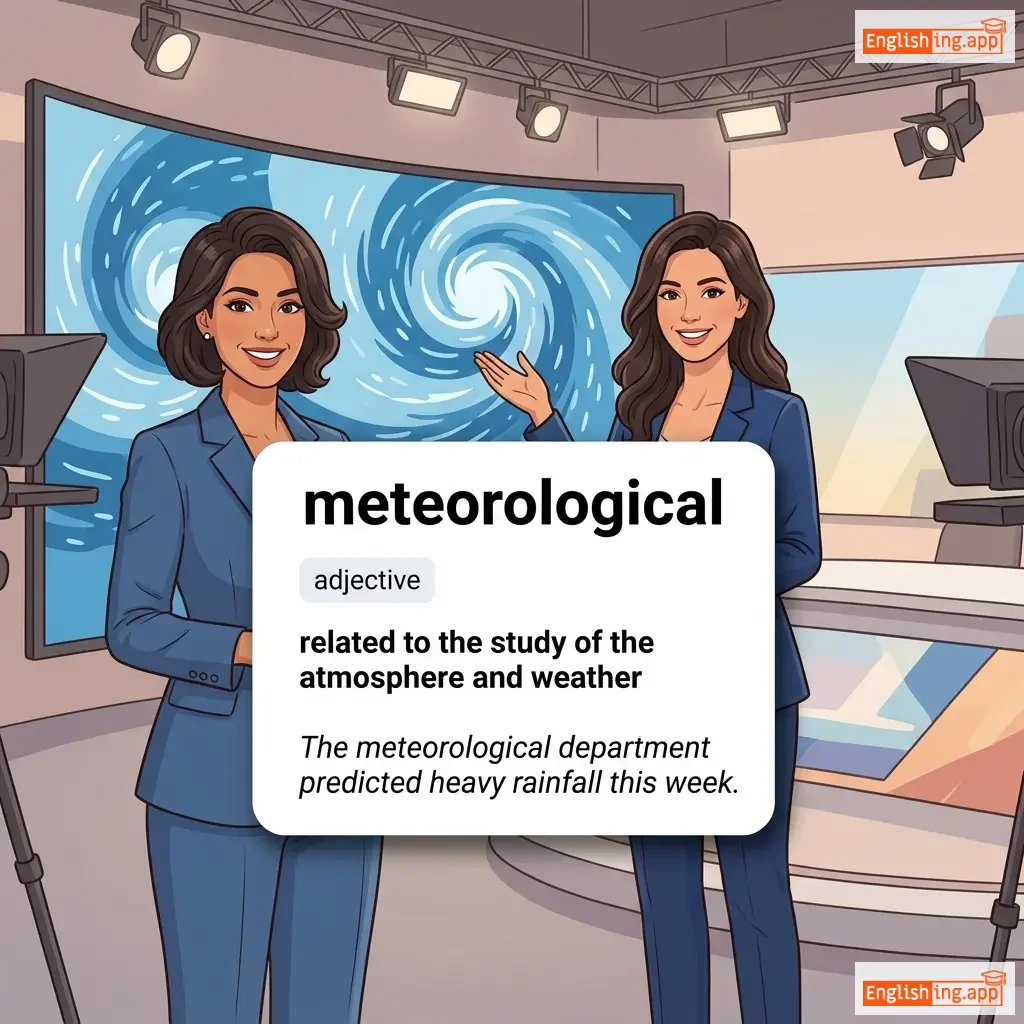
ˌmiː.ti.ər.əˈlɒdʒ.ɪ.kəl
adjective
••••••
••••••
Relating to weather conditions and atmospheric phenomena.
••••••

Meteorological conditions affect farming cycles.

••••••
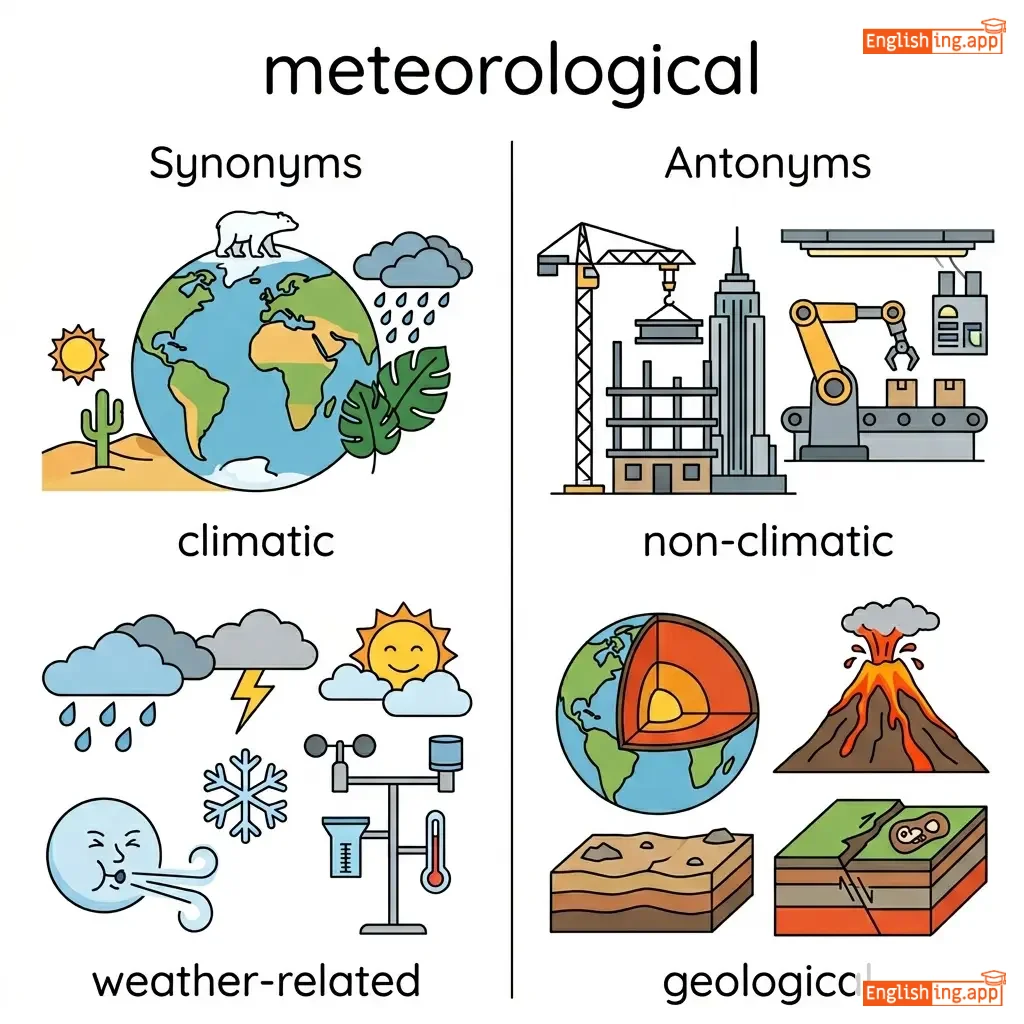
climatic, atmospheric, weather-related
••••••
non-meteorological
••••••
#3238
📈
••••••
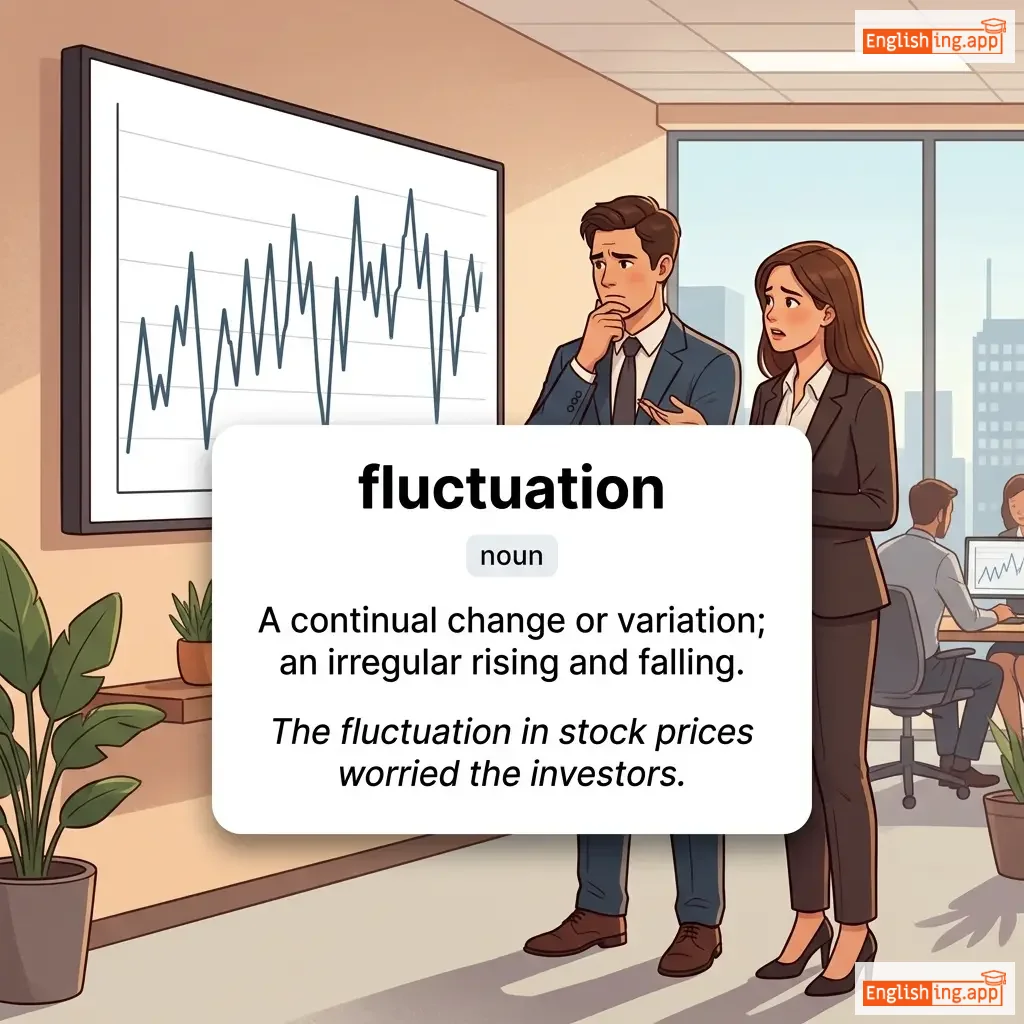
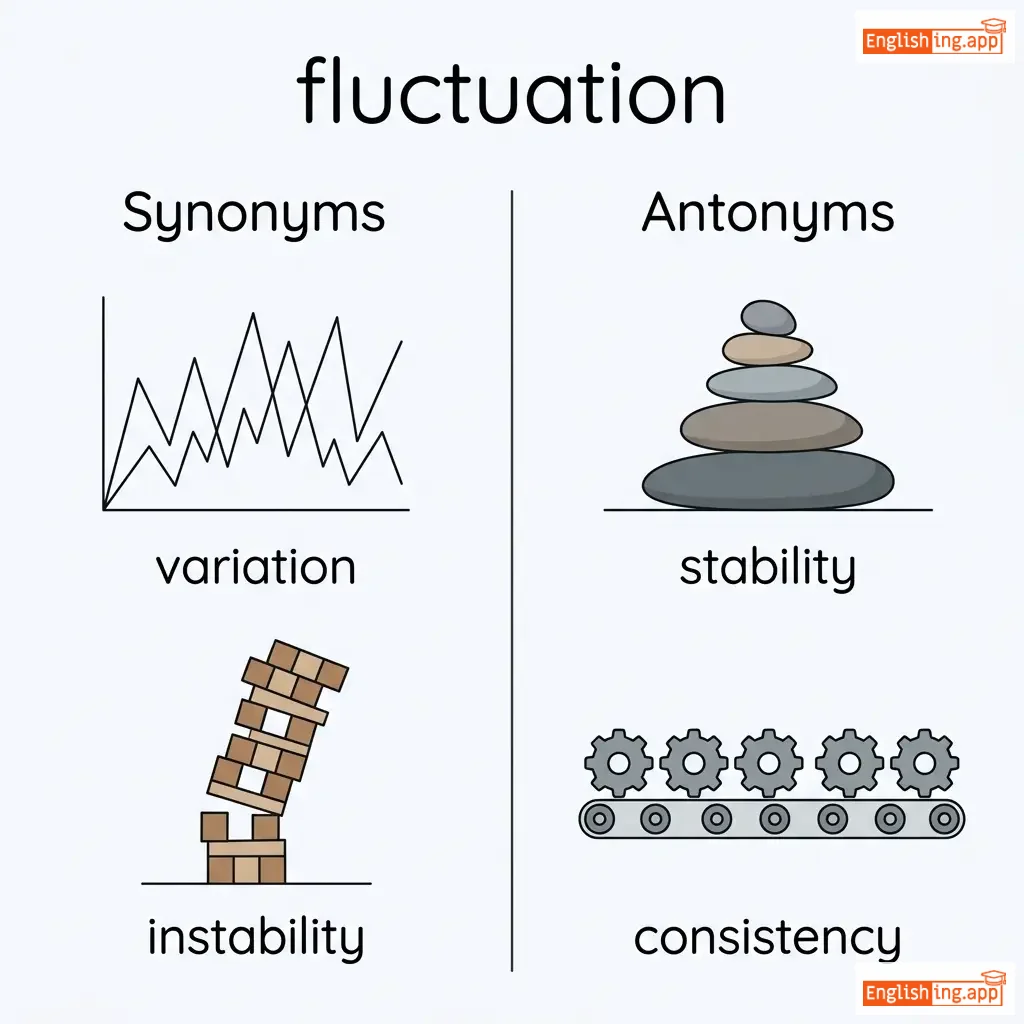
ˌflʌk.tʃuˈeɪ.ʃən
noun
••••••
••••••
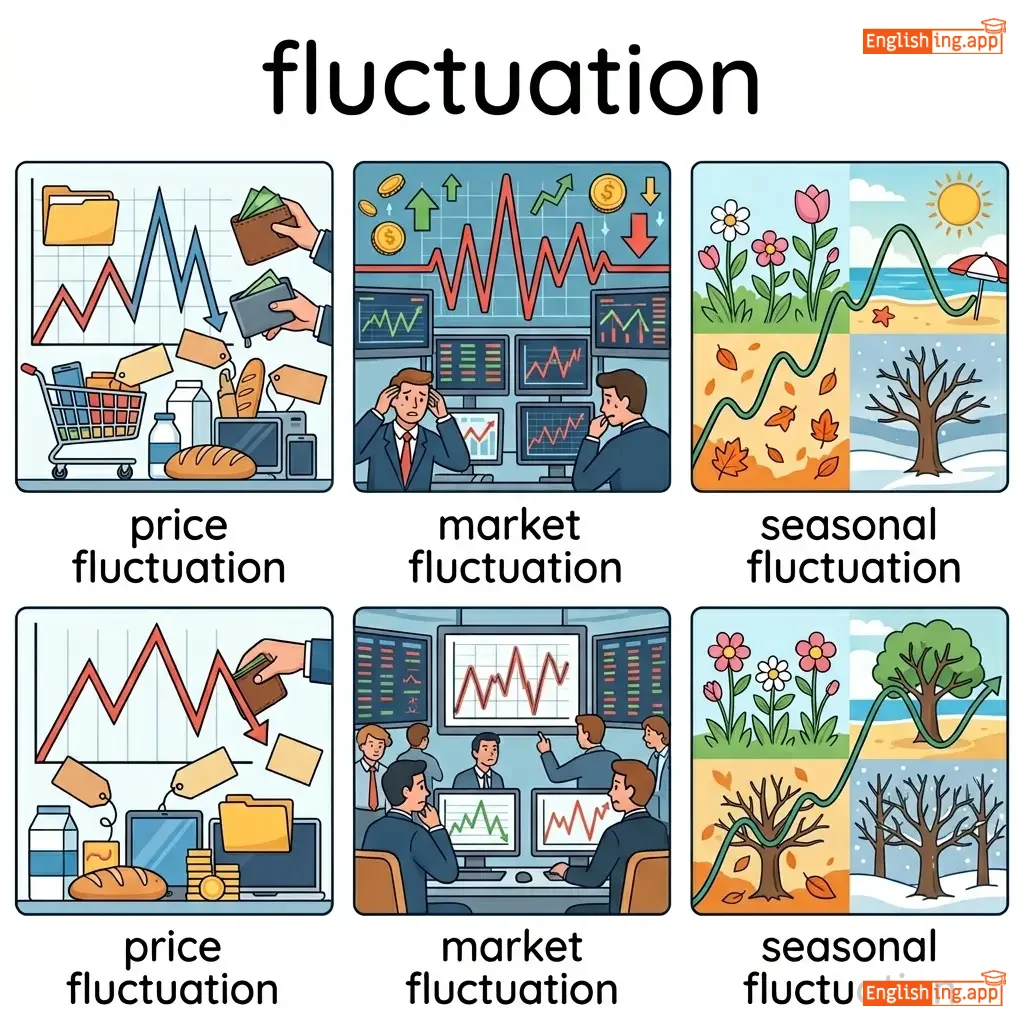
An irregular rising and falling in number or amount; variation.
••••••

Fluctuations in temperature affect water cycles.

••••••
variation, instability, oscillation
••••••
stability, consistency, uniformity
••••••
#3239
🌡️
••••••
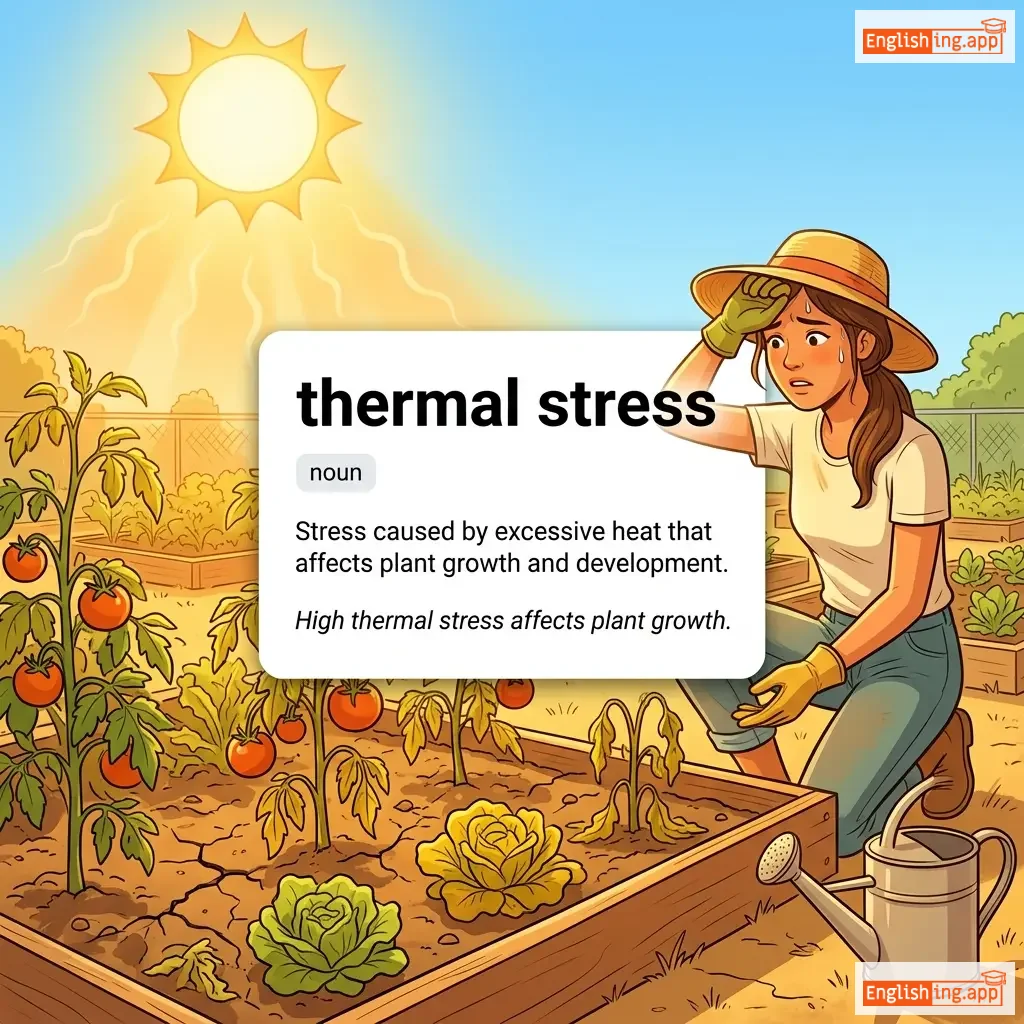
ˈθɜː.məl stres
noun
••••••
••••••
Stress caused by excessive heat that affects plant growth and development.
••••••

High thermal stress affects plant growth.

••••••
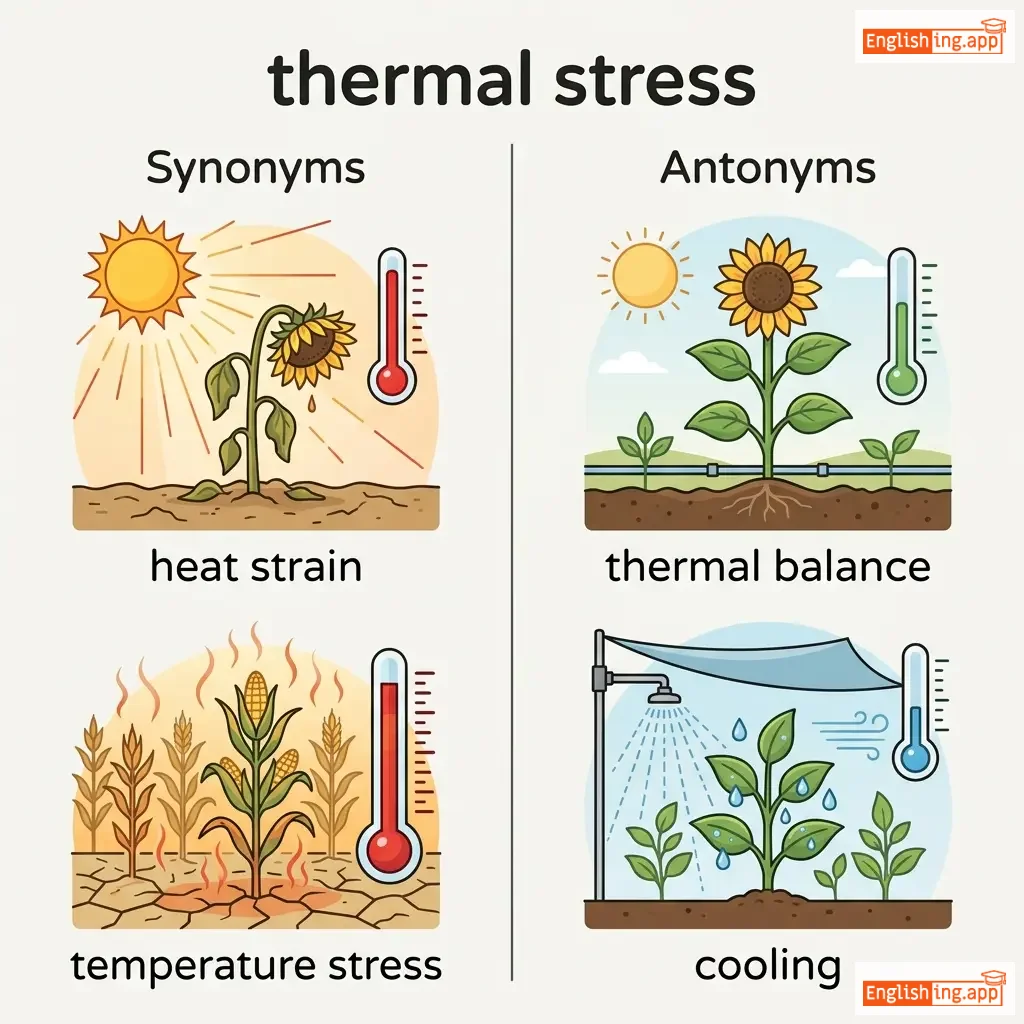
heat strain, temperature stress, climate stress
••••••
thermal balance, cooling, insulation
••••••
#3240
🌱
••••••
ˌfəʊ.təʊˈsɪn.θə.sɪs
noun
••••••
••••••
The process by which green plants use sunlight to synthesize nutrients from carbon dioxide and water.
••••••

Photosynthesis is essential for oxygen production.

••••••
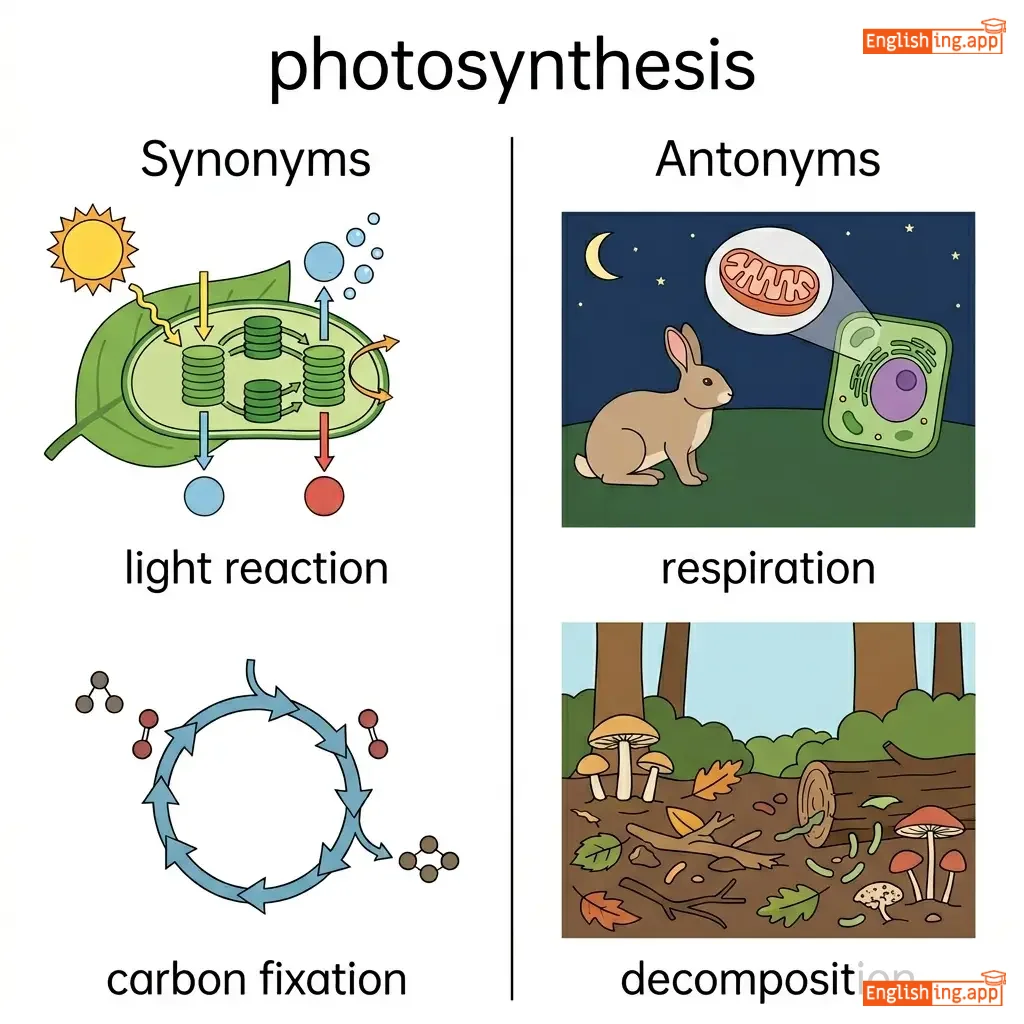
light reaction, carbon fixation, chlorophyll process
••••••
non-photosynthetic, darkness, energy deficiency
••••••
#3241
🏔️
••••••
sɔɪl ɪˈrəʊ.ʒən
noun
••••••
••••••
The removal of topsoil by wind, water, or other natural forces, reducing agricultural productivity.
••••••

Soil erosion reduces agricultural productivity.

••••••
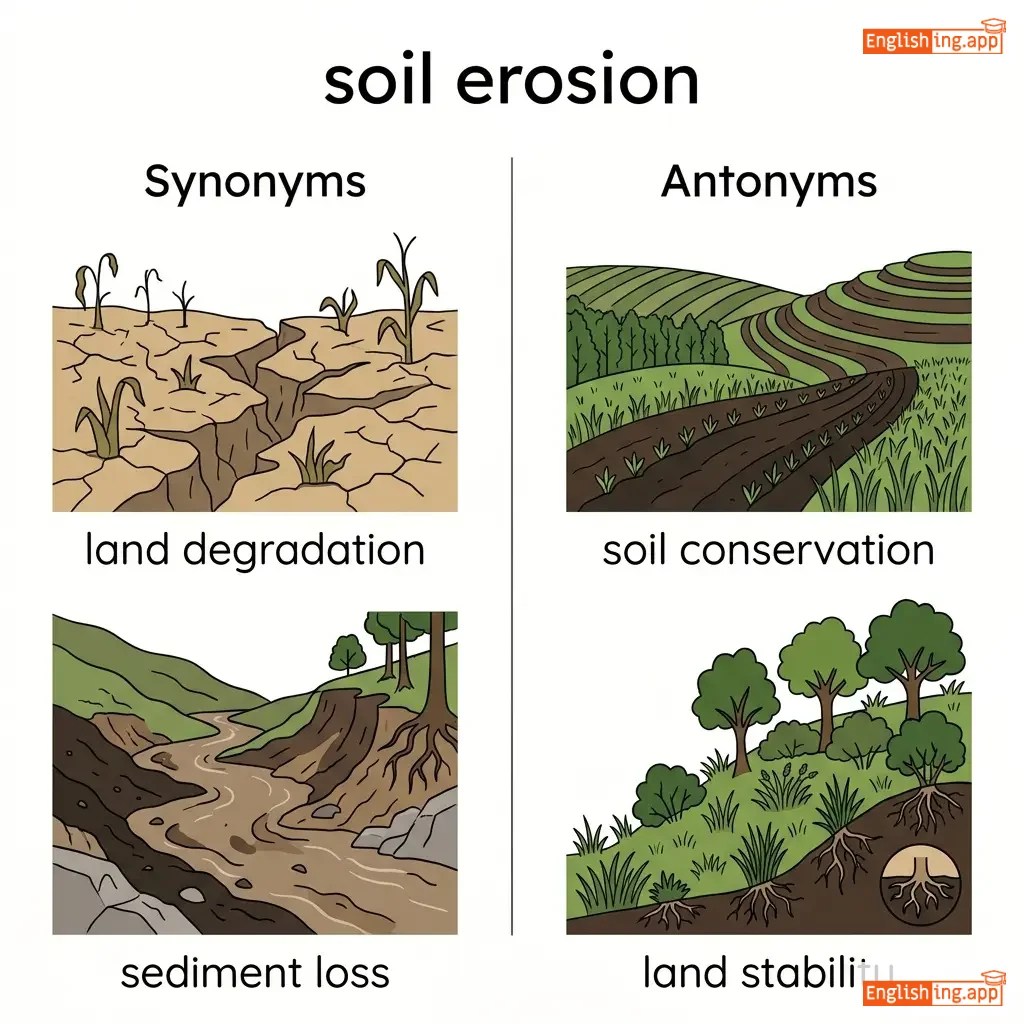
land degradation, sediment loss, soil depletion
••••••
soil conservation, land stability, fertility retention
••••••
#3242
📉
••••••
ˌdeɡ.rəˈdeɪ.ʃən
noun
••••••
••••••
The process of deterioration or decline in quality, especially of environmental conditions.
••••••

Land degradation leads to loss of agricultural productivity.

••••••
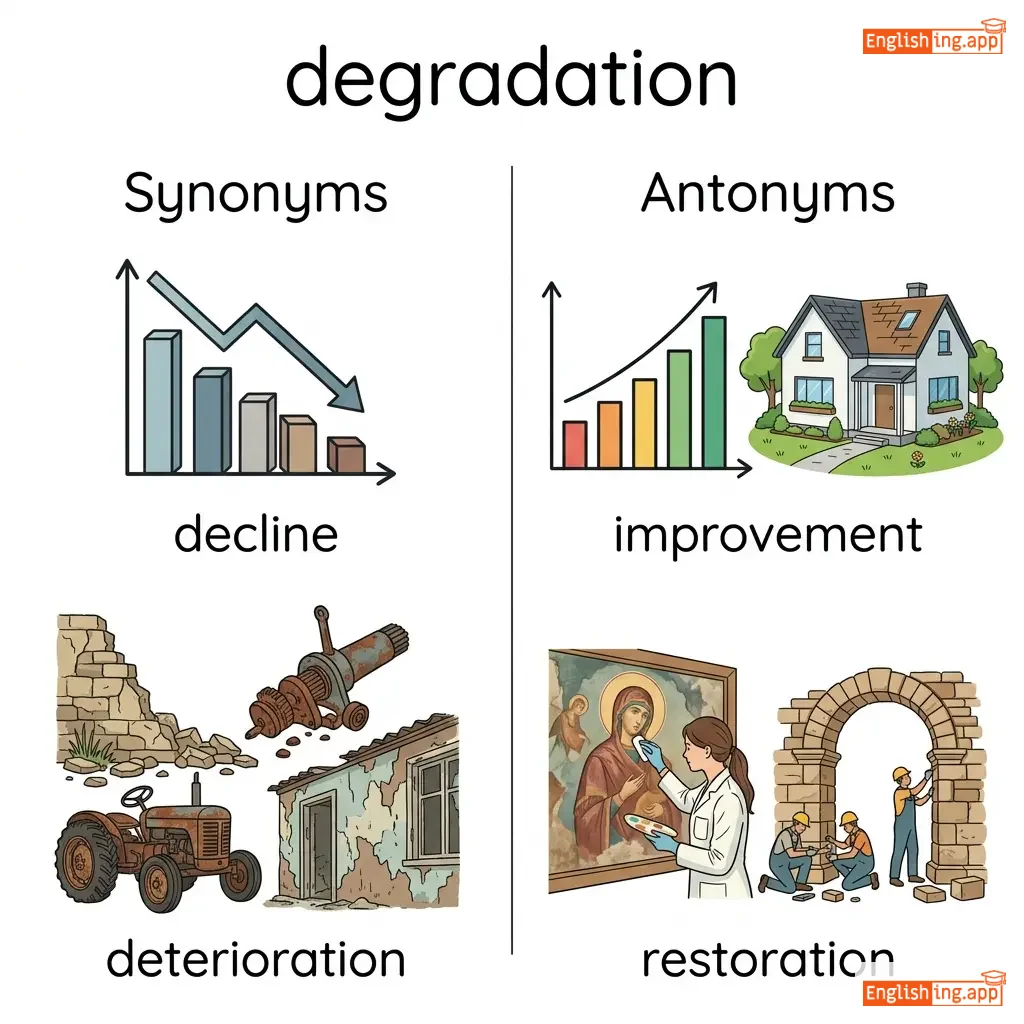
deterioration, erosion, decline
••••••
improvement, restoration, enhancement
••••••
#3243
🌵
••••••
draʊt rɪˈzɪs.tənt
adjective
••••••
••••••
Able to survive and grow despite limited water availability or drought conditions.
••••••

Drought-resistant crops can survive in arid conditions.

••••••
arid-tolerant, water-efficient, hardy
••••••
drought-prone, water-dependent
••••••
#3244
♻️
••••••
səˌsteɪ.nəˈbɪl.ə.ti
noun
••••••
••••••
The ability to maintain or support a process continuously over time without depleting resources.
••••••

Sustainability is crucial for future generations.

••••••
viability, stability, endurance
••••••
unsustainability, instability, depletion
••••••
#3245
💧
••••••
ˌɪr.ɪˈɡeɪ.ʃən
noun
••••••
••••••
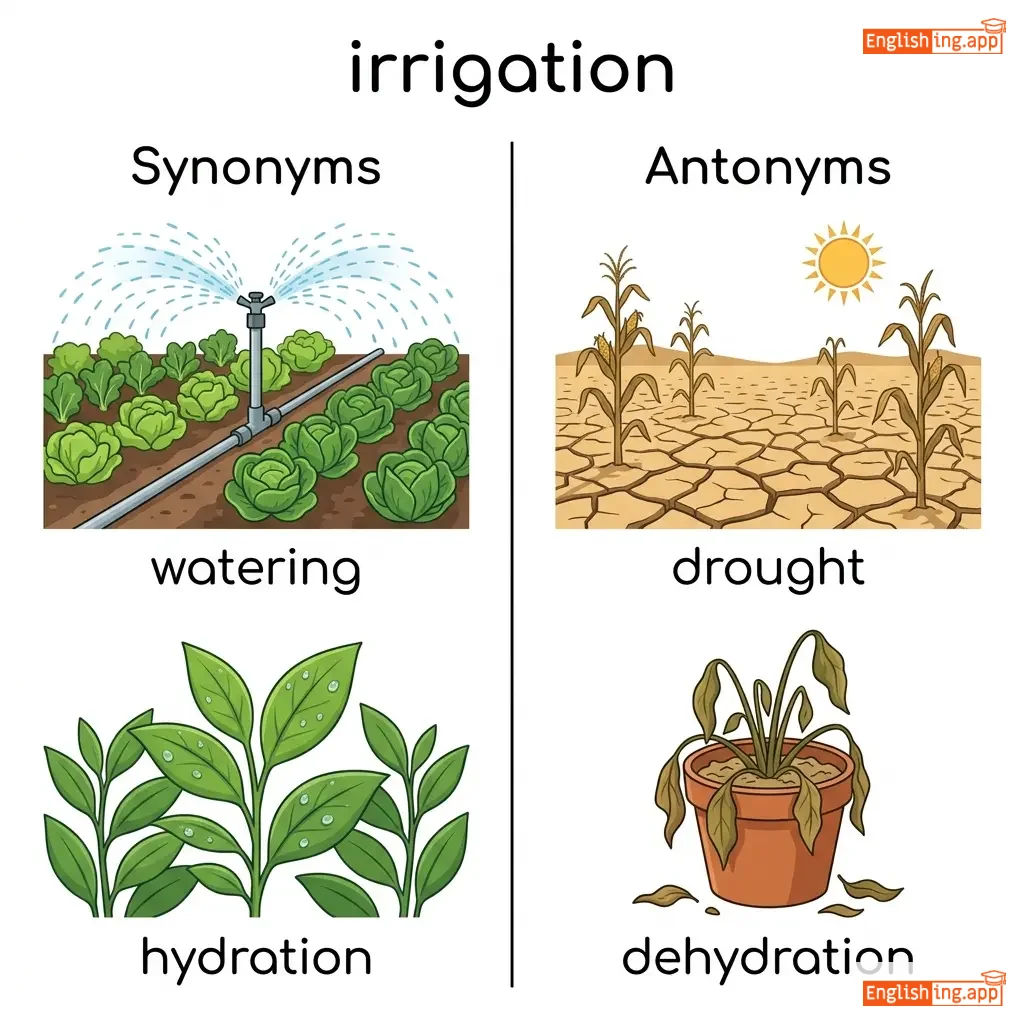
The artificial application of water to land for growing crops.
••••••

Modern irrigation techniques improve crop yield.

••••••
watering, hydration, sprinkling
••••••
drought, dehydration, aridity
••••••
#3246
🛡️
••••••
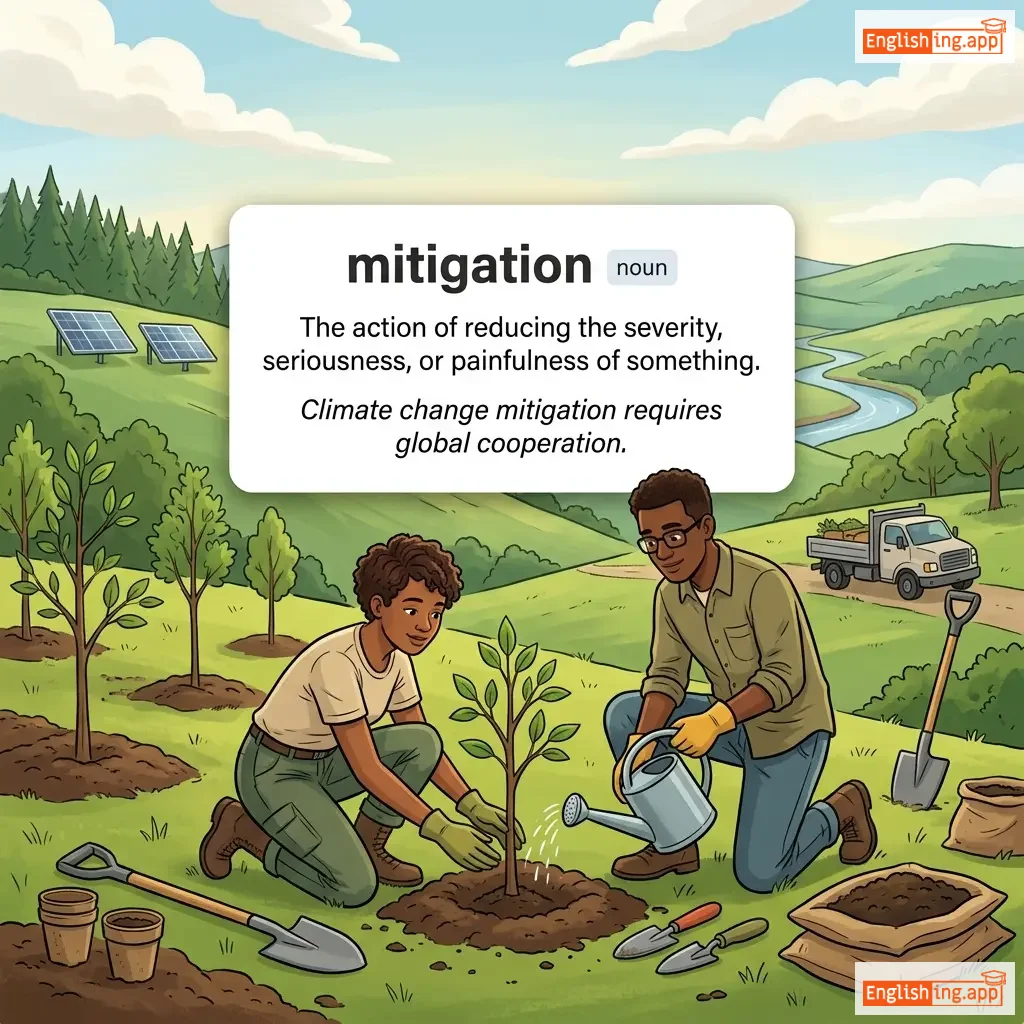
ˌmɪt.ɪˈɡeɪ.ʃən
noun
••••••
••••••
The action of reducing the severity, seriousness, or painfulness of something.
••••••

Climate mitigation strategies are essential to prevent disasters.

••••••
reduction, alleviation, minimization
••••••
aggravation, exacerbation, intensification
••••••
#3247
🌿
••••••
ˌiː.kəˈlɒdʒ.ɪ.kəl
adjective
••••••
••••••
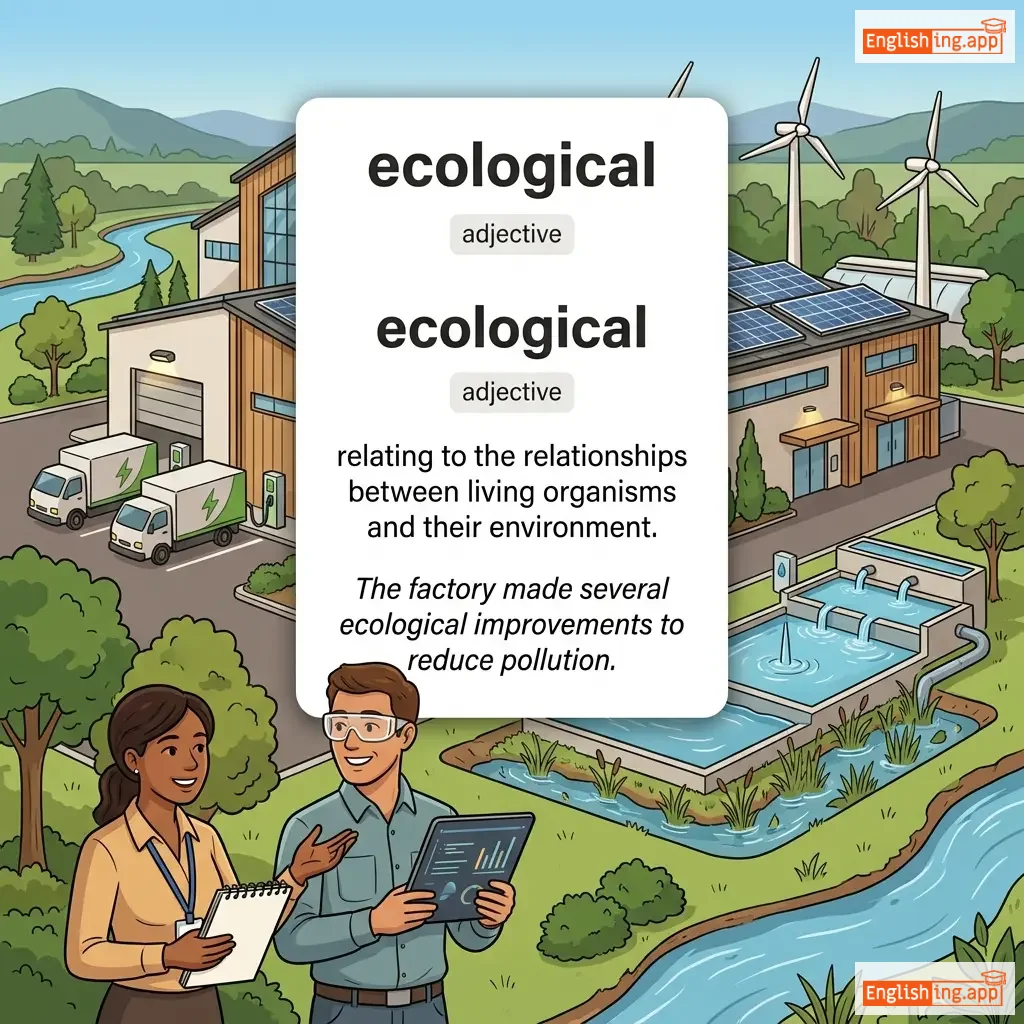
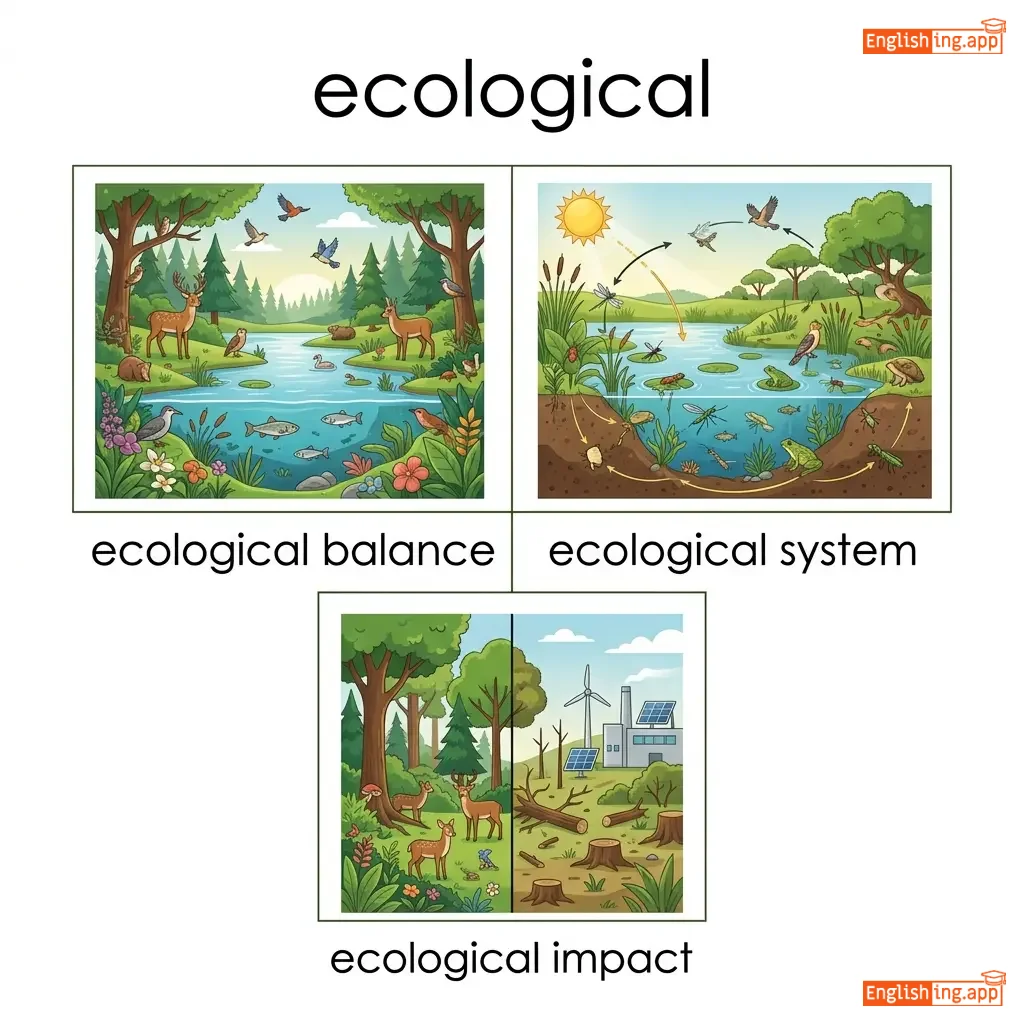
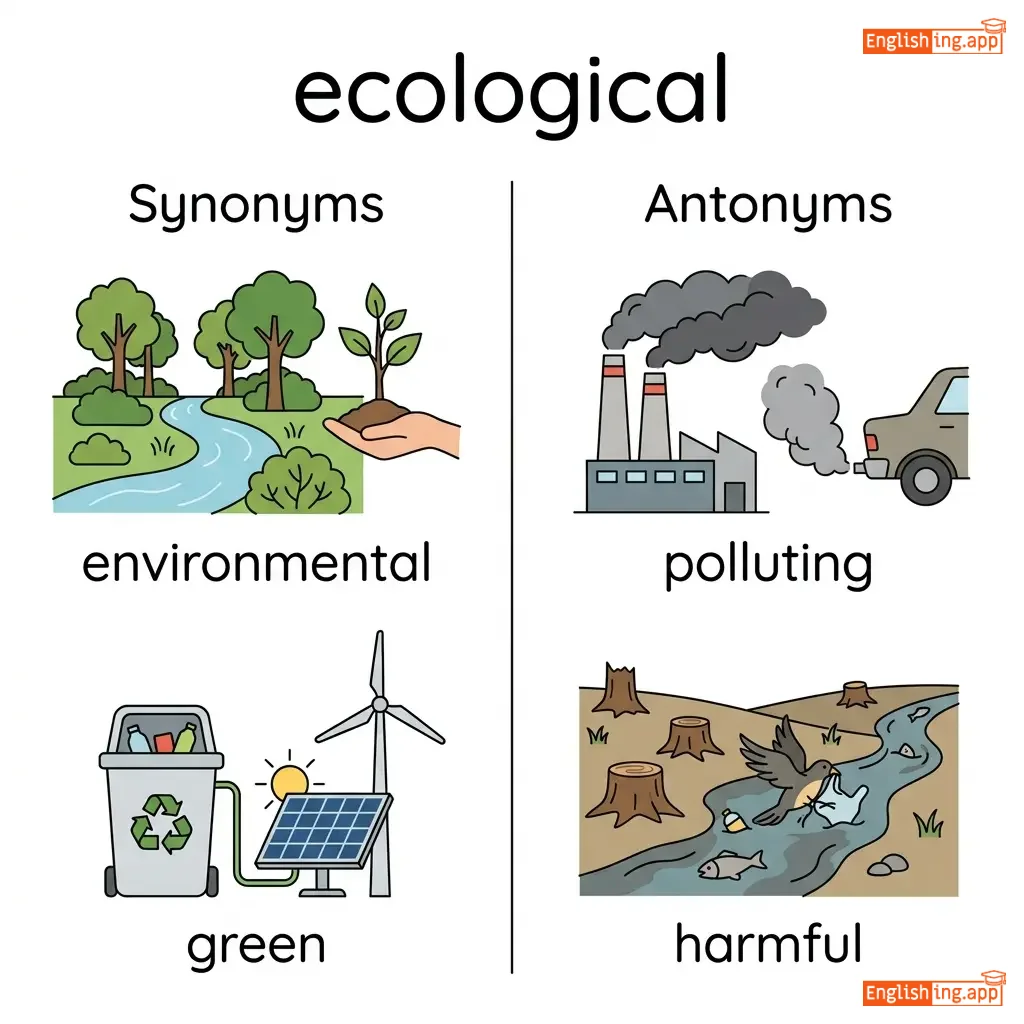
Relating to the environment and the relationship of living things to it and to each other.
••••••

Ecological balance is necessary for sustainability.

••••••
environmental, natural, organic
••••••
artificial, synthetic, polluting
••••••
#3248
🦋
••••••
ˌbaɪ.oʊ.daɪˈvɜː.sə.ti
noun
••••••
••••••
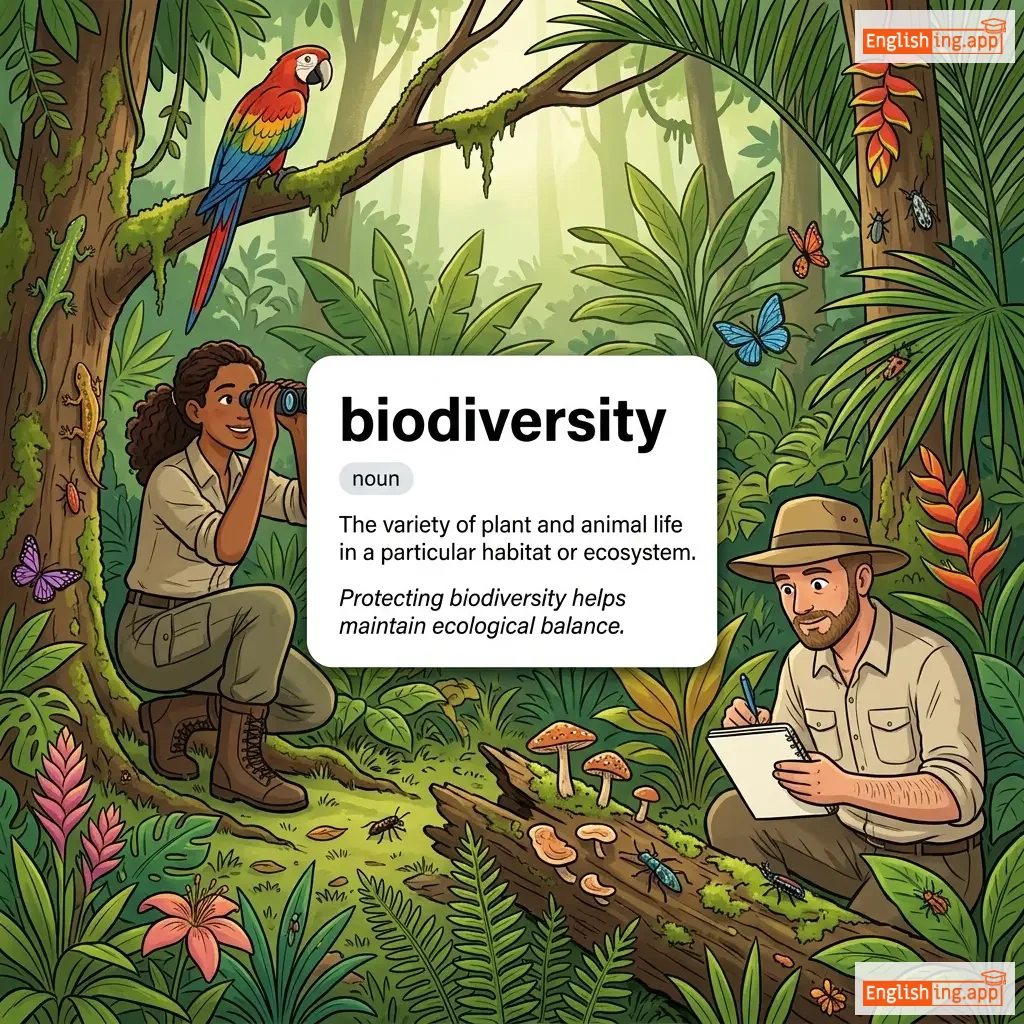
The variety of plant and animal life in the world or in a particular habitat.
••••••

Biodiversity conservation is key to ecological balance.

••••••
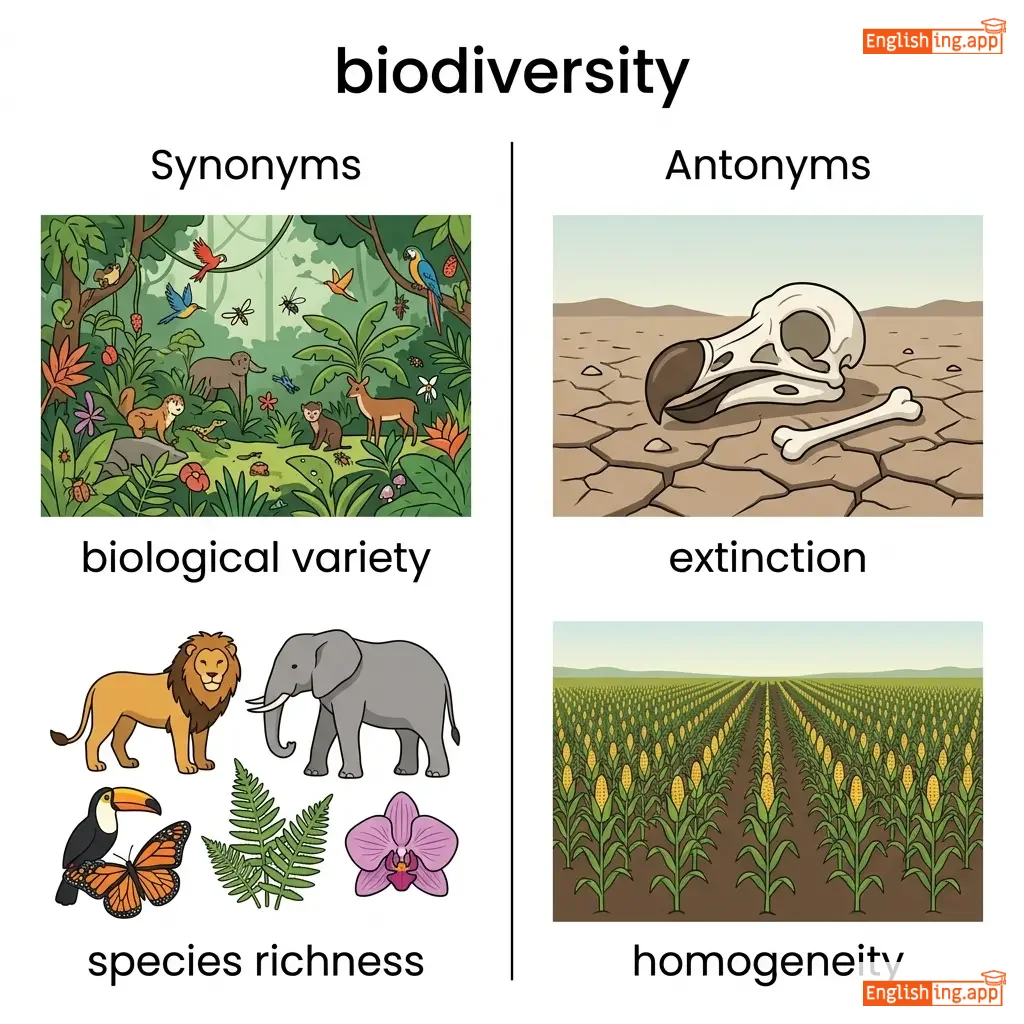
ecosystem variety, genetic diversity, flora and fauna
••••••
monoculture, homogeneity, uniformity
••••••
#3249
🚜
••••••
ˌæɡ.roʊˈiː.koʊˌsɪs.təm
noun
••••••
••••••
An ecological system centered on agricultural activities and processes.
••••••

A healthy agroecosystem improves soil fertility.

••••••
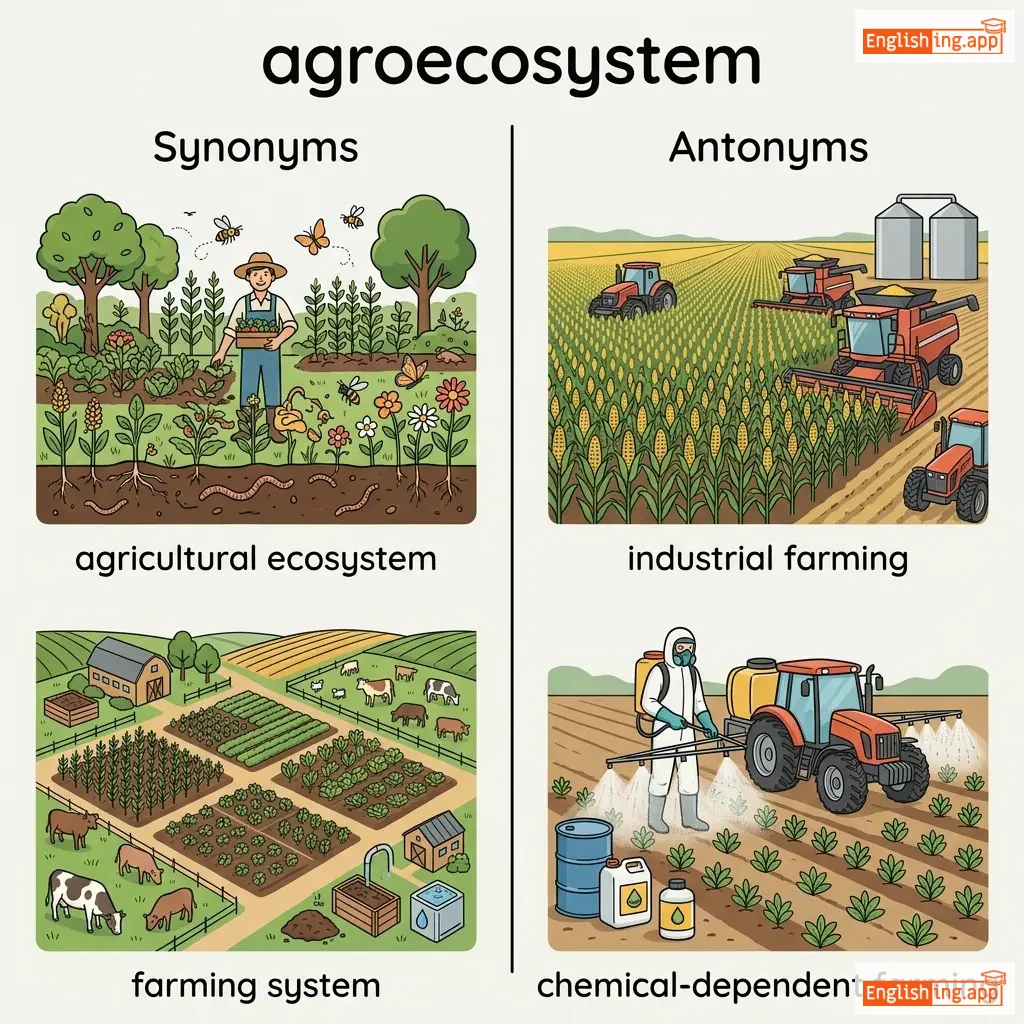
agricultural ecosystem, farming system, sustainable agriculture
••••••
industrial farming, chemical-dependent farming
••••••
#3250
💪
••••••
rɪˈzɪl.jəns
noun
••••••
••••••
The capacity to recover quickly from difficulties; the ability to adapt and bounce back.
••••••

Farmers need resilience to cope with climate change.

••••••
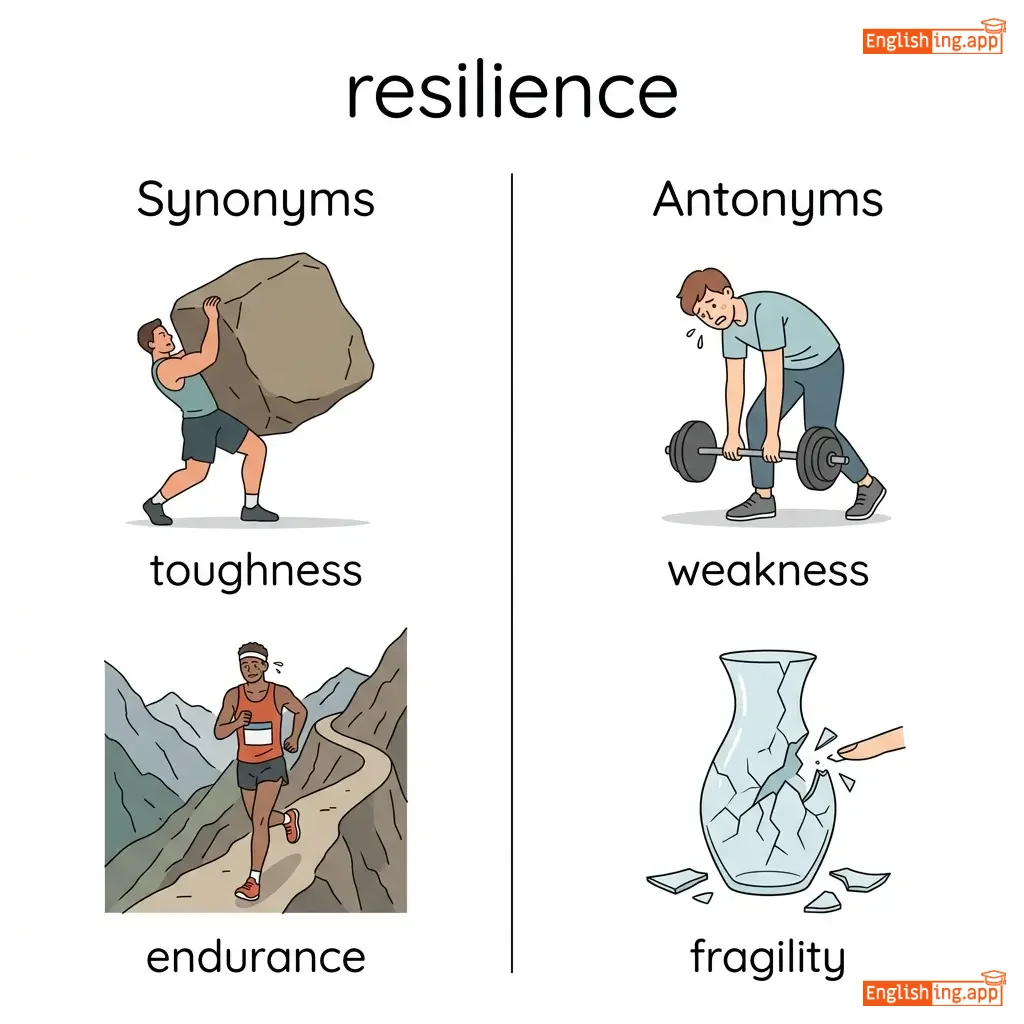
adaptability, endurance, strength
••••••
weakness, fragility, vulnerability
••••••
#3251
⚠️
••••••
ˌkæt.əˈstrɒf.ɪk
adjective
••••••
••••••
Involving or causing sudden great damage or suffering; extremely unfortunate or unsuccessful.
••••••

The catastrophic effects of climate change are visible everywhere.

••••••
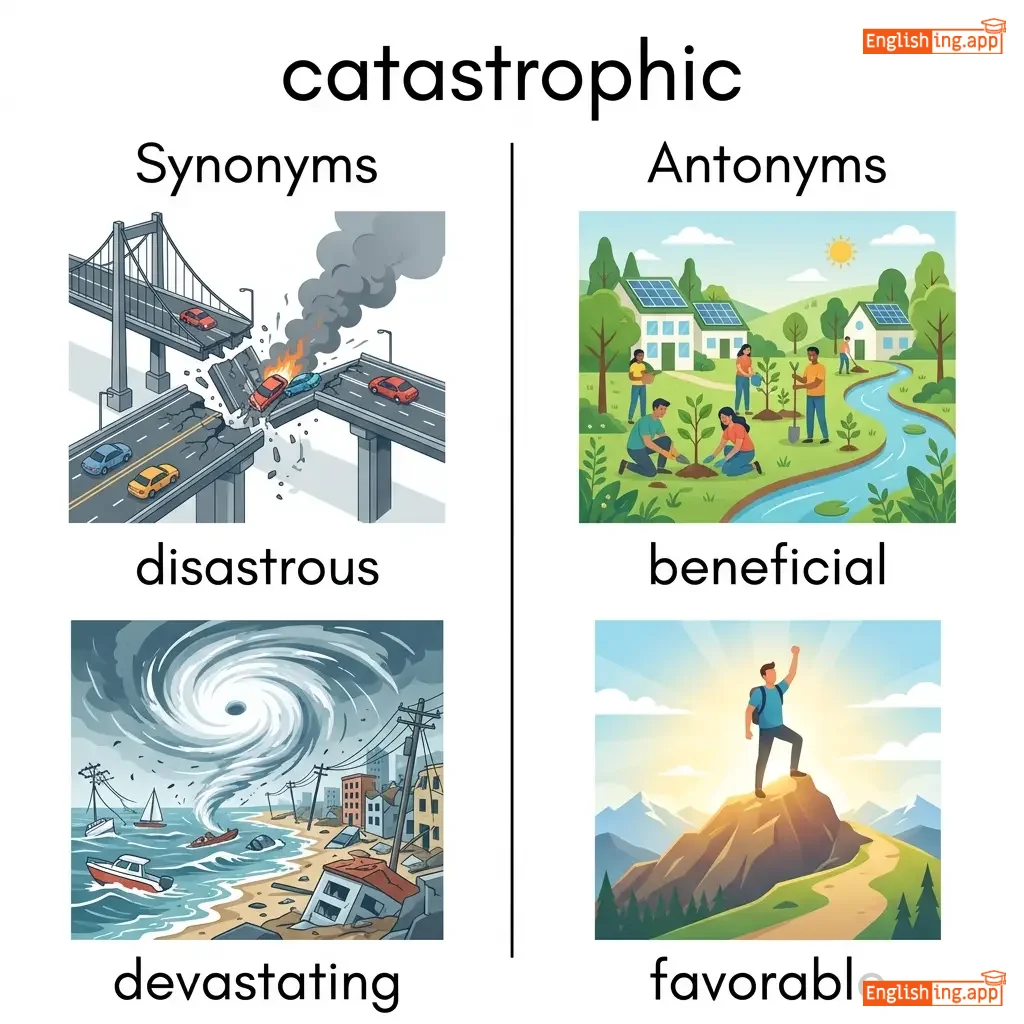
disastrous, devastating, calamitous
••••••
beneficial, favorable, positive
••••••