词汇表

英语词汇词典 | 单词含义、定义和示例

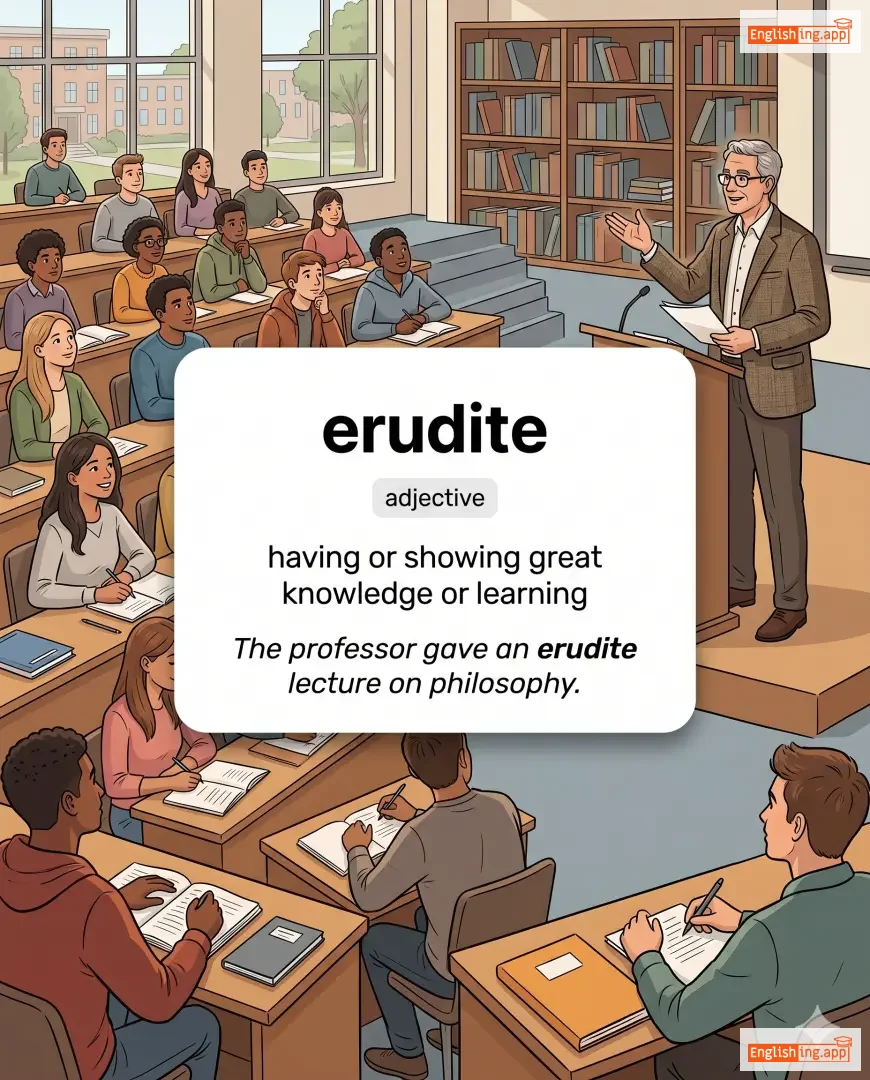
erudite definition card — visual illustration of the meaning
adjective C2
/ˈɛrjʊˌdaɪt/
эрудированный (erudirovannyy)

having or showing great knowledge or learning

"The professor gave an erudite lecture on philosophy."

"Профессор прочитал эрудированную лекцию по философии." (Professor prochital erudirovannuyu lektsiyu po filosofii.)
erudition definition card — visual illustration of the meaning
noun C2
/ˌɛrjʊˈdɪʃən/
эрудиция (eruditsiya)

extensive knowledge acquired through reading and study

"Her erudition was evident in her detailed analysis of the text."
"Ее эрудиция была очевидна в ее подробном анализе текста." (Eyo eruditsiya byla ochevidna v ee podrobnom analize teksta.)
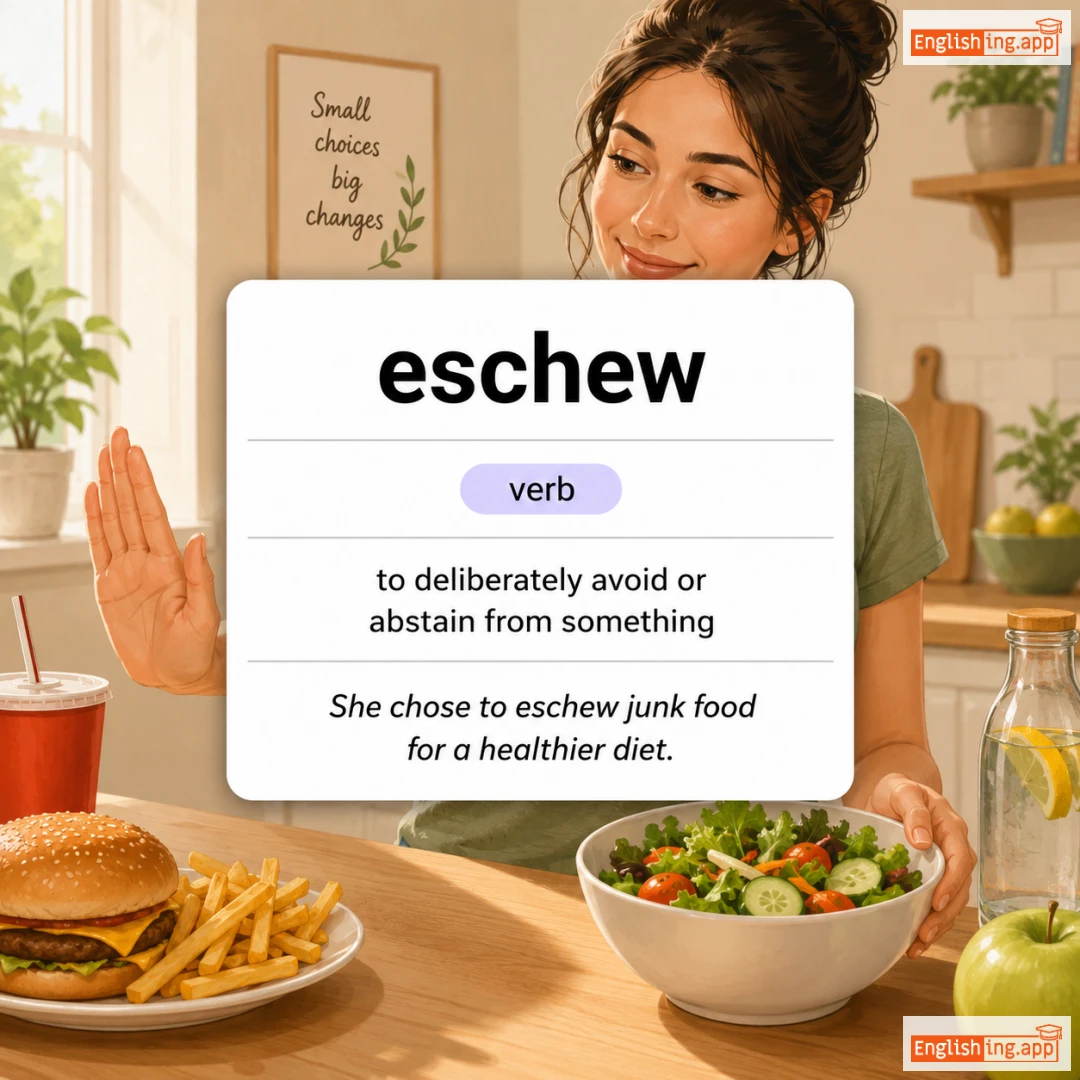
eschew definition card — visual illustration of the meaning
verb C2
/ɪsˈtʃuː/
избегать (izbegat')

to deliberately avoid or abstain from something

"She chose to eschew junk food for a healthier diet."
"Она решила избегать фастфуда ради более здоровой диеты." (Ona reshila izbegat' fastfuda radi bolee zdorovoi diety.)
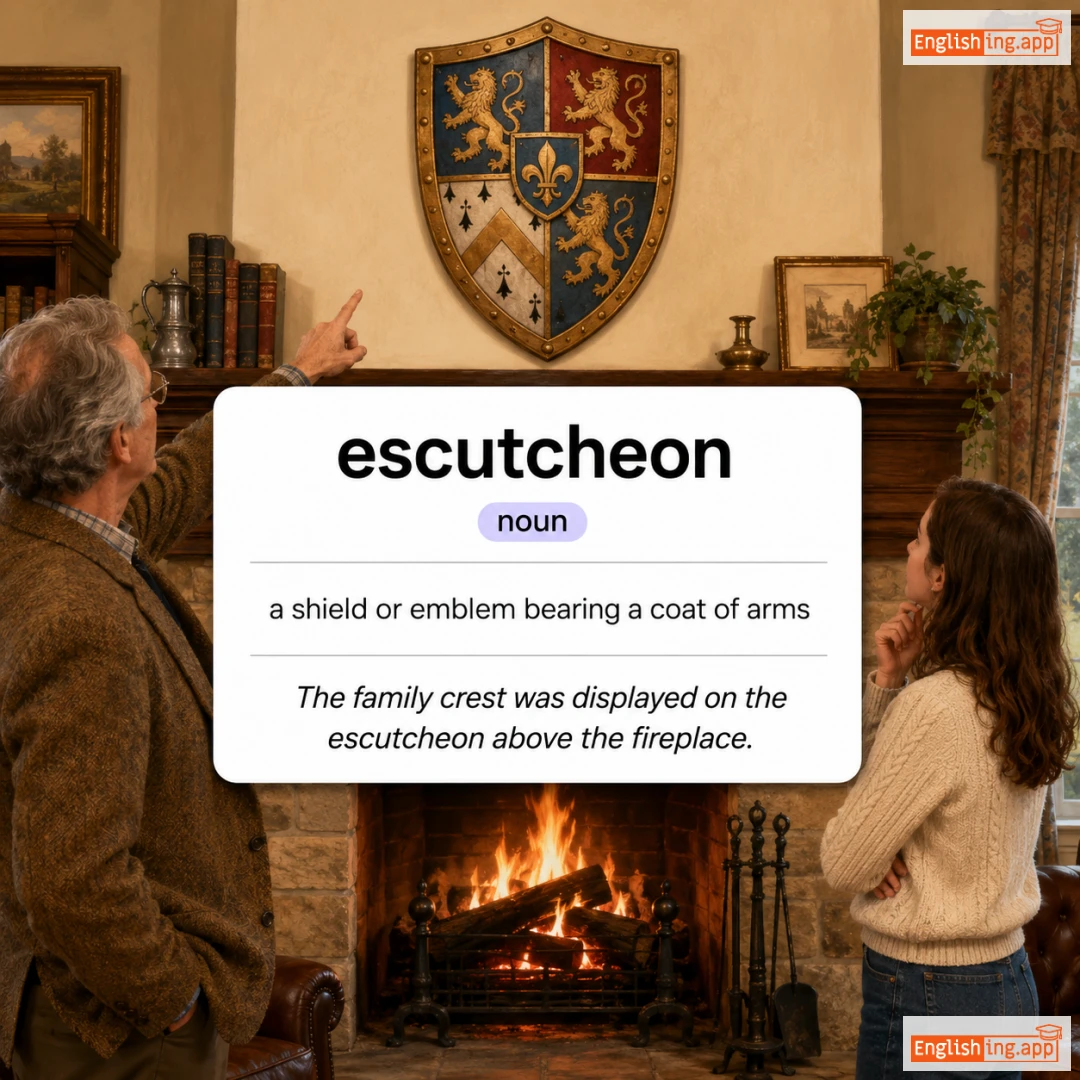
escutcheon definition card — visual illustration of the meaning
noun C2
/ɪˈskʌtʃən/
щит с гербом или эмблемой (shchit s gerbom ili emblemoj)

a shield or emblem bearing a coat of arms

"The family crest was displayed on the escutcheon above the fireplace."
"Семейный герб был изображен на щите над камином." (Semejnyj gerb byl izobrazhen na shchite nad kaminom.)
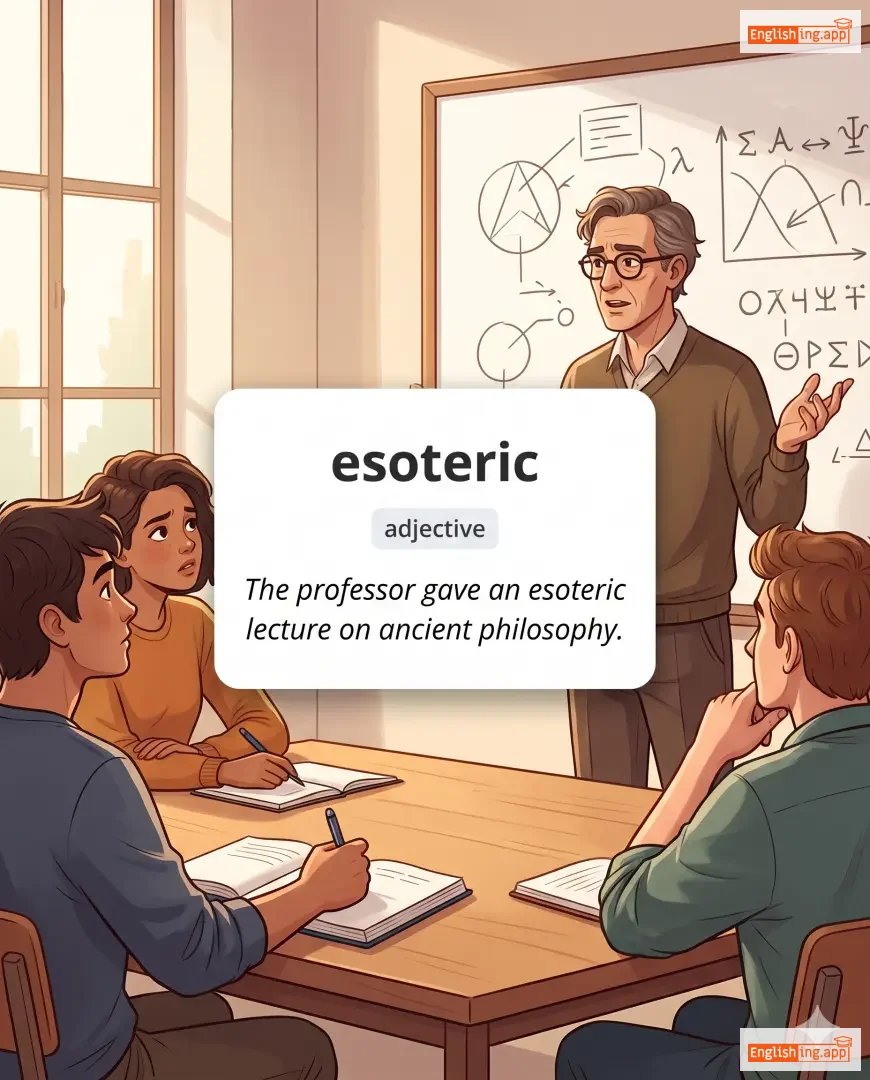
esoteric definition card — visual illustration of the meaning
adjective C2
/ˌɛsəˈtɛrɪk/
эзотерический (ezotericheskiy)

intended for or understood by only a small number of people with special knowledge

"The professor gave an esoteric lecture on ancient philosophy."
"Профессор прочитал эзотерическую лекцию по древней философии." (Professor prochital ezotericheskuyu lektsiyu po drevney filosofii.)
esprit de corps definition card — visual illustration of the meaning
noun C2
/ɛˌspriː də ˈkɔːr/
дух команды (dukh komandy)

A feeling of pride, fellowship, and loyalty shared by members of a group.

"The team's esprit de corps was evident in their cooperative effort."

"Дух команды был очевиден в их совместных усилиях." (Dukh komandy byl ocheviden v ikh sovmestnykh usiliyakh.)
verb C2
/ɪˈspaɪ/
увидеть (uvidet)

To catch sight of or notice something, especially from a distance.

"From the hilltop, she espied a small village in the valley."

"С вершины холма она увидела маленькую деревню в долине." (S vershiny kholma ona uvidela malen'kuyu derevnyu v doline.)
noun C2
/ˈɛskwaɪər/
Эсквайр (eskvayr)

A title of respect often used after a man's name, especially for lawyers in the United States.

"John Smith, Esquire, will be representing the client in court."

"Джон Смит, Эсквайр, будет представлять клиента в суде." (Dzhon Smit, Eskvayr, budet predstavlyat' kliyenta v sude.)
estimable definition card — visual illustration of the meaning
adjective C2
/ˈɛstɪməbl/
достойный (dostoyny)

Worthy of great respect.

"Her estimable achievements inspired the whole community."

"Её достойные достижения вдохновили всё сообщество." (Eyo dostoynye dostizheniya vdokhnovili vsyo soobshchestvo.)
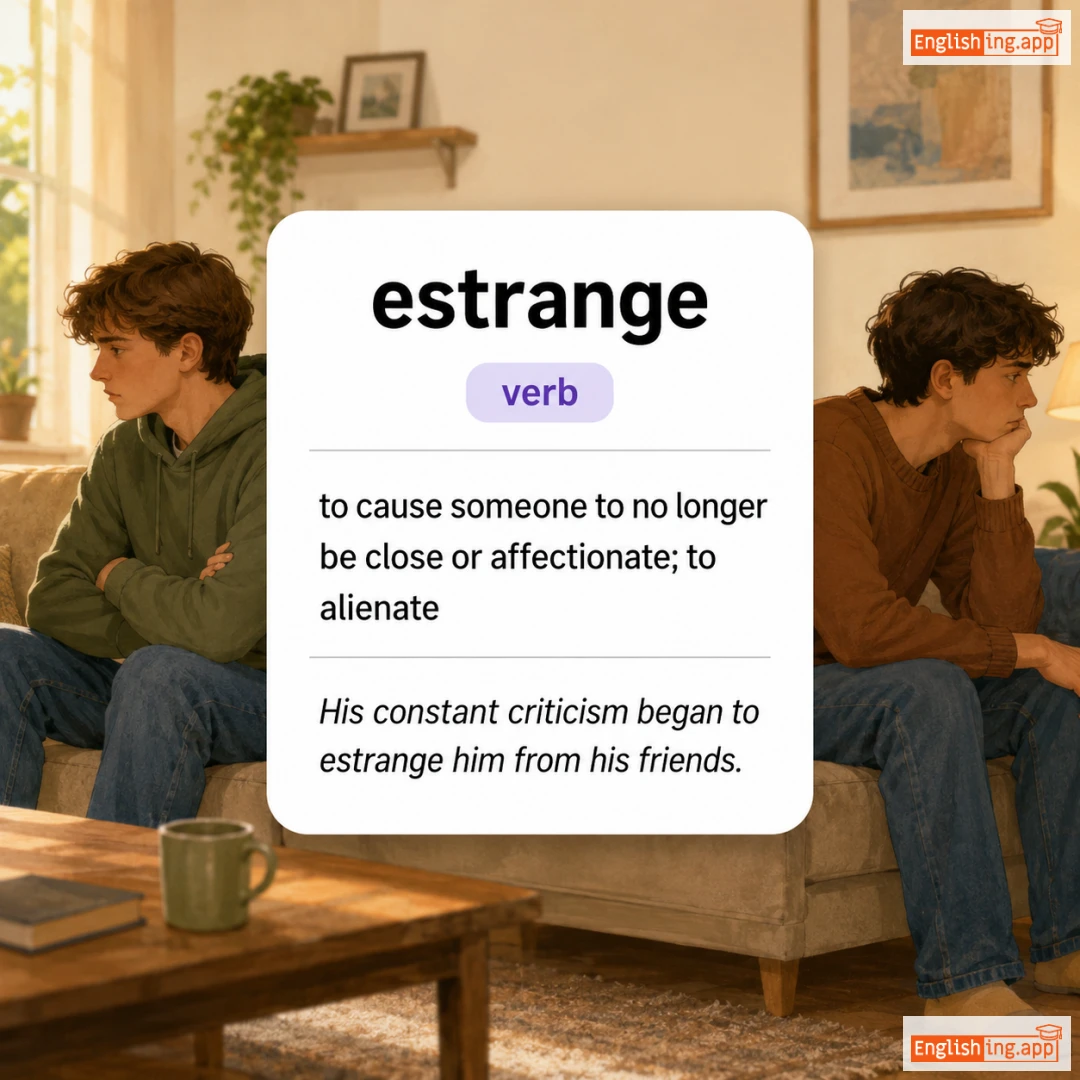
estrange definition card — visual illustration of the meaning
verb C2
/ɪˈstreɪndʒ/

to cause someone to no longer be close or affectionate; to alienate

"His constant criticism began to estrange him from his friends."

ethnocentric definition card — visual illustration of the meaning
adjective C2
/ˌeθ.noʊˈsen.trɪk/
этноцентричный (etnocentrichnyy)

evaluating other cultures according to the standards of one's own culture

"His ethnocentric attitude made it hard for him to appreciate foreign traditions."

"Его этноцентричный взгляд мешал ему оценить традиции других стран." (Yego etnocentrichnyy vzglyad meshal emu otsenit' traditsii drugikh stran.)
noun C2
/ɛθˈnɒlədʒi/
этнология (etnologia)

the study of the characteristics of different peoples and the differences and relationships between them

"She specialized in ethnology to better understand cultural diversity."

"Она специализировалась по этнологии, чтобы лучше понять культурное разнообразие." (Ona spetsializirovalas' po etnologii, chtoby luchshe ponyat' kul'turnoe raznoobrazie.)
etiology definition card — visual illustration of the meaning
noun C2
/ˌiː.tiˈɒ.lə.dʒi/
этиология (etilogiya)

the cause or origin of a disease or condition

"Doctors are studying the etiology of the new virus."

"Врачи изучают этиологию нового вируса." (Vrachi izuchayut etiologyu novogo virusa.)
adjective C2
/juːˈdʒɛnɪk/
евгенический (evgenicheskiy)

Relating to or aiming at improving the genetic quality of a population.

"In the early 20th century, some scientists supported eugenic policies."

"В начале 20-го века некоторые ученые поддерживали евгеническую политику." (V nachale 20-go veka nekotorye uchenye podderzhivali evgenicheskuyu politiku.)
eugenics definition card — visual illustration of the meaning
noun C2
/juːˈdʒen.ɪks/
евгеника (evgenika)

the study or practice of improving the genetic quality of the human population

"Eugenics has been criticized for its unethical applications in history."
"Евгеника была подвергнута критике за свои неэтичные применения в истории." (Yevgenika byla podvergnuta kritike za svoi neetichnye primeneniya v istorii.)
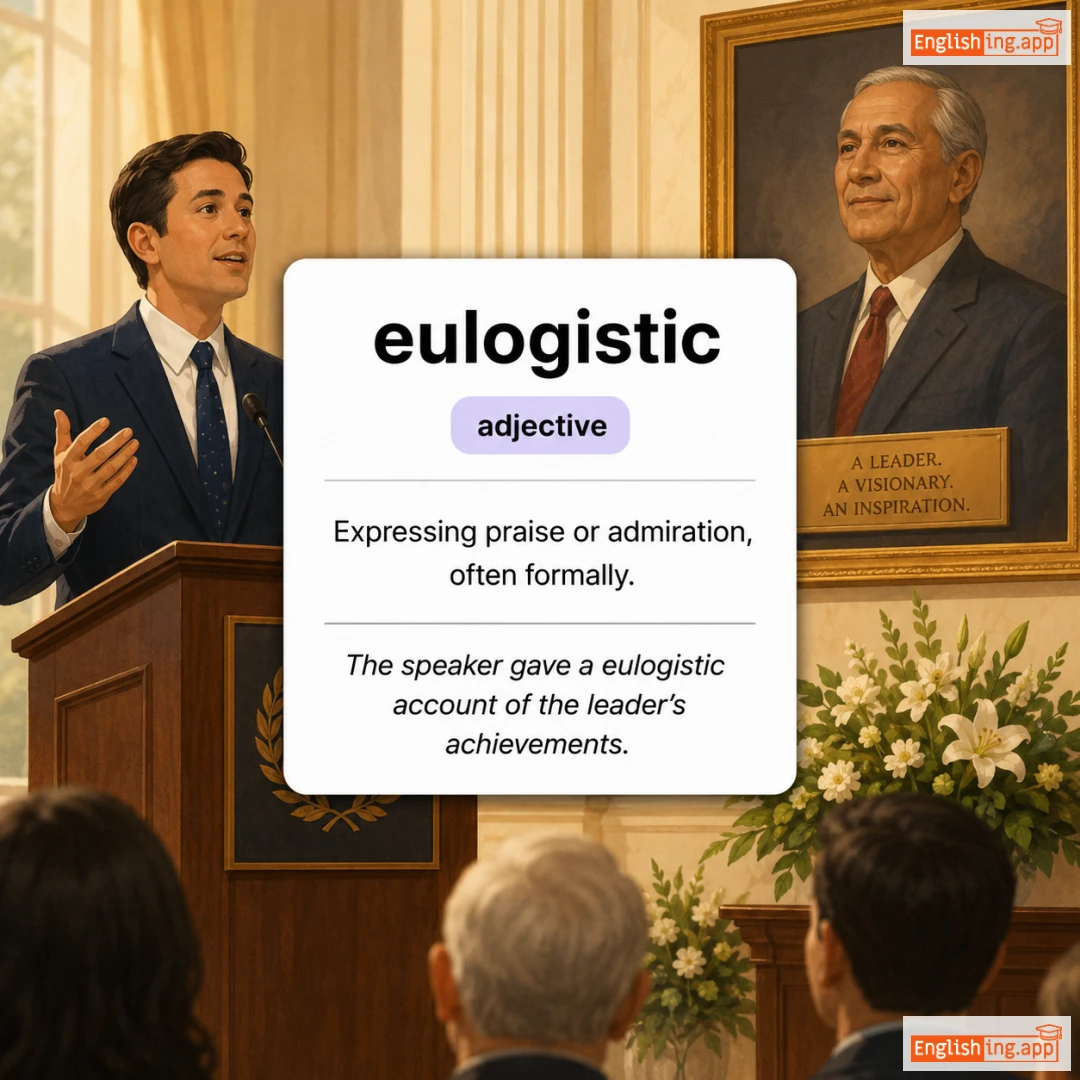
eulogistic definition card — visual illustration of the meaning
adjective C2
/ˌjuːləˈdʒɪstɪk/
хвалебный (khvalebny)

Expressing praise or admiration, often formally.

"The speaker gave a eulogistic account of the leader’s achievements."
"Оратор дал восхвалительный отчет о достижениях лидера." (Orator dal voskhvalitel'nyy otchet o dostizheniyakh lidera.)
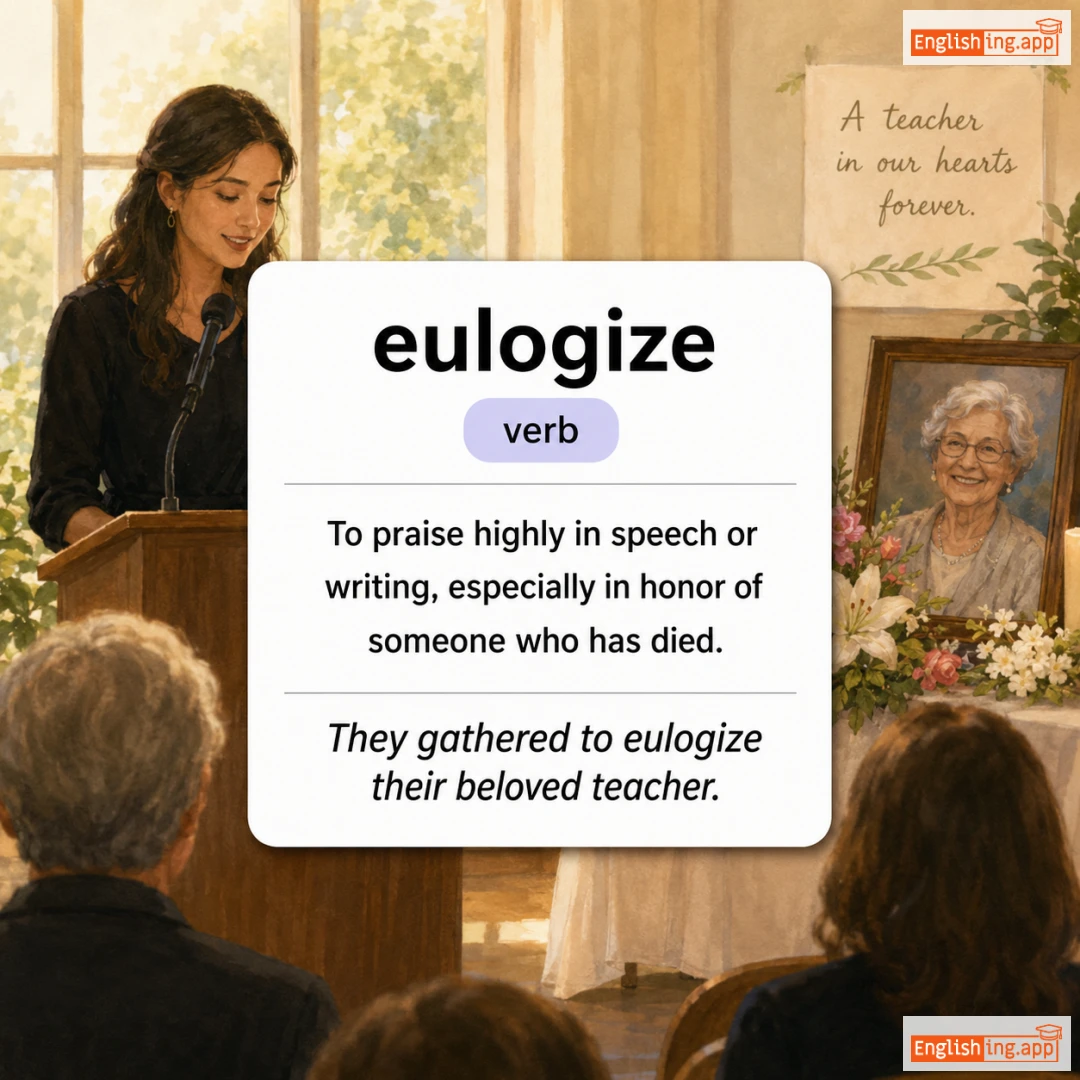
eulogize definition card — visual illustration of the meaning
verb C2
/ˈjuːləˌdʒaɪz/
хвалить (khalit)

To praise highly in speech or writing, especially in honor of someone who has died.

"They gathered to eulogize their beloved teacher."

"Они собрались, чтобы восхвалить своего любимого учителя." (Oni sobralis', chtoby voskhvalit' svoego lyubimogo uchitelya.)
adjective C2
/juːˈfoʊniəs/
звучащий гармонично (zvuchashchiy garmonichno)

Pleasing to the ear; having a sweet sound.

"The poet's euphonious language made the verse a delight to read."

"Эвфонический язык поэта сделал стихотворение приятным для чтения." (Evfonicheskiy yazyk poeta sdelal stikhotvoreniye priyatnym dlya chteniya.)
noun C2
/ˈjuːfəni/
эуфония (eufoniya)

The quality of being pleasing to the ear, especially through harmonious combination of words.

"The orator's speech was full of euphony and rhythm."
"Речь оратора была полна эйфонии и ритма." (Rech' oratora byla polna eufonii i ritma.)
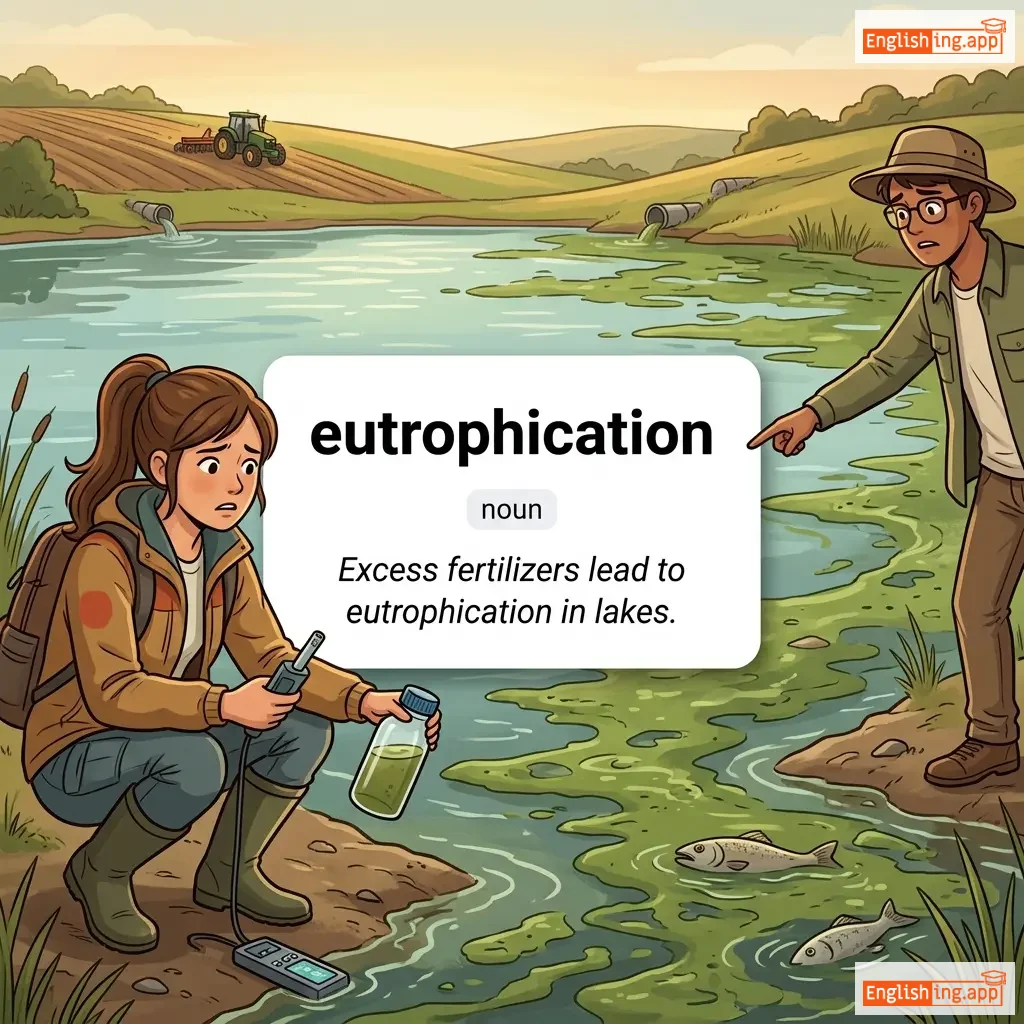
eutrophication definition card — visual illustration of the meaning
noun C2
/juːˌtrɑː.fɪˈkeɪ.ʃən/
избыточное содержание питательных веществ в озере или другом водоеме (izbytochnoe soderzhanie pitatel'nykh veshchestv v ozerie ili drugom vodoyeme)

Excessive richness of nutrients in a lake or other body of water, frequently due to runoff from the land, which causes a dense growth of plant life and death of animal life from lack of oxygen.

"Excess fertilizers lead to eutrophication in lakes."

"Избыточные удобрения приводят к эвтрофикации в озерах." (Izbytochnye udobreniya privodyat k eutfikatsii v ozerakh.)
evanesce definition card — visual illustration of the meaning
verb C2
/ˌɛvəˈnɛs/
тускнеть (tusknet')

To disappear gradually; to fade away.

"The mist began to evanesce as the sun rose higher."
"Туман начал исчезать, когда солнце поднималось выше." (Tuman nachal ischezat', kogda solntse podnimalsya vyshe.)
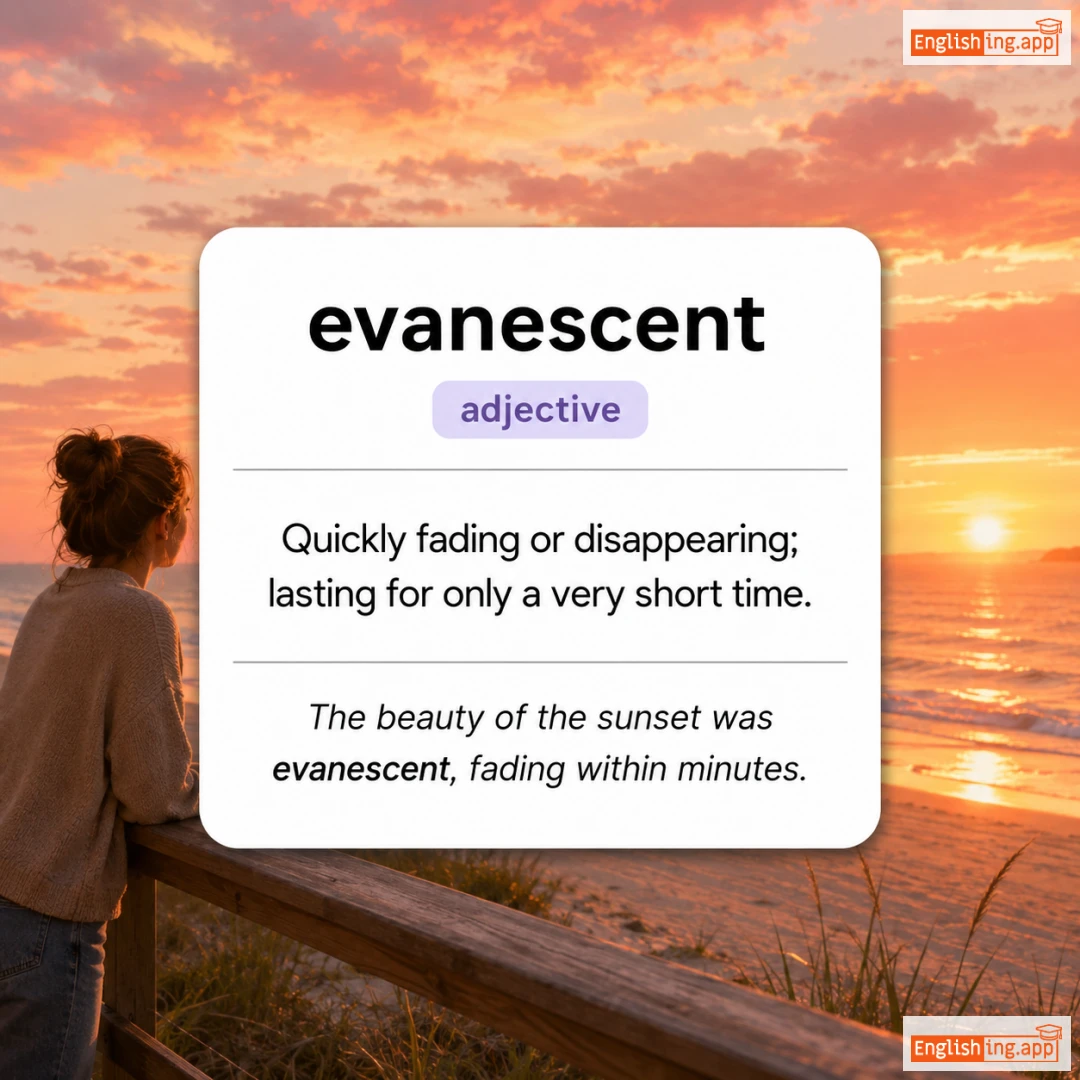
evanescent definition card — visual illustration of the meaning
adjective C2
/ˌɛvəˈnɛsənt/
мимолетный (mimoletnyj)

Quickly fading or disappearing; lasting for only a very short time.

"The beauty of the sunset was evanescent, fading within minutes."
"Красота заката была мимолетной, исчезнувшей через несколько минут." (Krasota zakata byla mimoletnoy, ischeznuvshey cherez neskol'ko minut.)
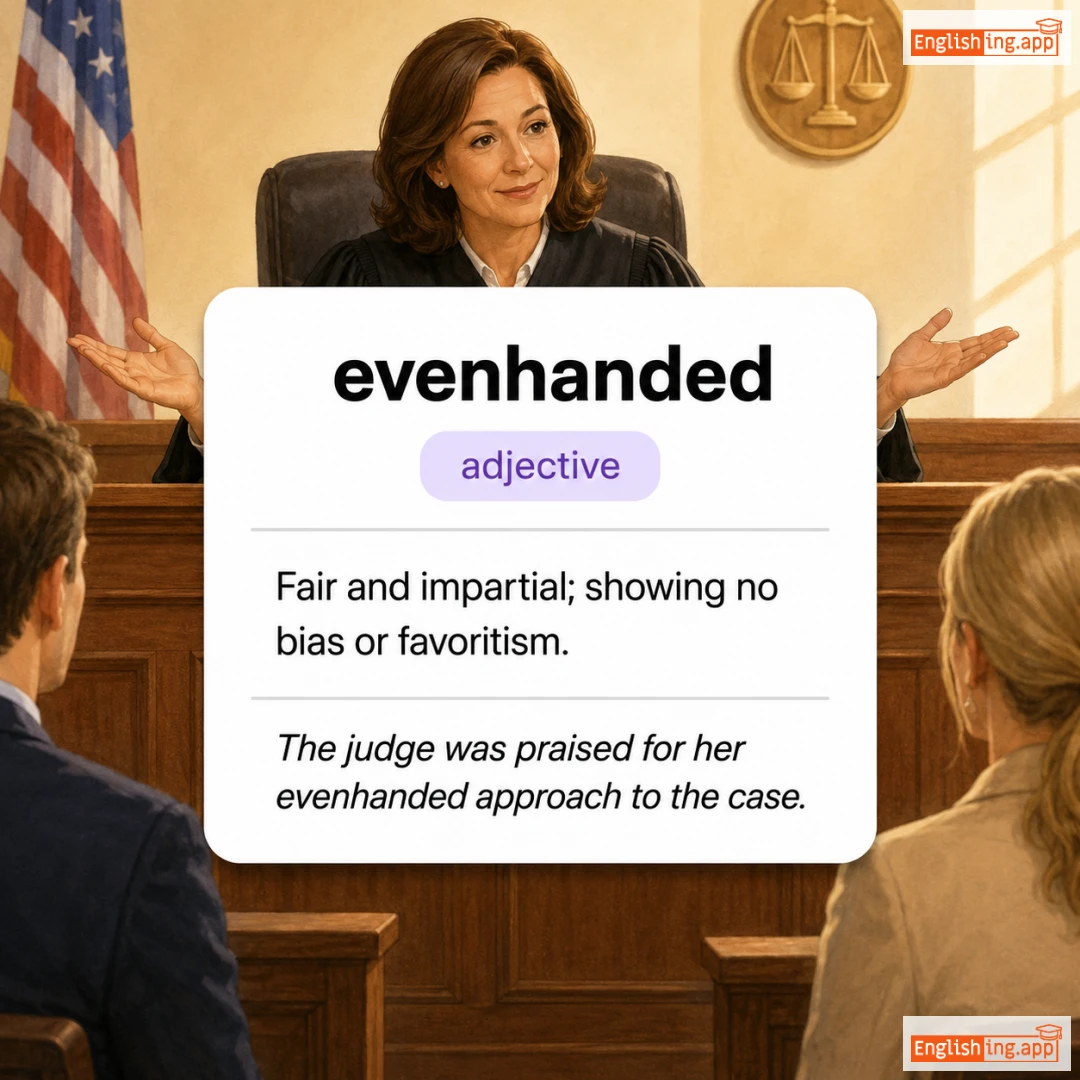
evenhanded definition card — visual illustration of the meaning
adjective C2
/ˌiːvənˈhændɪd/
беспристрастный (bespristrastny)

Fair and impartial; showing no bias or favoritism.

"The judge was praised for her evenhanded approach to the case."

"Судью похвалили за её беспристрастный подход к делу." (Sud'yu pokhvalili za yeye bespristrastnyy podkhod k delu.)
verb C2
/ɪˈvɜːrt/
повернуть наружу (povernut' naruzhu)

To turn inside out or outward.

"The surgeon had to evert the eyelid during the procedure."

"Хирург должен был повернуть веко во время операции." (Khirurg dolzhen byl povernut' veko vo vremya operatsii.)
adjective C2
/ˌɛvɪˈdɛnʃəl/
доказательный (dokazatel'nyi)

relating to or providing evidence

"The lawyer presented evidential support for her claims."
"Адвокат представил доказательную поддержку для её претензий." (Advokat predstavil dokazatel'nuyu podderzhku dlya yeë pretenzii.)
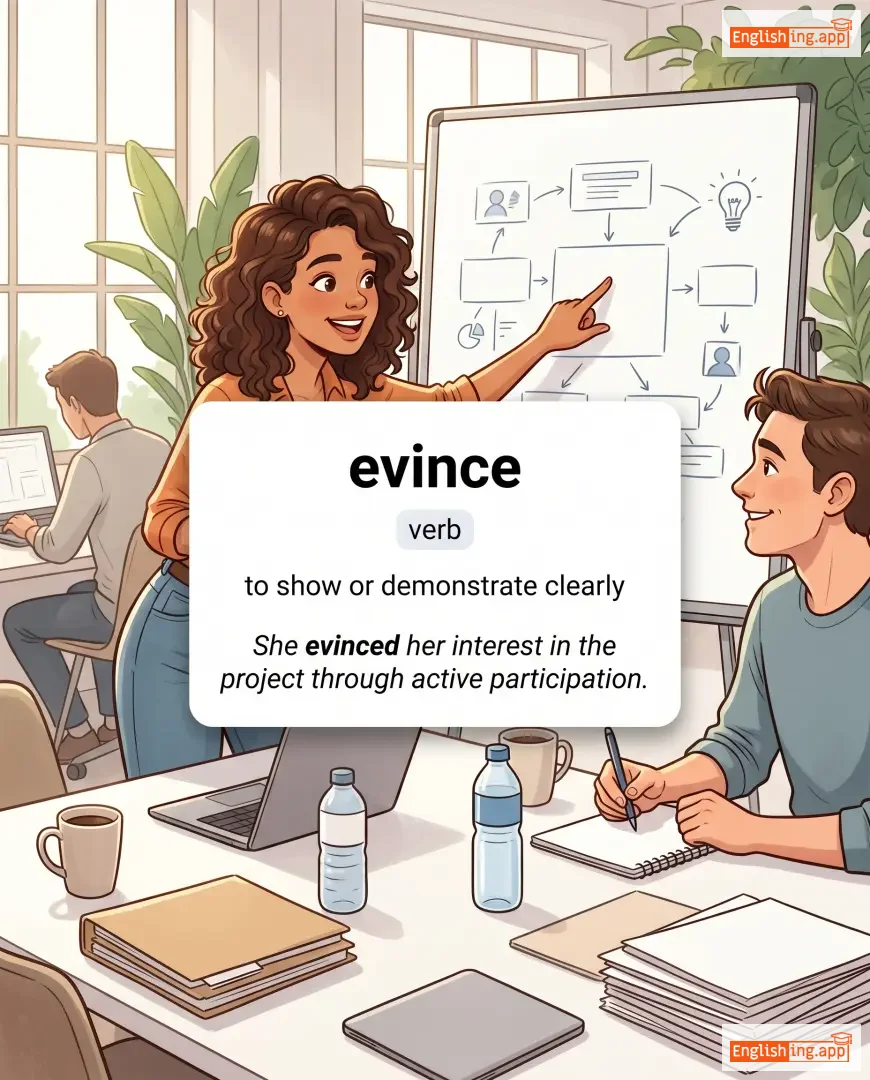
evince definition card — visual illustration of the meaning
verb C2
/ɪˈvɪns/
демонстрировать (demonstrirovat)

to show or demonstrate clearly

"She evinced her interest in the project through active participation."

"Она продемонстрировала свой интерес к проекту через активное участие." (Ona prodemonstrirovala svoi interes k proyektu cherez aktivnoe uchastie.)
verb C2
/ɪˈvɪsəˌreɪt/
эвиссериировать, уничтожать (evissierirovat, unichtozhat)

to remove the internal organs of; to deprive of essential content

"The critics eviscerated the movie for its weak storyline."
"критики уничтожили фильм из-за его слабой сюжетной линии." (kritiki unichtozhili film iz-za ego slabyj syuzhetnyj linii.)
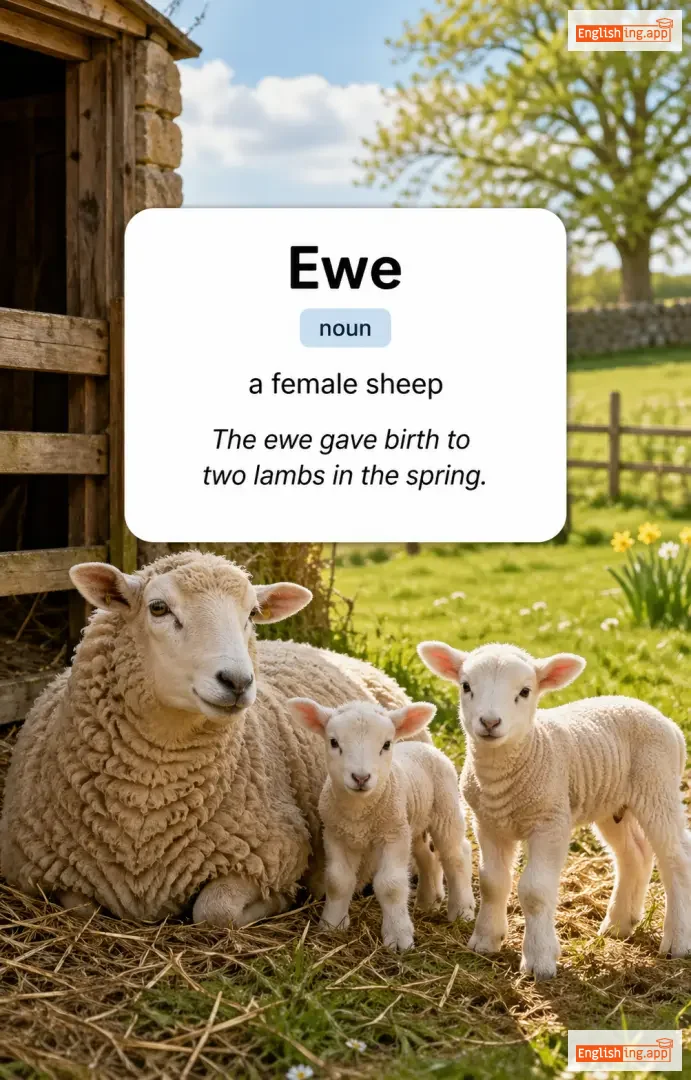
Ewe definition card — visual illustration of the meaning
noun C2
/juː/
овца самка (ovtsa samka)

a female sheep

"The ewe gave birth to two lambs in the spring."

"Овца самка родила двоих ягнят весной." (Ovtsa samka rodila dvoikh yagnyat vesnoy.)
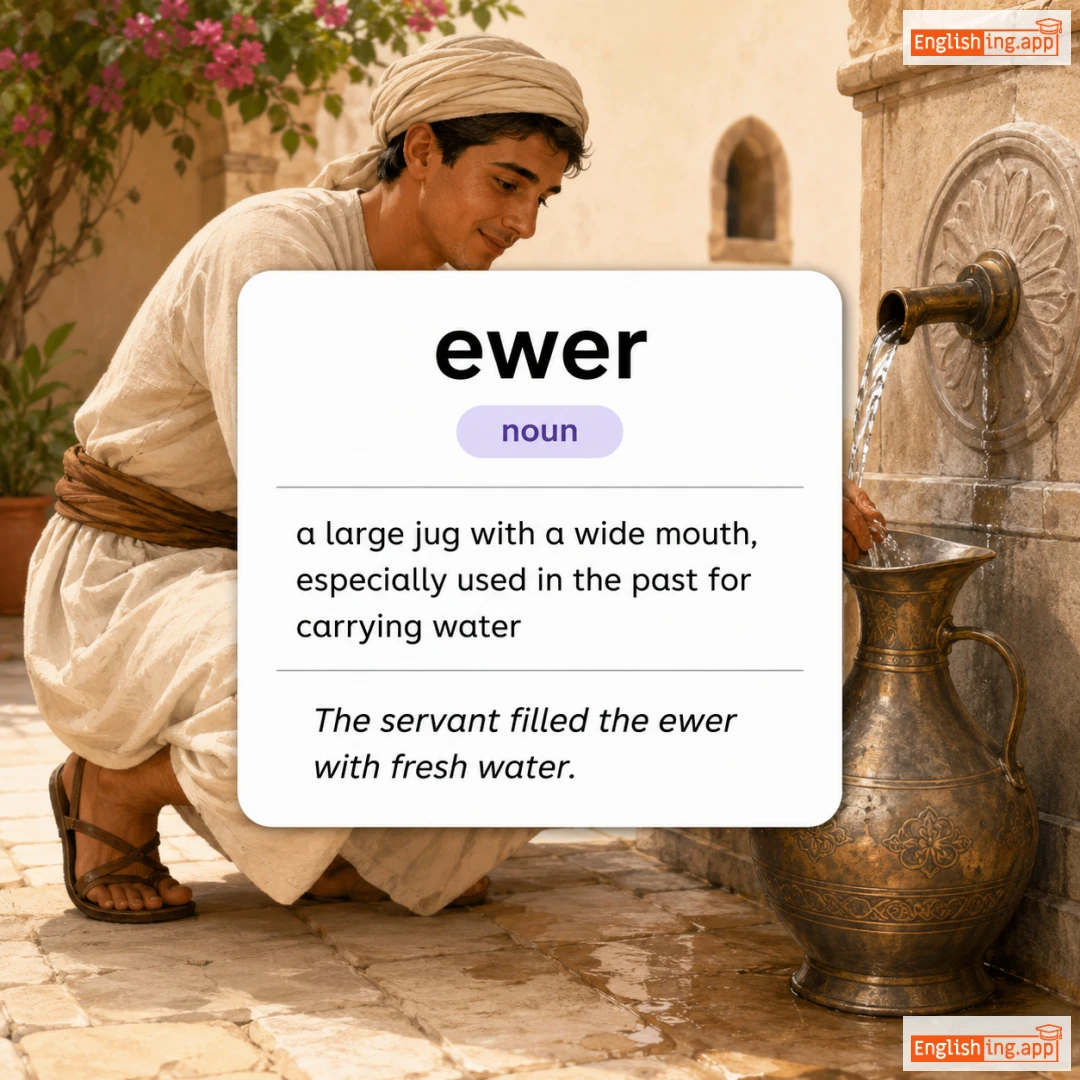
ewer definition card — visual illustration of the meaning
noun C2
/ˈjuːər/
кувшин (kuvshin)

a large jug with a wide mouth, especially used in the past for carrying water

"The servant filled the ewer with fresh water."
"Слуга наполнил кувшин свежей водой." (Sluga napolnil kuvshin svezhey vodoy.)
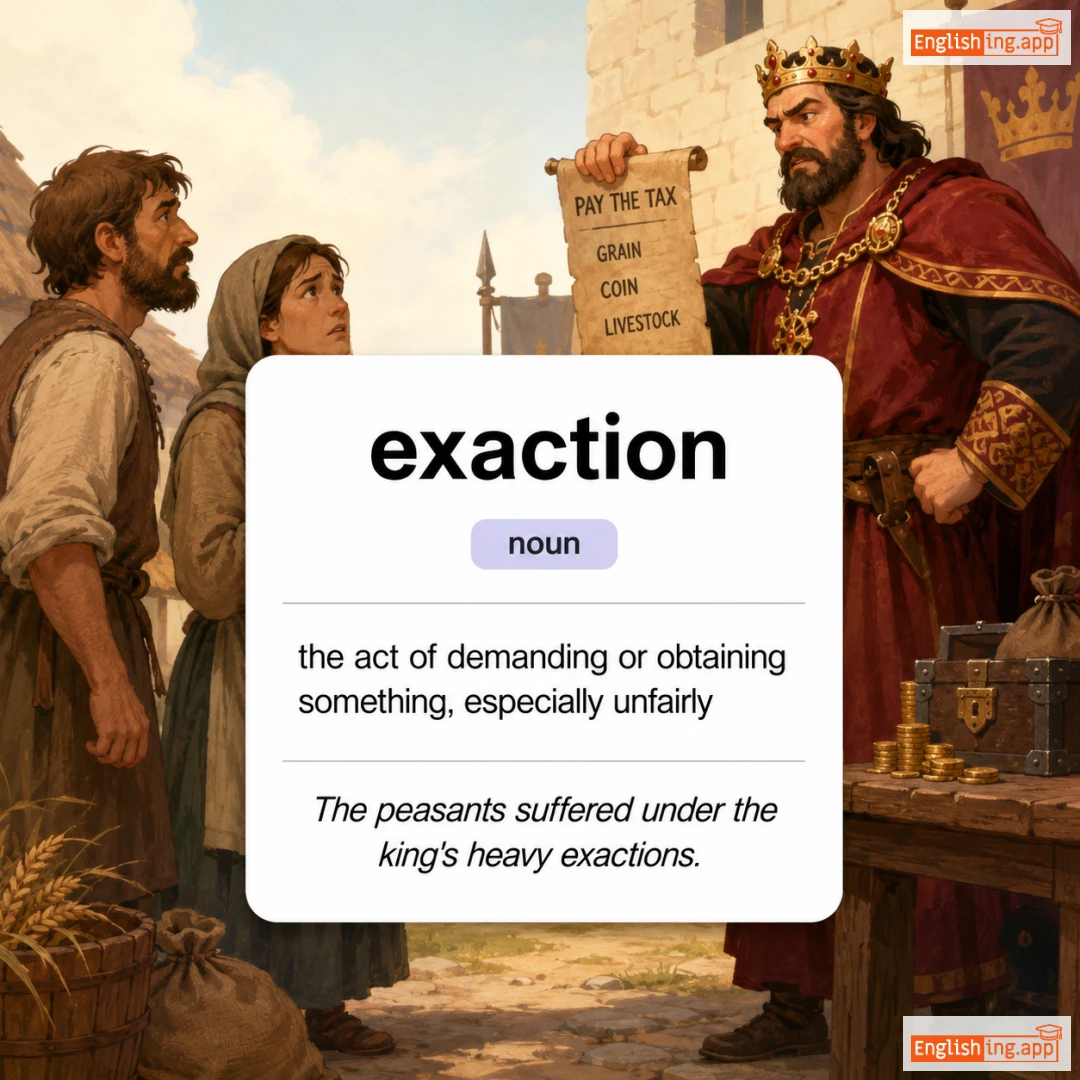
exaction definition card — visual illustration of the meaning
noun C2
/ɪɡˈzækʃən/
экстракция (ekstraktsiya)

the act of demanding or obtaining something, especially unfairly

"The peasants suffered under the king's heavy exactions."

"Крестьяне страдали от тяжёлых экстракций короля." (Krest'yane stradali ot tyazhelykh ekstraktsiy korolya.)
adjective C2
/ɪkˈsɛpʃənəbl/
неприемлемый (nepriyemlemiy)

Open to objection; causing disapproval.

"His rude remarks were considered exceptionable by everyone present."

"Его грубые замечания были признаны неприемлемыми всеми присутствующими." (Ego grubye zamechaniya byli prizhany nepriyemlemimi vsemi prisutstvuyushchimi.)
noun C2
/ɪksˈtʃɛkər/
казначейство (kaznacheystvo)

The treasury of a state or country.

"The government announced new measures to improve the exchequer."

"Правительство объявило о новых мерах для улучшения казначейства." (Pravitel'stvo ob'yavilo o novykh merakh dlya uluchsheniya kaznacheystva.)
noun C2
/ɪkˈsɪʒən/
удаление (udaleniye)

the act of cutting something out, especially by surgical removal

"The excision of the infected tissue prevented further complications."

"Удаление инфицированной ткани предотвратило дальнейшие осложнения." (Udaleniye infektsirovannoy tkani predotvratilo dal'neysheye oslozhneniya.)
noun C2
/ˌɛksaɪˈteɪʃən/
возбуждение (vozbuzhdenie)

a state of great excitement or the process of stimulating activity

"The news created great excitation among the fans."

"Новость вызвала большое возбуждение среди фанатов." (Novost' vyzvala bol'shoye vozbuzhdeniye sredi fanatov.)
verb C2
/ɛkˈskɔːrieɪt/
резко критиковать (rezko kritikovat)

To strongly criticize someone; to denounce severely.

"The critic excoriated the film for its poor script."

"Критик раскритиковал фильм за его плохой сценарий." (Kritik raskritikoval film za ego plokhoi stsenarii.)
noun C2
/ɪkˈskrɛsəns/
аномальный рост (anomal'nyy rost)

An abnormal outgrowth or lump, often considered unattractive.

"The building was considered an excrescence on the landscape."

"Здание было признано эксцерсенцией в ландшафте." (Zdan'ye bylo prizhano eksertsentsiey v landshaftye.)
verb C2
/ɪkˈskruːʃieɪt/
мучить (muchtit)

to cause intense pain or suffering

"The injury excruciated him with unbearable pain."

"Травма мучила его невыносимой болью." (Trava m uchila ego nevinomisoy bol'yu.)
exculpate definition card — visual illustration of the meaning
verb C2
/ˈɛkskʌlpeɪt/
оправдывать (opravyvat')

to show or declare that someone is not guilty of wrongdoing

"The lawyer worked hard to exculpate his client."

"Адвокат усердно работал, чтобы оправдать своего клиента." (Advokat usierdno rabotal, chtoby opravyvat' svoego klienta.)
adjective C2
/ɪkˈskɜːsɪv/
блуждающий (bluzhdajushchij)

Tending to digress or wander; moving away from the main subject.

"His excursive lecture left the students confused about the main topic."

"Его блуждающая лекция оставила студентов в замешательстве по поводу основной темы." (Ego bluzhdajushchaya lektsiya ostavila studentov v zameshatel'stve po povodu osnovnoy temy.)
execrable definition card — visual illustration of the meaning
adjective C2
/ˈeksɪkrəbl/
отвратительный (otvratitel'nyy)

Extremely bad or unpleasant.

"The movie was so execrable that many people left the theater early."

"Фильм был таким отвратительным, что многие люди ушли из кинотеатра раньше." (Film byl takim otvratitel'nym, chto mnogie lyudi ushli iz kinoteatra ranshe.)
verb C2
/ˈeksɪkreɪt/
презирать (prezirat)

To feel or express great loathing or hatred for something.

"The community execrated the corrupt politician."

"Сообщество презирало коррумпированного политика." (Soobshchestvo preziral korruptirovannogo politika.)
noun C2
/ˌɛksɪˈkreɪʃən/
проклятие (proklyatie)

An act of cursing or denouncing someone or something with hatred.

"The dictator’s name was spoken with execration after his fall."

"Имя диктатора было произнесено с проклятием после его падения." (Imya diktatora bylo proizneseno s proklyatiem posle ego padeniya.)
noun C2
/ˌɛksəˈdʒiːsɪs/
экзегеза (ekzhegeza)

A critical explanation or interpretation of a text, especially a religious scripture.

"The professor gave a detailed exegesis of the biblical passage."

"Профессор дал подробное экзегезис библейского отрывка." (Professor dal podrobnoe ekzhegezis bibleyskogo otryvka.)
noun C2
/ɪɡˈzɛmplɑːr/
пример (primer)

A model or pattern to be copied or imitated.

"She is an exemplar of kindness and generosity."

"Она пример доброты и щедрости." (Ona primer dobrotu i shchedrosti.)
adjective C2
/ɪɡˈzɔːstɪbəl/
истощаемый (istochaemyi)

able to be used up completely; not infinite

"Coal and oil are exhaustible resources."

"Уголь и нефть — это истощаемые ресурсы." (Ugól' i neft' — eto istochayemye resursy.)
verb C2
/ɪɡˈzɪləreɪt/
восхищать (voskhishchat)

To make someone feel very happy, animated, or excited.

"The mountain view exhilarated the travelers."
"Вид на горы вдохновил путешественников." (Vid na gory vdokhnovil puteshestvennikov.)
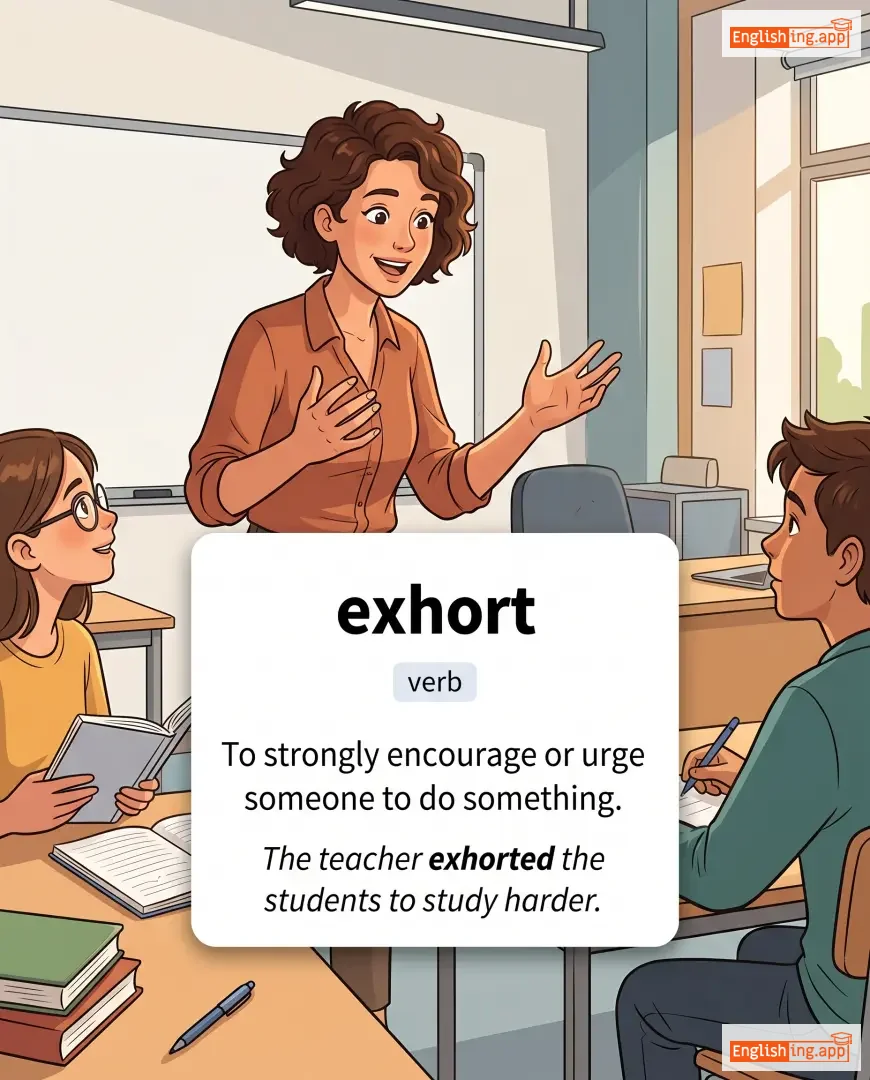
exhort definition card — visual illustration of the meaning
verb C2
/ɪɡˈzɔːrt/
эксхорти́ровать (ekshortirovat)

To strongly encourage or urge someone to do something.

"The teacher exhorted the students to study harder."

"Учитель эксхорти́ровал студентов учиться усерднее." (Uchitel' ekshortiroval studentov uchit'sya usyerdnee.)
verb C2
/ɛksˈhjuːm/
эксгумировать (eks-gumirovat)

to dig out something buried, especially a body from the ground

"The archaeologists decided to exhume the ancient remains."
"Археологи решили эксгумировать древние останки." (Archeologi reshilи eksgumirovat drevnie ostanki.)
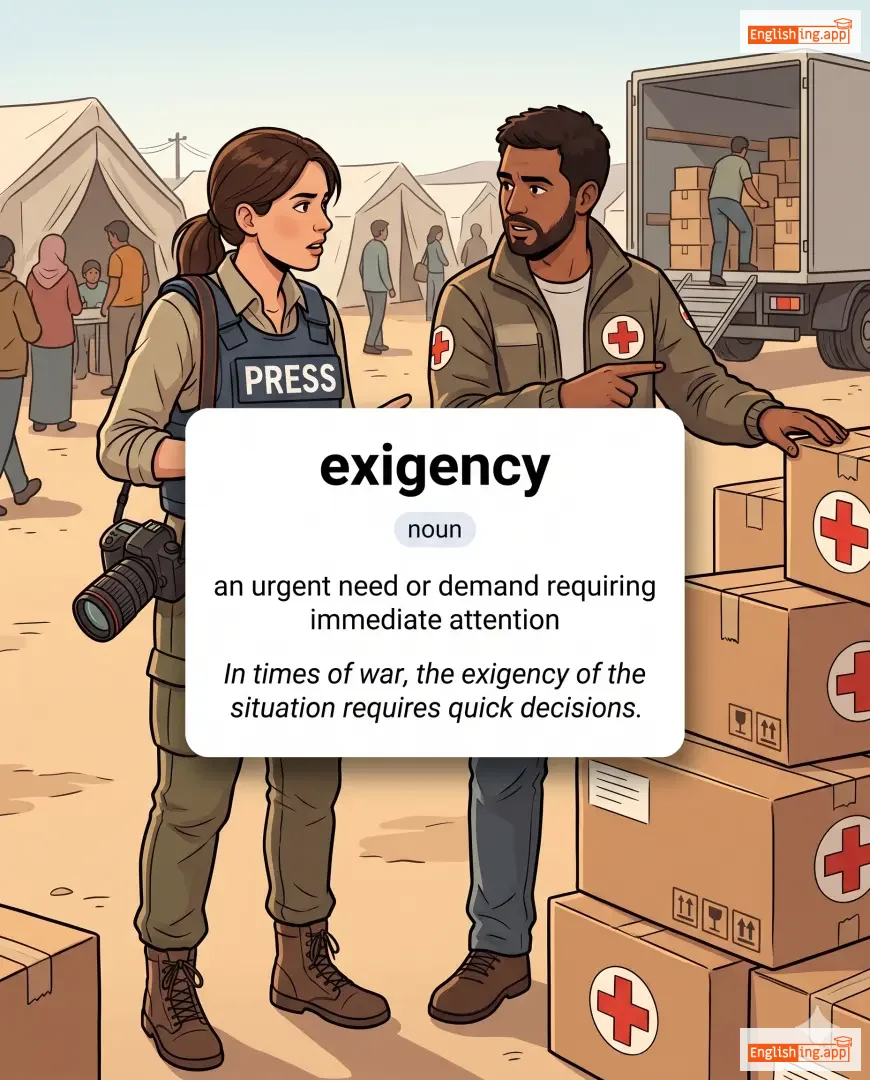
exigency definition card — visual illustration of the meaning
noun C2
/ˈɛksɪdʒənsi/
неотложная потребность (neotlozhnaya potrebbnost)

an urgent need or demand requiring immediate attention

"In times of war, the exigency of the situation requires quick decisions."

"В военное время неотложная потребность ситуации требует быстрых решений." (V voyennoye vremya neotlozhnaya potrebbnost' situatsii trebujet bystrykh resheniy.)
adjective C2
/ˈɛksɪdʒənt/
неотложный (neotlozhnyy)

demanding immediate action or attention; urgent

"The patient’s exigent condition required immediate surgery."

"Неотложное состояние пациента потребовало немедленной операции." (Neotlozhnoe sostoyanie patsiyenta potrebovalo nemedlennoy operatsii.)