词汇表

英语词汇词典 | 单词含义、定义和示例

noun C1
/ˈstaɪləs/
スタイラス (sutairasu)

a small tool used for writing, drawing, or touching screens

"She used a stylus to draw on her tablet."

"彼女はタブレットで絵を描くためにスタイラスを使用しました。" (Kanojo wa taburetto de e o kaku tame ni sutairasu o shiyō shimashita.)
verb C1
/ˈstaɪmi/
妨げる (samatageru)

to prevent or hinder the progress of something

"The new regulations could stymie small businesses."

"新しい規制は小規模なビジネスに障害をもたらす可能性があります。" (Atarashī kisei wa shōkibō na bijinesu ni shōgai o motarasu kanōsei ga arimasu.)
adjective C1
/swɑːv/
魅力的で洗練された (miryokuteki de senren sareta)

charming, confident, and elegant, often in a smooth or polished way

"He was a suave gentleman who impressed everyone at the party."
"彼はパーティーで全員に感銘を与えた洗練された紳士だった。" (Kare wa pātii de zen'in ni kanmei o ataeta senren sareta shinshi datta.)
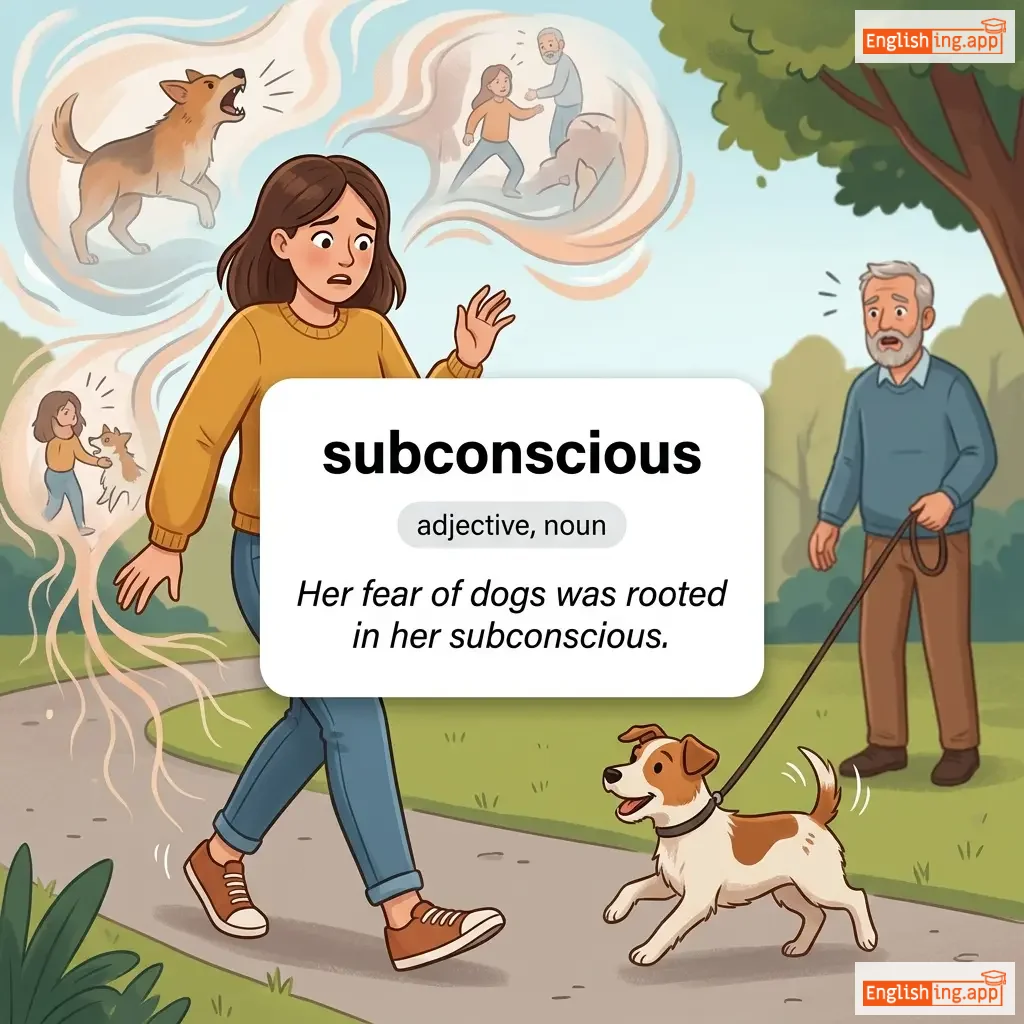
subconscious definition card — visual illustration of the meaning
adjective, noun C1
/ˌsʌbˈkɒn.ʃəs/
潜在意識 (senzai ishiki)

Relating to the part of the mind that influences thoughts and actions without full awareness.

"Her fear of dogs was rooted in her subconscious."

"彼女の犬に対する恐怖は彼女の潜在意識に根ざしていた。" (Kanojo no inu ni taisuru kyoufu wa kanojo no senzai ishiki ni nezashite ita.)
⚔️

subdue

verb C1
/səbˈdjuː/

To bring under control, especially by force; to overcome or quiet.

"The army was able to subdue the rebellion quickly."

noun C1
/səbˈdʒɛkʃən/
服従 (fukujū)

the act of bringing someone or something under control or domination

"The people suffered under the subjection of a cruel ruler."

"人々は残虐な支配者の下で苦しんでいた。" (Hitobito wa zangyaku na shihaisha no moto de kurushinde ita.)
adjective C1
/səbˈdʒɛktɪv/
主観的 (shukanteki)

based on personal feelings, tastes, or opinions rather than facts

"Beauty is often considered a subjective concept."
"美しさはしばしば主観的な概念と見なされます。" (Utsukushisa wa shibashiba shukanteki na gainen to minasaremasu.)
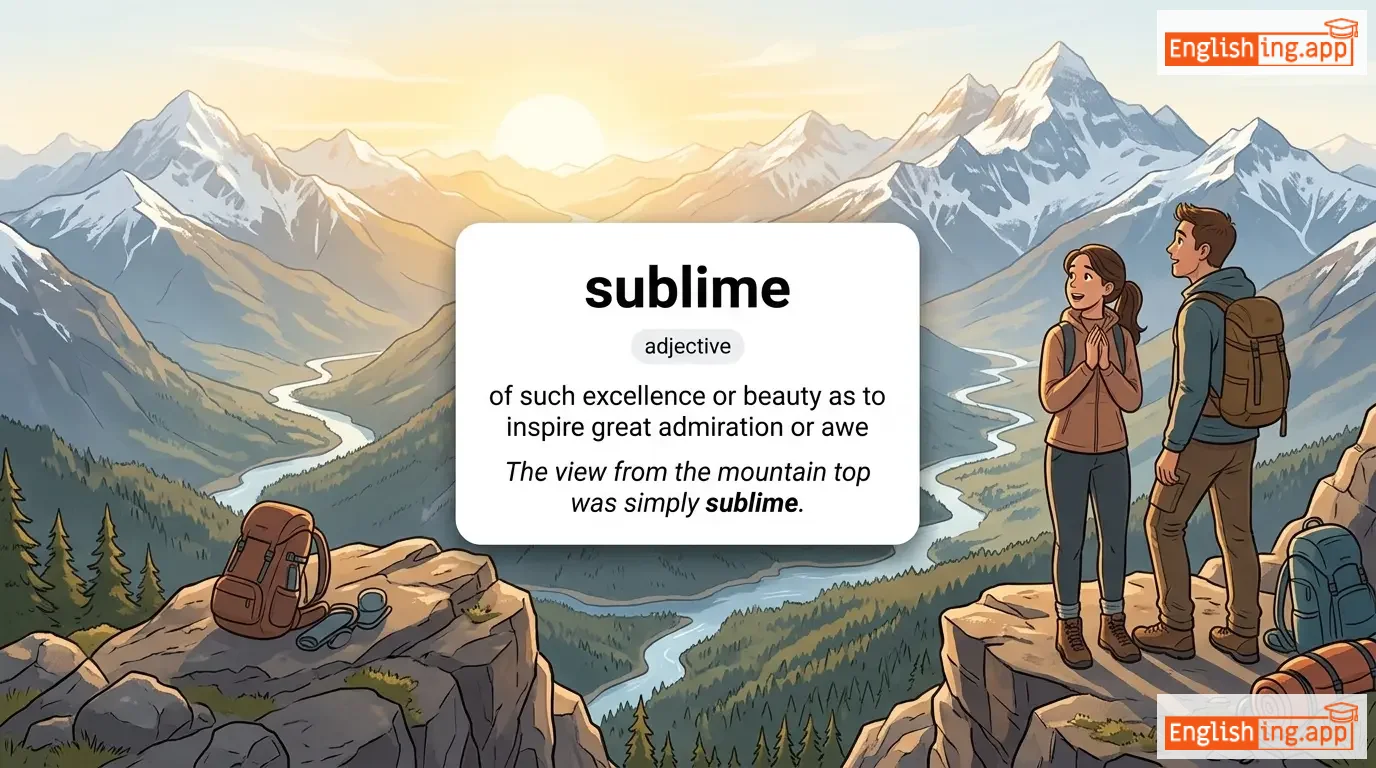
sublime definition card — visual illustration of the meaning
adjective C1
/səˈblaɪm/
崇高 (sūkō)

of such excellence or beauty as to inspire great admiration or awe

"The view from the mountain top was simply sublime."
"山頂からの景色は本当に崇高でした。" (Sanchō kara no keshiki wa hontōni sūkō deshita.)
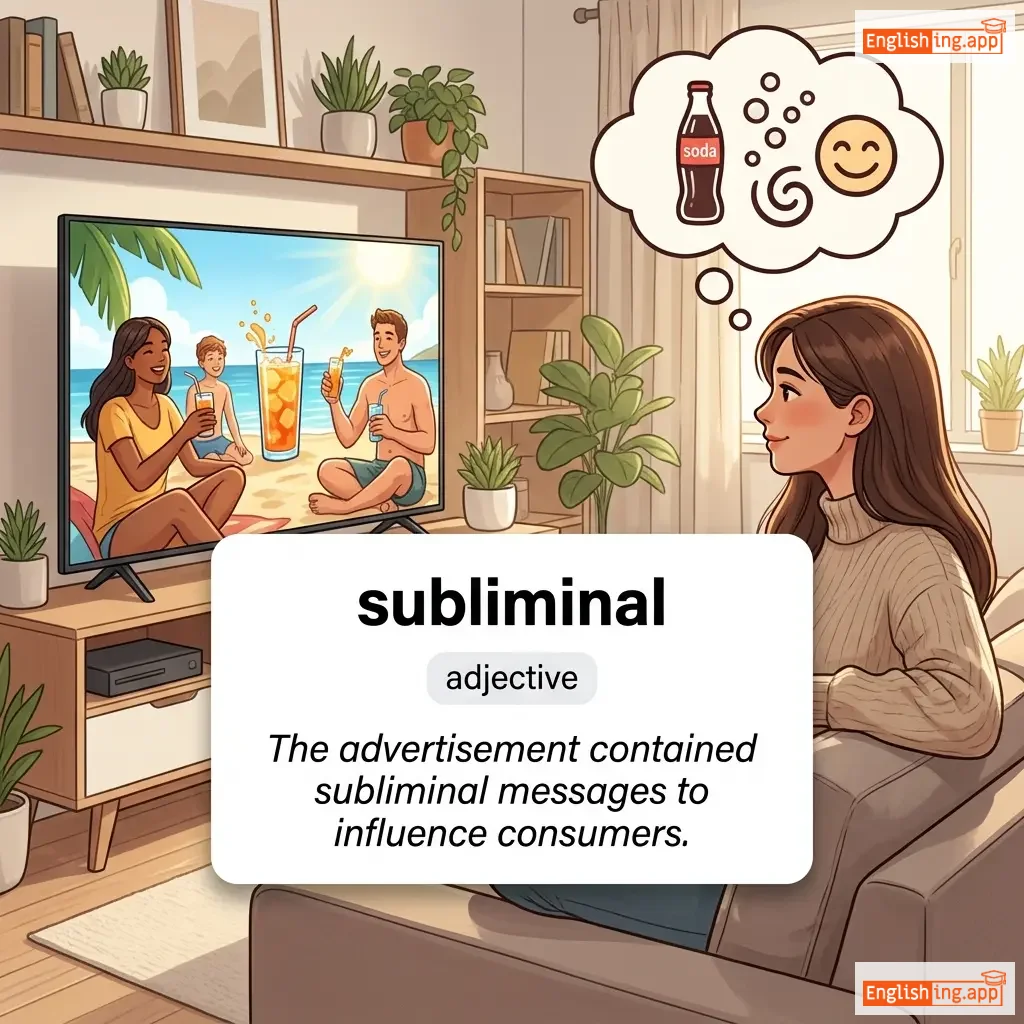
subliminal definition card — visual illustration of the meaning
adjective C1
/sʌbˈlɪmɪnəl/
潜在意識 (senzai ishiki)

below the threshold of conscious perception but still influencing behavior or feelings

"The advertisement contained subliminal messages to influence consumers."

"広告には消費者に影響を与えるための潜在意識メッセージが含まれていた。" (Koukoku ni wa shouhisha ni eikyou wo ataeru tame no senzai ishiki messeeji ga fukumarete ita.)
verb C1
/səbˈmɜːrdʒ/
沈める (shizumeru)

to put under water or cover with liquid

"The floodwaters threatened to submerge the village."

"洪水の水が村を沈めると脅かしていました。" (kōzui no mizu ga mura o shizumeru to odokashite imashita.)
noun C1
/səbˈmɜːrdʒəns/
水没 (suibotsu)

the act or process of being submerged or going underwater

"The submergence of coastal areas is a major concern due to rising sea levels."

"海面上昇による沿岸地域の水没は重大な懸念事項です。" (Kaimen joushou ni yoru engan chiiki no suibotsu wa juudaina ken'en jikou desu.)
adjective C1
/səbˈmɪsɪv/
従順な (jūjun na)

ready to conform to the authority or will of others; meekly obedient or passive

"She was too submissive to challenge her boss's unfair decision."

"彼女は上司の不公平な決定に挑戦するには従順すぎた。" (Kanojo wa jōshi no fukōhei na kettei ni chōsen suru ni wa jūjun sugita.)
noun C1
/səbˈmɪtəl/
提出 (teishutsu)

the act of submitting something, especially a document for consideration or approval

"The contractor sent the submittal to the client for approval."

"請負業者は承認のために提出物を顧客に送信しました。" (Keiyaku gyōsha wa shōnin no tame ni teishutsumono o kokyaku ni sōshin shimashita.)
noun, adjective, verb C1
/səˈbɔːrdənət/ (noun/adjective), /səˈbɔːrdəˌneɪt/ (verb)
部下 (buka)

lower in rank or position; to treat as less important

"He manages ten subordinates in his department."
"彼は自分の部署で10人の部下を管理しています。" (Kare wa jibun no busho de juunin no buka o kanri shiteimasu.)
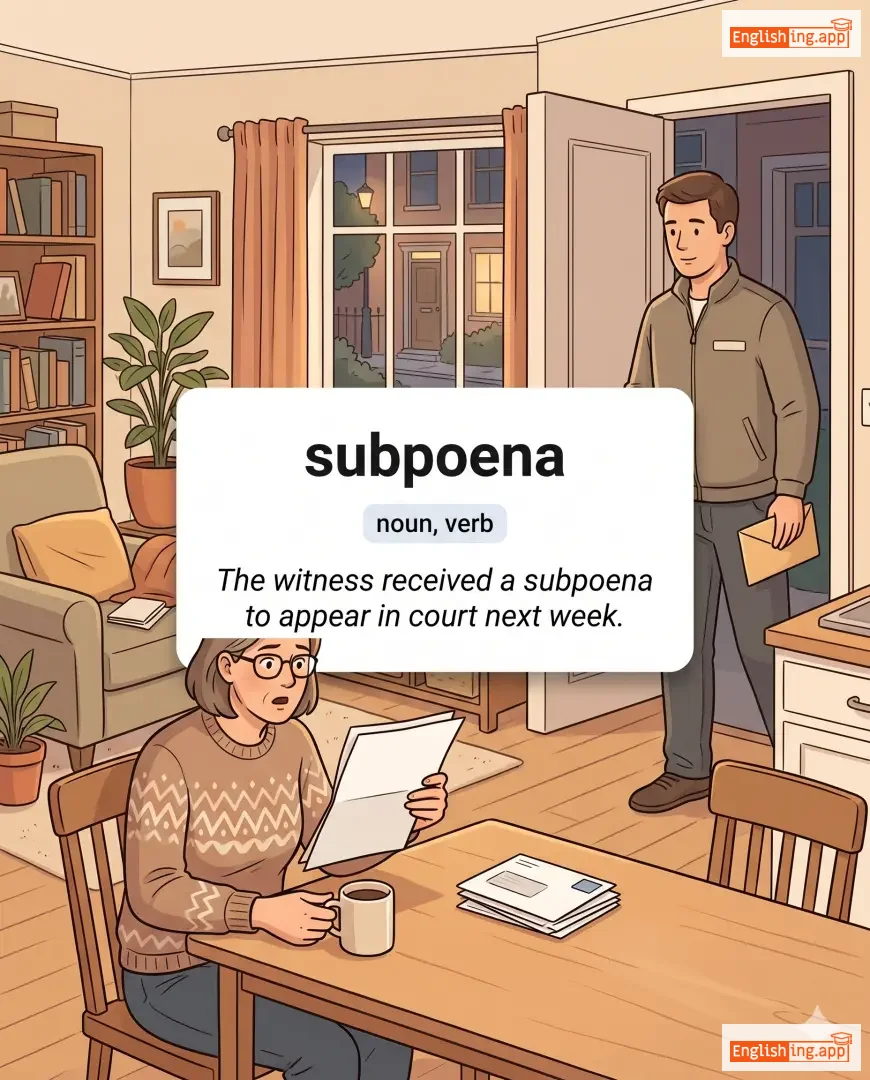
subpoena definition card — visual illustration of the meaning
noun, verb C1
/səˈpiːnə/
召喚状 (shokanjo)

a legal document ordering someone to attend court; to summon someone with such a document

"The witness received a subpoena to appear in court next week."

"証人は来週法廷に出廷するための召喚状を受け取った。" (Shōnin wa raishū hōtei ni shuttei suru tame no shōkanjō o uketotta.)
adjective C1
/səbˈsɜːviənt/

prepared to obey others unquestioningly; less important than something else

"She was too subservient to challenge his decision."
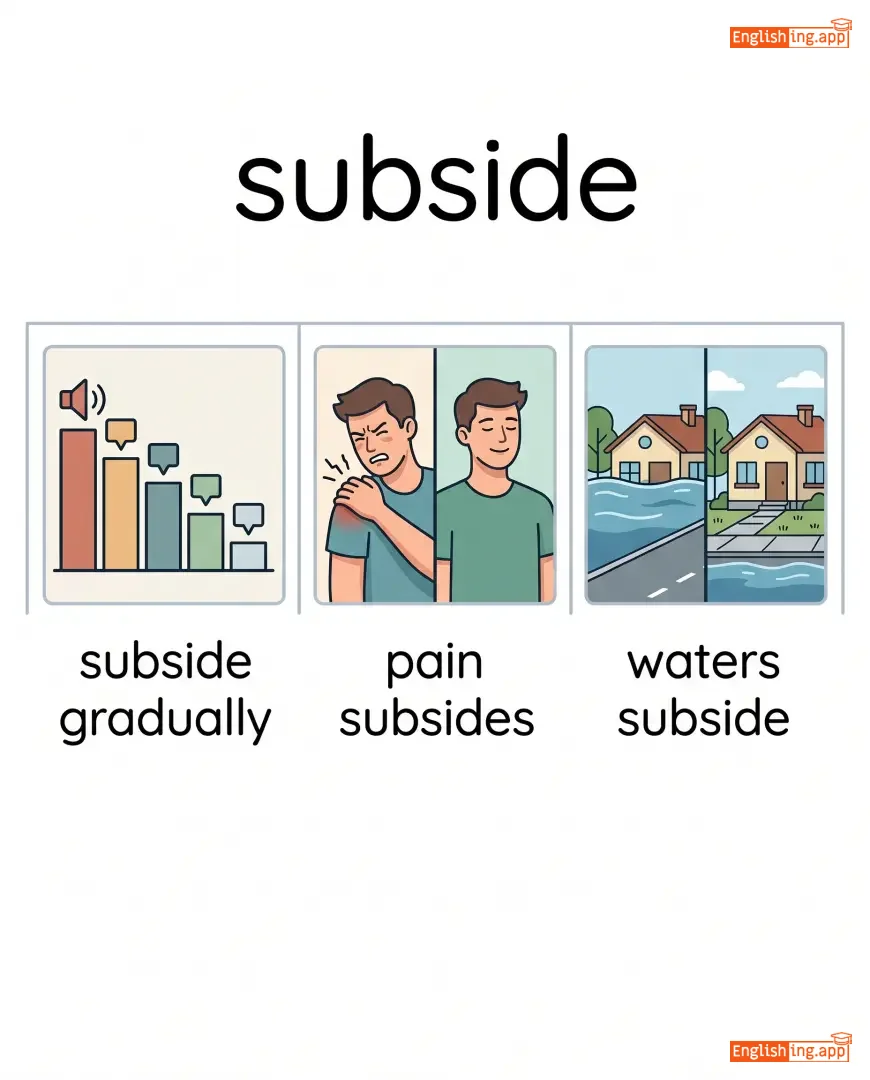
subside definition card — visual illustration of the meaning
verb C1
/səbˈsaɪd/
収束する (shūsoku suru)

to become less intense, violent, or severe; to sink or fall to a lower level

"After the storm, the floodwaters began to subside."

"嵐の後、洪水は収束し始めました。" (arashi no ato, kōzui wa shūsoku shi hajimemashita.)
noun, adjective C1
/səbˈsɪdiˌɛri/
子会社 (kogaisya)

a company controlled by a larger company; serving to assist or supplement something

"The multinational owns a subsidiary in Bangladesh."
"多国籍企業はバングラデシュに子会社を所有しています。" (Takokuseki kigyō wa Banguradeshū ni kogaisya o shoyū shiteimasu.)
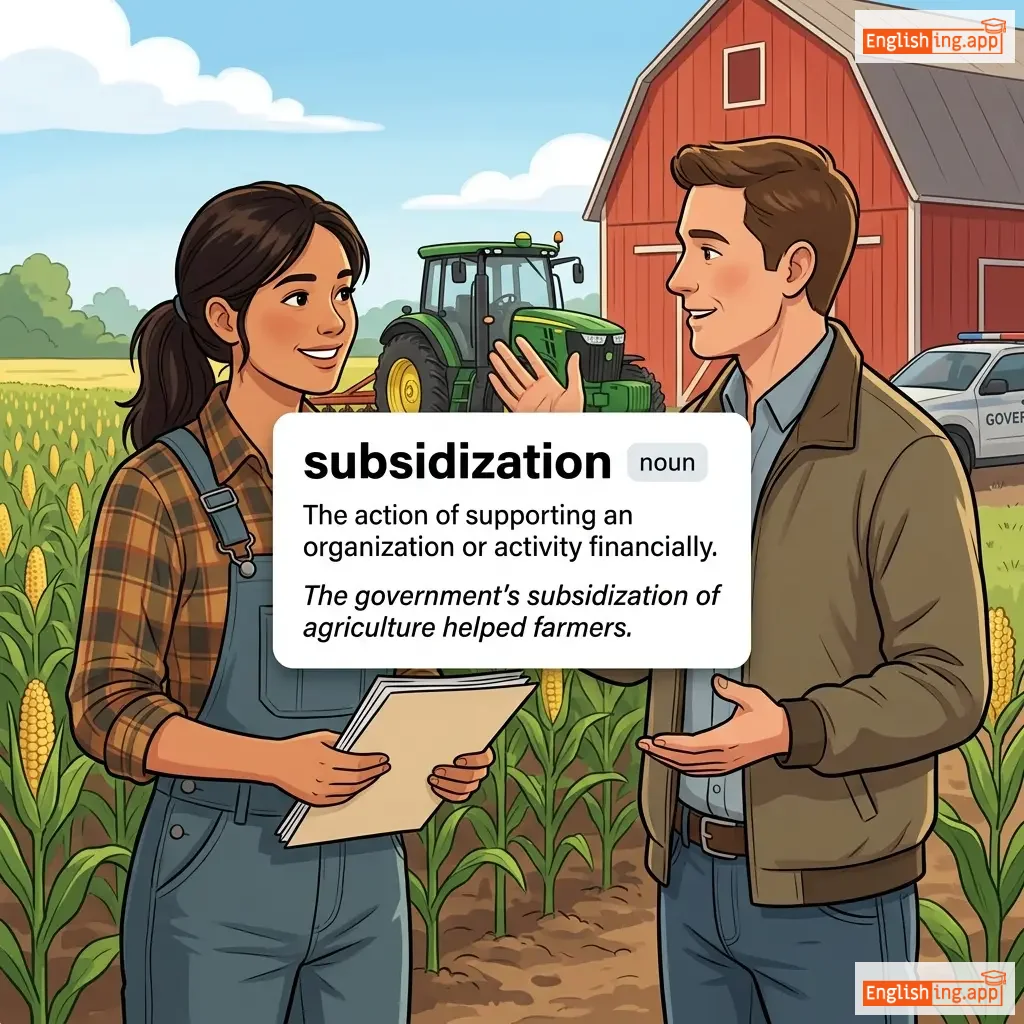
subsidization definition card — visual illustration of the meaning
noun C1
/ˌsʌbsɪdaɪˈzeɪʃən/
補助金 (hojokin)

The action of supporting an organization or activity financially.

"The government's subsidization of agriculture helped farmers."

"政府の農業への補助金は農家を助けました。" (Seifu no nōgyō e no hojokin wa nōka o tasukemashita.)
verb C1
/səbˈsɪst/
生き延びる (ikinobiru)

To maintain or support oneself, especially at a minimal level.

"Many villagers still subsist on fishing and farming."
"多くの村人は今でも漁業と農業で生計を立てています。" (Ooku no murabito wa imademo gyogyou to nougyou de sekei o tateteimasu.)
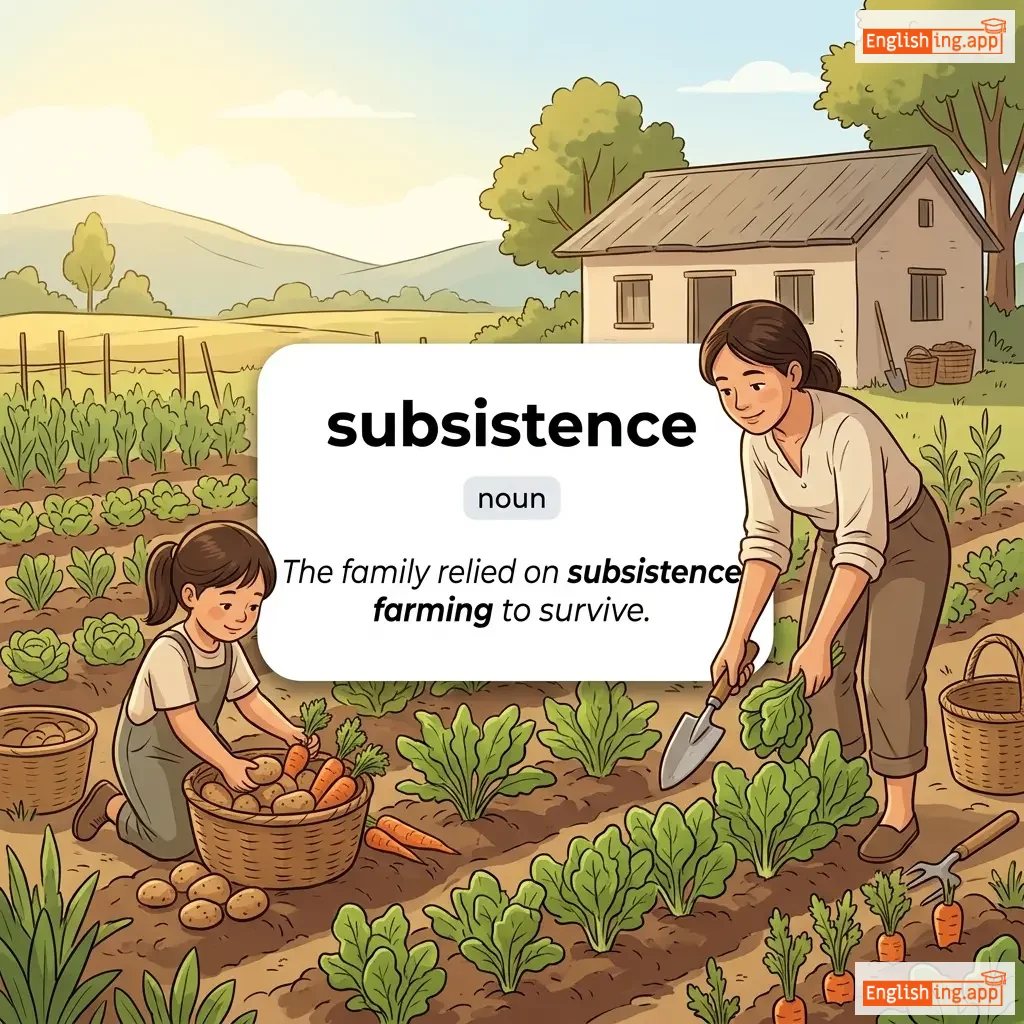
subsistence definition card — visual illustration of the meaning
noun C1
/səbˈsɪstəns/
生計 (seikei)

The action or fact of maintaining or supporting oneself, especially at a minimal level.

"The family relied on subsistence farming to survive."
"その家族は生計農業に依存して生きていました。" (Sono kazoku wa seikei nōgyō ni izon shite ikiteimashita.)
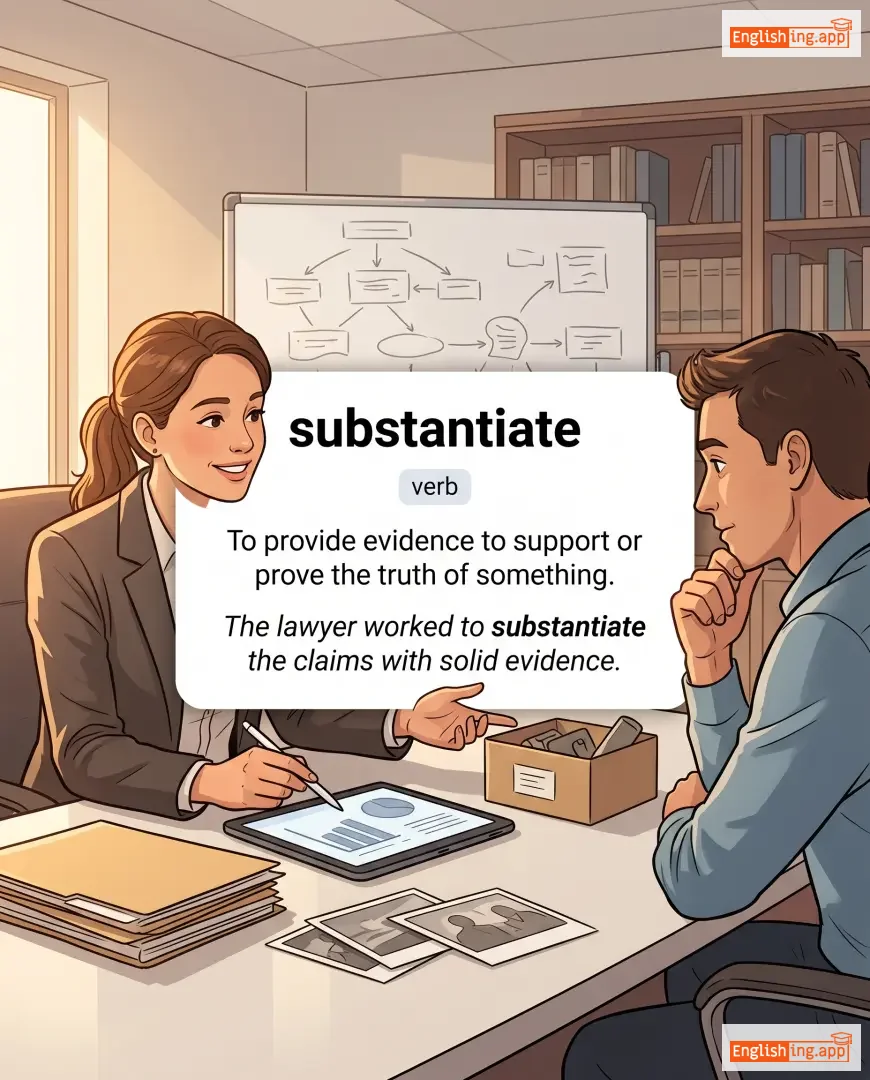
substantiate definition card — visual illustration of the meaning
verb C1
/səbˈstænʃieɪt/
立証する (ricchou suru)

To provide evidence to support or prove the truth of something.

"The lawyer worked to substantiate the claims with solid evidence."

"弁護士は確かな証拠でその主張を立証しようとしました。" (Bengoshi wa tashikana shōko de sono shuchō o risshō shiyou to shimashita.)
substantive definition card — visual illustration of the meaning
adjective C1
/ˈsʌbstəntɪv/
重要 (jūyō)

Having a firm basis in reality; important, meaningful, or considerable.

"The company made substantive changes to its policy."
"会社はその方針に重要な変更を加えました。" (Kaisha wa sono hōshin ni jūyō na henkō o kuwaemashita.)
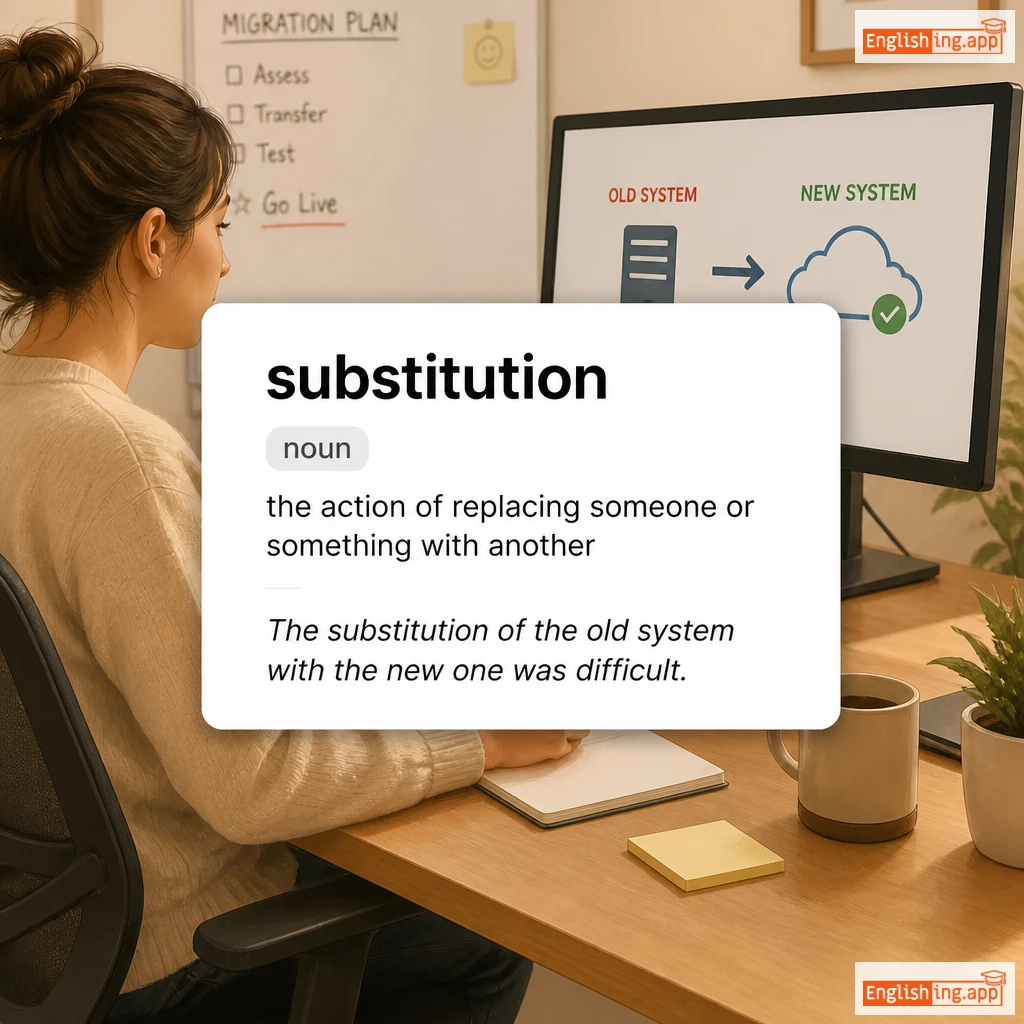
substitution definition card — visual illustration of the meaning
noun C1
/ˌsʌb.stɪˈtjuː.ʃən/
交換 (koukan)

the action of replacing someone or something with another

"The substitution of the old system with the new one was difficult."
"古いシステムを新しいシステムに置き換えることは難しかった。" (Furui shisutemu o atarashī shisutemu ni okikaeru koto wa muzukashikatta.)
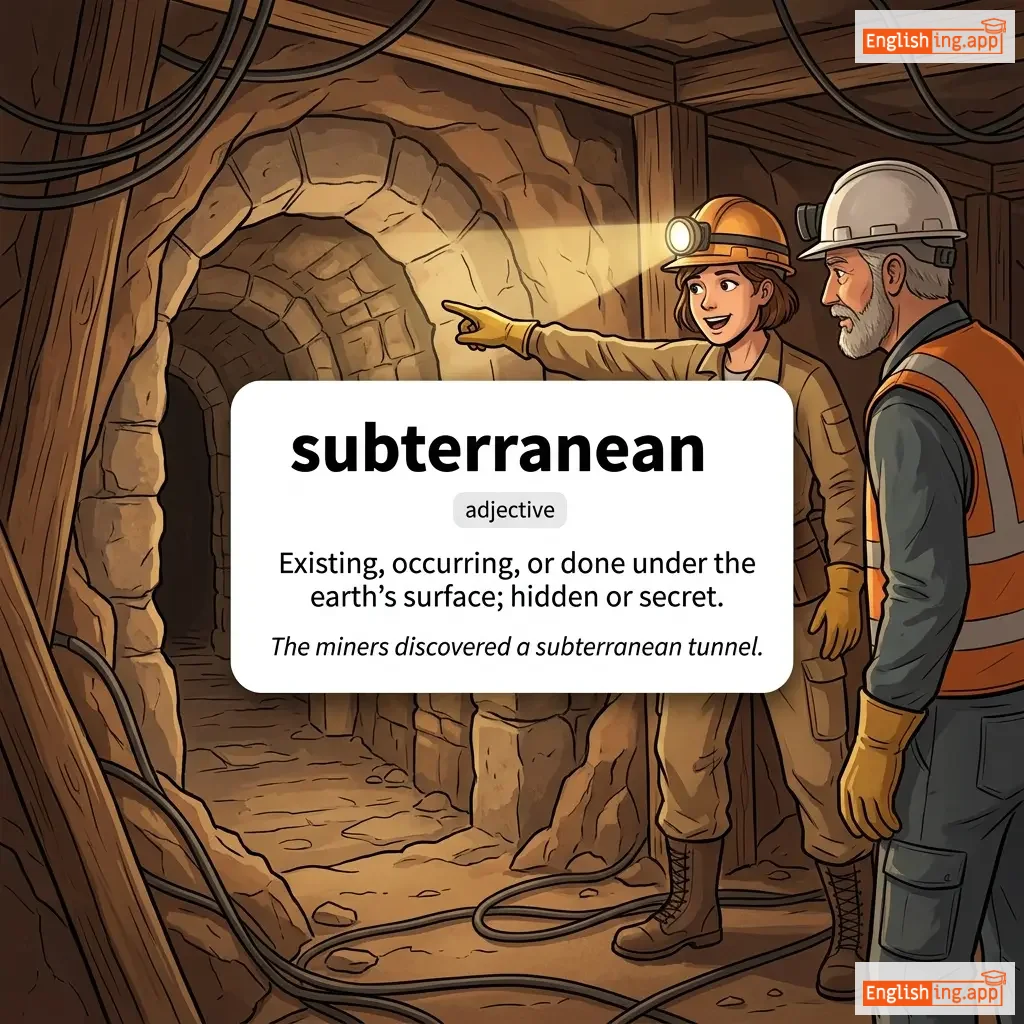
subterranean definition card — visual illustration of the meaning
adjective C1
/ˌsʌbtəˈreɪniən/
地下の (chika no)

Existing, occurring, or done under the earth’s surface; hidden or secret.

"The miners discovered a subterranean tunnel."
"鉱夫たちは地下のトンネルを発見しました。" (Kōfu-tachi wa chika no tonneru o hakken shimashita.)
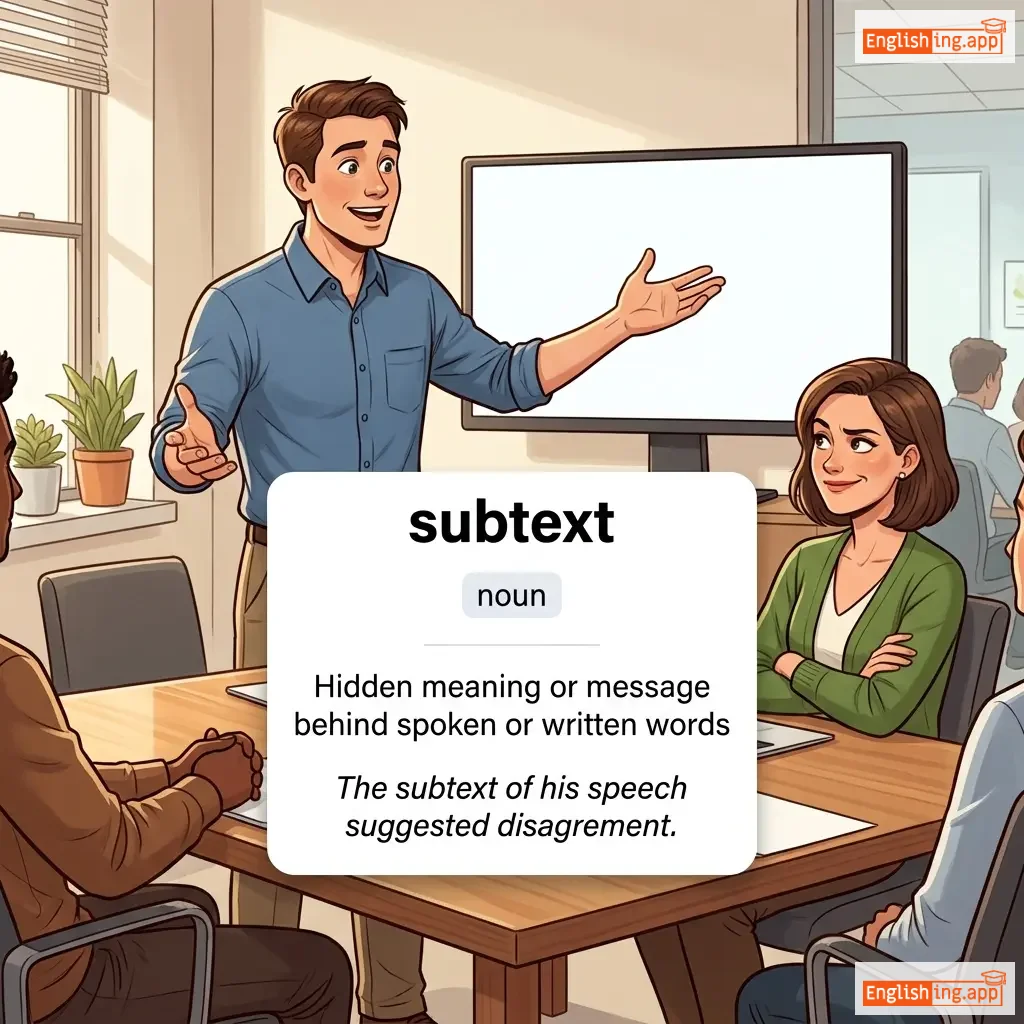
subtext definition card — visual illustration of the meaning
noun C1
ˈsʌb.tɛkst
サブテキスト (sabutekisuto)

Hidden meaning or message behind spoken or written words

"The subtext of his speech suggested disagreement."
"彼のスピーチのサブテキストは、意見の不一致を示唆していた。" (Kare no supīchi no sabutekisuto wa, iken no fuicchi o shisa shite ita.)
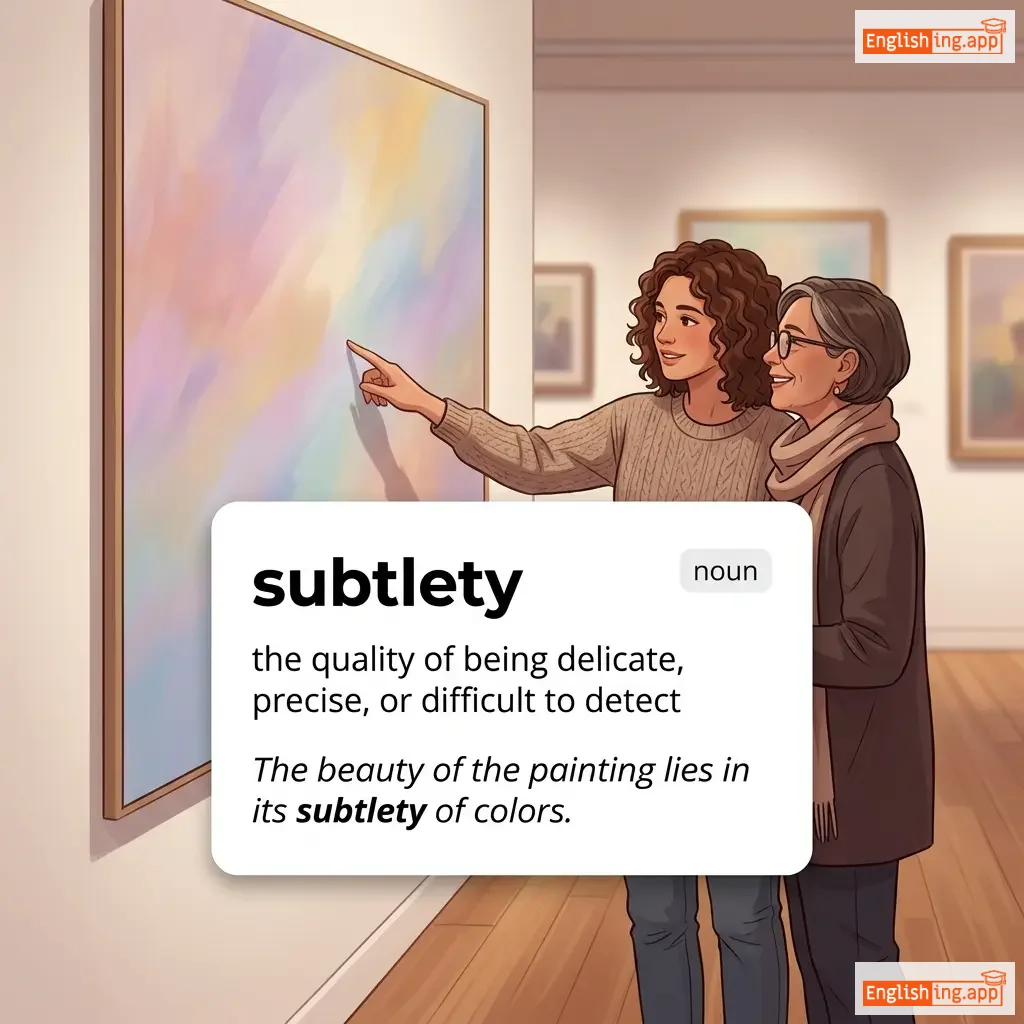
subtlety definition card — visual illustration of the meaning
noun C1
/ˈsʌtlti/
微妙さ (bimyōsa)

the quality of being delicate, precise, or difficult to detect

"The beauty of the painting lies in its subtlety of colors."

"絵の美しさは、その色の微妙さにあります。" (E no utsukushisa wa, sono iro no bimyo-sa ni arimasu.)
noun C1
/səbˈvɜːrʒən/
転覆 (tenpuku)

the act of trying to destroy or undermine an established system or authority

"The government accused the rebels of planning subversion."
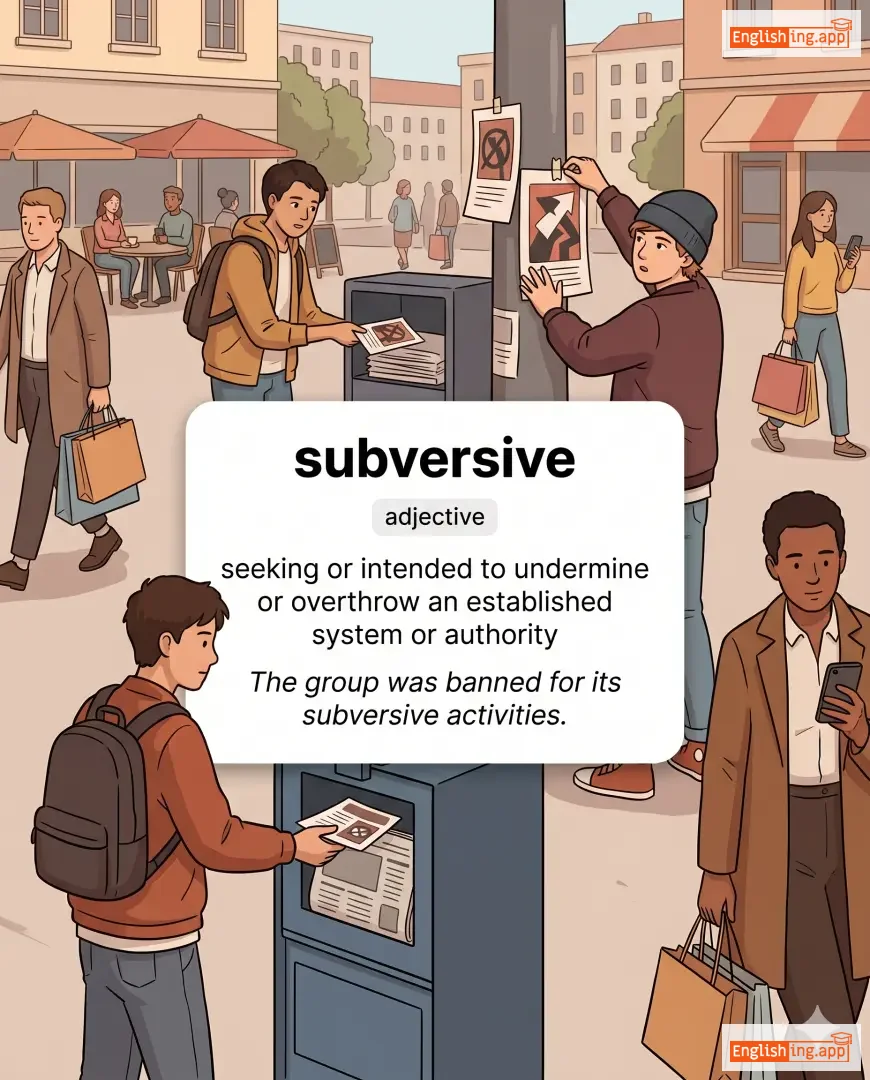
"政府は反乱者が転覆を計画していると非難した。" (Seifu wa hanransha ga tenpuku o keikaku shite iru to hinan shita.)
subversive definition card — visual illustration of the meaning
adjective C1
/səbˈvɜːrsɪv/
破壊的 (hakai teki)

seeking or intended to undermine or overthrow an established system or authority

"The group was banned for its subversive activities."

"そのグループは破壊的な活動のために禁止された。" (Sono gurūpu wa hakai teki na katsudō no tame ni kinshi sareta.)
⚔️

subvert

verb C1
/səbˈvɜːrt/

to undermine or overthrow an established system, authority, or institution

"The rebels tried to subvert the government."

adjective C1
/səkˈsɪŋkt/
簡潔な (kanketsu na)

Expressed in a clear and brief manner.

"Her presentation was succinct and easy to follow."

"彼女のプレゼンテーションは簡潔で理解しやすかった。" (Kanojo no purezentēshon wa kanketsu de rikai shiyasukatta.)
adjective/noun C1
/ˈsʌkjələnt/
ジューシーな (juushii na)

Juicy or full of juice; also refers to a plant with thick, fleshy leaves adapted to storing water.

"The steak was so succulent that everyone enjoyed it."

"ステーキはとてもジューシーで、皆が楽しんで食べました。" (Sutēki wa totemo juushii de, mina ga tanoshinde tabemashita.)
⚰️

succumb

verb C1
/səˈkʌm/

To give in to pressure, temptation, or illness; to yield or fail to resist.

"He finally succumbed to his illness after a long struggle."

verb C1
/ˈsʌkɪŋ/
吸う (suu)

Drawing in a liquid, air, or other substance through the mouth or a tube by creating a vacuum; also used figuratively for something unpleasant or ineffective

"The baby is sucking on a pacifier."
"赤ちゃんが乳首を吸っています。" (Akachan ga chibusa o sutteimasu.)
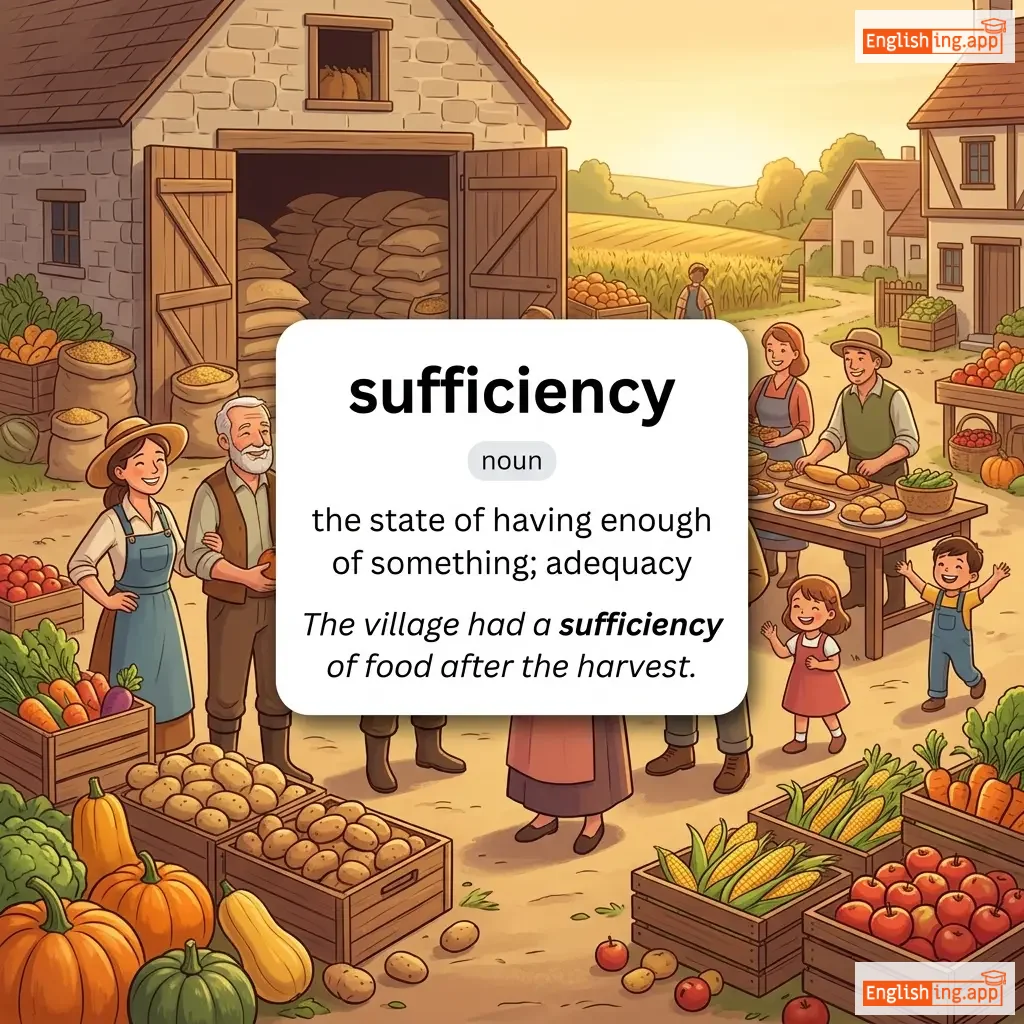
sufficiency definition card — visual illustration of the meaning
noun C1
/səˈfɪʃənsi/
十分 (juubun)

the state of having enough of something; adequacy

"The village had a sufficiency of food after the harvest."
"収穫後、村には十分な食料がありました。" (Shuukaku go, mura ni wa juubun na shokuryou ga arimashita.)
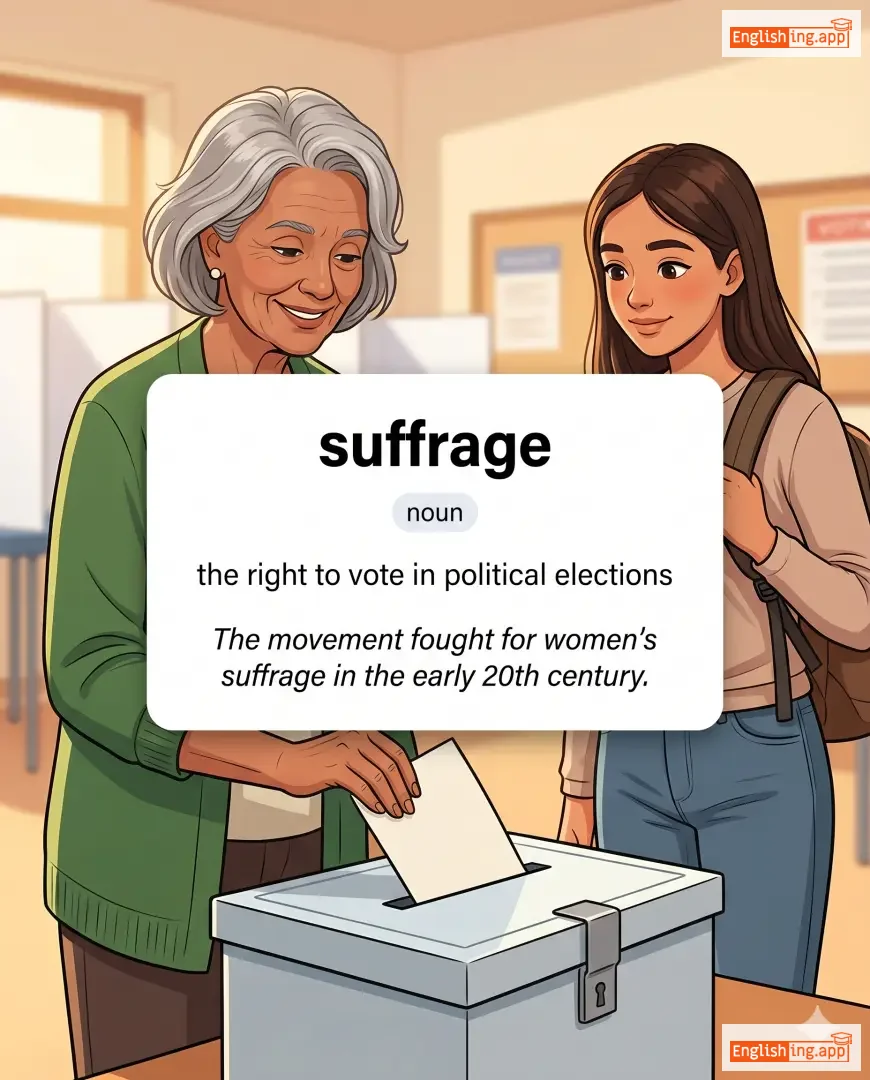
suffrage definition card — visual illustration of the meaning
noun C1
/ˈsʌfrɪdʒ/
参政権 (sanseiken)

the right to vote in political elections

"The movement fought for women’s suffrage in the early 20th century."
"その運動は20世紀初頭に女性の参政権のために戦った。" (sono undou wa nijusseiki shotou ni josei no sanseiken no tame ni tatakatta.)
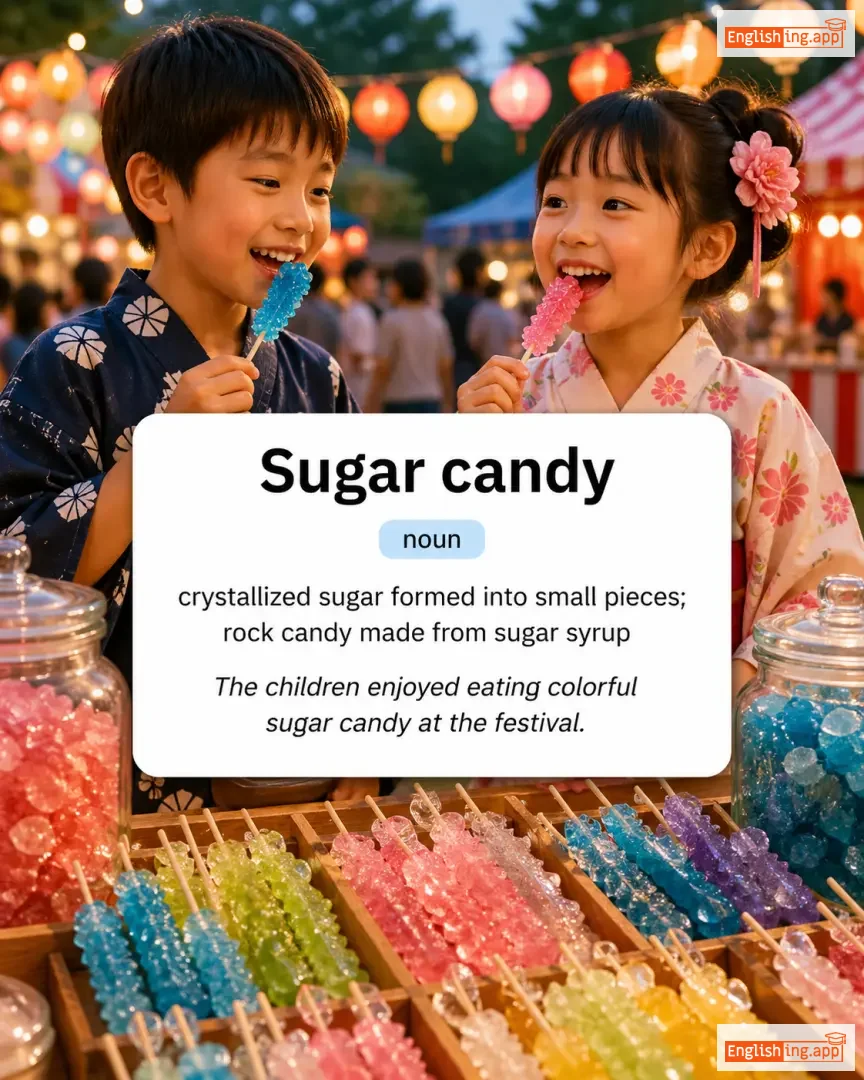
Sugar candy definition card — visual illustration of the meaning
noun C1
/ˈʃʊɡ.ər ˈkæn.di/
シュガーキャンディ (shugā kyandi)

crystallized sugar formed into small pieces; rock candy made from sugar syrup

"The children enjoyed eating colorful sugar candy at the festival."

"子供たちは祭りでカラフルなシュガーキャンディを食べて楽しみました。" (Kodomo-tachi wa matsuri de karafuru na shugā kyandi o tabete tanoshimimashita)
adjective C1
/səˈdʒɛstɪv/
示唆的 (shisa-teki)

tending to suggest ideas or images; sometimes implies something sexual or provocative

"The painting was highly suggestive and sparked much debate."

"その絵画は非常に示唆的で、たくさんの議論を引き起こしました。" (Sono kaiga wa hijou ni shisateki de, takusan no giron wo hikiokoshimashita.)
adjective C1
/ˌsuːɪˈsaɪdəl/
自殺的 (jisatsuteki)

relating to or having thoughts of killing oneself; extremely dangerous or harmful

"The reckless driving was suicidal behavior."

"無謀な運転は自殺的な行動でした。" (Mubō na unten wa jisatsuteki na kōdō deshita.)
noun C1
/ˈsuːtər/
求婚者 (kyuukonsha)

a man who pursues a relationship with a woman, often with the intent to marry

"She had many suitors vying for her attention."
"彼女には彼女の注意を争う求婚者がたくさんいた。" (kanojo ni wa kanojo no chuui o arasou kyuukonsha ga takusan ita)
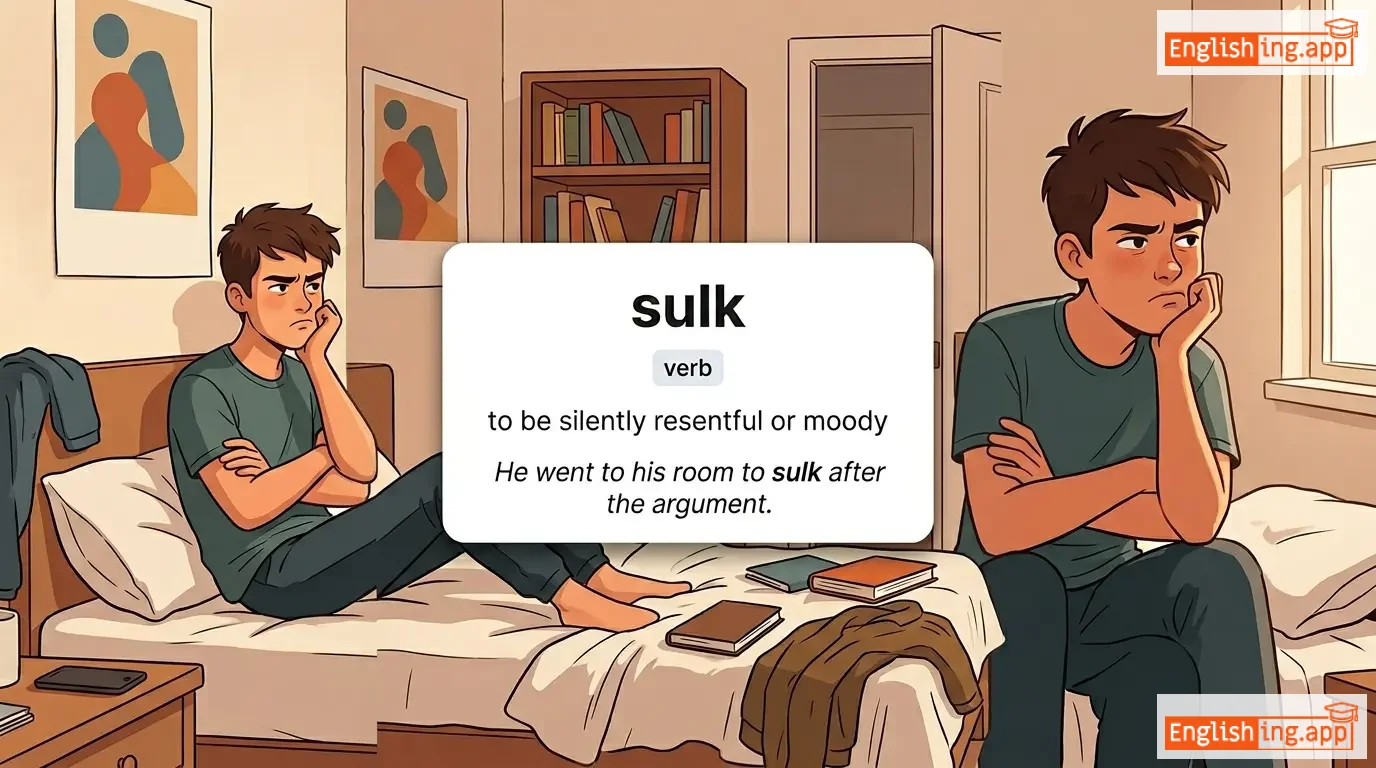
sulk definition card — visual illustration of the meaning
verb C1
/sʌlk/
すねる (suneru)

to be silently resentful or moody

"He went to his room to sulk after the argument."

"彼は議論の後、部屋に行ってすねました。" (Kare wa giron no ato, heya ni itte sunemashita.)
adjective C1
/ˈsʌl.ki/
不機嫌で無口; 気分屋 (fukigen de mukuchi; kibunya)

bad-tempered and sullen; moody

"The child became sulky when he couldn't get his favorite toy."

"その子供はお気に入りのおもちゃが手に入らなかったとき、不機嫌になった。" (Sono kodomo wa okiniiri no omocha ga te ni hairanakatta toki, fukigen ni natta.)
adjective C1
/ˈsʌlən/
むっつりした (muttsuri shita)

bad-tempered and gloomy; silently resentful

"She gave him a sullen look and walked away."

"彼女はむっつりした表情を見せて、立ち去った。" (Kanojo wa muttsuri shita hyōjō o misete, tachisatta.)
adjective C1
/ˈsʌltri/
蒸し暑く湿った、魅力的な (mushi atsuku shimetta, miryokuteki na)

Uncomfortably hot and humid; also describes someone attractive in a passionate or sensual way.

"The sultry weather made it hard to focus on work."

"蒸し暑い天気は仕事に集中するのを難しくしました。" (Mushi atsui tenki wa shigoto ni shūchū suru no o muzukashiku shimashita.)
noun C1
/sʌˈmeɪʃən/
合計, 要約 (goukei, youyaku)

The process of adding things together; a summary of points.

"The lawyer gave a powerful summation of the case."

"弁護士は事件の強力な要約を行った。" (Bengoshi wa jiken no kyouryoku na youyaku wo okonatta.)
Summit of the Future definition card — visual illustration of the meaning
noun C1
/ˈsʌm.ɪt əv ðə ˈfjuː.tʃər/
未来のサミット (Mirai no samitto)

A high-level conference focused on addressing future challenges and opportunities.

"The Summit of the Future addressed global challenges."

"未来のサミットは世界的な課題を取り上げました。" (Mirai no samitto wa sekaiteki na kadai o toriagemashita.)
adjective C1
/ˈsʌmp.tʃu.əs/
豪華な (gōka na)

Splendid and expensive-looking; luxurious.

"The guests were treated to a sumptuous banquet."

"ゲストは豪華な晩餐にもてなされました。" (Gesuto wa gōka na bansan ni motenasaremashita.)
noun C1
/ˈsʌnˌdaʊn/
日没 (nichibotsu)

the time in the evening when the sun goes below the horizon

"We planned to reach the village before sundown."
"私たちは日没前に村に到着する予定でした。" (Watashitachi wa nichibotsu mae ni mura ni tōchaku suru yotei deshita.)
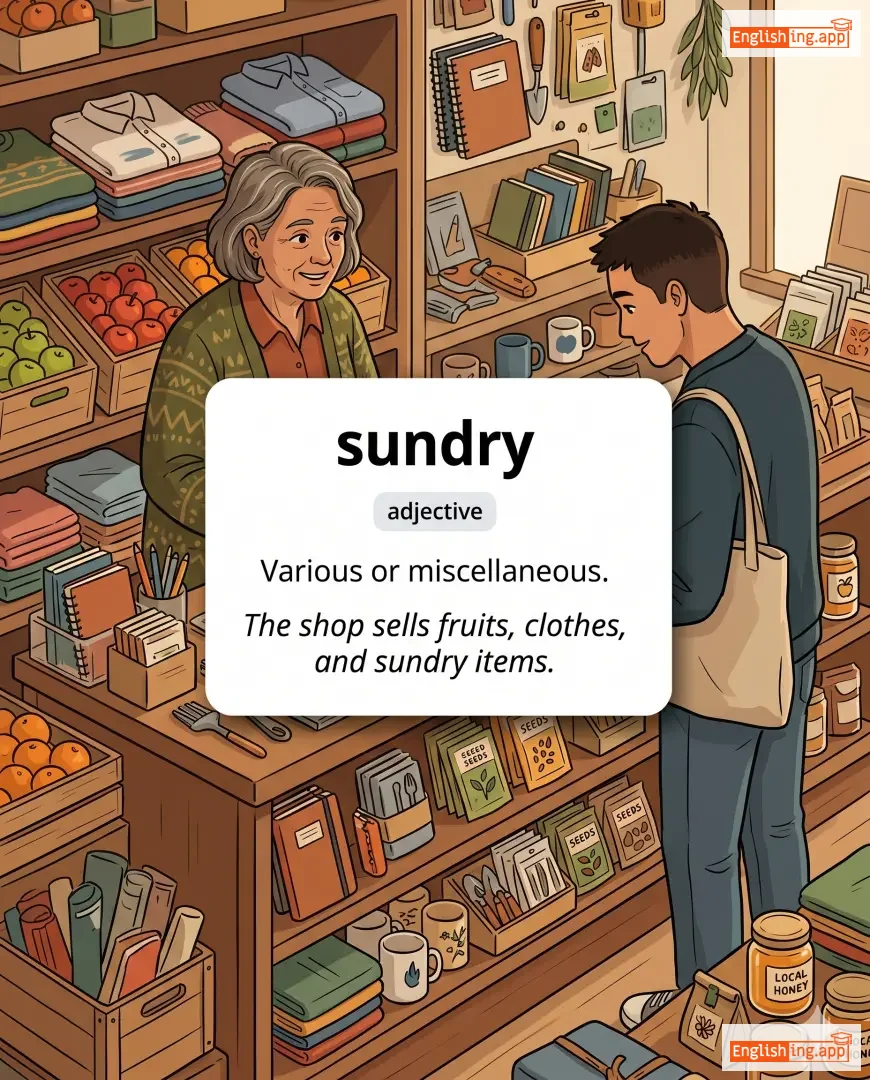
sundry definition card — visual illustration of the meaning
adjective C1
/ˈsʌn.dri/
雑多な (zattana)

Various or miscellaneous.

"The shop sells fruits, clothes, and sundry items."
"その店は果物、衣類、そして雑多な商品を販売しています。" (Sono mise wa kudamono, irui, soshite zattana shōhin o hanbai shiteimasu.)
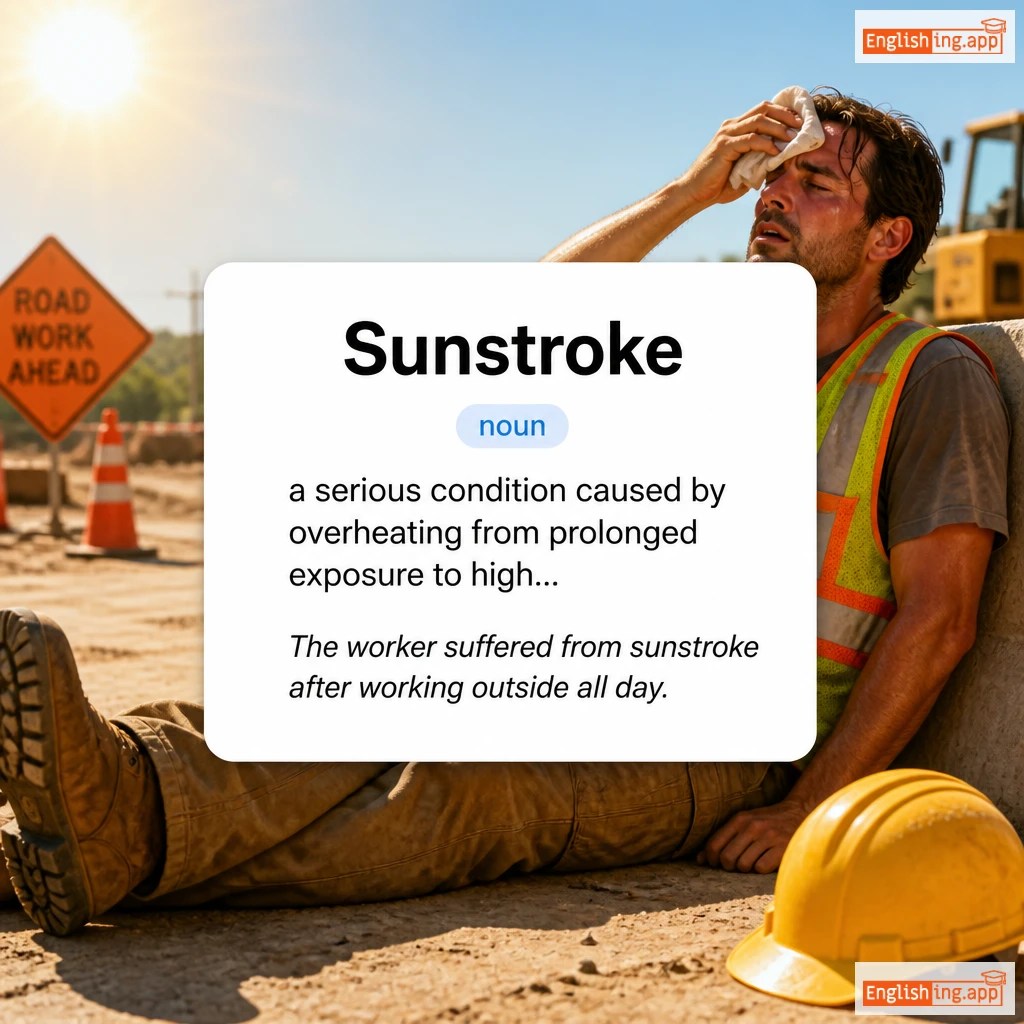
Sunstroke definition card — visual illustration of the meaning
noun C1
/ˈsʌn.stroʊk/
熱中症 (nechusho)

a serious condition caused by overheating from prolonged exposure to high temperatures

"The worker suffered from sunstroke after working outside all day."

"その労働者は一日中外で働いた後、日射病にかかりました。" (Sono roudousha wa ichinichijuu soto de hataraita ato, nisshobyō ni kakarimashita.)